Tag: topic-link-auto

  • Remembering those Philly lost in 2025

    Remembering those Philly lost in 2025

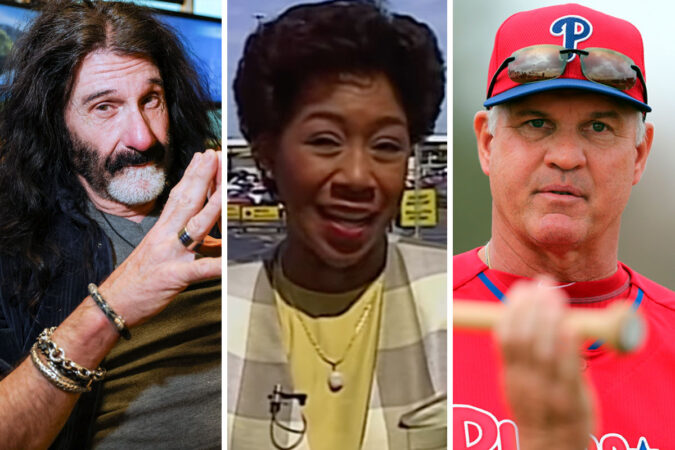
    In 2025, Philadelphians said goodbye to a beloved group of broadcasters, radio personalities, sports heroes, and public servants who left their mark on a city they all loved.

    Some were Philly natives, including former Eagles general manager Jim Murray. Others, including beloved WMMR host Pierre Robert, were transplants who made Philly their adopted home. But all left their mark on the city and across the region.

    Pierre Robert
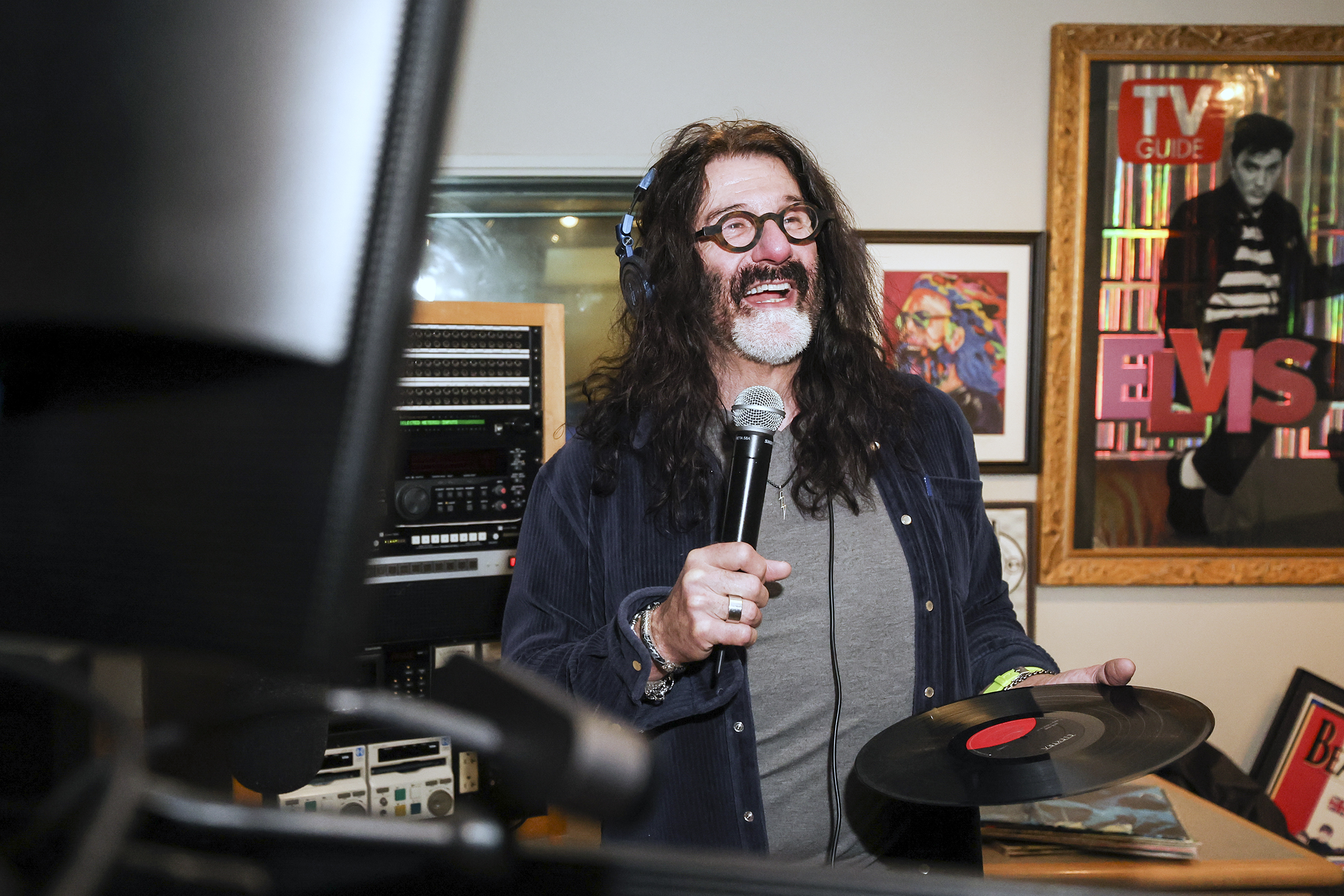
    Former WMMR host Pierre Robert, seen in his studio in 2024.

    Pierre Robert, the beloved WMMR radio host and lover of rock music, died at his Gladwyne home in October. He was 70.

    A native of Northern California, Mr. Robert joined WMMR as an on-air host in 1981. He arrived in the city after his previous station, San Francisco’s KSAN, switched to an “urban cowboy” format, prompting him to make the cross-country drive to Philadelphia in a Volkswagen van.

    At WMMR, Mr. Robert initially hosted on the weekends, but quickly moved to the midday slot — a position he held for more than four decades up until his death.

    — Nick Vadala, Dan DeLuca

    Bernie Parent
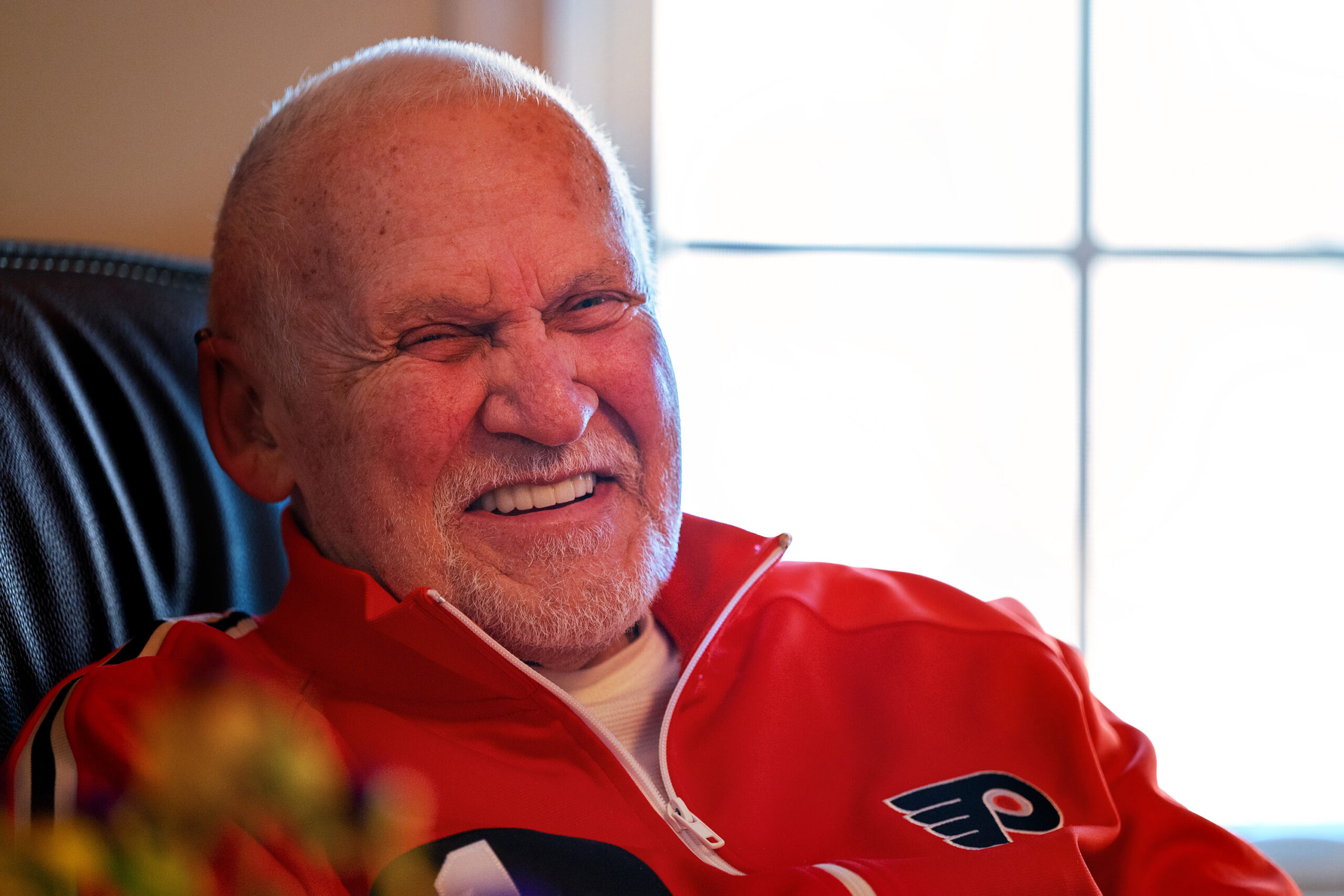
    Former Flyers goaltender Bernie Parent, seen at his home in 2024.

    Bernie Parent, the stone-wall Flyers goalie for the consecutive Stanley Cup championship teams for the Broad Street Bullies in the 1970s, died in September. He was 80.

    A Hall of Famer, Mr. Parent clinched both championships with shutouts in the final game as he blanked the Boston Bruins, 1-0, in 1974 and the Buffalo Sabres, 2-0, in 1975. Mr. Parent played 10 of his 13 NHL seasons with the Flyers and also spent a season in the World Hockey League with the Philadelphia Blazers. He retired in 1979 at 34 years old after suffering an eye injury during a game against the New York Rangers.

    He grew up in Montreal and spoke French as his first language before becoming a cultlike figure at the Spectrum as cars throughout the region had “Only the Lord Saves More Than Bernie Parent” bumper stickers.

    — Matt Breen

    David Lynch
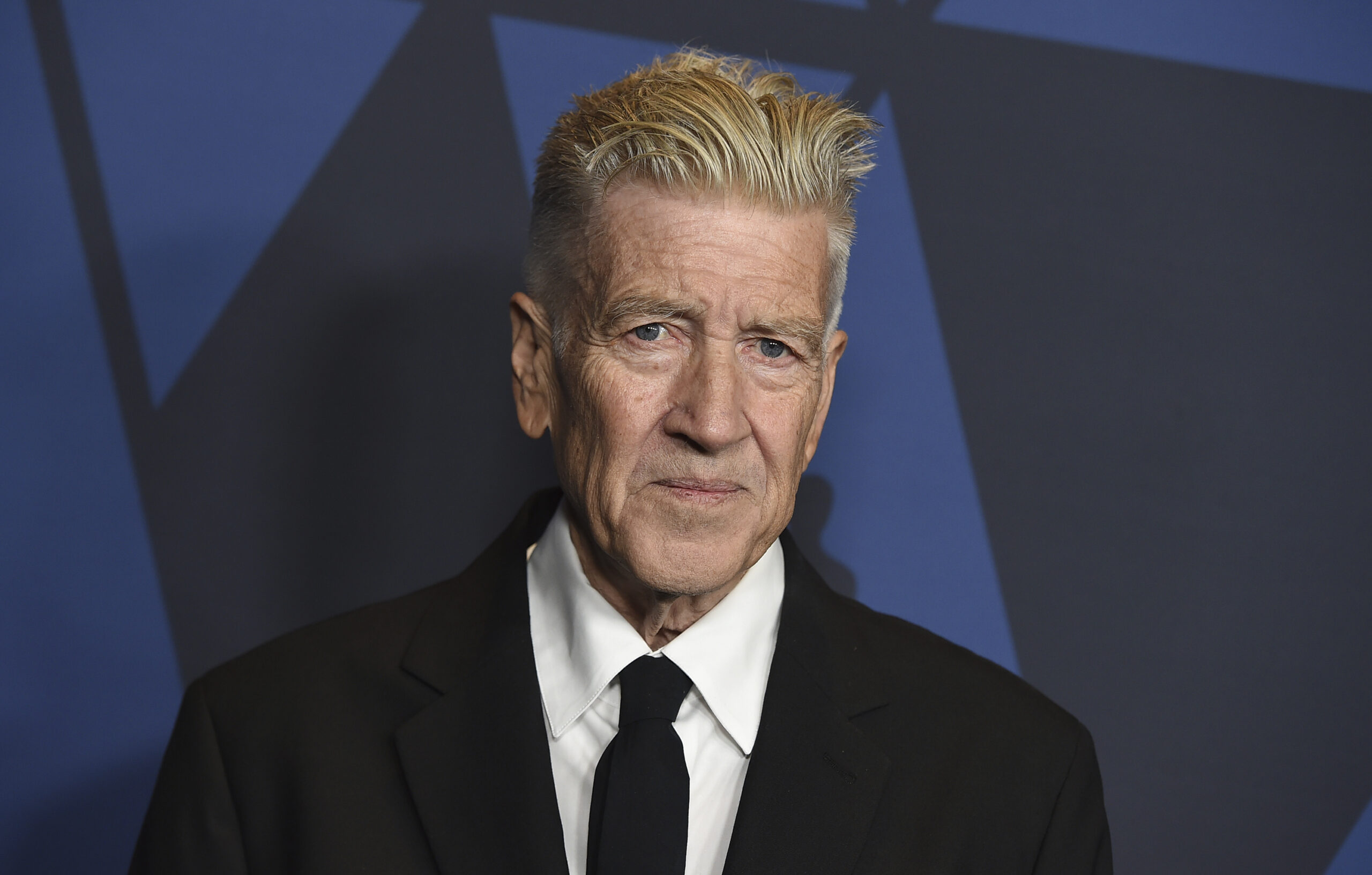
    David Lynch, seen here at the Governors Awards in Los Angeles in 2019.

    David Lynch, the visionary director behind such movies as Blue Velvet and The Elephant Man and the twisted TV show Twin Peaks, died in January of complications from emphysema. He was 78.

    Mr. Lynch was born in Missoula, Mont., but ended up in Philadelphia to enroll at the Pennsylvania Academy of the Fine Arts in 1965 at age 19. It was here he developed an interest in filmmaking as a way to see his paintings move.

    He created his first short films in Philadelphia, which he described both as “a filthy city” and “his greatest influence” as an artist. Ultimately, he moved to Los Angeles to make his first feature film, Eraserhead, though he called the film “my Philadelphia Story.

    — Rob Tornoe

    Ryne Sandberg

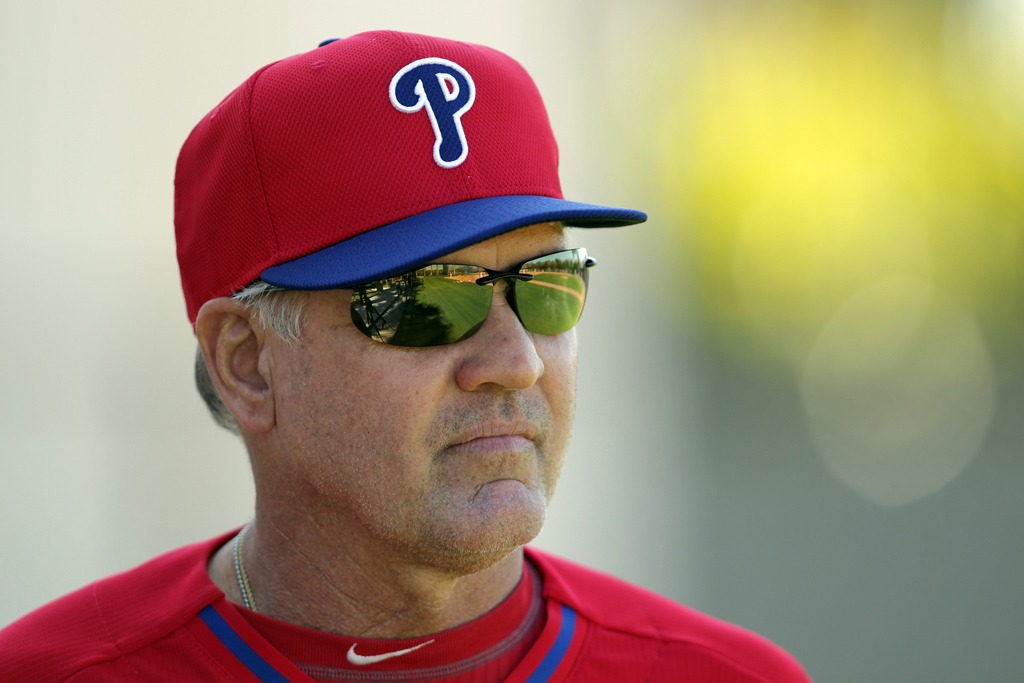
    Former Phillies manager Ryne Sandberg, seen here at spring training in 2018.

    Ryne Sandberg, the Hall of Fame second baseman who started his career with the Phillies but was traded shortly after to the Chicago Cubs in one of the city’s most regrettable trades, died in July of complications from cancer. He was 65.

    Mr. Sandberg played 15 seasons in Chicago and became an icon for the Cubs, simply known as “Ryno,” after being traded there in January 1982.

    He was a 10-time All-Star, won nine Gold Glove awards, and was the National League’s MVP in 1984. Mr. Sandberg was inducted into the Baseball Hall of Fame in 2005 and returned to the Phillies in 2011 as a minor-league manager and, later, the big-league manager.

    — Matt Breen

    Bob Uecker
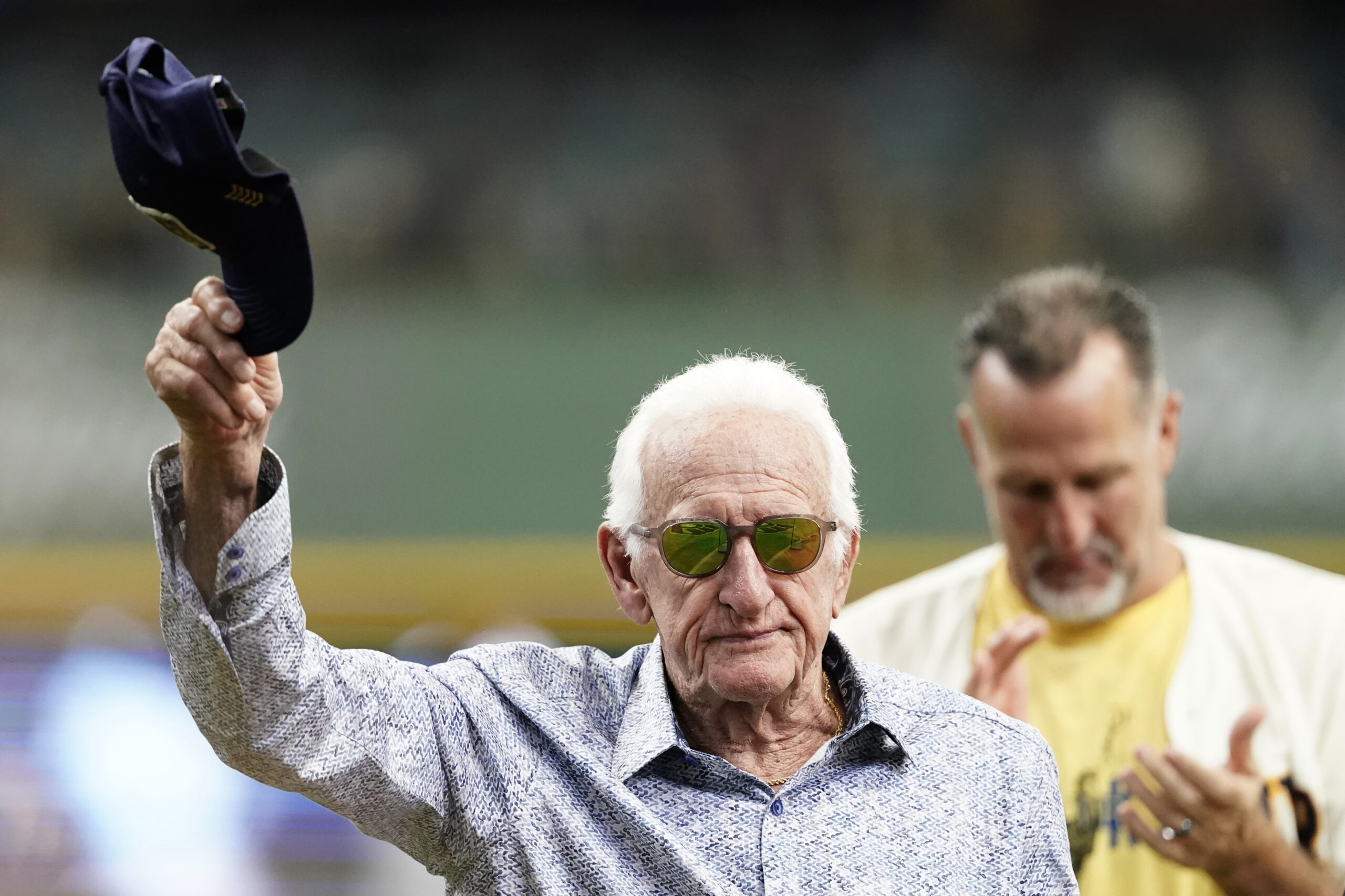
    Bob Uecker, seen here before a Brewers game in 2024.

    Bob Uecker, a former Phillies catcher who later became a Hall of Fame broadcaster for the Milwaukee Brewers and was dubbed “Mr. Baseball” by Johnny Carson for his acting roles in several movies and TV shows, died in January. He was 90.

    Mr. Uecker spent just six seasons in the major league, two with the Phillies, but the talent that would make him a Hall of Fame broadcaster — wit, self-deprecation, and the timing of a stand-up comic — were evident.

    His first broadcasting gig was in Atlanta, and he started calling Milwaukee Brewers games in 1971. Before that, he called Phillies games: Mr. Uecker used to sit in the bullpen at Connie Mack Stadium and deliver play-by-play commentary into a beer cup.

    — Matt Breen and Rob Tornoe

    Harry Donahue
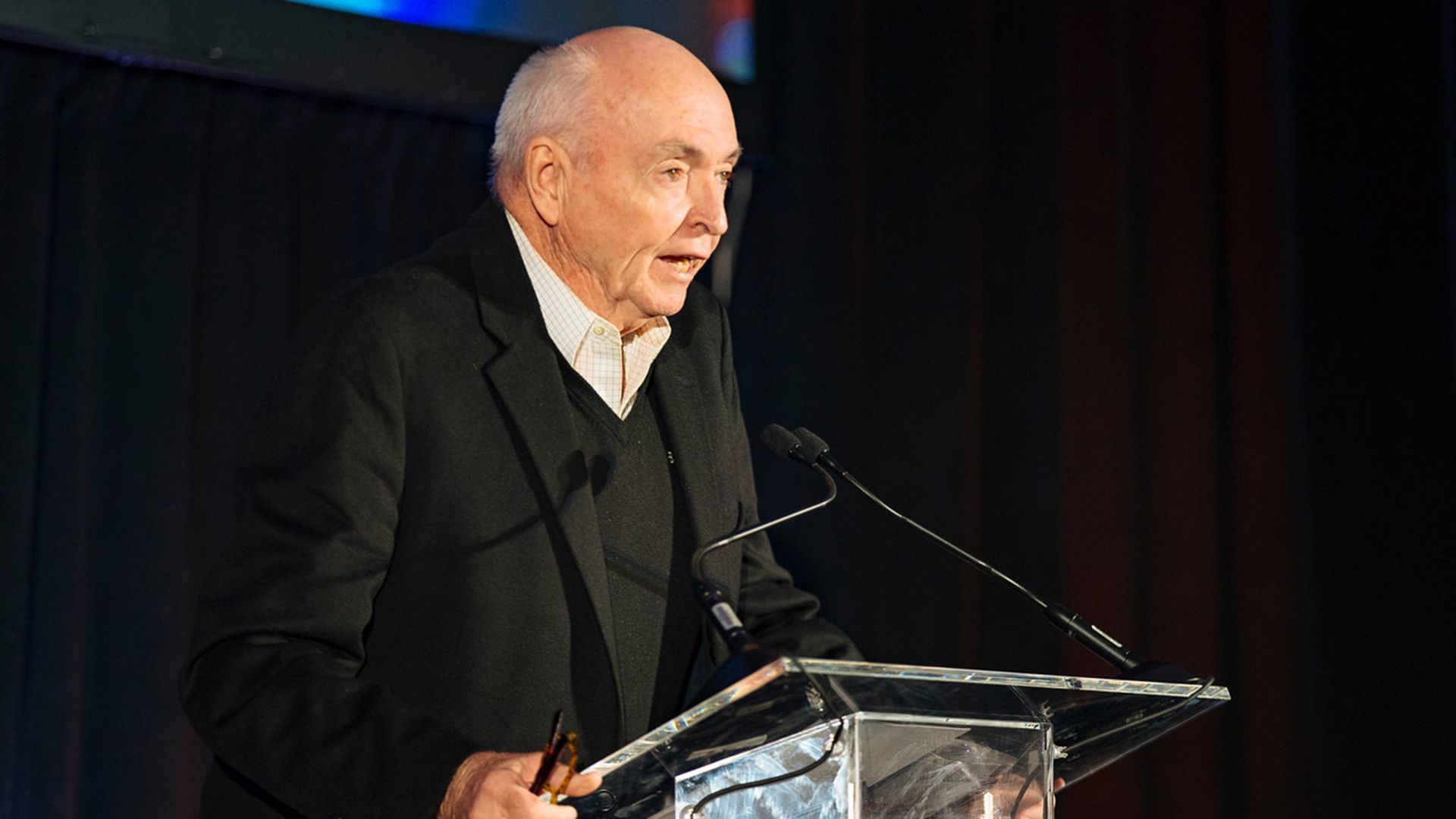
    Harry Donahue, seen here at Temple University in 2020.

    Harry Donahue, 77, a longtime KYW Newsradio anchor and the play-by-play voice of Temple University men’s basketball and football for decades, died in October after a fight with cancer.

    His was a voice that generations of people in Philadelphia and beyond grew up with in the mornings as they listened for announcements about snow days and, later, for a wide array of sports.

    — Robert Moran

    Alan Rubenstein
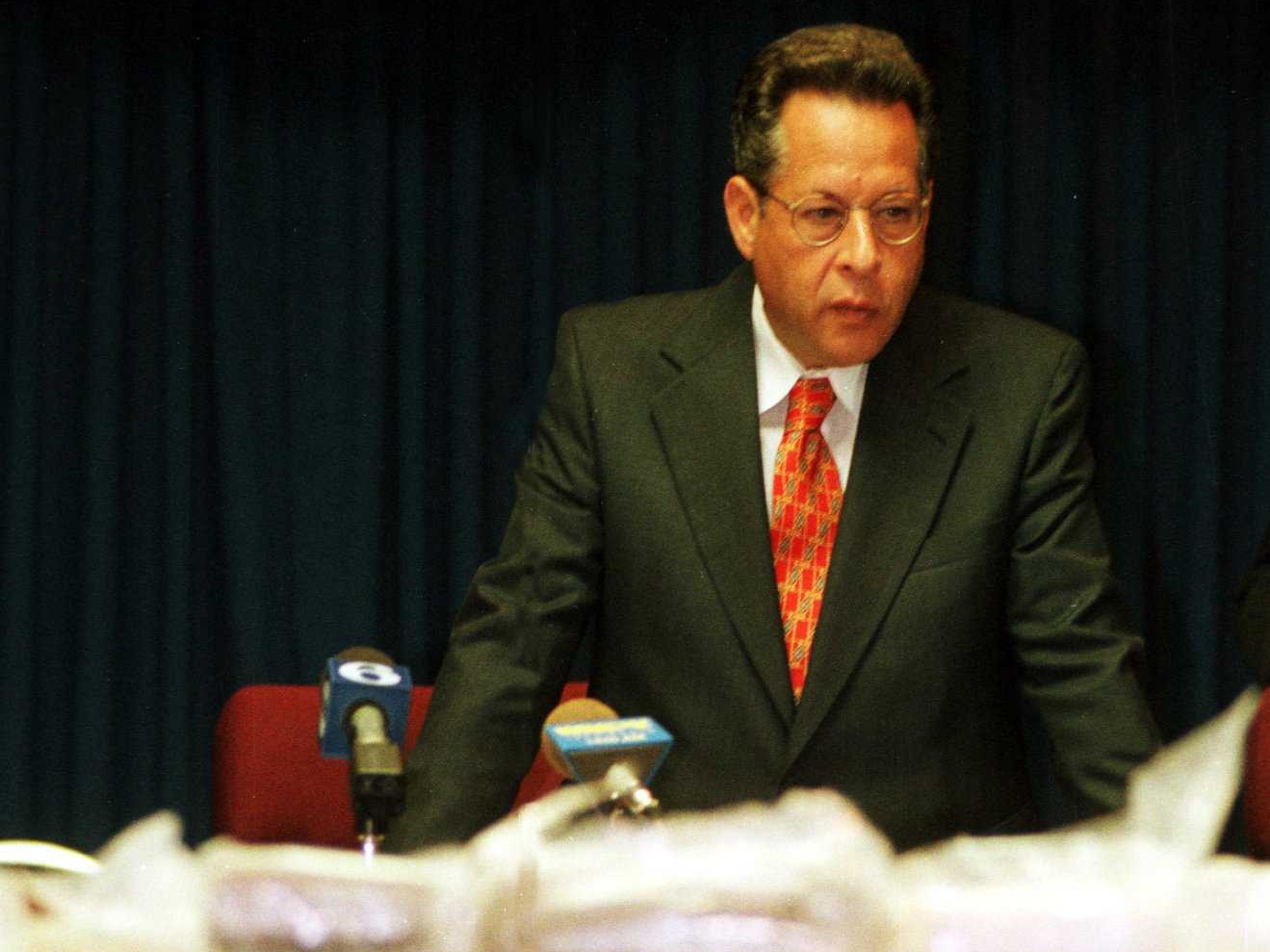
    Judge Rubenstein, then Bucks County district attorney, talks to the media about a drug case in 1998.

    Alan M. Rubenstein, a retired senior judge on Bucks County Common Pleas Court and the longest-serving district attorney in Bucks County history, died in August of complications from several ailments at his home in Holland, Bucks County. He was 79.

    For 50 years, from his hiring as an assistant district attorney in 1972 to his retirement as senior judge a few years ago, Judge Rubenstein represented Bucks County residents at countless crime scenes and news conferences, in courtrooms, and on committees. He served 14 years, from 1986 to 1999, as district attorney in Bucks County, longer than any DA before him, and then 23 years as a judge and senior judge on Bucks County Court.

    “His impact on Bucks County will be felt for generations,” outgoing Bucks County District Attorney Jennifer Schorn said in a tribute. U.S. Rep. Brian Fitzpatrick (R., Pa.) said on Facebook: “Alan Rubenstein has never been just a name. It has stood as a symbol of justice, strength, and integrity.”

    — Gary Miles

    Orien Reid Nix
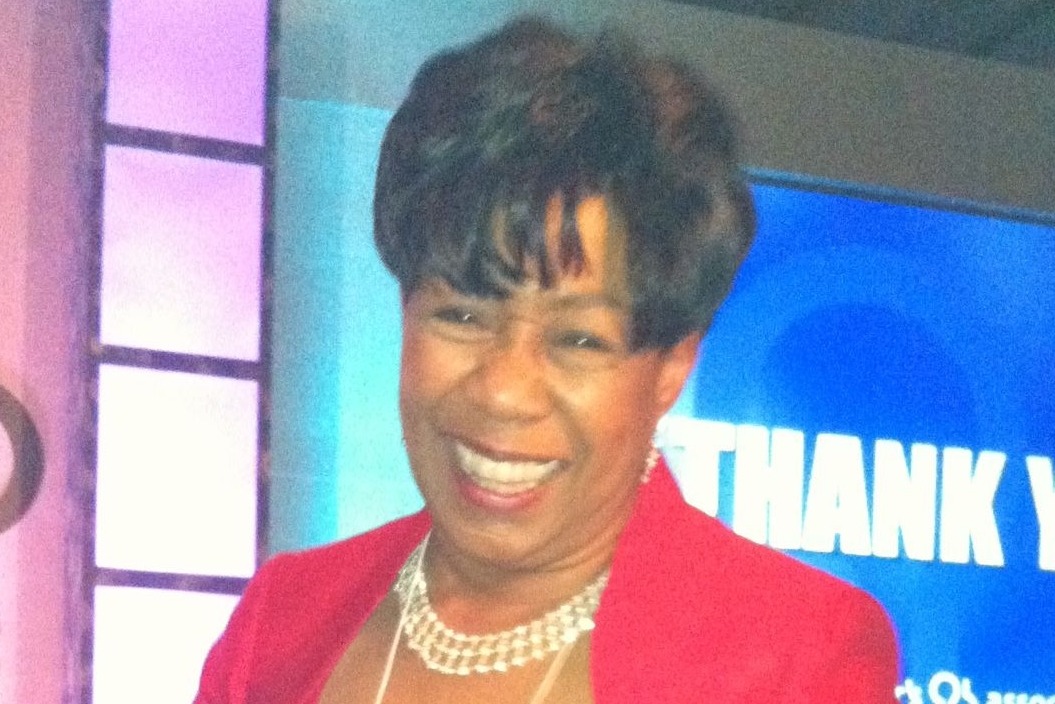
    Orien Reid Nix, seen here being inducted into the Broadcast Pioneers of Philadelphia Hall of Fame in 2018

    Orien Reid Nix, 79, of King of Prussia, retired Hall of Fame reporter for KYW-TV and WCAU-TV in Philadelphia, owner of Consumer Connection media consulting company, the first Black and female chair of the international board of the Alzheimer’s Association, former social worker, mentor, and volunteer, died in June of complications from Alzheimer’s disease.

    Charismatic, telegenic, empathetic, and driven by a lifelong desire to serve, Mrs. Reid Nix worked as a consumer service and investigative TV reporter for Channels 3 and 10 in Philadelphia for 26 years, from 1973 to her retirement in 1998. She anchored consumer service segments, including the popular Market Basket Report, that affected viewers’ lives and aired investigations on healthcare issues, price gouging, fraud, and food safety concerns.

    — Gary Miles

    Dave Frankel
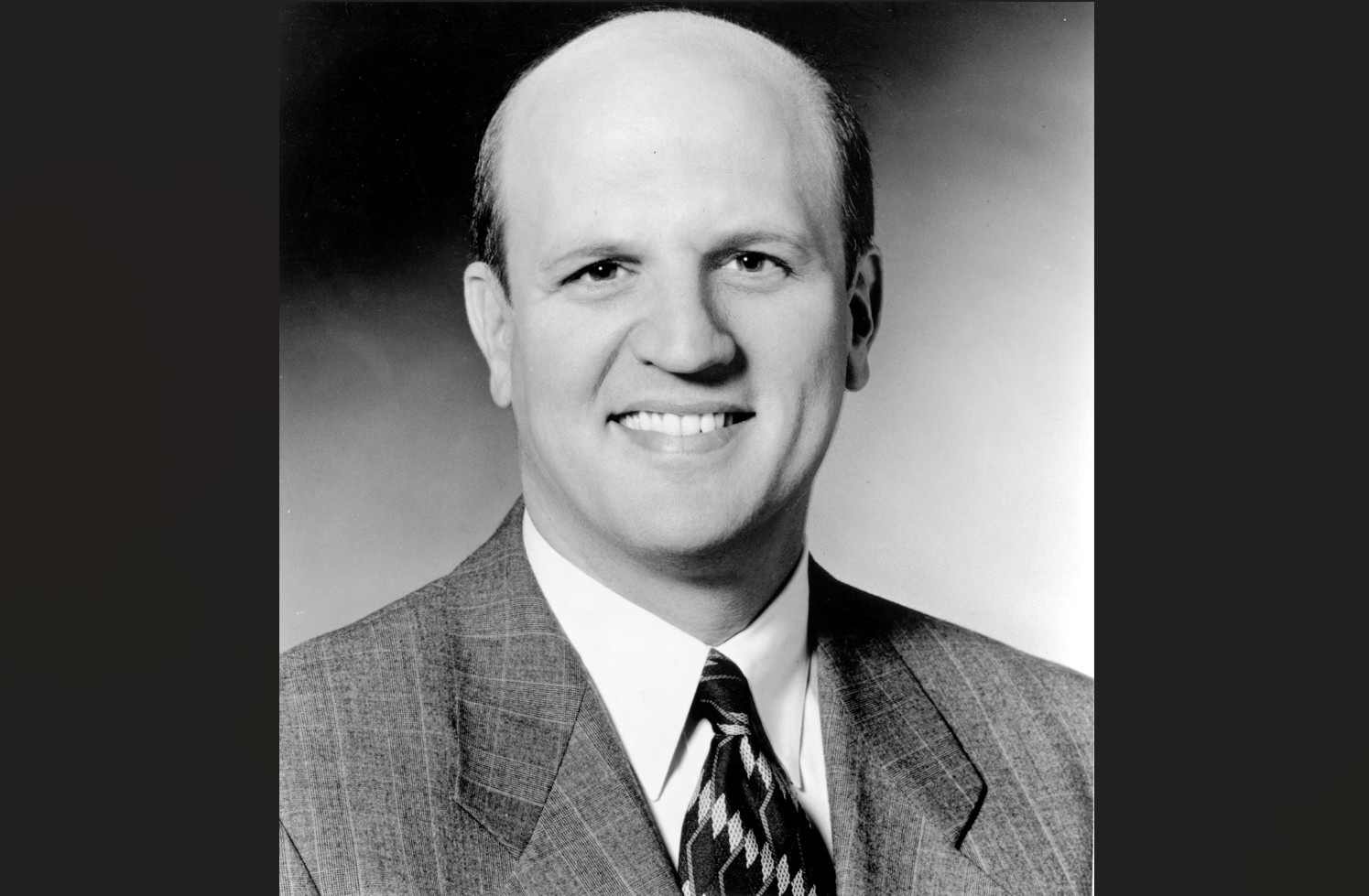
    Dave Frankel in an undated publicity photo.

    Dave Frankel, 67, a popular TV weatherman on WPVI (now 6abc) who later became a lawyer, died in February after a long battle with a neurodegenerative disease.

    Mr. Frankel grew up in Monmouth County, N.J., graduated in 1979 from Dartmouth College, and was planning to attend Dickinson School of Law to become a lawyer like his father. But an internship at a local TV station in Vermont turned into a news anchor job and a broadcast career that lasted until the early 2000s.

    — Robert Moran

    Lee Elia
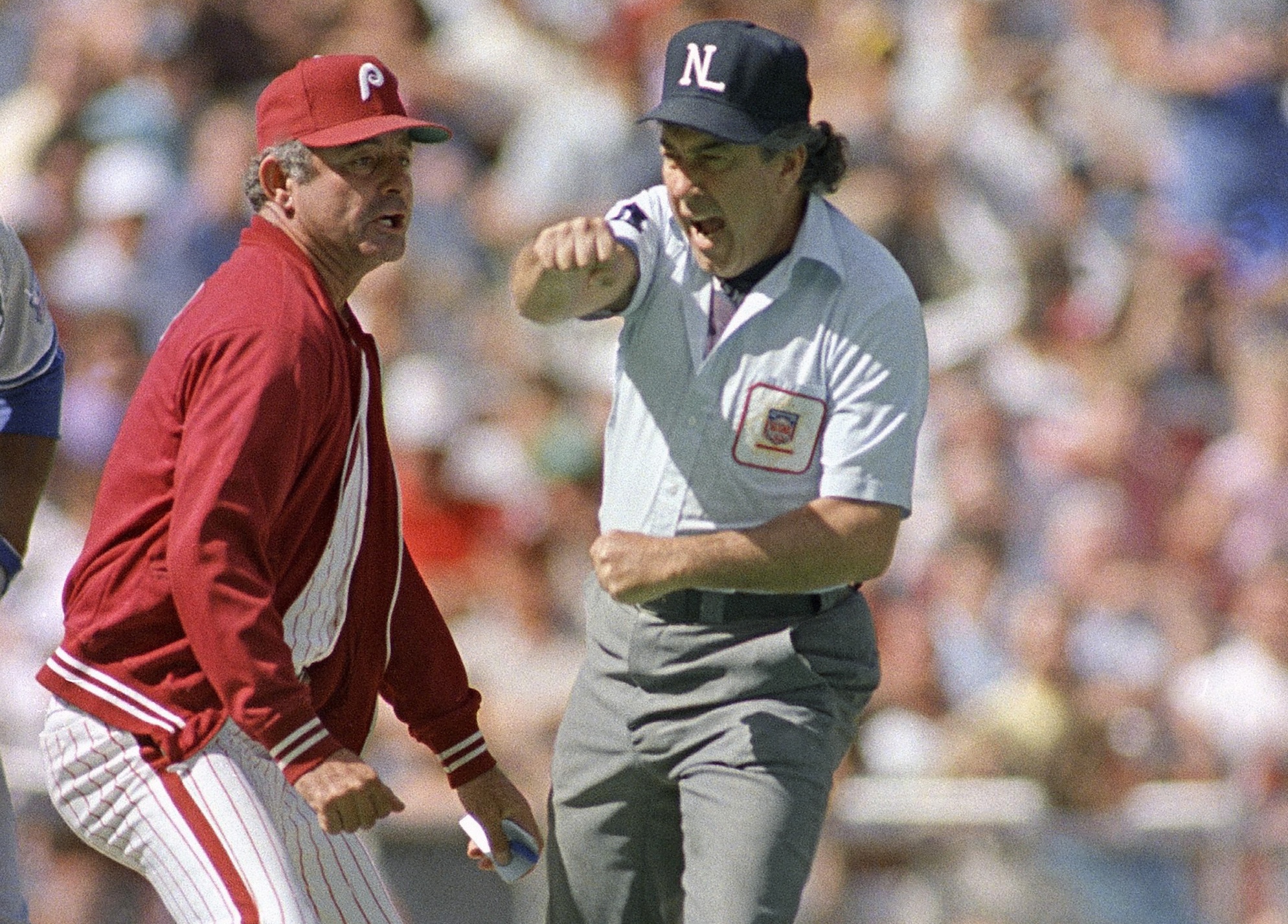
    Former Phillies manager Lee Elia, seen here being ejected from a game in 1987.

    Lee Elia, the Philadelphia native who managed the Phillies after coaching third base for the 1980 World Series champions and once famously ranted against the fans who sat in the bleachers of Wrigley Field, died in July. He was 87.

    Mr. Elia’s baseball career spanned more than 50 seasons. He managed his hometown Phillies in 1987 and 1988 after managing the Chicago Cubs in 1982 and 1983.

    After his playing career was cut shot by a knee injury, Mr. Elia joined Dallas Green’s Phillies staff before the 1980 season and was coaching third base when Manny Trillo delivered a crucial triple in the clinching game of the National League Championship Series. Mr. Elia was so excited that he bit Trillo’s arm after he slid.

    — Matt Breen

    Gary Graffman
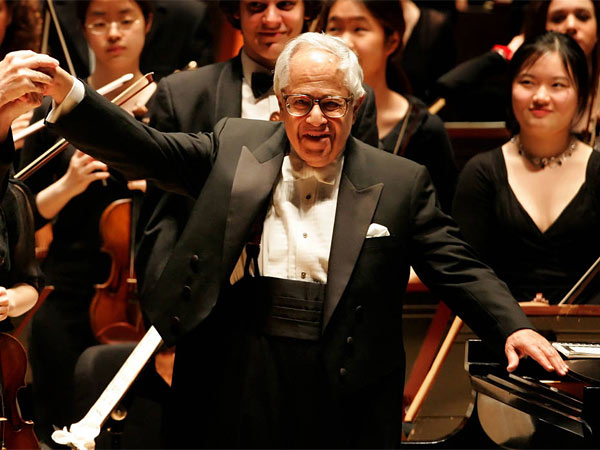
    Gary Graffman, seen here playing at the Curtis Institute of Music Orchestra Concert at Verizon Hall in 2006.

    Gary Graffman, a celebrated concert pianist and the former president of the Curtis Institute of Music, died in December in New York. He was 97.

    The New York City-born pianist arrived at Curtis at age 7. He graduated at age 17 and played roughly 100 concerts a year between the ages of 20 and 50 before retiring from touring due to a compromised right hand. Diagnosed with focal dystonia (a neurological disorder), he went on to premiere works for the left hand by Jennifer Higdon and William Bolcom.

    Mr. Graffman returned to Curtis as a teacher in 1980, became director in 1986, and was named the president of the conservatory in 1995, with a teaching studio encompassing nearly 50 students, including Yuja Wang and Lang Lang among others. He performed on numerous occasions with the Philadelphia Orchestra from 1947 to 2003.

    — David Patrick Stearns

    Len Stevens
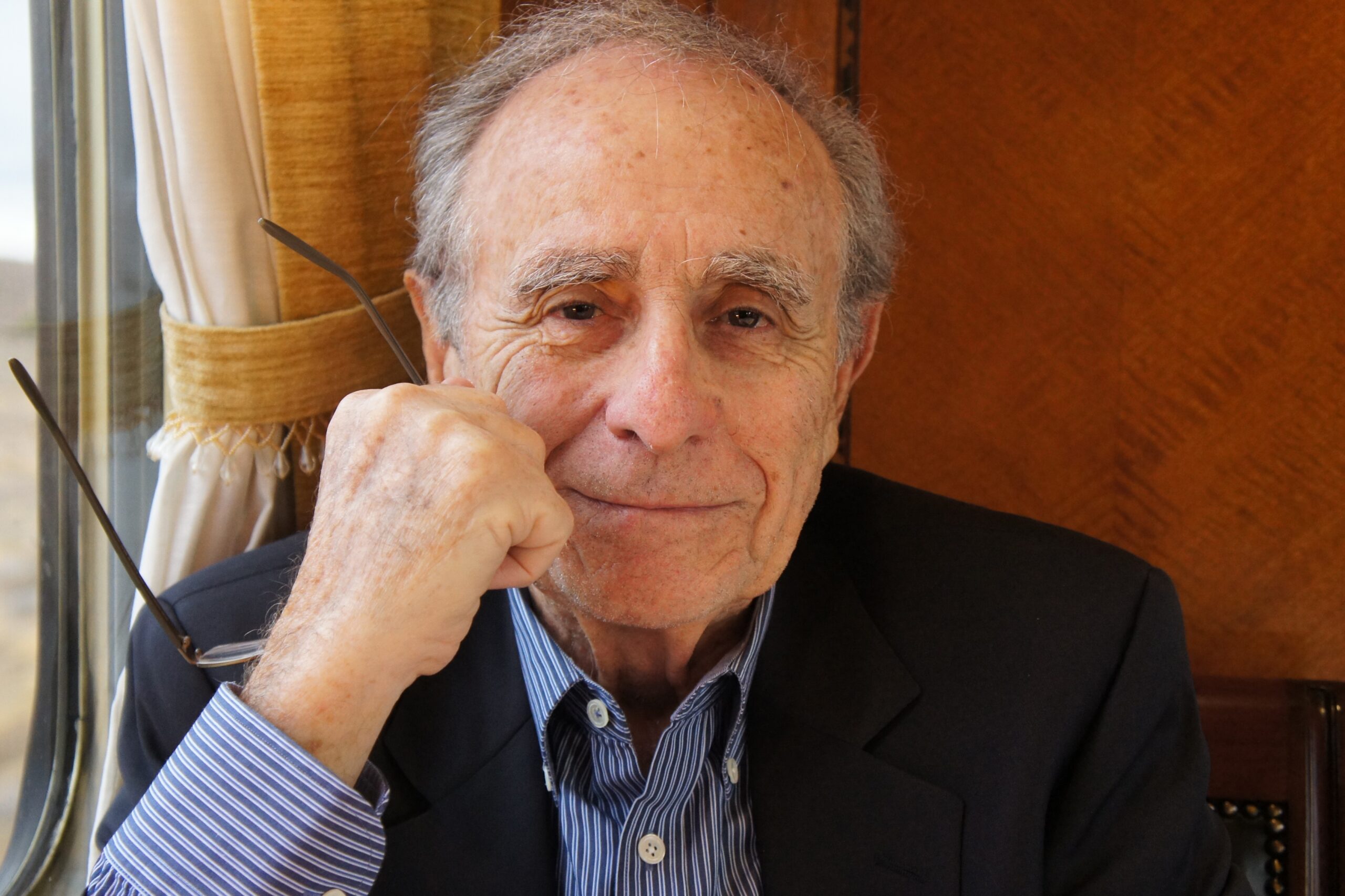
    Len Stevens was the co-founder of WPHL-TV Channel 17.

    Len Stevens, the cofounder of WPHL-TV (Channel 17) and a member of the Broadcast Pioneers of Philadelphia Hall of Fame, died in September of kidney failure. He was 94.

    Born in Philadelphia, Mr. Stevens was a natural entrepreneur. He won an audition to be a TV announcer with Dick Clark on WFIL-TV in the 1950s, persuaded The Tonight Show and NBC to air Alpo dog food ads in the 1960s, co-owned and managed the popular Library singles club on City Avenue in the 1970s and ’80s, and later turned the nascent sale of “vertical real estate” on towers and rooftops into big business.

    He and partner Aaron Katz established the Philadelphia Broadcasting Co. in 1964 and launched WPHL-TV on Sept. 17, 1965. At first, their ultrahigh frequency station, known now as PHL17, challenged the dominant very high frequency networks on a shoestring budget. But, thanks largely to Mr. Stevens’ advertising contacts and programming ideas, Channel 17 went on to air Phillies, 76ers, and Big Five college basketball games, the popular Wee Willie Webber Colorful Cartoon Club, Ultraman, and other memorable shows in the late 1960s and early ’70s.

    — Gary Miles

    Jim Murray
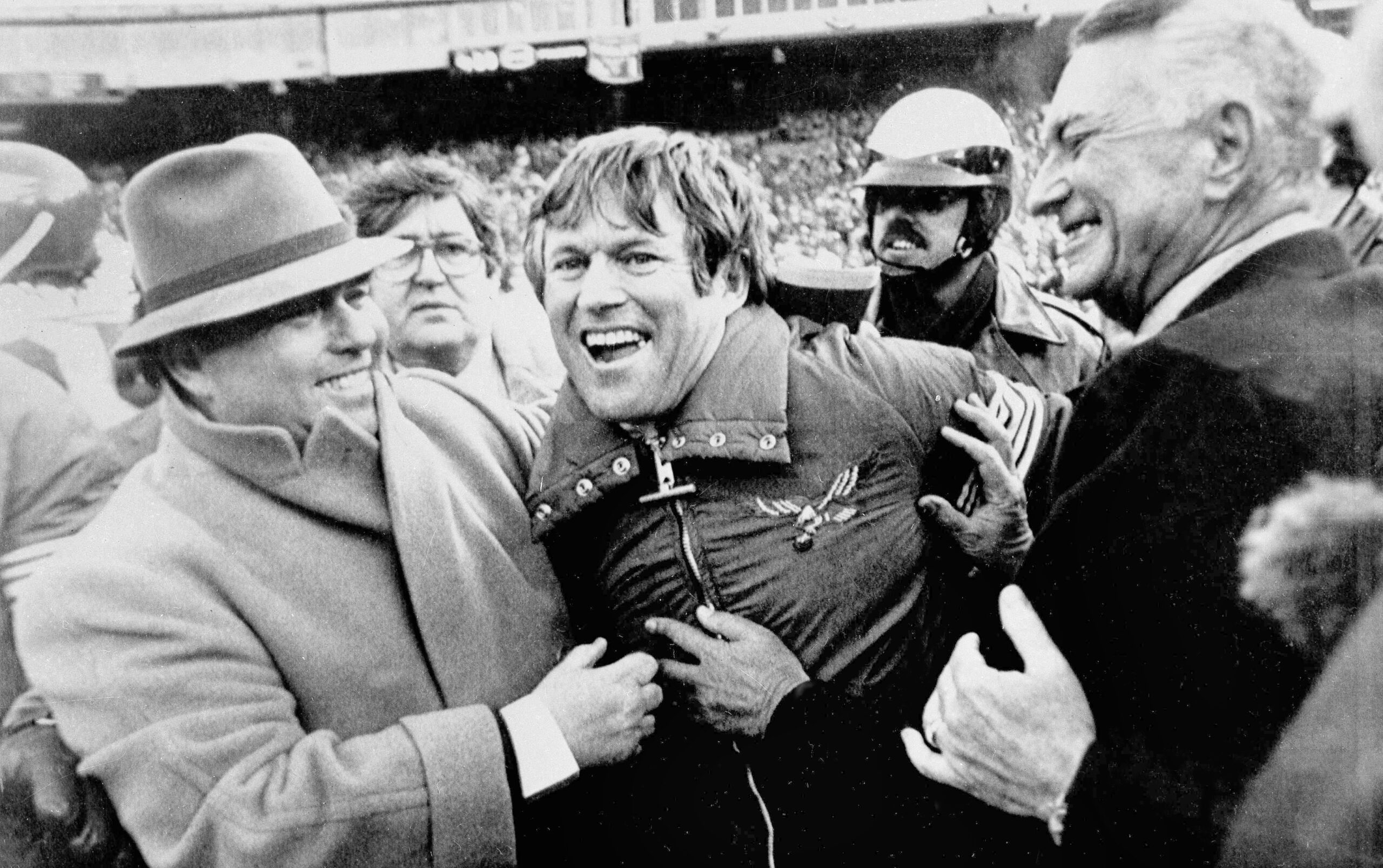
    Former Eagles general manager Jim Murray (left), seen here with Dick Vermeil and owner Leonard Tose following the 1980 NFC championship game in January 1981.

    Jim Murray, the former Eagles general manager who hired Dick Vermeil and helped the franchise return to prominence while also opening the first Ronald McDonald House, died in August at home in Bryn Mawr surrounded by his family. He was 87.

    Mr. Murray grew up in a rowhouse on Brooklyn Street in West Philadelphia and watched the Eagles at Franklin Field. The Eagles hired him in 1969 as a publicist, and Leonard Tose, then the Eagles’ owner, named him the general manager in 1974. Mr. Murray was just 36 years old and the decision was ridiculed.

    But Mr. Murray — who was known for his wit and generosity — made a series of moves to bring the Eagles back to relevance, including hiring Vermeil and acquiring players like Bill Bergey and Ron Jaworski. The Eagles made the playoffs in 1978 and reached their first Super Bowl in January 1981. The Eagles, with Murray as the GM, were finally back.

    — Matt Breen

    Michael Days

    Philadelphia Daily News Editor Michael Days celebrates with the newsroom after word of the Pulitzer win.

    Michael Days, a pillar of Philadelphia journalism who championed young Black journalists and led the Daily News during its 2010 Pulitzer Prize win for investigative reporting, died in October after falling ill. He was 72.

    A graduate of Roman Catholic High School in Philadelphia, Mr. Days worked at the Wall Street Journal and other newspapers before joining the Daily News as a reporter in 1986, where he ultimately became editor in 2005, the first Black person to lead the paper in its 90-year history. In 2011, Mr. Days was named managing editor of The Inquirer, where he held several management roles until he retired in October 2020.

    As editor of the Daily News, Mr. Days played an essential role in the decisions that would lead to its 2010 Pulitzer Prize, including whether to move forward with a story about a Philadelphia Police Department narcotics officer that a company lawyer said stood a good chance of getting them sued.

    “He said, ‘I trust my reporters, I believe in my reporters, and we’re running with it,’” recounted Inquirer senior health reporter Wendy Ruderman, who reported the piece with colleague Barbara Laker. That story revealed a deep dysfunction within the police department, Ruderman said, and led to the newspaper’s 2010 Pulitzer Prize win.

    — Brett Sholtis

    Tom McCarthy
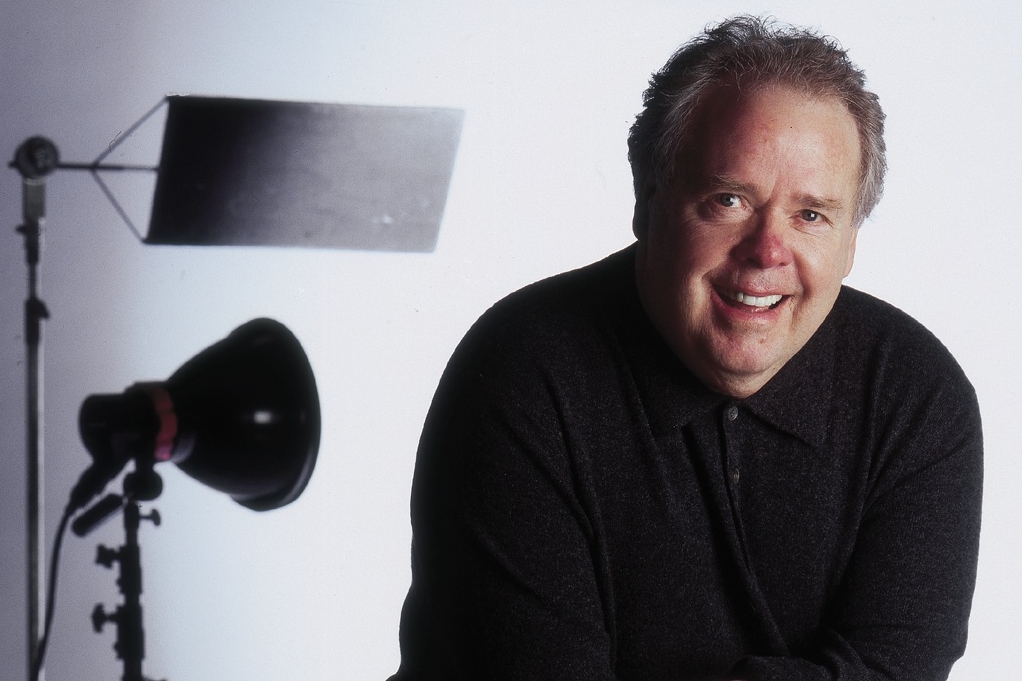
    Tom McCarthy, seen here in 2002.

    Tom McCarthy, an award-winning theater, film, and TV actor, longtime president of the local chapter of the Screen Actors Guild, former theater company board member, mentor, and veteran, died in May of complications from Parkinson’s disease at his home in Sea Isle City. He was 88.

    The Overbrook native quit his job as a bartender in 1965, sharpened his acting skills for a decade at Hedgerow Theatre Company in Rose Valley and other local venues, and, at 42, went on to earn memorable roles in major movies and TV shows.

    In the 1980s, he played a police officer with John Travolta in the movie Blow Out and a gardener with Andrew McCarthy in Mannequin. In 1998, he was a witness with Denzel Washington in Fallen. In 2011, he was a small-town mayor with Lea Thompson in Mayor Cupcake. Over the course of his career, Mr. McCarthy acted with Zsa Zsa Gabor, Harrison Ford, Kristin Scott Thomas, Cloris Leachman, Robert Redford, Donald Sutherland, John Goodman, and other big stars.

    — Gary Miles

    Carol Saline
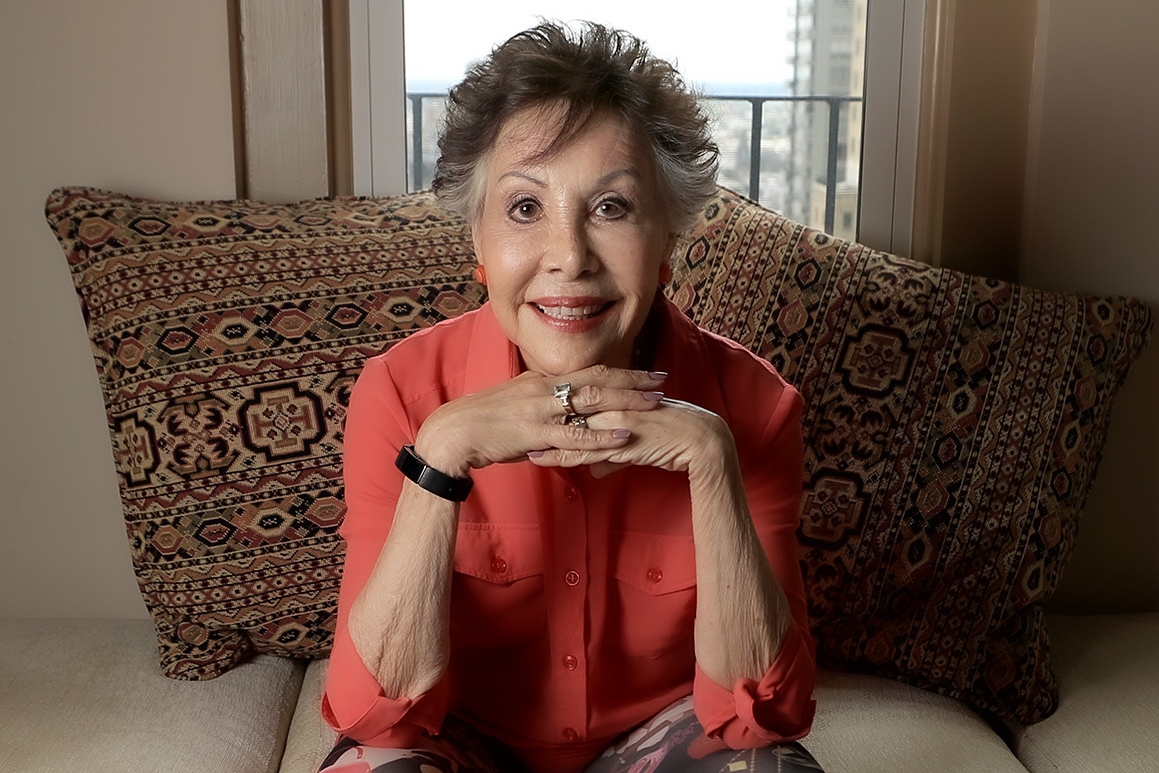
    Carol Saline, seen here at her Philadelphia home in 2021.

    Carol Saline, a longtime senior writer at Philadelphia Magazine, the best-selling author of Sisters, Mothers & Daughters, and Best Friends, and a prolific broadcaster, died in August of acute myeloid leukemia. She was 86.

    On TV, she hosted a cooking show and a talk show, was a panelist on a local public affairs program, and guested on the Oprah Winfrey Show, Inside Edition, Good Morning America, and other national shows. On radio, she hosted the Carol Saline Show on WDVT-AM.

    In June, she wrote to The Inquirer, saying: “I am contacting you because I am entering hospice care and will likely die in the next few weeks. … I wanted you to know me, not only my accomplishments but who I am as a person.

    “I want to go out,” she ended her email, “with a glass of Champagne in one hand, a balloon in the other, singing (off key) ‘Whoopee! It’s been a great ride!’”

    — Gary Miles

    Richard Wernick
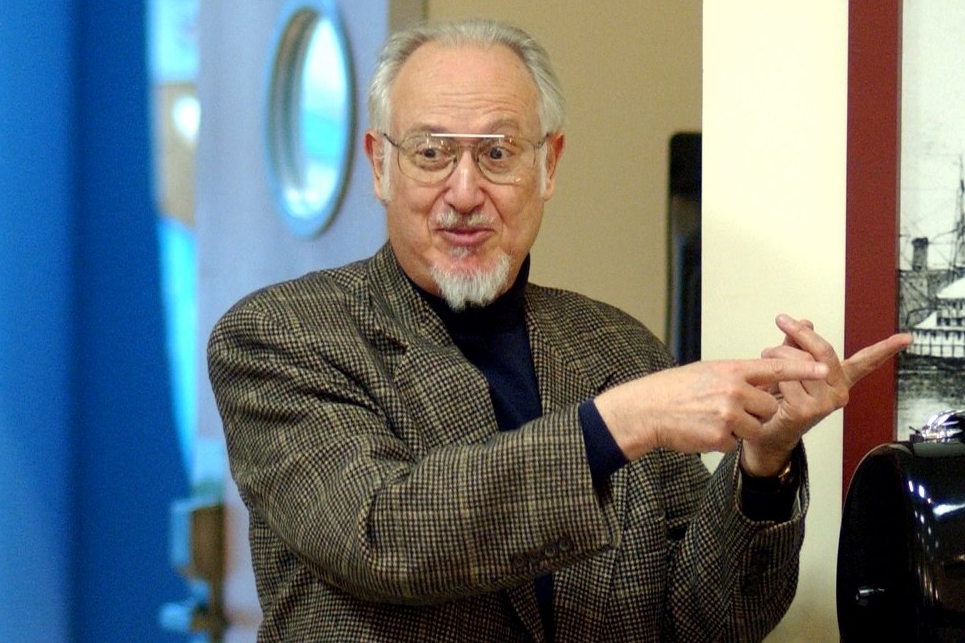
    Richard Wernick, seen here before a concert at the 2002 Festival of Philadelphia Composers.

    Richard Wernick, a Pulitzer Prize-winning composer, acclaimed conductor, and retired Irving Fine Professor of Music at the University of Pennsylvania, died in April 25 of age-associated decline at his Haverford home. He was 91.

    Professor Wernick was prolific and celebrated as a composer. He wrote hundreds of scores over six decades and appeared on more than a dozen records, and his Visions of Terror and Wonder for a mezzo-soprano and orchestra won the 1977 Pulitzer Prize for music. In 1991, his String Quartet No. 4 made him the first two-time winner of the Kennedy Center’s Friedheim Award for new American music.

    “Wernick’s orchestral music has power and brilliance, an emphasis on register, space, and scale,” Lesley Valdes, former Inquirer classical music critic, said in 1990.

    — Gary Miles

    Dorie Lenz
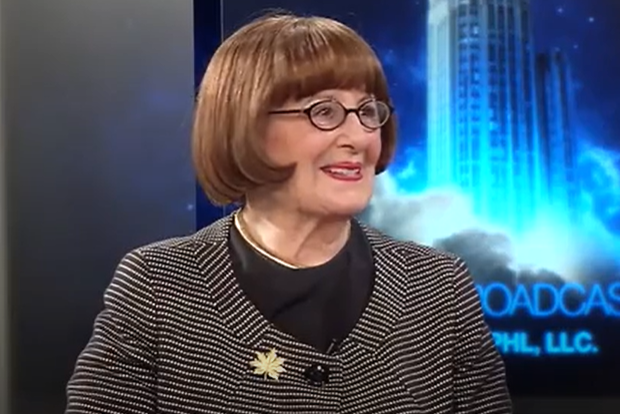
    Dorie Lenz, seen here on Channel 17 in 2015.

    Dorie Lenz, a pioneering TV broadcaster and the longtime director of public affairs for WPHL-TV (Channel 17), died in January of age-associated ailments at her home in New York. She was 101.

    A Philadelphia native, Ms. Lenz broke into TV as a 10-year-old in a local children’s show and spent 30 years, from 1970 to 2000, as director of public affairs and a program host at Channel 17, now PHL17. She specialized in detailed public service campaigns on hot-button social issues and earned two Emmys in 1988 for her program Caring for the Frail Elderly.

    Ms. Lenz interviewed newsmakers of all kinds on the public affairs programs Delaware Valley Forum, New Jersey Forum, and Community Close Up. Viewers and TV insiders hailed her as a champion and watchdog for the community. She also talked to Phillies players before games in the 1970s on her 10-minute Dorie Lenz Show.

    — Gary Miles

    Jay Sigel
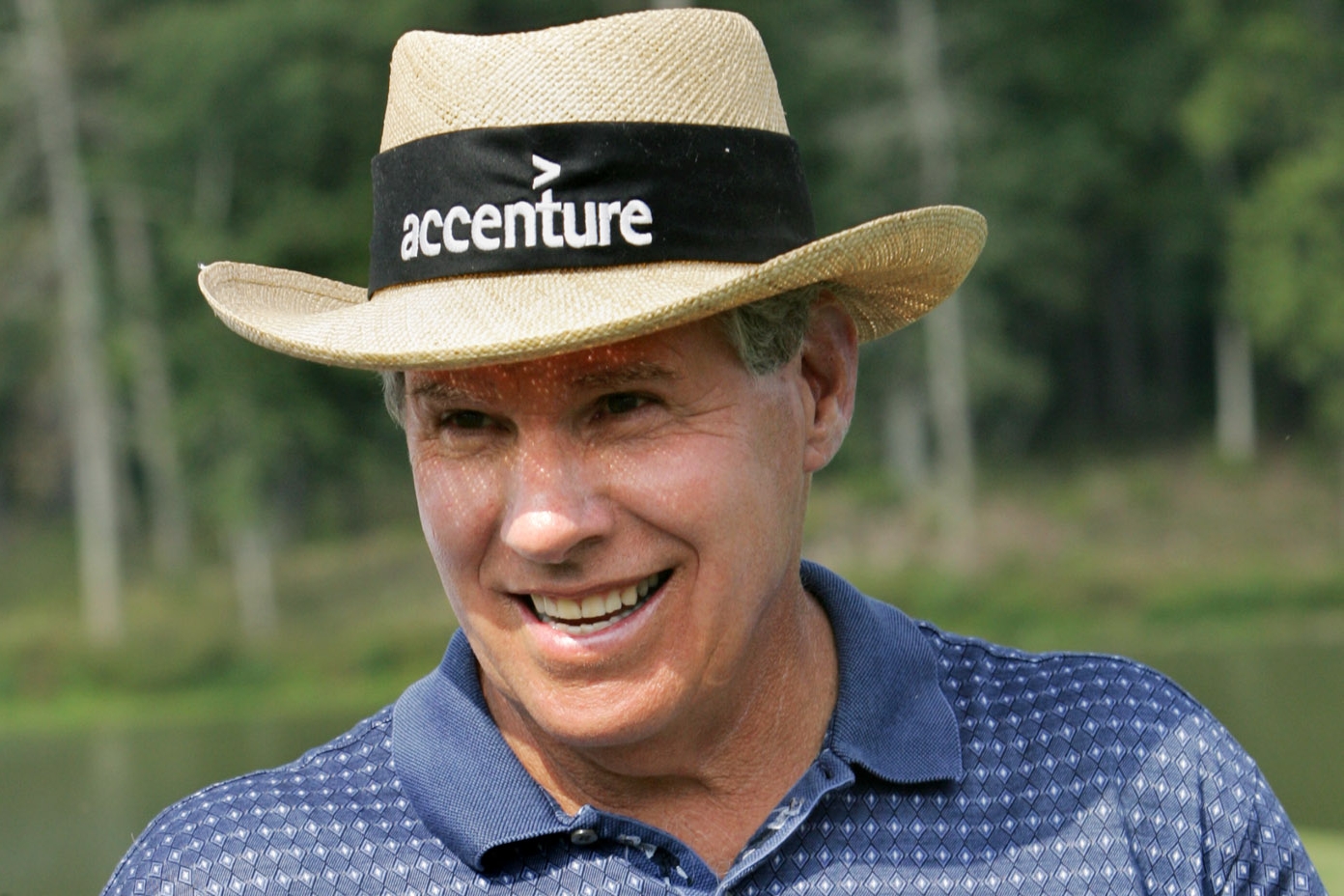
    Jay Sigel, seen here after winning the Georgia-Pacific Grand Champions title in 2006.

    Jay Sigel, one of the winningest amateur golfers of all time and an eight-time PGA senior tour champion, died in April of complications from pancreatic cancer. He was 81.

    For more than 40 years, from 1961, when he won the International Jaycee Junior Golf Tournament as an 18-year-old, to 2003, when he captured the Bayer Advantage Celebrity Pro-Am title at 60, the Berwyn native was one of the winningest amateur and senior golfers in the world. Mr. Sigel won consecutive U.S. Amateur titles in 1982 and ’83 and three U.S. Mid-Amateur championships between 1983 and ’87, and remains the only golfer to win the amateur and mid-amateur titles in the same year.

    He won the Pennsylvania Amateur Championship 11 times, five straight from 1972 to ’76, and the Pennsylvania Open Championship for pros and amateurs four times. He also won the 1979 British Amateur Championship and, between 1975 and 1999, played for the U.S. team in a record nine Walker Cup tournaments against Britain and Ireland.

    — Gary Miles

    Mark Frisby
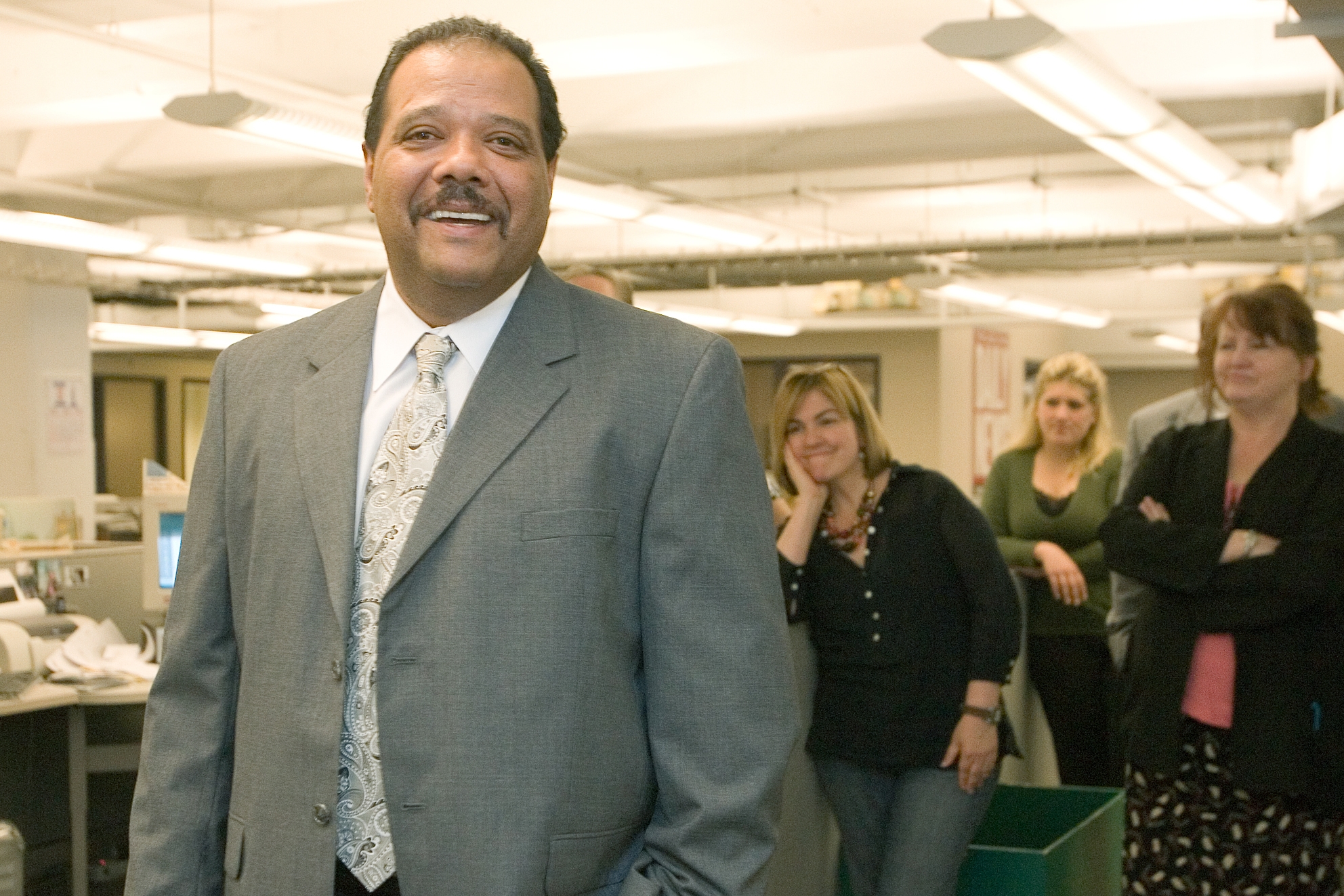
    Mark Frisby, seen here in the former newsroom of the Daily News in 2007.

    Mark Frisby, the former publisher of the Daily News and associate publisher of The Inquirer, died in September of takayasu arteritis, an inflammatory disease, at his home in Gloucester County. He was 64.

    Mr. Frisby joined The Inquirer and Daily News in November 2006 as executive vice president of production, labor, and purchasing. He was recruited from the Courier-Post by then-publisher Brian Tierney, and he went on to serve as publisher of the Daily News from 2007 to 2016 and associate publisher for operations of The Inquirer and Daily News from 2014 to his retirement in 2016.

    Mr. Frisby was one of the highest-ranking Black executives in the company’s history, and he told the Daily News in 2006 that “local ownership over here was the big attraction for me.” Michael Days, then the Daily News editor, said in 2007: “This cat is really the real deal.”

    — Gary Miles

    Leon Bates
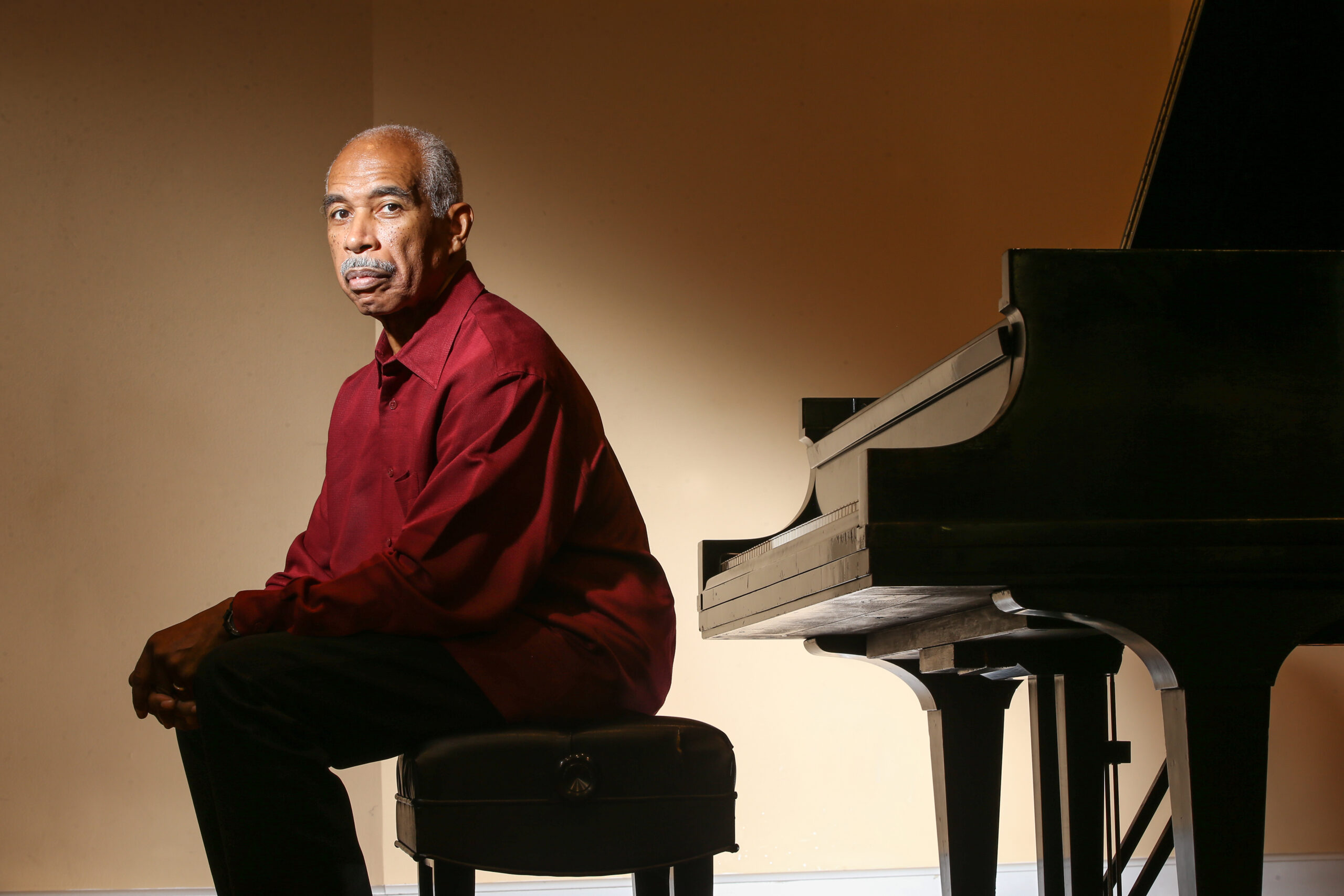
    Leon Bates, seen here at the Settlement Music School in Germantown in 2018.

    Leon Bates, a concert pianist whose musical authority and far-reaching versatility took him to the world’s greatest concert halls, died in November after a seven-year decline from Parkinson’s disease. He was 76.

    The career of Mr. Bates, a leading figure in the generation of Black pianists who followed the early-1960s breakthrough of Andre Watts, encompassed Ravel, Gershwin, and Bartok over 10 concerts with the Philadelphia Orchestra between 1970 and 2002. He played three recitals with Philadelphia Chamber Music Society and taught master classes at Temple University, where he also gave recitals at the Temple Performing Arts Center.

    In his WRTI-FM radio show, titled Notes on Philadelphia, during the 1990s, Mr. Bates was what Charles Abramovic, chair of keyboard studies at Temple University, described as “beautifully articulate and a wonderful interviewer. The warmth of personality came out. He was such a natural with that.”

    — David Patrick Stearns

    Lacy McCrary
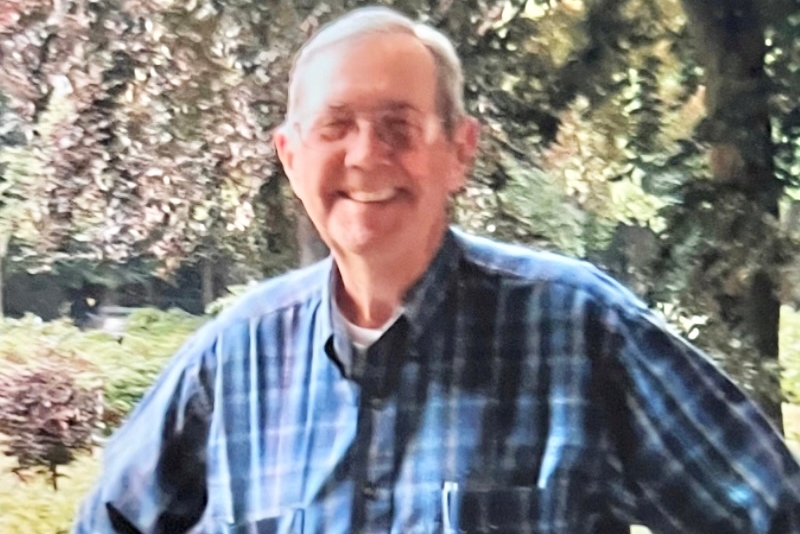
    Lacy McCrary in an undated photo.

    Lacy McCrary, a former Inquirer reporter who won a Pulitzer Prize at the Akron Beacon Journal, died in March of Alzheimer’s disease at his home in Colorado Springs, Colo. He was 91.

    Mr. McCrary, a Morrisville, Bucks County native, won the 1971 Pulitzer Prize in local general or spot news reporting as part of the Beacon Journal’s coverage of the May 4, 1970, student protest killings at Kent State University.

    He joined The Inquirer in 1973 and covered the courts, politics, and news of all sorts until his retirement in 2000. He notably wrote about unhealthy conditions and fire hazards in Pennsylvania and New Jersey boardinghouses in the late 1970s and early ’80s, and those reports earned public acclaim and resulted in new regulations to correct deadly oversights.

    — Gary Miles

    Roberta Fallon
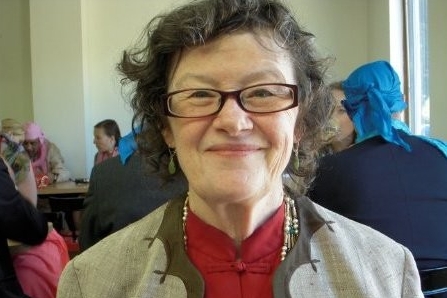
    Roberta Fallon, seen here in an undated photo.

    Roberta Fallon, 76, cofounder, editor, and longtime executive director of the online Artblog and adjunct professor at St. Joseph’s University, died in December at Thomas Jefferson University Hospital of injuries she suffered after being hit by a car. She was 76.

    Described by family and friends as empathetic, energetic, and creative, Ms. Fallon and fellow artist Libby Rosof cofounded Artblog in 2003. For nearly 22 years, until the blog became inactive in June, Ms. Fallon posted commentary, stories, interviews, reviews, videos, podcasts, and other content that chronicled the eclectic art world in Philadelphia.

    — Gary Miles

    Benita Valente

    BENI26P Gerald S. Williams 10/18/00 2011 Pine st. Philadelphia-based soprano Benita Valente has sung all over the world. At age 65, she is making her Oct. 29 performance with the Mendelssohn Club at the Academy of Music her last. 1 of 3: Benita goes over some music at the piano in her upstairs music room.

    Benita Valente, a revered lyric soprano whose voice thrilled listeners with its purity and seeming effortlessness, died in October at home in Philadelphia. She was 91.

    In a remarkable four-decade career, Ms. Valente appeared on the opera stage, in chamber music, and with orchestras. In the intimate genre of lieder — especially songs by Schubert and Brahms — she was considered one of America’s great recitalists.

    — Peter Dobrin
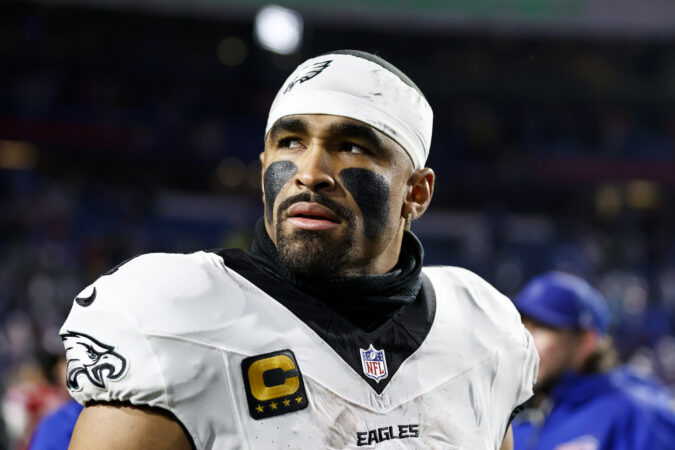
  • Eagles expected to rest Jalen Hurts and starters on Sunday vs. the Commanders

    Eagles expected to rest Jalen Hurts and starters on Sunday vs. the Commanders

    The Eagles are expected to rest quarterback Jalen Hurts and most of their starters against the Washington Commanders on Sunday, NFL sources said Wednesday.

    Eagles coach Nick Sirianni declined to say whether he was resting his starters or not when asked during his Wednesday news conference. He said he wanted to first inform his players of his decision during a later team meeting before making it public.

    But the team later confirmed that some key starters will get the game off, some will play on a limited basis, and some will dress but not play. The Eagles will need to have a certain amount of players active to meet the league requirement.
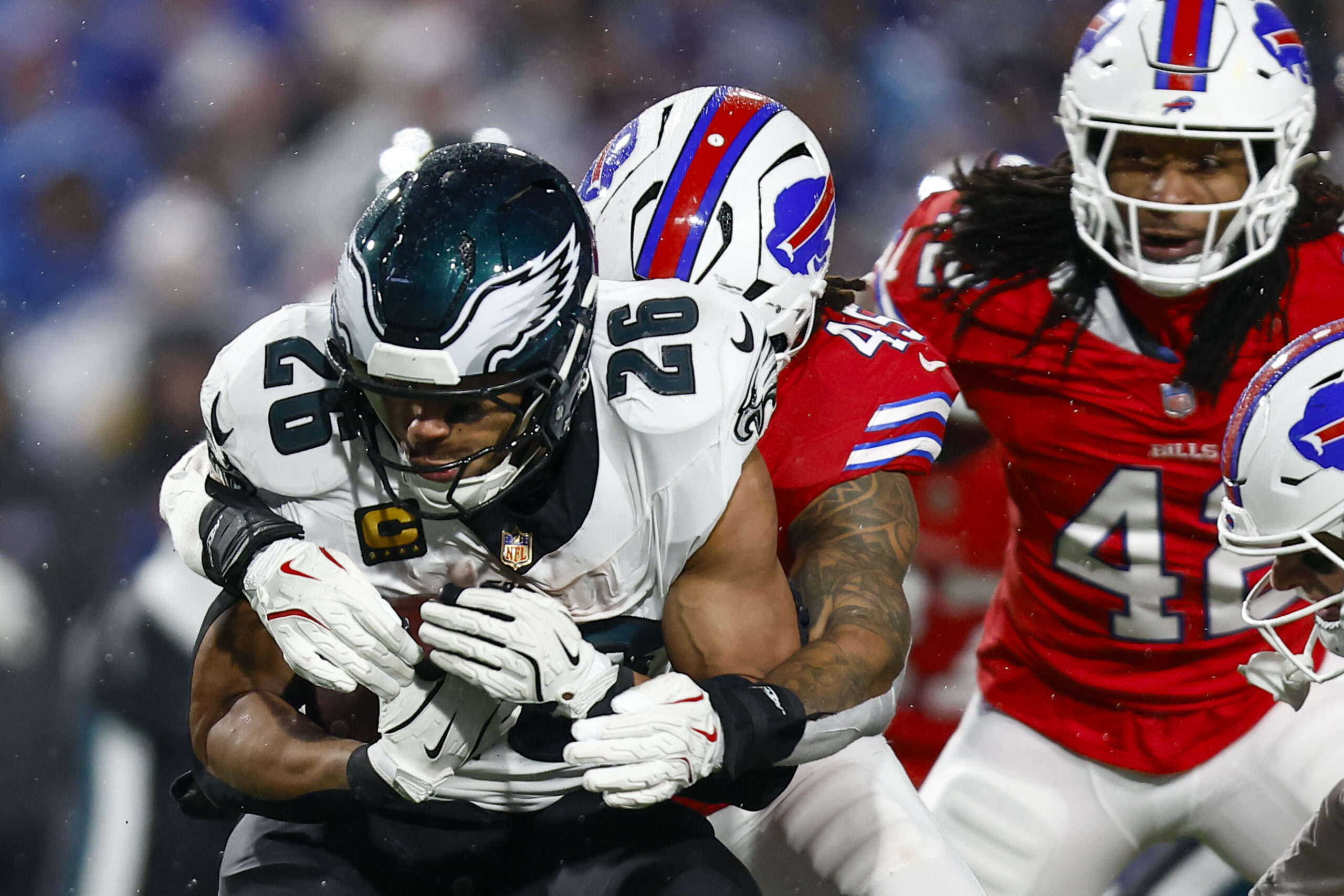
    The decision to use the season finale as a “bye” week heading into the playoffs shouldn’t come as a surprise based on Sirianni’s other recent comments. The NFC East champion Eagles can still improve their seeding, but he emphasized on Monday the importance of giving players a week off.
    “If I look back and how beneficial some of the byes that we’ve had have been, that’s part of the reason why you think through it,” Sirianni said, a day after the Eagles beat the Bills, 13-12. “It’s a marathon of a season. You give your guys some rest, you get some time to think through some different things, even though you’re preparing for an opponent as you go.

    “Both times that I’ve been here that we’ve been to the Super Bowl, we’ve had that opportunity for a bye, and that’s ’22 and obviously ’24.”

    Sirianni took advantage of resting starters in those seasons, while in 2023, he did the opposite and played Hurts and most of his starters with the NFC East still on the line. The Eagles performed poorly in the first half at the Giants. Most of the starters were eventually pulled when it became apparent the Cowboys would win the division.

    The Eagles also suffered a significant injury in that game when wide receiver A.J. Brown left with a knee injury. He missed the first-round game at Tampa Bay, which the Eagles lost, 32-9. Hurts also dislocated a finger on his non-throwing hand in the Giants game.

    The Eagles offense has been struggling for most of this season, but it had more success in wins earlier this month over the Raiders and Commanders — two of the worst teams in the NFL.

    They had a solid first half at the Bills on Sunday but could do almost nothing in the second half and gained only 17 yards. Sirianni could use a rematch vs. Washington as an opportunity to give his offense some momentum heading into the postseason. Or it could backfire like it did two years ago.

    The 11-5 Eagles are the No. 3 seed and would host the 11-5, No. 6 seed Los Angeles Rams or the 12-4 San Francisco 49ers in the wild-card round. If they were to beat the Commanders and the 11-5 Bears were to lose to the eliminated Lions at home, the Eagles would be the No. 2 seed and would host the 9-6-1 Packers in Round 1.

    Sirianni may believe that No. 2 quarterback Tanner McKee and his backups can still beat the 4-12 Commanders. Washington is expected to start third-string quarterback Josh Johnson, who entered the first meeting with the Eagles when backup Marcus Mariota was knocked from the game.

    McKee and the Eagles reserves beat a poor Giants team playing most of its starters in last season’s finale.

  • Cooper DeJean’s bromance with Reed Blankenship, preparing for Josh Allen, and more ‘Hard Knocks’ highlights

    Cooper DeJean’s bromance with Reed Blankenship, preparing for Josh Allen, and more ‘Hard Knocks’ highlights

    The latest episode of Hard Knocks featured Christmas presents for the NFC East, with none bigger than the Eagles’ 13-12 win over the Buffalo Bills.

    The HBO documentary series, which releases new episodes every Tuesday, took a long look at Cooper DeJean, his relationship with Reed Blankenship, and the Birds’ preparation for their nail-biter win on Sunday.

    Here’s everything you may have missed from the latest episode of Hard Knocks:

    Jaxson Dart did not mince words about which team he considers the Giants’ biggest rival.

    A Giant pain

    Fans in Philadelphia might not be aware of it, but the Giants consider the Eagles their biggest rivals.

    During a fan holiday meet-and-greet labeled “Dart the Halls,” rookie quarterback Jaxson Dart was asked by a young fan which team he considers the Giants’ “most rivalrous team.”

    “The Eagles, for sure,” Dart responded to a chorus of oohs and ahhs.

    The Birds went 1-1 this season against their competition up north and lost at MetLife Stadium for Dart’s first win against an NFC East opponent on Oct. 9. Dart is a candidate for NFL Offensive Rookie of the Year, and Eagles fans can expect to see the former Mississippi star for years to come.

    Cooper DeJean’s Pro Bowl citation got some airtime in the latest episode of “Hard Knocks.”

    Who cares about the Pro Bowl?

    Hard Knocks began in a festive mood, showcasing the Giants, Dallas Cowboys, and Washington Commanders exchanging gifts and celebrating Pro Bowl nominations — which the teams had extra time to focus on after being eliminated from postseason contention.

    The playoff-bound Eagles, however, weren’t shown celebrating their five Pro Bowlers: DeJean, Quinyon Mitchell, Cam Jurgens, Zack Baun, and Jalen Carter. What was shown was the practice field, with some players congratulating one another in comical fashion.

    “Pro Bowler, Cooper DeJawn,” Blankenship said at practice. “Anything you want to say to the people?”

    “DeJean … It’s DeJean,” DeJean responded.

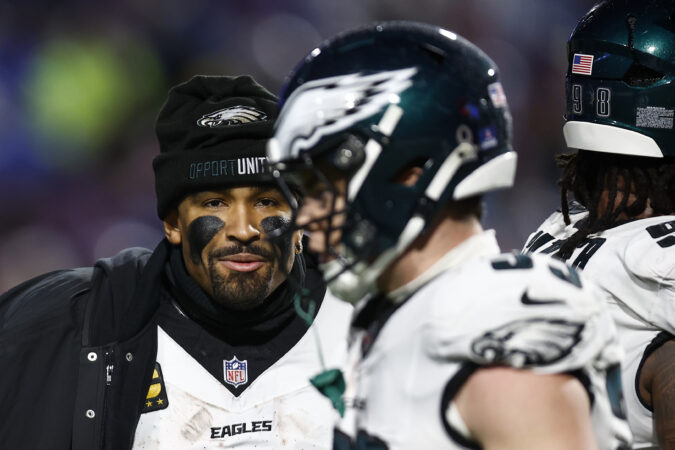
    Safety Reed Blankenship (left) warming up before the Eagles played the Bears at Lincoln Financial Field on Nov. 28.

    The Secon-dairy

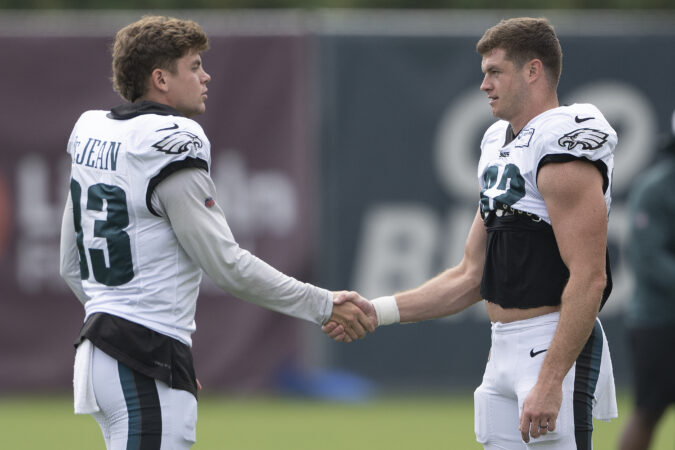
    DeJean and his partner-in-crime, Blankenship, took center stage in the episode, with their blossoming bromance on and off the field. From ripping the ball away from each other through WWE-style takedowns to practicing dance routines, the Eagles’ defensive stars appeared inseparable.

    “He’s an awesome teammate,” DeJean said. “He’s an awesome person to be around. Really welcomed me in and helped me learn the defense when I got here. It’s fun to watch him play and do his thing. I think our connection and our friendship has helped us play well together on the field.”

    Said Blankenship: “I’m so proud of him. We sit beside each other in meetings, and I feel like I’m the older brother. There’s not a lot of people like him. He is the best nickel in the league, and just having that communication allows us to play better.”

    The tandem started a podcast called Exciting Mics in June, a reference to the duo’s “Exciting Whites” nickname.

    Other nicknames have followed the pair, including “Secon-dairy,” which came after DeJean and Blankenship leaned into a new celebration.

    “We do have a milk-the-cow celly,” DeJean admitted.

    “We usually do our normal thumbs-down,” Blankenship said. “And I was like, ‘Dude, it’s like udders from a cow …’”

    Some observers have confused them for each other on the field — with Fox announcer Kevin Burkhardt and Bills safety Sam Franklin Jr. referring to Blankenship as Coop or DeJean during the game.

    “What up, Coop,” Franklin said.

    “I’m the other one, bruh,” Blankenship answered.

    The Eagles spent time last week addressing Josh Allen’s propensity for running up the middle.

    Getting ready

    Eagles coaches took great care in preparing the defense for the Bills offense, with Hard Knocks providing a glimpse into each defensive unit ahead of last Sunday.

    Bobby King, the Eagles’ inside linebackers coach, showed sumo wrestling clips to inspire his players to play physically, while Jeremiah Washburn, the inside linebackers and defensive line coach, focused on Bills quarterback Josh Allen’s ability to escape up the middle — something the defense effectively prevented on Sunday.

    “Lot of middle escapes,” Washburn said. “And he’s tough. But this is where most of his explosive runs come, is up the middle. It takes a group, fellas. It’s going to take a group because he doesn’t hit the ground easy, and so it’s just going to take a collective effort right there, fellas.

    “You can see again,” Washburn added, referring to a clip of Allen throwing on the run. “He’s got an arm, that’s what he does right there.”

    Defensive backs coach Christian Parker stressed the Bills’ versatility, with Allen leading the charge through the air and James Cook, the league’s leading rusher, dominating on the ground.

    “The key is going to be tackling in space,” Parker said. “Weather could be significant, but we’ve got to take great angles and we’ve got to rally to the football all night long.”

    As coaches worked to prepare the team, defensive coordinator Vic Fangio had a different approach to explaining the matchup when addressing the media.

    “You got Josh Allen,” Fangio said. “That’s all you need to say. You got Cook, that’s all you need to say. But once he gets in the open field, he’s got the speed to hit the home run. He’s patient, but once he sees it he hits it, and he’s really good, he’s elusive.”

    The Eagles held the reigning MVP without a touchdown and Cook to less than 100 rushing yards, and also recovered an Allen fumble and blocked an extra point in the win.

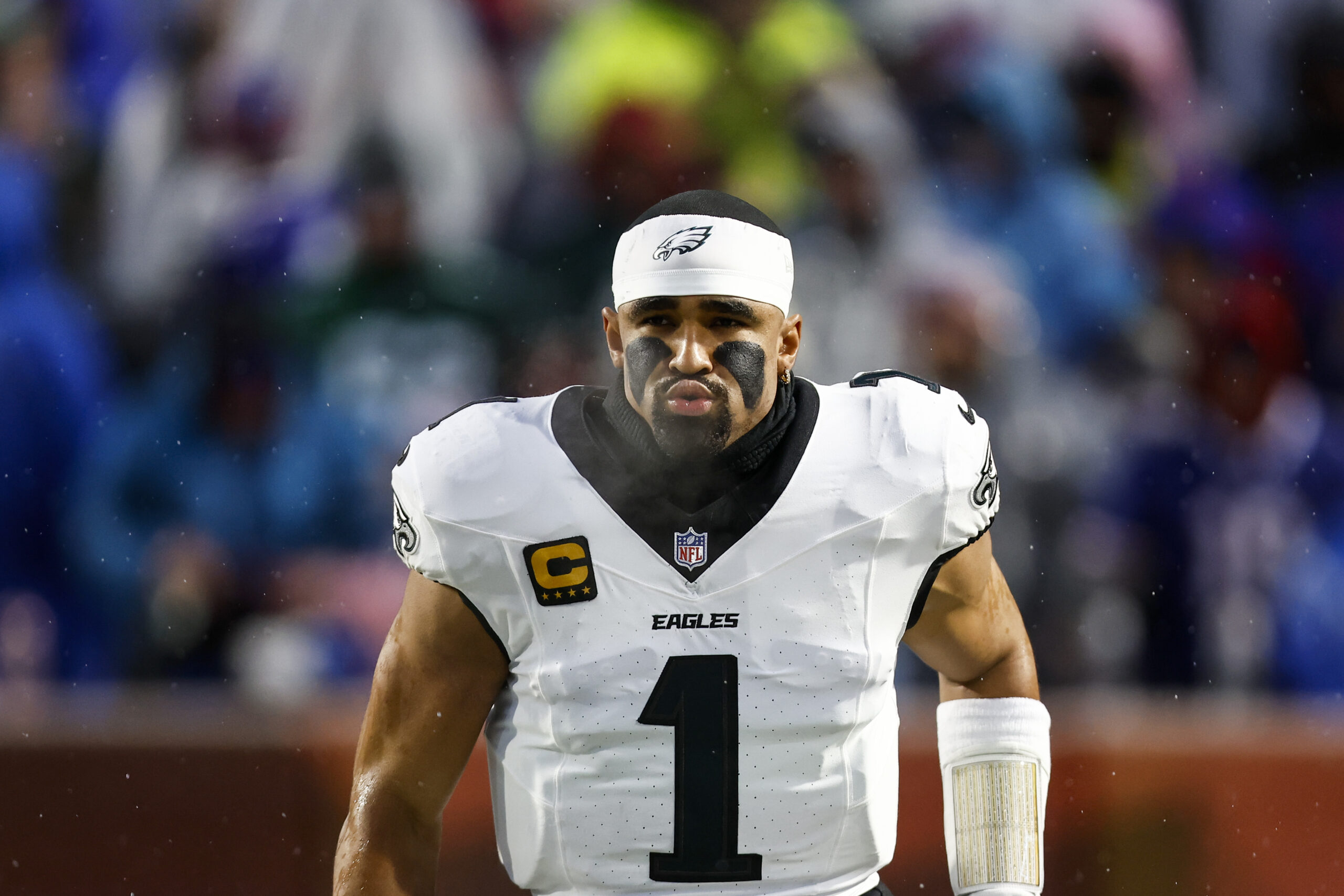
    Jalen Hurts warms up in the rain on Sunday.

    Offensive frustration

    You rarely hear Jalen Hurts speak vehemently, so when he does, it means more.

    When Hard Knocks featured a quick interaction between the reigning Super Bowl MVP and quarterbacks coach Scot Loeffler, it got viewers’ attention.

    “It’s going to rain,” Loeffler said. “Like there’s no if and … it’s going to rain. I don’t give a [expletive] if there’s bad weather or not, we need to get this going.”

    “We need to do that [expletive] 1,000%,” Hurts responded.

    Hurts, like many fans, seems to have grown frustrated with the production of the offense, which has failed to live up to last year’s standard and leads the league in three-and-out percentage.

    The Eagles had a lot to celebrate despite the low-scoring nature of Sunday’s contest.

    Highlight central

    The game had plenty of impressive plays, despite its low scoring, starting with A.J. Brown’s deep reception, followed by a Dallas Goedert score a few plays later.

    “The night is still young,” Hurts said from the sideline.

    “Yes sir,” Goedert responded.

    Despite the offense’s confidence, the Eagles failed to notch a touchdown for the rest of the game and were shut out in the second half as punter Braden Mann and the defense did the heavy lifting.

    DeJean and Blankenship continued to catch the eye of Hard Knocks cameras and were mic’d up throughout the game.

    “We’re a married couple, baby,” Blankenship said of himself and DeJean. “We are in a relationship.”

    The Eagles left victorious as Allen walked off the field with his head down following a failed two-point conversion. The episode ended with Nick Sirianni’s postgame speech, which pointed out the offense’s ineptitude.

    “Going on the road in the NFL and winning a game like this, that is [expletive] hard to do,” Sirianni said. “It’s a good football team. Defense, wow, wow. Offense, really good first half, right, we’ve got to figure out that second half. A lot to be thankful for. Let’s pray.”

  • Temple women hope tough early schedule has prepared them to be American Conference contenders

    Temple women hope tough early schedule has prepared them to be American Conference contenders

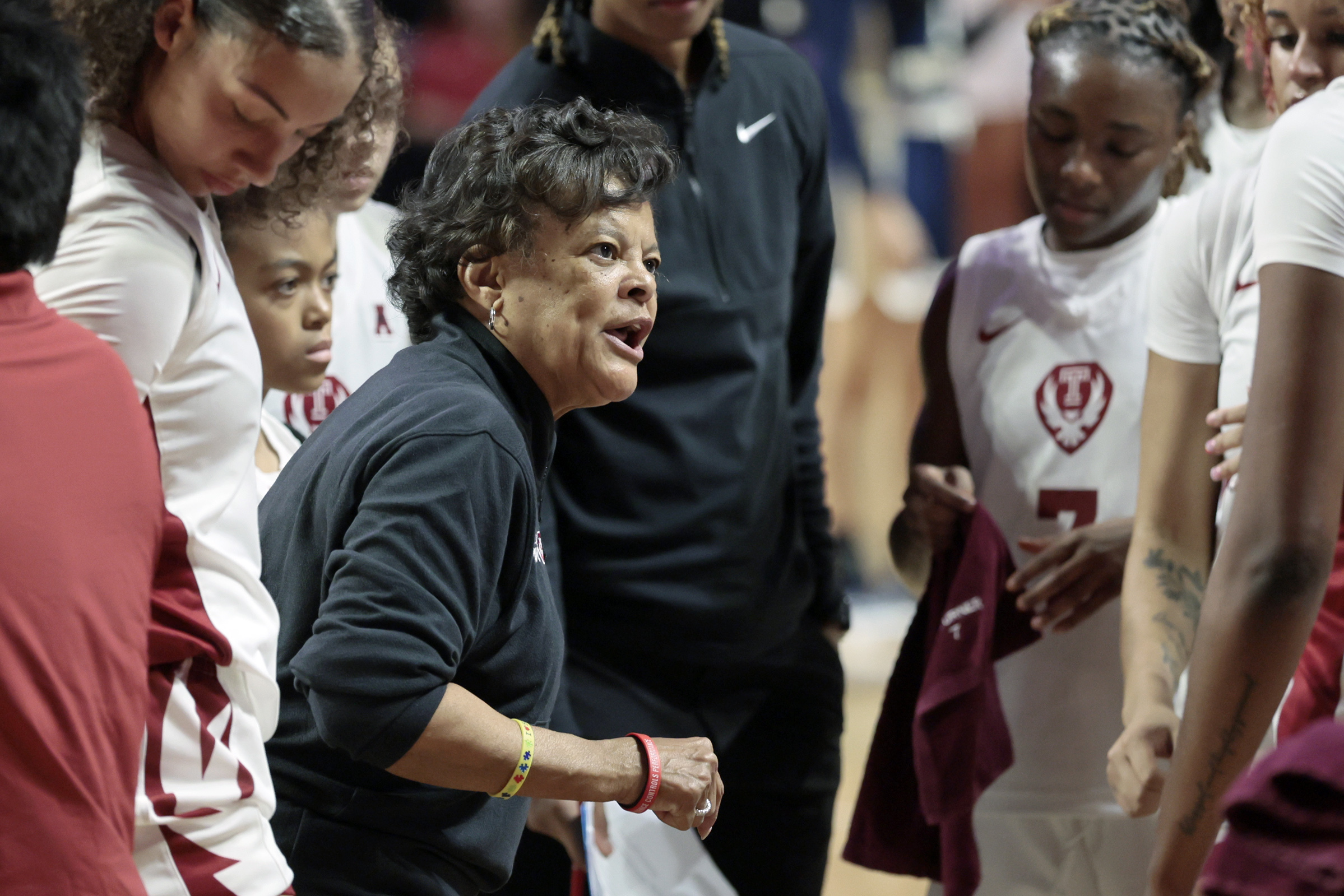
    Temple coach Diane Richardson knew she wanted her team to be battle-tested for American Conference play and crafted the Owls’ nonconference schedule to reflect that.

    Richardson lined up five teams coming off NCAA Tournament appearances. The Owls went 1-4 in those games, with their lone win coming at home against George Mason in the season opener on Nov. 3.

    The difficult schedule leaves Temple with a 6-6 record that does not scream conference title contender. However, with a similarly difficult slate at this time last year, the Owls were 6-5 but went on to win 13 conference games and finished fourth in the American.

    Now Richardson is hoping to see similar results. Temple has displayed more offensive firepower and improved rebounding numbers, but the key to success for the coach will be defense and starting games strong. The Owls’ quest for an American championship starts Saturday at home against the reigning regular-season champion, UTSA (2:30 p.m., ESPN+).

    “I’m feeling pretty good,” Richardson said. “I know our last outing with Princeton kind of showed us that we have the resiliency that we’ll need. I just wish that we would start out like that. But I’m feeling pretty good. We’ve gotten the tough part behind us, and now we enter into the second season, which is the most important.”

    Coach Diane Richardson’s Temple squad opens American Conference play on Saturday against the reigning regular-season champion, UTSA.

    Showing resilience

    Temple’s four losses against 2025 NCAA Tournament teams came by double digits, with its closest result an 87-77 loss at Princeton on Dec. 22. The Owls also showed flashes of fight and the ability to remain competitive in those games.

    In their 72-57 loss to Atlantic 10 favorite Richmond on Nov. 18, the Owls were down double digits early in the second quarter but battled back and were within striking distance until the final five minutes. Temple trailed by as many as 26 points in the fourth quarter against Princeton but cut the deficit to nine in the final minute.

    “Early on, we weren’t responding really well,” Richardson said. “… But I think as we got into the season, we started understanding that this is tough, and we have to be tougher. Coming toward the end of the nonconference season, I thought we played better, which is a plus for us going into conference play.”

    Before the season, Richardson wanted her team to play faster, but during nonconference play, she felt the Owls were not assertive on offense to begin games or played out of control, which led to an increase in turnovers.

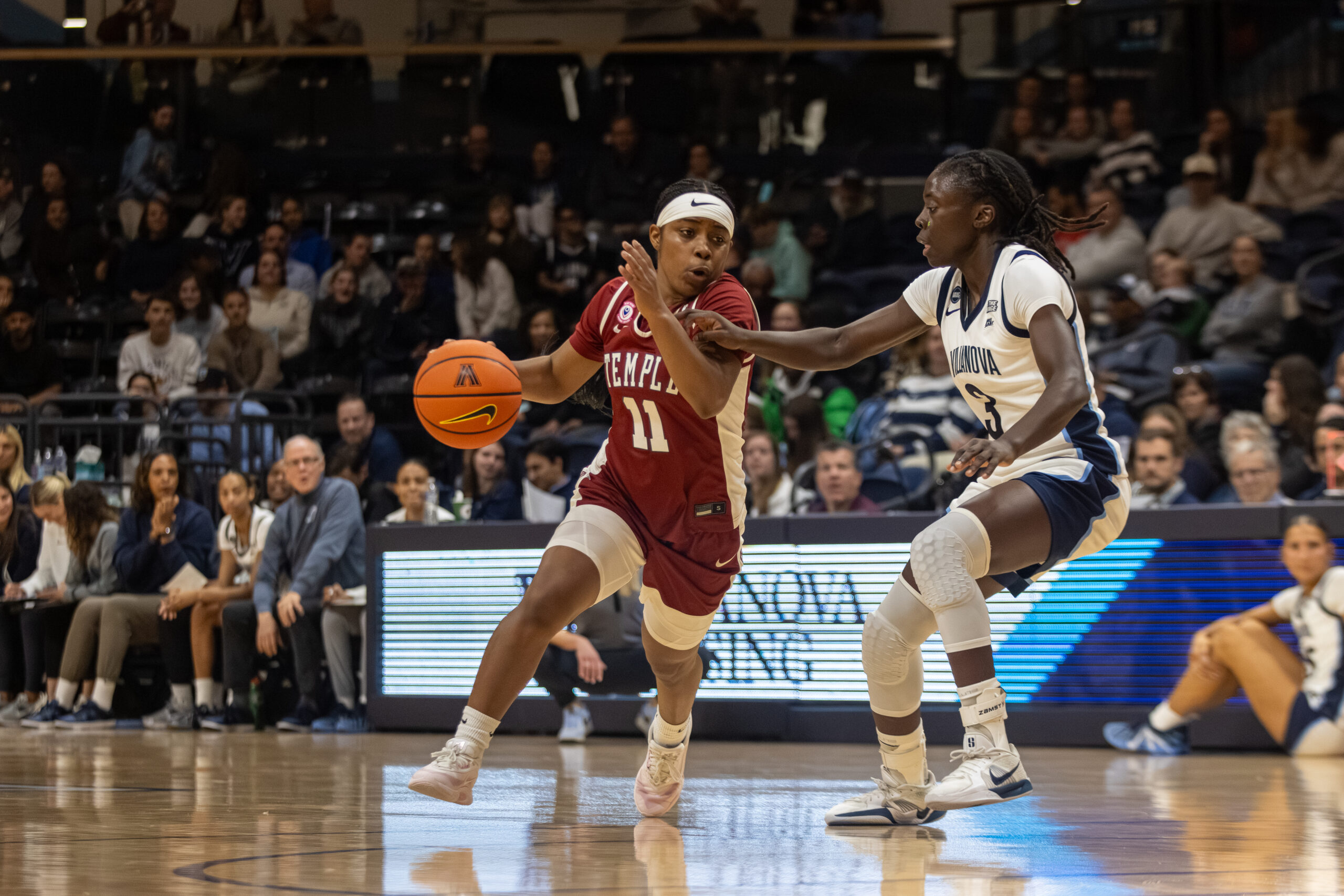
    Temple also had to play its final four nonconference games without starting point guard Tristen Taylor, who suffered an ankle injury on the road trip to the Bahamas at the end of November. The Owls were 2-2 without her.

    Taylor was the Owls’ second-leading scorer at the time of her injury, averaging 10.1 points and leading them in assists (4.6). She also was second in the American in assist-to-turnover ratio at 2.1. Without its main ballhandler, Temple looked out of sync at times, especially in its 59-52 loss to Drexel in the Big 5 Classic on Dec. 7.

    The Owls leaned on guard Kaylah Turner, who ascended to one of the best players in the conference in Taylor’s absence.

    She averaged 23 points in the four games Taylor missed, including a career-high 36 points against Princeton. Turner, who is averaging 17.8 points this season, took on point guard duties and struggled with turnovers, but she still offered a steady presence at the top of the offense. Richardson expects Taylor back within the first two games of conference play. She believes Taylor and Turner can form the best backcourt in the conference.

    “In the scoring aspect, I do think I did well, but I feel like I could have done way better,” Turner said. “With playmaking and passing, that’s something I’m still working on. So I feel like I definitely could have improved that.”

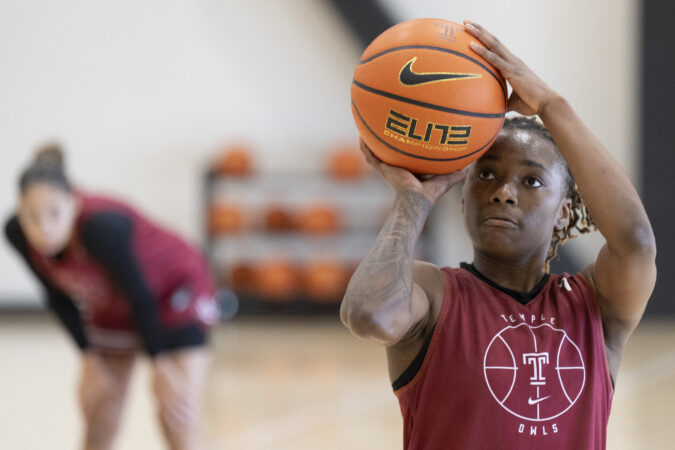
    Tristen Taylor was averaging 10.1 points and 4.6 assists at the time of her injury.

    By the numbers

    Richardson was keen on her team playing faster on offense and improving its rebounding in the offseason. Nonconference play has shown offensive improvement and major strides on the glass for the Owls.

    Temple is averaging 70.1 points, a 3.4-point increase from its mark last year. Three players — Turner, Taylor and forward Jaleesa Molina — are averaging at least 10 points. Turner leads the American in scoring (17.8) and three-point percentage (.460) and is second in field-goal percentage (.450).

    The most notable improvement for the Owls has been their rebounding. Last season, Temple averaged 38.8 rebounds and had a rebounding margin of 0.8. This season, the Owls are averaging 39.8 rebounds but holding opponents to 33.9. The Owls give up the second-fewest rebounds in the conference and are fourth in rebounding margin.

    Molina and transfer forward Saniyah Craig have spearheaded the Owls’ efforts on the glass. Craig, who was the ninth-leading rebounder in the country last season while at Jacksonville, is averaging 8.9 rebounds, and Molina averages 8.4.

    “We’ve got to be hungry, and we’ve got to get every rebound,” Richardson said. “We’ve concentrated on that this week as well. So that’s going to be something that hopefully we’re good at.”

    Temple has struggled taking care of the ball. The Owls are averaging 19.6 turnovers, four more than last season, and have turned the ball over at least 20 times in five games, including their last three.

    Richardson knows the turnover numbers have to come down, but she believes that the key to a conference banner being raised in the Liacouras Center will come on defense.

    “You can miss shots, but you can always play defense,” Richardson said. “I think that oomph, that extra adrenaline turning people over defensively helps us offensively because it gives them more confidence. We want to compound our defense and make that our No. 1 thing.”

  • The city’s crime rate has fallen dramatically. It didn’t happen by chance.

    The city’s crime rate has fallen dramatically. It didn’t happen by chance.

    For years, Philadelphia, like many American cities, grappled with historic levels of violence brought on by the upheaval of the pandemic. Today, a very different story is unfolding.

    Violent crime in Philadelphia has declined sharply and sustainably, and much of that progress is owed to the extraordinary work and unwavering commitment of the men and women of the Philadelphia Police Department.

    Homicides are down again this year, by roughly 15% to 18% compared with last year, putting the city on pace for its lowest total since the 1960s. Shootings, both fatal and nonfatal, have fallen to levels not seen in more than a decade.

    At the same time, homicide clearance rates have reached historic highs, bringing accountability, answers, and a measure of justice to families who have suffered unimaginable loss.

    These results did not happen by chance. They are the product of relentless professionalism, data-driven policing, and deep engagement with the communities officers serve.

    Behind every statistic is a patrol officer, detective, analyst, supervisor, or civilian professional who showed up day after day, determined to protect this city. Lives have been saved, neighborhoods strengthened, and trust rebuilt because of their work.

    Philadelphia is safer today than it has been in a generation, and that progress deserves recognition.

    Changing threats

    But public safety is not defined solely by addressing violent crime. Some of the most damaging threats we face today are quieter, more personal, and increasingly digital.

    Across Philadelphia and the surrounding region, criminals continue to target the most vulnerable among us. Elderly residents are being deceived out of their life savings through increasingly sophisticated fraud schemes. Young people are being exploited through sextortion, often by offenders operating overseas who use fear, manipulation, and anonymity to cause devastating harm. Businesses of every size are facing ransomware attacks that can cripple operations, disrupt critical services, and threaten livelihoods.

    At the same time, our business community and world-class academic institutions face persistent threats from nation-state actors seeking to steal intellectual property, sensitive data, and cutting-edge research. These efforts target innovation, economic competitiveness, and national security itself, and they often unfold silently over months or years before being discovered.

    Such crimes leave deep scars. They are often underreported, emotionally devastating, and constantly evolving. Addressing them requires persistence, adaptability, and a willingness to confront threats that do not always fit traditional definitions of crime.

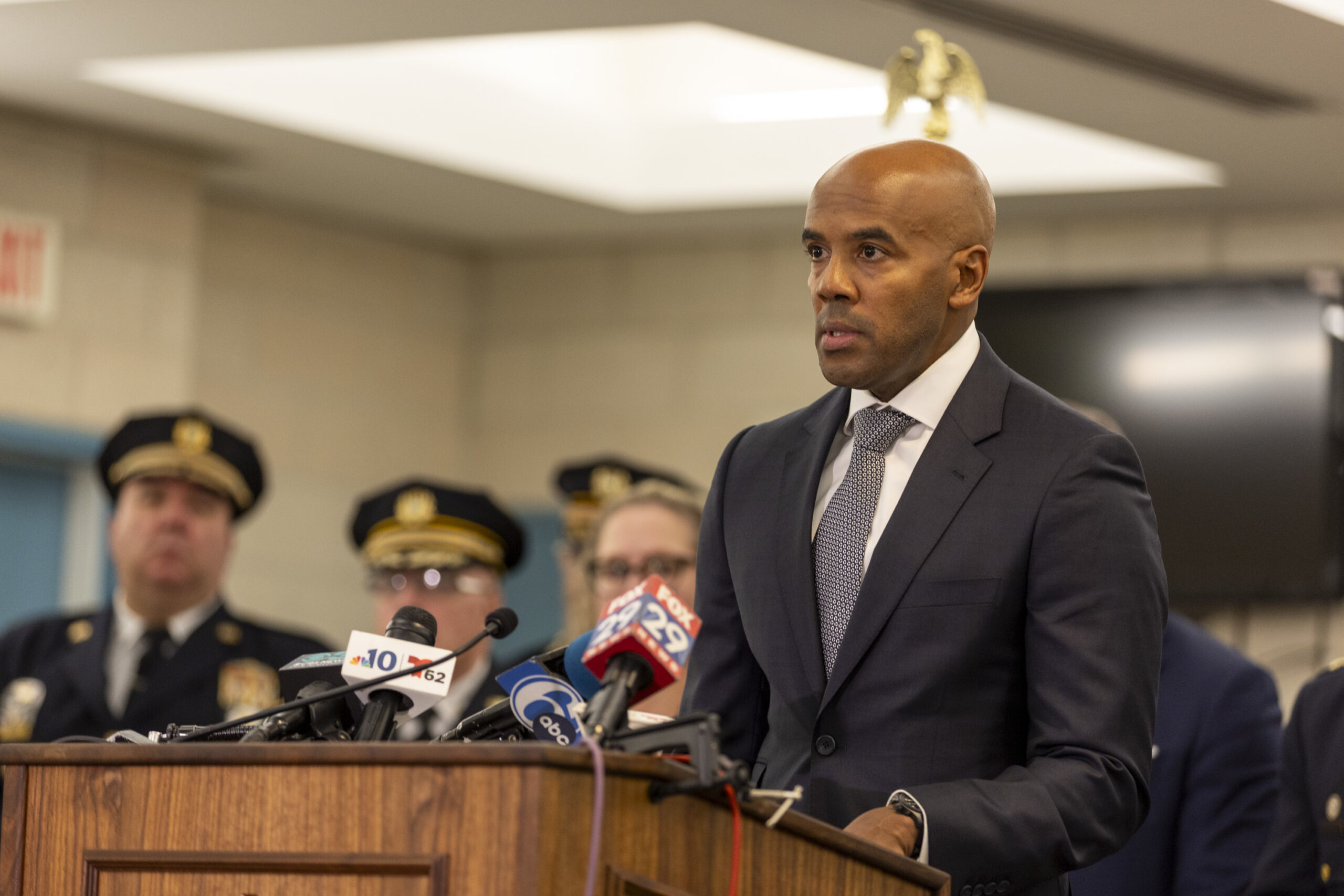
    Special Agent in Charge Wayne A. Jacobs at a news conference at the 24th Police District Headquarters in Philadelphia in October

    Every day, the men and women of the FBI show up with a clear purpose: to protect people and hold perpetrators accountable. Our agents, intelligence analysts, and professional staff work tirelessly to identify offenders, dismantle criminal networks, prevent acts of terrorism, disrupt foreign intelligence threats, and bring those responsible to justice, whether they operate across the street or across the world.

    But enforcement alone is not enough. Preventing harm before it occurs is one of the most powerful tools we have.

    That is why outreach and education are central to our mission.

    Building partnerships

    Through partnerships with schools, senior centers, businesses, universities, and community organizations, we work to raise awareness, share intelligence, and empower people to recognize threats early. Helping a senior avoid a scam, a teenager seek help before harm escalates, or an institution protect sensitive research can be just as impactful as an arrest.

    None of this work happens in isolation. The progress Philadelphia has made, both in reducing violent crime and in confronting complex threats like fraud, sextortion, ransomware, and foreign intellectual property theft, is rooted in strong partnerships. Federal, state, and local law enforcement, prosecutors, private-sector leaders, and academic institutions are aligned around a shared responsibility to keep this city safe.

    Those partnerships will be more important than ever as Philadelphia prepares for a historic year in 2026. With global events, national celebrations, and millions of visitors expected, success will depend on seamless coordination, shared intelligence, and a unified approach to prevention and preparedness.

    We are ready because we have built this foundation together.

    Philadelphia’s progress is real. The challenges ahead are serious. And by continuing to work side by side, guided by intelligence, driven by prevention, and grounded in partnership, we will keep this city safe in 2026 and beyond.

    Wayne A. Jacobs is the special agent in charge of the FBI’s Philadelphia Field Office, a position he’s held since November 2023.

  • The 125-plus restaurant openings that defined Philadelphia this year

    The 125-plus restaurant openings that defined Philadelphia this year

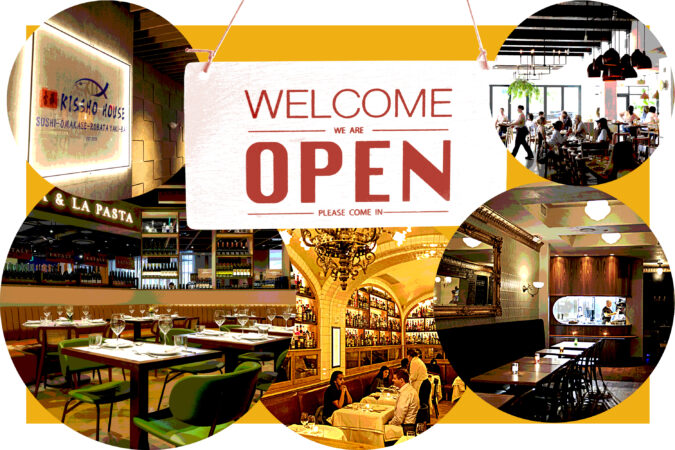
    Philadelphia’s restaurant landscape in 2025 was shaped by a combination of ambition and depth: large, market-moving openings at the top end (Borromini, Dancerobot, Uchi, Honeysuckle, Tequilas/La Jefa); suburban newcomers that mattered (Michael, Neos Americana, Salt & Stone); and dozens of smaller additions that boosted neighborhood options.

    All told, I count more than 125 newcomers, not including the ubiquitous Wonder locations and multiunit bakery franchises like Paris Baguette and Tous les Jours.

    The hottest areas were Rittenhouse and Kensington in the city, and Conshohocken in the suburbs.

    Top Openings: Philadelphia

    Center City / Rittenhouse / Fitler Square / North Philadelphia

    Amma: The polished South Indian restaurant has relocated about two blocks away into more sumptuous quarters at 15th and Walnut, picking up a glassed-in bar.

    Borromini: Stephen Starr’s hotly anticipated Italian trattoria anchors the north side of Rittenhouse Square.

    The Bread Room: A bakery-cafe hybrid from High Street Hospitality on Chestnut Street, around the corner from High Street and Jefferson Hospital, that focuses on laminated pastries, breads, and other daytime fare.

    Dancerobot: Chefs Jesse Ito and Justin Bacharach’s sequel to Royal Izakaya is a sultry hideaway on Sansom Street in Rittenhouse.

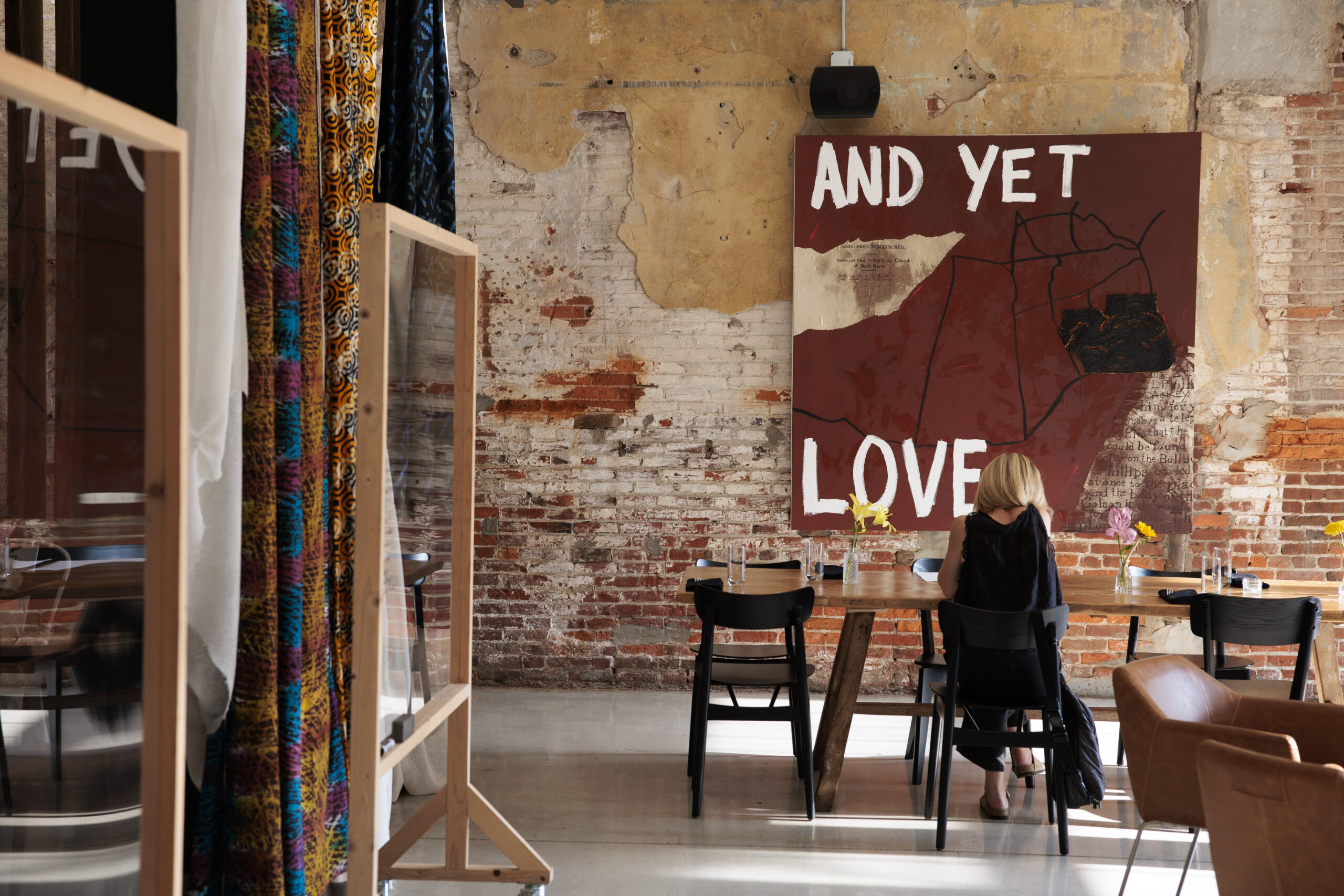
    The dining room at Honeysuckle.

    Honeysuckle: Chefs Omar Tate and Cybille St. Aude-Tate have a new stage for Southern cooking rooted in Black culinary traditions on North Broad Street, building on what they started with West Philly’s Honeysuckle Provisions.

    Kissho House: Chef Jeff Chen’s refined, two-level Japanese experience in Rittenhouse offers omakase downstairs and an izakaya on street level on Locust.

    Kitchen + Kocktails by Kevin Kelley: This high-energy Avenue of the Arts destination offers Southern comfort food, cocktails, and nightlife vibes.

    Pine Street Grill: Chefs Amanda Shulman and Alex Kemp offer American comfort food on Fitler Square as a neighborhood-style counterpoint to Her Place Supper Club and My Loup.

    Tequila’s/La Jefa: The Suro family’s white-tablecloth Mexican restaurant on Locust has returned with two additional concepts: an agave-forward bar and all-day cafe.

    Uchi Philadelphia: The national Japanese restaurant raises the bar for luxury sushi on Sansom Street in Rittenhouse.

    Fishtown/Kensington/Northern Liberties

    Amá: Chef Frankie Ramirez’s modern Mexican restaurant on Front Street showcases regional cooking with a serious mezcal and tequila program.

    El Chingón Fishtown: Chef Carlos Aparicio’s second location of his acclaimed South Philadelphia taqueria is a beer-garden setting on Frankford Avenue.

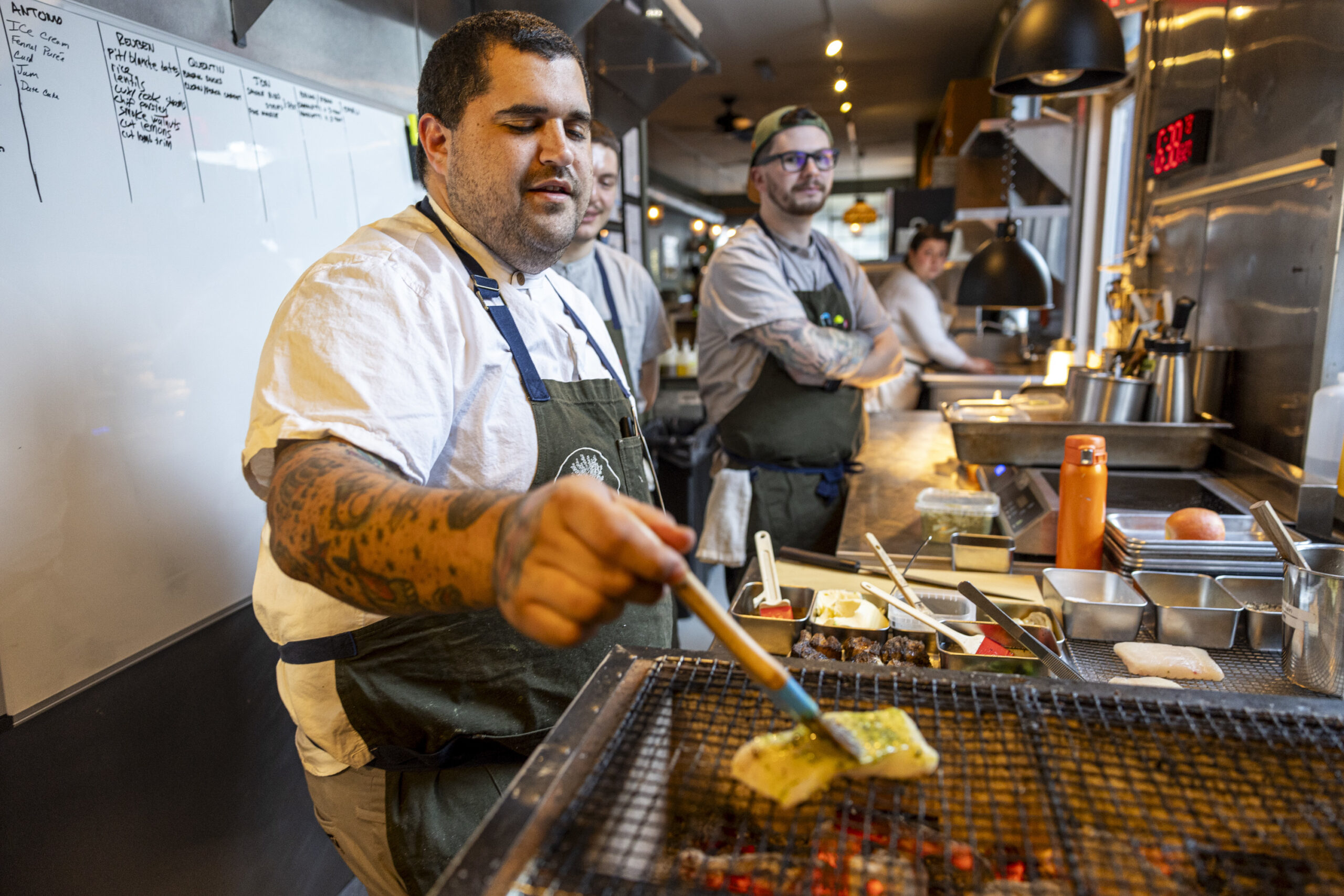
    Evan Snyder grilling a halibut at Emmett.

    Emmett: Chef Evan Snyder is winning plaudits for his Levantine-inspired cooking at the former Modo Mio/Cadence/Primary Plant Based space on Girard Avenue.

    Fleur’s: Chef George Sabatino cooks French dishes in an intimate setting in a former furniture store on Front Street.

    Forest & Main Fishtown: The Ambler brewery’s first city tasting room, in the former Cheu Fishtown on Frankford, features creative bar food from chef Dane DeMarco (Gass & Main).

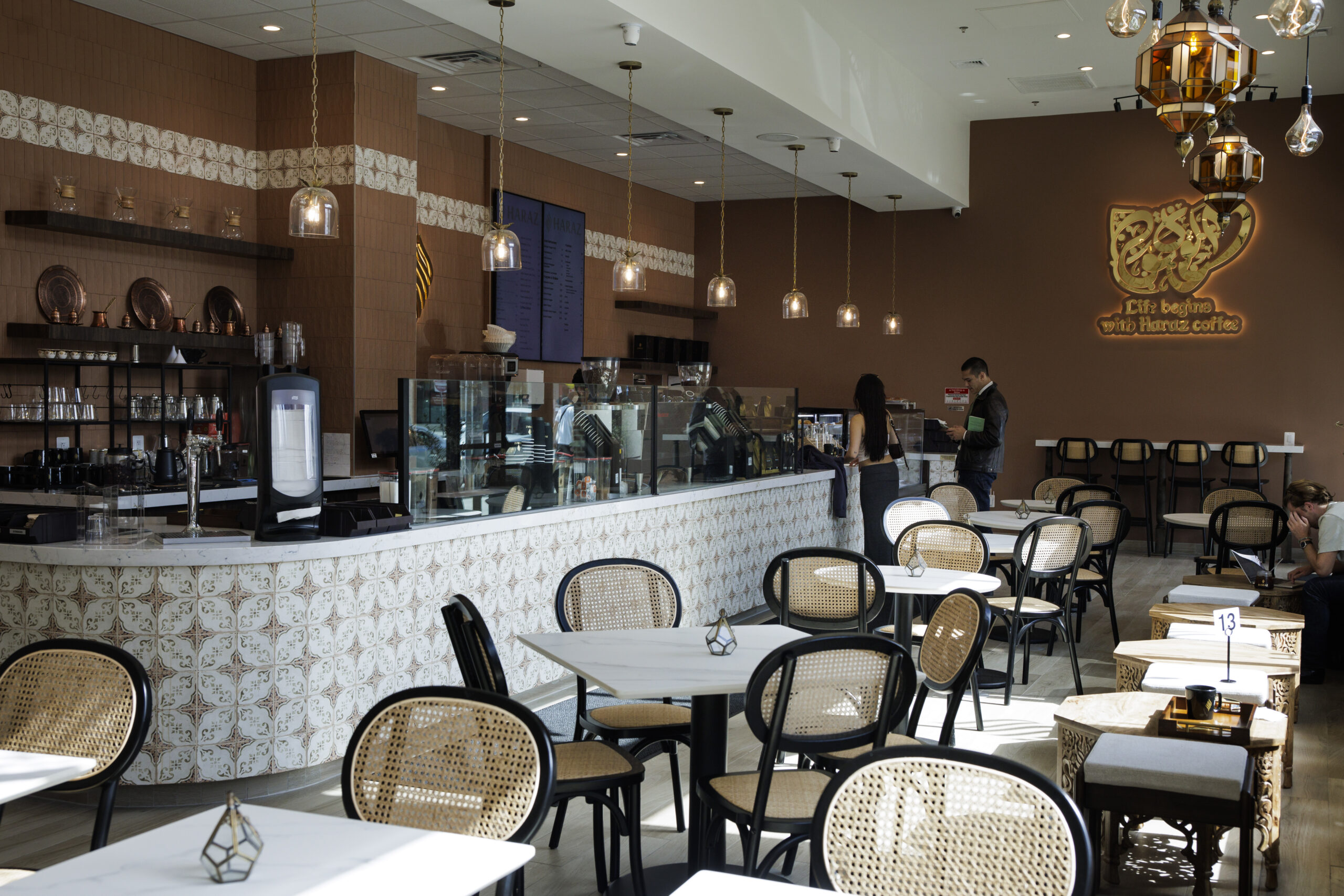
    Haraz Coffee House’s Fishtown location.

    Haraz Coffee House: A Yemeni coffeehouse chain comes to Girard Avenue spotlighting coffee culture and serving as a community hub; its first Philadelphia location opened in University City.

    Mana Modern Chinese: Modern Chinese BYOB on Second Street in Northern Liberties blends playful dim sum and inventive takes on classics in a mod setting.

    Fairmount / Francisville

    Javelin: This low-key Fairmount Avenue sushi bar offers a full cocktail bar.

    Manong: Tabachoy chef Chance Anies channels Outback for his Filipino steakhouse on Fairmount.

    Stephen’s Cafe: This kosher dairy cafe attached to the Chabad of Fairmount, in the former Rembrandt’s, features baking by Shevy Sputz, who also sells her babka, knishes, and other Eastern European baked goods at the local farmer’s market.

    South Philadelphia / East Passyunk / Graduate Hospital

    Banshee: This compact American bistro on South Street from Cheu/Bing Bing alums serves casually sophisticated plates, wines, and cocktails.

    Bomb Bomb Bar: Zeppoli/Palizzi chef Joey Baldino revived a classic South Philly corner bar, infusing it with an Italian seafood menu and plenty of downtown energy.

    Sao: Chef Phila Lorn and his wife, Rachel, are behind this snug Cambodian-inspired seafood bar on East Passyunk, a sequel to their hit no-rules noodle spot, Mawn.

    Supérette: This chill European-style wine bar/cafe/bottle shop on East Passyunk from Chloé Grigri, Vincent Stipo, and Owen Kamihira emphasizes simple plates and easy elegance.

    Tesiny: Caviar/lox queen Lauren Biederman’s chic seafood/cocktail bar in South Philly.

    University City / West Philadelphia

    Gather Food Hall: This food hall across from 30th Street Station showcases local operators.

    Haraz Coffee House: (See Fishtown.)

    Namaste Indian Bistro: This Indian-Himalayan bistro at 46th and Lancaster is an offshoot of the original in Warminster; there’s also a new location in Collingswood.

    Out West: Down North Pizza’s sequel at 52nd and Walnut combines an ambitious coffee program with breakfast and lunch sandwiches in a community-friendly space.

    Northwest Philadelphia

    The Borscht Belt: The Bucks Jewish deli has opened a counter at Chestnut Hill’s Market at the Fareway.

    Petite Matines: This Chestnut Hill cafe aims at families and kids activities; it’s on the original Bethlehem Pike site of “parent” eatery Matines Cafe, which moved into roomier digs nearby on Highland Avenue.

    Top Openings: Pennsylvania & New Jersey Suburbs

    Burtons Grill & Bar (Wayne): This polished, New England-rooted American grill features a long cocktail list and an unusually thorough gluten-free/allergy-friendly playbook.

    Eataly (King of Prussia Mall): The giant Italian marketplace combines multiple restaurants, retail counters, and specialty grocery under one roof.

    Bar at Gloria Sports & Spirits in Warrington.

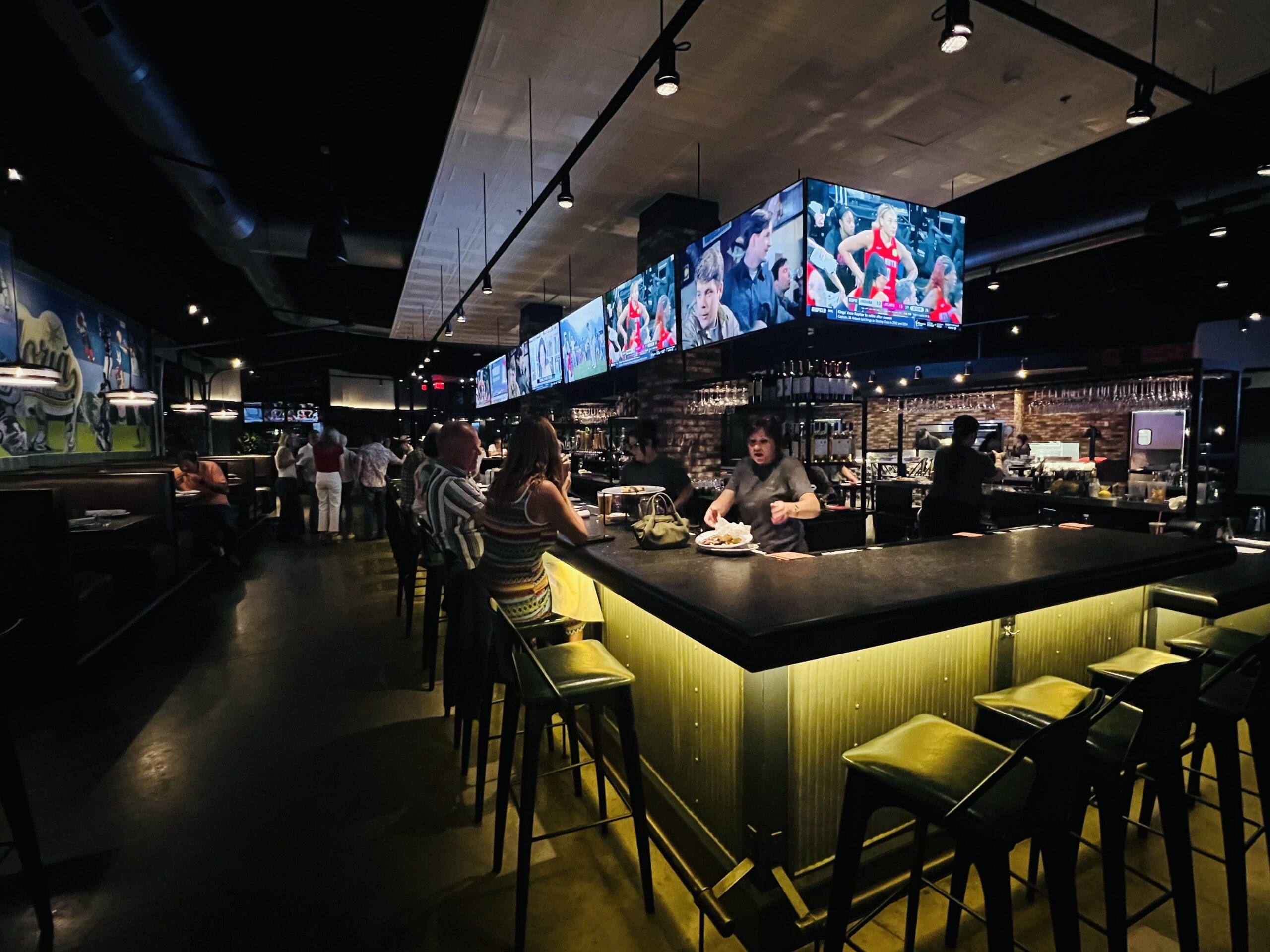
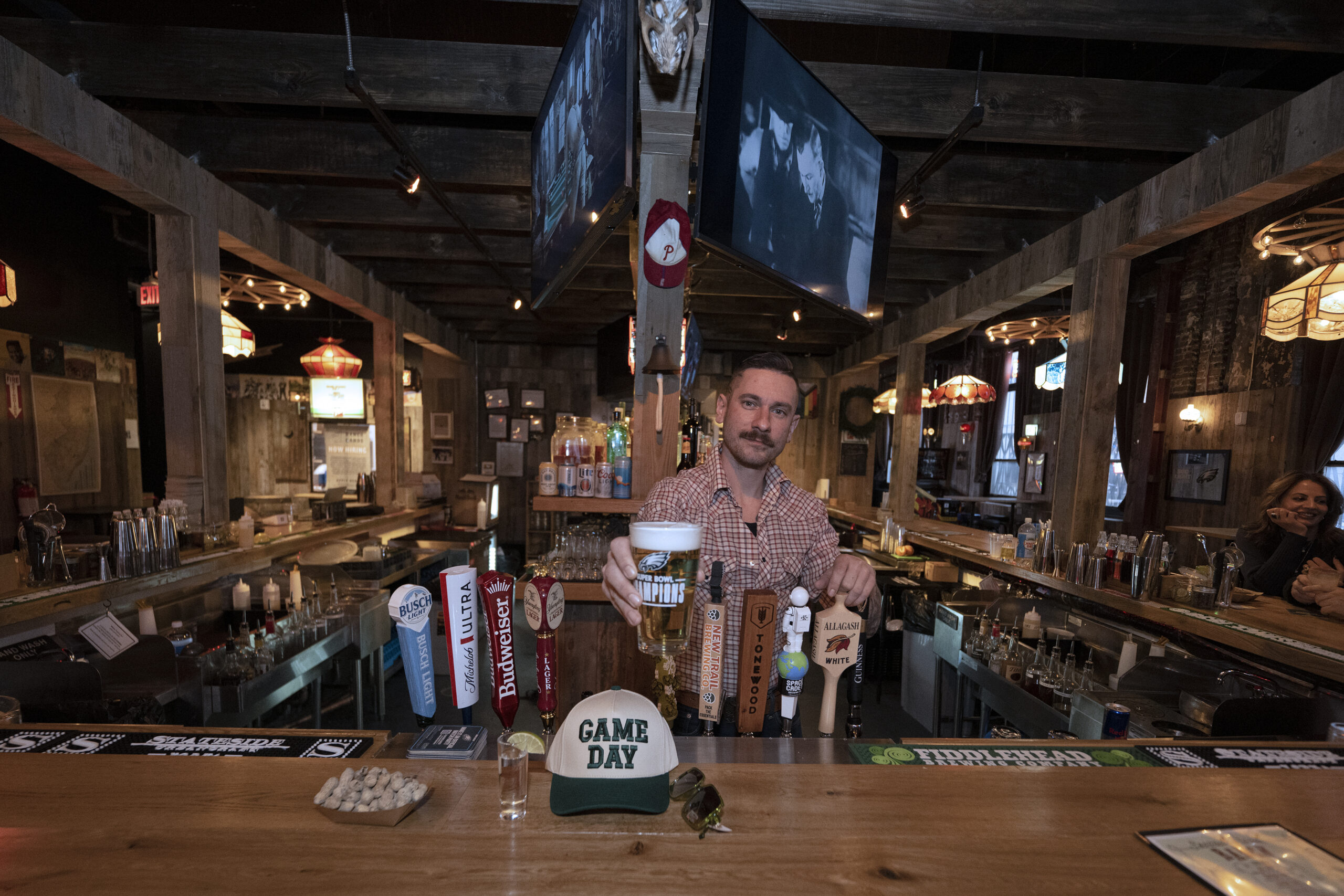
    Gloria Sports & Spirits (Warrington): Tresini chef Brad Daniels and partners deliver the sports bar experience with a noteworthy pizza menu at the Shops at Valley Square.

    Hank’s Place (Chadds Ford): Rebuilt after a devastating 2021 flood, this Brandywine mainstay is a cozy diner known for old-school favorites and Wyeth sightings.

    Johnny’s Pizza (Wayne): John Bisceglie has expanded his Bryn Mawr favorite to a strip center near Wayne’s farmer’s market.

    Jolene’s (West Chester): This low-lit French-leaning dinner spot is built around cocktails and small plates, delivering date-night vibes.

    L’Olivo Trattoria (Exton): Chef Francis and Nui Pascal of the French-Italian charmer Birchrunville Store Cafe and Butterscotch Pastry Shop offer Northern Italian fare and a full bar in cozy digs at Eagleview Town Center.

    Maris Mediterranean (Media): Mediterranean seafood drives this refined yet casual restaurant-bar from Loïc Barnieu (La Belle Epoque, Sterling Pig Brewery).

    Michael Coastal Italian Grille (Collingswood): Chef Michael DeLone leans harder into coastal Italian cuisine after rebranding the upscale Nunzio’s and freshening the environs with new hardwood.

    Namaste Indian Bistro (Collingswood): See West Philadelphia.

    Neos Americana (Conshohocken): Kurt Benkurt and Annalise Long have upgraded their Daniel’s into a refined Mediterranean-leaning dinner destination and bar focusing on mezze, grilled meats, and seafood.

    Peter Chang (King of Prussia): Peter Chang, once chef for the Chinese Embassy in Washington, D.C., offers Sichuan classics.

    The Rabbit Hole (Conshohocken): Small plates and cocktails are offered in a chic, bunny-fied corner bar setting.

    Revell Hall (Burlington): Chef Joey Sergentakis is behind this modern restaurant on the Delaware riverfront, the former Cafe Gallery, billed as “semifine dining.”

    Roy Rogers (Cherry Hill): This nostalgic fast-casual chain marked its return to the Philadelphia-South Jersey area, Fixin’s Bar and all.

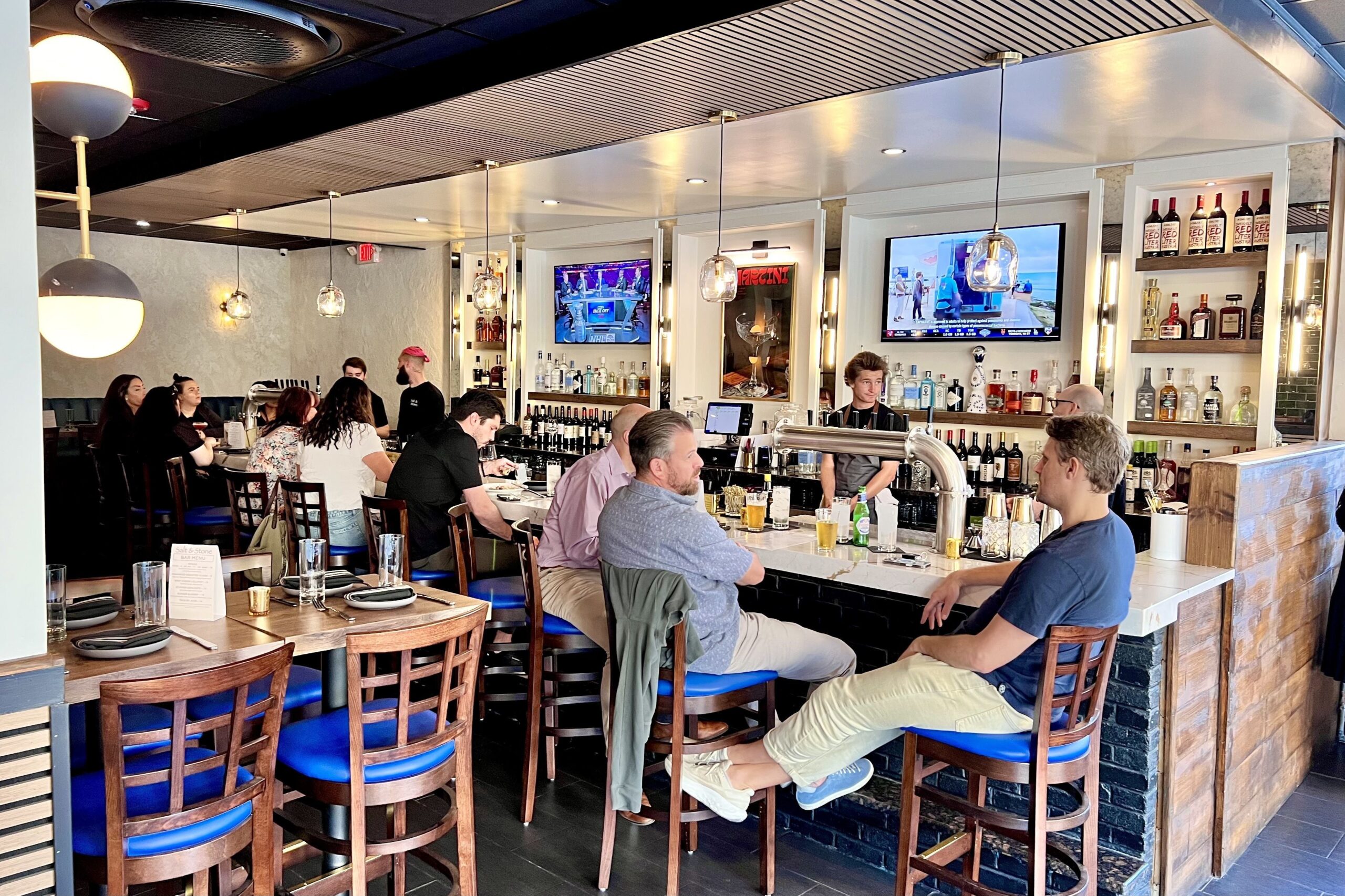
    Bar at Salt & Stone in Conshohocken.

    Salt & Stone (Conshohocken): Demetrios Pappas is behind this polished restaurant emphasizing seasonal Greek-American cooking and craft cocktails.

    Thymari Mediterranean Gastro-Taverna (Swedesboro): This Greek-inspired BYOB offers taverna-style dishes, with a wine list sourced through Kennedy Cellars.

    Triple Crown (Radnor): Fearless Restaurants has gone with an equestrian theme for its restaurant/event space at the Radnor Hotel.

    Other Noteworthy Openings

    Philadelphia

    Amina (Northern Liberties): Felicia Wilson and chef Darryl Harmon moved their West African-inspired Southern spot from Old City into the former SIN.

    Avana (Center City): Comfort food and American classics from Felicia Wilson and chef Darryl Harmon at Park Towne Place on the Parkway.

    Cafe Duskaia (South Philadelphia): An Italian Market coffee shop and roaster highlighting Nicaraguan coffee sourced from women coffee farmers.

    Casa Borinqueña (Kensington): Lourdes “Lulu” Marquez-Nau owns this casual Puerto Rican spot serving plant-based versions of classics like pinchos, arroz con gandules, and maduros.

    Casa Oui in Queen Village.

    Casa Oui (Queen Village): Chef Isabel Nocelo and C.J. Cheyne’s all-day café-restaurant blends French pastry energy with a nighttime menu that leans Mexican, plus a full bar.

    Céline (Center City): It’s a cocktail lounge and nightlife-focused venue built around DJ-driven vibes and a reservation-led bar program; a Korean barbecue restaurant counterpart, HYO, is on the way upstairs.

    Cerveau (North Philadelphia): Pizza Brain cofounder Joe Hunter created this roomy space at the 990 Spring Garden building to focus on sourdough pizza, handmade pastas, and small plates, with a full bar.

    Cormorant (Kensington): This corner bar from the partners behind Vintage and Garage offers an amaro-leaning cocktail list, classic drafts, and no-proof options.

    DaVinci & Yu (South Philadelphia): Marc Grika offers a playful mashup of Italian American and Chinese American comfort food on East Passyunk.

    The bar at Doho in Mount Airy.

    Doho (Mount Airy): This cozy bistro, inside Catering by Design, fuses Latin American and East Asian flavors, with a full bar.

    Fetch (Manayunk): A dog park with a bar and a light food menu has succeeded Bark Social on Main Street.

    First Daughter Oyster & Co. (Old City): Felicia Wilson and chef Darryl Harmon offer New England-style seafood at the Renaissance Philadelphia Downtown Hotel.

    Good Hatch Eatery (West Philadelphia): The popular South Philly bruncherie has expanded to 48th and Pine.

    Griddle & Rice (South Philadelphia): This Indonesian comfort spot bridges breakfast, brunch, and lunch.

    Hana Hawaiian BBQ (Northeast Philadelphia): Hawaiian-Korean fusion comes to Bell’s Corner in a fast-casual atmosphere.

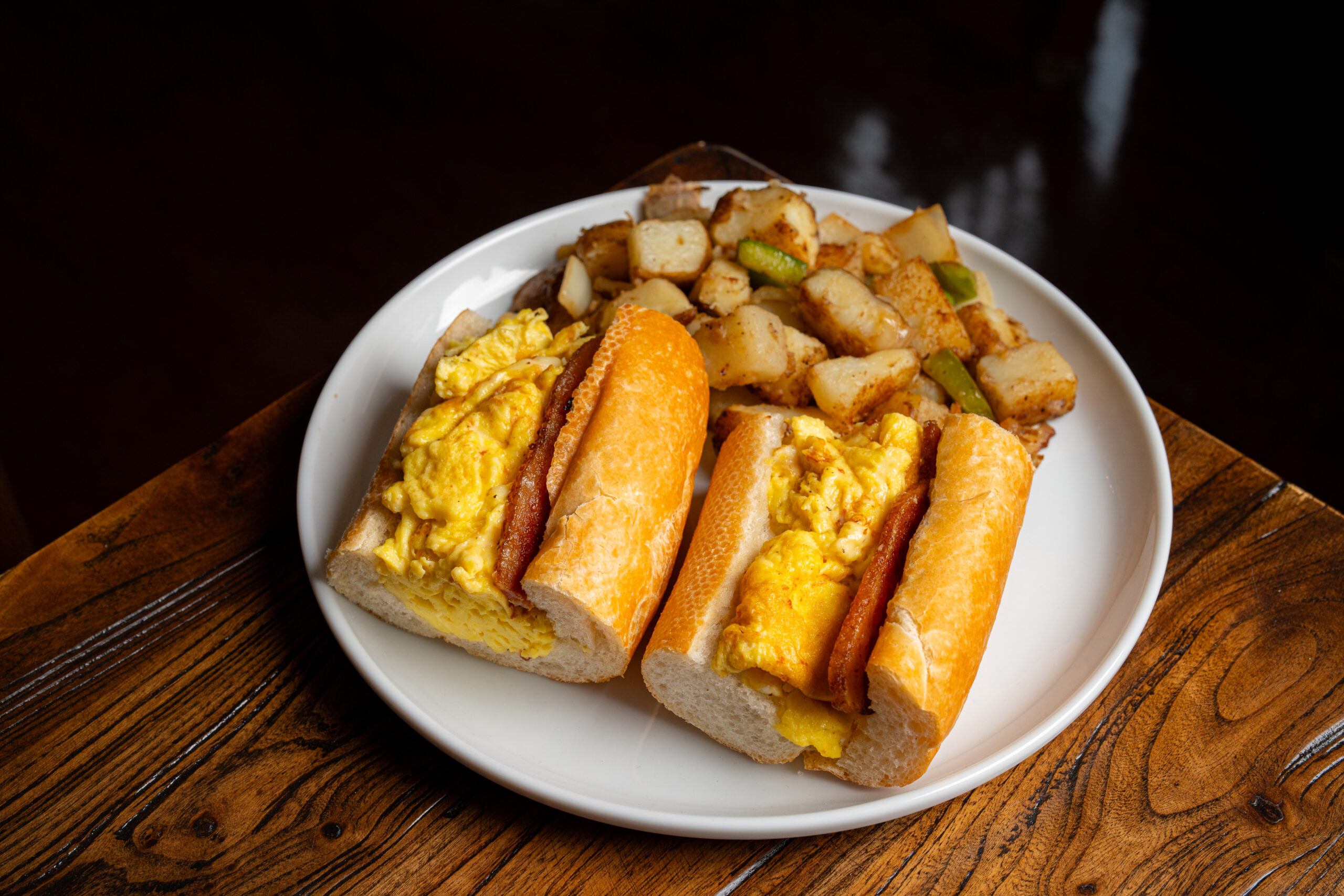
    Zack’s bacon egg & cheese at Hannah K.

    Hannah K Cafe (South Philadelphia): Point Breeze gets a bright Vietnamese breakfast and lunch cafe.

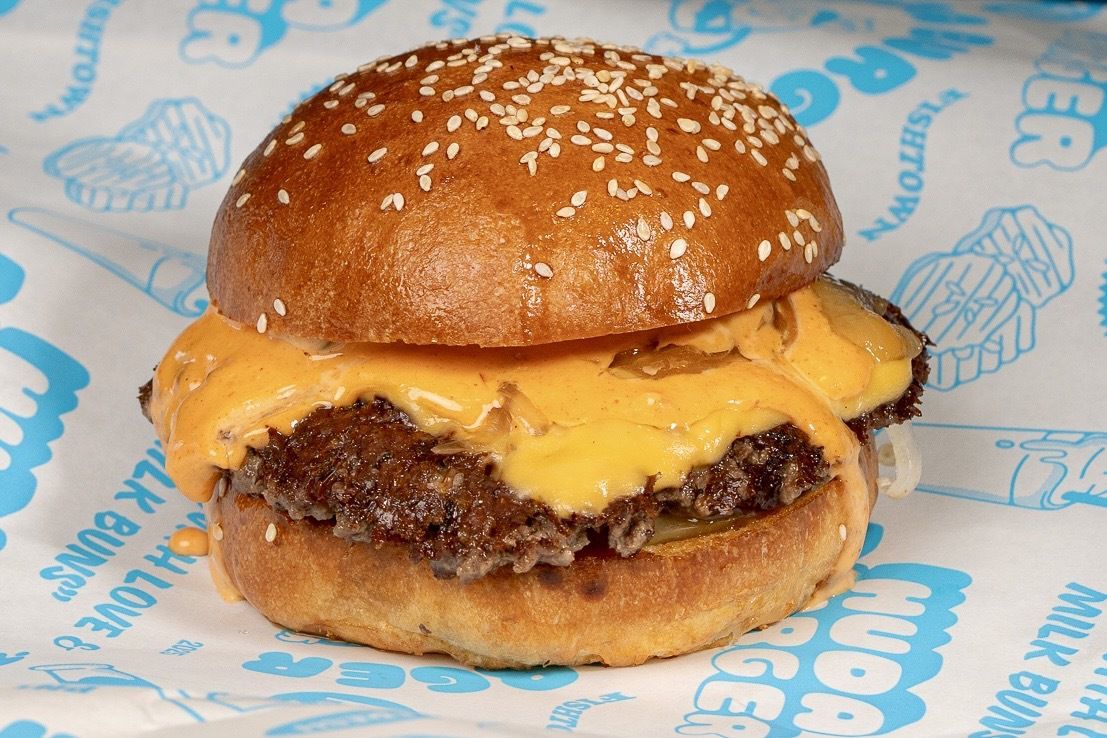
    Huda Burger (Fishtown): Yehuda Sichel of Center City’s Huda serves burgers on milk buns at his burger concept.

    The signature burger at Huda Burger.

    Jax Cafe at the J Spot (Center City): Jacqueline Clarizio offers wholesome bites at her cafe, part of her med spa near Fitler Square

    Kinto (Fishtown): This BYOB from the creators of Fabrika offers Georgian cuisine in a date-night-appropriate setting.

    La Maison Jaune (Center City): Zahra Saeed‘s French-inspired cafe offers pastries, light fare, and relaxed elegance near Fitler Square.

    Leo (Center City): The contemporary bar-restaurant at the Kimmel Center is built around seasonal ingredients.

    The Little Gay Pub (Center City): This Gayborhood pub celebrates Philadelphia’s gay community and wants to make Grandma feel right at home, too.

    Little Horse Tavern (West Philadelphia): Named in honor of pioneering golfer Charlie “Little Horse” Sifford, the tavern is next to a driving range at the newly restored Cobbs Creek public course.

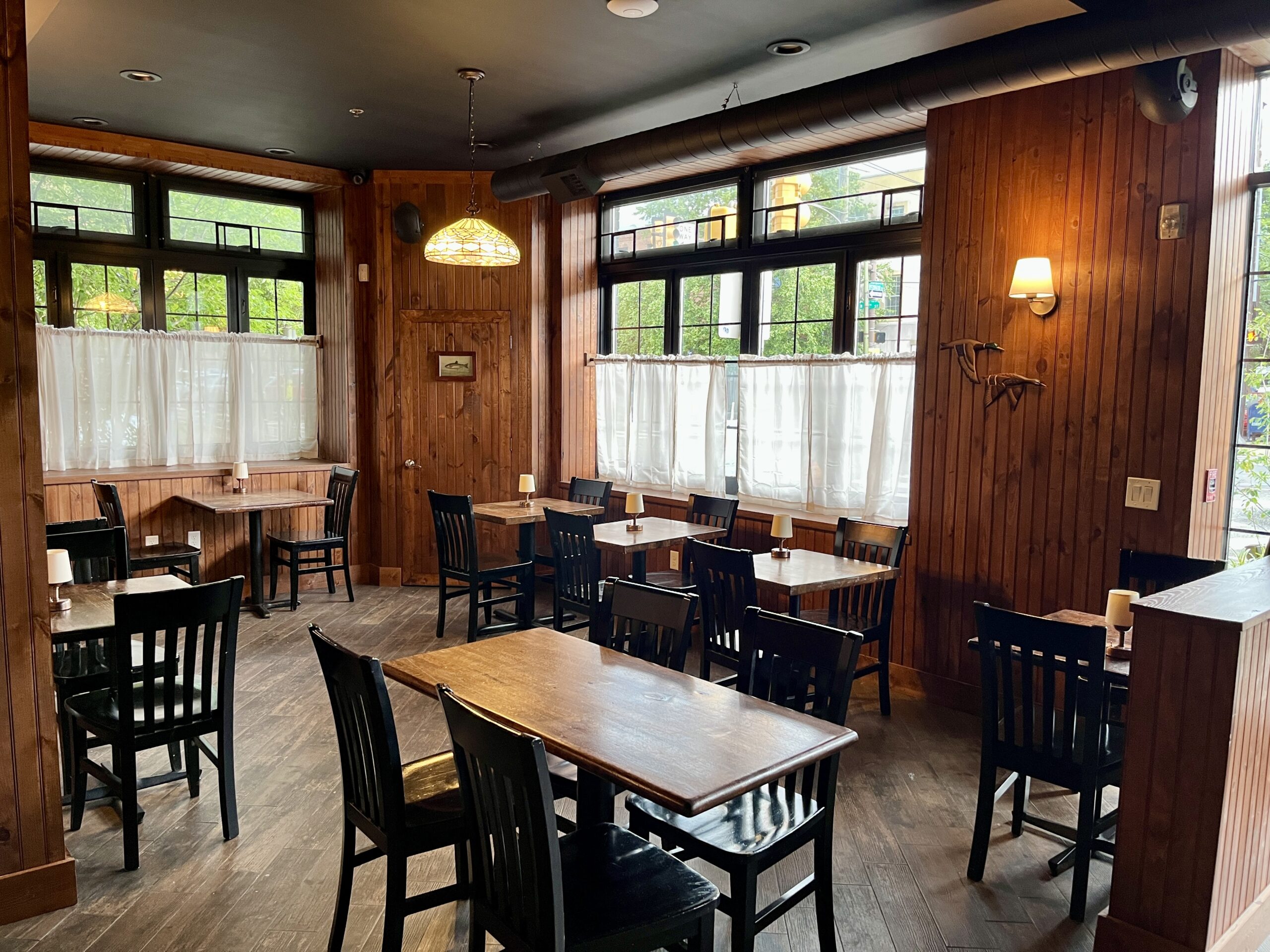
    The Lodge by Two Robbers Spirits Co.

    The Lodge by Two Robbers (South Philadelphia): Inventive martinis and other cocktails come to a lodge setting from the crew behind Fishtown’s Two Robbers.

    Mecha Noodle Bar (Kensington): A Connecticut chain delivers Asian comfort foods (including ramen and bao) and cocktails under the El.

    Medium Rare (Fishtown): The single-menu steak-frites chain emphasizes simplicity and value.

    Moka & Co. (Center City): The Yemeni coffee chain sets up a shop on South Penn Square, across from City Hall.

    Musette Rittenhouse: This café-restaurant channels French sensibilities into an all-day neighborhood format at a former Ultimo Coffee location.

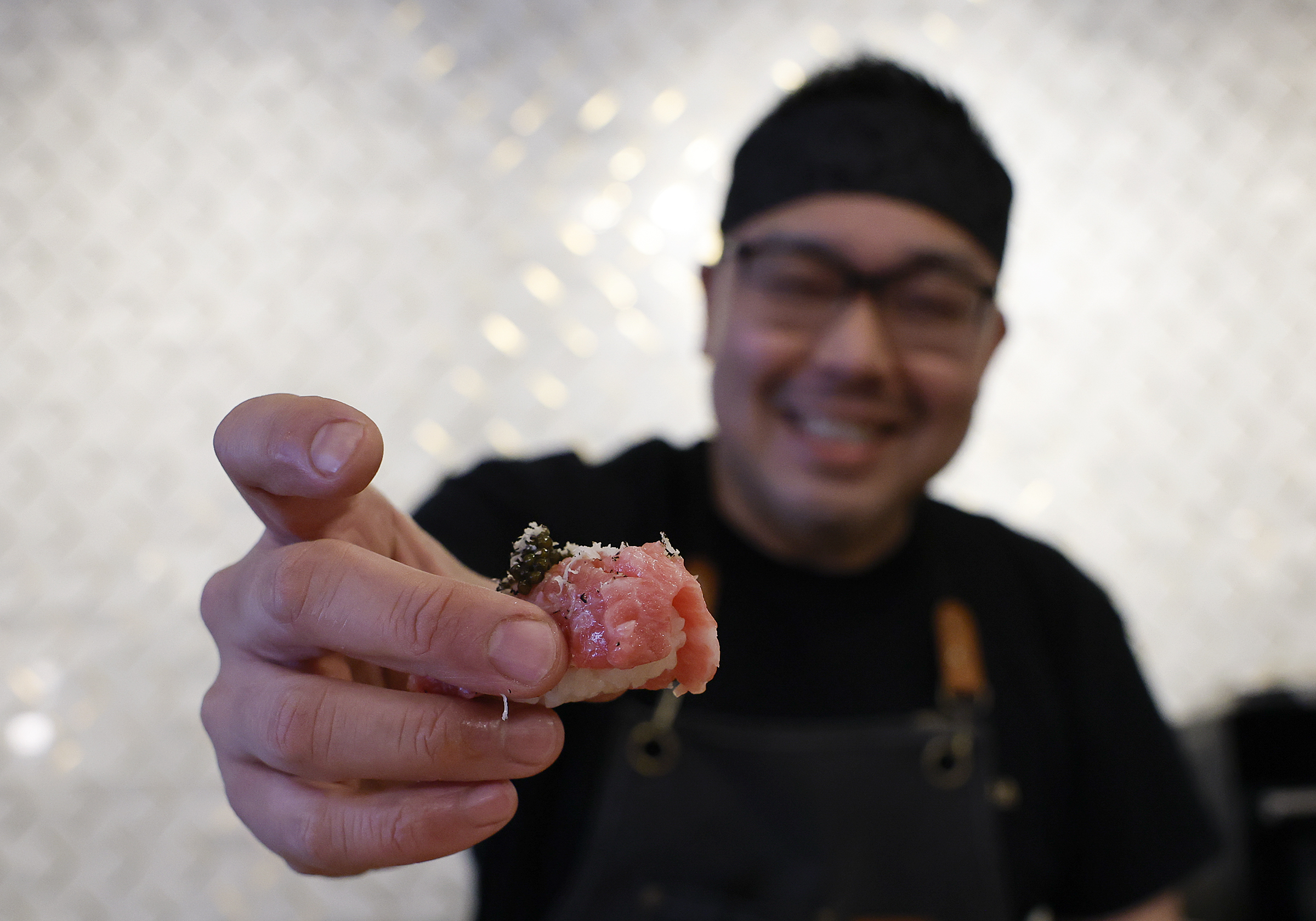
    Sushi chef Mitsutaka Harada holds a piece of otoro nigiri at Nakama.

    Nakama Japanese Cuisine & Omakase (Center City): Mitsutaka Harada and Haris Yohanes offer sushi, hot dishes, and omakase experiences at their modest Japanese restaurant near Reading Terminal Market.

    Newsroom Philadelphia (Northern Liberties): A bar-restaurant concept blends media themes with late-night energy, tucked behind an ersatz soda machine.

    Olive Roots Cafe (Queen Village): A Mediterranean cafe emphasizes coffee/matcha drinks and croissant sandwiches.

    Percy (Kensington): The team behind Forîn Cafe runs this unfussy but stylish diner with a bar and late-night lounge under the El.

    A feast at Pinolero.

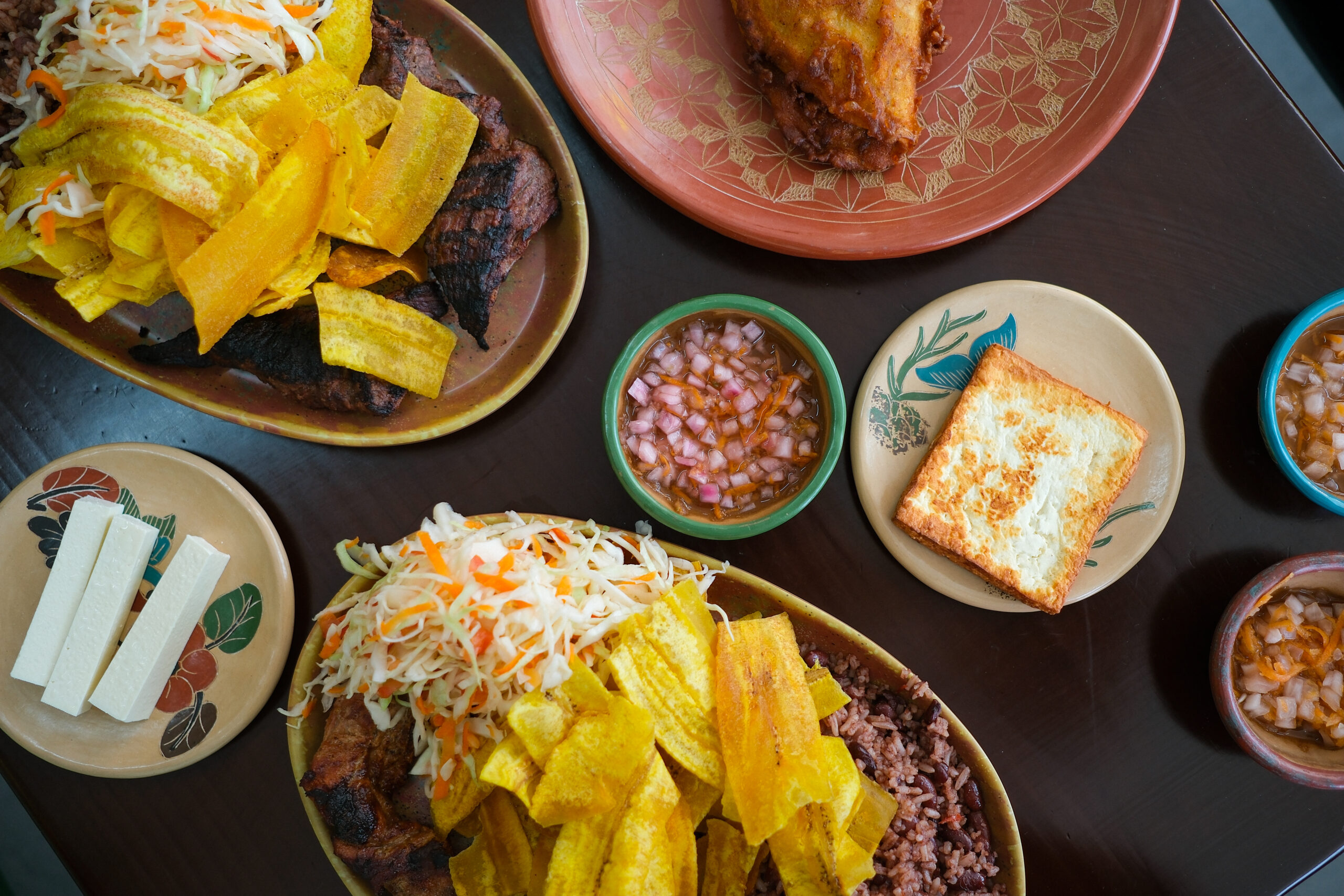
    Pinolero (Kensington): Lilliam Orozco and daughter Sarah are behind this stylish Nicaraguan restaurant in Harrowgate highlighting wood-fire cooking and Central American beverages.

    Rhythm & Spirits (Center City): This music-theme bar and restaurant combines cocktails and Spanish-Italian food at One Penn Center (aka Suburban Station).

    Rival Bros Coffee (Washington Square West): The Philly coffee chain debuted a swank spot in the Jessup House.

    Rockwell & Rose (Center City): This stylish steakhouse has taken half of P.J. Clarke’s footprint in the Curtis Building, across from Washington Square.

    Say She Ate Cafe (Center City): There’s great name wordplay and Mumbai-influenced, vegan food on the menu at this fast-casual cafe on South Street just off Broad, carrying on the Govinda’s tradition.

    Scusi Pizza (Northern Liberties): Chef Laurent Tournodel’s colorful pizzeria/cocktail spot opened at the Piazza Alta, in advance of a luxe concept called Terra Grill.

    Seaforest Bakeshop (Graduate Hospital): Social worker Suerim Lee segued into the bakery biz, making sweet and savory Korean foods.

    Bartender Sam Shultz at Secondhand Ranch in Fishtown.

    Secondhand Ranch (Fishtown): This honky-tonk-inspired bar blends secondhand-store aesthetics with country-leaning fun.

    Shay’s Steaks & More (Rittenhouse): The Logan Square shops expands to Sansom Street, serving cheesesteaks and classic comfort food till late night.

    Static! (Center City): This high-energy bar in Washington Square West is backed by the crew from Fishtown’s Next of Kin.

    Trung Nguyen Legend (South Philadelphia): A luxe Vietnamese coffee chain premieres in Queen Village.

    Tu Rinconcito (Old City): This corner spot specializes in homestyle Mexican breakfasts and lunches.

    Turmeric Indian Kitchen (North Philadelphia): Veteran Indian restaurateurs offer a modern menu and comfortable surroundings at 13th and Spring Garden.

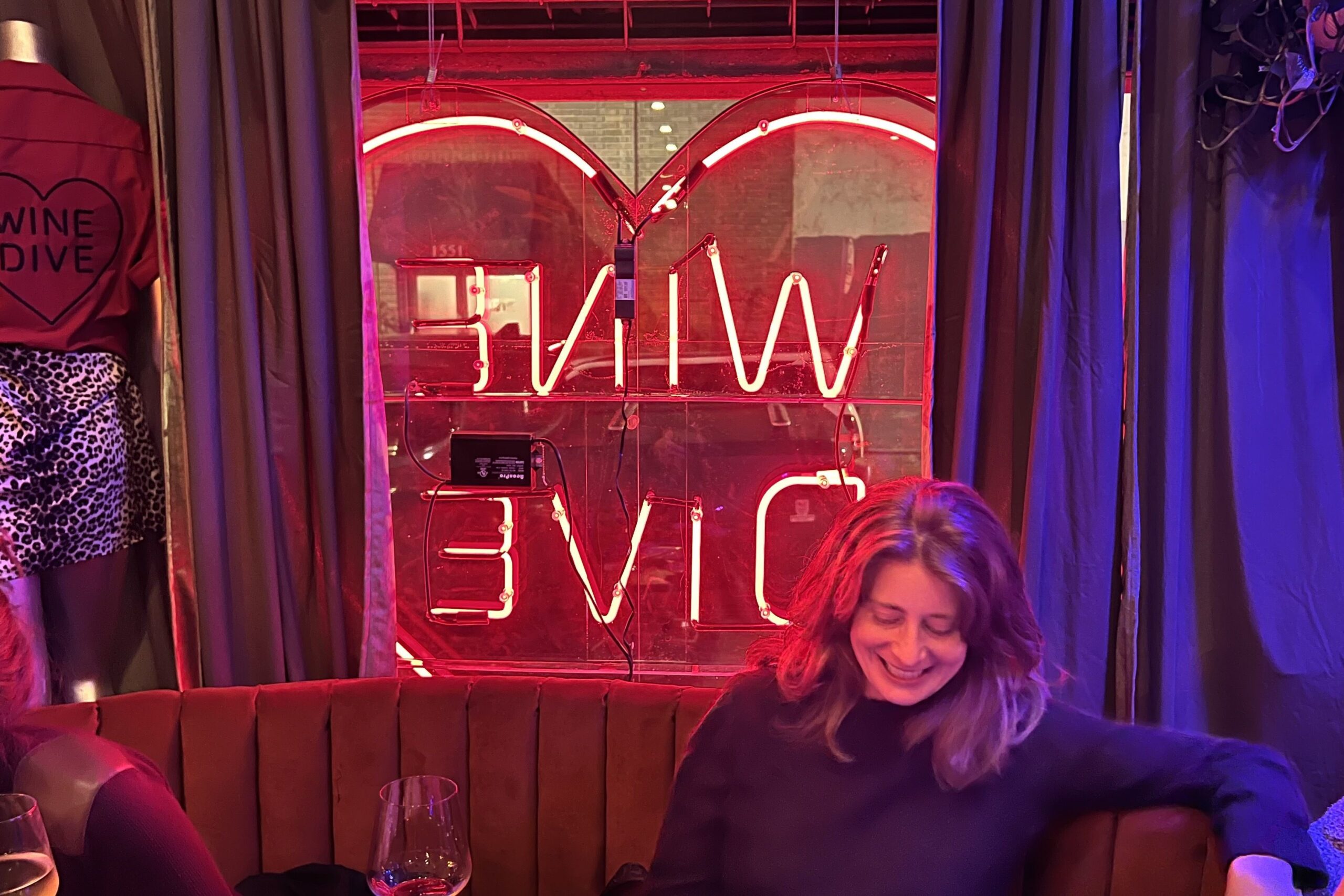
    The window banquette at Wine Dive.

    Wine Dive (Rittenhouse): The casual and vibe-heavy wine bar with small plates has relocated from South Street to 16th and Sansom.

    Pennsylvania Suburbs

    Anomalia Pizza (Fort Washington): Frank Innusa works the oven and Deena Fink runs the counter at their humble, stand-alone slice shop near Germantown Academy.

    Bao Nine (Malvern): This fast-casual Asian fusion specializes in bao buns and bowls; it’s an offshoot of the Rittenhouse original.

    The Borough (Downingtown): It’s a sprawling family restaurant and sports bar downstairs, with a sushi bar and event space upstairs and a serious pizza menu.

    The Buttery (Ardmore Farmer’s Market): The Malvern-rooted specialty bakery expands to the eastern Main Line.

    Cafe Neos (Conshohocken): Neos American’s companion cafe serves coffee, house-baked pastries, and other light fare.

    Carve 52 (Doylestown): This shop offers sandwiches made from hand-carved meats.

    Cote Tapia-Marmugi at Copihue Bakehouse.

    Copihue Bakehouse (Ambler): Veteran baker Cote Tapia-Marmugi offers a taste of her Chilean childhood, both sweet and savory.

    The Fulton (Conshohocken): This contemporary Irish tavern serves hearty classics at the former Old Mansion House.

    Kaede Sushi & Noodle Co. (Conshohocken): “Sushi speakeasy” is the theme of this stylish room upstairs from Guppy’s Good Times, with food from the team behind Kooma.

    The Kibitz Room (King of Prussia): The longtime Jewish deli, which started in Cherry Hill, offers a massive service counter and table service.

    One bar at La Grange in Yardley.

    La Grange Brasserie (Yardley): A French brasserie from chef Peter Woolsey brings classic technique to a woodland suburban setting in Bucks.

    The Local (Phoenixville): A breakfast-and-lunch newcomer from the Lock 29 team leans into scratch-made classics and rotating specials.

    Maison Lotus (Wayne): This refined Vietnamese coffee bar/restaurant from Win Signature Restaurants (Azie, the Blue Elephant, Teikoku, Mikado Thai Pepper, Mama-San) subsumed the former Margaret Kuo.

    Mama Chang (Colmar): A family-style Chinese dining room from chef Peter Chang features Sichuan heat.

    Nature’s Vin (Wayne): Ragini Parmar is behind this woman-operated natural-wine shop and bar in a former Main Line flower shop.

    Nudy’s Cafe (Glen Mills): Ray Nudy’s diner chain expanded into a former Bryn Mawr Trust branch for No. 15.

    Ridge Hall (Ambler): This multiconcept food hall and community anchor is helmed by Twisted Gingers Brewing Co.

    Stubborn Goat Brewing (West Grove): This no-frills brewpub pours the Chester County brewery’s beers with a menu of wings, sandwiches, and bar snacks.

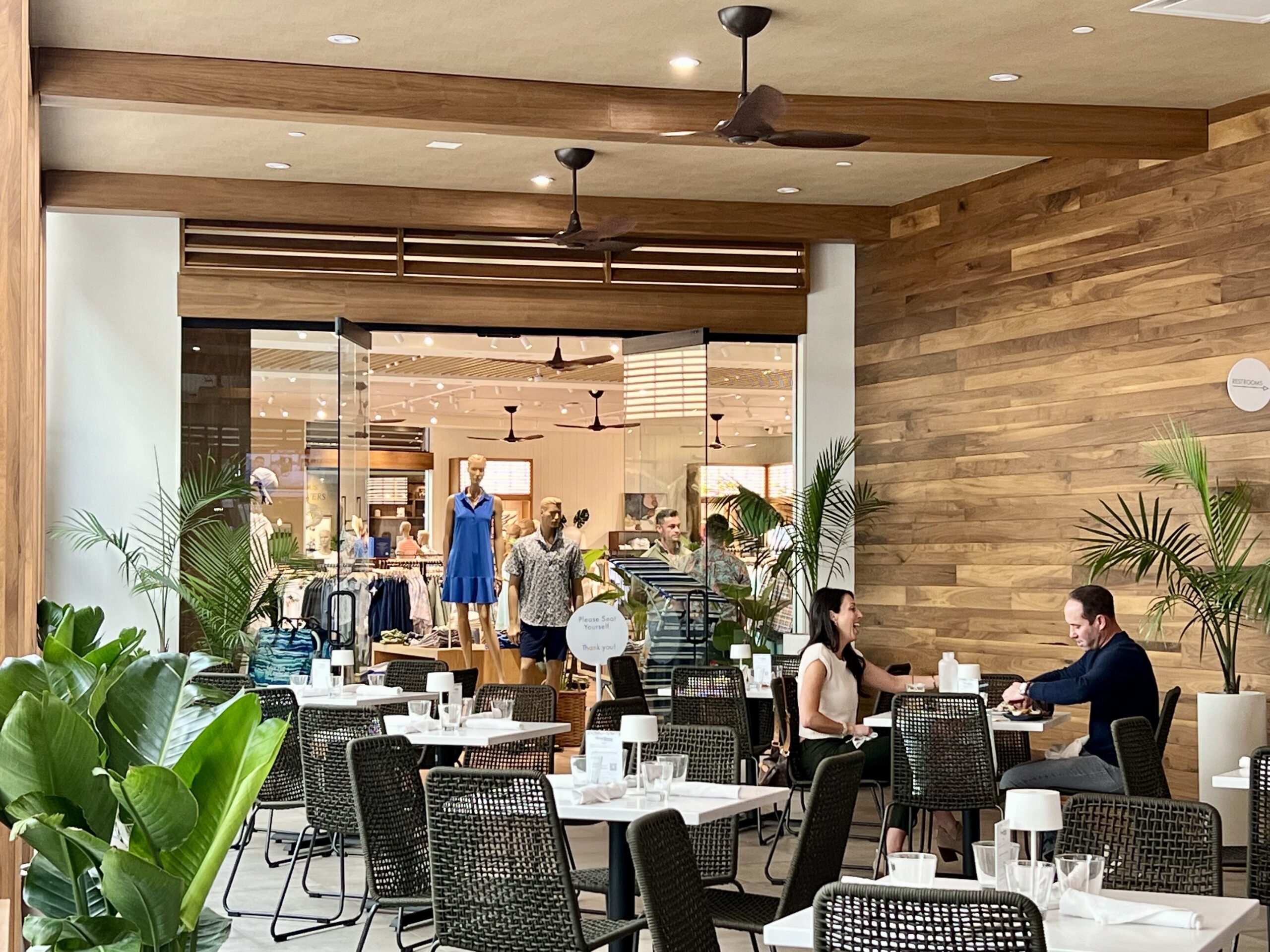
    The Tommy Bahama retail flows into the adjacent Marlin Bar.

    Tommy Bahama Marlin Bar (King of Prussia): The tropical island vibes are a companion to the mall retail store.

    Tommy’s Tavern & Tap (King of Prussia): The New Jersey sports bar has set up an outpost outside the mall.

    Toastique (Newtown Square): This all-day cafe turns “gourmet toast” into the main event, backed by juices and grab-and-go bowls.

    Vanilla Café (New Hope): A sweets-forward cafe does coffee, pastries, and desserts with Instagram-friendly polish.

    New Jersey Suburbs

    Feed Mill Eatery (Medford): Five brands — Crumb Sandwich Joint, Casa Blanca Taqueria, Davey Stacks Burgers & Cheesesteaks, Mattarello Pizza, and Walterhaus German Fare — have set up at the historic Feed Mill complex, per early word from South Jersey Food Scene.

    Flying Pig Tavern & Tap (Riverside): This new outpost of the Bordentown sports bar replaces Towne Tavern.

    Julio’s Casa de la Birria (Sewell): The family behind Vineland’s Julio’s on Main has opened a sequel in Echo Plaza: a quick-service taqueria.

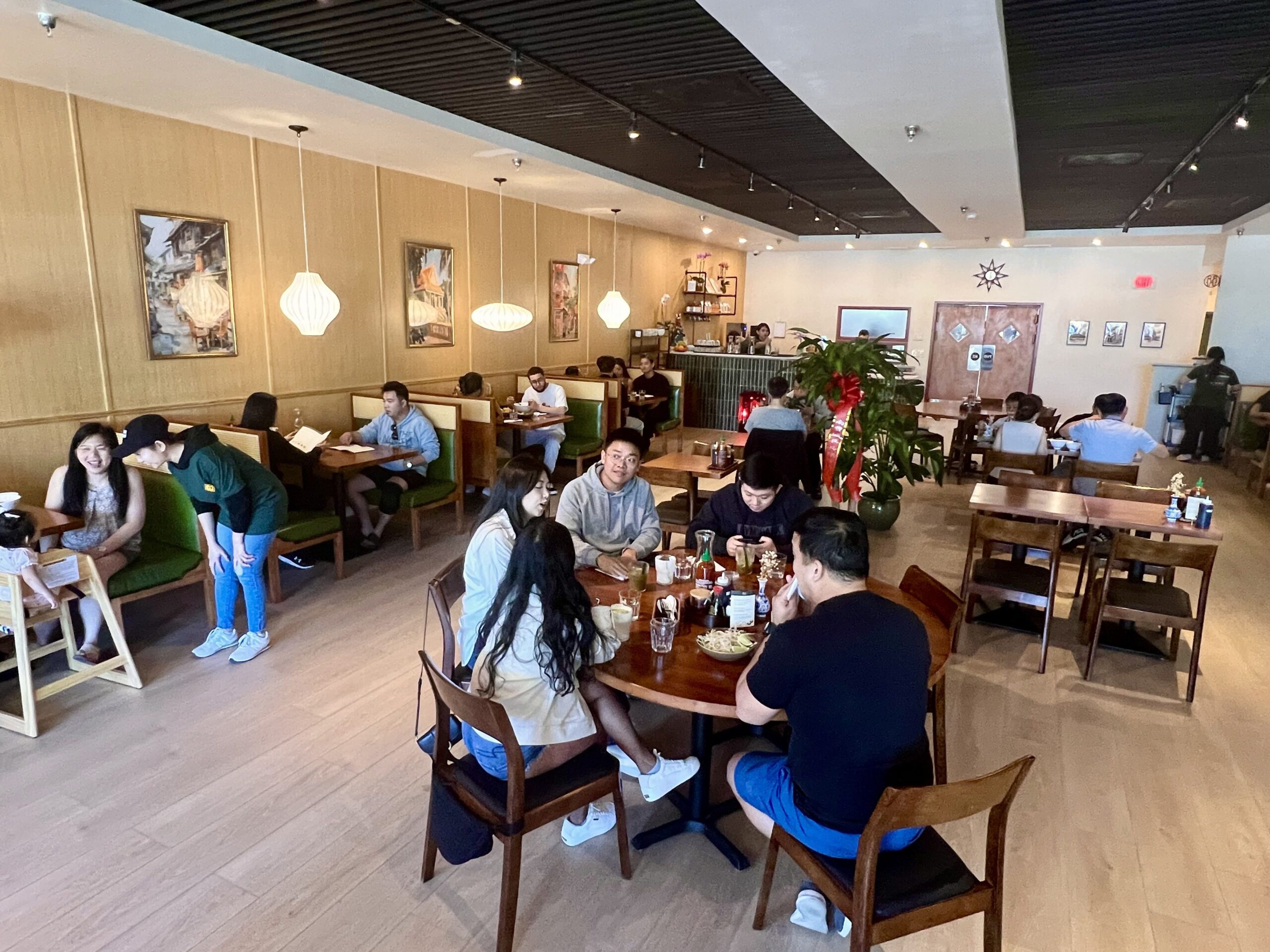
    Dining room at Heng Seng Noodles in Cherry Hill.

    Heng Seng Noodles (Cherry Hill): The South Philadelphia Cambodian dry-noodle specialist has set up a branch in Hung Vuong Plaza.

    Lula’s Empanadas (Haddon Heights): Yaslyn Lora has made the leap from takeout window to full storefront dining room.

    Magnify Brewing (Medford): An Essex County craft brewery has opened a laid-back taproom with a beer garden.

    Main Street Tacos (Maple Shade): This strip-mall taqueria from David and Israel Morales emphasizes bold flavors.

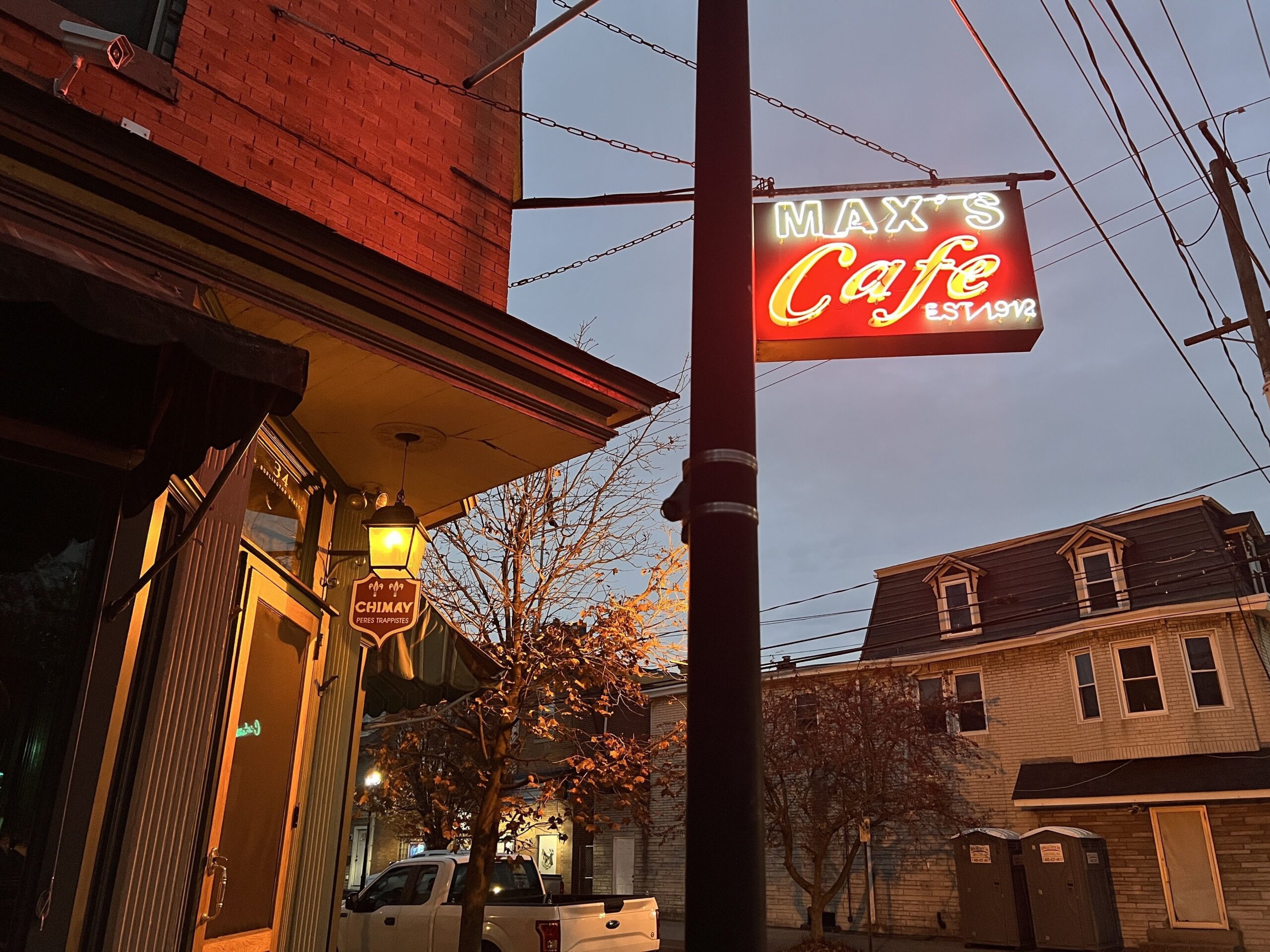
    Max’s Cafe’s neon sign still shines over Pudge’s Pub in Gloucester City.

    Pudge’s Pub (Gloucester City): The former Max’s Seafood Cafe has been reconceptualized as an everyday tavern featuring cheesesteaks inspired by Pudge’s Steaks of suburban Philadelphia renown.

    The Raging Bull (Pennsauken): Burgers and cheesesteaks are the specialties at this fast-casual strip-mall spot.

    Slice & Spice (Blackwood): A pizzeria and Middle Eastern grill have opened alongside a Middle Eastern grocery section, according to 42Freeway.

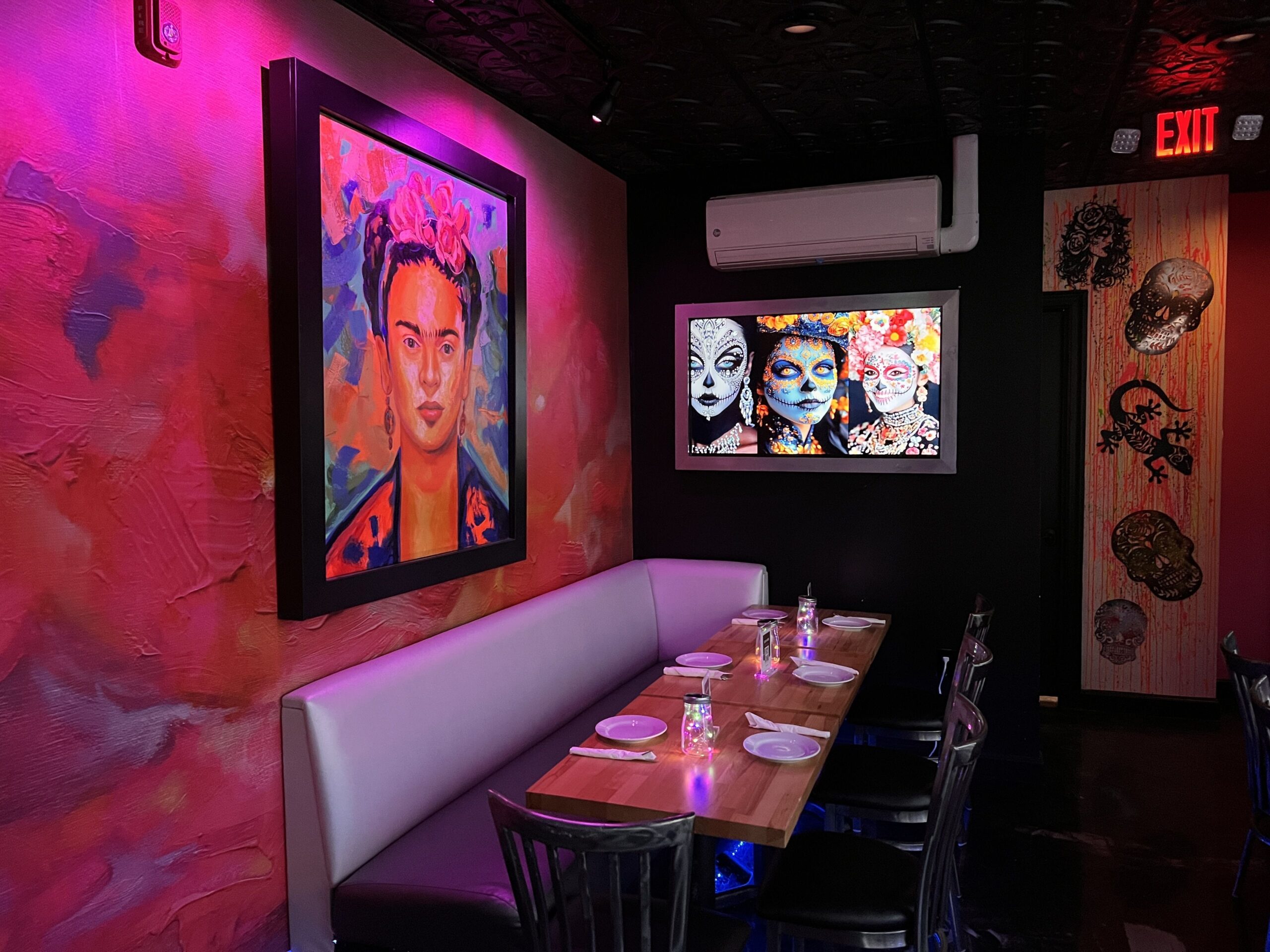
    Dining room at Taco-Yote in Moorestown.

    Taco-Yote (Moorestown): This modern BYO taqueria from the owner of Conshohocken’s Coyote Crossing features bold artwork.

    Thaikula Thai-Chinese Fusion and Yucu Japanese Restaurant (Magnolia): Yucu, an all-you-can-eat specialist, has the main floor of the former Laughing Fox, while Thaikula took the lower level, according to South Jersey Food Scene.

  • Three reassuring Eagles stats, and three reasons to worry ahead of the NFL playoffs

    Three reassuring Eagles stats, and three reasons to worry ahead of the NFL playoffs

    Just one game separates the Eagles from their playoff opener in what will be their fifth consecutive postseason appearance.

    Sunday’s game vs. Washington has potential for both intrigue and boredom with the Eagles resting most of their starters and the NFC’s second or third seed in play.

    The Eagles may just be looking ahead to the playoffs, so we’ll follow that path and focus our weekly glance at the numbers on what’s ahead.

    The confounding Eagles season continued with a 13-12 win against the Bills in Western New York. The Eagles seem simultaneously good enough to win it all and bad enough to score 11 points in a home loss in the wild-card round.

    There is reason to be confident the Eagles can make a run, and reason to believe this playoff appearance will be short-lived. Here are a few reassuring stats, and some concerning stats ahead of the postseason.

    Let’s start with the good stuff. It’s the holiday season …

    4

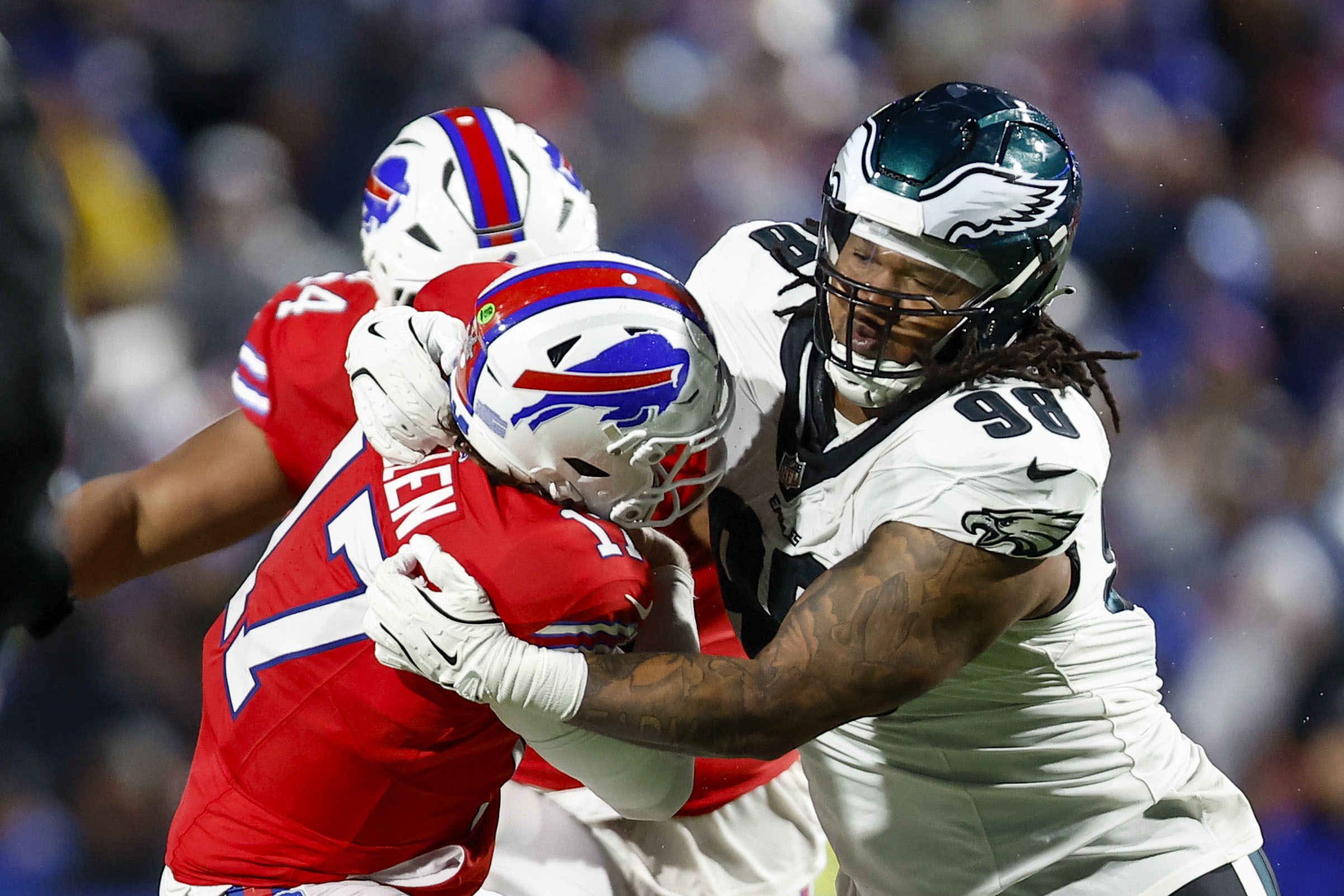
    That’s the amount of rushers the Eagles sent at Josh Allen each of the five times they sacked him Sunday at Highmark Stadium. This has been a trend of late. Sunday marked the third game in the last four that the Eagles had at least four sacks with a four-man rush.

    The Eagles, according to Next Gen Stats, have 18 sacks over their last four games utilizing four rushers. That was seven more than any other team in the NFL at the time Sunday’s game ended.

    Let’s couch the excitement a little bit and add the context that two of those games were against the Raiders and Commanders, and the previous contest came against a good Chargers team with a really bad offensive line. But doing what the Eagles did against the Bills with four rushers is remarkable. Only five teams allow pressure to the quarterback at a lower clip than the Bills’ 29.4% for the season.

    Eagles defensive tackle Jalen Carter sacks Bills quarterback Josh Allen on Sunday.

    The Eagles’ success with four is a big deal, as we saw last year. Vic Fangio doesn’t dial up blitzes. The Eagles send extra rushers on just 19.5% of their defensive plays, the third-lowest rate in the NFL.

    If Jalen Carter is back back from his shoulder injuries, the Eagles, with the deadline acquisition of Jaelan Phillips, might just have a versatile pass-rushing front that can take them pretty far. The Eagles have one of the best outside corners in the league in Quinyon Mitchell, one of the best nickel players in Cooper DeJean, linebackers who can cover, and adequate safeties.

    This type of success rate with four gives the Eagles a numbers advantage beyond the line of scrimmage that works in their favor.

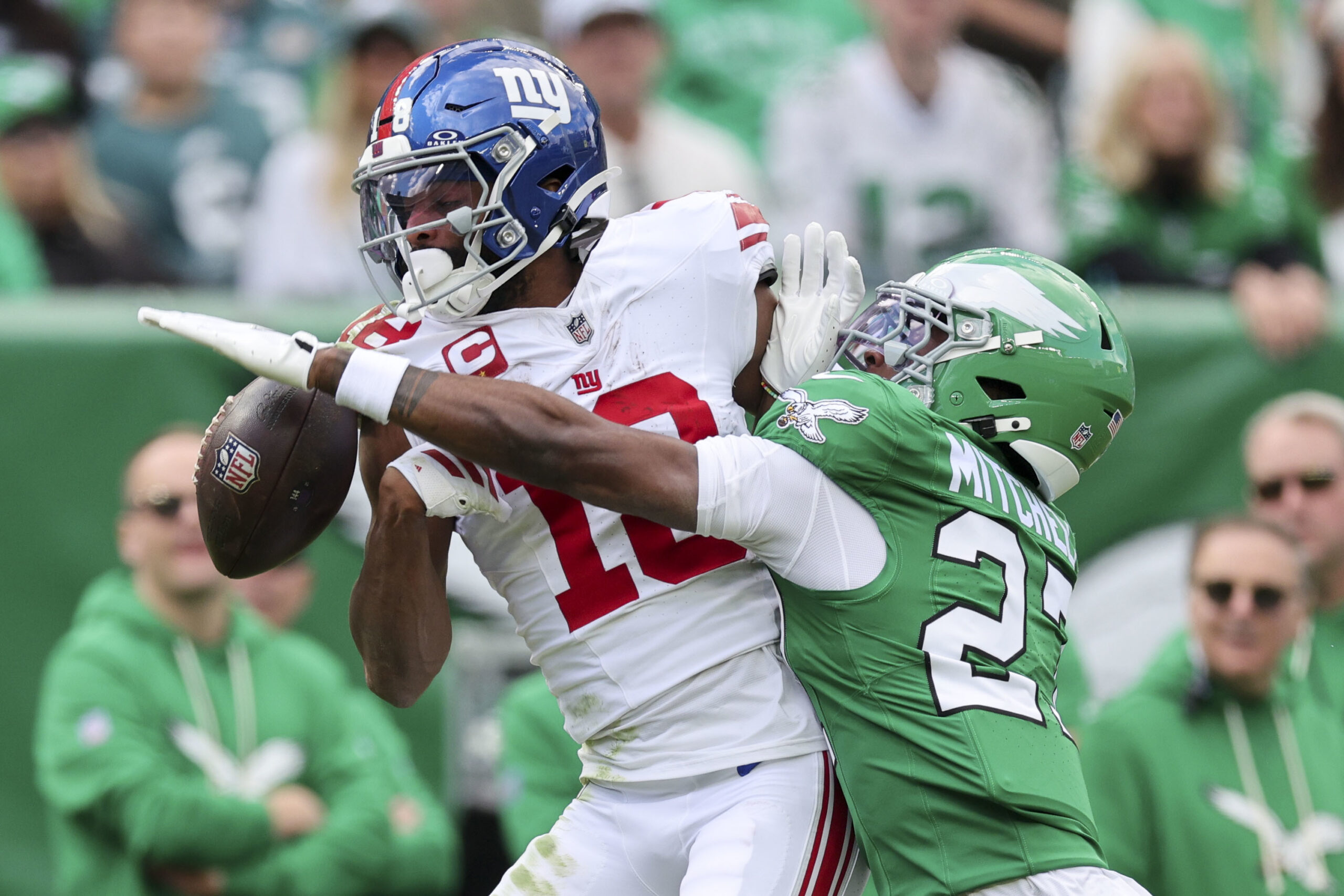
    Quinyon Mitchell breaks up a pass intended for New York Giants wide receiver Darius Slayton during the second quarter against the Giants on Oct. 26.

    42.4%

    So, the Eagles are humming up front, but let’s focus on the aforementioned Mitchell, who is having one heck of a second NFL season. He deserves his own section here because he will have the ability to take opposing receivers out of the game throughout the playoffs, and his coverage chops help the guys up front, too.

    Among all defensive backs with at least 10 games played, Mitchell leads the NFL in catch rate allowed (42.4%). According to Next Gen, Mitchell has been in coverage on 576 defensive snaps and has allowed just 36 catches on 85 targets for 451 yards. He has allowed one touchdown.

    Mitchell also leads qualified players in average target separation (1.8 yards).

    A dangerous Rams passing attack could be up first next week, and Mitchell and the Eagles front will be waiting.

    8-0

    There was one turnover in the game Sunday, a crucial and controversial fumble by Allen that flipped the field and led to an Eagles touchdown.

    That helped the Eagles improve to a league-best 8-0 when they win the turnover margin. They’re now 42-2 in the Nick Sirianni era when the turnover margin is in their favor.

    This is one way of sneaking an offensive stat in here from a unit that hasn’t provided a lot of reassurance this season. But even in doing so, it’s a stat the offense shares with the defense. The Eagles have forced a turnover in eight consecutive games and are tied with Chicago for the longest active streak.

    Jalen Hurts, meanwhile, has recovered nicely from his five-turnover disaster vs. the Chargers. He has six touchdown passes and no interceptions since that game.

    The offense lacks an identity, but taking care of the ball is one it can hang its helmet on. That’s not nothing when the defense is playing like it is.

    Reasons to worry

    We’re not going to sneak a defensive stat in here.

    40.1%

    The Eagles were shut out by the Bills in the second half. They ran 17 plays and netted 17 yards before Hurts took a knee to end the game. It wasn’t pretty.

    For the second time this season, Hurts didn’t complete a pass (in seven attempts) in the second half, and somehow the Eagles are 2-0 in those games. No other team has failed to complete a pass in the second half this season.

    The Eagles were often in third-and-long because they again couldn’t get their running game going — this time against one of the worst run defenses in the NFL. Saquon Barkley barely had space to move thanks to missed assignments from the offensive line and tight ends. The Eagles often ran into stacked boxes (they face the fourth-highest stacked-box rate in the league). Dallas Goedert playing fullback was an experiment that failed. Barkley had just 1.75 yards per carry in the second half.

    The Eagles’ success rate on the ground is 40.1%, which ranks 24th in the NFL. It’s been the root of the offense’s issues all season.

    Saquon Barkley is stopped by Bills outside linebacker Shaq Thompson in Week 17.

    Barkley had encouraging performances recently vs. the Commanders and Chargers, but Sunday was a step back, and considering there’s a real chance the starters rest Sunday, it’s a sour taste to enter the postseason with.

    The Eagles are probably going to need to be able to run the ball to win in the playoffs, and the lack of a running game makes them so much easier to defend.

    9.9

    Since their Week 9 bye, the Eagles have scored more than 21 points just twice in eight games, and those were against two of the worst teams in football (Commanders and Raiders).

    This isn’t a high-powered offense, and it’s one that particularly has trouble scoring in the second half. Sunday wasn’t an outlier. The Eagles average just 9.9 second-half points. That’s good for 25th in the NFL. The combined record of the teams below them: 32-80.

    Scoring in the second half might come in handy in the postseason.

    73.1%

    Jake Elliott went 2-for-2 Sunday, with field goal makes from 28 and 47 yards. He also made his lone point-after attempt.

    It was a nice rebound performance in bad weather from Elliott after a game against the Commanders in which he missed two field goals (plus a third that was negated by a penalty).

    But saying it’s been a shaky season from Elliott is probably putting it mildly. His conversion rate of 73.1% on field goals is the lowest of his nine-season NFL career. This, on the heels of a 77.8% campaign in 2024.

    An inept offense will make the margins slim, and the Eagles’ playoff life could at some point come down to a single kick.

  • The College Football Playoff’s top four seeds are in action this week. Here are some potential future Eagles to watch.

    The College Football Playoff’s top four seeds are in action this week. Here are some potential future Eagles to watch.

    The College Football Playoff continues with four more games this week, beginning with a New Year’s Eve matchup between Ohio State and Miami at the Cotton Bowl. The Buckeyes-Hurricanes showdown is the game in this round that will likely yield the most combined NFL draft prospects.

    On New Year’s Day, Alabama plays Indiana in the Rose Bowl, Ole Miss takes on Georgia in the Sugar Bowl, and Oregon and Texas Tech face off in the Orange Bowl.

    With plenty of draft hopefuls playing on big stages, here are the prospects the Eagles should be keeping an eye on from the top four seeds — Indiana, Ohio State, Georgia, and Texas Tech — who are set to make their 2025 CFP debuts.

    Monroe Freeling, tackle, Georgia

    The Georgia-to-Eagles pipeline could get another addition with the Bulldogs’ left tackle Freeling, who is an outstanding athlete at 6-foot-7, 315 pounds. The tackle, who is only a junior, is light on his feet in pass protection, moves well in space to block smaller and faster players, and is hard to get around in pass protection. According to Pro Football Focus, Freeling has allowed just nine pressures and two sacks in 423 pass blocking snaps this season.

    Freeling was banged up midway through the season and his play balance isn’t consistent from down to down, but the left tackle has a desirable skill set to contend with some of the best athletes at the NFL level, especially in pass protection. Should he declare, he will be in high demand for teams that need an offensive tackle — whether it’s next season or a few years from now.

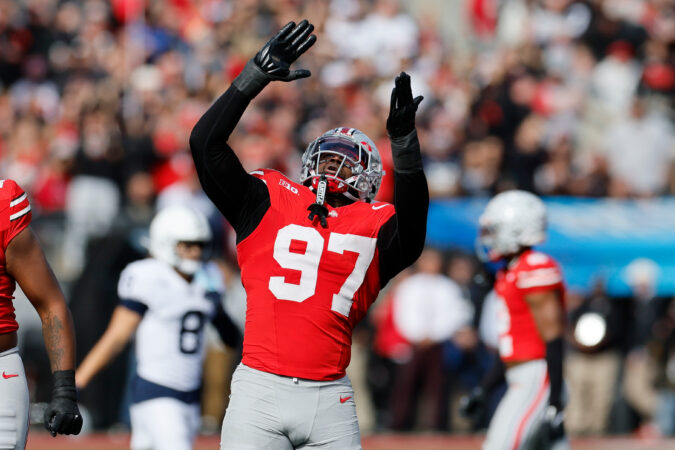
    Kenyatta Jackson, edge rusher, Ohio State

    Part of a fearsome Ohio State defense, Jackson is having a breakout season in his fourth year in the program. At 6-6, 265 pounds, Jackson has a noticeable arm length advantage and uses it to challenge opponents. He plays multiple roles along the defensive line, lining up primarily at 4i (inside shoulder of tackles) and can wreak havoc as both a pass rusher and run defender.

    Jackson is at his best, though, from a standing alignment as a pass rusher, allowing him to get a running start and to create physical separation from offensive tackles. He projects as a Day 2 pick if he declares this year and would be a welcome addition to a talented Eagles edge rusher room.

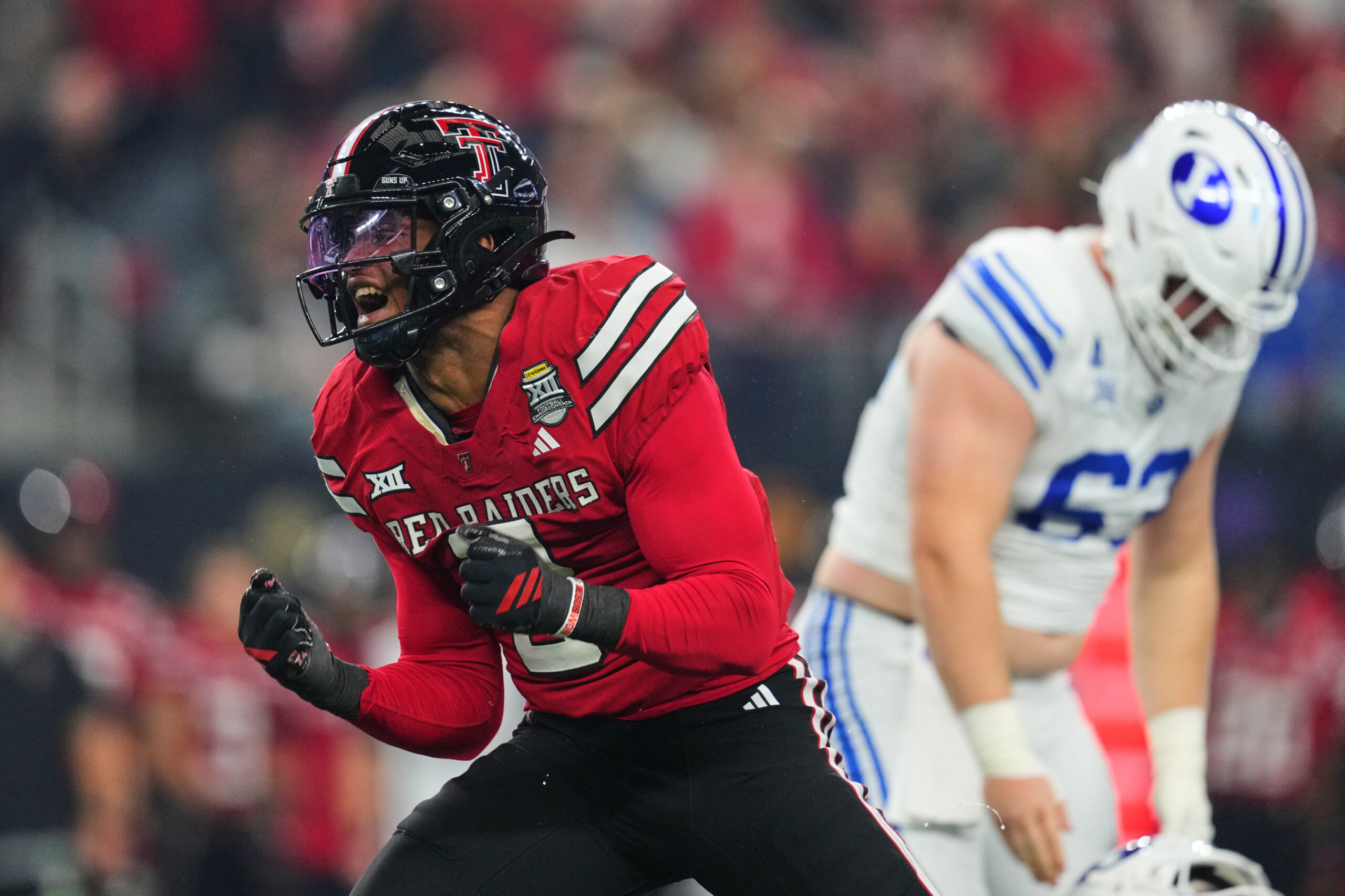
    Texas Tech defensive end Romello Height celebrates a defensive stop against BYU in the Big 12 Championship.

    Romello Height, edge rusher, Texas Tech

    At his fourth school in six years (Auburn, USC, Georgia Tech), Height is having the best season of his career with nine sacks and 10½ tackles for losses in 13 games. A high-effort, high-motor pass rusher, Height uses his length and ankle flexion to win on the outside shoulder of offensive tackles, and has a nice toolbox of pass-rush moves that includes a spin, an inside swim move, and a cross-chop.

    Height has a 23% pass-rush win rate, according to PFF, but struggles as a run defender holding his gap against offensive linemen. He’ll likely command a designated pass rushing role early in his NFL career. Despite being an older prospect, there’s a chance Height can go within the first two rounds, and he would be a nice addition to an Eagles pass rush that is already much stronger since trading for Jaelan Phillips.

    Jermaine Mathews, DB, Ohio State

    Mathews, who plays both outside corner and nickel for Ohio State, is just a junior who could return to school, but his versatility and ball skills make him an early-round candidate should he enter the draft. At 5-11, 190 pounds, Mathews excels in off man coverage and zone coverage looks, closing on the football with quickness while playing through the hands of receivers.

    According to PFF, Matthews has 398 snaps at outside corner vs. 159 at nickel. He struggled with penalties down the stretch and is susceptible to getting beaten deep without safety help, but he projects as a nickel who can eliminate timing routes over the middle of the field and into the boundary. His physicality in the running game could improve, too.

    Omar Cooper, WR, Indiana

    Quarterback Fernando Mendoza is the potential top pick in the 2026 draft and one of his weapons is Cooper, who has the speed to run by a secondary and is hard to bring down in the open field. Primarily operating from the slot, Cooper has strong hands at the catch point and terrific body control, evidenced by his clutch game-winning touchdown against Penn State in November.

    His ability to win in contested catch situations — he has made 6 of 12 catches while tightly defended, according to PFF — and vertical speed make him an ideal second or third receiver option in the NFL. For the Eagles, he could be a much-needed field stretcher who has the ability to create big gains with the ball in his hands and win in one-on-one situations.

    Terrance Carter Jr. TE, Texas Tech

    Tight end will eventually become a need for the Eagles, perhaps as soon as this offseason with Dallas Goedert set to become a free agent in the spring. Outside of Round 1, there will be a few players who interest the Eagles, and among them is Carter, the Louisiana-Lafayette transfer who is dynamic after the catch.

    Of his 552 receiving yards this season, 334 have come after the catch, according to PFF, and Carter is a matchup nightmare for linebackers and safeties. Though he’s not quite the same caliber of athlete as Georgia’s tight end duo of Lawson Luckie and Oscar Delp, or Oregon’s Kenyon Sadiq, Carter can still separate from secondary and second-level players.

    The tight end prospect, who could return to school, must clean up his drops — he has five in 2025 — and doesn’t add much as a blocker, but is a big-time receiving threat.

    Davison Igbinosun, DB, Ohio State

    There may not be a more improved player in Ohio State’s secondary this season than Igbinosun, the physical outside corner who makes life difficult for opposing receivers. Igbinosun, listed at 6-2, 193 pounds, likes to disrupt the timing of wide receivers in man coverage, and has the length and speed to defend vertical passes downfield.

    According to PFF, Igbinosun hasn’t allowed a touchdown across 331 coverage snaps and just 42.9% of his targets in coverage have been caught. He is feisty, competes at the catch point, and has excellent ball production this season (six pass breakups, two interceptions). Penalties continue to be a negative for him (21 over the last two years), but they have become far less of an issue in 2025.

    Though Adoree’ Jackson has held up much better down the stretch of this season manning the cornerback spot alongside Quinyon Mitchell for the Eagles, Igbinosun would be an upgrade from a ball production standpoint, though the team would have to be comfortable with his tendency to get too physical in man coverage situations.

  • To kick-start a generation of city kids playing soccer, it will take more than just a place to play

    To kick-start a generation of city kids playing soccer, it will take more than just a place to play

    In the backdrop of the excitement surrounding the FIFA World Cup coming to Philadelphia is the question of what impact the tournament will have on soccer in the region.

    World Cups have long had the potential to be transformative for the hosting nations. The last men’s edition in the United States, in 1994, helped spur Major League Soccer. The women’s editions in 1999 and 2003 also spawned leagues, but more importantly, they fueled the grassroots growth of the game, benefiting both girls and boys.

    Over the course of those years, the youth game has morphed into a pay-for-play structure in which the best clubs are generally the ones that come at a high price, giving youth athletes whose parents have expendable cash — many times in the thousands — the opportunity to play consistently and thus reap the benefits of year-round exposure through tournaments and showcases.

    U.S. Youth Soccer is a network that oversees more than 10,000 such clubs, with local branches such as the Eastern Pennsylvania Youth Soccer Association, which govern clubs and leagues across regions under the umbrella of USYS. The thing is, many of those clubs and leagues don’t come from inner-city areas like Philadelphia, where the next great American star could be waiting to be discovered.

    But to find that kid, they need a place to play, and in Philadelphia, finding a spot to play organized soccer at times can be equally as tricky.

    It is a need that the city, alongside several foundations and organizations, is working to address, recognizing that the World Cup’s visit to Philadelphia may lead more kids to give futból a try.

    If you build it …

    Ahead of the World Cup, Philadelphia Soccer 2026 committed $2 million to the U.S. Soccer Foundation to support youth soccer initiatives, including the development mini pitches across the state.

    In late fall, U.S. Soccer Foundation installed a pair of those mini-pitches in Philadelphia. The foundation, which was also created after the 1994 World Cup, has a goal to leave a lasting legacy in inner cities. It believes these mini-pitches offer not just a place to play but a place for local organizations to host programs.

    Jen Arnold, vice president of communications and marketing at the U.S. Soccer Foundation, says that the foundation has a commitment to introducing the sport to more children in underserved areas.

    “When our current president and CEO [Ed Foster-Simeon] came into the role in 2008, he did a landscape analysis and showed it had grown … but in the suburbs and more affluent communities,” said Jen Arnold, vice president of communications and marketing for the U.S. Soccer Foundation.

    “So from the foundation standpoint, we want to make sure it’s growing equally across the ground. We’re here for the under-resourced communities, communities that might not have been part of that boom after 1994. We’re here to make sure that everyone can access the game.”

    Arnold spoke after the installation of one of the latest mini-pitches added to Philly’s soccer landscape, behind Swenson Arts and Technology High School in the Far Northeast. The installation was in collaboration with Independence Blue Cross, the School District of Philadelphia, and FIFA Philly 26, the local collective tasked with organizing Philly’s place in this summer’s World Cup.

    The fields, which cost $150,000 apiece to install, according to Arnold, are the latest additions to Philly’s sports landscape. They could be considered an addition to the city’s massive Rebuild program, a reported $500 million restoration project for area parks and playgrounds, of which $3.5 million was allocated to create 15 mini-pitches and two signature soccer fields across the city.

    Many recreation centers across the city are fenced off, only to be used under permit, which restricts the idea of open play, a key component of soccer.

    The idea is that these mini-pitches offer an opportunity for more children to be introduced to the game. They also offer a welcoming environment, unlike the scores of fields around the city that are fenced and kept under lock and key. Or recreation centers in which both indoor and outdoor surfaces get gobbled up often by other sports, or even pay-to-play youth and adult league soccer organizations, which serve to add to city coffers in exchange for monopolizing much-needed field time.

    But soccer organizers across the region believe that it’s not simply “If you build it, they will come.” It’s more like: “Build it and add programs and they might come.”

    That’s where the big challenge lies when it comes to introducing more city kids to soccer.

    … Will they come?

    For the better part of a decade, Dom Landry has made it a mission to bring soccer to North Philadelphia. A Philly native who played at St. Joseph’s University, Landry has dedicated time, intuition, and even his own dollars to introduce the sport to as many children in the city’s Fairhill section as possible.

    Landry founded AC Fairhill, the neighborhood club created in 2015 with just “three kids and an old bag of balls,” according to Landry. It has since become a recognized club that competes in tournaments across the region. His is one of a few clubs directly from the inner city that have funneled children from North Philly streets to top clubs and academies.

    His desire mirrors what the U.S. Soccer Foundation says it’s looking to do in developing the infrastructure, but Landry notes that it goes way beyond plopping a shiny new field in the middle of an underserved neighborhood.

    Students at Swenson Arts and Technology School were the first to test out the new soccer mini-pitch that was installed at the rear of the school earlier this fall.

    “Putting infrastructure in for play is critically important, but it’s not the United States Soccer Federation or its foundation’s job to provide programming,” Landry said. “I know it’s part of their mission [at the U.S. Soccer Foundation], too, but it’s really the job of local organizations to bring the programming to those fields.

    “We don’t have the soccer culture here in America where kids are just going to grab a soccer ball and go to a soccer pitch because it was made; there has to be enough people to bring in that level of interest to them. It’s very much a multiprong approach, and these mini-fields are great, but they’re only scratching the surface.”

    Unlike other countries where soccer reigns supreme, in America it’s viewed as a sport for children, residing in the backdrop of football, baseball, and basketball. In other parts of the world, all that’s needed is a ball to get a game going, but here, it’s rare to see the sport being played without an organization tied to it.

    Having safe places to play is one thing, but experts say developing a love for the game in area children is up to organizers.

    ‘We need to do more’

    For Landry, it’s a simple thing that has been made to feel quite complex.

    “We have to teach kids how to love the sport,” Landry said. “Not necessarily just, like, go get cones and train, but have fun with the sport. Who’s going to be that coach, that parent who’s going to show a kid how to have fun with the sport, so they can go out with their friends and play it? To me, if anything, that’s the next step in the legacy and evolution of soccer here. But that ideology also tends to upset these clubs who spend a great deal of time in generating a living from it.”

    A host of organizations, both in the city and out, have taken soccer programming into schools, taking over gym classes or creating after-school outlets.

    To introduce the sport directly to more Black and brown youth, the annual Odunde Festival created a soccer pitch in the middle of South Street at this past summer’s event to get children and their families playing soccer, coupled with education on where they could find programs close to home.

    Jeremiah White III, a former professional soccer player turned entrepreneur, says he presented the idea to Odunde leadership and already has plans to grow Odunde Sports to align with this summer’s World Cup.

    Jeremiah White Jr. (right), with his son, Jeremiah III, kick-started Odunde Sports this past summer, a deriative of the larger Odunde Festival, designed to foster connection between community and sports, like soccer.

    “A big thing missing from soccer programming here is the importance of connection,” White said. “[When it comes to soccer in America], we tend to overvalue structural training, and in some cases disconnect training from culture entirely. It makes the game robotic and sucks out all of the passion. What kid is going to want to pick up a soccer ball over a basketball or a football, when that’s what they’re walking into?”

    It’s a well-known challenge, even one recognized by top youth organizations as a change agent.

    “The fields are great, but yeah, we need to do more,” said Chris Branscome, president and CEO of EPYSA, the organization that oversees club programming in the area. “Once they are built, you’ve got to get the kids there, you’ve got to program them. That’s perhaps the bigger piece of the puzzle: ensuring we have the opportunity to train more coaches and to deliver regular, consistent programming at these locations.

    “To me, that’s the big challenge we have over the next year.”

    It’s one that feels pretty integral once the noise the World Cup brings finally fades.

  • This was the year of the limited edition burger

    This was the year of the limited edition burger

    The gourmet burger is a familiar trope that has been reinvented for years. Burgers lure you in, they comfort you when you need something familiar, splashed with a little sparkle of indulgence, whether that’s foie gras, a rainfall of truffles, or an extra special patty made of wagyu or dry-aged beef.

    But never has there been such an avalanche of simple, carefully-made burgers served by fine dining establishments in curiously tiny quantities. In terms of construction, they’re more aligned with being a recession indicator food, even if their prices are not recession-friendly. This is no longer the era of PYT’s crazy burgers of yesteryear. And sometimes, they are served in spite of a chef’s chagrin.

    Meetinghouse’s simple, straightforward burger with its little pickle “hat,” is served only on Thursdays.

    River Twice’s double-pattied Mother Rucker burger was once bestowed upon diners in the middle of their tasting menus. They’re now available only on Monday nights.

    Pietramala’s vegan burger, made from vegetables, Mycopolitan mushrooms, and repurposed ingredients left over from their other menu items, and which takes three days of preparation, instigates lines around their block when they’re served one Sunday every month.

    The vegan bean and smoked mushroom burger at Pietramala in Northern Liberties.

    The limited edition burger thrives in our post-pandemic search for comfort and the notion that everything is a steakhouse now (a nationwide trend that hasn’t quite reached Philly, but it’s coming for us. It’s only a matter of time).

    A harbinger of the dominance of the steakhouse can be seen in a single space in nearby Washington, a city with which we share a similar progression in our dining scene: Johnny Spero’s Reverie, a tasting menu-based, fine dining approach to seafood has closed. A steakhouse, Ox and Olive, will be opening in its Georgetown space.

    The restaurants and cocktail bars beckon you with proclamations: Come in for our burger! Only 12 per night! Come in for our burger! But line up around the block!

    The limited edition burger is a trend that crops up periodically in New York, like it did in 2014, to the reluctance of chefs who noted that burgers are simply not profit drivers, and that they would bring the potential of a $45 check down to $25. Today’s limited edition burgers are unlikely to do the same in terms of numbers. Even Pine Street Grill’s almost no-frills burger costs $26.

    The phenomenon of the limited edition burger marks a uniquely 2025-era blend of a comforting, recession-indicator food (at the end of the day, it’s ground meat in a hunk of bread) with the scarcity principle frequently wielded by marketers and businesses. Limited editions trigger FOMO. Get one of these burgers and it’s like getting an Hermes Birkin bag, or the latest Supreme drop. They’re rare, you have to go through some sort of gauntlet to attain one, you feel lucky when you do.