Tag: topic-link-auto

  • Philly school closings: List of buildings to close; timeline of plan; reactions and live updates

    Philly school closings: List of buildings to close; timeline of plan; reactions and live updates


    // Timestamp 01/22/26 6:23pm

    Philly could close 20 schools, co-locate 6, and modernize 159: Superintendent Watlington shares his facilities plan
    ****Embargoed until 5pm on Thursday January 22, 2026 ***Superintendent of the School District of Philadelphia Tony B. Watlington at a press conference to announce the plan for the first draft of the Philadelphia facilities master plan during a press conference at the Philadelphia School District Headquarters, in Philadelphia January 20, 2026.

    Wholesale changes are coming to the Philadelphia School District, with Superintendent Tony B. Watlington Sr. poised to propose a massive reshaping of the system, including closing 20 schools.

    The plan, years in the making, would touch the majority of the district’s buildings and bring change to every part of the city: over a decade, 159 would be modernized, six co-located inside existing school buildings, 12 closed for district use, and eight closed and given to the city.

    At least one new building would be constructed.

    The 20 closures, which would not begin to take effect until the 2027-28 school year, would be scattered through most of Philadelphia, with North and West Philadelphia hardest hit.

    Watlington released some details of the blueprint Thursday — including the list of proposed school closures and acknowledged that the changes will roil some communities.

    Watlington is scheduled to present his proposal to the school board next month, with a board vote on the plan expected this winter.

    Kristen A. Graham


    // Timestamp 01/22/26 5:29pm

    Mayor Cherelle Parker defends district’s plan: ‘A clear-eyed look at really what matters for our children’

    Mayor Cherelle L. Parker on Thursday praised the community engagement process Superintendent Tony B. Watlington Sr. conducted before issuing the facilities plan and defended the school district from critics.

    “It is ambitious, it’s thorough, and it’s grounded in what I believe matters most, and that’s achieving the best outcomes for our students,” Parker told reporters. “I’m proud that the district has taken what I would describe as a clear-eyed look at really what matters for our children.”

    Watlington’s outreach efforts, she said, stood in stark contrast to the district’s handling of the last round of school closures in the early 2010s, when Parker was a state representative.

    “All this communication didn’t happen before, and I know because I was there,” Parker said. Criticism of the plan, she said, is to be expected.

    “There are going to be some people who are going to politically try to use this as an anchor, for politics, to raise funding, to just point fingers and say what’s wrong and criticize the district’s leadership,” Parker said. “It’s a part of the process. … But there is no one who can question Dr. Watlington and his exec team.”

    Sean Collins Walsh


    // Timestamp 01/22/26 4:31pm

    The Philadelphia school district’s facilities plan did not go over well in City Council
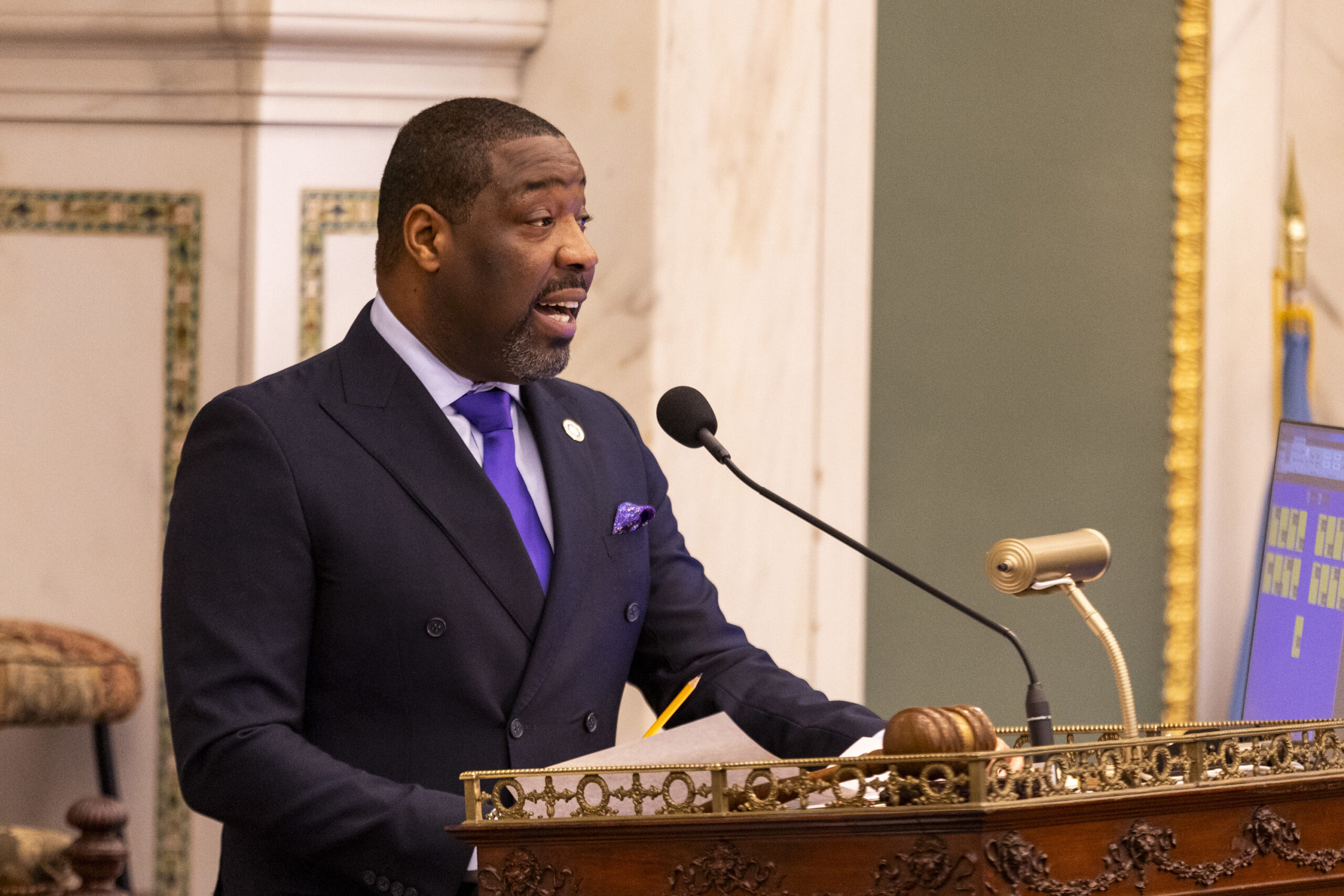
    City Council President Kenyatta Johnson speaking at the City Council’s first session of the year in Philadelphia, Pa., on Thursday, Jan. 22, 2026.

    City Councilmember Jamie Gauthier said the Philadelphia school district showed “just a complete lack of thought and consideration for really important programs” when crafting its long-anticipated facilities plan, released Thursday.

    Council President Kenyatta Johnson said his members had “a lot of concerns.”

    And City Councilmember Jeffery “Jay” Young Jr. went so far as to propose amending the city Home Rule Charter to allow Council to remove the school board members who will consider the proposed closures.

    “If you are closing schools during a literacy crisis, then you should be held directly accountable to the people you serve,” Young said.

    To put it mildly, the district’s plan did not go over well in Council.

    In many ways, it’s unsurprising Council members would speak out against a plan that would close or consolidate schools in their districts. But the pushback from lawmakers Thursday was notably strong, and Young’s proposal to allow Council to remove school board members could dramatically reshape the politics of the district.

    Sean Collins Walsh, Anna Orso, Kristen A. Graham


    // Timestamp 01/22/26 4:21pm

    Schools plan draws mixed reactions from state lawmakers representing Philly in Harrisburg

    The School District of Philadelphia’s plan to close 20 schools through an overhaul of the system received mixed feelings from state lawmakers representing the city in Harrisburg, ranging from careful optimism to concern.

    Lawmakers in Harrisburg are responsible for distributing billions of state dollars for public education, including any funding increases. These funds are critically important in Philadelphia, whose tax base alone only meets about a quarter of the needs of its students.

    Pennsylvania legislators in 2024 created a new funding formula and plan to invest $4.5 billion more in public education over nine years, as directed by a state appellate court ruling. In a landmark ruling the year earlier, the Commonwealth Court found the state was unconstitutionally underfunding its students by relying so heavily on local property taxes to fund schools, creating a major disparity for students in poorer ZIP codes.

    It’s unlikely that any school closures will impact the district’s annual funding from the state, but will likely be a part of conversation as budget talks resume next month for the upcoming fiscal year.

    Rep. Andre Carroll, a Democrat who represents parts of Northwest Philadelphia, was driven to run for office by the 2013 closure of his alma mater Germantown High School, which closed during the district’s last round of shutdowns. Now, he has three schools in his district set to close, merge, or co-locate that he worries will negatively impact local students.

    “I’m very scarred by that situation and that experience,” Carroll said. “I fear there’s young people in my district that are about to experience the same thing.”

    The three schools slated for closure in Carroll’s district are: Building 21 (to be co-located at Martin Luther King High School and building given to the city), General Louis Wagner School (closing but building use is unknown) and Parkway Northwest High School (merging into MLK as an honors program and building used as district swing space).

    Carroll said he’s particularly concerned about Wagner’s closure, as it’s the only public middle school in West Oak Lane.

    He’s also concerned about the district giving the empty buildings to the city, making the city responsible with their upkeep until they are sold or repurposed. This is especially top of mind to him, he said, because he represents the area where 23-year-old Kada Scott’s body was found last year. Her remains were found on the grounds of the former Ada H.H. Lewis Middle School that’s been closed since 2008 that has over the years become a hotspot for illegal dumping, squatting and other criminal activity. More vacant school properties could attract more crime and community issues in his district, Carroll said.

    And if the city sells off the empty properties, he wants to make sure they reach a different fate than that of his alma mater Germantown High, which is now luxury apartments.

    “What I fear is that we’re going to continue to see these school buildings turned into unaffordable housing,” Carroll added.

    For Rep. Mary Isaacson, a Democrat whose district includes Fishtown, has almost the opposite problem: Schools in her district are often overcrowded due to the area’s population and development boom. One school in her district — Penn Treaty High School currently for students grades 6-12 — will be closed and expanded to become the new site of Bodine High School.

    “Right now, I’m taking it as a ‘wait and see,’” Isaacson said. “This has to go through the process with the school board. There probably will be changes. Putting forth the plan doesn’t mean it’s rubber-stamped.”

    “I do credit the school district with trying to move forward, modernizing and addressing a lot of the facility issues as part of this plan that have plagued the city of Philadelphia and their aging infrastructure,” she added.

    Isaacson said she hopes the district revisits its catchment areas created years earlier to account for her district’s development boom.

    “My community schools are bursting in most places,” Isaacson said. “I look forward to having discussions about making room for growth, which may not be the same issues that some others are experiencing in other parts of the city.”

    Gillian McGoldrick


    // Timestamp 01/22/26 4:07pm

    District’s announcement echoes closures from more than a decade ago, Stand Up for Philly Schools coalition member says

    For Akira Drake Rodriguez, another member of the Stand Up for Philly Schools coalition, the district’s announcement echoed the highly controversial School Reform Commission closures more than a decade earlier.

    “The way this process was presented was trying to not repeat the mistakes of the 2013 closures,” said Rodriguez, an assistant professor of city and regional planning at the University of Pennsylvania who was part of a district advisory group during its planning stages. Yet “the rollout was bumpy,” with some principals of affected schools informing their staffs, and others not, Rodriguez said. “It did not feel like it was done with the care and engagement they knew and were trying to address in this process.”

    Rodriguez noted that Tilden Middle School in Southwest Philadelphia was now slated for closure, after absorbing the populations of the Shaw and Tilden middle schools shuttered by the SRC.

    “That’s a school you would invest in,” she said. She questioned where students would go instead: “That whole neighborhood of Southwest Philly is charter schools. Do you really think they’re going to stay in traditional public schools when you close Tilden?”

    She predicted enrollments at some schools marked for closure would plummet as parents face uncertainty around their futures.

    “The district hasn’t really given people a ton of confidence around managing large-scale modernization efforts,” Rodriguez said.

    Maddie Hanna


    // Timestamp 01/22/26 3:31pm

    Council President Kenyatta Johnson endorses proposal that would allow city lawmakers to remove school board members

    Council President Kenyatta Johnson said Thursday that city lawmakers had “a lot of concerns” about the school district’s facilities plan and would do their “due diligence” to evaluate it.

    “I’m sure it’s going to be a very, very robust process,” Johnson told reporters. “These are only recommendations. This isn’t the final product.”

    Notably, Johnson immediately endorsed a new proposal by Councilmember Jeffery “Jay” Young Jr. that would allow Council to remove school board members, potentially reshaping the politics of the district. Currently, the mayor appoints the nine-member board, and Council votes to confirm them.

    Young’s proposal, an amendment to the city Home Rule Charter, would require voter approval if Council adopted it. Johnson’s endorsement Thursday likely means it has a good choice of at least getting through Council.

    “It’s a good check and balance in terms of the process, and also allows us to have the ability and the opportunity to make sure that anything that the school board does is done with transparency,” Johnson said. “I‘m always for, as members of City Council and this body in this institution, having the opportunity to provide accountability.”

    Sean Collins Walsh


    // Timestamp 01/22/26 3:27pm

    ‘You’re piling too many kids per classroom. What are the kids learning?’

    Letitia Grant, 41, was frustrated to learn that her daughter’s Penn Treaty School was marked for closure in the district’s plan.

    “That sucks. That can’t happen,” she said.

    Her daughter is in eighth grade at the Fishtown school, and would have stayed at Penn Treaty through her high school graduation. Grant said her daughter loves her teachers and guidance counselor, and has many friends whom she’d miss.

    Grant was worried that the district’s consolidation plan could mean larger class sizes and less individual attention for her daughter at a new school. As her daughter and a friend hung out on the sidewalk after dismissal, they stopped their biology teacher to chat. Grant said he was her daughter’s favorite.

    “You’re piling too many kids per classroom. What are the kids learning?” she said.


    // Timestamp 01/22/26 3:25pm

    Councilmember Jamie Gauthier says district’s planning lacked ‘thought and consideration’ for important programs

    City Councilmember Jamie Gauthier said the Philadelphia School District showed “just a complete lack of thought and consideration for really important programs” when crafting its long-anticipated facilities plan.

    Gauthier said the plan would limit opportunities in her West Philadelphia-based 3rd District. She pointed to changes including Robeson High School and Parkway West ceasing to exist as standalone schools (Robeson would merge into Sayre and Parkway West into SLA Beeber) and The Workshop School co-locating with Overbrook High School.

    “What are people supposed to do for good high school options in West Philadelphia?” Gauthier said .

    Gauthier added that while Superintendent Tony B. Watlington Sr. has talked at length about avoiding the mistakes of the district’s widely criticized 2012 school closure plan, it appears doomed to repeat that history.

    “That’s a great thing to hold up every time we have this conversation, but how are you solving for it?” Gauthier said. “You can’t state all of the things that went wrong and then present a plan that seems to lack care in the same way as the plan in 2012.”

    Sean Collins Walsh


    // Timestamp 01/22/26 2:55pm

    Proposed school closures are ‘deeply troubling,’ Academy at Palumbo parent says

    Edwin Mayorga, an Academy at Palumbo parent and member of the Stand Up For Philly Schools coalition, called the planned school closures “deeply troubling.”

    “Closing schools straight off is never to me the right answer,” said Mayorga, an associate professor of educational studies at Swarthmore College who said SUPS is planning to rally outside district headquarters next Thursday to oppose the closures. “It’s about asking ourselves, what are the conditions that have produced a school that has declining enrollments, or toxic conditions in the facility, and trying to start from there?”

    Mayorga said he was still concerned the district hadn’t adequately engaged with the community. While the district touted 8,000 responses from a citywide survey, Mayorga questioned how extensively it was promoted.

    He also expressed skepticism of its findings: When his wife filled it out, Mayorga said, she was asked to choose between options she felt should all be priorities — like a neighborhood high school, and clean facilities.

    “How much did that survey really tell us? They’re framing it as a mandate,” said Mayorga, who noted that the Palumbo HSA wasn’t given notice of the plan for a new middle school.

    He also said the district’s plan seemed to “bury” the facilities needs of many of its aging buildings — citing Southwark Elementary’s troubles as just one example.

    “With all the money involved here … we’re still struggling to ensure all the schools across the city are operating in well-supported ways,” he said.

    Maddie Hanna


    // Timestamp 01/22/26 2:24pm

    Search tool: Check how your school could be impacted

    window.addEventListener(“message”,function(a){if(void 0!==a.data[“datawrapper-height”]){var e=document.querySelectorAll(“iframe”);for(var t in a.data[“datawrapper-height”])for(var r,i=0;r=e[i];i++)if(r.contentWindow===a.source){var d=a.data[“datawrapper-height”][t]+”px”;r.style.height=d}}});

    Felicia Gans Sobey


    // Timestamp 01/22/26 2:10pm

    Newly introduced legislation seeks to allow City Council to remove members of the school board

    One lawmaker on Thursday said he planned to oppose some of the closures proposed by the school district and brought legislation that would allow City Council to remove members of the school board.

    Councilmember Jeffery “Jay” Young, Jr., a Democrat who represents the North Philadelphia-based fifth district, introduced legislation to amend the city’s Home Rule Charter to give council the authority to remove board members, which it is not currently empowered to do. To become law, Council would need to pass legislation and a majority of voters would have to approve it through a ballot question.

    Young said it’s necessary to ensure accountability.

    “If you are entrusted with $5 billion in public funds, if you are closing schools during a literacy crisis, then you should be held directly accountable to the people you serve,” Young said. “This moment really demands our leadership.”

    He added: “Our children deserve stability. And above all, they deserve leaders who are willing to fight.”

    The legislation is also no doubt in response to a 2024 episode involving school board member Joyce Wilkerson, whom Council tried to deny a seat on the board by withdrawing her nomination. But Mayor Cherelle L. Parker took advantage of a loophole in the law and asked Wilkerson to serve on the board indefinitely.

    Anna Orso


    // Timestamp 01/22/26 1:52pm

    Alliance for Philadelphia Public Schools blasts district’s plan, vows to oppose closings

    The Alliance for Philadelphia Public Schools — a group made up mostly of retired district staff who are frequently critical of the district — blasted the district’s plan and the process it used to get there, and vowed to oppose closings.

    “Closing public schools that serve as community anchors has been and will again be devastating,” Lisa Haver, group coordinator and a co-founder, said in a statement. “Members of the school communities affected have been given very little time to organize and fight to save their schools before the board’s final vote.”

    Watlington is scheduled to present his plan to the school board on Feb. 26, but a vote has not been set. District officials said it was expected sometime this winter.

    Group members also questioned why the district “would give away valuable properties to the city, and why the city would not pay for buildings out of its $4.6 billion capital budget.”

    Kristen A. Graham


    // Timestamp 01/22/26 1:17pm

    Philadelphia Education Fund president is ‘feeling optimistic’ about schools plan

    Farah Jimenez, president of the Philadelphia Education Fund, called the plan “incredibly ambitious,” presenting new opportunities for students. For instance: Centralizing many career and technical education offerings, which could help more kids access them, Jimenez said.

    But Jimenez, who served on the former state-appointed School Reform Commission after it voted in 2013 to close more than 20 Philadelphia schools, also predicted challenges — including managing expectations.

    “With a lot of change comes a lot of anxiety,” Jimenez said, noting schools’ role not just as places of education, but as community hubs.

    The district also will have to think about “the brand around some of these community schools,” Jimenez said, and how to co-locate schools with “arguably some differences in culture and make sure people feel like that is a win-win for both student populations.”

    The district is planning to give eight school buildings to the city, which Jimenez said reflected a lesson learned from the SRC. When the commission tried to put school buildings on the open market, “it didn’t end up being the win we expected,” she said.

    While the SRC’s closure decisions were driven by financial constraints, “it feels like these changes are being made to improve experiences for students and educators,” Jimenez said. She said she was “feeling optimistic about it, because in Philadelphia we have a tendency to not do hard things.” If done well, the plan could be “incredibly exciting.”

    Maddie Hanna


    // Timestamp 01/22/26 1:09pm

    Closure plan is ‘a loss for Philadelphia,’ principals union president says

    Dr. Robin Cooper, president of CASA, the Philly principals’ union goes to her notes while the principals stream a Facebook live town hall meeting on April 7,2021. Teamsters International Rep. Michael Clark is on left.

    Robin Cooper, president of the union that represents district principals, said the effects of Thursday’s announcement will be felt for years.

    “It’s a loss of history, a loss for Philadelphia,” said Cooper. “Schools are a family, and some families are breaking up.”

    Cooper said she understands the math — the district has a lot of old buildings, many of which are have decades of deferred maintenance. A state court affirmed that the district has been underfunded for generations.

    “We know that change is inevitable, but this is difficult because we are talking about our schools,” Cooper said. “My members are in shock. And we’re figuring out how do we continue to provide a stable environment for our school staffs and our students and parents.”

    Though no closings would happen until the 2027-28 school year, Watlington said, the announcement was likely to have a destabilizing effect immediately. Site selection — the process by which teachers and other school staffers can apply for new jobs in the district — opens soon, and though they won’t be forced to find new positions immediately, some employees will likely move to jump now, before they’re pushed.

    “This is massive,” said Cooper.

    Kristen A. Graham


    // Timestamp 01/22/26 12:25pm

    Workshop School founder skeptical of Philly school closure plan
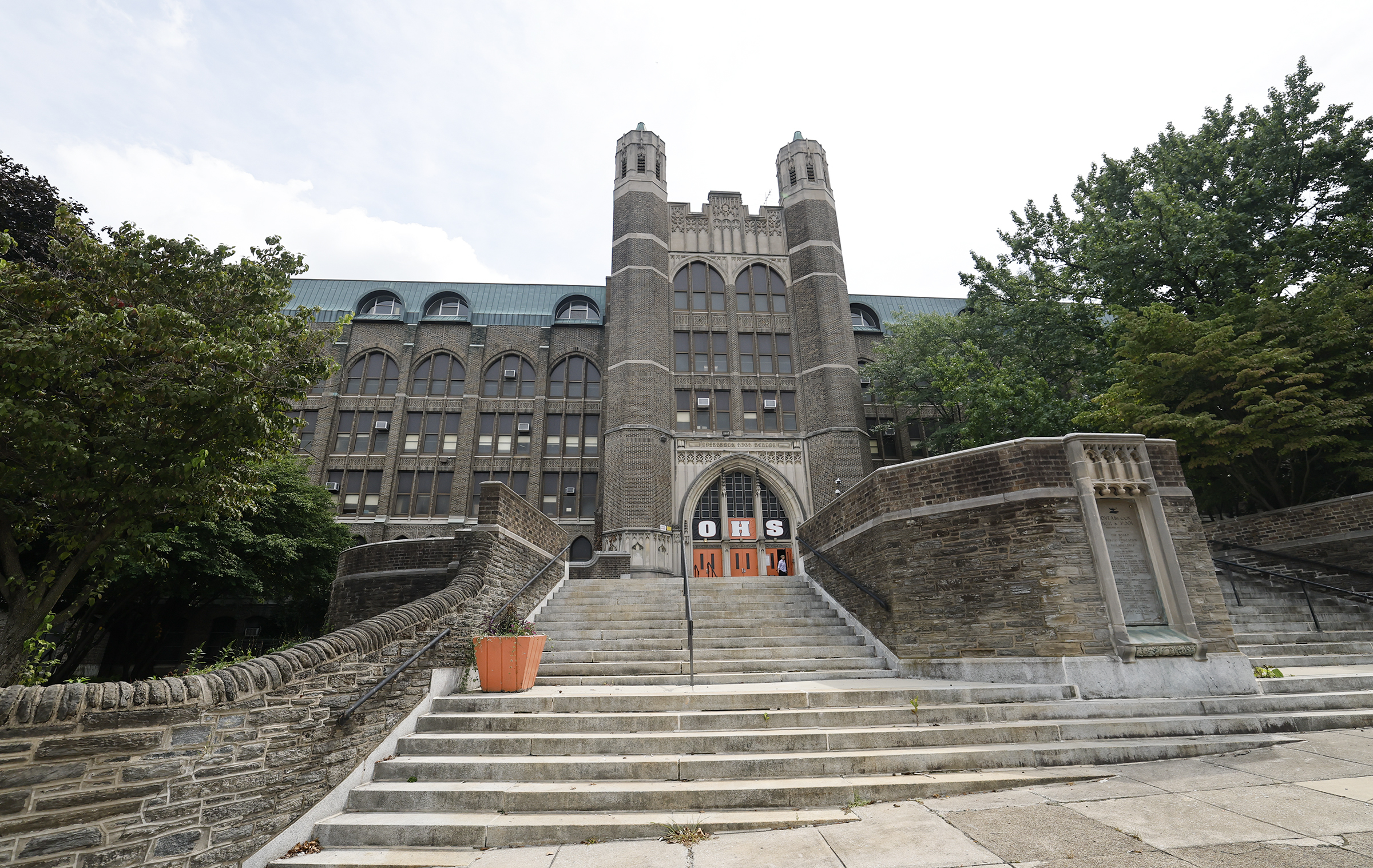
    Simon Hauger said closing schools like Overbrook High will be “politically not easy.”

    As the district released the school closure plan, Simon Hauger, founder of the Workshop School, was skeptical.

    Given the school system’s billions of dollars in deferred maintenance, “the district does not have the talent and capacity to actually solve this problem,” Hauger said. “To me, that’s the part that’s most frustrating … This is not their expertise. The solutions they’re offering are not going to be good solutions.”

    Under the plan, Workshop would move into the under-enrolled Overbrook High School in West Philadelphia — which “would be fine,” Hauger said. “There’s good stuff at that building.” But that only makes Overbrook, which Hauger estimated takes millions to run, “slightly more utilized,” he said. “It doesn’t make sense to me.”

    The problem, Hauger said, is that closing a school like Overbrook High, which was not slated to shut, is “politically not easy.”

    Maddie Hanna


    // Timestamp 01/22/26 12:04pm

    Philly City Council members express concerns about school closure plan
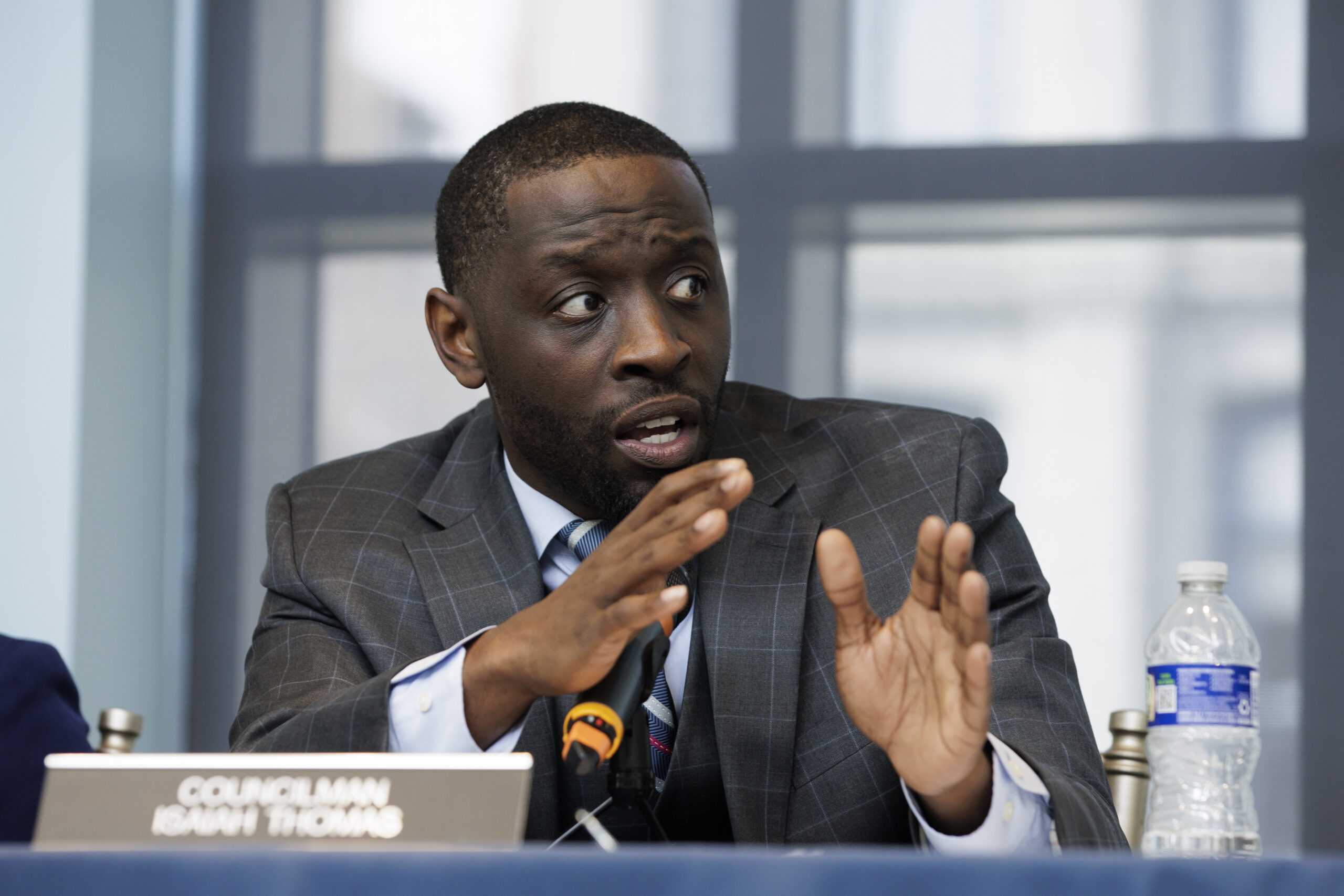
    Councilmember Isaiah Thomas, seen here in April, said he would oppose the closure of Russell Conwell Middle School in Kensington.

    City Council members were meeting Thursday morning during the first meeting of the year as news of the school district’s facilities plan became public. Several members, who were briefed on the plan earlier this week, said they understood the need to close and consolidate schools but have concerns about how individual closures could impact communities.

    “I’m Philly-born and raised, so there’s always like an emotional attachment to schools,” said Councilmember Isaiah Thomas, a Democrat who chairs the Education Committee. “They are a pillar in a lot of neighborhoods. Whenever you step into a conversation like this, you are always going to be super emotional.”

    For example, Thomas attended Russell Conwell Middle School in Kensington, which is slated for closure under the facilities plan. He said he will “adamantly” oppose the district shutting Conwell’s doors.

    Thomas did praise the district’s process for drafting its plan and said Superintendent Tony Watlington engaged in an open dialogue with lawmakers.

    The district, he said, acted with clear “intentionality.”

    Councilmember Curtis Jones Jr., whose district includes parts of West and Northwest Philadelphia, said some of the changes are encouraging, including an expansion of career and technical education planned for some schools, including Overbrook High School. Increasing the student body at the school instead of electing to close it, Jones said, is “right on point.”

    Jones also said some co-locations make sense — “like a great peanut butter and jelly mix” — but others could combine students who come from different neighborhoods and backgrounds. He said the district must consider what merging those populations means for classroom dynamics.

    “The places where the kids come from, that is always a dynamic that is under considered,” Jones said. “If I live in this neighborhood and got to travel to that neighborhood, what are the historical dynamics? That granular detail needs to be discussed.”

    Anna Orso


    // Timestamp 01/22/26 11:39am

    Philly teachers union president blames ‘chronic underfunding’ for school closing plan
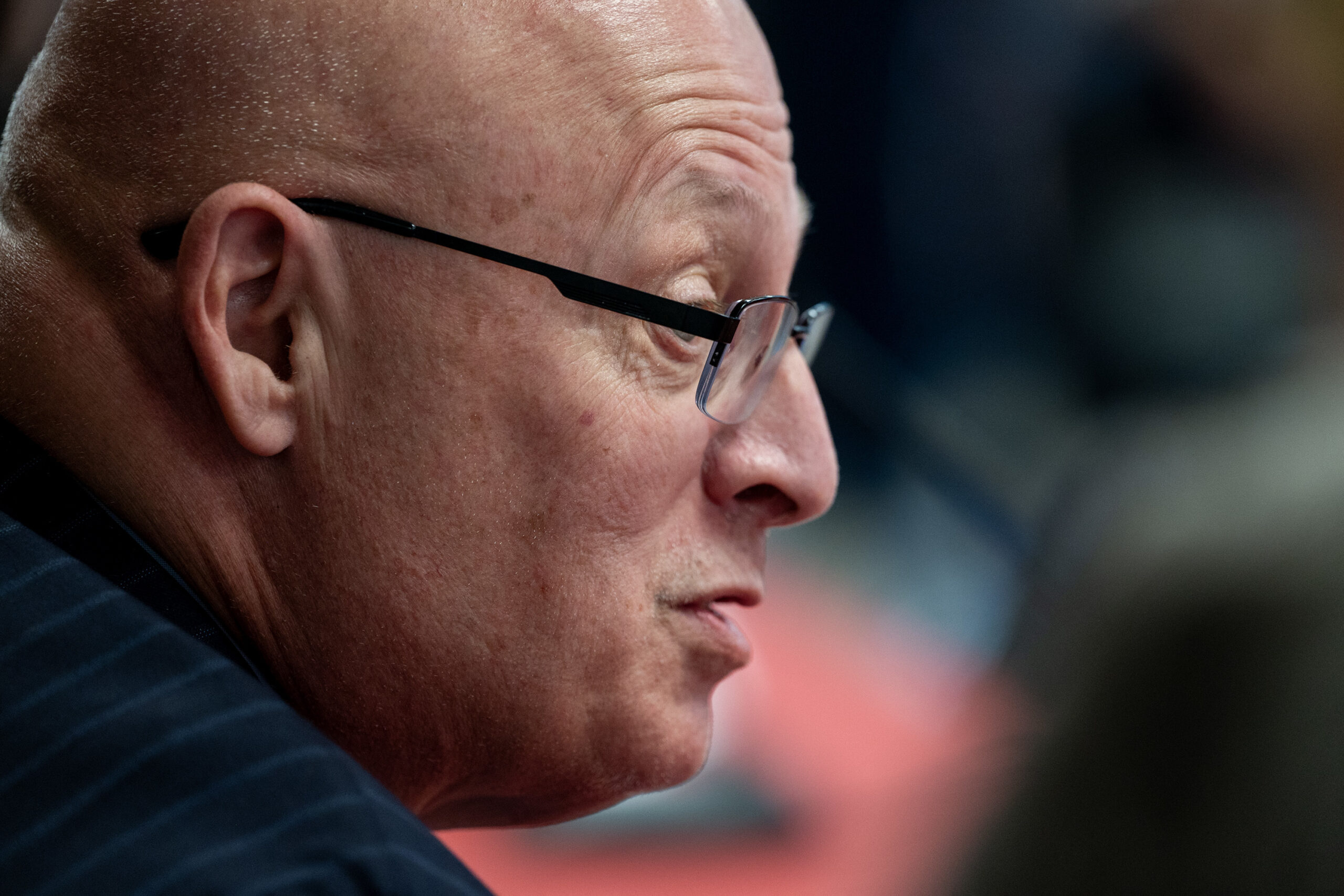
    Philadelphia Federation of Teachers president Arthur Steinberg, seen here in September at Murrell Dobbins Career & Technical Education High School.

    Arthur Steinberg, president of the Philadelphia Federation of Teachers, said he’s waiting to see more granular details of the plan, including the list of schools that will be upgraded and what fixes are promised, and hopes information about how much weight was given to every factor that went into the decisions.

    But, Steinberg said, “it is devastating for any community to lose their school — the parents, the kids and the staff.”

    As for the process that led the district to this moment, Steinberg said it was abundantly clear even to advisory panel members that their viewpoints were just points of information for Watlington’s administration, that no promises about heeding any advice were made.

    Either way, the closure of 20 schools and more changes that will have ripples across the city for years to come all lead back to one factor, he said.

    “Without the chronic underfunding of the district,” said Steinberg, “we wouldn’t have gotten to this point.”

    Kristen A. Graham


    // Timestamp 01/22/26 11:33am

    ‘It’s heartbreaking’

    A copy of the Philadelphia School District’s facilities master plan.

    Outrage mounted for some Thursday morning as district officials began quietly notifying affected communities and groups.

    “It’s heartbreaking,” said Sharee S. Himmons, a veteran paraprofessional at Fitler Academics Plus, a K-8 in Germantown. “It feels like a family member is dying.”

    Himmons is enrolled in the district’s paraprofessional pathways program, taking college courses to earn her degree and teacher certification. She was sitting in her math class at La Salle University when she found out Fitler was slated for closure. She began crying. She failed a test she was taking because her concentration was shot, she said.

    “This school is such a staple in the neighborhood,” she said. Fitler is a citywide admissions school, but draws many students from the area. Himmons’ own sons attended Fitler, and she wanted to teach there after her college graduation.

    “This isn’t over,” she said. “We’re going to fight — hard.”

    Kristen A. Graham


    // Pinned

    // Timestamp 01/22/26 11:00am

    Philly would close 20 schools in massive proposal
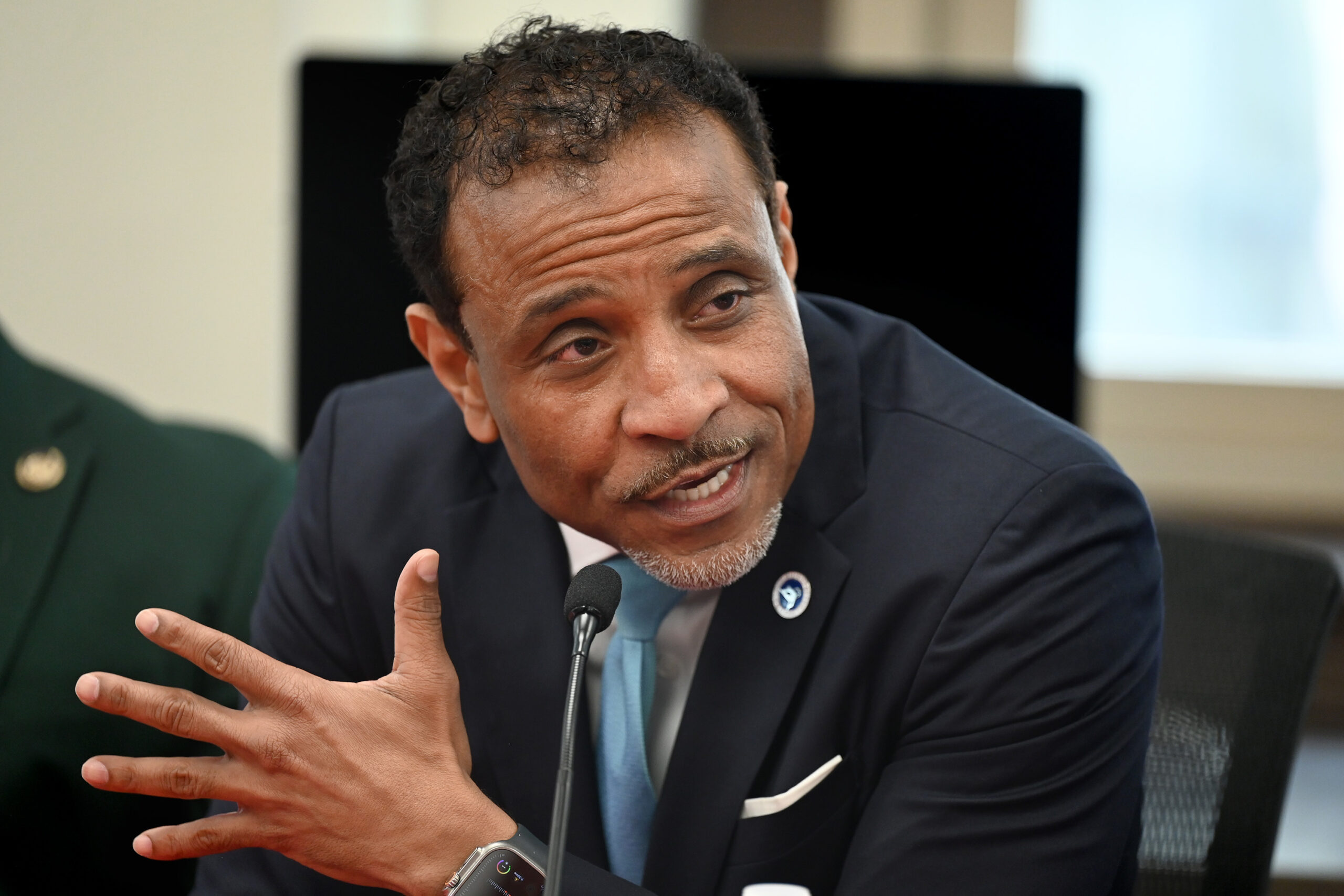
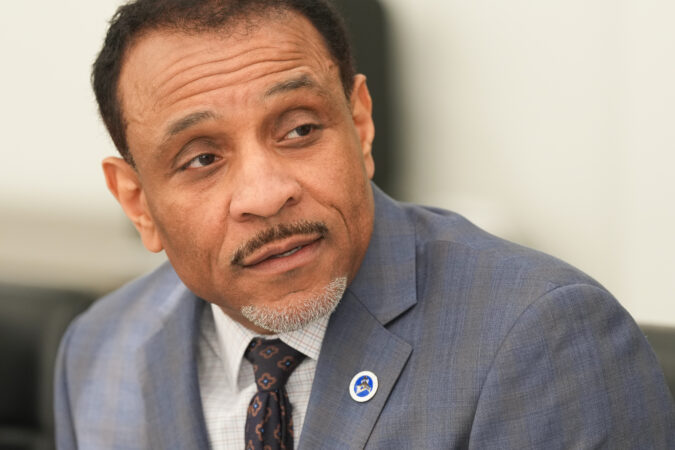
    Philadelphia School District Superintendent Tony B. Watlington, seen here in September.

    Wholesale changes are coming to the Philadelphia School District, with Superintendent Tony B. Watlington Sr. poised to propose a massive reshaping of the system, including closing 20 schools.

    The plan, years in the making, would touch the majority of the district’s buildings: over a decade, 159 would be modernized, six co-located inside existing buildings, 12 closed for district use and eight closed and given to the city.

    One new building would be constructed.

    Change would come to every part of the city, but not until 2027-28. Closures would be scattered through most of Philadelphia, with North and West Philadelphia hardest hit.

    Philadelphia, the nation’s eighth largest school system, now has 216 schools in 307 buildings, the oldest of which was built in 1889. It has 70,000 empty seats citywide, though some of its schools, especially those in the Northeast, are overcrowded.

    Kristen A. Graham


    // Timestamp 01/22/26 11:00am

    What Philly schools could be closed?

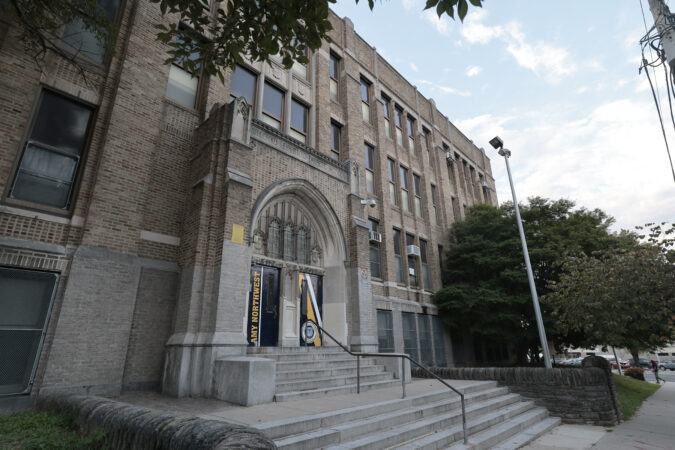
    Overbrook Elementary is among the schools that would close.

    Here are the 20 schools that would close under Superintendent Tony B. Watlington Sr.’s revitalization plan:

    Elementary schools

    • Blankenburg
    • Fitler
    • Ludlow
    • Overbrook
    • Pennypacker
    • Morris
    • Waring
    • Welsh

    Middle schools

    • AMY Northwest
    • Conwell
    • Harding
    • Penn Treaty
    • Stetson
    • Tilden
    • Wagner

    High schools

    • Lankenau
    • Motivation
    • Parkway Northwest
    • Parkway West
    • Robeson

    (function() {
    var l2 = function() {
    new pym.Parent(‘school_closing1’,
    ‘https://media.inquirer.com/storage/inquirer/projects/innovation/arcgis_iframe/school_closing1.html’);
    };
    if (typeof(pym) === ‘undefined’) {
    var h = document.getElementsByTagName(‘head’)[0],
    s = document.createElement(‘script’);
    s.type = ‘text/javascript’;
    s.src = ‘https://pym.nprapps.org/pym.v1.min.js’;
    s.onload = l2;
    h.appendChild(s);
    } else {
    l2();
    }
    })();

    Some of those schools, like Lankenau and Robeson, would become programs inside other schools — Roxborough High for Lankenau, and Sayre for Robeson. Others would close outright, with students assigned elsewhere.

    Students at the affected schools would move into schools with similar or better academic outcomes or building conditions, or schools that are better by both measures, Watlington said. Transition resources would be available for schools, students and families from closing schools and for schools that take in new students.

    Watlington said he did not anticipate job losses as a result of the closures.

    Kristen A. Graham


    What’s happening to the district’s 307 buildings?
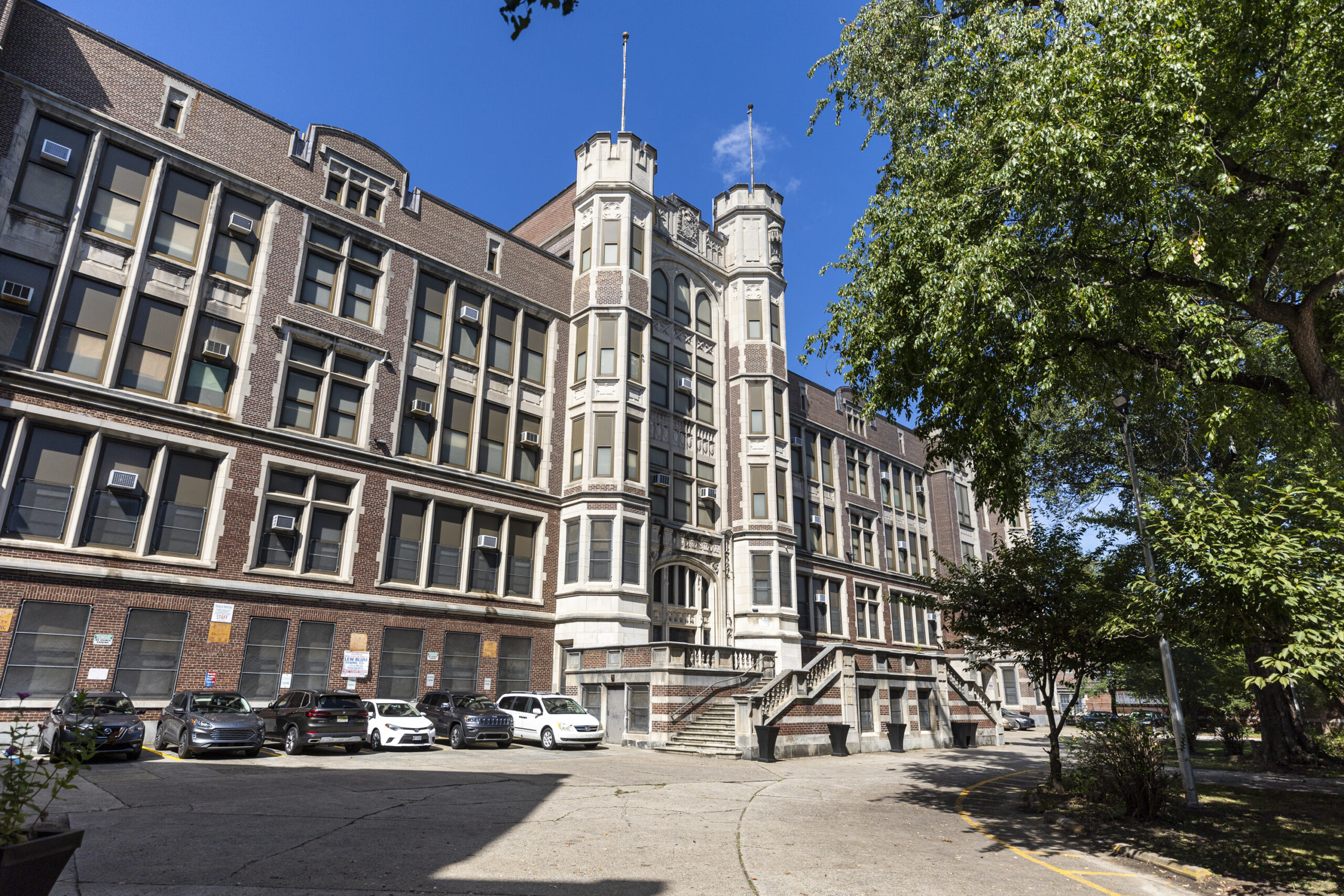
    Frankford High School is an example of a Philly school that has been modernized.

    Most schools — 159 — would be modernized under the proposed plan. (Frankford High, which closed for two years because of asbestos issues and just re-opened this fall with $30 million of work to spruce it up, is an example the district cited of a modernization.)

    An additional 122 fall into the “maintain” category, meaning they’ll just receive regular upkeep.

    Six facilities would be co-located, meaning they would be two separate schools housed under one roof, each with its own principal and team.

    Twenty schools would be closed.

    A lot of shuffling is planned. Penn Treaty, now a 6-12 school in Fishtown, would close in its current form, but the building would stay open, housing the current Bodine High School, a magnet in Northern Liberties. Bodine’s building would become the home of Constitution High, which now occupies a rented space in Center City.

    Kristen A. Graham

    // Timestamp 01/22/26 11:00am
  • What’s happening to your Philly school under the proposed facilities master plan?

    What’s happening to your Philly school under the proposed facilities master plan?

    The Philadelphia School District would be reshaped under a facilities master plan proposed Thursday by Superintendent Tony B. Watlington.

    The school system would see sweeping changes: 20 school closures, six co-locations, more than 150 modernization projects and one brand-new building.

    All parts of the city would be affected under the blueprint, which will be formally presented to the school board Feb. 26 and is not final.

    The $2.8 billion project is necessary, officials said, because of 70,000 extra seats across the district, poor building conditions in many schools, and disparities in program offerings.

    Here’s a breakdown of Watlington’s plan:

    If you are reading this story and cannot see the charts, click here.

    window.addEventListener(“message”,function(a){if(void 0!==a.data[“datawrapper-height”]){var e=document.querySelectorAll(“iframe”);for(var t in a.data[“datawrapper-height”])for(var r,i=0;r=e[i];i++)if(r.contentWindow===a.source){var d=a.data[“datawrapper-height”][t]+”px”;r.style.height=d}}});

    window.addEventListener(“message”,function(a){if(void 0!==a.data[“datawrapper-height”]){var e=document.querySelectorAll(“iframe”);for(var t in a.data[“datawrapper-height”])for(var r,i=0;r=e[i];i++)if(r.contentWindow===a.source){var d=a.data[“datawrapper-height”][t]+”px”;r.style.height=d}}});

    window.addEventListener(“message”,function(a){if(void 0!==a.data[“datawrapper-height”]){var e=document.querySelectorAll(“iframe”);for(var t in a.data[“datawrapper-height”])for(var r,i=0;r=e[i];i++)if(r.contentWindow===a.source){var d=a.data[“datawrapper-height”][t]+”px”;r.style.height=d}}});

  • Philly could close 20 schools, colocate 6, and modernize 159: Superintendent Watlington shares his facilities plan

    Philly could close 20 schools, colocate 6, and modernize 159: Superintendent Watlington shares his facilities plan

    Wholesale changes are coming to the Philadelphia School District, with Superintendent Tony B. Watlington Sr. poised to propose a massive reshaping of the system, including closing 20 schools.

    The plan, years in the making, would touch the majority of the district’s buildings and bring change to every part of the city: over a decade, 159 would be modernized, six colocated inside existing school buildings, 12 closed for district use, and eight closed and given to the city.

    At least one new building would be constructed.

    The 20 closures, which would not begin to take effect until the 2027-28 school year, would be scattered through most of Philadelphia, with North and West Philadelphia hardest hit.

    Watlington released some details of the blueprint Thursday — including the list of proposed school closures and acknowledged that the changes will roil some communities.

    Watlington is scheduled to present his proposal to the school board next month, with a board vote on the plan expected this winter.

    (function() {
    var l2 = function() {
    new pym.Parent(‘school_closing1’,
    ‘https://media.inquirer.com/storage/inquirer/projects/innovation/arcgis_iframe/school_closing1.html’);
    };
    if (typeof(pym) === ‘undefined’) {
    var h = document.getElementsByTagName(‘head’)[0],
    s = document.createElement(‘script’);
    s.type = ‘text/javascript’;
    s.src = ‘https://pym.nprapps.org/pym.v1.min.js’;
    s.onload = l2;
    h.appendChild(s);
    } else {
    l2();
    }
    })();

    Philadelphia, the nation’s eighth-largest school system, now has 216 schools in 307 buildings, the oldest of which was constructed in 1889. It has 70,000 empty seats citywide, though some of its schools, especially those in the Northeast, are overcrowded.

    But, Watlington said, “this is not just about old buildings.” Philadelphia’s academics are improving, and faster than most big-city districts, but most of its students still fail to meet state standards — just 21% hit state goals for math, and 35% for English.

    “We must find ways to more efficiently use all of our resources so that we can push higher-quality academic and extracurricular programming and activities into all of our schools across all the neighborhoods of Philadelphia, while at the same time addressing under- and overenrolled schools,” the superintendent said.

    If the school board adopts Watlington’s plan as proposed, the number of empty space in school buildings would decrease, with district schools going from a 66% utilization rate to 75%. The changes would also allow for the district to offer more students prekindergarten, algebra in eighth grade, and career and technical education and Advanced Placement courses, officials said.

    “Part of the problem here is there’s so much disparity in the School District of Philadelphia,” said Watlington, who suggested the plan will improve equity.

    Every building judged in “poor” or “unsatisfactory” condition — there are now 85 citywide — would either close or be upgraded within a decade, though the information released Thursday did not include details on upgrade plans.

    There are no guarantees, however. The plan comes with a $2.8 billion price tag — only $1 billion of which the district will cover with its capital funds. The rest of the money is dependent on state and philanthropic support, neither of which is a given.

    If the extra funding does not come through, Watlington said, fewer schools in disrepair could be modernized, or the district would have to make other revisions to the plan.

    Officials said a backup plan would take longer to complete — 16 years, instead of a decade. The $1 billion version would not allow the school system to upgrade all schools currently rated unsatisfactory or poor. Instead, it would have 45 buildings in the those categories in 2041.

    A possible closure list

    Watlington indicated he wants to close these schools: Blankenburg, Fitler, Ludlow, Robert Morris, Overbrook Elementary, Pennypacker, Waring, and Welsh elementary schools; Conwell, AMY Northwest, Harding, Stetson, Tilden, and Wagner middle schools; and Lankenau Motivation, Parkway Northwest, Parkway West, Penn Treaty, and Robeson high schools. (Some of those schools, like Lankenau and Robeson, would become programs inside other schools — Roxborough High would use Lankenau, and Sayre would use Robeson. Others would close outright, with students assigned elsewhere.)

    And he named six schools that would move into other school buildings while maintaining their individual structure and identity: Martha Washington, Building 21, the Workshop School, the U School, a new Academy at Palumbo Middle School, and a new K-8 year-round school.

    Students at the affected schools will all move into schools with similar or better academic outcomes or building conditions, or schools that are better by both measures, Watlington said. Transition resources will be available for schools, students, and families from closing schools and for schools that take in new students.

    The changes will also affect far more students than those in the 20 schools being shut down or in those sharing locations; closures mean the district would eventually need to redraw at least some school catchment boundaries, which dictate the neighborhood school each child attends.

    Watlington said he did not anticipate job losses as a result of the closures.

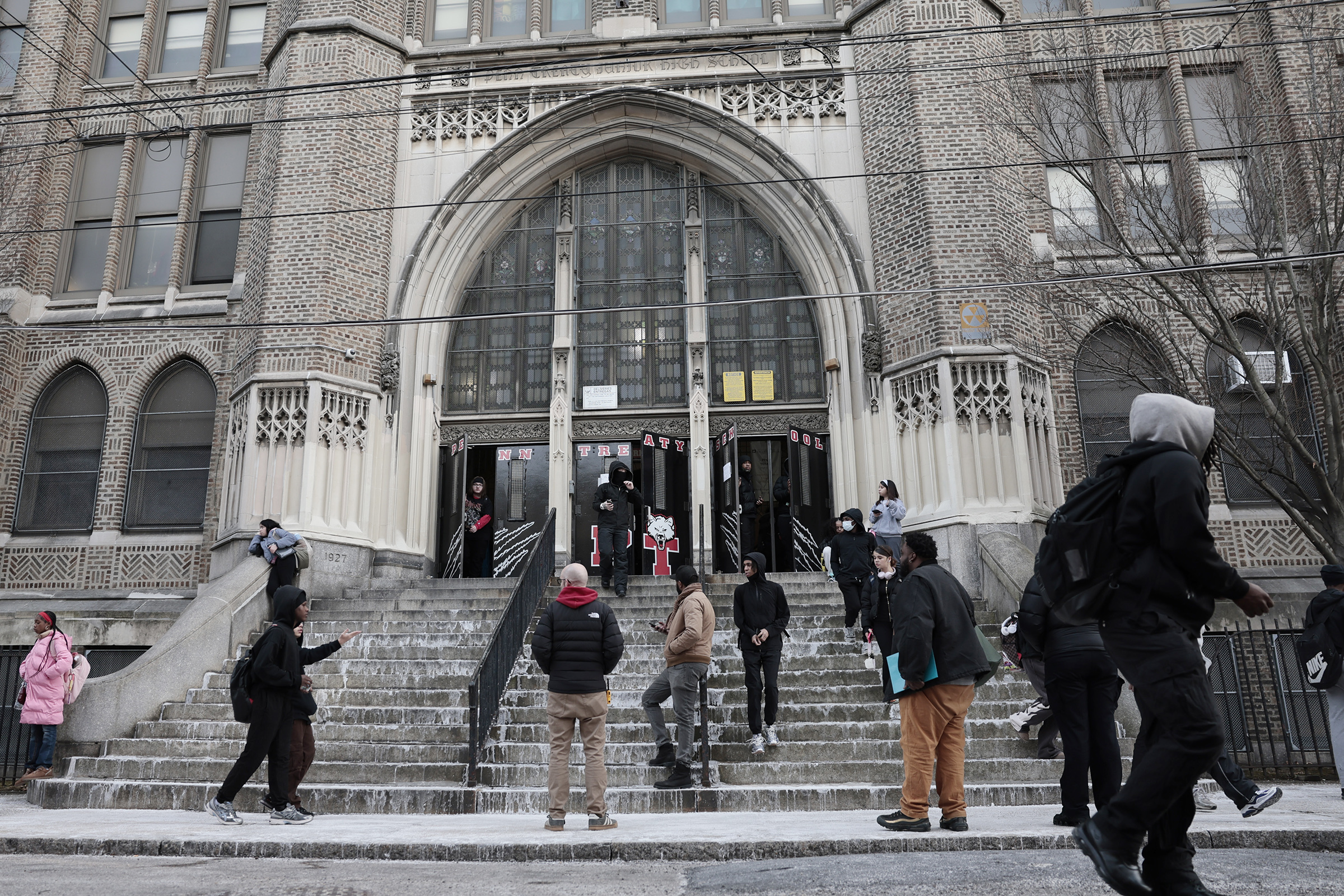
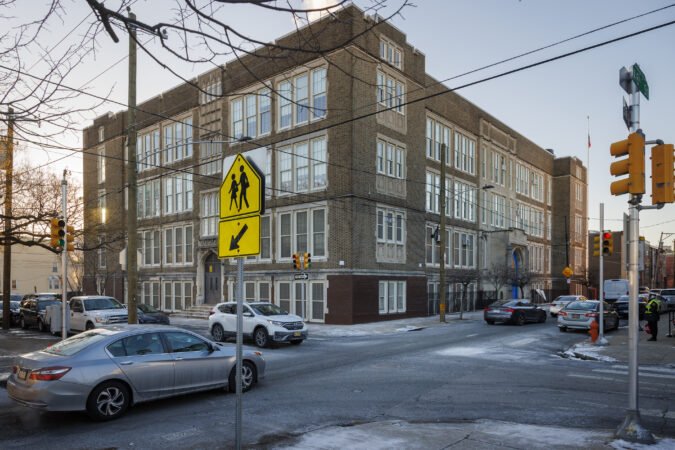
    School officials stand by outside for afternoon dismissal at Penn Treaty Middle School, 600 East Thompson Street, in Philadelphia on Thursday, Jan. 22, 2026.

    Fewer transitions, more standard grade configurations

    Officials said they arrived at the blueprint after analyzing data and gathering feedback across the city — in meetings and surveys, and based on wisdom from advisory panels and a planning team. (Some advisory panel members said they had real concerns about the process, felt they got too little information, and said their input was not seriously considered. Some had called for a pause in the process and a plan with no closings.)

    Parents, staff, and community members identified four main themes that informed the recommendations, Watlington said: strengthening K-8 schools, reinvesting in neighborhood high schools, reducing school transitions for students, and expanding access to grades 5-12 criteria-based high schools.

    The plan dramatically shrinks the number of grade spans in the district.

    Currently, there are 13 different kinds of school configurations. Going forward, there be just six grade bands: K-4, K-8, K-12, 5-8, 5-12, and 9-12. (Six schools will be exceptions, however.)

    Philadelphia is leaning into a “strong K-8 model,” Watlington said. He recommended closing six middle schools, with some elementary schools adding grades to accommodate.

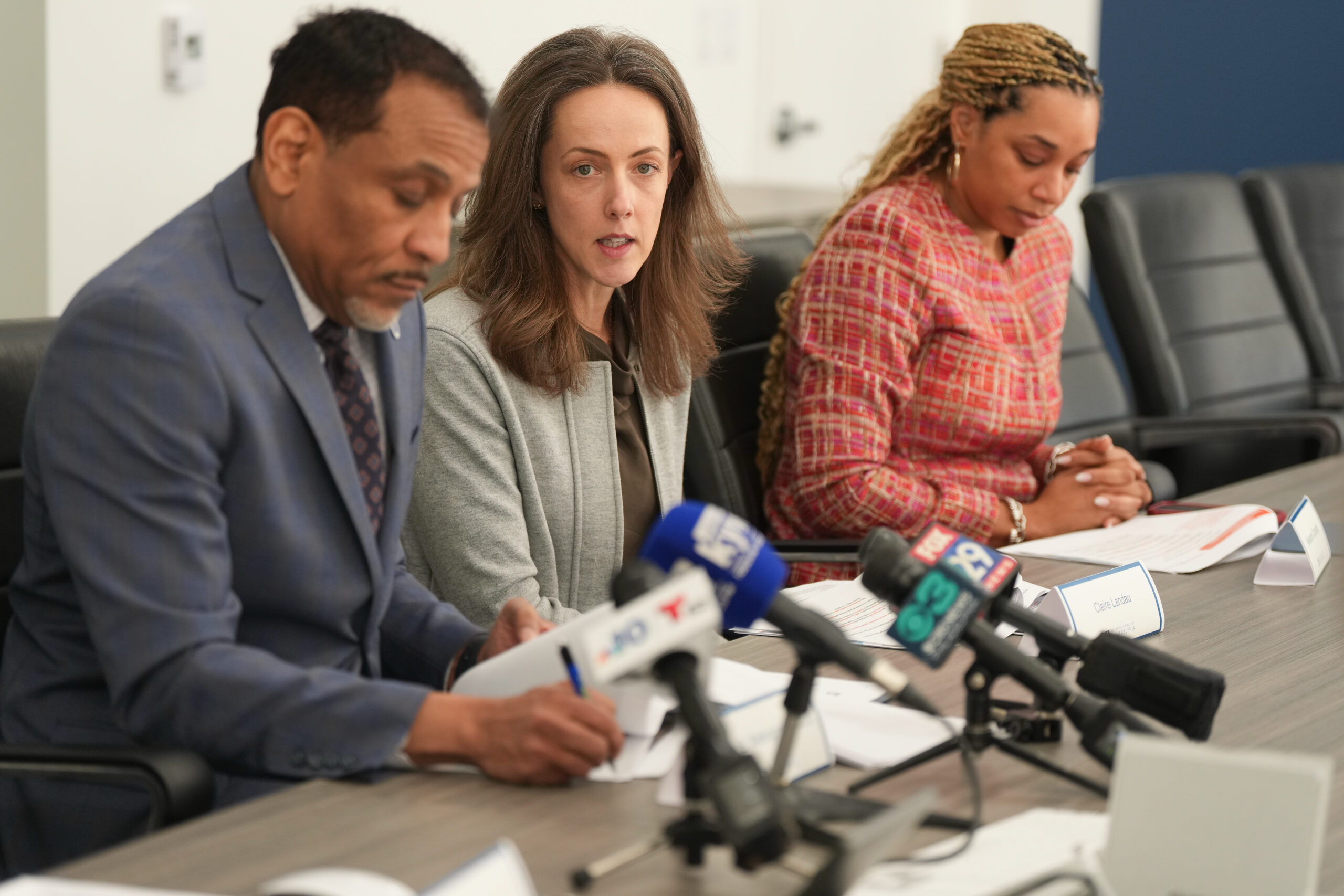
    From left to right, Superintendent Tony B. Watlington, senior adviser Claire Landau, and chief of communications and customer service Alexandra Coppadge speak to reporters on Tuesday about their proposed master plan for Philadelphia schools.

    It is also turning some high schools that now house four grades into middle-high schools, with 5-12 spans. South Philadelphia High will get investments to its career and technical education space and add fifth through eighth grades, for instance. A new Palumbo Middle School will open, colocated with Childs Elementary in Point Breeze; its students will get preference for admission to the Academy at Palumbo, a South Philly magnet.

    Investments in the Northeast, and elsewhere

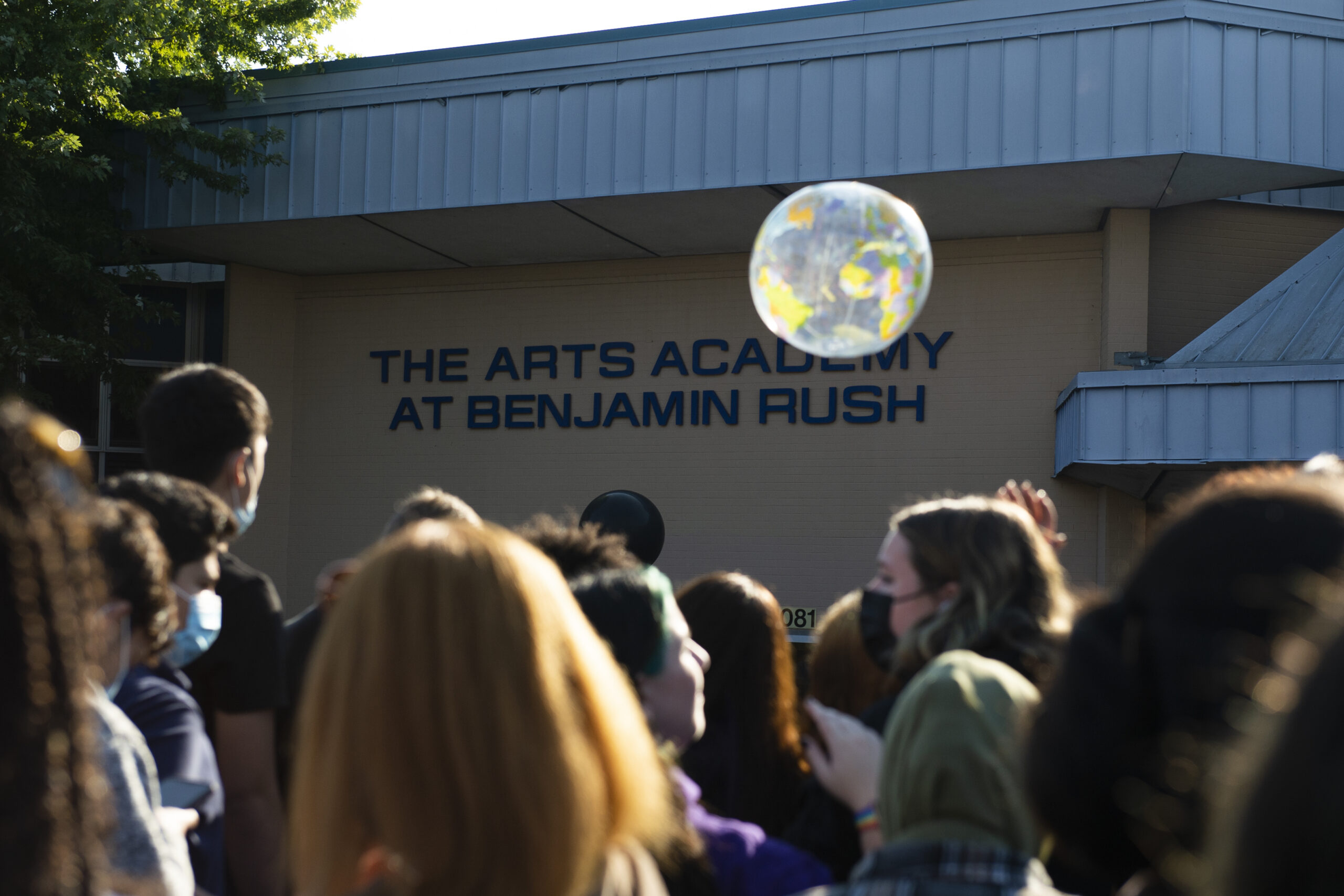
    The single from-scratch construction announced will be in the Lower Northeast — a new Arts Academy at Benjamin Rush, a popular magnet now in the Far Northeast. That new building, which will house students in fifth through 12th grades, would rise on the site of the old Fels High School in Oxford Circle.

    A new neighborhood high school will open in the current Rush Arts building, if the plan is approved.

    The Arts Academy at Benjamin Rush, shown in this 2022 file photo, will move to a new building constructed in the lower Northeast under the facilities master plan now under consideration. A new catchment high school would open in the Rush Arts building.

    Comly, Forrest, and Carnell — all Northeast schools — would be modernized and get additional grades to relieve overcrowding.

    No Northeast schools were tagged for closing because all are near or at capacity or overcrowded, officials said, unlike in other neighborhoods.

    But the superintendent underscored that investments would be made throughout the city.

    E.W. Rhodes in North Philadelphia would get a renovated pool.

    A year-round K-8 — which Watlington teased at during his state of the schools speech in early January — would colocate at Mary McLeod Bethune Elementary in North Philadelphia.

    Masterman, one of the city’s top magnets, has long been overcrowded — its middle school would move to Waring, in Spring Garden, one of the closing schools.

    And Central High is getting a performing arts center and expanding, as previously announced.

    “It’s really important to note this is not a plan to just funnel resources into the Northeast part of Philadelphia, where the population is increasing faster or in a different way than other parts of the city,” Watlington said. “This is not just build out, invest in some areas, divest in others.”

    Learning from past mistakes

    Watlington said he knows the plan will be difficult for some to swallow, and does not achieve every aim.

    But, he said, “we are not going to make good the enemy of perfect.”

    Still, Watlington and others vowed this closure process — the first large-scale closures in more than a decade — would not repeat the mistakes of 2012 and 2013, when 30 schools were shut to save money.

    A new transition team will focus on what students and schools need, from social and emotional supports to safety and academic help.

    School board president Reginald Streater and Superintendent Tony B. Watlington Sr. are shown in this 2025 file photo.

    “These families will get gold-standard, red-carpet treatment directly from the superintendent’s office,” Watlington said.

    The superintendent said he will urge the board to “strongly consider” his recommendations.

    “We have one shot to get this right,” Watlington said. “We believe this is as good a plan as we can bring to the board, and so we’re going to recommend strongly that the board adopt these recommendations.”

    School board president Reginald Streater said the facilities planning process was “critical” to bettering student outcomes.

    Watlington, Streater said in a release, has led “meaningful community engagement with families, educators, and community members across our city. The board looks forward to receiving the full set of recommendations and carefully considering them as we work together to ensure all of our school facilities and student rostering practices best support access to high-quality educational experiences and opportunities for all students.”

    Mayor Cherelle L. Parker gave good marks to the plan.

    “It is ambitious, it’s thorough, and it’s grounded in what I believe matters most, and that’s achieving the best outcomes for our students,” Parker told reporters. “I’m proud that the district has taken what I would describe as a clear-eyed look at really what matters for our children.”

    ‘It feels like a family member is dying’

    Outrage mounted for some Thursday as district officials began notifying affected communities and groups.

    “It’s heartbreaking,” said Sharee S. Himmons, a veteran paraprofessional at Fitler Academics Plus, a K-8 in Germantown. “It feels like a family member is dying.”

    Himmons is enrolled in the district’s Pathways to Teaching program, taking college courses to earn her degree and teacher certification. She was sitting in her math class at La Salle University when she found out Fitler was slated for closure. She began crying. She failed a test she was taking because her concentration was shot, she said.

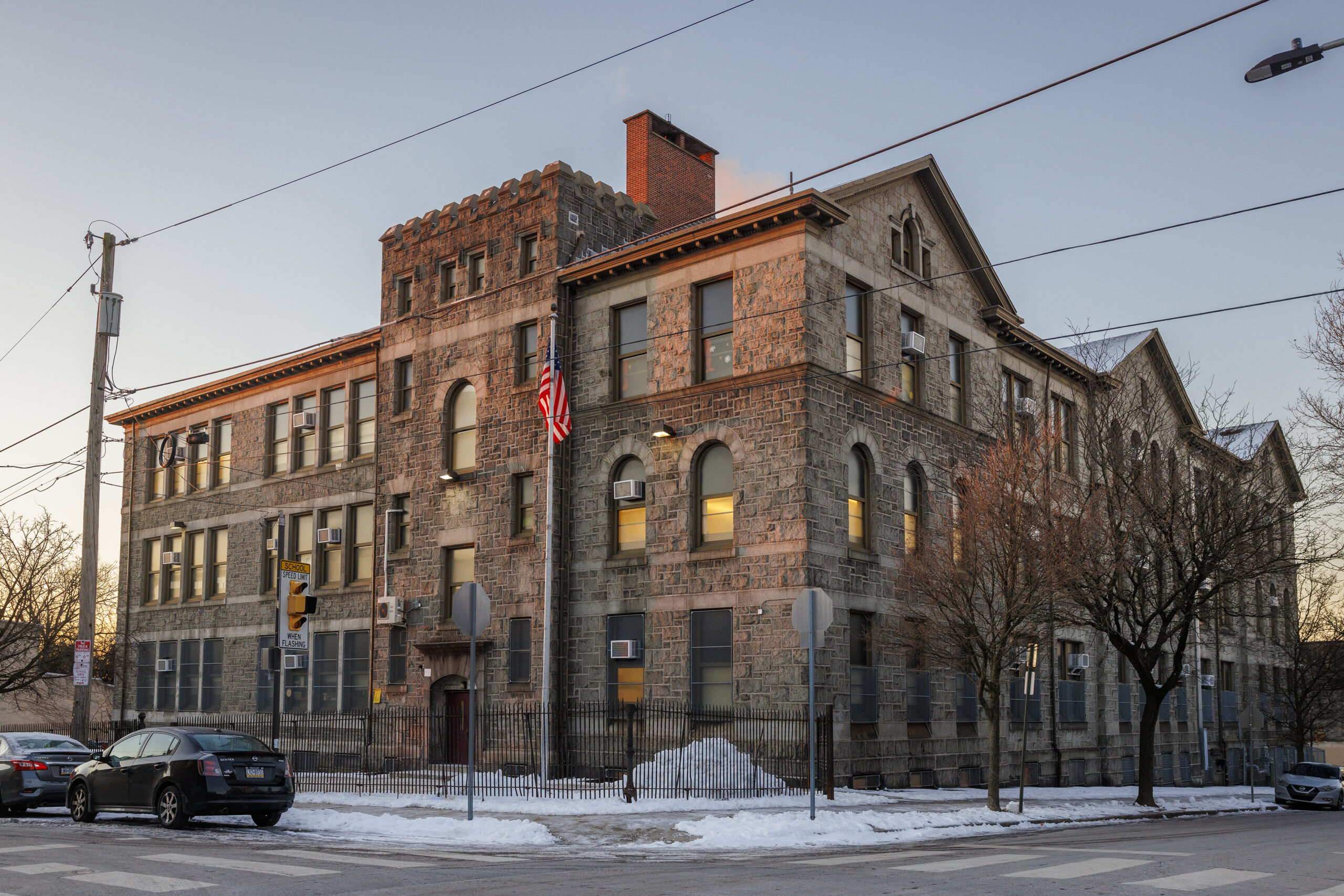
    Fitler Academics Plus Elementary School in Germantown is among the 20 schools that would close under the proposed plan.

    “This school is such a staple in the neighborhood,” she said. Fitler is a citywide admissions school, but draws many students from the area. Himmons’ own sons attended Fitler, and she wanted to teach there after her college graduation.

    “This isn’t over,” she said. “We’re going to fight — hard.”

    Arthur Steinberg, president of the Philadelphia Federation of Teachers, said he is waiting to see more granular details of the plan, including the list of schools that will be upgraded and what fixes are promised, and hopes for information about how much weight was given to every factor that went into the decisions.

    But, Steinberg said, “it is devastating for any community to lose their school — the parents, the kids, and the staff.”

    As for the process that led the district to this moment, Steinberg said it was abundantly clear even to advisory panel members that their viewpoints were just points of information for Watlington’s administration, that no promises about heeding any advice were made.

    Either way, the closure of 20 schools and more changes that will have ripples across the city for years to come all lead back to one factor, he said.

    “Without the chronic underfunding of the district,” Steinberg said, “we wouldn’t have gotten to this point.”

    Robin Cooper, president of the union that represents district principals, said the announcement was destabilizing, even though officials had warned closings were coming.

    “It’s a loss of history, a loss for Philadelphia,” Cooper said. “Schools are a family, and some families are breaking up.”

    Staff writer Sean Collins Walsh contributed to this article.

  • Temple women earned a statement win over South Florida. But ‘we’re nowhere near done.’

    Temple women earned a statement win over South Florida. But ‘we’re nowhere near done.’

    Entering Tuesday’s game against South Florida, Temple coach Diane Richardson and her staff held a meeting with the players to provide some clarity about their roles on the court.

    The Owls were reeling from a three-game losing streak and fresh off a lopsided loss to East Carolina on Jan. 17. The meeting proved to be what they needed to get back on track.

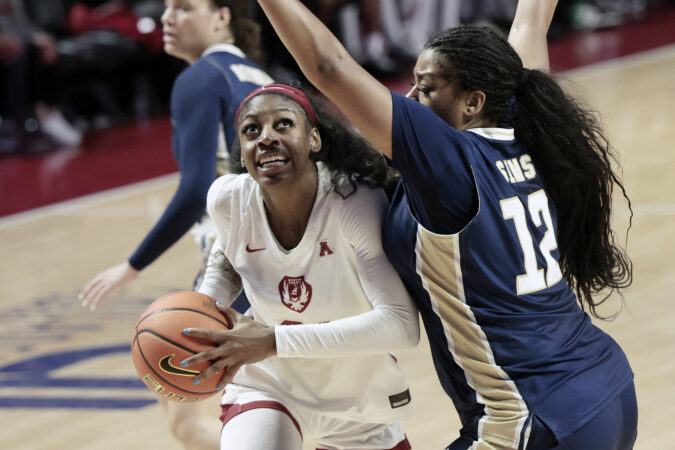
    Against South Florida, which entered Tuesday second in the American Conference standings, Temple played cohesively, which Richardson hadn’t seen lately. The result: an 86-83 win in which the Owls (8-10, 2-4 American) shot 52.7% from the field and had four players score in double figures.

    “I’m really pleased that they stepped up and realized that we have to play together,” Richardson said. “It’s a tough conference. When we play together, it makes a big difference, and as I look at the stats, I think we did pretty well in most of the categories. The biggest one was that we only had 11 turnovers. But, again, that’s confidence in each other and playing together.”

    Guard Kaylah Turner was one of the main benefactors of the meeting, rediscovering her role.

    The junior shot 29.8% from the field in the Owls’ first five conference games and struggled with inefficiency and taking quick shots. Turner, who was named preseason first-team all-conference, looked like herself on Tuesday.

    She shot 7-for-15 from the field and found her spots to knock down jumpers. She also used her speed to get to the basket for easy layups and finished with a game-high 23 points.

    “It makes it 100 times easier when my teammates are always telling me, be confident in my shot, continue to drive, even if I miss two layups or miss a three-pointer,” Turner said. “I’ve got coaches who say the same thing.”

    With Temple’s leading scorer back in her groove, the rest of the offense fell into place.

    Richardson wasn’t happy with Temple’s 5-of-23 shooting from three against Tulane on Jan. 13. She wanted the team to play faster and get more looks near the basket. The Owls fed the ball inside vs. South Florida, which led to a big game from forward Saniyah Craig.

    The Jacksonville transfer flourished in the post and scored a season-high 22 points, including 10-for-13 shooting from the free-throw line. Despite having less of an emphasis on three-pointers, Temple still went 8-for-16 from deep, led by forward Jaleesa Molina, who made all four of her attempts and finished with 19 points.

    Guard Tristen Taylor also finished with 16 points, meaning 80 of Temple’s 86 points came from four players.

    “I think we were more efficient with the things that we did today,” Richardson said. “We were more efficient in ball security. We were more efficient in our shots. I think those made a difference, even though it doesn’t show on the stat sheet. That’s what I told them in the locker room, the things that are not on the stat sheet was the defense, was the intensity, and was the bench. The bench was really into the game, and they were cheering them on.”

    With clarity in their roles, the Owls got back to playing their brand of basketball. Richardson’s equal opportunity offense was in full effect, her team was connected and playing together, and it resulted in a statement win.

    They will look to carry their newfound momentum into the middle of American play, starting with a home game against Charlotte on Saturday (2 p.m., ESPN+).

    “This is a great win, but we’re nowhere near done,” Turner said. “So we’re going to lock in the next practice, and we’re going to make sure we start the beginning of practice how we started this game, and we’re going to practice the entire way so we transfer it to this weekend.”

    Added Taylor: “I think our biggest thing is just don’t be complacent right now.”

  • A ‘vital’ Norristown day shelter is racing to find its own new home

    A ‘vital’ Norristown day shelter is racing to find its own new home

    A lifeline for Montgomery County’s low-income and homeless residents is running out of time.

    The Norristown Hospitality Center, a nonprofit day shelter offering free meals, showers, laundry, legal aid, and other services, must move out of its home by the end of January.

    Last year, the Hospitality Center offered services to 1,400 people, roughly a third of whom lacked housing, according to executive director Sunanda Charles. No other similar day shelters offer the same array of services in the immediate area.

    “The community would be losing a very vital resource,” Charles said.

    The Norristown Hospitality Center, which provides services for the homeless, is looking for a new location.

    The Hospitality Center, which opened in 1992, has been heading toward this inflection point since it vacated its home of over two decades at 530 Church St. by the end June 2025.

    It arranged a six-month lease with the Senior Adult Activities Center of Montgomery County, originally set to expire on Dec. 31. The center was granted a one-month extension, but is still searching for its next temporary and permanent home.

    Zoning woes

    The Hospitality Center’s search for a new location has been complicated by the organization’s needs and vocal NIMBYism.

    The Hospitality Center’s longtime Church Street home was owned by St. John’s Episcopal Church, which notified the center in 2024 it needed to vacate the building. Charles said the church told them it was because of concerns about the optics of visitors loitering outside. The notice came as a surprise, she said, but they were given a year to find their next location.

    St. John’s Rev. Christopher L. Schwenk disputed Charle’s characterization of why the church required the Hospitality Center to vacate the building, and said the center did not report property damage in 2023 that required renovations, and failed to pay rent on time for seven months of that year.

    “After months of conversation with Director Sunanda Charles, and then the Center’s Board, we made the difficult decision to end their lease due to breach of contract. Director Charles’ characterization of this decision as rooted in ‘the optics of loitering’ is as disappointing as it is false. We see Christ in the faces of our neighbors living in homelessness and are proud to continue serving them right here on Church St.,” he said in a statement.

    The Hospitality Center only shut down for three days as staff moved operations to the Senior Activities Center, but they knew this home would be temporary. Charles said the Senior Activities Center received funding for extensive renovations through the American Rescue Plan Act, which would expire if they don’t begin construction soon.

    After a process of careful planning and community outreach, the Hospitality Center identified a new building at 336 E. Moore St. and entered a purchasing agreement for it in December 2024.

    Mike Kingsley, program manager at the Norristown Hospitality Center, greets clients as they enter the center for breakfast Friday.

    But doing so required a zoning variance request, which brought the matter before the Norristown Zoning Hearing Board in May. The proposed building was located in a residential area, which ignited the public. Norristown residents testified for hours both for and against the Hospitality Center’s move, with some speaking about the essential services the center provides, while others worried about those suffering from substance abuse loitering where their children are.

    The board ultimately voted 2-1 against the center’s request.

    “I get to see firsthand those who are truly living on the margins of the city of Norristown. It is extremely disappointing — the whole ‘not-in-my-backyard’ attitude — it’s disheartening,” the Rev. Andrea Gardner, board president of the Norristown Hospitality Center, told The Times Herald following the vote.

    Charles said that the Hospitality Center has learned important lessons about the regulatory process and building community support from that experience as it searches for other options.

    But most potential properties in Norristown would require a similar variance request or special exemption for the Hospitality Center to move in. When that time comes, Charles anticipates needing to argue again for the center’s existence in the heart of Norristown.

    “These are people in the community. It is the community’s responsibility as well. Everyone can make a difference. And sometimes, the difference may be in the perspective of how you view people,” she said.

    Staying in position

    Until the Hospitality Center’s future is settled, Brian Van Scoyoc plans to keep spending every day there that he can.

    Van Scoyoc, 54, has been homeless for about five years, since the Norristown home he shared with his ex-girlfriend caught fire and burned down. His ex had to pull him back from jumping into the blaze to rescue his dog, Loggie, who died in the fire.

    “I got sort of displaced and didn’t know where to go or what to do,” he said.

    He’s worked odd jobs here and there, spending his nights at a shelter or in a tent in the woods. But his visits to the Hospitality Center have been a welcome reprieve.

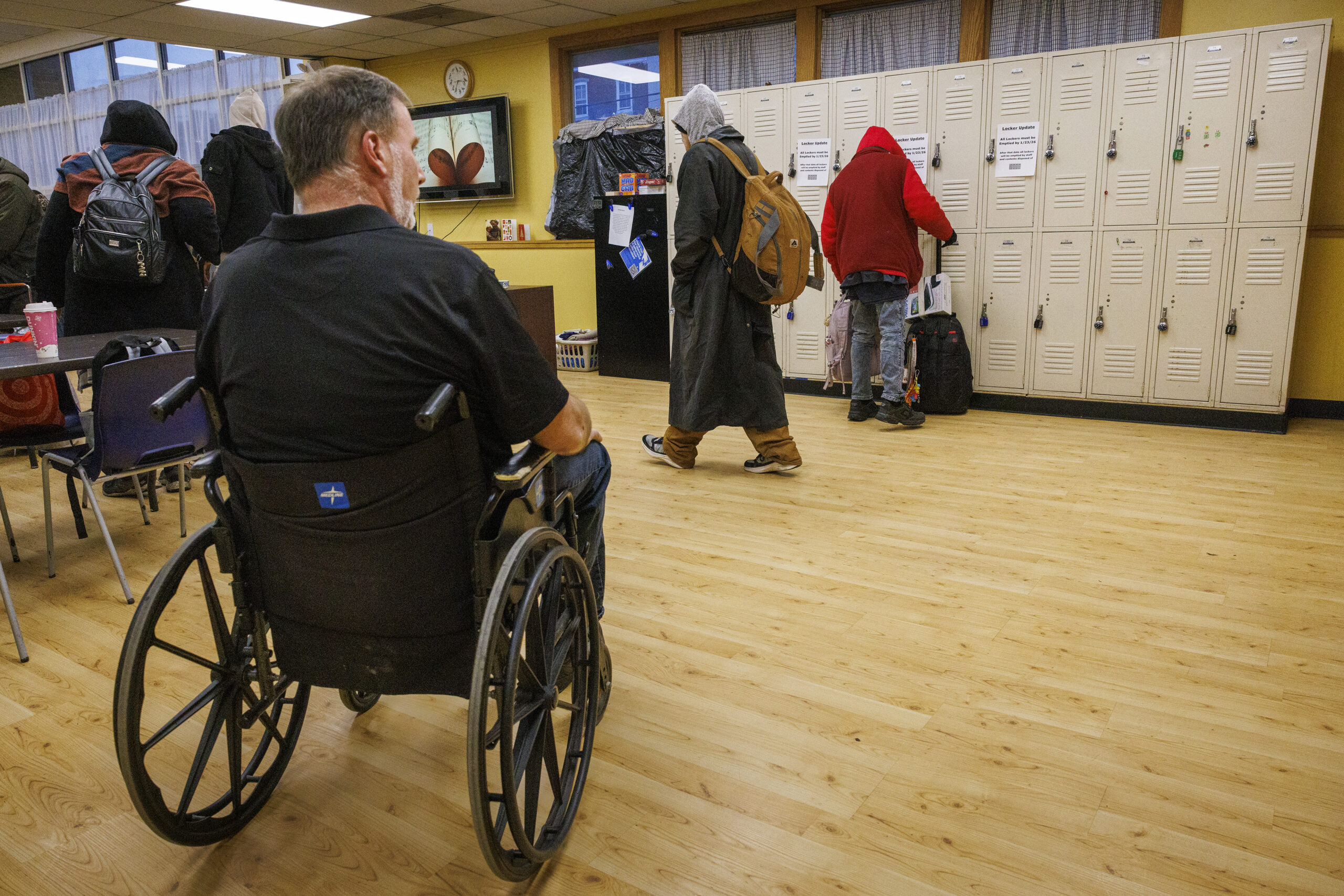
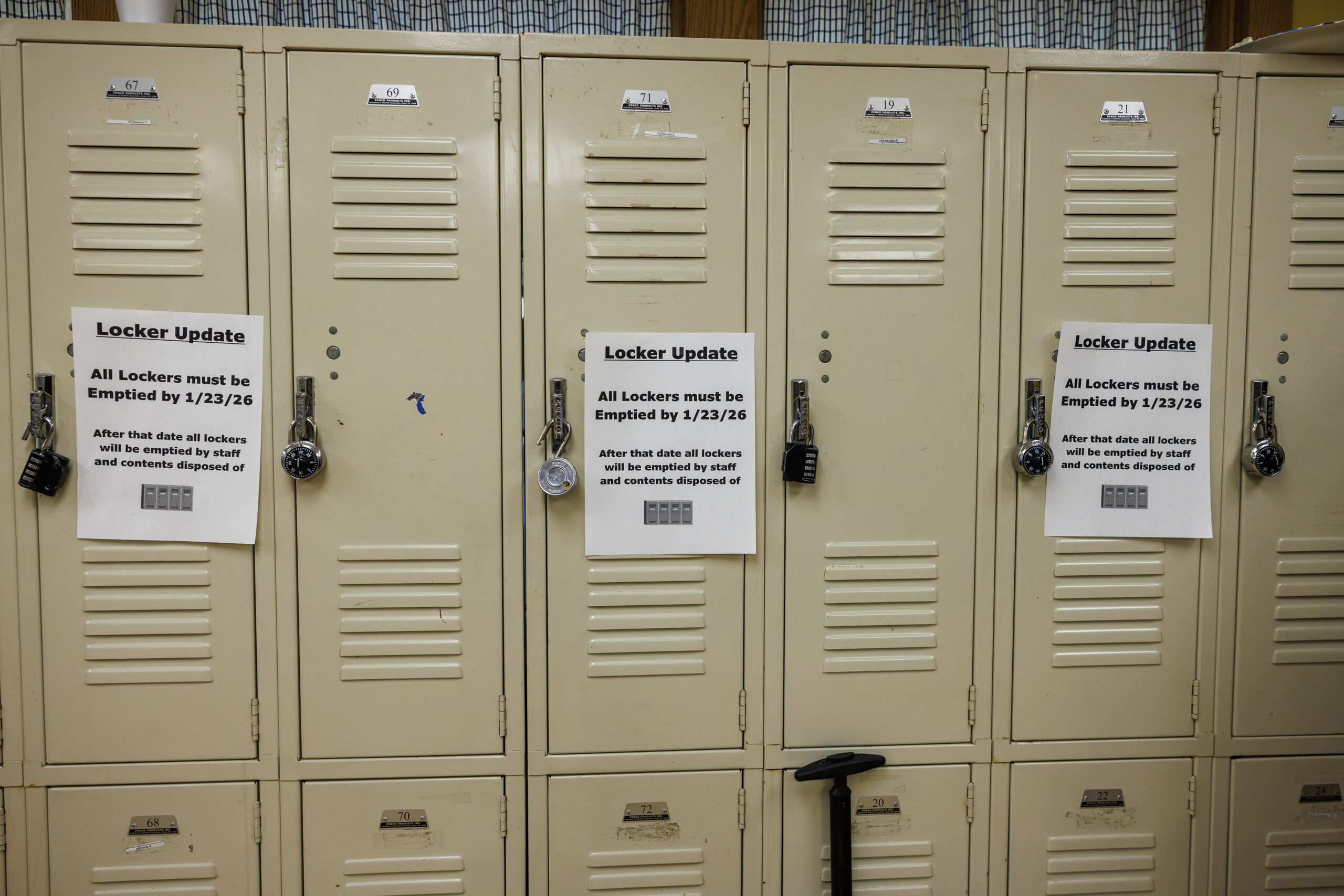
    He comes for coffee and breakfast to start his day, a pleasant escape from the cold early mornings after the overnight shelter closes its doors. He enjoys the chance to chat, watch TV, and play games with the other visitors, and appreciates the center’s laundry and legal aid services. Having a place to plug in his phone and store his belongings in a locker are helpful too, he said.

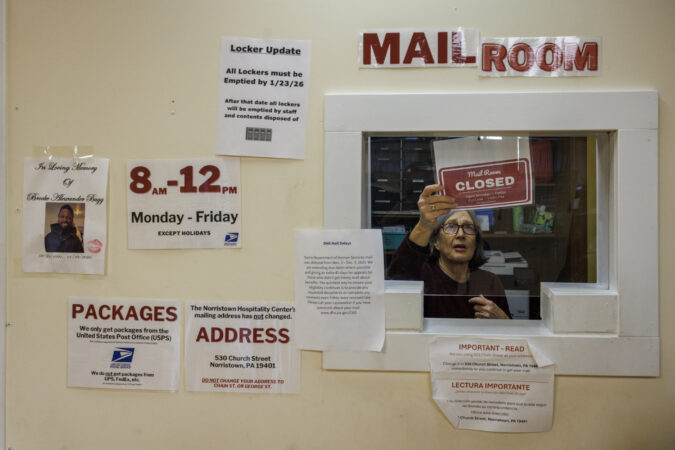
    Lockers at the Norristown Hospitality Center have been posted so clients know to empty them by Jan. 23.

    Van Scoyoc recently picked up frostbite after spending a night in his tent when he believes he didn’t let his wet feet dry properly. It’s difficult and painful for him to walk, so the center has helped arranged rides for him to get around.

    If the Hospitality Center were to close for an extended period time, Van Scoyoc said it would be a great distress.

    “It’s a great place to be. You should go check it out,” he said.

    As news has spread of the center’s plight, Charles said she’s received countless calls and emails from people who used its services in the past. They’ve expressed their support and gratitude, as well as their sadness at hearing that the center is up against the clock.

    One voicemail in particular has kept Charles motivated. A woman who spent time at the center in 2009 called her to share that she has been sober since connecting them, and is no longer homeless. She said in her message: “God is going to do a wonderful thing for you. Stay in position,” according to Charles.

    “We do believe there is a plan for us. And we are excited about it,” Charles said.

  • You can be fined up to $300 for not shoveling your sidewalk in Philly. Here are the rules.

    You can be fined up to $300 for not shoveling your sidewalk in Philly. Here are the rules.

    As soon as the snow stops falling, it’s time to get shoveling. In Philadelphia, you have six hours to clear the sidewalks in front of your home before facing potential fines, according to city rules.

    For residents, whether you rent or own, here’s what you need to know.

    Can I get fined for not shoveling my sidewalks?

    Yes. Fines range from $50 to $300 for those who violate city snow-removal rules.

    How much time do I have to clear my sidewalks?

    You have six hours after the snow stops falling to clear your sidewalks.

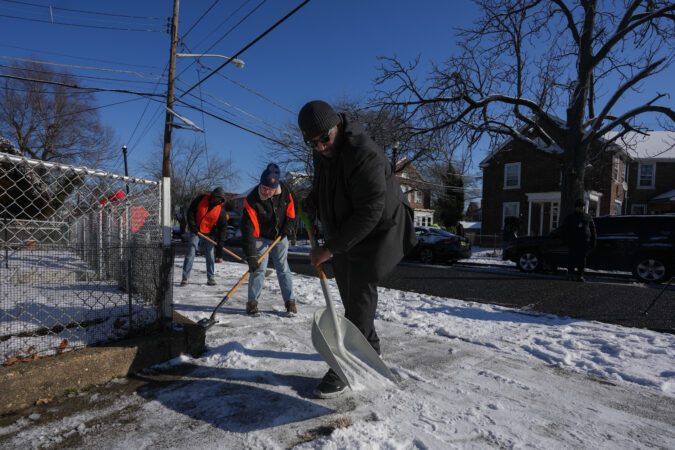
    From left: Philadelphia Zoo Garden service workers Joseph Mineer, of Fairmount, Naeem Price, of North Philadelphia, and David Wallace, of Southwest Philadelphia, clear snow from the sidewalks near the bus drop-offs in Philadelphia on Saturday, Jan. 17, 2026.

    Who’s responsible for clearing the sidewalks? What if I’m a renter?

    Whether you rent or own, you’re responsible for clearing a path, unless you live in a multifamily dwelling, like an apartment building or a building with more than one unit. In this case, the building owner or agent is responsible for snow removal.

    What about businesses?

    For businesses, clearing sidewalks and parking lots is the responsibility of the property owner, said Chris Young, communications manager for the Streets Department.

    The city is responsible for clearing sidewalks at city facilities.

    How wide do I need to make the path?

    A path must be at least 3 feet wide, unless the width of the pavement from your property line to the curb is less than that. In that case, your path can be narrower but has to be at least one foot wide. Paths must be thoroughly cleared, and you can’t dump the snow and ice into the street. Pro tip: Push and clear snow toward your building.

    You can use a commercial deicer to salt your sidewalk or driveway, and it’s a good idea to apply it as soon as you see a light layer of snow. If you don’t have a deicer, you can use kitty litter for temporary traction.

    Can I report someone who hasn’t shoveled their sidewalk?

    If you want to report a sidewalk that has not been cleared, call 311 or report the issue online through the 311 portal.

    A Philadelphia Parks and Recreation plow truck heads along Reservoir Drive, Fairmount Park near Diamond Street, after overnight snowfall, Philadelphia, Wednesday morning Feb. 12, 2025.

    What happens if I’m parked along a snow emergency route?

    When a snowstorm hits, the city may declare a snow emergency. When that happens, the city plows 110 miles of snow emergency routes from curb to curb, which means vehicles and dumpsters within those areas must be moved or you face fines of up to $130. If you can’t get to your car, or if your car can’t be moved, it doesn’t matter. Your car will be towed and ticketed if you don’t move it.

    You can view a list of snow emergency routes at bit.ly/3YSMeDm/.

    If you live, own a business, or frequently park in these areas, you’re advised to plan ahead as winter weather approaches. Large signs reading “Snow Emergency Route” in white letters on a red background will be posted along the streets once a snow emergency is declared.

    If your vehicle was towed from a snow emergency route, call 215-686-SNOW (7669) and be prepared to provide information to identify your vehicle.

    What if I live in the suburbs?

    If you live outside of the city, the rules vary by township. These include how quickly you have to remove snow and how wide the pathway must be.

    In most towns, property owners and tenants can face fines if sidewalks aren’t cleared. Check with your township for specific details.

  • Vic Fangio named finalist for NFL assistant coach of the year honors

    Vic Fangio named finalist for NFL assistant coach of the year honors

    Vic Fangio could be going home with some hardware in February, just not the Lombardi Trophy.

    The Eagles defensive coordinator is a finalist for the Associated Press assistant coach of the year award for a second consecutive season. Fangio, 67, is one of five finalists, along with Minnesota’s Brian Flores, Denver’s Vance Joseph, Seattle’s Klint Kubiak, and New England’s Josh McDaniels.

    The winner will be announced at the NFL Honors ceremony on Feb. 5 in San Francisco, three days before the Super Bowl.

    Fangio was the maestro behind another dominant Eagles defense in his second season with the team. The group finished tied for fifth in points against (19.3 points per game allowed). No team in the league conceded fewer passing touchdowns (14).

    He helped his players garner leaguewide recognition, too. Cornerbacks Cooper DeJean and Quinyon Mitchell earned their first All-Pro and Pro Bowl honors in their second seasons. Linebacker Zack Baun and defensive tackle Jalen Carter also earned Pro Bowl distinctions for a second straight year.

    Fangio, who hails from Dunmore, Pa., won the assistant coach of the year award in 2018, his fourth and final season as Chicago Bears defensive coordinator, a position he left at the end of that season to become the head coach of the Denver Broncos.

  • Philly bar legend ‘Fergie’ Carey is taking over Mac’s Tavern in Old City

    Philly bar legend ‘Fergie’ Carey is taking over Mac’s Tavern in Old City

    Fergus Carey, arguably Philadelphia’s best-known barman, is expanding his empire.

    Carey and business partner Jim McNamara, who own the popular Fergie’s Pub in Washington Square West, the Jim in South Philadelphia, and the Goat Rittenhouse, are taking over the shuttered Mac’s Tavern at 226 Market St. in Old City.

    Fergus Carey (left) and Jim McNamara, longtime business partners, at the Jim in 2022.

    Mac’s — whose ownership roster included the South Philadelphia-raised actor Rob Mac (the former Rob McElhenney) and his wife, Kaitlin Olson, of TV’s It’s Always Sunny in Philadelphia fame — closed last summer after 15 years.

    Carey said the name was not final, but the concept will be a Celtic pub with Irish-Scottish food — “our usual stuff.” Opening is penciled in for the spring. He described the work ahead of them as “more of a cleanup and opening up than a full renovation.” They want to open at noon weekdays but earlier on the weekends for European sporting events.

    Carey has spent three decades shaping the city’s bar culture. Known to generations of Philadelphians simply as Fergie, his trademarks are his Irish accent, an encyclopedic memory for names, and a knack for turning strangers into regulars.

    Born in Dublin and raised on the city’s north side, Carey left for the United States in 1987 at age 24, armed with a background in hospitality and fast-food management, including a stint running a fast-food shop called Burgerland. His first U.S. stop was Houston, but he left after a few weeks because, he said, he hated it. He likes to tell the story that he arrived in Philadelphia on a Saturday night and started a job at the Cherry Hill Mall food court at 9 the next morning.

    He landed behind the bar at McGlinchey’s on 15th Street, quickly earning a reputation as a natural host.

    In 1994, Carey and business partner Wajih Abed opened Fergie’s Pub at the old Hoffman House on Sansom Street in Washington Square West, at a time when Center City nightlife was thin and new bar openings were rare. The pub’s easygoing, come-as-you-are atmosphere helped spark a revival of the neighborhood’s drinking scene.

    Abed died of cancer in 2017.

    Carey went on to play a role in launching some of the city’s most influential beer destinations, including Monk’s Café, the Belgian Café, and Grace Tavern — each helping introduce Philadelphia to Belgian ales and European café culture long before craft beer became mainstream. He also ran Nodding Head Brewery and the Fairview.

  • Sixers consider starting Quentin Grimes; VJ Edgecombe embracing rigors of NBA season

    Sixers consider starting Quentin Grimes; VJ Edgecombe embracing rigors of NBA season

    After a great start to the season, Quentin Grimes found himself in contention for the NBA’s Sixth Man of the Year award.

    But he has been inconsistent as of late, and the 76ers are trying to get the guard back on track.

    “I think we really thought that he was a much better player off the bench,” coach Nick Nurse said. “That he liked to see the game a little bit and come in and play. And I think we’re having some discussions lately, that maybe that’s not the case, and maybe we’ll start sticking him back into the starting lineup a little bit to see if that helps.”

    The 6-foot-4, 210-pound shooting guard may have broken out of a recent slump in Tuesday’s 116-110 setback to the Phoenix Suns at Xfinity Mobile Arena.

    In nine games entering Tuesday, Sixers guard Quentin Grimes averaged 10.4 points on 42.9% shooting – including making just 31.0% on three-pointers.

    Grimes scored 12 points on 3-for-7 shooting, adding five assists and three steals. However, with the Sixers down six points with 17.1 seconds remaining, he blew a layup, ending the comeback attempt. He also surrendered three turnovers.

    Entering Tuesday’s games, Grimes averaged 10.4 points on 42.9% shooting — including making just 31.0% on three-pointers in his last nine contests.

    “I really need him to attack the rim more,” Nurse said. “He’s good at it in the open floor and just a little bit more decisive when he’s coming up the floor to make a play in the paint, and then also to pull the three balls. Make sure he has the confidence to continue to take those. I think the light is green and getting greener, not the other way around, and just play with great confidence.”

    Edgecombe embracing rigors of NBA season

    With 38 NBA games under his belt, VJ Edgecombe already has played in five more games than he did during his lone season at Baylor. Yet the Sixers (23-19) still have 40 games remaining, meaning the rookie could play in 78 contests — more than double his total in college.

    How is the 6-5 shooting guard handling the NBA grind?

    “I’ll be honest, I’m embracing it,” he said. “I’m one of the few rookies who can say I’m playing 30 minutes. You know, that’s the blessing. Just once I’m on the floor, I’ve just got to be productive. I’ve got to not try to win every possession.”

    Heading into Thursday’s games, Edgecombe is sixth in the league in minutes at 35.8 per game, trailing teammate Tyrese Maxey (39.5), Houston Rockets stars Amen Thompson (37.2) and Kevin Durant (36.6), Los Angeles Laker guard Luka Doncic (36.3), and Utah Jazz forward Lauri Markkanen (36.0).

    Sixers rookie VJ Edgecombe is 11th in the league in steals (1.5) while averaging 15.8 points and 4.2 assists.

    He is 11th in the league in steals (1.5) while also averaging 15.8 points and 4.2 assists.

    Edgecombe posted a team-high 25 points while logging 36 minutes, 45 seconds in Tuesday’s loss to the Suns. The 20-year-old scored 11 points in 35:18 in Monday’s victory over the Indiana Pacers.

    “I’m good with the back-to-backs now,” Edgecombe said with a laugh. “My first back-to-back, I wasn’t. I’m being completely honest, I wasn’t. But now I’m fine with it now. It’s still a lot. It’s still NBA games in two days.

    “It’s a toll on your body, but I’m young, and I’m grateful that I’ve got a healthy body where I can go up and down the floor. So yeah, I’m just taking it game by game, regardless if it’s back-to-back or not, just try to be the same person.”

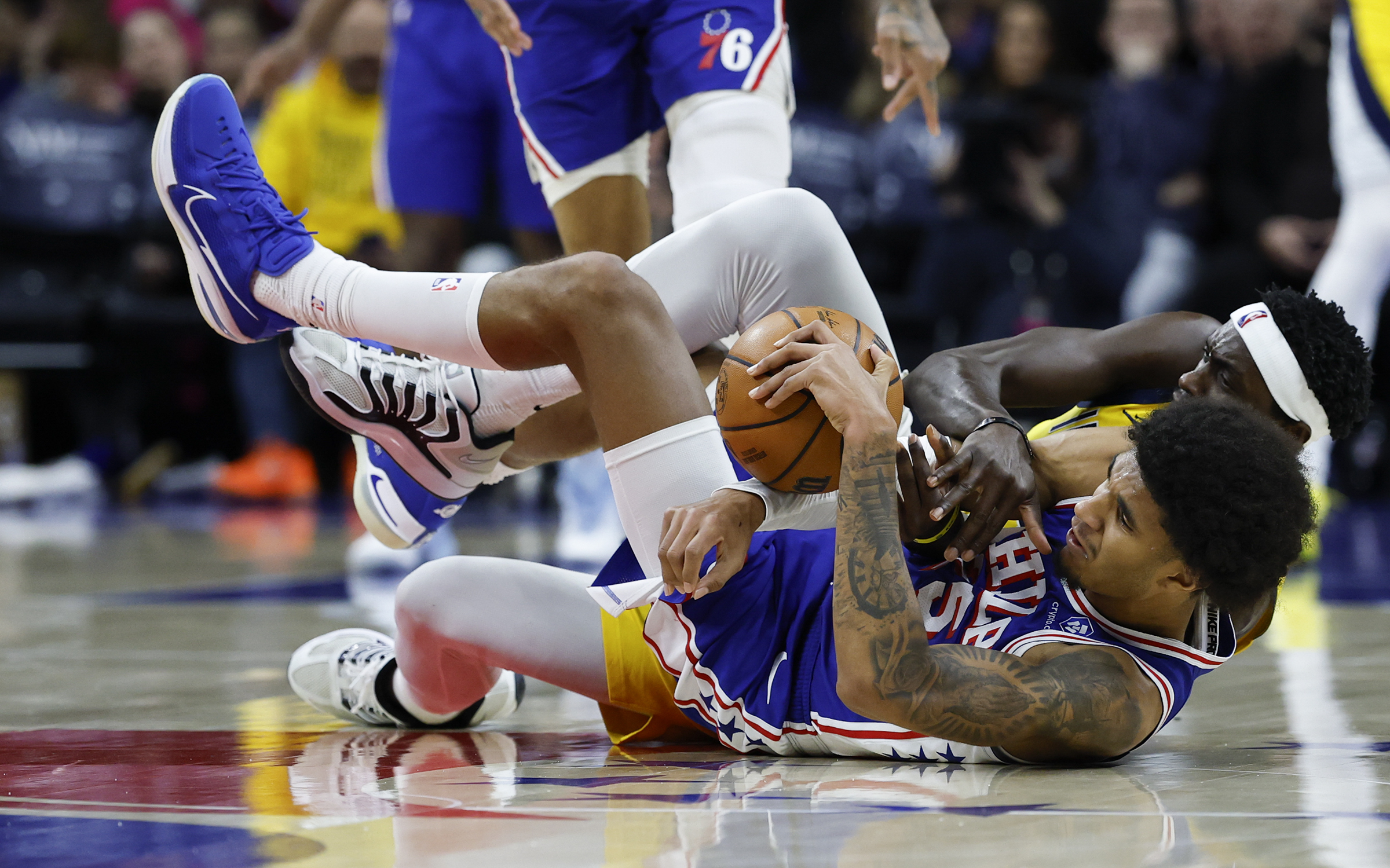
    Sixers forward Dominick Barlow and Indiana’s Pascal Siakam battle for the ball on Monday. The Sixers have only two games left in which Jabari Walker and Barlow can both be active without the team making a roster move.

    Dwindling days

    The Sixers have only two games left in which Jabari Walker and Dominick Barlow can both be active without the team making a roster move. That’s because the squad has only four total games available to players on two-way contracts, since it has fewer than 15 players on standard NBA contracts.

    The Sixers could sign Barlow, the starting power forward, or Walker, his backup, to a standard deal to avoid this restriction. They could also opt to sign a player to a 10-day contract. That would temporarily halt the under-15 penalty. And the Sixers could sit the two-way players, but they both have vital roles with the team.

    If nothing is done, the Sixers’ two-way players will be unable to play in NBA games following Saturday’s home game against the New York Knicks.

    Injury report

    Joel Embiid (right ankle injury recovery) is listed as probable to play Thursday against the Rockets (26-15) at Xfinity Mobile Arena. Meanwhile, Paul George (left knee injury management) is questionable.

    Houston will be without Steven Adams (sprained left ankle) and Fred VanVleet (right knee ACL repair), while Aaron Holiday (back spasms) is questionable.

  • Havertown’s Mike Tollin screens his new documentary profiling Villanova hero George Raveling

    Havertown’s Mike Tollin screens his new documentary profiling Villanova hero George Raveling

    Mike Tollin received an ovation for his documentary film about the life of George Raveling after a Wednesday night showing on Villanova’s campus. But the best part of the Havertown native’s night may have been meeting and snapping a photo with former guard Fran O’Hanlon, one of his “Villanova heroes.”

    Tollin’s love for Villanova hoops is one of the main reasons he chose to direct Unraveling George, a 90-minute documentary that profiles Raveling. He was a player and assistant coach at Villanova before he rose to prominence as a head coach at Washington State, Iowa, and Southern California. After his coaching career, Raveling joined Nike as a marketing executive.

    Nike and Villanova staged a screening of Tollin’s film before Wednesday night’s game between the Wildcats and Georgetown at the Finneran Pavilion.

    The screening was preceded by a panel conversation with Tollin, a longtime television and film executive who served as the executive producer on the 10-part Michael Jordan docuseries The Last Dance. Former Villanova coach Jay Wright and Larry Miller, president of Jordan Brand at Nike, joined Tollin onstage.

    Fans honored the life and legacy of coach George Raveling during Villanova’s game against Georgetown on Wednesday.

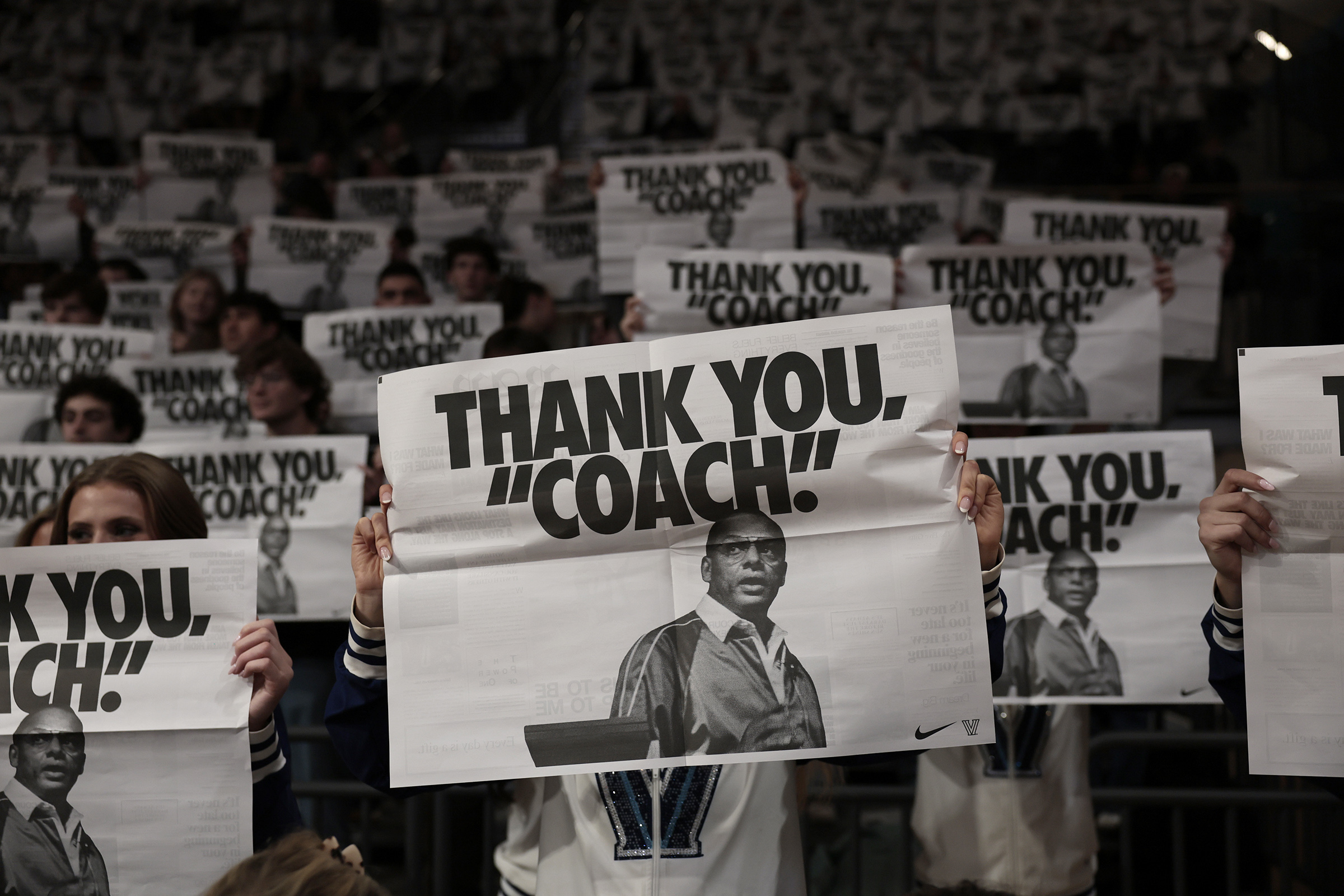
    Villanova also honored Raveling during its game against the Hoyas, which the Wildcats won, 66-51. Raveling graduated from Villanova in 1960 and served as an assistant coach under Jack Kraft from 1963 to 1969. He died at age 88 on Sept. 1, 2025. Fans held up newspaper fliers distributed by Nike that read “Thank You, Coach” during the game’s first timeout.

    “This team, I’m sure [Villanova coach Kevin Willard] has talked to them about coach Rav, but they would not have gotten to know him,” Wright said during the discussion. “All the other teams, coach Rav would come here, spend time with us, talk to the team. It’s great for them, because these guys are smart guys on this team. They’ll Google him, they’ll read about him and they’ll get to know how important coach Raveling was to Villanova and to the world.”

    The idea for Tollin to work on a documentary about Raveling came after the release of Ben Affleck’s AIR in 2023. That film is a fictionalized account of Nike’s pursuit of an endorsement deal with Jordan before his rookie season with the Chicago Bulls in 1984.

    Marlon Wayans plays George Raveling in AIR, but the film’s plot suggests that Sonny Vaccaro, played by Matt Damon, was the primary reason Jordan signed with the company. Jordan disputes this in Unraveling George, saying that Raveling, who coached Jordan at the 1984 Olympics, was the first person to pitch Nike to him.

    Tollin said a conversation about AIR with William Wesley, executive vice president of the New York Knicks, gave him the inspiration to work on the project.

    “He said, ‘Did you see AIR?’” Tollin said. “And I said, ‘Yeah, I enjoyed it.’ He said, ‘Yeah, but we’ve got to tell the real story, and we’ve got to honor George.’”

    Wesley introduced Tollin to Raveling at a Los Angeles Clippers game, where Tollin’s childhood admiration for Villanova basketball showed. Tollin, who graduated from Haverford High School in 1973, grew up watching the players Raveling recruited for the Wildcats.

    “I sat there and I just gushed,” Tollin said. “I said, ‘You recruited all my first basketball heroes.’ I started naming names like Johnny Jones, like Howard Porter.”

    Raveling agreed to be the subject of the documentary, and Tollin got to work on raising funds for the project. The film was completed before Raveling died, and the coach got a chance to see it. Tollin said Wednesday night’s screening at Villanova was “bittersweet.”

    “I wish he was here,” Tollin said. “But obviously, I feel his presence. I know how he felt about the film. He loved it. He was grateful. He was just so generous with me.”

    The late George Raveling played a role in Michael Jordan’s signing a landmark endorsement deal with Nike.

    The film follows Raveling’s life, from his youth in segregated Washington to his playing career at Villanova, where he was the school’s second Black basketball player, and his coaching career. It details the events that led to Raveling obtaining the original typewritten copy of the Rev. Dr. Martin Luther King Jr.’s “I Have a Dream” speech during the March on Washington in August 1963.

    The film also shares Raveling’s time as an assistant coach on Bob Knight’s staff for the 1984 Olympic basketball team, when Raveling formed a relationship with Jordan. It also follows Raveling’s recovery from a 1994 car accident that kept him in intensive care for two weeks and led to his retirement from coaching.

    The documentary goes into Raveling’s second career as an executive for Nike. In addition to being responsible for Jordan’s decision to sign with Nike in 1984, Raveling was also instrumental in helping to bring international players like Dirk Nowitzki and Yao Ming to the NBA.

    Former Villanova coach Jay Wright (left) and filmmaker Mike Tollin during the panel conversation and screening of “Unraveling George” on Wednesday.

    The film features interviews with many significant figures in basketball, including Jordan, Nowitzki, longtime coach Lefty Driesell, Wright, and Nike founder Phil Knight, among others. Wayans provides voice-over narration and sits down for a conversation with Raveling during the film’s credits.

    “It was incredible to keep turning over rocks and find more and more layers, and more and more people who love George and wanted to be a part of the storytelling,” Tollin said.

    Nike made promotional materials for Wednesday night’s screening at Villanova. Those included embroidered canvas tote bags that read “RAV,” and the fliers, inspired by Raveling’s love for reading the newspaper.

    Tollin said when Nike’s team approached him about supporting the film, he wanted the company to help bring it back to Villanova.

    “I just knew this would feel like family,” Tollin said. “And it did. This is sort of like the womb, you know? This is like a really warm bath of support and love. … It was critical that we bring the film here, partly because I’m from here and partly because this is [Raveling]’s origin story.”

    Unraveling George is not available to stream, although Tollin expects to have more details on where to watch it soon.