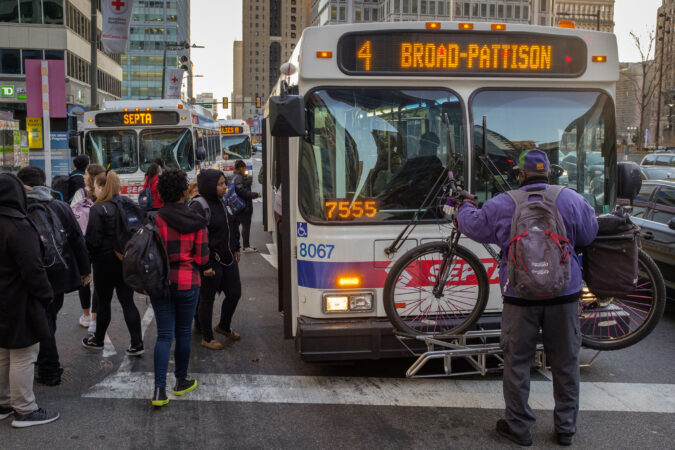
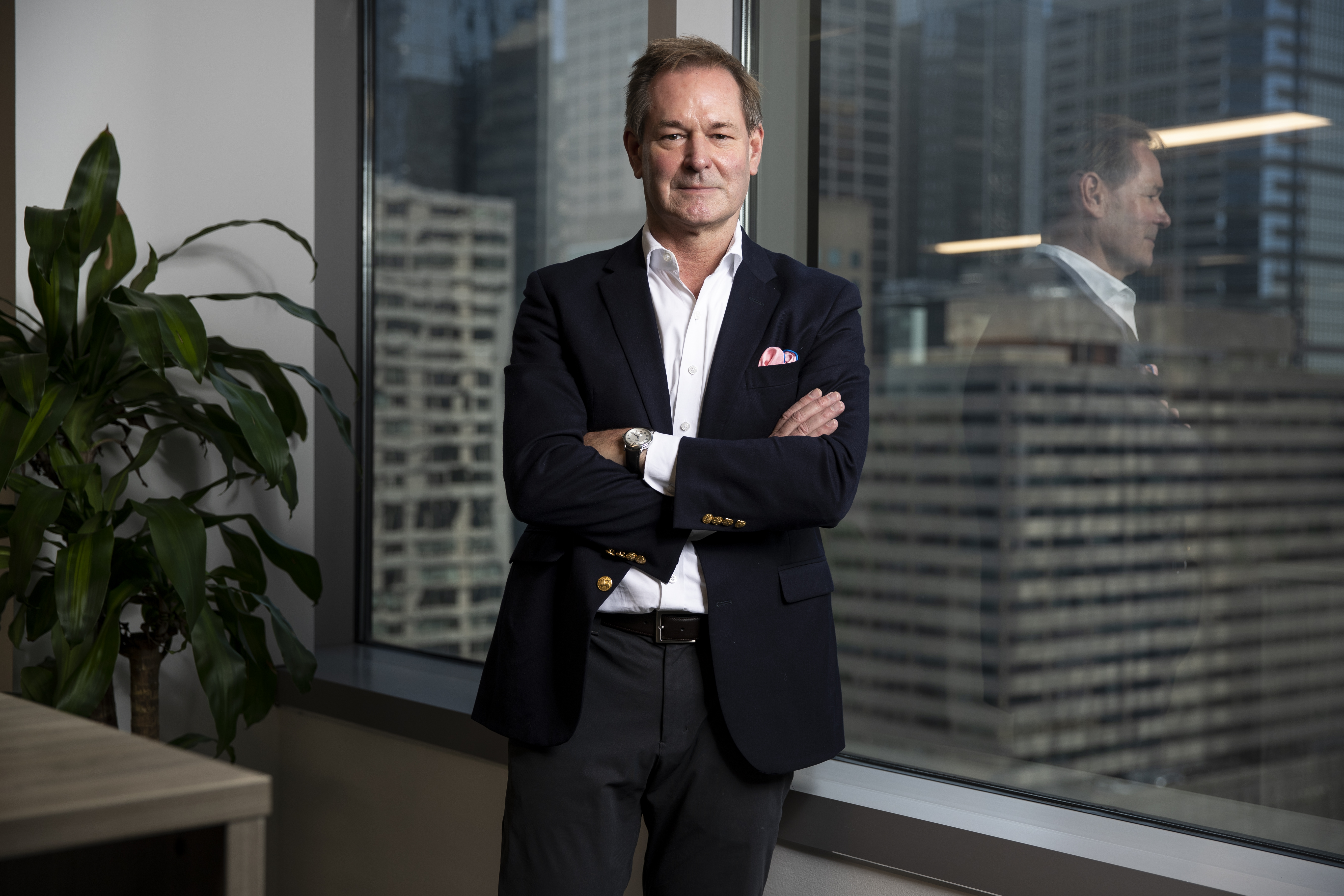
SEPTA’s21.5% increase in transit fares and service cuts fell hardest on disadvantaged Philadelphians this year, showing an urgent need to make the city’s Zero Fare program permanent, CityCouncilmember Nicolas O’Rourke argues.
He touted his proposal to dedicate 0.5% of the city budget each year to pay for the initiative that provides free SEPTA passes to people living in poverty.
O’Rourke’s proposedTransit Access Fund would be written into the City Charter “so it can’t be yanked away at a moment’s notice when somebody wants to shift something around in the budget,” hetold about 150 people in a town hall at the Friends Center on Cherry Street.
O’Rourke, Democratic State Sen. NikilSaval, and the advocacy group Transit Forward Philadelphia called the meeting to push for affordable public transportation and ways to sustainably fund SEPTA after Harrisburg’s failure to provide new state money for mass transit agencies.
A broad coalition and patience are needed in Pennsylvania, Saval said. ” Every major political win comes from months, years, sometimes decades, of work,” he said.
“We pushed back hard,” said O’Rourke, a member of the Working Families Party. “People with the least income are paying a larger share of their money just to get around. That’s upside down.”
Funding is not guaranteed after June 30, when the current budget expires, however.
If enacted, a Transit Access Fund would generate an estimated $34 million in the 2026-2027 fiscal year, O’Rourke’s office calculates.
That would generateenough money — between $20 million to $25 million, according to managers of the Zero Fare program —to give free SEPTA passes to 60,000 Philadelphians at or below the federal poverty standard.
O’Rourke and his staff also are considering usingthe remaining $10 million to $14 million for matching grants to help businesses, landlords and housing developments to join the SEPTA Key Advantage program, which provides subsidized transit passes.
People living at or below the federal poverty standard are eligible for the Zero FareSEPTA passes. For 2025, that is $15,650 for an individual and $32,150 for a family of four.
Philadelphia’s poverty rate was 19.7% in 2024, the latest figure available, according to the U.S. Census.
“When we’re made to feel like we’re on opposite sides of the fight, our numbers become smaller and we focus on the wrong targets,” said Saval.
“It’s not the person in Schuylkill County frustrated about potholes and road conditions that’s to blame for lack of transit funding” he said. “That person deserves to get safely where they need to go, too.”
At the King of Prussia Mall, you can add some slime (the fun kind) to your holiday shopping experience this year.
Fresh off the opening of the first-ever Netflix House, the Montgomery County mall this week welcomed the Sloomoo Institute’s first Philly-area location. The sensory slime experience’s latest outpost is called a Sloomoo MiniMoo, and it’s a scaled-down, 3,000-square-foot version of its flagship stores.
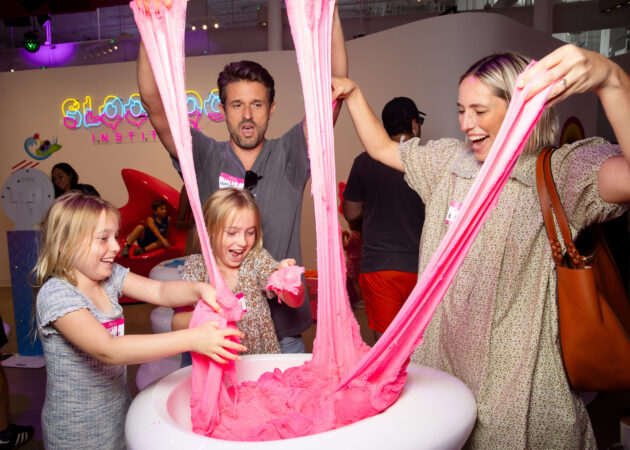
For between $24 and $26 a person, King of Prussia Sloomoo customers can design their own slime, choosing from different textures, colors, scents, and charms. They can also smush slime onto the wall, send it flying through the air with a slingshot, go elbow-deep in vats of slime, and take slime-making classes.
Guests can also browse slime toys and other squishy, sensory gifts at the Sloomoo retail store, no ticket required.
“King of Prussia is a playground for families,” cofounder Sara Schiller said in a statement, “and we’re bringing a world of slime designed to spark curiosity and pure, unfiltered joy.”
Customers play with slime at another Sloomoo Institute location. The King of Prussia Mall opened a Sloomoo MiniMoo experience this week.
They opened their first location in New York in 2019, went viral on TikTok during the pandemic, and then expanded nationwide, opening outposts in Atlanta, Chicago, Houston, and Los Angeles. A Sloomoo MiniMoo also recently opened in Boston.
Earlier this year, the founders told CNBC that Sloomoo brings in as much as $4.3 million a month in revenue from ticket sales alone.
A look inside the King of Prussia Mall’s Sloomoo MiniMoo experience, which opened this week ahead of Black Friday and the holiday shopping season.
At King of Prussia, Sloomoo MiniMoo welcomed its first customers last weekend, but it will celebrate its grand opening this Saturday, when the first 200 ticketed customers will receive a complimentary hot chocolate and “limited-edition Philly Cheesesteak-themed slime,” according to company officials. The first 100 guests on Saturday will get a bag charm.
Aside from Sloomoo, the mall has welcomed several other new stores, restaurants, and interactive experiences since August. A few retailers, including Lululemon, Abercrombie & Fitch, and Mejuri, have also expanded or relocated.
As holiday shopping season kicks into high gear, customers can check out the following new additions:
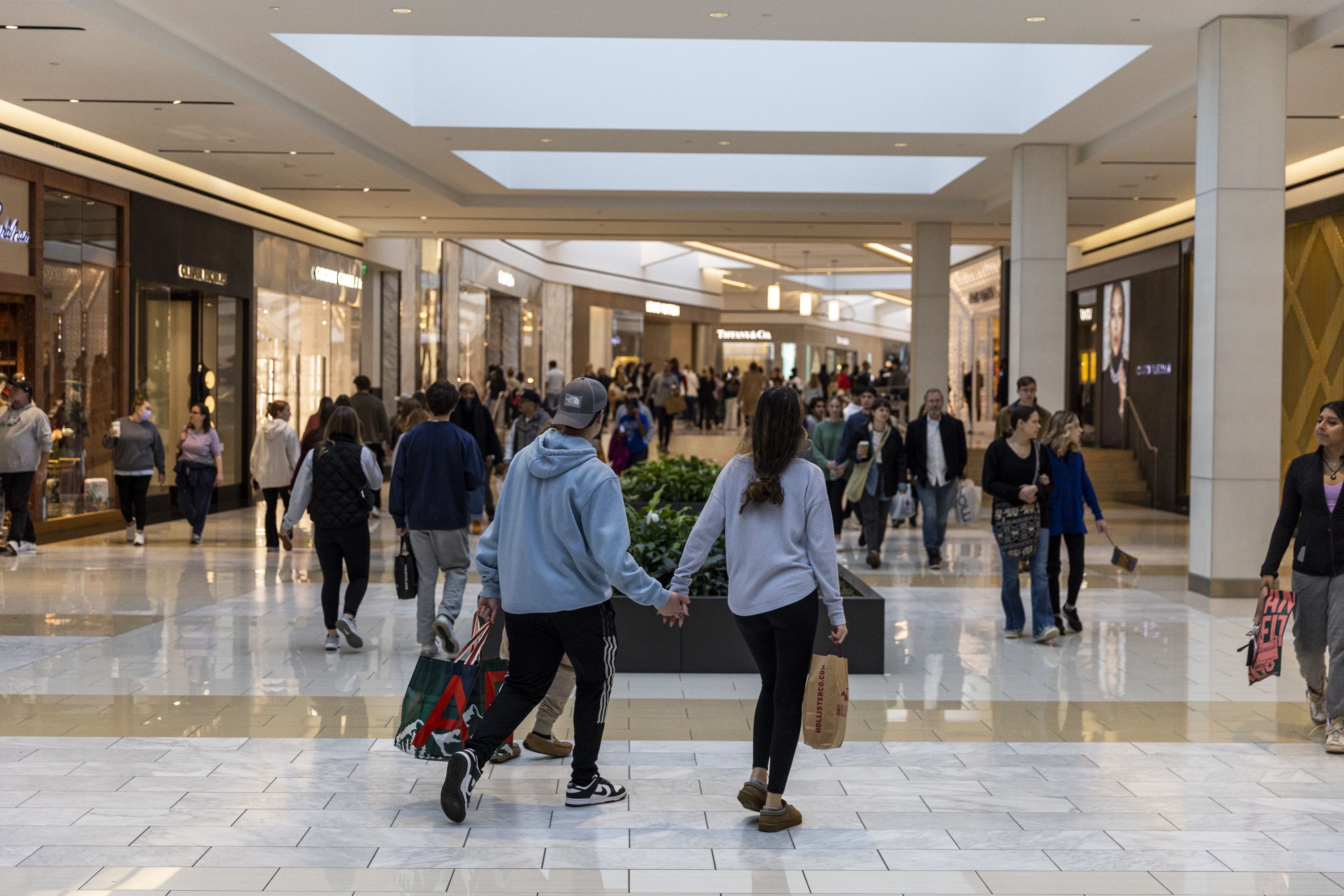
Shoppers sit with their bags at the King of Prussia Mall on Black Friday 2022.
If you’re doing holiday shopping later in the season, or taking a trip to the mall between Christmas and New Year’s, you might be able to visit the following stores. All of them are set to open their first Philadelphia-area locations this December:
In early 2026, Adidas and Columbia Sportswear are set to open stores in the King of Prussia Mall. Exact locations for those stores have yet to be announced.
U.S. Rep. Brian Fitzpatrick, a Republican, introduced a bill Thursday with a Democratic co-sponsor to modernize pipelines and emergency responses in the wake of a leak of a Sunoco pipeline detected this year in Bucks County.
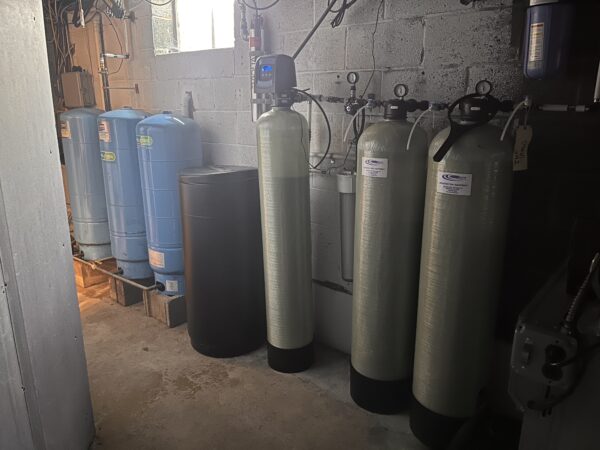
The bill is named after the Wojnovich family, whose well was tainted with 12½ feet of jet fuel.
It would set aside $500 million in grants spread over five years to replace or upgrade high-risk hazardous liquid lines, “to facilitate the improved safety and modernization of hazardous liquid distribution infrastructure.”
In addition, it would require that prospective homeowners be made aware of nearby pipelines, what fuel they carry, any history of incidents, and who operates the lines.
Fitzpatrick introduced the bill, H.R. 6187, the Wojnovich Pipeline Safety Act of 2025, with U.S. Rep. Tom Suozzi, a Democrat from New York.
Fitzpatrick is up for reelection in 2026 in the 1st Congressional District, which includes all of Bucks County and a sliver of Montgomery County. As the last remaining Republican representing the Philadelphia suburbs in the U.S. House, Democrats believe he is vulnerable.
Fitzpatrick — as well as other federal, state, and local elected officials — has been involved since January, when a jet fuel leak from the Sunoco Twin Oaks pipeline was detected.
He and others have called for the line to be shut down. Fitzpatrick has called for independent testing of wells and “complete remediation” in the Mt. Eyre Manor neighborhood where the leak was detected.
“What families endured during this leak exposed areas where the state response was not fully equipped to meet the moment,“ Fitzpatrick said Friday in an email, ”which is why I have called on the responsible state agencies to produce a codified and consistently enforced plan that will guarantee clean water and long-term protections.”
He credited a neighborhood task force from Mt. Eyre with helping him write the bill,“from the ground up.”
The Wojnoviches live in the suburban Bucks County neighborhood near the popular Delaware Canal State Park towpath and only a few thousand feet from the Delaware River. Theirs was one of six wells thattested above state maximum contaminant levels. Other wells tested positive for contaminants, but under those levels.
Kristine Wojnovich at home in the Mt. Eyre neighborhood in Washington Crossing, Bucks County on Nov. 7, 2025. Just out of view, is the top of a 400 foot drinking water well contaminated after a Jan. 2024 jet fuel leak was detected in Sunoco’s Twin Oaks pipeline.
The family began noticing a petroleum odor in their tap water as far back as September 2023 and reported it to Sunoco, which is owned by Energy Transfer. However, the company initially informed the Wojnoviches that their water simply had bacteria.
It wasn’t until an inspection by the state Department of Environmental Protection in late January 2025 that a leak was confirmed.
“Every page of this bill is shaped by what Upper Makefield families lived through,” Fitzpatrick said in the release, noting, “the gaps in testing, the delays in information, the uncertainty about their water, and the absence of clear standards for communication and emergency response.”
Specifically, the bill would also require:
That real estate contracts include disclosure of any hazardous liquid pipeline easements within one-half mile of a property, whether the line has undergone repairs in the past 10 years, and a list ofany leaks or failures.
Overhaul of the U.S. Department of Transportation’s and the Pipeline and Hazardous Materials Safety Administration’s current online pipeline viewer so that leak, inspection, and remediation data are readily available.
Updates to local emergency alert systems and response plans.
Pipeline operators to conduct in-person tests of water, soil, or air for potential pipeline leaks or failures.
Penalties for leaks, failures, and delayed reporting, ranging from $2.5 million to $5 million.
The reimbursement of fire departments and EMS for equipment, overtime, and cleanup costs.
Establishing an Office of Public Engagement and regular federal reporting.
Kristine Wojnovich said she’s honored by the bill’s introduction, and credits both Fitzpatrick and the neighborhood task force that’s pushed for legislation.
“Aging pipelines and outdated leak detection methods are all over this country,” Wojnovich said. “And the leak and contamination that happened in our community could have happened anywhere. This legislation is a meaningful step forward.”
The final defendant in a sweeping corruption probe that uncovered a series of bribes being lavished upon an Amtrak manager during a renovation project at 30th Street Station was sentenced Friday to two months in prison.
Khaled Dallo was an employee at an Illinois-based masonry firm and helped provide a series of extravagant gifts to the Philadelphia-based project manager, Ajith Bhaskaran, including vacations to India and Ecuador, a Tourneau watch, expensive dinners in Center City, a German shepherd puppy, and cash.
In all, prosecutors said, Dallo and supervisors at his company, Mark 1 Restoration, provided Bhaskaran with nearly $330,000 in bribes, and Bhaskaran in turn helped approve tens of millions of dollars in expenses for Mark 1, nearly doubling the cost of restoring the train station’s historic facade.
Dallo, 69, said in court that he was sorry for his misconduct, and that it stood in contrast with how he has tried to live the rest of his life.
“I knew it was wrong,” he said, “and chose to do it anyway.”
His sentencing represents the final chapter in a saga that saw federal prosecutors indict six people connected to the restoration project — four from Mark 1, and two from another contractor.
All of the Mark 1 employees have since been sentenced to prison. Dallo received the shortest term, with prosecutors crediting him for being the first person to plead guilty and saying he served a more subordinate role in the scheme.
Bhaskaran, the Amtrak manager, was charged with unrelated wire fraud, but died of heart failure in 2019.
The renovation project Bhaskaran oversaw at 30th Street was announced in 2015, when the railroad agency signed a $58 million contract with Mark 1 to repair and clean the station’s limestone facade.
Bhaskaran controlled the project’s purse strings, and prosecutors said Mark 1 employees quickly came to realize their conditions on the job site could be improved if he was happy.
About a year into the project, prosecutors said, Bhaskaran began requesting gifts, despite Amtrak rules that bar employees from receiving them. Executives at Mark 1 knew Bhaskaran’s requests were improper, prosecutors said, but went on to fulfill them anyway — in part because Bhaskaran had the ability to approve additional business on the project.
Dallo was among the Mark 1 employees who provided Bhaskaran with dinners at steakhouses, limousine rides, a $5,600 watch, the paid vacations, and a nearly $5,000 check to an Illinois breeder of German shepherds.
Over that same time frame, Mark 1 continued to receive additional funding for its work at 30th Street. In total, prosecutors said, Bhaskaran helped secure the company $52 million in new contracts, about $2 million of which was considered fraudulent overbilling.
The scheme began to fall apart in 2018, when an anonymous tipster sent a letter to Amtrak’s inspector general about Bhaskaran’s suspicious behavior. That led to an investigation involving the FBI and Amtrak’s inspector general.
Dallo acknowledged his wrongdoing about a year later, as soon asfederal agents confronted him, prosecutors said.
Still, U.S. District Wendy Beetlestone told Dallo that his actions were not a onetime lapse in judgment, but a “considered, yearslong” effort that led to taxpayer money being spent on graft.
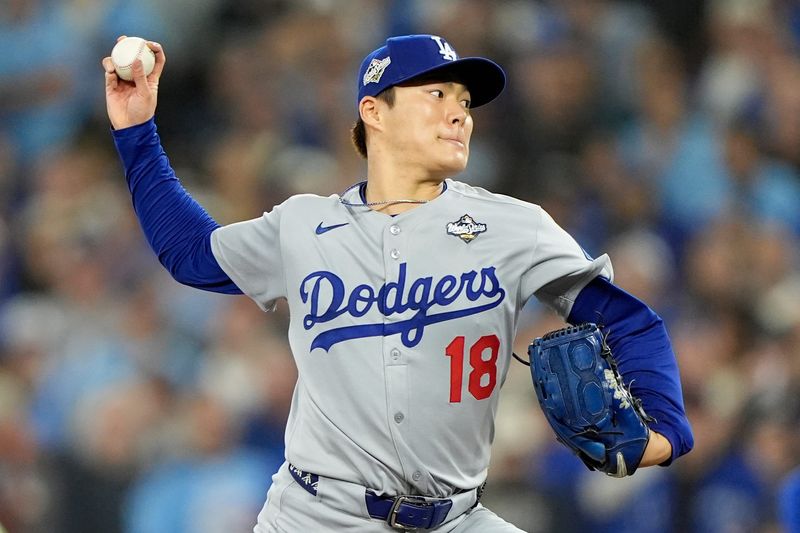
Twenty-four hours after throwing 96 pitches to shove the World Series to a seventh game, the Dodgers’ Yoshinobu Yamamoto ran in from the bullpen to this: ninth inning, one out, winning run at second base.
It was a legend-making moment.
Halfway around the world, Tora Otsuka chuckled.
In 2023, his first season as a Japan-based scout for the Phillies, Otsuka hosted three team officials, including assistant general manager Jorge Velandia, on a scouting visit. Among their stops: Chiba, a short drive from Tokyo, to watch Yamamoto pitch for the Orix Buffaloes.
“He threw a no-hitter in that game,” Otsuka said this week, laughing into the phone from Japan. “We had all our people watching this one game, and he threw a no-hitter. Only special players do that, you know? I feel like some players have ‘it.’ He’s one of those guys that has ‘it.’”
Otsuka laughed some more.
“When I saw that,” he continued, “I was like, ‘Yeah, I know he will do good in the States.’”
Just not for the Phillies.
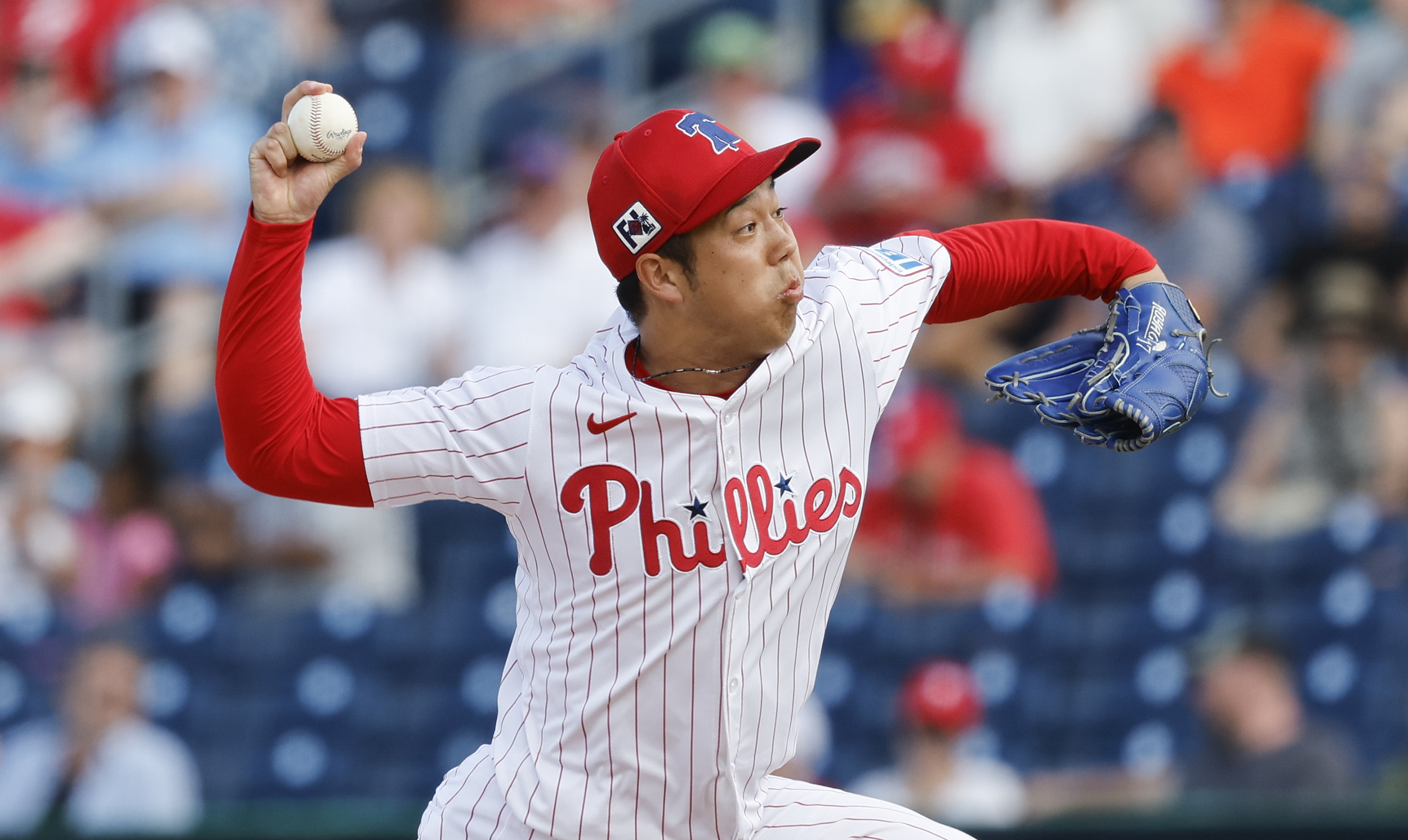
Oh, they tried. The Phillies took a Bryce Harper-size swing at signing Yamamoto two years ago. They flew a seven-person delegation to Southern California to meet him and make a $300 million guarantee, plus add-ons that boosted the offer to more than $325 million, multiple sources said at the time.
The Phillies tried hard to sign Yoshinobu Yamamoto as a free agent out of Japan two years ago.
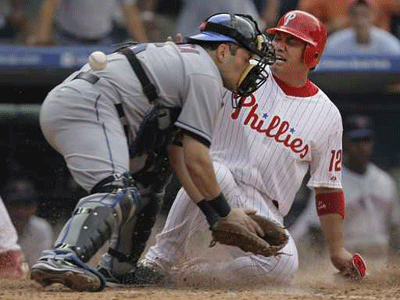
But the Phillies have never signed a player out of Japan to a major league contract.
And Yamamoto wasn’t interested in being the first.
It’s a common sentiment. When Shohei Ohtani was courted by teams in 2017, he famously told MLB.com that he wanted to snap a selfie with the Rocky statue but didn’t want to play here. Last year, right-handed phenom Roki Sasaki wouldn’t even meet with the Phillies, a snub that owner John Middleton described as “hugely disappointing.”
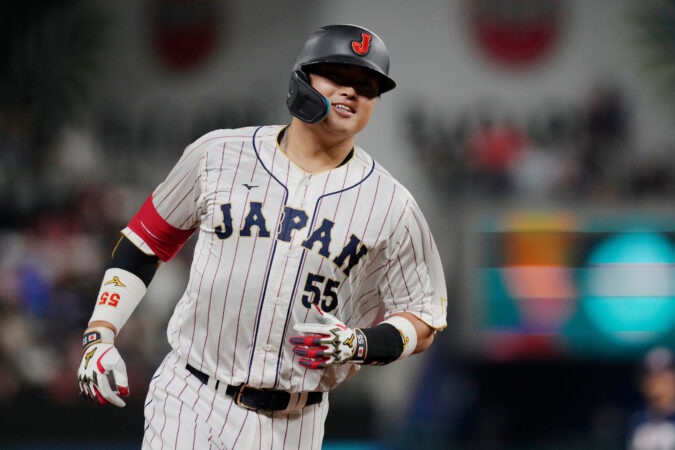
And with a trio of Japanese stars available this offseason — right-hander Tatsuya Imai entered the posting system this week, joining slugging infielders Munetaka Murakami and Kazuma Okamoto — the Phillies are at a disadvantage relative to teams that have been active in Japan over the years, notably the Dodgers but also the Mets, Yankees, Cubs, Mariners, and Red Sox.
“Well, you still compete,” Phillies president of baseball operations Dave Dombrowski said. “Sometimes there’s a little bit more of an obstacle we’re facing. Maybe [Philly] is not the No. 1 place, first and foremost. But you don’t give in to that. You try to create an atmosphere that people want to join, and you’re hopeful that at some time it works out for you.“
Dombrowski maintains that the Phillies have made inroads, even though it’s difficult to see. They employ two full-time scouts in Japan now after years with one or none. Otsuka, the son of former major league pitcher Akinori Otsuka, is based near Tokyo; Koji Takahashi, hired away from the Twins, lives 300 miles to the southwest in Osaka.
With Otsuka and Takahashi building connections on the ground, at the amateur level and especially within Nippon Professional Baseball, the Phillies believe they’re better positioned to attract players.
But when?
“I feel like it’s going to happen sooner or later for the Phillies,” Otsuka said. “Timing-wise, it just hasn’t happened yet. We’re very close, I would say.”
Assistant general manager Jorge Velandia heads up the Phillies’ international scouting efforts, including in Japan.
Playing catch up
It all started with “Nomomania.”
Hideo Nomo signed with the Dodgers in 1995, bringing a distinctive pitching style that translated into major league success. Since then, 72 players have gone from NPB to MLB, with seven teams (Mets, Dodgers, Mariners, Red Sox, Cubs, Yankees, and Rangers) accounting for more than half those deals.
Conversely, the Phillies, Rockies, Astros, and Marlins have been shut out. (Second baseman Tadahito Iguchi and outfielder So Taguchi played for the Phillies. But Iguchi was traded over from the White Sox in 2007, and Taguchi signed as a free agent a few months later after six seasons with the Cardinals.)
The Phillies fell behind other teams in scouting Japan. After getting hired in December 2020, Dombrowski felt that he lacked adequate information about available Japanese players. He appointed Velandia to lead international scouting, with a directive to “build a better infrastructure in how we approach the Far East.”
Velandia tasked scouting director Derrick Chung with interviewing talent evaluators. Chung, who joined the Phillies in 2017 as an interpreter for South Korean outfielder Hyun Soo Kim before moving into scouting, recommended Takahashi.
Otsuka was clinging to hopes of playing professionally in Japan when Chung met him at a tryout for an independent league team. A former outfielder for the University of San Diego, Otsuka impressed Chung with his knowledge of the game and fluency in both Japanese and English.
After a formal interview process, the Phillies hired Otsuka, now 27, as a full-time scout.
Tadahito Iguchi became the Phillies’ first player from Japan after being acquired from the White Sox in a 2007 trade.
Velandia and Chung each make two or three trips per year to Japan. The Phillies send their special assignment scouts, too. Otsuka said this was a “very busy year, with scouts coming in and out” to watch Imai, Murakami, and others in “a very, very solid class of guys.”
“The stuff we were doing three years ago and now, I’d say we have gotten better just understanding more about the market,” Otsuka said. “We’re more dialed in now compared to maybe before. We send scouts all the time to come to Japan. Just the process of everything has gotten smoother and smoother as the years have gone by.”
Otsuka claims that the Phillies’ brand recognition has improved in Japan, too. Amid four consecutive playoff appearances, and with popular stars such as Harper and Kyle Schwarber, the Phillies are often featured on television in Japan.
They aren’t the Dodgers, of course. For 30 years, from Nomo through pitchers Kazuhisa Ishii, Takashi Saito, Hiroki Kuroda, Yu Darvish, and Kenta Maeda, Japanese baseball culture has extended to Los Angeles. And after signing Ohtani, Yamamoto, and Sasaki in the last two years, the Dodgers might as well be Japan’s national team.
The connection extends to the players. Yamamoto cited a desire to play with Ohtani as a reason for choosing the Dodgers’ $325 million over similar offers from the Mets, Yankees, and Phillies. Sasaki made no secret that he wanted to be alongside Ohtani and Yamamoto.
And social media was buzzing this week over a photo of Murakami, who holds Japan’s single-season record with 56 home runs, dining with Yamamoto.
“There is the difficulty of we have not had a player straight from Japan,” Otsuka said. “Players do talk with each other, saying what is a good organization, what is not a good organization. It would be nice to have one player be signed from Japan who plays in the big leagues to have more viewership from the Japan side for the Phillies.”
For a brief time last winter, Otsuka thought he might have found that player.
The Phillies signed Japanese reliever Koyo Aoyagi to a minor league contract last winter but released him in July after he struggled in triple A.
Chicken-or-egg situation
Koyo Aoyagi was a three-time all-star in nine NPB seasons. He won a gold medal in the 2020 Olympics. Three years later, he started Game 7 of the Japan Series and spun 4⅔ scoreless innings for the champion Hanshin Tigers.
But his dream was to play in the majors.
At 31, coming off a 2024 season that he said didn’t meet his standards, Aoyagi signed a minor-league contract with the Phillies. The side-arming reliever attended major league camp but agreed to go to triple A.
Upon arriving in spring training — his first visit to the United States — Aoyagi said through an interpreter that he “wasn’t too aware” of the Phillies’ inability to break through in Japan. But he also acknowledged that “me pitching on the big-league mound will definitely bring some attention to the Phillies that would be able to recruit Japanese players more.”
It was a low-risk, high-reward union of player and team.
And it didn’t work out.
Aoyagi struggled to throw strikes all spring, and it carried into the season. He had a 7.45 ERA with 23 walks in 19⅓ innings in triple A. After getting demoted to double A, he posted a 6.91 ERA and 15 walks in 14⅓ innings. The Phillies released him in July.
But Otsuka, who recommended that the Phillies take a flier on Aoyagi, stands by the team’s process. He also believes in what Aoyagi represented.
“Even though he didn’t make it to the big leagues, just him being on the team [in spring training], that still brought some attention in Japan,” Otsuka said. “I see a lot more Phillies hats walking around town. That’s all I can say. And I hear a lot of people talking about the Phillies just being a really good, strong team.”
Japanese reliever Koyo Aoyagi pitched in the minors for the Phillies last season before getting released.
Maybe. But the Aoyagi experience re-raised a chicken-or-egg conundrum: Do the Phillies have to gain more traction in Japan in order to attract an impact player? Or must they sign a Japanese player to a major league contract in order to really penetrate the Far East market?
The answer might not be found in this year’s class.
Murakami, 26, has prodigious left-handed power but also strikes out a lot and is a poor defender at third base. Okamoto, 30, is a right-handed hitter with less upside than Murakami who also profiles best at first base.
Imai, 28, draws intriguing comparisons to Yamamoto. The Phillies aren’t prioritizing the rotation. But that was the case in each of the last two offseasons, and they made a mega offer to Yamamoto and discussed trading for Garrett Crochet before acquiring Jesús Luzardo.
“When most teams talk to me about Imai, they say, ‘Oh my,’” agent Scott Boras said at the recent GM meetings. “He’s that kind of guy. … He loves big markets. We go through a list of places he may want to play, and, believe me, he is someone who wants to be on a winning team and compete at the highest level.”
But whether it’s now or in the future, the Phillies’ biggest challenge in mining talent from Japan is selling players on Philadelphia.
Velandia said the pitch highlights the city’s restaurants, doctors, and other resources that would make a Japanese player feel comfortable. Otsuka likes to emphasize the area’s golf courses, such as Pine Valley and Merion East.
The fact is, though, Philadelphia has a smaller Japanese population than many other major league cities. As one team official said, it makes sense that a Japanese player coming to the U.S. would be drawn to L.A. or New York, just as an American soccer player going to Spain would focus on Barcelona or Madrid.
“We just spit out all the good things about Philly,” Otsuka said. “We give the most information about Philadelphia, where it is as a city, what it’s like to play for the Phillies. It’s not like the worst sell ever. It has its difficulties, but it’s good. We can make it work.”
It might take a trail blazer, a player who wants to forge his own path. Otsuka intends to find him.
“That’s actually one of those selling points, that you could be ‘The Guy,’” Otsuka said. “You can be the first. When they think about Phillie Japanese players, you could be that player. Definitely the right player’s out there, the player that we want to go after.
“When the time’s right, it’s going to happen. It’s just a matter of time. We have the right processes. We’re doing everything possible now. I think we have all the necessary resources now to actually make it happen. I’m not frustrated about it. I’m just patiently waiting.”
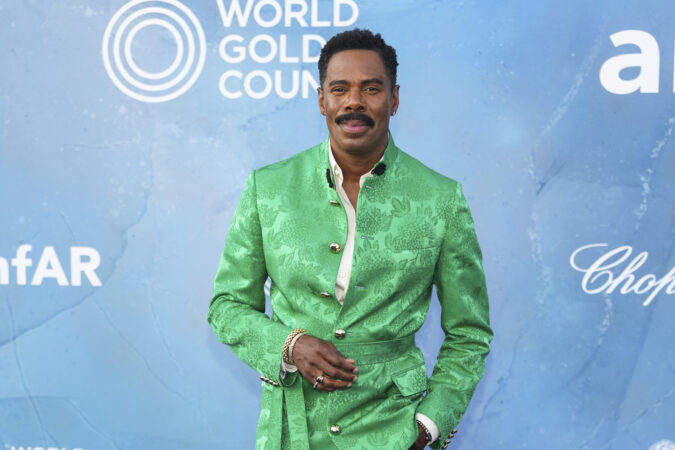
Domingo, a native of West Philadelphia, will also receive an honorary degree during the ceremony that will be held at the school’s Liacouras Center on May 6, 2026. Domingo went to Overbrook High School before coming to Temple University in the late 1980s to study journalism.
It was at Temple that Domingo developed a love for theater after a teacher told him he had a special gift. In 1991, with only 50 credits to go, he dropped out and moved to California to pursue a career in acting.
Domingo said returning to Temple for the university’s commencement ceremony will be a full circle moment for him.
“I am beyond grateful and humbled to receive an honorary doctorate from Temple University,” he said in a statement. “As a journalism student who struggled with the balance of working two jobs … this degree is very meaningful to me.”
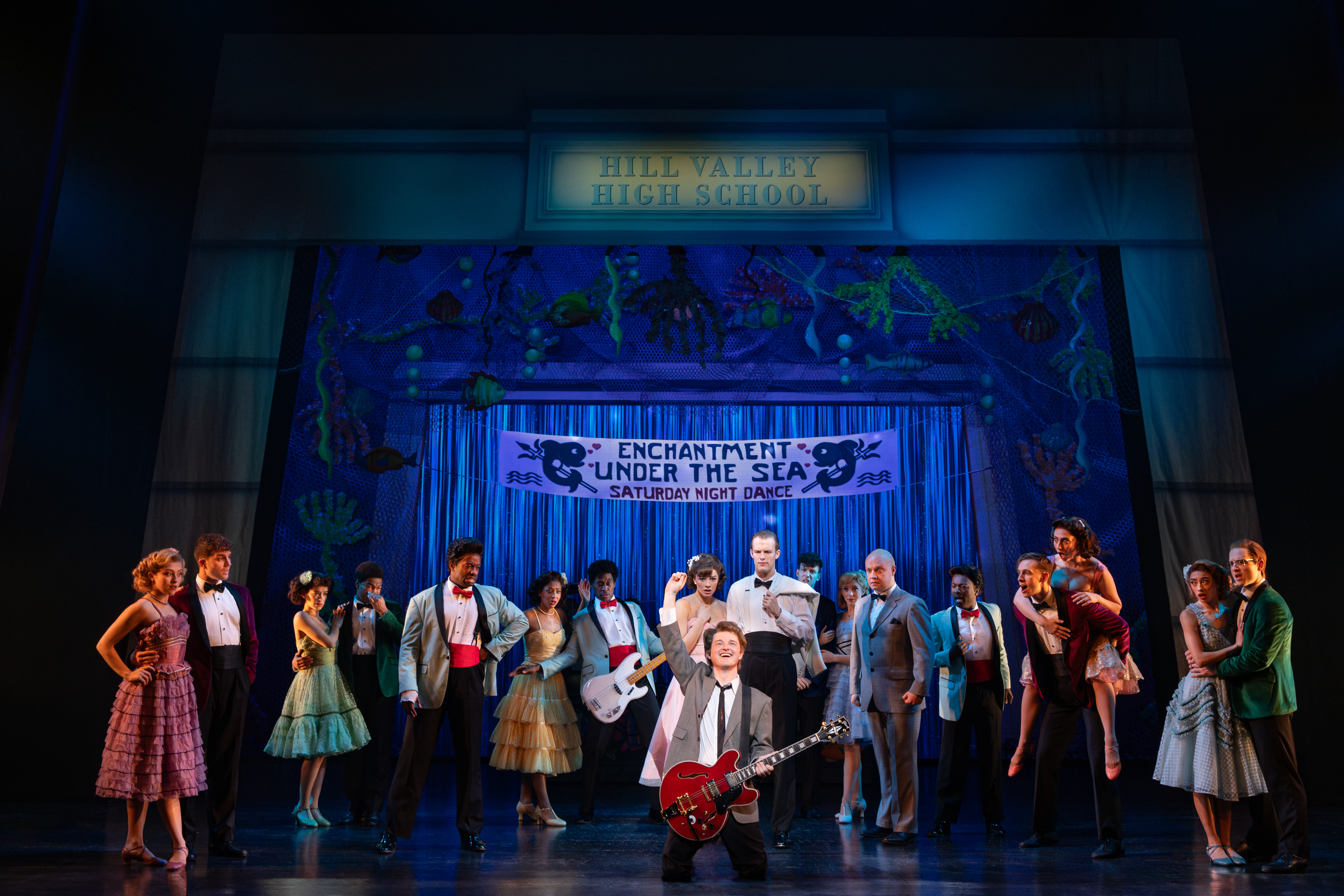
Audiences apparently are shelling out money for tickets to Back to the Future: the Musical, now at the Academy of Music, just for a glimpse of the time-traveling DeLorean. But the rush from those high-action sequences is not unlike the thrills of a Universal Studios theme park ride — short-lived and emotionally hollow.
That is perhaps less a fault of the movie-to-musical pipeline, but more of the plot of Back to the Future. Marty McFly, high school boy of the 1980s, wants nothing more than to rise above his “loser” family and become a rock star. But when he accidentally transports himself back through time to the 1950s, he must help his parents fall in love to ensure his own survival.
Oh yeah, and his mom has the hots for him now and his father is a peeping Tom.
The First National Touring Company of “Back to the Future: The Musical.”
While these morally gray and otherwise two-dimensional characters are a product of the original source material, now in the medium of musical theater, their story falls flat with audiences. Characters sing because they have to — it’s a musical — and audiences grin and bear it until the next action sequence.
It is unfortunate, too, that even the dancers’ incredible execution of choreographer Chris Bailey’s lively interpretation of both ’80s and ’50s dance styles is not enough to save these long numbers. There is hardly a hummable tune in the bunch, and the plot rarely moves forward through a song.
There are bright spots, though.
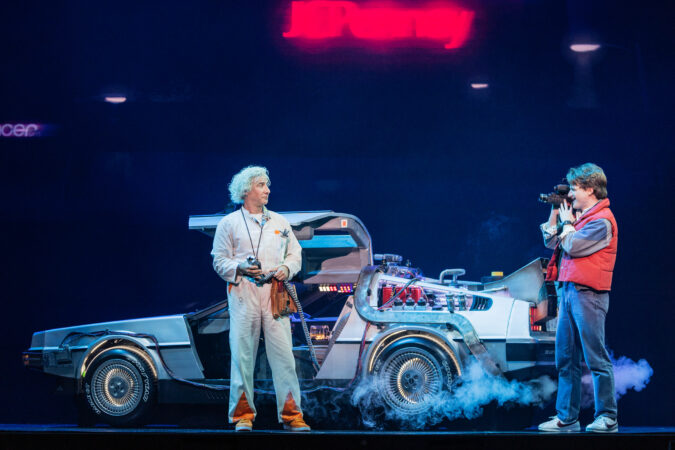
Lucas Hallauer (Marty McFly) and Sophia Yacap (Jennifer Parker) in the First National Touring Company of “Back to the Future: The Musical.”
Cartreze Tucker (Goldie Wilson/Marvin Berry) is a joy to watch sing and dance. Goldie is perhaps one of the only characters that gives audiences the musical theater warm and fuzzies as he dreams of becoming the mayor. Zan Berube (Lorraine) shines with her adept comedic timing and truly lovely voice. Overall, the cast, led by Lucas Hallauer (Marty McFly) and David Josefsberg (Doc Brown), does a wonderful job playing into the fan service element of the show. Audiences, clad in red puffer vests, are looking to hear their favorite lines and see their favorite moments and that, the show delivers.
David Josefsberg (Doc Brown) in the First National Touring Company of “Back to the Future: The Musical.”
Tim Hatley’s design is sleek and economical. The downstage scrim allows for inventive solutions to some of the more difficult action sequences. The DeLorean sequences in particular are aided by truly amazing work from video designer Finn Ross and illusion designer Chris Fisher. While at times those tricks could feel a bit smoke-and-mirrors with some conveniently timed blackouts, the work gives audiences a glimpse into the future of high-tech, commercial theater.
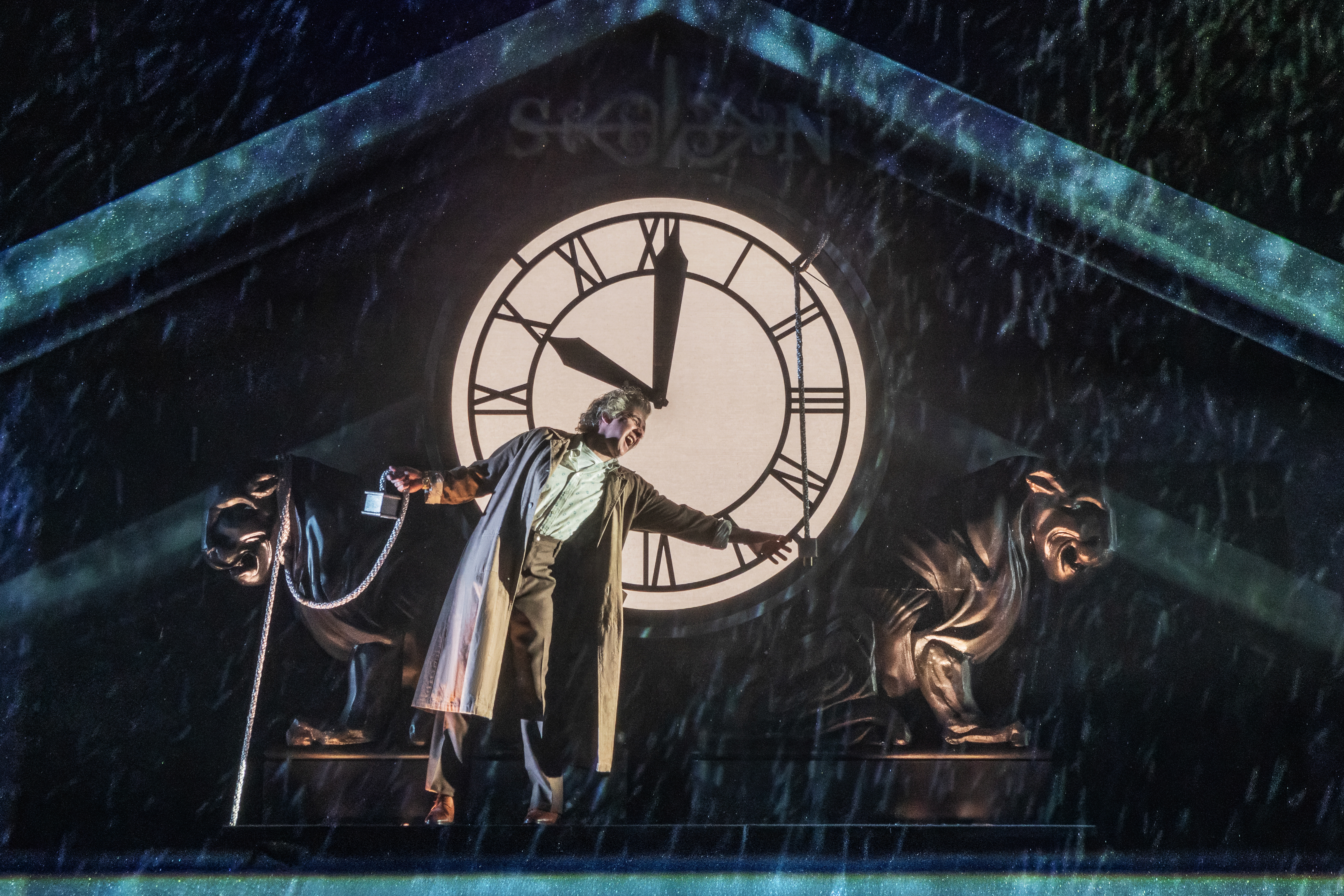
That is perhaps why the lack of heart in the book and lyrics feels so disappointing. The show does its best work when it leans into the campy, almost-parodic nature of the adaptation, using savvy theatrical solves to some of the harder scenes to reinterpret, like Doc climbing the bell tower with the clever use of projections.
Lucas Hallauer (Marty McFly) and the First National Touring Company of “Back to the Future: The Musical”
It is when the production turns its attention back to the musical theater genre that it feels like a drag.
It seemed even Hallauer could feel the dead air when he called out “Philly, how you feeling?” during his rendition of “The Power of Love,” and there was no reply. It takes a lot for a Philly audience not to respond to the simple mention of Philadelphia.
But then, when the car flies, it’s pretty incredible.
‘Back to the Future: The Musical’
(Community/Arts)
In the latest big IP movie-to-musical pathway pipeline production, some truly amazing video and illusion work wow the audience. The cast does a wonderful job playing to the red puffer-vested fans.
The Philadelphia Art Museum, seeking to calm the waters after a turbulent six-week stretch, has named an experienced hand, Daniel H. Weiss, as director and CEO.
Weiss, 68, was president of Haverford College starting in 2013 and left the post in 2015 to lead the Metropolitan Museum of Art in New York, staying eight years. Prior to Haverford, he was president of Lafayette College.
The decision was approved Friday morning by the Art Museum’s trustees with a unanimous vote, a spokesperson said.
Weiss’ appointment comes as something of a surprise. The museum had been expected to name an interim director while it searched for a permanent one. Right now, Weiss is set to remain in the post only through the end of 2028, though his tenure could be extended.
Weiss said Friday that despite the recent turmoil, the museum had all of the important required ingredients it needed for its future — a great collection, staff, buildings, and mission.
“What we have to do is clean things up and reaffirm our commitment to that mission,” he said. “I don’t think the challenges are so steep. They have to be addressed, they are real, but they are not overwhelming.”
The first thing he will do, he said, is to sit down with the staff, board, donors, and other constituents, and through these conversations the museum’s priorities would emerge.
“I know less about these issues than anybody else does at this point, so I need to listen and to learn,” he said.
Art Museum board chair Ellen T. Caplan was not available for comment, a spokesperson said, but she said in a statement that the museum was “extraordinarily fortunate to have someone of Dan Weiss’s caliber and experience step into this critical role.”
His proven track record of museum leadership, along with his “deep understanding of the field, and his ability to navigate complex institutional challenges,” she said, “make him ideally suited to provide stability and strategic direction during this critical period for the art museum.”
Weiss comes to his new post with both substantial art and business credentials. An art historian, he holds a master’s degree in medieval and modern art and a Ph.D. in western medieval and Byzantine art, both from Johns Hopkins University. He previously earned an MBA from Yale School of Management and worked for consulting giant Booz Allen Hamilton.
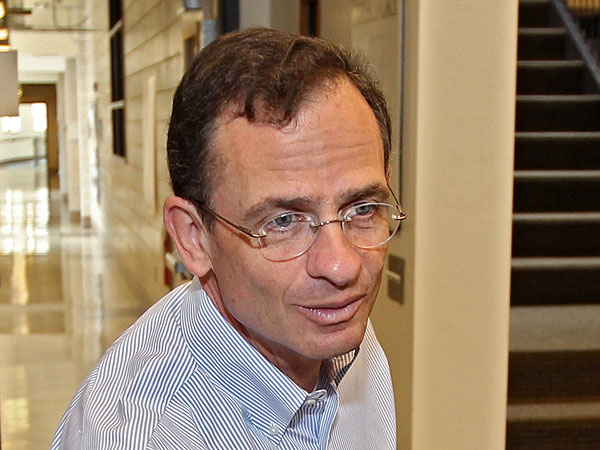
Daniel Weiss at Haverford College after being named the college’s president in 2013.
He was at Haverford College for a little less than two years before being hired away to lead the Met along with director Thomas P. Campbell. With Campbell’s departure in 2017, he took on the title of chief executive. He worked alongside Max Hollein after Hollein became director in 2018. Weiss left the Met in 2023.
He was the head of Haverford College in 2014 when it received its largest single gift to date at the time — $25 million from Howard Lutnick, then-chairman of the college’s board of managers and a Haverford graduate. (Lutnick is currently U.S. secretary of commerce.)
Weiss brings to the Art Museum another storehouse of knowledge. He recently worked as a consultant to the museum’s board, a museum spokesperson said.
He is no stranger to controversy. At the Met, he helped the museum grapple with decisions such as the end of its longtime pay-as-you-wish admission policy, as well as the question of whether to cut ties with the Sackler family, whose company, Purdue Pharma, manufactured and marketed the opioid painkiller OxyContin.
Weiss was also at the Met when the museum faced a set of circumstances not unlike some of those the Philadelphia Art Museum is facing now. In 2017, struggling with a deficit, the Met decided to pause plans for a $600 million expansion. Instead, it focused on more mundane, if important, projects, like work on the roof and skylights.
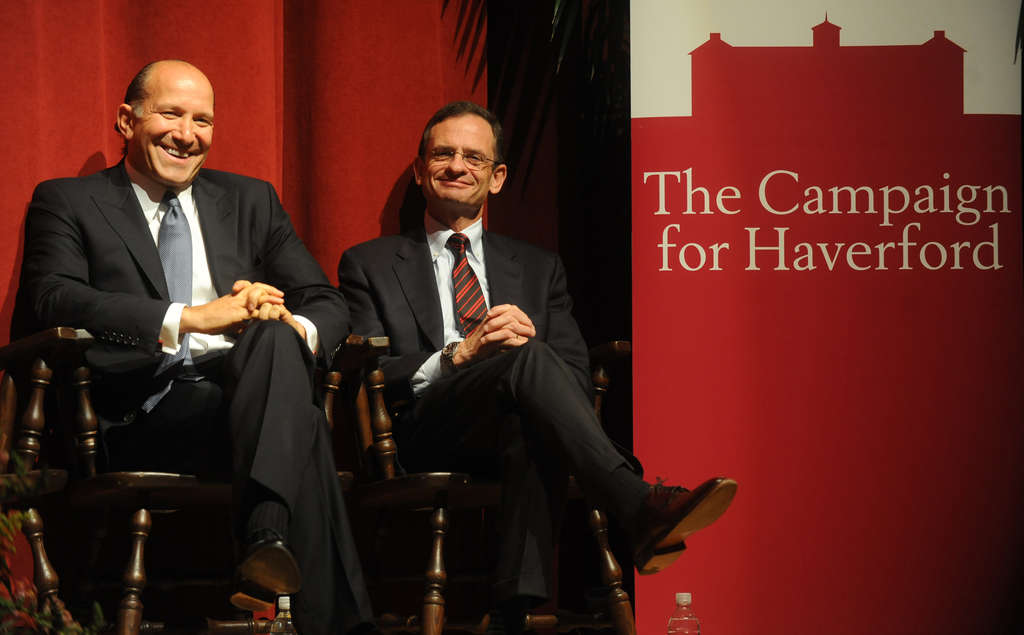
Howard Lutnick (left) with Haverford College then-president Daniel Weiss for the 2014 announcement of Lutnick’s $25 million gift to the school.
Most recently, for the past two years, Weiss has been a humanities professor and senior advisor to the provost for the arts at Johns Hopkins University.
Suda filed a lawsuit on Nov. 10 against her former employer. Her lawyer said that she was the victim of a “small cabal” from the board that commissioned a “sham investigation” as a “pretext” for her “unlawful dismissal.”
The Art Museum on Thursday responded to the lawsuit in Philadelphia Court of Common Pleas with a petition saying Suda was dismissed after an investigation determined that she “misappropriated funds from the museum and lied to cover up her theft.” Her lawyer called the museum’s accusations false. “These are the same recycled allegations from the sham investigation that the museum manufactured as a pretext for Suda’s wrongful termination,” he said.
The Art Museum has a list of short- and long-term challenges with which it must grapple. Among them is the question of whether to roll back the recent name change and rebrand, which have been widely mocked and disliked.
It also has several big pieces of the operational, facilities, and financial puzzle to prioritize. The Perelman annex was closed to the public during the pandemic and has not reopened; a planned expansion of gallery space beneath the museum’s east steps is in limbo; deferred maintenance on the main building awaits attention; the endowment is considered inadequate for an institution of its size.
In addition, the museum is challenged by an operating deficit and visitorship numbers that have not recovered post-pandemic.
Weiss — who is expected to take over the museum Dec. 1 — is the author of several books, including a recent one that explores the place of the art museum in society throughout history and examines its challenges today in the larger culture. Its title suggests the case he will need to make as the museum’s 15th director: Why the Museum Matters.
“This is a great museum with a bright, important future,” said Weiss, “and our ability to fulfill our mission requires everyone’s involvement.”
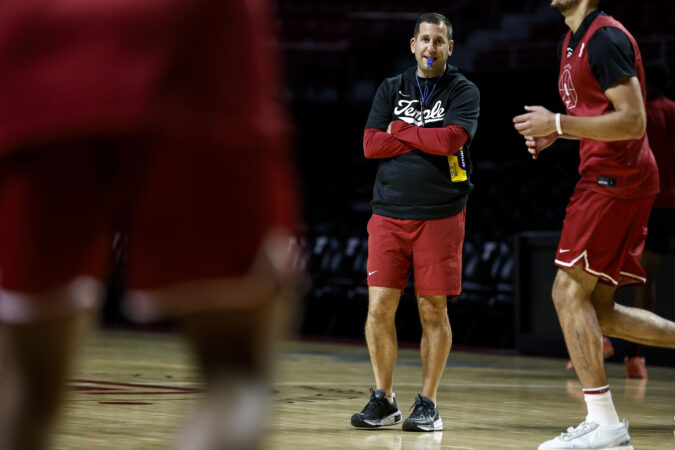
Temple men’s basketball coach Adam Fisher received a two-year contract extension that will run through the 2030 season, CBS Sports and ESPN reported Friday.
Fisher was hired on March 29, 2023, after spending three seasons as the associate head coach at Penn State. In his third season as coach, Fisher has led Temple to a 36-36 record and a 14-22 record in the American Conference.
He led the Owls to a 16-20 record in his first season and an appearance in the American Conference Tournament championship game. Temple won four games in four days before losing to UAB in the championship.
Fisher’s team saw improvement in his second season, going 17-15, but lost in the first conference tournament game against Tulsa. The Owls are 3-1 to start this season.
Clean Earth, based in King of Prussia, serves manufacturers such as Boeing, Merck, computer-chip makers, and hospitals. Veolia operates local water utilities in towns across the U.S., including a slice of Delaware County and northern Delaware.
Clean Earth employs around 1,800, and already uses Veolia incinerators to burn hazardous medical waste and other refuse. Enviri bought that business for $625 million in 2019. Veolia says it plans to cut $120 million in spending as it integrates Clean Earth, to make the deal more profitable.
Combined with Veolia’s existing hazardous-waste business, Veolia says it will be among the largest businesses of its kind. Veolia also bought medical-waste companies in New England and California earlier this year, and it has incinerators in Texas, Illinois, and Arkansas.
Clean Earth includes tar-contaminated soil collection treatment centers on the Schuylkill in Southwest Philadelphia; in Morrisville, Bucks County; and New Castle, Del.; and a hazardous-waste and chemical disposal site in Hatfield, Montgomery County, among 82 waste-management and 19 federally-permitted treatment sites, along with hundreds of trucks. Veolia has industrial facilities in Bridesburg and Pennsauken, among other area locations.
Veolia will pay cash worth around $15.50 a share, or $1.3 billion, to Enviri shareholders for Clean Earth; plus $1.35 billion to pay down some of Enviri’s debt load; and around $400 million to help finance Enviri as it restructures as a smaller company and issues new shares. Both boards have approved the deal, pending a vote by Enviri shareholders next spring.
The price to shareholders is a premium to Enviri’s recent share value, and triple what it was worth at its recent low in March. But it’s also less than the stock was worth as recently as 2022, before the company changed its name from Harsco and moved from central Pennsylvania to Philadelphia, where its leaders said it’s easier to recruit engineers and managers.
The sale leaves Enviri with two remaining business lines: steel-mill slag management and railroad track equipment and maintenance. The latter business faces large environmental expenses, and Enviri had earlier tried to sell it.
After selling Clean Earth to Veolia and reducing management costs, Enviri will spin off the remaining businesses into a new company, under the same name.
Announcing the deal, Enviri chief executive F. Nicholas Grasberger also said he’ll be stepping down from the company’s top job, to be succeeded by Russell Hochman, a ten-year Enviri veteran who already serves as the company’s senior vice president, top lawyer, and compliance officer.
F. Nicholas Grasberger, chairman & CEO of Enviri, at the company’s Philadelphia headquarters in 2023. He will be stepping down as the company sells its hazardous-waste division to France’s Veolia.
The restructured Enviri will have more cash to invest in its businesses and lower finance costs, Grasberger said in a statement. He praised successor Hochman’s “deep business acumen and proven ability to navigate mergers and acquisitions, regulatory matters, and transformation efforts.”
The boost in Enviri’s capital “will create enhanced opportunities” for both slag and rail, Hochman said in a statement.