Philadelphia students are among the friendly faces welcoming the expected more than 1 million visitors to the city this summer.
Youth from Ss. Neumann Goretti High School and Girard Academic Music Program are official staff greeting tourists and giving directions and Philly recommendations over six weeks.
Planning for the huge undertaking of celebrating America’s 250th birthday in its birthplace began years ago, and Kathryn Ott Lovell, president and CEO of the Philadelphia Visitor Center Corporation, knew that she needed reinforcements.
“It was going to be hard to scale our mission and reach as an organization, short of building a visitor center on every corner,” said Lovell.
Enter the Phambassadors, a corps of 10,000 Philadelphians who volunteer to be a welcome wagon of sorts for the tourists arriving in town, some of whom were trained via a Philly-themed boot camp. Lovell, who “was born with this irrational love for Philly,” she said, arbitrarily picked the number 10,000, she said, hoping to attract that number of volunteers by the end of the year. The Philadelphia Visitor Center got there months ahead of schedule.
And when Lovell heard that Neumann Goretti had launched a hospitality program, creating the Youth Phambassador corps felt like a natural extension, both as a way to expand the welcome wagon and a means to help develop the next generation of tourism and hospitality professionals.
Lovell, Philadelphia’s former Parks and Recreation Commissioner, wanted to make it a paid opportunity, a city summer program with training and a stipend for participating students. Twenty Neumann Goretti students signed on, plus six students from GAMP, the South Philadelphia magnet school.
Training was held this month for the 26 Youth Phambassadors to learn both soft skills and hard skills — customer service, visitor engagement, and even citizen diplomacy via the World Affairs Council.
The Youth Phambassadors, who are working with an adult supervisor, are stationed both inside the Visitor Center at Sixth and Market Streets and around the historic district.
The hope is to have the students show off the city, but also “that it’s a portal into the hospitality and tourism world for the kids as they have a really wonderful experience,” Lovell said.
Editor’s note: This story has been updated to reflect a later start time for the concert, which organizers changed due to the extreme heat advisory this week.
Broadway legend Idina Menzel has lived in Los Angeles for years now, but she still loves an East Coast audience — especially in Philly.
“They’re my vibe. I’ve got a lot of friends and family down there. They understand my humor,” said Menzel, who lives in Encino with her husband, actor Aaron Lohr, her 16-year-old son, Walker Nathaniel Diggs, and their dog, Gino.
“I just really feel like I’m very authentic when I’m on the stage with them, and we have a great time.”
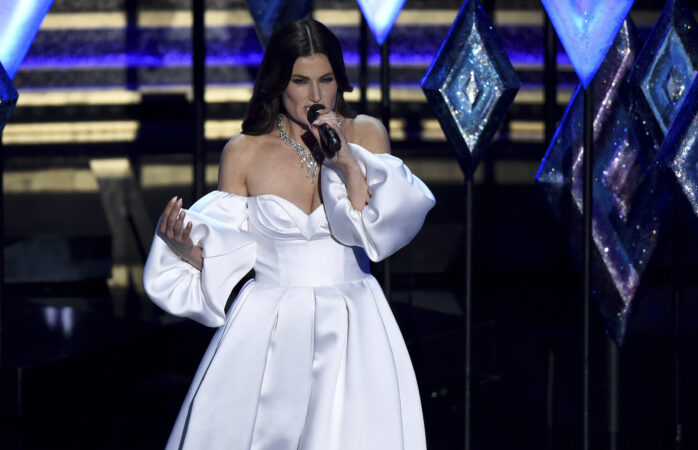
The star singer behind unforgettable characters in Wicked, Rent, and Frozen, Menzel returns to Philadelphia on July 3 to perform her biggest hits from musicals and beyond, joining the Philly Pops for a free concert on Independence Mall.
“It’s been quite some time since I’ve done an orchestra show,” said Menzel, who last year starred in the Broadway musical Redwood, about a mother grieving the sudden loss of her son and finding solace in a redwood forest.
“It’s the most glorious experience, just standing up there in front of 80 some musicians and performing with them … there’s nothing like it.”
At Independence Mall, she’ll likely sing her popular hits, like “Defying Gravity,” “Take Me or Leave Me,” and “Let It Go,” as well as songs from her own discography, with some familiar arrangements and some new ones she created recently.
Outside of touring, the Tony Award-winner is no stranger to the city: As a New Yorker, Menzel has visited often before. In college, she once spent a Christmas in town with two New York University roommates from Philadelphia.
There’s one thing she loves to do whenever she stops in Philly — run up the Art Museum steps.
“I make it a point to, with my son, because he’s such an athlete. We run the steps. I call them the Rocky steps,” she said.
Performing as part of Wawa Welcome America’s Semiquincentennial celebrations leading up to July 4, Menzel joins a long list of celebrities coming to Philadelphia for the national birthday bash. If there’s one song from her history that she thinks Philly audiences — and Americans overall — need to hear right now, that would be “No Day But Today.”
“Rent was my very first professional show, and it’s one of my favorite songs from that show. For me, it’s kind of like a mantra, and whenever I sing it, audiences truly come together,” she said. “It’s more about gratitude and community. People coming together, not taking things for granted, and really embracing the moment.”
It’s a message that will likely resonate with Philadelphians — even if Menzel is a diehard Knicks fan.
Idina Menzel will headline Pops on Independence in Philadelphia at Sixth & Market Streets on the Independence Concert Series Stage at 8 p.m. on Friday, July 3.
MAX Surgical Specialty Management, a private-equity backed company consolidating oral and maxillofacial surgery groups in the Northeastern U.S., has acquired two more practices in the Philadelphia area.
The latest deal, announced Friday, gives the Hackensack, N.J., firm 12 surgeons at 12 locations in Pennsylvania. Surgeon Jason M. Auerbach founded MAX in 2022 with private-equity backing and entered Pennsylvania two years later.
The two newly acquired practices have six offices in Bucks and Chester Counties.
Oral and Maxillofacial Surgeons P.C. has three surgeons, and offices in Doylestown, Quakertown, Warminster, and Chalfont. Oral Associates of the Main Line has two surgeons and offices in Exton and Paoli.
MAX did not disclose financial terms of the transactions.
In addition to New Jersey and Pennsylvania, MAX has practices in Connecticut, New York, and Vermont. The company — a management services organization — is majority-owned by its physicians, Auerbach said.
Oral and maxillofacial surgeons work at the crossroads of dentistry and medicine. Most have dental degrees, but some also have medical degrees. They remove wisdom teeth, install dental implants, repair facial traumas, and treat jaw injuries, among other services.
North Jersey origins
Auerbach founded Riverside Oral Surgery in Bergen County in 2007 and grew it to 12 locations before founding MAX with private equity partners. Part of his motivation was to create a home for independent physicians, Auerbach said in a May interview.
The Philadelphia region still has a high concentration of independents, with strong patient demand. “It’s hard nowadays to be an independent oral-maxillofacial surgeon, in terms of the complexities in running a healthcare business,” Auerbach said.
Robert Mogyoros, whose Greater Philadelphia Oral Surgery is in Elkins Park, said he valued his independence above all, but decided to look for a group to joinafter the business side had gotten too challenging.
Physician groups get better prices from vendors, better deals with insurers, and have an upper hand in physician and employee recruitment, said Mogyoros, who became part of MAX last July.
“What attracted me to MAX was that it’s doctor-driven and doctor-run,” he said in a May interview.
Rothman and Kim Oral & Maxillofacial Surgery, with offices in Northeast Philadelphia and Cinnaminson, was MAX’s first acquisition in Southeastern Pennsylvania. That deal also happened last year when MAX announced that it had borrowed $77 million to support growth.
When doctors sell their practices to MAX, they typically invest about 30% of the value into MAX, Auerbach said. MAX’s outside investors are MedEquity Capital near Boston, RF Investment Partners in New York, and Kian Capital in Charlotte, N.C.
Editor’s note: This article was update to correct the year when MAX made its first Pennsylvania acquisition.
In 1983, I finished college and joined the Peace Corps. I was sent to Nepal, where I taught English in a remote village. To get there, you took an overnight bus out of Kathmandu and then walked for three days into the Himalayan foothills.
My Peace Corps journey changed my life. It opened my eyes to cultural differences, and it taught me how to communicate across them. That’s been an invaluable tool for me, as an educator and a human being.
But when I got to graduate school, I discovered that many of my fellow left-leaning students — and some of their professors — had a decidedly less rosy view of the Peace Corps. It was a neocolonial project, they said, designed to enhance America’s global power and to keep poorer countries in perpetual dependency.
I’ve been thinking about their comments over the past few days, as news spread that U.S. Rep. Scott Perry (R., Pa.) had proposed to eliminate funding for the Peace Corps under amendments he submitted to a House appropriations bill. The York congressman was also an ardent supporter of Elon Musk’s dismantling of the U.S. Agency for International Development, which Perry called a “piggy bank for far-left causes.”
Yet, the Peace Corps — like USAID — has also been the target of left-wing attacks, which bear a strong echo to Republican ones. Neither side believes Americans can be a force for good in the world.
That’s why the Peace Corps matters. It’s based on the simple proposition that bringing different people together can help them thrive. And it’s a standing rebuke to cynics on the right and the left.
Going back to Richard Nixon, GOP politicians have tried to diminish — or destroy — the Peace Corps. Their last effort to zero it out took place in 2019, when U.S. Rep. Mark Walker (R., N.C.) proposed to “put America first” by defunding the Peace Corps and devoting the saved dollars to disaster relief at home.
U.S. Rep. Scott Perry (R., Pa.) at a campaign event in front of employees at an insurance marketing firm in Harrisburg in 2024. He has proposed eliminating funding for the Peace Corps.
America’s own democracy is under strain, of course, thanks to the likes of Perry. As his text messages showed, he tried to assist Donald Trump’s effort to overturn the results of the 2020 election. He’s also facing a tough reelection battle this fall against Democratic challenger Janelle Stelson, whom he narrowly defeated in 2024.
Perry is betting that his campaign to defund the Peace Corps and other foreign aid will help him at the polls, and I hope he’s wrong. But I also think it’s wrong to dismiss the Peace Corps as an imperial power grab, as my grad student colleagues did.
That critique has been revived in the digital age by “No White Saviors,” a social media campaign begun in 2018. When the Peace Corps evacuated all of its volunteers during the 2020 COVID-19 pandemic, No White Saviors said they should stay home.
“No more pretending inexperienced young people are actually useful in countries and cultures they are alien to,” No White Saviors declared. “No more spending money on flights or evacuations, no need to teach language or culture.”
That demand was taken up within the Peace Corps itself. Calling themselves “Decolonizing Peace Corps,” disillusioned volunteers called for the abolition of the agency. The Peace Corps was a scam, they said, spending scarce resources that could be better used at home.
Scott Perry and Mark Walker couldn’t have put it better themselves. Whatever their other differences, America First Republicans and No White Saviors think the Peace Corps is a waste of taxpayer dollars.
Please. The 250,000 people who have served in the agency have generated enormous goodwill overseas and huge benefits at home. More than 80% of them continue to volunteer in their communities. A quarter of them have started businesses.
They’re also more diverse than No White Saviors assumes. In 1990, four years after I returned from Nepal, only 7% of volunteers were nonwhite; in 2020, 34% were.
I didn’t go to Nepal to save anyone. I went to live, and to learn, and to grow. And 25 years later, I returned to my village with my 17-year-old daughter. A bus road had been cut into the hills, so the three-day walk was narrowed to about six hours.
The school where I taught held an impromptu “welcome home” ceremony for us. I stood up to give a speech in my broken Nepali, but broke down in tears, overwhelmed by my good fortune to have known these good people. If we jettison the Peace Corps, fewer Americans will experience that kind of connection. I just don’t see how that can be good for America or for the world.
Jonathan Zimmerman teaches history and education at the University of Pennsylvania. He is the author of “Schooling Citizens: How Education Can Save Democracy,” which will be published next spring by the American Philosophical Society Press.
This summer has brought back the NBA’s offseason fireworks, with star players being traded all over the league in anticipation of free agency and a 2026-27 season that could be anybody’s for the taking.
The 76ers don’t look like a team that will participate in much of the action on the trade market or when free agency opens at 6 p.m. on Tuesday. They are pot committed to Joel Embiid, Paul George, and Tyrese Maxey, who will all play on max contracts into the foreseeable future.
So what could this summer look like for the Sixers? How will they improve on the margins in a league where teams are constantly jockeying for position? Let’s take a look at the biggest storylines facing the Sixers entering NBA free agency …
How can the Sixers improve this summer?
The contracts of Embiid, Maxey, and George continue to hamper the franchise. VJ Edgecombe emerged sooner than expected and remains on his rookie deal. So the Sixers will enter Tuesday’s free agency with only so much they can accomplish. They have no choice but to run it back with their three stars and hope for better health and better support on the margins.
They’ll also need better performances from their stars, who were superb against the Boston Celtics as they manufactured a three-games-to-one comeback in the first round of the playoffs but struggled in the quick turnaround to the Eastern Conference semifinals against the New York Knicks. Embiid missed Game 2 because of right hip soreness and a sprained right ankle, Maxey missed every shot he took from three in Game 1 (15.8% on 4.8 attempts per game for the series), and George missed the second half of multiple games after he failed to sustain hot starts. Those things can be changed in the summer only by rest, recovery, and returning to the drawing board.
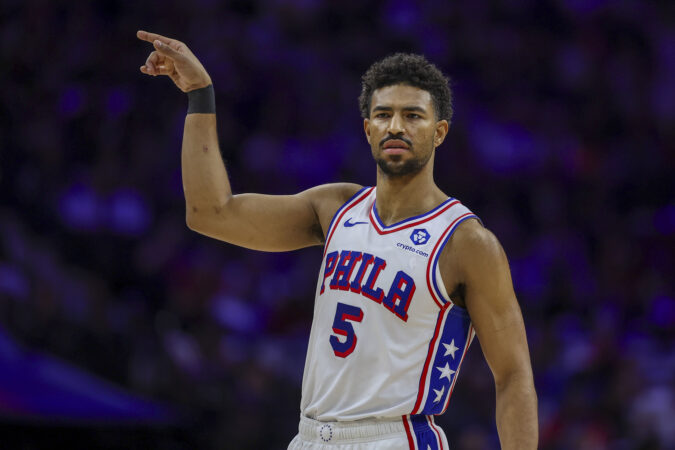
Sixers guards Kelly Oubre Jr., and Quentin Grimes are both set to hit free agency.
Will they be able to re-sign Kelly Oubre Jr., and Quentin Grimes?
This is the biggest question facing the Sixers this summer. They entered the summer $14.5 million below the tax and $22.5 million below the first apron. They’ve since declined the option of Trendon Watford. If they sign Oubre and Grimes, they’ll likely hit the first apron with the same team that finished seventh in the East last season.
Based on the Sixers’ history of avoiding the luxury tax — including last season when they traded Jared McCain despite Embiid’s public plea — that result is unlikely. For reference, Oubre signed a two-year, $16.3 million deal and Grimes signed the one-year, $8.7 qualifying offer after failing to come to a deal as a restricted free agent. Both players expect a raise.
Andre Drummond and Adem Bona juggled a tough situation last season. Neither player knew what to expect from night to night because of Embiid’s health issues and sudden shifts in their roles. When Embiid did not play, Bona started and Drummond served as the backup. But when he was available, Drummond stepped into the backup role and Bona often didn’t play at all.
That might not be the most tenable situation for Drummond, who will enter free agency this summer. It’s also not ideal for the Sixers, who are aware that the ideal backup will have the combined skills of Drummond and Bona.
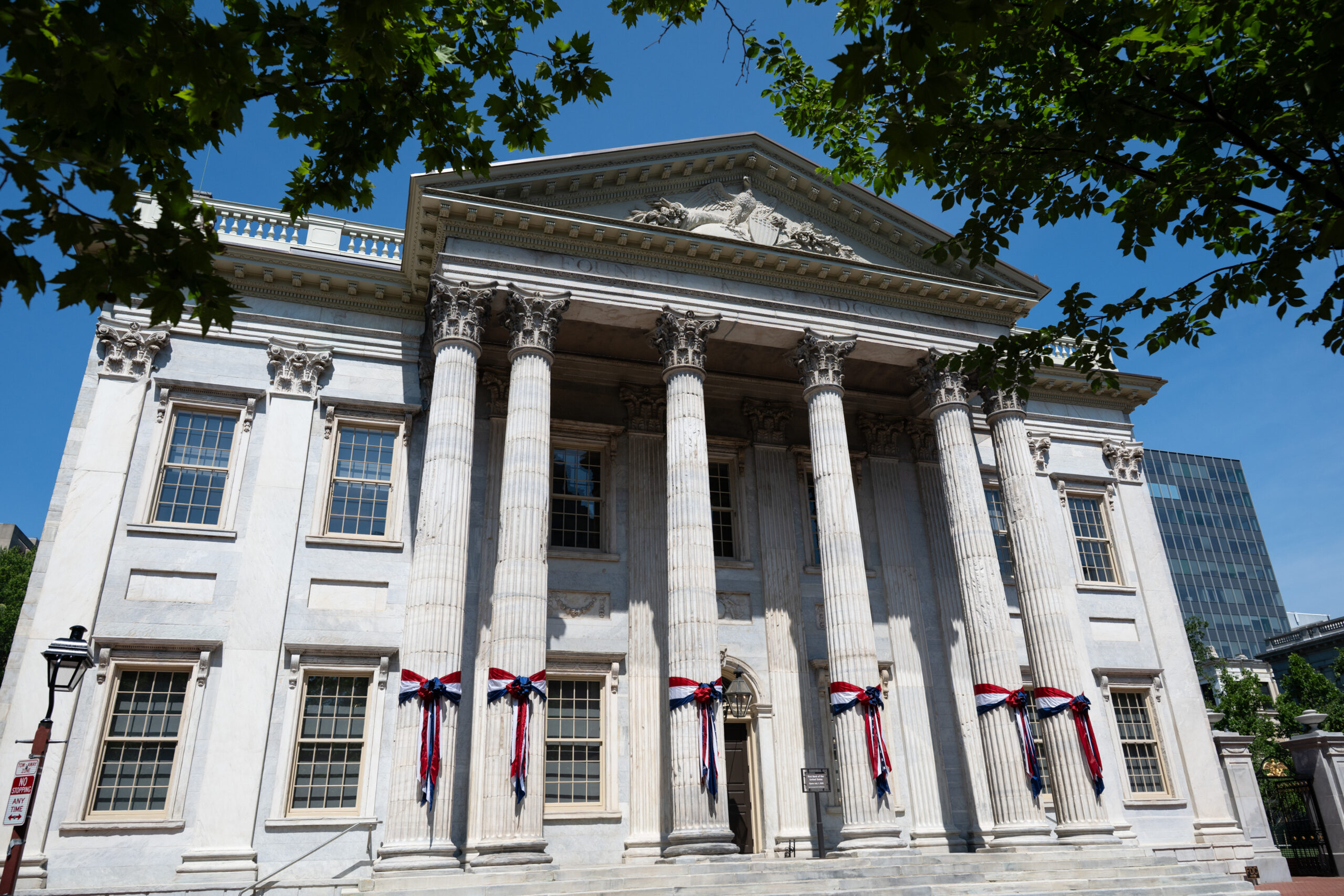
The First Bank of the United States in Philadelphia, one of Alexander Hamilton’s signature achievements, has undergone a $43 million renovation and will be open to the public for the first time in more than 20 years starting Wednesday.
The ribbon cutting at the building on the west side of Third Street near Chestnut comes just in time for 250th anniversary of the Declaration of Independence this weekend.
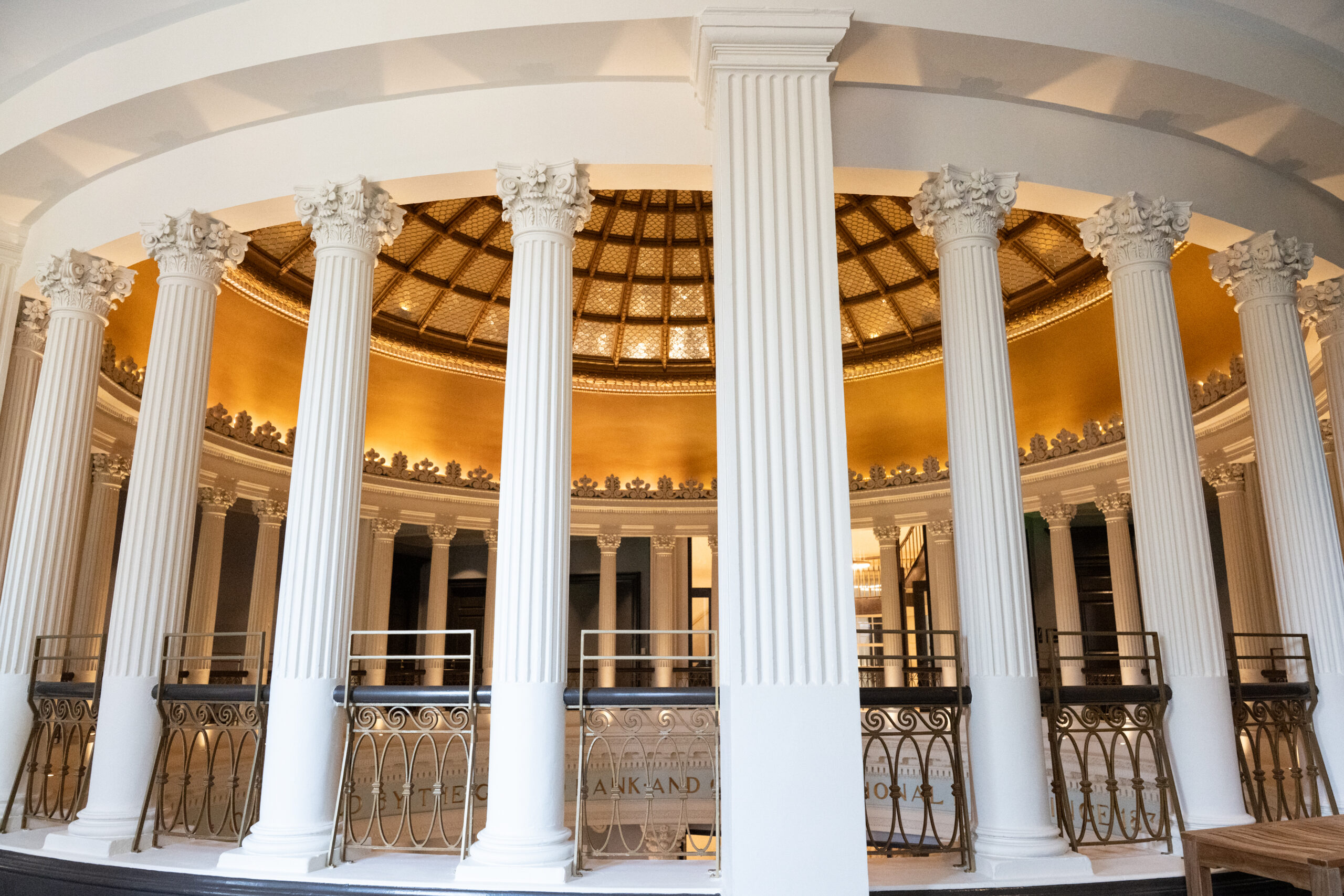
Visitors will be able to walk through the grand rotunda and look up at the barrel-vaulted golden ceiling, lit by 240 painstakingly cleaned panes of glass around a central skylight.
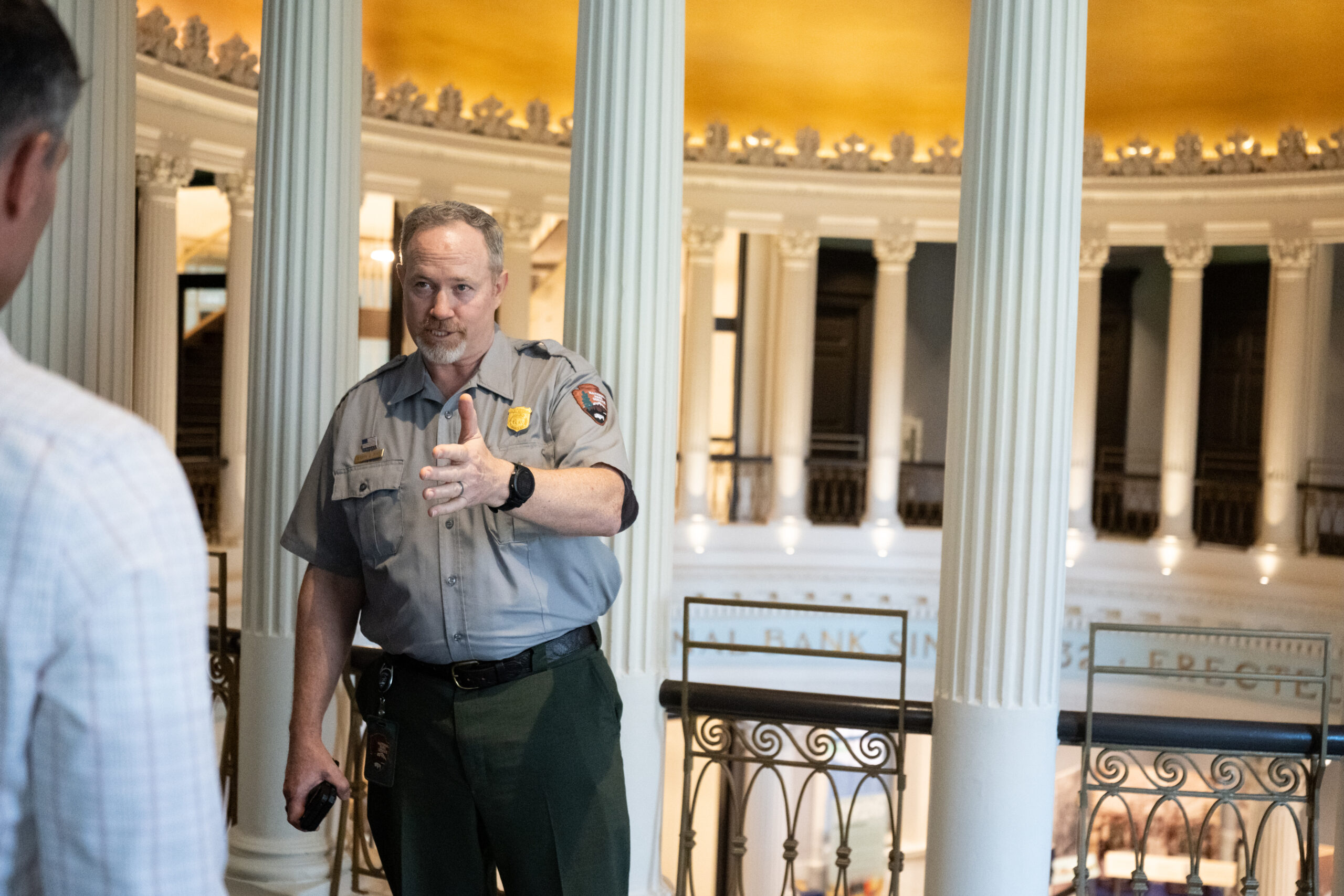
“I’m excited to see how visitors connect to the space,” said Steve Sims, superintendent of Independence National Historical Park. “The National Park Service can talk about what’s important all day long, but what really matters is what’s relevant to our visitors.”
Simms said the interior before the renovation was dark and dingy, marred by an old carpet that covered the marble floor. The entire interior has been painted and the ceiling restored.
Steven Sims, superintendent of Independence National Historical Park, shows off the interior of the newly renovated First Bank of the United States.
The air-conditioning, electrical, lighting and other systems had to be replaced and brought up to code.
The National Park Service also built an addition on the back, which serves as a public entrance. It includes an elevator and modern bathrooms, complying with the Americans with Disabilities Act.
The original budget for the restoration was about $30 million. But higher asbestos levels, issues with soil borings, and installation of a new stormwater management system so roof drainage would be filtered caused that total to rise.
Jonathan Burton, director of development for the trust, said Chadds Ford-based John Milner Architects reimagined the interior of the First Bank, bringing it more in line with the vision held by Philadelphian Stephen Girard, who took over the bank in 1812. West Chester-based Bedwell Co. was the contractor.
“This national historic landmark is now pristine,” Burton said. “It’s completely updated, with all new mechanical systems. It’s absolutely gorgeous.”
Rare artifacts on display
Two temporary exhibits, containing rare artifacts, will fill the interior until a permanent exhibit on the bank’s mission — to create a national financial system for the United States — is finished.
Rosalind Remer, Drexel University’s senior vice provost for collections and exhibitions, said the temporary exhibit from the Atwater Kent Collection at Drexel is designed to focus on souvenirs and art collected from the 1876 Centennial Exposition in Philadelphia and the Bicentennial.
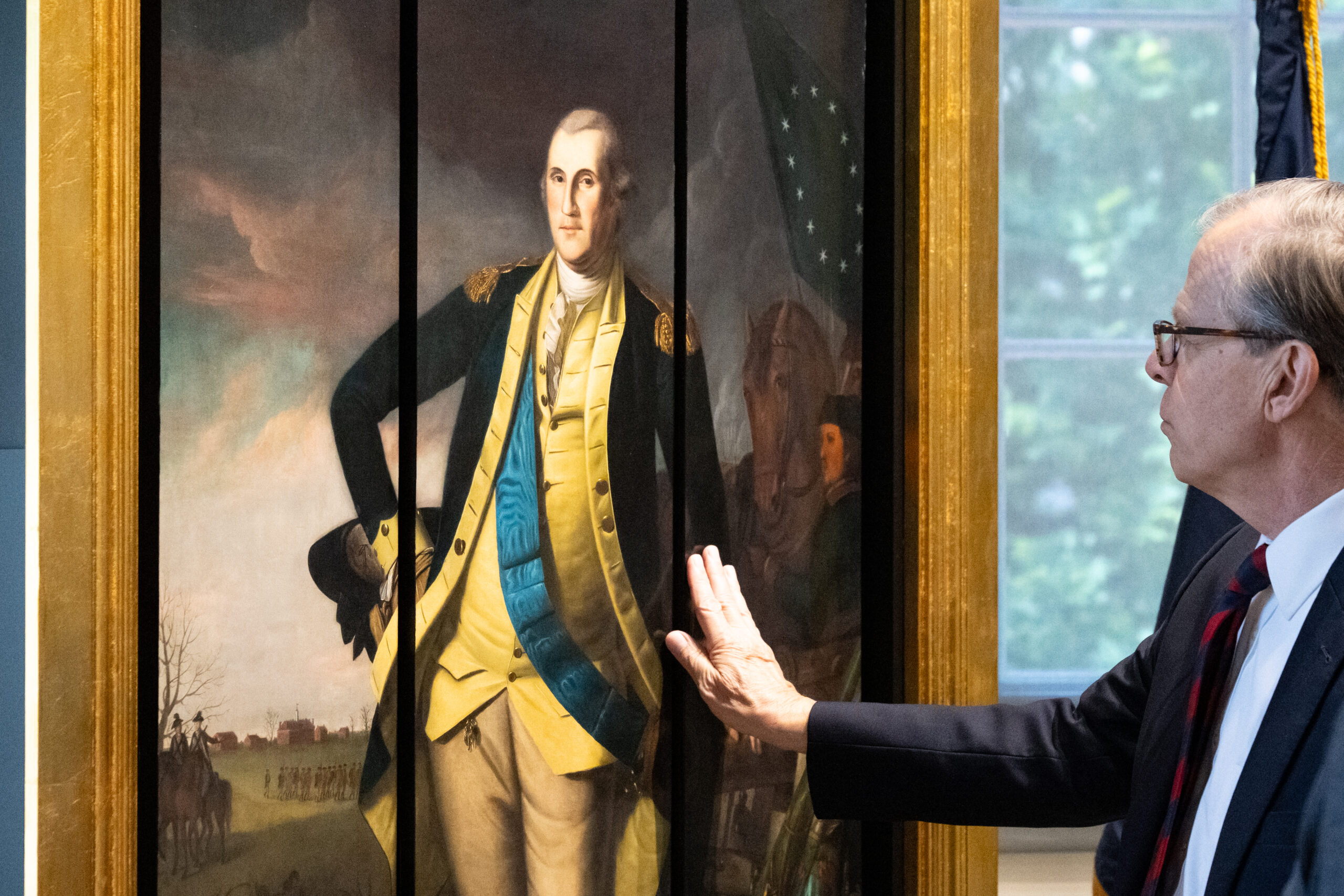
Glyn Davies, a retired U.S. diplomat and senior Foreign Service officer, points out details of a replica of a portrait of George Washington at the First Bank of the United States.
The America on the World Stage exhibit includes two chairs from the Chinese Pavilion at the exposition and a Bicentennial lamp with glass panes of the American flag and Liberty Bell.
Glyn Davies, a retired U.S. ambassador and a consultant to the U.S. State Department, said the Marks of Friendship exhibit commemorates250 years of U.S. diplomatic treasures.
The exhibit includes an ornate Louis XVI-style mantel clock gilded in bronze from the U.S. embassy in Paris anddated to about 1725,as well as Philadelphia painterCharles Willson Peale’s 1779 portrait ofGeorgeWashington in Princeton.
First Bank’s historic design
The bank was key to Alexander Hamilton’s push to give the fledgling federal government authority to handle its poor financial situation.
It’s one of the nation’s first notable examples of Classical monumental design, which contains proportions and geometries of ancient Greece and Rome on a grand scale.
The three-story brick structure features a marble front and trim has a seven-bay marble facade.
Completed in 1797, the three-story brick structure with a marble front and trim has a seven-bay marble facade, built by Claudius F. LeGrand & Sons, stone workers, woodcarvers, and guilders. The builders used Pennsylvania blue marble quarried from Montgomery County.
The decorative entrance, restored in 1983, contains elaborate mahogany carvings of an eagle grasping a shield of 13 stripes and stars and standing on a globe festooned with an olive branch.
The entrance is topped by a marble keystone that depicts Mercury, the Roman god of commerce, finance, and merchants.
The entire exterior has been repointed and damaged areas were fixed. The eagle sculpture also had to be repairedas part of the new renovations.
Inside, the center is defined by a circular Corinthian columned rotunda on the first and second floors.
The original cellar retains its 1795 stone-walled and brick-vaulted rooms, some still having their original sheet iron vault doors.
Alexander Hamilton’s lasting legacy
First Bank has a long and storied history for both the U.S. and Philadelphia.
Visitors to the First Bank will be able to walk through the grand rotunda and look up at the barrel-vaulted golden ceiling, skylit by 240 panes of glass around a central skylight.
At the time of Hamilton’s push for a bank, the U.S. had no national currency, and banks issued their own notes. The notion of a national bank ignited a heated national debate.
Thomas Jefferson, who penned the Declaration of Independence just a few blocks away, was originally against the bank but later used it to finance the Louisiana Purchase. The bank’s initial 20-year charter lapsed in 1811.
Philadelphia merchant Girard bought the bank in 1812. After Girard’s death, another bank purchased the building in 1832 and called itself Girard Bank to capitalize on its namesake’s financial fame.
In 1902, the Girard Bank hired architect James Windrim to remodel the interior. He removed the original barrel-vaulted ceiling and installed a skylight over a glass-paned done to give tellers more light.
The bank was vacated in 1929 and languished until the National Park Service purchased it in 1955 as part of Independence National Historical Park.
The building served as the park’s visitor center until 1976, underwent some restoration, and was open in time for the Bicentennial in 1976. It was open off and on until being closed in 2002 — until now.
Editor’s note: This story has been updated to correct the spelling of Steven Sims, superintendent of Independence National Historical Park.
It’s unorthodox to begin a piece by denigrating a subject of sympathy, but in this case, it applies.
Indiana Fever superstar Caitlin Clark is smug, and she’s kind of a jerk, and plays a little bit dirty herself. Also, there’s little viable argument that if she were a bit less abrasive then perhaps she would be less of a target.
But there’s no doubt that she has been a target of jealousy and resentment since her arrival in the league, and there’s less doubt that the WNBA and its officials do a pathetic job of protecting her. She is, after all, the greatest asset not only in women’s basketball, nor in the history of women’s basketball, but in the history of women’s sports.
That’s with all due respect to Billie Jean King, Babe Didrikson Zaharias, Serena Williams, et al. Clark is the queen of a mainstream team sport in an era when mainstream team sports matter more than ever. She should be treated like royalty. Instead, she’s treated like crap.
She’s filled arenas, sparked expansion, and sold millions of jerseys, both her own and those of her peers. Her reward? She’s been the victim of nine flagrant fouls since she joined the league in 2024, more than anyone else.
The latest flagrant wasn’t even called in real time, if you can believe it. As a matter of fact, it wasn’t even called a foul.
On Wednesday, while pursuing a loose ball, Phoenix Mercury forward Alyssa Thomas kneed Clark in the thigh and jammed her fist into Clark’s throat as Clark lay on the ground.
This angel of Alyssa Thomas cheapshotting shows that not only did she punch Caitlin Clark in the throat; she kneed her in the groin too.
The league should look at this, assess a flagrant, & do everything they can to protect their most important player. pic.twitter.com/xDArcPTYiS
The league reviewed the incident, declared that Thomas had committed a Flagrant 2, and suspended her for Saturday’s game against Toronto. Thomas, a hard-nosed, Draymond Green-type of player, has a history of flagrancy; last season, she elbowed rookie Kiki Iriafan in the throat and threw Angel Reese to the ground.
In the same game Clark was undercut on two jump shots, neither judged flagrant in real time or upon review. She left the game having aggravated a back injury.
That’s right: The most important player in WNBA history entered the game with a back issue, was the recipient of three dangerous fouls, and left the game having been reinjured.
She missed the Fever’s game this past Saturday, and her status is unknown for this coming Sunday’s game in Las Vegas.
She missed most of her sophomore season in 2025 with various injuries.
Not all of Clark’s missed time has been a result of hard fouls, but that’s the point. She’s the draw. Any hard foul on here should be amplified.
She should be preserved like ancient parchment. She should be protected like religious relics. She is worth 10,000 times her weight in gold and should be treated accordingly.
You should get two technicals for brushing her cheek. You should get a Flagrant 1 for coughing on her.
Intentional foul on a fast break? Twenty years to life.
Is this fair? Of course not. Is this business? Yes, it is. Business is seldom fair. If you don’t think that’s true, you should study capital gains taxes, corporate tax breaks, and film of Larry Bird in the 1980s.
It doesn’t matter that Clark is not the best player in women’s basketball history (that’s Diana Taurasi), and it doesn’t even matter that she’s not the best player today (that’s A’ja Wilson). What matters is that Clark’s the most valuable female athlete, at a time when female athletics is finally experiencing its true value.
One financial projection valued women’s sports revenues to generate at least $3 billion this year, an increase of 340% since 2022. You know what else happened in 2022? Clark, a sophomore at Iowa, became the first player in women’s Division I history to lead the nation in both points and assists. She became a phenomenon.
A cocky phenomenon; a celebrating, taunting, in-your-face phenomenon — but a phenomenon nonetheless.
For the record, I don’t like it when Steph Curry or LeBron James flaunt their cellys either. But as much as they mean to their sport, neither touches the importance of Clark either in her chosen profession or in her demographic.
Protect her at all costs.
Phil’s just desserts
Seventeen years ago, the myth of Tiger Woods collapsed when the report of an affair, a car crash, and series of mistresses revealed the greatest golfer of all time, branded as a squeaky-clean, monomaniacal über-athlete to also be one of the greatest hypocrites of all time.
No one benefited more from Tiger’s downfall than Phil Mickelson, Tiger’s biggest rival. Even after his departure to LIV Golf that sparked a wider exodus and a bitter feud, and even as Mickelson bizarrely delves further into support of far-right policies on social media, there remained a core of Mickelson supporters who adored his magnificent talent, swashbuckling style, and his entertaining public pronouncements.
That’s all over. Phil’s done.
Two weeks ago, Golf Digest reported that Phil Mickelson, Woods’ biggest rival, was kicked off The Farms Golf Club near San Diego and had his membership rescinded in the middle of a round after club officials determined that he had made inappropriate advances and contact with a female staff member. Mickelson denied the accusation.
Two days ago, Skratch Golf correspondent Alan Shipnuck produced a scathing report that detailed several more inappropriate episodes with two other women. It also supplied evidence that Mickelson cheated with at least one woman on a regular basis, paying a pro shop kid $500 to drive around the course with Mickelson’s cell phone so that if his wife, Amy, wondered what he was doing, she would think he was playing golf.
In light of the transgressions by Woods, which include various addictions, it’s been astonishing to witness the leeway given Mickelson during his three decades in the limelight. He’s been connected with insider trading, he’s been cast as an inveterate gambler — he was accused of trying to bet on the 2012 Ryder Cup, which he and the rest of the U.S. team lost by 1 point (Mickelson went 3-1-0) — and created a legion of enemies on the PGA Tour and in its galleries when he defected to LIV.
Now, this.
Now, what?
Tiger has admitted his transgressions, has faced his demons, and has largely recovered his image.
Phil never will.
The biggest difference between Mickelson and Woods is that, whatever advances Tiger made in pursuit of his infidelities, as far as we know, they were at least consensual, if not welcomed or pursued.
Mickelson isn’t the only distasteful star in professional golf — Fred Couples admitted he cheated on his wife while she was fighting cancer — he’s just the smarmiest, the creepiest, and the phoniest. Golf writers and broadcasters protect their cash cows like baseball writers did in the 20th century: They shield flawed heroes from the glare of reality.
Phil was especially alluring, since, in contrast to surly, multi-ethnic Tiger Woods, he was a generally affable Great White Hope.
Regardless, both made their beds. There, they will lie.
Another ‘Golden Goal?’
I was there for Sidney Crosby’s overtime Golden Goal that beat the United States at the 2010 Winter Olympics in Vancouver. Wayne Gretzky, the Great One, and Donald Sutherland, perhaps the greatest Canadian actor, sat just above my right shoulder, and they erupted with joy when Sid the Kid potted the winner. It was only the second time since 1952 that Canada won Olympic gold in its national sport. Most Canadians who witnessed it know where they were that day.
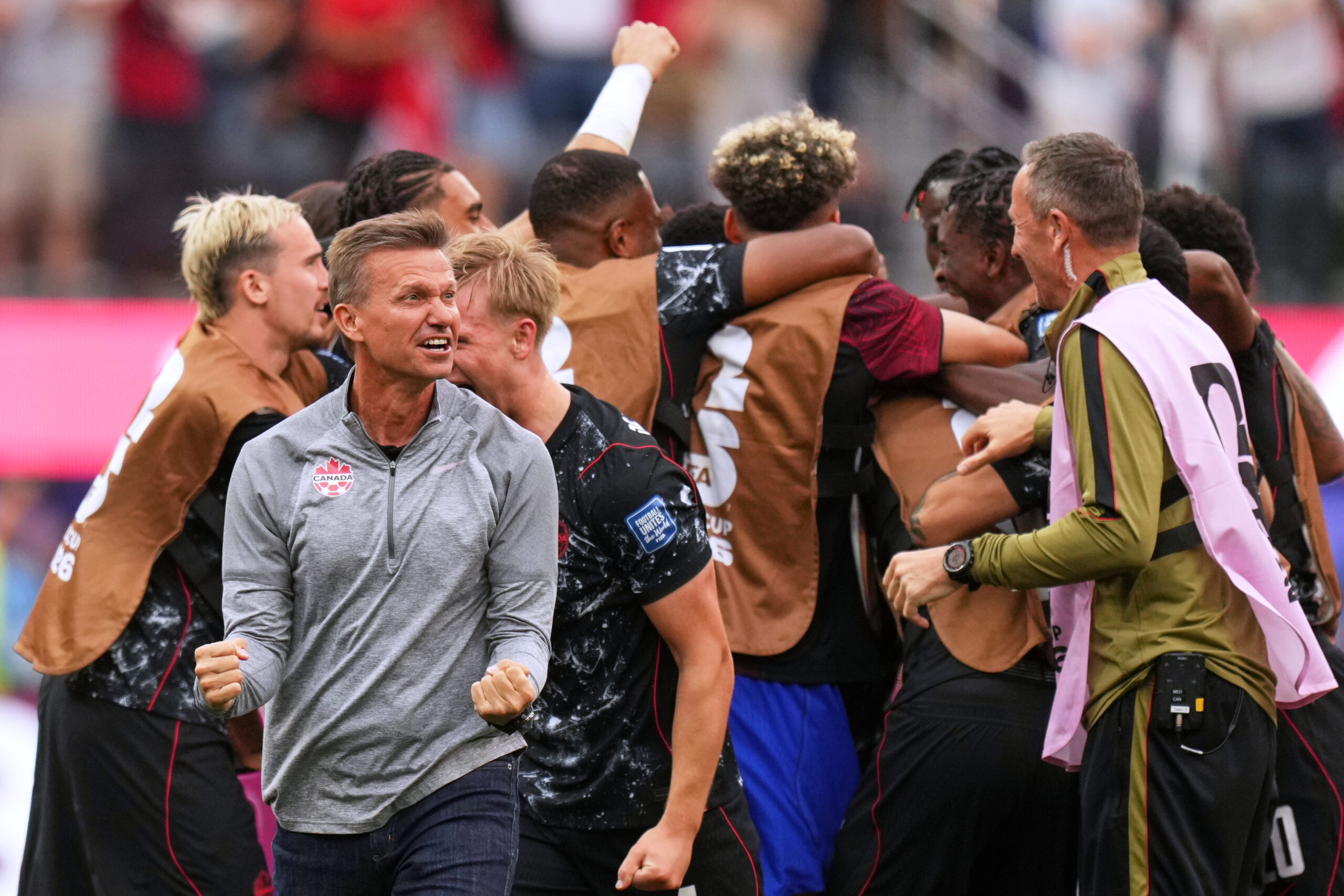
Canada head coach Jesse Marsch celebrates after Stephen Eustáquio scored their opening goal against South Africa during the World Cup round of 32 Sunday in Inglewood, Calif.
That was the sort of hyperbole coming from the Great White North when Canada beat South Africa in the World Cup’s Round of 32 knockout stage Sunday. More Canadians play soccer than hockey, and soccer ranks second in popularity with the 40 million Canadians.
“We really wanted to give this win to all the Canadians,” Stephen Eustáquio said in a television interview. He scored the winner in extra time. “When I shot, I felt everybody shot with me. Everybody put a bit of power on it and it went into the back of the net.”
It was the first time Canada reached a knockout round, though, even as one of the host nations, they didn’t host the game; they had to travel to Los Angeles because they did not win their group. The Maple Leaf flag will fly next in Houston on Sunday, when our northern neighbors, who entered the tournament ranked No. 30 in the world, will face the winner of No. 6 Morocco and No. 7 Netherlands.
Weeks before Giannis Antetokounmpo, LaMelo Ball, and Ja Morant were traded, Bob Myers understood the allure of a blockbuster move.
“Those are obviously things that look to appear to be the most meaningful,” said Myers, the president of Harris Blitzer Sports & Entertainment and former lead executive during the Golden State Warriors dynasty. “But it’s just one good decision at a time as far as change.”
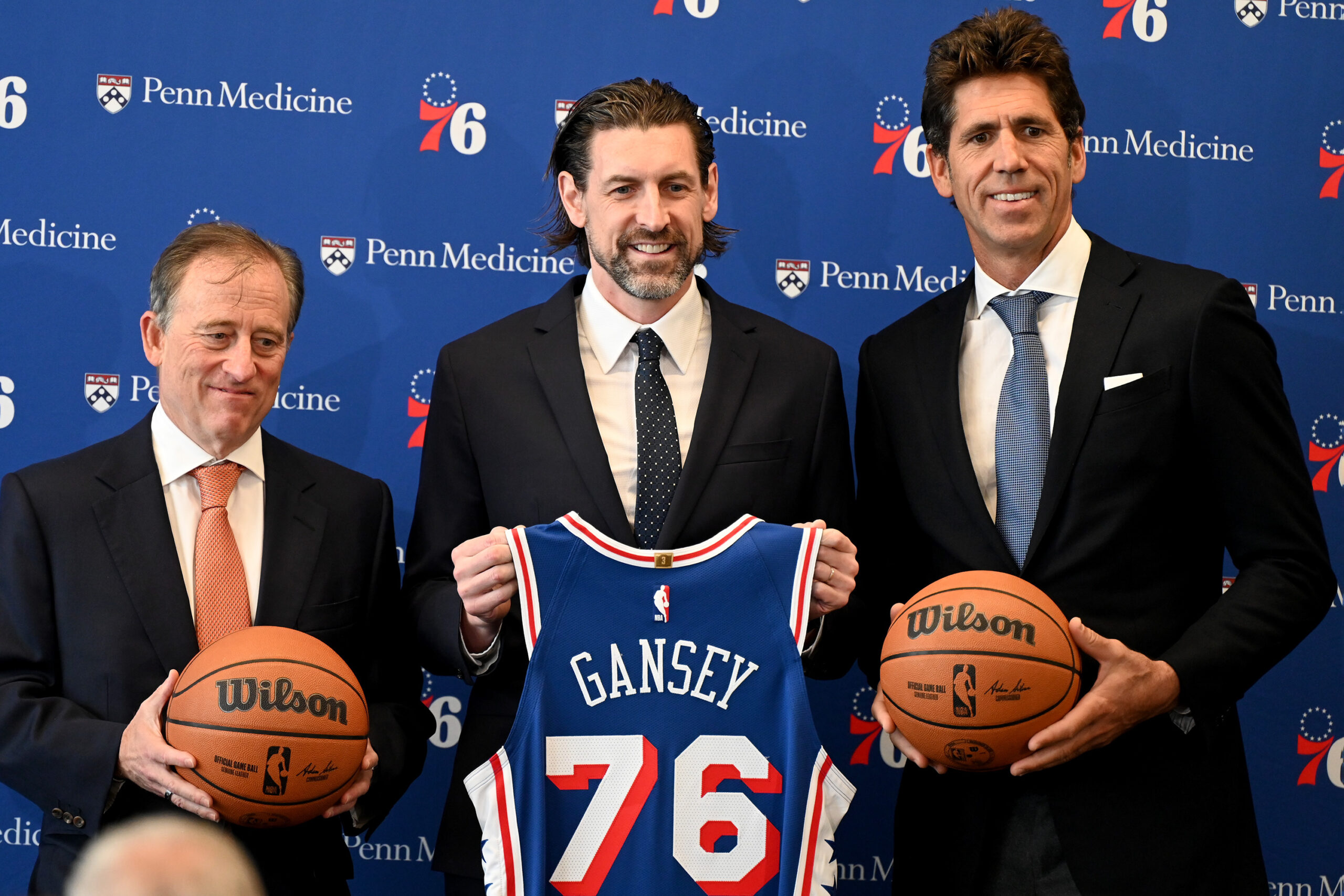
That is the reality facing new 76ers president of basketball operations Mike Gansey, whom Myers led the search to hire, and the remaining front office as NBA free agency begins at 6 p.m. Tuesday. All-NBA third-team guard Tyrese Maxey ($41 million), along with former perennial All-Stars Joel Embiid ($59.5 million) and Paul George ($54.1 million), remain on max contracts accounting for nearly $155 million of the projected $165 million salary cap. And the latter two players are considered difficult to trade because of their age and recent injury history.
So the Sixers must again hope for better health with that top-heavy roster during the 2026-27 season, which could turn that flash from the playoff upset of the Boston Celtics into more consistency. Yet that postseason run, which ended in being swept by the eventual NBA champion New York Knicks, also exposed that the Sixers must bolster their depth, requiring shrewd around-the-edges moves with limited financial flexibility.
The Sixers already have begun to build their roster by drafting Alabama guard Labaron Philon Jr., in a potential first-round steal, and picked up the team options for Dominick Barlow ($3.4 million) and Dalen Terry ($2.6 million, nonguaranteed until Jan. 10) on Monday. They will aim to address positional needs at wing and in the frontcourt, as well as with shooting and rebounding.
“You can make a great [draft] pick, [or] you can sign a minimum player that really moves things further,” Myers said. “ … You can have minimum players that really do a great job for your team. You can have a $4 million [player]. It doesn’t have to be the big-spending guys. You get 5%, 10% 15% better, it makes a big difference.”
How could the Sixers attack the coming days? Here is a primer on where they sit entering free agency.
Sixers free agents
Kelly Oubre Jr.
Oubre rebuilt his NBA career in three seasons with the Sixers. He was a starting forward who impacted both ends of the floor, while averaging 14.1 points, 5 rebounds, and 1.4 steals in 50 games in 2025-26. The 6-foot-8 wing used his athleticism in a more controlled way on offense, shot a career-best 36% from three-point range last season, and had the willingness to take on challenging perimeter defensive assignments.
Oubre’s salary was $8.3 million in 2025-26, the player option on a two-year deal signed in 2024. Though Oubre said “I love it here” in Philly during his end-of-season news conference last month, his length and positional archetype are typically valued leaguewide. Oubre also said he hopes he “did myself a good service” by putting a concerted effort into a more efficient playing style.
“I learned so much,” Oubre said of his time with the Sixers. “The game of basketball has reinvented itself to me through different lenses and different eyes throughout my tenure here, and I’m forever appreciative for the opportunity to play for this city.
“Obviously I don’t like how [the season] ended. I always say I like to finish what I start, and this is a bit sour for me. But at the end of the day, it’s already written.”
Yet the 30-year-old also has previous experience with the harsh realities of free agency. He reminded during his end-of-season news conference that, after averaging 20.3 points per game with the Charlotte Hornets in 2022-23, he “still found myself barely getting any contracts” until the Sixers signed him to a veteran’s minimum deal in September.
It will be interesting to see what this version of Oubre commands on the open market.
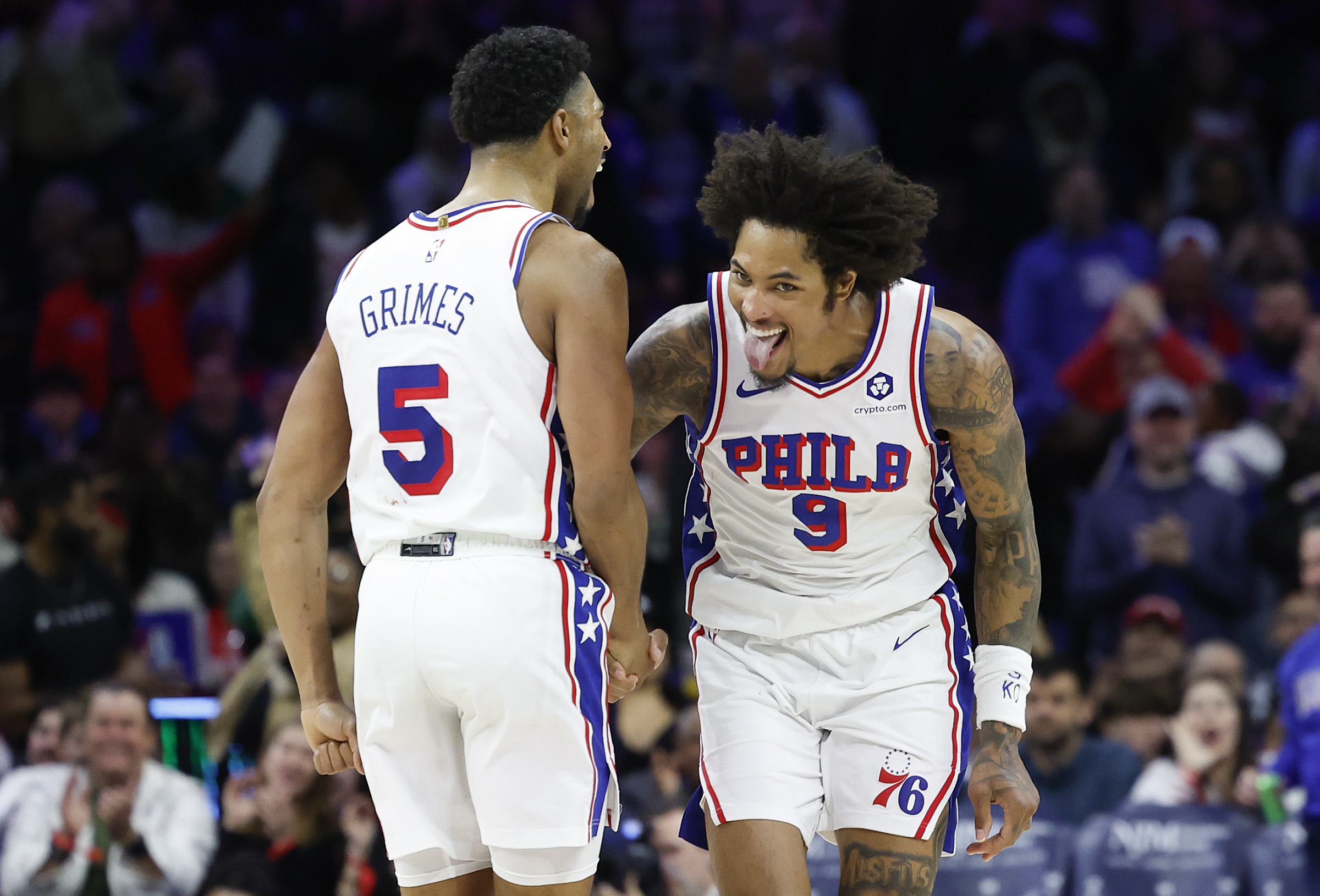
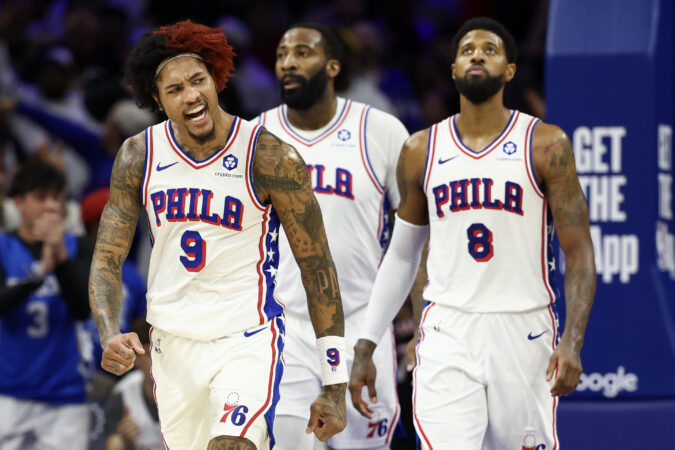
Sixers guard Kelly Oubre Jr., and teammate guard Quentin Grimes celebrate in a game against the Brooklyn Nets.
Quentin Grimes
Grimes was primarily the Sixers’ sixth man during a 2025-26 season he described multiple times as “solid.”
The 26-year-old was part of a terrific three-guard lineup, and reignited his aggressive scoring ability when Maxey missed three weeks in March with a finger injury. But Grimes shot a career-low 33.4% from three-point range, while also averaging 13.4 points, 3.6 rebounds, and 3.3 assists in 29.4 minutes in 75 games. And other than an excellent Game 5 performance on both ends in Boston, he was not good enough during the playoffs for a Sixers second unit that desperately needed scoring production.
When asked shortly after last month’s season-ending Game 4 loss to the Knicks about how he viewed his free agency and ideal basketball setup, Grimes was not exactly forthcoming.
“I haven’t even really thought about that, honestly,” he said. “… Talking to my agents and everything, we’ll kind of figure out what’s the best situation moving forward.”
After joining the Sixers at the 2025 trade deadline, Grimes became a go-to scorer for an injured team that had shifted to “tank” mode to increase odds of landing a high draft pick. He averaged 21.9 points, 5.2 rebounds, 4.5 assists, and 1.5 steals in 28 games with the Sixers in 2024-25, including a 46-point outburst at his hometown Houston Rockets.
Grimes then entered restricted free agency, which turned into a messy, monthslong saga. He eventually signed his one-year, $8.7 million qualifying offer to become an unrestricted free agent this summer. Grimes parted ways with agent David Bauman and is now represented by Creative Arts Agency.
Does any of that impact Grimes’ decision-making as he enters the open market? And does Philon’s arrival diminish the Sixers’ need (or desire) to retain Grimes?
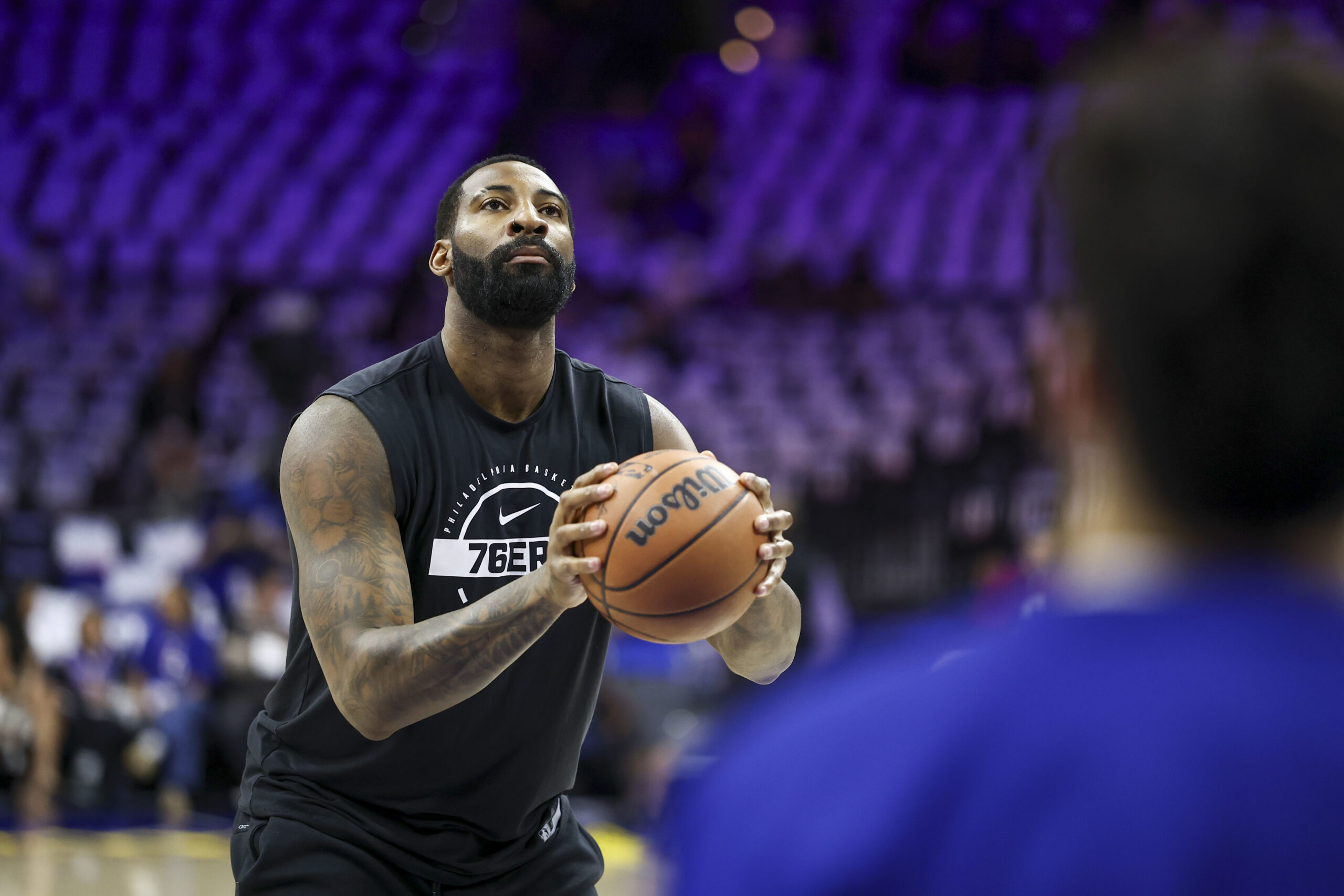
Andre Drummond is looking for more consistency next season.
Andre Drummond
The veteran center professionally handled a fluctuating role in 2025-26.
For the bulk of the season, Drummond was the starting center in the games Embiid did not play — and was out of the rotation when Embiid was available. During the playoffs, though, Drummond recaptured the role as Embiid’s backup while postseason first-timer Adem Bona struggled. Drummond averaged 6.4 points, 8.4 rebounds, and 1.3 assists in 63 regular-season games.
The 32-year-old Drummond is still a stout rebounder and big-bodied presence. His corner three-point shooting has elevated from fun novelty to legitimate offensive weapon. But he is not the most mobile, making him a liability on defense.
It is possible Drummond, whose salary was $5 million this season, desires a playing destination where his role is more defined and consistent.
Watford, a versatile forward who recorded a triple-double last season, averaged 6.5 points, 3.3 rebounds, and 2.5 assists in 53 games. Injuries, though, impacted his ability to stick in the Sixers’ rotation. Watford has been a close friend of Maxey since they were teenagers, and was a lively presence inside the Sixers’ locker room.
The Sixers declining that option does not eliminate Watford’s ability to return on a new deal.
Kyle Lowry
It is presumed that Lowry, who did not conduct an end-of-season media session, will retire. At the end of the 2024-25 season, the Philly native said he wanted to play one more season to reach 20 for his career, though he was more coy when asked about that plan in recent months.
Lowry, who played in 14 games last season, was almost exclusively a trusted and enthusiastic veteran on the bench and locker room, particularly for Maxey. His knowledge and respect are invaluable, but the Sixers also could have benefited from having another player on the roster who could contribute on the floor more than the 40-year-old version of Lowry.
(Note: Adem Bona’s $2.3 million salary for 2026-27 becomes guaranteed July 7.)
President of basketball operations Mike Gansey and Harris-Blitzer president Bob Myers (right) will lead the Sixers’ free-agent decisions.
Types of contracts available
This is tricky to determine right now, because it could be dependent on if Oubre and/or Grimes returns.
If both players depart, the Sixers are likely to have the non-taxpayer midlevel exception (approximately $15 million) and the biannual exception ($5.5 million). If they re-sign one or both players, they likely will only have the $6.1 taxpayer midlevel exception.
For what it’s worth, earlier this month Myers specifically referenced the non-taxpayer midlevel exception as a free-agency tool, suggesting the Sixers are using that as a starting point and will weigh the players they could sign on that deal vs. the return of Oubre or Grimes. And if the Sixers cross into the “apron” penalties, it will limit their ability to make in-season trades because of new collective bargaining agreement rules.
The Sixers will also have veteran minimum contracts to fill out their 15-man roster.
Potential free-agent targets
Frontcourt help
John Collins
Collins could slide into a starting forward spot if Oubre leaves. The sensational athlete has become an improved shooter since getting off the perpetual trade block with the Atlanta Hawks, connecting on 40.6% of his three-point attempts last season with the Los Angeles Clippers.
Rui Hachimura
The 6-foot-8, 230-pound Hachimura boasts a more traditional power forward frame and versatile skill on both ends of the floor. He shot 44.3% on 3.9 long-range attempts per game last season with the Los Angeles Lakers, while averaging 11.5 points and 3.3 rebounds. The Lakers reportedly committed to signing Austin Reaves to a max contract, and must make a free-agency decision on all-time great LeBron James.
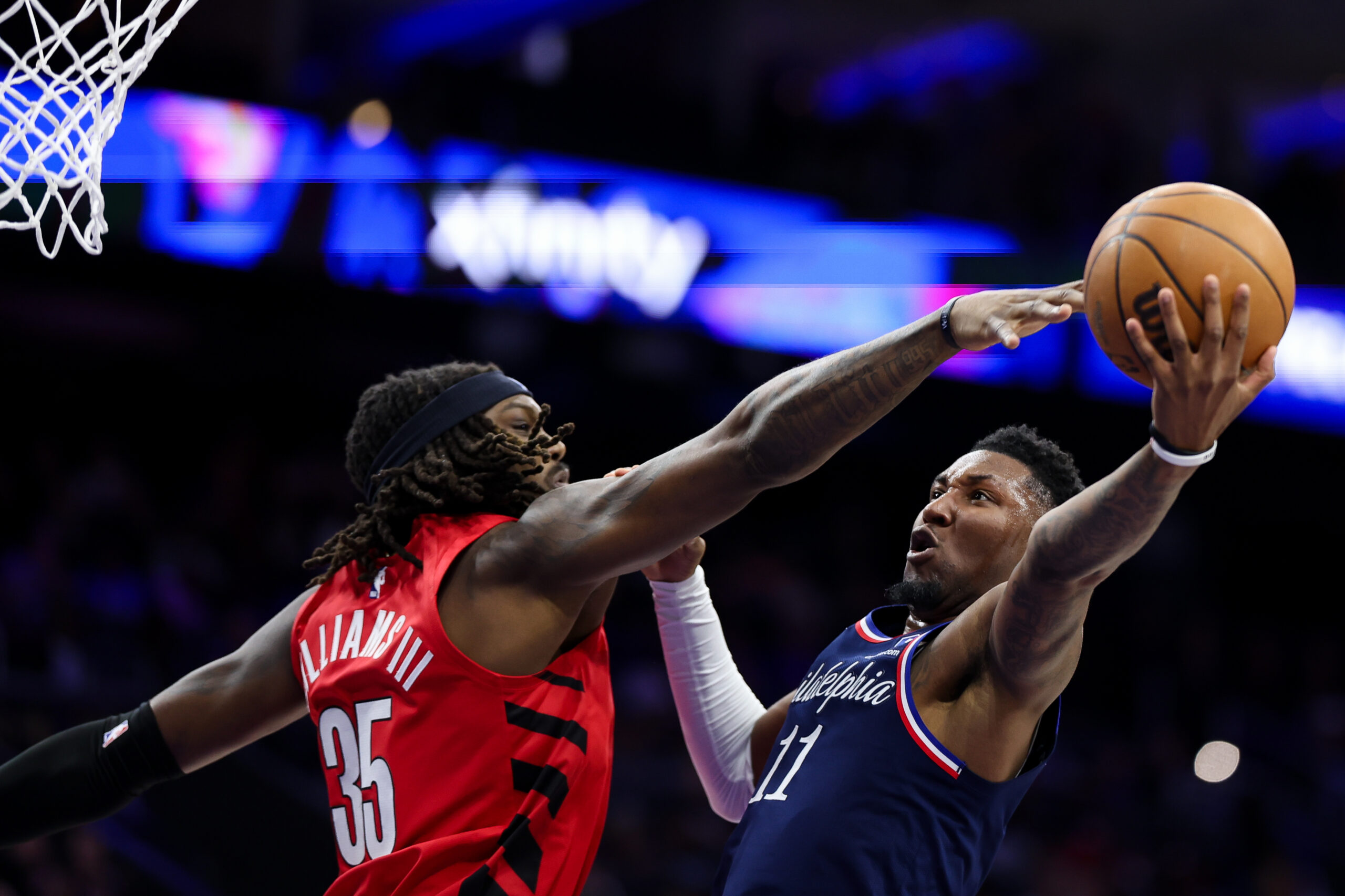
Portland Trail Blazers center Robert Williams III (left) defends Sixers forward Justin Edwards during a game earlier this year.
Robert Williams III
Another supreme athlete who can rebound (7 per game last season) and finish lobs. But the 28-year-old now has a lengthy injury history with the Celtics and Portland Trail Blazers, which might be a risky investment for a center to play behind Embiid. (Reportedly agreed to deal to return to Portland on Monday)
Marvin Bagley III
Bagley’s career has fallen far below original expectations as a former No. 2 overall draft pick. Yet he is coming off a productive season for the Washington Wizards and Dallas Mavericks, averaging 10.5 points per game. His career average of 6.5 rebounds — including 2.3 on the offensive end — in 22 minutes is also a sound number.
His brother, Marcus, played 10 games for the Sixers and also played for the G League’s Delaware Blue Coats during the 2024-25 season.
A floor-spacing big man with defensive versatility, Landale was an impactful trade-deadline pickup for the streaking Hawks until an ankle sprain prematurely ended his season. He averaged 5.7 rebounds in 22.1 minutes with the Memphis Grizzlies and Hawks last season. (Reportedly agreed to deal to return to Atlanta on Monday)
Mitchell Robinson
The competition could be steep for the newly crowned NBA champion — including from the Knicks. Robinson is a fantastic rim protector and rebounder, especially on the offensive end (4.2 per game last season). The knocks on him are his injury history and poor shooting, prompting the Hack-A-Mitch strategy for opposing teams.
Other options: Sandro Mamukelashvili, Nikola Vučević, Mo Wagner, Jaxson Hayes, Kelly Olynyk, Nick Richards
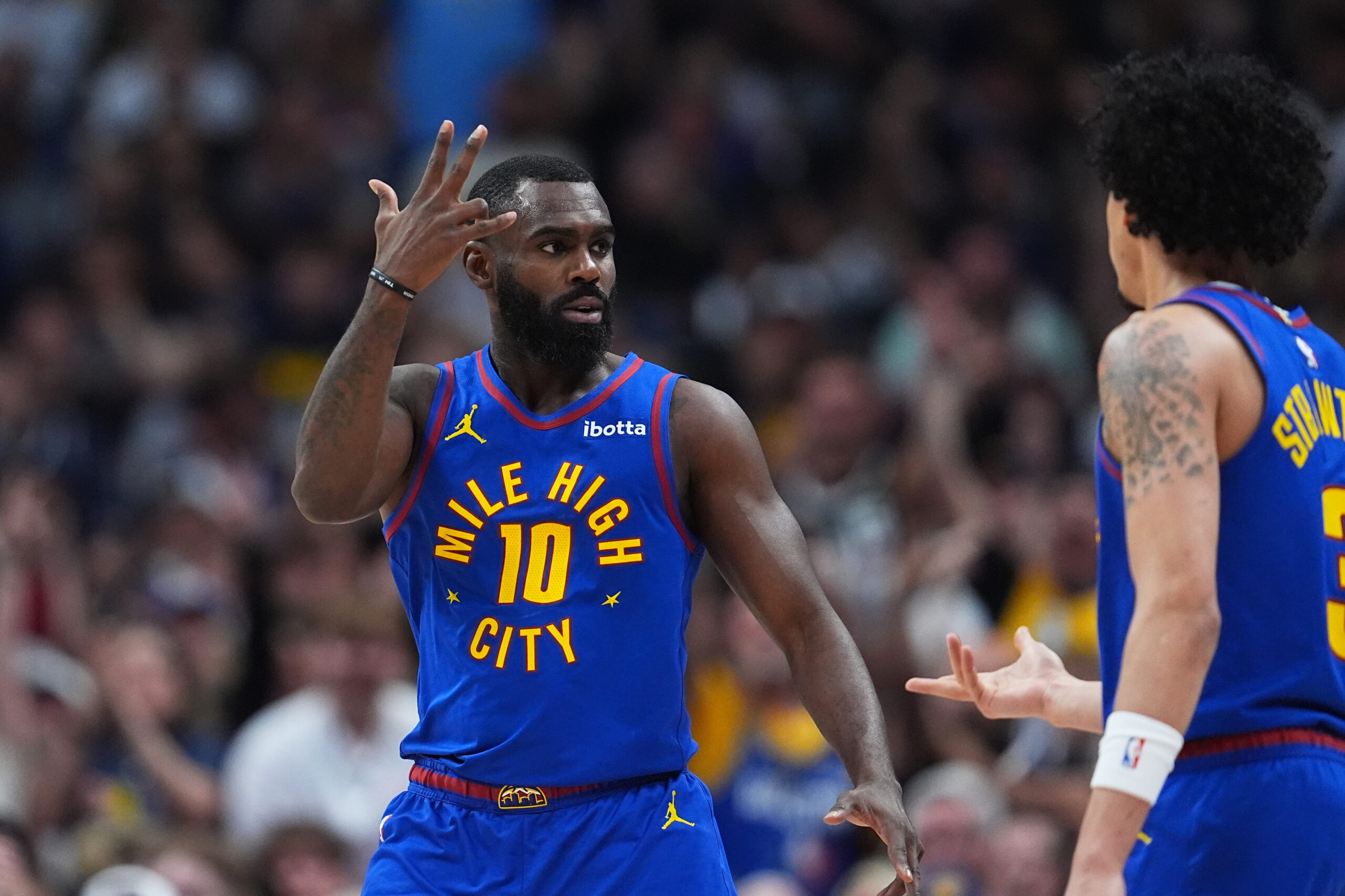
Denver Nuggets guard Tim Hardaway Jr. is an option for the Sixers.
Shooting
Tim Hardaway Jr.
Hardaway has been a top veteran role player on win-now teams in three consecutive seasons with the Mavericks, Detroit Pistons, and Denver Nuggets. He finished third in voting for the NBA’s Sixth Man of the Year, after shooting 40.7% on 6.9 three-point attempts per game and averaging 13.5 points for the Nuggets last season.
Luke Kennard
Kennard has been a deadly three-point shooter for years, connecting on 44.2% of his career attempts. He also has a more well-rounded offensive game than he gets credit for, and was a useful trade deadline pickup by the Lakers last season.
The Delaware native would give the Sixers another wiry guard. He underwent a bit of a career renaissance as a key bench player for the Minnesota Timberwolves, shooting 38.8% on 4.2 deep attempts last season.
Gary Trent Jr.
Trent is another knock-down shooter from beyond the arc (career 38.7% on 6.1 attempts per game) who can also create off the dribble. Nick Nurse previously coached Trent with the Toronto Raptors, though they may not have had the best rapport after Nurse publicly critiqued his defensive performance and Trent acknowledged a lack of regular communication during their time together.
Other options: Kenrich Williams, Keon Ellis, Javonte Green, Bogdan Bogdanović
Wade was one of Gansey’s success stories with the Cavaliers, evolving from undrafted player to rotation forward. His 6-9, 230-pound frame allows for defensive versatility, and he is a career 36.7% three-point shooter. Unsurprisingly, multiple reports surfaced over the weekend that the Sixers are among the teams interested in Wade.
Guerschon Yabusele
A rare feel-good story during the Sixers’ disastrous 2024-25 season, Yabusele parlayed his NBA comeback into a pay raise with the Knicks. To say things did not work out in New York is an understatement, and he was traded at the deadline to the Chicago Bulls. Could he successfully slide back into a complementary role with the Sixers? Or will his performance two seasons ago go down as a career anomaly on a bad team?
Achiuwa also played under Nurse in Toronto, and offers the defensive mobility to switch and block shots as a center or power forward. Though he averaged a career-best 10.1 points per game on a bad Sacramento Kings team last season, his offensive game is more limited.
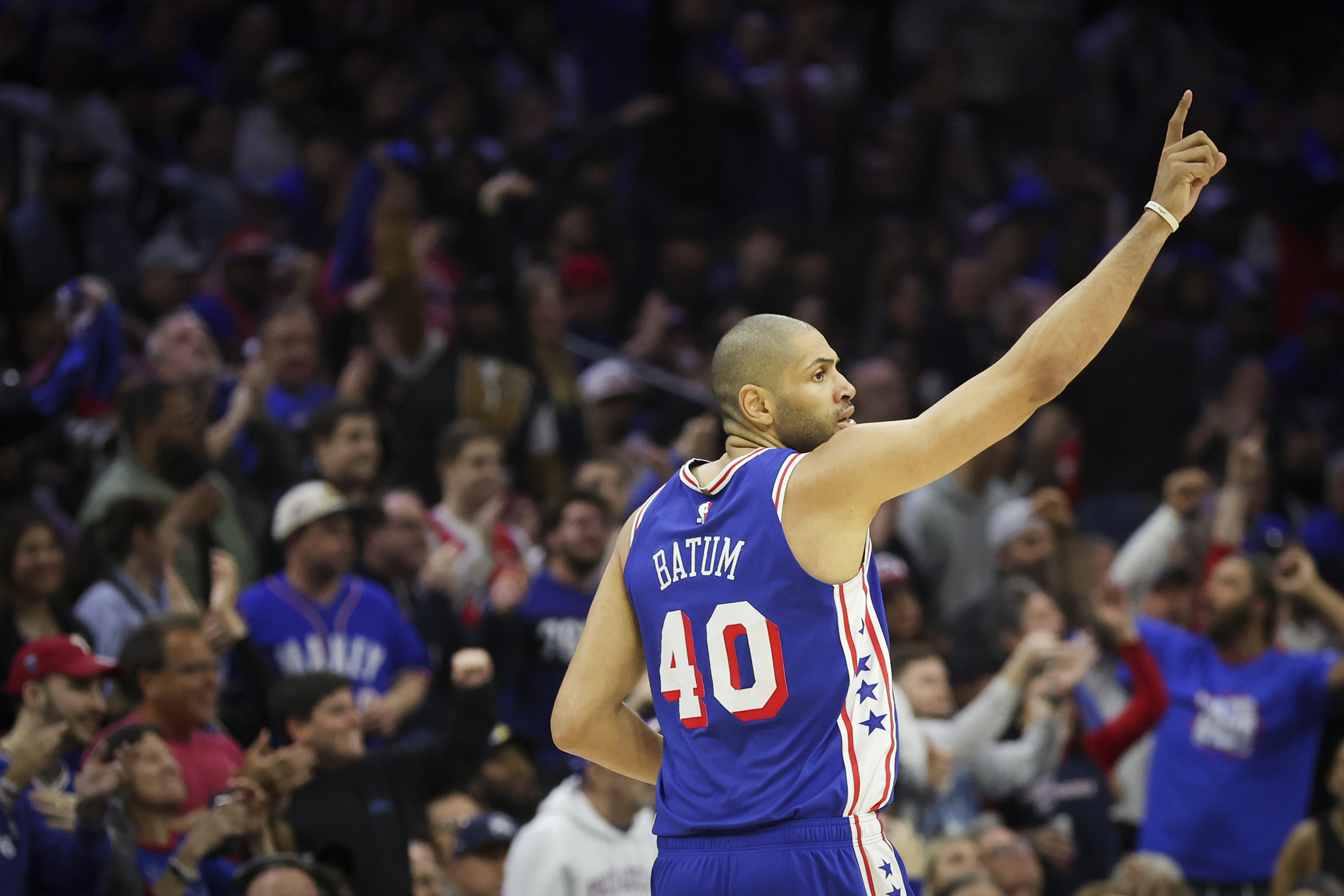
Nico Batum
The Clippers on Monday declined Batum’s $5.9 million player option, making him an unrestricted free agent. Nurse (and Embiid) had an affinity for Batum’s veteran savvy during his time with the Sixers during the 2023-24 season, when he swung the play-in game against the Miami Heat with his three-point shooting and even became the team’s designated inbounds passer. But he is 37 years old, and feels deep family connections to Los Angeles and the West Coast.
Other options: Matisse Thybulle, Kevon Looney, Gary Payton II
An unsuspecting property in north Camden that had a front-row seat to the American Revolution has become a multimillion-dollar museum.
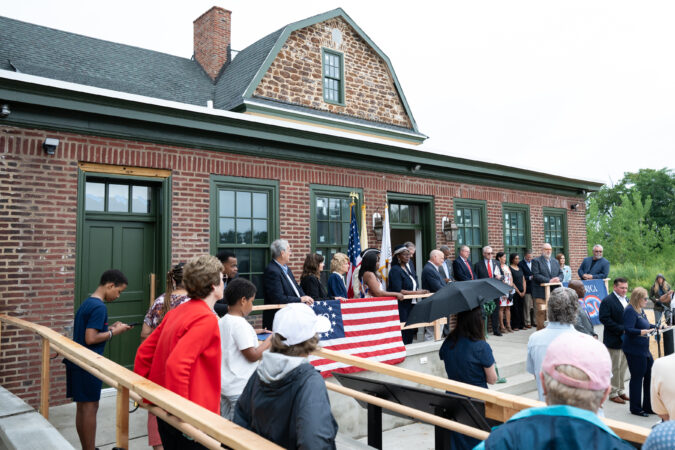
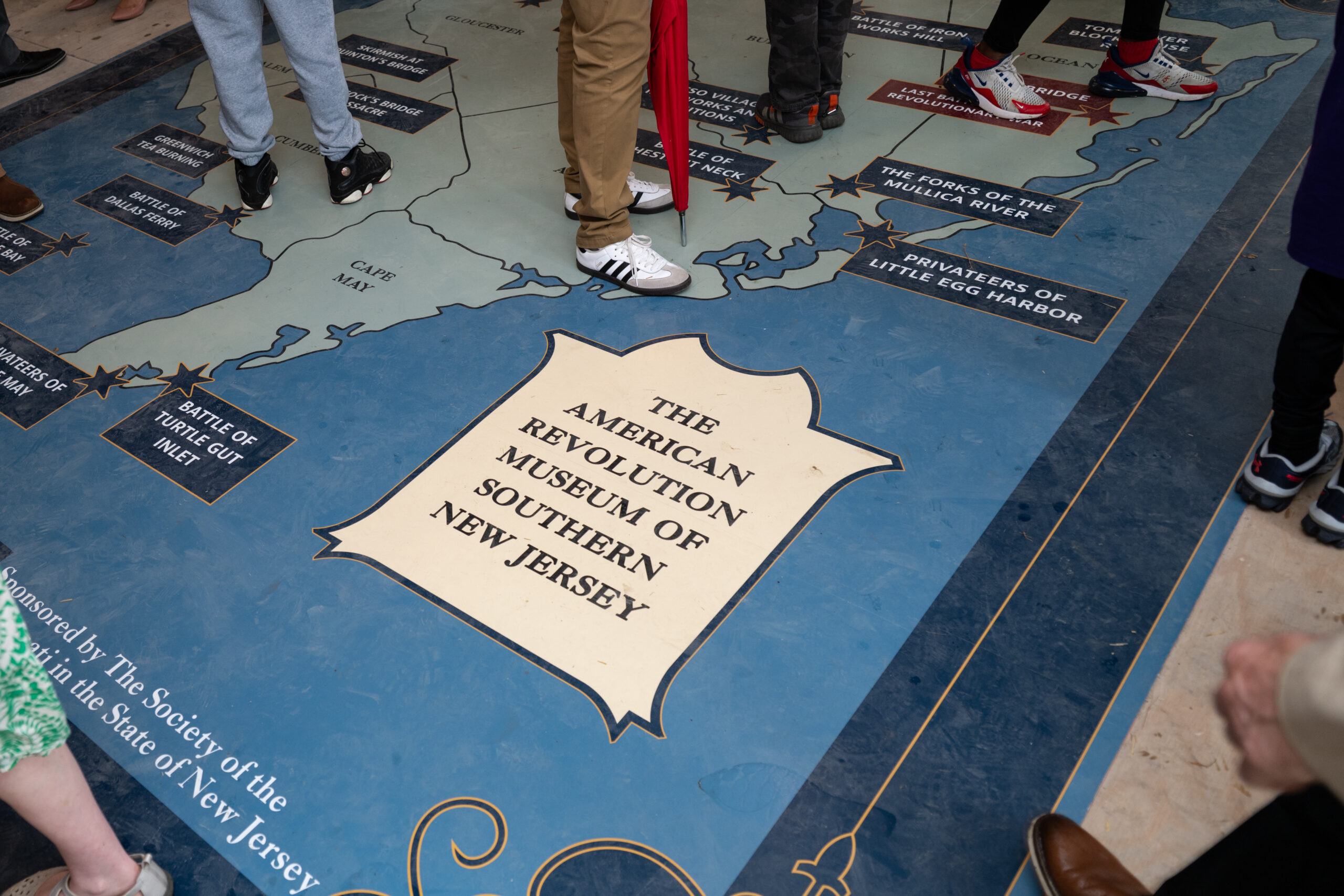
Elected officials, history buffs, and local organizers gathered at the Benjamin Cooper Inn at 75 Erie St. on Saturday to celebrate the soft opening of the American Revolution Museum of Southern New Jersey. The project was funded by $4.6 million in grants from federal, state, and local sources, with the largest amount coming from the New Jersey Historic Trust.
The 18th-century stone building has taken on many identities, including a private residence, tavern, British Army outpost, shipyard, luxury yacht building site, storage unit, and dumping ground for toxic materials. In the 1760s, the land was witness to the mass auction of enslaved people. Until recently, the building was abandoned.
The museum hasn’t fully opened to the public and likely won’t for at least a little while, but leaders of the Camden County Historical Society, which has a 30-year lease with the building’s private owner, wanted to give people a taste of what the museum will be when it does. Right now, the museum is open for limited tours by appointment only.
The Inn still needs work. The building has a temporary roof installed after a 2012 fire. The floors aren’t finished, and bathrooms have no doors. The second floor, currently sectioned off, hasn’t undergone any renovations, which will require fundraising of hundreds of thousands of dollars. Dirt piles and overgrown foliage block any view of the Delaware River.
Visitors explore the exhibits at the soft opening of the American Revolution Museum of Southern New Jersey in Camden on Saturday.
For the past six years, the society has planned to unveil the museum before America’s 250th, said Jack O’Byrne, the society’s executive director, but they kept running into obstacles. The project’s success came years after the society lost the Hugg-Harrison-Glover House, a Bellmawr home that survived the Revolutionary War, to a highway construction project after a preservation battle.
“It’s been a race to the end,” said O’Byrne, who will retire from his role on July 4. “The project probably died like 13 times.”
Zed Fox, the incoming executive director, and the society’s board will determine the future official opening date, hours, and cost. Fox said Monday that the board will meet on Wednesday to discuss those options, but he expects the museum to ready to open at full capacity by fall.
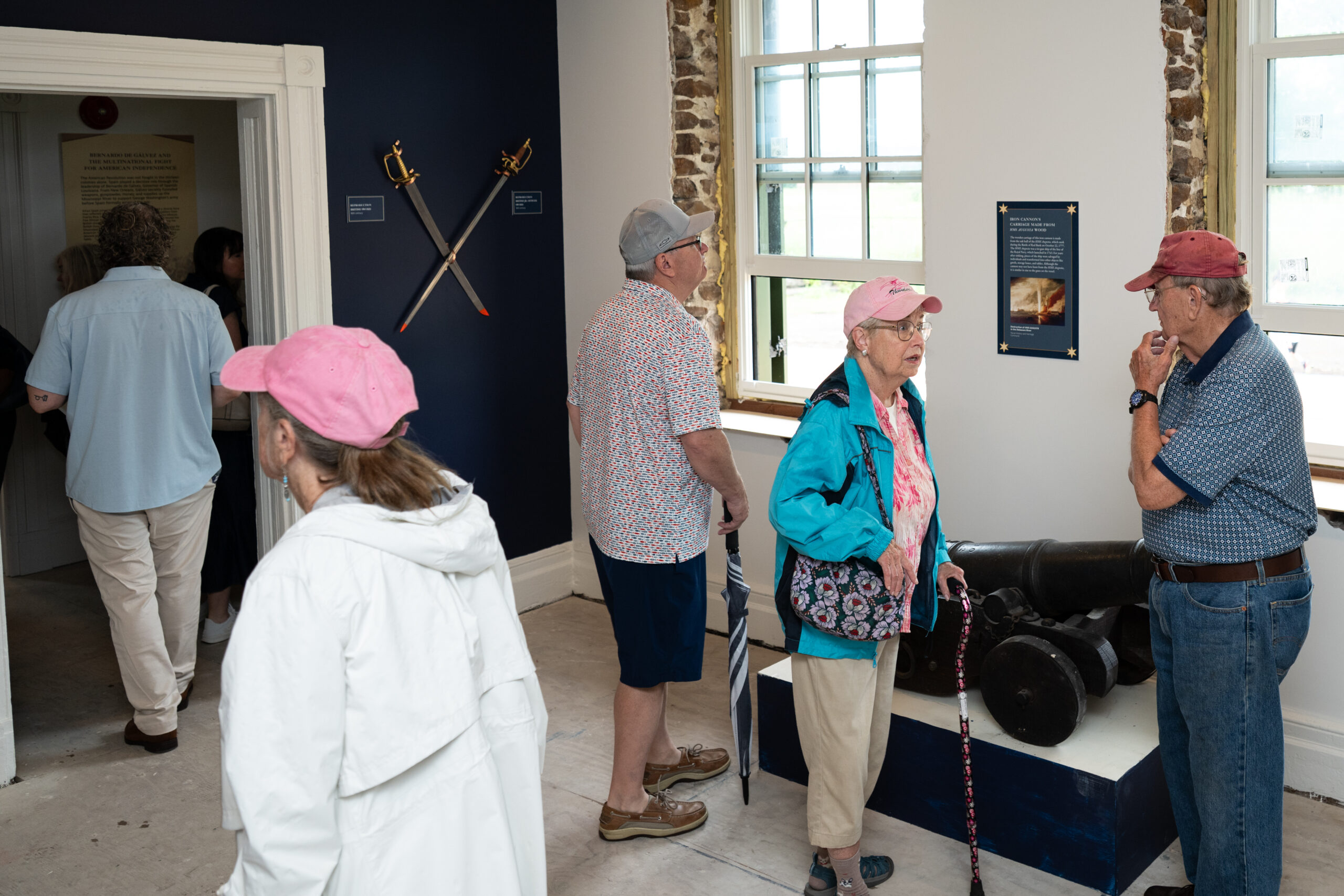
The new museum doesn’t showcase many historic artifacts. Many gems kept in the society’s archives, such as a letter written by George Washington at Valley Forge and a dozen other Revolutionary War-era items, wouldn’t fare well at the Inn with the sunlight streaming through the windows.
But scattered amid walls of weapon replicas and educational text are hints of the real thing.
There’s some 19th-century furniture originally owned by the Cooper family, a British cannon featuring wood blown off an 18th-century Royal Navy ship in Gloucester City, framed New Jersey bank notes from the 1760s and 1770s, and a front door key from when the Inn was a saloon called the “Old Stone Jug.”
A bell hanging in one room rang to announce ferries landing at Cooper Street Ferry in 1800, and a cheval-de-frise, a sharp wooden log, once blocked British ships from sailing the Delaware River.
In the same room, there’s a mantel from Hugg’s Tavern in Gloucester City, salvaged in 1929 before the building was demolished. Betsy Ross married her first husband, John Ross, in front of the fireplace at the tavern in 1773, though the mantel at the museum isn’t the original.
Visitors explore the exhibits at the opening of the American Revolution Museum of Southern New Jersey in Camden on Saturday.
But local historians say the displays aren’t the main attraction.
“The building itself is an artifact,” O’Byrne said. “You know, it’s the most historic building in Camden.”
Before the house was built, a teenage Benjamin Franklin was said to have slept at the property while traveling from Boston to Philadelphia.
In 1734, Joseph Cooper, a Quaker, built a 2½-story Dutch Colonial stone home for his son and daughter-in-law, Benjamin and Hannah Cooper, at what became the historic building. Benjamin Cooper, a ferryman, also used the residence as an inn and a tavern.
In 1777, the Benjamin Cooper Inn was used as a outpost for British Col. Robert Abercrombie. Hessian troops, German auxiliaries to the British Army, marched through Cooper Point during the war, and at one time, local historians say Benjamin Cooper’s sons, Samuel and Joseph Cooper, were jailed in Haddonfield in 1778 on suspicion of being American spies.
But the property has a more troubling past.
In the 1760s, the site was used for the auction of enslaved people. Though some who were forced to stay on the Cooper’s property until being sold managed to escape, “all were pursued and re-captured,” according to the Inn’s 2021 historic preservation plan.
O’Byrne said the museum is working to educate people about that history. One of the museum’s few rooms, which the society has titled “The Declaration’s Promise,” informs visitors about how immigrants, Black people, and the Lenape, who lived in the region before white settlers arrived, shaped South Jersey’s history.
“What we’re trying to do is make this a balanced history and not just about, you know, white people,” O’Byrne said.
Camden’s ‘most historic building,’ under threat
When demolition crews tore down the Hugg-Harrison-Glover House in 2017, the Camden County Historical Society viewed the outcome as a huge injustice to historic preservation.
“That was a gut punch,” said Chris Perks, board president. “We had invested a tremendous amount of time and the community’s time into that site.”
Then, in 2018, a private company, 75 Erie St. LLC, purchased the Benjamin Cooper House from Agathon Realty for $1.1 million without knowing the building’s history. The house was in poor condition and graffitied. The windows were boarded up. It was difficult from the street to even know the building was there, because the house faces the river instead. The waterways were the real highways back then, O’Byrne said.
“When we heard this just got purchased, we were like, ‘Oh, my God, we can’t let Camden’s most historic house go under,’” O’Byrne said. “It took me two years, and I was able to get a 30-year lease.”
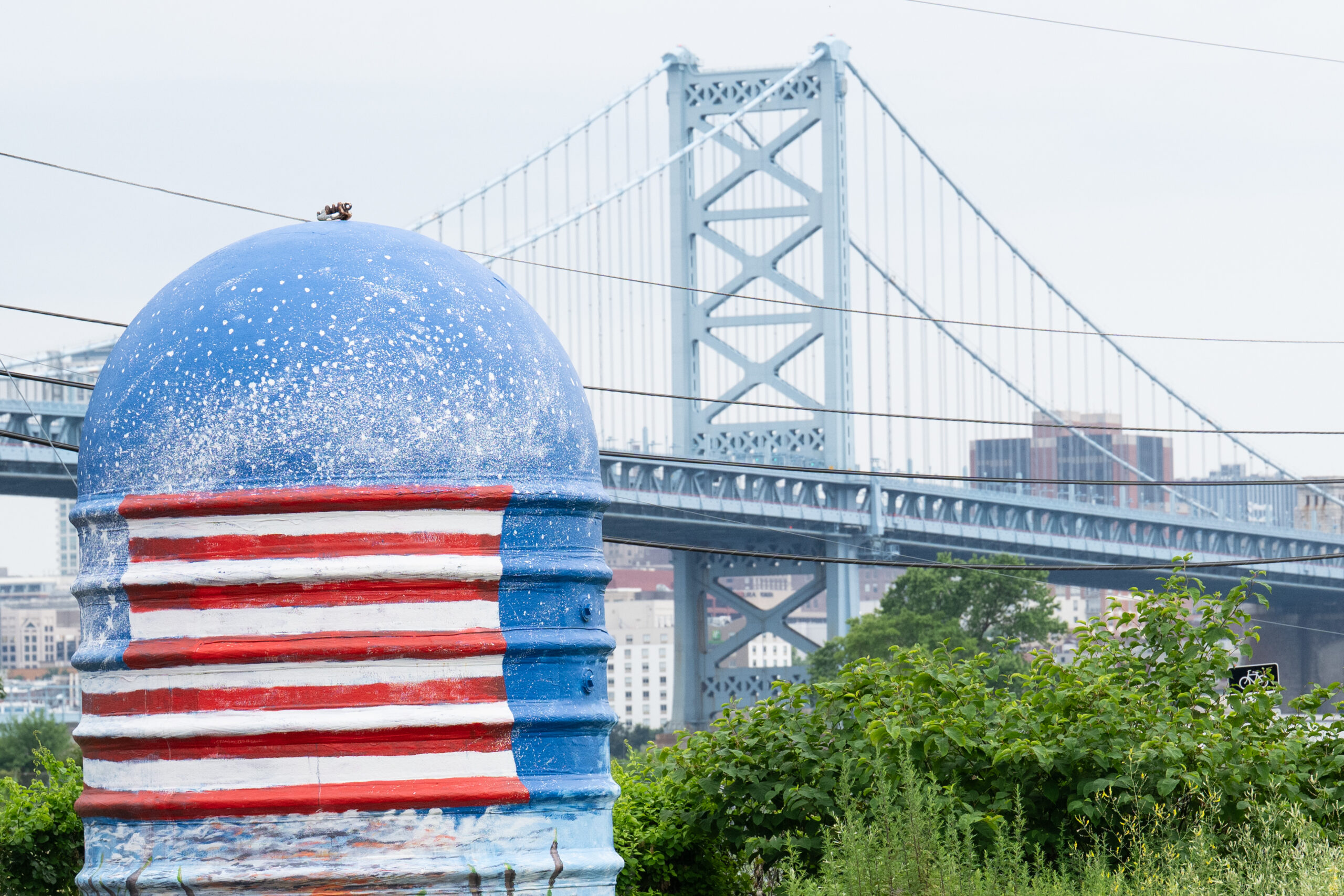
A view of the Benjamin Franklin Bridge from the newly opened American Revolution Museum of Southern New Jersey in Camden on Saturday.
That lease will last at least through 2051. Perks declined to share how much the historical society will pay monthly.
The 2021 historic preservation plan for the building estimated that if the building opened in 2025 as originally projected, museum operations would have required an operating budget of $300,000 full time, or $132,000 part time.
While several organizations came together to fund the Benjamin Cooper Inn’s restoration, O’Byrne said the society will require more revenue beyond the funding for the restorations to maintain operations. O’Byrne applied for an operating support grant from the state and is working to raise $750,000 to match a New Jersey Historic Trust grant to restore the tavern’s upper level.
“We opened this thing, and it’s a minor miracle that we were able to pull all the funds together and make it in time,” O’Byrne said. “But in some respects, capital fundraising is easier.”
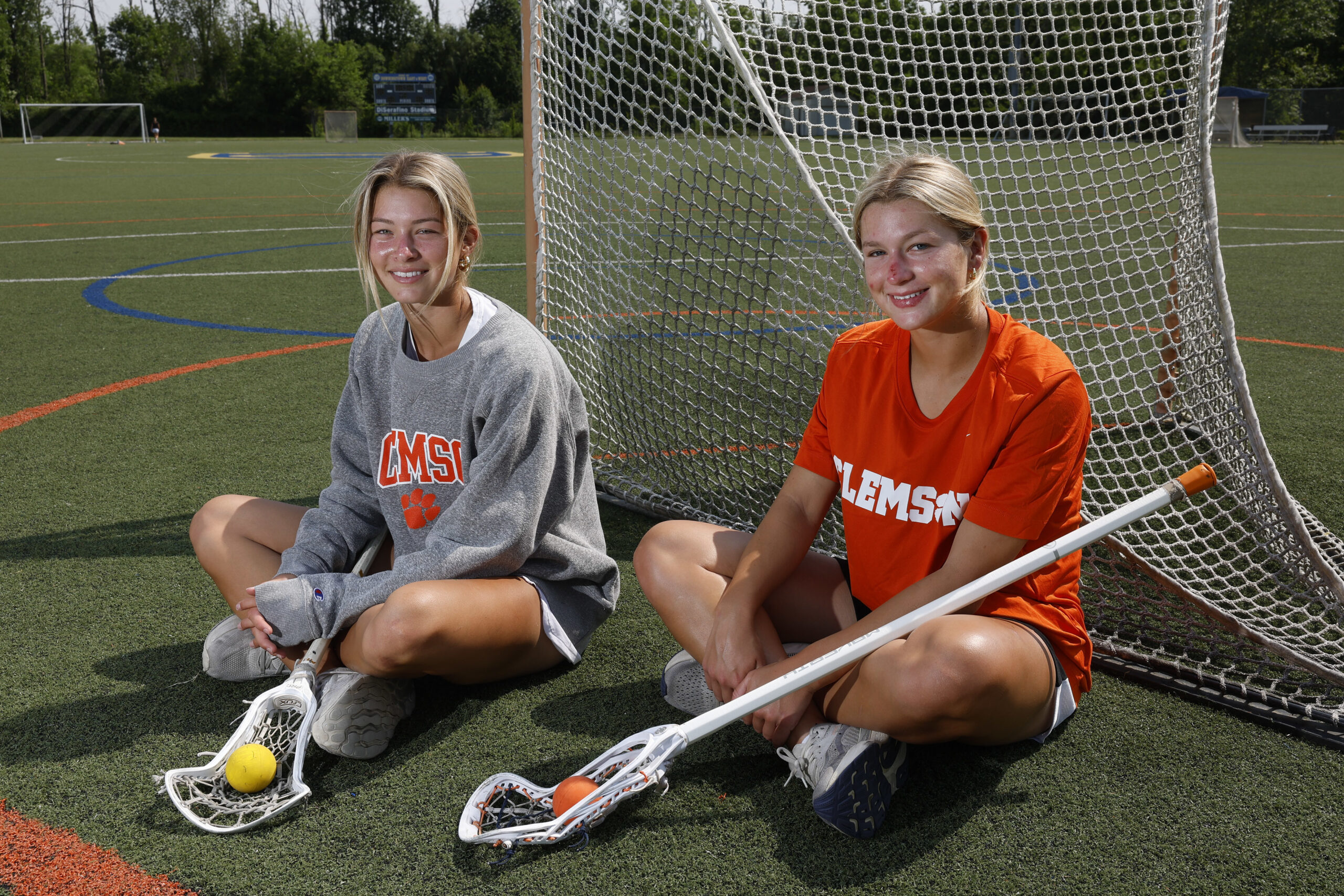
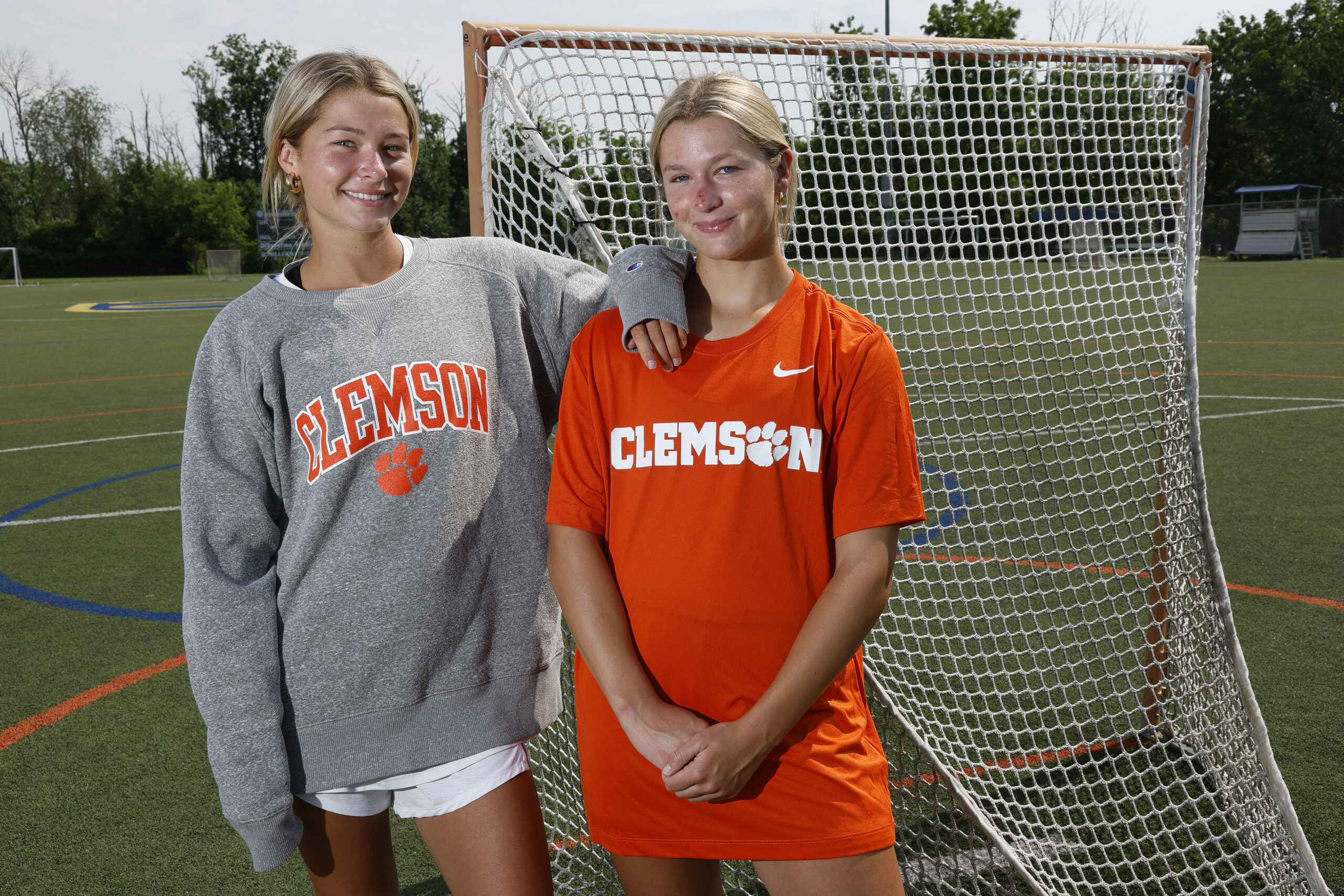
Twin lacrosse stars Brinn and Ava Findora are ready to don orange in the fall. It’s just going to be a different shade than they originally planned.
Brinn, the No. 8-ranked recruit in the class of 2026, and Ava, the No. 17-ranked recruit, according to InsideLacrosse, flipped their commitments from Virginia to Clemson on May 19.
“I chose Clemson because our original gut feeling loved Clemson,” Brinn said. “As we got closer to leaving, we felt we should go with our original connection and gut instinct, and make a change.”
They made the announcement following their senior high school season at Downingtown West, which ended in a 13-11 loss to Bishop Shanahan in the first round of District 1 playoffs.
With the Whippets, one of the top-ranked girls’ lacrosse programs in the state, Brinn was named first team all-Ches-Mont three times, while Ava received the same honor for all four years. Brinn also received a USA Lacrosse All-American nod in 2024 and 2025.
Brinn (left) was named first team all-Ches-Mont three times, while Ava received the same honor for all four years at Downingtown West.
The two grew up playing together: from their club team with NXT LC Girls, Downingtown West, and even for the 2024 USA U16 Selects Team. Playing together in college seemed like the natural next step.
Early in their recruitment process, Brinn and Ava discussed the possibility of a school recruiting one of them, but the hope was to go together.
The midfielders committed to Virginia in September 2024, early in their junior year. They were deciding among Virginia, Clemson, and then-reigning champions North Carolina.
“We were very obviously grateful for the opportunity we had [with Virginia], but we just were not feeling very good about it,” Ava said. “We just had a sense of uncomfortability with that, and then finally we made the decision very last minute to make that switch.”
Clemson qualified for this year’s NCAA Tournament for the second time in program history — with its first being last season — but fell to North Carolina in the second round.Virginia did not make the tournament for the first time since 1995.
Clemson beat Virginia, 12-10, when the two teams faced each other in March and finished the season ranked higher nationally than the Cavaliers.
During their initial decision, Ava and Brinn said the location of the school played a factor. Charlottesville, Va., is a about a four-hour drive from their home in Downingtown. Clemson is a plane ride or more than 10 hour drive.
Ava said that the comfort she feels in their decision to play for the Tigers makes the distance worth it. For Brinn, it brings new excitement.
Brinn and Ava will join a Clemson team that has made two NCAA Tournament appearances in program history.
“We have each other, so that’s so helpful,” Brinn said. “I feel like now is the time to go far and find what you love. Going that far and doing what we love is what we’re most excited for.”
Brinn said trusting their gut to make this change was the “best thing” they did, as they now prepare to leave home together. They will become the second set of twins on Clemson’s 2027 roster, joining rising seniors Regan and Blair Byrne.
While it took time to tune out, what Ava called, “outside factors,” and make the decision to change their commitment, she is sharing the same feelings as her sister.
“Leaving for school is obviously a difficult change, it’s a huge change in your life, but I’ve become really excited, and I can’t wait to get down to Clemson,” Ava said.