Alveus Therapeutics, a Philadelphia start-up specializing in obesity therapies with top staff from Novo Nordisk and Eli Lilly, made its public debut Thursday with $159.8 million in venture capital funding.
The announcement comes on the heels of a banner year for investment and acquisition activity in the weight loss arena, as venture capitalists and big pharmaceutical firms try to catch up to the enormous successes Eli Lilly and Novo Nordisk have had in recent years with their GLP-1 treatments.
New Rhein Healthcare Investors, based in Philadelphia and Belgium, founded Alveus in early 2024 to develop obesity treatments that are more tolerable and have greater durability. Andera Partners, based in Paris, and Omega Funds in Boston joined New Rhein in leading the Series A investment round.
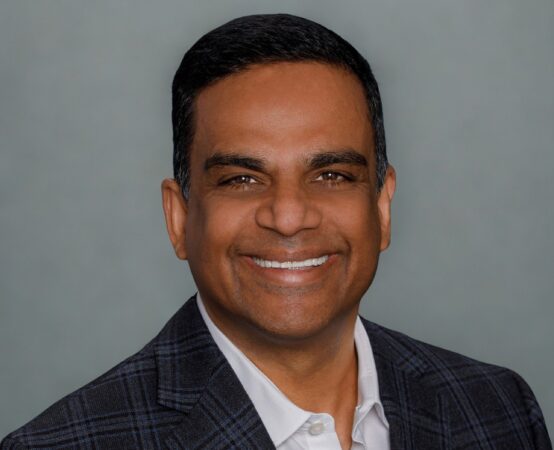
“Obesity is one of the fastest-growing global healthcare challenges, and today’s therapies leave patients struggling to maintain weight loss over time,” Raj Kannan, CEO of Alveus, said. Kannan is based in Boston, according to LinkedIn.
Alveus is headquartered in Philadelphia, the company said. Most research and development is in Copenhagen, Denmark. The company has fewer than 50 employee, split about evenly between Philadelphia and Copenhagen.
The company’s chief scientific officer and head of R&D, Jacob Jeppesen, is a former vice president at Novo Nordisk in the areas of type 2 diabetes and cardiovascular disease.
Brian Bloomquist, a former Eli Lilly vice president with responsibility in the diabetes and obesity treatment area, is Alveus’ chief business and strategy officer. The company’s chief technical officer is Xiao-Ping Dai, who spent some time working at the former WuXi Advanced Therapies in Philadelphia.
Since the PIAA basketball championships were canceled because of the COVID-19 pandemic in 2020, District 12 boys’ basketball teams, comprised of the Catholic and Public Leagues, have won 11 state titles and appeared in 20 of the 30 state finals. No other district across the state has come close to matching that.
District 12 is the only area to ever four-peat in the state championships, doing it twice: once in 2022 (Class 6A Roman Catholic, 5A Imhotep Charter, 4A Neumann Goretti, and 3A Devon Prep), and again last year, when the Catholic League became the first league to win four state titles in one season (6A Father Judge, 5A Neumann Goretti, 4A Devon Prep, and 3A West Catholic).
It shows the dominance the Philadelphia area has on high school basketball.
This season should be no different, even though there are stark differences for several marquee programs. Roman Catholic and West Catholic have new coaches. Imhotep will be competing for the second straight year as a Class 6A school, while two-time defending state champion Devon Prep and two-time defending Inter-Ac League champ Penn Charter have seen most of their impact players graduate.
Some prominent players have changed schools. Former Imhotep guard RJ Smith, who’s committed to La Salle, is now at Roman Catholic. Academy of the New Church’s Marquis Newson is now at Neumann Goretti, and Germantown Friends’ all-time leading scorer Jordan Dill now calls Imhotep home.
In the Catholic League, Judge will be challenged by Roman, Archbishop Wood, Neumann Goretti, and a sleeper, Bonner-Prendergast, while Imhotep appears to be the clear favorite to win another Public League title. Academy of the New Church has enough back to three-peat in the Friends Schools League, with a challenge coming from Westtown, while Coatesville, Central Bucks East, Penn Wood, Garnet Valley, and Plymouth Whitemarsh look strong in District 1 Class 6A, and Penncrest, Springfield (Delco), Holy Ghost Prep, and Upper Dublin battle for supremacy in District 1 Class 5A.
Here are some of the area’s top boys’ basketball teams to watch during the 2025-26 season.
Academy of the New Church
The Lions went 15-9 overall and 6-2 in the Friends Schools League last year. ANC returns 6-foot-7 senior forwards Ryan Warren and Cam Smith, 6-4 senior guard Dior Carter, and 6-foot senior point guard Bryce Rollerson. With a senior-laden team, the Lions are looking for their first Pennsylvania Independent School Athletic Association (PAISAA) state championship since they repeated as PAISAA winners in 2009. The Lions were knocked out of last year’s PAISAA semifinals by eventual champion Phelps School.
Archbishop Wood
The Vikings had a rare down year last season, finishing 11-13 overall and 5-8 in the Catholic League. Under coach John Mosco, Wood has been a perennial Catholic League contender. It looks like the Vikings are back, buoyed by a core group of 6-3 senior guard Brady MacAdams, 6-4 junior guard Caleb Lundy, and 6-11 junior center Jaydn Jenkins, who is on the radar of major college programs. The addition of Dylan Powell, an athletic 6-2 sophomore guard, makes the Vikings even stronger.
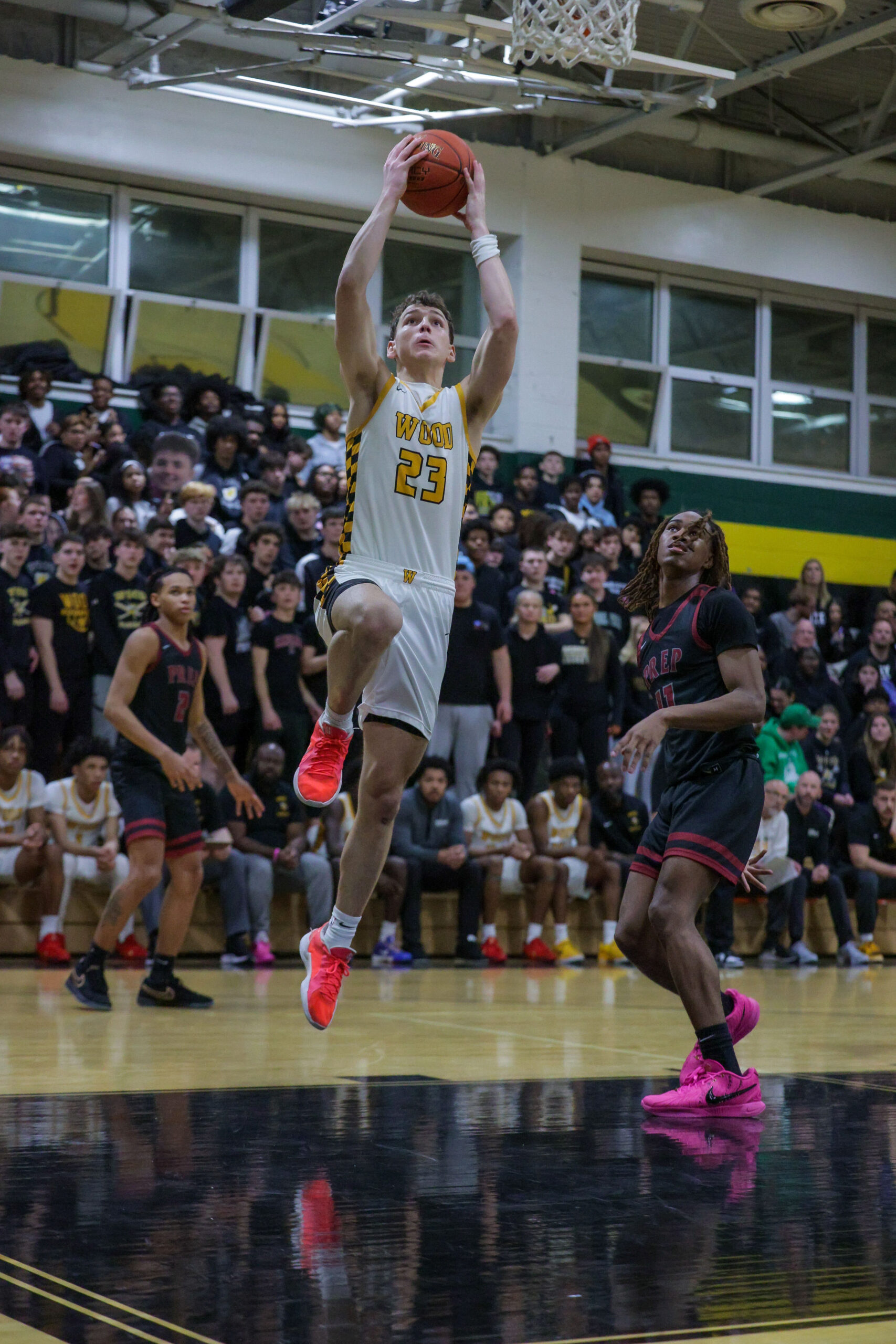
Brady MacAdams will look to be one of the leaders this season for Archbishop Wood.
Bonner-Prendergast
The Friars are small and fast, possibly the fastest team in the Catholic League, the deepest league in the state. They finished 18-11 overall and 7-6 in the PCL last season, including a buzzer-beating victory over league champion Father Judge. Bonner-Prendie is a guard-oriented team, centered on juniors Korey Francis — who recently received a scholarship offer to La Salle — Kam Jackson, and Jakeem Carroll. Size inside will be provided by 6-7 senior Aydin Scott. The Friars reached last year’s Class 5A state quarterfinals, where they were upset by Upper Moreland in overtime.
Coatesville
The Red Raiders feature 6-6 sophomore Colton Hiller, who is rated as the top sophomore in the state by 247 Sports. Hiller will be joined by 6-7 senior forwards Larry Brown and Jonas Chester and junior guards Jahmaad Williams and Chris Allegra. Coatesville went 24-7 last season and is looking to three-peat as Ches-Mont champion, beating its opponents by an average of 25 points in the league tournament last year. The Red Raiders lost in the District 1 6A semifinals to eventual champ Conestoga and reached the state quarterfinals, where they lost to eventual state finalist Roman Catholic. Coatesville is a favorite in District 1 and last won district and state titles (under the Class 4A system) in 2001, when current Coatesville coach John Allen was the star of the team.
The Crusaders experienced their best season in program history last year, going 24-7 overall and 10-3 in the Catholic League, winning the PIAA 6A state championship for the first time, and the first Catholic League title since 1998. Judge returns three prominent players from that team: Temple-bound Derrick Morton-Rivera, Merrimack-bound Rocco Westfield, and Iona-bound Max Moshinski. The Crusaders have size, though they are untested, in 6-6 sophomore Rezon Harris, a transfer from Imhotep; 7-foot junior Jamal Hamidu, a transfer from New York; and 6-7 junior Jeremiah Adedeji, who played sparingly last year for Judge.
The Panthers could be the best team in the city. They finished 26-6 last year and reached the PIAA Class 6A state semifinals, where they lost to Judge, breaking a 35-game state playoff winning streak. The Panthers’ legendary coach Andre Noble has won 10 PIAA state and 12 Public League championships. The Panthers are the five-time defending Public League champions, only the second school to win five straight titles since the legendary Gene Banks and West Philly’s five-peat (1974-78). Imhotep is looking to break that mark this season as a Class 6A school. Everything will revolve around 6-7 junior forward Zaahir Muhammad-Gray, who missed last season with a knee injury. He will be joined by Drexel-bound 6-5 senior Latief Lorenzano-White, 6-4 junior guard Kevin Benson III, 6-foot sophomore point guard Ian Smith, and 6-1 senior guard Dill.
Malvern Prep
The Friars return a strong nucleus that includes junior forward Nick Harken, junior point guard Marvin Reed, and 6-10 sophomore center Logan Chwastyk for a team that went 17-10 overall and 5-5 in the Inter-Ac, which has been ruled by two-time defending league champion Penn Charter. The Quakers lost most key players to graduation, leaving Malvern, under coach Paul Romanczuk, an open invitation to challenge for the Inter-Ac crown this season.
The defending PIAA Class 5A state champion enters this season with vengeance, after going 18-11 (7-6 PCL) and being ousted in the Catholic League quarterfinals last season by Father Judge. Coach Carl Arrigale, who holds the all-time mark of 12 Catholic League titles and nine state titles, returns a loaded team with four starters back from Neumann Goretti’s first PIAA Class 5A state title team: Stephon “Munchie” Ashley-Wright, DeShawn Yates, Kody Colson, and 6-6 East Stroudsburg-bound Alassan N’Diaye. Add in exciting, above-the-rim 6-5 junior guard Newson, and the Saints could arguably be the best team in the city.
Penncrest
Why are the Lions on this list? They had eventual state champion Neumann Goretti down, 63-58, with 31 seconds left in last season’s state quarterfinals before Yates saved the Saints. Penncrest finished 23-4 last season and has one of the best coaches in the area, Mike Doyle, plus everyone back from a team that is a favorite in District 1 Class 5A. Everything will go through Carnegie Mellon-bound 6-7 senior star Mikey Mita, complemented by seniors Sean Benson, Will Stanton, Ryan McKee, and Connor Cahill, who scored 19 points in last year’s state quarterfinals.
The Cahillites reached the Catholic League and state finals last season, losing both times to Father Judge. Brad Wanamaker takes over for Chris McNesby after Roman went 25-6. Roman will be led by VCU-bound Sammy Jackson, the son of former Temple star Marc Jackson, along with Smith, the former Imhotep point guard, and seniors Semaj Robinson, Bryce Presley, and Al Jalil-Bey Moore. Roman won consecutive Catholic League titles in 2023 and 2024 and last won a state title in 2022. This senior-loaded team wants to leave its mark.
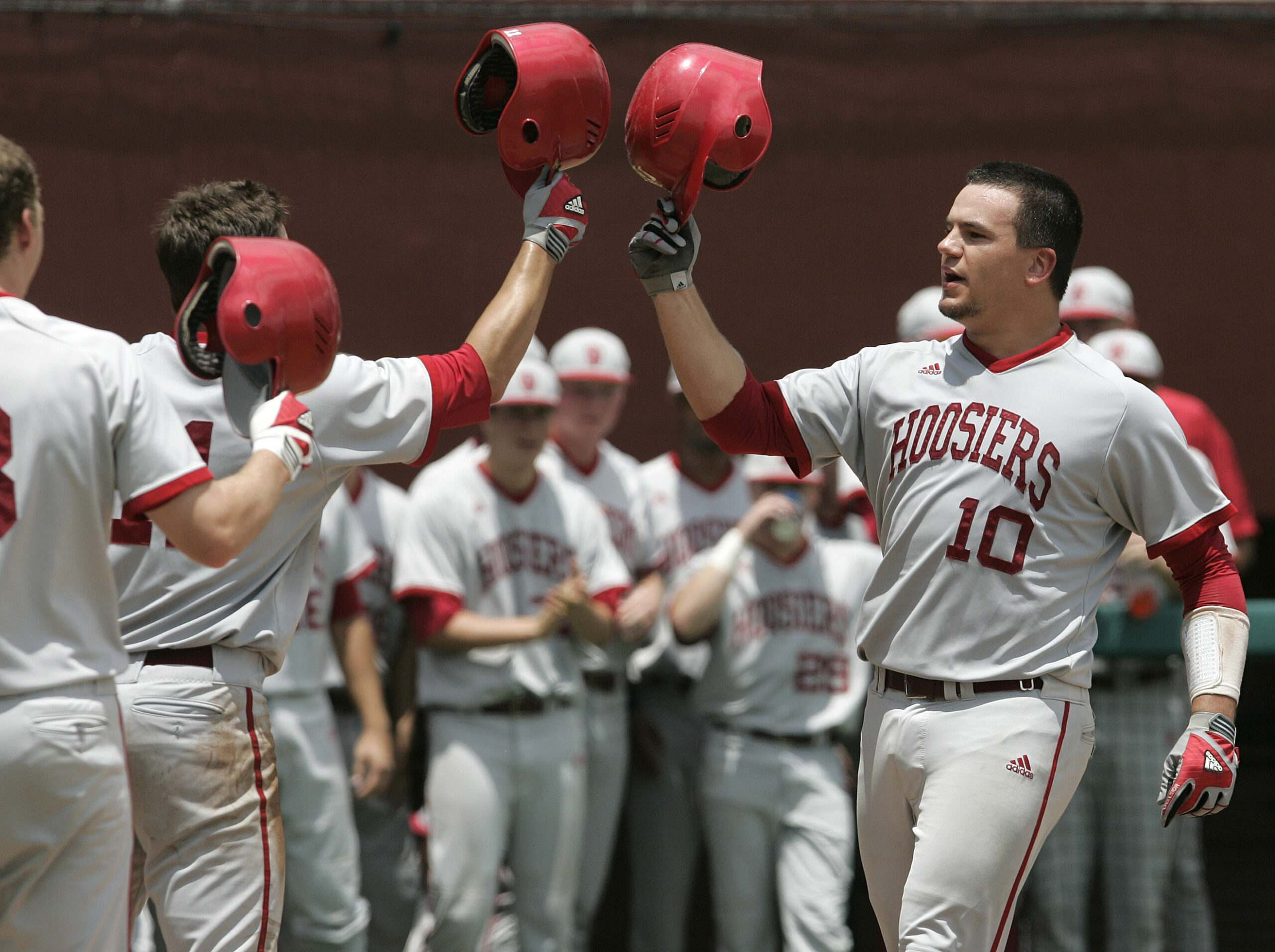
Kyle Schwarber will be in the stands Friday night, allowing his feelings to be controlled by the college football players in front of him the same way he often dictates people’s nights with one swing during the summer. He’ll be a fan, riding the emotional roller coaster with Indiana’s football team in Atlanta as the Hoosiers try to reach the national championship game with a victory over Oregon.
“You’re living and dying with it and you’re like, ‘Man, this is what Phillies fans do for 162 games? That’s impressive,’” said Schwarber, the Phillies slugger who hit 56 home runs last season. “It brings back the super fan in you. It brings back that aspect. You’re in it and now you get to go super fan out on someone else.”
Schwarber, 32, grew up near Cincinnati as an Ohio State fanatic but traded the Buckeyes for the Hoosiers after playing baseball for three seasons at Indiana. The school’s baseball team transformed during that time from an afterthought to a national power. The football team — which until November had the worst winning percentage in college football history — is now doing the same. And it’s allowing Schwarber to know what it feels like to be a fan in South Philly.
“We have people who show up and care,” Schwarber said. “How many times have we gone to a weekend series and it wasn’t sold out for any of those games? A Monday night or Tuesday night or a Wednesday afternoon, we have 40,000-plus. That’s awesome. Now you get to see that for these kids in college. This is so awesome and it’s such an awesome experience for me to be able to fan out.”
Schwarber will be IU’s honorary captain for Friday’s Peach Bowl against Oregon. He narrated the team’s hype video before its Big Ten championship win over Ohio State and sat next to Lee Corso in 2024 when College GameDay came to Indiana. It might be harder to find a bigger IU football fan than the Phillies slugger, who was elected to the school’s Hall of Fame last year.
A linebacker in high school, Schwarber had football tickets as a freshman, but the Hoosiers won just one game. The football program did little while Schwarber was there — “There wasn’t much winning going on,” he said — and it was hard to imagine the sport ever catching on at a basketball school.
“It was like the tailgate fields were filled and then everyone vanished when it was game time,” Schwarber said.
Now he’s wearing Indiana gear on Friday, Saturday, and Sunday — “You have to wear it the day before game day, on game day, the day after they win,” Schwarber said — and texting his old buddies about the football team. Schwarber said people call him a bandwagon fan. Nope, he said. This is his school. Schwarber drove to Notre Dame last winter to tailgate at IU’s playoff game with his old baseball teammates and is flying to Friday’s Peach Bowl.
“It’s so much fun now,” Schwarber said. “Now that they’re good, it takes away that Ohio State in you. You were there. You went to school there. It just revamps you — that’s my team, that’s my school. It brings back the super fan in you.”
The turnaround started in November 2023 with the arrival of head coach Curt Cignetti, who was the quarterbacks coach at Temple under Jerry Berndt from 1989-92 and coached Indiana University of Pennsylvania from 2011-16. The Hoosiers reached the College Football Playoff last season, and became the nation’s No. 1 team in December a week before their quarterback, Fernando Mendoza, won the Heisman Trophy. The doormats rapidly became a powerhouse.
“I need a documentary,” Schwarber said. “I need to meet Cig and see how in the heck does this guy come in from having one of the worst winning percentages in college football history to taking it in two years to a College Football Playoff team and then being No. 1 in the country the next year and being a win away from the national championship. It’s surreal.
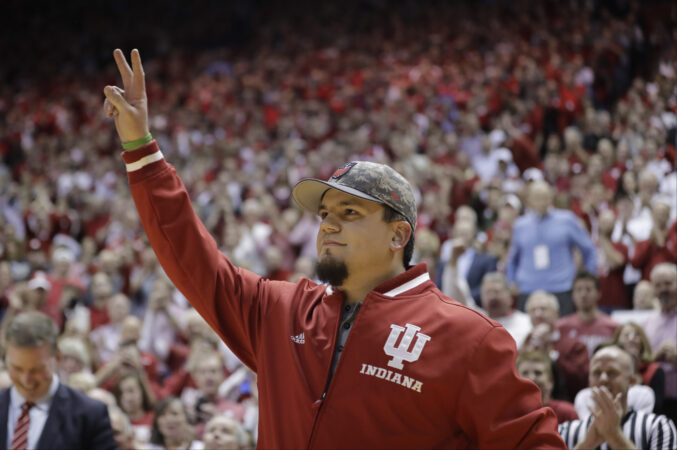
Kyle Schwarber played three seasons at Indiana on his way to being a first-round pick by the Cubs in 2014.
“It’s so awesome to watch. It gives you goose bumps when you can sit back and realize that, ‘Man, Indiana is getting some really cool recognition.’ I wish I could go back all the time. It’s such a beautiful campus. It feels like the perfect college town with nothing around it. Just cornfields around it and it’s beautiful. To have a place like that get recognition because our football team is doing amazing things.”
Schwarber started hitting earlier this month as he prepares for the first year of his newly signed five-year, $150 million contract. He could have gone elsewhere in free agency but said he often thought about the atmosphere at Citizens Bank Park on a Tuesday in May or a Friday in October. He knows now how it feels to sit in the stands.
“I’m not the outrageous, screaming, yelling guy,” Schwarber said. “That was the younger me watching the Bengals, screaming at the TV. Now being professional and understanding, you just understand a little more and not screaming, ‘How the hell did that dude not catch the ball?’ No, the guy is trying to catch the ball. He just didn’t. But I’ll be the first one to let you know that Indiana scored or Indiana stopped them on a fourth down or didn’t jump on a fake punt on fourth down. I’ll be the first one to let you know.
“I’m going to be screaming and yelling and losing my mind Friday and then come home the next day and my wife will be like, ‘What the hell happened?’ That’s what this is about. It’s the escape and it brings you back to being the fan.”
A.J. Preller grew up in New York — Long Island, to be specific — in the ’80s.
Guess which baseball player was his favorite.
“Don Mattingly,” the San Diego Padres president of baseball operations said, never hesitating, a few years ago over the phone. “That was the guy. ‘Hitman’ poster on the wall. I was at the last game of the [1984] season, when he won the batting title over [Dave] Winfield. ’85 MVP; ’84-’85-’86-’87, those were my formative baseball years.
Preller went on and on, and a generation of fans might as well have nodded in agreement. Because for most of a decade, when baseball could still reasonably call itself America’s pastime, Mattingly was the face of the sport — with a nickname to match.
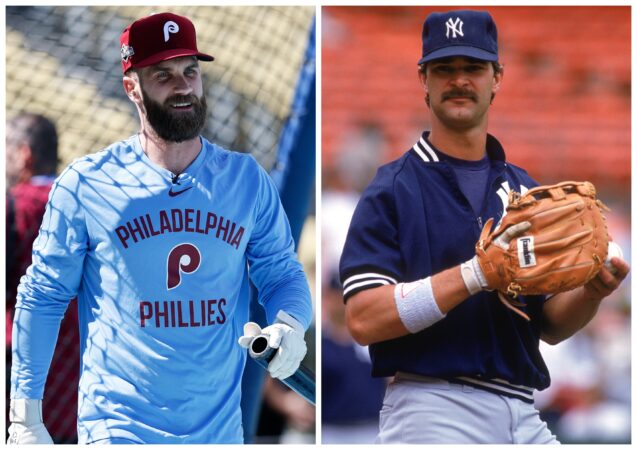
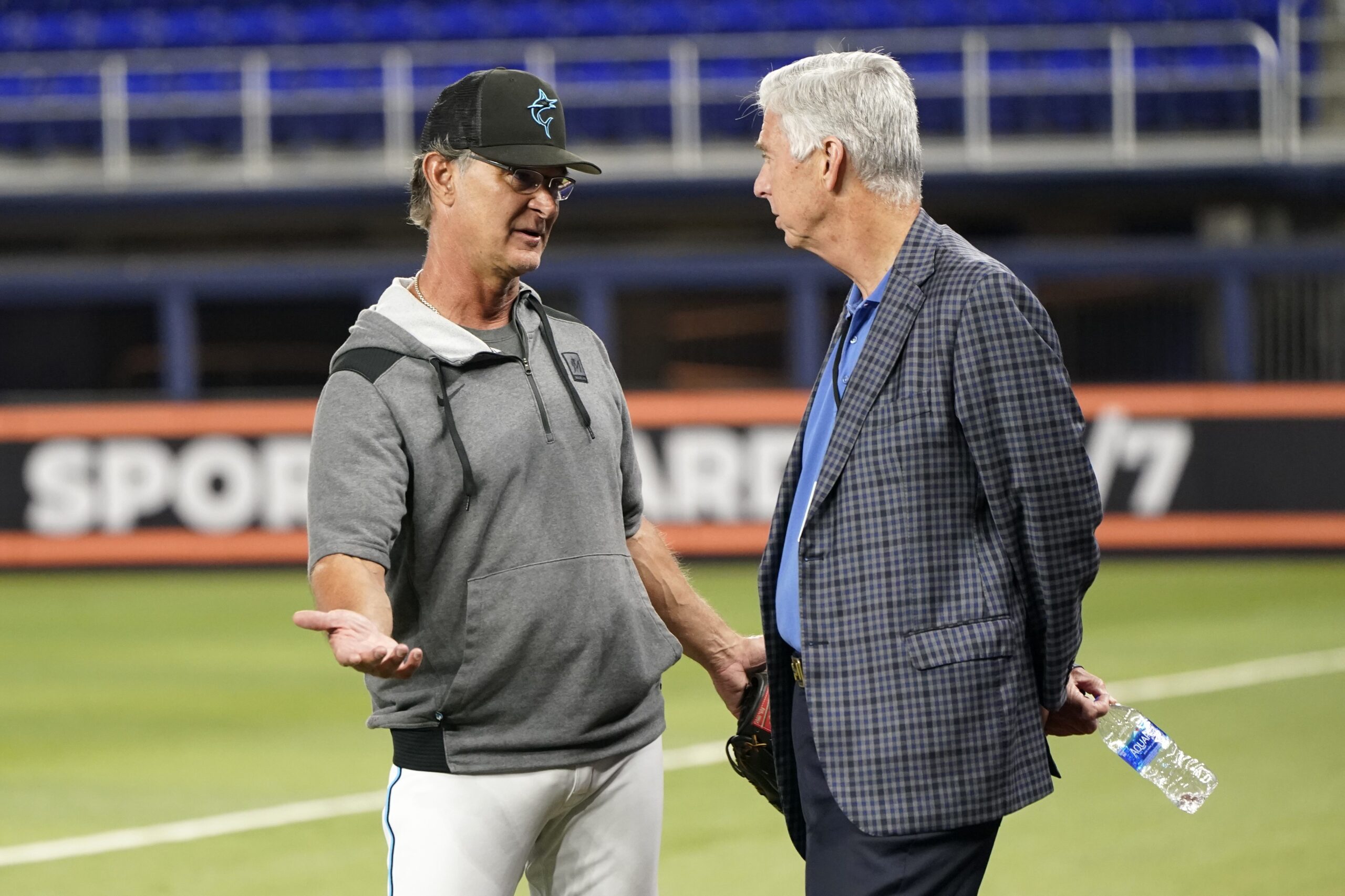
Don Mattingly (left) is the Phillies’ new bench coach after being hired this week by president of baseball operations Dave Dombrowski.
And while none of that may mean much to many millennials, it surely does to Bryce Harper, never mind that he was eight days shy of turning 3 in 1995 when Mattingly played his final game.
“Players that came before, we usually don’t think that this generation of players knows as much about us as they should,” Mike Schmidt said recently on Phillies Extra, The Inquirer’s baseball podcast. “Not with Bryce. He’s very informed about the alumni like myself.”
Indeed, Harper is a baseball obsessive with a respect for the game’s past. He talks with familiarity about the ’70s Reds, his father’s favorite team. He picked No. 7 in youth baseball after hearing about Mickey Mantle. As Dusty Baker once said when he managed Harper in Washington, “He’s as knowledgeable of baseball history as anybody that I’ve had.”
So, although Harper met Mattingly only briefly at the 2017 All-Star Game in Miami and may not be able to recite all the pertinent numbers — .307 average, 222 homers, nine Gold Gloves, six All-Star appearances — it’s a safe bet he appreciates his nearly Hall of Fame-level place in the sport.
And it has been years since Harper played for anyone with those credentials as a player.
That wasn’t the primary reason the Phillies this week finalized a two-year contract with Mattingly to be the bench coach. They wanted another voice in the dugout alongside manager Rob Thomson. Mattingly managed for 12 seasons with the Dodgers and Marlins; at 64, he insists he doesn’t want to do it again.
But Thomson also conceded that Mattingly’s distinguished playing career sets him apart among the Phillies’ coaches. Because Thomson didn’t play in the majors. Caleb Cotham (pitching), Kevin Long (hitting), Bobby Dickerson (infield), and others are well-regarded across the majors, but they played in the big leagues only briefly or not at all.
Mattingly’s career gives him instant credibility among players, especially star players. His impact on Harper could be profound.
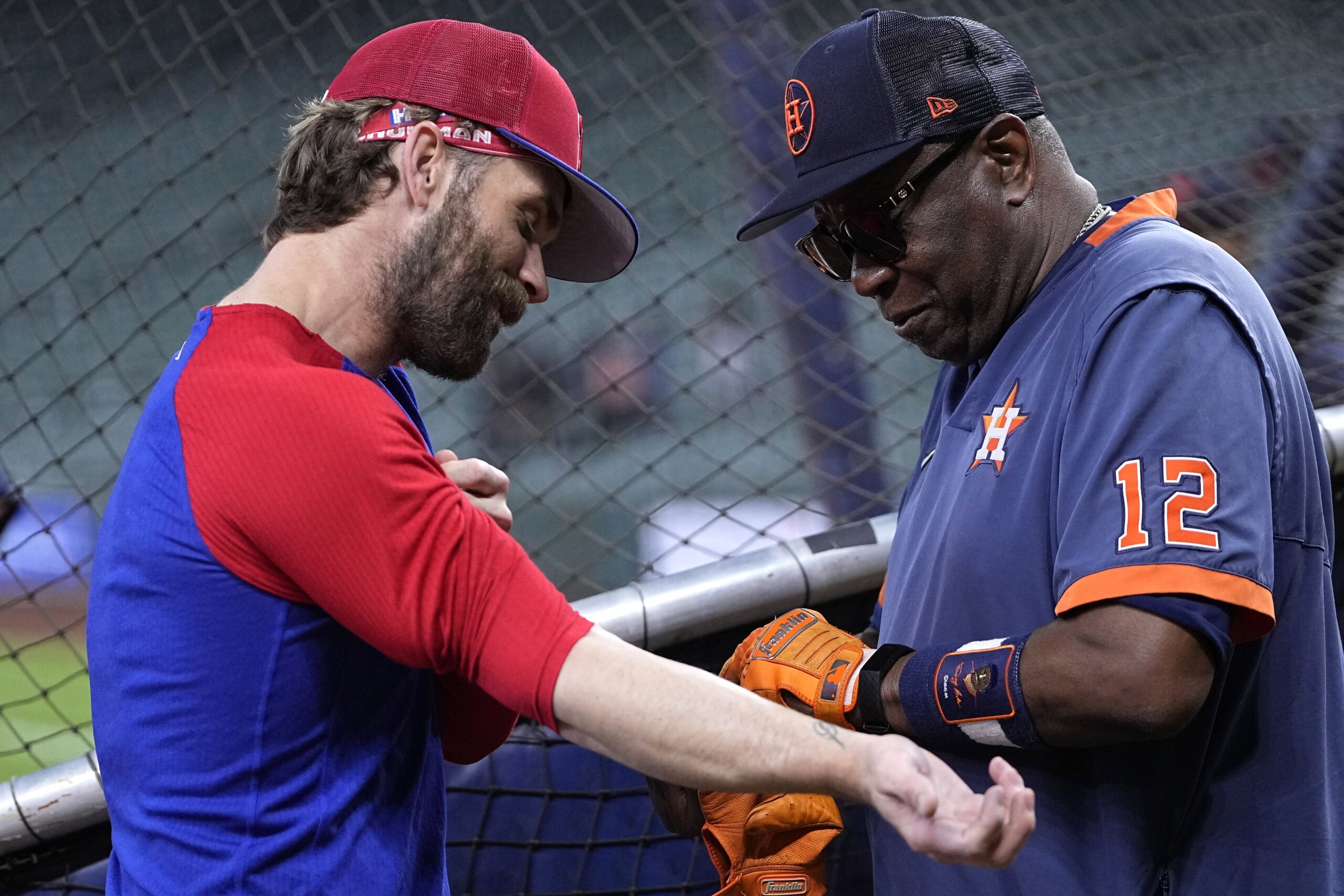
Bryce Harper (left) played for manager Dusty Baker with the Nationals.
By all accounts, Harper is coachable. He confides in Long, with whom he worked in Washington before Philadelphia. He took a crash course at first base from Dickerson in 2023 and learned the position on the fly.
But for a two-time MVP who’s likely headed to the Hall of Fame, the conversations with someone like Mattingly must resonate differently.
Harper’s first two Phillies managers — Gabe Kapler and Joe Girardi — had long playing careers. But he hasn’t played for a manager or coach with Mattingly’s name or stature since Baker with the Nationals in 2017.
Add the fact that Mattingly became an icon at first base, and it would appear that he’s uniquely suited to relate to Harper on multiple levels.
“If there’s things he wants to talk about from a first-base standpoint, then we can talk about it,” Mattingly said in a video news conference this week. “If there’s things he thinks about at the plate, hitting the lefty or hitting the righty, or a certain style of pitcher, I’m going to be like, ‘Hey, what are you trying to do with this guy? What are you thinking?’ I want to learn, too.”
Mattingly recalled fondly a conversation with Harper and former Reds star Joey Votto at the 2017 All-Star Game. He also marveled, like most baseball observers, at how good Harper already was upon making his major league debut at age 19.
“Watching his development over the years, this cat can go,” Mattingly said. “This is a first-ballot Hall of Famer, hands down.”
(Mattingly and Harper did get into a spring-training rock fight through the media in 2018 over Harper’s criticism of the Marlins’ offseason moves, though eight years is a long time for water to flow under a bridge.)
In Washington, Harper hit it off with Baker, whose long, successful managerial tenure was preceded by 19 major league seasons in which he got nearly 2,000 hits and slugged 242 homers. It was reciprocal. Baker once called Harper “a pretty cool little dude” and said he’s “pretty hip on a lot of fronts.” Harper batted .319 with a 1.008 OPS for Baker in 2017.
Nearly a decade later, as one of this generation’s biggest baseball stars, Harper figures to find “Donnie Baseball” to be relatable and potentially helpful.
“Well, I think we’ll find out, right?” Mattingly said. “You’ve got to build a relationship first. I’ve seen him from afar; I’ve not seen him from the inside. Listen to him, watch him, and just talk.”
The conversations will begin next month at first base on the spring-training half-field in Clearwater.
He’s the first first-team, All-Pro linebacker from the Eagles since Jeremiah Trotter in 2000, and he might become the first multiple All-Pro linebacker since 1975 when voting results are announced soon.
He’s the first Pro Bowl linebacker from the Eagles since Trotter in 2005.
Yet most football fans in Philadelphia don’t appreciate how good Zack Baun is.
What’s worse, most football fans outside of Philadelphia don’t even know whoZack Baun is — at least, not beyond a painfully cute social media post and his involvement in one of the worst injuries of the 2025 season.
But here’s the reality.
For the entirety of two seasons Baun has been the best football player on the best roster in Eagles history. Better than future Hall of Famers Saquon Barkley and A.J. Brown. Better than young defenders Quinyon Mitchell and Jalen Carter.
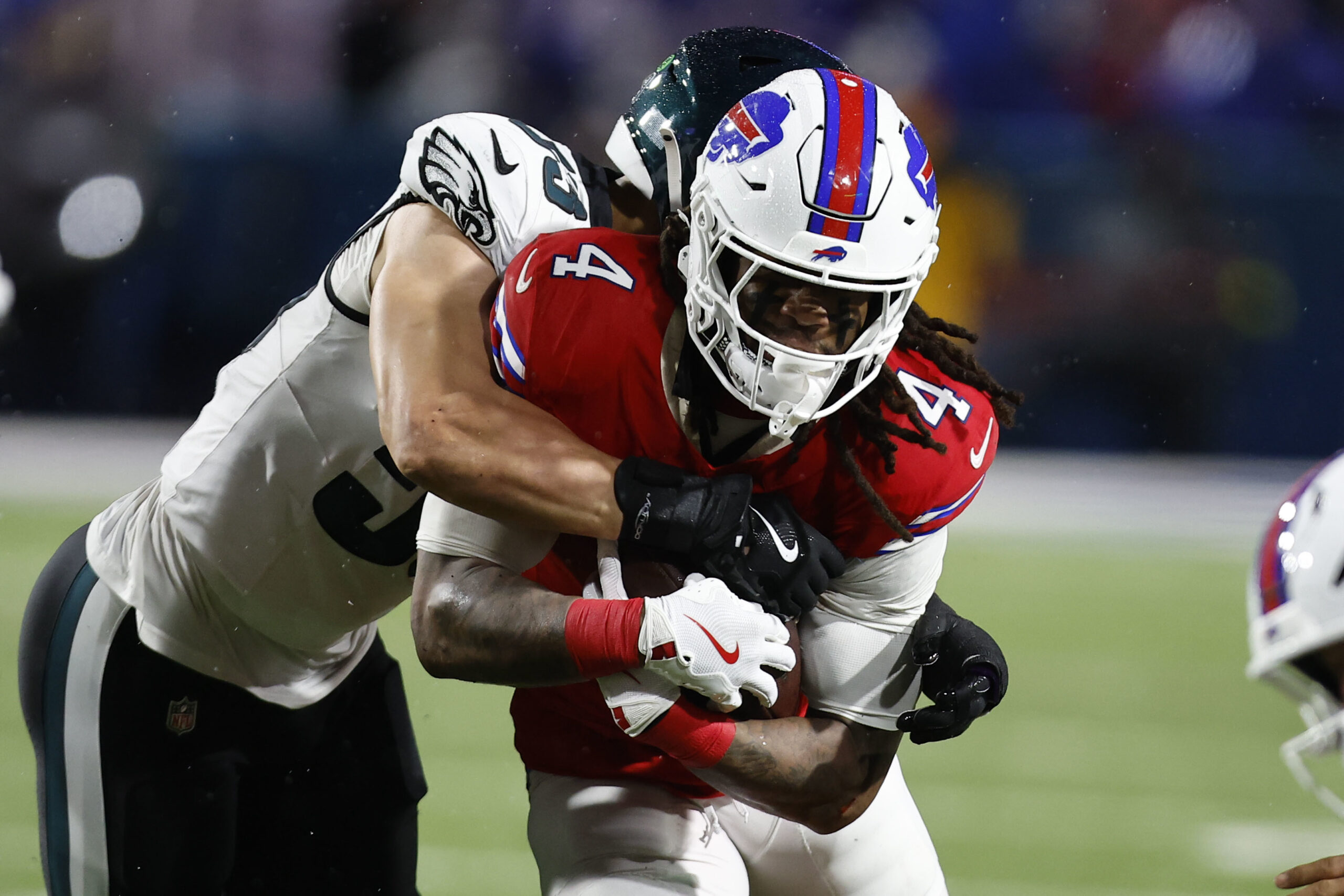
Eagles linebacker Zack Baun tackles running back James Cook during the win against the Bills.
“Absolutely,” said veteran defensive lineman Brandon Graham. “And I’m thankful for him.”
Still, as I drove south on I-95 a couple of days ago, my passenger, a native fan who regularly watches the Eagles, saw a billboard outside Lincoln Financial Field promoting Sunday’s playoff game against the 49ers. The artwork was simply one player, bareheaded and in high definition, his mouth open in a celebratory scream.
My passenger said, “Who’s that?”
It was Zack Baun. The best linebacker in football over the last two seasons. The man tasked Sunday with covering and tackling Christian McCaffrey, the best offensive player in football, and George Kittle, the league’s best tight end.
In a city that still worships linebackers like Chuck Bednarik, Seth Joyner, and Bill Bergey, Baun somehow remains largely anonymous.
Maybe the reason is that Baun arrived in the NFL, and then in Philly, without fanfare.
The Saints drafted him in the third round in 2020 but never developed him. The Eagles signed him to a modest, $3.5 million prove-it deal in 2024. He proved so much so fast that the Eagles pursued him over Josh Sweat and Milton Williams, other top Eagles defenders who became free agents. They re-signed Baun to a three-year, $51 million extension and hoped he’d stay hungry.
He’s ravenous.
“He’s still working,” Graham said. “Got that chip on his shoulder.”
The result: Baun’s play and his production have been the most consistent element on a team that won the Super Bowl last season and repeated as NFC East champions this season.
He’s simply their best.
And it’s not particularly close.
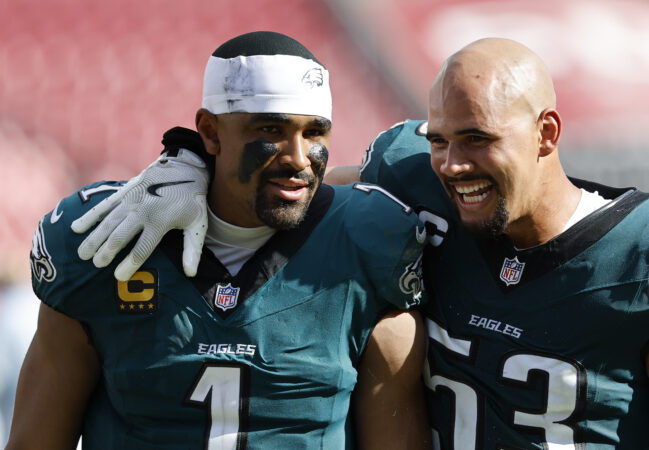
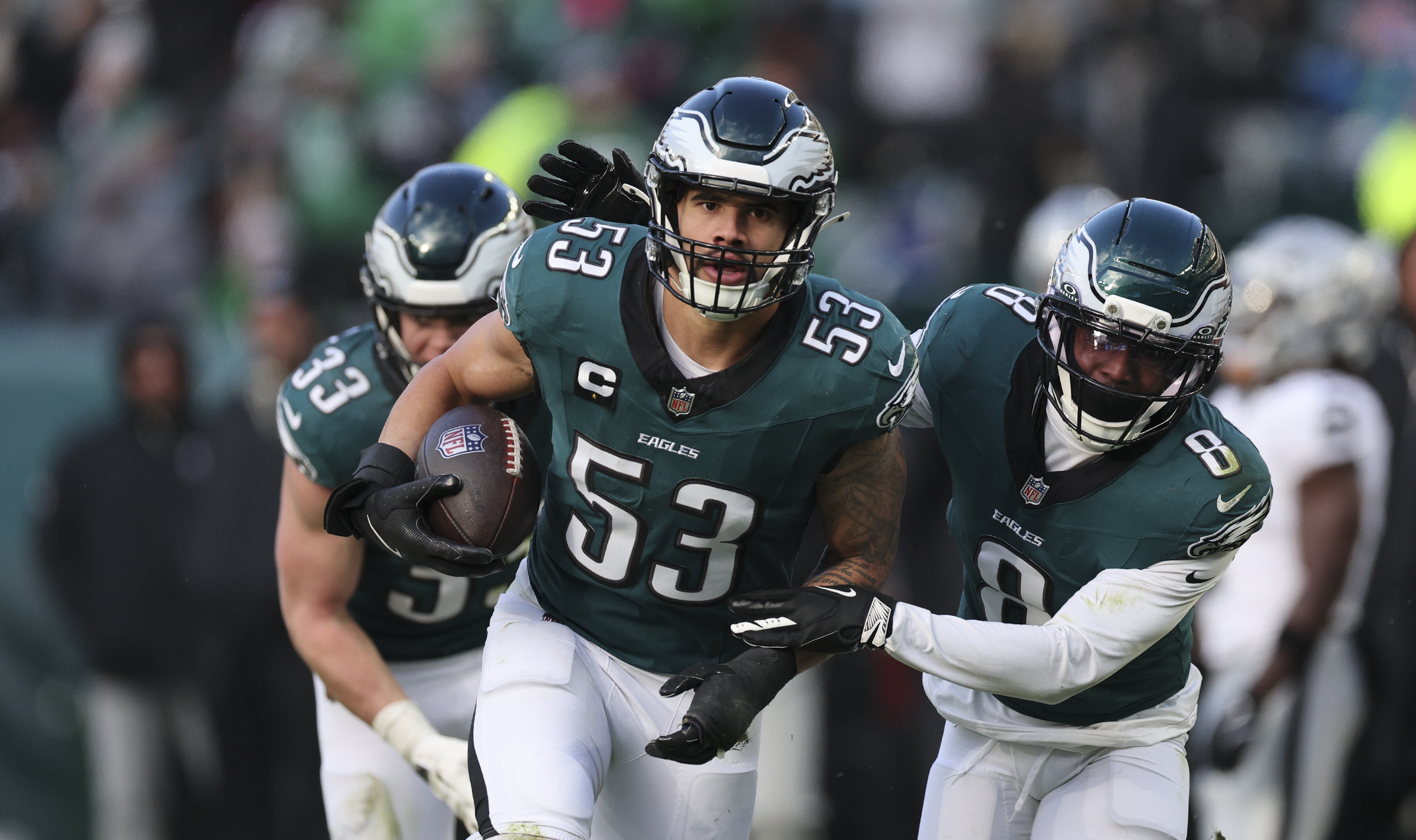
Zack Baun (53) celebrates his interception against the Raiders with cornerback Adoree’ Jackson on Dec. 14.
On the map
In a world of shameless self-promoters, Baun is a mild-mannered, soft-spoken, shaven-headed Wisconsinite whose closely clipped goatee gives him the air of an affable extra on a pirate movie. He has 154,000 Instagram followers, 100,000 fewer than kicker Jake Elliott. Baun’s social media posts could have been drawn by Norman Rockwell.
For one of the league’s top-10 defenders, his modesty is as remarkable as his ascent.
After converting from quarterback to linebacker at Wisconsin, Baun was a part-time player in New Orleans, where he thrived on special teams as he was trying to make a mark as an outside linebacker and pass rusher.
In 2024, Vic Fangio’s first season as Eagles defensive coordinator, the coaches and GM Howie Roseman believed Baun would fit well into the Birds’ scheme. They were right. Baun excelled.
“He kind of burst onto the scene to the outside world,” coach Nick Sirianni said.
But at the same time Carter exploded as a defensive tackle, Mitchell and Cooper DeJean instantly became the best cornerback tandem in football, and Barkley set a rushing record (including playoffs). Even after the defense dominated the Chiefs in Super Bowl LIX, Baun was overshadowed. He intercepted Patrick Mahomes, but then, so did DeJean, who ran his back for a touchdown.
The two incidents that brought Baun’s existence to light for most folks who exist outside of sports Twitter had little to do with his play.
After the Eagles won the NFC championship in a rout of the Commanders, Baun gained worldwide fame when millions of people viewed a viral social media post of his toddler son Elian playing with confetti on the turf at Lincoln Financial Field.
Then, on Oct. 26, Baun tackled Giants rookie Cam Skattebo, who suffered a dislocated ankle and broken fibula. The combination of Skattebo’s rising stardom, his brutal running style, the fact that he plays for a marquee team in a marquee city, and the simmering controversy surrounding “hip-drop” tackles thrust Baun into an uneasy spotlight.
The play that injured Giants RB Cam Skattebo was an illegal hip drop tackle from Eagles LB Zack Baun
Baun was neither penalized on the play nor fined by the NFL afterward, but that isn’t the issue here. The issue is, we’re witnessing greatness, and we’d better start paying closer attention.
Top grades
Due to how they are used — Do they cover? Do they blitz? — and where they line up — Are they inside, outside, on the defensive line? — the performance of linebackers is difficult to quantify. Regardless, Baun has great numbers both objectively — raw stats — and subjectively, as graded by websites like Pro Football Focus.
He had 3½ sacks this season and last, and each season only five linebackers had more. He had one interception last season and added two more in the playoffs; his first against Green Bay in the wild-card game, then the pick in the Super Bowl. He had two more interceptions this season, which tied for fifth among linebackers.
His PFF grade last season of 90.1 ranked No. 1. His grade this season, 83.9, is No. 2 among linebackers who played at least 900 snaps.
It’s a solid showing, but the grade doesn’t really reflect Baun’s improvement.
“Last year was a lot of willy-nilly out there, honestly,” Baun said. “Of course, I did some amazing things, but I think I’m doing a better job overall this year.”
This is a sensitive issue, since the biggest question regarding Baun becoming an every-down ’backer involved his ability to cover.
PFF rated him the No. 1 coverage linebacker in both 2024 and 2025.
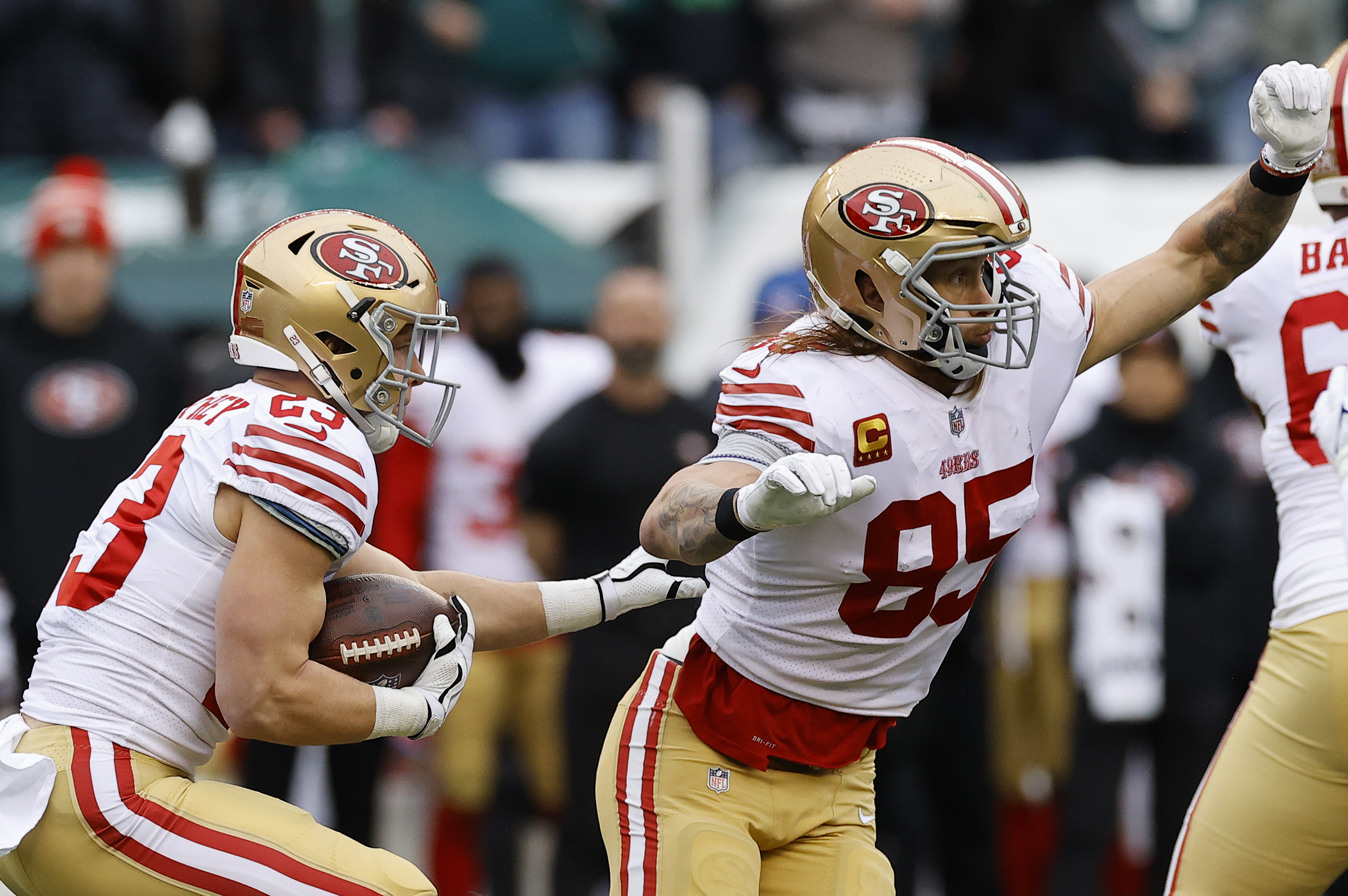
San Francisco running back Christian McCaffrey (left) and tight end George Kittle will challenge the Eagles defense on Sunday.
Question answered. Next test: McCaffrey, Kittle, and 49ers head coach Kyle Shanahan, whose pre-snap trickery is as befuddling as any coach’s in the last decade.
Baun is as ready as he’ll ever be.
Asked in which areas he’d improved most from last year to this, he replied, “Play recognition.”
And then?
“Definitely, in my cover stuff. I saw that as a strength of mine last year, and I wanted to make it even better. Footwork. Route identification.”
And, of course, practice.
Five hundred shots
Improvement has become something of an obsession for Baun. When the last whistle sounds for a regular practice, Sirianni, frustrated hooper, offers players the chance for extra work, Steph Curry style.
“It’s what we call 500 shots,” Baun said of the on-field routine after practice. “Coach describes it as a basketball player hitting 500 shots before he leaves.”
That’s where Baun drills his feet and hips and shoulders.
“It’s mostly footwork stuff, because I’m asked to do a lot of stuff in coverage — a lot of different coverage responsibilities,” Baun said. “I’m asked to cover a lot of ground and take away a lot of different zones. So my footwork really has to be on point.”
Reps matter, both during the week and on game day. He hasn’t missed a game since he became a starter in 2024. This is one of the reasons he should be considered the Eagles’ best defender, if not their best player. Carter’s the only defender who has made as many plays, but he has missed time this season.
“He’s played more than anybody these last two years,” Sirianni acknowledged, “but, like, he just keeps getting better and better and better.”
Another reason Baun should be considered the top Eagle:
Unlike Mitchell and DeJean, who also have not missed a game, Baun hasn’t had a steady sidekick. Fellow starter Nakobe Dean was lost to injury with two regular-season games to play in 2024 and did not play in the playoffs. Dean has missed seven games so far this season.
So there you have Baun. He’s an iron-man linebacker who stacks sacks and picks and grades out among the best in the business, but he seems to get so little credit.
Anna Stone was doing the first rounds of her nursing shift at St. Luke’s Upper Bucks Campus when she noticed a patient’s heart rate was elevated, a sign that they could be at risk of a cardiac emergency.
Before she could look into the patient’s chart and decide whether to call for help, a critical care doctor came rushing to the patient’s bedside.
A drop in the patient’s oxygen levels had been detected by a monitor that uses artificial intelligence to continuously evaluate vital signs. This triggered an automatic alert for the hospital’s critical care team to send help.
The AI tool is intended to help doctors and nurses more quickly identify patients whose condition is deteriorating — often before signs of distress are visible to medical staff — and intervene sooner.
The approach contributed to a 34% decline in cardiac arrests, and a 12% drop in patients crashing so hard and fast that they required rapid response transfers to the ICU between 2022 and 2024, according to St. Luke’s.
Survival rates among cardiac arrest patients rose from 24% to 36%.
St. Luke’s experiment with a program called the Deterioration Index, created by healthcare software giant Epic, is among the latest ways hospitals are bringing artificial intelligence into their patients’ rooms.
In other Philadelphia-area initiatives, Jefferson Health and Penn Medicine recently debuted an ambient listening tool that records conversations between doctors and patients, distilling the critical details into a well-organized visit note.
St. Luke’s has been using its AI monitoring system across all 16 of its campuses, including Quakertown, Upper Bucks, and Grand View, which the health system acquired in July.
The health system’s initiative was recognized by The Hospital and Healthsystem Association of Pennsylvania, the region’s largest industry group for hospitals, with an award honoring safety and quality initiatives that improved patient care while reducing hospital costs.
Using AI to predict emergencies
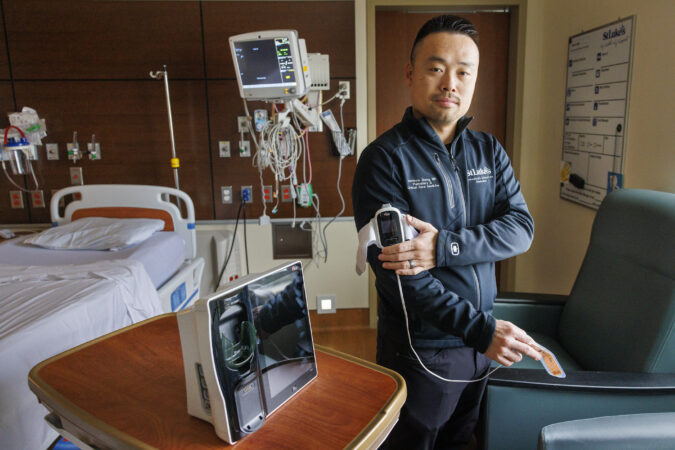
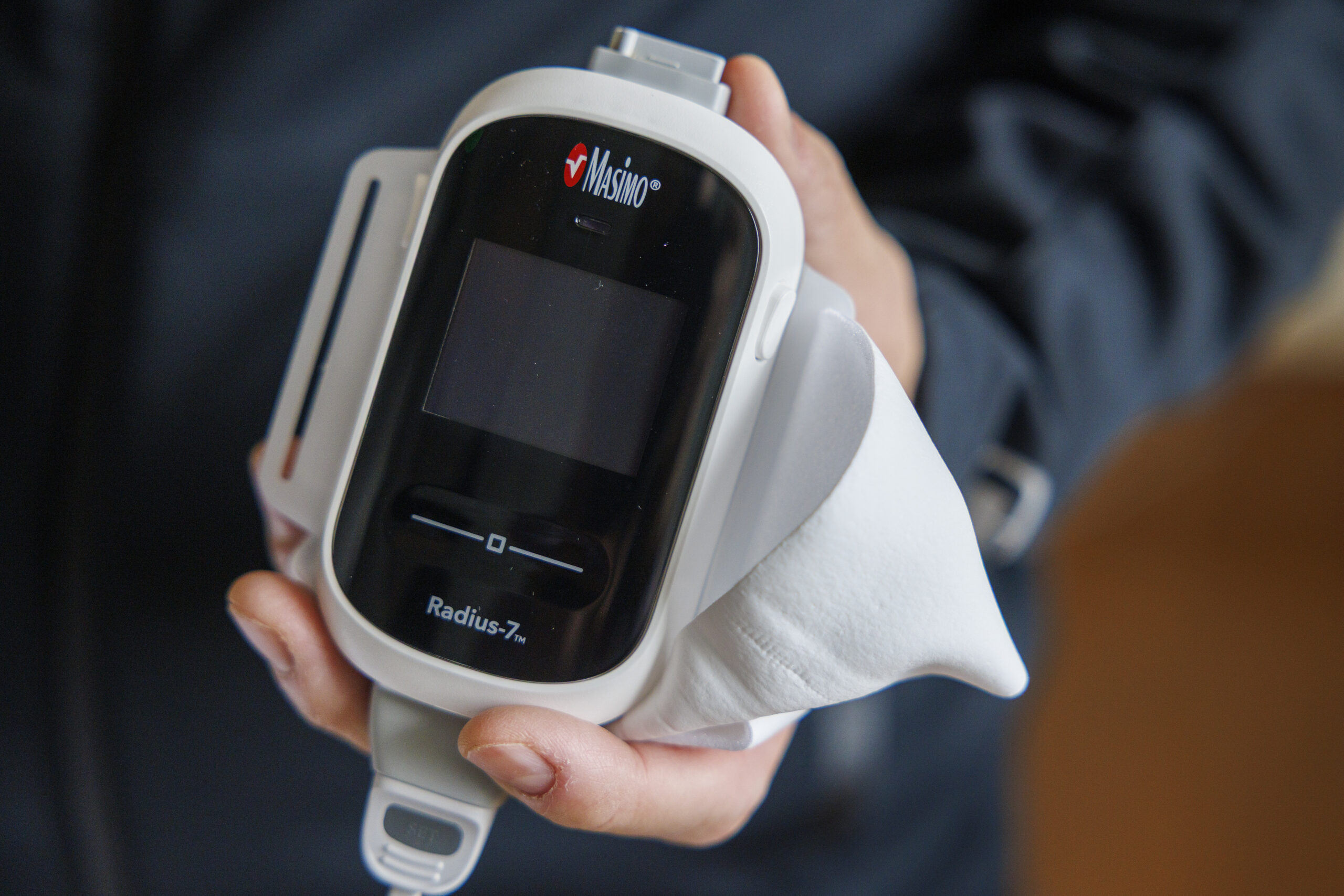
The monitoring device, which attaches to a patient’s finger, records and continuously updates patients’ electronic medical records with vital metrics such as heart rate, blood pressure, and lab work results.
Using this matrix of data points, it assigns each patient a “deterioration index” — a score between 0 and 100 indicating their overall stability — and automatically alerts critical care when the score rises too high.
Matthew Zheng, a doctor at St. Luke’s Upper Bucks, holds the monitoring device used to continuously track patients’ vital signs.
It is not intended to replace in-person monitoring, but serves as an extra set of eyes when nurses are away from their bedside.
What’s more, the sophisticated technology is capable of picking up on nuanced changes in a patient’s status before they show physical signs of distress.
“We would ideally like to intervene on these patients before they reach a point where the intervention isn’t that helpful,” said Matthew Zheng, a critical care doctor at St. Luke’s Hospital — Upper Bucks. “Our nurses work very hard, but they can’t be in the same room all the time.”
When a patient’s “deterioration index” rises above 60, the device sends an alert to the hospital’s virtual response center — a remote hub where a nurse monitors three screens showing the status of all patients.
Alerts may also be sent directly to a patient’s care team or the rapid response unit, if the AI monitoring detects that a patient is quickly deteriorating and needs emergency care.
“What that’s allowed is for us to have a proactive response instead of being reactive to patients,” said Charles Sonday, an associate chief medical information officer at St. Luke’s who leads AI initiatives.
Stone, the Quakertown nurse, said having the tool to constantly watch over patients while she’s out of their room is reassuring.
Doctors like that it enables them to quickly get up to speed on the status of a patient they transferred out of the ICU, and respond more immediately to their new medical needs, said Zheng, the critical care doctor.
St. Luke’s plans to continue fine-tuning the technology, and customize it to meet the unique patient profiles of each of its campuses, which span 11 counties and two states, from the Lehigh Valley to New Jersey.
The social and economic factors that affect patient health, such as pollution, and illness rates, vary significantly across the health system’s sprawling network, Sonday said.
The system will also explore customizing the tool for specialty services, such as pediatrics and behavioral health.
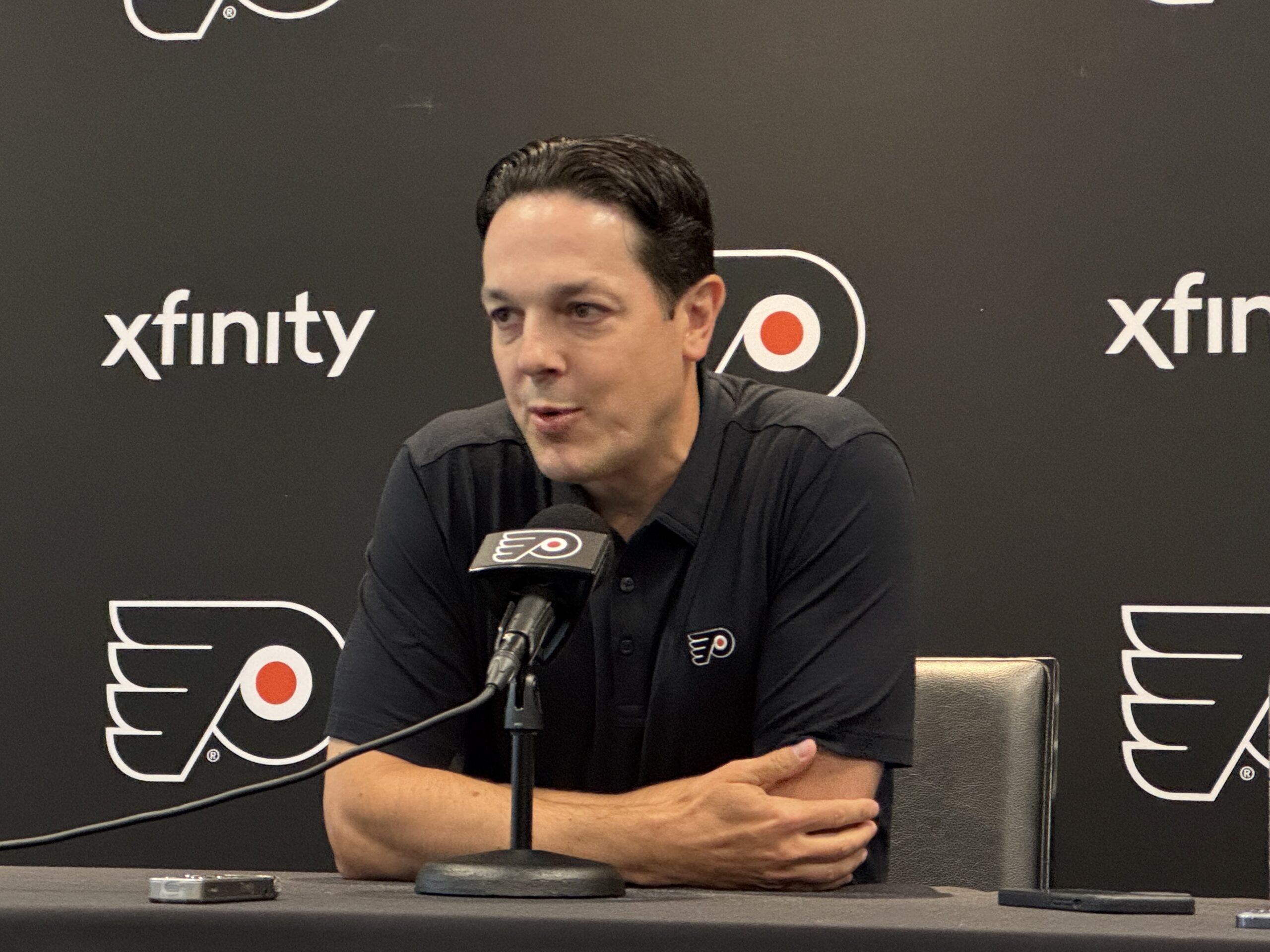
With a dearth of centers on the market, the pivot-needy Flyers acted quickly to retain one of their own, signing Christian Dvorak to a five-year, $25.75 million contract extension on Monday night.
The deal, which kicks in next season, carries a reasonable $5.15 million average annual value but will pay the soon-to-be 30-year-old Dvorak through the age of 35. It also contains some player trade protection, including a full no-move clause in the first two seasons.
But was general manager Danny Brière right to lock in a player who is having a career year but doesn’t necessarily fit the team’s age profile? We asked our writers to grade the deal from a Flyers perspective.
Jackie Spiegel: B
Why did the Flyers sign Dvorak to an extension? Just take a look at Trevor Zegras’ first goal in the Flyers’ statement win Tuesday against the Anaheim Ducks.
There is no denying the chemistry the two friends have on the ice. According to Natural Stat Trick, when they are on the ice together at five-on-five, the Flyers have scored 27 goals. When it’s Zegras without Dvorak? Seven. When it’s Dvorak without Zegras? Five.
But while their connection has not only fueled a possible career year for Zegras, it has done the same for Dvorak. At 29 years old, he is on pace for 18 goals and 53 points, which would demolish his career high of 38 set in 70 games during the COVID-19-impacted 2019-20 season. And his coach that year? Rick Tocchet.
Dvorak has an established bond with Tocchet and Zegras, and while both appreciate his smart 200-foot play and his propensity to drive the net — something this team has long missed — Dvorak also brings stability and versatility. He can play up and down the lineup at wing or center, and at any strength.
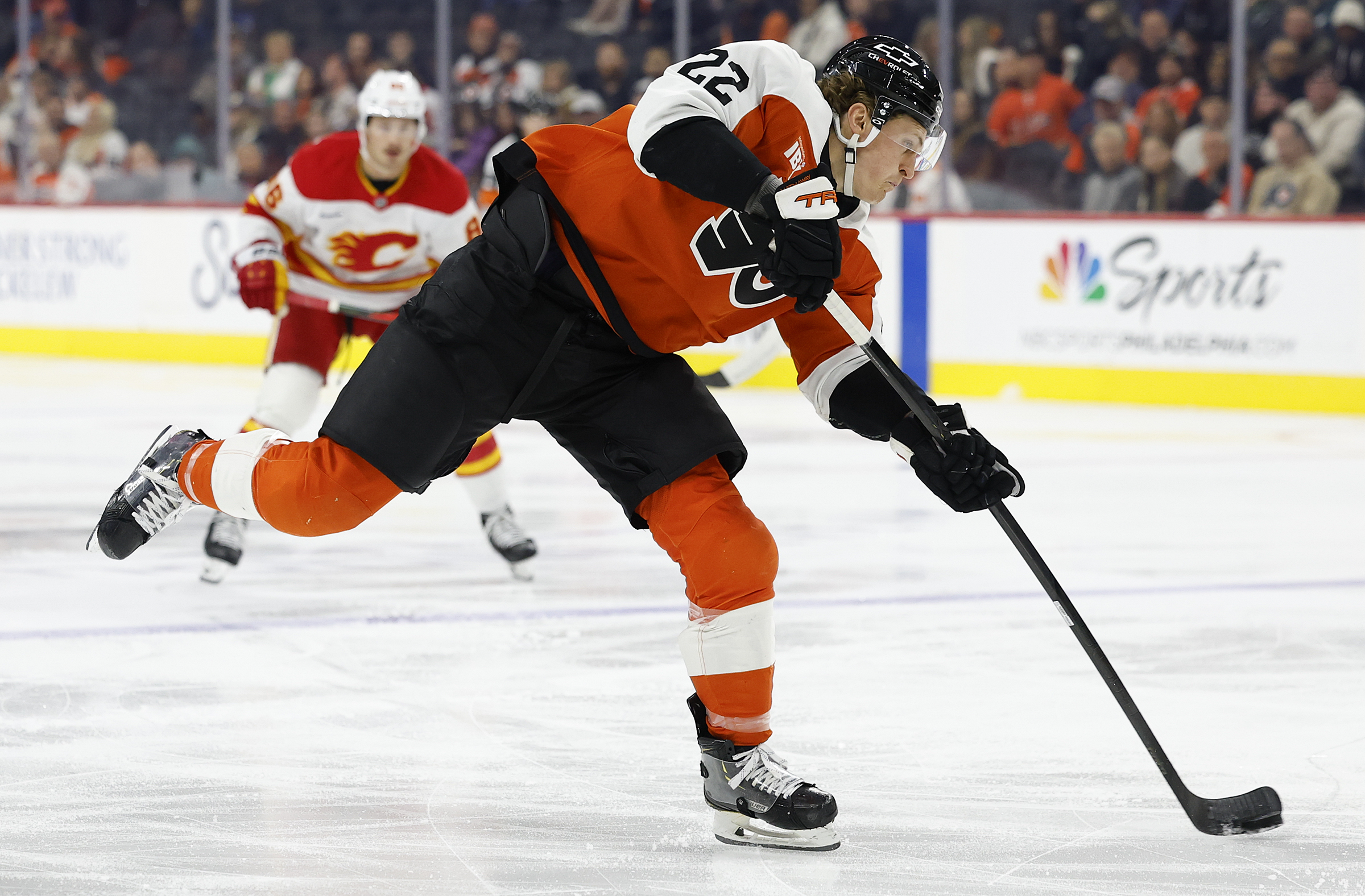
Flyers center Christian Dvorak is on pace to tie his career high of 18 goals and shatter his career high of 38 points.
This is something to keep in mind when asking the question about him standing in the way of future centers like Jett Luchanko, Jack Berglund, and Jack Nesbitt. Although no one knows what the roster will look like in one to three years, knowing the veteran forward can slide over or down when those guys are ready is key.
And there has been some chatter that maybe, just maybe, because the Flyers have an abundance of high-end talent on the wing in Porter Martone, Matvei Michkov, Tyson Foerster, Alex Bump, and, for argument’s sake, Zegras, the need is just for solid centers who can complement these guys. Why not have a responsible two-way guy like Dvorak fill one of those slots?
Plus, it needs to be noted how much the Montreal Canadiens and their reporters have said that Dvorak is missed in the locker room and on the ice.
Now, it is only 41 games into Dvorak’s tenure in Philly, so it’s interesting that Dvorak is being handed a long-term deal; he did say on Tuesday that term was important to him. But Brière continues to stress that he likes guys who bet on themselves, like Ryan Poehling, like Noah Juulsen, like Dan Vladař, and like Dvorak did when he signed over the summer and did again on Monday.
Will there be the same motivation going forward? Dvorak seems like a guy who is determined to keep the pedal to the floor.
“We wanted to get to know him a little better, and since he arrived, total pro,” the GM said. “What he’s done on the ice, he’s a good example for our players and for all our young guys that are coming up; that’s the part that I love.
“His play speaks for itself, obviously. But I’m excited about what he’s bringing to the rest of the team, and eventually all our good young prospects, being able to play both ends of the ice, win faceoffs, smart hockey. I’m excited that he wanted to stay here. I think for us, it’s a good sign [that] someone who bet on himself chose us and then wants to stay here. It’s very exciting.”
There’s a lot to read between the lines on that quote, but the biggest is “chose us.” Philly hasn’t been a destination for a while, and it’s fair to say that with the free-agent market for centers shrinking by the day, Dvorak would have been paid handsomely. But he chose the Flyers because he believes in what is happening here.
The Flyers are doing so well in part because of a good vibe in the locker room. It happened for a long chunk of the 2023-24 season before the wheels fell off. Locker room chemistry is vital to on-ice production. Teams have fallen apart when players have been traded. It’s why a team makes, let’s say, the Stanley Cup Final, and, for lack of a better term, a glue guy is allowed to walk or is traded, and it quickly falls apart.
Could this deal age poorly? Sure. But could it also work out and pay off? Yes. And why not take a gamble when you know things are going well now, things should get better for the team in the future, and well, there’s not much else out there?
Trevor Zegras has thrived alongside Christian Dvorak and was thrilled to see his close friend sign a long-term deal in Philly.
Gustav Elvin: C
I’ve been largely a Brière defender to this point, as I think he’s done an underrated job of clearing bad contracts or fits from the previous regime like Ivan Provorov, Kevin Hayes, Tony DeAngelo, and Joel Farabee, while patiently stockpiling assets and making some shrewd additions like Sean Walker, Zegras, and Vladař. But I simply can’t wrap my head around this one for the Flyers.
Dvorak is a good player, and $5.15 million is fair monetary value for a player who plays a position of need and seems to have some untapped offensive skill and chemistry alongside Zegras. But giving an oft-injured, soon-to-be 30-year-old center, not to mention one who has primarily been a third- and fourth-liner until this season, five years is a major risk and potentially a costly misstep as the rebuilding Flyers inch closer to their window of contention. A three-year deal with a higher $6 million or $6.5 million AAV would have made more sense to me from a Flyers perspective.
Flyers general manager Danny Briere is taking a risk signing a nearly 30-year-old center to a five-year contract.
To borrow a 2024 line from former coach John Tortorella, whom I did not expect to be channeling here, the Flyers “can’t fall in love” with players who don’t fit the timeline or plan. Signing Dvorak — someone the team prioritized signing to a one-year deal so much so that it overpaid him just six months ago — to a contract with this long a term is doing exactly that. It’s a rash response to a barren center market and an overreaction to a player on pace for a career year while attached to a really good creator in Zegras.
To me, this screams: We don’t have a No. 1 center and none are available, so let’s sign the closest thing we’ve got, even though he’s ideally a third-line center. To make matters worse, the Flyers already have two of these guys signed long-term in Sean Couturier and Noah Cates.
From a 30,000-foot view, the move appears to be a signal that the Flyers are done rebuilding in earnest and now are ready to push for the playoffs. It will be a popular deal with the players in the locker room and surely will add juice for them to try and get over the line this spring. But might it have lasting consequences?
While I don’t think this move alone completely kiboshes the team’s future, it sets a worrying precedent. The mantras of “patience” and “threading the needle” that Brière and president Keith Jones have constantly preached suddenly seem to be taking a backseat to winning. This will remind many of the panic moves from the Flyers’ past, when general managers and ownership prioritized sneaking into the playoffs rather than looking in the mirror, tearing it down, and trying to build a sustainable Stanley Cup contender from the studs up.
It also seems like a bit of an indictment of the center prospects in the system like Luchanko, Nesbitt, and Berglund, and their potential timelines to becoming NHL contributors. The Flyers are no closer to having a bona fide No. 1 center or No. 1 center prospect after this deal, and no matter how good their wingers are or how hard they work collectively, they won’t be legitimate Cup contenders until they unearth or acquire at least one. Dvorak is a solid player, not a great one, and the Flyers already have plenty of those. While he might help the Flyers reach the playoffs this season, he isn’t the type of needle-mover that will help them truly contend in a top-six role.
At best, Brière’s big bet pays off and Dvorak stays healthy and continues to produce at this season’s level. But I’ve seen this story countless times before with aging centermen with a lot of tread on the tires. It usually doesn’t end well.
ChristianaCare, Delaware’s largest health system, received a one-notch credit-rating downgrade from Standard & Poor’s, to “AA” from “AA+’.
S&P attributed the downgrade of the nonprofit health system’s rating to inconsistent operating performance in recent years and the planned addition of $350 million in debt early this year through a bond offering, according to a report Tuesday.
In the year ended June 30, 2025, ChristianaCare’s financial results were weaker than expected because of low surgical volume related to physician turnover, S&P said. Another factor was higher-than-anticipated medical malpractice reserves, S&P said.
One of ChrisitianaCare’s financial strengths is that it typically gets half of its revenue from private insurers, which pay higher rates and are more profitable than Medicare and Medicaid, S&P noted.
Despite its strong financial condition, ChristianaCare has a relatively small service area, given its concentration in northern Delaware, compared to other health systems with “AA” ratings, S&P said. If ChristianaCare’s expansion into Southeastern Pennsylvania is successful, it would help alleviate that problem, the agency said.
ChristianaCare opened a micro-hospital in western Chester County last summer and is building a second one in Aston, Delaware County. It also has plans to put one in Springfield Township. In addition, ChristianaCare spent $50 million to step into the leases that the bankrupt Crozer Health had at five outpatient facilities in Broomall, Glen Mills, Media, and Havertown.
S&P said ChristianaCare has no plans for significant acute-care hospital expansion.
Last month, ChristianaCare and Virtua Health, South Jersey’s largest health system, ended negotiations on a possible merger.
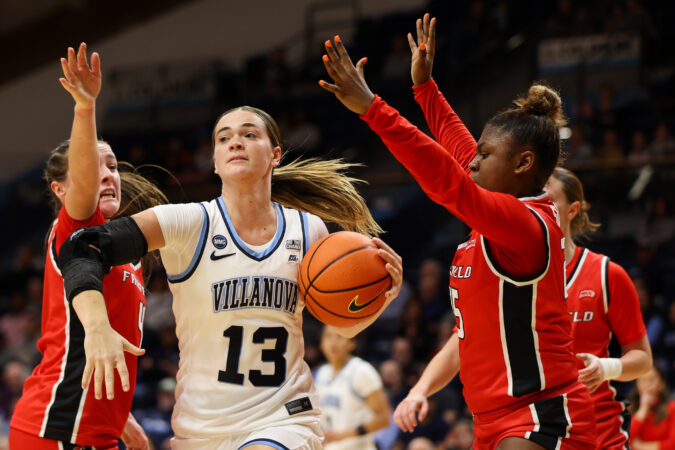
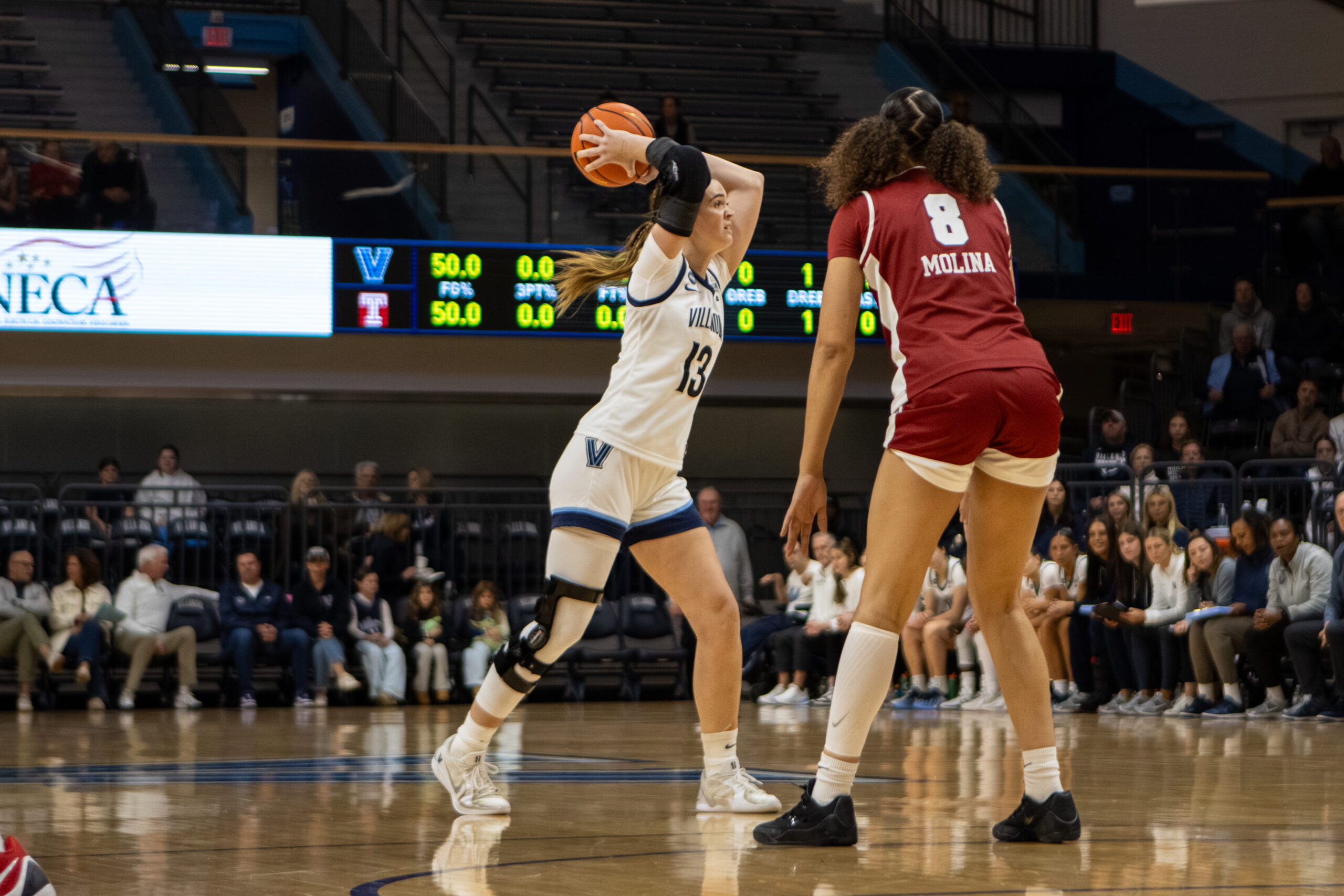
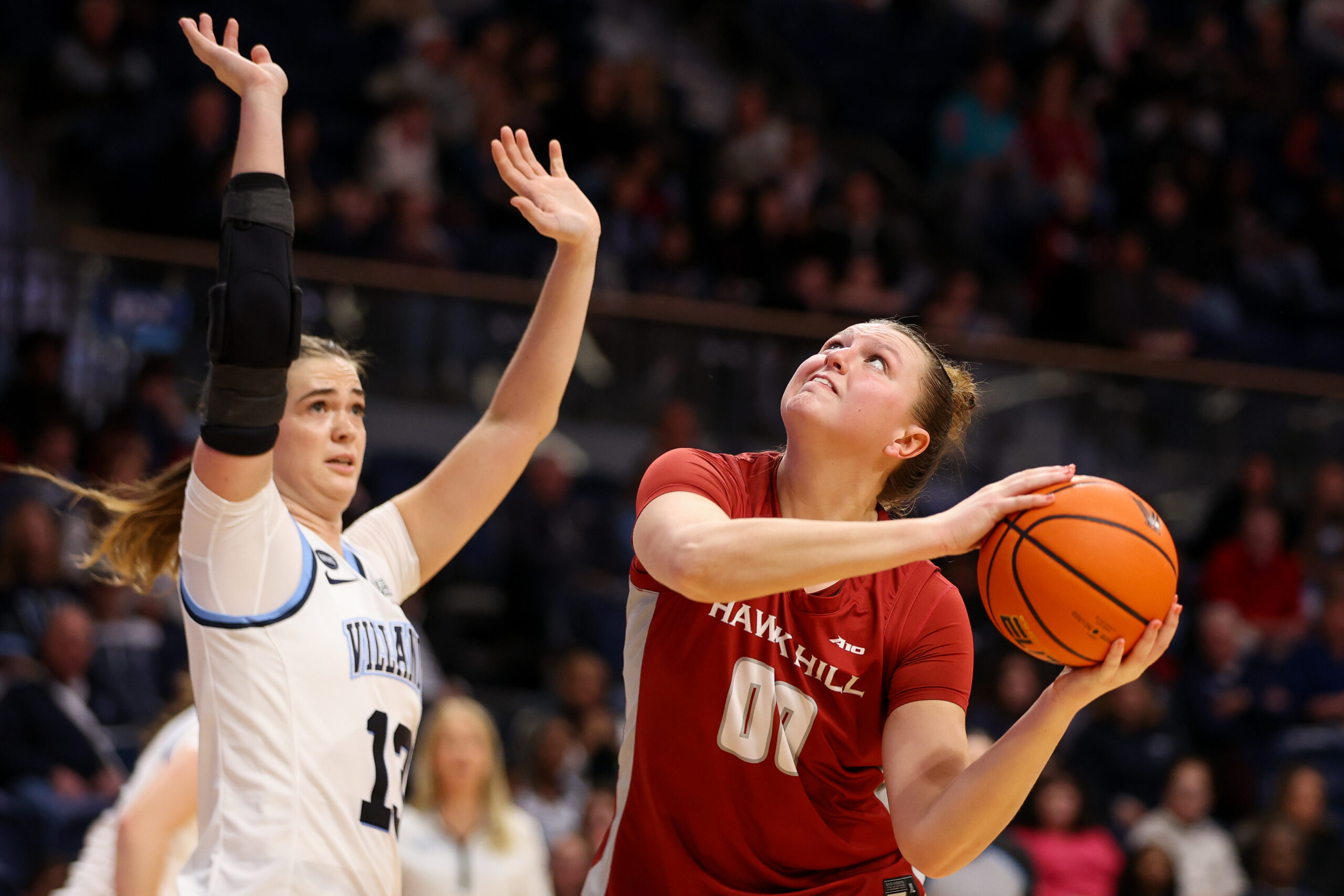
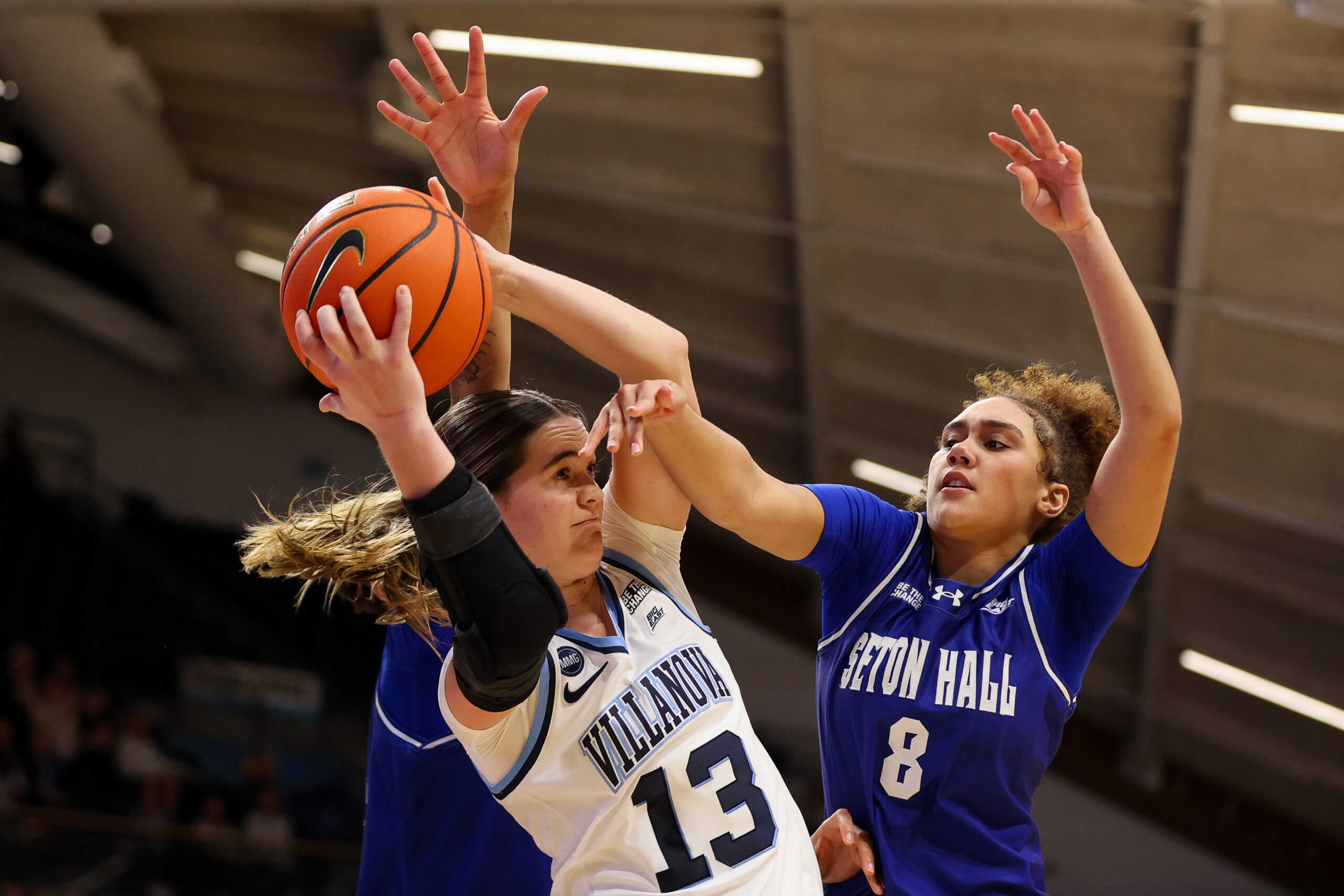
It’s hard to miss Brynn McCurry when she takes the floor at the Finneran Pavilion. The Villanova forward has two large, bulky braces on the right side of her body. One brace supports her knee, where she tore her anterior cruciate ligament before last season. The other is on her elbow, protecting a torn ulnar collateral ligament, an injury typically associated with baseball.
After McCurry missed all of last season with the ACL injury, she suffered the torn UCL just before this season started. But she knew she was not going to sit out another full year.
So McCurry strapped on the braces and embraced a look she calls “bionic.” Despite the injuries, McCurry, who’s averaging 11.8 points in 11 games this season, has blossomed into an integral part of the Wildcats’ roster, helping them to a 12-3 record as their second-leading scorer and leading rebounder.
Despite mobility being limited due to braces on her elbow and knee, Villanova’s Brynn McCurry (left) has emerged as the leading rebounder and second-leading scorer for the Wildcats.
“It’s a great feeling just to be out there in itself, but also being on a team that’s been so successful,” McCurry said. “… And just being able to be back playing with people that I’ve never gotten to play with. So it’s a great feeling to be out there, and an even better feeling to be winning.”
Injury issues first popped up for McCurry during her senior season at Sparta (N.J.) High School in 2022-23, when she suffered a torn left ACL in mid-December, ending her high school career.
McCurry enrolled at Villanova but spent most of her freshman year playing sparingly off the bench. However, her role increased near the end of the season. She played double-digit minutes in seven of the Wildcats’ final nine games, which helped her confidence grow.
That confidence continued to rise when the team traveled to Italy for exhibition games in the summer of 2024. McCurry looked like the best player on a team full of newcomers to coach Denise Dillon, and her sophomore leap seemed inevitable.
“A lot of our team had left in [the] transfer portal or graduated, so that was a great experience,” McCurry said. “[But] the momentum kind of just stopped once I tore my ACL.”
Brynn McCurry battles St. Joseph’s forward Faith Stinson during the clash in the Big 5 women’s basketball championship in December.
Just as the team began ramping up its preseason in September 2024, McCurry suffered a torn right ACL.
The injury set up another nine-month recovery period as she was finding her role on the court. However, with the help of her support system, McCurry attacked her rehab to return to the court as soon as possible.
“Once you have surgery, it’s done; you’ve got to start rehabbing again,” McCurry said. “So just having a good support system around me, my family came down and was with me for the first week after surgery because you can’t do a lot by yourself. But after that, Villanova, my teammates, and the coaches took great care of me.”
That setback meant McCurry had to spend another season watching from the sidelines. She remained positive in her year off, motivated to get back to the court and compete.
She was healthy for Villanova’s preseason this fall, albeit supported by a large knee brace. Then, more bad news struck following a seemingly normal practice.
Brynn McCurry’s brace protects what she discovered was a torn ligament in her right elbow. She’ll look to undergo Tommy John surgery in the offseason.
McCurry was playing defense and had her right arm caught in a screen, leaving a tingly feeling in her arm, almost as if she hit her funny bone. Initially, she wasn’t too concerned, but she discovered the next day she could not turn doorknobs with her right hand. Scans revealed a torn UCL. She’ll need to undergo Tommy John surgery, but she has put that off.
“I’m just trying to push through this season without having to get that done, and wearing that big brace is how I can do it,” McCurry said. “So I look a little bit bionic out there on my right side, but whatever keeps me out there, as long as the doctors say I can just wear the brace, that’s what I’ll do.”
The elbow brace has affected McCurry’s shooting ability, but she has still developed into one of the Wildcats’ crucial players this season — braces and all.
She came off the bench in the first four games and didn’t score more than seven points. McCurry entered the starting lineup against James Madison on Nov. 16 and scored a then-career-high 18 points with seven assists.
McCurry has been on a tear since that breakout performance. She scored in double figures in the next five games, including three straight games with 20 or more points. McCurry put up 21 points in an 81-59 upset of then-No. 25 West Virginia on Dec. 1. She scored another 21 points six days later to beat St. Joseph’s, 76-70, in the Big 5 Classic championship on Dec. 7.
“She picked up right where she had left off [in freshman year],” Dillon said. “She’s a consistent worker, and she understands the game so well. She knows what we’re doing, why we’re doing it, and I’m super proud of her for continuing. Her resilience is amazing, and she’s getting results that are working in favor of this team’s success.”
McCurry’s first start coincided with the beginning of a 10-game winning streak, Villanova’s longest since the 2017-18 season. McCurry’s impact does not just come from scoring. She takes pride in being an all-around player, averaging 5.6 rebounds, and is second on the Wildcats with 58 assists.
Villanova’s winning streak ended against Marquette on Sunday, but it is in the NCAA Tournament conversation with two months to play. McCurry has been critical to the Wildcats’ success, despite playing with two big braces and a torn UCL. She is aiming to remain confident to end the season and to help her team continue to pick up wins.
“Being out, I got to see what some great players are,” McCurry said. “There are so many people out there, and Maddy Siegrist is a big one that everyone from Villanova knows, but just modeling myself after other great players.
“Confidence is a huge thing. So just continuing to be confident in myself and my teammates. I think we can be really successful.”
Over the past two years, the area has produced some of the best girls’ basketball talent in the nation. This season will be no different.
Other than Westtown School, which competes in the non-Pennsylvania Interscholastic Athletic Association-affiliated Friends Schools League, no team is dominant. In the Catholic League, the deepest, most talented league in the state, defending champion Neumann Goretti, will face challenges from Archbishop Carroll and a young, maturing Cardinal O’Hara team. In District 1, defending PIAA Class 6A champion Perkiomen Valley was hit hard by graduation, leaving the door open this season to Suburban One League powers Upper Dublin and Central Bucks East, along with Ches-Mont League stalwart Downingtown East.
In the Public League, rivals Universal Audenried Charter and Imhotep Charter will again be contenders. The Friends Schools League features two teams, Westtown and Friends Central, with national-level talent.
Here are some of the area’s top girls’ basketball teams to watch this season.
Archbishop Carroll
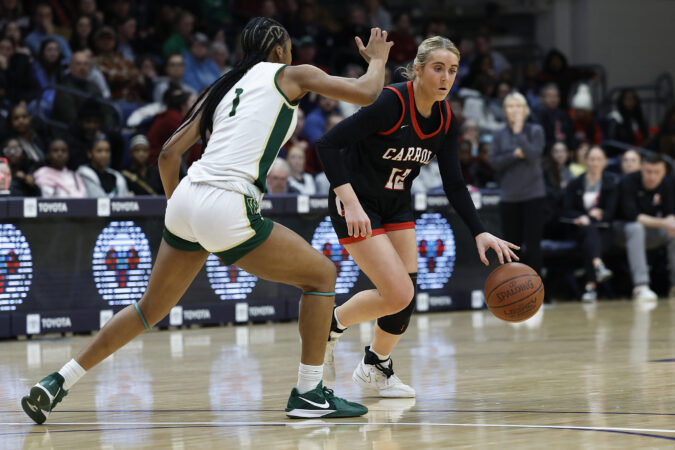
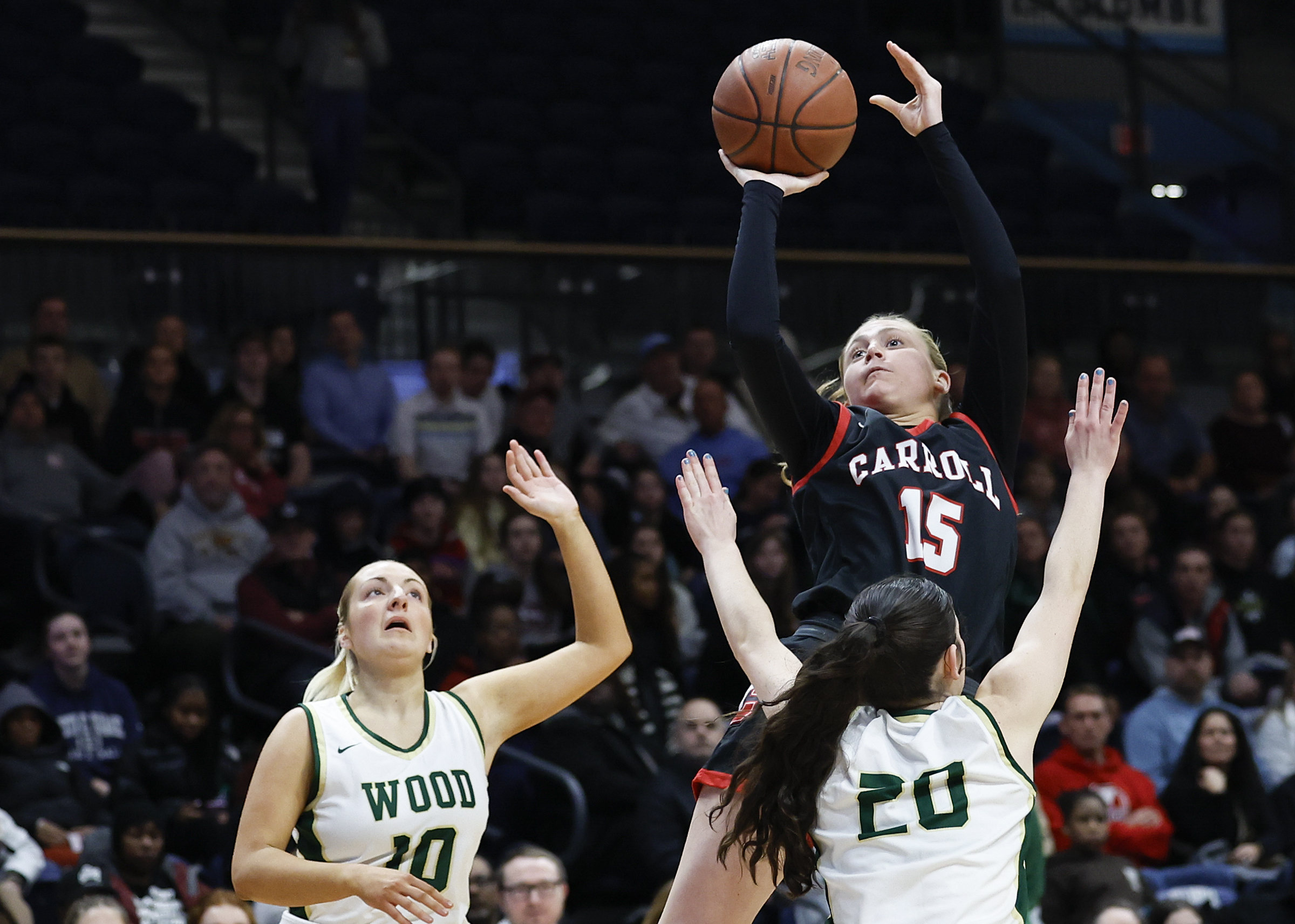
The Patriots finished 20-10 last season and return a loaded team that has been to the Philadelphia Catholic League championship the last two years. The last time Carroll won the PCL was 2019. Carroll is one of the best shooting teams in the area, with a nucleus led by Villanova-bound senior guard Alexis Eberz and her sophomore twin sisters. Kelsey Eberz is recovering from a season-ending knee injury suffered in December 2024, and Kayla Eberz is arguably one of the best players in the PCL. Carroll, which also features 6-foot senior Bridget Grant and junior guard Abbie McFillin, last won the PIAA Class 6A championship in 2023, and reached the state semifinals last year, losing to eventual state champion Perkiomen Valley.
Archbishop Carroll’s Abby McFillin shoots against Archbishop Wood in the Catholic League semifinals on Feb. 17.
Audenried
The Rockets will look to move forward without generational star Shayla Smith, now at Penn State after becoming the all-time scoring leader in the city, finishing with 2,690 points. Audenried ended last season 23-8, one game away from making history as the first girls’ Public League team to reach and win a state final. The three-time defending Public League champion Rockets were stopped by eventual PIAA Class 4A champion Neumann Goretti in the state semifinal. They return one of the nation’s top players in 6-foot-3 junior forward Nasiaah Russell, along with seniors Heaven Reese, Aniyah Cheesboro, and Raven Robinson.
Cardinal O’Hara
The traditional Catholic League powerhouse went 17-9 last season and reached the Catholic League semifinals along with the PIAA Class 6A state quarterfinals. The Lions are a young, evolving team centered on Drexel-bound Megan Rullo, a 5-8 point guard. Junior guards Brigidanne Donohue and Leah Hudak give the Lions depth and outside shooting, while 5-11 junior Carly Wakefield is an athletic inside presence. The Lions will be looking for the maturation of 6-3 freshman forward Olivia Craft, along with 6-1 sophomore guard Catie Doogan. Expect the Lions to be more dangerous in February.
2027 PG Brigidanne Donohue of Cardinal Ohara had it going against Nationally ranked Rutgers Prep which helped lead to a monster win‼️🔥 pic.twitter.com/1YvC7xFdx6
The Patriots have four of five starters from last season’s team that went 22-8 overall, won the Suburban One League Colonial Division, and reached the District 1 Class 6A semifinals, where they lost to eventual state champion Perkiomen Valley. Seniors Jess Lockwood, Natalie Berndt, and Emma Penecale, and junior point guardHaley Moran lead CB East, which lost to O’Hara in the first round of the PIAA 6A playoffs.
Downingtown East
This is a team that coach Darren Domsohn has been cultivating for the last few years. The Cougars went 24-6 last season and return every significant player from a team that reached the District 1 6A quarterfinals and the second round of the state playoffs. With a core group consisting of seniors in UTEP-bound Charlotte Aldridge, point guard Chloe Hunold, sharpshooter Grace Hodges, and talented 5-9 junior guard Kendall Chiavelli, the Cougars may be good enough to play into March.
The Phoenix are one of the best teams in the state, led by two national-level juniors in Zya Small, a 6-1 guard/forward, and Ryan Carter, a gifted 5-11 guard who transferred from Archbishop Wood after averaging 17 points last season. The problem Friends’ Central faces is that it also happens to be in the same Friends Schools League as Westtown, the best team in the state and among the top teams in the country. The Phoenix finished 21-9 last season and reached the Pennsylvania Independent Schools Athletic Association (PAISAA) state championship, where they lost to rival Westtown.
A closer look at the Friends Central girls’ basketball team this preseason shows that ESPN’s #10 is a master at work . Carter’s contributions on every trip down the court are unparalleled. She’s undoubtedly the biggest addition any program has made for the upcoming season. Having… pic.twitter.com/JhS5D7MuqO
The Panthers went 23-7 overall before losing in the state semifinals, 65-46, to eventual PIAA Class 3A champion Loyalsock. Like Audenried, they, too, are aiming for history this season as the first girls’ Public League team to reach and win a state championship. They have some talent to do it in 5-11 senior twins Geren and Crystal Hawthorne and 5-7 sophomore guard Taylor Linton. Imhotep has been to the Public League finals the last 13 years — the last 10 under coach David Hargrove — with its last league title coming in 2022.
Neumann Goretti
The Saints are the defending Catholic League and PIAA Class 4A champions. They went 26-3 last season and will be moving forward without two generational players in four-year starters Carryn Easley (Fordham) and Amya Scott (Delaware State). Neumann Goretti does have a talented group back for coach Andrea Peterson, who has won six state titles and three Catholic League championships in 11 years. In 5-8 junior guard Reginna Baker, Peterson has one of the best players in the PCL, back with senior guards Kamora Berry and Zion Coston. The Saints also feature 6-foot sophomore forward Chrisette King, and 5-7 freshman guard Azzure O’Connor, the daughter of former Simon Gratz star Marvin O’Connor.
Neumann Goretti’s Kamora Berry shoots during the ’ Catholic League semifinal against Cardinal O’Hara on Feb. 17, 2025.
Upper Dublin
The Cardinals are one of the more dynamic teams to watch in District 1 6A. They finished 24-6 overall last season, reaching the district semifinals, before they were ousted in the opening round of the state playoffs. Upper Dublin is led by 5-4 Fairleigh Dickinson-bound Megan Ngo, La Salle-bound Emilia Coleman, and stellar 5-9 junior guard Tamia Clark. The Cardinals are among the favorites in District 1 and may arguably be the fastest team in the area.
Westtown School
The Moose are the area’s most dominant team, going 27-4 last year and winners of five straight Friends Schools League titles and four straight PAISAA championships. They are riding a five-year winning streak in the Friends Schools League. It is a fun, star-studded team led by Jordyn Palmer, a 6-1 junior guard, 6-foot Ohio State-bound point guard Atlee Vanesko, and 6-foot junior guard Jada Lynch. Inside help comes from a pair of 6-2 forwards, Lara Csaplár-Nagy, a junior, and senior Venessa Kaukenas.