Tag: University of Pennsylvania

  • Penn is expanding its research in immunology — a field just honored with a Nobel Prize

    Penn is expanding its research in immunology — a field just honored with a Nobel Prize

    University of Pennsylvania professor E. John Wherry is good friends with Fred Ramsdell, who was recognized earlier this month with a Nobel Prize for his research in immunology.

    Wherry recalled sitting with Ramsdell, a scientific adviser for the California-based biotech company Sonoma Biotherapeutics, in a meeting two months ago and picking his brain about the future of autoimmunity research.

    “What are the opportunities? Where is the field going?” Wherry recalled asking.

    He said Ramsdell’s advice — to stay focused on supporting the foundational academic research — is helping to inform the scientific direction and programming at Penn’s Colton Center for Autoimmunity, which Wherry directs.

    The center opened in 2021 and is now the centerpiece of Penn’s recently launched $376 million research facility focused on immune health, autoimmunity, and infectious diseases.

    Wherry was happy to see Ramsdell awarded a 2025 Nobel Prize in Physiology or Medicine, shared among three scientists, for his research into peripheral immune tolerance, a process that prevents the immune system from attacking the body.

    “It could not have happened to a nicer guy,” he said.

    The Nobel Prize-winning discovery is especially important for understanding autoimmunity, he emphasized, and could be leveraged to treat autoimmune diseases.

    “We now have the power to push the immune system in different directions, not only to treat those diseases, but also to tell us about where the diseases are going,” Wherry said.

    Penn’s new research facility, which will span seven floors of an office building at 3600 Civic Center Blvd. in University City, is focused on using immunology to diagnose, treat, and prevent diseases.

    Wherry’s lab is moving into the space this month.

    “We are in the most exciting time in my lifetime for immunology,” he said.

    The Inquirer spoke with Wherry to learn more about the future of immunology research at Penn in a conversation lightly edited for length and clarity.

    How will this new center change how immunology research is carried out at Penn?

    We have the Colton Center for Autoimmunity, with really wonderful philanthropic support from Judy and Stewart Colton. They’re giving us resources to make bets on high-risk, high-reward science, and to do that at a pretty good scale. We made some big bets on CAR-T cells and autoimmunity, on mRNA therapeutics, on high-throughput screening, and on AI drug discovery.

    We have this Immune Health Platform lab. The idea is that we should be capturing samples theoretically from every patient we treat, ideally around the time they get a new treatment or there’s some change in their disease.

    Once we’ve built a model using this data and understand the rules by which the immune system functions, we can separate the model from the primary data. You can fine-tune the model and make predictions about other diseases, clinical trials that a company might want to do, and other health systems data.

    Our large database contains about 3,000 patients’ worth of data. We hope to get to 10 or 20,000 patients’ worth.

    Who will be part of this new research facility?

    There are about 25 immunology labs moving in. They include disproportionately younger labs, people who have just arrived at Penn in the last two to three years. We have enough space for probably around 35 to 37 labs, so we would like to recruit and bring new ideas in.

    The way things happen in science is because people talk. We’ve created a physical workspace that’s going to force people to interact in new and different ways and just create more opportunities for serendipity.
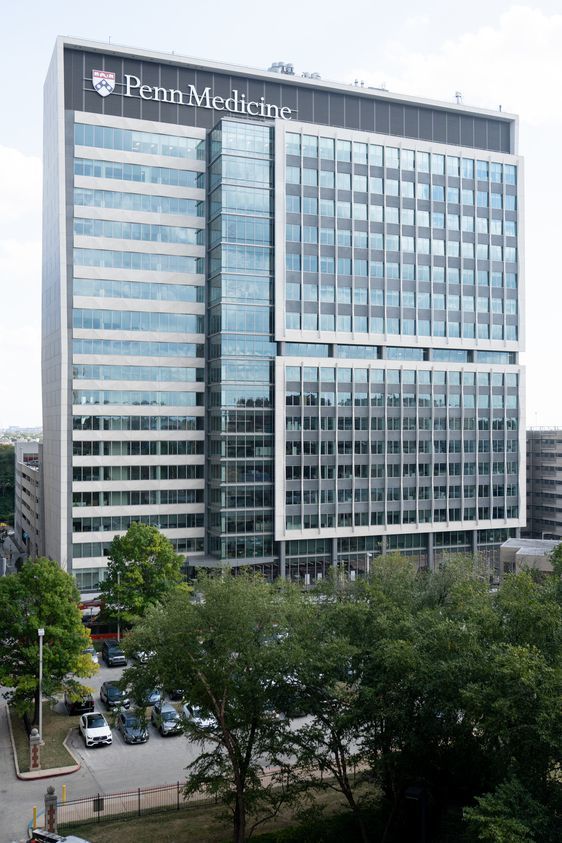
    The University of Pennsylvania opened a $376 million, 217,000-square-foot wet lab, office, and research facility at 3600 Civic Center Blvd. The seven-story facility was built on top of an active 250,000 square-foot office tower that opened in 2019.
    What are some of the new projects that have been funded?

    We have someone funded to work on the way the immune system recognizes our own DNA or RNA. lf the DNA in the nucleus of any cell in your body gets out of the nucleus, it’s a really bad thing, because that looks like a bacteria or a virus [to your immune system]. It triggers massive inflammation. The sensors for that can get miswired, and when they do, it can often lead to really devastating autoimmune disease, sometimes a fatal autoimmune disease within just a few years.

    We have a great researcher named Jonathan Miner who’s identified what happens when those proteins get mutated, and has also developed drugs that basically adapt the mutation to not be as pathogenic.

    We have some other really interesting studies on being able to regulate the way our bodies make antibodies, since that can be the pathogenic event in autoimmunity. If you make an antibody against proteins in your nerve ending, you can have diseases that end up causing muscle weakness. We’re starting to identify the way the immune system gets triggered to make antibodies against the wrong things.

    And then we have some really cool projects on CAR-T cells and autoimmunity, where we’re using standard CAR-T cells from cancer to get rid of B cells, which are cells that make antibodies in autoimmune diseases. We also have people inventing new kinds of CAR-T cells to help address other challenges in autoimmunity.

    What is the focus of your lab’s research?

    In the late 1990s and early 2000s, I became very interested in how the immune system deals with chronic infections. When you can’t fully eradicate an infection, what does the immune system do? Why doesn’t the immune system clear things like HIV or hepatitis B, and what are the mechanisms behind that failure?

    During our studies, we identified a process called T cell exhaustion. T cells are the part of the immune system that fights viruses and also tumors.

    Our core is always to understand this idea of immune exhaustion. It plays a role in infectious disease, it plays a role in cancer, and it definitely plays a role in autoimmunity.

    What are some of your current projects?

    We’re trying to understand the heterogeneity in different autoimmune diseases.

    To give an example, one is a really challenging kind of blistering inflammatory skin disease called Hidradenitis suppurativa, where there’s just massive inflammation of immune cells in your skin, and it causes really hard-to-treat skin lesions. We now are profiling all of the immune cells in the tissue in the skin and identifying new targets for therapeutics.

    We’re also interested in this idea that the immune system sees everything that’s happening in your tissues, meaning it acts like a biosensor. If we understand the things the immune system is seeing, we can start to predict trajectories of disease. The inspiration for our study on infant health [not yet published] came from a neonatologist who came to the lab and said, ‘These really premature infants have this kind of lung inflammation that we don’t understand.’

    We realized that somewhere around 10 or 20% of those really premature infants get infected while they’re in the ICU. And we were able to identify what those infections look like early in life.

    We think we can start to piece together ways that we might be able to use the immune system more effectively, or at least treat the damaging inflammation that might come from an early-life infection.

    What bets are you making on AI drug discovery?

    We’re very excited about an AI-based approach for drug discovery and drug repurposing that is being led by David Fajgenbaum, the physician who had Castleman disease and essentially cured himself.

    He has a big infrastructure to basically look at all FDA-approved drugs and identify ways to repurpose them for diseases they weren’t originally intended for. We can do AI predictions, take the top list of drugs from that, and then put that into a high throughput screening facility where Sara Cherry, who is brilliant and amazing, can now screen to identify which of those drugs might be able to provoke the effect we want from cells involved in autoimmunity.

  • A cold triggered an autoimmune disease in a Pa. man. Now he’s channeling his challenges into advocacy for people with rare diseases.

    A cold triggered an autoimmune disease in a Pa. man. Now he’s channeling his challenges into advocacy for people with rare diseases.

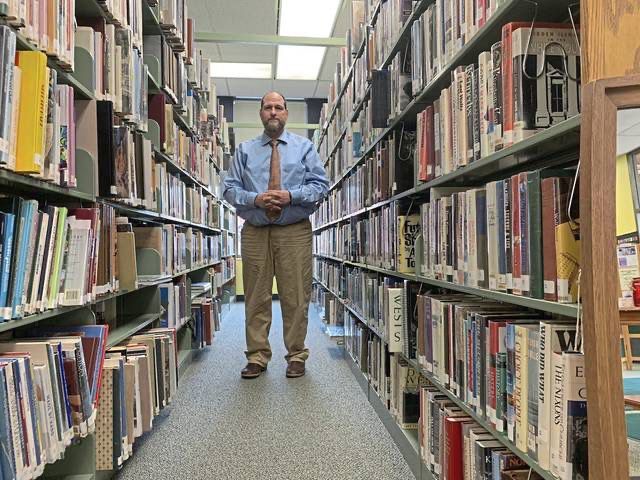
    Brian Dawson had just landed his dream job as Pennsylvania’s acting state librarian in 2015 when he came down with a cold.

    He tried to power through the sickness. But after a couple of weeks, he still couldn’t seem to kick it.

    Doctors at an outpatient clinic diagnosed Dawson with bronchitis and pneumonia, prescribed him antibiotics, and sent him home.

    A couple of days later, he developed a sharp pain in his left eye, which doctors attributed to sinus pressure.

    A few days after that, Dawson woke up in the middle of the night and told his wife he needed to go to the emergency room.

    He was admitted with severe abdominal pain, blurry vision, and trouble walking. In the span of five hours, Dawson would become blind in his left eye and paralyzed from the chest down.

    A doctor would tell him he had a rare autoimmune disease called neuromyelitis optica (NMO), and give him five to seven years to live.

    “I was in a really good trajectory in life, and then I got sick and had to pick up the pieces,” said Dawson, who lives in Harrisburg.

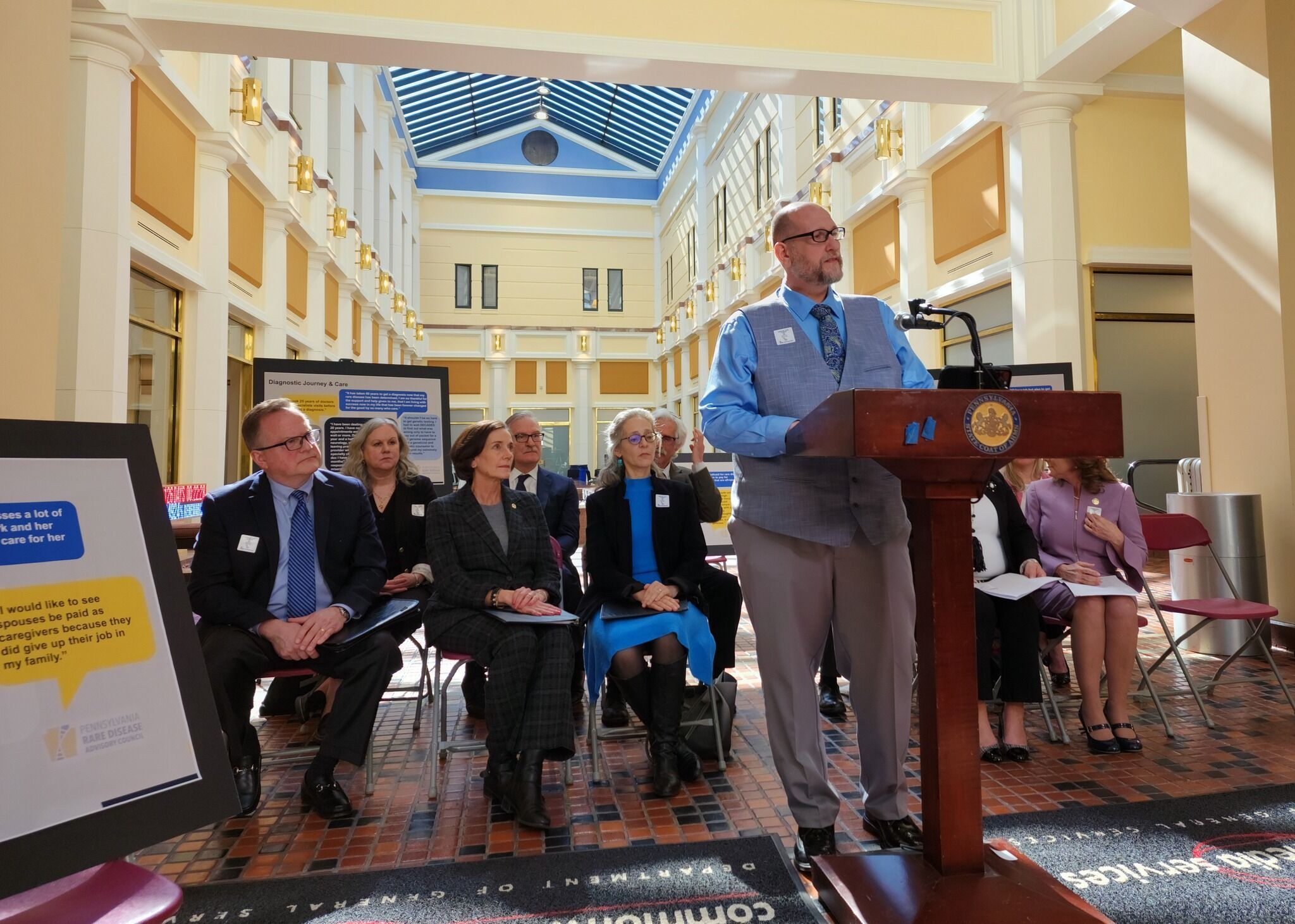
    Dawson saw his own struggles reflected in a recent survey of 1,214 rare disease patients in Pennsylvania that was spearheaded by the state’s Rare Disease Advisory Council, an advisory body to the General Assembly.

    The results, published last month in the medical journal Public Health Reports, painted a “concerning” picture of their lived experiences, said Dawson, the council’s secretary.

    For example, nearly half of the respondents waited more than two years for a diagnosis. Almost a third waited more than five years, and 37% received more than three incorrect diagnoses before their final diagnosis.

    Many respondents reported high annual spending on costs related to their disease, reduced work and school hours, and difficulty accessing medication or services after diagnosis.

    “There was a worse experience overall if there was a longer diagnosis [time],” said Jonathan Sussman, the lead author on the paper, who is working on his medical and doctoral degrees at the University of Pennsylvania’s Perelman School of Medicine.

    Misdiagnosed

    When Dawson’s symptoms progressed, doctors admitted him to the intensive care unit and started him on steroids.

    His vision returned a couple of days later, but he was still paralyzed.

    Imaging revealed that the majority of his thoracic spine — the middle section of the spine — was scarred, and his optic nerve was inflamed.

    Two weeks into his stay, a neurology fellow walked into his room, “all smiles,” Dawson recalled.

    The doctor said proudly they had figured out what he had, then leaned back on a red container on the wall, crossed his arms, and told Dawson that he had NMO.

    That meant his immune system was attacking his optic nerve and spinal cord, the doctor explained.

    He said Dawson would probably be completely blind in about five years.

    “A couple years after that, you’ll get a lesion high up on your spinal column or in your brain stem, you’ll be on a ventilator, and then pneumonia will probably kill you,” Dawson recalled him saying.

    The doctor concluded by telling him how many years he likely had left to live, and then walked out of the room.

    “The way I was told, it was horrendous,” said Dawson, who was then 42.

    Afterward, the hospital discharged him to a rehabilitation facility where he relearned how to walk for about two months.

    The next two years after that were a cycle of going on and off steroids with each relapse. He had recurring eye pain and blurriness, and pain in his legs that felt as though someone had poured searing hot coals inside them.

    “You grieve for the life that you had, grieve for the things you used to be able to do,” Dawson said.

    Dawson’s doctor put him on treatments like rituximab, an infusion meant to knock down his immune system, and gabapentin for nerve pain.

    Dawson’s doctor put him on treatments like rituximab, an infusion meant to knock down his immune system, and gabapentin for nerve pain.

    But nothing seemed to work.

    In one argument with his neurologist, he told her, “we’re doing something wrong.”

    In response, she said, “I don’t know what to do with you anymore,” he recalled.

    After that, she referred him to a neurologist at Johns Hopkins, who determined from new blood work that he didn’t have NMO.

    Almost three years after Dawson was misdiagnosed, the doctor gave him his correct diagnosis: MOGAD, or myelin oligodendrocyte glycoprotein antibody-associated disease. It was a rare autoimmune disease that was likely kicked off by the cold he had back in 2015.

    MOGAD had the same constellation of symptoms as NMO, but required different treatment. It also wasn’t thought to affect a person’s life expectancy.

    “This disease is not going to kill you. You’re going to grow old,” Dawson recalled the doctor saying.

    Advocacy

    Brian Dawson is a patient ambassador for the Sumaira Foundation and secretary of the Pennsylvania Rare Disease Advisory Council.

    The recently published survey was Dawson’s way of collecting data to substantiate trends he had heard of anecdotally.

    For example, 37% of survey respondents said they didn’t receive enough information at the time they were given a diagnosis, and 20.5% said they didn’t understand the information provided by their healthcare providers.

    As a patient ambassador for the Sumaira Foundation, a Massachusetts-based patient advocacy group for rare neuroinflammatory disorders, Dawson tries to help newly diagnosed patients navigate their own diagnoses, knowing that health literacy can be an added challenge.

    Another striking statistic to him was that half of the respondents spent more than $5,000 every year on their care, with others spending well over $10,000.

    A quarter of respondents were also unable to access medications because of co-pay costs or a lack of coverage.

    “Ninety-five percent of rare diseases don’t have an FDA-approved treatment. So a lot of times people are being treated off-label,” Dawson said.

    That means patients face barriers like prior authorizations and “flat out denials,” he added.

    Dawson himself just received a second denial from his insurance company for coverage of a medication he has been on for years, since it’s technically off-label for his condition.

    He hopes the results of the survey can inform policy to reduce barriers faced by rare disease patients.

    “There are people where it’s life or death for them dealing with some of the prior authorization stuff,” he said.

    Recovering

    When Dawson thought he only had five to seven years left to live, he “always heard the clock ticking,” he said.

    “Sometimes you could get distracted and focus on that, but if you’re focusing on that ticking clock, you’re missing everything else,” he added.

    He had hoped he could make his job as the acting state librarian into a permanent position, but with his health challenges, he had to let that dream go.

    Dawson went back to his previous role as the director of library development under the next state librarian.

    Dawson had hoped he could make his job as the acting state librarian into a permanent position.

    For the next few years, he tried to focus on making good memories for his family and minimizing the disease’s impact on them, but the effects inevitably spilled over.

    His oldest son quit a good job to move to Harrisburg to spend time with Dawson, thinking he only had a handful of years left.

    With Dawson’s new diagnosis, “our life had changed all over again,” he said.

    Now that he’s on the correct medication for his condition, Dawson is no longer experiencing the constant cycle of relapses.

    However, he still battles fatigue and brain fog from his condition, and has to be cautious about infections, since his immune system might react unpredictably.

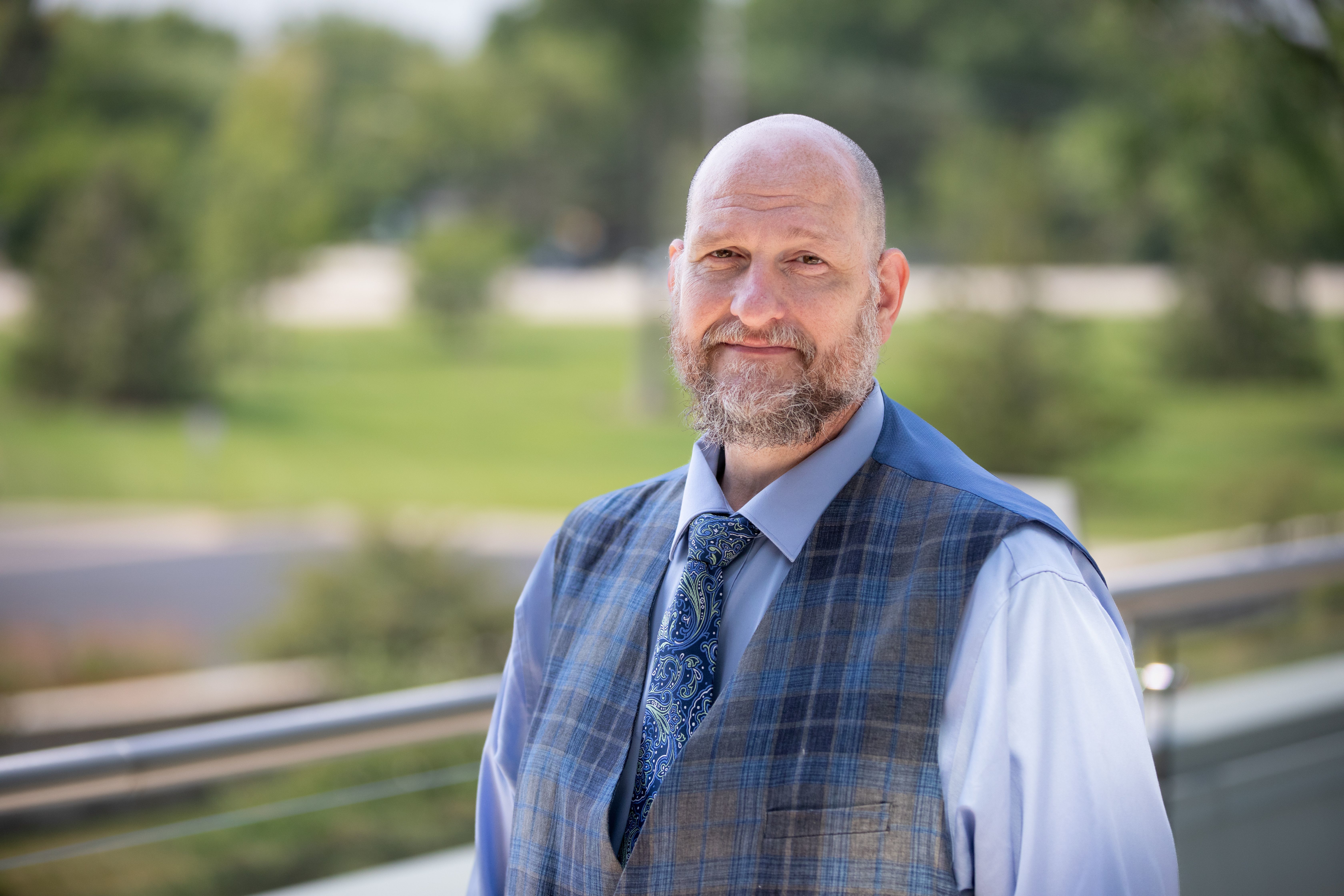
    Brian Dawson, now 52, lives in Harrisburg.

    Even with his longer life expectancy, there’s always a chance he could relapse and become blind or paralyzed again.

    “I don’t hear the clock, but I know that reality is looming out there,” Dawson said.

  • Penn Medicine is investing more than $500 million in new cancer facilities

    Penn Medicine is investing more than $500 million in new cancer facilities

    The University of Pennsylvania Health System, the Philadelphia region’s biggest provider of cancer care and a national leader in developing new treatments, is spending more than $500 million on two new cancer facilities in Philadelphia and central New Jersey to keep growing.

    Those big projects — a fourth proton center at Presbyterian Medical Center in University City and a large cancer center at Princeton Medical Center in Plainsboro — follow years of expansion through outpatient centers in communities like Cherry Hill and Radnor. Its newest is a relocated, $18.5 million infusion center in Yardley that opened in June.

    “What we’ve seen pretty consistently is that demand is there to meet any capacity increases,” Julia Puchtler, the health system’s chief financial officer, said in an interview about fiscal 2025 financial results.

    Penn is not alone in its push to expand cancer services. Jefferson’s Sidney Kimmel Cancer Center, Temple’s Fox Chase Cancer Center, and the MD Anderson Cancer Center at Cooper are pushing into the suburbs to reach more patients.

    The same thing is happening nationally as financially pressured health systems are looking for ways to increase revenue in a growing and lucrative market for cancer care.

    Penn stands out locally for the scale of its investment in a strategy to deliver cancer care seamlessly across its seven hospitals and a growing network of outpatient clinics, with the expectation that patients will keep coming back for their ongoing health needs.

    Penn sees an opportunity to expand its market share even more, as cancer diagnoses rise. The U.S. is expected to see a nearly 40% increase in cancer diagnoses between 2025 and 2050, according to the Philadelphia-based American Association of Cancer Research.

    Experts attribute the rise to a wide variety of factors, from better early detection, to longer life spans, and to environmental exposures that are poorly understood.

    Much of Penn’s investment is in outpatient facilities, including a $270 million center being built in Montgomeryville that will have radiation oncology and an infusion center. “More and more patients want to receive care closer to home,” according to Lisa Martin, a senior vice president at Moody’s Rating. “All of that is really what’s behind all of this investment.”

    Cancer treatment overall is profitable. At Penn, cancer services account for up to 60% of the system’s operating margin by one simple measure that subtracts direct costs from direct revenue and excludes back-office expenses and other centralized costs.

    Puchtler attributed the profitability of cancer care to the prevalence of drugs, such as chemotherapy, that Penn can buy at a discount, while getting the full price from insurers, and the higher percentage of younger cancer patients with better-paying private insurance than is typical for many healthcare services.

    The expansion efforts are expensive in an industry where the consumers both benefit from advances and pay ever-rising healthcare costs. Proton therapy, in particular, costs more, but has not yet been proven to have better outcomes across a wide range of cancers.

    The intensifying competitive landscape

    Penn treats about one-third of adults with cancer in its market area, which stretches from central New Jersey to the Susquehanna, according to Robert Vonderheide, who is director of Penn’s Abramson Cancer Center and leads all of Penn’s efforts in oncology treatment and research.

    Penn counted 47,053 new cancer patients in the 12 months that ended June 30, up 40% from five years ago, according to Penn. The system has 14 locations where patients can receive chemotherapy and even more radiation oncology sites.

    Competitors are also trying to expand their reach, and Temple’s Fox Chase Cancer Center is succeeding.

    window.addEventListener(“message”,function(a){if(void 0!==a.data[“datawrapper-height”]){var e=document.querySelectorAll(“iframe”);for(var t in a.data[“datawrapper-height”])for(var r,i=0;r=e[i];i++)if(r.contentWindow===a.source){var d=a.data[“datawrapper-height”][t]+”px”;r.style.height=d}}});

    Fox Chase had 21,442 new patients in fiscal 2025, up 148% from 2020, the nonprofit said. Fox Chase has added suburban offices in Voorhees and Buckingham, Bucks County, and is expanding its infusion capacity at its main campus on Cottman Avenue. Fox Chase has a significantly smaller footprint than Penn, with six locations for infusions and four for radiation.

    The MD Anderson Cancer Center at Cooper said it had 4,326 new patients last year, up 27% over the last five years. Cooper has taken the MD Anderson Cancer Center brand to the former Cape Regional Medical Center, which it acquired last year and which used to be part of the Penn Cancer Network. Cooper also offers cancer services at its new Moorestown location.

    Jefferson Health’s Sidney Kimmel Cancer Center did not respond to requests for patient data, but has in recent years opened cancer center locations at its Torresdale and Bucks County Hospitals. Jefferson’s cancer center also attained the highest designation from the National Cancer Institute last year — the Philadelphia region’s third comprehensive cancer center, matching Penn and Fox Chase.

    Virtua Health, Penn’s partner in a proton therapy center in Voorhees, is exploring a merger with ChristianaCare, which has already been expanding from its Delaware base into Chester and Delaware Counties. Another South Jersey system, AtlantiCare, has signed a contract with the Cleveland Clinic to boost its competitiveness in cancer care.

    How Penn is trying to build a ‘cancer system’

    Lancaster County resident Susan Reese, 56, said she experienced smooth cooperation between her doctor at Penn’s Lancaster General Hospital and the team at HUP during her treatment for non-Hodgkin lymphoma.

    “I never had any question in my mind that one doctor didn’t know what the other doctor was doing,” said Reese, who received CAR-T therapy at HUP in September 2022. Penn has since started offering CAR-T at Lancaster General.

    After she relapsed in early 2023, she came back to HUP for a stem cell transplant. She could have gone to Penn State Health’s Hershey Medical Center for that. It’s significantly closer to her home in Willow Street, but she wanted to stay within the Penn system.

    Reese’s experience of integration of services at HUP and Lancaster General is what Penn is aiming for in a territory that stretches from central New Jersey to central Pennsylvania.

    Oncologist Robert Vonderheide, director of Penn Medicine’s Abramson Cancer Center, oversees all Penn’s cancer services and research.

    Electronic medical records help with the integration needed to ensure the thousands of cancer patients Penn physicians treat annually get the most advanced care possible, according to Vonderheide, whose research focuses on cellular immunotherapies.

    “We treat patients’ cancers now in a very precise way; the precise mutation, the precise type of chemotherapy, the precise dose” are the focus for doctors, Vonderheide said. “This is no longer appropriate for the telephone game. This has to be data-driven.”

    Reese’s decision to stay within Penn is part of a broader trend of patients tending to receive all their care within one health system, according to Rick Gundling, a healthcare expert at the Healthcare Financial Management Association in Washington, D.C.

    That’s particularly important in oncology, which typically involves multiple specialties, such as medical oncology, radiation oncology, and surgical oncology, he said.

    “Seamless coordination across all those disciplines really makes it a better patient experience and clinical experience because it reduces delay, improves access,” Gundling said.

    Taking advanced treatments from HUP to the network

    Part of Penn’s strategy is to begin offering advanced services at locations beyond HUP. That’s where Penn pioneered CAR-T cell therapy, which harnesses the immune system to attack cancer, and for years that was the only place Penn offered it.

    HUP still performed the bulk of the CAR-T treatments for blood cancers, 123 inpatient cases and 14 outpatient cases last year, but now CAR-T is also available at Lancaster General and at Penn’s Pennsylvania Hospital in Center City.

    Fox Chase was the next biggest center in the region for the relatively new treatment that Penn scientist Carl June and his research teams helped develop. For the fiscal year that ended June 30, 2025, Fox Chase had 21 inpatient cases and 67 outpatient cases, the center said.

    In the Penn system, certain kinds of bone marrow transplants also used to be available only at HUP. “Now we do them at HUP and Pennsylvania Hospital,” Vonderheide said.

    Even the most complicated pancreatic surgeries are going to be done at Princeton, in conjunction with experts at HUP, Vonderheide said. Penn held a ceremonial groundbreaking Monday for the hospital’s $295 million cancer center.

    Remaining only at HUP are bone marrow transplants that use another person’s cells to treat blood cancers, Vonderheide said. HUP performed 118 of those so-called allogeneic bone marrow transplants on the top floor of its $1.6 billion patient pavilion, now known as the Clifton Center.

    Pennsylvania’s next-biggest provider of the treatment was Hershey Medical Center, near Harrisburg, with 71, according to state data.

    window.addEventListener(“message”,function(a){if(void 0!==a.data[“datawrapper-height”]){var e=document.querySelectorAll(“iframe”);for(var t in a.data[“datawrapper-height”])for(var r,i=0;r=e[i];i++)if(r.contentWindow===a.source){var d=a.data[“datawrapper-height”][t]+”px”;r.style.height=d}}});

    Penn started offering proton therapy at HUP in 2010, and expanded its availability in the last three years to Lancaster General and Voorhees, through a joint venture with Virtua Health. Those two centers only have one proton machine each, compared to five at HUP.

    It’s a type of radiation that is designed to precisely target tumors and do less damage to surrounding tissues. That makes the treatment, which costs more, particularly helpful for children, and it is proving beneficial for treating certain neck and throat cancers. The use of proton therapy for the more common prostate cancer has been more controversial.

    Penn’s fourth proton center, with two machines, is under construction and is expected to open at Presbyterian in late 2027. When that $224 million center opens, Penn will have more proton treatment rooms than the entire West Coast, said Jim Metz, chair of radiation oncology at Penn.

    Currently about 10% of Penn’s roughly 10,000 annual radiation oncology patients are treated with protons, though it’s a higher percentage at locations with proton machines, Penn said.

    Penn officials have noted that some cancer patients come to Penn for proton therapy. Even when it’s not appropriate for them, they tend to stay within Penn. “We have seen, when we build protons, our market share increases, ” Metz said.

    Editor’s note: This article has been updated with more recent Fox Chase data.