Tag: University of Pennsylvania

  • Can’t score a Longwood Gardens reservation this week? See these other festive Philly-area options.

    Can’t score a Longwood Gardens reservation this week? See these other festive Philly-area options.

    Deanna Baker made reservations for A Longwood Christmas in late summer.

    The 32-year-old Downingtown resident has been gifted a Longwood Gardens membership each of the past five years, but even the member reservations for the annual holiday light show book up well in advance. So she secures her family’s time slots while the weather is still warm.

    “Yes, it’s ridiculous this time of year,” she said of the Longwood demand at Christmastime. But “yes, it’s worth it.”

    Baker, who works in operations for Victory Brewing Co., said there is “a magical element” to the experience, whether she’s going with her toddler or her adult friends and relatives. She went once in early December and plans to return in the afternoon on Christmas Day.

    Every holiday season, hundreds of thousands of people visit A Longwood Christmas, which serves as an “economic engine” for the business communities in Kennett Square and surrounding towns, as Cheryl B. Kuhn, CEO of the Southern Chester County Chamber of Commerce, recently described it.

    Longwood Gardens’ holiday attendance has increased nearly 42% since pre-pandemic times. Last year, 650,000 people visited the gardens at Christmas, up from 609,000 the prior holiday season and from 458,000 during the 2019-2020 event (the show ends in the beginning of January).

    Many of these guests book months in advance, leaving last-minute planners few options for afternoon and nighttime visits during the holiday week.

    More than 500,000 lights shimmer at Longwood Gardens’ A Longwood Christmas through Jan. 11, 2026.

    “We open ticketing in July, and there are always a few early planners that buy tickets and make reservations then,” Longwood Gardens spokesperson Patricia Evans said in a statement. “By late Octoberish, the most desirable evening time slots on the weekends and the week of and following Christmas tend to be sold out.”

    But as of Monday, Evans noted, some tickets were available for time slots before noon and after 8:30 p.m. for the remaining days of December. Availability opens up in January, she added. The holiday lights stay on through Jan. 11.

    If nonmembers snag tickets, the experience will cost $45 a person for adults and $25 a person for kids, which Evans said is a $2-$3 per person increase from last year. Children 4 and under are free.

    window.addEventListener(“message”,function(a){if(void 0!==a.data[“datawrapper-height”]){var e=document.querySelectorAll(“iframe”);for(var t in a.data[“datawrapper-height”])for(var r,i=0;r=e[i];i++)if(r.contentWindow===a.source){var d=a.data[“datawrapper-height”][t]+”px”;r.style.height=d}}});

    Philly-area holiday attractions that have availability

    For Philly-area residents who want to enjoy a festive experience before 8 p.m., or at a slightly lower price point, other options have availability this week.

    As of Monday afternoon, the ice skating rinks at City Hall and Penn’s Landing had online reservations available for any day this week, though spokespeople said some time slots can sell out around the holidays. Both cost about $20 per person for admission and a skate rental.

    LumiNature at the Philadelphia Zoo also still had tickets available every operating night through Jan. 3 as of Monday afternoon.

    A family walked into the Philadelphia Zoo’s LumiNature holiday light display in this December 2021 file photo.

    “While tickets are available, the most popular times that guests reserve their tickets for are from 5-6 p.m., and it is likely that that particular hour will sell out on our most popular nights,” zoo spokesperson Maria Bryant said.

    Last year, LumiNature saw nearly 70,000 guests, according to Bryant, and it is on pace to exceed that number this season.

    Depending on the day, tickets cost between $25 and $29 per nonmember 12 and over, and $20 and $24 per child between the ages of 2 and 11. Younger children are free.

    Nighttime turned the Philadelphia Zoo into a wonderland of lights as LumiNature returned for its third year in December 2022.

    In the suburbs, the Elmwood Park Zoo’s Wild Lights “will not sell out,” with “plenty of tickets for each day of the rest of the event,” marketing director Kyle Gurganious said. Guests can buy at the gate, he added, or book online to save $1 per person.

    For nonmembers, online tickets are $27 per person 13 and older and $24 per child between the ages of 3 and 12. Children under 3 are free.

    Last season, the Norristown attraction brought in about 50,000 visitors, a number Gurganious said the zoo is “on track to eclipse … significantly” this year.

    Throughout the region, there also free events, such as the Wanamaker Light Show and the Comcast Holiday Spectacular. But be prepared: They can come with long lines and large crowds at popular times.

    Another holiday sellout in Philly

    A miniature Art Museum was on display in the Holiday Garden Railway at the Morris Arboretum & Gardens in 2023.

    At least one other Philly-area holiday attraction is completely sold out this week: The Holiday Garden Railway Nighttime Express at the Morris Arboretum & Gardens.

    Because it’s “so popular and because we only have a limited number of nights, the Nighttime Express sells out every year,” said Christopher Dorman, the director of visitor experience for the arboretum, which is part of the University of Pennsylvania.

    Those looking to snag tickets for next year may want to mark their calendars: Holiday tickets go on sale at the beginning of November for arboretum members and a week later for the general public.

    Added Dorman: “While the Nighttime Express is sold out, folks can still see the trains all lit up [and the rest of the garden] during normal daytime hours through Dec. 30.”

    And for those turned off by the planning — and expense — required for these paid festivities, there’s always the low-cost, low-commitment option: touring your neighborhood’s home light displays.
  • California biotech BioMarin will pay $4.8 billion for Amicus Therapeutics, a rare-disease company with a presence in Philadelphia

    California biotech BioMarin Pharmaceutical Inc. will pay $4.8 billion in cash for Amicus Therapeutics, a Princeton rare-disease company with a presence in Philadelphia, the two publicly traded companies announced Friday.

    The acquisition of Amicus, expected to be completed in the second quarter of next year, will give BioMarin treatments for rare genetic diseases that generated $599 million in revenue over the last 12 months, according to BioMarin, which is based in the San Francisco Bay Area.

    Amicus has a treatment for Fabry disease, which is caused by a genetic mutation that allows fatty waste to build up in the body, damaging tissues and organs, according the BioMarin. The second treatment is for late-onset Pompe disease, which is an inherited genetic condition that causes muscle weakness that worsens over time.

    BioMarin CEO Alexander Hardy said on a webcast about the deal that both of those treatments have the potential to reach $1 billion in global sales. BioMarin had $2.85 billion in revenue last year, compared to $528 million at Amicus.

    The Philadelphia tie

    In 2019, Amicus established its Global Research and Gene Therapy Center of Excellence at 3675 Market St. in University City, saying at the time that the facility would employ 200 people eventually. The company’s website now lists the location as its Research Center of Excellence.

    Amicus now has 12 people in its Philadelphia office, a spokesperson said Friday.

    The company laid off 35 people working in research and development in 2022 after terminating plans for a gene therapy spinoff, according to Fierce Biotech.

    The University of Pennsylvania’s Gene Therapy Center under researcher Jim Wilson drew Amicus to Philadelphia from central New Jersey, where the company was then based in Cranbury. Penn has since spun out Wilson’s center into two for-profit companies, Gemma Biotherapeutics and Franklin Biolabs.

    John Crowley, chief executive of Amicus at the time, liked to call Philadelphia the “Cradle of Cures,” a name that hasn’t stuck. Crowley is now president and CEO of the Biotechnology Innovation Organization (BIO), a biotech trade organization in Washington.

  • Can the Brown University tragedy bring the left and the right together?

    Can the Brown University tragedy bring the left and the right together?

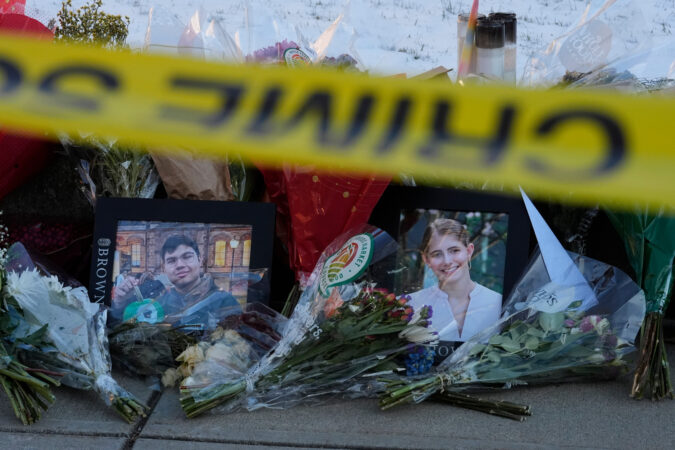
    Let’s start with the easy part. There is absolutely no evidence so far to suggest that the shooter at Brown University targeted Alabama native Ella Cook — one of two students who died in the massacre last Saturday — because of her political opinions.

    That’s what several right-wing commentators said, noting that Cook had been vice president of the College Republicans at Brown. Cook “was targeted for her conservative beliefs, hunted, and killed in cold blood,” the national chairman of the College Republicans wrote in a post on X, which has garnered nearly two million views.

    Please. We still don’t know who opened fire in a classroom building at Brown, or why. It’s reckless — and cynical — to pretend that we do.

    But behind every crazed conspiracy theory lies a small grain of truth. Conservative students are not in danger for their lives, but they do experience ostracism and discrimination. People who claim otherwise are like climate change deniers, except in this case the naysayers are on the left.

    I’m on the left, too. And it’s time for us to come clean about the biased environments we have created.

    I feel that every time I hear a colleague say all Trump voters are white supremacists or fascists. I feel it when students email me to complain about the left-wing groupthink in their classes.

    And I feel it, most of all, when they come out to me as Trump supporters in my office, with the door closed. I plead with them to share their views with others, which is the only way we learn anything. But they tell me the cost would be too high: They’d be vilified and canceled.

    A poster seeking information about the shooting suspect is seen on the campus of Brown University on Wednesday.

    That’s why so many Republicans disdain higher education. They know that we abhor their views, and they return the favor.

    Now they’re trying to impose their will upon us. Start with President Donald Trump’s “compact,“ which is really just an act of extortion: Do what we say, or we’ll cut off your funding. I’m glad that Brown — like Penn — rejected it, but schools with smaller endowments might face a more difficult choice when deciding whether to do so.

    Then there are state measures restricting instruction about race and gender. The logic goes like this: You taught things we didn’t like, so we’re going to prevent you from teaching about them at all.

    Remember the adage about two wrongs? We seem to have forgotten it. Liberals created an intolerant atmosphere on our campuses. In response, conservatives are taking political measures to silence us.

    It’s time to end this madness. And perhaps we can use the Brown tragedy to do just that.

    The other student who was murdered was a naturalized U.S. citizen from Uzbekistan, Mukhammad Aziz Umurzokov. He survived a serious childhood illness and wanted to become a doctor, so he could assist other people who had suffered like he did.

    You haven’t heard a lot about Umurzokov in right-wing media, which has been busy memorializing Ella Cook. But neither have my fellow liberals made much mention of Cook; instead, they have been commemorating the remarkable life of Mukhammad Umurzokov.

    Imagine a national day of mourning, where we switched all of that up. In Congress and in statehouses, Democratic leaders would hoist large blow-up pictures of Cook — the kind you see in sports stadiums — to memorialize her. And GOP officials would do the same for Umurzokov.

    That would require courage on both sides, which is in short supply these days.

    Democrats would need to celebrate a brave churchgoing conservative who bucked the dominant liberal consensus on campus. And Republicans would need to challenge their party’s nativist and anti-Islamic rhetoric by praising a young Muslim immigrant who wanted to do good in and for America.

    They would also have to call out the conspiracy theorists in their midst. Political violence is real, but there’s no evidence that Ella Cook was killed because of her politics. Honest Republicans know that. They need to say it.

    And maybe, just maybe, that can begin the healing that our battered nation so desperately needs. We simply cannot make anything better by hating on each other.

    At our schools and universities, we’ll resolve to welcome all points of view. Instead of maligning the other side — or trying to censor it — we’ll bring different sides together.

    And we will educate a new generation of citizens, who have both the will and the skill to converse across their differences. That will be a great way to remember Ella Cook and Mukhammad Umurzokov. And it will make America great, too. For all of us.

    Jonathan Zimmerman teaches education and history at the University of Pennsylvania. He is the author of “Whose America? Culture Wars in the Public Schools”.

  • Why Philadelphia loses promising biotech firms to Boston, San Francisco, and San Diego

    Why Philadelphia loses promising biotech firms to Boston, San Francisco, and San Diego

    Capstan Therapeutics’ sale this year for $2.1 billion, the highest price paid for a private early-stage biotech company since 2022, was a triumph for its founders at the University of Pennsylvania.

    Unfortunately for Philadelphia, the company is based in San Diego. Investors wanted an executive who lives there to be CEO.

    Capstan was a miss for Philadelphia, said Jeffrey Marrazzo, who cofounded a high-profile regional biotech company, Spark Therapeutics, and is now an industry investor and consultant.

    If Philadelphia had a bigger talent pool of biotech CEOs, “it would have and should have been here,” he said.

    The company, which aims to treat autoimmune diseases by reengineering cells inside the body, most likely would have been sold wherever it was based, but keeping it here would have boosted the local biotech ecosystem, experts said.

    The Philadelphia region has lagged behind other biotech centers in landing companies and jobs, but industry experts are working to close the gap and better compete with Boston, the San Francisco Bay Area, and San Diego.

    According to Marrazzo and others, the Philadelphia region’s relatively shallow pool of top biotech management is a key challenge.

    Big investors go to managers who have proven ability to deliver big investment returns, said Fred Vogt, interim CEO of Iovance Biotherapeutics, a California company with a manufacturing facility in the Navy Yard.

    “They want the company to perform. They’ll put it in Antarctica, if that was where the performance would come from,” he said.

    A positive sign for Philadelphia is Eli Lilly & Co.’s recent decision to open an incubator for early-stage biotech companies in Center City.

    The Lilly announcement last month also reflects Philadelphia’s national biotech stature. It’s the fourth U.S. city to get a Lilly Gateway Lab, behind Boston, the San Francisco Bay Area, and San Diego.

    Those places have far outpaced Philadelphia in the creation of biotech research and development jobs, even as the sector’s growth has slowed.

    From 2014 through last year, the Boston area added four biotech research and development jobs for every one job added here, according to an Inquirer analysis of federal employment data.

    window.addEventListener(“message”,function(a){if(void 0!==a.data[“datawrapper-height”]){var e=document.querySelectorAll(“iframe”);for(var t in a.data[“datawrapper-height”])for(var r,i=0;r=e[i];i++)if(r.contentWindow===a.source){var d=a.data[“datawrapper-height”][t]+”px”;r.style.height=d}}});

    Penn’s role in Philadelphia biotech

    Philadelphia’s reputation as an innovation center — boosters like to call the region “Cellicon Valley” — starts with the University of Pennsylvania, which has long been a top recipient of National Institutes of Health grants to advance scientific discovery.

    Penn scientists’ 21st-century accomplishments include key roles in figuring out how to arm immune cells to fight cancer, fixing faulty genes, and modifying mRNA to fight disease.

    Research at Penn has contributed to the creation of 45 FDA-approved treatments since 2013, according to the university.

    “Penn discoveries help spark new biotech companies, but we can’t build the whole ecosystem in this area alone,” said John Swartley, Penn’s chief innovation officer. “Great science is just one ingredient. We also need capital, experienced leadership, real estate and manufacturing infrastructure, and strong city and state support.”

    Penn was one of two Philadelphia institutions receiving more than $100 million in NIH funding in the year that ended Sept. 30. The other was the Children’s Hospital of Philadelphia.

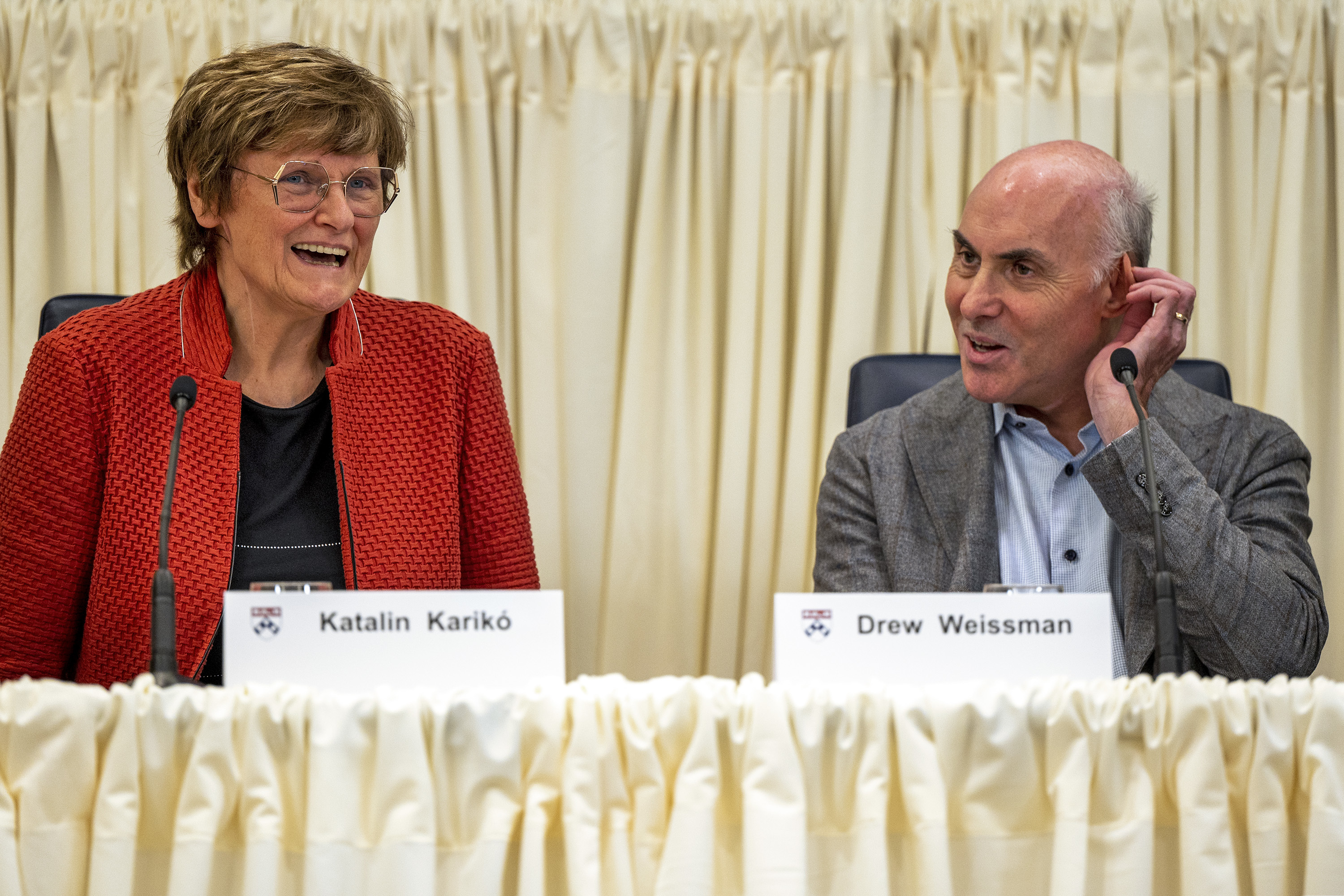
    Katalin Karikó and Drew Weissman spoke at a University of Pennsylvania news conference after they were named winners of a 2023 Nobel Prize in medicine. Their work was instrumental to modifying mRNA for therapeutic uses, such as the rapid development of lifesaving vaccines during the COVID-19 pandemic.

    By contrast, the Boston area was home to 10 institutions with at least $100 million in NIH grants, generating more spinoffs and jobs.

    The Philadelphia region has a healthy number of biotech spinouts, but the biggest markets have more from a larger number of research institutions, said Robert Adelson, founder Osage University Partners, a venture capital firm in Bala Cynwyd.

    That concentration of jobs and companies in the Boston area — where nearly 60,000 people worked in biotech R&D last year — makes it easier to attract people. By comparison, there were 13,800 such jobs in Philadelphia and Montgomery County, home to the bulk of the regional sector.

    If a startup fails, which happens commonly in biotech, “there’ll be another startup or another company for me to go to” in a place like Boston, said Matt Cohen, a managing partner for life science at Osage.

    Another challenge for Philadelphia: It specializes in cell and gene therapy, a relatively small segment of the biotech industry, whose allure to investors has faded in the last few years.

    Such market forces shaped the trajectory of Spark, a 2013 Children’s Hospital of Philadelphia spinout that developed Luxterna, the first FDA-approved gene therapy, used to treat an inherited form of blindness. The promise of Spark’s gene therapy work for a form of hemophilia spurred its 2019 acquisition by Swiss pharmaceutical titan Roche for $4.8 billion.

    This year, Roche laid off more than half the company’s workforce as part of a restructuring and a rethinking of treatments for blood diseases that it had been developing.

    The company still employs about 300 in the city, a spokesperson said, and work continues on its $575 million Gene Therapy Innovation Center at 30th and Chestnut Streets in University City.

    The long arc of biotech

    A handful of companies dominated the early days of U.S. biotech. Boston had Biogen and Genzyme, San Francisco had Genentech, San Diego had Hybritech, and Philadelphia had Centocor. All of them started between 1976 and 1981.

    Centocor started in the University City Science Center because one of its founders, virologist Hilary Koprowski, was the longtime director of the Wistar Institute. Centocor’s first CEO, Hubert Schoemaker, moved here from the Boston area, where he had gotten his doctorate at the Massachusetts Institute of Technology.

    Centocor was one of the nation’s largest biotech companies when Johnson & Johnson bought it for $4.9 billion in 1999. Its portfolio included an anticlotting drug called Reopro and Remicade for Crohn’s disease.

    Another drug still under development at the time of the sale, Stelara, went on to become J&J’s top-selling drug as recently as 2023 with $10.9 billion in revenue. Stelara, approved to treat several autoimmune disorders, remains a testament to Centocor’s legacy.

    Despite its product success, Centocor didn’t have the same flywheel effect of creating new companies and a pipeline of CEOs as peer companies did in regions outside of Philadelphia.

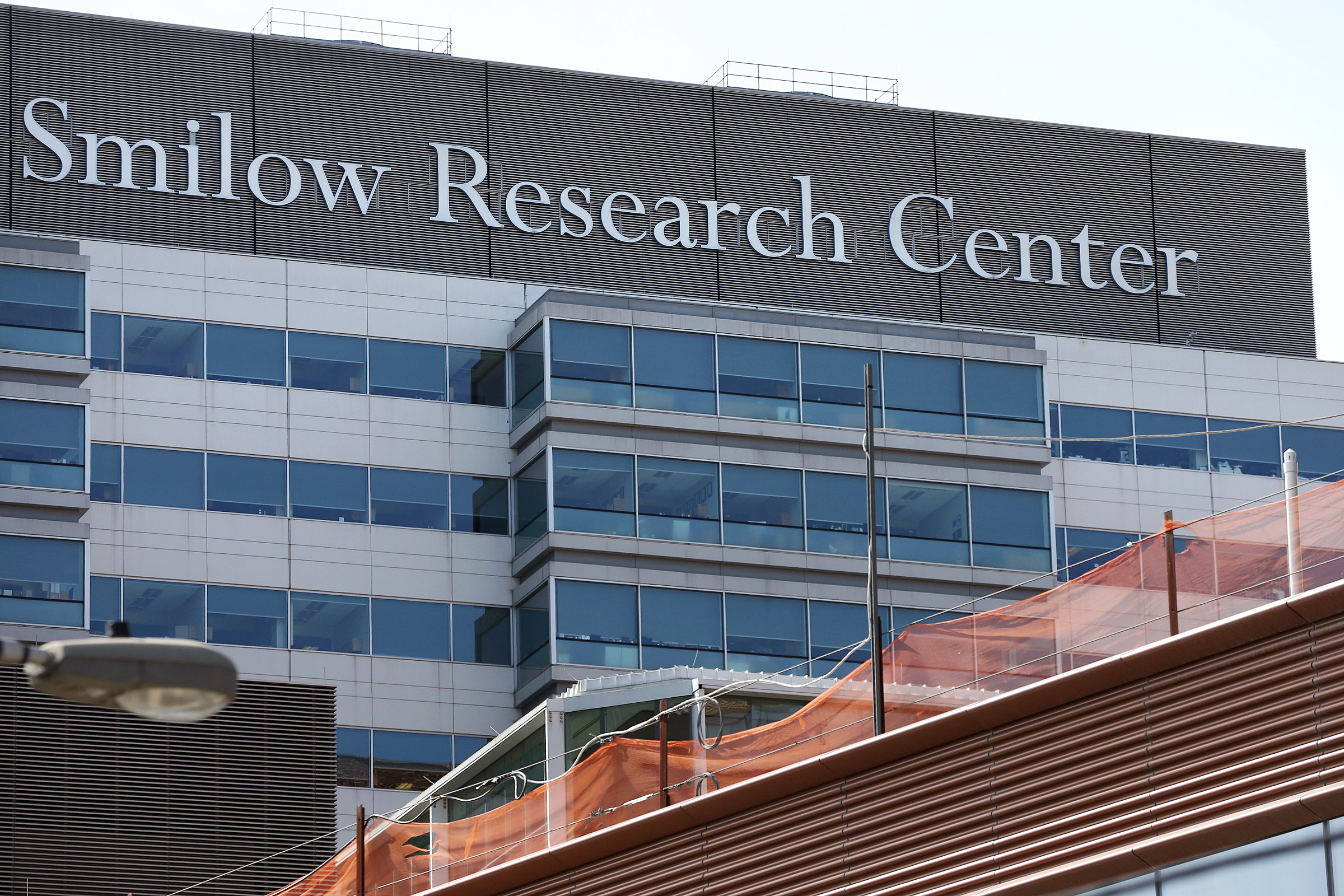
    The University of Pennsylvania’s Smilow Center for Translational Research, shown in 2020, is one of the school’s major laboratory buildings.

    “There are a lot of alums of Centocor that are really impressive, but they seem to have wound up elsewhere,” said Bill Holodnak, CEO and founder of Occam Global, a New York life science executive recruitment firm.

    Among the Centocor executives who left the region was Harvey Berger, Centocor’s head of research and development from 1986 to 1991. He started a new company in Cambridge, Mass.

    At the time, the Philadelphia area didn’t have the infrastructure, range of scientists, or management talent needed for biotech startups, he said.

    Since then, he thinks the regional market has matured.

    “Now, there’s nothing holding the Philadelphia ecosystem back. The universities, obviously Penn, and others have figured this out,” Berger said.

    Conditions have changed

    Penn’s strategy for helping faculty members commercialize their inventions has evolved significantly over the last 15 years.

    It previously licensed the rights to develop its research to companies outside of the area, such as Jim Wilson’s gene therapy discoveries and biochemist Katalin Karikó and immunologist Drew Weissman’s mRNA patents. Now it takes a more active role in creating companies.

    Among Penn’s latest spinouts is Dispatch Bio, which came out of stealth mode earlier this year after raising $216 million from investors led by Chicago-based Arch Venture Partners and San Francisco-based Parker Institute for Cancer Immunotherapy.

    Dispatch, chaired by Marrazzo, is developing a cell therapy approach that uses a virus to attach what it calls a “flare” onto the cells it wants the immune system to attack.

    Marrazzo said in July that he wasn’t going to be involved in Dispatch if it wasn’t based largely in Philadelphia. As of July, 75% of its 60 employees were working in Philadelphia. Still, Dispatch’s CEO is in the San Francisco Bay Area.

    The Philadelphia region is increasingly well-positioned for the current biotech era, said Audrey Greenberg, who played a key role in launching King of Prussia’s Center for Breakthrough Medicines about five years ago. The center is a contract developer and manufacturer for cell and gene therapies.

    “You no longer need to move to Kendall Square to get a company funded,” she said, referring to Cambridge’s biotech epicenter. “You need good data, a credible translational plan, experienced advisers, and access to patient capital, all of which can increasingly be built here.”

    Greenberg now works as a venture partner for the Mayo Clinic, with the goal of commercializing research discoveries within the health system’s network of hospitals in Minnesota, Arizona, and Florida.

    She plans to bring that biotech business to the Philadelphia region.

    “I’m going to be starting my companies all here in Philadelphia, because that’s where I am. And I know everybody here, and everybody I’m going to hire in these startups that are going to be based here,” she said.

  • How quiet is your hospital at night? See how patients rate Philly-area hospitals.

    How quiet is your hospital at night? See how patients rate Philly-area hospitals.

    Once considered the loudest hospital in the Philadelphia area, Riddle Hospital in Media has significantly reduced its nighttime noise levels, newly released federal data shows.

    At the Main Line Health Riddle hospital, only 12% of patients from the most recent survey rated the area around their room at night as “sometimes” or “never” quiet — down from 26% of patients surveyed between July 2022 and June 2023.

    Across the Philadelphia region, 52% of patients said their hospital room was “always” quiet at night. That’s slightly worse than nationally, where patients said hospitals were quiet throughout their stay 57% of the time.

    Virtua Mount Holly Hospital in New Jersey is now rated the loudest by patients.

    Nazareth Hospital in Northeast Philadelphia, owned by Trinity Health, was ranked the second loudest in the region.

    window.addEventListener(“message”,function(a){if(void 0!==a.data[“datawrapper-height”]){var e=document.querySelectorAll(“iframe”);for(var t in a.data[“datawrapper-height”])for(var r,i=0;r=e[i];i++)if(r.contentWindow===a.source){var d=a.data[“datawrapper-height”][t]+”px”;r.style.height=d}}});

    Quieter hospitals have benefits for both patients and staff, helping to lower anxiety levels, improve sleep quality, and ease the flow of communication.

    Riddle Hospital’s improvement follows construction of a new 230,000-square-foot patient pavilion that had temporarily increased noise at its Delaware County campus.

    “With the pavilion’s 2023 completion, as well as the resulting addition of more private rooms, noise is significantly reduced,” spokesperson Larry Hanover said.

    Reducing noise is also priority for Penn Medicine, whose Hospital of the University of Pennsylvania (HUP) was rated the quietest hospital among the 25,000 patients surveyed in the Philly-area.

    Chester County Hospital, also owned by Penn Medicine, was ranked the second quietest.

    The health system has made big investments in recent years to address noise levels at its hospitals, according to the university’s website. The Pavilion, which opened at HUP in Center City in 2021, was designed to reduce noise levels and nightly disruptions by separating nonclinical work from patient care areas.

    Each floor of the $1.6 billion building centers around an “offstage” area for staff to hold conversations and calls away from patient rooms that line the perimeter. The design of the rooms also allows care teams to check vitals and refill medications from the hallway, reducing nighttime disruptions.

    Here’s a look at how patients ranked their Philly-area hospitals on nighttime noise, according to the Centers for Medicare and Medicaid Service’s Hospital Consumer Assessment of Healthcare Providers and Systems data from October 2023 to September 2024.

    window.addEventListener(“message”,function(a){if(void 0!==a.data[“datawrapper-height”]){var e=document.querySelectorAll(“iframe”);for(var t in a.data[“datawrapper-height”])for(var r,i=0;r=e[i];i++)if(r.contentWindow===a.source){var d=a.data[“datawrapper-height”][t]+”px”;r.style.height=d}}});

  • The street of the future isn’t just for cars — it’s designed for life

    The street of the future isn’t just for cars — it’s designed for life

    We are standing at the crosswalk of a bold new era in street design and management.

    Streets make up roughly 30% of a Philadelphia’s land. Yet, most are locked into a single use: moving and storing cars. What if, instead, we treated them as dynamic public spaces capable of changing function and meaning depending on the time of day, the season, or the needs of the neighborhood?

    That question guided a recent pilot project I helped lead in Chinatown, which will be unveiled next month. As part of “the Chinatown Stitch” — an ambitious effort led by the city’s Office of Transportation and Infrastructure Systems, with state and federal partners, meant to heal a neighborhood long divided by transportation infrastructure. Our team designed a movable market stall, a piece of street furniture that serves as both a vendor kiosk and a community gathering space.

    During Chinese New Year or other festivals, when the streets overflow with people and energy, the stall slides into the roadway, transforming asphalt into a festive plaza. When the celebration ends, it retreats, making way for traffic once again.

    For a neighborhood starved of public space, this small, movable structure has become a powerful symbol: The street itself can flex, adapt, and respond. It embodies what planners and landscape architects call the Flexible Street Strategy — a vision for cities that recognizes streets as living systems, not fixed infrastructures.

    Open Streets

    For more than a century, street planning has been governed by rigid right-of-way definitions. Sidewalks for walking. Lanes for driving. Curbs for parking. These rules answer only one question: what belongs where? The flexible street concept asks another: when? When should a street prioritize cars, and when should it belong to people?

    We’ve already seen glimpses of this transformation elsewhere in my hometown. Consider Philadelphia’s Open Streets: West Walnut, hosted by Center City District. Every Sunday from 10 a.m. to 5 p.m. in summer, several downtown blocks are closed to vehicles and opened to people.

    Based on research my team completed last summer, the results have been stunning. Foot traffic soars. Businesses thrive. And, perhaps most tellingly, children return. On a normal day, we counted two kids passing through a block in 15 minutes. During one Open Streets event, that number jumped to 39.

    It’s not just a statistic; it’s a story of safety, belonging, and joy. For once, the street was everyone’s.

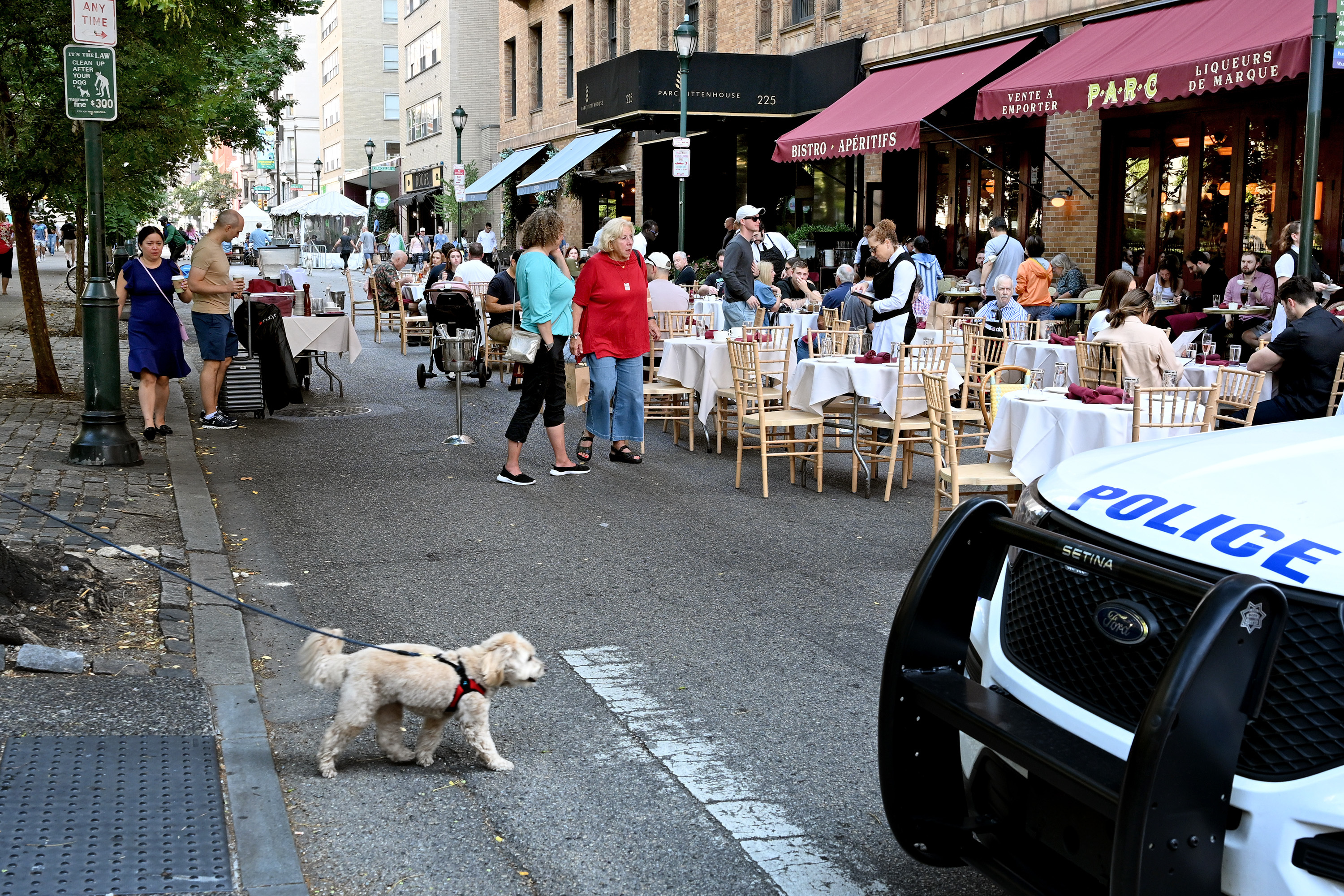
    Restaurants take over 18th Street as the streets around Rittenhouse Square are closed to vehicular traffic for pedestrian-only zones for the city’s Open Streets program.

    When the Open Streets program began, its organizers expected bureaucratic hurdles — clashes between departments, debates over lost parking revenue. Instead, city agencies from streets to parking embraced it. Post-pandemic, there’s a new understanding: Streets are no longer merely conduits for cars. They are the connective tissue of civic life.

    The success of the program, first launched in 2024 and revived last summer, has inspired plans to expand across downtown. But as encouraging as such pilots are, they still exist as exceptions to the rule. But the Flexible Street Strategy holds that flexibility should not require special permission. It should be baked into the DNA of how cities plan, design, and manage their streets.

    This means rewriting the system itself. Instead of rigid right-of-way codes, cities need regulatory frameworks that acknowledge streets as time-based spaces — spaces whose use shifts dynamically according to demand, culture, and context.

    To move from philosophy to practice, flexibility can now be managed with precision through technology.

    Using digital twin models, IoT sensors, and AI-driven analytics, our team is building a data platform that identifies “flex windows” — hours when converting a street from traffic to pedestrian use offers the greatest benefit with the least disruption. The system integrates live data on street anchor activities (schools, restaurants, parks, etc.), traffic volumes, safety, and equity to recommend optimal transformation times.

    A community stage

    Still, the real power of the flexible street idea lies in its simplicity. It doesn’t require new infrastructure — just imagination, data, and a willingness to test. Its nonpermanent, pilot-friendly nature allows cities to experiment at low cost and low risk. Just like the market stall installed in Chinatown, which amplified existing street events and vividly showed how a street can transform into a stage for community life.

    If the official Chinatown Stitch aims to reconnect neighborhoods divided by a sunken highway through large-scale infrastructure, our market stall serves as a micro-stitch — achieving the same goal on the scale of the city block by redefining the street as public space and reconnecting residents, shops, and everyday social life.

    Although the Chinatown Stitch funding was cut by the Trump administration’s One Big Beautiful Bill Act, the project has still secured planning funds. Led by OTIS and PennDot, the whole design team is actively finalizing the design. The market stall pilot project is part of this work and serves as an important advocacy and outreach tool for the overall project, supported strongly by Philadelphia Chinatown Development Corporation.

    At the end of the day, whether they recognize it or not, our cities no longer have the luxury of static infrastructure. Between climate change, social fragmentation, and changing mobility patterns, flexibility is not a design preference — it’s survival. The street of the future isn’t just paved for movement; it’s programmed for life.

    If we want streets that truly belong to everyone, we must give them the freedom to change.

    Yadan Luo is a landscape architect, lecturer in the Department of Landscape Architecture at the University of Pennsylvania Stuart Weitzman School of Design, and the creative director of YH LAB.

  • ‘Eat a cheesesteak’: Will Smith’s advice to a younger Will on ‘Bel-Air’ is the perfect ending to the series

    ‘Eat a cheesesteak’: Will Smith’s advice to a younger Will on ‘Bel-Air’ is the perfect ending to the series

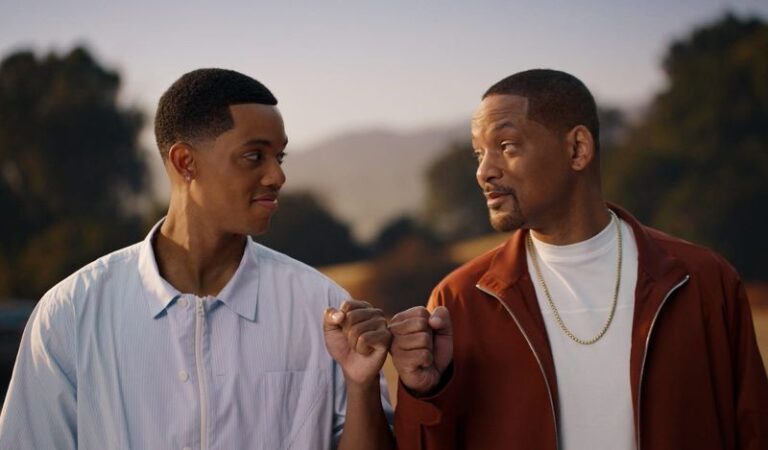
    The original Fresh Prince, Will Smith, makes a cameo in the final scene of Bel-Air, Peacock’s reimagining of the 1990s hit The Fresh Prince of Bel-Air.

    The older, fictional Will has a heartfelt talk with his younger, fictional self (West Philly-born Jabari Banks) on a mountaintop overlooking Los Angeles.

    After a tumultuous four seasons in Bel-Air, Will is returning to Philadelphia to attend the University of Pennsylvania. He’s worried he will forget the life lessons he learned with the Banks family.

    Peacock dropped the season finale on Monday.

    “You know I used to worry this city would make me forget who I was and where I came from,” the younger Will tells OG Will. “Now that I’m going back home I’m afraid I’ll forget who I became.”

    “That’s good,” OG Will replies. “That means you’ve become something worth holding on to.”

    OG Will goes on to tell young boul Will not to worry, that no one has all the answers, especially the people who pretend they do. He tells him that he will make mistakes. Then, he conspiratorially leans in as if he’s dropping knowledge forbidden by the Universe that the younger Smith will be OK.

    In that moment, you wonder if Smith, the Academy Award-winning actor, is speaking to the 1990s version of the Fresh Prince of Bel-Air star.

    “You are going to mess things up,” the older Smith continues. “You will learn, you will grow. Live. Laugh and cry.”

    Then he adds a little levity.

    “Eat a cheesesteak,” the older Smith says laughing. “Not every day, because cholesterol is real.”

    Show us the lie.

    Peacock debuted Bel-Air in 2022, after Kansas City writer Morgan Cooper posted a trailer titled, “What would happen if Will Smith was in ‘The Fresh Prince of Bel-Air’ today?” positioning the classic sitcom as a serious drama with 2020 technology and a modern soundtrack.

    The viral video caught Will Smith’s attention, and after swearing he’d never return to the fictional world of Bel-Air, he signed on as one of the show’s executive producers. Shortly after it debuted, Bel-Air became Peacock’s most streamed original series ever, reaching 8 million subscribers.

    Recently, Smith, the older actor, told ET that the series’ final scene almost didn’t happen.

    “I almost played the father,” Smith said, of the role of Lou played by Marlon Wayans. “It just felt like it might be a little too meta, a little too weird.”

    Smith’s cameo was a perfect ending to a series that was as emotional as it was nostalgic.

    “Life goes by fast, man,” says the older Smith as he closes the series. “Try to enjoy the ride. I’ll let you in on a little secret. We’re going to be all right.”

  • CHOP was Southeastern Pa.’s most profitable nonprofit health system in first quarter of fiscal 2026. Four systems lost money.

    CHOP was Southeastern Pa.’s most profitable nonprofit health system in first quarter of fiscal 2026. Four systems lost money.

    Children’s Hospital of Philadelphia was the most profitable nonprofit health system in Southeastern Pennsylvania during the three months that ended Sept. 30, according to an Inquirer review of financial filings.

    CHOP reported $70 million in operating income in the first quarter of fiscal 2026, up from $67 million the same period a year ago. The nonprofit’s revenue climbed nearly 9% to $1.3 billion.

    The biggest loss in percentage terms was at Redeemer Health, the region’s smallest health system and the only remaining operator with a single hospital. Redeemer had an $11.7 million operating loss on $103.4 million in quarterly revenue. That was an improvement over an $18.9 million loss last year.

    Jefferson Health had the most patient revenue following its acquisition last year of Lehigh Valley Health Network. The 32-hospital system had $2.9 billion in patient revenue, $100 million more than the $2.8 billion at the University of Pennsylvania Health System, which has seven hospitals.

    window.addEventListener(“message”,function(a){if(void 0!==a.data[“datawrapper-height”]){var e=document.querySelectorAll(“iframe”);for(var t in a.data[“datawrapper-height”])for(var r,i=0;r=e[i];i++)if(r.contentWindow===a.source){var d=a.data[“datawrapper-height”][t]+”px”;r.style.height=d}}});

    Here’s a recap of selected systems’ results for September quarter:

    Jefferson Health

    Jefferson Health reported a $104 million operating loss, as its insurance business continued to drag down results. The loss included $19.4 million in restructuring charges for employee severance related to earlier job cuts and moves designed to make the system more efficient.

    University of Pennsylvania Health System

    University of Pennsylvania Health System had an operating gain of $109.3 million, up from $49.3 million in the same period a year ago. This year’s results include Doylestown Health, which Penn acquired April 1. Total revenue was $3.3 billion, up from $2.8 billion a year ago.

    Temple University Health System

    Temple University Health System’s loss in the quarter was $15 million, an improvement over a $17 million loss last year. Total revenue was $800 million, up 13% from $712.5 million a year ago. Outpatient revenue increased by nearly $62 million, much of it from the health system’s specialty and retail pharmacy business.

  • Fatigue is still a safety risk for air travel

    Fatigue is still a safety risk for air travel

    Even with the longest government shutdown in American history over, it is crucial to recognize that the menace of fatigue and its impact on air travel safety remains a serious and ongoing threat.

    Before the shutdown started on Oct. 1, air traffic controller staffing was below targeted levels, with many already working mandatory overtime and six-day weeks.

    The signs of stress on the system appeared immediately, as flight delays due to staffing shortages were reported at major airports, including the temporary closure of an airport control tower, affecting over five million passengers.

    These effects snowballed such that while just 11 flights were canceled between Oct. 1 and 29 because of controller staffing, the number surged to 4,162 between Oct. 30 and Nov. 9. Of those, 3,756 were between Nov. 7 and 9. To mitigate risk, an emergency order from the Federal Aviation Administration was issued, targeting a 10% reduction in flights at 40 high-traffic airports across the country.

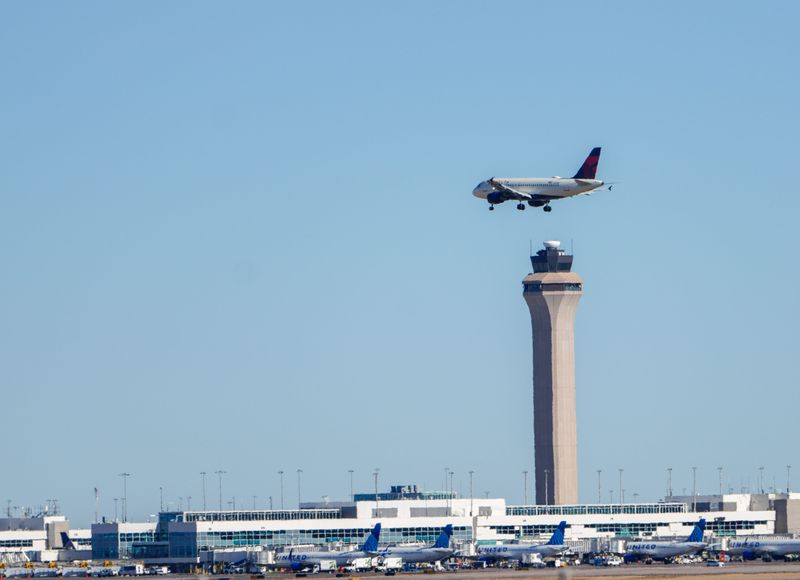
    A Delta Airlines plane comes in for a landing over the air traffic control tower at Denver International Airport on Nov. 9.

    As essential workers, air traffic controllers were required to work unpaid. Faced with mounting expenses, many workers took second jobs to cover their bills, cutting into their sleep. Others faced stress-induced insomnia from unpaid bills and job uncertainty. Overtime prevents recovery of sleep and increases fatigue-related error risk. Unsurprisingly, the White House warned that absenteeism among unpaid federal workers would increase.

    Even under normal conditions, irregular schedules, undiagnosed sleep disorders, and lifestyle factors contribute to fatigue-related errors. Shutdowns amplify these dangers.

    Air traffic controllers perform mentally demanding tasks requiring sustained vigilance. Controllers often work “rattler” schedules: five eight-hour shifts in four days, ending with a day shift followed by a night shift. These offer only 10 hours off between shifts, far too little for sleep recovery.

    One night of sleep loss can significantly impair performance. A 2008 University of Pennsylvania study found that sleep-deprived Transportation Security Administration agents were less able to detect weapons in bags.

    A NASA study found that 70% of air traffic controllers had nearly dozed off while actively working, and more than half of those who made operational errors cited fatigue as a contributing factor.

    Critically, people often misjudge their own level of sleepiness. One landmark study found that people rate themselves as only moderately sleepy even when their cognitive performance has significantly declined. As a result, well-intentioned workers may unknowingly put lives at risk.

    Many mistakenly believe they can overcome sleepiness through willpower and dedication to a task. However, sleepiness is not a minor inconvenience; it is a physiological condition that impairs judgment and performance.

    There is currently no real-time safety monitoring system in place that can determine whether an air traffic controller is fit for duty. The insidious effects of accumulated fatigue and stress may continue to linger long after the shutdown, as flight disruptions remain expected.

    Even though the shutdown has ended, air traffic controller leadership must take active steps, including restricting overtime, monitoring signs of fatigue, and avoiding reliance on self-reported assessments of fatigue.

    If necessary, airports should continue to scale back operations to allow workers time to rest. No one responsible for critical safety operations should be expected to perform under sustained, elevated fatigue levels.

    Allowing exhausted and compromised workers on the job is a recipe for disaster. The safety of millions depends on acknowledging the real threat of fatigue and taking immediate action to prevent avoidable disasters from becoming a reality.

    Jocelyn Y. Cheng is vice chair of the Public Safety Committee of the American Academy of Sleep Medicine.

  • It’s the season of giving. Experts share how to avoid charity scams and make your gift count.

    It’s the season of giving. Experts share how to avoid charity scams and make your gift count.

    Even after more than two decades of operating a financial advisory in the Philadelphia region, Joel Steele is inspired when clients tell him they want to donate money to charity.

    “But the problem is that it’s gotten much more difficult to know if your donations are going to the people you are directly trying to help,” said Steele, co-owner and financial adviser with Steele Financial Solutions in Cherry Hill. “Charity scammers are running rampant.”

    Solicitors are on the phone, at your door, in your email, and in your mailbox.

    “We’re constantly inundated with people looking to take our money and put it in their pockets for the wrong reasons,” Steele said. “This has led many people to back off — in part or in full from — donating to charities.”

    One way to reduce the chance of misappropriation is to contact the charity directly, Steele said. “Yes, it’s easier to put cash in a tin can or buy things from a stranger, but these are more likely to end up in that person’s pocket.”

    Also, he recommends, when you donate directly to charities, get a receipt and check with your income tax preparer or review deduction guidelines to understand potential tax benefits.

    Evaluating Giving Tuesday solicitations

    Everyone knows about Black Friday shopping, and recent years have seen the additions of Small Business Saturday and Cyber Monday in the days after Thanksgiving.

    In 2012, Giving Tuesday joined the lineup, promoted by the 92nd Street Y in New York and the United Nations Foundation. It caught on quickly, as more organizations joined in on the opportunity to fundraise.

    Giving Tuesday encourages generosity, but it’s also a time for scammers to ramp up fraud tactics. Scammers may use fake charities or misuse real ones to take advantage of donors.

    If you get direct mail or a call, text, email, or social media message asking you to donate to a nonprofit, pause for a moment to dig deeper.

    Your heart immediately wants to say “yes,” said Katherina ‘Kat’ Rosqueta, founding executive director of the Center for High Impact Philanthropy at the University of Pennsylvania. But unless you have personally been helped by that nonprofit or know someone who was, it’s hard to know whether the nonprofit is actually making a difference.

    “That’s where your head comes in,” Rosqueta said. Consider running a quick Internet search for the charity’s name, along with “scam” or “complaints” to see if there have been any negative feedback or investigations, she said.

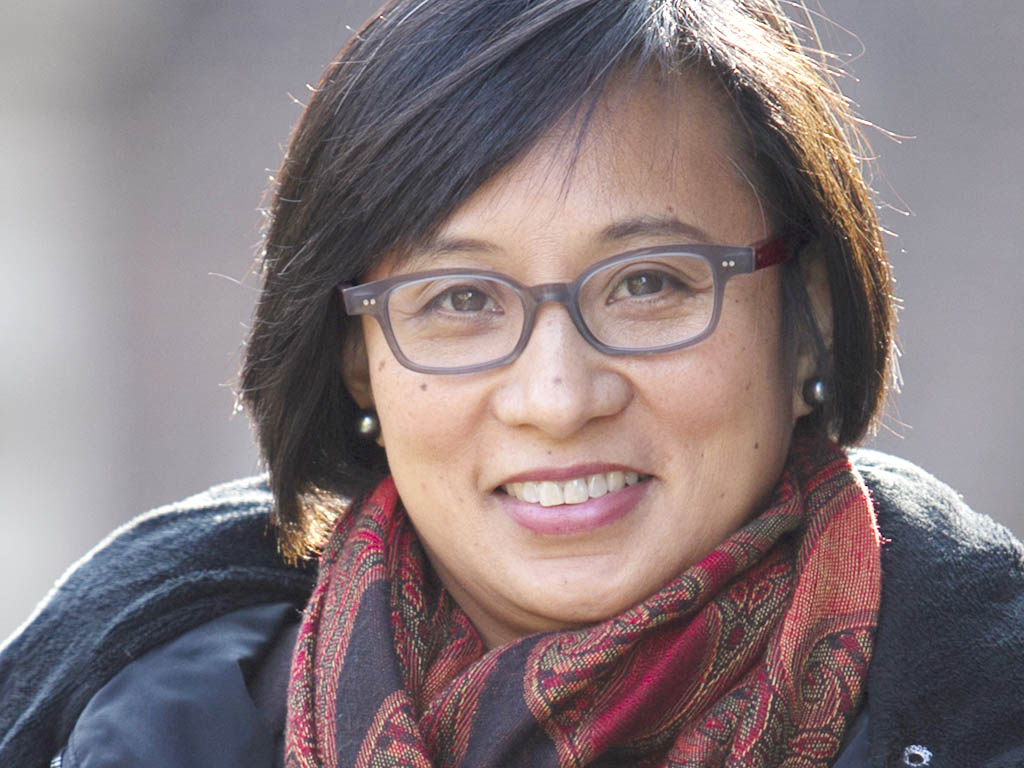
    Katherina Rosqueta is the founding executive director of the Center for High Impact Philanthropy at the University of Pennsylvania.

    Of course, most donors want to do more than just avoid fraud.

    “They want their donation to make a real difference,” Rosqueta said.

    Her center at Penn created a “High Impact Giving Toolkit,” updated each year and available for free. It highlights vetted nonprofits and provides links to organizations like Candid, Charity Navigator, and BBB Wise Giving Alliance, where potential donors can learn about organizations’ programs, team, and finances.

    “Once you feel confident about a nonprofit’s work, consider donating online through an official, secure nonprofit website that uses HTTPS encryption,” Rosqueta said.

    “Avoid links in unsolicited emails or social media posts. Credit cards and checks offer better fraud protection than debit cards or wire transfers,” Rosqueta said.

    How to make online donations safer

    The key to understanding fraud is that most scammers prey on your emotions.

    “Fear, urgency, and promise of a quick win are some elements that exist in so many scam scenarios,” said Christopher Blackmore of TD Bank in Mount Laurel, who works in customer education in financial crimes prevention.

    Blackmore said most “bad actors” will reach out and provide a number to call, link to click, or instructions for payment. “The goal is to make scenarios seem so real that you feel you must reply or something will happen.”

    Financial industries should never ask for login credentials, passwords, or one-time pass codes, Blackmore said. “Technology is making it very difficult to identify what is real vs. fake.”

    A text, email, or phone call is a very quick and easy way to contact a lot of people quickly and ask for a donation.

    “These tactics are known as phishing, vishing, and smishing,” Blackmore said. A newer tactic, known as “Quishing,” utilizes QR codes.

    When a donation ask includes a request for payments using gift cards, wires, and cryptocurrency, that should immediately raise caution, Blackmore said.

    Donors might want to consider a third-party platform like PayPal, which safeguards sensitive financial information.

    “Donors should stay mindful online and keep an eye out for the warning signs of common scams, including being wary of unexpected messages from strangers,” said Nick Aldridge, Global CEO of PayPal Giving Fund.

    “We always encourage supporting causes you care about through trusted channels like PayPal Giving Fund, the PayPal Cause Hub, and Venmo Charity Profiles,” Aldridge said.