Tag: West Chester

  • QVC Group faces $30 million ‘unjustified termination’ lawsuit after report of potential bankruptcy

    QVC Group faces $30 million ‘unjustified termination’ lawsuit after report of potential bankruptcy

    QVC Group has been hit with a $30 million lawsuit amid broader financial problems for the West Chester-based home shopping network.

    The company is considering filing for Chapter 11 bankruptcy to reorganize billions in debt, Bloomberg reported last week.

    Antthony Mark Hankins, a Savannah, Ga.-based fashion designer who had a 31-year on-air career with HSN until he was terminated in July, filed the lawsuit last week against the network and its parent company, QVC Group, according to federal court documents.

    Hankins seeks at least $30 million in damages for what his attorneys describe in the documents as an “abrupt and unjustified termination” that “reflects a pattern of discriminatory treatment, retaliatory conduct, and operational mismanagement.” The lawsuit is filed in the U.S. District Court for the Eastern District of Pennsylvania.

    QVC Group spokespeople and general counsel did not return requests for comment. HSN operated out of a studio in St. Petersburg, Fla., until about a year ago, when it moved to QVC’s West Chester campus.
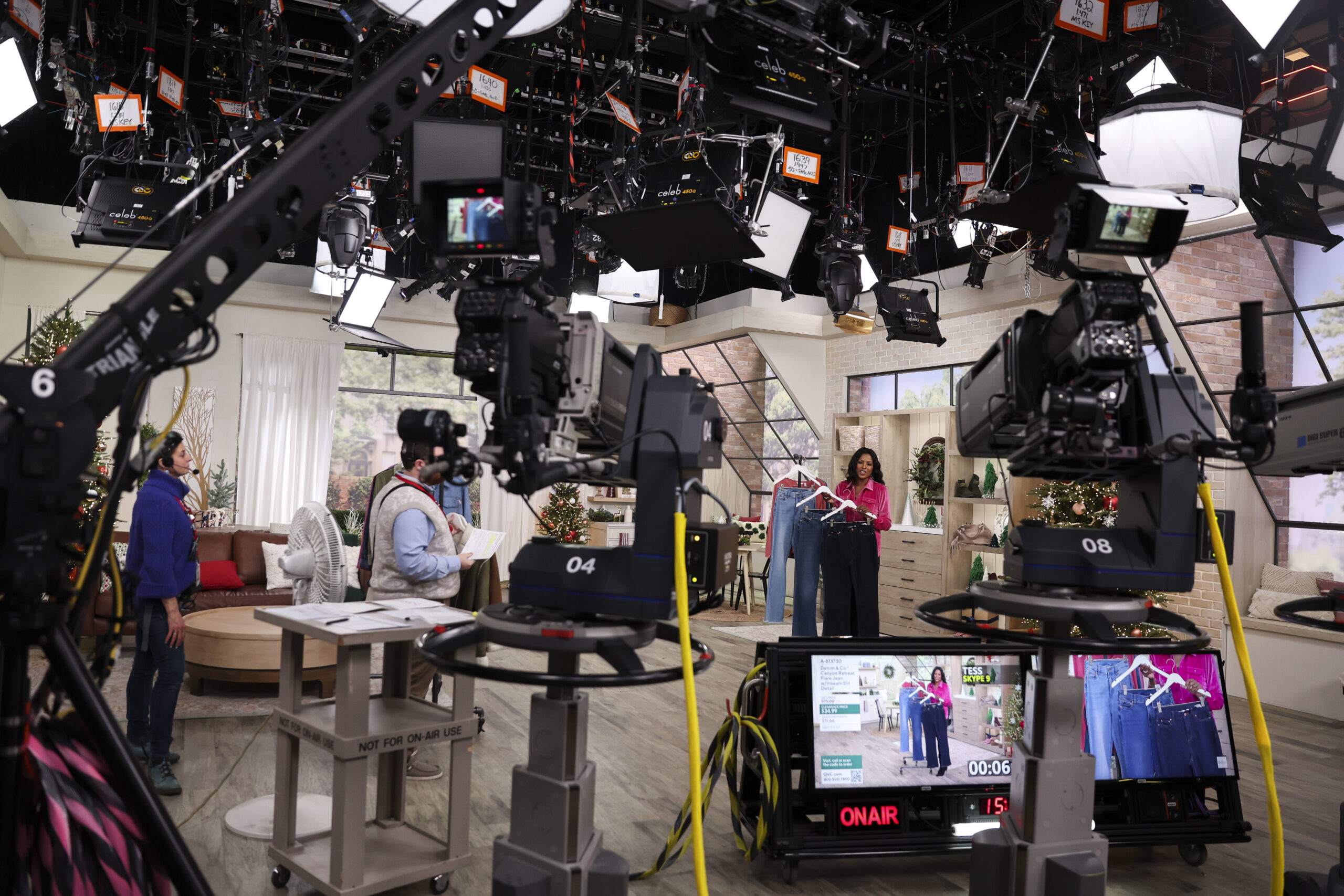
    A show is filmed at QVC’s studios in West Chester in 2023.

    Between 2023 and 2025, HSN executives reduced Hankins’ airtime and decreased promotion of his brand, Antthony Design Originals, to focus on a “TikTok-centered business model,” according to the designer’s lawsuit. As a result, he says his gross sales last calendar year were $13.24 million, more than $2 million less than projected. When he was more supported by the network, he said, his sales outperformed expectations.

    Hankins, who is Black, also says the company discriminated against him based on race, including by promoting him more heavily during Black History Month, firing him without cause, and immediately pulling him off the air despite decades of strong performance, according to the lawsuit.

    In the documents, Hankins also alleges breach of contract, defamation, interference with third-party business relationships, and misappropriation of his name and likeness in advertisements.

    In a Facebook post on his business page, Hankins said the lawsuit “is about standing up for the values my brand was built on, protecting my legacy, and ensuring that fairness and accountability matter — especially for creators who have given decades of their lives to their work.”

    Hankins’ attorney, Samuel B. Fineman of Semanoff Ormsby Greenberg & Torchia in Huntingdon Valley, did not return a request for additional comment.
    A QVC logo is shown outside its studios in an undated file photo. The company has been based in West Chester for more than 30 years.

    QVC has been based in West Chester for more than three decades, and merged with HSN as part of a $2 billion deal in 2017.

    The networks’ parent company, which rebranded as QVC Group last year, has struggled recently amid stiff competition from e-commerce and social-media platforms like TikTok Shop.

    Its revenue and operating income have been on the decline, and fewer people are shopping. As of September, about 7 million customers had made a purchase on the networks in the past year, down from 8.1 million in fiscal year 2023.

    The company is set to release its fourth quarter 2025 earnings report next week.

    According to Bloomberg’s report last week, company executives were talking with creditors about a potential bankruptcy, but had not made a decision on whether to file.

    A search for “QVC Group” in online court records did not show any bankruptcy filings as of Wednesday.
  • Missing Di Bruno’s on the Main Line? Carlino’s has your back — and has for decades

    Missing Di Bruno’s on the Main Line? Carlino’s has your back — and has for decades

    As the Main Line contends with the recent abrupt closure of Di Bruno Bros. markets in Ardmore and Wayne, a homegrown Italian-specialties purveyor — just as storied as its South Philly-rooted counterparts — remains open for business.

    On the day before Valentine’s Day, shoppers at Carlino’s Market on County Line Road tucked heart-shaped macarons and chocolate-dipped cannoli into baskets already full with marinara sauce, freshly packed chicken cutlets, and imported cheese. Regulars stopped by for their pre-weekend deli orders, and shoppers took refuge from the cold amid aisles of dried pasta and prepared foods.

    Carlino’s is an Ardmore institution, founded in 1983 as a small, family-owned pasta shop serving Lower Merion’s Italian community. In the decades since, the market has grown into a suburban powerhouse, supplying Ardmore, West Chester, and the surrounding towns with prepared foods, baked goods, and high-end groceries seven days a week.

    The Carlino’s brand has started to transcend its Ardmore roots: In recent years, the family-run operation has expanded its wholesale business to hundreds of grocery stores, from New York to Delaware and as far as Texas. Even as the company grows, its second- and third-generation leaders remain grounded in its origins as a mom-and-pop shop.

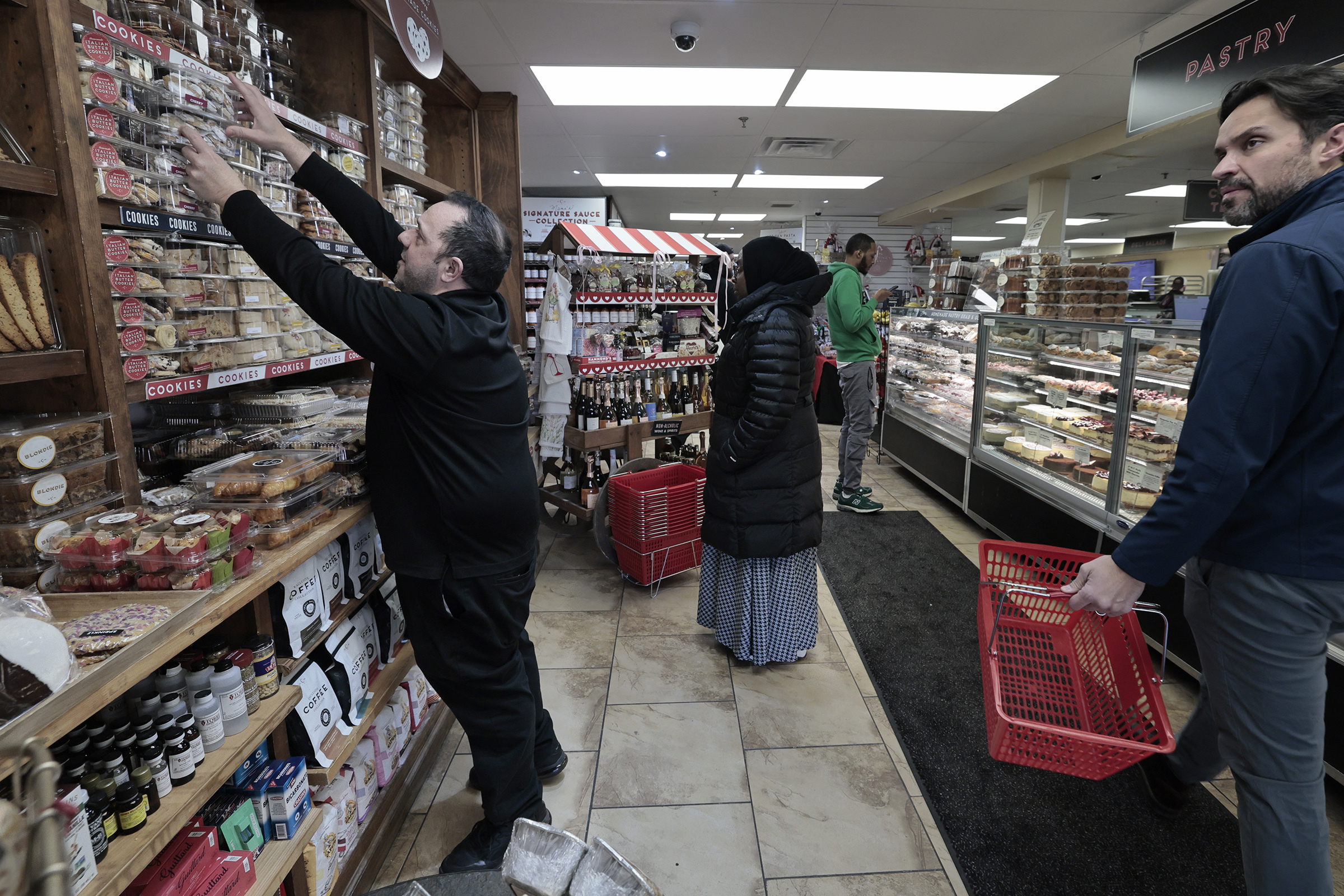
    Carlino’s Market general manger Bruno DiNardo (left) restocks cookies, pastries and treats, all homemade, at Carlino’s Market in Ardmore on Friday, Feb. 13, 2026.

    From Abruzzo to Ardmore

    Carlino’s was founded by Nicola and Angela Carlino, who left Abruzzo in 1968 to move to the United States with their two sons, Pasquale (“Pat”) and Carmen. In Abruzzo, the Carlinos tended to olive groves and grape vineyards and raised livestock on Nicola’s family farm. They left in search of better opportunities for their sons, landing in Ardmore, where Nicola initially worked as a bus driver and groundskeeper at Mitchell Prep, a private school, while Angela sold cookies, fresh pastas, and sauces out of their home.

    When Mitchell Prep closed in the early 1980s, Nicola and Angela decided to take a chance on a family business. They opened Carlino’s Homemade Pasta in a former barbershop on East County Line Road in South Ardmore — at the time, an Italian American enclave. Residents in search of a taste of home regularly patronized Carlino’s, and the family started wholesaling some products to local restaurants and casinos.

    According to Pat Carlino, 63, now the company’s CEO, it’s easy to take the Philly area’s formidable Italian-food scene for granted. But when his parents opened Carlino’s in the 1980s, Pat said, you could barely find marinara sauce in the grocery store. No one knew what tiramisu was, or how to tell the difference between high-quality Parmigiano Reggiano and grocery-store sprinkle cheese. Mention of ciabatta would prompt blank stares.

    Carlino’s was “an education to the public,” he said.

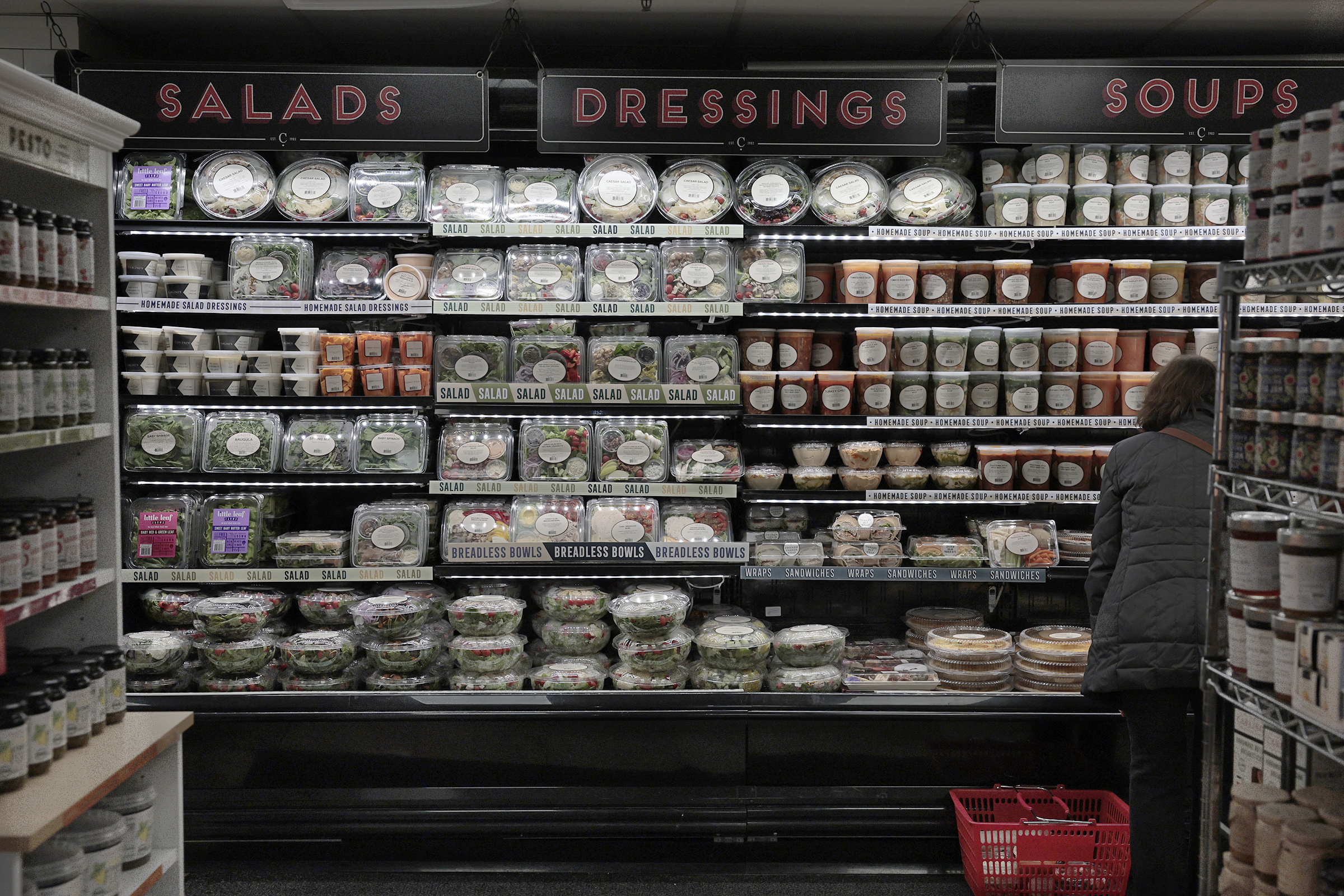
    Customers look over some of the homemade soups, salads and ready to go meals available at Carlino’s Market in Ardmore on Friday, Feb. 13, 2026.

    As time went on, the store expanded, subsuming other houses on its block, and shifted to a retail focus. The family renamed it Carlino’s Market and expanded offerings to include baked goods, pizza, sandwiches and wraps, imported meats and cheeses, and groceries like sauces, olive oils, and coffee. By the mid-1990s, Carlino’s selection and specialties — handmade ravioli, freshly stuffed sausage, garden-grown bruschetta on house-baked bread, tiramisu cake, and more — attracted savvy customers from as far as New York City and Washington, D.C.

    A growing business

    The Carlinos opened a second market, on Market Street in West Chester, in 2007. Angela, aka “Mama Carlino,” died two days after the second store opened. (Many of Mama Carlino’s recipes, the backbone of market’s origin story, have been recorded in two cookbooks, including a 2023 volume compiled and written by granddaughter Nadia Carlino.) Nicola Carlino died in 2020.

    In 2022, Carlino’s began wholesaling its sauces, dry pastas, and pestos — which you can now find at other small, local retailers like Riverwards Produce and Kimberton Whole Foods, as well as large grocery chains like Wegmans and Giant. Carlino’s products are available in parts of Pennsylvania, Delaware, New Jersey, Maryland, Virginia, Washington, D.C., Florida, Texas, New York, and Massachusetts, and will soon be on shelves in California and the Chicago area.

    Pat declined to share specifics about the company’s business model, though he said future growth will be in wholesaling and the grocery market, not retail. (Many former patrons of Di Bruno’s now-shuttered suburban outposts said the company grew its retail presence too hastily, diminishing its quality).

    While Carlino’s business is growing, Pat said his core customers are still people he knows “people that I grew up with.”

    Carlino’s also remains a family operation. Pat and his wife, Laura, are the company’s top executives, and their children — now the third generation of Main Line Carlinos — help manage marketing, wholesaling, importing, and manufacturing.

    Talking about Carlino’s products, a word Pat comes back to regularly is “clean.”

    Before influencers and foodies popularized the idea of “clean eating,” Carlino’s was doing it, Pat said. Nicola cooked with fresh tomatoes, cucumbers, and herbs he grew in his Ardmore garden. Pat said Carlino’s continues to rely on fresh produce, organic flour, and high-quality olive oil and French butter.

    “Things that are trending now, we were doing 40 years ago,” Pat said.

    “You can pick up anything and it’s clean,” he added, just like how your grandma would make it (or at least how a Carlino grandma would).

    This suburban content is produced with support from the Leslie Miller and Richard Worley Foundation and The Lenfest Institute for Journalism. Editorial content is created independently of the project donors. Gifts to support The Inquirer’s high-impact journalism can be made at inquirer.com/donate. A list of Lenfest Institute donors can be found at lenfestinstitute.org/supporters.

  • Closed Iron Hill Brewery in Newtown is officially becoming a P.J. Whelihan’s franchise

    Closed Iron Hill Brewery in Newtown is officially becoming a P.J. Whelihan’s franchise

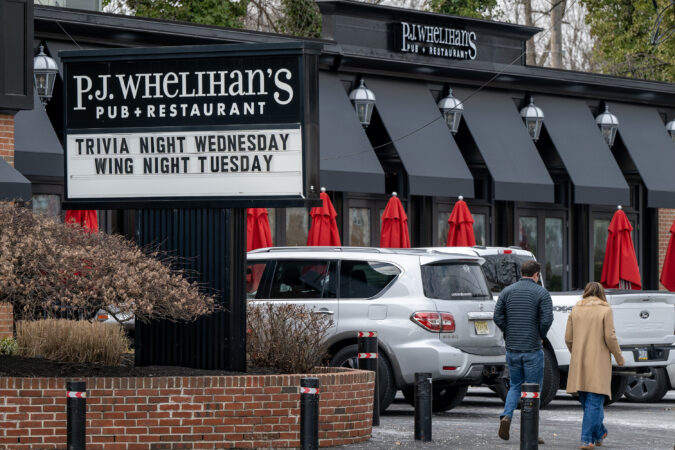
    The company behind P.J. Whelihan’s is officially moving into a shuttered Iron Hill Brewery.

    The Haddon Township-based PJW Restaurant Group has signed a lease for Iron Hill’s former location at the Village at Newtown, according to Brian Finnegan, the CEO of Brixmor Property Group, which owns the Bucks County shopping center.

    PJW marketing director Kristen Foord confirmed the lease signing, saying in an email that the company was “not in a position to share additional specifics” at this time.

    The move was approved by a federal judge last month as part of Iron Hill’s bankruptcy proceedings.

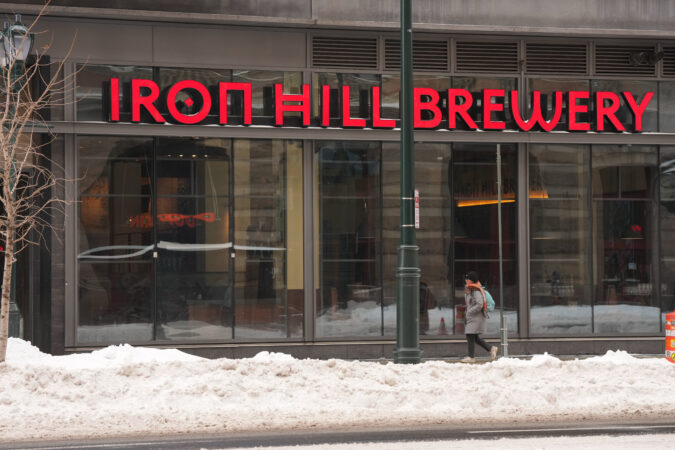
    Like more than a dozen other former Iron Hills throughout the region, the nearly 8,000-square-foot space in Newtown has sat empty since the Exton-based brewpub chain closed all locations and filed for liquidation bankruptcy last fall.

    Iron Hill opened in the affluent suburb in 2020. The restaurant moved in after Brixmor refurbished the more than 200,000-square-foot complex on South Eagle Road.

    As part of the revamp, the developer added new buildings, allowing it to bring in shops and restaurants like Iron Hill, Harvest Seasonal Grill, and Turning Point. The 30-acre complex is anchored by the high-end grocer McCaffrey’s Food Markets.

    In Newtown, “we’ve got Free People and Lululemon and Ulta that we added to the shopping center,” Finnegan said Wednesday in an interview. “We’ve got a lot of strong service tenants. We also have Capital Grill and Harvest, so some great food and beverage options.”

    And soon, he said, that list will also include P.J. Whelihan’s.

    PJW’s most well-known restaurant is P.J. Whelihan’s, which started in the Poconos in 1983 and has expanded to include 25 P.J. locations, the majority of which are in the Philly region.

    PJW also owns the Pour House in Exton, North Wales, and Westmont, Haddon Township; the ChopHouse in Gibbsboro; the ChopHouse Grille in Exton; Central Taco & Tequila in Westmont; and Treno, also in Westmont.

    While the Newtown restaurant will get new life soon, many other former Iron Hills still sit vacant.

    Some landlords are actively looking for tenants, with West Chester’s John Barry saying he hopes to have a lease signed by the end of this month.

    “We have a number of groups interested in the space and a few [letters of intent] have been submitted,” Barry said in an email last month.

    In other places, such as Voorhees, township officials and community members remain in the dark about whether another tenant will move in soon, and landlords can’t be reached.

    A few of the closed breweries may be revived under new owners, though details are slim.

    A federal judge last month approved the acquisition of Iron Hill’s trademark and intellectual property in conjunction with the transfer of restaurant leases in Center City, Huntingdon Valley, Hershey, Lancaster, and Wilmington.

    Representatives of the potential new owner, Rightlane LLC, have been unable to be reached. Contacted through the owner of Iron Hill’s building in Center City, Rightlane declined to comment to the Philadelphia Business Journal earlier this month.

  • Shareholders approve merger of American Water and Essential Utilities, which serve Pa. and N.J.

    Shareholders approve merger of American Water and Essential Utilities, which serve Pa. and N.J.

    Shareholders of Camden-based American Water Works and Bryn Mawr-based Essential Utilities, which owns the Aqua water and sewer companies, voted overwhelmingly Tuesday to merge and create a combined company with nearly $30 billion in yearly water and sewer sales.

    More than 99% of the 161 million American Water shares that were voted were cast in favor of the deal, the company told the Securities & Exchange Commission. Essential’s online proposal to merge was approved by around 95% of voting shareholders.

    The planned combination of these rivals, which have competed for more than 100 years to manage water and sewer for the small number of U.S. communities that allow for-profit operators, still needs approval from state public utility commissions.

    The combined companies’ sales are concentrated in Pennsylvania and New Jersey. In suburban Philadelphia, Aqua serves West Chester, northern Delaware County, parts of Lower Bucks, and Main Line communities. American Water serves Abington, King of Prussia, Norristown, Phoenixville, and nearby towns.

    New Jersey American Water serves towns along the PATCO rail line in Camden County, in northern and central Burlington County, and in Shore communities such as Absecon and Ocean City. Aqua New Jersey has customers in the three suburban South Jersey counties and at the Shore.

    American Water’s 14 million U.S. customers include systems in 12 other states, and on 18 U.S. military bases. Essential has around 3 million customers, including systems in six other states, and Pittsburgh-based Peoples Gas, which serves 750,000 in western Pennsylvania and Kentucky.

    American Water is already the nation’s largest private operator of water and sewer systems, and the deal will make it a larger player in competition with Florida-based NextEra Water Group and France-based Veolia’s U.S. operations, among other private systems that have been seeking to expand.

    A separate vote on an Essential executive pay package drew some opposition, with 85%approving.

    That package included more than $17 million in severance compensation and stock grants for departing Essential CEO Christopher H. Franklin, plus medical benefits and up to three years’ professional assistance helping him land another job, plus millions more for his four top deputies.

    The merged company’s larger size, as big as many of the leading natural-gas companies that dominate utility stock-index funds, will boost its visibility to investors, John C. Griffith, the American Water chief executive who will run the combined companies, said in announcing the deal last fall.

    The companies disclosed the approvals Tuesday afternoon and said more details on the vote and their plans would come later this week.

    Deal backers say the combination should enable Griffith to cut management costs, boost profits, drive up the share price, and could ease pressure to keep raising water rates.

    Regulators in New Jersey and Pennsylvania are weighing the company’s latest rate increase requests. American Water’s New Jersey affiliate is asking the state Board of Public Utilities for an average 10% water and 8% sewer rate hike on Jan. 16 for 2.9 million customers, which it said would fund improvements to aging water and sewer systems. Customers would pay an average of $18 more a month.

    Pennsylvania’s Public Utility Commission said last month that it would consider the company’s request to boost water and sewer rates on 2.4 million customers by an average 15%, or $20 a month.

    Critics had urged Essential to seek rival buyers to drive up the share price and shareholder profits from the sale, noting that both stocks had dropped after the merger was proposed last year.

    Tim Quast, founder of Colorado-based ModernIR, a consultant the companies hired to help explain the merger, said share price declines are now typical, even for merger-target companies like Essential whose shares command a premium from buyers like American Water because index-fund investors such as Vanguard and BlackRock tend not to buy more shares of merging companies until a deal is completed.

    Even after long competition from U.S. and foreign utility owners, private water companies serve only about one in six Americans. In recent years, customers of public utilities serving parts of Chester, Delaware, and Bucks Counties have defeated privatization campaigns, though some towns in Pennsylvania and New Jersey have signed on. Pennsylvania also has asked private operators to take over small, troubled public systems.

  • Roadside bakeries are growing in Chester County: ‘It’s that home-sweet-home comfort food’

    Roadside bakeries are growing in Chester County: ‘It’s that home-sweet-home comfort food’

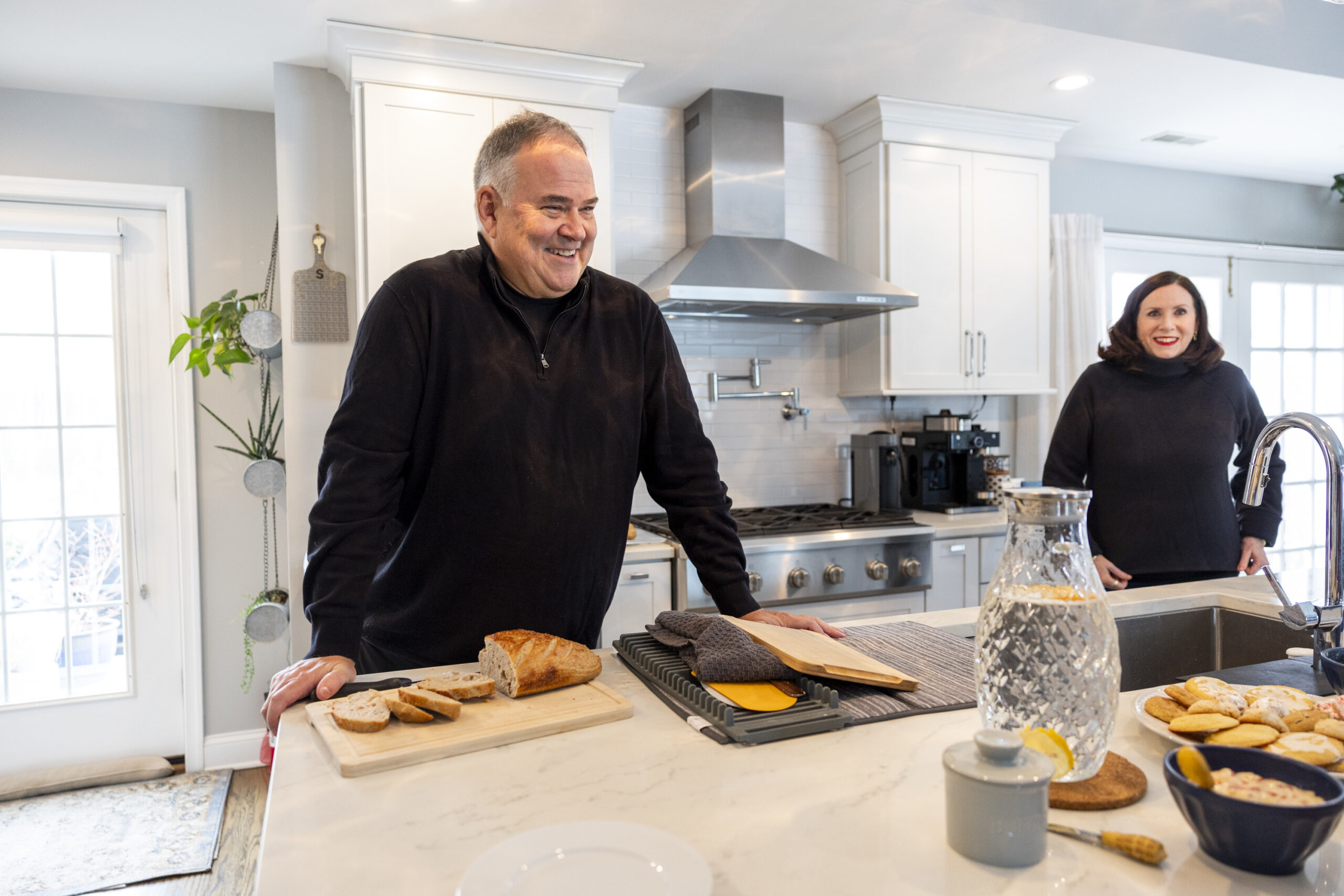
    When Jacqueline Spain’s now-grown kids were having a bad day, she would sit them down at the kitchen island and bake them something. Now, she has opened up that kitchen island to her community with her roadside home bakery, Devon Road Made.

    “Food is love, love is food,” Spain said, standing in her kitchen recently, bread in the oven and cookies on the counter. “I like to put a lot of heart and soul into it. I feel if you’re going to put good energy into that, people are going to feel that. They’re going to taste it; they’re going to like it.”

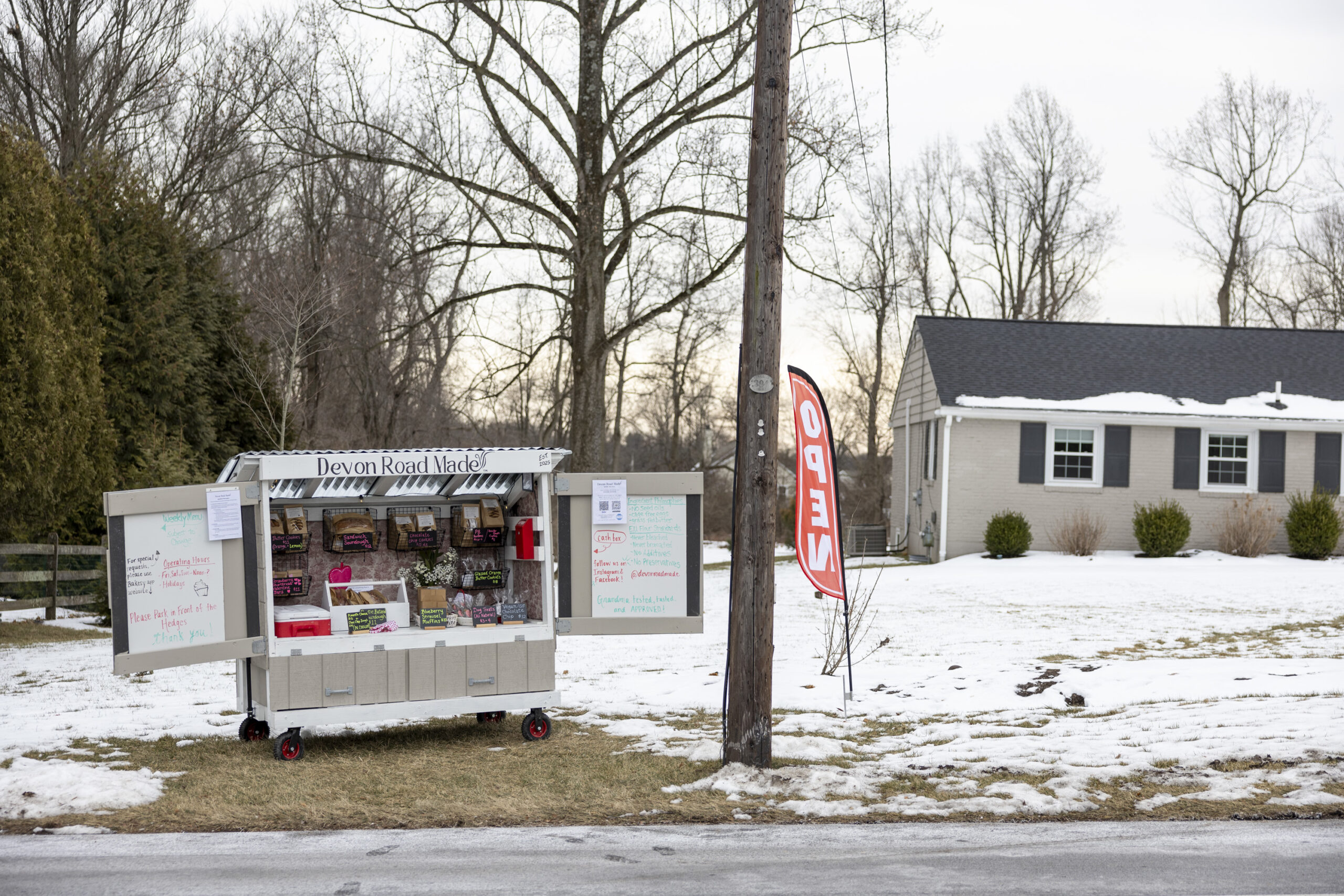
    Devon Road Made is one of the newer additions to a trend of microbakeries that are cropping up in Chester County, some with roadside carts and stands dotting residential roads in Paoli, Downingtown, West Chester, and elsewhere.

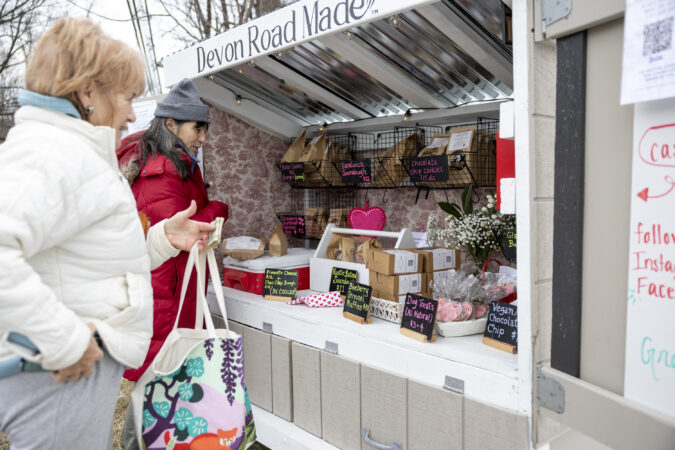
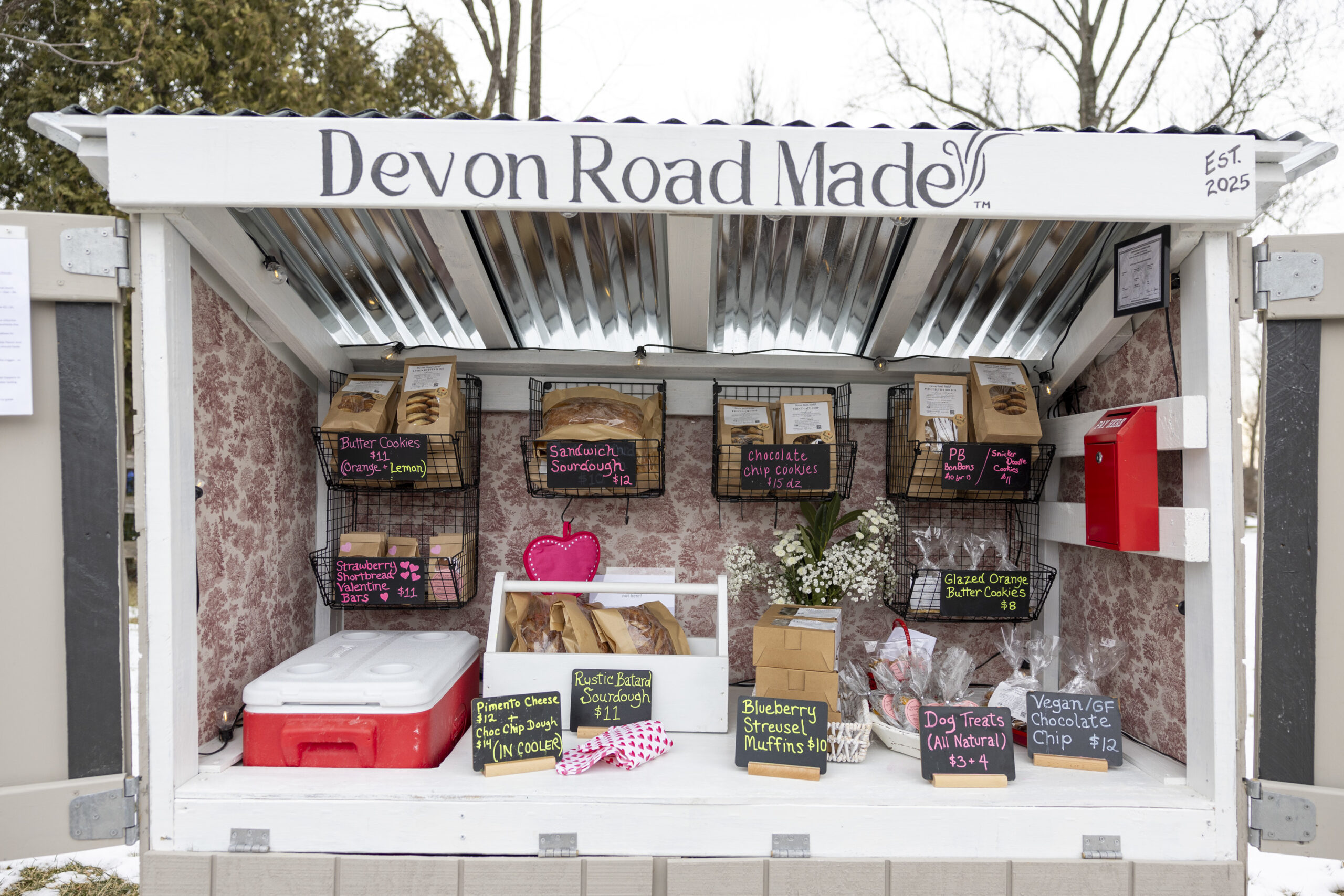
    The Devon Road Made bakery cart outside the home of David and Jacqueline Spain for folks passing by to buy some home baked goods in Willistown, Pa., on Friday, Jan. 23, 2026.

    Statewide, interest in selling home-baked goods has been growing. Pennsylvania had 361 licensed home bakeries in 2023. That nearly doubled, to 663, in 2025, according to the state agriculture department, which oversees the inspections and licensing of food businesses that operate out of home, rather than commercial, kitchens. There has been a general bakery boom, too, in Philly.

    Chester County appears to be a growing incubator of such little bakeries: It had 28 licensed home bakeries in 2025, compared with 16 in 2023, the department said.

    Before issuing a license, the department inspects the baker’s food production site. Bakers must verify they have zoning approval to have a business on their property, submit ingredient labels, restrict pets or not have them, and have an approved water supply. It costs $35 to register.

    In the few weeks since, Spain, 59, and her husband, David, 60, rolled their bakery cart to the foot of their yard at 60 Devon Rd. in Willistown, the community has indeed seemed to like it. Jacqueline Spain’s cookies and David Spain’s sourdough loaves continually sell out. People knock on their door to ask if things will be restocked. One woman sat at the Spains’ kitchen island, sampling freshly baked cookies, while awaiting her pickup order.

    “Everything we make, she has been making for years,” David Spain said. “That’s kind of part of our DNA. It’s got to taste really good — something that we would only serve our friends and family.”

    David Spain, of Willistown, Pa., and his wife Jacqueline Spain, chat with Inquirer Reporter Brooke Schultz about their Devon Road Made bakery cart at their home on Friday, Jan. 23, 2026.

    And Chester County seems like a place perfectly ripe for these little bakeries to thrive, several home bakers said: It’s not a wholly rural community, nor is it totally Main Line. There is an affluent clientele (Chester is the wealthiest county by median income in the state) with an interest in homemade, quality ingredients.

    But they do face some headwinds: A number of municipalities restrict such carts through zoning codes, even if the bakers are licensed to sell.

    Alexa Geiser, 28, of Lulu’s Bread & Bakery in West Chester, opened her home bakery in October, originally selling her sourdough first come, first served from her porch. But then the borough told her she was not permitted to sell from her residential porch, and she moved entirely online to sell her bread and the occasional chocolate chip cookie batch.

    Though it’s a bummer — she said it was nice to talk with people stopping by for a peaceful hour on Fridays — she felt supported by the community, who offered their businesses for her to host her pickups.

    “I think people really value homemade goods that people put a lot of effort into, and good quality ingredients,” she said. “I use all organic flours and filtered water and good salt in my bread, which is something I personally value. It’s what I want to give to my customers as well.”

    The Devon Road Made bakery cart outside the home of David and Jacqueline Spain for folks passing by to buy some home baked goods in Willistown, Pa., on Friday, Jan. 23, 2026.

    But the stands are a niche the bakers feel they are filling.

    “I noticed around here, at least where I live specifically, there aren’t really that many,” said Maddy Dutko, of Maddy Makes. “I’ve seen a couple that sell honey or some that sell flowers, but I haven’t really seen any that sell baked goods. I was like, why not? It’s a way for me to connect with people around here. Maybe bring them something that they didn’t know was necessarily in their community.”

    Dutko’s stand, at 623 Sanatoga Rd. in East Coventry Township, is open on the weekends from spring to fall. Dutko sells bread loaves, coffee cakes, cinnamon buns, cookies, and dry mixes for pancakes or cornbread. She tries to keep things fresh and interesting, but also consistent for loyal customers. Dutko, 29, also sells orders online and at markets.

    The physical presence has led to customers hiring her to bake for kids’ birthdays, or people approaching her at markets to tell her they always stop by for a treat when they end their walk on a nearby trail.

    The Devon Road Made bakery cart outside the home of David and Jacqueline Spain for folks passing by to buy some home baked goods in Willistown, Pa., on Friday, Jan. 23, 2026.

    There’s something to be said for products baked with love in someone’s home, Jacqueline Spain said.

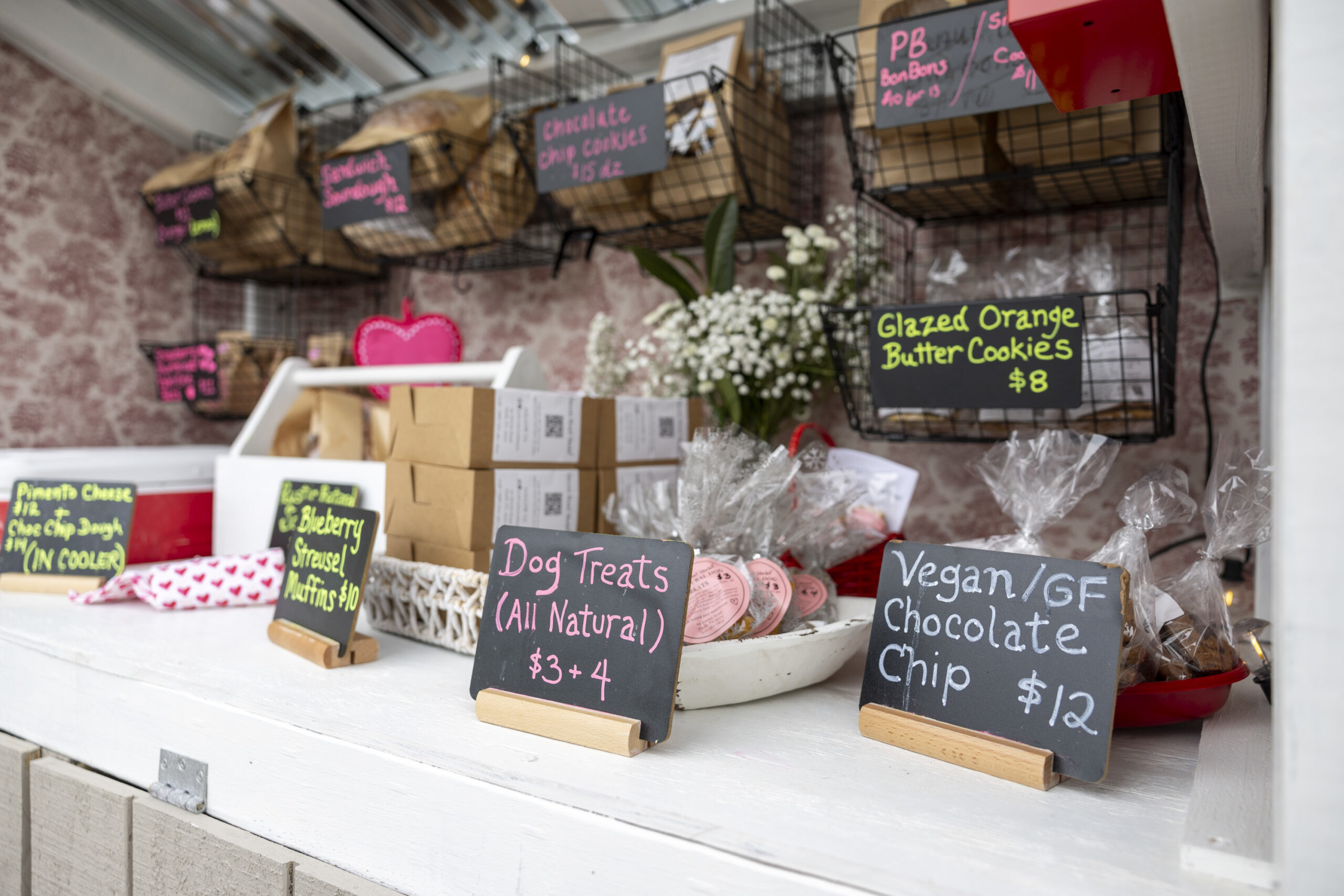
    On a recent Friday afternoon in Willistown, the Spains stocked the baskets of their cart with baggies of cookies, breads, and dog treats — a customer request that their daughter, a veterinary nurse, fulfilled. A red open flag commenced their weekend hours of “noon-?” People pulled up onto the lawn to shop.

    “It’s feel-good, it’s warm, it’s friendly, it’s inviting,” Jacqueline Spain said. “It’s that home-sweet-home comfort food.”

  • ‘The first step’: Chester County commissioners present poll book investigation to voters

    ‘The first step’: Chester County commissioners present poll book investigation to voters

    Chester County residents called for accountability after a poll book error led to thousands of voters being left off the rolls in November’s election, and said the recent investigation solicited by the county fell short of addressing problems they fear could happen again.

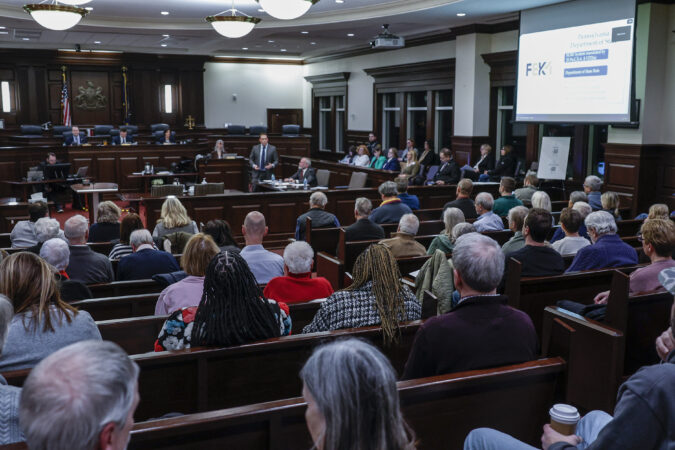
    Tuesday’s public meeting was the first time community members — and the county commissioners themselves — were able to respond to an independent firm’s investigation and report, which found that insufficient training, poor oversight, and staffing challenges in the county’s elections office forced more than 12,000 voters to cast provisional ballots in the general election. The poll book error occurred as the 25-person department has faced unusually high turnover in recent years, and as the director faces allegations of fostering a toxic workplace.

    “This is the first step, this is not the last step … to rebuilding trust with the public and improving elections in a way that ensures this never happens again,” Josh Maxwell, chairman of the county commissioners, told the attendees.

    The 24-page report, prepared by West Chester law firm Fleck, Eckert, Klein & McGarry LLC and published last month, found that two employees mistakenly included only registered Democrats and Republicans when using the statewide voter roll to create the poll book, omitting more than 75,000 registered independent and unaffiliated voters from the rolls.

    The employees, inexperienced and never formally trained, lacked direct supervision, the report said. No one in the county’s department checked the books until a poll worker noticed the omissions before polls opened on Election Day.

    There was no evidence of malfeasance, the report said. County officials said previously that everyone who wanted to vote could cast a ballot, despite the issue.

    Still, the error rocked Election Day in the county, with officials scrambling to print supplemental poll books and poll workers staying late to address the challenges. Republican Commissioner Eric Roe broke with his Democratic peers by voting against the certification of the election results in December, saying his conscience would not allow it.

    Community members said Tuesday the error further eroded trust in voting security.

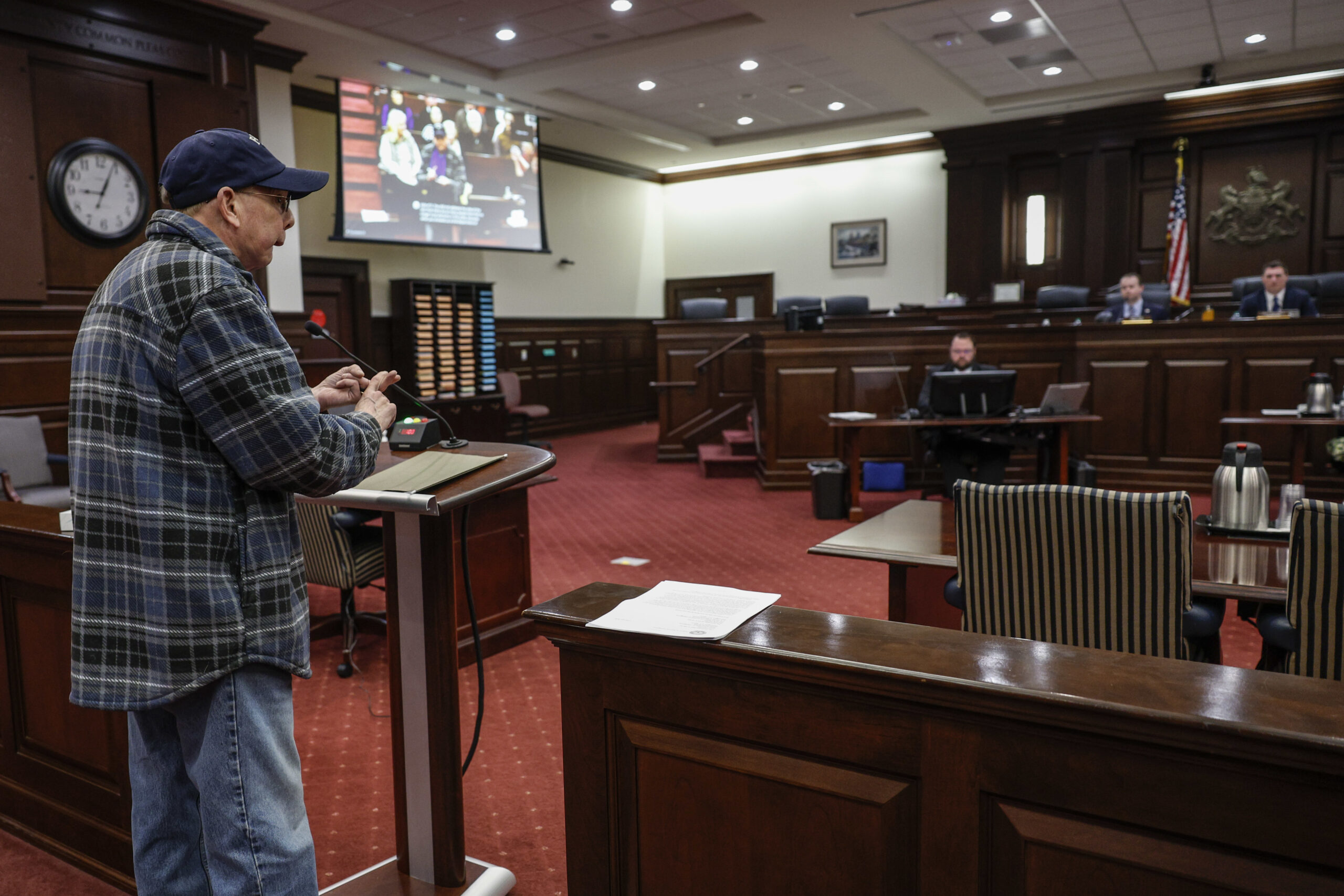
    John Luther addresses the Chester County Commissioners as they hold a public meeting to discuss the errors they had in the pole books during the November election. West Chester. Tuesday, February 3, 2026

    “How many voters were disenfranchised and did not vote?” resident John Luther asked the commissioners. “That is the most important thing. You guys can fix all the rest, but you can’t fix what you messed up in the front.”

    Kadida Kenner — who leads the New Pennsylvania Project, an organization dedicated to voter registration — said she rushed on Election Day to West Chester University, where the organization had helped students register to vote, to make sure they were not disenfranchised.

    “I see the impact of this mistake, this opportunity for change and growth,” she said. “The events of Election Day really did not help our efforts to be able to overcome feelings of individuals, as it relates to the electoral process, here in the commonwealth and across the country.”

    The report recommended more than a dozen changes for the county to prevent future errors, including improved training, reviewing processes and policies, and evaluating staff levels and pay. The county rolled out a plan to address the recommendations and intends to make monthly reports on its progress, saying some recommendations would be in place ahead of May’s primary.

    “Everyone in this room knows that a grievous error was made, and everyone is upset about it,” resident Marian Schneider said. “We can stop the browbeating and focus on the path forward.”

    The report stopped short of recommending personnel changes. Maxwell said the commissioners would not discuss personnel actions.

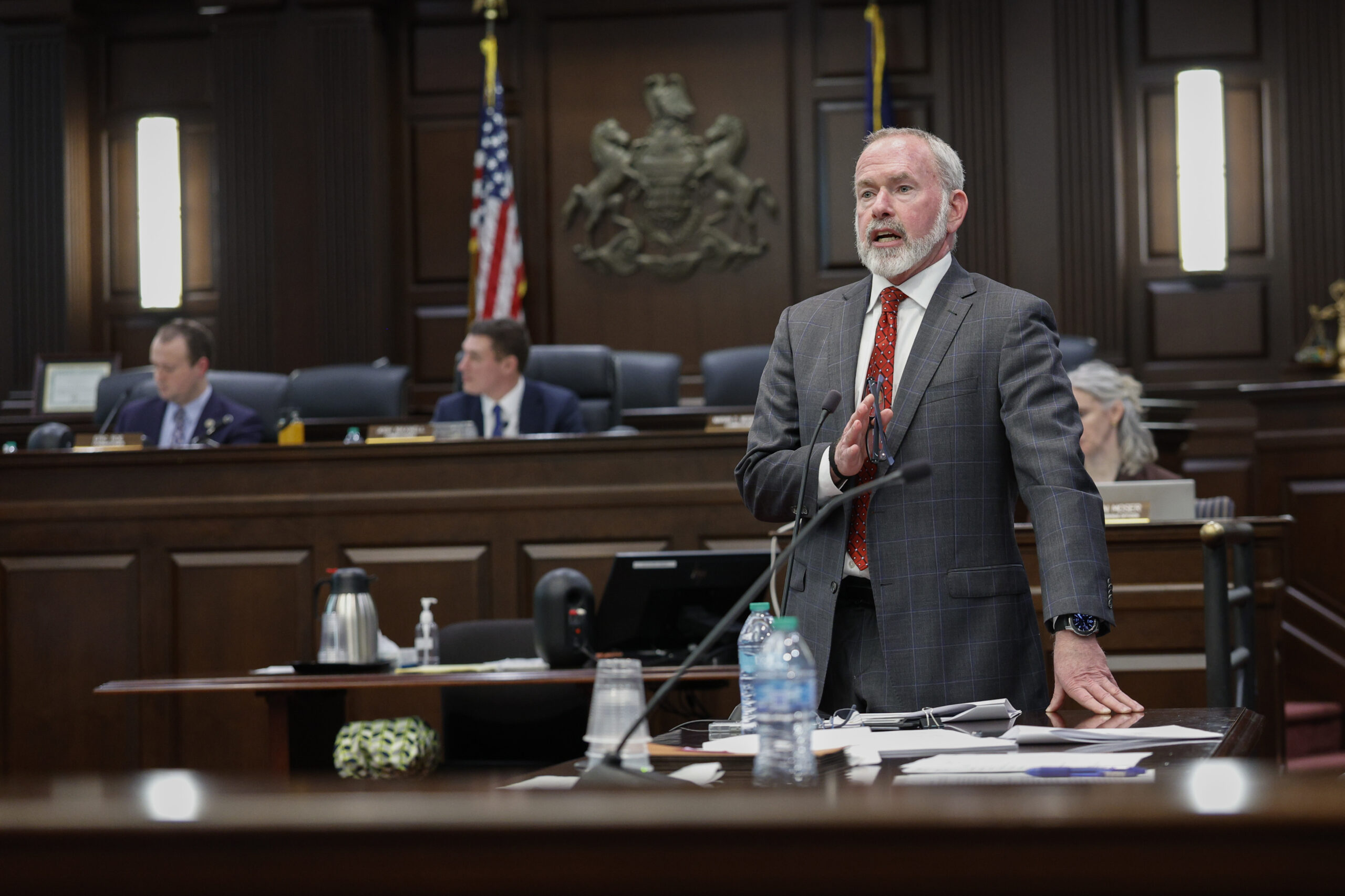
    Attorney Sigmund Fleck addresses the Chester County Commissioners as they hold a public meeting to discuss the errors they had in the pole books during the November election. West Chester. Tuesday, February 3, 2026

    “Bottom line, this appears to be a human error — clicking the wrong box,” said Sigmund Fleck, one of the attorneys who oversaw the report.

    Residents worried that those errors were symptoms of a deeper problem, and that the report’s scope did not fully address issues within voter services.

    “Yes, human error is a factor here,” Elizabeth Sieb told the commissioners. “This goes far beyond that. Mistakes of this magnitude require consequences.”

    Fleck pointed to larger issues with the state’s election system that culminated in the error, such as tight turnaround times for publishing the poll books, lack of statewide training, and a fairly old-school online voting roll system.

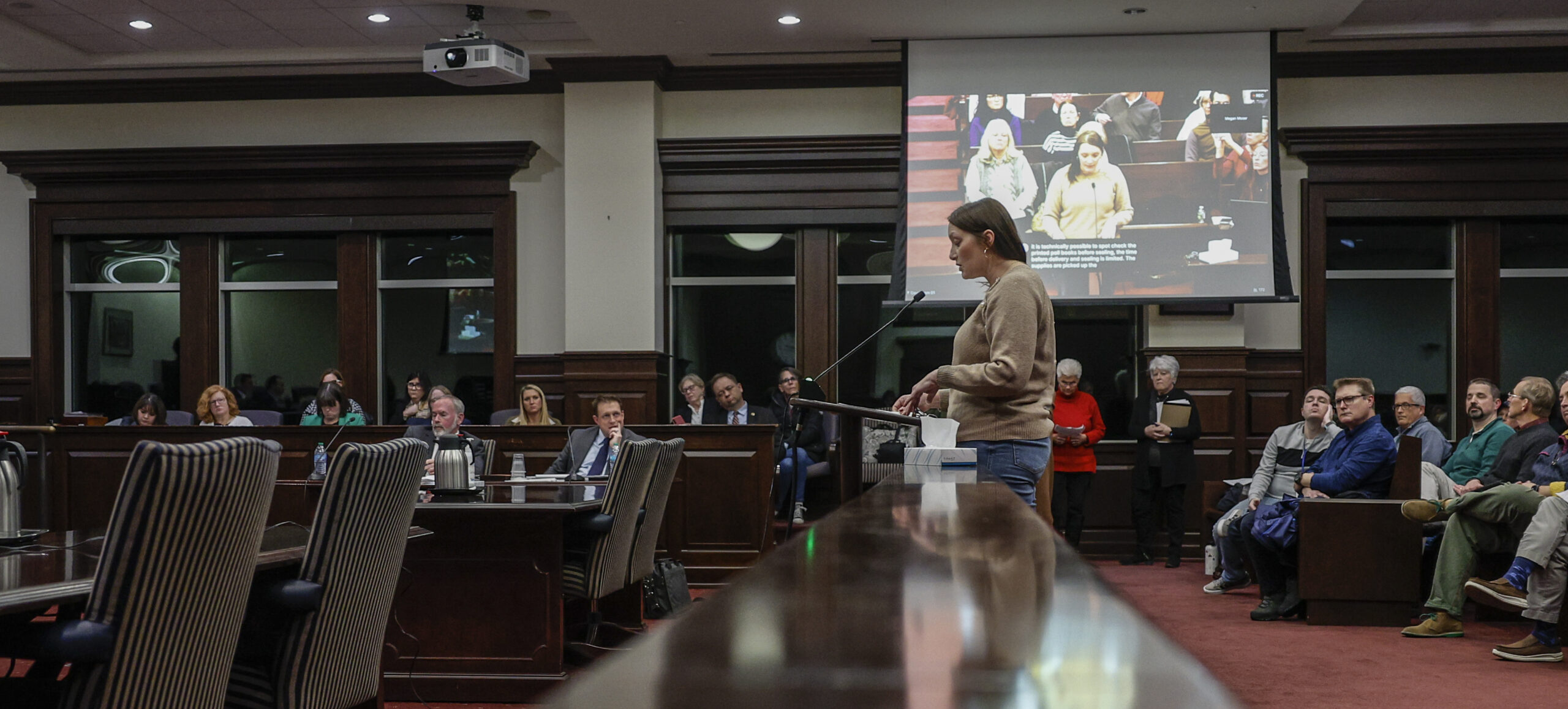
    Elizabeth Sieb addresses the Chester county commissioners as they hold a public meeting to discuss the errors they had in the pole books during the November election. West Chester. Tuesday, February 3, 2026

    But other counties deal with those same complications, some community members argued. November’s error came after the county omitted the office of the prothonotary on the ballot in May’s primary. The report found that error was due to the county solicitor’s office misinterpreting state law.

    “Sixty-seven counties face the same exact issues, except for one: management,” said Nathan Prospero Fox, a former voter services employee.

    Roe acknowledged the anger directed at county staff, but said: “The truth is, the buck doesn’t stop with staff. It stops with us.”

    “I am so sorry,” he continued. “This is not the end; there’s still time for accountability and improvement.”

    This suburban content is produced with support from the Leslie Miller and Richard Worley Foundation and The Lenfest Institute for Journalism. Editorial content is created independently of the project donors. Gifts to support The Inquirer’s high-impact journalism can be made at inquirer.com/donate. A list of Lenfest Institute donors can be found at lenfestinstitute.org/supporters.

  • Joe Walsh, Hall of Fame football coach and longtime West Chester teacher, has died at 75

    Joe Walsh, Hall of Fame football coach and longtime West Chester teacher, has died at 75

    Joe Walsh, 75, of West Chester, member of four athletic Halls of Fame, longtime high school and college football coach, retired health and physical education teacher at West Chester Henderson High School, mentor, and neighbor extraordinaire, died Tuesday, Jan. 27, of cancer at his home.

    Mr. Walsh grew up in the Farmbrook section of Levittown, Bucks County, and played football at the old Woodrow Wilson High School and what is now West Chester University. He got a job as a health and physical education teacher and assistant football coach at Henderson in 1972 and spent the next five decades coaching thousands of high school and college athletes, teaching thousands of high school students, and mentoring hundreds of friends and colleagues.

    He coached football, wrestling, lacrosse, and tennis at Henderson, and his football teams at Henderson and Sun Valley High School combined to win four league championships. He coached in 13 all-star football games and was named the Chester County area football coach of the year four times, the Ches-Mont League coach of the year three times, and the Del-Val League coach of the year once.

    In 1992, an Inquirer reporter asked him to describe himself. “I am an easygoing, volatile kind of coach,” he said with a big chuckle, the reporter wrote. “Actually,” he said, “I think I’m a player’s coach. I think my rapport with my players is my strong point.”

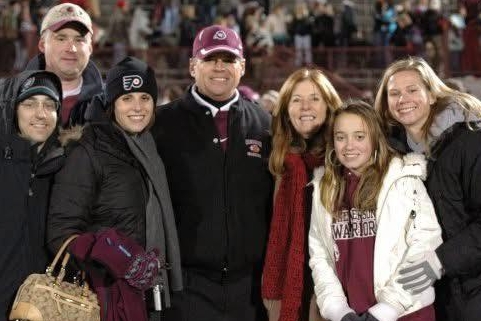
    Mr. Walsh (center) had many occasions to celebrate with family and friends on the football field.

    Former colleagues, players, and friends said in online tributes that Mr. Walsh was “an inspiration,” “a great coach,” and “a positive example for many, many young people.” On Threads, his brother, Russ, called him a “Hall of Fame human being.”

    “He was always there,” said John Lunardi, assistant principal at Henderson, who played quarterback for Mr. Walsh and served later as his assistant coach, “a steady, reliable role model, somebody who could be counted on no matter what.”

    In 20 years as head football coach at Henderson, from 1992 to 2011, Mr. Walsh’s teams won 131 games, lost 104, and captured three Ches-Mont League championships. From 1988 to 1991, he went 17-25 as head coach at Sun Valley and won the 1990 Del-Val League championship.

    His 2007 team at Henderson went 12-2, won the Ches-Mont title, and made it to the district championship game. “Our motto,” he told The Inquirer in 2004, “is no excuses, just results.”

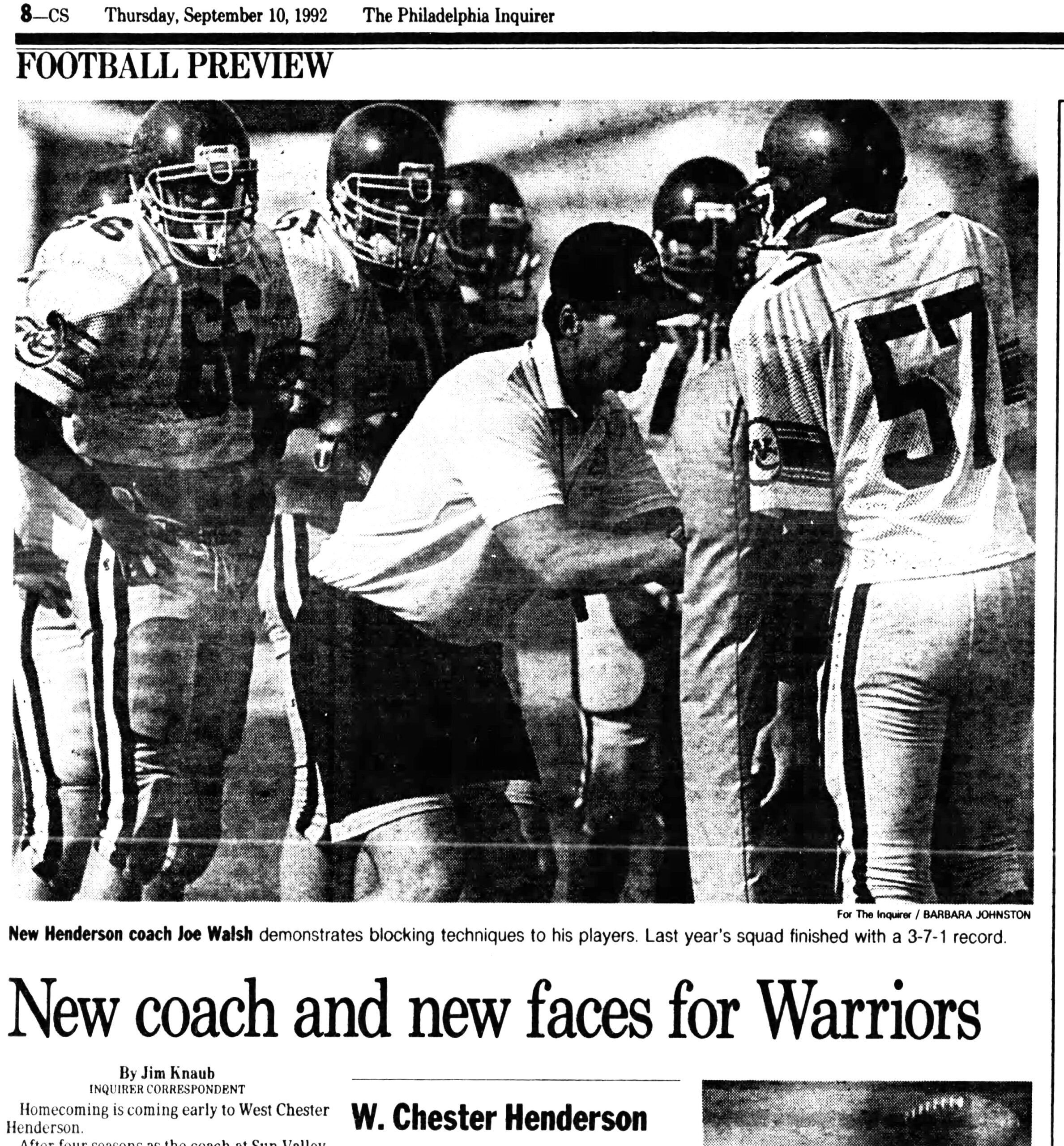
    Mr. Walsh and his Henderson football team were featured in The Inquirer’s 1992 preview section.

    He coached the West Chester University defensive linemen as an assistant for seven seasons after leaving Henderson and was inducted into the university’s Killinger Football Foundation Hall of Fame in 2001. He entered the Pennsylvania State Football Coaches Association Hall of Fame in 2014 and the Ches-Mont League Hall of Fame in 2018.

    In 2025, he was inducted into the Chester County Sports Hall of Fame, and colleagues there noted his “remarkable achievements and contributions to local athletics” in a Facebook tribute. He earned a standing ovation after speaking at the ceremony, and Henderson officials recognized his legacy with a moment of silence at a recent basketball game. They said in a tribute: “Joe Walsh was a Hall of Fame person in every possible way.”

    Mr. Walsh taught health and physical education at Henderson from 1972 to 2008. He organized offseason clinics to encourage all students to join sports teams and told The Inquirer in 1992: “I’ve always tried my best to get as many people out and make it enjoyable for them so they stay out.”

    He served as board president for the Killinger Football Foundation and cofounded W & W Option Football Camps LLC in 2001. “It wasn’t about the wins and losses for him,” said his wife, Pam. “It was all about the kids, and he was that way in all aspects of his life.”

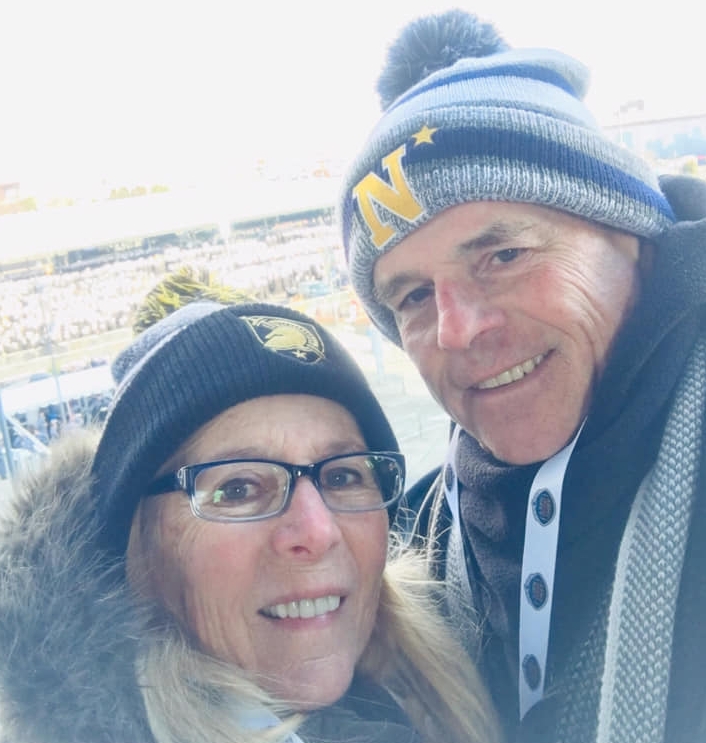
    Mr. Walsh and his wife, Pam, had many adventures together and spent countless afternoons at football games.

    Joseph Richard Walsh was born Feb. 5, 1950, in Philadelphia. He lettered in football, wrestling, and track in high school, and graduated from Wilson in 1968.

    He earned a bachelor’s degree in health and physical education at West Chester in 1972 and played center on its two-time championship football team.

    He married Sharon Clark, and they had a son, Joe, and a daughter, Kelly. After a divorce, he married Pam Connor in 1978, and they had a daughter, Jen, and lived in Downingtown and then West Whiteland Township since 1985.

    Mr. Walsh enjoyed all kinds of fishing and golf. In 2023, he and his wife visited half a dozen college football stadiums on a wild cross-country road trip to Yellowstone National Park.

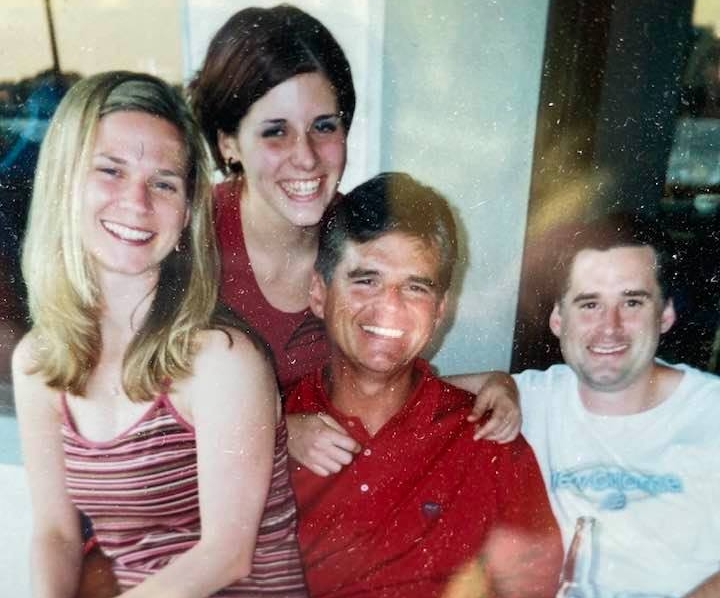
    Mr. Walsh enjoyed time with his children.

    They entertained often at home, and his gourmet soups were usually the hit of the party. He doted on his children and grandchildren, and never lost his sense of humor, they said.

    He was the best neighbor ever, friends said. He cleared miles of sidewalks and driveways with his snowblower every winter, hosted late-into-the-night firepit parties every summer, and could fix practically anything.

    “He was gentle but strong,” his wife said. “He was kind and considerate, and he never badmouthed anybody. He truly was a great man.”

    In addition to his wife, children, brother, and former wife, Mr. Walsh is survived by seven grandchildren, one great-granddaughter, sisters Eileen and Ruth, and other relatives.

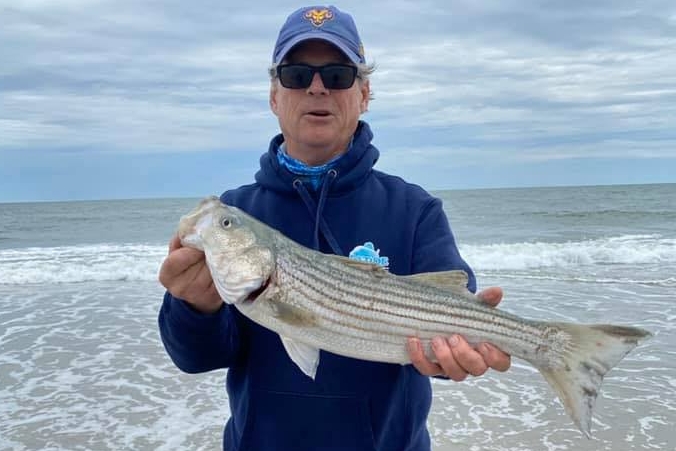
    Mr. Walsh rarely let the big ones get away.

    Visitation with the family is to be from 5 to 8 p.m. Thursday, Feb. 5, and from 9 to 10:30 a.m. Friday, Feb. 6, at DellaVecchia, Reilly, Smith & Boyd Funeral Home, 410 N. Church St., West Chester, Pa. 19380. A celebration of his life is to follow Friday at 10:30.

    Donations in his name may be made to the Joe Walsh Scholarship Fund, c/o the Athletic Department, West Chester Henderson High School, 400 Montgomery Ave., West Chester, Pa. 19380.

  • Iron Hill Brewery could be revived in some locations as judge OKs trademark acquisition

    Iron Hill Brewery could be revived in some locations as judge OKs trademark acquisition

    Iron Hill Brewery may get a second life.

    Four months after the chain closed nearly 20 locations and filed for bankruptcy, a federal judge has approved the acquisition of Iron Hill’s trademark and intellectual property in conjunction with the transfer of five restaurant leases, including one in Philadelphia, according to court documents filed over the weekend.

    The shuttered brewpubs in Center City, Huntingdon Valley, Hershey, Lancaster, and Wilmington are set to be taken over by new tenants, each of which is referred to as “IHB” in the documents. Earlier this month, these tenants registered as business corporations under “IHB” and the name of each location, according to state records in Pennsylvania and Delaware.

    Judge Jerrold N. Poslusny Jr. also approved a written agreement that allowed for “Rightlane LLC” to assume Iron Hill Brewery’s trademark and intellectual property, according to the same filing in U.S. Bankruptcy Court in New Jersey.

    A view from the outside looking in on a closed Iron Hill Brewery.

    Jeff Crivello, the former CEO of Famous Dave’s BBQ, was originally set to buy the assets of these five Iron Hill locations, along with those of five others that he has since sold.

    On Monday, Crivello confirmed that the assets of his five remaining Iron Hills, along with the brand’s trademark and intellectual property, had been acquired by a buyer called Right Lane.

    There are several companies that go by the name Rightlane or Right Lane. Attempts to reach representatives of the Right Lane that was involved in the Iron Hill deal were unsuccessful.

    The deal could revive some prime real estate in the Philadelphia region. In Center City, the 8,500-square-foot restaurant was meant to help revitalize the troubled Market East. In Wilmington, Iron Hill had renovated its 10,000-square-foot restaurant on the waterfront.

    In December, Crivello had hinted at the possibility of an Iron Hill resurrection, saying, “We’re working with a couple buyers that want to reopen [closed breweries] as Iron Hill.”

    Iron Hill Brewery, which was founded in Newark, Del., developed a loyal following over its nearly 30 years in business. Fellow business owners and brewers considered it a pioneer in the local craft beer scene and a restaurant that helped put suburban downtowns like West Chester and Media on the map. Customers said they loved its family-friendly atmosphere.

    In more recent years, Iron Hill opened a production facility in Exton, started canning its beers, and unveiled new locations in Philadelphia, South Carolina, and Georgia. This expansion occurred against the backdrop of the coronavirus pandemic and a nationwide decline in consumers’ thirst for beer and other alcohol.

    For Iron Hill, it did not prove a winning strategy. By the time the chain filed for liquidation bankruptcy this fall, it owed more than $20 million to creditors and had about $125,000 in the bank.

    Since then, massive shells of former breweries have sat vacant throughout the region. As the case made its way through bankruptcy court, landlords were delayed in their searches for new tenants.

    Many locations still remain empty, with no word on what might fill the spaces. But in some spots, there are signs of life.

    The company that owns P.J. Whelihan’s may be moving into the former Iron Hill in Newtown, Bucks County.

    Last month, PJW Opco LLC, which is registered at the headquarters of PJW Restaurant Group, was approved to take over a lease for an 8,000-square-foot closed Iron Hill in the Village at Newtown shopping center.

    In South Carolina, Crivello has sold the assets of the former Iron Hills in Columbia and Greenville to Virginia-based Three Notch’d Brewing Co.

    This story has been updated to reflect additional information about Right Lane.

  • New grocery stores are coming to Chester County. Here’s what and where.

    New grocery stores are coming to Chester County. Here’s what and where.

    From national chains to homegrown operations, as Chester County continues to grow, so too do the grocery store offerings.

    Here’s a look at some of the stores opening around the county.

    Kimberton Whole Foods expanding

    This spring, locally owned Kimberton Whole Foods will open its largest location in the county in Eagleview Town Center. Construction began in 2024, roughly 20 years after the location in Kimberton Village opened at a former hardware store.

    “We look forward to serving Eagleview and the surrounding communities with healthy, locally sourced grocery options in a customer-focused environment,” Ezra Brett, chief operations officer for Kimberton Whole Foods, said in a statement.

    The new 14,000-square-foot facility will continue the store’s offerings of organic produce, grass-fed meats, specialty cheese, grab-and-go meals, and more.

    The store will join the growing Eagleview Town Center, which offers restaurants, salons and spas, professional offices, daycares, and more.

    West Chester Cooperative slated for opening

    West Chester is slated to get a brick-and-mortar member-owned grocery this year, with West Chester Cooperative at 204 W. Market St.

    Permits were submitted to the borough in December, according to the grocery’s website.

    The cooperative kicked off more than a decade ago, formed by a group of borough residents who wanted sustainable, local alternatives to chain grocery stores.

    Over the next 10 years, the group launched outreach efforts, opened a pop-up market, and did curbside pickup and limited in-store shopping hours. In 2022, it reached 500 member-owners.

    The grocery will be open to all shoppers, but member-owners will receive select benefits.

    Kennett Square is also getting its own cooperative grocery store

    West Chester isn’t the only municipality in Chesco getting a different model of grocery store. Also nearly a decade in the works, Kennett Square’s Kennett Community Grocer is expected to open this spring at 625 E. Cypress St.

    Renovations began in 2025, and the store will offer locally grown produce; dairy, eggs, and meat from county farms; local baked goods and prepared foods; pantry staples from local producers; and a cafe for community members. It will also hold educational and other events led by healthcare professionals and farmers.

    “It felt like doing this was to highlight for everyone that we have this precious land that’s quite beautiful, that is very bountiful with products, not just mushrooms, but meat, dairy, produce, fruit, vegetables,” said Edie Burkey, president of the nonprofit board leading the grocer. “We felt that bringing people together for the common cause of supporting the land that we’re very, very proud to be part of was a good thing.”

    Farmers will get a free cup of coffee at the cafe, which will sell locally roasted coffee, and local teas and honey. The store hopes to partner with the high school’s culinary students for an internship program. Products that don’t sell will be donated to organizations like Philabundance’s Mighty Writers, Children’s Advocacy Centers of Pennsylvania, and others, Burkey said.

    “We all eat, and to create a community around eating — things that are grown around here — and protecting the land so that maybe farmers don’t sell their land to developers, you’re just creating a sense of community in and around an activity that is so vital to every part of your day, every day of the year,” Burkey said.

    Other national chains coming to the county

    Meanwhile, bigger chains are also looking to call the county home. Phoenixville could see two national stores coming in the coming months.

    Construction for an Aldi, an international discount supermarket, began over the summer at 297 Schuylkill Road.

    Meanwhile, Sprouts Farmers Market, the Arizona-based organic and natural grocery store, is also eyeing a location in Phoenixville. Most of the grocer’s local footprint is within Philadelphia, but a Phoenixville location would broaden the store’s reach further west.

    The Phoenixville location is proposed at 808 Valley Forge Road, where the former Royal Bank used to sit. It would operate 7 a.m. to 10 p.m. daily, next to an indoor self-storage facility.

  • One year of inspections at Chester County Hospital: December 2024 – November 2025

    One year of inspections at Chester County Hospital: December 2024 – November 2025

    Pennsylvania’s Department of Health did not cite Chester County Hospital for any safety violations between December 2024 and November of last year.

    The West Chester-based hospital is part of Penn Medicine.

    Here’s a look at the publicly available details:

    • Feb. 6, 2025: Inspectors came to investigate a complaint but found the hospital was in compliance. Complaint details are not made public when inspectors determine it was unfounded.
    • May 5: Inspectors visited for a special monitoring survey and found the hospital was in compliance.
    • July 25: Inspectors came to investigate a complaint but found the hospital was in compliance.