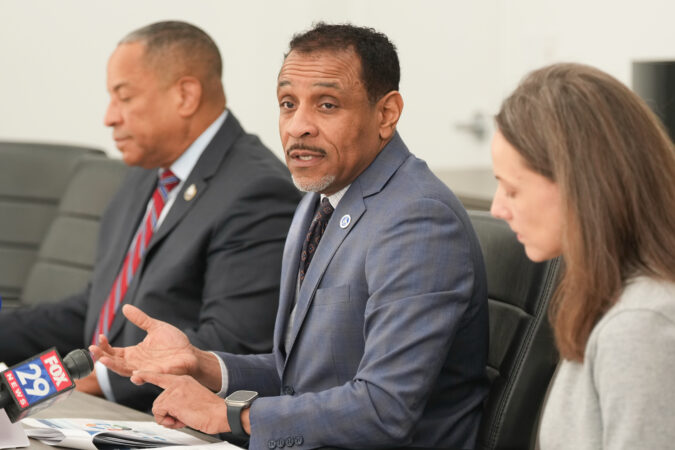
This week, the Philadelphia School District and SEPTA find it hard to change, the cost of free rides, and City Council finds it hard to listen to public comments.
Schools and SEPTA in the same boat
The debate over the school district’s facilities plan is giving me déjà vu. That’s because the city has already had this conversation. It was just that last time, it was about SEPTA’s proposed Bus Revolution.
Like the facilities plan, Bus Revolution was designed to generate improvements within state-imposed fiscal constraints. By eliminating some bus routes and redrawing others to reduce delays, SEPTA aimed to provide more rides to more riders without hiring more operators or buying more buses. The new system — which is scheduled to debut later this year — promises faster and more frequent service.
Where both plans struggle is on the political end. After all, opponents have a relatively straightforward story to tell: “Don’t eliminate our bus stop” and “Don’t close our school” are arguments that require little explanation. The benefits, on the other hand, sometimes require a multipage document, and neither institution has done a good job of communicating its goals at public meetings.
That doesn’t change the fact that the proposed changes are for the better.
For transit riders, more frequency is life-changing. For schools, shrinking the amount of physical space that needs to be maintained will facilitate investments and upgrades elsewhere. The two beleaguered organizations should compare notes on how best to eliminate their empty seats without provoking public uproar.
No free rides
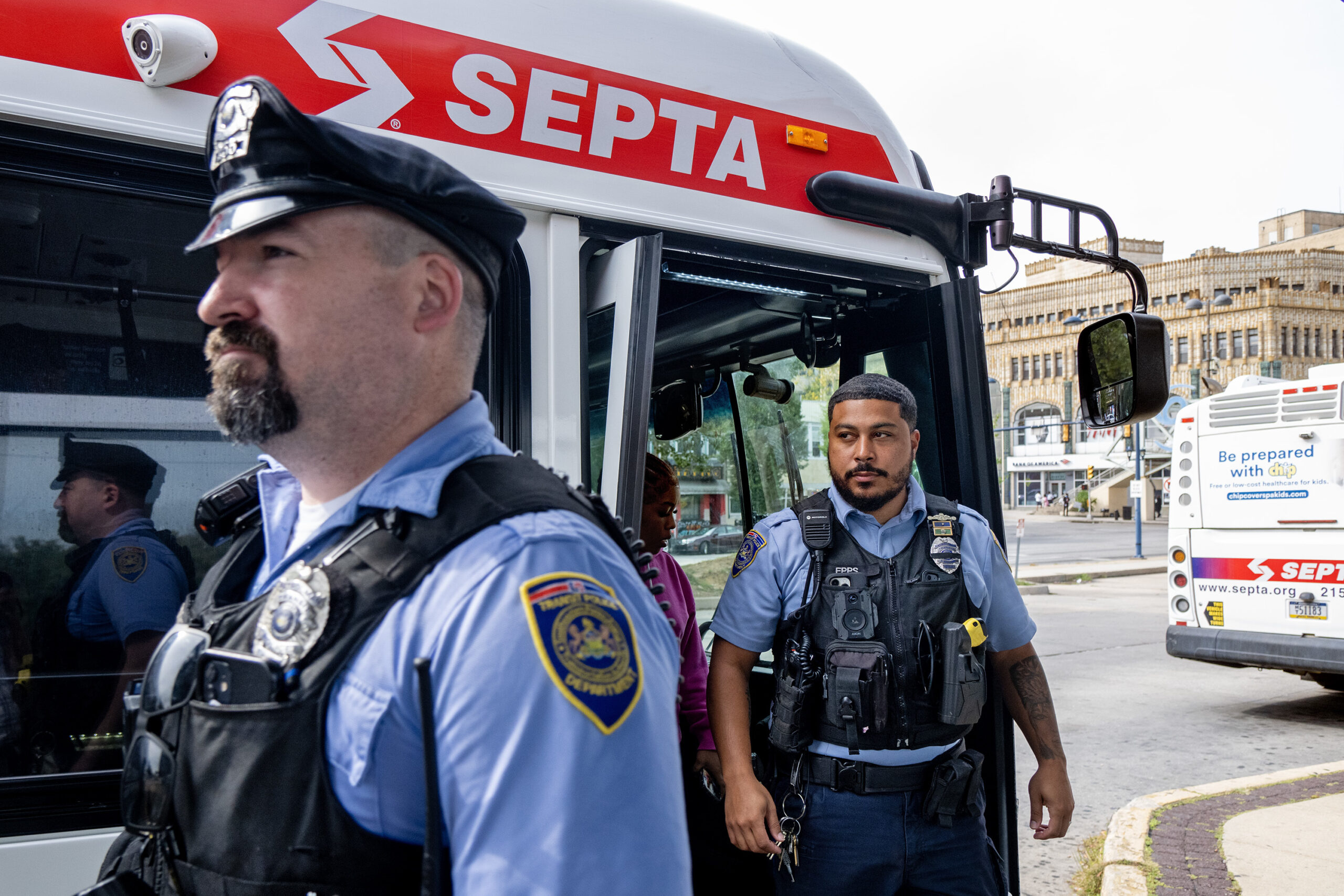
New fare evasion-resistant gates are slowly going up across the SEPTA Metro system, with the Frankford Transportation Center the newest recipient of the upgrades. As is the case when SEPTA tries anything new, this has generated some consternation from riders. Specifically, people have wondered why SEPTA is spending on new fare gates given its well-noted fiscal woes. Given how much is spent just trying to collect the fare, why not just make transit free? After all, New York’s new mayor, Zohran Mamdani, wants to make the buses in his city fareless.
While that all sounds exciting, it isn’t a good idea. Especially not here.
The most obvious reason is that SEPTA simply can’t afford to give up the hundreds of millions of dollars it generates in fare revenue each year. In fact, SEPTA is already operating with a deficit, forcing a raid on its (already underfunded) capital budget. Going fare-free would put the future of the system entirely in the hands of Harrisburg politicos, who have demonstrated repeatedly they can’t be trusted to adequately fund the system.
Plus, as New York’s Metropolitan Transportation Authority CEO Janno Lieber has said, transit is already affordable. A monthly bus pass is almost 90% cheaper than the average cost of car ownership. The biggest reasons people don’t ride are speed, frequency, and the behavior of other passengers, not fares.
This isn’t just a question of money; it is also about rider and employee quality of life.
After a surge in fare enforcement and a return to stiffer penalties, crime on the system is down to historic levels. This isn’t the first time that’s happened. While not every fare evader is a troublemaker, nearly everyone who does cause trouble starts by skipping the fare. The new fare gates led to a doubling of revenue at the 69th Street Transportation Center, but a reduction in aggressive behavior is just as valuable.
In the Bay Area, the BART system has shown another benefit: reduced time spent on what it calls corrective maintenance. After installing new, evasion-resistant fare gates, the agency saw a 961-hour reduction in these issues over six months. That’s a serious drop in time spent cleaning up graffiti, fixing broken screens, and uh, picking up large messes. At many stations, the need was almost completely eliminated. As a regular transit rider, that sounds like it is worth a lot more than $3.
Don’t just take my word for it. Iconic Philadelphia journalist Dan McQuade — who left us far too soon — looked into it, as well. McQuade wanted to believe in the idea, only to find that “free transit is not the sunshine-and-rainbows image I had in my head.”
Public revolt
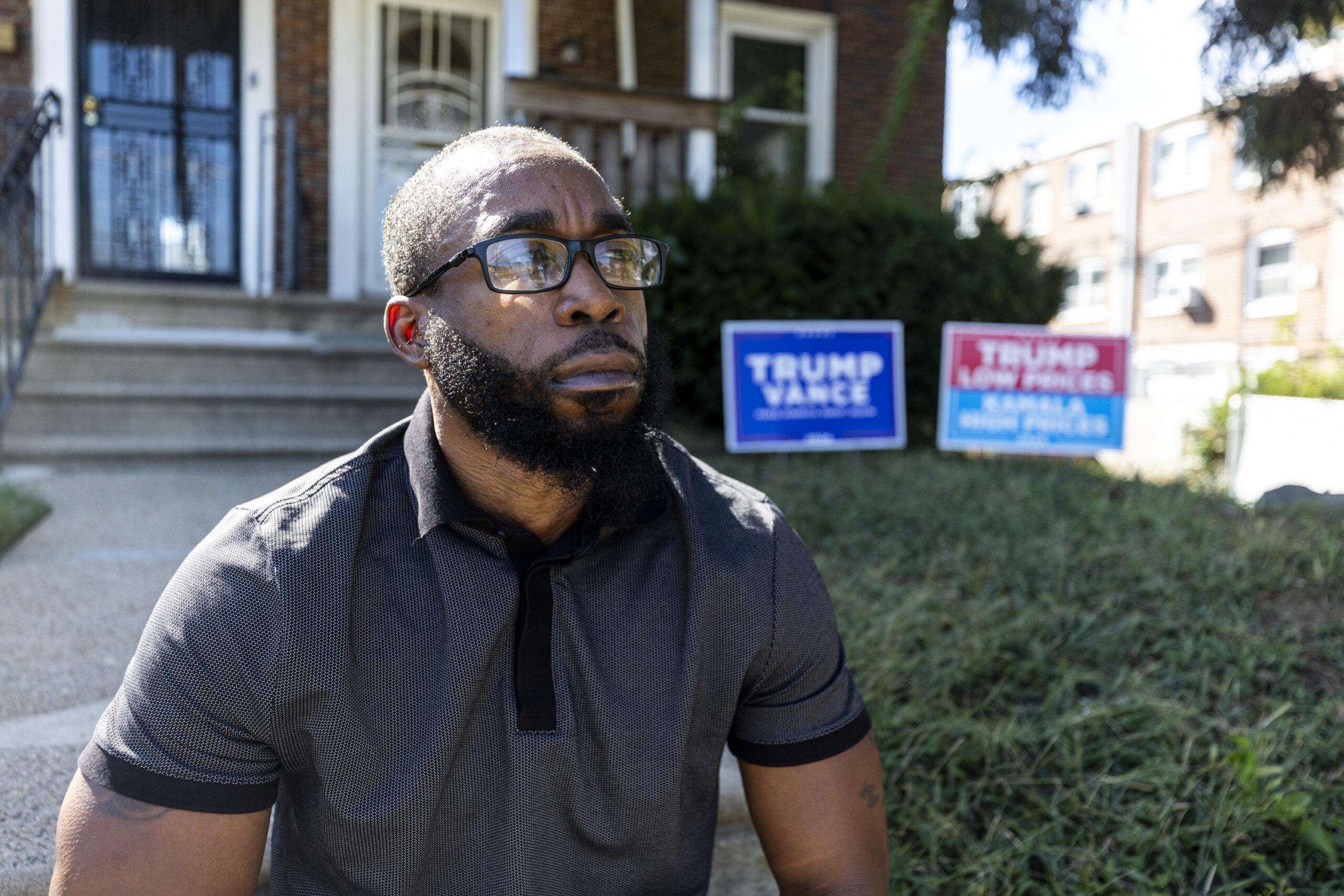
One of the more entertaining parts of covering City Council is watching the public comment portion of its meetings. Council has attracted a growing chorus of regular speakers, many of whom have things to say that clearly frustrate the members. More recently, the Council’s peanut gallery has been joined by John McAuley, an activist with the Black MAGA group Flip Philly Red.
Council President Kenyatta Johnson, who is usually a deft hand while leading proceedings, found himself going viral on social media after contentious exchanges with McAuley and longtime speaker Lynn Landes. Johnson sought to keep McAuley on a germane topic and criticized Landes for using the word alien.
In general, Johnson and his colleagues are better off letting people speak and not reacting to what they have to say. Intervening ensured more people would see their speeches than would have otherwise.
Leave a Reply