Author: Kiki Aranita

  • Did Michelin get it right? The Inquirer food team weighs in on its Philly picks.

    Did Michelin get it right? The Inquirer food team weighs in on its Philly picks.

    Last night, Michelin entered the Philadelphia dining scene for the first time. Three restaurants got a one-star rating: Friday Saturday Sunday, Provenance, and Her Place Supper Club. Another 31 got recognition from Michelin, as either a “selected” restaurant or a Bib Gourmand.

    So did the vaunted international arbiter of dining get it right in Philadelphia? Well, we have some notes. Restaurant critic Craig LaBan sat down with food reporters Michael Klein and Kiki Aranita, who both attended Tuesday night’s awards, to chat about what Michelin got right and what they missed.
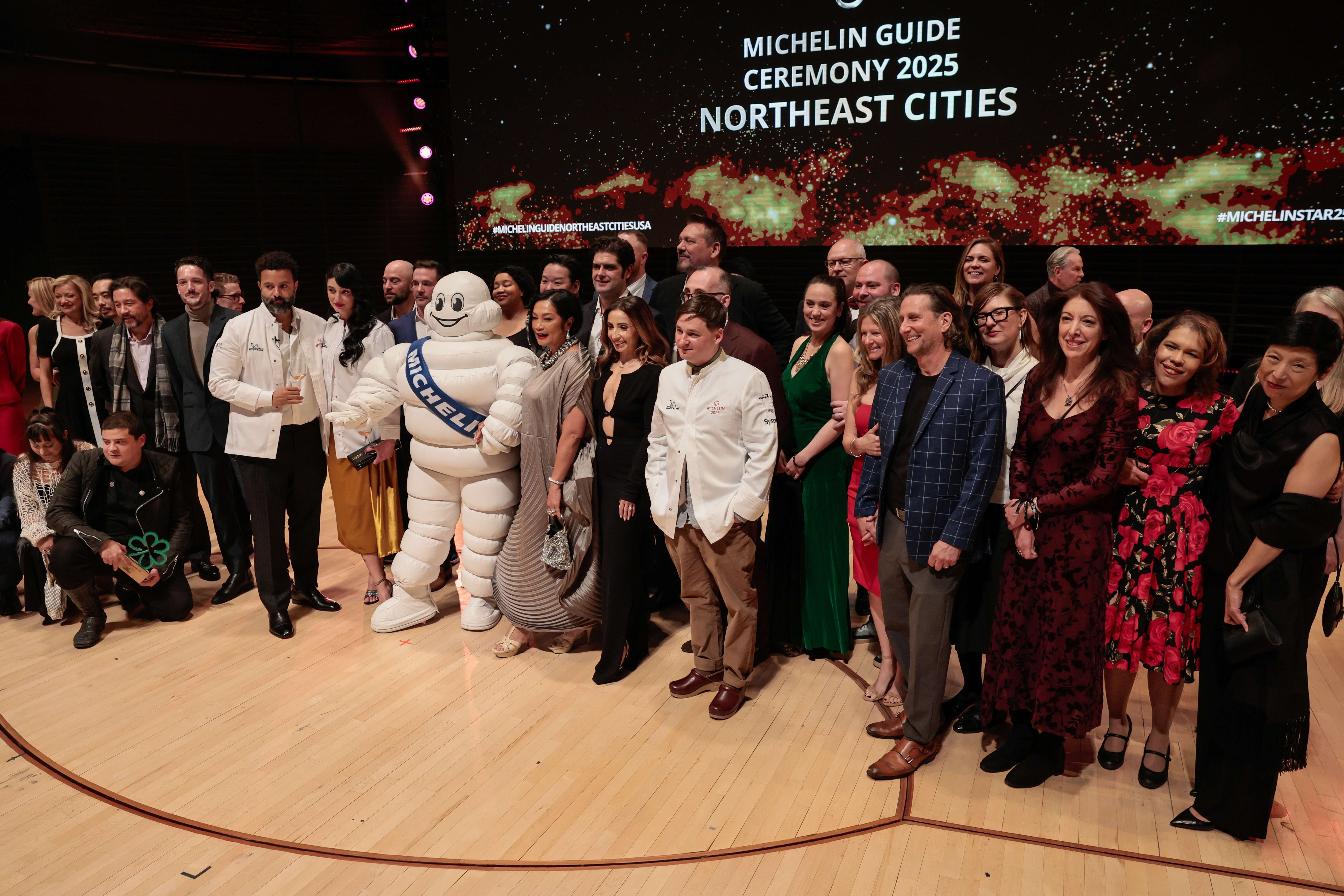
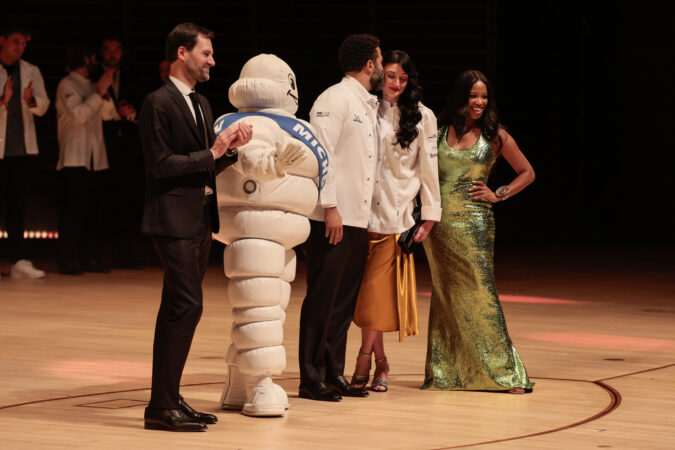
    The Philadelphia chefs acknowledged at the Michelin Guide announcements Tuesday at the Kimmel Center.

    A night of stars and surprises

    Craig LaBan, restaurant critic: I was not surprised by the stingy amount of stars given, or even those who received them, but there were notable snubs, including in the value-oriented Bib Gourmands, where some of their choices were big, blatant misses. Vetri Cucina missing out on a deserved star might have been my biggest “oh boy” moment.

    Mike Klein, food reporter: I liked how Michelin seemed to ignore a lot of what we would consider “obvious” picks and seemed to look deeper than other outside groups. (I’m referring to the national magazines, which basically only amplify the local critics’ work.)

    Kiki Aranita, food reporter: I’m surprised that so many cheesesteak joints got recognition but almost no Asian places, save for Hiroki, Kalaya, and Royal Sushi & Izakaya. I feel like we’re more of a Vietnamese food town than a cheesesteak town, but you’d never guess it from looking at the Michelin Guide. I’m also surprised to see Hiroki recognized but not Ogawa. Based on my deep survey of omakases for The 76.
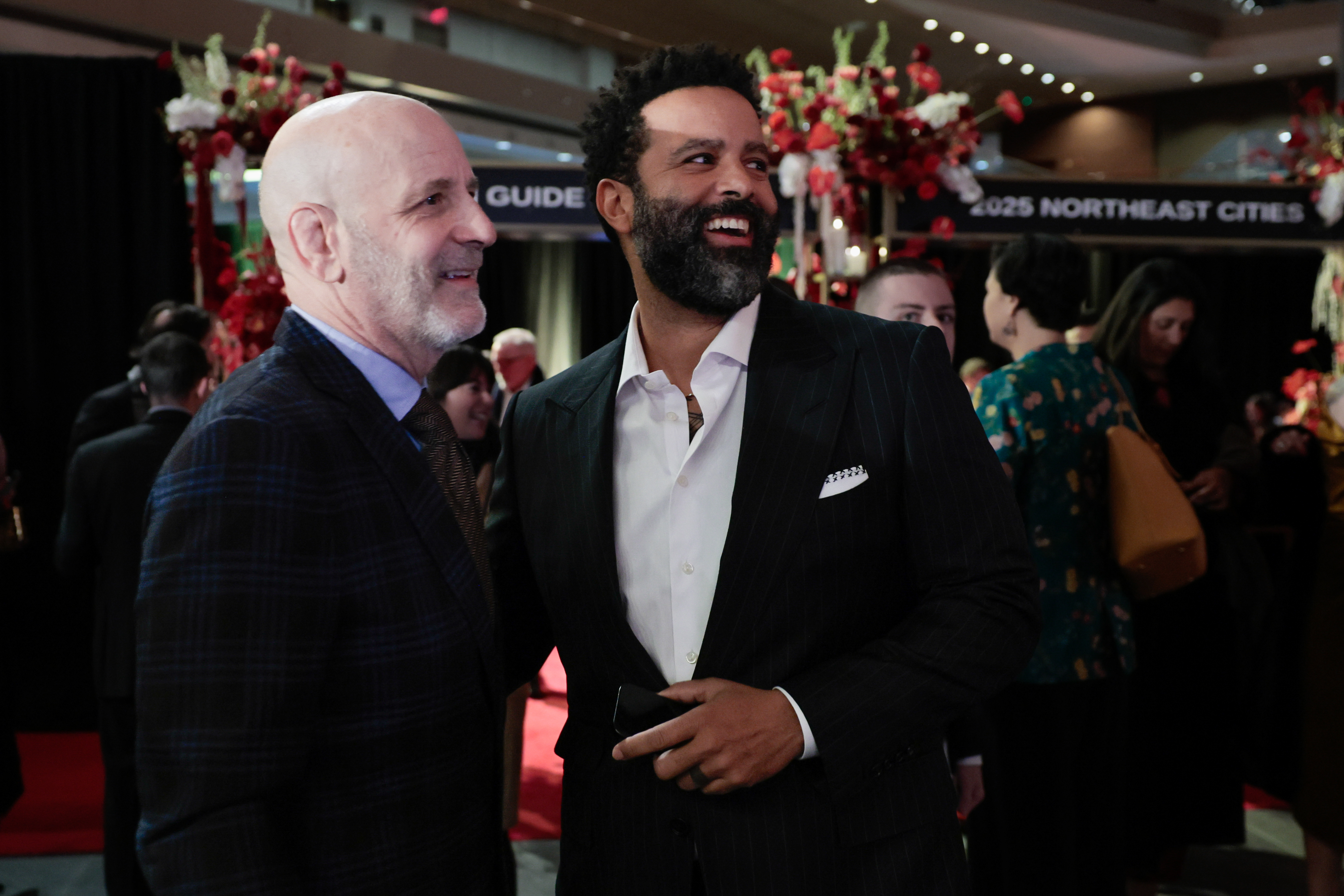
    Chef Marc Vetri (left) and Chad Williams, of Friday Saturday Sunday, during the cocktail hour, at the Michelin Guide announcements Tuesday at the Kimmel Center.

    CL: And the lack of attention to Mexican food! I’m thrilled for Carlos Aparicio at El Chingón, one of my longtime favorites — but that is one of the most exciting genres in Philly right now.

    MK: Maybe Michelin felt it needed to jump into the cheesesteak debate.

    CL: So cliché. And also, Dalessandro’s? C’mon! Angelo’s and Del Rossi’s belong, but I had a memorably bad cheesesteak at Dalessandro’s this spring that looked like the beef had been fed to a wood chipper before it was slapped it on my bun.

    Also, if we’re really talking about delving into Philly’s street-food sandwich cred — why not a special hoagie or roast pork place? John’s Roast Pork comes to mind. This felt like an obligatory street-food addition from inspectors with little background in Philly food.

    MK: My biggest surprise was that Jesse Ito’s omakase counter didn’t get a star (the izakaya got a Bib), and I suspect that was because the inspectors could not get in. Though “everyone” seems to put it on their best-of lists, Michelin apparently didn’t pull strings.
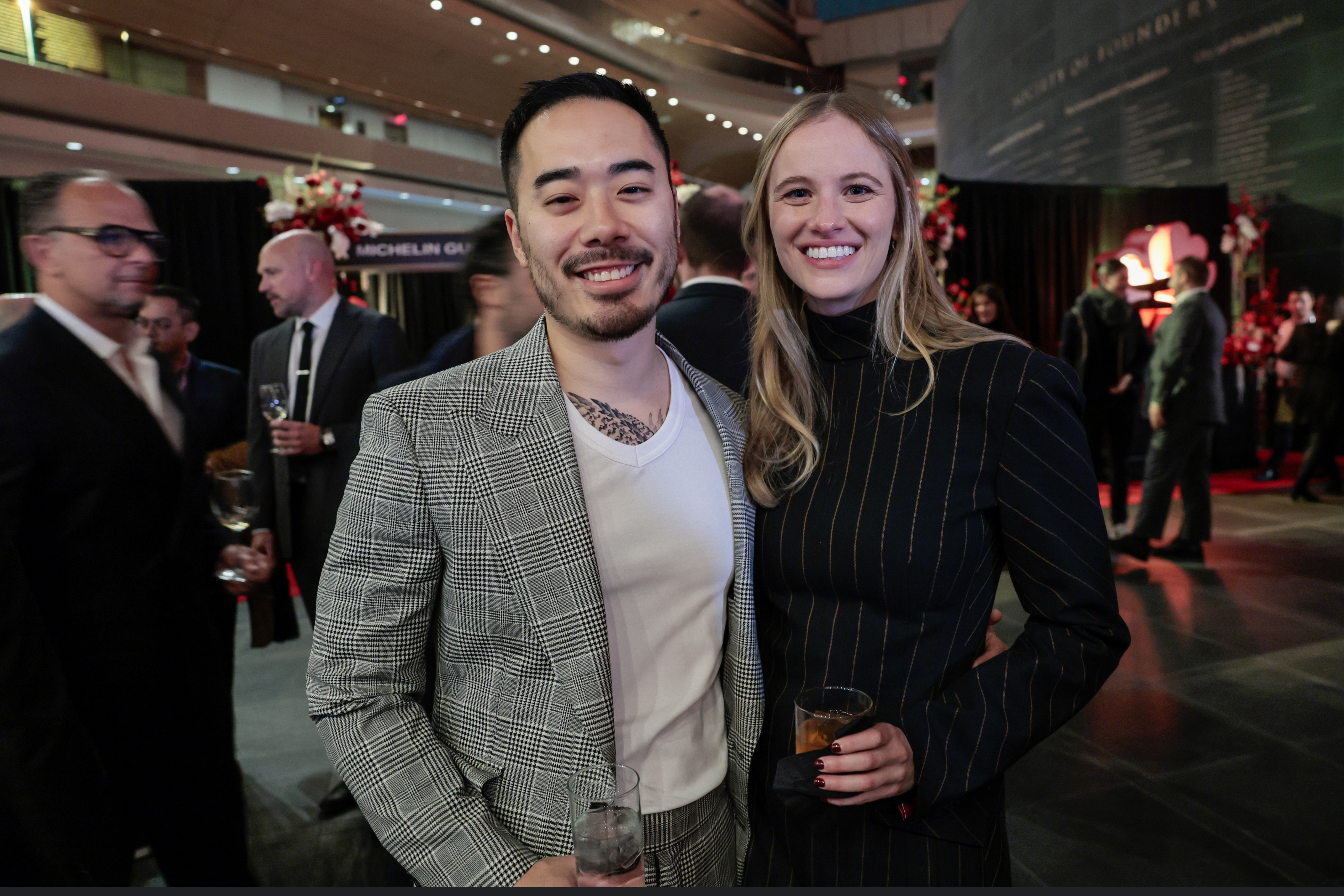
    Chef Jesse Ito and Mia Colona at the Michelin Guide announcements Tuesday at the Kimmel Center.

    CL: I also agree with Kiki on the subject of Asian restaurants, which are among our most exciting dining destinations: Vietnamese, Cambodian, Indonesian, and Chinese, of course. Mawn was a noticeable omission, but I suspect they simply didn’t put in the work to get a table, or wait for one at lunch. Sort of lazy, to be honest.

    Let’s talk about the snubs

    CL: On the subject of Royal Sushi & Izakaya, it’s clear to me from talking to Jesse, who’s seen a copy of the blurb they’re publishing, that they did not get into the omakase. Again, that seems like they just didn’t do the work required of a respected authority on fine dining. But, well, it’s just the first year. Also, a Bib is exactly the correct rating for the izakaya — and a great kudos for that side of the restaurant.

    MK: Snubs: Jean Georges. He wins everywhere. Why not here?

    CL: Why not JG? Because it’s not a good restaurant. I had one of my worst scouting meals of the summer there this year. The menu seems both dated and aimless and not well-executed. I had a fish dish with a strawberry-tahini sauce the color of Pepto-Bismol that I still shudder to remember.

    MK: Snubs: Nothing for Stephen Starr, who only has one one-star in his entire portfolio (Le Coucou). Wasn’t Barclay Prime even worth a Recommended?

    CL: I do think Barclay is the best steakhouse in Philly, and possibly Starr’s best, most consistent restaurant. But how often does Michelin recognize steakhouses? Barclay is less formulaic than most, but it’s less cheffy than your typical Michelin nod.

    Joe Beddia (from left), Greg Root, Nick Kennedy (rear), Chutatip “Nok” Suntaranon, and Roland Kassis with the Michelin Man at the Michelin Guide announcement Tuesday at the Kimmel Center.

    KA: Craig, are you at all surprised Kalaya didn’t get a Star?

    CL: Yes, I was a little surprised Kalaya didn’t get a star. It’s not really a tasting-menu place. But the flavors are so explosive, the personality in [chef] Nok [Suntaranon]’s cuisine is so vivid and distinct, it seems like a slam dunk, really. But it’s also a very big restaurant. Anything could have detracted from the experience — the service, the noise, whatever. I do think her cooking measures up to the criterion they’ve stated.

    What were you happy to see?

    KA: I did think they took an expansive view of independent, chef-driven restaurants.

    CL: I was surprised and thrilled with all the attention directed to Pietramala, our best vegan restaurant right now — and one of the best in all genres, period. The extra award for his pursuit of sustainability was spot on, because it is next-level.
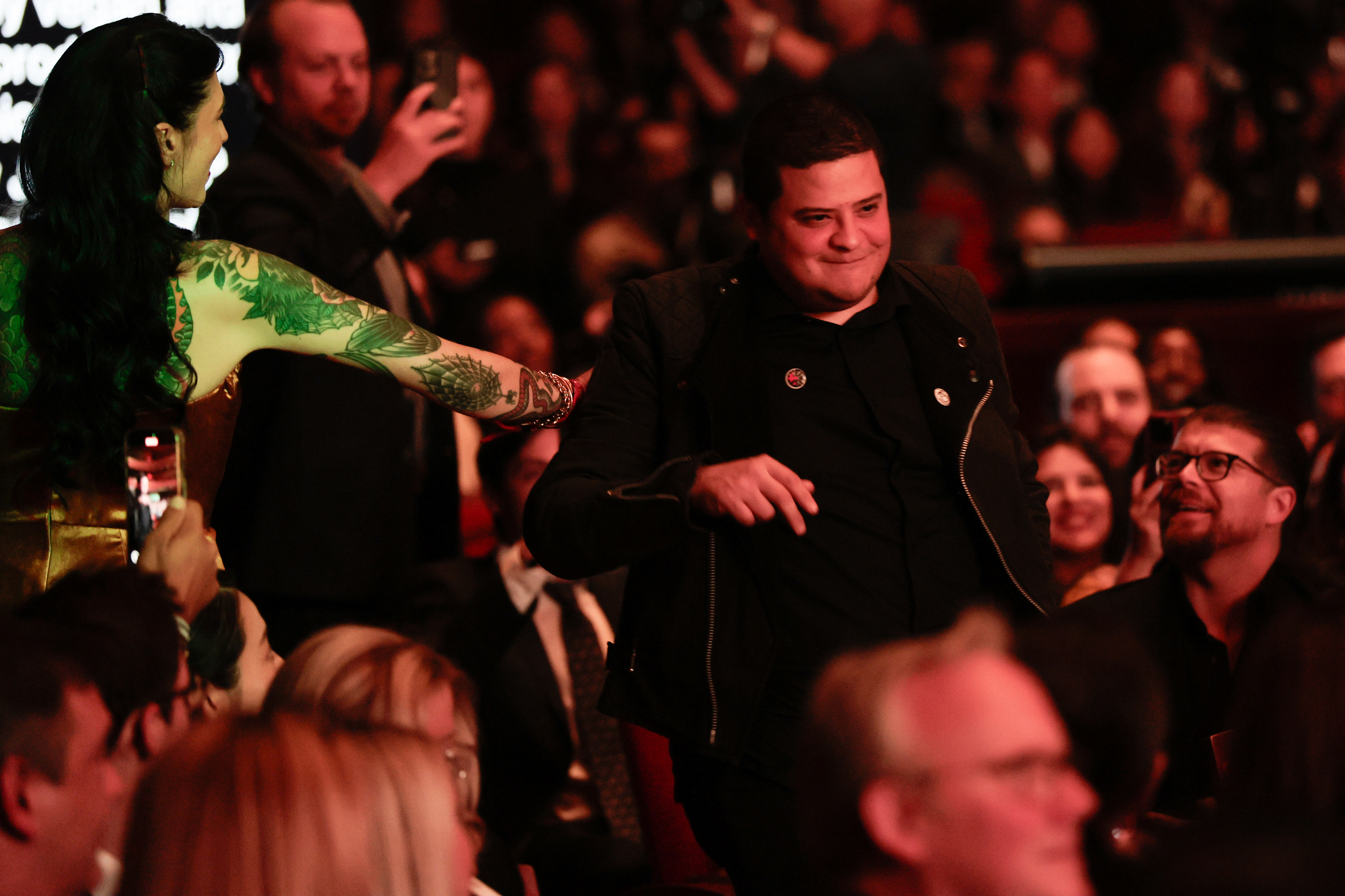
    Ian Graye, of Pietramala earned a Green Star award at the Michelin Guide announcement event at the Kimmel Center Tuesday, Nov. 18, 2025, in Philadelphia.

    KA: I was absolutely thrilled by that. I also did point out to [chef] Ian [Graye] that his green star was made of plastic.

    MK: My hot take is that many of the Recommended restaurants are being poised for stars in the future, assuming they step it up. But hey: Vernick, Vetri, and Zahav? That I don’t get.

    KA: Mike, I agree — and that is how Recommended restaurants work. They show us what inspectors have on their radar.

    I think Michelin more than any other list or awards entity analyzes what is on the plate, and is it delicious? (Sure, we can argue about what is delicious — but it’s delicious to them at a particular time.) [The World’s] 50 Best does seem to celebrate restaurants with excellent PR, while James Beard [Awards] looks at many different aspects of a restaurant, to the detriment of delicious (at times).
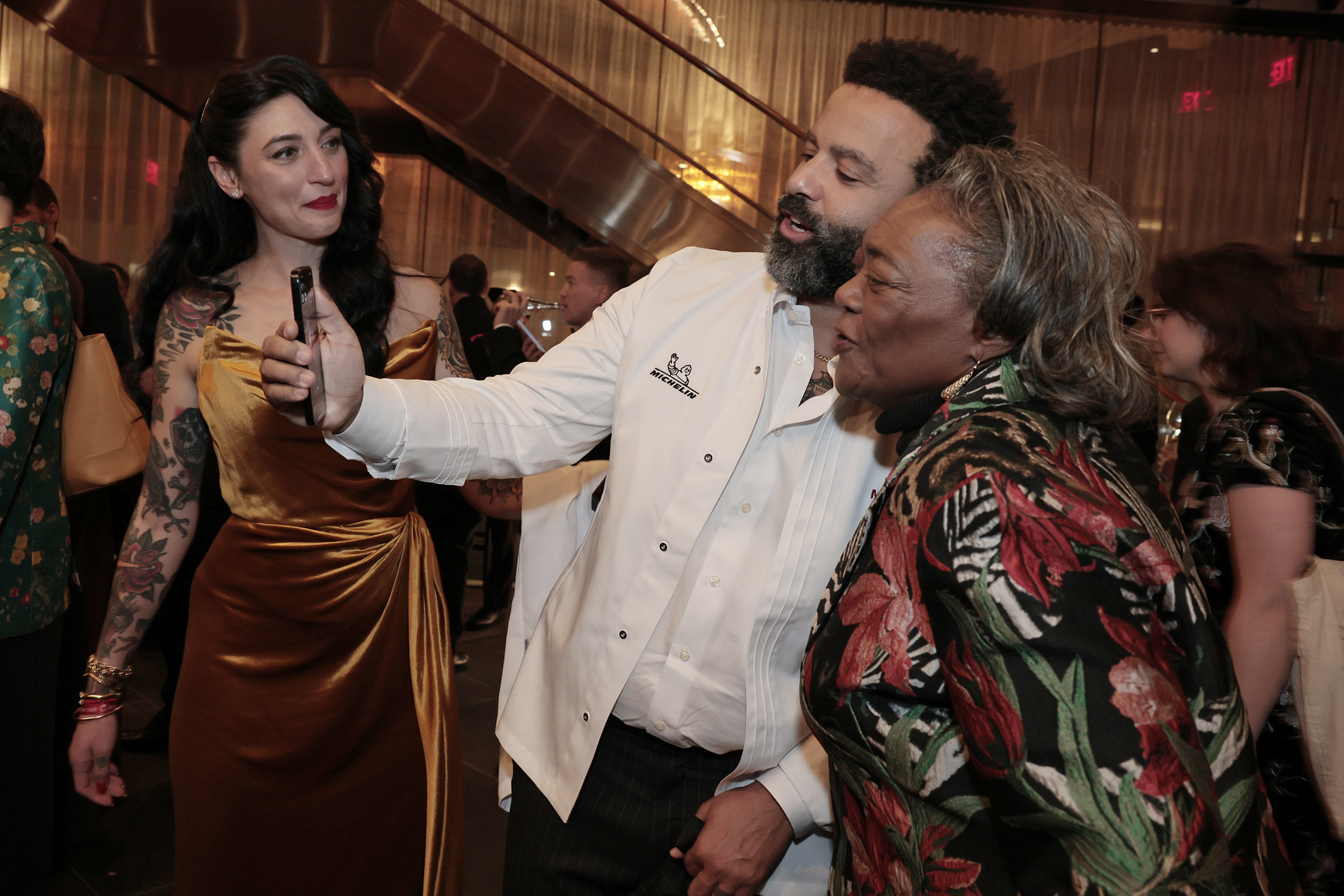
    Hanna Williams looks on as husband Chad Williams and Lynette Brown-Sow FaceTime after the Michelin Guide awards Tuesday at the Kimmel Center.

    What would you like to see Michelin consider next year?

    KA: I would hope that they think about entering Chinatown.

    MK: To Kiki’s point: Nothing from Chinatown?

    KA: Let’s really drive that home. Nothing from Chinatown but three cheesesteak places?

    CL: For the next guide, I’d love them to better explore Philly’s traditional sandwich culture beyond cheesesteaks, our great Chinatown, our fish house legacy (Oyster House could have been a bib).

    MK: P.S. Everyone I saw at the awards ceremony came away with something. Maybe not the star they craved, but hey — Michelin is no small potatoes.
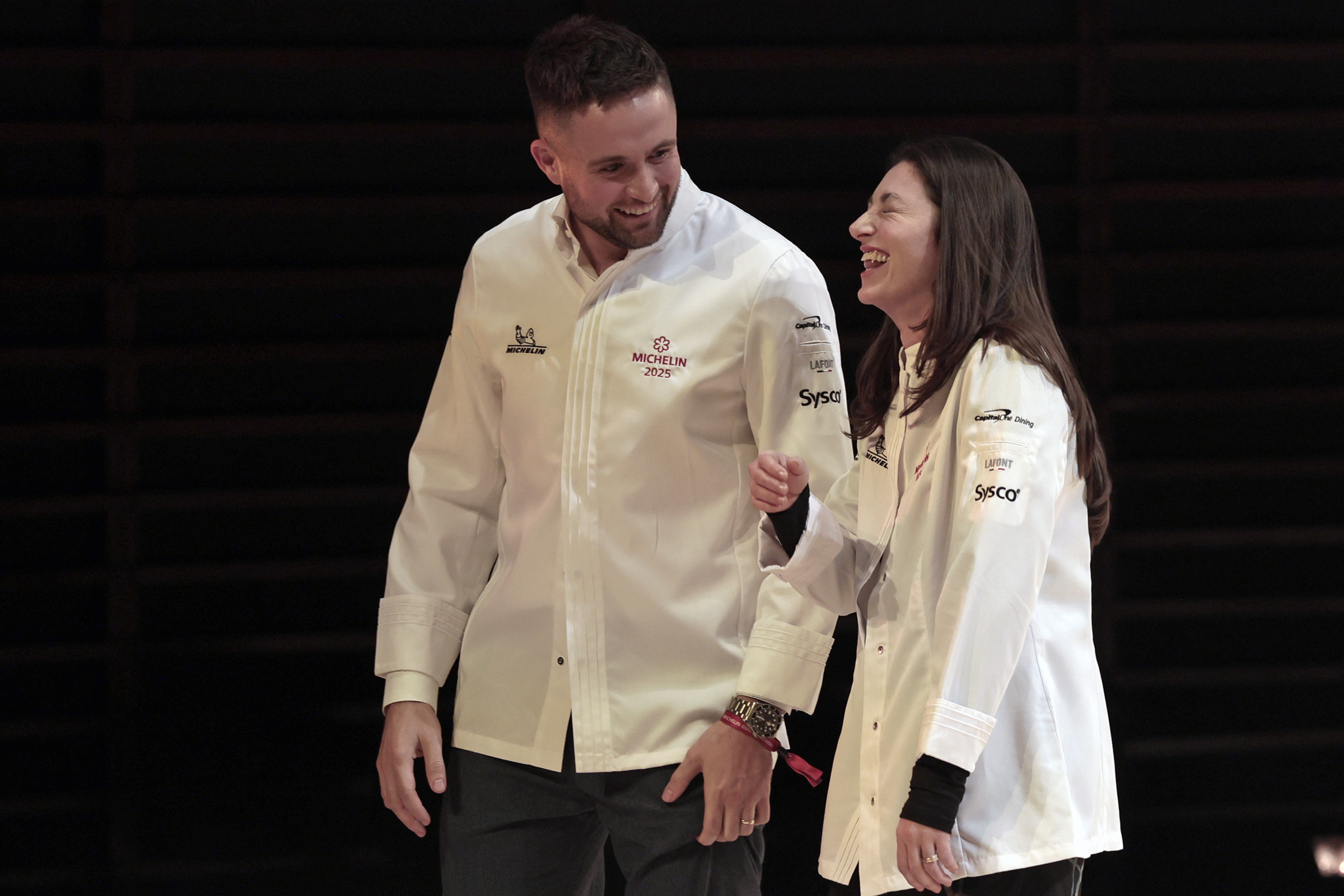
    Amanda Shulman (right) and Alex Kemp react after winning the prestigious Michelin star for Her Place Supper Club at Tuesday’s Michelin ceremony at the Kimmel Center.

    CL: My big takeaway is that this is just the beginning. Michelin has made its initial preferences known, but will surely add to its recommendations every year. Places like D.C., whose dining scene I believe we can compete with, only has more stars because it’s been at it longer. My only hope is that restaurateurs keep cooking from the heart, and that they don’t alter what they do simply in pursuit of a star.

    I think the aspects of this city that have made it such a draw for out-of-town chefs in recent years (the affordability, low bar to access, a sophisticated audience) will equally draw chefs who aspire to build a Michelin-style restaurant here. It will cost less to do it than D.C. or NYC! (Even if Nich Bazik might protest that fact). In Philly, everything now is on the table, and I’m kind of more excited than I expected to be to see now where it heads.

  • What will Michelin mean for the Philly restaurant scene?

    What will Michelin mean for the Philly restaurant scene?

    Dining rooms in Philly are abuzz with talk of Michelin’s impending arrival in Philadelphia — whose stars (or lack thereof) are set to be announced on Tuesday.

    On a recent night, while celebrating my wedding anniversary at the elegant Friday Saturday Sunday, diners at tables on either side of mine discussed the potential of the restaurant winning a star. That same week, at the hushed, luxe soapstone counter at Provenance, where spotlights shine precisely upon the parade of twenty-some courses (which costs $300 inclusive of tax and service charge, but not beverages) placed in front of diners, Michelin was brought up by every single guest to chef Nich Bazik as he made his rounds. “I’ve been to a lot of Michelin-starred places and they’ve been mediocre. But I think you’re going to get one,” I overheard one diner telling Bazik.

    Anticipation is high. But what would getting Michelin recognition actually mean to Philadelphia restaurants? In at least one case, it might translate to survival. For the rest of the city, the guide’s arrival is both foreboding and exciting.

    The stakes

    The experience that Bazik concocts at Provenance is Michelin bait: As I was being seated, my purse is given its own stool. Each time I get up to go to the restroom, my napkin has been replaced with a fresh, clean, starched, and folded one on a wooden tray. I count as many staff members as diners seated around the counter. My grenache noir is served in an impossibly delicate German Spiegelau glass. A single glass can cost $40, far more than the $15 wine it contains. These are the touches Michelin inspectors — or at least, diners who dine frequently at Michelin-starred restaurants — pay attention to.

    “A lot of folks dining here liken us to Michelin-starred restaurants in New York and around the world,” said Bazik in a phone conversation after my meal.

    “There’s a lot of weight for me in that outcome. We’re confident in the products that we bring in and our execution, but my anxiety lies with people’s expectations,” he said.

    For Bazik, the expectation that his restaurant will attain a star is high, and more than any of the other Philly restaurants speculated about in recent Michelin banter, Provenance needs a star to keep operating. Unlike its fellow contenders — Royal Sushi & Izakaya, Friday Saturday Sunday, Kalaya, and Vetri Cucina, to name some likely star recipients — the year-old restaurant hasn’t received international attention nor garnered any major awards.

    Royal, Kalaya, and Friday Saturday Sunday made appearances on the inaugural North America 50 Best list, an institution often considered a bellwether of future Michelin recognition, much the way Hollywood insiders consider the Screen Actors Guild Awards a tip as to who might ultimately take home an Oscar. Provenance’s recent appearance on Bon Appétit’s 20 best restaurants of 2025 list was exciting for Bazik, but didn’t contribute to any discernible increase in reservations.

    Provenance chef-owner Nicholas Bazik greets guest in the Headhouse Square restaurant on Oct. 17, 2024.

    On Nov. 18, Michelin will release its 2025 Northeast Cities edition, covering dining in Chicago, New York City, Washington, D.C., and for the first time, Boston and Philadelphia. Over the last two years, the Michelin Guide has expanded rapidly in the United States, growing to include a new region of the South (Alabama, Louisiana, Mississippi, North Carolina, South Carolina, and Tennessee) and the states of Texas and Colorado. Atlanta’s guide was introduced in 2023, but has since been rolled into the South’s edition. The Florida guide, introduced in 2022, has expanded to include a greater Miami area, Orlando, and Tampa. Internationally, the guide arrived in Qatar, New Zealand, and the Philippines in the last year.

    Anonymous inspectors were dispatched to Philly’s restaurants many months ago. About a month ago, those selected for either stars, a Bib Gourmand designation (for restaurants that have a “simpler style of cooking” and “leave you with a sense of satisfaction, at having eaten so well as such a reasonable price”), or to be listed in the guide without either recognition received a short survey from Michelin via email to confirm details like how they take reservations and their address.

    Invites to the ceremony went out last week to chefs and restaurateurs, some who will appear in this new guide and some who won’t. Intentionally or not, Michelin seems to toy with the hopes and expectations of chefs, inviting a number of attendees who will walk away empty-handed or, in some cases, having lost a star.

    The communication between Michelin and restaurants is famously terse and, for some included the guide’s newer editions, highly unexpected. When the Philippines’ first-ever Michelin stars were announced on Oct. 30, one restaurateur did not appear to receive his plaque because he had believed the emails to be spam.

    The Michelin Guide’s arrival has also been rejected, as is case in Australia, where Michelin reportedly asked for $17.33 million over five years from Tourism Australia. The bid was rejected and Australia’s restaurants were passed over while the guide landed in New Zealand, to varying fanfare.

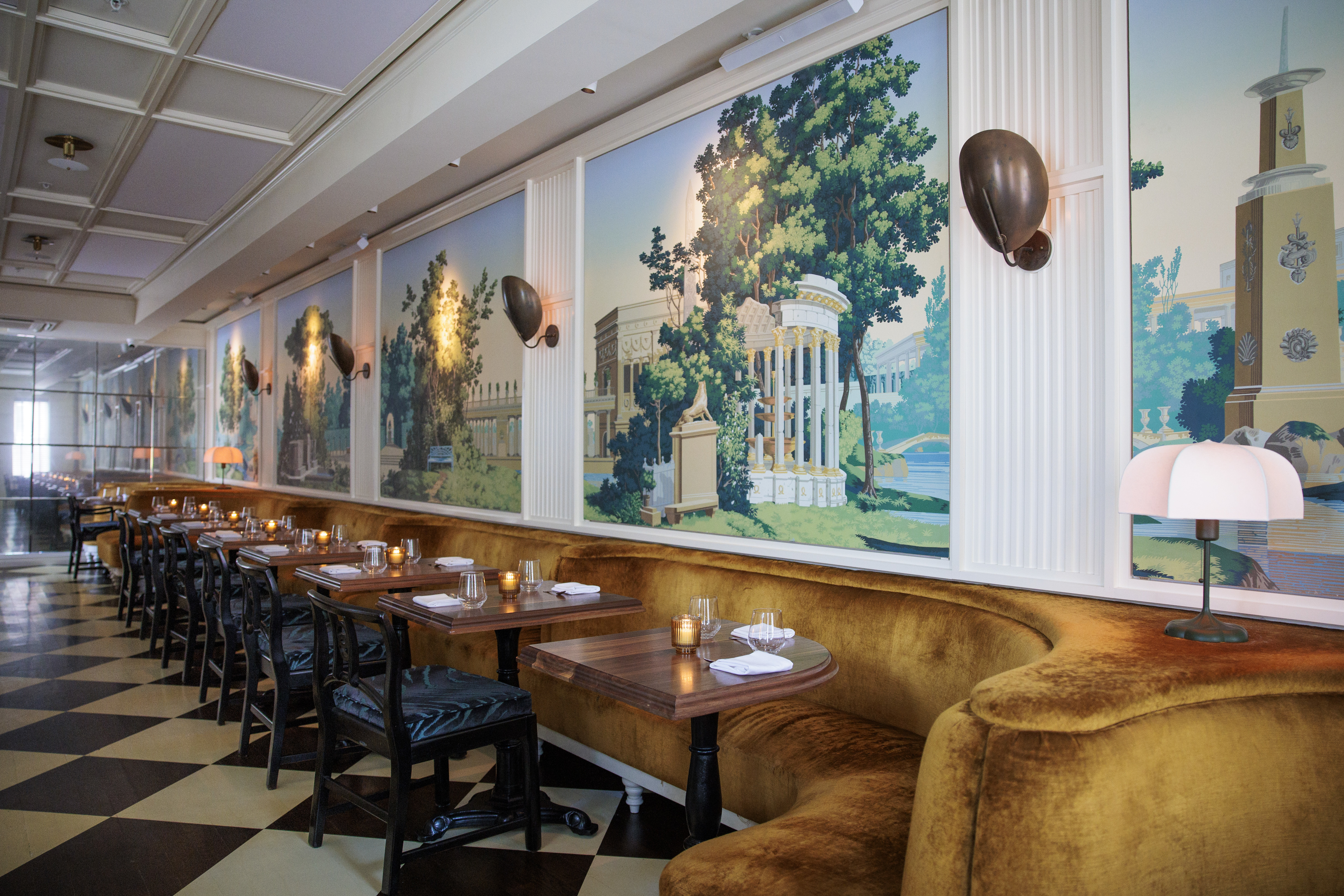
    The interior of Friday Saturday Sunday.

    Michelin math

    As deserving as the Philly food scene is on the international stage, the reality is that Michelin attention is coming because the Philadelphia Convention & Visitors Bureau invested in expanding the guide’s coverage here. If Provenance were located in Pittsburgh, Bazik would have to wait until the city’s tourism board was willing to pay for its restaurants to be considered by inspectors.

    The PCVB, a private agency, has declined to disclose the terms of its contract with Michelin. Other cities have paid significant sums to be part of the Michelin process. Atlanta’s visitors bureau, for example, entered into a $300,000-a-year three-year contract with Michelin in 2023. Florida’s guide was backed by more than $1.5 million in funds from state and city tourism budgets.

    Restaurants may stand to benefit financially from Michelin recognition. In the documentary Knife Edge: Chasing Michelin Stars, produced by Gordon Ramsay and heavily promoted by Michelin itself, host Jesse Burgess says, “They say with one Michelin star you get 20% more business. With two Michelin stars, you’re going to see about 40% more, three Michelin stars, double — 100% more business.” These numbers were corroborated by Eater in 2010.

    But some restaurants have also reported having a Michelin star can cost them money. An initial bump can be followed by a slump, according to a study in the Strategic Management Journal: “Consequences of Michelin stars were not all necessarily favorable. Restaurateurs also emphasized how relationships with employees, landlords, and suppliers became more strained as these exchange partners sought to bargain for more value.”

    The downsides

    Michelin-starred restaurants may struggle to maintain diners’ expectations, which have been compounded by shows like The Bear and examples set forth by empire-building restaurateurs like Will Guidara, also the author of Unreasonable Hospitality.

    “Traditional gestures of hospitality will not cut it. Sending an extra appetizer to a table seems quaint, and just forget about the ubiquitous candle in the dessert,” wrote restaurateur John Winterman, the owner of one-starred Francie in Brooklyn, in a recent article in Food & Wine. Michelin-caliber restaurants, in addition to everything else they’re trying to keep up with, are now dealing with diners used to extraordinary gestures.

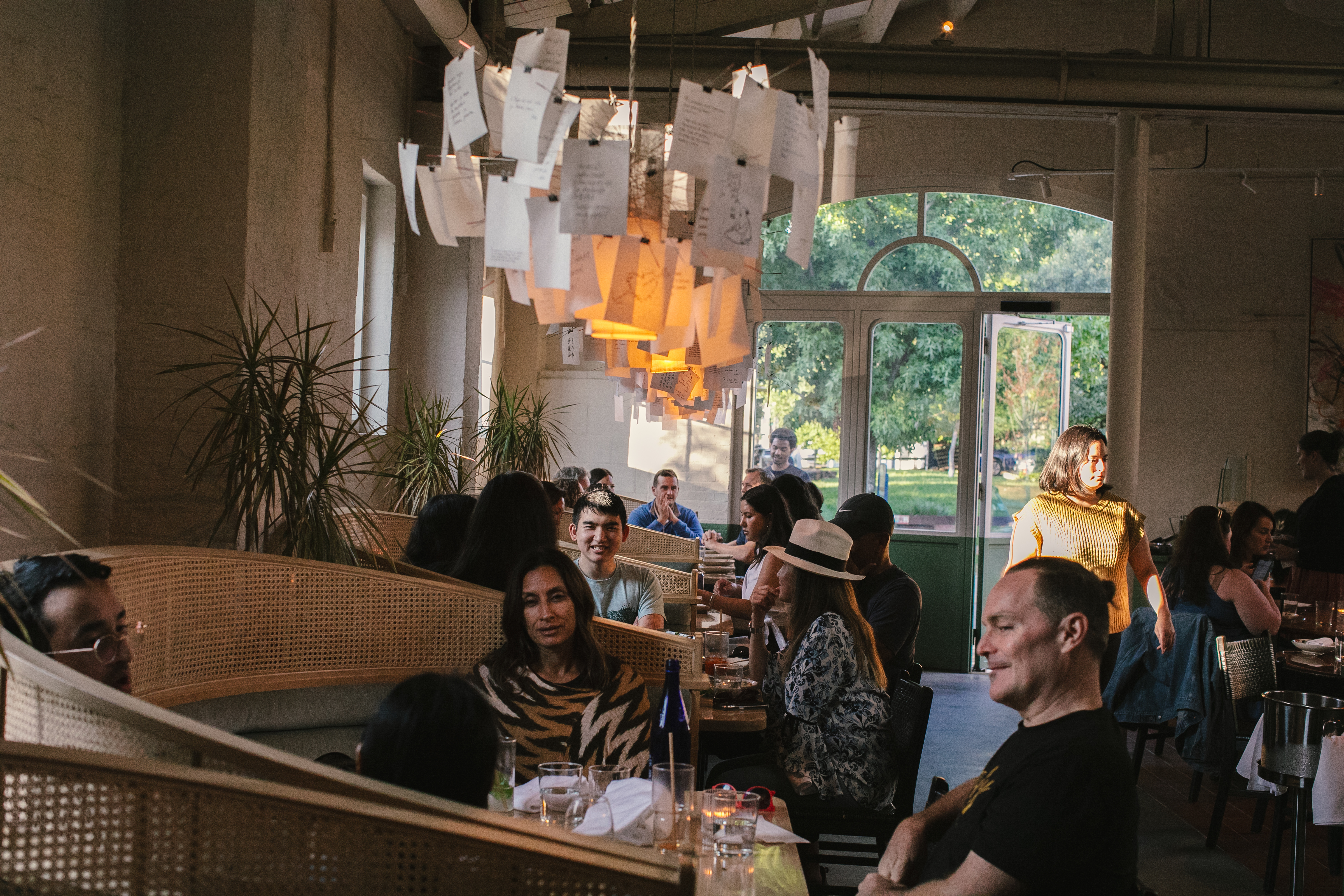
    Guests fill the dining room at Kalaya in Fishtown as restaurant staff weave through service on Aug. 22, 2024.

    “Someone complained once because we didn’t have purse stools. And why not? We have a Michelin star, so we should have purse stools,” Winterman told me in a phone conversation.

    Michelin expectations can also have a downside for diners: Who wants to travel thousands of miles to eat the same food?

    More and more has been written about the creeping sameness that haunts Michelin-caliber restaurants around the globe. As they strive for stars, restaurants start to resemble one another in both hospitality and food. In his 2024 review of New York City’s one-starred Noksu, the New York Times’ former critic Pete Wells pondered, “There are restaurants like this in almost every major city now, imitation pearls on a string that circles the world. Once the door closes, you could be anywhere, or nowhere. How did chefs who prize both originality and a sense of place decide that the most appropriate backdrop for their food would be copycat rooms done in a blank-faced global style?”

    Even as Philly gears up for more international visitors and attention for the World Cup and America’s 250th anniversary, it’s likely that a (much-desired) influx of food tourists will all try to go to the same places thanks to Michelin. Many already are.

    “We’ve booked Friday Saturday Sunday and Kalaya, where else should we go?” a Canadian friend texted me last week. He was looking for the usual suspects, the must-eats, notches on his belt. A rising tide may not lift all ships, but rather concentrate the money and attention on a select few.

    Morale boost

    “Awards are always superspecial. Obviously we love getting recognized,” said Marc Vetri in a phone interview. “But in the end, we are not here to win awards. We’re here to do what we love. Awards are never the end goal.”

    Open for over a quarter of a century, Vetri doesn’t need a Michelin star the way Provenance does. Vetri Cucina already attracts well-heeled international visitors, happy to open their wallets for the extraordinary pastas and meats that the kitchen turns out. “If you’re around that long, folks are going to hear about you. Everyone knows about us. Our dining room every night has a variety of area codes from local to the West Coast, to European numbers, phone numbers from all over the world,” said Vetri.

    Getting a Michelin star won’t change how he operates either. “This is my life, maybe a lot of chefs are thinking about this differently — sticking things on their menu specifically for Michelin. But once you stray from who you are, you’ve lost who you are. We’re always evolving. We’re a new restaurant every year. We evolve with my life experiences,” he said. “And we won’t raise our prices, like in a war.”

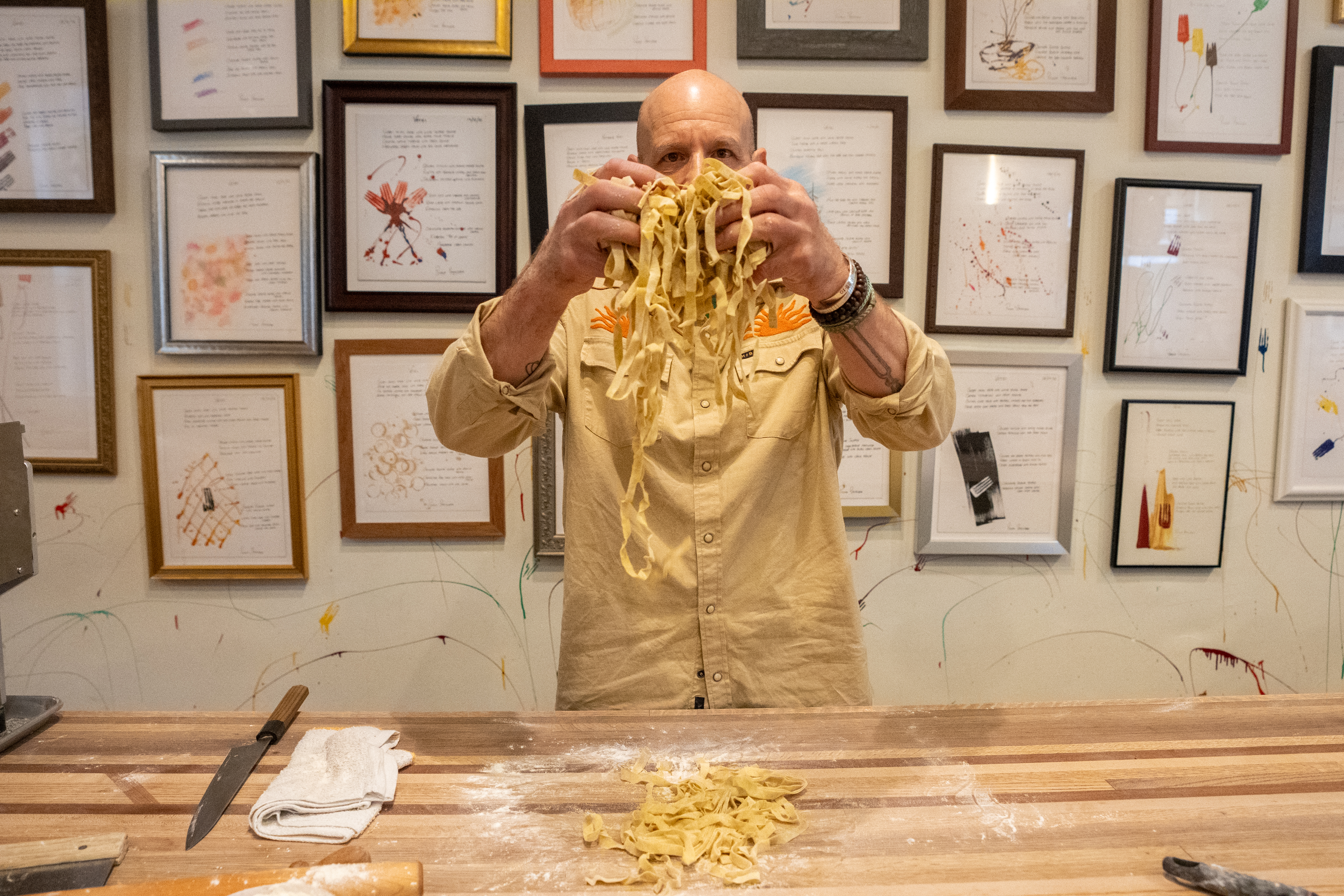
    Marc Vetri makes pasta at Vetri Cucina.

    Vetri is excited for Philly to have more recognition on the world culinary stage. “It’ll bring more Europeans and worldly folks to Philly,” he said.

    Nich Bazik has wanted his own restaurant since the age of 20 and has never worked in a Michelin-starred restaurant. If Provenance attains a star, his own will be the first that he has cooked in. This is a rarity. Chefs at his level typically train at Michelin-starred restaurants in many cities, gaining experience from global kitchens and hobnobbing with other chefs with Michelin stars in their eyes. Bazik’s cooking is entirely homegrown, nurtured by experiences working at James with Jim Burke and at Russett with Andrew Wood.

    “I am from Philadelphia. This is my home,” Bazik said. “My entire paid tenure of being a cook has been in Philadelphia and by design. I didn’t see the benefit of going elsewhere.”

    Despite Bazik’s anxiety, “Michelin isn’t going to change how we operate. I work from 9:30 a.m. to midnight every day. I’d be doing that whether Michelin was coming or not.”

    More business?

    The reservation system OpenTable regularly posts its top 10 most-booked restaurants in cities. In their latest Philadelphia update, on Nov. 5, that list included Borromini, Parc, the Love, Talula’s Garden, the Dandelion, and El Vez, and none of the other restaurants mentioned in this article. (Resy, which Kalaya and Royal Sushi use, does not put out a comparable, data-driven list).

    This is a reminder that the restaurants contending for a Michelin star exist in a rarefied space. As much as the guide’s representatives try to downplay their focus on fine dining, the vast majority of Michelin hopefuls do charge a lot of money. On a purely economic basis, they aren’t for everyone.

    Conversely, OpenTable’s top 10 is a reflection of where people are really going out to eat in Philadelphia and, of course, the restaurants large enough to accommodate them — six of 10 of those places are owned by Stephen Starr (an altogether different star than what we’re talking about). At the end of the day, actual diners mean more to the bottom line and longevity of a restaurant than stars. But they probably can’t hurt.