Author: Michaelle Bond

  • Philly area’s housing market is ‘weird’ right now, agents say

    Philly area’s housing market is ‘weird’ right now, agents say

    Brenda Beiser knows firsthand how difficult buying a home in the Philadelphia area can be. She’s not only a Redfin real estate agent, but she’s also an empty nester who wanted to downsize.

    Her six-bedroom house in Mount Airy sold right away when she put it on the market in May. But she decided not to buy a replacement.

    “I went for a rental because I didn’t really want to compete with everyone who’s trying to get into a smaller house,” Beiser said. “A lot of people who are in their 60s and would have traditionally downsized into a smaller house just aren’t doing it. They can’t find a place to go.”

    Brenda Beiser, a Redfin real estate agent in the Philadelphia area, decided not to buy another home when she sold her Mount Airy house, because she didn’t want to enter the region’s competitive housing market.

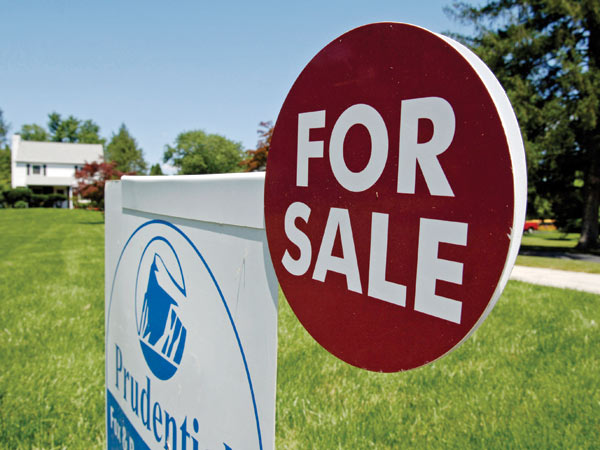
    The Philadelphia region has a housing supply problem, just like large swaths of the country, and that’s impeding both repeat and first-time buyers. Inventory is particularly low across the Northeastern United States, where construction has not kept up with demand. In the beginning of this year, Zillow predicted that the Philadelphia metropolitan area would be one of the country’s 10 most-competitive housing markets of 2026.

    Home supply, however, has also ticked up a bit in the region compared with last year, and homes are staying on the market a bit longer before they sell. For the four weeks ending June 21, the region was in the top five markets with the highest annual increase in new home listings, according to a Redfin analysis of the 50 most-populous metropolitan areas.

    “The market’s encouraging,” said Jake Markovitz, president of the board of directors for the Greater Philadelphia Association of Realtors. “It’s certainly more balanced than it has been the last four, five years.”

    Erin Thompson, CEO of the Montgomeryville office with Keller Williams and leader of the Erin Thompson Team, agrees. She said buying and selling is “ebbing and flowing but trending toward a more stabilized market.”

    “Although I feel like I’ve said that twice in the recent past, and then it’s gone bonkers,” she said.

    The region’s market is a mixed bag.

    Some homes are sitting for a while, and some owners are at risk of selling properties for less than they bought them for a few years ago. Other homes have inspired five or more buyers to compete against each other, hiking up prices, said Markovitz, an associate broker with the Karrie Gavin Group at Elfant Wissahickon Realtors.
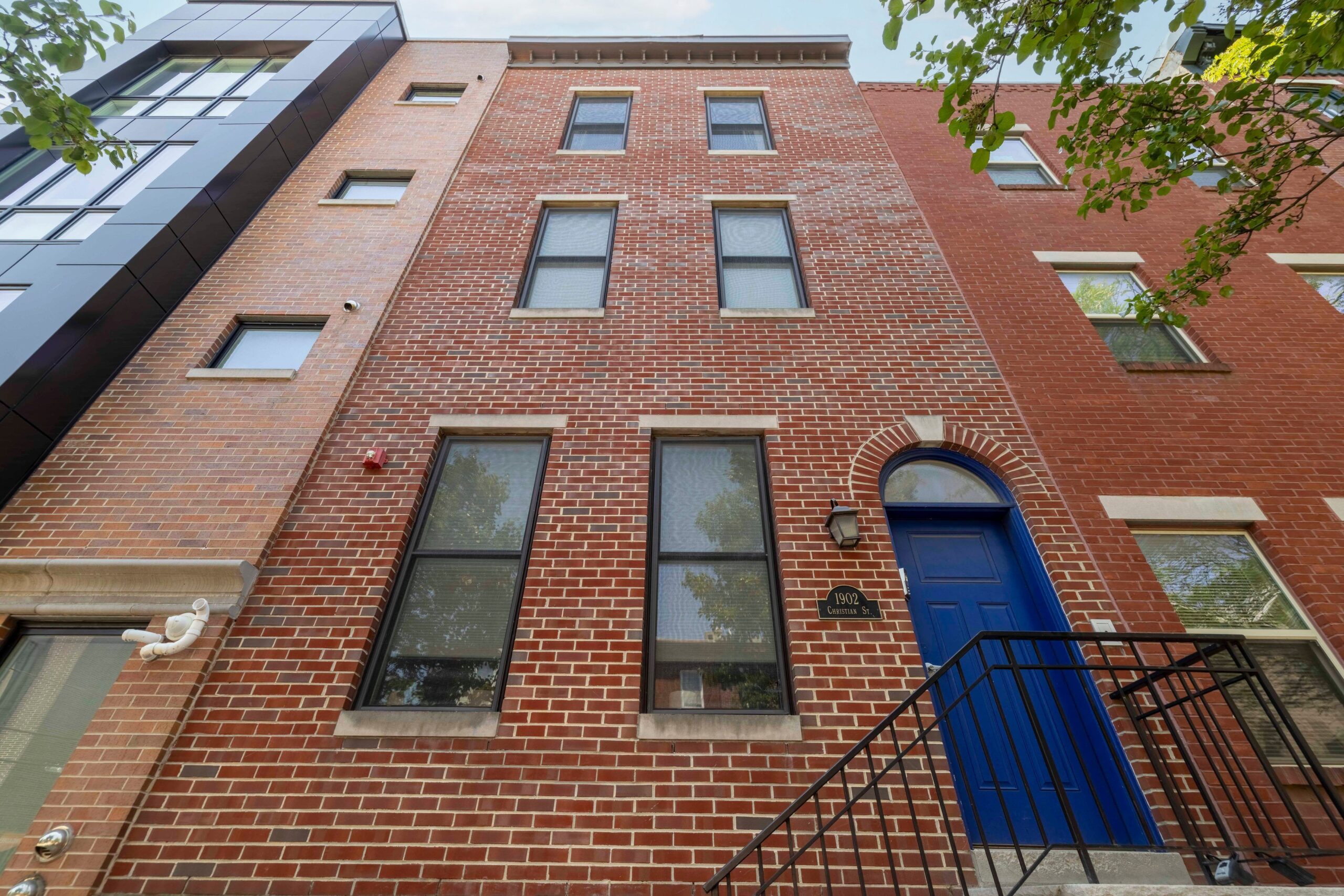
    This Graduate Hospital home went under contract last month a few weeks after it was listed for sale.

    “As an example, I’m seeing more inventory in Chestnut Hill than I have in a long time, which is giving buyers a little bit of power,” he said. But if the right property hits the market, it will go fast.

    He’s seen the same happen in neighborhoods such as Graduate Hospital and Fishtown.

    Because of strong demand for homes in the region, “I just don’t think we’ll see any major shift in prices coming down,” he said.

    ‘Weird’

    Markovitz and Thompson both used the same word to describe the recent real estate market: weird.

    They said housing activity isn’t always following time-tested rules.

    Philadelphia homes that sat on the market for months last fall, typically a busy season, suddenly went under contract in the winter, typically a slow one.

    A house that sits on the market for 30 days that a buyer thinks can be theirs at a lower price can suddenly attract two other buyers at the same time. And now they all need to be ready to pay more.

    Housing markets have always been hyperlocal, with buyer demand varying from neighborhood to neighborhood and block to block. But now, “it’s almost like a property-by-property basis,” even for comparable homes, Thompson said.

    Owners bound by ‘golden handcuffs’

    Even with recent upticks in home listings, the region’s housing supply is nowhere near enough to meet demand.

    “Most people are anticipating this year will continue to be a little tough,” Thompson said, “and then next year we’ll start to see some more inventory.”

    Markovitz said homeowners who bought properties five years ago with 3% or 4% mortgage interest rates are still experiencing “some sticker shock” from current rates, which lately have been averaging about 6.5% for a 30-year, fixed-rate mortgage.

    “Those people, even if they’re ready to leave, are kind of bound by their golden handcuffs,” not wanting to sell and then have to buy a home at a higher interest rate, he said.

    But for many homeowners, “the reality of the market has set in a little bit,” he said. “Where people were sort of hoping, wishing that rates would come back down, they’re not.” And life events such as births, deaths, and job moves mean that people need to sell their homes.
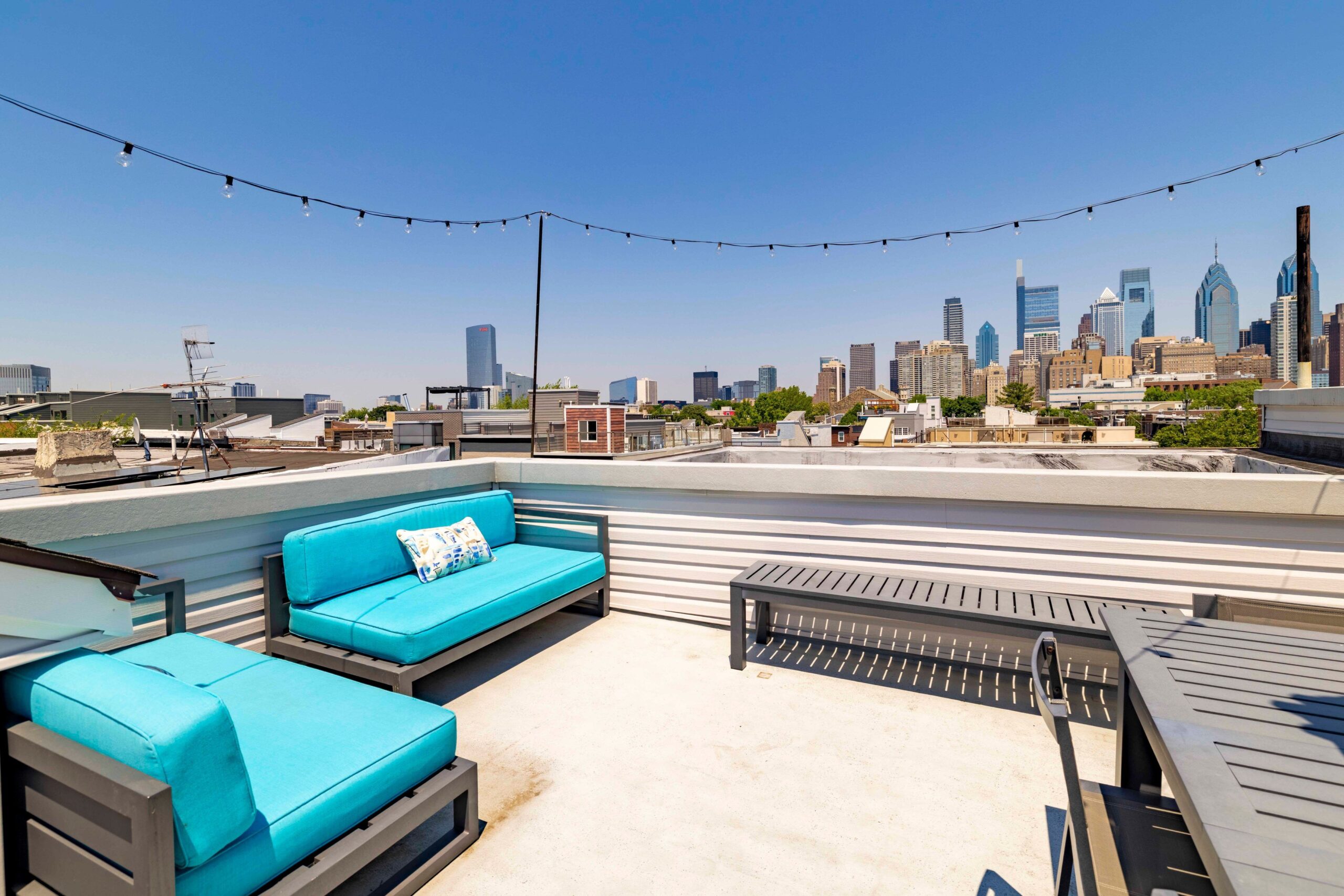
    This recently sold Graduate Hospital home has skyline views from the roof deck.

    And buyers show up to purchase them.

    Thompson said she was nervous when she listed a Phoenixville home for sale during Memorial Day weekend, when many homebuyers might be traveling. But a lot of people came to see it, and the seller ended up with seven offers and a final price that was well over what they expected.

    Buyers, however, aren’t accepting just anything. They are more selective and less likely than in past years to skip home inspections. If sellers want to get the highest price, they have to prepare their properties for sale, agents said.

    Homes, and especially kitchens and bathrooms, need to be up-to-date, and central air-conditioning is a plus, said Annette Collier, owner and real estate broker at Able Real Estate, based in West Philadelphia.

    “That’s what buyers are looking for, and I don’t think they’re willing to settle,” said Collier, who works in the city and surrounding areas. “I find that less buyers want to do any renovations. Most buyers want a move-in-ready situation.”
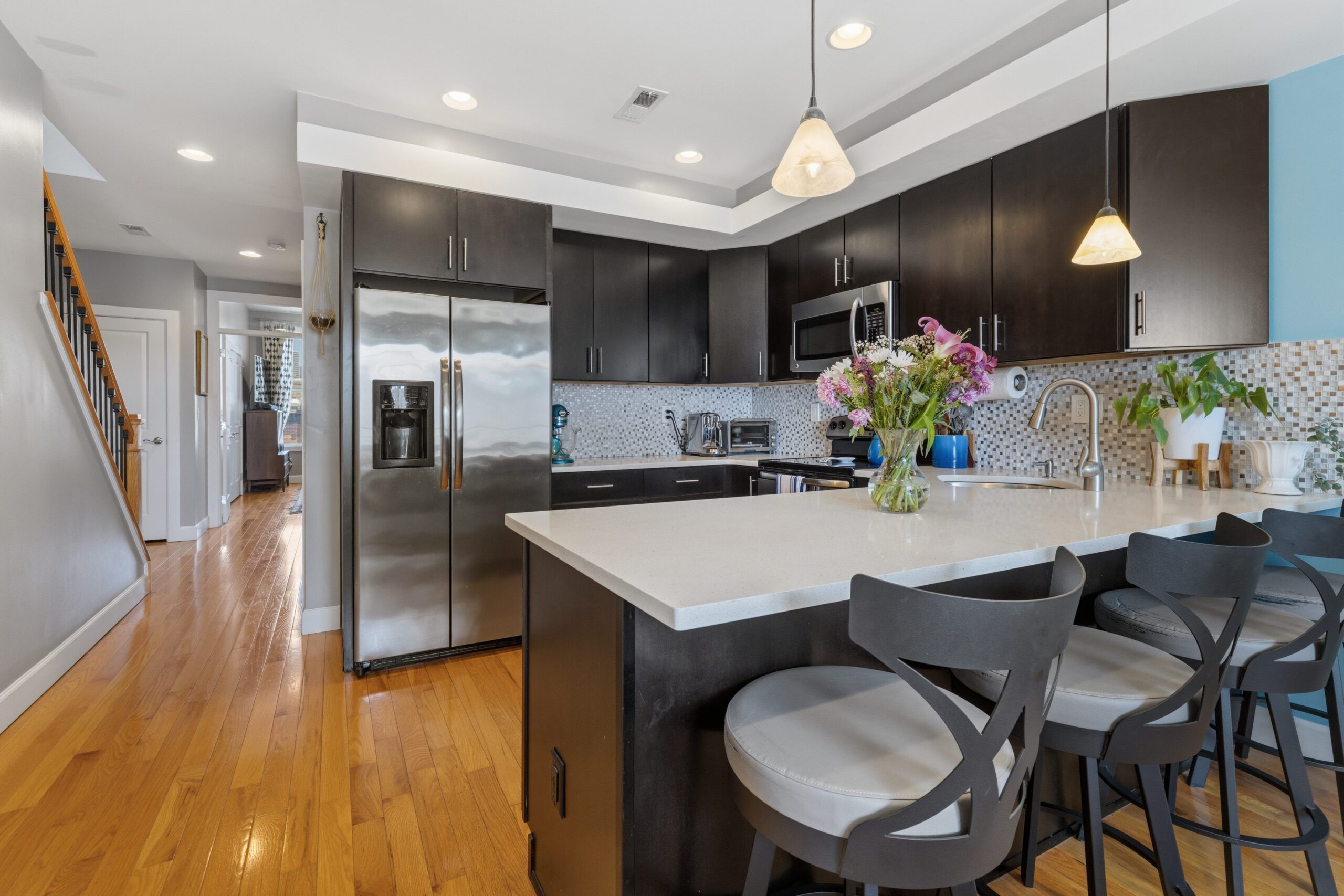
    Homebuyers want updated kitchens, like this one in a Graduate Hospital home that recently sold.

    And sellers need to be realistic about how much they can get for their home.

    “If you overprice by even just a little bit,” Thompson said, “you’ll end up sitting.”

    Buyers ‘ready to pounce’

    Generally speaking, buyers now have more time to make decisions than they did last year, since homes are staying on the market longer.

    But, in some submarkets, especially in Philadelphia’s collar counties, “there’s so much demand that certain houses are just going to fly off the shelves,” said Beiser, who works in Philadelphia and surrounding areas.

    “I have some buyers in the suburbs, and they‘ve kind of stopped looking because it’s too challenging,” she said.
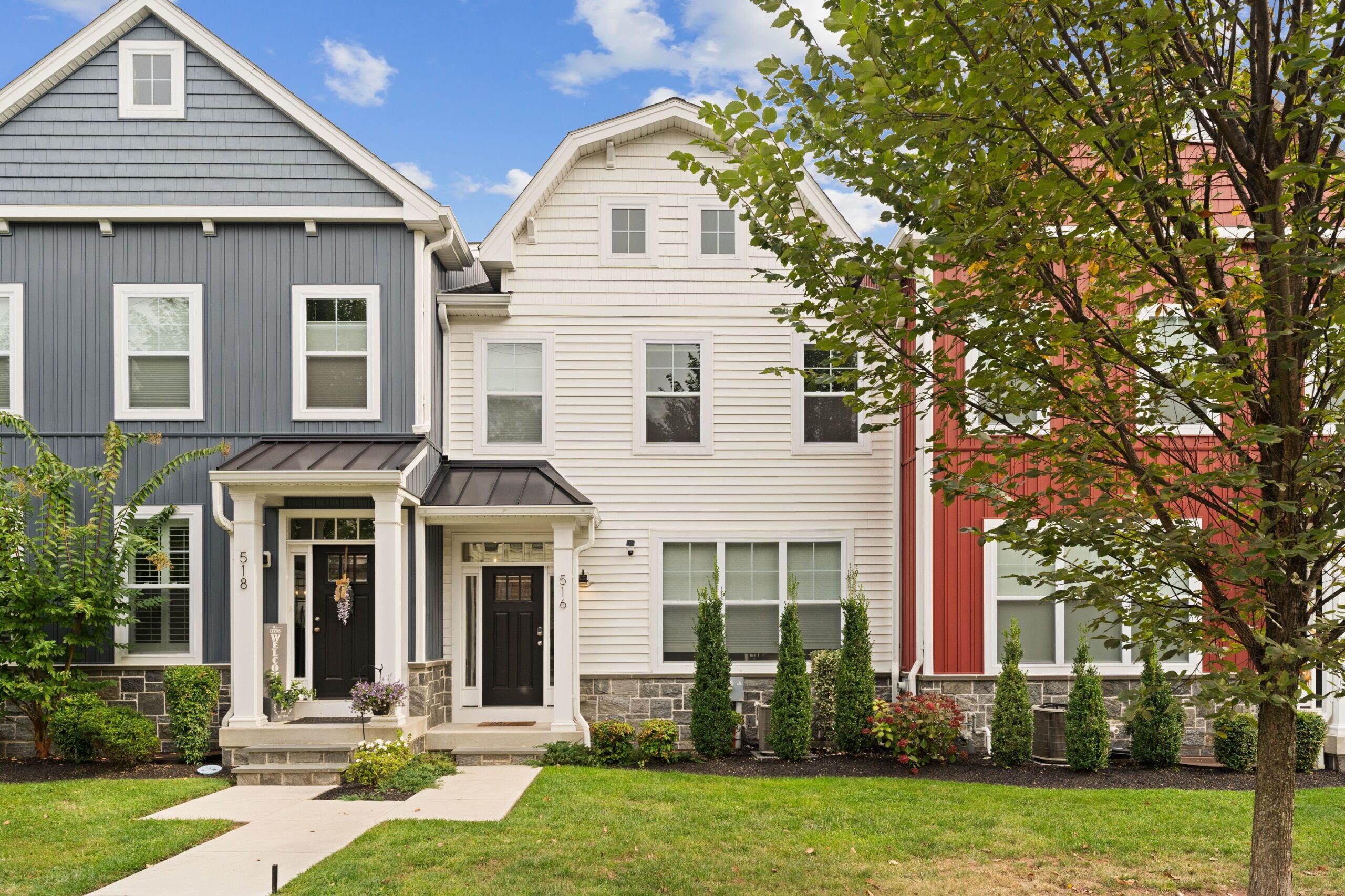
    This home in Upper Merion Township is listed for sale for $699,900 by agent Erin Thompson.

    Beiser has been working with a couple with children who live in Philadelphia but want to move to the suburbs. Each spring for the last three years, her clients make a plan to try to find their next home. But every year, they decide that continuing to live in the city is more convenient than facing competitive markets in which they’re expected to skip home inspections to win a property, Beiser said.

    Thompson has seen a growing trend of frustrated buyers putting in offers above the asking price even when they’re not facing direct competition. One client recently went under contract on a Fishtown home they had immediately put an offer on.

    “They came in aggressive, because they’d just lost out on a house, and they’d been looking for a while,” she said. “You have these buyers who are scarred and tired, so they’re coming in more aggressive.”

    Thompson tells buyers to make sure they’re as prepared as possible before starting their home search.

    “You have to be ready to pounce the second [a home] comes to the market,” she said.
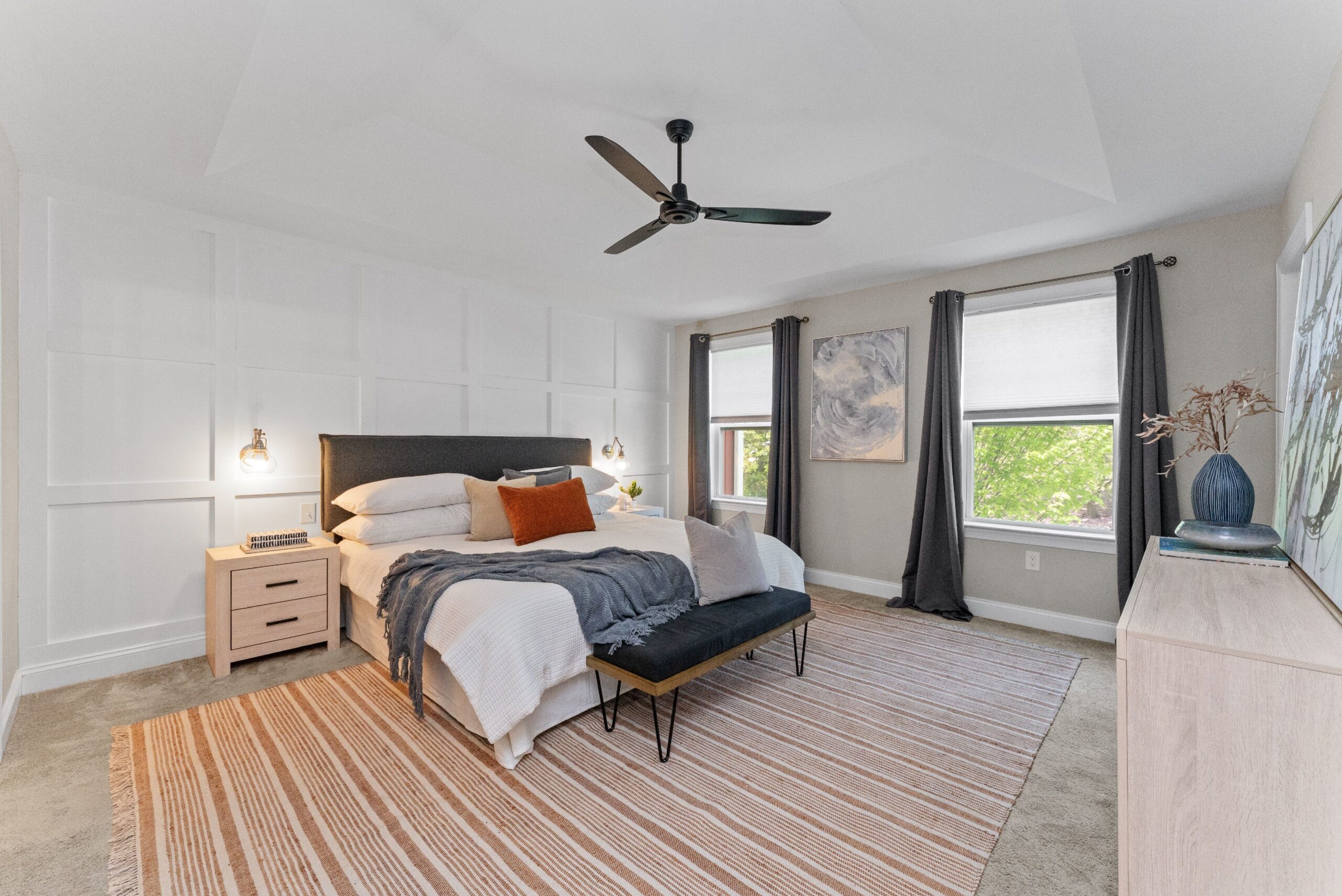
    This home on the market in Upper Merion Township spans more than 2,800 square feet and has three bedrooms.
  • Affordable homes for historic property | Real Estate Newsletter

    Affordable homes for historic property | Real Estate Newsletter

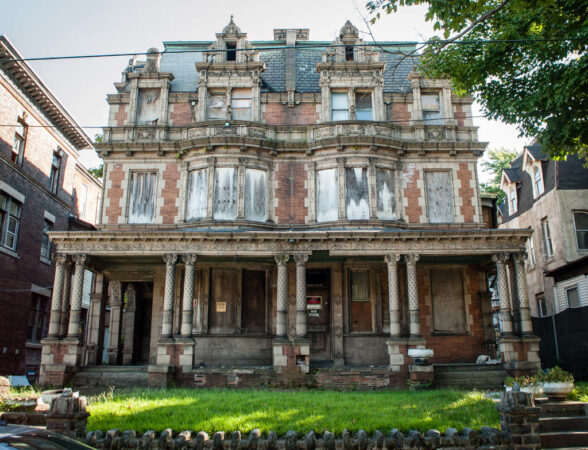
    A unique — and formerly crumbling — historic property in North Philly is poised for new life.

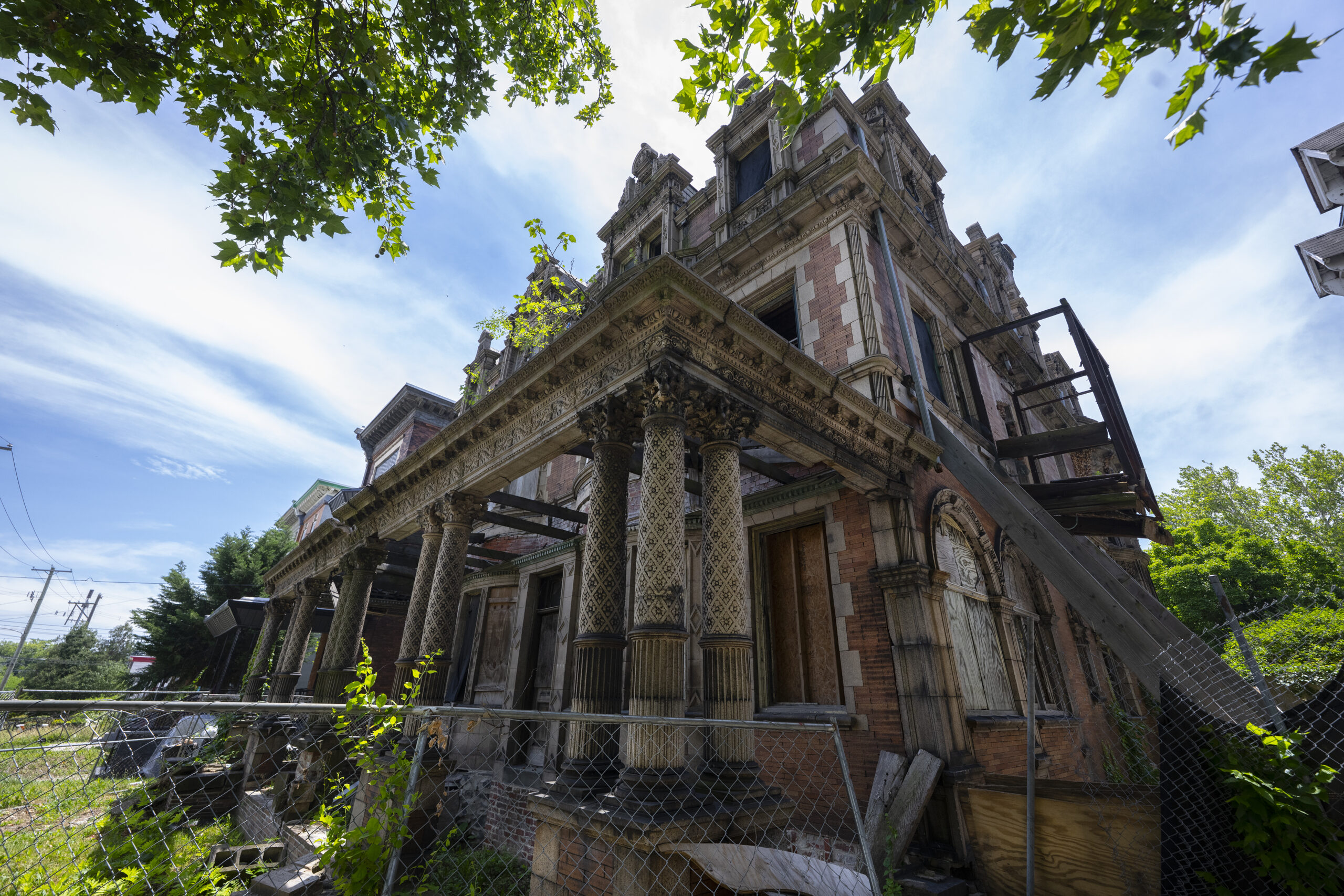
    The twin mansion on the 2200 block of West Tioga Street is almost 130 years old. The Conkling-Armstrong Terra Cotta Co. had the building constructed near its factory to show off its products to potential customers: late-19th-century developers and architects. Elaborate details and decorations make it one of a kind.

    But the building has been vacant for a while and fell into disrepair. Now, a local developer has big plans to reimagine it.

    Keep scrolling for that story and more in this week’s edition:

    — Michaelle Bond

    If someone forwarded you this email, sign up for free here.

    One-of-a-kind opportunity

    The Conkling-Armstrong Houses weren’t safe to walk through when Brian Wise, an affordable housing developer, got a hold of them. He’s since spent $1 million to lay the groundwork for redevelopment.

    His plan is to build 12 apartments in each of the roughly 5,000-square-foot houses that make up the twin mansion. And he wants to build two additions in the back to fit more apartments.

    Wise plans for most of the homes to go to low-income tenants who use Philadelphia Housing Authority vouchers to help pay their rent.

    Philly’s zoning board gave Wise the green light last month, but he still needs approvals from the Philadelphia Historical Commission.

    Keep reading to learn more about the developer’s plans for the site and the historical legacy of the company behind the Conkling-Armstrong house.

    Taking in the views

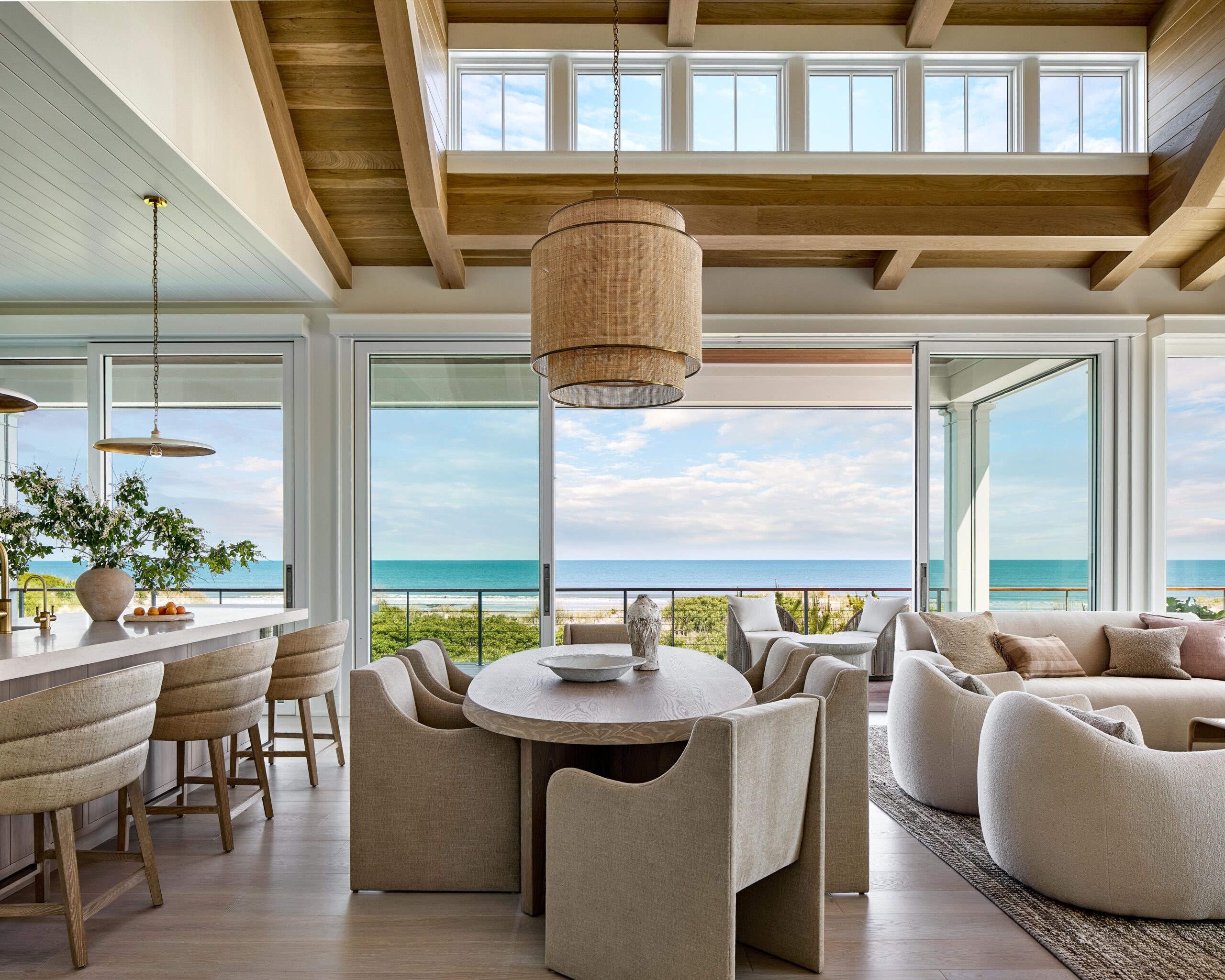
    Beautiful views come at a premium at the Shore. And Shore homeowners want to make sure they’re getting the most out of their investment.

    As Laura Glantz, partner at a Jenkintown-based architecture firm, told my colleague, “When a view is one of a property’s greatest assets, every design decision should work to celebrate and preserve it.”

    When Katie and Randy Zakreski rebuilt their home in Strathmere, they wanted to optimize views of the ocean on one side and the bay on the other.

    That meant installing as many windows and glass doors as possible on every floor. They don’t mind not having much wall space for pictures, since the views act as dynamic wall furnishings.

    Views dictated the layout of their home inside and out. They have five exterior decks from which to look around.

    Read on to find out how owners of Shore homes are maximizing their views inside and outside.

    📮Did you buy a home for the views? Email me to show us what you see.

    The latest news to pay attention to

    Home tour: Wild in Schwenksville

    Coming up the driveway of this Schwenksville home, you can’t really see the house. All that’s visible is solar panels on the roof, peeking out from behind trees and a meadow.

    Homeowners Marla Hexter and Larry Cohen take caring for the environment seriously. They’ve got two electric vehicles, a geothermal heating and cooling system, and those solar panels.

    They also have two wildflower meadows in their front yard. The meadows replaced their typical lawn and extend from their frog pond to the curb. They’re beacons for admiring neighbors, some of whom ask for tips for creating their own meadows.

    The wildflowers attract pollinating insects and 17 bird species.

    Hexter and Cohen grow vegetables and added a house specifically to welcome bats.

    Peek inside this wild piece of Schwenksville.

    📷 Photo quiz

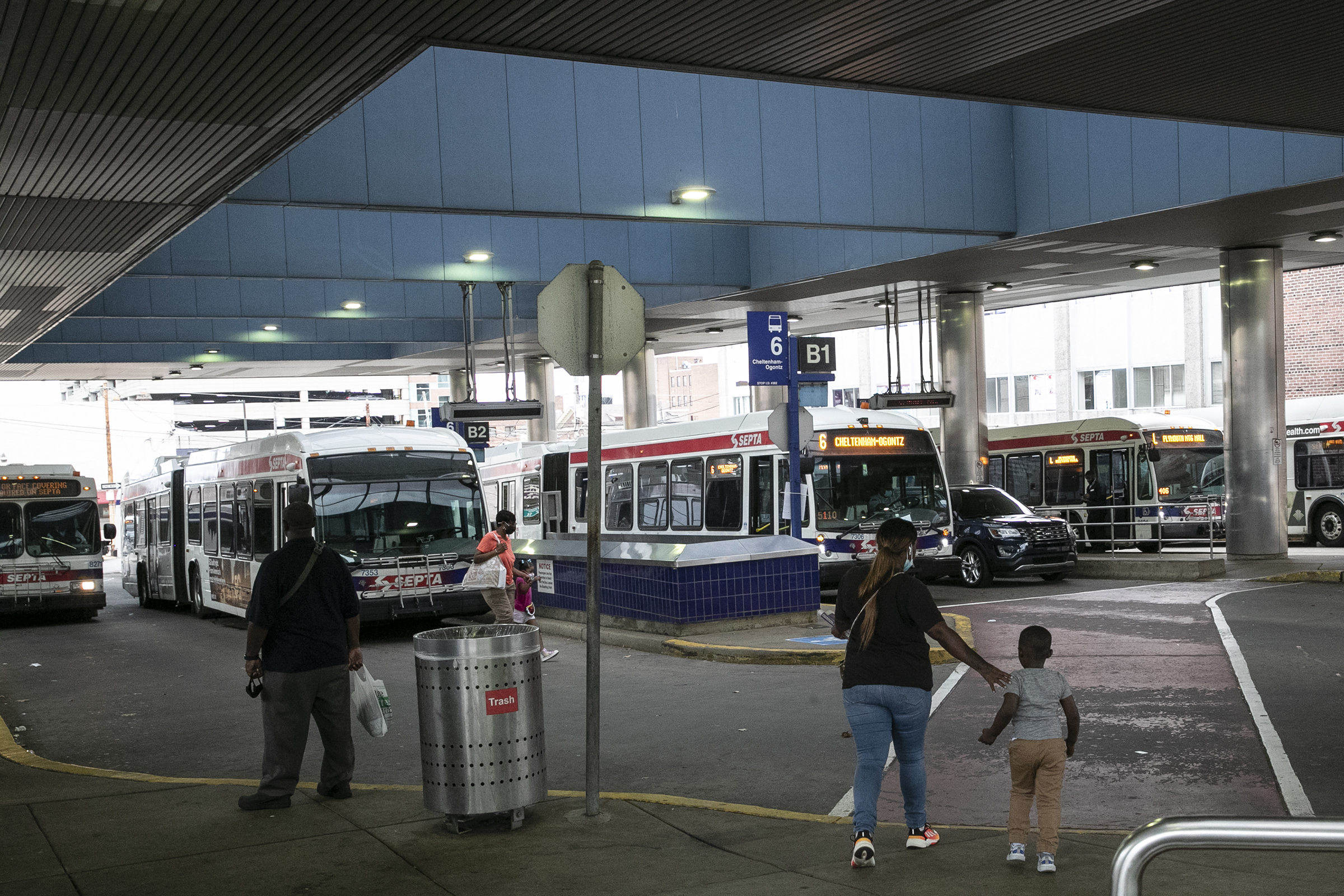
    Do you know the location this photo shows?

    📮 If you think you do, email me back.

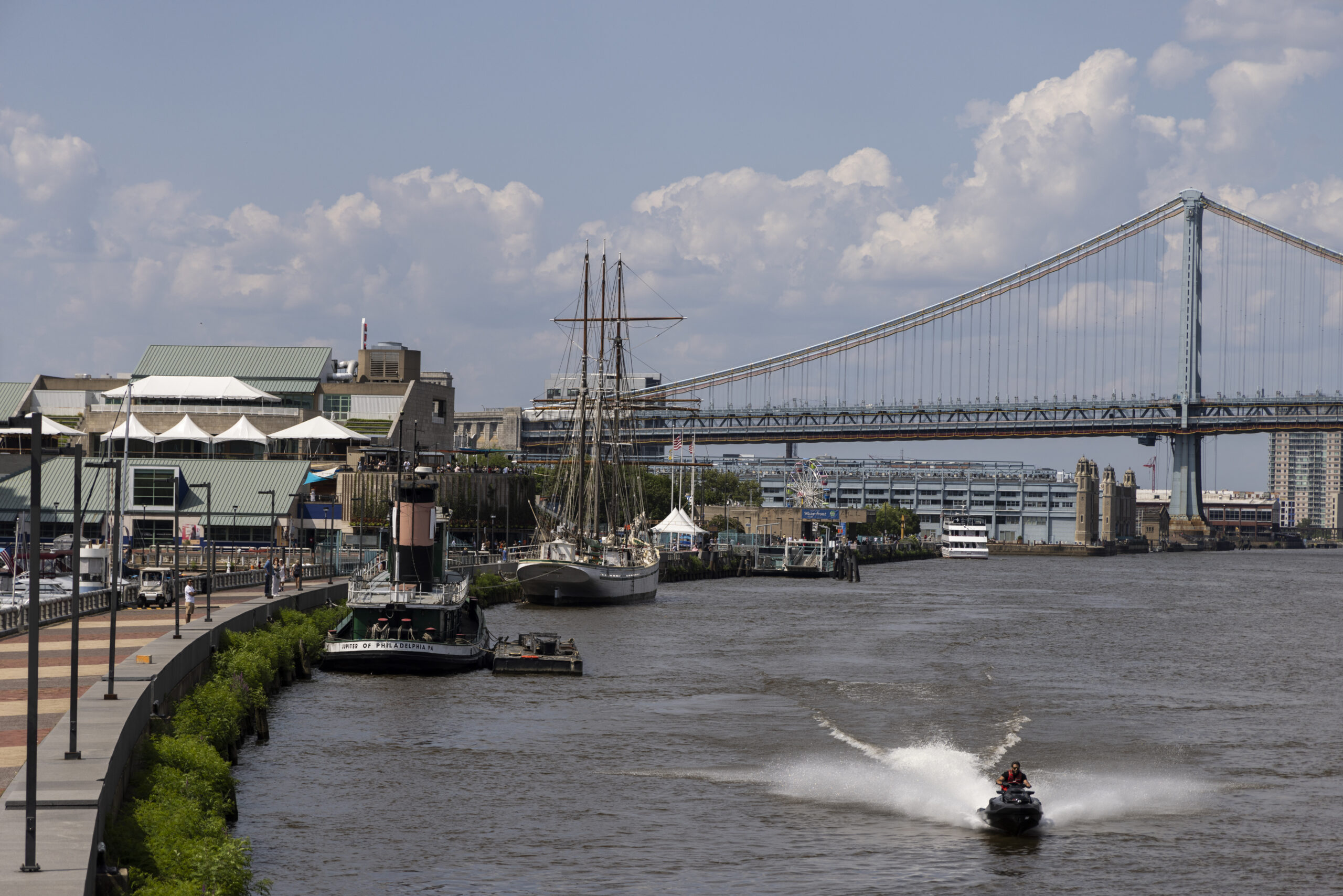
    Last week’s quiz featured a photo taken near the Independence Seaport Museum at the Penn’s Landing Marina.

    Shoutout to Bruce R. and Merrily T. for knowing that.

    Does your town let you keep chickens in your backyard? Collingswood is one of the local places that ban the animals.

    Some residents there have been fighting for years to have chickens and the fresh eggs they lay. But they’ve got reason to hope that this year will be different.

    Try to stay cool and enjoy the rest of your week.

    By submitting your written, visual, and/or audio contributions, you agree to The Inquirer’s Terms of Use, including the grant of rights in Section 10.

  • Home insurance costs in N.J. and Pa. are below national averages but on the rise

    Home insurance costs in N.J. and Pa. are below national averages but on the rise

    Being a homeowner is getting more expensive not only because of the rising costs of buying properties but also because of the rising costs of protecting them.

    From 2020 to 2025, home insurance rates across the country increased by a cumulative 47%, according to an analysis by the online loan marketplace LendingTree. In 2024 alone, they rose by about 13%. They increased by 6% in 2025.

    Last year, rates increased by 7.5% in New Jersey and just over 1% in Pennsylvania.

    Homeowners are seeing higher prices because of more frequent and damaging severe weather events and rising costs of labor, materials, and repairs.

    “Rising home insurance costs are forcing many homeowners to make difficult financial trade-offs,” Lindsay Bishop, an insurance expert for LendingTree, said in a statement. “That suggests affordability pressures are becoming severe enough that some homeowners are questioning whether they can continue carrying coverage at all.”

    Nationwide, more than 12 million owner-occupied homes are uninsured, according to a LendingTree report from March. LendingTree called homes uninsured if owners spent less than $100 per year on home insurance.

    Of the country’s 100 most populated metropolitan areas, the Philadelphia region ranks in the middle — 47th — when it comes to shares of uninsured homes. Roughly 203,600 homes, or about 12%, did not have insurance in 2024.

    Nationally, the average cost of home insurance is $2,395 per year. But costs are lower in New Jersey and Pennsylvania. The average cost is $1,449 in the Garden State and $1,712 in the Keystone State.

    Costs vary by state because of their varying risks of severe weather.

    Oklahoma, located in “Tornado Alley,” is the state with the highest average home insurance cost — $5,298 per year. Next is Nebraska, also in “Tornado Alley.” The average cost there is $4,956 per year.

    Then comes Colorado, where homeowners pay an average of $4,310 per year. Colorado also was the state with the largest cumulative increase in home insurance costs from 2020 to 2025. The average rate more than doubled.

    “States like Oklahoma, Nebraska, and Colorado experience greater damage from tornadoes, hail, wildfires, and severe storms,” Bishop said. “This leads to more frequent and expensive claims, so it’s unlikely that the gap between states will close dramatically unless the underlying risks change.”

  • Developer sued in Northern Liberties | Real Estate Newsletter

    Developer sued in Northern Liberties | Real Estate Newsletter

    Last month, developer Brian Zoubek appeared with New Jersey Gov. Mikie Sherrill to cut the ribbon on a group of luxury townhouses he built in Atlantic City.

    But over in Northern Liberties, a group of Philly homeowners say Zoubek’s construction of apartments next to their homes damaged the houses. One family even had to move out because the city said their home had become unsafe.

    Neighbors on Brown Street have sued Zoubek, who has faced lawsuits before over construction projects.

    Keep scrolling for that story and more in this week’s edition:

    — Michaelle Bond

    If someone forwarded you this email, sign up for free here.

    Cracks, slants, and leaks

    Philadelphia real estate developer Brian Emmons and his wife, Robyn, want to move to South Jersey to be closer to family. But they can’t sell their $900,000 rowhouse in Northern Liberties in its current condition.

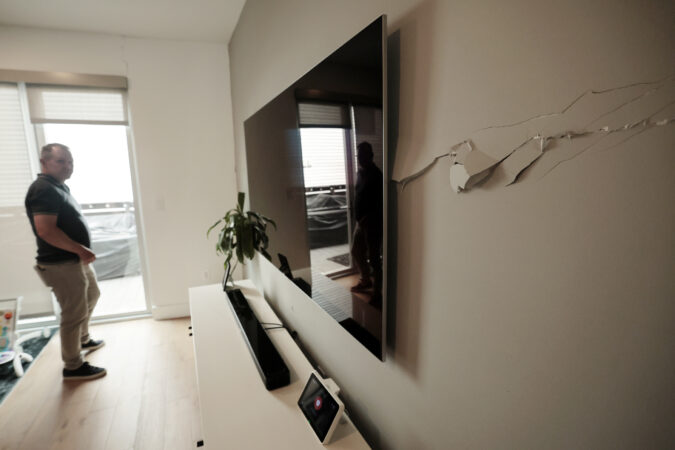
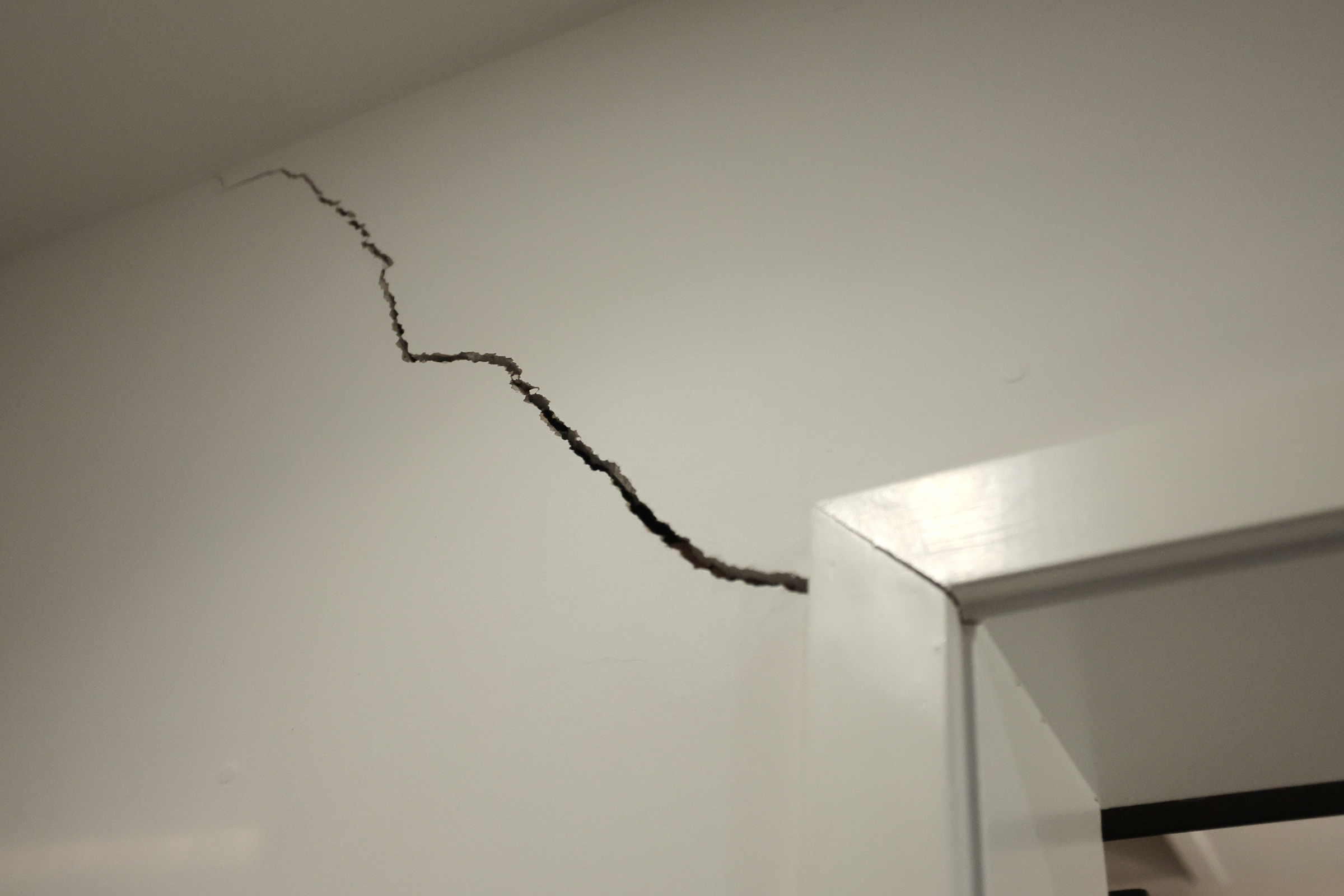
    They’ve got cracks all over their home. And they point to another developer as the reason why.

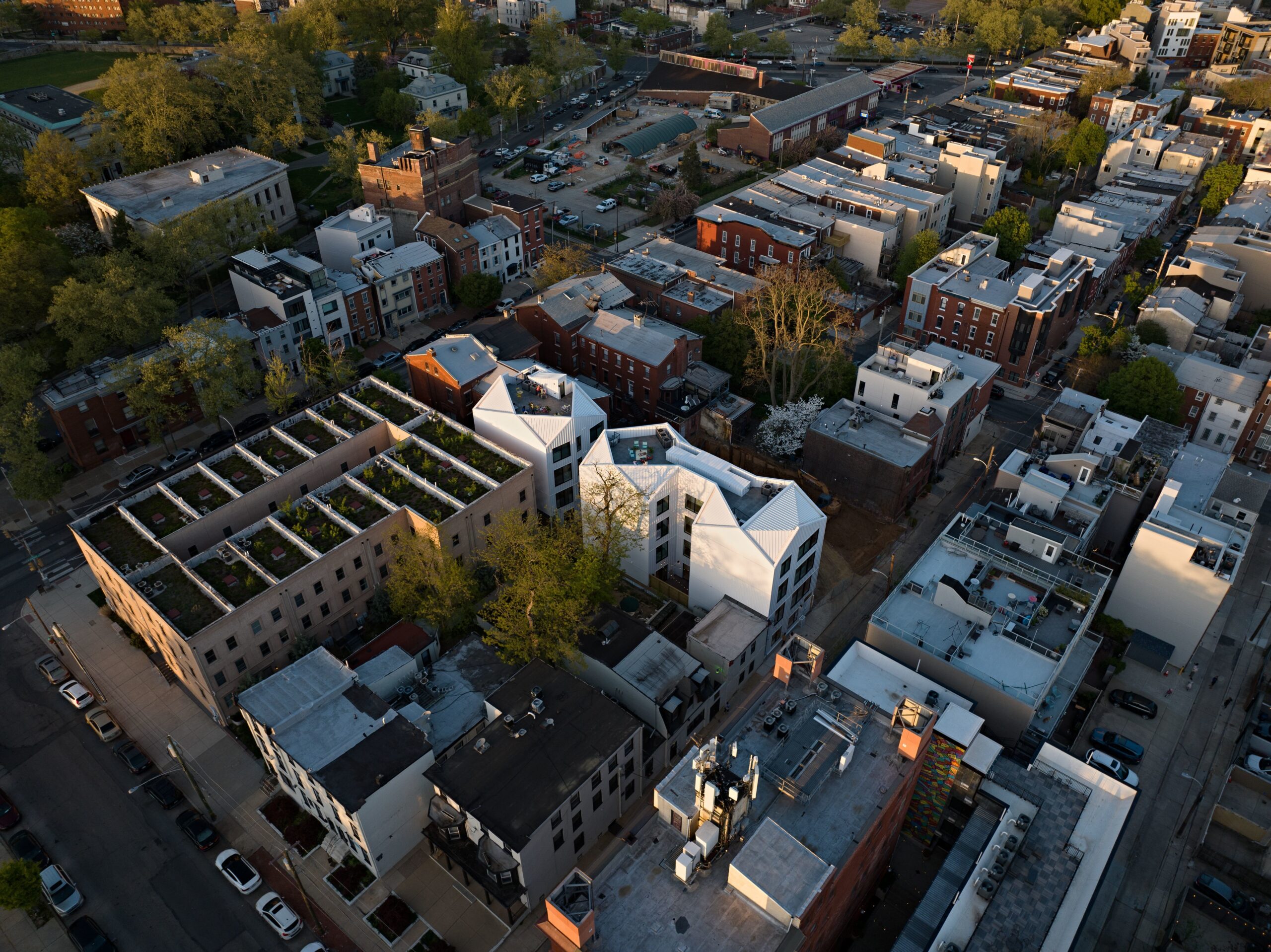
    The Emmonses and neighbors on Brown Street have sued Brian Zoubek, saying that his redevelopment of Philly’s oldest surviving public school building into apartments damaged their homes. They say Zoubek dug too deep while constructing a four-story addition next to their houses and compromised their foundations.

    Homeowners now deal with:

    • cracks in walls
    • slanting floors
    • leaks in the shared garage
    • windows and doors residents struggle to open

    Zoubek has been in the construction business in the Philly area for more than 10 years. He said he is “actively defending” the claims against him.

    Keep reading to learn more about what led to this legal battle.

    Reviving a public housing site

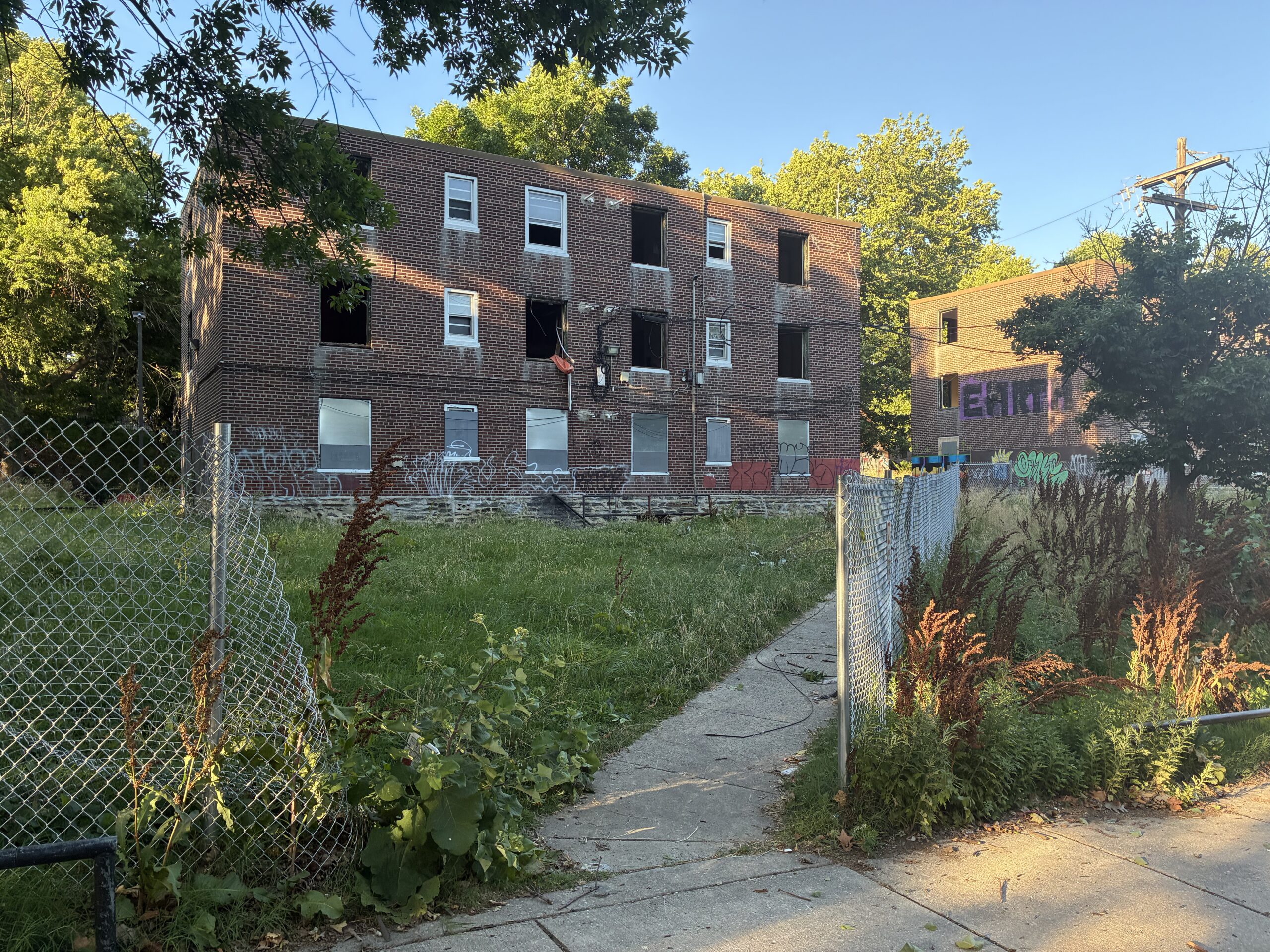
    The wrecking ball should be coming soon for an abandoned public housing complex in Southwest Philly.

    Bartram Village is a Philadelphia Housing Authority complex with 45 buildings that date back to 1942. Since at least 2018, PHA has been planning a major redevelopment at the 22-acre site, located next to the popular Bartram’s Garden.

    The last tenant moved out last year. But squatters moved in. Now, the buildings are in rough shape.

    Last week, Mayor Cherelle L. Parker declared a public safety emergency at the site.

    It’s a move meant to clear the way so PHA can finally move forward with its plans for demolition and redevelopment.

    Keep reading to learn more about the state of the site and what PHA plans to build there.

    The latest news to pay attention to

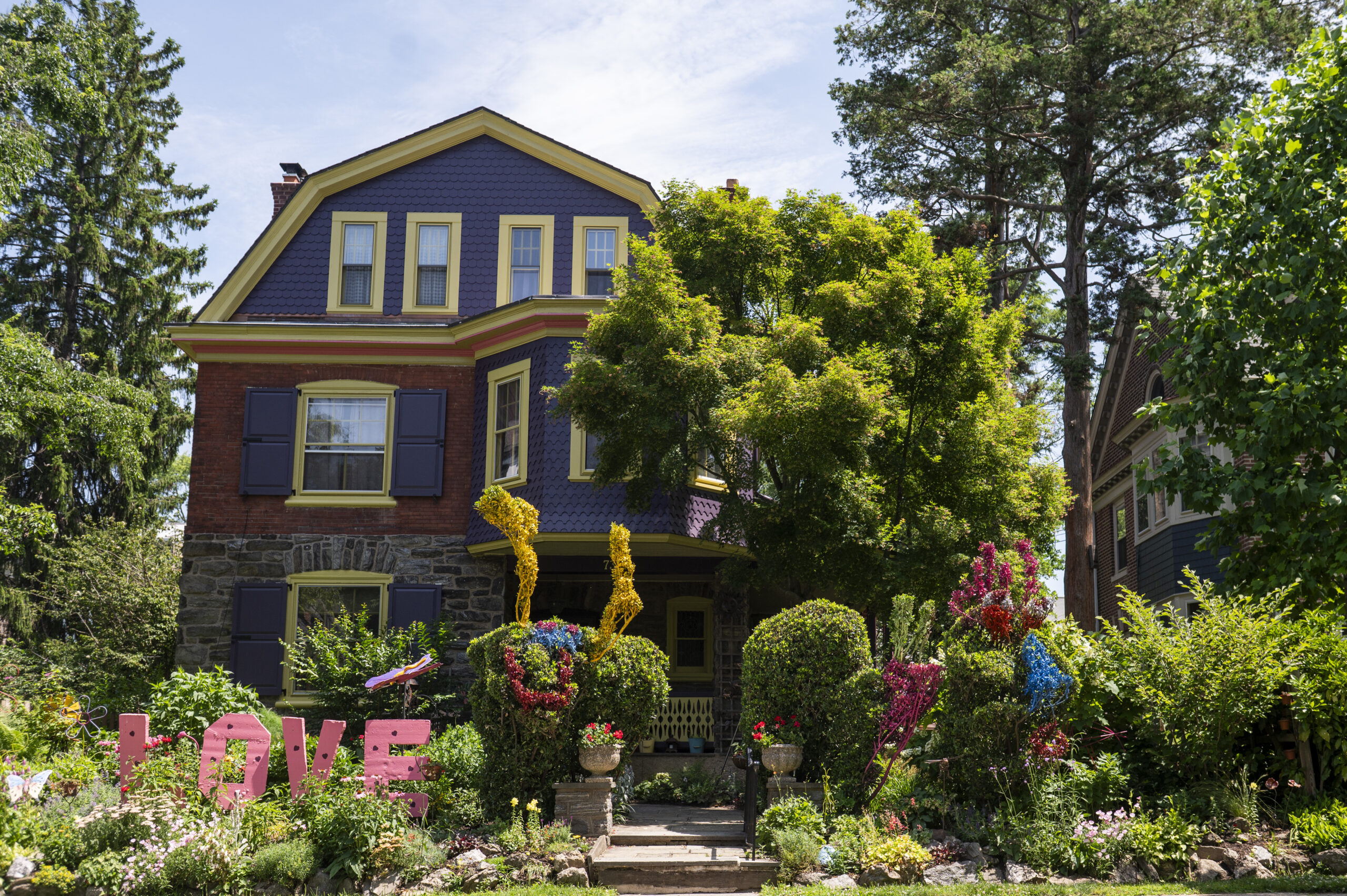
    Home tour: A pop of purple in Mount Airy

    Jean Miller has always wanted a purple house.

    After countless home renovations over more than 25 years, she now has one. That’s thanks to the most recent project, which included a lot of purple paint.

    “It makes the house pop,” Miller said of the Mount Airy home where she and Craig Heim raised their two children.

    But the bold facade isn’t the only thing that pops on the property. The outside of the house is lined with yellow, including the front porch railing and the windows. A hedge is painted and shaped to look like a “happy bull” in a colorful front garden. Miller made a large, heart-covered “LOVE” sign that stands in front of the home.

    Inside, Miller and Heim have transformed pretty much all 3,200 square feet of their house since they bought it in 2000.

    Take a peek inside the property.

    📷 Photo quiz

    Do you know the location this photo shows?

    📮 If you think you do, email me back and share your memories.

    Last week’s quiz featured a photo of Market Square in Germantown.

    Shout out to Stuart H. for getting that right.

    We regularly feature homes for sale in our region. But I’ve never seen anything like this.

    A historic Philly mansion recently hit the market with a quirky caveat in the deed: once a year, the owner must allow a reenactment of a Revolutionary War battle to take place on the front lawn.

    The current owner said he loved having the reenactments on his property. Now, he’s looking for someone else who’d be into it, too.

    Only in Philly. Enjoy the rest of your week.

    By submitting your written, visual, and/or audio contributions, you agree to The Inquirer’s Terms of Use, including the grant of rights in Section 10.

  • The ‘demand is real’ for backyard cottages, in-law suites, and other ADUs, says a Philly-area builder

    The ‘demand is real’ for backyard cottages, in-law suites, and other ADUs, says a Philly-area builder

    Homeowners across the Philadelphia region want to build garage apartments, in-law suites, and backyard cottages on their properties.

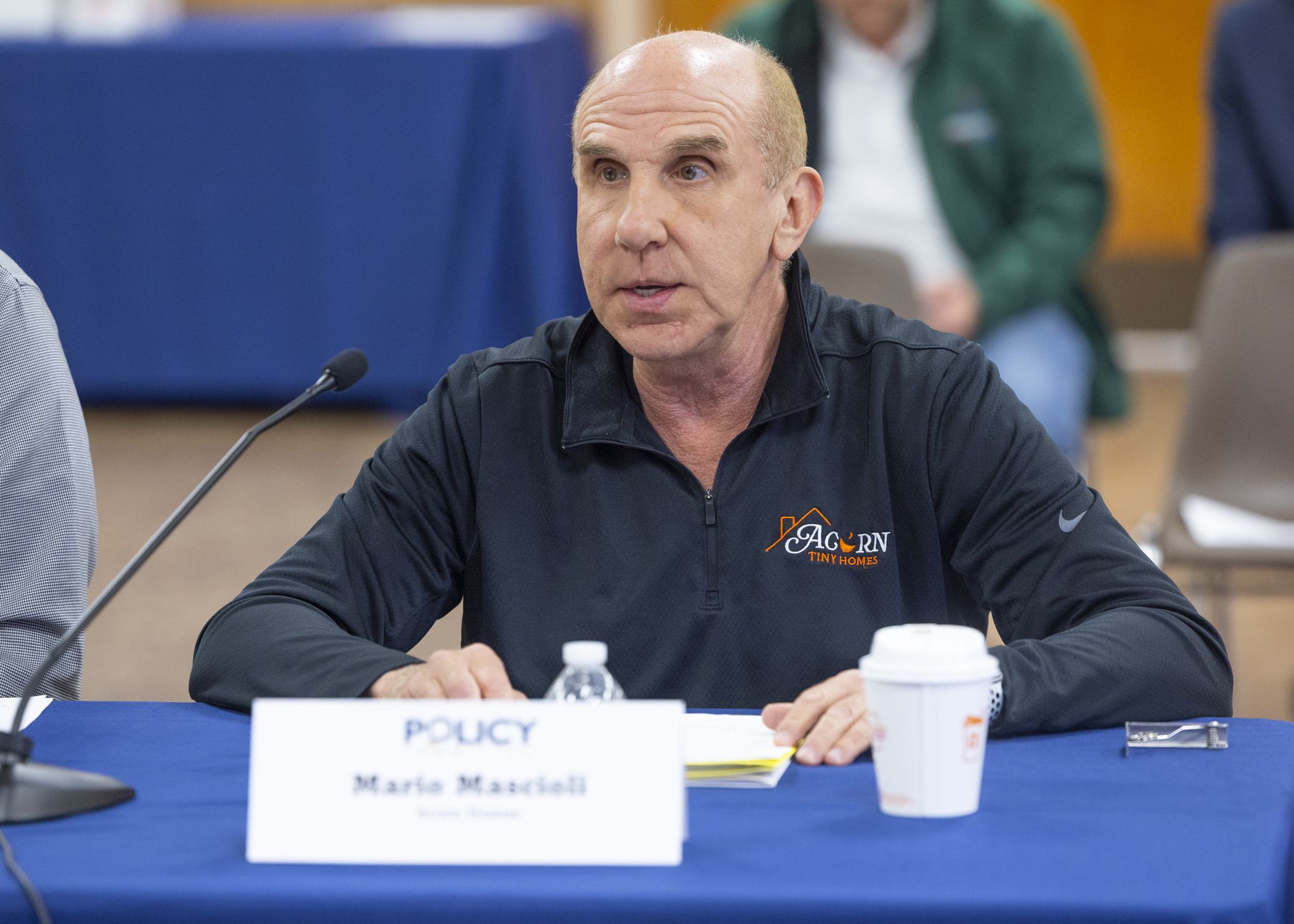
    Mario Mascioli, owner of Acorn Built Homes, said he gets hundreds of inquiries per month for these accessory dwelling units (ADUs), which have made up the bulk of Mascioli’s business since his company opened in late 2024.

    “The demand is real,” said Mascioli, who works across southeastern Pennsylvania and in Princeton. And builders like him are ready to create ADUs. But municipalities’ varying and often restrictive land-use rules often make that difficult.

    Pennsylvania lawmakers are currently considering legislation that would allow homeowners to create ADUs in places that are zoned for single-family houses without having to get special permission. The bill passed the state House earlier this month and is now before a state Senate committee.

    Allowing for the construction of ADUs is part of Pennsylvania Gov. Josh Shapiro’s plan to increase the state’s housing supply and provide Pennsylvanians with more affordable housing options.

    Mascioli has testified before state lawmakers to advocate for the loosening of restrictions for ADUs.

    “It would mean that homeowners that want these — which are plenty of them — would be able to get it done quickly, more economically, favorably,“ he said. ”It would be fantastic.”

    The Inquirer talked to Mascioli about the ADU landscape.

    This interview has been edited for length and clarity.

    Mario Mascioli, owner of Acorn Built Homes, testifies about accessory dwelling units at a policy committee hearing of Pennsylvania legislators on May 21, 2026.
    Why do people want ADUs?

    The three drivers for why people want them are: aging-in-place elderly parents; adult children that can’t afford rent or can’t afford to buy a home; and third, people want rental income.

    What types of ADUs do you offer?

    We build studios as small as 240 square feet. [But] most people want a space that has at least 500 square feet. Most opt for one or two bedrooms.

    We [also] do additions. We do garage conversions. We do conversions of basements.

    In many cases, we have to attach an ADU as an addition to a house because of the township requirements. And in many cases, we’re limited as to the features we can put into it, because of those requirements.

    What’s something that clients have asked for that they weren’t able to get because of local land-use rules?

    I’ll give you a real-time example. We start every project with what we call our “feasibility and scoping” phase. That takes about four or so weeks to dial in on what’s buildable from a structural, construction, architectural, and also an approvable perspective.

    We have a customer we’re in the final phase of that study with. They have a beautiful property, plenty of land. They wanted a detached ADU for the couple’s mother, who’s going to be moving up from Florida to take care of their newborn, [who is due] in December. In this case, we can’t do a detached unit without going through a variance.

    We also uncovered through our feasibility process that … if we were to extend the garage and build on top of it, that would require a variance.

    Third thing is there’s a floodplain that runs through the property. And any modification to the footprint of the property would also be a variance.

    Those are three separate variance processes, each of which would require attorneys and fees and zoning hearing boards.

    So what we’re left building [without zoning approvals] is to raise up the loft on the second floor of the garage, put some dormers in it to make it more spacious, and create a one-bedroom living space there — but without a full kitchen with built-in cooking facilities. We can only put a kitchenette in.

    That is very typical. That’s 90% of what we deal with as it relates to ADUs.

    What’s different about building an ADU vs. a typical single-family home?

    Basically, the red tape impedes or kills [ADU] projects before they start. And that is because there’s over 2,500 municipalities in Pennsylvania. Each with different zoning rules as it relates to ADUs.

    In some townships, you can build one with no issues. But if you step, you know, a mile over the line in any direction, it’s either banned entirely or there are so many restrictions and other requirements that it takes [a] very long [time], if at all, to get through zoning hearing boards.

    Permitting and the expense of the red tape can make many projects impractical.

    Why did you decide to go into the ADU business in Pennsylvania with the challenges you’ve described?

    If you look at things from a national perspective, 20 states have passed legislation like Pennsylvania currently has in its legislature.

    People want them. That’s about affordable housing. I thought and still believe that it would be inevitable that ultimately Pennsylvania would pass such legislation. And if we were here in advance of that, establishing ourselves in the market, we would benefit from that legislation being passed.

  • Delco is one of only five counties in the Mid-Atlantic where the typical home is affordable for the typical buyer

    Delco is one of only five counties in the Mid-Atlantic where the typical home is affordable for the typical buyer

    If you made the typical income in your community, could you afford to buy the typical home for sale there?

    Across the Mid-Atlantic, “the answer is a resounding no in most places,” said Lisa Sturtevant, chief economist at the multiple listing service Bright MLS.

    But in a region where buying a home can be challenging, Delaware County stands out.

    It was the only county in the Philadelphia region where a household making the median income could afford to buy a median-priced home for sale at the end of last year, according to an analysis by Bright MLS. In Delaware County, the median asking price of homes in the last quarter of 2025 was $289,450, and the median household income was about $89,500.

    Bright MLS calculated affordability based on a homebuyer’s ability to qualify to purchase a median-priced home, assuming a 10% down payment with the average interest rate for a 30-year, fixed-rate mortgage and average payments for property taxes and insurance.

    Of the roughly 90 counties in the company’s service area across Pennsylvania, New Jersey, Delaware, Maryland, Virginia, West Virginia, and the nation’s capital, Delaware County was one of only five counties where the median-priced home was affordable for a household making the median income in the last quarter of 2025. The city of Baltimore also made the affordable list.

    Sturtevant said everyone knows housing affordability is a challenge, but “when you see the data so starkly like this, it really brings the point home.”

    window.addEventListener(“message”,function(a){if(void 0!==a.data[“datawrapper-height”]){var e=document.querySelectorAll(“iframe”);for(var t in a.data[“datawrapper-height”])for(var r,i=0;r=e[i];i++)if(r.contentWindow===a.source){var d=a.data[“datawrapper-height”][t]+”px”;r.style.height=d}}});

    Across the Mid-Atlantic, median home prices are up 35% since 2020. The five counties that are most affordable are generally places with lower costs of living where the housing stock is older, she said.

    Michael Maerten, a real estate agent on the board of directors for Tri-County Suburban Realtors, which represents members in Chester, Delaware, and Montgomery Counties, said Delaware County’s dense housing and smaller homes also help keep costs down.

    He’s seen homebuyers in Chester and Montgomery Counties have a harder time affording homes. He said he’s working with a homebuyer who was originally focused on the area around Abington Township in Montgomery County and is now looking in the Haverford Township area of Delaware County where they can get what they want with the money they have.

    In addition to affordability, homebuyers are choosing Delaware County because of the culture, pride, and family ties, said Maerten, an agent with Keller Williams Real Estate based in Blue Bell.

    “The running joke about Delaware County is people don’t leave,” he said.

    But Delaware County’s spot on Bright MLS’ affordable list doesn’t mean households aren’t struggling to afford homes. It’s still challenging for many people, Sturtevant said.

    First-time homebuyers in particular have it rough. Bright MLS found that across the about 90 counties it tracks, renters are effectively priced out of becoming homeowners. There is no county where a renter who makes the median income could afford to buy a starter home.

    “That’s crazy to me,” Sturtevant said.

    window.addEventListener(“message”,function(a){if(void 0!==a.data[“datawrapper-height”]){var e=document.querySelectorAll(“iframe”);for(var t in a.data[“datawrapper-height”])for(var r,i=0;r=e[i];i++)if(r.contentWindow===a.source){var d=a.data[“datawrapper-height”][t]+”px”;r.style.height=d}}});

    Bright MLS defines starter homes as those priced at the 35th percentile, meaning 35% of homes are priced below that level and 65% are priced above.

    Sturtevant said high construction costs have made building starter homes more difficult. At the same time, homeowners are holding onto smaller, more affordable homes instead of selling for a larger home because of elevated mortgage interest rates and uncertainty in the economy. So first-time buyers have fewer options and more competition.

    Still, Maerten said a “good percentage” of his buyers are purchasing for the first time.

    “They’re going through their struggles of making offers and competing in the suburbs,” he said.

    Maerten said that in his experience, homebuyers know exactly where they want to purchase and are more likely to save money until they can buy where they want rather than buying in an area just because it’s more affordable.

    First-time buyers often don’t know about the resources that are available to help them become homeowners, he said. Those include down payment assistance and programs that can lower up-front costs and mortgage rates.

    Real estate agents and housing counselors can work with aspiring homeowners to get them ready to purchase.

  • History as a housing affordability tool | Real Estate Newsletter

    History as a housing affordability tool | Real Estate Newsletter

    In Philadelphia, one of the arguments against the historic preservation of buildings is that it makes homes less affordable.

    But architecture critic Inga Saffron makes the case that preservation isn’t the villain in the story of Philly’s declining affordability.

    With examples, she argues that developers can create more housing for less money “without sacrificing the city’s heritage.”

    Keep scrolling for that story and more in this week’s edition:

    — Michaelle Bond

    If someone forwarded you this email, sign up for free here.

    Historic buildings as an affordability tool

    Architecture critic Inga Saffron noted in a column this week that a bunch of factors working together are making homes less affordable. They include land-use regulations, costs of construction materials, and interest rates.

    Pro-housing activists also argue that Philly’s historic preservation laws restrict the supply of affordable homes.

    But Saffron said preservation might help solve some of the city’s housing problems by adding density. She cited a report commissioned by the Preservation Alliance for Greater Philadelphia that found that preserving older buildings protects housing affordability.

    Saffron pointed to projects that added homes while protecting historical buildings.

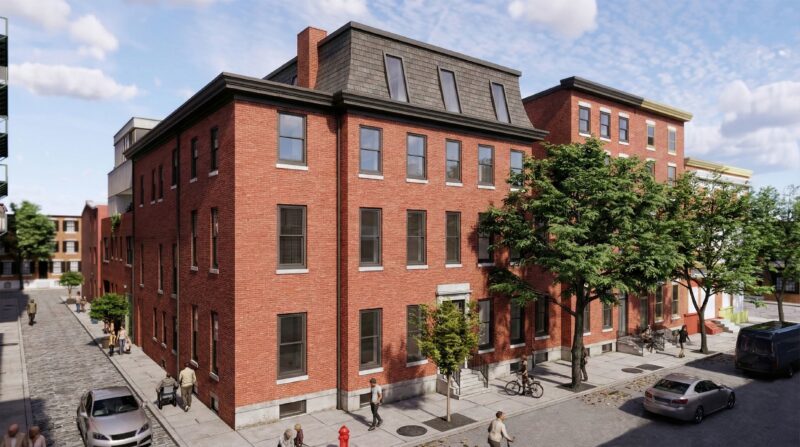
    In one, an architecture and design firm turned a historic Greek Revival mansion into a 32-unit building.

    Keep reading to learn more about that project and what Saffron calls “the untapped density in Philadelphia’s historic buildings.”

    Redeveloping the ‘Clothespin’ building

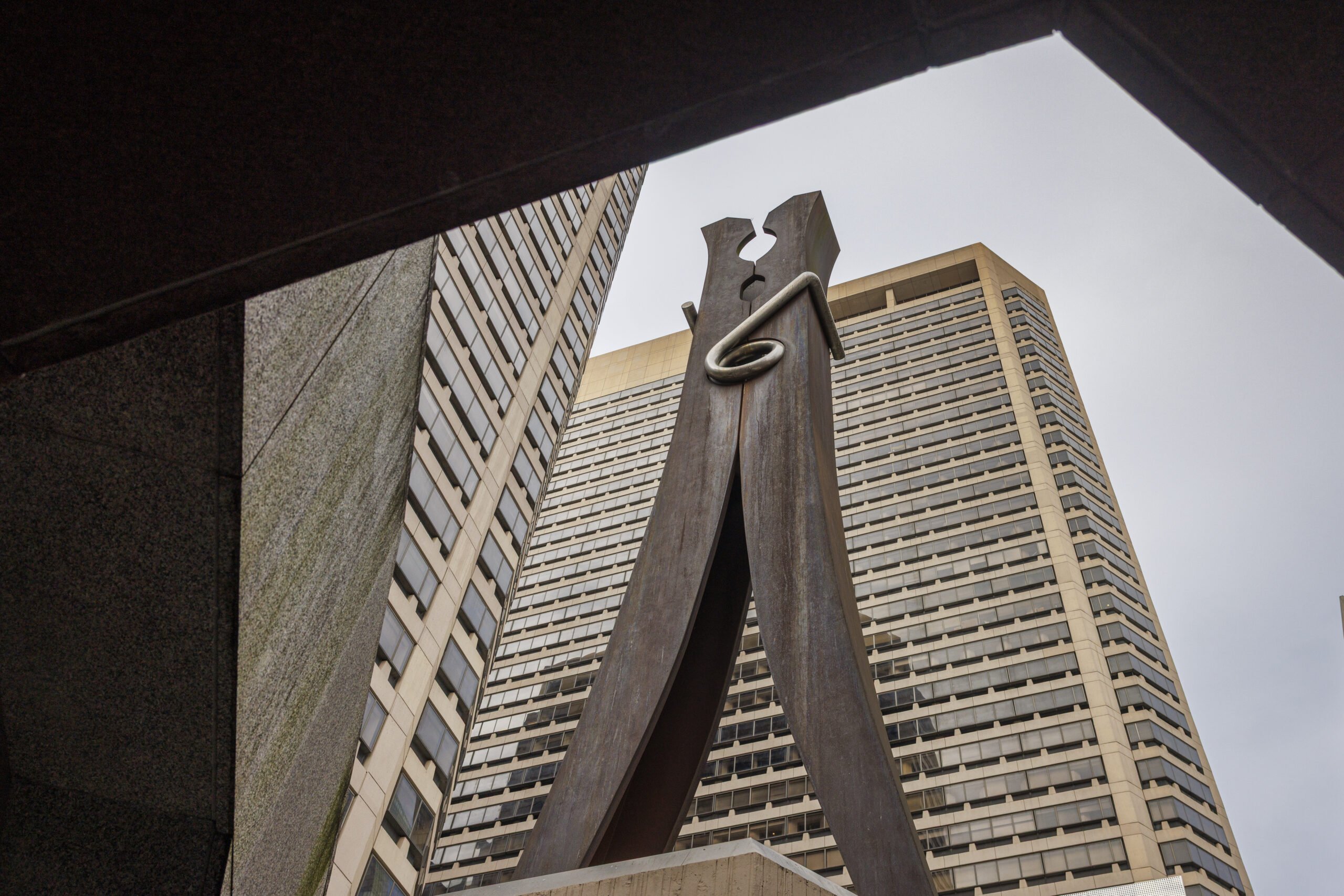
    Centre Square is Philadelphia’s biggest office complex, with more than 1.7 million square feet of office space.

    You may know it as the “Clothespin building” for the giant pop art sculpture outside.

    The property was hit hard by the remote-work wave sparked by the pandemic. By the end of last year, Centre Square had added another superlative: the office building with the highest vacancy rate in Center City.

    Now, a developer wants to reimagine Centre Square. According to the plans, it’ll still have some office space. But its two towers will also have hundreds of apartments and luxury hotel rooms.

    The partnership behind the proposed redevelopment is responsible for other recent high-profile projects in the city. The developer says “we … are rejuvenating architectural gems that are functionally obsolete” amid “a real estate crisis.”

    Keep reading to learn about Centre Square’s history and find out why the building scared off other developers who considered buying it.

    The latest news to pay attention to

    Home tour: Black and white in West Philly

    Since Jasmine Williams was a kid, she’s always liked art and design. Now, she’s an interior design consultant.

    And she’s brought her knowledge and personal style to her 1,000-square-foot apartment in West Philly.

    Williams keeps it simple and classic by mainly focusing on two colors: black and white. She took inspiration from features that were already in her apartment, including the black cabinets and white countertops in her renovated kitchen.

    She added black furnishings and had one wall and a set of folding doors painted black. Most of her walls are white and so are rugs, ottomans, throw pillows, and other accessories.

    Peek inside Williams’ apartment and find out how she ended up at Garden Court Towers.

    📷 Photo quiz

    Do you know the location this photo shows?

    📮 If you think you do, let me know.

    Shout-out to Lars W. for knowing that last week’s quiz featured a photo of the Rail Park in Philly’s Callowhill neighborhood.

    I thought that one would have been easier. Maybe the snow in the photo threw you off. Or maybe it’s just because I know it well. We’ve written about it a lot.

    I’ll leave you with a story that’s only kinda related to homes, but it’s an interesting read. My colleague Zoe Greenberg wrote about people who dig for artifacts buried in Philadelphia’s centuries-old outhouses.

    Philly’s full of fascinating people.

    Enjoy the rest of your week.

    By submitting your written, visual, and/or audio contributions, you agree to The Inquirer’s Terms of Use, including the grant of rights in Section 10.

  • From proactive inspections to retaliation protection, here’s what Philly renters should know about advancing Council bills

    From proactive inspections to retaliation protection, here’s what Philly renters should know about advancing Council bills

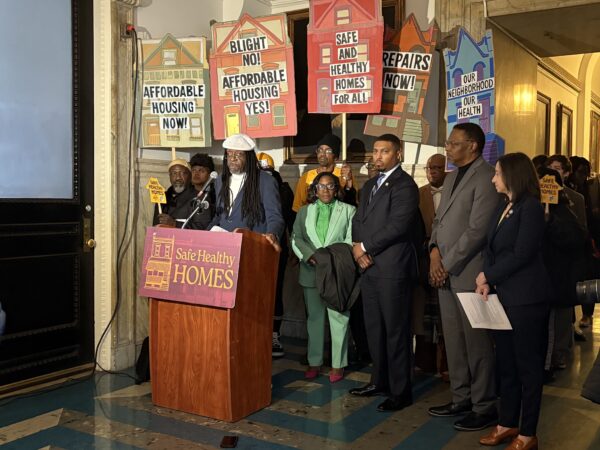
    City Council’s housing committee advanced two bills on Wednesday meant to help Philadelphia renters living in unsafe or unhealthy homes.

    One bill would protect tenants who complain about housing conditions from retaliation by rental property owners and affirm tenants’ rights to safe and sanitary homes.

    The other seeks to hold landlords accountable for repairs and would authorize the Philadelphia Department of Licenses and Inspections to create a program to proactively inspect rental units instead of relying on tenants’ complaints to trigger inspections.

    The bills are the two remaining pieces of a legislative package of renter protections introduced by Councilmember Nicolas O’Rourke. The first bill in the Safe Healthy Homes Act passed last year and created an anti-displacement fund to give financial help to renters forced to move out of their homes because of unsafe or unhealthy conditions.

    The remaining bills passed out of the housing committee Wednesday after months of discussions with Council members, Parker administration officials, and landlords.

    All three bills were written in partnership with the groups OnePA Renters United Philadelphia, a coalition of renters unions and advocates, and Philly Thrive, an advocacy group for racial, economic, and environmental justice. At Wednesday’s Council hearing, tenants from these groups and others who rent homes across the city testified about living with mold, pests, leaks, lack of heat, and falling ceilings.

    “The stories that inform the creation of this legislation come from the tenants,” O’Rourke said. Philadelphia renters “have long had to fight for the right to dignified living.”

    Proactive inspections

    Bridget Collins-Greenwald, commissioner of L&I’s quality of life division, said the bill that allows for a program to proactively inspect rental homes incorporates the Parker administration’s feedback.

    “We believe the administration’s concerns have all been addressed and that the bill as amended can be successfully implemented,” Collins-Greenwald said to cheers and applause from tenants in the audience.

    A year ago, Collins-Greenwald testified at a Council hearing that L&I was working to create a proactive inspection program. According to a Pew report from 2021, the department inspected only about 7% of Philadelphia’s rentals in a year.

    O’Rourke’s legislation would require L&I to provide annual reports to Council members about the progress of the proactive inspection program.

    The bill also would require rental property owners to share a copy of their rental license with tenants and to inform tenants if the license is suspended. Landlords need a valid license in order to collect rent.

    Owners would also have to tell tenants about outstanding health and safety violations.

    Retaliation against renters

    O’Rourke’s second bill would expand protections against landlord retaliation for renters who participate in tenant unions and/or investigations of code violations.

    Katharine Nelson, who oversees a housing studies initiative at the Rutgers Center on Law, Inequality and Metropolitan Equity, said the legislation addresses “a longstanding power imbalance between landlords and tenants.”

    “With less fear of reprisal, tenants will be emboldened to advocate for themselves around severe habitability and repair issues,” she said. “Far too many Philadelphians live in rental units in need of significant repairs.”
    The bill also would expand the city’s requirement that landlords have “good cause” for ending a tenancy — whether by lease nonrenewal or termination — and explain to tenants in writing why their tenancy is ending. Under the bill, this provision of the city’s landlord-tenant law would apply to most tenants, not just those with leases of less than a year, as it does now.

    More amendments?

    Groups that represent rental property owners and managers said that they support the broad goals of the bills, but that the legislation needs to be further amended. They said they worried about unintended consequences that could harm landlords, especially ones with only a few housing units.

    The legislation includes a provision that would allow rental property owners to collect the full rent if they can show that the city was the reason they were unable to get a valid rental license on time. But landlords said they want more protections for rental property owners who strive to follow city laws but are stymied by government bureaucracy and frequently changing regulations.

    For example, Steven Chintaman, vice president of government affairs at the Pennsylvania Apartment Association, said landlords should have to forfeit rent only if code violations impact the habitability of a home, “not [for] technical or administrative issues.”

    “We remain committed to working collaboratively to preserve the intent of these bills while ensuring that they are balanced, workable, and do not unintentionally harm housing providers and the residents we serve,” Chintaman said.

    O’Rourke said he would continue to work with rental property owners and other stakeholders and is open to further amendments as his bills move forward.

  • A Cherry Hill apartment complex, the last piece of the billion-dollar racetrack redevelopment, is for sale

    A Cherry Hill apartment complex, the last piece of the billion-dollar racetrack redevelopment, is for sale

    The Plaza Grande apartment complex, part of a Cherry Hill housing development that took almost two decades to complete, is now on the market.

    The apartments in the 55+ housing complex near the former Garden State Park Racetrack were listed for sale last month, as first reported by the Philadelphia Business Journal. The 507 rental units across 16 buildings are located just south of the Cherry Hill Mall between Routes 70 and 38 and were completed last year.

    The residential Plaza Grande at Garden State Park was the last piece of a $1 billion redevelopment of the former Garden State Park horse racing track and surrounding area. The mixed-use complex spans hundreds of acres and is known for Wegmans, Trader Joe’s, restaurants, and other stores.

    Home construction at the 34-acre Plaza Grande portion began in 2007, and 101 condos were built. But several builders failed to finish the project in the face of hurdles that included the Great Recession and lawsuits.

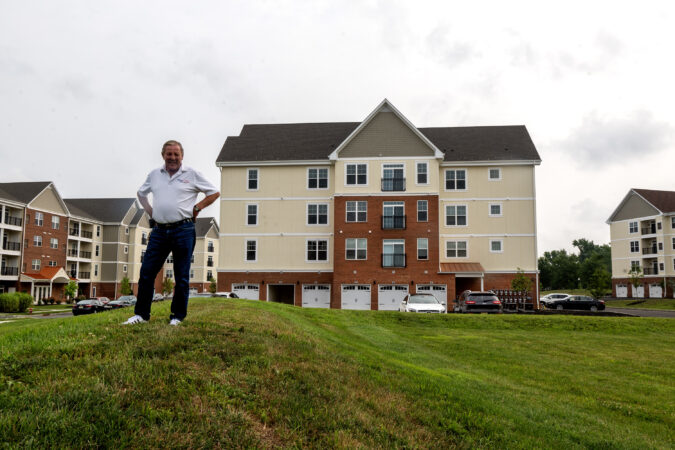
    A few years ago, New York-based investor and developer William “Billy” Procida stepped in. He completed construction on the remaining 283 of the 507 apartments last summer, and the units are now 80% leased.

    And it’s time to sell, said Procida, president and CEO of Procida Funding & Advisors.

    “We’re not in the business of holding property,” he said. “But this one, I put so much blood, sweat, and tears in it, it’s a hard one to let go.”

    Developer William “Billy” Procida poses in the lobby of the clubhouse at Plaza Grande at Garden State Park in Cherry Hill on Aug. 6, 2025.

    He said he’d like to find a buyer “who’s going to treat it really nice.”

    Offers are due in a month, said Samantha Kupersmith, senior director at JLL Capital Markets, which is handling the sale. The property listing does not include an asking price, as is generally the case for properties JLL handles, she said.

    The property is in “such a good location with a lot of scale,” which makes this “a unique deal,” Kupersmith said.

    The Plaza Grande, the listing says, “capitalizes upon the large and growing demand for rental housing from aging Baby Boomers​.”

    One- and two-bedroom apartments at the Plaza Grande are currently available starting at $2,200 and $2,800 per month, respectively. Five three-bedroom apartments started at $5,500 but all are leased.

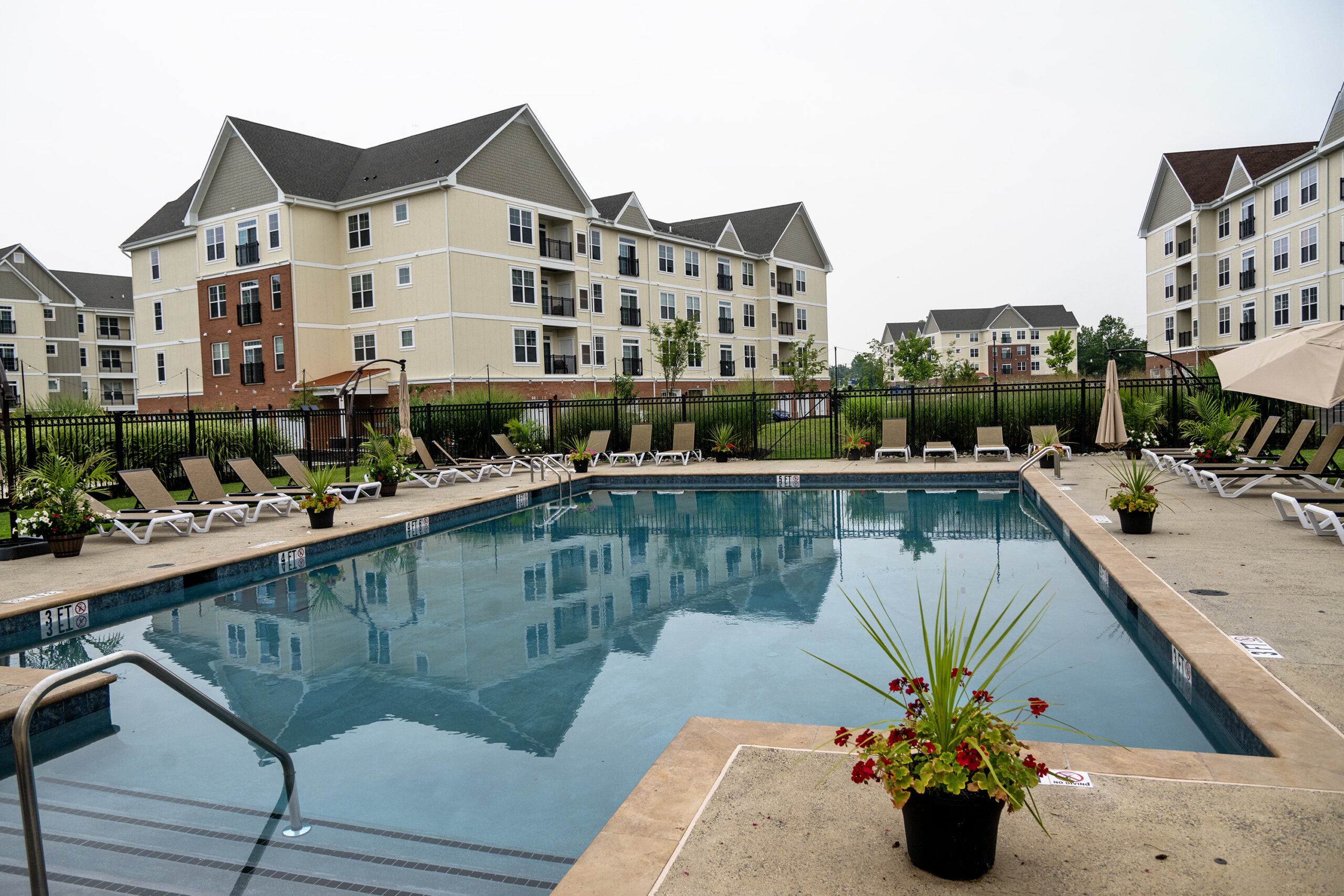
    The property has an 18,500-square-foot clubhouse and offers programming such as cooking and fitness classes, concerts, and wellness events. Condo owners and renters have access to amenities that include a movie theater, a gym, tennis and pickleball courts, indoor and outdoor pools, and indoor golf.

    Procida’s company announced last month that it had chosen Millstone Property Management to oversee operations at the apartment complex starting March 21. Millstone Property Management specializes in managing multifamily properties across Pennsylvania, New Jersey, Delaware, and Florida.

    The newest rental apartments at Plaza Grande at Garden State Park in Cherry Hill are reflected in the clubhouse pool on Aug. 5, 2025.
  • Mixed PHA tenant reviews | Real Estate Newsletter

    Mixed PHA tenant reviews | Real Estate Newsletter

    The Philadelphia Housing Authority is the city’s largest provider of affordable housing. But last year, the agency started buying private-sector apartment buildings where tenants paid market-rate rents.

    It’s part of PHA’s new strategy to add to the city’s affordable housing supply.

    The first building PHA bought under this plan is in West Philly and has 233 apartments. Some tenants pay the going rate, and some get help from government subsidies.

    But the transition to PHA ownership hasn’t been smooth, tenants told my colleague. They laid out potential challenges within PHA’s new model.

    Keep scrolling for that story and more in this week’s edition:

    — Michaelle Bond

    If someone forwarded you this email, sign up for free here.

    Mixed tenant reviews

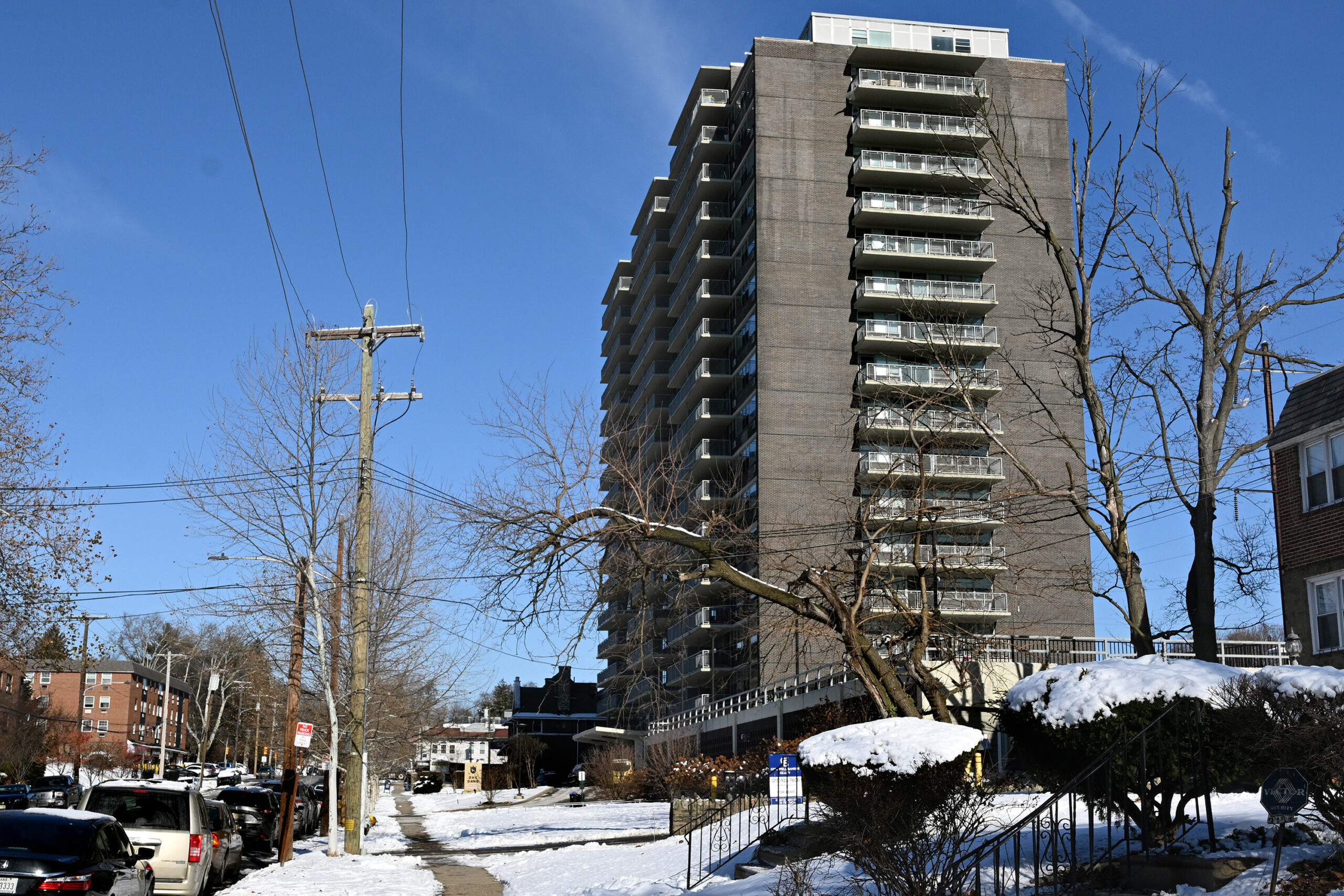
    Tenants keep leaving The Dane, the apartment building in Wynnefield that the Philadelphia Housing Authority took over last year.

    They say conditions have gotten better since the switch in ownership. But they’re still dealing with things like pest outbreaks and a garage door that breaks down.

    Tenants say the transition to PHA ownership has been challenging. But PHA’s new strategy to expand the city’s affordable housing supply relies on transitioning buildings like The Dane.

    In the last 14 months, PHA has spent $280.6 million for a total of 17 multifamily properties across the city. All together, that’s 1,515 apartments.

    In most of them, tenants are paying the going rate.

    But PHA wants to fill the buildings with tenants who use housing vouchers to cover a chunk of the rent. It plans to keep renting some apartments at the market rate, and those units will help pay operating expenses.

    Keep reading to learn more about PHA’s plans and some of the pain points that have popped up at The Dane.

    Same price but very different sizes

    And now it’s time for Price Point, the series in which I compare local homes on the market for about the same price.

    This time, I looked for homes for sale for about $760,000, which is twice the median sale price in the Philly region last month.

    I was excited to feature these three homes because even though they’re priced similarly, they vary significantly in size.

    The Upper Dublin Township home is roughly 1,000 square feet larger than the Riverton, Burlington County, home, which is roughly 1,000 larger than the home in Chestnut Hill.

    Two were built more than a century ago. One was built in the ‘80s. The homes have varying outdoor spaces, design styles, and numbers of bedrooms and bathrooms.

    Peek inside these homes for sale and see what roughly $765,000 can buy you in three local communities.

    The latest news to pay attention to

    Home tour: Old is new in Center City

    In 2020, Amy Slater and Mark Silow didn’t know exactly what they were looking for as they walked the streets of Center City and looked for inspiration in other people’s homes.

    But they’d know when they found it, they said. And that’s exactly what happened when they saw a home on Rittenhouse Square with a style they loved.

    They left a note for the owners asking for the name of the home’s architect.

    Their boldness paid off. They got the name and an invitation to come over.

    That started the couple’s journey to update the home where they’d lived since 1989. On their wish list? More natural light, a new kitchen, and a new roof with a deck.

    Slater and Silow made those renovations and more.

    Peek inside the home they call their “new old house.”

    📷 Photo quiz

    Do you know the location this photo shows?

    📮 If you think you do, email me back. You and your memories of visiting this spot might be featured in the newsletter.

    Shout-out to Tim G., Maria D., Don L. and Anna-Marie S. for knowing that last week’s quiz featured a photo of the steps to the El station at 8th and Market Streets.

    Anna-Marie and Don both said they recognized the steps from their former commutes. Up until a few years ago, The Inquirer office was across the street, which is why I know those steps, too.

    Enjoy the rest of your week.

    By submitting your written, visual, and/or audio contributions, you agree to The Inquirer’s Terms of Use, including the grant of rights in Section 10.