Author: Michaelle Bond

  • See what roughly $765,000 can buy you in the Chestnut Hill, Riverton, and Upper Dublin housing markets | The Price Point

    See what roughly $765,000 can buy you in the Chestnut Hill, Riverton, and Upper Dublin housing markets | The Price Point

    The Price Point compares homes listed for similar sale prices across the region to help readers set expectations about house hunting.

    When homebuyers sit down to make their must-have lists, they usually have a property size in mind.

    Maybe they’re outgrowing their home and need something bigger. Maybe their home is too big and they need to downsize.

    A bigger home can mean a bigger price tag, but not always.

    The latest installment in the Price Point compares homes in the region that are listed for sale for about the same price but vary widely in size.

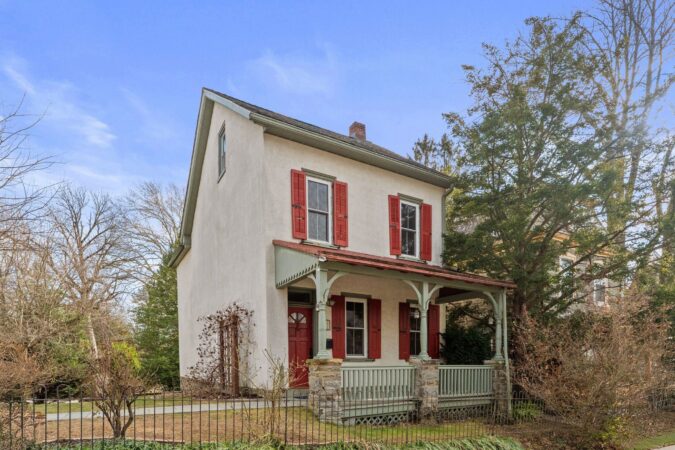
    The Upper Dublin Township home is about 1,000 square feet larger than the home in Riverton, Burlington County, which is about 1,000 larger than the home in Chestnut Hill.

    But they’re all for sale for between $765,000 and $770,000. That’s more than twice the typical price of a home sold in the Philadelphia metropolitan area last month — $380,000, according to the multiple listing service Bright MLS.

    Colonial in a special location

    What makes this house in Upper Dublin Township special is its location, said listing agent Frank Blumenthal with Keller Williams Real Estate Tri-County.

    It’s about three miles from Regional Rail’s Ambler and Fort Washington stations, close to the Pennsylvania Turnpike and other major roads, and not far from shops and restaurants.

    And the home is a few hundred yards from Mondauk Common, a public park that includes a one-mile walking track, sports fields, exercise equipment, playground equipment, basketball courts, and pavilions. The park also hosts community events throughout the year.

    The home has expansive side and rear yards.

    Inside, the large primary bedroom includes a sitting room. The kitchen flows into the great room, which has a fireplace and lots of windows. The home also has an unfinished basement.

    Within the last few years, the owner replaced the roof and heating and cooling systems. A buyer may want to update the kitchen and bathrooms, “but the big-ticket items are out of the way,” Blumenthal said.

    The property was originally listed for $834,000 in September. The price dropped to $828,000 in November and $769,000 in February.

    Fully renovated historical home

    This house is more than a hundred years old and part of a historic district.

    “Homes were just built differently back in the day than they are now, and they stand the test of time,” said listing agent Michelle Bishop with Real Broker LLC.

    Because the home is historically protected, the investor who is flipping the property was limited in the exterior changes he could make. But he installed a new roof and new windows and fixed the siding.

    The home’s interior was a gut job, Bishop said. The property was in rough shape before the renovations, which included tearing down walls and installing new mechanical systems.

    The owner built a one-car detached garage and fixed up the in-ground pool.

    The staircase and double-sided fireplace are original to the home. New features include an updated kitchen, striking light fixtures, and a soaking tub.

    “The perfect buyer for this property is somebody who really appreciates historical homes but enjoys living in modern-day comfort,” Bishop said.

    Bishop called Riverton “a cute little town” and said she’s seen families who like Moorestown but can’t afford to live there come over to the borough. The home is close to parks, the Riverton Country Club, the Delaware River, Routes 130 and 73, and a NJ Transit light rail station on the River Line.

    The property was originally listed in January for $799,999, but the price dropped to $769,999 in February.

    Detached house on a double lot

    This property isn’t one that a potential buyer would typically see in this twin-filled part of Philadelphia.

    “It’s a detached home in Chestnut Hill,” said listing agent Neil Dessecker with RE/MAX One Realty. And its double-wide lot offers large side and rear yards, which are fenced in.

    On tours, many prospective buyers said they liked the property because they were looking for more space, he said.

    The home also has more of the usual features of homes in the area, including a covered front porch and hardwood floors.

    The kitchen includes high-end Bosch appliances, including an induction range. The owners converted the home from oil heating to central air-conditioning and heating.

    The third floor is a flexible space that can be used as a bedroom, living space, or playroom.

    The home doesn’t include parking, which Dessecker noted “usually skyrockets the price.” But the sellers said they almost always parked their two vehicles on the street right in front of their home.

    “The sellers said it was an incredible block and they loved the people there,” Dessecker said.

    The home is not far from the shops and restaurants along Germantown Avenue and is near an Acme. The Wyndmoor station on Regional Rail is at the end of the street.

    “There’s just not a lot of inventory in Chestnut Hill,” Dessecker said. “So when something of quality becomes available, you have to seize the opportunity.”

    The property is listed for $765,000.
  • Philadelphia is one of the most popular destinations for apartment hunters so far this year

    Philadelphia is one of the most popular destinations for apartment hunters so far this year

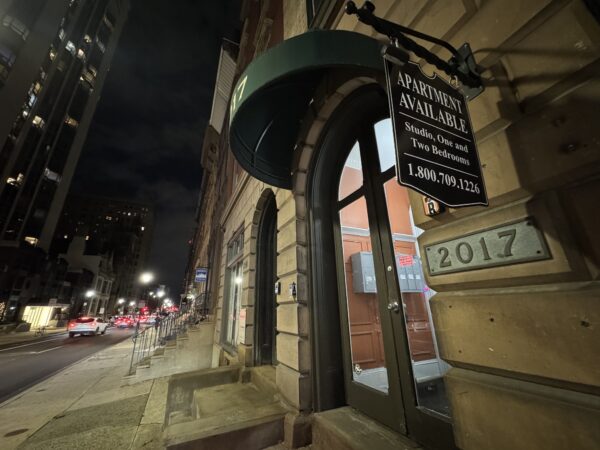
    Philadelphia is one of the most popular major cities among renters searching for apartments ahead of this year’s peak rental season.

    The city ranks in the top 10 most popular out of the 150 largest U.S. cities, according to an analysis of millions of apartment searches by the nationwide apartment search platform RentCafe.

    To rank cities at the start of the year, the platform measured page views for apartment listings, saved searches, listings that were marked as favorites, and the availability of units.

    Rental activity is typically more dormant in the winter months before it heats up with the weather and peaks in the summer. “Looking out your window today, you can see a major reason why,” said Doug Ressler, manager of business intelligence at Yardi Matrix, a sister division of RentCafe.

    Philadelphia came in at No. 8 in RentCafe’s ranking of in-demand rental markets in early 2026. The city often ranks high for popularity among renters because of its size, access to job hubs, and affordability compared to New York and other major East Coast cities.

    RentCafe found that a majority of the interest in Philadelphia apartments comes from people already living in the city.

    But out-of-town renters also want to move here. The majority of these apartment hunters searched from New York, followed by Boston and Washington. Renters in Atlanta, Los Angeles, and Houston also were interested in Philadelphia rentals.

    Philadelphia fell three spots from last year in RentCafe’s ranking, because the number of saved apartment searches dropped, Ressler said. That’s partly because an apartment construction boom in the city has created many available units. So apartment hunters can more easily find homes and don’t need to save as many searches.

    window.addEventListener(“message”,function(a){if(void 0!==a.data[“datawrapper-height”]){var e=document.querySelectorAll(“iframe”);for(var t in a.data[“datawrapper-height”])for(var r,i=0;r=e[i];i++)if(r.contentWindow===a.source){var d=a.data[“datawrapper-height”][t]+”px”;r.style.height=d}}});

    Beyond Philadelphia

    Midwestern and Southern cities dominated RentCafe’s rankings, with 11 of the 30 most in-demand cities located in the Midwest. Cincinnati took the No. 1 spot, followed by Atlanta and Minneapolis.

    Washington and Baltimore rounded out the top-five list.

    In top-ranked Cincinnati, RentCafe said renter interest was driven by people wanting to move from expensive areas along the coast to a midsized city that still offers a strong job market and positions in healthcare, manufacturing, and finance. Cincinnati also has become more appealing because of recent revitalization of downtown neighborhoods and the riverfront along the Ohio River.

    Renter interest in El Paso, Texas, has grown the most out of the 150 large cities that RentCafe analyzed. The city climbed 115 spots to rank No. 28 this year.

  • A ‘giant’ down payment | Real Estate Newsletter

    A ‘giant’ down payment | Real Estate Newsletter

    One family’s list of must-haves narrowed their home search to just one property in Passyunk Square. And it wasn’t even on the market — yet.

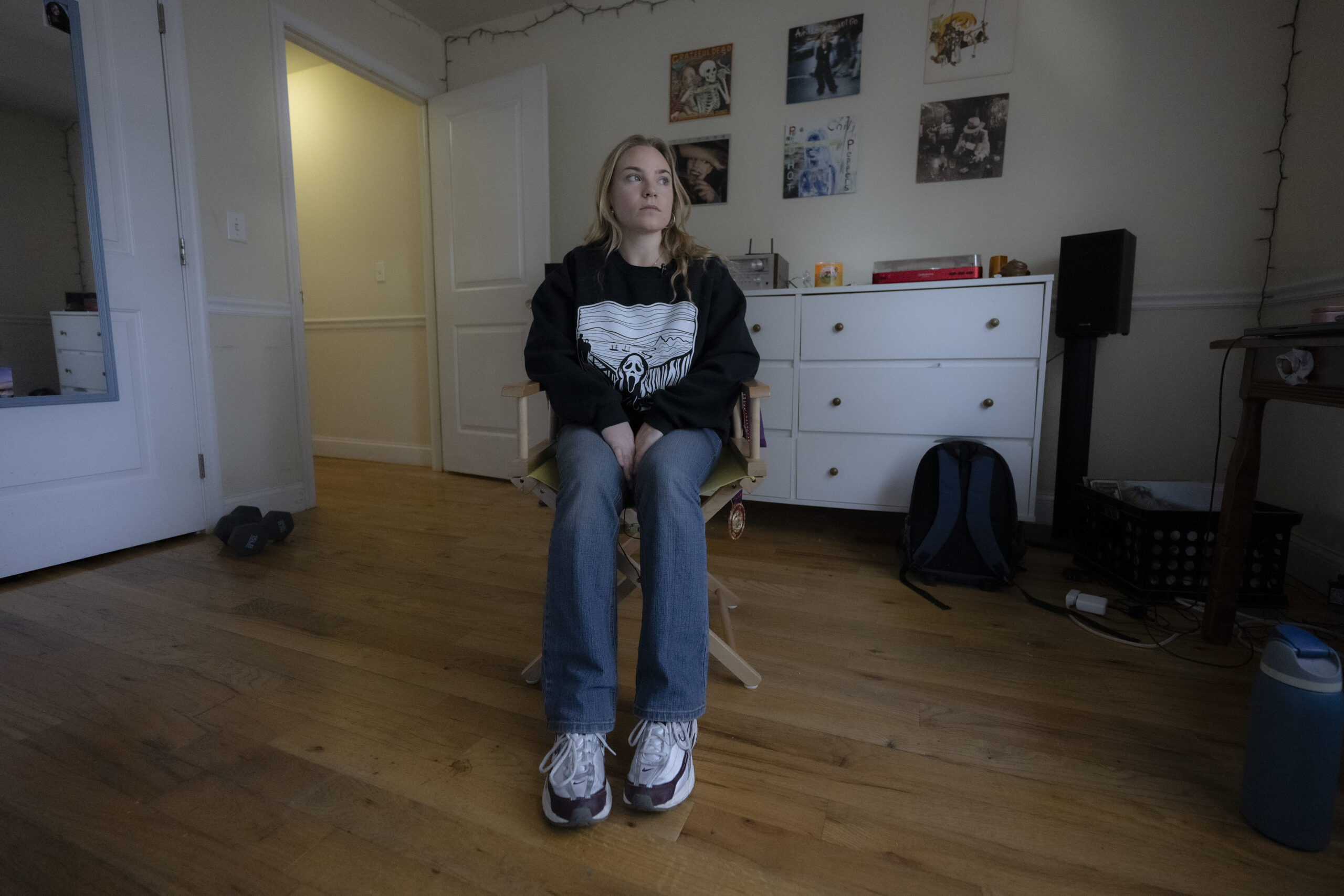
    Fast forward a few months and the couple snagged the first viewing and snatched up the century-old house. The homebuyers were able to make a down payment of $300,000 thanks to the sale of their former home.

    Read on to see which traditional South Philly home feature the family rebuilt because they had to have it.

    Keep scrolling for that story and more in this week’s edition:

    — Michaelle Bond

    If someone forwarded you this email, sign up for free here.

    Putting a lot down to move up

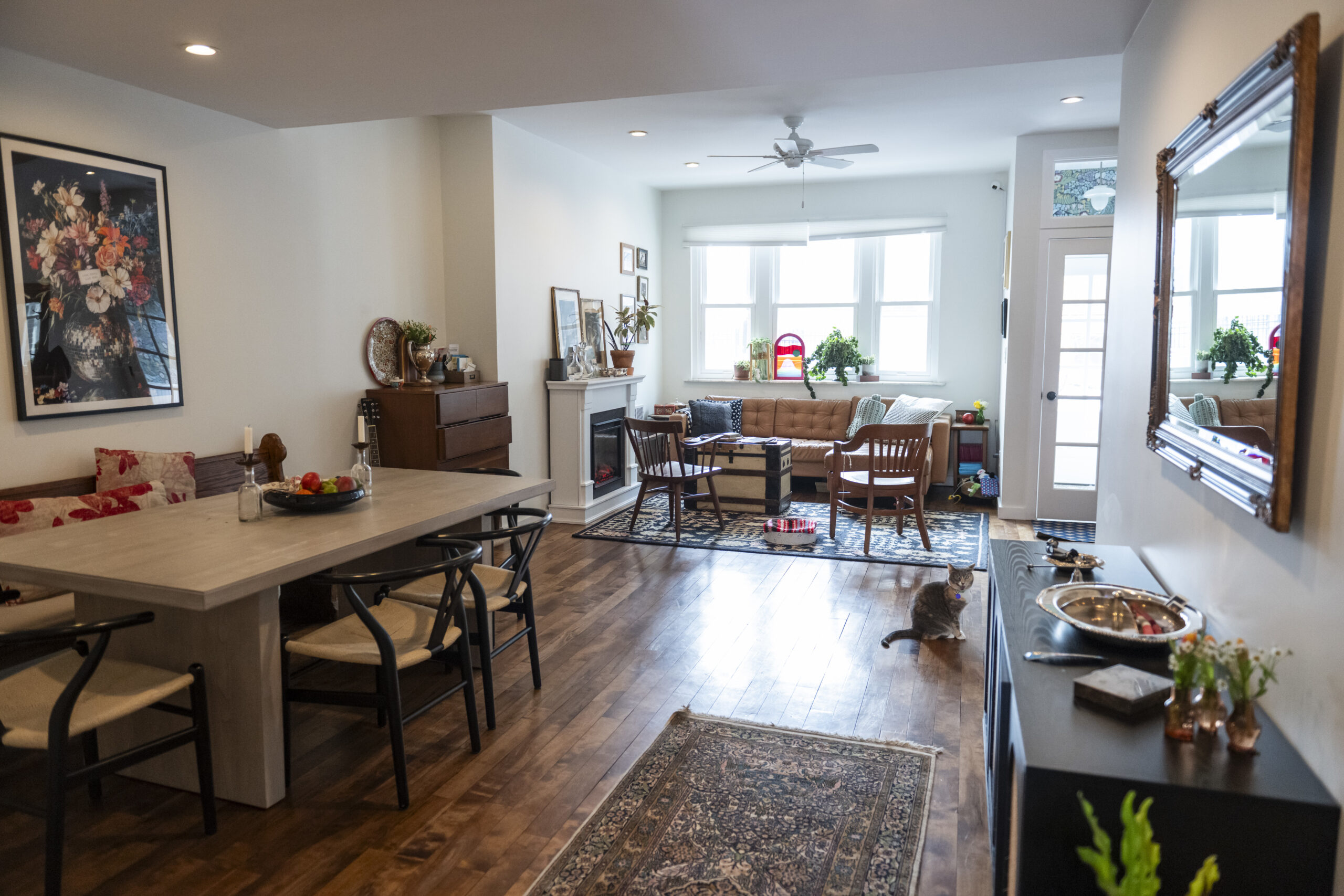
    Homebuyer Catherine Wargo Roberts calls one aspect of her home renovation “a vanity project for sure.” But she doesn’t regret it.

    She really wanted a traditional South Philly vestibule in the front of her home, so she rebuilt one. “Best money I ever spent,” she said.

    Speaking of money, she and her husband put down what she called a “giant down payment” of $300,000 on their $725,000 home to keep the monthly mortgage payment manageable for them. That was possible because they sold their old home.

    The family loved living in Passyunk Square and didn’t want to leave, but their block of both homes and businesses had gotten too busy. And they wanted more space, especially outside.

    Keep reading to learn about complications with the home sale and why the homebuyers sought out an unfinished basement.

    What to do with school buildings

    It’s common for homebuyers to pick locations based on the schools their kids would attend. And families get deeply attached to their school communities, whether residents are new or have been living in an area for generations.

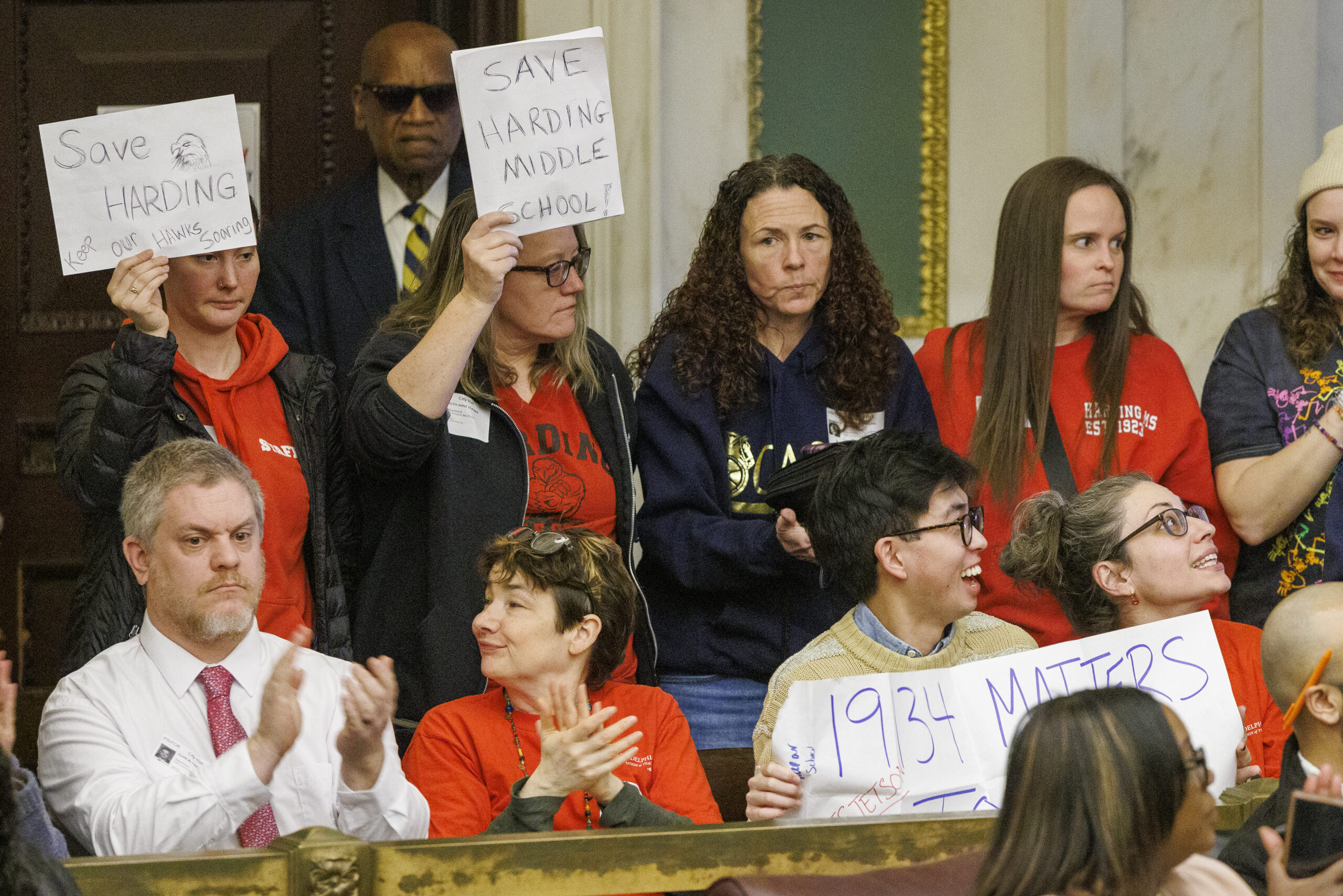
    That’s why it’s not surprising that a plan to close some Philly schools is getting pushback.

    The School District of Philadelphia has around 300 buildings, including more than 200 schools. Many buildings are at least 75 years old and not in good condition.

    Some schools have 1,000+ empty seats, and others are squeezing students in.

    This week, City Council members grilled school district officials about the superintendent’s plan to address these challenges.

    Over the course of a decade, according to the plan:

    • 20 schools would close.
    • 6 would be co-located inside existing school buildings.
    • 159 would be modernized.

    Before the superintendent’s scheduled presentation to the school board next Thursday, read up on his plan and the reaction it’s gotten.

    The latest news to pay attention to

    Home tour: Transformation in Lambertville

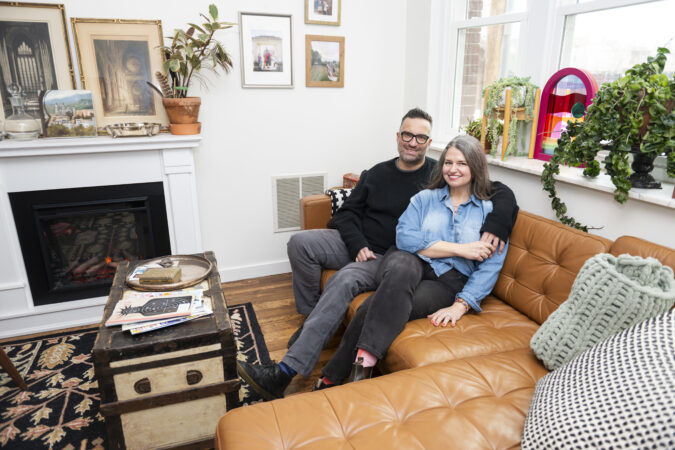
    Lauren Braun-Strumfels and Kyle Strumfels lived in a rowhouse in Lambertville, N.J. when they started eyeing the neighboring standalone house.

    They and their two kids had outgrown their home, and the couple had a vision for how to transform the other property, where maintenance had lapsed for decades.

    The couple bought the house in 2017 in a “very stressful and very intense” process, Braun-Strumfels said.

    Then, in the first round of renovations, the homeowners:

    🛠️ moved the kitchen

    🛠️ bumped the back wall out to create more space

    🛠️ added a Jack-and-Jill bathroom

    🛠️ upgraded mechanical systems

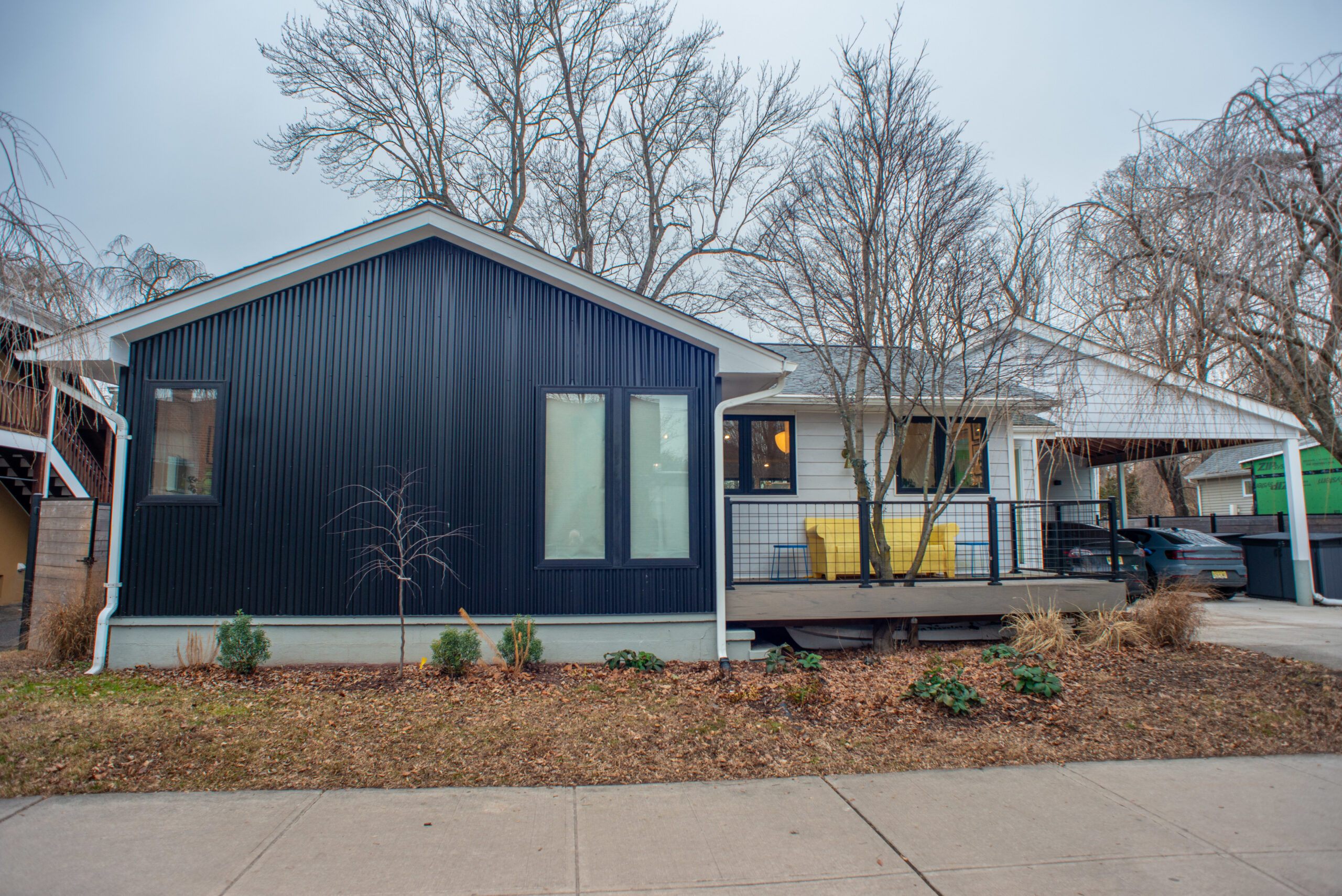
    They turned the home into a California modern-inspired ranch house.

    “Sometimes I wondered if people would be mad we stuck a modern house in the middle of this [Victorian-era] town, but people seem to really like it,” Strumfels said.

    Peek inside the family’s home and learn about the second renovation, which created an “adult wing.”

    📷 Photo quiz

    Do you know the location this photo shows?

    📮 If you think you do, email me back. You and your memories of visiting this spot might be featured in the newsletter.

    Last week’s quiz featured a photo captured in the East Conservatory at Longwood Gardens.

    Shout-out to Doug S. and Jeff B. for getting that right.

    Jeff said: “Wonderful place to go to beat the cold weather blues. Every now and then we just need a pick-me-up, especially since we like to garden. Every season has something new to see. Been going there since I was a kid with my parents and now we are senior citizens and still love it.”

    I’ve only been to Longwood for a reporting assignment or two. But last week’s photo and Jeff’s memories are making me want to flee there for my own winter pick-me-up.

    📹 On the street

    A couple weeks ago, I shared the latest news in the saga of suspicious property sales near Temple University. Buyers seemed to be paying almost double the asking price for buildings that had been sitting on the market.

    According to an Inquirer investigation, more than two dozen Philly-area real estate agents helped arrange $45 million worth of questionable deals involving student rentals.

    My colleagues’ new video lays it all out.

    Watch the video and join the conversation here.

    And enjoy the rest of your week.

    By submitting your written, visual, and/or audio contributions, you agree to The Inquirer’s Terms of Use, including the grant of rights in Section 10.

  • One of Philly’s last architecturally intact old movie theaters is officially recognized as historic

    One of Philly’s last architecturally intact old movie theaters is officially recognized as historic

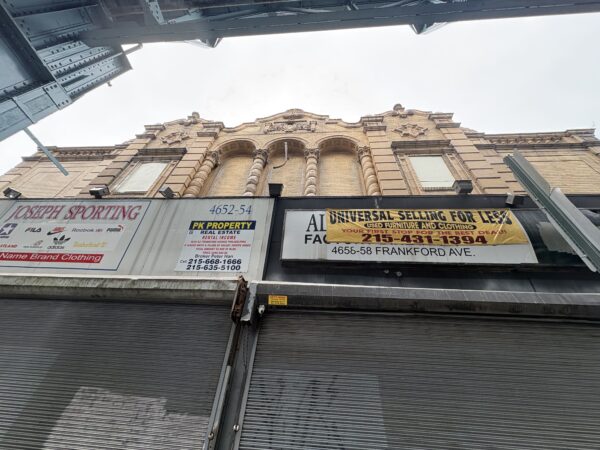
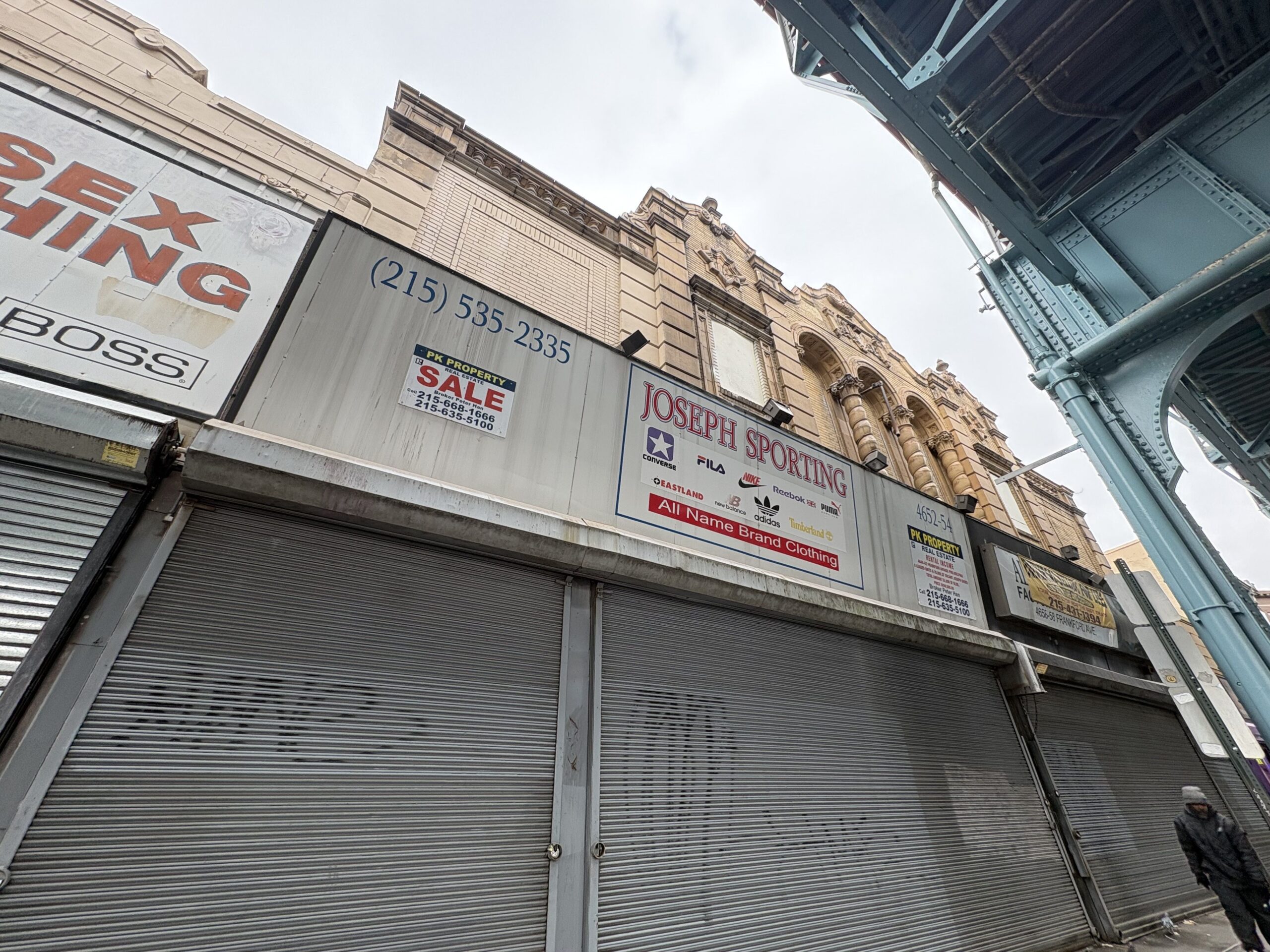
    The Circle Theatre in Frankford, built in 1929 for what was once the largest movie theater chain in the country, is now officially recognized as historic.

    The Philadelphia Historical Commission voted Friday to add the former movie theater on the 4600 block of Frankford Avenue to the Philadelphia Register of Historic Places.

    According to the nomination, the Circle Theatre is “a significant surviving example of a neighborhood theater from a period when many were built” in the 1910s and ‘20s. The theater’s architects, Hoffman-Henon Co., “significantly shaped Philadelphia’s built environment through their commissions for theaters and Catholic institutions,” such as churches and schools.

    The decorative facade of the Circle Theatre includes architectural terracotta with ornamental details and columns that have been preserved. The structure was a movie theater from the time it opened in 1929 until 1953, according to the nomination. The building, which included some commercial space, was then converted exclusively for commercial use and now includes both occupied and vacant storefronts.

    “The Circle Theatre is absolutely a landmark, and there’s still people who remember coming up [Frankford Avenue] to go there,” Ellie Devyatkin, director of economic development and neighborhood planning at the Frankford CDC, said during Friday’s Historical Commission meeting.

    According to the nomination, “while Philadelphia once had over 400 movie theaters, the Circle is one of relatively few survivors with significant architectural integrity.” The theater was nominated for designation by Historical Commission staff.

    The Hoffman-Henon architectural firm designed the Circle Theatre for the major movie theater chain Stanley Co. of America. The firm designed theaters for the company in Philadelphia, Atlantic City, Baltimore, and smaller municipalities throughout the tri-state area. Hoffman-Henon designed four Stanley theaters on Market Street in Philadelphia that the historic nomination called “movie palaces” that were “characterized by a large seating capacity and opulent interiors.”

    The Circle Theatre and the Warner Theatre, also known as the Embassy Theatre, on the Atlantic City boardwalk “included the most flamboyant interiors in the firm’s catalog,” according to the nomination. Both opened in 1929 after Warner Bros. acquired the Stanley Co.

    Emily Cooperman, a member of the Historical Commission and chair of its historic designation committee, said the committee was “very enthusiastic about this nomination” and appreciated the creation of an inventory of historical theaters by commission staffer Ted Maust.

    The Frankford CDC supported historic designation for the building, which is across from the community development corporation’s office. Through a Philadelphia Department of Commerce program, the organization worked with the owner of a produce market in the building to improve its facade and is working now with the owner of a salon, Devyatkin said.

    The Circle Theatre building now includes both vacant and occupied storefronts.

    Historic designation protects buildings from demolition but also requires permission for certain exterior changes. Building materials that preserve historic character and adhere to city guidelines can be expensive.

    “Particularly in neighborhoods where rents and property values are low, these designations can be difficult … when they do not come with financial assistance,” Devyatkin said. “There are other parts of the city where you can justifiably command a higher rent or a higher sales price for doing the right type of restoration or preservation work. But without subsidy, that’s really difficult … in many neighborhoods in Philly.”

    Oscar Beisert, a preservationist with the Keeping Society of Philadelphia, said he agreed and would like the city to show some “leniency, especially in areas where the economic viability is a lot lower.”

    He thanked staff at the Historical Commission for nominating the Circle Theatre for inclusion on the city’s historic register.

    “Frankford has a lot of great buildings,” Beisert said, “and it’s great to see one of them designated.”

  • What’s in Gov. Josh Shapiro’s new housing plan: Protections for Pa. renters, $1 billion for infrastructure, homebuyer support, and more

    What’s in Gov. Josh Shapiro’s new housing plan: Protections for Pa. renters, $1 billion for infrastructure, homebuyer support, and more

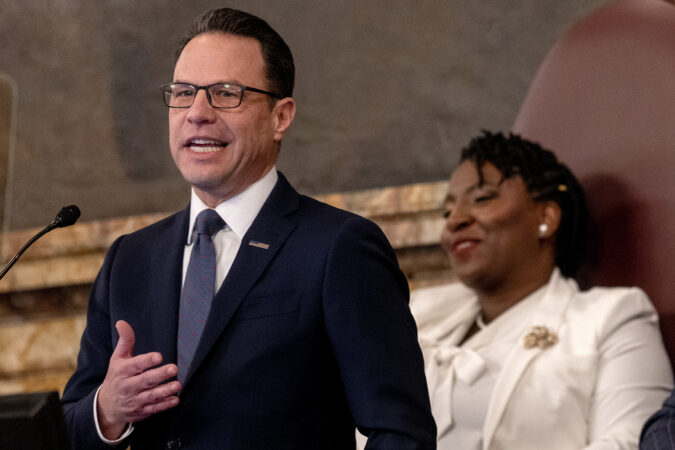
    Gov. Josh Shapiro unveiled a broad plan Thursday meant to grow and preserve Pennsylvania’s housing supply as the state faces a shortage of homes residents can afford.

    The plan aims to expand residents’ access to homes, connect Pennsylvanians to resources to keep them housed, make homebuilding faster and less costly, and improve coordination of housing efforts across agencies and levels of government.

    Recommendations and reforms in the state’s Housing Action Plan, which is meant to guide Pennsylvania into 2035, are embedded in the governor’s proposed budget, Shapiro said.

    “And now, the ball is in the court of the legislature to carry this forward and to get it done,” he said at a news conference in Philadelphia.

    The plan is the culmination of a process that started in September 2024, when Shapiro signed an executive order directing state officials to create it.

    In the plan, Shapiro highlights that more than a million Pennsylvania households are spending more than 30% of their income on housing. These households are “cost burdened,” according to the U.S. Department of Housing and Urban Development’s definition. Building more can lower housing costs.

    Shapiro called the plan a long-term housing strategy that “brings together all different groups who are doing this work, builds on their expertise, and tackles housing access and affordability from every single angle.”

    Here are key takeaways from Shapiro’s proposed housing action plan, the first of its kind in Pennsylvania.

    Enacting the plan

    Much of the plan relies on action from lawmakers in the state’s split legislature and other stakeholders rather than Shapiro’s administration exclusively. It does not assign dollar amounts to proposals, but calls on local governments to allow more housing and housing types, on builders to build more, and on both to work together to remove barriers to housing construction.

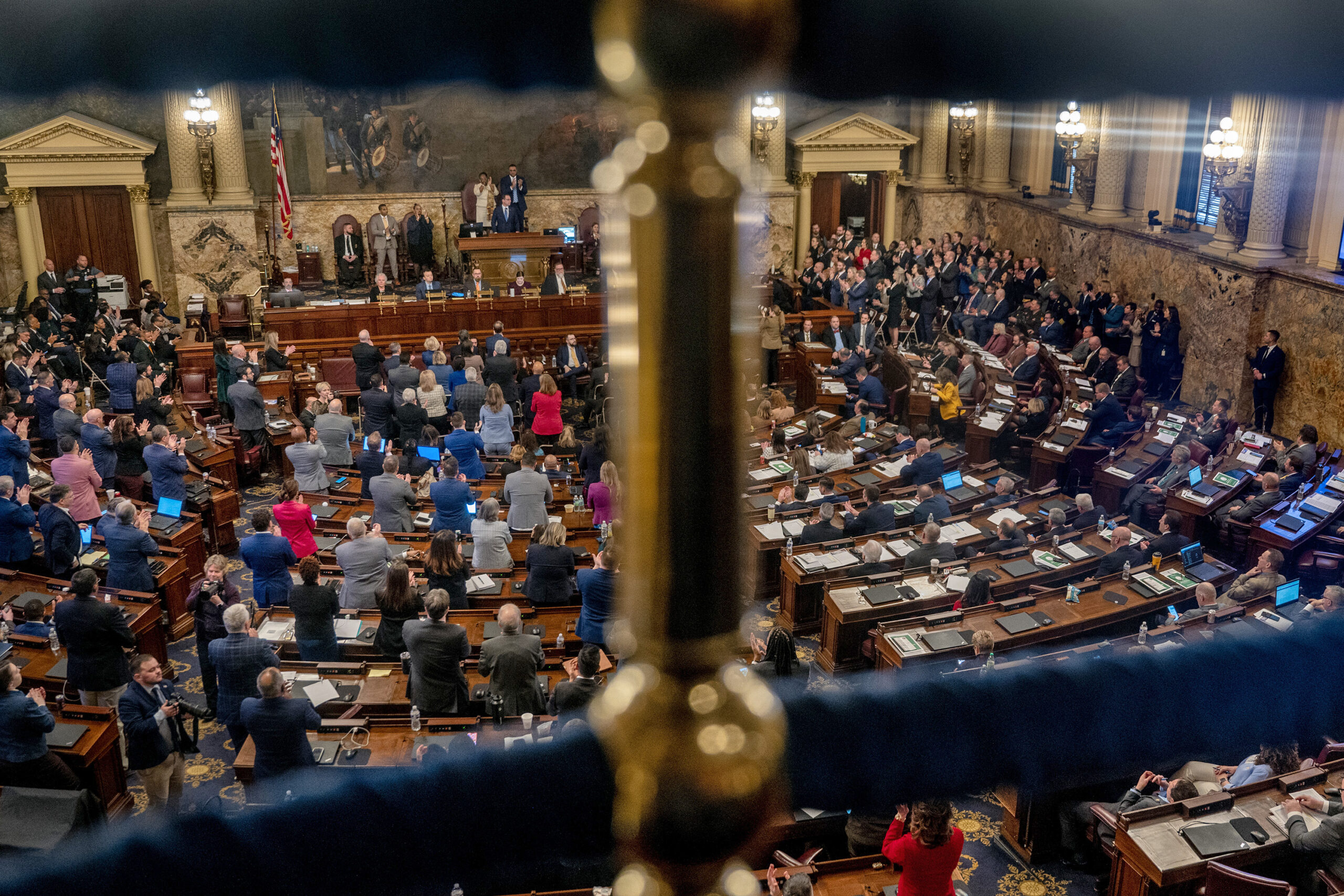
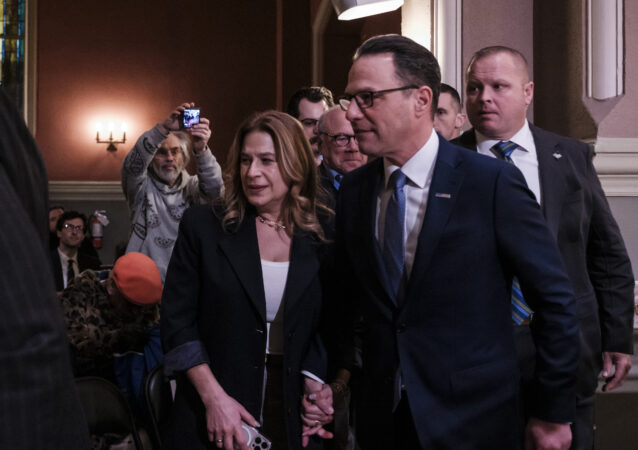
    Democrats (left) stand to applaud a tax cut proposal while Republicans (right) remain seated as Gov. Josh Shapiro delivers his third budget address to a joint session in the House chambers at the State Capitol Tuesday, Feb. 4, 2025.

    When Shapiro was asked how he intends to make sure the housing plan is implemented, he said he can take some actions through executive orders but “a lot does require the legislature to act and to work in concert with local government.”

    “I hear in rural, urban, suburban communities, districts led by Democrats and Republicans, the need for more housing,” Shapiro said. “… And I would say to any lawmaker that doesn’t like my idea, ‘What’s yours?’ Because we can no longer wait. We have got to get this done. We’ve got to build more housing.”

    $1 billion fund

    In his budget address last week, Shapiro previewed his housing priorities, calling for a $1 billion fund, supported by the issuing of bonds, to pay for infrastructure projects that include housing.

    Shapiro’s budget proposal includes no requirements on the proportion of funding that goes to each infrastructure need, leaving the possibility that the majority of funds could be spent on projects other than housing.

    While Shapiro said Thursday that divvying up the $1 billion will be subject to negotiation with lawmakers, he said he hoped “the lion’s share of it would go to housing.”

    Pennsylvania needs more housing

    If Pennsylvania takes no action to build and preserve more housing, it will be short about 185,000 homes by 2035, according to the plan. To keep up with anticipated demand, the state needs to add 450,000 homes to its supply by then.

    The housing plan has a stated goal of turning Pennsylvania into a leader in home construction.

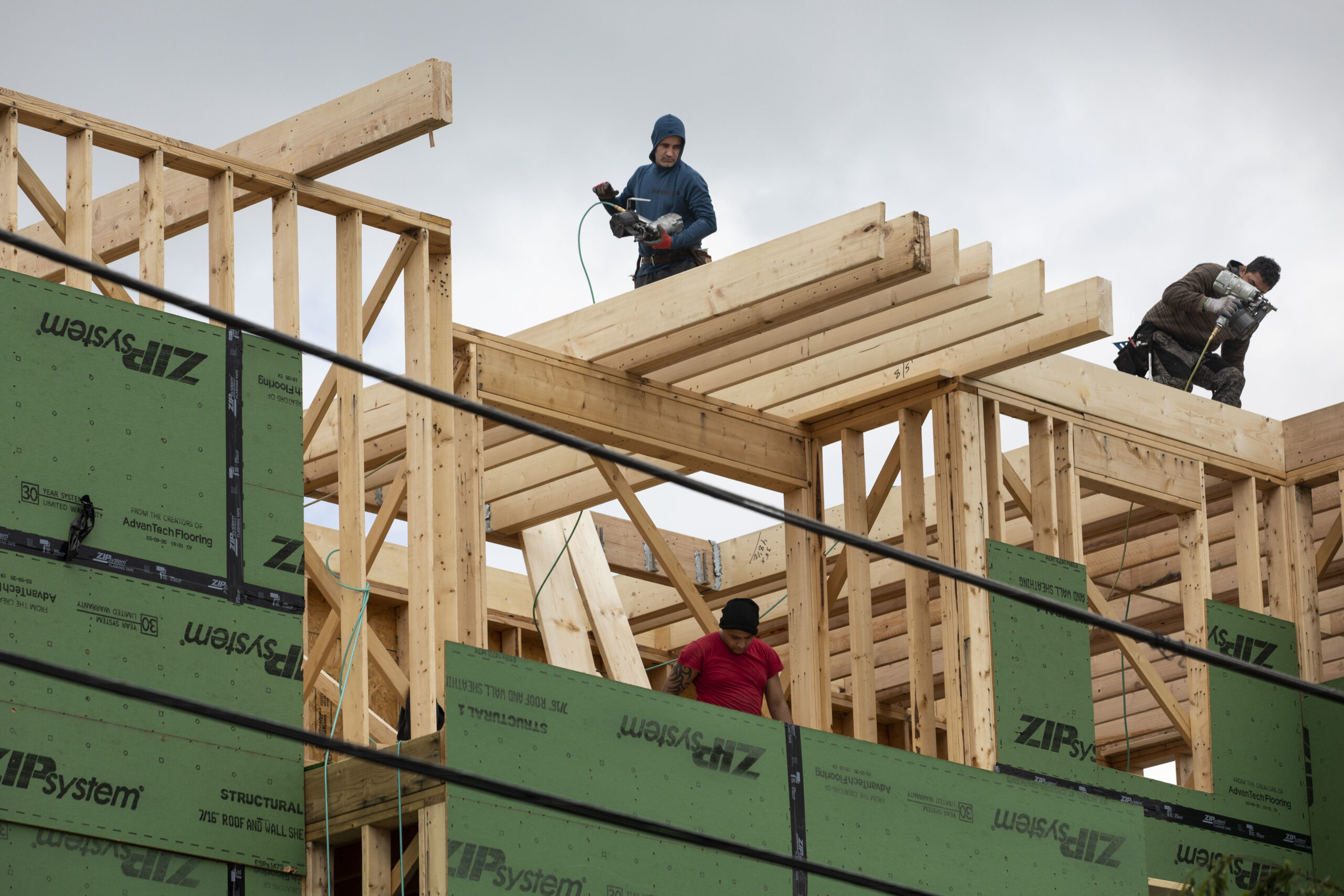
    Construction work on a home at Bancroft and Reed Streets in South Philadelphia, Pa. on Friday, May 1, 2020.

    As it stands now, Pennsylvania is one of the states that have allowed the least new housing. It ranked 44th for the share of homes approved to be built from 2017 to 2023, the Pew Charitable Trusts said in a report released last year. Pew said Pennsylvania’s lack of housing supply is hiking prices for homeowners and renters.

    Shapiro’s housing plan recommends that Pennsylvania:

    • Expand programs to repair and preserve existing homes.
    • Create a tax credit to incentivize home building in underinvested areas.
    • Invest in small residential developers who can help boost housing production.
    • Eliminate outdated or unnecessary state development regulations.
    • Direct funding to help homebuilders pay land development costs, developers convert former commercial buildings into homes, and property owners create mixed-use developments that include housing.
    • Appoint a deputy secretary of housing and create a “housing one-stop shop” to help residents and builders access the state’s existing housing resources.

    Protection for renters

    The housing plan calls for Pennsylvania to bolster protections for households that either rent their homes or rent the land their homes sit on, including protections Shapiro called for in his budget address.

    Suggestions include:

    • More eviction protections.
    • Restrictions on how much landlords can collect as a security deposit.
    • A statewide cap on rental application fees. (Philadelphia City Council members passed their own cap on application fees last year.)
    • Explicitly banning landlords from denying housing to people because they use public assistance or any other lawful source of income. (New Jersey enacted a law last month that does this.)

    Security for manufactured-home owners

    Manufactured homes are single-family dwellings often built off-site and placed on a lot. These households own their homes, but many of them rent the land.

    Manufactured homes represent one of the most affordable forms of homeownership. But homeowners are often left vulnerable because they have no other option than to pay increased rent costs if they want to keep the homes they own. Manufactured-home communities are increasingly being bought by private equity companies and other institutional investors, and rent hikes tend to follow.

    The housing plan says Pennsylvania should:

    • Limit the rent increases that landowners can charge.
    • Make financing easier for buyers of manufactured homes.
    • Give residents of manufactured-home communities the right of first refusal when a landowner decides to sell.

    Recent laws in New Jersey limit annual rent increases for manufactured-home lots and make it easier for residents to buy their communities.

    Across Pennsylvania, 56,000 households live in manufactured-home communities, Shapiro said in his budget address last week.

    Homebuyer help

    The plan calls for Pennsylvania to pursue new ways to help residents become homeowners, including creating programs to reduce home-buying costs and allowing local governments to exempt first-time homebuyers from local realty transfer taxes.

    It also calls for the state to impose a transfer tax when corporate investors buy single-family and certain other types of homes to help households compete for properties.

    Untangling titles

    To protect Pennsylvanians’ generational wealth, the plan calls for the state to allow transfer-on-death deeds to provide a streamlined process for passing down homes. This would help prevent cases of tangled title — or unclear legal ownership of property. This mostly occurs when a homeowner dies and the deed is not transferred to a new owner.

    Tangled titles keep people from qualifying for help to repair their homes and can prevent them from being able to sell properties.

    In Philadelphia alone, tangled titles threaten more than $1 billion in generational wealth, according to a 2021 report from the Pew Charitable Trusts.

    The plan also calls for funding for legal services to help low-income Pennsylvanians resolve tangled titles. In 2022, Philadelphia officials pledged to give $7.6 million over four years to legal-aid groups that are tackling this problem.

    Rachel Gallegos, a divisional supervising attorney for the homeownership and consumer rights unit at Community Legal Services of Philadelphia, called Shapiro’s plan “ambitious.”

    “And I like that,” she said. “I think it has to be in order to keep progress moving forward.”

    The legal-aid nonprofit routinely helps low-income clients with tangled titles, and Gallegos said she was glad to see the plan call for additional support for the work.

    “We want to preserve homeownership for our clients,” she said.

  • Gov. Josh Shapiro’s property battle | Real Estate Newsletter

    Gov. Josh Shapiro’s property battle | Real Estate Newsletter

    Not even governors are immune to neighbor wars.

    In fact, Gov. Josh Shapiro’s job has fueled a legal dispute between his family and the folks living next to his private residence.

    The Shapiros and their neighbors have sued each other over a security fence and a fight over property boundaries.

    Keep scrolling for that story and more in this week’s edition:

    — Michaelle Bond

    If someone forwarded you this email, sign up for free here.

    The governor’s property dispute

    Last spring, a man firebombed the Pennsylvania governor’s mansion in Harrisburg while Gov. Josh Shapiro and his family slept inside.

    Following the arson attack, Shapiro made security upgrades at his personal home in Abington Township.

    This week, Shapiro’s neighbors filed a lawsuit in federal court against Pennsylvania’s first couple, accusing the Shapiros of illegally occupying part of their yard to build a security fence. They say the planned location for the structure is on their property, and they’ve asked a judge to get the couple off their lawn.

    The Shapiros quickly filed a countersuit. They say they thought the roughly 2,900 square feet of land under dispute was theirs when they bought their home in 2003, and both they and their neighbors believed that to be true until last year.

    Over the summer, a land surveyor discovered that the Shapiros’ neighbors actually owned the land, according to the countersuit. But the governor and his wife are asking a judge to rule that they are the legal owners.

    Keep reading to learn about a legal mechanism called adverse possession and details of the fight between Pennsylvania’s governor and his neighbors. (It involves drones, tree planting, and the scaring off of contractors.)

    A chat with a big local builder

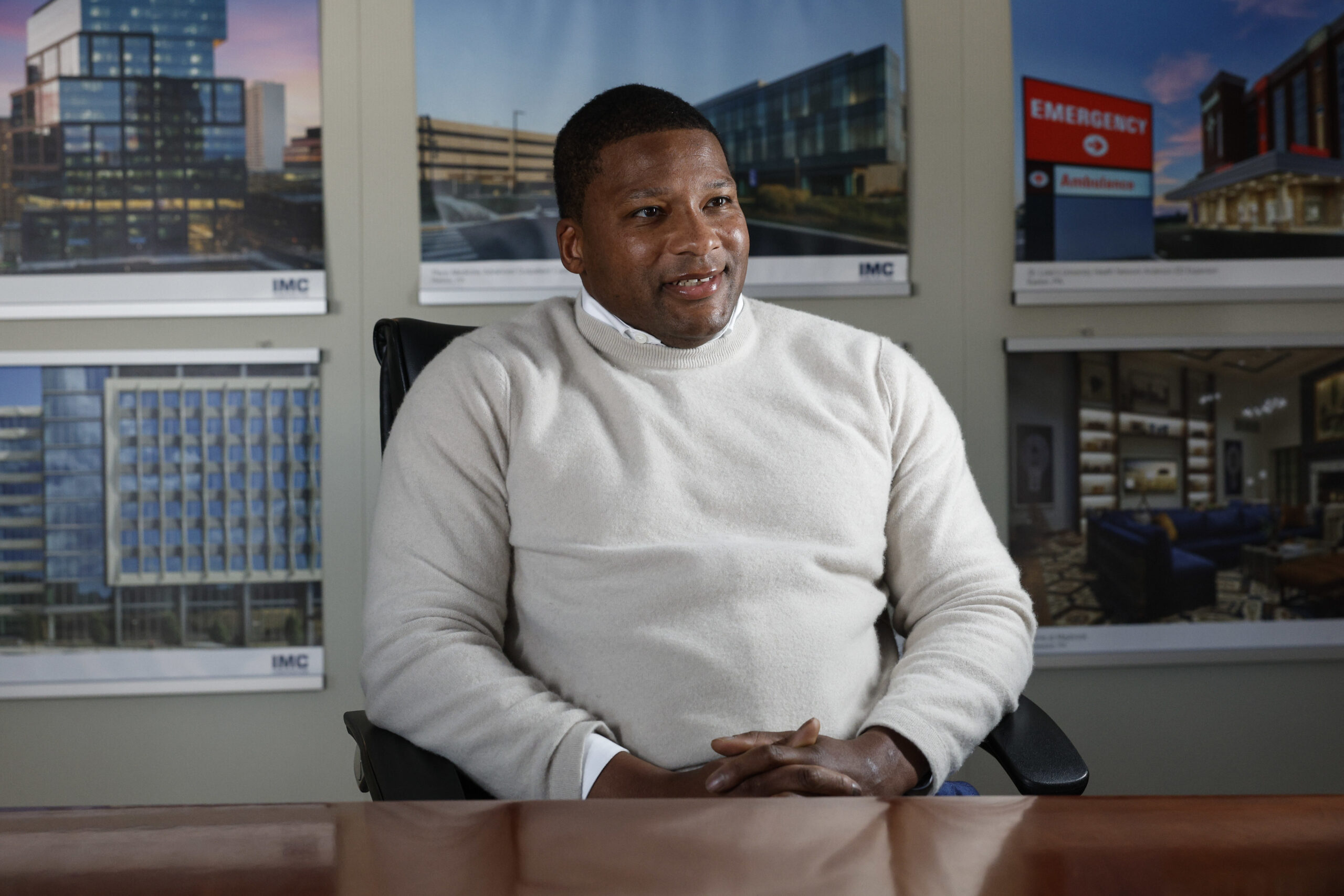
    Mike Lloyd is a Harvard Law School graduate, a former Wall Street trader, and a former lawyer for Uber.

    For the last few years, he’s been president and controlling owner of one of the mid-Atlantic’s largest general construction contractors, Malvern-based IMC. In that time, both the company’s revenue and its presence in New Jersey and Delaware have grown.

    IMC’s work includes offices, hospitals, warehouses, and apartments. It’s currently building apartments in Ardmore and East Whiteland Township.

    Lloyd said he’s seeing a lot of demand in Philly’s suburbs. I’ve written about how they frequently rank among the most competitive rental markets in the country.

    My colleague Joseph N. DiStefano toured an IMC apartment construction site and talked to Lloyd about growing his business.

    The latest news to pay attention to

    Home tour: An 18th-century Colonial

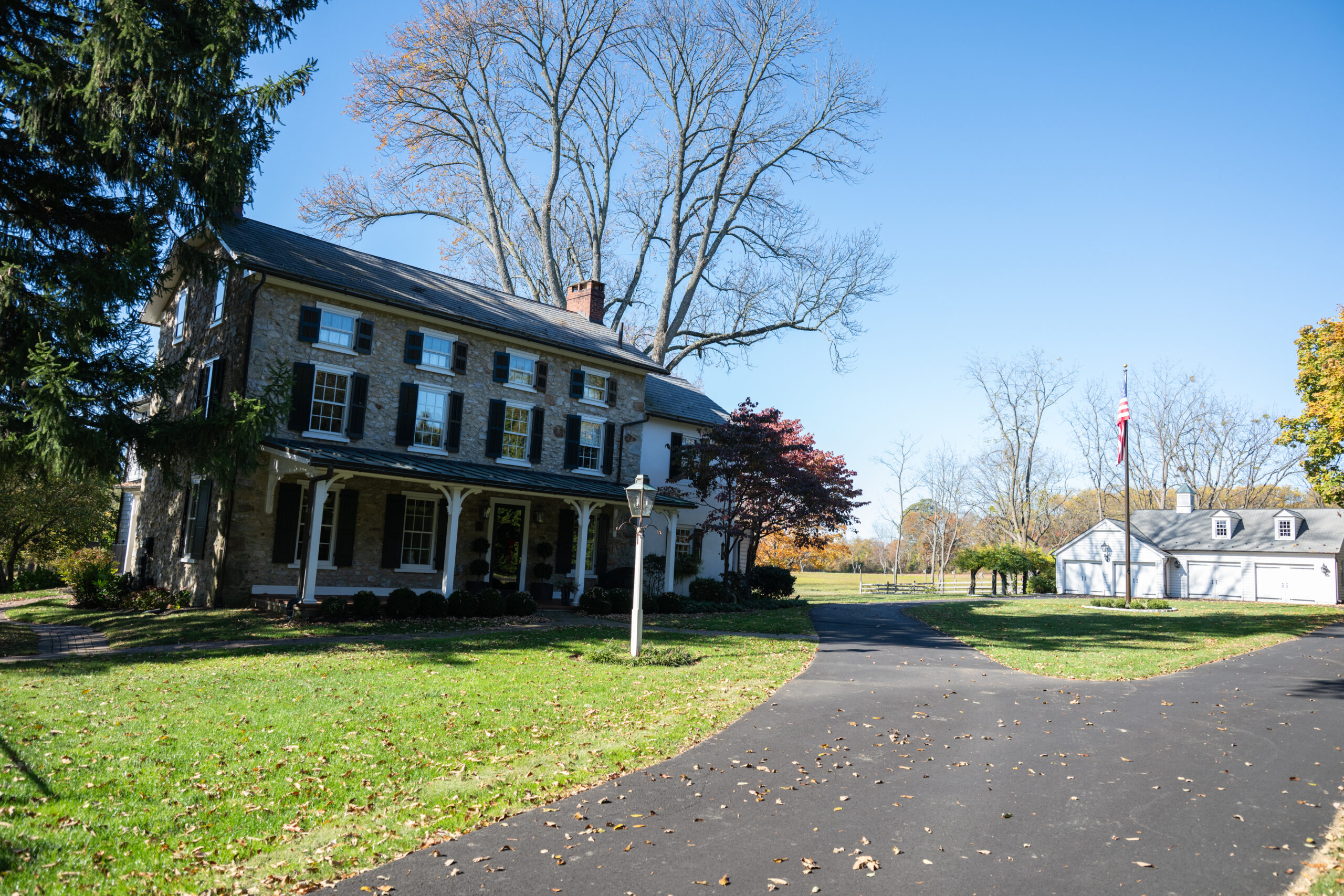
    Cynthia and Chris Swayze bought their home on 32 acres of Bucks County farmland in 1985. At the time, the 18th-century house was falling apart, and the couple had never farmed before.

    But the Swayzes thought the property was “a diamond in the rough,” Chris said. And they set out to make it their home.

    An expanded kitchen and addition increased the size of their home from about 3,000 square feet to about 6,500 square feet.

    A partial list of their renovations:

    • They moved a staircase and removed a wall to make the kitchen bigger.
    • An addition on the back of the house includes the primary bedroom suite.
    • They removed plaster that had been covering fieldstones on the exterior of the home.

    Their daughter co-owns an interior design firm and designed their home.

    Peek inside the Swayzes’ home and see the structural feature they call the “party hat.”

    📊 The market

    In the first month of the year, Philly-area households whose new year’s resolution was to buy a home had a few reasons to feel hopeful. But local housing markets were generally still on sellers’ side.

    Homes stayed on the market for a median of 26 days before selling in January, according to the multiple listing service Bright MLS. That’s up from 21 days at the same time last year. So buyers had a little more time and room to negotiate.

    “Buyers have a bit more leverage on terms and concessions than they have had in recent years,” Lisa Sturtevant, chief economist at Bright MLS, said in a statement, “but in many local markets, limited supply means well‑priced homes in desirable neighborhoods will still attract strong interest this spring.”

    That’s the case here. Our limited home supply means prices are continuing to climb.

    In the Philadelphia metro area last month, according to Bright MLS:

    🔺The number of active home listings was up 8.4% from last January. But the supply of homes for sale is still only about half of what it was before the pandemic.

    🔺The median sale price of $380,000 was up 6.4% from the same time last year.

    🔻The number of closed sales was down 8.6% from last January, reflecting softer demand, even though mortgage rates have dropped. The number of new pending sales was also down — by 5.7%.

    📷 Photo quiz

    Do you know the location this photo shows?

    📮 If you think you do, email me back. You and your memories of visiting this spot might be featured in the newsletter.

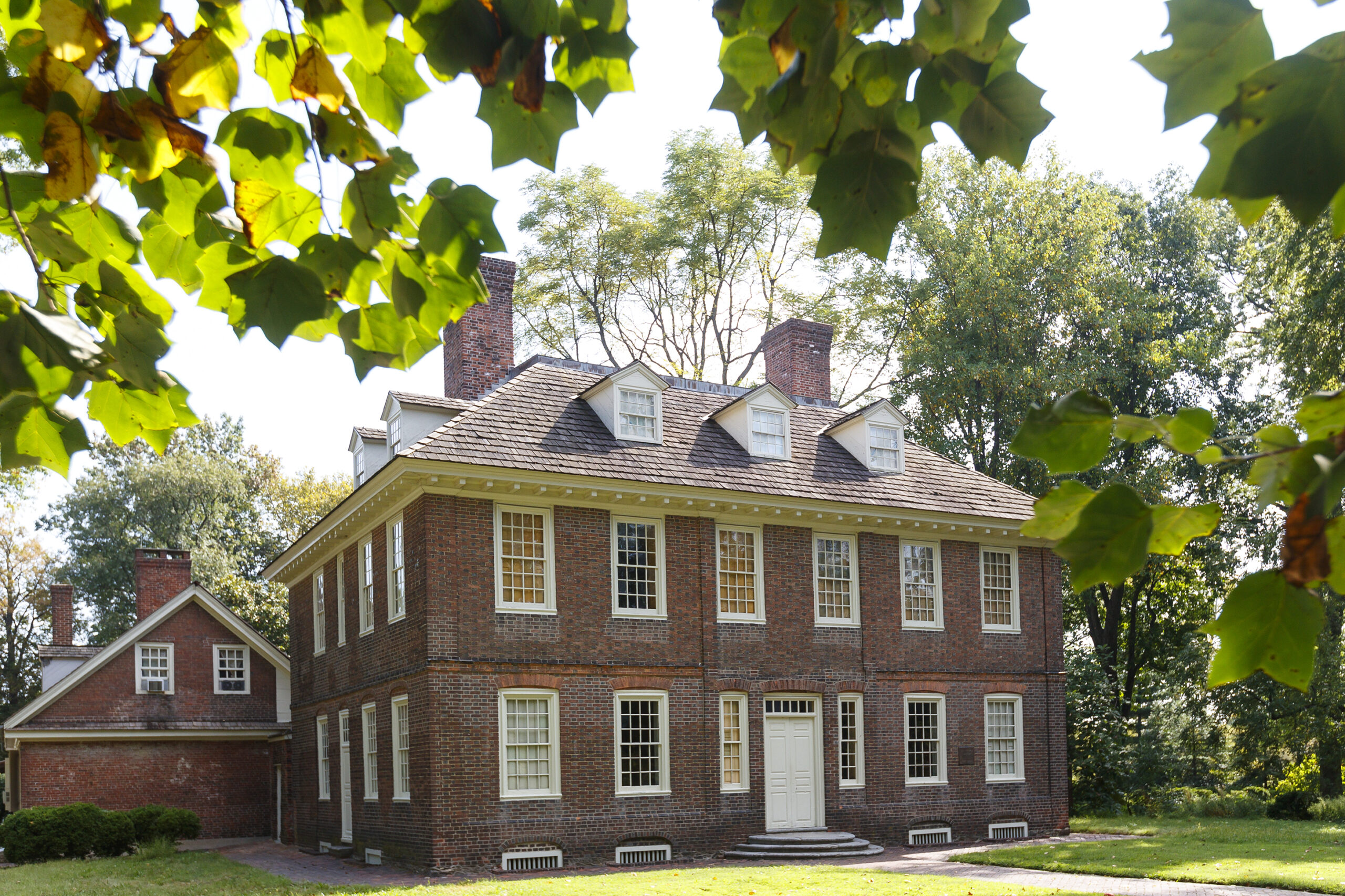
    Last week’s quiz featured a photo of the Stenton mansion.

    Shout-out to Paul S. and John S. for getting that right.

    Enjoy the rest of your week.

    By submitting your written, visual, and/or audio contributions, you agree to The Inquirer’s Terms of Use, including the grant of rights in Section 10.

  • You can be Cooper DeJean’s neighbor for $13,000 a month

    You can be Cooper DeJean’s neighbor for $13,000 a month

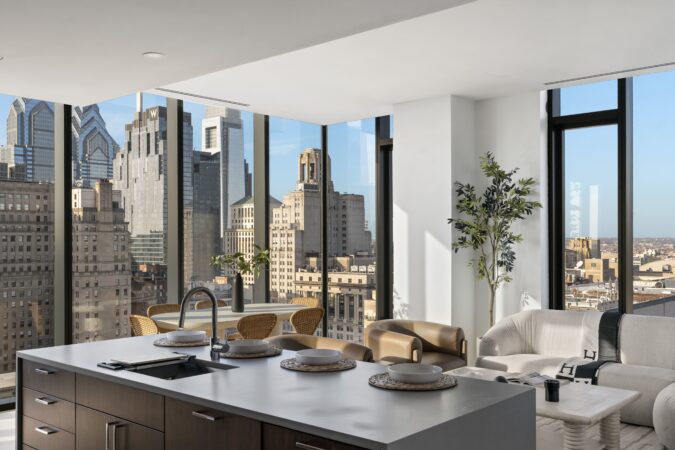
    For about $13,000 a month, you can rent a three-bedroom Center City penthouse in the same building as Eagles star defensive back Cooper DeJean.

    The high-end, 31-story apartment tower at 210 S. 12th St. has nine penthouses on the top two floors. They have a variety of layouts, including three-bedroom, three-bathroom apartments that range from roughly 1,650 to 1,835 square feet and cost from $12,600 per month to $13,250 per month.

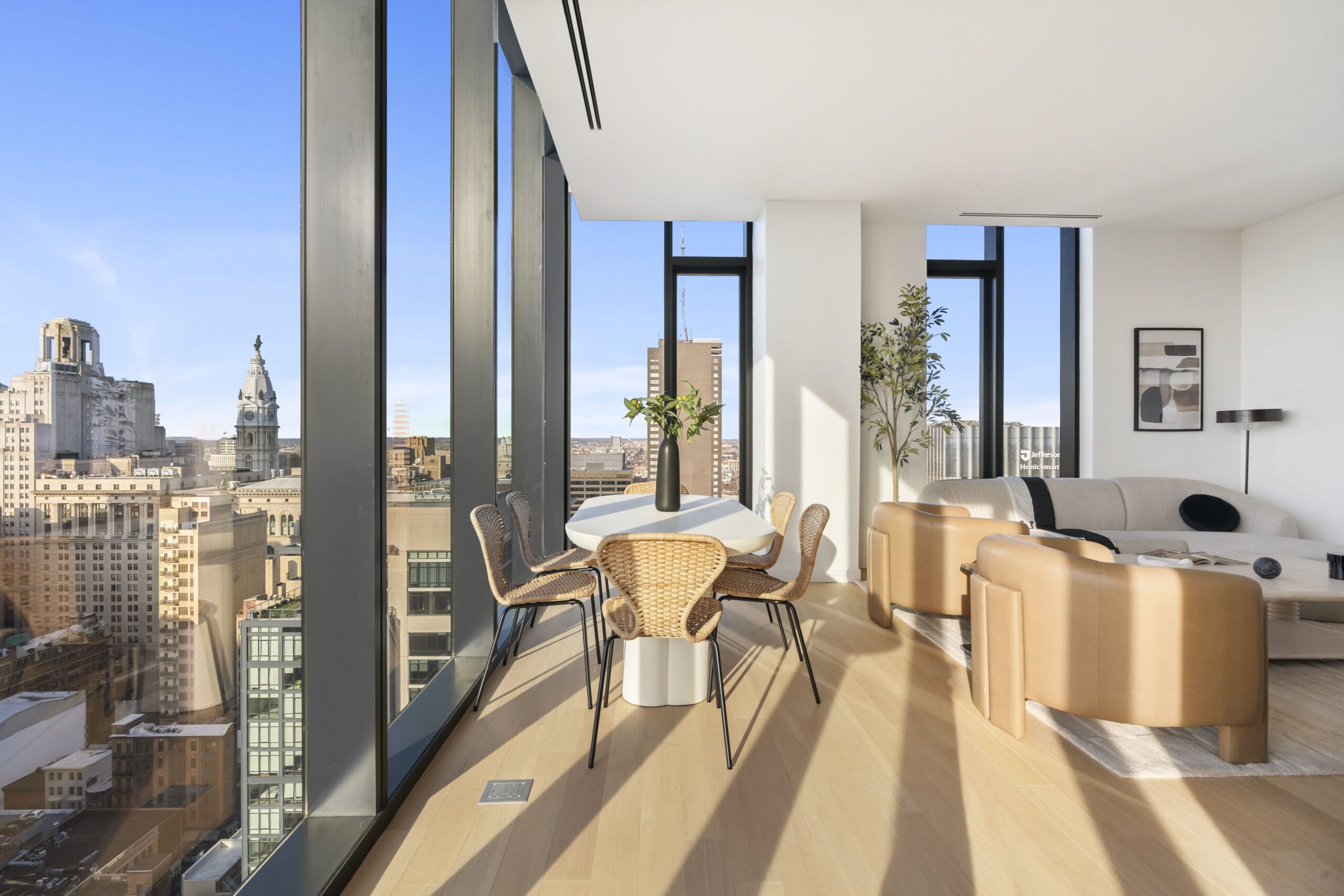
    Penthouses for rent have at least one balcony and floor-to-ceiling windows that offer lots of natural light and panoramic views.

    “You are literally looking at the Philadelphia skyline from the best view possible,” said listing agent Justyna Goldman with SERHANT.

    Tenants can see the City Hall tower from this penthouse at the Center City apartment building.

    The Philadelphia metropolitan area has had a growing number of very wealthy renters in recent years. For people who like the renting lifestyle or “if someone wants to live their best life but is only staying for a short time” in Philadelphia, the penthouses at 210 S. 12th could be for them, Goldman said.

    “We offer an incredible space and incredible square footage for the price,” she said. “We are looking to make someone a very happy renter.”

    Goldman said the building could be attractive to athletes, entrepreneurs, and people working in the medical field, since hospitals are nearby. The building’s Center City location means “you’re surrounded by everything you could possibly need,” she said.

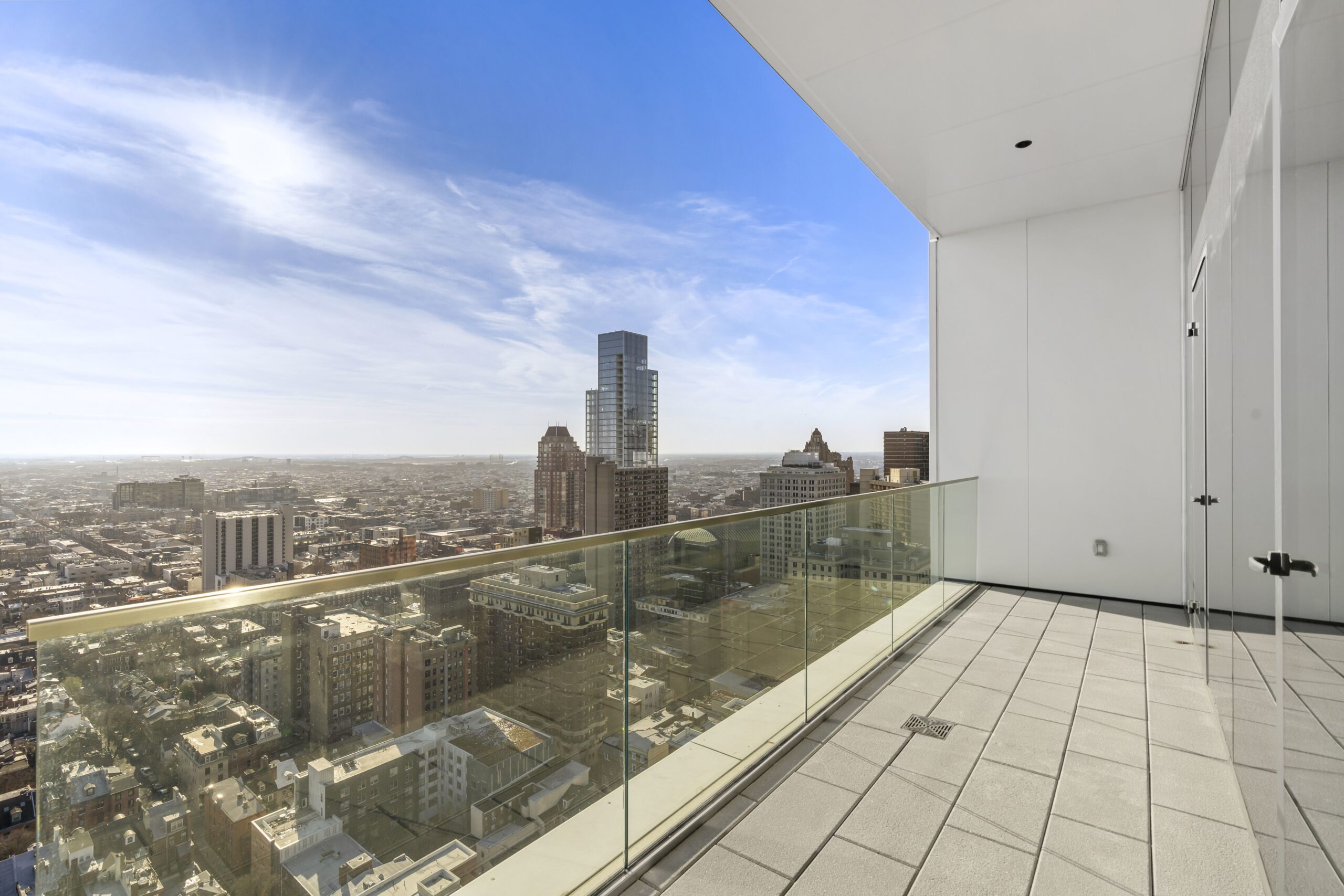
    The nine penthouses at 210 S. 12th are on the 30th and 31st floors and all have at least one balcony.

    The penthouses include walk-in closets and spacious living areas and kitchens.

    Parking spaces are available in an automated underground parking garage with electric vehicle chargers.

    The 376-unit apartment building began leasing in the summer of 2024 and is at the former site of the 12th Street Gym, which was a landmark in the Gayborhood.

    The building’s exterior was designed by the architecture firm RSHP for New York-based developer Midwood Investment & Development.

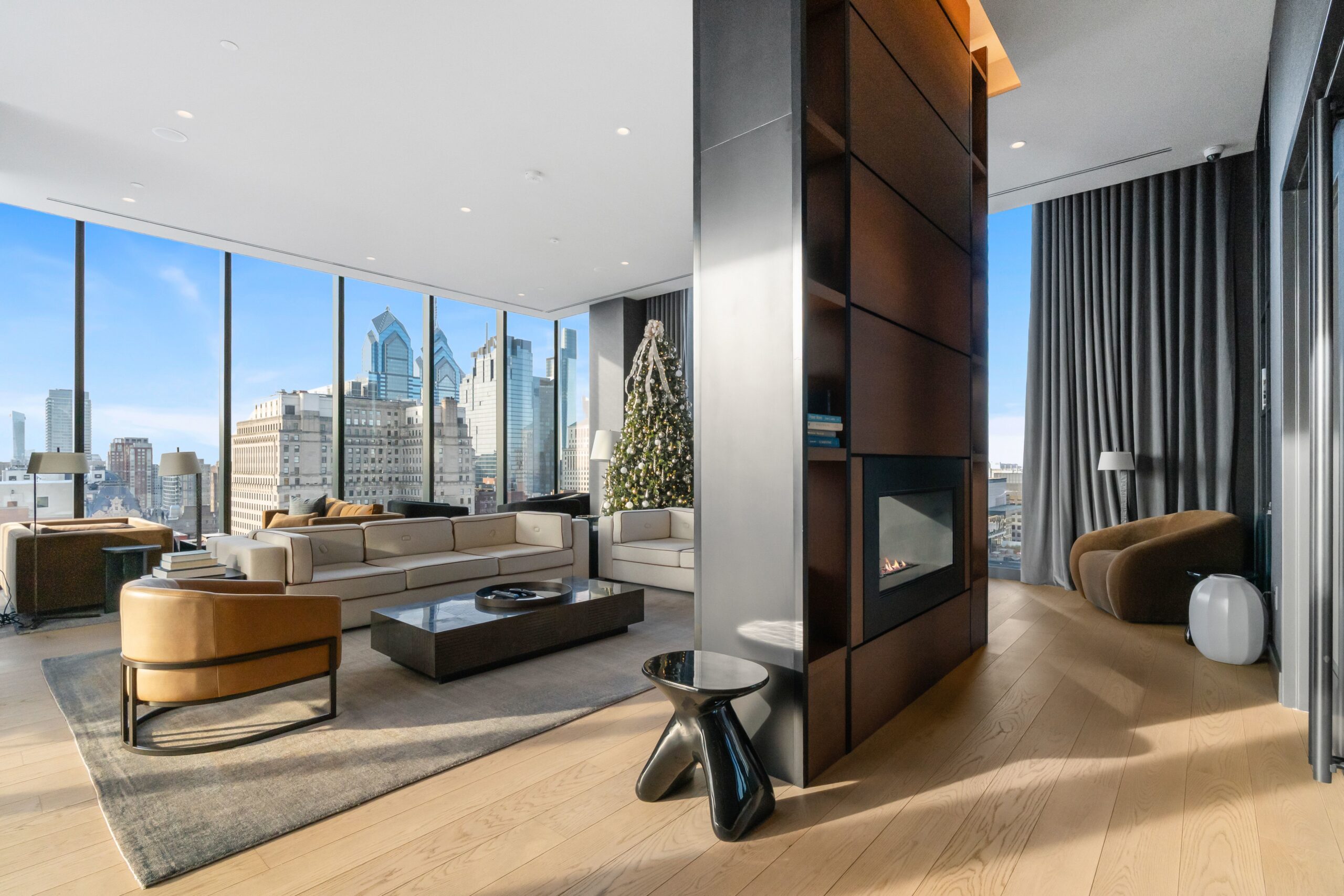
    An amenity lounge on the 30th floor of 210 South 12th includes a fireplace and floor-to-ceiling windows with Philadelphia skyline views.

    Tenants have access to amenities such as an outdoor pool, a fitness center, yoga and wellness studios, a game room, lounges and co-working spaces, outdoor terraces, a pet spa, and a dog park.

    The tower includes studios and one- and two-bedroom apartments. Studios start at $1,968, one-bedroom dens start at $2,300, one-bedroom units start at $2,411, and two-bedroom units start at $3,809.

    The building’s website is currently advertising rent deals. The property is offering 2½ to 3 months free for leases longer than a year.

    Salon Republic, which offers salon suites for rent, is operating in one of the tower’s retail spaces and more retailers are expected to be announced soon.

    The views make the penthouses at 210 S. 12th special, said listing agent Justyna Goldman with SERHANT.
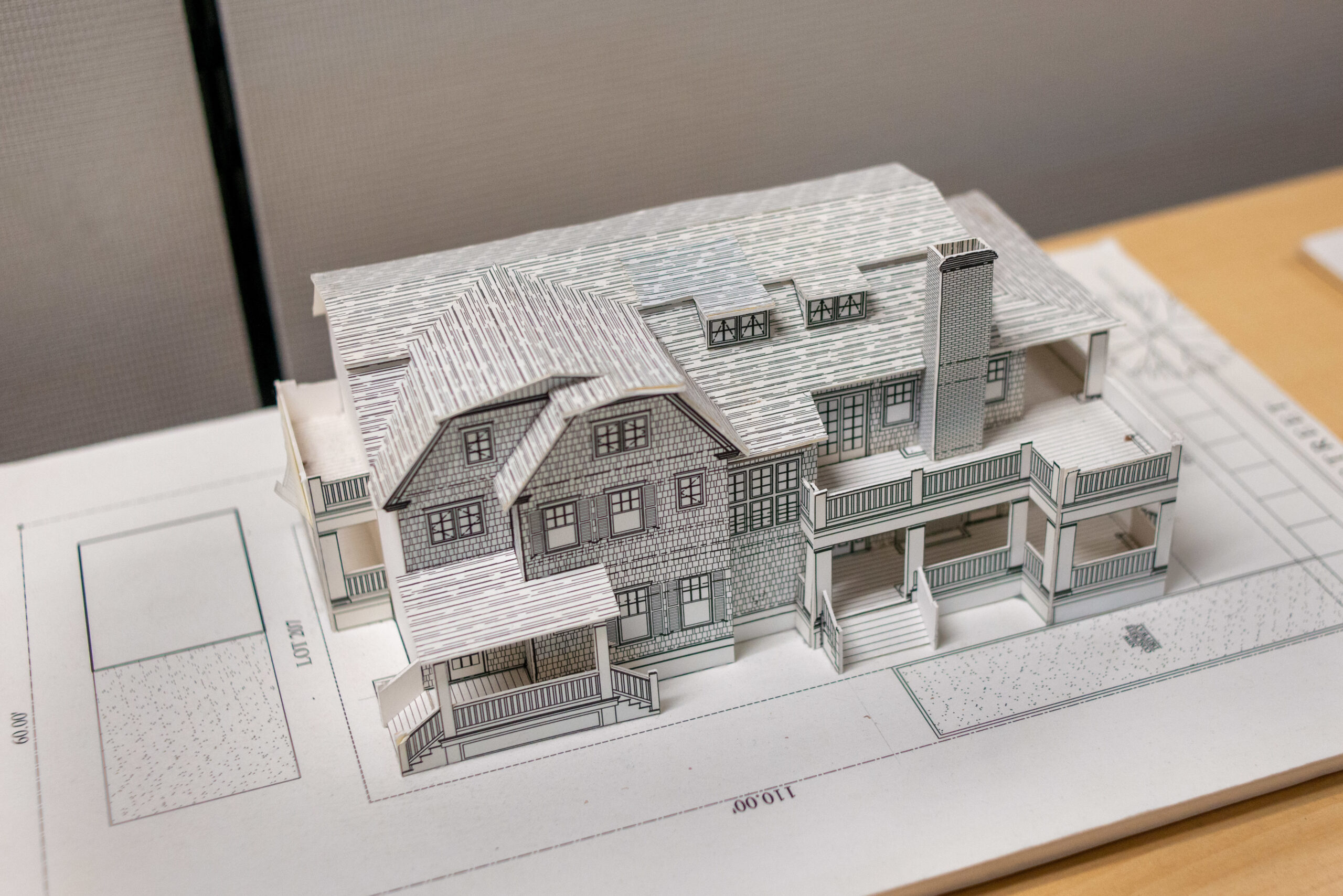
  • An architect who designs Shore homes | Real Estate Newsletter

    An architect who designs Shore homes | Real Estate Newsletter

    Imagine a warm, sunny day at the Jersey Shore. You can hear the waves and feel the sand. And you can probably picture the houses.

    Mark Asher is the architect whose style gave modern Jersey Shore homes their look.

    Meet the man behind these properties.

    Keep scrolling for that story and more in this week’s edition:

    — Michaelle Bond

    If someone forwarded you this email, sign up for free here.

    Architect of the Shore

    Mark Asher has been designing homes from Cape May to the Philly suburbs for more than 40 years.

    When you’re at the Jersey Shore and see homes with cedar siding, wooden gambrel roofs, and indoor spaces that flow into outdoor patios and pools, you’re seeing Asher’s influence.

    The first house he designed was in the ‘80s for his parents. It was an 1,800-square-foot Cape Cod in Ocean City.

    Asher, who’s now based in Jenkintown, has since designed for yacht clubs and for families. His designs have evolved over the years to keep up with his clients’ changing needs.

    Do you have strong feelings about rocks vs. grass at Shore properties? Asher does. The architect brought in green lawns. “The stones were hot in the summer, cold in the winter, and ugly all year round,” he said.

    Keep reading to learn about Asher’s work and see some examples of homes he’s designed.

    Suspicious sales near Temple

    In December, my colleagues Ryan W. Briggs and William Bender told us about a mystery surrounding the sale of properties around Temple University.

    Clients of real estate agent Patrick C. Fay were paying almost double the asking price for properties that had been sitting on the market. The sales looked suspicious.

    But Fay didn’t handle transactions alone. In a follow-up investigation, my colleagues found that more than two dozen Philly-area real estate agents helped arrange $45 million worth of questionable deals involving student rentals.

    The prices recorded on deeds and other official documents were much higher than what sellers actually received, which was closer to the original listing price. One appraiser said agents tried to pressure him to raise the valuation of a property.

    As a former assistant U.S. attorney told my colleagues, “If you don’t present an accurate picture to the financial institution that is financing the loan, you’ve got problems.”

    The Inquirer’s reporting on this possible mortgage fraud has led to investigations by at least two organizations: Coldwell Banker, Fay’s former employer; and Temple, which is looking into possible impacts on student renters.

    Keep reading to learn more about the real estate deals at the center of my colleagues’ investigation and see the signs of trouble that are brewing in the neighborhood around Temple.

    The latest news to pay attention to

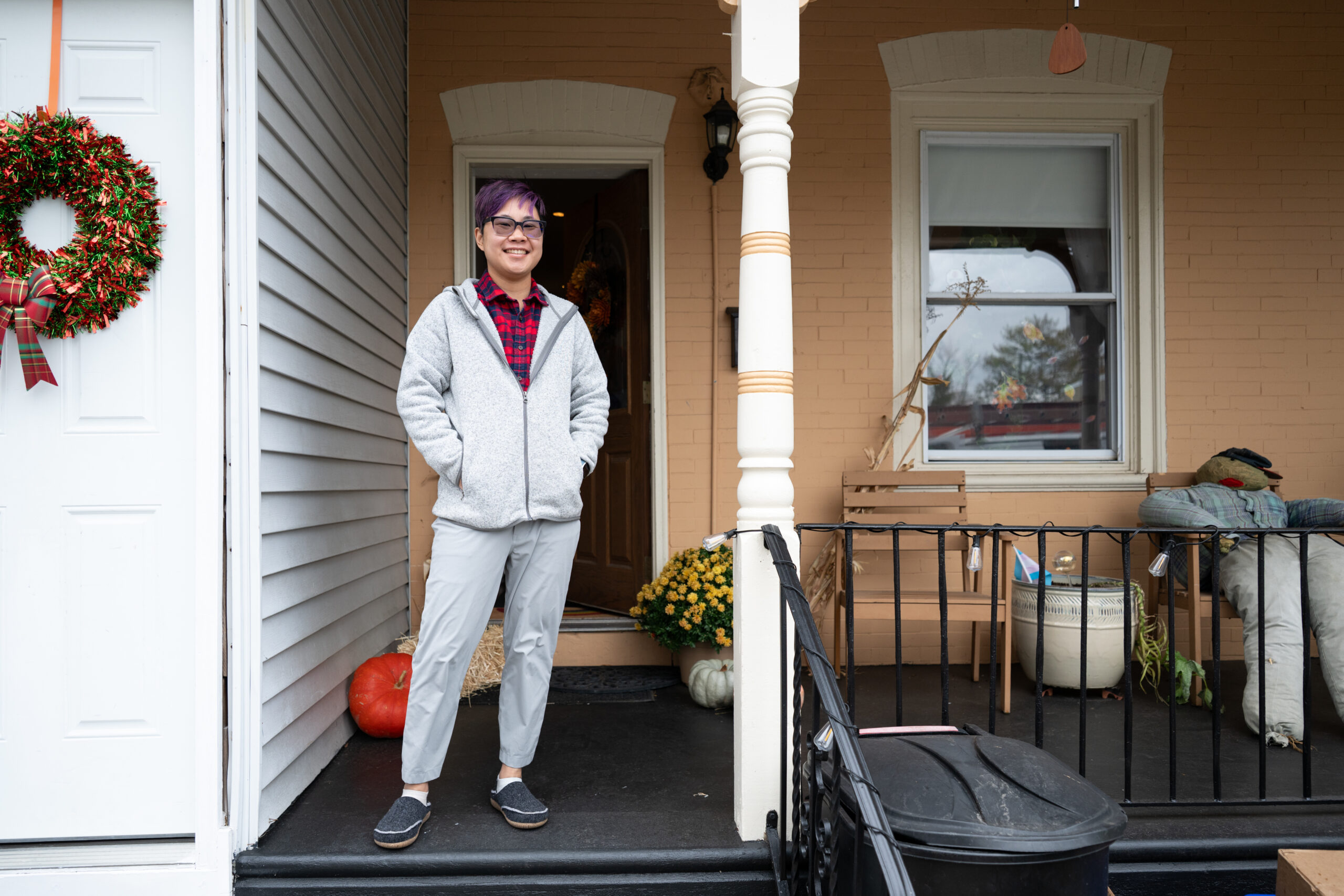
    Home tour: East Mount Airy rowhouse

    Cooper Lee Kidd celebrated a milestone birthday in a big way.

    He bought his first home one day before he turned 30. He wanted more indoor and outdoor space after living in small apartments in Queen Village and Rittenhouse Square.

    He purchased a 900-square-foot rowhouse in East Mount Airy. It was actually the first home he toured during his home search.

    The house has tall ceilings and gets lots of natural light. Kidd decorated with his photography, turned the second bedroom into an office, and cleared out the trash in the backyard to make room for a garden.

    The previous owner left some furniture that Kidd was happy to have.

    Peek inside Kidd’s birthday present to himself and learn the many reasons why he loves his neighborhood.

    📷 Photo quiz

    Do you know the location this photo shows?

    📮 If you think you do, email me back.

    Last week’s quiz featured a photo taken at the mini golf course in Franklin Square.

    Props to Lars W. for getting that right.

    Enjoy the rest of your week.

    By submitting your written, visual, and/or audio contributions, you agree to The Inquirer’s Terms of Use, including the grant of rights in Section 10.

  • James Ijames rewrote the script to ‘Good Bones’ after seeing the pushback to the Sixers arena. Is the play any good?

    James Ijames rewrote the script to ‘Good Bones’ after seeing the pushback to the Sixers arena. Is the play any good?

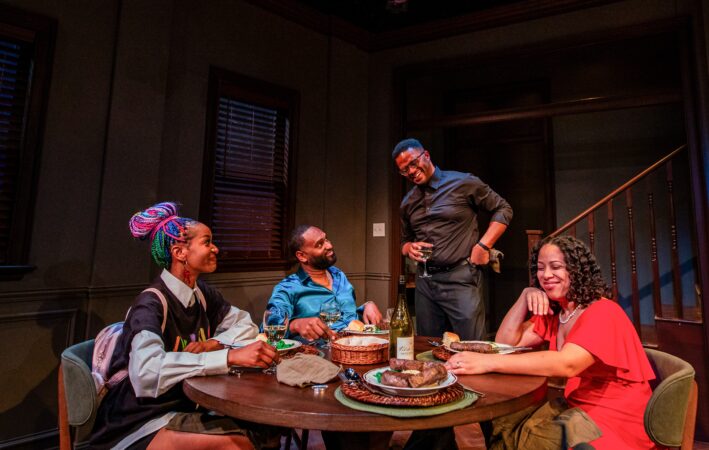
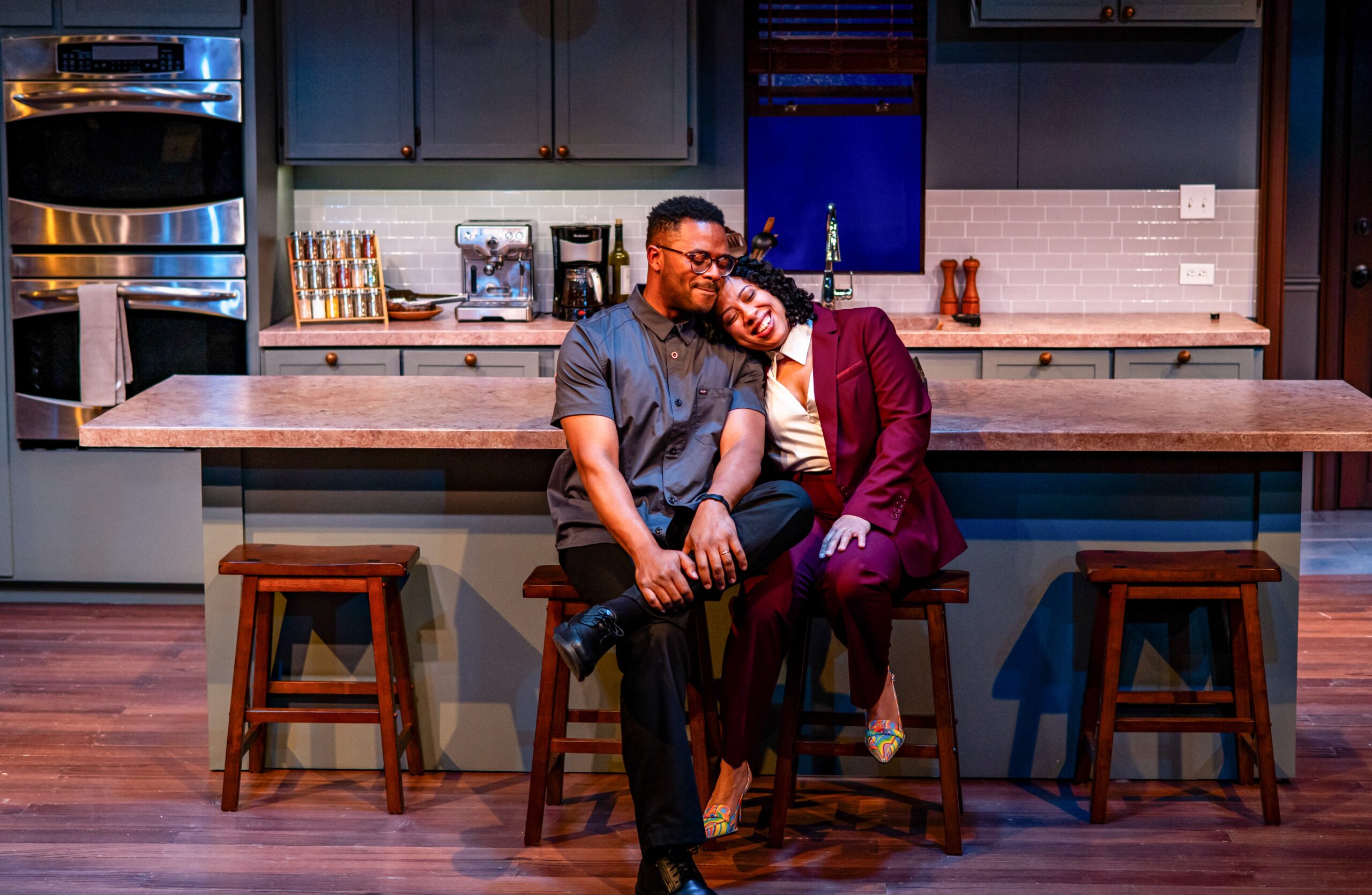
    Gentrification is perhaps not the flashiest subject for a play. But in a city like Philadelphia — which has seen years of rapid development and community backlash, particularly surrounding the contested Sixers arena effort — it serves as a ripe starting point for dramatic exploration in Good Bones, running at the Arden Theatre through March 22.

    Directed by Akeem Davis and written by Pulitzer Prize-winning playwright James Ijames, the play centers on Aisha (Taysha Marie Canales), a businesswoman tasked with community outreach for sports complex developers, and Earl (Walter DeShields), the contractor she hires for home renovations who vehemently opposes the arena. They both grew up in the same (fictional) neighborhood but hold vastly different visions for its future.

    Arts reporter Rosa Cartagena and residential real estate reporter Michaelle Bond discuss the production’s funny, emotional, and complex portrayal of a very Philly reality.

    Old neighborhoods, new names

    Rosa Cartagena: You’ve been covering real estate extensively here in Philadelphia. I’m wondering what’s your first impression of the way this play addressed gentrification?

    Michaelle Bond: I saw a lot of themes that I hear about all the time covering housing. The feelings of longtime residents vs. newer ones, revitalization vs. displacement, what new construction looks like and how it fits (or doesn’t) in a neighborhood, even what a neighborhood should be called.

    RC: Right, there was a funny moment on opening night when Earl criticized the newcomers for calling their neighborhood the new name “Finbrook” instead of “the Heat” and an audience member clapped. We’ve seen that kind of rebranding all across this city, too.

    MB: I think the Heat is the cooler of the two names, by the way. There’s more passion behind it. But yes, developers and real estate agents have rebranded or tried to rebrand lots of neighborhoods. The Gayborhood, for example, is also called Midtown Village now. Almost 10 years ago, a small developer in North Philly’s Norris Square tried to rename the neighborhood Stonewall Heights and was promptly shut down. In an extreme example, the Black Bottom neighborhood in West Philly was bulldozed and renamed University City.

    Taysha Marie Canales (Aisha) and Walter DeShields (Earl) examine a model sports complex development in ‘Good Bones,’ running at the Arden Theatre through March 22.

    The Sixers arena influence

    RC: This story is set in an American city that could stand in for Philadelphia, or the sites of previous performances in Washington, D.C., and New York. The playwright James Ijames was living in South Philly when he wrote Good Bones, and he’s previously discussed his own growing pains of moving to a new community. This production delivers a specifically Philly version but with a universal resonance.

    MB: Right, because in the other productions, the new development coming in wasn’t a sports complex, was it?

    RC: Ijames rewrote the script after seeing the local pushback to the Sixers arena proposed in Chinatown. There are a few Philly callouts, like Earl’s sister Carmen (Kishia Nixon) attending the University of Pennsylvania and a joke about the Sixers sucking (which killed).

    Revitalization vs. destruction

    MB: One thing I’ve heard a lot about across Philly is that residents raise their kids in their neighborhoods, but when the kids grow up, they can’t afford to buy a home in that same neighborhood. Earl says that the public housing complex where he and Aisha grew up will be torn down and probably replaced with condos that no one can afford. The production does a good job highlighting the displacement and the class dynamics that are often at play.

    RC: Absolutely. In this case Aisha grew up, moved away, married a guy from a rich family, and returned to purchase a home with “character and charm.” But her view of the neighborhood’s drastic transformation isn’t a negative one — she sees her efforts as “healing” her once neglected and sometimes violent home. Aisha and Earl bond over their memories of the Heat but fiercely disagree about what is revitalization vs. destruction.

    MB: That’s the thing. They’re both passionate about the neighborhood and want to help the residents there, but they have different ways of going about it. Aisha wants to get rid of the public housing complex and “start over,” but Earl wants improvements that don’t erase the history.

    Taysha Marie Canales (Aisha) and Kishia Nixon (Carmen) in ‘Good Bones,’ running at the Arden Theatre through March 22.

    RC: We learn that Earl has been handcrafting cabinet knobs that look like the ones originally in the kitchen, because he has memories of playing in the empty house after the previous owner died.

    MB: Earl is a big fan of preservation. He calls new construction ugly and says it has no character or charm. And that’s definitely something I’ve heard from Philadelphians. And how that’s particularly irritating in a historic city like Philadelphia. Inquirer architecture critic Inga Saffron said in a recent column that Philly neighborhoods “are now awash in interchangeable blocky structures, all dressed in the same dreary gray clothing, their aluminum panels shrink-wrapped around the exterior like a sheet of graph paper.”

    Block parties and traditions

    RC: Ew, yeah the millennial gray. New neighbors also bring new problems. When a block party interrupts Aisha’s husband Travis’ (Newton Buchanan) sleep, he decides to lodge a noise complaint using an app called the Hood — a clever Ijames invention that makes “this narc s— so pleasant,” Carmen says — and the cops come in a harrowing scene portrayed through anxiety-inducing lighting design thanks to Shannon Zura. It’s later revealed that the event was an annual community gathering Earl organized.

    MB: That’s also something I hear about. The tension between longtime residents who have longstanding traditions and newer residents who don’t have an understanding of that history or what it means to the community.

    RC: Or who are scared to even talk to their neighbors. Earl makes the point that Travis could have simply stepped outside and asked them to turn it down. It’s even more damning because Aisha’s whole job is to “help the franchise speak the language of the community.” Earl criticizes her by saying, “I expect more from my people.” As universal as it is, Good Bones isn’t a stereotypical representation of gentrification because these aren’t white newcomers in a historically Black community, which makes this portrayal richer and thornier.

    Newton Buchanan (Travis) and Taysha Marie Canales (Aisha) in ‘Good Bones,’ running at the Arden Theatre through March 22.

    Nuance and personal experience

    MB: Speaking of thorny, the play also touches on what can be development’s double-edged sword. Investment boosts existing residents’ property values, but then everything gets more expensive, from property taxes to groceries. Earl mentions at one point that a Whole Foods replaced a neighborhood spot.

    RC: That frustration shined through in DeShields’ strong performance, too. The actor has had his own direct experiences with gentrification here after growing up in South Philadelphia and seeing his neighborhood renamed to Point Breeze. I think that personal pain and loss bolstered his take on Earl, who reminds Aisha that transformation to some means elimination for others. Aisha, on the other hand, primarily focuses on her memories of violence and trauma that she experienced, saying that they deserved better. Canales delivers a layered and emotional speech that underscores how these conversations can be conflicting and difficult.

    MB: I went into the play thinking there would be a clear resolution, but there really wasn’t one. And that speaks to the complexity of the subject matter.

    RC: That’s also a testament to the play’s strengths — it succeeds in getting audiences to think critically about a nuanced topic. Hopefully that means they’ll actually talk to their neighbors, too.

    “Good Bones” runs through March 22 at the Arden Theatre, 40 N. Second St., Phila., 215-922-1122 or ardentheatre.org. Runtime: 1 hour and 45 minutes (no intermission).

  • Signs of a frozen housing market in Philadelphia and Delaware County

    Signs of a frozen housing market in Philadelphia and Delaware County

    The ground and your toes aren’t the only things frozen in the Philadelphia region.

    In the city and Delaware County last month, potential home sellers and buyers stayed on the sidelines, and sales were slow, according to a Redfin analysis of the 50 most-populous metropolitan areas for the four weeks ending Jan. 25. Pending home sales were down about 4% from the same time last year.

    “You’re just not seeing a lot of activity happening,” said Chen Zhao, head of economics research at Redfin.

    What has been heating up are prices. The market that Redfin defines as Philadelphia and Delaware County was in the top three areas where sale prices increased the most compared to the same time last year. The median sale price was up just over 10% to $294,125.

    Limited home supply and rising home prices tend to go hand in hand, and that is what is happening in these markets, Zhao said.

    Sales in January’s slow market happened at higher prices because buyers who are still in the market are willing to pay elevated prices.

    The average number of new home listings ticked up slightly from last year, and it should continue to grow as the typically busy spring housing market approaches. So should the number of buyers looking for homes.

    Any changes in affordability, Zhao said, will be “mostly driven by mortgage rates, not so much by prices.”

    The average interest rate on a 30-year, fixed-rate mortgage was almost 7% at the end of January 2025, according to the government-backed mortgage buyer Freddie Mac. This year, it was 6.10% at the end of the month.

    Zhao said she doesn’t expect mortgage rates to go much lower this year.

    But buyers have more power than they think, especially now when sales are slow, Zhao said. They “really should be thinking about negotiating” with sellers.