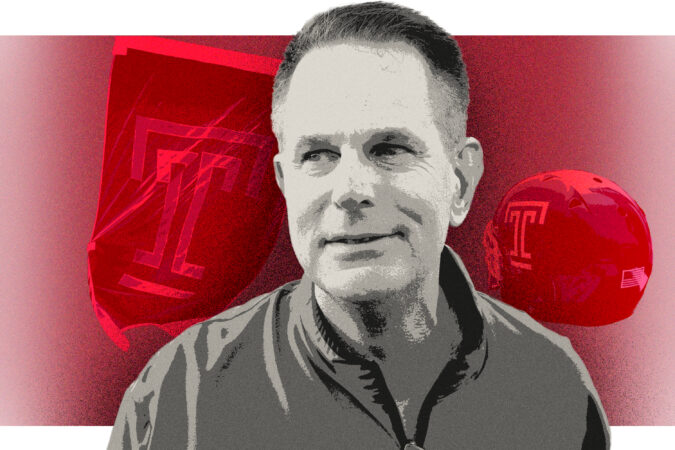
Author: Matt Breen

  • Curt Cignetti’s path to the CFP national championship included a stop at Temple and lessons from John Chaney

    Curt Cignetti’s path to the CFP national championship included a stop at Temple and lessons from John Chaney

    With a wad of chewing tobacco in his mouth, Curt Cignetti instructed the Temple quarterback to pause the VCR and stop the game tape from rolling. Cignetti, the Owls QB coach in the early 1990s, told the quarterback to hit rewind when he wanted to see something again.

    The path to Monday night’s College Football Playoff national championship has taken Curt Cignetti, 64, all across college football. He worked his way from stops at schools like Indiana University of Pennsylvania and James Madison before becoming the head coach at Indiana, where he authored perhaps the most stunning turnaround in the history of the sport over the last two seasons.

    That winding path came through North Philadelphia for four seasons as he was on Temple’s staff from 1989-92. He was young but he was intense, especially if you arrived late to that cramped office in McGonigle Hall, where a spittoon was always on the desk.
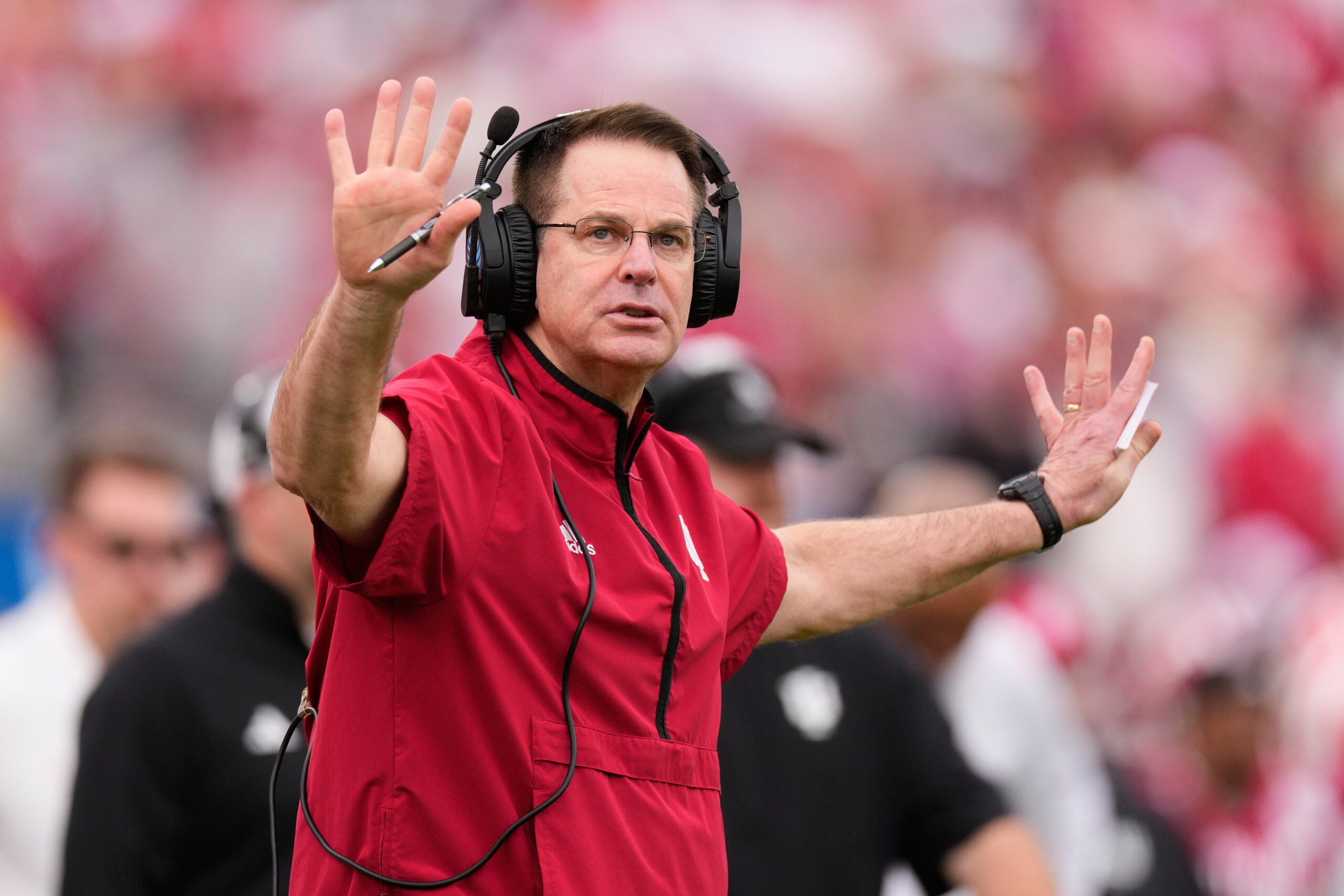
    Curt Cignetti has led Indiana to one of the most stunning turnarounds in the history of the sport.

    “We had some guys who came in like 15 minutes late and he was freaking hot,” said Matt Baker, Temple’s quarterback when Cignetti arrived.

    The Owls practiced on a piece of AstroTurf surrounded by North Philadelphia rowhouses and played Saturdays at an often-empty Veterans Stadium. Cignetti’s office did not have enough chairs for his quarterbacks — “Two of us were laying on the floor,” Dennis Decker said — and the TV didn’t even have a remote. He was a long way from college football glory.

    “The only thing D1 about it was that we were playing D1 opponents,” said former offensive coordinator Don Dobes.

    A basketball school

    The Owls have had more gambling probes in the last 10 seasons than March Madness wins, but Temple was very much a basketball school when Cignetti arrived on North Broad Street in 1989.

    Cignetti was just 28 when he came to Temple on the staff of Jerry Berndt, who was a Hall of Fame coach at Penn in the early 1980s before spending three seasons at Rice. Berndt was winless in his last season at Rice before replacing future Super Bowl champion Bruce Arians, who was fired after the Owls went 7-15 in his final two seasons while basketball dominated the landscape.
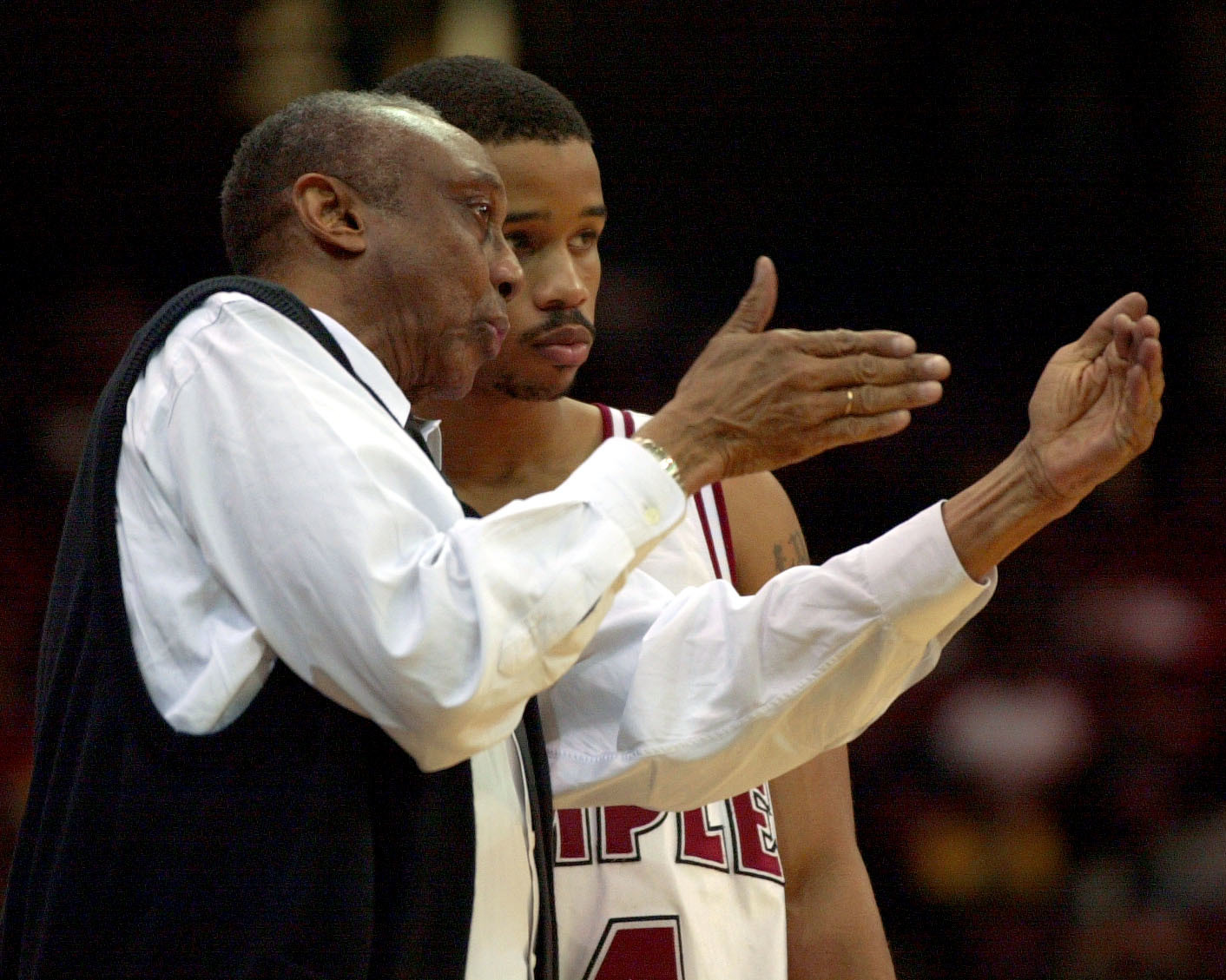
    Temple coach John Chaney was at the peak of his coaching career when Cignetti joined Temple football’s staff. Cignetti and other coaches used to watch Chaney’s morning practices to gain “wisdom.”

    John Chaney was at his peak, and the Owls were ranked No. 1 during the 1988 season. Cignetti and the other football coaches often started their mornings watching Chaney run practice before sunrise.

    “We’d get some wisdom before we went out there and practiced in the afternoon,” said Dobes. “You want to talk about a great teacher, a great motivator, the ability to impress upon people the importance of teamwork, and sacrifice, and character. That was John Chaney.”

    Perhaps coaching football at a school where hoops was king was a precursor for what Cignetti did at Indiana, where he made a basketball-crazed campus fall in love with a sport that was often just an excuse to tailgate. The Hoosiers had the worst winning percentage in college football history before they hired Cignetti in November 2023. He took the microphone a few days later at a Hoosiers basketball game and boldly trashed IU’s rivals.

    “He had a lot of [guts] saying that,” Baker said. “He’s the same guy now that he was back then.”

    Cignetti retooled the Hoosiers through the transfer portal and reached the College Football Playoff last year in his first season. This year, the Hoosiers are 15-0 with a Heisman Trophy-winning quarterback in Fernando Mendoza, and enter Monday’s title game against Miami as favorites despite not having any five-star recruits. Cignetti was asked in December 2023 how he planned to sell his vision.

    “It’s pretty simple,” the coach said. “I win. Google me.”

    That was the coach the Temple guys remembered, a straight shooter who tended to be a tad quirky.

    “I remember him questioning me after I threw a touchdown pass against Wisconsin,” Baker said. “He’s like, ‘Why’d you throw that?’ I said, ‘What? What do you mean?’ He said, ‘Did you see that?’ I said, ‘Yeah, in the pre-snap I saw he couldn’t cover [George] Deveney. He had a linebacker on him.’ He said, ‘Come on, Matt.’ I’m like, ‘What?’ It was just crazy things like that. We did a lot of good things.”

    The same guy

    The Owls won one game in Berndt’s first season before winning seven games in 1990 and gaining admission into the Big East. It was a win for a program that qualified for a bowl game that season but didn’t get picked because another school pledged to buy more tickets to the game.

    The success was short-lived. The Owls missed out on local recruits — Dobes said he thought they had an in with Roman Catholic’s Marvin Harrison before he picked Syracuse — and announced their arrival to the Big East by winning three games in their first two seasons. The coaches knew the walls were closing in when they read the newspapers on the way to the airport in November 1992 for a game at No. 1 Miami.

    “The headlines said ‘Berndt is burnt’,” Dobes said.
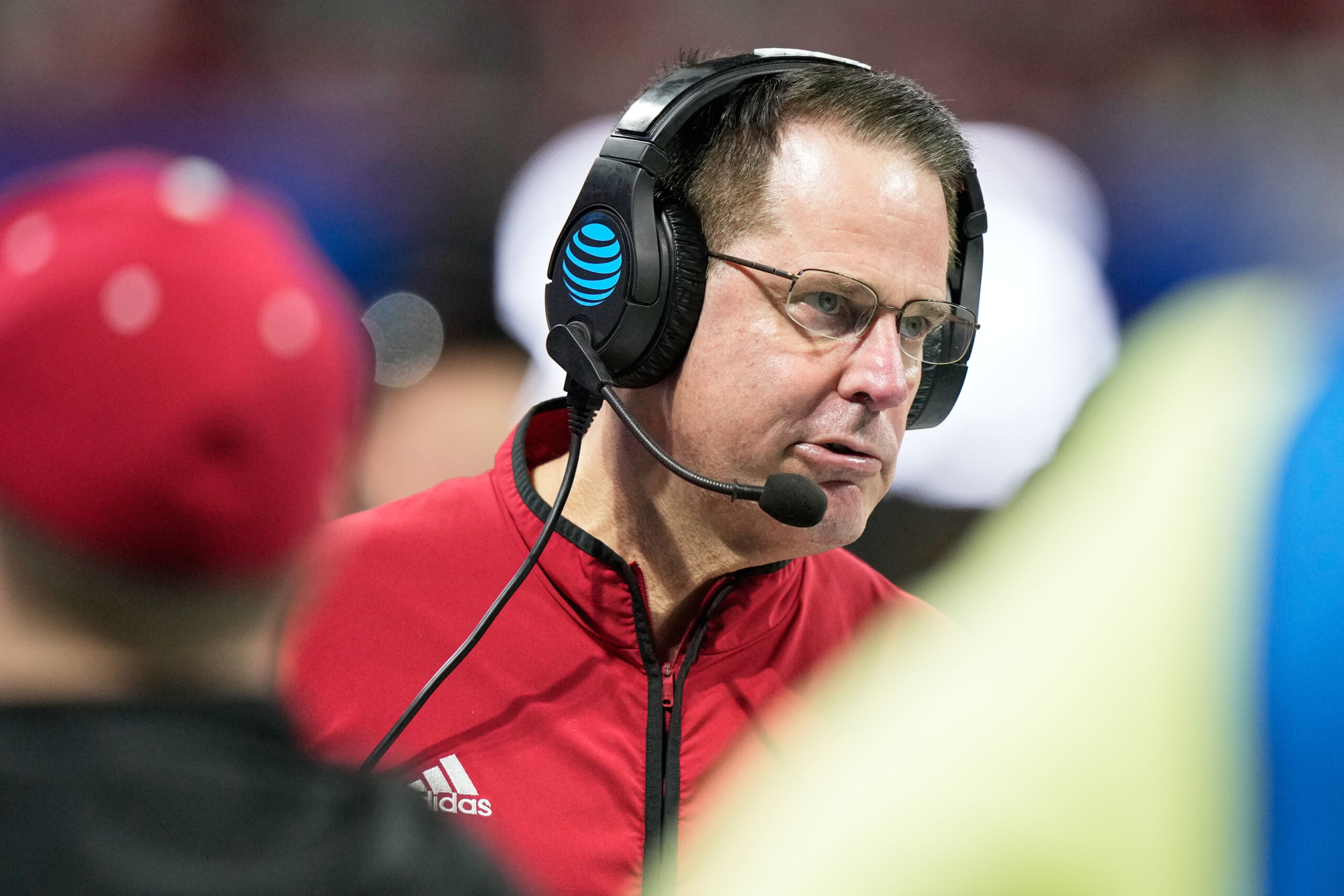
    Curt Cignetti coached all over in different roles, including head-coaching stints at IUP, Elon, and James Madison.

    The Owls lost that game by 48 points, and when they arrived back in Philly, the coaches were informed that their season finale, just a few days away, would be their last game. They ended the 1992 season by dropping 10 straight.

    “We were all in scramble mode at that point,” Dobes said.

    Cignetti, then just 31 years old, spent the next 14 seasons as an assistant at Pittsburgh and North Carolina State before spending four seasons under Nick Saban at Alabama. He often credits his time with Saban for his success. His first head-coaching gig was at Indiana University of Pennsylvania, the school an hour east of Pittsburgh, where his father had been the head coach from 1986 to 2005. Cignetti moved from IUP to Elon before landing at James Madison, where he reached the FCS national championship game and helped the Dukes transition to the FBS before being hired by the other Indiana University.

    “There’s so many good coaches like him out there who never get a chance,” Dobes said. “He got a chance and made it happen.”

    And there he was on New Year’s Day, beating Alabama by 35 points in the Rose Bowl. Decker, a teacher at Ridley High, told one of his coworkers that Cignetti was his coach 35 years ago. They couldn’t believe it. A few days later, the teacher’s old coach beat Oregon by 34 points to reach the national championship game. He’s the same guy, Decker said. Now, he has a remote control.

    “Whoever was the low man on the totem pole had to stand up there and hit rewind, pause, play,” Decker said. “He was intense, but as a quarterback, you want that. You can’t be passive as a quarterback. He got his point across. He knew how to get his point across in the way he spoke to you. What that does is push yourself to bring the best out of you. You’re not going to be as successful as he is by being quiet and behind the scenes.”
  • Jake Elliott’s missed kick proves costly in what could be his final game with the Eagles

    Jake Elliott’s missed kick proves costly in what could be his final game with the Eagles

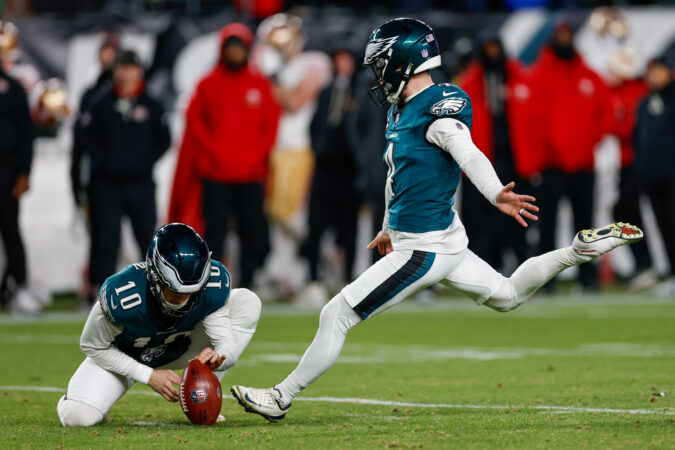
    The sudden finish to the Eagles’ season cannot be narrowed down to one play, but perhaps Sunday’s 23-19 loss to the San Francisco 49ers would have at least reached overtime had Jake Elliott converted an extra point in the first quarter.

    The Eagles’ final drive as reigning Super Bowl champions ended with a fourth-down incompletion at the 49ers’ 21-yard line — a play that instead would have been a field-goal try to force overtime had the Eagles been down three points instead of four.

    Elliott, who missed four of his final 13 field-goal attempts in the regular season, battled the wind and lost when his extra point smacked the upright after the Eagles scored on their first drive of the game.

    “It’s a lot of guessing out there. You saw his, too,” Elliott said as 49ers kicker Eddy Piñeiro missed an extra point in the fourth quarter. “We both tried to play it left to right, and there’s a 40-mile-per-hour wind blowing left to right. For both of those balls, the wind just didn’t quite hit them the way we thought it would. It’s a tough night to kick, but you obviously want to make them all.”

    The first weekend of the postseason featured games in which missed kicks played a key role as Green Bay’s Brandon McManus (North Penn, Temple) missed two field goals and an extra point in a loss to Chicago, and Jacksonville’s Cam Little — who made an NFL-record 68-yarder earlier this year — missed a 54-yarder in a loss to Buffalo.

    Like Eagles-49ers, those games were not exclusively decided by a leg, but it was hard to see the outcome and wonder what could have been had the ball went through the uprights.

    “I’m just thinking about the next kick,” Elliott said when asked if he was thinking about his missed PAT while the Eagles had to try for a touchdown in the final minute. “You saw he missed one, too. It’s a tough night to kick. That’s not really what I’m thinking about during that moment in time. I’m thinking about that next kick.”

    Elliott, one of three players remaining from the Super Bowl LII champions, is under contract for next season but the team could look for an upgrade this offseason.

    He made just 74.1% of his field goals this season, below the league average of 85.6%. His 77.8% rate last season also fell below the league average. Since last season, Elliott is 5-for-15 on field goals from 50-plus yards, while NFL kickers are converting long-range kicks at record rates.

    “You show up every week and try to hit the ball well,” Elliott said. “I think for the most part, I did that. Sometimes it doesn’t work out, especially playing in the Northeast like this. We’ve had some pretty tough weather games. But, obviously, you want to make them all. It’s part of the job. You expect perfection and if it’s not that, it’s tough.”

    Brandon Graham, Elliott, and Lane Johnson — the three remaining players from the Super Bowl that capped the 2017 season — could be gone before next season. Johnson missed Sunday’s loss with the foot injury that has sidelined him since November and has openly pondered his retirement. Graham already retired after last season and his plans for next season are uncertain. Elliott, the author of so many important kicks in franchise history, could be kicking elsewhere in 2026.

    “We’ll deal with that when we get there,” he said. “This is all pretty raw right now. I’m under contract here, so that’s the expectation, but you never know in this business. I’m just trying to get over this game.”

  • A rowdy Eagles-49ers game led to Eagles Court, where the hardest part was ‘keeping a straight face’

    A rowdy Eagles-49ers game led to Eagles Court, where the hardest part was ‘keeping a straight face’

    He told the judge that he was from Scranton and began to explain where the town is located in Pennsylvania.

    “I know where Scranton is,” said Seamus McCaffery, the judge presiding in the courtroom tucked into the basement of Veterans Stadium.

    The man was a rabid Eagles fan but had never been to a game. His work was running a trip — tickets to see the Birds and free food and drinks on the bus ride there — to South Philadelphia. He was in.

    But the only thing he could remember, he told McCaffery in December 1997, was that he drank so much on the bus that he had to be carried to his seat. He was soon surrounded by Philadelphia police and handcuffed.

    “They put me in a jail cell, three hours later I appeared in front of you, and I missed the entire game,” the man told McCaffery. “And my bus went back to Scranton without me.”

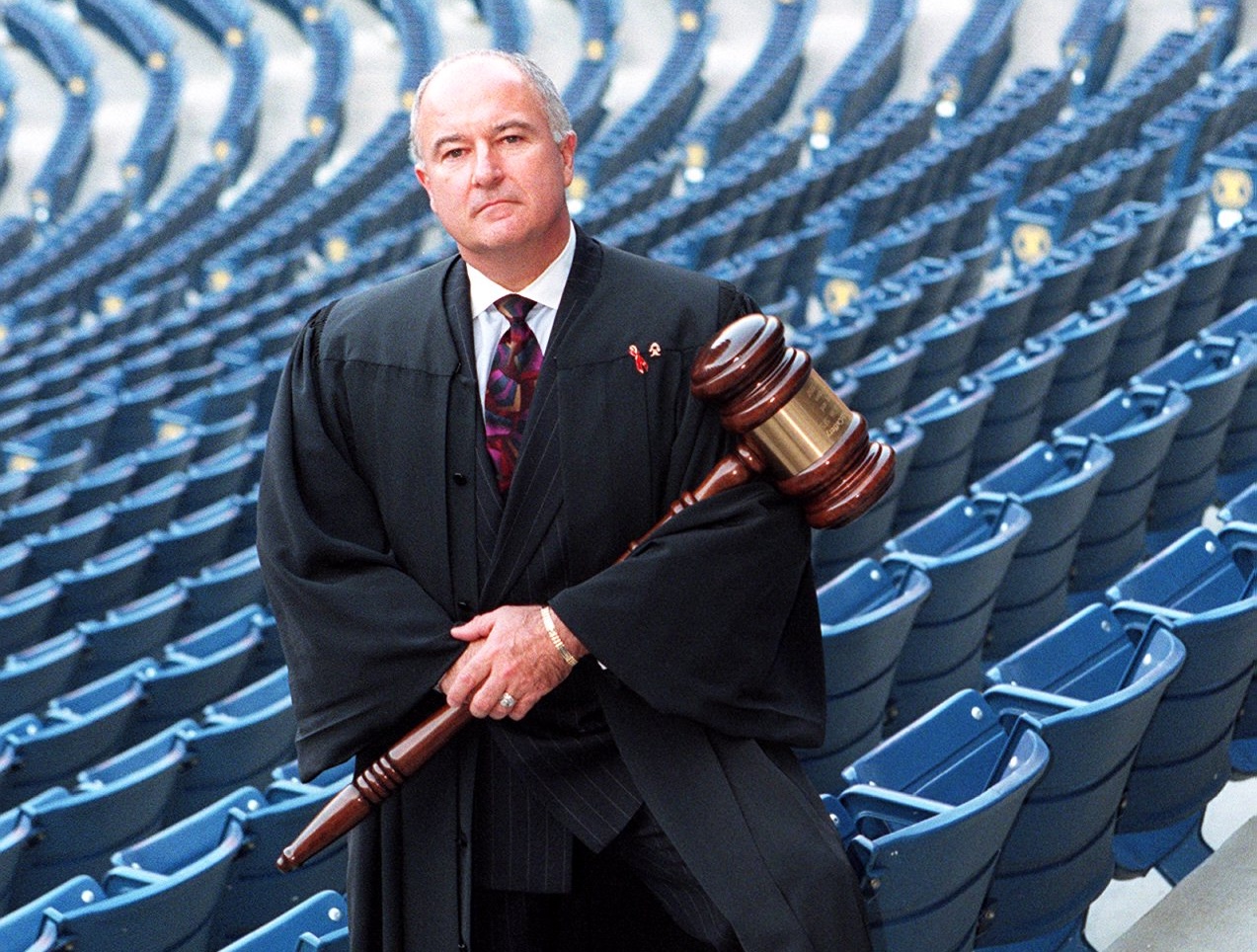
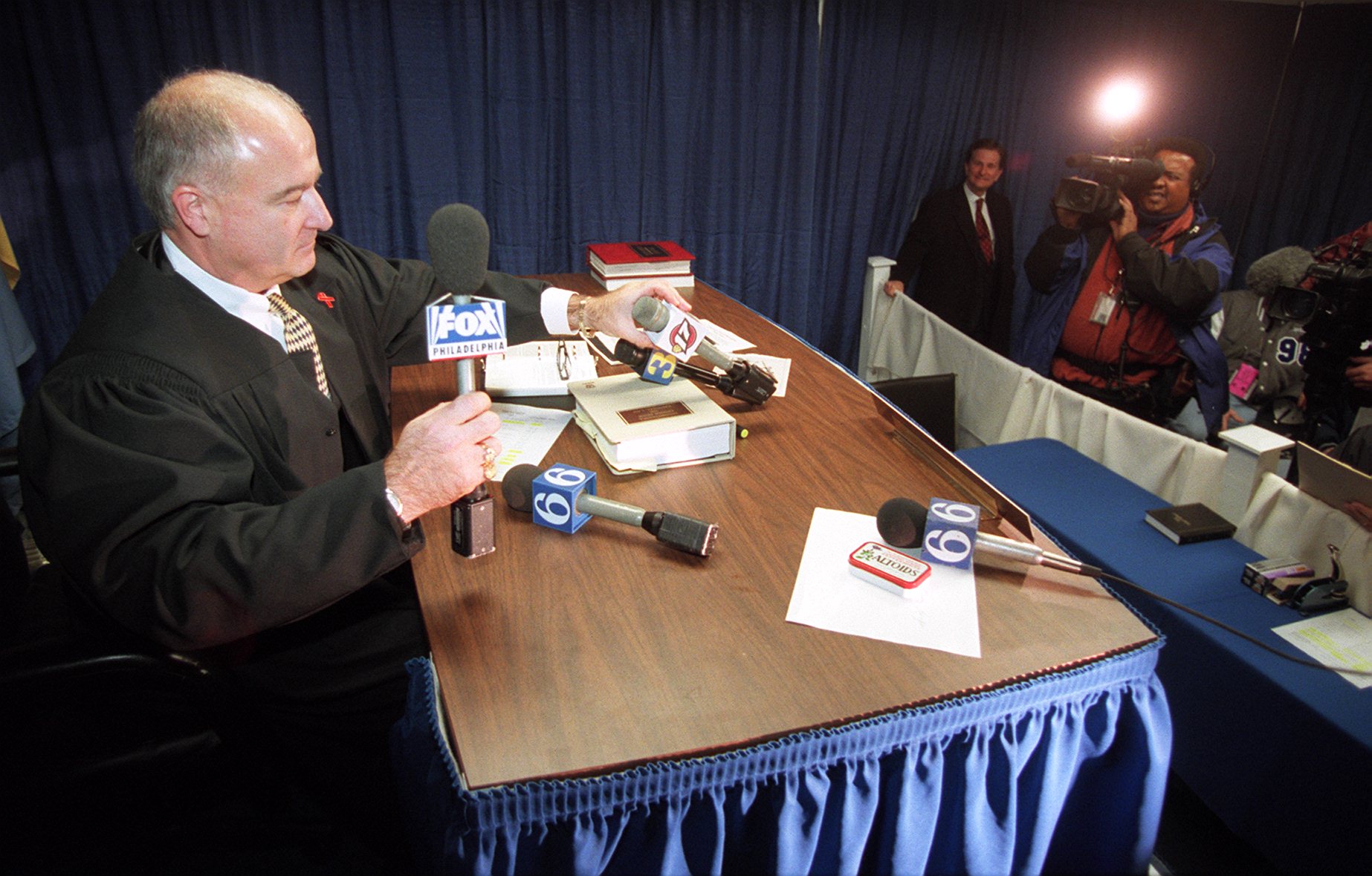
    There was a courtroom for three games in 1997 in the bowels of Veterans Stadium, an attempt to curb what had become an unruly scene every week. McCaffery, a municipal court judge who operated a night nuisance court in the city, volunteered to be the judge.

    He ruled on everything from fights in the stands to underage drinking to public urination to a guy from Scranton who missed his bus home. It was Eagles Court.

    “The hardest part sometimes was keeping a straight face,” McCaffery said.

    Seamus P. McCaffery, Philadelphia municipal court judge, at the Vet with his gavel in 1997.

    A flare at the Vet

    “How do you plead?” McCaffery asked a 19-year-old man after he was charged with trespassing at the Vet in 2003.

    “I plead stupidity,” he said.

    “Is that aggravated stupidity or simple stupidity?” the judge said.

    “Whatever the lesser charge is. I was an idiot.”

    The man was acquitted.

    On Nov. 10, 1997, Jimmy DeLeon, a municipal court judge, was watching from home when a blowout loss to the 49ers on Monday Night Football became more about what was happening in the stands. There were over 20 fights, a gang of fans broke a man’s ankle, two folks ran onto the Vet turf, and a New Jersey man was arrested after firing a flare across the stadium.

    The concrete and steel fortress at Broad and Pattison had long been a haven for rough and rowdy football fans. There was the time the fans stole the headdress from the Washington fan who dressed like a Native American. And the whistling Cowboys fan who was chased out of the 700 Level.

    “It was a nightmare,” said Bill Brady, a retired traffic cop who spent game days patrolling the 700 Level. “Fights galore. People passed out in the bathroom. One of the security guys up there used to box in the Blue Horizon. It was nothing but aggravation. You’d have roll call in the police room and go up to the 700 Level. By the end of the day, you were beat up.”

    But this Monday night game against the 49ers was too much. The flare gun — the man said he saw people firing them in the parking lot and then brought one into the Vet — became national news as Philadelphia’s unruly stadium was now portrayed as a war zone.

    DeLeon called McCaffery as the two volunteered as judges in the city’s nuisance night courts, a program in which people who committed “quality of life crimes” such as loitering, underage drinking, and curfew violations would be brought immediately to a judge and receive a fine. DeLeon told McCaffery that they had to do something about the Vet.

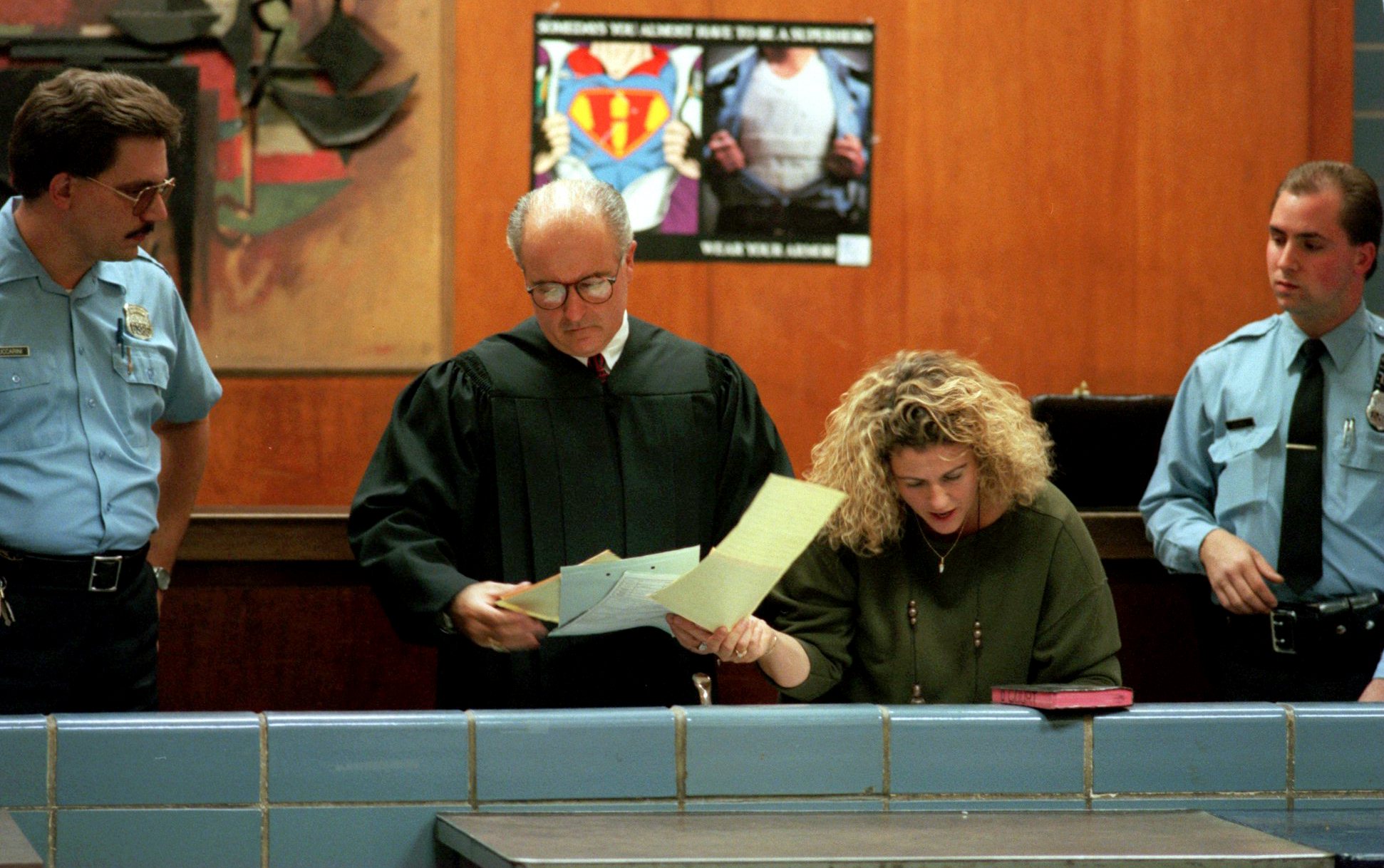
    Judge Seamus McCaffery going over the night’s paperwork in 1996 with his wife, Lisa Rapaport, who was standing in for the court clerk, who was ill that day.

    “He was right on it,” DeLeon said. “He took it over.”

    McCaffery was soon in a meeting with Jim Kenney — the future mayor who was then on City Council — along with Eagles owner Jeffrey Lurie and president Joe Banner.

    “I was a Flyers guy at the time, so I really wasn’t paying much attention to who Joe Banner and Jeff Lurie were,” McCaffery said. “But they said, ‘We need to do something for our image.’”

    The night nuisance court was Kenney’s idea, and he thought it could work at the Vet. Arrested fans could be charged immediately, plead guilty, and be issued a fine by a judge.

    Too often, an arrested fan would fail to show up to a court date and nothing more would happen. The city didn’t spend the resources to chase down fans from the 700 Level. McCaffery said it was a fine idea, but the stadium didn’t have a courtroom.

    “Without missing a beat, Jeff Lurie said, ‘We’ll build you a courtroom here,’” McCaffery said.

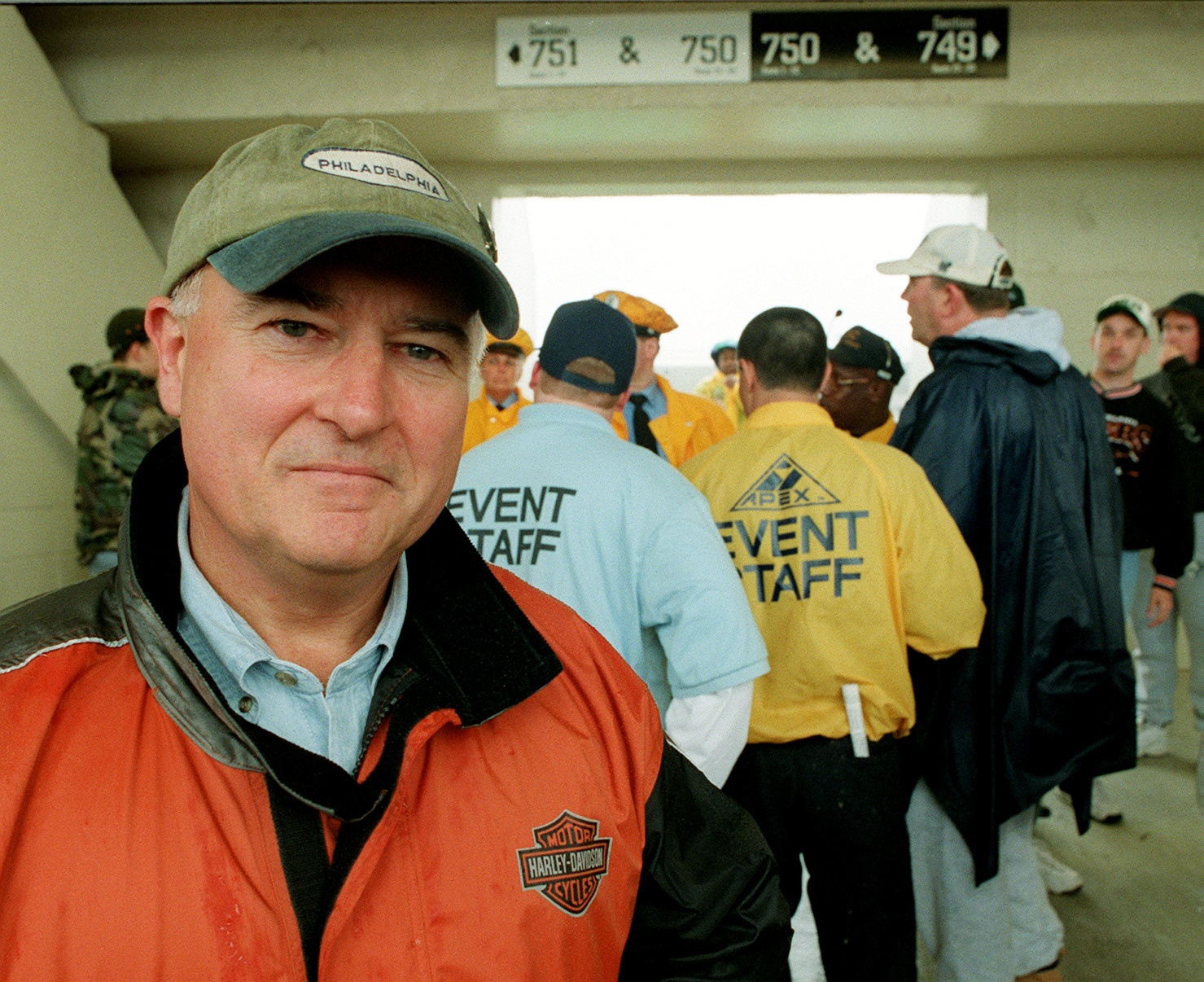
    Eagles court judge Seamus McCaffery patrolling the 700 level at Veterans Stadium with security staff behind him.

    Made for Netflix

    “To be honest, I just wanted to see the game,” a man told McCaffery after being ejected and then arrested for sneaking back in. He was fined $198.50.

    A maintenance room used by the Phillies in the stadium’s basement became a legitimate courtroom with public defenders, district attorneys, and flags.

    “This was not a kangaroo court,” said McCaffery, who was not paid to be in the courtroom.

    On Nov. 23, 1997, during a game against the Steelers, the first defendant at Eagles court was a 38-year-old from Delaware wearing a Starter jacket. Later that afternoon, a 34-year-old from Pennsauken pleaded not guilty to punching another fan. It was an elbow to the chin, he told the judge.

    There were 20 fans arrested that game, and McCaffery doled out 18 fines ranging from $158.50 to $300.

    “This would be something that would be great for Netflix,” said Anthony “Butch” Buchanico, who was a sergeant in South Philly’s Fourth District and oversaw the courtroom. “People would come in their 20s and 30s crying and begging for mercy.”

    The fans were warned before the game on Phanavision that “on-site court proceedings will be presided over by the Honorable Judge Seamus McCaffery.” Everyone booed, McCaffery said.

    The police had undercover officers enter the seating bowl dressed as opposing fans. If anyone confronted the “opposing fan,” a crew of police would intervene and McCaffery would have another case to hear. It was an operation.

    The stadium was infamous for its concrete-like playing surface, but the upper deck of the “Nest of Death” was even more foreboding.

    “I would be on the field and there would be fights in the 700 Level where players from both teams would look up and watch the fights,” Buchanico said. “It was insane. If you were faint of heart, you didn’t go up to the 700 Level. The people up there, that was their territory. They loved it.”

    The fan who shot the flare was from New Jersey, and McCaffery likes to say that the majority of the people he saw in Eagles Court lived outside Philadelphia. He thought Eagles Court would be a way to prove that it wasn’t Philadelphians who made the Vet a madhouse.

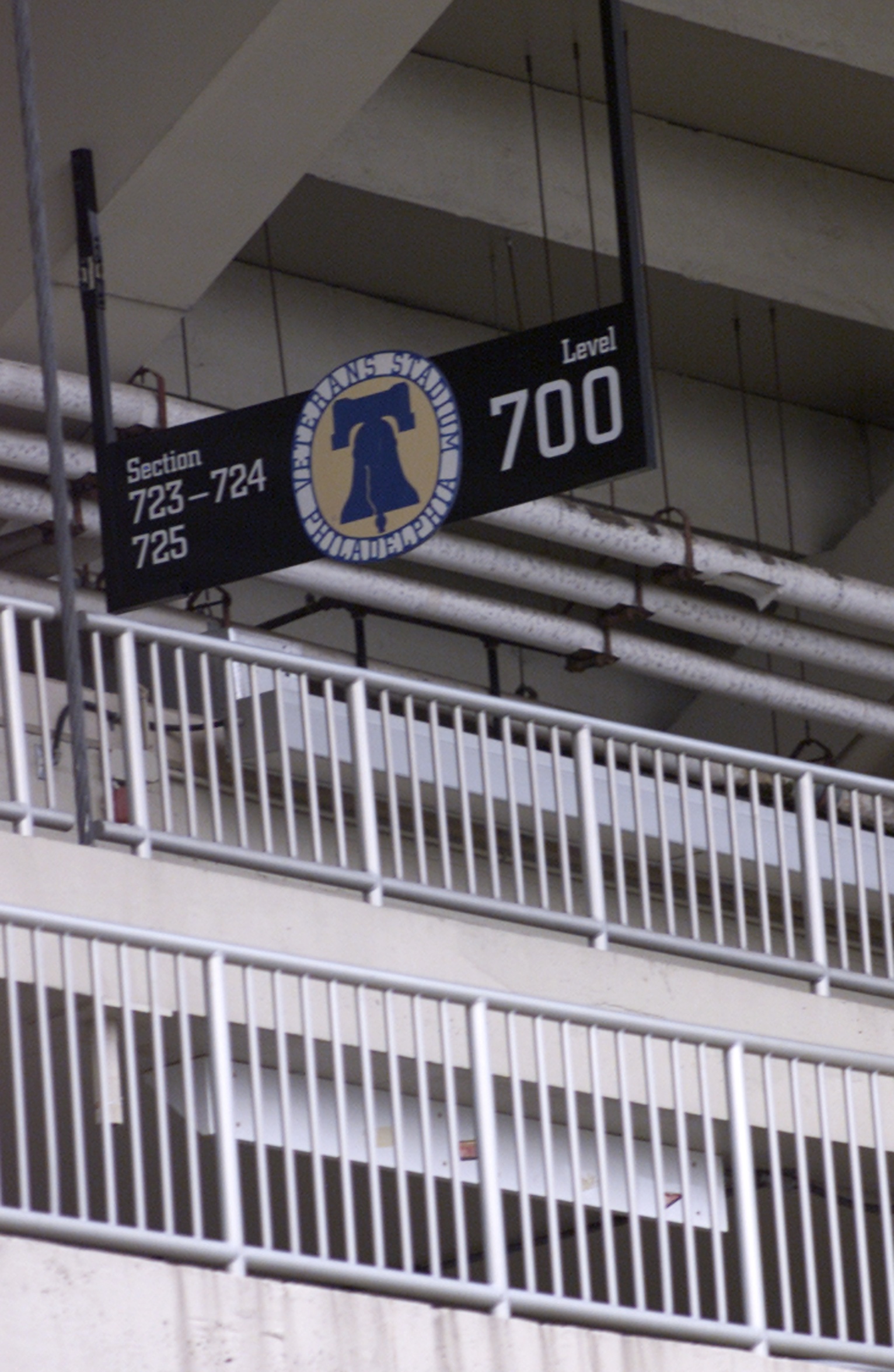
    A 700 Level sign at the Vet.

    “Here’s our city, here’s Philadelphia on national news getting beat up and berated, and the vast majority aren’t from here,” said McCaffery, now 75, who grew up in Germantown after his family moved from Northern Ireland when he was 5. “People are thinking that we’re nothing but a rowhouse, trash city and it galled me.”

    McCaffery said he got hammered in the press but didn’t care. A sportswriter called him “Shameless McCaffery” but was then “kissing my [butt]” a few years later when he saw what the judge was doing.

    The arrested fans would be brought down to the basement where McCaffery did more than just issue a verdict.

    “They’d march them up to the court and Judge McCaffery would berate them,” Buchanico said. “The majority of people weren’t from Philadelphia, and that really bugged the judge.

    “He would say, ‘Why don’t you do this where you live? Are you proud of yourself? Get out of here.’ Then he would say, ‘Guilty. $300 fine. Pay now’ ‘I don’t have any money.’ ‘Well, there’s a MAC machine in the hallway.’”

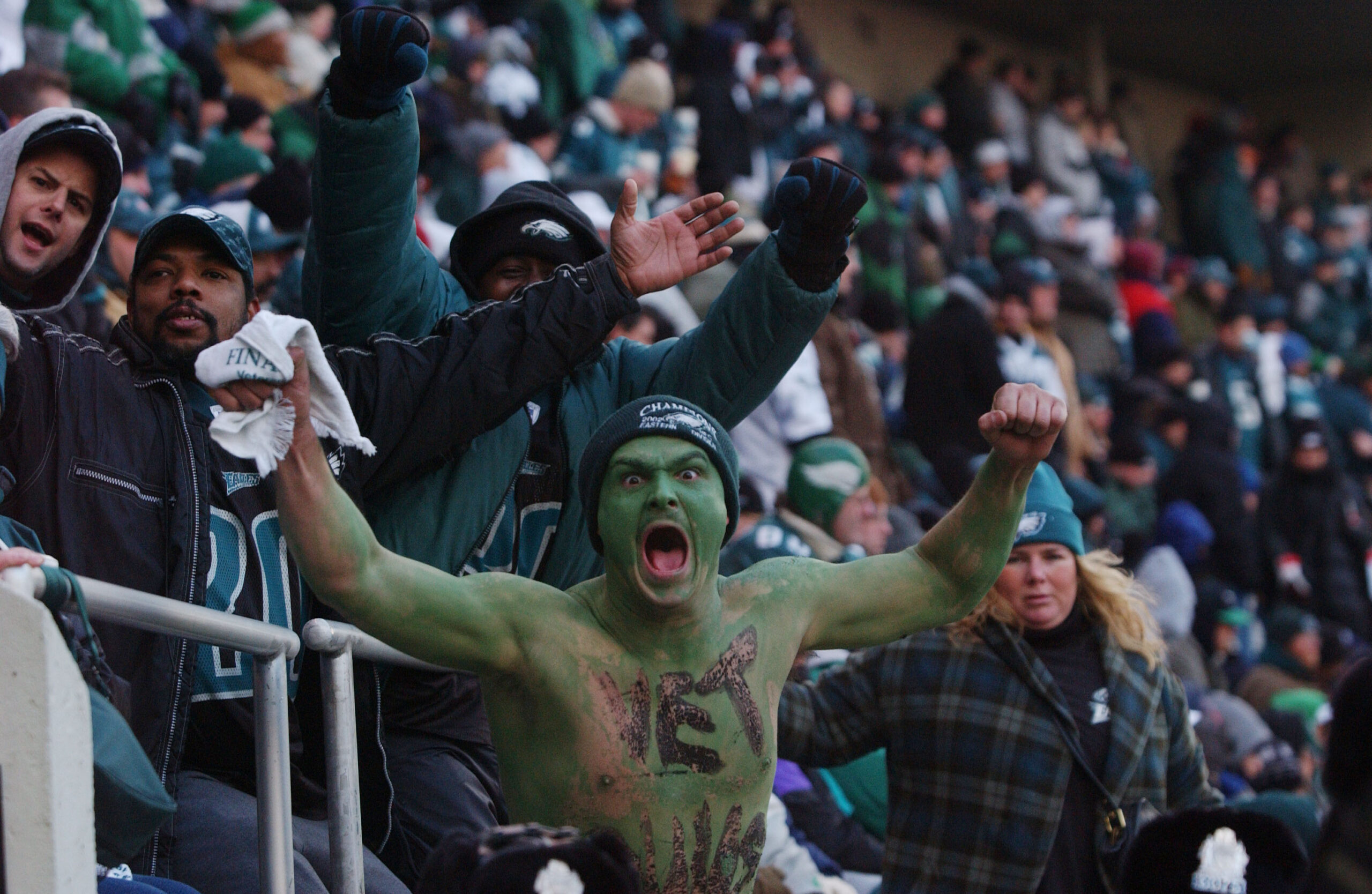
    Don Wilson of North Philadelphia bares his chest as he cheers for the Eagles on Jan. 19, 2003, during the last football game at Veterans Stadium.

    Something to gloat about

    “I was washing my hands,” a man told McCaffery after he was arrested for urinating in a Vet sink.

    A judge cannot accept a plea from someone who is intoxicated, and McCaffery said no one was ever drunk in his courtroom.

    “I mean, who knows?” said DeLeon, who joined McCaffery and Rayford Means as the original judges of Eagles Court. “They were just bringing them in.”

    The arrested fans appeared in Eagles Court just hours after their arrest — or longer if they needed to sober up — which meant they were still wearing whatever they wore to the Vet.

    “Some of them would be bare-chested, and half their body was coated in green and the other half was coated in white,” DeLeon said. “Some people would have green faces. Back then, the people came ready for the game as if they were participants in the action. So they’d dress accordingly. We had some guys in helmets and shoulder pads. It was the ’90s.”

    Municipal court Judge Seamus McCaffery talks with the media before the start of an Eagles game in 1997.

    The court moved after the 1997 season to the Third District police precinct, and arrested fans would be driven from the stadium to 11th and Wharton Streets. And the arrests eventually slowed down so much that McCaffery saw just one case during one of the Vet’s final games in the 2002 season. Perhaps this was proof that Eagles Court made the stadium a safer place.

    “Did it deter them? No,” Brady said. “They took it like a joke. Something to gloat about.”

    The Eagles gave McCaffery a tour of Lincoln Financial Field before it opened in 2003, proudly showing him their enhanced security features and the cameras that could zoom in on every fan in the stadium. The judge could tell that Eagles Court would soon be phased out.

    “The Linc is a church compared to what the Vet was,” said Buchanico, whose father patrolled the sidelines with Andy Reid as the team’s head of security.

    McCaffery resigned from the state Supreme Court in 2014 after he acknowledged sending pornographic emails to state officials. He heard his last Eagles Court case in 2003 but is still known more than 20 years later as the judge from the Vet. He stopped that trial with the fan from Scranton and asked to talk to the police captain at the sidebar.

    The judge quietly told the captain to drive the man to the bus station and gave him the money to buy his fare home.

    “I turned around and said, ‘This officer here is going to give you a ride to the Greyhound bus terminal. There’s a bus that will take you to Scranton and you’re going to get on it,’” McCaffery said. “‘The next time you come down to an Eagles game, show up sober. This matter is discharged. Not guilty.’”

    The man left the stadium’s courtroom and was thrilled even though he missed the entire game.

    “Years later, I’m campaigning for Supreme Court justice and where do you think I am? Scranton, Pennsylvania,” McCaffery said. “Who do you think comes up to me at a big rally? The same guy.”

  • A former Daily News sportswriter’s toy drive gives South Philly kids the ‘Christmas they deserve’

    A former Daily News sportswriter’s toy drive gives South Philly kids the ‘Christmas they deserve’

    The thought returns early every December as Ed Barkowitz asks himself why he still does it. He has organized a toy drive for 23 years, a task that feels more arduous each December. He’s 55 years old, teaches a college course, works with his family business, stays active as a freelance writer, and has to deal with the ever busy — and ever growing — holiday season.

    “I’m thinking I must be nuts,” Barkowitz said.

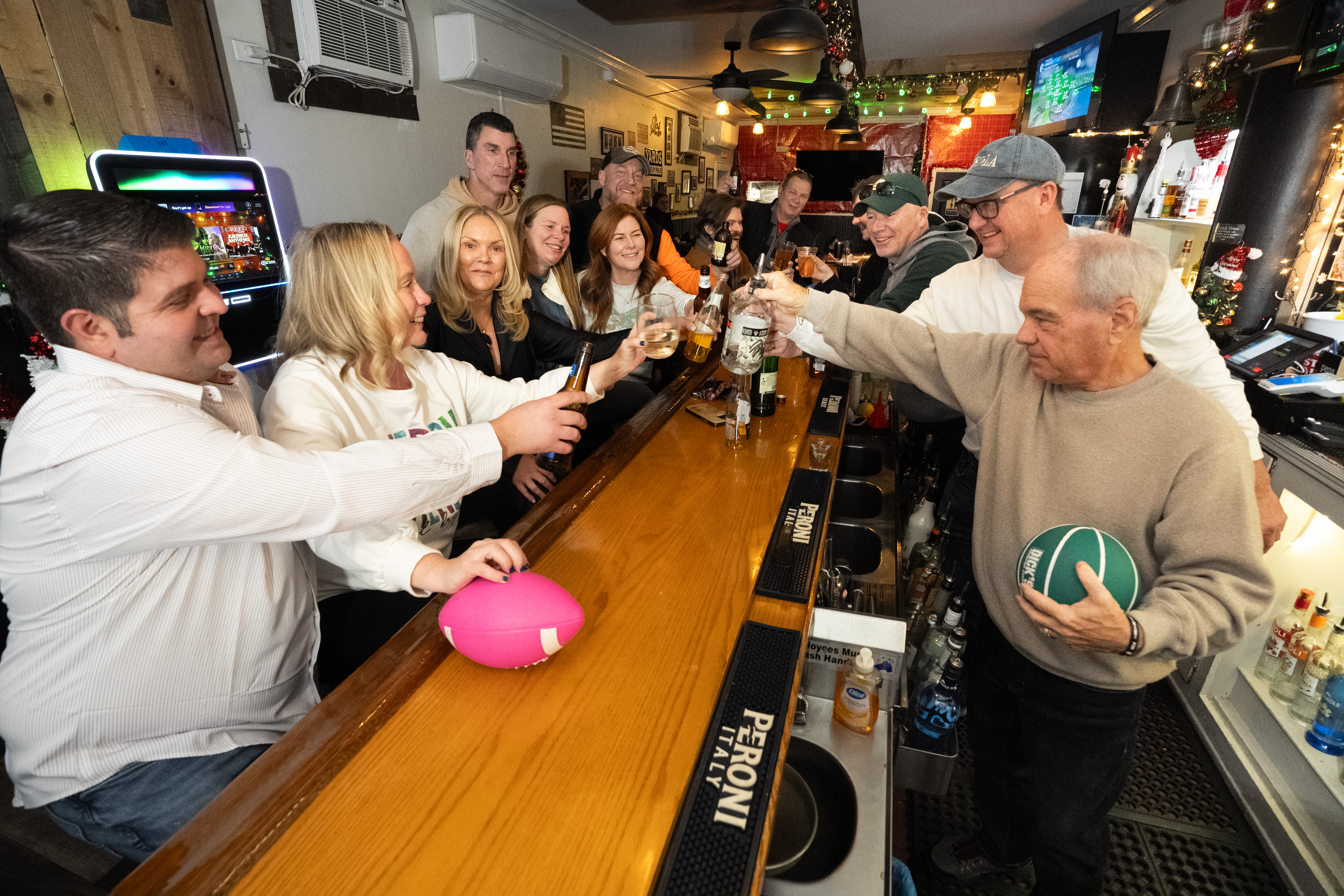
    But the donation boxes throughout his South Philadelphia neighborhood soon fill with toys. His friends — especially the ones he worked with for more than 30 years at the Daily News — soon pack a corner bar on a Friday night. And then he watches his nieces and nephews use the money collected to buy enough gifts for more than 50 South Philly families to have presents on Christmas morning.

    His tradition started on a whim one December when Barkowitz found himself behind the bar at Downey’s, the since-closed Irish pub on South Street. Barkowitz made $100 but didn’t feel right keeping the cash so close to Christmas. So he bought toys and dropped them into a donation box. A tradition was born.

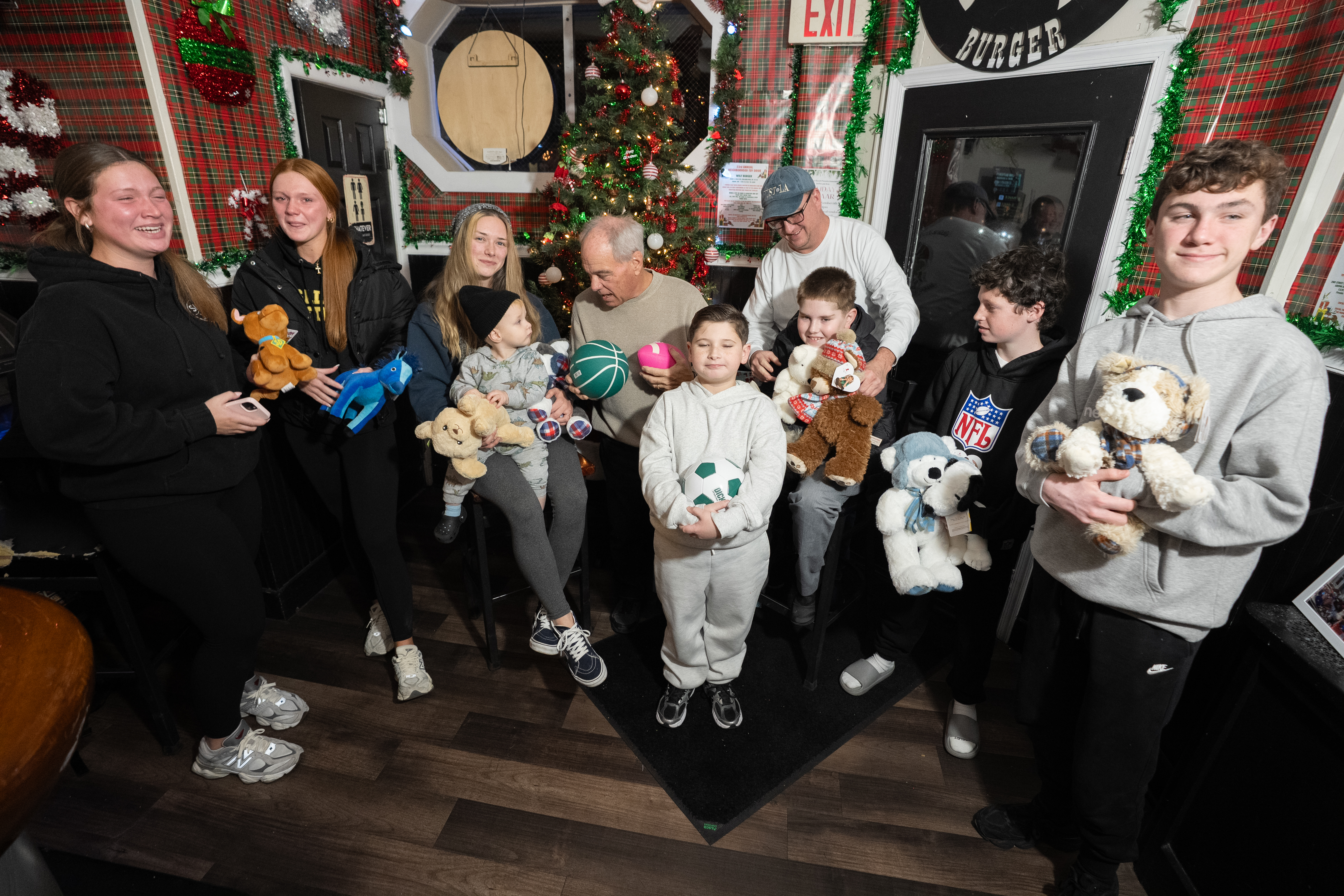
    Enjoying the festivities at Wolf Burger, from left: Emma O’Hara, Madden Wilson, Eden McLaughlin, Gabriel McLaughlin, Mike Kern, Luke Polchenko, Brian Burkhardt, Ed Barkowitz, Colin Pooler, and Carter Wilson.

    A year later, he held a fundraiser at Downey’s to raise money for a toy drive. It became a thing, a packed event every December where former Daily Newsers get together and tell old stories. Other people filter in — neighborhood guys, Big 5 basketball coaches, even Chase Utley once — and everyone knows that the tips are for the kids.

    It’s easy then for Barkowitz to remember why he still does it.

    “The parents come in to pick up the toys and they’re crying,” said Nicole Holt of Whitman Council, the neighborhood group that helps Barkowitz deliver the toys. “Or after Christmas, we’ll get phone calls because we made their kids cry and how appreciative everyone is. It’s like, ‘Oh my God, my kid had an unbelievable Christmas’ or ‘You made my daughter cry because you gave her this.’ We get thank-yous the whole month of January. It’s for the kids who deserve a Christmas but their parents can’t give them a Christmas.”

    A Daily News friendship

    Barkowitz’s father served in the Army with Frank Dougherty, who wrote for the Daily News under the byline the Phantom Rider.

    “He would break SEPTA’s [chops] when an escalator wasn’t working or service was bad,” Barkowitz said. “He was terrific.”

    The Phantom Rider helped Barkowitz get an entry-level gig on the paper’s news desk after he graduated from St. Joseph’s Prep. It didn’t take long for Barkowitz, who grew up at 4th and Porter, to find his way to the sports department.

    He became a valued utility player as he could create a graphic, write a headline, cover a Phillies game, and write 50 interesting things about an athlete you didn’t know were interesting.

    The People Paper with the back-page headlines had can’t-miss writers like Phil Jasner, Rich Hofmann, Dick Jerardi, Ted Silary, and Stan Hochman. They also had guys like Barkowitz, who could fill in anywhere.

    “You couldn’t have a better friend than Eddie,” said Pat McLoone, Barkowitz’s former sports editor. “I remember when we moved the offices to Center City, and you couldn’t walk down the block at lunchtime without someone stopping Eddie. He has his hands in everything. He’s just friends with everyone and so well-connected.”

    The “Daily News Live” broadcast on Oct. 10, 2002. From left are Michael Barkann, Keith Jones, Dick Jerardi, Bob Cooney, and Ed Barkowitz.

    Barkowitz’s desk at Broad and Callowhill was next to Mike Kern, who covered college sports and has the Northeast Philly-est of Northeast Philly accents. Kern complained one Monday morning about his son’s T-ball team — “They friggin’ stink,” he said — and a friendship was born. “That’s my kind of guy,” Barkowitz thought.

    So it makes sense that Kern is behind the bar every December with Barkowitz, pouring Guinness for Jay Wright after they tell the coach he would be crushed for drinking red wine in an Irish spot. They became the perfect pair when the place was packed and the donations were flowing.

    “Eddie has a kind heart and soft spot for kids and this is his way of giving back,” McLoone said. “But it comes off as just another Friday night for him at a bar surrounded by people who know him.”

    ‘We did it again’

    The toy drive used to collect enough toys to fill a small pickup truck.

    “Now I have to use a 20-foot truck,” said Barkowitz, who freelances for The Inquirer.

    Barkowitz places boxes in South Philly bars and diners for people to drop in toys. More toys — even bikes — are brought to the bar on fundraiser night. The tips that night are used for more gifts, and everything is dropped off to Holt, who makes sure they get under the right trees.

    “Look, I’m a Northeast Philly person. But South Philly knows how to do some things,” Kern said. “They just know how. And this is one of those things. I’m not saying Northeast Philly or North Philly or West Philly [people] don’t. I’m sure there’s people in all these neighborhoods who are doing things for people. But I’m sure there’s a lot of families and kids who are touched by what Eddie does.”

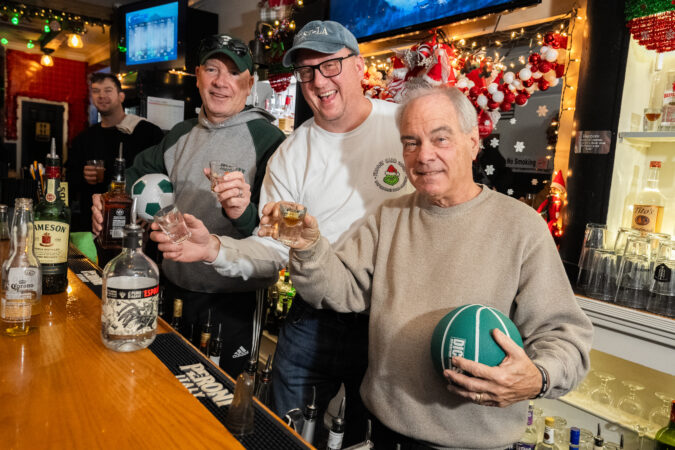
    Raising a toast at Wolf Burger, from left, are John Thomas, Jen Barkowitz, Amy Reilly, Russell Wilson, Leigh-Ann Wilson, Ashleigh Renzi, Chris Wray, Joe Ferretti, Bob Cooney, Ed Barkowitz, and Mike Kern.

    The toy drive was Barkowitz’s idea, but he takes little credit. He says Kern helps draw people to the bar, his girlfriend, Amy Reilly, keeps it churning by “doing the things that don’t show up in the box score,” and his nieces and nephews do the shopping before Holt takes it to the finish line.

    Barkowitz said he has plenty of “elves.” But none of this would have happened if he pocketed the money he earned years ago at Downey’s.

    “It’s a wonderful thing Eddie does, but he just does it so naturally,” McLoone said. “Kern with him is the perfect wingman. He has these Christmas balls hung around his neck. People are asking for drinks. Eddie knows his way around the bar, and Kern has no clue but he’s laughing through it and throwing out crazy lines. It’s one of those only-in-Philly things.”

    This year’s event is Friday at Wolf Burger at Front and Wolf Streets. The bar will be packed, and old stories will flow. Bob Cooney, another former Daily News scribe, will be behind the bar because Kern is on vacation.

    “It’s almost like one of those things that you can’t miss,” said the guy who is missing it. “I’ll never cease to be amazed by the generosity of people who come, give you a $20, and say, ‘Give me two beers.’ I go to give them the change and they say, ‘No, put it in the thing.’ That happens 50 times a night. People want something to feel good about.”

    The event is a chance to see people you may only see once a year.

    “It’s sort of like an annual Christmas party for the misfits, which is what we were,” Barkowitz said. “We were a tabloid littered with talent. We were always competing against The Inquirer, and we had a little bit of a bunker mentality. We didn’t have the resources, perhaps, but that worked in our favor. We didn’t get every story, but we never got outworked. We really enjoyed being that Island of Misfit Toys.”

    The best part comes at the end of the night when the bar is nearly empty. Barkowitz will sit at the bar and count the money collected. Another record year, he tells Kern. No longer does he need to ask himself why he still does it.

    “We sat there and looked at each other and said, ‘Man, we did it again,’” Kern said. “It’s just a great feeling that all of these people came out and gave stuff to people they didn’t know. Then two days later, Eddie sends the photo of his nieces and nephews with all the gifts. You sat there and you said, ‘You know what? That’s pretty cool.’ No kid should have a bad Christmas.”

  • John Cena’s grandfather played for the Phillies and protested when they traded him away

    John Cena’s grandfather played for the Phillies and protested when they traded him away

    Tony Lupien drove to Philadelphia in February of 1946, just a few weeks before the Phillies were scheduled to begin spring training. Lupien missed most of the previous season after being drafted into the Navy during World War II and still didn’t have a contract for the new season.

    There was a good reason: Phillies general manager Herb Pennock told Lupien he was being traded to the Hollywood Stars, a minor-league team.

    Lupien was livid. He believed his job in the majors was guaranteed to him for a year after returning from the service and hired a lawyer to challenge the team’s decision.

    “Who the hell are you to think that you’re above the federal government?” Lupien told Pennock.

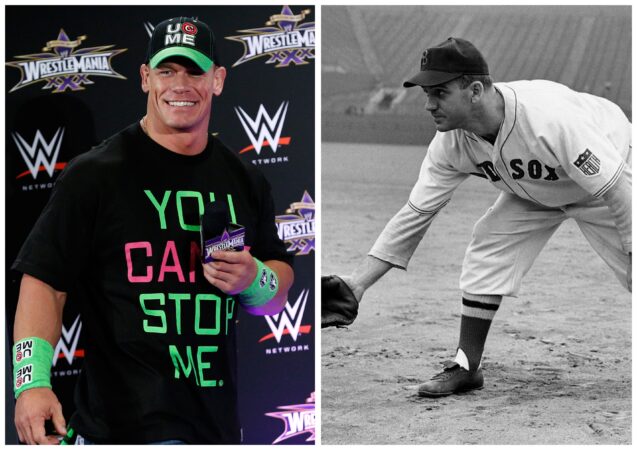
    Lupien’s grandson would become one of the biggest stars in professional wrestling before embarking on a Hollywood career. But John Cena’s grandfather didn’t want to be a Hollywood Star. He wanted to play first base for the Phillies.

    “Lupien, guaranteed a year’s job with Phils under selective service law, gets kick in pants instead,” wrote a headline in The Boston Globe.

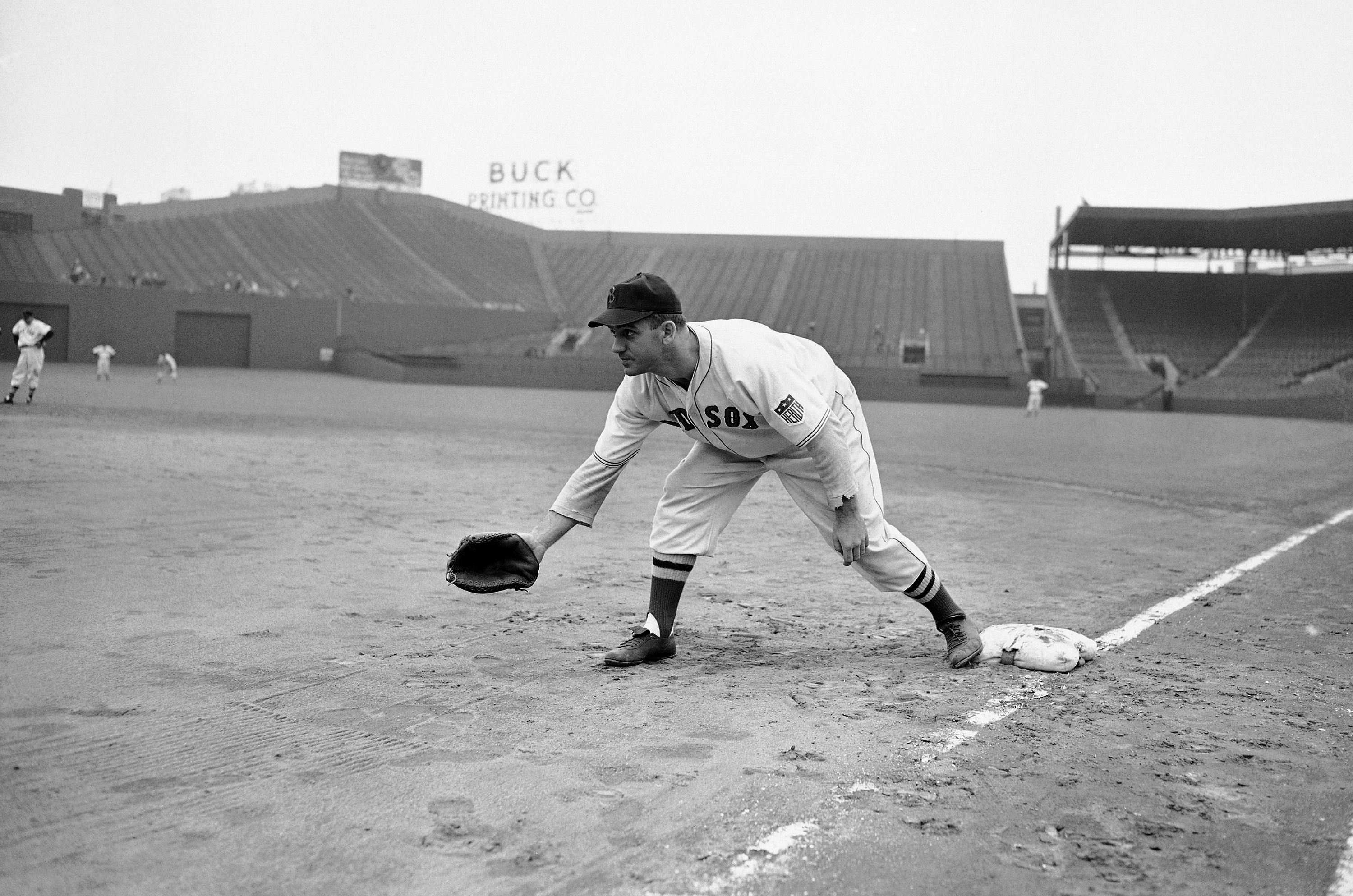
    Ulysses “Tony” Lupien graduated from Harvard and joined the Phillies in 1944 after being waived by the Red Sox. He hit .283 in 1944 before being sworn into the Navy in March of 1945. Lupien spent six months on a Naval base in New York before returning to the Phillies in September, just in time for the final stretch of a 108-loss season.

    The Phillies were so bad in 1945 that their manager quit in June. Lupien, a smooth fielder, was a bright spot when he returned at the end of the season, hitting .315 over 15 games.

    Tony Lupien played six major league seasons, including two with the Phillies.

    The Phils ranked last that season in nearly every statistical category, even attendance. The Phils wanted to clean house, declaring that any player who was in the lineup for the final game of 1945 would not be in the lineup for the first game of 1946. So that meant Lupien was gone.

    “The G.I. Bill was designed to protect for at least one year the jobs of men who entered the service. Now that bill either applies to ballplayers or it doesn’t,” Lupien told The Sporting News. “That’s what I am trying to find out, and if it means that I am the goat or the ball carrier, I am perfectly willing to assume that role. If the G.I. Bill does apply, then I may help many other veterans in the months to come by following through with my action.”

    The Phillies disagreed with Lupien as Pennock said the G.I. Bill didn’t apply to baseball. They had signed Frank McCormick, a 35-year-old power hitter, to play first base and the 29-year-old Lupien had a minor-league gig waiting in California.

    “I think the least the Phils might have done is give me a chance to show what I have,” Lupien said.

    Lupien wrote a letter to the National League commissioner. He hoped to become a free agent or at least get invited to spring training. Lupien already played three years in the minors and didn’t want to go back.

    His letter was returned unopened. Lupien’s lawyer, a former Harvard classmate, said he had a case. The Massachusetts Selective Service Board said the case would have to be heard in Philadelphia since it involved the Phillies.

    The Hollywood Stars sent him a contract for $8,000, which made him the highest-paid player in the minor leagues. He learned the Phillies were kicking in $3,000. The Phillies, Lupien believed, were circumventing the G.I. Bill by making sure he still earned his prewar salary despite not giving him his old job.

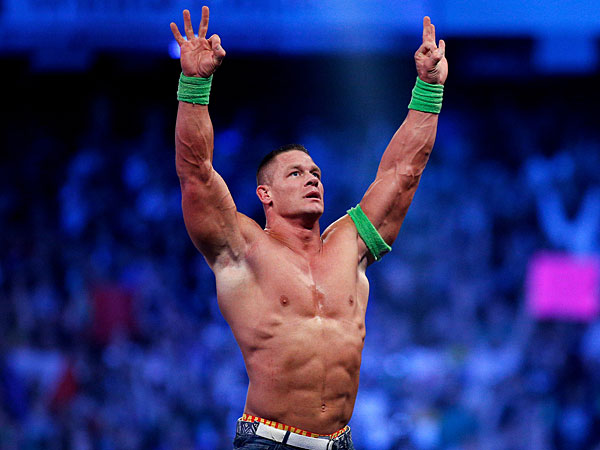
    John Cena has said next Saturday night will be the final wrestling match of his career.

    Lupien already had two children and knew it would be too expensive to travel back and forth to Philadelphia to fight his case. He reported to Hollywood at the end of spring training and became a Star.

    Lupien played two seasons with the Stars before returning to the majors in 1948 with the White Sox. He then bounced around the minors as a player/manager and coached basketball at Middlebury College before being hired in 1956 to coach Dartmouth College. He managed the team to the College World Series in 1970 and co-wrote a book in 1980 about the history of baseball’s labor movement. Lupien remained outspoken about labor, believing the sport’s contract structure railroaded his career.

    He died in 2004, two years after Cena debuted in the WWE. Cena, whose mother, Carol, is Lupien’s daughter, said next Saturday night will be the final match of his career.

    Cena, 48, once wore a Phillies jersey to the ring and is one of the most popular performers in wrestling history. His celebrity has long crossed over into popular culture as he’s starred in movies and TV shows.

    He spent the last year balancing his WWE farewell with the filming of a new movie. After wrestling, Cena is expected to fully become a Hollywood star. His grandfather, begrudgingly, was one first.

  • Rollouts have ‘twisted the knife’ at Big 5 games for 70 years, but can the tradition endure?

    Rollouts have ‘twisted the knife’ at Big 5 games for 70 years, but can the tradition endure?

    The banner made its way to the bottom of the student section, and a crew of security guards soon was hovering. Everyone had to go, they said.

    “We were like ‘What?,’” said Luke Butler, who led the crew of Temple students that night at La Salle.

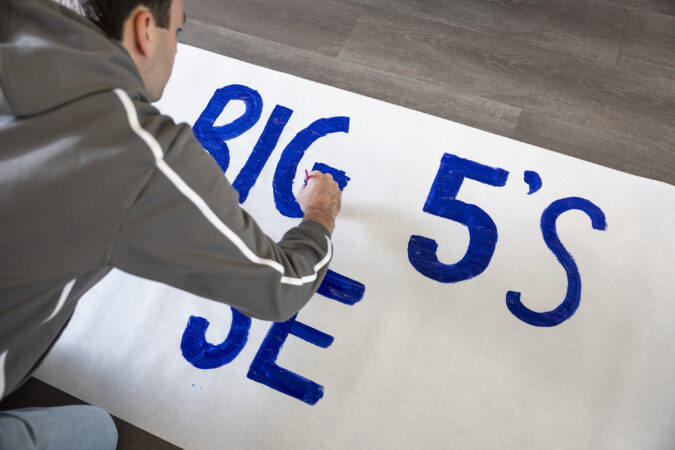
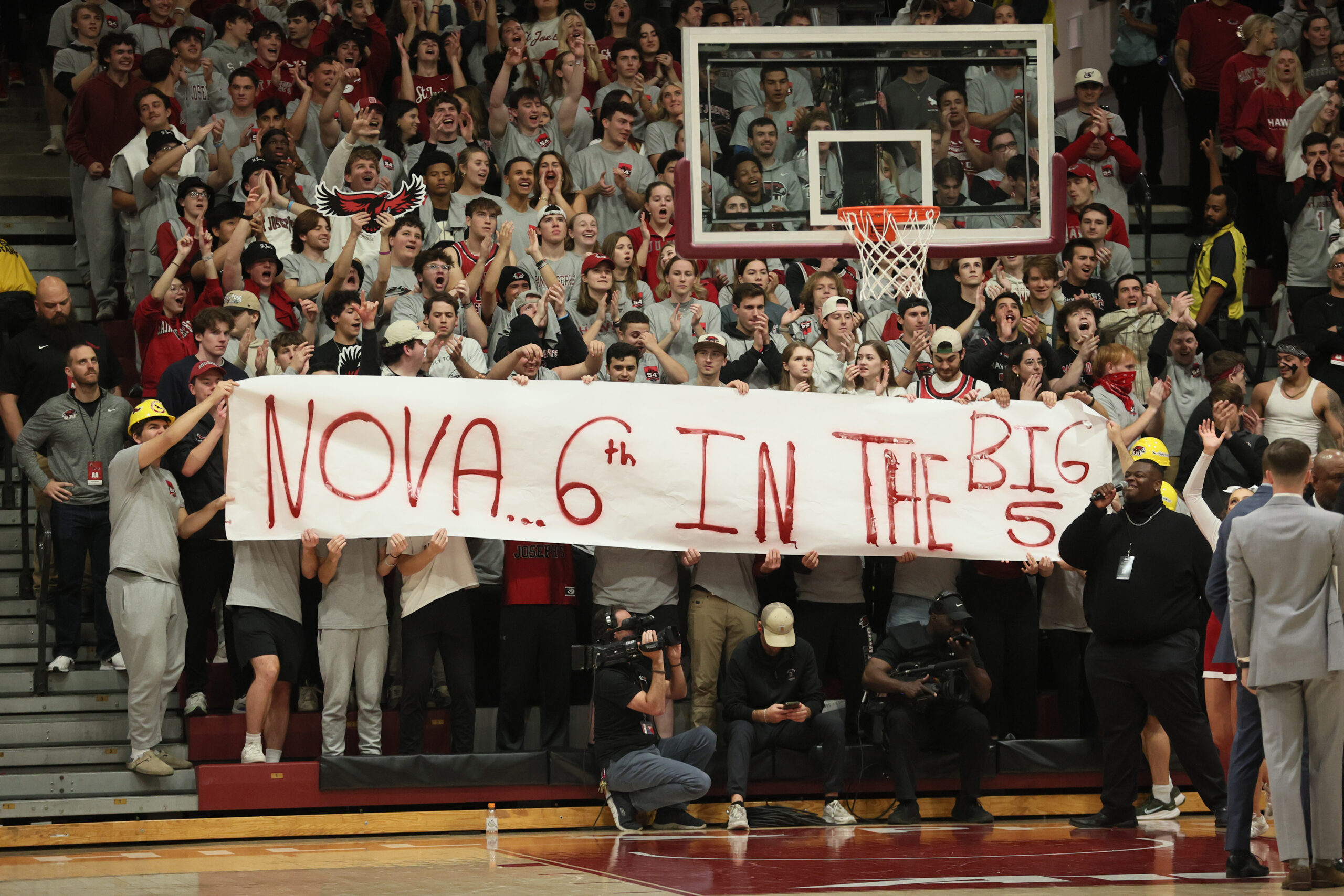
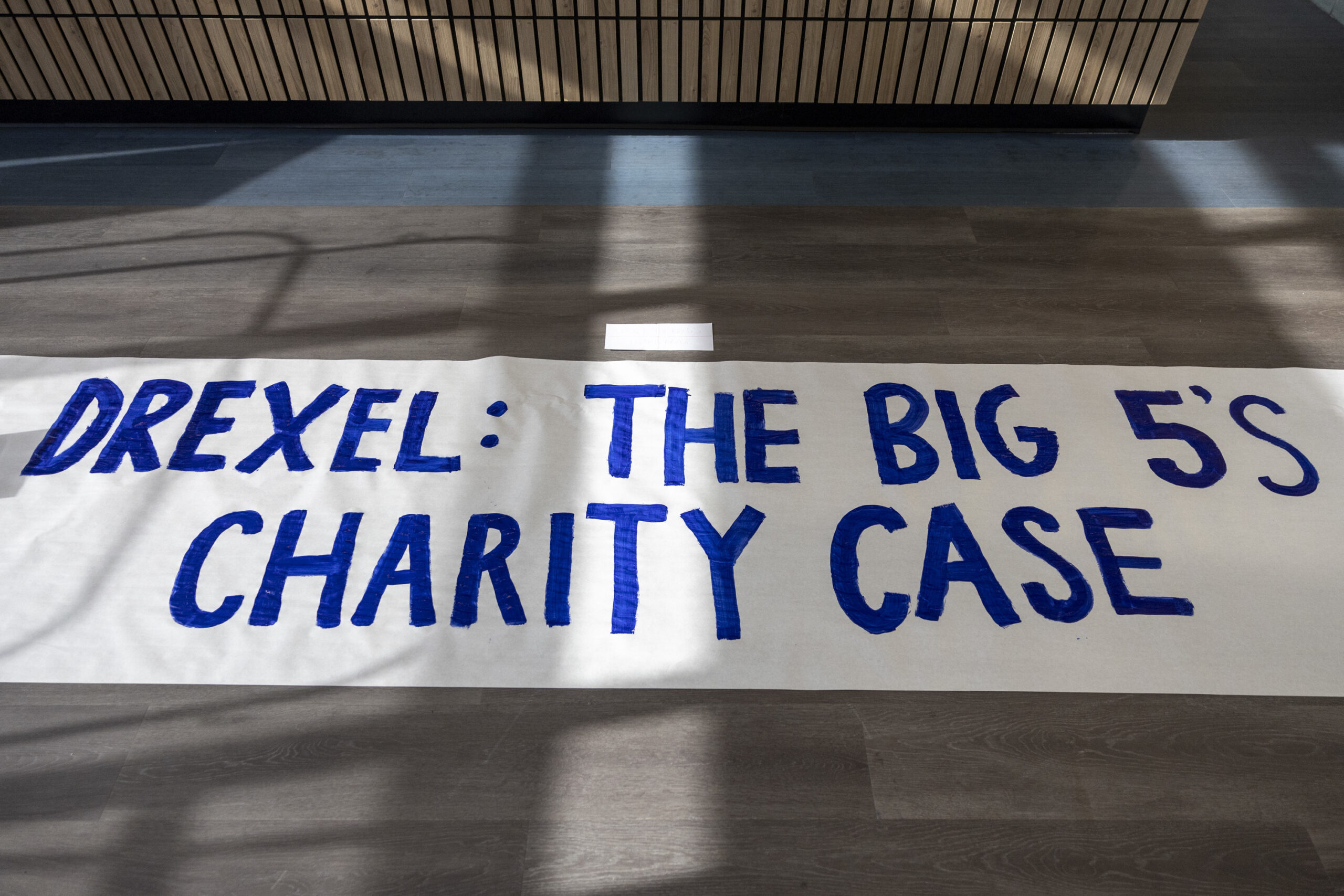
    The fans — the Cherry Crusade — spent a few days crafting one-liners to paint onto 30-foot banners that would be rolled out during the Temple-La Salle basketball game. The “rollouts” have been a Big 5 tradition since the 1950s, even surviving a brief ban when the schools thought the messages had become too racy.

    The rollouts often are a play on words or innuendoes that make light of the opposing school. You roll out your banner and then hold your breath while the other school shows theirs. Each student body takes turns dissing each other like kids in a schoolyard. The best rollouts, Butler said, are the ones that “twist the knife” just a little.

    St. Joe’s students unveil a banner referring to Villanova finishing last in the Big 5 Classic last year.

    But this one, Butler learned, twisted a little too much.

    The Explorers entered that game in February 2010 on a seven-game losing streak, and Ash Wednesday had been two weeks earlier. Temple, down a point at halftime, raced away in the second half. And here came the rollout: “LA SALLE GAVE UP WINNING FOR LENT.”

    The Temple students — the same crew who held a “funeral” a year later for the St. Joe’s Hawk — thought it was good banter. But a priest was offended, and security had instructions.

    “They were like ‘Father is pissed. You basically affronted their faith, and they don’t want you in the building,’” Butler said. “That was a good example of a rollout where we said ‘This will get a good reaction.’ It did. It just wasn’t the reaction we were thinking of.”

    70 years of rollouts

    The rollouts trace back to the Palestra, when the building was the home of the Big 5 and basketball doubleheaders. The bleachers were filled, the basketball was good, and the crowds were lively. Philly was the center of the college basketball universe, and the Palestra was a scene.

    The “rooters” who sat behind the baskets would roll out banners during the games about opposing schools. The messages were a chance for a student body to take a shot at their rivals from across the court. When La Salle students hung a dummy of their coach in the early 1960s from a campus flagpole, St. Joe’s rolled out a banner a week later that said “We Fly Flags on our Flagpole.”

    The messages became more pointed, as the Daily News wrote in January 1966 that “the rollouts wandered from the realm of good taste.” The Big 5 athletic directors agreed to ban them, saying that “certain rollout subject matter has been offensive and detrimental to the best interests and continued success of the Palestra program.”

    The president of the St. Joe’s student section protested the decision at the Big 5’s weekly luncheon, telling the athletic directors that they were ruining “the greatest spectator participation event in sports” and the rollouts were part of the “spectacular” that was basketball at the Palestra.

    “It’s not a spectacular,” said Jack Ramsay, then the coach and athletic director for St. Joe’s. “We’re down there to play basketball. If the students want to join in, that’s fine.”

    No longer allowed to roll out their messages, students at the Palestra began to shout what they would have written. Banner Ball gave way to Chorus Ball, the Daily News wrote. A year later, the students won, and rollouts were welcomed back to the Palestra as long as messaging was preapproved by the school’s athletic office.

    The banners became as integral to a Big 5 game as a soft pretzel from the Palestra concession stand. You didn’t miss a basket during a doubleheader, but you also made sure you caught the dig the opposing students made during a timeout about your school.

    The banners were the game within the game as the student sections planned their rollouts like a comedian preparing a stand-up skit. The jokes had to be fresh. How many times can you call the other coach ugly before it’s no longer funny? They had to be timely and tap into current events. That scandal involving a prominent alumni from the other school? Fair game. The football team stinks? That’ll work. A basketball player got arrested? There’s a rollout to be made.

    And they had to be timed just right. You can’t come out swinging with your best bit. You have to build up the crowd with a few decent banners and then roll out the one you know will hit.

    “You could tell from the other alumni if they were like, ‘Whatever,’ or if it really pissed them off,” Butler said. “Ultimately, that’s what you’re looking for. From brainstorming, to the making of them, to rolling them out, you’re looking for that reaction of them saying ‘Ugh.’”

    A fading tradition

    The rollouts, just like the Big 5, seem to be waning. Student attendance at local games is no longer what it was. The basketball programs have been down, the transfer portal has made players hard to identify, and conference realignment has introduced games with unfamiliar opponents.

    Villanova — the lone Big 5 school to make an NCAA Tournament in the last five years — is the only team that regularly draws a large swath of students. Most schools fill up a student section for the marquee games but attract just a small group on most nights. Attracting students to a once-integral aspect of campus life has become a challenge.

    Each school is trying to confront the decline of student participation, and Temple decided last year to revamp its student section. The Cherry Crusade does not have a student president, and the rollouts are made by athletic department staffers.

    A banner made by the Olney Outlaw’s La Salle Student Section on Thursday.

    They sold out their tickets two years ago when they reached the final of the Big 5 Classic and still fill the student section for a big game. The challenge has been to build a consistent presence.

    “We want to find those passionate fans to bring back what the Cherry Crusade was,” said Katie Colbridge Ganzelli, Temple athletics’ marketing coordinator for on-campus initiatives. “They’re still there. We’re just trying to find those passionate students who want to be in charge of the student section like it used to be.”

    Villanova’s rollouts earlier this week vs. Temple — “Rocky would’ve gone to Villanova,” one said — didn’t twist the knife. Penn’s student section is dormant, forcing the band to provide rollouts. The tradition seems to be fading across the Big 5, but credit La Salle for trying to keep the edge.

    The school revived its student section this season, and the Olney Outlaws took aim at a Big 5 coach for being follically challenged and used another rollout to dunk on Villanova and St. Joe’s. They’re twisting the knife in Olney.

    “We had noticed a lack of student engagement and thought this would be a fun way to get kids involved,” said Paige Mitchell, a senior marketing major who founded the Olney Outlaws. “I was working in the athletic department, and my boss at the time gave me a project to come up with something that would get everyone more engaged. It’s grown from there.”

    The group of students — “I have a couple guys in the group who are pretty clever,” Mitchell said — brainstorm ideas for the rollout before they meet to paint their signs. They’re ready for Saturday, when La Salle plays Drexel in the Big 5 Classic.

    “It’s stressful making sure they get rolled out at the right time,” said Mitchell, who’s also a center forward on the Explorers’ water polo team. “But I love seeing the way the students react. I have a couple friends who were sitting behind the rollout, and they’re blowing up my phone like, ‘What did it say?’ It’s just exciting.”

    Perfectly Philly

    Butler asked the La Salle security guard if he could talk to the priest, hoping he could ask for absolution. The priest was still steaming as Butler told him it was a misunderstanding. It was just some college kids making a joke, he said. The priest offered Butler penance: the Temple students could stay, but they had to hand over the rest of their banners.

    But the Owls were going to clinch the Big 5 title that night, and the Cherry Crusade brought a rollout to celebrate it. Butler pleaded with the priest to allow them to keep that sign. He rolled it out to show the priest and security guard what it said. “Fine,” said the priest. The rollouts, once again, would not be banned. A perfectly Philly tradition lived on.

    “There’s something in the Philly culture that rollouts hit a perfect vein,” Butler said. “The thing about people from here is that there is respect if you can dish it and you can take it. People love to twist that knife. When people did good rollouts against us, you were angry, but there was respect there.

    “It’s making fun of people who appreciate it, but also hate it, and it gives you an opportunity to be a little bit of an a—. At the end of day, it’s all love. We all love Philly basketball, even though I’ll never root for St. Joe’s and I’ll never root for Villanova. But I still want them around. I want everyone to do well, so then the hate means something.”

  • Paul Staico, owner of South Philly bar dedicated to Kansas City Chiefs, dies at 59

    Paul Staico, owner of South Philly bar dedicated to Kansas City Chiefs, dies at 59

    He became the bar’s owner before he could legally drink, taking it over at 16 years old when his dad died. The two-room corner bar with wood paneling and a jukebox soon became the place to watch the Kansas City Chiefs, a South Philadelphia haven to watch a Midwestern football team just a few blocks from where the Eagles play.

    But many of the people who packed Big Charlie’s Saloon every Sunday had a secret: They weren’t really all that crazy about the Chiefs.

    “I get heat for being a Chiefs fan,” said city councilman Jimmy Harrity, who does not miss a game at 11th and McKean Streets. “But I wasn’t a Chiefs fan. I’m a Paul Staico fan. If I could name three players, that’s a lot. I was there cheering for him. Some are there to watch the game. But for the most part, they were there for Paul.”

    Mr. Staico died suddenly Sunday morning, a few days after his bar stayed open on Thanksgiving night because the Chiefs were playing. He was 59.

    “It was sudden,” Harrity said. “Nobody saw it coming. He had no problems. No issues. The bar did well. I was with him the day before. I knew he wasn’t right, a little depressed. But I didn’t think it was like this. It was shocking to everyone. It’s so tragic. He didn’t deserve to go out like that. He protected people. He didn’t let bad eggs around.”

    Mr. Staico was born on March 10, 1966. He attended Bishop Neumann High School, boxed as a teenager, and stayed in shape as a bodybuilder. He looked like a linebacker but was as gentle as a kicker.

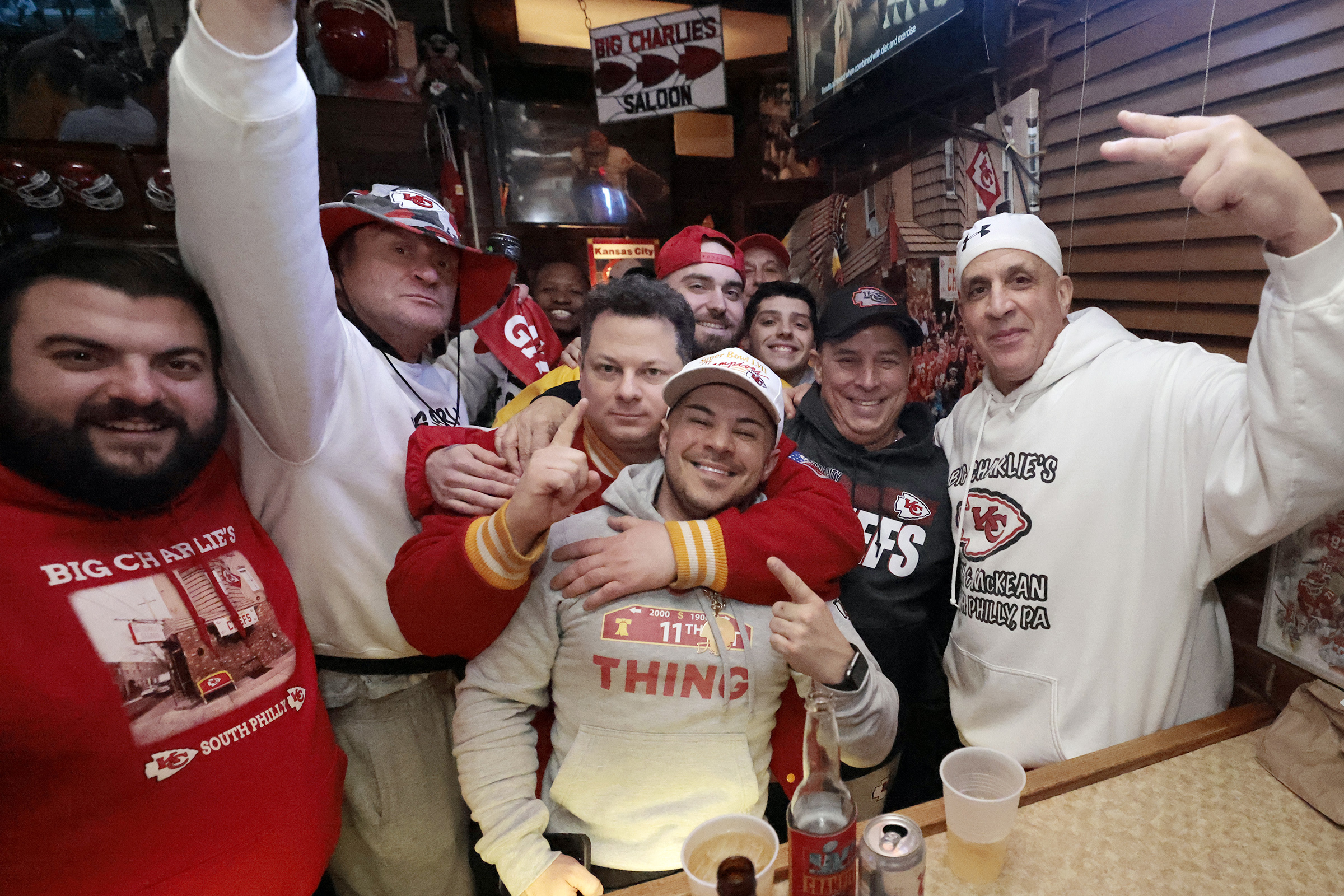
    Kansas City Chiefs fans, including Big Charlie’s Saloon owner Paul Staico (far right) celebrate their teams Super Bowl win at the bar in 2024.

    He became a Chiefs fan as a boy when his dad — Big Charlie — hit on a bet in 1970 for the Chiefs to win the Super Bowl. Big Charlie told his boy he would buy him a bike if the team in red won. The Chiefs won, giving Big Charlie’s boy a new ride and a new favorite team.

    The Chiefs fell off after that championship, but Mr. Staico remained loyal to his team. The South Philly Chiefs fan bought a satellite dish in 1986 to air games at Big Charlie’s, slowly converting his friends from the neighborhood like Anthony Mazzone to cheer for the red and gold instead of the Birds.

    The bar was dubbed “Arrowhead East” as Mr. Staico covered the walls in Chiefs memorabilia, turning the corner bar into a shrine for the team that helped him land that bike.

    Mr. Staico’s bar was packed shoulder-to-shoulder for big games (a back room is invite-only) and even shut down 11th Street a few times to watch the Chiefs outdoors on a projector screen.

    He paid a guy from the neighborhood to sweep the sidewalk every day and offered wisdom to anyone who sat at his bar.

    “We make people feel at home,” Mr. Staico said in an NFL Films feature about the bar. “It’s not like it’s just our thing. Everyone is invited.”

    Harrity moved into the neighborhood when he was 18, living in an apartment on Emily Street. He was an outsider — an Irish kid from Southwest Philly dating an Italian girl in deep South Philly — but Mr. Staico made him feel welcome. Harrity would walk his dog past Big Charlie’s and talk to Mr. Staico outside.

    “I didn’t drink. I was sober,” Harrity said. “The reason they have water in there is because I didn’t drink. He bought spring water so I’d have something to drink when I went in to watch the games. That’s the kind of guy he was. If you met him once, you were his best friend.”

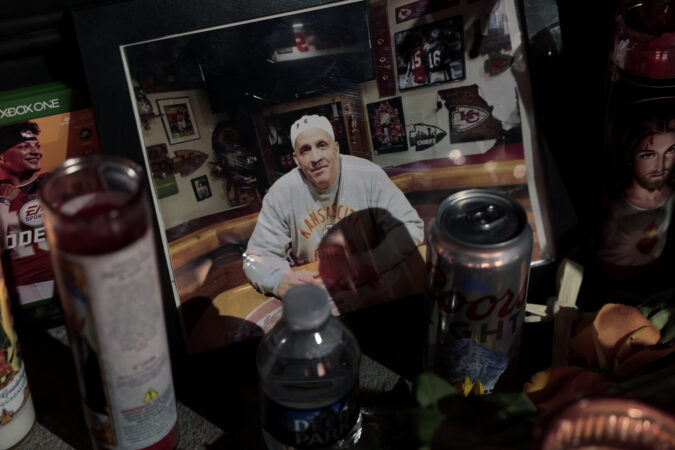
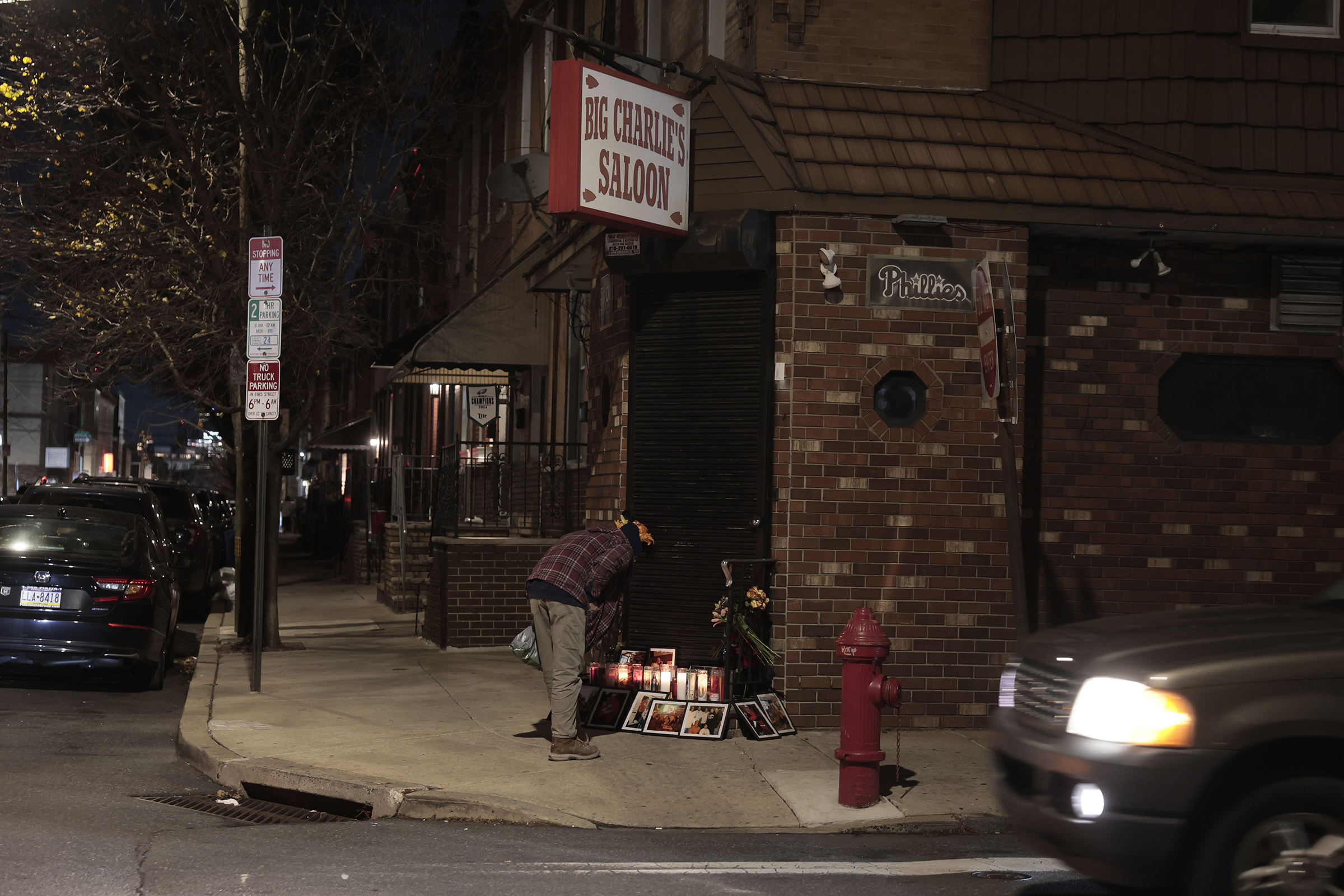
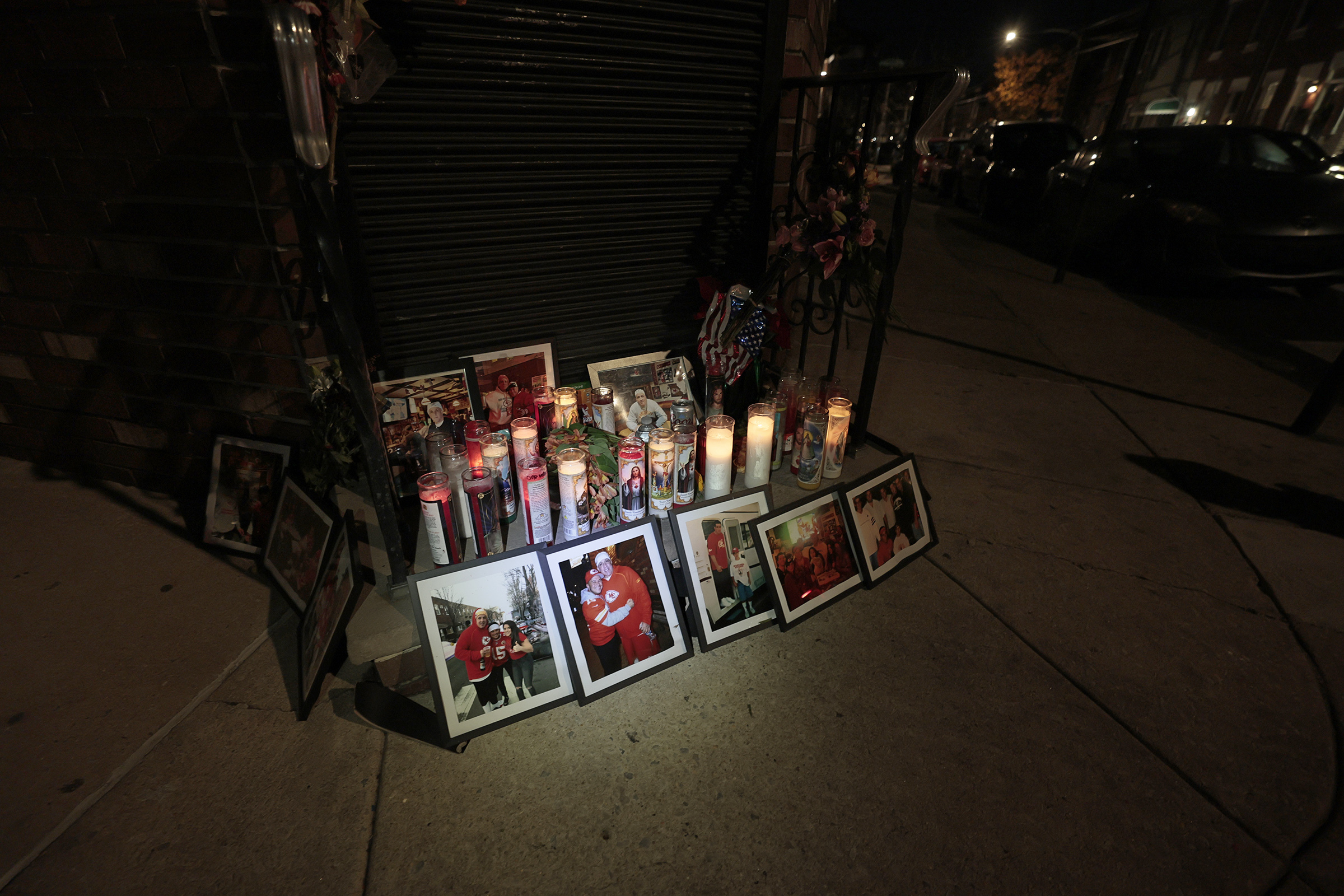
    A memorial appeared on the front step of Big Charlie’s Saloon, located at 1953 S. 11th St. in Philadelphia.

    The guys at Big Charlie’s root for the other Philly teams but not the Birds. They have Chiefs tattoos, Chiefs jerseys, and raised their children to be Chiefs fans.

    Charlie Staico’s winning bet spawned a generation of Chiefs fans. The allure of Big Charlie’s continued to grow, almost like a quirky roadside attraction. Is there really a spot in Eagles country devoted to a team from 1,100 miles away?

    NFL Films stopped by occasionally, TV news trucks pulled up whenever the Chiefs were gearing up for a Super Bowl run, and even some Chiefs players and coaches sat at the bar. The regulars made pilgrimages to Arrowhead Stadium and wore Big Charlie’s sweatshirts with pride. Mr. Staico’s South Philly bar was known as a place to watch the Chiefs, but the brick building was more than that to the people who filled it.

    Photos of Paul Staico are part of a memorial for the late owner of Big Charlie’s Saloon.

    “It started out with 10 of us in the back bar crying every game because the Chiefs stunk,” Harrity said. “Then it grew to 300, 400 people for the first game every year. That’s not because of the Chiefs. That’s because of Paul. He made you feel at home. He made you feel like part of the family. One time in there, and that was it. The kind of place where you walked in there, threw $20 down on the bar, bought a round, and didn’t pay for another drink all day. It was just a friendly place.”

    Mr. Staico is survived by his longtime girlfriend, Gloria Quinone; his sister, Linda Staico; and brother-in-law, Mark Mancini. A funeral service is planned for 11:30 a.m. Saturday at Epiphany of Our Lord Church at 11th and Jackson Streets.

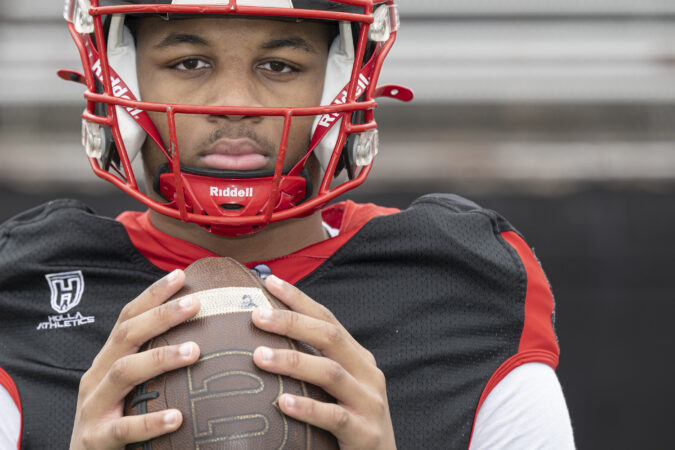
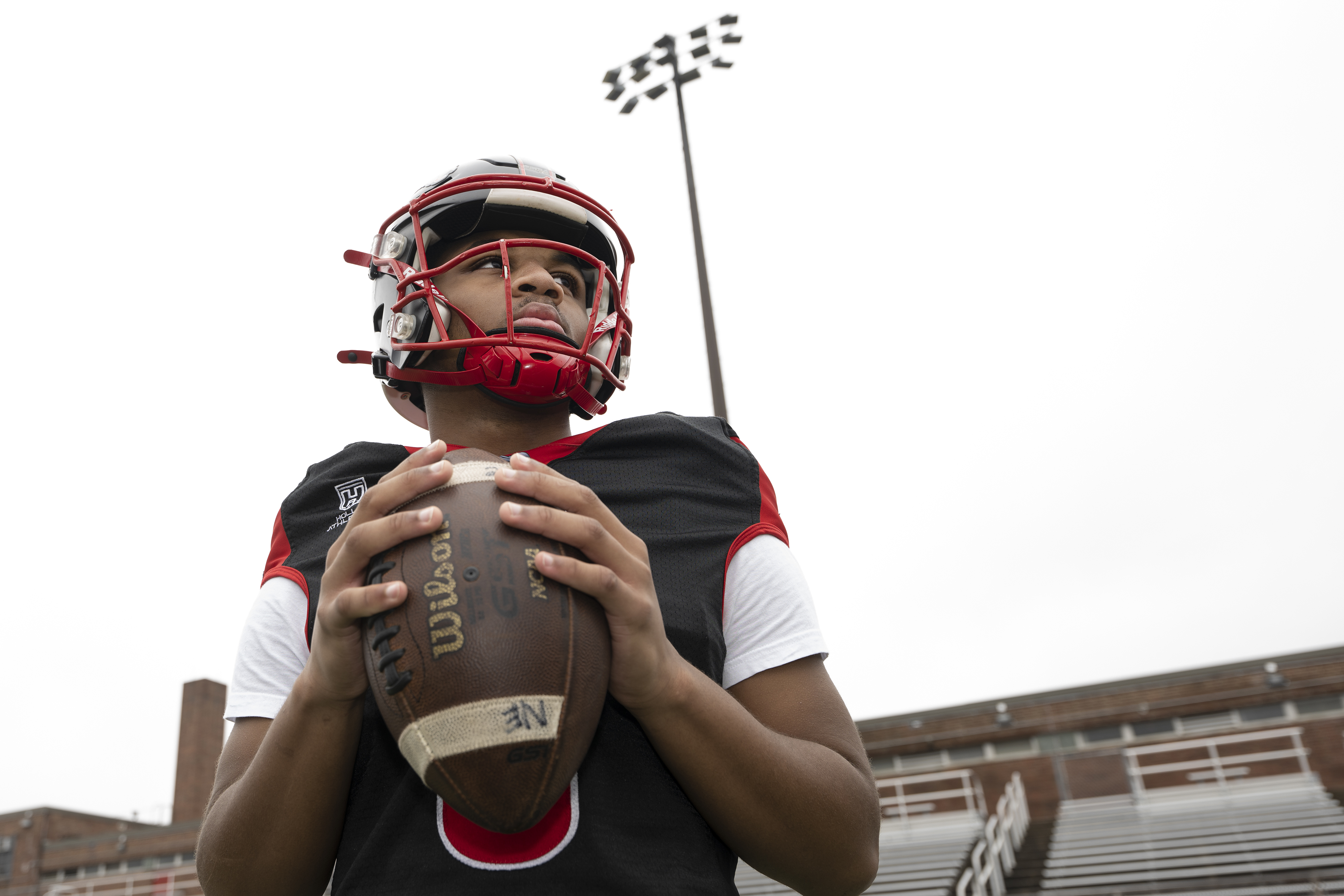
  • Northeast High QB Jayden Boyd was shot in September while playing video games. Now he’ll play on Thanksgiving.

    Northeast High QB Jayden Boyd was shot in September while playing video games. Now he’ll play on Thanksgiving.

    Jayden Boyd texted a group of Northeast High School football players from his hospital bed in September.

    “I got shot,” he wrote.

    Jeremiah Tellus read it and thought the quarterback was playing a joke. A few hours later, Tellus saw his friend on a Zoom call as Boyd told the team what happened.

    Some Northeast players were sleeping at an assistant coach’s house in Frankford so they wouldn’t be late to practice on Labor Day morning. They were playing video games when they heard gunfire around 1 a.m. outside on Adams Avenue.

    Boyd dropped to the floor of the living room.

    “Because, you know, that’s what people do,” Boyd said.

    Police said several shots were fired through the living room window, and one struck the 17-year-old.

    “People always say it feels like it’s burning,” Boyd said. “But I just felt like something went in me. I said, ‘I got shot.’”

    Police rushed Boyd to Temple University Hospital, where a surgeon removed a bullet that fractured the quarterback’s spine. His football season, they figured, was finished. Doctors said it could have been worse.

    “One more inch to the right, and I would’ve been paralyzed,” he said. “I try not to think about that.”

    Boyd told his teammates in the morning that everything would be OK and reminded them to focus on their next game. He was recovering from a gunshot wound but was thinking about his team. He’s a true quarterback, his mother said.

    Quarterback Jayden Boyd practicing on Wednesday with his teammates at Northeast High School.

    Boyd returned to school three weeks later but missed Northeast’s next nine games and could only watch as the Vikings lost to Lincoln in the Public League playoffs.

    “He kept saying, ‘I let my team down,’” said his mother, Bahisha Durbin. “I said, ‘You didn’t let anybody down. This is not your fault.’”

    But Boyd’s season did not end that night in Frankford. Doctors told him last week that he can play again, clearing the quarterback in time to join his team for its Thanksgiving game against rival Central. On the night he was shot, the teenager underwent surgery to remove the bullet. He never lost the ability to walk. After he recovered, he underwent physical therapy at Children’s Hospital before he was cleared to play. Boyd practiced Monday afternoon, wearing shoulder pads for the first time in more than two months. It was surreal, he said.

    And his teammates — guys like Tellus, who prayed that their teammate was still alive until he showed up on that Zoom call — could not believe it.

    Boyd made it back for Thanksgiving.

    “Thankful,” he said. “Thursday is going to be very emotional. I know we’re going to score when I’m in the game, so I’m probably going to shed a couple tears.”

    Football brought joy

    Durbin signed up her son to play football when he was 7 years old, hoping the sport would help his ADHD.

    “It was a godsend,” she said. “It’s helped out so much. I can’t thank the coaches enough.”

    Football soon became Boyd’s life. That’s all he cares about, his mother said.

    “I’m, like, a physical person, so I wanted to be a part of that,” Boyd said. “It brought joy to my life.”

    Boyd wanted to be a wide receiver like Odell Beckham Jr. but soon fell in love with playing quarterback. He spent his first two high school seasons at Archbishop Carroll before transferring to Northeast.

    He leaves his home in South Philly each morning at 6:15 and takes two buses and a subway to get to school.

    “He’s a great part of the team,” said Tellus, a running back. “He’s a great friend. He has great loyalty. He always has my back. He’s a great friend to have.”

    Boyd dreamed of playing college ball and studying sports medicine. That felt impossible, though, after he was shot. Schools had been in touch with him, but Boyd knew he needed to show more on the field. His junior year was supposed to be his chance to display his talent as a dual-threat quarterback — “I can beat you with my arm and legs,” he said — and earn a college scholarship.

    Northeast High’s Jayden Boyd says he cannot wait to play in his senior season: “We’re going to do something crazy next year.”

    “Football was the last thought on my mind, but he doesn’t care about anything else,” Durbin said. “He was like, ‘Life is over because football is over and I can’t play.’ I said, ‘It’s OK, Jay. It’s not like your grades are messed up and that’s why you can’t play. You can’t play because you got shot.’ He’s just so passionate.”

    Boyd was devastated to not play and soon became nervous in his own neighborhood. He spent weeks with a friend in Drexel Hill as the shooting made him afraid of being in Philly. Boyd figured if he couldn’t be safe playing video games, then where could he?

    He had nightmares and flashbacks about that night on Adams Avenue and now meets with a therapist. His mother asked him if he wanted to switch schools. Boyd declined.

    He wanted to stay at Northeast with coach Nick Lincoln, who was at Temple University Hospital that night and kept Boyd involved with the team while he was sidelined.

    “It’s not something you necessarily prepare for when you get into coaching,” Lincoln said. “But being in Philly for about 15 years, I can’t say it’s the first time that something has occurred to my players off the field. It’s always disheartening and surprising. You just try to figure out how you can best support him and his family. We want these kids to use the sport to better themselves, become men in the community, and not become products of an environment.”

    Reasons to be grateful

    Durbin was sleeping when her son called that night.

    “Usually, when Jayden is blowing my phone up it’s because he wants something from Wawa,” Durbin said. “I’m like, ‘I’m not giving this boy any more money.’ That’s usually what it is.”

    So she didn’t answer. And then her other son ran into her bedroom to tell her what happened.

    Northeast High coach Nick Lincoln celebrating a win against Central on Thanksgiving last year.

    “I called Jay, and I was yelling at him,” Durbin said. “I hear him, but I don’t. It’s 1 o’clock in the morning, and we don’t play in the streets at 1 o’clock.

    “I said, ‘What were you doing outside?’ He said he wasn’t outside. So I said, ‘How did you get shot?’”

    Boyd told his mother the story, reminding her that he was sleeping at a coach’s house.

    “He was loud but calm,” Durbin said. “That’s what helped me not get hysterical. Because he was calm. He didn’t call me screaming.”

    She rushed to the hospital, fearful that her son would never walk again, and then was relieved to see he was OK. Durbin worried about the teammates who were there that night.

    “I felt bad for the kids who had to watch and see it,” Durbin said. “These are good kids. They’re not in the hood doing crazy stuff. All these kids know is football. The one kid was shaking so bad because the coach was telling him to apply pressure on [Boyd’s] back. He was scared.”

    Earlier this month, police arrested Nasir Johnson, 26, and charged him with aggravated assault, a firearms charge, and related offenses. Police said they had obtained surveillance footage of someone wearing blue jeans and a white T-shirt firing a gun on 4200 block of Griscom Street in the direction of the 1500 block of Adams Avenue, where Boyd was playing video games. Police said they recovered several items — including clothing that was consistent with what the suspect was wearing in the surveillance footage — when they arrested Johnson.

    Lincoln called Boyd’s mother last week to say he wanted the quarterback to play a few snaps on Thanksgiving, just enough to give him a taste of being back on the field before next season. The series against Central, which dates to 1892, is said to be the nation’s oldest rivalry among public schools.

    Boyd wasn’t able to show college coaches his promise this fall, but he still has another season of high school ball to prove himself. He can’t wait.

    “We’re going to do something crazy next year,” he said.

    His mother agreed to let him play Thursday but told the offensive line to “protect my baby.” She gave her son Psalms to recite before he takes the field, and she’ll be in the stands with an entire section of family and friends. Nearly three months after being shot, Boyd will be back on the field for one last game. His season is not finished.

    “We’re just grateful,” Durbin said. “I’m grateful that he’s here. It’s Thanksgiving, for sure.”

  • Bucko Kilroy was once called the NFL’s dirtiest player. He became much more than that in a six-decade career.

    Bucko Kilroy was once called the NFL’s dirtiest player. He became much more than that in a six-decade career.

    Bucko Kilroy spent a week in a Philadelphia courtroom three years after a Life magazine story described him as football’s dirtiest player. He sued the magazine for libel, claiming the accusation that he purposely injured opponents had ruined his reputation.

    He was a two-way lineman for the Eagles who once played in 101 straight games. Dirty? Never, Kilroy said. A lawyer representing the magazine during the 1958 case asked Kilroy if he remembered kicking the Chicago Bears’ Ray Bray in the groin. “It is all according to what you mean by kicking,” Kilroy said.

    Upton Bell’s secretary interrupted him in his office to tell the newly hired New England Patriots general manager that someone was on the phone for him. It was a collect call from a pay phone.

    “I said to myself, ‘Who the heck is this?’” said Bell, whose father founded the Eagles in 1933.

    It was Kilroy, who was working for the Dallas Cowboys and had scouted with Bell years earlier. He wanted to work for the Patriots.

    “He was calling from a phone booth because he didn’t want Dallas to know that he was applying for the job,” Bell said. “He said, ‘There’s no way they can trace this to me.’ Typical Bucko.”

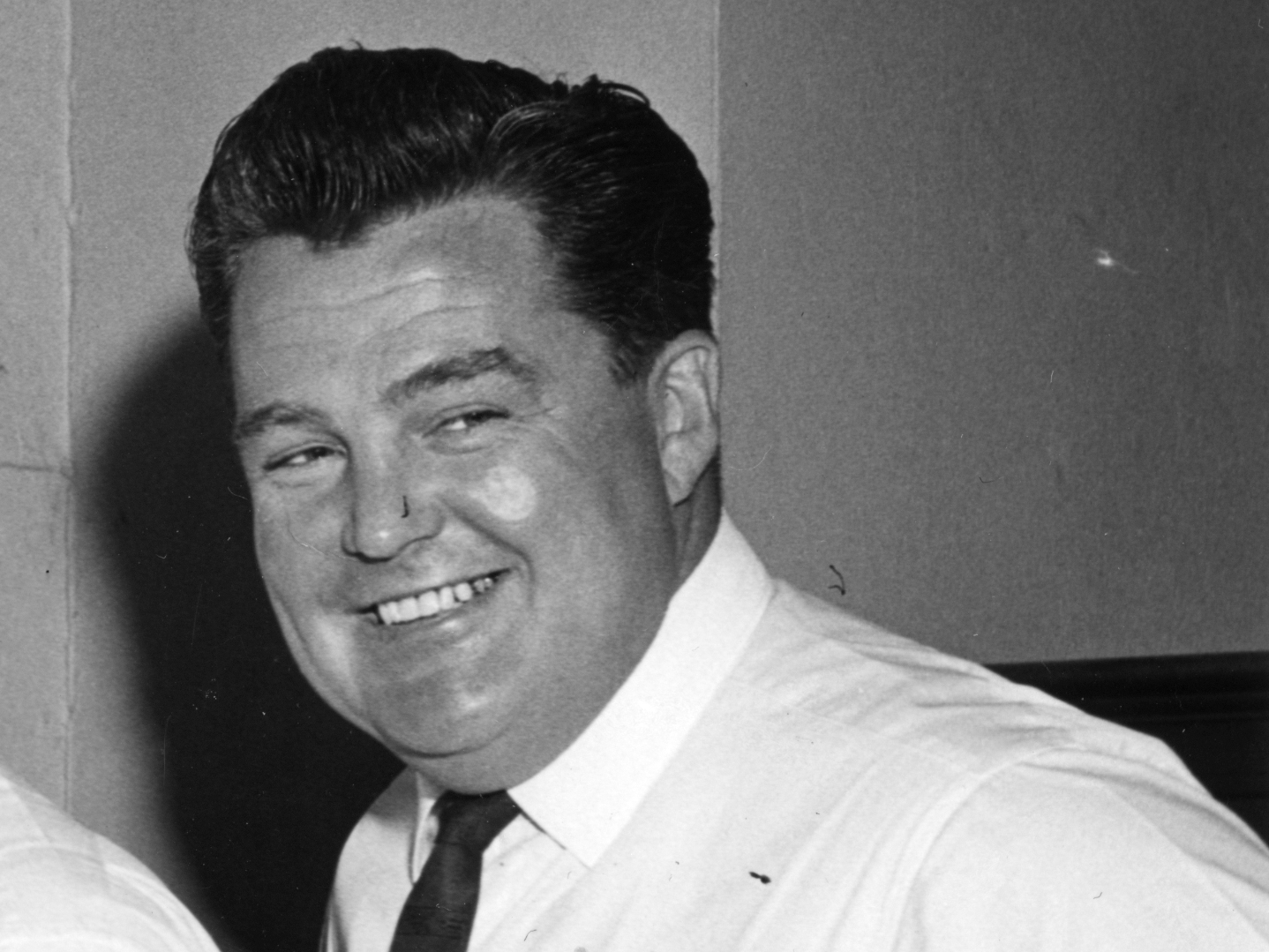
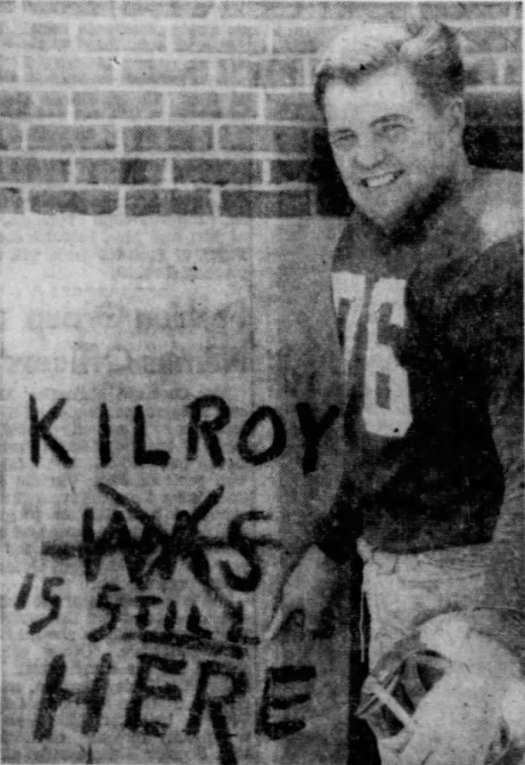
    Francis Joseph “Bucko” Kilroy, who will be inducted Friday into the Eagles Hall of Fame during the game against the Bears, spent 64 consecutive years in the NFL as a player, coach, scout, and front-office executive. He grew up in Port Richmond, starred at North Catholic and Temple, and won NFL championships with the Eagles in the 1940s before helping Bill Belichick win Super Bowls as a scouting consultant in the 2000s. Kilroy was there.

    Bucko Kilroy during his time as the Eagles’ player personnel director in 1960, when they won the NFL championship.

    Kilroy was one of the league’s first scouts and a front-office innovator who helped teach a lineage of future decision makers from Hall of Famer Bill Parcells to current Tampa Bay general manager Jason Licht. He was much more than the dirtiest player in football. And everything — from the players he was targeting in the draft to the phone calls he made — was a secret.

    “I would ask him, ‘Is that for public record or not?’” said Tom Hoffman, the Patriots’ director of public relations during Kilroy’s tenure as GM. “He would tell me, well, he can always disseminate confidential misinformation.”

    Battle scars

    The incident happened, Kilroy told the lawyer, about 10 years earlier during a preseason game. He fell down on a kickoff and Bray jumped on top of him. Kilroy said he put his foot up and flipped Bray over. Kilroy was ejected and fined $250.

    The lawyer asked Kilroy if that was a fair description of a “vicious kick in a very vulnerable spot.” No, Kilroy said. “I wasn’t trying to kick him, I was trying to ward him off. The man was trying to jump on me. How else could I get rid of him? Am I going to let him jump on me?”

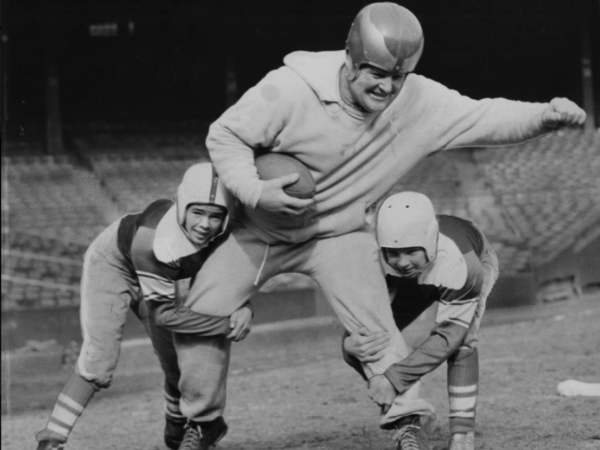
    Kilroy spent most of his adult life with the indention of a cleat on his cheek, a scar from his time in the NFL when face masks were rare and gentlemen were even rarer. A kick to the face may not have been a penalty, but it did leave a battle scar. Kilroy’s NFL was wild — penalties like roughing the passer were years away — and the guy from Port Richmond fit right in.

    “Nothing came easy for him,” said Dan Fahy, Kilroy’s great-nephew. “He had to work hard. He had that grit and that desire and that ferociousness to succeed. He saw football as a game of toughness and that meant playing the game tough.”

    An Eagles player from 1943-55, Kilroy crushed opponents’ faces with his huge hands, tripped ballcarriers, and drove quarterbacks into the turf.

    When he injured a Pittsburgh Steelers player in 1951, the Steelers said they would get revenge on Kilroy when the teams played again. Bring the brass knuckles, he replied. He was a 6-foot-2, 243-pound menace who never backed down.

    “I can remember my father getting a call from Bucko’s wife [Dorothy] complaining because my dad [who became NFL commissioner] had fined him,” Bell said. “I think he kicked someone in the head. I can hear the whole conversation and he’s telling her, ‘Mrs. Kilroy, if Bucko goes the rest of the season without getting in trouble, I’ll give you the money.’ Bucko had promised to buy her a mink coat with his bonus. So she was calling because she thought she was losing her coat. My dad said, ‘I won’t give him the money back, but I’ll give it to you.’ And that’s what he did. Bucko didn’t get in trouble the rest of the year and my father had the check issued to her, not him. She got her coat.

    “He did have a reputation for being a dirty player. But there were a lot of guys around like that. The game was totally different. He was also a pretty damn good player. Guys were fearful of him.”

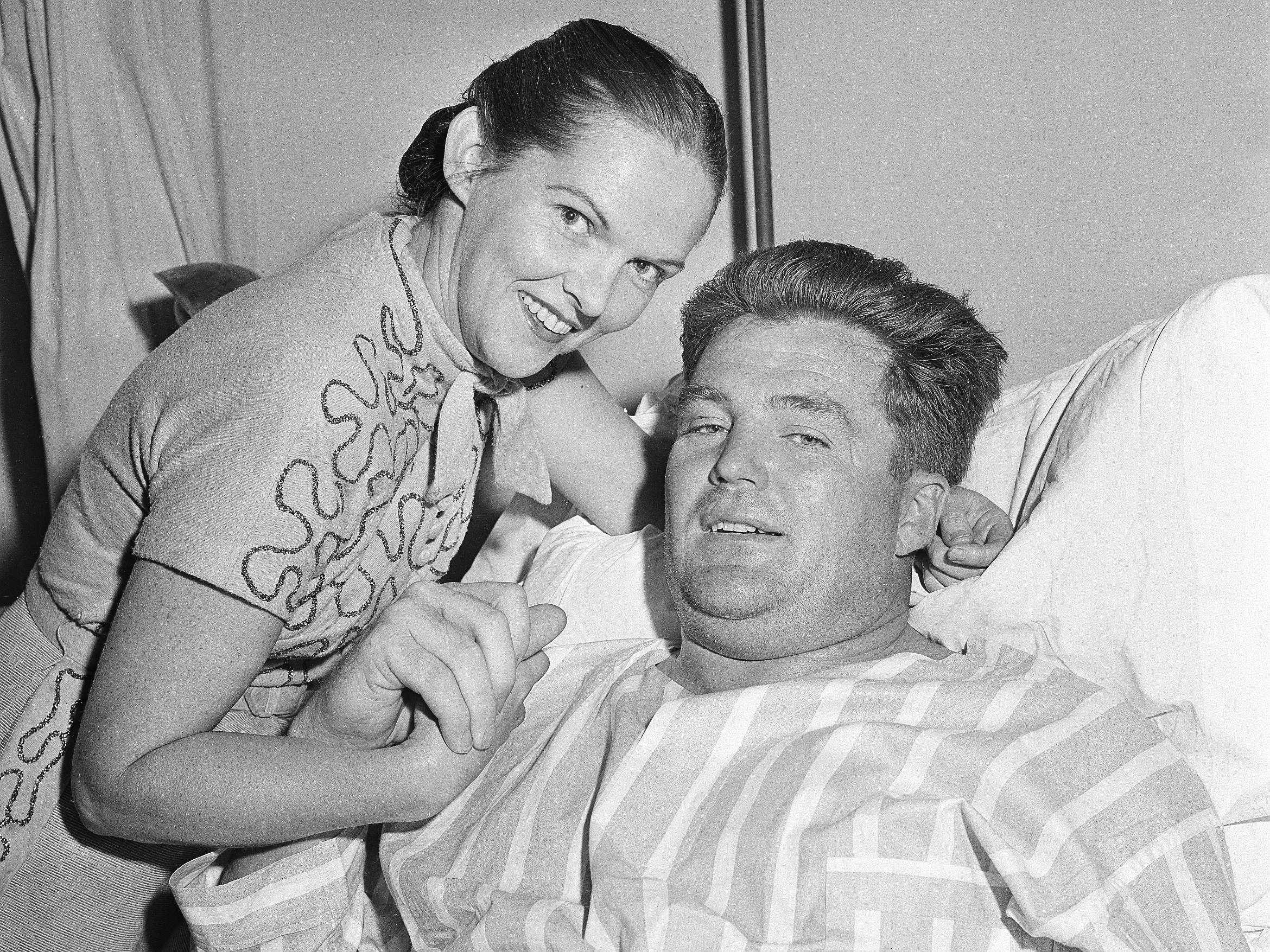
    Eagles lineman Bucko Kilroy with his wife, Dorothy, in the hospital after he suffered a career-ending knee injury against the New York Giants in 1955.

    Kilroy’s uncle, Matt “Matches” Kilroy, pitched in the majors (his 513 strikeouts in 1886 are still a record) and his father owned a bar on Richmond Street. He grew up in St. Anne’s parish during the Great Depression and played in the NFL with the same vigor he did as a kid against the boys from Nativity.

    Kilroy started his professional career in 1943 with the Steagles, the team Bert Bell formed during World War II by combining the Eagles and Steelers.

    He played on the weekends, commuting from New York while serving in the Merchant Marines. It was the start of an NFL career that spanned more than six decades without missing a season.

    “Football hasn’t just been a part of my life,” Kilroy said in 1993 after joining North Catholic’s Hall of Fame. “It is my life.”

    Kilroy was roommates on the Eagles with Walt “Piggy” Barnes, who later found work in Hollywood as an actor in Clint Eastwood movies. Kilroy worked during each offseason — he sold cars at night one year after working mornings in a stone quarry — and lived in a twin house on Wakeling Street in Frankford.

    When the Eagles won the 1948 title by beating the Chicago Cardinals, it was Kilroy’s fumble recovery that positioned the Birds for their only score during a snowstorm at Shibe Park. A year later, the Eagles repeated as champions and were gifted $500 and cigarette lighters. If they wanted championship rings, the players had to pay $65.

    Kilroy, who was later named to the NFL’s all-decade team for the 1940s, was the oldest player in the NFL at age 34 when he entered his 13th and final season. His career ended in the 1955 opener against the Giants. They were still angry at Kilroy for injuring quarterback Arnie Galiffa two years earlier. The Giants mangled Kilroy’s knee during a pile-up and he never played again.

    Bucko Kilroy was the oldest player in the NFL when he retired with the Eagles in 1955 at age 34.

    “These guys had it for him,” Fahy said. “But his own teammates would have told you that he had it coming. He had a reputation.”

    ‘Ornery critters’

    Kilroy and teammate Wayne Robinson — who also sued Life magazine — were described in the article as “ornery critters.” Cloyce Box of the Detroit Lions explained in court that an ornery critter was a “domesticated animal which at periods of times acts without the scope of that domestication.”

    Otto Graham, the Hall of Fame quarterback from Cleveland, said in court that the Eagles were the “roughest football team in the National Football League.” And Kilroy? “Well, he was the bad boy, one of the bad boys, of the league,” Graham said.

    Kilroy left that pay phone in 1971 to work with Bell in New England as the personnel director. He was the Eagles’ player personnel director when they won the 1960 NFL championship, making him one of the league’s first scouts. He later built scouting systems for the Dallas Cowboys that led to five straight division titles. He was instrumental in launching the scouting combine for the draft.

    Kilroy’s Patriots hit on three first-round picks in 1973 by selecting future Hall of Fame lineman John Hannah, running back Sam Cunningham, and wide receiver Darryl Stingley. Three years later, the Pats again had three first-rounders and Kilroy drafted another future Hall of Famer in defensive back Mike Haynes.

    “He was a brilliant mind,” Hoffman said.

    Kilroy was promoted to GM in 1979 and later became the Patriots’ vice president before becoming a scouting consultant, a position he held until he died in 2007 at age 86. Belichick honored him the next spring when the Patriots drafted for the first time without Kilroy. He was a pillar of the league, Belichick said. Kilroy spent one year longer in the NFL than George Halas. He was more than a dirty player. And that was his best-kept secret.

    “You would think, ‘This is just some big, dumb football player,’” Bell said. “But if you got to know him, you learned how smart he was. He was one of the greatest characters I’ve ever known and I’ve known most of the great characters. I once told him, ‘Bucko, you’re so secretive. Are you sure you didn’t work in the CIA?’

    “Bucko Kilroy belongs in the Pro Football Hall of Fame. That’s how good he was. And if I don’t get a phone call from Bucko Kilroy in a phone booth, I don’t hire him.”

    Kilroy won his lawsuit against the magazine and was awarded $11,600. It was more than he ever made in the NFL as his first season with the Steagles earned him just $1,300.

    But the lawsuit wasn’t really about Kilroy as much as it was about the NFL, which was trying to protect its image as it grew in popularity. The league needed to respond to an article titled “Savagery on Sundays” and Kilroy’s libel case was the response. Kilroy played football with an edge, so calling him dirty was hardly an offense. “I don’t think Bucko was ever offended by anything,” Bell said.

  • Rivals Northeast and Central believe their Thanksgiving football game, like the game’s trophy, is worth saving

    Rivals Northeast and Central believe their Thanksgiving football game, like the game’s trophy, is worth saving

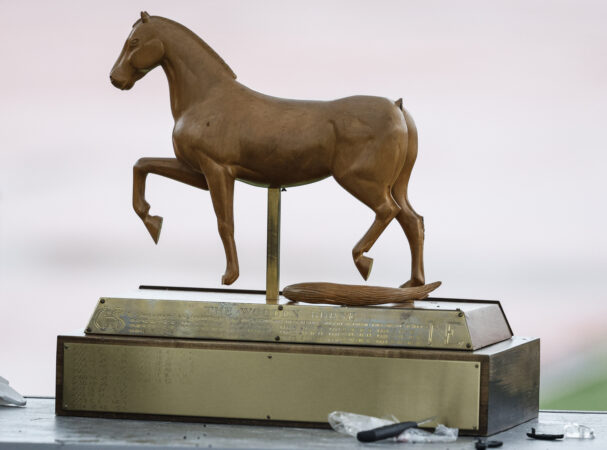
    It was Nick Lincoln’s first season at Northeast High School, so the football coach asked his athletic director last November if the Wooden Horse — the mahogany trophy carved nearly 80 years ago by a student — could be brought to the field on Thanksgiving morning for the annual game against Central.

    The trophy, heavy and old, usually stays inside. But what good is the Wooden Horse if the players can’t hoist it after a win?

    “Well, we had a little too much excitement,” Lincoln said.

    The celebration ended, and the horse no longer had a tail.

    “I said, ‘Dude, you’re going to get me fired,’” athletic director Phil Gormley said. “‘You’re going to be back coaching in Delaware, and I’m going to be bagging groceries at the Acme.’”

    Northeast vs. Central is one of the longest-running rivalries in the country, but the Thanksgiving game is no longer the spectacle it once was. The halls of the schools don’t buzz in the weeks leading up to it, the parade down Cottman Avenue was canceled years ago, the bleachers aren’t filled, and the trophy is falling apart.

    High school football in Philadelphia once meant as much to Thanksgiving as Santa Claus climbing into Gimbels. But traditions fade. Just 10 games are planned Thursday in Southeastern Pennsylvania, down from 28 in 2005. Thanksgiving games have faded for a variety of reasons: state playoffs, lack of competition, tepid attendance, and school closures.

    But Northeast vs. Central — the schools say it’s the nation’s oldest rivalry among public schools — refuses to go away, even if the trophy is showing its age. The teams will meet again at 10:30 a.m. Thursday at Northeast.

    “I don’t think the game will fade,” Gormley said. “It’s not attended like it used to be, but I know it’s still important to our alumni. When I talk to anyone who comes back for any reason, it’s always a question that eventually comes up. I think the game, for the foreseeable future, is OK. It’s certainly something that could happen, but thankfully it’s not something that will happen anytime too soon.”

    A historic game

    The schools first played in 1892 and started playing annually in 1896. The rivalry has paused only twice: in 1918 during World War I and 2020 during the pandemic. They’ve played through snow, rain, and muddy fields.

    The rivalry was real, as the schools were just three miles apart: Central was at Broad and Green, and Northeast was at 8th and Lehigh. The trophy came along in 1947, when Northeast’s Spurgeon Smith, using only a kitchen paring knife, carved into a block of mahogany donated by Smythe Mahogany Company.

    The games often were epic and packed. More than 15,000 fans saw Central beat Northeast in 1929 at the Baker Bowl, they played a muddy scoreless tie in 1971, and they’ve braved a few snowstorms.

    Philadelphia had a full slate of high school football on Thanksgiving morning, and Northeast-Central was the game for years.

    “Everyone is brought on board at Central knowing that Thanksgiving is against Northeast,” said Jeff Thomas, Central’s associate archivist. “No matter how good or bad the team is that year, that is the most important game. Very similar to Army-Navy. Both teams could be 1-6, but when they play each other, it’s the most important game.”

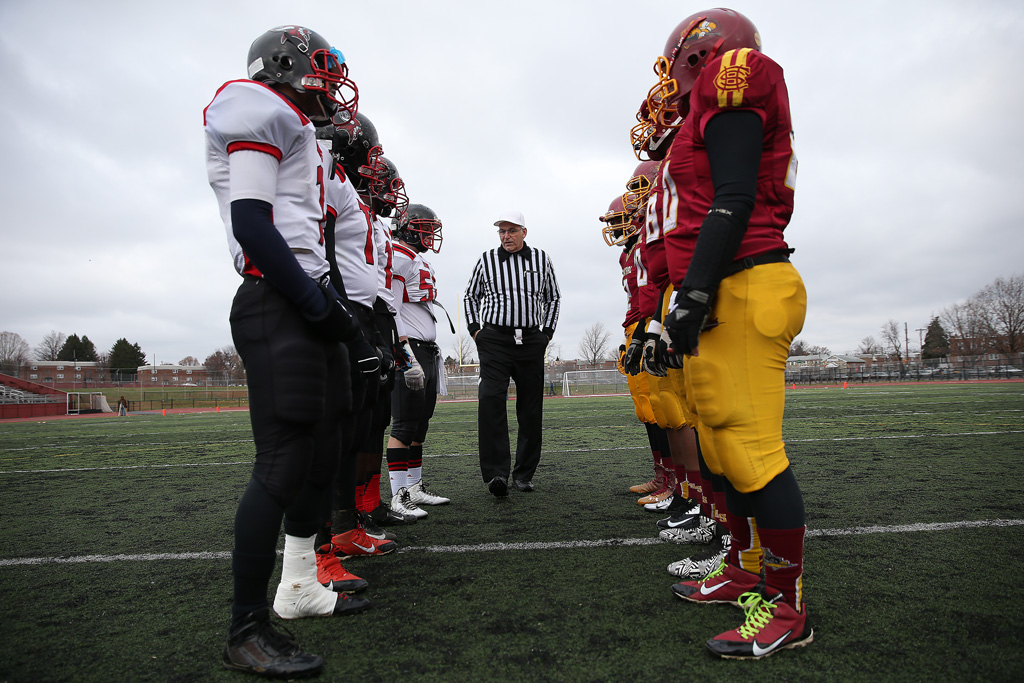
    Northeast High School football players (left) meet at the center of the field with their Thanksgiving Day rival, Central High School, before the 2014 game.

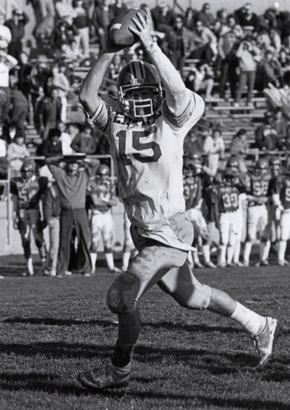
    In 1986, current Central coach Rich Drayton scored five touchdowns as the Lancers ran up the score in a 60-3 win in front of 7,000 fans. Afterward, Northeast coach Harvey Schumer refused to shake hands with Central coach Bob Cullman, and the two had to be separated at midfield. Three years earlier, Northeast didn’t let up in a 42-point Thanksgiving win. So Central was returning the favor.

    The rivalry was deep.

    “Wherever you go wearing your Lancers stuff, people ask for your class number,” Drayton said. “The next thing they say is, ‘Are we going to win on Thanksgiving?’ It’s a really big deal. Hopefully, the student body can notice before it’s too late how important it is.”

    Hanging on

    The parade of antique cars and convertibles started near the Roosevelt Mall, traveled west on Cottman Avenue, turned right on Glendale Avenue, then finished with a lap around the track that circled Northeast’s football field.

    The stands were filled as more than 6,000 fans came each Thanksgiving to see which school’s trophy case would hold the Wooden Horse.

    But the parade ended about 15 years ago when the school district replaced the cinder track with rubber. Students no longer decorate the stadium like they once did, and the game now attracts between 600 and 800 fans instead of thousands.

    Both schools have strong alumni groups, and former students still come out. It’s a chance to wear a letterman’s jacket, see old classmates, and tell the same stories.

    “We have breakfast in the gym for alumni who come back,” Gormley said. “These old guys would be in there razzing each other. ‘Well, you lost to Central. I never lost to them.’ You know how guys talk. It’s funny to hear.”

    Central’s Mike Roche threw for 409 yards and five touchdowns in a 60-3 rout of Northeast on Thanksgiving Day 1986.

    But interest among current students is tepid. Both schools draw students from across the city, and getting to Northeast Philly on a holiday morning can be a challenge.

    The game has become one-sided — Northeast last lost in 2013 — and a football game doesn’t mean what it once did. The high school experience at Northeast and Central is not defined by the football teams the way it was in the 1960s or 1970s.

    “We have career day, and me and the other old guys come in,” Thomas said. “At the end of each class, we’ll ask them who’s going to the game. One hand raised. I’m like, ‘OK. Well, let’s beat Northeast.’ They’re like, ‘Huh?’ It’s gone full cycle to almost no care at all.”

    St. Joseph’s Prep and La Salle High School stopped their Thanksgiving game in 2006. North Catholic and Frankford played their final game in 2009 before North closed seven months later. Father Judge and Lincoln canceled their annual game last year, and Neumann Goretti and Southern won’t play this year.

    Thanksgiving games drop off the schedule every year. As interest drops, could Northeast-Central be next?

    “No,” Thomas said. “Well, maybe. After, say, everyone who graduated before 1985 is gone.”

    High school football’s regular season in Pennsylvania started a week before Labor Day and ended a week before Halloween. Central did not make the playoffs, and Northeast lost in the first round, so neither team has played a game in nearly four weeks.

    The PIAA playoff schedule has ended other rivalries as schools are either playing this weekend in the state tournament — like La Salle — or have been dormant for too long to play on Thanksgiving.

    Northeast and Central found a way to keep their teams together as they wait for Thanksgiving. The coaches could have walked away weeks ago when the season ended — they instead practice a few times a week and schedule time in the weight room. They want to give their kids another game.

    “I would love to be playing a PIAA playoff game and have to forfeit,” Lincoln said. “But it’s another chance for our guys to play football.”

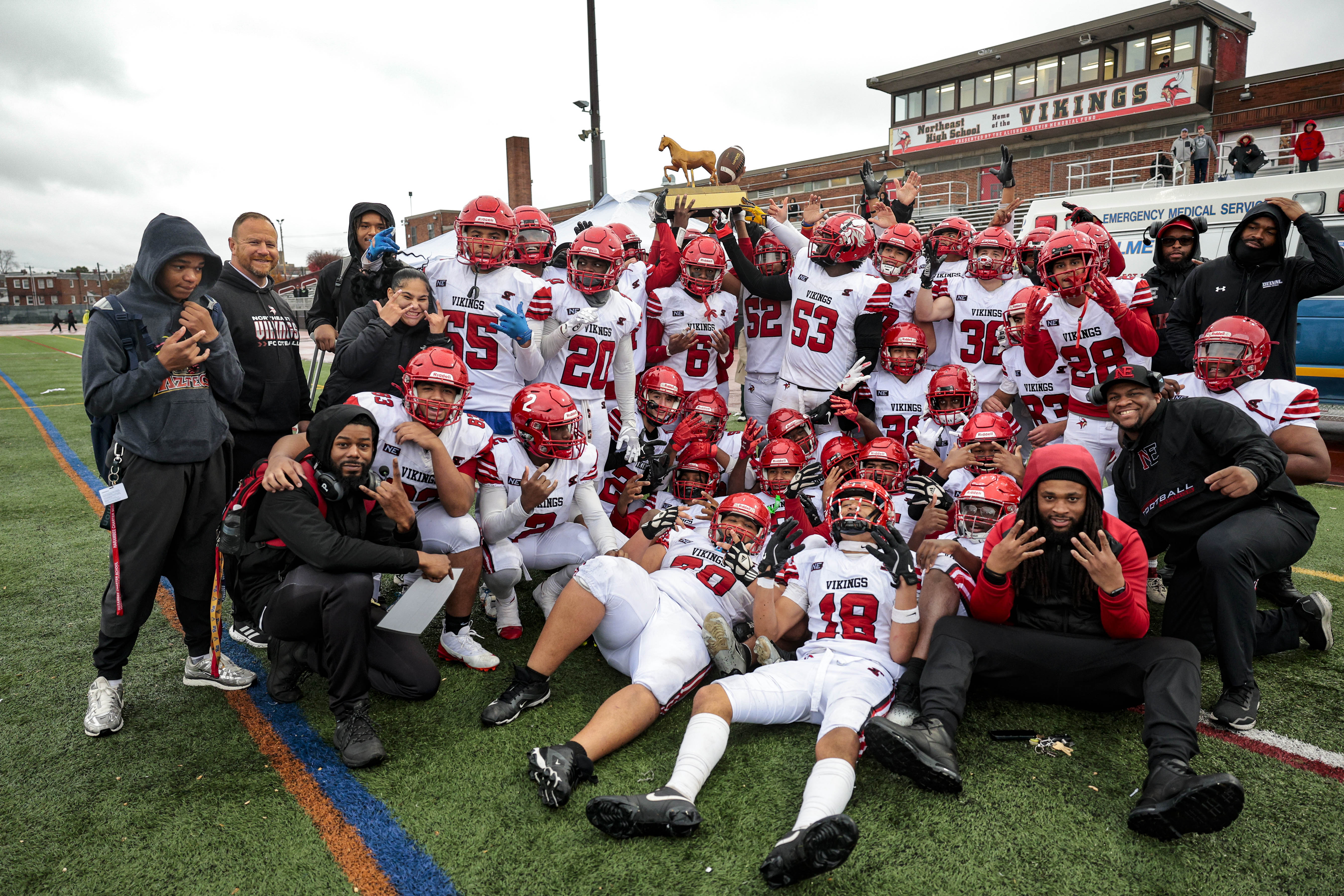
    Northeast celebrates its 37-21 win over Central with the Thanksgiving game Wooden Horse trophy last year.

    Lincoln held his breath last Thanksgiving before he found the Wooden Horse’s tail on the field. His first win against Central wasn’t spoiled by a horse’s rear.

    Gormley took the Wooden Horse to a nearby trophy shop, which repaired the tail and added last year’s final score — Northeast 37, Central 21 — to the base before it was tucked safely into the trophy case. The Wooden Horse, just like the game it represented, refused to go away.

    “I’m going to try to bring it out again,” Lincoln said. “Let’s see if the AD allows me to.”