Author: Matt Breen

  • Bucko Kilroy was once called the NFL’s dirtiest player. He became much more than that in a six-decade career.

    Bucko Kilroy was once called the NFL’s dirtiest player. He became much more than that in a six-decade career.

    Bucko Kilroy spent a week in a Philadelphia courtroom three years after a Life magazine story described him as football’s dirtiest player. He sued the magazine for libel, claiming the accusation that he purposely injured opponents had ruined his reputation.

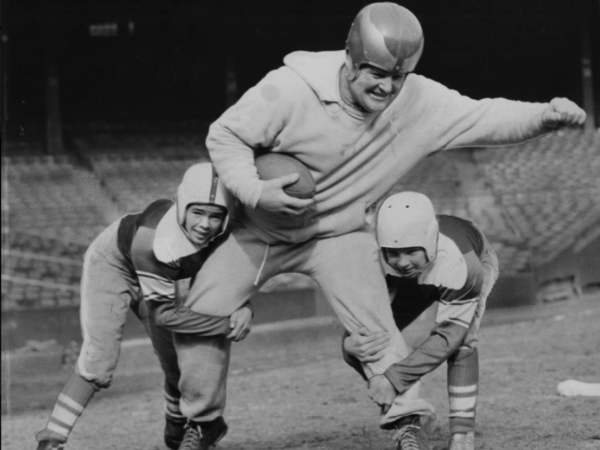
    He was a two-way lineman for the Eagles who once played in 101 straight games. Dirty? Never, Kilroy said. A lawyer representing the magazine during the 1958 case asked Kilroy if he remembered kicking the Chicago Bears’ Ray Bray in the groin. “It is all according to what you mean by kicking,” Kilroy said.

    Upton Bell’s secretary interrupted him in his office to tell the newly hired New England Patriots general manager that someone was on the phone for him. It was a collect call from a pay phone.

    “I said to myself, ‘Who the heck is this?’” said Bell, whose father founded the Eagles in 1933.

    It was Kilroy, who was working for the Dallas Cowboys and had scouted with Bell years earlier. He wanted to work for the Patriots.

    “He was calling from a phone booth because he didn’t want Dallas to know that he was applying for the job,” Bell said. “He said, ‘There’s no way they can trace this to me.’ Typical Bucko.”

    Francis Joseph “Bucko” Kilroy, who will be inducted Friday into the Eagles Hall of Fame during the game against the Bears, spent 64 consecutive years in the NFL as a player, coach, scout, and front-office executive. He grew up in Port Richmond, starred at North Catholic and Temple, and won NFL championships with the Eagles in the 1940s before helping Bill Belichick win Super Bowls as a scouting consultant in the 2000s. Kilroy was there.
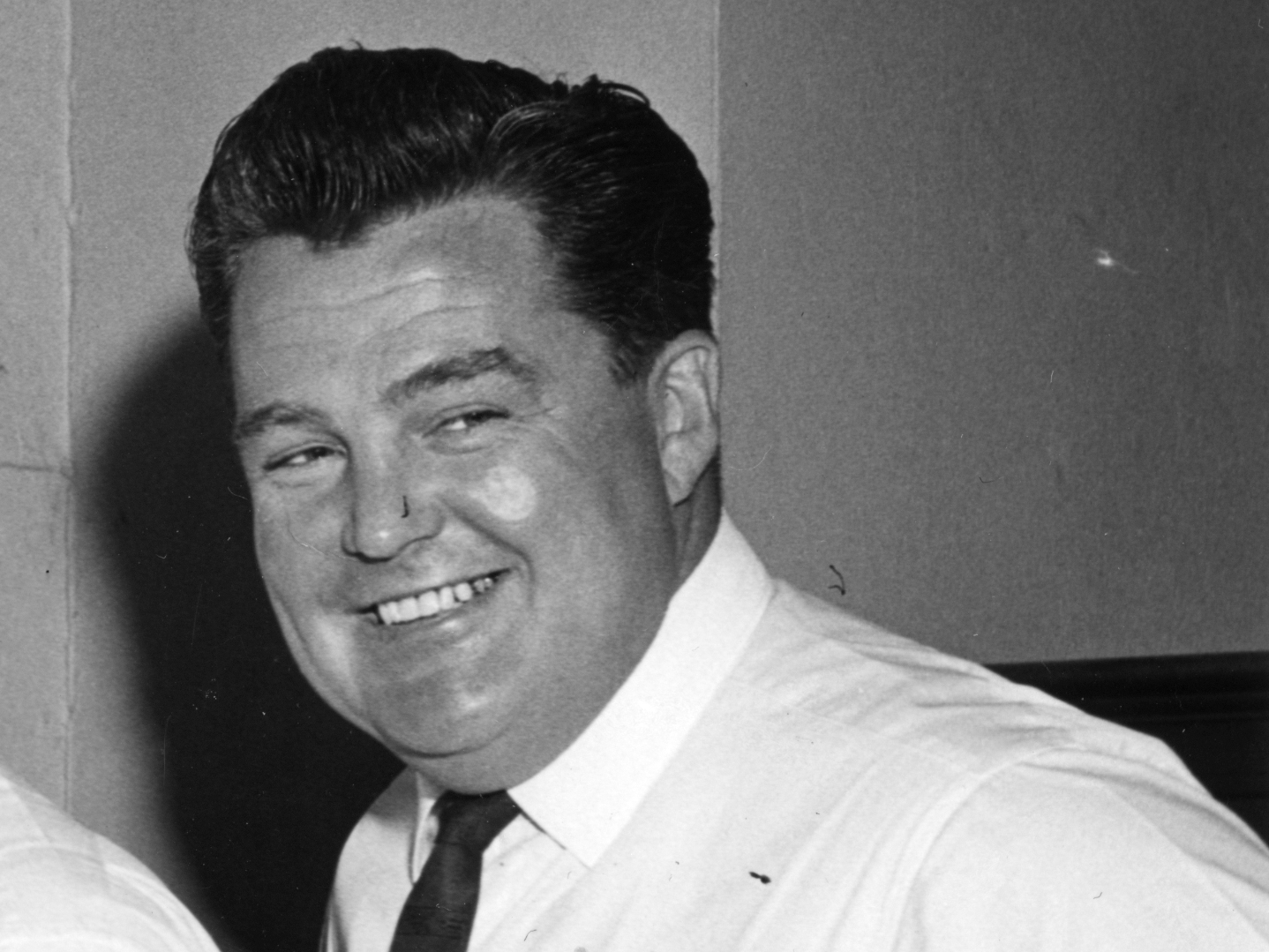
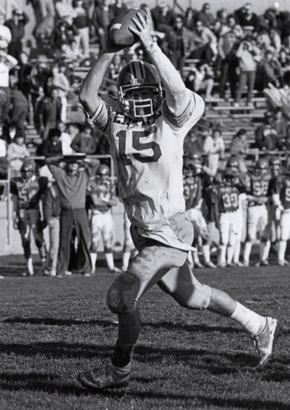
    Bucko Kilroy during his time as the Eagles’ player personnel director in 1960, when they won the NFL championship.

    Kilroy was one of the league’s first scouts and a front-office innovator who helped teach a lineage of future decision makers from Hall of Famer Bill Parcells to current Tampa Bay general manager Jason Licht. He was much more than the dirtiest player in football. And everything — from the players he was targeting in the draft to the phone calls he made — was a secret.

    “I would ask him, ‘Is that for public record or not?’” said Tom Hoffman, the Patriots’ director of public relations during Kilroy’s tenure as GM. “He would tell me, well, he can always disseminate confidential misinformation.”

    Battle scars

    The incident happened, Kilroy told the lawyer, about 10 years earlier during a preseason game. He fell down on a kickoff and Bray jumped on top of him. Kilroy said he put his foot up and flipped Bray over. Kilroy was ejected and fined $250.

    The lawyer asked Kilroy if that was a fair description of a “vicious kick in a very vulnerable spot.” No, Kilroy said. “I wasn’t trying to kick him, I was trying to ward him off. The man was trying to jump on me. How else could I get rid of him? Am I going to let him jump on me?”

    Kilroy spent most of his adult life with the indention of a cleat on his cheek, a scar from his time in the NFL when face masks were rare and gentlemen were even rarer. A kick to the face may not have been a penalty, but it did leave a battle scar. Kilroy’s NFL was wild — penalties like roughing the passer were years away — and the guy from Port Richmond fit right in.

    “Nothing came easy for him,” said Dan Fahy, Kilroy’s great-nephew. “He had to work hard. He had that grit and that desire and that ferociousness to succeed. He saw football as a game of toughness and that meant playing the game tough.”

    An Eagles player from 1943-55, Kilroy crushed opponents’ faces with his huge hands, tripped ballcarriers, and drove quarterbacks into the turf.

    When he injured a Pittsburgh Steelers player in 1951, the Steelers said they would get revenge on Kilroy when the teams played again. Bring the brass knuckles, he replied. He was a 6-foot-2, 243-pound menace who never backed down.

    “I can remember my father getting a call from Bucko’s wife [Dorothy] complaining because my dad [who became NFL commissioner] had fined him,” Bell said. “I think he kicked someone in the head. I can hear the whole conversation and he’s telling her, ‘Mrs. Kilroy, if Bucko goes the rest of the season without getting in trouble, I’ll give you the money.’ Bucko had promised to buy her a mink coat with his bonus. So she was calling because she thought she was losing her coat. My dad said, ‘I won’t give him the money back, but I’ll give it to you.’ And that’s what he did. Bucko didn’t get in trouble the rest of the year and my father had the check issued to her, not him. She got her coat.

    “He did have a reputation for being a dirty player. But there were a lot of guys around like that. The game was totally different. He was also a pretty damn good player. Guys were fearful of him.”
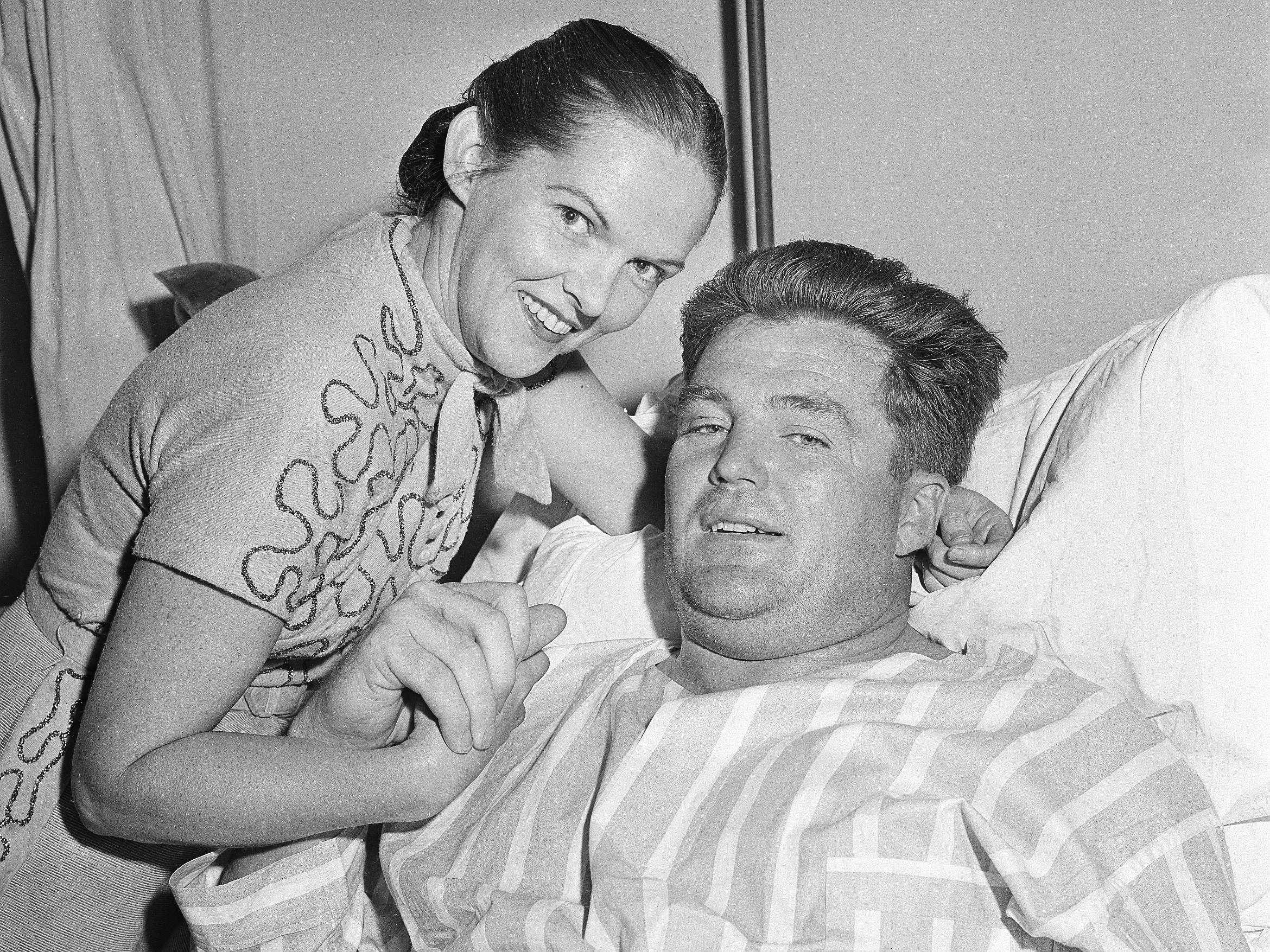
    Eagles lineman Bucko Kilroy with his wife, Dorothy, in the hospital after he suffered a career-ending knee injury against the New York Giants in 1955.

    Kilroy’s uncle, Matt “Matches” Kilroy, pitched in the majors (his 513 strikeouts in 1886 are still a record) and his father owned a bar on Richmond Street. He grew up in St. Anne’s parish during the Great Depression and played in the NFL with the same vigor he did as a kid against the boys from Nativity.

    Kilroy started his professional career in 1943 with the Steagles, the team Bert Bell formed during World War II by combining the Eagles and Steelers.

    He played on the weekends, commuting from New York while serving in the Merchant Marines. It was the start of an NFL career that spanned more than six decades without missing a season.

    “Football hasn’t just been a part of my life,” Kilroy said in 1993 after joining North Catholic’s Hall of Fame. “It is my life.”

    Kilroy was roommates on the Eagles with Walt “Piggy” Barnes, who later found work in Hollywood as an actor in Clint Eastwood movies. Kilroy worked during each offseason — he sold cars at night one year after working mornings in a stone quarry — and lived in a twin house on Wakeling Street in Frankford.

    When the Eagles won the 1948 title by beating the Chicago Cardinals, it was Kilroy’s fumble recovery that positioned the Birds for their only score during a snowstorm at Shibe Park. A year later, the Eagles repeated as champions and were gifted $500 and cigarette lighters. If they wanted championship rings, the players had to pay $65.

    Kilroy, who was later named to the NFL’s all-decade team for the 1940s, was the oldest player in the NFL at age 34 when he entered his 13th and final season. His career ended in the 1955 opener against the Giants. They were still angry at Kilroy for injuring quarterback Arnie Galiffa two years earlier. The Giants mangled Kilroy’s knee during a pile-up and he never played again.
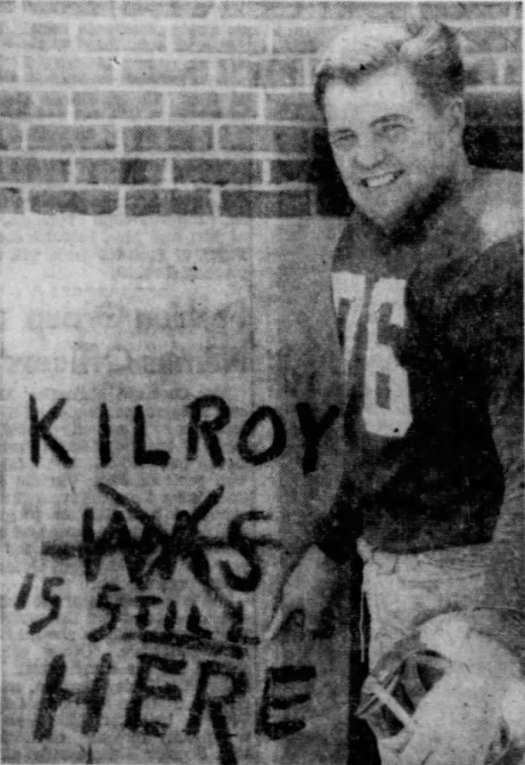
    Bucko Kilroy was the oldest player in the NFL when he retired with the Eagles in 1955 at age 34.

    “These guys had it for him,” Fahy said. “But his own teammates would have told you that he had it coming. He had a reputation.”

    ‘Ornery critters’

    Kilroy and teammate Wayne Robinson — who also sued Life magazine — were described in the article as “ornery critters.” Cloyce Box of the Detroit Lions explained in court that an ornery critter was a “domesticated animal which at periods of times acts without the scope of that domestication.”

    Otto Graham, the Hall of Fame quarterback from Cleveland, said in court that the Eagles were the “roughest football team in the National Football League.” And Kilroy? “Well, he was the bad boy, one of the bad boys, of the league,” Graham said.

    Kilroy left that pay phone in 1971 to work with Bell in New England as the personnel director. He was the Eagles’ player personnel director when they won the 1960 NFL championship, making him one of the league’s first scouts. He later built scouting systems for the Dallas Cowboys that led to five straight division titles. He was instrumental in launching the scouting combine for the draft.

    Kilroy’s Patriots hit on three first-round picks in 1973 by selecting future Hall of Fame lineman John Hannah, running back Sam Cunningham, and wide receiver Darryl Stingley. Three years later, the Pats again had three first-rounders and Kilroy drafted another future Hall of Famer in defensive back Mike Haynes.

    “He was a brilliant mind,” Hoffman said.

    Kilroy was promoted to GM in 1979 and later became the Patriots’ vice president before becoming a scouting consultant, a position he held until he died in 2007 at age 86. Belichick honored him the next spring when the Patriots drafted for the first time without Kilroy. He was a pillar of the league, Belichick said. Kilroy spent one year longer in the NFL than George Halas. He was more than a dirty player. And that was his best-kept secret.

    “You would think, ‘This is just some big, dumb football player,’” Bell said. “But if you got to know him, you learned how smart he was. He was one of the greatest characters I’ve ever known and I’ve known most of the great characters. I once told him, ‘Bucko, you’re so secretive. Are you sure you didn’t work in the CIA?’

    “Bucko Kilroy belongs in the Pro Football Hall of Fame. That’s how good he was. And if I don’t get a phone call from Bucko Kilroy in a phone booth, I don’t hire him.”

    Kilroy won his lawsuit against the magazine and was awarded $11,600. It was more than he ever made in the NFL as his first season with the Steagles earned him just $1,300.

    But the lawsuit wasn’t really about Kilroy as much as it was about the NFL, which was trying to protect its image as it grew in popularity. The league needed to respond to an article titled “Savagery on Sundays” and Kilroy’s libel case was the response. Kilroy played football with an edge, so calling him dirty was hardly an offense. “I don’t think Bucko was ever offended by anything,” Bell said.
  • Rivals Northeast and Central believe their Thanksgiving football game, like the game’s trophy, is worth saving

    Rivals Northeast and Central believe their Thanksgiving football game, like the game’s trophy, is worth saving

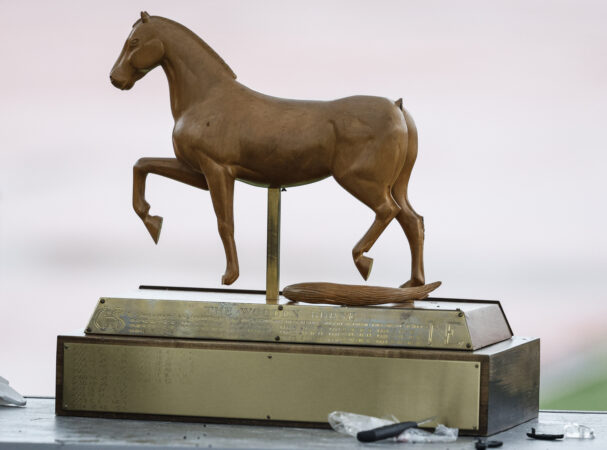
    It was Nick Lincoln’s first season at Northeast High School, so the football coach asked his athletic director last November if the Wooden Horse — the mahogany trophy carved nearly 80 years ago by a student — could be brought to the field on Thanksgiving morning for the annual game against Central.

    The trophy, heavy and old, usually stays inside. But what good is the Wooden Horse if the players can’t hoist it after a win?

    “Well, we had a little too much excitement,” Lincoln said.

    The celebration ended, and the horse no longer had a tail.

    “I said, ‘Dude, you’re going to get me fired,’” athletic director Phil Gormley said. “‘You’re going to be back coaching in Delaware, and I’m going to be bagging groceries at the Acme.’”

    Northeast vs. Central is one of the longest-running rivalries in the country, but the Thanksgiving game is no longer the spectacle it once was. The halls of the schools don’t buzz in the weeks leading up to it, the parade down Cottman Avenue was canceled years ago, the bleachers aren’t filled, and the trophy is falling apart.

    High school football in Philadelphia once meant as much to Thanksgiving as Santa Claus climbing into Gimbels. But traditions fade. Just 10 games are planned Thursday in Southeastern Pennsylvania, down from 28 in 2005. Thanksgiving games have faded for a variety of reasons: state playoffs, lack of competition, tepid attendance, and school closures.

    But Northeast vs. Central — the schools say it’s the nation’s oldest rivalry among public schools — refuses to go away, even if the trophy is showing its age. The teams will meet again at 10:30 a.m. Thursday at Northeast.

    “I don’t think the game will fade,” Gormley said. “It’s not attended like it used to be, but I know it’s still important to our alumni. When I talk to anyone who comes back for any reason, it’s always a question that eventually comes up. I think the game, for the foreseeable future, is OK. It’s certainly something that could happen, but thankfully it’s not something that will happen anytime too soon.”

    A historic game

    The schools first played in 1892 and started playing annually in 1896. The rivalry has paused only twice: in 1918 during World War I and 2020 during the pandemic. They’ve played through snow, rain, and muddy fields.

    The rivalry was real, as the schools were just three miles apart: Central was at Broad and Green, and Northeast was at 8th and Lehigh. The trophy came along in 1947, when Northeast’s Spurgeon Smith, using only a kitchen paring knife, carved into a block of mahogany donated by Smythe Mahogany Company.

    The games often were epic and packed. More than 15,000 fans saw Central beat Northeast in 1929 at the Baker Bowl, they played a muddy scoreless tie in 1971, and they’ve braved a few snowstorms.

    Philadelphia had a full slate of high school football on Thanksgiving morning, and Northeast-Central was the game for years.

    “Everyone is brought on board at Central knowing that Thanksgiving is against Northeast,” said Jeff Thomas, Central’s associate archivist. “No matter how good or bad the team is that year, that is the most important game. Very similar to Army-Navy. Both teams could be 1-6, but when they play each other, it’s the most important game.”

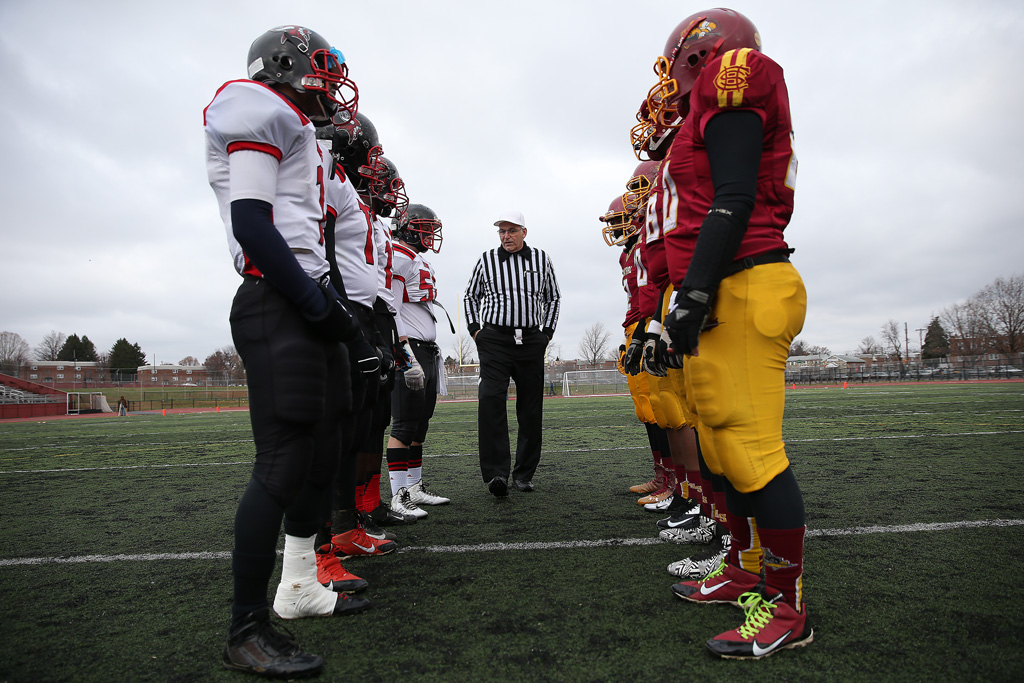
    Northeast High School football players (left) meet at the center of the field with their Thanksgiving Day rival, Central High School, before the 2014 game.

    In 1986, current Central coach Rich Drayton scored five touchdowns as the Lancers ran up the score in a 60-3 win in front of 7,000 fans. Afterward, Northeast coach Harvey Schumer refused to shake hands with Central coach Bob Cullman, and the two had to be separated at midfield. Three years earlier, Northeast didn’t let up in a 42-point Thanksgiving win. So Central was returning the favor.

    The rivalry was deep.

    “Wherever you go wearing your Lancers stuff, people ask for your class number,” Drayton said. “The next thing they say is, ‘Are we going to win on Thanksgiving?’ It’s a really big deal. Hopefully, the student body can notice before it’s too late how important it is.”

    Hanging on

    The parade of antique cars and convertibles started near the Roosevelt Mall, traveled west on Cottman Avenue, turned right on Glendale Avenue, then finished with a lap around the track that circled Northeast’s football field.

    The stands were filled as more than 6,000 fans came each Thanksgiving to see which school’s trophy case would hold the Wooden Horse.

    But the parade ended about 15 years ago when the school district replaced the cinder track with rubber. Students no longer decorate the stadium like they once did, and the game now attracts between 600 and 800 fans instead of thousands.

    Both schools have strong alumni groups, and former students still come out. It’s a chance to wear a letterman’s jacket, see old classmates, and tell the same stories.

    “We have breakfast in the gym for alumni who come back,” Gormley said. “These old guys would be in there razzing each other. ‘Well, you lost to Central. I never lost to them.’ You know how guys talk. It’s funny to hear.”

    Central’s Mike Roche threw for 409 yards and five touchdowns in a 60-3 rout of Northeast on Thanksgiving Day 1986.

    But interest among current students is tepid. Both schools draw students from across the city, and getting to Northeast Philly on a holiday morning can be a challenge.

    The game has become one-sided — Northeast last lost in 2013 — and a football game doesn’t mean what it once did. The high school experience at Northeast and Central is not defined by the football teams the way it was in the 1960s or 1970s.

    “We have career day, and me and the other old guys come in,” Thomas said. “At the end of each class, we’ll ask them who’s going to the game. One hand raised. I’m like, ‘OK. Well, let’s beat Northeast.’ They’re like, ‘Huh?’ It’s gone full cycle to almost no care at all.”

    St. Joseph’s Prep and La Salle High School stopped their Thanksgiving game in 2006. North Catholic and Frankford played their final game in 2009 before North closed seven months later. Father Judge and Lincoln canceled their annual game last year, and Neumann Goretti and Southern won’t play this year.

    Thanksgiving games drop off the schedule every year. As interest drops, could Northeast-Central be next?

    “No,” Thomas said. “Well, maybe. After, say, everyone who graduated before 1985 is gone.”

    High school football’s regular season in Pennsylvania started a week before Labor Day and ended a week before Halloween. Central did not make the playoffs, and Northeast lost in the first round, so neither team has played a game in nearly four weeks.

    The PIAA playoff schedule has ended other rivalries as schools are either playing this weekend in the state tournament — like La Salle — or have been dormant for too long to play on Thanksgiving.

    Northeast and Central found a way to keep their teams together as they wait for Thanksgiving. The coaches could have walked away weeks ago when the season ended — they instead practice a few times a week and schedule time in the weight room. They want to give their kids another game.

    “I would love to be playing a PIAA playoff game and have to forfeit,” Lincoln said. “But it’s another chance for our guys to play football.”

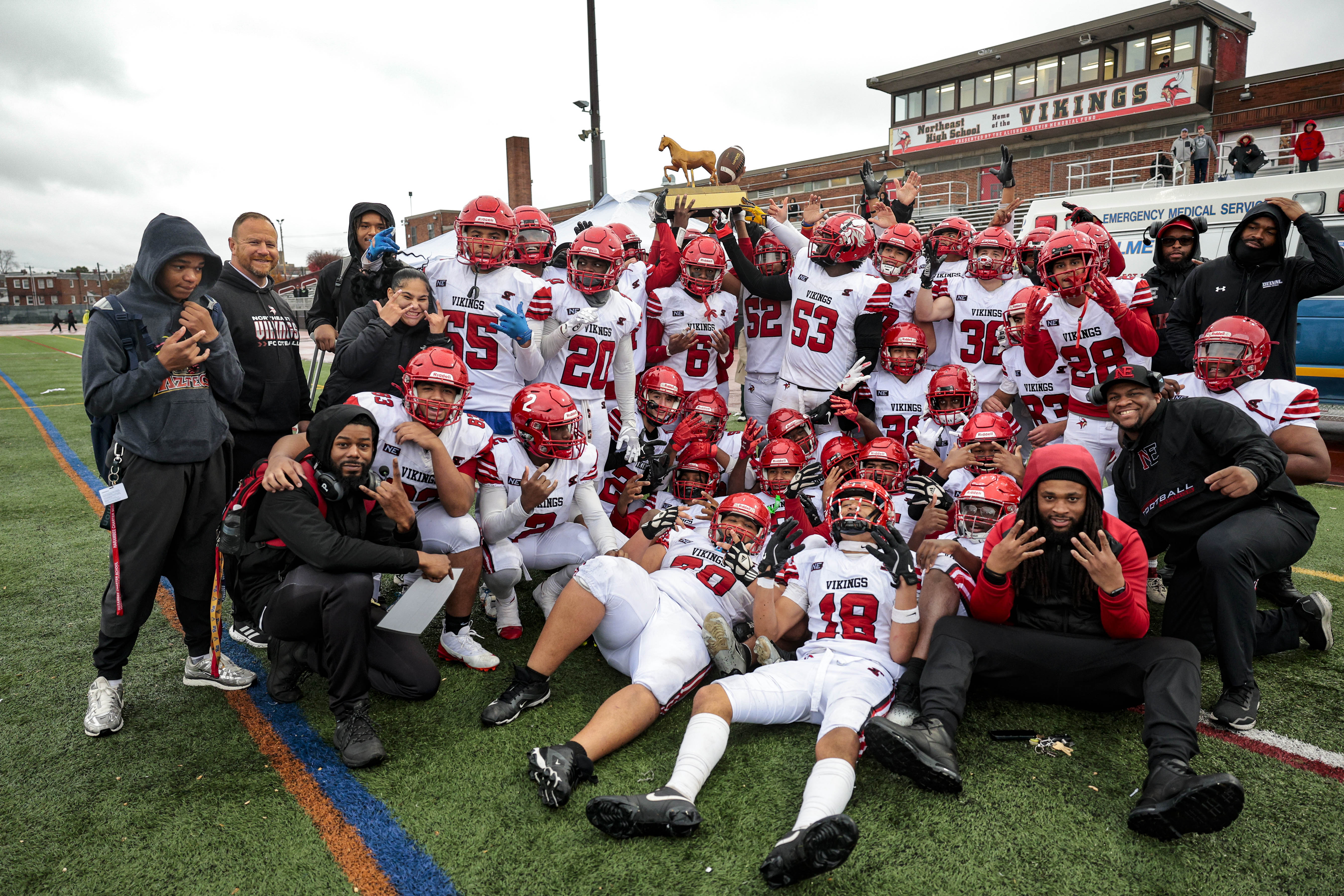
    Northeast celebrates its 37-21 win over Central with the Thanksgiving game Wooden Horse trophy last year.

    Lincoln held his breath last Thanksgiving before he found the Wooden Horse’s tail on the field. His first win against Central wasn’t spoiled by a horse’s rear.

    Gormley took the Wooden Horse to a nearby trophy shop, which repaired the tail and added last year’s final score — Northeast 37, Central 21 — to the base before it was tucked safely into the trophy case. The Wooden Horse, just like the game it represented, refused to go away.

    “I’m going to try to bring it out again,” Lincoln said. “Let’s see if the AD allows me to.”

  • Flyers fans once joined a club by getting hit by a puck. It made them ‘feel special’ — and protected the team.

    Flyers fans once joined a club by getting hit by a puck. It made them ‘feel special’ — and protected the team.

    Peter Fineberg sat in his Spectrum seats for more than 20 years, certain his perch was safe from the pucks that often flew into the stands. It would be years until protective netting was installed at every NHL arena, but Fineberg’s season tickets were behind the glass. He was good.

    “The puck came in lots of times,” Fineberg said. “But always above me.”

    But here it came — an errant slap shot in 1989 from a Flyers defenseman that redirected after tipping the top of the glass — falling straight onto Row 11 of Section L.

    “We all see it coming,” Fineberg said. “I bail out of the way.”

    He escaped, got back to his feet, and saw his mother grabbing her chin.

    “I said, ‘Mom, what happened?’ She said, ‘The puck hit me,’” Fineberg said. “I go ‘What?’ She takes her hand off her chin and she just spurts blood.”

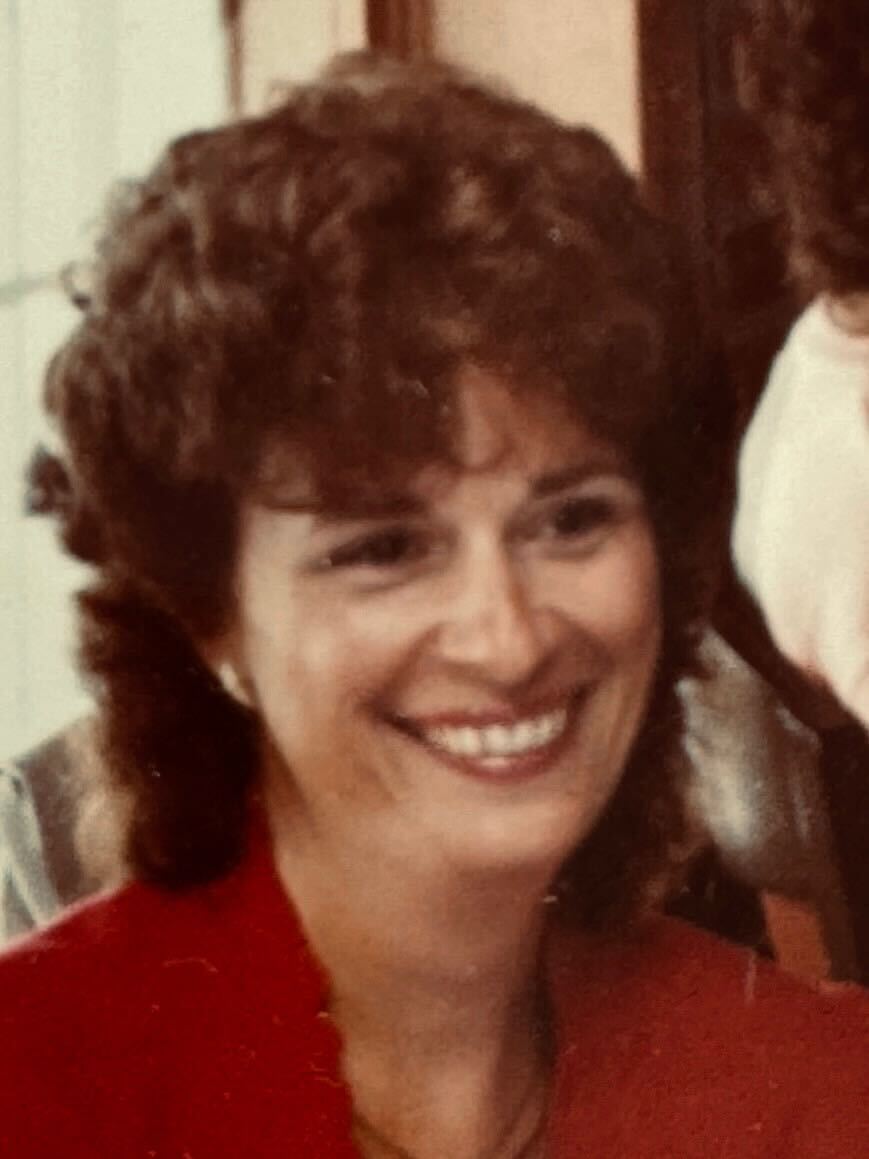
    An usher walked Nancy Fineberg to a first-aid station where they helped slow the bleeding and offered the 64-year-old an ambulance ride to the hospital. But this was a playoff game and Nancy Fineberg, a mother of three who graduated from Penn in the 1940s, loved the Flyers. The stitches could wait.

    “She said ‘I’ll go to the hospital after the game,” her son said. “She toughed it out.”

    Another fan gave Nancy Fineberg a handkerchief to hold against her chin for the rest of the third period as the Flyers beat the Pittsburgh Penguins.

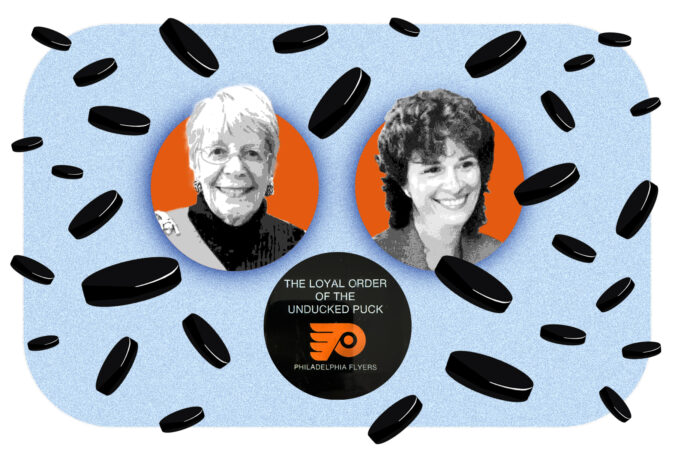
    A package was shortly after delivered to her home in Bala Cynwyd. Fineberg was officially a member of the “Loyal Order of the Unducked Puck,” an exclusive club created by the Flyers in the 1970s partly as a way to dissuade fans from suing them if they were hit by a puck. You could not purchase a membership. You had to earn it.

    “It was screaming,” her son said of the puck. “I’m amazed it didn’t break her jaw.”

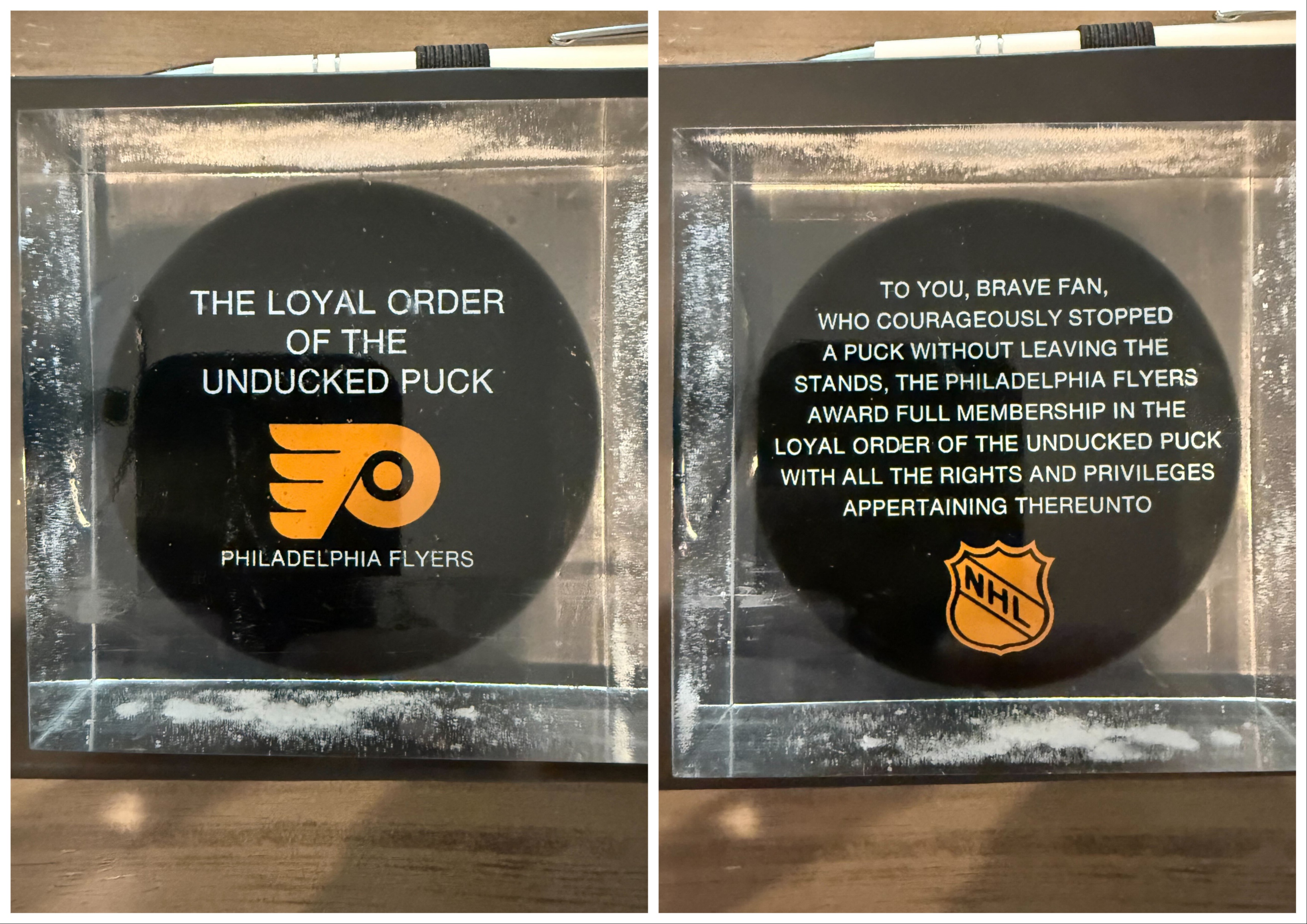
    A Loyal Order of the Unducked Puck plaque. The club was created by the Flyers in the 1970s partly as a way to dissuade fans from suing them if they were hit by a puck. You could not purchase a membership. You had to earn it.

    A negative to a positive

    A fan wrote to the Flyers in the early 1970s, letting them know that she was hit by a puck at the Spectrum and her outfit was ruined. Lou Scheinfeld, then the team’s vice president, told the fan the team would replace the bloodied clothes and get her tickets to a game. But he wanted to do more.

    Ronnie Rutenberg, the team’s lawyer, envisioned more fans complaining about being hit by pucks and feared that lawsuits would be filed. The Flyers, he said, needed to turn being hit by a puck into a positive.

    “He figured that if we made people feel special, they wouldn’t sue us,” said Andy Abramson, who started working at the Spectrum in the 1970s and became a Flyers executive in the 1980s. “Ronnie was brilliant.”

    So the Flyers created the Loyal Order of the Unducked Puck and made fans feel brave for having been hit by an errant shot. Scheinfeld advised security members to immediately attend to any fan who was struck, bring them to a first-aid station, and gather their information.

    The team then sent them a letter signed by a player and a puck with an inscription written by Scheinfeld printed on the back.

    “To you brave fan who courageously stopped a puck without leaving the stands,” the inscription read. “The Philadelphia Flyers award full membership in the Loyal Order of the Unducked Puck with all the rights and privileges appertaining thereunto.”

    The pucks were sent to fans for years, easing the pain of being hit by a frozen piece of rubber and making a bruise feel like an initiation. In 2002, the NHL mandated teams to install protective netting behind each goal after a 13-year-old girl was killed by a puck that was deflected into the stands. The netting has stopped most pucks from entering the stands, all but eliminating the need for a Loyal Order.

    “You couldn’t buy your way in,” Abramson said. “You had to live through the experience in order to qualify. And you had to be willing to give up your personal information to a representative of the Spectrum in order to be enrolled.

    “Let’s say you got hit and shook it off. We never knew, and you didn’t get in. It’s one of these unique things that made the Flyers who we were. It wasn’t just a hockey team.”

    The first Flyers game played at the Spectrum against the Penguins on Oct. 19, 1967.

    The perfect arena

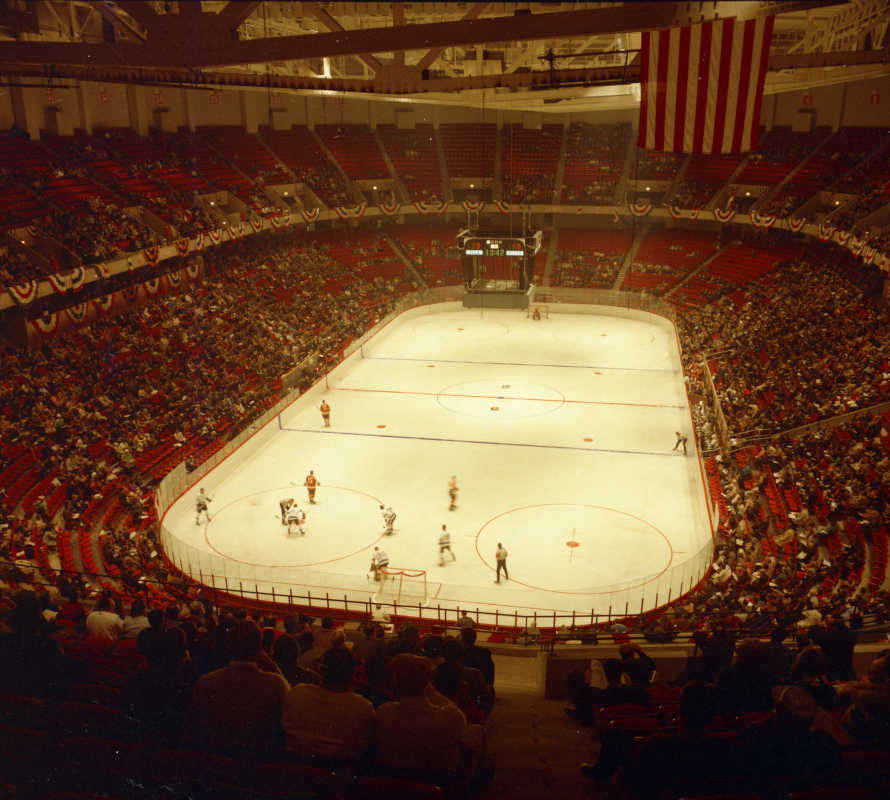
    The rows of seats inside the Spectrum were steep, because the arena was built on just 4½ acres, forcing developers to build up instead of out. It was perfect for hockey.

    “Every seat was close to the ice, and you were on top of the action no matter where you were,” Scheinfeld said. “The sound was deafening. You could hear the click of the stick when the puck hit it. When a guy pulled up in front of the goalie and his skate sent an ice spray, you could hear that.

    “It was like a Super Bowl every game. You couldn’t get a ticket. People didn’t give away their tickets to a friend or company. They came.”

    And the pucks came in hot.

    “We were right in the shooting gallery,” said Toni-Jean Friedman, whose parents had season tickets behind the net. “Thinking about that now, that was really crazy.”

    Friedman’s mother was introduced to hockey in the 1970s, falling for the foreign sport at the same time nearly everyone else did in the region. Fran Lisa and husband Frank met a couple of friends at Rexy’s, the haunt on the Black Horse Pike where the Broad Street Bullies were regulars.

    The Lisas met the players, got Bobby Clarke’s autograph on the back of a Rexy’s coaster, and bought season tickets at the Spectrum. A few years later, a puck was headed their way.

    “She was trying to catch it, but then survival instincts took over,” Friedman said. “We saw people taken out in stretchers.”

    The puck hit Lisa’s wrist and ushers rushed to her seat. She shrugged it off and watched the game. They jotted down her address in Marlton Lakes, and a puck was soon on its way. She was a member of the Loyal Order.

    “She was proud of it. She showed it to everyone,” her daughter said. “So it worked because she would’ve never thought twice about suing, not that that’s who she was anyway.”

    Fran Lisa was hit on the wrist by an errant puck. “She was trying to catch it, but then survival instincts took over,” her daughter said. “We saw people taken out in stretchers.”

    The Flyers had Clarkie, Bernie, The Hound, and The Hammer, but the Spectrum was more than just the Bullies. Sign Man was prepared for anything, Kate Smith brought good luck, and a loyal order of fans sold out every game. Hockey in South Philly — a foreign concept years earlier — became an event.

    “There was always action. There was always something going on,” Fineberg said. “And you never thought the Flyers were going to lose. I remember going into the third period and they’re down, and Bobby Clarke … it gives me chills … Bobby Clarke just took over and would score and bring them back. It gives me chills thinking about it. It was unbelievable.”

    Fineberg bought season tickets in the late 1960s for $4.50 a seat as a teenager attending the Haverford School. His mom started going with him a few years later, knitting in the stands and wearing sandals no matter how cold it was outside.

    “I can still see her crossing Pattison Avenue in the snow with sandals and no socks,” said her daughter, Betsy Hershberg.

    The faces in the crowd became almost like family as they invited each other to weddings and kept up with more than just hockey. A couple from Delaware sat next to the Finebergs, a UPS driver was in front, a teenager from Northeast Philly was down the row, the Flyers’ wives were nearby, and Charlie was in Seat 1.

    “Charlie had one of those comb overs. He was an older guy,” Fineberg said. “I remember one time, the Flyers scored and everybody jumped up. A guy in the back spilled his beer on Charlie’s head and his hair was hanging down to his back.

    “You go to all these games with these people and share all these experiences. You can’t help but have a bond with them.”

    Unducked Puck member Nancy Fineberg (left). “She said ‘I’ll go to the hospital after the game,” said her son. “She toughed it out.”

    A lasting legacy

    Nancy Fineberg is 99 years old and watches sports on TV. Her 100th birthday is in March. She went to Methodist Hospital after the Flyers won that game and left with 25 stitches. A faint scar is still visible on her chin. Her grandson Dan Hershberg has the puck the Flyers sent to her house, clinging to the symbol of his grandmother’s induction into the Loyal Order like it’s a family heirloom.

    “My grandmom is kind of like an old-school badass,” Hershberg said. “Yeah, I was at the hockey game and things happen and you move on.”

    The original Loyal Order puck was a cube of Lucite with a Styrofoam puck inside — “Seriously?,” Friedman said — because a real puck would be too heavy. The Flyers later created plaques for members. They also sent a letter signed by a player. Friedman’s mother heard from Bernie Parent.

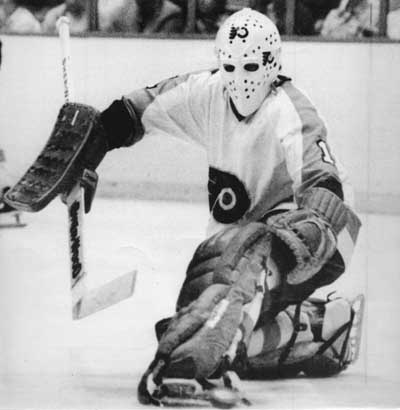
    Bernie Parent, the former Flyers goalie, would sign letters sent to Loyal Order of the Unducked Puck inductees.

    Dear Fran,

    Unfortunately, you are now a full-fledged member of the Loyal Order of the Unducked Puck. I know your initiation was tough, but now that you have passed it with flying colors, Pete Peeters, Rick St. Croix, and myself (all honorary members) would like to take this opportunity to welcome you to the club. Everyone in the Flyers organization hopes you are now feeling fine and we hope you’ll accept this little memento of your unpleasant experience with a smile.

    Best regards,

    Bernie Parent

    Fran Lisa died in March. There was always a game on TV, her daughter said, and Lisa knew all the stats. When the family wrote her obituary, they mentioned how she “showered people with love and food” and invited everyone to her Shore house. Lisa, they said, was the axis of her family.

    And they also made sure the obituary included that she was a member of the Loyal Order of the Unducked Puck. Lisa was 85 years old and being hit with a puck at the Spectrum was worth a mention. The family wanted all to know that their mother earned her place in the Loyal Order.

    “It was her,” Friedman said. “To her, she felt like she was a Flyer because of this whole thing. She was in the club. I can’t describe it any other way but she was proud. It was a great idea.”

  • A Blue Jays scout died in Philly before the World Series. His friends have a new favorite team.

    A Blue Jays scout died in Philly before the World Series. His friends have a new favorite team.

    Brent Urcheck was in his early 20s with a nice apartment in Washington and a well-paying job. But that’s not what he wanted. Mr. Urcheck wanted to chase a dream, not sit in a cubicle.

    He flew to New Orleans in December 2003 for the winter meetings — an annual gathering of nearly everyone who works in professional baseball — to find a way to work in the game. He didn’t have many connections, but Mr. Urcheck was determined to get in.

    He handed out his resumé, landed an internship with the Cleveland Indians, and quit his finance job to chase his dream in a tiny office in the basement of the ballpark.

    Mr. Urcheck spent 20 years in the game and helped build the Toronto Blue Jays into pennant winners this season as a player personnel manager. His dream became his job. His rise was no surprise to anyone who knew Mr. Urcheck, who died Oct. 8 in his South Philadelphia apartment just 12 days before the Blue Jays reached the World Series. Mr. Urcheck died of natural causes, his family said. He was 49.

    “He knew. He just knew that’s not what he wanted to do” said Jon Watts, Mr. Urcheck’s childhood friend and roommate in Washington. “He did a lot of self-examination and realized that ‘My passion is baseball, so that’s what I’m going to do.’ It was so admirable that he went after it like that and knew what he wanted. As soon as you met him, you knew he would be special.”

    Mr. Urcheck grew up outside Cleveland, studied finance at the University of Richmond, and moved to Philadelphia in 2006 while working as a scout for Cleveland. The city provided a centralized location for his travel-heavy job. It quickly became home. He frequented concerts at venues like the Highmark Mann Center and Union Transfer, played the jukebox at Doobies Bar, and was a card-carrying member of the Palizzi Social Club.

    “The jukebox still played CDs, and it was a dollar for four plays,” said Frankie Garland, a friend of Mr. Urcheck. “We would spend a lot of nights there, just taking turns on the jukebox and having great conversations. He was just such a calming presence. If you invited him to a show with another group of friends, he would fit in seamlessly like he knew them forever.”

    Urcheck wasn’t from Philadelphia, but Garland said the guy from Shaker Heights, Ohio, epitomized everything Philly was about. He was loyal, dependable, and honest. Mr. Urcheck, said another friend, Frank Spina, simply was “solid.” He didn’t care for the Philly teams — he somehow never wavered in loving the Cleveland Browns — but he loved Philly.

    “He just showed up for people,” said a friend, Julie Spragg. “Like the people at Palizzi became his family. One of the bartenders is in a band, and he would go far away to go see them play. He was all in.”

    Julie Spragg said Brent Urcheck was “all in” with everyone he knew.

    Mr. Urcheck graduated from Richmond in 1998 and was a seldom-used backup catcher on the baseball team. A three-sport athlete in high school, Mr. Urcheck could have switched colleges to play more. That was never a thought.

    “He showed up with a level of humility that you don’t often see in Division I sports,” Spina said. “A nonscholarship player who had tons of high school accolades. He knew he had to earn it and he approached his collegiate career the same way I would characterize his rise through the scouting world. He started at the bottom and worked without an ego and learned.”

    Mr. Urcheck’s internship with Cleveland (now known as the Cleveland Guardians) came with no guarantees. His career in professional baseball could have lasted just a few months. But he didn’t need any promises. Mr. Urcheck knew that’s where he belonged.

    “Brent was real subtle,” childhood friend Jason Lowe said. “He would just do things. He was like, ‘Yeah, I got a job as a scout with the Indians.’ We’re like, ‘What?’ He just did it. It was never about him.”

    Brent Urcheck (left) with his friends at the Mann to see Phish.

    Mr. Urcheck paired his playing career with his finance background to become a good fit in Cleveland’s forward-thinking front office. But it was his personality — the same qualities that made him the linchpin of his many friend groups — that helped him climb the major league ladder.

    “He had this uncommon ability to get along with everyone he meets,” Watts said. “By showing respect, he immediately commanded respect. He was just the person you wanted to be around and respect. He was as true and genuine as they come. He wasn’t selling anything. Plus, the guy was smart, too. That didn’t hurt.”

    Mr. Urcheck spent 14 years with Cleveland before leaving for the Toronto Blue Jays in 2018. The Jays are run by two people — president Mark Shapiro and general manager Ross Atkins — for whom Mr. Urcheck worked in Cleveland. Toronto won the American League East this season after finishing 2024 in last place. A guy who lived at 13th and Reed Streets had a hand in a magical season.

    The Blue Jays held a moment of silence for Mr. Urcheck before a playoff game earlier this month and tweeted that Mr. Urcheck “left a lasting impact on the organization” and “has been crucial in helping build a successful Major League roster this season.”

    “Brent was just really smart,” said Jason Morris, a college teammate. “He was a smart kid. You combine that catcher’s mentality with being a really sharp dude plus being so enjoyable to be around, I don’t think anyone was really surprised by what he did.”

    Mr. Urcheck had friends from every stop: Shaker Heights, Richmond, Washington, Cleveland, Philly, and Toronto. He found a way to be everyone’s friend. He was always there, Lowe said.

    Spragg was nervous two years ago to teach a fitness class, and there was Mr. Urcheck sitting in the back of each class waiting to support her. Garland wasn’t sure how he’d fit into Philly after moving here from California. One night with Mr. Urcheck was enough to know he had someone to lean on. When Watts went to West Virginia last fall to spread his brother’s ashes in the fast-moving Gauley River, Mr. Urcheck was in the boat with him.

    “That’s just how he was,” Watts said. “He showed up for everything. And I know he did that for everyone. I don’t know how he did it. He just did it. He was that kind of dude.”

    Mr. Urcheck’s friends will watch the World Series begin Friday and think of the guy who was planning a yacht-rock themed 50th birthday party. They’ll wear Blue Jays hats and root for the team that their buddy — the guy who helped them score a membership to Palizzi — helped build. Mr. Urcheck talked so little about his success that his childhood friends had to be the ones who mentioned in their group chat how the Blue Jays went from worst to first. His friends rooted for the Guardians, Yankees, and Phillies. They’re now rooting for a new team.

    “We’ve all bought Blue Jays gear,” Spragg said. “We’re all so pumped for them. It’s bittersweet because he’s not seeing this. But it’s amazing that we can all rally around it.”

    A South Philly man helped the Blue Jays reach the World Series. And it started because he was determined to make a dream come true.

    “We were living in a nice apartment in D.C. in our early 20s,” Watts said. “It was an easy, comfortable situation to stay in. So it wasn’t an easy decision. He did the work to figure out what it was that he needed to do.”

    Mr. Urcheck is survived by his mother, Sara Jane Sargent, and her husband, Jack; his father, Gary Urcheck, and his partner, Patty Arendt; his sister, Stephanie Urcheck, and many aunts, uncles, and cousins.

    A memorial reception will be held from 2-4 p.m. Sunday at Debonné Vineyards in Madison, Ohio. A Philadelphia gathering is planned for Nov. 15 at a location to be determined. In lieu of flowers, donations can be made in Mr. Urcheck’s honor to the Philadelphia Animal Welfare Society.