The University of Pennsylvania Health System had an operating profit of $189 million in the first six months of fiscal 2026, up from $117 million in the same period a year ago, the nonprofit reported to bond investors Friday.
Operating income increased, even after Penn put $43 million put into reserves for medical malpractice claims. Two years ago, Penn had recorded charges totaling $90 million for the same purpose.
Here are more details on Penn’s results:
Revenue: Penn had $6.76 billion in total revenue, up nearly 12% even adjusting for the inclusion of Doylestown Health in fiscal 2026. Penn acquired Doylestown last April.
“We’ve had good volume growth over the prior year, particularly in our outpatient activity,” the health system’s chief financial officer, Julia Puchtler, said in an interview.
The system has also had an increase in the acuity level on the inpatient side, she said. That translated into more revenue.
Expenses: The $43 million malpractice charge boosted overall malpractice expenses through December to $125 million, from $69 million in the same period a year ago.
It’s not that Penn is seeing more claims, Puchtler said. “It’s really the average reserve per claim that we’re seeing accelerate,” she said.
Notable: Excluding Doylestown, Penn saw a 5.9% increase in patient volumes, Puchtler said. “That’s mostly outpatient,” she said. “Outpatient surgery, endoscopy, and some of our other infusion therapy are all increased over the prior year.”
Editor’s note: This article has been updated to reflect an additional medical malpractice charge in 2024, bring the total to $90 million.
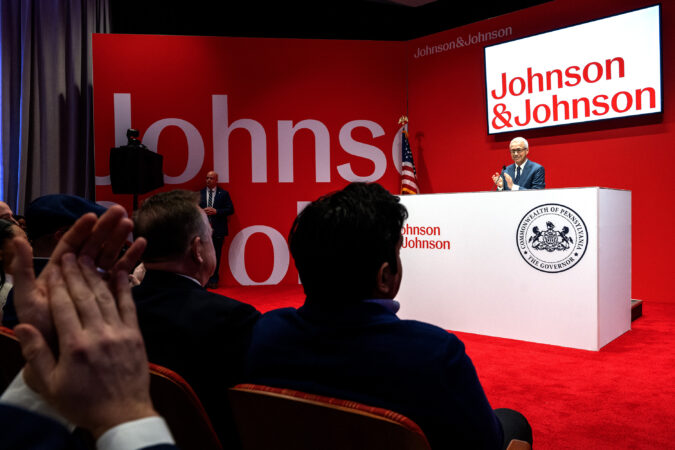
Johnson & Johnson plans to spend more than $1 billion to build a cell therapy manufacturing facility in Montgomery County near Spring House, the New Jersey pharmaceutical and medical supplies giant said Wednesday.
The Lower Gwynedd Township plant, part of an effort by the company to invest $55 million in the U.S. by early 2029, is expected to employ 500 people when fully operational in 2031, J&J said.
The facility at 1201 Sumneytown Pike will add to J&J’s capacity to make cell therapy treatments for cancer, with a focus on multiple myeloma. That’s a type of cancer that attacks white blood cells in the bone marrow. Cell therapy is the use of engineered immune cells to treat disease.
“Pennsylvania’s proud manufacturing legacy, from steel to today’s medicines and medical technologies and Johnson & Johnson’s roots here for seven decades, are part of why we are investing here.” Joaquin Duato, J&J’s chairman and CEO, said.
Duato spoke during an event at the company’s Spring House research and development campus, where 2,500 scientists work in 70 laboratories. The Montgomery County site is J&J’s largest R&D center and it’s “where most of our discovery efforts start,” Duato said.
The company based in New Brunswick, N.J., employs 5,885 people at 10 Pennsylvania facilities, according to the office of Gov. Josh Shapiro. The Shapiro administration has offered $41.5 million in state support for the J&J project.
“With this investment, we are further cementing our place as a leader in life sciences,” Shapiro said. He said his administration’s efforts to cut red tape are among the reasons companies like J&J “are choosing to double down on their investments” in Pennsylvania.
Eli Lilly & Co. last month announced plans to build a $3.5 billion pharmaceutical plant in the Lehigh Valley to expand manufacturing capacity for next-generation injectable weight-loss medicines.
GSK said in September that it will build a biologics factory in Upper Merion Township, but did not specify how much it would spend there. That project is part of GSK’s plan to spend $1.2 billion on advanced manufacturing facilities.
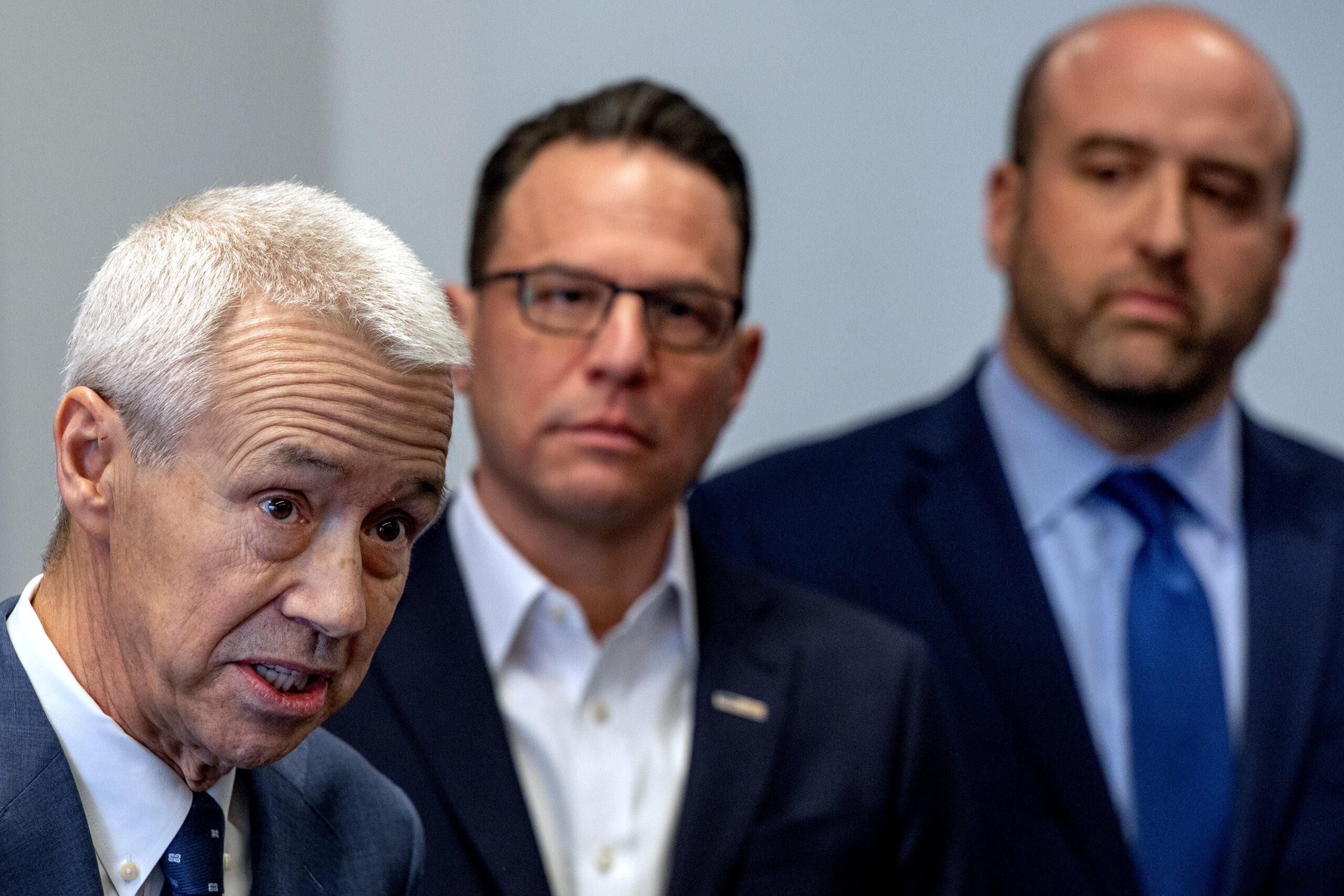
Johnson & Johnson chairman and CEO Joaquin Duato (left), was joined by Gov. Josh Shapiro and Pa. Dept. of Community and Economic Development Secretary Rick Siger (right) on Wednesday when J&J announced it will spend $1 billion on a cell therapy plant on its campus in Lower Gwynedd Township.
Merck, another New Jersey-based drug giant, last year announced plans for a $1 billion factory and lab near Wilmington. Merck also has major operations in Montgomery County, which is among the top-ranked counties nationally for pharmaceutical manufacturing jobs.
J&J has a long legacy in the Philadelphia region. Among its major acquisitions here was the 1959 purchase of McNeil Laboratories, which later developed Tylenol. The pain reliever is still made at a plant in Fort Washington.
Other major Philadelphia-area J&J deals include the 1999 purchase of Centocor, one of the country’s first biotech companies, and the 2012 deal for Synthes Inc., a Swiss medical device maker with its North American headquarters and major operations here.
Separately from the new cell therapy manufacturing facility, J&J has two expansion projects planned for the Spring House R&D site.
One is a new cell engineering and analytical sciences facility. The other is focused on CAR-T testing and manufacturing during research and development, with the goal of creating personalized therapies more quickly and efficiently. The company did not disclose the cost of those projects.
Jefferson Health had an operating loss of $201 million in the six months that ended Dec. 31, compared to a $55 million loss the year before, the nonprofit health system said in a notice to bondholders Friday.
The $201 million loss included a $64.7 million restructuring charge related to severance for 600 to 700 people laid off in October and other changes designed to improve efficiency in the 32-hospital system that stretches from South Jersey to Scranton.
Excluding the restructuring expenses, Jefferson’s operating loss was $136.3 million in the first half of fiscal 2026.
Jefferson said in a statement that it continues facing significant financial headwinds, like health systems nationwide, citing rising pharmaceutical costs.
“We remain focused on driving efficiency, advocating for reimbursement rates that better reflect the true cost of care in Pennsylvania, and advancing the long-term stability of our academic health system,” the health system’s chief financial officer Michael Harrington said.
Here are some details:
Revenue: Patient revenue reached nearly $6 billion in the first half of fiscal 2026. The figure for the previous year is not comparable because it does not include Lehigh Valley Health Network for the full six months. Jefferson acquired the system on Aug. 1, 2024.
Jefferson’s total revenue of $8.6 billion included $145.9 million of investment income that directly boosted operating income. Competitors who use heath-system reporting rules do not include investment income in revenue. Jefferson, by contrast, follows rules for higher-education reporting.
Insurance business: Jefferson noted improvement in its health insurance arm. Jefferson Health Plans’ loss in the six months ended Dec. 31 was $90.7 million, compared to a $118.5 million loss in the same period the year before. The number of people insured in the plans climbed to 371,005 from 359,662. Medicaid recipients account for most of that enrollment.
Notable: Both Moody’s Ratings and Standard & Poor’s Ratings Service in December and January revised their outlooks on Jefferson to negative, which means the agencies could downgrade the organization’s credit rating if Jefferson’s finances don’t improve over the next two years.
“The negative outlook reflects the magnitude of current operating losses as well as anticipated difficulties in returning to or near operating profitability for several years,” Standard & Poor’s said.
Tower Health had an operating loss of $16 million in the first six month of fiscal 2026, according to its report to bondholders Friday. In the same period a year ago, the Berks County nonprofit’s loss was $16.1 million.
Here are some details:
Revenue: Revenue from patient care rose less than 1% to $889.3 million, while total revenue climbed 4.3% to $1.03 billion, thanks to a 34% increase in other revenue.
Cash reserves: Tower reported $244 million in cash reserves on Dec. 31. That translates into enough money to keep operating for 44 days without any new revenue. Both of those figures were at their highest levels since 2022.
The quarterly low was in March 2024, when Tower reported $153 million in cash. That amounted to 30 days of cash on hand. Financially strong systems often have 200 days in reserve.
Family Practice & Counseling Services Network won a $3.4 million federal health center grant that will allow the nonprofit to continue providing medical and mental healthcare in Southwest Philadelphia and other low-income Philadelphia neighborhoods, officials confirmed this week.
The clinic had been part of Resources for Human Development, a Philadelphia human services agency that a fast-growing Reading nonprofit called Inperium Inc. acquired in late 2024. As a federally qualified health clinic since 1992, the clinic had received an annual federal grant, higher Medicaid rates, and other benefits.
Federal rules prohibited the clinic from continuing to retain that status and those benefits under a parent company. That meant Family Practice & Counseling Network had two options: close or spin out into a new entity that would reapply to be a federally qualified clinic.
With financial and operational help from the University of Pennsylvania Health System, Family Practice & Counseling formed a new legal entity last July and reapplied for the grant. Last week, the organization’s CEO Emily Nichols learned that the federal agency that oversees federal health centers awarded it the grant.
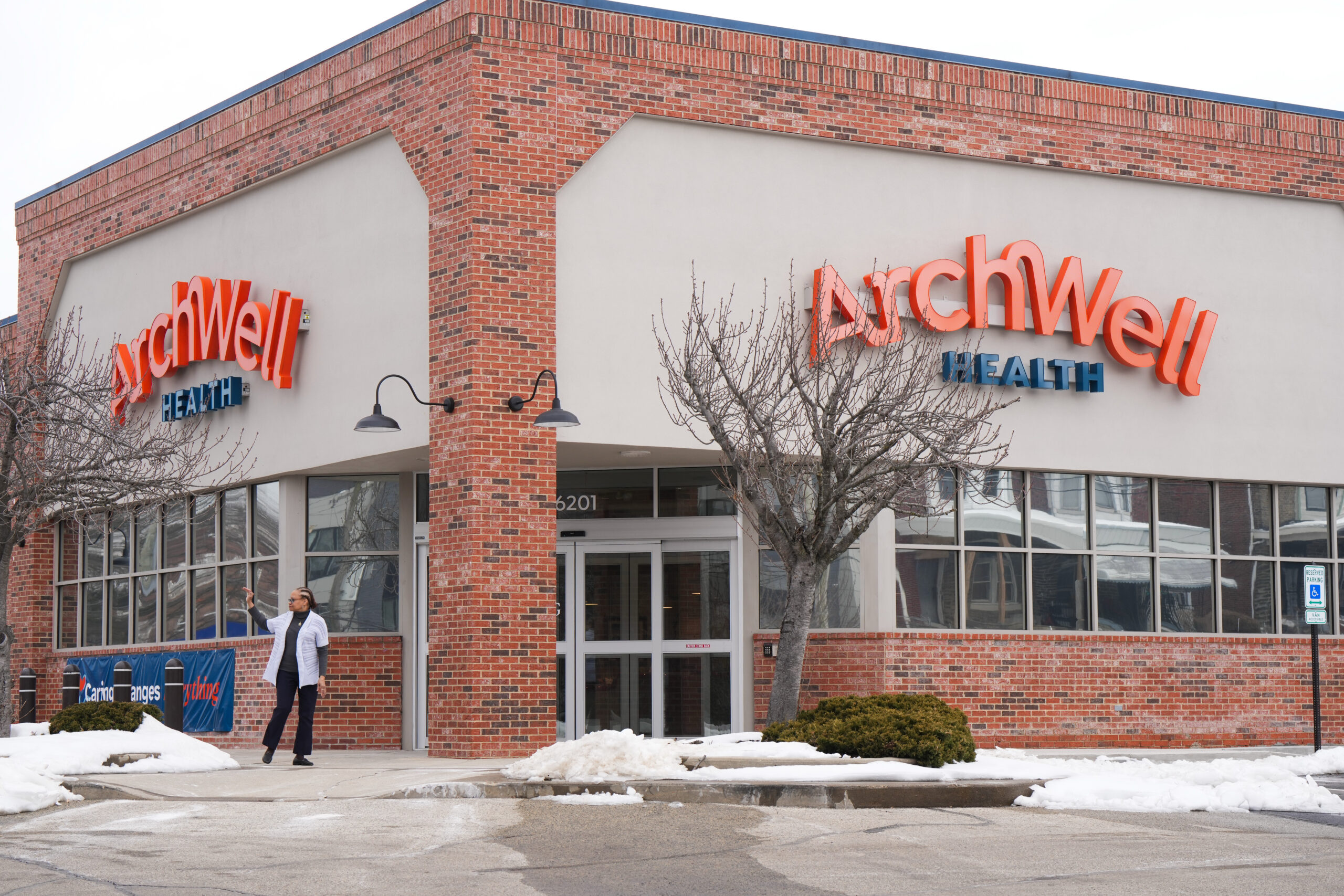
A new sign with orange letters outside a former Rite Aid in Germantown announces the arrival of a primary care model new to the Philadelphia region.
ArchWell Health recently opened its first three of eight planned primary care centers here for people with Medicare Advantage, promising convenient and personalized care in neighborhoods with a relative lack of doctors.
Two others have opened on North Broad Street, near Stenton and Susquehanna Avenues, also in former Rite Aid stores.
A privately held company based in Nashville, Tenn., ArchWell says it can offer patients greater access to healthcare throughlower patient-provider ratios.
Itplans to limit each of itsphysicians to no more than 500 patients — about a fifth of the patient load for typical primary care doctors. Nurse practitioners working under the doctors will manage a maximum of 250 patients,officials said.
The approach is built around a financial model that differentiates ArchWell from Medicare-focused competitors already in Philadelphia like Oak Street Health and ChenMed’s Dedicated Senior Medical Centers. ArchWell only accepts patients who have private Medicare or are willing to switch to it. Oak Street and ChenMed also accept traditional Medicare.
Privately run Medicare Advantage plans are increasingly popular among people ages 65 and older who qualify for government-funded Medicare coverage. Advantage plans appeal to people bycovering services, such as dental and vision care, left out of traditional Medicare, but have come under scrutiny for exaggerating how sick patients are to rack up more revenue.
ArchWell sees exclusively working with Medicare Advantage plans as helping doctors to focus solely on the best outcomes for patients, rather than on providing more services to bring in more revenue, a criticism of traditional Medicare, said Doron Schneider, its medical director for the Philadelphia market.
Melissa A. Herd, community relations specialist for ArchWell Health in Philadelphia, is shown outside the company’s Germantown location, which is in a former Rite Aid building.
“You have different incentives, you have different care models, you have different case management models, you have different ways to treat one person versus the other,” Schneider said.
Before starting at ArchWell in late 2024, Schneider worked at Tandigm Health, an Independence Health Group company founded in 2014 with the goal of helping primary care doctors manage costs and improve care for their patients. He learned there how hard it is for doctors to work with different types of insurers and the varied incentives that go with them.
How ArchWell conducts business
ArchWell, which opened its first clinic in 2021 in Birmingham, Ala., operates under contracts with Medicare Advantage plans. The plans give ArchWell a portion of the monthly payment they get from Medicare for each patient. That money is supposed to cover all of the person’s medical costs.
Aetna, UnitedHealthcare, and Devoted Health have contracts with ArchWell to cover the Philadelphia market. ArchWell is close to getting contracts with HealthSpring and Humana, Schneider said. Those five companies had more than 90,000 people in their plans in December, according to federal data.
Aetna and UnitedHealthcare said they work with clinics like ArchWell’s around the country to improve health outcomes and leave patients more satisfied with their experience.
“We are pleased that they are now an option for Aetna Medicare Advantage members in the Philadelphia area,” Aetna said in a statement.
ArchWell declined to provide financial details, such as annual revenue from the more than 80 clinics it had in a dozen states before coming to Philadelphia or how much it spends to open each center. ArchWell representatives also did not disclose who its owners are.
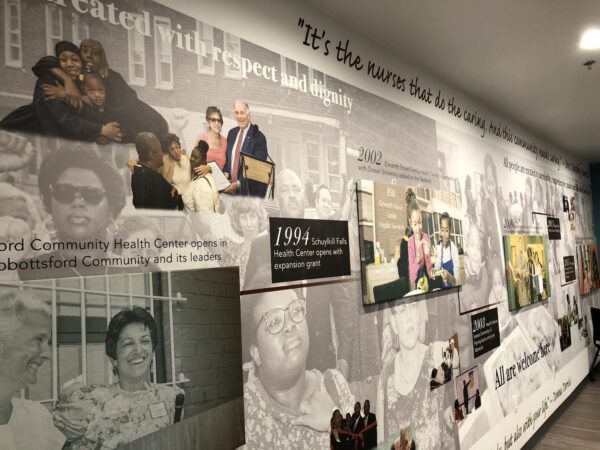
The interior of Archwell Health’s Germantown primary care clinic has Philadelphia-centric images painted on the walls.
Company founder Carl Whitmer worked at Clayton, Dubilier & Rice, a global private equity firm, before founding ArchWell.
“We have partners that are focused on our sustainability and growth,” said Christina Cober, ArchWell’s vice president of marketing.
But companies focused on primary care for seniors haven’t always been as successful as anticipated.
Oak Street, founded in Chicago in 2012, grew rapidly and now services 450,000 patients at 230 centers across the country. It declined to say how many patients it has in Philadelphia. Oak Street arrived here in 2018.
CVS Health bought Oak Street in 2023 for $10.6 billion, anticipating that it would expand to more than 300 centers by this year. Last fall, CVS announced it was closing 16 centers and taking a $5.7 billion write-down on its health-services business, largely because of slower anticipated growth at Oak Street.
ArchWell says itslowerpatient-provider ratios allow more frequent interactions with patients. If a patient is diagnosed with high blood pressure, Schneider said, the message to the patient is: “We’ll see you back in a week. We’ll see you back in two weeks.”
The repeat visits happen with no cost to the member and no extra revenue to ArchWell because all care is supposed to be covered by a monthly payment per member.
ArchWell expects to add about 300 patients per year at each center, said Cober. Staffing at the centers starts out with a physician, a nurse-practitioner, two care navigators, two medical assistants, and a center manager.
Among the early patients at ArchWell’s center on Germantown Avenue is Marcella James, 69, who lives across the street from the clinic and watched as the building was transformed from a shuttered Rite Aid.
“I walked over there one day just to see what it was like and what they offer, and I signed up right away,” James said. James likes her doctor at Temple Health, but ArchWell was irresistibly convenient.
“If I can get the same help or better help from ArchWell is to be seen because I just started with them,” she said.
AmeriHealth Caritas, one of the nation’s largest Medicaid insurers, is closing its in-house pharmacy benefits manager, PerformRx, by the end of this year, the Newtown Square company said in an announcement to employees Wednesday.
Health insurers effectively subcontract with pharmacy benefit managers to oversee drug benefits. They have become increasingly powerful cogs in healthcare and face new restrictions under a law signed by President Donald Trump this month.
OptumRx, a unit of UnitedHealth Group Inc. and one of the three largest PBMs, is scheduled to take over for PerformRx on Jan. 1. OptumRx already provides PBM services to the majority owner of AmeriHealth Caritas, Independence Health Group. Independence is best known for its Independence Blue Cross business.
“This decision reflects evolving market and regulatory landscape, not the performance or dedication of our PerformRx leadership or associates,” the AmeriHealth Caritas announcement to staff said.
Caritas said in a statement to The Inquirer that it expected a “limited impact on jobs, with many functions remaining in-house to support the same high-quality experience for members and providers.”
The company did not elaborate on the market and regulatory changes that precipitated the decision to close PerformRx, which Caritas formed in 1999. PerformRx has contracts in 13 states, including Pennsylvania and Delaware, according to the Caritas website.
At Roxborough Memorial Hospital in Philadelphia, surgeon Piotr Krecioch has his hands full launching a program offering surgical interventions to treat obesity.
One in three Philadelphians are living with obesity, putting them at higher risk of chronic conditions like diabetes and heart disease, but these days fewer are seeking the bariatric surgical procedures long considered a leading medical treatment for the condition.
“I’m trying to start a bariatric program at probably the worst possible time you can ever imagine because everybody’s losing patients, and I don’t even have a patient to begin with,” Krecioch said.
Tower Health’s Reading Hospital recently closed its bariatric surgery program, and other local health systems have seen declines in weight-loss operations approach 50%.
Independence Blue Cross, the Philadelphia region’s largest insurer, said the number of bariatric surgeries it paid for dropped by half in the five years ended June 30.
Those shifts in the bariatric surgery landscape have followed the meteoric national rise in the use of GLP-1s and related drugs for weight loss.
So far, the drugs havebenefited patients by allowing them to avoid an invasive surgery.With bariatric surgery, people lose weight because the procedures restrict the amount of food a person can eat. Drugs in a class known asGLP-1s make people feel full longer.
For hospitals, the upheaval in treatment options cuts into a profitable business line and adds to the financial pressure health systems have been experiencing since the pandemic.
Despite the ever-increasing popularity of GLP-1s for weight loss like Novo Nordisk’s Ozempic and Wegovy and Eli Lilly’s Mounjaro and Zepbound, it’s too soon to write off bariatric surgery as an option, some doctors say.
Insurers are imposing limits on coverage because of the long-term cost of the drugs compared to surgery, and doctors are watching for side effects that may emerge as more people take the drugs for longer periods of time.
It’s not the first time a new technology has reduced surgical volumes.
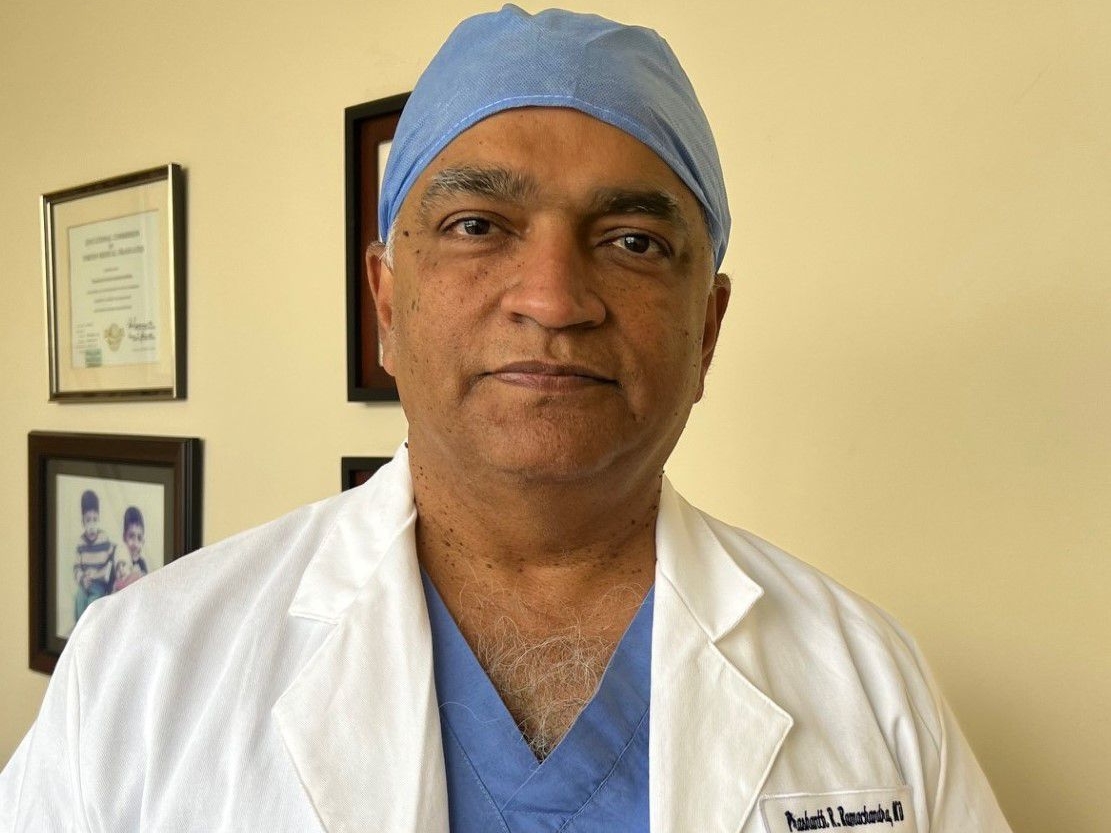
Whenever a less-invasive treatment has come along, “surgical volumes always have taken a beating,” said Prashanth R. Ramachandra, a bariatric and general surgeon at Trinity Health Mid-Atlantic’s Mercy Fitzgerald Hospital. Declines in peptic ulcer and open heart surgeries are past examples of the phenomenon, he said.
Such industrywide moves away from profitable procedures can create financial challenges for individual clinics or independent hospitals, said Daniel Steingart, who leads the nonprofit healthcare practice at Moody’s, a major credit ratings agency.
“But I also see it as an opportunity, because there’s other patients out there, there’s other services that can be provided. This is a matter of the management team being nimble,” he said.
Sharp decline in bariatric surgeries
National data show a 38% decline in bariatric surgeries from the beginning of 2024 through September, according to data firm Strata Decision Technology. Comparable local data were not available.
A substantial portion of the drop is from patients who previously had bariatric surgery but regained weight, physicians say. In the past, they would have had a type of surgery called a revision. Now, those patients are more likely to start taking GLP-1s, local doctors said.
Prashanth R. Ramachandra is a general and bariatric surgeon at Trinity Health Mid-Atlantic’s Mercy Fitzgerald Hospital in Darby.
Only two Philadelphia-area health systems provided details on changes in bariatric surgery volumes in recent years as GLP-1s for weight loss took off.
At the University of Pennsylvania Health System’s three Philadelphia hospitals, the annual number of bariatric surgeries has fallen by more than half, from a peak of 850 three or four years ago to around 400 in the year that ended June 30, said Noel Williams, a physician who leads Penn’s bariatric surgery program.
At Mercy Fitzgerald in Darby, the number fell from an annual peak in the 220-230 range to about 125 last year, Ramachandra said.
The volume at Mercy Fitzgerald was likely buoyed by the closure of the bariatric surgery program at nearby Crozer-Chester Medical Centerin Upland.
Tower did not provide details on the Reading closure, which was part of cutbacks Tower announced in early November. The program closed last month after a 60-day notice tothe state health department.
Main Line Health, which only offers bariatric surgery at Bryn Mawr Hospital, said surgeries have declined, but provided no details.
Virtua Health did not provide comparable data but said that its Virtua Complete Weight Management Program, which opened in spring 2024 to expand into medication treatments, experienced a 35% increase in visits last year.
The number of bariatric procedures is also down at Temple University Health System, but patients with complex conditions and more severe obesity are still coming to Temple for surgery, said David Stein, who is surgeon-in-chief at Temple University Hospital.
To adapt to this rapid change in medicine, Temple is adopting a multidisciplinary approach to the disease, building on what is done in cancer care, Stein said.
Jefferson Health did not respond to requests for information about its bariatric surgery program.
How health systems are responding
While full-scale closures like Reading’s are unusual, cutbacks are occurring broadly.
When the bariatric surgeon at Penn Presbyterian Medical Center retired amid declining numbers of surgeries across the entire system, Penn did not replace him, Williams said.
Penn does the procedures locally at the Hospital of the University of Pennsylvania and at Pennsylvania Hospital.
“If the numbers were to continue the way they are now,” Williams said, “we may want to consolidate into one of our hospitals in the city.”
Outside of Philadelphia, Penn has bariatrics programs at Lancaster General Hospital and Penn Princeton Medical Center.
After Jefferson Health acquired Einstein Healthcare Network in late 2021, it consolidated bariatric procedures at Jefferson Abington Hospital, according an Inquirer analysis of inpatient data through 2024 from the Pennsylvania Health Cost Containment Council.
Jefferson did not respond to a request for information about the changes.
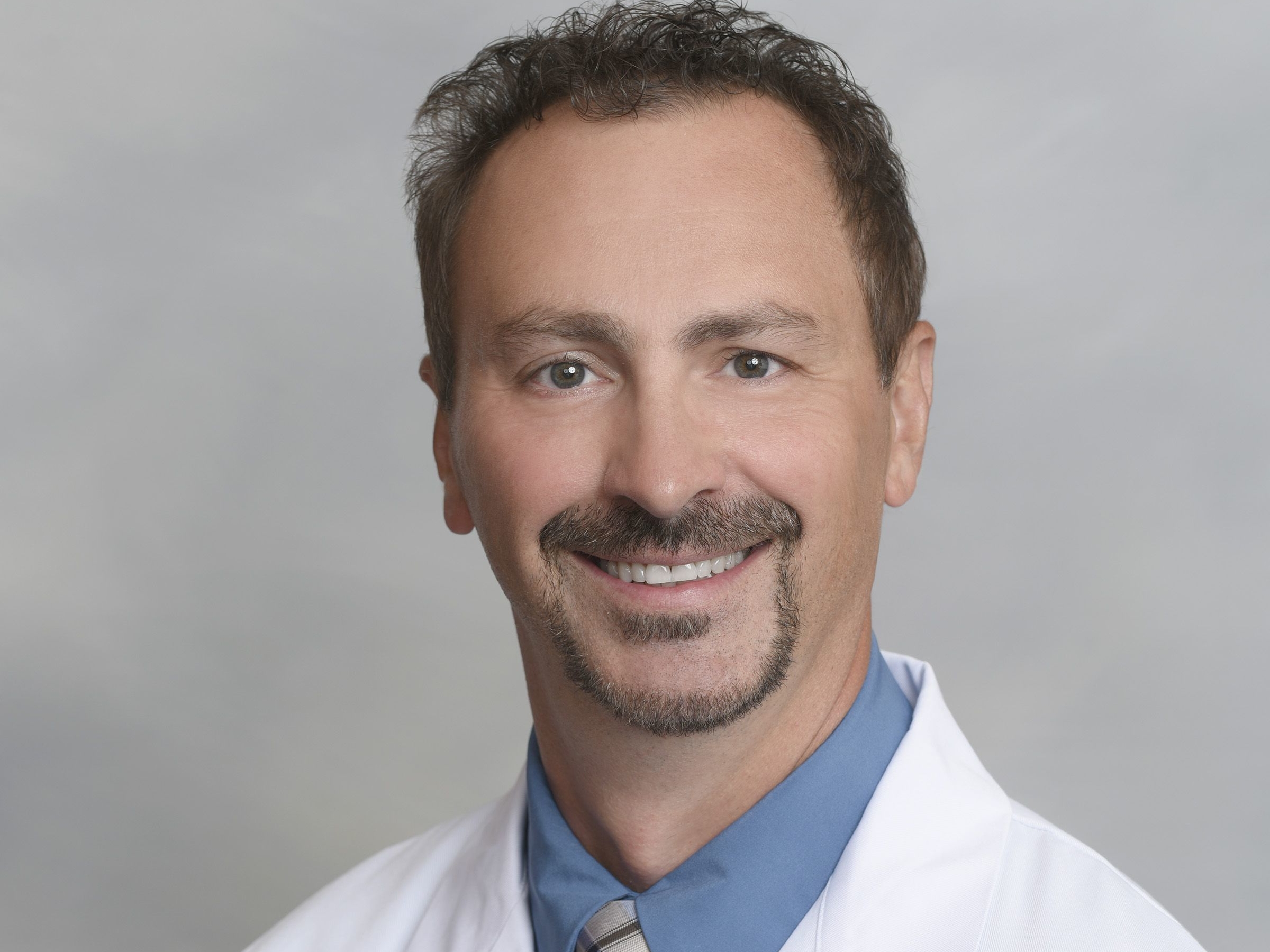
Piotr Krecioch is a bariatric and general surgeon at Roxborough Memorial Hospital in Philadelphia.
Not the end for bariatric surgery
GLP-1s don’t mean the end of bariatric surgery, even though the procedures are not likely to return to previous peaks, physicians said.
Some patients don’t respond to GLP-1s and others can’t tolerate them, which means they remain candidates for surgery, Williams said. Surgery is still recommended forpatients who are considered severely obese,with body-mass indexes over 50,he added.
Outcomes cannot yet be compared over the long-term. Ramachandra and other doctors are keeping their eye on the ratio of fat loss and muscle loss in patients taking GLP-1s compared to those who have bariatric surgery. Losing muscle can lead to falls and fractures.
A study published last month in the Journal of the American Medical Association found that bariatric surgery is associated with a favorable ratio of fat loss.
At Roxborough Memorial Hospital, Krecioch, who also works as a general surgeon, sounds optimisticas he works on his new program.He became a Roxborough employee in April 2024 after eight years at Mercy Fitzgerald, where he worked with Ramachandra.
Krecioch’s strategy for years has been to offer weight management services in addition to surgery. Patients come for a GLP-1, giving him a chance to build a long-term relationship.
“I have a feeling that these people are going to come back to my office,” he said. ”I’m gonna keep seeing them, and that they will actually convert to bariatric surgery at some point.”
Editor’s note: This article has been updated with information from Temple University Health System.
About 85,000 people who bought Pennie plans in 2025 did not renew for this year following the expiration of expanded tax credits that reduced what consumers had to pay, Pennsylvania’s Affordable Care Act marketplace announced Monday.
That meant that 18% of previously enrolled Pennsylvania residents dropped their coverage as premiums doubled on average across the state, according to Pennie, the state’s Obamacare marketplace.
Enrollment for 2026 totaled 486,000, down from 496,661 at the end of last year’s open enrollment period. For this year, roughly 79,500 newcomers to the exchange partially offset the people who dropped coverage.
The agency warned, however, that the number of enrollees could continue declining for several months. There’s a three-month lag between when consumers stop paying premiums and coverage ends. Open enrollment ended Jan. 31.
The agency had predicted last summer that as many as 150,000 people would drop coverage if Congress did not renew the expanded tax credits that were adopted in 2021 during the coronavirus pandemic.
New Jersey has not released final results for its ACA open enrollment period, which also ended Jan. 31.
As of the start of January, 493,727 residents were signed up for 2026 health coverage with Get Covered New Jersey. That’s up slightly from the 481,151 people who were enrolled last year.
Soaring costs for consumers
Average out-of-pocket costs were expected to double on average for people who benefited from the enhanced tax credits, Pennie said last year.
Under the ACA, people who earn less than 400% of the federal poverty level — about $64,000 for an individual and $132,000 for a family of four — are eligible for tax credits on a sliding scale, based on their income, to help offset the monthly cost of an insurance premium.
That tax credit is part of the law, and therefore did not expire at the end of December. The change affects an expansion in 2021, when Congress increased financial assistance so that those buying coverage through an Obamacare marketplace do not pay more than 8.5% of their income.
The expiration of the 8.5% cap means that a 60-year-old couple with household income of about $85,000 could see their premium triple to $22,600 this year from $7,225 last year, according to the nonprofit Bipartisan Policy Center in Washington.
The tax credits were a key issue in the federal budget debate last year that ultimately led to the longest-ever government shutdown. Democrats wanted to permanently expand the enhanced subsidies, and Republicans refused.
Weaker coverage
About 33,000 more Pennie customers enrolled in plans that have lower monthly premiums, but typically come with high out-of-pocket costs in the form of deductibles and copays. That amounted to a 30% increase in the number of consumers choosing so-called Bronze plans, Pennie said.
“As the costs of groceries, housing, utilities, and other necessities continue to rise, higher healthcare costs mean more people will delay care, skip treatments, or take on medical debt,” Antoinette Krause, executive director of the nonprofit advocacy group Pennsylvania Health Access Network, said in an email.
Pennie noted that rural counties were particularly hard hit by coverage losses. Fifteen of the top 20 counties with the highest disenrollment on a percentage bases were rural, Pennie said.
That could put more stress on rural hospitals if people have to resort more often to emergency departments for care and don’t have the means to pay.
Inquirer staff writer Sarah Gantz contributed to this article.
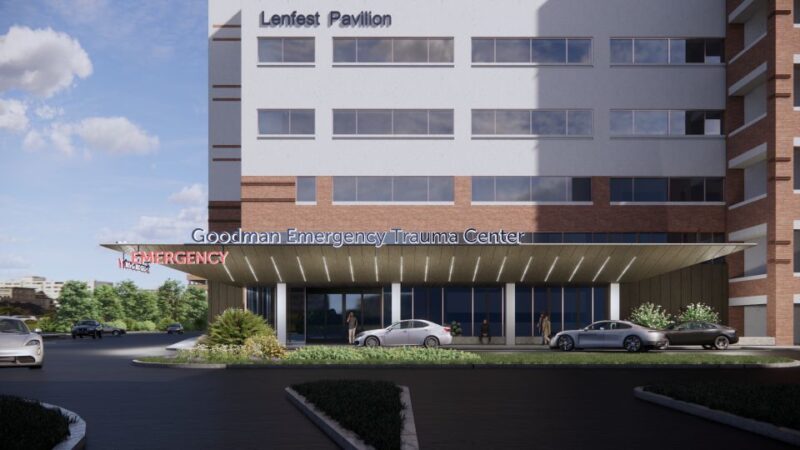
Jefferson Health is boosting emergency department capacity at Abington Hospital to enable it to receive 100,000 visits annually, up from 80,000 now, the nonprofit health system said Tuesday.
The department, which is also a Level II trauma center, will be named the Goodman Emergency Trauma Center in honor of an unspecified donation from Montgomery County residents Bruce and Judi Goodman. Bruce Goodman is a commercial real estate developer and a longtime Abington board member, Jefferson said.
Jefferson, which acquired Abington in 2015, described the Goodman gift as the cornerstone of a $30 million ongoing fundraising campaign for the hospital’s emergency department.
The project will reconfigure more than 24,000 square feet of existing clinical space and reallocate 10,000 additional square feetfrom a courtyard and a gift shop to the ED to expand capacity from 80 to 116 treatment spaces, Jefferson said.
Also last year, Jefferson announced $19 million in upgrades to the emergency department at Thomas Jefferson University Hospital in Center City. The system also added a 20-bed observation unit in the ED at Jefferson Einstein Philadelphia.