Author: Abigail Covington

  • He was ‘particular but not picky’ about a two-bedroom in Norris Square| How I Bought This House

    He was ‘particular but not picky’ about a two-bedroom in Norris Square| How I Bought This House

    The buyers: Evan Todtz, 35, urban designer

    The house: A 960-square-foot townhouse in Norris Square with two bedrooms and one bath, built in 1920.

    The price: Listed for $255,000; purchased for $255,000

    The agent: Kate McCann, Elfant Wissahickon
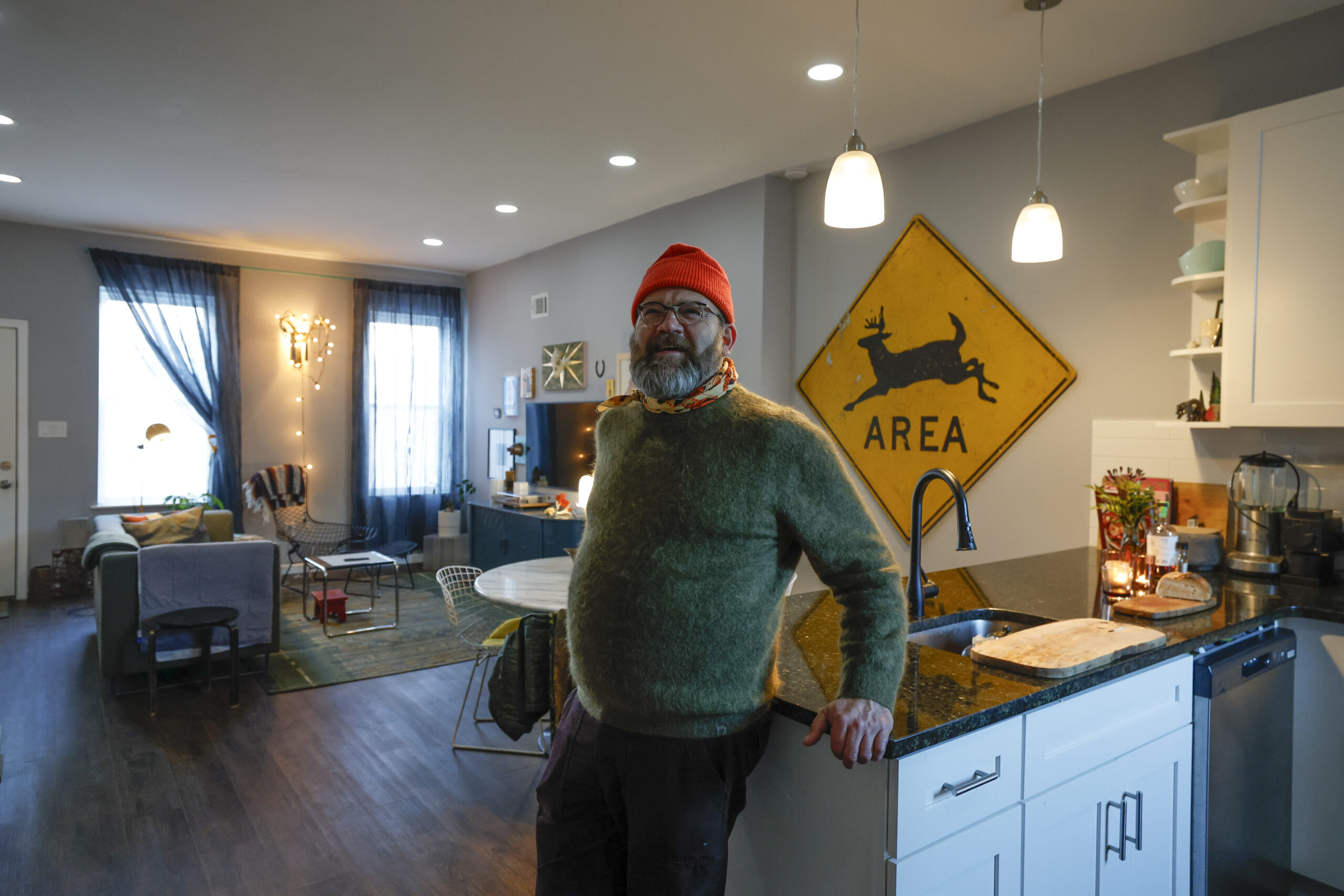
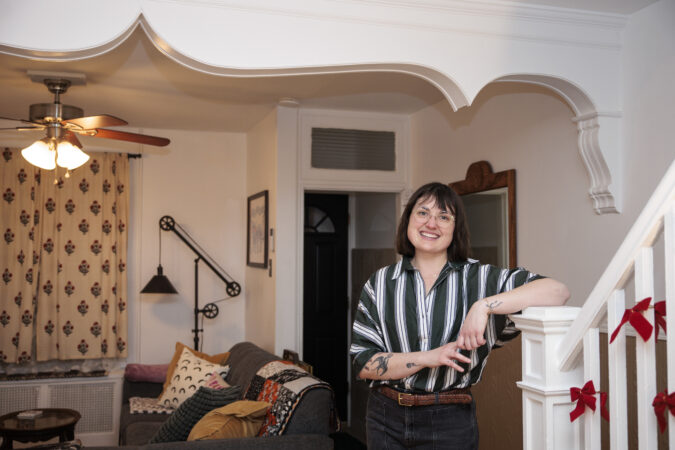
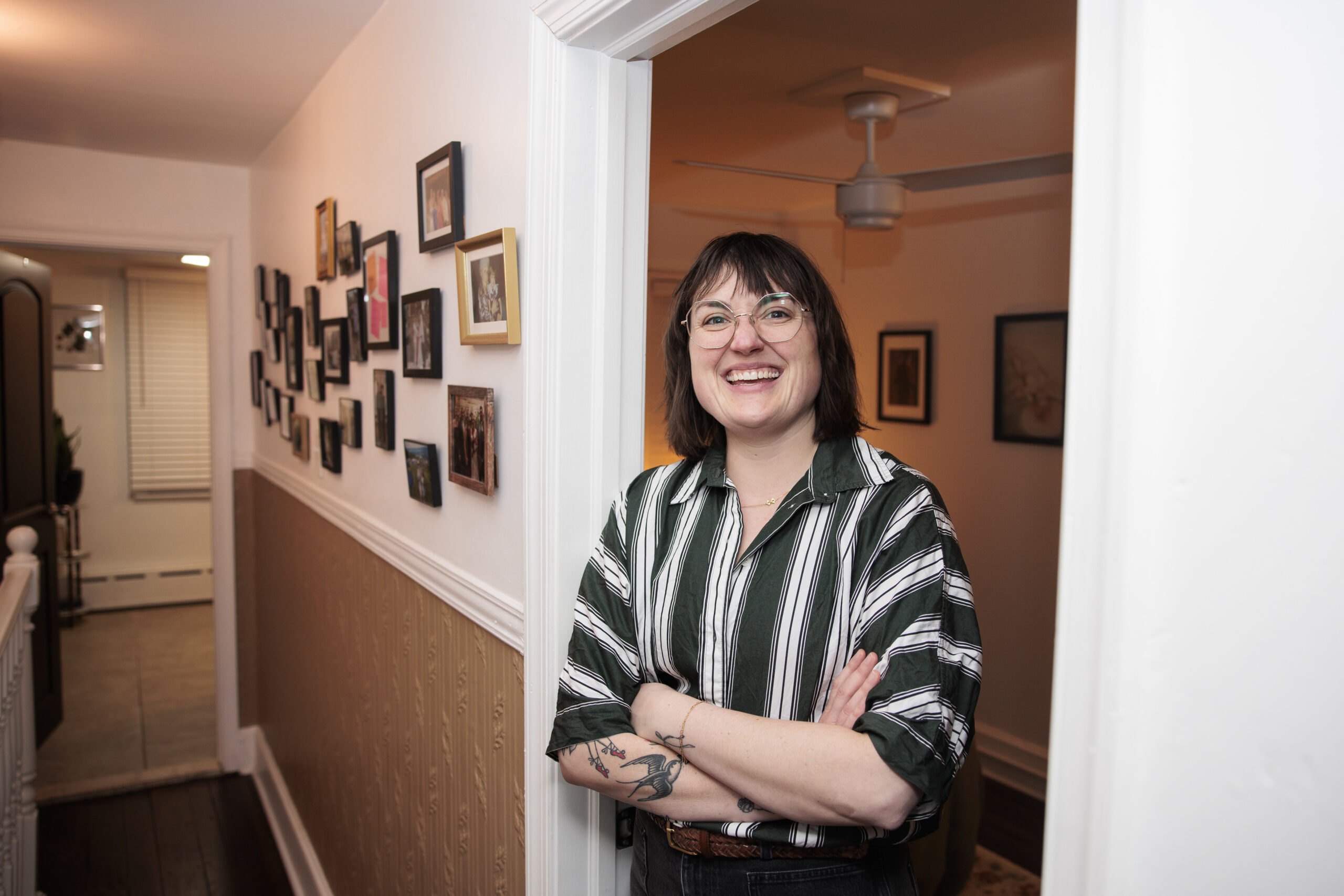
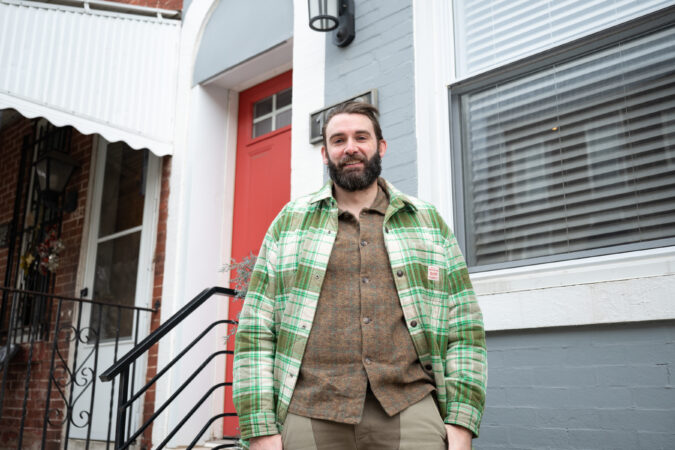
    Todtz saw potential in the house’s flexible floor plan.

    The ask: Evan Todtz was tired of commuting from Baltimore to Washington, D.C. He didn’t want to live in the latter, and he couldn’t find work in the former, so he considered the next-closest big city: Philadelphia.

    “I’ve always really loved Philly and wanted to spend more time in it,” Todtz said. When his company approved a transfer to its Philadelphia office, Todtz moved north and rented an apartment in Norris Square. A year later, he was ready to make it official. “I felt like I was getting into a groove in Philly,” he said, “and I wanted to invest in a place and make this my home.”

    Transit access was Todtz’s top priority. He frequently travels along the east corridor for work, so being close to the Market-Frankford line, which could take him directly to 30th Street Station in the “wee hours of the morning,” was a nonnegotiable. He wanted two bedrooms, enough space to host visitors, and an outdoor space. Everything else was flexible. “I’m particular, but I’m not picky,” he said.
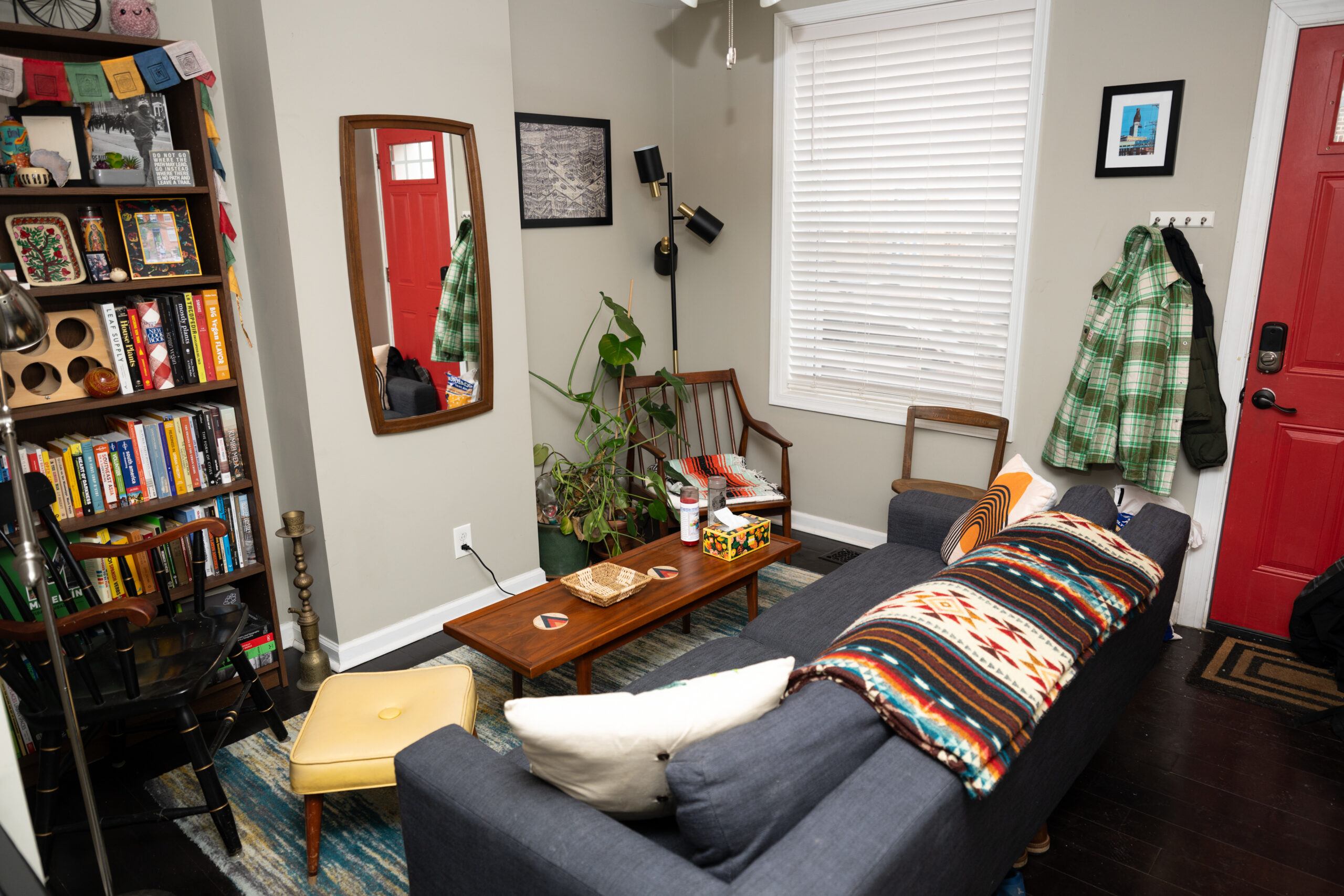
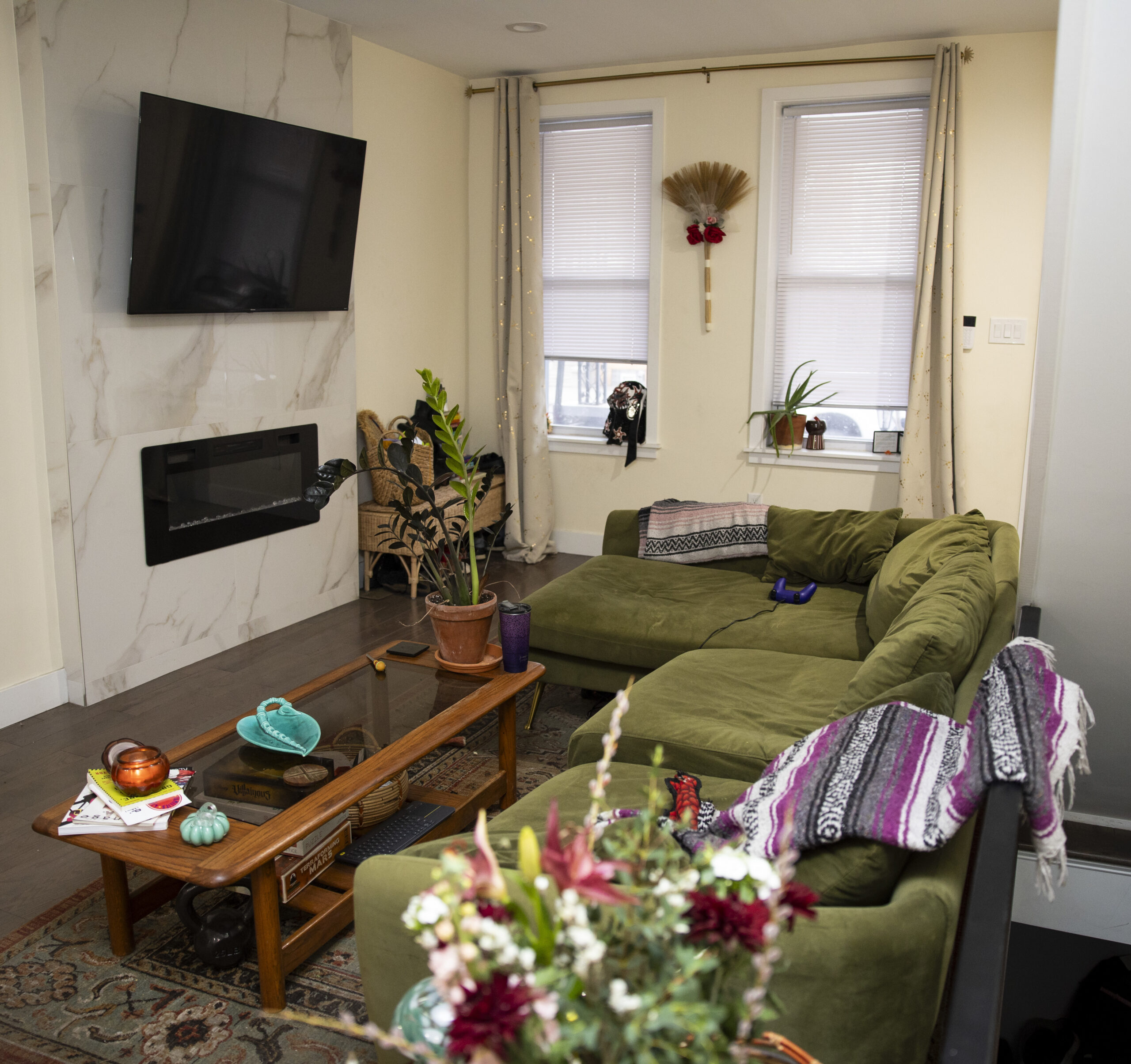
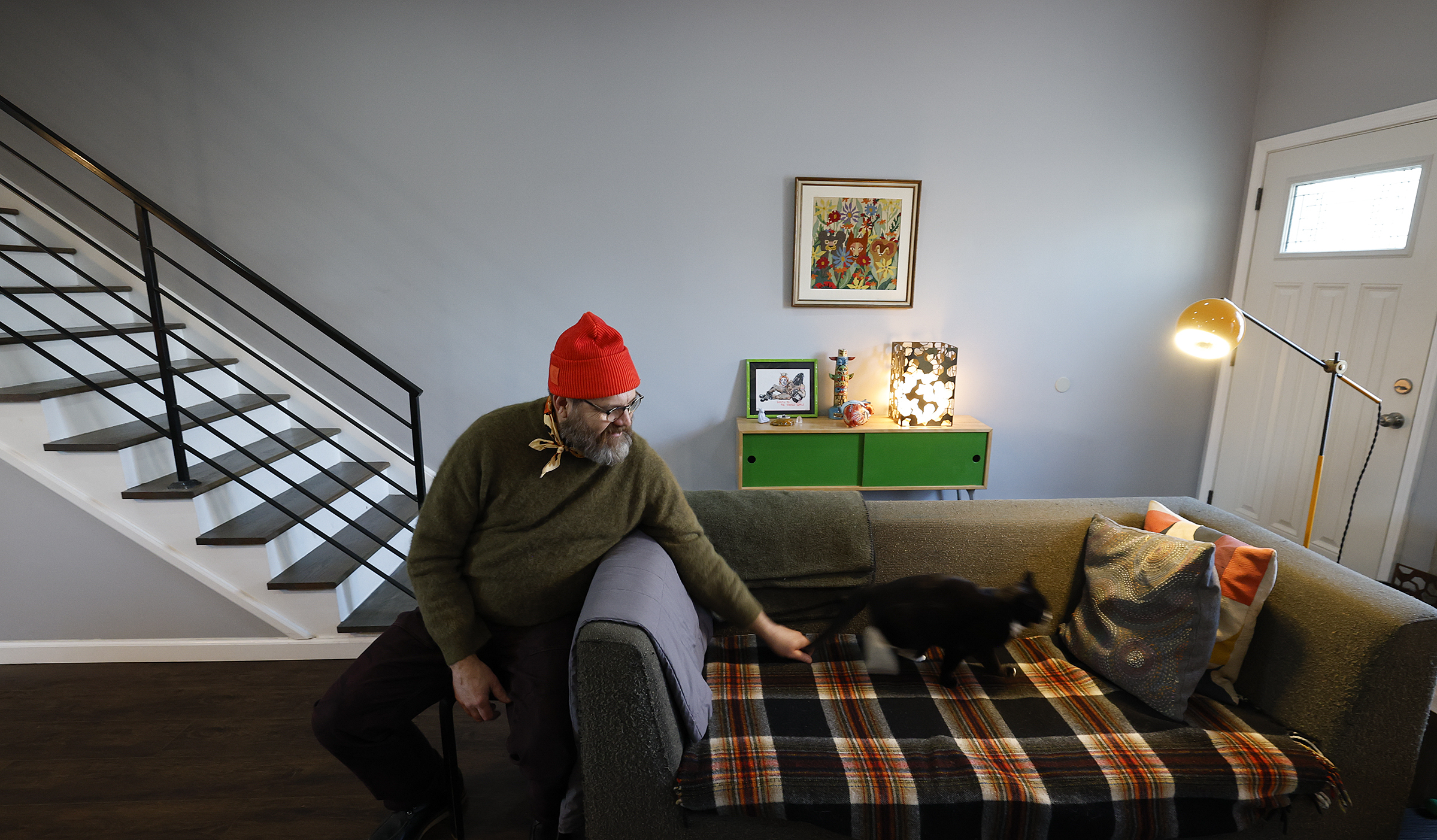
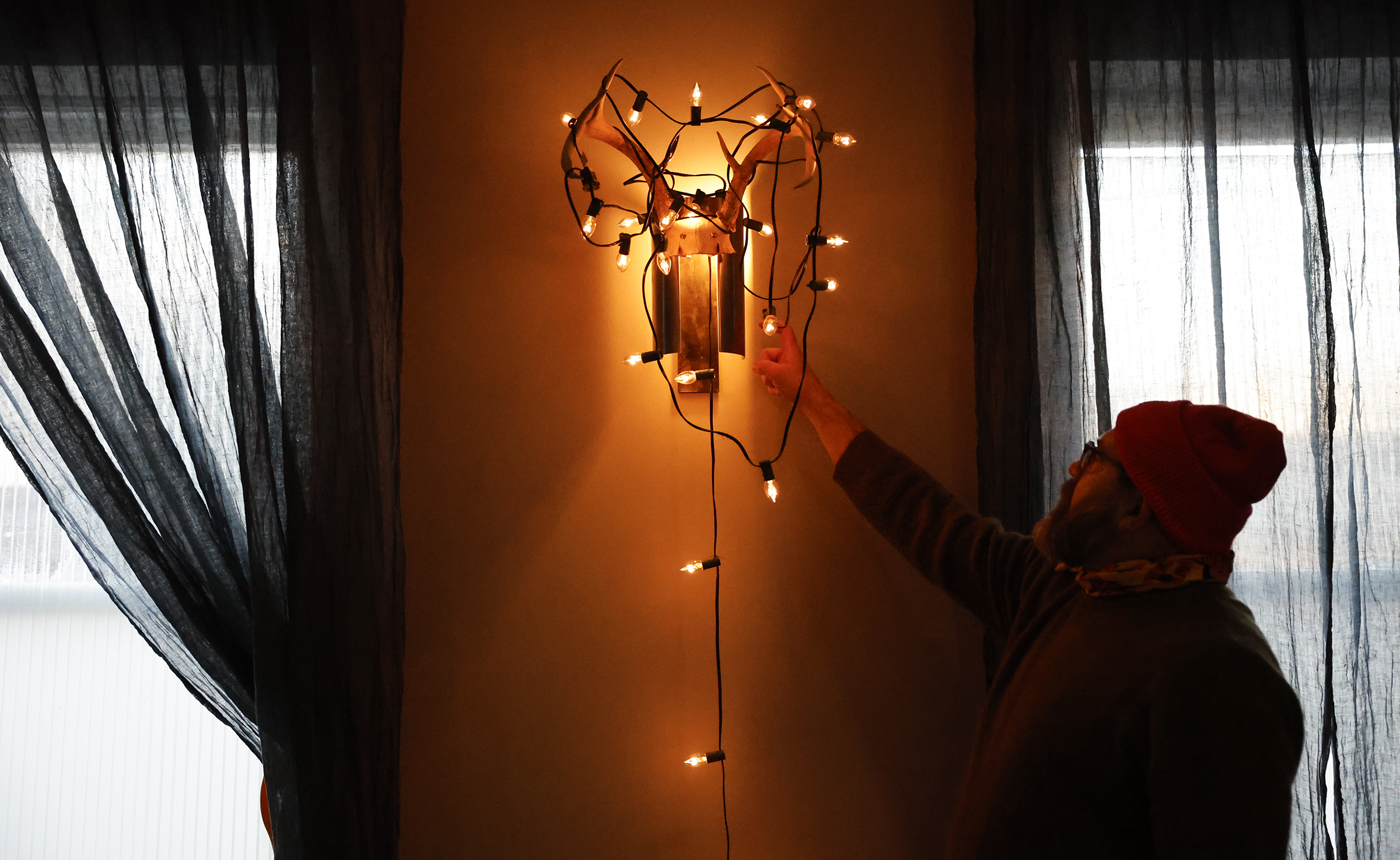
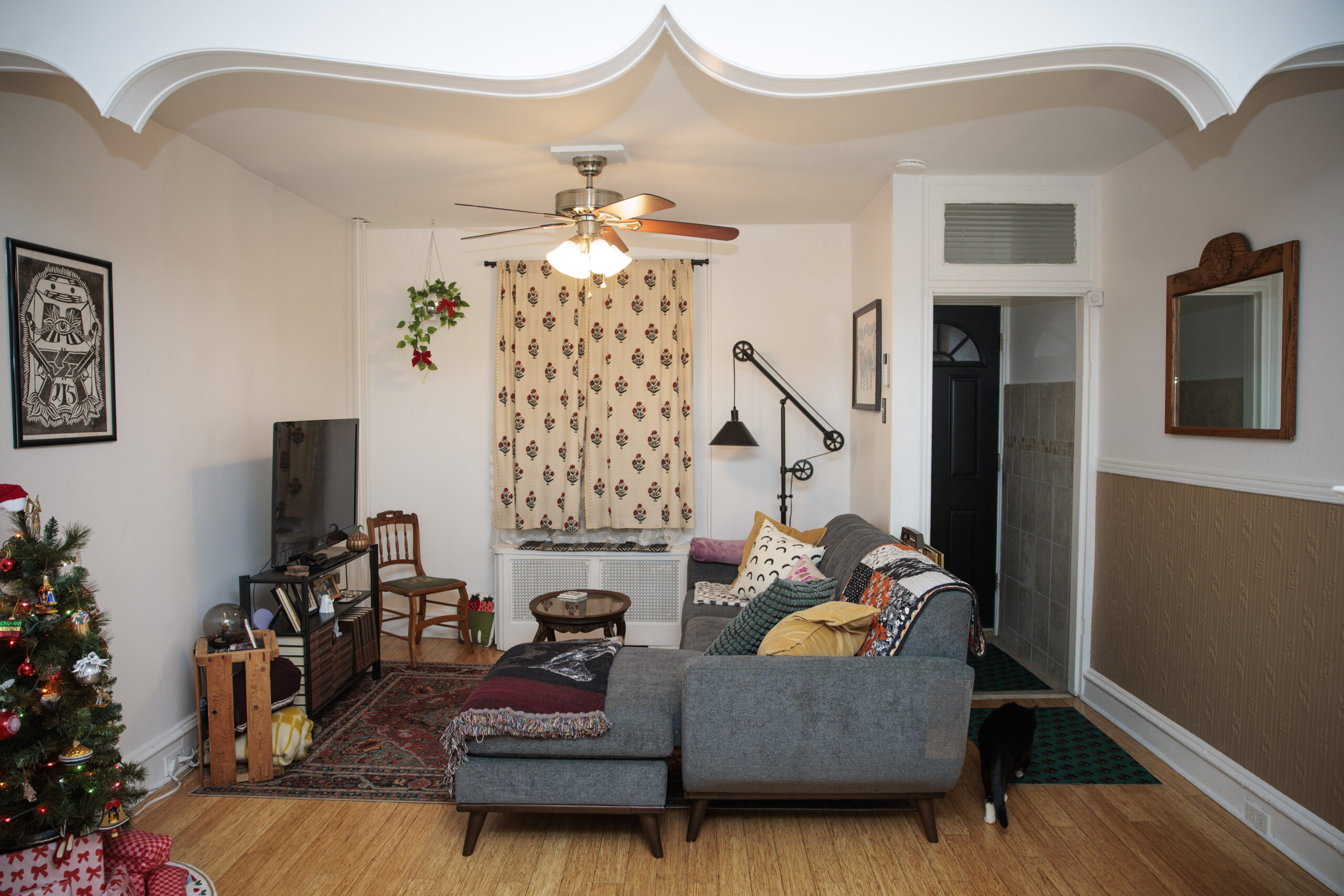
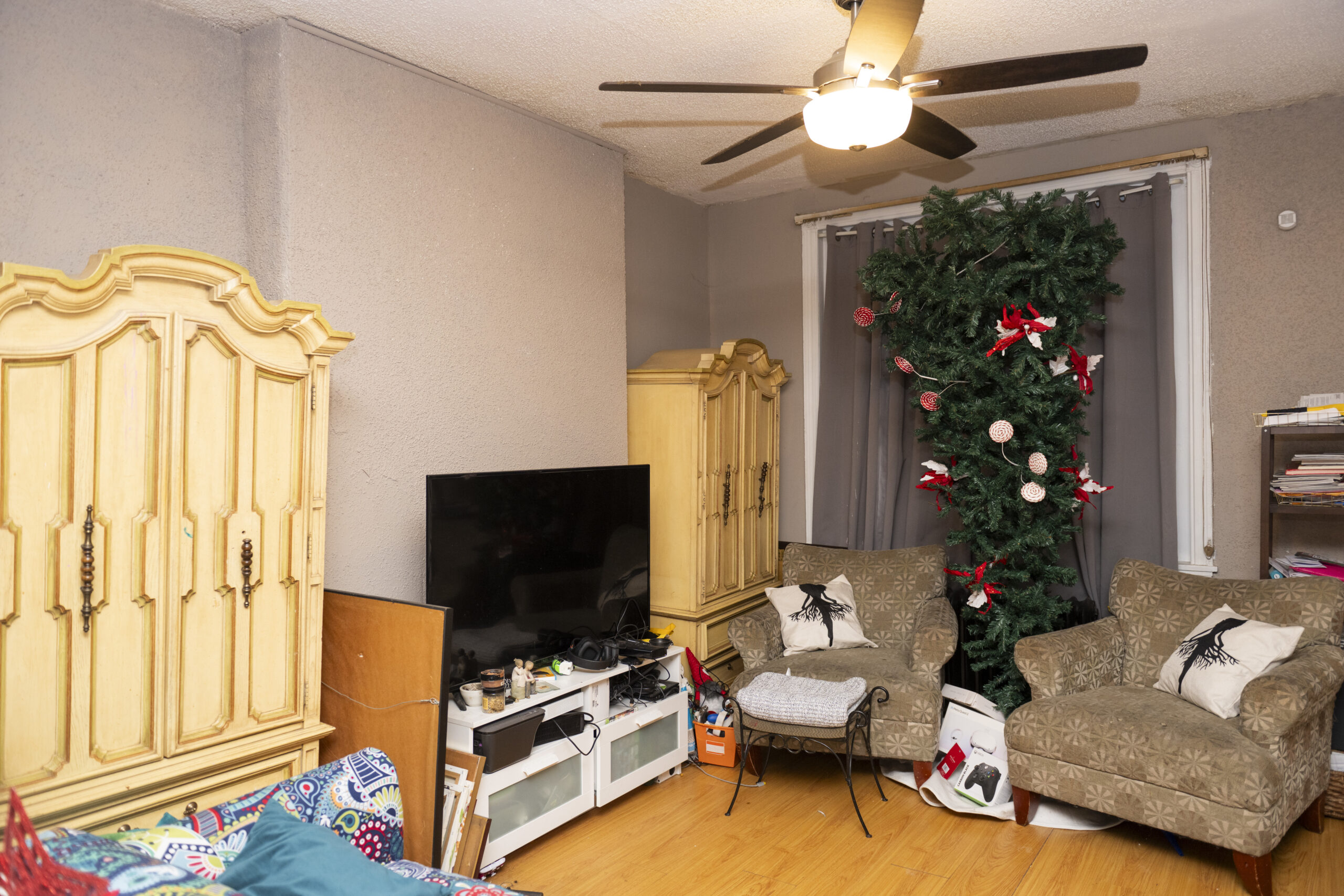
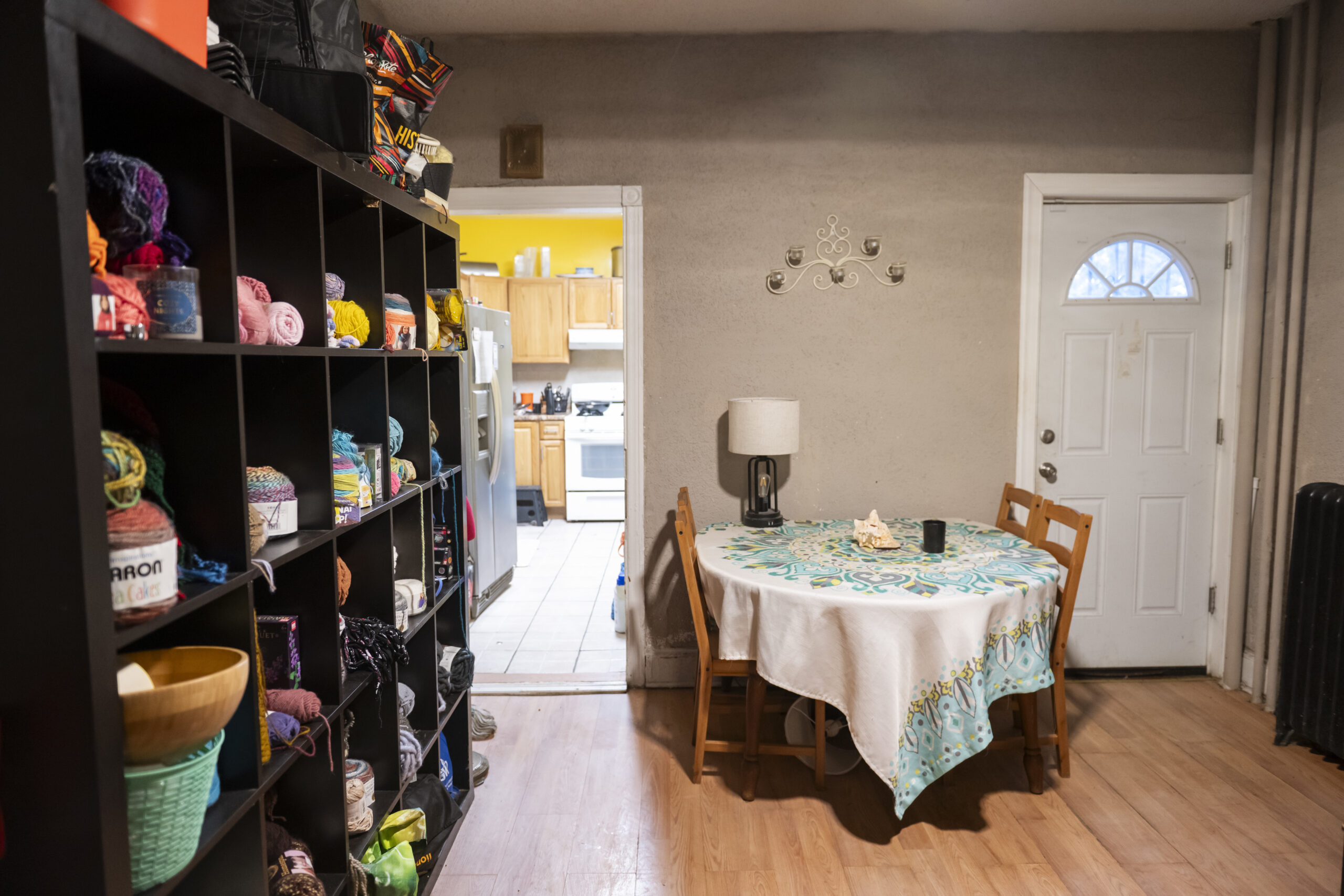
    Todtz liked the living room’s tan walls and dark floors. They made the room feel cozy.

    The search: Todtz began looking seriously at the end of 2023, after attending a first-time homebuyers workshop hosted by Philly Home Girls. Over a month, he saw several homes on weekends and evenings. He saw the house he would eventually buy early in his search, but it felt out of reach. Originally listed at $280,000, it hovered just above what he felt comfortable paying. He put it on a mental “maybe” list and kept looking. One month later, the price dropped to $255,000. “That’s when it felt within striking distance,” Todtz said. “It was closer to comps in the market.”

    The appeal: Todtz immediately noticed the quality of the renovation. The house looked polished but not flashy, neat but not boring. “There weren’t super high-end finishes I wasn’t going to appreciate,” Todtz said, “and there wasn’t the gray-washed millennial nothingness design that so many new houses have.”

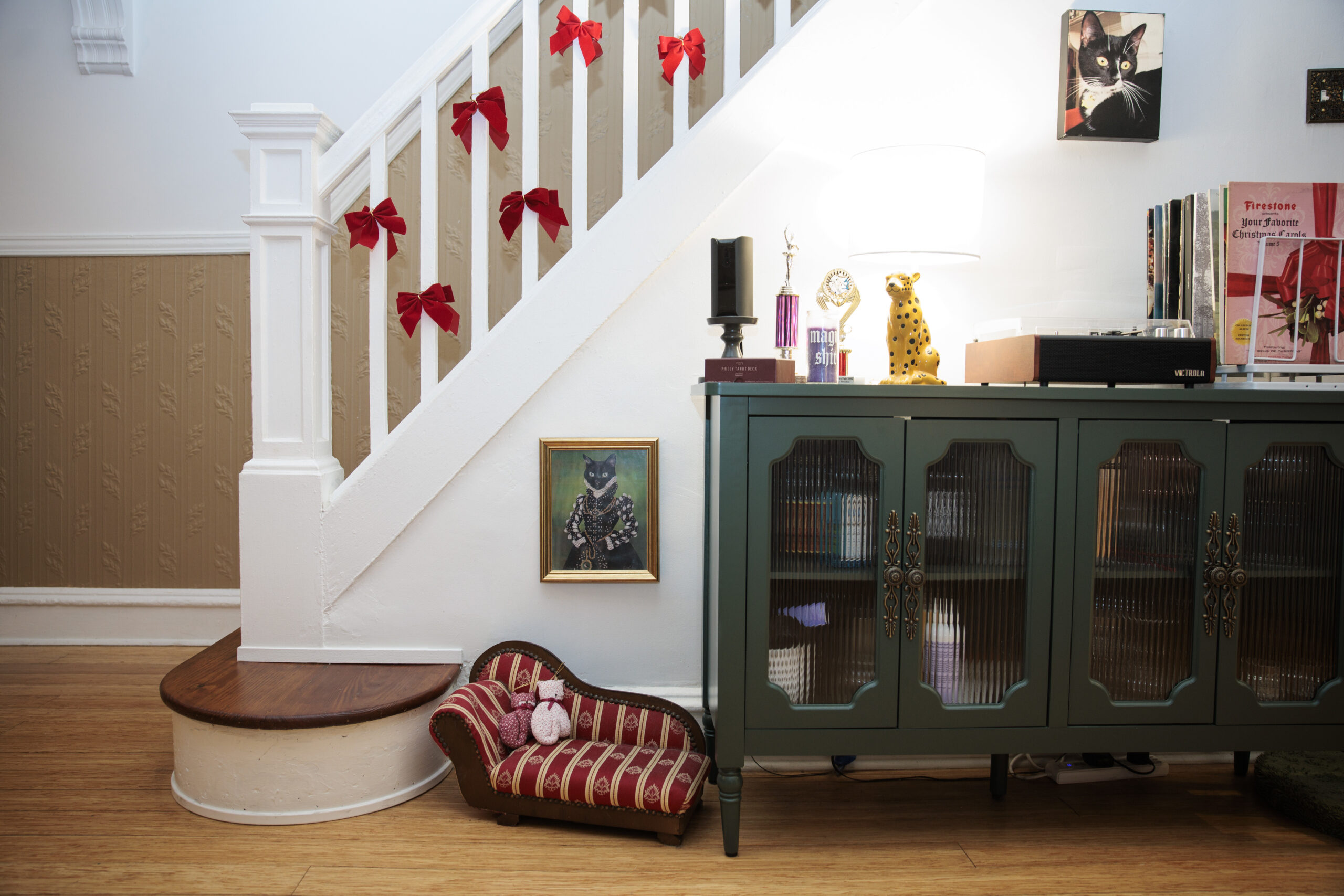
    Instead, the house felt solid and lived-in, with dark wood floors and warm-colored walls. “It was very cozy and pretty,” Todtz said. He also liked the flexible floor plan and could see “potential in the footprint,” he said. Mostly, he liked that there wasn’t anything glaringly wrong with it. “It just felt very manageable,” he said. “It didn’t feel like I was taking on a massive project that I didn’t know how to start.”
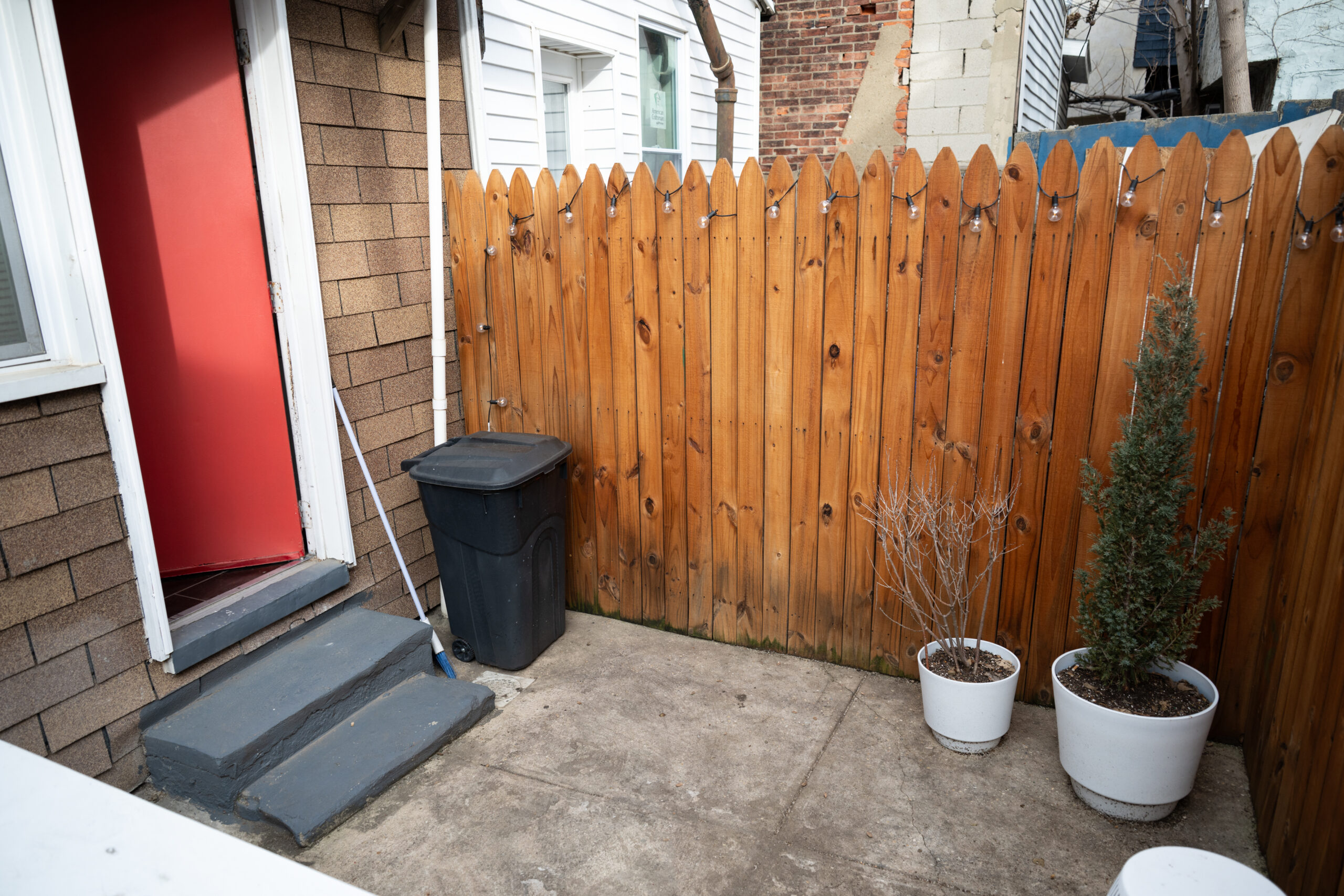
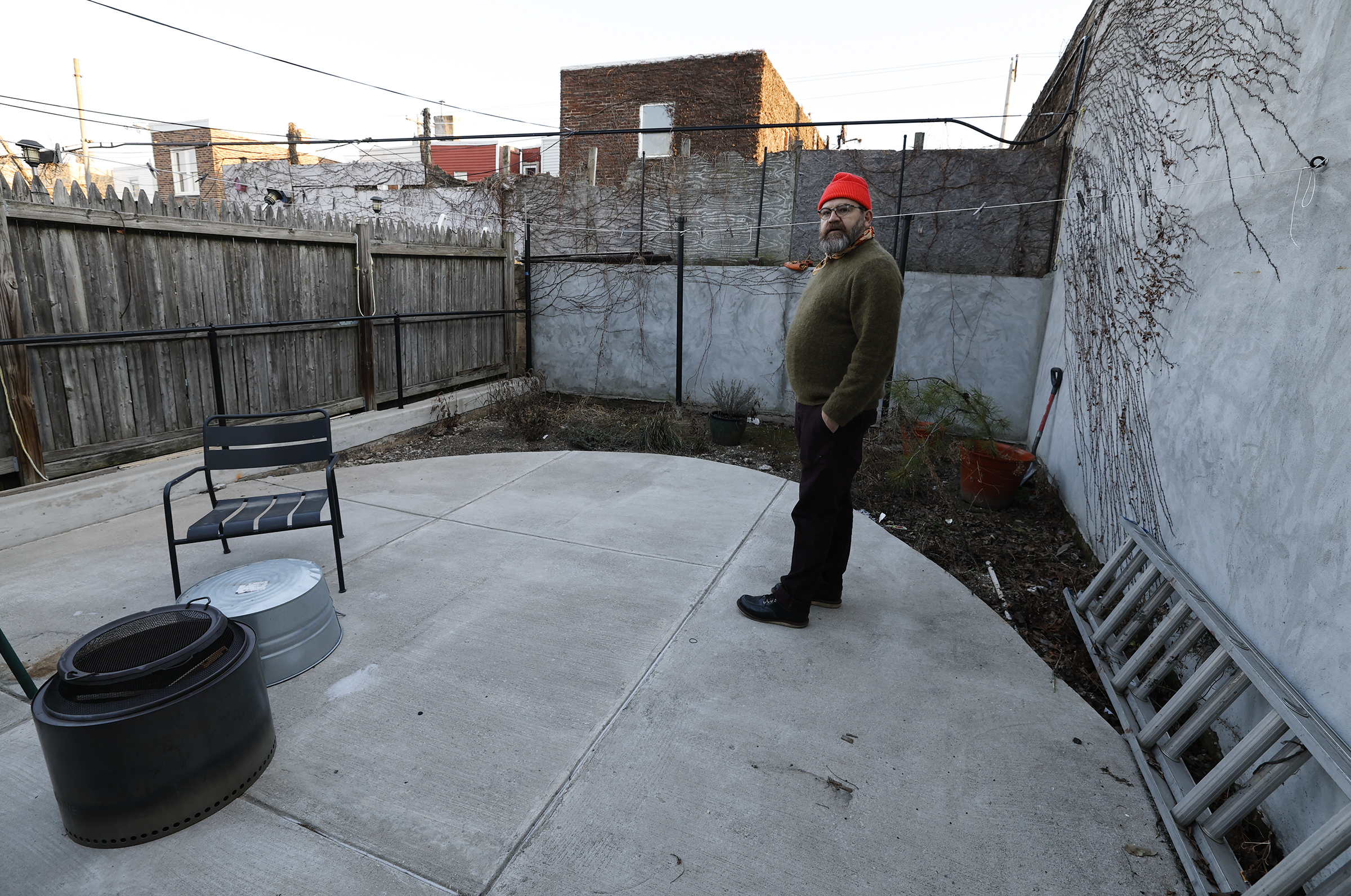
    Todtz said he would be happy with any kind of outdoor space.

    The deal: By the time the price dropped to $255,000, the house had been sitting on the market for months. Todtz and his agent sensed the seller was “eager to get it off his books,” so they offered the asking price and requested a 3% seller’s assist. The seller agreed. “That was a huge win,” Todtz said. It effectively lowered the price to $247,000.

    The inspection turned up only minor issues. The silver coating on the roof was wearing, and the seller, a small-time developer from Queens, N.Y., offered to address it without hesitation. “He was very chill,” Todtz said. “It was great to work with him.”

    The money: All in, Todtz spent about $21,000 on closing costs and upfront expenses. Todtz’s mortgage is through the Keystone Home Loan Program, which required only a 3.5% down payment, provided he paid mortgage insurance. The money came primarily from his long-term savings.
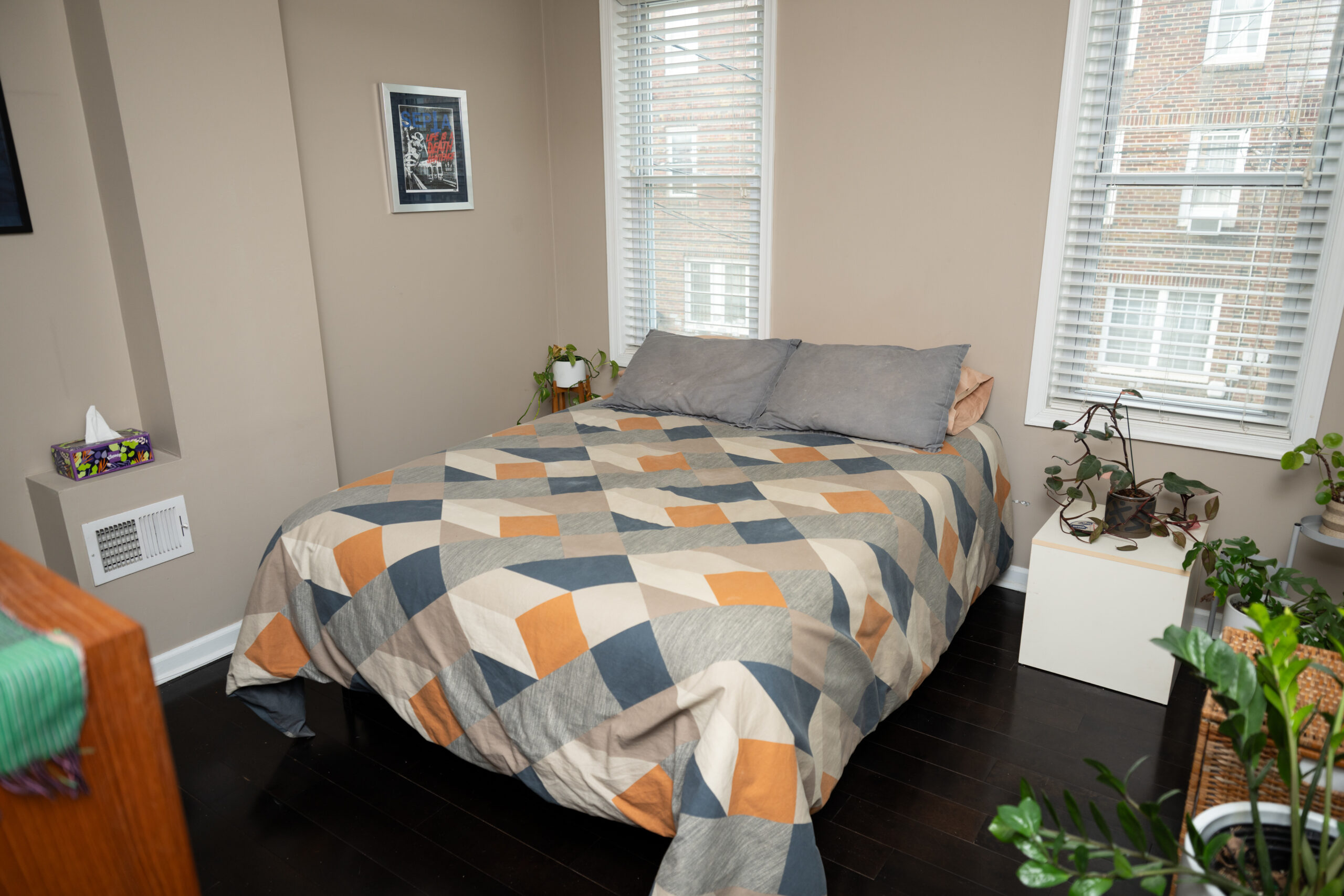
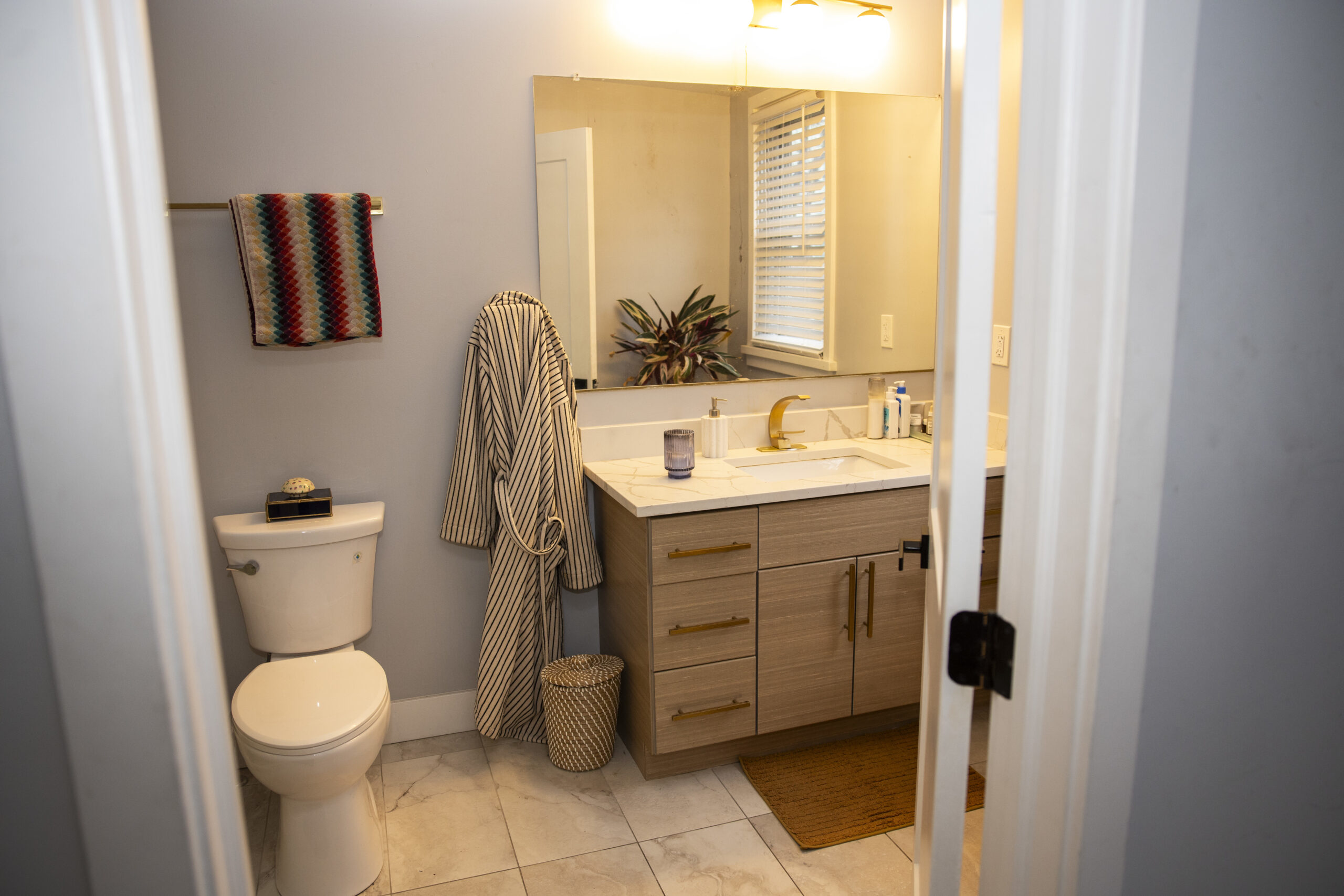
    One of two bedrooms in Evan Todtz’s house.

    “Every paycheck since graduating from undergrad, I’ve been putting money away,” Todtz said. “However modestly, whether it was 50 bucks or 100 bucks.” Eventually, he transferred some of those savings into a mutual fund that he let grow for a decade. He put the rest in a high-yield savings account. He also received a few thousand dollars from his grandmother’s estate.

    The move: Todtz closed on April Fools’ Day, which he feared was a bad omen. His agent reassured him it wasn’t. He spent the next month moving small items in his car, then hired movers to handle the bulk of the work over a weekend in May. He didn’t ask his friends to help him move. “I want to keep my friends,” Todtz said. ”I don’t want to make them stop talking to me.”
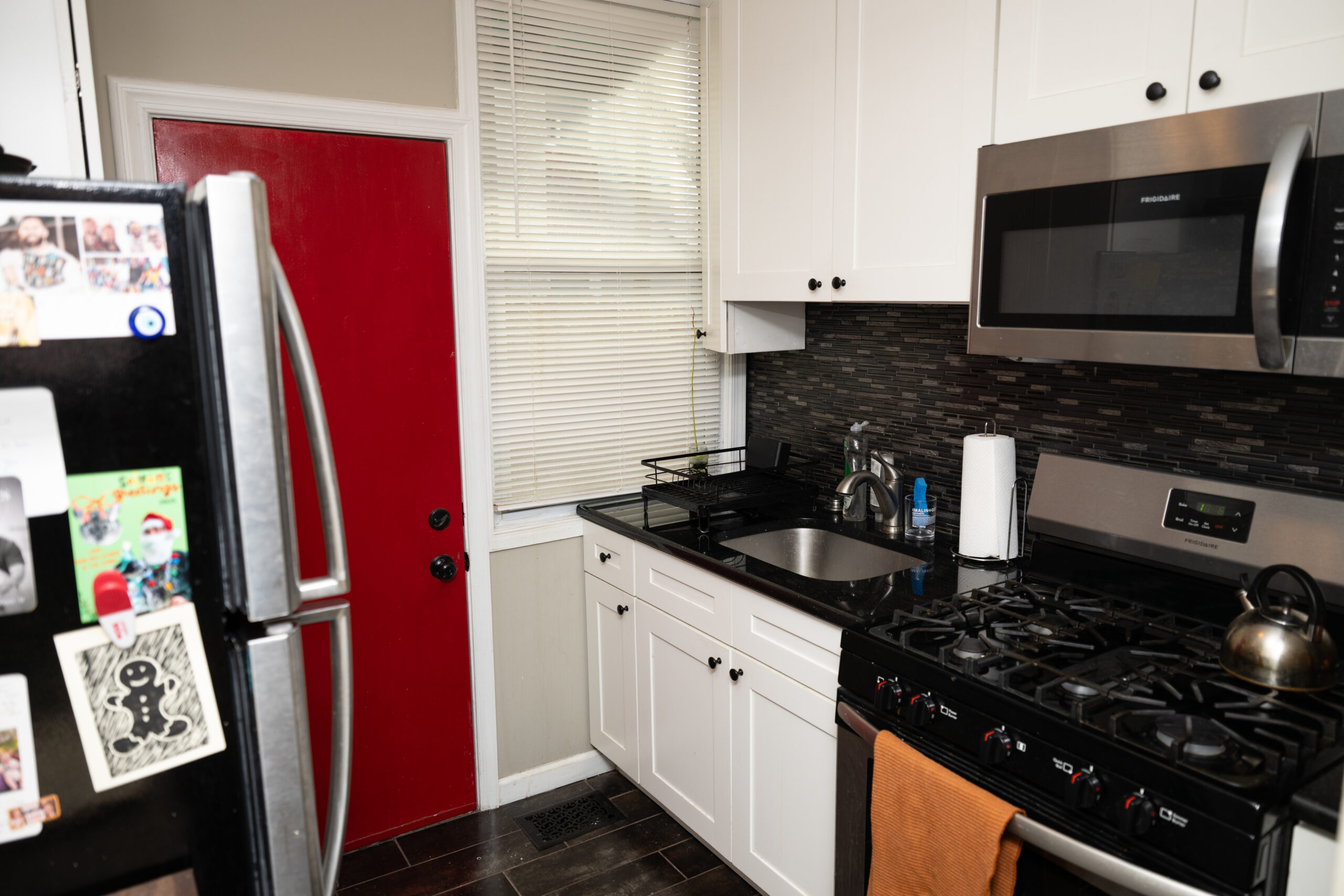
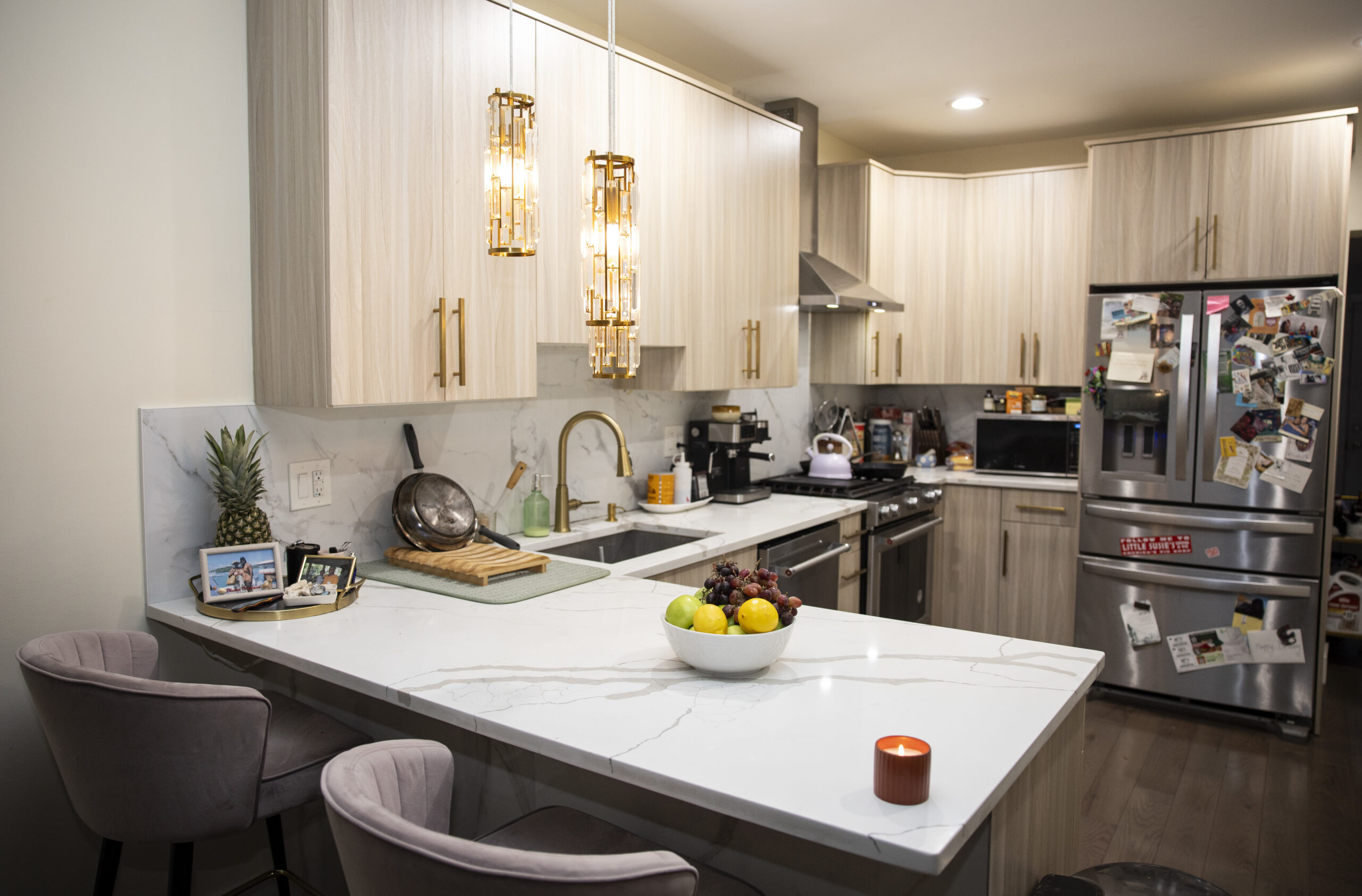
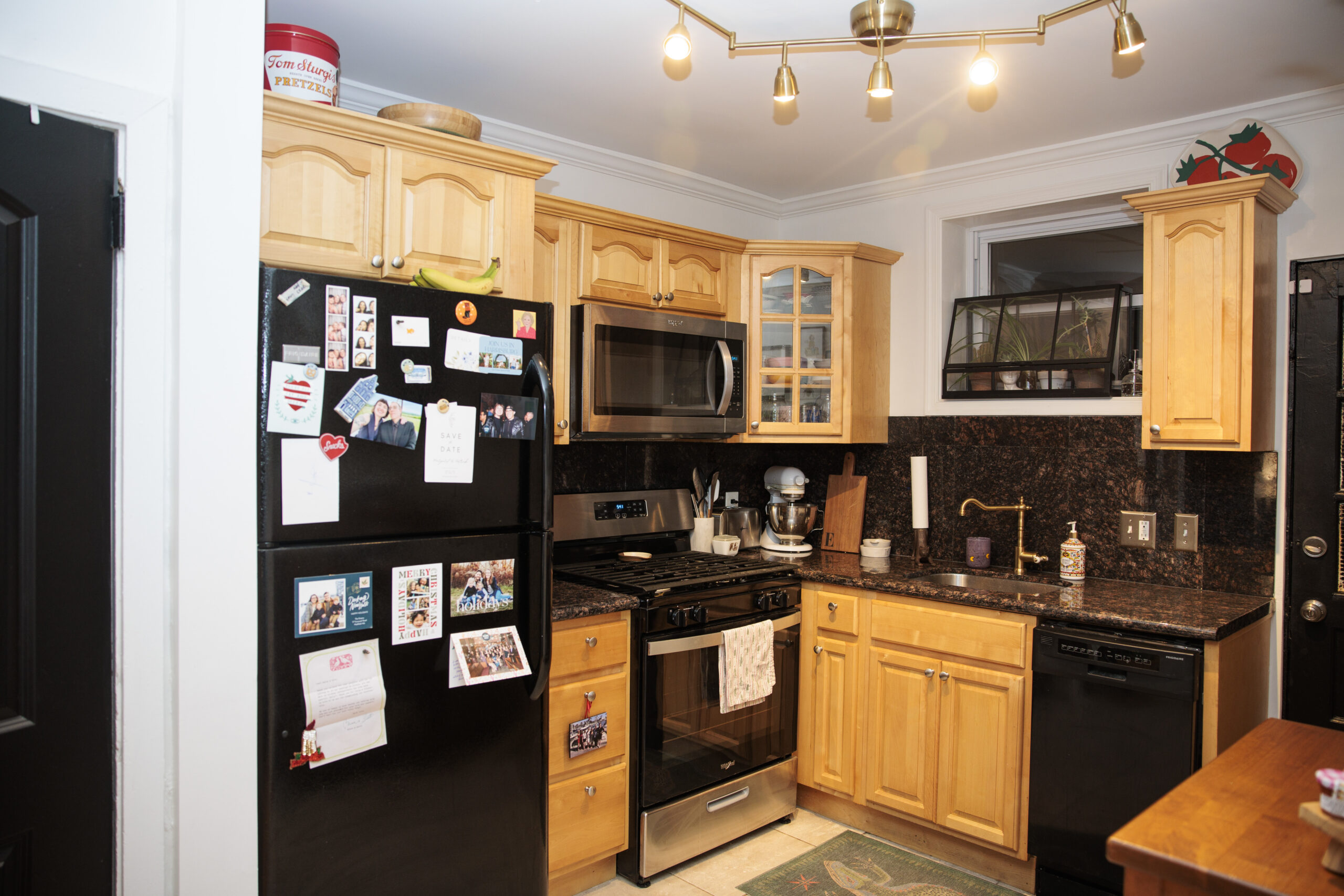
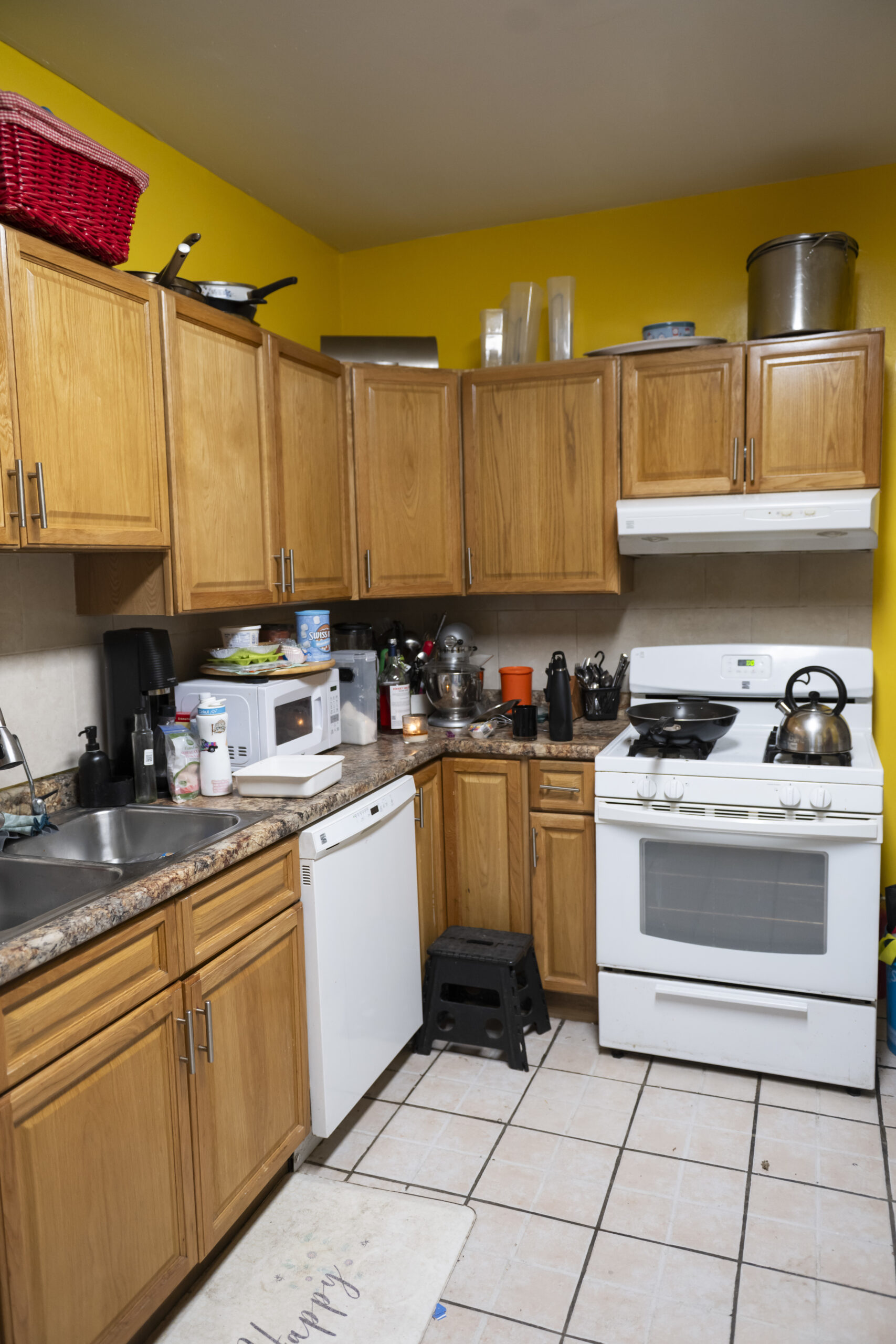
    Todtz loves his kitchen even though it’s “a little small,” he says.

    The move was mostly smooth, except for one casualty: a box spring that couldn’t fit up the new house’s narrow staircase.

    Any reservations? Todtz doesn’t regret buying, though he acknowledges that homeownership comes with new anxieties. Given the current state of the economy, “renting and being able to flee is kind of attractive,” he said.

    Still, he’s glad he made the leap. “I’m happy to own,” he said, “and I feel comfortable learning as I go.”
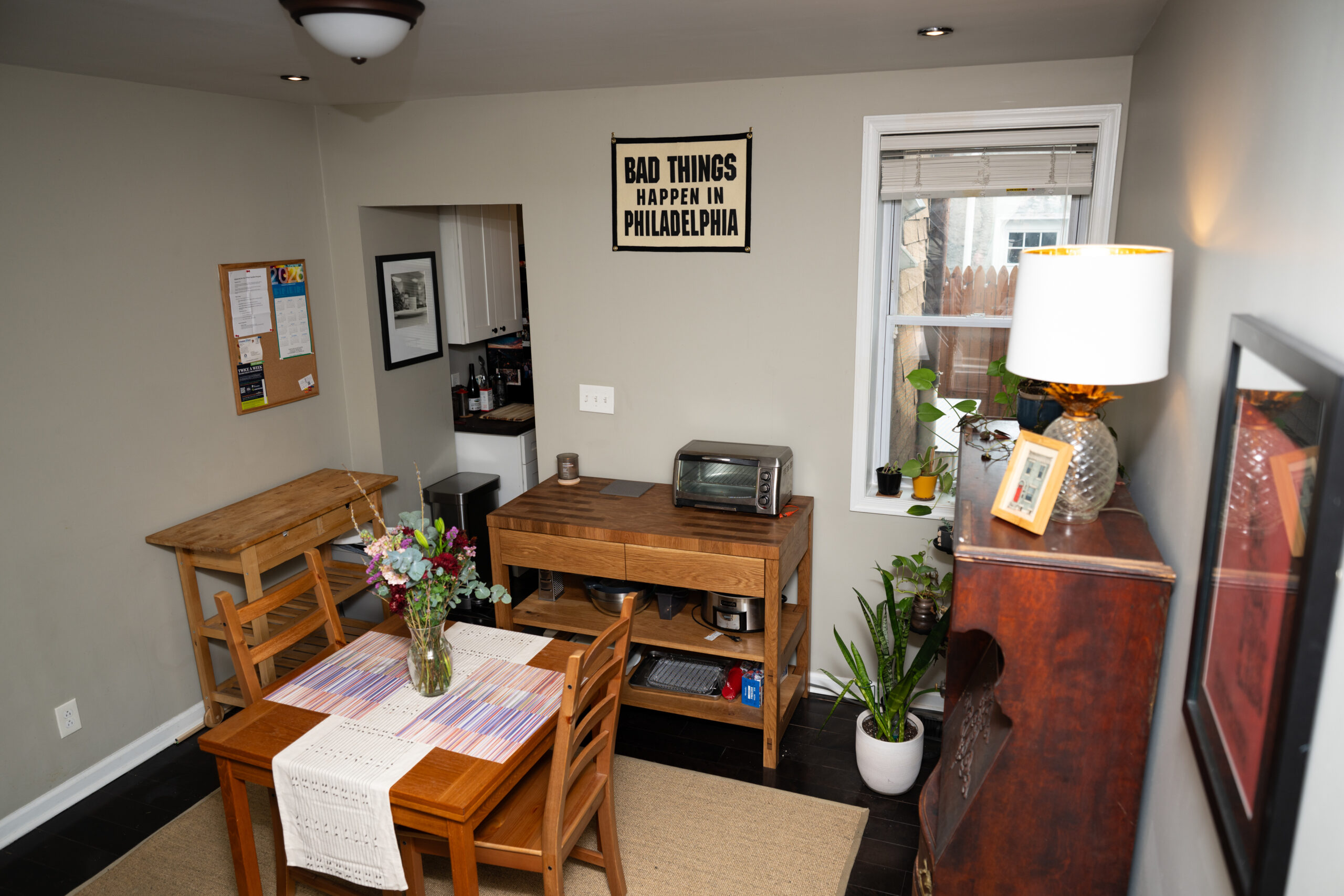
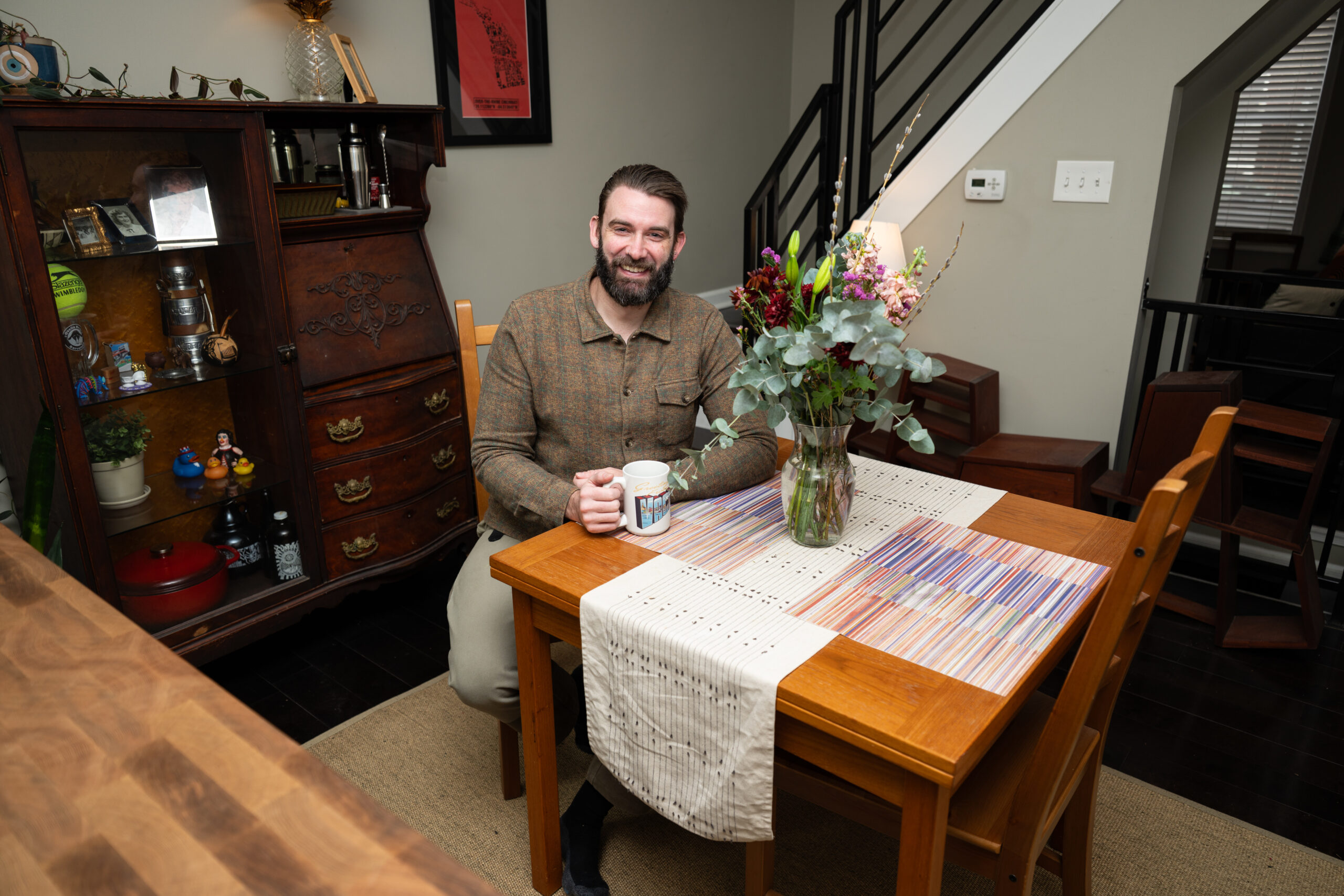
    The custom wood butcher block Todtz built with the help of the Philadelphia Table Co.

    Life after close: Most of the changes Todtz has made have been cosmetic. “I didn’t want to bite off more than I could chew,” he said. He tackled the patio first, pressure-washing the concrete, re-staining the fencing, and adding cafe lights. After that, he partnered with Philadelphia Table Co. to build a custom wood butcher block that has doubled the counter space in his kitchen.

    He has a couple of larger projects he plans to tackle next year, such as a full HVAC upgrade, but for now, he’s focused on rebuilding his savings. “I’m happy with the investment,” he said, “but I’m very much in a house-poor moment right now.”

    Did you recently buy a home? We want to hear about it. Email acovington@inquirer.com.
  • They paid $2.5 million in cash to renovate a historical Society Hill church | How I Bought This House

    They paid $2.5 million in cash to renovate a historical Society Hill church | How I Bought This House

    The buyers: Carrita Thomas, 33, nonprofit program evaluator; Jake Stein, 42, CEO of a tech start-up

    The house: A 6,775-square-foot church in Society Hill built in 1920

    The price: Listed for $2.5 million, purchased for $2.5 million

    The agent: Kate McCann, Elfant Wissahickon Realtors

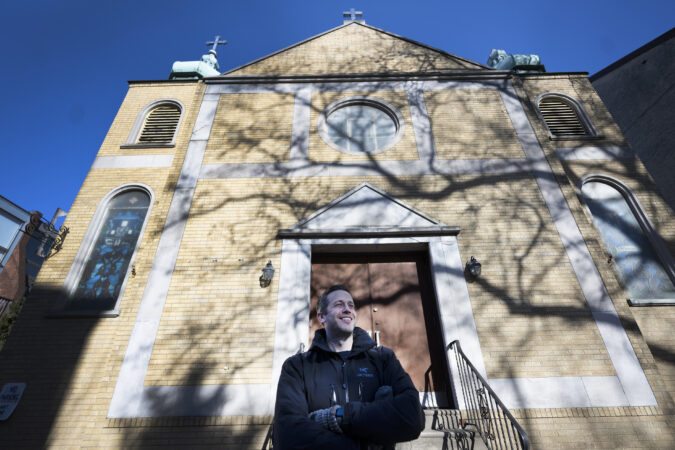
    Carrita Thomas and Jake Stein on the main floor of their newly purchased church in Society Hill.

    The ask: Carrita Thomas and Jake Stein moved to Society Hill in 2021 and immediately fell in love. They grew even more attached after having their first child. They loved the abundance of playgrounds and parking. But most of all, they appreciated how the area functioned as a village. “We have a great community of friends,” Thomas said. “We are very close with our neighbors.”

    But when they found out that Thomas was pregnant with twins, their rowhouse, which once felt generous, suddenly seemed cramped. They needed more space fast but didn’t want to leave the neighborhood. They also wanted on-site parking and outdoor space for Thomas to garden. Plus they needed at least six bedrooms. The couple knew they were in for a difficult search.

    One of the church’s courtyards with plant beds where Thomas and her daughter recently planted bulbs with friends.

    The search: The market moved fast for houses that met their criteria. More than once, they scheduled showings for houses already under contract. Once, they scheduled a showing three days after a house came on the market, only to have the agent cancel because it had already sold. After several misses, they decided to reassess their options, including renovation. “We had not been interested in it before because we’d only heard negative stories,” Thomas said.

    Around the same time, Stein noticed a sale sign on a vacant church two blocks from their home. It had been unused for decades, its landscaping overgrown, its windows dark. “I always thought it was so cool and interesting,” Stein said. “And what a waste.”

    That discovery shifted their search. Instead of continuing to hunt for the impossible-to-find, perfect rowhouse, the couple began to consider the most glaring fixer-upper in the neighborhood.

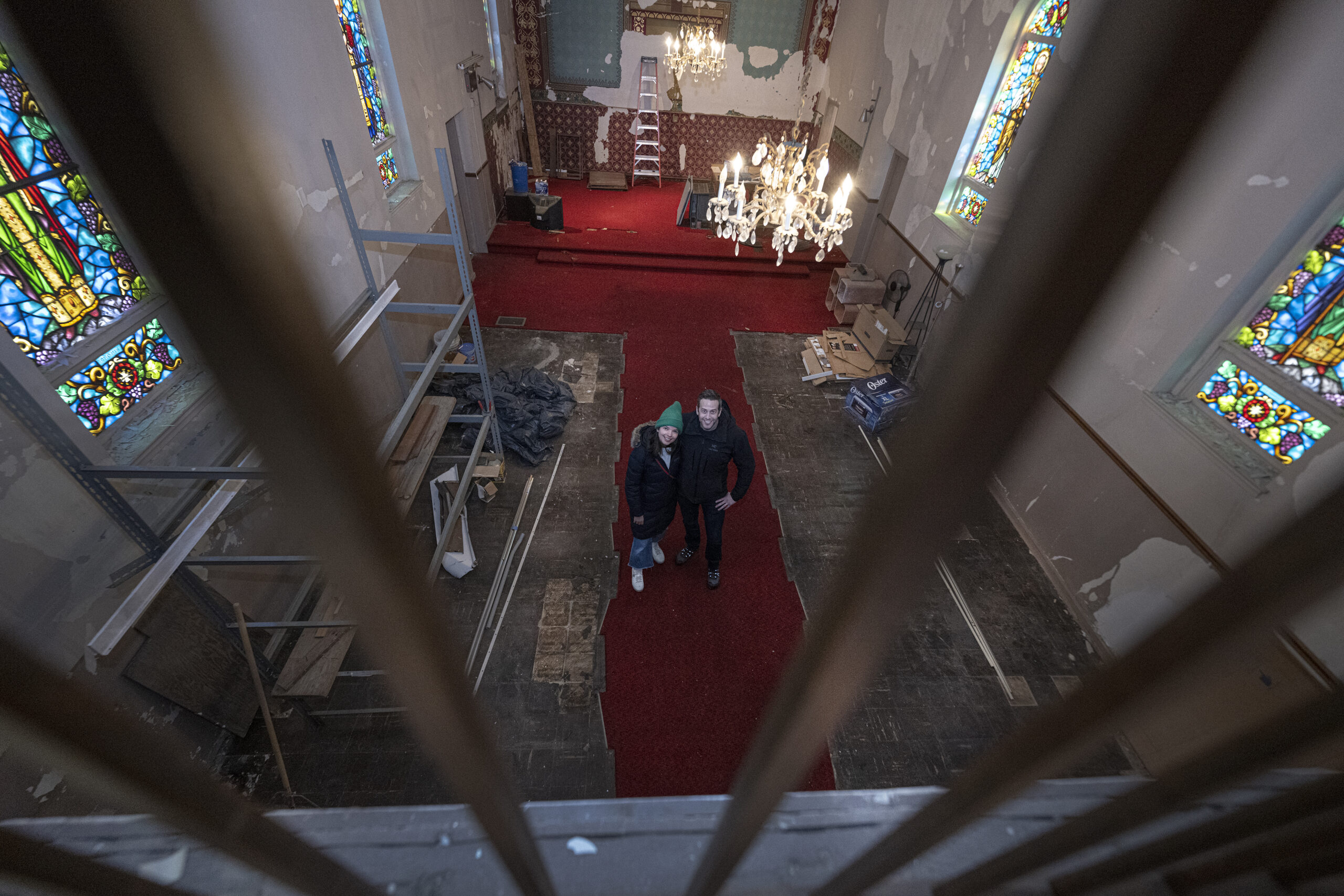
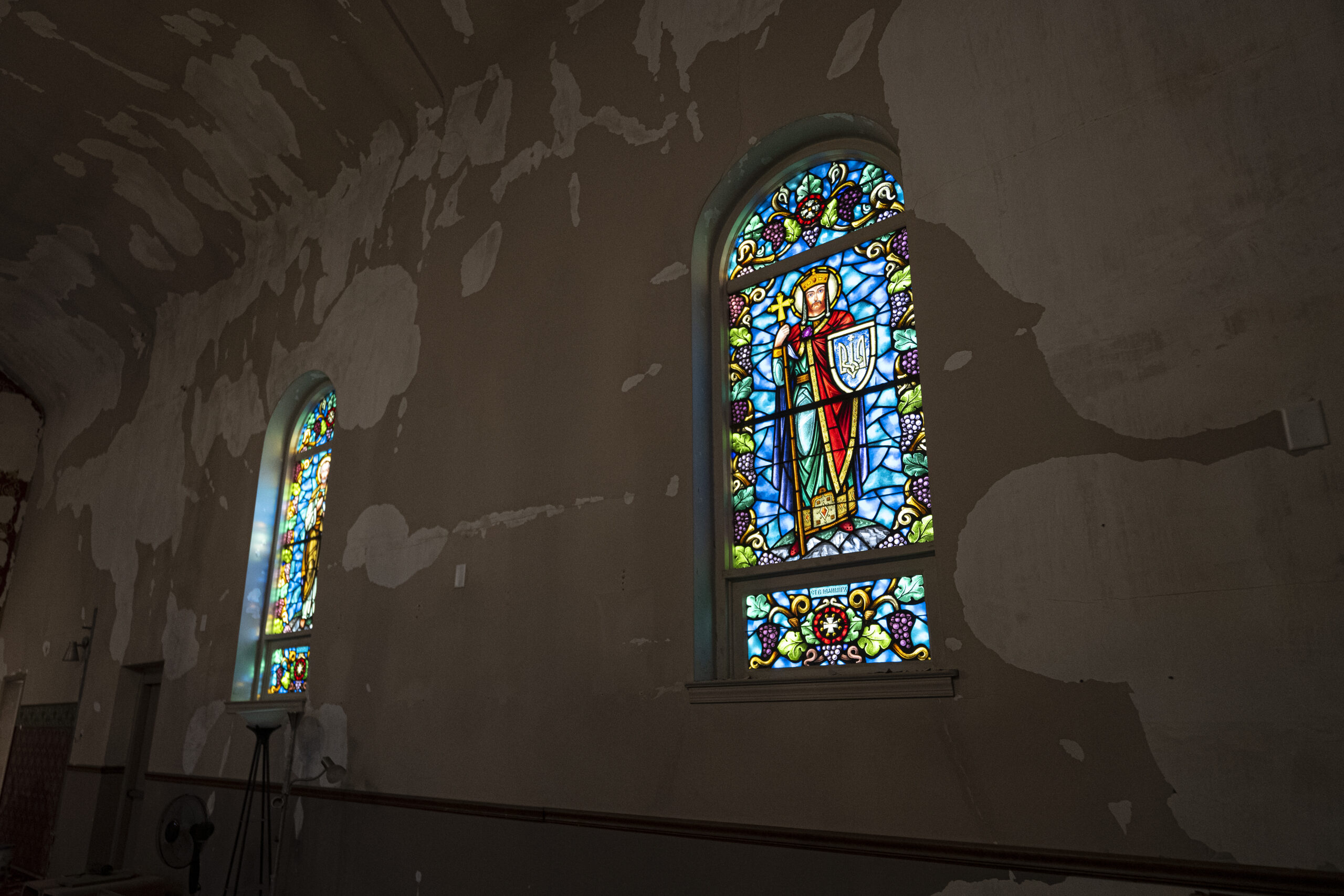
    The couple fell in love with the church’s raw materials, like the stained glass windows lining its walls.

    The appeal: Thomas was initially skeptical. Every church conversion she had seen leaned toward a loft-style layout, and she didn’t want to live in an open, cavernous space. But walking through the property with an architect helped her picture more-private floor plans.

    One of the church’s main selling points was its driveway and ample parking space.

    Inside, the building was structurally sound and full of “high-quality raw material,” said Thomas. But what really sold them was the “insane amount of outdoor space.”

    To get a sense of renovation costs and trade-offs, the couple also consulted with someone who had previously run a design-build construction company. That process replaced vague anxiety about expenses with concrete ranges. “There are really expensive versions of renovations,” Stein said, “and there are much more reasonable versions.”

    Understanding that they could “choose their own adventure” and “dial up or dial down the budget based on their design decisions” made the renovation seem actually doable, if not meaningful.

    Thomas appreciated that the church had once been a place where people gathered. “One of our primary values is community,” she said. And the idea of restoring that function — even in a different form — felt really special to the couple. “It just adds so much richness to our lives,” she said.

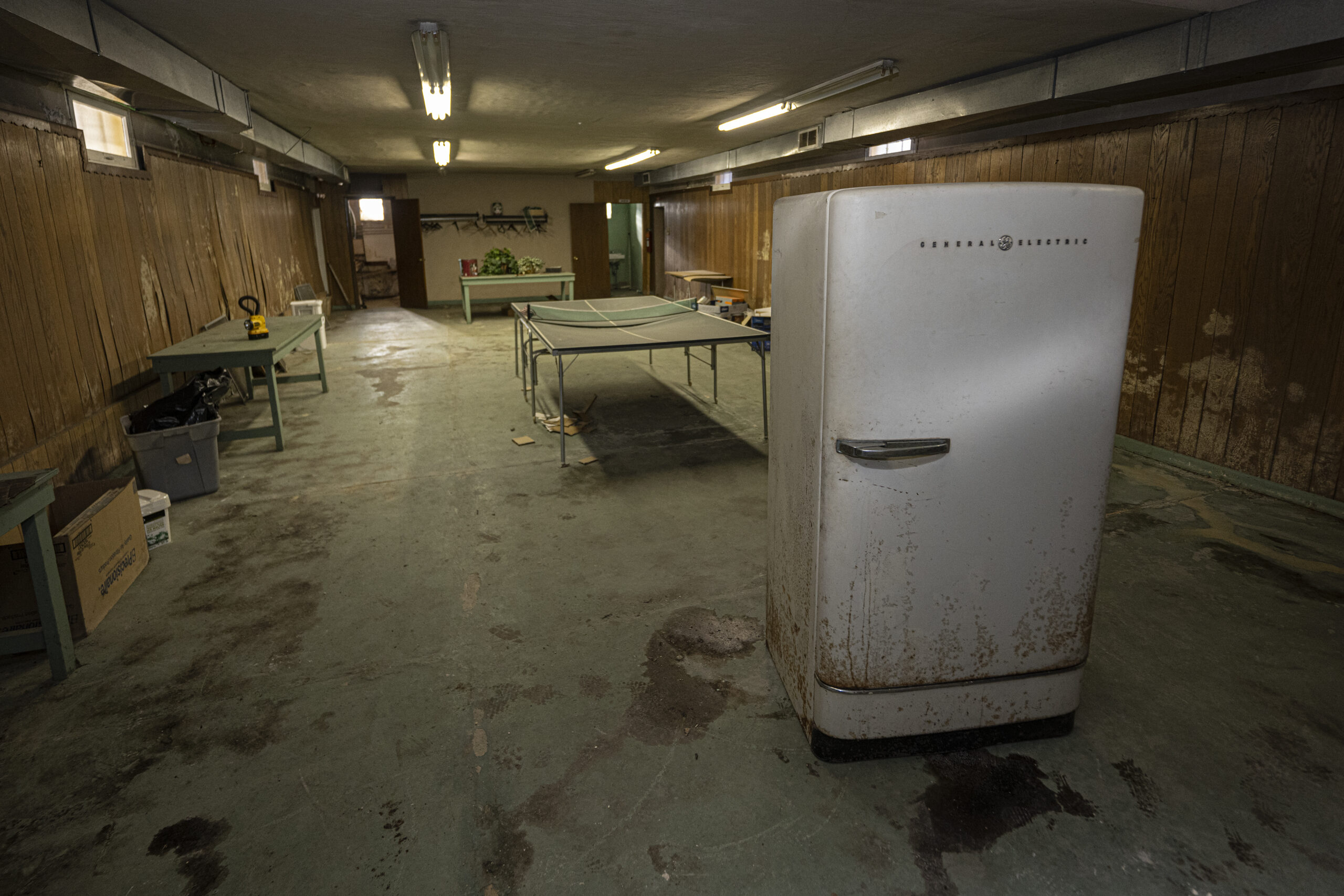
    One of Stein’s favorite features of the church is the basement and the giant warped Ping-Pong table, on which he’s played multiple games.

    The deal: Thomas and Stein knew that the terms would be largely out of their control. The seller, who lived out of state, had owned the building for decades and was not inclined to negotiate. She had rejected several offers over the years and did not advertise her property as being for sale online. Even getting the asking price took effort. Their agent had to follow up multiple times. The seller eventually told them it was $2.5 million. She had recently rejected an offer below the asking price without counteroffering, so the couple didn’t bother negotiating. “We know we would only get it if we met all of her terms,” Thomas said. They submitted a straightforward offer, including skipping the inspection, at the asking price, and the seller accepted.

    Interior views of the newly purchased church owned by Carrita Thomas and Jake Stein.

    The money: Thomas and Stein put $2.5 million down in cash — the full cost of the property — the day they closed. They did not take out a mortgage. The funds came from the sale of Stein’s former software company, which he sold in 2018 for $60 million. Their renovation budget is still fluctuating.

    The move: Thomas and Stein closed on the church at the end of September.

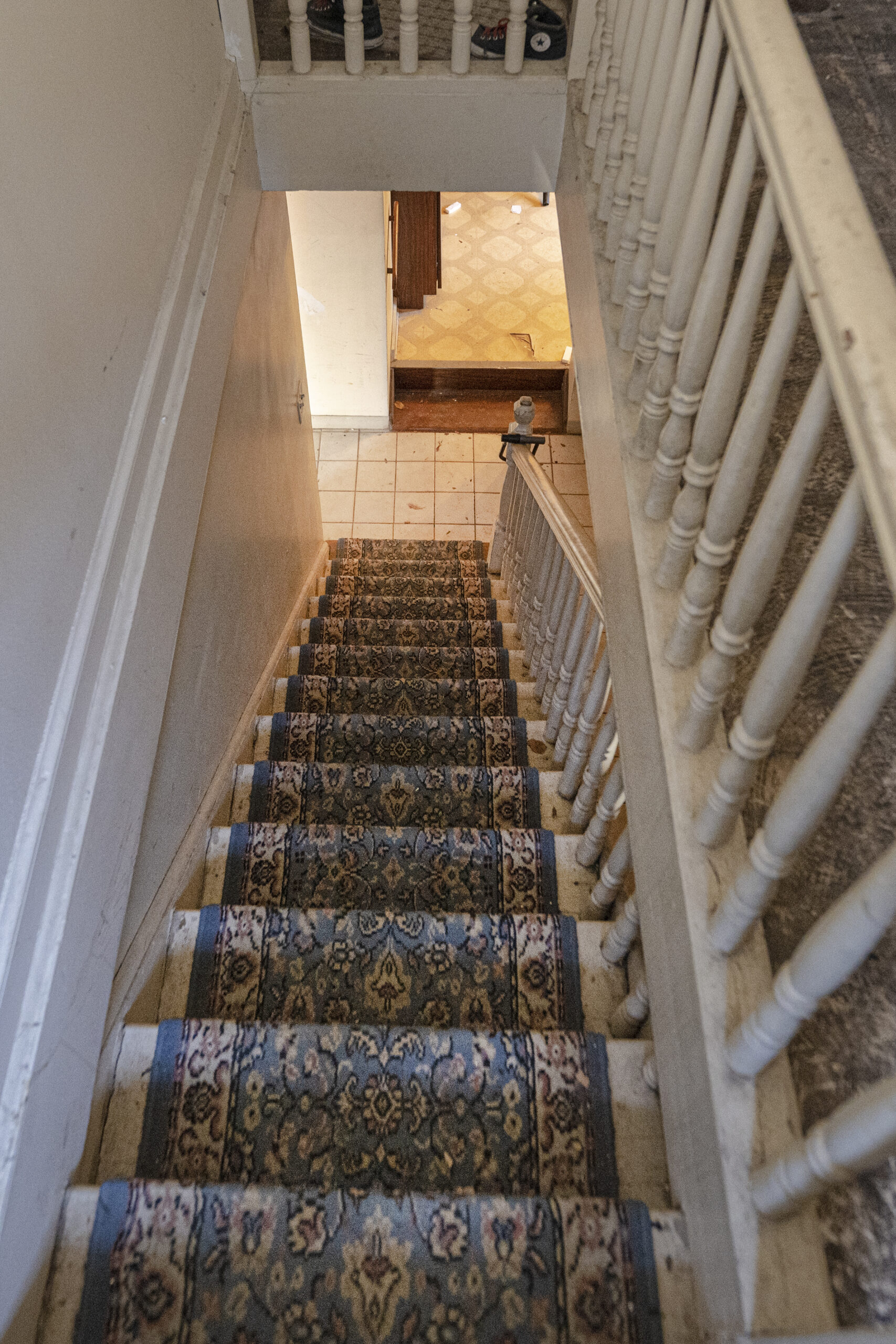
    A view of the staircase in the rectory that is attached to the church.

    They spent the past few months figuring out how to approach the renovation, talking with people who had done similar projects, and meeting with contractors. “It’s a slow process,” Thomas said, “but it’s a really important part of it.” Now, they are finalizing contracts with vendors. She expects the entire project to take about two years. Construction is still a ways away.

    They are living in their Society Hill rowhouse for now, and it no longer feels too small. “We’re pretty comfortable,” Thomas said. “Something changed for me after I had the twins. I think both of our tolerance for chaos just went up a lot.”

    Any reservations? The couple is happy with their purchase, even though there are still many unknowns. “A lot of careful planning needs to go into this,” Thomas said. “There are a lot of open questions still,” Stein added. They will have to knock down a few walls to figure out what is even possible. It will take at least 10 months to finalize the design. The couple is up for it. “It’s a cool project,” Thomas said.

    Life after close: Even though the renovation hasn’t started, the building is already functioning as part of the neighborhood again. The couple hosted a Halloween party for their neighbors, and a few weeks later Thomas had her daughter’s friends over to plant bulbs.

    Did you recently buy a home? We want to hear about it. Email acovington@inquirer.com.
  • Remnants of a 19th-century shipwreck have washed up on a New Jersey beach

    Remnants of a 19th-century shipwreck have washed up on a New Jersey beach

    Remnants of a 136-year-old shipwreck have been discovered at Island Beach State Park in Ocean County. Large, wooden chunks of the Lawrence N. McKenzie, a 19th-century schooner that sank in the Atlantic Ocean on March 21, 1890, surfaced on the shoreline following weeks of beach erosion caused by persistent high winds and rough surf, according to a statement from State Park officials.

    “Beach erosion during the winter months is common at Island Beach State Park and is part of a natural, cyclical process,” the statement said. “Most beaches recover from the erosion during the calmer summer months — but for now, this winter’s erosion has revealed a glimpse into the park’s maritime history.”

    Pieces of the Lawrence N. Mckenzie, a 98-foot schooner that sank off the coast of New Jersey in 1890, were discovered on the shore of Island Beach State Park.

    The 98-foot McKenzie was hauling oranges from Puerto Rico to New York City when it encountered a thick fog near Barnegat, New Jersey. According to a report that Captain Lawrence McKenzie filed with the insurance company, there was six feet of water in the vessel’s hold when members of the Cedar Creek U.S. Life Saving Service rescued the eight-person crew.

    Barnegat’s coastline is notorious for its constantly shifting shoals and channels. The Army Corps of Engineers estimates that between 1705 and the introduction of the steamship, there were 40 shipwrecks each year off the coast of Barnegat, earning the coast of New Jersey the nickname “the graveyard of the Atlantic.”

    Island Beach State Park officials are currently monitoring the area. They reminded visitors to respect the park’s historic artifacts. Touching or removing any part of such objects is prohibited and subject to summonses issued by the New Jersey State Park Police.

  • She saved $100,000 for a house in Port Richmond | How I Bought This House

    She saved $100,000 for a house in Port Richmond | How I Bought This House

    The buyers: Mercedes Murphy, 33, healthcare worker

    The house: a 1,710-square-foot townhome in Port Richmond with three bedrooms and two baths, built in 1925.

    The price: listed for $289,000; purchased for $291,000

    The agent: Emily Terpak, Compass

    The exterior of Mercedes Murphy’s home in Port Richmond.

    The ask: Murphy had a strategy for maximizing her savings: never pay more than $850 in rent. If it went above that, she would simply move, which she did several times over five years. But eventually, what started as a strategy began to feel like a trap. “The quality of the places I was willing to pay for kept dropping,” Murphy said. When her small, rat-infested apartment in Point Breeze flooded — the second place she’d lived in that had flooding issues — she decided she’d had enough and set out to find a two-bedroom house with an updated kitchen for $350,000 or less.

    The search: Murphy looked across the city, including in Mt. Airy, Fishtown, and South Philly. Some houses looked good in photos, but looked worse once she saw the surroundings. A Northwest Philly rowhouse made a great impression inside, thanks to its sparkling wood floors, but not outside. “It was just parking lots, and nobody was around,” Murphy said. “It wasn’t very safe.”

    She saw a promising place in Fishtown — a beautiful house with updated appliances, right by Girard Avenue. But it was small and had only one bathroom. Murphy debated the pros and cons with her then-fiancé (now husband), Stefan Walrond, for a few days, then made an offer. Almost immediately, she regretted it. She pulled her offer less than 24 hours later. “They had so many offers already,” Murphy said, “I didn’t feel like fighting for it.”

    The living room in Murphy’s Port Richmond home. She liked how large it was compared to others that she had seen.

    The appeal: A week after she pulled her offer, Murphy got COVID and couldn’t attend showings. Her fiancé went to see a house in Port Richmond without her. “He did the tour,” she said. “He sent me photos and did a little video walk-through.”

    Murphy could tell that this might be the one. It had everything she wanted, including lots of space, two full bathrooms, and an updated kitchen. It even had a backyard with a cherry tree and enough room for their dog. What ultimately sold her, though, were the finishes in the kitchen and upstairs bathroom: the gold faucets, the marble countertops, the built-in bench in the shower. “I loved the modern aesthetic,” Murphy said.

    The deal: Murphy wanted to avoid a bidding war, so she offered $291,000, $2,000 over the asking price.

    Murphy fell in love with the modern finishes, like the gold faucet, in the bathroom.

    The inspection was straightforward. The only major issue was the roof. It would need to be replaced in a few years. A few of the appliances looked like they wouldn’t last very long either. Murphy didn’t ask for any concessions or credits. She just made sure she had enough money saved to pay for replacements down the line. Sure enough, the fridge broke one week after she moved in, and the roof started leaking within the year.

    The money: Murphy, a self-described “huge saver,” started aggressively saving money in 2015, the year she got her first “major job.” When she went to buy a house seven years later, she had just over $100,000 in savings. “I always lived really below my means,” Murphy said. She drove an old used car, lived with roommates, and didn’t have any “crazy expenses, like video games or makeup.”

    “I’m just not a big spender,” she said. Not having student loans helped too.

    Murphy loved the modern aesthetic of the kitchen.

    Murphy used $70,000 for a 20% down payment. She tapped into her remaining $30,000 to pay for the new roof, which cost $6,000, and a new washing machine, which cost $1,700. Her parents bought her a new fridge for $2,000.

    The move: Murphy’s landlord allowed her to break the lease she shared with her fiancé due to the flooding. She hired movers for the first time ever. “I moved so much in Philly before that I knew this time I definitely wanted movers,” Murphy said. It only cost $400. “We didn’t have that much stuff,” she said, “and we weren’t going very far.”

    Any reservations? Murphy and Walrond love their neighborhood and their neighbors, but they wish they lived on a quieter street. “Aramingo is a main thoroughfare,” Murphy said. “So we have a lot of emergency vehicles come by.”

    Other than that, Murphy wishes she negotiated more. If she could do it all over again, she wouldn’t offer $2,000 over the asking price. She would also ask for more concessions from the seller to address the aging appliances. “I didn’t even think to do it,” Murphy said. “I was just so happy to get a house.”

    Mercedes Murphy and Stefan Walrond pose with their pets Archie (left) and Onyx at their Port Richmond home on Tuesday, Jan. 13, 2026, in Philadelphia.

    Life after close: Murphy hasn’t changed anything since moving in, just repaired things. The leak in the roof damaged the bedroom drywall, which she is now in the process of fixing. And she had to replace a leaky window in the office. Despite the minor inconveniences, she’s happy with her purchase. Now she’s focused on rebuilding her savings. She wants to get back to $100,000. “Let’s see if I can do it again,” she said.

    Did you recently buy a home? We want to hear about it. Email acovington@inquirer.com.

  • She moved home and started whispering about Wawa. Then she went viral.

    She moved home and started whispering about Wawa. Then she went viral.

    Of all the things Betsy Kenney thought she might go viral for, whispering about Wawa wasn’t one of them. But the 38-year-old comedian’s Philly “ASMR” videos have taken off on TikTok and Instagram, turning Kenney — who spent more than a decade pursuing a comedy career in New York City — into an unlikely local celebrity.

    If you aren’t familiar with ASMR, which stands for Autonomous Sensory Meridian Response, it’s a relaxing sensation triggered by soft sounds or repetitive patterns. People watch ASMR videos of soft tapping, scratching, whispering, or crinkling to unwind. A video of someone getting a scalp massage? Pure bliss. A video of someone with a strong Philly accent asking if you know their cousin while scraping a spoonful of Rita’s water ice? Less so. And therein lies the joke. “People find the Philly accent to be like nails on a chalkboard,” Kenney said. “And I thought it would be funny to combine the two.” The contrast clicked immediately.

    Kenney’s videos have racked up millions of views, circulating through group chats and comment sections thick with recognition and debate. They’ve drawn fans far beyond the region and even earned an endorsement from Kylie Kelce, who rated Kenney’s Philly accent an 11. For Kenney, the sudden attention has been somewhat surreal, considering it only arrived after she stopped chasing it.

    Betsy Kenney, the woman behind Philly ASMR, in Philadelphia, December 11, 2025.

    For years, she had been grinding through the familiar comedy circuit in New York. She took improv classes at the Upright Citizens Brigade, acted in commercials to stay afloat, and wrote constantly. “I really wanted to do comedy as a living,” Kenney said. “And it turns out it’s really hard.” There were moments of traction. Kenney and her writing partner had a short film debut at the Tribeca Film Festival. They created a web series that was acquired by IFC. They hosted a podcast that found a sizable audience. “That was big,” she said. But none of it added up to stability. Then came COVID, two babies, and a move to Kenney’s hometown of Philadelphia, a return that quietly reshaped how she worked.

    Back home, the pressure shifted. Kenney was no longer measuring every idea against an imagined career outcome. She was tired, busy, and short on time, and that looseness made room for something new. In September, she posted her first TikTok: an impression of “Phillies Karen,” aka the lady who stole a baseball from a kid at a Phillies game. It went viral. Before that, she said, she’d always been too self-conscious to post comedy online. Now, with less to prove and less time to overthink, she kept going.

    She began posting whenever inspiration struck. Ideas surfaced in the slivers of time she had to herself, like in her car after school drop-off, or before pickup. Some of her best brainstorming happens in the shower, which is why her hair is often still wet in her videos. “I’m not trying to do a soaking wet Kim K thing,” Kenney said. “It’s literally the only time I have.” (Kenney is a full-time parent.)

    A few days after “Phillies Karen” took off, she posted her first Philly ASMR video. Then came her impression of Ms. Rachel if she were from Philly. She tried non-Philly bits, too, but they didn’t land the same way. Viewers were clearly responding to the specificity of her hometown voice.

    Betsy Kenney, the woman behind Philly ASMR, in Philadelphia, December 11, 2025.

    Kenney isn’t the only creator to build a fan base on the back of the Philly accent. There’s also Olivia Herman, whose no-nonsense impression of a Philly mom has attracted over 200,000 followers and a brand deal with Burlington Coat Factory. But where Herman leans into parody, Kenney aims for recognition. The humor doesn’t come from exaggerating the accent, but from treating it as ordinary. That’s no small task considering how difficult the Philly accent is to fake. “It has one of the most complex vowel systems of American English dialects,” said Betsy Sneller, a professor of linguistics at Michigan State University, which makes it difficult to imitate if you didn’t grow up with it.

    Kenney did. She was born and raised in Northeast Philadelphia by two parents from the area. “Philly is all I knew,” she said. Sneller said that familiarity is evident in Kenney’s use of Philly-specific phrasing — “it’s so expensive anymore,” “youse” — and regional slang and cultural references like Mom-moms, bo-bos, and the Roosevelt Mall. “There’s such an identifiable feeling of place,” Sneller said. “It feels so specific.”

    In fact, Kenney has found that the more specific she is, the more people connect with her work. In the comments section of a video where she asks which parish “Father John ended up at,” viewers pile on with recognition. “Wow, so we all had a Father John then, lol,” wrote one. “We all Father John in eastern PA,” wrote another. Even the Eagles chimed in: “My kinda ASMR.”

    Now that she’s back in Philadelphia, the specific details her audience loves are easier to access. Kenney improvises most of her videos, following associations as they surface. So a trip to Franklin Mills might trigger a memory about a childhood birthday, which turns into a video about Stock’s pound cake. Her family is another steady source of material, especially her father, who works in a Philly courtroom as a stenographer and comes over every week with fresh stories. “If I ever need inspiration,” Kenney said, “there it is.”

    Back home, surrounded by the people and places that fuel the work, Kenney isn’t in a hurry to turn her TikTok success into something bigger. She isn’t chasing the next step the way she once did in New York. “This is the first time in my comedy career that I’m just having fun,” she said. “And now that I’m back in Philly, and that’s what’s blowing up, I’m just really happy.”

  • How to have a Perfect Philly Day, according to novelist Adam Cesare

    How to have a Perfect Philly Day, according to novelist Adam Cesare

    Adam Cesare knew by the third date that if he and his future wife were going to end up together, he was going to have to start calling sub sandwiches hoagies. “She’s a Philly lifer,” the New York-born, USA Today best-selling author said. Sure enough, after graduating from college in Boston, the couple relocated to Philadelphia, where Cesare threw himself into the city’s film and literary scenes. “I took to Philly like a fish to water,” Cesare said. That was 15 years ago.

    Fast forward to today, and the former high school English teacher is an acclaimed local author with more than a dozen horror novels under his belt, including the popular Clown in a Cornfield series, the first of which was adapted for the big screen and released in theaters this past summer. Now, Cesare is gearing up to release Clown in a Cornfield 4: Lights! Camera! Frendo!

    When he’s not busy editing his manuscript, Cesare still loves to explore Philly’s extensive film and lit scenes, roaming through used bookstores or catching a flick at PhilaMOCA.

    Here’s how Adam Cesare would spend a perfect day in Philadelphia.

    9 a.m.

    First, I would make sure it’s not a Sunday because I want to go to Beiler’s Doughnuts in Reading Terminal, and it’s closed on Sundays.

    11 a.m.

    After Beiler’s, I’d pop over to Old City to go to The Book Trader. I could name-drop all the current new bookstores, but there’s something about used bookstores that I really like. I’d swing by the comics shop, Brave New Worlds, because it’s right next door, then I’d head to Mostly Books on Bainbridge. I love that place. It’s great because they have a pretty decent VHS, DVD, and Blu-ray selection too, so I’ll get a few movies.

    I might also pop into the Philly AIDS Thrift. It’s fun to walk around. They have a good book section. It’s mostly general fiction. I like their physical media section too. You can get the DVD or VHS of every television series that’s been kicked off Netflix.

    1 p.m.

    For lunch, I’m definitely going to Monster Vegan. It is what it sounds like. It is a really good vegan restaurant themed on monsters. They play clips from Count Yorga and stuff on the walls. They do events, too. I once saw Lloyd Kaufman present Class of Nuke ‘Em High.

    3 p.m.

    After lunch, I might drive over to Manayunk to check out Thrillerdelphia. It’s a new bookstore that exclusively sells horror and thrillers. They just opened two months ago, and I did one of their first events. They’re really nice people, and they have a great selection.

    5 p.m.

    It’s time to beam back down to South Street for dinner and a movie. On a perfect day, I’m going to Royal Izakaya, a Japanese restaurant I like to go to on my birthday. Since money is no object on my perfect day, I’ll order the omakase. Let the chef decide.

    7 p.m.

    There are so many good places to see a movie in Philly. There’s the Philadelphia Film Society. There’s also PhilaMOCA. It’s probably my favorite place to go. They work closely with Exhumed Films, which is a group of film fans who screen 35mm and 16mm films from their private collection in local theaters. They do a lot of work with The Colonial in Phoenixville as well.

    The last time I went to PhilaMOCA, I saw Hedwig and the Angry Inch, and John Cameron Mitchell was there doing a live commentary, which was sick. They do really cool stuff like that all the time.

    9 p.m.

    That was a full day. I’m good for bed now.

  • After a breakup, he left Graduate Hospital for a giant backyard in Port Richmond | How I Bought This House

    After a breakup, he left Graduate Hospital for a giant backyard in Port Richmond | How I Bought This House

    The buyers: David Snelbaker, 59, finishing technician

    The house: a 1,440-square-foot townhouse in Port Richmond with three bedrooms and two baths built in 1925.

    The price: listed for $275,000; purchased for $269,500

    The agent: Allison Fegel, Elfant Wissahickon Realtors

    Snelbaker in the kitchen of his Port Richmond home.

    The ask: Snelbaker didn’t want to give up his house in Graduate Hospital. He’d spent years rehabbing and repairing it. But in 2023, on the heels of a breakup, he determined he couldn’t afford to keep it on his own. He needed to downsize, but he wanted to stay in his neighborhood. Other than that, his list was short but firm: a backyard for gardening and a rowhouse that wasn’t too narrow.

    His budget was $300,000 — a number driven less by lender approval than by self-preservation. “I didn’t want to be house poor,” he said. “I have friends who are. They don’t go on vacations. They’re just kind of financially stuck.”

    The search: Snelbaker needed to sell his old house before he could make an offer on a new one, which made it difficult to compete in South Philly’s hot market. “A lot of the places I wanted to jump on would just go so fast,” he said.

    He expanded his search and discovered better stock in Fishtown and Port Richmond. “For the same price for something in South Philly, it was a fixer-upper,” he said. “And here, it was in good shape.” Snelbaker had already lived through years of construction in his old house and wasn’t eager to do it again. “I just didn’t want to get into another fixer-upper situation,” he said.

    He checked out a few places in Fishtown but settled on Port Richmond because it was closer to his work. The prices were better, too. “It was a win-win,” Snelbaker said. The only other place he considered was a recently renovated rowhouse close to the river. “It was laid out well,” he said. “That was my second choice.”

    Snelbaker liked that the house was recently renovated and move-in ready.

    The appeal: Snelbaker knew he’d found the one when he stepped out back. “The backyard was unbelievably, unbelievably big,” he said. “It’s like 27 feet long and 18 feet wide.” Plenty of space for the major landscaping projects he wanted to do, like planting several trees and building raised beds. Even better, one side of the yard abutted a warehouse, not another rowhouse, which gave him “a level of privacy,” he said.

    Inside, the house was open, newly renovated, and neutral. “It didn’t have a lot of personality,” Snelbaker said, “but it wasn’t a lot of work either.”

    The deal: Snelbaker saw the house at the end of the summer, but because he needed the proceeds from his Graduate Hospital home for a down payment, he couldn’t make an offer right away. Thankfully, the Port Richmond house lingered on the market until he sold his place in October. “I was surprised it didn’t move,” Snelbaker said.

    Once his old house sold, Snelbaker moved quickly. He offered $269,500 — $5,500 under the asking price — and the seller accepted without pushback. The inspection brought little drama. The sellers, who were contractors, handled minor repairs. “They did some patching on the roof and some stuff on the brick in the front,” Snelbaker said. “There was something with the dishwasher … they repaired that. That was pretty much it.”

    Since moving in, Snelbaker has added personal touches like this antler lamp to give his house more personality.

    The money: Snelbaker walked away with $240,000 from the sale of his previous home. He put a chunk of it into a certificate of deposit and used the remaining $180,000 for the down payment. “I put more than 20% down because I wanted to keep my monthly payment low,” he said.

    Even so, timing worked against him. Interest rates climbed to 7% as he was shopping, and insurance costs jumped a few months after he moved in. His monthly payment was originally $1,300. Now it’s $1,900. He plans to refinance once interest rates drop a few percentage points, and he’s actively looking for a better rate on his home insurance.

    Snelbaker removed some of the concrete in the backyard to plant trees.

    The move: Snelbaker sold his old house in mid-October and officially closed on his new one on Halloween, but he wasn’t ready to move in right away. His agent did some “fancy footwork” and worked out a deal for Snelbaker to rent his old house from its new owners for a few weeks. “She negotiated a really good timeline that gave me space to pack and wrap up everything at the old house,” Snelbaker said.

    Even better, he celebrated Halloween with his old neighbors. “We handed out candy, and they made me dinner. It was very sweet,” Snelbaker said. He moved into his new home the week before Thanksgiving.

    Any reservations? Without an attached neighbor on one side, the house runs colder than Snelbaker expected. He contacted an energy auditor who advised him not to do anything until he insulated the roof. It’s pricey, but worth it, Snelbaker said. “It’ll definitely increase the comfort and lower my heating bills.”

    Life after close: Since moving in, Snelbaker has focused on the backyard. He removed slabs of concrete to make room for trees and raised beds. “That was important for me,” he said. “I really wanted to get a garden going again like I had in my old spot.”

    Did you recently buy a home? We want to hear about it. Email acovington@inquirer.com.
  • After walking away during an inspection, she rebounded with a two-bedroom in Newbold | How I Bought This House

    After walking away during an inspection, she rebounded with a two-bedroom in Newbold | How I Bought This House

    The buyers: Emily Miles, 34, lawyer

    The house: A 784-square-foot rowhouse in Newbold with two bedrooms and one bath, built in 1920.

    The price: Listed and purchased for $249,000

    The agent: Allison Fegel, Elfant Wissahickon

    Miles in her two-bedroom home.

    The ask: The only good thing about Emily Miles’ old apartment was the price. Miles was making a “nonprofit lawyer salary” and trying to save money. But “it was terrible,” Miles said. Disgusting even. And by November 2024, she’d had enough.

    Owning a home felt aspirational, if vague. “It was always something I wanted to do,” she said. “But I didn’t know when I’d be able to do it.”

    It didn’t seem like the right time. Miles had student loans. She was bartending in the evenings to make ends meet. Nevertheless, she decided to check out the market and searched for an agent with grant experience. She kept her house wish list short: three bedrooms, outdoor space, and central heat and air.

    The search: Miles had no sense of budget until her lender preapproved her for about $310,000. From there, her agent began sending her listings across the city, including large homes far from the neighborhoods Miles associated with Philadelphia.

    “They were still in Philadelphia County, but not really Philly as you think of it,” Miles said. West Philadelphia, where she was living, was not affordable. Other neighborhoods lacked reliable transportation.

    Between late November and January, Miles saw 30 to 40 homes. “They were a lot of flips, and I didn’t want that,” she said.

    Eventually, Miles found a place and made an offer. But during the inspection, they discovered damage to the front door that indicated someone had kicked it in, and Miles decided to walk away. She was out $1,500. “My pride was hurt a little bit,” she said.

    Miles took a brief break, then started attending open houses on her own. That’s how she found the one, a little less than a month after she backed out of the first house.

    Miles liked the house’s original features and character, such as the arched framing of the living room.

    The appeal: The house Miles ultimately bought — a two-bedroom, one-bath, 780-square-foot rowhouse in South Philadelphia — checked none of her original boxes. “The big LOL about the whole thing is that I ended up with something I didn’t want at all,” she said. It had radiator heat. No air-conditioning. Less space than she planned. The house had been a rental for more than a decade. Carpet covered original features. Paint concealed years of wear. “It was a real landlord special,” Miles said. But when she stepped inside, something clicked. “I walked in, and I could see it,” she said. “It’s full of character.”

    The deal: Miles stumbled into the house she would buy while walking to a bar with her boyfriend on a Friday night. The listing price was $249,900. She offered the asking price the following morning.

    The seller took days to respond but eventually accepted her offer after no one else made a bid.

    When the inspection revealed issues, Miles asked for $5,000 to $7,000 in credits. The seller countered with zero. “He redlined all my stuff,” she said. “So I re-redlined all of his stuff.” The back-and-forth ended with $2,000 in seller’s credit. “Which is better than zero,” Miles said. “I’m pretty proud of that.”

    Miles filled her home with vintage furniture she found at local thrift shops. Her cat, August, has his own bed.

    The money: Miles had about $20,000 saved from her time before law school, when she worked as a human resources manager in New York City. She had an additional $10,000 from the Philly First Home program, $2,000 from the seller’s credit, and $1,000 from her Realtor’s Building Equity program.

    Her lender approved her to put down only 3%, so she made a $7,500 good-faith deposit and brought $1,500 to closing. Miles’ credit score and salary qualified her for a 5.75% interest rate at a time when average rates hovered closer to 7%.

    Her monthly mortgage payment is about $1,800 and includes $120 for private mortgage insurance, which she must pay until she reaches 20%. She recently applied for a Philadelphia homestead exemption, which reduces the taxable portion of your house by $100,000 if you use it as your primary residence, and expects her monthly payment to drop closer to $1,700 as a result.

    The move: Miles closed on March 19 and moved on April 29. She broke her lease without penalty. “I had been complaining about it being a bad apartment for months,” she said, “so I think they were just happy to be rid of me.”

    Miles had to get rid of a lot of her stuff because her new house was so much smaller than her apartment. “I downsized quite significantly,” she said. She also discarded stuff that wouldn’t fit through the house’s small, 30-inch doorway, like her couch. “Luckily, I had some foresight and got rid of it before I moved it over,” she said.

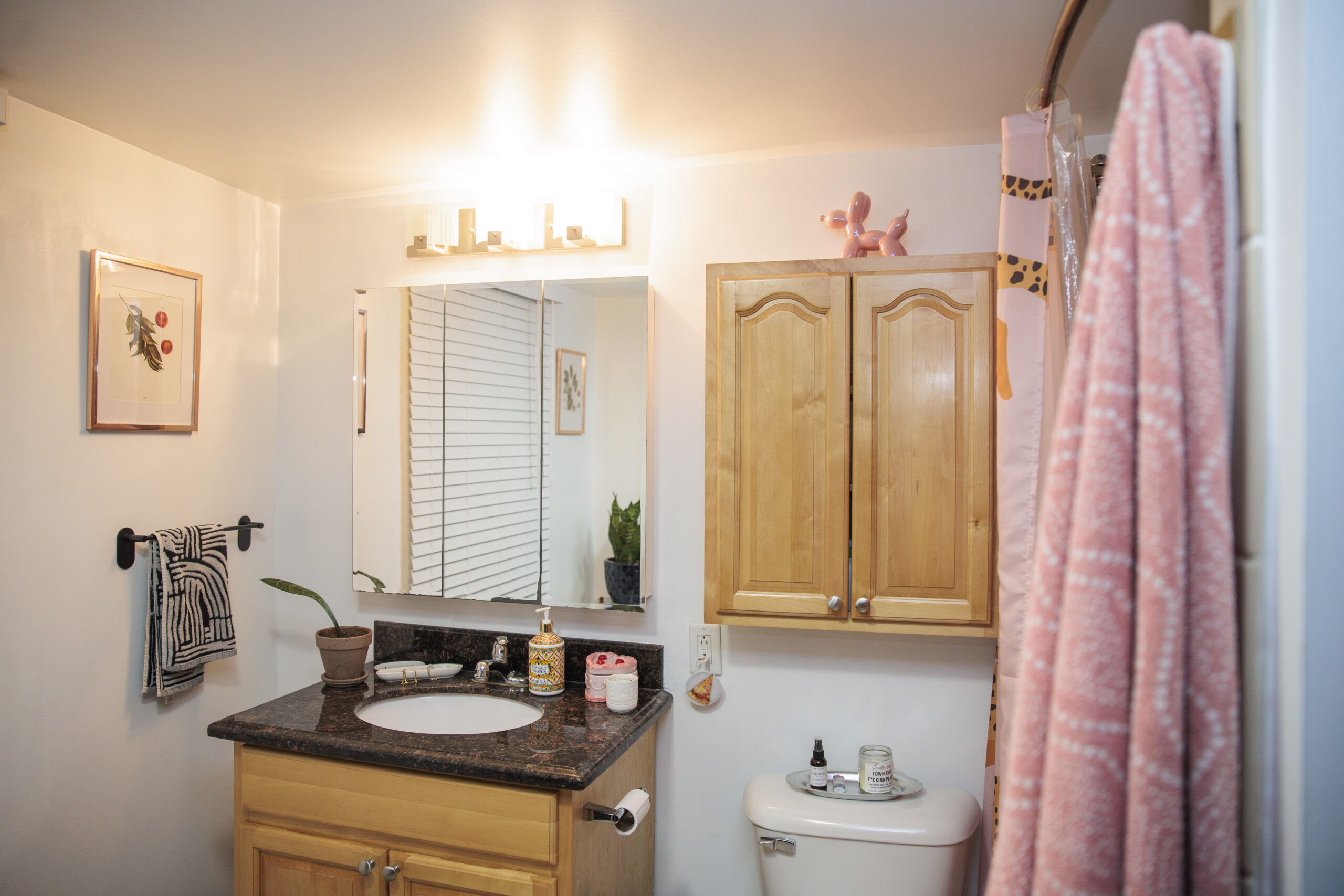
    Miles installed new lighting and faucets to make her home feel less like a rental.

    Any reservations? Miles wishes she knew that refinished floors can take weeks to fully cure. She had to sleep on the living room floor while she waited for the fumes to fully dissipate upstairs. “It was just my cats and me on the ground for about a month,” she said. Still, she doesn’t have any regrets. “Live and learn,” she said.

    The bathroom in Emily Miles’ Newbold home.

    Life after close: Miles used the money her parents had saved for her wedding to make a few cosmetic updates. She fixed the back patio, refurbished the upstairs floors, and replaced light fixtures and faucets so that the house felt less like a rental. She put in a new boiler, too. And filled the house with vintage furniture she thrifted locally. “Stuff that fits the vibe of the house,” she said.

    Did you recently buy a home? We want to hear about it. Email acovington@inquirer.com.
  • How to have a Perfect Philly Day, according to 92.5 XTU’s Nicole Michalik

    How to have a Perfect Philly Day, according to 92.5 XTU’s Nicole Michalik

    Nicole Michalik spends her afternoons talking directly to Philadelphians as they make their way home. As a host on 92.5 XTU, the city’s country music station, she’s on air from 2 to 7 p.m., juggling live breaks, listener calls, and interviews with artists like Luke Combs and Parker McCollum. Radio, she insists, is still relevant, “sexy” even. “I’m live, I’m local, I’m talking about stuff that’s going on in Philly,” Michalik said. What more could you want?

    Michalik lives in Midtown Village, but her days stretch across the city, including a trek to Bala Cynwyd, where the radio station is located. She loves her job. In fact, she loves it so much that her perfect Philly day includes a trip to the office. Here’s what else it includes.

    This interview has been lightly edited for clarity.

    7:30 a.m.

    I usually wake up somewhere between 7 and 7:30. First thing I do is check socials and email, then I make coffee at home. I need it piping hot. I use a Keurig — no judgment — with organic half-and-half.

    I take it back to bed and do my Instagram bit, “Coffee Under the Covers.” I started it during COVID and it just became a thing. I’ll take a sip and talk about whatever’s on my mind. People have sent me mugs. It’s wild.

    After that, I record my Boston radio show from home. I’m on Country 102.5 up there, so I have a whole setup — computer, mic, everything. I want it to feel as local as possible, even though I’m not physically there.

    10 a.m.

    I force myself to work out. I walk to XForce to train with James, who keeps me accountable. I hate working out, but I don’t hate it there, so that’s a win for me.

    When I cross Broad Street, I always take a photo of City Hall and post the temperature. It’s become a thing. One of my friends who lives in Portugal checks it every day. He calls me his Cecily Tynan.

    11:30 a.m.

    After the gym, I get my hair blown out at Dina Does Glam inside Sola Salons at 15th and Walnut. I go at least once a week. I love that Sola lets people in the beauty industry run their own little studios.

    From there, I walk to Gran Caffè L’Aquila for an iced coffee. It’s the best iced coffee in the city. That’s nonnegotiable.

    I try to head home after that, because if I don’t, I’ll get sucked into Sephora buying makeup I absolutely do not need.

    1 p.m.

    I get ready for work and drive to Bala Cynwyd. On the way, I stop at the Starbucks on City Avenue. I order an iced Americano with almond milk and a drizzle of caramel. They know me there.

    I don’t even know if caffeine really affects me that much. I just love the ritual. I like sipping it throughout the show.

    Nicole Michalik works at 925XTU on Monday, Dec. 1, 2025 in Philadelphia.

    2 to 7 p.m.

    I’m live on the air. On my perfect day, I’m doing a Zoom interview with Luke Combs, and he finally announces he’s coming back to Philly. We’ve been mad at him for skipping us for a few years, so this would be huge.

    7:30 p.m.

    After work, I meet friends at Lark in Bala Cynwyd. It’s right across from the station, and it’s one of my favorite places. I’m ordering the gnocco fritto — they’re like little puffy clouds with lemon ricotta — and the striped bass. Nick Elmi just knows what he’s doing.

    9 p.m.

    I’m heading to a Sixers game. In my perfect world, it’s the Eastern Conference finals, Joel Embiid has great knees, and we’re winning. I live in the city and love walking everywhere, but I also love that Philly is easy to drive around — as long as the PPA doesn’t get you.

    11 p.m.

    Once 11 p.m. hits — I’m like Cinderella — I’m ready for bed. I love going home to put my pajamas on.

  • She needed to leave fast. She bought a four-bedroom house in Germantown without any money saved. | How I Bought My House

    She needed to leave fast. She bought a four-bedroom house in Germantown without any money saved. | How I Bought My House

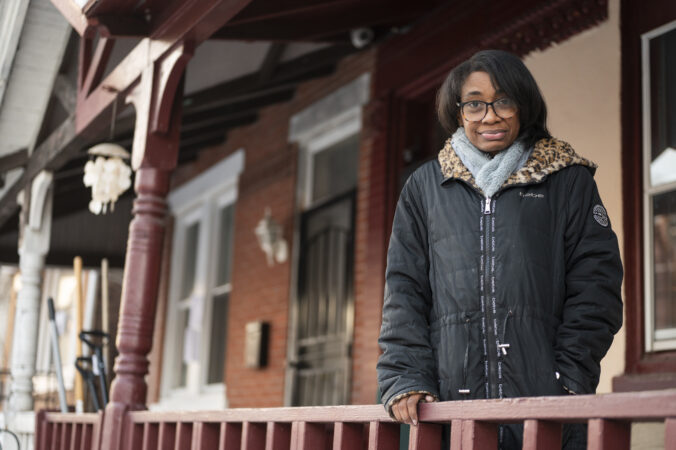
    The buyer: Kia Wilson, 53, behavioral specialist

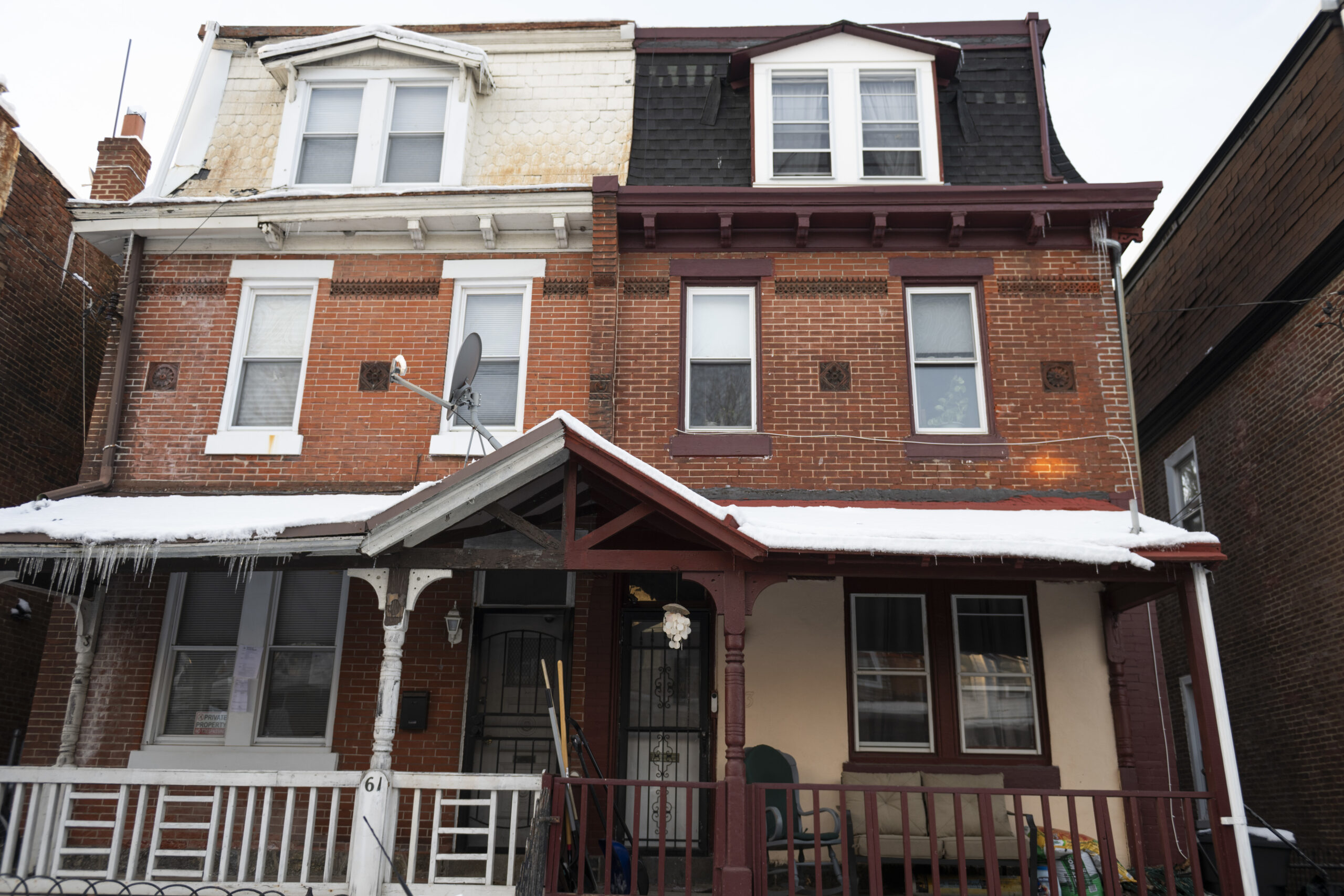
    The house: a 1,620-square-foot single-family residence in Germantown with four bedrooms and 1½ bathrooms built in 1900.

    The price: listed for $170,000; purchased for $165,000

    The agent: Shante Jenkins, Long & Foster Real Estate

    The living room in Kia Wilson’s home in Germantown.

    The ask: For years, homeownership was something that Kia Wilson considered in the abstract — something she might get to one day. In 2020, she gave herself a timeline. Within five years, she told herself, she would buy a home. She would save. She would fix her credit. She would do it the “right” way.

    Then everything changed.

    In 2021, a relationship turned unsafe. Wilson’s then-partner threatened her family, including her children. “I was like, ‘I need to leave now,’” Wilson said. ‘Without the money saved up, without my credit being good. I just needed to move.’”

    Wilson’s requirements were practical and shaped by urgency. She needed space for herself, her two children, and eventually her mother. She wanted her teenage daughter to have her own bathroom, and she needed a fenced-in backyard for her dogs. Above all, she needed a mortgage she could afford. She wanted it to be $700 a month — the same she paid in rent.

    As for location, “I didn’t care,” she said. “Just not Kensington.” And not near her ex’s parents.

    The dining area in Wilson’s home.

    The search: Wilson began looking seriously in late 2022, working with a friend and coworker who had just gotten her real estate license. Together, they saw about 15 houses over a few months. Some were impractical. Some were strangely laid out. One was in a flood zone, so Wilson didn’t even bother going inside. Another, she is convinced, was haunted. During the showing, a radio suddenly began playing in the basement. “That radio was loud enough for us to hear it on the third floor,” Wilson said.

    That house wasn’t the only one that lingered. Wilson and Jenkins returned to another three separate times just to switch off the lights they’d accidentally left on in the basement and on the porch. That hadn’t happened anywhere else. “I was like, ‘Why does this house keep calling me back?’” Wilson said.

    Wilson wanted two bathrooms so that her teenage daughter could have her own.

    The appeal: The house Wilson ultimately bought wasn’t perfect, but it checked her most important boxes. It had four nice-sized bedrooms, a small backyard with a full basement, and a semiattached layout that gave the house a little breathing room.
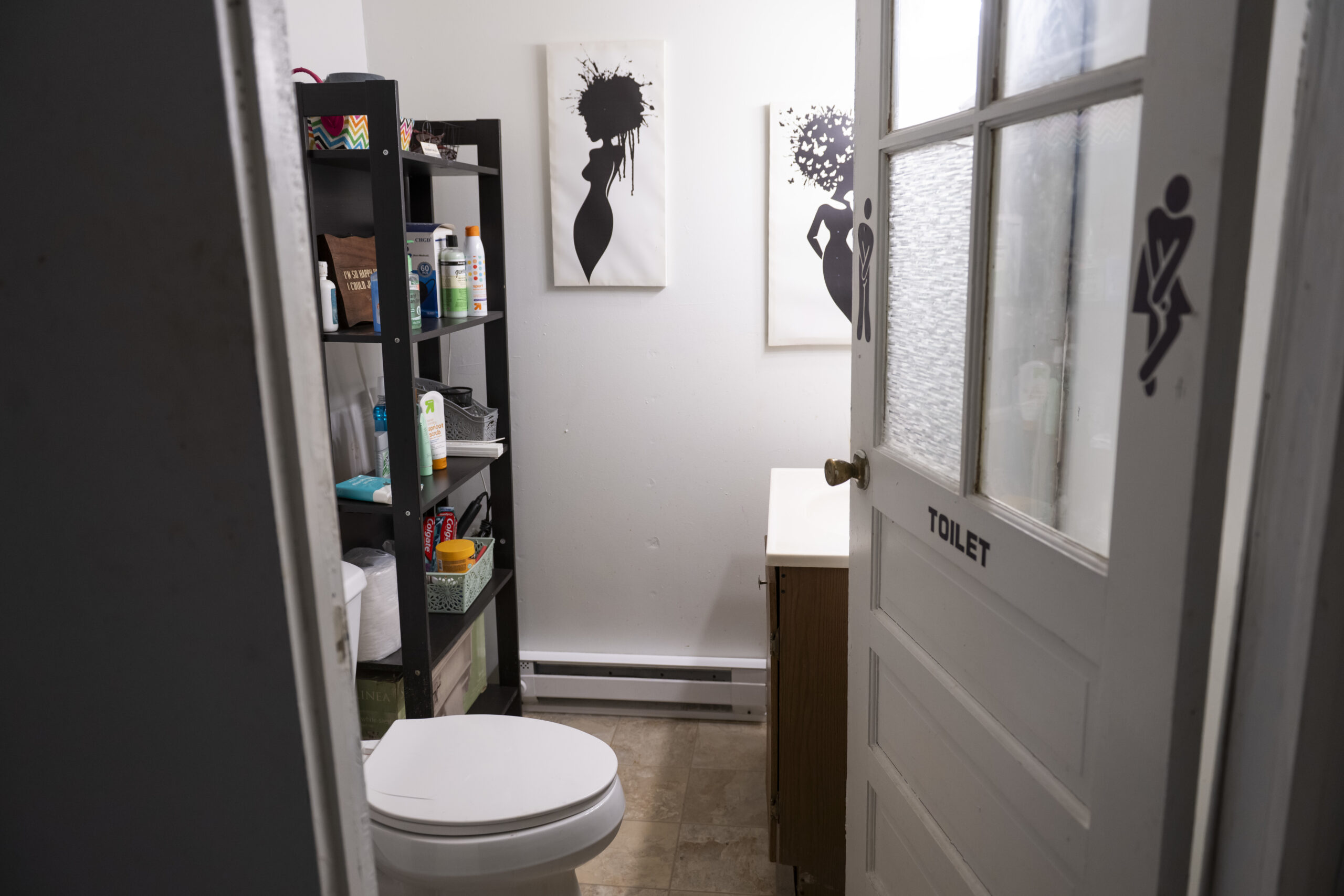
    But the feature that sold Wilson was surprisingly specific. “At the very top of the steps is the bathroom,” she said. “If I come in the house from work and I have to pee really bad, I can run straight up the steps to the bathroom.”
    The kitchen was a major upgrade from her previous place, where the kitchen had essentially been an unheated shed. This one was huge and had cabinets. That alone felt luxurious.

    The deal: The house was listed at around $170,000. Wilson offered $160,000, expecting a counteroffer. The sellers came back at $165,000, which she accepted.

    Wilson likes how big and open her kitchen is.

    Since the sellers wouldn’t meet her lowest price, Wilson requested that they remove a large oil tank from the basement. They agreed. They also patched flooring gaps in the kitchen and near the front door and removed a mysterious electrical switch that carried power but didn’t control anything.

    Flush with the concessions she’d already secured, Wilson made one more request. “I was like, wow, what else can I ask them to do?” she said, laughing. She asked for a sump pump in the basement, but the sellers said no.

    The money: Wilson didn’t have savings for a down payment. “People think you have to have this ridiculous amount of money [to buy a house],” she said. “I had nothing.”

    What she did have was persistence — and grants. She took first-time homebuyer classes and applied for multiple assistance programs, including funding through the Mount Airy CDC and her employer. In total, she received four grants and roughly $16,000. Her mortgage company told her they’d never seen someone with so many grants. Her mother also contributed $1,000, which served as Wilson’s down payment. All in, she spent $17,000 on her home.

    The exterior of Wilson’s home in Germantown.

    The move: Wilson closed on March 12, 2023, and moved in one month later. Moving was a “pain in the butt,” she said. “I was trying to do it myself because I didn’t have any money.” The friends who promised to help bailed, and the coworkers who stepped up broke her dresser and her refrigerator. “It was terrible,” Wilson said. “I didn’t have a refrigerator for two weeks.”

    Any reservations? Some days, Wilson wishes she never bought the house. It’s old and needs extensive work. “Things are falling apart,” she said.

    If she could do it again, she would prioritize a house where the cosmetic work was already done and pay closer attention to small details — like mismatched bathroom tiles. Still, the house has “great bones,” she said.

    Life after close: Since moving in, Wilson has taken classes at the West Philly Tool Library, where she learned to patch drywall and tile. The bathroom is now all one color. She’s changed the locks, plans to replace the front door, and has begun slowly making the house her own. This year, she grew a watermelon in the yard.

    “It’s really surreal,” Wilson said. “I’ve owned a house for two years. Only 28 more to go.”

    Did you recently buy a home? We want to hear about it. Email acovington@inquirer.com.