Author: Beatrice Forman

  • At Philly’s first and only vampire beauty pageant, contestants compete for cash and a chance to feel immortal

    At Philly’s first and only vampire beauty pageant, contestants compete for cash and a chance to feel immortal

    There were Irish step-dancing vampires and opera-singing vampires. Vampires who claim to hunt billionaires and vampires who moonlight as emergency medical technicians. And, in at least one instance, a vampire who doubled as a heavyweight champ.

    Such was the lineup of the first-ever Miss American Vampire Philadelphia pageant, where 13 wannabe bloodsuckers donned their best vampiric drag to compete inside heavy metal bar Doom Friday night. Contestants were thirsty to show that vampires contain multitudes (and, perhaps, for a little bit of blood).

    Doom owner and former Royal Izakaya general manager Justin Holden decided to go all in on the unorthodox pageant after bartender Sonja Delgado showed him a black-and-white photo of Miss American Vampire New Jersey staring hauntingly at the camera during her 1970 crowning.

    Back then, MGM hosted the regional beauty competition to promote the movie House of Dark Shadows, with finalists going on to compete in Los Angeles for title of Miss American Vampire and a guest-starring role on the long-running vampire soap opera Dark Shadows. Native American activist Sacheen Littlefeather won the crown, though she never redeemed her prize.

    The stakes of Doom’s pageant were far lower than a TV appearance and eternal life, though just as competitive. Contestants were judged by a panel of full-time goths and burlesque performers on their creativity and vampiric presence as they competed in the standard pageant categories: A costume parade, an interview, and a dark art — or talent with a touch of the occult.
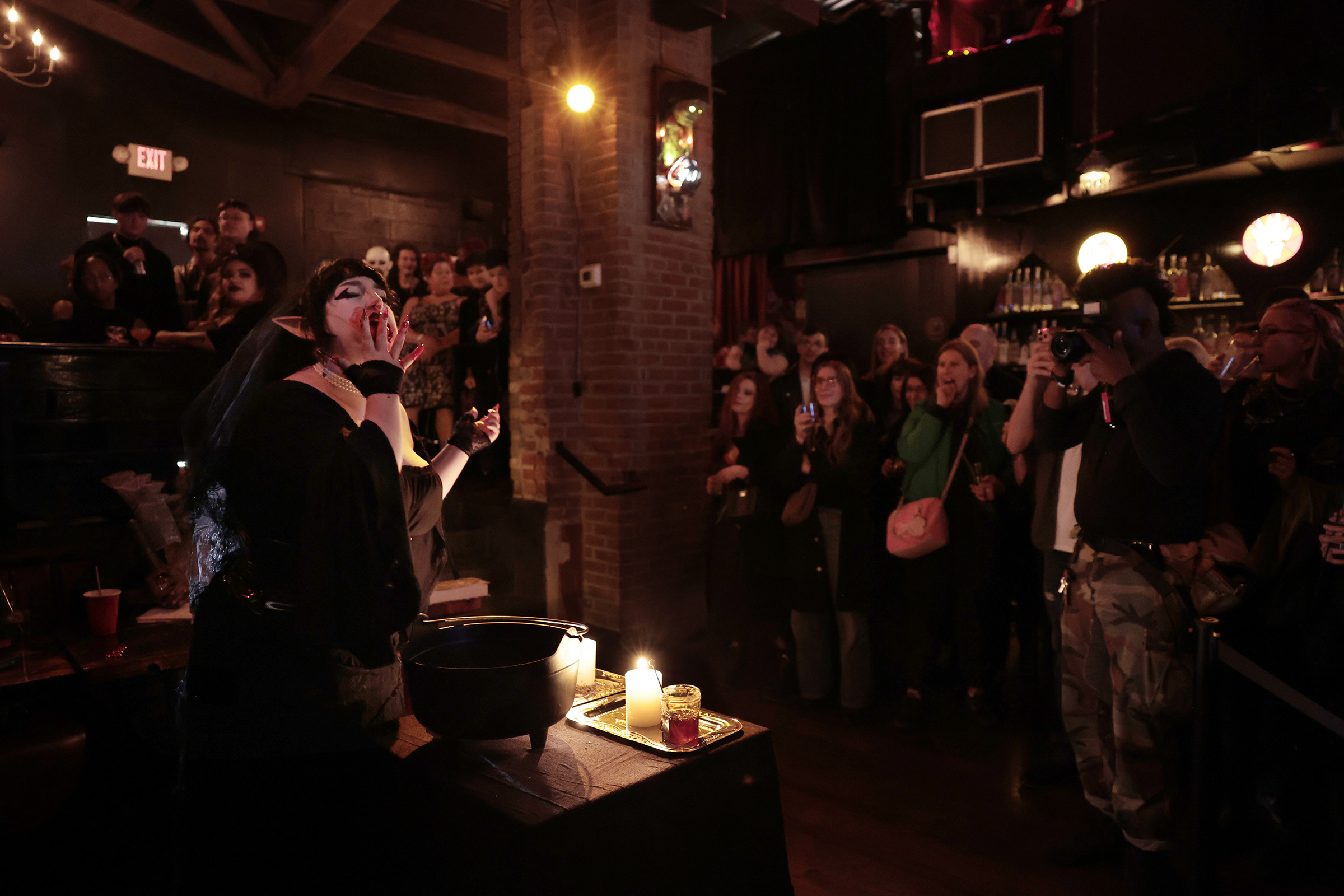
    The crowd reacts as Ezra Markel’s vampire persona “Isolde the Saturnine” eats the human heart she concocted during the talent portion of the Miss American Vampire Pageant at heavy metal bar Doom in Philadelphia on Friday, Oct. 24, 2025.

    Prizes included $100 cash, a new set of fangs, and comic books donated from Atomic City Comics. Skull and mixed metal artist Sue Moerder prepared a Bob Mackie-inspired gothic crown, with feathers and pearls sprouting from an arrangement of ornate obsidian gems.

    “Vampires represent the alternative, the occult, the bat-brained, the gothic … [people] on the outskirts of civilization,” Delgado told The Inquirer. “We just wanted to show that this bar is a safe cave for vampires to commune.”

    Both floors at 421 N. 7th St. were packed as contestants flitted across the makeshift stage in costumes that highlighted the full expanse of vampire-dom. There were homages to both the German and Transylvanian versions of Dracula in peasant blouses and bejeweled collars, as well as more contemporary interpretations, with floor-length evening gowns, corseted waistlines, and lots of red lips.

    Lilith Lobotomy — a blue-haired vamp whose bio alleged she bakes cakes and stalks billionaires — was an immediate favorite, earning thunderous applause when she turned away from the audience to drop her floor length duster. Emblazoned in sparkling blood red font on the back of her black dress was the phrase “Eat the rich.”
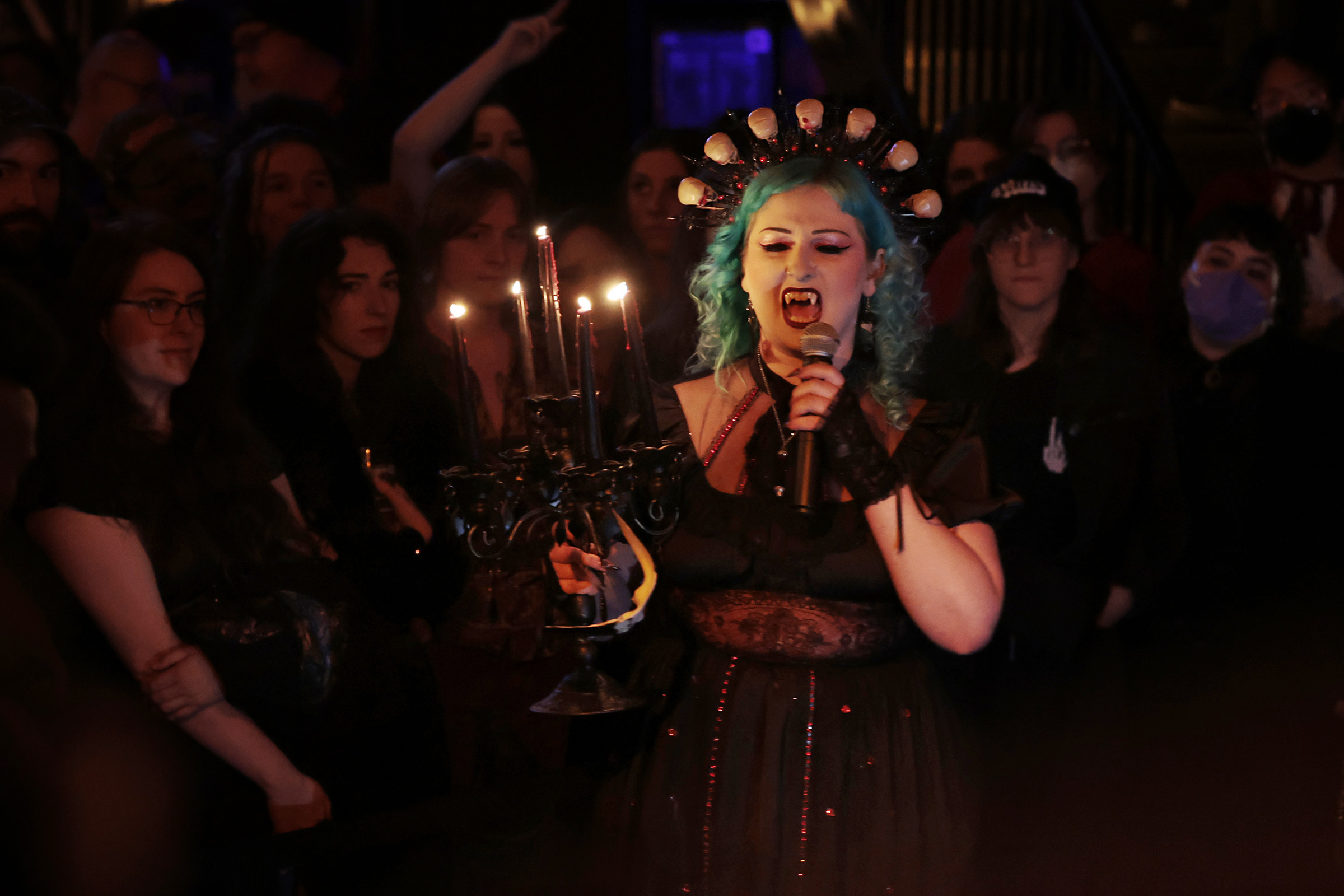
    Logan Laudenslager performs as “Lilith Lobotomy” during the talent portion of the Miss American Vampire pageant held at Doom. She performed a rendition of “Phantom of the Opera.”

    Madame Lobotomy would go on to win the coveted title of Miss Off Putting — Delgado’s spin on Miss Congeniality — after belting out the song “The Phantom of the Opera” while twirling a lit candelabra.

    She was still no match for Norah Morse, who took home the Miss American Vampire Philadelphia crown after shocking the judges with her interview. When asked how she prepared for the competition, Morse scoffed.

    “I don’t know what you mean,” she said in a thick Transylvanian accent. “I’m a vampire and I showed up.”
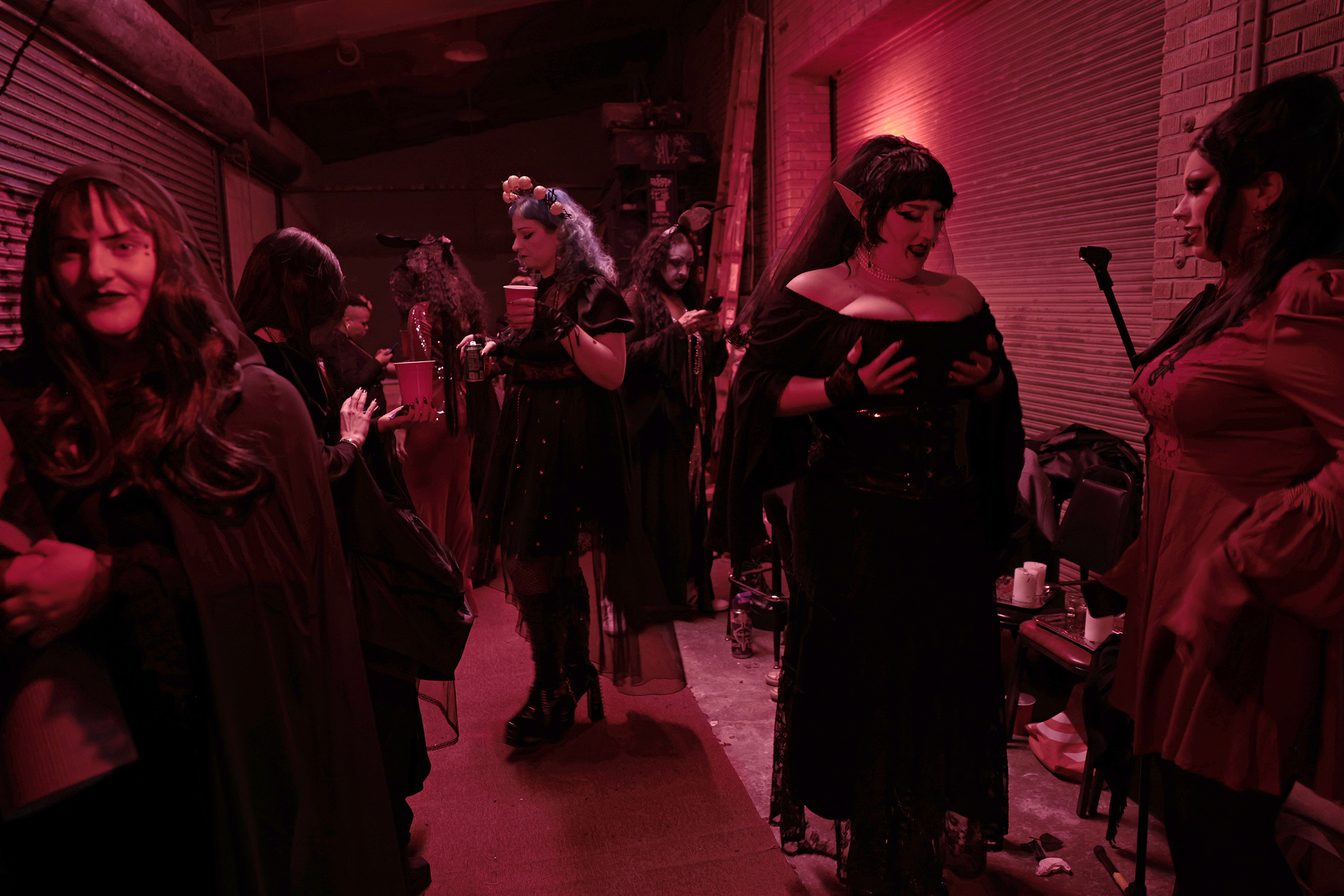
    Contestants get ready backstage to performing during the Miss American Vampire Pageant at heavy metal bar Doom.

    Judge and burlesque performer Caress Deville said Morse represented the commitment she was looking for. “I was gagged,” Deville said. “That’s exactly how you would answer if you were a real vampire.”

    During her crowning, Morse’s human mother rushed to the front of the crowd to take photos. Even vampires, it seems, yearn for mom’s approval.

    In the world of us mortals, Morse goes by Alex Decker, a 29-year-old from Bellmawr who has been drawn to vampires since she was a child. Decker lives with contamination OCD, she said, and envies the freedom of the undead.

    “Life would be a lot easier if I was a vampire who could just drink blood all the time,” Decker said. “I have been weird and creepy and insane my entire life.”
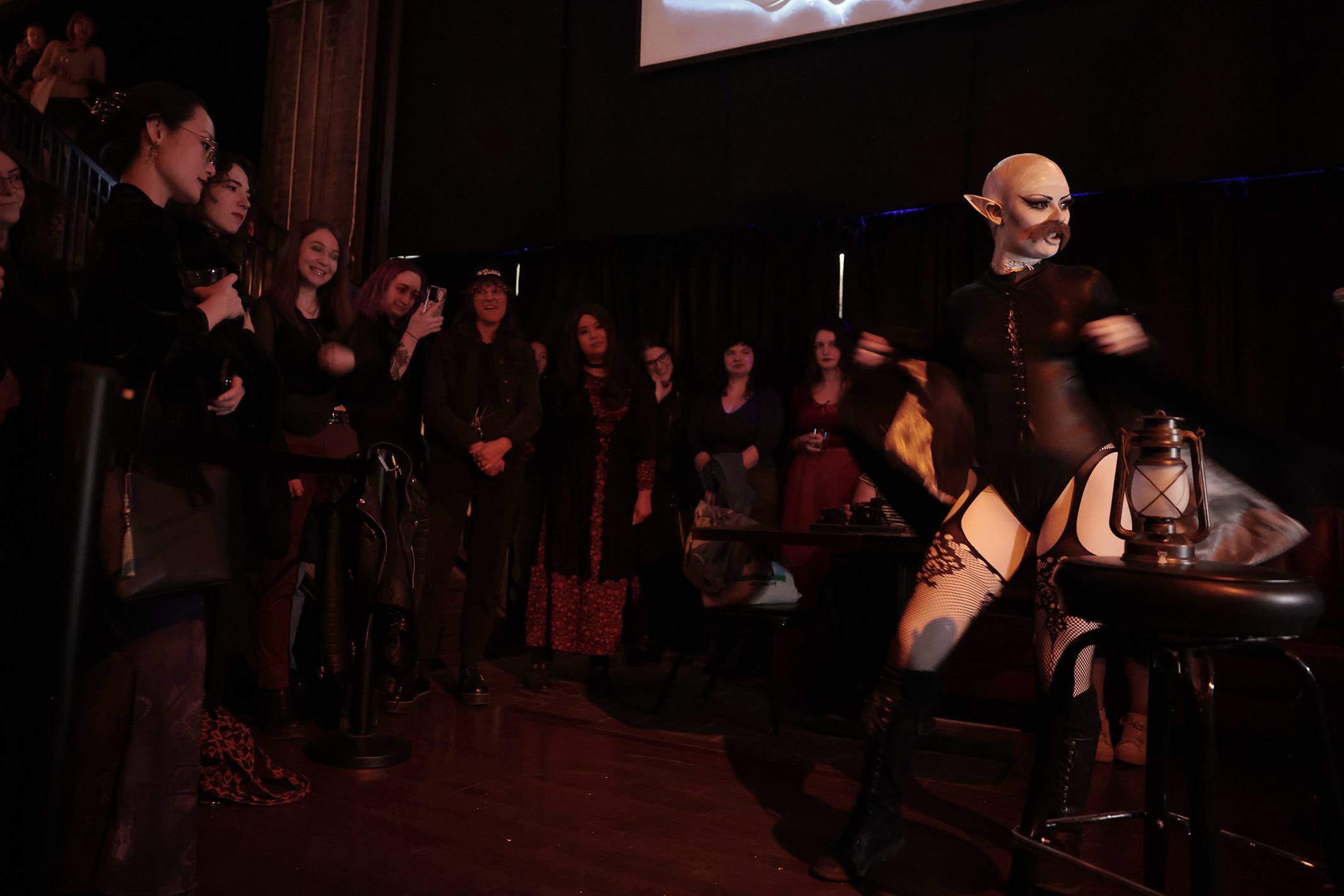
    Jenna Painter, of Willow Grove, performed as a naughty ‘Count Orlok” during the Miss American Vampire Pageant at heavy metal bar Doom, throwing off a trench coat to reveal a leotard and garters.

    Competing to be America’s next top vampire

    For some contestants, Miss American Vampire Philadelphia was an opportunity to transform their mortal selves into bolder and braver versions that were battle-tested from centuries of living.

    When Doom announced the pageant on Instagram in early October, the post received more than 4,500 likes, Delgado said, and hundreds of shares. More than 50 hopefuls sent in applications via a Google form that asked for their vampiric backstory and talent, forcing Holden and Delgado to spend hours deliberating.

    Delgado was unsurprised that the pageant took off. They were, however, shocked by the lack of trolling.

    “I didn’t know how serious everyone who applied was at first,” Delgado said. “It’s supposed to be campy.”

    On Friday, the beauty competition toed the line between a drag show and an actual Miss America preliminary. The judges pressed contestants on tough questions, such as how they choose their victims, and if it’s ethical to let them live post blood-sucking.

    For Mira Castigin, of Camden, the most important quality to look for in a vampire is fun.

    “What’s the point in being immortal if you let life pass you by?” she told the crowd.

    Castigin’s vampiric persona is Elmira, a bewitching goth girl who shares Castigin’s day job as an EMT in hopes of atoning for her sins. The competition was an excuse for Castigin to air out some special pieces from her vintage clothing collection, including a petticoat and a pair of London Underground shoes.
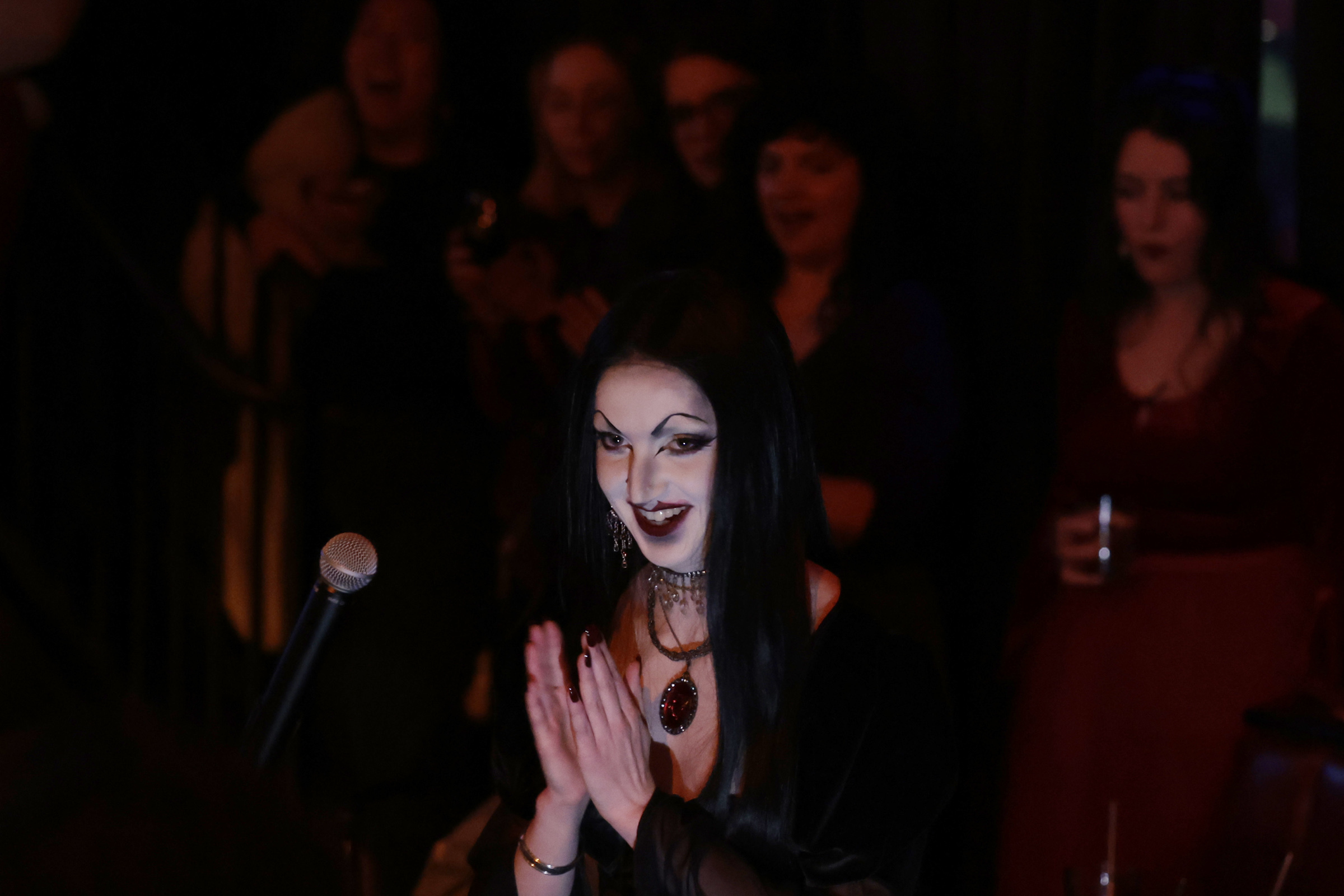
    Mira Castigin’s vamprie persona “Elmira” is applauded after performing during the Miss American Vampire Pageant at heavy metal bar Doom. For her talent, Castigin sang opera.

    “I think it’s always fun to do your makeup and get dressed up no matter what day it is,“ Castigin, 25, of Camden, said. ”And this is like a more thought-out version of that.”

    Castigin opened the talent portion by singing an operatic aria, setting up the audience for a night of bewitching tricks. One vampire played the violin, while another danced an Irish jig to a Type O Negative song. Cassius King — a silent movie star turned vampire — wowed the audience by performing feats of strength, at one point picking up his assistant and turning him upside down.
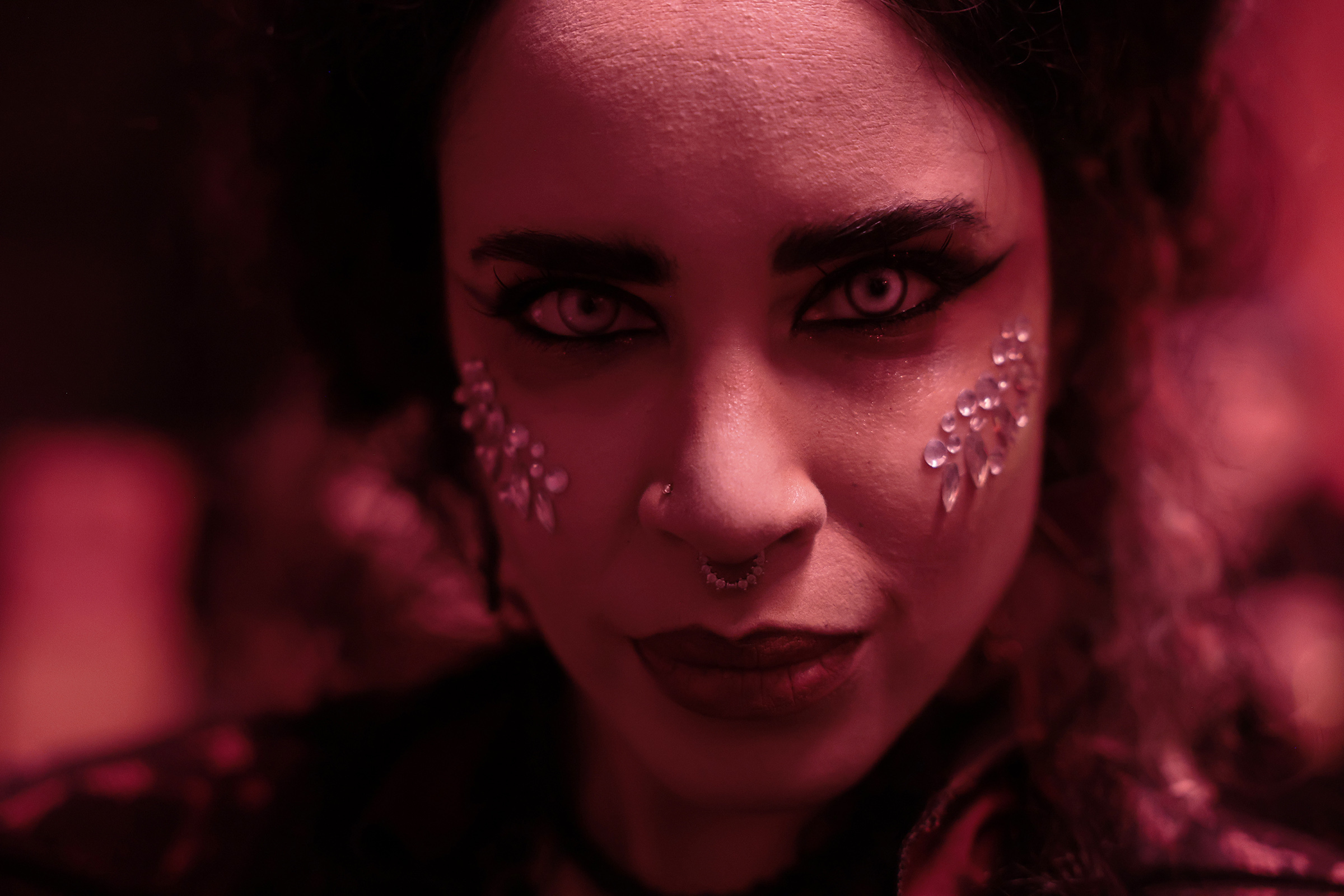
    Rachel Rushmore — aka “Vampire Rachel” of Philadelphia — waits backstage during the Miss American Vampire Pageant at heavy metal bar Doom.

    Rachel Rushmore, 34, of Fishtown, had a simpler talent, using sleight of hand to summon a tiny bat. Rushmore said she felt called to compete after 15 friends — including several who don’t even live in Philly — sent her Doom’s Instagram post.

    Onstage, Rushmore transformed from mortal Rachel to Vampire Rachel, a temptress and philanthropist who had been around since “the age of powdered wigs and Ben Franklin.” Vampire Rachel wears maroon floor-length gowns and bedazzles her face with gems borrowed from Marie Antoinette. The real-life version works in children’s book publishing and had never performed in front of a crowd before.

    “I called myself Vampire Rachel because it’s hard for me to be somebody who I’m not,” Rushmore said. “Tonight I’m Rachel, but more.”

  • The owners of Surfside, Philly’s homegrown canned cocktail heavyweight, are suing Anheuser-Busch

    The owners of Surfside, Philly’s homegrown canned cocktail heavyweight, are suing Anheuser-Busch

    It’s a bad day to be a vaguely beach-y can of vodka iced tea with a sun on it.

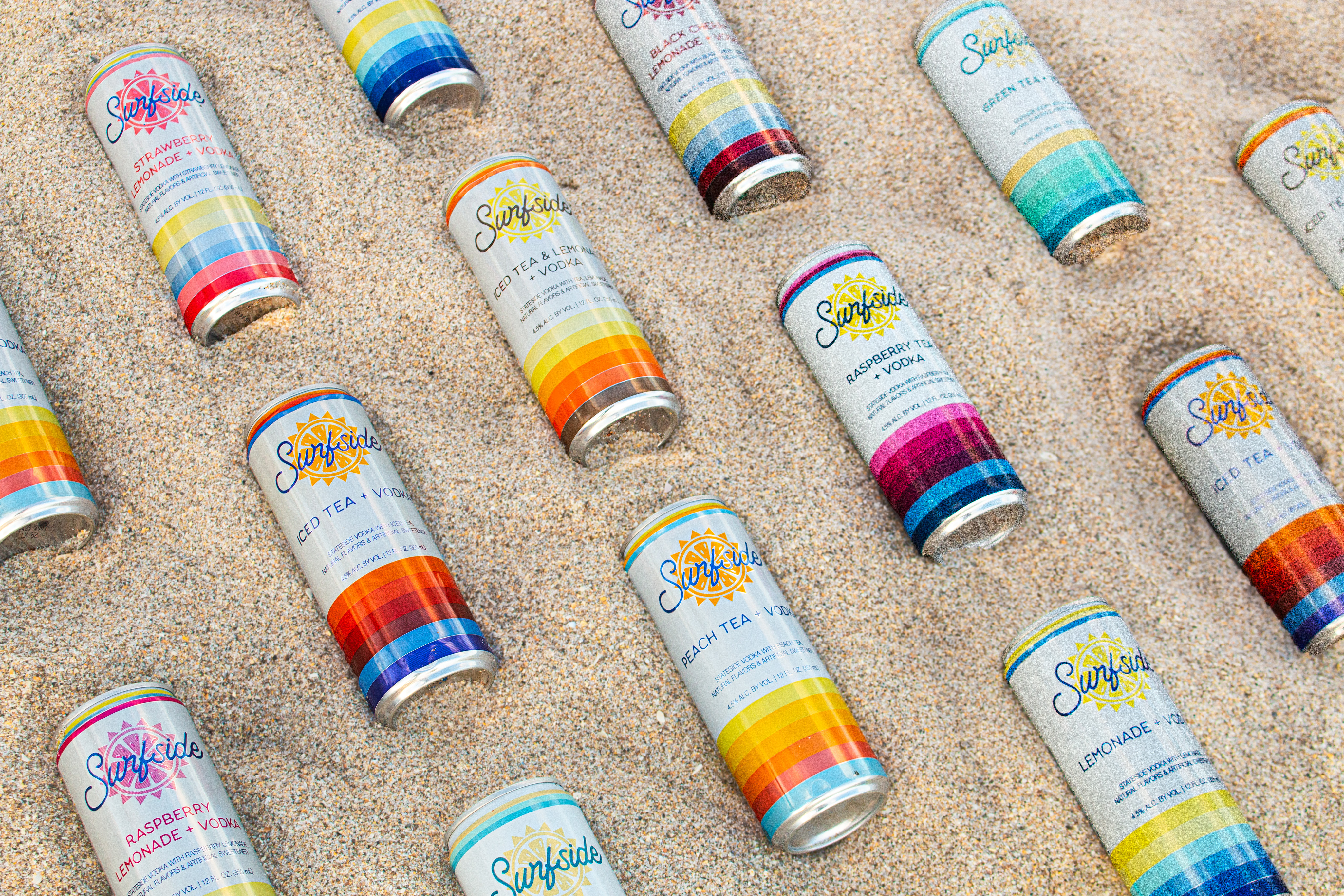
    Local vodka distiller Stateside Brands, best known for its top-selling Surfside hard iced teas and lemonades, is suing Anheuser-Busch InBev, alleging that the beverage conglomerate ripped off Surfside’s can design when creating Skimmers — a recently launched line of competing vodka-based hard teas and lemonades — according to a federal lawsuit filed in Philadelphia on Tuesday.

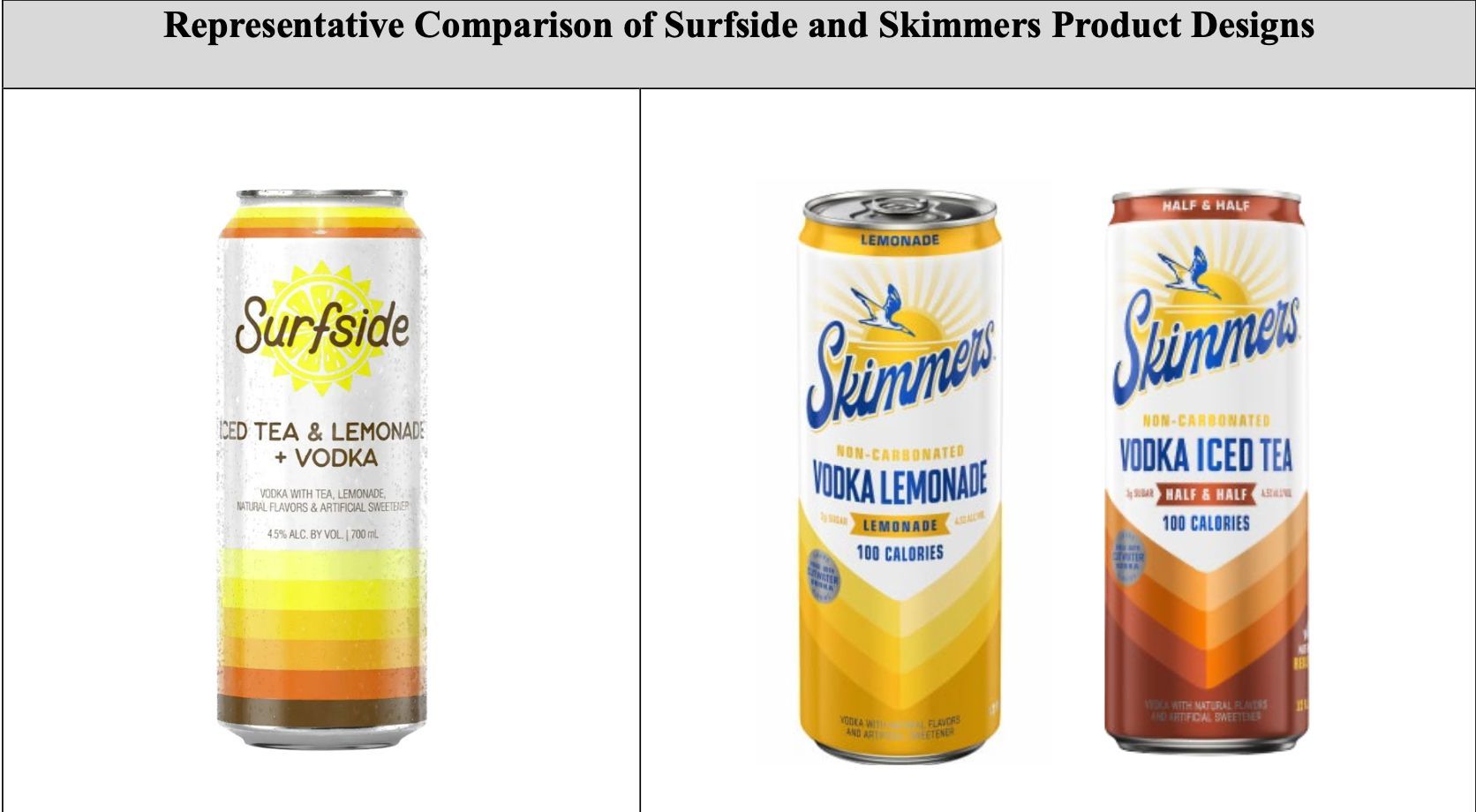
    The suit centers on “strikingly similar” packaging used by Surfside and Skimmers, which debuted in April. Both cans use the same central design elements to give off a vibe of causal debauchery, the lawsuit alleges, which could dupe consumers into believing that Skimmers is associated with Stateside.

    Stateside is seeking a permanent injunction that would force Anheuser-Busch to change Skimmers’ packaging. They are also suing for an unspecified amount of damages, including “any and all profits” that Anheuser-Busch has earned from selling cans of Skimmers. (For context, the spirit-based ready-to-drink cocktail market is valued at more than $2.7 billion, more than double its valuation in 2021.)

    “Anheuser-Busch could have selected from a vast universe of design elements to create a can that stood on its own,” the lawsuit states. “Instead, it opted to mimic Stateside and freeride off its popular and successful Surfside design, product, reputation and goodwill to gain an unfair marketplace boost.”

    Image included in complaint of a direct comparison between Stateside Brand’s Surfside hard teas and Anheuser-Busch’s recently launched Skimmers line.

    Stateside is represented in the suit by Center City law firm Reilly, McDevitt & Henrich.

    “Every element — from our design and packaging to the way we show up in the world — has been intentionally crafted to reflect who we are, our values and what we stand for,” a Stateside representative said in an emailed statement. “We are dedicated to … ensuring our brand and the trust our customers place in it remain clear, recognizable, and uniquely ours.”

    Anheuser-Busch “will vigorously defend” against the accusations, a spokesperson said over email. “We believe this lawsuit is without merit.”

    Copying Philly’s favorite canned cocktail

    Surfside is the canned cocktail-de-résistance for Stateside, a distillery cofounded in Kensington in 2013 by area natives Clement Pappas and Matthew Quigley and their brothers. The company initially specialized in “craft vodka” and later hard seltzers, but struck gold in 2021 when it launched Surfside, a 4.5% ABV, 100-calorie cocktail of vodka mixed with various teas (and later lemonades).

    In 2022, Stateside sold 200,000 cans of Surfside. In 2024, the company sold over 4.9 million cans, according to the lawsuit. This summer, Forbes hailed Surfside “the fastest growing alcohol brand in America” after Stateside said it was on track to sell 12 million cans this year alone.

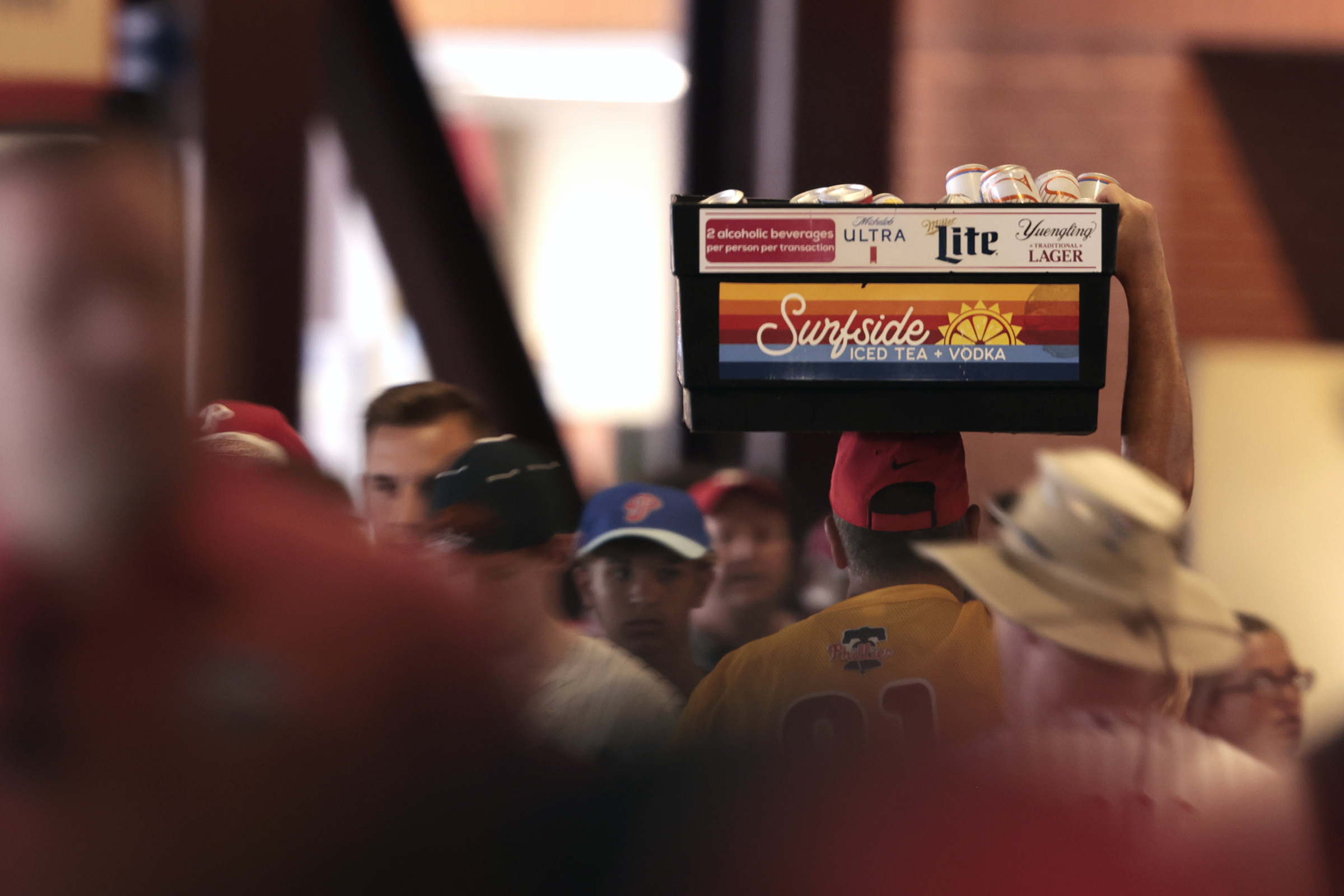
    The sunshine-y cans are as prevalent nationwide as they are in Philly. Surfsides have been the best-selling spirit in Citizens Bank Park three years running, and the distiller entered a 15-year licensing deal to turn Xfinity Live! into Stateside Live! this fall.

    Surfside, the canned cocktail brand from Kensington-based vodka distiller Stateside Brands, has become a national player in the spirits-based RTD scene.

    Stateside’s lawsuit contends that Skimmers’ packaging borrows three elements to create an indistinguishable identity:

    • a gradient of different colors of bands covering the lower third of the can,
    • A white background overlaid by a sun and each brand’s name,
    • A rim color that pulls from the lower third’s color scheme.

    “Anheuser-Busch obtained a substantial unfair competitive advantage by forgoing the effort required to develop its own brand identity and is instead freeriding on Stateside’s significant investments of time and money,” the suit reads.

    Anheuser-Busch is one of the biggest brewers in the world, responsible for Budweiser and Bud Light and foreign brews, such as Stella Artois and Modelo. The company entered the canned cocktail market with Cutwater, a line of drinks with ABVs as high as 13%. At only 4.5% ABV, Skimmers is meant to be a chiller alternative.

    A hawker carries drinks, including Surfside canned cocktails, around Citizens Bank Park during a Philadelphia Phillies game in 2024. Surfside canned cocktails lead the stadium’s alcoholic drink sales.

    Does Stateside have a case?

    Yes, according to some legal experts.

    Anheuser-Busch “flew too close to the sun,” said Josh Gerben, a D.C-based (and Main Line-bred) trademark lawyer.

    “We live in a culture where dupes are everywhere, and normally it’s the smaller companies knocking off the big guys with a cheaper product. This is a big guy knocking off a smaller one.”

    This isn’t the first time Anheuser-Busch has been called out for jacking some beverage swag: Outdoor apparel brand Patagonia sued the beverage producer for copyright infringement in 2019 after it launched a beer called Patagonia and began selling it at ski lodges. Both parties settled out of court in 2021.

    Still, said Gerben, the lawsuit may not be a slam dunk for Stateside. The beverage upstart never filed a trademark to protect the Surfside product design, based on records from the United States Patent and Trademark Office.

    It’s common for some beverage companies to trademark the designs of their bottles, said Gerben. Jack Daniels has one for the distinctive square shape of its whiskey handles, while Maker’s Mark has one to protect its iconic drippy red wax seals.

    That level of granularity is typically reserved for more sophisticated companies, explained Gerben.

    “Surfside really only took off in 2022,” he said. “They were probably only focused on how to meet demand.”

  • The best things we ate this week: fried fish cheeks, a lamb platter, and roadside soft serve

    The best things we ate this week: fried fish cheeks, a lamb platter, and roadside soft serve

    Soft serve from a brick-and-mortar Mister Softee

    On the way back to the office from an assignment about pet bakeries, my colleague and I stumbled upon a true ice cream lover’s paradise: a rare brick-and-mortar Mister Softee.

    While the trucks and their iconic jingles are a dime a dozen in the summertime, a free-standing Mister Softee is about as common as two Philly sports teams winning on the same night. (Too soon?) This one is cash only and open year-round, with a menu that spans ice cream swirls and floats to milkshakes and chocolate-covered bananas. My cup of strawberry and banana soft serve was thick, silky smooth, and anything but artificial-tasting. The roadside stand also gets bonus points for on-season sprinkles. It really is about the little things. Mister Softee of Pennsauken, 3605 Haddonfield Rd., Pennsauken, N.J., 856-662-3787, Facebook page

    — Beatrice Forman

    Francobolli at Fiorella

    On a recent girls’ night out, my friends and I sat at the bar and took it upon ourselves to try four plates of pasta from Fiorella. A noble task, I know! There were no misses, and the current agnolotti dish — stuffed with a sweet polenta and topped with chanterelles — was exceptional.

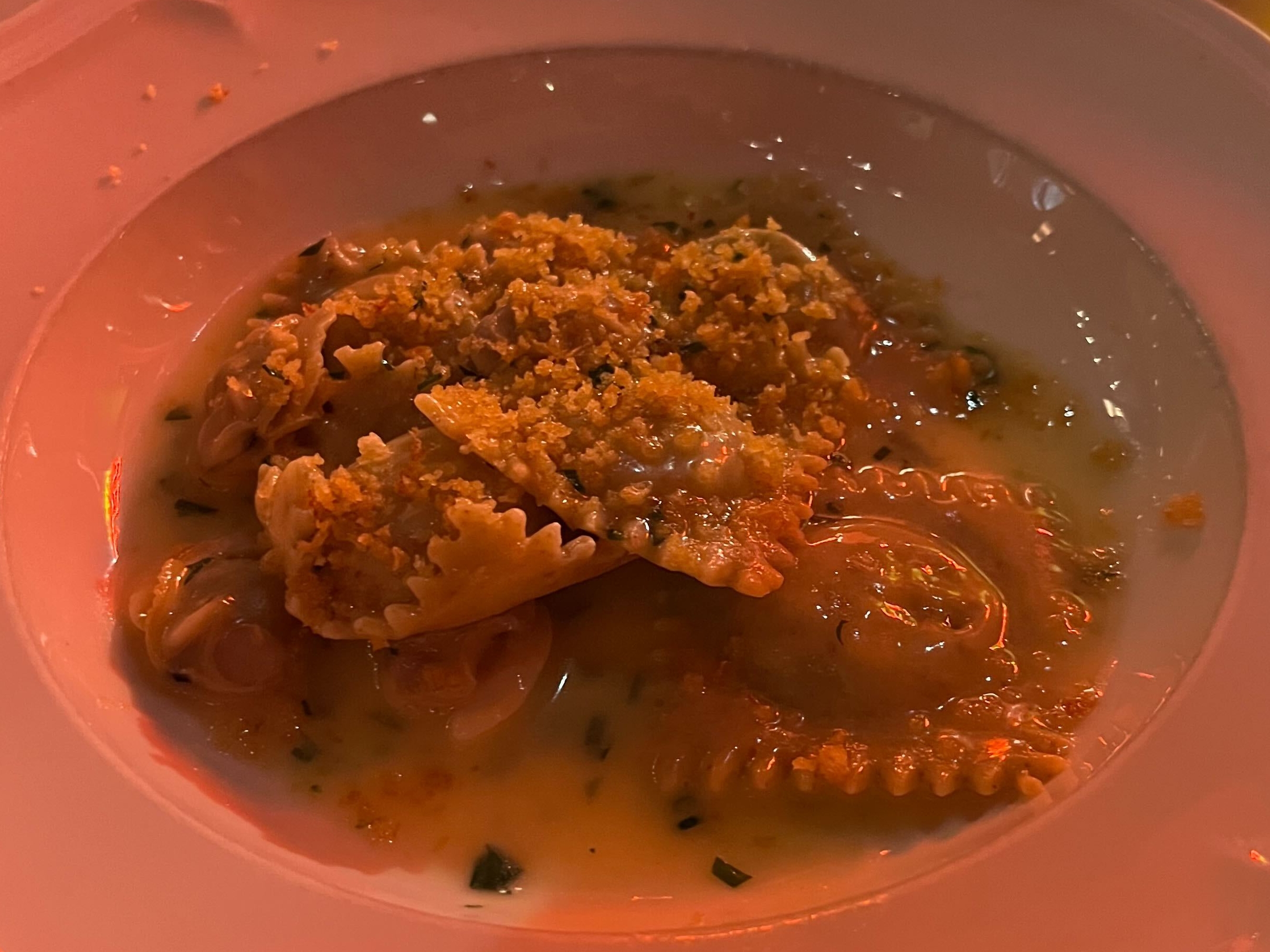
    But the dish that lives rent free in my head nearly a week later is the Francobolli clam pasta. We almost didn’t order it, but the bartender insisted; a man has never been more right on a girls’ night out. A pasta-fied take on vongole su crostini aka clam toast, the postage stamp-shaped pasta was stuffed with breadcrumbs and served in a white, brothy sauce topped with littleneck clams. It’s worth seeking out. Fiorella, 817 Christian St., 215-305-9222, fiorellaphilly.com

    — Emily Bloch

    The Francobolli at Fiorella, a pasta-fied version of clam toast.

    Gourmet lamb sampler (for two!) at Zorba’s Taverna

    I don’t need a fancy restaurant for my birthday. I prefer the comfort of a neighborhood favorite, and few are as wonderfully reliable as Zorba’s, the 28-year-old taverna that is one of Fairmount’s cornerstone restaurants. To begin with, a flaming platter of ouzo-splashed saganaki cheese beats a birthday candle every time. But Zorba’s also delivers a wide array of some of the most consistent traditional Greek cooking in the region, and the “gourmet” lamb platter for two is a true celebratory feast. (This is not to be confused with the also-delicious charcoal-grilled platter for two, which includes some fantastic lamb chops.)

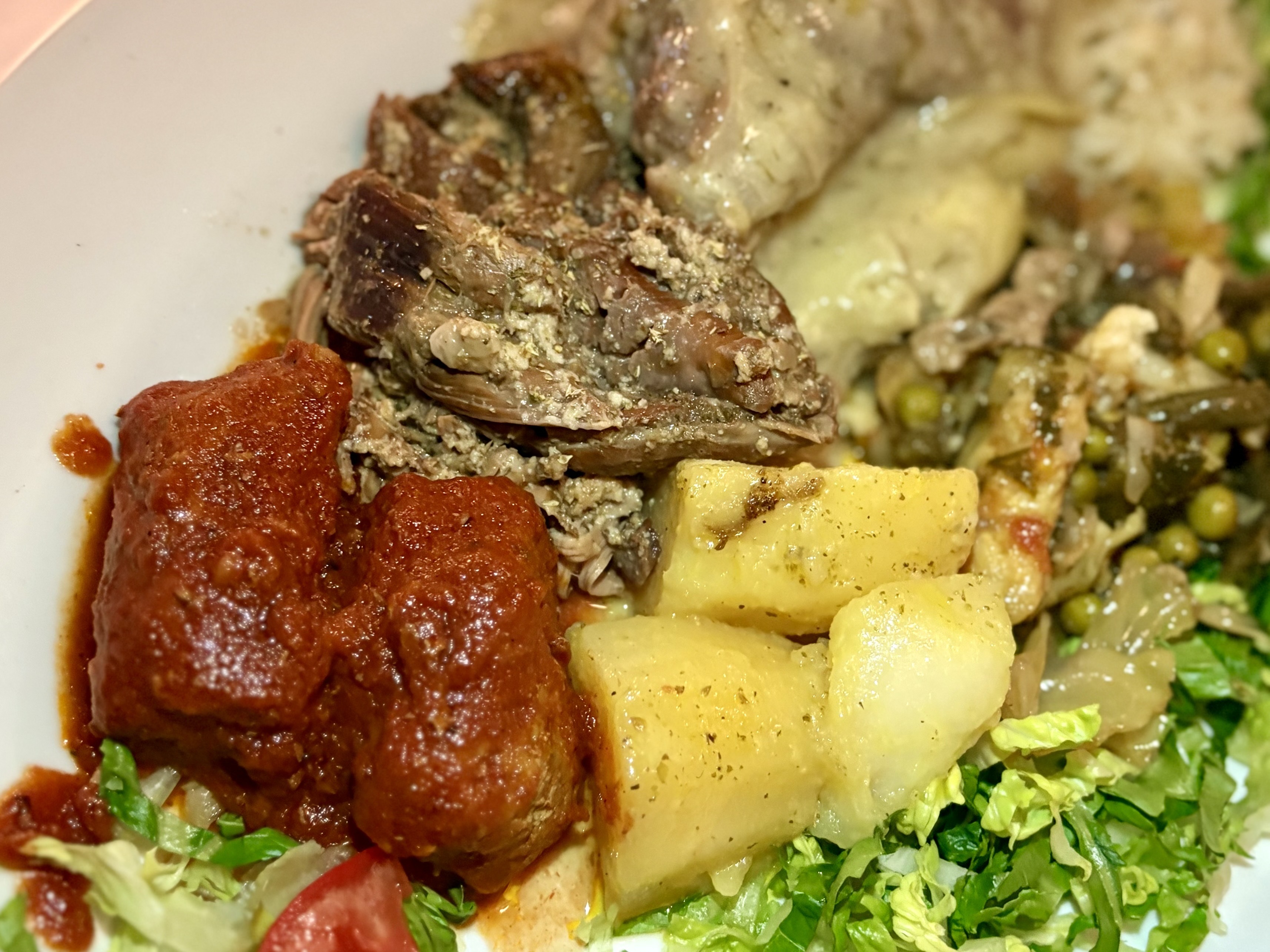
    The platter I chose is a tribute to the slow-cooked pleasures of lamb in three different styles: slices of tender roasted leg seasoned with garlic and herbs, Smyrna-style meatballs simmered in a cumin-scented red wine and tomato sauce, and finally, a meltingly soft mallet of lamb shank glazed in a lemony white avgolemono sauce with artichokes (a distinctive dish I sometimes order solo). This is rustic home cooking at its best, with deep flavors prioritized over fancy presentation. The platter’s aroma is entrancing, and, the tangy potatoes and mixed well-cooked veggies on the side make it extra hearty. My fork wouldn’t stop roaming until I savored every bit. Zorba’s Taverna, 2230 Fairmount Ave., 215-978-5990, zorbastavern.com

    — Craig LaBan

    The gourmet lamb platter for two at Zorba’s in Fairmount includes Smyrna-style meatballs, roasted leg, and a lamb shank in avgolemono sauce with artichokes.

    Fried skate cheeks at My Loup

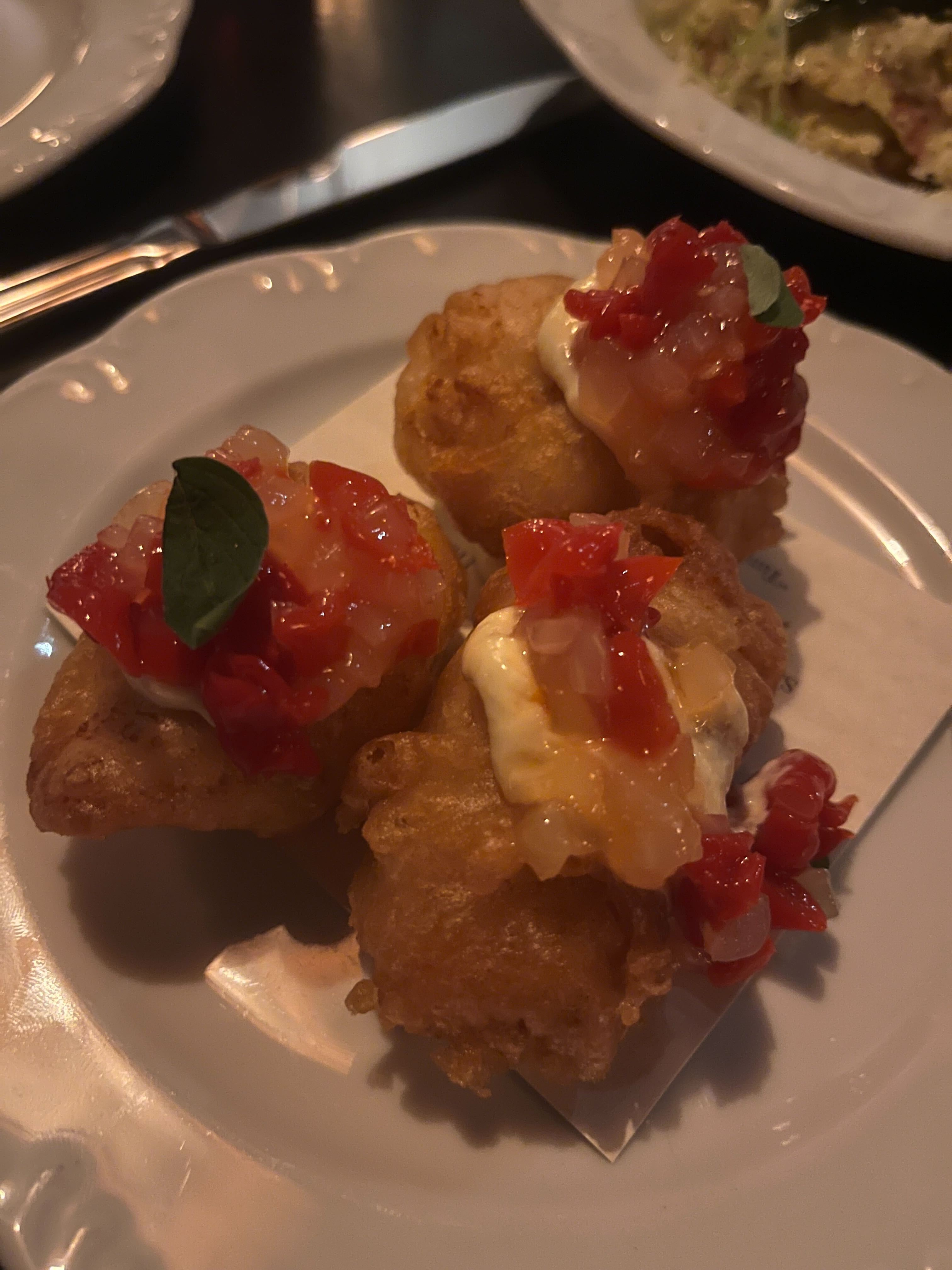
    Bacalao who? My Loup’s fried skate cheeks are an elevated take on cozy fish fritters. The crispy fried batter works perfectly with the sweet, tender, puffed-up fish meat. The three balls are finished off with ají dulce peppers and a subtle horseradish sauce. My Loup, 2005 Walnut St.,(267) 239-5925, myloupphl.com

    — Emily Bloch

    Fried skate cheeks from My Loup in Rittenhouse Square.

    Smash burger at American Sardine Bar

    When I moved into my new apartment, my first priority was clear: Scout the neighborhood for my bar— a place where I will eventually be on a first-name basis with the bartenders. American Sardine Bar is well on its way to being that place. I’ve been four times since moving.

    My first meal was top-notch: a Caesar salad with a side of French fries and a martini. A stellar way to begin this journey. This week, however, I sank my teeth into one of the best burgers I’ve had. American Sardine Bar’s smash burger (the best kind of burger, in my opinion) is a perfectly cooked beef patty nestled between pickled shallots, pickle slices, a 10K sauce, and a butter-toasted brioche bun. I’m not on a first-name basis yet, but I will go back and order as many smash burgers as I need to to make my dream a reality. American Sardine Bar, 1800 Federal St., 215-334-2337, americansardinebar.com

    — Esra Erol

  • Inside the Neon Clown Dream Lounge, a Kensington bar that takes clowning seriously

    Inside the Neon Clown Dream Lounge, a Kensington bar that takes clowning seriously

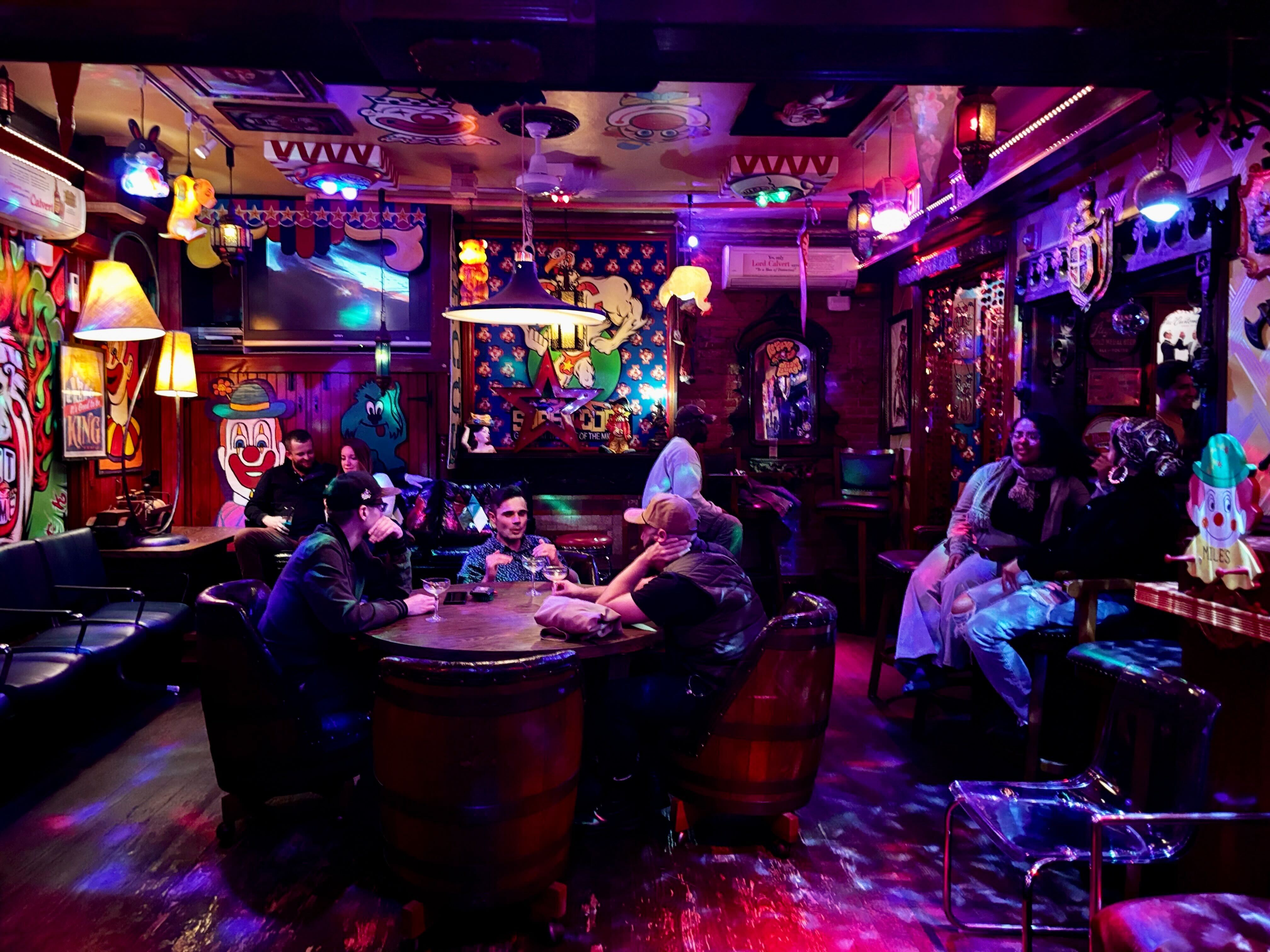
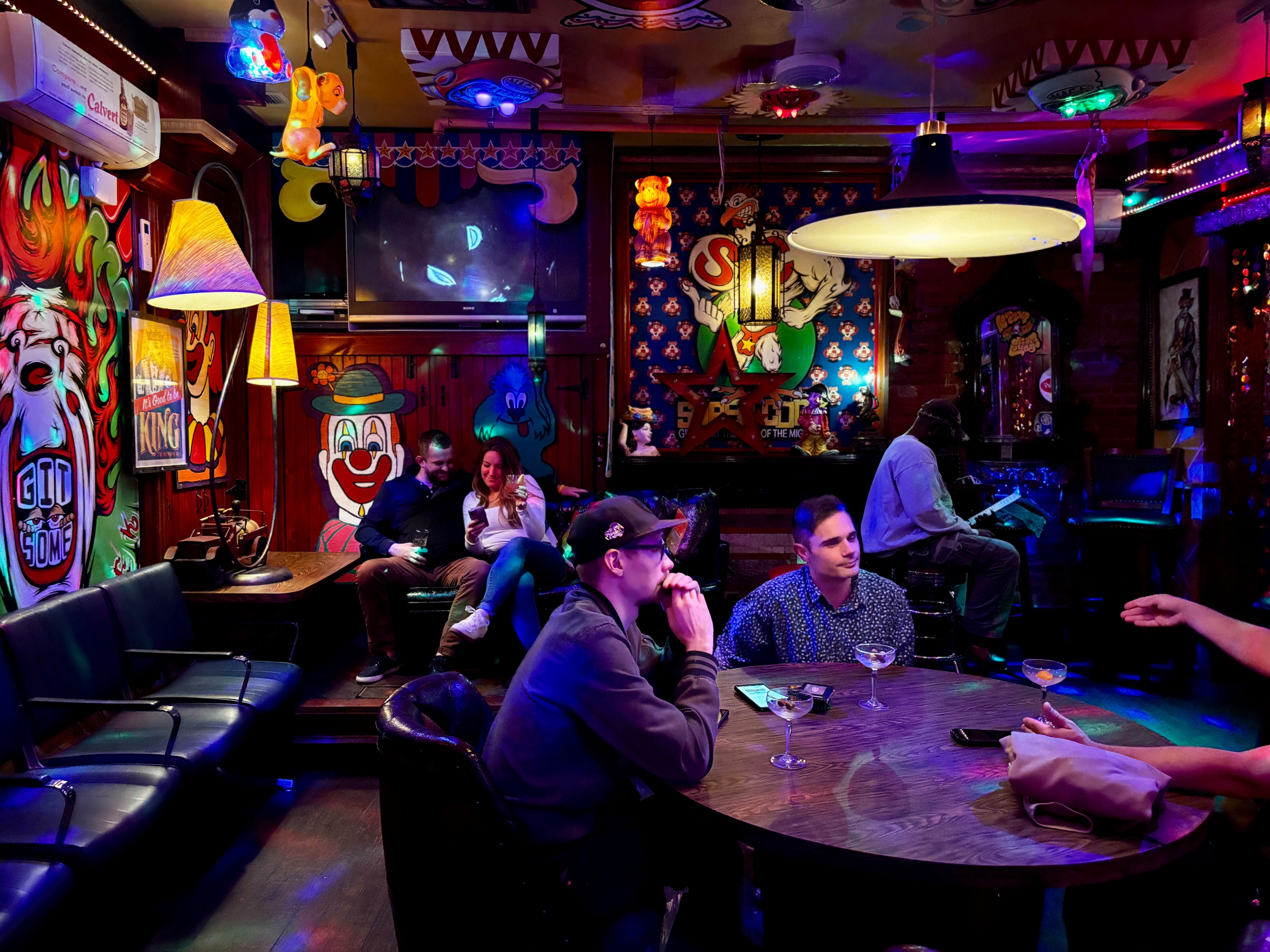
    If you’re looking to clown around, look no further: Philadelphia’s quirkiest bar is a cross between a retro living room, an amusement park’s dumpster, and a clown collector’s dream.

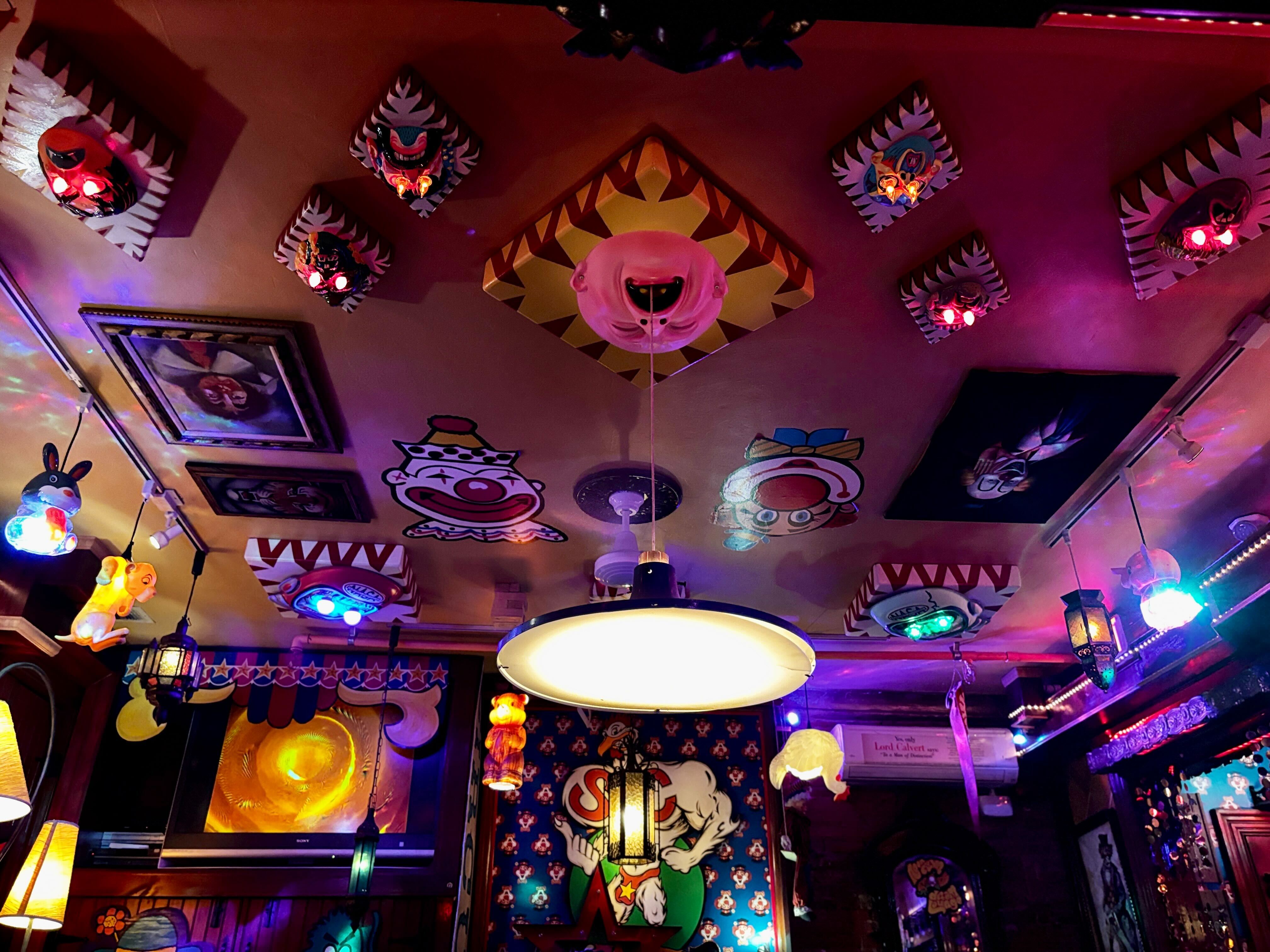
    Located above Kensington bar Kung Fu Necktie at 1248 N. Front St., the Neon Clown Dream Lounge has roughly 120 salvaged works of clown art competing for attention across the walls, the counters, and even the ceilings.

    And yet, the bars’ owner — a man who would only refer to himself as Chicken (real name James Herman) — said the Neon Clown is not a shrine to the professional red-nosed jokers, despite its name and decor. Rather, Philly’s clown lounge is an ode to a few of Chicken’s favorite things: art deco furnishings, upcycled industrial trash, and a touch of clownery.

    Chicken’s clown fascination began in the 1990s when he was building his career as an artist and gallerist inspired by Bernard Buffet, a French expressionist painter whose work often depicted downtrodden and almost skeletal clowns. Since then, the painted jokesters have flitted in and out of Chicken’s life. They became subjects of his own art and a bit for his band, Plaque Marks, which performs in full clown suits.

    The main dining area inside Kensington’s Neon Clown Dream Lounge, which owner Chicken estimates contains roughly 120 different clowns.

    “How can you cancel a clown?” Chicken, 64, said while knocking back his first of several tequila and ouzo cocktails over a recent interview. “There’s no prospect of offending anybody with a clown … Some people love them and some people dislike them, but there’s still a level of whimsy.”

    The second-story space served as Kung Fu Necktie’s no-frills music venue until 2018, when Chicken said a Department of Licenses and Inspections officer ordered the second floor to close. The closure — coupled with the pandemic — gave the Kung Fu Necktie owner what he called the “perfect” opportunity to make something useful out of the salvaged wares he’d been collecting for decades from abandoned churches, condemned buildings, and going-out-of-business sales at theme parks.

    When the Neon Clown Lounge opened in September 2024, it “was like a relief valve,” Chicken said. “I’ve had some of this s— for 30 years.”

    @rochestermeetsphilly Neon Clown Dream Lounge, you were first up. Any suggestions for cool bars/bars that decorate for Halloween in Philly is appreciated ✨ #NeonClownDreamLounge #PhillyBars #BarsInPhilly #Philly #Philadelphia ♬ original sound – Rayven | Philly Creator

    The clown bar was an apartment before it was anything else. The living room was replaced by the bar’s main seating area, where a leather couch and a row of vintage seating from one of LaGuardia Airport’s lounges sit beneath a cluster of clown masks Chicken retrofitted into ambient light fixtures. The parlor was knocked out in favor of a stage paneled with leftover wood from a now-demolished house on Front Street; the room is outfitted with a disco light that spins above couches fit for a conversation pit.

    The rest of the space is peppered with clown portraits and figurines both large and small, including a trio of eerily childlike wooden cutouts Chicken purchased from Obnoxious Antiques, a warehouse that mines amusement parks for treasure in Burlington, New Jersey.

    There’s no criteria for what makes a good piece of clownery, Chicken said, other than that it captures the aura of the 1970s. The decade was a golden age for clowns in popular culture, not long after Barnum & Bailey opened the first clown college to train people to emulate characters like Bozo and Ronald McDonald.

    The ceiling of Kensington’s Neon Clown Dream Lounge is covered with clown masks that owner Chicken retrofitted into lighting fixtures.

    “I could’ve put out a bunch of crap you can buy at the dollar store,” said Chicken. “We want stuff that’s one-of-one and authentic. Something that is of the era, not replicated.”

    A space for clowns, tended by the ‘clown neutral’

    Bar manager Evan Madden — who self-identifies as “clown neutral” — said he tries to imbue the drinks program with the energy of a clown. Both, after all, are very serious about doing what some consider unserious work.

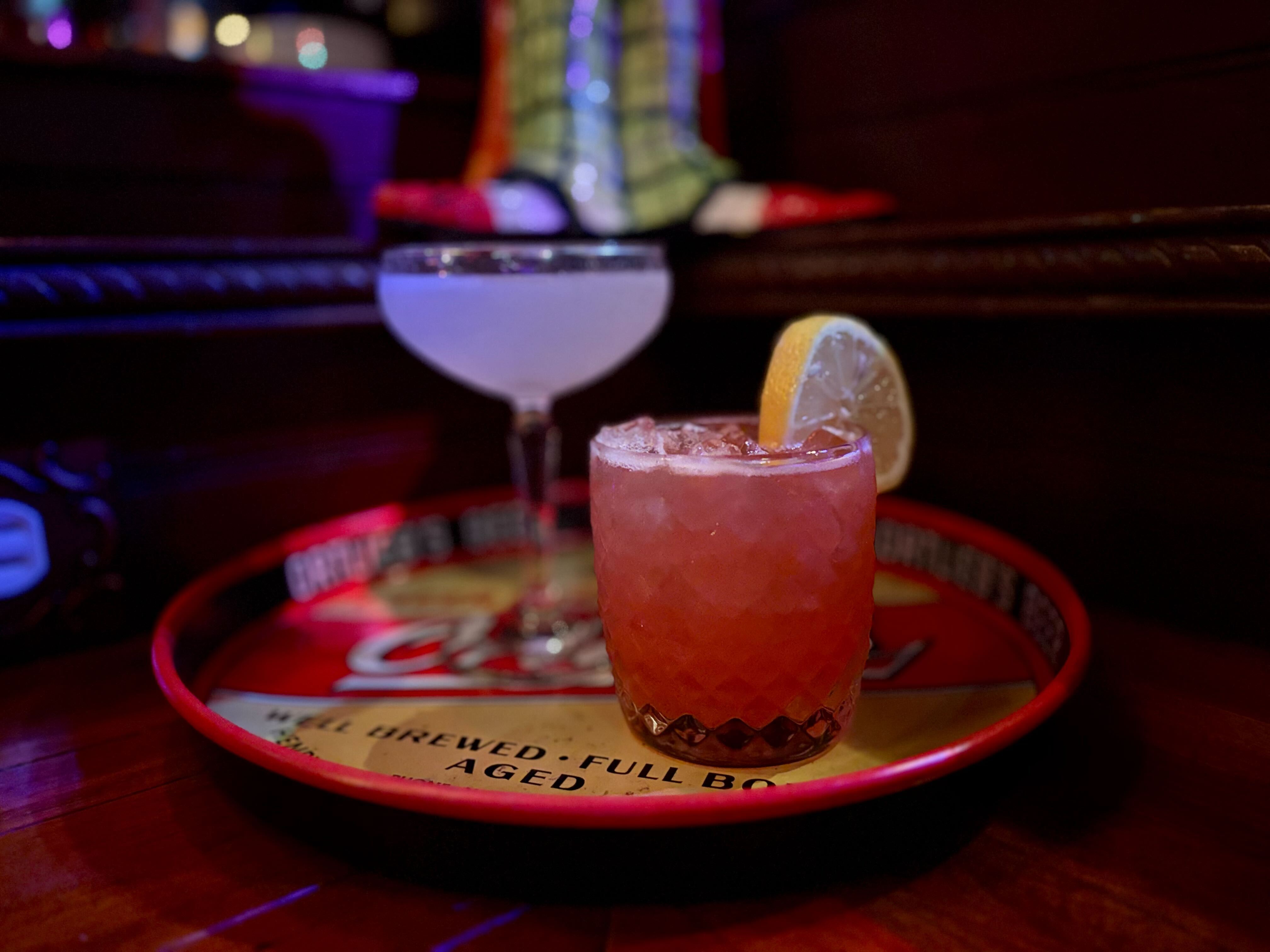
    The Neon Clown Dream Lounge never has a cover, and the only food on offer are $2 hot dogs. The drink menu has 12 cocktails with names that conjure up images of killer clowns and carnival food, like “Endless Nightmare,” “Witching Hour,” or “Tropical Hot Dog Too.”

    The Tropical Hot Dog Too (left) and Endless Nightmare (right) cocktails from Neon Clown Dream Lounge.

    The Endless Nightmare is the lounge’s house margarita and uses Espolón tequila that Madden says spends just under a week marinating in a pineapple-lime mixture; on good weeks, the bar goes through six to eight 25-ounce bottles of the mix. The Witching Hour comes across as a spiked coffee, combining cold brew with rum, amaretto, mint extract, and a shot of dry Curacao for a citrus-y aftertaste. Tropical Hot Dog Too mixes smoky mezcal with a vermouth that spends hours steeping in a mixture of chilies, limes, and grapefruit liqueur.

    Roughly once a month, Madden said, a group of clowns will sit at the bar in full costume and imbibe. “They’re appreciative of the space,” he continued. “There’s not a lot of clown bars in Philadelphia.”

    Nearly every piece of decor inside the Neon Clown Dream Lounge has been thrifted or salvaged from abandoned homes, churches, or amusement parks.

    Or anywhere, really. Outside of Philadelphia, the clown lounge’s only competition in the United States is Creepy’s in Portland, Ore., which has animatronic dolls and pinball, but only a fraction of Chicken’s clowns.

    Still, not everyone is a fan, said Chicken: When the bar first opened, one customer left a review saying there weren’t enough clowns. Tough nuts, Chicken said with another cocktail in hand.

    The clown lounge is “like a sanctuary … a safe zone,” Chicken said. “We want to make the space feel open and comfortable.”