Author: Erin McCarthy

  • Philly-area residents share how much they paid to keep warm this winter

    Philly-area residents share how much they paid to keep warm this winter

    If you’re getting burned by high heating bills this winter, you’re in good, and equally stressed, company.

    U.S. households are expected to pay more than $1,000 on average to heat their homes this winter, according to the National Energy Assistance Directors Association’s projections, which were updated last month. That’s about $100 more than households paid last year, according to the association, which advocates for federal funding for low-income ratepayers.

    Consumers are paying more whether they heat their homes with electricity, natural gas, or heating oil. Residential propane costs are on par with last year.

    And customers usually pay more in freezing temperatures, when more energy is required to keep their homes comfortable.
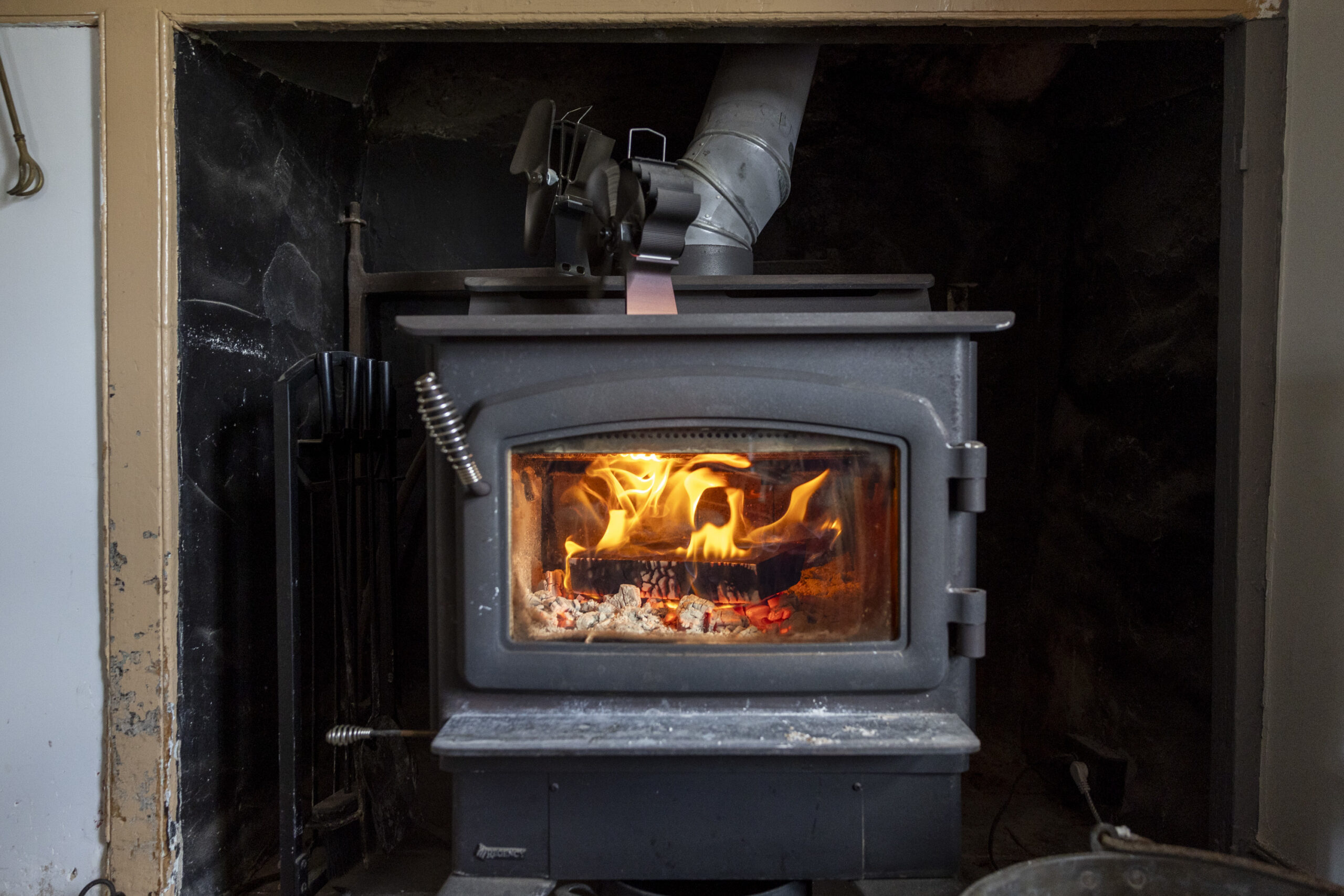
    A wood stove provides heat in the old stone farmhouse of Patrick Melcher’s near Downingtown.

    Philly-area residents were hit with a double whammy: They experienced one of the coldest, snowiest winters in recent memory as rate increases took effect for major utilities, including Peco and PGW.

    All this occurred after a summer in which some local consumers paid more than ever to stay cool.

    Spokespeople for Peco and PGW, which provide electric and gas service to millions across southeastern Pennsylvania, said many of their customers saw increased usage this winter due to the cold. They noted that individual bills can also be impacted by thermostat settings, efficiency of appliances, and weatherization of windows, doors, and other parts of the home, as well as whether customers have opted for a third-party energy supplier.

    “Energy affordability remains a priority, and rising supply costs — set by competitive markets and not controlled or profited from by Peco — continue to be a major driver of customer bills,” spokesperson Candice Womer said in a statement, noting a nearly 20% year-over-year supply cost increase for electric customers and a nearly 10% increase for gas.

    The Inquirer spoke with five people who live across the region, have different types of homes, and use varying fuel sources and heating systems. Here’s how much they’ve paid to keep warm this winter.

    Quotes have been edited for clarity and brevity.

    Melcher, a 48-year-old who owns a custom woodworking business, said he usually needs to fill his 250-gallon oil tank twice a year. In early January, he paid $800 for a 230-gallon top-off, or about $3.45 per gallon, which he thought was fair. He had paid around the same for an oil fill-up in October. This winter, Melcher said he’s also spent about $900 on firewood for his wood-burning stove, plus a couple hundred dollars a month to fuel the electric heaters in his workshop.

    “I don’t have a ton of money. I have a small business. But what else can you do? In the wintertime, it hurts. You hope for a mild winter. It’s one of those things you can’t control.”
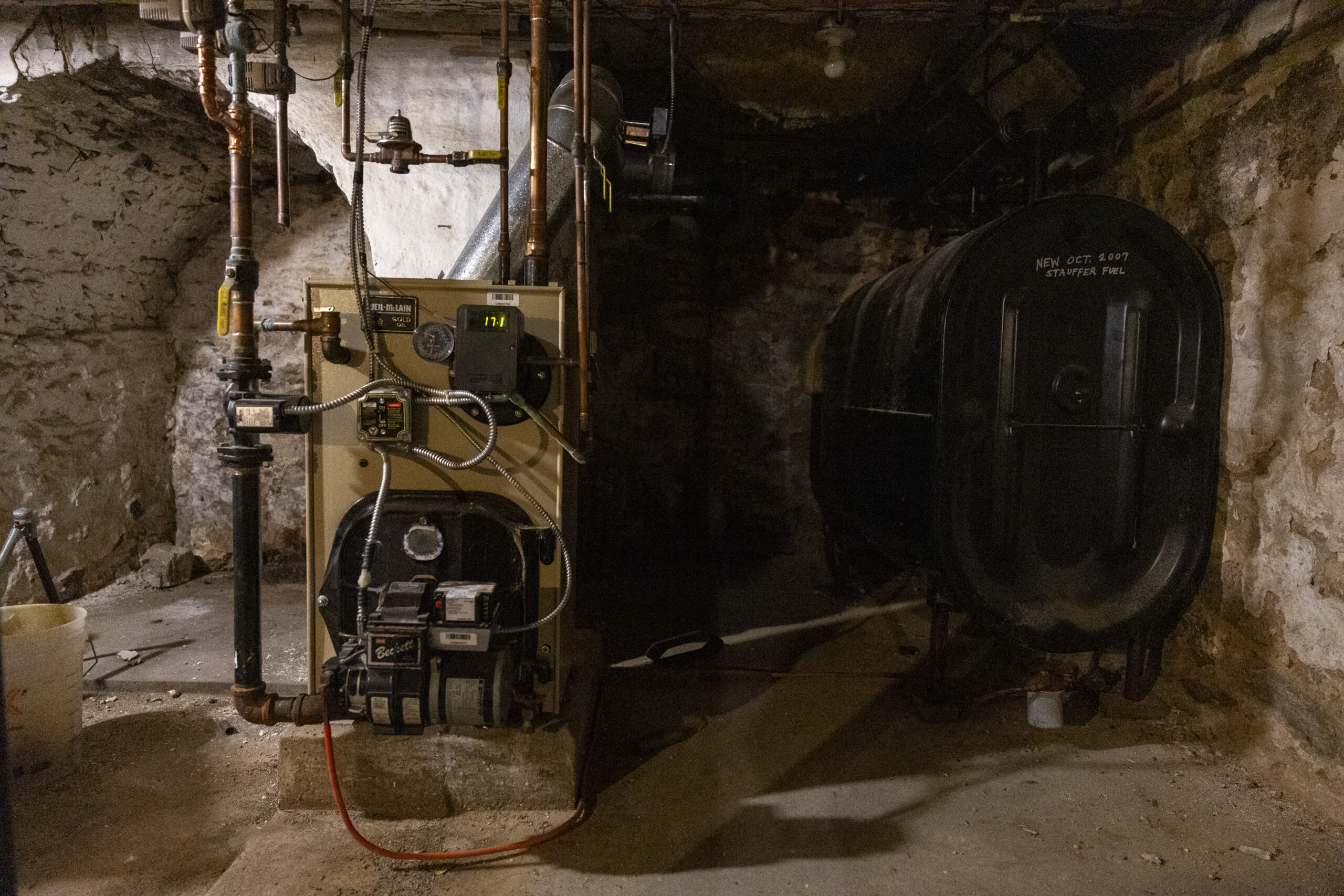
    An oil tank heater is shown in the basement of Patrick Melcher’s home near Downingtown.

    Simonsen, a 69-year-old retired public relations professional, said her electric bills are usually around $50. This winter, however, her last three bills have been $78, $84, and, most recently, $312 for the period of mid-January through mid-February. She keeps her heat around 65 during the day, she said, and 60 at night. She’s billed through her condo complex, and said her neighbors have noted similar increases.

    “I know we had very cold days but we were just boggled. I’m looking at everything around the apartment now. What can I turn off? Have I been careless about leaving things on? I don’t think so, but I am much more cognizant of that. I’m wondering if this is the new reality.”
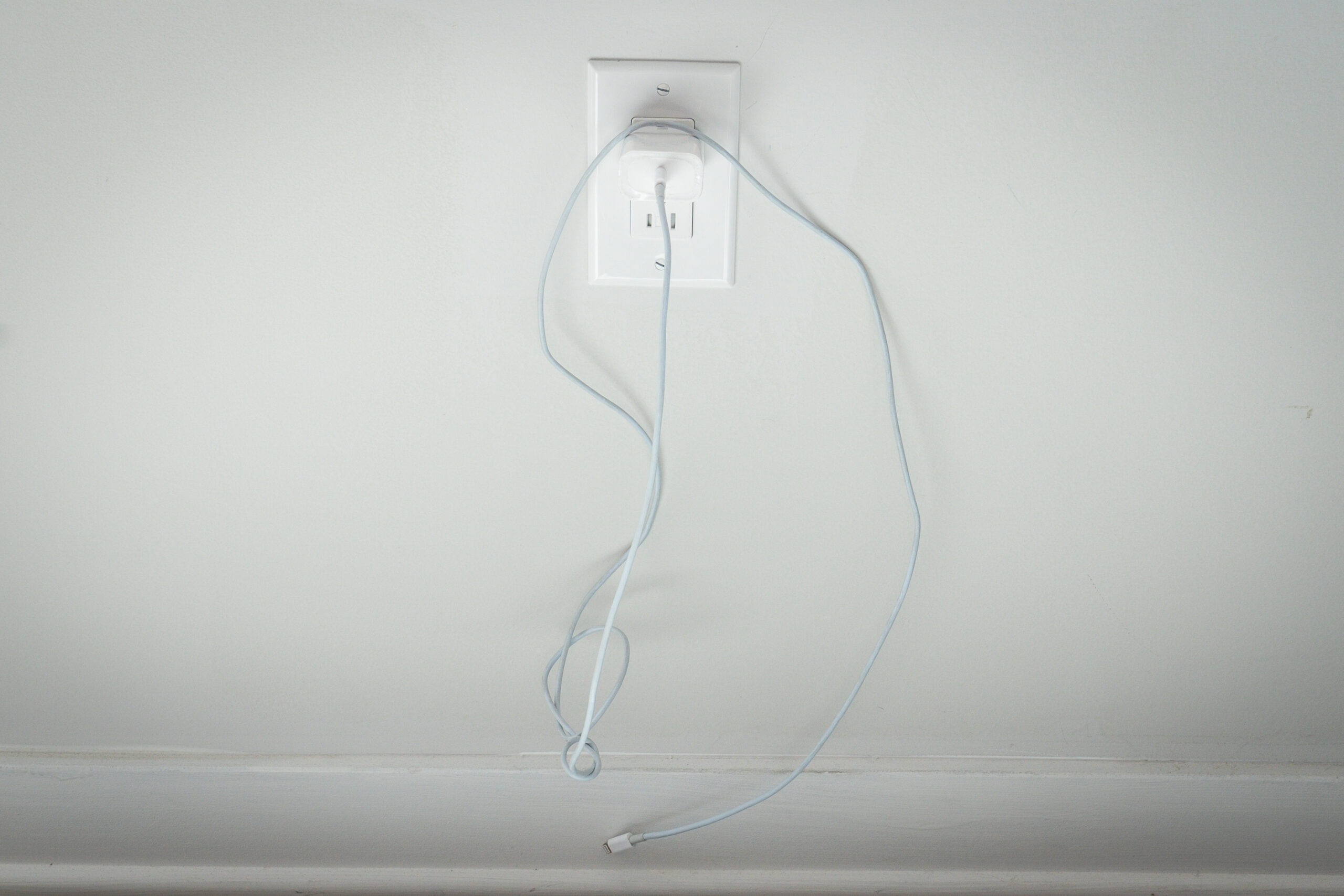
    A phone charger plugged in a Center City apartment. In Fairmount, Janice Simonsen said she is making sure she unplugs everything after receiving a more than $300 electric bill for a 750-square-foot unit.

    Capriotti, a 55-year-old research scientist, said her family switched from oil heat to natural gas over the past decade. They were fed up with paying hundreds of dollars every time they needed to fill their oil tank. Still, she said, their home is drafty and they need to upgrade doors and insulation. Their most recent Peco bill, which includes electric and gas, was $721, and the gas portion was $570.

    “It’s better than oil heat for sure, but this past year has been very rough. $720 for heating and energy is a bit much. I don’t want to say I can’t pay it, but it’s definitely a struggle.”
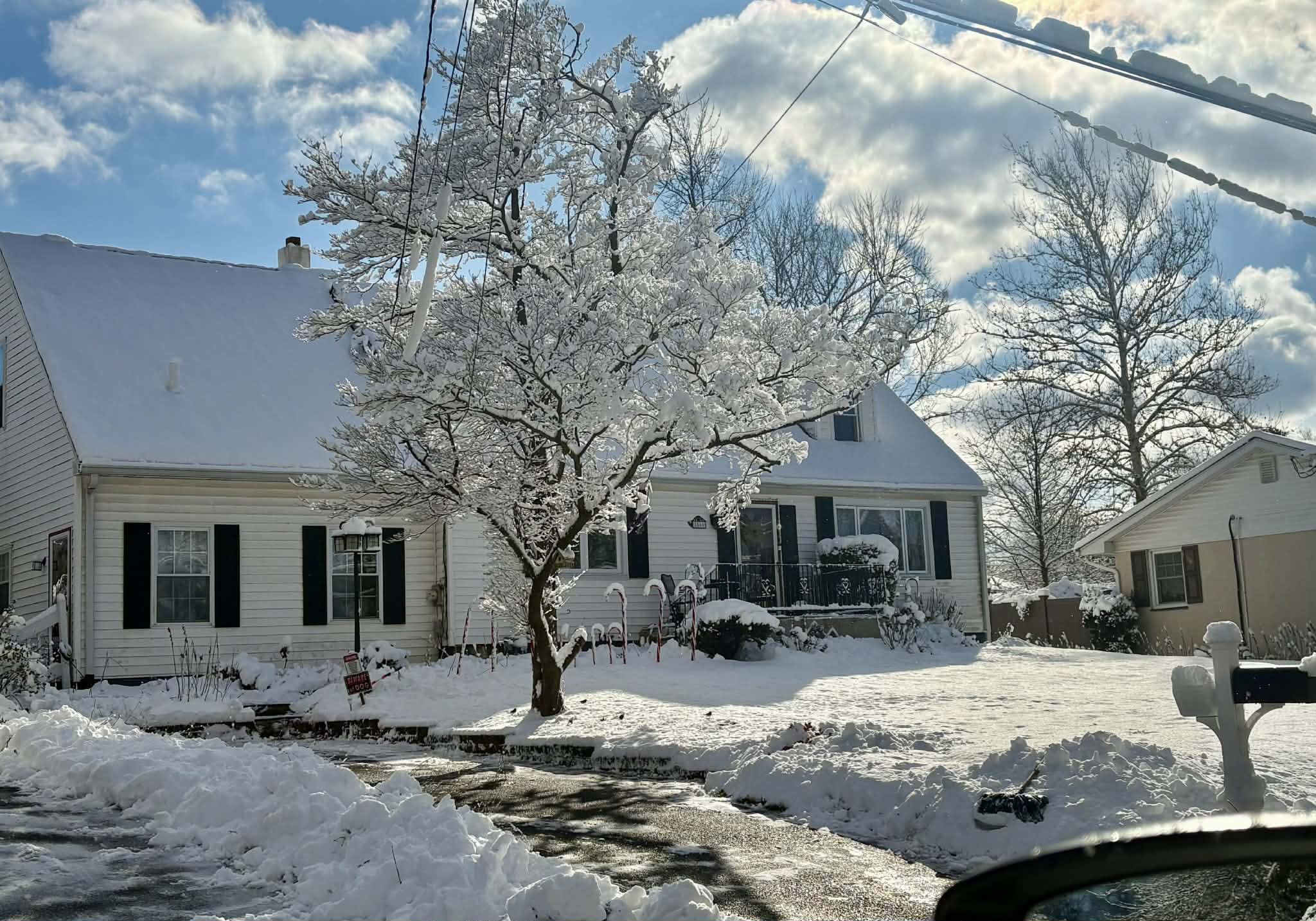
    Carol Capriotti paid more than $700 in February for gas and electric service for her Willow Grove home, which she heats with a gas-powered boiler.

    Fritz, a 41-year-old full-time hospice aide who works part-time at a distillery, said she had her upstairs and downstairs heat pumps serviced in December. In recent years, she insulated windows and the basement ceiling, and she said she keeps the temperature around 65. Fritz is billed directly through the borough electric department, and can’t ever remember receiving a bill this high since moving into her home 13 years ago. Before the most recent charge, her last three monthly electric bills totaled $256 in December, $424 in January, and $505 in February.

    “I’m a single parent. I work full-time and part-time. My child has behavioral issues. So I am struggling. It is more than the [$704] mortgage payment. I know in the winter months it goes up, but to go up that high, it’s frankly ridiculous.”

    Seidell, a 52-year-old who works in technology, said his bills this winter are on par with previous years’. He has gas-powered forced-air heating, he said, but electricity powers the blower fans that circulate the air. Seidell got solar panels installed in 2020, and he said they offset his electric cost throughout the year, though less so in the winter than in the summer.

    As for his heating bills, “it’s been reasonable. My house was built 125 years ago. I don’t really do anything to keep it energy efficient besides the programmable thermostat and the solar panels.”
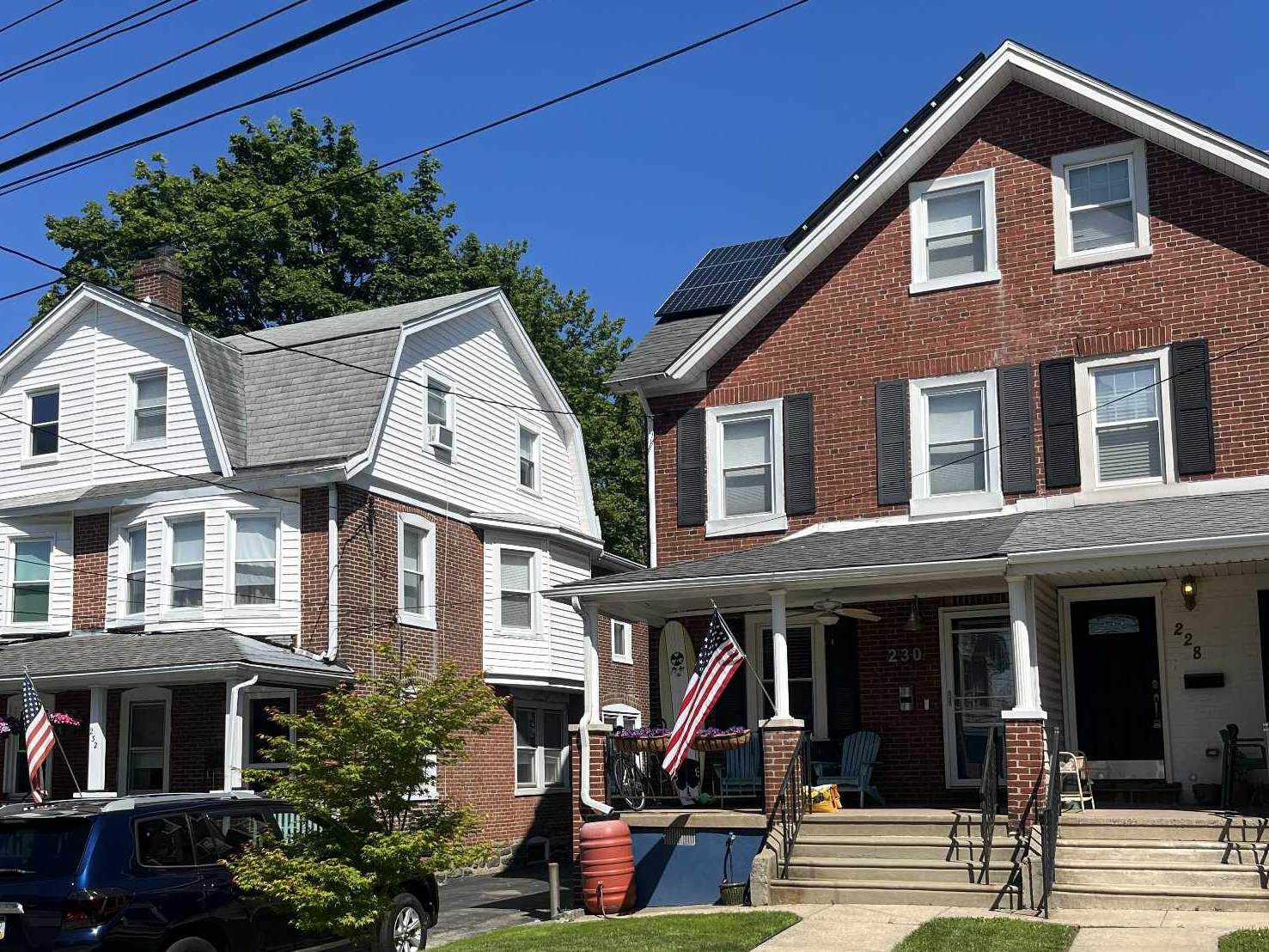
    In Ardmore, Sean Seidell’s 1,800-square-foot twin home, which has solar panels, has cost about $200 to $250 a month to heat this winter.
  • Grocery Outlet is closing stores in South Jersey, Philadelphia, and Kennett Square

    Grocery Outlet is closing stores in South Jersey, Philadelphia, and Kennett Square

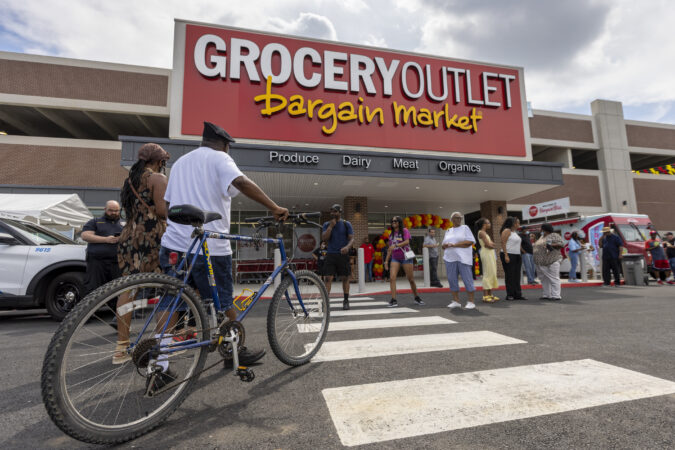
    Grocery Outlet bargain market is closing dozens of stores nationwide, including eight in the Philadelphia area.

    The closures were first referenced earlier this week in the company’s earnings report. The California-based grocer recorded an operating loss of $221.7 million last year, much of which it attributed to “certain underperforming stores” that will now close.

    These include five Grocery Outlets in South Jersey, two in Philadelphia, and one in Kennett Square, according to real estate marketing released Thursday.

    A company spokesperson did not return a request for comment about when the stores would close.

    The impacted Philly-area stores are located at:

    • 4004 U.S. Route 130, Delran
    • 401 Harmony Rd., Gibbstown
    • 345 Scarlet Rd., Kennett Square
    • 190 Hamilton Commons Dr., Mays Landing
    • 2017 W. Oregon Ave., Philadelphia
    • 2524 Welsh Rd., Philadelphia
    • 3174 U.S. Route 9 S., Suite 5, Rio Grande
    • 677 Berlin-Cross Keys Rd., Sicklerville
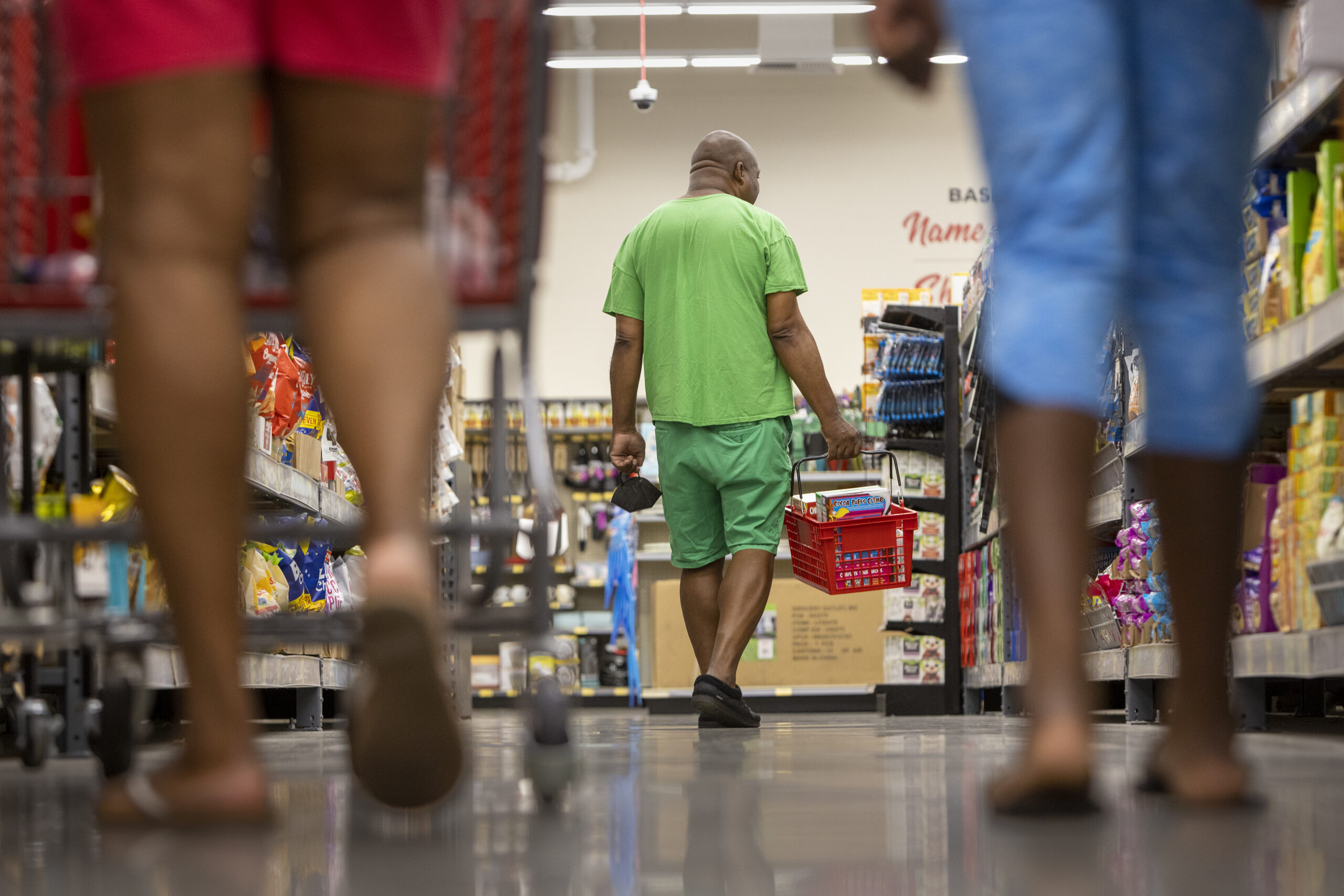
    People shop at a Grocery Outlet in Philadelphia in 2022.

    Gordon Brothers, a Boston investment firm, is looking to sublease all 36 closing Grocery Outlets. The Philadelphia-area properties range in size from 14,000 to 21,000 square feet.

    After the closures, the chain will still have several locations in the city, collar counties, and South Jersey.

    Grocery Outlet calls itself an “extreme value retailer.” It was founded in 1946, and has expanded from 128 stores to 570 stores over the past two decades. Many locations are operated by entrepreneurs who live nearby.

    In recent months, Grocery Outlet’s bottom line was impacted by economic uncertainty, as well as the November suspension of SNAP benefits that tens of millions of U.S. consumers rely on, according to president and CEO Jason Potter.

    “Consumer pressure intensified, federally funded benefits were delayed, and competition grew more promotional in the fourth quarter,” Potter said in a statement. “In response, we have begun to sharpen our focus on what matters most: delivering clearer value and a better in-store experience.”

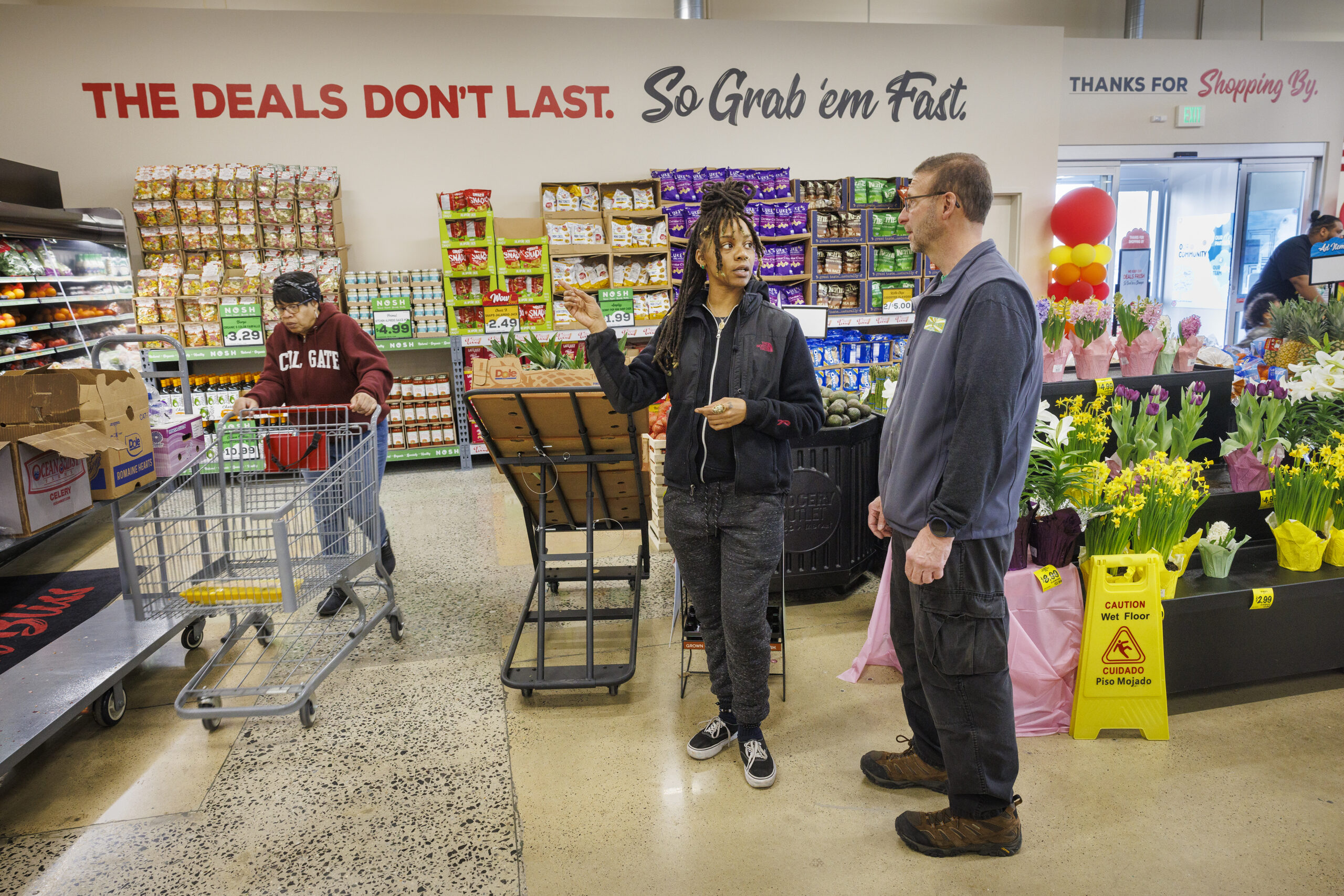
    Customers and employees inside a Grocery Outlet in Philadelphia in 2023.

    While the grocery industry remains relatively resilient, it has faced a challenging few years with persistent inflation, tariffs that further drove up prices on some products, and continued competition from other retailers and restaurants.

    In recent weeks, Amazon closed all of its brick-and-mortar Amazon Fresh stores, including six in the Philadelphia region. The company says it plans to expand grocery-delivery services and open more Whole Foods markets, to the dismay of some Amazon Fresh customers who said they were drawn to the low prices at the smaller-format stores.

    Gourmet markets have been impacted, too. Three Di Bruno Bros. locations in Ardmore and Wayne closed last month, two years after being acquired by Wakefern Food Corp., the North Jersey-based supermarket cooperative that operates ShopRite.

    A Wakefern spokesperson said the company planned to refocus on its flagship stores in South Philadelphia and Rittenhouse, as well as its growing online business. The move, spokesperson Maureen Gillespie said, would be “a positive reset that allows us to preserve and elevate the in‑store tradition while growing the brand’s reach in meaningful new ways.”

  • New Jersey Turnpike officials to test E-ZPass stickers instead of transponders

    New Jersey Turnpike officials to test E-ZPass stickers instead of transponders

    Could the white E-ZPass transponder on your windshield become a relic?

    Well, not yet.

    But New Jersey Turnpike officials will soon test out E-ZPass stickers in turnpike authority fleet vehicles, spokesperson Tom Feeney said Wednesday. The New Jersey Turnpike Authority also operates the Garden State Parkway.

    “If there are no problems,” Feeney added, “we will make a plan to introduce them to NJ E-ZPass customers.”

    The pilot, first reported Tuesday by NJ.com, takes a cue from other states that have transitioned from transponders to stickers.

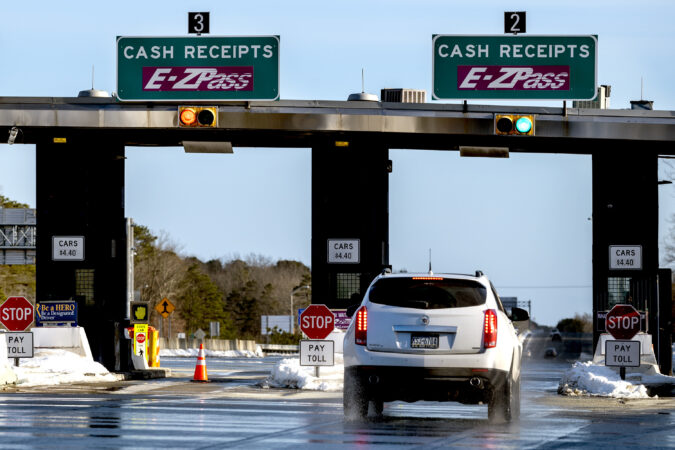
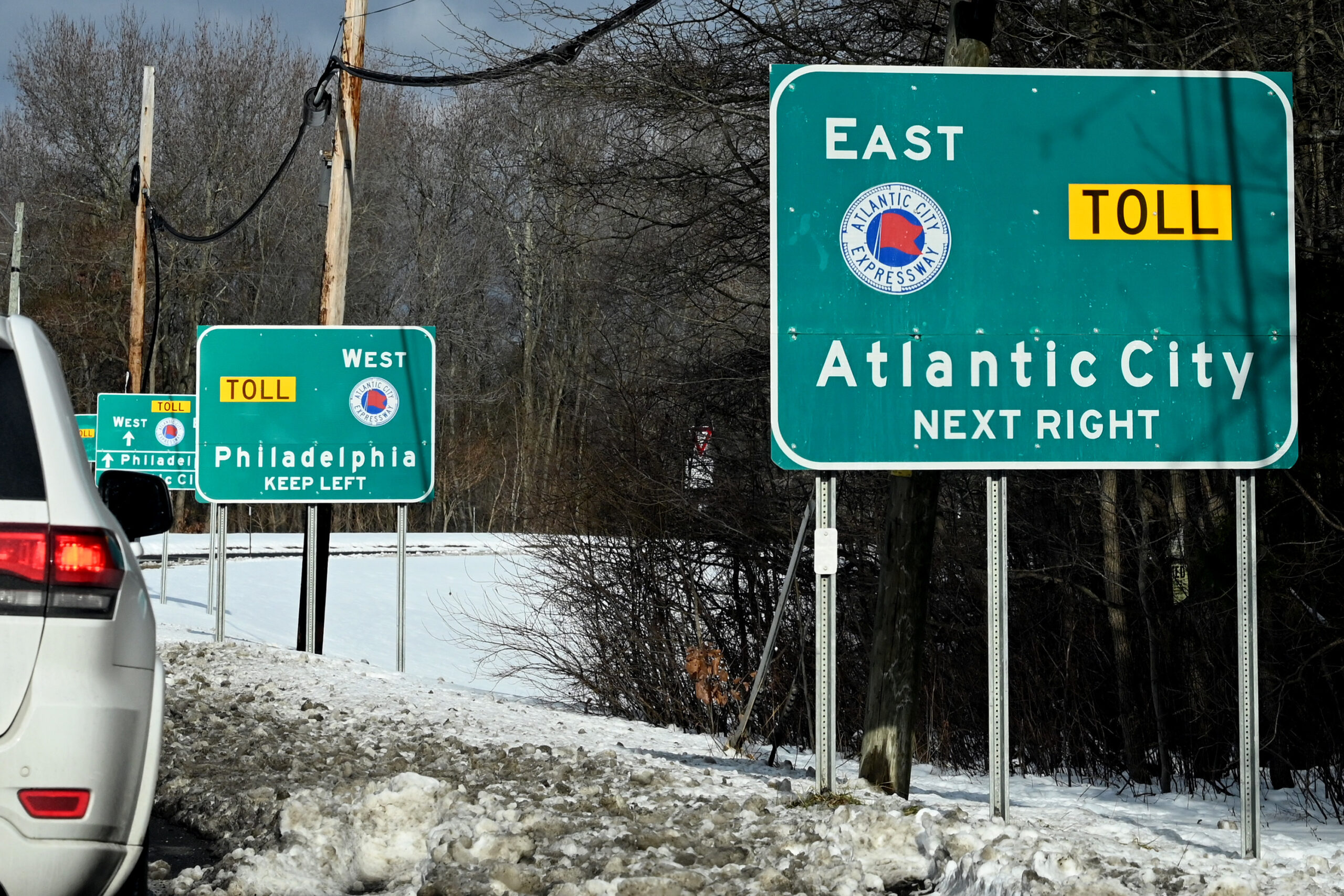
    Drivers approach the Williamstown entrance ramp to the Atlantic City Expressway in 2022.

    Both devices are equipped with digital chips, which are read by overhead gantries on the highways. The technology allows drivers to keep moving and be digitally charged for tolls.

    This week, the Massachusetts Department of Transportation rolled out E-ZPass stickers, free of charge for new customers and those who need to replace their transponders, according to several local news reports.

    Massachusetts officials estimate the switch will save the state more than $7 million a year, since the stickers’ production cost is a fraction of the cost of the transponders, according to a recent report from WBUR, the Boston NPR affiliate.

    In New Jersey, officials spent $8.4 million in 2022 to replace the batteries of 920,000 E-ZPass transponders, according to NJ.com.

    News of the Garden State’s E-ZPass sticker test comes two months after the Atlantic City Expressway went cashless, with the Garden State Parkway and the New Jersey Turnpike set to follow. Across the river, the Pennsylvania Turnpike has been cashless since 2020.

  • Can legacy brands like Coach bring Gen Z shoppers to the mall? Cherry Hill Mall executives think so.

    Can legacy brands like Coach bring Gen Z shoppers to the mall? Cherry Hill Mall executives think so.

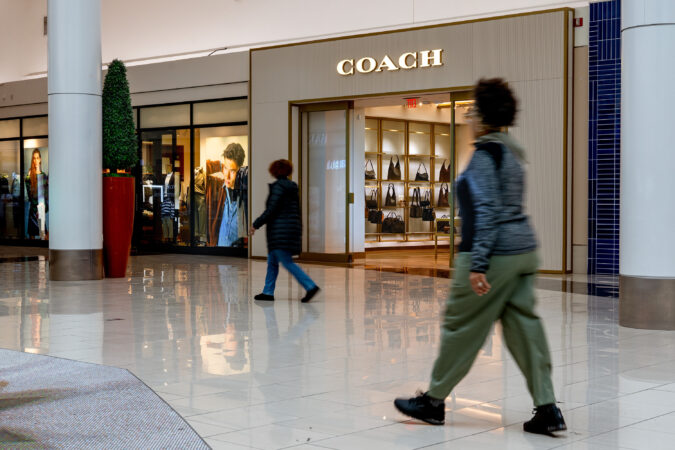
    When Coach opened a store at the Cherry Hill Mall in November, mall executives were ecstatic — even though it’s been 85 years since the high-end retailer was founded.

    Coach is as hot as ever. And its new shop in Cherry Hill is just another sign of the South Jersey mall’s success, according to leaders with Pennsylvania Real Estate Investment Trust (PREIT), which owns the complex.

    “Cherry Hill is clearly a dominant fashion property,” Paula Charles, PREIT’S first vice president of leasing, said in a recent interview.

    In the competitive Philadelphia market, “the better retailers have gravitated toward the better assets,” including Cherry Hill, added Joe Aristone, PREIT’s chief revenue officer.

    They noted that top-tier retailers increasingly include legacy brands — long-established companies like Coach, Zara, and Levi’s, that are making a nostalgic, social media-fueled comeback with younger consumers.

    These retailers are seeing a resurgence at the same time that many malls are leaning into newer experiential concepts, such as King of Prussia Mall’s new Netflix House, its forthcoming Level99 live-gaming venue, and the Dick’s House of Sport set to open at the Cherry Hill Mall this year.

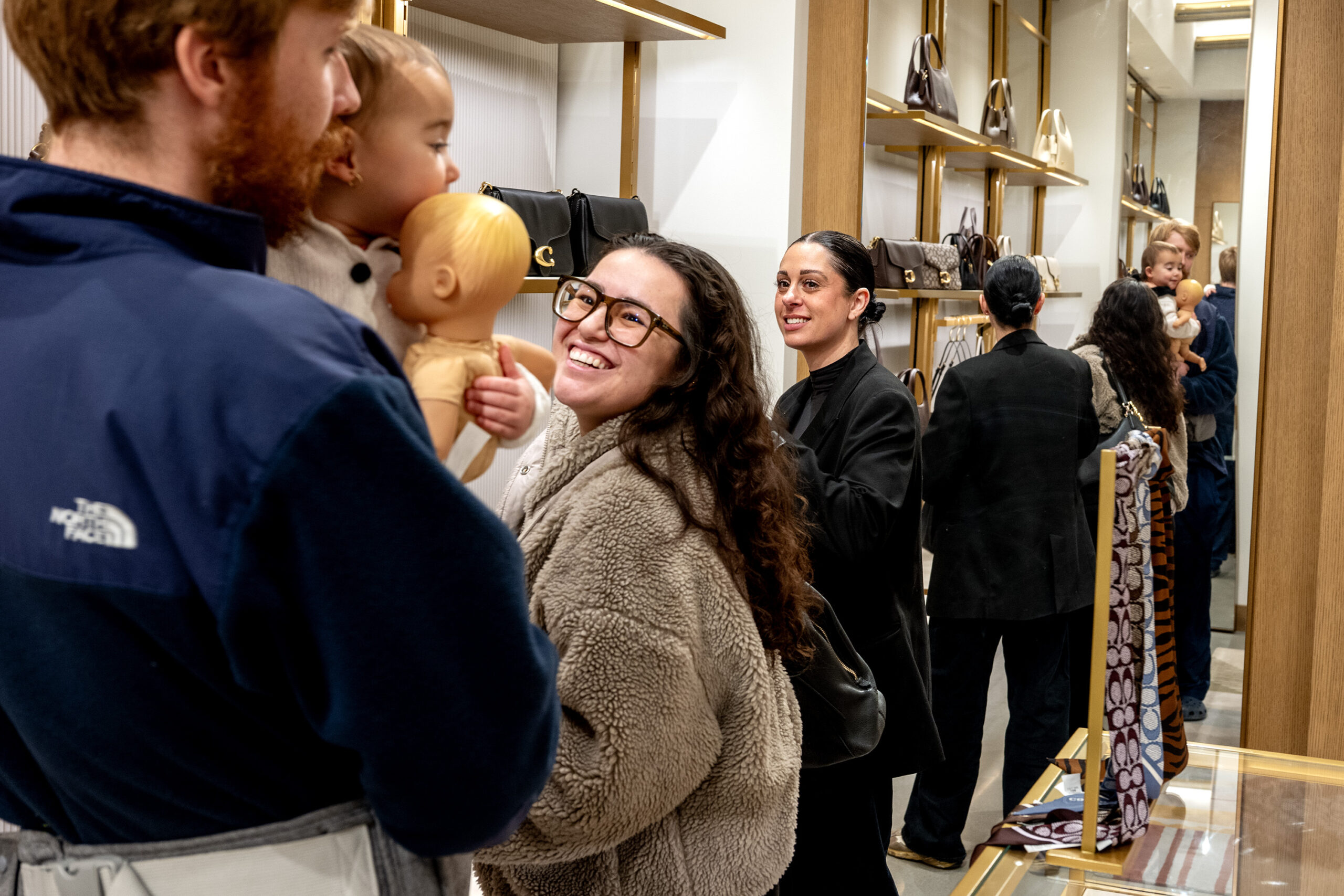
    Employee Alex Costa (right) assists Alessandra Bruno as she shops for purses with husband, Luke Baur, and their 20-month-old daughter, Rosalina, at the Coach store at the Cherry Hill Mall.

    Coach’s parent company, Tapestry, recently reported that Coach saw a 25% increase in sales in its most recent quarter. Tapestry executives attributed the rise to a surge in Gen Z customers, who are under 30.

    Other legacy brands, including Gap and Abercrombie & Fitch, have also reported consistently strong earnings in recent years.

    In the Philadelphia area, these retailers have maintained a presence along shopping corridors in Center City and at higher-performing malls like Cherry Hill and King of Prussia, which is owned by Simon Property Group.

    Prior to the Cherry Hill opening, Coach operated shops in King of Prussia and Marlton, as well as off-price locations at the Philadelphia Premium Outlets near Pottstown, the Gloucester Premium Outlets in Blackwood, and the Tanger Outlets in Atlantic City. The brand also has an outpost at the Philadelphia International Airport.

    Coach spokespeople did not return requests for comment about their investment in the region.

    PREIT executives declined to comment on sales so far at their new Coach store, but said brand and mall executives are pleased with how the store is doing — and what that means going forward.

    “Coach has had a strategy to make sure that they capture Gen Z,” a demographic that PREIT executives also want to attract and retain as they age, Charles said.

    Why Gen Z and millennials love Coach

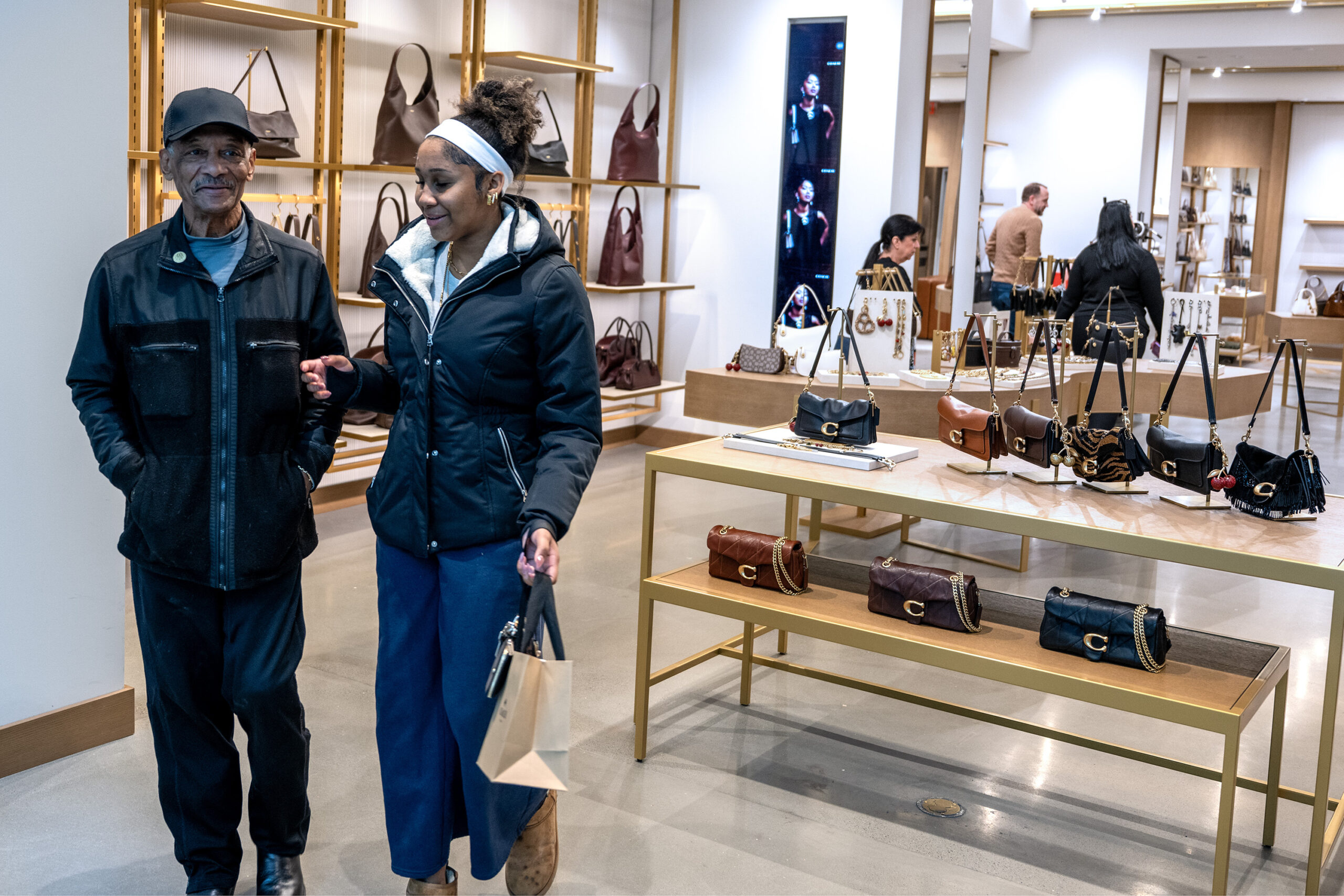
    Joe Williams, of Magnolia, N.J., buys a handbag for his daughter, Samantha Williams, at the Coach store at the Cherry Hill Mall.

    About two years ago, Breana Stringer, now 26, noticed that many of her friends were going out with Coach bags. And when she’d open TikTok, she said, the platform’s algorithm showed her videos of other users’ Coach collections.

    Up until that point, the Fishtown resident had been an accessory minimalist: “I was very much an ‘if it doesn’t fit in my pocket, I’m not bringing it’” type of person.

    But Stringer said she was influenced by her friends and TikTok to start buying Coach bags, mostly secondhand (though she has received new Coach bags as gifts). She has come to enjoy styling them with her outfits.

    To Stringer, Coach’s appeal to Gen Z consumers is simple, she said: “They’re affordable in terms of a luxury name brand, and they’re vintage styles.”

    New Coach bags start at $95 for a short shoulder bag, while larger purses can cost $500 or more. At outlet stores and secondhand shops, prices are lower.

    In South Philly, Stephanie Gonzalez, 33, has restored and resold dozens of vintage Coach bags, mostly to Gen Z and millennial women.

    She said these women see the Coach brand as “timeless.”

    For Gen Z, “what is happening is they are really into Y2K, late-’90s, early-’90s nostalgia,” Gonzalez said. “TikTok has been a big hub for people” to share their love of Coach and brands that were popular in those years.

    As for other legacy brands, Stringer said some of her Gen Z friends have also started wearing Cartier rings, which have been around since the mid-1800s and can cost more than $1,000. It’s a trend Stringer has yet to get behind, she said, because she has a tendency to lose small accessories: “I’m less likely to lose a bag.”

    How legacy brands are boosting Philly-area malls

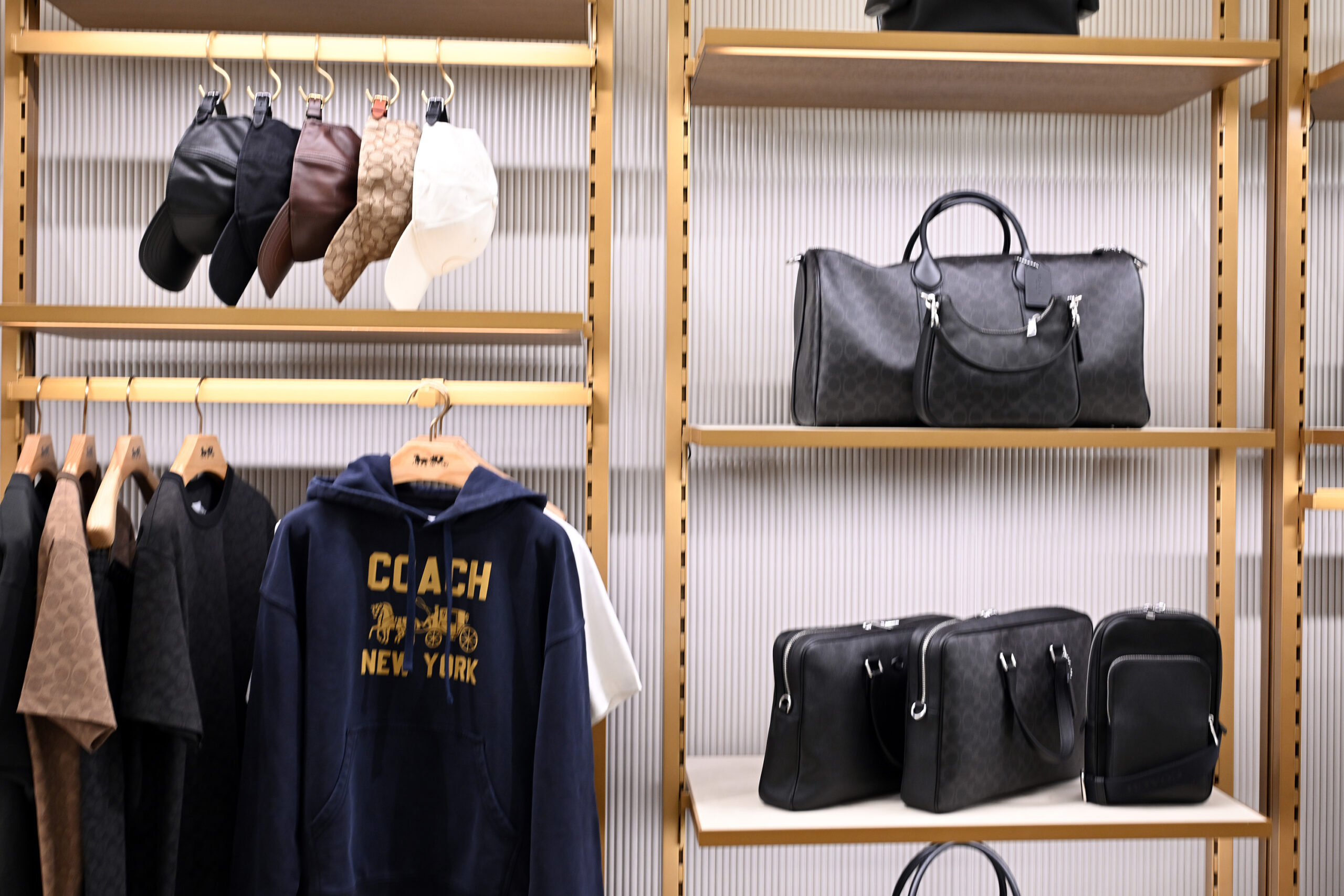
    Products are displayed at the Coach store at the Cherry Hill Mall.

    Cherry Hill Mall isn’t the only local shopping center to have welcomed new legacy retailers recently.

    In the past six months, Abercrombie & Fitch, Columbia Sportswear, Lacoste, and New Balance have opened new stores at the King of Prussia Mall, and an Adidas outpost is also set to open there soon.

    At the Philadelphia Premium Outlets, Hugo Boss, Marc Jacobs, and New Balance have opened stores in the past year, while the Gloucester Premium Outlets in Blackwood have added New Balance and Columbia locations. Like the King of Prussia Mall, both outlet malls are owned by Simon Property Group.

    Typically, these re-energized brands are attracted to places where other similar companies have already set up shop, say the PREIT executives who help shape the tenant mix at the Cherry Hill Mall.

    And they said this cyclical effect further cements the region’s dominant retail centers as shopping destinations.

    “There is so much media out there as it relates to closed malls,” said Aristone, the chief revenue officer. Many of the surviving malls, however, are thriving, he said, thanks in part to these legacy brands.

  • Delaware’s only Nordstrom is closing

    Delaware’s only Nordstrom is closing

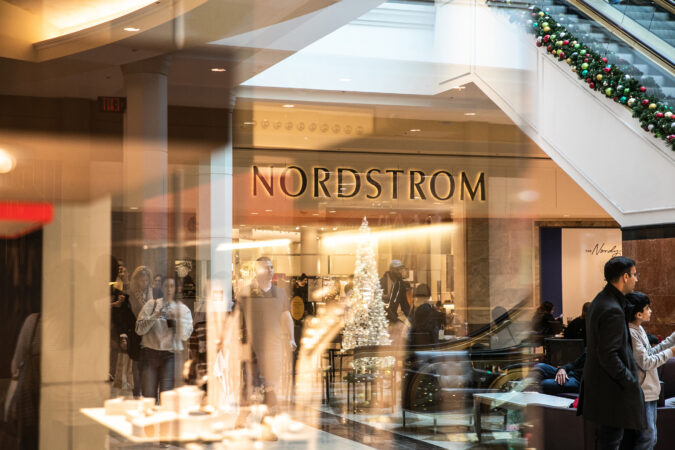
    Delaware’s only Nordstrom store is set to close its doors next month.

    The Christiana Mall location will shutter on April 30, the company confirmed in an email on Monday. The closure was reported over the weekend by the Delaware News Journal.

    “We believe we’ll be best able to serve customers in the area by leveraging our surrounding stores and through our digital channels,” Nordstrom said in a statement.

    The two-story, 123,000-square-foot department store opened in the Newark mall 15 years ago. The high-end retailer is one of four anchors alongside J.C. Penney, Macy’s, and Target.

    Once Nordstrom closes, the nearest full-price location will be more than 30 miles away at the King of Prussia Mall. The company’s discount counterpart, Nordstrom Rack, operates a store nearby at the Christiana Fashion Center complex in Newark.

    In the past year, the company has expanded its off-price footprint, with new Nordstrom Rack stores in Deptford and Marlton in South Jersey.

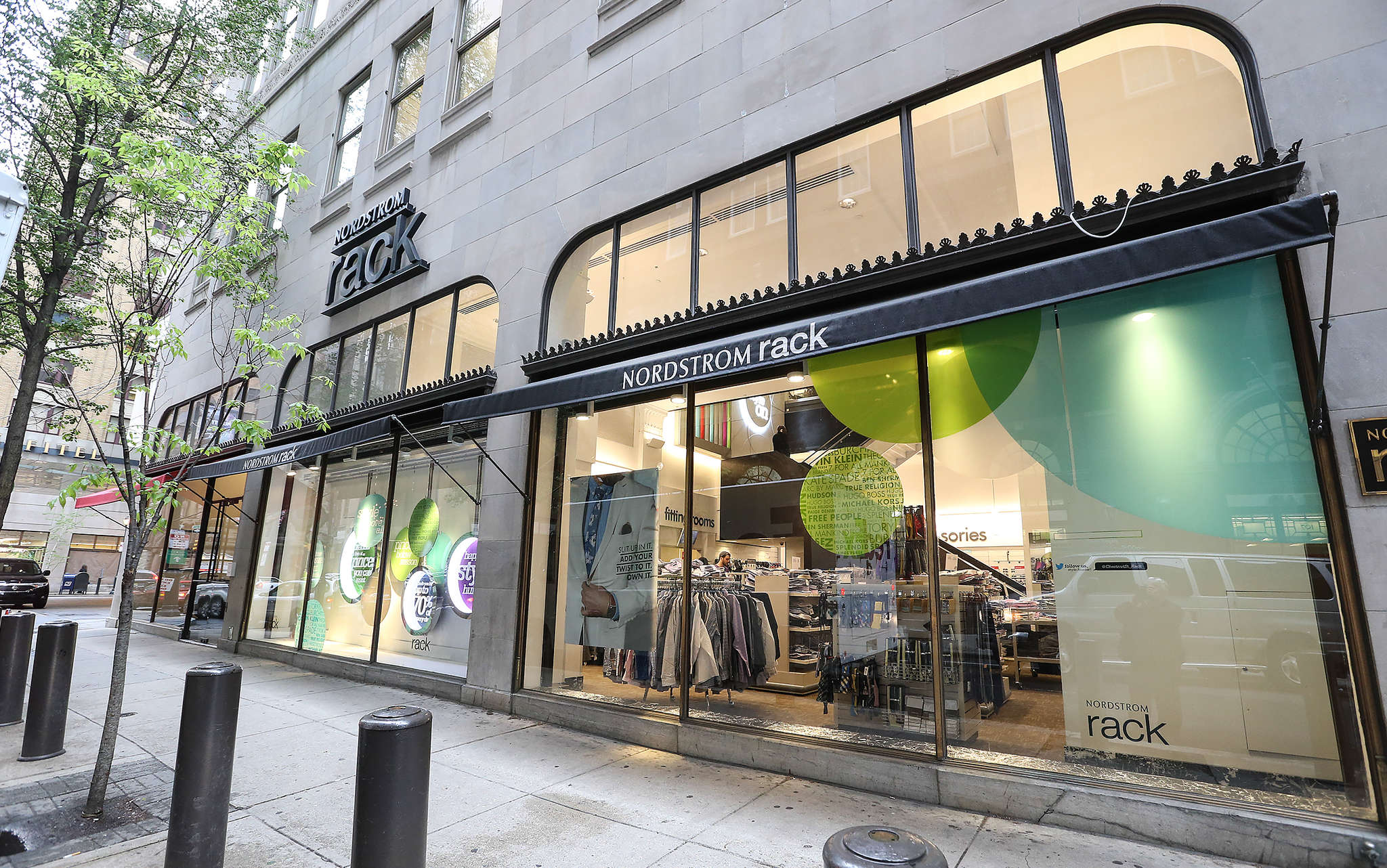
    Nordstrom Rack in Center City is shown in 2018. Recently, the retailer has been expanding its off-price footprint.

    The retailer has announced plans to open more than a dozen additional locations this year. They include Nordstrom Rack stores in the Main Street at Exton shopping center and at the Promenade at Granite Run in Media.

    At the Christiana Mall, Nordstrom said it is “committed to taking care of our employees through this transition, including supporting those who are interested in finding another role within Nordstrom.” It did not say how many people would lose their jobs.

    A search of Delaware’s online database of WARN Act notices, which are required in advance of closures and mass layoffs, did not yield any results.

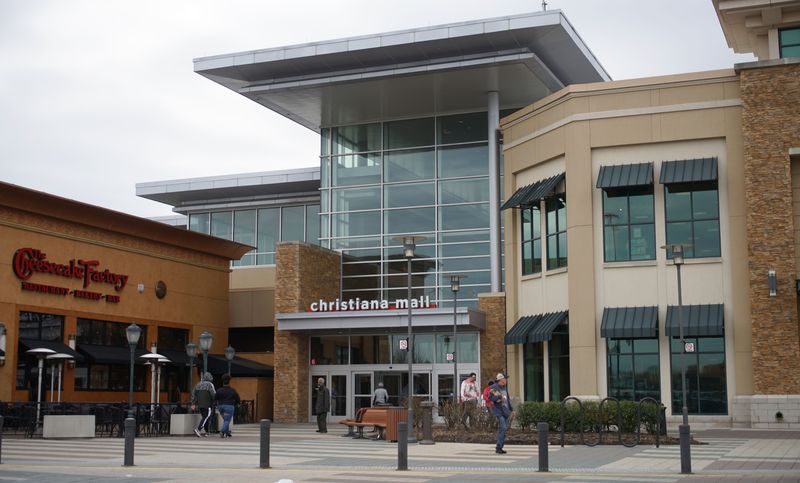
    Christiana Mall is billed by its owner, General Growth Properties (GGP), formerly Brookfield Property Partners, as “one of the most productive retail centers in the country.” The developers say that each year 10 million people visit the 1.2-million-square foot “tax-free shopping destination” that is home to more than 140 stores. Delaware has no state or local sales tax.

    The Christiana Mall is shown in 2018. Its owners say 10 million people visit the Newark shopping destination each year.

    A GGP spokesperson declined to comment on Nordstrom’s departure and said it was too soon to discuss what’s next for the space.

    The news of the closure comes amid an uncertain time for the retail industry.

    Some shopping destinations, such as the King of Prussia and Cherry Hill malls, appear to be thriving. Others struggle amid economic uncertainty and increased competition from online retailers. Several local malls are flat-out dead, with some in the process of being resurrected as mixed-use complexes with apartments, restaurants, and entertainment.

    Individual retailers have also seen disparate results.

    After decades in business, Saks Fifth Avenue in Bala Cynwyd is set to close next month after its parent company filed for Chapter 11 bankruptcy. In another segment of the retail industry, West Chester-based home shopping network QVC Group, according to a Bloomberg report, is considering filing for Chapter 11 bankruptcy to reorganize billions in debt.

  • King of Prussia’s David’s Bridal is staging an AI-fueled, post-bankruptcy comeback. Next up: a docuseries.

    King of Prussia’s David’s Bridal is staging an AI-fueled, post-bankruptcy comeback. Next up: a docuseries.

    David’s Bridal, the King of Prussia-based wedding dress retailer, is getting into the documentary business.

    Next week, the company will drop the first episode in its new series Breaking Bridal, which follows real-life couples and focuses on unique elements of their weddings.

    The show’s trailer teases some of the stories: One couple said, “I do,” on an active volcano, and another tied the knot at a Universal Studios theme park.

    The series is also set to feature a Philly couple whose nuptials David’s Bridal CEO Kelly Cook officiated in Times Square on Valentine’s Day.

    “‘Breaking Bridal’ reflects how we’re evolving David’s Bridal into a content-driven, culture-focused ecosystem, not just a retailer,” company president Elina Vilk said in a statement.

    Company executives said in a news release that the show represented the start of a “new era” for the company and would be “the first installment in a growing slate of original programming to come.”

    It also marks something of a comeback for the 76-year-old retailer that three years ago filed for Chapter 11 bankruptcy amid declining demand for formal wear. It was the company’s second bankruptcy in five years.

    Since 2023, David’s Bridal has laid off thousands of employees, reduced its store count by about a third, and relocated its headquarters. In 2024, it moved from a building it owned in Conshohocken to a smaller leased space in nearby King of Prussia.

    David’s Bridal is now owned by business development company CION Investment Corp., which bought the retailer for $20 million in 2023.

    The company still operates several physical stores in the Philadelphia region, including in Deptford, Feasterville, Maple Shade, and Plymouth Meeting.

    David’s Bridal is known for its relative affordability in an industry rife with extravagance. Weddings in the Philadelphia region can easily cost between $40,000 and $50,000. A section of David’s Bridal website is dedicated to dresses under $500.

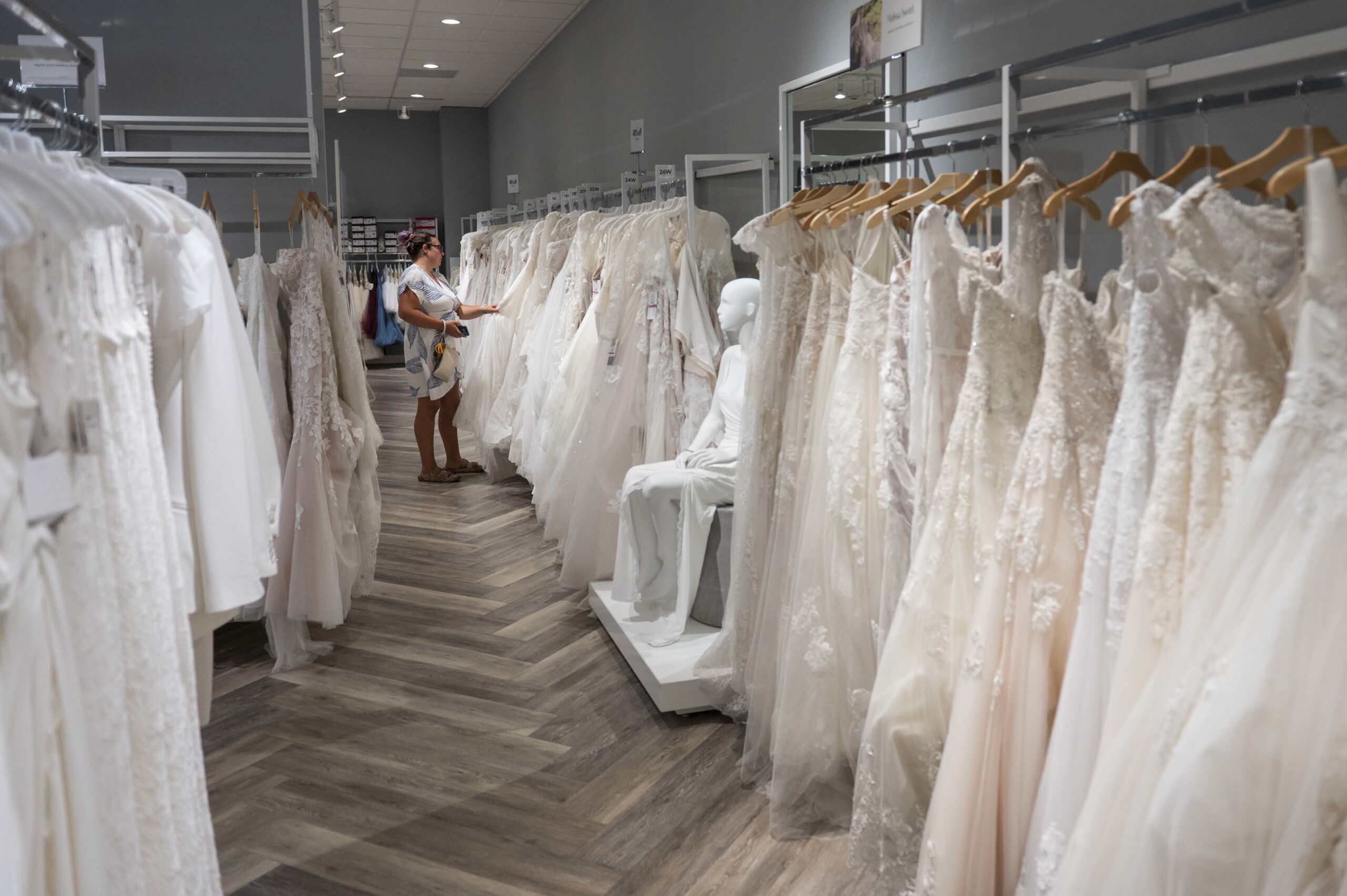
    A woman shops for a wedding dress at David’s Bridal in Feasterville in 2023.

    Cook, formerly David’s Bridal’s president of brand, technology, and finance, took over as chief executive officer in April and has spearheaded a new AI-fueled personalization of the wedding planning experience. The company calls the strategy “Aisle to Algorithm.”

    “We’ve done an AI analyzer on your Pinterest boards,” Cook told the New York Times in June. “So we’re taking AI and we’re building an experience around everything that you’ve told us that you want to see.”

    Cook added: “We have a machine learning tool that’s saying, ‘OK, when girls watch Aruba videos and then they search for beachwear and then they buy a dress with no sleeves, the odds are they’re going to want these kinds of other dresses and these shoes.’”

    Cook told the Times that she wants future David’s Bridal customers to be able to see a lifelike mock-up of their wedding day on a digital screen using augmented reality.

    As part of the company’s strategy shift, it has also rolled out an AI-powered wedding planning platform called Pearl By David’s and a targeted-ad system called Pearl Media Network. Next week, it will add streaming series to the list.

    “We’re leaning into original programming because modern couples aren’t following a template; they’re writing their own,” Cook said in a statement.

    Breaking Bridal is set to premiere Wednesday on the company’s YouTube channel (youtube.com/@davidsbridal) and on its website (DavidsBridal.com/breakingbridal).

    New episodes will be released every other Wednesday, according to the company. Later this year, plans call for the show to be available for streaming on Amazon Prime Video, Sling, Roku, and Tubi.

  • Fletcher Cox’s $1.5 million Mullica Hill home is on the market

    Fletcher Cox’s $1.5 million Mullica Hill home is on the market

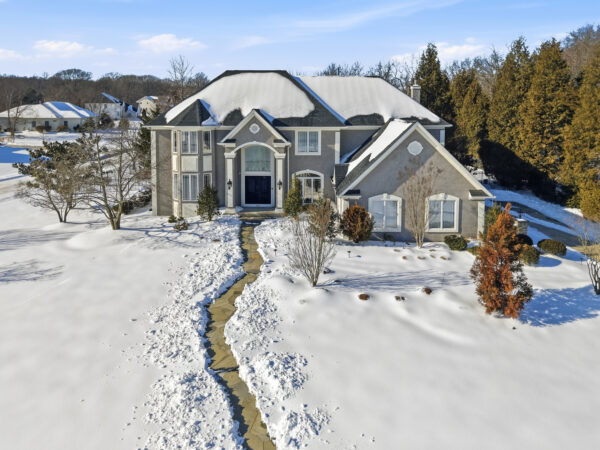
    The South Jersey home of Eagles great Fletcher Cox is on the market for $1.5 million.

    The dominant defensive tackle, who retired in 2024 after 12 seasons with the Birds, lived in the nearly 6,000-square-foot Mullica Hill home for most of his career.

    “It’s got him all over it,” said Lynne Stamm, a sales associate with Berkshire Hathaway HomeServices Fox & Roach, Realtors. “He put his heart and soul into the house as a young kid” who moved into the property when he was in his early 20s.

    Cox, a Mississippi native, bought the house for $550,000 in 2014, according to Gloucester County property records.

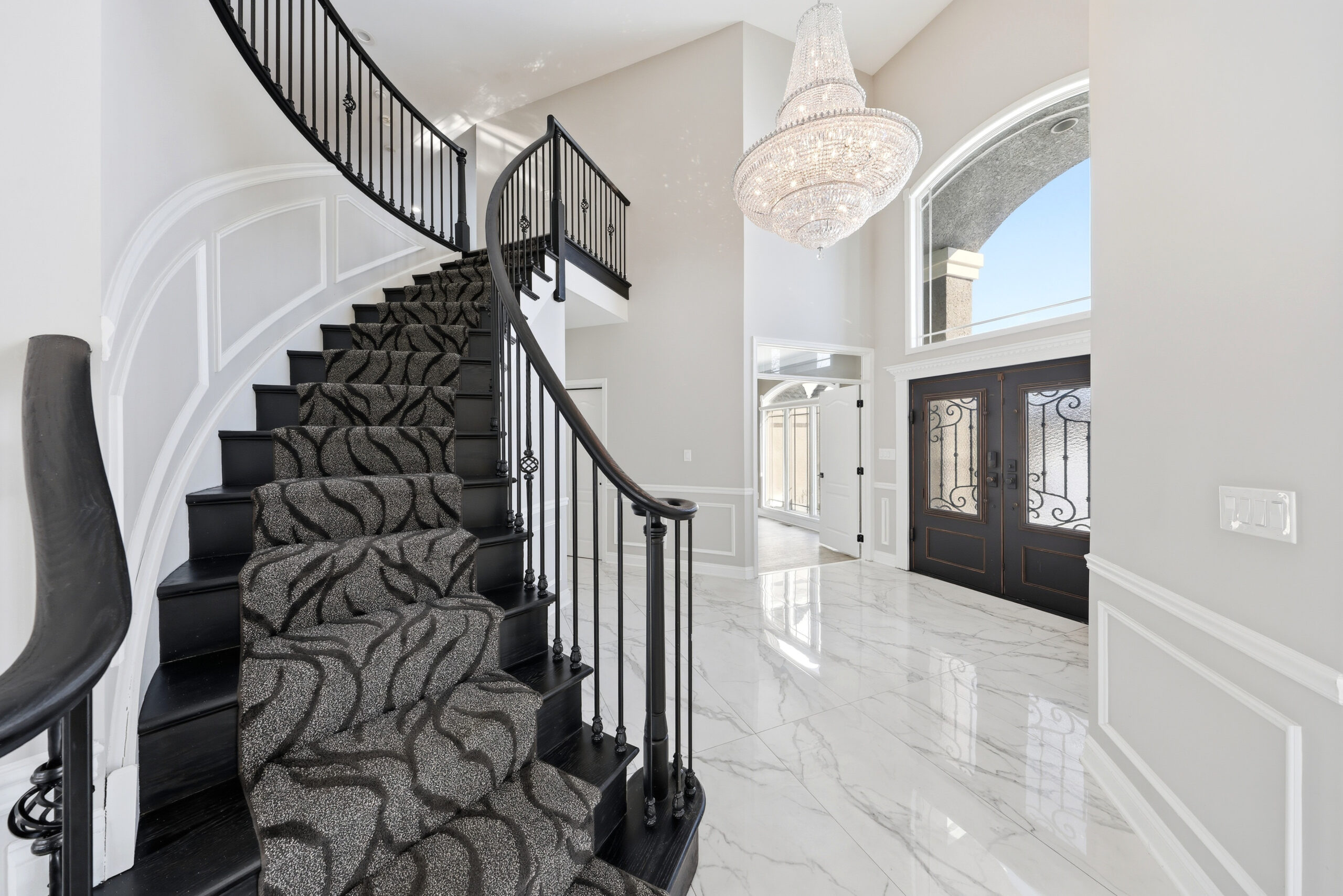
    Fletcher Cox’s design touches are seen throughout his Mullica Hill home, said the listing agent. They include this $15,000 chandelier in the foyer.

    Since then, Cox, now 35, has regularly updated the home, Stamm said. He installed a $15,000 chandelier in the foyer and created “a complete resort area” in the backyard with a dark-finish pool, a built-in bar, and an outdoor kitchen with a pizza oven.

    The home has four bedrooms, three full bathrooms, and two half bathrooms.

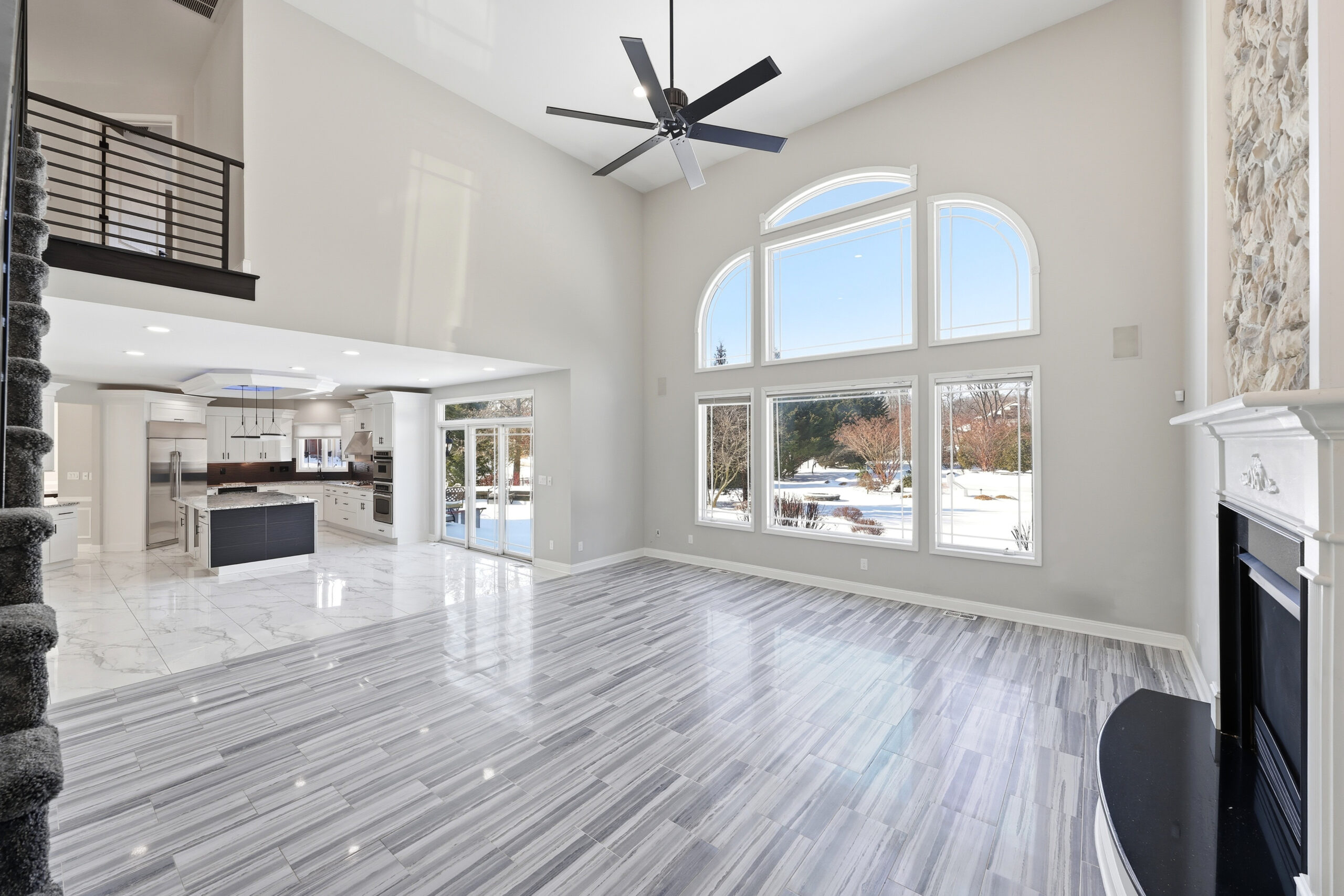
    The first floor features a marble foyer, gourmet kitchen, comfortable living areas, and two-story windows that Stamm said let in abundant natural light.

    The first floor of Fletcher Cox’s $1.5 million Mullica Hill home features two-story windows that let in abundant natural light.

    On the second floor, the bedrooms include a large primary suite and a new Jack-and-Jill suite.

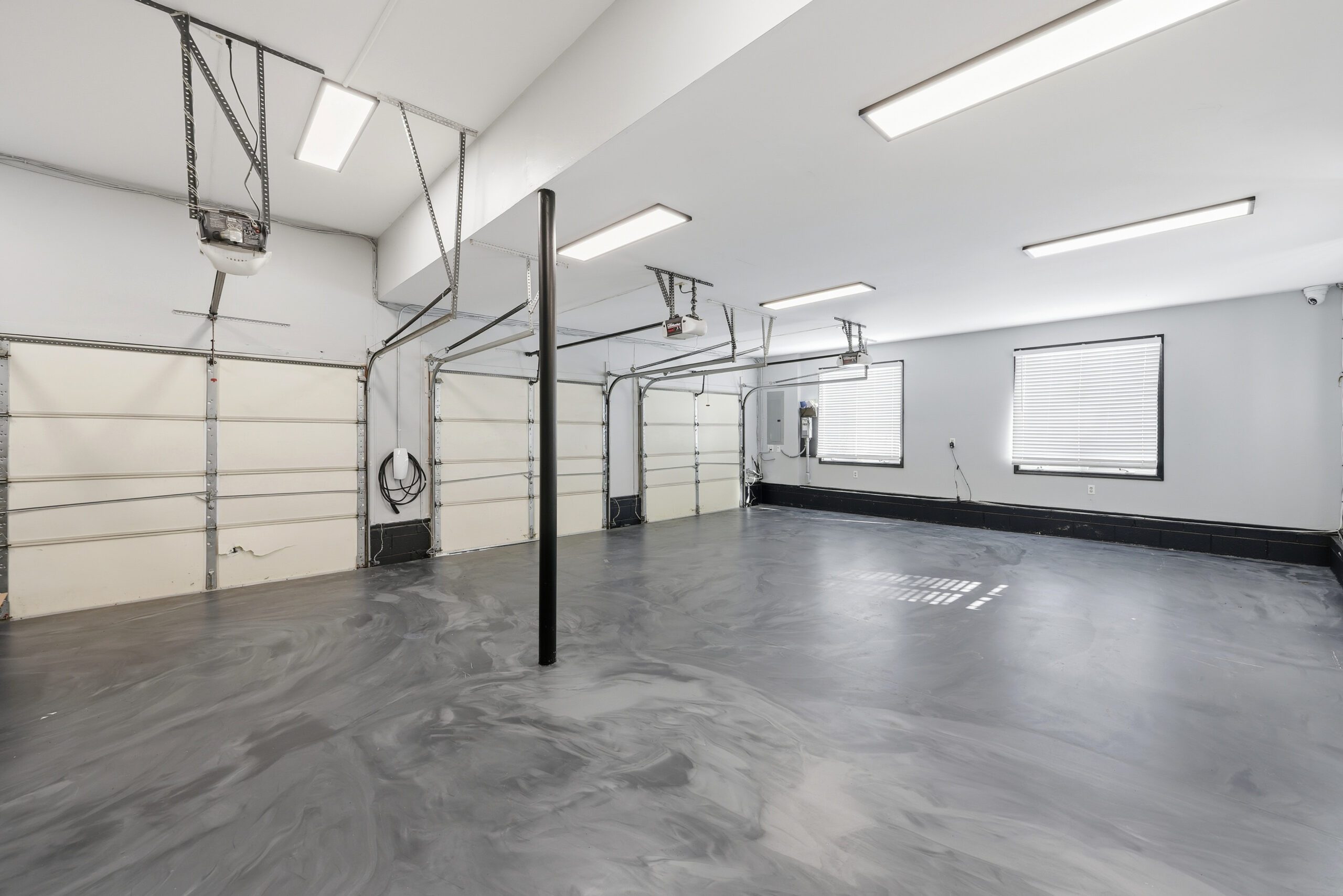
    The basement, referred to in the listing as an “entertainment hub,” could be outfitted as a gym, home theater, and game room, with a pool table included as part of the sale. The house also has an epoxy-finished three-car garage.

    With its open floor plan and indoor and outdoor gathering spaces, Stamm said the home would be ideal for a buyer “who really likes high-end entertaining.”

    The property is also turnkey, she said, due to all the upgrades Cox made over the years.

    Fletcher Cox’s Mullica Hill home includes an epoxy-finished three-car garage.

    He loved the house so much that he was “reluctant” to sell, Stamm said. But the agent said Cox is excited about his new home, just a few miles away and nearly double the size, with an expansive pole barn for his race cars. Cox has owned a drag-racing team for about a decade and started driving in retirement.

    His Mullica Hill home made headlines in 2019 when a man tried to break in with a baseball bat in search of his ex-girlfriend. Cox called 911 and told an operator that he was armed with a shotgun. The assailant fled but was later arrested and indicted on charges related to the incident, according to New Jersey court records.

  • Breeze Airways is expanding again at the Atlantic City Airport

    Breeze Airways is expanding again at the Atlantic City Airport

    The Atlantic City International Airport will soon offer even more southbound flights.

    Breeze Airways, a budget carrier founded in 2021, is set to add direct flights between A.C. and Tampa twice a week starting this summer, the company announced Tuesday.

    The routes will be offered on Wednesdays and Saturdays beginning July 1, according to Breeze, and fares for a one-way ticket will start at $79 per person.

    The airline announced the new route to and from the Jersey Shore along with more than a dozen other nonstop flights nationwide.

    Breeze Airways is adding nonstop flights from Atlantic City to Tampa twice a week starting in July.

    “The addition of these new cities and routes will give even more travelers the opportunity to save precious hours that would otherwise be spent flying through hubs or driving,” David Neeleman, Breeze Airways’ founder and CEO, said in a statement, noting his company’s mission to offer affordable airfare in underserved markets. Neeleman has founded four other airlines, including JetBlue.

    Last month, Breeze announced new nonstop service from Atlantic City to Charleston, S.C., and Raleigh-Durham, N.C., as well as a flight to Tampa, Fla., that includes a stopover.

    The Charleston flights are set to be offered on Wednesdays and Saturdays starting May 6. And the Raleigh-Durham and stopover Tampa routes are scheduled for Thursdays and Sundays starting June 11.

    All Breeze flights out of Atlantic City can be booked online now at flybreeze.com.

    Breeze Airways is a private company, so it is not required to publicly report its finances. Last year, however, the airline announced that it had turned a profit for the first time in the fourth quarter of 2024, a period in which the company generated more than $200 million in revenue.

    The Utah-based carrier has expanded in recent years, now operating more than 300 routes, including seasonal flights, to 86 cities in the U.S., Mexico, and the Caribbean.

    Breeze is one of only a few major airlines that operate a dozen or so flights in and out of Atlantic City every day, depending on the season.

    Last year, Allegiant Air started offering flights from A.C. Spirit Airlines, meanwhile, has trimmed its flight schedule from the airport, a move that resulted in the 2024 decision to shut down its crew hub there.

    American Airlines allows passengers to go through security in Atlantic City and then get on a bus to catch flights at the Philadelphia International Airport.

  • Wawa has expanded far beyond Philly. But hometown fans still fuel the chain’s success

    Wawa has expanded far beyond Philly. But hometown fans still fuel the chain’s success

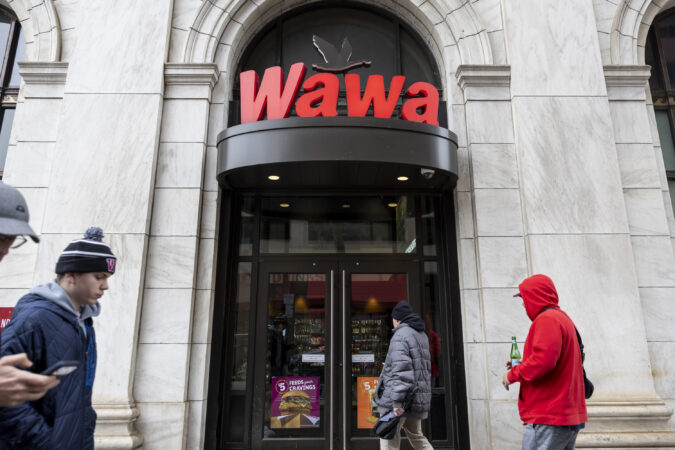
    Wawa customers have been able to order roasted chicken on sandwiches, salads, burritos, and more since summer 2024. Hoagie-loving Philadelphians may scroll past the high-protein option on Wawa’s trademarked built-to-order screens, while others tap its icon instinctively in their rush to order lunch.

    Wawa CEO Chris Gheysens said he sees the chicken breast differently.

    From idea to inception, “that was a labor of love for quite a long time,” Gheysens said in a recent interview. “It’s 37 grams of protein, something consumers are really looking for today.”

    And, he added, “it’s still highly customizable, which our customers love doing at Wawa.”

    To Gheysens, the menu addition shows how the Delaware County-based company responds to consumer demand. Just as it did decades ago when Philly-area store managers began brewing coffee for customers on the go, and in 1996, when Wawa executives decided to start selling gasoline.

    Even now, with nearly 1,200 stores in 13 states and Washington, D.C., Wawa is still listening to consumer feedback, Gheysens said. And despite expanding as far away as Florida and Kentucky, the CEO said, the convenience-store giant remains especially in tune with its hometown fans.

    “For a lot of people, it’s their daily routine,” said Gheysens, a South Jersey native. “It becomes a part of their neighborhood. It’s a relationship that’s built on consistency, on trust” — and on getting customers out the door in five minutes or less, depending on the time of day.

    (function() { var l = function() { new pym.Parent( ‘wawa-stats__graphic’, ‘https://media.inquirer.com/storage/inquirer/ai2html/wawa-stats/index.html’); }; if(typeof(pym) === ‘undefined’) { var h = document.getElementsByTagName(‘head’)[0], s = document.createElement(‘script’); s.type = ‘text/javascript’; s.src = ‘https://pym.nprapps.org/pym.v1.min.js’; s.onload = l; h.appendChild(s); } else { l(); } })();

    Customers say they are drawn to the homegrown chain for its convenience, consistency, quality, and wide-ranging menu of grab-and-go and made-to-order items (even though some miss the old Wawa delis where lunch meat was sliced on the spot).

    In Runnemede, 78-year-old Barbara MacCahery said she goes to her local Wawa at least a couple of times a week — “sometimes for breakfast, sometimes for a sandwich, a lot of times for coffee.”

    In MacCahery’s mind, she said, the chain has proven itself time and time again for decades: “It’s very rare that you’ll have a bad experience.”

    Wawa’s ‘secret sauce’ for success

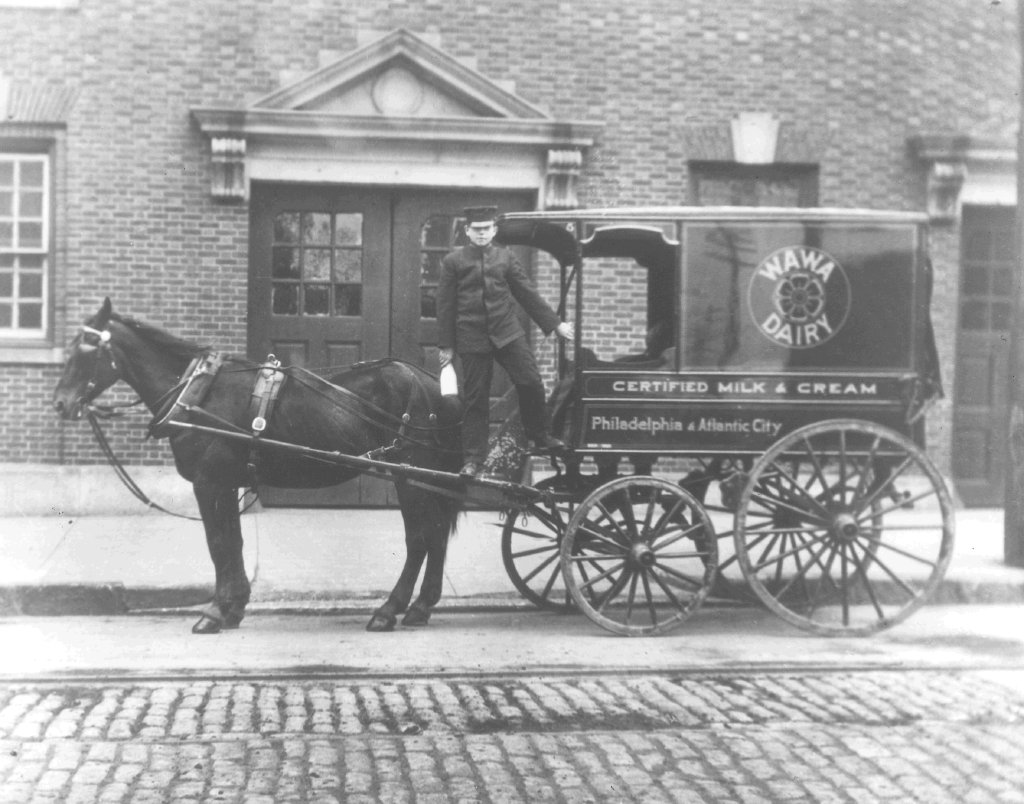
    More than 100 years ago, Wawa started out as a dairy, delivering milk to Philadelphia-area households.

    Wawa has set a national standard for success in the convenience-store industry, said Z. John Zhang, a marketing professor at the Wharton School of the University of Pennsylvania.

    “It really is some kind of a secret sauce,” said Zhang, who studies retail management. “For many people, Wawa has become a destination store,” one that combines “speed, customization, and perceived high quality” with near-constant availability — many Wawa stores are open 24/7.

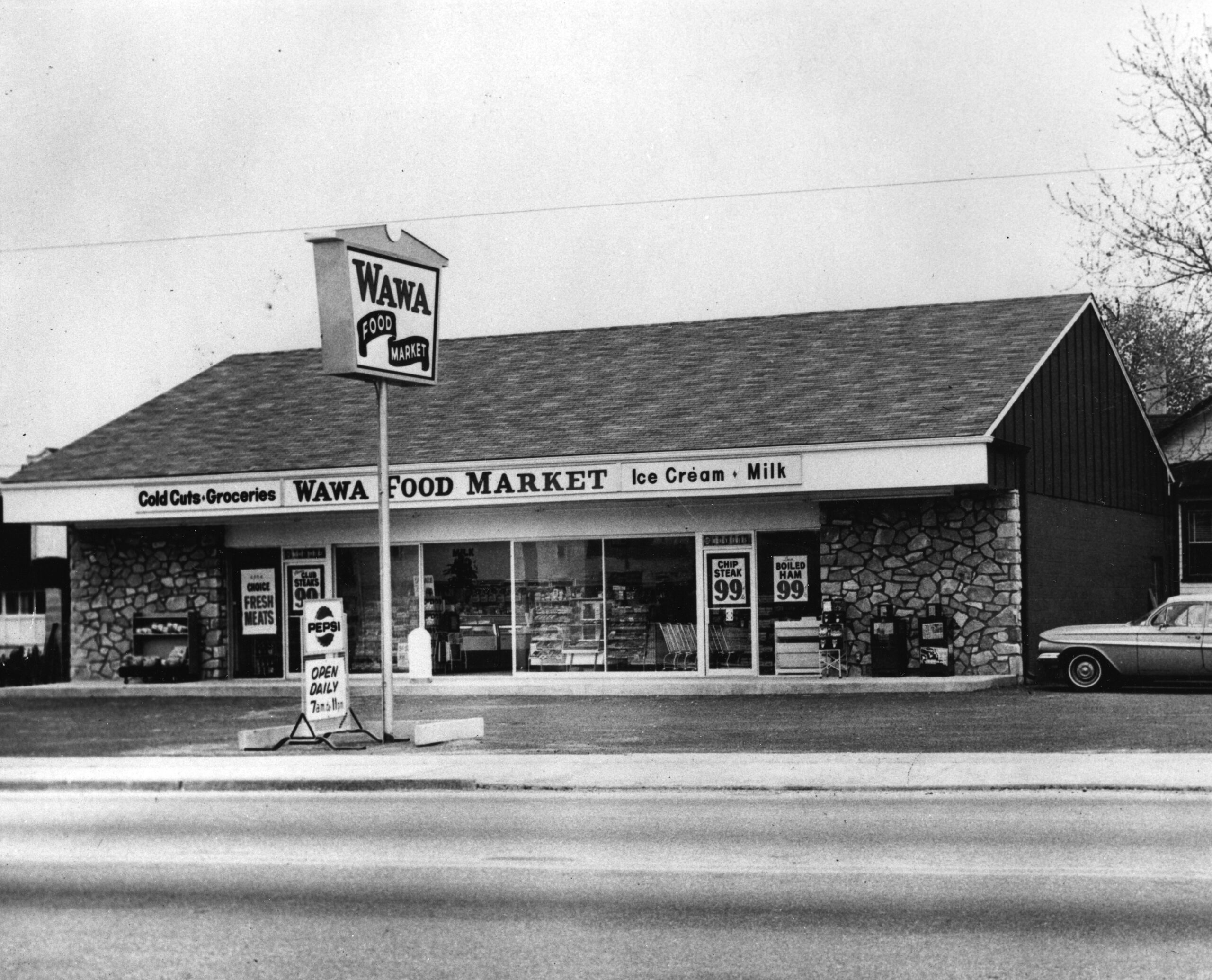
    The company got its start as a dairy, delivering milk to Philly-area households. In 1964, it opened its first store in Folsom. Soon, the family-owned company expanded into New Jersey and Delaware, and established a reputation for quality and speed, with slogans like “People on the Go — Go to Wawa Food Markets.”

    Wawa’s first convenience store opened in Folsom, Delaware County in 1964.

    Wawa is privately held, owned in part by workers who get a percentage of their earnings contributed to an employee stock-ownership plan. Zhang said this program likely leads to more-invested employees who provide better customer service.

    Because Wawa is not public, it is not required to disclose its finances, and company executives declined to discuss them.

    But by many appearances, Wawa seems to be doing well: Over the last decade, the company has increased its store count by about 65% and doubled its workforce to about 50,000 associates.

    Philly-area Wawas are often crowded, too, which is key to making money in the convenience-store industry.

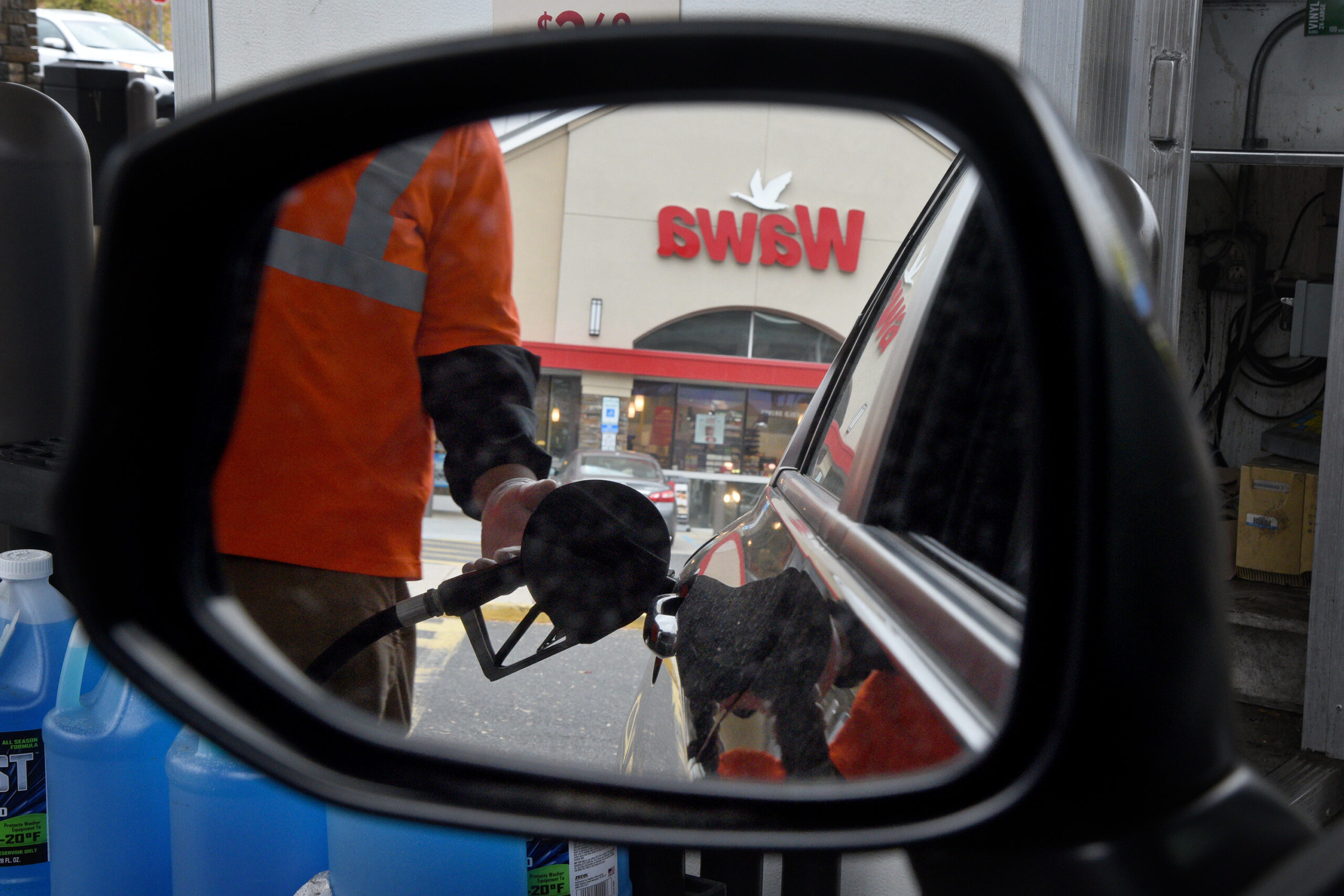
    A gas attendant fills up a customer’s tank at a Wawa in Pennsauken in 2020.

    Consumers spend about $7 on average when they stop at a convenience store, said Jason Zelinski, vice president of convenience and growth accounts for NielsenIQ.

    “We think it’s high-impulse, but 80% of all people who walk into a convenience store pretty much know what they want,” said Zelinski, who consults with retailers. (He declined to discuss specific companies and said he has never worked for Wawa.)

    Successful operators have encouraged customers to spend more by adding seating and improving their food service, Zelinski said. And stores with better food see higher profit margins.

    “Once you have somebody that’s addicted to your food service program, they’re more likely to come back to your store vs. a competing store,” he said.

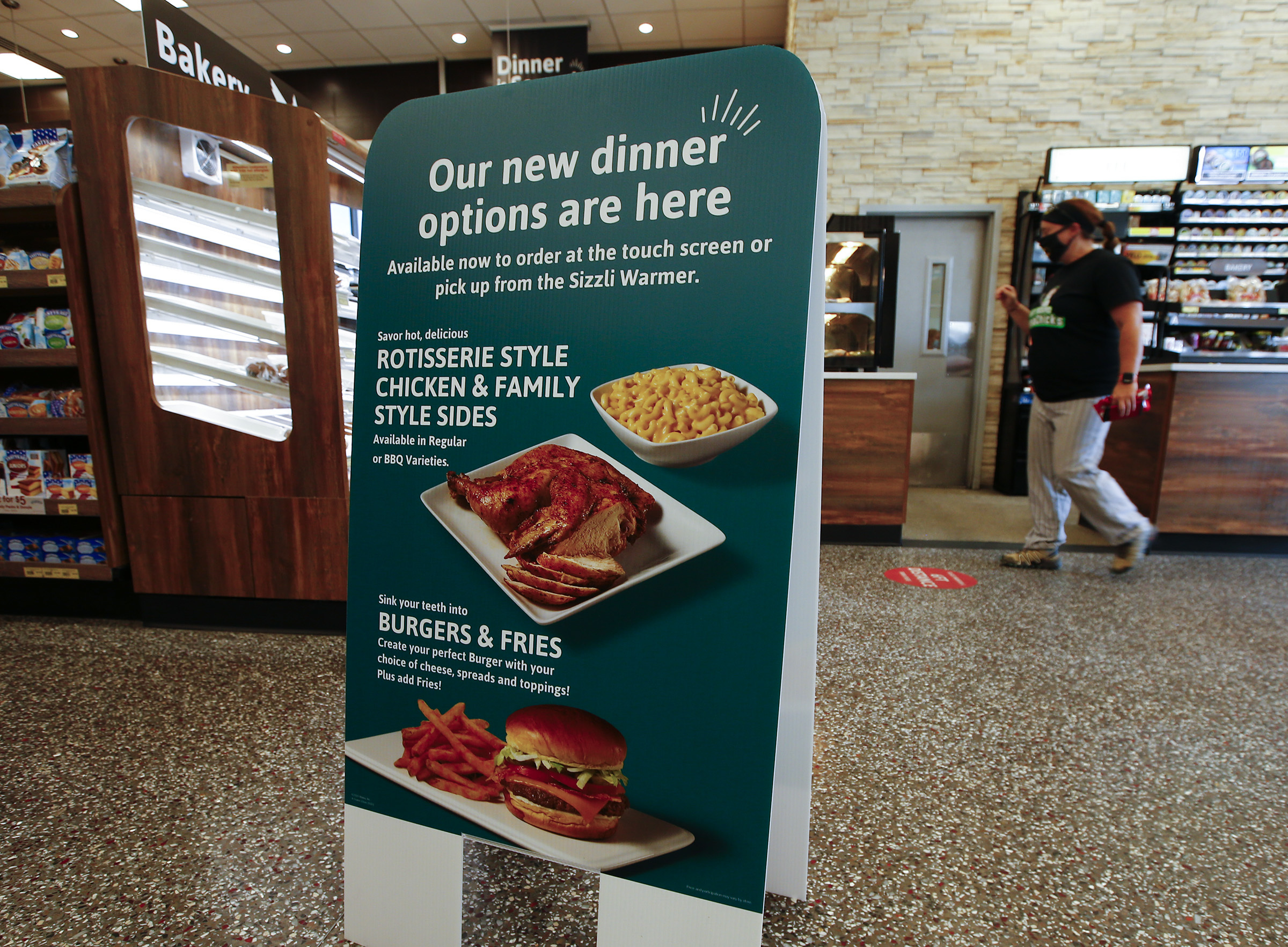
    In 2020, Wawa debuted new menu offerings, including hamburgers, pot roast, rotisserie chicken, pasta alfredo, and kids meals, at a tasting in Media.

    Wawa has certainly gotten people hooked on their coffee, hoagies, and ever-expanding menu, Zhang said. Options added in recent years include pizza, wraps, protein-packed “power meals,” limited-edition coffee flavors, and smoothies “boosted” with protein, vitamins, and minerals.

    Yet Wawa has not expanded in all areas.

    The company recently closed several stores in Center City, citing “safety and security concerns” in some cases. In January, it closed its Drexel University location after its test of a digital-order-only format was not successful.

    In the Philly suburbs, smaller-format Wawas have also shuttered, often in communities that already have multiple larger Wawas.

    This older Wawa in Cherry Hill closed in 2024. The township has six remaining Wawas.

    Despite Wawa’s best efforts, not all stores thrive, Gheysens said. But “luckily for us, we’re still in growth mode, and don’t have to worry about closures in a broad way.”

    Gheysens said he sees room for more Wawas in the Philadelphia market — even as convenience-store competitors like Maryland-based Royal Farms and Altoona-based Sheetz have opened new stores in the region.

    Wawa executives want “to make sure that we are the number-one convenience store in the area, that’s important to us,” Gheysens said. “These are our hometown counties.”

    What keeps Philly-area consumers going to Wawa

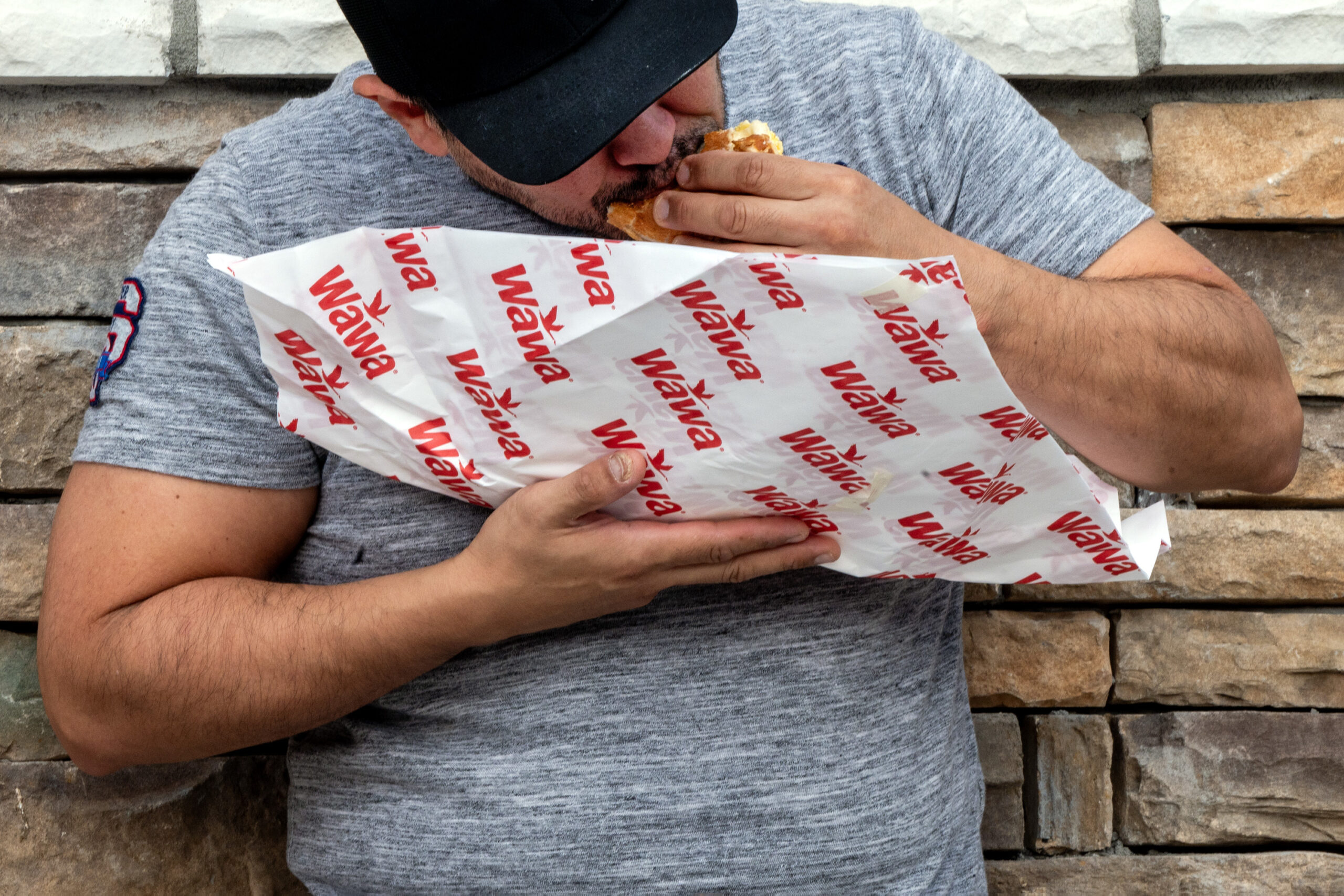
    A Wawa customer eats a breakfast Sizzli during the 2024 grand opening of the company’s first central Pennsylvania store.

    Many Philly-area consumers grew up alongside Wawa.

    In interviews with nearly a dozen of them, some were quick to reminisce about early memories of their local stores, such as the distinct smell of coffee and deli meat or the excitement of a Wawa run with high school friends. Others bemoan what has changed with the company’s expansion, including more congested parking lots.

    Most have a quick answer when asked what their Wawa order is.

    Rick Gunter, 45, of Royersford, misses the Wawa of his youth. Back in the day, he said, the Wawa hoagies “hit different,” with lunch meat fresh off the slicer.

    Contrary to some customers’ beliefs, most stores still bake Amoroso rolls — a custom recipe made exclusively for Wawa — fresh in store multiple times a day, Gheysens said. As for the deli meat, the CEO said that was another decision rooted in customer preference.

    When customers have participated in blind tests of the pre-sliced meat Wawa uses today against a fresh-sliced alternative, “they can’t tell the difference,” Gheysens said. “They would choose our pre-sliced meats, because of what we’ve done in terms of quality and the supply chain and the ability to deliver them at such a pace.”

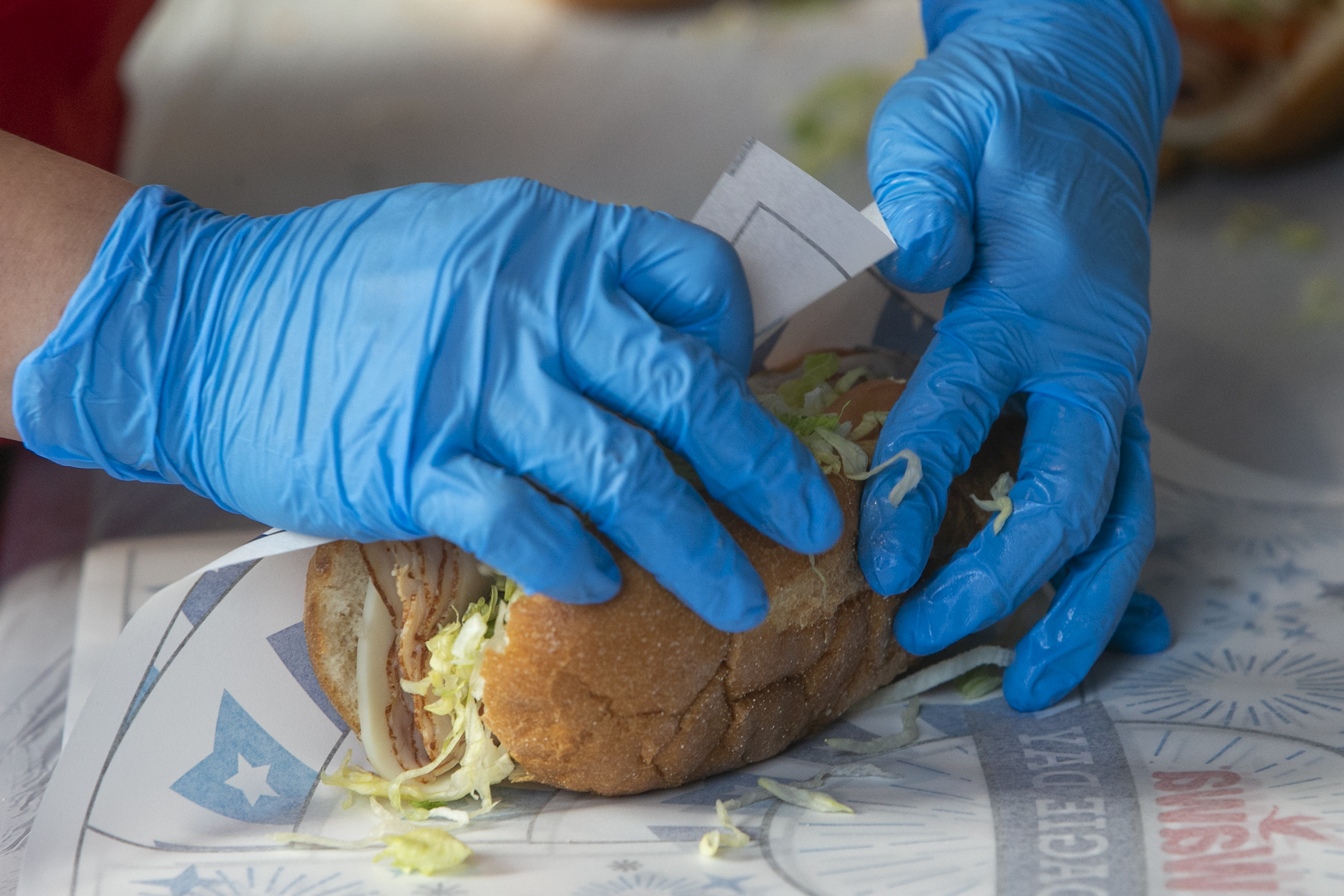
    A sandwich maker at Wawa wraps a hoagie with turkey, provolone, tomato, and lettuce in this 2020 file photo.

    Some customers disagree.

    “It was way better when it was kind of also a deli. Now they try to make everything for everybody,” said Bill Morgan, 79, of East Coventry Township. “I’m within five miles of three Wawas, but I rarely eat their food. Only under extreme duress.”

    Morgan acknowledged he must be in the minority, given how crowded Wawas are at lunchtime. And despite his distaste for much of their food, he said he still gets gas there and loves their coffee. And he can’t help but admire their business model.

    “I wish they’d sell stock,” Morgan said.

  • A $105-million mixed-use complex with apartments set to rise in the shadow of Willow Grove mall

    A $105-million mixed-use complex with apartments set to rise in the shadow of Willow Grove mall

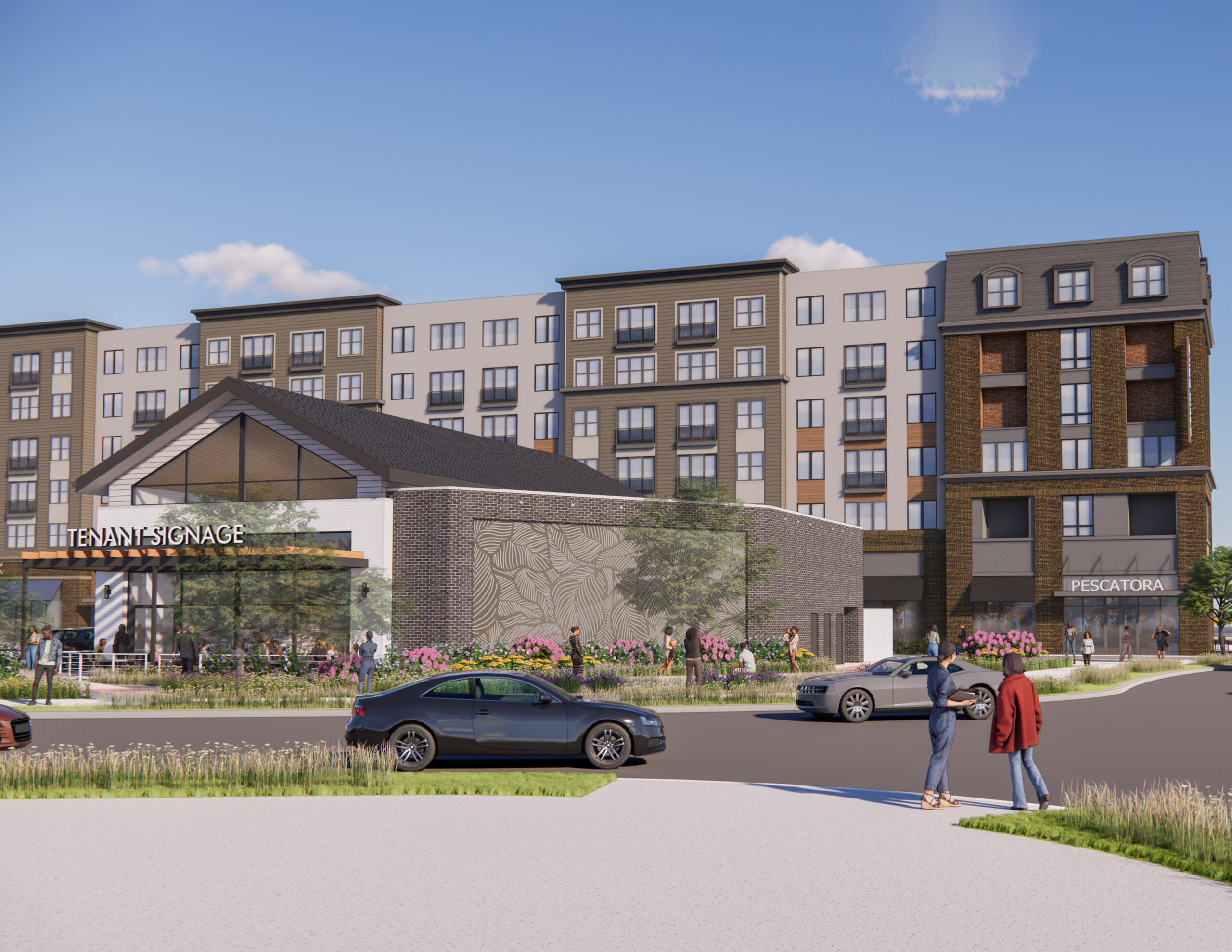
    A shopping center in the shadow of Willow Grove Park Mall will soon undergo a $105-million “transformation” with new apartments and shops, says the developer behind the project.

    Starting this summer, about 130,000 square feet of the Willow Grove Shopping Center will be demolished to build a mixed-used complex with 261 residential units and 35,000 square feet of new retail space, said Mark Brennan, vice president of regional development for Federal Realty Investment Trust.

    It will mark the latest stage in a multiphase redevelopment of the outdoor center, which is located across the street from the mall.

    A rendering of what Federal Realty Investment Trust plans to build at the Willow Grove Shopping Center.

    Across the Philadelphia region, similar mixed-use complexes have increasingly been built around thriving shopping destinations, such as King of Prussia, where thousands of new apartments have risen in recent years.

    Elsewhere, town-center-like developments have replaced dead malls. In Delaware County, a $120-million complex with apartments, restaurants, and shops sits on the site of the former Granite Run Mall, which was demolished a decade ago.

    Mixed-use projects have also been proposed for the Exton Square Mall and at the old Echelon Mall in Voorhees. (In both locations, apartments have already been built on other parts of the property.)

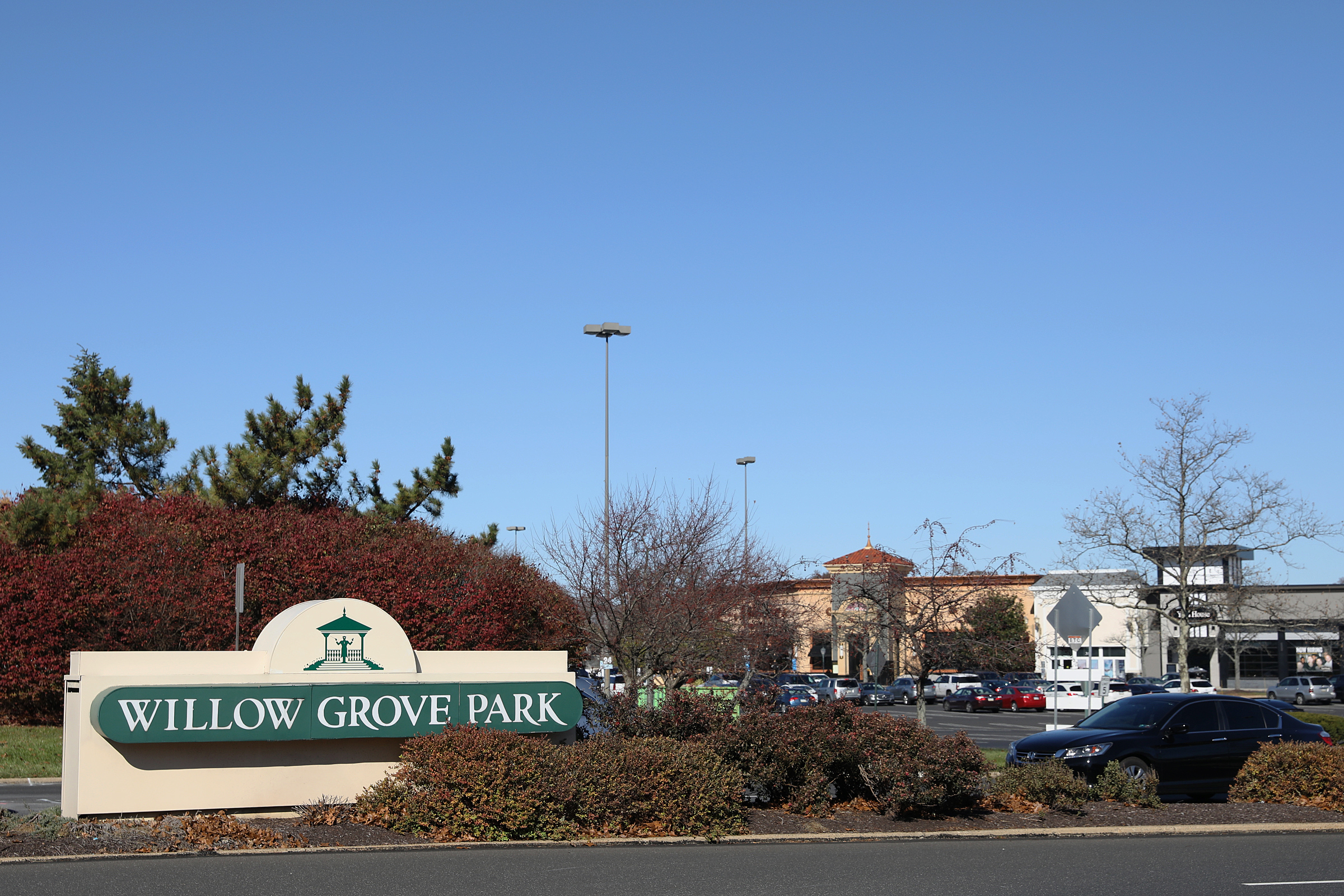
    A spokesperson for PREIT, which owns Willow Grove Park Mall, did not return a request for comment. In a 2022 shareholders’ report, PREIT executives called the complex “one of our leading suburban Philadelphia assets,“ with an occupancy rate of more than 96%.

    The Willow Grove Park Mall is pictured in 2019.

    Across Moreland Road, Brennan is confident his shopping-center redevelopment will be met with high demand.

    Since the pandemic, the Montgomery County community has “really come alive,” due in part to its proximity to the city and to suburban employment centers, said Brennan, who is based in Wynnewood. And people who are moving out of the city or looking to downsize are particularly interested in moving to mixed-use developments, he said.

    The center’s proximity to SEPTA’s Willow Grove train station, and major highways, including the Pennsylvania Turnpike, will make it particularly appealing, as will its mix of “highly curated” shops, Brennan said.

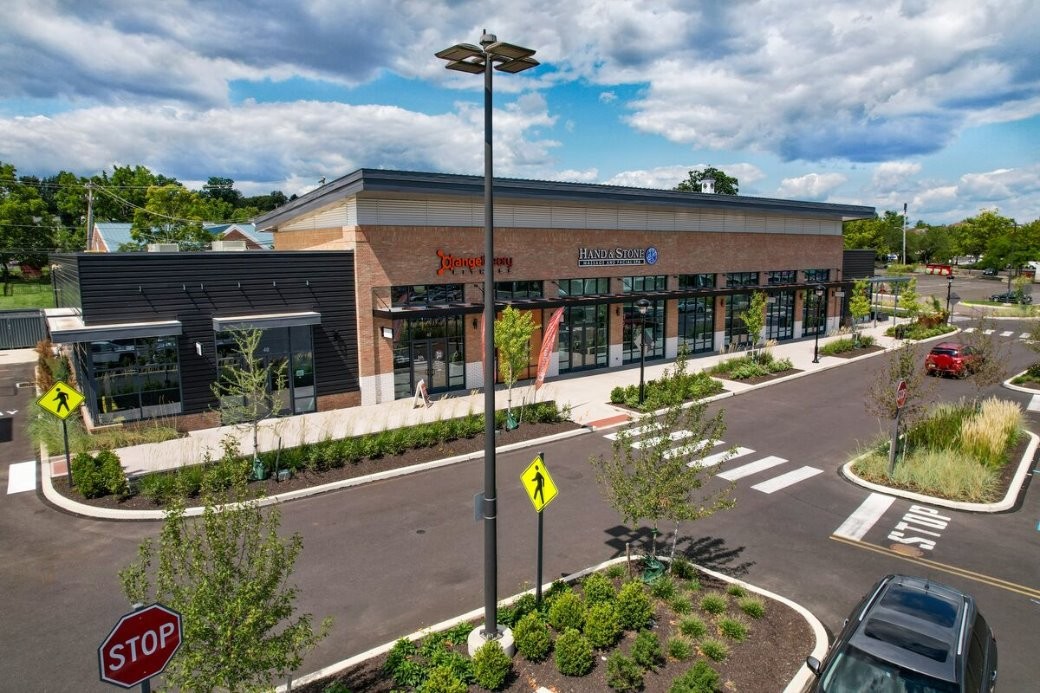
    Across the street from the mall, the Willow Grove Shopping Center is set to undergo a $105-million transformation with apartments and new retail.

    The center’s existing tenants, which include Marshalls and Five Below, will remain open during construction, Brennan said.

    He expects the project to be complete sometime in 2028.

    “These sort of multifaceted, multiphased development projects do take quite a bit of time and planning,” Brennan said. “We’re really excited to get to the next phase of this transformation.”