“They are definitely not just sitting there getting dusty in a room,” Hortz Stanton said.
In storage getting dusty?
Hortz Stanton said thousands of non-exhibited items in the Penn Museum’s collections found other purposes last year. And, 5,000 college students were able to use them for classes and research.
“A lot of things happen when objects aren’t on display, everything from conservation to research to documentation,” said Hortz Stanton.
Museums aim to protect their inventory, while still keeping items available.
The Museum of the American Revolution has a collection of 5,000 historical objects, such as archaeological material, documents, paintings, prints, and other items. But only about 300 items are on exhibit.
“They are not buried away and never to be seen again; we store all the collection here at the museum,” said Matthew Skic, director of collections and exhibitions. “Many of our documents are not on display because they are extremely light-sensitive, but we take them on rotations.”
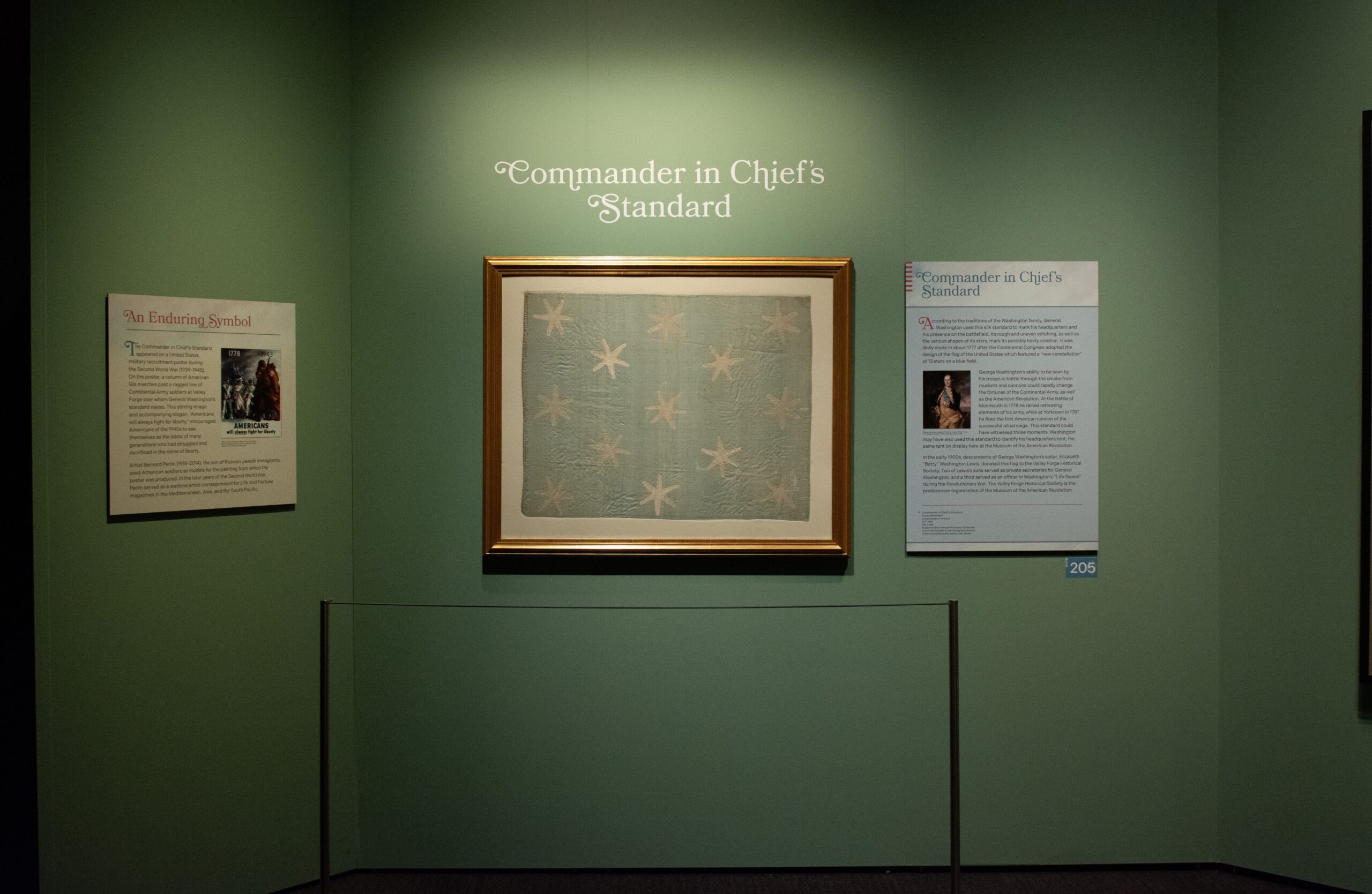
George Washington’s headquarters flag, for example, was put out for a special exhibition in 2025. The display was short-lived due to the brittleness of the silk. It’s now back in storage.
George Washington’s Headquarters Flag (also known as the Commander-in-Chief’s Standard). This flag has been on display only twice at the Museum of the American Revolution.
They are not the only ones keeping a rotation of unexhibited items for preservation. The Independence Seaport Museum keeps 60% to 80% of its 10,000 items in storage throughout the year.
”People often will say: Why are you hoarding all this stuff?” said Peter Seibert, the museum’s president and CEO. “That’s not the case; we want to get them out, it’s just that sometimes that is not always possible.”
His museum has items as small as a thimble and as big as a submarine and the cruiser Olympia. Keeping textiles safe from moths and documents from crumbling requires proper conditions, including acid-free boxes.
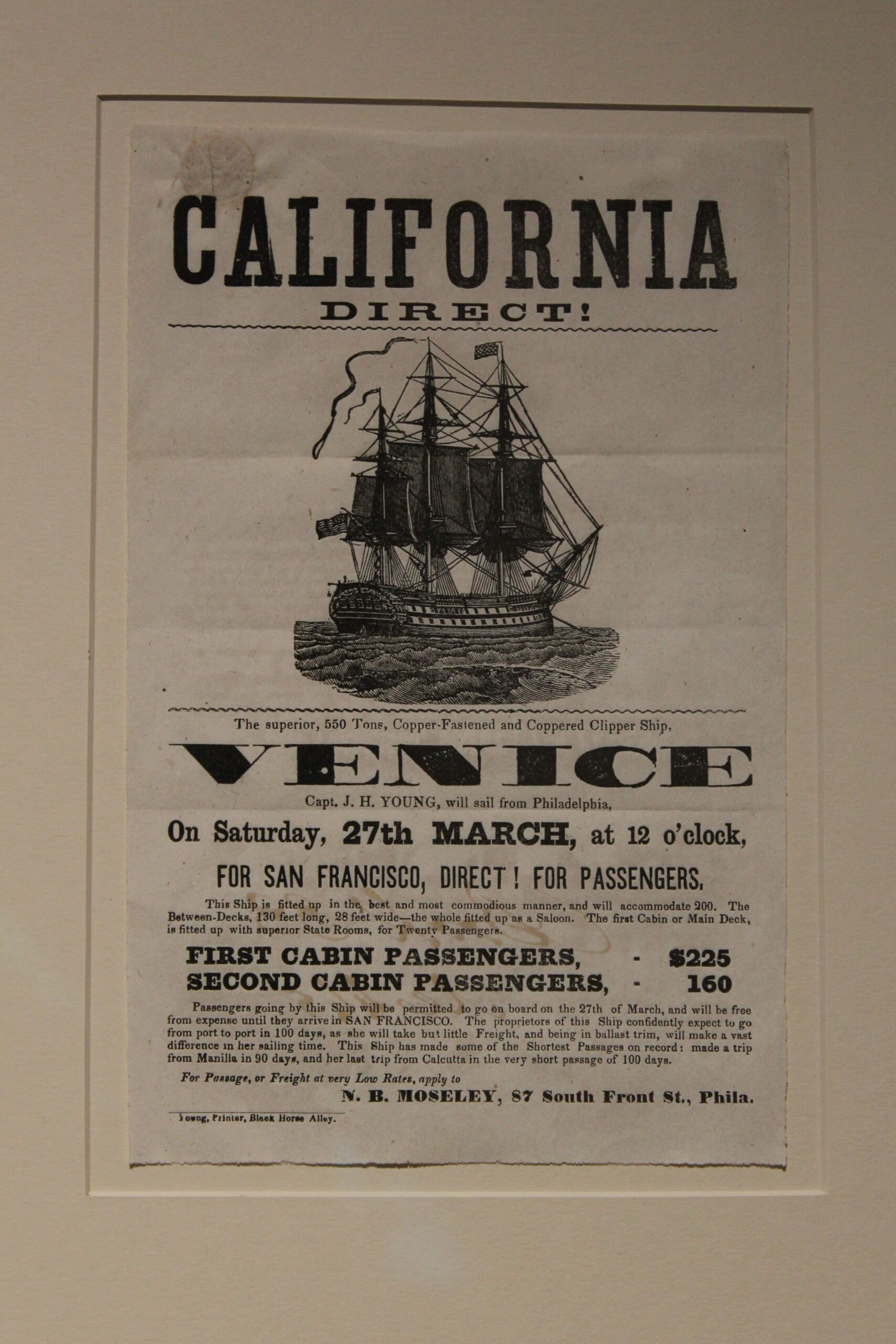
Broadside advertising for Philadelphians to go to California in 1848. Handout: Independence Seaport Museum.
For less-fragile items, life can go places.
Museums often loan storage items to one another. Penn Museum, for example, recently loaned part of its collection to the Zayed National Museum in Abu Dhabi.
This doesn’t mean Philadelphians have lost the chance of seeing those items.Philly museums have benefited from getting items from other institutions — such as the lunar module, which the Smithsonian lent to the Franklin Institute for 49 years. These days, however, lending contracts are much shorter, typically a year or two, Hortz Stanton said.
“Collections are not storage; they are a living resource,” said Paul Callomon, the Academy of Natural Science malacology collections manager.
He views the 21 million items in the academy’s collection as an active resource to scientists all over the world. His department, in particular, has the third-largest shell collection in the world, he said, as well as a variety of fish, plants, and microscopic algae that are not usually available to everyday visitors.
Ornithology collection manager Jason Weckstein sees the non-exhibited items being put to use daily.
”We make study skins, so we actually skin the bird, and we retain the skin and dissect the body,” he said. “We take tissue samples and take data on the internal organs of the body.”
Conservation matters
For years, Penn Museum had two large 14th-century Buddhist murals on display in its rotunda space, but construction forced them to be pulled down for their protection. What began as a precaution turned into a multiyear mural conservation project.
“Over time, things may crack or materials may weaken; our conservationists are able to stabilize this object so they can be stored safely or eventually reinstalled,” Hortz Stanton said.
The conservation process involves documenting the condition of the items, looking at what it needs for long-term care, cleaning, and taking measures to stabilize an object, said Skic.
How to access things in storage
The Academy of Natural Sciences and Penn Museum have many of their items cataloged in an online database. Researchers and students anywhere can request to see materials.
For Hortz Stanton, this conserves resources and protects fragile items.
”We are just one short part of the history of the things we are taking care of, a blip in time,” Hortz Stanton said. “The hope is that these objects are preserved for future generations.”
To make the items more available to the public, the academy holds a members’ night once a year. Animals, field books, photographs, and experimental projects not normally on exhibit become available for a night of knowledge.
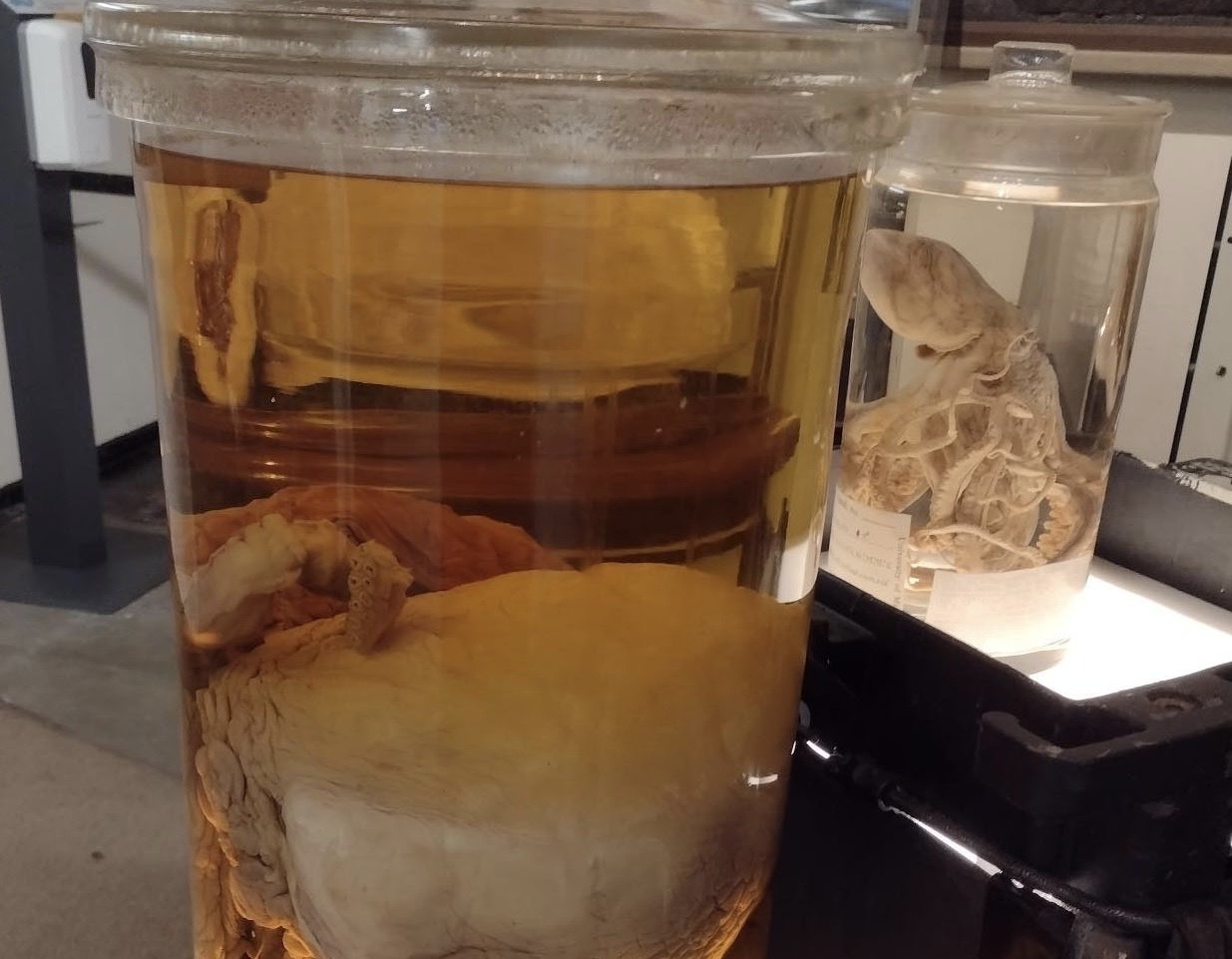
Octopus not normally exhibited at the Academy of Natural Science. People can see it during members’ night.
Not a member? Callomon said anyone can tour the collection if they make arrangements.
“Bird clubs come for behind-the-scenes tours, and artists actually use our collection for bird field guides to study specimens,” Weckstein added.
The Museum of the American Revolution is also a bit more flexible with its collection, even granting access to descendants of Revolutionary War soldiers and people working on historical projects, Skic said.
“These items are tangible connections to America’s founding era,” Skic said. “They serve as a way to learn about those events and make sure people know these are real people, real events, and that those events continue to shape our lives today.”
Some Pennsylvanians are getting tolls that don’t belong to them. Two digits in the new U.S. 250th anniversary license plate are behind it.
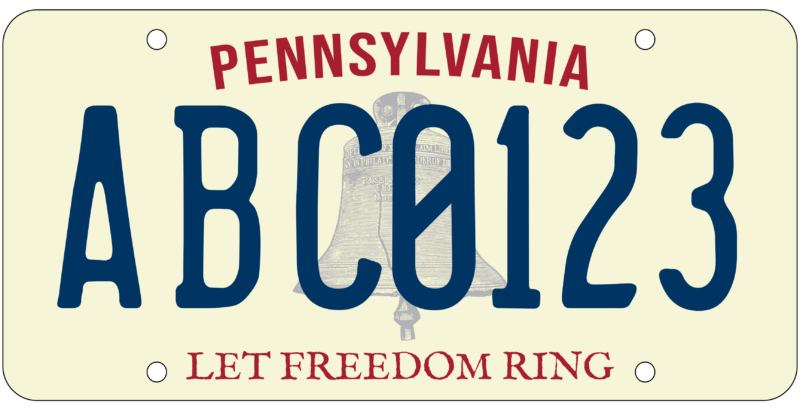
The position of a tiny line on the Let Freedom Ring plates is making the automatic license plate recognition system struggle to distinguish between 0 and 8.
The slash through the zero was added to help both the system and the human eye differentiate between zero and the letter O, said Leanne Trindel, a PennDot spokesperson.
Developed with the state police and the Pennsylvania Turnpike, it was a best practice recommendation by the American Association of Motor Vehicle Administrators, Trindel said.
But, the automatic license plate recognition system is having a hard time discerning between the slashed zero from the number 8, said Marissa Orbanek, the Pennsylvania Turnpike Commission press secretary.
Although no significant complaints have come, the turnpike is working on addressing the problem, Orbanek said. As part of the routine procedures, the system is tested daily, but fixing the issue will take some time.
“This process isn’t an easy fix,” Orbanek said. “It requires time, repeated exposure, and continuous analysis to ensure the technology can learn and adapt effectively.”
Orbanek couldn’t provide a definitive timeline for fixing the issue, but she stressed the importance of allowing technology time to learn the characters on the plates and adapt .
In the meantime, drivers with the new plate getting tolls that don’t belong to their plate number can call 1-877-736-6727 or reach out to the agency listed on the notice.
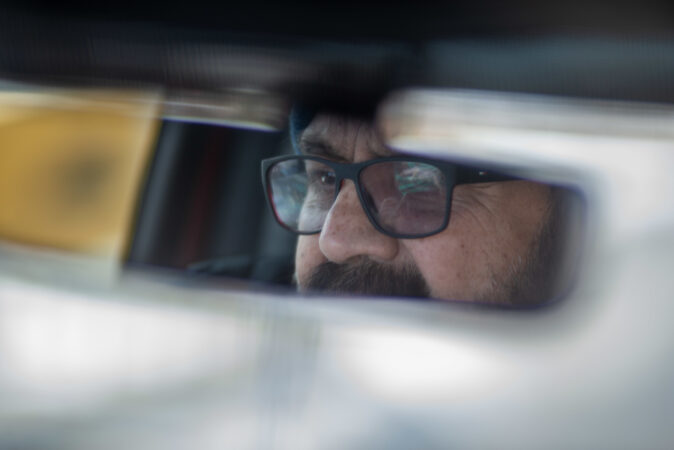
On an icy, 13-degree Saturday morning in January, José Hernández sat in his pickup truck outside a Bensalem church, waiting for his phone to ring.
It didn’t take long.
Calls, texts, and emails have become constant, as Hernández, a machinist by trade, has become a crucial connection for many township residents who are living in the United States without official permission.
What started as a simple good deed, delivering groceries to a few people worried about attracting ICE attention, has for Hernández, 61, become a full-time, unpaid job. Worry has hardened into fear amid the Trump administration’s dramatic escalation in immigration enforcement, leaving some people afraid to leave their homes.
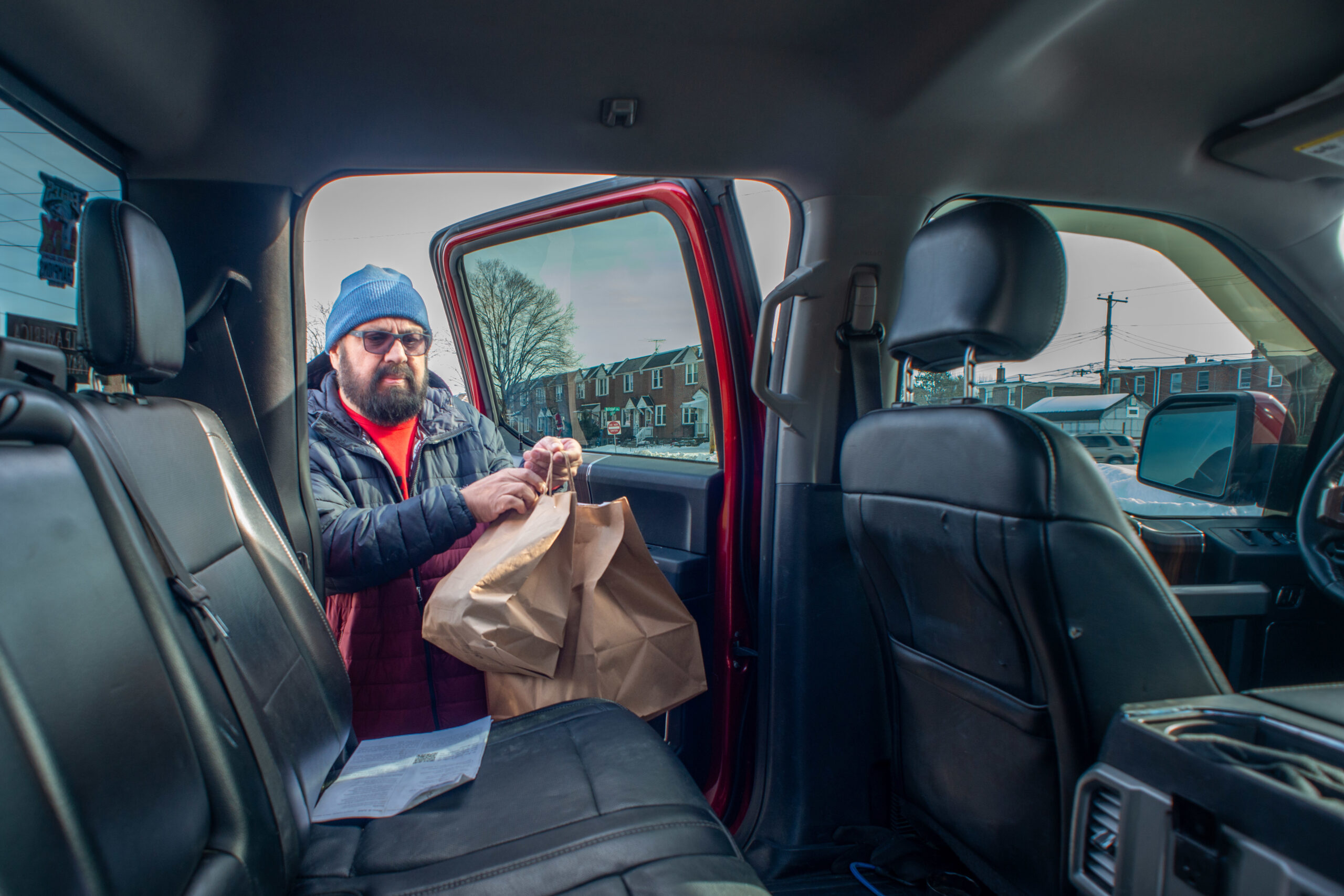
Hernández’s weekend rounds ― picking up people’s grocery orders at stores, bringing the food to their homes, always with a glance over his shoulder ― ensures sustenance for families for whom discovery would mean arrest, separation, and likely deportation.
About 14% of the Bucks County township’s 63,000 residents are Latino. Among immigrants, everyone has a friend or family member who has been arrested by ICE and not seen again. And many fear that they’ll be next.
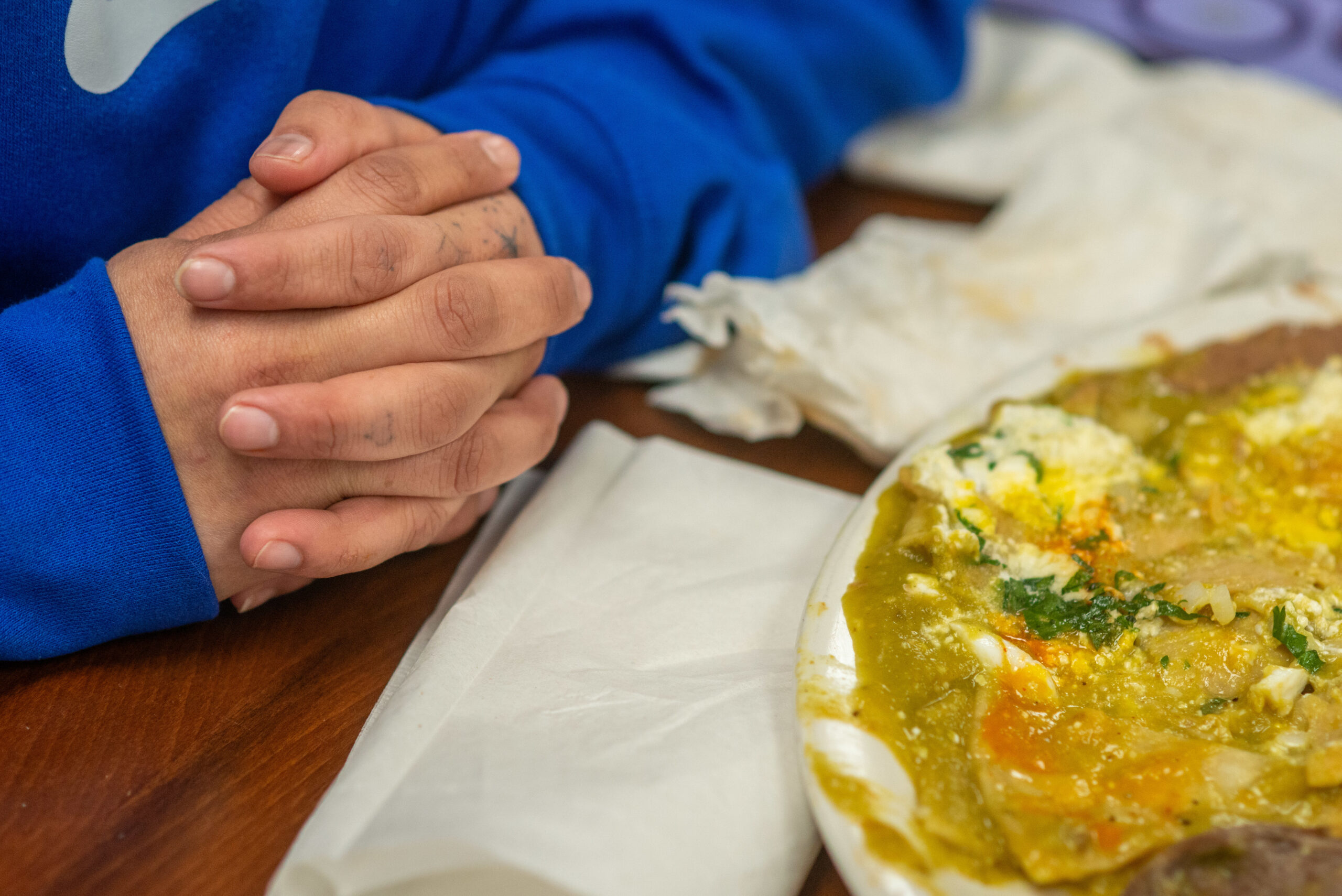
Connie and Ivan came from Mexico over two decades ago. Fear of being detained by ICE has led them to turn to Hernández for food-delivery help.
“They come out to pick up their order and you can see the fear in their faces,” Hernández said. “Many people come out saying, ‘Please hurry up, los delHielo can be here any second.’”
That’s what some community members call ICE agents — los del Hielo, meaning “the iced ones.” There are other names too, like elEscalofrío (“the chills”) and los Helados (“the frozen ones”).
The nicknames come not from anger but from anxiety — fear that even speaking aloud the words Immigration and Customs Enforcement could summon danger.
“We try to only go out when the darkness of the night protects us,” said an Ecuadoran mother, 32, who declined to provide her name for fear of arrest. “It’s a false sense of safety, but we must hold on to it.”
Hernández recently delivered two bags of groceries and a birthday cake to her home, as her son was turning 12.
“When I am in school,” the boy said, “the only thing I think about is if dad will make it home today. I wait all day, and then he comes, and I am happy he is still here. I am learning that being an American means that I have to be worried for the people I love.”
A third of his immediate family ― an uncle and two cousins ― was arrested in November and December.
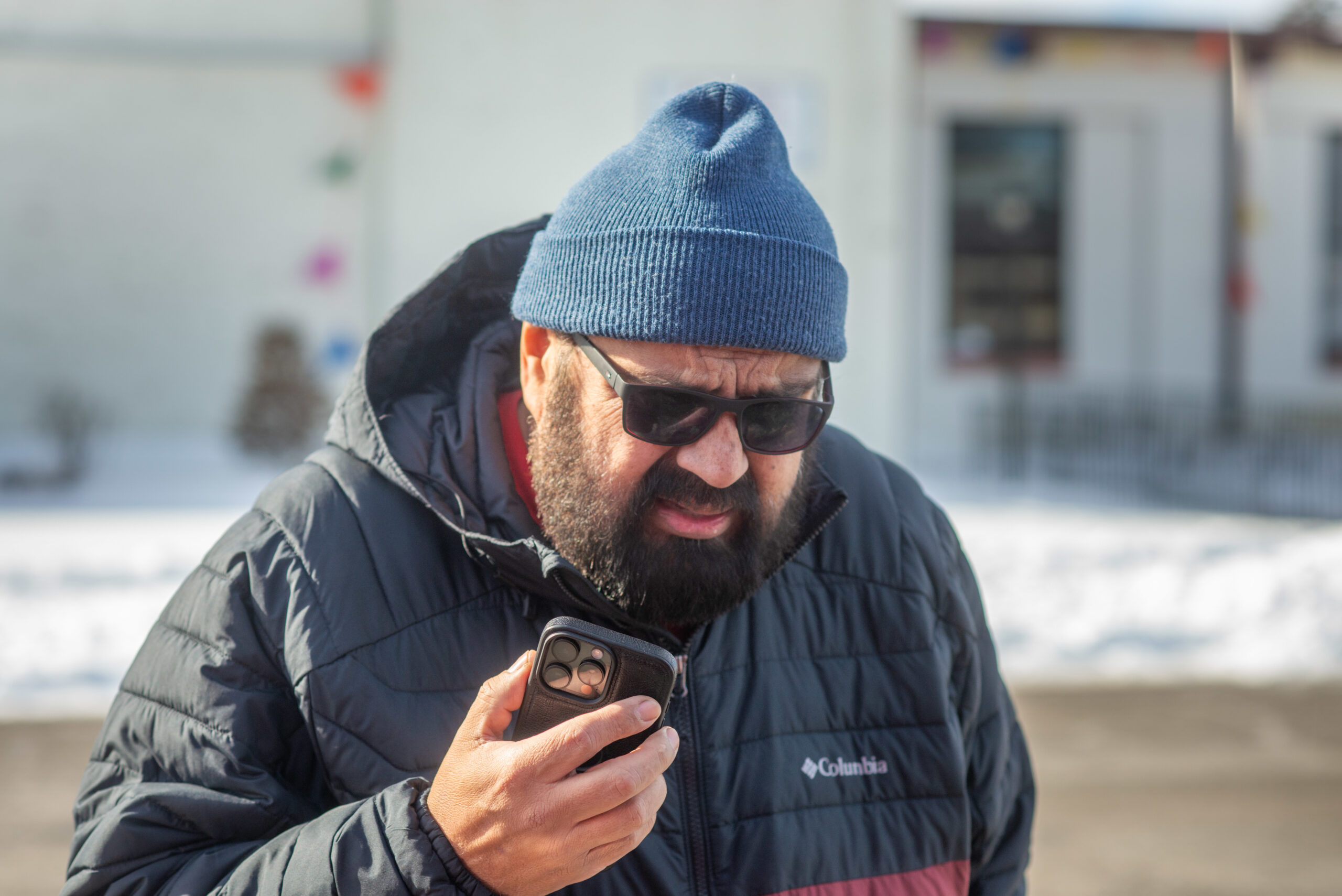
José Hernández works to deliver groceries to local undocumented immigrants.
Intensified ICE enforcement in the region and the nation has altered their lives ― exactly as the Trump administration intended when it promised to carry out the largest deportation program in U.S. history.
For undocumented residents, freedom is no longer guaranteed by living quietly, obeying the law, and staying off the government radar. Now, discovery of having entered the country without approval, a civil violation, often means the end of an American life built across years.
As a result, people are staying indoors.
Many have stopped going to the doctor. And to church. They keep their children home from school when news of ICE activity surges. Businesses have had to temporarily close when workers stay away.
ICE officials did not reply to requests for comment.
In 2025, the agency detained 307,713 people in the U.S. ― detentions closely mirror arrests ― compared to 93,342 in 2024.
That’s more than a 230% increase.
Today more and more of those arrested face no criminal charges, even as the Trump administration pledges to deport “the worst of the worst.”
Hernández uses his own money, earned from his job as a machinist, to pay for gas for deliveries.
Hernández didn’t plan to be doing this work, spending his weekends traversing Bensalem.
A decade ago he founded a group called Movimiento Guadalupano, a committee to organize Catholic activities. That grew into a broader support group for Latinos, and now he’s one of four volunteers who have become a central source of assistance and information on ICE activity.
“Don’t go out today,” the Movimiento website warned on a recent weekend. “Volunteers will deliver your groceries from Hispanic stores to your home free of charge.”
Hernández is a U.S. citizen, born in this country. He carries no fear of ICE, but plenty of worry that people in the Latino community will struggle without reliable food deliveries.
In the truck, Hernández’s phone rang.
Soon he was parked and walking through the doors of a Bensalem store stocked with traditional Mexican foods. He looked around, to be sure he wasn’t followed, but also so he could update Movimiento’s Facebook page if he saw ICE agents.
A married couple shopping at the store recognized him and said hello ― Hernández had brought groceries to their home, bags of chorizo, tortillas, milk, cereal, and coffee.
“Having the groceries delivered has been a huge relief,” said the man, Ivan, 44, who declined to provide his surname for fear of being identified to ICE. “We don’t have to choose between risking ourselves and feeding our children.”
Maira wasn’t acquainted with Hernández, as her sister usually delivers her groceries. A recent medical emergency made it impossible, and with her family of four running out of food, she dialed the number Movimiento listed for delivery.
Bensalem has been their home for 24 years, the couple explained, but their efforts to obtain legal status have failed. Meanwhile personal disaster has crept close.
In December, at a construction site where he worked, Ivan said, two coworkers left for lunch and never returned. He later learned they had been arrested by ICE.
“It’s just very difficult to be in a country that we know isn’t ours,” said Ivan’s wife, Connie, “but we love it as if it were.”
A clerk interrupted: Hernández’s food order was ready. He grabbed the bag and headed out, Ivan watching him as he left.
“He could be at home with his family, instead, he is helping,” Ivan said. “He brings a little bit of peace in this environment, like we still are a community.”
Ten minutes later, Hernández slowed his truck near a row of houses, looking for anyone who might seem like they were waiting.
A woman at a doorway froze when their eyes met.
“Did you order a delivery?” Hernández called to her from the truck, watching relief come over her face.
“You scared me,” she said, explaining that his car looked like one driven by a man who phones ICE to report people.
The woman, who asked to be identified only by her first name, Maira, because she worried about immigration enforcement, said her husband hasn’t left the house since late November, when he barely escaped an ICE raid at a Norristown construction site. She still goes to work each morning, once she and her sister, who is a U.S. citizen, check the Movimiento site for a safe route.
“I feel like crying all the time,” said Maira, 48. “I feel like a fugitive without having done anything, but I still have to keep working and paying taxes.”
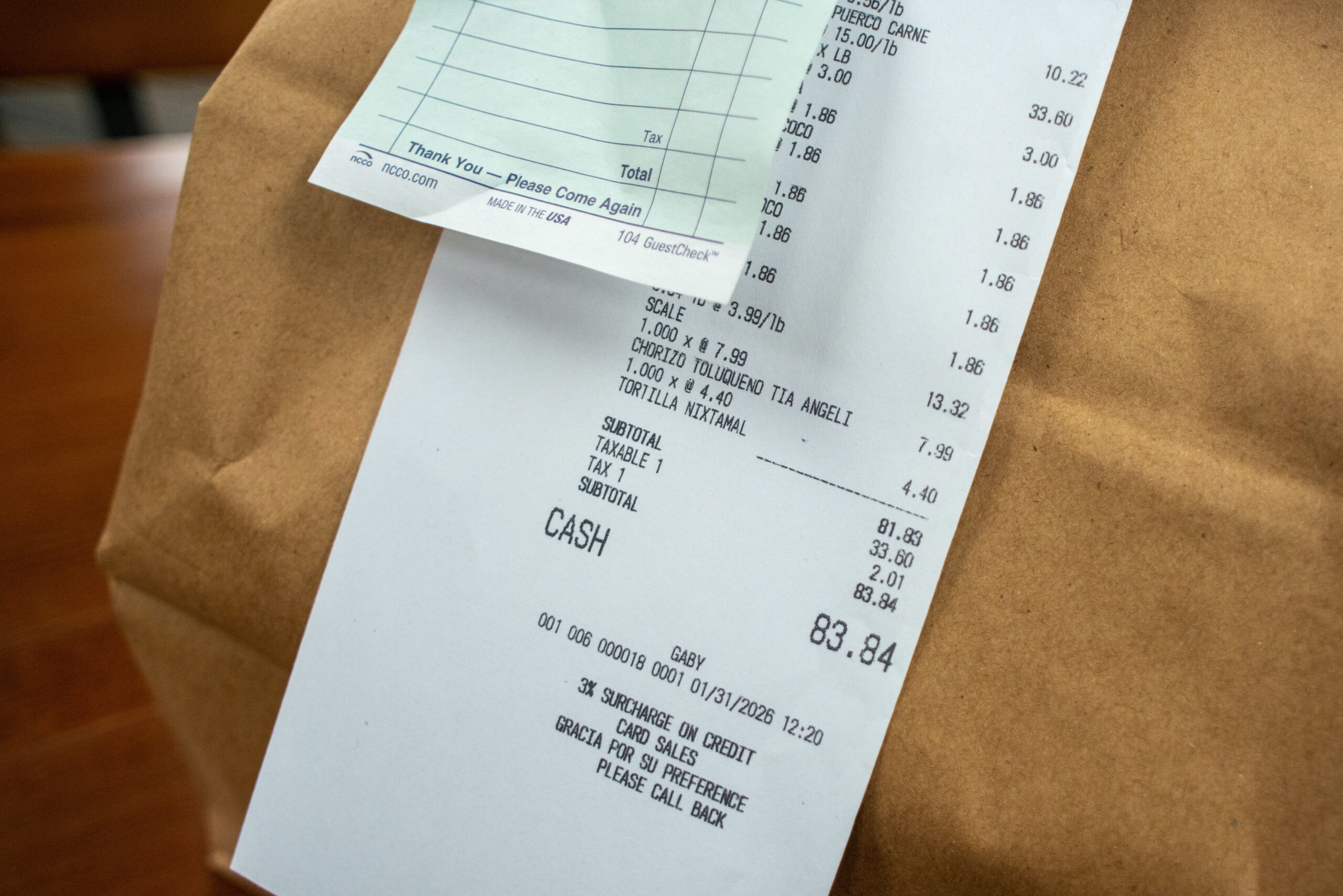
A receipt attached to a bag of groceries that José Hernández will deliver to local undocumented immigrants in Bensalem.
After 25 years, she said, she thought she was part of Bensalem. That changed when a neighbor complained there were “too many cars” on Maira’s driveway when her sister visited. After that, she said, she stopped hosting family gatherings, concerned that the neighbor would call ICE.
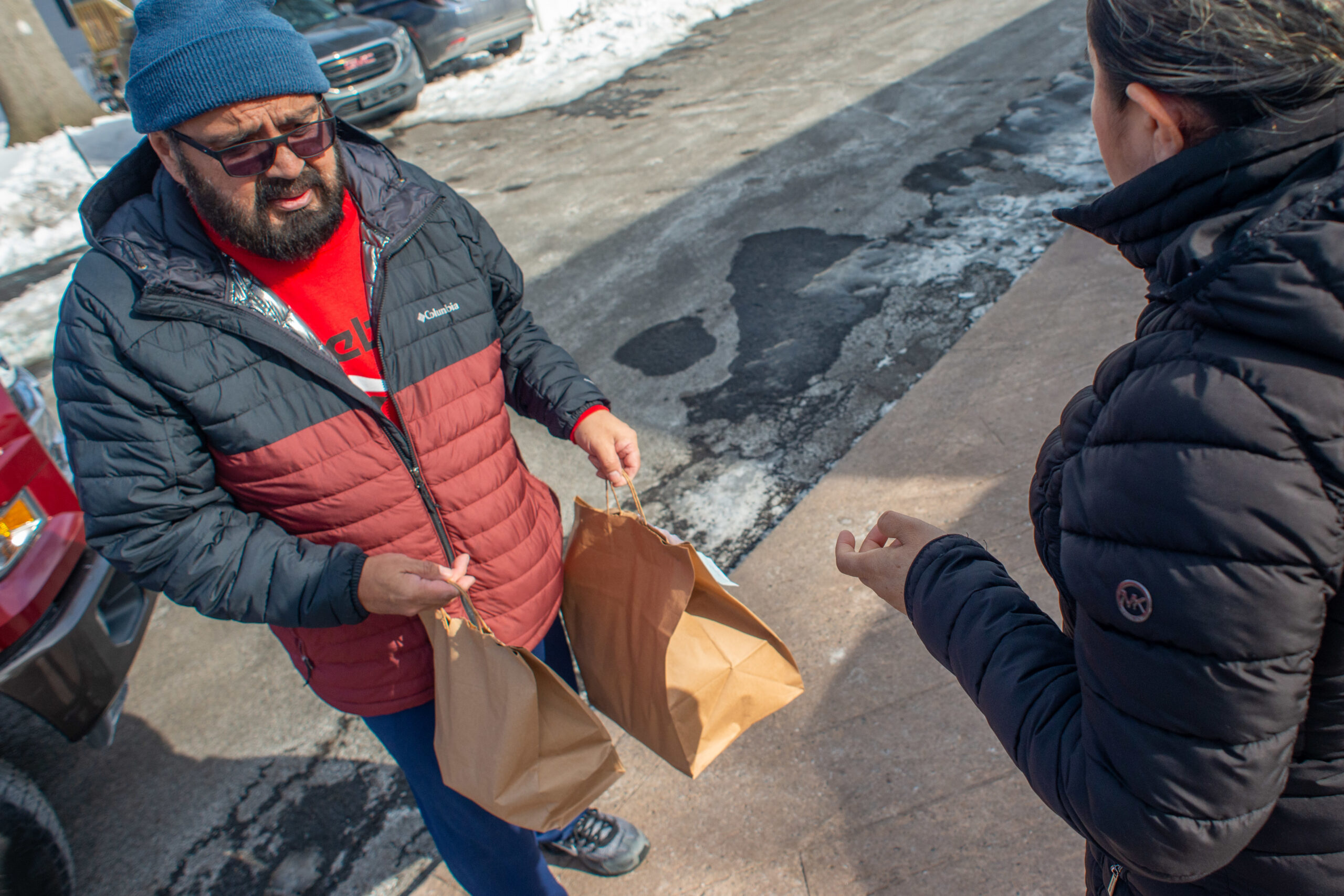
Hernández handed her the groceries and turned to leave.
Maira tried to give him a $5 bill.
“No, no, no,” he said. “How can I be of help if I charge you?”
Hernández likes to think he brings more than groceries, that with him comes a kind word, a smile, and maybe even some hope. Don José, as folks call him, says his worry is not the weight of the bags or the length of the checkout lines in stores.
“I am scared,” he said, “that we will get used to this [ICE enforcement], that it will be so normalized that people stop helping one another.”
As the day wound down, Hernández’s wife phoned to see how he was doing. He drove to a nearby Walgreens pharmacy to check out a report that ICE agents were in the parking lot. They weren’t.
His phone rang.
“Hi, is this Don José?” a young man asked, apologizing for calling. “I really need your help with a delivery.”
“Don’t worry, place your order,” Hernández replied. “I will be right there.”
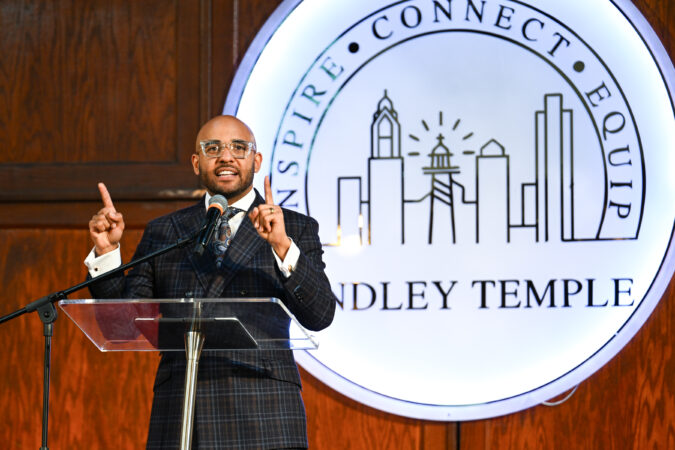
Amid the fight to maintain exhibits about enslaved people at the President’s House Site, congregants gathered Saturday at Tindley Temple United Methodist Church — a site with significant history of its own — to celebrate Black History Month.
“We are celebrating Black history because it’s not just cultural, it is protective,” said John T. Brice, lead pastor at the church in South Philadelphia. “When there is pressure to erase or water down our story, remembering becomes our resistance and resilience.”
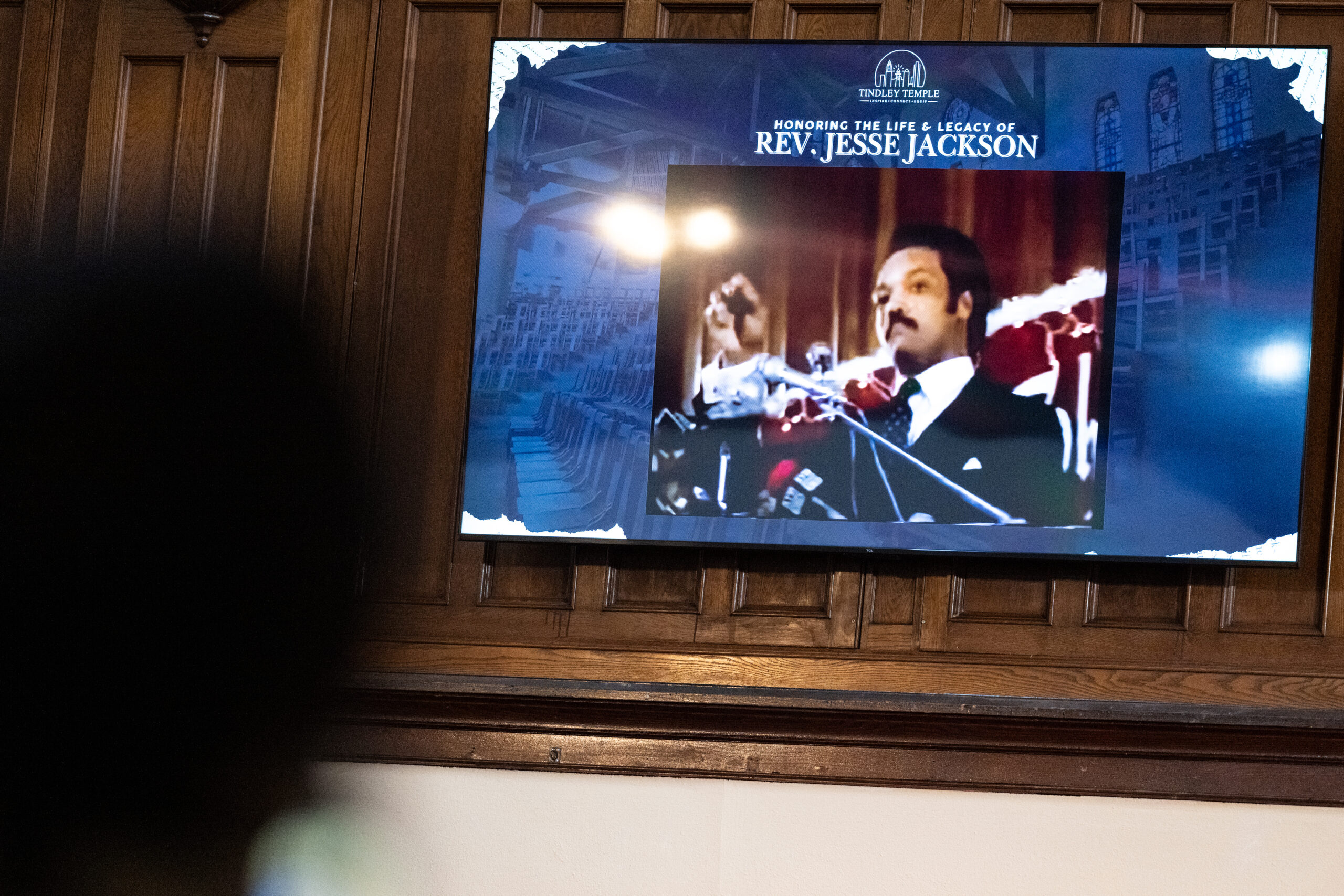
Congregants watch a video of Rev. Jesse Jackson at the Citywide Black History Celebration at Tindley Temple United Methodist Church on South Broad Street in Philadelphia on Saturday, Feb. 21, 2026. Tindley is where “We Shall Overcome,” an anthem of the Civil Rights Movement, was written.
Tindley Temple United Methodist Church was founded by the Rev. Charles Albert Tindley, writer of an early version of the civil rights anthem “We Shall Overcome.”
For Brice, the nation’s story can be told in full only if it includes the contributions, struggles, and leadership of Black Americans not only in February, but every month of the year.
“Our contributions are too often minimized or left out of textbooks, public policy, and even Fifth and Market,” the site of the President’s House slavery exhibits that were removed earlier this month, Brice said. Many of the displays have been restored while litigation continues.
Timothy Welbeck, director of the Center for Anti-Racism at Temple University, said remembering painful history is a way of honoring the contributions of ancestors.
“In the birthplace of America, it is important to acknowledge that the first family owned people,” Welbeck said. “It’s important to honor this legacy because we had to fight for our humanity to be recognized. To tell America’s story completely, you have to acknowledge that history.”
Philadelphia-born Shakara Wilson-Fernandez, 22, sees the acknowledgment of Tindley’s contributions as a way of empowering younger generations.
“It warms my heart,” Wilson-Fernandez said Saturday during the service at the church.
“There are many things going on right now, and although not all of us might be Black, we all need empowerment.”
PJ Thomas agreed. To her, celebrating Black history in 2026 feels like celebrating and honoring the diversity of the country she loves.
“Despite what’s going on, we are still the United States of America,” Thomas said.
“We are still a country that celebrates our people’s history, the people that came through immigration and the people forced to come in distress, because we are all American and we all build this country together.”
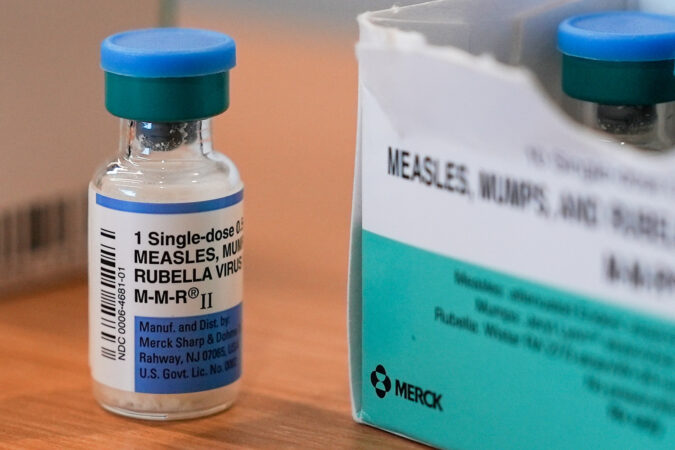
People visiting the emergency room at Nemours Children’s Hospital in Wilmington on Wednesday might have been exposed to measles, according to the Delaware Division of Public Health.
Officials are working on contact tracing to notify those who could be affected, and to verify their vaccination status, provide educational resources, and recommend quarantine if needed.
A highly contagious illness, measles can infect 90% of exposed unvaccinated people. Delaware residents can check their vaccine status at the DelVAX Public Portal or through their healthcare provider.
The Delaware Division of Public Health recommends a dose of the measles, mumps, and rubella vaccine within 72 hours of exposure. Pharmacies and primary care providers can help access the vaccine.
As an airborne virus, measles can be spread through coughs, sneezes, and saliva particles. Those particles can linger in the air and nearby surfaces for more than two hours, exposing anyone who might have been in the room.
Officials urge people to keep a 21-day watch on their symptoms — which could include high fever, cough, runny nose, and a red rash — until March 11.
Measles can be particularly dangerous for immunocompromised people, such as organ-transplant and chemotherapy patients, people living with HIV/AIDS, and children under 5.
No matter their vaccination status, pregnant people who might have been exposed are encouraged to go to the emergency room as soon as possible for a checkup and possible treatment.
Delaware is not the only state dealing with a measles comeback.
Last week, a possible measles exposure was detected at Philadelphia International Airport. And on Feb. 5, five cases were confirmed in Lancaster County, according to the Pennsylvania Department of Health. All patients were young adults and school-age children, marking the first outbreak of the year.
Meanwhile, South Carolina is currently dealing with a large outbreak that doctors call the worst in 30 years, Reuters reported.
Lizasuain DeJesus, 65, had received many calls from Philadelphia homicide Detective Joseph Bamberski since her daughter Iriana disappeared in 2000. But Thursday’s call was different: He was calling to tell her that the police had made an arrest in Iriana’s case.
DeJesus called her daughter Iyanna Vazques, 34, to deliver the news. “It was like a weight lifted off my shoulders,” Vazques said. She was 8 years old when her little sister disappeared, the week of her birthday.
“I lost my best friend and I remember it like it was yesterday,” Vazques said. She could recall what her sister was wearing and how her hair was done the day she disappeared. An arrest in the case felt “like a dream,” she added.
Iriana DeJesus was playing outside her home on the 3900 block of North Fairhill Street on July 29, 2000, when she went missing. She was 5 years old.
A family friend told police at the time she saw Iriana walking with a stranger.
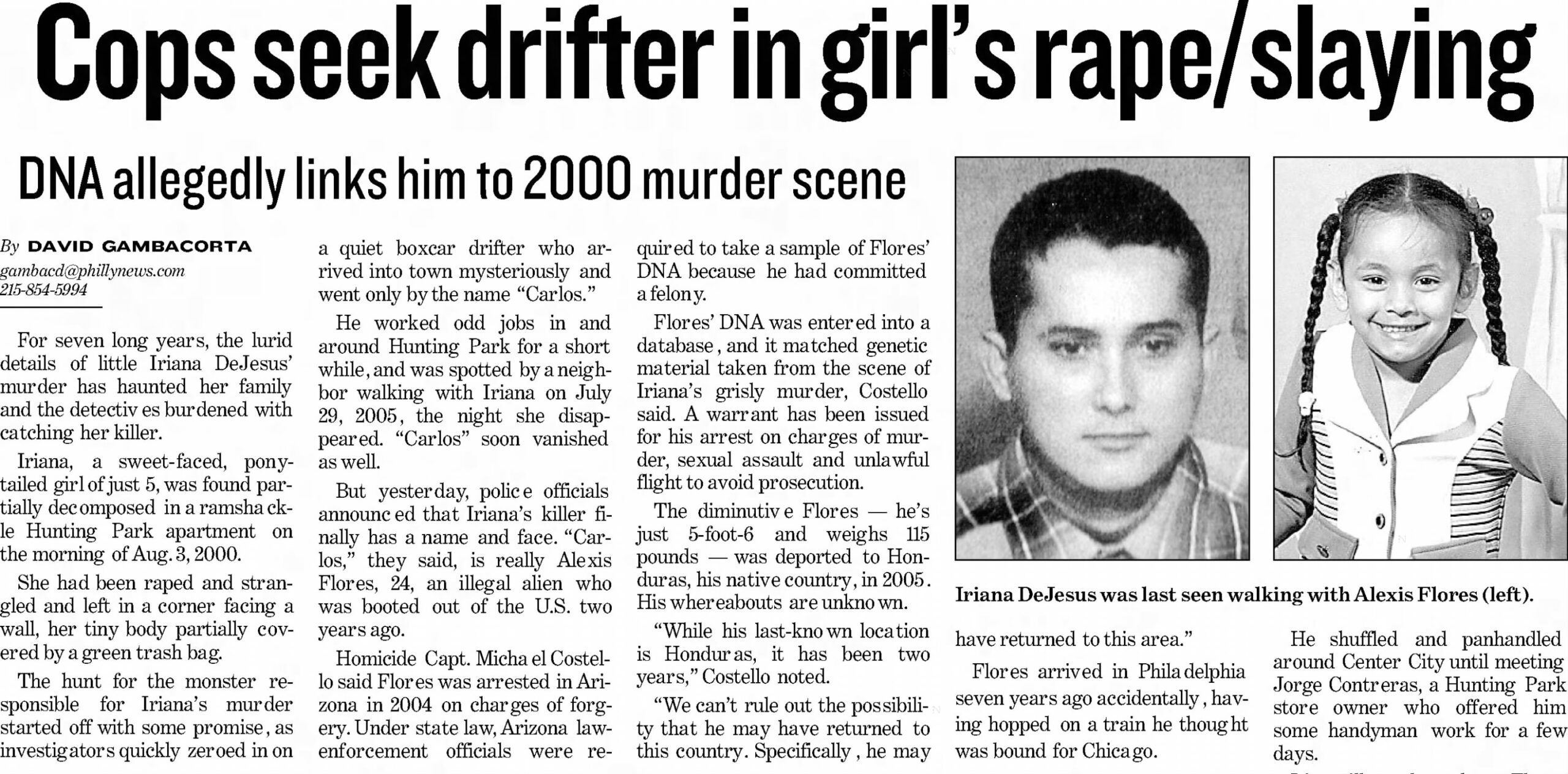
The Daily News covers the announcement of Alexis Flores as the suspect in Iriana DeJesus’ murder in March 2007.
On Aug. 3, 2000, her body was found covered by a green trash bag. Iriana had been raped and strangled to death about a block from her home, in a second-floor apartment above a vacant store on the 3900 block of North Sixth Street.
At the time, police described the perpetrator as a “drifter,” but not much else was known about him.
Authorities launched a national manhunt. But it was not until March 2007 that federal officials issued a warrant for the arrest of Alexis Flores. He had been identified through a DNA database that allowed investigators to name him as a suspect years after a November 2004 arrest on a felony forgery charge in Phoenix.
On Thursday, FBI Director Kash Patel announced Flores had been apprehended.
“After more than 25 years on the run, this arrest proves time and distance do not shield violent offenders from justice,” Patel wrote on social media.
Flores was detained on Wednesday in Honduras, Fox News reported. He was wanted for crimes including unlawful flight to avoid prosecution, murder, kidnapping, and indecent assault in connection with the Iriana DeJesus case, according to the FBI.
Vazques said she is choosing to focus on the love their community has provided over the long years of not knowing what happened.
“We are always going to be from this block,” DeJesus said. “These people are the reason I’m still strong, because a lot of them never gave up on us, on my baby.”
DeJesus said she still sees Iriana in many corners of her block, in the faces of little girls with pigtails playing outside, and it gives her hope. “Iriana, I love you and I will never stop loving you; you will always be in my heart.”
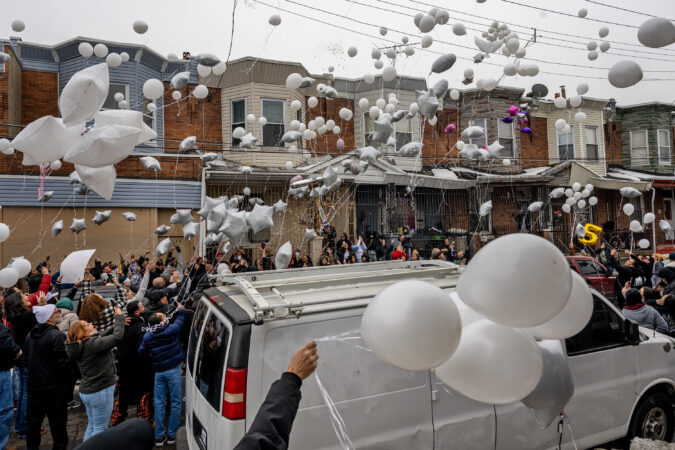
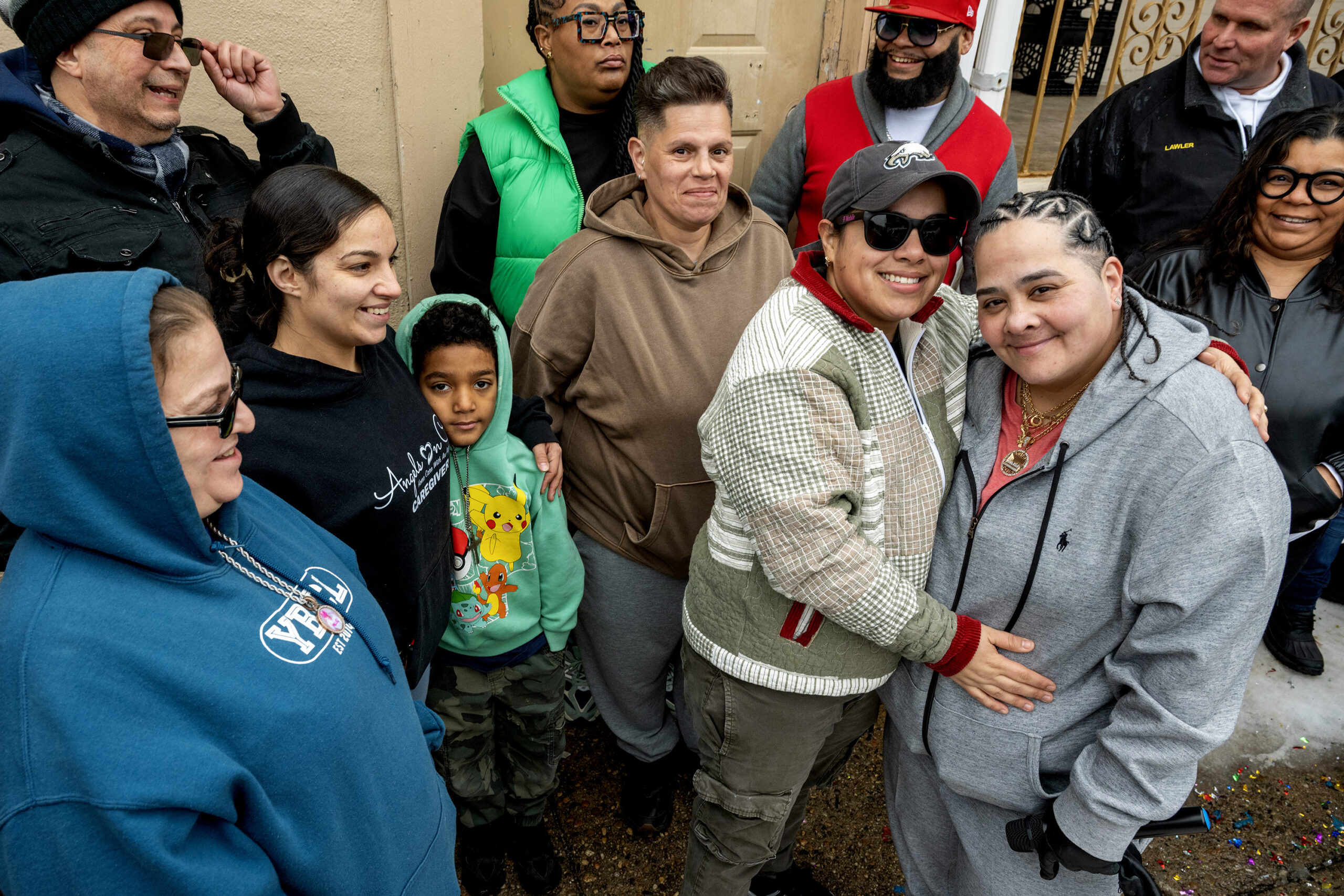
Lizasuain DeJesus (right) is with her daughter Iyanna Vazques, surrounded by friends and family, following a balloon release in memory of her daughter Iriana.
Zoraida Reyes, 65, still remembers the frenzy her Hunting Park neighborhood lived through when Iriana disappeared.
“She was a beautiful girl, happy, calm; we went mad looking for her,” Reyes said. Since then, the neighborhood has changed, she said. But people still support one another, and Iriana was never forgotten.
On Sunday, as about 100 neighbors gathered at Sixth and Pike Streets for a balloon release in Iriana’s memory, Vazques and DeJesus felt grateful. “There is nothing that will beat this feeling,” DeJesus said, as neighbors lined up to hug her. A picture of Iriana in her pigtails, with a bright smile was handed to attendees with a message: “Justice, finally.”
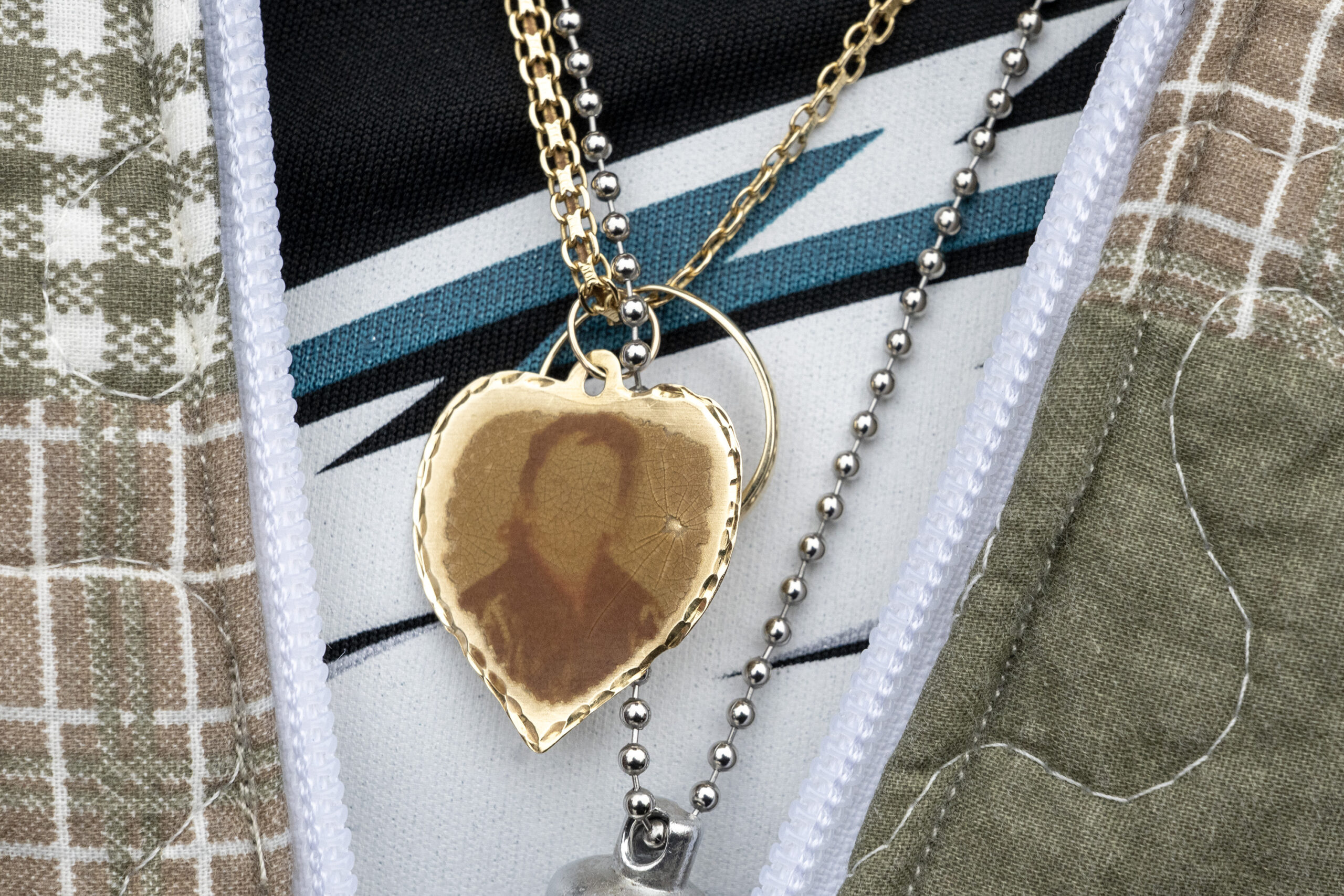
Vasques, wearing a matching Eagles shirt and hat, held on to a necklace with a now-faded picture of Iriana that her mom gave her in the ninth grade.
“I don’t take it off, it’s my everything,” Vazques said. “It reminds me of how much of a sweet soul she was.”
Iyanna Vazques wears a locket with a faded photo of her sister Iriana DeJesus during a balloon release in her memory Sunday, Feb. 15, 2026. Five-year-old Iriana was kidnapped and killed in 2000. A man has been arrested in the case after two decades on the FBI’s most-wanted list.
Staff writer Nick Vadala contributed to this article.
A 9-year-old boy remains hospitalized after being hit by a car in West Philadelphia that fled the scene, police said.
The child was walking in the 800 block of South 56th Street, around 12:22 p.m. Saturday, when a driver in a 2010–2013 Honda Crosstour struck him, police said.
He sustained several injuries and was transported to Children’s Hospital of Philadelphia, where he was in stable condition as of Sunday afternoon.
Police are now looking for the driver — a man they describe has having short hair and a beard, around the ages of 25 to 35 — in a burgundy Honda Crosstour with a black passenger-side fender, a green passenger-side front door, a white passenger-side rear door, and a bicycle rack on the roof.
Anyone with information can contact the police Crash Investigation Division.
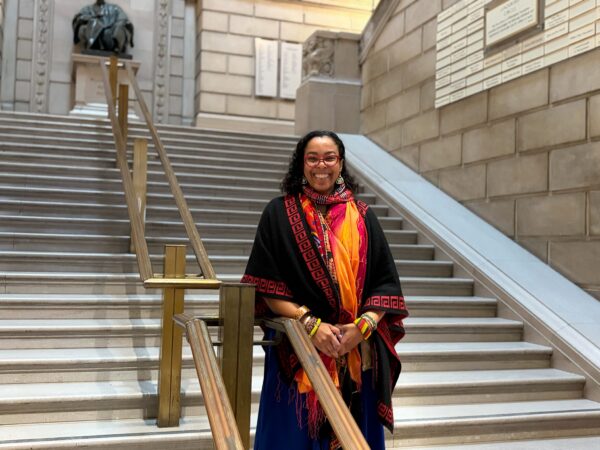
Norma Thomas had been keeping a secret since mid-January. At Saturday’s Passing the Pen ceremony, she was ready to shout it from the Central Library rooftop:
“My daughter, Raina León, is the poet laureate of Philadelphia,” Thomas said, chest puffed out and brimming with pride. “She is effervescent, outgoing, and loves the city of Philadelphia.”
Raina J. León, 44, was one of 32 applicants citywide, the largest number of candidates the city has had for the role, said Adam Feldman, the Free Library of Philadelphia department head of art and literature, and a poet laureate governing committee member.
Born in Upper Darby, León is a Black, Afro Boricuan poet, writer, educator, and cultural worker raised in Southwest Philadelphia. She speaks English, Spanish, and Italian, and believes in a world where diversity can strengthen communities.
Still unable to believe her achievement, the University of Southern Maine professor recalled lighting candles nervously, hoping to get the email bearing the news.
“I keep thinking, ‘Maybe this isn’t my time,’” León said. “But, no, DéLana would want me to dream big and to walk on assurance of my voice having a space,” she added, remembering her late friend, the poet DéLana R.A. Dameron, who died in November.
Creating a space where people feel that their voices are welcome is the legacy León wants to leave during her two-year tenure as poet laureate.
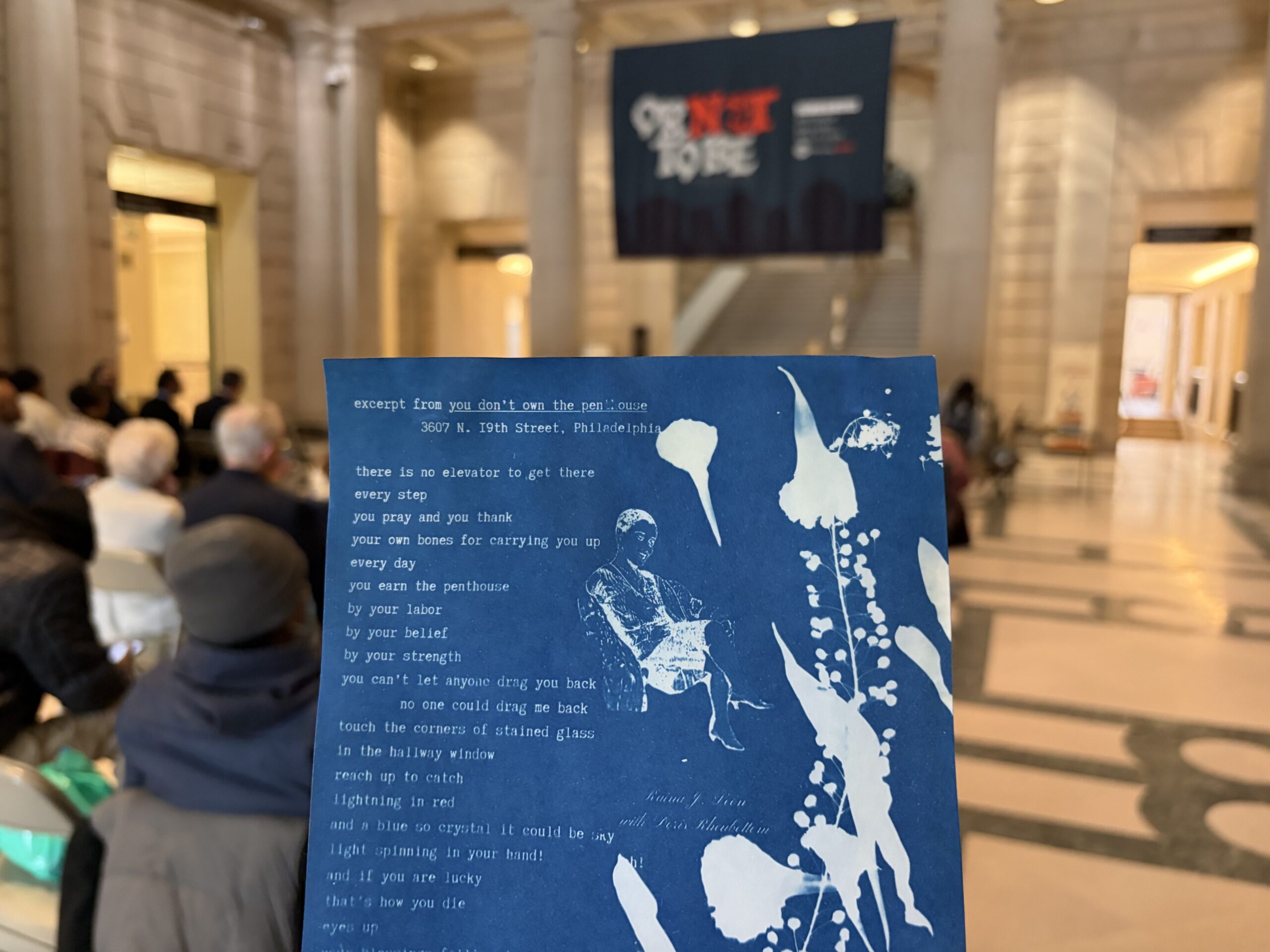
An extract from Raina León’s poem “you don’t own the penthouse.”
The poet laureate is an ambassador for poetry in the city, participating in community engagement, speaking at events, and mentoring the youth poet laureate,Rashawn Dorsey. But what excites León the most is helping Philadelphians see storytelling as a liberating practice.
“Poetry is all around you. Even if you are like, ‘I don’t understand poetry’ — it understands you,” León said. “In these times of great volatility, with attacks on history and attacks on communities, there is a desire to preserve oneself by becoming numb, and poetry says, ‘No, you can’t be numb in life. You can’t be numb and observe the world.’”
The poet laureate role comes with a $5,000 stipend, paid in two installments. But León says she isn’t in it for the money. She wants to provide language access to amplify Philadelphia’s diverse community of voices.
She plans on holding open hours once a month at the Central Library of the Free Library for people to work on writing with her. For those who cannot come in person, León also wants to do online workshops.
More importantly, she wants to work on writing projects across multiple languages, including American Sign Language, to ensure diversity opens doors in Philadelphia.
“It’s like Bad Bunny said during the ‘Benito Bowl,’ what matters is that we are alive and we should be pouring [love] into one another and caring for one another,” León said. “Only love counters hate, and that is a revolutionary thing that is activating this, something that changes and pushes back on the nihilistic threat.”
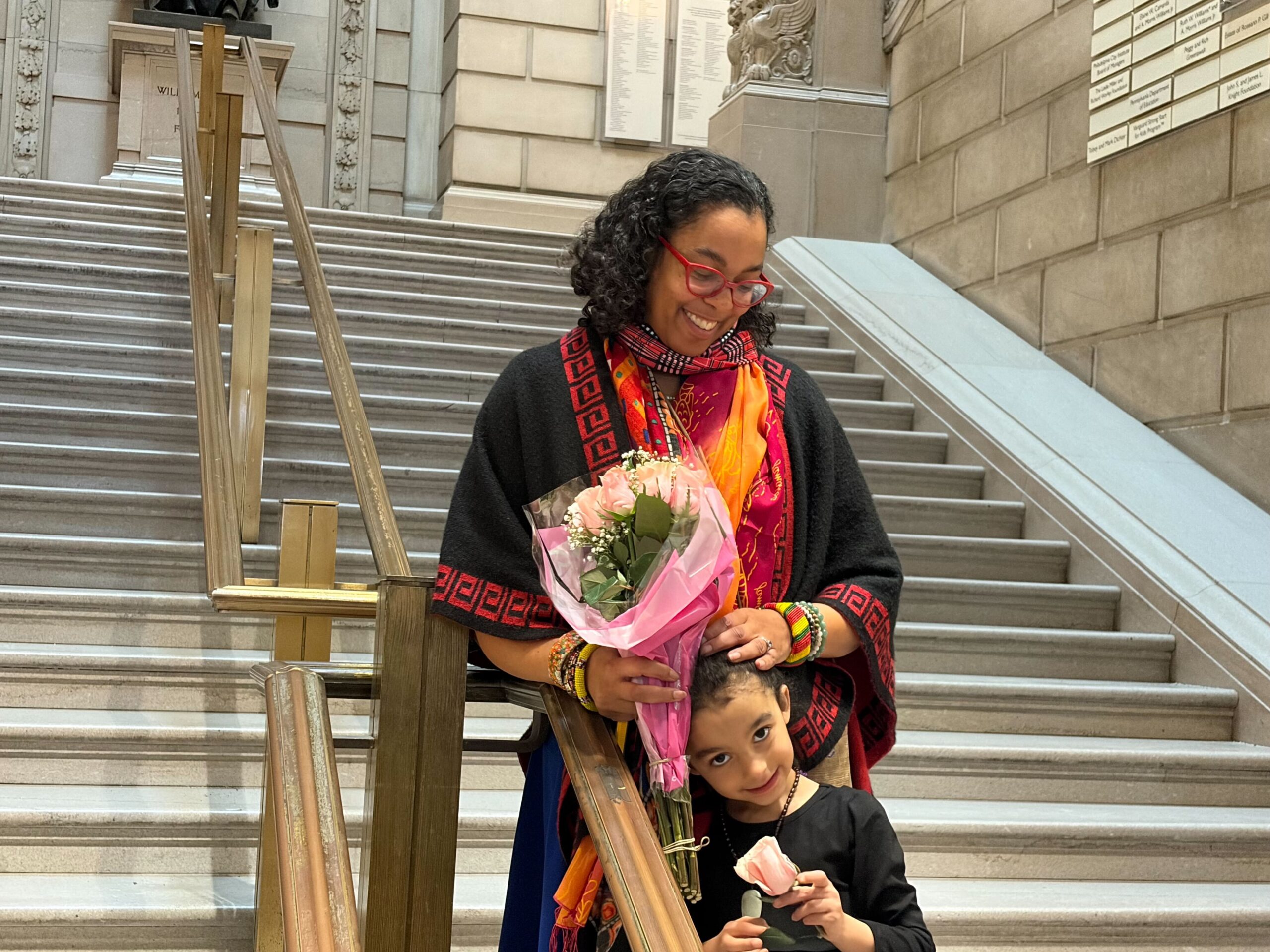
Raina León and her daughter at the Passing the Pen ceremony, in the Parkway Central Library on Saturday, Feb. 14, 2026.
A Trenton man was sentenced to up to 60 years in Pennsylvania state prison for fatally shooting a bystander at a Morrisville strip club.
On Friday, Pedro E. Rodriguez, 29, pleaded guilty to third-degree murder, discharging a firearm into an occupied structure, possession of an instrument of crime, and four counts of recklessly endangering another person in the killing of 28-year-old Mekhi Norman in August 2024.
According to the Bucks County District Attorney’s Office, Norman was shot at a Morrisville nightclub while acting as a Good Samaritan. He did not know Rodriguez but was helping the club’s staff following an altercation at the doorway.
Surveillance video shown during the sentencing hearing shows Rodriguez walking to his car, getting a handgun, loading it, and returning to the club, according to a district attorney’s office statement. Then, he fired into the building as security staff were attempting to remove his nephew, according to the statement.
Norman, who was helping the staff when he was shot, was struck in the back of the head, the left thigh, and under both armpits, as 17 patrons and employees remained at the club.
Rodriguez fled but later turned himself in and was held on $5 million bail at the Bucks County Correctional Facility. He now faces between 30 and 60 years in state prison.
Rodriguez’s nephew, 22-year-old Kevin Perez, entered a guilty plea in 2025 to several counts of simple assault, disorderly conduct, and harassment for assaulting staff. The Trenton resident was sentenced to 10 to 23 months in the Bucks County Correctional Facility, followed by a year of probation.
During the sentencing hearing, Deputy District Attorney Ed Louka described Norman as a good father, a good son, and a good friend who died being a Good Samaritan, according to the statement.
Offering an account of how life has changed, the mother of Norman’s daughter told the court that the child still cries waiting for her father to call in the mornings and nights, as he used to, according to prosecutors.
“While this sentence ensures that the defendant is held accountable for his senseless and violent actions, we know it cannot fill the void left in the lives of those who loved Mr. Norman,” District Attorney Joe Khan said.