Author: Jason Nark

  • Meet the people who use Pennsylvania’s rivers to create art

    Meet the people who use Pennsylvania’s rivers to create art

    MONTOURSVILLE, Pa. — The rocky shores of Loyalsock Creek looked a bit drab to the untrained eye on a blustery, overcast November afternoon.

    There were browns and grays, along with flurries of yellow and orange leaves across the turbid water when the wind whipped through the trees.

    Sierra Weir, an artist from Pittsburgh, stepped gingerly across the mud and rocks. When she got to the water’s edge, Weir saw the landscape in a completely different way.

    “It’s not as visually stunning as synthetic colors, but I would say the depth and variation within one tiny spectra is so much deeper,” she said. “I’ve gained such an appreciation for all the different ways brown can be brown.”
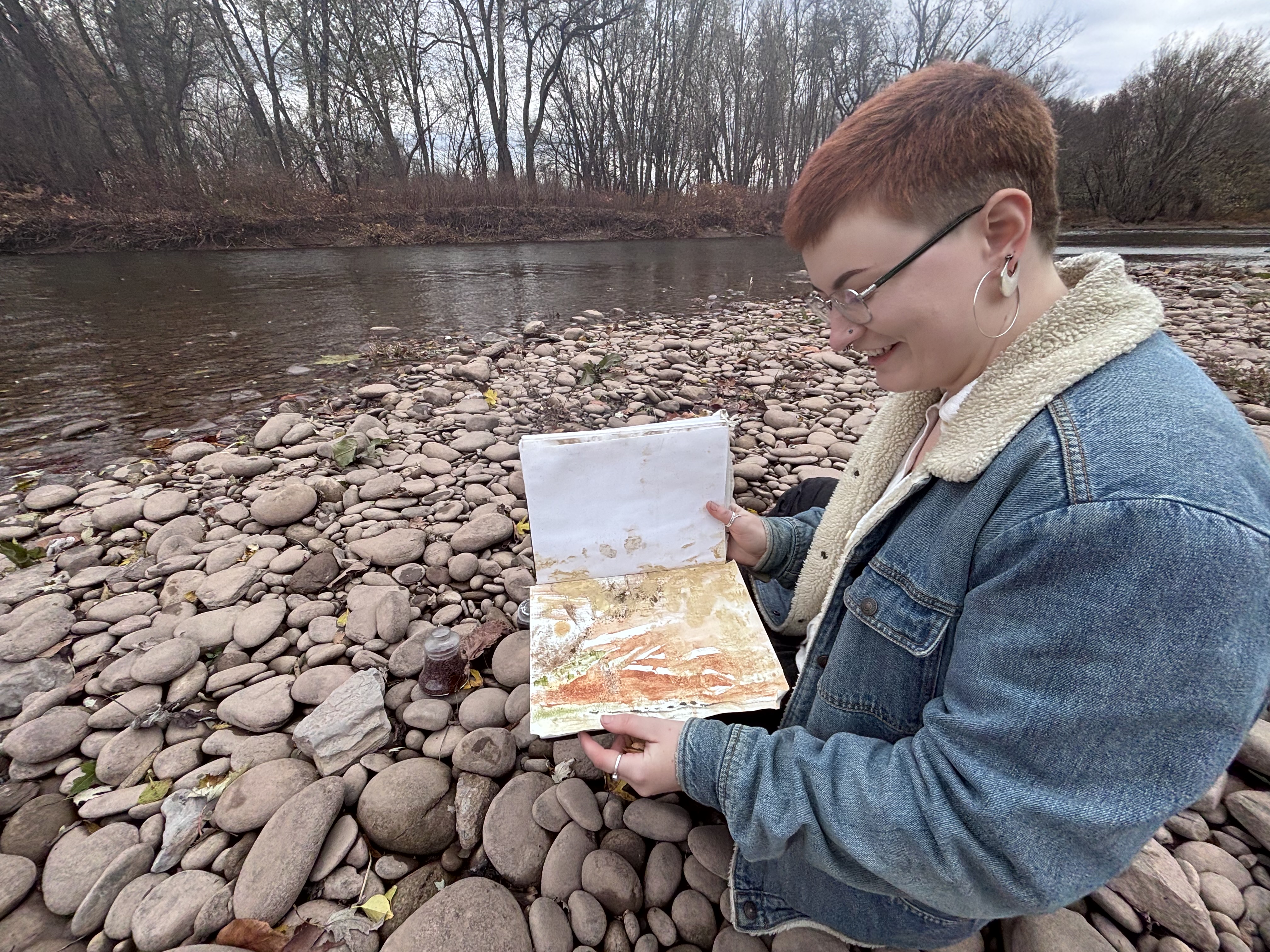
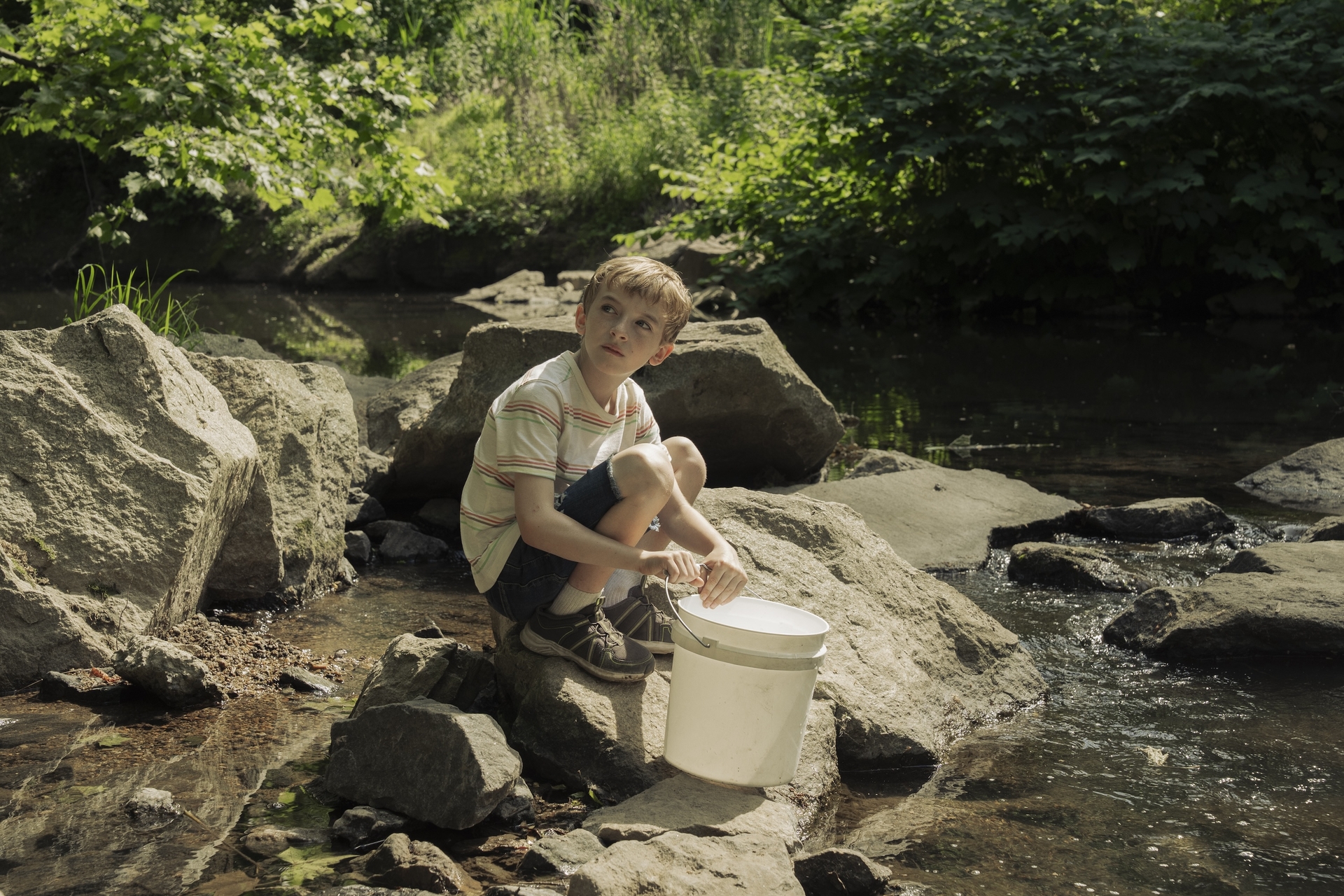
    Sierra Weir of Pittsburgh was an artist-in residency of the Susquehanna River Watershed.

    Weir, who has a background in biochemistry, is a pigment artist and community outreach coordinator for Three Rivers Waterkeeper, a nonprofit organization in Pittsburgh that advocates and protects the Monongahela, Allegheny, and Ohio rivers.

    In June, the Pennsylvania Environmental Council, selected Weir and two others for its new artist-in-residency program, “Reflections through Art: Inclusive Access on Water Trails in the Susquehanna Basin.”

    “It’s a new way to get people to engage with the environment,” Weir said.

    Painter Spencer Verney of Coatesville was also chosen as a resident by the PEC. He focuses on preserved lands and protected waterways in historic settings. Meg Lemieur of Port Richmond was chosen to illustrate a map for the Swatara Creek Watershed.

    “My art celebrates the diversity and amazing features of the natural world,” Lemieur told The Inquirer. “I’m definitely drawn to all the living animals, including animals of the watershed like turtles, owls, and gophers, but lately I’ve been getting more into flora and understanding plants.“

    Tali MacArthur, a senior program manager for the PEC, said the residency program was created as another way to get the public involved in watershed conservation.

    “There are people who don’t really see themselves as scientists or fishermen, but maybe they see themselves as artists, as musicians, or visual learners,” MacArthur said. “I’ve kind of been chasing this approach for some time now.”

    The residency program was funded by the National Park Service’s Chesapeake Gateways Grant Program and the Pennsylvania Department of Conservation and Natural Resources Community Conservation Partnership Program.

    When Weir was in college, in Ohio, she spent a year studying the pigments of Betta fish and contributed a sculpture based on the majesty of jeweled beetles. She’s also created various paintings made with natural pigments like goldenrod, black walnut, and pokeberry, which fade quickly.

    “It’s in opposition to synthetic pigments, which are made from petrochemicals, and I do a lot of work to reduce pollutants,” she said. “This was a natural fit.”
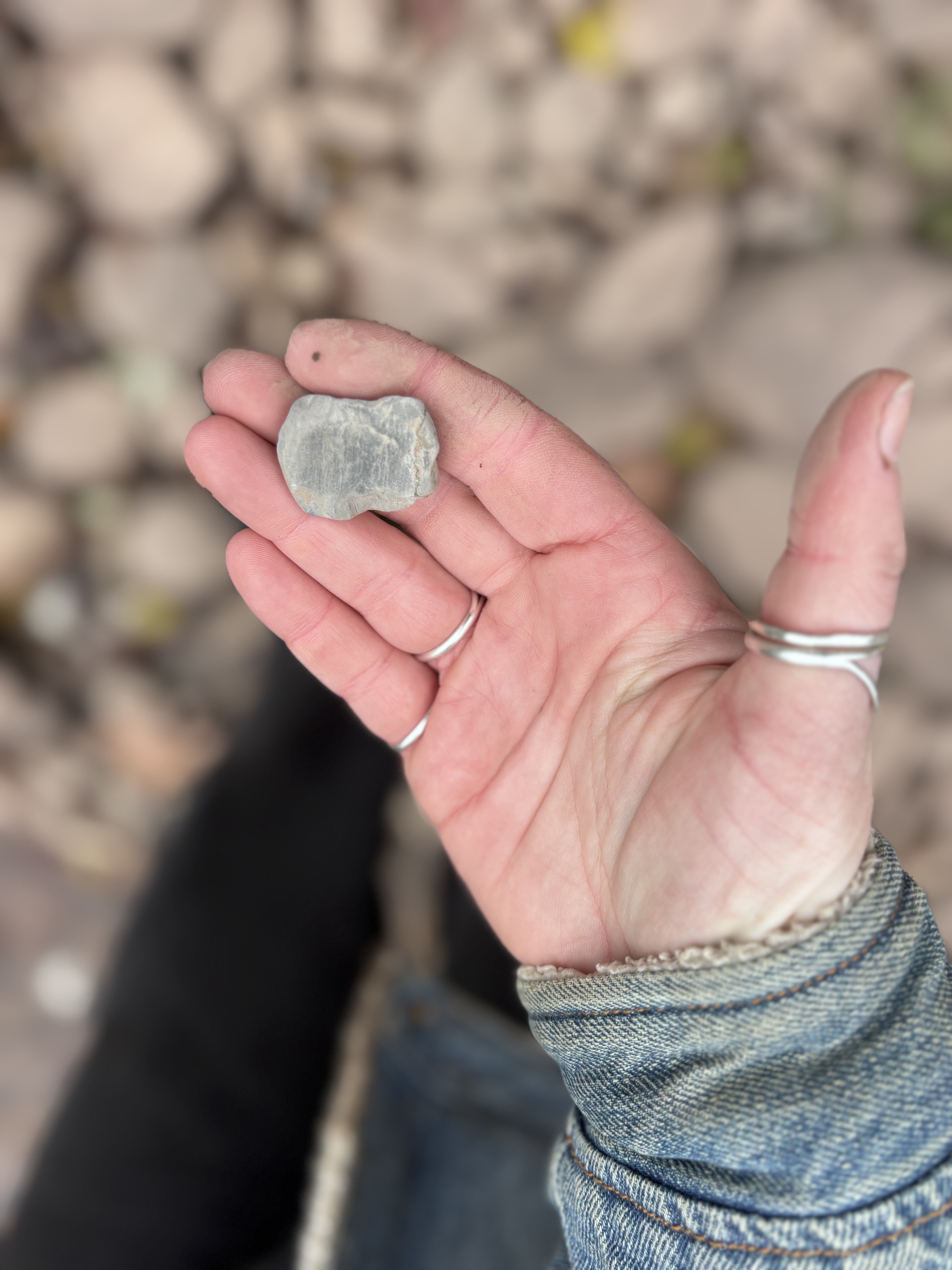
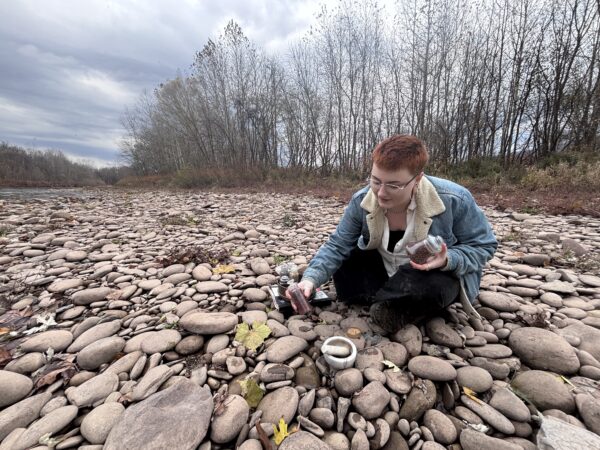
    Sierra Weir of Pittsburgh was an artist-in-residency of the Susquehanna River Watershed. She’s pictured along Loyalsock Creek in Montoursville.

    Weir, 28, said her goal of combining art and waterways was to help people hone their “noticing skills” and provide new ways to engage with the environment and, perhaps, repair broken connections to the natural world.

    “What I do is help people notice the relationship between water, earth, plants, and themselves and how inherently connected we are to this place,” Weir said. “We’re made of this same stuff, biologically and chemically.”
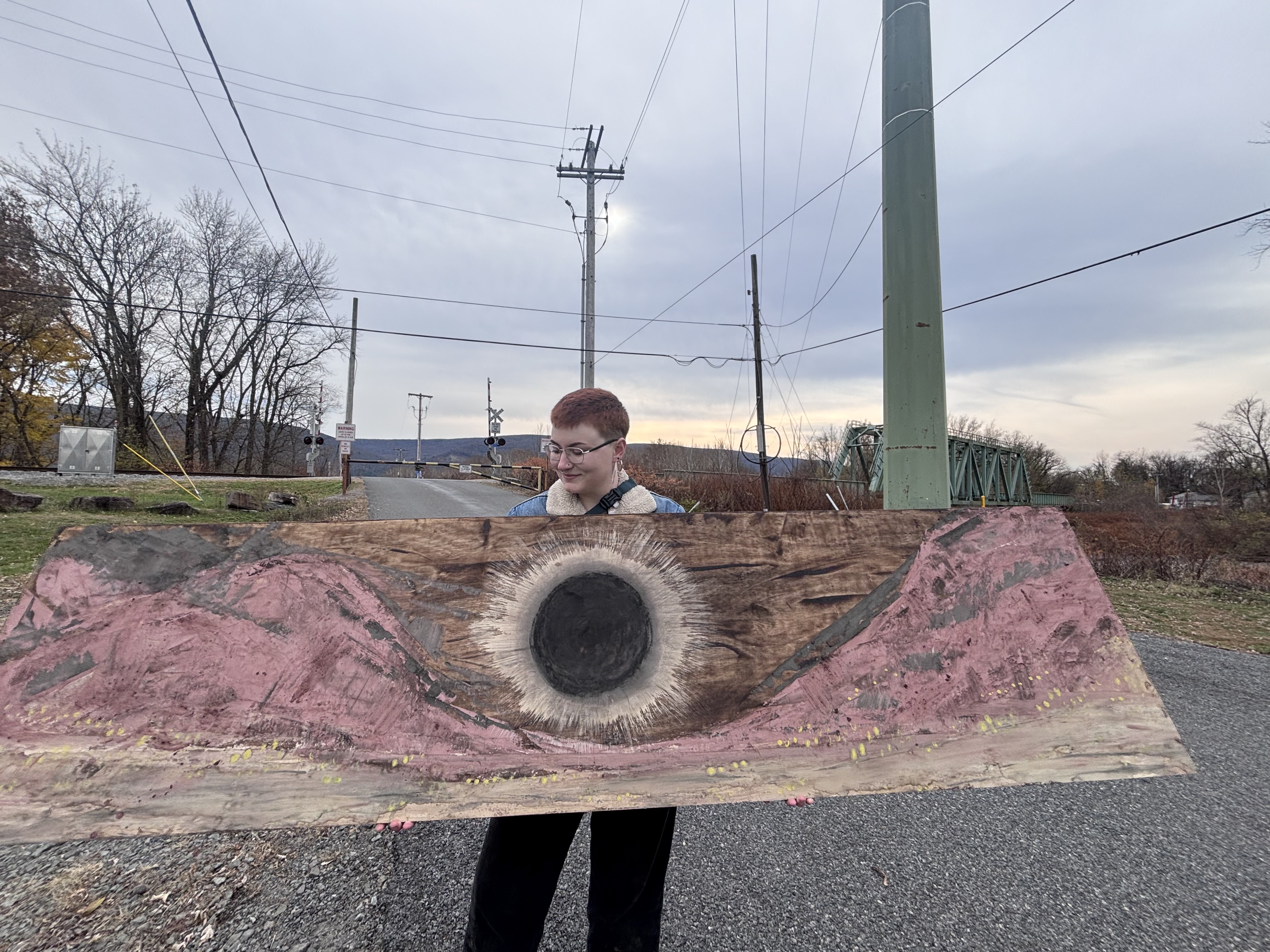
    Sierra Weir of Pittsburgh was an artist-in-residency of the Susquehanna River Watershed.
  • Pa.’s reptile king has been handling snakes and tourists for over 50 years

    Pa.’s reptile king has been handling snakes and tourists for over 50 years

    When a western diamondback rattlesnake sinks its fangs into your hand, and it swells up like a purplish water balloon for days in a Texas hospital, it might be a sign for a career change.

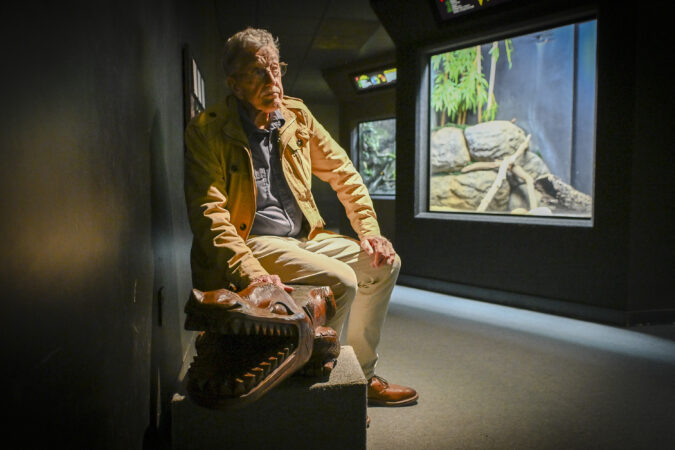
    But Clyde Peeling, who was born in Muncy, Lycoming County, in 1942, had already been bitten by the proverbial bug long before the rattlesnake bit him while he was stationed in Texas with the Air Force. Peeling, 83, still loved snakes, despite that close call, and went on to become the reptile king of Pennsylvania.

    “I’ve pretty much known what I wanted to do with my life since I was 14,” Peeling said recently, from his beloved zoo near Williamsport.

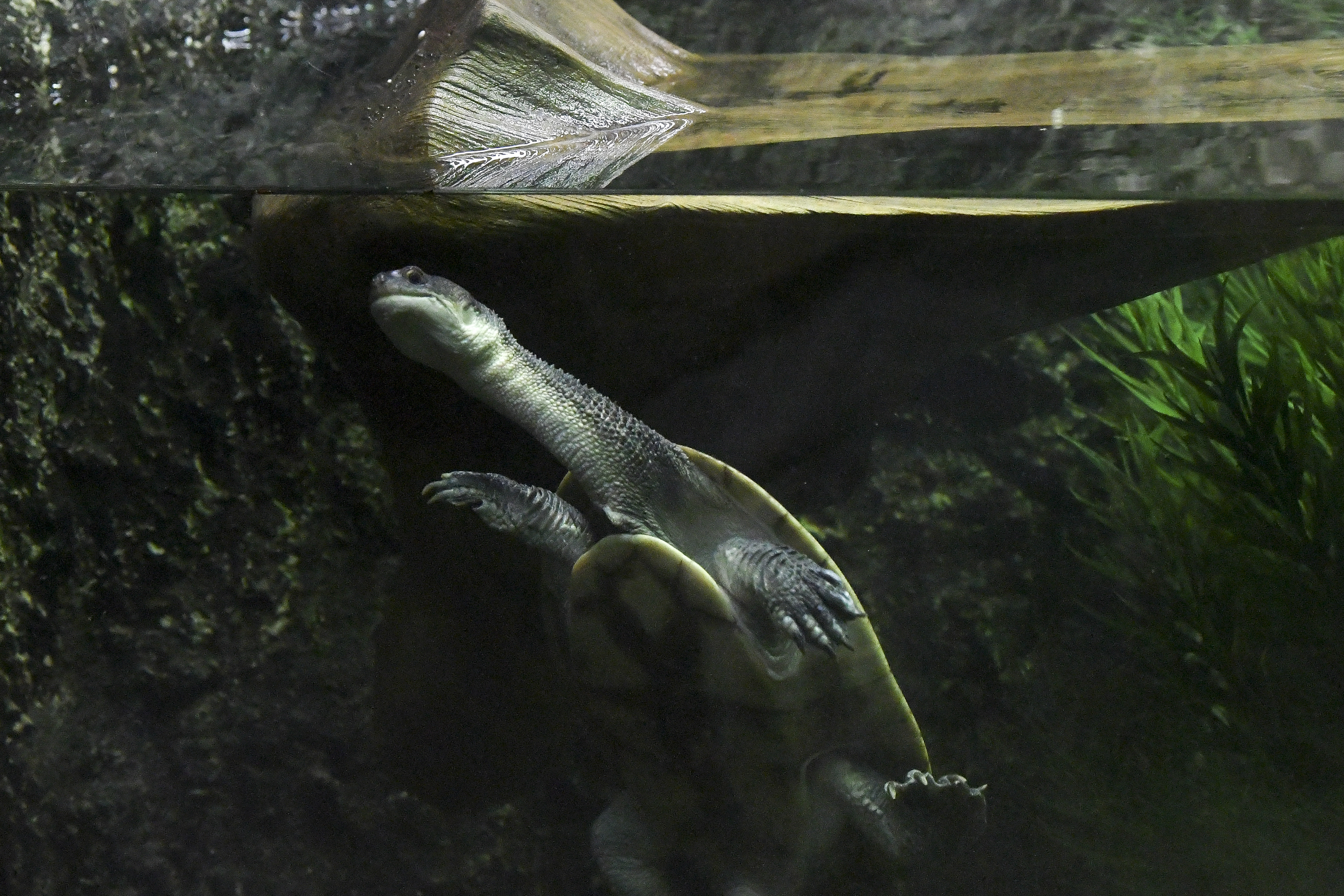
    A snake-necked turtle is shown in an aquarium at Clyde Peeling’s Reptiland in Allenwood, Pa., on Saturday, Nov. 1, 2025.

    It wouldn’t be the last time he’d be bitten, either, in a career that has spanned more than half a century.

    “Let’s see, once by a copperhead, a viper, and four other rattlesnakes. I don’t say that with any bravado,” Peeling said. “That was a very serious bite.”

    Today, Clyde Peeling’s Reptiland is home to enormous Komodo dragons with uncanny eyes, poisonous Gila monsters, anacondas thicker than most thighs, and Aldabra tortoises that can live up to 150 years.

    “Some of these tortoises were just five pounds when we got them,” he said, in their hot enclosure.

    Today, the tortoises look like boulders.

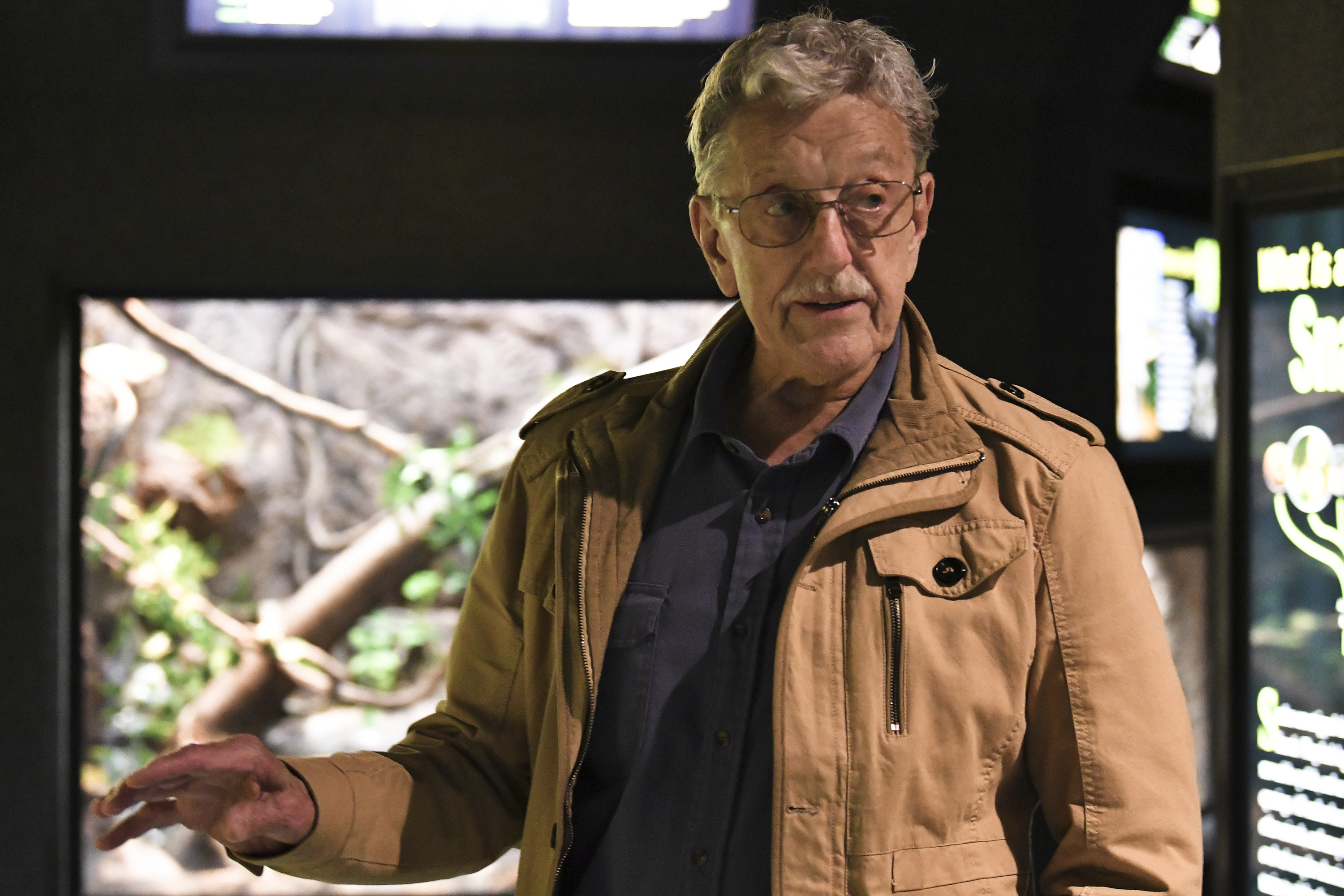
    Clyde Peeling, 83, talks about his experiences at his reptile zoo, Clyde Peeling’s Reptiland.

    Reptiland opened on US-15 in Allenwood, Union County, in 1976. It joined an American tradition of roadside attractions ushered in by the post-World War II auto boom and the urge to hit the highway.

    U.S. Route 15 bisects Pennsylvania, from the Maryland border, north to New York, passing through Williamsport and Harrisburg. Still, Peeling said it was far from bustling back then.

    “I remember sitting there hoping one car would pass by. I was too egotistical to think I’d made a mistake, but I had a lot of naysayers,” he recalled.

    In the timeless tradition of late-night television, Peeling has brought wild animals to visit Conan O’Brien, Jay Leno, Jon Stewart, and others.

    Reptile parks, serpentariums, and alligator farms dot the American landscape. Peeling wanted to elevate Reptiland beyond those hokey roadside shacks.

    In 1986, his facility received a key and difficult-to-obtain accreditation by the Association of Zoos & Aquariums and it’s held that status ever since. Peeling said the inspection process, which takes place every five years, is grueling and every facet of the business is scrutinized, everything from record keeping, to veterinary care, aesthetics, and visitor services.

    “We would have been accredited in 1985, but we were hit by a tornado that nearly flattened us,” he said.

    Over the decades, Peeling expanded with a parakeet-feeding aviary and a large, outdoor dinosaur exhibit. More renovations are in the works, too. If you’d like parakeets to land on your head, you’ll have a blast. The park hosts a “Wino & Dinos” event outdoors, during the summer, for adults only.

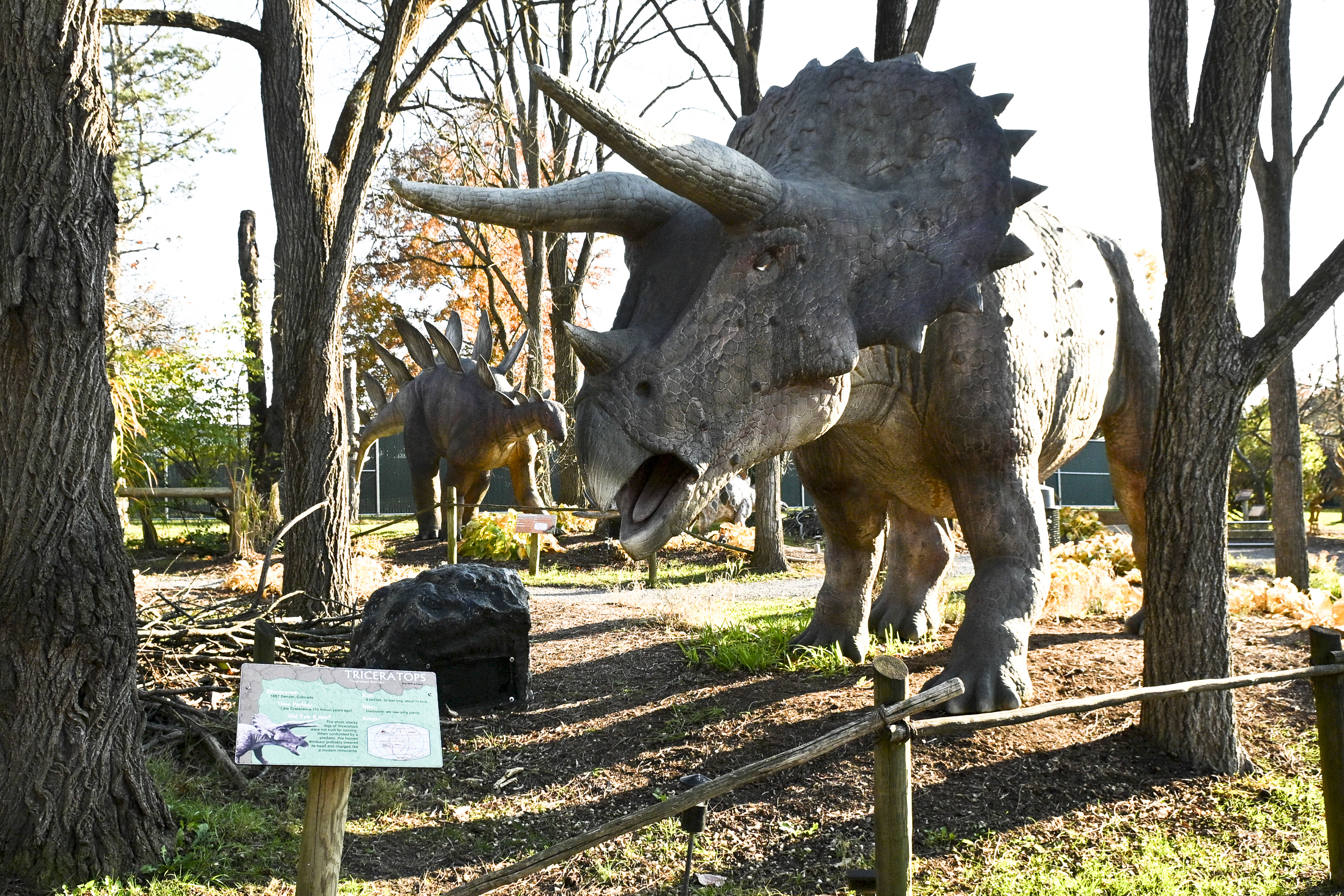
    At Clyde Peeling’s Reptiland, life-size animated dinosaurs give visitors a perspective on life in the Mesozoic Era.

    Peeling, with his sons, has visited, lectured, and collected in dozens of countries.

    “That skull is from a crocodile in Borneo,” he said in his office.

    Peeling’s son Chad, a right-hand man in the family business, died from brain cancer in 2019. Peeling himself fought non-Hodgkin’s lymphoma. Tornadoes have damaged the property, and the COVID-19 pandemic has hurt, too.

    Peeling hasn’t guided a trip since his son died but won’t rule out doing it one more time.

    Gov. Josh Shapiro visited Reptiland more than 30 years ago, while he was in college, to get a sandwich and fell in love.

    He stopped back earlier this year during an economic development announcement in the area and treated Peeling like a celebrity.

    “This is a really cool place, and you should come check it out,” Shapiro said at the time.

    While Peeling’s always touting the beauty of emerald boas and snapping turtles the size of manhole covers, visitors like to see him, too.

    More than a few visitors turned to look as he waxed about his reptiles.

    “That’s Clyde,” they said.

  • Everything you need to know about the 2025 Philadelphia Marathon

    Everything you need to know about the 2025 Philadelphia Marathon

    Philadelphia will host its largest marathon yet this year, as about 15,000 runners take on the 26.2-mile race through the city’s scenic and historic neighborhoods.

    The Philadelphia Marathon Weekend runs Nov. 21-23 and includes a half marathon (13.1 miles) and an 8K race. The first marathon was held in 1994 with just 1,500 participants; this year, organizers expect roughly 30,000 athletes across all races.

    With that many runners and spectators, expect road closures, parking restrictions, and heavy traffic.

    “We want to make sure people give themselves ample time to get there,” said race director Kathleen Titus. “We have new security screenings that will speed things up, but if you’re waiting until 15 minutes before the race, you might be standing in a line for about an hour.”

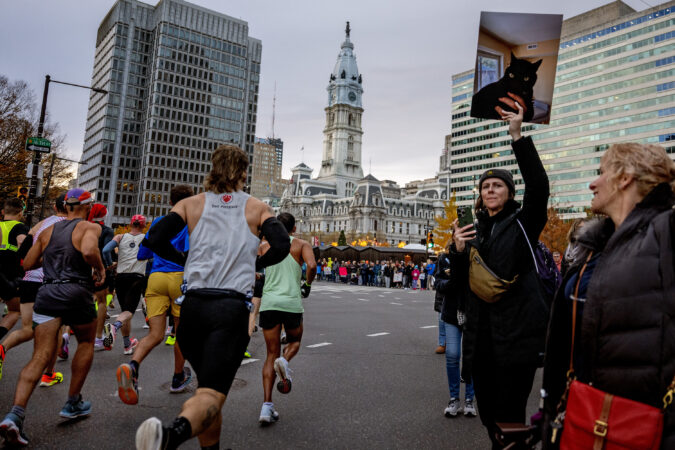
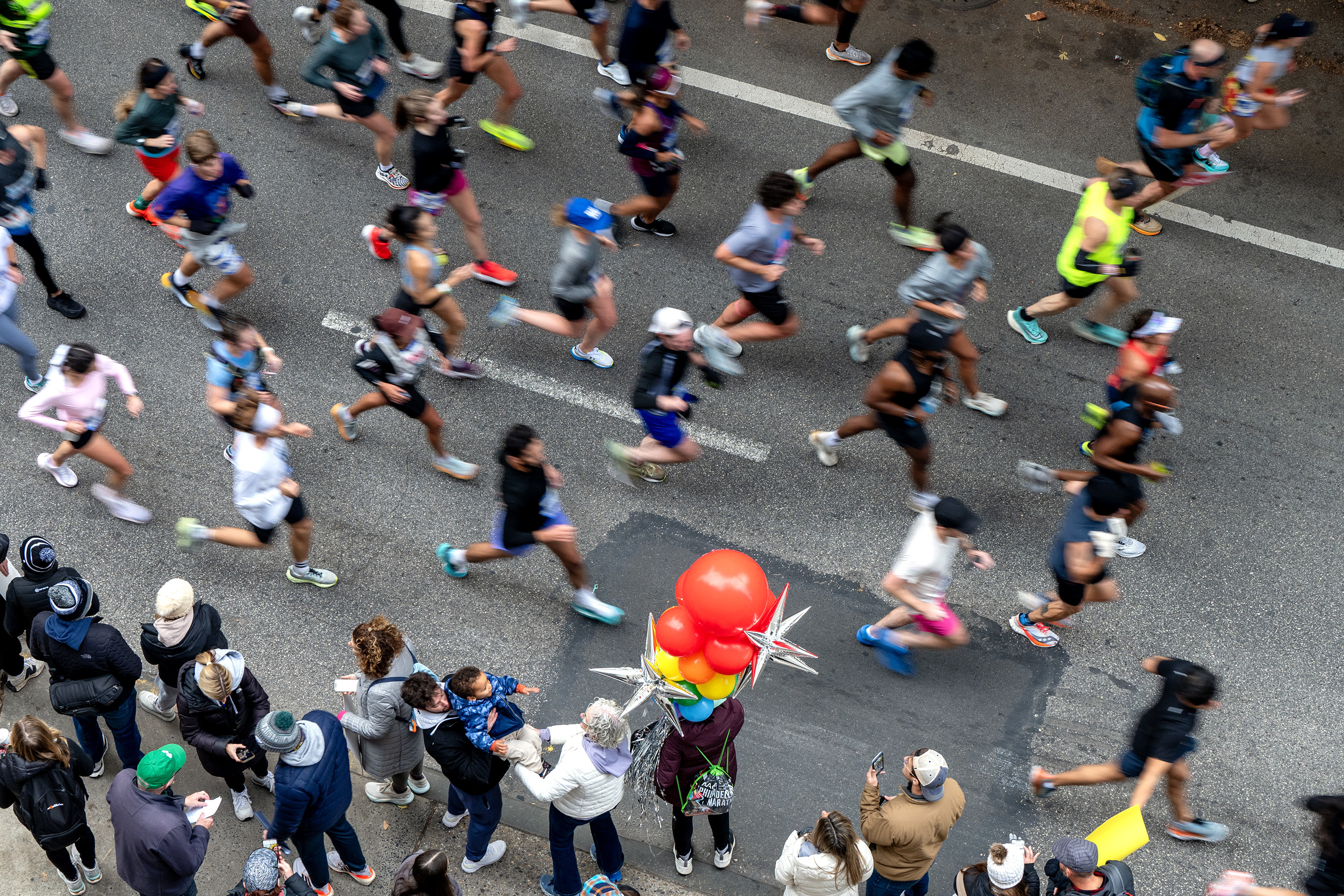
    Runners on Walnut Street in Center City during the 2024 Philadelphia Marathon on Sunday, Nov. 24, 2024.

    Titus said the marathon has a new website and updated app. The app allows runners to schedule packet-pickup times at the expo to cut down on lines, track live race results, and receive weather and safety alerts.

    Race start times and locations for the Philadelphia Marathon

    All races follow the same course layout as in previous years and — except for the Nemours Children’s Run — start at 22nd Street and Benjamin Franklin Parkway, near the Philadelphia Museum of Art. The Nemours Children’s Run begins at Von Colln Memorial Field, 2276 Pennsylvania Ave., adjacent to Eakins Oval.

    • Dietz & Watson Philadelphia Half Marathon: Saturday, Nov. 22, 6:55 a.m. (wheelchairs) | 7 a.m. (runners/walkers)
    • Rothman Orthopaedics 8K: Saturday, Nov. 22, 10:55 a.m. (wheelchairs); 11 a.m. (runners/walkers)
    • AACR Philadelphia Marathon: Sunday, Nov. 23, 6:55 a.m. (wheelchairs); 7 a.m. (runners/walkers)
    • Nemours Children’s Run: Sunday, Nov. 23, 10 a.m.

    Race routes for the Philadelphia Marathon

    Each race follows a unique route, with the marathon and half-marathon winding through Center City, Chinatown, Old City, Queen Village, Rittenhouse, and University City, with significant portions covering Fairmount Park, Kelly Drive, and the Benjamin Franklin Parkway.

    Health & Fitness Expo

    The Philadelphia Marathon Expo returns to the Pennsylvania Convention Center, Hall F (12th & Arch Sts.)

    • Friday, Nov. 21: Noon — 9 p.m.
    • Saturday, Nov. 22: 9 a.m. — 5 p.m.

    The Expo is filled with vendors showcasing apparel, shoes, gear, free product samples, and educational booths on health and fitness. Friday and Saturday bring a speaker series to the Expo and meet-and-greets with some of the country’s top runners. On Friday evening, there will be activities for children.

    For spectators of the Philadelphia Marathon

    Spectators are welcome to line the race routes to cheer on runners but will be restricted from the starting lines and in secure running areas until after 8 a.m. on Saturday and Sunday to ensure smooth race starts.

    The Philadelphia Marathon has a list of prohibited and discouraged items for spectators, available in full on its website.

    • Large umbrellas, coolers, and animals (except ADA service dogs) are not allowed. The marathon also discourages bringing large blankets, backpacks, or cameras.
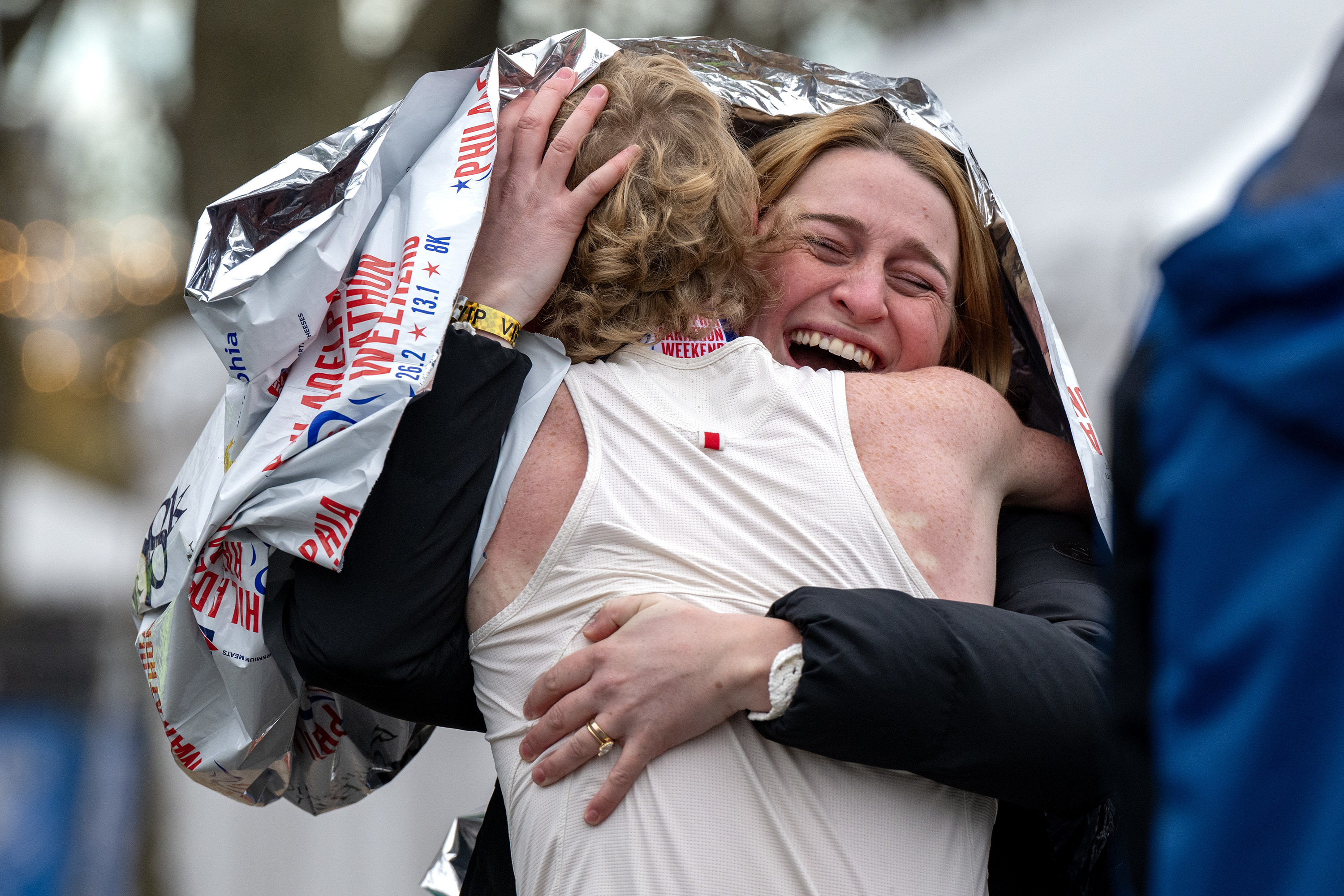
    William Loevner of Pittsburgh is embraced by his wife, Emma Loevner, after finishing first in the mens in the 2024 Philadelphia Marathon on Sunday, Nov. 24, 2024.

    Road closures

    All-weekend closures

    Saturday, Nov. 22, through 5 p.m. Sunday, Nov. 23

    • Benjamin Franklin Parkway (all lanes) between 22nd Street and Eakins Oval
    • Kelly Drive (inbound) closed at 25th Street, with local traffic permitted to Anne d’Harnoncourt Drive
    • Spring Garden Street Bridge and MLK Drive (inbound) traffic detoured onto 24th Street
    • Spring Garden Street

    Saturday, Nov. 22

    2 a.m. closures

    • 2000—2400 Benjamin Franklin Parkway (inner and setup areas as posted)
    • Spring Garden Street, from Pennsylvania Avenue to Benjamin Franklin Parkway
    • 23rd Street, from Pennsylvania Avenue to Benjamin Franklin Parkway
    • 22nd Street, from Winter Street to Park Towne Place (local access to Park Towne Place maintained)
    • 21st Street, from Pennsylvania Avenue to Winter Street

    4 a.m. closures

    • Interstate 676 off-ramp at 22nd Street (westbound)
    • Interstate 76 off-ramp at Spring Garden Street (eastbound)

    6 a.m. closures

    • 17th Street, from Arch Street to Vine Street
    • 18th Street, from Arch Street to Callowhill Street
    • 19th Street, from Arch Street to Callowhill Street
    • 20th Street, from Arch Street to Callowhill Street
    • 21st Street, from Arch Street to Spring Garden Street
    • 22nd Street, from Arch Street to Spring Garden Street
    • Benjamin Franklin Parkway, from 16th Street to 20th Street
    • Market Street, from Sixth Street to 16th Street
    • Chestnut Street, from Fifth Street to Eighth Street
    • Sixth Street, from Market Street to Chestnut Street
    • Fifth Street, from Chestnut Street to Race Street
    • South Penn Square
    • Juniper Street, from Chestnut Street to Market Street
    • John F. Kennedy Boulevard, from Juniper Street to 17th Street
    • 15th Street, from Race Street to Chestnut Street
    • 16th Street, from Chestnut Street to Race Street
    • Race Street, from Sixth Street to Columbus Boulevard
    • Columbus Boulevard (southbound lanes), from Vine Street to Washington Avenue
    • Interstate 95 southbound off-ramp at Washington Avenue
    • Washington Avenue, from Columbus Boulevard to Front Street
    • Front Street, from Washington Avenue to South Street
    • South Street, from Front Street to Seventh Street
    • Sixth Street, from Bainbridge Street to Locust Street
    • Lombard Street, from Fifth Street to Broad Street
    • 13th Street, from Bainbridge Street to Chestnut Street
    • Walnut Street, from 12th Street to 34th Street
    • 34th Street, from Chestnut Street to Girard Avenue
    • Spring Garden Street, from 32nd Street to 34th Street
    • Girard Avenue, from 33rd Street to 38th Street
    • 33rd Street, from Girard Avenue to Cecil B. Moore Avenue
    • Reservoir Drive, from 33rd Street to Diamond Drive
    • Mt. Pleasant Drive
    • Fountain Green Drive
    • Kelly Drive

    Access and reopening

    • Local access for residents and businesses will be maintained at police-controlled points.
    • Access to the Philadelphia Museum of Art will be available via Spring Garden Street (Bridge and Tunnel) to Anne d’Harnoncourt Drive.
    • Police will allow traffic through intersections when possible, depending on runner flow.
    • All streets (except Eakins Oval and the Parkway) are scheduled to reopen by 2 p.m. Saturday; many Center City roads will reopen earlier as they are cleared and serviced.

    Sunday, Nov. 23

    As part of enhanced security for the AACR Philadelphia Marathon, “No Parking” regulations will be strictly enforced. Vehicles on the race route will be relocated beginning at 1 a.m. Sunday.

    2 a.m. closures

    • 2000—2400 Benjamin Franklin Parkway
    • Spring Garden Street, from Pennsylvania Avenue to Benjamin Franklin Parkway
    • 23rd Street, from Pennsylvania Avenue to Benjamin Franklin Parkway
    • 22nd Street, from Winter Street to Park Towne Place (local access maintained)
    • 21st Street, from Pennsylvania Avenue to Winter Street

    4 a.m. closures

    • Interstate 676 off-ramp at 22nd Street (westbound)
    • Interstate 76 off-ramp at Spring Garden Street (eastbound)

    6 a.m. closures

    • 17th Street, from Arch Street to Vine Street
    • 18th Street, from Arch Street to Callowhill Street
    • 19th Street, from Arch Street to Callowhill Street
    • 20th Street, from Arch Street to Callowhill Street
    • 21st Street, from Arch Street to Spring Garden Street
    • 22nd Street, from Arch Street to Spring Garden Street
    • Benjamin Franklin Parkway, from 16th Street to 20th Street
    • Arch Street, from Third Street to 16th Street
    • Fourth Street, from Arch Street to Vine Street
    • Race Street, from Sixth Street to Columbus Boulevard
    • Columbus Boulevard (southbound lanes), from Vine Street to Washington Avenue
    • Interstate 95 southbound off-ramp at Washington Avenue
    • Washington Avenue, from Columbus Boulevard to Front Street
    • Front Street, from Washington Avenue to South Street
    • South Street, from Front Street to Seventh Street
    • Sixth Street, from Bainbridge Street to Market Street
    • Chestnut Street, from Sixth Street to 15th Street
    • 15th Street, from Chestnut Street to Walnut Street
    • Walnut Street, from Broad Street to 34th Street
    • 34th Street, from Chestnut Street to Girard Avenue
    • Lansdowne Drive, from Girard Avenue to South Concourse Drive
    • South Concourse Drive, from Lansdowne Drive to West Memorial Hall Drive
    • East Memorial Hall Drive, from South Concourse Drive to Avenue of the Republic
    • Avenue of the Republic, from East Memorial Hall Drive to Catholic Fountain
    • Belmont Avenue, from Montgomery Drive to Parkside Avenue
    • States Drive, from Lansdowne Drive to Girard Avenue
    • Girard Avenue Bridge, from Lansdowne Drive to 33rd Street
    • 33rd Street, from Girard Avenue to Reservoir Drive
    • Reservoir Drive, from 33rd Street to Edgley Drive
    • Edgley Drive, from Reservoir Drive to Fountain Green Drive
    • Fountain Green Drive, from Edgley Drive to Kelly Drive
    • Kelly Drive
    • Falls Bridge
    • Ridge Avenue, from Schoolhouse Lane to Manayunk Avenue
    • Main Street (Manayunk), from Ridge Avenue to Conarroe Street

    Access and reopening

    • Local access for residents and businesses will be maintained at police-controlled points.
    • Access to the Philadelphia Museum of Art will be available via Spring Garden Street (Bridge and Tunnel) to Anne d’Harnoncourt Drive.
    • Expect delays at crossings along the course; police will allow traffic through when possible.
    • All streets (except Eakins Oval and the Parkway) are scheduled to reopen by 3 p.m. Sunday; many Center City roads will reopen earlier as they are cleared and serviced.

    Transportation to the races

    🚌 Bus

    Lines 7, 32, 38, 43, 48, and 49 drop riders within a two-minute walk from the Art Museum. But, due to the race, there will most likely be detours. Check SEPTA’s system status for the latest schedules.

    Information will be posted to SEPTA’s system status before the event.

    🚴‍♀️ Bicycle

    The race’s starting line is within a 10-minute ride from the City Hall area and subway stop and other locations. Check the map of Indego bike share stations to rent bikes and return them at a station near the Art Museum.

    Where to park

    • 22nd & Walden Sts., SP+ Parking, (215) 568-4025
    • 222 N. 20th St., Standard Parking, (215) 448-1391
    • 1815 Cherry St., Logan Square Parking, (215) 567-3744
    • 16th & Race St. (Sheraton Hotel), Standard Parking, (215) 196-0293
    • 1815 JFK Boulevard, Central Parking System, (215) 568-8030 (Entrance on 1850 Cuthbert St.)
    • 1901 JFK Boulevard, Central Parking System, (215) 557-3821 (Entrance on 19th Street)
    • 1700 Benjamin Franklin Parkway, the Windsor Suites, (215) 569-0899
    • 36 S. 19th St., Central Parking System, (215) 561-1187

    Where does the money go?

    Revenue earned and money raised from the Philadelphia Marathon goes to various charities and nonprofits, including local ones like B Inspired Philadelphia and the Mazzoni Center.

    See a full list of partnering nonprofits on the Philadelphia Marathon website.

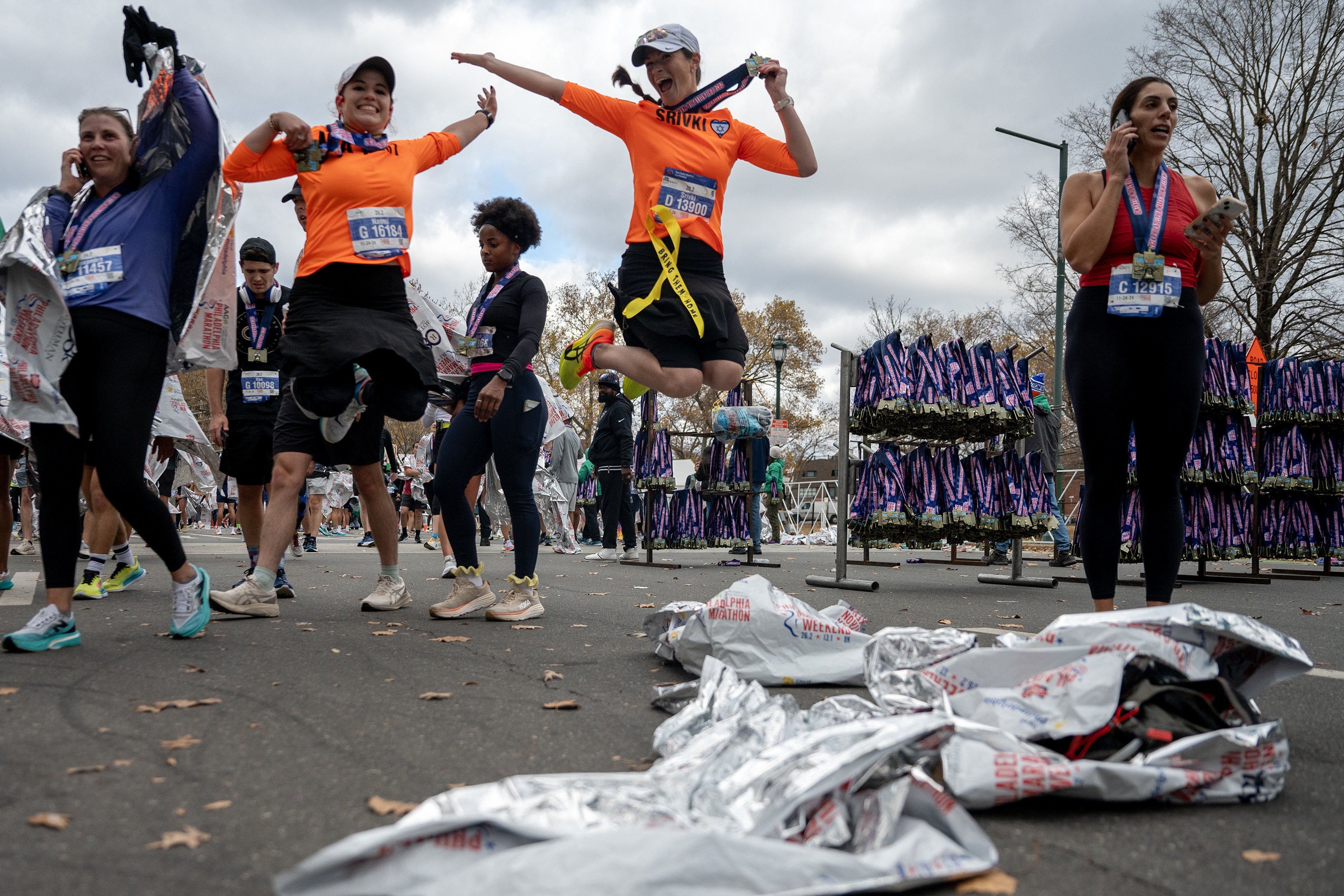
    Naomi Peker (left) and Srivki Weisberg (right) jump to celebrate their finish in the 2024 Philadelphia Marathon on Sunday, Nov. 24, 2024. They run with a club in Suffern, N.Y., and this was Peker’s first marathon.

    Awards & prize money

    Monetary prizes range from $225 to $10,000 depending on the race, with the Philadelphia Marathon’s Elite Division being the most competitive.

    See a full list of awards and prize money on the Philadelphia Marathon website.

  • The New York Times called Delco ‘rural America.’ But it did get a key part of ‘Task’ right.

    The New York Times called Delco ‘rural America.’ But it did get a key part of ‘Task’ right.

    On Monday morning, while scrolling on my laptop, I came across a post on X that asked a seemingly absurd question.

    “Is Delco rural America?” it asked.

    Of course not, I thought, but then I saw the attached photo and a New York Times headline: “This HBO miniseries gets rural America right.”

    In the opinion piece, television journalist Alan Sepinwall, a New Jersey native who went to Penn, says show creator Brad Ingelsby — who grew up in Chester County — “transports us to a downtrodden stretch of rural America where a guy like Robbie has to resort to stealing from drug dealers in order to make ends meet.”

    Downtrodden? Parts of it, perhaps. But I mean Villanova University, Swarthmore, and Haverford are in Delco, along with Neumann University, where the show filmed some scenes.

    Statistically, there’s really no argument to support that Delco is rural. It had 54 working farms in 2022, according to the Pennsylvania Farm Bureau. Chester County had 1,558 and Lancaster County, where in Task, the Dark Hearts dabbled in meth sales, had 4,680. Knowing the trends well, all of those numbers are surely down today. According to the Center for Rural Pennsylvania, none of Delco’s 49 municipalities are considered rural based on population density.

    Delco’s not much different from Philadelphia’s other ring counties on both sides of the Delaware: mostly suburban, with some more urban, post-industrial areas mixed in, along with a ton of strip malls, golf courses, and islands of great affluence. I grew up in a middle-class Camden County “pike town.” I know the vibes. I’ve known Robbies and Jaysons. I still see them at Wawa or read their obituaries. I’ve had beers with outlaw bikers and I’ve been threatened by them.

    I’m also uniquely qualified to talk about rural issues because that’s what I’ve covered at The Inquirer for close to a decade. I’ve written about deer urine farmers, counties with one traffic light, the difficulties of getting cell coverage, a decent workout, and even delivering pizza up mountain roads.

    I see the Times used the word “rural” to describe the show in a prior photo cutline too. It isn’t the only news outlet to call the show’s setting rural, either.

    Sam (Ben Doherty) in “Task.”

    To be fair, Ingelsby did present Delaware County as more rural than it is and the characters travel to a cabin. The quarry played a big role in the show, a sacred space for Robbie if you will, though one quarry in the show is 85 miles north, in the Lehigh Valley. Another is in French Creek State Park. In the piece, the author described the quarry as a “hot spot” and, perhaps, evidence of how little the area had. I grew up playing in an elaborate, questionable fort built atop a marshy, tidal creek behind an industrial park near my house. I get it.

    The characters in Task reminded me of the 2013 film Out of the Furnace, a crime drama set in post-industrial Western Pennsylvania. I just learned, while writing this, that Ingelsby co-wrote the script.

    I’ve covered the kind of places you’d see in Task: not quite rural or urban or even suburban, the in-between towns haunted by better days. Many of those towns lost vital industries, the ticket to a nice middle-class life, and nothing filled the void. In Delco, that dream’s still possible. A lot of those Dark Hearts could have good-paying union jobs.

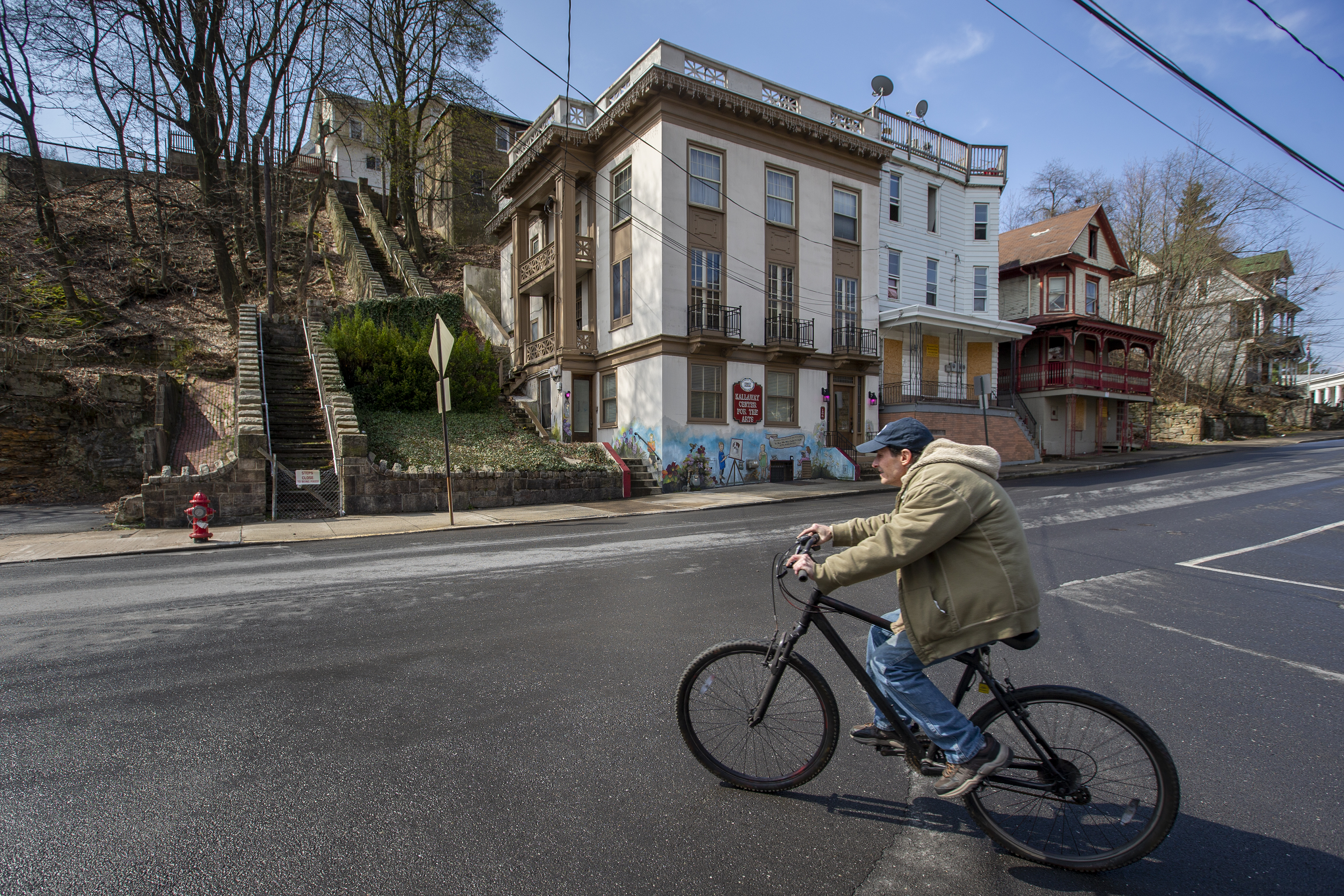
    A historic set of stairs in Shamokin, Pa.

    I just wrote about Shamokin, a hardscrabble, former coal town fit for Task. It became the butt of jokes after a news clip of locals mourning their burned-out Dunkin’ Donuts went viral.

    I go back to Shamokin time and time again for stories, but also because my great-grandparents are buried there in a mountain cemetery.

    I think Sepinwall was getting at something beyond statistics and density studies. Ingelsby, he wrote, takes viewers “somewhere other than their own reality to see the stories of people with whom they might identify.”

    Like Ingelsby, I’d like to think I’m offering readers a chance to better understand a place they’ve never been and flex their empathy.


    Jason Nark has written a handful of freelance pieces for the New York Times, like ones on crab boat races and the demise of rude carnival clowns.

  • A Bucks County couple built an architectural retreat in the woods

    A Bucks County couple built an architectural retreat in the woods

    When cookbook author Pamela Anderson and her husband, David, were looking for a bucolic escape in Bucks County, they found a forested stretch of land sandwiched between a high ridge and a stream to put down roots.

    The couple, who previously lived in New Hope, toured the 11-acre parcel in Riegelsville with an architect back in 2003, learning how their new home could flow with the land. Today, the focal point of Copper House might be the living room, with 180-degree views from floor-to-ceiling windows. It’s like forest bathing, from a comfortable couch.

    “We wanted a place to get away,” Anderson said on a recent October afternoon.

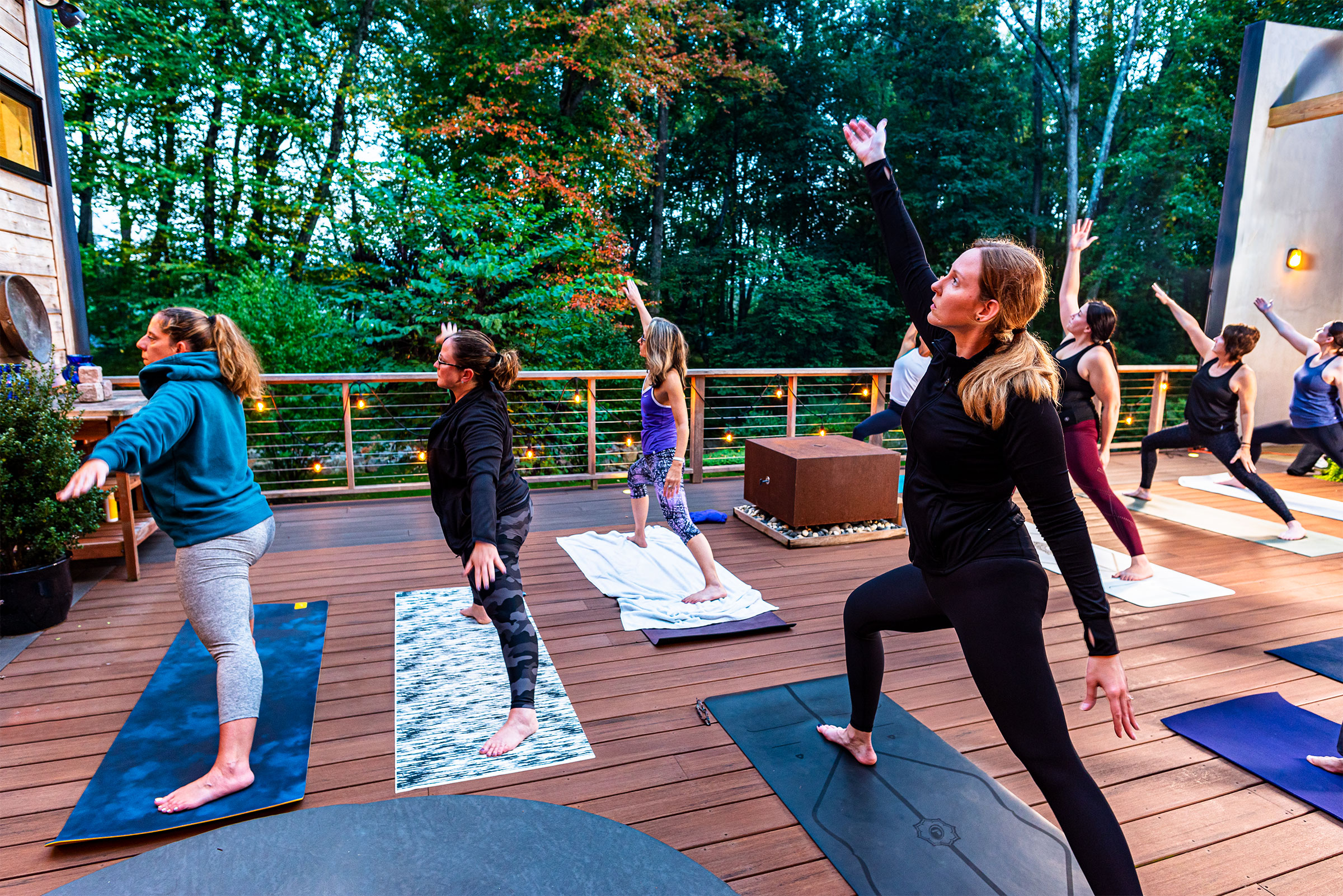
    Outside, they’ve woven gravel trails into countless grottos, fire pits, and other quiet gathering places for the numerous visitors who’ve descended upon their home for sound baths, yoga, and meditations. On this Friday afternoon, about a dozen architects and interior designers gathered at their home for a corporate retreat to learn about sustainable flooring.

    “Some people just want to come here to have a meeting in a lovely place,” Anderson said.

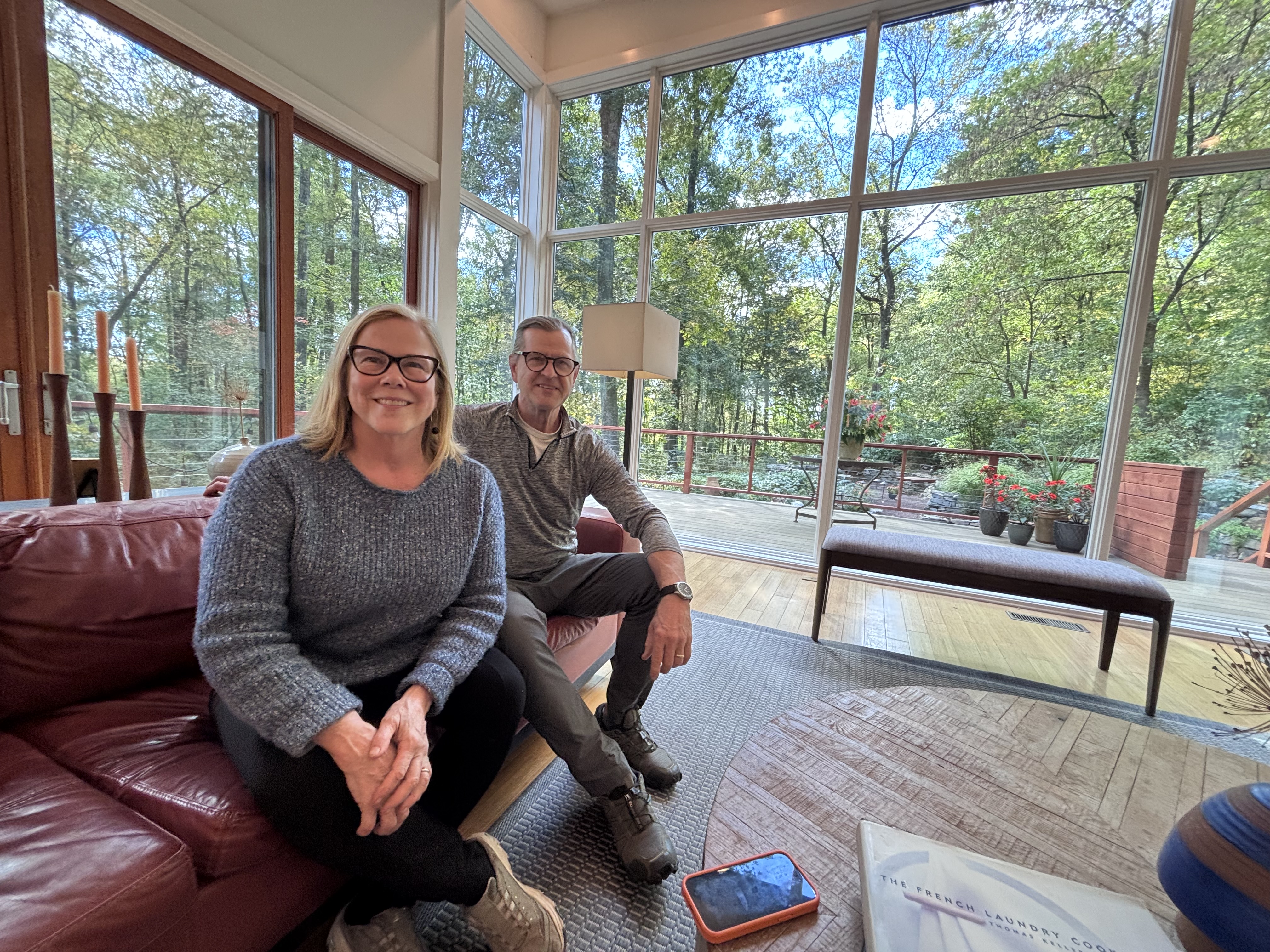
    Pamela and David Anderson sit on their couch in their home, Copper House, where they host events and retreats.

    The Andersons didn’t just want to live at Copper House, so they went beyond having friends over for dinner. They started hosting corporate events and retreats at their home during the early days of the COVID-19 pandemic, stopped for a bit, and got things back up again afterward.

    “We’ve done most of the work ourselves. We built all the walls ourselves from rocks we had here. It’s expensive to maintain this place, and these events help with that,” Anderson said. “It made sense for us.”

    Anderson, along with being a best-selling cookbook author, cooks most of the food for the retreats, harvesting local fruits and vegetables and cooking wood-fired pizza from an outdoor oven.

    “This was just a natural transition for me from that career to this one,” she said.

    David Anderson, a longtime Episcopal priest, said the landscape was wild when they first toured it, filled with brambles and invasive species. The couple has methodically rid the invasive species from various patches of their property, but that work never ends.

    Copper House in Upper Bucks County.

    Their latest retreat was hosted by Interface, an indoor flooring company that specializes in sustainable projects. Monica Blair-Smith, an account executive with Interface, said they’ve had meetings by a bonfire and in the labyrinth, so far, at Copper House. The team also took a sound bath.

    “We toured several places from here to southern New Jersey, but we really loved how much this space was integrated with nature. Hosting in such a beautiful space is important to us,” Blair-Smith said. “Once we toured it, we didn’t go anywhere else. It was a no-brainer.”

    Retreat packages at Copper House begin at $1,500.

    While events and retreats have become a lucrative business, the Andersons said Copper House is still a home they cherish.

    “You’re always seeing something new and different, and our senses are so heightened living here,” Pamela Anderson said. “In winter, it’s like living in a snow globe.”