Author: Marnie Old

  • How Washington state beats California when it comes to merlot

    How Washington state beats California when it comes to merlot

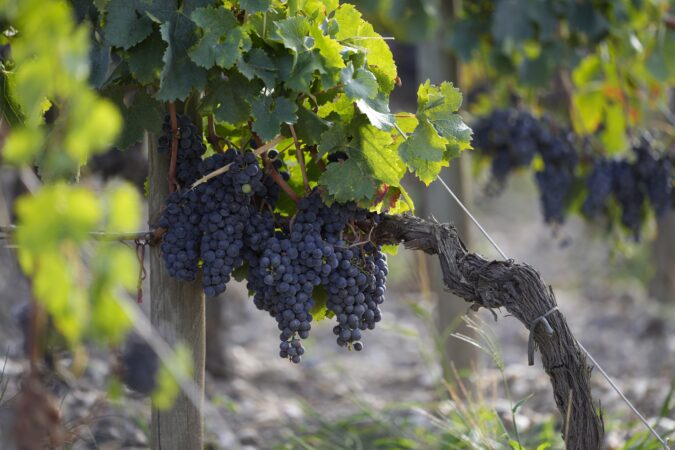
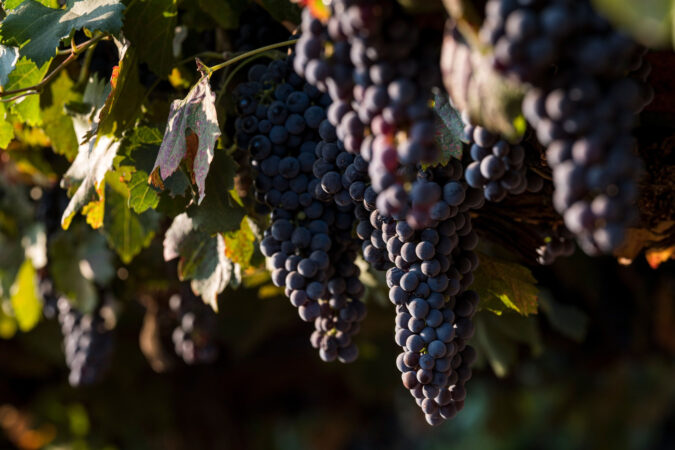
    Red wines may look dark as night in the glass, but they taste like bottled sunshine. That’s because it takes extra sunlight during the summer months to fully ripen dark-skinned grapes. Plants use photosynthesis to turn light into energy, and this process helps explain why Washington state has a natural advantage over California when it comes to making bold and concentrated merlots, like this value-priced example.

    During this time of year, Philadelphia gets the same amount of sunlight per day as Napa in California’s wine country — roughly 15 hours per day. Washington’s Columbia Valley is more than 700 miles north, which adds up to almost 10 degrees of difference in latitude. This differential provides Washington vineyards with an extra hour of sunlight in the critical weeks of the summer growing season.

    With more sun, vines don’t just ripen faster. They also produce more of the dark phenolic compounds in grape skins, which add color, flavor, and antioxidant properties to wine. The resulting difference is quite subtle in wines made using the very thickest-skinned red wine grapes — like cabernet sauvignon and syrah — but the effect is more noticeable in wines made using merlot.

    It would be difficult to find a California merlot that delivers this much concentration and substance for the dollar, with enough tannic grip on the palate to handle a juicy steak off the grill. Its flavors of blackberries and black plums taste fresh with only a hint of oak influence, similar to a light dusting of cocoa.
    14 Hands Merlot

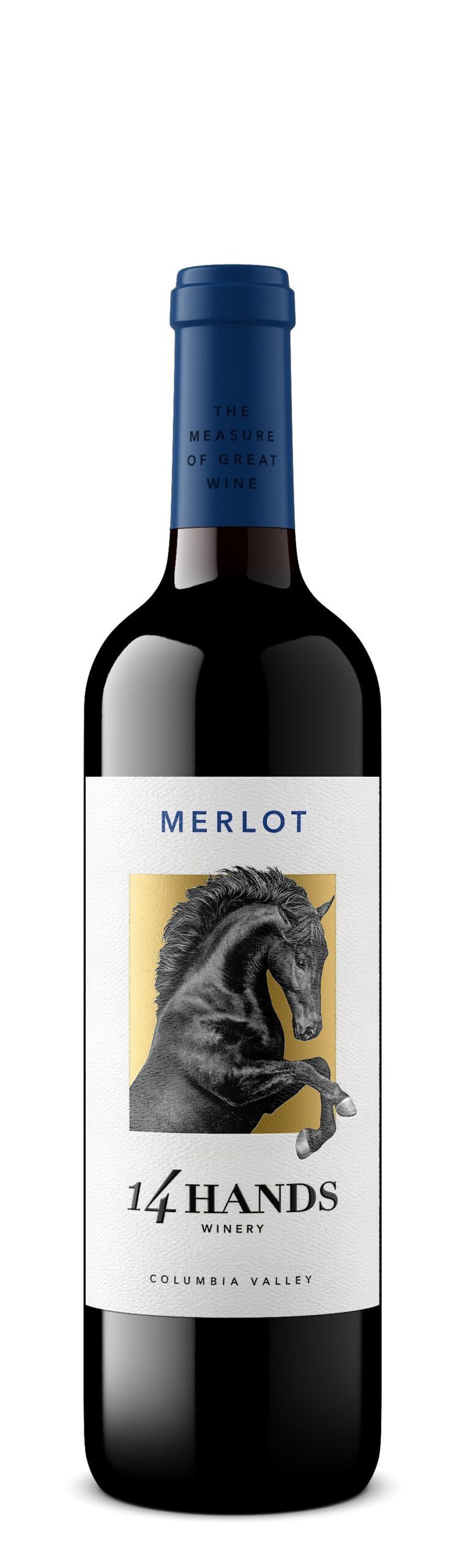
    14 Hands Merlot

    Washington; 13.5% ABV

    PLCB Item #98025 — $10.99 through Aug. 2 (regularly $13.99)

    Also available at: Moorestown Super Buy Rite in Moorestown ($9.49; moorestownbuyrite.com), WineWorks in Marlton ($9.98, wineworksonline.com), and Total Wine & More in Claymont and Wilmington, Del. ($9.99, totalwine.com).
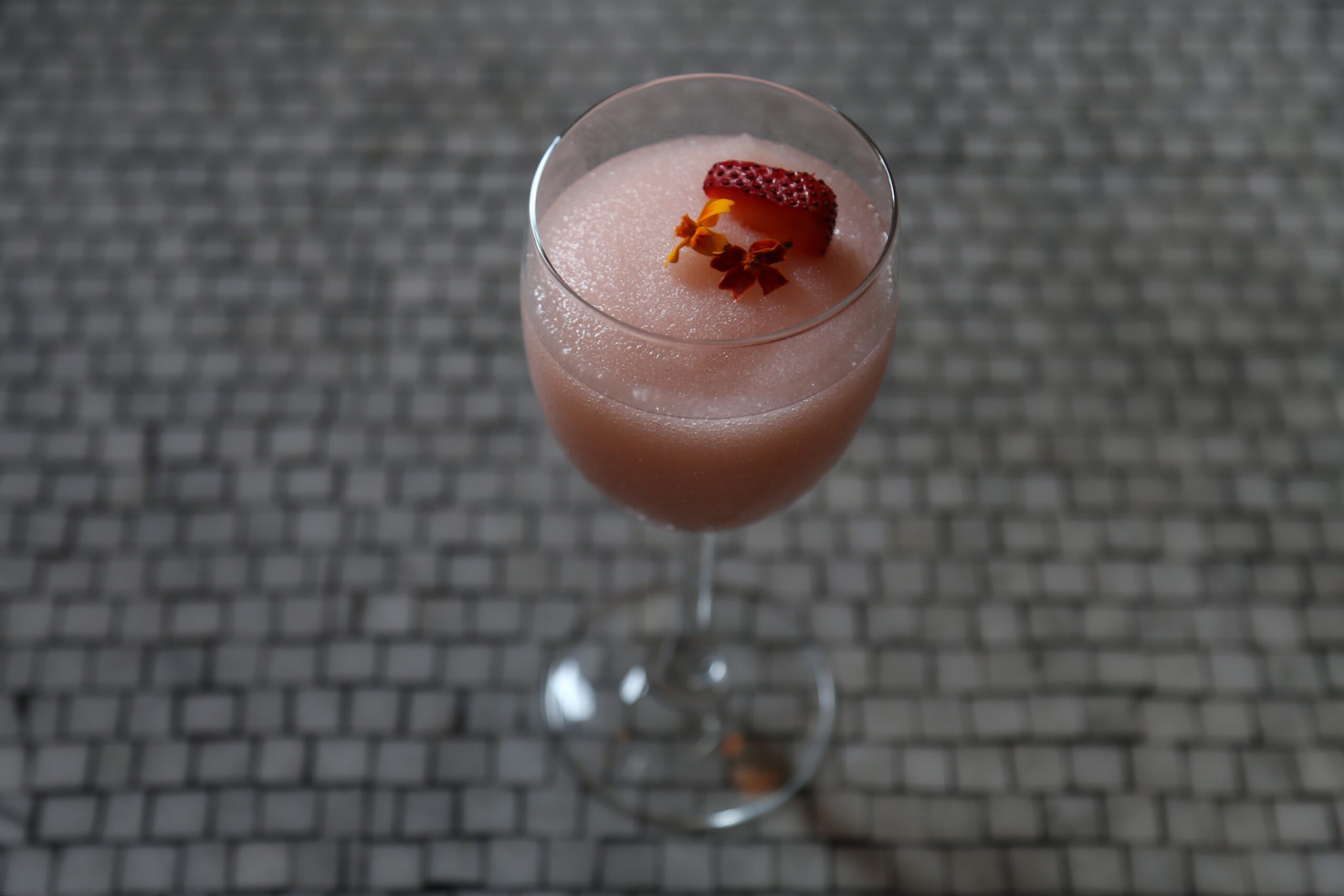
  • How to choose the right wine for frosé, a summertime cocktail staple

    How to choose the right wine for frosé, a summertime cocktail staple

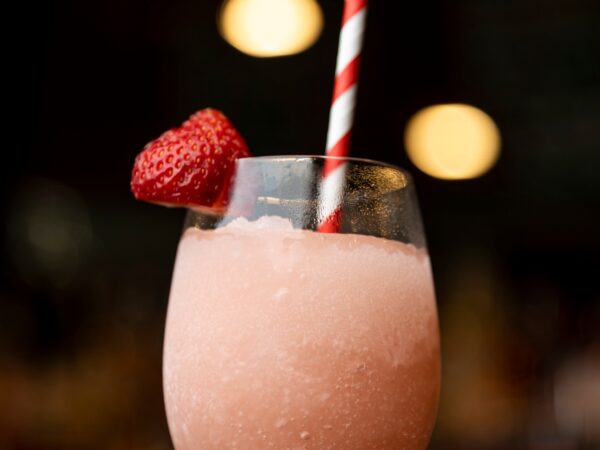
    It’s the 250th anniversary of the signing of the Declaration of Independence in Philadelphia, and this week is packed with activities to celebrate. It’s also the 10th anniversary of another historic event: The 2016 frosé — or frozen rosé — frenzy that kicked off when New York City’s Bar Primi put the drink on their cocktail menu and nearly broke the internet.

    Concocted in a slushie machine, the eye-catching frozen treat became an instant social media sensation, leading Bon Appétit magazine to publish a variation on the recipe that summer that topped their charts for months on end. Since July 4th weekend looks like it will be a scorcher, now is the perfect time to make frosé at home to celebrate both of these important contributions to the pursuit of happiness.

    Frosé at Parc.

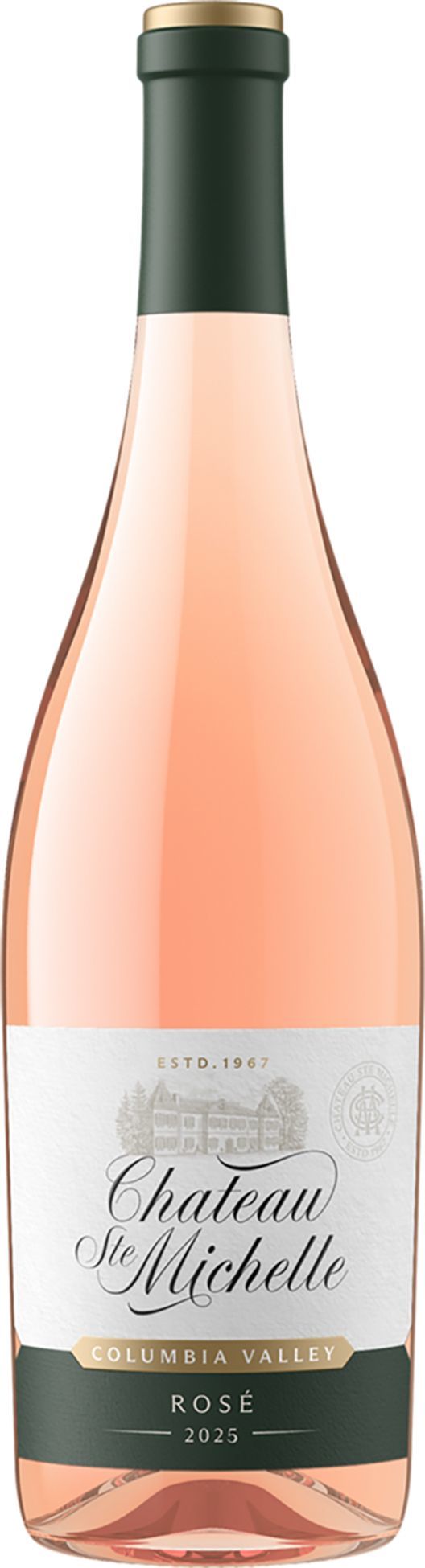
    Frosé is not the place for pricy rosés, so save the pale, understated beauties of Provence in the south of France to be enjoyed on their own. The frozen cocktail needs wines with bolder flavors and deeper colors to overcome the dilution and serving temperature, so opt for one with a color that pops on the shelf, like this wine from Washington’s Columbia Valley. There, darker grape varieties like syrah and cabernet sauvignon dominate the blend.

    The simplest way to frosé at home is the smoothie method: Fill your blender with frozen strawberries or watermelon and pour in enough rosé wine to cover the fruit and blend, adding sugar to taste as needed. For a more sheer and polished texture, make the drink with ice in place of frozen fruit and stick to clear ingredients. You may also need to spike with vodka and sweeten with a fruit liqueur to overcome the dilution.

    The original Bon Appétit recipe explains how to dissolve sugar in water with strawberries and lemon juice on the stovetop to make a simple strawberry syrup suitable for flavoring your frosé and deepening its color, which yields a refined and faithful variant on the Bar Primi classic. If you like your wines pure, undiluted, and dry, and you just happen to own an ice cream maker, your method is much easier. Pour this bottle in and churn about 20 minutes to get the perfect slushie machine texture you know and love.

    Chateau Ste Michelle Rosé

    Chateau Ste. Michelle Rosé

    Columbia Valley, Wash.; 12.5% ABV

    PLCB Item #98215 — $10.99 through July 5 (regularly $13.99)

    Also available at: Moorestown Super Buy Rite in Moorestown ($10.99; moorestownbuyrite.com) and Hopewell Super Buy Rite in Pennington ($10.99; hopewellbuyrite.com).

  • In Spain, Cava is more about technique than a sense of place

    In Spain, Cava is more about technique than a sense of place

    Sparkling wines are having a moment, and it’s hard to beat Spain in this category when it comes to great value. The country may be most commonly associated with red wine, but sparkling, white, and even rosé wines from Spain are all seeing significant growth in total exports. While there are other sparkling wine appellations in Spain, the vast majority — including this example — are labeled as cava.

    Where most wine appellations take their name from a place — think Champagne from France’s Champagne region — cava is different. The term means “cave” or “cellar,” referring to how it is made. Cava wines must, by law, follow the same traditional method of production as Champagne, which involves a second fermentation that takes place inside each bottle. The mechanism for adding the bubbles and letting the wine patiently age in a cellar is also central to its quality.

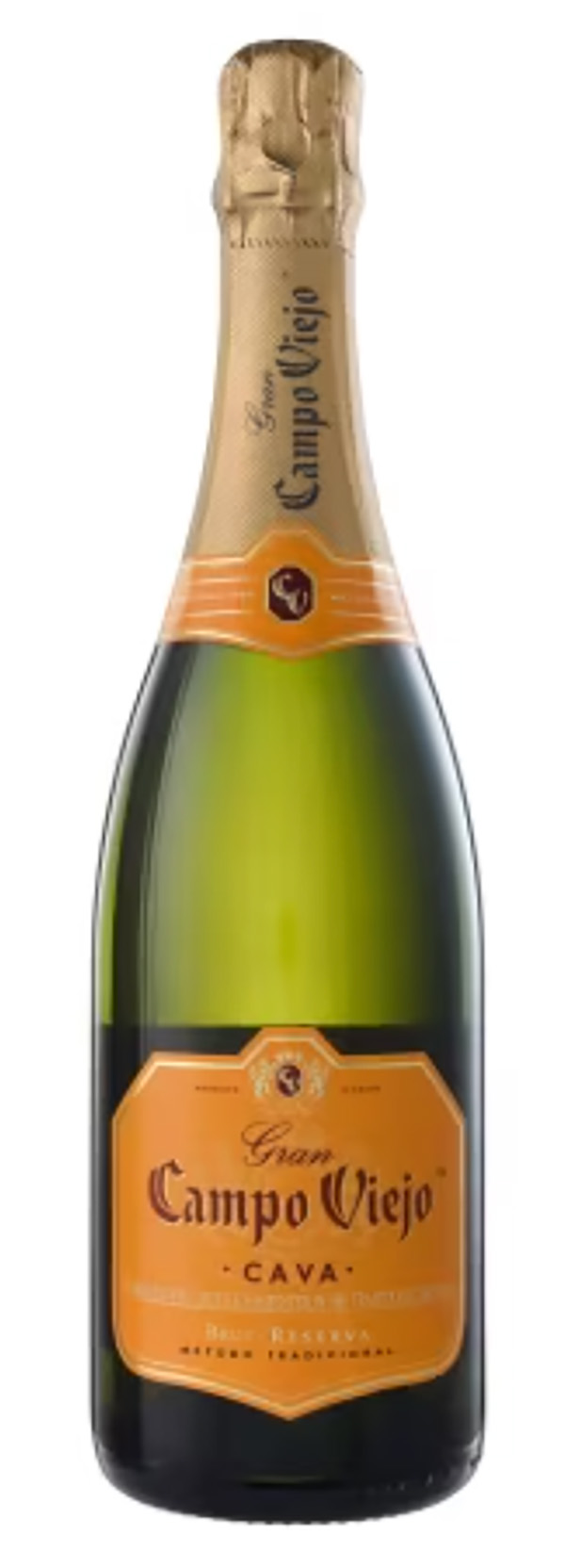
    Cava’s appellation was first conceived as a means for wineries across Spain to be able to sell a high-quality sparkling wine regardless of their region. In practice, however, most cava is grown and produced in northeastern Catalonia, near Barcelona, using native Spanish grapes such as macabeo, parellada, and xarel-lo. That’s the case for this wine as well, which is labeled under the name of a Rioja-based brand better known for their reds. In Spain, it’s not uncommon for large wineries in one region to extend their range by sourcing wines from partners elsewhere.

    Cava wines can be found at every level of ambition and price, from the cheap and cheerful to the ambitious and gastronomic. This wine falls at the simpler end of the continuum (as the price might suggest), with a delicate mouthfeel and refreshing flavors of apple, lemon, and blanched almond. It’s an ideal choice for relaxed day-drinking — mimosas highly recommended.

    Gran Campo Viejo Cava Brut Reserva

    Gran Campo Viejo Cava Brut Reserva

    Spain; 11.5% ABV

    PLCB Item #6563 — $10.49 through July 5 (regularly $13.49)

    Also available at: Canal’s Liquors in Pennsauken ($10.91; canals-liquors-pennsauken.myshopify.com), Total Wine & More in Cherry Hill ($9.67; totalwine.com), and Moorestown Super Buy Rite in Moorestown ($9.66; moorestownbuyrite.com).

  • Why France’s Provence region started ‘pinking’ its wine

    Why France’s Provence region started ‘pinking’ its wine

    As we enter the final days of the Philadelphia Flower Show, there’s no better time to break out the rosé. That’s because it’s the only wine category named for a flower, though indirectly.

    A rose is a rose in both English and French, but that same word is also the term used in French for the color “pink,” since that is the natural color of roses in the wild. When French winemakers describe pink wines (like this delicate beauty from Provence) as rosé, they are not referring to a particular grape, or even to a grape color. They are using their word for pink as a verb to convey that a wine that would normally have been made as a red wine, due to the dark purple color of its grapes, has instead been “pinked” in the winemaking process to yield a wine style that is much paler and lighter in weight.

    The Provence region was the first to begin deliberately “pinking” their wines back in the 16th century for reasons that make perfect sense in retrospect. This sun-bathed region of the south of France is too hot and sunny for growing healthy green grapes for white-winemaking, but is ideal for black grapes that don’t scorch as easily.

    The cuisine of Provence is famously dominated by seafood, tomatoes, and other vegetables, though, and this lighter Mediterranean fare is not a great match with big, heavy red wines. The elegant Provencal solution was to press their dark grapes immediately — to prevent the transfer of red wine color, flavor, and tannin into the juice — and then to ferment that pale pink juice slowly in their cool cellars as if it were a white wine.

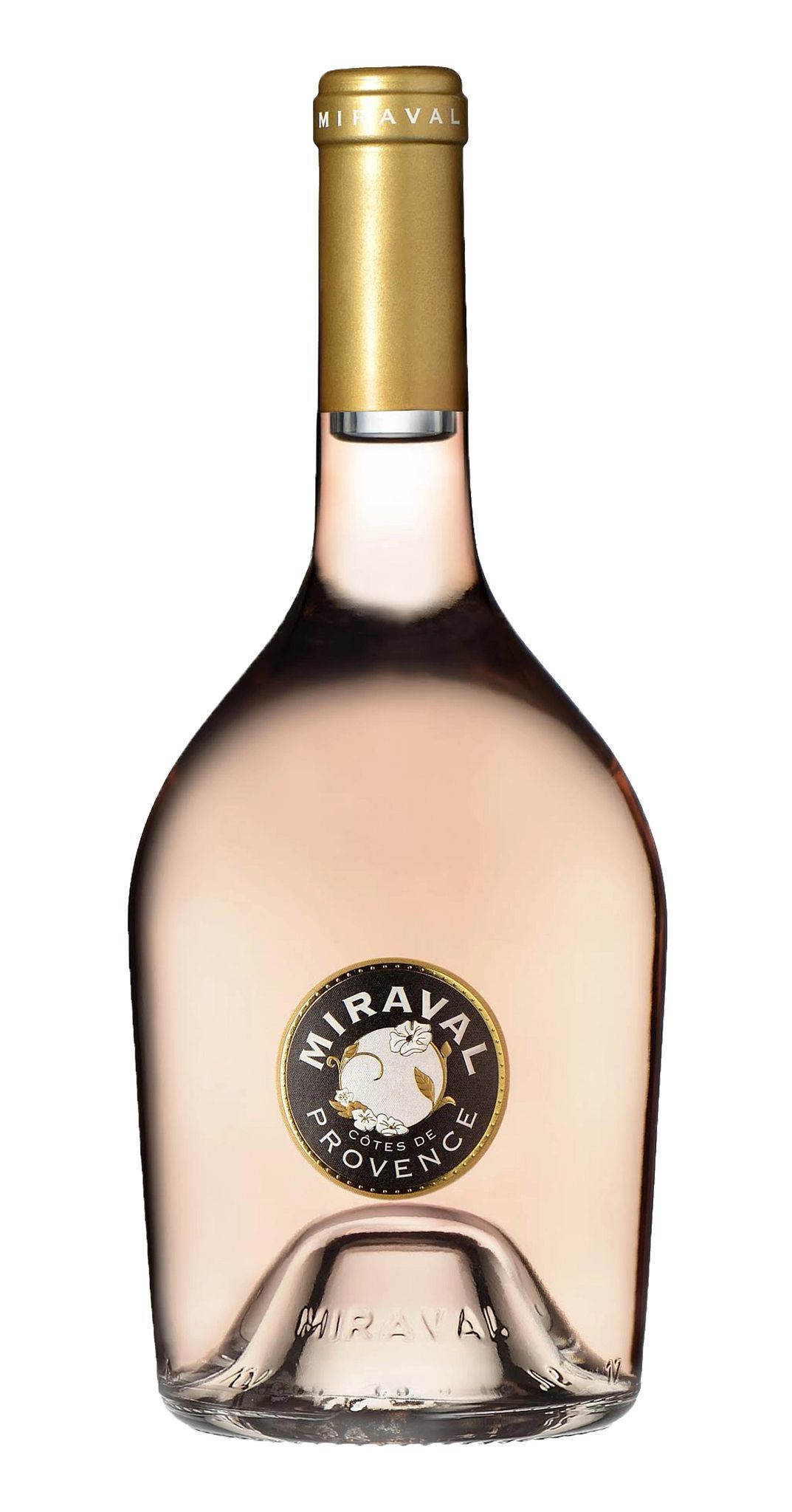
    Today’s Provence rosés are always dry and pale, with a focus on refreshment over flavor intensity. They command higher prices than pink wines made elsewhere. The finest examples are more ethereal than ever, with a silky texture, as with this high-profile example from an estate owned by Brad Pitt. This wine’s subtlety and grace make its aromas difficult to describe — a seamless but understated mix of red apple, white tea, and fresh dragonfruit.

    Miraval Côtes de Provence Rosé

    Miraval Côtes de Provence rosé

    Provence, France; 13% ABV

    PLCB Item #100026467

    On sale for $19.99 through April 5 (regularly $21.99)

    Also available at: Moorestown Super Buy Rite in Moorestown ($18.99; moorestownbuyrite.com), Canal’s Liquors in Pennsauken ($19.91; canalsliquors.com), and Total Wine & More in Wilmington and Claymont, Del. ($21.99; totalwine.com)

  • How malbec became a wine-world phenomenon

    How malbec became a wine-world phenomenon

    Most of the wine regions located outside of Europe grow the same roster of famous French grapes, because those were in greatest demand when their vineyards first began trying to compete with the classics on quality. That’s why the top grapes of Burgundy and Bordeaux are so ubiquitous; almost every country of the Americas and southern hemisphere offers mostly chardonnay and sauvignon blanc for white wines and cabernet sauvignon, merlot, and pinot noir for reds. However, there are some exceptions, as with the singular case of Argentina, whose signature malbec grape is rarely grown anywhere else, and was chosen for that role the old-fashioned way.

    All fine wine grapes belong to one single species and most European regions make wine from their own local “varieties.” These varieties reflect natural genetic variation, but in Europe, those that became dominant in any given place are those that have proven themselves over time to be well-suited to that region’s terrain, climate, and soil types.

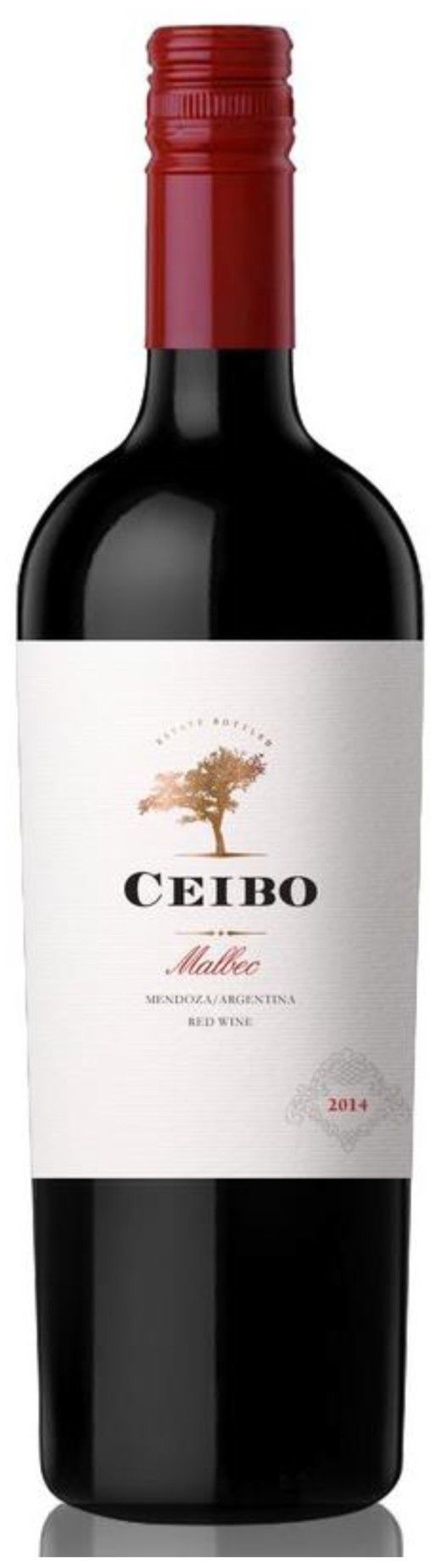
    While most New World wine regions simply adopted the most successful European varieties, one man in Argentina — a French agronomist — was determined to figure out first what grapes would perform best. Michel Aimé Pouget brought in cuttings of many European vines in the 1850s and established the country’s most influential wine institution. Malbec was then an obscure grape that was in decline in its native France but proved itself in trials to be ideally suited to the sun-drenched slopes of the Mendoza region. From that point forward, malbec was relentlessly promoted to growers as the safest bet for vineyard plantings, resulting in malbec becoming Argentina’s gift to the wine world. Bursting with flavors of black cherries and blackberry jam, this example features malbec’s distinctive purple color, velvety mouthfeel, and faintly floral scent of candied violets.

    Ceibo Malbec

    Ceibo Malbec

    Mendoza, Argentina; 14% ABV

    PLCB Item #100034251 — on sale for $11.99 through March 1 (regularly $13.99)

    No alternate retail locations within 50 miles of Philadelphia according to Wine-Searcher.com.

  • A style of chardonnay that’s bone-dry and tart

    A style of chardonnay that’s bone-dry and tart

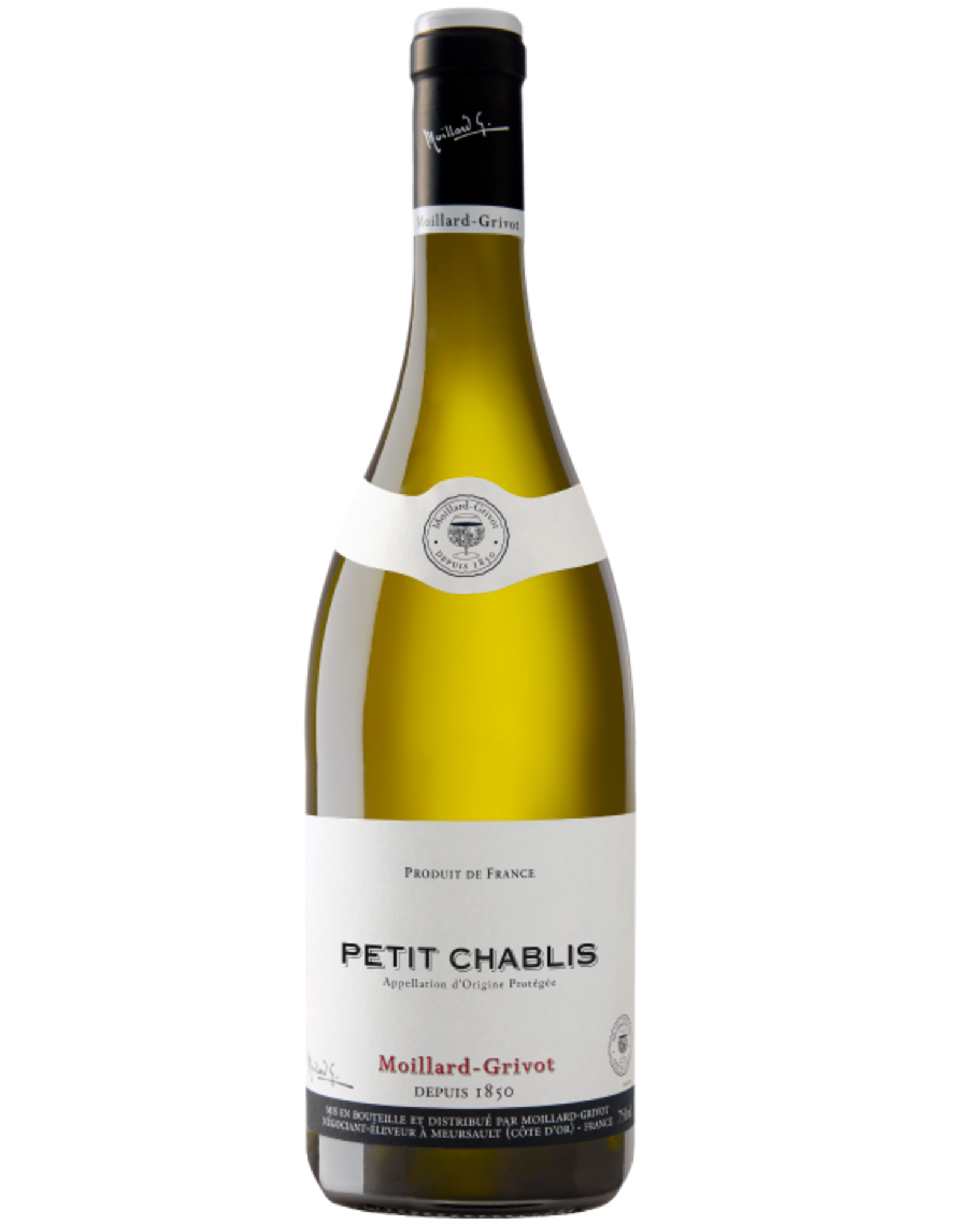
    Chablis is a French white wine made with 100% chardonnay grapes, but its flavor profile is nothing like the chardonnay American wine drinkers are accustomed to. Where most Chardonnays are fuller-bodied and richer in texture than other whites, Chablis is lightweight and sheer on the palate. Where the majority of Chardonnays feature some overt apple-pear fruitiness and the distinctive pumpkin spice flavors of new oak, almost all Chablis wines are bone-dry, unoaked, and a little anemic in the fruit department. Most importantly, where most Chardonnays are on the softer end of the white wine acidity scale, Chablis is famously tart — so much so that it can taste unpleasant alone, needing to be partnered with salty foods in order to taste balanced.

    All of these qualities give Chablis an austerity whose appeal is a challenge to describe in positive terms, as with the ferocious bitterness of Campari or the beach-fire funk of an Islay single-malt scotch. Like these other drinks, Chablis tends to be an acquired taste that rarely appeals to the wine novice, but nonetheless retains its prestige from generation to generation as new converts discover its charms.

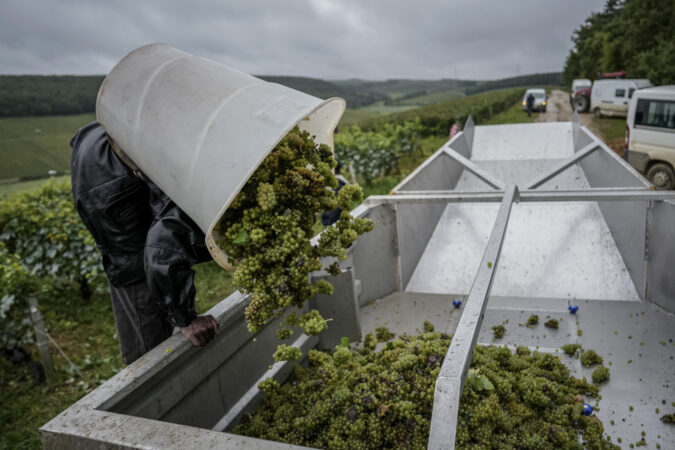
    What makes Chablis so distinctive is that it is grown in considerably colder conditions than is normal for the chardonnay grape — in a zone of northern France whose climate is a closer match to that of Nova Scotia than it is to California’s. Low ripeness in the fruit grown in Chablis amplifies acidity and minerality, while suppressing fruitiness and alcohol. While most Chablis is quite pricey, petit Chablis — or small Chablis — is the name used there for modest, entry-level wines like this one. It may not have the complexity or the long finish of a superior Chablis, but makes a solid introduction to this style that is a chardonnay for chardonnay haters. Brisk, cleansing, and as dry as the desert, with flavors of crabapples and goat cheese, it makes a marvelous match for any food you might squeeze some lemon on.

    Moillard-Grivot petit Chablis

    Moillard-Grivot petit Chablis

    Burgundy, France; 12.5% ABV

    PLCB Item #100048775 – on sale for $17.99 through March 1 (regularly $19.99)

    No alternate retail locations within 50 miles of Philadelphia according to Wine-Searcher.com

  • A wordplay-forward California cabernet sauvignon that’s ripe and fruity

    A wordplay-forward California cabernet sauvignon that’s ripe and fruity

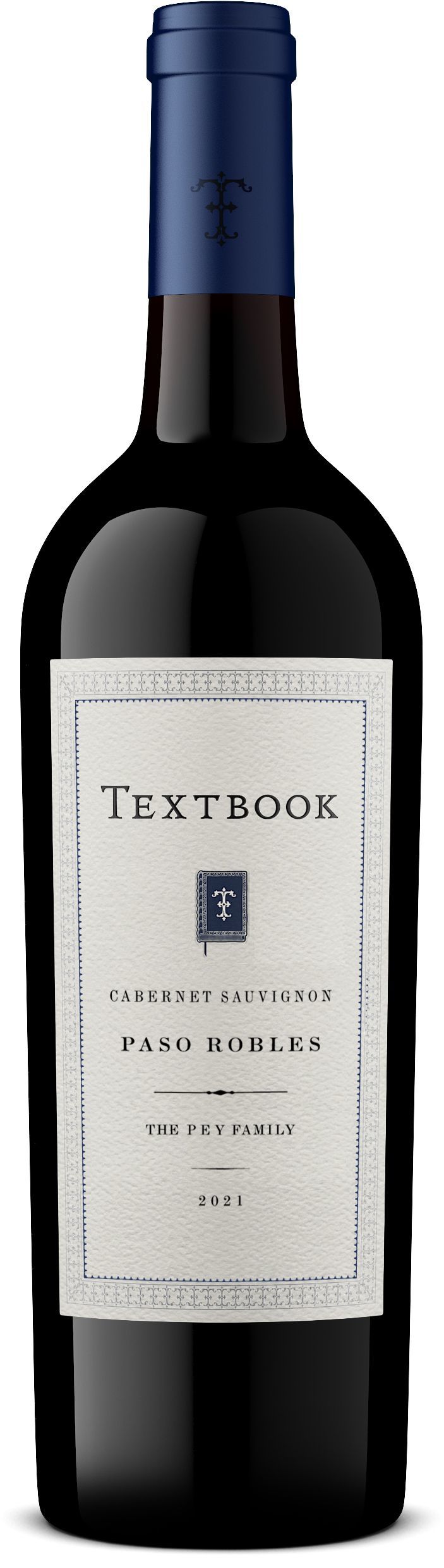
    Much of the communication that takes place in the wine world is in code. Words are used that may seem to mean one thing, but actually signal another. This wine unpacks an expert-level wine concept (as its name indicates), and its lesson is quite helpful for those who’d like to be able to navigate their wine options with more confidence.

    While the name Textbook cabernet sauvignon might seem innocuous, it’s a clever play on words — suggesting that this wine is a good example of the classic style associated with that particular grape. This is a reference to what experts call “varietal correctness” in wine, a concept that is rarely encountered in other corners of the food world. After all, most of the time, a tomato tastes like a tomato, a cheddar cheese like a cheddar, and so on. However, there is considerable style variance found in wines made using the same grape. Not only can they taste quite different based on where they are grown, but that flavor can also be manipulated dramatically in the winemaking process.

    So what is the “correct” way for cabernet sauvignon to taste? A century ago, all wines of quality came from Europe, from regions that each grew their own native grape varieties, with cabernet sauvignon hailing from the Bordeaux region of France. So when vintners aim to produce a classically styled version of this grape, they aim for Bordeaux-style characteristics, and that is what the sly branding here conveys.

    While this California wine is far riper and fruitier than a Bordeaux, thanks to the climate and terrain of the Paso Robles region, it does display a French-inspired restraint in its styling. Compared to its closest competitors, it feels a touch lighter on the palate, tastes a smidge drier on the tip of the tongue, and has a bit more of the tartness and slight bitterness found in French cabernet sauvignon. The overall effect is to give the wine a flavor profile closer to that of fresh blackberries than of baked blackberry desserts, making it quite food-friendly and especially well-suited to foods containing peppers, tomatoes, or olives.

    Textbook Cabernet Sauvignon

    Textbook Cabernet Sauvignon

    Paso Robles, California; 13.9% ABV

    PLCB Item #100034407 — on sale for $22.99 through March 1 (regularly $27.99). No alternate retail locations within 50 miles of Philadelphia.

  • Look for this term when picking a chardonnay that’s fresher and brighter

    Look for this term when picking a chardonnay that’s fresher and brighter

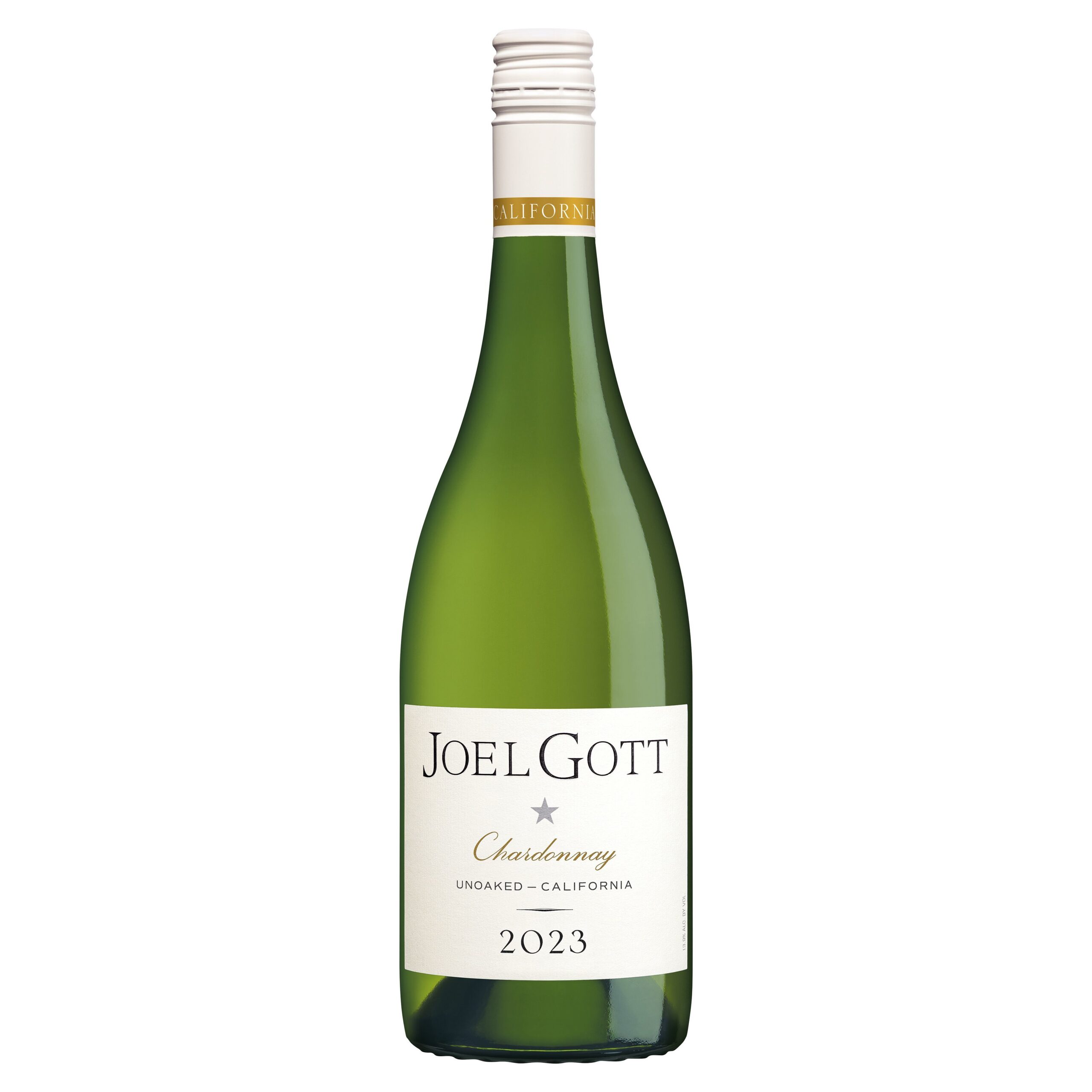
    While it may not be in the average American’s vocabulary, the wine trade term “unoaked” — found on this wine’s label — is now formally recognized as a word by most dictionaries. It refers to wines or spirits that do not come into contact with wood in the winemaking process and therefore do not feature the constellation of sensory traits that are traditionally imparted to wine through either fermentation or aging in oak barrels.

    Oaky wines feature the distinctive tastes and smells of toasted oak — a nutty, caramelized quality reminiscent of vanilla, bourbon, and dessert spices. While oakiness is present in the vast majority of premium red wines, it doesn’t stand out as vividly as it does in white wines, so is rarely mentioned by the winery. As a result, the word unoaked is almost invariably used as a white wine descriptor, since in this category it has both a useful descriptive meaning and positive connotations from a marketing perspective. Chardonnay is the main white grape whose wines become more desirable when they are oaked, so it is also the main style where customers may be actively seeking an unoaked version.

    This unoaked chardonnay from California is an atypical example in that it is both lighter bodied and fresher tasting than the winery’s premium, barrel-fermented offering. Made entirely in stainless steel tanks, it is also decidedly more refreshing, with more prominent snappy acidity. Its flavor profile is of fresh-picked orchard fruits like golden apples and ripe green pears, with a juicy touch of cantaloupe.

    Joel Gott Unoaked Chardonnay

    Joel Gott “Unoaked” chardonnay

    California; 13.8% alcohol

    PLCB Item #4010 — on sale for $14.99 through March 1 (regularly $16.99)

    Also available at: Canal’s of Berlin Discount Liquor Mart in Berlin, N.J. ($11.99; canalsofberlin.com), Wine Warehouse in Mantua ($12.98; mantua.winewarehousenj.com), Canal’s Liquors in Pennsauken ($13.99; canalsliquors.com).

  • Spain is a wine-making giant. Try this underappreciated red.

    Spain is a wine-making giant. Try this underappreciated red.

    Spain is the world’s third largest wine producer, with a longer history of growing grapes and making wine than France. However, the region was slower to modernize due to its unique history, which included a teetotaling 20th century dictator who systematically forced the wine industry to churn out cheap wines rather than improve their quality during his 35-year rule. In a remarkably swift turnaround sparked by joining what is now the European Union, Spain is today making some of the most exciting world-class wines, many of which blend old-world traditions with new-world techniques to broaden their international appeal.

    (Sadly, wines like this one — from one of Spain’s most respected appellations — have not been well represented in Pennsylvania wine stores, simply because the state-run system has also been slow to modernize.)

    Most of Spain’s wines are red, and the vast majority are made with grapes native to their localities. The nation’s two most famous red wine appellations are Rioja and Ribera del Duero, which are both made using primarily tempranillo grapes and hail from neighboring regions. On the map, these zones appear to be separated only by a range of mountains, but their climates and cultures could not be more different, and these key factors shape the flavor of their wines.

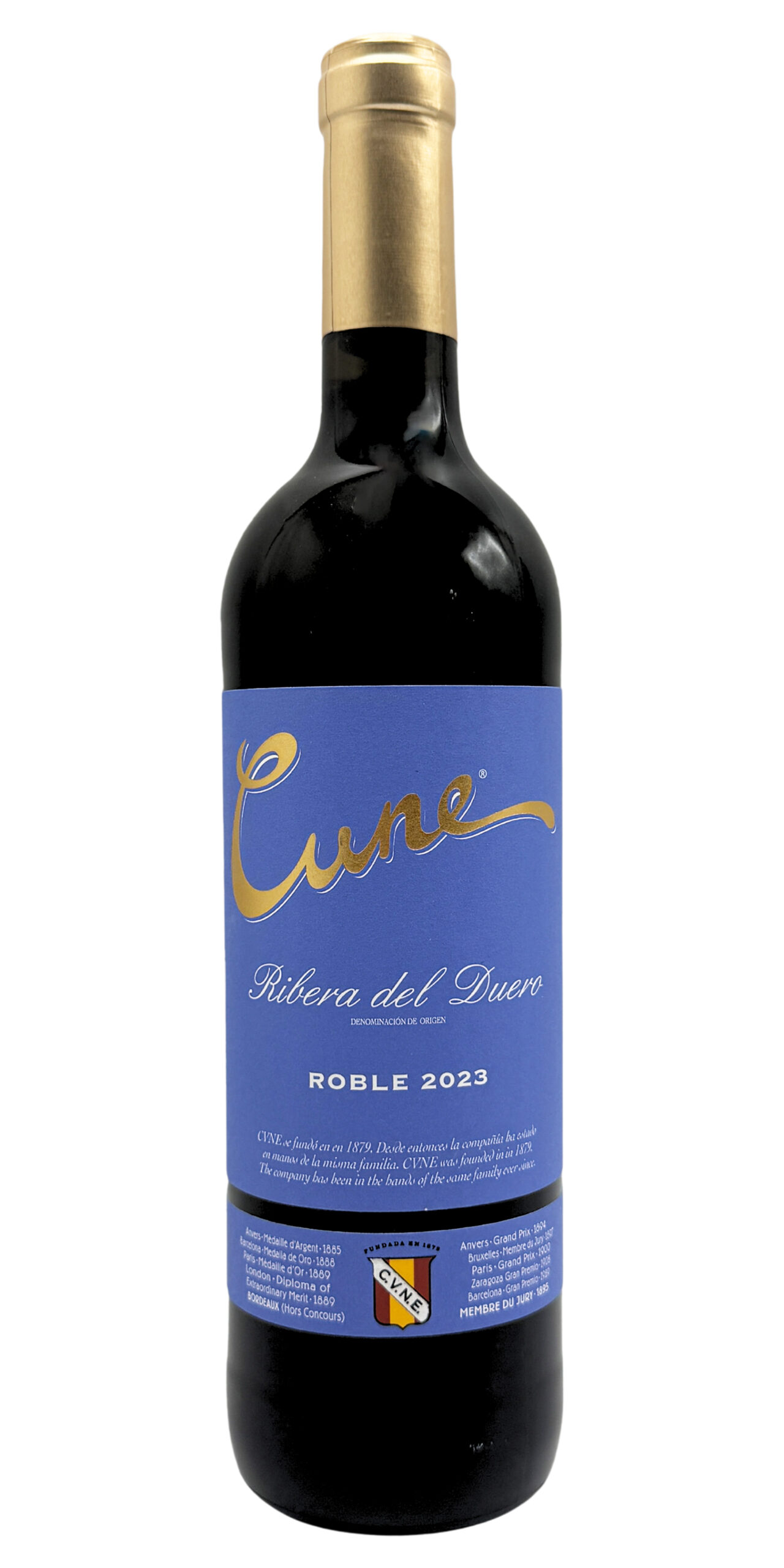
    Of the two, Rioja is better known and far better represented in our area. It is also the cooler of the two regions. Makers blend tempranillo with other grapes and have a tendency to age wines longer in barrels, often producing old-school wines that can be as delicate as French pinot noir. Ribera del Duero wines are usually denser, darker, and stronger and more often made with 100% tempranillo, as with this example. Since they are grown in warmer, drier conditions that amplify their ripeness, their winemaking is more likely to reflect modern sensibilities familiar to fans of California wines. This value-oriented example features tempranillo’s signature combination of red- and blue-fruit flavors like raspberry and blueberry. Being of the oaked “roble” style, it also features an overt gloss of new-oak aromas (think vanilla and coconut).

    Cune’s Ribera del Duero ‘Roble’ (oaked tempranillo) from Spain.

    Cune Ribera del Duero “Roble”

    Castilla y León, Spain; 14% ABV

    PLCB Item #100049322 — on sale for $14.99 through Feb. 1 (regularly $17.99)

    No alternate retail locations within 50 miles of Philadelphia, per Wine-Searcher.com.

  • One-dimensional wines are boring, but complex ones are pricey. This riesling manages to be neither.

    One-dimensional wines are boring, but complex ones are pricey. This riesling manages to be neither.

    One of the characteristics associated with prestige wines is known in the trade as “complexity.” While the term can sound pretentious to the average drinker, it captures a fundamental truth about what people find desirable in an alcoholic beverage. In much the same way that a plot with no twists makes for a boring film, a one-dimensional wine with no complexity makes for a boring drink. One-dimensional wines are those that have one main sensory thrust with no balancing component, as with wines that are sticky sweet with no balancing acidity or red wines that are bitter and tannic without balancing fruitiness.

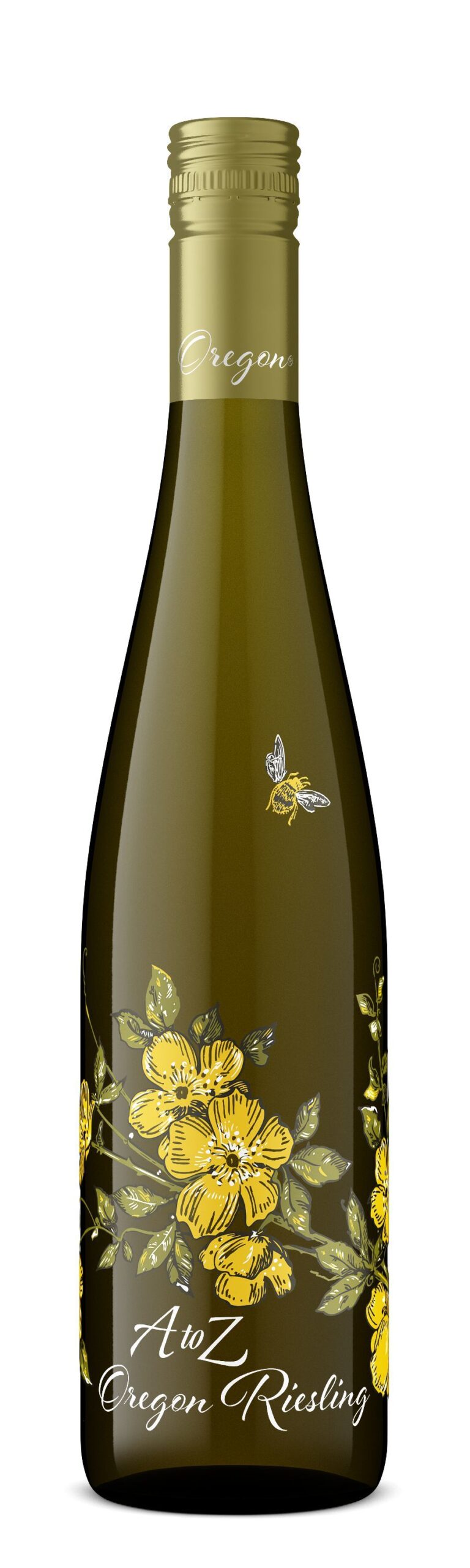
    This sweet-tart wine from Oregon has enough layers of complexity to outperform many of its peers flavor-wise. It also acquires that complexity in an interesting way.

    There are two main paths a winemaker can take in creating a wine that has complexity. One is to grow your grapes in a truly special vineyard where the precise combination of terrain, microclimate, and soil composition known as terroir produces fruit whose flavors contain some internal contradictions once fermented into wine. This is a laborious and expensive proposition where the goal is to produce wines that are not simply light or heavy, sweet or dry, fruity or oaky, but instead manage to contain multitudes.

    The other way to achieve multidimensional results is through skillful fruit selection and blending, which is the secret behind this affordable wine’s harmonious complexity. It may be made with 100% riesling, but its vintners aimed for as much diversity in that fruit as possible. The wine’s vineyard sources span the full stretch of Oregon’s coastal valleys, from the Willamette Valley in the north to the Rogue Valley in the south, including a mix of both younger and older vines. Within those vineyards, fruit is picked in different batches at different times to capture both the electric zing of underripe grapes and the liqueur-like opulence of late-harvest fruit to flesh out and complexify those of standard ripeness. Once blended, the wine offers both richness and refreshment in equal measure. Succulent dessertlike flavors of lemon curd and muskmelon sorbet are balanced with drier components — bracing hints of fresh lime, mint tea, and just a thread of stony minerality.

    A to Z Riesling

    A to Z Riesling

    Oregon, 12% ABV

    PLCB Item #87013 — on sale for $16.99 through Feb. 1 (regularly $19.99)

    Also available at: Total Wine & More in Claymont, Del. ($14.99; totalwine.com), Moorestown Super Buy Rite in Moorestown ($15.39; moorestownbuyrite.com), WineWorks in Marlton ($15.98; wineworksonline.com)