Author: Marnie Old

  • A state store-stocked pinot noir that overdelivers for its price point

    A state store-stocked pinot noir that overdelivers for its price point

    There are plenty of value-priced wines to choose from these days. Indeed, there are so many that it can be a challenge to select a bottle with any confidence, since wine quality can range quite dramatically within each price tier. It’s tempting to simply spend more to increase your odds of drinking a well-drafted wine, but if you are willing to do a little homework, there is a reliable way to identify wines that are likely to overperform.

    The lowest-priced wines from respected, top-notch winemakers will almost always be superior to similarly priced wines from less ambitious competitors. This entry-level Willamette Valley pinot noir from Ken Wright is a perfect example, offering a wine that is more nuanced, more complex, and has far more integrity than most pinot noirs available at this price.

    Ken Wright was among the earliest Oregon winemakers to earn recognition for the quality of his wines. A stint working in high-end restaurants inspired him to study winemaking in California in the 1970s. There he made lifelong friends, some of whom made the trek north to Oregon in search of terrain and climate that could produce better pinot noir than what was then possible in California. Inspired by their experiences, Wright brought his family to the Willamette Valley in 1986 and quickly became one of the region’s rising stars. Ken Wright Cellars was founded eight years later and to this day is revered for the richness, grace, and fine-tuned balance of its single-vineyard pinot noirs.

    This wine is their most modestly priced cuvée, a blend that includes barrels that don’t make the cut for the winery’s top bottlings. Wright’s wines are known for their plush generosity of fruit and lithe, food-friendly balance. This dry, midweight red offers bright blueberry and cherry flavors that feature a faint whiff of cinnamon and cocoa rarely found in wines that see no aging in new oak barrels.
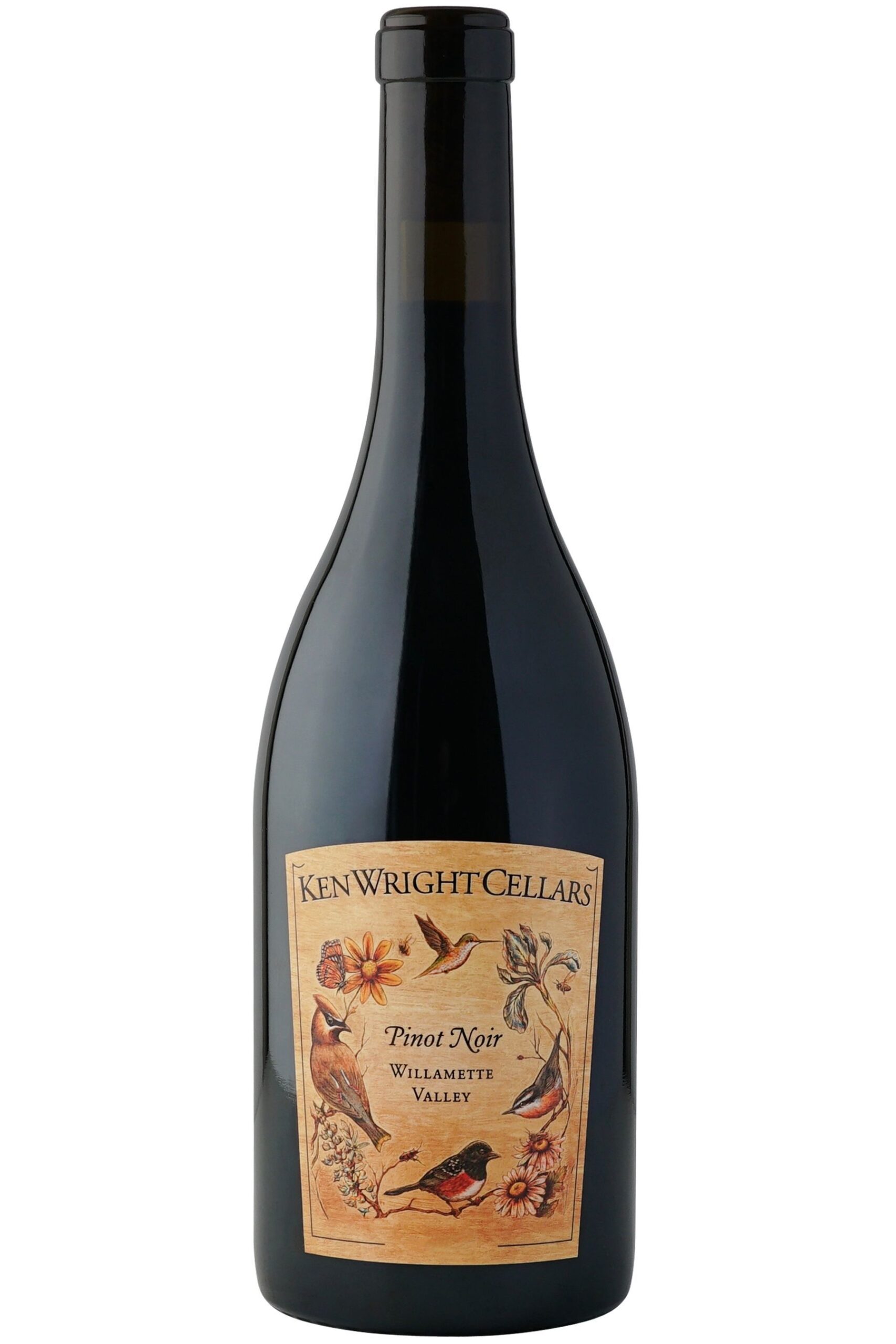
    Ken Wright Pinot Noir

    Ken Wright pinot noir

    Willamette Valley, Oregon; 13.8% ABV

    PLCB Item #100032864 ― on sale for $22.99 through Feb. 1 (regularly $24.99)

    Also available at: Hopewell Super Buy Rite in Pennington, N.J. ($22.99; buyrite.wine), WineWorks in Marlton ($23.98; wineworksonline.com), Canal’s in Pennsauken, Mt. Ephraim, and Glassboro ($23.99; canalsliquors.com, mycanals.com, canalsofglassboro.com)
  • Low-alcohol wines are trending. Here’s one that’s actually good.

    Low-alcohol wines are trending. Here’s one that’s actually good.

    If there is one thing that winemakers are certain of at the dawn of 2026, it’s that demand will continue to grow for lighter wines that contain less alcohol. To date, those who have successfully capitalized on this trend have tended to be cheap, mass-market brands. To appeal to those looking to reduce their alcohol intake, many companies have created “light” brand spinoffs, in which some portion of the wine’s alcohol is removed with tech wizardry.

    Removing alcohol, however, alters flavor and compromises the complex balance of tastes, smells, and textures that people expect from a good wine.

    As lighter wines grow more popular, a number of smaller and more traditional wineries are exploring alternate methods for making lower-alcohol wines without sacrificing quality. Companies like Ramón Bilbao in Spain are making lighter, brighter, and fresher wines by changing how they grow their grapes instead of how they make their wine.

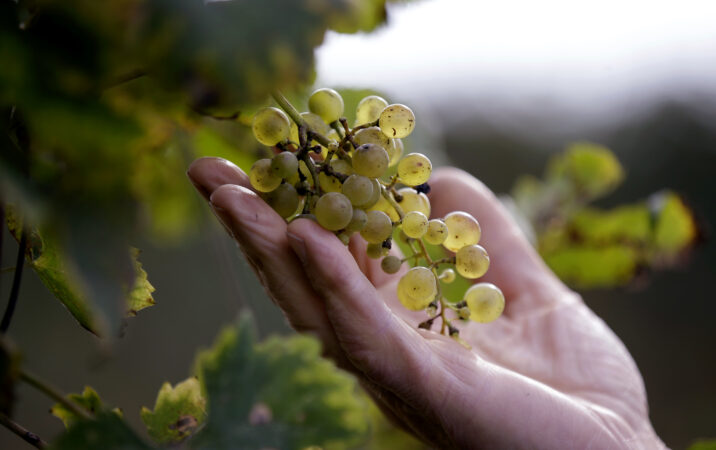
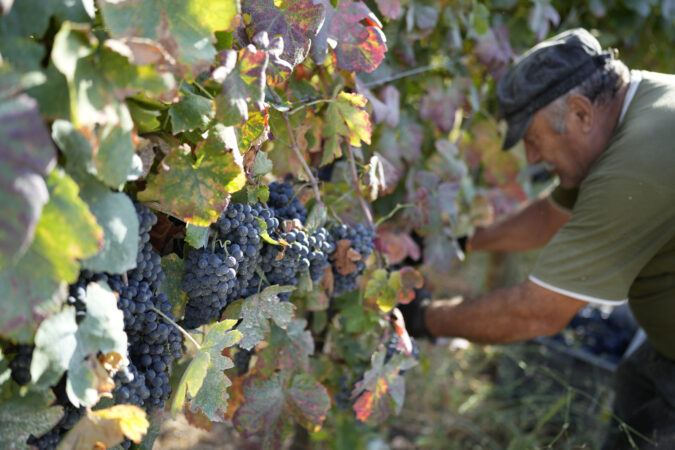
    This limited-edition “Early Harvest” wine is crafted from verdejo grapes picked two weeks earlier than usual in the Rueda region of Spain’s Douro River Valley. Picking grapes earlier results in fruit that contains lower levels of sugar and higher levels of tangy acidity — yielding fresh, vibrant wines that contain a lower percentage of alcohol than the norm.

    Ramón Bilbao’s standard Rueda verdejo contains 13% alcohol, a very typical strength for a dry, unoaked white wine. This early-harvested version is 15% lower in alcohol, coming in at only 11% ABV. Both iterations are crisp, dry, citrusy, and herbal, with a flavor profile that would please any fan of sauvignon blanc or grüner veltliner. However, rather than tasting flattened by alcohol-reduction machinery, this early-harvested edition is simply more delicate and perhaps a touch more refined. It is, after all, a superior cuvée from a single estate. Its flavors may be lighter and milder but the wine is nonetheless balanced, complex, and complete in a way that manipulated “light” wines are not.

    Ramón Bilbao “Early Harvest” Verdejo

    Rueda, Spain; 11% ABV

    PLCB Item #100049347 — on sale for $16.99 through Feb. 2 (regularly $19.99)

    No alternate retail locations within 50 miles of Philadelphia according to wine-searcher.com.

  • This wine tastes like the cherries found at the bottom of a good Manhattan

    This wine tastes like the cherries found at the bottom of a good Manhattan

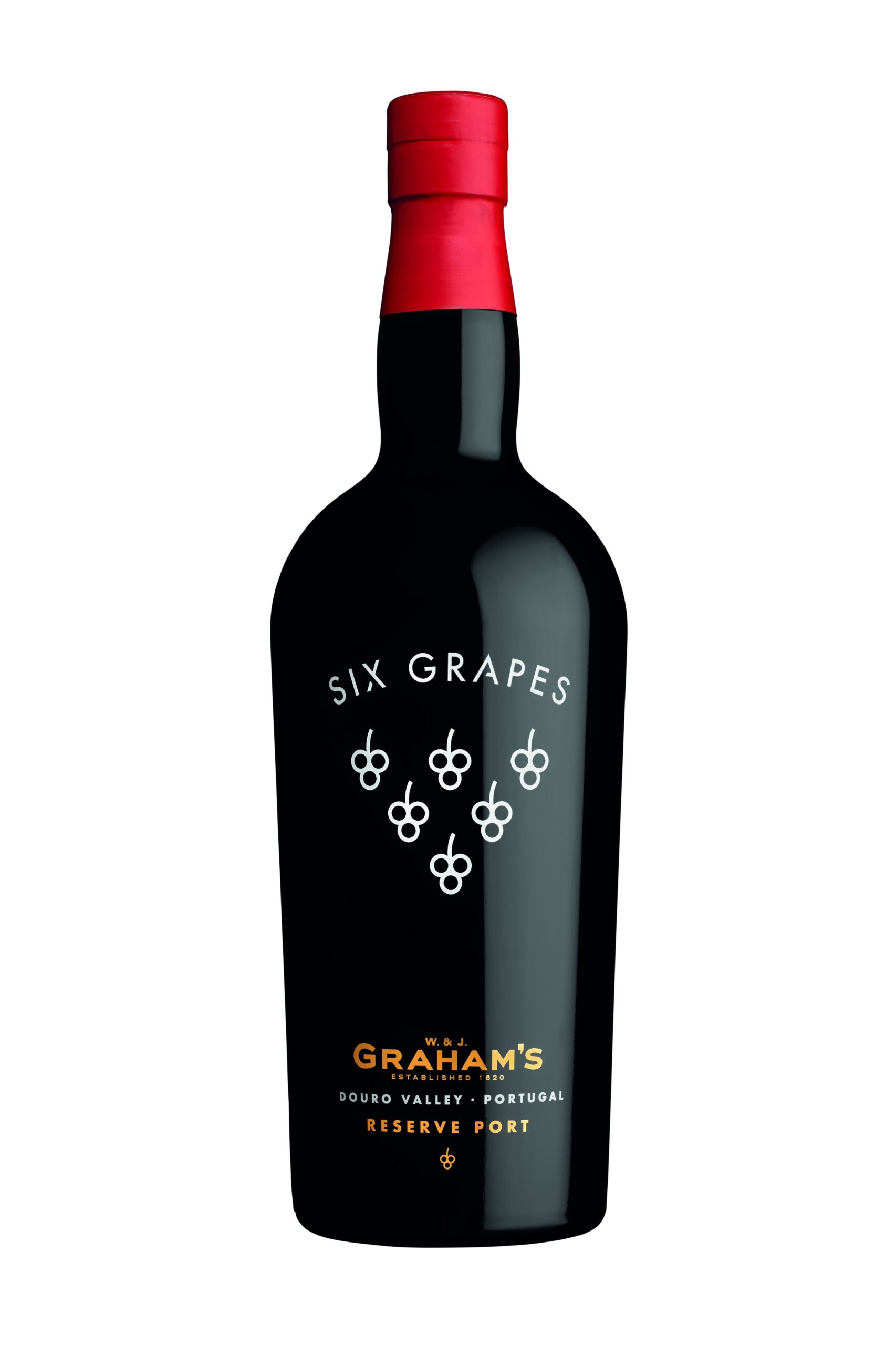
    Port is one of the most unusual wines on earth, and one uniquely well-suited to the long nights and cold weather of this season. As a fully sweet and fortified red wine, everything about port is riddled with contradictions. But the best approach is not to try to make sense of it — it’s to simply pour yourself a small glass to enjoy with friends and family, whether with cheeses, with desserts, or as a liqueur-like dessert unto itself.

    What’s so confounding about port wines? They have always had a reputation as an expensive indulgence of the elite, despite being one of the most affordable fine wines in existence, thanks to their small portion size. Each 750-milliliter bottle contains 10 servings instead of the usual five. Port is also typecast as an after-dinner drink, since it tastes so divine with everything from blue cheeses to crème brûlée to chocolate. Yet it makes a delicious apéritif as well, on the rocks or with a splash of seltzer or tonic.

    Port also has a long and strong association with British culture, down to the family names of the major port wineries, like this one from W. & J. Graham’s. However, it is a Portuguese wine through and through. The grapes for port wines may be grown in the rugged and rural mountains of Portugal’s upper Douro Valley, near the Spanish border, but the critical stages of port winemaking always take place in the coastal city of Oporto, over an hour’s drive away.

    This example is what’s known as a “reserve” port, in the red ruby style. The Six Grapes brand is among the most world’s most popular and recognizable ports, one that is designed to taste more fresh and youthful than most. Its flavors evoke ripe cherries, plums, and pomegranate, with a concentration and lusciousness of texture that eclipses dry red wines. Its sweetness and booziness is on a par with that of the dark amarena cherry found at the bottom of a good Manhattan, with all the warm fuzzy feelings they bring.

    Graham’s Six Grapes Reserve Port

    Graham’s Six Grapes Reserve Port

    Portugal, 20% ABV

    PLCB Item # 8173, on sale for $25.99 through Jan. 4 (regularly $26.99)

    Also available at: Canal’s in Berlin, N.J. ($21.99; canalsofberlin.com), Wine Warehouse in Clementon, Voorhees, and Sicklerville, N.J. ($22.99; winewarehousenj.com), and Canal’s Liquors in Pennsauken, N.J. ($24.99; canalsliquors.com)

  • A new wine style for a new year: Prosecco rosé is a thing now

    A new wine style for a new year: Prosecco rosé is a thing now

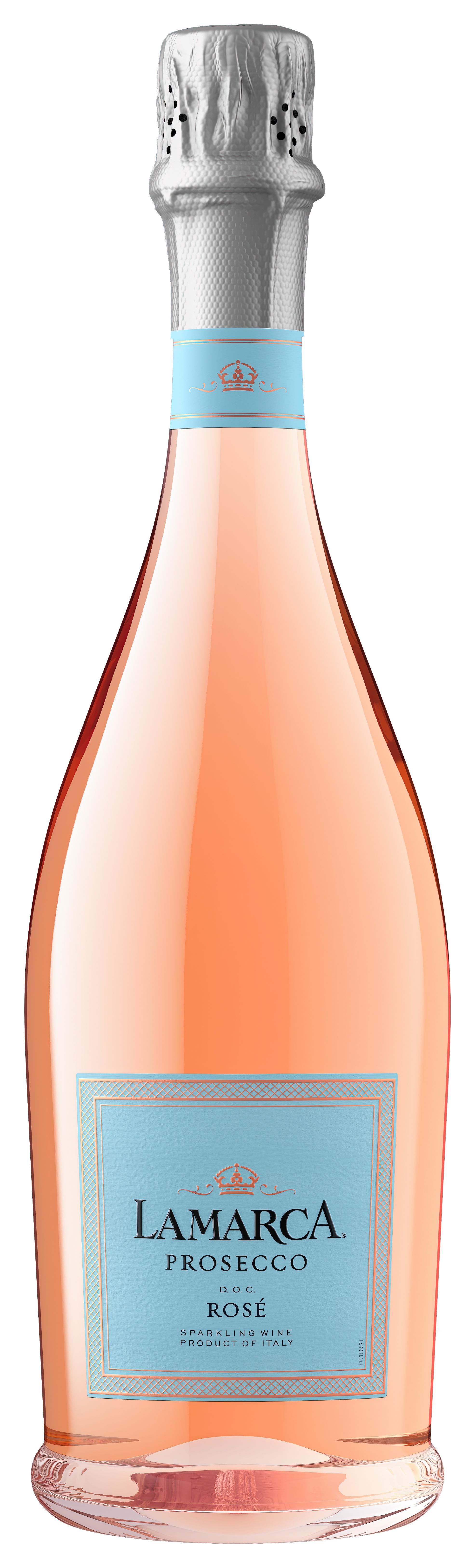
    As we prepare to leave 2025 behind, it’s time to make sure you have some bubbles ready. With freshness, verve, and just a hint of new beginnings, this prosecco rosé makes a nice change of pace for this year’s midnight toasts.

    Prosecco used to be a specialty of Venice that was always white — never pink — and was only familiar to locals and those who visited Venice in person. However, it has since become an international sensation and is now one of the top-selling sparkling wines on earth.

    Like most sparkling wines, prosecco is made from grapes that are picked when underripe in order to preserve crisp acidity and prevent the development of excess alcohol during their double-fermentation production process. Unlike others — French Champagne or Spanish cava, namely — it has always been made using the more economical Charmat process for its second fermentation. Lower prices were not prosecco’s only appeal though: The key to its success has been that it is rarely made in the dry “brut” style, but rather retains a faint touch of sweetness, giving its orchard-fresh apple and pear flavors extra succulence and charm.

    The massive increase in Prosecco’s popularity in the past 25 years has spurred innovation and led to a 2020 regulatory change to make prosecco rosé possible. Prosecco wines were historically made using only the green glera grape of northern Italy, but are now permitted to blend up to 15% pinot nero (aka pinot noir) into white glera wine in order to turn it pink.

    In its flavor and scent, the dominant flavors of this wine are squarely in the classic prosecco profile, tasting of green apples, white peaches, and jasmine tea. But its dollop of pinot nero adds a lively scent of fresh-cut strawberries, like a preview of the coming spring and all the possibilities of a new year.

    La Marca Prosecco Rose

    La Marca prosecco Rosé

    Veneto, Italy; 11% ABV

    PLCB Item # 98896, on sale for $17.99 through Jan. 4 (regularly $19.99)

    Also available at: Canal’s in Pennsauken ($15.01; canalsliquors.com), Total Wine & More in Cherry Hill ($15.07; totalwine.com), and Wine Warehouse in Clementon, N.J. ($15.98; winewarehousenj.com)

  • A state store-stocked Napa Valley cabernet splurge that makes for a great gift

    A state store-stocked Napa Valley cabernet splurge that makes for a great gift

    Even for dedicated bargain shopper, there are times where a splurge makes perfect sense. In the wine world, one of these occasions is holiday gifting, so this week we are taking a break from our usual recommendations of wines under $25 to flag this Napa Valley cabernet sauvignon as a prestige wine suitable for high-end gifting.

    There are a number of reasons why wines make great presents. Fine wines are beautiful objects that are easy to wrap and just as appropriate for wine-loving colleagues or clients as for family and friends. They also have a special resonance at this time of year, in that each bottle offers the promise of a memorable experience that is best shared and can spread the warmth and conviviality of the season.

    Not every wine store will carry a wealth of options over $50 per bottle suitable for someone very special, but most have at least a handful to choose from. These tend to cluster in the two most giftable of wine categories — big reds and bubbles — due to their reputations for excellence. Many wine styles can come in such a wide range of prices that no one can be sure what price was paid. Then there are “blue chip” categories, which have a special cachet and always cost more, especially when they come from a top-of-the-line winery.

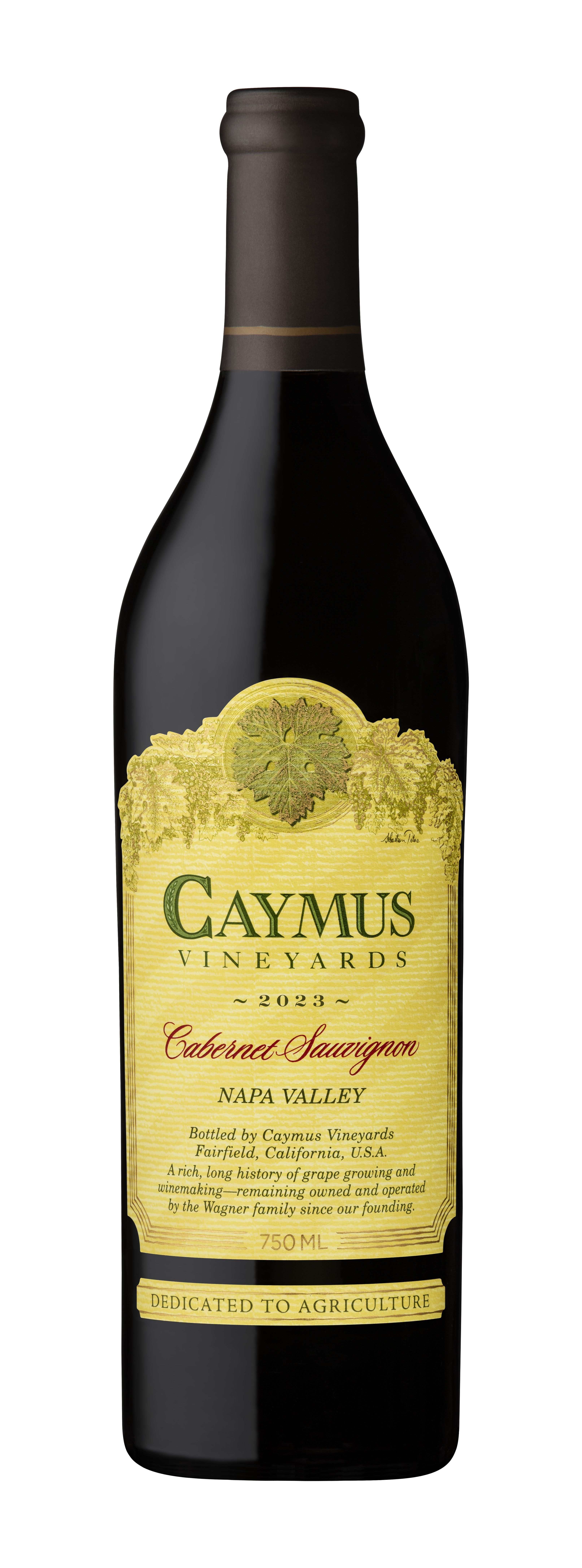
    Napa Valley cabernet sauvignon has the most gravitas of all American wines and is rarely found under $50. Dark, rich, and velvety, top-notch wines like this example make the quality of their ingredients and craftsmanship known with decadent flavors of black cherries and touches of both vanilla and chocolate. What distinguishes the fine craftsmanship of wines like this one, though, is not a specific taste per se — it’s the way the flavors and textures reverberate on the palate for minutes after each sip. Wines like this one, from a steakhouse-famous winery, make a perfect gift for red wine lovers who deserve a little touch of luxury in their lives.

    Caymus Napa Valley Cabernet Sauvignon

    Caymus cabernet sauvignon

    Napa Valley, California; 14.6% ABV

    PLCB Item #87541, on sale for $79.99 through Jan. 4 (regularly $89.99)

    Also available at: Total Wine in Wilmington and Claymont, Del. ($74.97; totalwine.com), Canal’s in Berlin, N.J. ($85.99; canalsofberlin.com), and Total Wine in Cherry Hill ($86.97)

  • This spicy red wine varietal isn’t as popular as cabarnet sauvignon, but it’s worth seeking out

    This spicy red wine varietal isn’t as popular as cabarnet sauvignon, but it’s worth seeking out

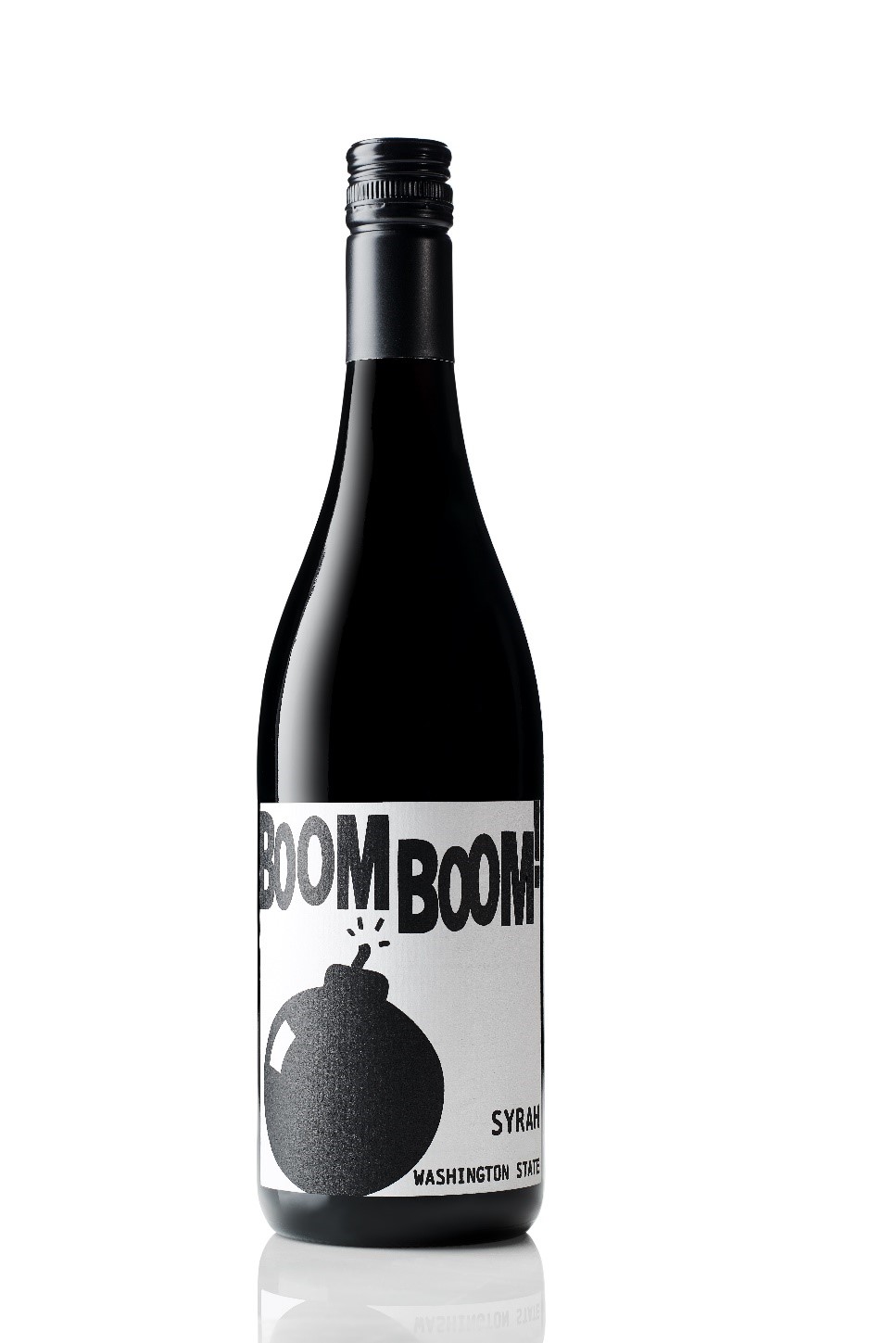
    Syrah is the name of the most intense member of a group of spicy red grapes native to the Rhône Valley region of France. However, many American wine drinkers are more familiar with it as shiraz, the name the grape goes by in Australia. While this week’s wine is not the kind of lightly sweet, cheap, and cheerful “fruit bomb” made famous Down Under, it does deliver explosive flavor worthy of its cheeky label.

    Syrah grapes make delicious wines in both California and Washington State, but there’s little incentive for growers to plant it when cabernet sauvignon commands higher returns. With small berries and skins as thick as those of cabernet sauvignon, syrah grapes yield nearly as much solids as juice.

    Since color and flavor are found in the skin of grapes, not in their flesh or juice, this is an important style factor that determines how intense red wines can be. Syrah’s big flavor and deep color make it a natural choice for making bold and robust red wines, and its knack for resisting oxidation preserves a youthful, violet-tinged color longer than most before succumbing to the browning of age.

    Flavor-wise, syrah wines have a distinctive spicy scent and flavor, reminiscent of wild berries and black pepper. In cooler climates, like its native France, syrah makes paler, more acidic wines that smell of salty foods like green peppercorns and cured meats. In warmer, sunnier regions like Washington’s Columbia Valley, though, syrah lends itself to making fuller-bodied powerhouse wines — like this one — that are dense with dark, jammy flavors that are decadent, dessertlike, and meant for immediate gratification. This premium bottling is a perfect example, with its concentrated flavors of blueberry pie and raspberry jam, accented with meaty aromatics that evoke barbecue ribs or beef jerky.

    “Boom Boom” Syrah

    Charles Smith “Boom Boom!” Syrah

    Washington State, 14.5% ABV

    PLCB Item #1501, on sale for $15.69 through Jan. 4 (regularly $18.69)

    Also available at: WineWorks in Marlton ($16.98; wineworksonline.com) and Canal’s Liquors in Pennsauken ($17.99; canalsliquors.com)

  • The days are getting darker. Pour a luxe white wine to cope.

    The days are getting darker. Pour a luxe white wine to cope.

    As the shortest day of the year grows near and night begins falling well before we pour dinnertime wine, the perfect season for savoring rich winter whites like this luxurious Sonoma chardonnay has arrived.

    The white wines we crave in warmer weather — pinot grigio, albariño, or sauvignon blanc — are almost always light in body, brisk in acidity, and typically fermented in inert steel tanks. This method is chosen to economize, of course, but has the added benefit of preserving the fresh-picked vibrancy of fruit that defines summer-weight styles.

    When it gets colder out in winter, our preferences move away from pure refreshment toward richness and the warmth that higher alcohol levels can provide, a seasonal shift that holds true even among those wine styles we serve chilled. Few wine grapes can do this gracefully, with chardonnay being the unrivaled queen of the winter whites.

    The time-honored method for enriching white wines is to ferment in barrels made of oak and to then allow the wine to continue resting there for months in contact with its yeast sediment. Not only does this process produce a plush and silky mouthfeel, but both the oak and the yeast sediments boost the wine’s flavor in complementary ways. The oak taste is most noticeable, evoking the toasted pecan and baking spice flavors we associate with cognac or bourbon, while yeast adds more subtle accents of buttered toast. When added to Chardonnay’s base flavors of golden apples and ripe pears, the effect is much like transforming fresh apples into a decadent spiced and caramelized apple cake.

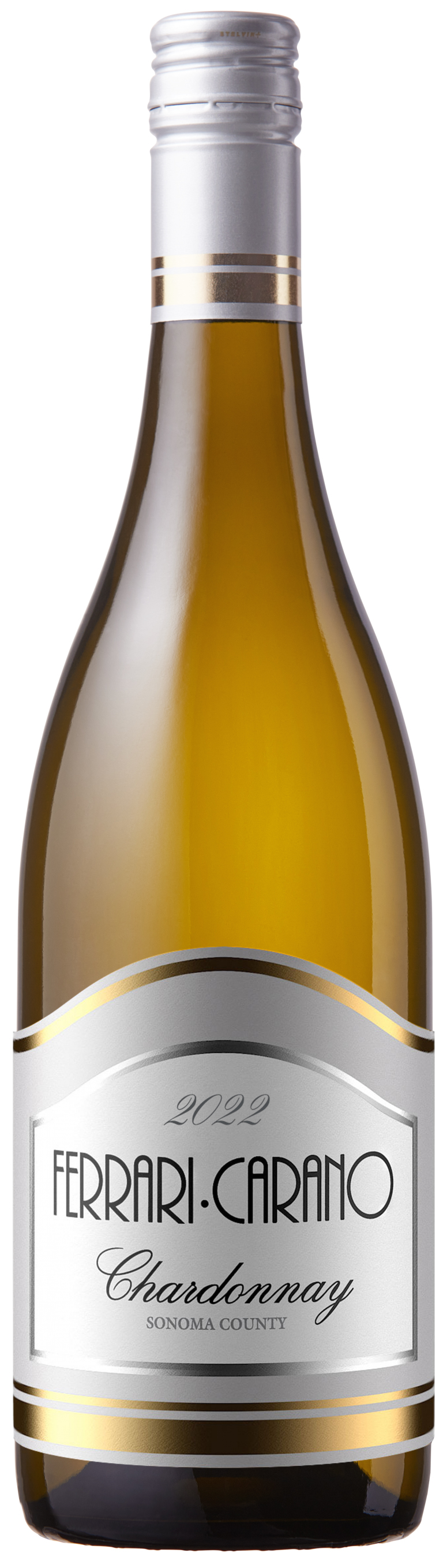
    Ferrari-Carano has specialized in this rich style of chardonnay for decades and executes it brilliantly here, with an interesting twist. Where almost all of their competitors use 100% chardonnay grapes, their winemaker adds a tiny splash of fragrantly floral gewürztraminer to add flavor complexity, just as a mixologist might add a dash of orange bitters to round out their signature Manhattan.

    Ferrari-Carano Chardonnay

    Ferrari-Carano chardonnay

    Sonoma County, Calif., 14.5% ABV

    PLCB item #8704, on sale $22.09 through Jan. 4 (regularly $29.09)

    Also available at: Total Wine & More in Wilmington and Claymont, Del. ($17.99; totalwine.com), Moorestown Super Buy Rite in Moorestown ($17.99, moorestownbuyrite.com), and WineWorks in Marlton ($18.98; wineworksonline.com).

  • Thanksgiving wine pairings are notoriously tricky. Here’s why you should skip the ‘serious reds.’

    Thanksgiving wine pairings are notoriously tricky. Here’s why you should skip the ‘serious reds.’

    With turkey day around the corner, now is the time to stock up on suitable wines for your family’s Thanksgiving feast. To find a complete list of my go-to holiday wine suggestions, all of which are stocked in Pennsylvania’s Fine Wine and Good Spirits stores, let’s focus on the most challenging item on the holiday wine shopping list: a Thanksgiving-friendly red, like this fruity young pinot noir from Oregon.

    Many people think the reason red wines are hard to pair for this holiday dinner is that turkey is a white meat that favors white wines, and there is some truth to this. Generally speaking, lighter, paler, and younger reds make the best picks for any poultry-centric meal. However, there is another complicating factor in that most red wines are dry — meaning not sweet — and the lightest reds in the fine wine space tend to also be quite tart, especially the classic styles like Italian Chianti or French Burgundy. These traits, which are usually food-pairing assets, become distinct liabilities at American Thanksgiving dinners because of the sky-high sugar content of this holiday’s traditional sauces and sides. The drier and more acidic a red wine tastes on its own, the more problematic it will taste with cranberry sauce or marshmallow-topped sweet potato casserole.

    That’s why the best bet is to skip the “serious reds” at this meal and instead opt for something that is fresh, fruity, and lightweight, like this crowd-pleasing Oregon pinot noir. The sappy freshness of its raspberry and strawberry flavors will partner nicely with both the turkey and its cranberry sauce. Even better, it has cross-generational appeal at a great price and is light enough to crack at noon and continue sipping on all day.

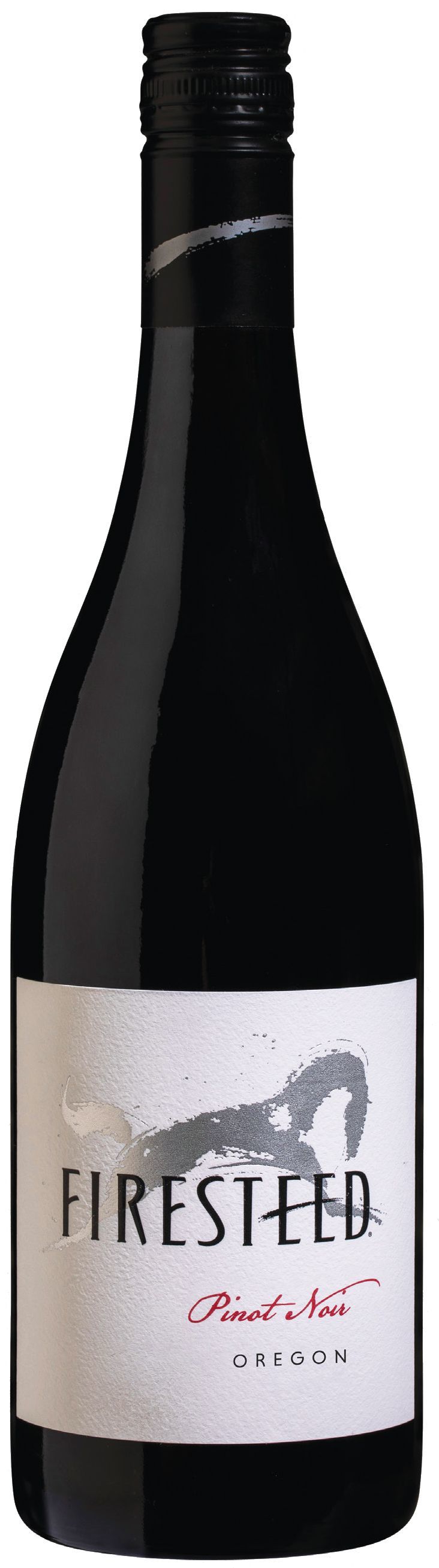
    Firesteed Pinot Noir

    Firesteed Pinot Noir

    Oregon; 13.5% ABV

    PLCB Item #4999, on sale for $15.69 through Nov. 30 (regularly $17.69)

    Also available at: WineWorks in Marlton ($15.99; wineworksonline.com), Canal’s of Glassboro in Glassboro ($16.99; canalsofglassboro.com), and Total Wine & More in Wilmington and Claymont, Del. ($17.69; totalwine.com).

  • This cutting-edge red blend bucks winemaking norms — and tastes delicious

    This cutting-edge red blend bucks winemaking norms — and tastes delicious

    The wine trade is one where true innovations are few and far between, and understandably so. Experimentation with new ideas is simply more complicated when your product takes years to make and is expected to age gracefully for a decade more. The slow pace of due diligence — even on common sense modernizations like the introduction of screw caps — leads vintners to be risk-averse and helps explain why the revival of historical winemaking practices is more common than truly new methods.

    Intrinsic Wine Co., out of Washington state, are exceptions to this rule because this label was created to be an established winemaker’s idea lab. This passion project was created in 2016 by the then-head winemaker of one of Washington’s largest wineries, Columbia Crest. Intrinsic wines are expressly designed to challenge the status quo and explore the kinds of innovations that smaller wineries with fewer resources are unlikely to pursue.

    This unusual cabernet sauvignon-based blend — made in a way that steps outside the norm on many fronts — serves as a good example of Intrinsic’s work. First, a heaping helping of malbec replaces the merlot that would typically be used in a Bordeaux-inspired recipe, adding a vivid violet hue and a suggestion of earthy sweetness like glazed carrots. Next, the winemaker keeps the grape skins and solids in contact with the wine for a remarkable nine months — far longer than the few weeks that are normally considered an “extended maceration.” Finally, it employs a wholly fresh idea during this process called “skin swapping,” where the cabernet wine ages on the malbec skins and vice versa, in a process intended to build harmony between the varietals long before the individual components are blended together.

    Stylistically, the result is a seamless and lush red wine that tastes quite intense. Its blueberry and blackberry flavors have amplified floral and herbal notes, and while the wine is not fully dry, it features far less of the “vanilla frosting” effect imparted by traditional aging in new oak barrels. All in all, what the winemaker has achieved is a post-modern flavor profile that is more sensual than intellectual and that younger audiences will embrace.

    Intrinsic Red Blend

    Intrinsic Red Blend

    Columbia Valley, Wash.; 14.6% ABV

    PLCB Item #96329, on sale through Nov. 2 for $19.99 (regularly $23.99)

    Also available at: Wine Warehouse in Voorhees ($17.98; voorhees.winewarehousenj.com), Total Wine & More in Claymont, Del. ($19.99; totalwine.com), Hopewell Super Buy Rite in Pennington ($19.99; buyrite.wine).