Author: Marnie Old

  • This spicy red wine varietal isn’t as popular as cabarnet sauvignon, but it’s worth seeking out

    This spicy red wine varietal isn’t as popular as cabarnet sauvignon, but it’s worth seeking out

    Syrah is the name of the most intense member of a group of spicy red grapes native to the Rhône Valley region of France. However, many American wine drinkers are more familiar with it as shiraz, the name the grape goes by in Australia. While this week’s wine is not the kind of lightly sweet, cheap, and cheerful “fruit bomb” made famous Down Under, it does deliver explosive flavor worthy of its cheeky label.

    Syrah grapes make delicious wines in both California and Washington State, but there’s little incentive for growers to plant it when cabernet sauvignon commands higher returns. With small berries and skins as thick as those of cabernet sauvignon, syrah grapes yield nearly as much solids as juice.

    Since color and flavor are found in the skin of grapes, not in their flesh or juice, this is an important style factor that determines how intense red wines can be. Syrah’s big flavor and deep color make it a natural choice for making bold and robust red wines, and its knack for resisting oxidation preserves a youthful, violet-tinged color longer than most before succumbing to the browning of age.

    Flavor-wise, syrah wines have a distinctive spicy scent and flavor, reminiscent of wild berries and black pepper. In cooler climates, like its native France, syrah makes paler, more acidic wines that smell of salty foods like green peppercorns and cured meats. In warmer, sunnier regions like Washington’s Columbia Valley, though, syrah lends itself to making fuller-bodied powerhouse wines — like this one — that are dense with dark, jammy flavors that are decadent, dessertlike, and meant for immediate gratification. This premium bottling is a perfect example, with its concentrated flavors of blueberry pie and raspberry jam, accented with meaty aromatics that evoke barbecue ribs or beef jerky.
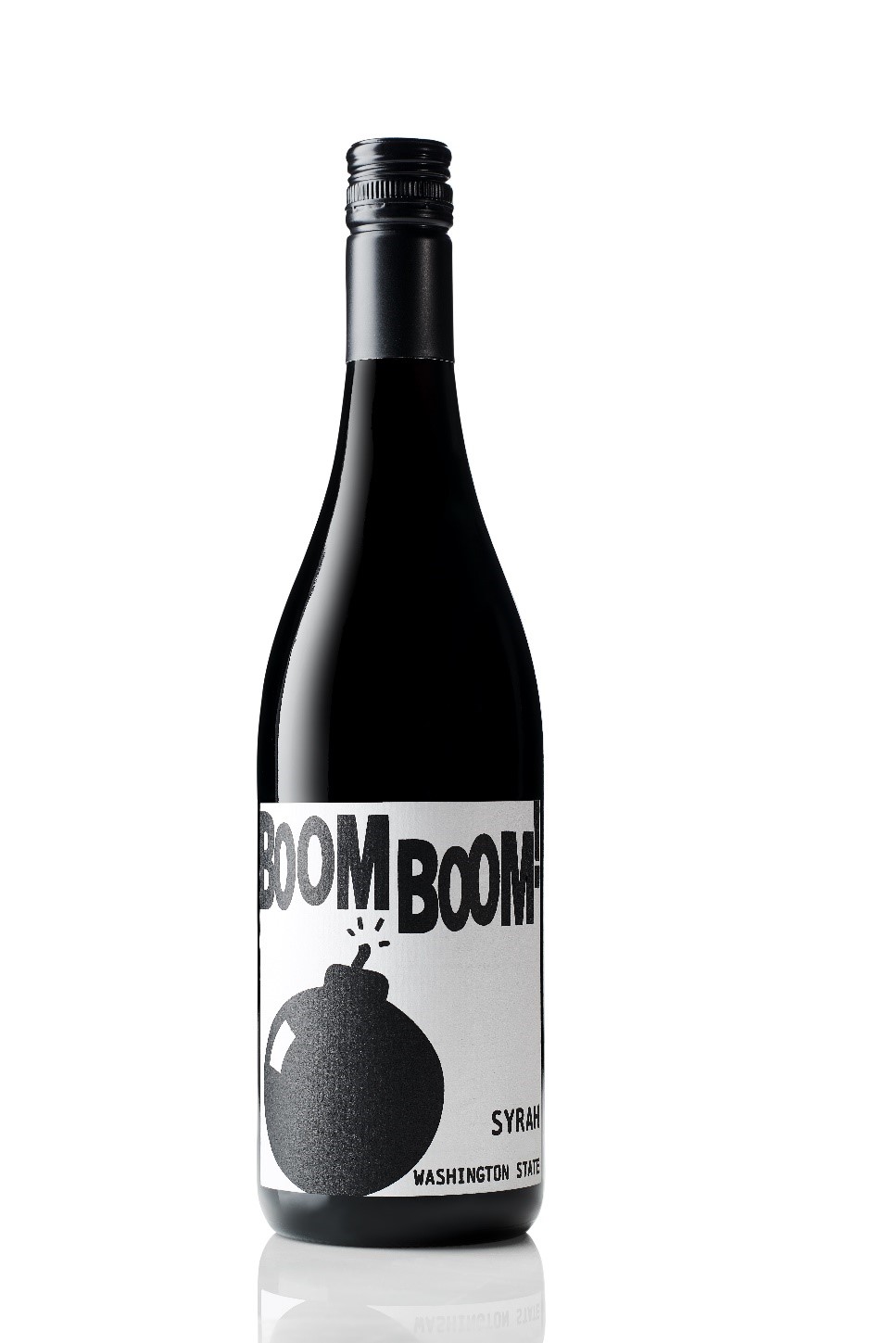
    “Boom Boom” Syrah

    Charles Smith “Boom Boom!” Syrah

    Washington State, 14.5% ABV

    PLCB Item #1501, on sale for $15.69 through Jan. 4 (regularly $18.69)

    Also available at: WineWorks in Marlton ($16.98; wineworksonline.com) and Canal’s Liquors in Pennsauken ($17.99; canalsliquors.com)
  • The days are getting darker. Pour a luxe white wine to cope.

    The days are getting darker. Pour a luxe white wine to cope.

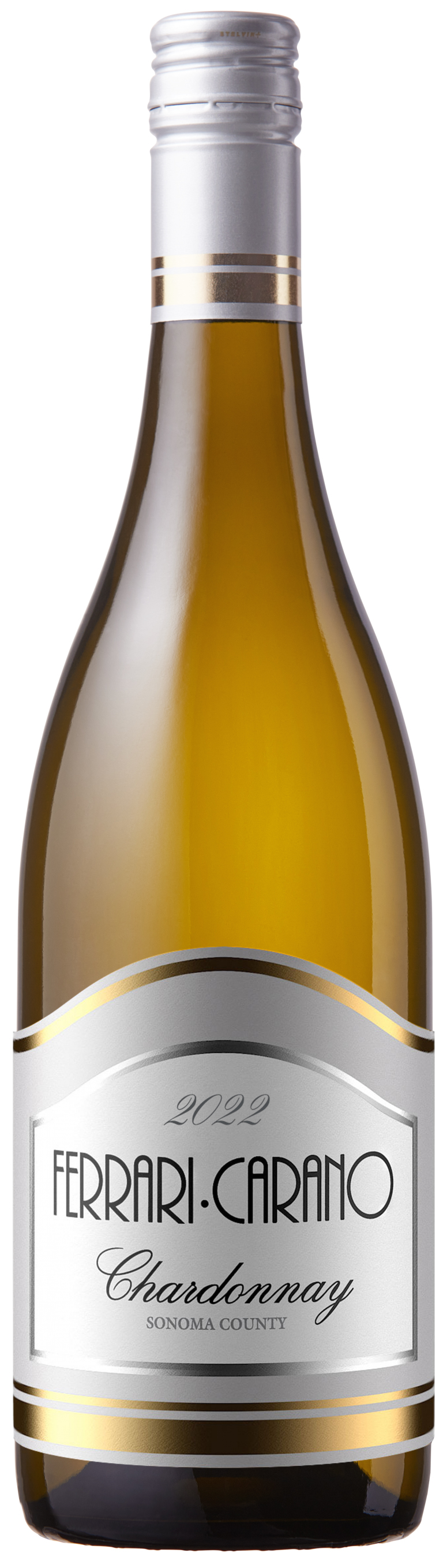
    As the shortest day of the year grows near and night begins falling well before we pour dinnertime wine, the perfect season for savoring rich winter whites like this luxurious Sonoma chardonnay has arrived.

    The white wines we crave in warmer weather — pinot grigio, albariño, or sauvignon blanc — are almost always light in body, brisk in acidity, and typically fermented in inert steel tanks. This method is chosen to economize, of course, but has the added benefit of preserving the fresh-picked vibrancy of fruit that defines summer-weight styles.

    When it gets colder out in winter, our preferences move away from pure refreshment toward richness and the warmth that higher alcohol levels can provide, a seasonal shift that holds true even among those wine styles we serve chilled. Few wine grapes can do this gracefully, with chardonnay being the unrivaled queen of the winter whites.

    The time-honored method for enriching white wines is to ferment in barrels made of oak and to then allow the wine to continue resting there for months in contact with its yeast sediment. Not only does this process produce a plush and silky mouthfeel, but both the oak and the yeast sediments boost the wine’s flavor in complementary ways. The oak taste is most noticeable, evoking the toasted pecan and baking spice flavors we associate with cognac or bourbon, while yeast adds more subtle accents of buttered toast. When added to Chardonnay’s base flavors of golden apples and ripe pears, the effect is much like transforming fresh apples into a decadent spiced and caramelized apple cake.

    Ferrari-Carano has specialized in this rich style of chardonnay for decades and executes it brilliantly here, with an interesting twist. Where almost all of their competitors use 100% chardonnay grapes, their winemaker adds a tiny splash of fragrantly floral gewürztraminer to add flavor complexity, just as a mixologist might add a dash of orange bitters to round out their signature Manhattan.

    Ferrari-Carano Chardonnay

    Ferrari-Carano chardonnay

    Sonoma County, Calif., 14.5% ABV

    PLCB item #8704, on sale $22.09 through Jan. 4 (regularly $29.09)

    Also available at: Total Wine & More in Wilmington and Claymont, Del. ($17.99; totalwine.com), Moorestown Super Buy Rite in Moorestown ($17.99, moorestownbuyrite.com), and WineWorks in Marlton ($18.98; wineworksonline.com).

  • Thanksgiving wine pairings are notoriously tricky. Here’s why you should skip the ‘serious reds.’

    Thanksgiving wine pairings are notoriously tricky. Here’s why you should skip the ‘serious reds.’

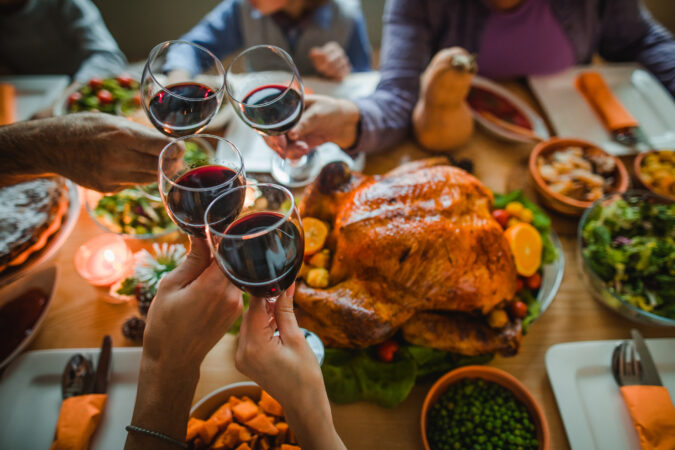
    With turkey day around the corner, now is the time to stock up on suitable wines for your family’s Thanksgiving feast. To find a complete list of my go-to holiday wine suggestions, all of which are stocked in Pennsylvania’s Fine Wine and Good Spirits stores, let’s focus on the most challenging item on the holiday wine shopping list: a Thanksgiving-friendly red, like this fruity young pinot noir from Oregon.

    Many people think the reason red wines are hard to pair for this holiday dinner is that turkey is a white meat that favors white wines, and there is some truth to this. Generally speaking, lighter, paler, and younger reds make the best picks for any poultry-centric meal. However, there is another complicating factor in that most red wines are dry — meaning not sweet — and the lightest reds in the fine wine space tend to also be quite tart, especially the classic styles like Italian Chianti or French Burgundy. These traits, which are usually food-pairing assets, become distinct liabilities at American Thanksgiving dinners because of the sky-high sugar content of this holiday’s traditional sauces and sides. The drier and more acidic a red wine tastes on its own, the more problematic it will taste with cranberry sauce or marshmallow-topped sweet potato casserole.

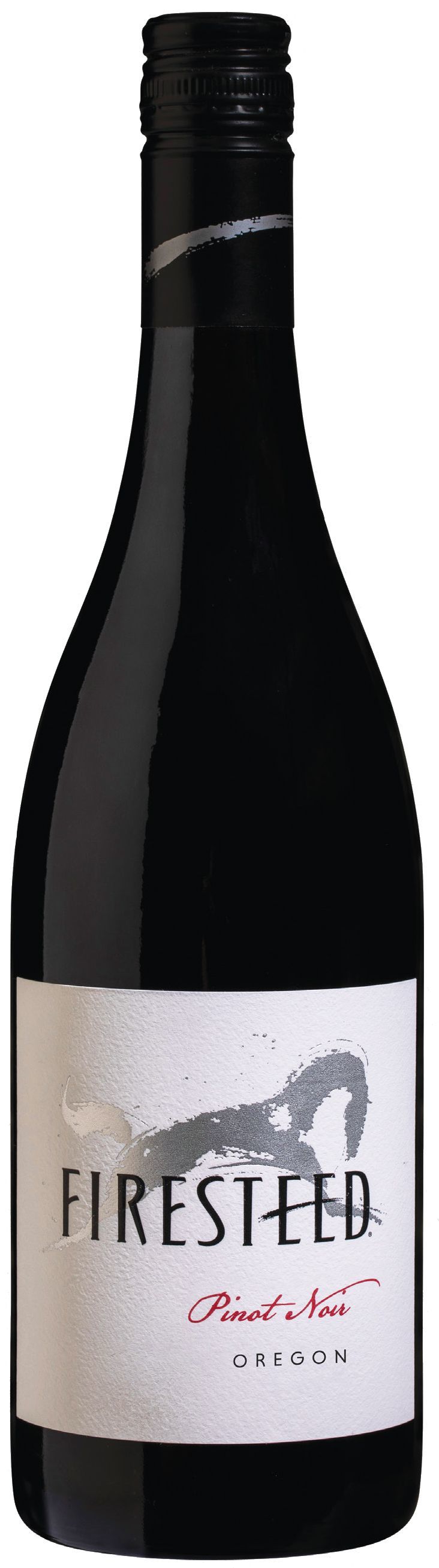
    That’s why the best bet is to skip the “serious reds” at this meal and instead opt for something that is fresh, fruity, and lightweight, like this crowd-pleasing Oregon pinot noir. The sappy freshness of its raspberry and strawberry flavors will partner nicely with both the turkey and its cranberry sauce. Even better, it has cross-generational appeal at a great price and is light enough to crack at noon and continue sipping on all day.

    Firesteed Pinot Noir

    Firesteed Pinot Noir

    Oregon; 13.5% ABV

    PLCB Item #4999, on sale for $15.69 through Nov. 30 (regularly $17.69)

    Also available at: WineWorks in Marlton ($15.99; wineworksonline.com), Canal’s of Glassboro in Glassboro ($16.99; canalsofglassboro.com), and Total Wine & More in Wilmington and Claymont, Del. ($17.69; totalwine.com).

  • This cutting-edge red blend bucks winemaking norms — and tastes delicious

    This cutting-edge red blend bucks winemaking norms — and tastes delicious

    The wine trade is one where true innovations are few and far between, and understandably so. Experimentation with new ideas is simply more complicated when your product takes years to make and is expected to age gracefully for a decade more. The slow pace of due diligence — even on common sense modernizations like the introduction of screw caps — leads vintners to be risk-averse and helps explain why the revival of historical winemaking practices is more common than truly new methods.

    Intrinsic Wine Co., out of Washington state, are exceptions to this rule because this label was created to be an established winemaker’s idea lab. This passion project was created in 2016 by the then-head winemaker of one of Washington’s largest wineries, Columbia Crest. Intrinsic wines are expressly designed to challenge the status quo and explore the kinds of innovations that smaller wineries with fewer resources are unlikely to pursue.

    This unusual cabernet sauvignon-based blend — made in a way that steps outside the norm on many fronts — serves as a good example of Intrinsic’s work. First, a heaping helping of malbec replaces the merlot that would typically be used in a Bordeaux-inspired recipe, adding a vivid violet hue and a suggestion of earthy sweetness like glazed carrots. Next, the winemaker keeps the grape skins and solids in contact with the wine for a remarkable nine months — far longer than the few weeks that are normally considered an “extended maceration.” Finally, it employs a wholly fresh idea during this process called “skin swapping,” where the cabernet wine ages on the malbec skins and vice versa, in a process intended to build harmony between the varietals long before the individual components are blended together.

    Stylistically, the result is a seamless and lush red wine that tastes quite intense. Its blueberry and blackberry flavors have amplified floral and herbal notes, and while the wine is not fully dry, it features far less of the “vanilla frosting” effect imparted by traditional aging in new oak barrels. All in all, what the winemaker has achieved is a post-modern flavor profile that is more sensual than intellectual and that younger audiences will embrace.

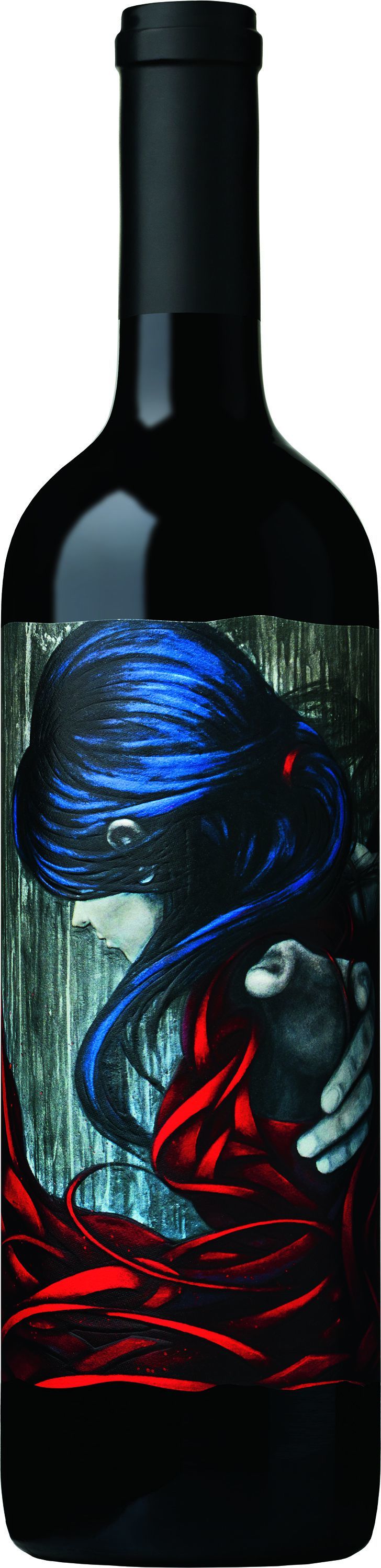
    Intrinsic Red Blend

    Intrinsic Red Blend

    Columbia Valley, Wash.; 14.6% ABV

    PLCB Item #96329, on sale through Nov. 2 for $19.99 (regularly $23.99)

    Also available at: Wine Warehouse in Voorhees ($17.98; voorhees.winewarehousenj.com), Total Wine & More in Claymont, Del. ($19.99; totalwine.com), Hopewell Super Buy Rite in Pennington ($19.99; buyrite.wine).