Author: Daniel Pearson

  • Good intentions don’t build housing in Philly, and mediocre campaigns don’t win races in Pa. | Shackamaxon

    Good intentions don’t build housing in Philly, and mediocre campaigns don’t win races in Pa. | Shackamaxon

    This week’s column looks into what happens when City Council members try to use a bad practice to serve the public good, and the beginning of Pennsylvania’s gubernatorial race.

    Good intentions

    In the first few months of this column, much of the toughest criticism has been leveled at Councilmembers Jeffrey “Jay” Young and Cindy Bass. While every district legislator participates in the tradition to some degree, these two have been the most egregious practitioners of councilmanic prerogative, which gives district Council members absolute discretion over land use and transportation questions within their districts.

    Even worse, Young and Bass often struggle to offer coherent explanations for their actions. Over the past few years, I have spoken with a range of community members, local politicos, and development experts who have expressed total bewilderment about what exactly it is the pair is seeking to accomplish.

    That’s not the case with 3rd District Councilmember Jamie Gauthier. Her values are clear. When Gauthier leans into prerogative, she’s not seeking to micromanage minor decisions. She even went as far as creating an exemption for her entire district that removes the need to secure a city ordinance for outdoor dining. Gauthier legislates because she wants to produce more affordable housing and prevent displacement. In many ways, it is a bold and admirable approach.

    Still, when it comes to public policy, good intentions are not enough.
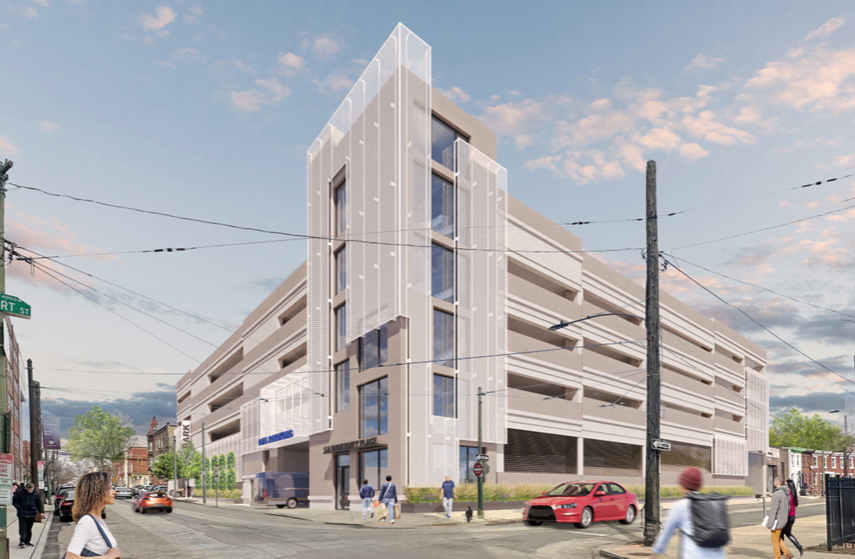
    University Place Associates is planning a 495-spot parking garage in Councilmember Jamie Gauthier’s district in West Philadelphia.

    Middling MIN

    Gauthier’s signature policy is her push for what she’s called the Mixed Income Neighborhoods overlay, or MIN. The policy, enacted in parts of both Gauthier and Councilmember Quetcy Lozada’s 7th District, builds off an existing city program, the Mixed Income Housing Bonus. Under the bonus program, developers could exceed current zoning limits in exchange for supporting affordable housing. This could be done either by building affordable units or by making a payment to the city’s housing trust fund.

    MIN, however, is mandatory. It also does not come with any bonuses. For larger development projects (10 or more units), builders are required to set aside 20% of the units for low-income households. The idea is to increase the city’s stock of statutorily affordable housing, promote income integration, and allow poorer households to move to and remain in high-opportunity areas, all without costing the city a dime.

    All of that sounds wonderful … in theory.

    In practice, things have not panned out the way advocates had hoped. Instead of producing significant amounts of affordable housing, the zoning requirements have stifled development overall. Of the 18 major projects considered by the city’s Civic Design Review Board, only two are located within the boundaries restricted by the policy. One of those projects doesn’t include any housing at all, instead supplying nearly 500 parking spots adjacent to the Market-Frankford Line.

    In an interview with Gauthier last fall, she told me she would stand by the results of MIN against the voluntary program or any other zoning program in the city of Philadelphia. Planning Commission data, however, tells a different story. In 2024, the most recent year studied, the MIN resulted in the completion of just five affordable units. The bonus program, on the other hand, created 63 affordable units and generates millions of dollars in bonus payments.

    This, of course, only looks at one factor, which is the impact on affordable housing programs. It doesn’t answer the question of how many market-rate units would have been built without the requirement. Housing costs no longer affect just the poorest, as 90% of Americans live in counties where home prices and rents rose faster than income. For most people, whether they are University of Pennsylvania students or longtime residents, this private market is where they will find housing. Without enough construction to meet demand, prices will continue to rise.

    The experience of cities like Austin, Texas, where rents are falling despite a surging population, demonstrates that new construction can help alleviate that pressure.

    There’s also the economic impact. Development projects employ skilled workers and provide money for the city’s affordable housing programs. Without more research, we have no idea how much MIN has impacted city coffers. Before Gauthier’s program expands to more communities, the city should undertake a comprehensive investigation.
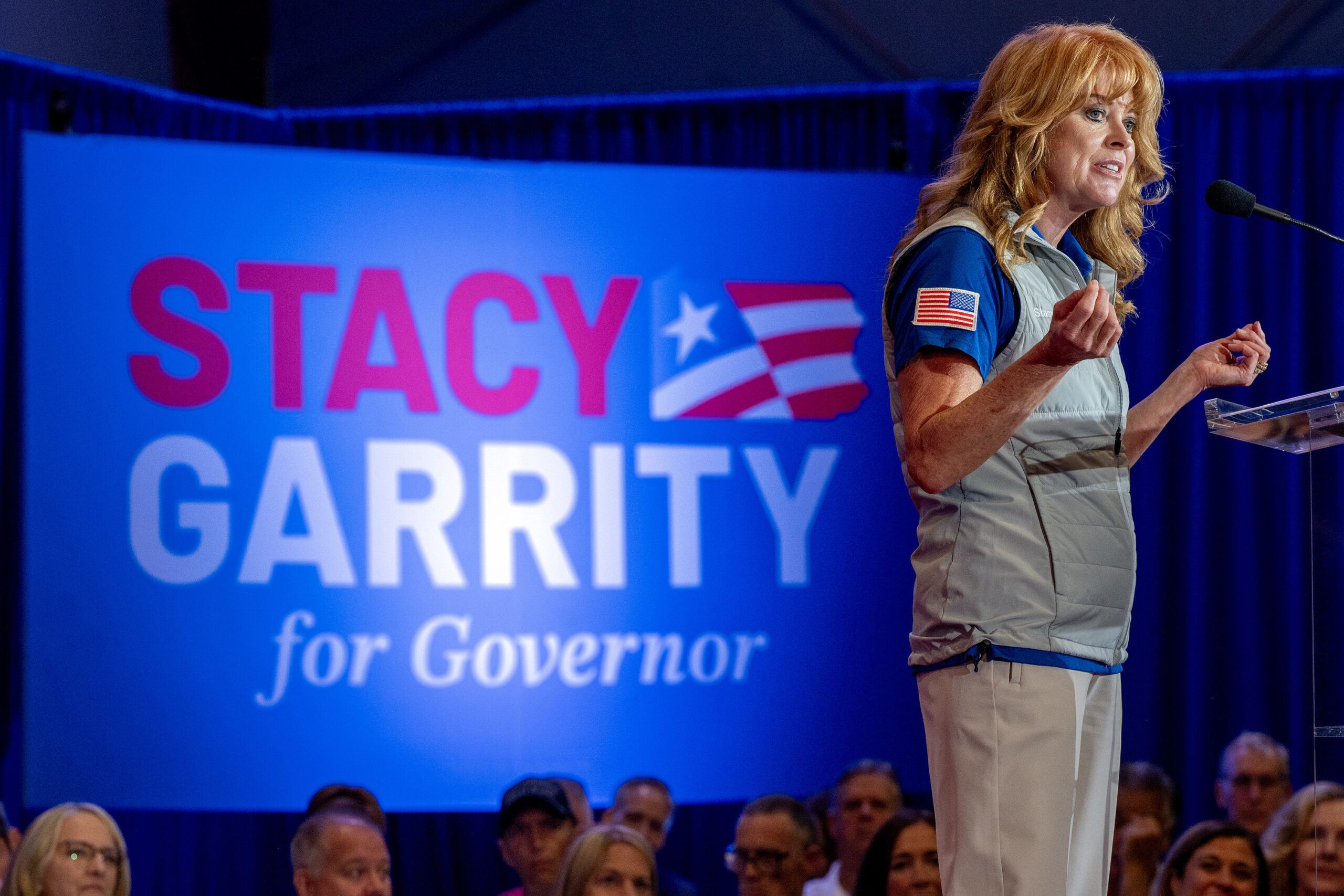
    State Treasurer and Republican candidate for governor Stacy Garrity holds a rally in Bucks County at the Newtown Sports and Events Center in September.

    Maximum meh

    With State Sen. Doug Mastriano officially out and Gov. Josh Shapiro officially in, the Pennsylvania governor’s race has begun. With no other Republicans or Democrats expressing an interest in the position, a November matchup between Shapiro and State Treasurer Stacy Garrity looks certain.

    Shapiro’s campaign launch video begins as you’d expect, with the rapid reconstruction of I-95 after a fire damaged several lanes in 2023 — a reminder of how the governor gets, uh, stuff done.

    Garrity, who announced all the way back in August, has a steep challenge on her hands. Besides Tom Corbett, no Pennsylvania governor has lost a reelection bid since the ban on consecutive terms was dropped from the state constitution in 1967. Shapiro has a record $30 million on hand for his reelection bid, three times more than what he started with four years ago, the previous record. He also has a 3-0 record in statewide elections and a 60% approval rating.

    This means Garrity will need to sell voters on her own ideas, rather than just banking on people souring on Shapiro. So far, it is worth asking what those ideas are.

    As treasurer, Garrity’s main job is to manage the commonwealth’s bank accounts, not exactly the kind of thing that stirs the electorate. Garrity’s campaign video focuses on her biography, which notes her service in Iraq. It also lines up multiple hits on Shapiro, including on his not-entirely subtle pining for the presidency. But when it comes to the biggest issues facing Pennsylvanians, Garrity has yet to supply any answers.

    Instead, the challenger used an interview with CBS 21 in Harrisburg to declare that Pennsylvania is “mediocre.” So far, that label seems more appropriate for Garrity’s campaign consultants than the commonwealth.

  • The New Year’s resolutions that Philly’s boldfaced names should be making | Shackamaxon

    The New Year’s resolutions that Philly’s boldfaced names should be making | Shackamaxon

    This week’s Shackamaxon column proposes some New Year’s resolutions for our state and local officials, and other boldfaced names.

    Gov. Josh Shapiro

    Resolution: To put the horse before the cart. It’s hardly a secret that the Ambitious Abingtonian is eyeing a 2028 run for president. The governor participated in a deep profile written by the Atlantic’s Tim Alberta, one of the country’s preeminent presidential campaign reporters. New York Times opinion writer Binyamin Appelbaum labeled him “the future of the Democratic Party.” And, of course, Shapiro himself has a new book on the way. Given all the hubbub, you might forget that Shapiro actually has yet to win his bid for reelection this year. Until he accomplishes that goal, all the presidential talk is a waste of time.

    Mayor Cherelle L. Parker

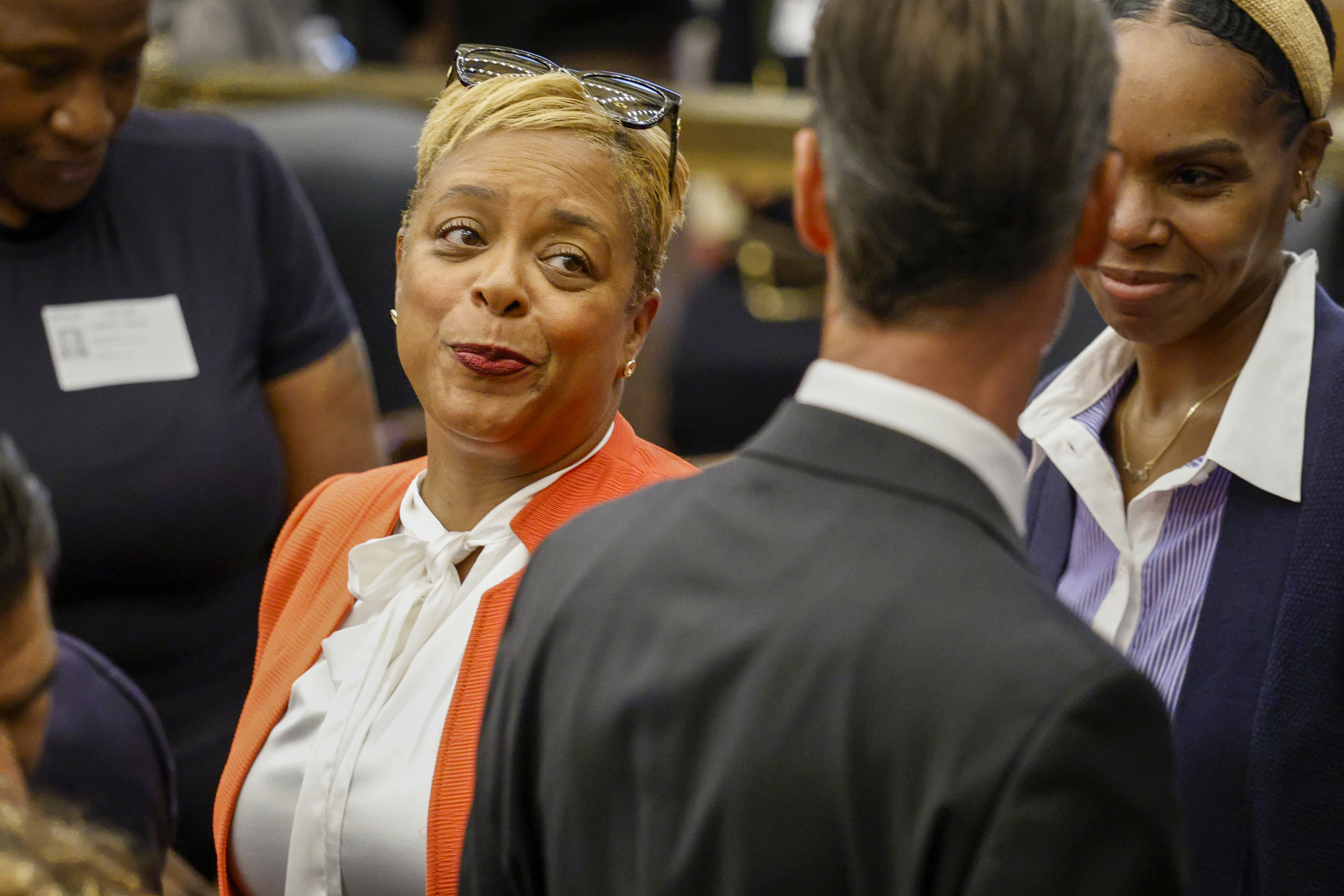
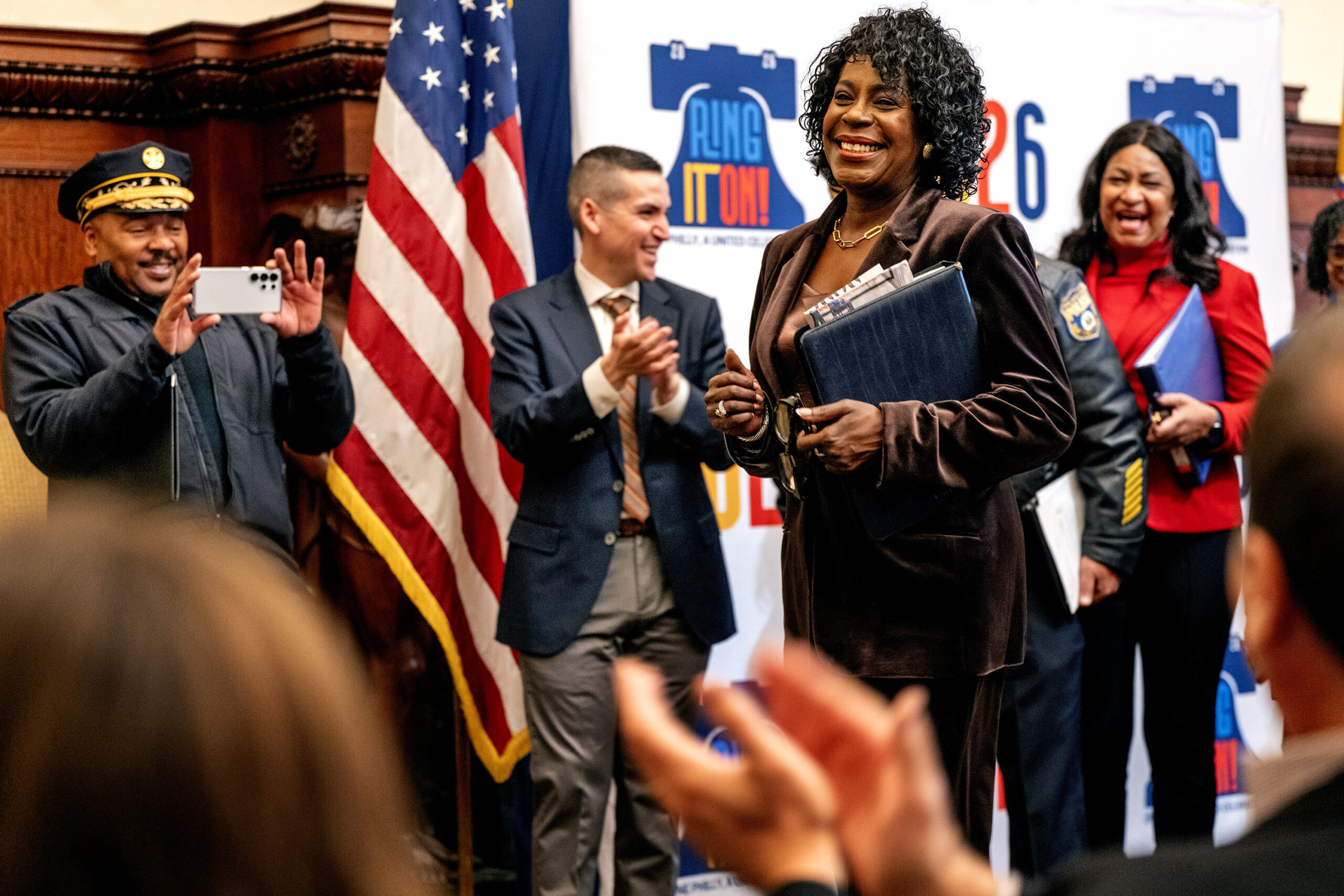
    Fire Commissioner Jeffrey Thompson (left) records Mayor Cherelle L. Parker as she dances a (modified) mayoral Mummer’s Strut to the music of the Quaker City String Bang following a news conference at City Hall last month.

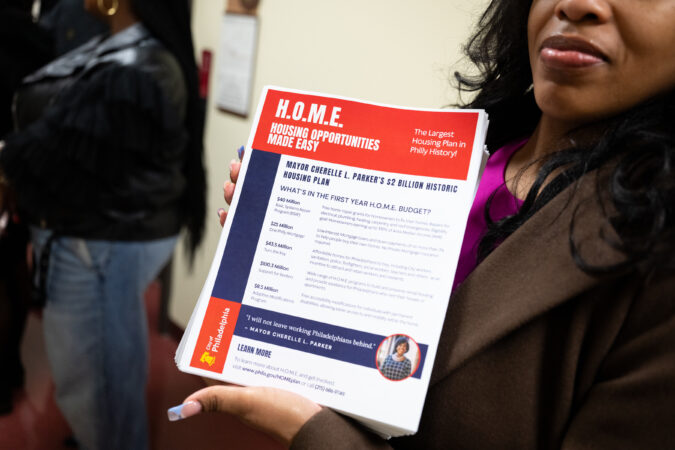
    Resolution: To lower the drawbridge. The mayor began 2025 with the Sixers, Comcast, and the NBA pulling the rug out from under her by abandoning their plans for a Center City arena. Then she spelled Eagles “E-L-G-S-E-S” during a news conference, saw the city’s blue-collar municipal union go on strike for the first time in decades, and ended the year with City Council seeking to alter her Housing Opportunities Made Easy plan.

    Despite this, Parker can point to important successes. Crime rates continue to decline: The city has posted the lowest number of homicides since the 1960s. Philadelphia is no longer the nation’s poorest big city. Despite a pandemic-induced decline in commercial property values and commuter wage taxes, the city’s fund balance stands at a record $1.19 billion. But there is one thing the mayor could do that would strengthen both herself and the city, which is moving beyond the siege mentality that has defined much of her tenure so far.

    City Council

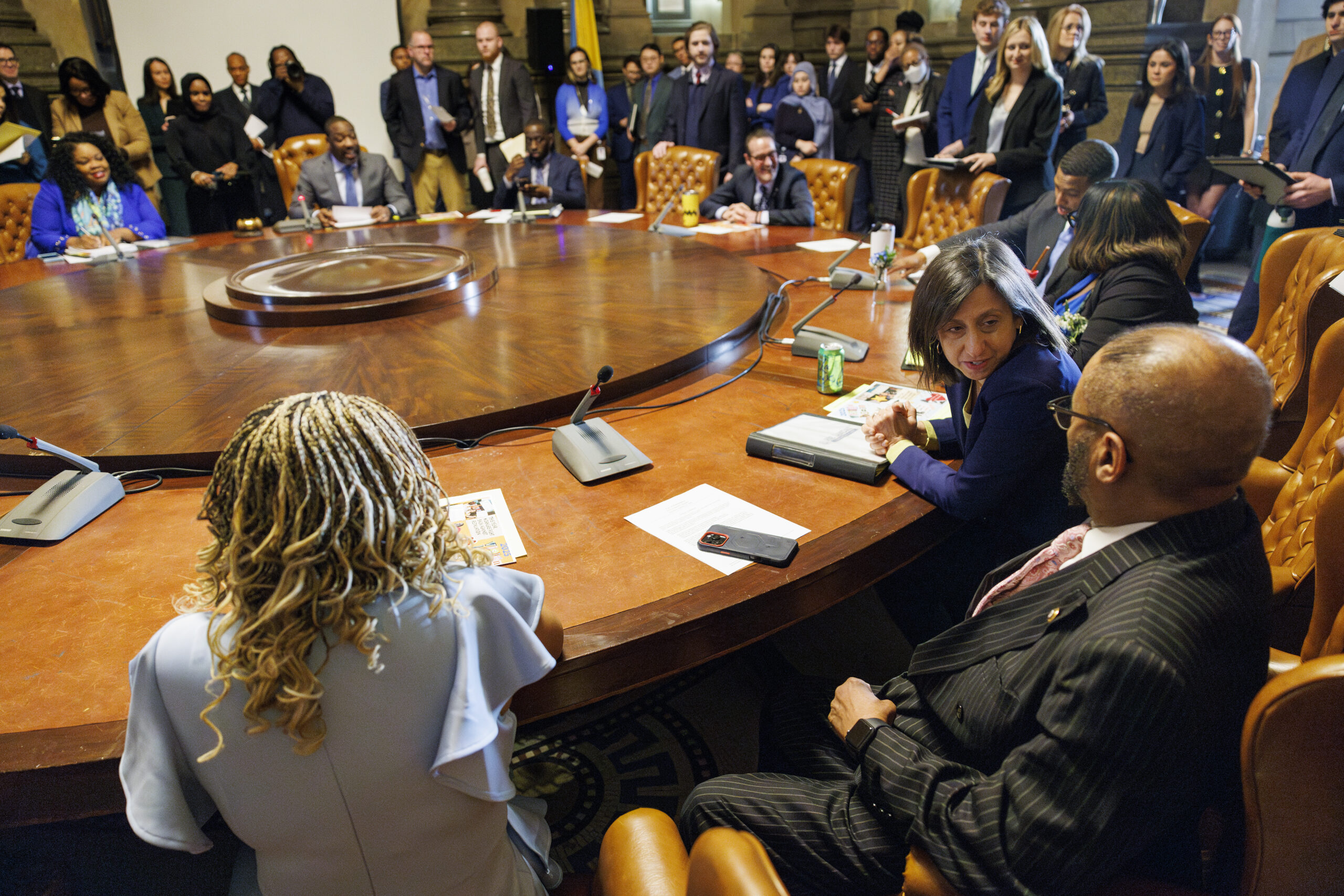
    Members of City Council in their Caucus Room at City Hall in January.

    Resolution: To eliminate micromanagement. District Council members often defend their tradition of “councilmanic prerogative” by citing the phone calls they’ll inevitably get from irate constituents when things change. That may be true, but they should think about things a little differently. After all, the more a municipal lawmaker leans into using prerogative, the less popular they seem to be.

    Take Jeffrey “Jay” Young, for example. Young won his election by default. His opponents were disqualified over issues with their petitions, and the legal challenge against his own candidacy was dropped. He’s also the only councilmember with a declared opponent, with local lawyer Jalon Alexander openly tossing his hat into the ring. Then there’s Cindy Bass. Her record of allowing vacant-but-treasured local landmarks to sit and rot is so unpopular that — in a chamber where many incumbents go unchallenged — she won her last reelection campaign by just under 500 votes.

    Angry phone calls are a part of life in elected office. Prioritizing the squeaky wheels over the public good, however, is a choice.

    SEPTA

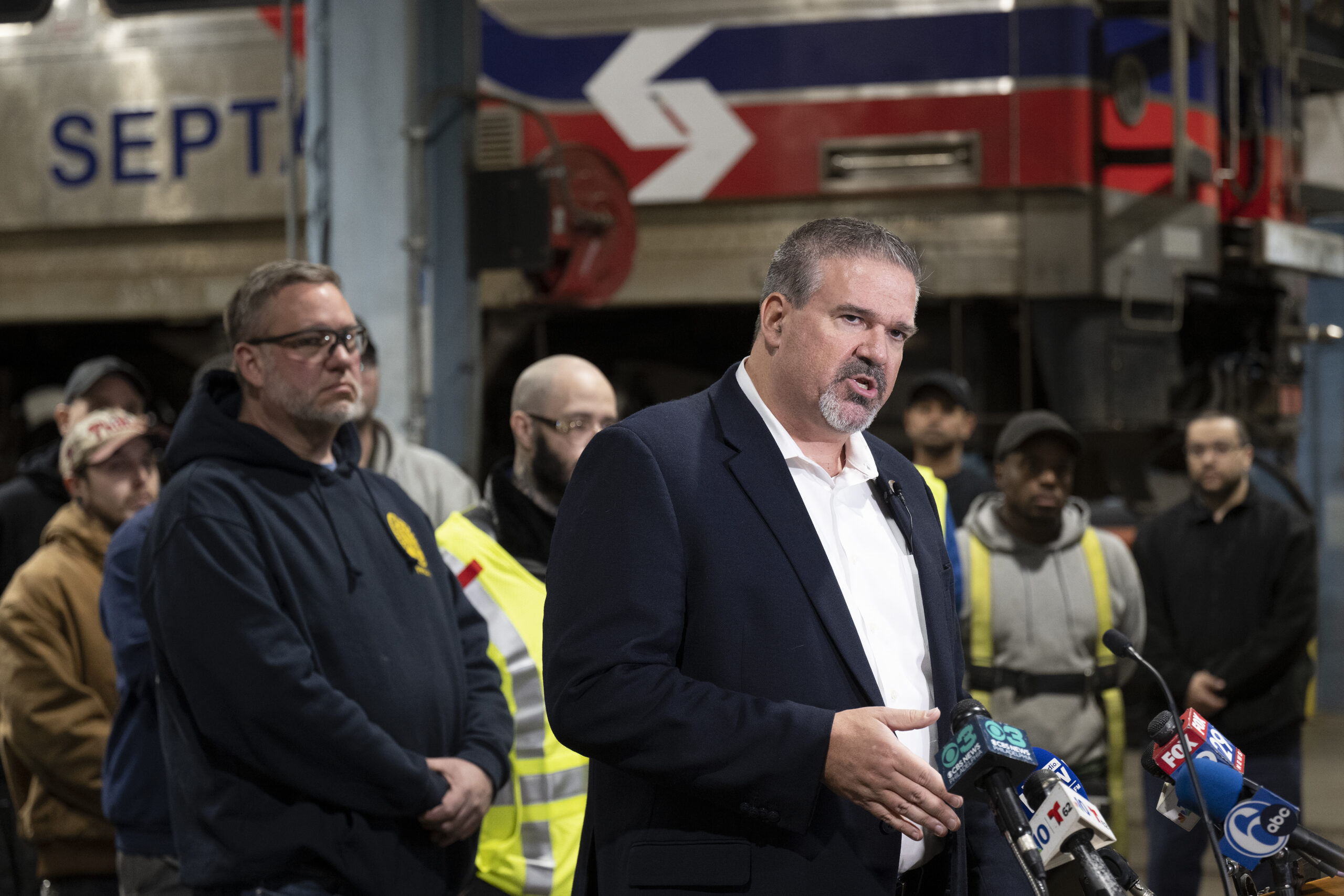
    SEPTA General Manager Scott Sauer addresses reporters during a news conference at the SEPTA Overbrook Maintenance Facility in November.

    Resolution: To stand and deliver. It has been a tough year for our local transit agency and its new general manager, Scott Sauer. Harrisburg punted yet again on a sustainable funding solution. Train cars in the decades-old Regional Rail fleet started catching fire, and an effort to save money on maintenance led to a months-long closure of the Center City trolley tunnel. Still, despite these challenges, 2026 represents an important opportunity for our city’s transit agency to change perceptions.

    Beyond getting the tunnel back up and running, SEPTA’s riders need more reliable service on both buses and trains. They also need better conditions in stations and on vehicles. While overall crime is down, issues like smoking remain frustratingly common. With Philadelphia anticipating hundreds of thousands of additional tourists in 2026, the agency should pull every available lever to improve the quality of life for both visitors and longtime riders (a group I am part of).

    Kim Ward and Joe Pittman

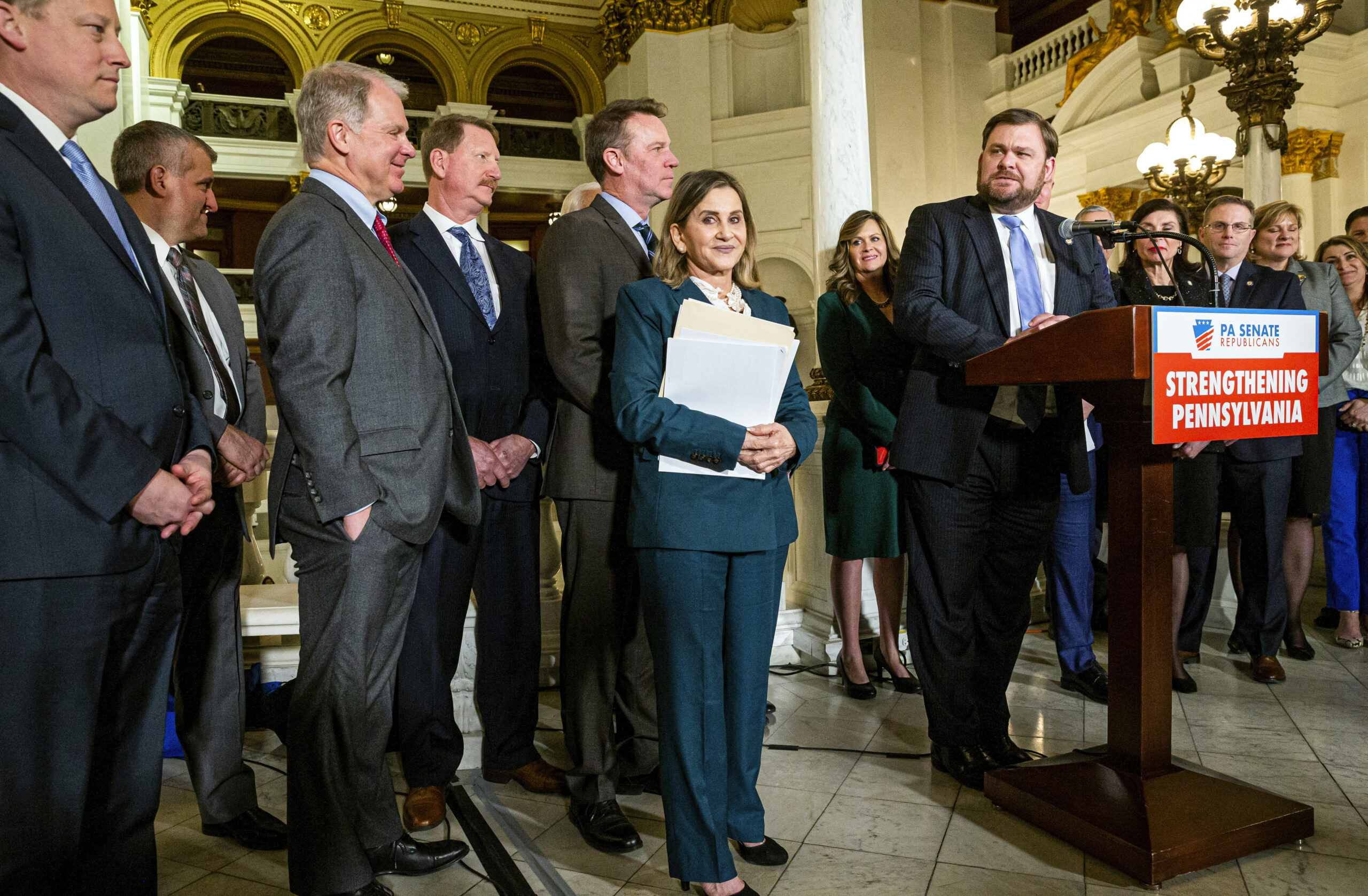
    With Senate President Pro Tempore Kim Ward (R., Westmoreland) standing at left, Senate Majority Leader Joe Pittman (R., Indiana) speaks during a March 2023 news conference at the state Capitol building in Harrisburg.

    Resolution: To learn to love all of Pennsylvania. State Senate Majority Leader Joe Pittman’s rambling August speech represented one of the lower points in intra-commonwealth relations. Meanwhile, his colleague in leadership, Senate President Pro Tempore Kim Ward, spent the year essentially trying to destroy Philadelphia’s transit system. Ward frequently lobbed rhetorical bombs despite never once meeting with Sauer. It’s hard to imagine a Philadelphia-based politician ever treating rural needs with such open contempt. Their petulant approach stands out because their party’s mid-level leaders took a much more reasonable tack.

    By contrast, State Sen. Judy Ward, who chairs the Transportation Committee, represents a Central Pennsylvania district that is, if anything, more rural than Pittman’s. Yet, she’s gone as far as visiting Philadelphia and touring SEPTA facilities herself in her quest to better understand the issues facing the agency. Pittman and Ward should emulate that model and at least do their homework before making big decisions about the southeastern corner of the state.

    The rest of us

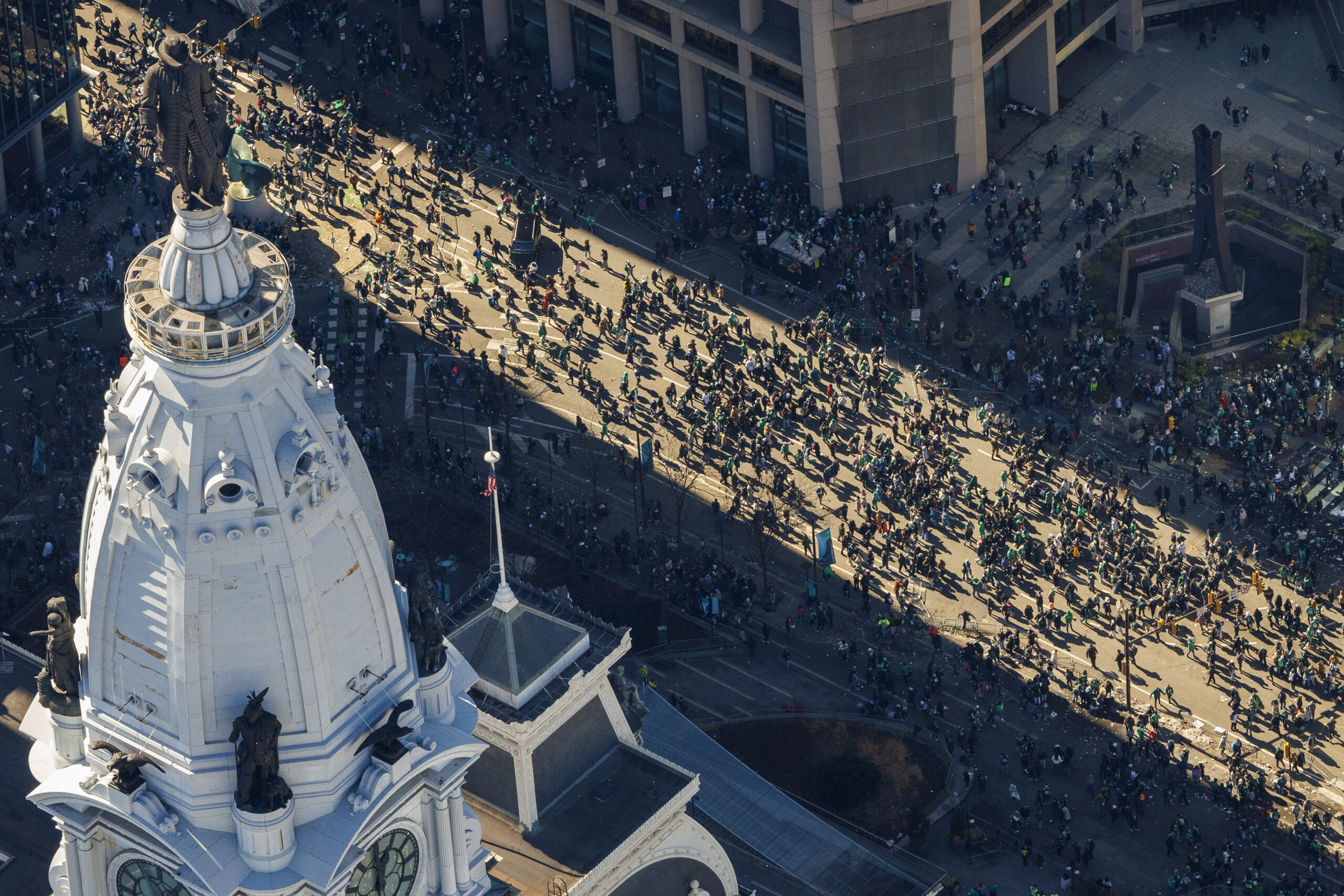
    An aerial view of 15th Street — with the William Penn statue atop City Hall — during the Eagles Super Bowl LIX victory parade in February.

    Resolution: To put our best foot forward. A crucial factor in making 2026 a success for Philadelphia is Philadelphians ourselves. The city is filled with conscientious, law-abiding, tax-paying residents. But a dedicated cadre of miscreants often creates a different impression. Let’s make 2026 a year where all of us shovel our sidewalks, park our cars legally, dispose of our litter, pick up our dog poop, stop for red lights and stop signs, yield to pedestrians, use real license plates, get proper permits for construction, wait to smoke until after leaving the station, and pay our public transit fares.

  • Political theater at the Pa. Society, more bad ideas from Council, and preservation done right | Shackamaxon

    Political theater at the Pa. Society, more bad ideas from Council, and preservation done right | Shackamaxon

    This week’s Shackamaxon goes to the Pennsylvania Society dinner in Manhattan, explores more Council shenanigans, and extolls an example of positive preservation.

    We’re all pals here

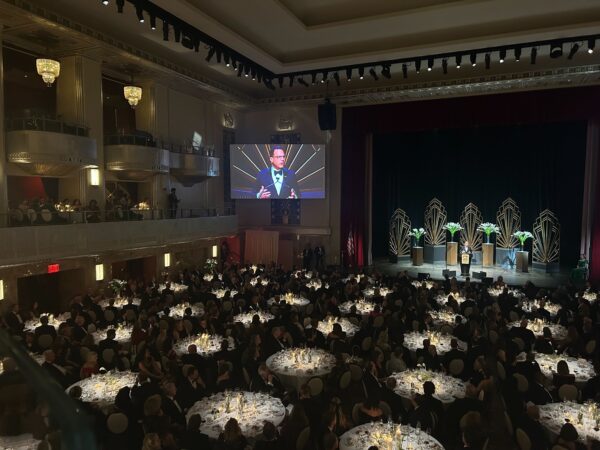
    I made a rookie mistake while attending my first Pennsylvania Society retreat in New York City last week: I arrived far too late. Instead of attending the various parties hosted by lobbyists and law firms, which is where the real political news is found, I covered the signature gala at the recently reopened Waldorf Astoria.

    Former Ed Rendell right-hand man, Comcast executive, and onetime Canadian ambassador, David L. Cohen, was honored with the nonprofit organization’s Gold Medal. Both Cohen and Gov. Josh Shapiro gave speeches praising the value of bipartisanship. In fact, bipartisanship seemed to dominate the air at the event — despite the rising division in just about every other aspect of political life.

    Where was this bipartisan love over the summer, as Pennsylvanians waited for months for a state budget? Where was the political collegiality when local governments and school districts were forced to shutter services or take out loans, and transit riders faced brutal service cuts?

    Apparently Champagne, cigars, cocktails, and filet mignon are a necessary component to talking productively with the other side.

    Lacking these amenities in the General Assembly, Harrisburg politicians chose vitriol over working together. Beyond the infamous Joe Pittman speech where the Senate majority leader showed how much he resents the southeastern part of the commonwealth he’s supposed to help lead, our local politicians also engaged in a blatantly partisan strategy to secure sustainable transit funding, one that ultimately failed.

    In one of the most boneheaded political moves I’ve ever seen, Pennsylvania Democrats openly bragged they hoped the brutal SEPTA cuts would help them make political gains. While they succeeded in forcing local Republican senators like Joe Picozzi, Frank Farry, and Tracy Pennycuick into making a bad vote to divert transit funding to roads in other parts of the state, this strategy only inflamed partisan tensions, making a deal less likely.

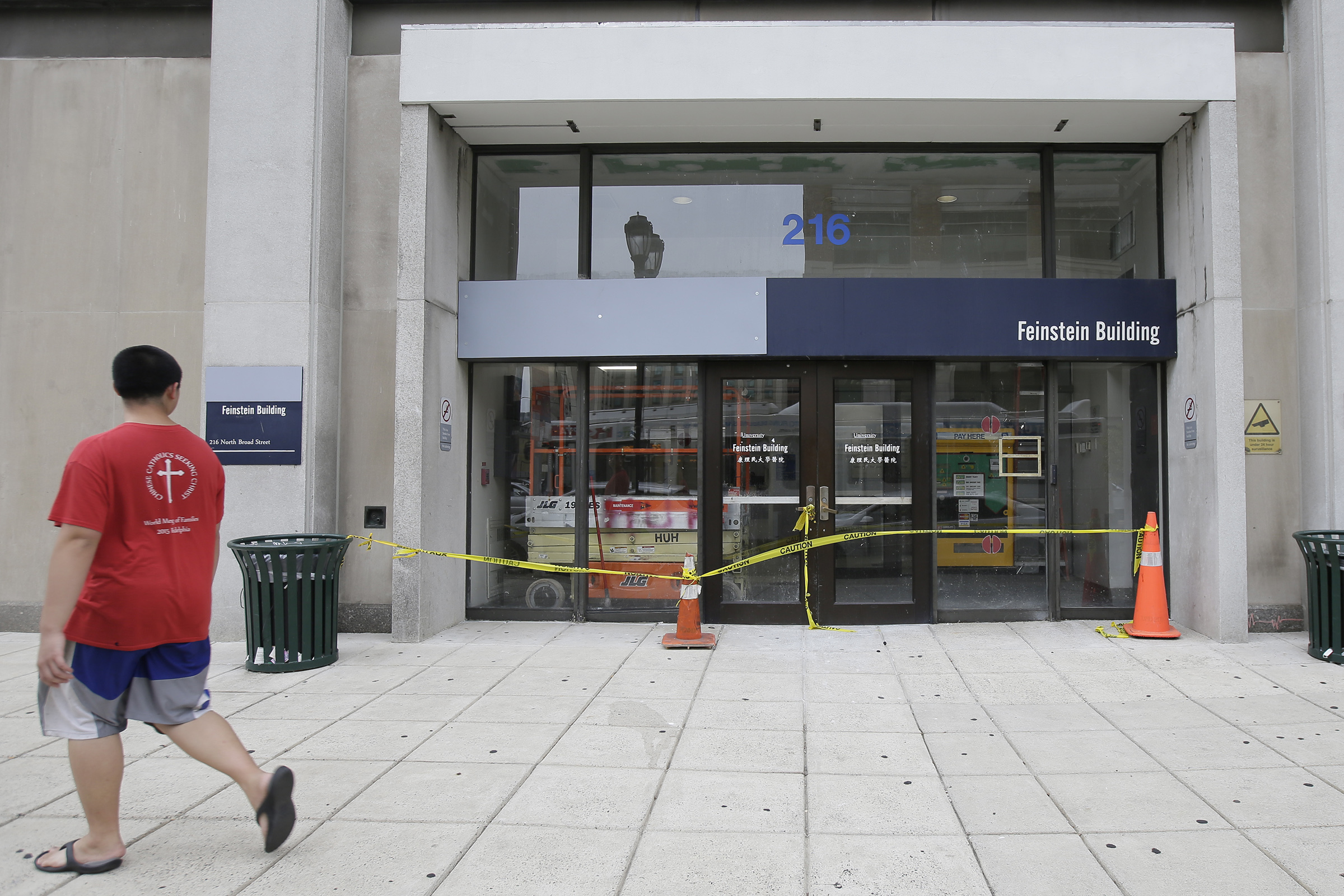
    A closed off entrance to the Feinstein Building at Hahnemann University Hospital in 2019.

    At it again

    I really try to avoid having Jeffrey “Jay” Young, the City Council member representing North Philadelphia’s 5th District, make a weekly appearance in this column, but he makes that very difficult. His latest bad idea is to ban housing on and around the campus of what had been Hahnemann University Hospital.

    To be clear, the loss of Hahnemann is an absolute tragedy. My eldest was born there, and the attentive care she and my wife received was excellent. Yet the hospital is closed, and it has been closed for more than five years at this point. There are no plans to reopen it. In fact, the property was sold earlier this year to Dwight City Group. The developer told my colleague Jake Blumgart they were avoiding high-end apartments.

    With a location right next to a subway station, midmarket housing is an ideal way to ensure the property does not become a source of blight over time. The former hospital’s neighbors include the Convention Center, the Pennsylvania Academy of the Fine Arts, a couple of highway ramps, and a ton of parking lots.

    Young claims his bill is meant to “promote job creation.” Maybe for zoning lawyers, but not for anyone else.

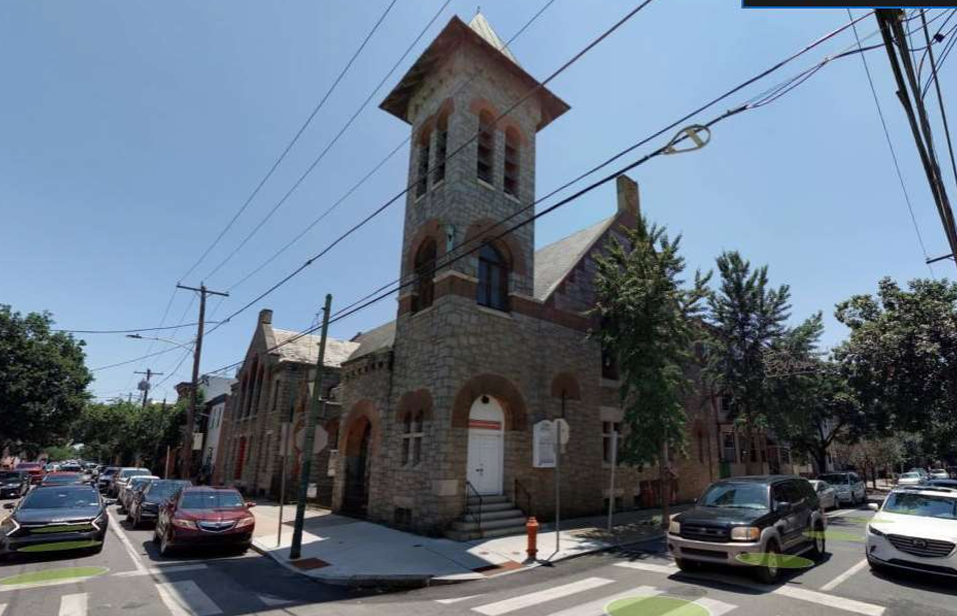
    St. John’s Baptist Church, at 13th and Tasker Streets, is being transformed into apartments.

    Preservation done right

    St. John’s Baptist Church at 13th and Tasker Streets has an interesting story that follows the demographic shifts of its neighborhood over the 132 years it housed a congregation. Thanks to a pragmatic local preservation law, the building should avoid demolition and remain standing for years to come.

    In the late 1800s, immigrants from Europe, in particular from Roman Catholic Italy, were flocking to South Philadelphia for work and opportunity. Some viewed this trend with consternation. They saw Protestant Christianity as integral to being an American, and they sought to convert the new residents.

    This process was called “Christian Americanization.” A cross-denominational effort led to the establishment of “missions” to reach these groups. St. Thomas, built in an Italianate style, was a part of this movement.

    Originally a Reformed Episcopal Church, the building was later transferred to a Baptist denomination. The Baptists had bilingual Italian clergy and were thought to be better suited to evangelizing the new residents. In the 1950s, the church diversified. It became known as a house of prayer for all people, and welcomed its new, non-Italian neighbors to its pews — in particular, Burmese and Indonesian immigrants, many of whom came to America specifically to practice their faith.

    The congregation’s last pastor was Tony Campolo, an evangelical leader who eschewed a megachurch pulpit and televised program in favor of the itinerant preaching popular among earlier leaders in that tradition. He exhorted his fellow Christians to set aside conservative politics in favor of social justice.

    Campolo died last year, not long after the church closed its doors. A fuller history of the congregation can be found in its historic nomination.

    While many houses of worship end up demolished after years of plans and negotiations fail to come to fruition, St. John’s will not join their ranks. That’s because of a 2019 law passed by City Council, which makes it easier to reuse historically protected buildings, like churches. While the project of turning a place of worship into apartments may seem daunting, other conversions in the city have worked out well.

    If the purpose of preservation is to deepen the link between past and present, this pragmatic approach is the right way forward.

  • Shapiro strikes a deal, Council micromanages, and Parker gets a H.O.M.E. debate for the holidays | Shackamaxon

    Shapiro strikes a deal, Council micromanages, and Parker gets a H.O.M.E. debate for the holidays | Shackamaxon

    This week’s Shackamaxon is about the mayor’s housing plan, micromanaging tables and chairs, and Gov. Josh Shapiro’s abilities as a dealmaker.

    Not yet H.O.M.E.

    Initially, Mayor Cherelle L. Parker’s $2 billion proposal to build or restore 30,000 homes seemed like a point of consensus between the administration and City Council. Yet, Parker’s attempt to expand the income limits, particularly for the Basic Systems Repair and Adaptive Modifications programs, has proved to be a sticking point, and the war of words is escalating.

    The mayor has been campaigning for her plan across the city, including at places of worship. She’s cast Council as unwilling to help those who have “paid up and prayed up.” A majority of Council members took issue with that description, insisting all they want to do is ensure the neediest residents have first dibs on the resources.

    Frankly, the temperature in this debate has gotten much too high. Under either side’s plan, income levels will be expanded, and most of the benefit will go to people making less than 60% of area median income.

    Instead of fighting Council over income levels, Parker should have pushed them to allow for more market-rate construction in areas that aren’t in and around Center City. Ironically, the city’s chief housing officer, Angela Brooks, published an article for the National League of Cities that makes the case to do exactly that, citing a Moody’s report that shows that much of the city is undersupplied when it comes to housing and calling for a market-smart response.

    Yet, much of Parker’s Housing Opportunities Made Easy plan is geared toward demand-side support that may help individual households, but won’t reduce the rapid appreciation in housing costs for the hundreds of thousands of families across all income levels who will never apply for or receive any of these benefits.

    Cindy Bass during the first day of Council’s fall session in September.

    Wait outside

    Shackamaxon readers are familiar with Philadelphia’s tradition of councilmanic prerogative, which gives district Council members total discretion over land use and transportation questions within their districts. Typically, this means big civic questions like what to do with a closed middle school, how to renovate an aging library, or whether to proceed with an ambitious street redesign.

    It also means that district members have control over even the most minor of concerns — like whether a restaurant can place tables and chairs outside.

    In most of Philadelphia, you actually need a city ordinance to do this. That’s right. A restaurant or cafe owner can’t just notice it is a nice day and decide to set up outdoor dining. There isn’t even a simple permit system. Installation requires Council approval, which means getting your district Council member’s sign-off. That can be easier said than done.

    After the pandemic demonstrated that expanded outdoor dining can be done without causing an uprising, City Council created a few (what I call) micromanagement-free zones for restaurants, where the process is simplified. (To her credit, 3rd District Councilmember Jamie Gauthier included her entire district.)

    Even then, they must secure a $1 million insurance policy, pay a $227 annual licensing fee, and hire an architect. Yes, an architect must be involved just to put out a few tables and chairs. At Thursday’s City Council hearing, one restaurant owner claimed the process was more difficult than getting his food safety certification. For restaurants outside the designated zones, Council authorization is still required. This puts them at a competitive disadvantage against restaurants that already have the benefits of being located inside a zone.

    At-Large City Councilmember Rue Landau, whose brother, Rich, owns Vedge, has come to the aid of these forgotten eateries. She proposed and passed a bill to expand the “by-right” areas, freeing more businesses from Council’s micromanagement. While the bill should help more restaurants navigate the process, they still face the prospect of waiting months or years for city approval, in a process many entrepreneurs say seems designed to trip them up rather than bring them into compliance.

    Even with the limited assistance on offer, the effort still attracted the ire of 8th District Councilmember Cindy Bass. Bass, one of Council’s most prolific practitioners of prerogative, viewed the bill as an imposition on her right to dictate how things should be done. Even though Landau carved out Bass’ entire district from the legislation, Bass still felt the need to beat up on the proposal at a committee hearing.

    Saudia Shuler (left), dressed as “Saudi Claus,” helps Averie Love, 11, pick out a new bicycle during a 2017 Christmas toy giveaway in front of Shuler’s restaurant in North Philadelphia.

    Favors for fraudsters

    Bass isn’t against all restaurant owners, however. This week, she pushed through a resolution honorarily renaming the intersection of Broad and Pike Streets for Saudia Shuler.

    The North Philly mom and owner of Saudia Shuler’s Country Cookin’ rose to prominence as the “camel prom mom” in 2017 after hosting an extravagant Dubai-themed send-off for her son. The event included three different luxury cars, three different luxury outfits, and three different dates, alongside a camel and sand.

    Shuler told journalists at the time that it all cost just over $25,000. She also held an extravagant toy giveaway later that year, handing out 100 bicycles and 800 presents to local kids.

    Unfortunately, Shuler’s story did not end there. The next year, she was indicted for Social Security fraud. In 2019, she pleaded guilty, admitting to taking nearly $40,000. That means much of her generosity was coming at the expense of taxpayers and Social Security beneficiaries. Somehow, this episode went unmentioned by every member of Council, and her honors were passed unanimously.

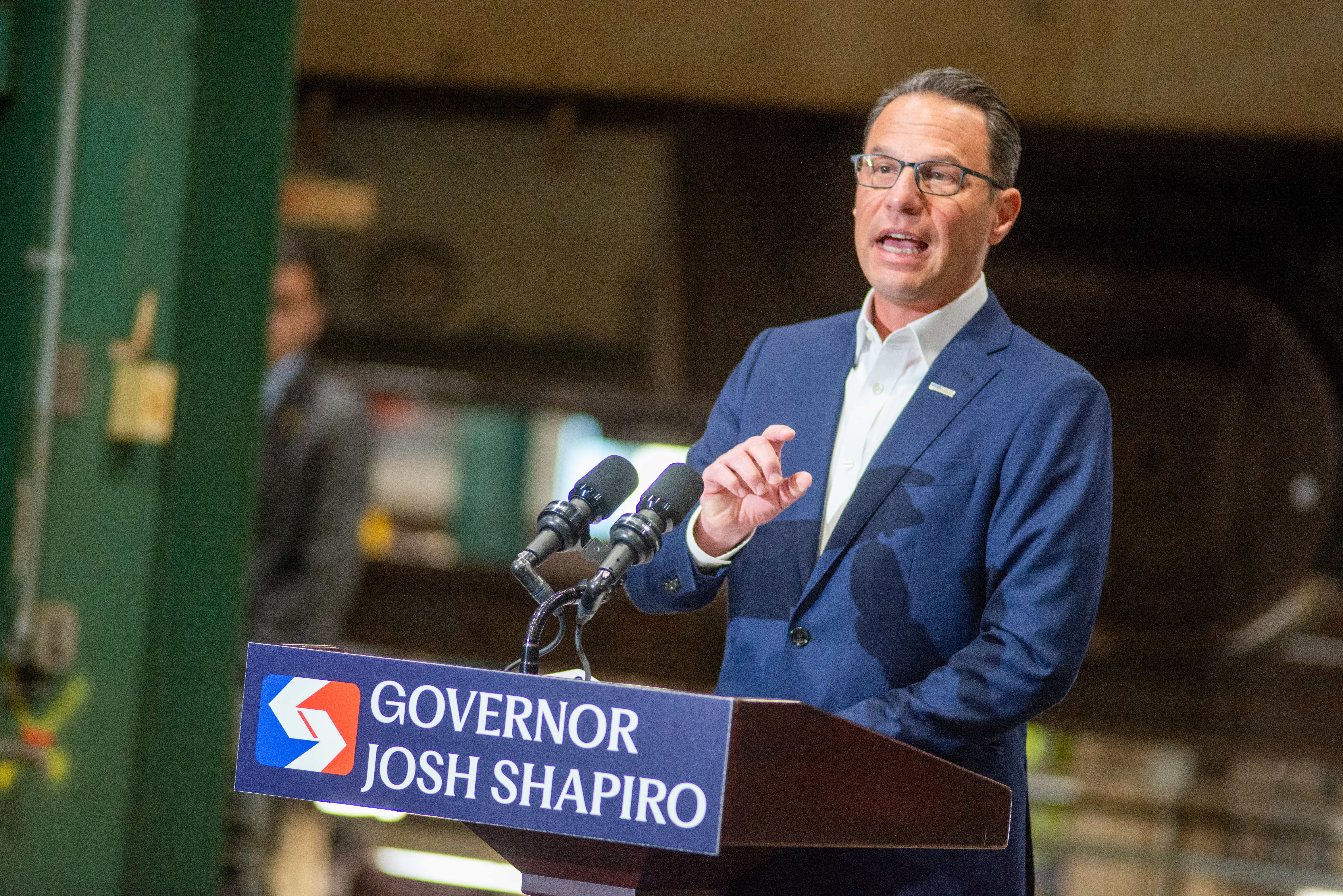
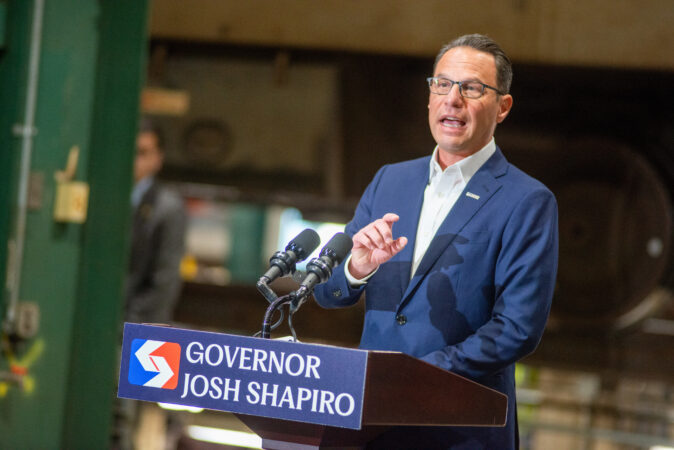
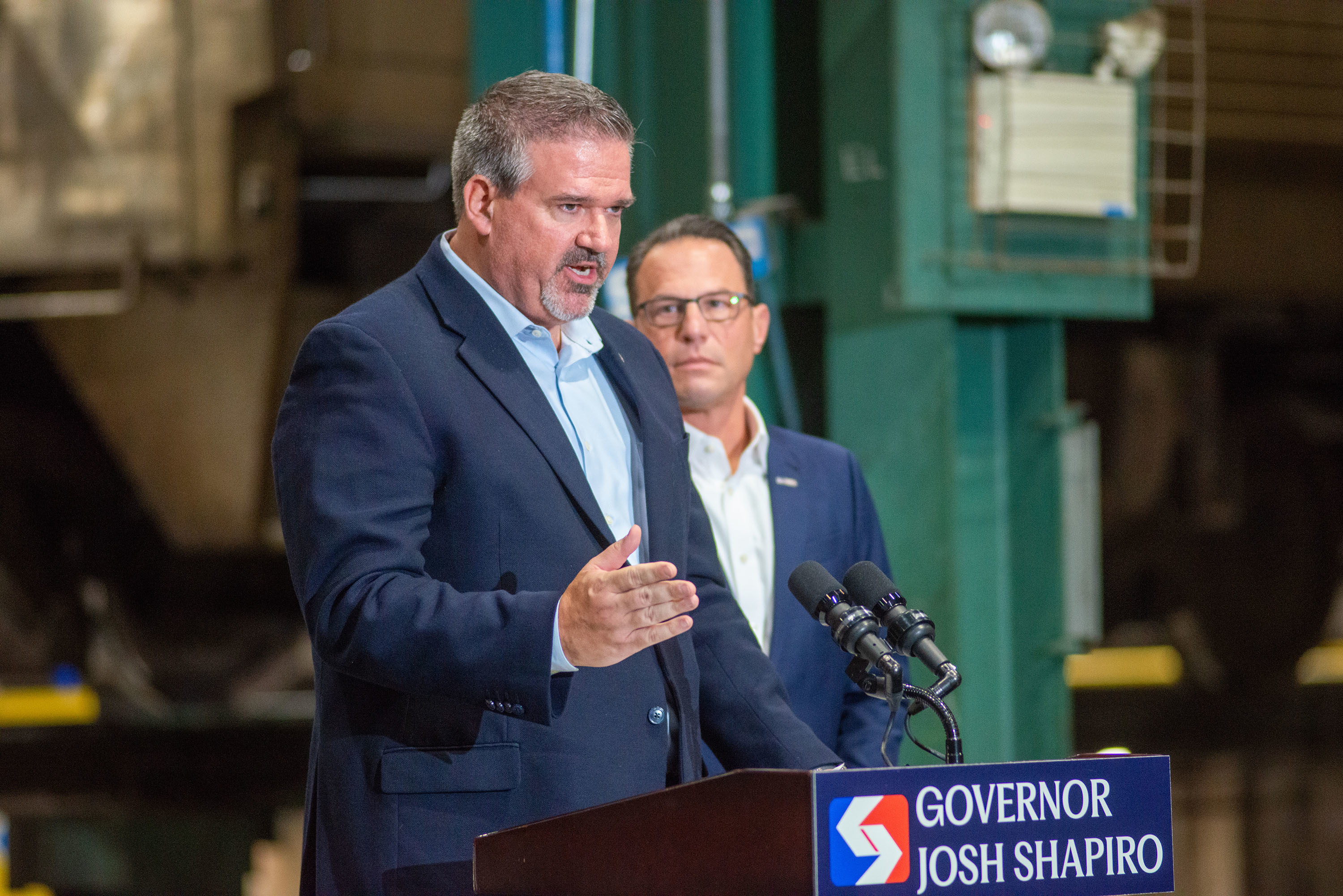
    Gov. Josh Shapiro speaks at SEPTA’s Frazer Shop and Rail Yard in Malvern in November.

    Gov. Dealmaker

    After a four-month-long impasse over the state budget, some may have questioned Gov. Shapiro’s credentials as a dealmaker. Yet, this weekend, the ambitious Abingtonian demonstrated his mediation skills, helping to broker a deal between SEPTA and its largest labor group, the Transport Workers Union Local 234.

    The agreement averts a strike that could have started on Monday (or even last Friday, according to a few operators who told me they thought action was imminent that day).

    This is now the third time the governor has come to SEPTA’s rescue, although this time he managed to pass up getting behind a podium at a news conference. For riders hoping to avoid service interruptions, these interventions have been welcome. Still, I can’t help wondering why the Transport Workers Union had an easier time making a deal with Shapiro instead of with Scott Sauer, the first general manager to start his career as a rank-and-file operator.

  • Marra’s goes and the Rail Park grows as Philly communities change | Shackamaxon

    Marra’s goes and the Rail Park grows as Philly communities change | Shackamaxon

    This week’s Shackamaxon is all about how cities change, whether some like it or not.

    Meno Italiano

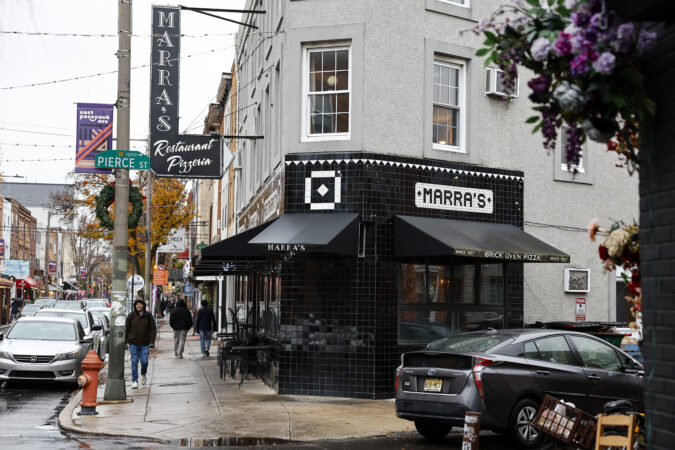
    Like so many of my neighbors in South Philadelphia, I had been meaning to go back to Marra’s on East Passyunk Avenue for a while when I heard the news of its imminent closure. The classic Italian restaurant was just two years shy of a century’s worth of business when the owners found an interested buyer in Dan Tsao, the owner of Chinatown’s EMei.

    In an interview with my colleague Michael Klein, Marra’s owners blamed a lack of parking for contributing to their decision to close and potentially relocate. Given their location on a thriving and increasingly renowned dining corridor, some have expressed skepticism about this diagnosis. To me, however, it rings true in a different way.

    After all, when Marra’s initially opened, parking would not have been much of a concern. Their customer base, like much of the customer base for the new restaurants on the corridor, would have lived nearby. The pizzeria was part of an extensive Italian American community that came to be synonymous with South Philadelphia during the 20th century. Over the years, the center of gravity for this lively community moved to places like Cherry Hill, where people get around by driving, not walking. This means that, over time, many existing businesses have become more dependent on the ease of parking.

    Marra’s is not the only neighborhood institution to fall victim to this phenomenon. While many still call it the “Italian Market,” the stalls on Ninth Street are now more likely to be occupied by Asian and Latino entrepreneurs. When I first moved to South Philly in 2011, I’d regularly hear older residents conversing with each other in Sicilian. That’s much less common today.

    I call this process suburbanization. As more members of a community live and work outside the city, it becomes harder to maintain the institutions that helped forge their identity in the first place. After all, who wants to fight for a parking spot in South Philadelphia when there’s unlimited free parking at the many Italian restaurants closer to home?

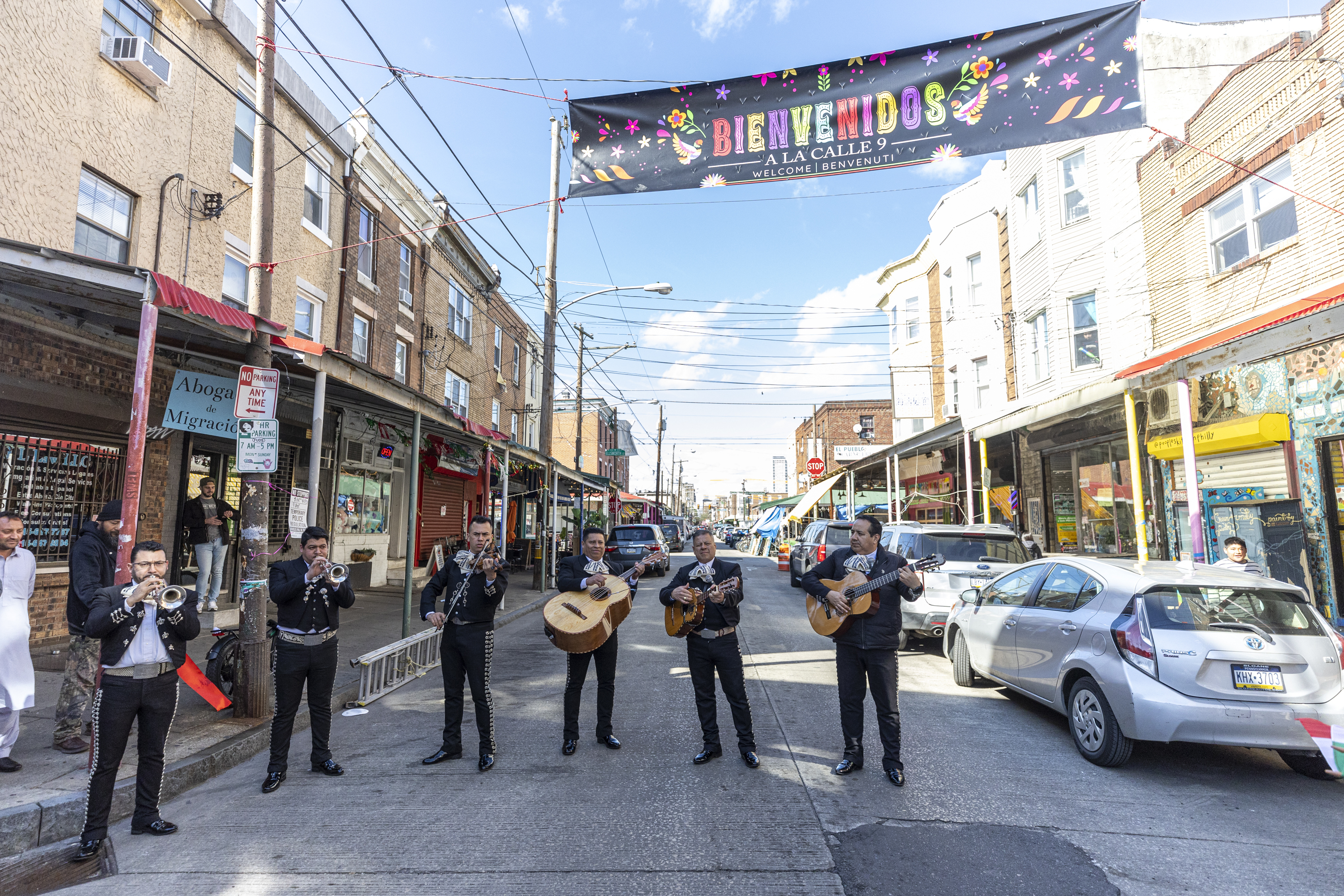
    Rey Azteca Mariachi performs in 2024 below the then-new banner welcoming shoppers to Ninth Street in South Philadelphia.

    Fight displacement, not change

    Marra’s and South Philadelphia are hardly alone when it comes to managing suburbanization. The same phenomenon affects Chinatowns across America, including Philadelphia’s own. Szechuan and Cantonese cuisine are now available throughout the region, just like traditional Italian fare. The largest Chinese restaurant in the city is now Northeast Philadelphia’s China Gourmet, not a Chinatown banquet hall. This is why so many business owners feared the possibility of a Sixers arena on Market Street. They felt fans would be more interested in General Tso’s chicken and bubble tea than the authentic fare that defined the neighborhood. Meanwhile, they’d also take up parking spots that would otherwise be used by their own patrons.

    Suburbanization even affects places of worship. During the debate over bike lane parking in Center City, I talked to Tim Geiger — then interim pastor of Tenth Presbyterian Church on Spruce Street — about why his congregation was so reliant on parking spaces. The answer was clear: They had gone through the suburbanization process decades before South Philadelphia or Chinatown.

    While Geiger told me he encourages congregants to walk, use paid parking, or take transit, it can be a hard sell when so many can attend services closer to home, at a church that offers free parking.

    For many people, this process is a reason to abhor or prevent change. They cite the increase in residential density in and around Center City, the work of groups like the Passyunk Avenue Revitalization Corp., and civic interventions like the Schuylkill River Trail as catalysts for gentrification. At a recent City Council meeting, members of the Committee on Public Property and Public Works echoed these sentiments, expressing a concern that a proposal to turn an abandoned railway viaduct into an expanded Rail Park and pedestrian pathway could drive out low-income residents.

    This is the wrong way to conduct public policy.

    After all, the South Philadelphia neighborhood that hosted Marra’s hasn’t seen a massive shift in its built environment. It has changed significantly anyway.

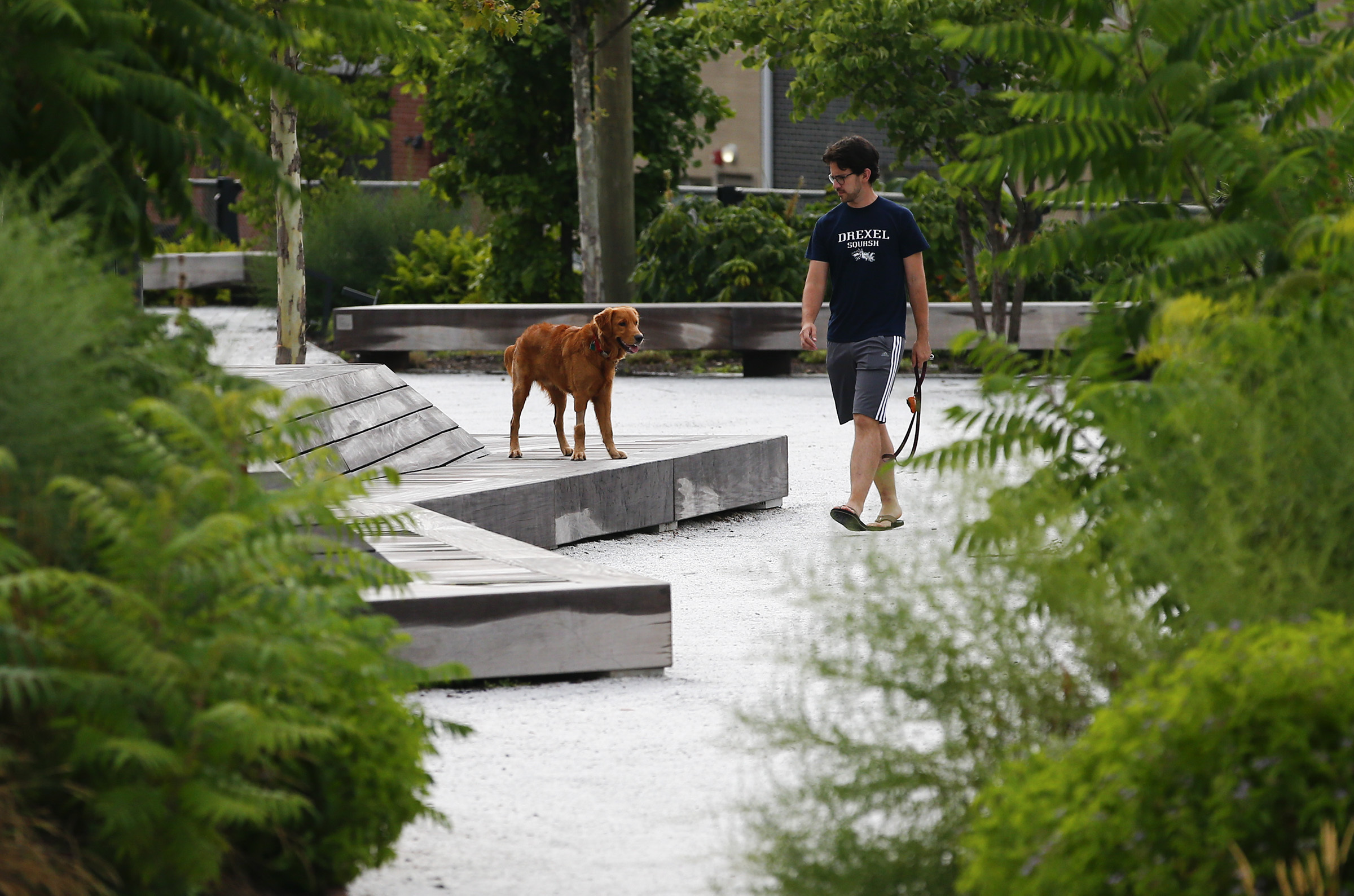
    Santiago Uribe and his golden retriever Koda take a walk along the Rail Park in 2019.

    Whose community?

    As usual, Council members expressed their skepticism about the park proposal by putting their thoughts into the mouths of residents who conveniently were not there to express their opinions themselves. Jeffery “Jay” Young and Quetcy Lozada, in particular, were concerned that there hadn’t been enough community engagement, or that the park would serve as a playground for wealthy residents, leaving the rest of the city behind.

    Paul Levy, the former head of the Center City District, is heading up the planned expansion of the Rail Park. Levy said the plan is to unite neighborhoods and offer a useful amenity, not to push anyone away. Unlike Councilmember Young’s plans to demolish the Cecil B. Moore Library, the Rail Park has already earned the support of local civic associations. Center City District held 15 meetings to gauge community reaction to the idea.

    It is a process that’s already been successful for the Center City District’s other big projects, Dilworth and Sister Cities Parks. Both serve as urban oases for families across Philadelphia thanks to thoughtful programming and design choices. Levy told me to think in three concentric rings: community involvement in design, community involvement in programming, and a comprehensive housing and development plan for the surrounding neighborhoods.

    That’s a lot more thought than obstructionists like Young and Lozada likely put into their opposition.

  • Shapiro helps SEPTA move ahead, while councilmanic prerogative drags community projects down | Shackamaxon

    Shapiro helps SEPTA move ahead, while councilmanic prerogative drags community projects down | Shackamaxon

    This week’s Shackamaxon welcomes back City Council’s quarrelsome contrarian and makes the most out of SEPTA’s “new” funding.

    Council vs. community

    Councilmanic prerogative, a tradition that gives individual district Council members sole discretion over land-use decisions within their constituencies, is not popular with the public. A 2022 poll found that only 22% of Philadelphians wanted to keep the practice, while more than two-thirds wanted it abolished. Among Council members themselves, however, prerogative is king.

    During a recent City Council meeting, 7th District Councilmember Quetcy Lozada wondered when the phrase “councilmanic prerogative became a dirty word.” Council President Kenyatta Johnson said that “it isn’t like they say in the newspaper.” Most of their colleagues and predecessors make similar defenses of the tradition, which they claim is just a way to make sure the community doesn’t get steamrolled by powerful interest groups.

    The process, however, often stymies community aspirations or pits the interests of some neighbors against those of others.

    Fourth District Councilmember Curtis Jones Jr. reduced the number of development projects allowed along a stretch of Ridge Avenue in Roxborough, citing community opposition to new construction and parking woes.

    The move, known as downzoning, took a sledgehammer to the net worth of longtime business owners along the corridor, with the value of their life’s work deflated overnight. They testified against the move at City Council, to no avail.

    In the 8th District, Councilmember Cindy Bass has discouraged the redevelopment of sizable properties like the former YWCA, Germantown Town Hall, and the Ada H.H. Lewis Middle School, despite community support for doing something with those buildings.

    In extreme cases, councilmanic prerogative has also been an invitation to more questionable practices. Just ask former 7th District Councilmember Rick Mariano, who was convicted in 2005 of taking prerogative-enabled bribes. “It’s just a very sketchy and nontransparent thing,” Mariano told WHYY in an interview a decade ago. “If I could do everything over again, I wouldn’t be a councilman. But if I was, I would not want anything like that. It can just come back and bite you in the ass.”

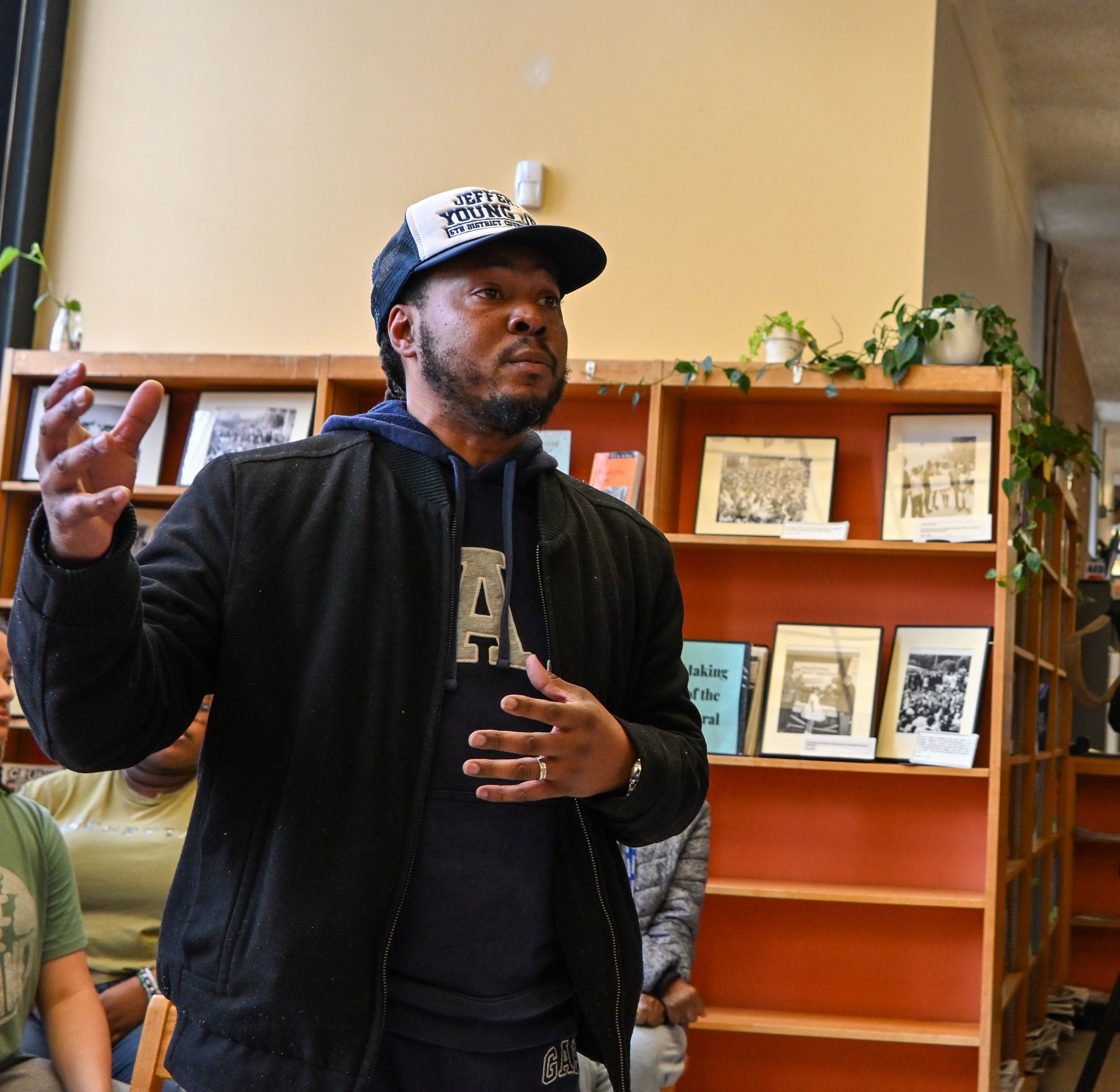
    Councilmember Jeffery “Jay” Young speaks to community members at the Cecil B. Moore Library on Saturday.

    No fighting in the library

    A good example of how prerogative can get in the way of a neighborhood’s wishes is the recent debate over the future of the Cecil B. Moore Library.

    Cierra Freeman, Claire Newsome, and the rest of the Save Cecil B. Moore Library coalition have been organizing and campaigning for years to renovate the current library building, which is on the 2300 block of Cecil B. Moore Avenue in North Philadelphia. They helped secure millions of dollars for the effort from the city’s Rebuild initiative. Then they were blindsided by Councilmember Jeffery “Jay” Young, who is finishing his second year representing the 5th District.

    My newsroom colleagues have branded Young as City Council’s “quarrelsome contrarian.” While he’s bristled at the description, he also regularly confirms its accuracy. More than any other member of Council, Young has employed a haphazard approach to using the powers of his office, often stepping in at the very last moment to scuttle long-standing plans. Small businesses, street safety campaigners, and affordable housing advocates have all been burned by his tendency toward unilateral and inexplicable decision-making.

    The library renovations are the centerpiece of what’s shaping up as his legacy of obstinacy.

    First, Young opposed renovating the library because he wanted to redevelop the site as a mixed-use building, with affordable housing above and library services below. Community members expressed deep skepticism about the idea, and Young never produced a rendering or other documentation to prove that his plan was feasible.

    On Saturday, Young told a packed community meeting about his plan to move the library, with a nearby city-owned lot on 19th Street identified as a potential location. Young, wearing a baseball cap emblazoned with his own name, presented the move as a way to ensure the community gets everything it deserves, including space for teenagers.

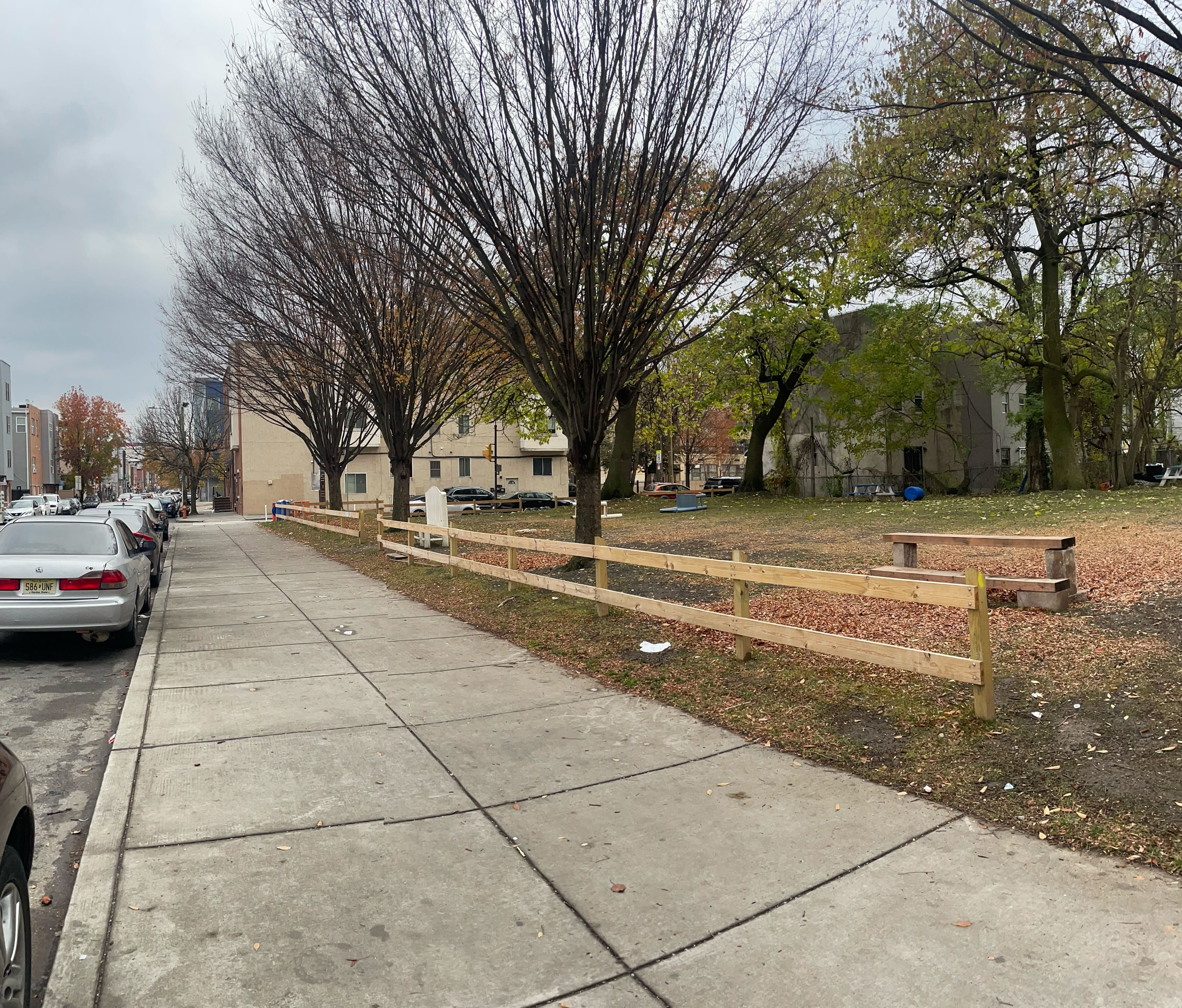
    This vacant lot at 19th Street and Cecil B. Moore Avenue, currently used as a pocket park, would be the new home of the library if Councilmember Jeffery “Jay” Young gets his way.

    Of course, the current renovation plans already include a revamped teen space. They are also the product of years of engagement between the city and the community. Young’s proposal, once again, lacks even the basics you’d expect from any developer coming to the community with a new construction project.

    When I first arrived at the meeting, Young already had his hackles raised. He was berating a constituent and disrupting the proceedings. Another neighbor, Nadine Blackwell, who has lived in the area for 73 years, told Young, “I’m not gonna hit you,” citing his “defensive body communications.” The only resident to express any interest in his ideas was Bonita Cummings, a former staff member in his office.

    Renovating a library should not be a contentious issue. It has become one only because City Council’s traditions allow members like Young to make it one.

    Gov. Josh Shapiro looks on as SEPTA General Manager Scott Sauer speaks at the agency’s Frazer Shop and Rail Yard in Malvern on Monday.

    Don’t call it a bailout

    There are few things Gov. Josh Shapiro loves more than talking about how he likes to take decisive action. From quickly repairing the I-95 collapse to last year’s maneuvers in Harrisburg that secured an infusion of money for SEPTA, it all helps buttress his “get stuff done” reputation. But Monday’s announced transfer of $220 million to SEPTA, while necessary, does not represent a real solution for our commonwealth’s transit woes. In fact, it makes transit’s future more precarious, absent new sustainable funding from intransigent Republicans in Harrisburg.

    That’s because Shapiro took the money from the state’s public transit trust fund, which is tasked with supporting systems across Pennsylvania. While Republicans have presented the fund as money that’s “just sitting there,” those dollars have already been earmarked for specific projects, like SEPTA’s proposed modernization of its trolley system. The money Shapiro used was being set aside for emergencies. Using it to abate a wholly political crisis is not ideal.

    The proposed investments, however, represent a judicious use of public resources. Nearly every part of the system will be revamped, providing riders with faster and more efficient trips. It’s an opportunity for Scott Sauer, who’s been working as general manager for 11 months, to prove to the General Assembly that the transit agency can be effective and efficient if given the chance.

  • While some pay for police, others are getting a free ride | Shackamaxon

    While some pay for police, others are getting a free ride | Shackamaxon

    This week’s Shackamaxon asks: Who should pay for public safety, and why didn’t Philadelphia’s big employers do more to save SEPTA?

    Bills for thee, unlimited OT for me

    My intrepid newsroom colleagues Ryan W. Briggs and Max Marin have shed light on another frustrating phenomenon in local government: the city’s haphazard and uneven policy on security for events.

    While some independent community and cultural groups have been hit with bills as high as $40,000 for their festivals, others haven’t been asked to contribute a dime. This includes events hosted by local politicians, who get their costs added to the city’s $150 million police overtime bill.

    Instead of forcing communities to end or curtail long-standing and successful events over security costs, the city should focus on finding ways to lower the cost. This should start by taking away the decision-making process from individual police captains and making these calls at the Managing Director’s Office.

    The city should also invest in security options that don’t require personnel, like the portable vehicle barricades used by the Center City District for its Open Streets events. This would eliminate or reduce the need for police presence. Lowering the overall amount the city pays for events will make it easier to take on the cost for all of them and eliminate the need for the current, inequitable status quo.

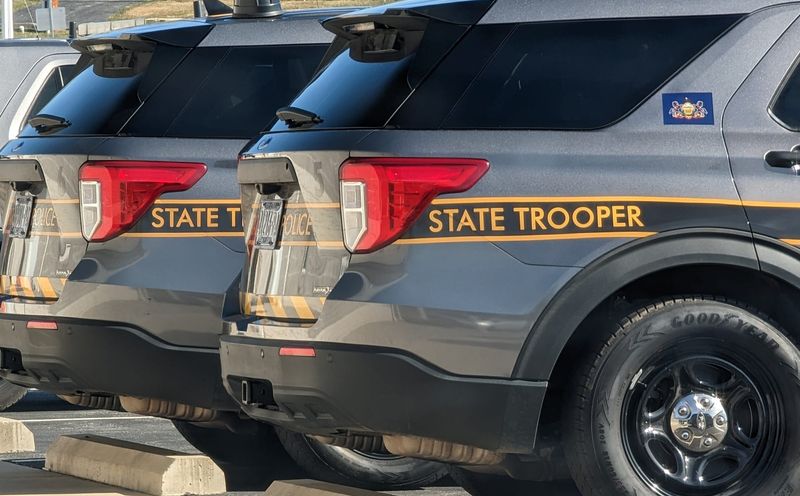
    Some of Pennsylvania’s towns and villages do not spend on their own police force, instead relying on the Pennsylvania State Police.

    More blue for less green

    City Council members and some favored community groups aren’t the only ones benefiting from an uneven cost structure for public safety.

    While Philadelphia spends almost $900 million per year on policing, at a cost of over $550 per resident, some of Pennsylvania’s towns and villages are getting an absolute bargain — they don’t pay for police at all.

    It’s a growing phenomenon in which rural and exurban communities, most of them Republican-led, are essentially defunding the police — it isn’t just hamlets in Forest County that are benefiting from the dollar savings either. Sizable towns like Lower Macungie, the second-largest population center in Lehigh County, rely solely on the Pennsylvania State Police to keep order.

    State Rep. Justin Fleming has proposed a solution. His bill would create a fee structure for towns that forgo local police coverage, with the aim of growing and strengthening the state police. Fleming, who represents a small town outside Harrisburg that pays for its own police force, presents his plan as a fair way to cover the cost of public safety across the commonwealth. It is long overdue.
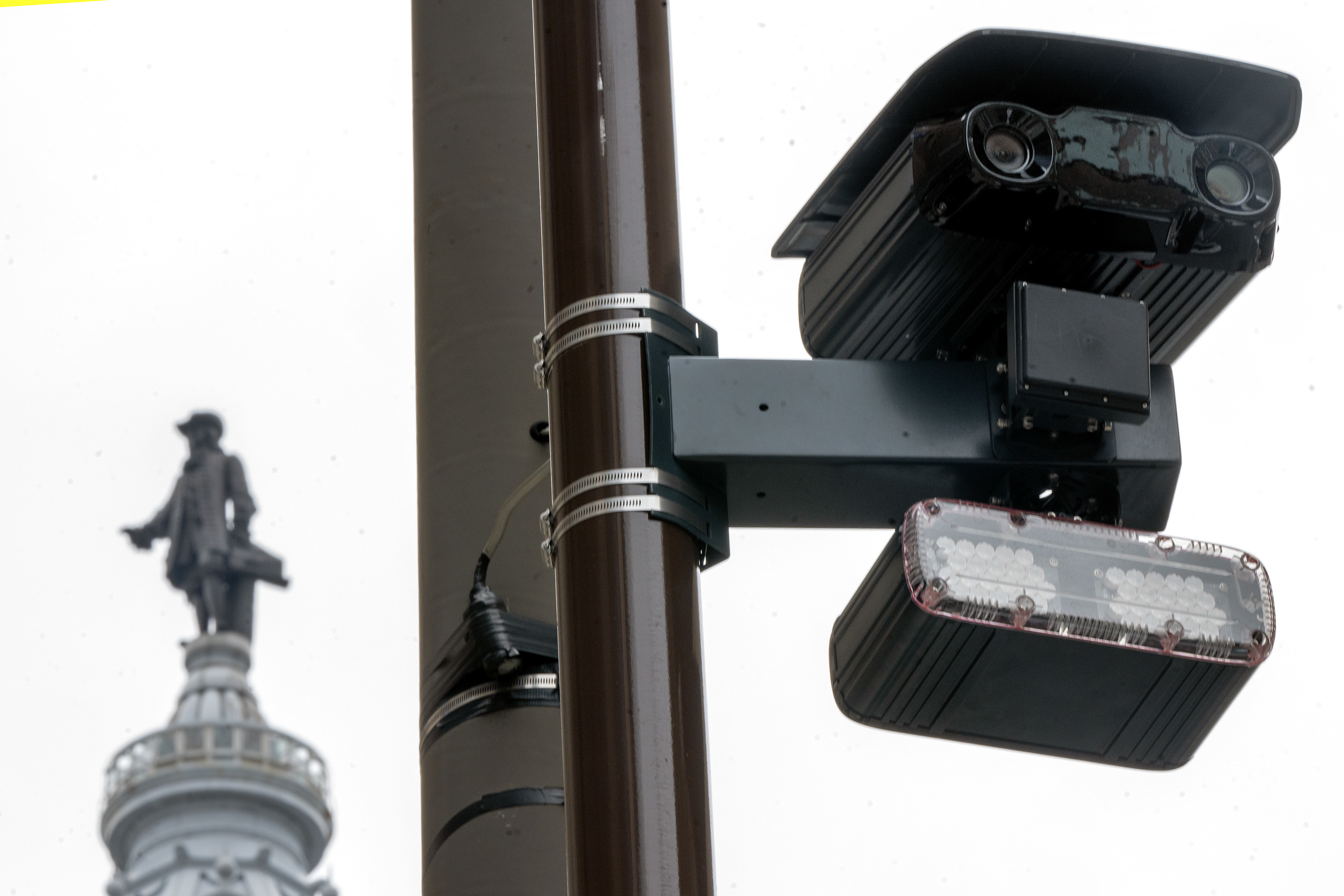
    An automated speed enforcement camera is mounted on North Broad Street at Arch Street in September.

    The truth about the PPA

    No one likes getting a ticket, but many Philadelphia motorists harbor a special resentment for the Philadelphia Parking Authority. The recent implementation of (PPA-administered) speed cameras on Broad Street has led to an outbreak of often-conspiratorial claims about the agency.

    Some critics have gone so far as to claim the PPA is a “private company,” or that “all the money goes to Harrisburg.” Even City Council President Kenyatta Johnson claimed ignorance when asked about some aspects of the PPA on a local podcast, saying he needed to look into it.

    In reality, the PPA is a state agency, governed by a board that’s appointed by the governor and legislative leaders. In a typical year, it directs more than $50 million to local needs, and Executive Director Rich Lazer has moved away from the opaque and patronage-heavy policies the agency was once known for.

    The speed cameras, far from being a way to raise revenue, are aimed at changing behavior. When implemented on Roosevelt Boulevard, speeding decreased — as did fines. You can’t make money from speedsters if they stop speeding.

    Of course, there’s an easy way to avoid ever getting a ticket: park legally and don’t speed. If anything, the city would be better off if its other enforcement agencies were as effective as the dreaded PPA.

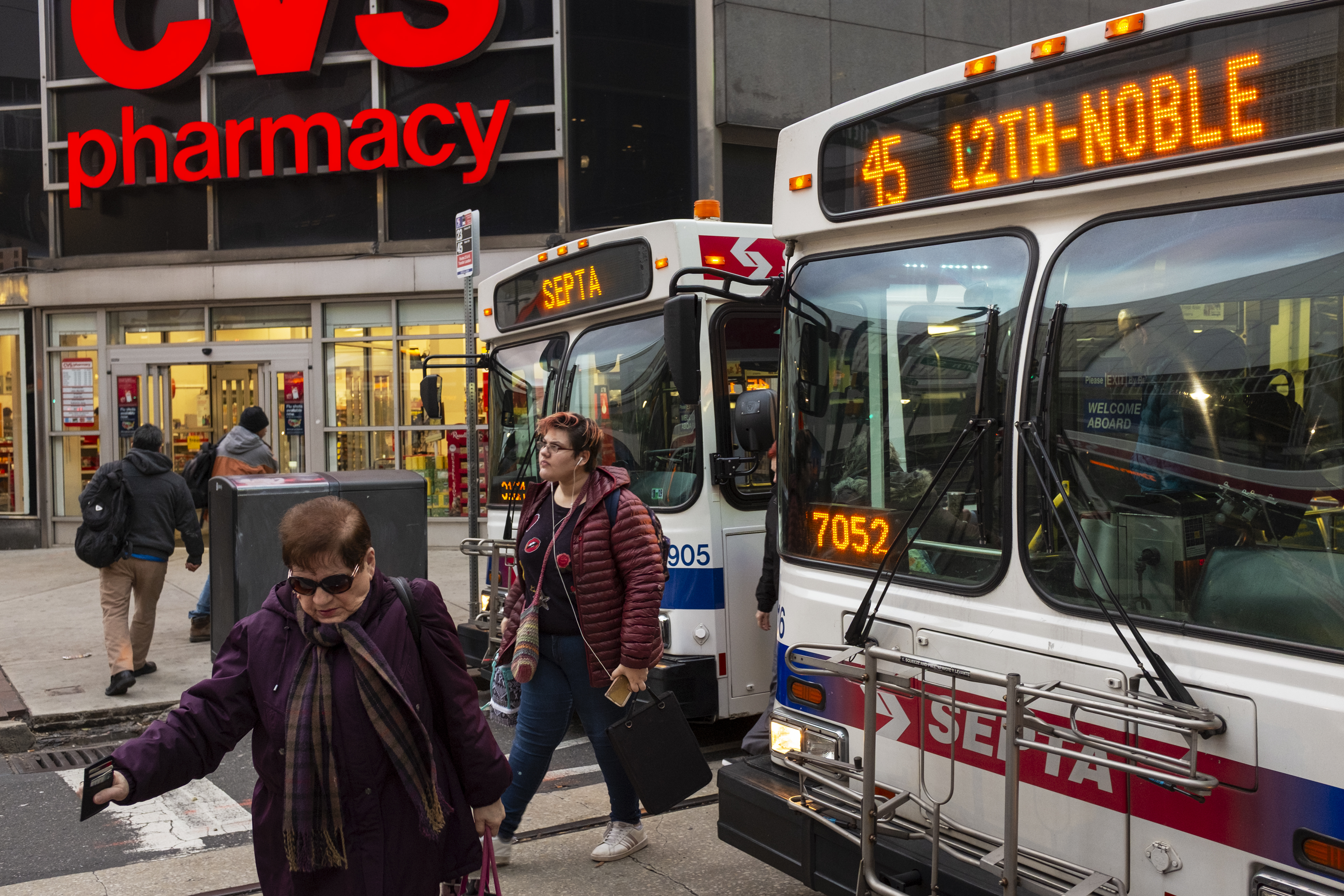
    SEPTA commuters at 11th and Market Streets.

    Transit failure

    It is no secret that Gov. Josh Shapiro and Harrisburg Democrats folded on mass transit funding this year. Despite claiming a sustainable solution was their “top priority,” they agreed to subject riders to two more years of uncertainty, with no guarantee of a future solution.

    But there’s another set of regional power brokers who failed to adequately address the public transportation system’s needs: our biggest employers.

    Thomas Jefferson University, Comcast, Children’s Hospital of Pennsylvania, the University of Pennsylvania, and the Chamber of Commerce will gladly say they support transit funding. Just don’t ask them to spend a dime on it.

    While the lobbies for casinos, sports gambling, so-called skill games, and marijuana all have plenty of cash to splash, transit has next to nothing. That lack of money made it hard to win over Senate Republicans, who mostly represent districts without many mass transit riders, leaving them immune to grassroots pressure to fund the system. This meant that a last-minute effort to fund transportation off taxing sports betting failed, with gambling companies and their social media influencer allies scaring legislators off.

    According to local transit advocate Jon Geeting, Philadelphia’s major institutions have contributed next to nothing to the yearslong effort to forge a sustainable solution in Harrisburg. Geeting told me, “It’s really disappointing and sad that for three years in a row, it fell to out-of-state philanthropy to support the entirety of state transit funding advocacy.”

    Despite the collective billions at their disposal, efforts by local industry and institutions to support mass transit funding have mostly consisted of sending in op-eds and occasionally speaking at rallies. If we are to save public transit in Philadelphia, Comcast and Penn should not be content to have the same reach as determined high school students.

  • Parker’s Land Bank shakeup may lead to more affordable housing | Shackamaxon

    Parker’s Land Bank shakeup may lead to more affordable housing | Shackamaxon

    Continued budget delays in Harrisburg are, unfortunately, again part of this week’s Shackamaxon. But first, all you ever wanted to know about the Land Bank (but were afraid to ask), including the mayor’s recent board shake-up.

    Running on empty

    Ever since Philadelphia lost more than a quarter million residents between 1970 and 1980, blight and vacancy have been a problem. Abandoned, deteriorating homes, schools, and factories provide a convenient staging ground for criminal activity, cost the city millions in annual maintenance, and don’t contribute property taxes to city coffers.

    For years, the city struggled to find a way to repurpose this land. While some residents admirably turned lots into community assets like gardens, most of the space sat unused. Some properties languished because potential buyers considered them unprofitable, with expected rents or sale prices that were too low to justify the cost of construction. But other lots were in high demand, drawing interest from developers, nonprofits, and community groups.

    Like a deer caught in the headlights, City Council members often opted against selling to anyone.

    To shake that inertia, City Council created the Land Bank in 2013. Yet, despite a push from then-Councilmember Maria Quiñones Sánchez, Council did not cede control of land sales. This meant the analysis paralysis continued. So did side arrangements, like when then-Council President Darrell L. Clarke steered city land to a developer through a no-bid process.

    Some parcels that were allocated to the Land Bank became the subject of fierce debate. Municipal policy wonks urged Council to sell the most valuable plots as a way to underwrite the city’s subsidized housing efforts. Meanwhile, advocates for affordable housing called for the creation of homes for people at the lowest income levels.

    City Council seemingly found common ground in 2022, nearly a decade after the Land Bank was first authorized, with a compromise called “Turn the Key.”

    Under the terms of that program, land would go to what’s often called “workforce housing,” available to residents of modest means who earn up to 100% of our area’s median income ($119,400 for a family of four).

    This would still come at a cost, mostly the millions of dollars in potential revenue from auctioning off the land, but it did ensure plots would return to productive use, rather than attracting trash and crime.

    It also offered a quicker timeline for reuse than federal affordable housing programs like the Low Income Housing Tax Credit, which can take four to seven years to get to construction.

    Mayor Cherelle L. Parker holds a news conference at City Hall in August. Parker replaced her two appointees on the Philadelphia Land Bank board recently.

    Poor results

    Despite the new program, the same old problems remain. Namely, that most Council members have been reluctant to disburse land.

    The program, which was intended to yield 1,000 homes, has only managed to produce 202, per the Philly360 dashboard. Even though Turn the Key is a Council-designed program, only about half of the city’s 10 districts have participated. In the 5th District, which accounts for most of the homes, all 120 sales were approved in the last Council term.

    In addition to Council, the Land Bank board has also served as an obstacle to selling land, because of a faction of board members who would prefer an approach that prioritizes deeply affordable housing (for people at or below 30% of our area’s median income) and are concerned the program could cause gentrification.

    Mayor Cherelle L. Parker, who has doubled down on Turn the Key as a key component of her own housing plan, seems to have decided that it is time for a change, replacing two of her own appointees, both of whom tended to balance their own support for workforce housing with a preference for avoiding conflict.

    The two new board members, Chief Housing and Urban Development Officer Angela Brooks and community development expert Alex Balloon, are likely to have a “full steam ahead” approach to the program. Parker has also pressed Council to supply a list of “preapproved” parcels, where development can proceed without an ordinance. For those of us who want to see city-owned vacant land returned to productive use, these appointments are a win.

    Philadelphia needs quality housing options at all income levels, and the extreme appreciation in home prices over the last five years has made it harder for the working-class families who are the focus of Turn the Key to afford a home. While few households in the city have a white picket fence, achieving the Philadelphia dream of a move-in-ready rowhouse should not be out of reach for the sanitation workers, teachers, and others eligible for the program.

    The idea that workforce housing will foment gentrification is also hard to accept. The income levels for Turn the Key are designed for first-time home buyers with below median incomes. According to a Riverwards Group analysis of their Clifford Street project in North Philadelphia, all their buyers identified as African American, and most came from either the same zip code or a neighboring one. How can working-class people buying homes close to where they already live drive gentrification?

    Furthermore, the Land Bank’s remit is to implement city policy, not to make it. If advocates want to prioritize nonprofit developers, community gardens, or deeply affordable housing, the right venue is City Council, not the Land Bank board.

    With the mayor now putting her stamp on both the Philadelphia Historical Commission and the Land Bank, the Zoning Board of Adjustment, which has seen monthslong delays since the pandemic, should be next.

    Pennsylvania Senate Majority Leader Joe Pittman (R., Indiana) speaks during a 2024 news conference in Harrisburg.

    Budget doublespeak

    Pennsylvania continues to suffer the consequences of the nearly four-month delay in the state’s budget. Counties, school districts, and nonprofit organizations across the commonwealth are struggling to pay their bills. Beleaguered residents might have seen a recent state Senate vote approving a nearly $48 billion spending plan as a step in the right direction. Unfortunately, it represents the opposite of progress.

    That’s because the Senate still refuses to consider any proposals that might stand a chance of passing the House or garnering Gov. Josh Shapiro’s signature. While Democrats have shrunk their initial $52.5 billion proposal to just over $50 billion, Republicans have yet to make a serious offer. In fact, the budget they approved is nearly identical to last year’s.

    Their insistence on sticking to this number is curious, especially given that Senate Majority Leader Joe Pittman, who was selected as their negotiator, publicly stated a willingness weeks ago to pass a budget in the $49 billion range. I asked Kate Flessner, Pittman’s spokesperson, for an answer to this disparity more than a month ago.

    Just like the many Pennsylvanians, counties, school districts, and nonprofit organizations who rely on state support, I have yet to receive anything from Pittman.