Author: Tommy Rowan

  • MLB star thanks FanDuel gambler in video | Morning Newsletter

    Good morning, Philly. Watch out for thunderstorms later today.

    We start with an in-depth look at Eagles fan Terry Thompson, who lost $1.5 million on bets he placed with FanDuel. The company gave him VIP treatment — including a video from the Phillies star first baseman.

    And, the first week of July is typically one of Philly’s most violent. But this year, the Independence weekend was markedly calmer.

    Plus, Temple raises tuition and lays off about 40 employees, and more news of the day.

    — Tommy Rowan (morningnewsletter@inquirer.com)

    If someone forwarded you this email, sign up for free here.

    Bryce Harper’s message

    As the 2020 NFL season kicked off, Terry Thompson picked up his phone and placed a wager with FanDuel Sportsbook on his favorite team, the Philadelphia Eagles.

    It was his first time gambling through an app, and he soon started placing microbets. He grew addicted to the effortless, rapid-fire action. Thompson would ultimately wager $18.5 million with FanDuel, earning him VIP status with the company.

    That meant exclusive perks, from champagne to Super Bowl tickets, which made him feel important and enticed him to continue gambling. By late November 2024, Thompson had incurred steep losses and resorted to desperate measures to fund his addiction.

    Then, one afternoon, he flicked open his phone and received a FanDuel reward that momentarily distracted him from his debts: a personalized video message from Philadelphia Phillies superstar Bryce Harper.

    David Gambacorta’s full report is a must-read.

    A less-violent July
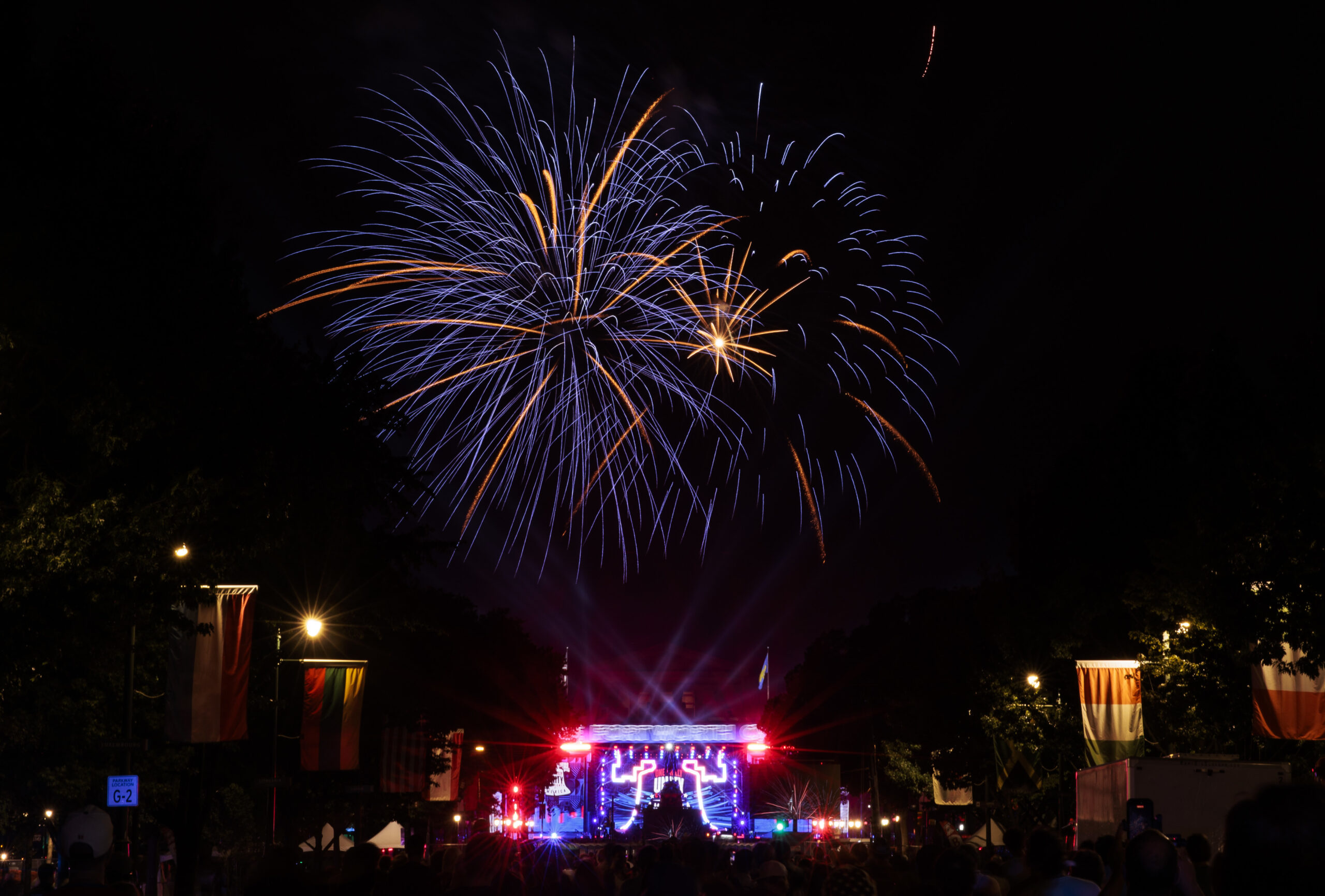
    The first week of July has typically been one of Philadelphia’s most violent.

    In recent years, Independence Day weekends have been marked by bursts of violence that left a dozen dead.

    But this year has been different.

    It has offered another encouraging sign that the city’s overall dramatic decline in shootings held through one of its toughest tests.

    Reporters Ellie Rushing and Jillian Kramer have the full story.

    What you should know today

    • Temple University approved a budget that includes an average 3.4% tuition hike for both in-state and out-of-state students, and plans for about 40 employee layoffs.
    • A Delaware County man was charged after allegedly making threats against Gov. Josh Shapiro, including a pledge to “burn down … [Shapiro’s] mansion with him in it.“
    • Pennsylvania officials were threatened with criminal charges if votes by noncitizens are counted in elections — a rarity that is already illegal.
    • Prosecutors in Montgomery County have withdrawn criminal charges against longtime Philly sports personality Mike Missanelli after an alleged domestic dispute.
    • A state investigation confirmed poor conditions, needless euthanasia, and insufficient spending on facilities at the Montco SPCA. The board was ousted.
    • A federal judge decided that Gov. Shapiro can’t be sued by his Abington neighbors over a property dispute. But Shapiro will still have to face his neighbors in federal court as a homeowner.

    Quote of the day
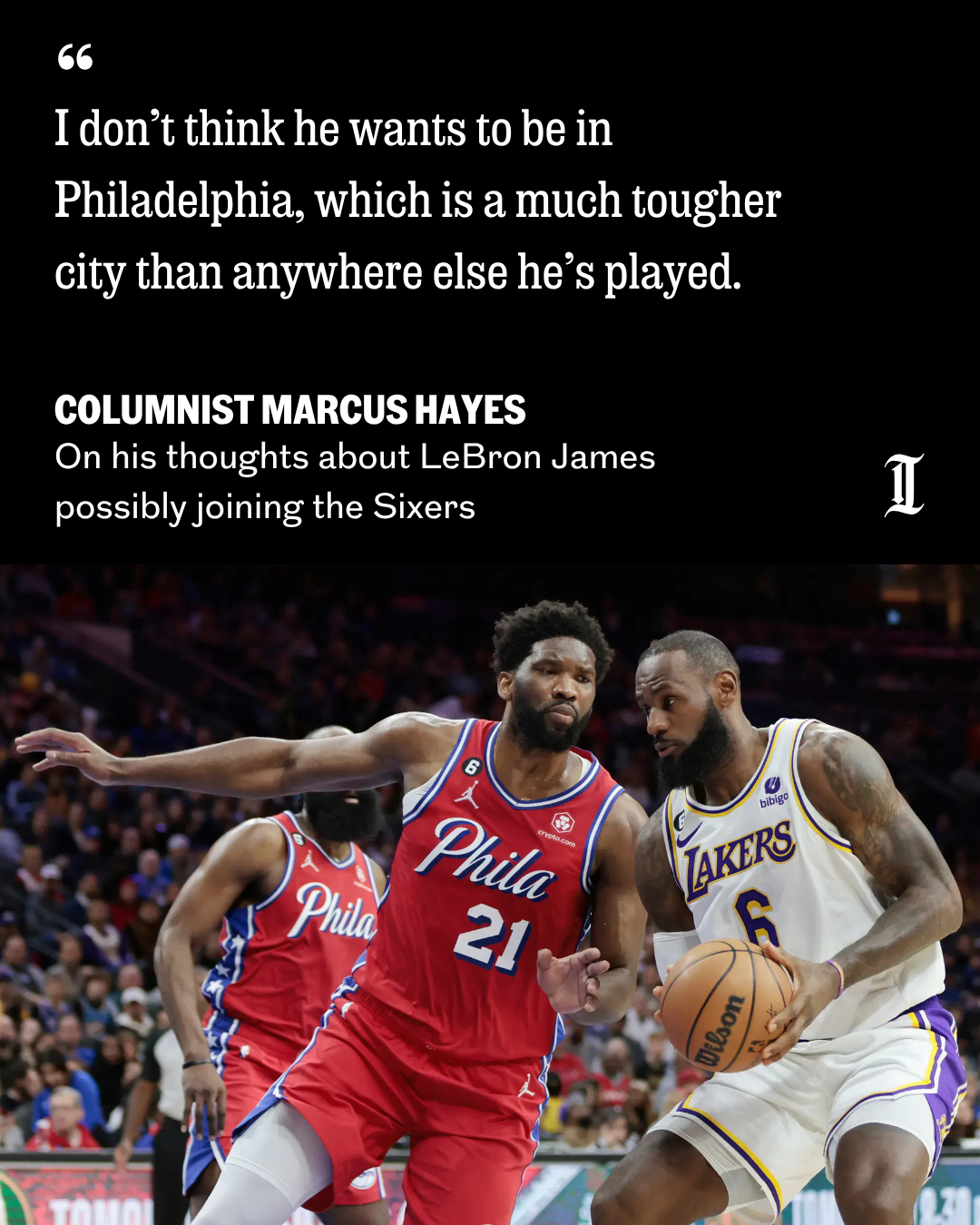
    Various reports say the 76ers are among NBA superstar LeBron James’ top free-agency destinations. Sports columnist Marcus Hayes, however, doesn’t see it happening. “I think it’s likely,” Hayes writes, “that LeBron’s representatives are using this (feigned) interest as leverage to land the King elsewhere.”

    🧠 Trivia time

    The Vances built this unusual addition to the vice president’s residence.

    A) Ballroom

    B) Reflecting pool

    C) Helipad

    D) Chicken coop

    Think you know? Check your answer.

    What we’re…

    🏋️ Applauding. Oscar-winning actor Mahershala Ali was spotted jumping rope behind the scenes of the HBO show “Task,” which is filming in Manayunk.

    📺 Gloating. Speaking of Philly shows, both “Abbott Elementary” and season 1 of “Task” were nominated for Emmy Awards.

    🍗 Eating. Fast-food outlet Jollibee introduced chicken nuggets for the first time in nearly 50 years. The Filipino-rooted chain’s lone Philadelphia-area restaurant is at Cottman and Bustleton Avenues in Great Northeast Plaza.

    🎨 Admiring. An artist-led exhibition program transformed spaces in Suburban Station into a graffiti haven.

    🧩 Unscramble the anagram

    Hint: This iconic sandwich is making its triumphant return to Citizens Bank Park for the All-Star game.

    CHET MET SHIRT

    Email us if you know the answer. We’ll select a reader at random to shout out here.

    Cheers to Jim Diamond, who solved Wednesday’s anagram: Star Wars. The film turns 50 next year, and the Franklin Institute is partnering with Lucasfilm on a new, interactive exhibit.

    Photo of the day
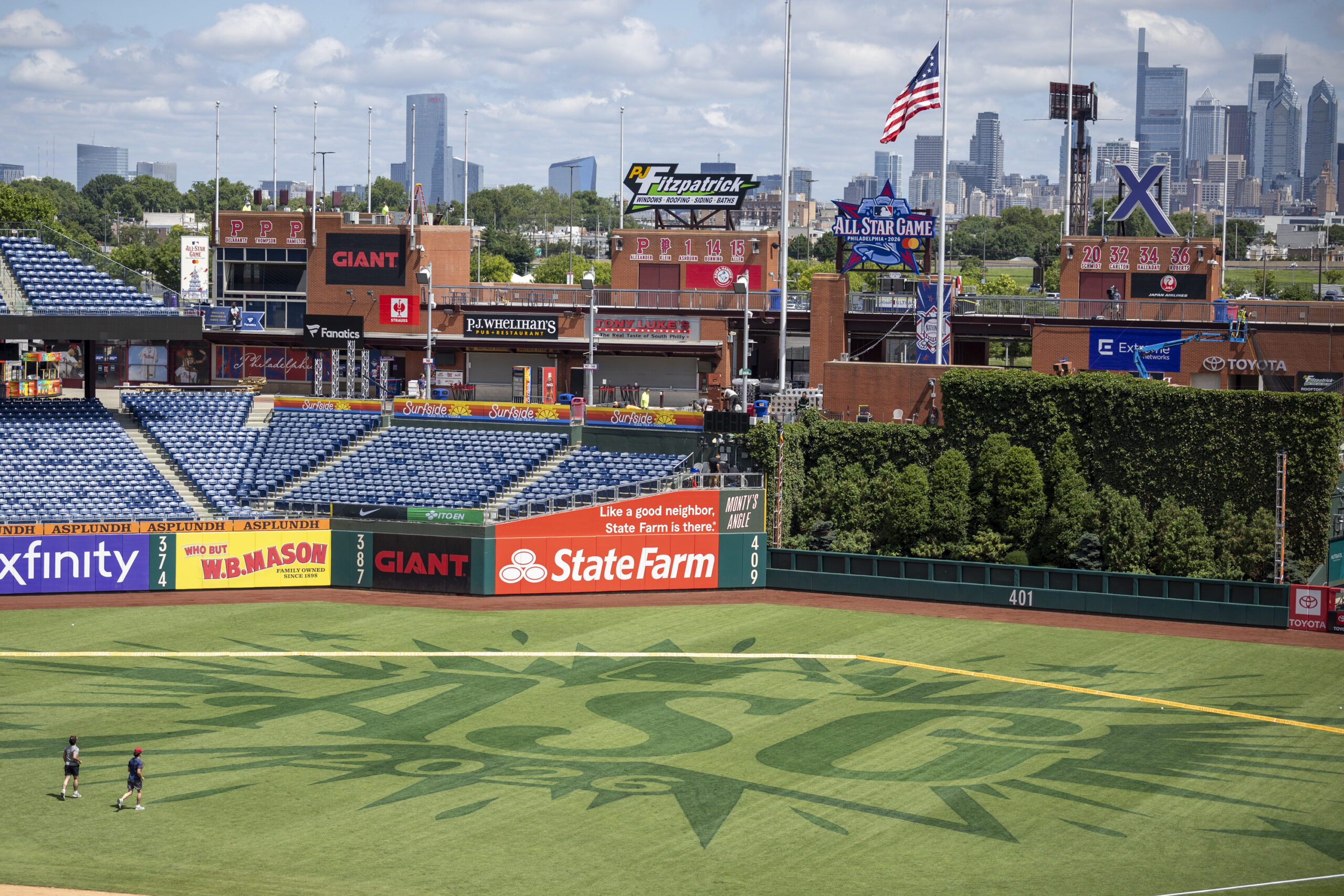
    All-Star Game logo seen in centerfield at Citizens Bank Park.

    And we end on this lovely birds eye view of the MLB All-Star Game logo, which was painted in the centerfield grass at Citizens Bank Park. Baseball’s midsummer classic, which returns to Philly for the first time since 1996, will be the center of the baseball world for nearly a week. Here’s what you can expect.

    👋 Thanks for starting your day with The Inquirer. Paola Pérez has you covered tomorrow.

    By submitting your written, visual, and/or audio contributions, you agree to The Inquirer’s Terms of Use, including the grant of rights in Section 10.
  • Soil from Revolutionary battlefields was mixed at Independence Hall on this week in Philly history

    Soil from Revolutionary battlefields was mixed at Independence Hall on this week in Philly history

    It was a plotting mix.

    The U.S. government’s crusade to prevent the spread of communism on the Korean Peninsula coincided with the 175th anniversary of the Declaration of Independence.

    And in Philadelphia, where the founding document was birthed in 1776, city planners laid the groundwork for a four-day jubilee.

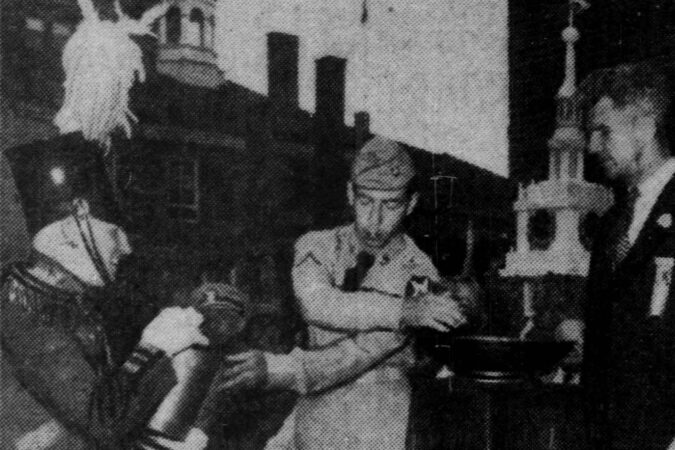
    Festivities kicked off July 1, 1951, and centered around an unorthodox ceremony to blend dirt, or “hallowed earth,” from Independence Square with soil scooped from Revolutionary War battlefields in each of the original 13 colonies.

    Judge Edwin O. Lewis, chairman of the city’s celebration, said the exercise would rededicate the states “to the principles of freedom.”

    The ceremony was held in the shadow of Independence Hall and featured 19-year-old Army Pfc. Francis R. Findley Jr., of Havertown, who had recently returned from the front lines of the Korean War.

    Each of the original 13 states sent representatives, who were dressed in replica uniforms from past conflicts and were escorted by a color guard, and took turns carrying an urn of battle-tested earth to the dais.

    Findley took a fistful of dirt from each urn and added it to a monumental mixture in a ceremonial pedestal bowl.

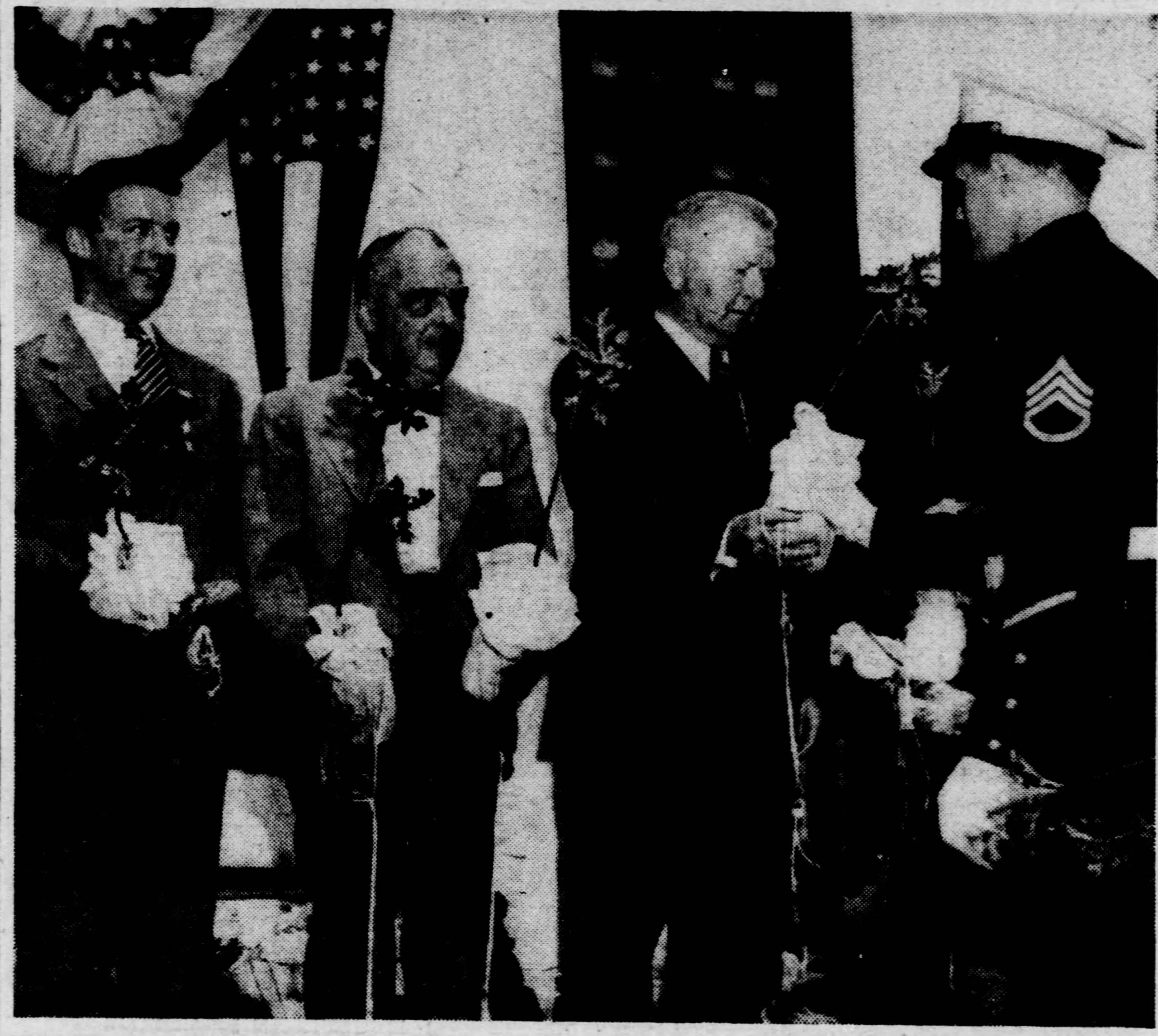
    Three days later, on the Fourth of July, the then-48 states received a growth opportunity: oak seedlings rooted in the mixed soil.

    Theodore Roosevelt III, (left), Philadelphia Mayor Bernard Samuel, and U.S. Sen. James H. Duff give out oak seedlings for the capitals of the then-48 states at Independence Hall on July 4, 1951.

    The seedlings were to be planted as memorials in each state’s capital city.

    After the dirt was mixed together, almost as part of a recipe for building democracy into a country’s bedrock, U.S. Sen. James H. Duff, a Republican from Pennsylvania, called upon an “American formula” to help challenge threats of tyranny and oppression.

    Historically speaking, subtlety hasn’t traditionally been a strong suit for leaders of the U.S. government.

    “We offer the world peace,” Duff said on the Fourth of July, “if we may have peace without appeasement and with freedom.”

  • 🌮 Let’s talk ‘Walking Tacos’ | Down the Shore

    🌮 Let’s talk ‘Walking Tacos’ | Down the Shore

    Walk with me.

    You open the door to the rental and let in the roaring summer sun, and you’re fully prepared for a relaxing day on beach: Toy Story-themed towel, Cherry Float Coke Zeros, and a thin layer of suntan spray coating everything in the canvas tote bag.

    But you could really use a snack.

    There’s a lot going on this holiday weekend, and it’s a mess. So the last thing you need is another one.

    What you’re looking for is a classic Jersey Shore treat, but ice cream isn’t built for travel and a slice of pizza has too many variables.

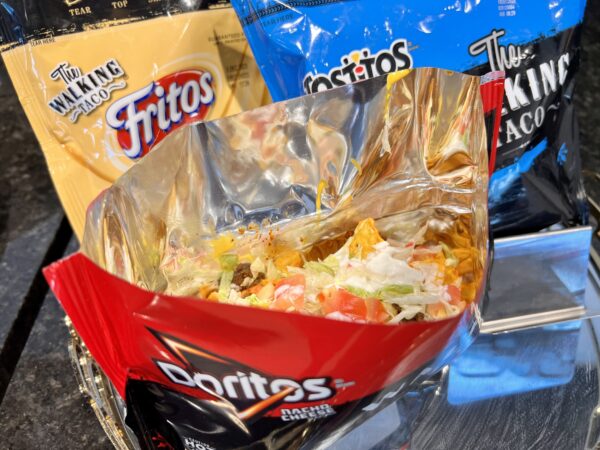
    You need a “Walking Taco.”

    Walking tacos are offered at the Wells Fargo Center.

    I’m Tommy Rowan, and I’m once again subbing in for Amy S. Rosenberg. I’m a lifelong Jersey Shore-goer who was raised on visits to the Ocean City boardwalk and Wonderland Pier. I spent my teenage years on the Wildwood boardwalk, my 20s in Sea Isle City, and nowadays I have family in North Wildwood. And maybe it’s because I’m within spitting distance of 40, or because places I once loved are being torn down, I find myself wanting to cram in more of everything.

    Which brings us back to the food that moves.

    The “Walking Taco” is for people who want to walk and talk, and who want to fit in more and keep moving.

    It’s a snack-sized bag of Fritos that’s crushed into pieces, garnished with seasoned ground beef, shredded cheddar cheese, and homemade pico de gallo, and eaten with a plastic spoon.

    It encourages you to get your steps in, but it’s not quite fast food. That’s why they don’t call it a “Running Taco.”

    It’s best eaten on the walk to the beach, but if you’re a “save for later” kind of person, it still works: The bag is self-contained, and yet it’s protected from splashes of sand and saltwater. And it’s an easy disposal: Just crush the bag into a ball and toss it in a trash can.

    It’s salty and crunchy and cheesy, but it’s not a true overindulgence.

    A cheeky hot dog stand in Sea Isle City has unfound claims to “the original,” but the product can be found up and down the Philly-favored beach towns between Atlantic City and Cape May — and many swap out Fritos for Doritos.

    And, honestly, what better way to ring in the 250th anniversary of the Declaration of Independence than with a uniquely American product: a nonrecyclable bag of ultraprocessed salty particles, topped with chemically altered cheese strings, covered in oily animal fat, and topped with what can only be described as a “modern interpretation” of pico de gallo.

    It’s America in a fun-size.

    📮 What’s your favorite beach snack? And how do you feel about the “Walking Taco?” What are you eating this holiday weekend? Let me know what you think by replying to this email, and your most interesting responses may end up in a future newsletter. Have ideas or news tips about the Shore or this newsletter? Send them here.

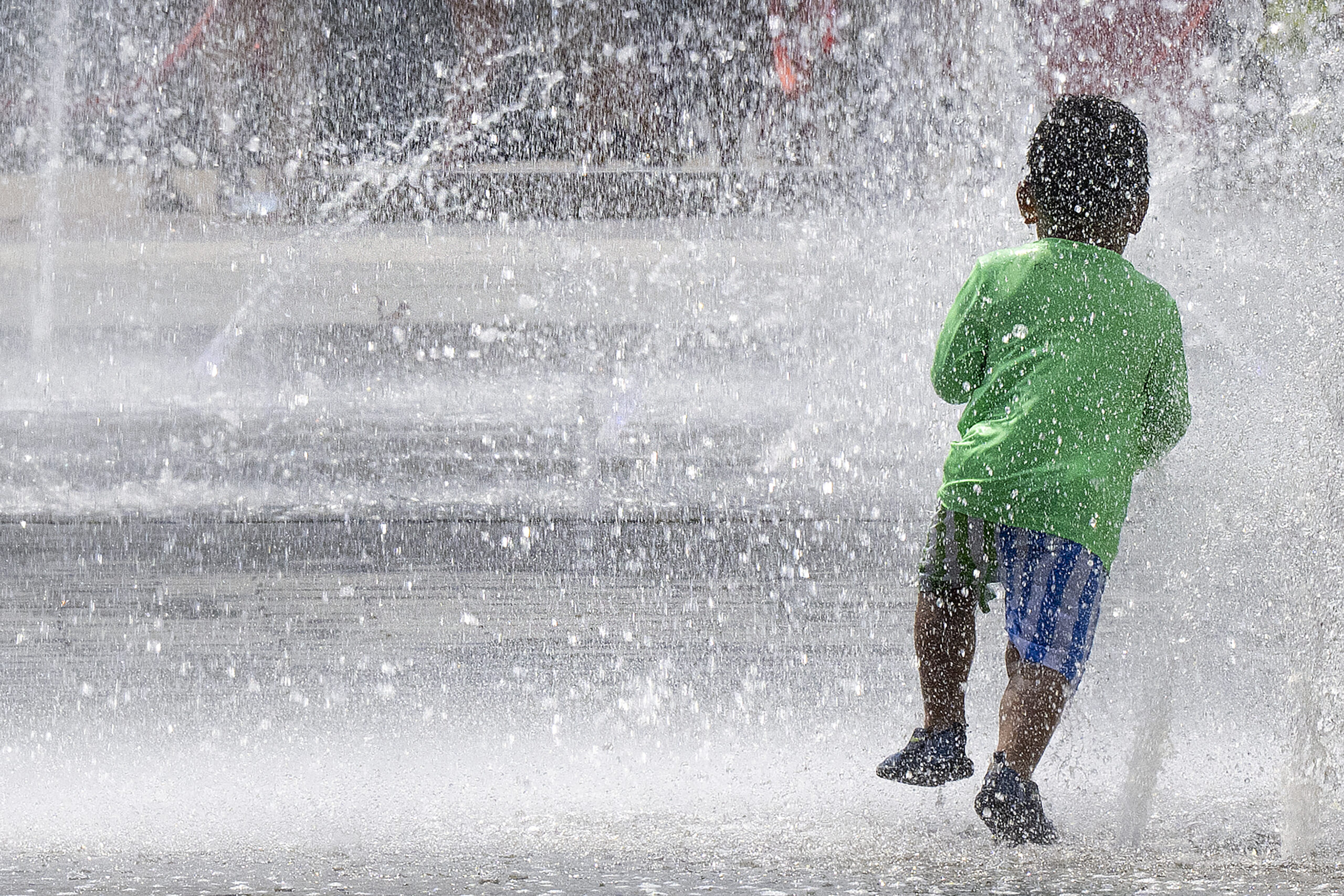
    😡 We’re in for a dangerously hot holiday weekend. Remember to hydrate.

    — Tommy Rowan (🐦 Tweet me at @tommyrowan. 📧 Email me here.)

    If someone forwarded you this email, sign up for free here.

    Shore talk

    🏖️ Pumped up. Sand-pumping operations are expected to begin next week in Ocean City, while replenishment of the Seven Mile Island Beaches will reportedly begin toward the end of the summer. Avalon’s beaches are up first, with work scheduled to start in mid-August, followed by Stone Harbor in October.

    🛵 Take a number. A reminder that New Jersey is now taking appointments for e-riders to register their e-bikes, per a new state law (which doesn’t seem to affect visitors from Pennsylvania). We have a full look at the confusing law here.

    🎃 Halloween in July? Spirit Halloween is getting a head start on the spooky season and listing seasonal job openings on its website, including for pop-up stores at the Shore in May’s Landing, Rio Grande, and Egg Harbor Township.

    🗳️ The mayor is in. For a fifth time, Jay Gillian was sworn in as mayor of Ocean City. He won reelection in May.

    🏫 Stretching out. Dominique Dawes, a former Olympian who founded a chain of gymnastics schools, is planning to open a new location in South Jersey this fall. The new school is part of the former gold medalist’s expansion into the greater Philly region.

    What to eat/What to do

    🎆 Happy Fourth of July weekend! Check out this handy guide to the fireworks shows and festive celebrations happening across the region.

    🇺🇸 The Declaration. Two days before the country’s 250th anniversary, on July 2, Avalon is hosting a public reading of the Declaration of Independence. And then a few days after, on July 8, Cape May is planning its own public reading and reenactment. Both are worth checking out.

    👻🦀 Ghost crabs! Every Thursday between 8 and 9 p.m., the Nature Center hosts a ghost crab hunt on the beaches of Cape May. So grab a flashlight and watch the translucent crustaceans scurry in the spotlight. Preregistration is required.

    🌭 Hot Dog Tommy’s in Cape May. No. 1, fantastic name. No notes. And No. 2, helluva chili cheese dog.

    🎥 Beach movies. Catching a flick outdoors at the Shore is underrated. Ocean air, salty breezes, and overpriced ice cream cones coalesce to create the most perfect conditions to take in a picture. Cape May and Margate show movies on the beach, Sea Isle utilizes the Band Shell in Excursion Park, and Wildwood hosts at Byrne Plaza.

    🧢 Card show. If you’re looking for an escape from the heat this weekend, the Sports Card, Toy, Comic & Collectibles Show will be trading in childhood treasures and autographed memorabilia at the Wildwoods Convention Center on the boardwalk.

    🎸 Free tunes in Atlantic City. On Wednesday, Bayou Blues guitarist-vocalist Tab Benoit is playing Mardi Gras on the Boardwalk, a New Orleans-themed concert series at Kennedy Plaza. The free show starts at 7 p.m.

    🥡 Delicious takeout. Craig LaBan is a big fan of the General Tso’s at China Sea of Absecon. He went inland for his latest list of places to eat at the Shore.

    Shore snapshot

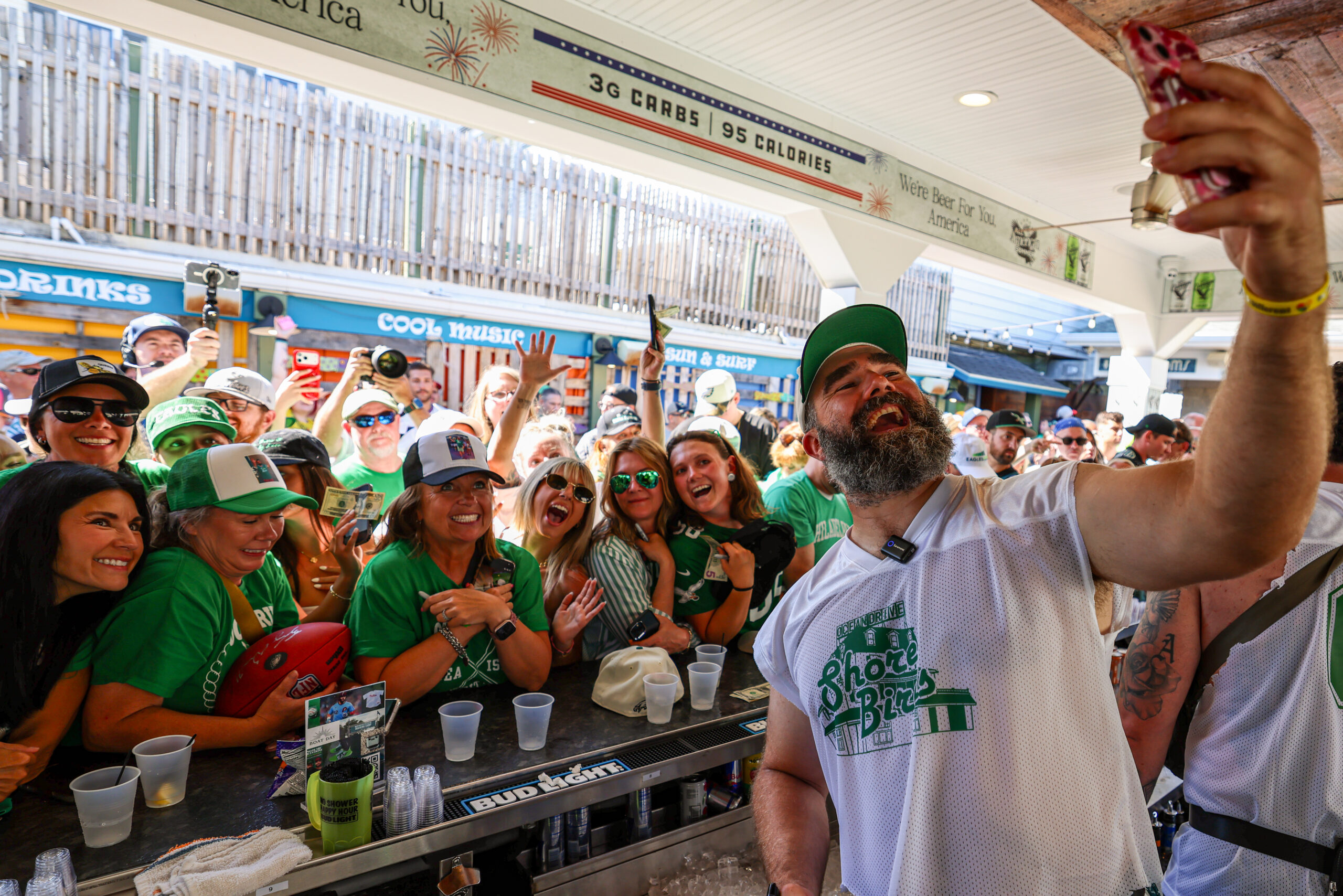
    Jason Kelce takes a selfie with fans at his annual fundraiser in Sea Isle City.

    After starting last year’s fundraiser with tear-away shorts and a Speedo, Jason Kelce was comparatively reserved this year for his entrance at his and wife Kylie Kelce‘s sixth annual “Shore Birds” event at the Ocean Drive in Sea Isle City. The event benefits the Eagles Autism Foundation.

    Vocab lesson

    Semiquincentennial (noun)

    [semi-QUINN-cen-ten-knee-all]

    The 250th anniversary of the Declaration of Independence.

    I hope the next milestone after the Semiquincentennial is easier to pronounce and simpler to spell.

    🧠 Trivia time

    On June 27, 1958, this civil rights leader addressed a convention of Quakers in Cape May in a little remembered episode in this cultural icon’s extraordinary life.

    A. Nelson Mandela

    B. Thurgood Marshall

    C. Rev. Dr. Martin Luther King Jr.

    D. Gloria Steinem

    If you think you know the answer, click on this story to find out.

    Your Shore memory

    I’ve been thinking a lot lately about Wonderland Pier and the unmistakable value boardwalk rides bring to the Jersey Shore, which is what made Joseph Farley’s recent submission jump out.

    The station wagon seemed to bulge like in a Willie the Worm cartoon; where endless hordes of Mickey Mouse types invade a building. Our family of ten filled the seats with the baby on mom’s lap. It was 1955, the tires were near bald and Dad kept a gallon of water handy to feed the radiator should it geyser in heavy traffic. We left Cheltenham, PA for Wildwood already singing, “On the Way to Cape May.” My pockets bulged with the contents of my piggy bank, my life’s savings. It was a six-hour trip, four of them spent in Dorothy, a town on the Tuckahoe Road, enjoying lunch while Dad made repairs to the car.

    That night I choose to ride the “Salt & Pepper Shaker” on Morey’s Pier; a scary ride that took you into the stars. At the top, it flipped upside-down. All the coins in my pockets fell out, clanking off the girders to oblivion. This broke ten-year old, turned moocher, still had a glorious vacation. I returned home brown as a berry with a tale that became family lure, a “feel sorry for dad story” that still brings sympathetic sighs every time I tell it.

    Send us your Shore memory in 200 words! Tell us how the Shore taps into something deep for you, and we will publish them in this space during the summer.

    ✌️ That should do it. Amy’s back from vacation next week, so I’ll see ya at the rest stops.

    — Tommy


    By submitting your written, visual, and/or audio contributions, you agree to The Inquirer’s Terms of Use, including the grant of rights in Section 10.
  • 🇺🇸 Touring incomplete history | Morning Newsletter

    Happy John Adams Day, Philly. And buckle up: It’s going to be hotter than Satan’s left sock.

    This holiday weekend, tourists are coming from far and wide to visit the city and to tour Independence National Historical Park. But at the embattled President’s House Site tourists will not be seeing the complete version of history. So we asked them what they thought.

    And heading into this historically hot weekend, we looked at mid-summer temperature changes throughout the years and learned that July in Philly has become 4.4 degrees hotter since 1940 on average.

    Plus, we missed a link to the top story in yesterday’s newsletter about how different this year’s July Fourth celebration will look — and how much more it will cost taxpayers. You can read that story here.

    — Tommy Rowan (morningnewsletter@inquirer.com)

    If someone forwarded you this email, sign up for free here.

    An incomplete version of history

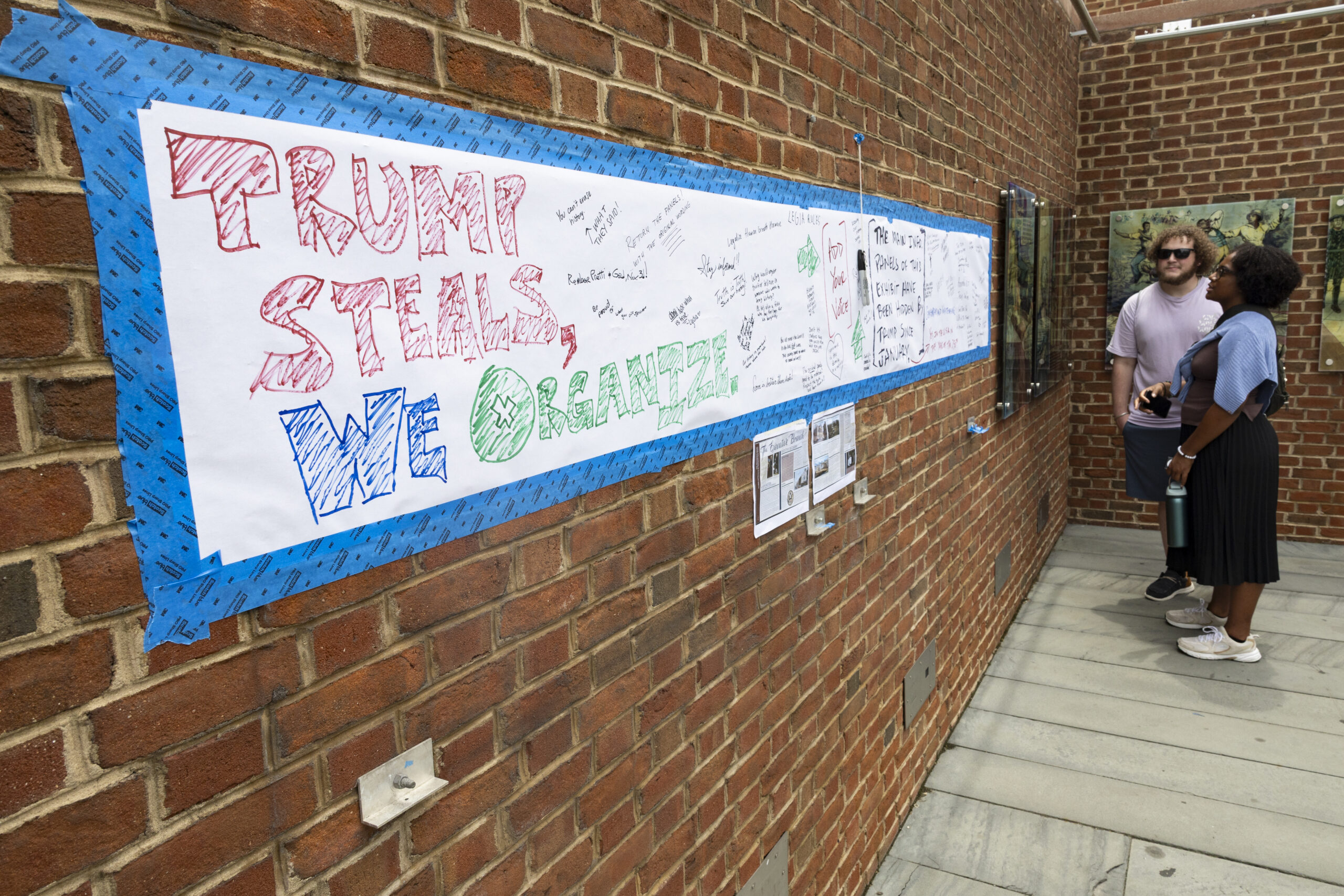
    An influx of tourists visiting Philadelphia in the lead-up to the city’s Semiquincentennial festivities find themselves confronted with large gaps of brick wall at the President’s House site, where exhibits about slavery were removed by order of President Donald Trump.

    The gaps are evidence of the partisan battle playing out over how to tell the complicated story of America’s founding.

    Ahead of the 250th, both Philadelphians who have been engaged in the fight to protect historical exhibits, and tourists who have wandered through the President’s House for the first time, have lamented the Trump administration’s changes to the exhibit, which was largely dismantled by the administration earlier this year.

    Tourists told The Inquirer that the missing panels, such as those that discuss the brutality of slavery, do a significant disservice to understanding the full picture — even the ugly parts — of U.S. history.

    Read the full story from reporters Fallon Roth and Andrea Padilla.

    July in Philly is much warmer

    Over the past 85 years, the average July temperature in Philadelphia has risen 4.4 degrees, according to an analysis of historical weather data.

    Philadelphians sweated through Julys in the 1940s, brooding over World War II as temperatures averaged in the mid-to-upper 70s, including nighttime lows.

    But today, we swelter under average July temperatures of around 80 degrees — and those nighttimes have become warmer.

    Reporter Frank Kummer has the full story.

    What you should know today

    • Last summer, police scoured the basement of the crumbling Olney house at the center of a sprawling investigation into the disappearance of at least two women. But last year, drugs — not missing women — were their focus, despite pleas from concerned relatives.
    • Mayor Cherelle L. Parker defended the city’s decision to go ahead with its upcoming seven-hour outdoor July Fourth concert amid concerns over the nearly 100-degree forecast and revelations that the event will cost taxpayers millions more than in years past.
    • Peco and its workers union, IBEW Local 614, resumed bargaining for a new contract Wednesday morning, with three days to go before a strike deadline.
    • Pa. Gov. Josh Shapiro will attend 250th celebrations across Philly in the coming days, and he said he plans to share his optimism for America’s future amid deep concerns that President Donald Trump has led the nation astray from its founders’ design.
    • Bucks County approved its first paid parental leave policy. Full-time employees with at least one year of service will now be able to take up to eight weeks of consecutive leave.
    • A developer has plans to turn a church at South 42nd and Pine Streets into 35 apartments, some with affordable rents.
    • The 76ers have entered the summer of blockbuster trades, agreeing to acquire All-NBA wing Jaylen Brown from the Boston Celtics in exchange for Paul George, two first-round draft picks, and two second-round draft picks.

    Quote of the day

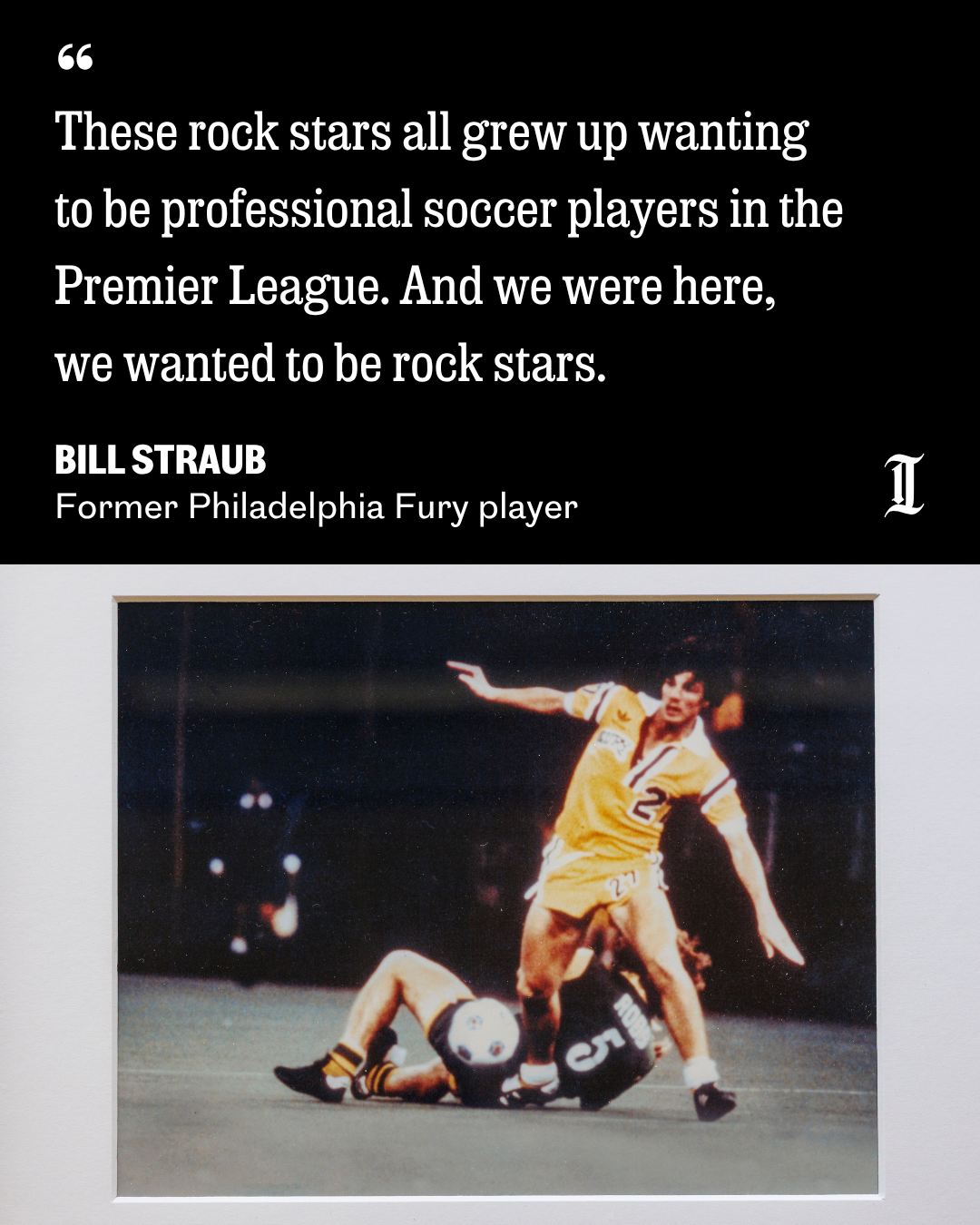
    In 1978, a professional soccer team launched in Philly with rock star owners.

    Peter Frampton, Paul Simon, and Rick Wakeman of Yes — and rock executives like Rolling Stones manager Peter Rudge and music agent Frank Barsalona — had stakes in the Philadelphia Fury of the North American Soccer League.

    But the Fury couldn’t make soccer happen in Philly until the Union arrived in 2010. Reporter Matt Breen has the full story.

    🧠 Trivia time

    This Founding Father believed in Philadelphia’s prosperity and insisted that the Federal Bank be headquartered in the city.

    A) Benjamin Franklin

    B) James Madison

    C) John Jay

    D) Alexander Hamilton

    Think you know? Check your answer.

    What we’re…

    🍽️ Noting. We knew that a list of 76 iconic Philadelphia foods would leave something out. After hearing from readers — and revisiting a few of our own debates — we had to mention six items that deserve a place in the city’s culinary canon.

    🍸 Drinking. The water ice martini, garnished with a pretzel stick, has the energy of a South Philly summer distilled into a cocktail.

    🎡 Considering. Columnist Jenice Armstrong traveled to Washington, D.C., to check out President Trump’s “America’s Great State Fair.” She left underwhelmed.

    🏀 Waving goodbye to. Kelly Oubre is leaving the 76ers. He reportedly agreed to a two-year, $17 million deal with the Indiana Pacers.

    🧩 Unscramble the anagram

    Hint: This singer has been recruiting Philly area “soldiers” for her concert on the Fourth of July.

    ACTS AIRING HAULIER

    Email us if you know the answer. We’ll select a reader at random to shout out here.

    Cheers to Rich and Lucie Lipko, who solved Wednesday’s anagram: Barrington. A Tennessee-based packaging company is closing its plant in the Camden County borough.

    Photo of the day

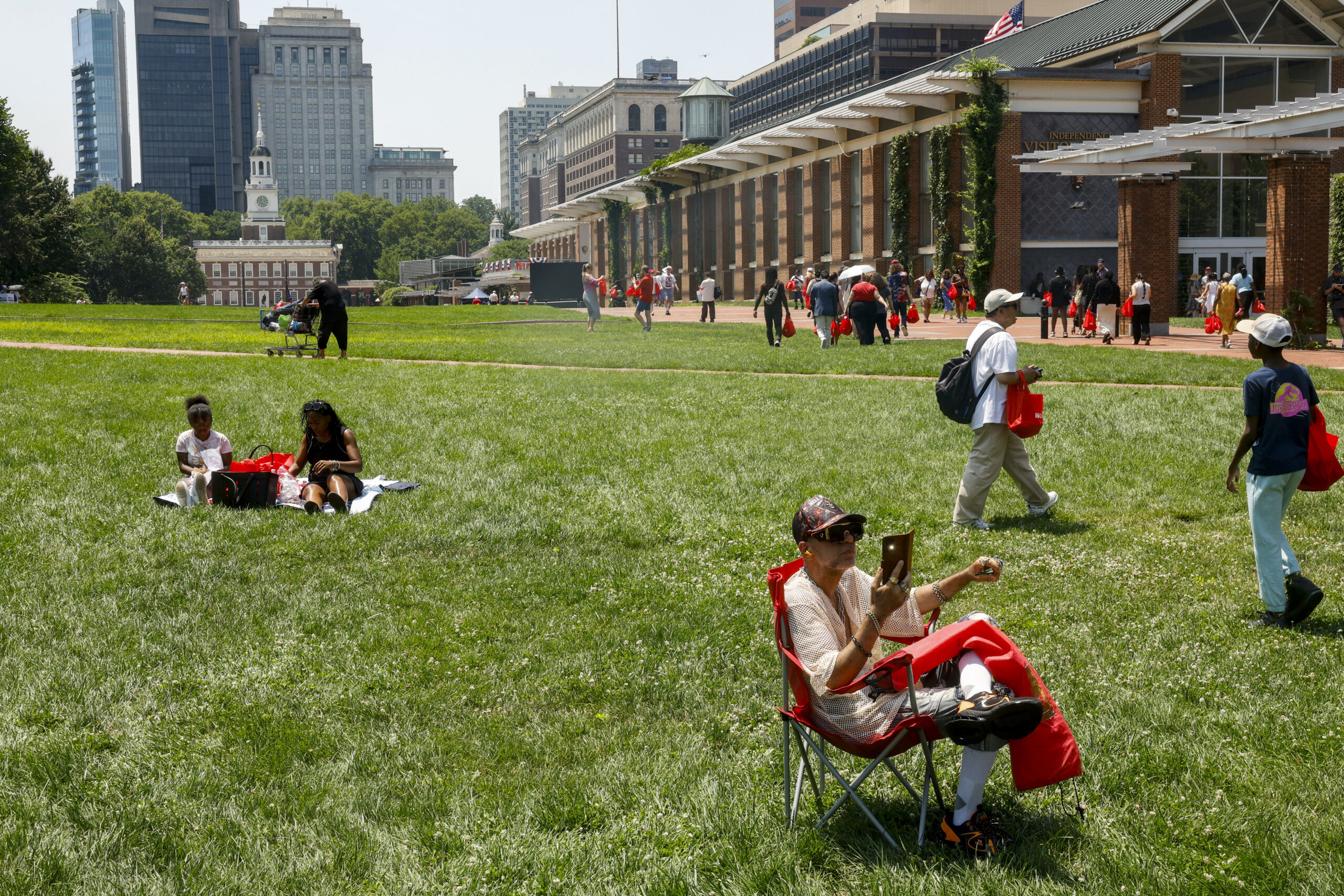
    Attendees relax and enjoy their free hoagies at Independence Mall.

    Philly’s city-recognized hoagie holiday — yes, Philly really has one — returned to Independence Mall on Wednesday, bringing 30,000 six-inch Wawa turkey Shortis to hungry — and overheated — residents.

    👋 Thanks for starting your day with The Inquirer. Paola Pérez has you covered tomorrow.

    By submitting your written, visual, and/or audio contributions, you agree to The Inquirer’s Terms of Use, including the grant of rights in Section 10.
  • The United States had its first mutiny on this week in Philly history

    The United States had its first mutiny on this week in Philly history

    The Constitution was not written yet, and soldiers had not yet let down their guard, when the United States had its first mutiny.

    And, naturally, it all went down in Philadelphia.

    The weeklong saga started in late June 1783, when a group of unpaid Revolutionary War soldiers marched against the country’s primitive government, then called the Confederation Congress, and sent them fleeing from Philly to Princeton, N.J.

    There was a two-year delay between England’s surrender in 1781 and the end of peace negotiations that culminated with the signing of the Treaty of Paris in September 1783.

    And the troops who fought for independence and remained on duty wanted to get paid.

    Financial overseer Robert Morris thought it could take years to figure out the claims and payments for members of the Continental Army and state militias. So our new Congress, backed by Gen. George Washington, encouraged soldiers to go home and make money while the government got its act together.

    According to the history archives of the U.S. House of Representatives, members of the Pennsylvania militias in Philadelphia and Lancaster were among the least happy with the lack of back pay and their discharge dates.

    So on June 20, 1783, they mutinied.

    Fewer than 100 officers and militiamen from Lancaster marched toward the seat of the new government in Philadelphia, to meet up with the other disgruntled soldiers.

    The show of force, despite being nonviolent, combined with unfounded robbery rumors riled up the members of this crude Congress.

    New York’s Alexander Hamilton demanded that the leader of Pennsylvania’s state government, John Dickinson, call in members of the still-loyal state militia to put down the rebellion.

    Dickinson objected.

    So when the Lancaster troops arrived at the Philly barracks that night, Hamilton decided to try to talk to them, and urge them to return home.

    It did not go well.

    The troops took exception to Hamilton’s signature arrogance and condescending tone.

    The number of troops grew to about 400 by the next day, and they protested outside Independence Hall as their leaders met with Dickinson.

    Hamilton pushed for the Confederation Congress to meet for an emergency gathering.

    “Soldiers shook their fists and jeered when delegates peered out the windows,” according to House archives. “In the afternoon local tavern keepers, in an effort to calm and cheer the soldiers, gave away drinks — a tactic that unnerved Virginia Delegate James Madison inside.”

    Delegates, feeling unsafe and disgusted by the protest, announced on June 22 that the Congress would flee to Princeton.

    But when they arrived, the then-small town did not have enough beds for all of the delegates, who would return to Philadelphia four months later.

    Meanwhile, in Philadelphia, order was restored as mutiny leaders fled and remaining mutineers who stayed offered apologies for the attempted rebellion.

  • Getting the DROP | Morning Newsletter

    Good morning, Philly. And good news for Curaçao and Côte d’Ivoire: It’s shaping up to be a good day to play in the World Cup.

    Today we’re starting with a look at a City Hall power couple that stands to reap up to $750,000 by briefly retiring — then continuing to work for the city.

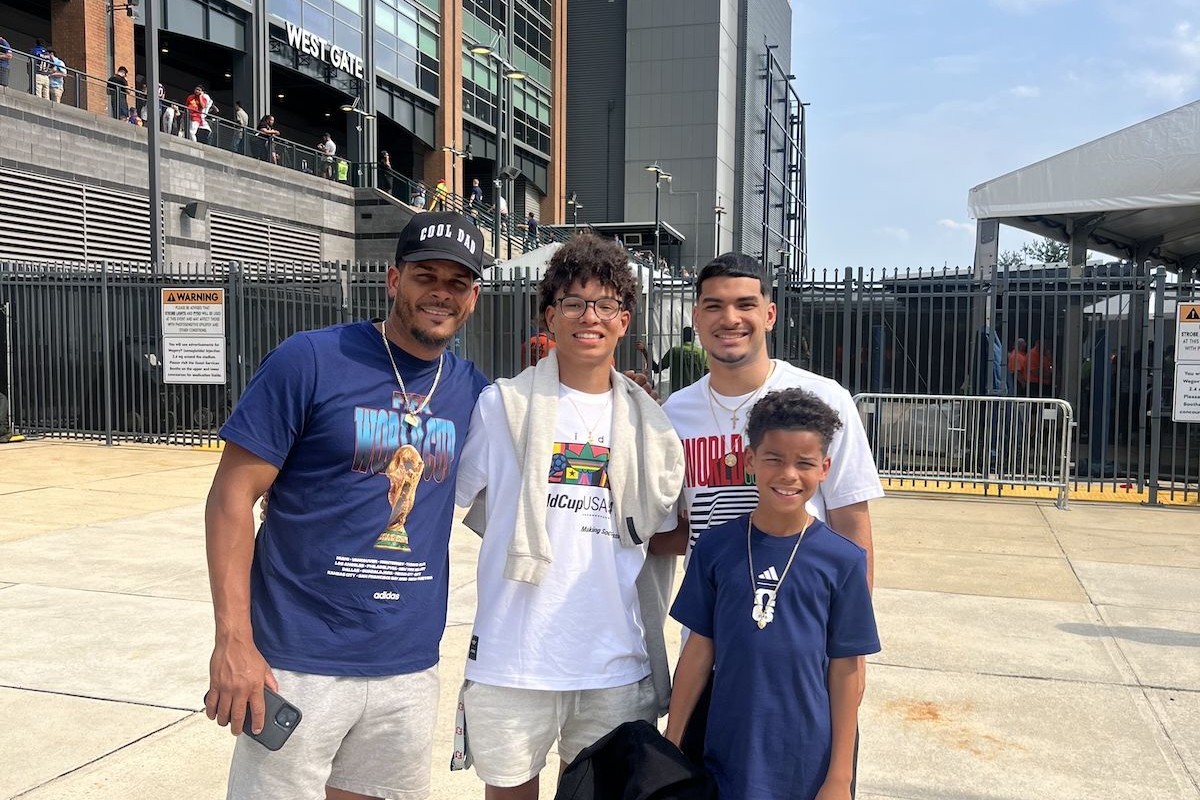
    And speaking of FIFA’s soccer spectacle, we heard from several Philadelphians who had planned the perfect World Cup weekends for their families — but never made it into the stadium.

    Plus, most Philadelphians back sanctuary city status, and more news of the day.

    — Tommy Rowan (morningnewsletter@inquirer.com)

    If someone forwarded you this email, sign up for free here.

    Power moves

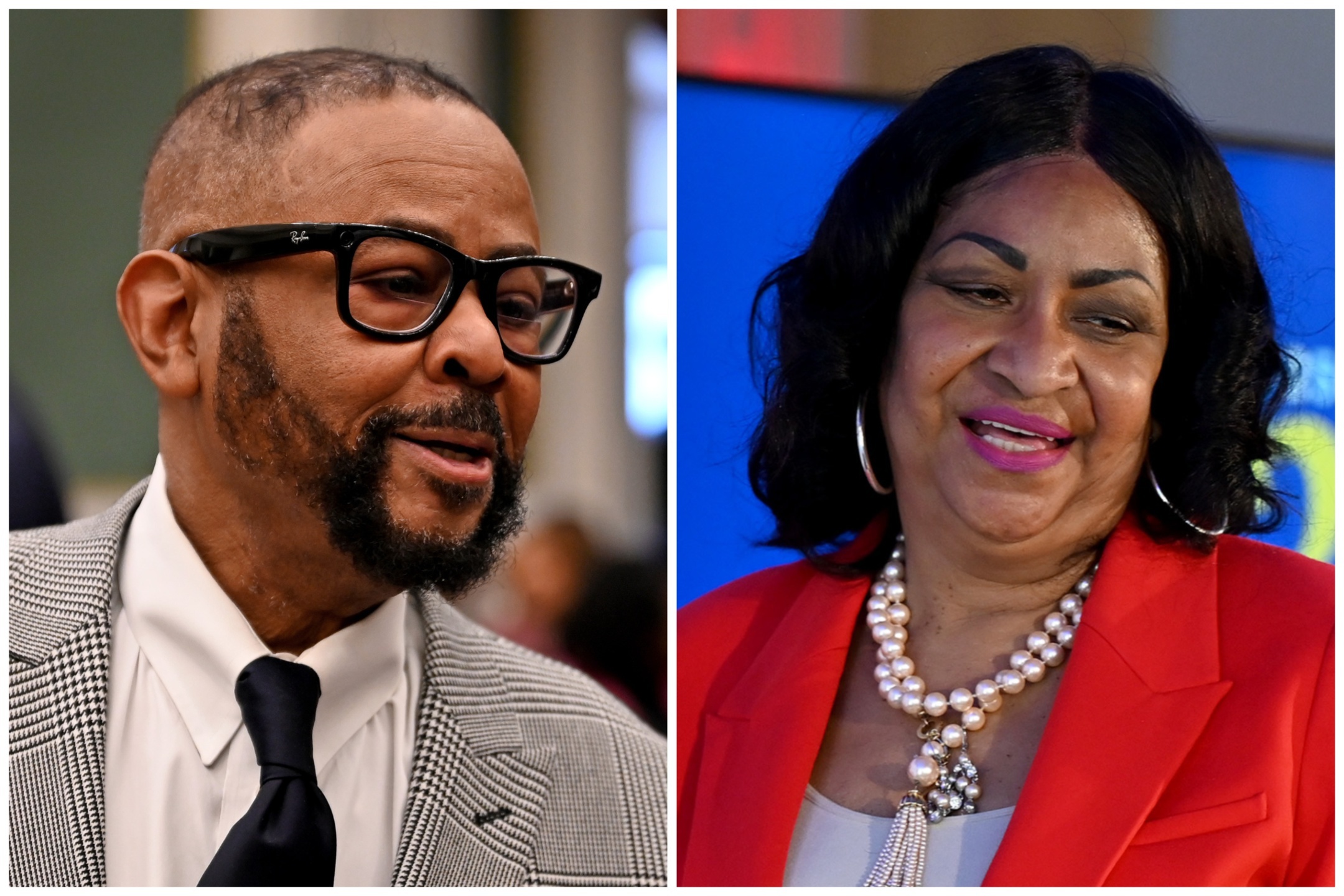
    City Hall power couple Councilmember Curtis Jones Jr. and City Representative Jazelle Jones are poised to collect up to $752,000 in combined payouts from Philadelphia’s widely criticized DROP program.

    The program, the Deferred Retirement Option Plan, is an early retirement incentive for city workers that two decades ago sparked a major scandal in City Hall.

    But neither of the city officials, who are married, is actually retiring.

    Check out the full report from Ryan Briggs and Sean Walsh.

    Short of the goal

    Fans in Atlanta, Boston, Dallas, Houston, New Jersey, Seattle, and Philadelphia have all shared the same story.

    People across U.S. host cities arrived at stadiums for the World Cup hoping their tickets would be transferred, but to no avail.

    Most faced issues with StubHub, while other reports indicate fans are having similar issues on SeatGeek.

    “We’re standing outside the stadium and obviously everybody is in full celebration, and here we are, supposed to be living this World Cup moment together for the first time, and there’s just this feeling of disappointment,” said Fishtown resident Georgette Luna, whose family never made it in.

    Read the full story from reporters Henry Savage and Michelle Myers.

    In related news: The World Cup was originally expected to generate a $770 million economic impact in the Philadelphia region. But just $30 million to $90 million is likely to stay in the area, according to a new report.

    What you should know today

    • A significant majority of residents want Philadelphia to remain a sanctuary for immigrants, according to a new poll that shows the overwhelmingly Democratic city is undeterred by President Trump’s threats to defund so-called sanctuary cities.
    • A former Delaware County woman with ties to a cult-like group is charged with shooting her parents in her childhood home. The arrest follows years of suspicion.
    • Exton Square Mall, Chester County’s only enclosed mall, will close its doors next week after five decades as a retail hub.
    • The Pennsylvania Supreme Court’s decision to limit city prosecutors’ ability to work to overturn old murder convictions took square aim at one of District Attorney Larry’s Krasner’s signature initiatives.
    • A former employee at a Hatboro daycare injured a child with special needs by slamming him, hard, into a chair and, later, onto the floor, prosecutors said.
    • A Pennsylvania program that assists homeowners and small landlords by financing repairs was on track Wednesday to expand nationwide. Then Trump refused to sign the bill.
    • Police said a 25-year-old man who posed as a student repeatedly gained entry to Abington Senior High School and later tried to rape a student.
    • Project HOME is adding 20 beds to a Hunting Park shelter to house hospital patients who have nowhere to go once they’re discharged.

    Quote of the day

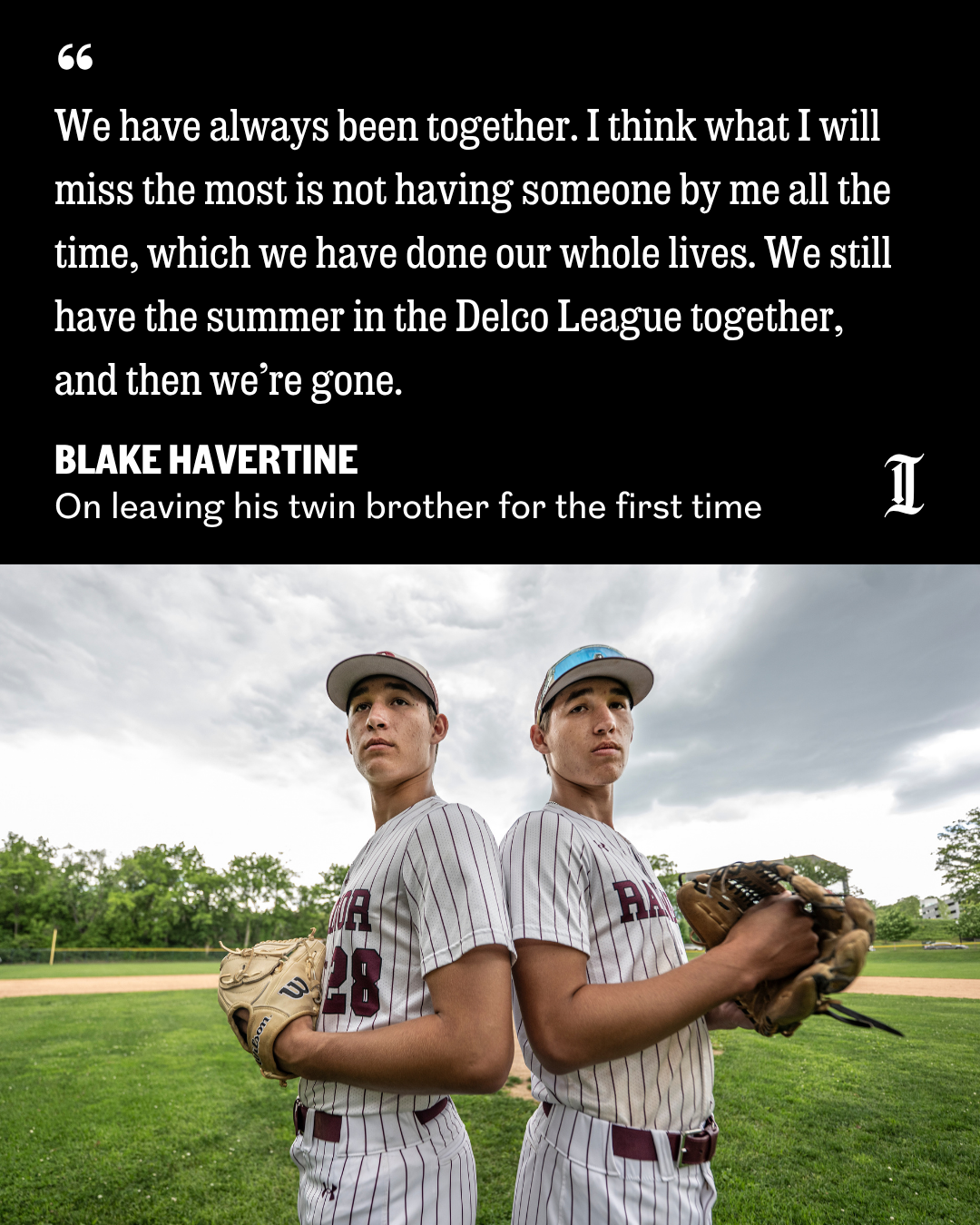
    Wherever they went, whatever they did, Twins Blake and Austin Havertine did it together. Soccer, basketball, football, and baseball, when it came to sports the Havertine twins were inseparable. What they also did together was leave an indelible legacy for Radnor High School baseball that may never be surpassed by a pair of brother pitchers,

    Now, for the first time in their lives, they will be going their separate ways.

    🧠 Trivia time

    This week we’re counting down the 76 most iconic Philly songs, and today we’re unveiling No. 32-11. Which of these didn’t make the cut?

    A) Bill Conti’s “Gonna Fly Now (theme From ‘Rocky’)”

    B) Patti LaBelle’s “If Only You Knew”

    C) Boyz II Men’s “Motownphilly”

    D) They’re all groovy

    Think you know? Check your answer.

    What we’re…

    🏀 Excited about. Labaron Philon Jr., landing with the Sixers with the 22nd overall pick in the NBA draft was worth the wait. Go inside his draft night, and his unexpected fall to the “perfect spot” in Philadelphia.

    📖 Reading. For her Inquirer column, “Parent Trip,” writer Andee Hochman attempted to answer one question: What does the road to parenthood look like for people who don’t follow the family “norm”? And now she’s distilled those nine years of reporting and 468 parenthood columns into a forthcoming book.

    🏡 Inspecting. A historic Philly mansion has been listed for sale with 10 fireplaces and nine bedrooms. But there’s a catch — once a year, the owner must permit “a re-enactment of portions of the Battle of Germantown” on their front lawn.

    🍸 Curious about. Developers are planning to add a new rooftop nightclub along the Camden waterfront. The club would be built atop a four-floor parking garage.

    🧩 Unscramble the anagram

    Hint: SEPTA is planning an 86-unit apartment complex near this station.

    INK JON WENT

    Email us if you know the answer. We’ll select a reader at random to shout out here.

    Cheers to Barbara Goudarzi, who solved Wednesday’s anagram: Triple Bottom Brewing. The Spring Garden brewery is adding an exciting new food vendor: revered Mexican restaurant South Philly Barbacoa.

    Photo of the day

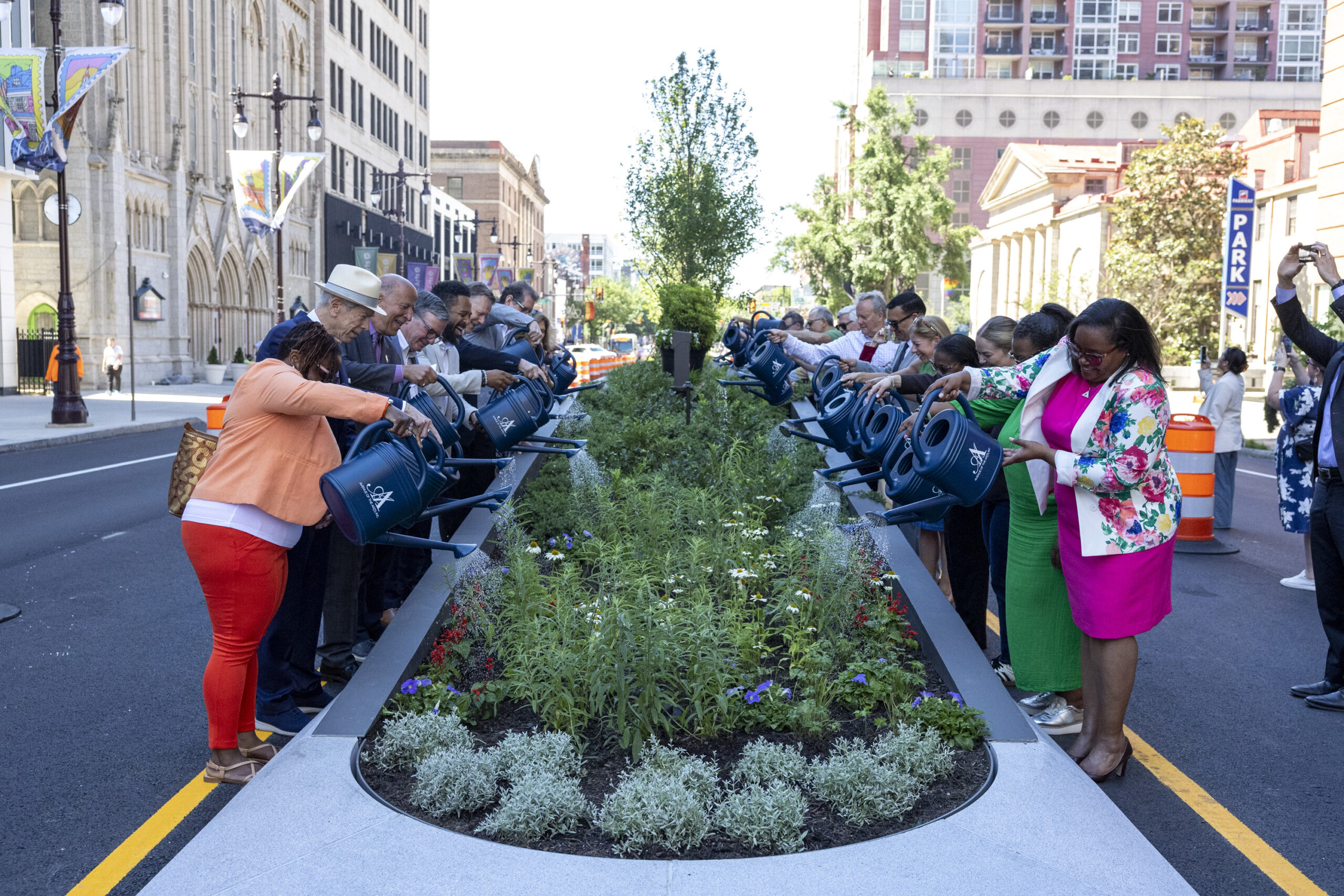
    Folks water flowers inside a redesigned median on South Broad Street in Center City.

    And we end with the debut of a new landscaped median on South Broad Street in front of the Kimmel Center. The new feature has been under construction for months and is a down payment on a promised major redo of the Avenue of the Arts streetscape.

    👋 Thanks for starting your day with The Inquirer. Paola Pérez has you covered tomorrow.

    By submitting your written, visual, and/or audio contributions, you agree to The Inquirer’s Terms of Use, including the grant of rights in Section 10.
  • A&P grocery chain said it was closing its city stores on this week in Philly history

    A&P grocery chain said it was closing its city stores on this week in Philly history

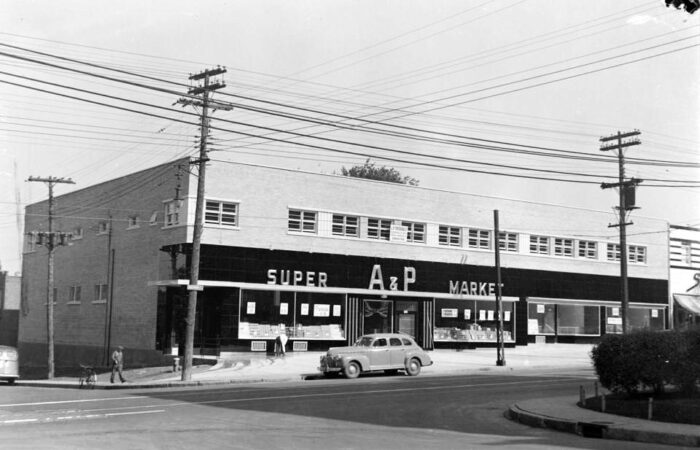
    In a city replete with food peddlers and grocery proprietors, a Canadian chain would find a footing in Philadelphia.

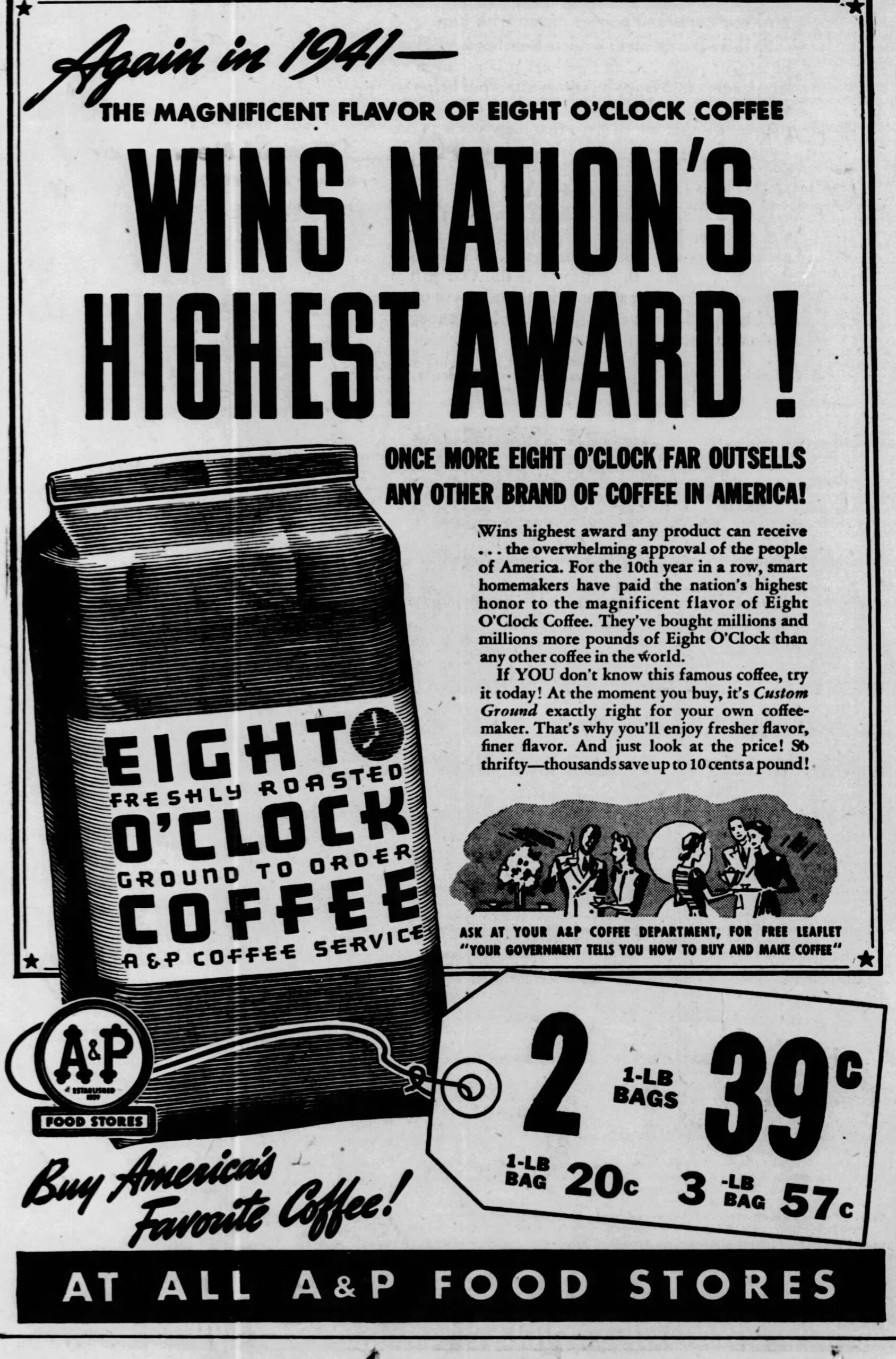
    The Great Atlantic & Pacific Tea Company Inc., better known as A&P, was where shoppers could get their chain-brand of Eight O’Clock Coffee beans freshly ground in-store and in their preferred style.

    An advertisement for Eight O’Clock Coffee that ran in The Inquirer in 1941.

    For a healthy stretch of the 20th century, a majority of U.S. residents shopped for groceries in an A&P store. The chain was founded in 1859 and by the 1940s, counted more than 16,000 locations spread between the Atlantic and Pacific.

    But by the spring of 1982, the grocery chain empire only had 70 stores in the Philadelphia region, and it was struggling to cover expenses.

    On March 1, 1982, the chain announced it would be pulling out of Philadelphia. A&P would close 29 stores in the region, including all 11 left in the city. More than 2,000 people would be out of work amid a historic recession and rising energy costs.

    It was the conclusion of a reorganization plan that resulted in the closure of 350 stores across the country at the end of 1981 and beginning of 1982. It would leave the chain with a little more than 1,000 stores, including more than 100 in Canada.

    The long and drawn-out end for the once-vast grocery empire had begun.

    In May ’82, the chain announced that the stores would reopen as Super Fresh Food Centers, and laid-off A&P workers would get first crack at the upcoming job openings.

    But the chain’s inability to evolve with changing market conditions would continue to hamper its progress, and eventually lead to its demise, according to Business Insider.

    A&P and its nearly 300 stores would hang on until 2015, when it filed for Chapter 11 bankruptcy for a second time, and sold off the rest of its catalog. The Super Fresh locations were absorbed by Acme, the South Philadelphia-based grocery group that, according to Philly Mag, had assumed the crown of Philly’s top food provider.

  • William Penn presided over Pennsylvania’s one and only witch trial on this week in Philly history

    William Penn presided over Pennsylvania’s one and only witch trial on this week in Philly history

    Pennsylvania’s one and only witch trial started over cow’s milk.

    “If your cow is not giving milk, it’s obvious that somebody put a hex on it,” Doug Miller, who runs William Penn’s estate Pennsbury Manor, said to explain the thinking of the time.

    In the 1680s, neighbors accused Margaret Mattson, who was of northern European descent and didn’t speak English, of putting a hex on local people.

    Although Pennsylvania was William Penn’s colony, it was still part of England. And in English rule, witchcraft was a capital offense.

    Witch trials had been held throughout England and elsewhere in Europe, but only a few had been held in the colonies. And this would be the first in Pennsylvania.

    On Feb. 27, 1684, William Penn himself presided over the witch trial in Philadelphia.

    He arranged for a prominent citizen, Lasse Cocke, who was also Penn’s chief negotiator with the Lenni-Lenape, to act as an interpreter.

    Three witnesses testified that Mattson had cast a spell over her neighbor’s cattle, which had not been giving milk. Over a daylong trial in Philadelphia, a jury ultimately found Mattson guilty of having “the common fame of a witch, but not guilty in the manner in form that she stands indicted.”

    So, yes, she had the reputation of being a witch, but there was no evidence she participated in any witchcraft.

    “This was a crafty way on his part to avoid harsh punishment for her and any hint of a death penalty under English law,” Miller said.

    Mattson and a co-defendant, Yesro Hendricksen, whom we don’t know much about, were each fined 50 pounds, which was a chunk of change back then, Miller said.

    Quakers at this time would expect the person to put forth a bond similar to bail today.

    It was called a peace bond, and it was good for six months.

    Eight years later, witch hysteria would hit Salem, Mass., and kick off the infamous witch trials.

    “The fact that he really didn’t want to encourage the idea that there were witches,” Miller said, “or inflict a penalty on somebody he felt was not guilty of what she was accused, speaks highly of Penn.”

  • A nearly 250-year-old hospital’s closure was announced on this week in Philly history

    A nearly 250-year-old hospital’s closure was announced on this week in Philly history

    In the wake of the U.S. Bicentennial, in which Philadelphia was at the center of a yearlong celebration of the country’s 200th birthday, one of the city’s contributions to public health was put on the chopping block.

    On Feb. 15, 1977, city officials confirmed that Mayor Frank Rizzo was closing Philadelphia General Hospital.

    The poorhouse

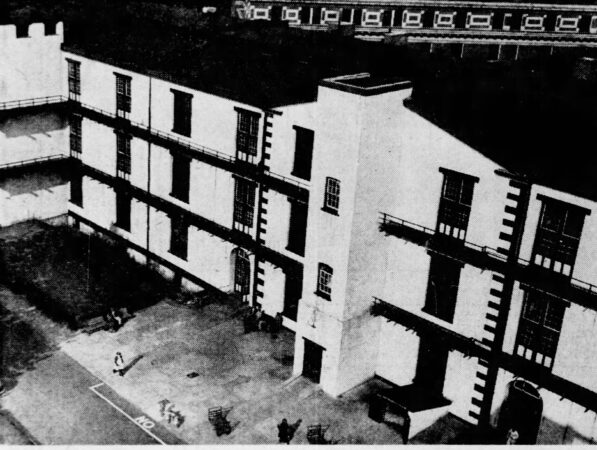
    Philadelphia General Hospital traced its lineage back to 1729, predating even the revered Pennsylvania Hospital, which was founded in 1751 and is generally considered the nation’s first chartered hospital.

    Philadelphia General Hospital was originally established at 10th and Spruce Streets as an almshouse, also known as an English poorhouse.

    “The institution reflected the idea that communities assume some responsibility for those unable to do so themselves,” Jean Whelan, former president of the American Association for the History of Nursing, wrote in 2014.

    The almshouse was used as housing for the poor and elderly, as well as a workhouse. It also provided some psychiatric and medical care.

    It moved in the mid-1800s into what was then Blockley Township, at what is now 34th Street and Civic Center Boulevard, and began offering more traditional medical services. The Blockley Almshouse’s barrage of patients and their variety of maladies helped it naturally grow into a teaching tool for nursing and medical students.

    And by turn of the 20th century, it had become a full-blown medical center, made official by its new name: Philadelphia General Hospital.

    But it held onto its spirit.

    Its doors were open to anyone who needed care, no matter that person’s race, ethnicity, class, or income.

    Healthcare was a given. Workers saw it as a responsibility.

    Even if it wasn’t always the best care.

    Poor health

    The hospital relied on tax dollars, and as a result was often short on staffing and low on supplies. It was a source of political corruption, scandal, and discord among its melting pot of patients.

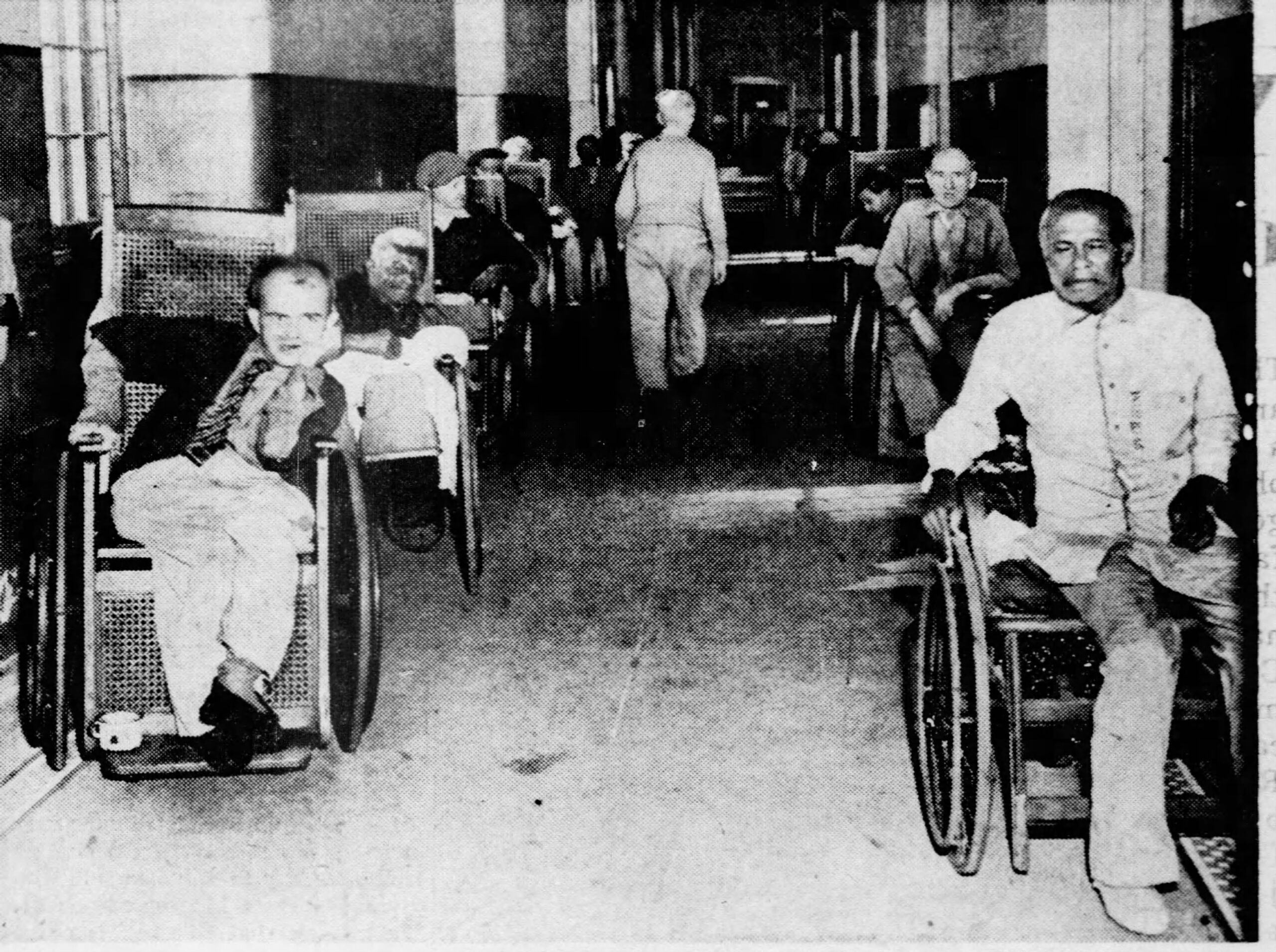
    Patients in the hallways of Philadelphia General Hospital in the 1940s.

    Eventually, it collapsed under the weight of its mission.

    Its facilities became outdated, its services could not keep up, and its role as educator was outsourced to colleges and universities.

    Philadelphia General Hospital’s closure left a gaping hole in available services in West Philadelphia. It was no longer there to help support the uninsured.

    Before it officially closed in June 1977, it was considered the oldest tax-supported municipal hospital in the United States.

    “There’s a common misunderstanding that PGH recently has become a poor people’s hospital,” said Lewis Polk, acting city health commissioner, in 1977. “It’s always been a poor people’s hospital. The wealthy never chose to go there.”

    Its old grounds are now occupied by several top-rated facilities, including Children’s Hospital of Philadelphia and the University of Pennsylvania medical campus.

    A historical marker there notes Philadelphia General Hospital’s nearly 250 years of service to the community.

  • Inaugural NFL draft was held at the Ritz-Carlton Hotel on this week in Philly history

    Inaugural NFL draft was held at the Ritz-Carlton Hotel on this week in Philly history

    More than 20 men crowded into a hotel room at the Ritz-Carlton on South Broad Street in the winter of 1936.

    They faced a blackboard listing 90 names of college football players from around the country.

    They took seats on the bed and on the bureau and passed around bottles as they kicked off the first draft in NFL history.

    Philly’s other famous Bell

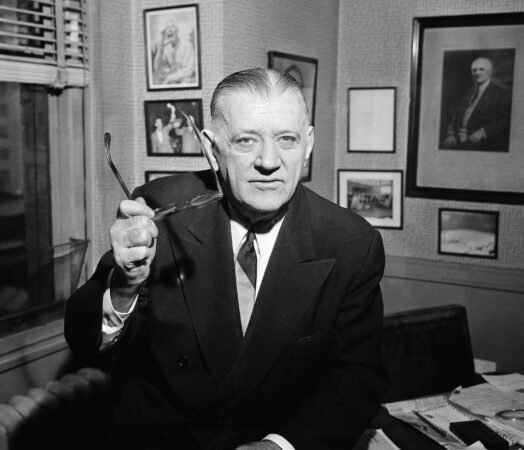
    Bert Bell pulled the defunct Frankford Yellow Jackets out of bankruptcy, and started a new NFL franchise in Philadelphia in 1933.

    His wife, actress Frances Upton Bell, paid her husband’s share of $2,500 (more than $60,000 in today’s money) to seal the deal.

    Bell spotted a billboard for Franklin D. Roosevelt’s New Deal, which included the insignia of a bald eagle, and decided this new team should be called the Philadelphia Eagles.

    The NFL back then was a nine-team league. And for players it was a free market. The best and brightest could join whichever team they saw fit.

    Teams in Green Bay, Chicago, New York, and Washington were the winningest franchises, so that’s where the best players usually signed.

    The Eagles were the worst. And in 1935, Bell tried to sign Stan Kostka, a 6-foot-2 fullback from the University of Minnesota. After failing to close the deal, he decided there had to be another way.

    Bell came up with an idea whereby each team had a fair shot at the top players. His solution was a draft, in which teams would select from a pool of new players entering the league.

    And the key idea: The order of player selection would be in reverse order of the previous year’s standings. So the worst-performing franchise would pick first, and the league champions would pick last.

    They called it “the selection of players.” And the first iteration would be held during the owners’ meetings, Feb. 8 and 9, 1936.

    It made sense to hold the event in Philadelphia. It was a midway point among the nine cities, and Bell’s father owned the hotel.

    On the clock

    The Eagles held the first-ever pick in the NFL draft.

    They selected Jay Berwanger, Heisman Trophy-winning halfback from the University of Chicago. But his salary demands were high, reported at $1,000 per game. (That would be $25,000 per game today.)

    So immediately the team traded him to the Bears for veteran tackle Art Buss.

    Berwanger, unimpressed with the Bears’ contract offer, took a job with a rubber company instead.

    He never played a minute in an NFL game.

    In that hotel room, the nine owners drafted 81 players over nine rounds, kicking off what would become an industry unto itself and the league’s third marquee event, behind the NFL’s opening weekend and the Super Bowl.