Author: Tommy Rowan

  • Dirty Franks bans 24-year-olds and under after a deluge of high-tech fake IDs

    Dirty Franks bans 24-year-olds and under after a deluge of high-tech fake IDs

    A fake ID featuring a photo of Ben Franklin was the last straw.

    “It legitimately scanned,” said Jody Sweitzer, owner of the iconic Philly dive Dirty Franks.

    Elaborate fake IDs and the influx of underage people using them to crowd into the Center City bar has led Sweitzer to impose a new rule: To enter, customers must be at least 25.

    The new policy went into effect about two weeks ago.
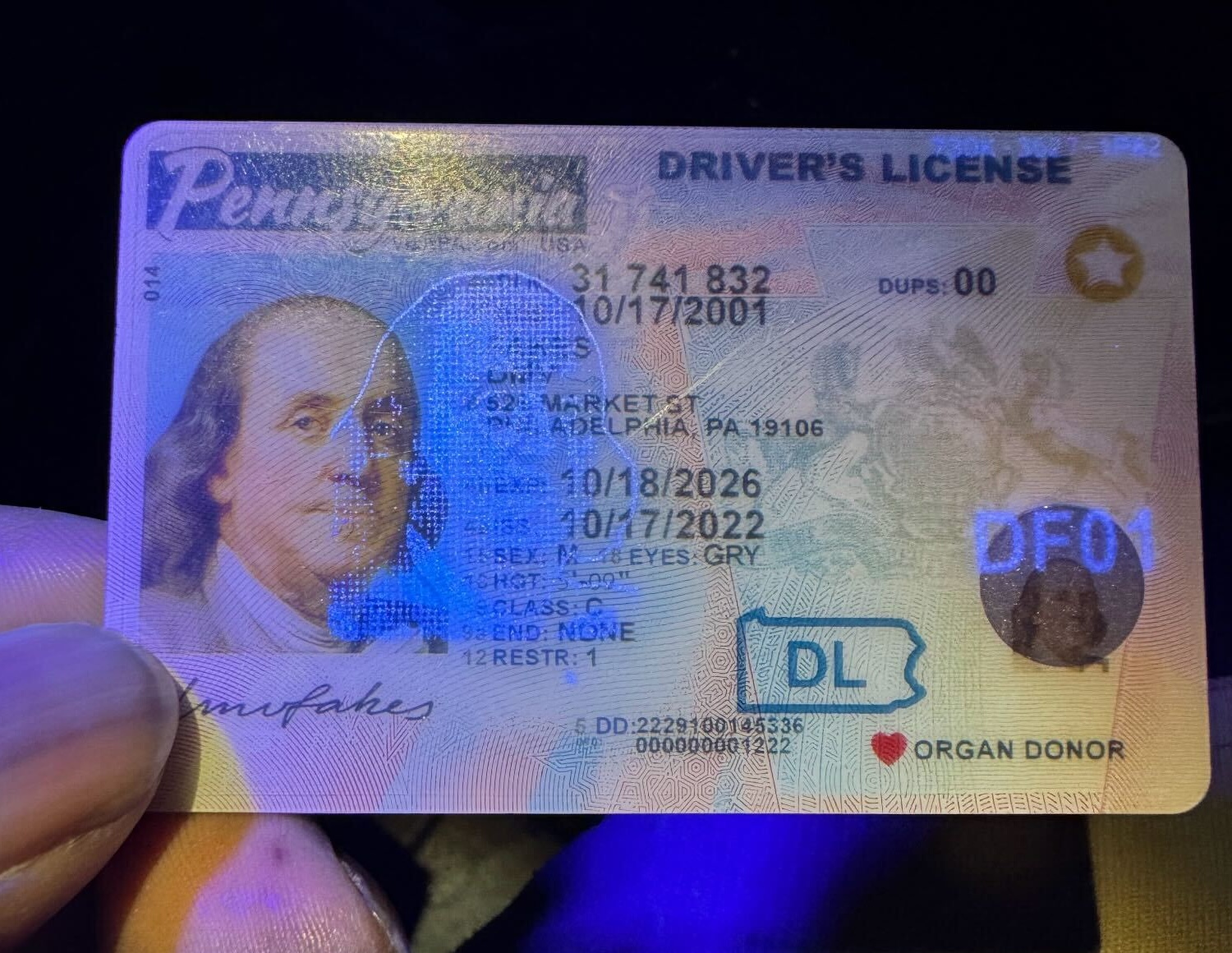
    The fake ID that successfully scanned when checked for legitimacy and caused Dirty Franks to institute an 25-year-old age minimum.

    Sweitzer said the age minimum is temporary. “Until we can actually acquire a system that’s capable of determining what’s a fake ID,” she said. “[After that,] we’ll go back to 21 and over.”

    For years, Dirty Franks has routinely scanned patrons’ drivers licenses and ID cards at the front door, but Sweitzer cited a rise of falsified documentation — as well as customers vaping and even a few who brought in their own booze — as giving her cause for concern that her business could be thrown into jeopardy.

    “I want to stay open,” she said in an interview Wednesday.

    In online forums and in conversation, older Dirty Franks patrons had recently reported that, on weekends especially, the bar at 13th and Pine Streets was so packed with young patrons that the college-age crowd pushed out a lot of regulars.
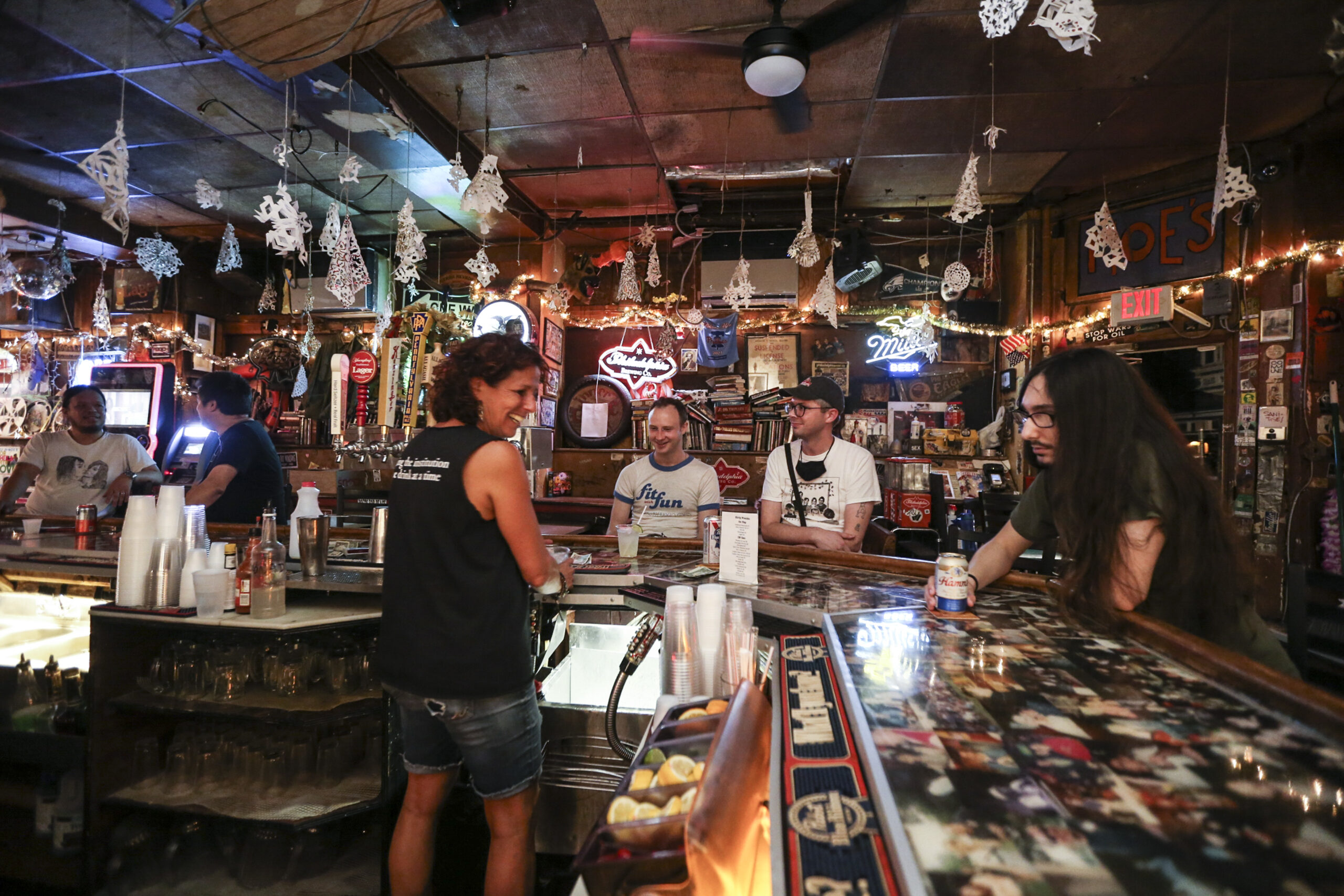
    Bartender Patty waits on customers at Dirty Franks, at 347 S. 13th St., in 2021.

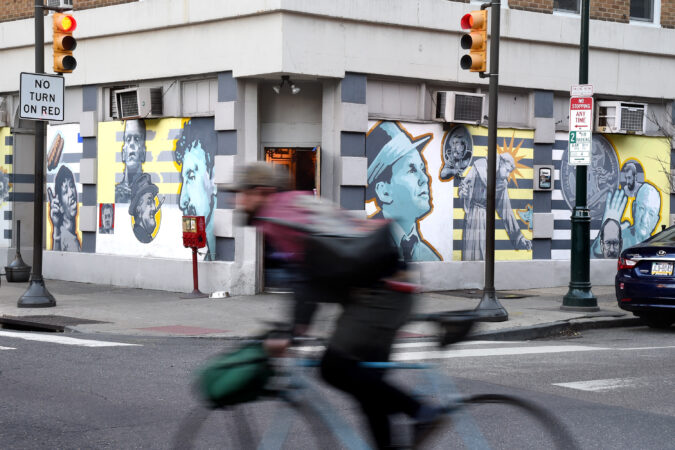
    Sweitzer said she and the bar’s staff noticed the uptick in younger patrons with scannable IDs with official holograms after the pandemic. Often, she said, those customers would post photos and TikToks of themselves at the bar at 347 S. 13th St. — leading to Franks’ rising popularity among the younger set. (Historically, the bar has attracted plenty of postgrads, creative types, and a deep bench of mixed-age regulars.)

    “We’ve always been a dive bar,” Sweitzer said. “Anyone who calls us a college bar is vastly misguided.”

    She said that the surge in volume resulted in an overall sales bump at first, but that it leveled off shortly thereafter. “It was quantity over quality,” she said. “So [revenue] stayed the same. You just had to work harder.”
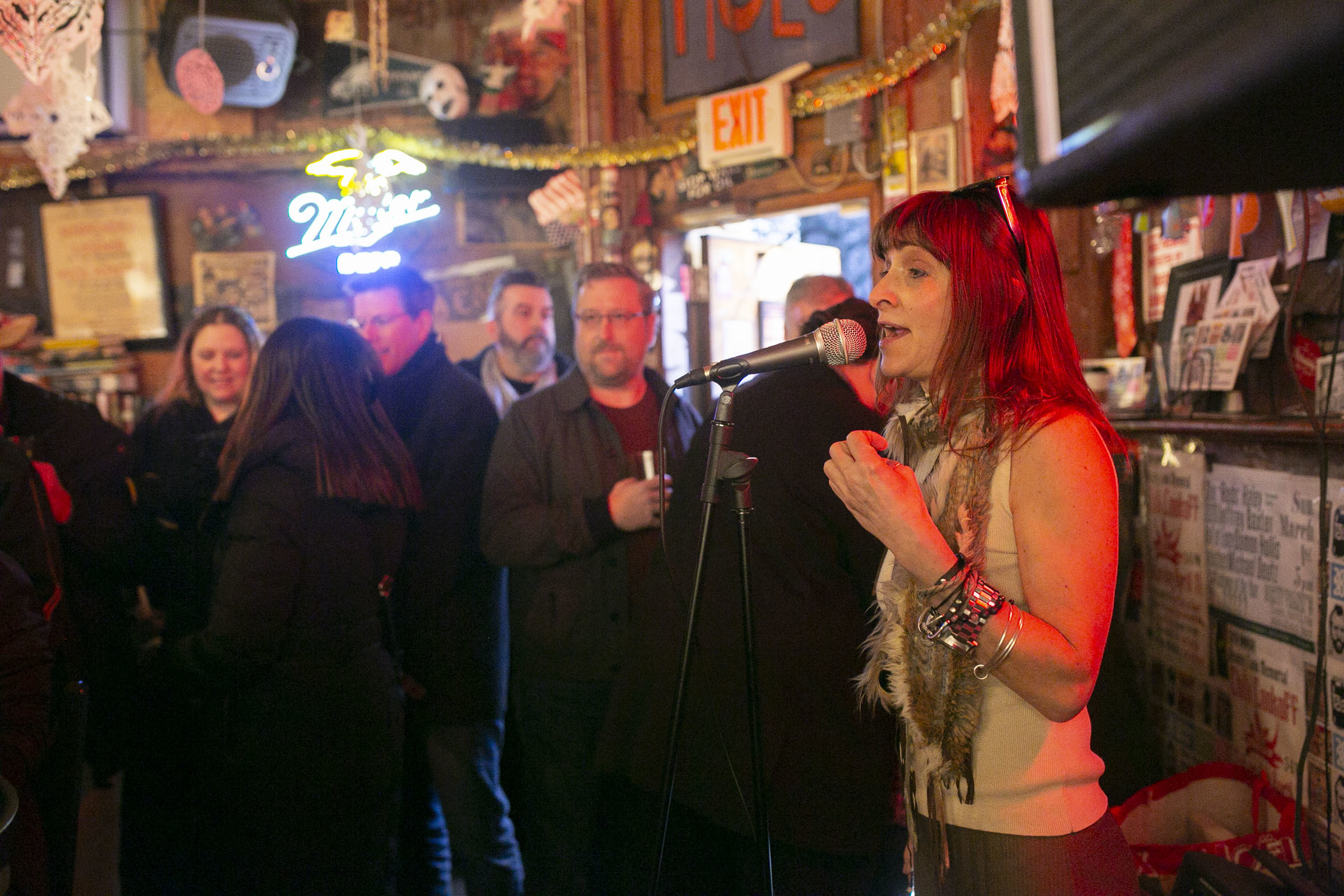
    Jody Sweitzer, co-owner of Dirty Franks, offers remarks during their annual customers celebration on March 1, 2020.

    Late last year, Sweitzer contacted the Tavern Association in Harrisburg and asked if she could change the age limit, something she had heard another Philly bar had done in the past. She learned that she was OK to make house rules.

    Then the ID featuring a 24-year-old Ben Franklin came along. “That was the straw that broke the camel’s back,” Sweitzer said, adding that she’s spoken with scanner manufacturers but hasn’t yet found a higher-tech alternative.

    “If you can find a scanner that can’t be fooled,” Sweitzer said, “I will buy it.”

    Those affected by the age policy are less than thrilled. Nate Weinberg, 22, and a recent Temple graduate who has enjoyed visiting Franks, found the policy change “kind of peculiar.”

    “I know a lot of people are not happy,” he said. “I never witnessed any issues the times that I had been there.”
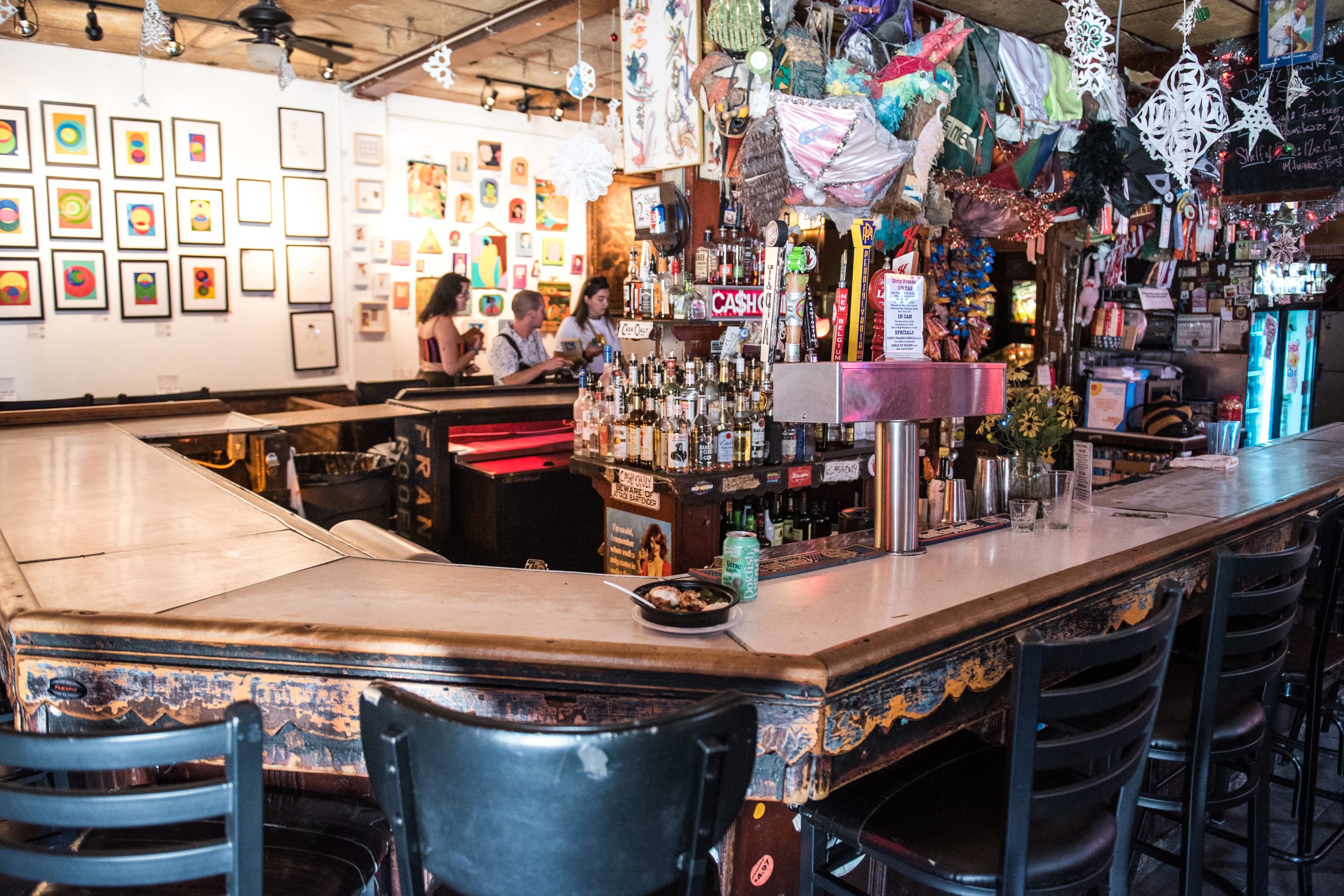
    Dirty Franks

    The new age limit, however, seems to have gone over well with Franks regulars, who say they now enjoy a roomier bar and are excited to have a place to sit again.

    Lance Saunders, a longtime patron, said he is in favor of the change.

    “Hell yeah,” said Saunders, 41, “I am a Dirty Franks faithful and I appreciate whatever Jody and her team has to do to make the staff and valued regulars feel welcome in their own damn bar.”
  • John du Pont shot and killed Olympic wrestler Dave Schultz on this week in Philly history

    John du Pont shot and killed Olympic wrestler Dave Schultz on this week in Philly history

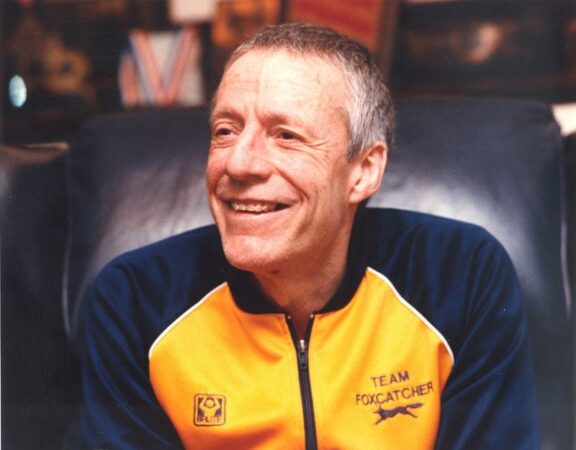
    The multimillionaire became a murderer on Jan. 26, 1996. That part is known.

    But why John du Pont shot and killed Dave Schultz, an Olympic champion freestyle wrestler who was living and working on du Pont’s Newtown Square estate, is still a mystery.

    Foxcatcher

    John Eleuthere du Pont was not a captain of industry, but he was a descendant of one.

    His great-great-great-grandfather was Eleuthere Irenée du Pont de Nemours, who founded the Wilmington chemical giant.

    The most notable title of the du Pont heir’s life was sports enthusiast.

    He transformed his 800-acre estate, known as Foxcatcher Farm, into a world-class athletic training facility. He opened the facility to athletes and their families so they had a place to stay while wrestlers, like Schultz, could prepare for major competitions.

    In 1996, Schultz, a 1984 Olympic gold medalist, and his family stayed there while he trained for that year’s Summer Olympics.

    But even before the run-up to the Summer Games, du Pont’s behavior had become increasingly strange.

    Conviction

    His sister-in-law, Martha du Pont, said they expected something like this to happen.

    Foxcatcher’s overseer had been abusing cocaine and alcohol, and had been walking around with loaded guns for several years.

    During angry outbursts, he would even threaten athletes with guns.

    But why he pointed a .44-caliber revolver at the 36-year-old Schultz during an argument on the estate’s grounds and fired three times will forever be a mystery.

    Du Pont holed up in his mansion for two days before surrendering to police after his heat was cut off during an especially cold weekend.

    On Feb. 25, 1997, he was ruled guilty but mentally ill, and convicted of third-degree murder.

    He offered no explanation for his behavior, only excuses.

    He was sentenced to 13 to 30 years in prison.

    Du Pont died in prison at age 72 on Dec. 9, 2010, four years before an award-winning film starring Steve Carell about the incident would hit theaters.

    Nearly 30 years after his conviction, he is the only member of the Forbes 400 richest Americans to have been convicted of murder.

    Nancy Schultz, who witnessed the shooting, said she never understood why her husband was killed. And she was struck by something du Pont never did.

    “He never just said, ‘I’m sorry.’”

  • An armored guard stole from his own truck on this week in Philly history

    An armored guard stole from his own truck on this week in Philly history

    A Brooks armored truck pulled up to the main PSFS Bank office in Center City on the morning of Jan. 20, 1988, but guard Edward Leigh Hunt Jr. didn’t get out.

    Two other employees of the Wilmington-based company, a driver and another guard, went inside the bank office on 13th Street near Market. When they returned about 30 minutes later, the 24-year-old Hunt was gone.

    He fled the vehicle carrying two canvas bags containing used bills totaling $651,000, or more than $1.7 million in today’s dollars.

    ’See ya soon’

    A few days after the robbery, Hunt, who went by Leigh, had made his way to Los Angeles, and phoned a friend from back home — mainly asking how much publicity he was receiving.

    And then Hunt went silent for nearly 20 months.

    In the meantime, he was twice featured on America’s Most Wanted and attracted national attention as well as a following.

    “The whole incident has been bizarre since day one,” the fugitive’s father, Edward Leigh Hunt Sr., a former prosecutor for the Delaware Attorney General’s Office, would say later.

    As the two-year anniversary of the heist approached, editors from the Wilmington News Journal newspaper inexplicably received a handwritten letter.

    It was from Hunt, and he said the money was gone.

    The University of Delaware graduate said he gambled it all away in an attempt, he wrote, to quadruple the sum and then return half the proceeds.

    He missed his family, he wrote, and wanted to surrender on the second anniversary of the theft, Jan. 20, 1990, at noon in front of the Chamber of Commerce offices in downtown Los Angeles. He enclosed a photo of himself emerging from a swimming pool.

    He sent a second letter to the newspaper a few days later, reiterating that he would be turning himself in. “Just a reminder,” he wrote.

    “I’m sorry about the problems I have caused,” he added. “It’s nobody’s fault but mine. See ya soon.”

    Going downtown

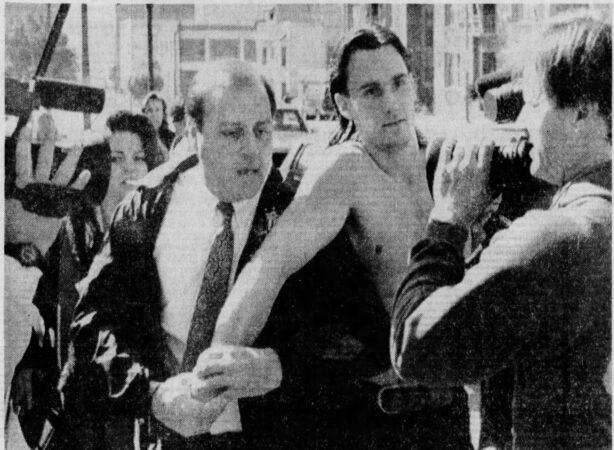
    Hunt, now 26, arrived shirtless and five minutes late, but nonetheless surrendered as planned to members of the FBI.

    “I love America,” Hunt said as he was taken into custody. “America is a great country.”

    As he was taken away, according to the Los Angeles Times, a few supportive spectators shouted, “Free Leigh.”

    Six months later, Hunt pleaded guilty to interstate theft, and a federal judge in Philadelphia sentenced him to eight years in prison. In hopes of getting his sentence reduced, Hunt later came clean and confessed to having hidden most of the money in a Hollywood storage locker. The FBI recovered nearly $574,000, and Hunt’s sentence was cut down to six years.

  • Charles Dickens, who called the city ‘distractingly regular,’ visited on this week in Philly history

    Charles Dickens, who called the city ‘distractingly regular,’ visited on this week in Philly history

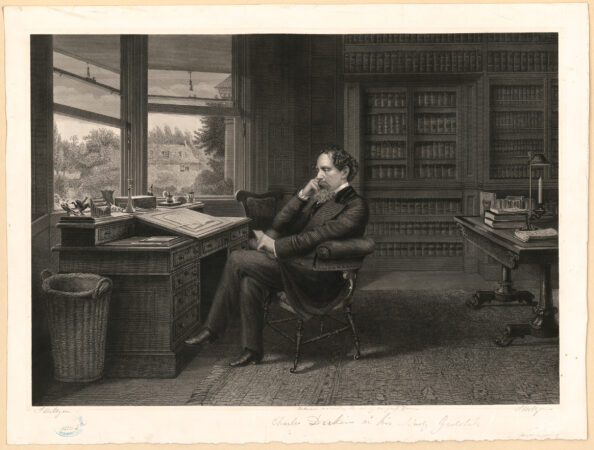
    Philadelphia’s favorite Victorian novelist made his second, and final, visit to the City of Brotherly Love on this week 158 years ago.

    Charles Dickens, a few weeks away from his 56th birthday, arrived near midnight in Philadelphia on Jan. 12, 1868.

    He would stay at the Continental Hotel, and most notably, would give readings at the Concert Hall on Chestnut Street to sold-out audiences.

    His first visit here, in March 1842, Dickens had mixed feelings.

    He was horrified of how prisoners were treated at the “solitary prison” Eastern State Penitentiary, but delighted at meeting Philly’s other literary hero, Edgar Allan Poe.

    He also called Philly “distractingly regular” in his 1842 memoir, American Notes.

    He also called the city “handsome,” and “What I saw of its society, I generally liked.”

    In December 1843, he would publish his most seminal work, A Christmas Carol, in England. Philadelphia publisher Carey & Hart would publish the first notable U.S. edition of the story, which could help explain why the city fell in love with the author and his penchant for highlighting working-class and underdog characters.

    Dickens’ second visit was most notable for his readings from A Christmas Carol and his first novel The Pickwick Papers to “unbounded enthusiasm and loud applause,” according to an Inquirer report from the time.

    “The rude and boisterous mob which, with flaunting banners, tossing hats and loud cries, follows the horse of some victorious general,” The Inquirer wrote.

    Dickens died in 1870, at age 58. And while the whole world mourned his death, the city he so enraptured would take it a step further.

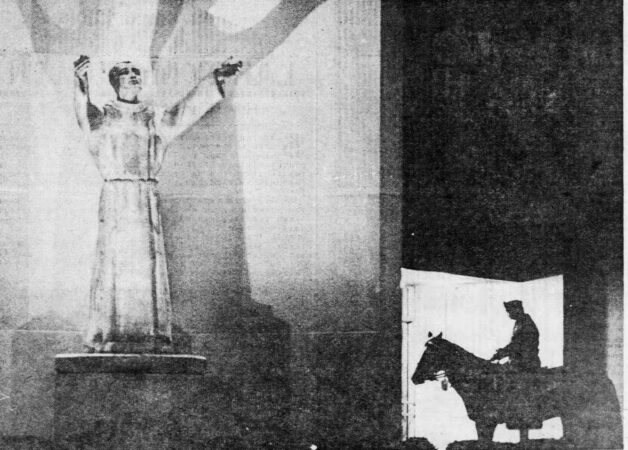
    In 1905, Philadelphia became the first city to build a statue of him, despite explicit wishes written into Dickens’ will against the honor.

    The statue now sits in Clark Park.

    Throughout the years, Philly has continued its Dickens tradition.

    In 2012, the 200th anniversary of Dickens’ birth, the Free Library held a yearlong celebration of the literary icon.

    And the library boasts an extensive collection of his artifacts, including his writing desk.

    One of its prized attractions is the taxidermied body of Grip, Dickens’ pet raven, which famously inspired Poe.

  • Thomas Paine published ‘Common Sense’ and helped ignite a revolution on this week in Philly history

    Thomas Paine published ‘Common Sense’ and helped ignite a revolution on this week in Philly history

    They just needed a spark.

    The American colonies in the autumn of 1775, then under the thumb of King George III and his sprawling British Empire, were divided on the prospect of independence.

    Revolutionary ideas start in refined quarters, but they must spread to the masses to surge into action.

    And the 13 colonies were divided in threes: those who favored independence from English rule, those who opposed it, and those who wished to remain neutral.

    And then the spark arrived as a pamphlet.

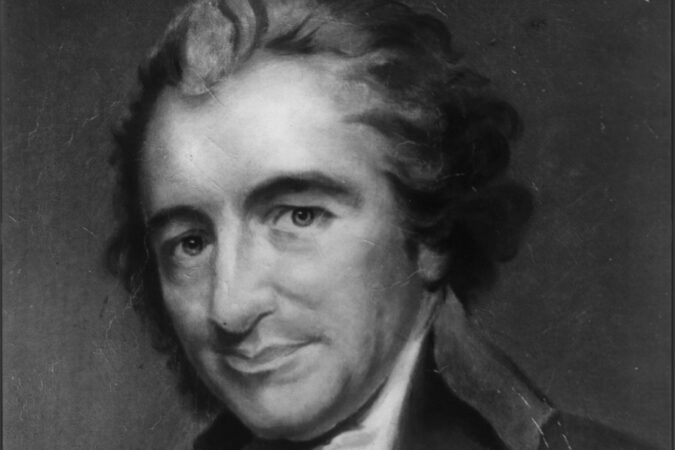
    On Jan. 10, 1776, in a small publishing house at Third and Walnut Streets in present-day Old City, Englishman Thomas Paine published his 47-page document. It promoted the cause of American independence, and stoked the fires of revolution.

    This pamphlet, titled “Common Sense,” was first printed anonymously.

    But the colonists knew who wrote it.

    An original English printing of “Common Sense,” the pamphlet written by Thomas Paine, combined with a rebuke entitled “Plain Truth” by James Chalmers, a British Loyalist officer. The two pamphlets were reprinted together in a book in London in 1776.

    Paine was a self-educated rabble-rouser who had found little success making corsets or collecting taxes.

    And who, upon meeting Benjamin Franklin after giving a speech in London, opted to join the upstart colonists and move to America in 1774.

    After following Franklin to Philadelphia, he followed him into journalism, writing and editing for Pennsylvania Magazine.

    It’s where he displayed a knack for speaking to the common people through essays denouncing slavery, promoting women’s rights, and dumping on English rule.

    And again he took from Franklin, turning his pamphlet into a lightning rod.

    In it he laid out his arguments in plain language.

    An island, he argued, should not rule a continent.

    “Every thing that is right or natural pleads for separation,” he wrote.

    More than 500,000 copies circulated the colonies, convincing the commoners, the people who would actually take up arms against the Royal military, to support a war against Great Britain.

    Despite his outsized role in lighting the fires of rebellion, Paine’s services would go unrecognized for a generation.

    He temporarily returned to Europe after the war, and his later denouncing of Christianity did him no favors on either side of the Atlantic. He died in poverty in New York in 1809 at age 72.

    It wouldn’t be until the mid-1970s for historians to recognize the enduring power of Paine’s pamphlet, which now holds a place of honor a step below Thomas Jefferson’s Declaration of Independence.

  • A Philly priest’s soon-to-be-famous Christmas song was played on this week in Philly history

    A Philly priest’s soon-to-be-famous Christmas song was played on this week in Philly history

    One of America’s great Christmas songs grew out of procrastination.

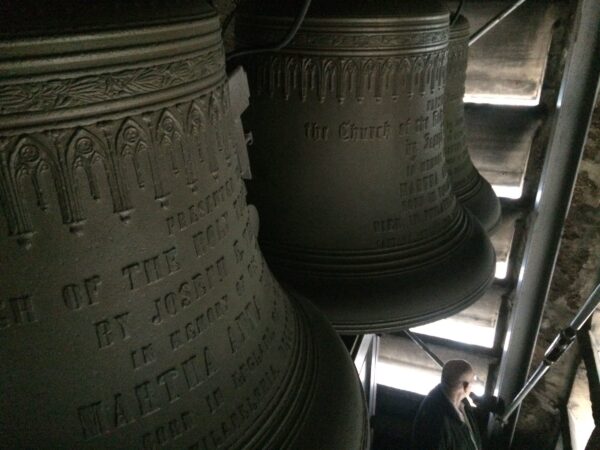
    Two friends — a rector and his organist at the Church of the Holy Trinity on Rittenhouse Square — found the inspiration in the run-up to the Christmas celebration in 1868.

    The result of their delayed creativity was “O Little Town of Bethlehem,” composed and heard in a Philadelphia church.

    It was a song that spread across the world, and put the 19th-century church on the map.

    The silent stars

    Three years before, in 1865, the church’s vicar visited the Holy Land.

    So moved by what he saw on that trip, the Rev. Phillips Brooks put pen to paper.

    The result was a poem:

    O little town of Bethlehem,

    How still we see thee lie.

    Above thy deep and dreamless sleep

    The silent stars go by.

    In totality, as a piece of music, the song is not exactly upbeat.

    The lyrics reflect on the darkness found after midnight. Cries of misery reverberating through dark streets under cover of ink-black skies.

    But there’s also everlasting light.

    A Christmas miracle

    Three years later in 1868, Brooks asked the church’s organist, Lewis Redner, a real estate agent who played the organ for four churches, to set music to those lyrics Brooks penned.

    It was to be part of a song that would play during the Christmas holiday in 1868.

    And then Brooks waited.

    To his congregation, Brooks was an inspiring preacher. In the throes of the American Civil War, he would ride on a wagon to the battlefields around Gettysburg to perform last rites on dying soldiers and offer words of comfort to wounded soldiers — Union and Confederate.

    Days turned to weeks, and Brooks was still waiting for the completed song.

    But as the holiday approached, the procrastination had reached a fever pitch.

    Two days before the Christmas service, on a Friday, Brooks nervously asked about the song.

    “Have you ground out the music yet?”

    “No,” Redner said.

    But he assured Brooks: “I’ll have it by Sunday.”

    On Saturday night, Redner wrote in his diary that his brain was in knots over the tune, according to The Inquirer.

    Once asleep, he woke with a start.

    He wrote that he heard an angel whispering in his ear.

    Redner then scribbled down the tune.

    And before the Sunday service, he layered on the harmony.

  • The likely first public menorah was lit on Independence Mall on this week in Philly history

    The likely first public menorah was lit on Independence Mall on this week in Philly history

    Outside the front door of Independence Hall, amid a wet and mild December in Philadelphia, a handful of devoutly orthodox Jews decided to add their light to the world.

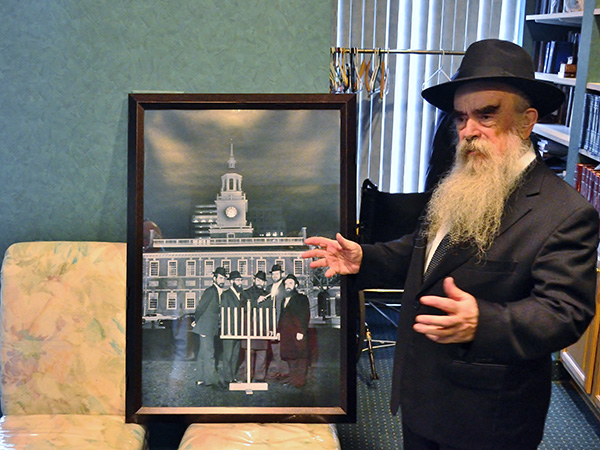
    Four men of the Lubavitcher sect of Hasidic Judaism, including renowned Rabbi Abraham Shemtov, gathered on Independence Mall on Dec. 14, 1974. Together they lit what is believed to be the first menorah, or Hanukkah candelabrum, ever illuminated on public property.

    And together they watched their light spread.

    “Philadelphia is where we started,” the now-88-year-old Rabbi Shemtov told The Inquirer in 2014. “Now it’s everywhere, in too many places to count.

    “So, the idea caught fire,” he said, smiling through his long, gray beard.

    Hanukkah is the Jewish celebration of light over darkness, and of faith and freedom over oppression and persecution. While it’s not the biggest holiday in the Jewish faith, its themes of perseverance and hope have been as synonymous with the winter solstice as any Christian tradition.

    The most obvious reason that menorahs were traditionally not lit outside was because the flame would go out.

    So on that breezy evening in mid-December, the flame stayed lit against all odds. Some might even call it divine intervention.

    “What you need to understand,” Shemtov explained, is that Jewish tradition dictated that the candelabrum be lit at home, and placed “at the spot the house shares with the outside,” typically at the front door.

    “Our sages say outside is better,” he said with a shrug. “So, we brought it outside a step further.”

    In the years since, public menorahs have sprouted up across Europe and North America, from Revolution Square in Moscow to the White House in Washington.

    “The simple lighting ceremony in Philadelphia,” wrote The Inquirer’s longtime religion reporter David O’Reilly, “became the foundational story of public menorahs for most of the world’s Jews.”

    For centuries, menorah lighting had at times been a covert domestic ritual.

    “We lit the first candle. There was some singing and dancing. It was a private event in public,” Shemtov said in 2014. “But even so, in concept we were sharing the thing with the world.”

  • Archbishop Ryan High School students were held hostage on this week in Philly history

    Archbishop Ryan High School students were held hostage on this week in Philly history

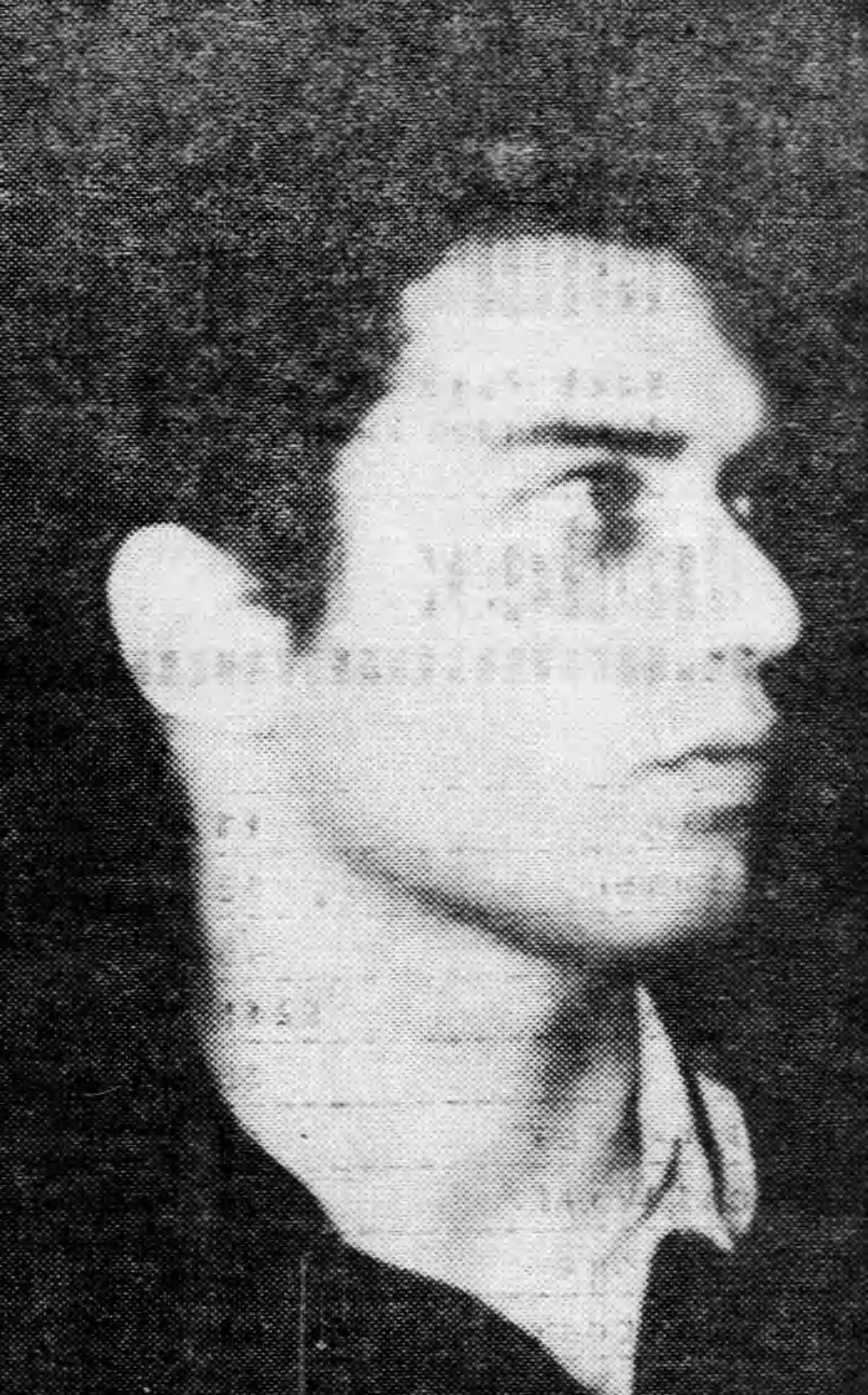
    A lanky man wearing a long, dark coat walked into a high school disciplinarian’s office ready to really make America great again.

    Around 1 p.m. on Dec. 9, 1985, 22-year-old Steven Gold entered Archbishop Ryan with a knife and a gun.

    And he quickly took seven hostages — five students, a secretary, and the assistant dean of students.

    Twenty minutes later, he sent one of the students to get him a soda, and the student actually thought about going back before the police nabbed him.

    Steven Gold

    Around 2 p.m. Gold spoke with police by phone, and demanded President Ronald Reagan — who first ran on the Make America Great Again campaign slogan — resign from office.

    And turn over leadership of the country to Gold, who said he wanted to be called the Antichrist.

    In a statement that was read to the press, Gold wrote:

    “Either choose my leadership, or accept the death of America.”

    Back then, the Catholic high school was separated into two segregated schools: the boys’ school in the south wing, and the girls’ school in the north wing.

    Gold took the hostages in the boys’ wing. Shortly afterward, the 1,950 male students were dismissed. They walked out just as the 2,150 female students were leaving for the day on a shortened schedule. Together, boys and girls filed calmly out of the massive, three-story school building at Academy Road and Chalfont Drive.

    About an hour into the standoff, Gold let the secretary go after learning she was a mother of four. Shortly afterward, he traded the assistant dean for a food order, leaving only three male students as hostages.

    Around 7 p.m., a police negotiator briefly entered the disciplinarian’s office.

    Gold, who had recently stopped taking medication for paranoid delusions, held his pistol to the head of one student and threatened to kill all of the students if his demands were not met.

    Around 8:30 p.m., those students had had enough.

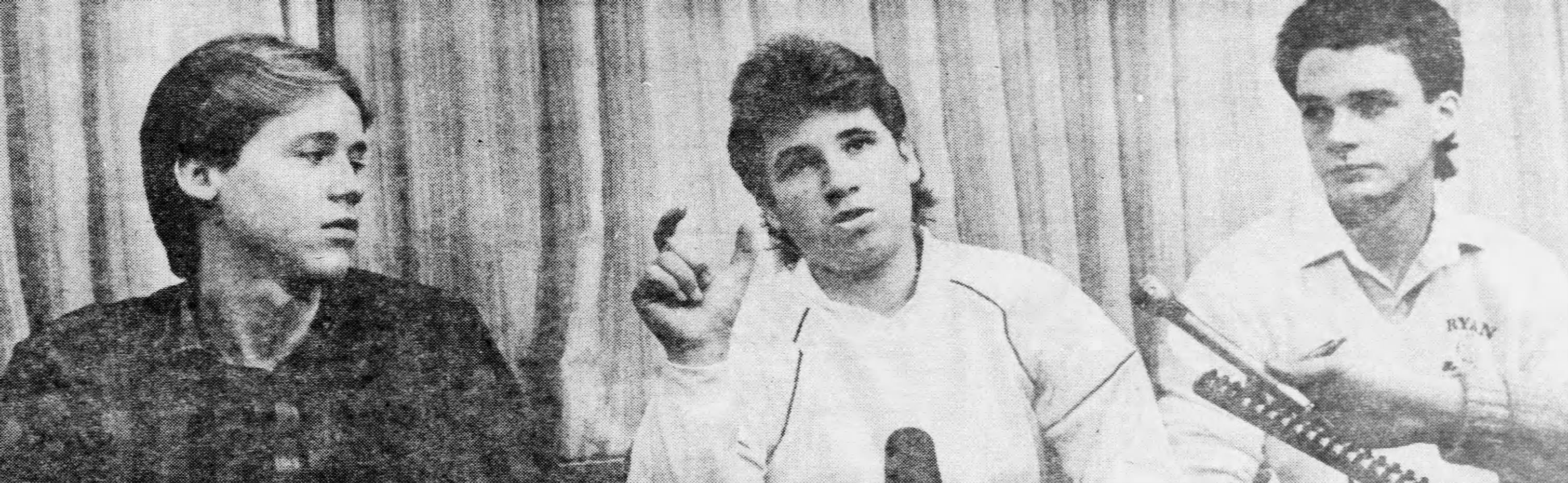
    As student hostages (from left) Patrick Hood, 15, Raymond Smith, 16, and Mike Wissman, 17, meet the press, Smith estimates the size of the captor’s knife.

    Gold told the negotiator on the phone that he would let two of the students go, and then the officer heard “a commotion and a lot of screaming” on the other end of the phone.

    The students decided the gun Gold was brandishing was a fake.

    So in good, old-fashioned Northeast Philly fashion, they jumped him. And it turned out they were right: The gun was a starter’s pistol, and it was loaded with blanks.

    The students overpowered Gold, and held him down until the stakeout officers rushed in and put an end to the more than seven-hour standoff.

  • Phillies gave up trying to plant their flag in the New York TV market on this week in Philly history

    Phillies gave up trying to plant their flag in the New York TV market on this week in Philly history

    The National League made a dramatic exit.

    Two of its tentpole baseball franchises — the Brooklyn Dodgers and the New York Giants — packed up before the 1958 season and moved to the West Coast. Leaving behind only the Yankees and the rival American League to carry the New York City banner.

    Just down the (not-yet-under-construction) I-95 corridor, the Carpenter family wondered if their own N.L. franchise, the Philadelphia Phillies, could help fill the void.

    Broadcasting Phils’ games to the New York market could help soften the blow of losing two beloved franchises. It could also be lucrative.

    And it would help a Philly team build a fanbase in — of all places — the Big Apple.

    A league of their own

    Now they’re just organizing devices, but back in the 1950s, there was a difference between the two leagues under the Major League Baseball umbrella.

    The N.L. was faster to integrate Black players, featured more competitive teams, and thus more competitive pennant races. The A.L., on the other hand, was mostly dominated by one glory-hogging franchise.

    So Phillies owner Bob Carpenter, hoping to help fill the vacuum, made a deal with TV station WOR, which had previously aired Dodgers games.

    New York would carry 78 Phillies games during the 1958 season: 58 from Connie Mack Stadium, and 20 from the road (including night games).

    And they weren’t alone.

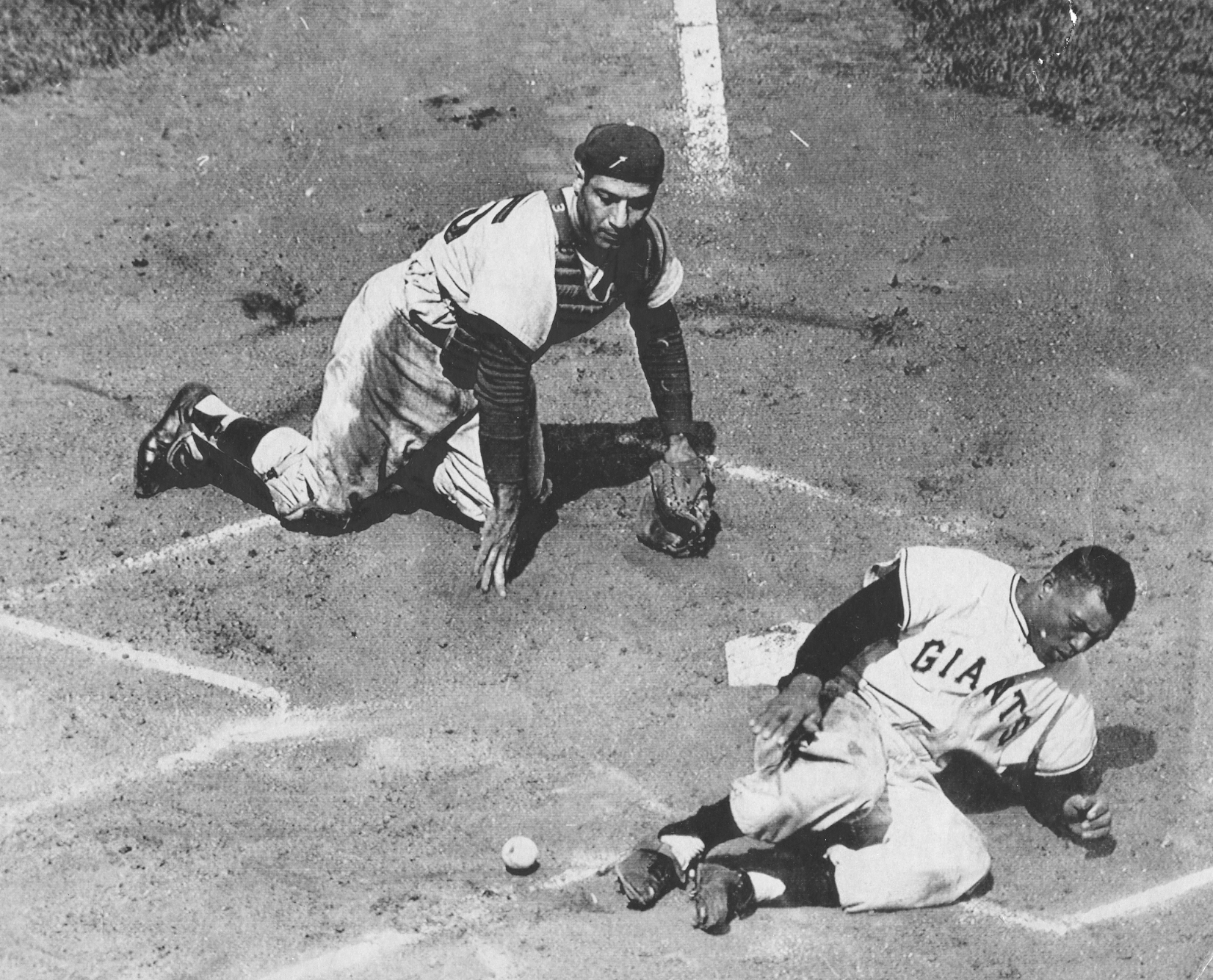
    Willie Mays scores on an inside-the-park home run vs. the Phillies in the 1950s.

    ‘The market is shot’

    The St. Louis Cardinals and Pittsburgh Pirates made deals to broadcast two dozen of their games against the Giants and Dodgers to a New York audience.

    Yankees brass reacted with trademark tact: They started making threats.

    If Phillies (or Pirates or Cardinals) games returned to New York television sets the next season, then the Yankees would look to televise their games — featuring World Series-winning superstars like Mickey Mantle and Yogi Berra — on a national network. They’d even partner with the National League’s Milwaukee Braves to complete the package. Together stealing away scores of diehards and converting scores of casuals, from sea to shining sea.

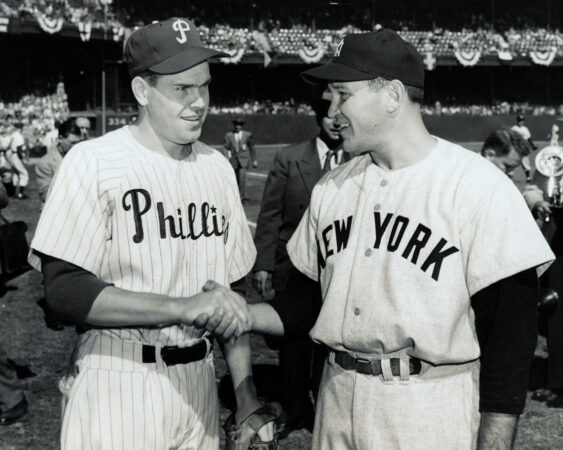
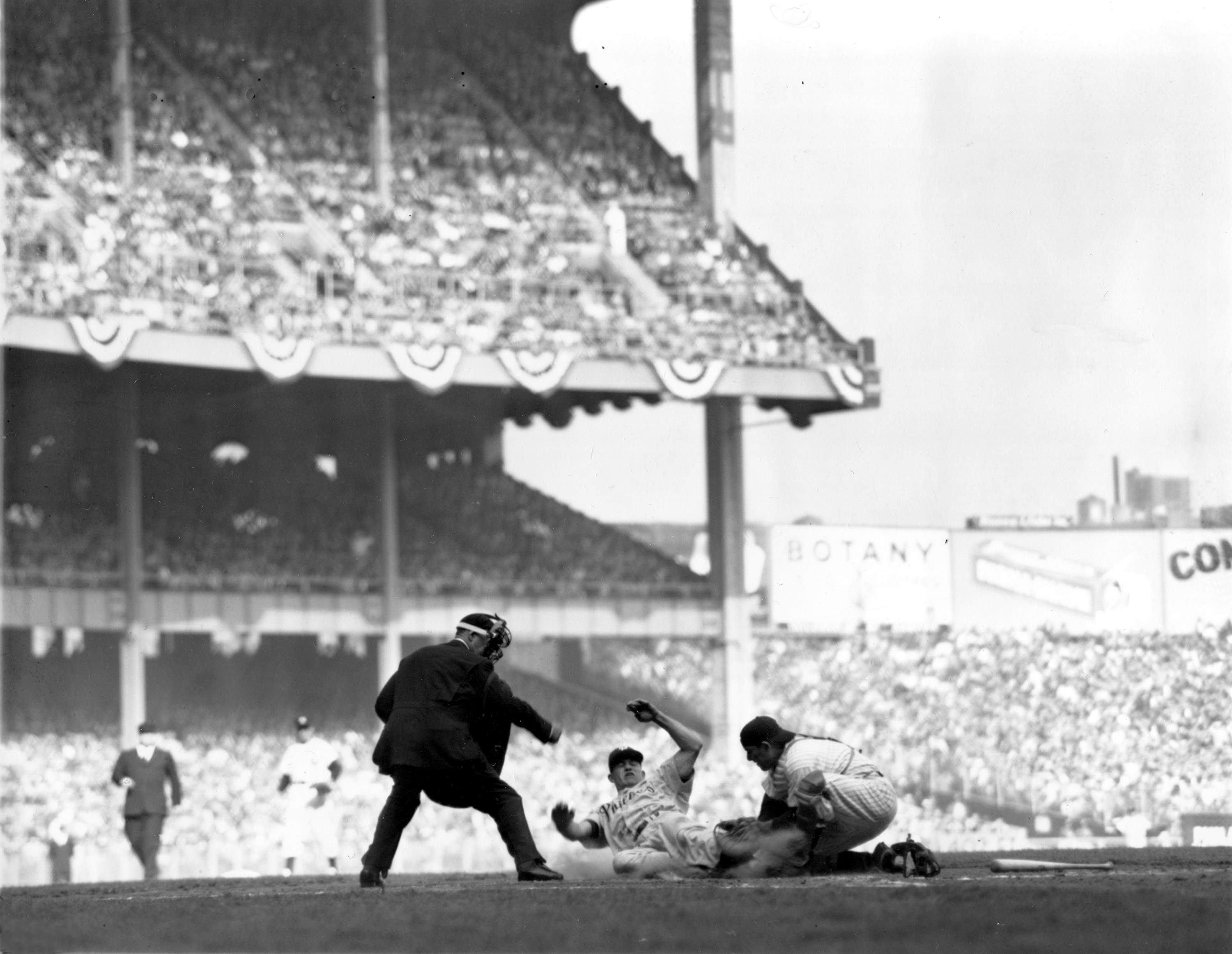
    New York Yankees catcher Yogi Berra tags the sliding Philadelphia Phillies shortstop Granny Hamner for an out at home plate and second half of double play in 4th inning in the fourth and final World Series game at Yankee Stadium in New York City in 1950.

    So on Dec. 5, 1958, the three teams announced that they were dropping their New York broadcast plans for the 1959 season.

    None of the team representatives admitted to backing down.

    “The market is shot,” Carpenter said, according to The Inquirer. “There is not enough money.”

    But the joke was really on us: Those left-behind Dodger and Giants fans in New York didn’t get much joy from Philadelphia’s signature brand of baseball.

    The Phillies went 69-85, and finished in last place.

    And to make it worse: the Mets would arrive four years later.

  • A finger stuck in a laundry machine upset Thanksgiving brunch plans on this week in Philly history

    A finger stuck in a laundry machine upset Thanksgiving brunch plans on this week in Philly history

    Holiday or not, N. Barba had laundry to do.

    The hairdresser had two boys, ages 4 and 12, and some time to kill before Friendsgiving brunch.

    So on a chilly Thanksgiving morning, on Nov. 28, 1996, she lugged her laundry down to the basement of her West Philadelphia apartment building and loaded up the washer.

    But she forgot one thing: The dryer she wanted to use wasn’t working.

    Too late.

    She had already plugged a quarter into the dryer’s coin slot.

    Using the ring finger on her left hand, she tried to poke the bottom of the slot to get back her 25-cent piece.

    And then her finger got stuck.

    Barba started to cry.

    “This felt like, to her, one more thing in a long line of things that were just not going great,” Inquirer reporter Al Lubrano, who wrote the original story, said recently.

    For two hours she stood in that thankless and cold laundry room, fending off pins-and-needles sensations in her hand and worrying about her boys being alone in their apartment, before a neighbor found her.

    The neighbor brought a chair for Barba to stand on — to help release some of the pressure on her hand — and then called for help.

    Cell phones were not yet a thing, but another neighbor kindly brought down a portable phone so Barba could call and reassure her sons.

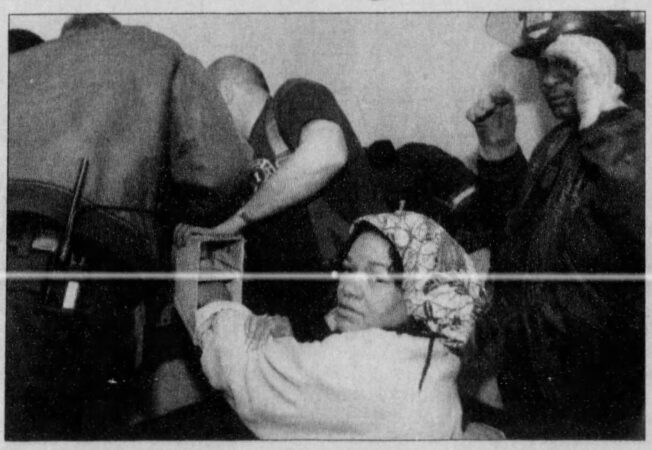
    Firefighters swooped in and cut the coin box off the machine. The machine’s operator was then called into action, and he showed up to separate the coin slot from the coin box.

    “She was little bit surprised when the firefighters came and it wasn’t the end of it,” Lubrano recalled.

    Her now-swollen finger needed a few dollops of petroleum jelly before slipping out of the coin slot. She did not report any permanent damage.

    Lubrano asked Barba back in ’96 to sum up the whole ordeal in one word.

    “Annoying,” she said.

    “Like a true mom,” Lubrano said recently, “she sort of minimized it.”

    And after all that, Barba went back downstairs later that night in ’96 and threw in another load of laundry — using a different dryer.

    “I’m grateful to my neighbors,” Barba said, “but I missed my brunch.”