Author: Ellie Rushing

  • Philadelphia records the fewest homicides in nearly 60 years, plus other insights to 2025’s crime

    Philadelphia records the fewest homicides in nearly 60 years, plus other insights to 2025’s crime

    For the first time in more than half a century, Philadelphia has recorded fewer than 225 homicides in a single year.

    In 2025, 222 people were killed — the fewest since 1966, when there were a fraction of as many guns in circulation and 178 homicides.

    It is a milestone worth commemorating — and mourning: Violence has fallen to its lowest level in decades, yet 222 deaths in a single city is still considered progress.

    window.addEventListener(“message”,function(a){if(void 0!==a.data[“datawrapper-height”]){var e=document.querySelectorAll(“iframe”);for(var t in a.data[“datawrapper-height”])for(var r,i=0;r=e[i];i++)if(r.contentWindow===a.source){var d=a.data[“datawrapper-height”][t]+”px”;r.style.height=d}}});

    The drop mirrors a national reduction in violence and follows years of sustained declines after Philadelphia’s annual homicide totals peaked during the pandemic, and it reflects a mix of likely contributing factors: Tech-savvy police are solving more shootings, violence prevention programs have expanded, and the city has emerged from pandemic instability.

    No single policy or investment explains it, and officials caution that the gains are fragile.

    “The numbers don’t mean that the work is done,” said Adam Geer, the city’s director of public safety. “But it’s a sign that what we’re doing is working.”

    The impact is tangible: fewer children losing parents, fewer mothers burying sons, fewer cycles of retaliation.

    “We are saving a life every day,” District Attorney Larry Krasner said.

    Still, the violence hit some. Victims ranged from a 2-year-old girl allegedly beaten to death by her mother’s boyfriend to a 93-year-old grandfather robbed and stabbed in his home. They included Ethan Parker, 12, fatally shot by a friend playing with a gun, and Said Butler, 18, killed just days before starting his first job.

    Police say street-level shootings and retaliatory violence fell sharply, in part because some gang conflicts have burned out after key players were arrested or killed. Killings this year more often stemmed from long-standing drivers — arguments, drugs, and domestic violence — and were concentrated in neighborhoods that have borne the brunt of the crisis.

    “These same communities are still traumatized,” said Police Commissioner Kevin Bethel. “One gunshot is a lot. We can’t sit or act like we don’t see that.”

    window.addEventListener(“message”,function(a){if(void 0!==a.data[“datawrapper-height”]){var e=document.querySelectorAll(“iframe”);for(var t in a.data[“datawrapper-height”])for(var r,i=0;r=e[i];i++)if(r.contentWindow===a.source){var d=a.data[“datawrapper-height”][t]+”px”;r.style.height=d}}});

    The number of domestic-related killings nearly doubled this year compared with last, making up about 20% of homicides, Geer said. The disappearance and killing of Kada Scott, a 23-year-old woman from Mount Airy, was among them, and led to a citywide outcry and renewed scrutiny of how authorities handle violence against women.

    And mass shootings on back-to-back holiday weekends — 11 people shot in Lemon Hill on Memorial Day, and 21 shot in a pair of incidents in South Philadelphia over July Fourth — left residents reeling.

    Still, a 2025 survey from Pew Charitable Trusts showed that a majority of Philadelphians feel safer in their neighborhoods than they have in years.

    <iframe title="Philadelphians’ Perceptions of Safety at Night" aria-label="Line chart" id="datawrapper-chart-GRrTN" src="https://datawrapper.dwcdn.net/GRrTN/1/" scrolling="no" frameborder="0" style="width: 0; min-width: 100% !important; border: none;" height="556" data-external="1"></iframe><script type="text/javascript">window.addEventListener("message",function(a){if(void 0!==a.data["datawrapper-height"]){var e=document.querySelectorAll("iframe");for(var t in a.data["datawrapper-height"])for(var r,i=0;r=e[i];i++)if(r.contentWindow===a.source){var d=a.data["datawrapper-height"][t]+"px";r.style.height=d}}});</script>

    The progress comes even as the police department remains 20% below its budgeted staffing levels, with about 1,200 fewer officers on the force than 10 years ago.

    The city’s jail population has reached its lowest level in recent history. It dipped below 3,700 in April for the first time in at least a decade, and remains so today.

    <iframe title="Philadelphia’s Jail Population" aria-label="Line chart" id="datawrapper-chart-73NZP" src="https://datawrapper.dwcdn.net/73NZP/1/" scrolling="no" frameborder="0" style="width: 0; min-width: 100% !important; border: none;" height="527" data-external="1"></iframe><script type="text/javascript">window.addEventListener("message",function(a){if(void 0!==a.data["datawrapper-height"]){var e=document.querySelectorAll("iframe");for(var t in a.data["datawrapper-height"])for(var r,i=0;r=e[i];i++)if(r.contentWindow===a.source){var d=a.data["datawrapper-height"][t]+"px";r.style.height=d}}});</script>

    And arrests citywide, particularly for drug crimes, have cratered and remain far below pre-pandemic levels, mirroring a nationwide trend.

    Experts say the moment demands persistence.

    “We can’t look at this decline and turn our attention to other problems that we have to solve. We have to keep investing and keep pushing to get this number even lower, because it could be even lower,” said Jason Gravel, an assistant professor of criminal justice at Temple University.

    ‘Unheard of’ clearance rates

    After shootings exploded during the pandemic, and Philadelphia recorded 562 homicides in 2021 — the most in its history — violence began to decline, slowly at first.

    But then, from 2023 to 2024, killings fell by 35% — the largest year-over-year reduction among U.S. cities with the highest homicide rates, according to an analysis by Pew.

    The decline continued into 2025.
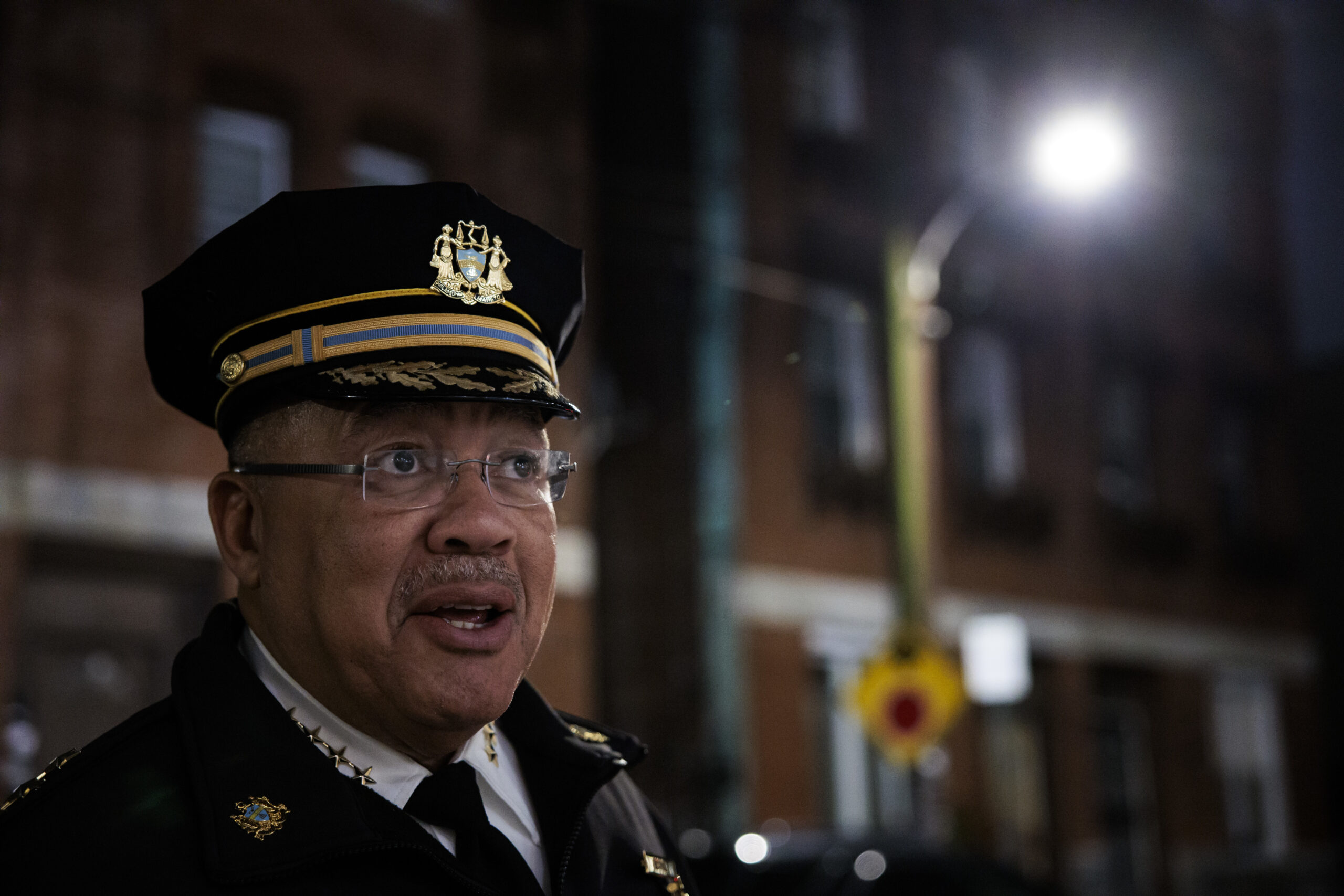
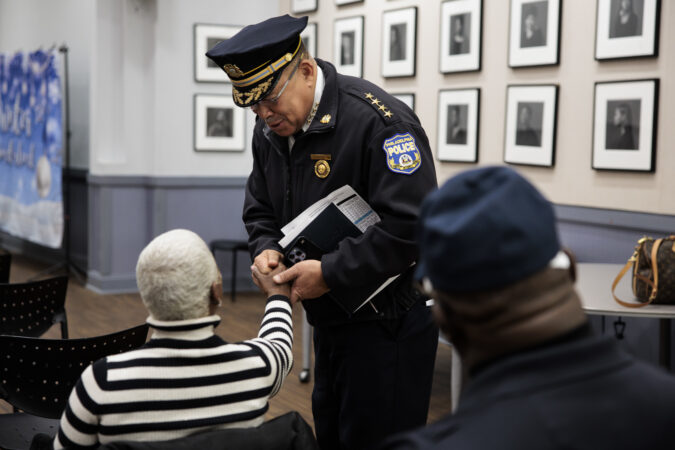
    Police Commissioner Kevin Bethel arrives at a North Philadelphia community meeting on Dec. 2.

    Bethel has pointed to a host of potential reasons for the decline: the reopening of society post-pandemic — kids returned to school and adults reconnected with jobs, courts, and probation officers — as well as police resources focused in hot spot crime areas and improved coordination among city leaders.

    Most notably, he said, detectives are making more arrests in nonfatal shootings and homicides. Experts say that arresting shooters is a key violence-prevention strategy — it prevents that shooter from committing more violence or from ending up as a victim of retaliation, sends a message of accountability and deterrence, and improves the relationship between police and the community.

    The homicide clearance rate this year ended at 81.98%, the highest since 1984, and the clearance of nonfatal shootings reached 39.9%.

    “That’s unheard of,” said Geer, the public safety director. “The small amount of people who are committing these really heinous, violent crimes in our neighborhood[s] are being taken off the street.”

    window.addEventListener(“message”,function(a){if(void 0!==a.data[“datawrapper-height”]){var e=document.querySelectorAll(“iframe”);for(var t in a.data[“datawrapper-height”])for(var r,i=0;r=e[i];i++)if(r.contentWindow===a.source){var d=a.data[“datawrapper-height”][t]+”px”;r.style.height=d}}});

    Still, more than 800 killings from between 2020 and 2023 remain without an arrest, according to an Inquirer analysis.

    That has had a significant impact on the police department’s relationship with the community over the years, something Bethel has sought to repair since he was appointed commissioner in 2024.

    In 2025, he created an Office of the Victim Advocate, hired a 20-person team to communicate with and support victims, and hosted 35 meetings with residents of the most challenged neighborhoods.
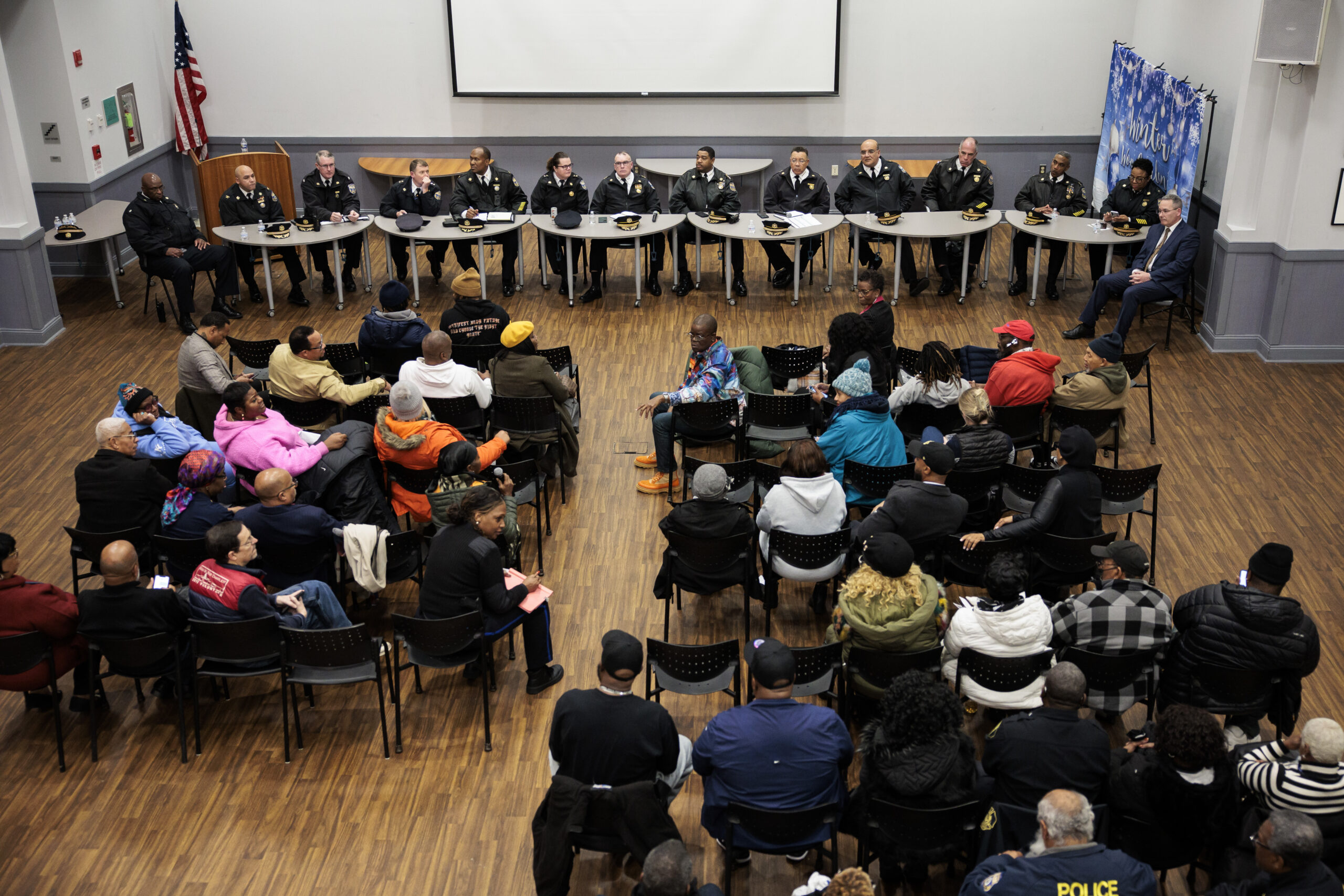
    A few dozen community members gathered with top police brass in North Philadelphia on Dec. 2.

    Yet Bethel has grappled with the challenge of convincing residents that the city is safer today than four years ago, while questioning whether today’s gains can outweigh years of devastation.

    That challenge was on display on a recent cold December night, as Bethel gathered with a few dozen residents inside a North Philadelphia church and asked what they wanted him to know.

    Person after person stood and told him what gun violence had taken from them in recent years.

    My son. My brother. My nephew.

    Both of my sons.

    Investing in violence prevention

    The city’s network of violence prevention strategies has expanded greatly since 2020, when the city began issuing tens of millions of dollars in grants to grassroots organizations.

    Early on, the city faced criticism that its rollout of the funds was chaotic, with little oversight or infrastructure to track impact. Today, Geer said, the city has stronger fiscal oversight, better organizational support, and a data-driven approach that targets neighborhoods experiencing the most violence.

    In 2024, Community Justice, a national coalition that researches violence-intervention strategies, said that Philadelphia had the most expansive violence-prevention infrastructure of the 10 largest U.S. cities. When evaluating 100 cities, it ranked Philadelphia as having the third-best public-health-centered approach to preventing violence, falling behind Washington and Baltimore.

    Geer said the work will continue through 2026. Starting in January, the city will have a pool of about $500,000 to help cover the funeral expenses for families affected by violence.
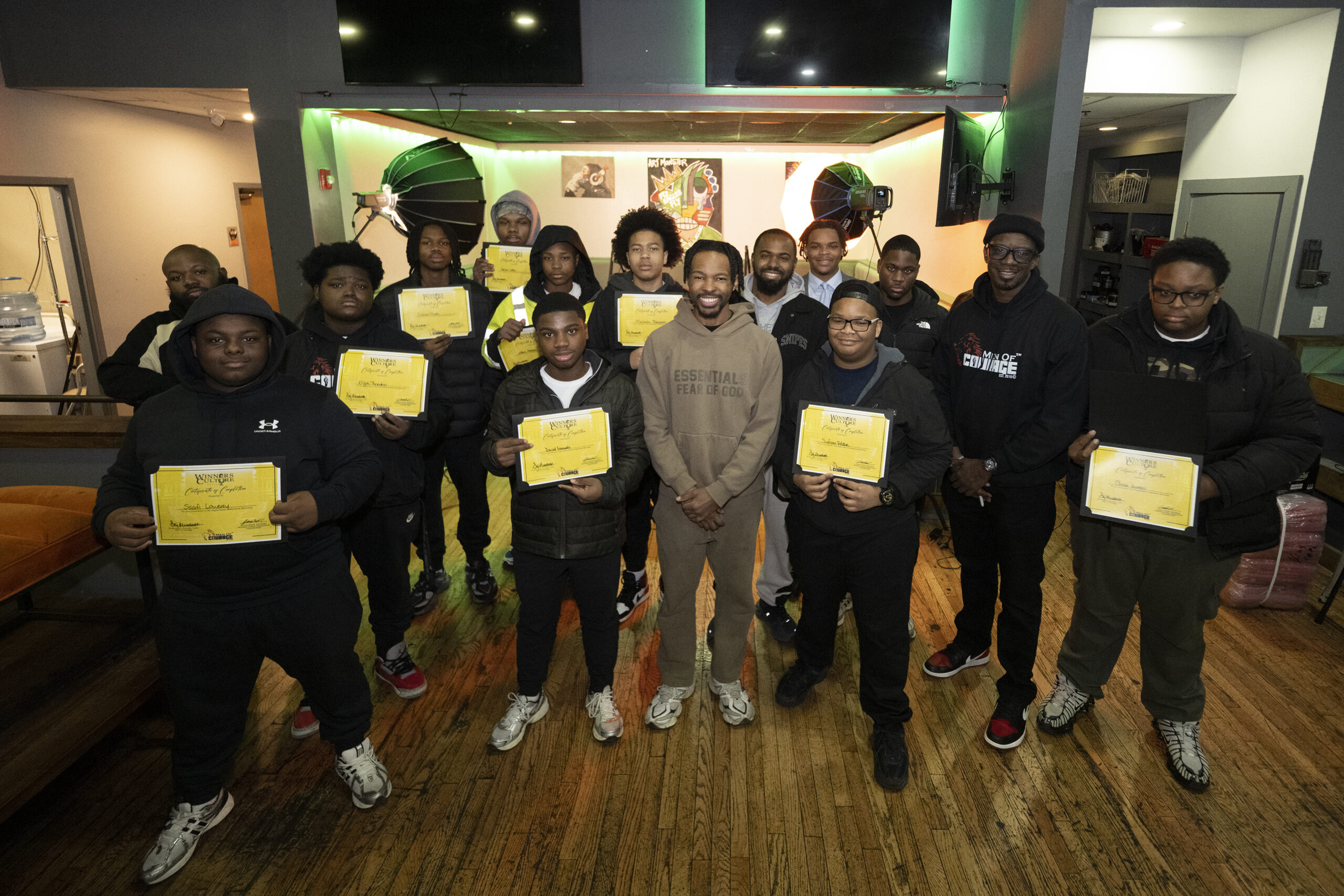
    Members of Men of Courage pose with the certificates of accomplishment after completing a 16-week program on multi-media work and podcasting, one of multiple programs the community organization uses to help Black teens build their confidence.

    One of those organizations that has benefited from the city’s funding is Men of Courage, a Germantown-based group that mentors young Black men ages 12 to 18 and focuses on building their confidence, resilience, and emotional intelligence.

    “We want them to know that one decision can affect your entire life,” said founder Taj Murdock. “Their environment already tells them they’ll be nothing. … We have to shift their mindsets.”

    Arguments are a leading cause of shootings, and teaching teens how to de-escalate conflicts and think through long-term consequences can prevent them from turning disputes violent, he said.
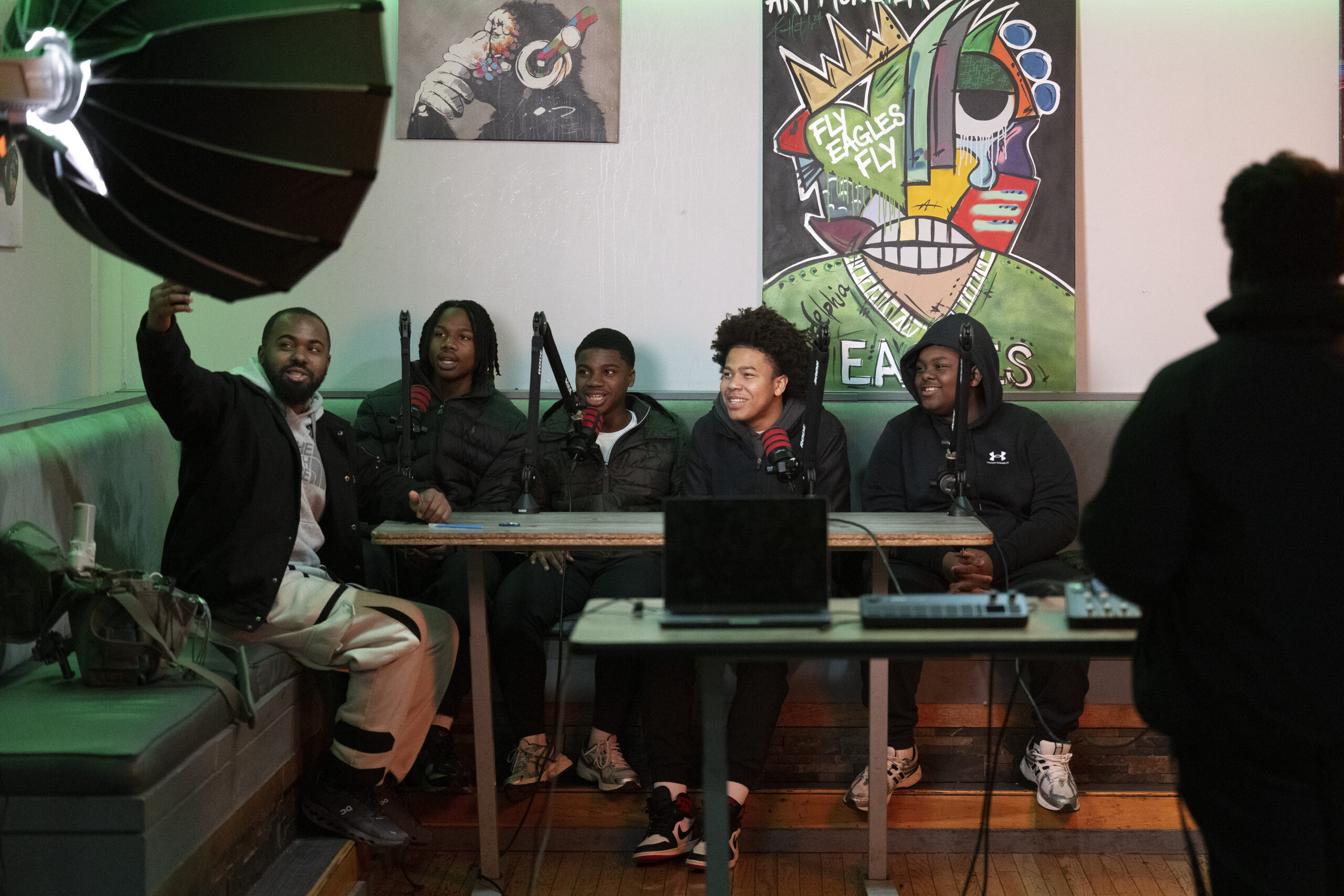
    Isaiah Clark-White, second to left, and David Samuel, middle, pose for a photo with other members of Men of Courage before recording a podcast.

    Isaiah Clark-White, 16, a sophomore at Hill Freedman World Academy in East Mount Airy, said that in his three years working with Men of Courage, he has grown more confident and has improved his public speaking.

    And David Samuel, 15, of Logan, said he has learned how to better control his emotions and identify those of the people around him. Both said they feel safer today than three years ago, but remain vigilant of their surroundings.

    Samuel said his dad watches the news every day and talks about the overnight crimes and shootings.

    “He’s always telling me,” he said, “‘David, I don’t want this to happen to you.’”
  • She was found dead under a pallet in Frankford last year, and was unidentified for months. Her family wants you to know her story.

    She was found dead under a pallet in Frankford last year, and was unidentified for months. Her family wants you to know her story.

    Police found the body of the woman with the crystal pendant necklace stuffed beneath a wooden pallet in an overgrown lot in Frankford one night last June. She had been shot once between the eyes, and wore only a sports bra, with her pants and underwear tangled around her ankles.

    Days in the stifling heat had left her face unrecognizable, nearly mummified.

    Still, Homicide Detective Richard Bova could see traces of the beautiful young woman she had been. She was small, about 100 pounds, with long dark hair tinted red at the ends. Her nails were painted pale pink. She wore small gold hoops in her ears.

    But he didn’t know her name. And for 90 days, the absence of that essential fact stalled everything.

    A victim’s identity is the foundation on which a homicide case is built. Without it, detectives cannot retrace a person’s final moments or home in on who might have wanted them dead and why. For three months, Bova and his partner scoured surveillance footage, checked missing-persons reports, and ran down every faint lead, eager to put a name to the woman beneath the pallet.

    At the same time, in a small house in Northeast Philadelphia, a family was searching, too.

    Olga Sarancha hadn’t heard from her 22-year-old daughter, Anastasiya Stangret, in weeks and was growing worried. Stangret had struggled with an opioid addiction in recent months, but never went more than a few days without speaking to her mother or sister.

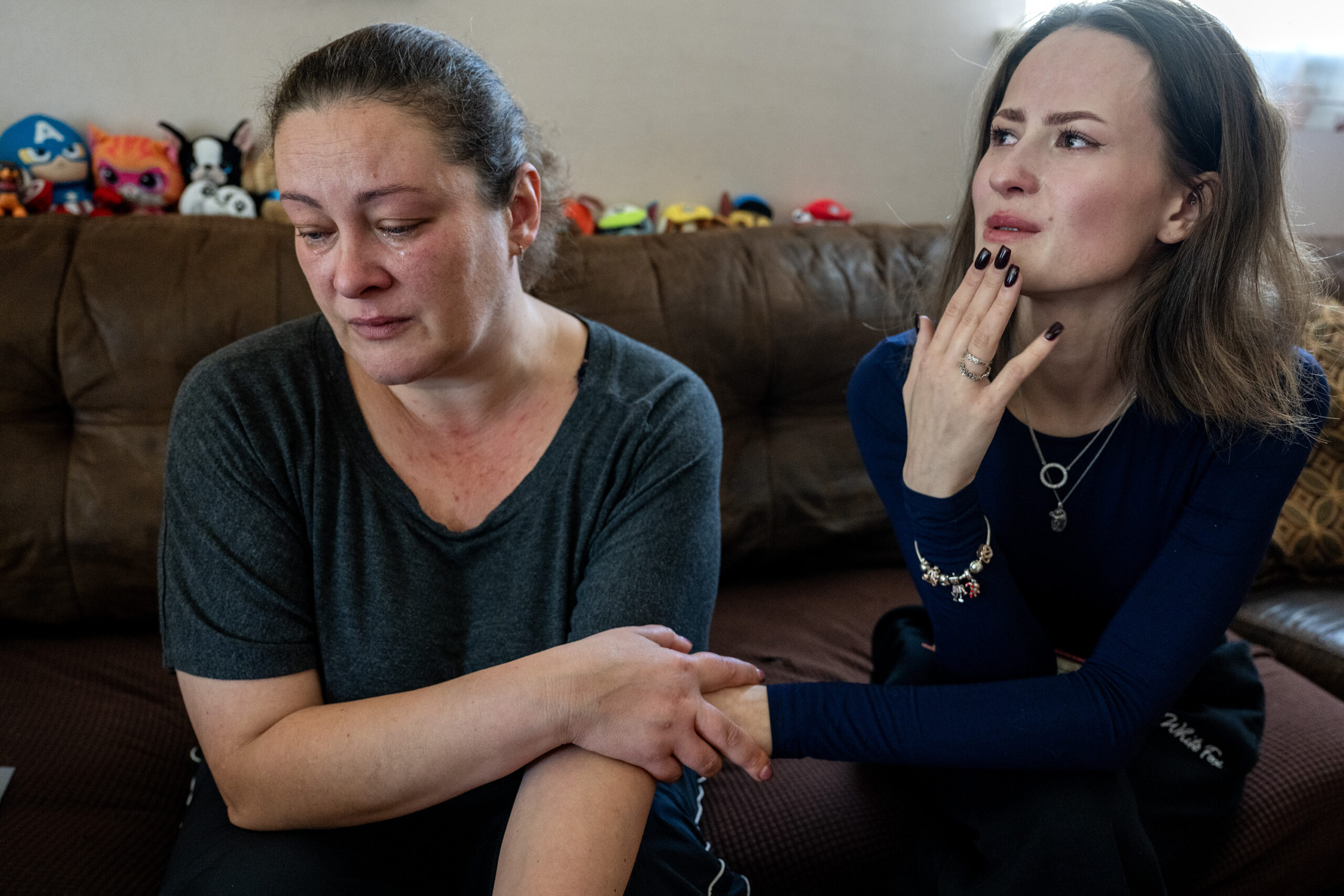
    Olga Sarancha (left) and her daughter, Dasha Stangret, speak of the pain of the death of her eldest daughter, Anastasiya, at their Northeast Philadelphia home. Dasha wears a bracelet featuring Pandora charms gifted by her sister.

    Through July and August that summer, Sarancha and her youngest daughter, Dasha, tried to report Stangret missing, but they said they were repeatedly rebuffed by police who turned them away and urged them to search Kensington instead.

    So they kept checking hospitals, calling Stangret’s boyfriend, and driving through the dark streets of Kensington — looking for any sign that she was still alive.

    It was not until mid-September that the family was able to file a missing-persons report. Only then did Bova learn the name of his victim.

    But by then, he said, the crucial early window in the investigation had closed — critical surveillance footage, which resets every 30 days, was gone. Cell phone data and physical evidence were harder to trace.

    Still, for 18 months, Bova has worked to solve the case, and for 18 months, Stangret’s mother and younger sister have grieved silently, haunted by the horrors of her final moments and the fear that her killer might never be caught.

    Philadelphia’s homicide detectives this year are experiencing unprecedented twin phenomena: The city is on pace to record its fewest killings in 60 years, and detectives are solving new cases at a near-record high.

    But those gains do not erase the reality that hundreds of killings in recent years remain unresolved — each one leaving families suspended in despair, and detectives asking themselves what more they could have done.

    In this case, extensive interviews with Bova and Stangret’s family offer a window into how a case can stall even when a detective puts dozens of hours into an investigation — and what that stall costs.

    Bova has a suspect: a 58-year-old man with a lengthy criminal record who he believes had grown infatuated with Stangret as he traded drugs for suboxone and sex with her. But the evidence is largely circumstantial. He needs a witness.

    And Stangret’s family needs closure — and reassurance that the life of the young woman, despite her struggles, mattered.

    “Everybody has something going on in their life,” said Dasha Stangret, 23. “It doesn’t make her a bad person, and it’s not what she deserved.”

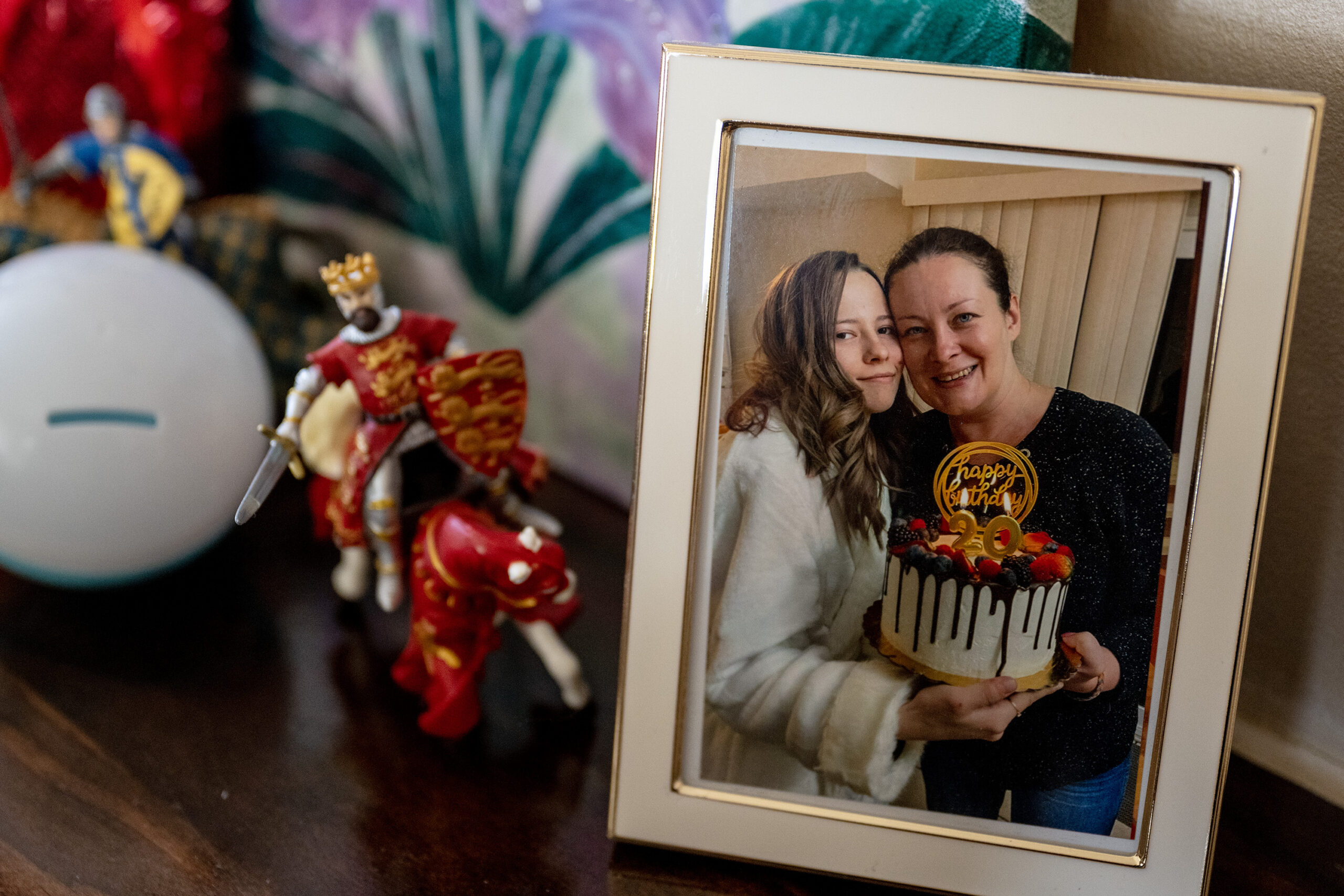
    Anastasiya Stangret, left, celebrated her 20th birthday with her mother in 2022.

    Becoming Anna

    Anastasiya Stangret was born in Lviv, Ukraine, on Nov. 15, 2001. Her family immigrated to Northeast Philadelphia when she was 8 and Dasha was 7.

    The sisters were inseparable for most of their childhood. They cuddled under weighted blankets with cups of tea. They put on fluffy robes and did each other’s eyebrows and nails.

    Anna was bubbly, polite, and gentle, her family said. She enjoyed working with the elderly, and after graduating from George Washington High School, she earned certifications in phlebotomy and cardiology care. She volunteered at a nearby food bank, translated for Ukrainian and Russian immigrants, and later worked at a rehabilitation facility, where she gave patients manicures in her free time.

    Sisters Dasha, left, and Anastasiya Stangret were inseparable as children. They dressed up as princesses for Halloween in 2008.
    Dasha, left, and Anastasiya Stangret at their first day of school in Philadelphia after emigrating from Ukraine.

    “Anna always worked really hard,” Dasha Stangret said. “I looked up to her.”

    But her sister was also quietly struggling with a drug addiction.

    Her challenges began when she was 12, her mother said, after she was hit by a car while crossing the street to catch the school bus. She suffered a serious concussion, Sarancha said, and afterward struggled with PTSD, anxiety, and depression.

    About a year later, as her anxiety worsened, a doctor prescribed her Xanax, her mother said. Not long after, she started experimenting with drugs with friends, her sister said — first weed, then Percocet.

    She hid her drug use from her family until her early 20s, when she became addicted to opioids.

    She sought help in January 2024 and began drug treatment. But her progress was fleeting. She returned to living with her boyfriend of a few years, who they later learned also used drugs, and she became harder to get in touch with, her mother said.

    When Sarancha’s birthday, June 18, came and passed in 2024 without word from her daughter, the family grew increasingly concerned.

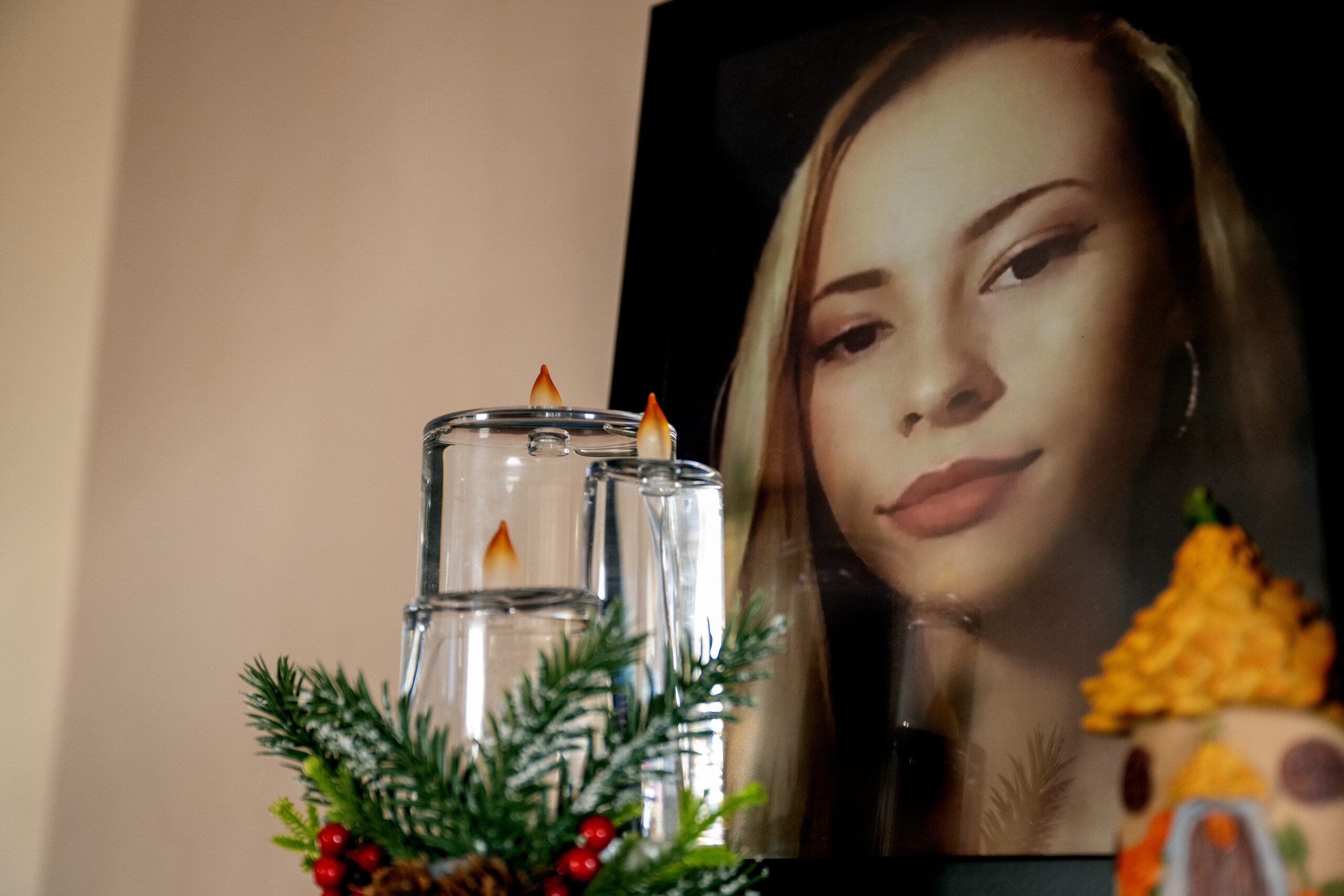
    Anastasiya Stangret was kind, gentle, and polite.

    They checked in with Stangret’s boyfriend, they said, but for weeks, he made excuses for her absence. He told them that she was at a friend’s house and had lost her phone, that she was in rehab, that she was at the hospital.

    On July 27, Sarancha and her daughter visited the 7th Police District in Northeast Philly to report Anna missing, but they said an officer told them to go home and call 911 to file a report.

    Two officers responded to their home that day. The family explained their concerns — Stangret was not returning calls or texts, and her boyfriend was acting strange. But the officers, they said, told them they could not take the missing-persons report because Stangret no longer lived with them. They recommended that the family go to Kensington and look for her.

    Through August, the family visited a nearby hospital looking for Stangret, only to be turned away. Sarancha, 46, and her husband drove through the streets of Kensington without success. They continued to contact the boyfriend, but received no information.

    They wanted to believe that she was OK.

    On Sept. 12, they visited Northeast Detectives to try to file a missing-persons report again, but they said an officer said that was not the right place to make the report. They left confused. Dasha Stangret called the district again that day, but she said the officer on the phone again told her that she should go to Kensington and look for her sister.

    That the family was discouraged from filing a report — or that they were turned away — is a violation of Philadelphia police policy.

    “When in doubt, the report will be taken,” the department’s directive reads.

    Finally, on the night of Sept. 12, Dasha Stangret again called 911, and an officer came to the house and took the missing-persons report. For the first time, they said, they felt like they were being taken seriously.

    A few days later, Dasha Stangret called the detective assigned to the case and asked if there was any information. He asked her to open her laptop and visit a website for missing and unidentified persons.

    Scroll down, he told her, and look at the photos under case No. 124809.

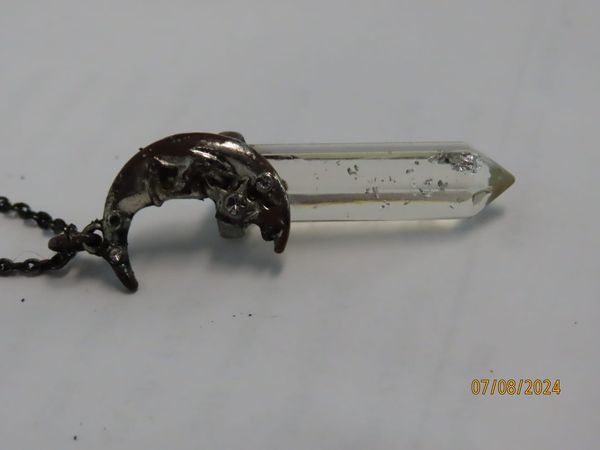
    On the screen was her sister’s jewelry.

    Dasha Stangret gifted this necklace to her sister for her birthday one year. Police released the image after Anastasiya’s body was found last June, in a hope that someone would recognize it and identify her. Dasha did not see the photo until September 2024.
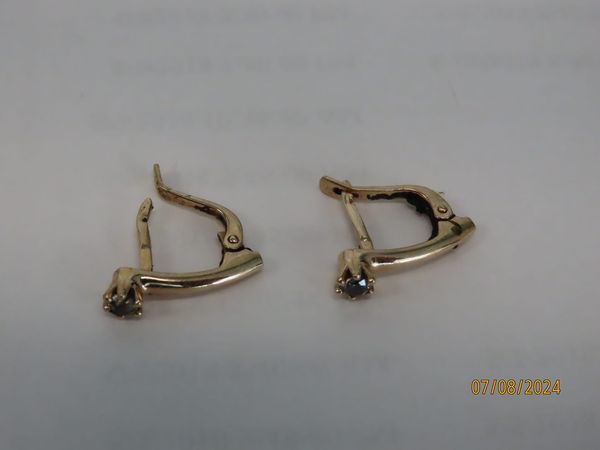
    Olga Sarancha gifted these gold earrings, handmade in Ukraine, to her eldest child on her birthday a few years ago. Police released this image after they recovered the earrings on Anna’s body, hoping it could lead them to her identity.

    A detective’s hunch

    Three months into Bova’s quest to identify the woman under the pallet — of watching hundreds of hours of surveillance footage and chasing fleeting missing-persons leads — dental records confirmed that the victim was Stangret.

    After meeting with her family, Bova questioned the young woman’s boyfriend.

    He told the detective he and Stangret had met a man under the El at the Arrott Transit Center in Frankford sometime in June, Bova said, and that the man gave them drugs in exchange for suboxone and, later, sex with Stangret.

    But the man had grown infatuated with Stangret, he said, and after she left his house, he started threatening her in Facebook messages, ordering her to return and saying that if anybody got in his way, he would hurt them.

    The man lived in a rooming house on Penn Street — almost directly in front of the overgrown lot where Stangret’s body was found. Surveillance video showed Stangret walking inside the rowhouse with him just before 7 p.m. on June 18, Bova said, but video never showed her coming back out.

    Police searched the man’s apartment but found nothing to link him to the crime — no blood, no gun, no forensic evidence that Stangret had ever been inside. The suspect had deleted most of the texts and calls in his phone from June, July, and August, Bova said, and because nearly four months had passed, they could no longer get precise phone location data.

    He said that, at this point, he does not believe the boyfriend was involved with her death, and that he came up with excuses because he was afraid to face her family.

    Surveillance cameras facing the lot where Stangret was found didn’t show anyone entering the brush with a body. Neighbors and residents of the rooming house said they didn’t know or hear anything, he said. And a woman seen on camera pacing the block and talking with the suspect the night they believed Stangret was killed also said she had no information.

    The detective is stuck, he said.

    “Is it enough for an arrest? Sure,” Bova said of the circumstantial evidence against the suspect. “But our focus is securing a conviction.”

    Bova’s theory is that the man, angry that Stangret wanted to leave, shot her in the head. Because the house has no back door, he believes the man then lowered her body out of the second-floor window, used cardboard to drag her through the brush, and then hid her under a pallet.

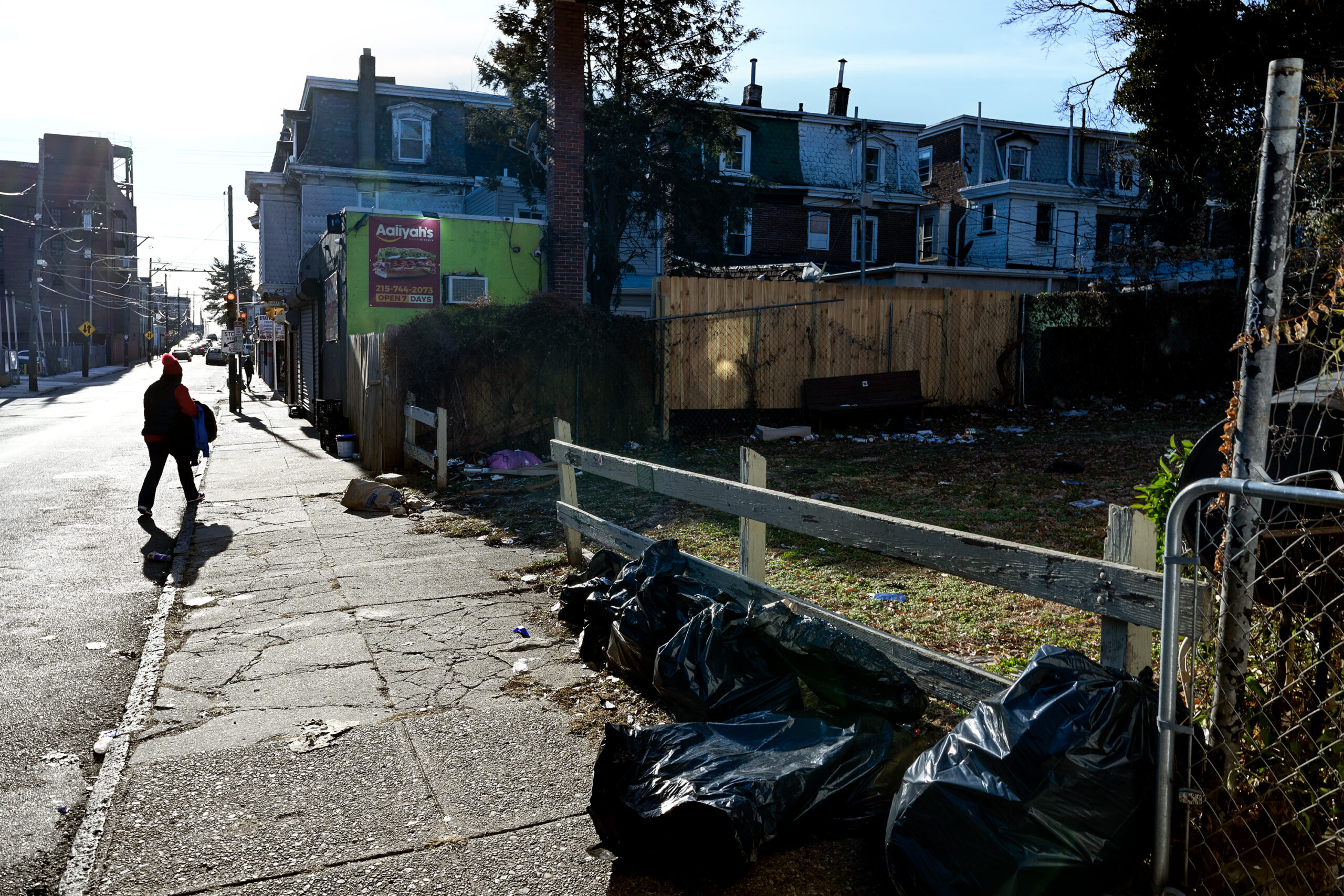
    Anastasiya Stangret’s body was found in the back of this vacant lot, on the 4700 block of Griscom Street, in June 2024.

    He is sure that someone has information that could help the case — that the suspect may have bragged about what happened, that a neighbor heard a gunshot or saw Stangret’s body being taken into the lot.

    There is a $20,000 reward for anyone who has information that leads to an arrest and conviction.

    “The hardest part is patience,” he said. “I’m looking for any tips, any information.”

    Bova has worked in homicide for five years. As with all detectives, he said, some cases stick with him more than others. Stangret’s is one of them.

    “Anna means a lot,” he said. “This is a young girl. We all have children. I have daughters. For her to be thrown in an empty lot and left, to see her life not matter like that, it’s horrifying to me and to us as a unit.”

    “It eats me alive,” he said, “that I don’t have answers for them and I’m not finishing what was started.”

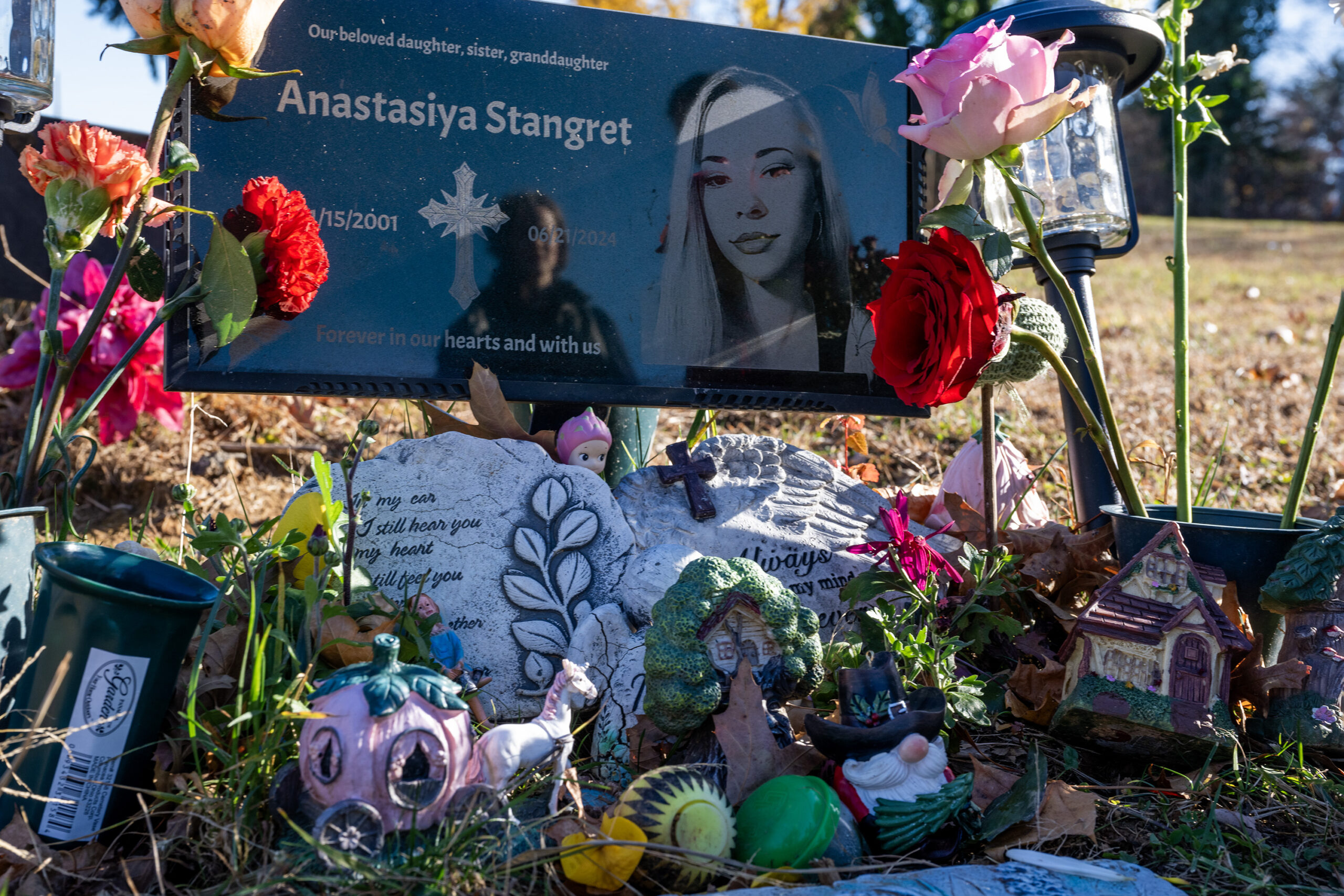
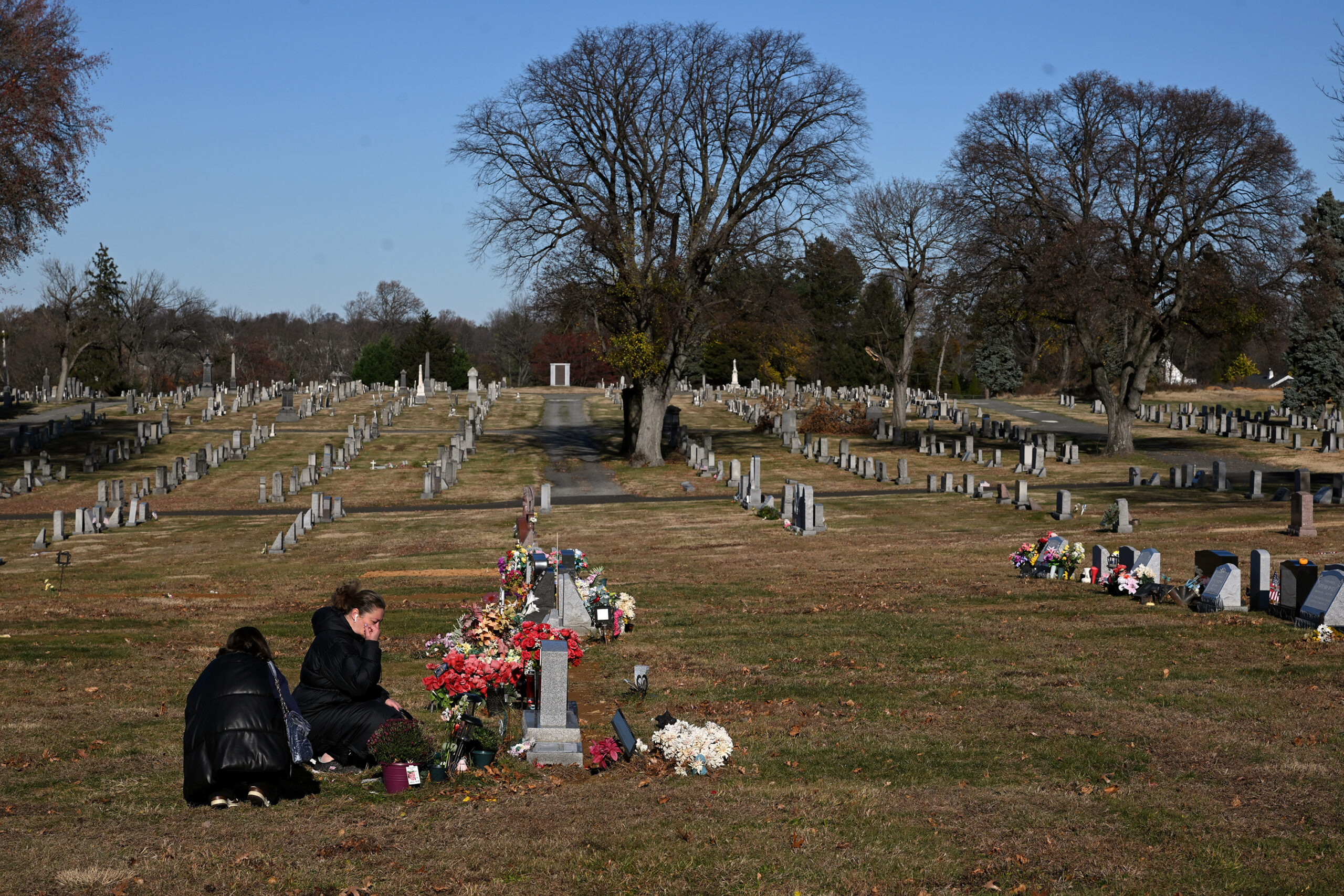
    Dasha Stangret is reflected in the memorial at the grave of her sister, Anastasiya, in William Penn Cemetery.

    ‘I love you. I miss you’

    Stangret’s family suffers every day — the guilt of wondering whether they could have done more to get her help, the anger that her boyfriend didn’t raise his concerns sooner, the fear of knowing the man who killed her is still out there.

    Dasha Stangret, a graphic design student at Community College of Philadelphia, finds it difficult to talk about her sister at length without trembling. It’s as if the grief has sunk into her bones.

    In July, she asked a police officer to drive her to the lot where her sister’s body was found. She sat for almost an hour, crying, placing flowers, searching for a way to feel closer to her.

    “I cannot sleep, I cannot live,” Olga Sarancha said of the pain of losing her daughter.

    Sarancha struggles to sleep. She wakes up early in the mornings and rereads old text messages with her daughter. She pulls herself together to care for her 6-year-old son, Max, whose memories of his oldest sister fade daily.

    On a recent day, Dasha Stangret and her mother visited her sister’s grave at William Penn Cemetery. They fluffed up the fresh roses, rearranged the tiny fairy garden around her headstone, and lit a candle.

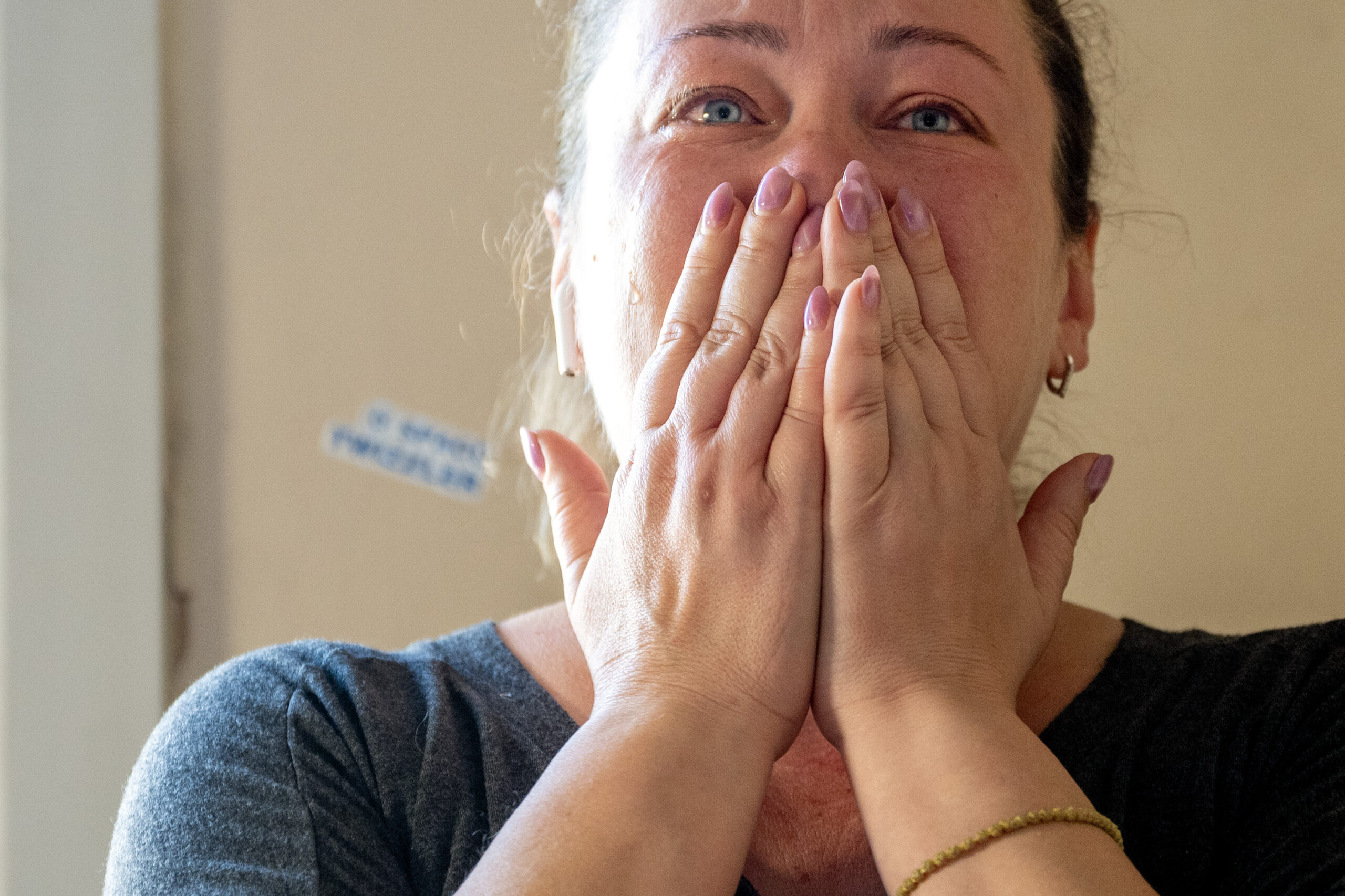
    Stangret began to cry — and shake. Her mother took her arm.

    “I love you. I miss you,” Stangret told her sister. “I hope you’re happy, wherever you are.”

    And nearly 20 miles south, inside the homicide unit, Bova continues to review the files of the case, waiting for the results of another DNA test, hoping for a witness who may never come.

    If you have information about this crime, contact the Homicide Unit at 215-686-3334 or submit a confidential tip by texting 773847 or emailing tips@phillypolice.com.

    Olga Sarancha (right) and her daughter Dasha visit the grave of her older daughter Anastasiya Stangret in William Penn Cemetery. “It feels out of body. Like a dream, a movie, like it’s not real,” Dasha said of losing her sister.
  • A nurse who ‘came here to make a difference’ was among those killed in fiery explosion at Bucks nursing home

    A nurse who ‘came here to make a difference’ was among those killed in fiery explosion at Bucks nursing home

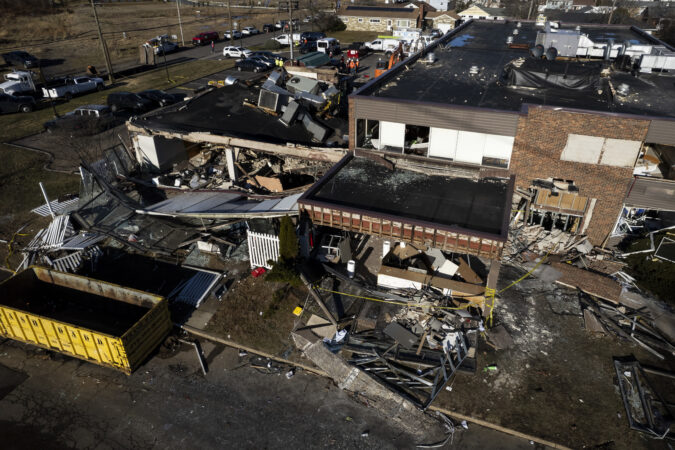
    As first responders arrived at the Bristol Health & Rehab Center on Tuesday afternoon, they were faced with a nightmarish scene: A nursing facility that housed 120 people had exploded, and dozens were trapped.

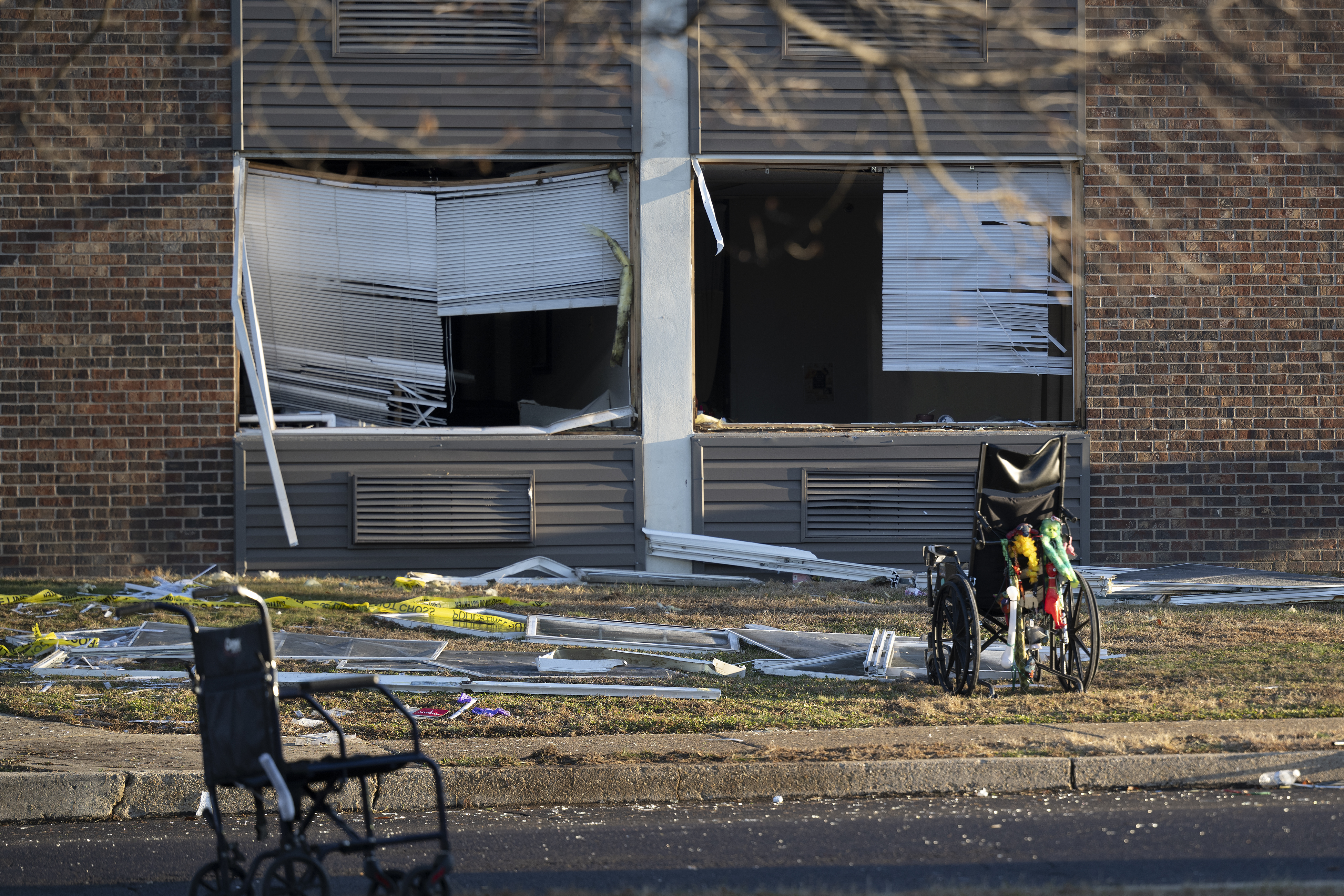
    Shards of wood, glass, and paneling littered the lawn. The smell of gas hung thick in the air — and flames were spreading.

    “Send everybody,” an officer immediately radioed, according to the Bristol Township police chief.

    Police, firefighters, and even neighbors and a utility worker rushed into the blaze and began pulling people to safety — hoisting them through busted windows and missing doors, from stairwells and the basement flooding with water.

    Then a second explosion erupted, sparking another fire and raising uncertainty about how many people were stuck beneath the rubble.

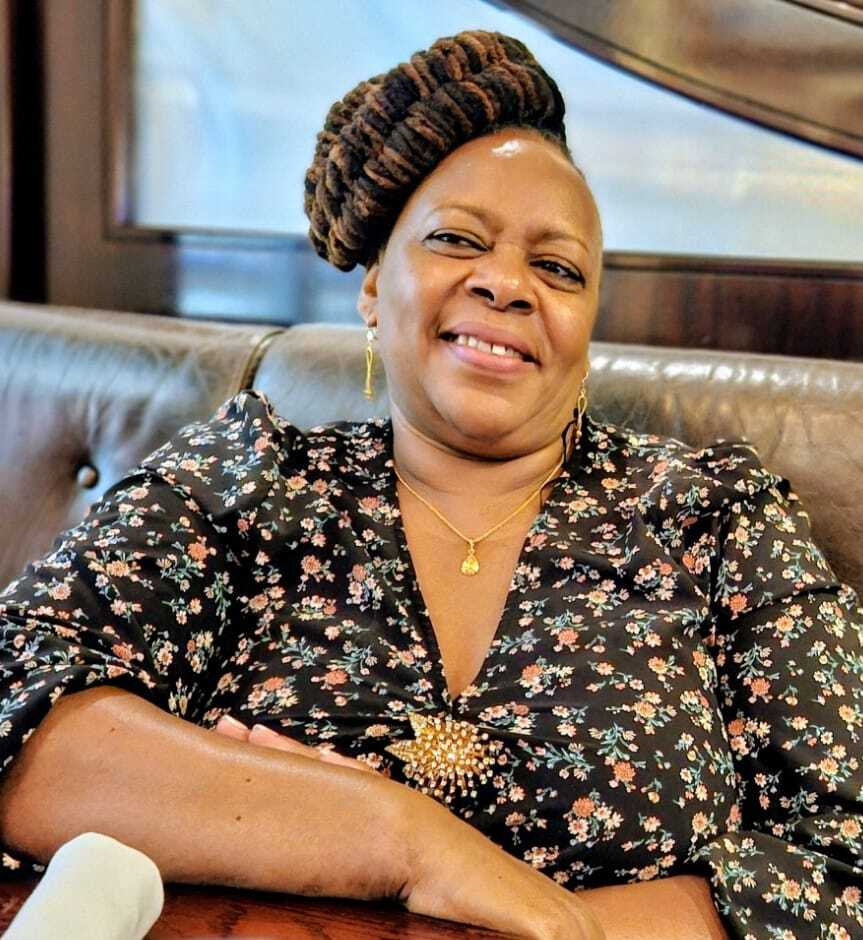
    Muthoni Nduthu 52, a nurse at Bristol Health and Rehab Center died in the explosion while working Tuesday, Dec. 23.

    By Wednesday, the scale of the damage and its toll on the Lower Bucks County town had come into focus. Two women had died: Muthoni Nduthu, 52, of Bristol, who worked at the facility as a nurse for over a decade, and a resident whose name had not been released.

    Nduthu had emigrated from Mombasa, Kenya, to the Philadelphia area about two decades ago, and earned her nursing degree from Jersey College, said Rose Muema, a friend who spoke on behalf of Nduthu’s family Wednesday.

    “She came here to work,” Muema said. “She came here to make a difference.”

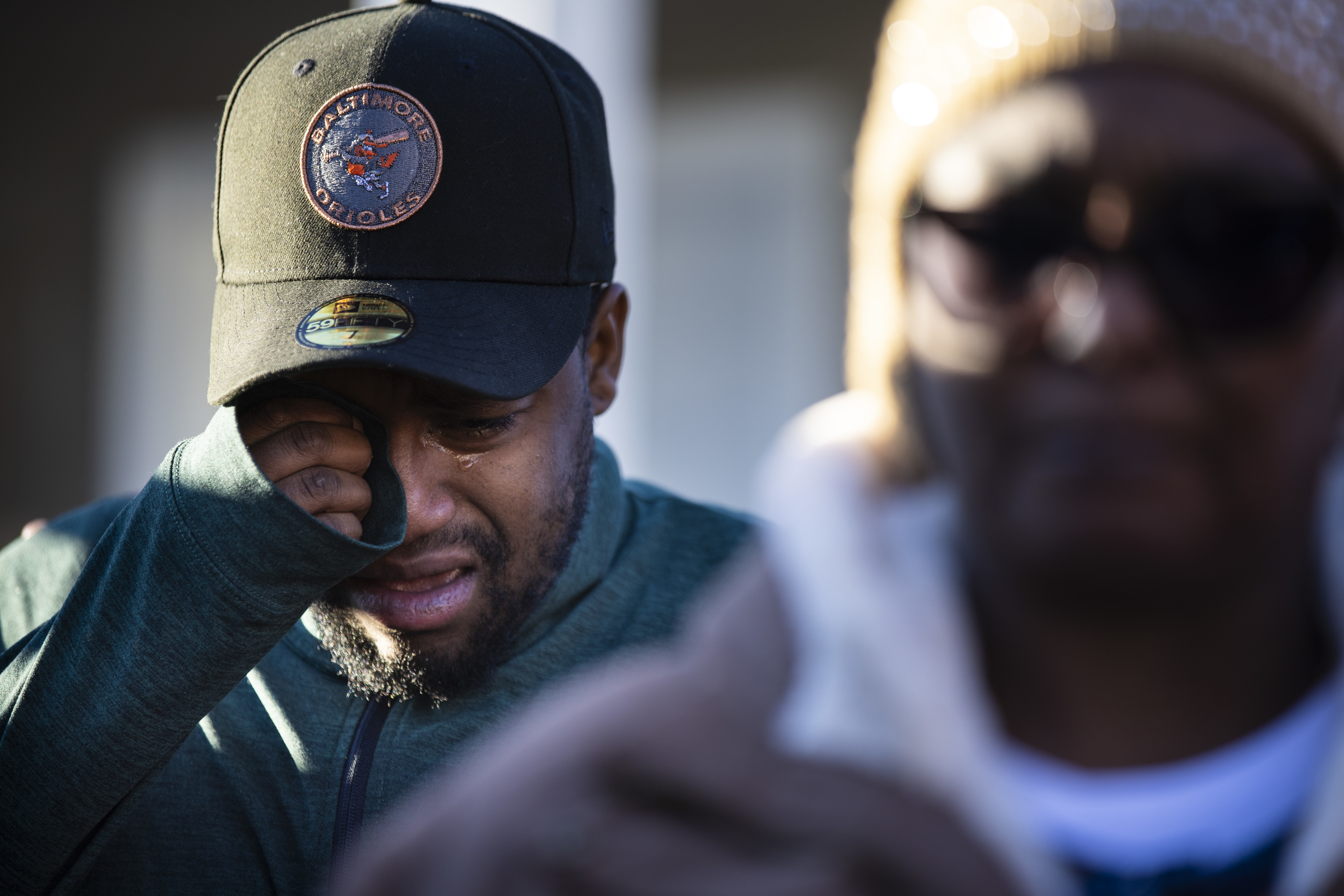
    Muthoni Nduthu’s eldest son, Clinton, tears up while a family friend spoke of his mother, who was killed in an explosion while at work Tuesday.

    Nduthu, a devout Catholic, had three sons — Clinton, 30; Joseph, 24; and K.K., 18 — and a 4-year-old granddaughter. She was bubbly, hardworking, and committed to the people she loved, her friend said. On the night before she died, she cooked her famous spiced chicken for her family to enjoy.

    As Nduthu’s family grieved on the eve of Christmas, others poured through the doors of area hospitals, visiting with the 19 people who remained hospitalized from their injuries from the blast. One person was in critical condition, police said.

    All other residents and employees of the facility have been accounted for.

    The cause of the explosion remained under investigation, Bristol Township Fire Chief Kevin Dippolito said Wednesday, though bystanders speculated that it could be connected to a gas leak that utility officials had responded to earlier Tuesday.

    First responders work the scene of an explosion and fire at Bristol Health & Rehab Center, Tuesday, Dec. 23, 2025.

    The National Transportation Safety Board, which helps investigate explosions, said it could take days to clear the wreckage to allow investigators to safely reach and evaluate the natural gas service line.

    The tragedy has also brought new scrutiny to the facility’s long history of safety and care violations.

    The nursing home, a collection of brick buildings on a two-acre campus in Lower Bucks County, was previously known as Silver Lake and was acquired by Saber Healthcare Group earlier this month. Previously, it was owned by CommuniCare Health Services, a privately run for-profit nursing home operator based in Cincinnati.

    Just two months ago, state inspectors cited the facility for lacking a fire safety plan, failing to maintain extinguishers, and having hallways and doors that could not contain smoke. Corrections were ordered to be made by the end of November.

    Federal inspections also flagged substandard healthcare, poor infection control, and mismanaged medical records, earning the facility a one-star rating. Operators were fined more than $418,000 in 2024, records show, due to ongoing violations.

    It remains unclear whether the fire safety deficiencies were addressed.

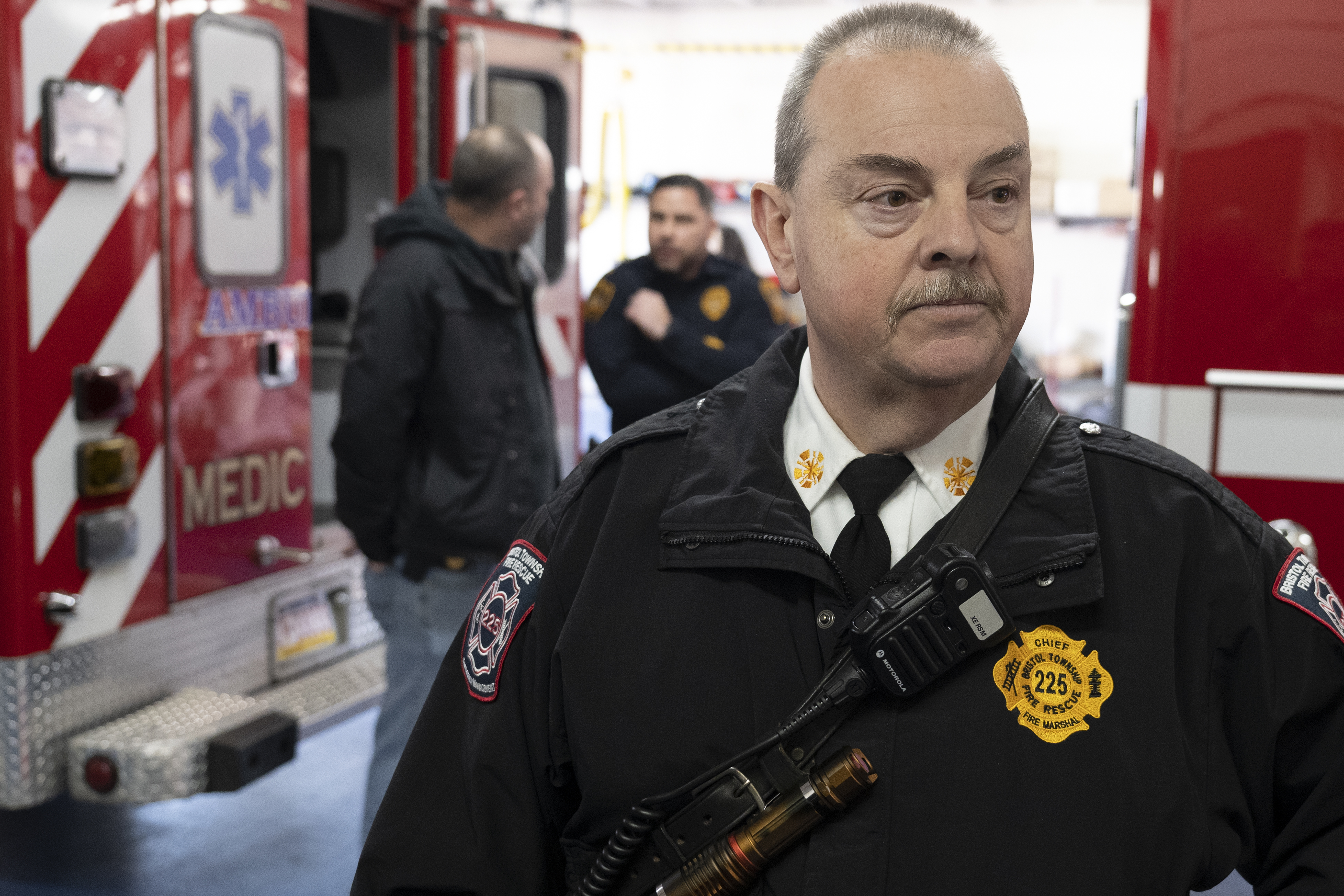
    Bristol Township Fire Chief Kevin T. Dippolito said the cause of the nursing home explosion remains under investigation.

    Peco crews had responded to the nursing home earlier Tuesday on reports of a gas odor, a spokesperson for the utility said, adding that “it is not known at this time if Peco’s equipment, or natural gas, was involved in this incident.”

    One Peco employee who was on site working to stop the gas leak was seriously injured, said Larry Anastasi, president of IBEW Local 614, the union that represents Peco workers.

    The technician was working alone in the basement of the nursing home, then left to get more tools from his truck. As the worker was walking back into the building, Anastasi said, it erupted.

    The worker then rushed into the building to help others escape, Anastasi said.

    “He was trying to go in and get more people,” the union chief said. “[First responders] had to grab him and said, ‘Brother, you need to stop and go in the ambulance.’”
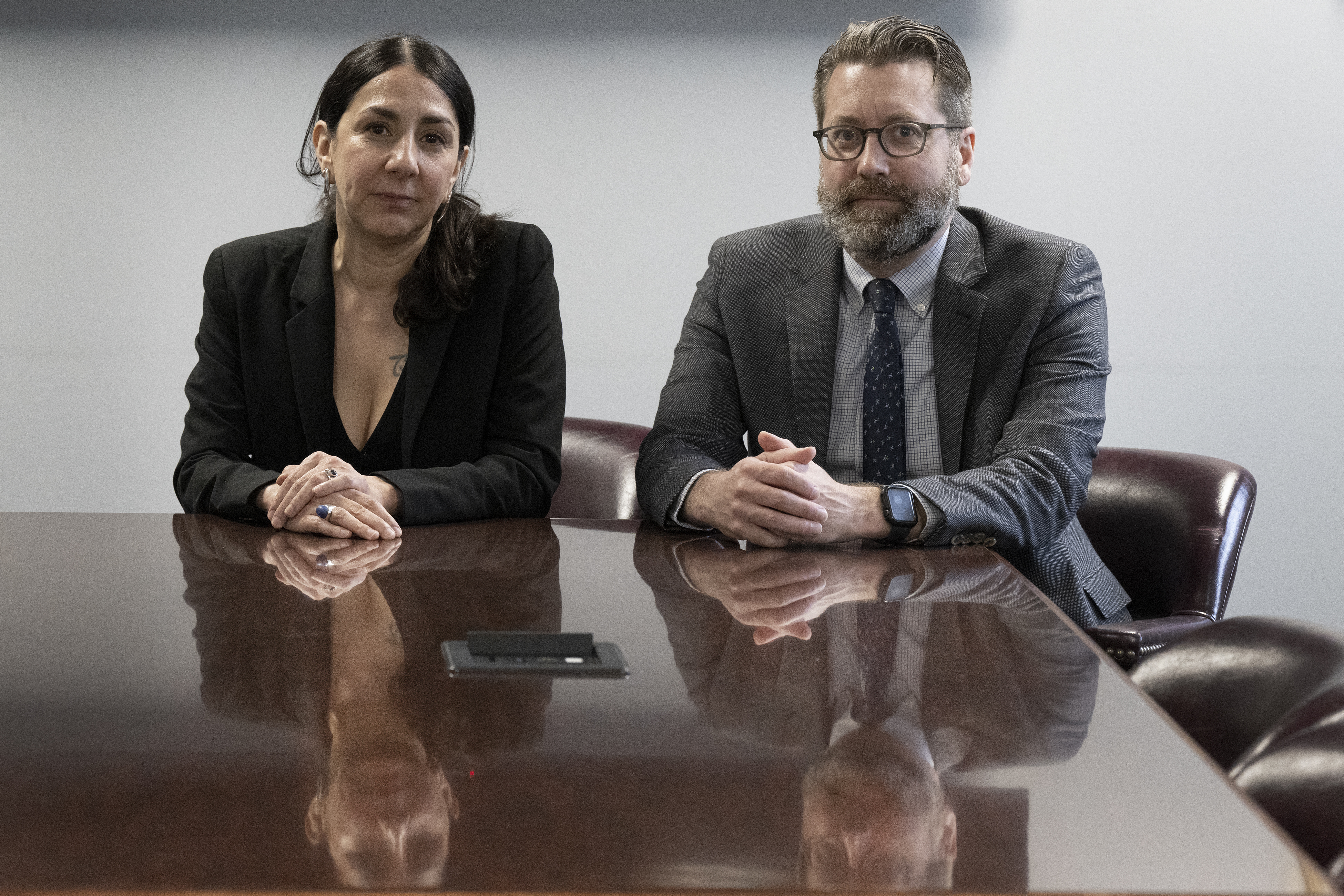
    The technician, whom Anastasi declined to name to protect his privacy, suffered burns to his face and hands, as well as injuries caused by shrapnel, he said. He remained hospitalized at Thomas Jefferson University Hospital’s Burn Center but was expected to be released later Wednesday.

    Also among the wounded was a 35-year-old certified nursing assistant who was nearly finished with her shift when the building she had worked at for five years suddenly exploded.

    Andrea Taylor said her daughter Natalie remained hospitalized Wednesday and had suffered a punctured lung and severe bruising throughout her body. She asked that her daughter be identified only by her first name to protect her privacy.

    Taylor said her daughter initially did not remember anything about the explosion, but as Wednesday wore on, her memory started to return.

    Natalie, she said, had gone into the cafeteria to heat up some soup when she said she smelled something strange.

    “What’s that smell?” Taylor said her daughter asked a colleague just before the floor fell out from under them.

    The explosion appeared to come from the basement, she said, collapsing the floor of the kitchen and cafeteria. Natalie and a colleague fell into the basement, she said, and hoisted themselves out over debris with the help of first responders. She said Natalie helped pull out her coworker, who suffered a fractured leg.

    She said her daughter is in pain, with bruising across her face and back, but lucky to be alive.

    “We’re lucky to have her,” she said. “We’re not asking for anything, just for prayers.”

    Throughout Wednesday, cranes continued to lift debris from the wreckage as local, state, and federal investigators worked to make sense of the disaster.

    Wheelchairs and other debris are scattered outside Bristol Health and Rehab Center after an explosion on Dec. 23.

    Donna Straiton, 67, watched from behind a line of yellow caution tape, staring at what remained of the nursing home where she had worked for 20 years.

    Straiton worked in the dementia unit, she said, before retiring in February 2024. In her final years working there, fire alarms routinely went off, she said. She estimated the facility locked down no less than twice a month as the smell of gas wafted in the air.

    Most often, she said, the alarm system indicated the issue was in the basement, but she never saw a fire.

    “The fire department would come and we’d get an all clear, and then it would be back to business as usual,” she said.

    In a statement, Saber Health called the explosion devastating and said the company was determining the extent of the damage. Staff at the nursing facility had reported a gas smell to Peco, and the utility company had been investigating prior to the explosion, Saber said.

    “Just 24 days ago, Saber Healthcare Group became affiliated with Bristol Health and Rehab Center,” the company said. “We have worked to improve and fix prior issues, and we will continue that work in the wake of this event.”

    Bristol Township Police Chief Charles “CJ” Winik lauded the first responders who he said sprinted toward danger, through collapsing walls and ongoing explosions. Initial officers were overwhelmed, he said, and it was a team effort to pull injured residents, including those who could not walk or used wheelchairs, from the wreckage.

    “I’ve never seen such heroism,” he said.

  • Police want to question man with history of domestic violence in the shooting of a baby and her mother in West Philly

    Police want to question man with history of domestic violence in the shooting of a baby and her mother in West Philly

    Philadelphia police are looking to question a 39-year-old man in connection with the shooting of a mother and her 5-month-old baby inside their West Philadelphia home over the weekend, according to a law enforcement source.

    Investigators have identified Faheem Weaver as a suspect in the shooting of his daughter and her mother early Sunday morning, said the source, who spoke on the condition of anonymity to discuss an ongoing investigation.

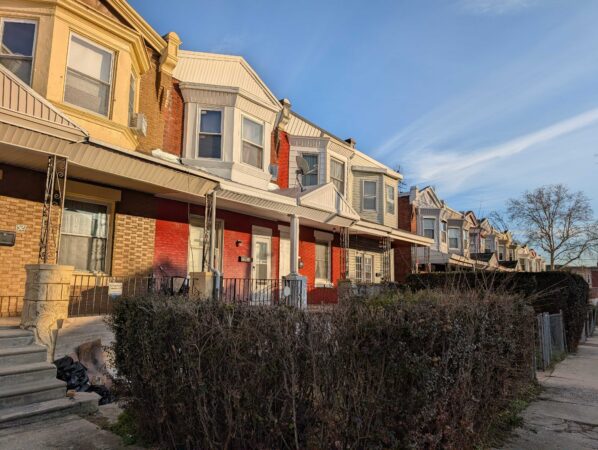
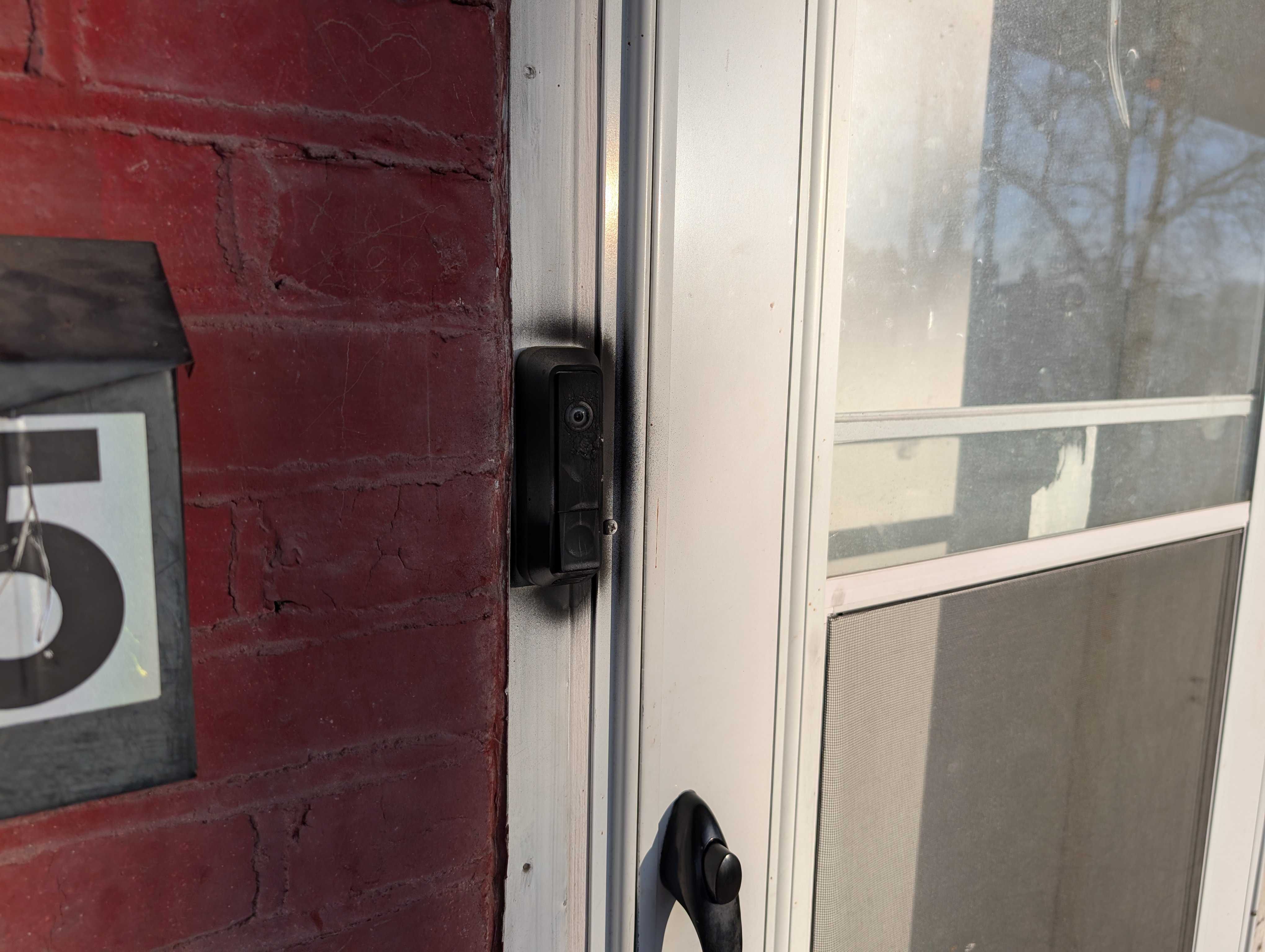
    The woman and baby — identified by family members as Alayiah Hill and Yuri Weaver — were asleep inside their home on the 1500 block of North Robinson Street when, around 4 a.m., someone approached the door and sprayed black paint over their Ring camera, said Deputy Police Commissioner Frank Vanore.

    Police believe the gunman who shot a mother and her baby in West Philadelphia Sunday morning spray-painted the home’s ring camera before entering the home.

    The gunman then entered the rowhouse and shot Hill multiple times in the stomach, and the baby once in the leg, Vanore said. Both were expected to survive, he said, but the mother remained hospitalized in critical condition Monday morning.

    A warrant has not been issued for anyone’s arrest in the shooting, Vanore said, and the investigation continues.

    Hill’s family could not be reached Monday.

    Court records show that Weaver, of East Norriton in Montgomery County, has a history of domestic violence, and is currently out on bail after he was charged in October with aggravated assault with a deadly weapon, making terroristic threats, and related crimes.

    In that incident, Weaver is accused of attacking Hill inside of her Robinson Street home in late August. Hill told police that around 7 a.m., her ex-boyfriend kicked her down the stairs, and when she grabbed a two-by-four piece of wood to defend herself, he overpowered her, grabbed the wooden panel, and beat her legs with it, causing multiple lacerations, according to the affidavit of probable cause for his arrest.

    A warrant was issued for Weaver’s arrest on Oct. 2, and he was taken into custody and charged Oct. 14. (It was not immediately clear why the warrant for the August incident was not issued until October.)

    Bail magistrate Patrick Stack set bail at $75,000, and Weaver immediately posted the necessary $7,500 cash to be released, court records show.

    The shooting comes as violence across Philadelphia has declined considerably in the last two years, with the city on track to record the fewest homicides since the 1960s. Still, shootings continue to occur in pockets of the city that have long experienced violence — and seen higher rates of poverty, unemployment, and other health issues.

    Domestic-related attacks continue to be of concern to law enforcement officials.

    Staff writer Jillian Kramer contributed to this reporting.

  • Man who killed five people in the Kingsessing mass shooting pleads guilty, is sentenced to decades in prison

    Man who killed five people in the Kingsessing mass shooting pleads guilty, is sentenced to decades in prison

    The man who walked through the streets of Kingsessing and shot people at random in 2023, killing five and wounding five others in one of Philadelphia’s deadliest mass shootings, pleaded guilty Wednesday to multiple counts of murder and was sentenced to decades in prison.

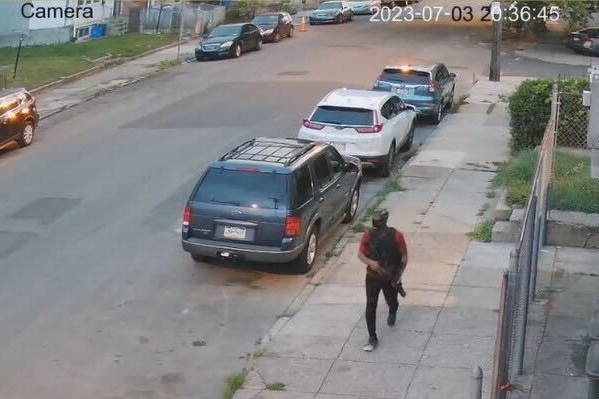
    Kimbrady Carriker, 43, admitted that on the evening of July 3, 2023, he calmly walked through a Southwest Philadelphia neighborhood dressed in body armor and wearing a ski mask, and pointed his AR-15-style rifle at seemingly random passersby — then pulled the trigger.

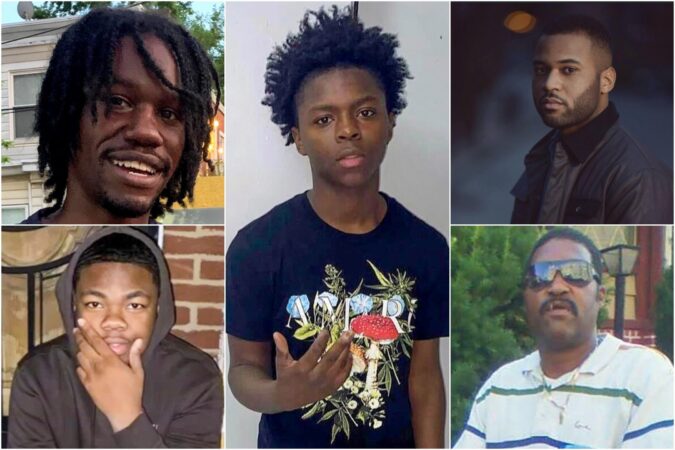
    He killed five people: DaJuan Brown, 15; Lashyd Merritt, 21; Dymir Stanton, 29; Ralph Moralis, 59; and Joseph Wamah Jr., 31.

    Five others were injured: a 13-year-old boy he shot multiple times in the legs, and a mother who was driving with her 2-year-old twins and 10-year-old niece when he fired more than a dozen bullets into her car.

    Wamah was killed first in the early morning of July 2, targeted in his home for reasons that remain unclear. Carriker returned to Wamah’s block nearly two days later, armed with the same gun, and shot the others.

    Carriker’s admission to the killings marks the end of the legal saga in a shooting that shocked the city, shattered families’ lives, and traumatized a community.

    “This was 14 minutes of terror for the residents of the Kingsessing neighborhood,” Assistant District Attorney Robert Wainwright said of Carriker’s carnage.

    Prosecutors say surveillance video showed Kimbrady Carriker, dressed in a ballistic vest and ski mask, walking through Southwest Philadelphia shooting people at random on July 3, 2023.

    Carriker’s attorneys had been expected to argue at trial that he was legally insane when he gunned down his victims, and that he should be housed in a secure psychiatric facility for most of his life, not state prison.

    Carriker suffered from “severe delusions and religious preoccupations” and “had a fixed illusion that he was working for the National Security Agency,” said Gregg Blender, assistant defender at the Defender Association of Philadelphia.

    Even after he was arrested, taken to Norristown State Hospital, and medicated, he believed that he had done something wrong only because the “National Security Association personnel did not come and rescue me,” Blender said he told doctors.

    Prosecutors disagreed that Carriker was legally insane and said his actions were deliberate and he should spend the rest of his life in state prison. But as they prepared for trial, an expert hired by the Philadelphia District Attorney’s Office interviewed Carriker and agreed with defense lawyers that he did not appear to know that what he was doing that night was wrong.

    Prosecutors did not want to risk that a jury might find Carriker not guilty by reason of insanity, Wainwright said. So they offered Carriker the opportunity to plead guilty to five counts of third-degree murder, five counts of attempted murder, and gun crimes. They asked a judge to sentence him to 37½ to 75 years in prison.

    On Wednesday, Carriker agreed.

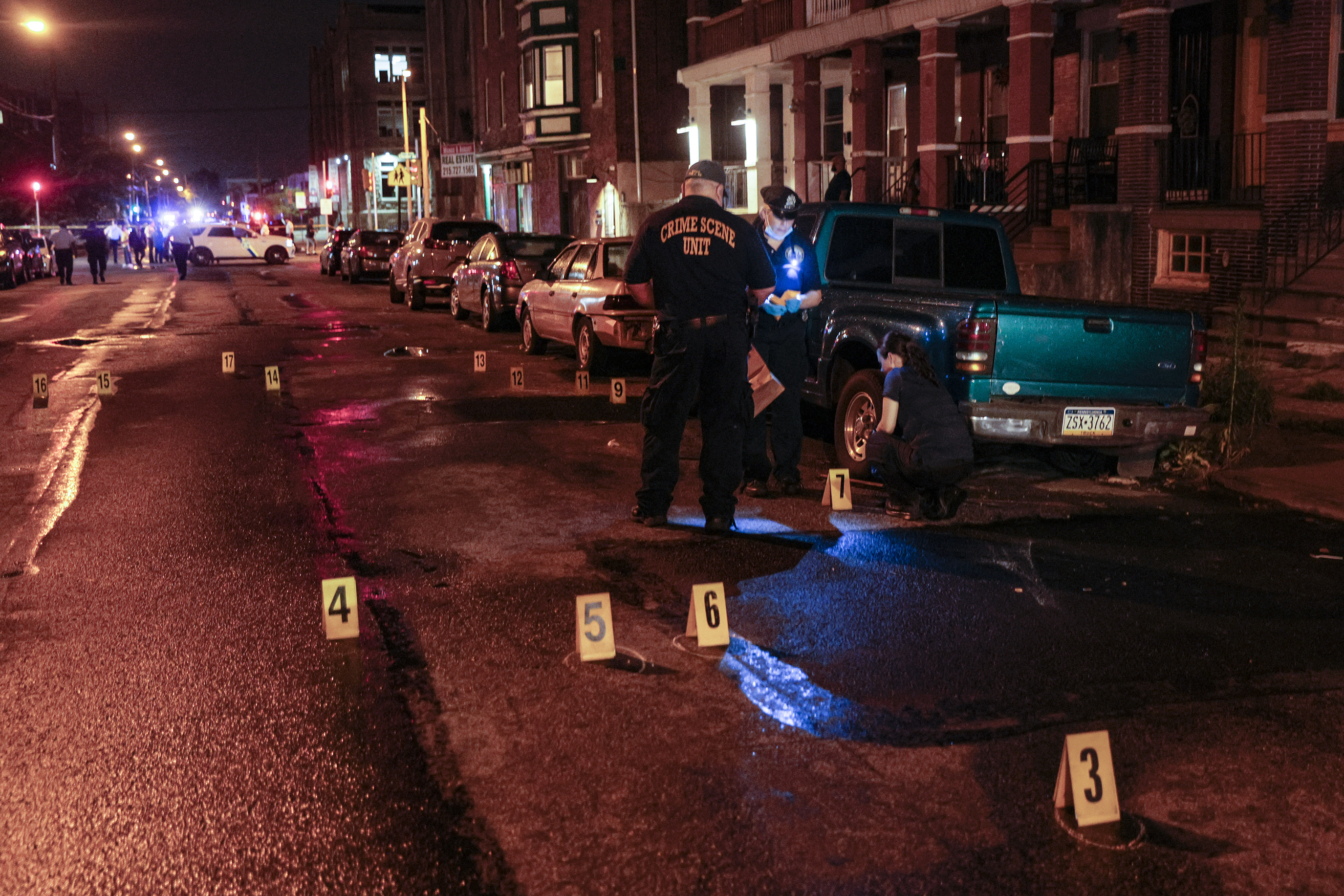
    Police gather evidence near 56th Street and Chester Avenue after the mass shooting on July 3, 2023.

    Common Pleas Court Judge Glenn B. Bronson sentenced Carriker to the agreed-upon decades behind bars. The judge said that, in his 15 years of handling homicide cases, this was the worst he had seen, but that he would respect the deal reached by prosecutors and Carriker’s defense team.

    “It traumatized an entire community,” the judge said of the shooting. “It traumatized an entire city.”

    Survivors of the shooting, and loved ones of the people who died, spoke emotionally in court Wednesday of the devastation of that July night, and the lasting impact on their lives.

    The father of Joseph Wamah Jr., consumed by the trauma of finding his son’s dead body inside his home, died earlier this year. His daughter said he could not mend his broken heart, and spiraled into a health crisis.

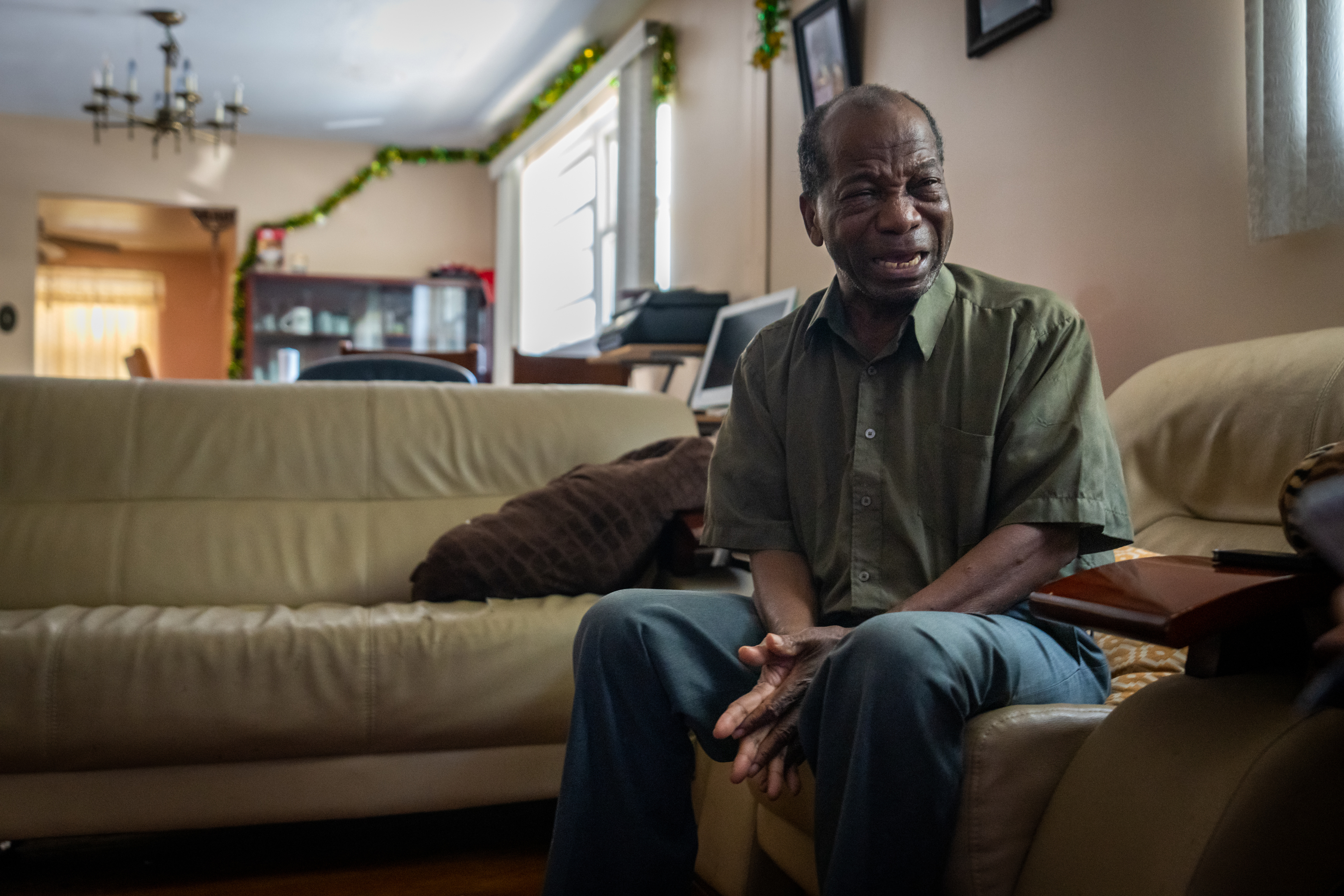
    Jonah Wamah, the father of Joseph Wamah, one of the victims in the Kingsessing mass shooting, spoke of the impact of losing his son in June 2024. He died earlier this year, in September, after his family said he could not recover from the grief of his son’s killing.

    “He faded in front of my eyes,” Jasmine Wamah said of her father.

    Other family members spoke of being hospitalized for their mental health, of looking after children without fathers and caring for kids with bullet scars in their legs.

    Odessa Brown spoke of holding her 15-year-old grandson as he bled out from his injuries.

    “When DaJuan was born, he was given to me and I held him in his arms,” she said. “And that day, I held him when he was on the ground, dying, praying, asking God, please save my child.”

    Ralph Moralis’ daughter, Taneisha Moralis, said that, at six months pregnant, she can’t stop thinking about how her child will never know their grandfather.

    And Charlotte Clark, the girlfriend of Dymir Stanton, said she struggles to get up each day to care for their daughter, who was only 3 when her father was killed.

    “I am still yearning for him from my soul. It makes me crazy,” she said, shaking.

    She said she hoped Carriker would rot in prison for what he took from her family.

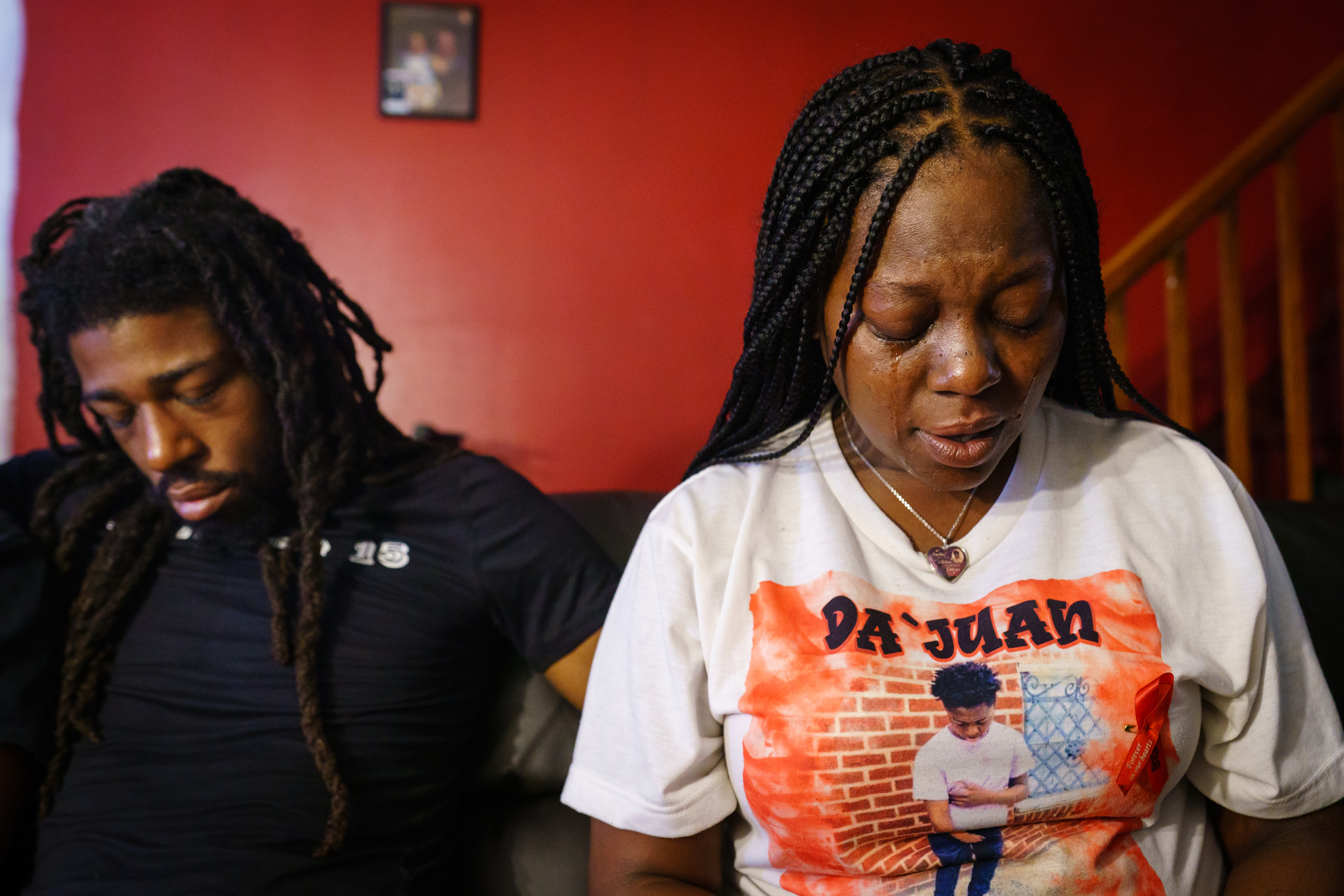
    Nyshyia Thomas misses her son, DaJuan, every day. At the sentencing of her son’s killer on Wednesday, she said: “I will never get to see his face as a grown man. I will always just know the child.”

    A killing spree

    Carriker’s killing spree began shortly after midnight on July 2, when he showed up at Wamah’s home on the 1600 block of South 56th Street. He shot multiple bullets through the door, then walked in and shot Wamah nine times.

    It remains unclear why Carriker targeted Wamah. Police did not know he had been killed until days later.

    Nearly two days later, just before 8:30 p.m., Carriker returned to that block with the same rifle and a semiautomatic handgun. First, he fired 18 shots into the Jeep of Octavia Brown, a young woman driving her 2-year-old twins and 10-year-old niece to a family barbecue.

    One of the toddlers was shot multiple times in the leg, and the other twin was grazed by a bullet. Glass shards exploded into Brown’s face and eye. The boys survived their injuries, but the family was traumatized. Brown said Wednesday that her son still has pain in his legs from the shooting.

    As nearby police rushed to the scene, Carriker walked south down 56th Street, coming across 13-year-old Ryan Moss and shooting him multiple times in the legs. His friend, DaJuan Brown, was on his grandmother’s porch and ran out to help his friend. DaJuan and a responding officer found the boy screaming for help behind a car.

    As DaJuan ran home for help, Carriker shot him multiple times, killing him.

    Carriker continued on, next shooting Moralis as he got out of his car. Then, as he reached Greenway Avenue, he came to face Lashyd Merritt leaving his home, and shot him. Both men died.

    Carriker then turned up South Frazier Street, where he shot and killed Dymir Stanton. Stanton’s brother, Kaadir, shot at Carriker in self-defense as he tried to get to his brother.

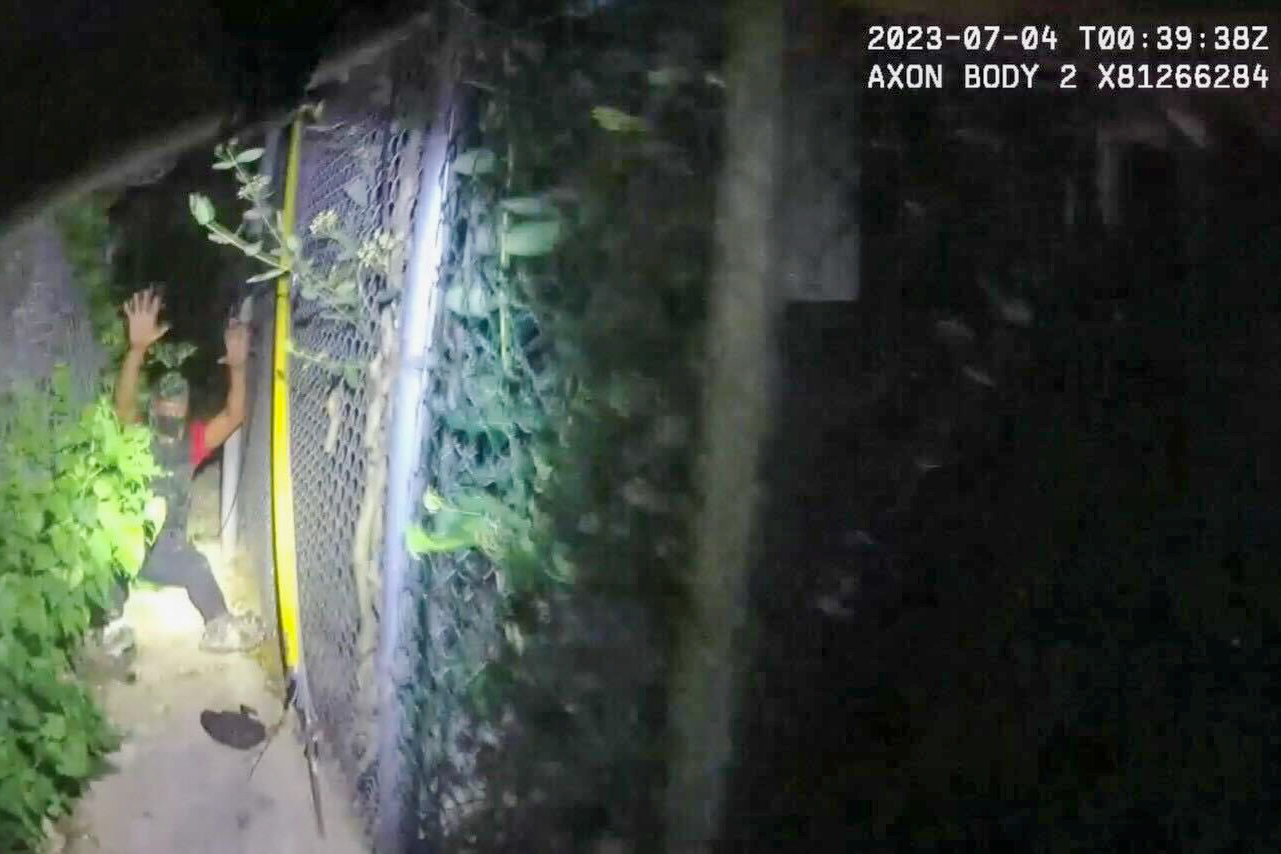
    Philadelphia police responded to a sprawling scene nearly a mile long. Officer Ryan Howell ran toward the sounds of gunfire, then found Carriker in a dark alleyway. The gunman quickly surrendered.

    Police Officer Ryan Howell’s body worn camera footage showed how he found Kimbrady Carriker surrendering in a narrow alleyway.

    ‘I am sorry’

    Prosecutors said Carriker told Howell “good job” as he took him into custody, and said, “I’m out here helping you guys.” Law enforcement sources have said Carriker told police that the shooting spree was an attempt to help authorities address the city’s gun violence crisis, and that God would be sending more people to help.

    Carriker’s attorneys said he was profoundly delusional and did not understand the impact of his actions.

    Blender, of the defender association, said Wednesday that there was nothing he could say to comfort to the victims’ families — or the relatives of Carriker, who live with their own guilt.

    “He was under a mental health disease that prevented him from understanding what was going,” Blender said. “It is not an excuse. It is not to justify this horrific, horrific behavior.”

    Later in the sentencing, Carriker, dressed in a red jumpsuit, attempted to apologize.

    “All I ever wanted to do was help my community. I never meant to cause this harm,” he said. “I am sorry for the pain I have caused. I would take it back, but I can’t, so I will say that I am sorry and maybe one day you can forgive me.”

    After the hearing, the heartbroken families poured into the streets.

    A man who said he was like a father to Carriker said: “All families are hurting. If there’s anything that we could ever say, it’s that we are sorry that this happened.”

    And the loves ones of the victims left with little comfort. Wamah’s sister did not get the answer to the question that she says haunts her every day: “Why?”

    When she asked Carriker in court, he said nothing.

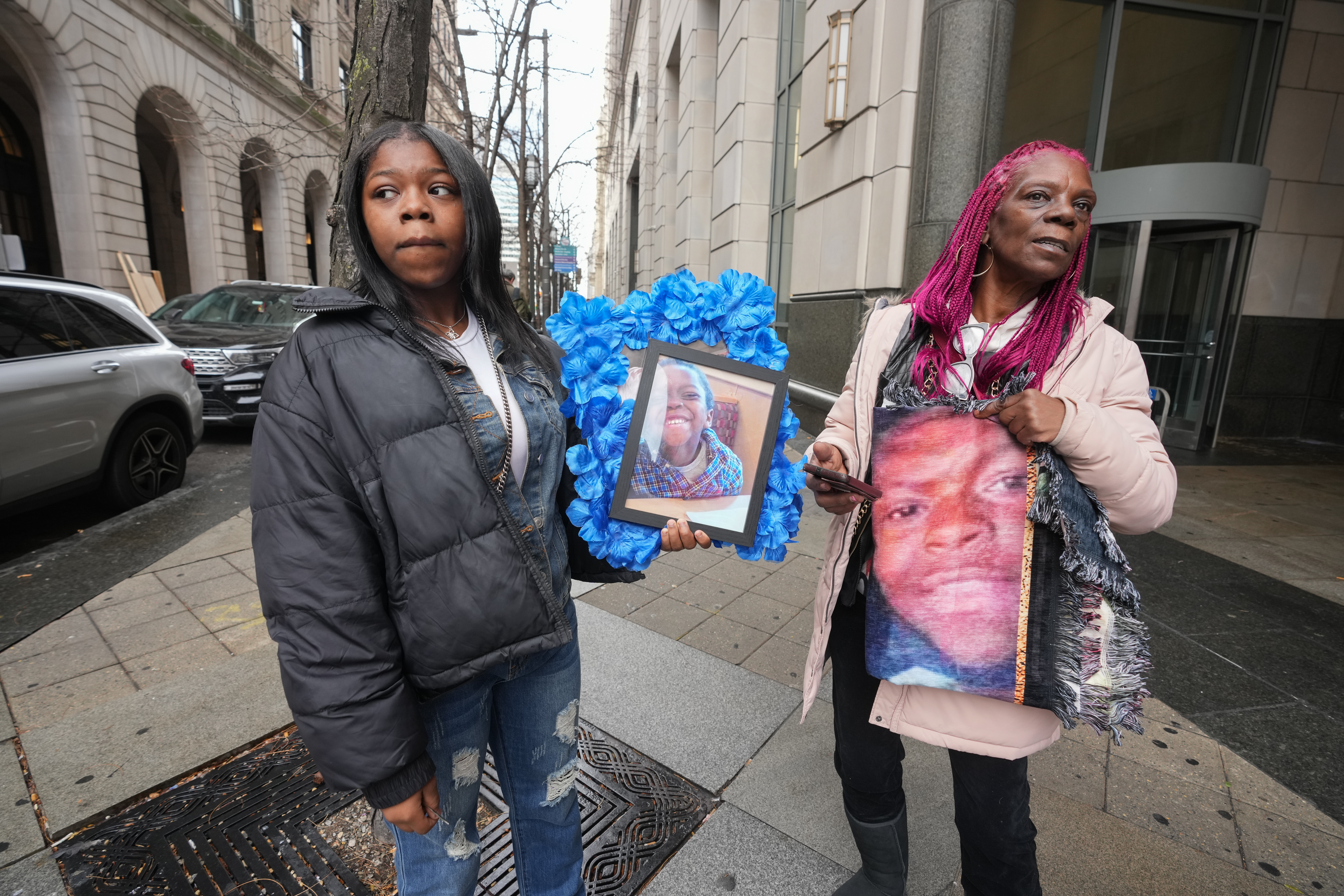
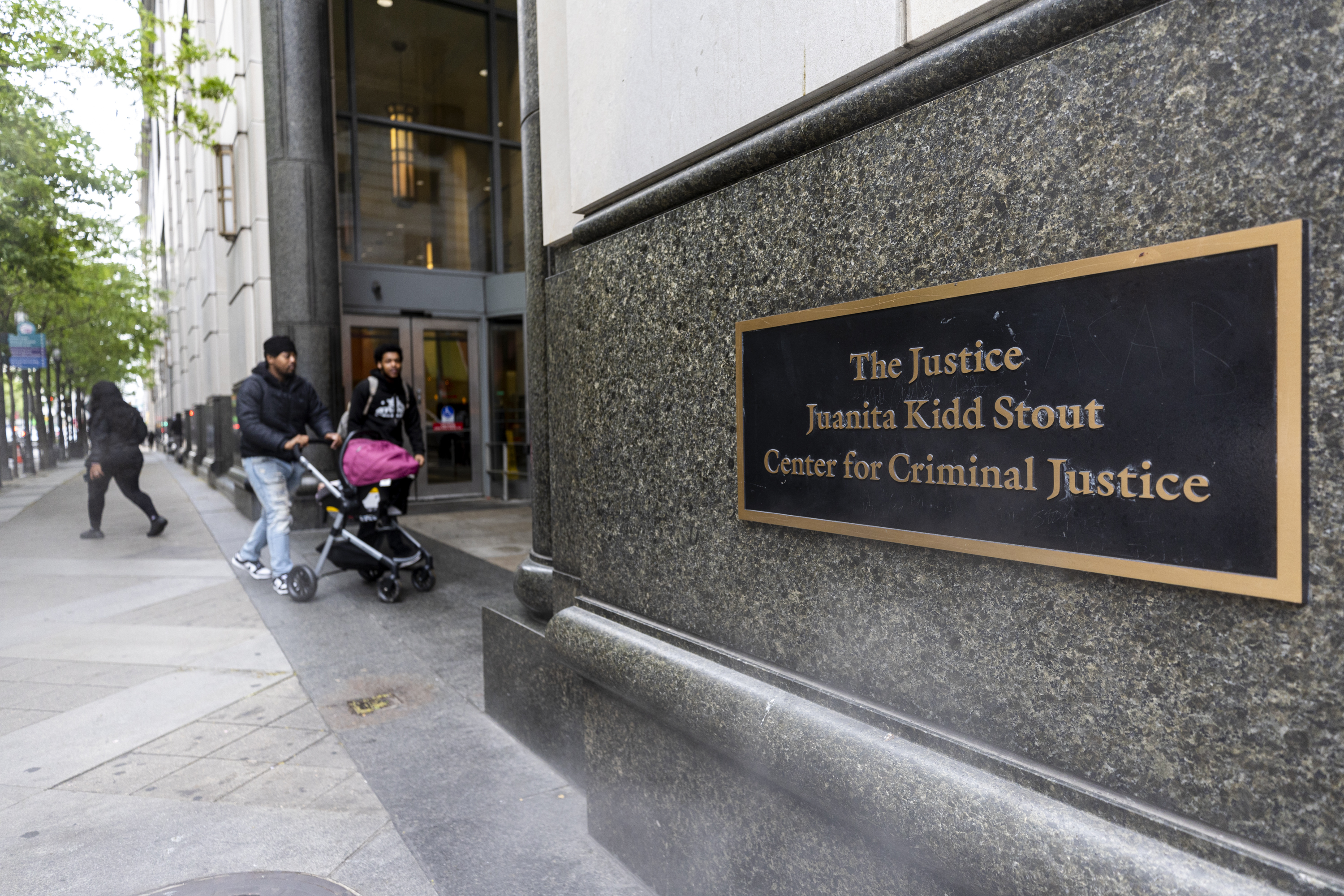
    Ne’siyah Thomas-Brown, left, sister of Da’Juan Brown, and, Odessa Brown, right, grandmother, outside the Juanita Kidd Stout Center for Criminal Justice, in Philadelphia, December 17, 2025.
  • Philly landlord whose intimidation campaign against tenant left two people dead is sentenced to 9 to 18 years in prison

    Philly landlord whose intimidation campaign against tenant left two people dead is sentenced to 9 to 18 years in prison

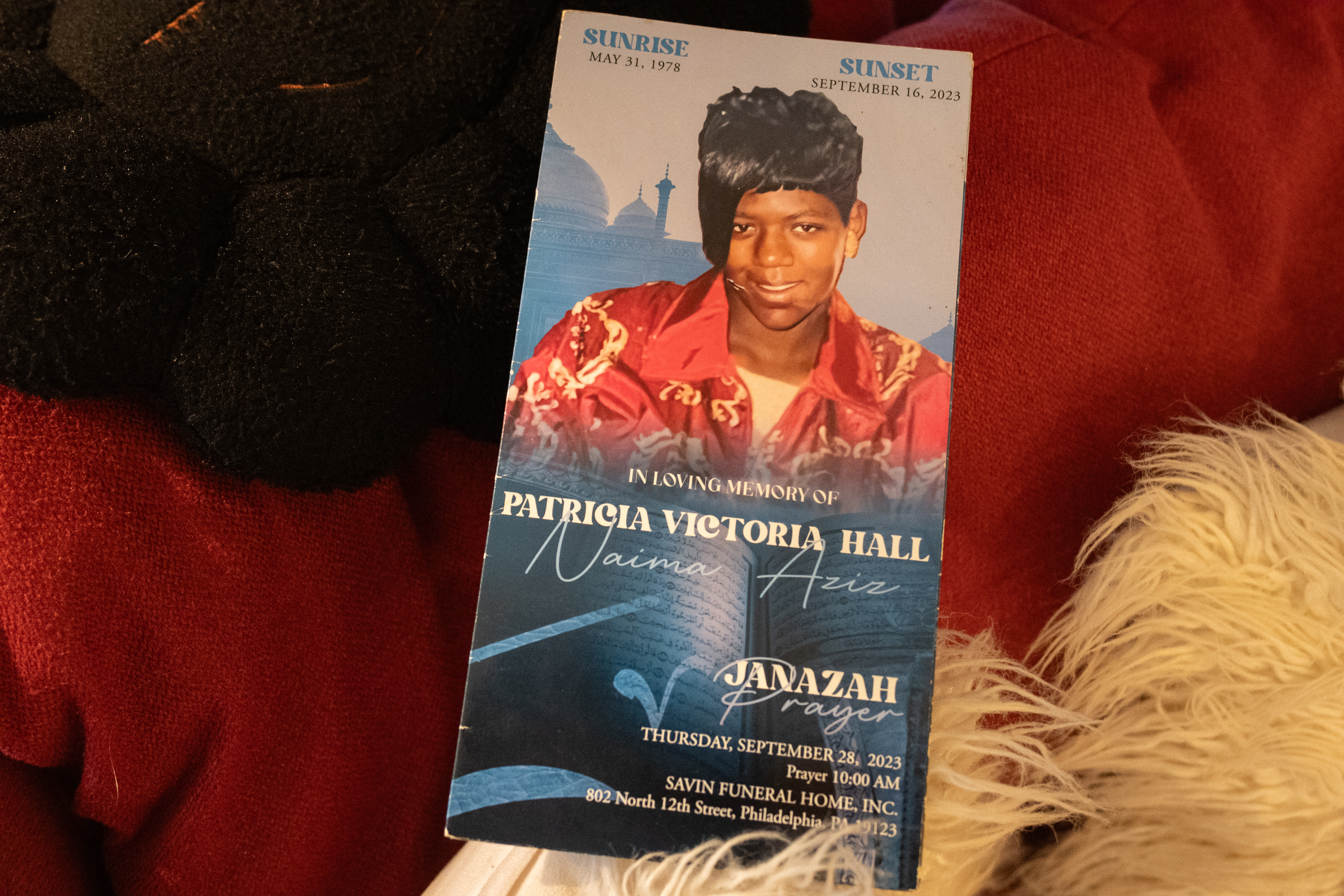
    The rowhouse on East Pastorius Street no longer looked like a home.

    Its doors and windows had been stripped, leaving the two-bedroom Germantown rowhouse open to the elements — and leaving Patricia Hall, the tenant and mother of four, alone inside and clutching her gun, afraid that if she left, her landlord would finally get his way and throw out everything she owned.

    That night, a man slipped through the open back door, armed with a gun of his own.

    Hall encountered Felipe Eskew, dressed in a mask, as she lay on her couch. They shot and killed each other.

    The intimidation campaign that ended two lives began months earlier, after Hall’s landlord, Stephen Wilkins, grew determined to force Hall and her family out of the crumbling property after they fell behind on rent.

    On Tuesday, Wilkins, 55, was sentenced to nine to 18 years in prison for setting in motion the events that led to the deadly confrontation.

    Patricia Hall’s life was not easy, her family said. She grew up without a mother, and often struggled financially. But she loved her children fiercely and tried to protect them.

    Hall, 45, and her now 28-year-old daughter, Crystal, had been renting the two-bedroom at 127 E. Pastorius St. for about three years when, in early 2023, they fell behind on rent. They paid Wilkins what they could, but the shortfall was adding up.

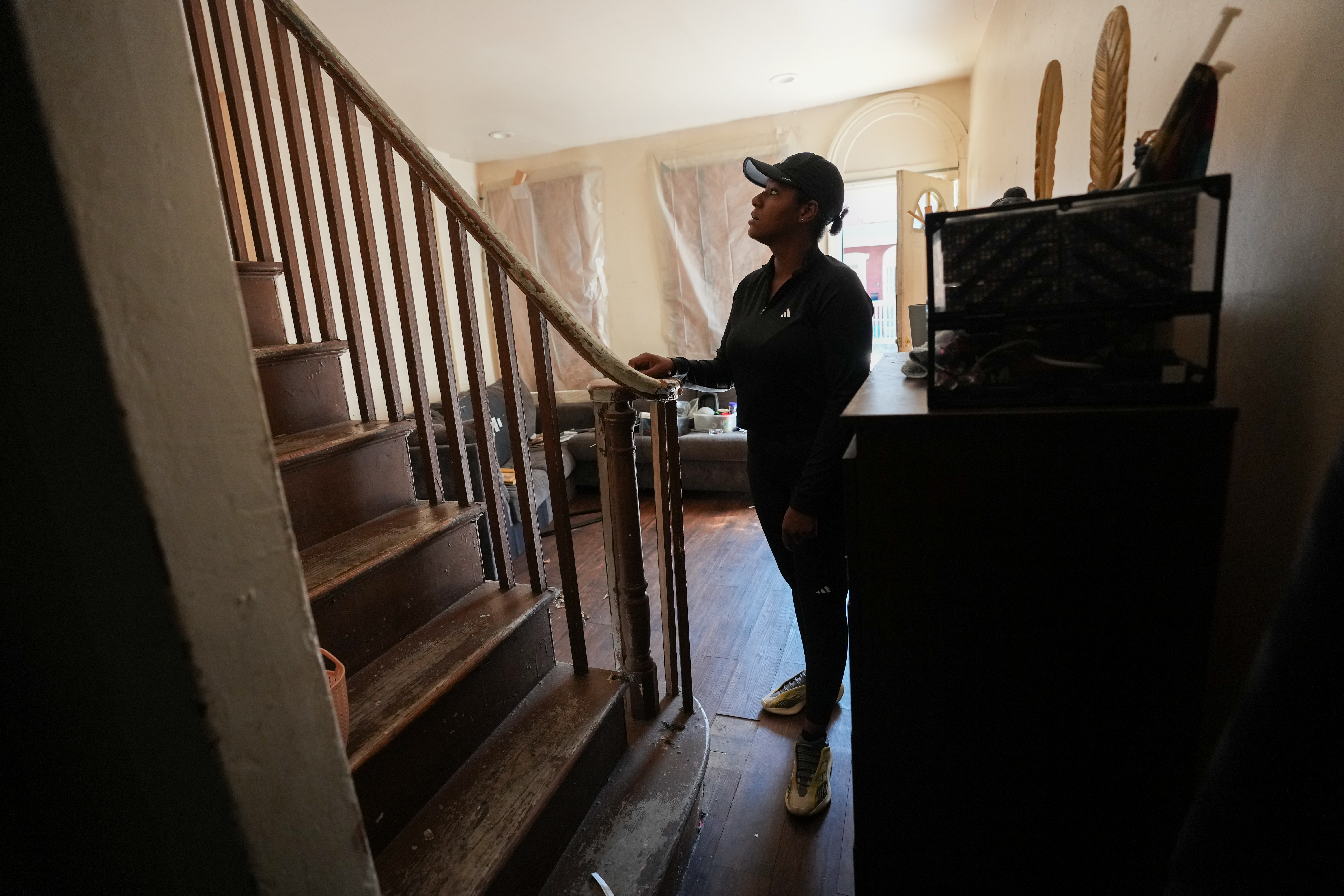
    At the same time, the family said, the house was falling apart — kitchen and bathroom sinks wouldn’t drain, the stairs were crumbling, the ceiling was cracking — and Wilkins was refusing to make repairs.

    Tension between the Halls and Wilkins started building. Crystal Hall said Wilkins tried to illegally force them out by shutting off the electricity and water, ripping out the electric meter and circuit breakers, and throwing a brick through their window.

    After his emergency eviction filing was denied by the courts and the family still refused to leave, he went a step further and on the afternoon of Sept. 15, he removed every door and window from the home — leaving Patricia Hall and her kids inside a shell-like structure.

    Hall couldn’t afford to lose the few things that she had, her daughter said, so she sent her young children to stay with a relative, and Hall remained in the house — her gun at her side, just in case.

    Late that night, prosecutors said, Askew — Wilkins’ best friend — crept inside the open back door of the home, wearing gloves and black mask, and armed with a gun.

    Assistant District Attorney Cydney Pope said she believes Wilkins sent Askew — who was eager to move into the Pastorius Street rowhouse himself — to the home to scare Hall into leaving, not necessarily to kill her.

    Instead, when he encountered Hall and her gun, the two shot and killed each other.

    Crystal Hall returned to the house where her mother Patricia Hall, was killed. Her mother was found shot multiple times behind the couch in the living room behind her.

    Wilkins was charged with murder and related crimes two months later after Homicide Detective Joseph Cremen uncovered Wilkins’ trail of terror against the Hall family — a harassment campaign that culminated to the removal of the windows, and the break-in-turned killing

    Wilkins was the last person Askew called just before Pope said he crept into Hall’s home and killed her.

    But Pope said the evidence connecting Wilkins directly to Askew’s plans that night was limited. The two men, who had been friends for three decades, were careful never to text directly about their plans to force Hall out, she said.

    Concerned that a jury could acquit him of the crimes, the prosecutor said, she offered to drop the murder charge in exchange for a guilty plea to involuntary manslaughter and solicitation to commit burglary. He agreed in September.

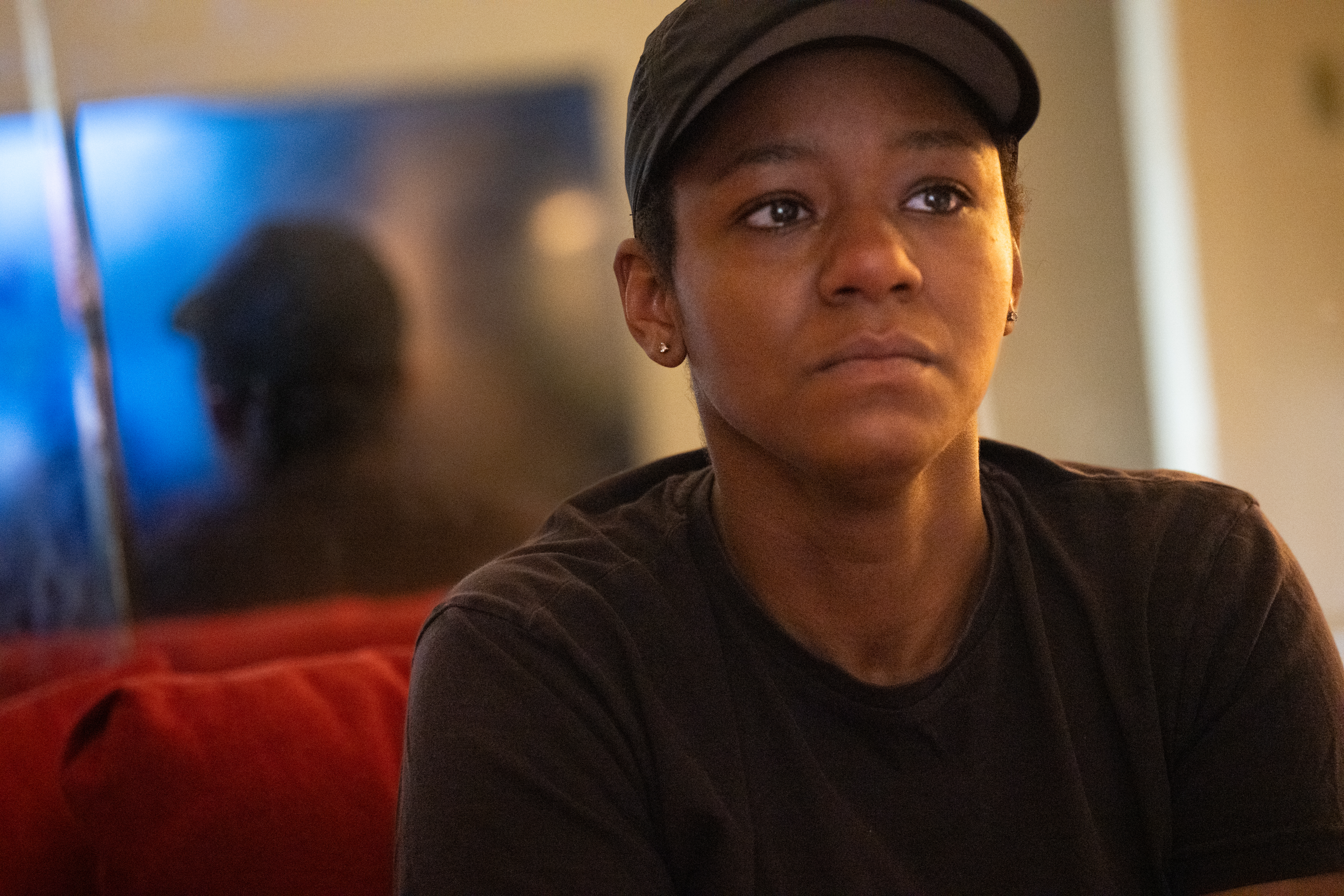
    Inside the courtroom Tuesday, Crystal Hall said Wilkins’ scheme had upended her life and those of her three young siblings, now 9, 12, and 15. She has suffered emotional breakdowns in the aftermath, she said, and now takes medication for her mental health. Her youngest brother, she said, is angry and confused. Her 15-year-old sister barely speaks.

    “We were all we had,” she said of her mother. “We can never get past the life that was taken.”

    Crystal Hall said her mother was “our source of guidance, laughter, and unconditional live.”

    She asked that Wilkins received the maximum sentence of 12½ to 24 years.

    But Wilkins’ family and his attorneys, Fortunato Perri Jr. and Brian McMonagle, asked the judge for mercy for “a man who became desperate” and never meant any harm to Hall.

    Teliah Wilkins said she’d seen how her husband had reflected on his actions over the 25 months he has spent in jail so far, and that he was “consumed with regret.”

    “Stephen’s conduct wasn’t born of malice,” she said, “… but a series of profound misjudgments.”

    But when Wilkins addressed the judge, he denied having ever sent Askew to the home.

    “I never meant harm for anybody,” he said. “… I never even wanted him to go there.”

    Bronson, the judge, questioned why, then, Askew was at the house that night, and why Wilkins, if he was not involved with Askew’s actions, pleaded guilty.

    Wilkins said he didn’t know why Askew was there, only that “he wanted the house.” He took a plea so as not to risk spending the rest of his life in prison, he said.

    As the judge stared in confusion, Wilkins began to stammer and apologize.

    “Is that it?” Bronson asked.

    The judge, while handing down his sentence, said he did believe Wilkins did not mean for Hall to die, but that given the circumstances of the crime, the landlord was lucky not to be facing second-degree murder and life in prison.

    He ordered him to spend nine to 18 years behind bars.

    Crystal Hall, in the gallery, began to sob. She whispered thanks to God. Then she walked out of court, and prepared to spend another holiday season without her mother.

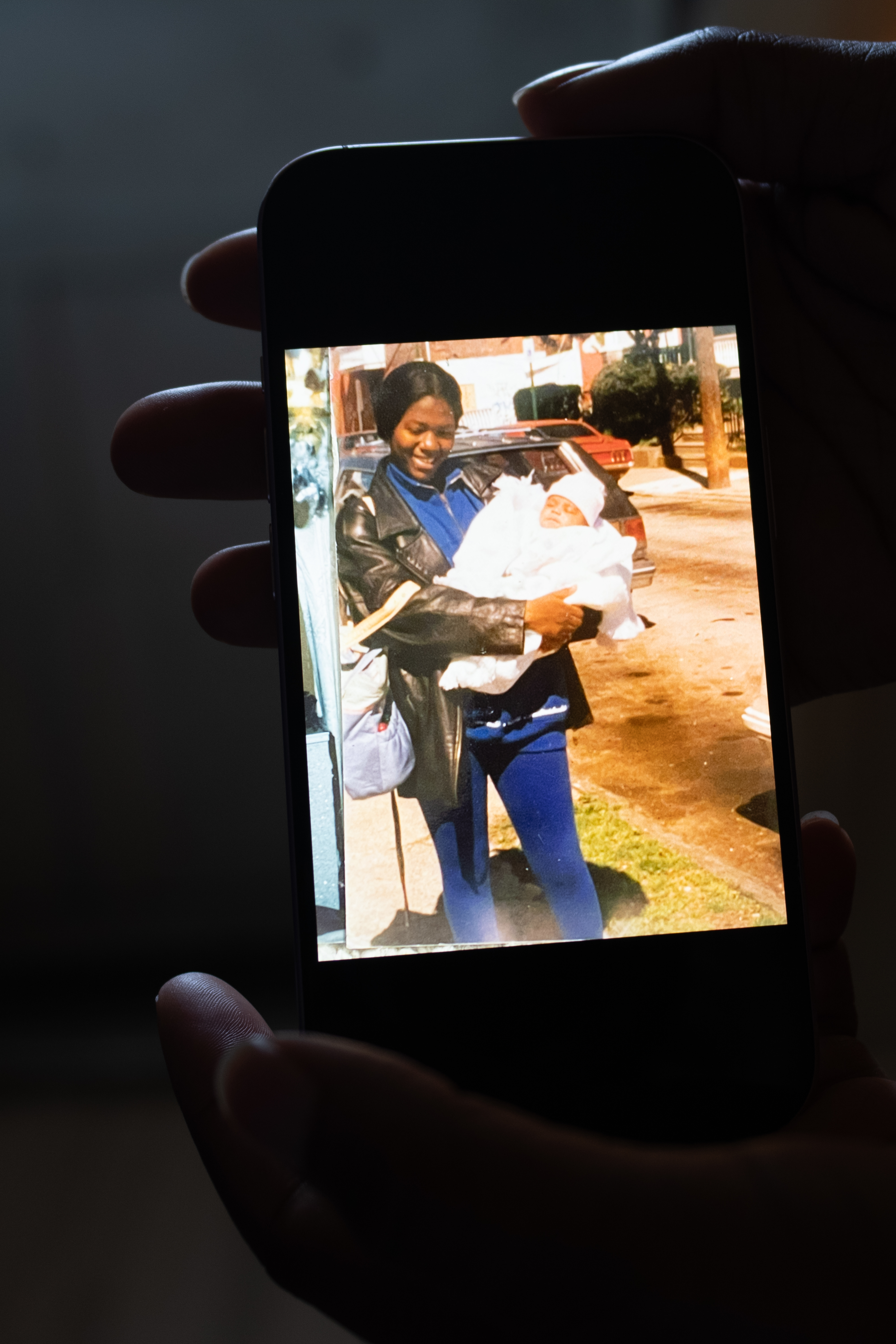
    A photo of a young Patricia Hall holding her daughter, Crystal, as a baby.
  • Courtroom recordings raise questions about Judge Scott DiClaudio’s testimony in probe of whether he tried to influence case

    Courtroom recordings raise questions about Judge Scott DiClaudio’s testimony in probe of whether he tried to influence case

    When Common Pleas Court Judge Scott DiClaudio sat before the Court of Judicial Discipline in October and answered questions under oath about whether he sought to influence a colleague’s decision in a case, he denied having summoned the fellow judge to his Philadelphia courtroom.

    DiClaudio said he did not ask Judge Zachary Shaffer to come see him that day in June. Shaffer, he said, showed up unannounced.

    “I was unaware that day he was going to walk in,” DiClaudio said. “He was unannounced and unexpected.”

    But a recording captured by digital audio systems inside DiClaudio’s and Shaffer’s courtrooms and obtained by The Inquirer calls that account into question.

    According to the recording, DiClaudio asked his assistant, Gary Silver, to contact Shaffer on the morning of June 12.

    “Is Judge Shaffer on the bench right now?” DiClaudio asked his court staff around 11 a.m., according to the recording. “Can you call down there and see if he’s still on the bench, please?”

    A few minutes later, according to a recording from the digital system inside Shaffer’s courtroom, Silver visited Shaffer.

    “1001 wants to see you,” Silver told the judge, referring to the number of DiClaudio’s courtroom, according to the audio.

    The recordings raise questions about DiClaudio’s sworn testimony before the disciplinary panel as he faces charges from the Judicial Conduct Board that he sought to influence Shaffer’s handling of a gun case involving a defendant with ties to Philadelphia rapper Meek Mill.

    Elizabeth Hoffheins, deputy counsel for the Judicial Conduct Board, said during the hearing that DiClaudio’s conduct was so egregious that it brought the judiciary into disrepute.

    DiClaudio has denied that he sought to influence Shaffer’s decision-making and said his colleague misunderstood his words and intentions on that day. He has been suspended without pay as the disciplinary case proceeds.

    DiClaudio’s attorney, Michael van der Veen, declined to comment on the recordings and said the judge had done nothing wrong.

    “It would not be appropriate to comment about alleged secondhand partial evidence in an ongoing matter,” van der Veen said in a statement Monday. “It remains very concerning that there are continual leaks of information somewhere in this process. As from the beginning, my client professes his innocence.”

    Common Pleas Court Judge Zachary Shaffer testified that Judge Scott DiClaudio’s assistant came to his courtroom on the ninth floor of the city’s criminal courthouse and said DiClaudio wanted to see him on the morning of June 12.

    The conversations were captured on a digital audio recording system embedded in dozens of courtrooms across Philadelphia to aid in the transcription of testimony and proceedings. The systems, which have been in city courtrooms since 2003, can be turned on and off between hearings at the discretion of court reporters, who transcribe hearings.

    On the morning of June 12, inside courtrooms 1001 and 905, the systems captured the brief side conversations of the judges and their staff.

    At the hearing in the Court of Judicial Discipline, Shaffer testified that he was seated in his ninth-floor courtroom when Silver, DiClaudio’s assistant and a former defense attorney, came in and said DiClaudio wanted to see him.

    Shaffer said that during that week in June, he and his court clerk, Nicole Vernacchio, had been in touch with DiClaudio about buying T-shirts from DiClaudio’s wife’s cheesesteak shop.

    About 45 minutes after Silver came by, he said, they went up to DiClaudio’s 10th-floor room, assuming the shirts were ready to be picked up.

    They met in DiClaudio’s robing room and talked for about 10 minutes before DiClaudio asked Vernacchio to leave the room, he said. Vernacchio also testified that the judge asked her to step out.

    After she left, Shaffer said, DiClaudio pulled out a piece of lined paper with “Dwayne Jones, courtroom 905, and Monday’s date” written on it.

    DiClaudio held it out at his side, he said, then looked at him and said, “OK?”

    Shaffer said he was confused, and hesitantly said, “OK.”

    Then, he said, DiClaudio ripped up the paper and threw it away.

    The judges then spoke casually about unrelated topics for a few minutes, he said. As he started to leave, Shaffer said, DiClaudio told him, “‘You probably would have done the right thing anyway.’”
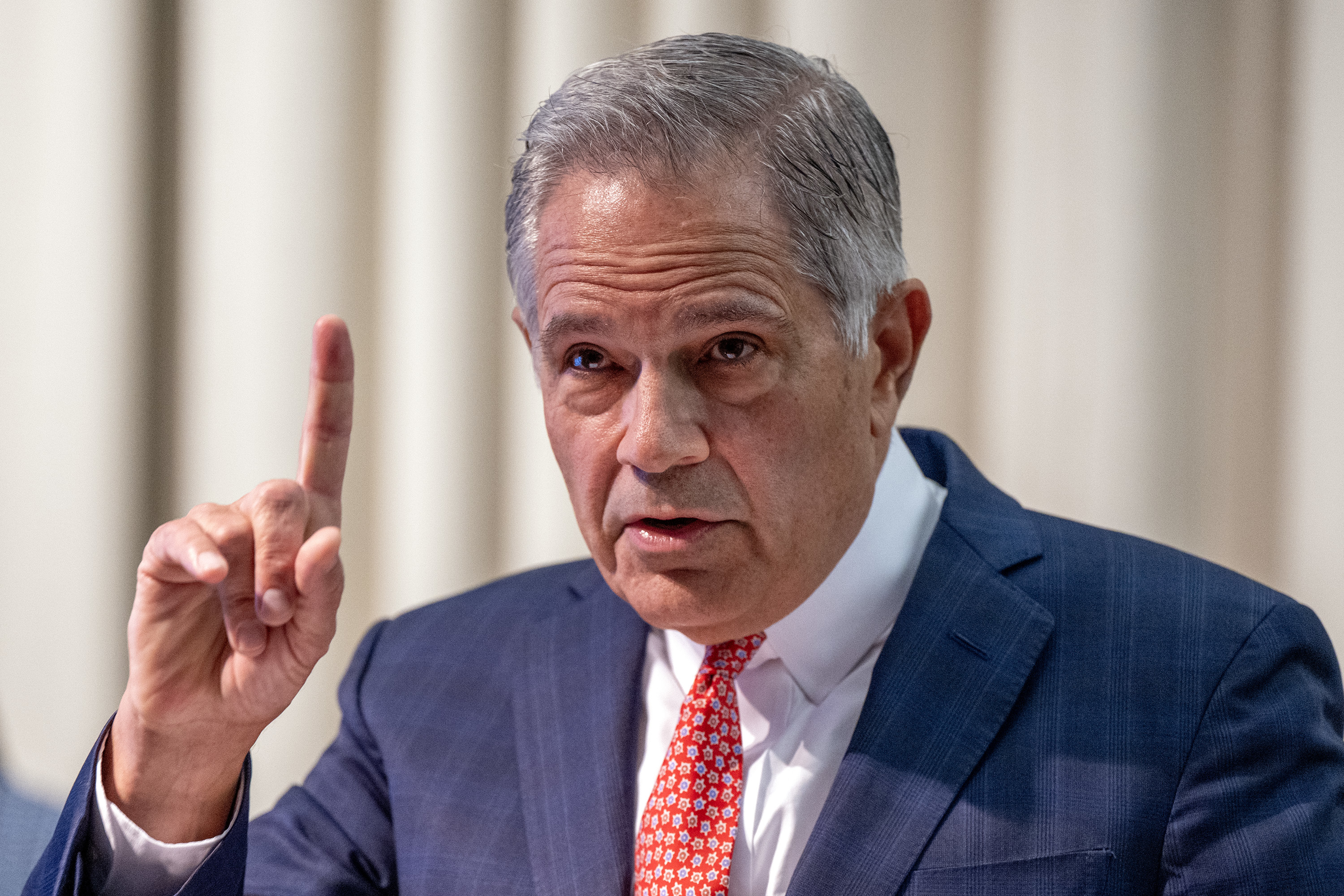
    Shaffer said he was shocked. He believed DiClaudio was suggesting that he should give a favorable sentence to Jones, who was scheduled to appear in front of him in a few days on illegal gun possession charges connected to a fatal shooting.

    The next morning, Shaffer said, he reported the conversation to his supervisors, and they referred the matter to the Judicial Conduct Board. He recused himself from Jones’ case.

    Court administrators placed DiClaudio on administrative leave amid an investigation into the matter.

    In September, the Judicial Conduct Board charged DiClaudio with multiple ethical violations, saying his actions on that day represented “conduct that was so extreme that it brought the judicial office itself into disrepute.”

    At the October hearing, held to determine whether DiClaudio should be suspended without pay amid the ongoing inquiry, DiClaudio took the stand and vehemently denied Shaffer’s version of events.

    He said he had met Jones at The Roots Picnic on June 1. During a brief conversation, he said, Jones mentioned that he had a gun case in front of Shaffer, and gave DiClaudio his business card.

    “I eventually say, ‘Judge Shaffer is a good judge. He does the right thing,’” DiClaudio said he responded. “He gives me his card. I put it in my cell phone case. Then he leaves, never to be seen again.”

    He’d forgotten about the conversation, he said, until he saw Shaffer on June 12 and remembered he still had Jones’ business card. He took out the card and relayed the conversation he’d had with Jones before tossing it into the trash, he said.

    “I was relating the story to Judge Shaffer to give him a compliment,” DiClaudio said. “I wasn’t trying to influence a case.”

    He also denied asking Vernacchio, the clerk, to leave the room.

    Van der Veen asked DiClaudio whether he asked Shaffer to come to his courtroom.

    “Never,” he said.

    Van der Veen told the disciplinary panel that he and DiClaudio had never before heard Shaffer’s contention that his fellow judge had summoned him for a conversation and said it was “shocking.” And he noted that there was no mention of such a request in the summary of Shaffer’s interview with the investigator from the disciplinary board.

    (Shaffer, for his part, insisted that he told the investigator DiClaudio had asked him to come to his courtroom. He said he did not review the summary of his conversation with the investigator before it was shared with the board and DiClaudio and his lawyer, and said the report was incomplete and in some ways inaccurate.)

    Van der Veen seized on the omission. He suggested that the assertion that DiClaudio had called Shaffer to his courtroom was a “new fact” belatedly raised to support his contention that DiClaudio had sought to influence him.

    “Otherwise‚” the lawyer said, “it is completely nonsensical. If you’re going to come to the theory of the prosecutors, that this was … clandestine, premeditated, and designed by Judge DiClaudio, that’s completely false if Judge DiClaudio didn’t call for the meeting.”

    Hoffheins, the attorney for the Judicial Conduct Board, told the disciplinary panel DiClaudio orchestrated the meeting with Shaffer to seek a favorable sentence for Jones. The judge did so, she said, because Jones is a friend of Meek Mill. DiClaudio is also a friend of Mill’s, and has worked with him on criminal justice reform issues related to the rapper’s nonprofit.

    “The nature of misconduct here is not a technical misstep. It is an abuse of judicial privilege,” she said of DiClaudio’s actions. “It was made behind closed doors, and it was an attempt to tilt the scales of justice for a personal acquaintance.”

    The judicial officers on the disciplinary court agreed that the allegations were consequential. In November, they suspended DiClaudio without pay.

    The case now awaits a trial before the disciplinary tribunal. If the panel finds that DiClaudio violated judicial ethics or constitutional rules, he could be censored, fined, or removed from office.

    DiClaudio was elected to Philadelphia’s Court of Common Pleas in November 2015, and took the bench in January 2016. In recent years, he has mostly heard cases filed by people seeking to have their murder convictions overturned.

    He has presided over many high-profile exonerations and wrongful-conviction cases and approved the release or resentencing of dozens of people who had been serving life in prison.

    Over the last decade, he has faced multiple inquiries from the Judicial Conduct Board.

    In 2020, the Court of Judicial Discipline determined that he violated the code of conduct for judges when he failed to report debts on annual financial disclosure forms and repeatedly defied a judge’s orders to pay thousands of dollars in overdue bills to a Bala Cynwyd fitness club. He was suspended for two weeks, and placed on probation through 2026.

    Then, in April of this year, the board filed charges against DiClaudio for allegedly using his position as a judge to promote his wife’s cheesesteak shop. In so doing, the board said, he had eroded public trust in the judiciary and abused the prestige of the office for personal gain. DiClaudio has denied the allegations, and the case is pending before the disciplinary court.

    DiClaudio was reelected to another 10-year term last month, though he has publicly discussed retiring after the New Year.

  • A man and teen were killed during attempted sale of a Rolex in Germantown, police say

    A man and teen were killed during attempted sale of a Rolex in Germantown, police say

    A man and a teenager were killed Tuesday night in Germantown when, investigators believe, a meeting for the sale of a Rolex watch turned into a robbery, and a shootout erupted.

    Tyree Ware, 30, drove to the 500 block of West Queen Lane to sell a Rolex he had listed for sale online, police said. Quaneef Lee, 16, arrived with an acquaintance to purchase it, they said.

    Detectives believe Lee and the other male then attempted to rob Ware of the watch at gunpoint, according to a law enforcement source who spoke on the condition of anonymity to discuss an ongoing investigation.

    Ware also pulled a gun, the source said.

    When officers arrived, they found Ware lying in the street beside the open door of his silver Nissan Maxima. He had been shot multiple times. A 9mm handgun lay beside him.

    Officers found Lee on the ground behind the sedan, shot once in the chest.

    Ware and Lee were rushed to Temple University Hospital, where they died shortly after 5:30 p.m., police said.

    Officers recovered 11 bullet casings from the scene. Deputy Commissioner Frank Vanore said three guns were used in the shootout, but only one was recovered.

    The Rolex, Vanore said, was found inside Ware’s vehicle.

    Investigators are still working to identify the man who accompanied Lee and who may have killed Ware.

    A family member of Lee, when reached by phone Wednesday, declined to speak.

    The shooting comes as Philadelphia is on pace to record its lowest number of homicides in 60 years. Still, violence persists. Lee is one of at least 12 children shot and killed in the city this year.

  • Three Philly cops who defenders say ‘straight up lied’ cause 134 drug cases to be dismissed, hundreds more expected

    Three Philly cops who defenders say ‘straight up lied’ cause 134 drug cases to be dismissed, hundreds more expected

    More than 130 drug cases were dismissed Friday — and hundreds more are expected to collapse in the coming months — after prosecutors said three Philadelphia narcotics officers repeatedly gave false testimony in court.

    Common Pleas Court Judge Lillian Ransom vacated 134 cases during the first in a series of hearings that could see nearly a thousand criminal prosecutions collapse because the testimony of three officers on the Narcotics Strike Force has been deemed unreliable.

    Philadelphia Police Officers Ricardo Rosa, Eugene Roher, and Jeffrey Holden were found to have repeatedly given false testimony against people suspected of selling drugs after lawyers with the Defender Association of Philadelphia recovered video footage that contradicted their statements, the district attorney’s office said.

    The defenders said the officers regularly watched surveillance cameras to monitor suspects in drug investigations in real time, then didn’t disclose it to prosecutors or defense attorneys in court, officials said. The video footage later showed they also testified to things that never happened or that they could not have seen from where they were positioned, according to court filings.

    Prosecutors later conceded that they could no longer vouch for the officers’ credibility and are expected to dismiss scores of cases built on their testimony.

    Michael Mellon and Paula Sen, of the Defender Association, began looking into whether officers on the narcotics squad were lying in court starting in 2019.

    After a review of cases and convictions involving the officers’ testimony, lawyers for the defender association and prosecutors identified more than 900 cases and expect to ask the judge to dismiss them over the next year. It was not immediately clear how many people, if any, served time in jail, or are still in custody, as a result of the prosecutions that are now in question.

    Holden, reached by phone Friday, said he was shocked to learn that his cases and testimony were under scrutiny, and said he had not been told of the move to end the cases at Friday’s hearing. He declined to comment further.

    Rosa and Roher did not immediately respond to requests for comment. The officers remain assigned to their narcotics squads.

    The district attorney’s office said it provided the police department’s internal affairs unit with details of the officers’ false statements in multiple cases last March.

    Police Commissioner Kevin Bethel, in a statement, said the department takes “potential credibility issues with our officers extremely seriously.”

    An internal affairs investigation into the matter was launched last March and remains ongoing, he said.

    The department requested and reviewed cases flagged by prosecutors, he said, but “thus far we have not identified any evidence that would raise concerns of misconduct or criminal behavior on the part of those officers.”

    He added: “We will, as always, take appropriate action if and when evidence supports such action, but we will not preemptively sideline officers absent some verified findings.”

    Bethel said he learned of the plans to dismiss the cases on Thursday, and has asked prosecutors to provide additional information to assist with their review. He also said the police department has been working with the district attorney to develop a clearer protocol on how officers can use surveillance cameras during investigations.

    District Attorney Larry Krasner on Friday declined to say whether his office was investigating the officers’ conduct, but noted that “the statute of limitations for police officers in their capacity is much longer than the statue of limit for other offenses.”

    “I have dealt extensively with Commissioner Bethel. I know he and the mayor are committed to rooting corruption, lying, stealing, and cheating out of the police department,” he said.

    District Attorney Larry Krasner declined to say whether his office was investigating the officers’ conduct as criminal in nature.

    ‘They’re lying’

    Assistant District Attorney David Napiorski, who reviewed the cases for the office, stopped short of accusing the officers of lying, but said “there’s enough of a pattern of inconsistencies across testimony that we can’t rely on them as critical witnesses in court.”

    But Paula Sen and Michael Mellon of the Defenders’ Police Accountability Unit disagreed.

    “It’s a fancy way of saying they’re lying,” said Sen, who has worked with Mellon to uncover the officers’ credibility issues since 2019.

    The unfolding scrutiny is the latest in a series of large-scale conviction reversals in Philadelphia tied to misconduct in the narcotics unit. Over the past three decades, judges have thrown out thousands of drug cases after officers were found to have fabricated evidence, lied on the stand, or stolen money from dealers.

    Bradley Bridge, a longtime public defender, was often the driving force behind those reviews and estimates he’s worked to overturn about 2,500 drug convictions since 1995.

    In 2015, Bridge filed a petition to vacate more than 1,400 drug convictions tied to six ex-narcotics cops after they were charged with robbing and beating drug dealers, then altering police paperwork to cover their tracks. The officers were later acquitted by a jury and got their jobs back through arbitration, but more than 950 cases were thrown out after officials agreed they couldn’t trust their testimony.

    Bridge, who returned from retirement to handle the cases tied to Rosa, Roher, and Holden, said, “Tragically, nothing is unique about this. It’s exactly the same problems that keep arising since 1995, including the lack of supervision and oversight of police officers on the street.”

    A video camera used by Philadelphia police located at Somerset Street in Kensington.

    Sen and Mellon said they first noticed a pattern of false testimony in 2019 after they reviewed surveillance footage that contradicted statements Rosa gave about drug cases. As time passed, they said, they continued to monitor his narcotics squad, and found inconsistencies with Holden and Roher’s testimony, too.

    They said the officers used the city’s surveillance camera systems to monitor suspected drug activity in real time, but didn’t disclose it as part of their investigation — a violation of due process because the evidence wasn’t shared with defense attorneys.

    In court, the officers denied using the cameras, Mellon said, and often said they witnessed hand-to-hand drug transactions that video later showed either never happened or that they could never have seen because the suspect was out of sight.

    “They just straight up lied and invented acts of criminality,” Sen said.

    ‘Who are they gonna believe?’

    In one case, Roher said he was seated in an unmarked police car when he saw Darrin Moss sell drugs to two people near Somerset and Helen Streets in Kensington in April 2022. He said he could see Moss inside the fenced lot retrieve drugs, then hand them to a buyer and accept money in return.

    Prosecutors later said in court filings that video footage captured by a surveillance camera on the end of the block showed that one drug deal never happened, and the other supposed deal was behind a building and would have been impossible to see.

    The charges against Moss were withdrawn.

    When prosecutors learned of the discrepancies, they asked Roher to meet and discuss the case, but he failed to appear in court twice without explanation, they said in a court filing.

    Prosecutors said this became a pattern — once the officers seemed to learn their testimony was under scrutiny, they stopped showing up to court.

    Court filings identify at least nine cases in which the three officers allegedly gave false testimony. Napiorski, of the district attorney’s office, said prosecutors reviewed a few dozen videos from other cases that suggested a systemic pattern of false information in court.

    Sen, of the defenders association, said it was troubling that the officers remained assigned to the narcotics squad and have been able to continue making arrests.

    “How is the public supposed to have trust in a department that continues to employ people who have so clearly proved themselves to be liars, that has resulted in thousands of people being arrested and jailed?” she asked.

    Most of the cases dismissed Friday were drug crimes that led to a sentence of probation, prosecutors said. Seven included a gun charge.

    The drug charge against Ramoye Berry was among them.

    Berry, 29, from North Philadelphia, said that in April 2023, he was standing on the 1300 block of West Boston Street talking to some friends when a group of officers tackled him and accused him of selling drugs.

    When they searched his car, he said, they found a small amount of weed, but he wasn’t selling it. He was charged with possession with intent to sell drugs.

    Berry couldn’t recall which officer testified against him in court, but he said he remembered telling his lawyer that the officer wasn’t telling the truth.

    He said he pleaded guilty to drug possession and accepted a year of probation because he didn’t think he could prove his innocence, and the court dates were challenging to keep up with. It kept him from being able to get a job, he said.

    When he learned on Friday that the officer had a history of giving false information and that his conviction would be vacated, he said he felt vindicated — but frustrated by the time and jobs he lost to the case.

    “This is what I was saying from the beginning,” he said, shaking his head. “But who are they gonna believe? The cops, or me?”

  • A Philadelphia police officer critically injured in a motorcycle crash six years ago has died

    A Philadelphia police officer critically injured in a motorcycle crash six years ago has died

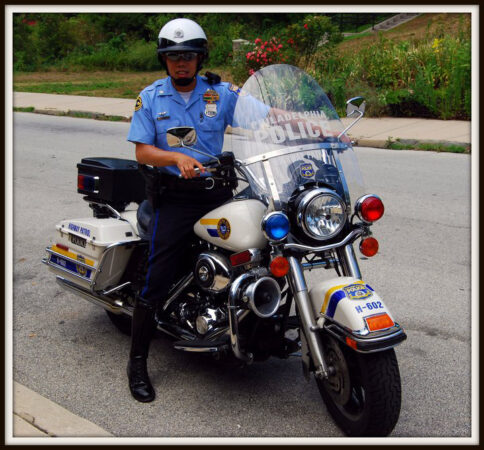
    Andy Chan, a Philadelphia Highway Patrol officer who suffered a devastating brain injury in a motorcycle crash while on his way to work six years ago, has died.

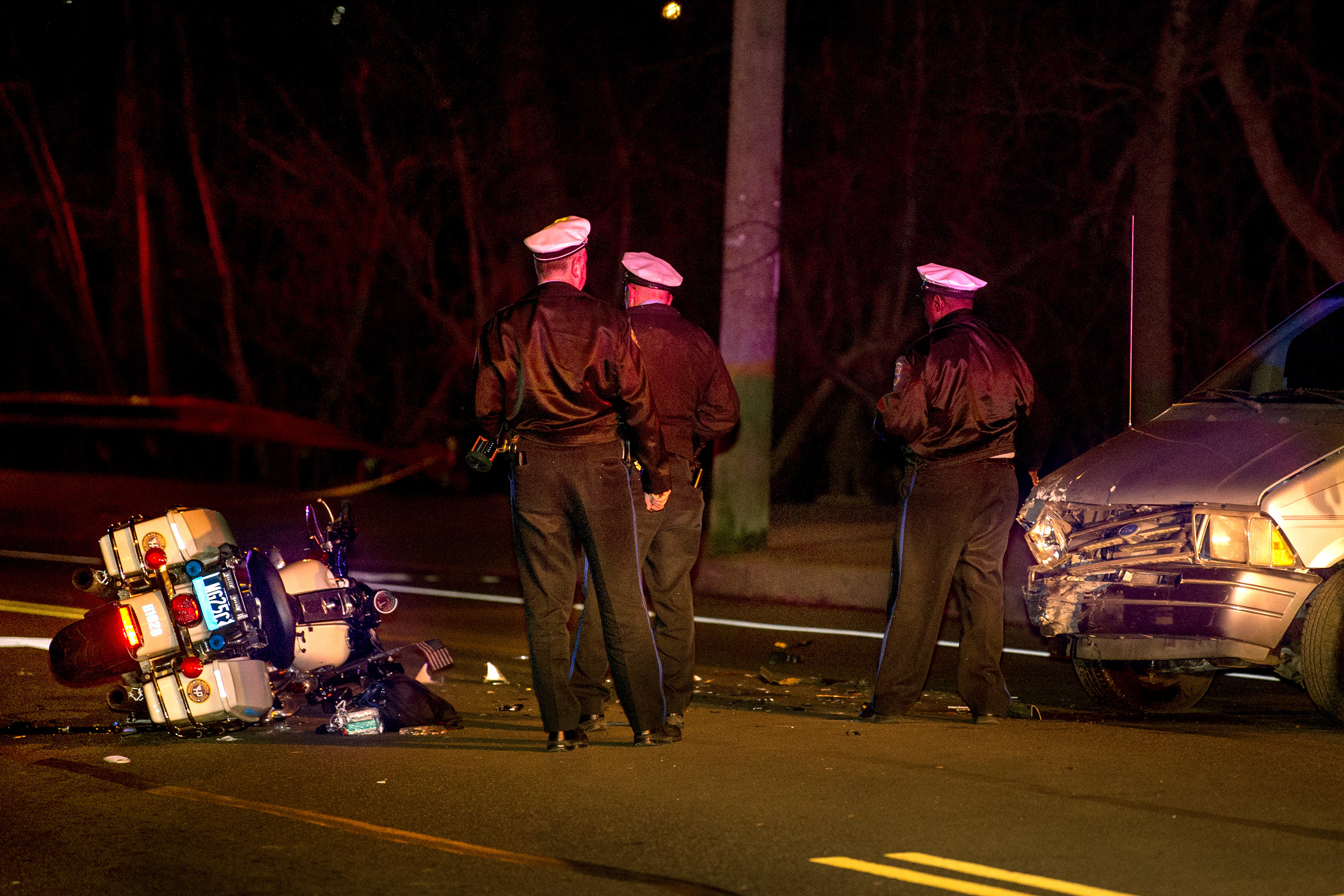
    Chan, 48, was riding through Northeast Philadelphia one evening in January 2019 when an elderly driver unintentionally struck him on the 3300 block of Rhawn Street. He was thrown about 20 feet, police said, and was critically injured.

    Chan, a 24-year veteran of the force, was in a prolonged coma and was hospitalized for weeks on a ventilator. In the years since, his injuries have required around-the-clock care, with family, friends, and colleagues in the Philadelphia Police Department regularly at his side.

    The Fraternal Order of Police Lodge 5 announced Chan’s death on Tuesday. The cause of death was not immediately clear.

    “Andy died a hero and we will always remember and honor his sacrifice,” the union wrote on Facebook.

    Andy Chan was thrown from his highway patrol motorcycle and critically injured in a crash on the 3300 block of Rhawn Street on January 3, 2019.

    Chan, a father of three, grew up in Chinatown and had always dreamed of being a highway patrolman. His family recalled how he watched with awe when the leather-clad officers approached his parents’ restaurant on their motorcycles.

    He decided, they said, that would be him one day.

    “That was the only place he strived to be in,” his wife, Teng, said years ago.

    After becoming a Philadelphia police officer in 1996, he was first assigned to the 39th District, working as a bike cop. Eight years later, he was promoted to the elite highway unit.

    He took such pride in his work that when he walked into police headquarters, instead of yelling, “Hi,” he would shout, “Highway!”

    And even when he met Teng nearly two decades ago, he introduced himself as such: “I’m Highway.”

    Chan and his partner, Kyle Cross, were among the first officers who responded to the Amtrak crash in 2015 that left eight people dead and nearly 200 injured. Cross, in an earlier interview, recalled how Chan kept his composure as he sought to rescue survivors from the wreckage.

    “What I remember from Andy was his poise — he stayed so calm, he really just led the way,” Cross recalled. “I followed his lead.”

    Police Commissioner Kevin Bethel, in an email to the department Tuesday morning, described Chan as “larger than life, not because of what he did, but because of who he was.”

    “He was the kind of officer whose reputation reached every corner of this Department and City; not because he sought attention, but because his work, his character, and his heart made him impossible to forget. Andy represented the very best of who we are and what we aspire to be: skilled, humble, kind, and unfailingly courageous,” Bethel wrote.

    “Andy,” he said, “will forever remind us of why this work matters.”

    Funeral arrangements have not been announced.

    Since Chan was injured, police and community members have gathered each December to support his family and raise money for his recovery. Supporters will continue to gather in his honor this year, on Dec. 12 at Craft Hall at 4 p.m., for the sixth annual Andy Chan Block Party.