
Author: Ellie Rushing

  • Man in addiction who died in jail was labeled an ‘emergency’ case and should have been given one-on-one support, records show

    Man in addiction who died in jail was labeled an ‘emergency’ case and should have been given one-on-one support, records show

    The 42-year-old man in addiction who died inside a Philadelphia jail days after his arrest in Kensington had been flagged as an “emergency” case by an intake worker at the jail, and should have received one-on-one supervision in the hours before he collapsed, according to records from the Department of Prisons.

    But that didn’t happen, and instead, Andrew Drury died alone inside the holding cell, without having received a formal behavioral health evaluation by the prison staff, according to the records obtained by The Inquirer. His cause of death remains under investigation, though when he was jailed in the fall, he had been hospitalized multiple times from withdrawal-related health complications.

    A spokesperson for the Philadelphia Department of Prisons declined to comment Friday.

    Drury had been picked up by Philadelphia police on the night of March 6, after officers encountered him at Kensington Avenue and Somerset Street, and learned he had outstanding bench warrants related to a drug case in Maryland and a 2022 violation of a protection-from-abuse order filed in Philadelphia.

    Police said Drury received off-site medical treatment over the next day before he was transferred to Curran-Fromhold Correctional Facility around 2:15 a.m. on March 8. Police declined to say what kind of treatment he received, where he was treated, or how he was cleared for transfer to the jail.

    Drury remained in an intake room at the jail until the next afternoon, waiting to be medically evaluated and assigned to a cell block. On March 9, around 9:30 a.m., an intake worker for the prisons assessed Drury and wrote that he was experiencing a range of physical and behavioral health issues and described him as extremely agitated and confused, according to the records.

    Andrew Drury, left, and Jennifer Barnes had been homeless and struggling with addiction in Kensington for about two years. Drury died on March 9 inside a Philadelphia jail.

    The employee labeled Drury as an emergency case, which, according to the records, should have required that he receive one-on-one supervision until he could be evaluated by a behavioral health worker.

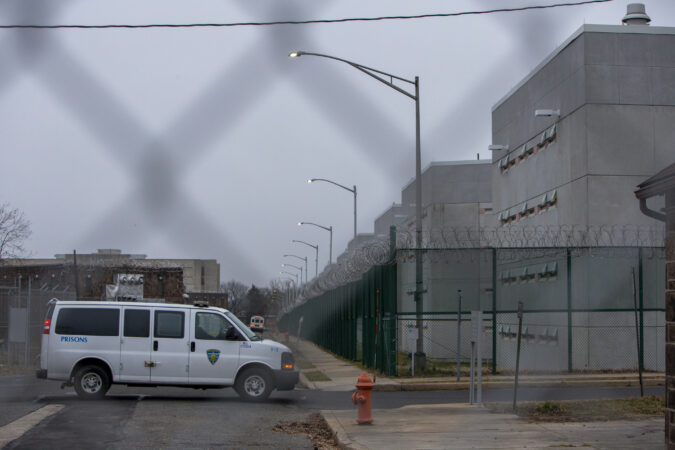
    Instead, Drury remained in his intake cell for another six hours. A jail guard walking through the area found him unresponsive at 1:45 p.m., and despite administering two doses of Narcan and other lifesaving measures, he was pronounced dead at 2 p.m., according to a spokesperson for the prison.

    The Philadelphia Medical Examiner’s Office said Wednesday that doctors are awaiting toxicology results to determine his cause of death.

    Drury had long struggled with an opioid addiction, and had been experiencing homelessness in Kensington for about two years, said his longtime girlfriend, Jennifer Barnes.

    In an interview this week, Barnes, 44, said she believes he died from health complications related to withdrawal — something that he has been hospitalized for in the past.

    When Drury was arrested in October on bench warrants related to the same cases, he was hospitalized multiple times, including for more than a week, after suffering a mild heart attack and other issues while going through withdrawal in jail, according to Barnes and a source familiar with Drury’s care at the time.

    After Drury was released in November, Barnes said he was in and out of the hospital because of ongoing chest pains and shortness of breath.

    Barnes said she worried about his health as she watched police arrest him that night.

    “The withdrawal, it’s not good for him,” she said she told the officers. “He needs medical attention.”

    Jennifer Barnes, whose fiancee Andrew Drury died while in jail, shown here in Philadelphia on Tuesday.

    Drury’s death comes as the city ramps up enforcement efforts in Kensington, a section of the city that has long experienced concentrated violence, homelessness, and drug use in and around its massive open-air drug market. Mayor Cherelle L. Parker has said her administration would shut down the drug activity in the area and return a quality of life to the neighborhood’s residents.

    But some advocates have warned city and law enforcement officials that the withdrawal effects for people who use opioids can be life-threatening, and that the understaffed jails might struggle to respond to people’s health needs in those circumstances.

    Barnes said she and Drury were both from South Philadelphia, and had been dating since 2012 after meeting in a luncheonette in the neighborhood. They were not married, she said, but wore rings as if they were.

    Andrew Drury and Jennifer Barnes in a photo before they became homeless in Kensington.

    Barnes said she has struggled with addiction since about 2008. Drury also used drugs by the time they had met, she said, his troubles beginning after he underwent a weight loss surgery and got hooked on pain killers. For many years, they were both able to hold jobs and hide their addiction.

    They bounced between friends’ and families’ homes, she said, until they were kicked out of Drury’s mother’s house in 2021 and she got a Protection From Abuse order against him. They’ve been on the streets of Kensington since about the summer of 2023, she said.

    Drury was funny and loving, she said, and helped protect her from the dangers of living on the streets. They had both recently talked about wanting to go to rehab and getting their lives back on track.

    Jennifer Barnes holds the sweatshirt of her longtime boyfriend, Andrew Drury, who died in jail on March 9.

    Since his death, she said, she feels in a fog. She has connected with a friend who found a bed for her at a recovery house in South Jersey, and she hopes to go next week.

    “For myself, and for him, it’s the best thing to do,” she said. “This way he won’t have to worry anymore.”
  • A man in addiction who was arrested in Kensington last week died in jail days later

    A man in addiction who was arrested in Kensington last week died in jail days later

    A 42-year-old man with a history of addiction died inside a Philadelphia jail over the weekend just days after he was arrested in Kensington, officials said.

    Andrew Drury was picked up on a bench warrant by Philadelphia police near Kensington and Lehigh Avenues on Thursday night and was found collapsed inside the intake room at Curran-Fromhold Correctional Facility on Sunday afternoon, according to police and prison officials. Officers who found Drury administered two doses of Narcan, among other lifesaving measures, but he did not regain consciousness, officials said.

    Drury, whose cause of death remains under investigation, was addicted to opioids and had been hospitalized multiple times for withdrawal-related complications when he was jailed in the fall on similar warrant issues, according to a source familiar with his care who was not authorized to speak publicly.

    Philadelphia police arrested Drury in Kensington around 10:30 p.m. Thursday on outstanding bench warrants related to a drug case in Maryland and a 2022 violation of a protection-from-abuse order filed in Philadelphia.

    Sgt. Eric Gripp, a spokesperson for Philadelphia police, said Drury was evaluated and “received off-site medical treatment” before he was transferred to the jail on State Road around 2:15 a.m. Saturday.

    People who use drugs are often gathered near Kensington and Somerset Avenues, an intersection at the heart of Philadelphia’s opioid crisis.

    Drury had been in an intake room at the facility for nearly 36 hours, waiting to be assigned to a cell block, when a jail guard found him unresponsive around 1:45 p.m. Sunday, according to John Mitchell, a spokesperson for the Philadelphia prisons. He was pronounced dead at 2 p.m., Mitchell said.

    The cause of Drury’s death was under investigation, he said, but no foul play was suspected. Gripp declined to say where and under what circumstances Drury was treated medically while in police custody, citing an ongoing investigation. It is not clear whether Drury was medically evaluated once he arrived at the jail.

    Drury is the first person to die in the custody of the Philadelphia Department of Prisons this year, and his death comes as the city ramps up drug enforcement in Kensington and arrests more people in addiction. Advocates have warned city and law enforcement officials that the withdrawal effects for people who use opioids can be life-threatening, and that the understaffed jails might struggle to respond to people’s health needs in those circumstances.

    His death follows that of Amanda Cahill, 31, who died inside a cell at the Philadelphia Industrial Correctional Center in September, days after she was arrested in Kensington on charges related to drugs and open warrants. The Philadelphia Medical Examiner’s Office said Tuesday that an autopsy showed Cahill died from drug intoxication.

    At least 29 people in addiction have died in Philadelphia jail or police custody since 2018 for reasons that appear connected to drug intoxication or withdrawal, according to medical examiner records reviewed by The Inquirer.

    Amanda Cahill, 31, is seen here in a photo provided by her family. She died in Philadelphia Industrial Correctional Center in September.

    Drury’s legal troubles go back to at least July 2021, when he was arrested for possession with intent to distribute drugs in Maryland, according to court records. Then, in July 2022, he was arrested in Philadelphia for violating a protection-from-abuse order that his mother had filed against him. He was later released on bail.

    After Drury failed to appear in court in Maryland and Philadelphia, warrants were issued for his arrest. He was picked up by police on Oct. 1, 2024, in connection with those pending cases.

    While in custody, Drury was hospitalized at least twice, including for more than a week, after experiencing health issues related to withdrawal, said the person familiar with his care, who had reviewed the records related to Drury’s earlier cases.

    He was released from jail in November after authorities in Maryland declined to extradite him, the source said. Because he did not return to Maryland to resolve his case, there was still an outstanding warrant for his arrest. And when Drury did not appear for a December hearing in his Philadelphia case, a second warrant was issued.

    The warrants landed him back in police custody on Thursday.

    Two of Drury’s relatives, who asked not to be identified for privacy reasons, said they did not know he was struggling with addiction. They described him as a warm and generous person, a good listener, and a helping hand.

    “I feel that something is not right,” one relative said. “I don’t know, and I won’t know, I guess, until I can get the coroner’s report. I’m in the dark right now.”

    Andrew Pappas, pretrial managing director of the Defender Association of Philadelphia, said Drury’s death underscores the dangerous conditions inside Philadelphia’s jails, which face an ongoing staffing shortage.

    “We continue to see the effects of that with yet another death in custody,” he said.