Ray Didinger is gone. Gone on vacation, gone to the other side of the world, gone to places he has never been before and will never visit again.
He and his wife, Maria, left last Sunday on a five-month Magellan-like cruise, a journey to Bora Bora, to the Hawaiian Islands, to New Zealand and Tasmania, to the Far East, to Canada and Alaska and back home again to their 15th-floor apartment in Center City.
He will not be in Philadelphia to watch Super Bowl LX — a prospect, given the very real possibility that the Eagles will return to the big game and win it again, that once would have been unthinkable. Didinger, after all, is regarded as the foremost authority on the franchise and its history, having covered, commented on, and written comprehensive books about the Eagles over his half-century-plus in journalism and media.
He also wrote a play tied to the Eagles, Tommy and Me, about his relationship with Hall of Fame wide receiver Tommy McDonald, and the play is the thing that makes the timing of his once-in-a-lifetime trip so ironic. Ten years after Tommy and Me’s debut, Boys to Fame — a documentary/feature film, produced by Sam Katz, about Didinger, his play, and McDonald — became available for purchase and viewing on Sunday morning.
Tommy and Me, the play created by Ray Didinger, chronicles his childhood and its close relationship to former Eagles great Tommy McDonald.
Didinger, a week into his journey, isn’t around for the release. And there was no chance he would be.
“I would rather be here to help Sam promote it as best I could,” he said before embarking on the cruise. “But this trip has been two years in the making, so there was no way to be here and tell Maria, ‘Honey, we’ve got trip insurance. Let’s just bag this thing.’ It’s a long fall from the 15th floor to Locust Street.”
Katz, 76, has seen his career evolve into multiple iterations that he still maintains simultaneously: a player in Philadelphia and Pennsylvania politics — he ran for mayor three times — a venture capitalist, and a filmmaker. Through his company, History Making Productions, he has produced documentaries about Philadelphia’s filmmaking history, the rise of classical music in China, and one about Detroit’s bankruptcy, Gradually, Then Suddenly, which in 2021 won the Library of Congress’ Lavine/Ken Burns Prize for Film.
When he saw Tommy and Me in 2016, its first run, he thought the play was worthy of film treatment — a film about the play and Didinger, that is. “The play itself was powerful, emotional, and a really incredible story of a relationship between two men,” he said. “I felt that a feel-good story like this would be timely, and I still feel that way.”
He worried, though, that funding such a project would be a challenge.
His other documentaries, all historical and to one degree or another educational in nature, lent themselves to philanthropic contributions. A film delving into the life of a sportswriter, even one as well-known and locally admired as Didinger, required Katz to find private investors — and contribute money himself.
He found a group willing to back the film, former City Council member Allan Domb and Bullpen Capital founder Paul Martino among them, and decided, instead of pursuing a deal with a streaming service or television station, to release the film independently. It will be available on a website, boystofame.com, on a pay-per-view basis — “I’m selling it direct to the Philadelphia sports fan,” Katz said — and he hopes to generate attention and interest through grass-roots media coverage and screenings at film festivals and private clubs.
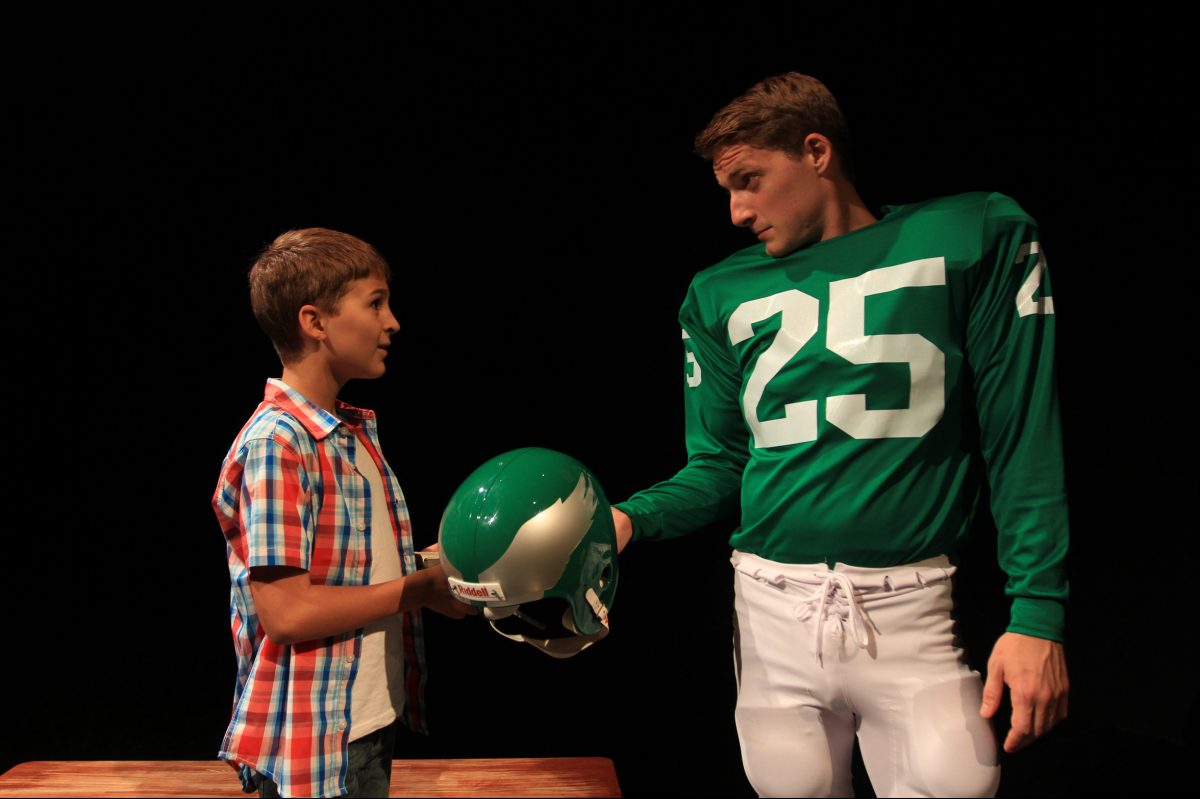
In the play Tommy and Me, Ray Didinger (left, Simon Canuso Kiley) meets boyhood hero, and Eagles player Tommy McDonald (right, Ned Pryce) in the late 1950s in Theatre Exile’s world premiere of the play in 2018.
The 82-minute film covers topics, features voices, and reveals details and emotions that Tommy and Me, by its singular focus on the big brother/little brother dynamic between McDonald and Didinger, and on Didinger’s efforts to get McDonald into the Hall of Fame, didn’t and couldn’t.
Katz interviewed Didinger for more than five hours, talked to all four of McDonald’s children and several members of his Hall of Fame class, and even tracked down Billie Jo Boyajian, who was McDonald’s Queen’s Court escort at the 1998 induction weekend — and whom McDonald scooped up in his arms and carried to the stage during the Hall of Fame dinner.
(In a fascinating side note, Boyajian pleaded guilty last January to charges of theft, forgery, and misuse of credit cards while she was the treasurer of a Canton high school basketball booster club. Katz had interviewed her for Boys to Fame years earlier.)
The documentary bookends both McDonald’s life and Didinger’s. It directly confronts the fact that in 2021, three years after his death at 84, McDonald was diagnosed with the brain disease chronic traumatic encephalopathy, commonly known as CTE.
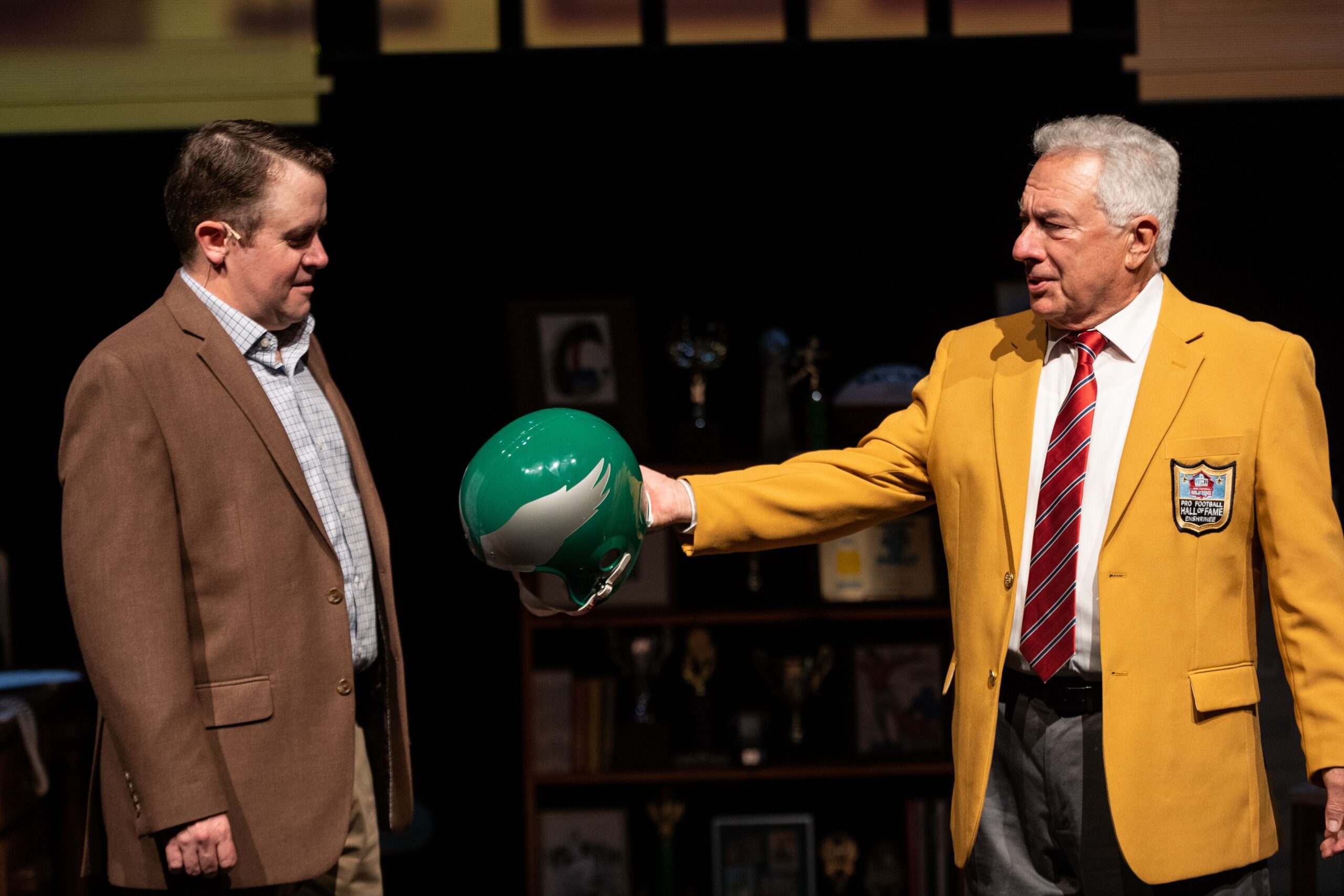
Tommy and Me at Bucks County Playhouse in New Hope, with (left to right) Matt Pfeiffer and Tom Teti.
The McDonalds gave Katz access to scrapbooks that Tommy’s parents had begun keeping of his exploits when he was a high school phenom in Roy, N.M., in the early 1950s. They also provided him with a video of McDonald’s reaction — joyful tears, dozens of thank-yous and thank-Gods — when he received the phone call to tell him that he finally would be inducted into the Hall of Fame.
“I’ve seen it a hundred times, and I still get a lump in my throat,” Didinger said, “because it’s so raw and real and so true to the guy I know.”
To Katz, though, it was important to give Didinger’s background and story — his childhood in southwest Philadelphia, his careers at The Bulletin and The Daily News, NFL Films and WIP and NBC Sports Philadelphia — as much weight as McDonald’s. To recreate Didinger’s youth, Katz took over The Barn, a pub near his vacation home in Eagles Mere, Pa., for two days and transformed it into Didinger’s grandfather’s bar, the place where Didinger, as a kid, spent hours wowing patrons with his encyclopedic Eagles knowledge. Katz hired several of The Barn’s regulars and a 10-year-old boy, none of whom had ever acted before, to star in the film.
To depict the vacations that Didinger’s family would take to Hershey each summer to watch the Eagles at training camp, Katz coaxed a collector of antique cars to bring three 1955 vehicles to the Eagles Mere community center. “I insisted on everything being better,” he said.
The most poignant moments of the film come when Didinger describes in depth his last visit with McDonald, on the day before McDonald died.
A play about ex-Eagle Tommy McDonald‘s road to the Pro Football Hall of Fame, and his connection with legendary sports writer Ray Didinger, at People’s Light Theatre last year. The play is being turned into a film by Sam Katz.
“Sam kept telling me, ‘For this thing to work, I need you to open your kimono,’” Didinger said. “That was the hardest and least comfortable aspect for me, but that day Tommy and I spent together had to be talked about.”
In the film’s final scene, Didinger and his son, David, sit together on the couch in Ray’s home, watching an Eagles game. On Feb. 8, the day of this year’s Super Bowl, the Didingers’ cruise ship is scheduled to be off the coast of New Caledonia.
If the Eagles do make it to Santa Clara for the big game, it would hardly be surprising if Ray stood atop the bow, hurled himself into the South Pacific, washed up on the beach in Sea Isle City, and was in front of his TV, pen and yellow legal pad in hand, by kickoff. Sorry, but that would be a better ending to the doc. Prepare accordingly for a reshoot, Mr. Katz.
Columnist’s note: In the interest of full disclosure, I succeeded Didinger as a WIP co-host in July 2022, and I appear briefly in the documentary.
Is anyone on or around the Eagles having any fun? It doesn’t seem that way. It hasn’t seemed that way all season. Sure, Jordan Davis has a personality as big and buoyant as he is, and Brandon Graham’s return from retirement has brought some effervescence back to the locker room. But on the whole, things have been pretty dour, or at least kind of grave and serious and humorless, for a team that’s coming off a championship.
The examples are everywhere. Jalen Hurts has won a Super Bowl, was named the most valuable player in that Super Bowl, plays his best in the Eagles’ most important games, and has a smile that would stop a beauty shop. Yet in public, he often has a demeanor that suggests that, if he so much as grinned, his face would split open down the middle. Before he left the lineup because of his foot injury, Lane Johnson had not spoken after a game since the Eagles’ loss to the New York Giants on Oct. 9, when he called out the team’s offense for being “too predictable.” Not exactly Once more into the breach, dear friends stuff.
Hurts’ relationship with A.J. Brown has been a source of speculation and tension for months. Brown has made his feelings about getting the ball — or, more accurately, not getting the ball — plain on social media, and his complaints sparked a ridiculous discussion about whether the Eagles might/should trade him in the middle of this season. Adoree’ Jackson and Kelee Ringo have, at various times, been considered the single worst cornerback in team history, as if Izel Jenkins, Nnamdi Asomugha, or Bradley Fletcher had never lined up against a decent receiver and immediately been burnt like toast. And if you want to be the ultimate Debbie Downer at a friendly get-together, just say the words Kevin Patullo, and you’re bound to start one of the partygoers ranting like a wing nut online influencer. Hell, your house might even wind up covered in egg yolk.
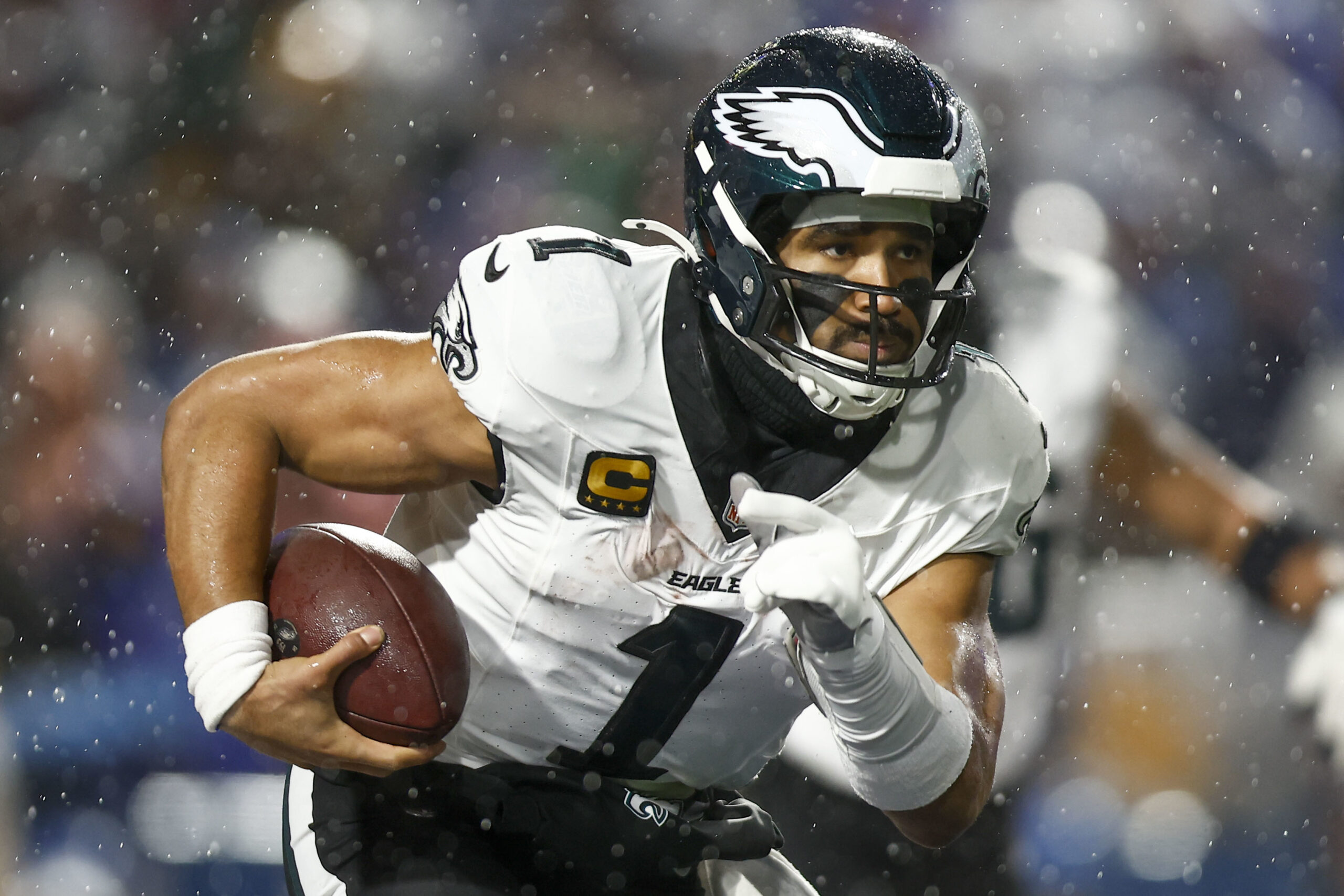
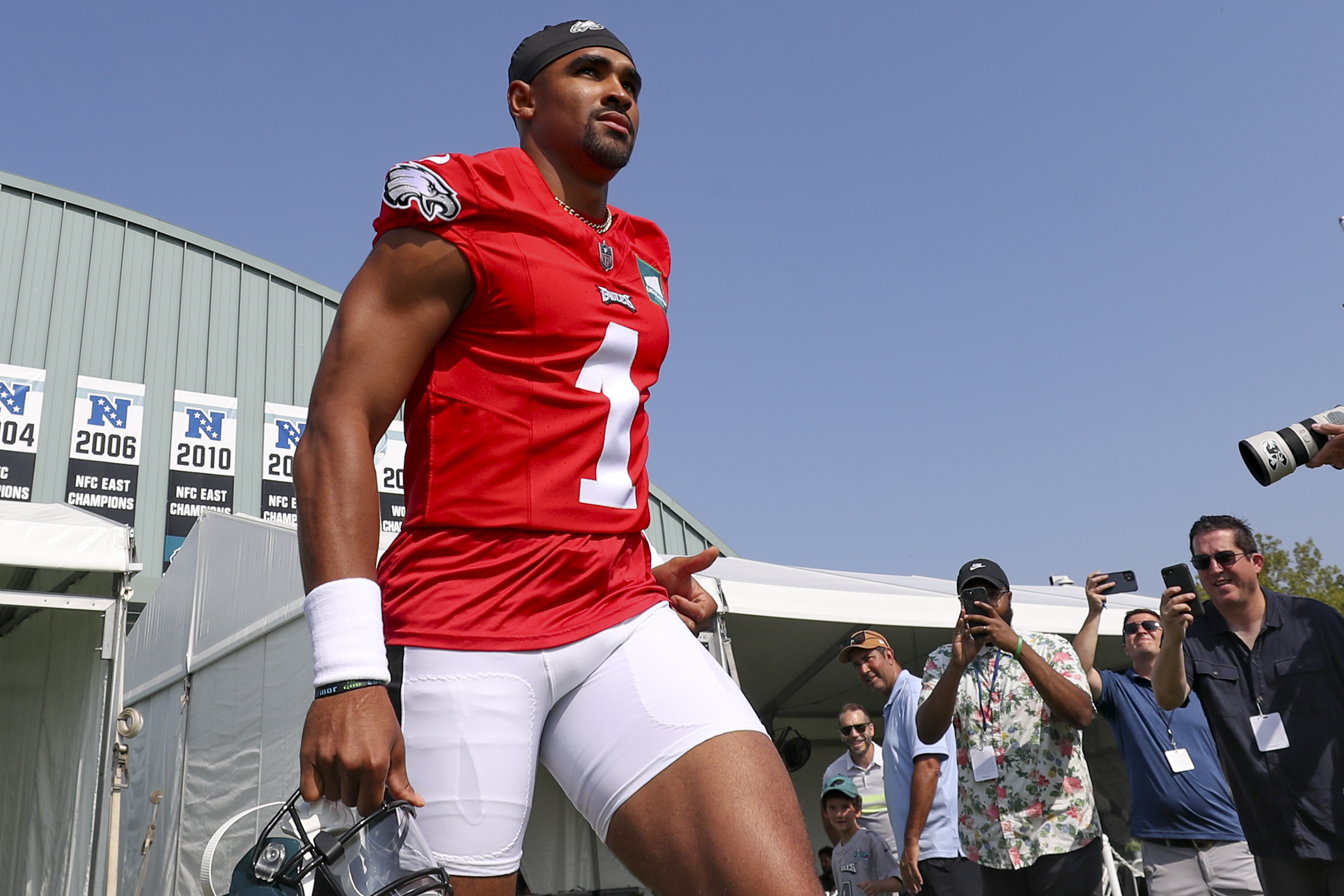
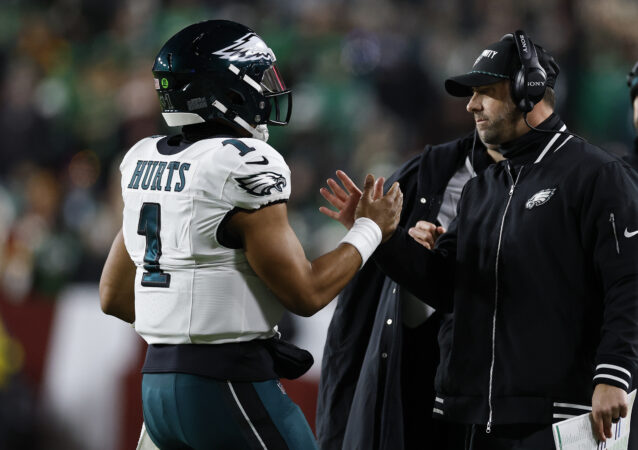
Eagles quarterback Jalen Hurts, the Super Bowl LIX MVP, has come under criticism this season.
The point here is not to suggest that the Eagles have been beyond criticism. Of course they haven’t. The point is that their entire season has felt like one of their offensive possessions. It has been a generally joyless slog that, even when it leads to a good outcome — a touchdown, a victory, a second straight NFC East title — hasn’t inspired much optimism or hope that the team will repeat or sustain that success.
You don’t need to be a gridiron genius or a Philly sports sociologist to understand why. There are plenty of cities and markets where, if a team won a Super Bowl in the manner that the Eagles did last season — winning 16 of its final 17 games, dominating the conference championship game and the Super Bowl itself — the celebratory buzz would last for years. Championship? Who needs another championship? We just won one! That backup long-snapper never has to buy a drink in this town again.
Philadelphia is not one of those cities or markets. Here, winning is the most addictive of drugs, and when it doesn’t happen, or when it doesn’t happen in the most satisfying manner, the entire region goes into a collective withdrawal, and a more powerful hit — a higher high — is required for everyone to level off.
From Eagles fans to the players themselves, there has seemed to be an ever-present blanket of expectations weighing on them. It’s as if the only thing that would make anyone happy and relieved at any moment this season would be another Super Bowl victory — a benchmark so lofty that it virtually guarantees people will be worried at best and miserable at worst unless the Eagles win every game 49-0.
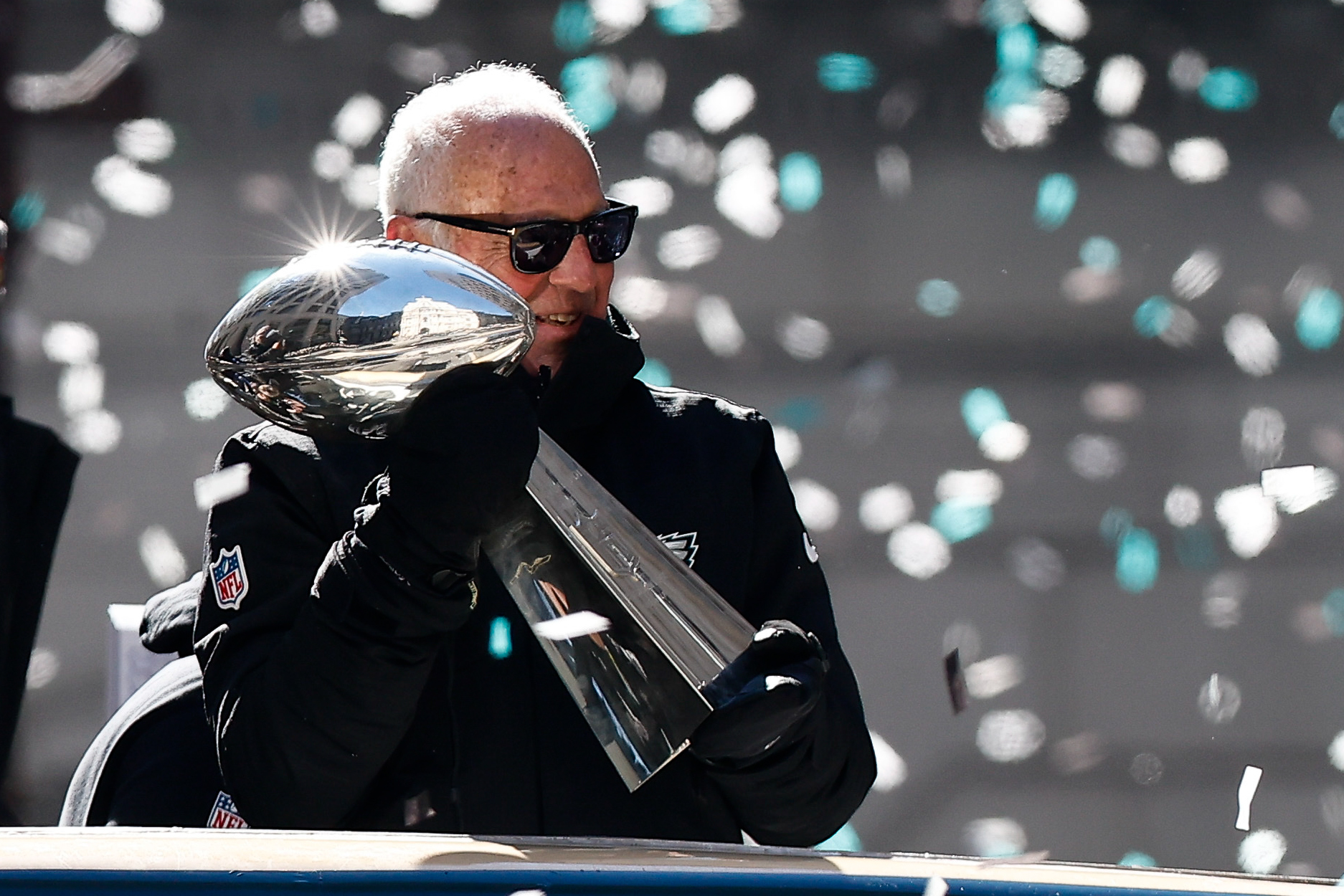
Jeffrey Lurie and his Eagles are chasing that Super Bowl glow again.
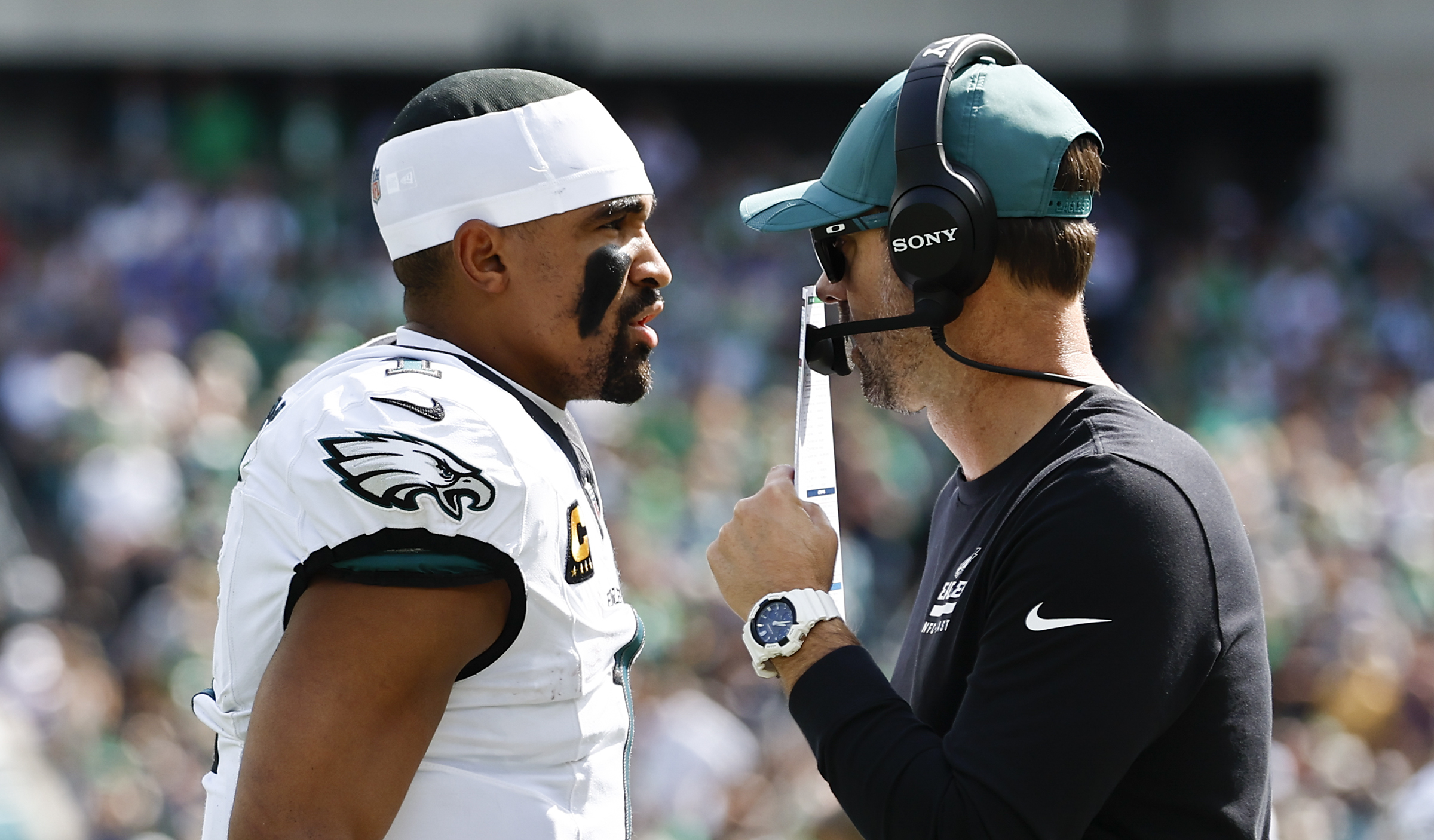
The one person who appears to acknowledge this dynamic, and appears to be fighting against it, is Nick Sirianni. He has spoken since the middle of last season about his attempts to “bring joy” to every practice, every game, every day of work, as if to lighten the burden that his staff and players were bearing.
“In professional football,” he said recently, “there are all these pressures, these ups and downs and everything like this, but we got into this game because we loved it. I think that’s a really important thing. In the world, you can let things beat you down a lot and not really give knowledge to all the things you have going on that are really good.”
Hanging on a wall in Sirianni’s office is a photograph of him and his three children. The photo was taken after the Eagles’ 20-16 victory over the Cleveland Browns last season — the game after which Sirianni brought the kids into his postgame news conference and was criticized bitterly for it. I did some of the criticizing, and I stand by it. The gesture was silly and tone-deaf at the time, mostly because the Eagles were 3-2 and playing terribly and Sirianni’s career-dissipation light was flickering. No one was about to give him or them the benefit of the doubt then.
But now that they have won a championship, it’s easier to see that moment as part of a continuing effort by a head coach to keep the pressure of meeting that standard from crushing his team. In that way, the Eagles’ toughest opponent in this postseason won’t be the San Francisco 49ers or the Los Angeles Rams or the Seattle Seahawks or whatever team they meet in Super Bowl LX if they happen to make it that far. Their toughest opponent will be, and has been all along, themselves.
For most of professional football’s history, few people among the millions who tuned in every Sunday and every Monday night actually understood what was happening on the field. There was a quarterback, of course, dashing and rugged, the clear leader. There were collisions of giant bodies. There were smaller, faster men with a ballet dancer’s flexibility and a sprinter’s speed who made breathtaking plays. But no one really knew how those men freed themselves, or were freed, to make those plays. How did anyone get open? Who was supposed to block that blitzing linebacker?
This is a newer, more informed era. This is the era of All-22 film, available to everyone, showing everything. This is the era of the next-level analyst, the football-aholic who grinds tape, the mind who can demystify an entire sport for you. Which means that, when it comes to NFL coaches, this is the era of the great play-caller, the great play-designer, the great scheme-creator, the brilliant and beautiful brain. The players are more than just athletes with distinct strengths and roles and personalities. They are clusters of pixels on a screen, moving as if drawn by a magnet on a particular route to a particular spot on the field.
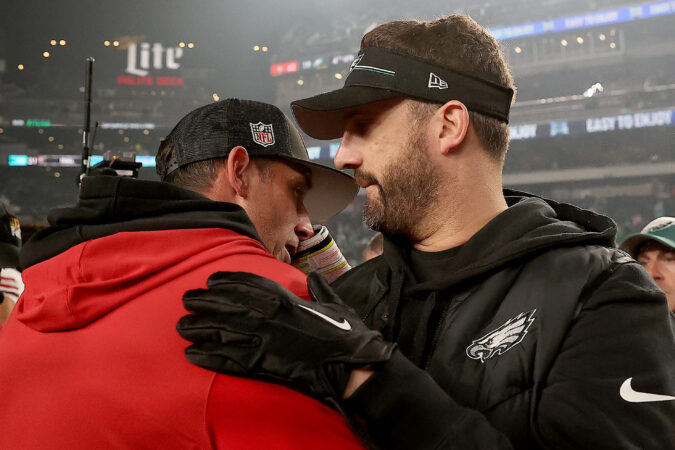
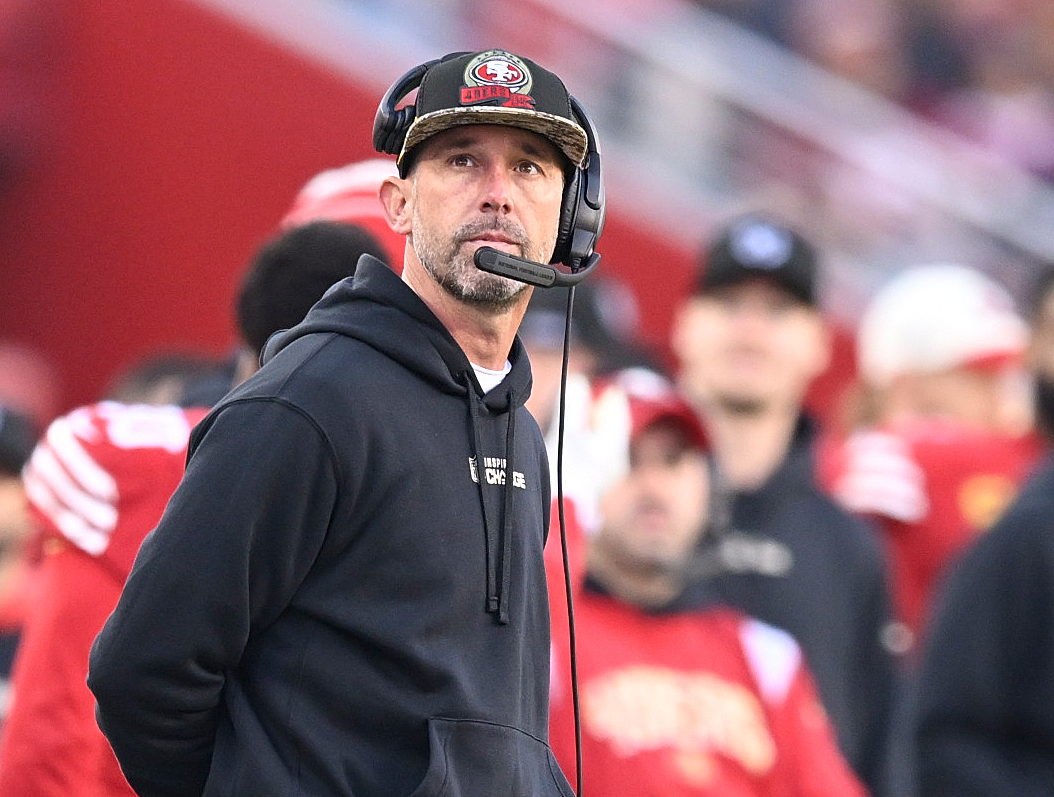
Kyle Shanahan, the head coach of the San Francisco 49ers, whom the Eagles face Sunday in the NFC wild-card round, is considered one of these savants. He is a terrific coach in just about every regard, having guided the 49ers to two Super Bowls and two other appearances in the NFC championship game. But it is in his creativity and orchestration of the team’s offense where he is truly elite.
San Francisco 49ers coach Kyle Shanahan has had his share of success, but a Super Bowl title has eluded him.
Shanahan calls all the 49ers’ plays, and his offense is so quarterback-friendly that the team has reached those two Super Bowls and four NFC title games with Jimmy Garoppolo, who backed up Tom Brady in New England, and Brock Purdy, who was the last player picked in the 2022 draft, as its starters at the position. Loaded with motion and deception, based on a zone-running attack that features Christian McCaffrey, Shanahan runs as close to a plug-and-play system for a quarterback as it gets in the NFL, and it works. San Francisco has finished among the top 10 teams in scoring in four of the last seven years.
“They have a really good scheme,” Eagles defensive coordinator Vic Fangio said Tuesday. “It’s all packaged together very nicely. They give you a lot of good motions. Everything they do is with a purpose and they do a really good job of it.”
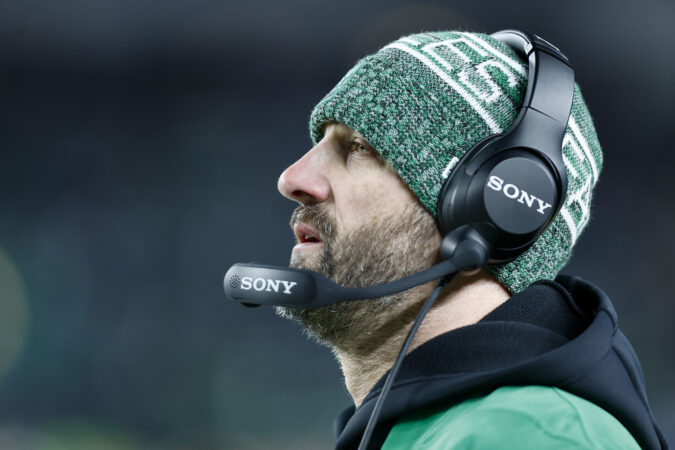
Nick Sirianni, the Eagles’ head coach, and Kevin Patullo, their offensive coordinator, are not considered the same kinds of coaches that Shanahan is. Say what you want about them — and a lot of what is said about them around here, especially about Patullo, can’t be repeated in decent company — but generally they are not among the first names mentioned when anyone starts listing the top offensive minds in the NFL. Sirianni stopped calling plays, for instance, in 2021, his first season as a head coach. Patullo had never been an NFL coordinator or play-caller before this season, and the Eagles’ up-and-down (to put it kindly) performance has made him a convenient and oft-deserved target of criticism.
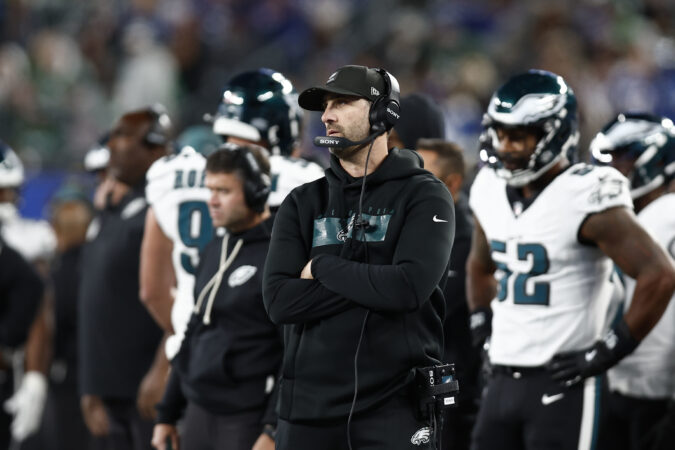
Nick Sirianni has yet to have a losing season or miss the playoffs in his five years with the Eagles.
NFL coaching, though, is about more than being an offensive wizard. Shanahan hasn’t won a Super Bowl in his career yet, and one of the reasons is that, when he and his teams have had opportunities to bury their opponents, they’ve failed to do it. He was the offensive coordinator of the 2016 Atlanta Falcons, who infamously blew a 28-3 lead in Super Bowl LI to the Patriots in part because Shanahan got too aggressive in his late-game play selection. Under him, the 49ers had double-digit fourth-quarter leads in Super Bowl LIV and in the 2021 season’s NFC title game … and lost both. And in Super Bowl LVIII against the Kansas City Chiefs, Shanahan took the ball first in overtime, opted to kick a field goal on fourth-and-4 from the Chiefs’ 9-yard line, and handed the ball back to Patrick Mahomes with a chance to win the game. Patrick Mahomes, to no one’s surprise, won the game.
Sirianni, meanwhile, has won a Super Bowl, has reached another, and has yet to have a losing season or miss the playoffs in his five years with the Eagles. Does he need a Shanahan-like or Shane Steichen-style play-caller to make his offense go? The presence of such an assistant certainly helps. But by all indications, he makes up for whatever shortcomings his coordinators — or, in fairness, his quarterback, Jalen Hurts — might have with his abilities as a culture-builder.
“Week-to-week, day-to-day, his energy, his passion, everything you want in a leader who stands in front of this team in team meetings and at practice, he gives you,” Patullo said. “His attention to detail — we talk about core values all the time: toughness, together, detailed, all that stuff. And when we look at those things, that’s what he embodies and brings that to the team. Every day, he’s consistent in who he is. You’re not going to get somebody who goes back and forth on what they say, and I think when he speaks, everybody receives it and they’re ready to go.”
There’s more than one way to be an excellent head coach, even if one of those ways gets a little more attention, a little more scrutiny, a little more credit these days. The film can tell you how good a coach Kyle Shanahan is. What Nick Sirianni does well sometimes isn’t so easy to see. Come Sunday, may the best savant win.
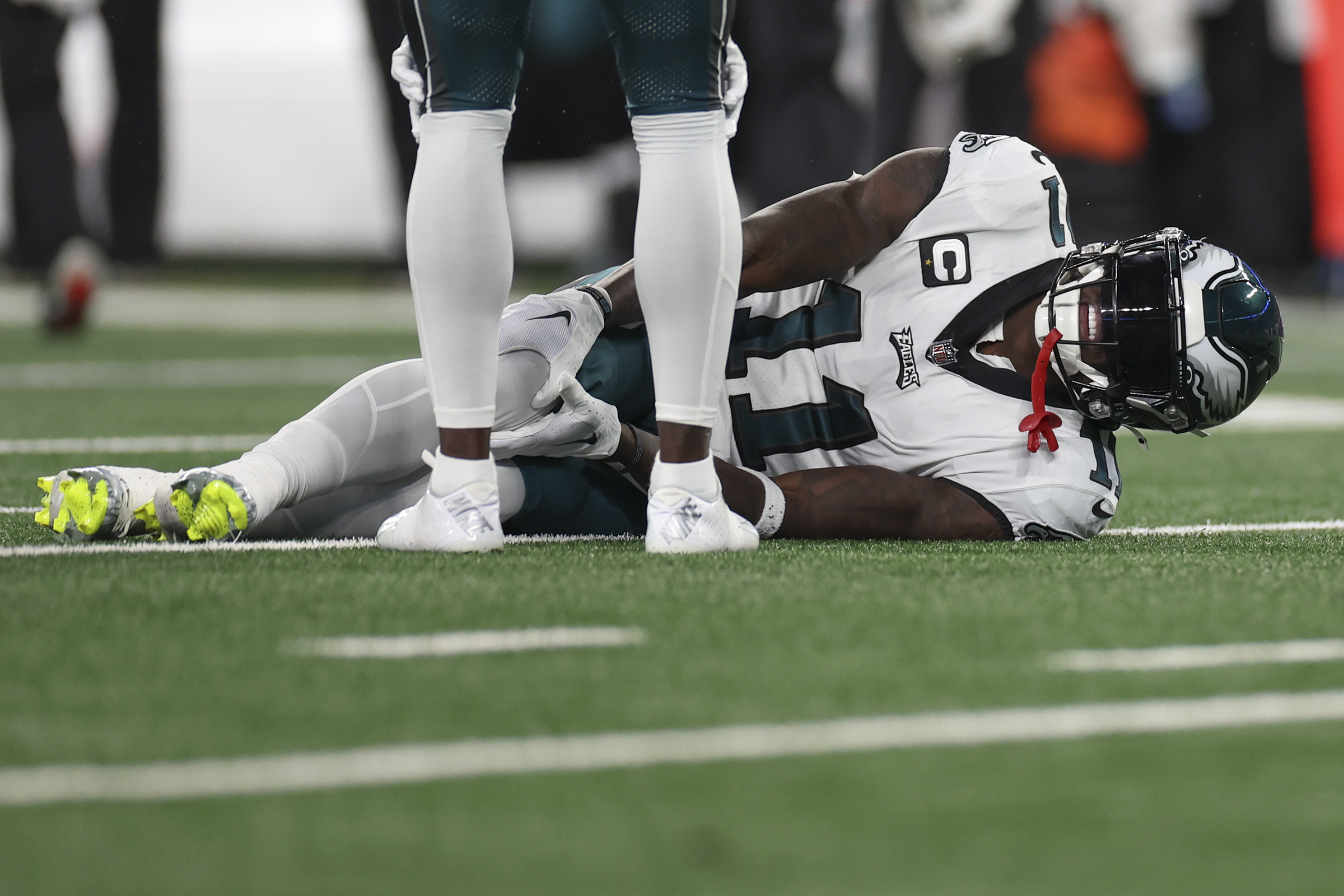
OK, let’s play this out. Let’s go back to the third quarter of the Eagles’ 24-17 loss Sunday to the Washington Commanders, to a first-down completion for 6 yards from backup quarterback Tanner McKee to Grant Calcaterra, the team’s second tight end — an innocent enough play. Let’s go back to Washington safety Jeremy Reaves grabbing Calcaterra from behind and dragging him down in an illegal (and yet unpenalized) hip-drop tackle. Let’s go back to Calcaterra limping off the field then into the locker room, his right knee and ankle injured so badly that he couldn’t return to the game.
Now, let’s pretend that coach Nick Sirianni had made a different decision ahead of Sunday’s results: the Eagles’ loss, the Chicago Bears’ loss to the Detroit Lions, the Eagles’ ending up with the No. 3 seed in the NFC playoffs when they could have had the No. 2 seed. Let’s pretend Sirianni had played all the team’s starters instead. Hell, let’s pretend that, because all their starters played, the Eagles beat the Commanders.
And let’s pretend that it wasn’t Calcaterra who suffered those injuries. Let’s pretend it was Dallas Goedert.
Would the victory have been worth it? Would it?
Let’s pretend some more. Let’s pretend that it wasn’t Brett Toth who started at left guard Sunday … and who suffered a concussion in the second half and, like Calcaterra, left the game. Let’s pretend it was the Eagles’ usual starting left guard. Let’s pretend it was Landon Dickerson.
Perhaps no Goedert. Perhaps no Dickerson. Perhaps another vital player who might have ended up unavailable, or at least damaged, for next Sunday’s wild-card game against the 49ers.
Would the victory and the No. 2 seed have been worth it then? Would it?
On the crucial question ahead of Sunday for the Eagles, the easiest position to take was, Play the starters. It required no calibration of whether a theoretically weaker opponent in the first round (the Green Bay Packers) and a potential extra home game in the divisional round was better for the Eagles than a week of rest for their top guys. It required none of the responsibility that Sirianni bore: to take the pulse of the locker room, to understand where his players stood on the matter, and act accordingly. It required nothing other than the simplest of calculations, one that could be drawn without any context. You play to get the higher seed. End of story.
But that context matters, and it includes some relevant recent history. It’s no coincidence that each of the two teams that have repeated as Super Bowl winners in the last quarter-century — Tom Brady and the 2003-04 New England Patriots, Patrick Mahomes and the 2022-23 Kansas City Chiefs — had an all-time great at quarterback. That measure of greatness at the most important position in sports is the closest thing that an NFL team can have to a shortcut to a Super Bowl. Remember: The Eagles played four playoff games last season in reaching and winning Super Bowl LIX, and a team attempting to win back-to-back championships needs every hour of rest and recovery it can get. It’s the price of success, sure, but an NFL season that’s 24% longer than a regular 17-game campaign — and an offseason that’s 24% shorter — does exact a toll.
“I don’t know whether people think about it, but it does, a hundred percent,” defensive tackle Moro Ojomo said. “You think about the Niners when they went to the Bowl in ’23 — they just completely dropped [the following season]. The Eagles went to the Bowl [in 2022]; after that year, they had a slump at the end of the season. It’s insanely hard, what the Chiefs have done and what we’re trying to get done. You play a lot of football, and you want to keep on going.
“You get this late in a season, and you get bruised up and banged up, and you don’t know how much it helps a guy who’s been dealing with a shoulder [injury] to have a week off. That goes a long way. Now that guy’s coming into the playoffs a little fresher. So if you’re a running back, maybe instead of going for 85 yards you go for 115. That’s the goal, to give yourself any advantage you can get.”
The Eagles cost themselves that advantage as recently as 2023, when Sirianni suited up his starters for the season finale in East Rutherford, N.J., just for the sake of trying to snap the team out of a terrible slump. What happened was the true worst-case scenario in such situations: A.J. Brown injured his knee and missed the following week’s wild-card game against Tampa Bay. Jalen Hurts dislocated his finger. And the Eagles lost to the Giants.
The Eagles decided not to rest starters in the 2023 season finale and lost A.J. Brown for the playoffs that year.
So Sirianni went the other way Sunday, effectively manufacturing a bye week for his best players. They had one in 2022-23, when they were the conference’s No. 1 seed, and they had one last year, when Sirianni played his backups against the Giants in Week 18.
“Every year is different,” Sirianni said. “Every year that you go through it, you’re judging this team. Of course you think back to that. My mindset was more all the good things that have happened as we’ve rested guys. I didn’t really think too much about the negatives of it.”
The positives outweighed them anyway. Do the Eagles have a harder road back to the Super Bowl now? Maybe, but not necessarily. They got some rest and eliminated any risk that they’d be shorthanded to a significant degree next Sunday. The defending champs let everything play out, and now they really get to take their chances, to show that being healthy and healed up is a bigger advantage than anything they might have gained from treating Sunday’s game like their season depended on it.
The stakes for the Eagles on Sunday are clear: If they beat the Washington Commanders and if the Detroit Lions beat the Chicago Bears, then the Eagles would secure the No. 2 seed in the NFC playoffs.
It would likely make for an easier road back to the Super Bowl (easier on paper, anyway), because they’d be assured of having home-field advantage in at least the wild-card and divisional rounds, and the matchups they’d face in those games might be more favorable.
So the Eagles had a choice: They could play their starters against the Commanders, giving their most important players no rest ahead of the postseason, with no guarantee that, even if they beat Washington, that they’d end up with the second seed anyway.
Or they could sit their starters, banking that a well-rested team would be better off no matter who or where it plays. Nick Sirianni and his staff, as we now know, opted to rest the starters.
It was the right decision, for this reason: Given that Washington is 4-12 and will have third-stringer Josh Johnson at quarterback Sunday, there’s a decent chance that the Eagles will secure the best of all outcomes for themselves.
They can give their starters a week off, still win the game, and have the Bears lose to the Lions. After a regular season that raised some questions about the Eagles’ ability to repeat, that scenario would be a timely reassertion of strength from the defending champs.
Too hot for pucks
The entire premise and most of the appeal of the NHL’s Winter Classic, when it began in 2008, were based around the notion that hockey in its best and purest form was a cold-weather sport.
A pond or stream or lake froze over. Kids bundled up, grabbed their skates and sticks and a couple of rickety little goal nets, and just played. The sport was a natural and seamless part of life in Canada and in certain regions of the United States.
But not in Miami. Which is where this year’s Winter Classic, between the Florida Panthers and the New York Rangers, was held Friday. How do you know a gimmick has gotten stale? When you’re playing an outdoor hockey game in early January in a place where it’s 70 degrees in the shade.
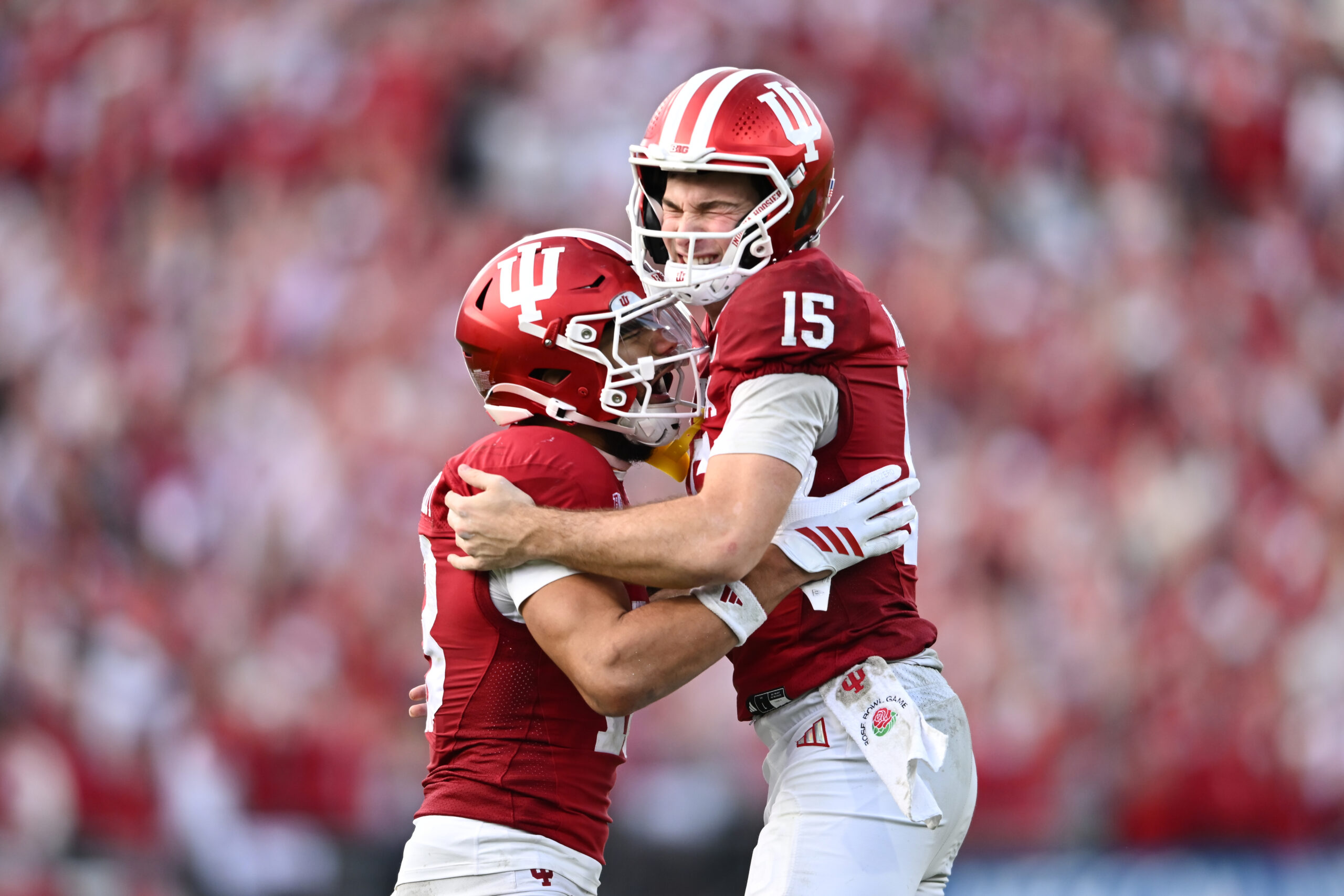
Quarterback Fernando Mendoza (right) and Indiana routed Alabama on the way to the College Football Playoff semifinals.
Hoosier daddy?
The benefit of the 12-team College Football Playoff is that it is a great revealer. Most of the sport’s regular season is marred by “expert analysis” that is based on little more than arrogance and presumptuousness: The SEC is obviously a better and more challenging league than the Big Ten, which is better and more challenging than the Big 12, which is way ahead of the ACC, and so on. It’s regional bias and figure-skating-style judging all the way down.
Then they actually play the games. And we learn that Alabama has no business being on the same field as Indiana, that Texas Tech is a long way from the days of Kliff Kingsbury and Patrick Mahomes, that Ohio State’s lopsided intraconference victories aren’t a true indication of how good the Buckeyes really are.
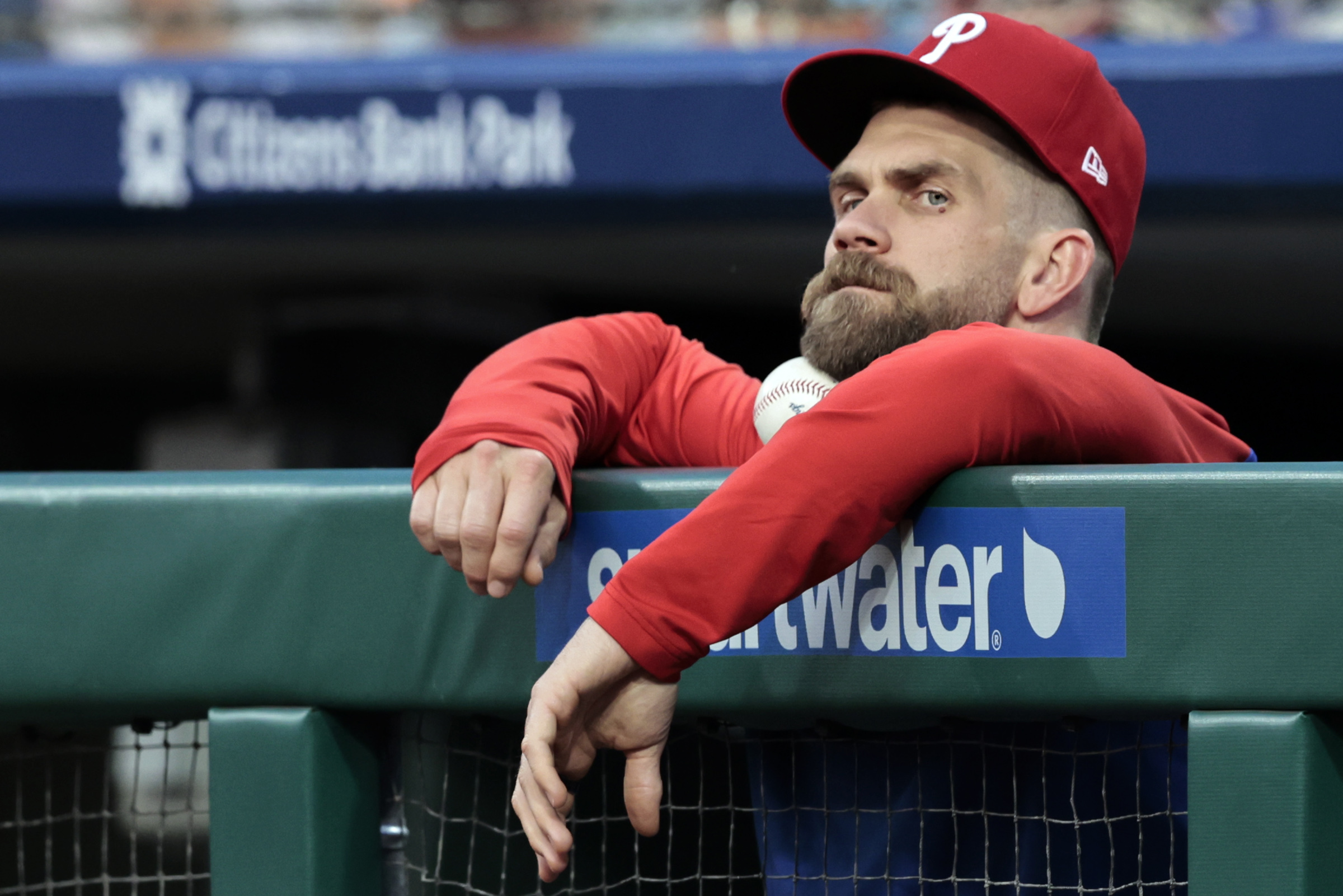
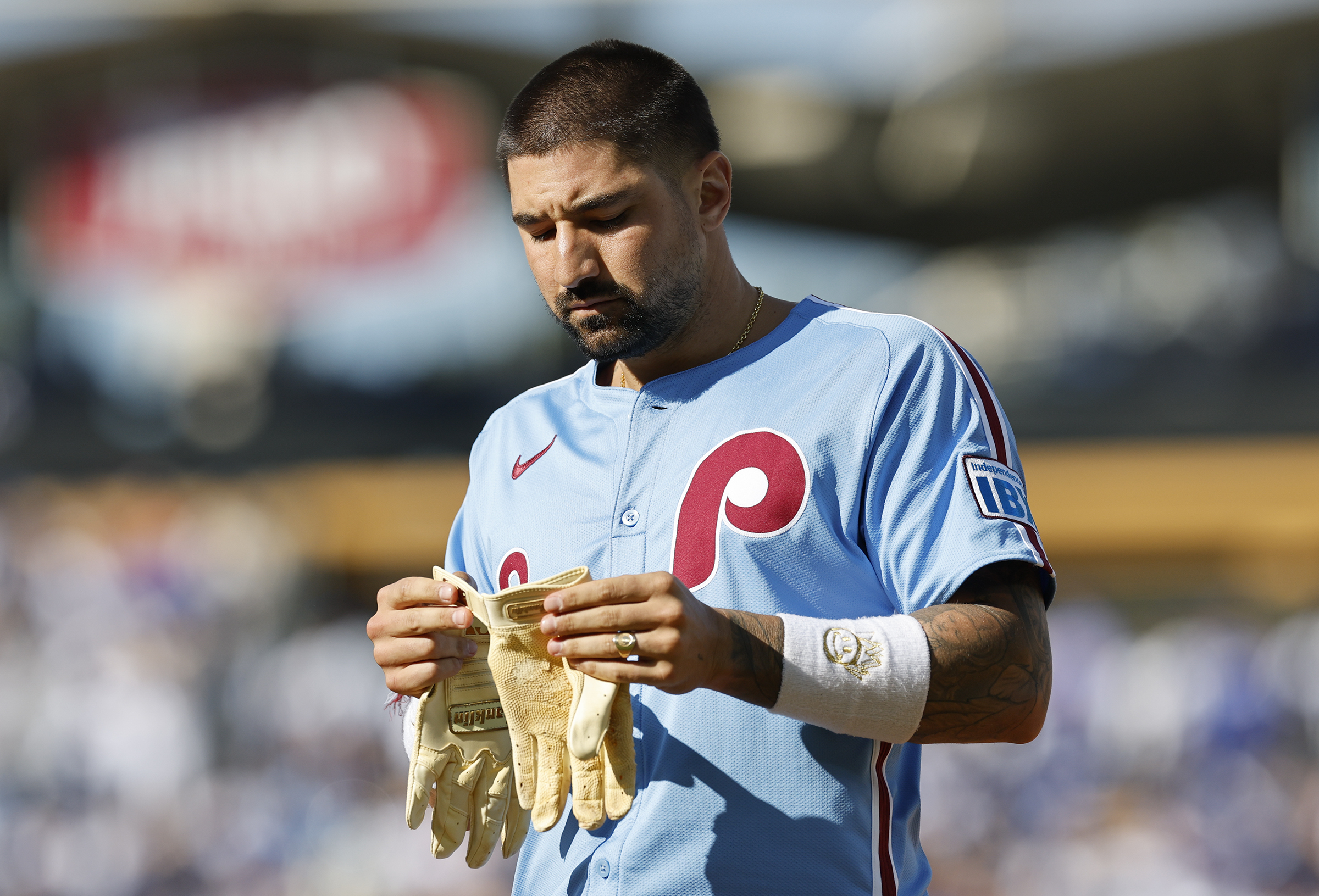
Dave Dombrowski apparently provided Bryce Harper with some extra motivation this offseason.
An elite idea
Bryce Harper recently posted a video of himself taking batting-cage swings while wearing a T-shirt with “NOT ELITE” across the front, a reference to Phillies president Dave Dombrowski’s description of Harper’s 2025 season.
You’ve got to love that defiant, near-vindictive energy from Harper, and it was a brilliant idea to take Dombrowski’s words and strip them across a shirt. Imagine an entire apparel line, marketed to individual athletes, made up of critical yet potentially inspiring phrases. The possibilities are endless.
In his 33 games during his only year of college basketball at Baylor, VJ Edgecombe took 4.6 three-pointers a game and made 34% of them. In his 28 games so far with the 76ers, he is taking 5.8 a game and making 38% of them. That improvement might be the most pleasant surprise of his terrific rookie season.
One last one-liner
Congratulations to former Eagles great Frank Gore for being a Pro Football Hall of Fame finalist.
Dave Barry, arguably the funniest columnist ever and certainly the funniest Haverford College alumnus ever, has a tradition. Every December, he writes a piece in which he reviews everything that happened over the previous calendar year. Some of the things are true. Some of them are kinda true. All of them are hilarious.
Barry got his start in journalism at the West Chester Daily Local News, was almost hired by The Inquirer in 1983, won the Pulitzer Prize in 1988, and has written more than 40 books, including a terrific memoir, Class Clown, that was published in May. (Dave, when you update the “Acknowledgments” section for the paperback edition, it’s S-I-E-L-S-K-I.) So in honor of a great writer with strong local ties, let’s close out 2025 with a look back at the year in Philadelphia sports.
January
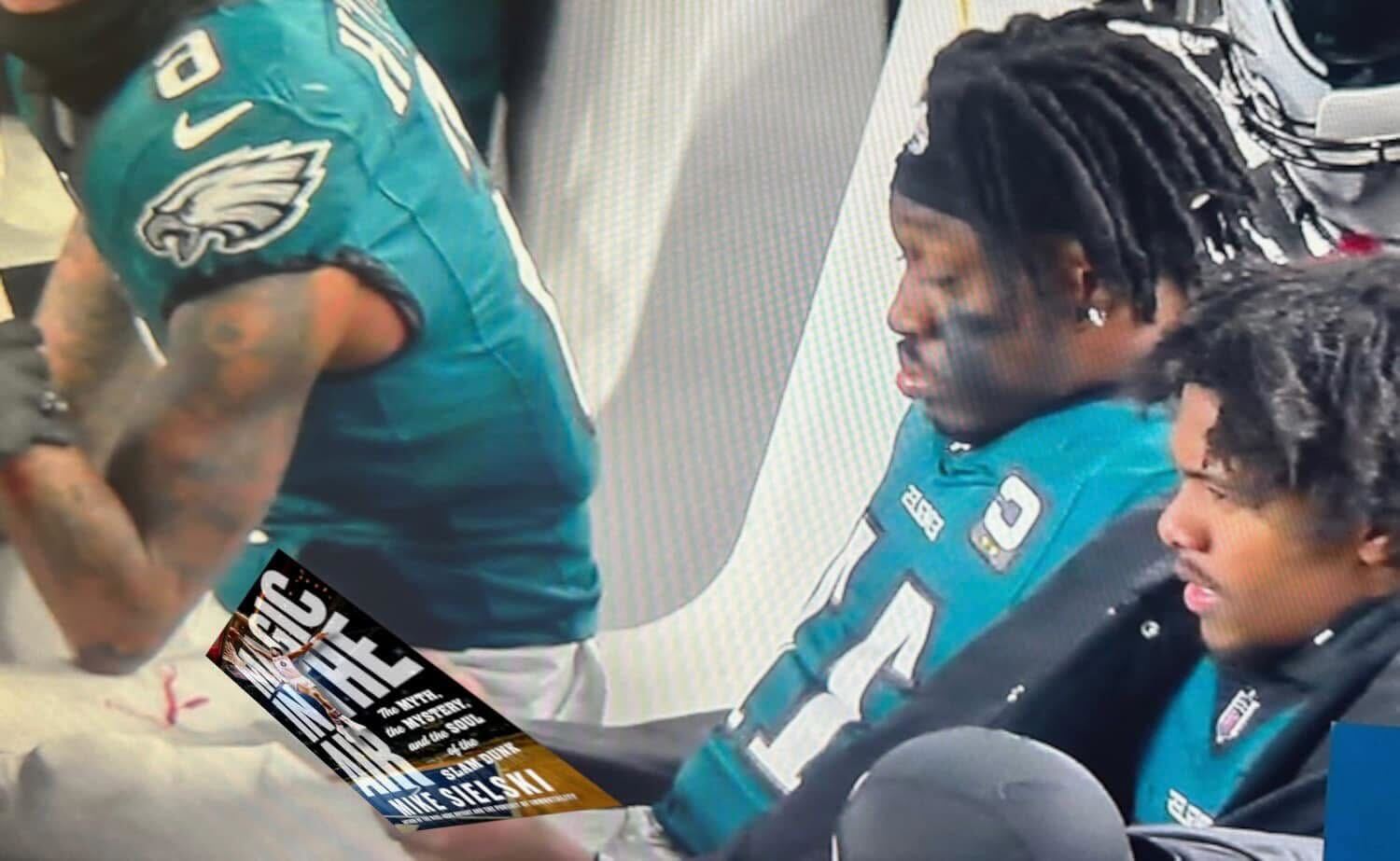
The year got off to a rough start when Howard Eskin, the Edward R. Murrow of autograph seekers, lost his very important job of telling everyone how awesome the Eagles are. Tanner McKee started the team’s final regular-season game and played well against the Giants, proving that he is better than Jalen Hurts, Tom Brady, and Joe Montana combined. Nevertheless, coach Nick Sirianni insisted on starting Hurts in the Eagles’ first playoff game, which led to wide receiver A.J. Brown’s decision to sit on the sideline and read a book called Magic in the Air, which was written by some hack from the suburbs. Hurts shook off his two tepid performances against the Packers and the Rams to play brilliantly in the NFC championship game against the Commanders, who aided him by refusing to cover any receivers or tackle Saquon Barkley.
A.J. Brown plays football and has impeccable taste in literature.
Meanwhile, the Sixers played 17 games in the month and lost 11 of them, which cut into the listenership for Paul George’s podcast. But on the bright side, Penn State lost a close game to Notre Dame in the College Football Playoff semifinals, inspiring optimism that James Franklin finally would guide the Nittany Lions to a national championship the following season.
February
Speculation of a pro-Chiefs conspiracy among NFL officials swirled in the run-up to Super Bowl LIX, but those rumors were put to rest once Patrick Mahomes conspired to throw the ball to Cooper DeJean and Zack Baun throughout the first half. The Eagles thumped Kansas City, 40-22, prompting Brady to provide no discernable analysis on the telecast other than shouting “WOW!” after every significant play. At the Super Bowl parade, Eagles vice president Howie Roseman was struck in the head by a full can of beer. He immediately found the fan who threw the beer and signed him to a three-year, cap-friendly contract. On WIP, Spike Eskin argued that the fan should start ahead of Hurts.
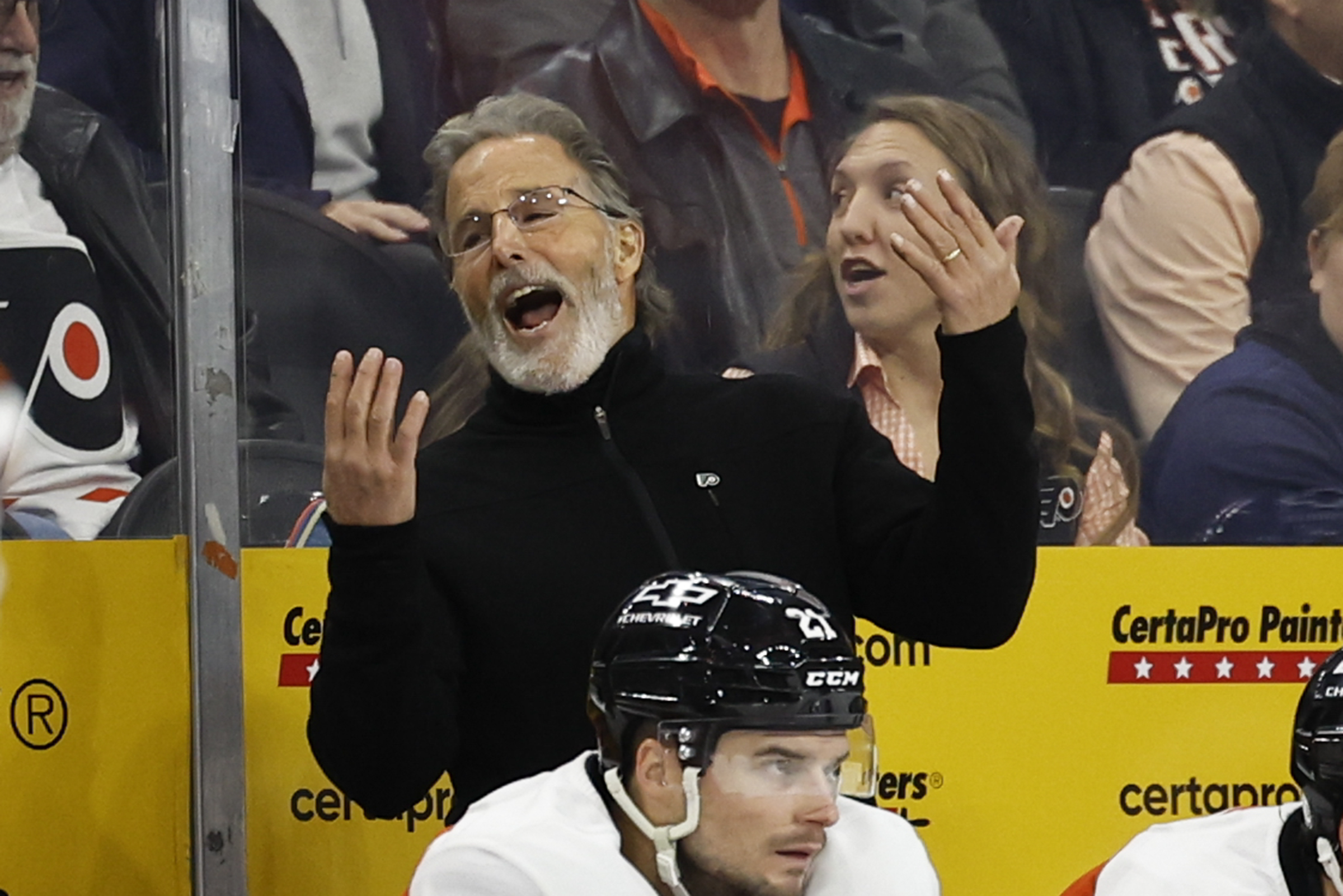
March meant a pink slip for Flyers coach John Tortorella.
March
The Phillies began the 2025 season with three wins in their first four games and the expectation that, if the team did not win the World Series, fans would storm Citizens Bank Park, bind and gag team president Dave Dombrowski, and throw him into the Schuylkill. Villanova’s men’s basketball team lost in the quarterfinals of the Big East tournament and fired coach Kyle Neptune, which reminded everyone that Kyle Neptune had been coaching Villanova’s men’s basketball team. The Flyers lost 11 times in a 12-game stretch and fired coach John Tortorella, which reminded everyone that Philadelphia used to have a hockey team.
Brandon Graham said he was retiring after 15 years with the Eagles. Yep. He said that. There was a news conference and everything.
Aaron Nola elicited deep concern in April.
April
Aaron Nola lost four consecutive starts for the Phillies, which raised the concern that fans would storm Citizens Bank Park, bind and gag him, and throw him into the Schuylkill. Coaches and executives around the NFL began lobbying the league to ban the Tush Push. The Eagles responded by encouraging their offensive linemen to stop blocking altogether — a strategy they carried into the 2025 season. The team then drafted Jihaad Campbell, the first time that the Eagles had selected a linebacker in the first round since 1979 … two years before their head coach was born. Seriously.
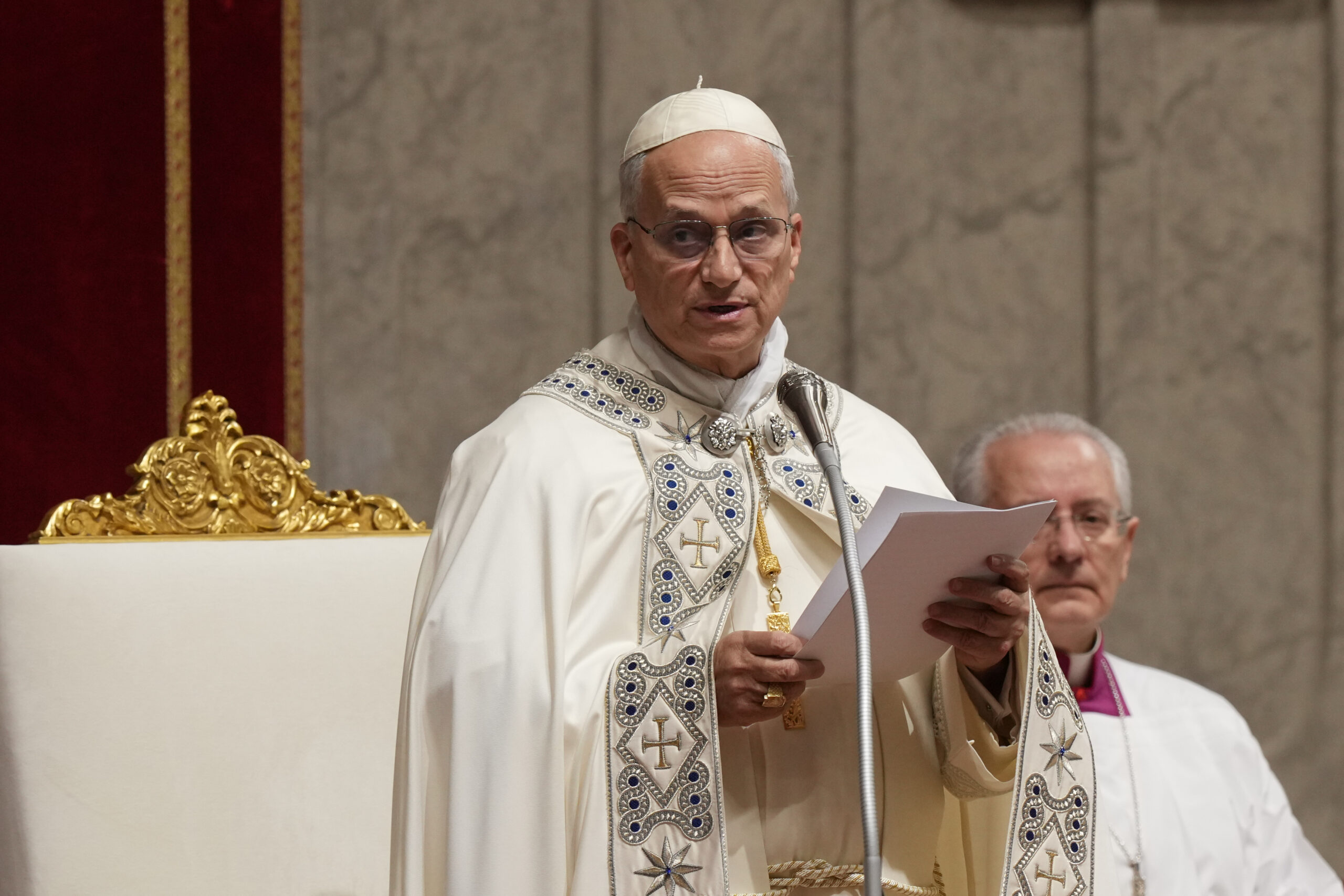
Big Five Hall of Fame induction continues to elude Pope Leo XIV.
May
A busy time. The Flyers hired Rick Tocchet as their new head coach, which prompted several 55-year-old South Jersey women to dig their TOCCHET, ZEZEL, and MELLANBY jerseys out of mothballs and start wearing them again.
The Phillies won nine straight games, but bad news marred their hot streak. Major League Baseball suspended closer José Alvarado for 80 games and ruled him ineligible for the postseason after a drug test revealed he had not told gamblers that he was using a banned substance. Nola gave up 12 hits and nine earned runs over 3⅔ innings against the St. Louis Cardinals, after which the Phillies placed him on the injured list. Then Jesús Luzardo gave up 12 hits and 12 earned runs over 3⅓ innings against the Milwaukee Brewers, which raised the concern that fans would storm Citizens Bank Park and insist that Nola pitch again.
DeJean and his fellow Eagles defensive back Reed Blankenship launched their podcast, Exciting Whites, which immediately rocketed up the audience rankings in Mayfair, Somerton, and Ridley Township. The College of Cardinals elected Robert Francis Prevost, a Villanova alumnus, as the new Pope. In his first declaration as Pope Leo XIV, Prevost announced that “V for Villanova” would become the official Communion hymn for every Catholic Mass in the United States, replacing “Taste and See,” “Eat This Bread,” and the ever popular “One Bread, One Body.”
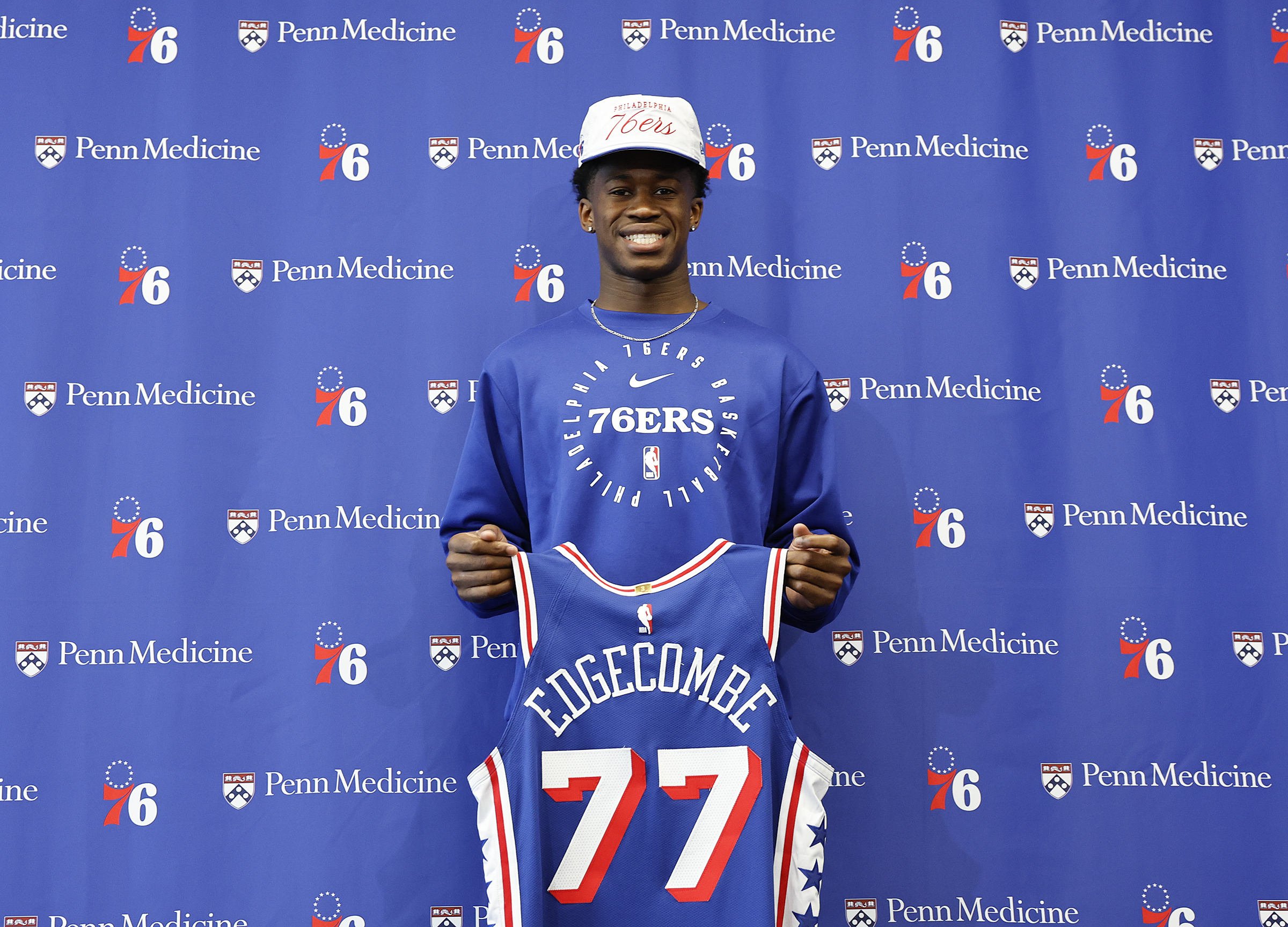
The Sixers drafted VJ Edgecombe and everyone blindly trusted that the franchise made the correct choice.
June
The Indiana Pacers’ remarkable run to Game 7 of the NBA Finals — thanks in large part to T.J. McConnell — reminded Sixers fans of those halcyon days when the team tanked for three years to acquire a 5-10 backup point guard who might someday lead them to an almost-championship. Things got better once the Sixers selected VJ Edgecombe with the third overall pick in the draft, allowing them to phase out Joel Embiid and George with a roster made up entirely of guards who were 6-4 or shorter.
The Flyers used their first-round pick on a promising winger, Porter Mantone, though fans remained disappointed that neither Tocchet, general manager Danny Brière, nor team president Keith Jones would be suiting up for the team himself.
Jalen Hurts and the Eagles did not win a single game in July.
July
The WNBA announced that Philadelphia would get an expansion franchise in 2030, provided that the WNBA still exists in 2030. The NCAA announced that it would keep the March Madness field at 68, quelling any remaining hope that any Big 5 team would ever qualify for the Tournament again. At the MLB trade deadline, the Phillies acquired Harrison Bader, who immediately became their best player, and Jhoan Duran, who immediately increased their in-game pyrotechnic production costs by 250%.
The Eagles began training camp, and Hurts laid out the team’s message for the season: “We are focused on 2025. We’re acting like we didn’t just win the Super Bowl. We’ve forgotten that we won the Super Bowl. You either win or you learn. We are keeping the main thing the thing that is mainly the thing that we think is, in the main, what we want to be doing. What is the Super Bowl anyway? What is soup? What are bowls? Who am I? Why am I here?”
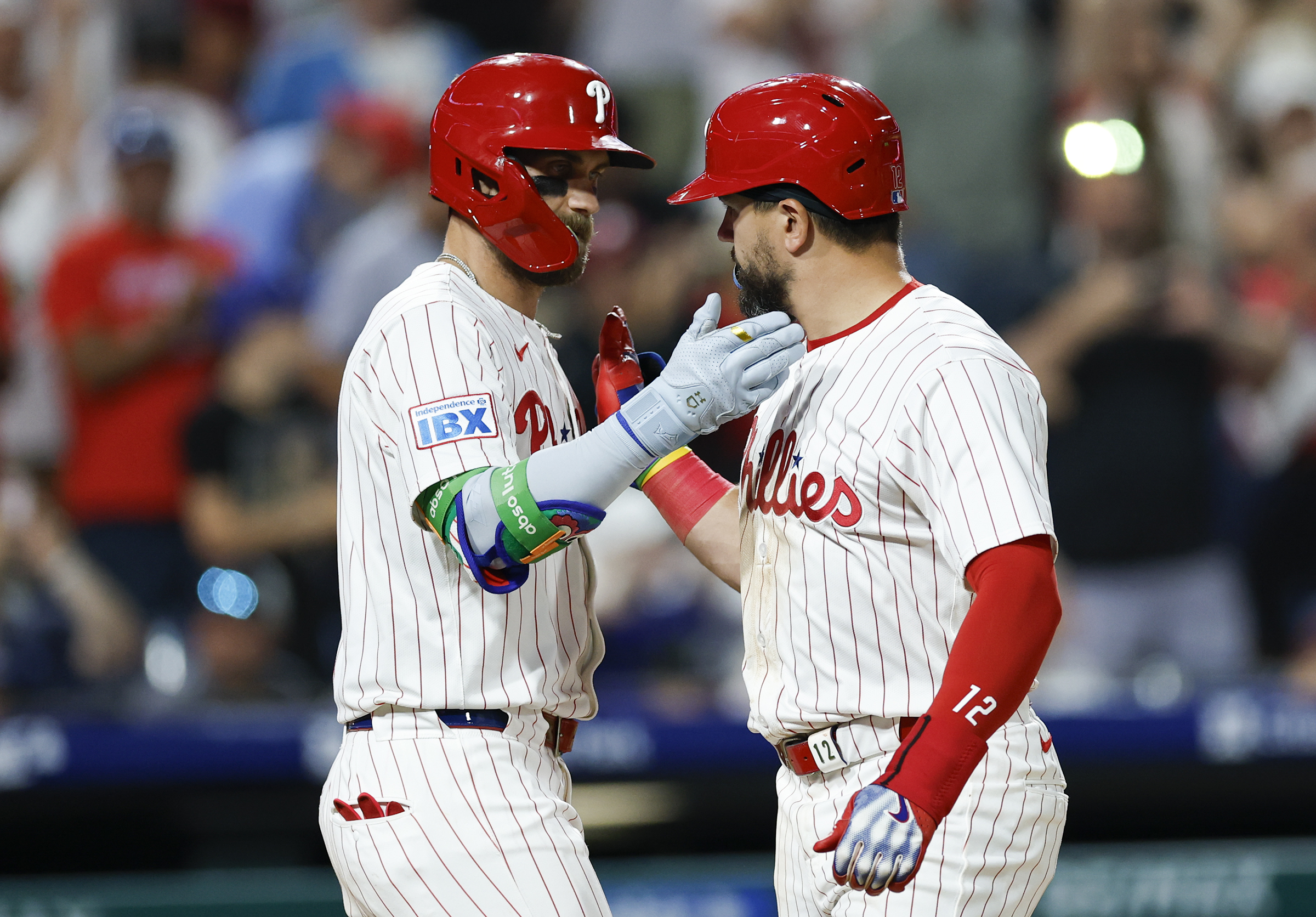
Kyle Schwarber (right, with Bryce Harper) heated up the Philadelphia summer.
August
Kyle Schwarber became the 21st player in major-league history to hit four home runs in a game, raising questions about whether the Phillies would re-sign him in the offseason — questions that Dombrowski dispelled: “Kyle is an elite power hitter. He’s the most elite hitter we have. He’s the elitist elite hitter around. Got all that, Bryce?”
Taylor Swift and Travis Kelce announced that they were engaged and that their wedding ceremony would be streamed live on the New Heights podcast. That way, someone would finally have a reason to listen to a full episode of the New Heights podcast.
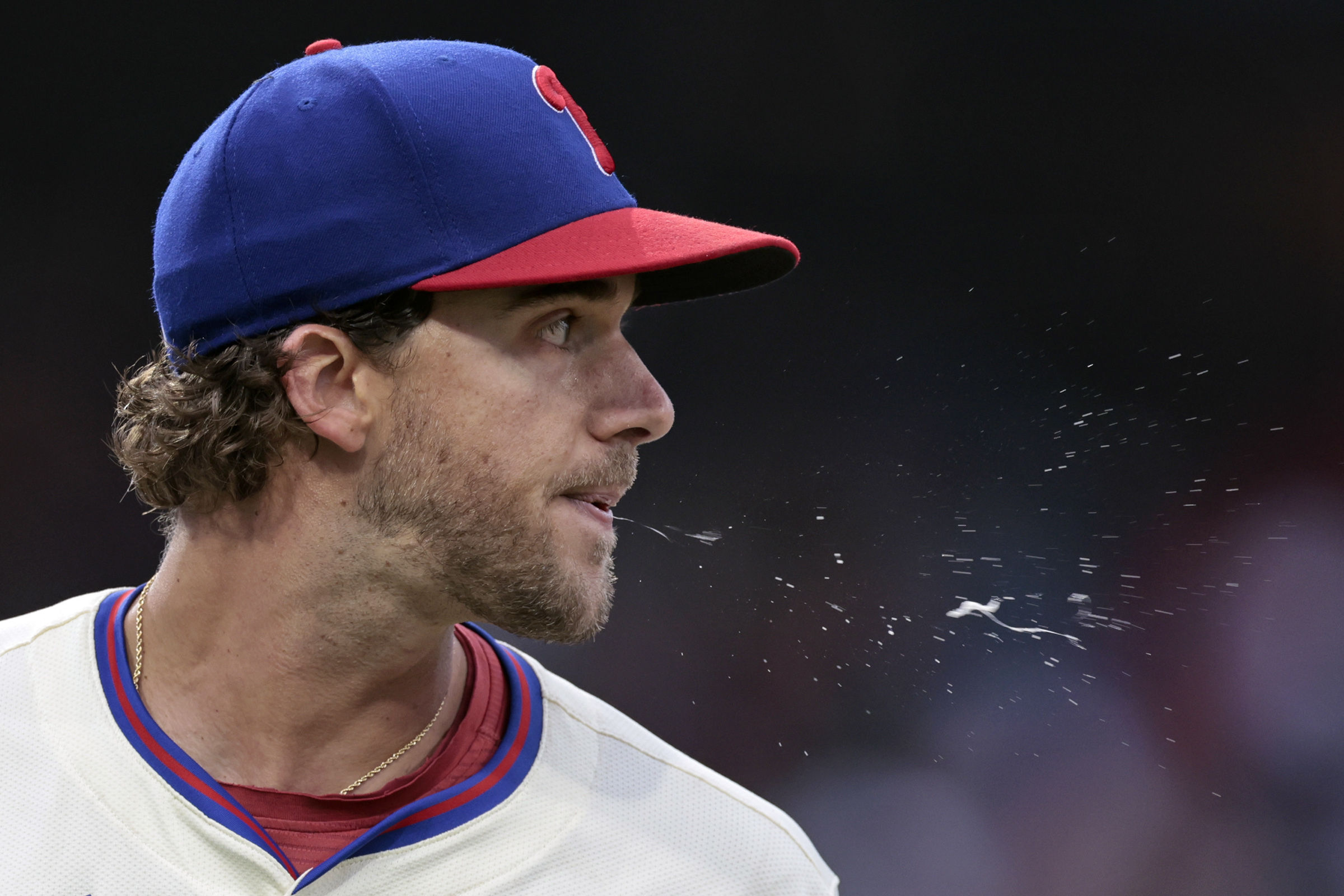
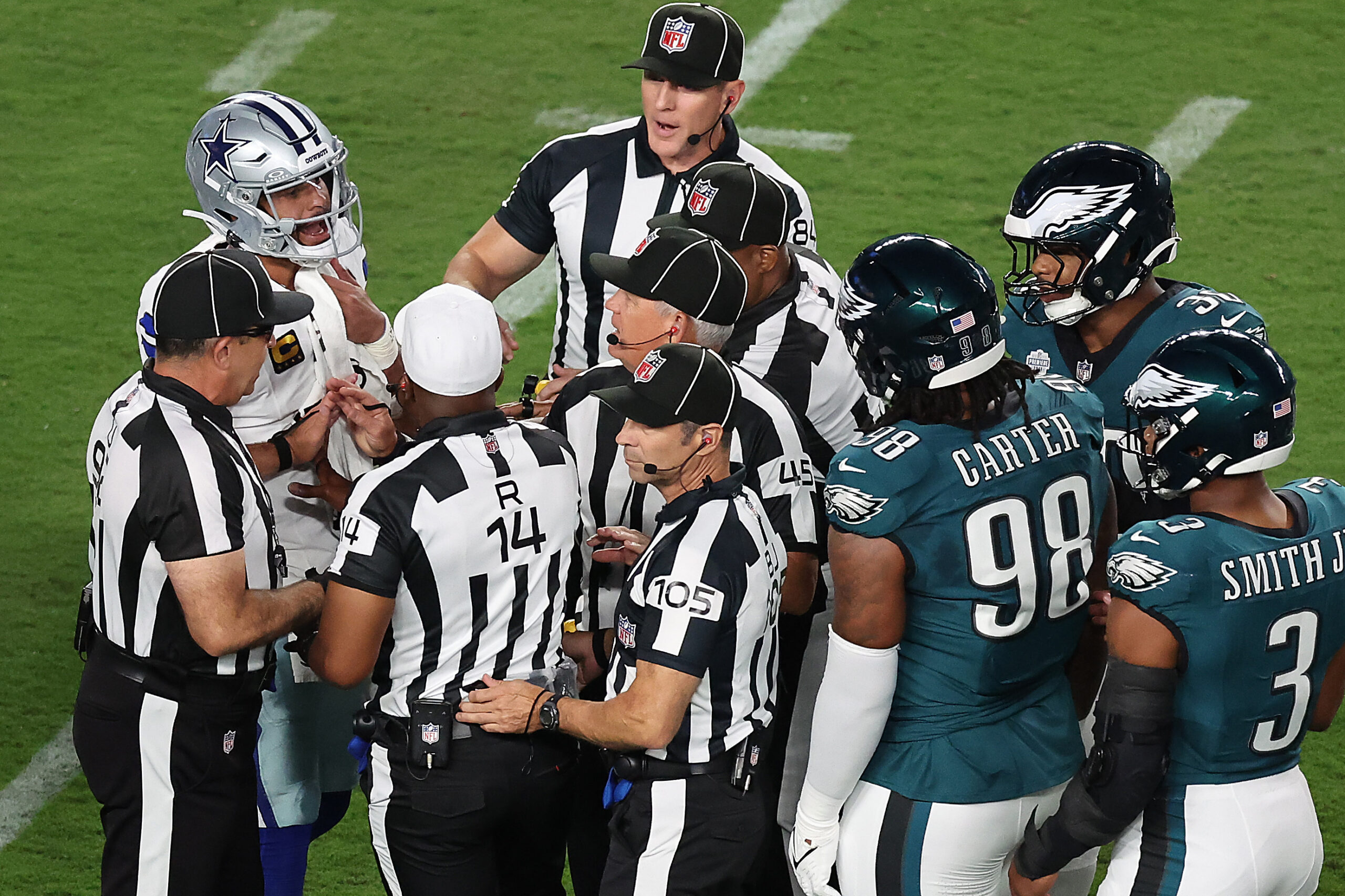
Jalen Carter’s one magic loogie earned him an early trip to the locker room.
September
Seconds into the Eagles’ season opener, Jalen Carter spat on Cowboys quarterback Dak Prescott. Carter was ejected from the game and, via referendum, elected mayor of Philadelphia. The Eagles won their first four games, which everyone agreed was awful, just like A.J. Brown said on Twitter/X.
Before the ninth inning of a Phillies-Nationals game at Citizens Bank Park, Duran set himself on fire and jogged to the pitcher’s mound, where he sacrificed a goat to what he later called “the mighty spider god who gives me strength.” He then gave up two runs for his first blown save.
After manager Rob Thomson benched him, outfielder Nick Castellanos complained that Thomson didn’t communicate well. When asked to respond to Castellanos’ comments, Thomson shrugged and said, “Welp.”
Orion Kerkering could have done without all of that.
October
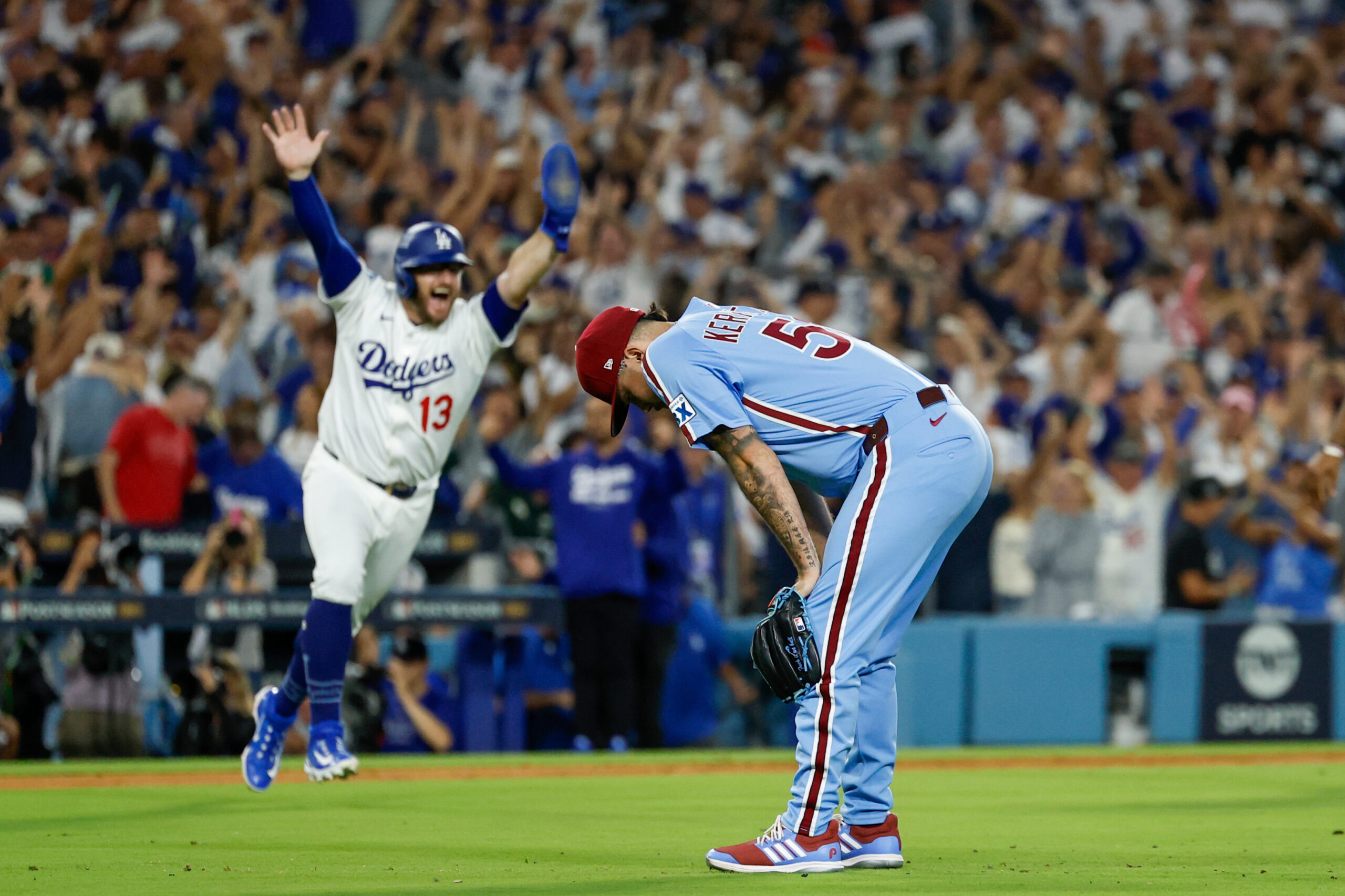
A not-so-great month. The Phillies lost in the National League Division Series when a Dodgers batter hit a ground ball back to the mound and reliever Orion Kerkering passed out. The Eagles lost back-to-back games to the Broncos and Giants. To adjust to their team’s limitations, Sirianni and new offensive coordinator Kevin Patullo decided that Hurts would be forbidden from throwing a pass after halftime for the rest of the season. Penn State fired James Franklin after losses to Oregon, UCLA, Northwestern, Archbishop Ryan, and the Lenape Valley 10U Pop Warner team.
The silver lining? Brandon Graham — surprise! — came out of retirement to rejoin the Eagles.
Jalen Hurts and Kevin Patullo are pleased to give Eagles fans something to discuss.
November
The media who cover the Eagles grappled with a simple question: Does the offense stink because of A) Jalen Hurts, B) Kevin Patullo, or C) Yes? The Eagles then squandered a 21-point lead in losing to the Cowboys and got pushed around in losing to the Bears, leading NFL experts to wonder whether a team coached by Sirianni and quarterbacked by Hurts could ever win anything of consequence.
Tocchet faced withering criticism from Flyers fans for limiting the ice time of Matvei Michkov, who showed up for training camp weighing 350 pounds and having forgotten how to skate. The Sixers got off to an excellent start as Edgecombe and Tyrese Maxey showed they could form the franchise’s best backcourt since Isaiah Canaan and Ish Smith.
The Flyers are good again and we all saw it coming.
December
The Phillies re-signed Schwarber for too many years and too much money for a 32-year-old designated hitter, handing him a contract that will prevent them from breaking down the roster and beginning the 15-year rebuild that any true fan would really want. In response to Dombrowski’s assertion that he was “not elite,” Harper began a new offseason training program similar to Robert De Niro’s in Cape Fear.
The Flyers finished the month in third place in the Metropolitan Division and on pace to make the playoffs, disappointing those fans who hated the idea of tanking right up until the Flyers stopped tanking. Maxey and Edgecombe kept up their fine play for the Sixers, and Villanova won 10 of its first 12 games, even though no one, not even new coach Kevin Willard, could identify a single player on the Wildcats’ roster.
In a possible Super Bowl preview, the Eagles beat the Buffalo Bills despite scoring one point and racking up negative-19 yards of total offense. Sirianni then chose to have most of the Eagles’ starters sit out the team’s regular-season finale, because if 2026 turns out to be anything like 2025, everyone is going to need some rest.
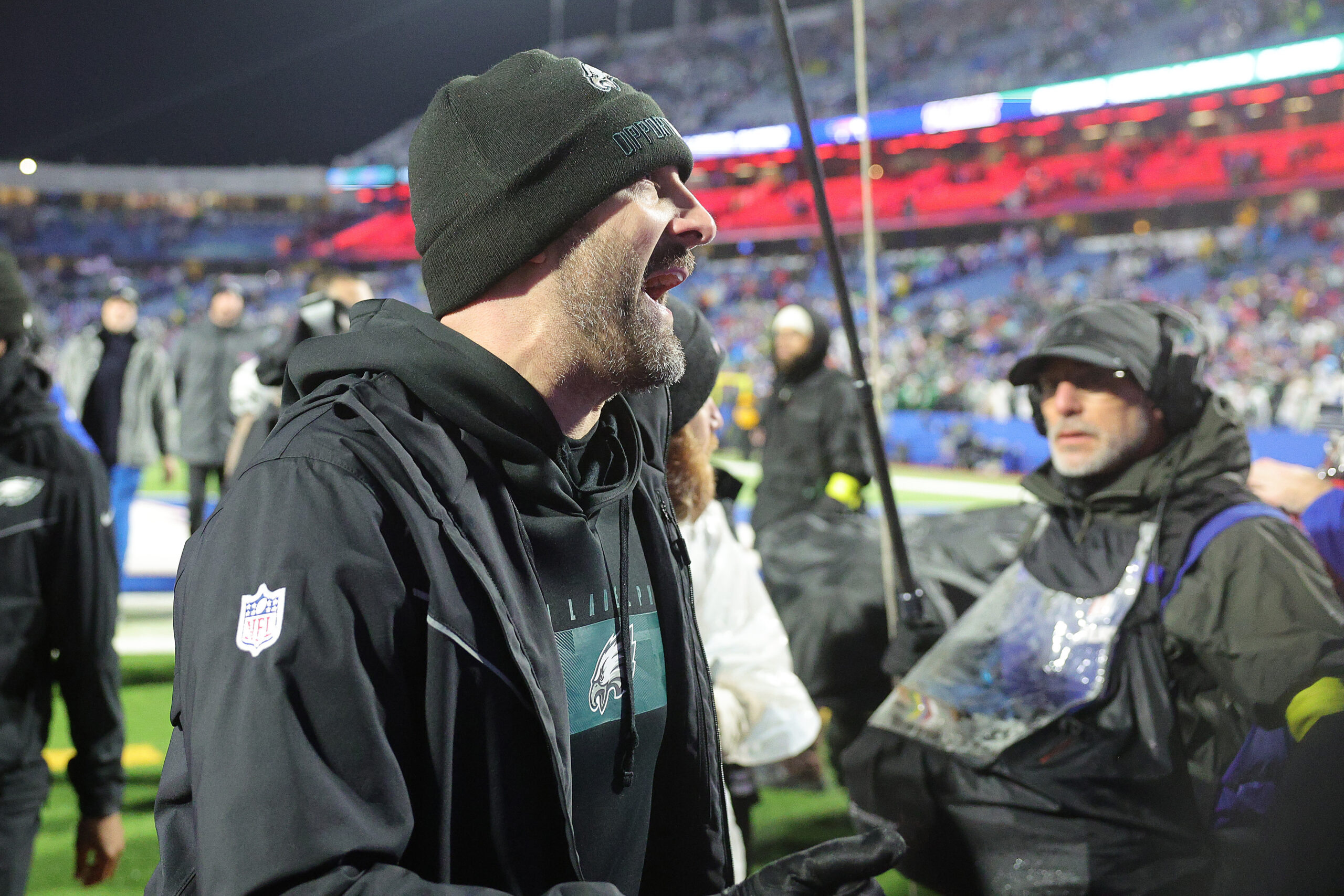
The quieter his offense is, the louder Nick Sirianni gets. There he was Sunday night, strutting down a tunnel at Highmark Stadium in the aftermath of the Eagles’ 13-12 victory over the Bills, crowing about how all those Buffalo fans had nothing more to say, how they didn’t have so much bleep to talk anymore. He caught up to A.J. Brown and turned to look him in the eye, and Brown shot a smirk back that said, Coach, did you watch us try to move the ball after halftime?
Did Sirianni watch it? Of course. Did he care? My guess: only so much. If you’re complaining about the Eagles’ impotent offense and unimaginative play-calling both from Sunday’s second half and from several previous games this season, if you’re waiting for Sirianni and coordinator Kevin Patullo to have some eureka moment and suddenly start dazzling everyone with their play designs and a wide-open style of offense, you’re missing the key to understanding the 2025 Eagles.
They want to play like this. They want to rely on their defense. They want to limit every and any available possibility that their offense and special teams might commit a turnover. It took some time and some trial and some error, but they’ve settled on an approach, and this is it.
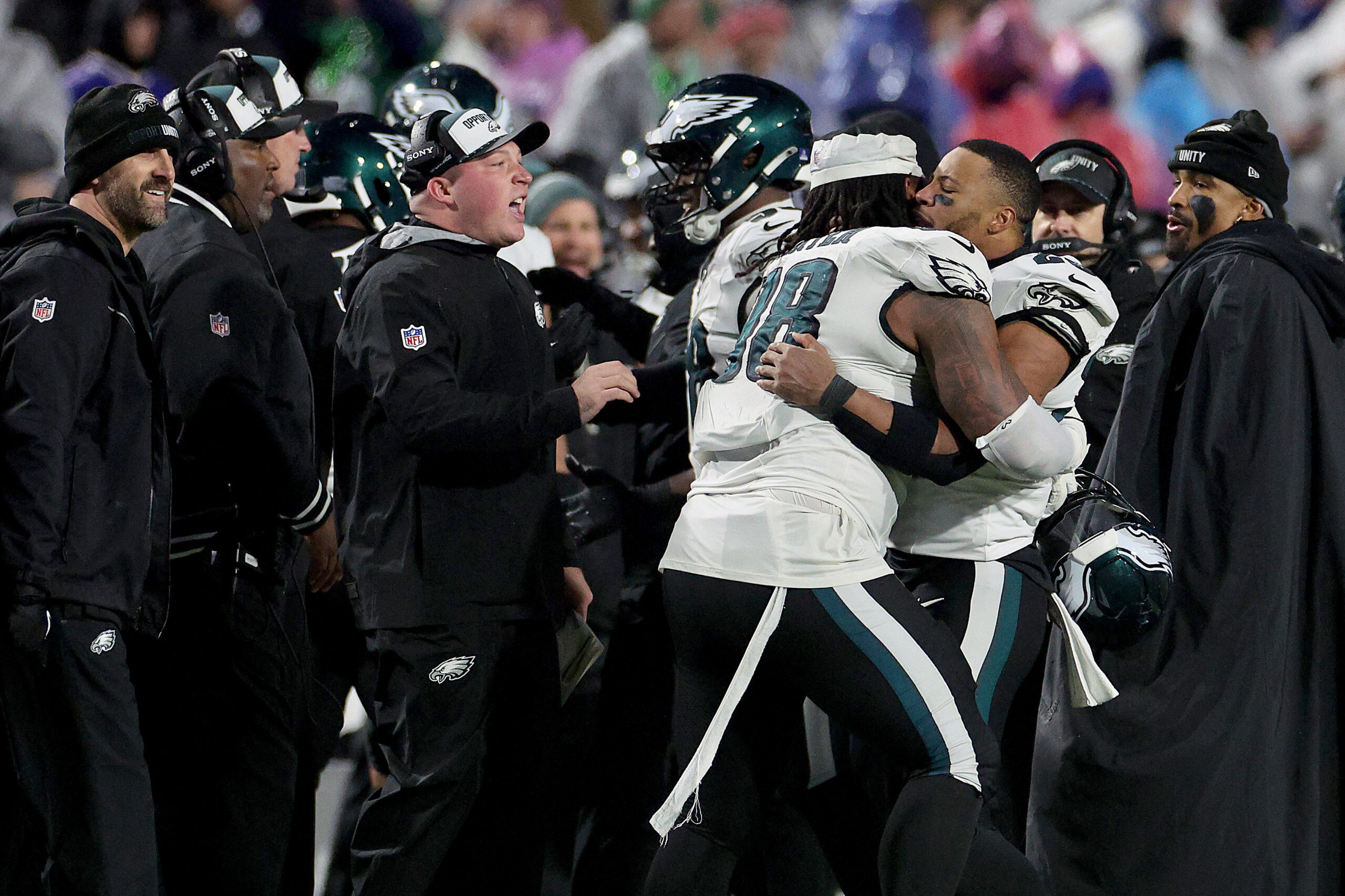
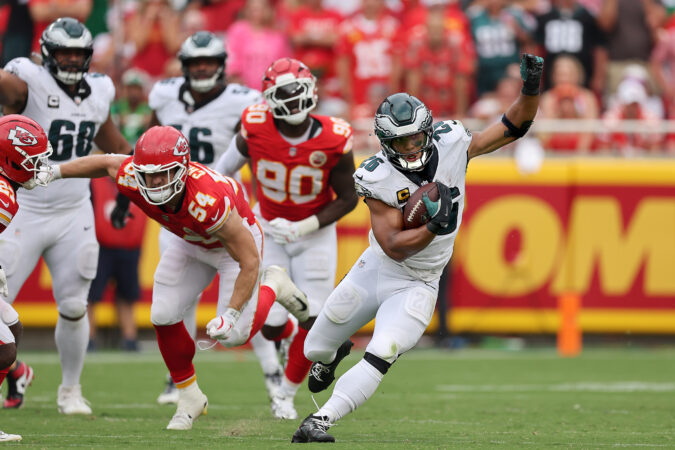
Running back Saquon Barkley (right) embraces defensive tackle Jalen Carter after the Eagles defense stopped the Bills on a two-point conversion attempt late in the fourth quarter Sunday.
By they, I don’t necessarily mean Jeffrey Lurie and Howie Roseman. They’re happy with the wins, to be sure, and they’re surely thrilled that Roseman and Vic Fangio have worked to create a defense of such quality that the Eagles can gain all of 17 yards in a single half and still hold on to beat a Super Bowl contender, which is what happened Sunday. But you can pretty much guarantee that Lurie, in particular, is looking at the money and salary-cap space that he has allocated to Brown, Jalen Hurts, Saquon Barkley, DeVonta Smith, Dallas Goedert, Lane Johnson, Jordan Mailata, Landon Dickerson, and Cam Jurgens and asking himself, Did I really spend all that money so Jalen could hand the ball to Saquon on delayed inside handoffs in second-and-long situations?
No, by they, I mean Sirianni. If he rented a small plane, attached to its tail a banner that read, WHEN WE DON’T TURN IT OVER WE WIN, and flew it over Lincoln Financial Field, he could not be more overt about his intentions here, about the way he wants the Eagles to play. He even put the lie to the notion that nothing revealing comes out of HBO Max’s Hard Knocks series anymore, because the cameras captured him in a team meeting earlier this month spelling out this strategy.
“This is what it’s about this week,” he said to an auditorium full of players. “We’ve got to be obsessed with the football. We’ve got to be obsessed with the [expletive] football. When we take care of the football, it is so hard to beat us. When we turn the football over as a defense, it is so hard to beat us. …
“This is the most important fundamental we have. We’ve got to be so locked in to this, because as we continue on this year, this is what presses us: the ball, the ball, the ball, the ball. We win when we take care of the football. We win when we turn them over on defense.”
Here is Nick Sirianni’s message to the team prior to last weeks game from Hard Knocks.
He is hammering home the importance of turnovers saying “we gotta be obsessed with the football.”
He stressed when the Eagles take care of the football they are very hard to beat as well as… pic.twitter.com/3kqo1UagBn
During Sirianni’s five-year tenure as their head coach, the Eagles have won 42 of the 44 games in which they have committed fewer turnovers than their opponents; that record includes Sunday’s win, when Josh Allen lost a fumble while trying to fend off Jaelan Phillips and the Eagles did nothing so daring that might have cost them possession of the football. That 42-2 mark is a stark and striking statistic, one that has a talismanic quality for Sirianni. He believes in its power so deeply that he is willing to bet that the Eagles can build an early lead, then hold any opponent at bay thereafter.
Two games from the last five weeks are particularly insightful in this regard. On Nov. 23, the Eagles lost to the Dallas Cowboys, 24-21, after getting out to an early 21-point lead. On Dec. 8, they moved the ball well against the Los Angeles Chargers but still lost, 22-19 in overtime, largely because Hurts threw four interceptions and lost a fumble. One could certainly conclude from those losses that the Eagles should have continued to be aggressive on offense, that it would be a mistake for them to dial back their aggressiveness. They tore up the Dallas defense for that game’s first 15½ minutes, and it took an all-time terrible performance from Hurts, maybe the worst of his career, to cost them a victory against the Chargers.
Eagles coach Nick Sirianni banters with Buffalo Bills fans after Sunday’s victory in Orchard Park, N.Y.
But after scoring a combined 60 points against a couple of bad teams (the Las Vegas Raiders and Washington Commanders), the Eagles went right back to being conservative against a good team, the Bills. The lesson that Sirianni took from the Dallas and L.A. losses wasn’t, In one game, we took our foot off the gas pedal, and it came back to bite us. In the other, Jalen had the kind of game that he’s unlikely to have again. So we can afford to open things up. No, the lesson he took was, We opened things up, and we lost. We can’t afford to do that again.
Can the Eagles return to the Super Bowl and win it again this way? Yes, they can. But that doesn’t mean they will, and even if they do, their journey there will be stressful and tenuous, with winter storms and giant potholes. But this is the road they’ve chosen. So stop mentioning the firepower that they have on offense, the players whose talents are being wasted. Stop arguing over whether Hurts is a winning winner who just wins or a fraud who has been propped up by the infrastructure around him. Those discussions are pointless. This is who the Eagles have been this season. This is who they are. This is who they’re going to be. They don’t have Trent Dilfer at quarterback, but they’re going to play like they do. Get used to it.
Clark Hunt and his family, who own the Kansas City Chiefs and are worth a reported $25 billion, are going to build a new domed stadium for the team in Wyandotte County, Kan. Wait, that’s not quite right. The Hunts aren’t really the ones building it. The construction is projected to take $3 billion to complete, but $1.8 billion — 60% of the cost — will come from Kansas taxpayers.
That’s OK, though, because once the stadium is finished, it’ll be a gleaming football palace where the Chiefs’ opponents will never have to face harsh Midwest winter conditions during December and January. The teams will play football the way it was meant to be played: inside an aseptic arena where the temperature is always 72.3 degrees Fahrenheit.
Best of all, the NFL is sure to hold at least one Super Bowl at the stadium. And by at least one, I mean one, because if there’s anywhere that the celebrities and fat cats and influencers who populate Super Bowl week can’t wait to go, it’s … the Missouri-Kansas border.
What we’re seeing here, of course, is the privatization of profit and the socialization of cost, a dynamic as old as the modern multibillion-dollar industry of pro sports. What we’re also seeing — and it will accelerate — is the slow death of the un-rich sports crowd. Those with the financial means to go to a game in the Chiefs’ new stadium — or in a new Eagles stadium, if Jeffrey Lurie eventually gets his way — don’t want cold and snow to mar their fun. They don’t want the experience they’re having to be common or accessible.
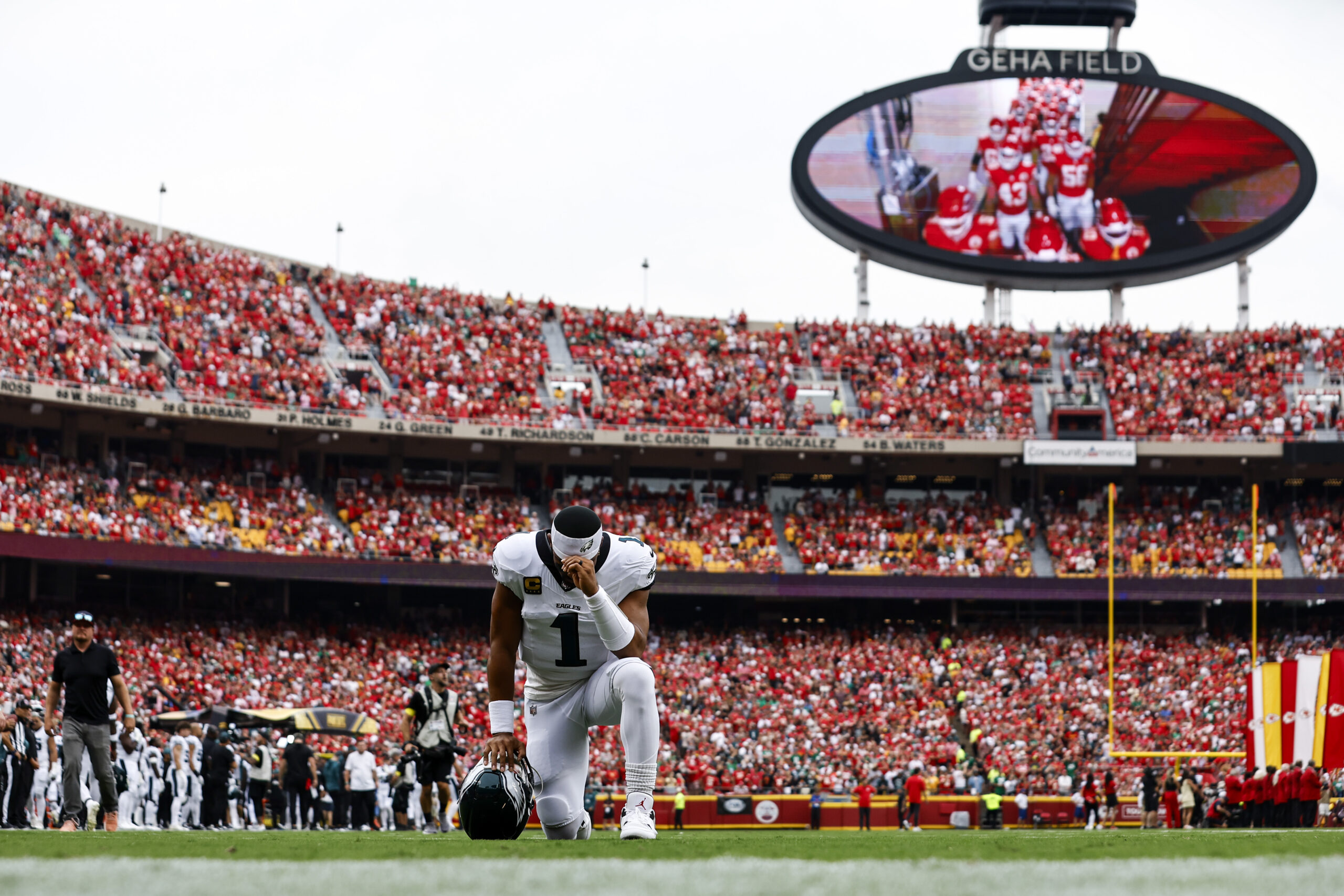
Eagles quarterback Jalen Hurts kneels in the endzone before a game at the Kansas City Chiefs on Sept 14.
Attending a major pro sports contest became a luxury buy long ago. Now it’s on its way to becoming a sterile exercise only a select few can afford, and those fans who care the most, who drive interest and revenue in these games boys and girls can play, end up paying anyway, even while they are kept on the other side of the window.
Still seeking a star
If the NHL season had ended on Christmas … well, that would be a really short NHL season. Also, the Flyers would have qualified for the playoffs for the first time since 2020, and Trevor Zegras would have been considered a brilliant offseason acquisition.
But the season, of course, isn’t even half-finished yet, and, given the Flyers’ recent history, there’s still plenty of reason to wonder whether they’ll keep up a postseason-worthy pace. That natural skepticism accounts for some of the relative indifference to their relative success so far. People will believe the Flyers are a good team when they see the Flyers be a good team over a full 82 games.
After falling out of favor in Anaheim, Trevor Zegras has rebounded in Philly, where he has 37 points at Christmas, besting his mark for the entire 2024-25 season.
There’s another reason, though, why the Flyers haven’t penetrated the broader, more mainstream public conversation about Philly sports so far: They don’t have any stars.
At his current pace, Zegras would finish with 34 goals and 83 points over 82 games, which would lead the team but place him 31st in the league in points per game. Offense has been up in the NHL for a while. This would be the fifth straight season that the average team has scored at least three goals each game, the first such stretch in the league since the early 1990s.
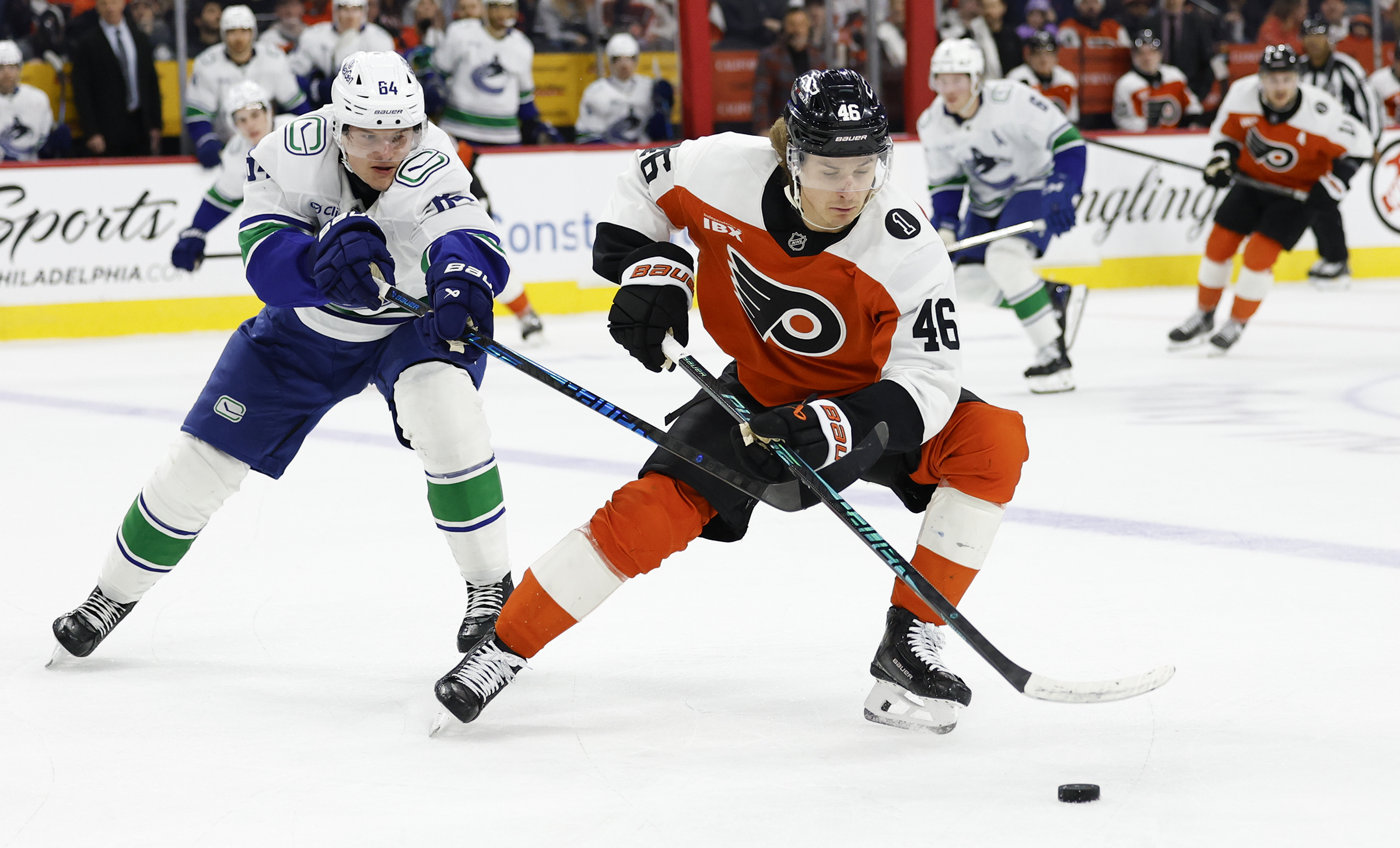
Yet the Flyers haven’t been part of that surge in scoring. They have not had a player with 35 goals or more in a season since 2011-12, when Scott Hartnell had 37. They have not had a player with 40 goals or more in a season since 2008-09, when Jeff Carter had 46. And they have not had a player with 50 goals or more in a season since 1997-98, when John LeClair had 51.
That recent history also explains part of the frustration and disgruntlement from the fan base over Matvei Michkov’s sluggish sophomore season. Michkov was supposed to be the franchise’s next superstar, and he still can be, but his regression has at least delayed his development into the kind of player who even a hockey neophyte knows and feels compelled to watch. The Flyers haven’t had such a star since Eric Lindros, and, at the moment, they still don’t.
Casty got one thing right
A tip of the cap to Mark Whicker, an all-time great Philadelphia sports columnist, for noting that Nick Castellanos delivered the quote of the year in Philly sports.
After Phillies pitchers Cristopher Sánchez and Ranger Suárez were snubbed for the National League All-Star team in favor of the Milwaukee Brewers’ Jacob Misiorowski, who had made just five starts, Castellanos said:
“This is turning into the Savannah Bananas.”
Nick Castellanos is likely out in Philly after a couple tough years in the field and at the mound.
No offense to the Bananas, who make baseball less stuffy and lots more fun for loads of kids in America. But Castellanos’ point about the All-Star Game being more than just a meaningless exhibition — that it is, still, supposed to be an acknowledgment of and accolade for those players who have performed best through a season’s first half — was well taken. Whatever one might think of his performance on the field in 2025, he launched that answer into the upper deck.
Good stuff, Gramps
In his two games with the Indianapolis Colts this season, nearly five years after he had retired, Philip Rivers — 44 years old, father of 10, grandfather of one — has completed 41 of 62 passes for 397 yards and three touchdowns.
How hard can it be to play quarterback in the NFL if Pop-Pop can do it this well?
For a long time when it came to sports, Buffalo was Diet Philadelphia. Similar, but with a little less. A smaller city, yes. Half as many major pro franchises, yes. But those teams — the Bills in the NFL, the Sabres in the NHL — have always occupied an outsized importance within the culture of the region. They mattered to the people of Buffalo as much or more than the Eagles, the Phillies, the Sixers, and the Flyers mattered to the people of Philadelphia.
Oh, and there was one other common thread for decades: None of those teams ever won a championship.
Not ever ever, but close enough. The Bills won back-to-back titles in the American Football League in 1964 and ’65, and Philadelphia had that wonderful 10-year stretch, from 1973-83, when the Flyers won two Stanley Cups, the Phillies won a World Series, the Eagles reached a Super Bowl, and the Sixers won an NBA championship. But for 25 years — until the Phillies won the 2008 World Series — then another nine-plus, the towns could bond through being blue-collar bridesmaids.
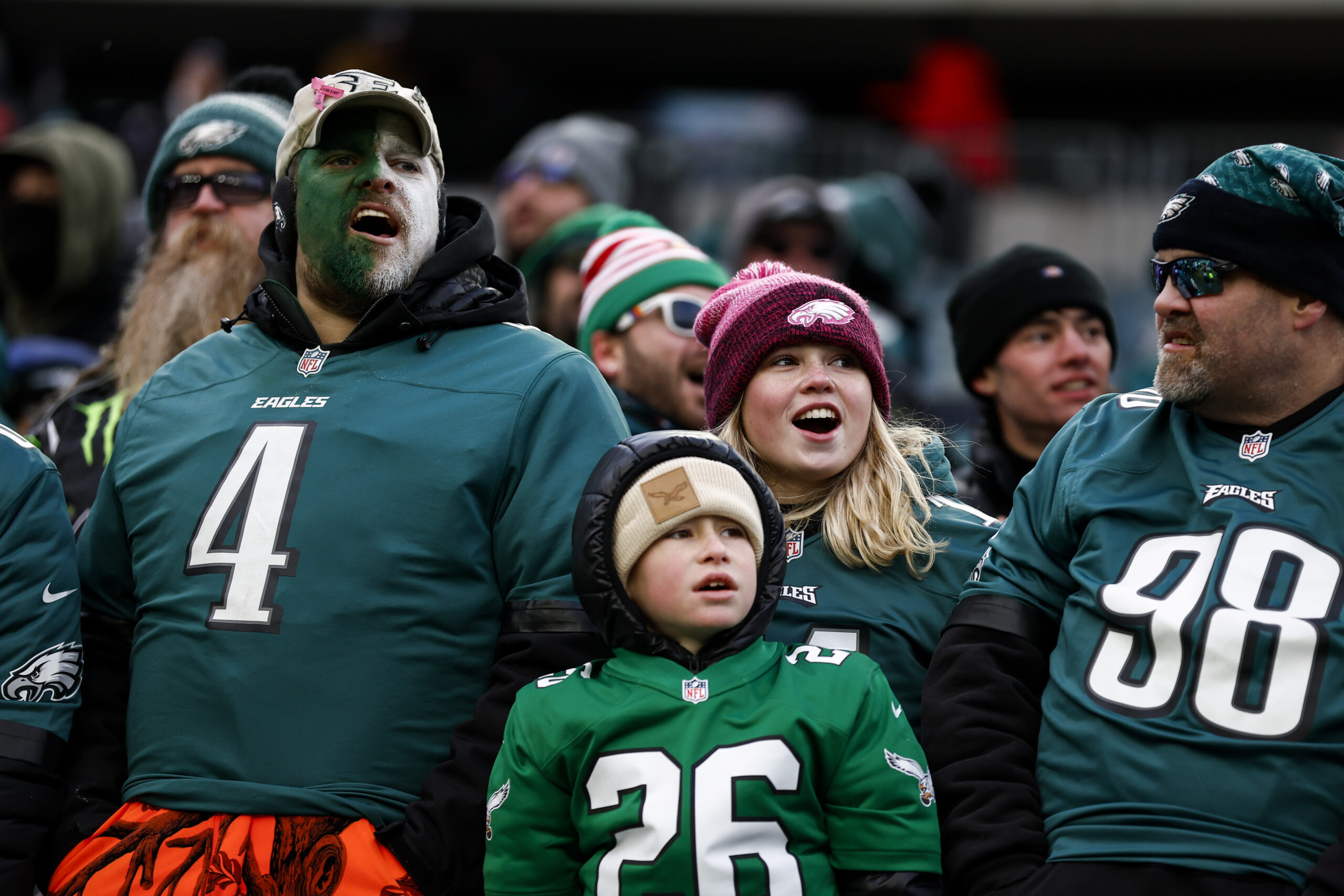
Eagles fans cheer after the win against the hapless Raiders at Lincoln Financial Field on Dec. 14.
Recently, though, the Eagles have altered that dynamic. They won a Super Bowl in 2018, then another earlier this year, and as they prepare to face the Bills this Sunday at Highmark Stadium in Orchard Park, N.Y., they have quelled much of the anger and anxiety that once characterized Philadelphia sports fandom. It might not seem that way, with the attention paid to Jalen Hurts’ play and the worry over the Eagles’ chance to repeat as league champs, but it’s true. The atmosphere was much worse during the Buddy Ryan and Andy Reid eras.
For Buffalo, though, there has been no great expulsion of joy and relief. In their 55 years of existence, the Sabres have never won a Stanley Cup and have reached the Final just twice, losing to the Flyers in 1975 and to the Dallas Stars (on Brett Hull’s disputed triple-overtime goal) in 1999. What’s arguably worse, for a city that loves hockey as much or more than any in the United States, is that the Sabres haven’t even qualified for the playoffs since 2011 and haven’t won a postseason series since 2007, when one of their best players was Danny Brière, now the Flyers’ general manager.
Steve Watson, a friend and former classmate of mine, has lived in the Buffalo region for most of his life. His son, Eli, is 12. Eli has never seen a Sabres playoff game.
“It’s sad,” Watson, 50, who has been a reporter for the Buffalo News since 2001, said by phone Tuesday. “When the Sabres are good, and they have been good for a lot of their history, you see the little flags people put on their cars. We embrace the team, but they’re losing this current fan generation. They took a great hockey town and tarnished it.”
The situation with the Bills has, if possible, been even more painful, for all their near misses. Even a casual football fan is familiar with the Bills’ four consecutive Super Bowl losses from 1991 to 1994 and all the tragic heroes from that period — Jim Kelly, Thurman Thomas, Andre Reed, Bruce Smith, Frank Reich — and the comeback from 35-3 against the Houston Oilers, Scott Norwood and wide right against the New York Giants. But the aftermath has been just as rough.
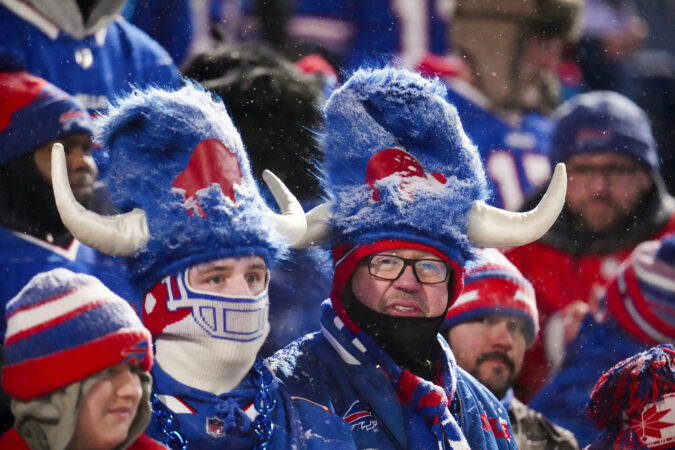
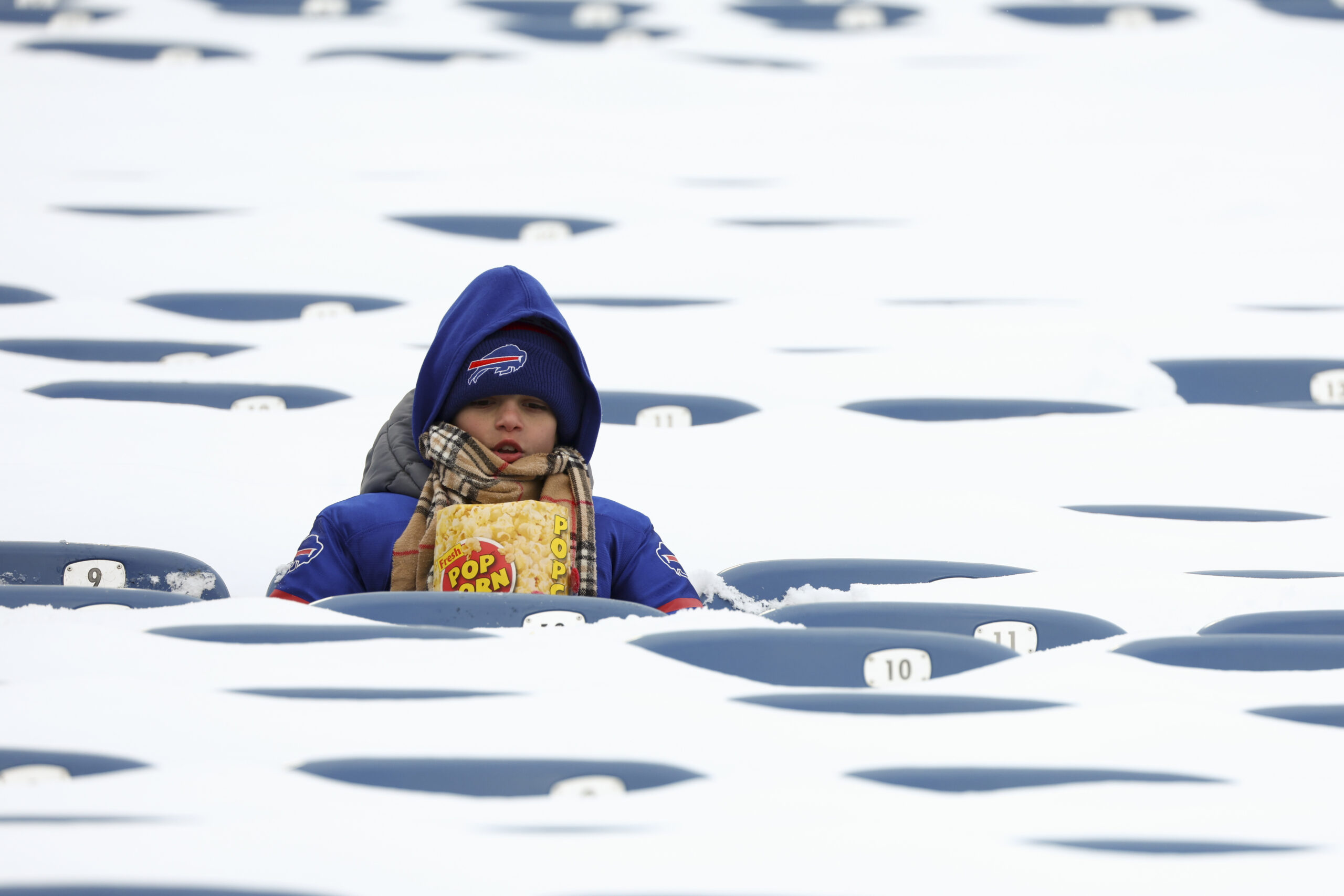
A Bills fan sits among snow-covered seats before the start a wild-card playoff game against the Pittsburgh Steelers on Jan. 15, 2024.
The Bills went 17 years, from 2000 through 2016, without making the playoffs. Now they have Josh Allen, who was the NFL’s Most Valuable Player last season, who is regarded as the second- or third-best quarterback in the league at worst, and who has led the Bills to the postseason for seven straight seasons … and to no Super Bowls. Either Patrick Mahomes or Joe Burrow has been in their way, or they’ve had a bad day at the worst time and squandered home-field advantage, or they’ve stood under a ladder staring at a broken mirror while a clowder of black cats strutted past them. They’re 11-4 this season, and Allen has again been outstanding, but now their intradivisional nemeses, the New England Patriots, are back atop the AFC East after a few years of mediocrity. The cycle seems without end.
This excruciating history wouldn’t generate much sympathy from anyone, let alone from Philly’s famously competitive and insecure sports fans (“Oh, you think you’ve had it rough? Lemme tell ya about the night Joe Carter …”), if we were talking about an area of the country whose lifers didn’t care so much. But that ain’t Buffalo. The people there bleed for their teams just like everyone down here does. After all, sports is their only salvation from spending three-quarters of the year with snowshoes strapped to their feet.
“It’s up there with chicken wings,” Watson said. “It’s up there with our lovely weather. It’s our identity. We are blue collar. We are the city of good neighbors. And we’re a big sports town. I used to write more obituaries for the News, and it was always painful for me to write, ‘Lifelong Bills fan … Lifelong Sabres fan.’ They never got that payoff for their years of suffering.”
Look, if you’re an Eagles fan, you don’t have to root for the Bills — certainly not on Sunday, certainly not if the two teams end up facing each other at Levi’s Stadium in Santa Clara, Calif., on Feb. 8. In many regards, though, you and those fans near Niagara Falls were kindred spirits for years. So if and when the Eagles do bow out of the playoffs, and if Buffalo’s hopes for a Super Bowl victory are still alive, send some good thoughts toward western New York. They’re still waiting for their moment in the warm sun up there, and Lord knows they’ve already suffered enough.
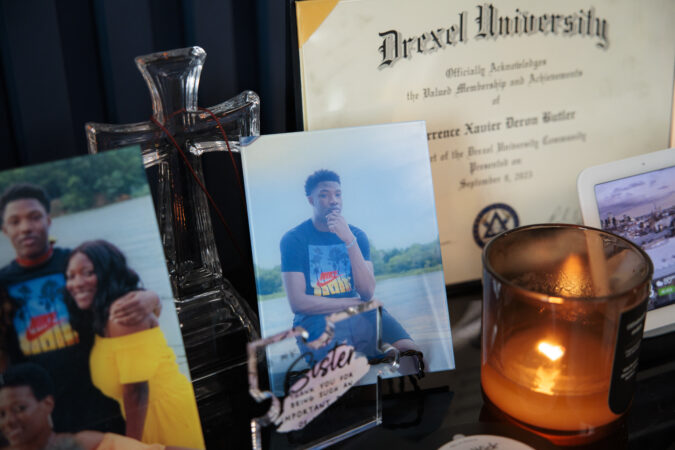
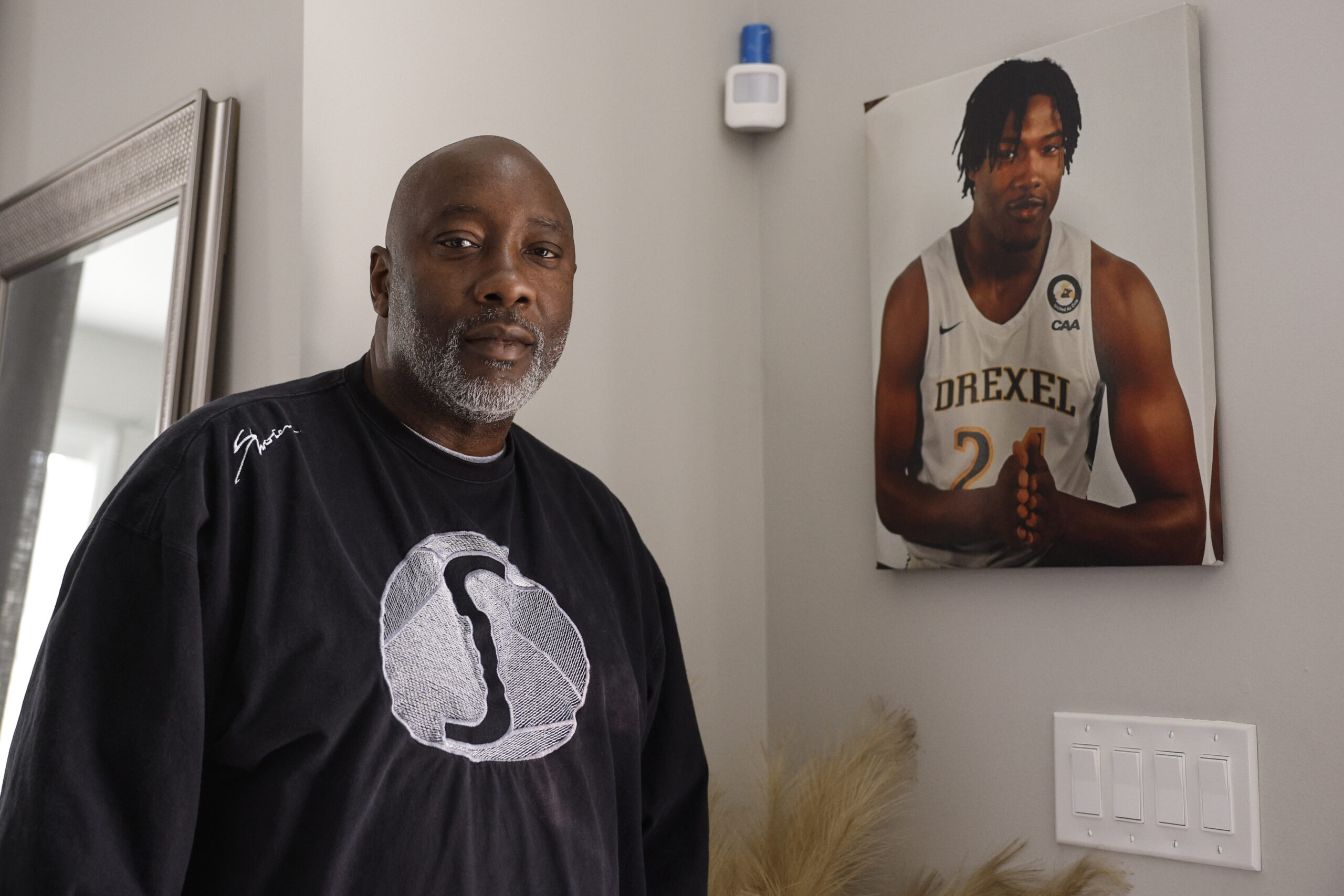
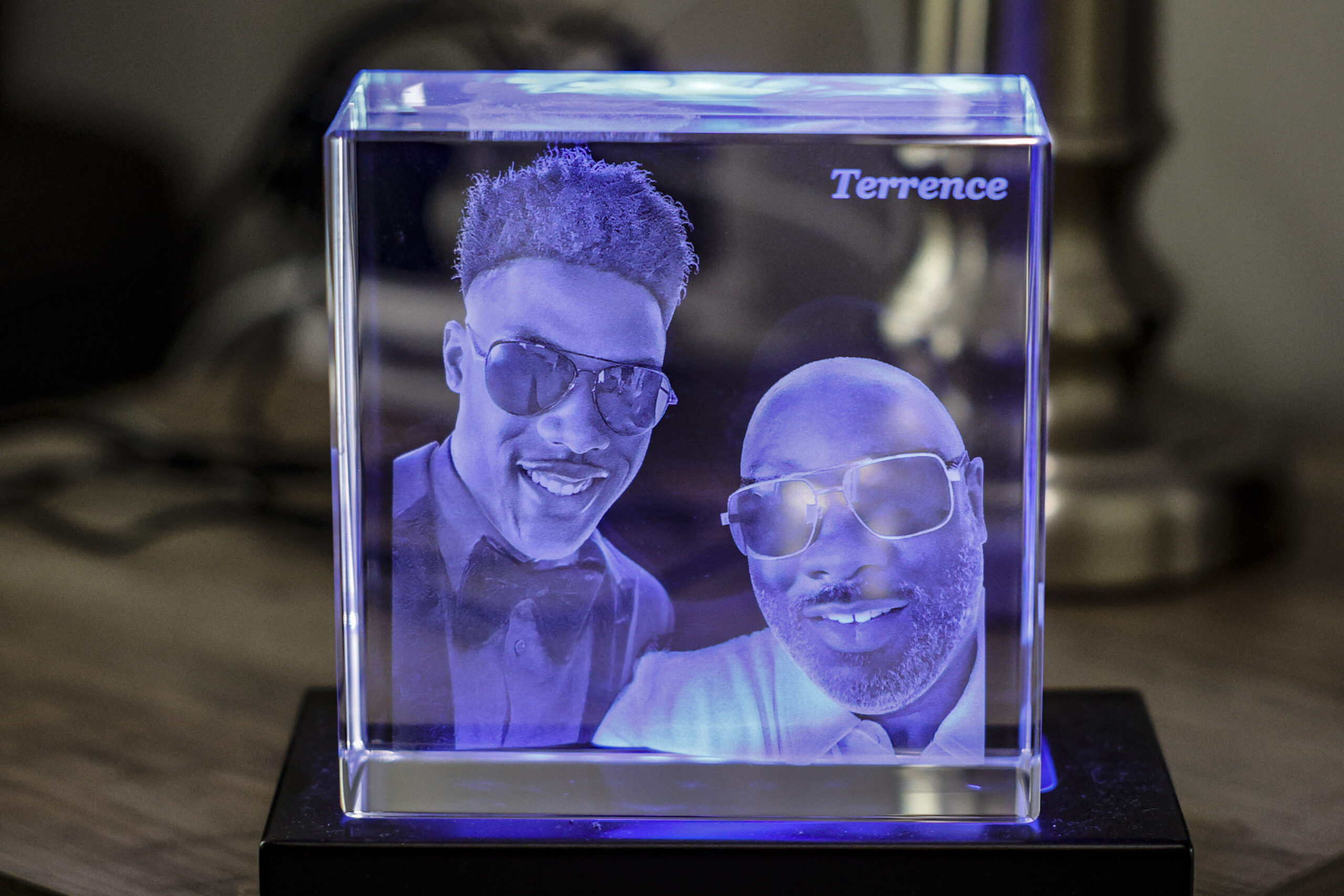
BRANDYWINE, Md. — No one knows exactly when Terrence Butler began keeping a journal, but there is a best guess. The first and only time someone noticed that he was writing something that he clearly wanted to keep private was the evening of Saturday, July 29, 2023, four days before he died.
He had spent that morning and afternoon at his mother’s townhouse here, curling and bending his 6-foot-7 body to lounge on the couch, cozy in a hoodie, gym shorts, and white socks, quiet, sometimes reading his Bible. His behavior was nothing out of the ordinary for whenever he was in town, though there was something about her son’s visit, this particular visit, that Dena Butler thought strange. Throughout Terrence’s two years at Drexel University, before and after he had stopped playing for the men’s basketball team, he merely had to call Dena whenever he had wanted to come home, and she would drive the 150 miles north to West Philadelphia to pick him up. This time, though, he had taken an Amtrak train from 30th Street Station, arriving in New Carrollton, Md., at close to 11 o’clock Friday night. He had never done that before.
His older sister Tiara was with him all day at Dena’s, happy to dote on her little brother, helping Dena prepare his favorite meals — bacon and eggs for breakfast; chicken fingers with his favorite condiment, Sweet Baby Ray’s barbecue sauce, for lunch — the two of them good-naturedly complaining that the Jamie Foxx movie they were watching was too slow and not all that funny.
It started to rain in the afternoon, and Terrence walked over to the wide window at the front of the house. He stood there for a while, leaning back a bit, his eyes turned to the charcoal clouds outside. Tiara remembers that moment still. “He loved the rain,” she said. “It wasn’t odd for him to do, but now, looking back on it, he was very somber, looking into the sky.”
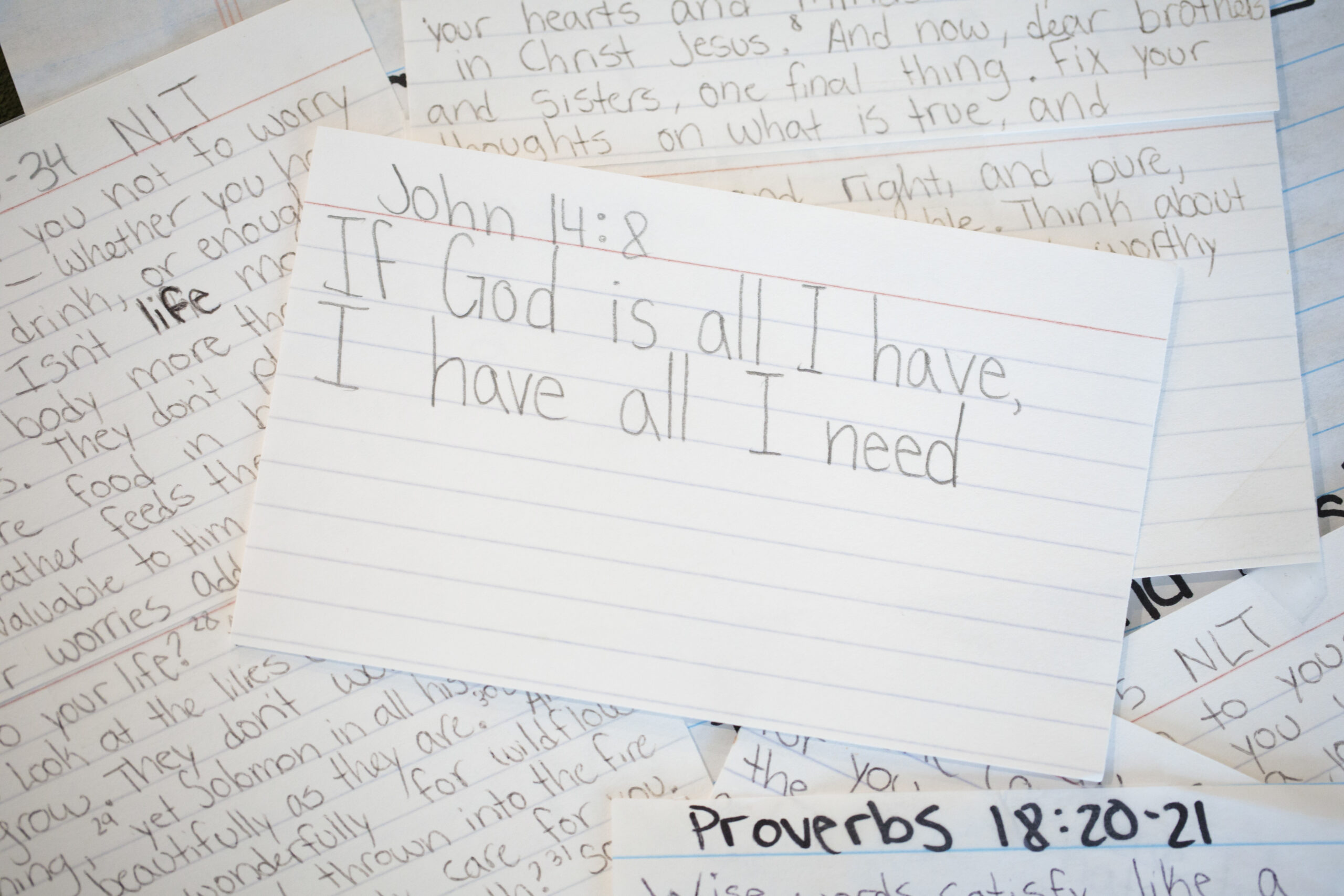
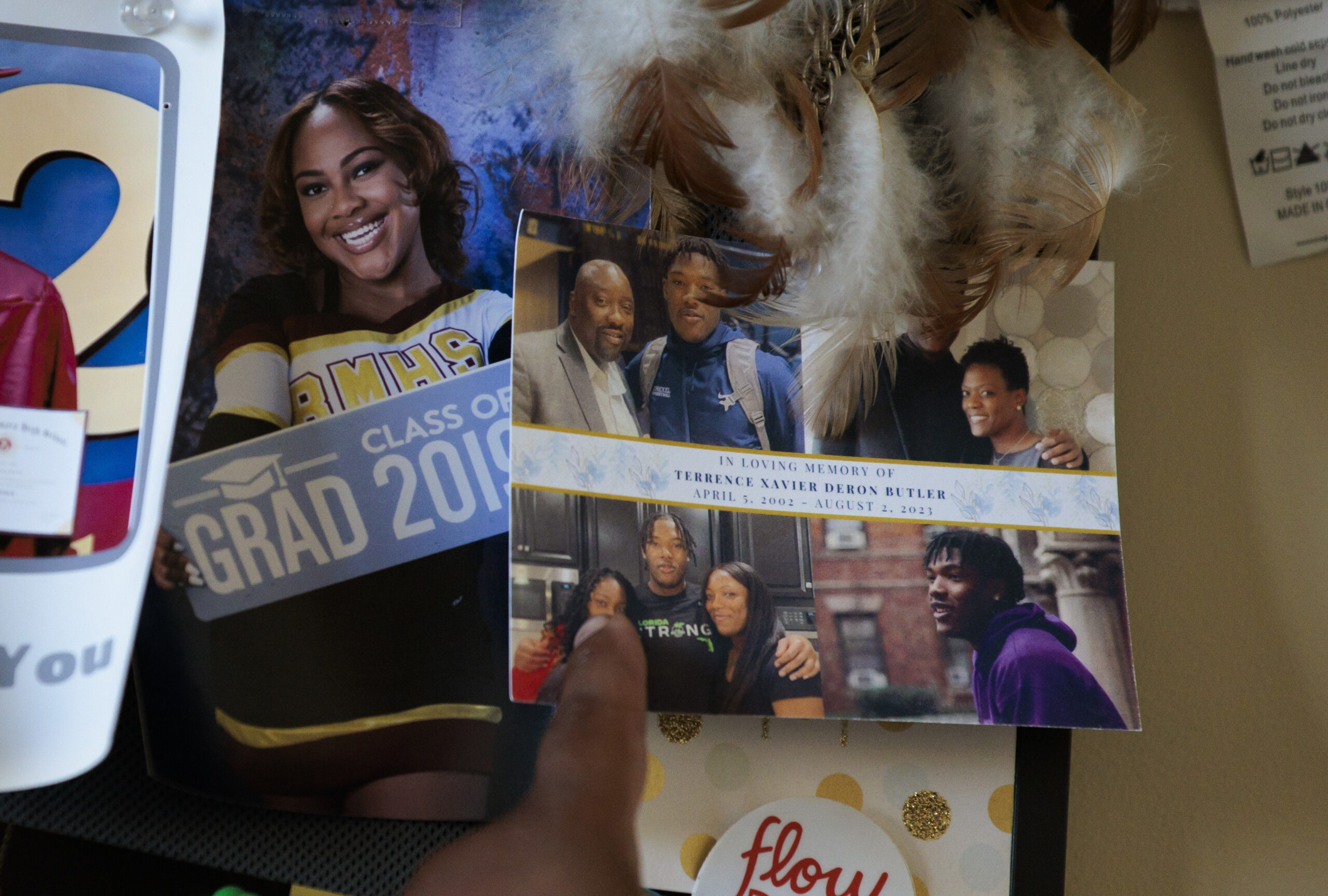
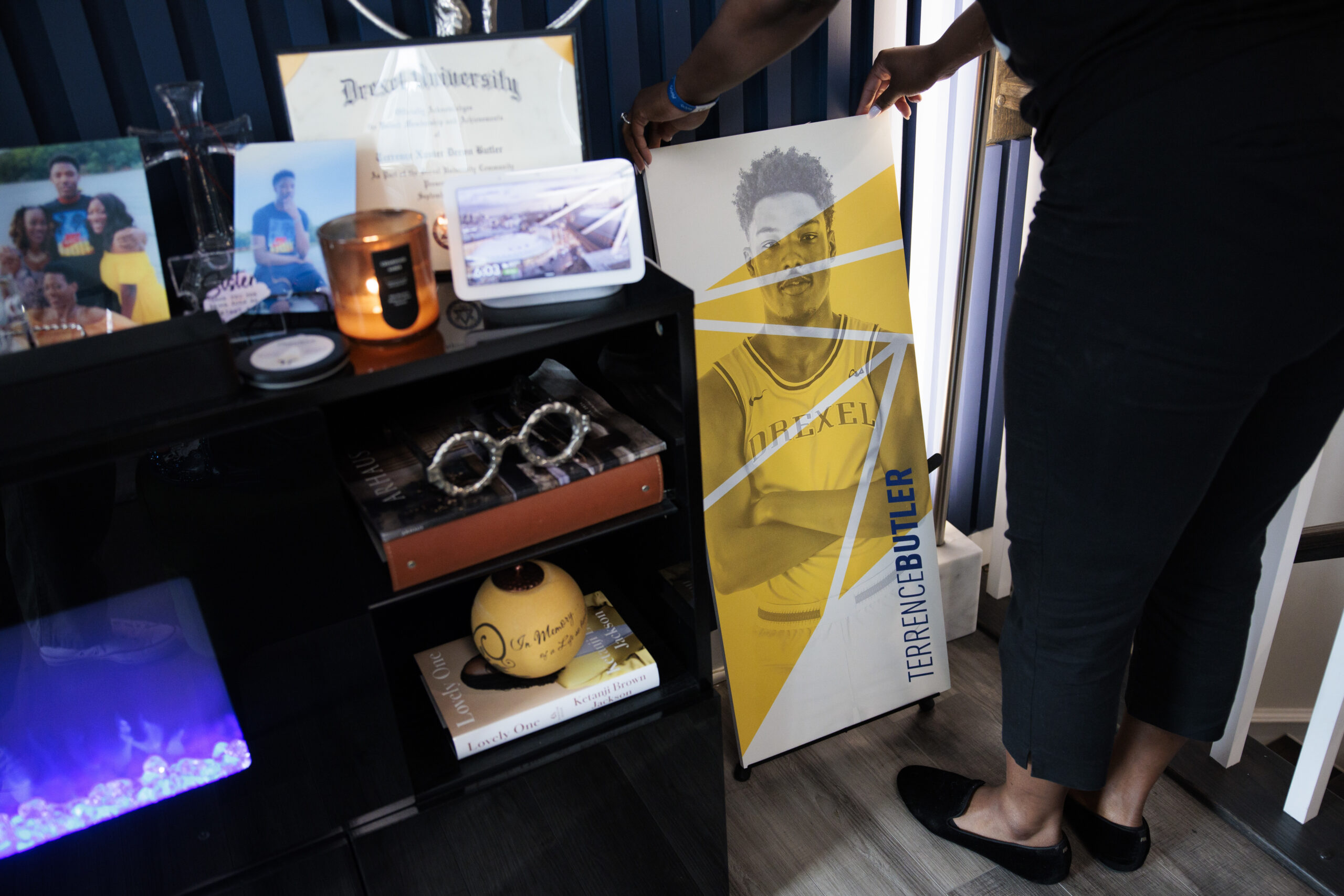
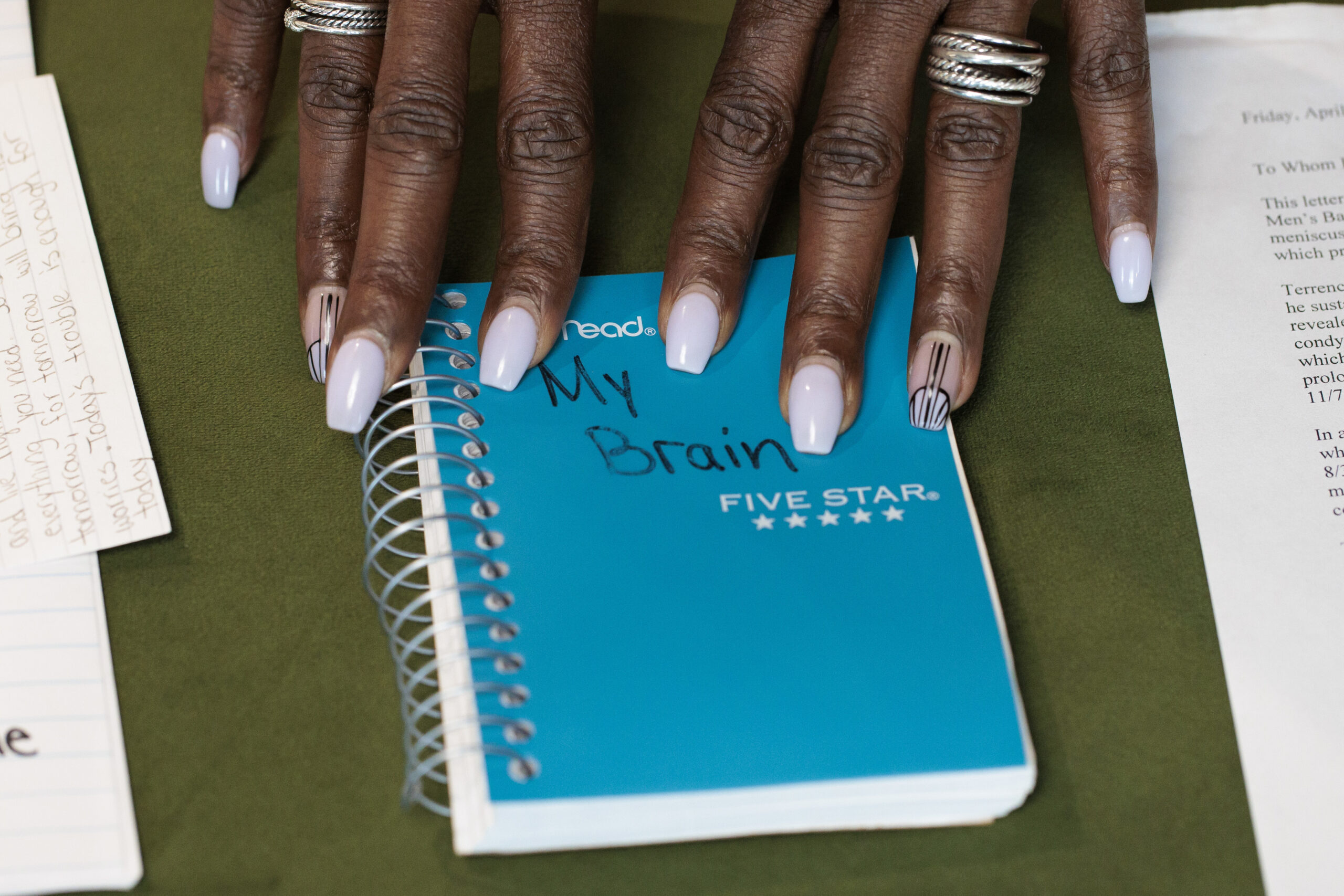
A journal that belonged to Terrence Butler at his mother’s home reads, “I’m sorry. I really tried.”Some of Terrence Butler’s notes displayed at Dena Butler’s home in Brandywine, Md.
She drove Terrence back to their house; he would stay there that night, with Tiara and her husband, Arthur Goforth, to wake up for a 6:32 train back to Philadelphia the next morning. Before he went to bed, he sat on a barstool at Tiara and Arthur’s island, the farthest seat in their kitchen from their living room. In his hands were a black-ink pen and a notebook with a sky-blue cover.
Tiara assumed that he was finishing up some schoolwork. “After I got a little closer, he slowed down with the writing,” she said. “When I was further away, he was hunched over, writing.” She didn’t think anything of it until Wednesday, Aug. 2, when she and her family were combing through Apartment 208 of The Summit at University City, Terrence’s apartment, desperate for any clue that might tell them why he had shot himself.
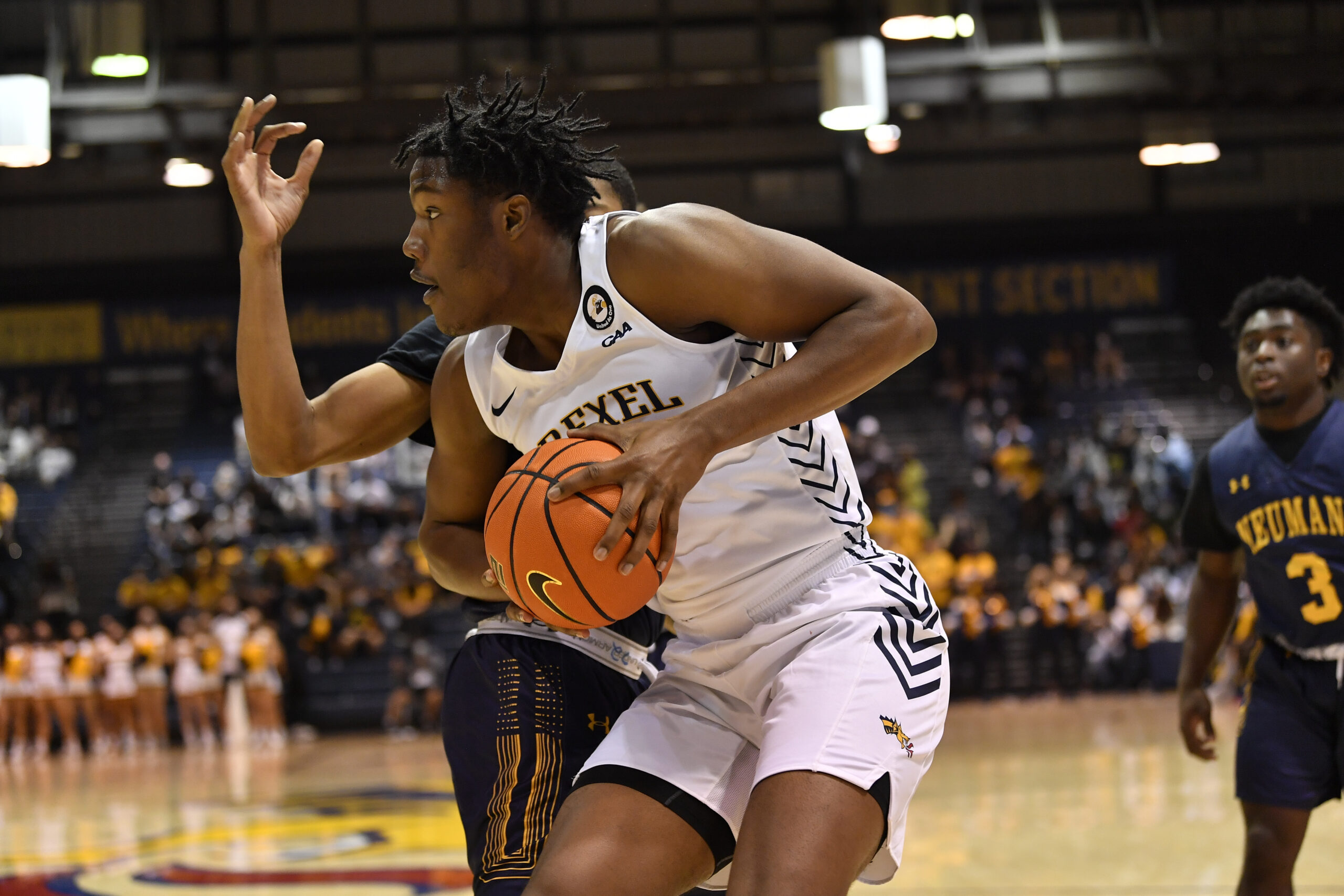
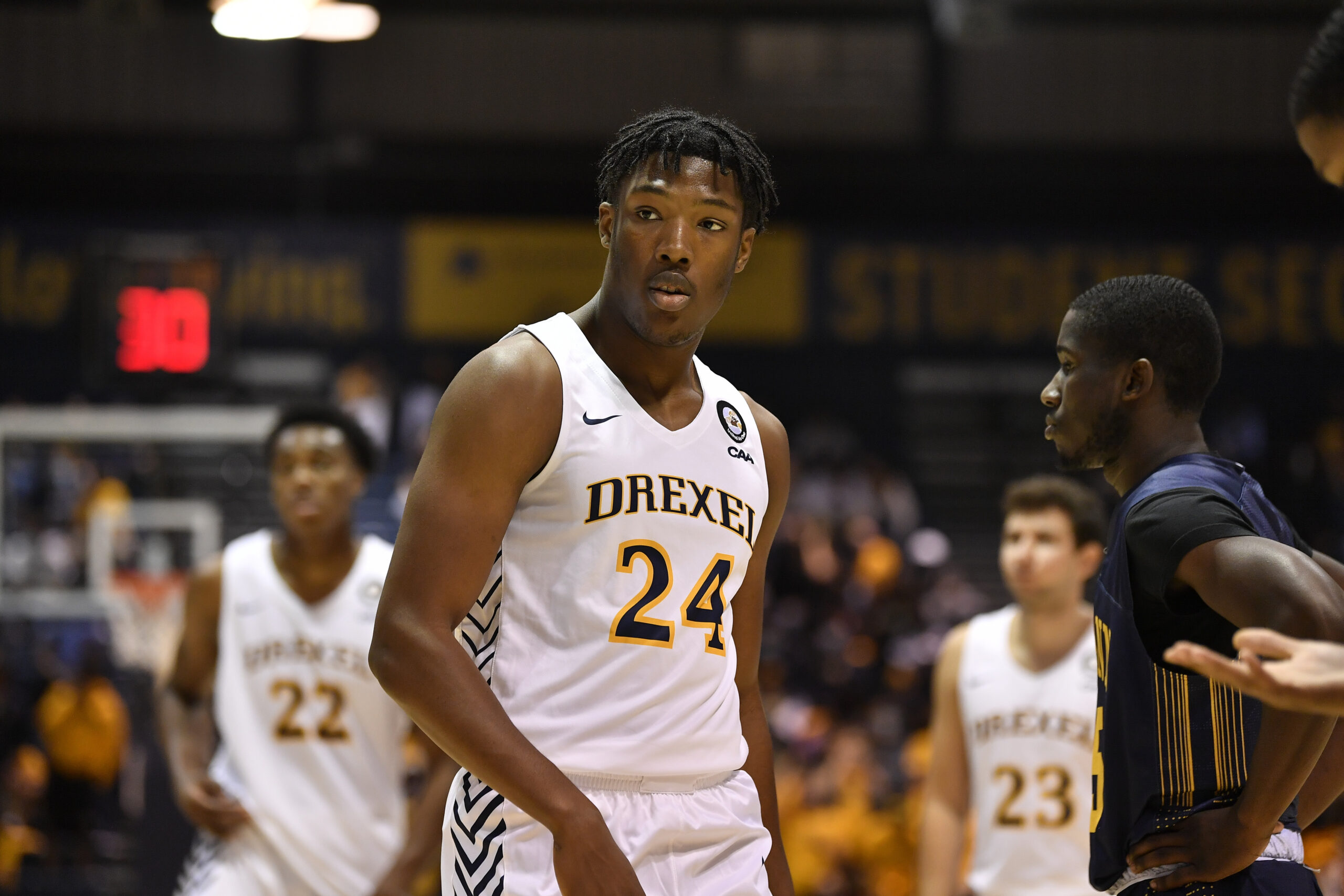
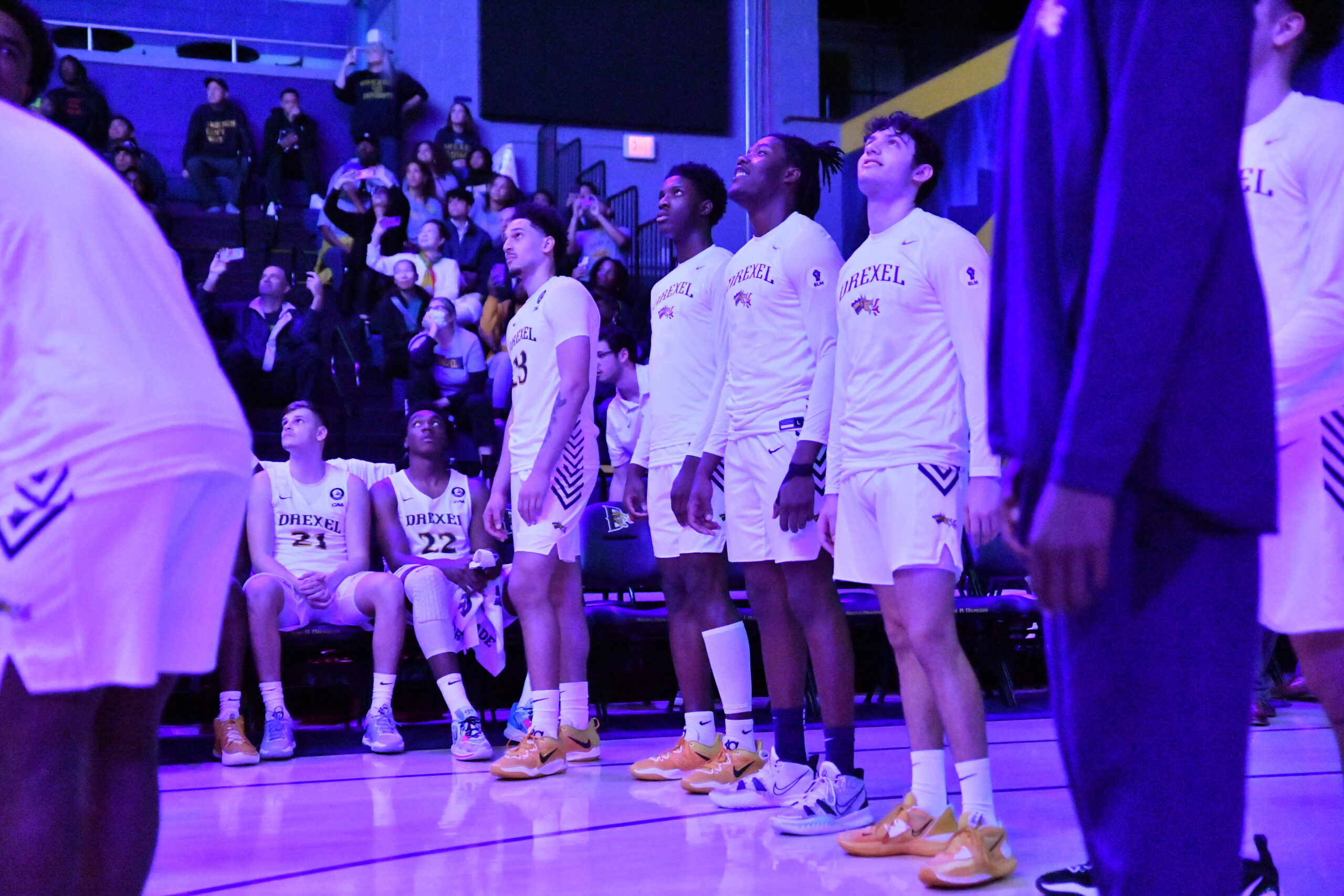
Terrence Butler appeared in just eight games for the Drexel men’s basketball team over his two years at the university.
The story of a young life
Twelve photographs on a wall in Zach Spiker’s office at Drexel tell the story of his decade as the university’s men’s basketball coach. There was Matey Juric, the 5-11 backup guard who was an “empty-chair kid” when Spiker recruited him: “I went to watch him play, and there were four chairs for college coaches, and they were all empty.” He’s in medical school now. There were team photos from the Dragons’ recent trips to Australia and Italy, from their celebration of their 2021 Colonial Athletic Conference Tournament championship. And there — in the picture from Italy, blending in among his friends and teammates — was Terrence Butler. It’s the only photo on the wall that Spiker took himself.
“It’s there for a reason,” he said, “and it will be as long as I’m here.”
Terrence Butler’s college basketball career comprised just eight games over two seasons at Drexel. His death at age 21, on Aug. 2, 2023, was at once core-shaking to those who knew and cared for him and, after a few days, just another speck of troubling news during troubling times to those who did not. It marked one of the rare occasions in which someone, especially someone so young, had died by suicide and the manner of death was immediately acknowledged and publicly revealed.
Terrence Butler spent two seasons with the Drexel Dragons from 2021 to 2023.
Within 48 hours of the discovery of Terrence’s body, the Philadelphia Department of Public Health confirmed to media outlets that he had killed himself, for there was no way to euphemize it and no point in trying. The cold and clinical language of the medical report — that a “normally developed, well nourished … black man whose appearance is consistent with the reported age of 21 years” had died — left no space for doubt.
The reasons that Terrence had died … they were a different matter. They would remain shrouded in grief and incomprehension, in blindness born of love and admiration and disbelief that he was capable of such an act — in an innocent unwillingness or inability to see.
Like all those who die at their own hands, he was locked in battle with himself. It was a struggle whose scope and depth he alone knew, and only by tugging a thread of the tapestry of circumstances and events and achievements that were sewn together to form his too-brief life can anyone even attempt to make sense of its ending.
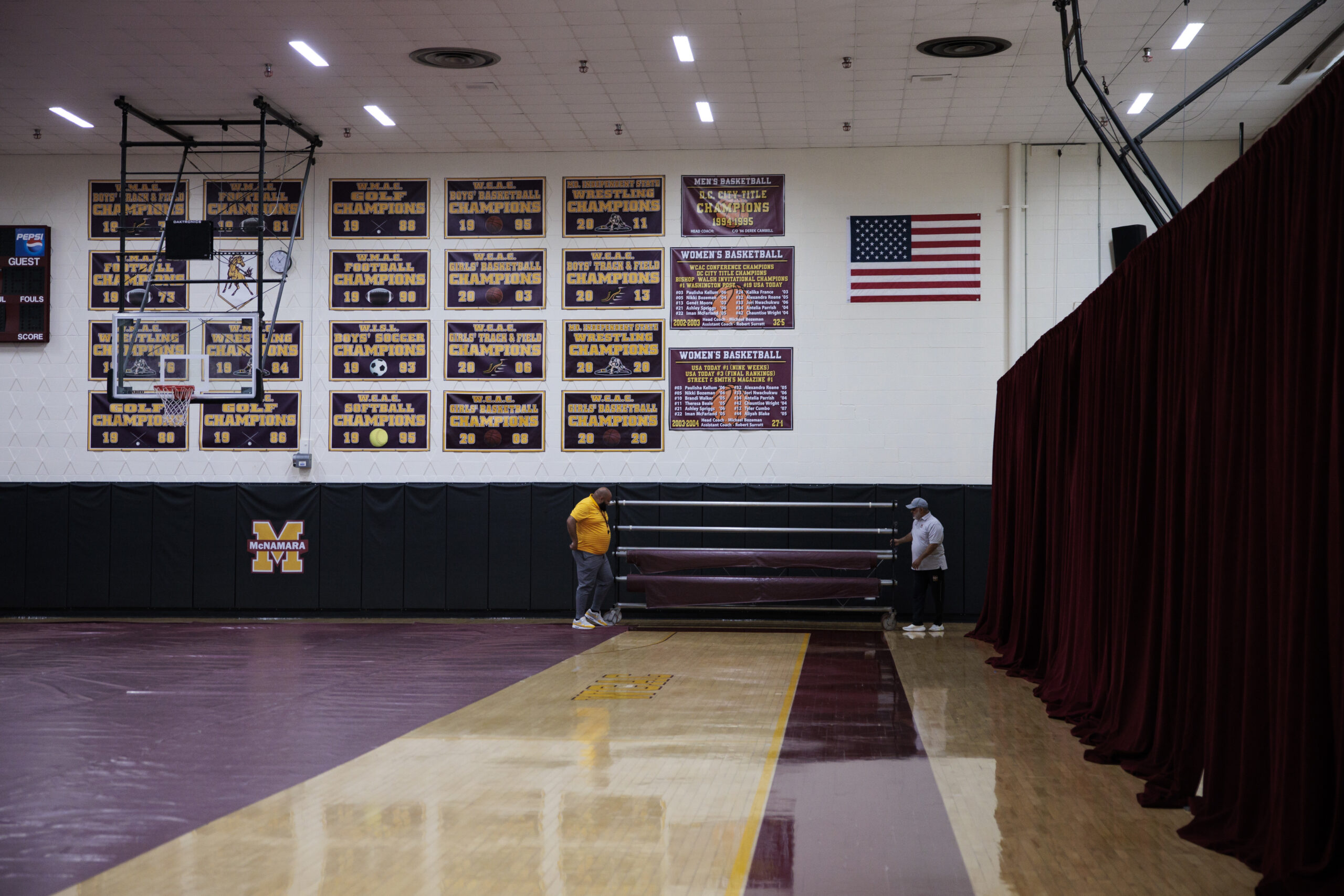
The gym at Bishop McNamara High School in Forestville, Md.
Why would anyone want to see the signs, after all? And who would have been capable of seeing them? Spiker couldn’t spot them on the day he met Terrence. No coach could. It was a camp at Drexel, just one stop on a tour of colleges and universities and programs for Terrence, and there he was, in the summer after his sophomore year at Bishop McNamara High School in Forestville, Md., grabbing a rebound in one pickup game inside the Daskalakis Athletic Center, scanning the court to throw an outlet pass, seeing no one open, pulling the ball down and dribbling the length of the floor to throw down a dunk himself. Spiker offered him a scholarship then and there. Take your tour. See those schools. Go through your process. Just remember: You have a home here at Drexel.
“We loved the skill set,” Spiker said. “We loved his motor, his size, typical basketball things. He was big. He was strong. He was respectful, a super-engaging, super-likable, smiling guy. Man, TB, he was a very impressive young man.”
Terrence’s parents, Tink and Dena, had charted a particular course for him and his sisters to try to prepare them for the demands and rewards of the pursuit. Tink saw sports as the children’s primary path. Growing up near Washington, D.C., he had boxed in the AAU and Golden Gloves programs before entering the Army, which promptly sent him to Colorado Springs to train to make the 1988 U.S. Olympic team as a light heavyweight.
“Was doing well,” he said. “Winning all my fights.”
Except he dislocated his left shoulder. No one knew; he popped it back in and hid the injury from the coaches, for a while. He started fighting southpaw, throwing all his real punches with his right hand, faking haymakers with his left … except the shoulder popped out again, and he couldn’t hide it any longer, and he had to have surgery, and his Olympic dream vanished. “I don’t know how far I could have gone,” he said one day in his living room. “I probably would have won a gold medal.”
Dysfunction framed Dena’s early life. She was 2 when her parents split up, both of them alcoholics, her mother moving from Memphis to the D.C. region to escape Dena’s father. Tall for her age, Dena began driving when she was 10 and working when she was 14, putting the money she earned from fast food restaurant and retail jobs toward rent.
“I didn’t sleep as a child,” she said. “I never slept. I just couldn’t. There was always something happening, and I just decided not to live like that when I had kids. I didn’t want that for them. These can be cycles if you’re not intentional and deliberate about your choices. Your choices affect your kids. Every choice my parents made affected me.”
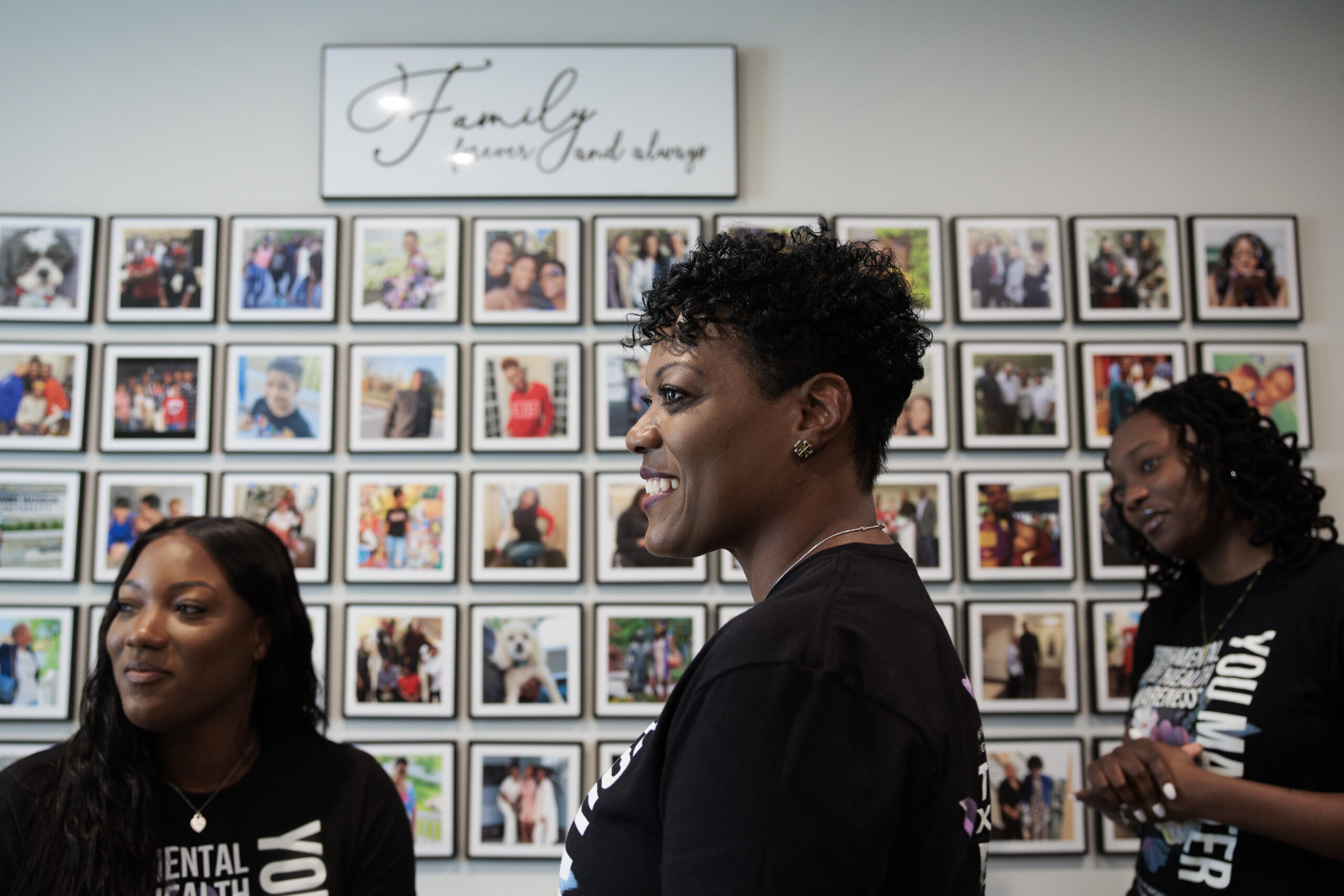
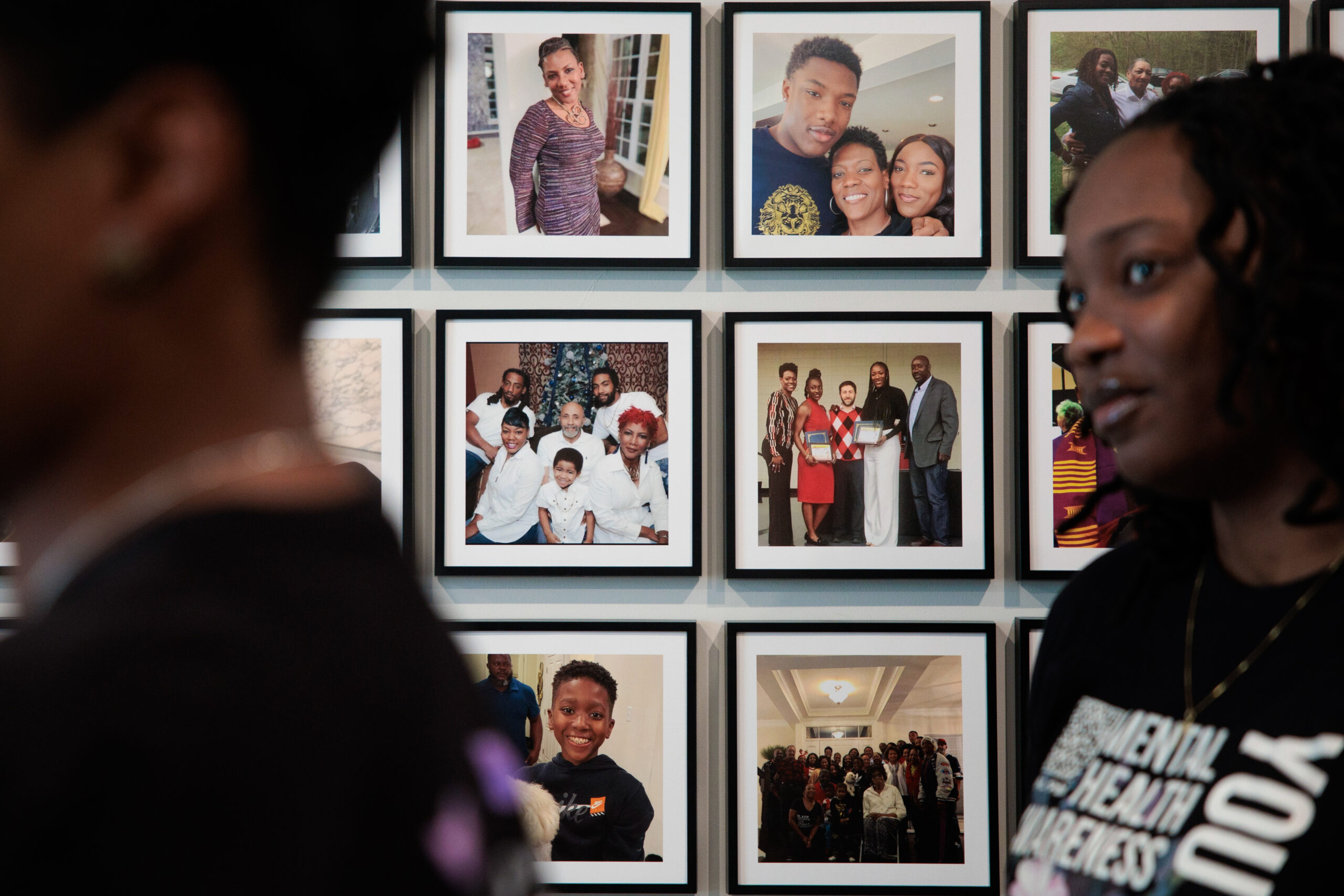
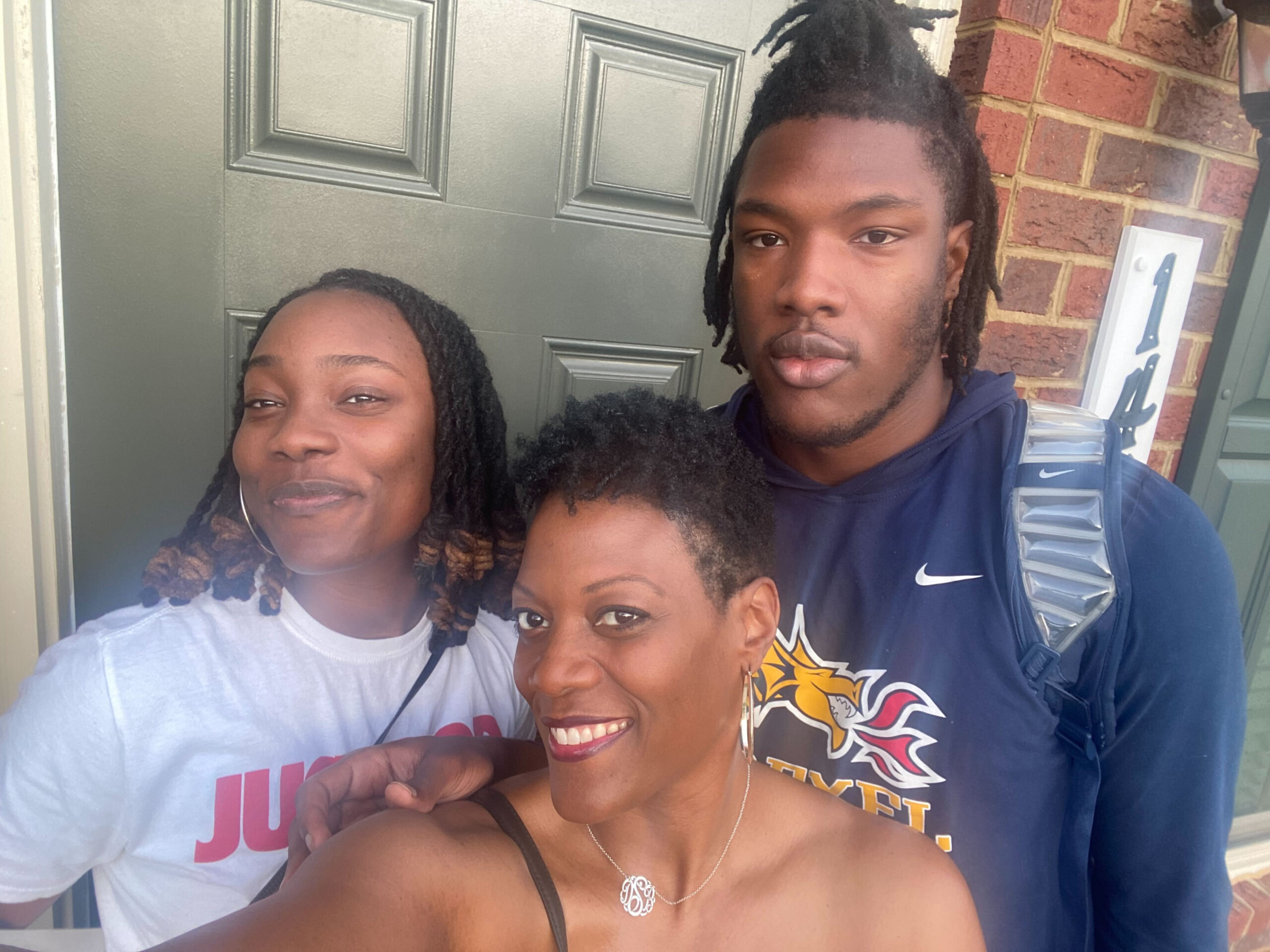
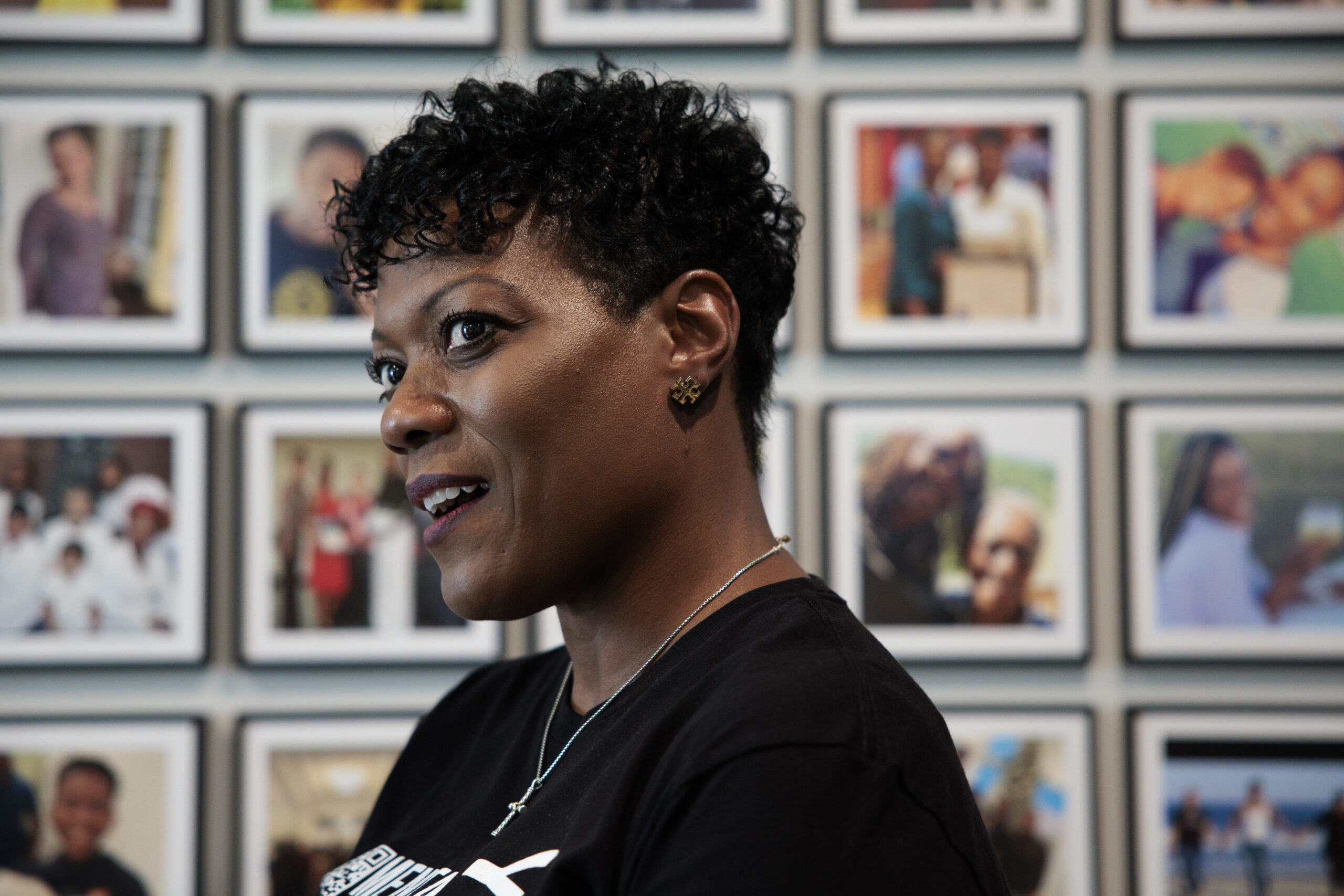
Tasia (left), Dena, and Tiara Butler pose for a portrait in front of their family wall at Dena’s home in Brandywine, Md.
Once Dena and Tink met and got married and started their family, as he moved from one solid job to another — from a power-company technician to a crane operator to a D.C. government supervisor — and she settled in as a resources analyst for NASA, they established a certain culture, with certain norms and standards, for their children. There would be a consuming emphasis on academics and athletics and, more importantly to Dena, a balance of those two foci.
Tiara was born in 1992, and a second daughter, Tasia, arrived three years later, and the sisters grew up hearing the same daily phrases from Dena: TV will kill your brain. … Go look it up in the dictionary. … Smart people ask questions. … “But the biggest philosophy we learned,” Tasia said, “was ‘Work first so you can play later.’”
Dena Butler with her daughters, Tasia (left) and Tiara (right).
The playing came naturally to all of them. The only driving Tiara did when she was 10 was when she had a basketball in her hands and an open road to the hoop. She got her first Division I scholarship offer when she was 14, then picked Syracuse. Tasia preferred dancing — hip-hop, ballet, tap, jazz — to dribbling, but she followed Tiara to Syracuse on a full ride for basketball before transferring to James Madison.
The understanding that sports could be a vessel shepherding the two of them to college, to a terrific education, to stability and success in their lives was doctrinal among mother, father, and daughters. Family time morphed into basketball time, and basketball time morphed into vacation time, and there was less vacation time as life went on.
Tink, in fact, spent so many mornings and afternoons and nights in gymnasiums and arenas with Tiara and Tasia, became so familiar a presence at AAU tournaments and all-star camps, chatted with so many coaches and recruiters and shared so many tidbits and observations about players that he parlayed his daughters’ careers into a new profession. Into a scouting service. Into a subscription-based website: prepgirlshoops.com. Into more than $100,000 in annual revenue. After Terrence was born in 2002, he was a fixture in those gyms and near those courts just like his parents and sisters were.
“When he first started playing,” Tiara said, “he would run up and down the court, saying, ‘Look at me,’ smiling and leaping. Always passed the ball. So kind to teammates and opponents. He really just wanted the snacks afterward.”
He wanted to be “T.J.,” but it never stuck. His sisters shortened the nickname they had given him when he was a baby, “Man-Man,” to just “Man.” It was all they called him. By age 10, he was playing high-level AAU ball, growing on a vegetable-free diet of chicken nuggets and french fries. Heredity was on his side. Tink was 6-3. Dena was 5-10. “I’m thinking he’s going to be 6-6 or 6-7,” Tink said, “and Michael Jordan was 6-6.”
Tink took him to one football practice when Terrence was 11, to try to toughen him up. All it took was a helmet to the stomach in his first tackling drill to get him coughing and wheezing and whining, to have him decide he hated football. Good, Tink thought, now we can concentrate fully on basketball. So Tiara and Tasia — don’t let those soft features and sad eyes, just like their brother’s, fool you — would roughhouse Terrence in their one-on-one games.
“May have gotten carried away,” Tasia said.
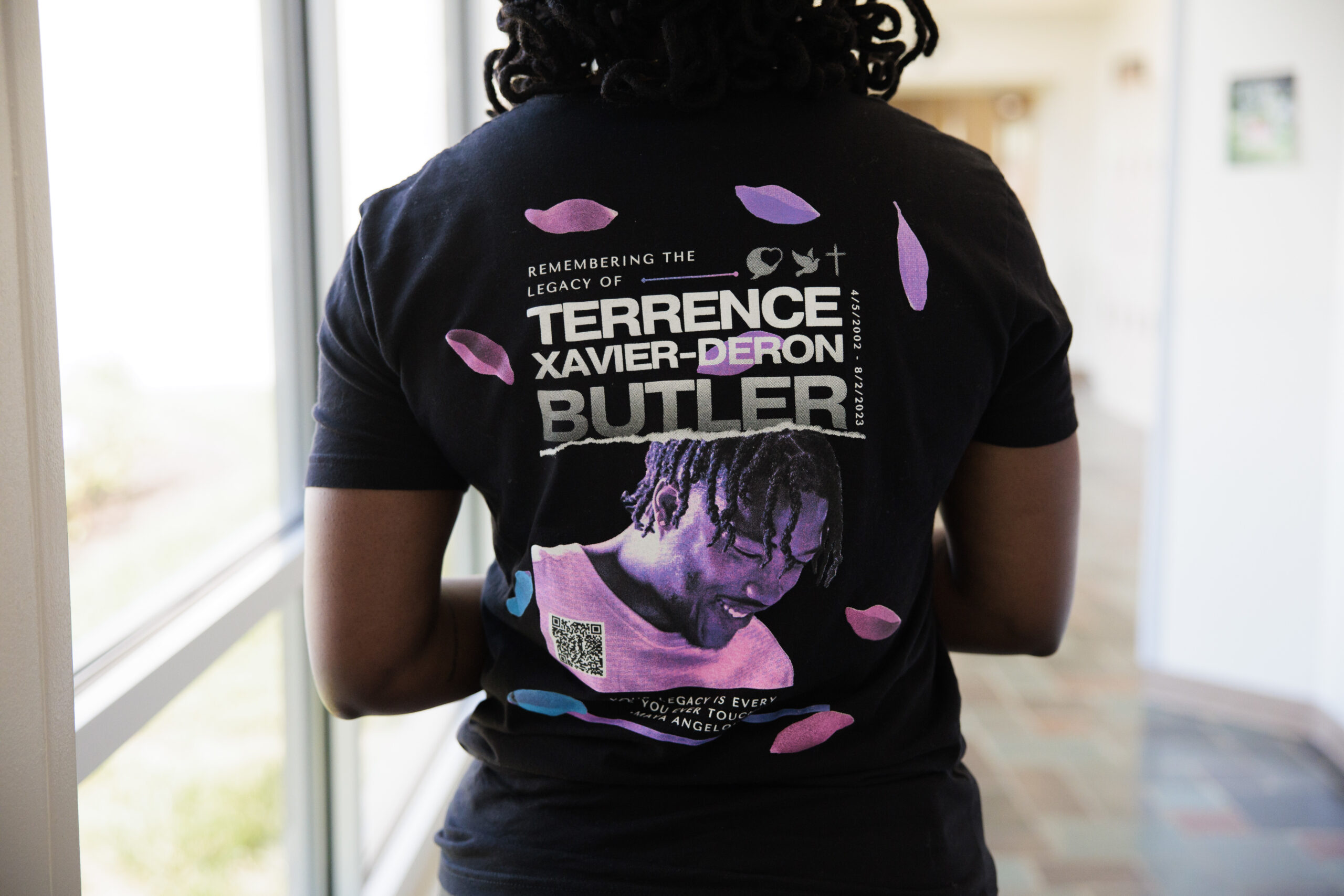
Tiara Butler, a visual arts teacher at Bishop McNamara High School, wears a T-shirt in remembrance of her brother, Terrence, at the school in Forestville, Md.
‘We were a unit’
His sisters’ recruiting visits were groundwork-layers for him, at least in his father’s eyes. When he was 9, he got pulled out of the crowd at a Towson University game for a free-throw contest. He sank 12 straight, right in front of the cheerleaders. When he was in sixth grade, the family joined Tasia for a visit to the University of Miami, and men’s coach Jim Larrañaga took one look at Terrence, at a pair of prepubescent arms already showing muscle and definition, and said, I’m giving you an offer!
He did the AAU circuit: DC Thunder, DC Premier, Team Takeover, Team Durant. Tink would bounce from Tiara’s game to Tasia’s to Terrence’s; Dena was always at Terrence’s. So he’d call her for updates.
How’s he doing?
OK … Oh, wait. He just scored.
A necklace features charms with photographs of Terrence Butler and his grandmother, Connie S. Hill, at Dena Butler’s home.
As the kids’ basketball schedules, especially Terrence’s, took up more days on the calendar, there were more dinners in restaurants, fewer at home around the table. But Tink and Dena still made time to serve in ministry at The Soul Factory, an evangelical church in Largo, Md., even serving as premarital counselors to engaged couples. “We were always on the road,” she said, “but we lived selflessly. We were a unit.”
Then, a potential setback: July 2016. The summer between his seventh- and eighth-grade years. An AAU tournament in Atlanta. He jumped, landed on someone’s foot, wrenched his right knee. A torn meniscus. Surgery. Nine months of rehabilitation.
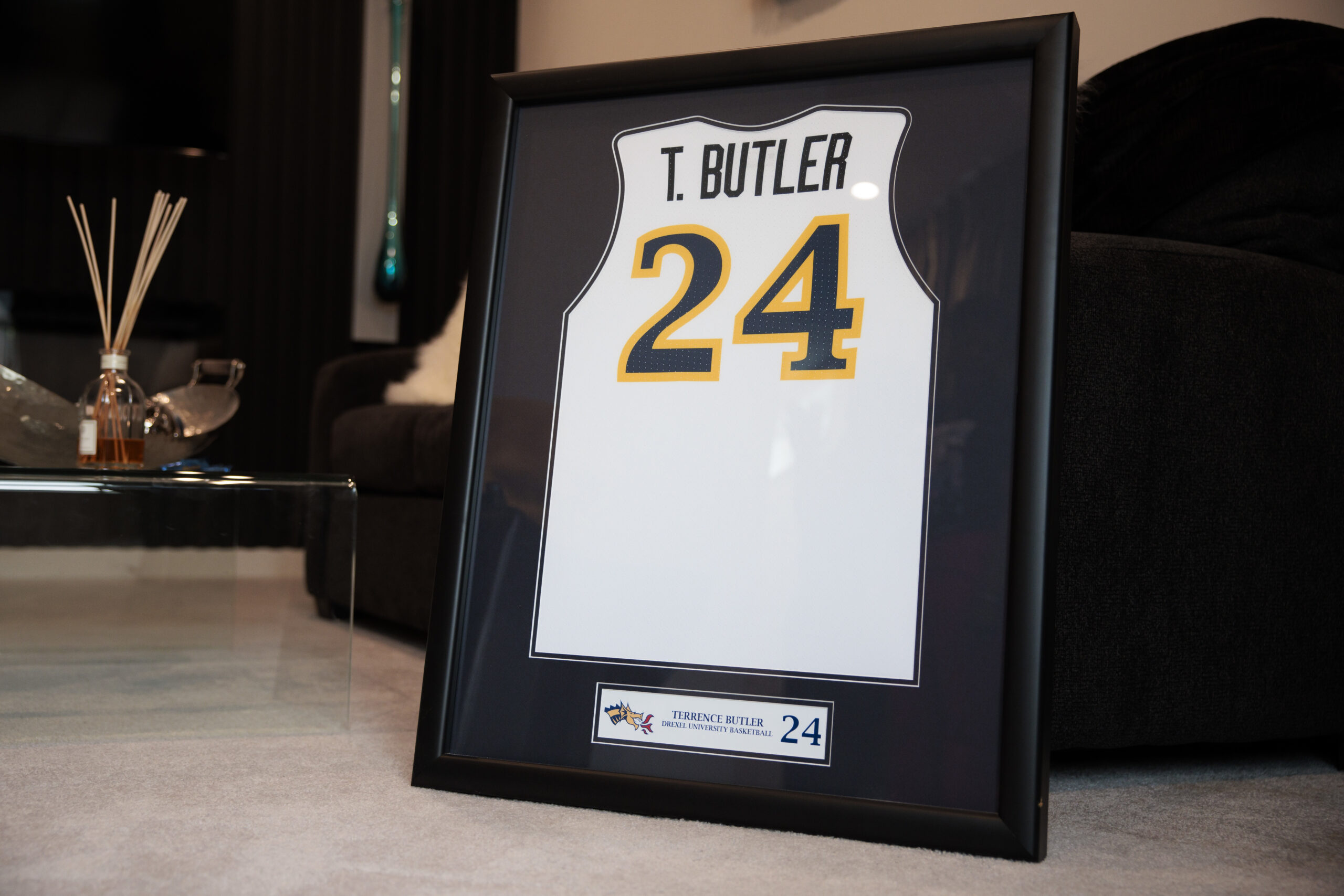
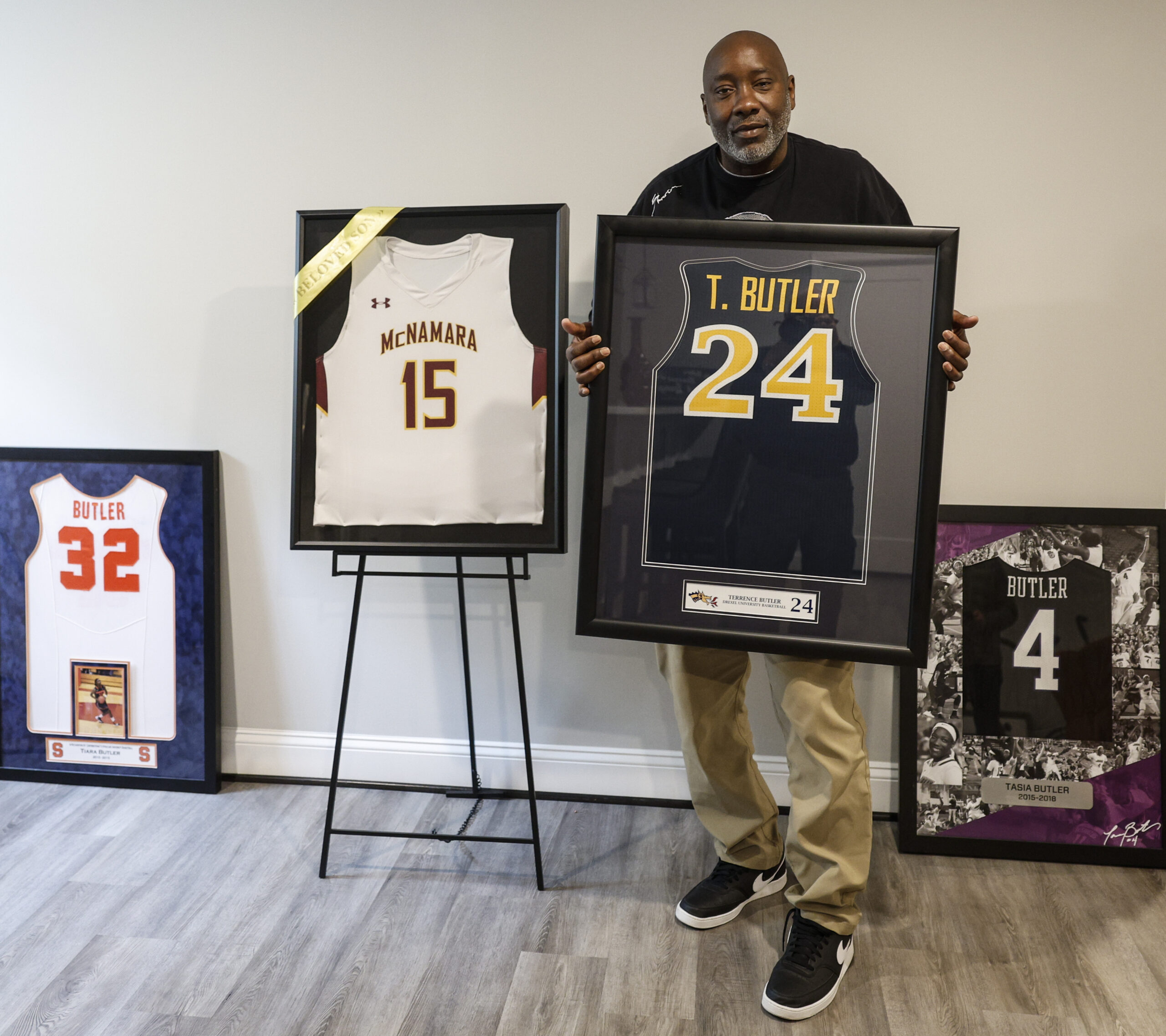
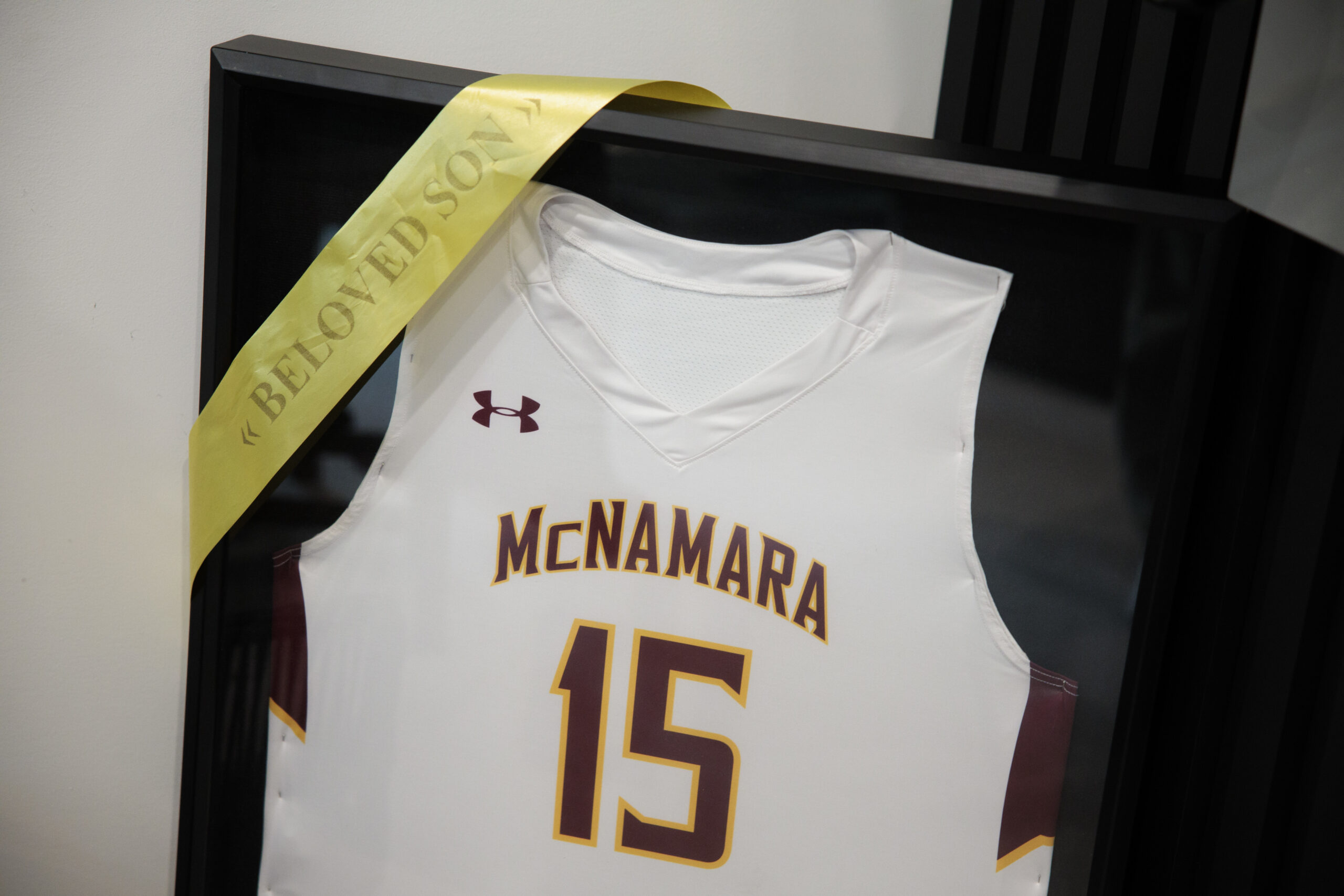
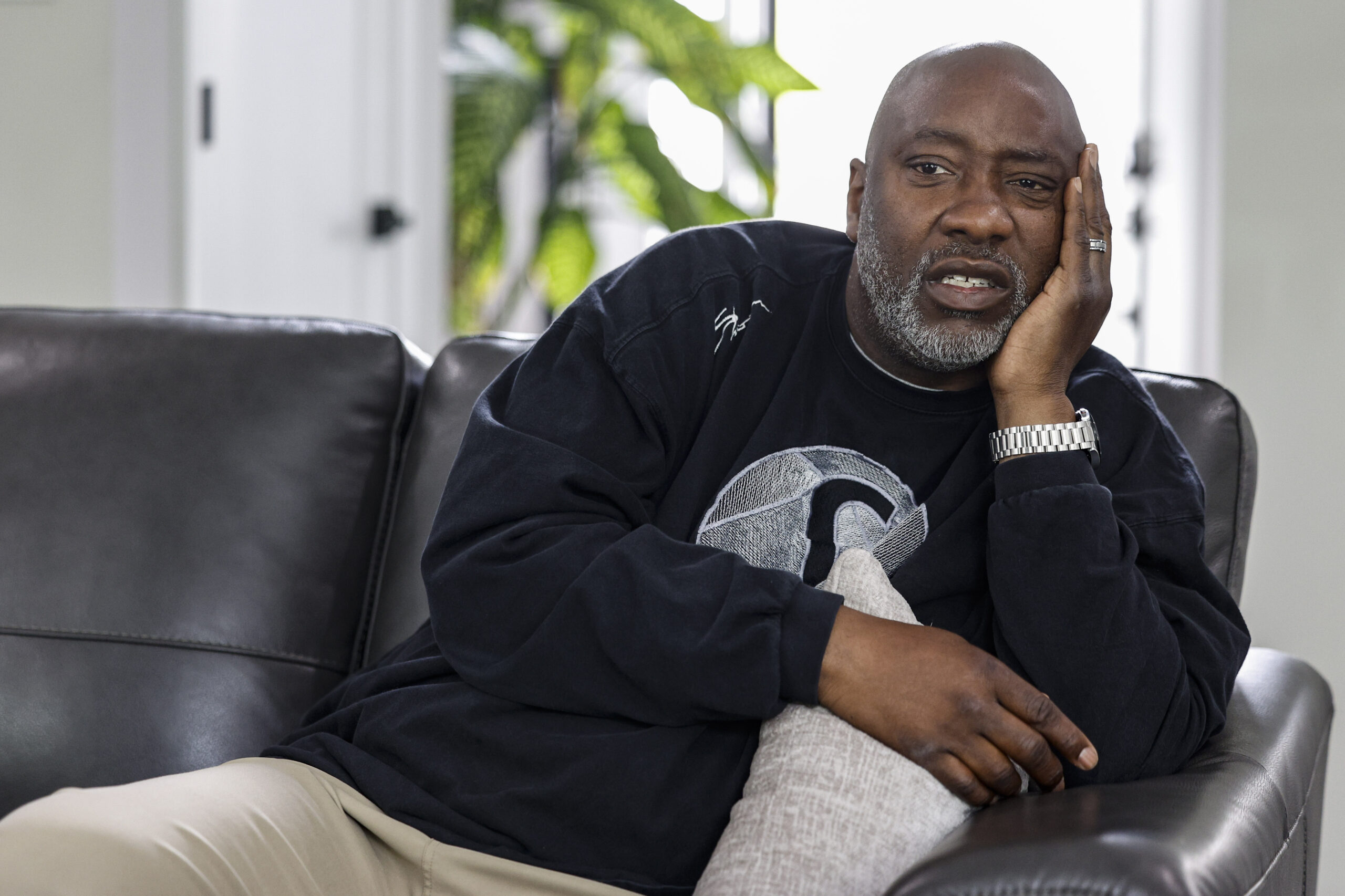
Tink Butler with framed jerseys honoring his son, Terrence, in Clinton, Md.
The big private high schools in and around D.C. had been scouting him; the injury might scare them away. No. Bishop McNamara, just a five-minute drive from the Butlers’ house, followed through with a basketball scholarship. Affiliated with the Congregation of the Holy Cross, its campus a strip of gleaming modern architecture and emerald land in Prince George’s County, with an enrollment that its admissions officers limit to roughly 900 students in grades nine through 12, McNamara is one of the most respected high schools in Maryland. Its alumni include several professional athletes, an astronaut, and Jeff Kinney — the author of Diary of a Wimpy Kid. The school fit perfectly with Dena’s plan for her children, with the idea of segueing from sports to a career or vocation beyond sports.
In his first year at McNamara, Terrence was the only freshman to play varsity basketball. The following year, the school hired a new head coach, Keith Veney, who immediately made Terrence the centerpiece of the team. He called Terrence “T-Butts” and would push him to shoot more frequently, questioning him every time he passed the ball and ending up half-impressed and half-exasperated at the answer Terrence always gave: Because the guy was open, Coach.
Still, Terrence had the ball in his hands often enough to be named the Mustangs’ most valuable player as a sophomore. “He would pass up those shots on purpose,” Tink said, “so that it wouldn’t be about him. He liked the accolades, but he didn’t want the attention.”
What did he want? It was hard to know sometimes. From the time Terrence began playing, Tink would give him a dollar for every rebound he grabbed in a game. One day, he opened up Terrence’s bank and found $1,200. Other than the occasional game of Fortnite, the kid didn’t buy anything for himself, didn’t crave the trendy clothes or the coolest sneakers. “He was the banker,” Tasia said. “We’d ask him, ‘You have change for a $50?’”
He embraced McNamara’s dress code: shirt, tie, hair cropped close. At home, he’d sit down and read the Bible, watch CNN, make an offhand joke whenever Dena would wonder how he had done on a school assignment. Got an A. Could’ve gotten an A+ if I tried. He had one girlfriend in high school, but Tink was pretty sure that Terrence hadn’t done much more with her than carry her books to class and sit with her on a stoop. “Waiting for marriage,” Tink said.
Terrence towered over the student body yet managed to keep himself on his peers’ level. “He was just a cool guy,” said Herman Gloster, McNamara’s dean of students. “You would see him before he’d see you. He was a kid who you could feel coming down the hallway — tall, always smiling. It was like a light force was behind him. Very respectful. Never had a detention. Just a great spirit. If you didn’t like Terrence Butler, something was wrong with you.”
A memorial card for Terrence Butler hangs on the wall in dean of students Herman Gloster’s office at Bishop McNamara High School in Forestville, Md.
When McNamara shut down its building for the COVID-19 pandemic in March 2020, it kept its doors closed and its students learning virtually for 12 months, from the middle of Terrence’s junior year to the middle of his senior year. The administration created “The Mustang Mix,” clusters of faculty and students who would gather on Zoom calls to stay connected with one another.
“A lot of people were complaining that seniors weren’t coming to the mixes,” said Dian Carter, McNamara’s principal. “Terrence came every day faithfully. He was always on camera, making breakfast, frying eggs.”
Once the school reopened, it did so partially. Students returned on a staggered schedule based on where their last names fell alphabetically. Plexiglas dividers separated them at each cafeteria lunch table. The entire building was cleaned every Wednesday. “It was the craziest thing,” Carter said, and she could sense Terrence’s hunger to be around and engage face-to-face with his friends and classmates again. Ms. Carter, he’d ask her, can’t we come here every day?
Terrence Butler was troubled by knee injuries throughout his time at Drexel.
Injury problems
The court was hardly a refuge for him. Throughout the first month of the lockdown, he and Tink searched for places where he could play and train. They found one guy who had a small private gym and was willing to open it. On a Sunday, Terrence was going full-court against some eighth and ninth graders, players younger and less skilled than he was, and one of them bumped into Terrence, and that brief contact was all it took. No, my knee! An MRI test confirmed it: He had retorn his right meniscus.
Another surgery, this one in April 2020. Another nine months without basketball. OK, Terrence could still be a McDonald’s All American nominee his senior year at McNamara … and was. Terrence could still be ready for the start of his freshman season at Drexel, and Spiker had remained loyal to him, had been the first coach to offer him a scholarship and had never rescinded it, had shown that he was authentic and real and that his word meant something. Terrence could still stand there inside the DAC in June 2021, alongside Drexel’s other incoming recruits, for a private ceremony honoring the Dragons’ conference-tournament title three months earlier, and he could hear Spiker say, I know you guys didn’t play in these games, but you’re part of this program. I’m super-excited you’re here to see this, and this is the standard we’re shooting for. Terrence could …
… no, maybe he couldn’t. During a workout just weeks after the ceremony, he tore his left meniscus — not as severe as his previous injuries, just a two-to-four-month rehab this time, but … Lord, three knee operations, and he hadn’t suited up for a single official practice for Spiker yet.
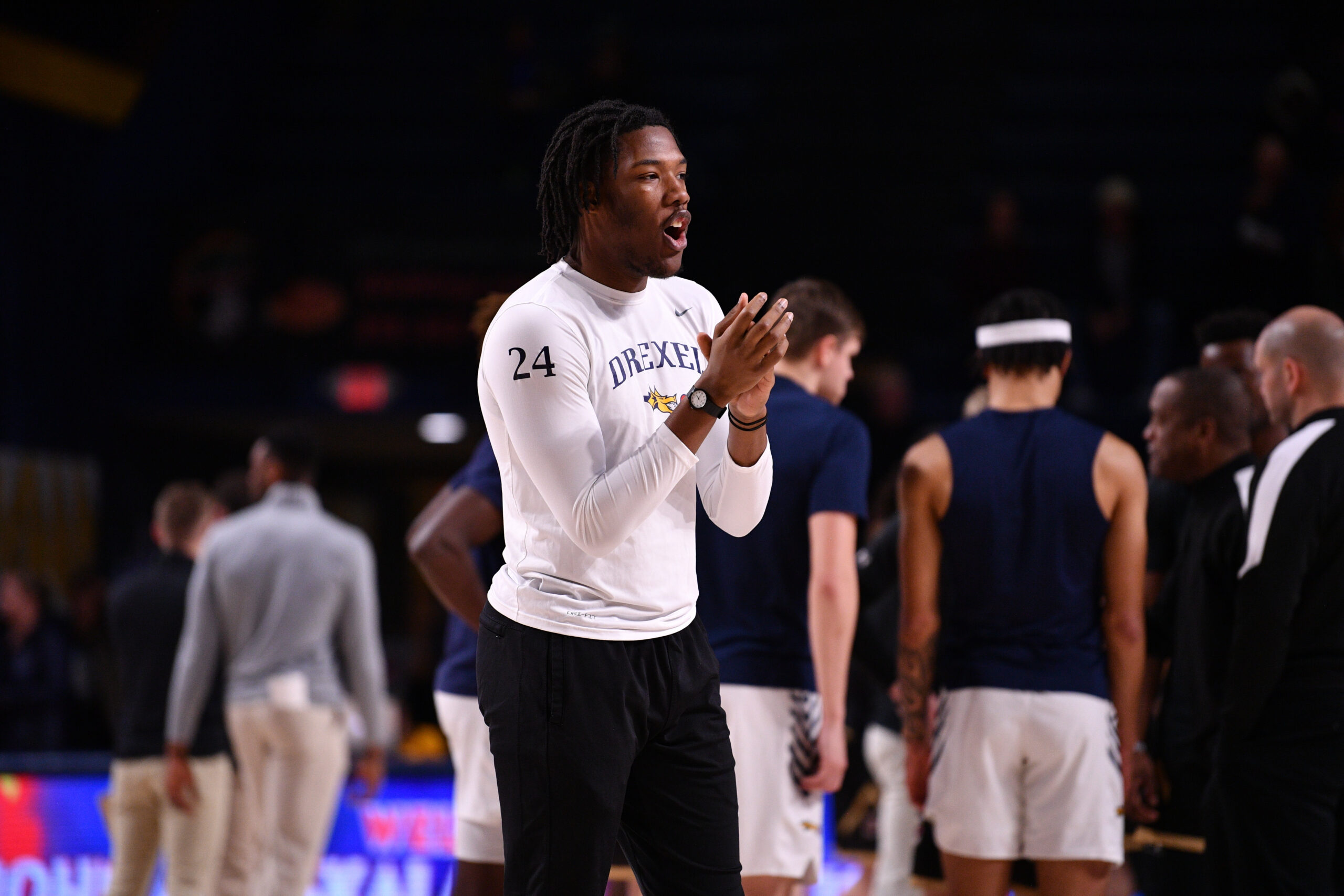
Terrence Butler cheering on his Drexel teammates during his time on the sideline.
Rough as that misfortune was, Dena trusted that her son could handle it. “It was almost like he was always doing a self-examination to see if something resonated with him,” she said. “He had a mentality of ‘I could take it or leave it. I’m good wherever I am. If I choose to go to school, I can do that. If I choose to play ball, I can do that. If I choose to write novels, I can do that.’ He was never a person you could put in some type of box. He was completely different. You could not read him in that manner. He was like, ‘Wherever God leads me.’ He would just be in that moment. If he’s playing ball, he’s going to give you ball. If he’s in school, he’s going to give you school.”
These were more than a proud mother’s words. Terrence wrote biblical verses in pencil on index cards and carried the cards with him. Galatians 5:16: So I say, let the Holy Spirit guide your lives. Then you won’t be doing what your sinful nature craves. There was no preaching or proselytizing, just the self-assurance of a person who appeared fully comfortable with himself. Is there a more appealing quality in a human being? It didn’t take him long to become one of the most popular figures on campus. He majored in engineering, joined Drexel’s chapter of the Fellowship of Christian Athletes, and had the time and the opportunities to move within the university’s varied worlds.
Spiker would stop in at a coffee shop to grab a drink, and a student would recognize him and say, Coach, I know Terrence Butler. He’s one of the nicest guys I’ve ever met. So Spiker would take a selfie with the student and text it to Terrence, and Terrence would respond, One fan at a time, Coach. One day, the two of them strolled across campus, and Spiker felt like he was with a celebrity.
“It was two girls from the lacrosse team: ‘Hey, TB,’” he said. “It was two girls from the dance team. It was two guys from FCA. A lot of people identified with him. He knew as many people as the rest of our team combined. This dude was very outgoing and had a big reach.”
Imagine if he had been playing any meaningful minutes for the Dragons. Imagine what his reach would have been then. He’d set the coaches’ grease board in his lap, pick up a marker, and design plays for his teammates. He’d call his brother-in-law, Arthur, who was a personal trainer, and press him for insights and advice: What can I do to be the best athlete I can be, to strengthen my body so I won’t get injured again? Push-ups, sit-ups, stretching — he devised his own exercise routines.
Luke House, one of Terrence’s teammates and roommates, would join him for long weightlifting sessions that they’d pause only when Terrence set his face in “The Look,” House once wrote, which meant “it was time to tuck our shirts in because the weights were getting heavy.”
After one victory over Towson, after Terrence had spent two days of practice dragging his damaged leg up and down the floor, refusing to sit out, insisting on suiting up for the Dragons’ scout team, Spiker turned to one of his assistant coaches and said, I don’t think we win that game if TB doesn’t give us all he had. He was doing his best to contribute, to get back on the court. Everyone could see that.
Then in January 2022 he was running during a pickup game and felt his right knee pop and found out that he had torn that damned right meniscus for a third time.
Terrence Butler’s Bishop McNamara High School basketball jersey is framed at his mother’s home.
The doctors and trainers recommended that he not play anymore. Tink called him. Did he want to transfer? Tink had been working the phones, talking to coaches in other programs. No, Terrence wanted to stay. Spiker and Drexel put him on a medical hardship scholarship. He could get his engineering degree, be part of the team in another role or capacity. I’m good, Dad, he said. I’m good.
Dena … well, it never crossed her mind that Terrence might transfer. She had attended all of his games at McNamara, and she attended every Drexel home game whether he played in any of them or not. And he would play just those eight times, never seeing the floor for more than 12 minutes in any of them, never pulling down more than five rebounds, never scoring more than two points. She attended every game even though she and Tink had been drifting from each other for a while, even though he was spending more time at work and at games — among Tiara and Tasia and Terrence and his scouting service and his tournaments and his website, where did business end and family begin? — even though they divorced in 2021.
It was raw. It was painful. It was the breakup of The Butlers — that’s how everyone knew them, spoke of them. The Butlers. They had been a unit, as Dena said, and now they weren’t.
Terrence was managing to handle it, as she trusted he would. At least he seemed to be managing. Spiker noticed nothing out of the ordinary. Still the same old TB. Still in good spirits. Still the same terrific student — he made the Colonial Athletic Association’s honor roll in 2022, the same year basketball stopped for him. In June 2023, he was taking a summer class, Introduction to Africana Studies, and earned an A on a five-page paper about the corrosive effects of American slavery. He wrote in part:
Dena Butler and Tiara Butler stand in front of the family wall.
The solution begins with education and must start at a young age. … Until we start to seek knowledge and dig up the roots of America rather than trimming branches, black people will always be disproportionately affected, with no understanding why.
A month and a half later, Terrence took that train ride down to Maryland to visit his family. Tink was hosting a party at his house on the night of Saturday, July 29, for a world welterweight championship bout between Errol Spence Jr. and Terence Crawford — 70 people, food, drinks, a television on the outside deck. Terrence declined to attend, which didn’t strike anyone as unusual. People would have asked him about Drexel and basketball, would have made a fuss over him, and he wouldn’t have wanted to be an object of attention at such a large gathering. He preferred a quiet night at his sister’s house. Arthur offered to cut his hair.
Just before Terrence and Tiara left Dena’s house, the three of them gathered on the front stoop to snap a photo of themselves in the summertime’s evening light. But as he stepped outside, Terrence paused. Hold on, he said. I forgot something. He went back inside, reemerging after a few moments. The picture, in hindsight, is telling. Dena is in the middle. She smiles wide, her teeth sparkling white. Tiara, on the left, has a knowing, closed-mouth grin. Terrence towers above them. His face is stone.
Tiara (left) with mom Dena and Terrence Butler.
He texted Dena at 9:19 a.m. Sunday to let her know that he had arrived safely. But on Wednesday, Aug. 2 — a cerulean, temperate, just perfect Aug. 2 in Philadelphia — Terrence missed a team breakfast. He was tracing a different academic arc from most of the other players, taking a full schedule of summer classes, on track to graduate in a year, while his teammates were taking a course or two. So Spiker chalked up his absence to his study habits, and it wasn’t until the guys started to murmur that they hadn’t seen him in a few days that Spiker began to wonder and worry.
He called and texted Terrence immediately. No response. He called Dena, who told him that she hadn’t heard from Terrence since he got back to Drexel. He called campus security and requested a wellness check and stayed on the phone while the officers unlocked and opened the door to Terrence’s bedroom and discovered that something horrible had happened.
When her phone buzzed and a police detective told her that her son was dead, Dena managed to ask, How? She listened to the answer, then ran upstairs. After she and Tink had divorced, she knew that she would be living alone, in a new house, in an unfamiliar neighborhood. So she had purchased a black .357 revolver for self-defense. All three of her children knew exactly where she kept the gun: out of sight, on the floor, under the headboard of her bed. She looked there. It was gone.
Photos of Terrence Butler on display at Dena Butler’s home in Brandywine, Md.
A terrible conundrum
At Terrence’s funeral, inside Zion Church in Greenbelt, Md., Tink and Dena stood side by side behind a lectern, holding hands, eulogizing their son. “I thank God for loaning him to us for 21 years,” Tink said during his short speech. Dian Carter, McNamara’s principal, had been on vacation, sunning herself on a beach near Houston, when she heard the news of Terrence’s death. No, she thought, that can’t be right. Terrence must have been attacked. Suicide? Terrence? What were the signs?
Now here she was, sitting and weeping among the congregation at Zion, and she had never seen anything like Tink and Dena’s gesture, their grip, that coming together of a couple who were now separate. She found it comforting, but it did not answer the question that Carter was still asking herself, the question that everyone in the church had to have been asking themselves: The worst thing that can happen to a family, to a young person in the prime of life, had happened to this family, to this young man. Why?
That is the conundrum that cuts to the core not just of Terrence’s death, but of suicide in the United States. There are so many contextual factors and contradictory trends that anticipating when someone might end his or her life or reaching a definitive conclusion about why someone did is akin to grasping at vapor.
Kelly Green, a psychologist and senior researcher at the University of Pennsylvania’s Perelman School of Medicine, said in an interview that the most recent available data on suicides are from the same year that Terrence died: 2023. Medical examiners must report suicide deaths to states, and states must report them to the Centers for Disease Control, and the slow grind of that bureaucratic machinery causes an information lag.
“One of the frustrations is that we’re always a couple of years behind what’s happening now,” Green said. “We’re always playing catch-up.”
Though Green noted that suicide “is still a very low base rate event — it happens rarely” — its current has been flowing in a concerning direction. The overall national rate jumped 37% from 2000 to 2018, according to the CDC, dipped by 5% between 2018 and 2020, then peaked in 2022. It held relatively steady in 2023, when 14.2 out of every 100,000 deaths were suicides.
Terrence fell within the age range, 15-24, with the second-lowest suicide rate, which would cast his death as an awful anomaly. But the CDC has reported that, although men make up 50% of the population, they account for nearly 80% of all suicides, and among Black men, according to the American Foundation of Suicide Prevention, the rate climbed from 9.41 per 100,000 deaths in 2014 to 14.59 in 2023, which would cast Terrence’s death as one stirring of the sea in a destructive tide.
“I would go even a step further,” Derrick Gordon, an associate professor of psychiatry at the Yale School of Medicine, said in an interview. “In the Black community, the data show that, traditionally, suicide was not seen as a Black thing. The norm has been, ‘That’s a white thing.’ It’s sometimes seen as the antithesis of the Black faith tradition. ‘My faith isn’t strong enough to help me get past this thing, and it should, and it’s not working.’ Faith doesn’t reduce the burden. It adds to the burden.
“For a long time, there was this myth: ‘We don’t have to worry about Black people and suicide. They’re at low risk. They have more community or are more connected to their faith — a lot of buffers to protect them.’ Well, we’re seeing that’s not true.”
Tink Butler at his home in Clinton, Md. He remains involved in basketball.
Parents, siblings, loved ones: These would presumably be the strongest guardrails. But as Gordon noted, the factors that compel a person to attempt suicide are always unique to that person, and since even those closest to him or her often don’t pick up on any indications of deep distress, predicting or preventing a suicide is challenging at best and impossible at worst.
“Families never think of suicide as a possibility,” Gabriela Khazanov, a clinical psychologist and assistant professor at Yeshiva University in New York, said in an interview, and they can inadvertently create conditions that heighten the risk.
Terrence was one of the more than 49,000 people who died by suicide in 2023, according to the CDC … and one of the more than 55% of those who used a firearm to do it. The combination of suicidal thoughts and easy access to a gun can be lethal, in part because “it’s not that people who are suicidal want to die,” Green said. “It’s that they want to stop an intolerable situation or problem. They seek an escape,” and they are often willing to act without hesitation to relieve their pain.
A January 2009 study published by the Journal of Clinical Psychology showed that half of all suicide attempts result from less than 10 minutes of planning.
“The impulse might be quick, but the issue is, do you have means?” Gordon said. “I can think about it all I want to, but if I don’t have access to means, that’s an issue.”
Terrence Butler did have means, but it would be wrong to call his decision to use his mother’s gun impulsive. He had carried the revolver with him in his navy blue Drexel backpack on the ride from Dena’s house to Tiara and Arthur’s. He had kept it in that backpack for several hours at their home — kept it there overnight, in fact. He kept it there during the short car ride to New Carrollton Station and throughout the 1-hour, 45-minute train ride back to Philadelphia. He kept it there as he walked the three-fifths of a mile from 30th Street Station to The Summit, to a vibrant college setting in a vibrant city, and he kept it there as he opened the door to Apartment 208, to his living space with his personal effects and the memories they inspired.
It is one of the most excruciating aspects of his death: Terrence Butler had time to consider what he was going to do. He also had time to consider all the reasons, in his mind, that he had no choice but to do it.
“I thank God for loaning him to us for 21 years,” Tink Butler said during his son’s memorial service.
Signs no one could see
Inside the dimly lit auditorium of Archbishop Carroll High School in Washington, some 150 parents, coaches, teachers, and administrators gathered on a night in October 2024 and learned about Terrence Butler from the women who knew him best. The school was holding a symposium about athletes’ mental and emotional health, and Dena, Tiara, and Tasia were the first speakers. They wore black T-shirts with his picture on them. Behind a table atop a stage, Dena sat between her daughters, one arm draped over Tiara’s shoulders, one arm draped over Tasia’s. There was an empty chair next to them, for Terrence.
Three siblings. Three honor students. Three Division I basketball players. A veneer of perfection, or as close to it as a family can get. And now …
“You can have all that,” Dena said to the audience, “and your child may not want to be there.”
Tiara and Tasia did not want to be there. Over the two years since Terrence’s death, the Butlers and others have plumbed their memories and searched within themselves for hints and connections that might help them explain the inexplicable. The sisters keep returning to their own childhoods and adolescence — to Tiara’s desire to draw and paint and write and Tasia’s to dance, to Tink training them to be competitive and never treat their opponents as friends, to Dena reminding them that athletics was their conduit to college, to the pressure they felt to perform.
Before every basketball game he played, Terrence would dash to the bathroom, as if he were seasick, and his hands would sweat so much that he could barely grip the ball. He’d douse them in powder to dry them only to have it turn into paste in his palms.
At Syracuse, Tiara often couldn’t eat before games because she was so nauseous from nervousness, then would shake as she sat on the bench. And it was only after her brother had died that Tiara confessed to her family that in her instances of greatest stress she would hear noises in her head — loud, indescribable noises — that she could not quell.
“I don’t really know where it came from,” she said, “but it showed itself in my body. It showed itself in my handshake. It showed itself with me being out of breath, with my voice shaking.
“I know what that feels like, what he was feeling. You can’t really control it. If you’re not playing, there’s that daunting feeling on top of that. Am I good enough to get on the court? Part of you is like, ‘OK, I didn’t play today, so I didn’t mess up today.’ But the other part, especially when you’re away from home and you didn’t play, is that you have to explain yourself to someone who’s not there and asks, ‘Hey, what’s going on?’ You’re thinking, ‘I’m working hard, doing all that I can do. It’s someone else’s decision.’ Now you’ve got to listen to that voice, too: ‘Hey, what’s really going on?’ It’s just a tough balance, especially as a kid. Then you’re going off to be by yourself, high level, lights always on …”
Tink Butler says he remains troubled daily by his son’s death.
Guilt creeped into Tink’s thoughts. Was his children’s performance anxiety purely genetic, or had he pushed them too hard? Once, when Tiara wasn’t yet a teenager, she had moseyed after a rebound during a workout, and he chucked the ball to the opposite end of the gym and bellowed at her, “RUN!” When she came back, there were tears in her eyes and a whimper in her words. You yelled at me. He backed off some with Tasia, then backed off even more with Terrence — in his tone, but not in the time, the effort, the aspirations.
“My whole life was basically getting rebounds for him,” Tink said. “That was the plan from the time I saw I was having a son: I’m going to mold this guy into a basketball player.”
Dena second-guessed herself about how she and Tink handled their divorce. She had filtered all her parenting decisions through the lens of her own childhood, through the experience of growing up in a broken home, and she wanted to spare Tiara, Tasia, and Terrence any trauma. She and Tink had taken care never to argue in front of them, hiding the hard reality of their disintegrating marriage, opening up fully about the divorce only after Tink had remarried.
“I was playing God,” she said, “in trying to control everything so they wouldn’t see certain things.”
But the upshot was that, when the three kids finally found out their parents were splitting up, they were shocked. They never saw it coming, and Terrence was the youngest, the most impressionable, the baby of the family. In trying to protect them, had Dena failed to prepare them? Had she failed to prepare him?
“It could have handicapped them,” she said. “I’m supposed to be their training ground.”
She carried similar concerns once he went off to Drexel, and she wasn’t the only one. The pandemic had already isolated Terrence, pulling him away from his friends and his social life while he was still at McNamara, from an environment and experience that, even if the lockdowns hadn’t disrupted it, would have been its own kind of cocoon.
Dena Butler’s “Proud Momma” cups featuring the school colors and logos for her three basketball-playing children.
“Prince George’s County can give you a false sense when you leave here,” said Gloster, the McNamara dean — and a former police officer. “It’s a county of wealthy African Americans, and you don’t find many Catholic schools with so many Black students where parents are paying a tuition of $22,000. Then they get out in the real world, and it’s, ‘Maybe I’m too Black. Maybe I’m not Black enough. Maybe I didn’t realize there was a lot of racism in the world. Maybe I didn’t realize I had demons inside that hadn’t surfaced.’”
Now Terrence was living in an unfamiliar campus in an unfamiliar, more economically distressed neighborhood in an unfamiliar city, and whenever Dena or Tiara or Tasia saw a news story about violence in Philadelphia, one of them would call him. Hey, don’t go outside today. Dena would warn Terrence — 6-foot-7, 235-pound, Division I athlete Terrence — not to get into a stranger’s car, and Tasia would remind him that, as a Black male college student, he “fit the description of someone who could be in trouble.”
He could be a target for a criminal or a cop, could be taken for an easy victim or presumed to be a thug, so he should get to know as many people at Drexel as possible, make sure that everyone knew his face … starting with the campus police. His popularity was based on his personality, yes, but also on self-preservation.
Near the end of his freshman year, he confessed to Arthur that he was contemplating giving up basketball after college, even during college. He had realized that the sport at these levels was a business, and he wanted to enjoy the game, not have it be his job.
He had considered transferring from Drexel when Tink pitched him the idea, but no, he told his family — and himself — that being around the team, contributing to it whenever and however he could, and graduating with his engineering degree would satisfy him.
Drexel basketball player Terrence Butler (left) and his father, Tink, on artwork at his home in Clinton, Md.
Besides, what guarantee would there be that he wouldn’t be trapped in limbo in another program just like he was at Drexel? Would transferring allow him to say goodbye to all the rehab and the ice packs and those platelet-rich-plasma injections, all those needles to his knees to stem the swelling and stoke some healing, and become the player he might have been? Would anything be different anywhere else?
But maybe he needed basketball more than he let on, more than even he understood or acknowledged. His faith calmed him only so much. Those biblical excerpts weren’t the only index cards he kept on his person at all times. He had others that were daily reaffirmations, prompts to remember that he mattered: I AM Valuable. I AM A Masterpiece. Even the white throw pillow on his bed, with a single word stitched across it, seemed to carry a double meaning. Whether asleep or awake, Terrence should RELAX.
He couldn’t. He asked Tiara to put him in touch with a therapist. She did, paying for his sessions. How much progress he was making, only he knew. He sought the counsel of Jordan Lozzi, the director of the Fellowship of Christian Athletes at Drexel and at Penn. On Nov. 28, 2022, Terrence sent a text message to Dena.
I do think I have a lot of unchecked thoughts. There are times where I know the truth but I try to solve everything on my own without guidance. I’ve been taking some baby steps here and there but I feel like I’m moving in slow [motion].
On March 10, 2023, he texted Dena again, confirming what he had earlier said to Arthur about his future, or lack of one, in basketball.
To be honest, it does not necessarily bother me that I’m not playing because I don’t have a passion to continue playing basketball after college. I’m still in the process of learning that my identity and worth [do] not come from basketball.
Later, another message to his mother:
I’ve always had this idea in my head that I needed to be perfect, and whenever I miss the mark or mess up in any way it messes with my head. It kind of reminds me of how I would feel after most games I played growing up. It’s difficult for me to focus on the good that comes out of situations. I may recognize it but the overwhelming negativity clouds the positive.
Dena responded at length.
I appreciate your honesty and transparency. You are not in denial about where you are which gives the Holy Spirit something to work with. Here is something that should support you in dealing with the spirit of perfectionism.
Possible things you’ll need to accept: that you’ll never be perfect and neither will your projects, but since life is about God — not perfect projects — this isn’t really a big deal.
Possible things you’ll need to confess: that you’re making something more important than God wants you to make it, that you’re seeing yourself through the culture’s eyes rather than God’s eyes, that you’re hurting others in your quest for perfection, and that you don’t have time to do the things God wants you to do because you’re too busy trying to be perfect.
She suggested that he consult the Gospel of Matthew, to remind himself that God would comfort him. Then she concluded her text:
Your goal is to please God. He is your source and once you understand that and align with His trust and what He says about you, He will cause the people to follow His plan for your life.
Dena Butler at her home in Brandywine, Md.
She keeps screenshots of these messages on her phone. They provide her no solace, no consolation, and no explanation. In November 2024, she contacted Lozzi, texting him four questions about what Terrence might have shared with him during their conversations and what actions Lozzi did take or could have taken to help him. The answers were revealing.
Terrence, Lozzi told Dena, “disclosed that he had harmed himself” sometime in April 2023, not long after he turned 21; Lozzi provided no details about how. Terrence had said it was the first time he had done anything like that.
Dena asked Lozzi if he was mandated to report any such occurrences of self-harm to a licensed therapist.
“In the college space,” Lozzi wrote, “we are mandated reporters, but I believe there is no mandated reporting for self-harm with adults. The mandated reporting in the college space is around sexual violence or relational abuse. To connect someone to suicide watch from my understanding they must be a present danger to themselves. In any of my interactions with Terrence I don’t believe there was anything that would have qualified to admit him to suicide watch.”
Lozzi was asserting that he wasn’t allowed to tell anyone that Terrence had committed harm to himself — that because Terrence was an adult, either Lozzi or a mental-health professional would have needed Terrence’s consent to disclose the incident to Dena, to another therapist, to anyone else, and Terrence had not given that consent. In his final text to Dena, Lozzi wrote that he “did propose for [Terrence] to see Drexel’s school counselors.”
When asked via email earlier this year if he would speak on the record about Terrence’s death, Lozzi responded that he had “sent your request to the appropriate person to get in touch with you right away.” He had forwarded the message to Hamilton Strategies, a public relations firm that represents the Fellowship of Christian Athletes. “Unfortunately,” an executive with the firm said in an email, “Jordan is unable to interview for your story. Thank you!” A second request for comment, sent in November to Lozzi and the executive, went unanswered.
Terrence Butler at a game with his Drexel teammates.
The struggle of hope
The why of Terrence Butler’s suicide eludes everyone who loved him. Tiara teaches art at Bishop McNamara, her brother’s alma mater, and most of her students don’t know about Terrence’s death unless she mentions him, and once she does, sometimes one of them will approach her in her classroom and say, I just wanted to give you a hug. Tink will break down over his son once or twice a day, then just continue with his office work. He still asks himself haunting questions: How much did the divorce affect Terrence? How much did the knee injuries affect him? Did he consider himself a burden to his parents, as if he owed them a debt for all the time they had spent with him and money they had spent on him — a debt that he could never repay?
After Philadelphia police had ruled Terrence’s death a suicide, Dena said, she pleaded with them to unlock his cell phone. Perhaps he had written something in his notes app. Perhaps he kept a meaningful or revelatory photo stored in it. But the police, she said, told her that they would do that only in an open investigation — a homicide, for instance, in which they were trying to find and extract evidence. Here, they already knew what had happened, even if no one else really does. The department’s public affairs office did not respond to an inquiry about how, in general, police handle such situations.
Having the service provider unlock the phone wouldn’t accomplish anything either, Dena said, because only Terrence knew the passcode; resetting the phone without the code would erase all its data. She recently had the phone disconnected. It was a bitter symbol of the absence of closure.
“What I struggle with the most to understand in all this,” she said, “is that my son was devoid of hope, that he was in such despair, and he didn’t want anybody to help him. As a mom, to know your child didn’t have hope anymore … and hope is what gets us. Hope is what propels us. Hope is the motivator for why we keep going. And to know he didn’t have that, that’s hard.”
Zach Spiker finds himself slower to anger whenever one of his players happens to be late for a team meeting, for a practice, for anything. “I just want to make sure they’re safe,” he said. “Then we talk about it.” He saw a counselor himself, just a few sessions. “I had to,” he said. “I need to figure out things. I still have questions. There are still breadcrumbs, and you want to solve the mystery.”
They hoped that they had on the day that Terrence died. That night, 11 people crowded into his apartment: Dena, Tiara, Tasia, Tink and his wife, cousins and close family friends. Everything in the place was clean. There was nothing on his bed but a bare mattress. “You would have never known,” Tiara said later.
Tasia peered into the bedroom trash can. It was empty. She noticed Terrence’s Drexel backpack next to his bed. She picked it up, brought it into the living room, plopped it on the floor, and began rifling through it. She found random items, things that one would expect to find in a college student’s backpack: Terrence’s schoolwork, his headphones. Then she found something else.
Dena Butler touches a journal that belonged to her son, Terrence.
The spiral 5×7 notebook, more than a half-inch thick from its 160 pages, was buried at the bottom of the bag. Tasia stopped. Tiara recognized the book, that sky-blue cover that she had glimpsed just four days before: It’s the same one he was writing in when he was at my house. Across the cover, Terrence had printed two words in black marker: My Brain.
This was it. This had to be it. This was Terrence’s journal, so this had to be the missing piece, the unknown explanation. Everyone in the apartment froze, went silent, then sat down. Tasia opened the book.
On the first page, on the top line, Terrence had written, I’m sorry. I really tried.
On the second page, on the top line, he had written, The noise is too loud.
On the third page, on the top line, in the top left-hand corner, he had written just one letter, just one word: I.
Tasia turned the page. And the next page. And the next. The family waited for a revelation that would never come. There were 157 pages remaining in the notebook. Terrence Butler had left all of them blank.