Author: Scott Sturgis

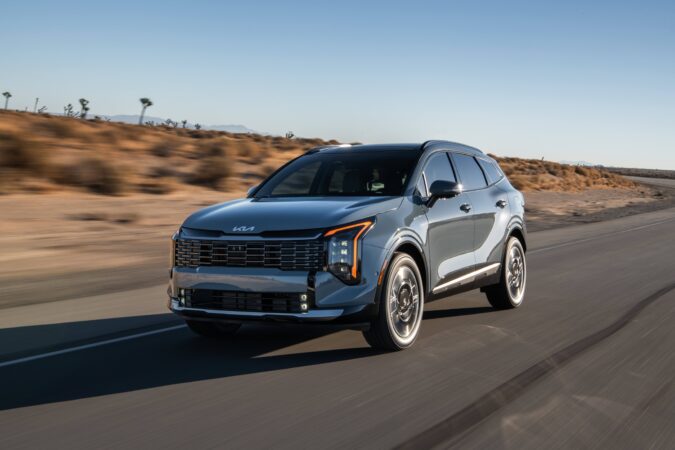
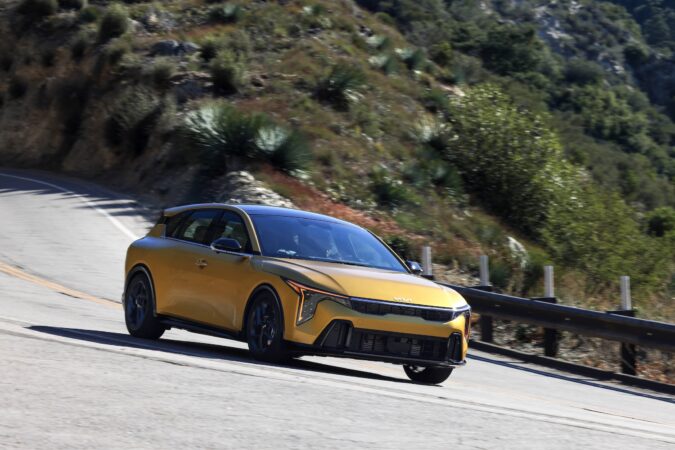
  • 2026 Kia K4 Hatchback: Bigger and better than you’d think

    2026 Kia K4 Hatchback: Bigger and better than you’d think

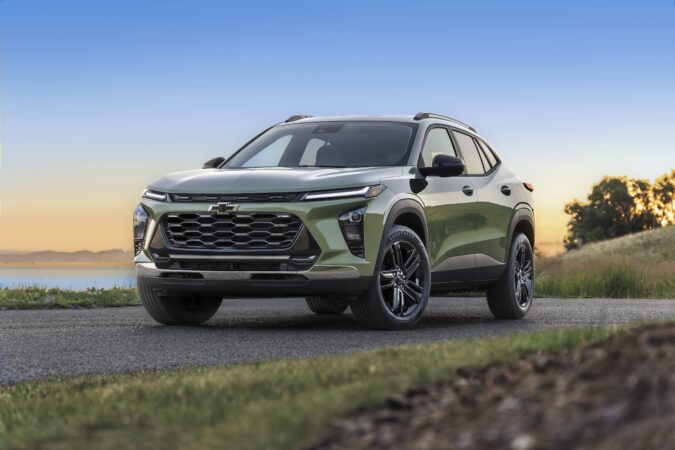
    2026 Chevrolet Trax 1LT vs. 2026 Kia K4 Hatchback GT-Line Turbo: Battle of the low(ish)-payment models.

    This week: Kia K4 Hatchback

    Price: $32,770 as tested. A GT-Line tech package adds ventilated front seats, various collision avoidance features, surround-view camera, and more for $2,395. Heated front seats come standard.

    What others are saying: “Highs: Attractively modern styling, adult-friendly back seat, high-value standard features list. Lows: Ho-hum handling, base engine lacks oomph,” says Car and Driver.

    What Kia is saying: “Sculpted, sophisticated, and made to be seen.”

    Reality: It’s attractive and does many things quite well, but does it beat the Trax?

    What’s new: After the introduction of the K4 sedan for 2025, the hatchback joins the lineup this year.

    The GT-Line has a turbocharged engine available that we tested here.

    Competition: A surprising number of contenders still ride in the small-car club. In addition to the Trax, there’s the Buick Envista, Honda Civic, Hyundai Elantra, Kia Niro, Mazda3, Nissan Versa, Subaru Impreza, Toyota Corolla, and Toyota Prius.

    Safety equipment: While the Trax offers forward collision alert, lane keeper with departure warning, automatic emergency braking, and following distance indicator, the K4 website only mentions the last three. It does note rear cross-traffic collision avoidance, so both are well stocked with features.

    Up to speed: In lieu of the 2.0-liter four-cylinder engine in the standard GT-Line, this version gets a 1.6-liter four married to a turbocharger, giving the little hatchback 190 horsepower, 43 more than standard.

    A 2025 model reached 60 mph in 7.3 seconds, according to Car and Driver. This is 1.5 seconds faster than the Trax.

    But life on the road was quite nice, at least when minding your own business. The little hatchback kept up over hill and dale. But in passing maneuvers and in pulling into traffic, the K4 still fell a little short.

    Shifty: Instead of the CVT in the basic model, this one gets an eight-speed shiftable automatic. It can be a little balky before the vehicle is warmed up, hanging onto lower gears for a concerning amount of time at first. Use that snazzy T-bar shifter if needed. Score one for Kia.

    On the road: The K4 was bright and cheerful on country roads, nice even for a small front-wheel-drive car. It didn’t offer the kind of zig you might get from a Mazda or a Volkswagen, but it’s easy to go where you point it. This is a tie with the Trax.

    Set speed: Kia and Hyundai cruise-control systems can occasionally have a mind of their own. On highways with concrete barriers and some traffic, the sensors hallucinate reasons to slow down, likely as annoying to other drivers as to Mr. Driver’s Seat. I’d be requesting a long demonstration with a salesman on this topic before I signed the papers.
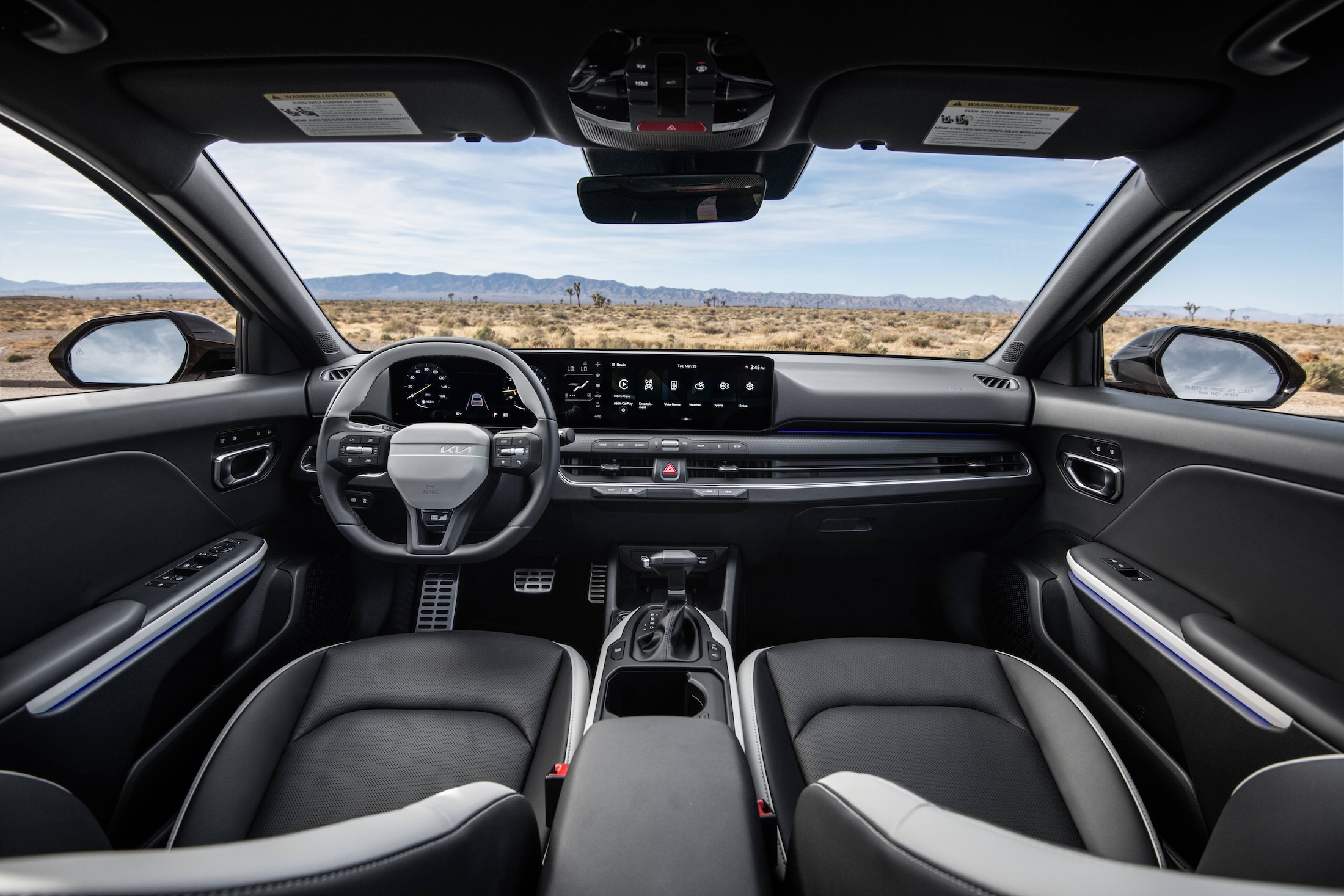
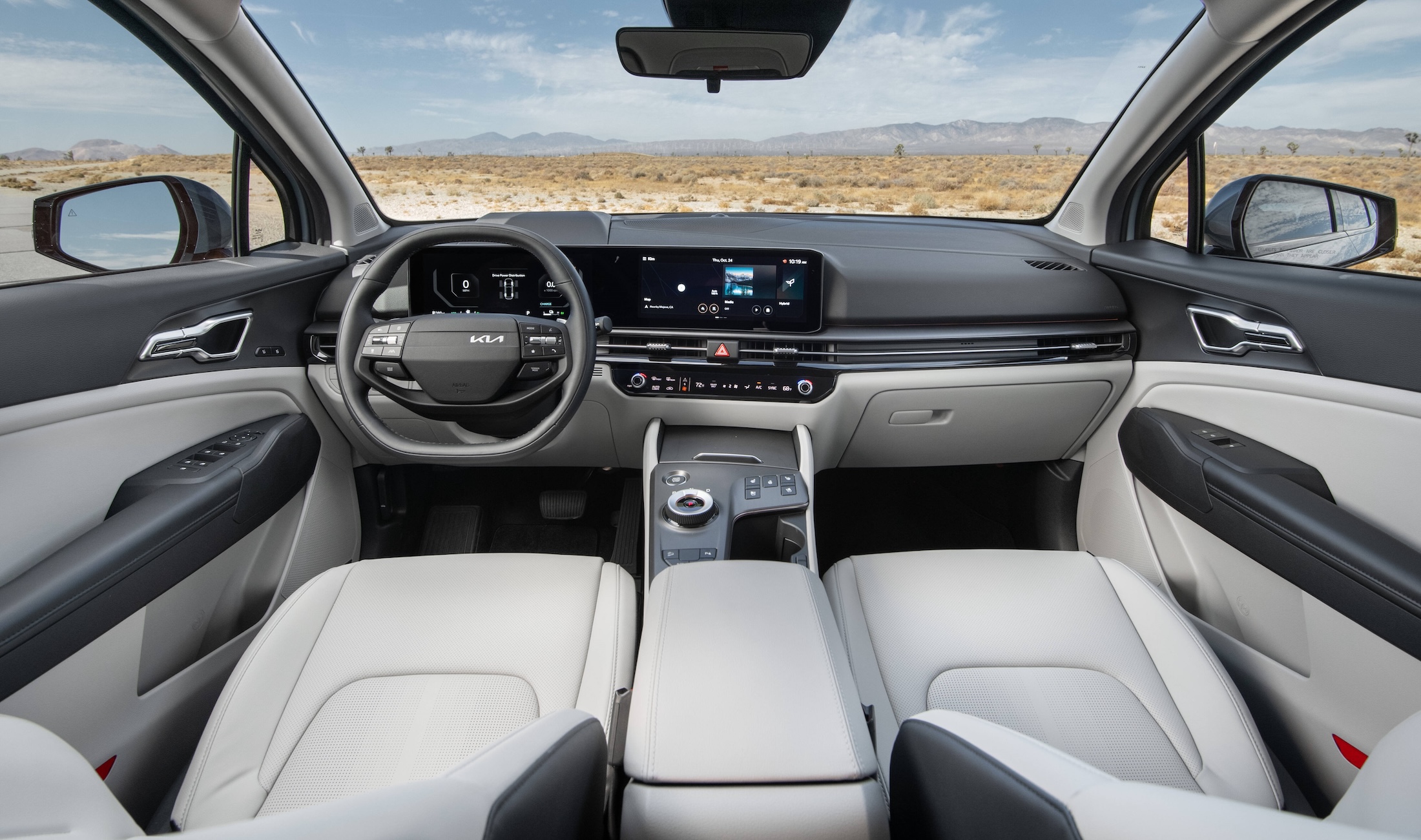
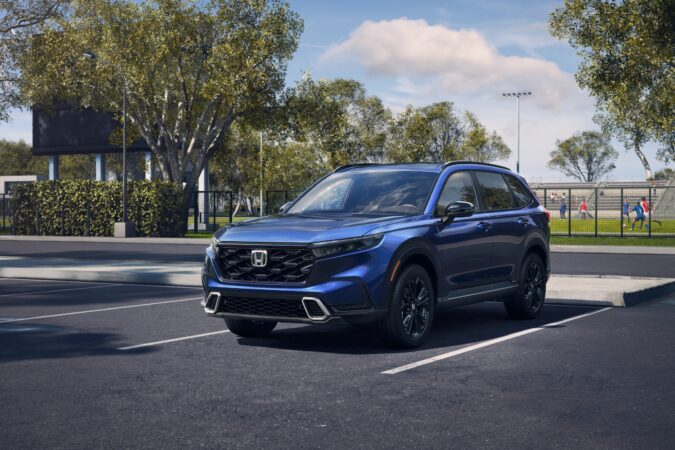
    The interior of the 2026 Kia K4 Hatchback offers plenty of comfort and good looks for the money spent, and rear-seat passengers will especially appreciate the accommodations.

    Driver’s Seat: The seat feels a little on the small side. At about 5-foot-10, I’m fairly average, and I’ve driven a lot of small cars over the years, so the fact that I noticed this one is telling. Otherwise it’s quite comfortable and supportive, surprisingly so for the price point.

    The dashboard is standard Kia, easy to use the steering wheel controls to scroll through your choices. This I’d call a tie as well.

    Friends and stuff: Rear passengers get a comfortable seat that’s perfectly angled (but no recline). Headroom is good, legroom is really good for the size, and only foot room is a little snug. Strong advantage Kia.

    Cargo space is 22.2 and 59.3 cubic feet, putting the Trax’s numbers in the middle of that. Kia wisely gives more space to the rear passengers.

    In and out: It’s a bit of a step down into the K4, almost to sports car levels, so be prepared when you sit.

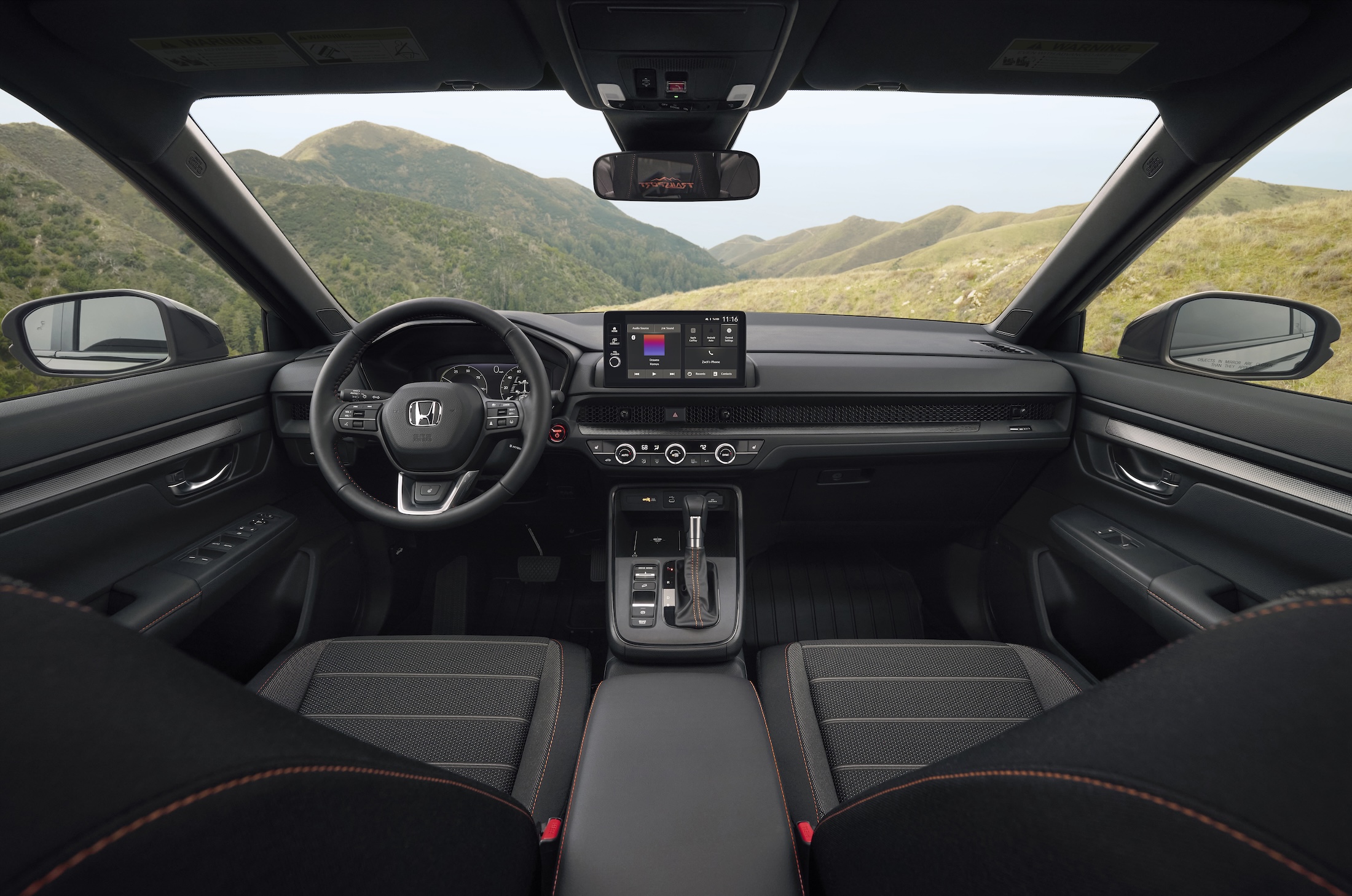
    Play some tunes: The standard 12.3-inch touchscreen is a generous size for a small car, about half an inch bigger than the Chevrolet, and has the added bonus of a row of buttons across the dashboard underneath, allowing for easy maneuvering. A side row of icons and the home screen’s large icons help the process.

    Sound from the Harman Kardon system (standard in the GT-Line) is OK, about a B+ or an A-. Kia would do well to put some more effort into their sound systems. A tie; Kia for size and usability, Chevy for sound.

    Keeping warm and cool: The controls are a combination of simplistic and advanced that kind of works when you figure it out. A row of cheap-feeling plastic toggles blends into the cheap-feeling dashboard curves and those toggles adjust the temperature, fan speed, and blower setting.

    Except … if you want all defroster, you have to hit the nifty, premium touch pad next to the infotainment screen. Same for the rear defroster. This extra touch pad pushes the dashboard blower down a bit, interfering with cooling. Trax wins this category.

    Fuel economy: The K4 Turbo reported about 26 mpg in a mix of highway and secondary road trips, about par for the small-fast-car course. I thought this would beat the Trax by more than one tick, but alas, there’s a turbo to feed.

    Where it’s built: Pesqueria, Mexico

    How it’s built: Consumer Reports predicts the K4 reliability to be a 3 out of 5, a notch lower than the Trax.

    In the end: Really, with two models that actually get you from point A to point B for under $30,000, either of these is a real winner. And even though the two mostly tied, the K4 does so many things better.

    In the category, though, a little more scratch gets you a Corolla or a Prius, which are probably better bets in the long run.
  • 2026 Chevrolet Trax: What you can get for under $30,000, Part 1

    2026 Chevrolet Trax: What you can get for under $30,000, Part 1

    2026 Chevrolet Trax 1LT vs. 2026 Kia K4 Hatchback GT-Line Turbo: Battle of the low(ish)-payment models.

    This week: 2026 Chevrolet Trax

    Price: $26,280 as tested. Options include $795 for rear cross-traffic alert, lane change alert, adaptive cruise, and rear park assist, and $595 heated steering wheel, front seats, mirrors, and more.

    What others are saying: “Highs: Rides and handles well, hushed cabin, cavernous cargo area. Lows: Lackluster acceleration, some scratchy interior plastics, no all-wheel drive,” says Car and Driver.

    What Chevrolet is saying: “Bold style that’s in your range.”

    Reality: Some real bright spots for the price point.

    What’s new: The little crossover gets some new colors for 2026, and that’s it. It received the sharp new Chevrolet looks in 2024.

    Competition: Though it’s a dwindling category, there are still several contenders in the small car club, like Buick Envista, Honda Civic, Hyundai Elantra, Kia K4, Kia Niro, Mazda3, Nissan Versa, Subaru Impreza, Toyota Corolla, and Toyota Prius.

    Safety equipment: I rarely note safety features even after several reader requests because it’s easily searchable, correction-risky information that’s generally matched among models. But at this price point, it’s worth noting standard features include forward collision alert, lane keeper with departure warning, automatic emergency braking, and following distance indicator.

    Up to speed: The 1.2-liter, three-cylinder turbocharged engine creates 137 horsepower and gets to 60 mph in 8.8 seconds, according to Car and Driver. The strain to get from 40 to 60 mph is real in the Trax.

    In spite of those issues, it’s fairly peppy in everyday use, and I found travel along back roads not bad at all. You’re not going to win any races, but wise philosophers say you really should only compete against yourself. (Mr. Driver’s Seat notes this wisdom while writing a comparison between two vehicles. He is a wiseguy, though, so maybe that counts.) If you have never owned a real car — and this was definitely Mr. Driver’s Seat once upon a time — you might not mind this.

    Shifty: The 6-speed automatic transmission is a sad unit to have attached to a small vehicle like the Trax. There’s only shiftability via a button on the shift lever, and it really just allows you to select a top gear. Nice for going down hills, but zero joy is added, in a vehicle where every drop of joy must be savored.

    On the road: At first turn, the Trax steering felt so loose and power-assisted that I was ready to weep for the man I would become over the next week. A man who once reviewed a 2011 Corolla and earlier piloted a 1964 Rambler Ambassador.

    Surprisingly, though, over test week I found the Trax grew on me. The country road triumphs were not lessened by the little vehicle’s handling, and I liked how it zipped here and there. The Trax only comes in front-wheel drive; all-wheel drive could only brighten the shine on this facet.

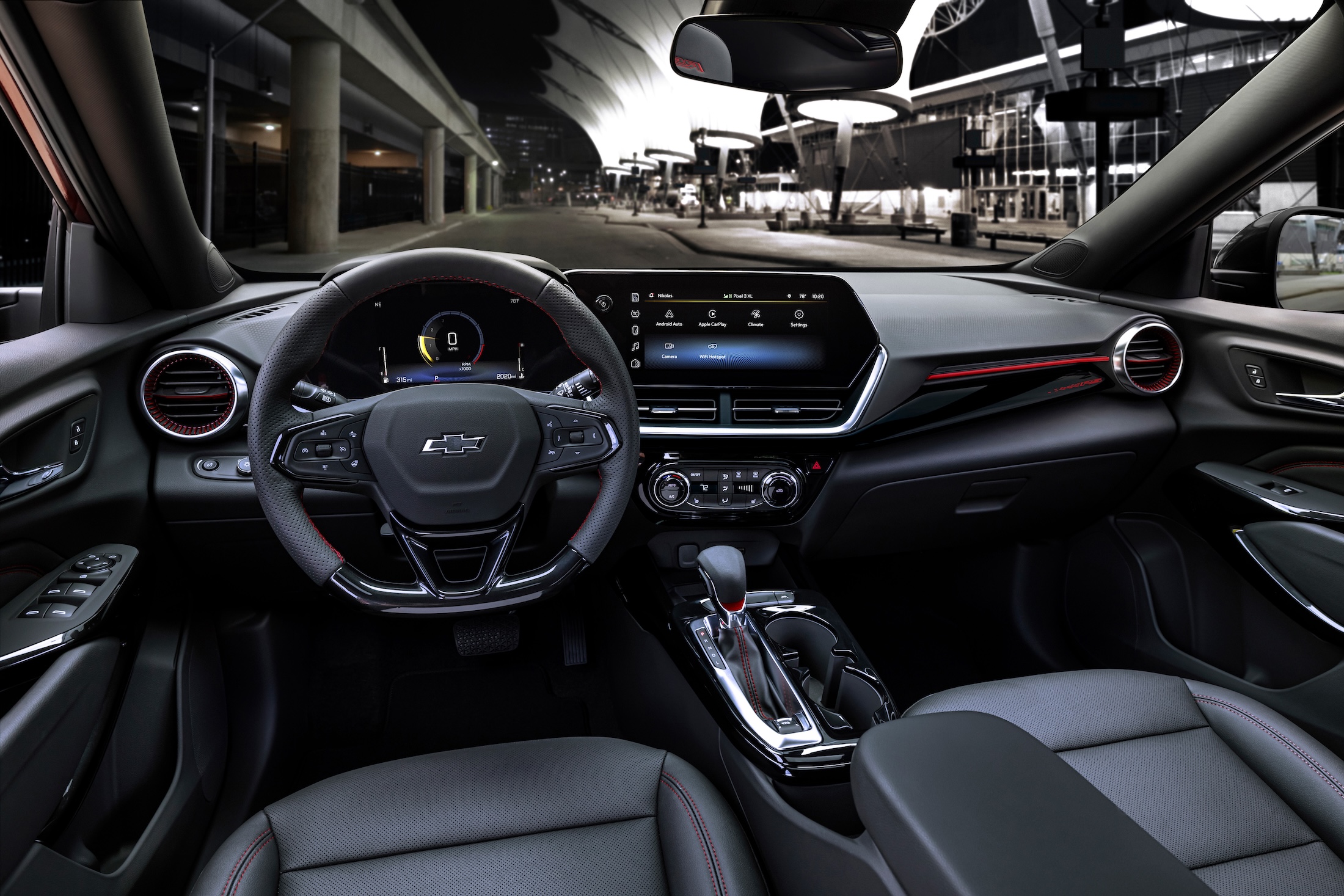
    The interior of the 2026 Chevrolet Trax doesn’t necessarily look or feel cheap, but the touchscreen appears smaller than in real life.

    Driver’s Seat: Part of what keeps the Trax more sporty than more expensive cars could be its profile. The seats sit quite low for something that appears to be a tall box, and the entry is simple.

    The logic of the gauge screen could really use some explaining. Off in the upper right corner and cleverly concealed by the steering wheel are two bits of potentially collision-avoiding pieces of information — whether the high beams are on and the distance to the vehicle in front of you. The Trax even helpfully tells you how many seconds in front of you that car is.

    Having to explain to the nice patrol officer that your high beams caused a sideswipe collision or you rear-ended a vehicle while craning your neck to find out if you were at risk of hitting someone probably won’t reduce your fine.

    Friends and stuff: Legroom and foot room are good. Headroom is OK; my head reached to about an inch from the ceiling.

    The seat feels kind of cheap but not uncomfortable, it’s just a little small in the bottom, so it’s better if you are, as well. The Trax offers no adjustments for recline.

    Cargo space goes from 25.6 to 54.1 cubic feet.

    Play some tunes: The stereo features a volume button and then everything else is touchscreen time. The Trax features CarPlay, so it’s a tick above the GM vehicles that don’t anymore, although the 11-inch home screen looks straight out of a base-model 2016 Toyota.

    Sound from the system is surprising, about an A-.

    Keeping warm and cool: A dial controls temperature, another fan speed, and then some smallish buttons in between handle the rest. Hooray for simplicity.

    Fuel economy: The Trax averaged around 25 mpg for me and fellow drivers, which is tragic for such a small, underpowered vehicle.

    Where it’s built: Changwon, South Korea

    How it’s built: The Trax has improved its Consumer Reports reliability score, up to a 4 out of 5 from its previous 2.

    In the end: The Trax is cheap. For better and for worse.

    Next week: Let’s see how the Kia K4 Hatchback compares.

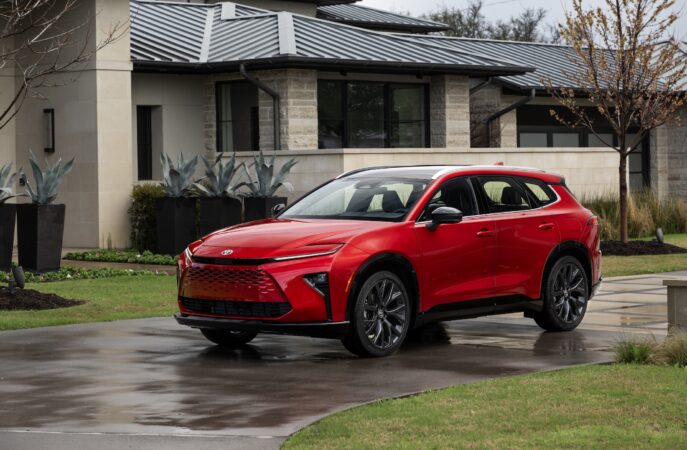
  • 2026 Toyota Crown Signia: Smooth, comfortable contender

    2026 Toyota Crown Signia: Smooth, comfortable contender

    2026 Subaru Outback Touring XT vs. Toyota Crown Signia Limited: New ways to get around.

    This week: Toyota Crown Signia

    Price: $48,990 for the Limited model.

    What others are saying: “Highs: Lexus-like interior, plush ride quality, thrifty hybrid powertrain. Lows: Noisy engine under acceleration, bland handling, underperformed its EPA highway fuel economy rating in real-world testing,” says Car and Driver.

    What Toyota is saying: “First-class comfort.”

    Reality: So suave and charismatic, maybe there should be a Thomas Crown Signia edition for 2027.

    What’s new: While I billed this competition as new ways to get around, the Crown Signia is only new to Driver’s Seat testing. This hybrid-only SUV debuted for the 2025 model year, replacing the Venza.

    The Venza was a model I really enjoyed, but it got very little respect from car lovers. Both models have a reputation for boring drivers, but I loved the comfy seats and easy controls of the Venza — and the 36 mpg — enough to recommend it heartily. Would the Crown Signia bring the same kind of experience?

    As for the Outback vs. Crown Signia comparison, two cars with more opposite market aims could hardly fit into the same category, and they could hardly have come to testing in more opposing conditions. The Outback endured 20-degree days while the Crown Signia was here for the 90s. Both offered some hesitation before they were warmed up, so we’ll just have to say that’s a feature, not a bug.

    Competition: In addition to the Outback, there are the Chevrolet Blazer, Honda Passport, Jeep Grand Cherokee, Nissan Murano, Mazda CX-70, and Volkswagen Atlas. That’s a wide range of crossovers.

    Up to speed: A new 240-horsepower 2.5-liter four-cylinder is mated to an electric motor, and it adds 21 horses over the Venza. It gets to 60 mph in 7 seconds, according to Car and Driver; with 20 fewer horses than the Outback turbo tested, it’s almost a second slower. You go, Subaru.

    Shifty: The Crown Signia uses the Prius shifter, electronically shifting up and left for Reverse and down and left for Drive.

    On the road: On-demand all-wheel drive makes the handling acceptable, and Sport mode is a little nicer. The Crown Signia lends itself to driving sedately and looking at the scenery.

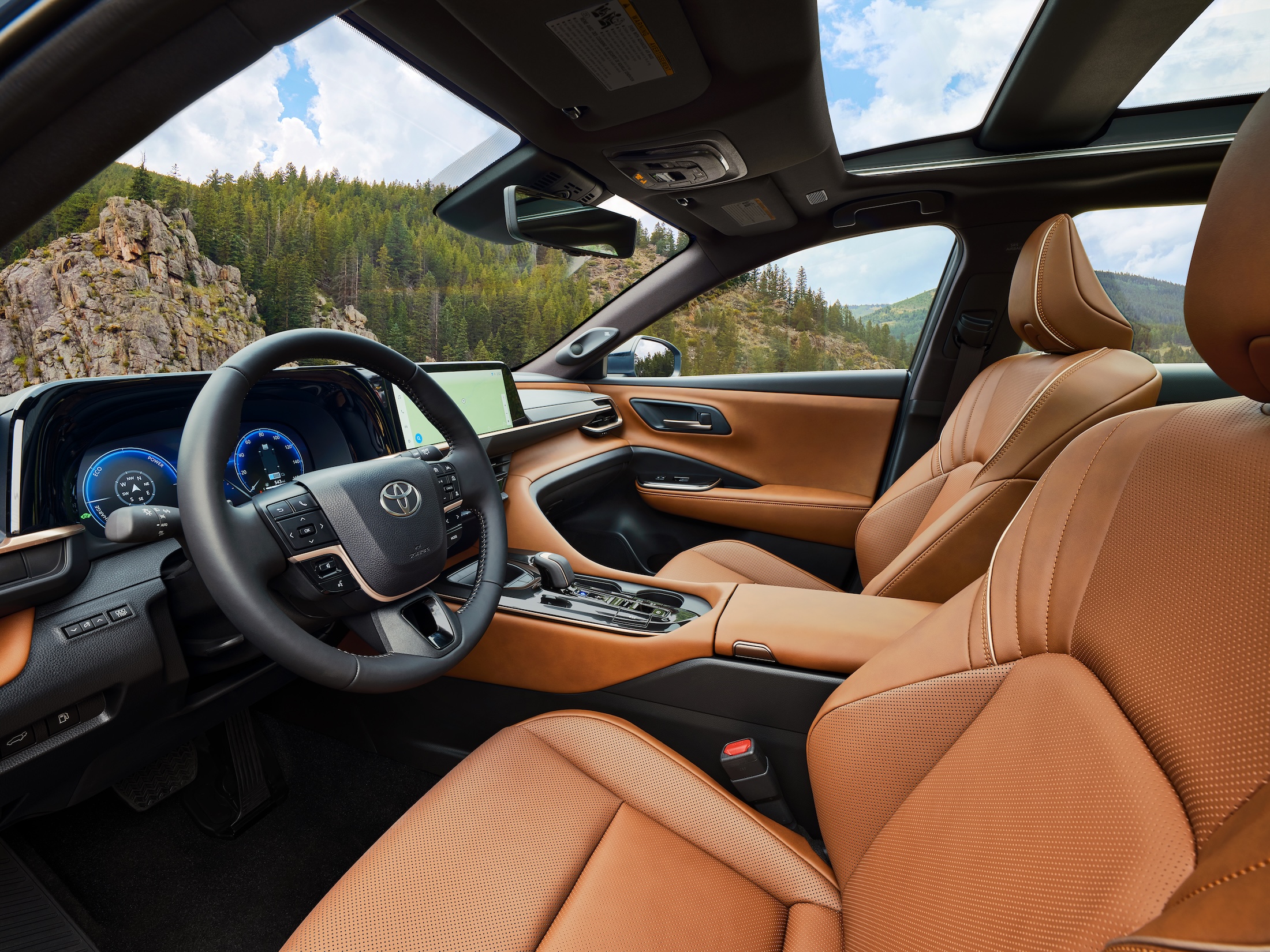
    The pretty interior of the 2026 Toyota Crown Signia turns the comfort level to 11.

    Driver’s Seat: Comfort is definitely the name of the game behind the wheel of the Crown Signia. Convenience as well. This is where I realize the Crown Signia is a nice replacement for the Venza; that too offered luxury and comfort closer to Lexus’ standard than Toyota’s.

    No ground is really broken here, as the controls match most of Toyota crossovers and cars. The Outback wins this category.

    Friends and stuff: The rear seat provides comfort in both cushion quality and spaciousness. Legroom, headroom, and foot room are all generous. The middle seat is not too bad as the floor hump sits low and wide, and the console doesn’t intrude too much.

    Cargo space is 24.8 or 66.1 cubic feet, a growth spurt over the Venza that may help improve sales. But it’s still no match for the Outback’s 80 cubes.

    In and out: The Crown Signia is at a perfect height for people of almost any age. No real climb or limbo required.

    Play some tunes: A lone volume button is the only nod to the Before Times from the stereo control people. The screen is big and easy to follow.

    Sound from the system is clear and aimed correctly, an A- to an A. Advantage, Crown Signia.

    Keeping warm and cool: Toggles control all the features, and this functions nicely. Except for the seat heaters and coolers, which sit above a different toggle, so that confuses until you get used to it. It keeps us out of the touchscreen, at least. A small screen tells you what’s blowing where and how hard.

    An annoying feature of the Crown Signia HVAC (something I noticed in the 4Runner hybrid as well) is the AC turns itself off with each restart. So I’d be blasting the fan on myself after crossing a 90-degree parking lot and wondering why I never got cool. I’m sure it’s easy to get used to but also, why? At least it’s not a touchscreen control, which would certainly malfunction when the interior exceeds 120 degrees.

    Fuel economy: I averaged close to 36 mpg during my week of testing, much nicer than the Outback turbo (as can be expected). Strong win for the Crown Signia.

    Where it’s built: Aichi, Japan

    How it’s built: Consumer Reports gives the Crown Signia a four out of five for reliability.

    In the end: The Crown Signia carries the torch of the Venza: Fun may not be part of the vocabulary, but it sure is a nice, efficient ride. The Subaru is also a nice ride, but I’m not sure 0.8 seconds off the 60-mph run-up is worth another 10 cents a mile forever.

    And at 50 grand each, a Thomas Crown-worthy heist may be needed to help pay either of these vehicles off.

  • 2026 Kia Sportage Hybrid: A nice ride but a fuelish choice

    2026 Kia Sportage Hybrid: A nice ride but a fuelish choice

    2026 Honda CR-V Hybrid AWD Sport Touring vs. Kia Sportage Hybrid SX-Prestige AWD: A challenger for the hybrid crown?

    This week: Kia Sportage Hybrid

    Price: $41,985 as tested

    What others are saying: “Highs: Better acceleration than nonhybrid variant, well-mannered ride, plenty of space for people and cargo inside. Lows: Fuel economy isn’t as frugal as expected, not particularly entertaining to drive, exterior design isn’t for everyone,” says Car and Driver.

    What Kia is saying: “Show up, show off.”

    Reality: A hybrid challenger? There was much that was challenging about the Sportage Hybrid.

    What’s new: The Sportage gets a new look, and some interior features. It comes in gasoline, hybrid, and plug-in models.

    Competition: In addition to the CR-V Hybrid, competitors include the Hyundai Tucson Hybrid, Mazda CX-50 Hybrid, Mitsubishi Outlander Hybrid, Subaru Forester Hybrid, and Toyota RAV4 Hybrid.

    Up to speed: The Sportage Hybrid was a mostly pleasant companion to move about in. There were some hesitant moments as I pulled out and adjusted to hills over the first couple days, but those were on me. A last day trip to University City from West Chester was all smoothness and ease, both on the highways and in stop-and-go traffic. Eco mode was about the best all around, although I did pick Sport mode when I was really worried about cutting into traffic.

    It takes 7.4 seconds for the 232-horsepower Sportage Hybrid to get to 60 mph, according to Car and Driver. That’s not stellar from the 1.6-liter turbocharged hybridized powertrain, but not too poky, and it’s faster than the 187-horsepower gasoline-powered 2.5-liter four-cylinder model.

    A last-day pullout from 0-40 startled me with its quickness, so overall I’d say this midsize SUV is a peppy companion.

    Shifty: The dial shifter works nicely, counterclockwise for Reverse and clockwise for Drive. Paddle shifters shift the 6-speed automatic transmission directly.

    The transmission selection is what killed Sport mode for me. Many vehicles hold lower gears for a while in this mode, but the Sportage Hybrid always felt like it was stuck in 2nd when I’d be looking for 4th or 5th. Definitely less than ideal.

    On the road: The handling in the Sportage Hybrid was not quite as enjoyable as the acceleration. Eco, Sport, or My Drive mode, nothing brought out the goose bumps as nicely as the S selection in the CR-V Hybrid.

    The interior of the 2026 Kia Sportage Hybrid is comfortable and the controls mostly easy to follow, except for the infotainment-HVAC button switch.

    Driver’s Seat: Mr. Driver’s Seat put a lot of miles on the vehicle, and he never felt tired or sore.

    The dashboard is standard issue Kia, which is clear and easy to set to your favorite info.

    Friends and stuff: The rear seat in the Sportage Hybrid offers a comfortable place for passengers to ride. It’s fixed in place, but there’s plenty of legroom and foot room provided. The headroom is about the same as the CR-V, where my head is an inch away from the ceiling.

    The Kia also offers several recline positions, as did the Honda.

    Cargo space is 39.5 cubic feet in the rear and 73.7 with the rear seat folded, right in between the CR-V’s numbers.

    In and out: The height of the Sportage matches the CR-V; it’s great for people who like to ride up high but not for people facing sore knees.

    Play some tunes: The Harman Kardon stereo is an also-ran, like Kia audio systems tend to be. The clarity was fine for some songs and off for others, but the sound itself seemed just off throughout. Too much rattling bass and everything seemed to be in a minor key or something. B+.

    The 12.3-inch touchscreen handles most of the controls well. You can use the dials, but you have to hit the switch to change them from HVAC controls. Kia thinks it’s clever or something with this system, because you can just take your eyes off the road to switch, right? What’s wrong with this picture?

    The switch itself is very small and part of a touch pad, so it’s hard to pinpoint and unresponsive. So you make what you think are your adjustments, and then the stereo remains too loud, but you start feeling colder.

    Keeping warm and cool: At least Kia has decided to let the controls default to HVAC. I’ve had other models where it stayed in the most recent selected, and I was always hitting the wrong thing. Owners may have their own perspective on this.

    Dials control temperature, and the ebony touch pad handles everything else. Really, though, only the toggle between stereo and HVAC seemed to be the weak link.

    Fuel economy: Speaking of weak links, the Sportage Hybrid fuel economy disappoints. Over the course of 400+ miles that include another driver — one who’s no doubt less inclined to race at stoplights — I could barely get this over 30 mpg. It’s disappointing, period. But it’s also no match for the CR-V Hybrid’s 35-plus. I’d averaged 35 in a 2023 Sportage Hybrid, so the upgrades are thirsty.

    Where it’s built: Gwangju, South Korea. Ninety percent of parts come from South Korea, and less than 1% are from the U.S. or Canada.

    How it’s built: The Sportage Hybrid gets a reliability rating of 3 out of 5 from Consumer Reports.

    In the end: If you’re buying a hybrid to, you know, save fuel, then it’s CR-V Hybrid all the way. Consumer Reports claims to have gotten mid-30s, but Car and Driver and Mr. Driver’s Seat not so much.

  • 2026 Honda CR-V Hybrid: Still the top of the hybrid heap?

    2026 Honda CR-V Hybrid: Still the top of the hybrid heap?

    2026 Honda CR-V Hybrid AWD Sport Touring vs. Kia Sportage Hybrid: A challenger for the hybrid crown?

    This week: Honda CR-V Hybrid

    Price: $42,550 for the trim level (which is top of the line)

    What others are saying: “Highs: Civilized and efficient hybrid powertrain, roomy interior, new larger standard infotainment touchscreen. Lows: Price premium over nonhybrid CR-V, could use a few more ponies,” says Car and Driver.

    What Honda is saying: “The hybrid that gives you more.”

    Reality: The Honda is still in the running.

    What’s new: When you have a vehicle Mr. Driver’s Seat rated as “so nice,” you’re wary of updates. Are they going to make this better?

    They haven’t changed too much about the underpinnings of this model — same powertrain, but with a new look. A TrailSport model gives it more Passport-type off-roady features.

    It really looked like a Passport parked in the driveway.

    Competition: In addition to the Sportage Hybrid, competitors include the Hyundai Tucson Hybrid, Mazda CX-50 Hybrid, Mitsubishi Outlander Hybrid, Subaru Forester Hybrid, and Toyota RAV4 Hybrid.

    Up to speed: The CR-V Hybrid feels like a surprisingly quick little SUV. The two-motor hybrid system creates 204 horsepower and is coupled to a 2-liter four-cylinder engine that gets updates for 2026.

    It got to 60 mph in 7.1 seconds, according to Car and Driver, about average for the vehicle type, and surprisingly almost a second quicker than the 2023 model with the same powertrain.

    In any case, the CR-V has a nice feel of momentum as it goes about daily driving, even if the hard numbers are actually kind of soft.

    Shiftless: A Honda with a shift lever continues to excite me far more than it really should. But that’s how disappointed I was with the old buttons. I just found them unattractive and cumbersome.

    The power band is fairly even in this hybrid version of the CR-V; gasoline-powered Hondas with CVTs can be a little uneven.

    On the road: The CR-V appeared quite mannerly and easy to drive.

    And then I found Sport mode. This really turns the small SUV into a Volkswagen or Mazda competitor. It doesn’t quite have the fun factor but it really wiggles through the curves nicely. Cornering is a real bright spot, as I made some left turns at stoplights far more enthusiastically than I’d have thought possible, and the tall SUV never even flinched.

    The CR-V also rates highly for maneuverability. With a backward-garage at Chez Sturgis, a lot of three-point runs happen, and the CR-V let me go from one corner to another in one swoop, much like the smallest vehicles out there.

    Honda favors basic black in its interiors and it gives the CR-V Hybrid a classic look.

    Driver’s Seat: The seat seemed a little stiff at first, and my time in the Civic Hybrid made me paranoid — Civic seats tend to jab me just the wrong way. But no Mr. Driver’s Seats were harmed in the making of this review, and a comfortable time was had by almost all.

    The gauges are clear and the default offers pretty much all the info you’ll need, which is how it should be.

    A heated steering wheel comes courtesy of the Sport Touring trim.

    Friends and stuff: The rear seat is where happy Honda seat dreams go to, well, not exactly die, but suffer a little bit. The seat back is flat except for an annoying lumbar bump near the bottom. At least there are several recline choices.

    Legroom is fantastic, as is foot room, while headroom is snug, about an inch from Mr. Driver’s Seat’s head.

    Cargo space is a whopping 36.3 cubic feet behind the rear seat and 76.5 with the seat folded; the seat bottom folds down with the back rest to maximize cargo space.

    In and out: It’s a slight step up into the CR-V. Not too much of a climb.

    Play some tunes: After experiencing true audio joy from the Honda Odyssey stereo once upon a time, I keep expecting dynamite sound from Hondas, but often I’m disappointed. The Bose premium system in the CR-V Hybrid Sport Touring performs OK, an A- or a B+. Sigh.

    Operation of the system is not bad, with dials for volume and tuning. Sound adjustments are in the larger 9-inch touchscreen but are unavailable when the vehicle is moving. This is a precaution I like for you and all the other drivers out there, but I’m special and don’t need it.

    Keeping warm and cool: Dials control temperature and fan speed while buttons handle the rest. It’s a pretty easy setup.

    Fuel economy: The CR-V hybrid averaged 35.2 mpg for almost the entire visit, a nice reward for the hybrid premium, and just the overall chance to feel smug.

    Where it’s built: Greensburg, Ind.; East Liberty, Ohio; and Alliston, Ontario.

    How it’s built: Consumer Reports predicts the CR-V Hybrid reliability to be a 4 out of 5.

    Next week: How does the Kia Sportage Hybrid compare?

  • 2026 Toyota GR86: Plenty of fun, if you toss your EZPass

    2026 Toyota GR86: Plenty of fun, if you toss your EZPass

    2026 Toyota GR86 Premium: As fun as it looks?

    Price: $38,809 as tested. Black dual exhaust added $1,700; Performance Package, $1,500; fancy paint, $475; floor mats, $299.

    What others are saying: “Highs: Genuinely rewarding to drive, one of the last manuals available, remarkably affordable. Lows: Noisy cabin on the interstate, we dare you to sit in the back, unexciting exhaust note,” says Car and Driver.

    What Toyota is saying: “Level up your drive.”

    Reality: Even funner, ‘til you get on the highway.

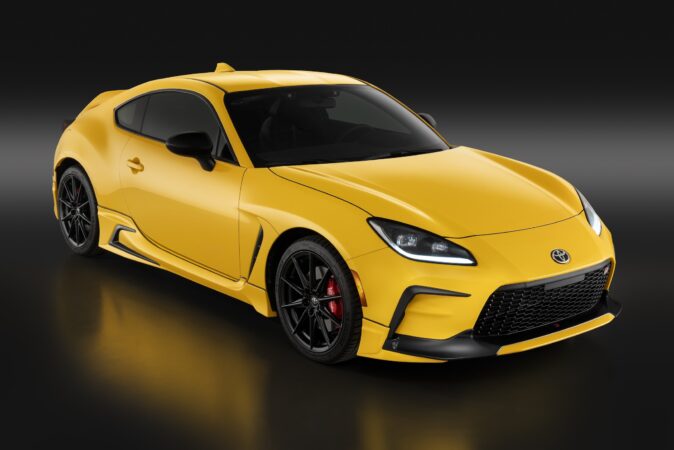
    What’s new: The GR86 gets a new Yuzu Edition for 2026, with yellow paint and black seats. Otherwise it’s pretty much as before, since its redesign in 2022.

    It’s a twin to the Subaru BRZ.

    Competition: In addition to the Subaru, there are the BMW 2 Series, Honda Civic Si, Mazda Miata, Mini Cooper, and Volkswagen GTI.

    Up to speed: The 2.4-liter four-cylinder engine makes 228 horsepower and gets the little sports car to 60 mph in 5.4 seconds, says Car and Driver, and I believe it. I’d think it’s a little faster, but we’ll stick with the facts.

    It’s truly a sporty car to drive. It’s fine for passing on Interstate highways and such but it’s really at home on the back roads, racing up hills and back down again.

    Shifty: You can get a GR86 with a stick, but Mr. Driver’s Seat didn’t. The six-speed automatic transmission is a nice facsimile, with Park up in the right corner so it looks like it COULD be a stick. I actually spent a couple seconds looking for a clutch until I realized there wasn’t one.

    The shifter then snakes through Reverse and Neutral to get to Drive, another bit of stick-shift cosplay.

    The manual setting works nicely, and really makes the little car even that much more fun. Use the lever to augment the engine’s power for any country road antics and you’ll feel nicely rewarded.

    On the road: Did someone say fun? The rear-drive GR86 has plenty of it, snaking through turns and sliding around corners even at fairly low speeds, so you can feel like it’s a blast even when not going much beyond 40 or 45 mph — although faster is funner.

    Less fun is the time spent on the highway; I found myself getting a bit of a headache during half-hour trips on Route 202 between King of Prussia and West Chester.

    Off the road, the GR86 is great companion for tight parking lots, thanks to a turning radius of 35 feet and change.

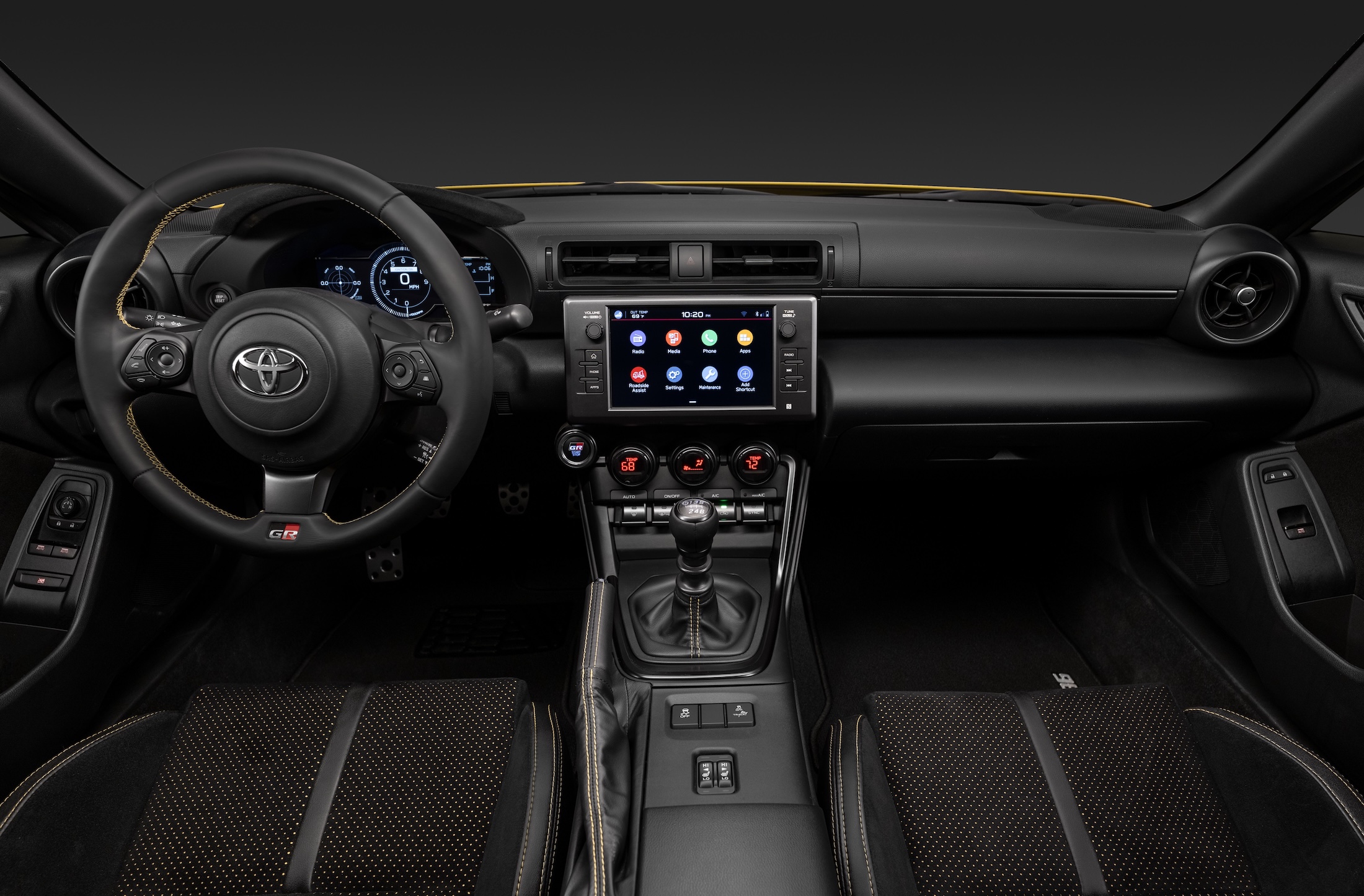
    The interior of the Toyota GR86 is snug and retro fun, unless you’re sat in the back. Then it’s snug, retro, and not at all fun.

    Driver’s seat: The cloth seats offer great support and are comfortable enough. They feel firm and a little crowded, so some people might not appreciate the big wings. The Lovely Mrs. Passenger Seat found them as nice as I did.

    The manual controls adjust height, fore-aft, and backrest simply.

    The gauges and steering wheel controls are old-fashioned, looking like last-gen Lexus dials, but I call old-fashioned a good thing these days.

    Friends and stuff: There’s a rear seat but it’s pretty cruel. Guests would have been harmed in the making of this review.

    I finally build up the nerve to try it out on Day 6. The ceiling is so low that I had to cant my head to the side. Foot room and legroom look impossible, but I could actually get my legs in there by setting the front seat a few notches up from normal. But when I did that and tried out the front, my legs were more cramped than on a Frontier flight.

    I would say only put kids in the back. Or maybe kid, singular.

    Cargo space is 6.26 cubic feet. (I didn’t round it because you’ll need every .01 cube.) The seat folds (all in one complicated-to-open piece) to create more luggage space.

    In and out: In and ouch. It’s way down there and requires a bit of undignified squatting, twisting, ducking, and scooching.

    Play some tunes: Sad. Tinny. Sound gets a C grade, probably one of the lowest I’ve ever assigned.

    Last-gen controls. You definitely won’t be distracted playing around with the touchscreen, though there is one, because it’s 2026 and I think it’s law now or something.

    Keeping warm and cool: The heater controls feature dials for temperature and fan speed and buttons inside the dials for blower choice. It’s such a small car that it runs hot; the seat heaters offer nice support when it’s not too cold out, but the switches are awkwardly built into the armrest.

    Fuel economy: I averaged about 26 mpg in spirited drives around Chester County’s old country roads every chance I could get. I would actually park and wait for certain roads to clear and then go make the most of the exhaust note. I guess the dual exhausts are worth $1,700.

    Where it’s built: Ota, Gunma, Japan

    How it’s built: Consumer Reports predicts the GR86 reliability is a 4 out of 5.

    In the end: Definitely lots of joy to be had here, and I could get behind buying a GR86. But with the Mini Cooper and Volkswagen GTI, you get fun and some practicality as well, plus the delight doesn’t diminish at highway speeds.

  • 2026 Cadillac Vistiq: It’s the $100,000 question

    2026 Cadillac Vistiq: It’s the $100,000 question

    2026 BMW iX xDrive45 vs. 2026 Cadillac Vistiq Platinum: A lot for a lot?

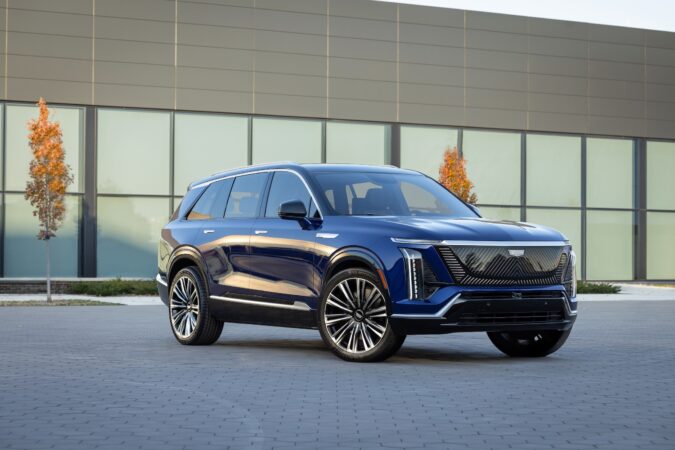
    This week: 2026 Cadillac Vistiq

    Price: $99,915 as tested. Red paint was the only upgrade.

    What others are saying: “Highs: Cabin teeming with luxury details, smooth ride, nimbler than its size suggests. Lows: Uncommunicative steering, pricey top trims, shoddy main display control dial,” says Car and Driver.

    What Cadillac is saying: “Luxury for your life.”

    Reality: I guess if I had $100K I could pay someone to lie on the front seat trying to find the features I need.

    What’s new: The whole thing. Here’s a three-row Cadillac SUV powered by the plug.

    Competition: In addition to the iX, there are the Genesis Electrified GV70, Lexus RZ, Mercedes-Benz EQE, Tesla Model X, and Volvo EX90.

    Up to speed: The Vistiq is in the class of premium EVs that really roars ahead when you press the accelerator.

    The dual-motor SUV creates 615 horsepower, and gets to 60 mph in 3.6 seconds, according to Car and Driver.

    You will have no issues pulling into traffic or passing in this SUV.

    You’ll also save a lot over the iX, which requires an upgrade to match that acceleration. The price-matched iX took a full second more to get to 60.

    Shiftless: The shift lever is on the steering column, where General Motors is putting most of them these days. Pull and lift to back up and pull and lower to move ahead.

    On the road: The all-wheel-drive Vistiq handles quite well for a large SUV. It’s wide and it took me a minute to get used to that, but once I did, I could tell where the vehicle was in the lane, or in the parking space — which I find is often the hardest piece to figure out.

    The vehicle modes are handled through the touchscreen; swipe to the right, choose drive modes, and pick what you like. Sport mode is best for performance, and Snow and Ice did a nice job during a heavy snowstorm and subsequent frigid days.

    One big complaint — if you’re not going to put the controls on an easily grabbed dial, have them keep the previous setting, rather than default to Touring (which I never wanted). So many times I was tooling along on questionable road surfaces and then realized, “Dang! I’m not in snow mode.”

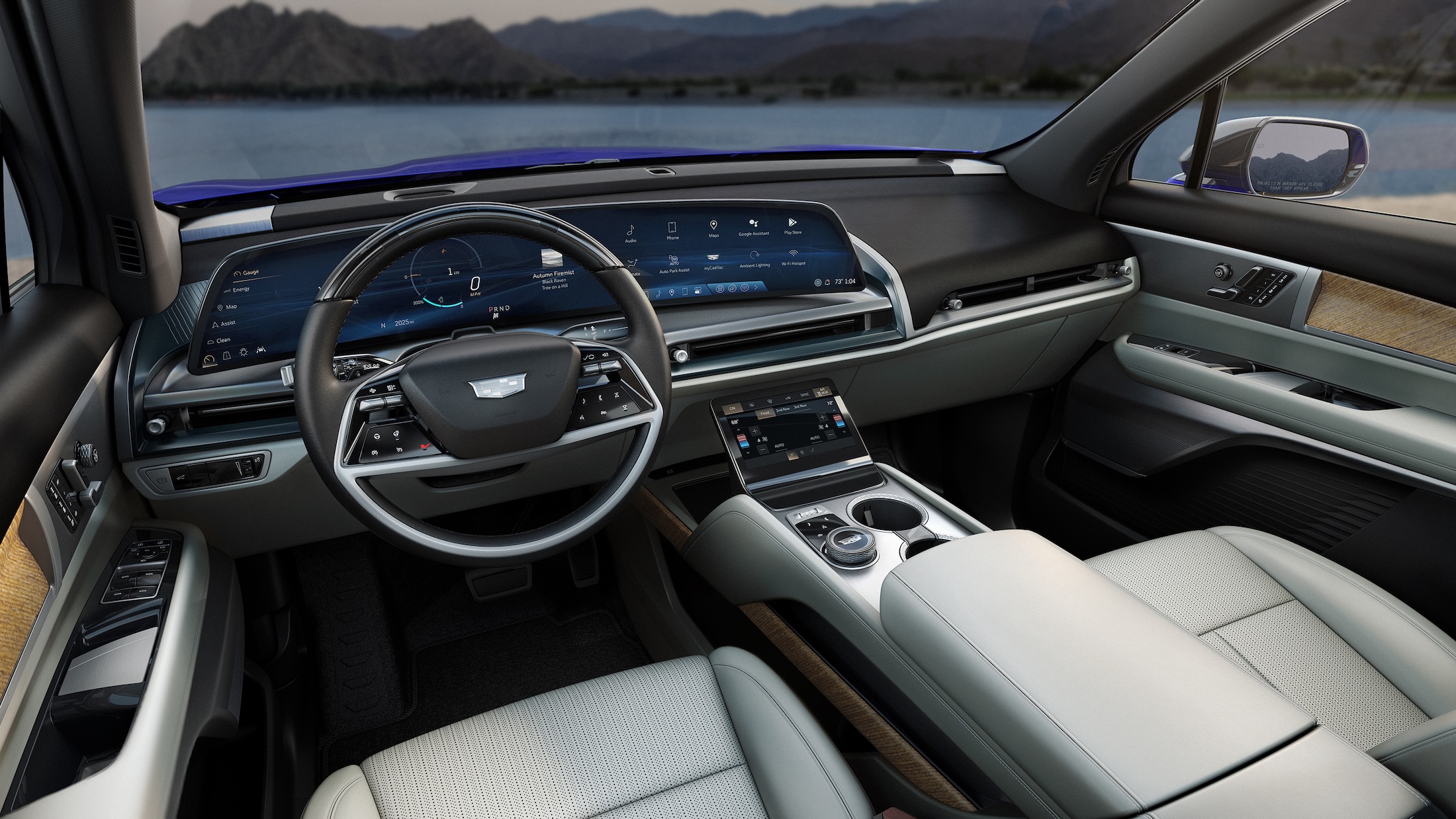
    The interior of the 2026 Cadillac Vistiq has the look and feel of a Cadillac, but diminishes with each row.

    Driver’s Seat: The command center is comfortable and Cadillacky. The seats are a little on the firm side, and I can’t say I spent enough time to see how long trips go, but they weren’t bad. (Some seats can be so firm as to make me angry in an instant.)

    Friends and stuff: Sadly, the seats offer noticeably diminishing returns as you head farther back. The middle row is smallish and awkward and feels like some minivan seats from 1998. The rear row offers scant legroom, although there is some room for feet under the seats and good headroom. But the vehicle is kind of short for three rows, especially for a Cadillac.

    Cargo space is 15.2 cubic feet in the back, 43 with the third row folded, and 80.2 cubic feet with both rows folded.

    Play some tunes: Cadillac wants to dazzle with its 33-inch screen, but it appears the company has become hyperfocused on it, to the detriment of other features.

    It took a couple searches and finally lying on the Driver’s Seat and peering into the recesses behind the console to find the USB-C outlets. I know I should be cool and get a phone I can lay on a charger, but why put these in here at all? This just seems snotty. Like they’re saying, “Haha, loser! Get a real phone!”

    The connection ports never seemed to want to turn on the music system, either. Bluetooth is usually fine, except that the connection just randomly cut out on about half my trips. The only way to restore it was to shut down the Vistiq and restart it.

    Sound from the 23-speaker AKG system with Dolby is less than you’d expect, about an A-.

    General Motors would have done well to keep Apple CarPlay access. There’s no dedicated map program, just Google Maps and Waze, and neither looks as refined as a Cadillac screen should.

    There’s a dial control with buttons as well, but the system is so bare-bones that I don’t see how that would help.

    Night shift: The first time I drove the Vistiq I had to keep the maps turned off. Both programs feature bright white backgrounds, and they did not automatically adjust for the darkness outside and prevented me from seeing the road.

    After another few minutes spent on my stomach trying to find controls, I noticed the old-fashioned light dimmer roller switch to the left of the steering wheel. That dimmed the whole dashboard, but not so badly that I couldn’t see. Still, you’d think this would adjust without me having to do anything, like it does in the Lovely Mrs. Passenger Seat’s Kia Soul, for about one-fourth the price.

    Keeping warm and cool: HVAC controls get a separate touchscreen. They’re pretty but a little fussy and hard to adjust at a glance.

    Range: The Vistiq advertises a 300-mile range, a match for most of the iX models available. It charges up to 80 miles in 20 minutes, which is no match for some of the best out there (Genesis, Hyundai, and Kia.)

    Where it’s built: Spring Hill, Tenn. 43% of parts come from the U.S. and Canada; 18% from China; and 17% South Korea.

    How it’s built: Consumer Reports predicts the Vistiq reliability to be a 2 out of 5.

    In the end: It feels like Cadillac is giving up. No snazzy map program — when they used to have one of the most attractive options. No CarPlay. No drive mode switch, just use the touchscreen, which has a home screen that looks nice in photos but in person screams Windows 95. Critical items hidden like Easter eggs in a Jeep. It’s a shame, because there’s a nice vehicle here.

    The iX is far from perfect, but I’d pick it over this. But among all the competitors, it’s GV70 all the way, even despite 10% less range.

  • 2026 BMW iX garners some rave reviews

    2026 BMW iX garners some rave reviews

    2026 BMW iX xDrive45 vs. 2026 Cadillac Vistiq: A lot for a lot?

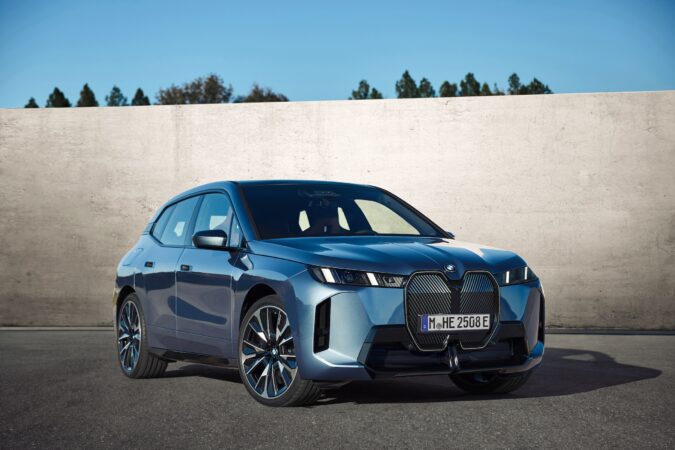
    This week: BMW iX

    Price: $96,275 as tested. M Sport Package added $4,500 for a lot of M’s (on the steering wheel, among exterior and interior elements); Executive Package, $3,250 for soft-close doors and more; Driving assistant professional, $2,550. And there’s more, mentioned below.

    What others are saying: “Highs: Tranquil cruising, competitive driving range, deluxe cabin. Lows: Busy exterior styling is polarizing, low rear seating position,” says Car and Driver.

    Consumer Reports gushed: “We were thoroughly impressed with BMW’s all-electric iX, which is speedy, ultraquiet, and delivers a cushy ride. Even with its complicated controls, the iX earned one of the highest road test scores ever.”

    What BMW is saying: “The new age of iX.”

    Reality: And this $100,000 model is the low-budget iX.

    What’s new: The iX electric SUV is new and improved for model year 2026, BMW says, with a redesigned exterior, cutting-edge technology, and versatility.

    Competition: In addition to the Vistiq, there are the Genesis Electrified GV70, Lexus RZ, Mercedes-Benz EQE, Tesla Model X, and Volvo EX90.

    Up to speed: Car and Driver reports the iX xDrive45 gets to 60 mph in 4.6 seconds. An M70 version takes just 3.6. It’s still quite fast, but there are other reasons to upgrade. Read on.

    Shiftless: A small toggle gets you into Reverse or Drive; there’s a button for Park.

    On the road: The iX handles nicely like a good all-wheel-drive EV should. It’s not stellar but it’s smooth and fun. It was actually a little rough on highways.

    Vehicle modes are accessed via a touch pad on the console, which gives you a touchscreen full of choices to take your mind and eyes off the road. When you press Sport then there’s an activation dialogue to capture your attention. Who cares about the car that stopped in front of you, the cyclist, the deer, the kid chasing the ball, when there’s all this touchscreen to look at.

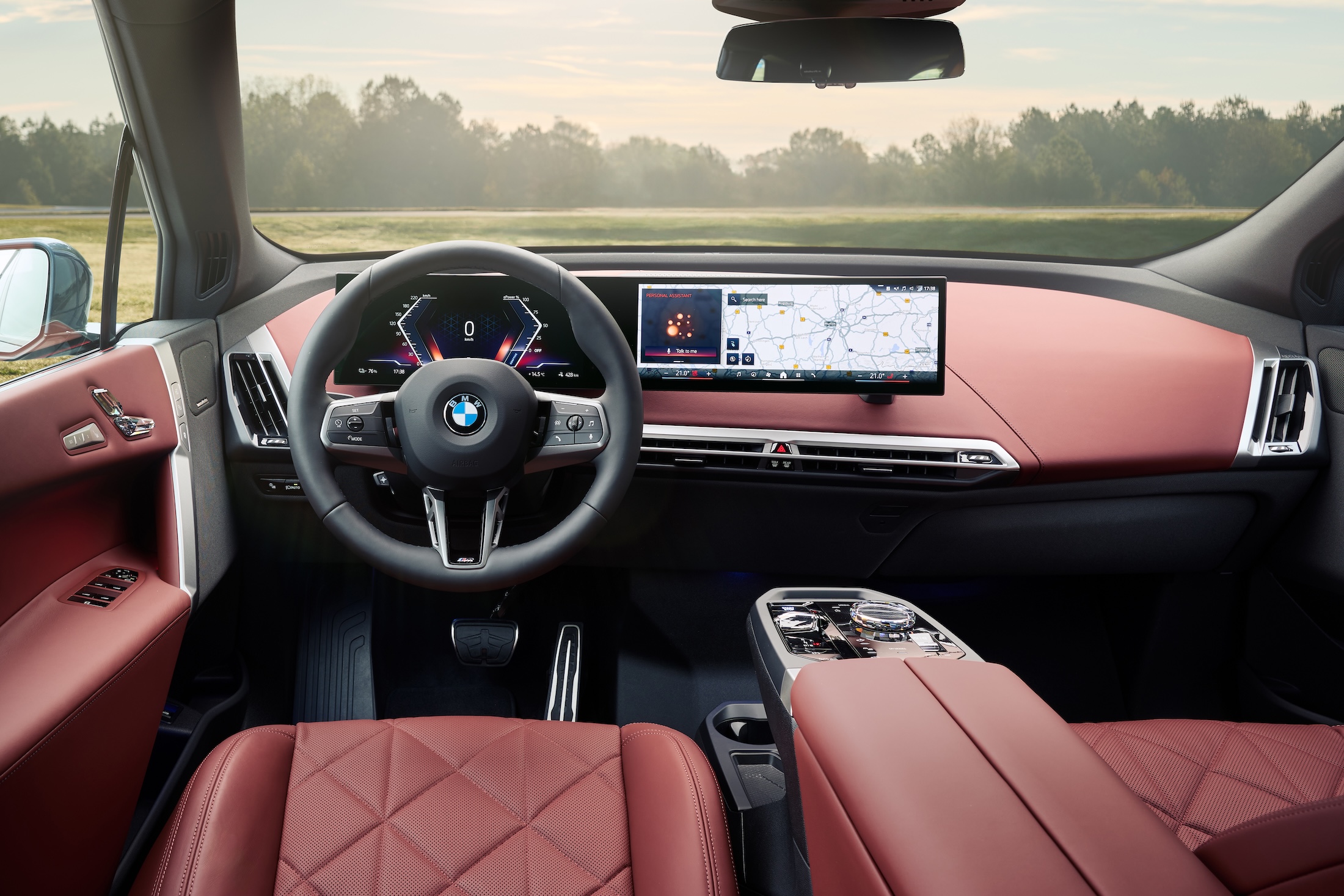
    The interior of the 2026 BMW iX is striking in red leather. It’s comfortable and spacious but with some quirks.

    Driver’s Seat: Here’s another of the iX’s mysteries. The seat is nicely appointed and most comfortable (and on the roomy side), but I was stuck with a lumbar bump that I couldn’t get rid of. The controls are on the door a la old Hyundais but there’s there nothing for lumbar. The touchscreen wasn’t offering any clues either.

    The seats do offer massage, and that function helped take my mind off the lumbar issues — and convinced me there has to be a control for it … somewhere.

    All this for the bargain price of $3,500, for the leather seats.

    Steady speed: The steering wheel controls allow for changing from adaptive cruise to a more intrusive driving assist mode.

    All I wanted to do was simply figure out how to set the distance to the next car. It flashed on the screen when I set the system up and then disappeared forever. Because it was set to the farthest distance, cruise control became useless on Philly-region roads, because everyone here will just cut right in front of you. Mr. Driver’s Seat included.

    Friends and stuff: The rear seat is comfortable and luxurious, although the backrest is a little recline-y for me. There’s ample room for three people across and for everyone’s legs.

    Cargo space is 35.5 cubic feet behind the rear seat and 77.9 with the seat folded.

    In and out: The iX is at a nice height so anyone who doesn’t like climbing or bending will be pleased.

    Play some tunes: The Harman Kardon stereo system produces among the best sound I’ve heard in a long time. Notes and chords that are buried by normal speakers are allowed to sparkle as intended; this is an A+.

    The system is all in the touchscreen or through BMW’s dial and buttons on the console. A volume roller knob on the console just monkeys things up; it’s fairly smooth to the touch and hard to roll. The latter controls remain a favorite and bring this system a step above many other modern BMW offerings (I’m glaring at you, 228).

    Keeping warm and cool: Temperature settings are available on the main touchscreen. A small fan icon on the touchscreen opens the larger menu, and I confess for the first couple days I found that HVAC system annoying — it would blow too hard on auto, even on the lowest setting — and then occasionally boil us. In manual mode I had to run the fan at four out of five to get any coolness.

    Range: The iX xDrive45 has a range of 312 miles, according to BMW. That jumps to 340 miles in the mid-range xDrive60, and drops back to 302 in the high-performance M70.

    Where it’s built: Dingolfing, Germany

    How it’s built: Consumer Reports gives the iX a 3 out of 5 for reliability.

    Next week: Step into the Cadillac Vistiq.

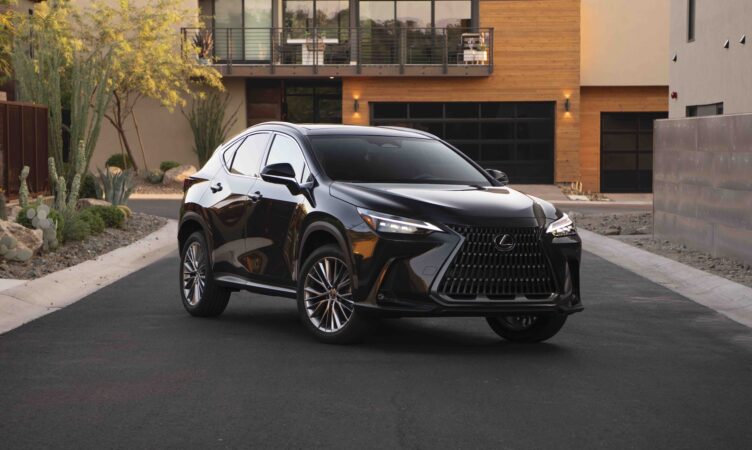
  • 2026 Lexus NX 350: So supple, so fun — so what’s with these controls?

    2026 Lexus NX 350: So supple, so fun — so what’s with these controls?

    2026 Lexus NX 350 F Sport: So much potential.

    Price: $58,010 as tested.

    What others are saying: “Highs: Compliant ride, upscale furnishings, impressive list of standard tech and safety features. Lows: A bit pokey for the segment, F Sport deserves to be sportier,” says Car and Driver.

    What Lexus is saying: “The stylish Lexus luxury crossover.”

    Reality: Not just stylish, but quick, fun, and supple. But don’t change songs or set the cruise.

    What’s new: The midsize SUV from Lexus now features all-wheel-drive standard. It was last redesigned in 2022.

    Competition: Acura RDX, Alfa Romeo Stelvio, Audi Q5, BMW X3, Cadillac XT5, Genesis GV70, Infiniti QX50, Mercedes-Benz GLC, Volvo XC60.

    Up to speed: The F Sport adds a lot of oomph to the NX package. The 2.4-liter four-cylinder engine is turbocharged and creates 275 horsepower.

    It roars to 60 mph in 6.6 seconds, according to Car and Driver. That’s actually a little slower than competitors, but it still feels quick. When left to its own devices, the NX 350 F Sport just seems to aim for 70 to 75 mph.

    Shifty: The 8-speed automatic does its thing well, so you don’t have to. You can, though; the Prius shifter pattern (up-left for Reverse, down-left for Drive) adds a straight-down pull for Manual mode, and then the paddles take over. Toggle to your heart’s content.

    On the road: All-wheel drive and the adaptive suspension combine to make the curves even more fun; the test model rolled through turns and even around corners like a much smaller vehicle. Sport and Sport+ modes are ideal; it can feel a little sluggish in the other modes.

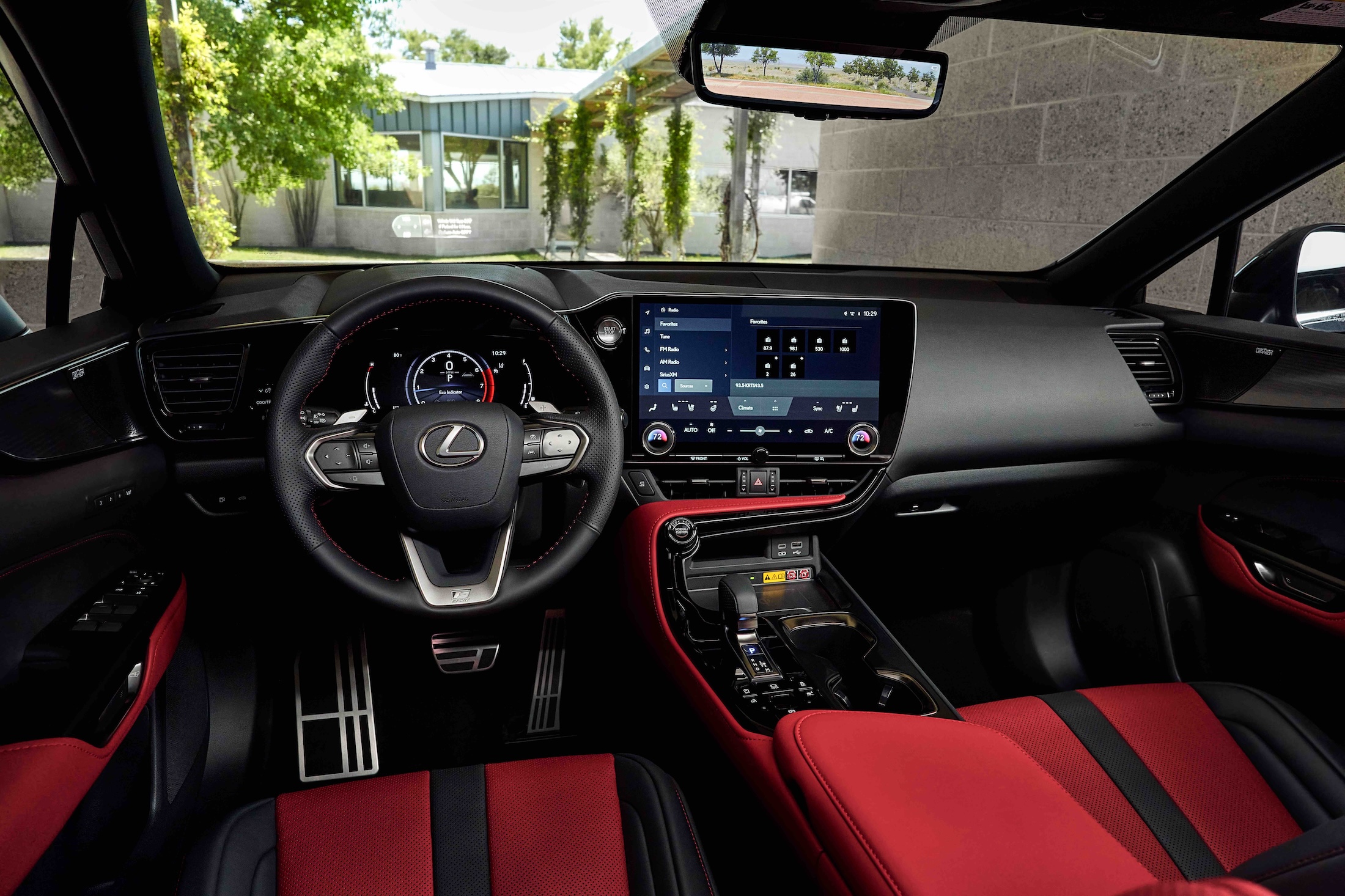
    The interior of the 2026 Lexus NX 350 F Sport definitely grabs your attention, and won’t let go.

    Driver’s Seat: The NuLuxe seats are delightful, agree Mr. Driver’s Seat and the lovely Mrs. Passenger Seat. They hug, they cuddle, they make you happy like a good Lexus should. (The seats, not the happy couple. Or at least we don’t cuddle you.)

    A favorites button on the infotainment screen should help get where you want to go.

    If only all the controls were this simple. Read on.

    Friends and stuff: People in the corners will be moderately happy, with comfortable seats and plenty of room to stretch out. The center seat is perched and the floor has a hump, so you need the person with the most balance sitting there. But only bring along forgiving friends because they’re going to get mad if they feel the front seats at some point.

    Cargo space is 22.7 cubic feet in the back and 46.9 with the seat folded.

    In and out: It’s not too big a leg lift to get into the NX.

    Play some tunes: Oh, for crying out loud, there has to be someone at Lexus who gets as annoyed at the steering wheel buttons as I do. Every time I want to skip a song or replay a song, I’m left to wonder, “Will it take two stabs? One stab? Several stabs?” It always a mystery, while the hover function waits to recognize my thumbs hovering as intended. Do you really want this? Do other drivers on the road want you to have this?

    And that’s not to mention when I want to move several songs forward or back. We’d been having such a good time up till now, but it’s ruined. Just when that dastardly touch pad is gone, too. (Yes, I know it’s been seven years, but it left a mark.)

    Sound from the Mark Levinson Premium Audio ($1,020) system is good, probably an A-. Not super clear but pretty close. A volume knob is too small and fussy to be helpful. The touchscreen is large at 14 inches (part of a $2,865 F Sport package) and easy to operate. But those darn steering wheel buttons.

    Steady speed: On the other side of the steering wheel, the cruise-control buttons add to the sadness. More confusion, and in this instance it would be impossible to pull over to set it.

    Keeping warm and cool: Weird tire-shaped Lexus dials control the temperature, and then the ebony touch pad allows you to heat and cool the seats and adjust the fan or source. But there are all sorts of automatic control adjustments that get way too intricate for someone driving it around for a week, or, more important, trying to adjust things while driving.

    Fuel economy: The test vehicle averaged 21.2 miles per gallon and didn’t budge at all while testing.

    Where it’s built: Cambridge, Ontario.

    How it’s built: Consumer Reports predicts the NX reliability to be a 4 out of 5.

    In the end: The NX is a nice vehicle, if you can live with the controls. I don’t think I could.

    Among competitors, if I wanted to throw caution to the wind, I’d go for the Stelvio — it’s just so much fun to drive. The GV70 is also nice, especially in full EV form.

  • A bigger, more electric Philly Auto Show follows a volatile year for the industry

    A bigger, more electric Philly Auto Show follows a volatile year for the industry

    Volatility. Tariffs. EV rebates. Affordability.

    These are the buzzwords surrounding the automobile industry as 2025 gives way to 2026. But you probably won’t hear too much about them at the 2026 Philly Auto Show, where beginning Saturday the Auto Dealers Association of Greater Philadelphia shines up the best and lets thousands of visitors check everything out, with only the pressure of other visitors waiting for their turn.

    Show enthusiasts who’ve been missing the big events from pre-pandemic days will have a reason to smile. The show will cover almost 700,000 square feet, five more brands are joining in at the Pennsylvania Convention Center, and the electric vehicle ride program will have doubled.

    “It’s wonderful to be able to fill the building again,” said Mike Gempp, executive director of the dealers association, which puts on the show. “You gotta wear comfortable shoes, for sure.”

    The added nameplates you’ll see will be Genesis, Lincoln, Lucid, Polestar, and Volvo. This allows the footprint to grow quite a bit since all of last year’s makes are back, making the largest number (27) since 2020.

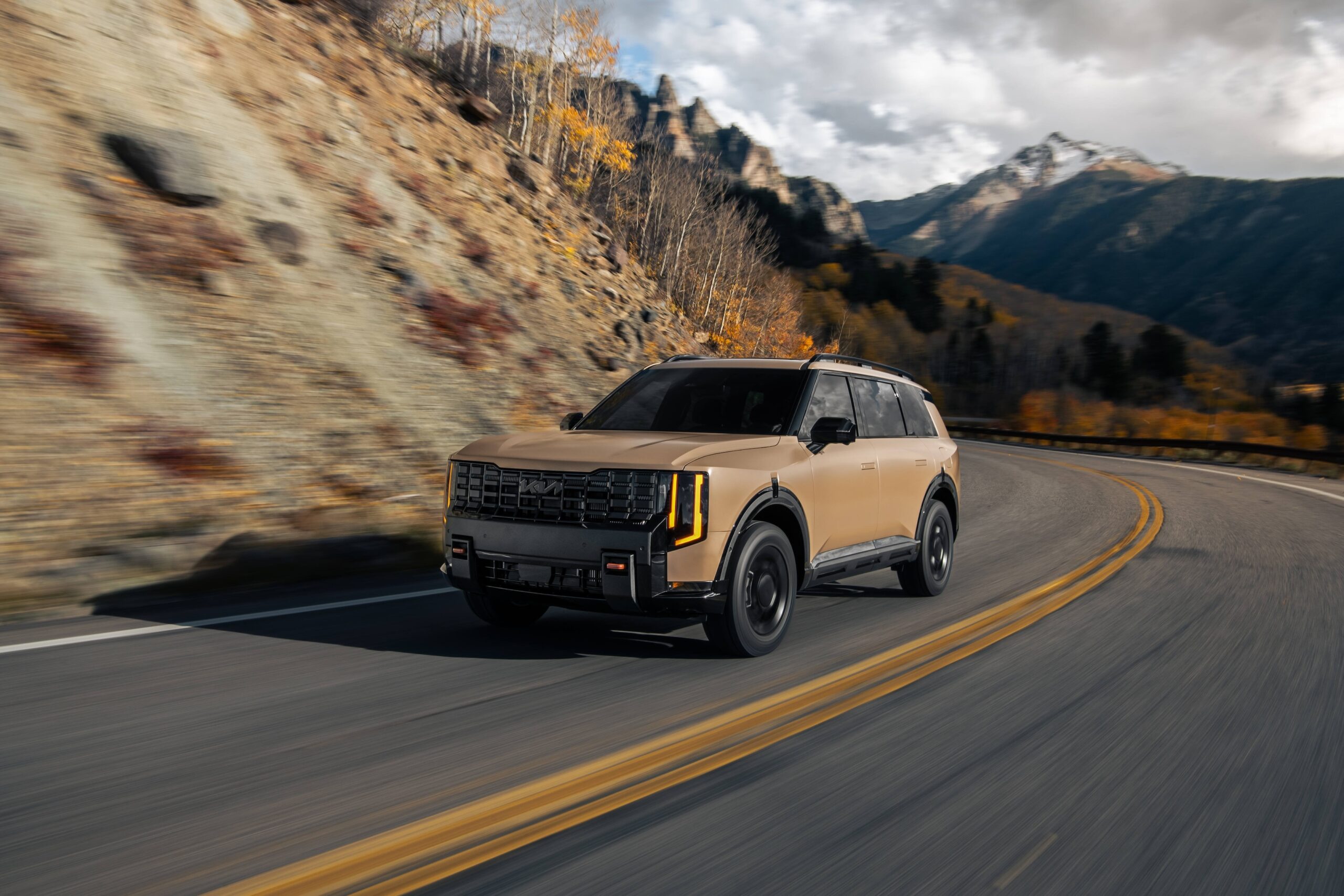
    The redesigned 2027 Kia Telluride three-row SUV is one of the main attractions among new vehicles at the 2026 Philly Auto Show.

    The latest vehicles are the main draw, of course. Some that are attracting interested buyers, Gempp says, are: the redesigned 2026 Subaru Outback SUV; the reborn 2026 Honda Prelude Hybrid sports coupe, last seen long before hybrids were a big thing, in 2001; the redesigned Ford Maverick hybrid small pickup; and the 2027 Kia Telluride.

    Other attention-getting vehicles expected at the show include the Chevrolet Corvette, Ineos Grenadier, Jeep Recon, Lotus Emira, McLaren 750S, and Subaru BRZ tS.

    Coming off a steady rise in sales — up 3.3% in the nation and 1.2% in the region, Gempp said — the industry has been fighting tariff and EV rebate uncertainty since the Trump administration took office. But just over 16.3 million vehicles were sold in 2025, according to Cox Automotive, the highest number since the pandemic arrived.

    The Subaru Outback has become an iconic SUV in the United States. The redesigned 2026 model will be on display at the Philly Auto Show Saturday, Jan. 31, through Sunday, Feb. 8.

    EVs: The future and the present

    Despite the end of rebates, electric vehicles may still be an attractive proposition in 2026. Manufacturers have new EV models coming to market, Cox Automotive executive analyst Erin Keating said, and without rebates to lower the prices, dealers will have to make them attractive to consumers.

    “I really wouldn’t count EVs out,” Keating said, especially as more are coming to the used market.

    EVs will figure into the show heavily. The indoor E-Track allowing visitors to ride in 20 different kinds of EVs is doubled in size and now features eight brands: Cadillac, GMC, Lucid, Kia, Polestar, Tesla, Toyota, and Volvo.

    But the E-Track is not all EVs, as there will be plug-in hybrids to ride in as well, like the Kia Sportage, Toyota RAV4 and Prius, and Volvo XC60.

    Gempp sees the E-Track as a chance to teach visitors about the different kinds of powertrains available in modern vehicles.

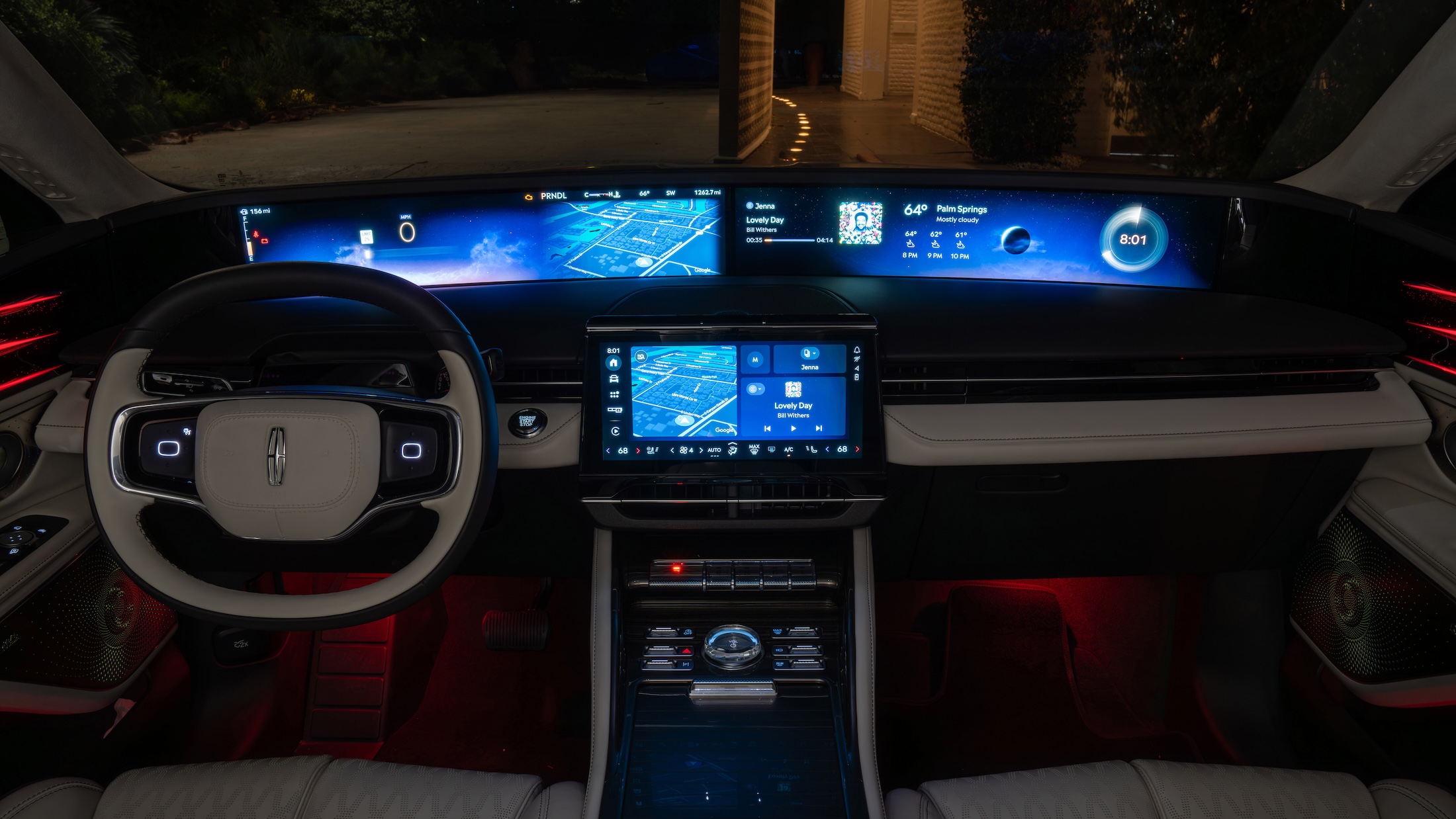
    Now that EVs are not as big a focus for manufacturers, Gempp sees technological innovations as a major area of industry attention. He points to the Lincoln Nautilus, with a 48-inch screen running pretty much the width of the entire dashboard.

    The Lincoln Nautilus shows how far screens have come in modern vehicles, with a 48-inch touchscreen spanning the dashboard. It will be on display at the 2026 Philly Auto Show, now that Lincoln is back at the show.

    Switch to hybrids

    Gempp sees hybrids drawing renewed attention from manufacturers. There’s no plugging in these models, just electric motors and batteries that supplement the engine, taking advantage of braking energy and adding that back into the power supply, saving fuel in the process.

    “The manufacturers are refocusing on hybrids, and pulling away from concentration on EVs that we saw in the last few years because the incentives have gone away, because the penalties for carbon credits have gone away, there’s very little incentive for manufacturers to introduce or sell EVs” said Sam Fiorani, vice president of global vehicle forecasting for AutoForecast Solutions in Chester Springs.

    All that refocusing is needed as the industry outlook grows cloudy. With tariffs and subsequent price adjustments, along with general economic uncertainty, Keating expects sales to fall to 15.8 million, while Fiorani is a little more optimistic that they’ll be just under 16.2 million.

    Affordability remains as the final question mark.

    “The biggest thing weighing down the economy going forward is how tariffs of ’25 will affect pricing in ’26,” Fiorani said. “We’ve already seen the manufacturers of all products absorb these costs as much as they can so we’re going to start seeing some of these costs being pushed onto the consumer.”

    Show events

    But we can take our minds off all that at the auto show, enjoying some of the exhibits that take the event beyond sitting inside stationary vehicles.

    Here are some of the other attractions planned:

    Camp Jeep will be back

    The lines are generally long at the 30,000-square-foot space, where visitors can ride in a Jeep Wrangler Unlimited, Grand Cherokee Trailhawk, Grand Cherokee L, Compass, or Gladiator over a track that adds a breakover log crawl and a 25-degree wedge to an 18-foot mobile hill and stair climber. Nearby, Kiddie Camp Jeep will give future customers a chance to maneuver mini Jeep ride-on toys.

    Stellantis will host outdoor drive events

    Unlike the indoor tracks, here licensed drivers 18 and up are able to choose from 10 Stellantis vehicles to test drive around Philly: Alfa Romeo Giulia and Tonale PHEV, Dodge Durango SRT, Ram 1500 and 2500, Chrysler Pacifica, FIAT 500e, and Jeep Wrangler, Gladiator, and Grand Cherokee.

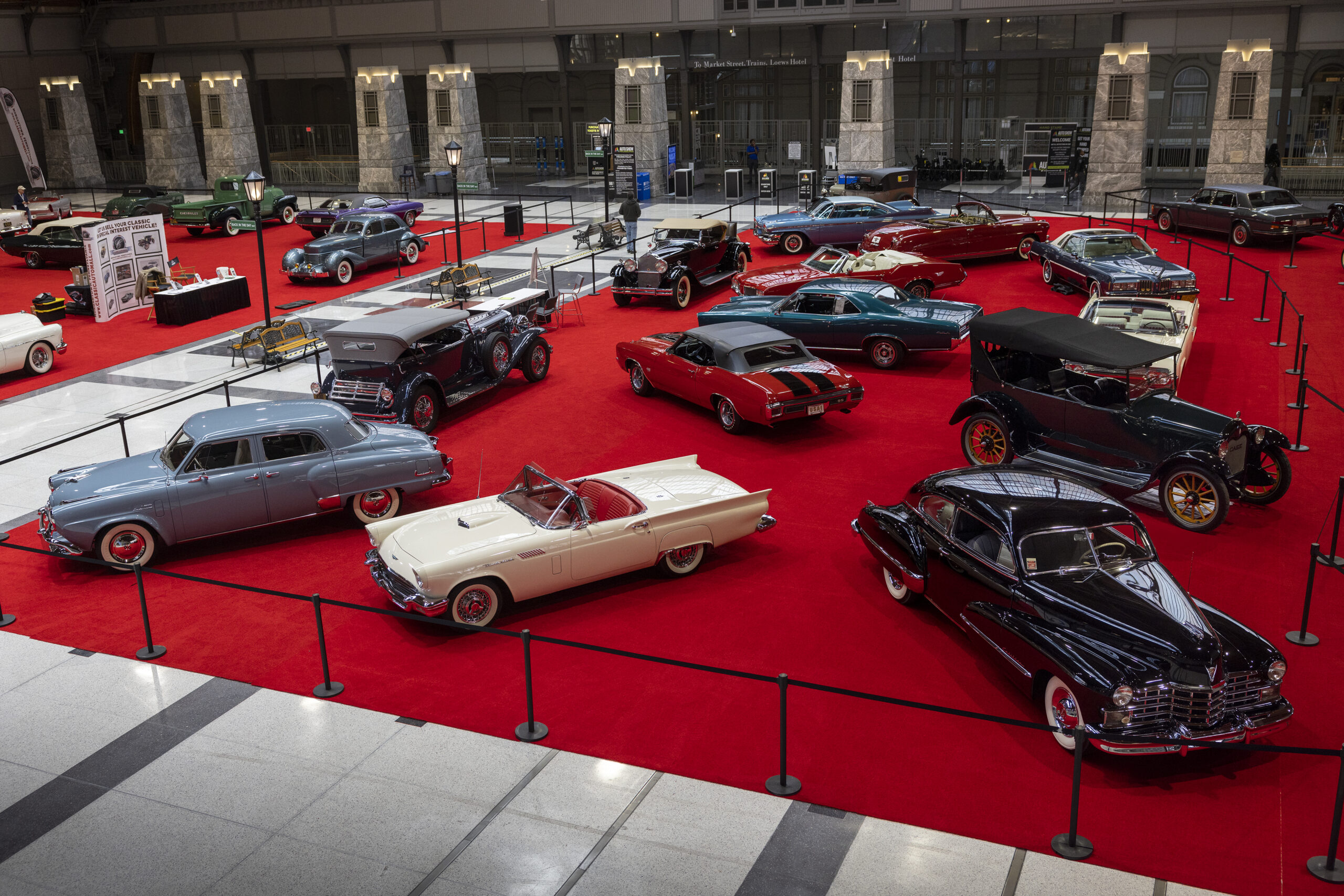
    The Antique Automobile Club of America display at the 2023 Auto Show at the Pennsylvania Convention Center.

    Unusual autos and antique cars draw fans

    Exotics Row will feature the kinds of cars most of us only dream about, and classics displays from Antique Automobile Club of America and Delaware Valley Triumphs bring back memories of what neighborhood streets once looked like.

    Buick will showcase the first-ever concept vehicle, the Y Job, built in 1938. It premiered plenty of groundbreaking features, like a power convertible top, power door locks, automatic transmission, and retractable headlights.

    Heroes Highway is added this year

    In this new area, meant to celebrate first responders, kids of all ages can enjoy an interactive display of police, fire, and rescue vehicles. Qualified first responders will be able to enter the show for free on Feb. 6.

    A big year for Philly history

    Route ’26 showcases the events surrounding Philadelphia and American history, marking the 250th anniversary of the signing of the Declaration of Independence. Events on display include Wawa Welcome America, the 2026 MLB All-Star Game and All-Star Week festivities, and TED Democracy: Founding Futures at the Kimmel Center for the Performing Arts.