Category: Business

Business news and market updates

  • Christmas tree retailers find lots to like at a Pennsylvania wholesale auction

    Christmas tree retailers find lots to like at a Pennsylvania wholesale auction

    MIFFLINBURG, Pa. — Christmas went on the auction block last week in Pennsylvania farm country, and there was no shortage of bidders.

    About 50,000 Christmas trees and enough wreaths, crafts, and other seasonal items to fill an airplane hangar were bought and sold by lots and on consignment at the annual two-day event put on at Buffalo Valley Produce Auction in Mifflinburg.

    Buyers from across the Northeast and Mid-Atlantic were there to supply garden stores, corner lots, and other retail outlets for the coming rush of customers eager to bring home a tree — most commonly a Fraser fir — or to deck the halls with miles of greenery.

    Bundled-up buyers were out in chilly temperatures to hear auctioneers hawk boxes of ornaments, bunches of winterberry, cotton branches, icicle lights, grave blankets, red bows, and tree stands. It was nearly everything you would need for Christmas except the food and the presents.

    A worker transports holiday decorations at Buffalo Valley Produce Auction in Mifflinburg, Pa.

    Americans’ Christmas tree buying habits have been evolving for many years. These days homes are less likely than in years past to have a tree at all, and those that do have trees are more likely to opt for an artificial tree over the natural type, said Marsha Gray with the Howell, Michigan-based Real Christmas Tree Board, a national trade group of Christmas tree farmers.

    Cory Stephens was back for a second year at the auction after his customers raved about the holiday decor he purchased there last year for A.A. Co. Farm, Lawn & Garden, his store a three-hour drive away in Pasadena, Md. He spent nearly $5,000.

    “It’s incredible, it’s changed our whole world,” Stephens said. “If you know what you’re looking for, it’s very hard to beat the quality.”

    Ryan Marshall spent about $8,000 on various decorations for resale at Ward’s Berry Farm in Sharon, Mass. Among his purchases were three skids of wreaths at $29 per wreath — and he expected to double his money.

    “The quality’s good, and it’s a place that you can pick it out yourself,” he said.

    Gray said her group’s research shows the main reason people pick a real tree over an artificial tree “is the scent. They want the fresh scent of a real Christmas tree in their home.” Having children in the house also tends to correlate with picking a farm-grown tree, she said.

    An August survey by the Real Christmas Tree Board found that 84% of growers did not expect wholesale prices to increase this season.

    Buffalo Valley auction manager Neil Courtney said farm-grown tree prices seem to have stabilized, and he sees hope that the trend toward artificial trees can be reversed.

    “Long story short — we’ll be back on top of the game shortly,” Courtney said. “The live tree puts the real Christmas in your house.”

    A survey by a trade group, the National Christmas Tree Association, found that more than 21 million farm-grown Christmas trees were sold in 2023, with median price of $75. About a quarter of them were purchased at a “choose-and-cut” farm, one in five from a chain store, and most of the rest from nurseries, retail lots, nonprofit sales, and online.
  • Jefferson Health hit with federal WARN Act lawsuit

    Jefferson Health hit with federal WARN Act lawsuit

    A lawsuit filed Tuesday in Philadelphia accused Jefferson Health of violating federal labor rules when it laid off 1% of its 65,000 employees in October and this month without providing a 60-day notice.

    The purported class-action lawsuit says the proposed lead plaintiff, Ciara Brice, lost her job as a medical assistant on Nov. 12 with no notice and has not received the severance pay she was promised.

    Brice was not available for comment, said her lawyer, Jeremy E. Abay, with Philadelphia law firm Pond Lehocky Giordano Inc.

    The Worker Adjustment and Retraining Notification Act has a complicated rubric for determining when a mass layoff requires advance notification, which is filed with state labor departments. One of the triggers is an employer cutting at least 500 jobs, according to Abay.

    Even though the layoffs happened throughout Jefferson’s entire footprint from South Jersey to near Scranton, Abay said notice is required because Jefferson operates as a single entity.

    “We believe the facts will show that there was no violation of the federal WARN Act,” Jefferson said in a statement.

    The nonprofit filed a notice of 108 layoffs at Jefferson Cherry Hill Hospital, Jefferson Stratford Hospital, and Jefferson Washington Township Hospital because New Jersey has its own rules, Abay said.

    In August, Jefferson reported a $195 million operating loss on $15.8 billion in revenue for the year that ended June 30.

    The nonprofit, which grew through acquisitions from three hospitals in Philadelphia in 2015 to more than 30 now, provided no details when it announced the layoffs in mid-October.

    That layoff was part of a series of large job cuts starting in the summer of 2023, but may have been the first time patient-facing workers like Brice were hit.

    The lawsuit seeks back pay, benefits, and damages for each laid-off employee who did not receive a 60-day notice.

    Editor’s note: The headline on this article has been updated to clarify that a lawsuit claims violations.

  • How are things at PHL right now? Our live tracker is following the Thanksgiving surge.

    How are things at PHL right now? Our live tracker is following the Thanksgiving surge.

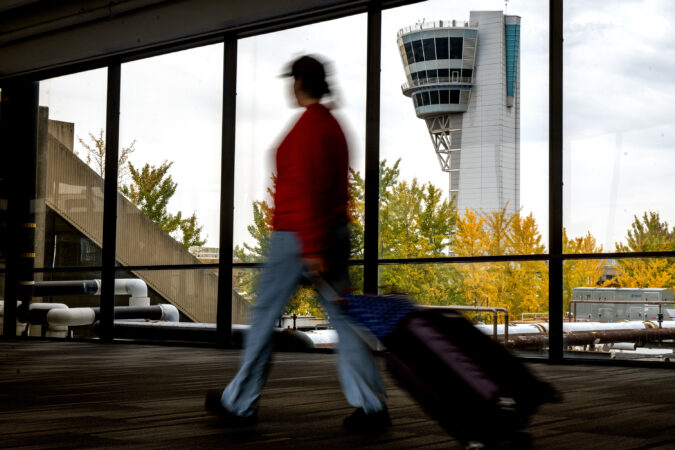
    There’s always some anxiety that comes with heading to the airport. This week, maybe more so.

    AAA predicts nearly 82 million Americans will travel at least 50 miles for Thanksgiving, a U.S. record if it stands. Even with concerns about the reliability of air travel, AAA reports about 6 million people will fly to their destination this week, a glut of humanity that could jam airports nationwide.

    Air traffic at Philadelphia International Airport (PHL) has been running relatively smoothly since the government shutdown ended, Inquirer analysis shows.

    But an onslaught of holiday passengers could quickly change that.

    Are you headed to PHL? Use our charts below to get a glimpse of how the airport is functioning today. The charts will update every hour through Jan. 1 and reset every morning at 4 a.m.

    window.addEventListener(“message”,function(a){if(void 0!==a.data[“datawrapper-height”]){var e=document.querySelectorAll(“iframe”);for(var t in a.data[“datawrapper-height”])for(var r,i=0;r=e[i];i++)if(r.contentWindow===a.source){var d=a.data[“datawrapper-height”][t]+”px”;r.style.height=d}}});

    window.addEventListener(“message”,function(a){if(void 0!==a.data[“datawrapper-height”]){var e=document.querySelectorAll(“iframe”);for(var t in a.data[“datawrapper-height”])for(var r,i=0;r=e[i];i++)if(r.contentWindow===a.source){var d=a.data[“datawrapper-height”][t]+”px”;r.style.height=d}}});

    Nearly half of the flights at PHL were delayed or canceled at PHL during the climax of the federal government shutdown, which lasted until Nov. 12. Analysis shows delays and cancellations have returned to normal levels since, with disruptions generally affecting less than 20% of flights a day.

    Fewer than five flights a day have been canceled for the last week at PHL.

    In the lead up to the holiday weekend, Frontier Airlines was experiencing the most disruptions. More than 40% of the company’s flights in and out of PHL were delayed or canceled last weekend, analysis of PHL flight board data shows.

    PHL offers flights from 15 airlines. The chart below shows what percentage of the most active airlines’ flights are delayed or canceled.

    window.addEventListener(“message”,function(a){if(void 0!==a.data[“datawrapper-height”]){var e=document.querySelectorAll(“iframe”);for(var t in a.data[“datawrapper-height”])for(var r,i=0;r=e[i];i++)if(r.contentWindow===a.source){var d=a.data[“datawrapper-height”][t]+”px”;r.style.height=d}}});

    What about my flight?

    PHL offers up-to-date information for each flight arriving or departing from its gates on its website. However, airport officials recommend checking with your airline for more specific information.

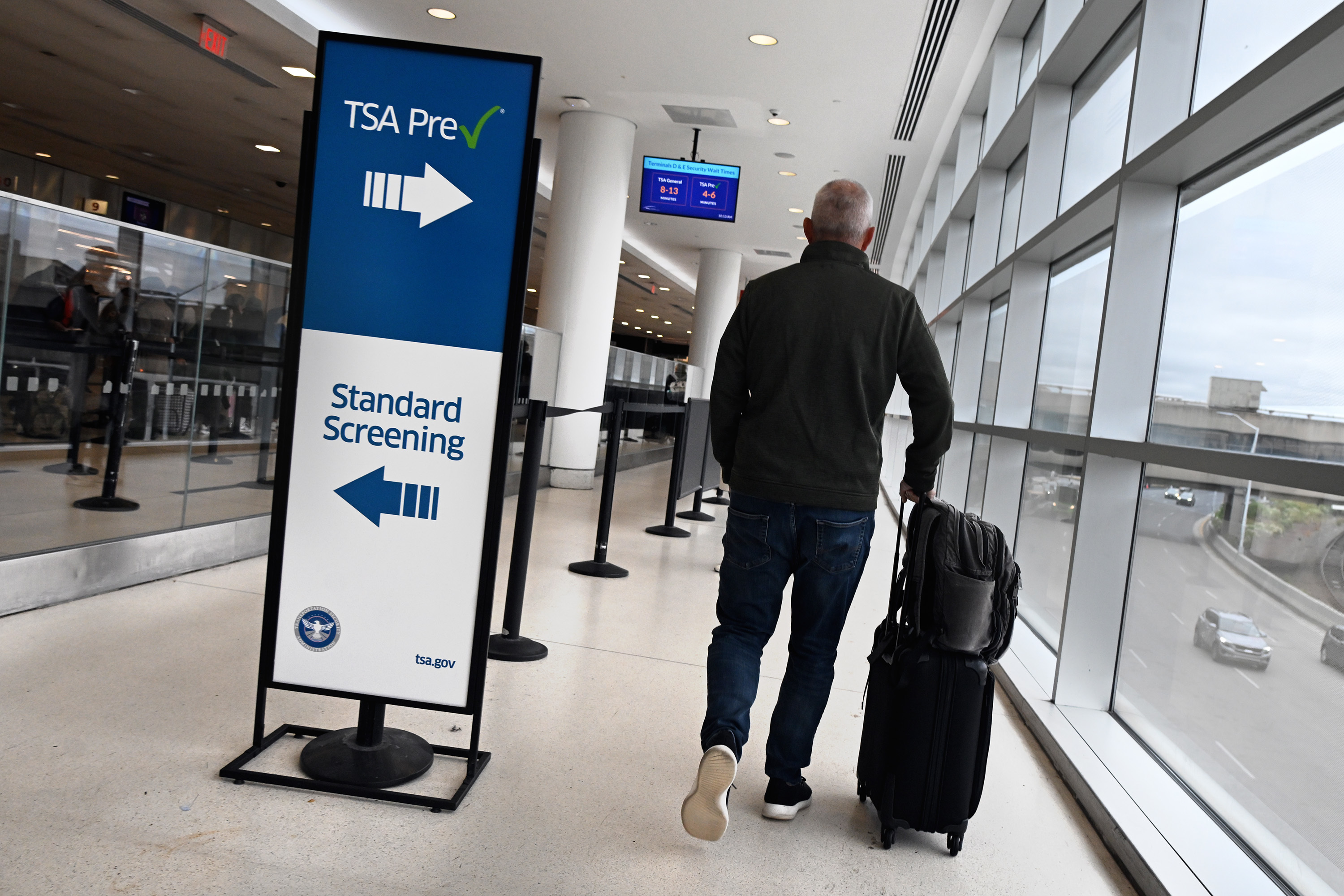
    A traveler enters the TSA PreCheck security line at Terminals E-F at Philadelphia International Airport in October.

    Security wait times

    As of Monday morning, all six security checkpoints at PHL were open. TSA PreCheck is available at Terminals A-East, C and D/E.

    Current security wait times are available on PHL’s website.

    Weather outlook

    Leaving Philly: Rain could slow things down Tuesday afternoon into Wednesday, according to the National Weather Service. Some wind may linger into the weekend, but otherwise flying out of Philadelphia looks fairly unhindered. What’s happening at your destination could, of course, change this.

    Coming to Philly: Elsewhere in the country, NWS forecasts show a broad area of low pressure affecting the eastern half of the country with rain Tuesday into Wednesday. Later in the weekend, weather systems could affect the Midwest, Northwest and Rocky Mountains, potentially complicating travel from those locations.

  • Why your small business needs an AI policy

    Why your small business needs an AI policy

    It’s no secret that the use of both generative and agentic AI will proliferate over the next few years as the technology becomes more reliable and pervasive.

    More than 58% of small businesses are already using AI in their companies, according to a recent study from the U.S. Chamber of Commerce, and that usage is expected to rise this year. For now, most of that can be attributed to chatbots like ChatGPT, Gemini, Copilot, and others.

    Because of this, your business needs to create and maintain a strict AI policy. Why?

    “An AI policy places guardrails around the usage of AI by your employees,” said Philadelphia attorney David Walton, who chairs the artificial intelligence team at Fisher & Phillips. “It allows your employees to use AI faster and better.”

    Without an AI policy, a business would be exposed to reputational damage that’s caused by AI “hallucinations” or errors, Walton said. In addition, a company’s proprietary data — pricing, contracts, customers information, processes — could be exposed to the public, particularly when employees use free AI tools that offer less protection.

    Lawyer Star Kashman, founding partner of Cyber Law Firm, warns her clients that without an AI policy, employers could be exposed to claims of bias and other lawsuits.

    “For example, there might be some resumes from people of certain races, people of certain genders that maybe aren’t as accepted by the AI system, and you’re automatically rejecting great candidates,” she said. “You’re going to be the one that has a huge lawsuit on your hands, even for your employees’ actions, if you weren’t able to protect it.”

    A good AI policy should include the following.

    Include a statement of purpose for AI

    The policy should be clear that AI is allowed only when used responsibly and with guardrails.

    It should also be clearly stated that AI tools are used only when they can improve productivity, provided that they are safe and confidential.

    Provide a list of approved applications

    A company’s AI policy should specify which tools and software are approved by management, both lawyers said.

    The tools should be used for business purposes only. Free tools should not be allowed because of their privacy concerns, and if a tool is not listed in the policy, permission is required from management to use it.

    When employees use AI on a personal account, Walton said, “it’s hard for the business to control privacy settings, and confidential data may leak into free or public AI models.”

    Consider a proprietary information ban

    It’s still unclear how safe our data is when AI applications are being used. To that end, it’s a good practice to avoid or even ban the entry of private information into these platforms.

    This would include customer data, financial statements, contracts, pricing information, personal identifying factors, trade secrets, or anything medical, legal, or human resources related.

    State the ownership of AI work

    When an employee makes a “prompt” into an AI chatbot, that query, as well as any resulting workflows and custom instructions, are all assets of the company and should be stated as so.

    A company’s AI policy should state that employees must return all AI-created work at separation, cannot export data into their personal accounts, and cannot use their own agents or tools for company work.

    Avoid AI in HR

    AI applications shouldn’t be used in hiring or performance reviews, both Kashman and Walton said. Many platforms leverage AI to perform these functions, but these tools could create more headaches than benefits.

    “HR is the front line for legal problems tied to AI,” Walton said. “Relying on AI to make hiring, firing, or performance review decisions could be very problematic.”

    Ban certain outputs

    An AI policy should ban the use of images, videos, or voice without management approval. NSFW (not-safe-for-work), pornographic, or defamatory content should be off limits. This can help protect against reputation damage, deepfakes, and offensive content.

    Always use human oversight

    We know today’s AI tools are far from perfect. Your policy should state that everything AI produces must be validated, checked, sourced, and edited by a human.

    Explain why the AI policy exists

    AI is new, and your employees are already concerned about this new technology. Kashman said it’s important to explain the “why” behind each rule in your policy.

    “Instead of just ‘don’t,’ explain the risk to the employee and company such as hallucinations, data leaks, bias, etc.” she said. “Employees follow rules better when they understand them.”

    The uncertain regulatory environment is another big reason for creating an AI policy. Regulation of AI use shouldn’t be expected anytime soon, Walton said.

    “Businesses must prepare for state-level AI regulation, especially around risk assessment and bias, because the federal government is unlikely to pass comprehensive laws anytime soon,” he said.

    However, some states — like New Jersey — have proposed bills that would require businesses to do formal risk assessments and acceptable-use policies. Meanwhile, President Donald Trump is considering an executive order limiting states from regulating AI.

    Kashman said the lack of regulations will leave business owners vulnerable “because tech companies aren’t going to be as liable for harms.” So small businesses “must protect themselves with strong internal policies,” she said.

    “An AI assistant or chatbot can help businesses draft a policy or template, especially for nonlawyers who need structure or a first draft,” Kashman said. It’s important to frequently update this policy because the technology, models, privacy terms, and data breaches change rapidly, she added.

    “However, be careful,” she said. “AI can’t understand the nuances of a specific business or legal risk, so human review from legal counsel or an expert is necessary.”

  • Latest Par Funding plan will give scammed investors nearly all their money back

    Latest Par Funding plan will give scammed investors nearly all their money back

    More than 1,600 victims of the Par Funding scheme will get nearly all their money back, despite repeated warnings from the U.S. Securities and Exchange Commission (SEC) that full reimbursement would be highly unlikely.

    The news comes 5½ years after a federal court-appointed receiver seized the Philadelphia loan company amid investigations that have sent its top officers to federal prison.

    “Sounds like Christmas to me!” said investor Joe Brock, a management consultant who invested $200,000 with Par.

    Starting in 2011, Par raised $550 million, telling investors it was lending to merchants at high interest rates for big profits. But Par insiders diverted over $200 million to themselves, and many of its clients couldn’t repay the loans. In March 2020, Par stopped paying investors back.

    In July 2020, the SEC filed a sweeping fraud lawsuit against the firm, its owners and pitchmen. Criminal charges followed in 2023. Eight people involved with the company have pleaded guilty and been sentenced to prison and fines.

    How much will investors get?

    The investors were repaid $111 million, just over half their missing $220 million, under an initial “distribution” of Par assets approved last December.

    Another $97 million will be on the way, pending approval by Florida-based federal Judge Rodolfo Ruiz, who has overseen the case since FBI agents raided Par’s Old City offices and detained founder Joseph LaForte on gun charges in 2020. The judge has declared Par a Ponzi scheme, designed to defraud, by using old investors’ money to fool new investors into falsely believing Par was profitable.

    A third, smaller payout may be arranged in the future, which could bring the recovery above the loss total, according to the new proposal.

    The plan was filed Friday to the judge.

    In July 2020, the FBI raided Par offices and founder LaForte’s Haverford home, and the SEC asked Ruiz to put the company into receivership to protect what was left of investors’ money and to investigate whether LaForte and his allies had stolen money from the company.

    The SEC also filed civil charges against founder LaForte, his wife, Lisa McElhone, chief financial officer Joseph Barleta, and four investment salespeople, accusing them of selling unregistered securities and failing to disclose LaForte’s prior federal fraud convictions.

    Federal criminal fraud charges followed against the three top Par officials, plus debt collectors James LaForte and Renato Gioe; an investment salesman, Perry Abbonizio, and two Colorado accountants who did Par’s taxes.

    The investors are getting their investments back, but not the promised interest. And the paybacks will be uneven.

    Under the terms of the proposal, investors in Par funds set up through Dean Vagnozzi, a former King of Prussia insurance agent who was Par’s most successful salesperson, are on track to receive as much as 98% of their total investment, or as little as 46%, depending on when they invested and how much was in Par.

    Some of the funds set up for Vagnozzi’s A Better Financial Plan invested partly in Par and partly in life-settlement contracts, insurance policies purchased from their owners at a discount so investors collect the proceeds when they die. Investors in those funds still hope to collect additional funds as the policyholders die.

    Where the recovered money is coming from

    The $110 million in the first distribution from the receiver was funded largely by money seized from Par and from founder Joseph LaForte, McElhone, and other Par officials.

    The $97 million in the second distribution included $36.5 million in Par funds that had been held in escrow while the receiver negotiated how much was owed to investors in the Chehebar family (some members spell it Shehebar), who own Rainbow Stores.

    Lawyers for the Chehebars argued that they had negotiated senior payment rights and should have gotten repaid before other investors. But the receiver said the Chehebars were actually “insiders” who worked closely with the LaFortes and didn’t deserve special treatment.

    The Chehebars agreed to settle for $3.1 million — or more if the receiver is able to pay all approved investor claims.

    Another $31 million for the payback has been collected from a settlement of lawsuits against John Pauciulo, salesman Vagnozzi’s longtime lawyer, whom Vagnozzi and others blamed for failing to warn that the Par funds ought to be registered with the SEC and to warn investors about LaForte’s criminal past.

    Insurers for Pauciulo’s former law firm, Eckert Seamans, agreed to pay $47 million, but part of that total was consumed in payments to lawyers and others with claims against Pauciulo.

    In hearings this fall, investigators for the Pennsylvania Disciplinary Board, an arm of the state Supreme Court, have argued that Pauciulo failed to properly advise his clients about the danger from investing in Par. A ruling is pending.

    Helping fund the planned second round of payments to Par investors was $10 million from the sale of LaForte’s former vacation home in Jupiter, Fla., one of the last of 25 properties seized by the receiver as proceeds of the Par founder’s fraud.

    The rest is funded by millions taken from Par and its investors and not paid out earlier.

    For a potential third distribution, the receiver and its consultants have identified several additional funding sources:

    • $11 million in still-uncommitted cash from the funds the receiver took from Par and its owners;
    • $10.5 million in a requested IRS refund of taxes Par paid on phony profits the company reported when it was trying to get more people to invest;
    • $1 million from the sale of three remaining properties at 20-22 N. Third St. in Philadelphia, the last of 20 city properties the receiver has used to raise cash for victims;
    • Up to $4 million that might still be collected from Par’s last borrowers, half of it from Kingdom Logistics, a Texas-based mining company.

    Investors also should receive some proceeds from the liquidation of the former Par Funding corporate jet, worth an estimated $6 million when it was seized by the FBI in 2020, and a Charles Schwab investment account, worth more than $13 million at that time. The government has a separate process for deciding how to pay back that money to investors.

    Expenses for the receiver’s lawyers and other professional services have cost around $100,000 a month, according to the receiver’s most recent quarterly reports.

    All the Par officials charged with crimes were sentenced, most of them earlier this year, after pleading guilty to criminal fraud and, in some cases, other charges.

    Besides fines, restitution and probationary periods, these are the prison terms for people involved:

  • Lawsuit alleges Campbell’s soup VP made racist comments and said its food is made for ‘poor people’

    Lawsuit alleges Campbell’s soup VP made racist comments and said its food is made for ‘poor people’

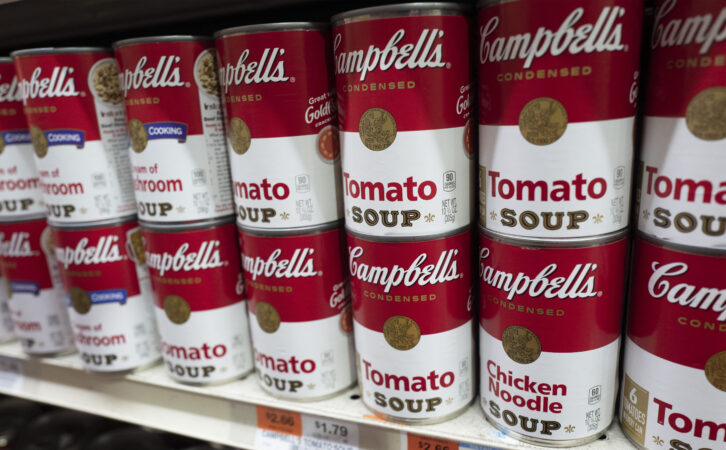
    A former employee of the Campbell’s Co. has sued the Camden-based food giant, alleging he was fired for reporting that a company vice president had made racist comments about coworkers and disparaged Campbell’s products.

    Robert Garza, who worked as a cybersecurity analyst for the company, alleged in the lawsuit filed last week in Michigan that Martin Bally, a vice president and chief information security officer, made the comments during a November 2024 meeting that the complaint said was intended for a discussion of Garza’s salary.

    Bally “made several racist comments about Indian workers at the company,” the complaint said.

    Bally also told Garza that Campbell’s products were highly processed food for “poor people,” according to the lawsuit.

    In an interview Garza did last week with WDIV, an NBC affiliate in Detroit, he said that he secretly recorded audio of the meeting, which occurred at a restaurant. The TV broadcast played some portions of the recording.

    The audio recording is not mentioned in the lawsuit. It is legal in Michigan for one party in a conversation to make a recording without the consent of the other party.

    In a statement, the Campbell’s Co. said: “If the comments were in fact made, they are unacceptable. They do not reflect our values and the culture of our company. Mr. Bally is temporarily on leave while we conduct an investigation.”

    The company, which changed its name from the Campbell Soup Co. last year, added: “We are proud of the food we make, the people who make it and the high-quality ingredients we use. The comments heard on the recording about our food are not only inaccurate — they are patently absurd.”

    The company said it uses “100% real chicken” in our soups, and the meat comes from “long-trusted, USDA approved U.S. suppliers” and does not contain antibiotics.

    “[We] also want to emphasize that the person alleged to be speaking on the recording works in IT and has nothing to do with how we make our food,” the company said.

    James F. Regan, a spokesperson for the company, said Garza never told the company that he made a recording and the company learned about the recording after the TV report was aired last week.

    Bally, the vice president, could not be reached for comment.

    Zachary Runyon, Garza’s attorney, was unavailable for comment.

    In recorded excerpts included in the TV report, the person in the recording, alleged to be Bally, says: “We have s— for f— poor people.” The speaker then acknowledges rarely buying Campbell’s products, saying they are unhealthy.

    The voice says that Campbell’s uses “bioengineered meat. I don’t wanna eat a piece of chicken that came from a 3D printer.” The speaker then goes on to make racist comments about coworkers.

    Garza, who started with the company in September 2024, told the TV station he decided to record the conversation, which reportedly lasted more than an hour, because he had an “instinct that something wasn’t right with Martin.”

    The lawsuit says that “Bally also disclosed to Plaintiff that he often appeared at work high from marijuana edibles.”

    The lawsuit says that Garza reported to his manager on Jan. 10, 2025, what Bally allegedly said during the November meeting. The complaint said the manager did not encourage Garza to report the incident to human resources and did not provide any direction on how to proceed.

    On Jan. 30, according to the complaint, Garza was “abruptly terminated from employment.”

    The complaint alleges that Garza was terminated “in retaliation for complaining about Defendant Bally’s racist behavior.”

    Garza is seeking unspecified compensation for damages and related costs.

  • A Philadelphia jury reached $35 million verdict against Main Line Health and Penn Medicine for cancer misdiagnosis

    A Philadelphia jury reached $35 million verdict against Main Line Health and Penn Medicine for cancer misdiagnosis

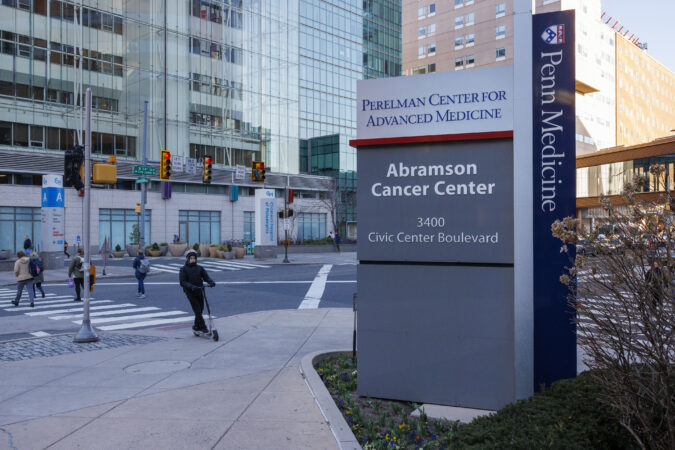
    A Philadelphia jury reached $35 million verdict last week against Main Line Health and the University of Pennsylvania Health System for a cancer misdiagnosis that led a then-45-year old Philadelphia resident to undergo a total hysterectomy in 2021.

    Main Line discovered later that the biopsy slides used to make the diagnosis in February 2021 were contaminated. The cancer diagnosis was due an error that involved a second person’s DNA, not that of the plaintiff, Iris Spencer, who did not have cancer.

    Main Line settled with Spencer in 2022 for an undisclosed amount, so it won’t have to pay its share of the verdict.

    The jury found Penn and its physician, Janos Tanyi, a gynecological oncologist, liable for $12.25 million, or 35%, of the total awarded in damages for her unnecessary hysterectomy. The lawsuit said Spencer suffers from “surgically-induced menopause.”

    The lawsuit against Penn and Tanyi said the physician did not do enough to resolve a conflict between biopsy results at Main Line and those at Penn, where Spencer sought a second opinion.

    A Penn biopsy did not find cancer. Other tests were also negative, but Spencer did not know about those results.

    “The verdict affirms the central importance of the patient and the doctor’s obligation to inform the patient of all of the test results, of all of her options, and that she shouldn’t be dismissed because she’s a patient and not a doctor,” Spencer’s lawyer, Glenn A. Ellis, said Monday.

    The $35 million verdict is Philadelphia’s largest this year for medical malpractice, according to data from the Philadelphia Court of Common Pleas.

    Medical malpractice costs have been rising throughout healthcare. A factor in Pennsylvania is a 2023 rule change that allowed more flexibility in where cases can be filed.

    In 2023, a Philadelphia jury issued a state record $183 million verdict against the Hospital of the University of Pennsylvania in a birth injury case.

    A laboratory mistake

    Spencer’s troubles started in February 2021 at Main Line’s Lankenau Medical Center where her biopsy found that she had cancer in the lining of her uterus despite the lack of symptoms.

    For a second opinion, Spencer saw Tanyi at Penn a few days later. A repeat biopsy came back negative, according to Spencer’s complaint that was filed in early 2023. Tanyi also performed other tests, all of which came back negative, but he did not share that information with Spencer, the complaint says.

    After Tanyi performed the complete hysterectomy on March 8, 2021, Penn’s pathology laboratory found no cancer in the tissues that had been removed from Spencer’s body.

    That’s when Spencer, who has since moved to Georgia, went back to Lankenau seeking an explanation. Seven months later, Main Line informed her that she never had cancer.

    Main Line and Spencer subsequently “reached an amicable full and final settlement to resolve and discharge all potential claims for care involving the health system,” Main Line said in a statement. Main Line did not participate in the trial.

    Penn said in a statement: “We are disappointed by the jury’s verdict in this case that was unmoored to the evidence presented at trial on negligence and damages. Our physician reasonably relied on the pathology performed at a hospital outside our system that revealed a very aggressive cancer.”

    Penn said it plans to appeal the verdict, which could increase by more than $2 million if the court approves a motion for delay damages that Ellis filed Saturday.

  • How is Center City retail doing? It depends what street you’re on.

    How is Center City retail doing? It depends what street you’re on.

    Center City was resilient this year, reporting slight increases in foot traffic and overall retail occupancy despite high-profile closures along Market Street.

    About 84% of Center City storefronts were occupied as of October, up one percentage point from the same time last year, according to the Center City District’s annual survey of business owners. Occupancy has hovered around that point since at least 2023 and has yet to recover to its pre-pandemic level of 89% in 2019.

    So far in 2025, an average of 343,540 people walked through Center City each day, an increase of more than 3% from last year, the survey found. Each section of Center City, from the beleaguered Market East to the thriving Rittenhouse Square area, saw at least a 1% bump in average daily foot traffic, according to the survey.

    Some retail corridors, however, are looking more vibrant than others.

    window.addEventListener(“message”,function(a){if(void 0!==a.data[“datawrapper-height”]){var e=document.querySelectorAll(“iframe”);for(var t in a.data[“datawrapper-height”])for(var r,i=0;r=e[i];i++)if(r.contentWindow===a.source){var d=a.data[“datawrapper-height”][t]+”px”;r.style.height=d}}});

    Market Street continues to struggle on both sides of Broad Street.

    As of October, the office-centric western side of Market had the lowest occupancy in Center City at 62%.

    Market East, the future of which continues to be debated by city stakeholders, had a 72% occupancy rate. It has been impacted by a slew of recent closures, including Macy’s, Rite Aid, Iron Hill Brewery, and Giant Heirloom supermarket. The Center City District calculates occupancy rates by number of storefronts, not total square footage.

    On Chestnut Street, the eastern and western sections have vastly different occupancies. The eastern side recorded a 71% occupancy rate in October, according to the survey, while 81% of stores on the western side were occupied.

    Walnut Street continues to be the district’s shining star, with 86% occupancy in both the eastern and western sections, according to the survey. In the report, the Center City District highlighted several new additions, including the luxury women’s fashion company Aritzia and North America’s first Nike Jordan World of Flight store.

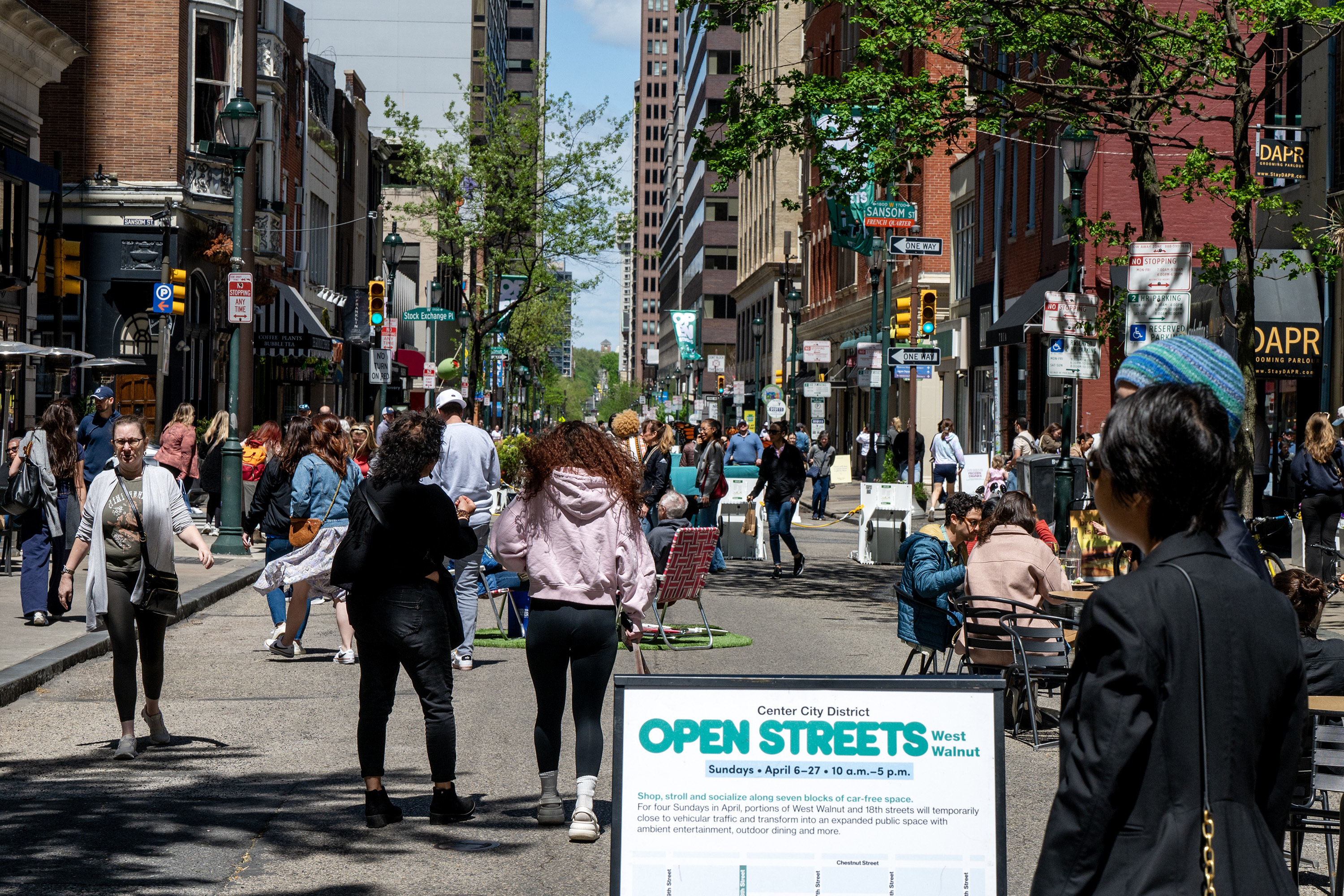
    The report once again highlighted the success of the Open Streets program, during which roads are closed to car traffic and become pedestrian walkways for shopping and dining. There have been 21 Open Streets events since its inception in September 2024, with more planned for December and next year.

    The events bring out more than 10,000 people on average, according to the report, and typically result in a 65% boost in businesses’ foot traffic and a 39% bump in sales volume.

    An Open Streets in April. There have been 21 Open Streets events since its inception in September 2024, with more planned for December and next year.

    Looking to the future, the district surveyed 700 Philadelphia renters to ask what types of retailers they’d like to see more of in Center City.

    “Downtown residents seek convenient access to everyday goods, full-service grocery stores and home furnishing options — all within walking distance,” district executives wrote in the report, noting that these types of businesses could fill vacancies in office buildings or in the concourse around Suburban Station.

    “CCD looks forward to convening office district stakeholders in 2026 to discuss a coordinated retail attraction strategy that could reposition the office district as a place to accommodate many of the retailers Center City is currently missing.”

    Editor’s note: A previous version of this story included an incorrect comparison between 2025 and 2024 for occupancy on Market Street.

  • Record U.S. Black Friday crowds will likely find fewer bargains amid high prices

    Record U.S. Black Friday crowds will likely find fewer bargains amid high prices

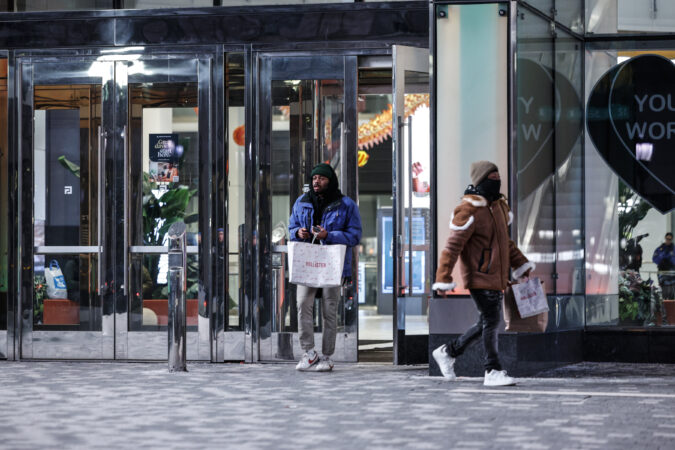
    NEW YORK — Unprecedented numbers of Americans are expected to hit stores this Black Friday, but they are likely to curtail their spending as they find fewer bargains from tariff-hit retailers.

    Marking the biggest turnout ever for the five-day stretch between Thanksgiving and Cyber Monday, 186.9 million people will shop, up from 183.4 million last year, the National Retail Federation projects. But sales growth for the last two months of the year, crucial for retailers, is expected to slow.

    “Everything seems to be way more expensive” at malls, said Kate Sanner, a New Yorker who runs an online aggregator for secondhand listings. Last year, Sanner, 33, spent around $500 on gifts, but this season she plans to trim her budget to $300, eschewing most Black Friday discounts for targeted deals on specific products.

    Thanksgiving falls on Nov. 27 this year, giving retailers an extra day in the holiday window, which typically accounts for a third of annual profits. Retailers have launched early promotions to lock in sales: Walmart’s began on Nov. 14 and will run in three phases through Dec. 1, with Walmart+ members getting early access. Amazon started its Black Friday deals week on Thursday, while Macy’s has opened a dedicated Black Friday portal.

    Sales in November and December — in physical stores and online — are forecast to top $1 trillion for the first time, rising between 3.7% and 4.2%, but are likely to grow at a slower pace than last year’s 4.8% gain, NRF projections show.

    Shoppers avoid dipping into savings for purchases

    While the sticker shock alone could deter some buyers, others are budgeting for the increased costs of other necessities.

    “Knowing that our healthcare premium bill is going to jump astronomically in 2026 … all of our discretionary spending has dropped significantly,” said Liz Sweeney, founder of marketing agency Dogwood Solutions, who lives in Boise, Idaho.

    “While we spent close to $2,000 on gifts in 2024, our 2025 budget is $750,” said 52-year-old Sweeney, who is skipping electronics and big buys this year, sticking to shoes, books, and kitchenware.

    Shoppers still have plenty in the bank, with households across all income levels holding more deposits than they did in 2019, before the COVID-19 pandemic, November data from Bank of America data shows. Consumers were also not using a significant portion of their savings, the data showed.

    “Consumers are sentimentally weak and fundamentally sound,” said Mark Mathews, the NRF’s chief economist. “U.S. household balance sheets are still strong.”

    The federation estimates average spending on gifts and seasonal items such as decorations, cards, food and candy will reach $890 per person, slightly less than last year’s $902. Nearly two-thirds of the 8,427 consumers polled say they will wait for Thanksgiving weekend deals, up from 59% in 2024, with older shoppers driving the trend.

    ‘Definitely seen fewer promotions’

    “Knowing when is the right time to buy this year is more difficult,” said Edgar Dworsky, founder of Consumer World, who tracks holiday pricing. “With so many pre-Black Friday sales, there are no assurances the same deals will be offered again on the real Black Friday or that popular items will still be in stock.”

    Historically, Dworsky said, stores such as Kohl’s, JC Penney, and Macy’s offered small kitchen appliances for as little as $5 after some combination of sales prices, percentage-off coupons, and mail-in rebates, but many of those discounts have disappeared. Kohl’s, for instance, is offering toasters, blenders, and electric frying pans for $9.99 without a rebate but with a coupon for 15% off this year, he said.

    “I’ve definitely seen fewer promotions this year both in-store and online. The first two weeks of November usually bring some activity — though in recent years the discounts haven’t been very deep — but this year there’s been very little and much more full price,” said Jessica Ramirez, who runs brand consultancy the Consumer Collective.

    “When promotions do show up, they’re spot promotions, meaning they aren’t set and don’t last long,” she added.

    While some retailers appear to be pulling back on promotions, Walmart is teasing some aggressive price cuts for Black Friday.

    Some of Walmart’s featured deals include an 85-inch TCL Roku TV, originally priced at $678, marked down to $498 for Black Friday, according to a Reuters review of the retailer’s website. Last year, Walmart highlighted a $120 discount on a 75-inch Vizio TV. This year’s lineup also features a Blackstone outdoor grill offered at $157, reduced from its list price of $224.

  • Temple Health says its new medical malpractice strategy is working

    Temple Health says its new medical malpractice strategy is working

    Temple University Health System‘s medical malpractice expenses have surged in the two years that ended June 30 as part of a campaign to reduce financial risk by settling old cases.

    The hope is that “aggressively” settling cases will pay off over the next few years by reducing medical malpractice expenses, Michael DiFranco, the health system’s chief accounting officer, told investors during a conference call last week on the health system’s fiscal 2025 financial results.

    Temple Health has 12,000 faculty members and employees who work mainly on five hospital campuses. Its fiscal 2025 revenue was $3.3 billion.

    Temple’s annual medical malpractice expenses increased nearly fourfold, to $117.8 million in fiscal 2025 from $31.6 million two years ago. Over the same period, it cut its reserves for future expenses by $88 million, or 22%. Temple’s reserves peaked at $402.9 million in 2023.

    Rising medical malpractice costs are reverberating throughout healthcare. Tower Health recently boosted its reserves after its auditor decided they should be higher to deal with anticipated claims. Lifecycle Wellness, a birth center in Bryn Mawr, blamed its decision to stop delivering babies in February in part on rising medical malpractice costs.

    The average number of medical malpractice lawsuits filed in Philadelphia every month has risen from 34 and 35 in the two years before the pandemic to 51 last year and 52 so far this year, according to the Philadelphia Court of Common Pleas. In additional to lawsuits against hospitals, the tally includes litigation against physicians, nursing homes, and other healthcare providers.

    Contributing to the increase was a rule change at the beginning of 2023 that allowed more cases to be filed in Philadelphia rather than the county where an injury occurred. Malpractice lawyers say they like to file in Philadelphia because the system for trying cases is efficient. Health systems often note that Philadelphia juries sometimes award large verdicts.

    A ‘wake-up call’ at Temple

    Temple Health started rethinking its medical malpractice strategy after John Ryan started as general counsel in January 2022. A month before he started, The Inquirer published an article about three suicides at Temple Episcopal Hospital in 2020. At least two of the families sued Temple.

    “That was a wake-up call,” Ryan said in a recent interview on his approach to handling malpractice cases.

    Then in May 2023, a Philadelphia jury hit Temple with a $25.9 million verdict in a case involving a delayed diagnosis of a leg injury leading to an amputation.

    After that loss, Temple changed the kinds of outside lawyers it hires to defend it in malpractice cases, Ryan said, swapping medical malpractice specialists for commercial litigators from firms like Blank Rome, Cozen O’Connor, and Duane Morris. Such lawyers cost more, but it’s paying off, he said.

    “The settlements we’re getting from the plaintiff lawyers, because they can see that we’re serious, are much better,” Ryan said. The two Episcopal cases were settled this year for undisclosed amounts, according to court records. A birth-injury lawsuit against Temple University Hospital in federal court settled for $8 million this month.

    In 2024, a jury awarded $45 million to a teen who was shot in the neck and suffered brain damage from aspirating food soon after his release from Temple. Temple appealed and the judge who oversaw the original trial ordered a new one. That case then settled at the end of October for an undisclosed amount.

    The new approach has helped Temple reduce the number of outstanding cases at any one time to 65 or so now compared to 110 three years ago, according to Ryan.

    Temple is using the money it is saving on malpractice costs to invest in better and safer care, Ryan said. “That’s not a byproduct of all we’re trying to do as the lawyers. It’s the goal,” he said.

    Inquirer staff reporter Abraham Gutman contributed to this article.