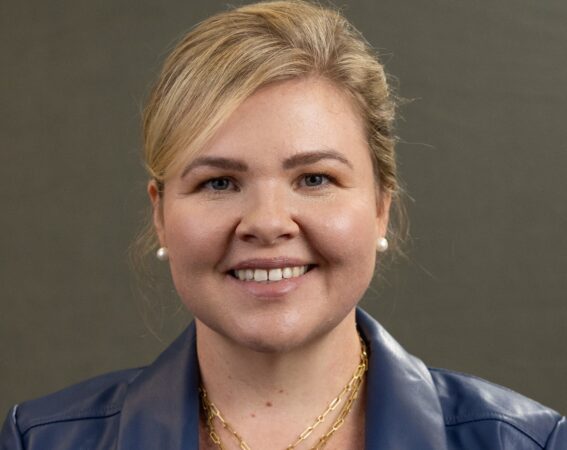
Bayada Home Health Care, a Moorestown nonprofit that is one of the nation’s largest providers of home health and related services, appointed Bryony Winn as its next CEO, Bayada announced Thursday.
When she takes over March 2, Winn will be the first outside CEO of the organization that was founded in 1975 by entrepreneur J. Mark Baiada. He turned the company into a nonprofit in 2019.
Winn will succeed the founder’s son, David, who has been CEO for eight years.
Until this month, Winn was president of Caralon, a unit of health insurer Elevance that provides assorted services, including prior authorizations, to other health plans. Before that, she worked at Blue Cross Blue Shield of North Carolina and as a consultant at McKinsey & Co.
“Leading an organization like Bayada is the opportunity of a lifetime,” Winn said. “It’s a special organization that makes a real, tangible impact on people and health worldwide. I can’t wait to get started.”
Until Winn arrives, David Baiada will remain CEO, and then will join the organization’s board of directors and act as an adviser to Winn.
Bayada had roughly $2 billion in annual revenue last year, the organization said. In addition to traditional home healthcare, Bayada offers private-duty nursing and hospice care.
In June, Bayada laid off about 10% of the staff in its Pennsauken offices, where back-office and other services are provided for the entire company. Bayada employs more than 30,000 people.
The mall’s current owner, PREIT, plans to sell the property to LA Partners, previously known as Lubert Adler Real Estate Funds, PREIT leadership confirmed Thursday, noting that the sale is still pending. PREIT did not disclose the price of the sale.
PREIT, which is based in Philadelphia, also sold the Exton Square Mall to Abrams Realty & Development in March. PREIT also owns the Cherry Hill and Moorestown Malls.
PREIT CEO Jared Chupaila said in a statement that the sale reflects the company’s “commitment to disciplined balance sheet management and liquidity generation.”
“We believe LA Partners is uniquely positioned to build on the multipurpose hub we have laid the groundwork for, which has long served as a central part of Plymouth Township and the surrounding communities,” said Chupaila.
PREIT has faced financial challenges in recent years. The business has filed for bankruptcy twice since 2020, and most recently emerged from bankruptcy as a private company in 2024 helmed by a group of investment firms.
The Plymouth Meeting Mall, for its part, has tried to undergo a makeover in the last few years, following the 2017 closure of its anchor, a215,000 square-foot Macy’s. Amid PREIT’s plans to “diversify the tenant mix” at the mall, nearly half the tenants there were either dining or entertainment businesses in 2018.
Lubert Adler’s other properties include the Bellevue in Center City, which recently underwent extensive renovations, and the Battery, a former power plant in Fishtown redeveloped into a multipurpose complex.
A spokesperson for LA Partners did not immediately respond to a request for comment Thursday.
Peter Abrams, managing partner for Elkins Park-based Abrams Realty & Development, said the Plymouth Meeting Mall site “is the best-located large parcel of real estate in the Delaware Valley.”
“There’s a lot of dead and dying malls in this country, and some of us, like myself and Dean Adler, understand the opportunity and aren’t afraid of the challenges, which are many,” said Abrams, who is behind proposed development plans at the Exton Square Mall.
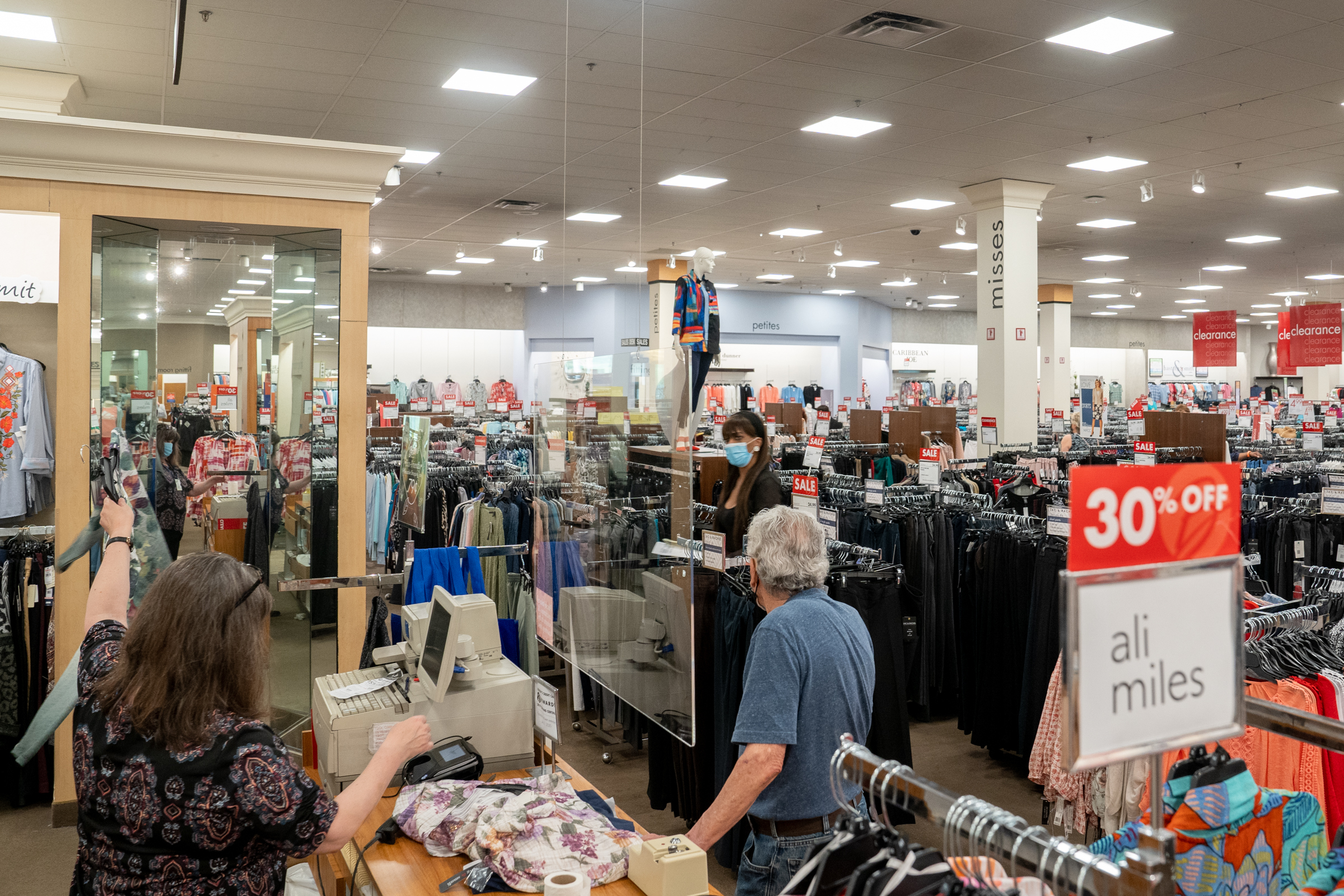
Boscov’s at Plymouth Meeting Mall on June 6, 2020.
Consumers had already been shifting toward e-commerce before the pandemic. But as COVID forced nationwide shutdowns in 2020, some of PREIT’s tenants were forced to close, couldn’t pay rent, or didn’t want to, intensifying issues for the mall owner.
Prior to the pandemic, PREIT sold off malls and tried to transform others by adding supermarkets, movie theaters, and apartments.
Through the most recent bankruptcy process, PREIT shed $800 million in debt and gave up its stake in the Fashion District in Center City. When it emerged from bankruptcy last year, PREIT owned 13 malls across Pennsylvania, New Jersey, Maryland, and Virginia.
It’s a time of struggle and transition for many malls across the country, including several in the region that havesurvived beyond their heyday. In the Philadelphia suburbs, plans are in the works to redevelop mall sites including the Exton Square Mall and the former Echelon Mall in Voorhees.
It’s been 10 years since OpenAI was set up as a nonprofit by Sam Altman, Elon Musk, and other software developers and investors, friends, and rivals who didn’t quite trust each other to run a traditional for-profit business with explosive potential.
Delaware officials who monitor the state’s nonprofits took a particular interest as OpenAI became so valuable, and so contentious, that the San Francisco-based startup ballooned into an enterprise requiring multibillion-dollar investments and sought to restructure as a for-profit company.
“We realized building [artificial general intelligence] will require far more resources than we’d initially imagined,” the company wrote in an open letter last year, explaining its plans. In fact, OpenAI had set up for-profit affiliates at least as far back as 2019.
But the company said it needed more corporate flexibility if it was to bring in the billions needed to fund high-speed data centers full of Nvidia chips and other systems that could withstand intense AI searches and commands.
So it wasn’t surprising last year when OpenAI, which Altman runs, announced plans to raise billions of new dollars by ending its previous limits on investor profits — or that Musk, now owner of a competitor, X.AI, and others, promptly sued, challenging terms of their plan.
That’s when Delaware Attorney General Kathy Jennings, and California Attorney General Rob Bonta, stepped up.
Jennings and Bonta filed court papers challenging the proposed business structure — not to stop it, as Musk wanted, but to ensure that the public interest was somehow protected, so OpenAI wouldn’t stray from what the company has called its “save the world” mission.
A public-benefit corporation is a for-profit company but does not have the usual legal obligations to enrich investors before anything else, freeing directors to act in favor of public goals even if it hurts sales or profits.
A public-benefit corporation provides “a clear and durable vehicle” for companies whose goals go beyond shareholder gains, says Lawrence Cunningham, who runs the Weinberg Corporate Governance Center at the University of Delaware. “I like seeing it used in that way here.”
State intervention at the corporate-charter level “does not happen often” and usually involves questions about nonprofit hospitals’ business activities, said Mat Marshall, spokespersonfor Delaware AG Jennings.
Jennings hired lawyers from Manhattan-based Pillsbury Winthrop Shaw Pittman and financial analysts from Moelis & Co. to buttress the state’s fraud and consumer protection director, Owen Lefkon, in talks with OpenAI.
Delaware Attorney General Kathy Jennings at a December 2024 press conference.
What changes for OpenAI
At first, OpenAI planned to pay off its nonprofit obligations by leaving those to a large charitable foundation and then move forward as a typical for-profit company, still professing public goals but responsible to private investors.
Lawyers for the two states argued that the company’s public mission had to survive the restructuring.
OpenAI “is the world leader in the artificial intelligence industry,” but it needs guidelines as it funnels massive information about science, medicine, and communities to private, commercial, and government users, and power to “hold OpenAI accountable” for the safety of those whose information is raw material for AI, Jennings said in a statement.
The foundation also needed some way to keep control over the company, alongside its powerful new for-profit investors. The nonprofit has kept the power to name and remove board members for the business.
OpenAI’s Safety and Security Committee will remain in place, with “authority to oversee and review the safety and security processes and practices of OpenAI” and the companies it controls, even halting new AI systems if it finds them dangerous, or taking time to resolve ambiguities.
Zico Kolter, professor of machine learning at Carnegie Mellon University in Pittsburgh, will continue to head the safety committee, attend the corporation’s board meetings, and receive “all director information regarding safety and security.”
And the states will be given “advance notice of significant changes” in governance.
In a statement praising the new structure, OpenAI chair Bret Taylor, creator of Google Maps and a former Facebook and Twitter officer, acknowledged changing the plan in discussion with Delaware and California.
He said the parent, now called the OpenAI Foundation, will own around one-quarter of the business group. Outside investors include Microsoft, Japanese investor Softbank, company employees, and other investors, with room for more.
Besides keeping the business subordinate to the foundation’s mission, Taylor wrote that the foundation will set aside $25 billion: for “open-sourced and responsibly-built” health data sets to speed up diagnostics, treatments and cures; and to fund AI security to protect power grids, banks, governments, companies and individuals” from AI abuse.
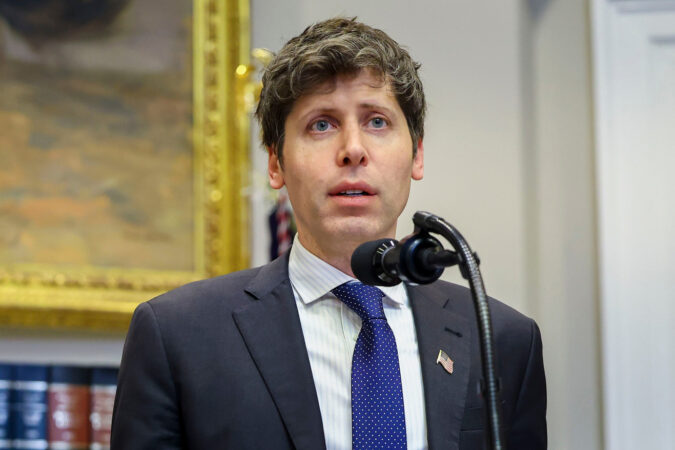
Microsoft Chief Technology Officer of Microsoft Kevin Scott, right, and OpenAI CEO Sam Altman at the Microsoft Build event in Seattle in 2024.
Microsoft has invested $11.6 billion in OpenAI over several years (and promised at least $1.4 billion more).
Thanks to exploding OpenAI sales and additional private investments, Microsoft says its investment is now worth $135 billion. That’s more than 10 times what the company paid. Microsoft is the largest OpenAI shareholder, with around 27%. .
Under a recent agreement following the restructuring, Microsoft said, OpenAI promises to buy another $250 billion in Microsoft Azure cloud networking and other services but also gains the right to form more partnerships with other companies.
The companies also enjoy a revenue-sharing agreement — the first time that’s been disclosed, according to McKenna and Usvyatsky — though details will have to wait for future disclosure.
The longest ever federal government shutdown is now in the rearview mirror, but not for federal workers.
With their jobs back to normal, some local federal employees said worries created by the shutdown remain — one said their credit score suffered, others noted their Thanksgiving tables will be less festive. And for many, another shutdown in a matter of weeks is a real concern.
Federal employees — whether furloughed or required to work during the shutdown — missed paychecks during the 43-day lapse in federal appropriations, the longest ever in United States history. Workers sought out food pantries, delayed payments on bills, and tried to make ends meet for their families ahead of the holidays.
“I will be paycheck to paycheck for the next couple of months maybe, before I can start accumulating my savings again,” said a Philadelphia Veterans Benefits Administration employee, who was working without a paycheck during the shutdown.
The Inquirer agreed to withhold the names of federal employees interviewed due to their fear of retaliation for speaking out. Despite workers beginning to receive retroactive paychecks from the shutdown, they spoke of lingering financial damage and worries that yet another lapse in funding could happen in just a couple of months.
The bill to end the shutdown, signed into law by President Donald Trump on Nov. 12, funds the government through Jan. 30. It includes protections for federal employees such as reversing layoffs that took place during the shutdown, and ensures back pay for all government workers throughout that time, which had been put into question by the Trump administration. And certain government agencies, such as Veterans Affairs, the Department of Agriculture, and the Food and Drug Administration, have been allocated a year’s worth of funding.
But after Jan. 30, if lawmakers once again fail to agree on keeping the government open, some federal workers could once again face a lapse in their pay.
“We’re bracing for Jan. 30,” said Philip Glover, national vice president of the American Federation of Government Employees District 3, the union that represents federal employees in Pennsylvania.
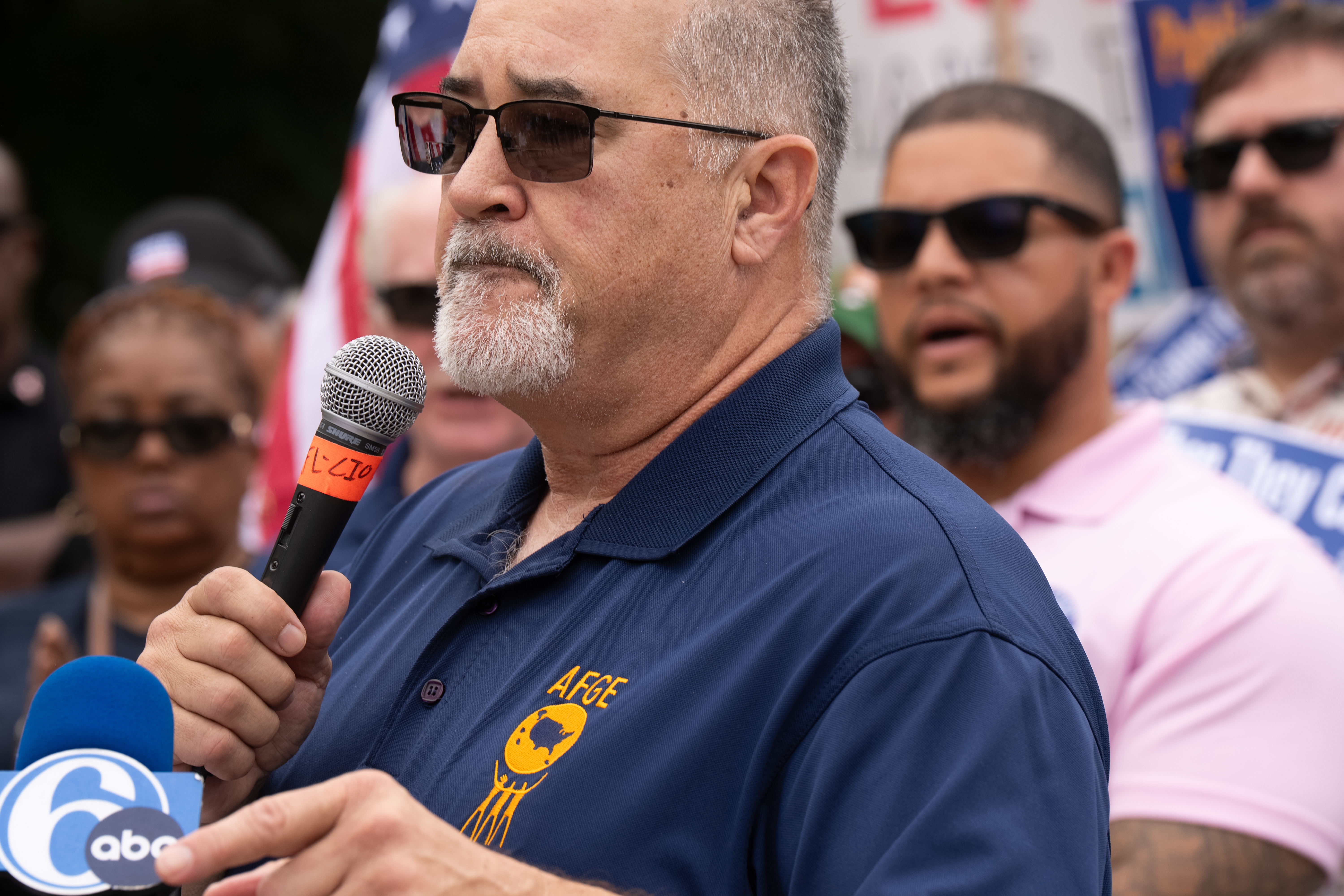
Philip Glover, AFGE District 3 national vice president, speaks at a news conference focused on federal workers amid the government shutdown, near the Liberty Bell on Oct. 7.
Federal workers have been “dealing with a layer cake of trauma,” said Max Stier, founding president and CEO of the Partnership for Public Service, a federal government management organization.
“This is not simply one incident, but it’s one on top of a bunch of them that this administration has put in their way,” Stier said.
The financial strain
At the Social Security Administration in Philadelphia a benefit authorizer said Monday that she and her coworkers had started getting their back pay, but she had already felt the impact of missing checks.
“We assumed we could just call and everybody would place everything on hold, and that was not the case,” said the Social Security employee.
The benefit authorizer had put her mortgage and car payments on hold, but some banks and utility companies weren’t as accommodating, and she accumulated overdraft fees from a credit union.
Her role required her to work through the shutdown without pay. (In Pennsylvania, furloughed workers may apply for unemployment benefits, but those who continue to work, even without pay, may not.) The benefit authorizer looked for additional work, unsure how long the shutdown would last. Some of her colleagues in Philadelphia picked up gigs with Uber, DoorDash, and Instacart, she said.
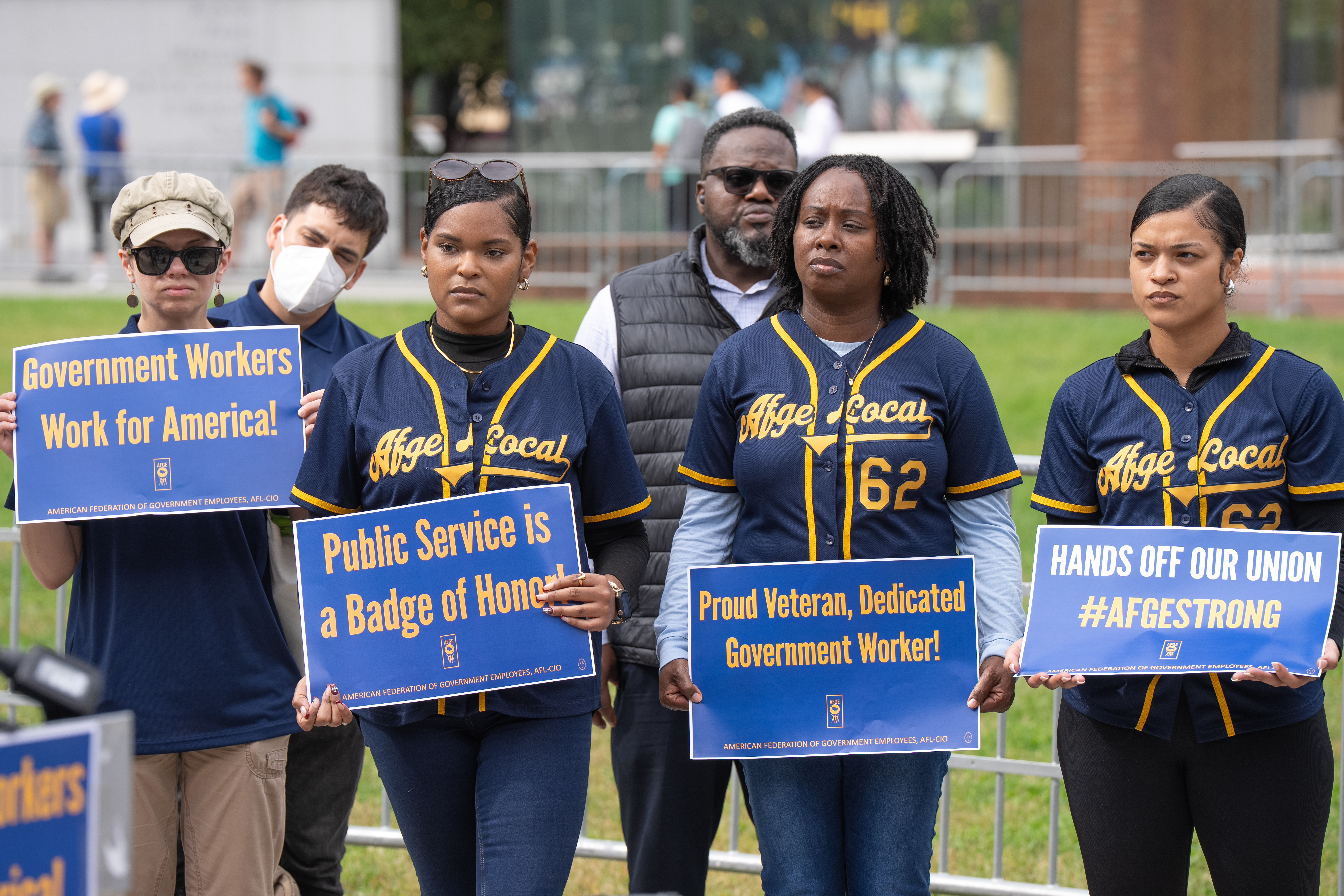
Union officials from AFGE gathered on Oct. 7 in front of Independence Hall to protest the government shutdown.
Another Philadelphia Social Security employee, who has been with the agency for 15 years, noted that some colleagues picked up night shifts at Amazon or work in home healthcare.
“People living paycheck to paycheck, they needed something to pay those bills that were absolutely essential that they had to pay,” the 15-year Social Security employee said.
For one federal employee from Central Jersey, 2025 already came with an unexpected career turn when they lost their job at U.S. Housing and Urban Development, as part of a mass layoff of probationary employees. They found a job at the U.S. Department of Commerce, in Virginia, which allowed them to support their mother and three kids back in New Jersey.
Wary of permanently moving to Virginia during such a volatile time in the federal workforce, the Commerce employee commutes eight hours by Amtrak twice a week and stays in a $200 per night hotel on workdays.
During the federal shutdown, the Commerce employee had to work without a paycheck. They used up their savings paying for the commute, hotel, and other expenses. Ultimately, they took out a bank loan to cover their expenses.
The government shutdown exemplifies a lack of stability in the workforce, the Commerce employee said. “To be honest, you feel unsafe all the time, and you feel like you’re not deserving that.”
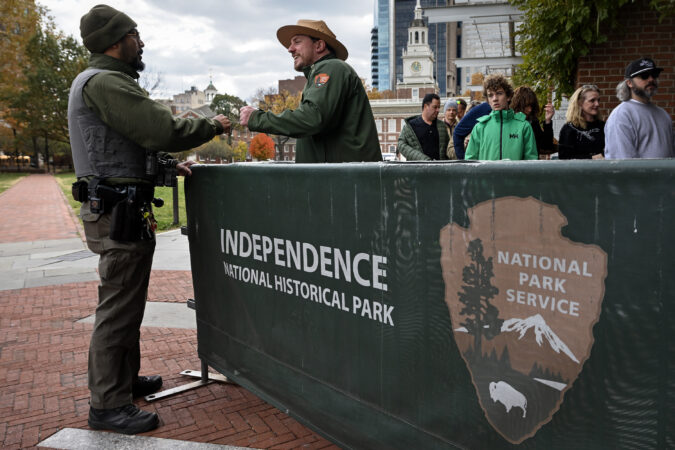
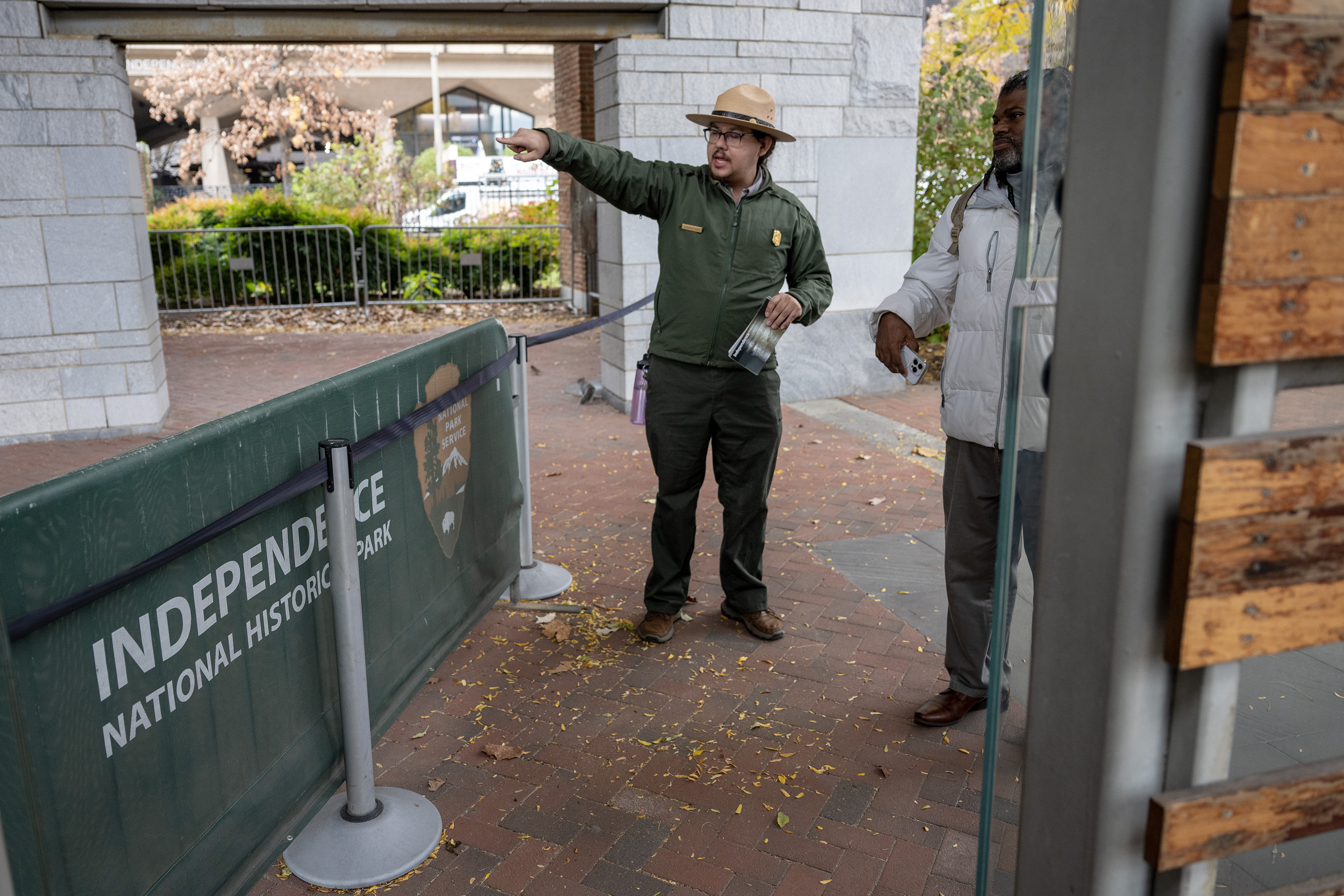
National Park Service ranger Christopher Acosta talks with tourists outside the Liberty Bell Center on Nov. 13 after returning to work from the shutdown.
Worries remain ahead of the holiday season
The Philadelphia VBA employee, who worked without pay during the shutdown, received their back pay Monday. The single parent said they were one more missed paycheck away from turning to food pantries and living off credit cards.
“Usually I’m the one donating around this time,” the employee said last week. “I usually adopt a family and provide them with the meal and then their gifts and stuff from our local community churches and outreach programs.”
Thanksgiving is the time they “splurge,” but now the shutdown has made them contemplate their finances. “I haven’t even thought about the process of even having a Thanksgiving dinner on the table because I didn’t want to spend the money,” the VBA employee said. By Christmas, they hope to be caught up on payments.
It’s a similar story for one Philadelphia VA Medical Center employee who worked without pay through the shutdown. Speaking days before the shutdown’s end, the employee said their credit score had taken a hit. They reached out to creditors and got some of their payments deferred, but relief won’t set in until the employee can catch up on their water, electric, gas, mortgage, and car bills.
A “big feast” for Thanksgiving is off the table. “You can’t do that now because you don’t have the funds,” they said.
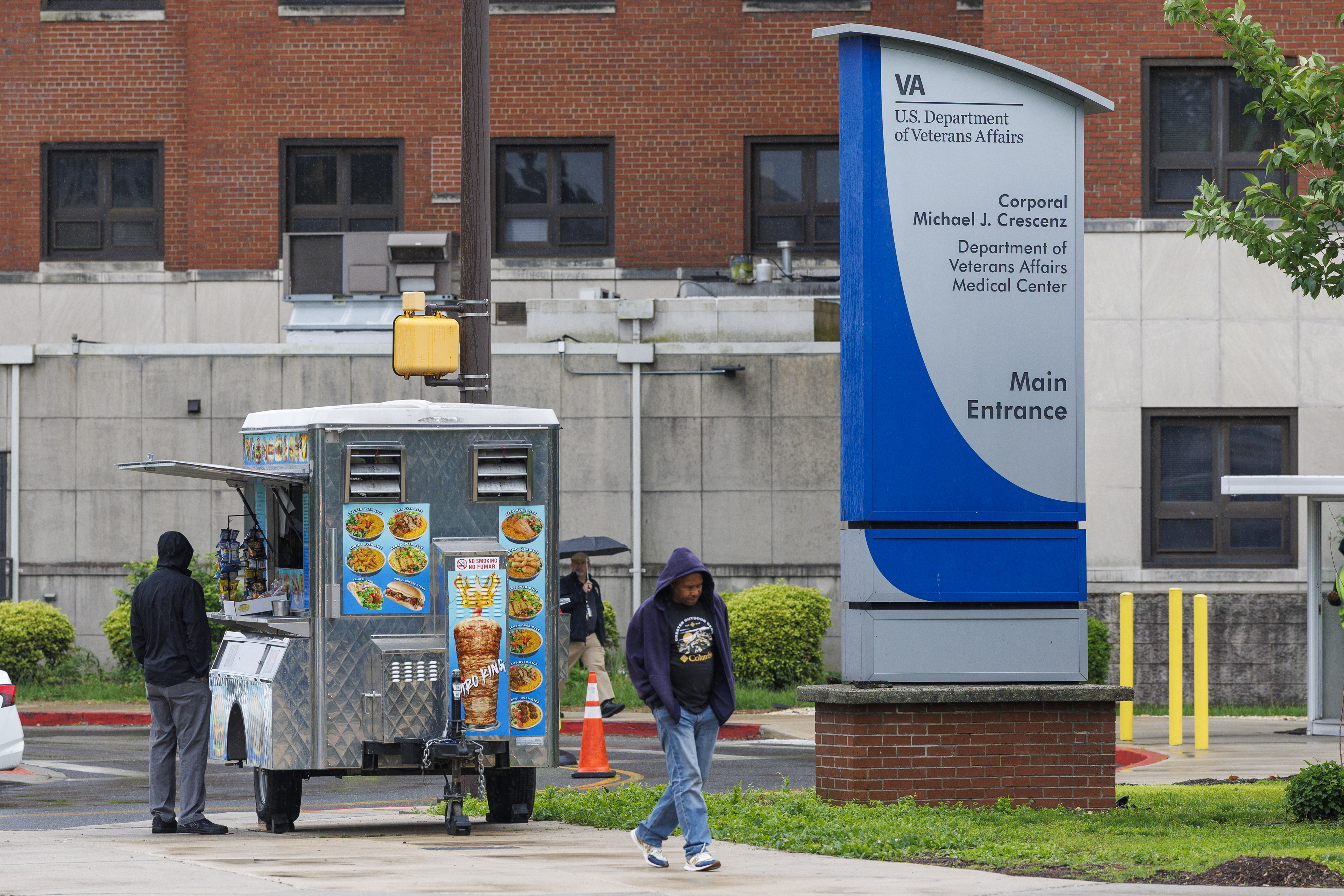
The Corporal Michael J. Crescenz Department of Veterans Affairs Medical Center in Philadelphia.
‘Fear of what’s to come’
Throughout the funding impasse, Philadelphia’s federal workers turned to each other for assistance.
At the VBA, supervisors set up a small food pantry several weeks into the shutdown. The VBA employee said that didn’t feel especially helpful. “That was our second paycheck missed, and that was the best that they could come up with,” the employee said.
“It’s business as usual in the eyes of the VA, and they expect us to work like nothing’s going on in our real lives.”
At the Social Security Administration, workers banded together to start an impromptu food pantry, the Philadelphia benefit authorizer said.
“Everything was taken. People needed it. People were really pinching pennies,” she said.
The national office of AFGE, the largest federal workers’ union, backed the deal to end the government shutdown. “Government shutdowns not only harm federal employees and their families, they also waste taxpayers’ dollars and severely diminish services depended on by the American people,” AFGE national president Everett Kelley said in a statement on Nov. 10.
But some thought it should have ended differently.
In the days leading up to the deal, dozens of AFGE Local 3631 members, who are employed at the Environmental Protection Agency, said in a local union survey that they did not want their local to support budget legislation such as what passed. Their concerns were with an expected rise in healthcare expenses across the country.
The union local had polled members at the end of October, according to local union officer Hannah Sanders. The survey got more than 100 responses, and over85% said the local should only support a deal if it preserved subsidies for Affordable Care Act healthcare plans and avoided cuts to Medicaid.
EPA workers and supporters gathered outside their office for a solidarity march around Philadelphia’s City Hall in March.
Sanders said there are few changes between the recently passed deal and the bill that could have averted the shutdown back in September. “We would have not had this shutdown, and people wouldn’t have, you know, gone without pay or gone without SNAP benefits and all these things. So it’s super frustrating to see that this is how it all resolved,” said Sanders.
Now, the benefit authorizer at the Social Security Administration says, people are concerned that another shutdown could be on the horizon come Jan. 30.
“We are in complete fear of what’s to come,” she said.
Here’s one thing to be grateful for this holiday season: A typical Thanksgiving dinner is more affordable this year than last, according to the American Farm Bureau Federation.
The average cost of a Thanksgiving feast for 10 people — including turkey, stuffing, sweet potatoes, rolls, peas, cranberries, a veggie tray, and pumpkin pie with whipped cream — will cost $55.18, or $5.52 per person, the group found.
That number varies by region. The Thanksgiving grocery haul was cheapest in the South, at $50.01, and most expensive in the West, at $61.75.
This is the third year in a row the price has declined after reaching a historic high of $64.05 in 2022.
The farm group, which has tracked Thanksgiving meal prices for 40 years, compiled data from grocery stores in all 50 states and Puerto Rico. It did not take into account promotional coupons or deals found online or in-store.
The star of Thanksgiving — the turkey, of course — helped bring down the overall cost of dinner this year. The average price of a 16-pound frozen bird decreased by 16 percent from last year to $21.50, or $1.34 per pound. The report said that its volunteers tracked prices during the first week of November but noted that grocery stores have been featuring Thanksgiving deals to draw in customers and are likely to lower prices further ahead of the holiday.
“Farmers are still working to rebuild turkey flocks that were devastated by avian influenza, but overall demand has also fallen,” Faith Parum, an economist at the American Farm Bureau Federation, said in a statement. “The combination will help ensure turkey will remain an affordable option for families celebrating Thanksgiving.”
Low wheat prices helped bring down the cost of items requiring flour, such as dinner rolls, stuffing mix and frozen pie crusts. But the cost of vegetables shot up, the farm group found. A a one-pound veggie tray of carrots and celery increased more than 60 percent, while sweet potatoes increased by 37 percent. The AFB attributed those increases to hurricane damage in North Carolina, the country’s largest producer of sweet potatoes, and possible supply-chain disruptions, such as from weather or labor shortages.
The Thanksgiving holiday comes right after more than 41 million people were left without food stamps this month because of the government shutdown. Many Americans are reporting higher grocery prices, while also feeling the financial pinch from increases in electricity bills and housing costs.
HARRISBURG — The U.S. Department of Energy said Tuesday that it will loan $1 billion to help finance the restart of the nuclear power plant on Pennsylvania’s Three Mile Island that is under contract to supply power to data centers for tech giant Microsoft.
The loan is in line with the priorities of President Donald Trump’s administration, including bolstering nuclear power and artificial intelligence.
For Constellation Energy, which owns Three Mile Island’s lone functioning nuclear power reactor, the federal loan will lower its financing cost to get the mothballed plant up and running again. The 835-megawatt reactor can power the equivalent of approximately 800,000 homes, the Department of Energy said.
The reactor had been out of operation for five years when Constellation Energy announced last year that it would spend $1.6 billion to restart it under a 20-year agreement with Microsoft to buy the power for its data centers.
Constellation Energy renamed the functioning unit the Crane Clean Energy Center as it works to restore equipment, including the turbine, generator, main power transformer, and cooling and control systems. It hopes to bring the plant back online in 2027.
The loan is being issued under an existing $250 billion energy infrastructure program initially authorized by Congress in 2022. Neither the department nor Constellation released terms of the loan.
The plant, on an island in the Susquehanna River just outside Harrisburg, was the site of the nation’s worst commercial nuclear power accident, in 1979. The accident destroyed one reactor, Unit 2, and left the plant with one functioning reactor, Unit 1.
In 2019, Constellation Energy’s then-parent company Exelon shut down the functioning reactor, saying it was losing money and Pennsylvania lawmakers had refused to subsidize it to keep it running.
The plan to restart the reactor comes amid something of a renaissance for nuclear power, as policymakers are increasingly looking to it to shore up the nation’s power supply, help avoid the worst effects of climate change, and meet rising power demand driven by data centers.
2026 Audi S3 Prestige vs. 2026 BMW 228 xDrive Gran Coupe: Battle of the little racers.
This week: Audi S3
Price: The 2025 starts at $48,700, according to the window sticker of the test model; the 2026 starts at $52,000.
Conventional wisdom:Car and Driver likes the “entertaining handling, responsive powertrain, sophisticated and luxurious interior.” They were less fond of the “limited trunk space,” that there was “some road noise at higher speeds,” and that it was “not quite as raucous as the RS3.”
Marketer’s pitch: “Upgrade the everyday.”
Reality: It depends where all you go every day.
What’s new: We’ve been exploring efficiency over the last two weeks with the Accord Hybrid and Prius Plug-In. The Prius had some kick, but the Audi and BMW really pack a punch.
The little Audi sedan (which the EPA surprisingly classifies as “midsize”) is the souped-up version of the A3. That’s not to be mistaken for the super souped-up version, the RS3. Just think of the abbreviations as “Speedy” and “Really Speedy.”
The sedan got a power boost and handling improvements for 2025. The 2026 carries on fairly unchanged.
Competition: In addition to the BMW 2 Series, there are the Acura Integra, Cadillac CT4, and Mercedes-Benz CLA.
The interior of the Audi S3 is comfortable when you’re riding up front, but not so much in the back row. The trunk helps teach how to travel light.
Driver’s Seat: At first sit, the S3 started off strong. I hopped inside and felt instantly smitten with the no-nonsense black Dynamica faux leather interior, the firm but mostly comfortable seat, the narrow fonts in the typeface.
Then I fired it up and heard the throaty exhaust recording that generally comes with Audi. But could this love last?
Up to speed: The S3 certainly can get a move on. It’s powered by a 2.0-liter turbocharged four-cylinder engine that creates 328 horsepower, a lot for a small sedan, which kicks it to 60 mph in 4.4 seconds, according to Audi.
Shifty: Audi has progressed even beyond its groundbreaking shift toggle switch and now has a shiny small shift mouse, for lack of a better term. Hold two fingers over it and push forward for Reverse and back for Drive. Kinda cool.
You can shift the 7-speed automatic through the paddles, but with a vehicle as quick as the S3 you need to be in second gear before you finish rounding the corner at an intersection, so good luck finding the toggle. Here’s where a gearshift would come in handy.
On the road: The S3 dazzles. It corners impressively and takes on country roads with a sense of wild abandon. What’s to prevent everyone from racing around the world like maniacs in this sedan?
But what the Quattro all-wheel-drive system giveth, the suspension taketh away. The S3 starts to lose its charm on the highways; road seams and pocked road surfaces really jolt the little sedan abruptly. Be sure to check your dental plan before purchasing.
Friends and stuff: You won’t squeeze much of either inside, friends nor stuff, not with this leg room, that hump, or the trunk. Feet and legs are pretty smushed.
Farther back, the trunk seemed to identify as bigger but it’s rated at a snug 8.3 cubic feet, closer to a Miata (4.59) than a Civic (14.8). The rear seat does fold down, making things a little better.
Play some tunes: Sound from the Sonos premium sound system is awesome — an A+. There’s a heavy echo in the surround sound, but I decided to live with it, as it only interfered with a few songs.
Operation is all through the touchscreen. In a depressing application of function following form, the forward-reverse-volume controls live on a little round button on the console that matches the engine Start button. Beautiful to look at; disturbing to operate.
I always love the Google Earth feature in Audi maps; it makes driving around quite scenic. Although so is looking at the actual road.
Keeping warm and cool: The heater features a row of toggles that you push to lower and pull to raise. Somehow, though I’ve seen various toggles in different vehicles and they worked well, these black toggles felt hard to operate and distracting from the road.
The blowers are also right in the driver’s face, which I was less enthusiastic about; there was no real way to send the air away from me.
Fuel economy: I averaged about 24 mpg in a lively week of testing; every red light was an acceleration test. About 100 of those miles were there before me.
Where it’s built: Ingolstadt, Germany. Just over half the parts hail from Germany as well (51%), and a mere 1% come from the U.S. or Canada.
How it’s built: The less-fun A3 rates a 3 out of 5 from Consumer Reports for reliability, so that likely applies to the S3 as well.
In the end: If your every day involves lots of highway, maybe this isn’t the choice.
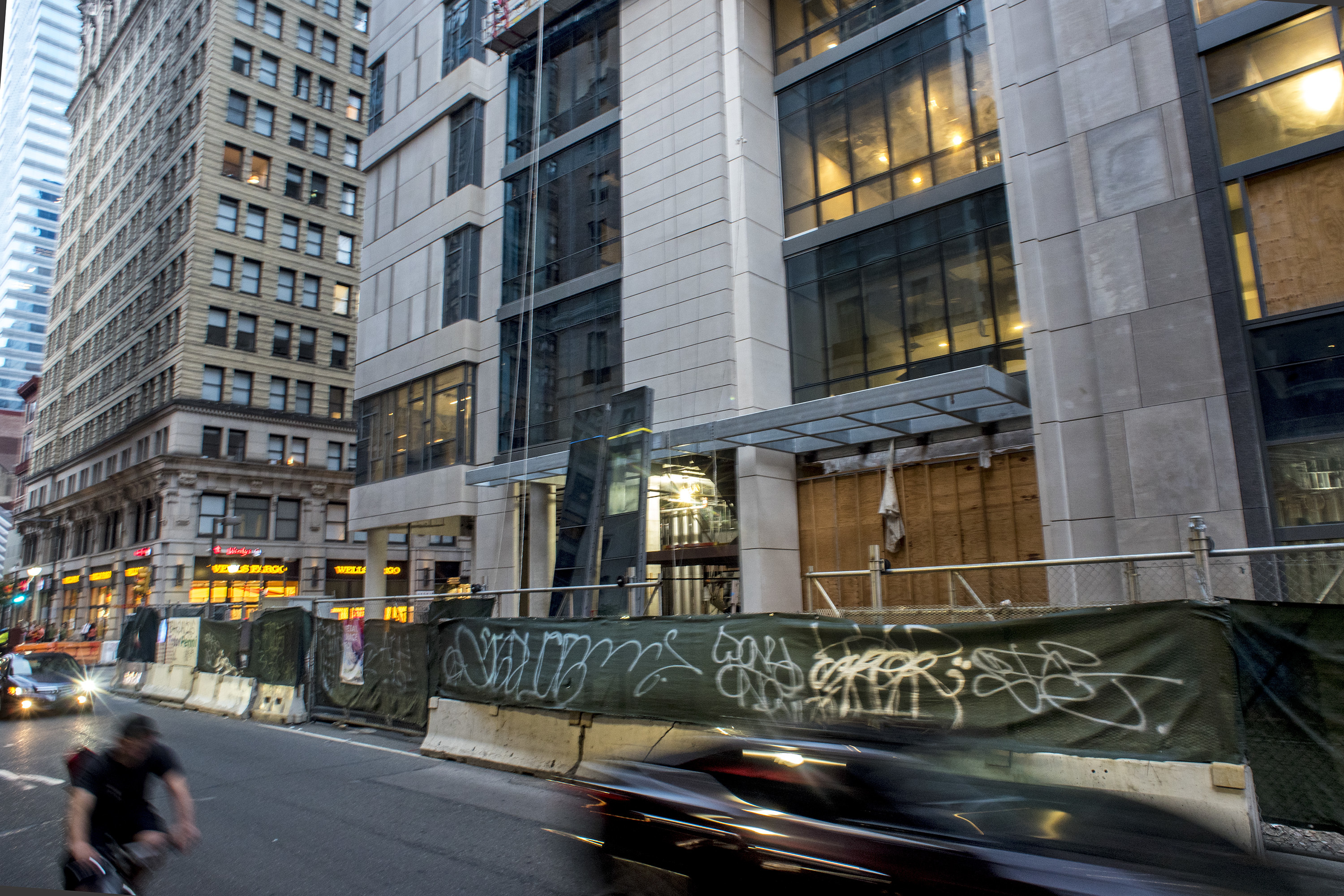
When a Marriott representative visited the construction site of the W Philadelphia hotel in Center City in January 2019, months after the project should have been completed, the concrete floors were so uneven that a pen placed on the ground rolled downhill.
The construction of Philadelphia’s largest hotel, home of the W and the Element, both part of the Marriott umbrella, began in 2015 and had a strict 2018 deadline for completion. Delays led to an avalanche of nearly 30 lawsuits with the site’s owner, construction contractor, and design company pointing fingers at each other.
The W, which comprises 295 rooms of the 51-story building, eventually opened in 2021, roughly three years late.
Bringing to a close 25 of the lawsuits, a Philadelphia judge issued a 69-page memo last weeklaying out the saga and finding the construction company responsible for the project going “off the rails.”
Common Pleas Court Judge James Crumlishfound that the construction contractor, Tutor Perini Building Corp., subcontracted the concrete work to a company that botched the job. And despite knowing about the problems, which were detrimental to the entire project, Tutor denied the issues for months.
The judge’s finding comes after trial testimonies that took five months as the parties “turned this litigation into a challenging behemoth that made any effort at resolution impossible,” Crumlish wrote.
A yearslong saga
The saga began when Chestlen Development LP, the owner of the site, picked Tutor as the construction manager. The agreement capped the cost of construction at $239 million and required completion within 1,017 days after April 2015.
An attorney for Tutor did not respond to a request for comment.
From the outset, Tutor suffered “chronic turnover of its personnel,” the judge wrote, resulting in the loss of “institutional knowledge of key decisions.”
Tutored subcontracted the concrete work to Thomas P. Carney Inc. Construction, a Bucks County company.
When a different subcontractor, Ventana DBS LLC, began installing the wall-window systems, they immediately noticed a “big problem,” according to the judge’s memo. In many places the concrete wasn’t level or did not meet the elevation requirements in the design.
Tutor pushed back, denying that there was a problem, while quietly attempting to grind the edges of the concrete slabs to address the issue.
While denying the problem, Tutor hired outside advisers to evaluate the concrete work. But they confirmed the problem too.
Finally, in March 2018, Tutor shared the outside reports that acknowledgedCarney’s shoddyconcrete work with Chestlen’s representative for the project.
As summer 2018 began, it was clear that the project would not be completed on deadline.
In September 2018 Tutor asked Chestlen for an extension, which the owner rejected, saying the request came “months if not years after some of the concrete issues started to become apparent,” according to Crumlish’s memo.
The remediation of the floor began in April 2019 andwas completed in October.
The sidewalk area of W Philadelphia and Element Philadelphia Hotel under construction, looking northwest along the 1400 block of Chestnut Street July 2, 2019.
The building finally obtained a certificate of occupancy in April 2021. But Marriott couldn’t open the W until August because over a hundred window vents were inoperable because Tutor failed to follow the design.
“Tutor knew that the floors did not meet specifications but did not timely disclose its knowledge to Chestlen or consult with it,” Crumlish wrote. The judge further found that Tutor refused to work with contractors to remediate the problems in 2017 and 2018, and proceeded to install interiors over the deficient concrete floors.
The blame game
Throughout the litigation, the parties all blamed one another for various problems and aspects of the delay.
Costs and liens piled up.
Chestlen paid Tutor $239 million for the construction, accrued over $40 million in damages as set in its contract with Tutor, and paid tens of millions to remediate the floors. The property is “clouded with over $155 million in liens,” according to the judge’s memo.
Crumlish concluded that Tutor breached its contract when it failed to oversee the concrete work and the window-wall installation, and generally didn’t fulfill its obligations.
“Every delay in the performance and completion of the project is the responsibility of Tutor and Carney,” the judge said. The judge will decide on the amount of damages following hearings scheduled for January.
Chestlen’s attorney was unavailable to provide comment. Carney did not respond to a request for comment.
The W hotel is located where One Meridian Plaza used to be, before that building suffered a devastating fire in 1991 and was finally demolished in 1999.
Filling the vacant lot, a mere block from City Hall, became a top priority for policymakers during Mayor Michael Nutter’s time in office. The hotel proposal eventually received $75 million in taxpayer support across local, state, and federal funding sources in addition to other legislative assistance.
The project was developed by Brook Lenfest, son of the former Inquirer owner H.F. “Gerry” Lenfest, whose foundation continues to own the newspaper today.
Philadelphia is the newest destination forLilly Gateway Labs, an incubator for early-stage biotech companies backed by pharmaceutical giant Eli Lilly & Co., the companyannounced Wednesday.
The Center City incubator will be Lilly’s fifth in the United States. Biotech hotbeds Boston, South San Francisco, and San Diego already have them. (South San Francisco has two.) Companies at those locations have raised more than $3 billion from investors since the program started in 2019, Lilly said.
Lilly’s Philadelphia operation will occupy 44,000 square feet on the first two levels of 2300 Market St. in Center City.
Lilly expects to house six to eight companies there, aiming to welcome the first startups to the site in the first quarter of next year, said Julie Gilmore, global head of Lilly Gateway Labs. She did not identify prospects.
Typically, Gateway Labs residents are at the stage of raising their first significant round of capital from investors, called Series A, and are two or three years from clinical testing, she said.
The arrival of high-profile Lilly, which has seen resounding success with its GLP-1 drugs for diabetes and weight loss, could turn out to be a shot in the arm for a local biotech scene. Philadelphia has a growing biotech sector but has lagged places like Boston, despite the presence of world-class scientists atlocal research universities.Their work has fueled groundbreaking discoveries in cell and gene therapy, as well as vaccines.
But Lilly is interested in supporting ideas that go beyond the city’s cell and gene therapy strengths, said Gilmore. Gateway labs is part of Lilly’s Catalyze360 Portfolio Management unit, which provides broad support to fledgling biotech firms, including venture capital.
“What we like is to go after innovative science. Who are the companies trying to solve really hard problems?” Gilmore said. “And we do know that Philadelphia has had a ton of success in gene therapy and CAR-T and I hope we can find some great companies in that space, but we’re going to be open to other types of innovative science as well.”
Expanding Philly’s life sciences footprint
Indianapolis-basedLilly already has a small presence in Philadelphia with Avid Radiopharmaceuticals Inc., a company it acquired in 2010. Avid still operates in University City. Lilly’s chief scientific officer, Daniel Skovronsky, founded Avid in 2004 after receiving a doctorate in neuroscience and a medical degree from the University of Pennsylvania.
Lilly is interviewing people to lead Philadelphia’s Gateway Labs location. They like to hire people who are familiar with the local universities and venture funds for those jobs, but that’s not all that matters. “We’re also looking for somebody who’s got deep drug development expertise,” Gilmore said.
Lilly’s incubator adds to the life sciences activity at 23rd and Market Streets.
Breakthrough Properties, a Los-Angeles-based joint venture of Tishman Speyer and Bellco Capital, announced plans for the eight-story, 225,000 square-foot building in 2022. Last week, Legend Biotech, which is headquartered in Somerset, N.J., celebrated the opening of a new cell therapy research center on the building’s third floor.
Lilly Gateway Labs companies agree to stay for at least two years, and they can apply for up to another two years, Gilmore said.
“The goal is, a company moves in and they can just worry about their science, worry about their team, and moving their mission forward, and we try to take care of everything else,” she said.
Roblox is stepping up its age-verification system for users who want to chat with other players and implementing age-based chats so kids, teens, and adults will only be able to communicate with people around their own age.
The moves come as the popular gaming platform continues to face criticism and lawsuits over child safety and a growing number of states and countries are implementing age-verification laws.
The company had previously announced the age-estimation tool, which is provided by a company called Persona, in July. It requires players to take a video selfie that will be used to estimate their age. Roblox says the videos are deleted after the age check is processed. Users are not required to submit a face scan to use the platform, only if they want to chat with other users.
Roblox doesn’t allow kids under 13 to chat with other users outside of games unless they have explicit parental permission — and unlike different platforms, it does not encrypt private chat conversations, so it can monitor and moderate them.
While some experts have expressed caution about the reliability of facial age-estimation tools, Matt Kaufman, chief safety officer at Roblox, said that between the ages of about 5 to 25, the system can accurately estimate a person’s age within one or two years.
“But of course, there’s always people who may be well outside of a traditional bell curve. And in those cases, if you disagree with the estimate that comes back, then you can provide an ID or use parental consent in order to correct that,” he said.
After users go through the age checks, they will be assigned to age groups ranging from under 9, 9 to 12, 13 to 15, 16 to 17, 18 to 20, and over 21. Users will then be able to chat with their age group or similar age groups, depending on their age and the type of chat.
Roblox said it will start enforcing age checks in Australia, New Zealand, and the Netherlands in the first week of December and the rest of the world in early January.
A growing number of tech companies are implementing verification systems to comply with regulations or ward off criticism that they are not protecting children. This includes Google, which recently started testing a new age-verification system for YouTube that relies on AI to differentiate between adults and minors based on their watch histories. Instagram is testing an AI system to determine if kids are lying about their ages.
“While we welcome the new age ID measures as a step forward, it remains to be seen how effective it will be and whether Roblox will stay the course on a voluntary measure once public scrutiny fades,” said Shelby Knox, director of online safety campaigns at the advocacy group ParentsTogether. “We have to remember this comes from a platform that has historically been slow to address systemic predatory behavior despite being marketed to and used by very young children.”