Category: Retail

  • Wawa has expanded far beyond Philly. But hometown fans still fuel the chain’s success

    Wawa has expanded far beyond Philly. But hometown fans still fuel the chain’s success

    Wawa customers have been able to order roasted chicken on sandwiches, salads, burritos, and more since summer 2024. Hoagie-loving Philadelphians may scroll past the high-protein option on Wawa’s trademarked built-to-order screens, while others tap its icon instinctively in their rush to order lunch.

    Wawa CEO Chris Gheysens said he sees the chicken breast differently.

    From idea to inception, “that was a labor of love for quite a long time,” Gheysens said in a recent interview. “It’s 37 grams of protein, something consumers are really looking for today.”

    And, he added, “it’s still highly customizable, which our customers love doing at Wawa.”

    To Gheysens, the menu addition shows how the Delaware County-based company responds to consumer demand. Just as it did decades ago when Philly-area store managers began brewing coffee for customers on the go, and in 1996, when Wawa executives decided to start selling gasoline.

    Even now, with nearly 1,200 stores in 13 states and Washington, D.C., Wawa is still listening to consumer feedback, Gheysens said. And despite expanding as far away as Florida and Kentucky, the CEO said, the convenience-store giant remains especially in tune with its hometown fans.

    “For a lot of people, it’s their daily routine,” said Gheysens, a South Jersey native. “It becomes a part of their neighborhood. It’s a relationship that’s built on consistency, on trust” — and on getting customers out the door in five minutes or less, depending on the time of day.

    (function() { var l = function() { new pym.Parent( ‘wawa-stats__graphic’, ‘https://media.inquirer.com/storage/inquirer/ai2html/wawa-stats/index.html’); }; if(typeof(pym) === ‘undefined’) { var h = document.getElementsByTagName(‘head’)[0], s = document.createElement(‘script’); s.type = ‘text/javascript’; s.src = ‘https://pym.nprapps.org/pym.v1.min.js’; s.onload = l; h.appendChild(s); } else { l(); } })();

    Customers say they are drawn to the homegrown chain for its convenience, consistency, quality, and wide-ranging menu of grab-and-go and made-to-order items (even though some miss the old Wawa delis where lunch meat was sliced on the spot).

    In Runnemede, 78-year-old Barbara MacCahery said she goes to her local Wawa at least a couple of times a week — “sometimes for breakfast, sometimes for a sandwich, a lot of times for coffee.”

    In MacCahery’s mind, she said, the chain has proven itself time and time again for decades: “It’s very rare that you’ll have a bad experience.”

    Wawa’s ‘secret sauce’ for success
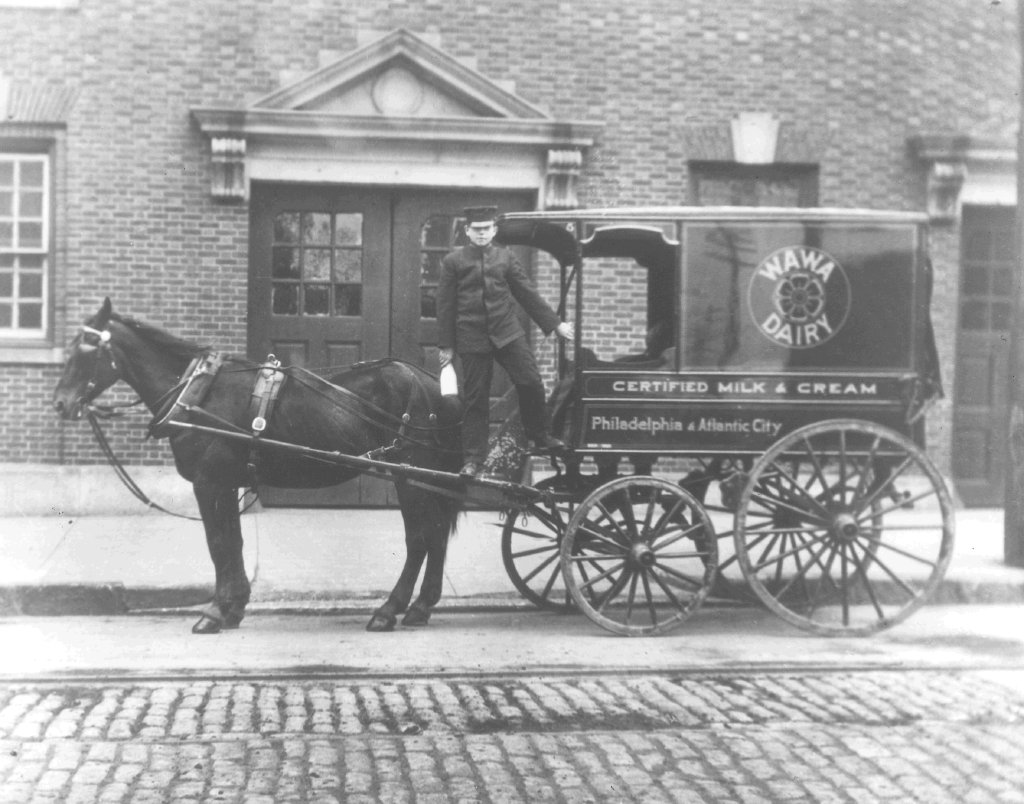
    More than 100 years ago, Wawa started out as a dairy, delivering milk to Philadelphia-area households.

    Wawa has set a national standard for success in the convenience-store industry, said Z. John Zhang, a marketing professor at the Wharton School of the University of Pennsylvania.

    “It really is some kind of a secret sauce,” said Zhang, who studies retail management. “For many people, Wawa has become a destination store,” one that combines “speed, customization, and perceived high quality” with near-constant availability — many Wawa stores are open 24/7.

    The company got its start as a dairy, delivering milk to Philly-area households. In 1964, it opened its first store in Folsom. Soon, the family-owned company expanded into New Jersey and Delaware, and established a reputation for quality and speed, with slogans like “People on the Go — Go to Wawa Food Markets.”
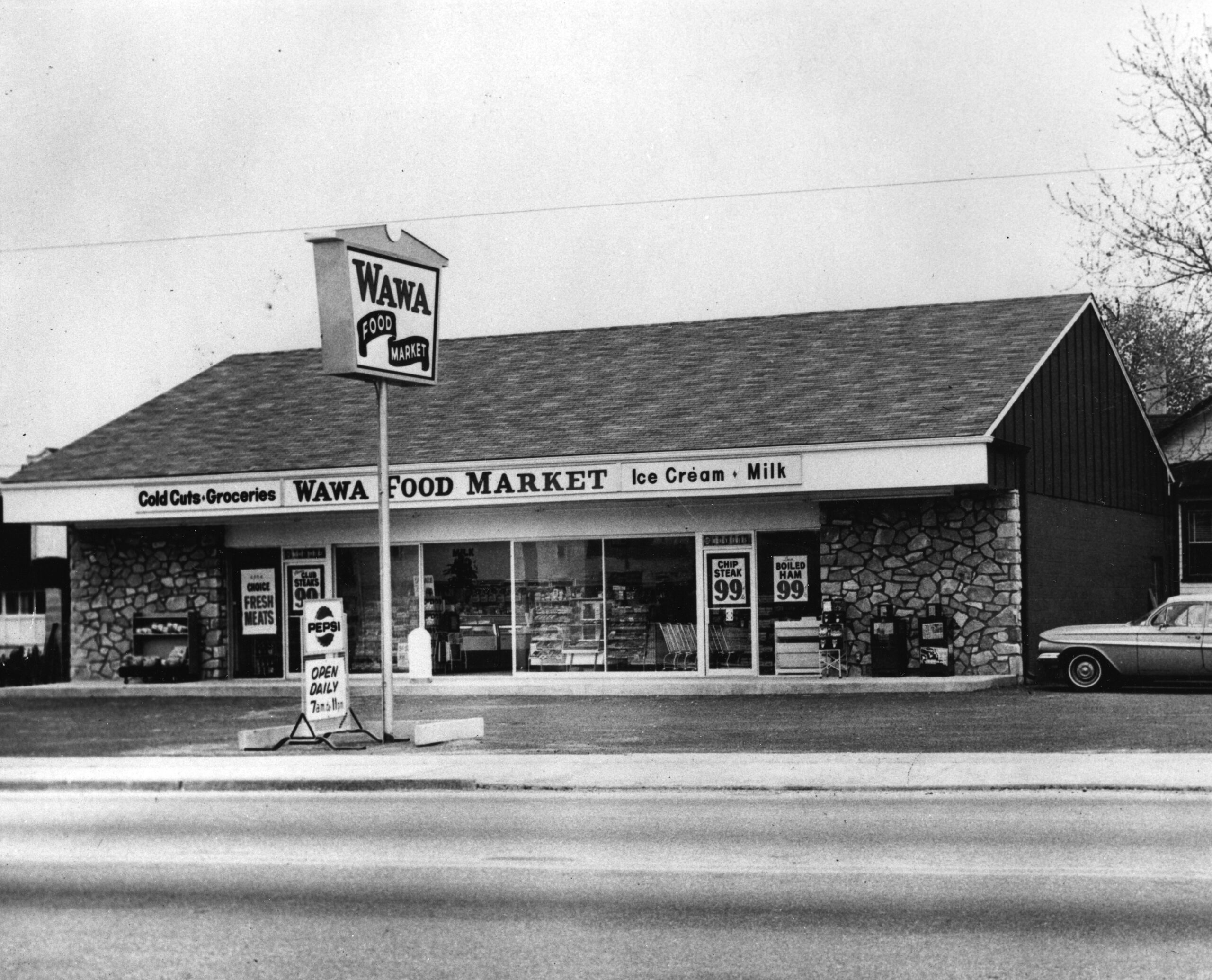
    Wawa’s first convenience store opened in Folsom, Delaware County in 1964.

    Wawa is privately held, owned in part by workers who get a percentage of their earnings contributed to an employee stock-ownership plan. Zhang said this program likely leads to more-invested employees who provide better customer service.

    Because Wawa is not public, it is not required to disclose its finances, and company executives declined to discuss them.

    But by many appearances, Wawa seems to be doing well: Over the last decade, the company has increased its store count by about 65% and doubled its workforce to about 50,000 associates.

    Philly-area Wawas are often crowded, too, which is key to making money in the convenience-store industry.
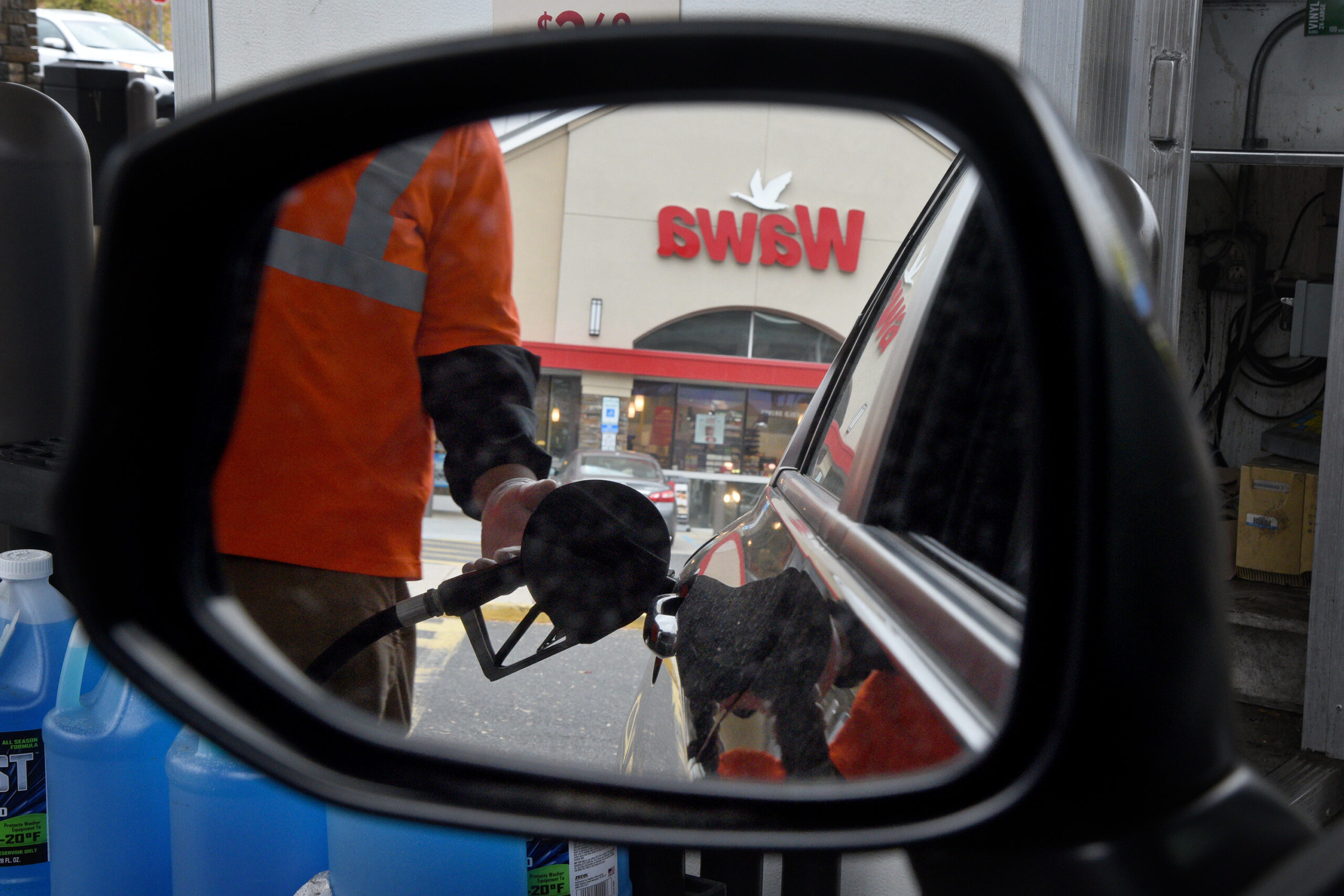
    A gas attendant fills up a customer’s tank at a Wawa in Pennsauken in 2020.

    Consumers spend about $7 on average when they stop at a convenience store, said Jason Zelinski, vice president of convenience and growth accounts for NielsenIQ.

    “We think it’s high-impulse, but 80% of all people who walk into a convenience store pretty much know what they want,” said Zelinski, who consults with retailers. (He declined to discuss specific companies and said he has never worked for Wawa.)

    Successful operators have encouraged customers to spend more by adding seating and improving their food service, Zelinski said. And stores with better food see higher profit margins.

    “Once you have somebody that’s addicted to your food service program, they’re more likely to come back to your store vs. a competing store,” he said.
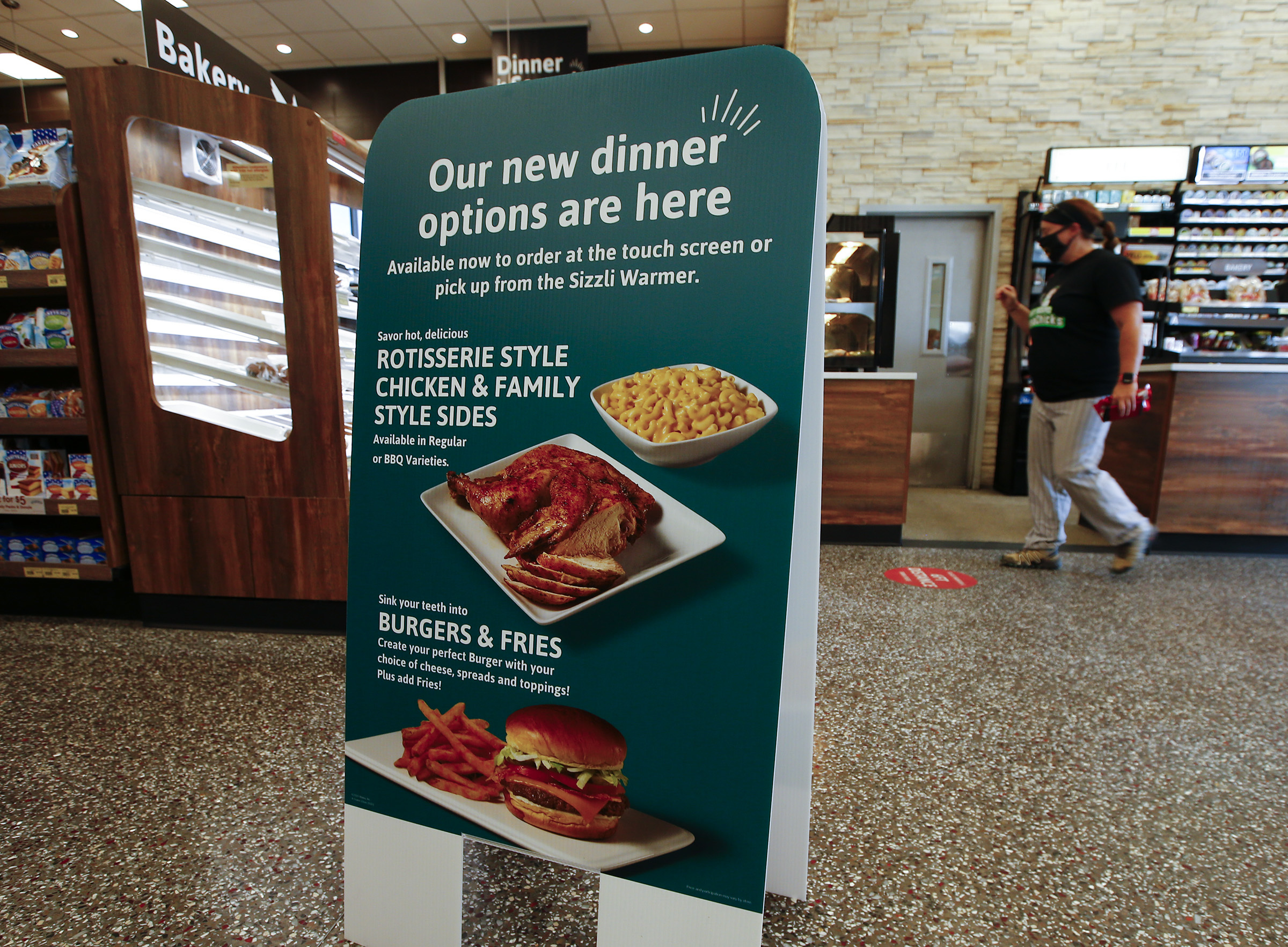
    In 2020, Wawa debuted new menu offerings, including hamburgers, pot roast, rotisserie chicken, pasta alfredo, and kids meals, at a tasting in Media.

    Wawa has certainly gotten people hooked on their coffee, hoagies, and ever-expanding menu, Zhang said. Options added in recent years include pizza, wraps, protein-packed “power meals,” limited-edition coffee flavors, and smoothies “boosted” with protein, vitamins, and minerals.

    Yet Wawa has not expanded in all areas.

    The company recently closed several stores in Center City, citing “safety and security concerns” in some cases. Last month, it closed its Drexel University location after its test of a digital-order-only format was not successful.

    In the Philly suburbs, smaller-format Wawas have also shuttered, often in communities that already have multiple larger Wawas.

    This older Wawa in Cherry Hill closed in 2024. The township has six remaining Wawas.

    Despite Wawa’s best efforts, not all stores thrive, Gheysens said. But “luckily for us, we’re still in growth mode, and don’t have to worry about closures in a broad way.”

    Gheysens said he sees room for more Wawas in the Philadelphia market — even as convenience-store competitors like Maryland-based Royal Farms and Altoona-based Sheetz have opened new stores in the region.

    Wawa executives want “to make sure that we are the number-one convenience store in the area, that’s important to us,” Gheysens said. “These are our hometown counties.”

    What keeps Philly-area consumers going to Wawa
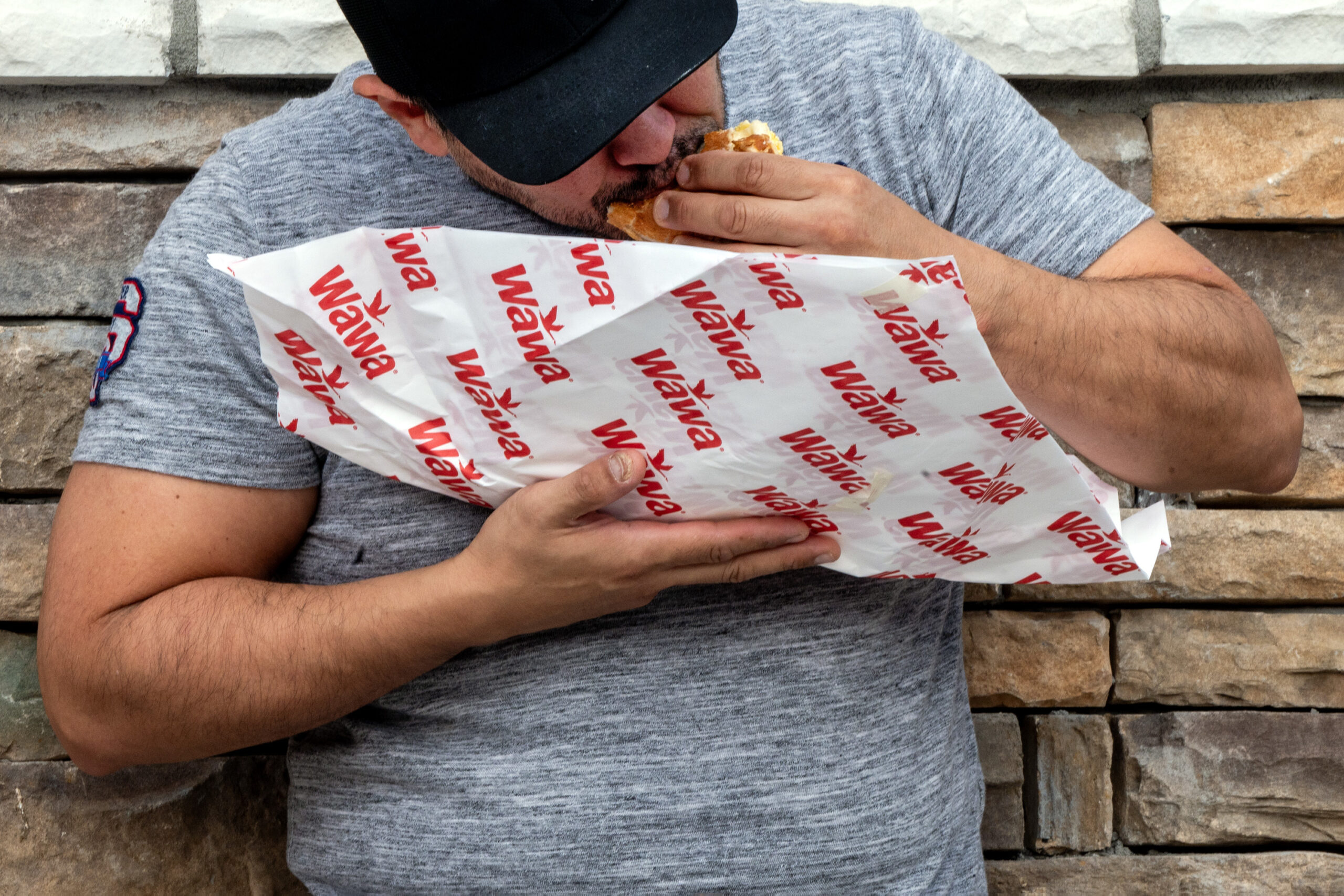
    A Wawa customer eats a breakfast Sizzli during the 2024 grand opening of the company’s first central Pennsylvania store.

    Many Philly-area consumers grew up alongside Wawa.

    In interviews with nearly a dozen of them, some were quick to reminisce about early memories of their local stores, such as the distinct smell of coffee and deli meat or the excitement of a Wawa run with high school friends. Others bemoan what has changed with the company’s expansion, including more congested parking lots.

    Most have a quick answer when asked what their Wawa order is.

    Rick Gunter, 45, of Royersford, misses the Wawa of his youth. Back in the day, he said, the Wawa hoagies “hit different,” with lunch meat fresh off the slicer.

    Contrary to some customers’ beliefs, most stores still bake Amoroso rolls — a custom recipe made exclusively for Wawa — fresh in store multiple times a day, Gheysens said. As for the deli meat, the CEO said that was another decision rooted in customer preference.

    When customers have participated in blind tests of the pre-sliced meat Wawa uses today against a fresh-sliced alternative, “they can’t tell the difference,” Gheysens said. “They would choose our pre-sliced meats, because of what we’ve done in terms of quality and the supply chain and the ability to deliver them at such a pace.”
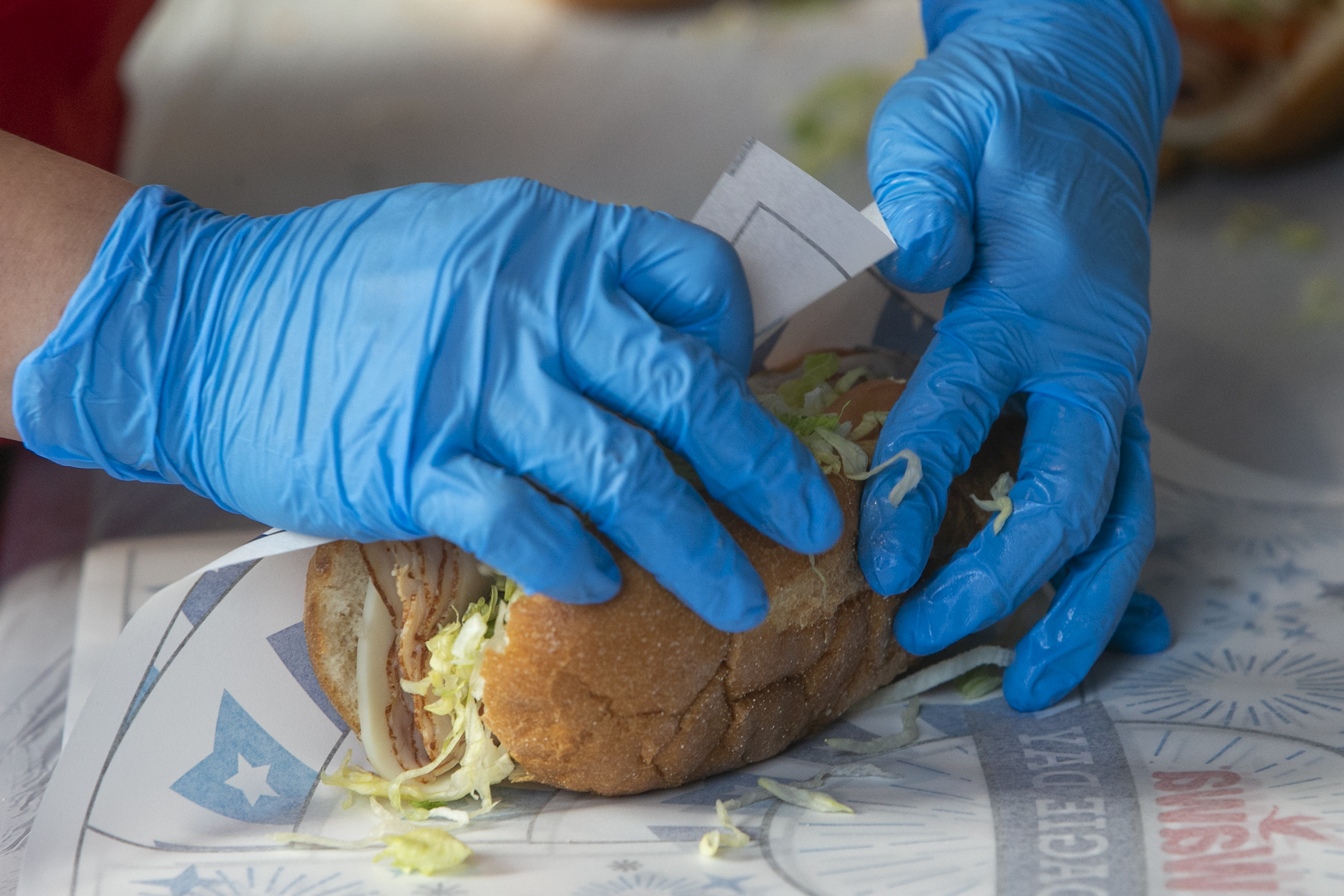
    A sandwich maker at Wawa wraps a hoagie with turkey, provolone, tomato, and lettuce in this 2020 file photo.

    Some customers disagree.

    “It was way better when it was kind of also a deli. Now they try to make everything for everybody,” said Bill Morgan, 79, of East Coventry Township. “I’m within five miles of three Wawas, but I rarely eat their food. Only under extreme duress.”

    Morgan acknowledged he must be in the minority, given how crowded Wawas are at lunchtime. And despite his distaste for much of their food, he said he still gets gas there and loves their coffee. And he can’t help but admire their business model.

    “I wish they’d sell stock,” Morgan said.
  • A $105-million mixed-use complex with apartments set to rise in the shadow of Willow Grove mall

    A $105-million mixed-use complex with apartments set to rise in the shadow of Willow Grove mall

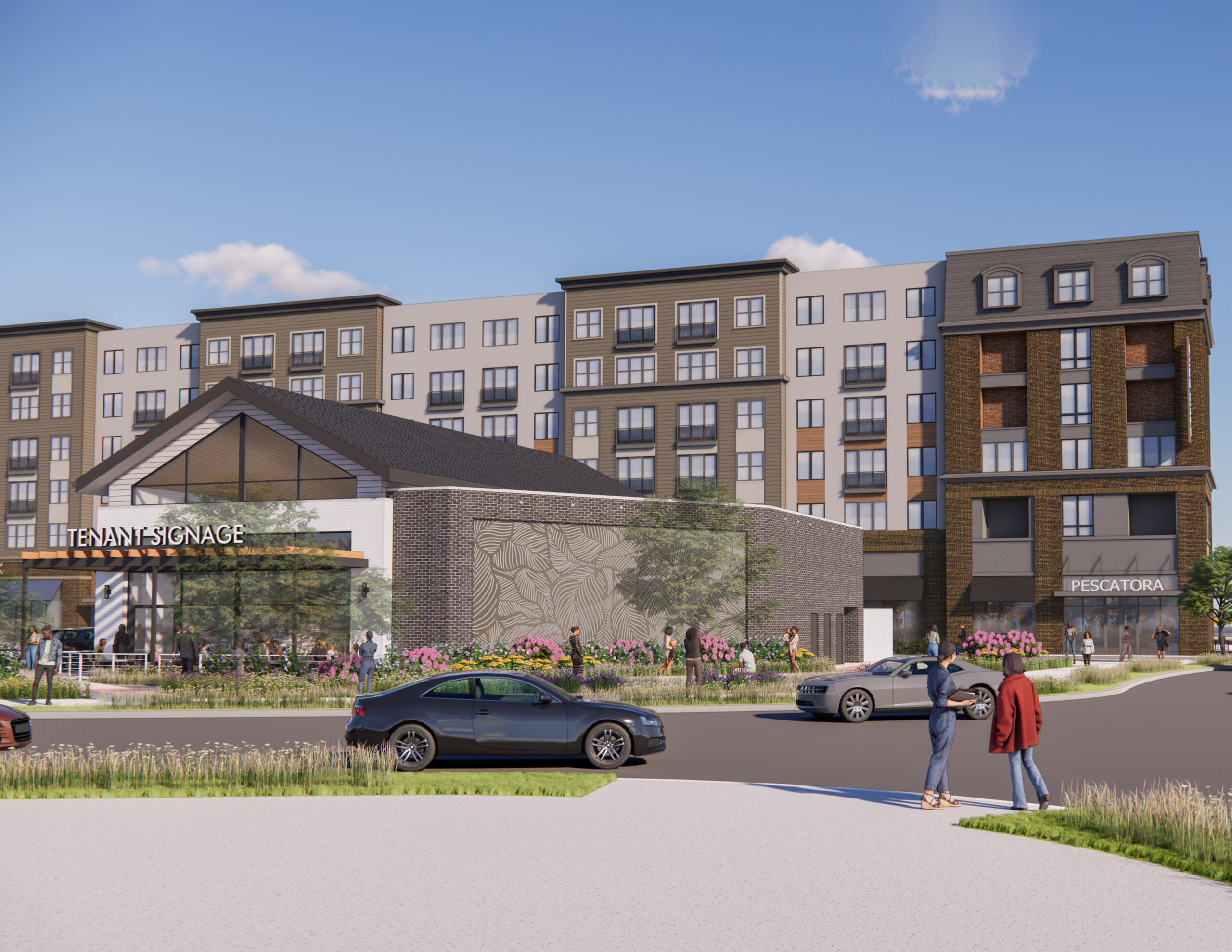
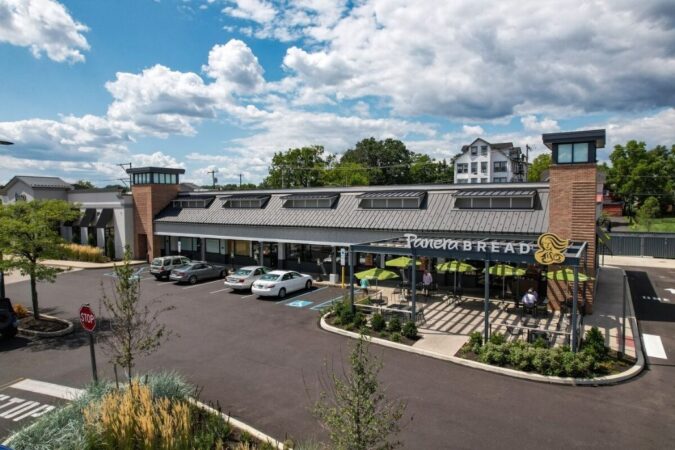
    A shopping center in the shadow of Willow Grove Park Mall will soon undergo a $105-million “transformation” with new apartments and shops, says the developer behind the project.

    Starting this summer, about 130,000 square feet of the Willow Grove Shopping Center will be demolished to build a mixed-used complex with 261 residential units and 35,000 square feet of new retail space, said Mark Brennan, vice president of regional development for Federal Realty Investment Trust.

    It will mark the latest stage in a multiphase redevelopment of the outdoor center, which is located across the street from the mall.

    A rendering of what Federal Realty Investment Trust plans to build at the Willow Grove Shopping Center.

    Across the Philadelphia region, similar mixed-use complexes have increasingly been built around thriving shopping destinations, such as King of Prussia, where thousands of new apartments have risen in recent years.

    Elsewhere, town-center-like developments have replaced dead malls. In Delaware County, a $120-million complex with apartments, restaurants, and shops sits on the site of the former Granite Run Mall, which was demolished a decade ago.

    Mixed-use projects have also been proposed for the Exton Square Mall and at the old Echelon Mall in Voorhees. (In both locations, apartments have already been built on other parts of the property.)

    A spokesperson for PREIT, which owns Willow Grove Park Mall, did not return a request for comment. In a 2022 shareholders’ report, PREIT executives called the complex “one of our leading suburban Philadelphia assets,“ with an occupancy rate of more than 96%.

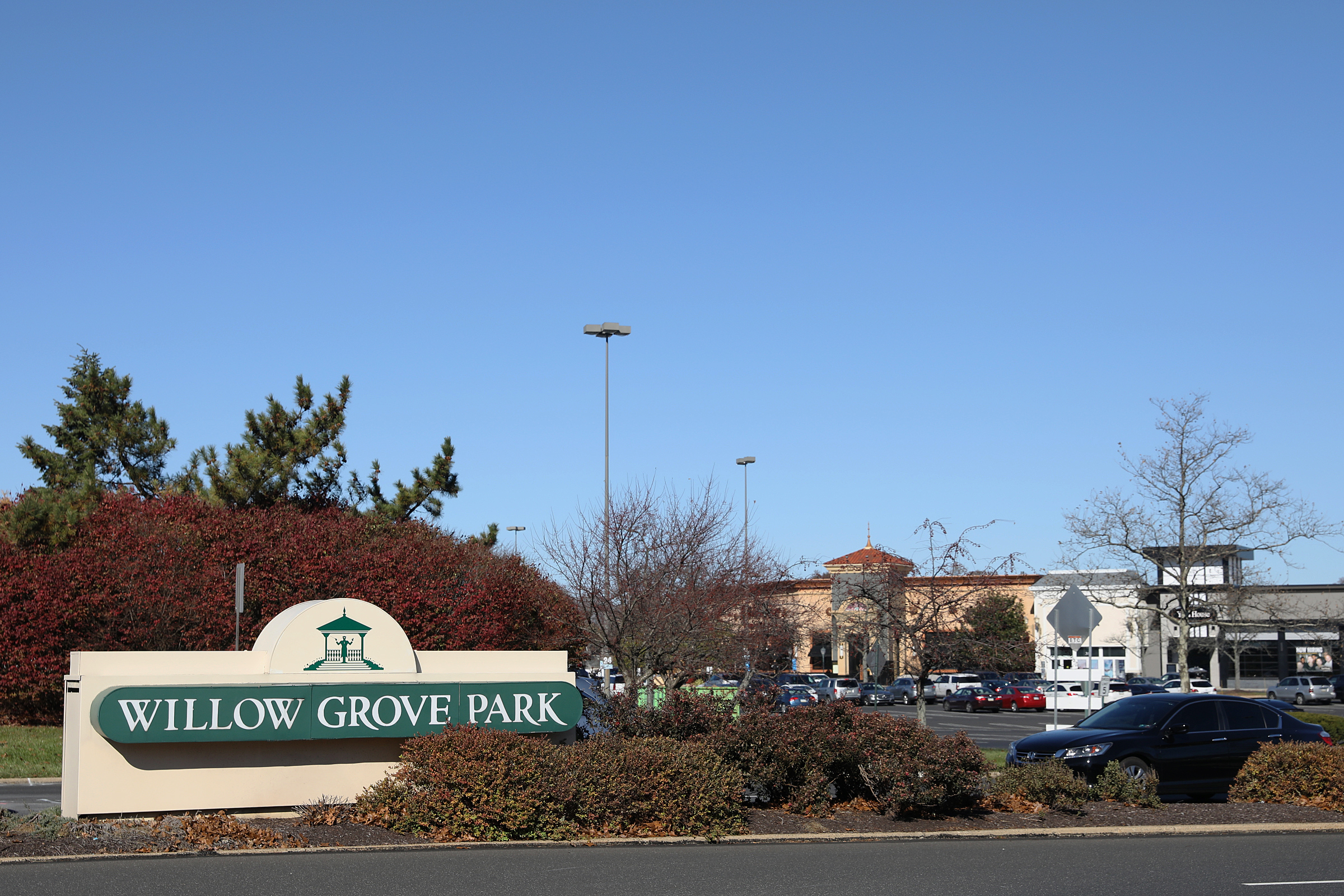
    The Willow Grove Park Mall is pictured in 2019.

    Across Moreland Road, Brennan is confident his shopping-center redevelopment will be met with high demand.

    Since the pandemic, the Montgomery County community has “really come alive,” due in part to its proximity to the city and to suburban employment centers, said Brennan, who is based in Wynnewood. And people who are moving out of the city or looking to downsize are particularly interested in moving to mixed-use developments, he said.

    The center’s proximity to SEPTA’s Willow Grove train station, and major highways, including the Pennsylvania Turnpike, will make it particularly appealing, as will its mix of “highly curated” shops, Brennan said.
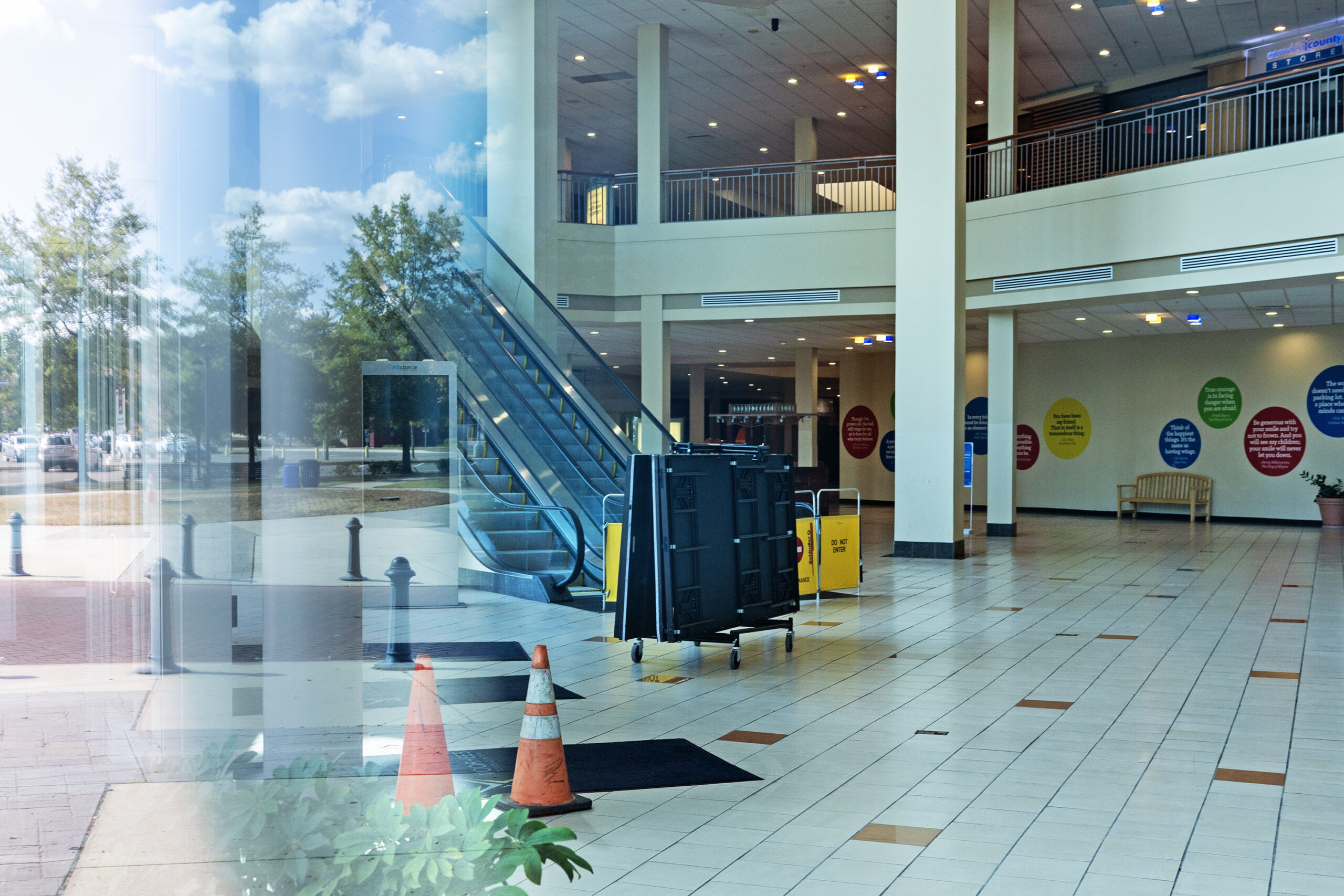
    Across the street from the mall, the Willow Grove Shopping Center is set to undergo a $105-million transformation with apartments and new retail.

    The center’s existing tenants, which include Marshalls and Five Below, will remain open during construction, Brennan said.
    He expects the project to be complete sometime in 2028.

    “These sort of multifaceted, multiphased development projects do take quite a bit of time and planning,” Brennan said. “We’re really excited to get to the next phase of this transformation.”

  • QVC Group faces $30 million ‘unjustified termination’ lawsuit after report of potential bankruptcy

    QVC Group faces $30 million ‘unjustified termination’ lawsuit after report of potential bankruptcy

    QVC Group has been hit with a $30 million lawsuit amid broader financial problems for the West Chester-based home shopping network.

    The company is considering filing for Chapter 11 bankruptcy to reorganize billions in debt, Bloomberg reported last week.

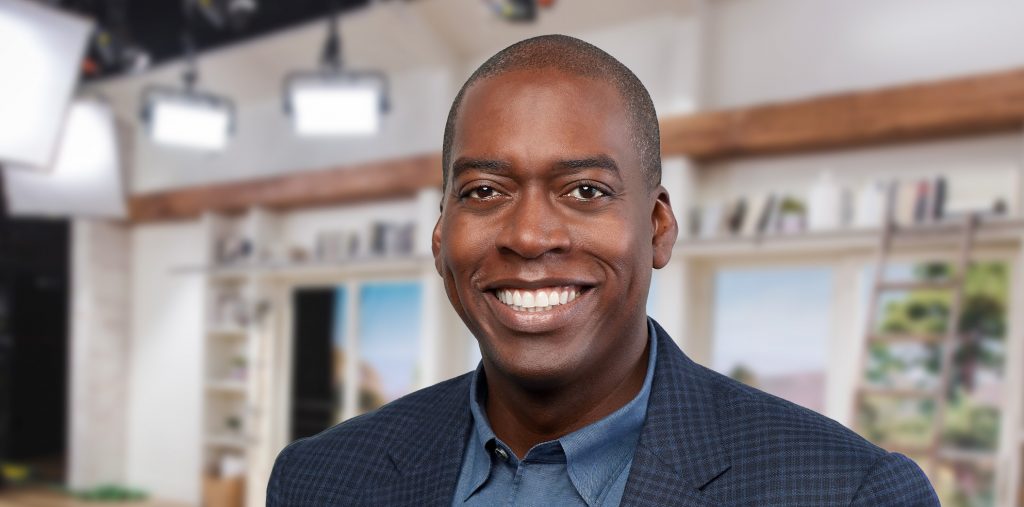
    Antthony Mark Hankins, a Savannah, Ga.-based fashion designer who had a 31-year on-air career with HSN until he was terminated in July, filed the lawsuit last week against the network and its parent company, QVC Group, according to federal court documents.

    Hankins seeks at least $30 million in damages for what his attorneys describe in the documents as an “abrupt and unjustified termination” that “reflects a pattern of discriminatory treatment, retaliatory conduct, and operational mismanagement.” The lawsuit is filed in the U.S. District Court for the Eastern District of Pennsylvania.

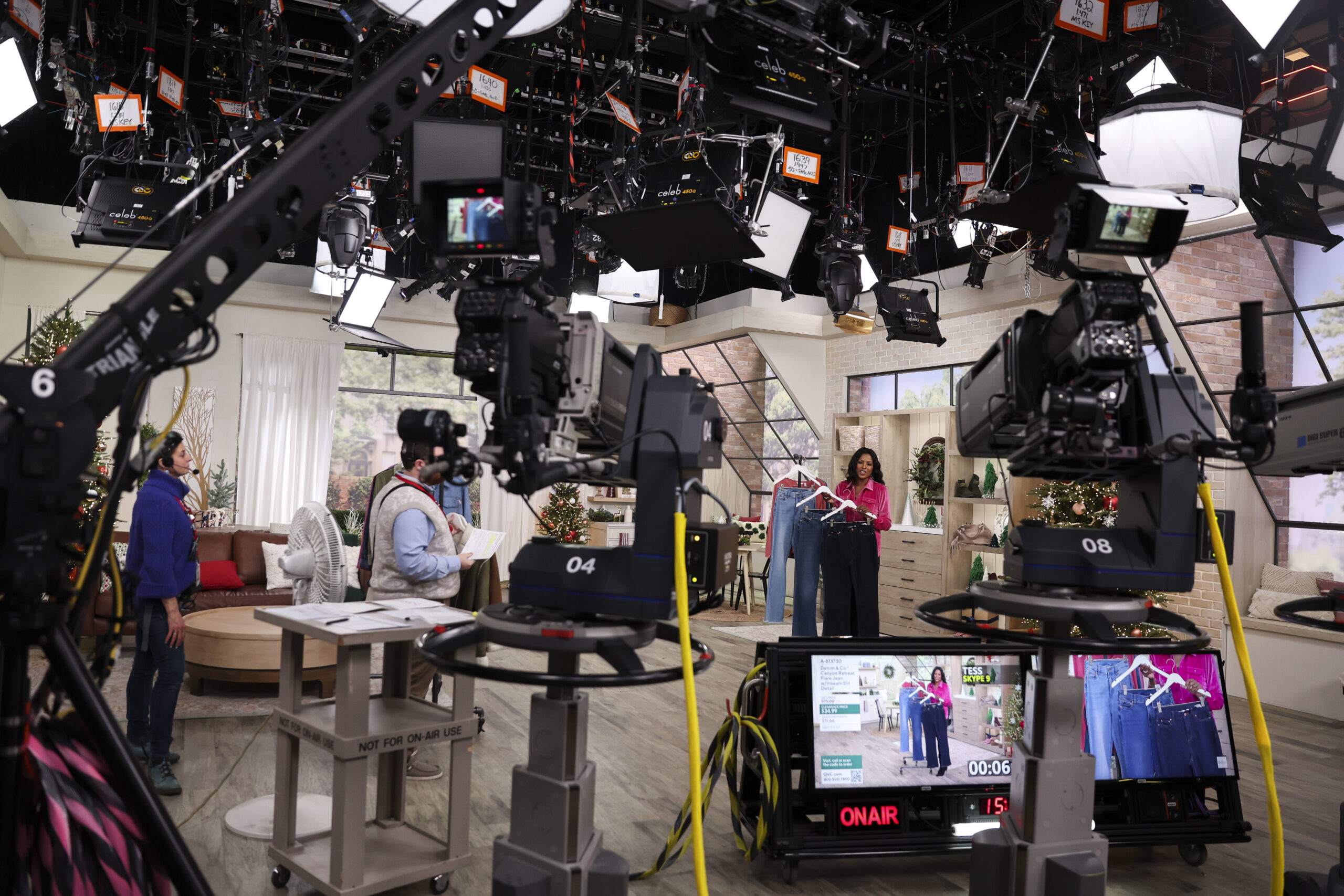
    QVC Group spokespeople and general counsel did not return requests for comment. HSN operated out of a studio in St. Petersburg, Fla., until about a year ago, when it moved to QVC’s West Chester campus.

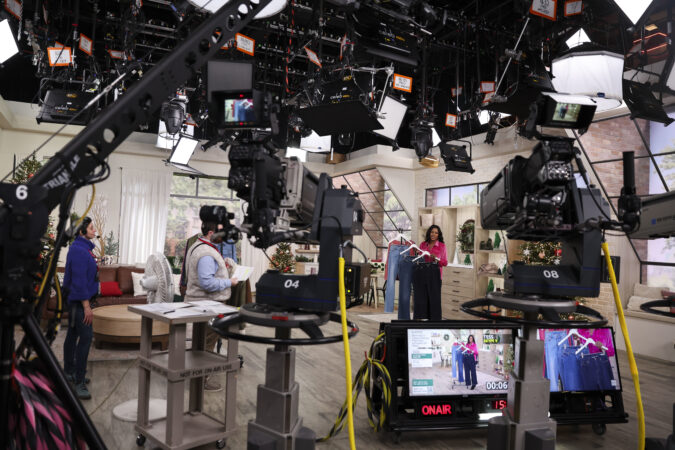
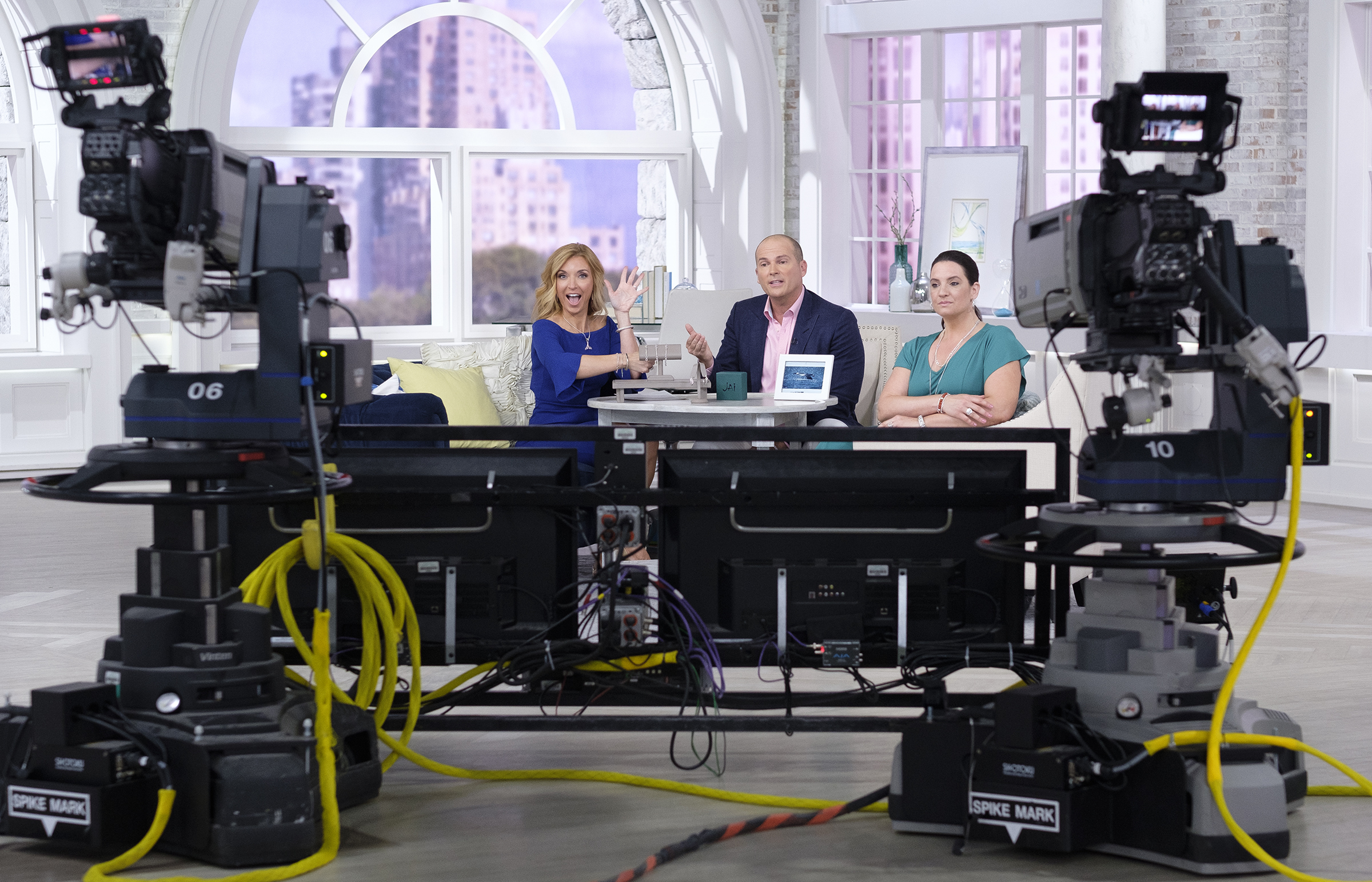
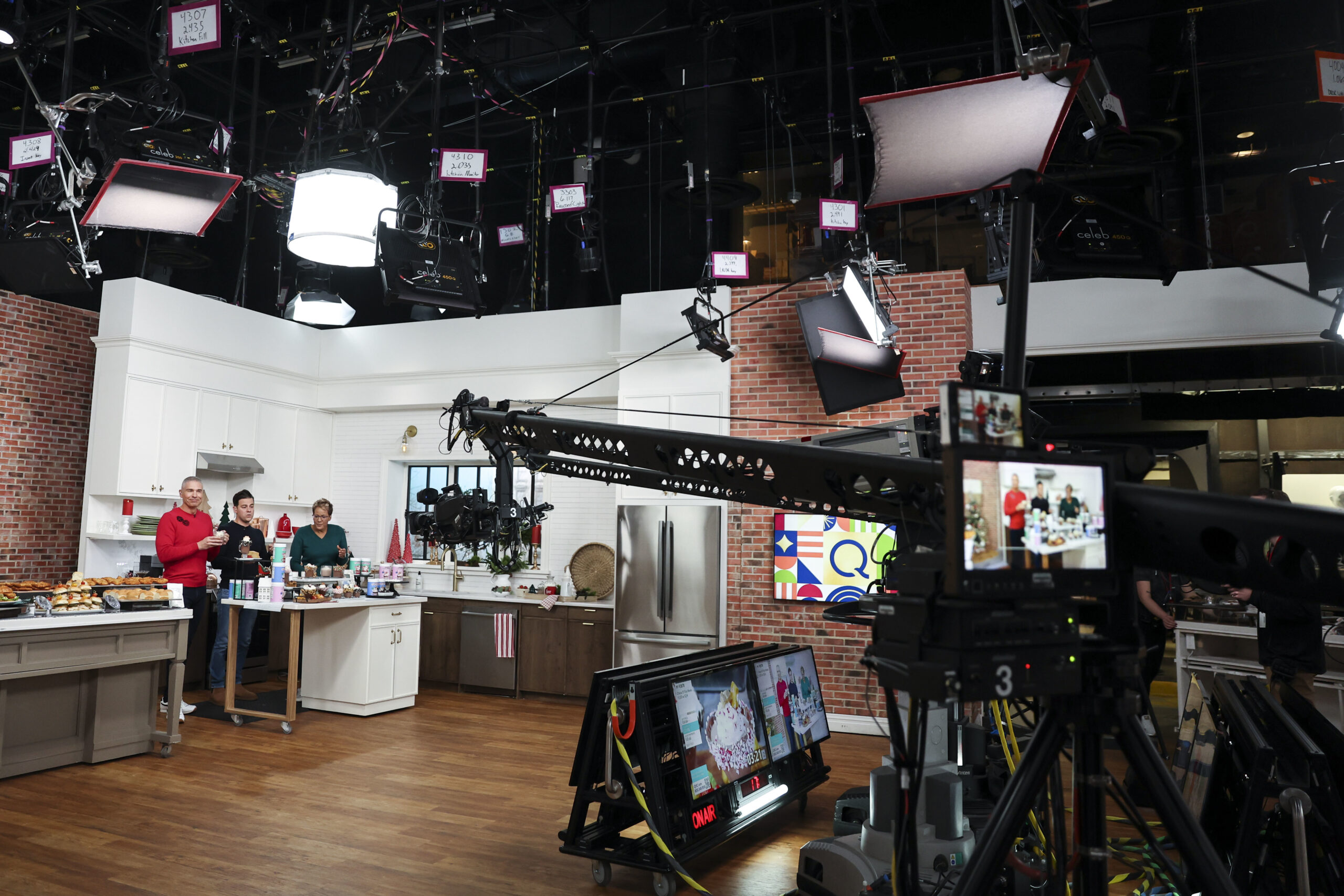
    A show is filmed at QVC’s studios in West Chester in 2023.

    Between 2023 and 2025, HSN executives reduced Hankins’ airtime and decreased promotion of his brand, Antthony Design Originals, to focus on a “TikTok-centered business model,” according to the designer’s lawsuit. As a result, he says his gross sales last calendar year were $13.24 million, more than $2 million less than projected. When he was more supported by the network, he said, his sales outperformed expectations.

    Hankins, who is Black, also says the company discriminated against him based on race, including by promoting him more heavily during Black History Month, firing him without cause, and immediately pulling him off the air despite decades of strong performance, according to the lawsuit.

    In the documents, Hankins also alleges breach of contract, defamation, interference with third-party business relationships, and misappropriation of his name and likeness in advertisements.

    In a Facebook post on his business page, Hankins said the lawsuit “is about standing up for the values my brand was built on, protecting my legacy, and ensuring that fairness and accountability matter — especially for creators who have given decades of their lives to their work.”

    Hankins’ attorney, Samuel B. Fineman of Semanoff Ormsby Greenberg & Torchia in Huntingdon Valley, did not return a request for additional comment.

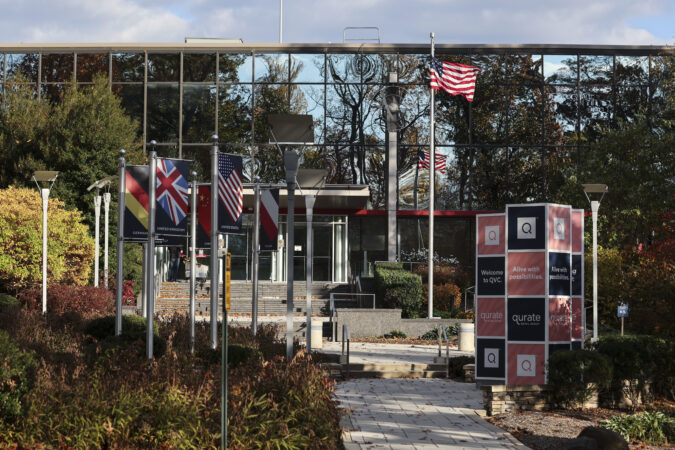
    A QVC logo is shown outside its studios in an undated file photo. The company has been based in West Chester for more than 30 years.

    QVC has been based in West Chester for more than three decades, and merged with HSN as part of a $2 billion deal in 2017.

    The networks’ parent company, which rebranded as QVC Group last year, has struggled recently amid stiff competition from e-commerce and social-media platforms like TikTok Shop.

    Its revenue and operating income have been on the decline, and fewer people are shopping. As of September, about 7 million customers had made a purchase on the networks in the past year, down from 8.1 million in fiscal year 2023.

    The company is set to release its fourth quarter 2025 earnings report next week.

    According to Bloomberg’s report last week, company executives were talking with creditors about a potential bankruptcy, but had not made a decision on whether to file.

    A search for “QVC Group” in online court records did not show any bankruptcy filings as of Wednesday.

  • Sheetz wants to move into Delaware County, home of Wawa

    Sheetz wants to move into Delaware County, home of Wawa

    Sheetz could soon stake a claim in Delaware County, extending its reach into the Philadelphia region.

    The Altoona-based convenience store chain, which opened its first store in the Philly suburbs last week, has submitted a sketch plan application to build a 6,000-square-foot location in Chadds Ford.

    It would be Sheetz’s first outpost in Wawa’s home county.

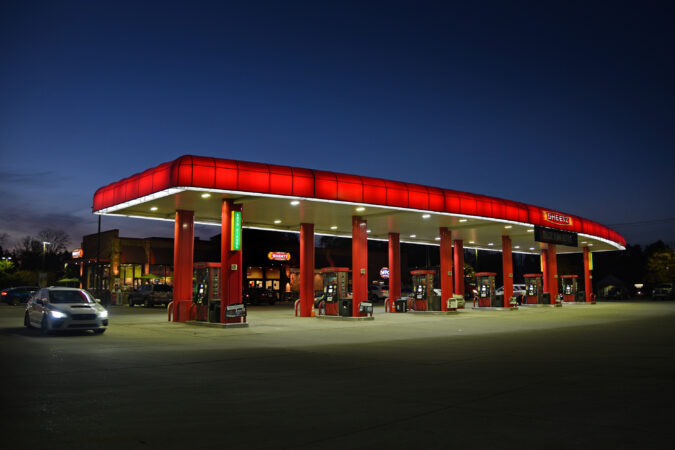
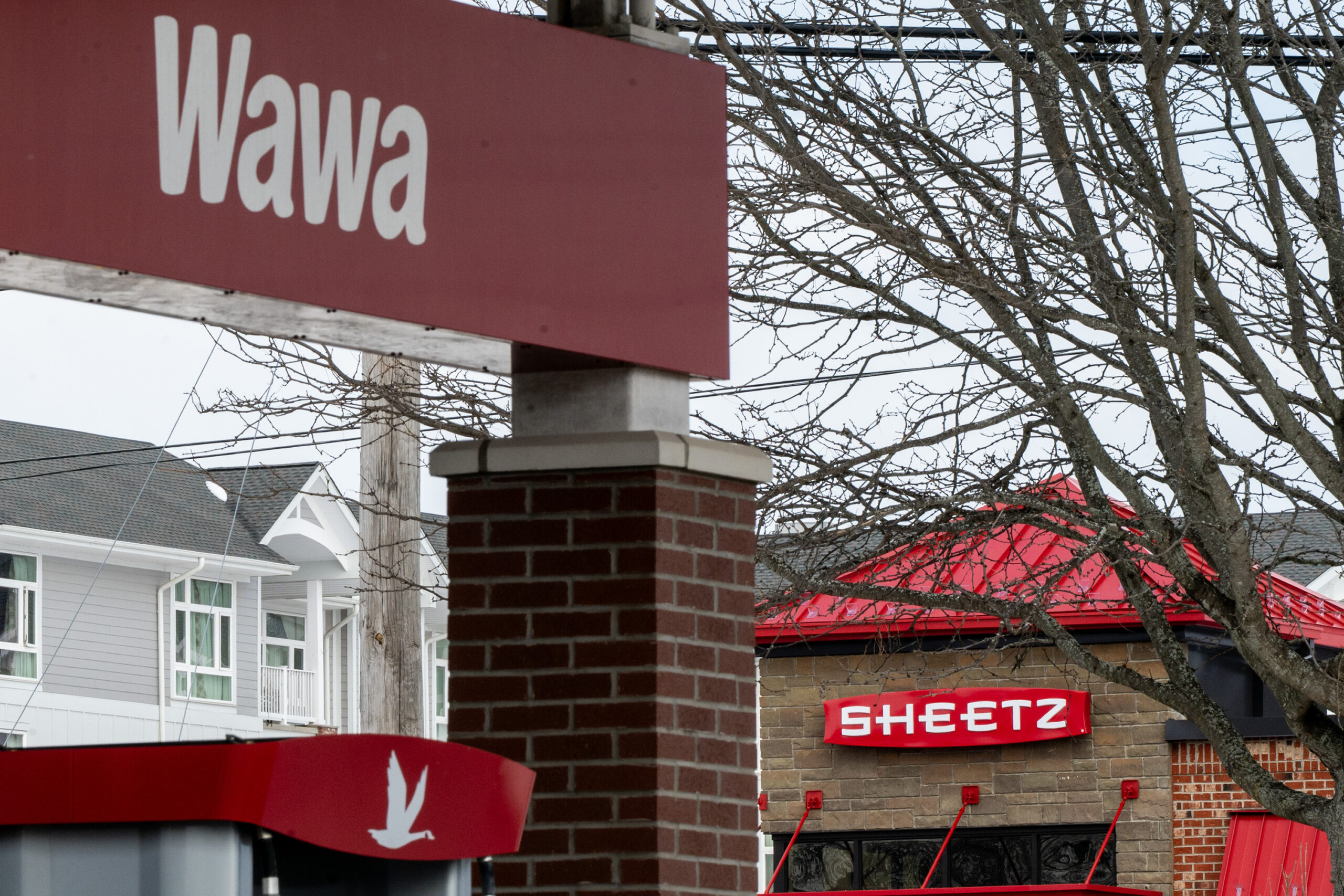
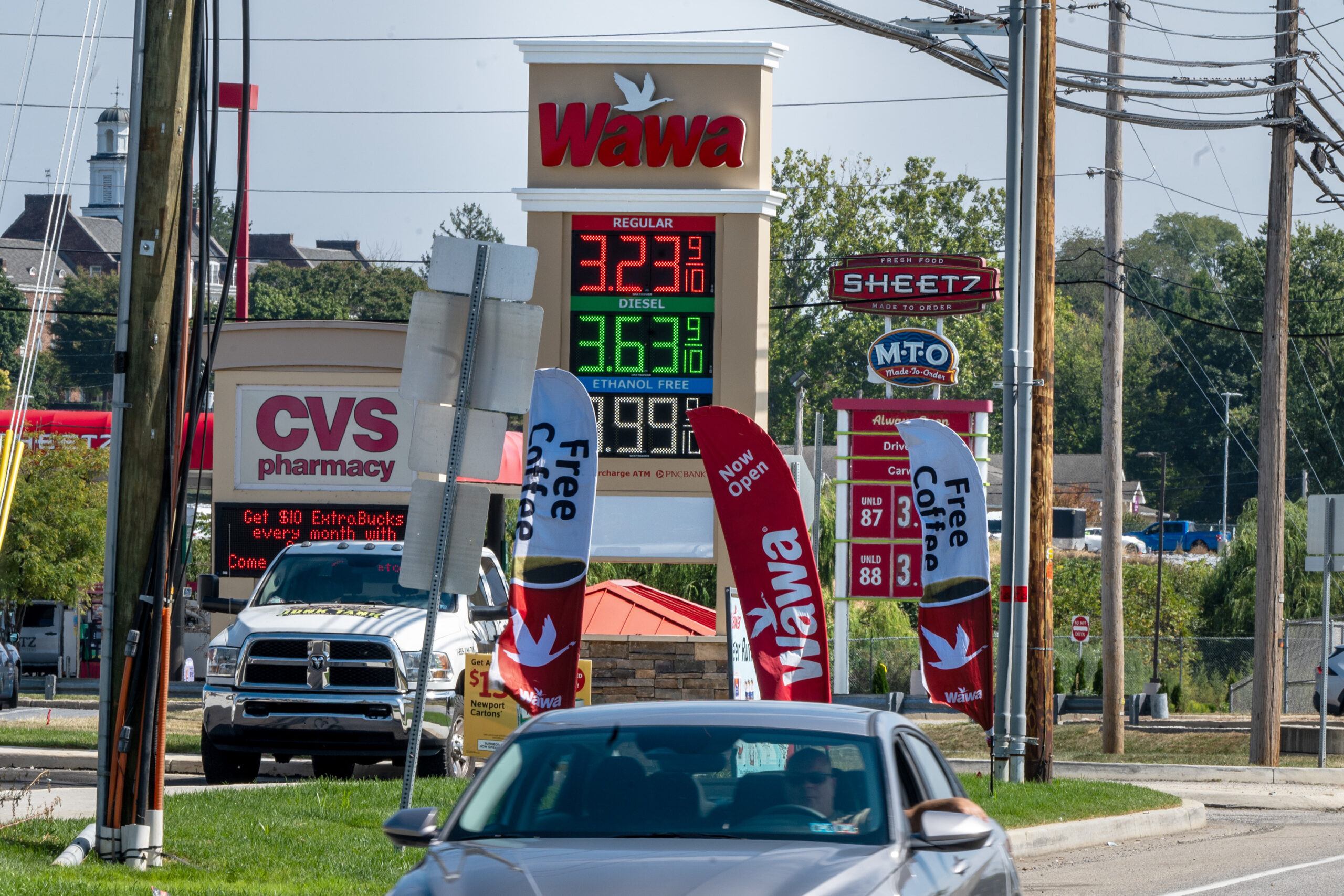
    A Sheetz and Wawa now sit across the street from each other in Limerick Township, Montgomery County.

    If approved, the store would be constructed about five miles down the road from Wawa’s corporate headquarters, and across the county from the site of Wawa’s first store, in Folsom.

    The Sheetz would be in the Village at Painters’ Crossing shopping center near the intersection of U.S. Routes 1 and 202, according to the application. Sheetz would take over a parcel in the northeast corner of the complex that is currently occupied by a vacant former bank and a closed Carrabba’s Italian restaurant.

    Along with Sheetz’s usual offerings of made-to-order food, grab-and-go snacks, and drinks, the outpost would include indoor and outdoor seating, two mobile-order pickup windows, and six gas pumps, according to the application. It would not include a drive-through.

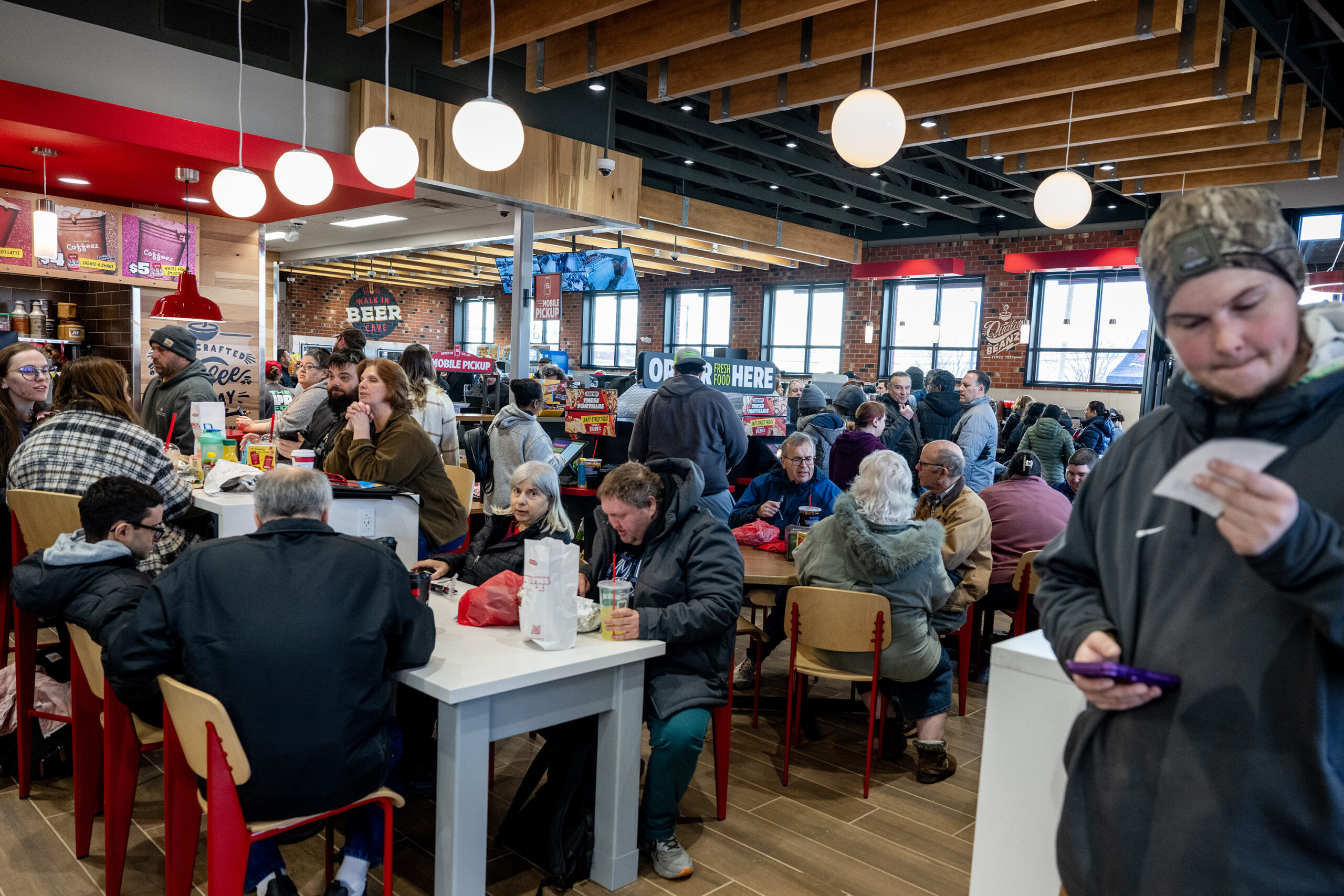
    Customers crowd into the indoor dining area at the new Sheetz in Limerick Township that opened last week.

    Nick Ruffner, Sheetz public affairs manager, declined to provide additional information about the proposal, saying in a statement that “it is still very early in the process.”

    Zoning changes and other approvals would be required before anything is built, Chadds Ford Township solicitor Michael Maddren said. As of Tuesday, Sheetz had only submitted the sketch plan, which was discussed at a planning commission meeting earlier this month, Maddren said.
    At the meeting, township officials did not express strong opinions about the sketch, Maddren said: “We need a little more detail.”

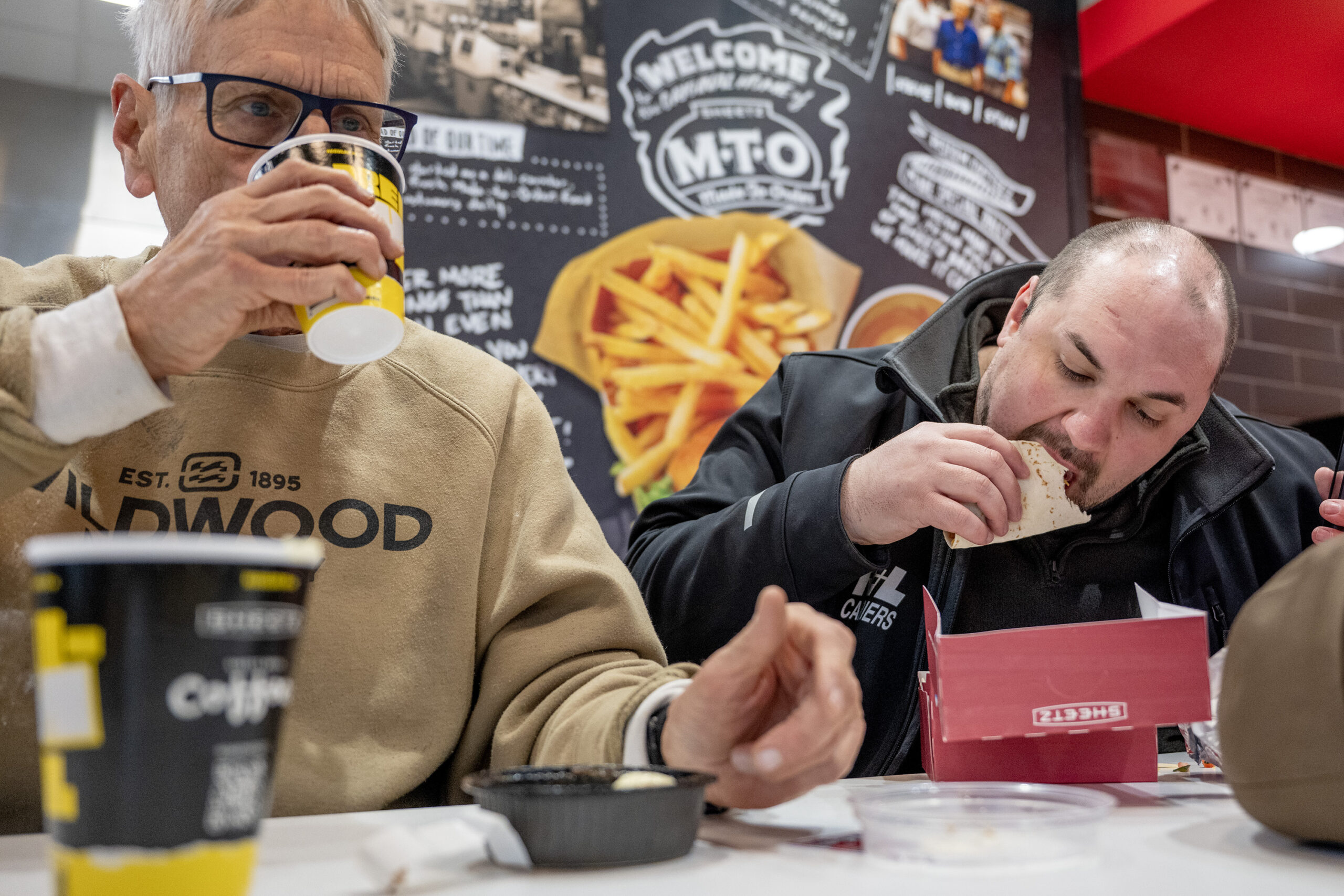
    Craig Scott (left) of Wayne and Dave Swartz (right) of Collegeville had breakfast at last week’s grand opening of the first Sheetz in the Philadelphia suburbs.

    If the Chadds Ford project moves forward, Sheetz could establish a foothold in three of Philly’s four collar counties: Along with its new Limerick, Montgomery County location, Sheetz also has expressed interest in building a store in Chester County.

    In the fall, company officials submitted a sketch plan to Caln Township officials, proposing a location at the site of a shuttered Rite Aid on the 3800 block of Lincoln Highway in Downingtown, according to the township website.

    After years of Sheetz opening stores in Western and central Pennsylvania, and Wawa expanding closer to Philly, Sheetz and Wawa’s footprints have increasingly overlapped in recent years.

    A Wawa opened outside Harrisburg in 2024, marking the chain’s first central Pennsylvania location. It is down the street from a Sheetz.

    Wawa made the first move: In 2024, it opened its first central Pennsylvania location within eyesight of a Sheetz. Since then, Wawa has opened 10 stores in the region, with plans to add 40 more there in the next five years.

    Both chains also have expanded beyond Pennsylvania.

    Sheetz now has more than 800 stores in seven states. Wawa has nearly 1,200 stores in 13 states.

  • Protesters in multiple states press Target to oppose the immigration crackdown in Minnesota

    Protesters in multiple states press Target to oppose the immigration crackdown in Minnesota

    NEW YORK — Activists planned protests at more than two dozen Target stores around the United States on Wednesday to pressure the discount retailer into taking a public stand against the 5-week-old immigration crackdown in its home state of Minnesota.

    ICE Out Minnesota, a coalition of community groups, religious leaders, labor unions, and other critics of the federal operation, called for sit-ins and other demonstrations to continue at Target locations for a full week. Target’s headquarters are located in Minneapolis, where federal officers last month killed two residents who had participated in anti-ICE protests, and its name adorns the city’s major league baseball stadium and an arena where its basketball teams plays.

    “They claim to be part of the community, but they are not standing up to ICE,” said Elan Axelbank, a member of the Minnesota chapter of Socialist Alternative, which describes itself as a revolutionary political group. He organized a Wednesday protest outside a Target store in Minneapolis’ Dinkytown commercial district.

    Demonstrations also were scheduled in St. Paul, Minnesota, Boston, Chicago, Honolulu, Philadelphia, Pittsburgh, Raleigh, North Carolina, San Diego, Seattle and other cities, as well as in suburban areas of Minnesota, California and Massachusetts. Target declined Wednesday to comment on the protests.

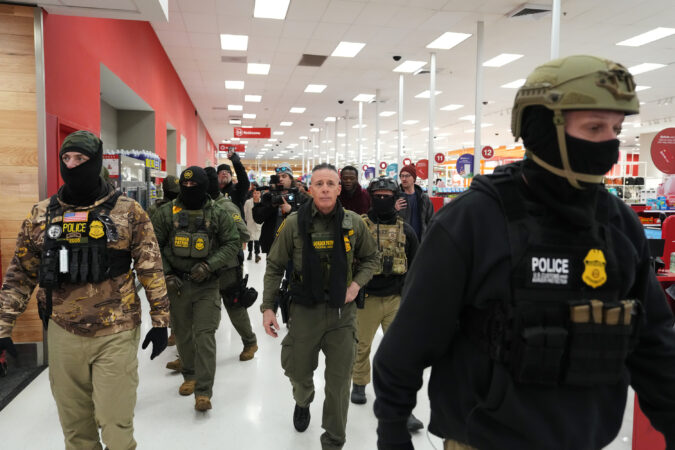
    Target first became a bull’s-eye for critics of the Trump administration’s surge in immigration enforcement activity after a widely-circulated video showed federal agents detaining two Target employees in a store in the Minneapolis suburb of Richfield last month. Luis Argueta, a spokesperson for Unidos Minnesota, an immigrant-led social justice advocacy organization that is part of the ICE Out Minnesota coalition, said his group is focusing its protests on the Richfield store.

    One of the demands of Wednesday’s protests is for Target to deny federal agents entry to stores unless they have judicial warrants authorizing arrests.

    Some lawyers have argued that anyone, including U.S. Border Patrol and Immigration and Customers Enforcement agents without signed warrants, can enter public areas of a business as they wish. Public areas include restaurant dining sections, open parking lots, office lobbies and shopping aisles, but not back offices, closed-off kitchens or other areas of a business that are generally off-limits to the public and where privacy would be reasonably expected, those lawyers say.

    Target has not commented publicly on the detention of the store employees. CEO Michael Fiddelke, who became Target’s chief executive on Feb. 2, sent a video message to the company’s 400,000 workers two days after a Border Patrol agent and a Customs and Border Protection officer shot and killed Minneapolis resident Alex Pretti on Jan. 24.

    Fiddelke said the “violence and loss of life in our community is incredibly painful,” but he did not mention the immigration crackdown or the fatal shootings of Pretti, an ICU nurse at a medical center for U.S. veterans in Minneapolis, and Renee Good, a mother of three fired on in her car by an ICE agent.

    Fiddelke was one of 60 CEOs of Minnesota-based companies who, in the wake of Pretti’s death, signed an open letter “calling for an immediate de-escalation of tensions and for state, local and federal officials to work together to find real solutions.”

    The protests over its alleged failure to oppose the immigration crackdown in Minnesota come a year after Target faced protests and boycotts over the company’s decision to roll back its diversity, equity and inclusion initiatives. At the time, critics said the decision marked a betrayal of Target’s retail giant’s philanthropic commitment to fighting racial disparities and promoting progressive values in liberal Minneapolis and beyond.

    The retail chain also is struggling with a persistent sales malaise. Critics have complained of disheveled stores that are missing the budget-priced flair that long ago earned the retailer the nickname “Tarzhay.”

    While Wednesday’s protests targeted a tiny fraction of the company’s nearly 2,000 stores, the negative attention serves as another distraction from Target’s business, according to Neil Saunders, managing director of the retail division of market research firm GlobalData.

    “The agenda has been hijacked by this,” Saunders said. “And it is a bit of a distraction for Target that they’d rather not have.”

    In recent days, a national coalition of Mennonite congregations organized roughly a dozen demonstrations inside and outside of Target stores across the country, singing and urging Target to publicly call Congress to defund Immigration and Customs Enforcement among other demands.

    A spokesperson for Mennonite Action said the coalition was not formally connected to ICE Out but following the lead of organizers in Minneapolis.

    The Rev. Joanna Lawrence Shenk, associate pastor at First Mennonite Church of San Francisco, said the group did not plan any actions on Wednesday but was mapping out weekend singalong events at Targets in a handful of towns and cities, including Pittsburgh and Harrisonburg, Virginia. She estimated that by the end of the weekend more than 1,000 congregation members will have participated.

    Shenk noted that the Mennonites sing This Little Light of Mine and other gospel songs and hymns.

    “The singing was an expression of our love for immigrant neighbors who are at risk right now and who are also a part of our congregation,” she said. “For us, it’s not just standing in solidarity with others but it’s also protecting people who are vulnerable.”

  • QVC may file for bankruptcy, according to a new report. Here’s what to know.

    QVC may file for bankruptcy, according to a new report. Here’s what to know.

    The West Chester-based QVC Group is considering filing for Chapter 11 bankruptcy as its financial troubles mount, according to Bloomberg.

    The TV shopping network has been negotiating the voluntary restructuring of billions in debt during confidential conversations with creditors, Bloomberg reported Tuesday, citing anonymous sources familiar with the matter.

    A final decision had not been made on whether the company would file, according to Bloomberg. As of midday Wednesday, a search for “QVC Group” in online court records did not show any bankruptcy filings.

    In September, QVC Group had $6.6 billion in debt and $1.8 billion in cash or cash equivalents, according to its latest earnings report.

    A QVC Group spokesperson did not return a request for comment from The Inquirer. On Tuesday, company representatives did not immediately respond to Bloomberg or the Philadelphia Business Journal.

    After Bloomberg’s article published, QVC Group’s stock price took a nosedive, losing about two-thirds of its value by the end of the trading day.

    How QVC got into these financial straits

    Based in West Chester for more than three decades, QVC pioneered home shopping.

    Before consumers could make purchases on laptops and smartphones, the network and its smaller counterpart HSN — which until recently was based in Florida — broadcast on live TV at all hours. Anchors sold a wide array of clothing, electronics, household goods, beauty products, and other wares.

    A QVC show is shot at the network’s West Chester studio in this 2019 file photo.

    The news of a potential bankruptcy comes after a tumultuous few years.

    In early 2025, executives closed HSN’s studio in St. Petersburg, Fla., and consolidated both networks on its West Chester campus, laying off hundreds of employees in the process.

    Around the same time, the parent company rebranded as QVC Group. Executives said they planned to focus more on livestreaming and social-media shopping to keep up with stiff competition from the likes of TikTok Shop.

    “Live social shopping is a natural evolution for us,” David L. Rawlinson II, the company’s president and CEO, said in a November 2024 statement. “Our customers are spending dramatically more time on social media, and that is increasingly where they are finding inspiration and shopping.”

    David L. Rawlinson II, CEO of QVC Group, is shown in this 2023 file photo.

    The strategy did not prove fruitful.

    By May, as President Donald Trump’s tariffs took a toll, Rawlinson said the company was taking steps to cut costs and win back customers who were feeling down on the economy. That included an agreement with TikTok that the CEO said would create “the first 24/7 live shopping experience in the U.S.”

    Then in August, a company spokesperson announced plans to hire about 250 employees by early 2026. It was not clear Wednesday whether those hires were ever made.

    Despite these changes, QVC’s revenue and operating income have continued to decline, according to earnings reports, and the company has continued shedding customers.

    As of September, about 7 million people had shopped on the networks in the past year, down from 8.1 million in fiscal year 2023.

    QVC Group is set to release its fourth quarter 2025 earnings report later this month.

    What Chapter 11 bankruptcy could mean for QVC

    A holiday segment is taped at QVC’s West Chester studio in this 2023 file photo.

    A Chapter 11 bankruptcy would not mean the end of QVC.

    Chapter 11 is different from Chapter 7, which involves the liquidation of assets. (Iron Hill Brewery closed all restaurants when it filed for Chapter 7 bankruptcy this fall.)

    After filing for Chapter 11 protection, companies usually continue to operate, though they often decide to close locations or downsize in other ways amid the restructuring process.

    Saks Global, for instance, which filed for Chapter 11 bankruptcy last month, announced Tuesday that its restructuring would involve the closure of its longstanding Bala Cynwyd store, as well as nine other Saks Fifth Avenue and Neiman Marcus locations.

  • Saks Fifth Avenue in Bala Cynwyd is closing

    Saks Fifth Avenue in Bala Cynwyd is closing

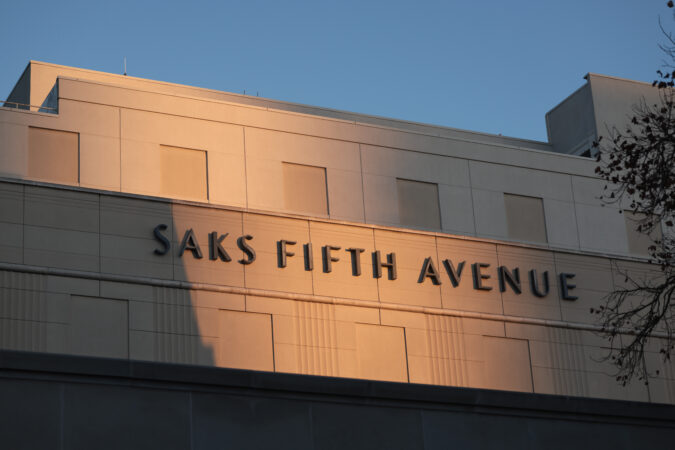
    Saks Fifth Avenue will be closing its Bala Cynwyd location.

    Saks Global, which owns Saks Fifth Avenue and Neiman Marcus, announced the impending closure in a news release Tuesday, a month after the luxury clothing retailer filed for Chapter 11 bankruptcy.

    After decades in business, the expansive store along City Avenue is expected to close in April, according to a Saks Global spokesperson, who said decisions were based on several factors, including store performance and “lease economics.”

    Fifty workers at the Bala Cynwyd Saks Fifth Avenue will lose their jobs effective April 11, according to a WARN Act filing with the Pennsylvania Department of Labor and Industry. Another 155 workers at a Wilkes Barre fulfillment center will be laid off, according to a separate filing.

    As part of the company’s restructuring, it will shutter seven other Saks Fifth Avenue stores, including at the American Dream mall in North Jersey, as well as a Neiman Marcus in Boston.

    “Saks Global is refining its store footprint to focus on profitable locations with the highest growth potential,” company executives wrote on its website, adding that the nine closures represented “the first phase of this ongoing review.”

    The move will make the company “better positioned to deliver exceptional products, elevated experiences and highly personalized service across all channels,” CEO Geoffroy van Raemdonck said in a statement.

    Over the years, the Saks Fifth Avenue in Bala Cynwyd has become the brand’s only physical outpost in the region. It is referred to as “Saks Philadelphia” on the company’s website, despite being located across the city line in a freestanding building at Bala Plaza.

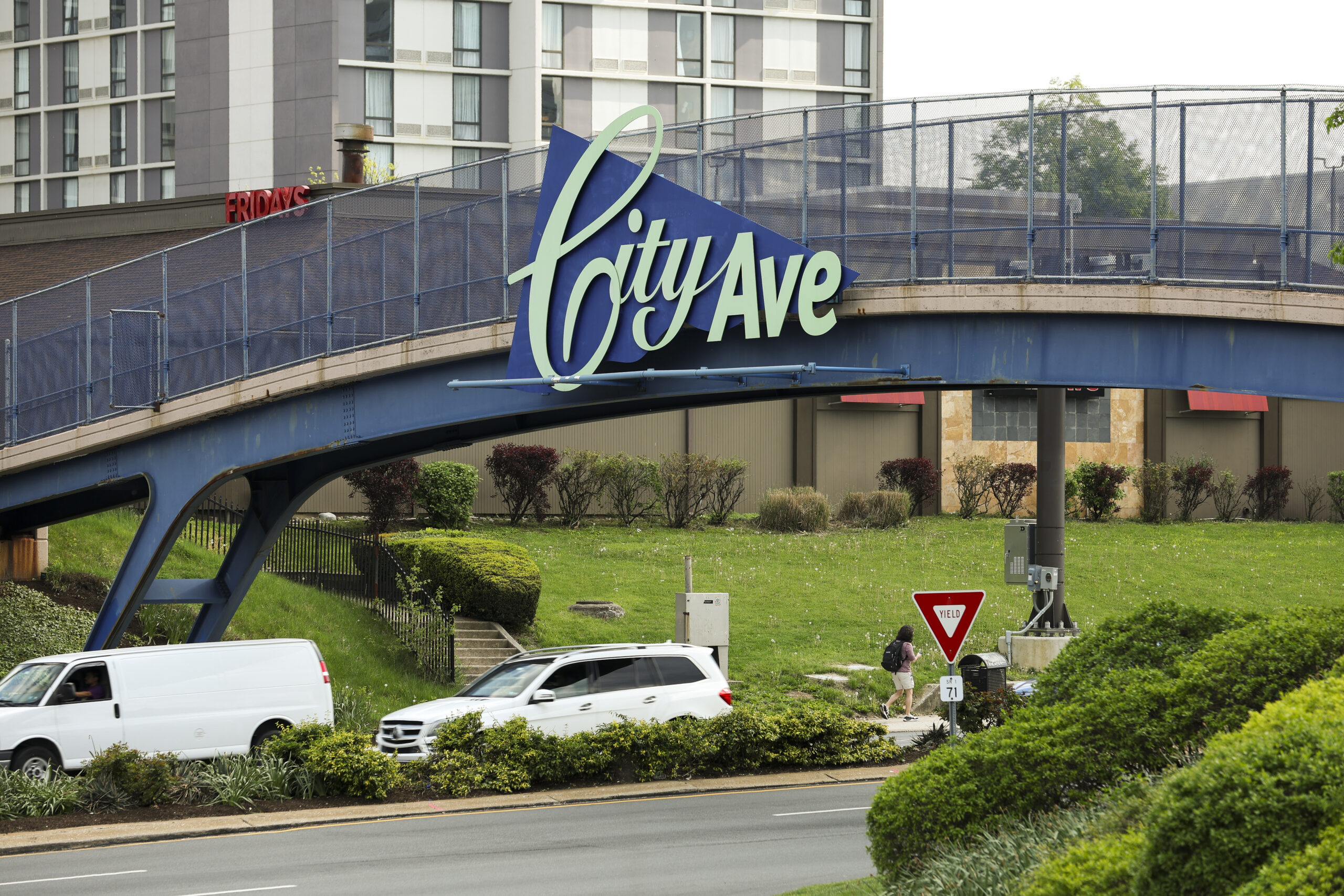
    City Avenue is shown in April 2024. The Saks Fifth Avenue along the busy thoroughfare is closing in April.

    The aging shopping center is in the process of being revamped into what developers are advertising as a “sanctuary for work, life and play,” with hundreds of new residential units.

    Nearby on City Avenue, a standalone Lord & Taylor, which closed in 2021 amid the department store’s bankruptcy, is being converted into an apartment building.

    Until recently, the longstanding Saks Fifth Avenue appeared primed to be part of the area’s future: In 2024, City Ave District, the nonprofit business development agency that straddles Lower Merion and Philadelphia, reported that business at the store was so strong that it had resisted offers to move to King of Prussia.

    Once the Bala Cynwyd Saks Fifth Avenue closes, the nearest location will be in New York.

    Saks Global also operates a Neiman Marcus at the King of Prussia Mall, which is not on the list of stores to close.

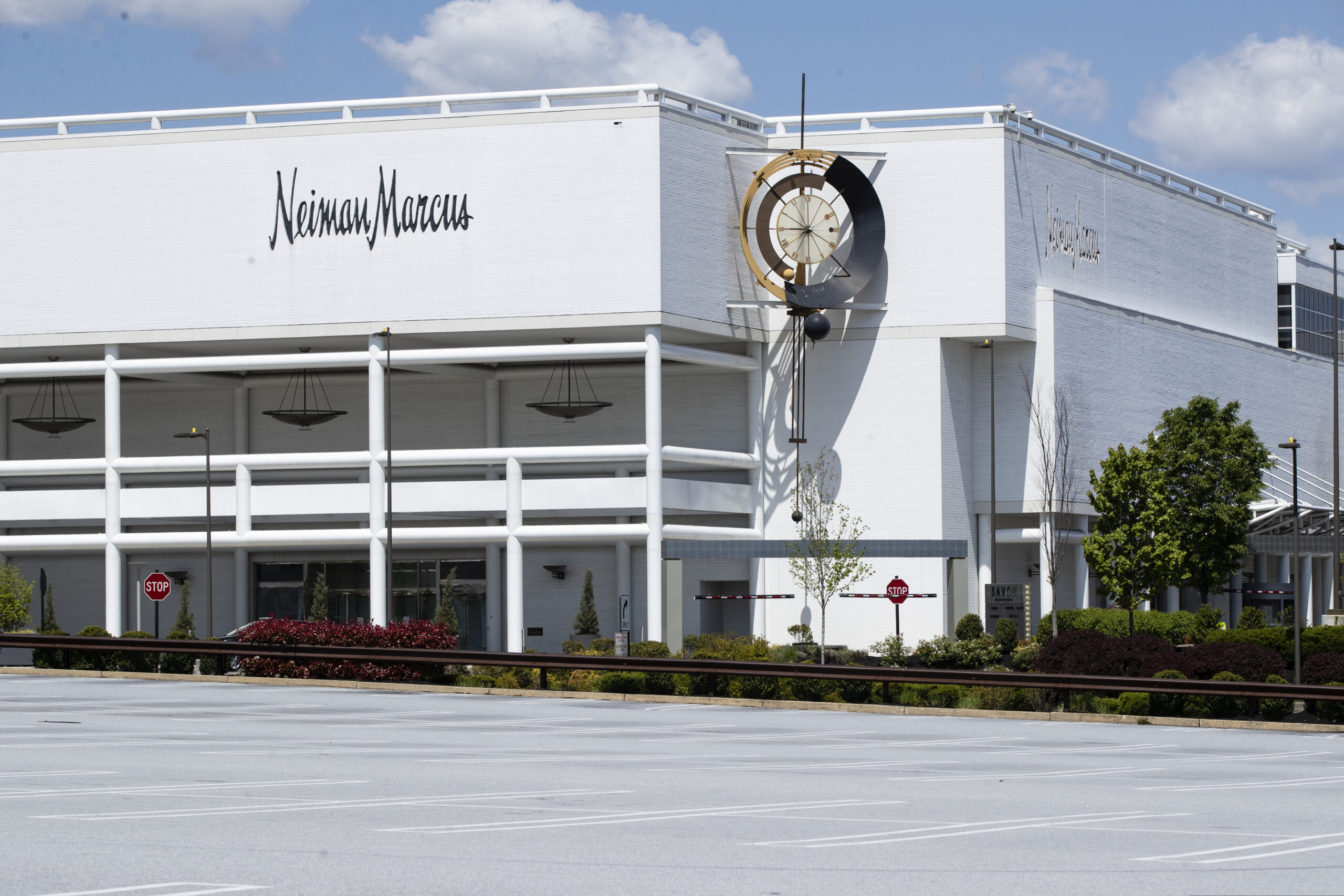
    The Neiman Marcus at the King of Prussia Mall, pictured in 2020, will remain open.

    Saks Off 5th discount outlets at the Franklin Mall in Northeast Philadelphia and at the Metroplex shopping center in Plymouth Meeting recently closed. The winding down of those stores was announced before the bankruptcy filing, as was reported by several news outlets, including the Philadelphia Business Journal.

    Elsewhere in the country, Saks Global is closing the majority of its standalone Fifth Avenue Club personal styling suites, the company said Tuesday.

    In New York, Bergdorf Goodman, which Saks also owns, will remain open.

    What Philly-area Saks customers should know

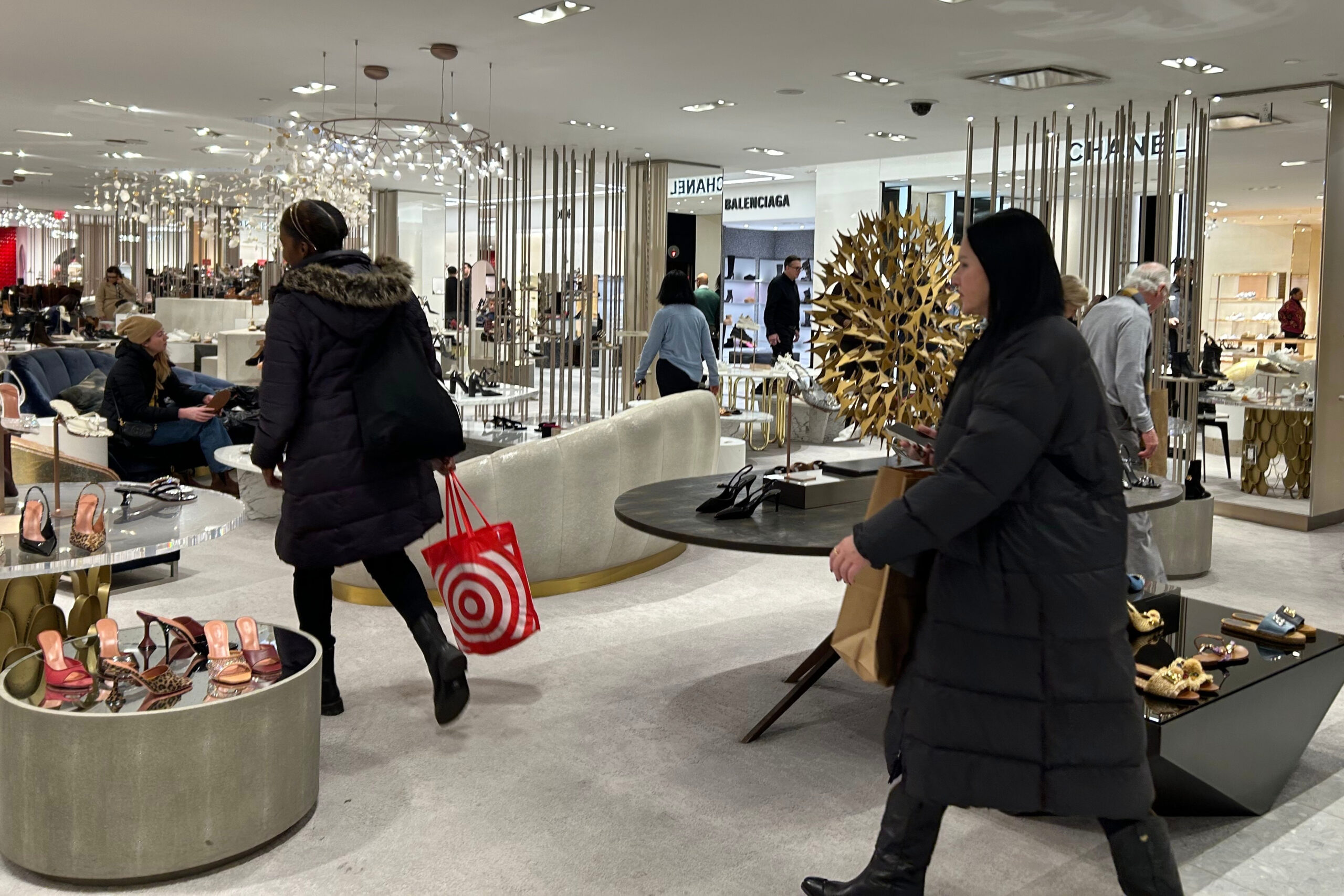
    Shoppers walk through Saks Fifth Avenue in New York in January.

    Shoppers at the Bala Cynwyd store will no longer be able to buy gift cards in person, according to Saks, and will have 15 days from the start of the closing sale to use existing gift cards.

    Items that were bought before the closing sale can be returned or exchanged as usual, the company said, but purchases made during it will be final. Merchandise bought during the closing sale will also be ineligible for return or exchange at stores that are remaining open.

    SaksFirst credit cards will still be accepted, according to the company, and customers with those credit cards will still earn points for purchases made in store. Shoppers will no longer be able to make in-person credit card payments or apply for credit cards at the Bala Cynwyd store.

    At other Saks locations, including the King of Prussia Neiman Marcus, the company says the customer experience will remain unchanged.

  • What makes someone love their grocery store? Ask the Philadelphians who are already missing their Amazon Fresh.

    What makes someone love their grocery store? Ask the Philadelphians who are already missing their Amazon Fresh.

    When Justin Burkhardt heard that his neighborhood grocery store was closing, just months after it had opened, he felt a pang of sadness.

    The emotion surprised him, he said, because that store was the Northern Liberties Amazon Fresh.

    “Amazon is a big corporation, but [with] the people that worked there [in Northern Liberties] and the fact that it was so affordable, it actually started to feel like a neighborhood grocery store,” said Burkhardt, 40, a public relations professional, who added that he is not a fan of Jeff Bezos, Amazon’s billionaire owner.

    The e-commerce giant announced last month that it was closing all physical Amazon Fresh stores as it expands its Whole Foods footprint. In the Philadelphia area, the shuttering of six Amazon Fresh locations resulted in nearly 1,000 workers being laid off. Local customers said their stores closed days after the company’s announcement.

    “I don’t feel bad for Amazon,” said Burkhardt, who spent about $200 a week at Amazon Fresh. “I feel bad for the workers. … I feel bad for the community members.”

    Burkhardt said he and his wife have been forced to return to their old grocery routine: Driving 20 minutes to the Cherry Hill Wegmans, where they feel the prices are cheaper than their nearby options in the city.

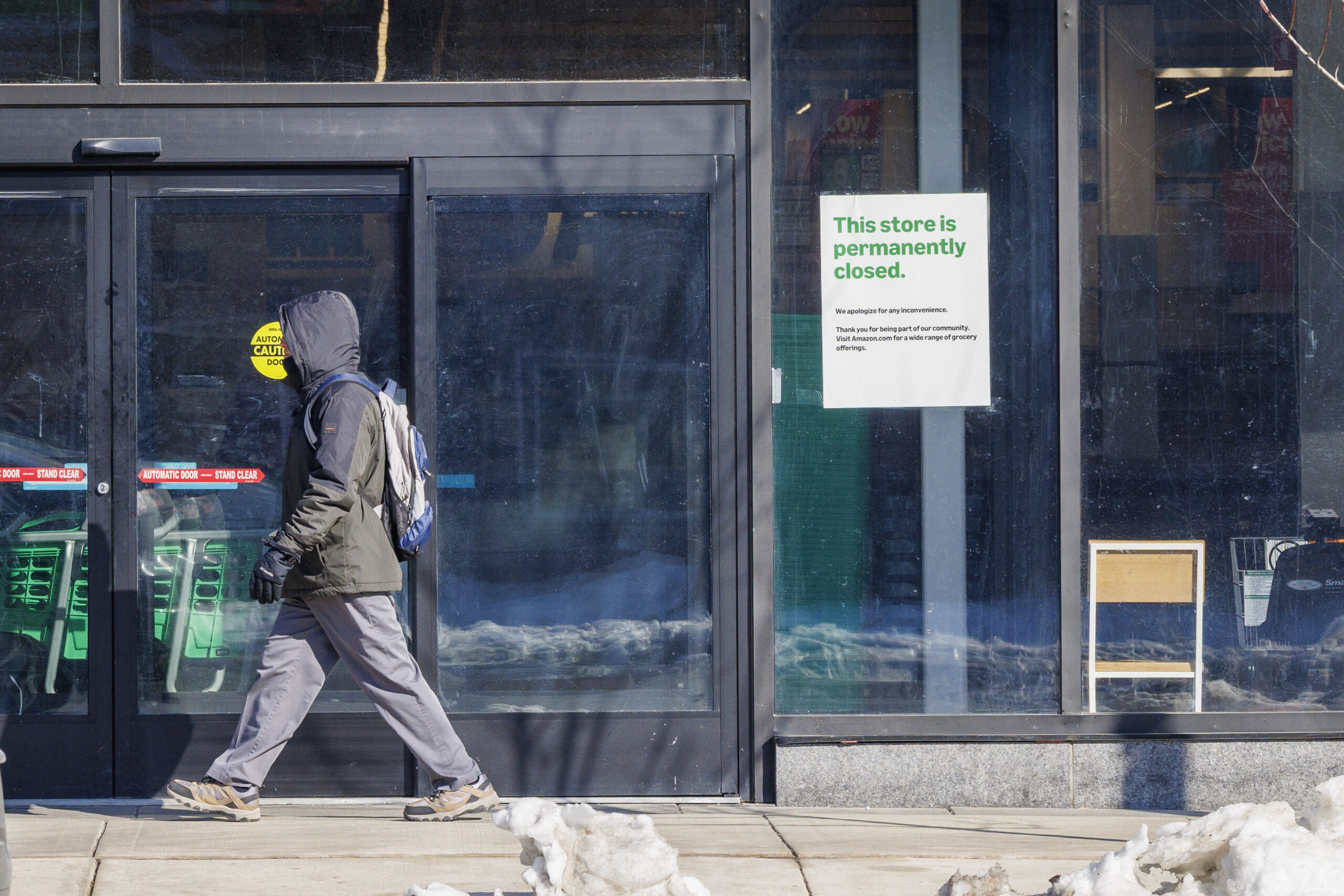
    Last week, signs informed customers that the Northern Liberties Amazon Fresh was permanently closed.

    In Philadelphia and its suburbs, many former Amazon Fresh customers are similarly saddened by the closure of neighborhood stores where they had developed connections with helpful workers. Several said they are most upset about the effects on their budgets amid recent years’ rise in grocery prices.

    “I wasn’t happy about it closing for the simple fact that it was much cheaper to shop there,” said Brandon Girardi, a 30-year-old truck driver from Levittown (who quit a job delivering packages for Amazon a few years ago). Girardi said his family’s weekly $138 grocery haul from the Langhorne Amazon Fresh would have cost at least $200 at other local stores.

    At the Amazon Fresh in Broomall, “they had a lot of organic stuff for a quarter of the price of what Giant or Acme has,” said Nicoletta O’Rangers, a 58-year-old hairstylist who shopped there for the past couple years. “They were like the same things that were in Whole Foods but cheaper than Whole Foods.”

    She paused, then added: “Maybe that’s why they didn’t last.”

    In response to questions from The Inquirer, an Amazon spokesperson referred to the company’s original announcement. In that statement, executives wrote: “While we’ve seen encouraging signals in our Amazon-branded physical grocery stores, we haven’t yet created a truly distinctive customer experience with the right economic model needed for large-scale expansion.”

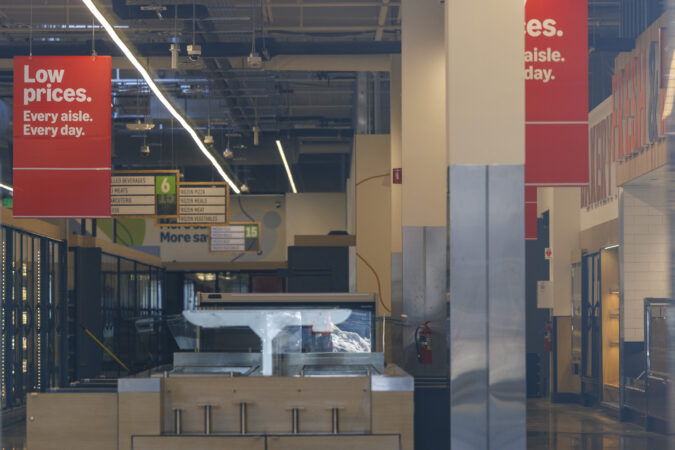
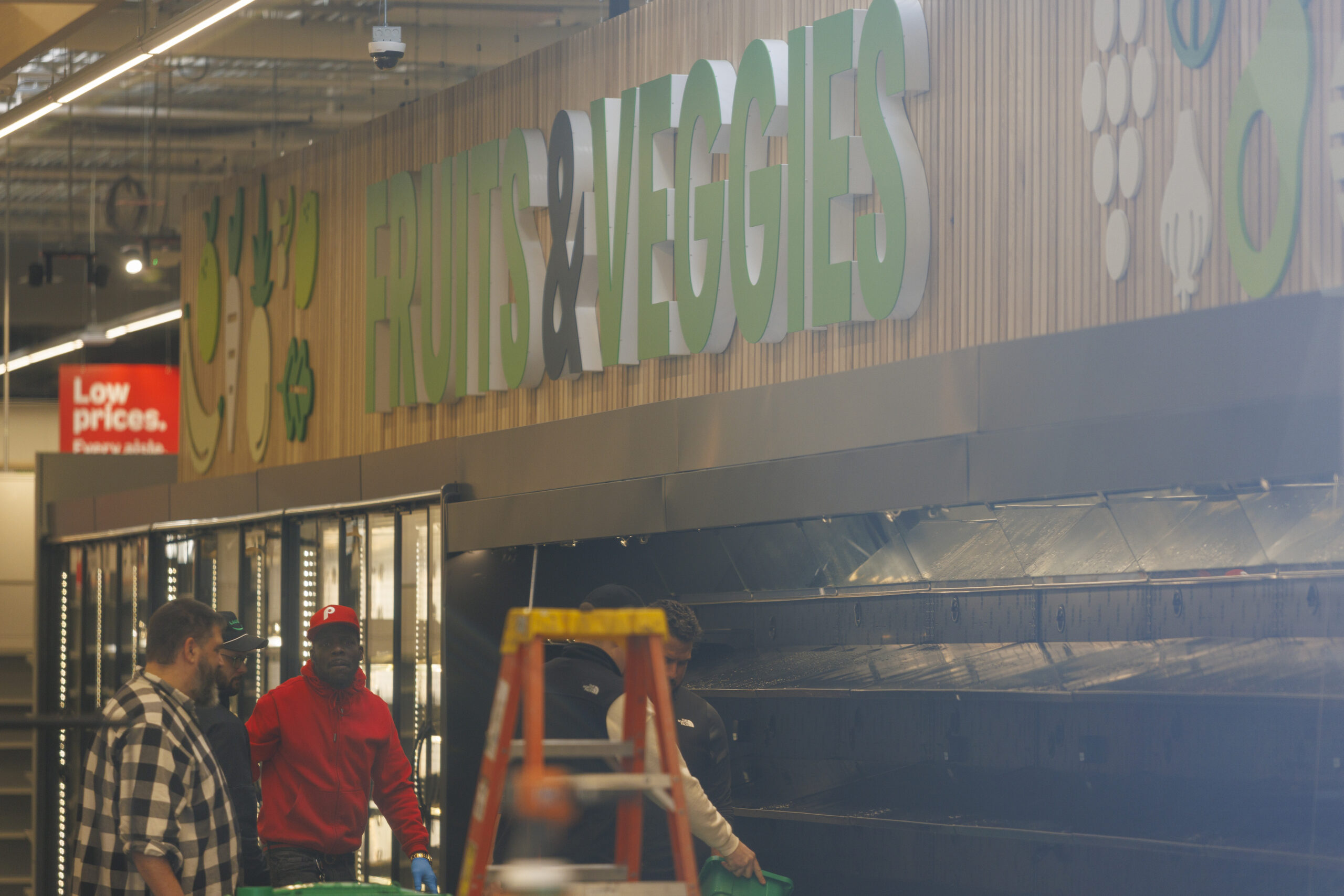
    Workers could be seen inside the closed Amazon Fresh in Northern Liberties last week.

    What makes a Philly shopper loyal to a grocery store?

    Former Amazon Fresh customers say they’re now shopping around for a new grocery store and assessing what makes them loyal to one supermarket over another.

    Last week, one of those customers, Andrea “Andy” Furlani, drove from her Newtown Square home to Aldi in King of Prussia. The drive is about an hour round trip, she said, but the prices are lower than at some other stores. Her five-person, three-dog household tries to stick to a $1,200 monthly grocery budget.

    As she drove to Aldi, she said, she’d already been alerted that the store was out of several items she had ordered for pickup. That’s an issue Furlani said she seldom encountered at the Amazon Fresh in Broomall, to which she had become “very loyal” in recent years.

    “It was small, well-stocked,” said Furlani, 43, who works in legal compliance. “I don’t like to go into like a Giant and have a billion options. Sometimes less is more. And the staff was awesome,” often actively stocking shelves and unafraid to make eye contact with customers.

    “Time is valuable to me,” Furlani said. At Amazon Fresh, “you could get in and out of there quickly.”

    Shoppers learned how to use the Amazon Dash Cart at an Amazon Fresh in Warrington in 2021.

    Girardi, in Levittown, said he is deciding between Giant and Redner’s now that Amazon Fresh is gone. The most cost-effective store would likely win out, he said, but product quality and convenience are important considerations, too.

    “We used to do Aldi, but Amazon Fresh had fresher produce,” Girardi said. “I used to have a real good connection with Walmart because my mom used to work there. But I don’t see myself going all the way to Tullytown just to go grocery shopping.”

    Susan and Michael Kitt, of Newtown Square, shopped at the Broomall Amazon Fresh for certain items, such as $1.19 gallons of distilled water for their humidifiers and Amy’s frozen dinners that were dollars cheaper than at other stores.

    But Giant is the couple’s mainstay. They said they like its wide selection, as well as its coupons and specials that save them money.

    “I got suckered by Giant on their marketing with the Giant-points-for-gas discounts. I figured if I’m going to a store I may as well get something out of it,” said Michael Kitt, a 70-year-old business owner who has saved as much as $2-per-gallon with his Giant rewards. “I really at the time didn’t see that much of a difference between the stores.”

    How Whole Foods might fare in Amazon Fresh shells

    The Whole Foods store on the Exton Square Mall property is shown in 2022.

    If any of these local Amazon Fresh stores were to become a Whole Foods, several customers said they’d be unlikely to return, at least not on a regular basis.

    Amazon said last month that it plans to turn some Amazon Fresh stores into Whole Foods Markets, but did not specify which locations might be converted.

    Amazon bought Whole Foods in 2017. The organic grocer is sometimes referred to as “Whole Paycheck,” but the company has been working to shed that reputation for more than a decade.

    Some Philly-area consumers, however, said Whole Foods prices would likely be a deterrent.

    Natoya Brown-Baker, 42, of Overbrook, said she found the Northern Liberties Amazon Fresh “soulless,” and she didn’t “want to give Jeff Bezos any more money.” But the prices at Amazon Fresh were so low, she said, that she couldn’t resist shopping there sometimes.

    Brown-Baker, who works in health equity, said she came to appreciate that it represented an affordable, walkable option for many in the neighborhood, including her parents, who are on a fixed income.

    If a Whole Foods replaces the store at Sixth and Spring Garden Streets, which was under construction for years, Brown-Baker said the area would be “back at square one.”

    Burkhardt, who also lives in the neighborhood, noted that Northern Liberties has a mix of fancy new apartment complexes and low-income housing.

    “The grocery store should be for everyone,” he said. Whole Foods “doesn’t feel like it’s for the neighborhood. It feels like it’s for a certain class of people.”

  • This developer wants to revive one of South Jersey’s deadest malls. But it’s not a done deal.

    This developer wants to revive one of South Jersey’s deadest malls. But it’s not a done deal.

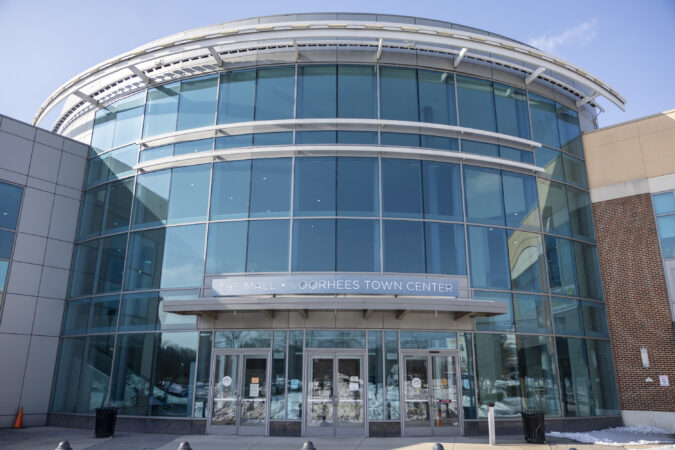
    A North Jersey developer has plans to finally transform the long-dead Echelon Mall, saying he’d spend more than $250 million to create a “regional destination” with high-end restaurants, entertainment venues, sports retailers, housing, and perhaps even an “upscale supermarket.”

    “We’re going to try to make it Voorhees’ main street” inside the old mall building, said George Vallone, president of the Hoboken Brownstone Co. “Just sort of reinvent the whole thing.”

    The project, which would include townhouses, apartments, a parking garage, and community spaces, was unanimously approved by the Voorhees Township Committee in October.

    But Vallone said his plans aren’t set in stone: The revitalization of the former mall, now called the Voorhees Town Center, depends on whether Hoboken Brownstone can get financial help from the state.

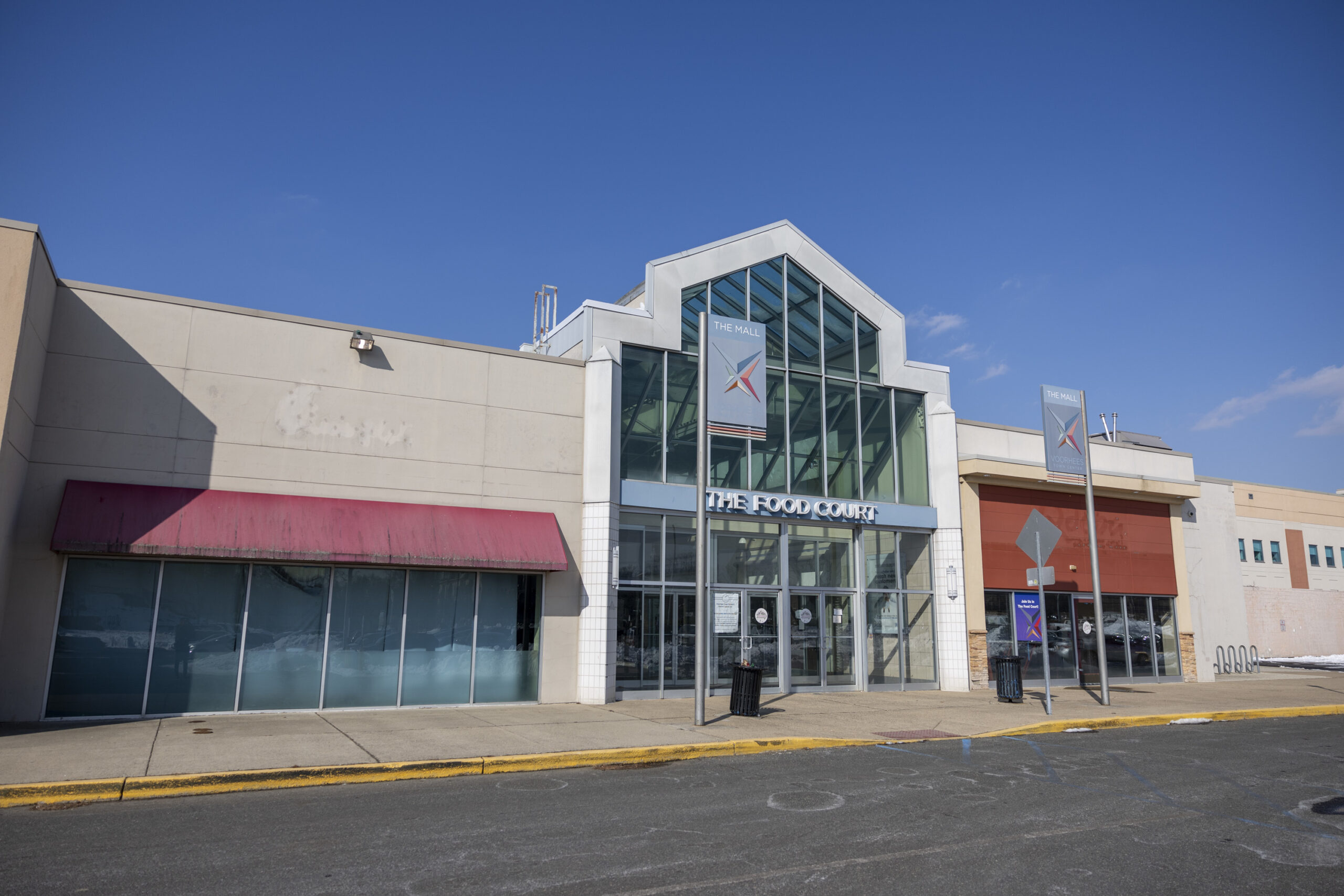
    The entrance to the food court at the Voorhees Town Center, which has been closed for nearly two years after a fire.

    Vallone said his company is applying for a $90 million tax credit for development projects and expects to hear in the coming months whether it is approved. If not, he said, “we walk.”

    Vallone made similar statements in a Philadelphia Business Journal report earlier this week.

    Voorhees Township Mayor Michael Mignogna said he supports “the thoughtful redevelopment of the former Echelon Mall site” as proposed by Hoboken Brownstone.

    “Throughout the process, the township has worked collaboratively with Hoboken Brownstone and Namdar in their private transaction to advocate for the rejuvenation of Town Center, specifically a strong business and retail presence that will restore the site as the center of Voorhees tradition and community,” Mignogna said in a statement.

    He noted that a state tax credit would not affect the developer’s local tax responsibilities.

    The uncertainty represents the latest hurdle in the long quest to revive the sprawling complex off Somerdale Road. Over the years, the 400-acre property, one of the Philadelphia region’s many lifeless malls, has been redeveloped in fits and starts under multiple owners.

    Recently, transformations have begun at nearby malls, including Moorestown and Burlington Center, as the old Echelon Mall languishes.

    What $250 million could do for dead Voorhees mall

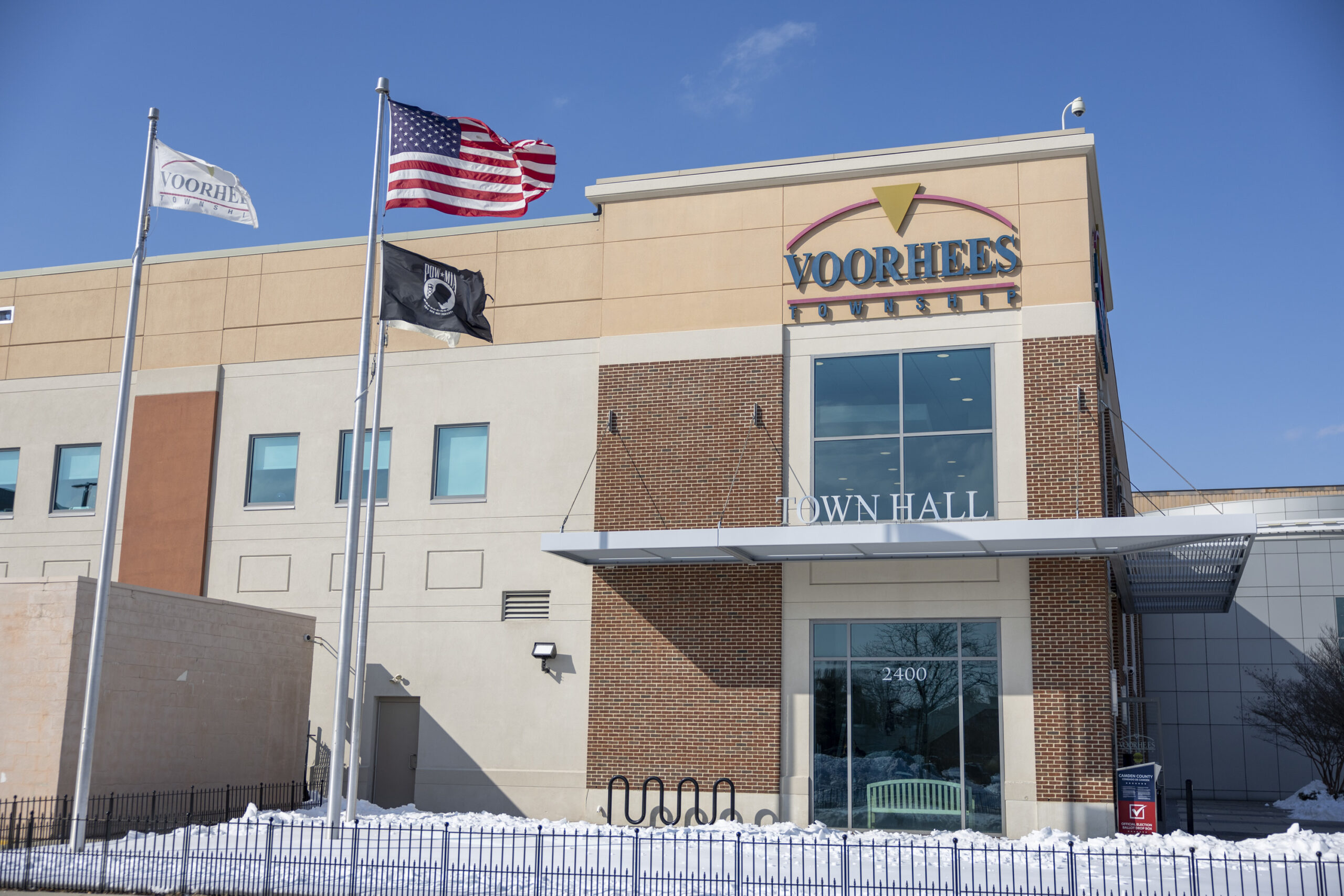
    The Voorhees Township Town Hall would not be included in a potential sale of the closed mall building.

    Voorhees officials, including Mignogna, have been talking about the troubled mall’s revival for two decades.

    Built in the 1970s, the once-bustling Echelon Mall has been struggling with vacancies since the early 2000s.

    In an attempt to turn the mall around, it was partially demolished, and a Main Street-style mixed-use development was built on part of the property in 2008. After this makeover, which cost an estimated $150 million, the complex was rebranded as the Voorhees Town Center.

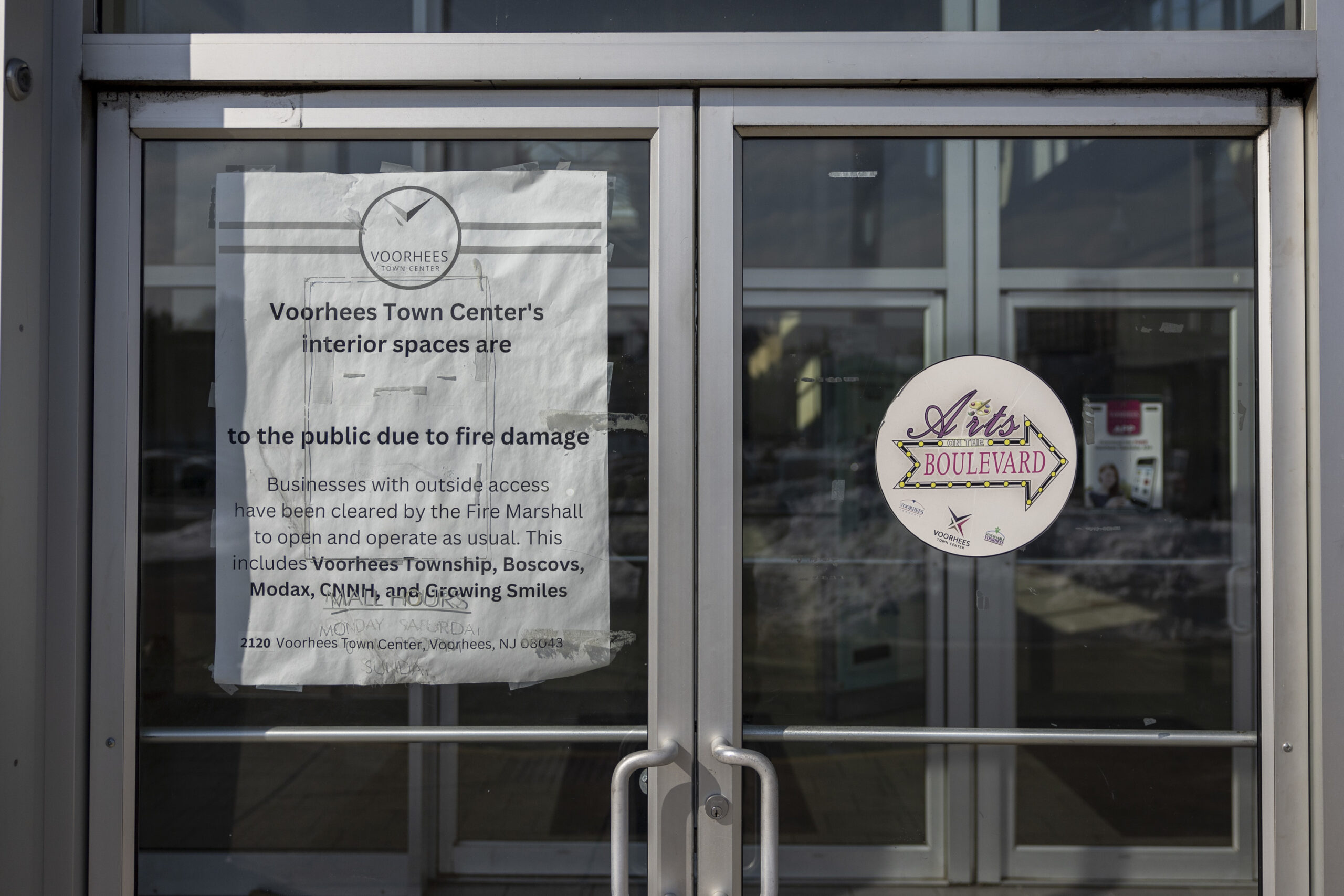
    Namdar Realty Group, which is known to scoop up distressed malls, bought the property from PREIT for $13.4 million in 2015, but the situation did not improve. Retailers continued to flee. Customers followed. In 2024, a two-alarm fire damaged the inside of the building. It has not reopened since.

    A sign on the door of the Voorhees Town Center, which has been closed for nearly two years due to fire damage.

    Hoboken Brownstone plans to buy the mall building from Namdar in a pending sale, dependent on the tax break, Vallone said. He declined to disclose how much he would pay for the property, and Namdar executives could not be reached.

    The sale would not include the Voorhees Town Hall, which occupies 22,000 square feet of the mall and cost the township $5.5 million.

    Nor would it include the property’s existing mixed-use section, Boulevard Shoppes, which had been home to an Iron Hill Brewery until the company filed for bankruptcy and closed all locations this fall. (Township administrator Stephen Steglik said Voorhees hasn’t heard anything from Namdar about what’s next for the Iron Hill space.)

    Voorhees Township officials are in the dark about the future of the closed Iron Hill Brewery.

    Boscov’s, the site’s sole department store, would also be excluded from the sale, and executives have said it would remain open.

    If the sale goes through, Vallone said, construction could begin in early 2027.

    The company plans to build more than 200 market-rate townhouses; more than 100 units of affordable housing, including for-sale townhouses and rental apartments; and a parking garage with at least 1,300 spaces.

    As for the retail space inside the mall, “we’re going to invest a lot of money because there has been very little maintenance done on that thing for the last 20 years,” Vallone said. The mall building will not be torn down, he said, and may look largely the same from the outside.

    Why this developer invests in dead New Jersey malls

    The former Echelon Mail, as seen through a window in October 2024, after a fire damaged the building. The mall has not reopened since.

    In Voorhees, Hoboken Brownstone’s plan differs from its other major mall redevelopment in New Jersey.

    In Flemington, Hunterdon County, Vallone said they’re demolishing Liberty Village, considered the country’s first outlet center, and turning it into a mixed-use complex that will also include townhouses and apartments.

    After buying Liberty Village from Namdar, Vallone said he reached back out to the real estate company to inquire about other mall properties for sale. That’s how he became interested in the Voorhees Town Center.

    Vallone said he believes dead and dying malls can make good investments.

    “Here we have a substantial amount of infrastructure that is feeding the mall,” including plumbing and electric, Vallone said. “That de-risks the project quite a bit.”

    And he said he thinks customers will come to malls-turned-town-centers if they are developed thoughtfully.

    After all, retailers like Amazon can’t deliver everything same-day, Vallone said, and shopping online doesn’t offer the same experience as browsing at a store.

    In-person entertainment, fine dining, and even grocery shopping are also hard to replicate at home, he said: “Certain things, you have to go somewhere to do.”

  • URBN’s Reclectic is moving from Philly to the suburbs

    URBN’s Reclectic is moving from Philly to the suburbs

    Reclectic, URBN’s discount store, is moving from one Philly-area mall to another.

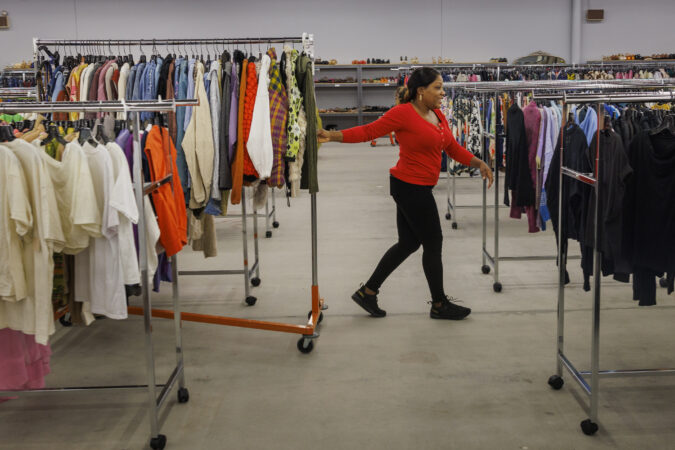
    The 40,000-square-foot site which opened in 2023 at the Franklin Mall (still widely known to locals by former name Franklin Mills) will relocate to a larger space in Willow Grove Park Mall next month, into the first floor of the former Sears store.

    The move comes as Reclectic’s Franklin Mall lease nears its end and as the store has seen an “overwhelming increase in demand,” said Kevin Dorfmeyer, executive director of strategy, corporate development and Reclectic at URBN.

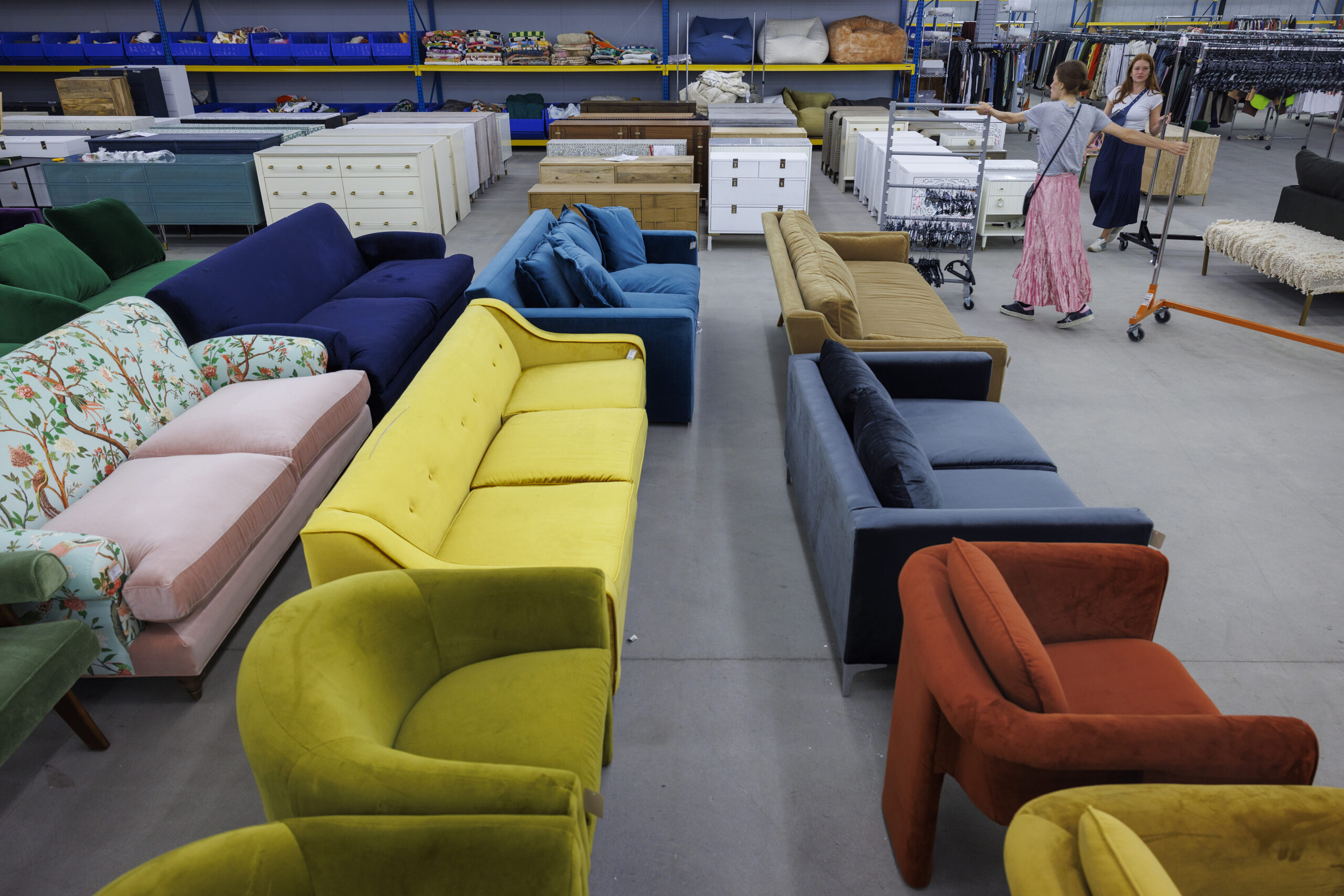
    Reclectic sells items typically 50% to 60% off the ticket price and includes new, slightly damaged inventory, or items that have cycled through URBN’s clothing rental service, Nuuly. The store sells shoes, clothing, home furnishings, and accessories.

    The Franklin Mall location will close on Feb. 21, and the new site at Willow Grove Park Mall will open on Feb. 27.

    The Reclectic store at the Franklin Mall opened in 2023.

    The company is also looking to expand locations this year, said Dorfmeyer, who described the Franklin Mall store as “extremely successful.”

    To date, URBN has opened Reclectic locations in North Carolina, Illinois, Texas, New York, and Arizona.

    “We’re actively working on expansion into new metro regions across the U.S.,” Dorfmeyer said. “It’s too early to tell now where we’re headed, but, [we’re] looking to expand further.”

    Shoppers are traveling upwards of 30 to 60 miles to visit Reclectic stores, Dorfmeyer said.

    “Our customer loves the thrill of the hunt,” he said. “They’re coming to us to discover new brands, to experiment and play and, quite honestly, just to uncover the possibility with a new type of inventory that we offer in Reclectic.”

    URBN, which was founded in Philadelphia, is the parent company of Anthropologie, Free People, and Urban Outfitters. The business launched Nuuly, a clothing rental subscription, in 2019.

    An assortment of colorful couches and other furniture for sale at Reclectic in the Franklin Mall in August 2023.