Category: Retail

  • Sloomoo Institute, an immersive slime playground, is one of King of Prussia Mall’s new stores this holiday season

    Sloomoo Institute, an immersive slime playground, is one of King of Prussia Mall’s new stores this holiday season

    At the King of Prussia Mall, you can add some slime (the fun kind) to your holiday shopping experience this year.

    Fresh off the opening of the first-ever Netflix House, the Montgomery County mall this week welcomed the Sloomoo Institute’s first Philly-area location. The sensory slime experience’s latest outpost is called a Sloomoo MiniMoo, and it’s a scaled-down, 3,000-square-foot version of its flagship stores.

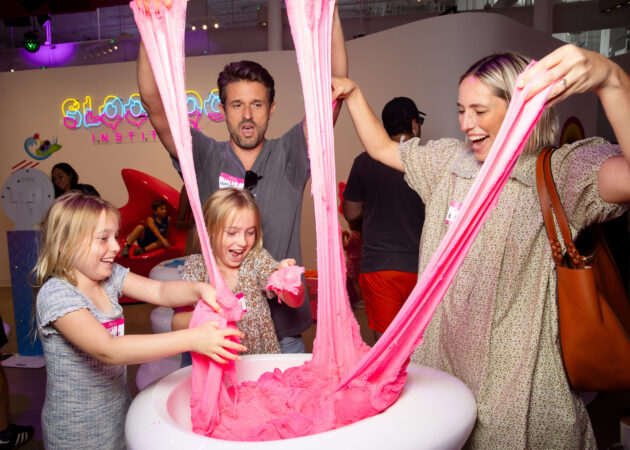
    For between $24 and $26 a person, King of Prussia Sloomoo customers can design their own slime, choosing from different textures, colors, scents, and charms. They can also smush slime onto the wall, send it flying through the air with a slingshot, go elbow-deep in vats of slime, and take slime-making classes.

    Guests can also browse slime toys and other squishy, sensory gifts at the Sloomoo retail store, no ticket required.

    “King of Prussia is a playground for families,” cofounder Sara Schiller said in a statement, “and we’re bringing a world of slime designed to spark curiosity and pure, unfiltered joy.”
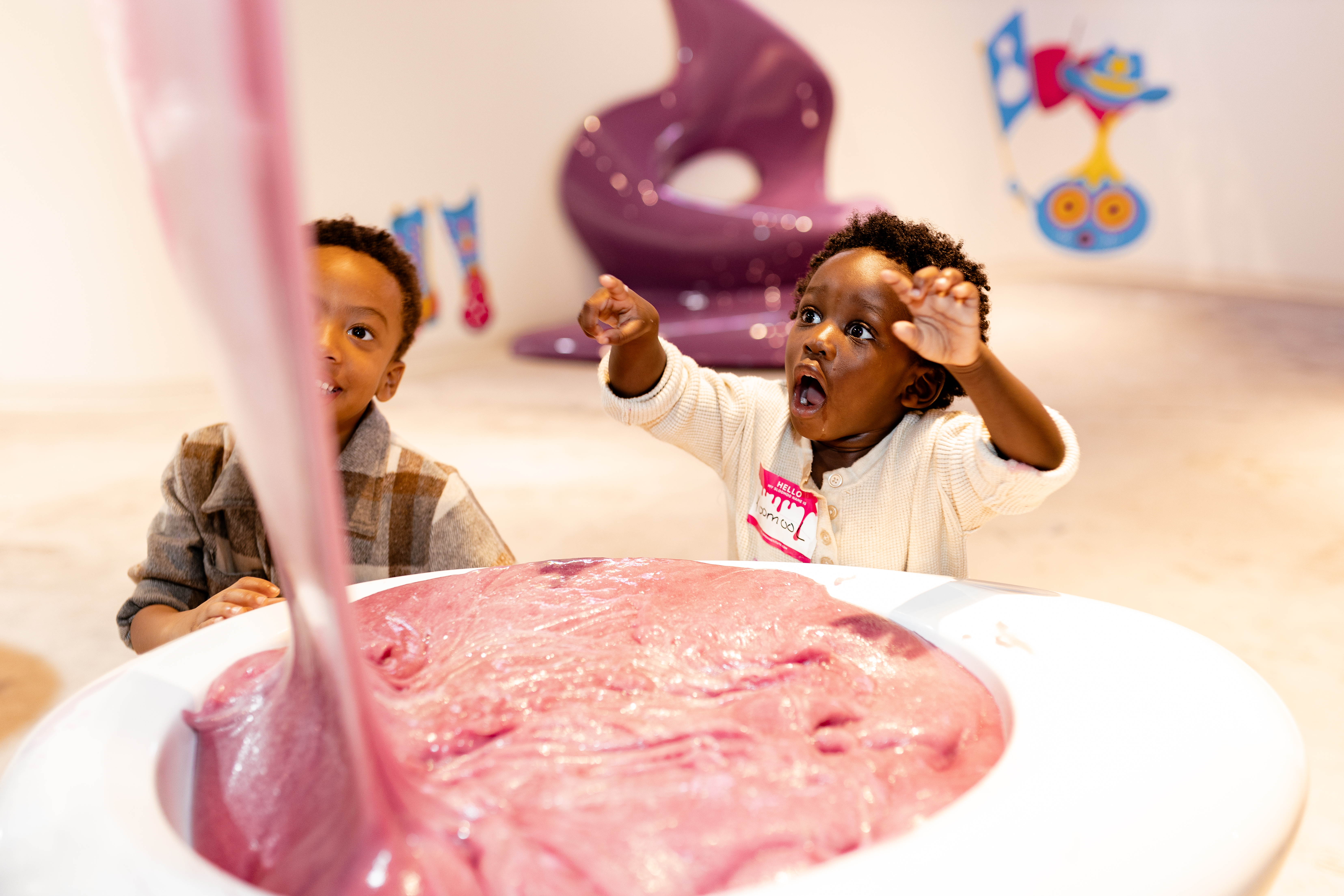
    Customers play with slime at another Sloomoo Institute location. The King of Prussia Mall opened a Sloomoo MiniMoo experience this week.

    Sloomoo Institute was founded by Schiller and her friend Karen Robinovitz, who had rediscovered slime as a way to feel joy again after personal losses and hardships.

    They opened their first location in New York in 2019, went viral on TikTok during the pandemic, and then expanded nationwide, opening outposts in Atlanta, Chicago, Houston, and Los Angeles. A Sloomoo MiniMoo also recently opened in Boston.

    Earlier this year, the founders told CNBC that Sloomoo brings in as much as $4.3 million a month in revenue from ticket sales alone.
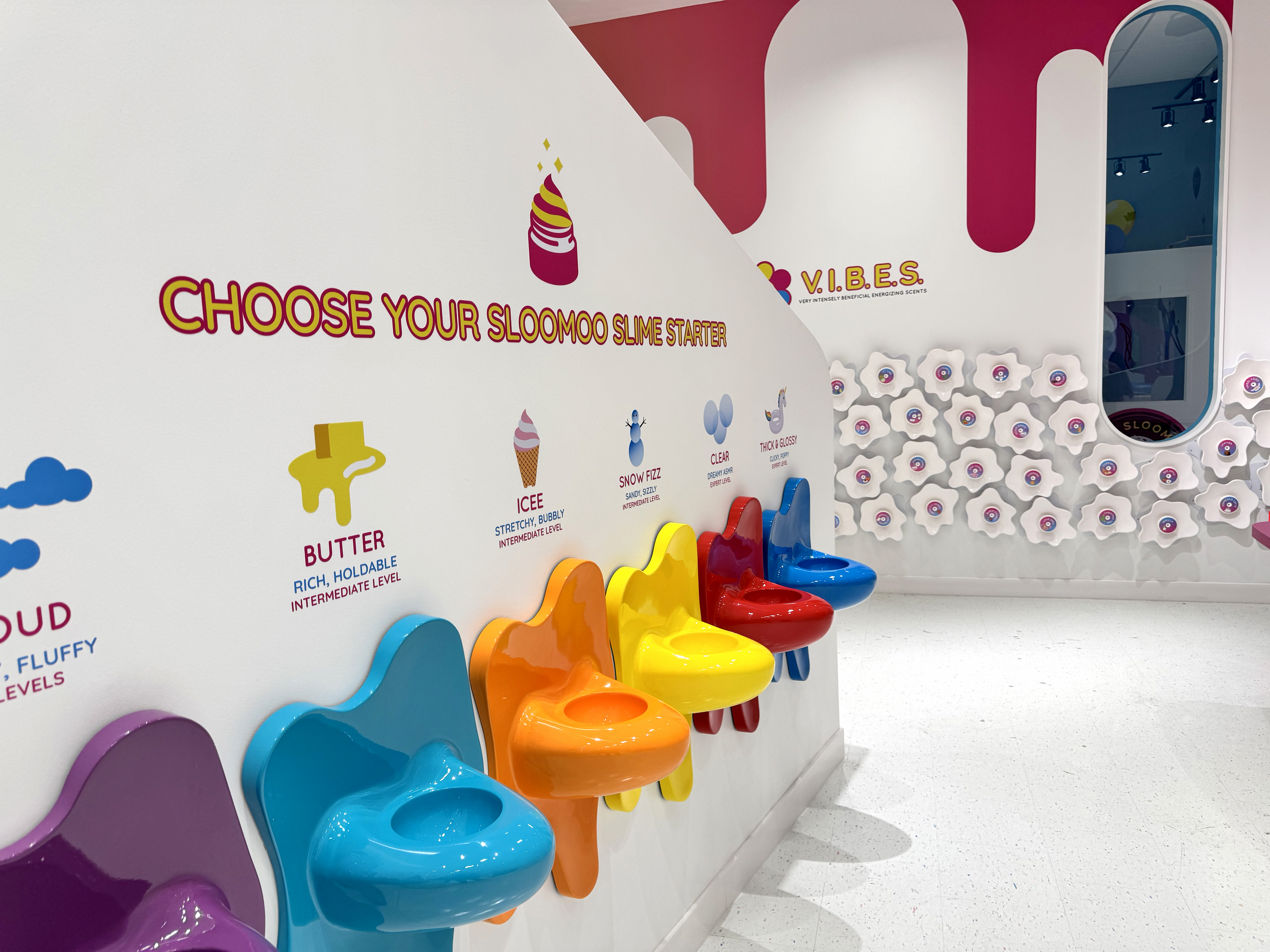
    A look inside the King of Prussia Mall’s Sloomoo MiniMoo experience, which opened this week ahead of Black Friday and the holiday shopping season.

    At King of Prussia, Sloomoo MiniMoo welcomed its first customers last weekend, but it will celebrate its grand opening this Saturday, when the first 200 ticketed customers will receive a complimentary hot chocolate and “limited-edition Philly Cheesesteak-themed slime,” according to company officials. The first 100 guests on Saturday will get a bag charm.

    Sloomoo is located next to H&M on the upper level of the Plaza by Eataly, the mall’s new Italian culinary experience.

    Other new stores, restaurants, and experiences at the King of Prussia Mall
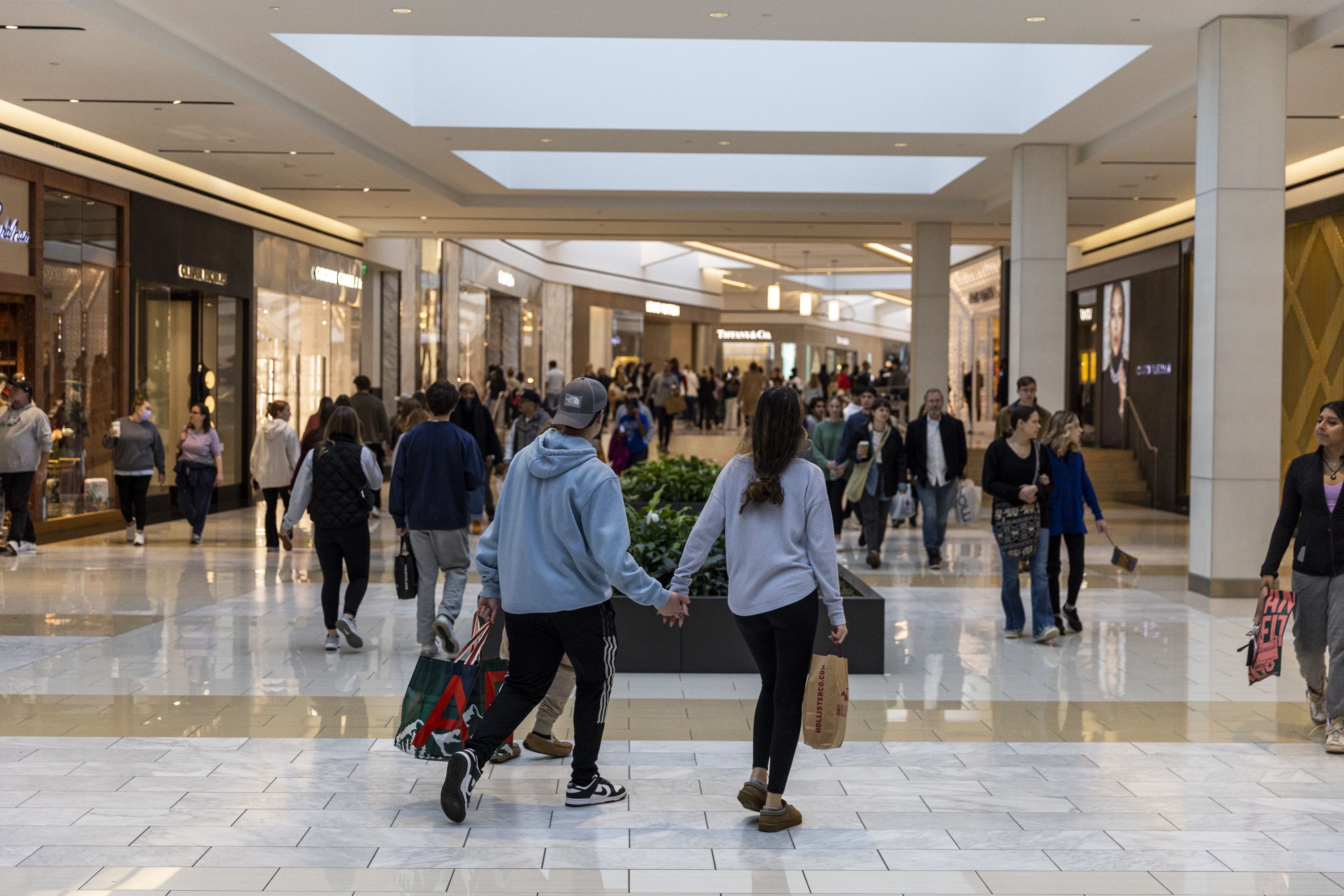
    Crowds shopped at the King of Prussia Mall on Black Friday 2022.

    While some other Philly-area malls have struggled or died — and others are trying to reinvent themselves — King of Prussia Mall seems to be thriving.

    Aside from Sloomoo, the mall has welcomed several other new stores, restaurants, and interactive experiences since August. A few retailers, including Lululemon, Abercrombie & Fitch, and Mejuri, have also expanded or relocated.

    As holiday shopping season kicks into high gear, customers can check out the following new additions:

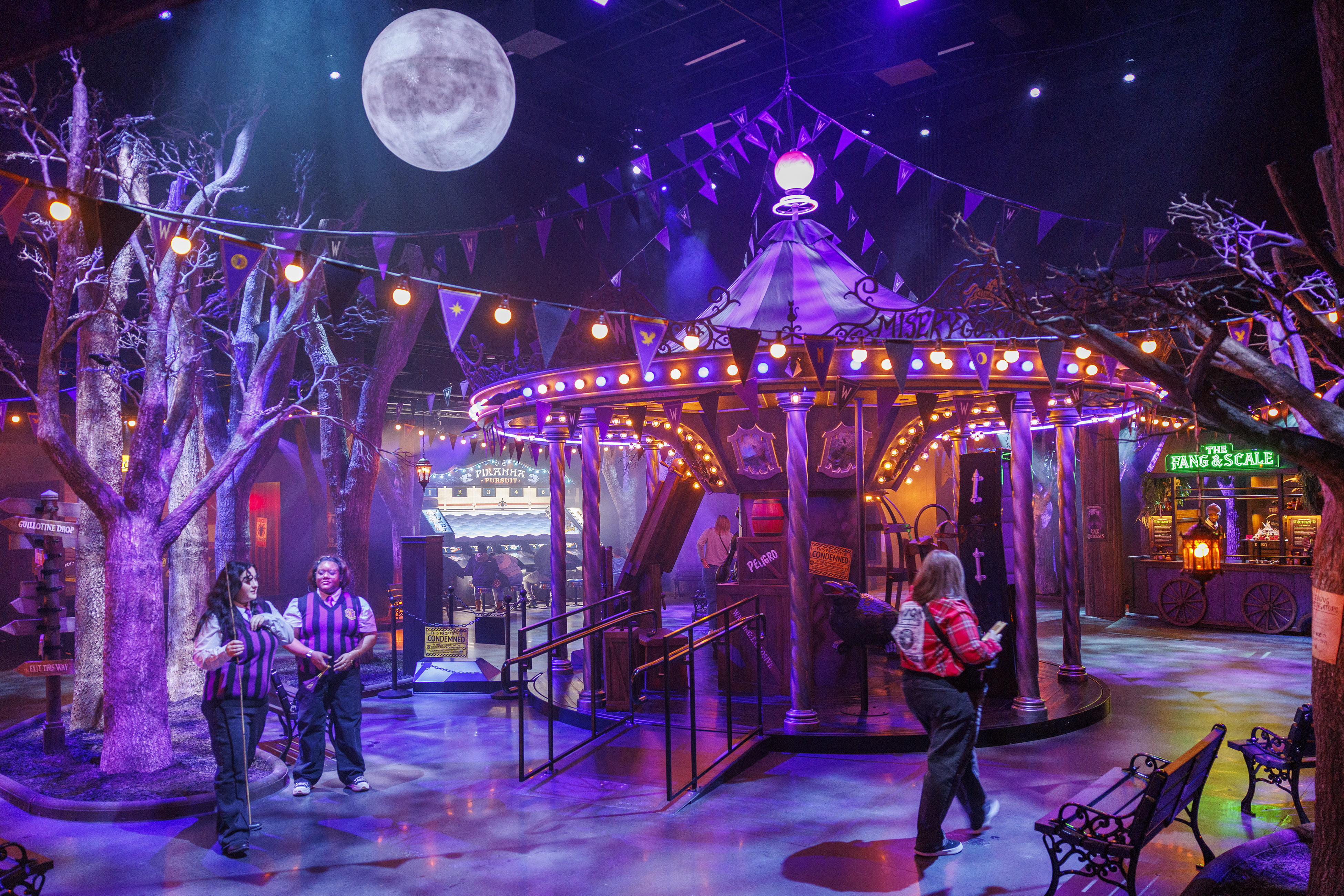
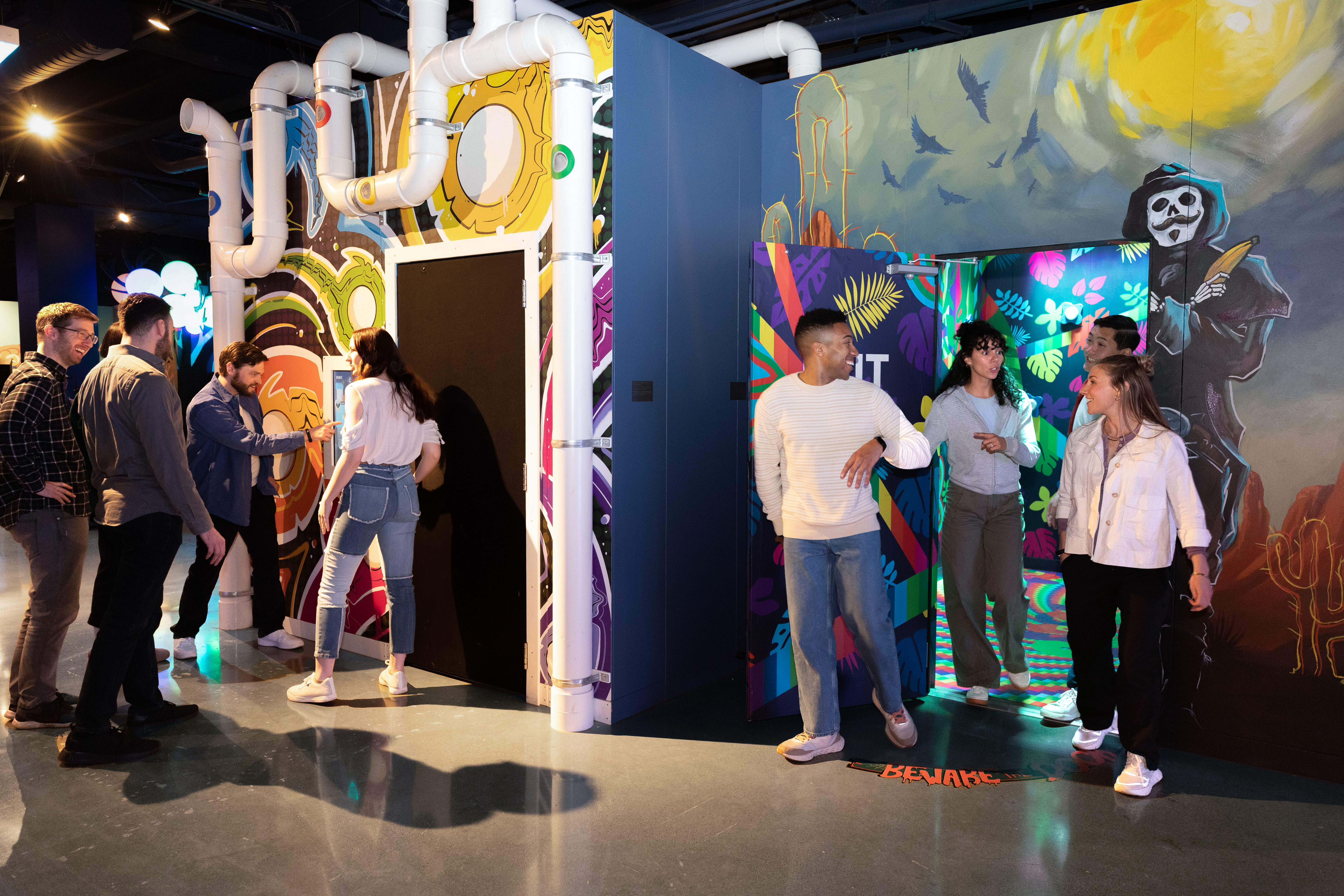
    The “misery-go-round” inside of “Wednesday: Eve of the Outcasts” at the Netflix House, which opened earlier this month at the King of Prussia Mall.

    Stores coming soon to the King of Prussia Mall
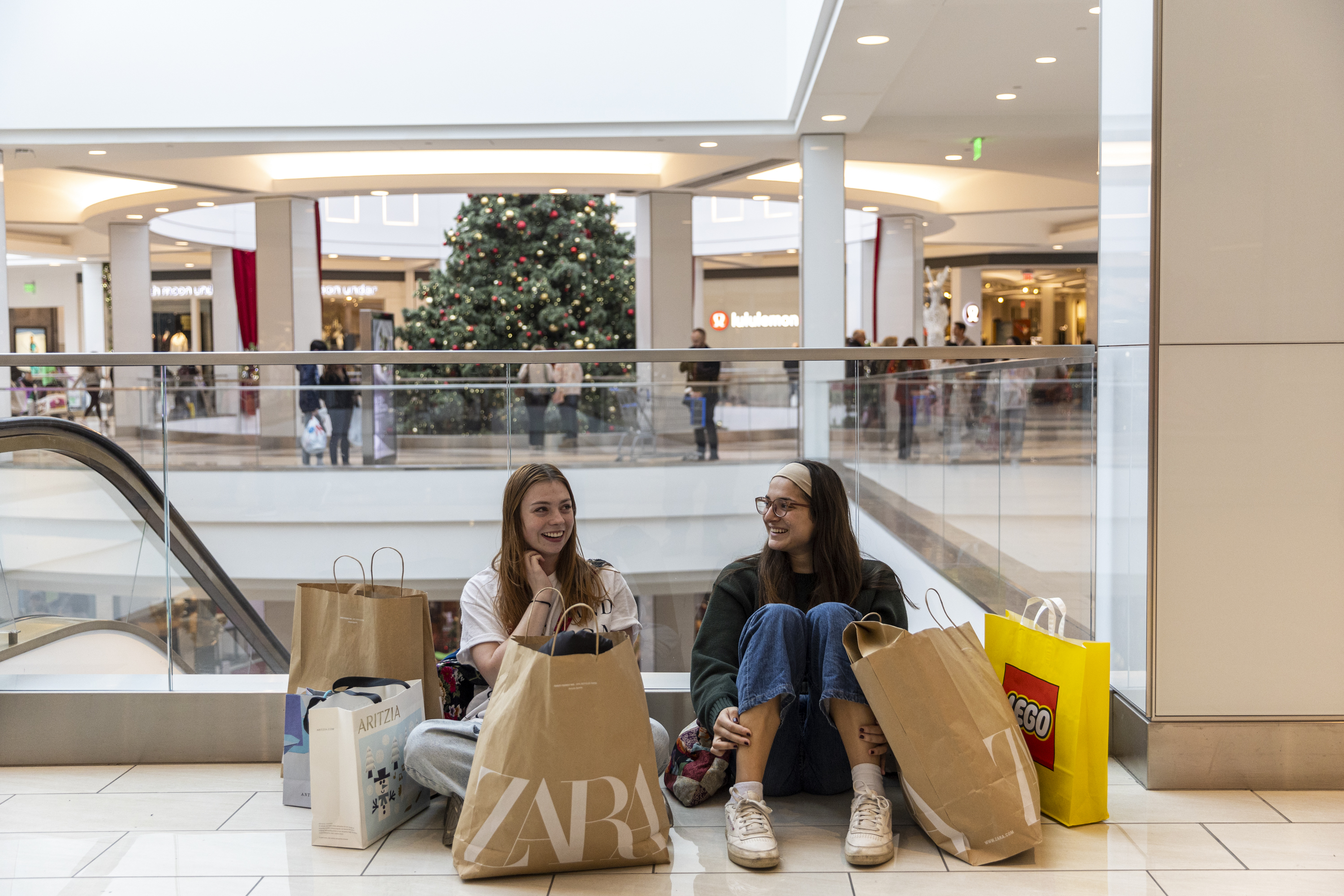
    Shoppers sit with their bags at the King of Prussia Mall on Black Friday 2022.

    If you’re doing holiday shopping later in the season, or taking a trip to the mall between Christmas and New Year’s, you might be able to visit the following stores. All of them are set to open their first Philadelphia-area locations this December:

    In early 2026, Adidas and Columbia Sportswear are set to open stores in the King of Prussia Mall. Exact locations for those stores have yet to be announced.

    Looking even further ahead, Level99 is set to open a 46,000-square-foot live social-gaming venue on the ground floor of the former JCPenney in 2027.
  • Plymouth Meeting Mall slated to be sold to Philly developer

    Plymouth Meeting Mall slated to be sold to Philly developer

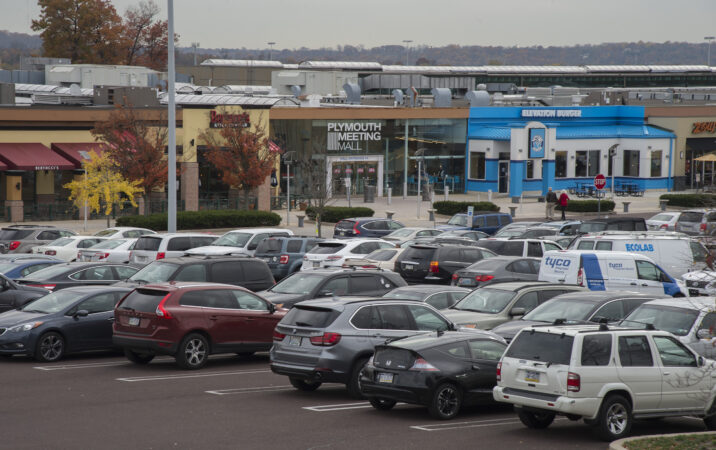
    The Plymouth Meeting Mall may soon change hands.

    The mall’s current owner, PREIT, plans to sell the property to LA Partners, previously known as Lubert Adler Real Estate Funds, PREIT leadership confirmed Thursday, noting that the sale is still pending. PREIT did not disclose the price of the sale.

    PREIT, which is based in Philadelphia, also sold the Exton Square Mall to Abrams Realty & Development in March. PREIT also owns the Cherry Hill and Moorestown Malls.

    LA Partners executive chairman Dean Adler told the Philadelphia Business Journal, which first reported on the pending sale, that he expects to invest over $100 million to redevelop the mall. Early plans include adding residences.

    PREIT CEO Jared Chupaila said in a statement that the sale reflects the company’s “commitment to disciplined balance sheet management and liquidity generation.”

    “We believe LA Partners is uniquely positioned to build on the multipurpose hub we have laid the groundwork for, which has long served as a central part of Plymouth Township and the surrounding communities,” said Chupaila.

    PREIT has faced financial challenges in recent years. The business has filed for bankruptcy twice since 2020, and most recently emerged from bankruptcy as a private company in 2024 helmed by a group of investment firms.

    The Plymouth Meeting Mall, for its part, has tried to undergo a makeover in the last few years, following the 2017 closure of its anchor, a 215,000 square-foot Macy’s. Amid PREIT’s plans to “diversify the tenant mix” at the mall, nearly half the tenants there were either dining or entertainment businesses in 2018.

    Lubert Adler’s other properties include the Bellevue in Center City, which recently underwent extensive renovations, and the Battery, a former power plant in Fishtown redeveloped into a multipurpose complex.

    A spokesperson for LA Partners did not immediately respond to a request for comment Thursday.

    Peter Abrams, managing partner for Elkins Park-based Abrams Realty & Development, said the Plymouth Meeting Mall site “is the best-located large parcel of real estate in the Delaware Valley.”

    “There’s a lot of dead and dying malls in this country, and some of us, like myself and Dean Adler, understand the opportunity and aren’t afraid of the challenges, which are many,” said Abrams, who is behind proposed development plans at the Exton Square Mall.

    Boscov’s at Plymouth Meeting Mall on June 6, 2020.

    How did PREIT get here?

    At the time of PREIT’s bankruptcy filing in 2020, the business managed 4.7 million square feet of space in the region as the largest mall owner in the Philadelphia area.

    Consumers had already been shifting toward e-commerce before the pandemic. But as COVID forced nationwide shutdowns in 2020, some of PREIT’s tenants were forced to close, couldn’t pay rent, or didn’t want to, intensifying issues for the mall owner.

    Prior to the pandemic, PREIT sold off malls and tried to transform others by adding supermarkets, movie theaters, and apartments.

    Through the most recent bankruptcy process, PREIT shed $800 million in debt and gave up its stake in the Fashion District in Center City. When it emerged from bankruptcy last year, PREIT owned 13 malls across Pennsylvania, New Jersey, Maryland, and Virginia.

    It’s a time of struggle and transition for many malls across the country, including several in the region that have survived beyond their heyday. In the Philadelphia suburbs, plans are in the works to redevelop mall sites including the Exton Square Mall and the former Echelon Mall in Voorhees.

  • How Philly-area outlets survive and sometimes thrive in an era of dying malls

    How Philly-area outlets survive and sometimes thrive in an era of dying malls

    For the Nowell family, the outlets are an annual tradition.

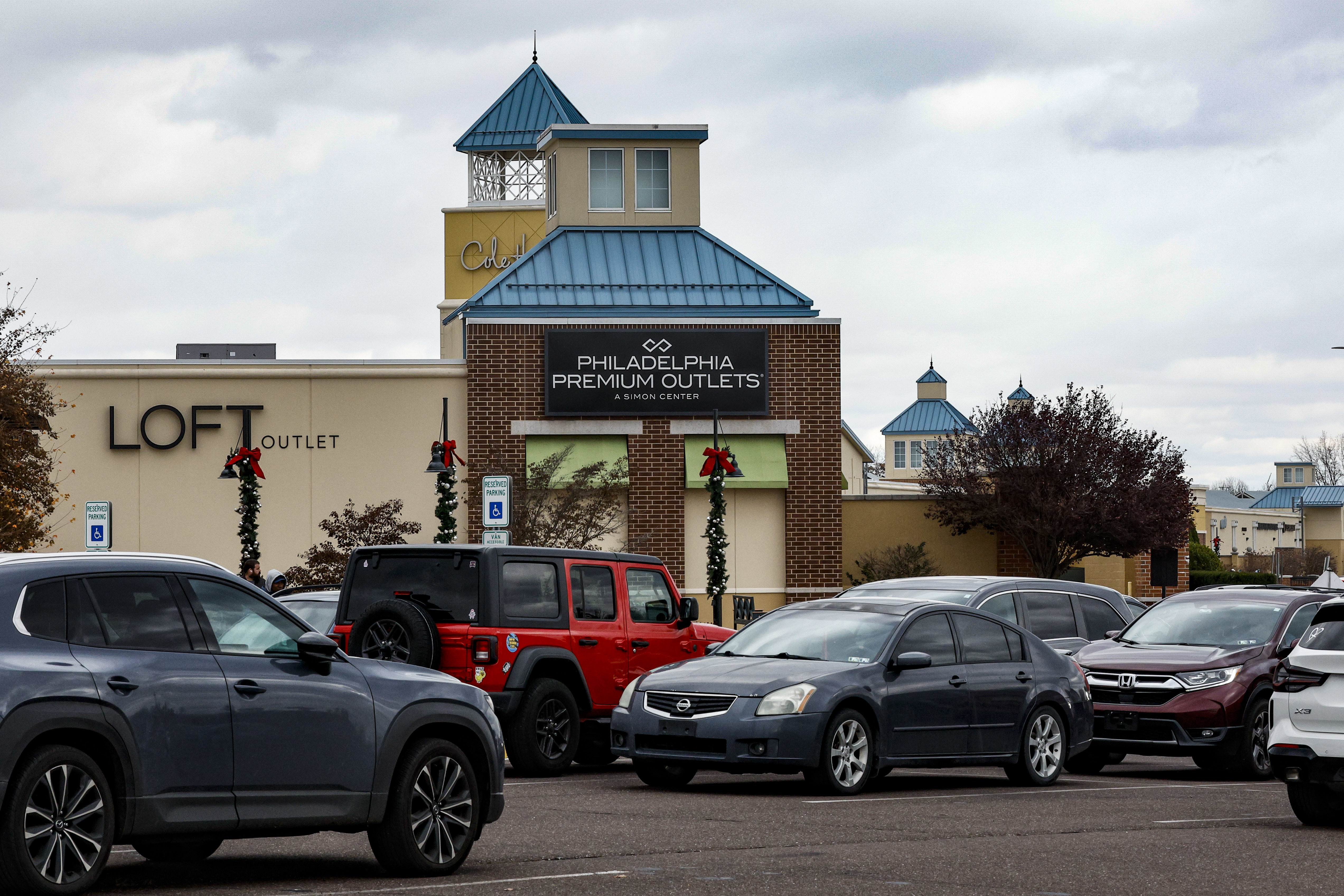
    Every Veterans Day, a dozen relatives venture to Limerick Township in Montgomery County, where they kick off their holiday shopping at the Philadelphia Premium Outlets.

    Even this year, as bitter winds whipped through the outdoor plaza, the family was undeterred.

    After a morning of shopping, the multigenerational group, which included two veterans, warmed up with their yearly food-court lunch, courtesy of matriarch Geri Nowell, 77, of Telford. Then, the men returned to the cars and dropped off dozens of shopping bags, which they’d been carting around in a wagon. The women walked on, hunting for their next find among the more than 130 shops.

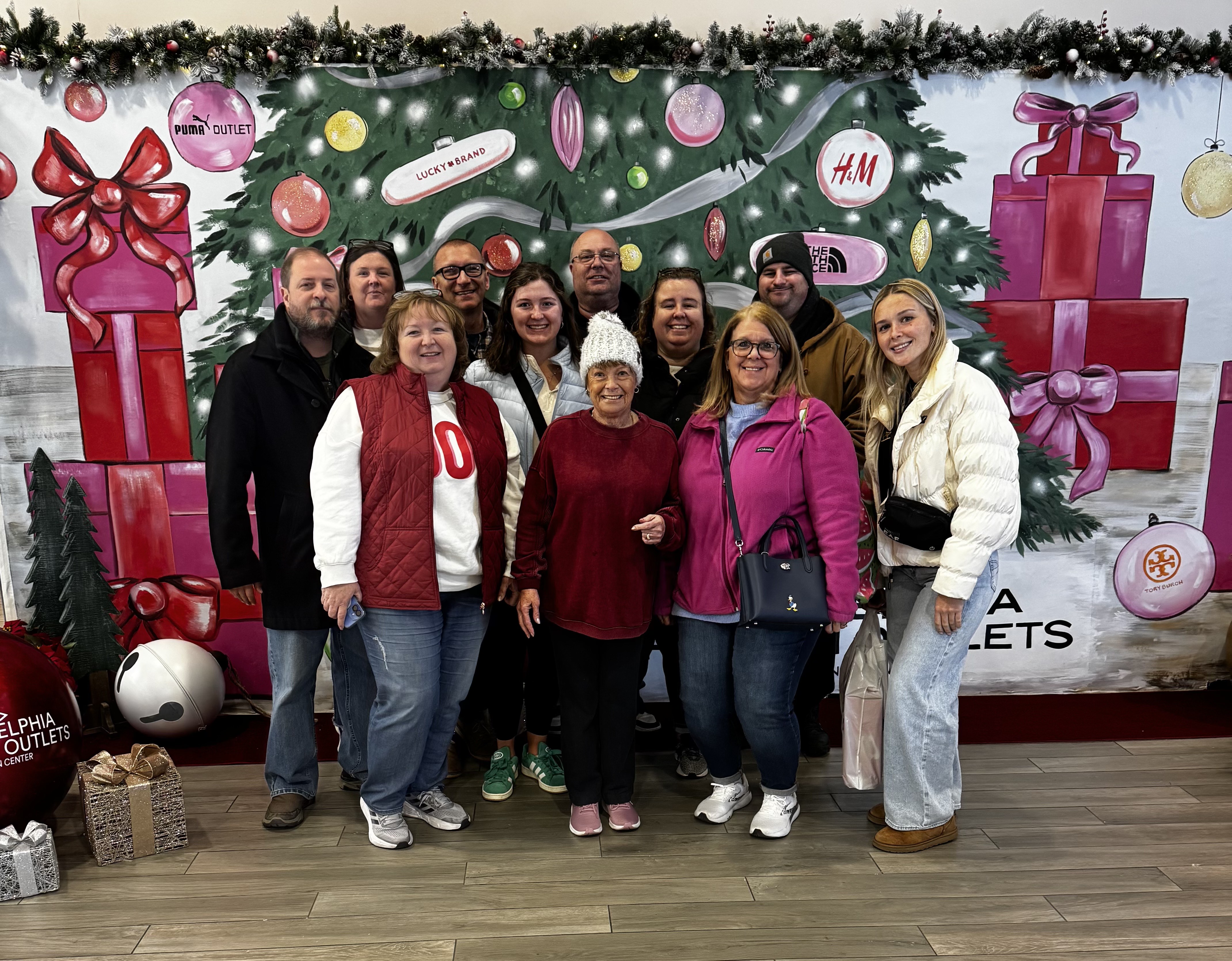
    The Nowell family poses in front of a holiday backdrop during their annual outing to the Philadelphia Premium Outlets.

    “It’s super fun,” said Ann Blaney, 47, of Drexel Hill.

    “We get great deals,” added Kim Woodman, 55, of Hatboro.

    The tradition is an experience they say can’t be replicated online. The fact that the complex is open-air and contained in a 550,000-square-foot plaza somehow adds to the fun, they said.

    As Kathy Nelson, 48, of Broomall, browsed the outlets with her friends, she said she also shops at the nearly 3 million-square-foot King of Prussia Mall, less than 20 miles away. But otherwise, she said, “there aren’t many indoor malls left” with the variety of stores she prefers.

    As some indoor malls have struggled and died, leaving fewer than 1,000 left nationwide, the outlets remain alive.

    Outlets have always accounted for a fraction of the in-person retail market, which is partly why there have been few headlines about dying outlet malls. But some of the country’s roughly 200 outlet malls seem to be downright thriving, with full parking lots on weekends, few vacant stores, and relatively strong revenue.

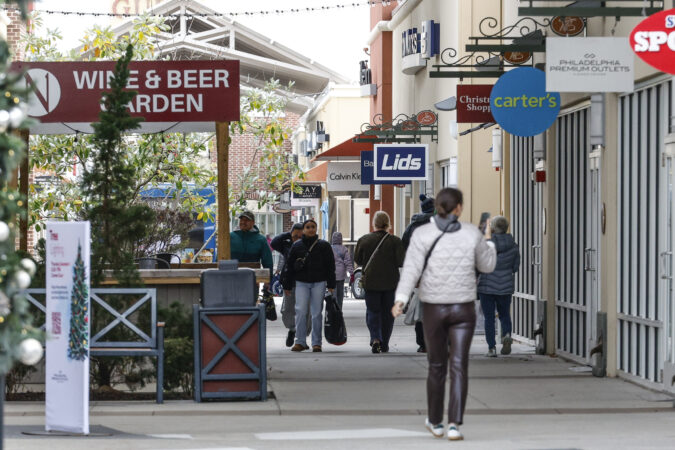
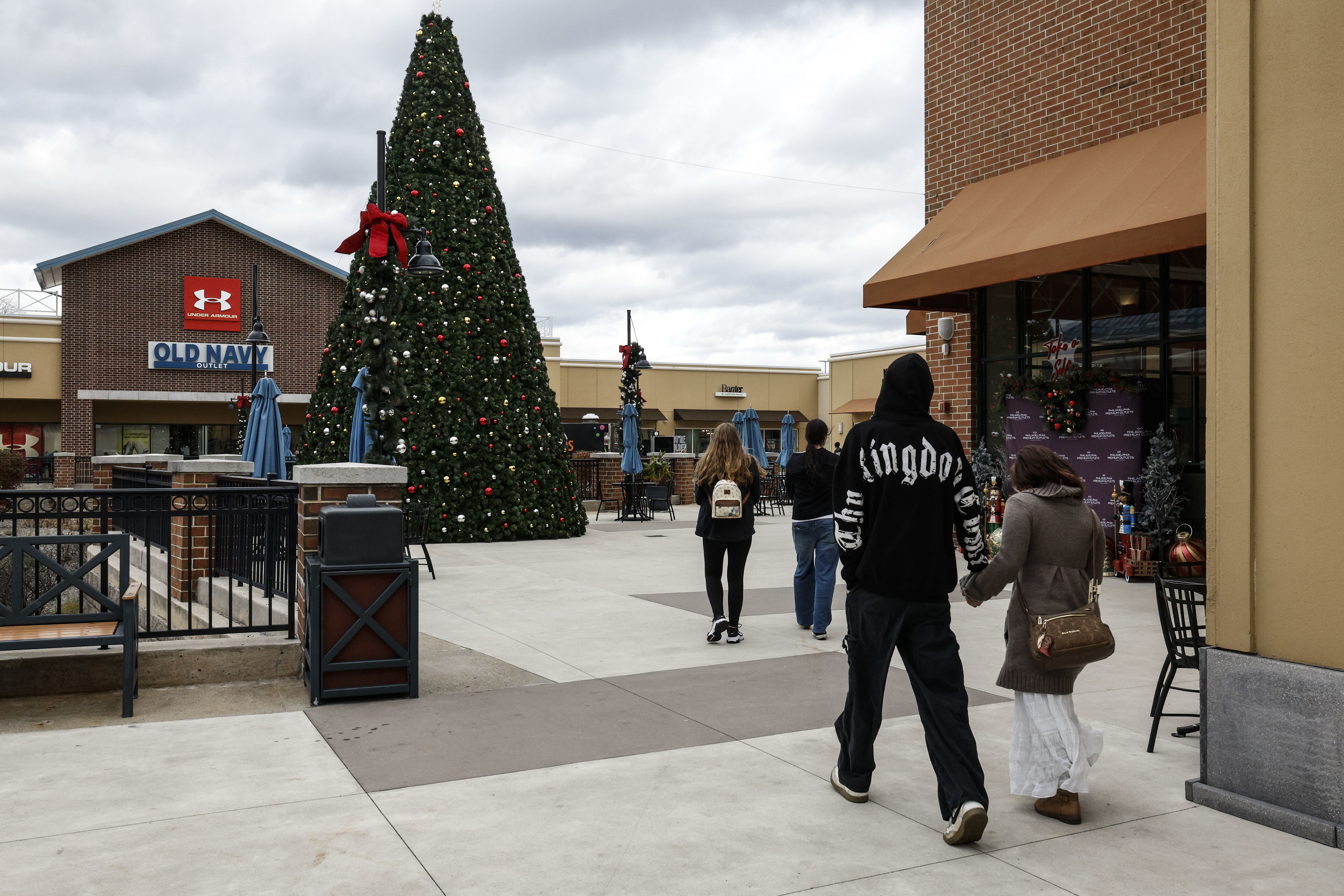
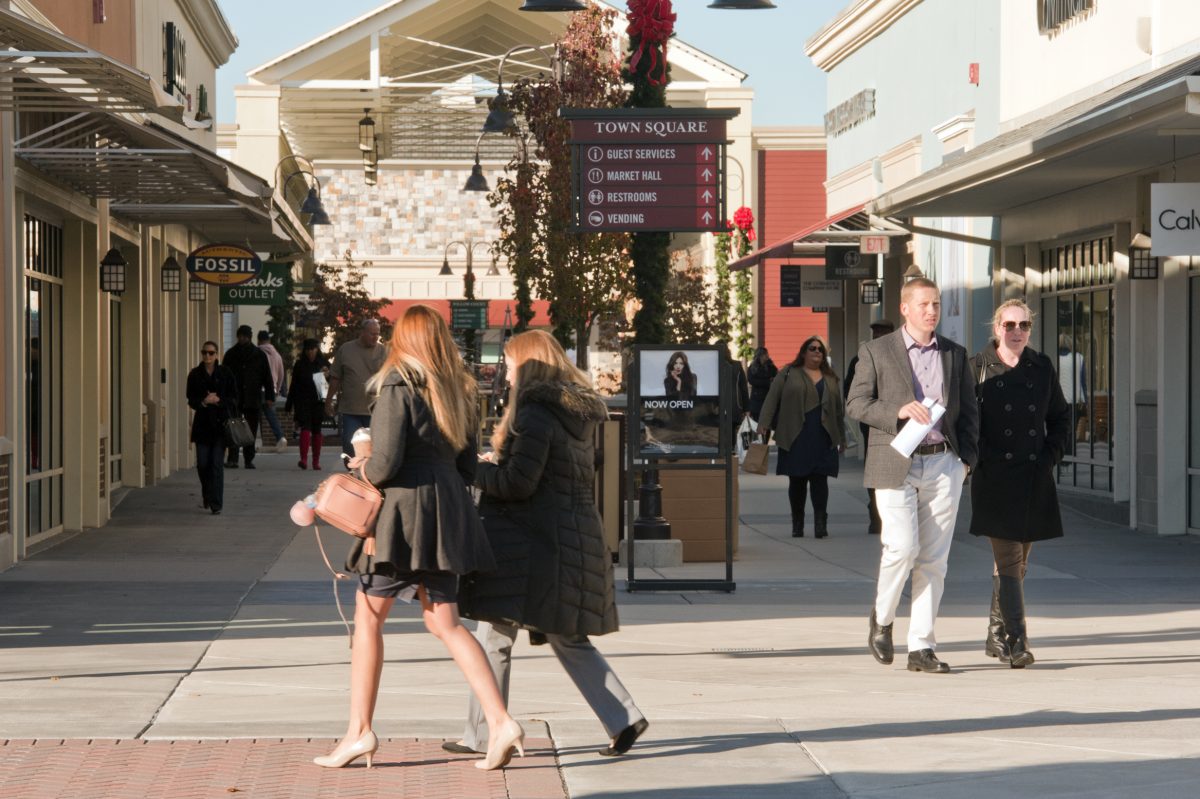
    Shoppers walk by the tree at the Philadelphia Premium Outlets on Nov. 11.

    The Philadelphia region’s two major outlet malls — the Philadelphia Premium Outlets in Limerick Township and the Gloucester Premium Outlets, both owned by Simon Property Group — are more than 92% occupied, according to a count by The Inquirer during visits to each location this month. Both outlets have found success despite being less than 20 miles from thriving indoor malls in King of Prussia and Cherry Hill.

    Tanger Outlets, which has locations in Atlantic City and Lancaster, recently reported more than 97% occupancy across its 39 open-air centers and an increase in average tenant sales per square foot.

    “Outlets do good in good times and great in bad times,” said Lisa Wagner, a longtime consultant for outlets, repeating a common refrain in the industry.

    The centers have evolved amid the broader push toward more experiential retail and most now have a mix of discount stores and full-price retailers. But they have done so while embracing their reputation as the go-to destination for snagging deals, said Wagner, a principal at the Outlet Resource Group.

    “Honestly no one knew what was going to happen after COVID, but [the outlets] came out incredibly strong,” she said. More recently, the retail industry has been rattled by tariffs and economic uncertainty. The outlets have not been immune to those challenges, but they have held strong despite them.

    “People want value right now,” Wagner said. “They need it.”

    The Philadelphia Premium Outlets has more than 130 stores in its 500,000-square-foot complex.

    Outlet malls become one-stop shops

    On a rainy, early November Sunday, hundreds of people descended on the Gloucester Premium Outlets.

    Shoppers pulled up hoods and huddled under umbrellas as they made their way from store to store. Many balanced several large bags bearing brand names like Columbia and Kate Spade, Rally House and Hey Dude shoes. Some munched on Auntie Anne’s pretzels or sipped Starbucks from holiday cups. An acoustic version of Jingle Bells played over the speakers.

    For some, the dreary, drizzly weather was even more reason to spend their afternoon at the 86-store complex in Blackwood, Camden County, about 15 miles outside Philadelphia.

    With two young children in tow, Jessica Bonsu, 30, of Sicklerville, was on a mission.

    “We came out to go to the indoor playground,” called Stay & Play, Bonsu said, pointing to her rambunctious kids. “Just to get some energy out.”

    “And then we can also get some shopping done,” added her cousin, Taneisha Laume, 30, who was visiting from D.C. She needed a gift for her uncle. “Kill two birds with one stone.”

    Shoppers peruse the stores at the Gloucester Premium Outlets in this 2019 file photo.

    These kind of multipurpose visits are buoying outlet malls, which are increasingly becoming mixed-use destinations for dining, drinking, entertainment, and shopping.

    “You’re coming for a little bit of everything,” said Gerilyn Davis, director of marketing and business development at Philadelphia Premium Outlets.

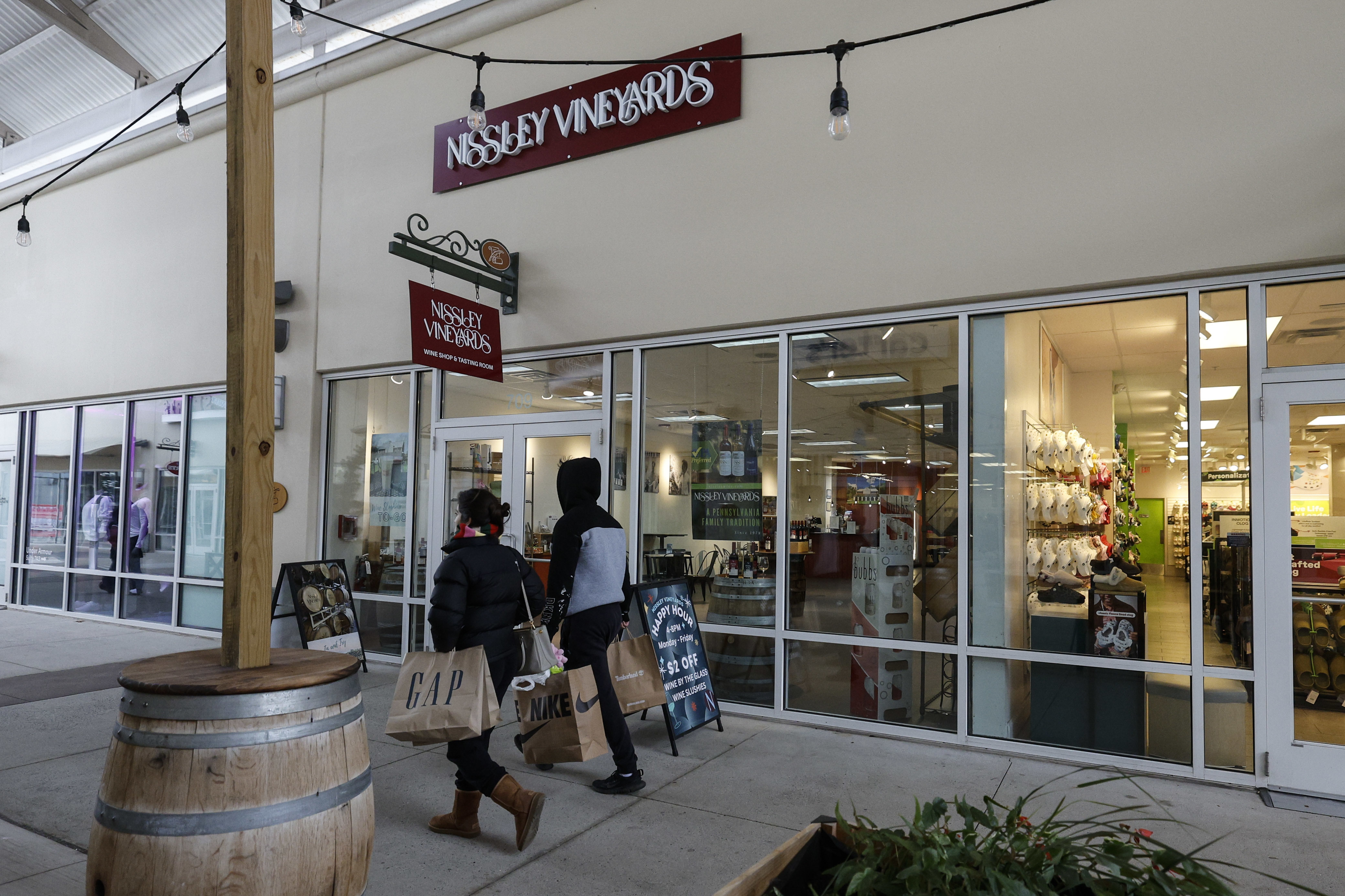
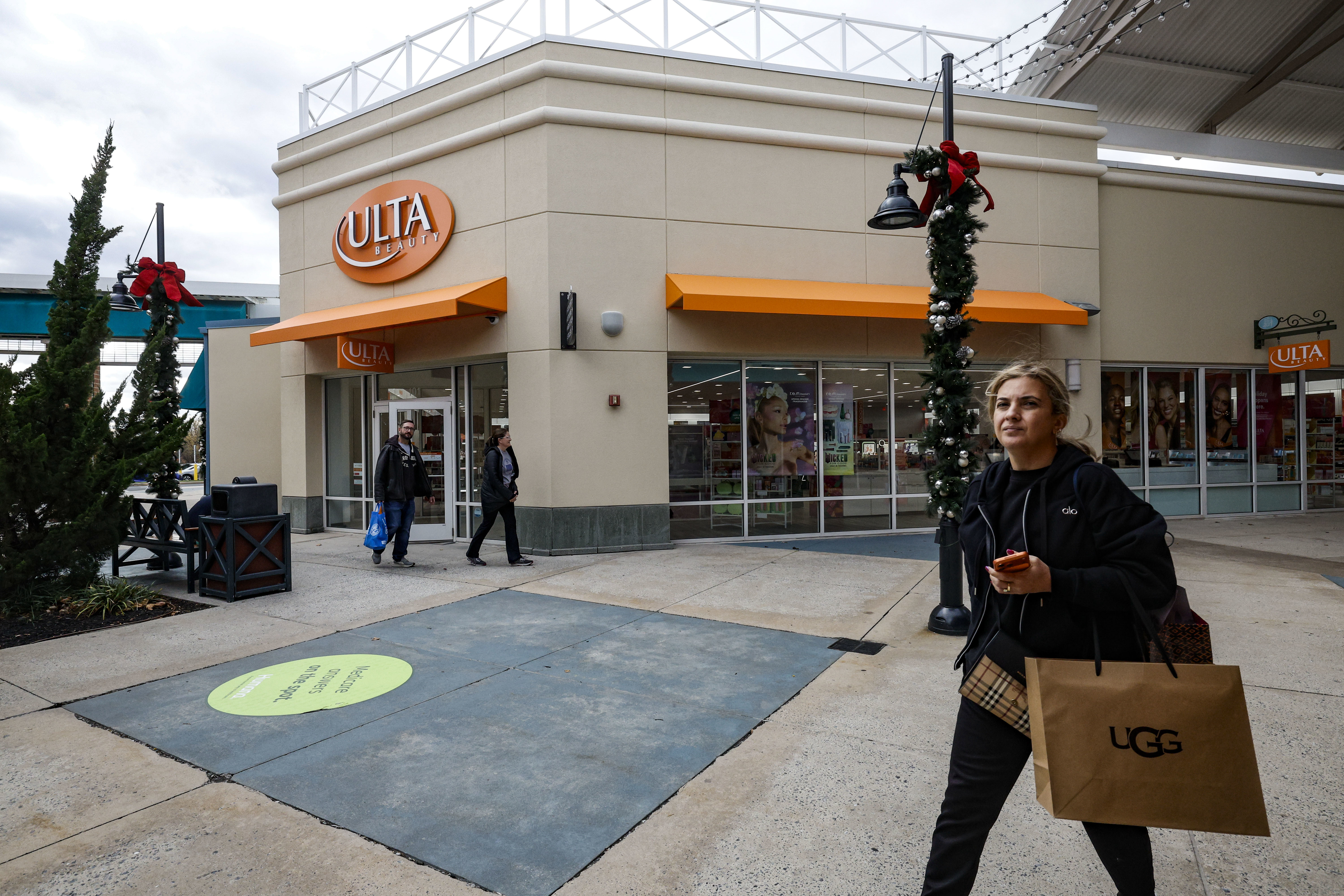
    The Limerick Township complex recently welcomed a slate of new tenants, including Marc Jacobs’ first Pennsylvania outlet store, a BOSS outlet, an Ulta Beauty, and an outpost of central Pennsylvania’s Nissley Vineyards, which has an outdoor seating area.

    Shoppers walk by the Nissley Vineyards store at the Philadelphia Premium Outlets.

    New Balance, whose shoes are trendy again, is also opening stores in both the Philadelphia and Gloucester outlets.

    Justin Stein, Tanger’s executive vice president of leasing, said the North-Carolina-based company is focused on adding more food, beverage, and entertainment options.

    While overall occupancy at its Atlantic City center is lower than others, the complex has a Dave & Buster’s and a Ruth’s Chris steakhouse. The Simpson, a Caribbean restaurant and bar, is also set to open there in early 2026.

    In Lancaster, Tanger is looking to add food and beverage options, Stein said. But that center is still performing well, with a 97% occupancy rate, according to an online map, and only two vacancies.

    When there are places to eat and drink at the outlets, “people stay longer,” Stein said, “and when they stay longer, they spend more.”

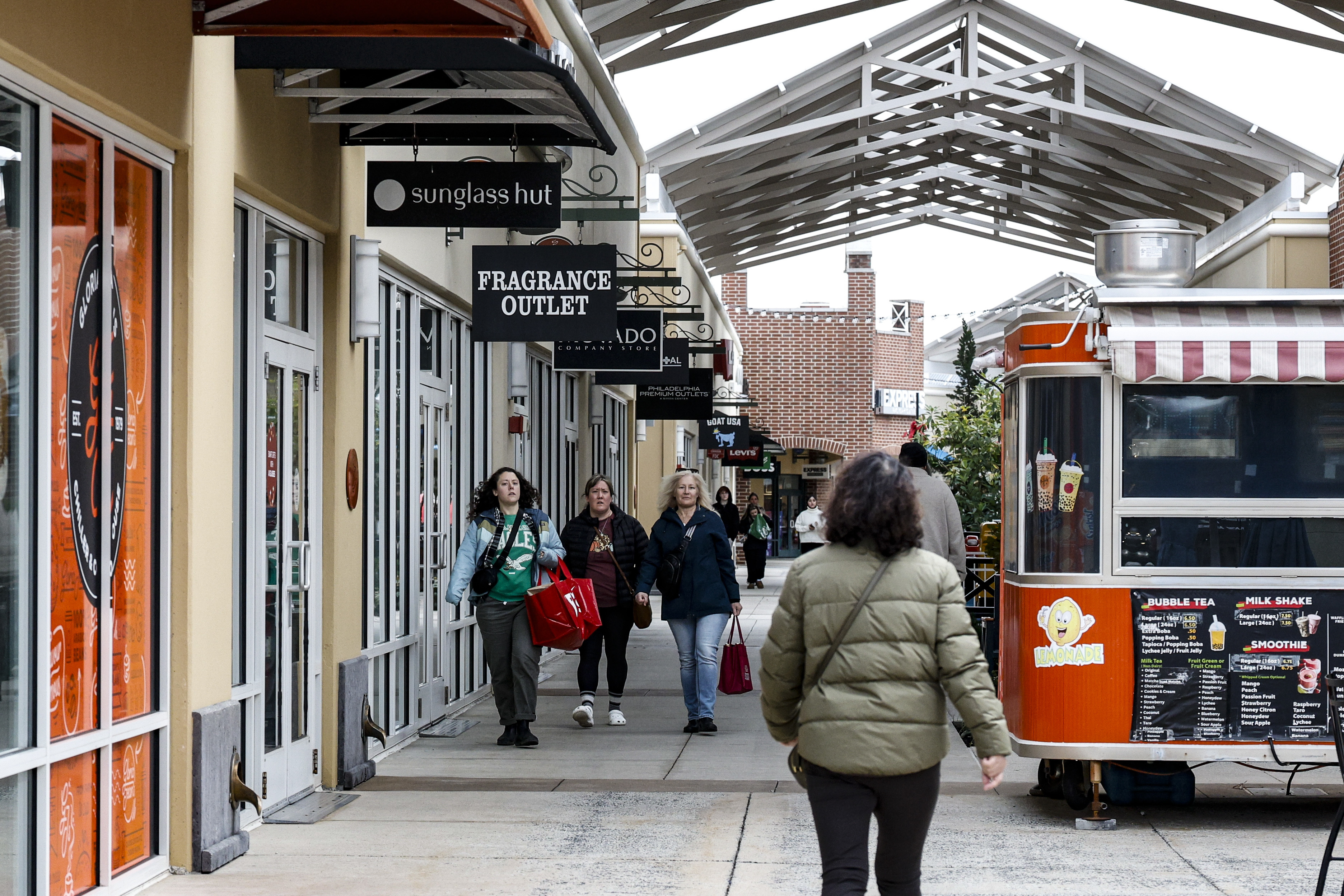
    Philadelphia Premium Outlets had a steady crowd on a bitter cold Veterans Day.

    From ‘no frills’ to outlets of the future

    Today’s outlet malls look vastly different from what Wagner calls the “no frills” complexes of the 1990s.

    At the time, an outlet mall served as “a release valve for excess goods,” Wagner said. “There were some stores that had really broken merchandise.”

    To comply with branding rules and avoid competition with department stores, outlet malls were often located along highways between two major metro areas, she said.

    “What became clear is that customers loved it,” Wagner said. Soon, brands started overproducing to supply these outlet stores with products in an array of a sizes and colors.

    This effort to bulk up outlet offerings was “a roaring success,” she said, with companies finding that more than a third of outlet customers went on to buy their products at full price at other locations.

    Philadelphia Premium Outlets, which opened in 2007, has very few vacant storefronts.

    As their popularity rose, more outlet malls were built across the country.

    The Atlantic City outlets, originally called The Walk, opened in 2003, followed by the Philadelphia Premium Outlets four years later. In 2015, the Gloucester Premium Outlets opened, with local officials calling the approximately 400,000-square-foot center the largest economic development project in township history.

    As the centers look to the future, their executives are continuing to hone their identity as “not just a discount-and-clearance center,” said Deanna Pascucci, director of marketing and business development at Gloucester Premium Outlets.

    Center leaders are bringing in food trucks, leaning into rewards programs, and promoting community events, such as Gloucester’s holiday tree lighting, which took place Saturday. Starting Black Friday, the Philadelphia Premium Outlets will offer Santa photos after a successful pilot program last year.

    And the complexes are finding new ways to attract and retain shoppers, online and in real life.

    Tanger recently announced an advertising partnership with Unrivaled Sports, which operates youth sports complexes, including the Ripken Baseball Experience in Aberdeen, Md., an hour drive from its Lancaster outlets. Stein said the company hopes to attract families looking to pass the time between tournament games.

    Tanger is also using AI and data analytics to email specific deals to customers based on where they’ve previously shopped, Stein said.

    “We want you to start your experience online and end it in the store,” Stein said.

    Shoppers walk by a new Ulta store at the Philadelphia Premium Outlets.

    At Simon outlets, customers can search a store’s inventory online before they make the trip, Davis said.

    “Online shopping at this point, it’s a complement,” Davis said. “It’s not viewed as competition.”

    Wagner, the outlet consultant, said she thinks even more centers will be built in the coming years, with a focus on urban and close-in suburban locations that are accessible by public transit.

    As for existing centers, she sees them thriving for the foreseeable future.

    “As long as outlets continue to emphasize a value message and use their loyalty programs to reward customers,” Wagner said, “I think they will hold their own.”

  • King of Prussia Mall is getting a real-life gaming venue with a bar-restaurant

    King of Prussia Mall is getting a real-life gaming venue with a bar-restaurant

    Another experiential retail concept is coming to the region. This time it’s a live social-gaming venue at the King of Prussia Mall.

    Massachusetts-based Level99 announced this week that it plans to bring its next “sprawling adult playground” to the Montgomery County shopping destination in 2027. The move marks the company’s first foray into the Philadelphia market.
    The 46,000-square-foot venue will include 50 “life-size mini games” geared toward adults, according to a news release, and a full-service restaurant and bar serving local craft beer.

    “Level99 goes beyond your conventional entertainment venue — it’s a place to play, explore, and actively connect,” Matthew DuPlessie, founder and CEO of Level99, said in a statement.

    The venue is moving into the ground floor of the former JCPenney, which closed in 2017.

    It will be across the mall from the 100,000-square-foot Netflix House. The immersive experience for fans of the streaming service’s shows is set to open Nov. 12 in the former Lord & Taylor department store.

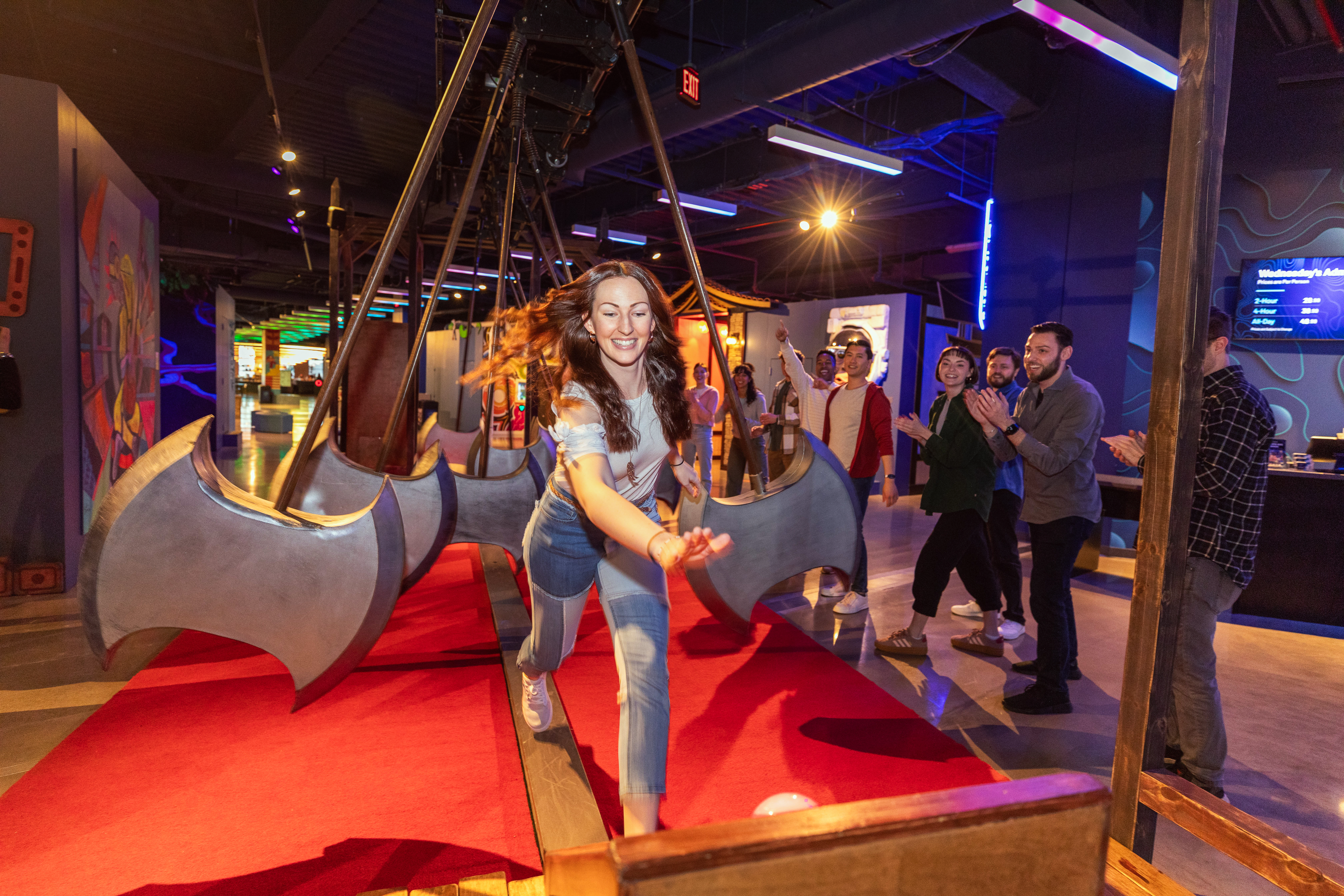
    Level99 customers race through the venue’s signature “Axe Run” game, one of 50 mini-challenges set to be part of King of Prussia’s location when it opens in 2027.
    “We’re thrilled to welcome Level99 to King of Prussia, further elevating our commitment to delivering dynamic, experience-driven destinations,” Mark Silvestri, president of development for mall owner Simon Property Group, said in a statement. ”This innovative concept brings a new layer of interactive entertainment to King of Prussia and is a perfect complement to our growing lineup of immersive offerings.”

    As more consumers shop online, experiential retail has transformed malls nationwide, helping complexes fill empty spaces and attract new customers.

    In the Philadelphia region, Cherry Hill Mall is set to open a Dick’s House of Sport next year. The 120,000-square-foot space will include a climbing wall, golf simulators, a running track, and batting and soccer cages.

    At the Moorestown Mall, an empty department store is set to be filled by a massive entertainment center with axe-throwing and go-karts.

    In Center City, the Fashion District’s owners are considering adding more experiential retail after the success of nearby spots like Puttshack mini golf and F1 Arcade.

    And along with the forthcoming Netflix House, the King of Prussia Mall recently opened the Philadelphia area’s first Eataly, a 21,000-square-food Italian-centric marketplace and wine shop.

    At Level99 venues, customers can choose from 50 mini-games that test mental and physical skills.

    Level99 has been riding this experiential retail wave, opening its flagship location in 2021 at the Natick Mall in suburban Boston. The company opened another location in Providence, R.I., in January 2024, then added a third this summer in the Washington suburb of Tysons, Va. It has projects under construction in Hartford, Conn., and at Disney Springs in Orlando.

    At existing Level99 locations, pricing starts at $29.99 per person for two hours of play, according to its website. Prices increase on weekends and holidays, and if a customer wants more time.

    Level99 is supported by Act III Holdings, a $1.5 billion private-equity investment firm led by Panera Bread cofounder and Cava chairman Ron Shaich. Last month, Act III executives announced a $50 million commitment to the chain’s expansion into new markets, including Philadelphia.

    Unlike some other Philly-area malls, King of Prussia is thriving, with more than 450 stores occupying 2.9 million square feet of retail space.

  • N.J. sues Amazon twice in three days over treatment of workers

    N.J. sues Amazon twice in three days over treatment of workers

    New Jersey officials have sued Amazon twice in three days, saying that the e-commerce giant has exploited delivery drivers and discriminated against warehouse workers who are pregnant or have disabilities.

    The first lawsuit, filed Monday, marked the Garden State’s latest move to dispute companies’ classification of drivers as independent contractors, not employees who are legally entitled to certain benefits and rights, including minimum wage, overtime pay, earned sick time, and family leave.

    At the heart of the latest suit are Amazon’s “Flex” drivers, who use their personal vehicles to deliver packages, according to court documents filed in Superior Court of Essex County.

    New Jersey Attorney General Matthew Platkin and Department of Labor and Workforce Development Commissioner Robert Asaro-Angelo began investigating after some Flex drivers applied for unemployment and disability benefits, toward which Amazon has not been contributing.

    “Amazon calls its drivers ‘Delivery Partners,’ but they are simply Amazon’s employees,” the complaint reads. “Drivers are workers who, in exchange for remuneration from Amazon, perform the discrete, repetitive work of picking up and delivering packages from Amazon’s warehouses, or other Amazon locations such as Whole Foods stores, to their final destinations — a necessary function for Amazon’s business operations. “

    Amazon spokesperson Mary Kate Paradiso said the lawsuit “is wrong on the facts and the law” and misrepresents how Flex works.

    “For nearly a decade, Amazon Flex has empowered independent delivery partners to choose delivery blocks that fit their schedules, giving them the freedom to decide when and where they work,” Paradiso said in a statement. “This flexibility is one of the main reasons many drivers say they enjoy the program.”

    Amazon advertises the Flex program as a way for people to make money on their own schedules. On the Flex website, Amazon says most drivers earn $18 to $25 an hour. A disclaimer underneath reads “actual earnings will depend on your location, any tips you receive, how long it takes you to complete your deliveries, and other factors.”

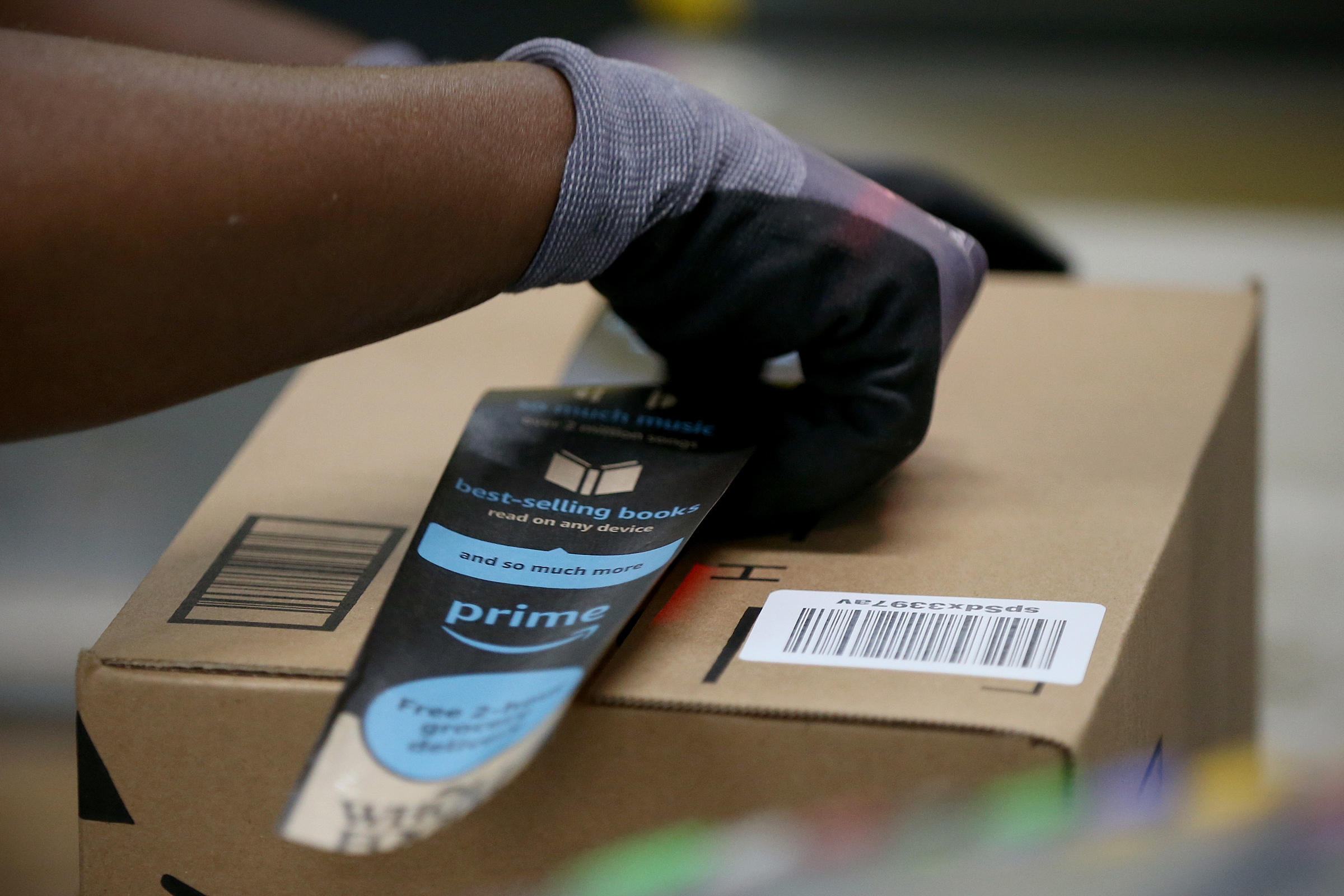
    A worker boxes up an order to be shipped at the Amazon Fulfillment Center in West Deptford in this 2019 file photo.

    Since at least 2017, thousands of Flex drivers have worked in New Jersey, according to state officials.

    “Amazon is taking advantage of Flex drivers and enriching its bottom line by failing to obey our labor laws and offloading its business expenses for the benefit of shareholders,” Platkin said in a statement.

    New Jersey is stricter than some other states when it comes to independent contractors, and outgoing Gov. Phil Murphy has made combating worker misclassification a priority of his administration.

    In a similar case, Lyft recently paid $19.4 million to the New Jersey Department of Labor & Workforce Development after it found the rideshare service had misclassified 100,000 drivers as independent contractors.

    In a separate lawsuit filed Wednesday, Platkin and the state’s Division on Civil Rights say that Amazon discriminated against pregnant workers and workers with disabilities, including by putting them on unpaid leave or firing them after they requested reasonable accommodations. The lawsuit was the result of a yearslong investigation into the working conditions of about 50,000 workers at dozens of Amazon warehouses across New Jersey.

    State officials said they found that sometimes workers’ accommodation requests were accepted, but then those workers were terminated for not meeting productivity goals.

    “Amazon has exploited pregnant workers and workers with disabilities in its New Jersey warehouses,” Platkin said. “In building a trillion-dollar business, Amazon has flagrantly violated their rights and ignored their well-being — all while it continues to profit off their labor.”

    An Amazon spokesperson did not respond Wednesday afternoon to a request for comment on the second lawsuit.

  • Barry Leonard, celebrated crimper and longtime Center City beauty salon owner, has died at 87

    Barry Leonard, celebrated crimper and longtime Center City beauty salon owner, has died at 87

    Barry Leonard, 87, formerly of Philadelphia, celebrated crimper, longtime innovative owner of the Barry Leonard Crimper & Spa in Center City, unisex beauty salon groundbreaker, fashion and marketing trendsetter, haircutting mentor, and Army veteran, died Sunday, Oct. 12, at his home in Hallandale Beach, Fla. The cause of his death has not been disclosed.

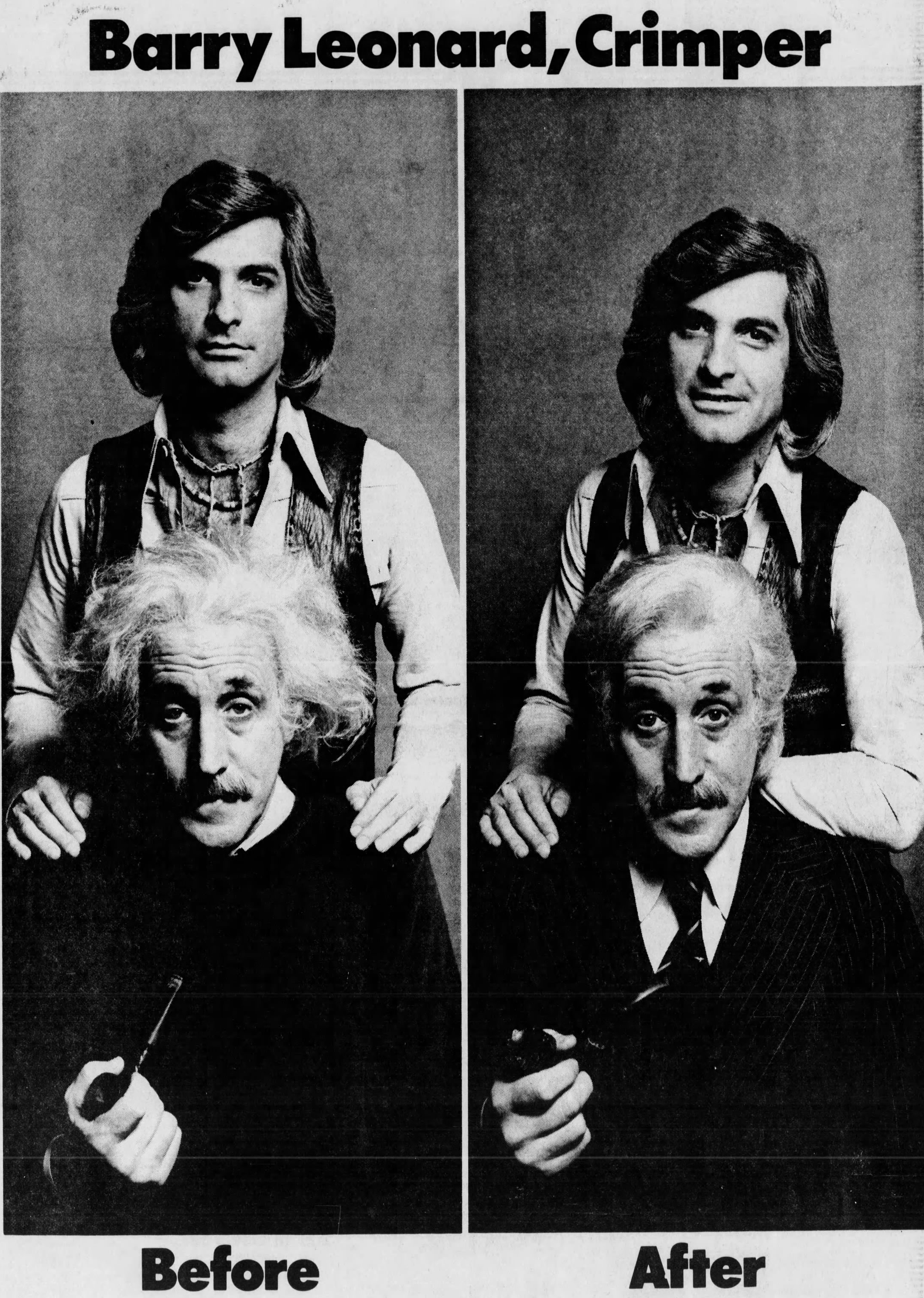
    Born in Philadelphia to a family of hairstylists, Mr. Leonard swept the floor at his father’s beauty salon in West Philadelphia as a boy and, in 1955, became the first male to graduate from the beauty culture curriculum at Murrell Dobbins Career and Technical Education High School. He went on to help rewrite state statutes to allow unisex beauty salons in the 1970s, wow the marketing world with innovative ads that featured Fidel Castro, Albert Einstein, Santa Claus, and the Wolfman, and own high-end shops in the old Marriott Hotel on City Avenue and then on Chestnut Street for 43 years.

    A proponent of what he called “natural haircutting,” Barry Leonard, Crimper, counted politicians, musicians, actors, and other celebrities as well as local residents as his regulars, and most of them were fine with waiting months for an appointment. He moved his bustling salon from the Marriott to 1527 Chestnut St. in 1972, relocated to 1822 Chestnut in 1995, and retired to Florida in 2005.

    In the early 1970s, he saw that men appreciated hair care, too, and he successfully challenged an old state law that required separate locations for male and female haircuts. So unisex salons became common in the 1980s and ’90s.

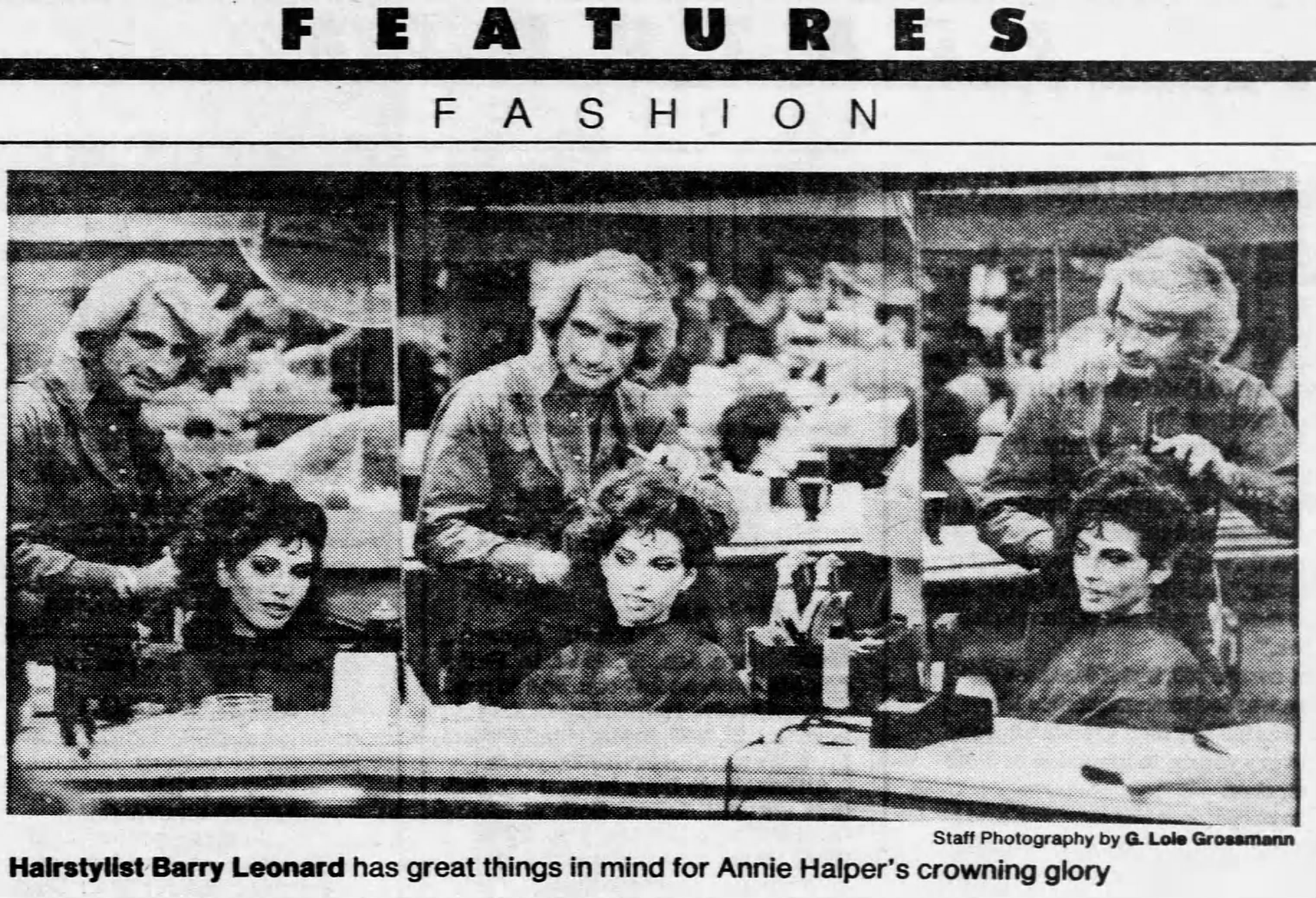
    Mr. Leonard is shown styling the hair of Annie Halpern, his future wife, in this 1985 photo in the Daily News.

    “Hair,” he told The Inquirer in 1973, “is the only part of the body that can be changed readily and allows the individual to play his role as he feels it at that particular moment — protest, freakiness, sensuality, anything.”

    His New Age salon featured wicker furniture, hanging plants, big pillows, Japanese koi, and free coffee, fruit, and wine. He charged $12.50 per cut in 1973 and $25 in 1991. Sometimes, he booked 75 heads a day, his wife, Annie, said.

    Most often, he consulted with customers before the cut, assigned the job to an assistant stylist, and checked back when the work was done. Over his career, he told his wife, he likely attended to more than 1 million customers. In 1991, he told The Inquirer: “My general philosophy is to make people happy.”

    He also created and distributed do-it-yourself manuals for those who couldn’t get appointments and introduced computerized styling technology in the 1980s so clients could design their own cuts on video screens. “I’m a firm believer that nothing lasts forever,” he told the Daily News in 1977. “But right now, I’ll stay the way I am. It’s really a matter of the world catching up with me.”

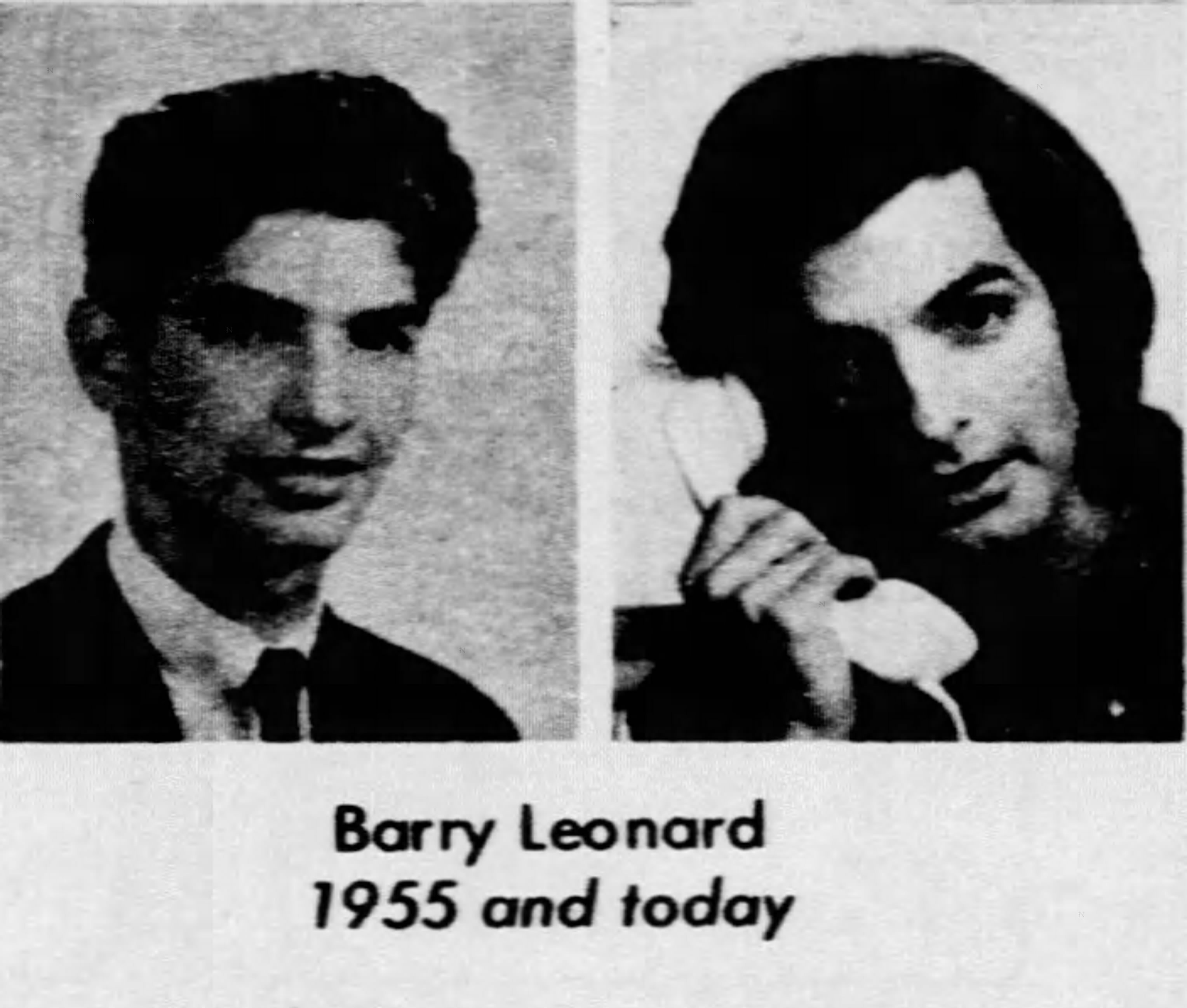
    This then and now photo appeared with a story in The Inquirer in 1973.

    He was featured often in The Inquirer, Daily News, Philadelphia Magazine, Philadelphia Business Journal, and other publications, and writers dubbed him the “top hair gun” in Philadelphia, “the dashing haircutter,” and “Philadelphia’s leading proponent of hair as art.” He dabbled in selling franchises, endorsed a new Japanese hair-straightening process, and hosted runway-style hair shows and crimper workshops.

    Women told him his beauty advice changed their lives. Men said his haircuts improved their sex lives. “I was the image changer,” he told The Inquirer in 2002.

    In the late 1960s, Mr. Leonard gave local advertising whiz Elliott Curson a haircut, and Curson, delighted with the result, suggested rebranding Mr. Leonard as “a crimper,” British slang for hairdresser. What followed was a hugely successful ad campaign and a friendship that lasted more than 50 years.

    One of their first ads featured the phrase: “When I come out of Barry Leonard’s, I won’t look like my mother.” Curson said: “He had that look, the outfit, and the vision that worked so well.”

    Mr. Leonard and his wife, Annie, married in 1986.

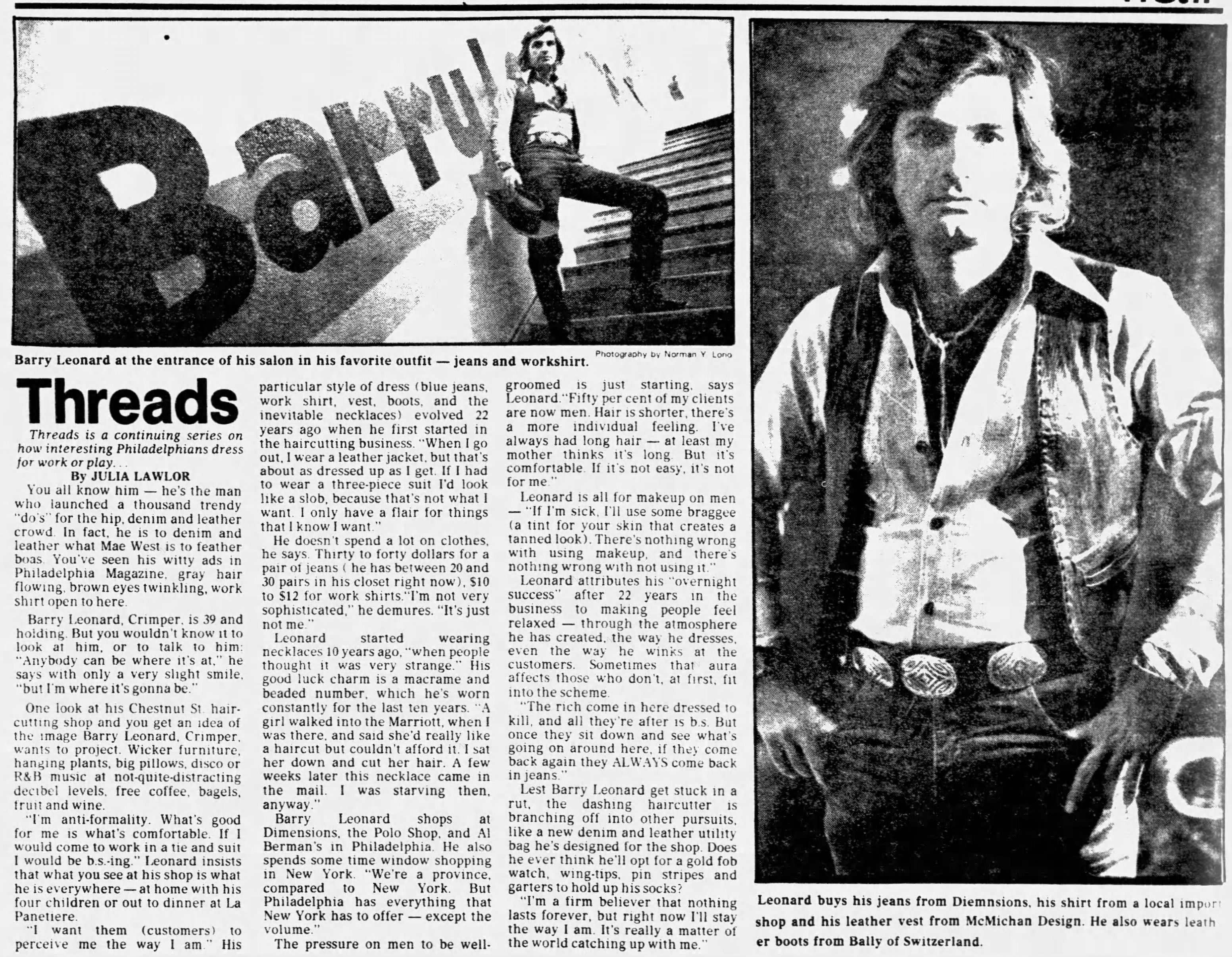
    Mr. Leonard liked to wear a work shirt, vest, blue jeans, boots, designer glasses, and turquoise jewelry to work. His own hair flowed down to his shoulders when he was young. He told the Daily News in 1977: “Anybody can be where it’s at. But I’m where it’s going to be.”

    He was a member of Intercoiffure America and participated in its competitive showings in New York and elsewhere. He was included in a display called “Movers and Shakers” at the now-closed Philadelphia History Museum.

    “He would meet you once and have an impact on the rest of your life,” his wife said. “Everybody loved him. He was passionate and compassionate.”

    Barry Leonard was born Jan. 27, 1938, in Philadelphia. He grew up in Wynnefield and Bala Cynwyd, and served in the Army’s 101st Airborne Division for two years after high school.

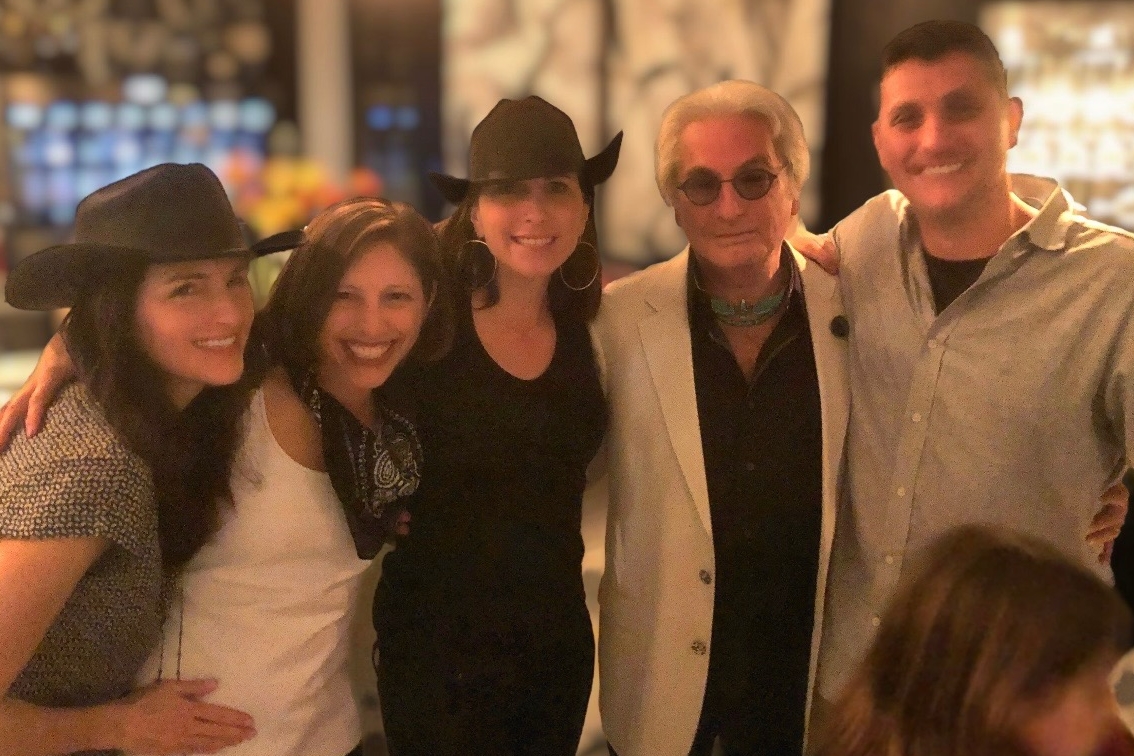
    Mr. Leonard (second from right) celebrated his 80th birthday with his children.

    He wore a traditional tie and jacket, and cut hair with his father and in a few local shops before opening his place at the Marriott in 1962. He also spent some time working in London and first heard the word crimper there.

    He married Charlene Brooks, and they had daughters Karen, Susan, and Elizabeth and a son, Brett. After a divorce, he met Annie Halpern at a party in 1983. They went to a Neil Diamond concert on their first date in 1984, married in 1986, and moved from Center City to Florida in 2005.

    Mr. Leonard was an avid boxing fan, and he knew his way around the popular Blue Horizon venue on Broad Street. He had a summer home in Longport, N.J., and enjoyed time at Gulfstream Park racetrack in Florida.

    He was spiritual and loquacious, his wife said. He had favorite witty quips, and his family and friends refer to them as “Barryisms.”

    This article about Mr. Leonard’s fashion sense was published in the Daily News in 1977.

    He attended all kinds of galas and benefits, and doted on his children. “He gave me my first shag” haircut, a longtime friend said on Facebook. Another friend said her neighbor cut her hair once. “The results were not good,” she said. “Barry fixed me.”

    They called him “one of a kind,” “truly the best around,” and a “mentor and a friend.” His wife said: “He was the love of my life.”

    In addition to his wife, children, and former wife, Mr. Leonard is survived by eight grandchildren and other relatives. A brother died earlier.

    A celebration of his life is to be at 11 a.m. Saturday, Dec. 6, at Gulfstream Park, Third Floor, Flamingo Room, 901 S. Federal Highway, Hallandale Beach, Fla. 33009. RSVP to blcrimper@aol.com.

    This ad by Mr. Leonard and Elliott Curson appeared in The Inquirer in 1982.
  • Gloria Del Piano, celebrated silk clothing and jewelry designer, has died at 72

    Gloria Del Piano, celebrated silk clothing and jewelry designer, has died at 72

    Gloria Del Piano, 72, of Philadelphia, celebrated designer of silk clothing, fashion accessories, and jewelry, former Italian TV producer and public relations director, energy therapist, Italian translator, voice-over actor, and community volunteer, died Wednesday, Oct. 1, of complications from cancer at the Hospital of the University of Pennsylvania.

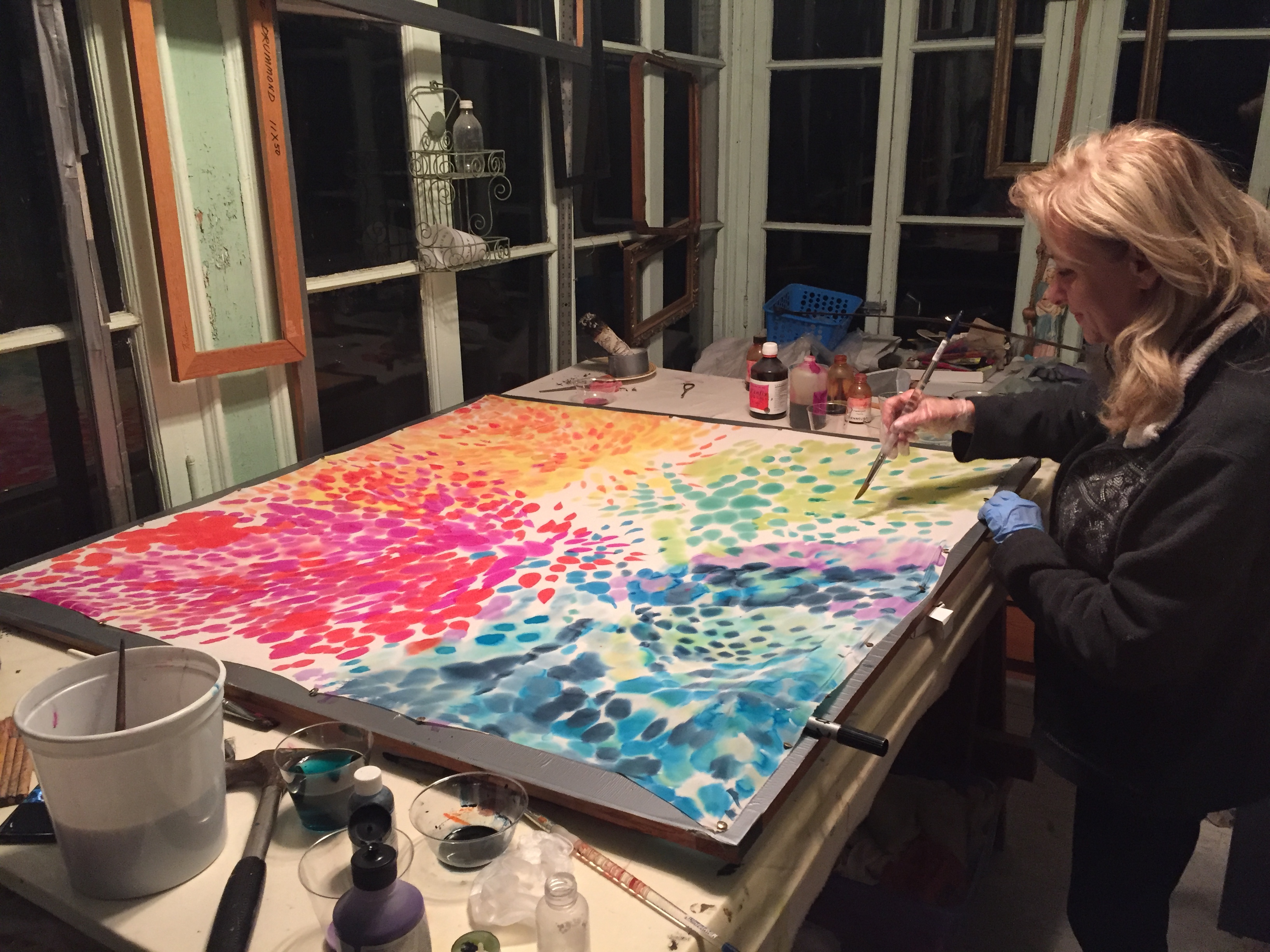
    Energetic, artistic, and indomitable, Ms. Del Piano was 31 when she arrived in Philadelphia from Rome in 1984. She had little money and knew little English. But she discovered her skill for silk painting in a do-it-yourself class, and the colorful hand-painted silk scarves, evening wraps, handkerchiefs, handbags, and original jewelry she went on to create turned Gloria Del Piano Accessories LLC into a fashion powerhouse.

    In just a few years, she opened a store on Bainbridge Street and contracted with Bergdorf Goodman, Neiman Marcus, Nan Duskin, Nordstrom, and hundreds of other fashion outlets to carry her designs in Philadelphia, New York, Los Angeles, San Francisco, Detroit, Minneapolis, and elsewhere around the country. Locally, her signature scarves and earrings were featured at gallery exhibits, charity benefits, private homes, and fashion shows at Penn’s Landing, Fairmount Park, the Wayne Art Center, and elsewhere.

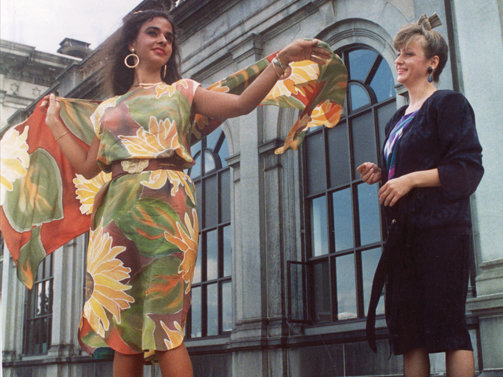
    Many of Ms. Del Piano’s designs were colorful.

    Her line of accessories won awards for excellence and creativity at the Philadelphia Dresses the World fashion expos in 1986 and ’87, and she was inducted into the Philadelphia Get to Know Us Fashion Hall of Fame in 1988. The Inquirer, Daily News, Los Angeles Times, and other outlets publicized her exhibits, and a fashion writer for Newsday called her scarves, with flower and bird patterns, “exquisite” in a 1986 story.

    Some of her scarves were priced between $220 and $300 in 1986, and a black cape listed in 1988 at $495. In 1993, a gold lace-trimmed handkerchief was $45. A fellow artist exhibited with Ms. Del Piano at a Philadelphia festival and said in a fashion blog: “We watched her tie a scarf so many ways so fast it was like a magic act.”

    Earlier, from 1976 to 1984, Ms. Del Piano worked as a program producer and public relations director at GBR-TV in Rome during the station’s glory years. She also did Italian voice-overs, interpretations, and translations for clients of all kinds.

    Ms. Del Piano (right) smiles at a model wearing her designs at an event at Memorial Hall in Fairmount Park.

    She served on the board of the nonprofit Enabling Minds, volunteered in Philadelphia as a Court Appointed Special Advocate for Children, and raised funds for other organizations she championed. In a Facebook tribute, a friend said she was “bigger than life itself” with “a flare of the Italian opera star and the warmth of the Mother Earth itself.”

    Her partner, Wainwright Ballard, said: “She was generous and empathetic. She took care of everyone, including those abandoned or forgotten by others.”

    Gloria Del Piano was born Jan. 20, 1953, in Rome. She was artistic as a girl and always interested in spiritual growth and personal transformation. She studied sociology and business administration after high school in Italy, was certified by the Florida-based Barbara Brennan School of Healing in 2000, and led seminars in healing therapy for years.

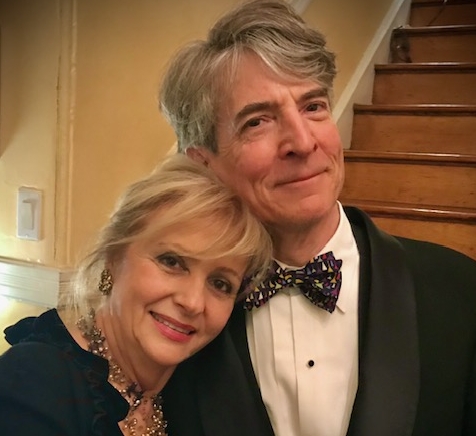
    Ms. Del Piano and her partner, Wainwright Ballard, met in Chestnut Hill.

    She married Roberto Borea in 1985, and they divorced in 1992. She met Ballard at the Mermaid Inn in Chestnut Hill, and they spent the last eight years dancing, traveling, and enjoying life together.

    Ms. Del Piano doted on her family and friends in the United States and Italy, and returned often to Rome for reunions. She lived in Mount Airy and then a 20-room house in Germantown, and visitors marveled at her eclectic collection of art and antiques.

    She enjoyed music, gardening, thrift shopping, and chatting with friends. Friends called her “a philosopher,” “a noble soul,” and “a magician in the kitchen.” She delighted in cooking and entertaining, Ballard said, and always sent guests home with armloads of leftovers.

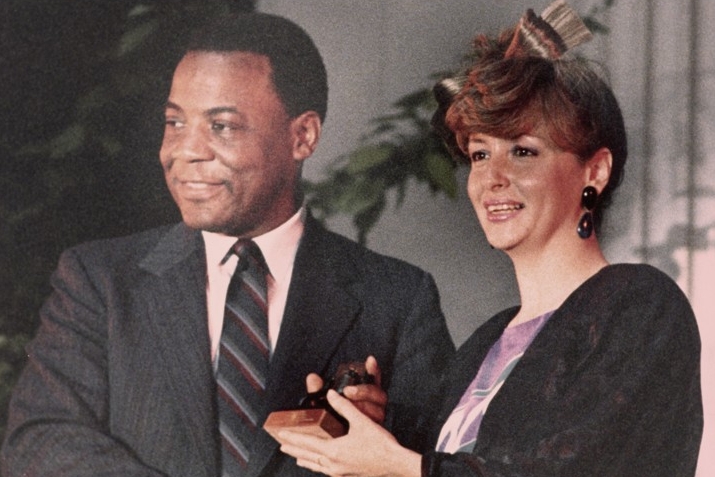
    Ms. Del Piano receives an award from then-Mayor Wilson Goode at a fashion expo in Philadelphia.

    Her “fabulous parties” were “fun and adventurous,” a friend said. Ms. Del Piano said on Facebook: “You never know how wonderful what you have is when you have it. It is when you miss it that we realize how lucky we were.”

    A friend said her “optimism, tenacity, enthusiasm, kindness, beauty, and elegance will always be with us.” Another friend said: “My life has been made richer having known Gloria Del Piano.”

    In addition to Ballard, Ms. Del Piano is survived by a brother, two sisters, and other relatives. Her former husband died earlier.

    A funeral mass is to be held at 9:30 a.m. on Tuesday, Nov. 4, at St. Vincent de Paul Church, 109 E. Price St., Philadelphia, Pa. 19144.

    Donations in her name may be made to Unite for Her, 22 E. King St., Malvern, Pa. 19355.

    Many of Ms. Del Piano’s designs featured flowers and birds.
  • The Franklin Mills mall opened in Northeast on this week in Philly history

    The Franklin Mills mall opened in Northeast on this week in Philly history

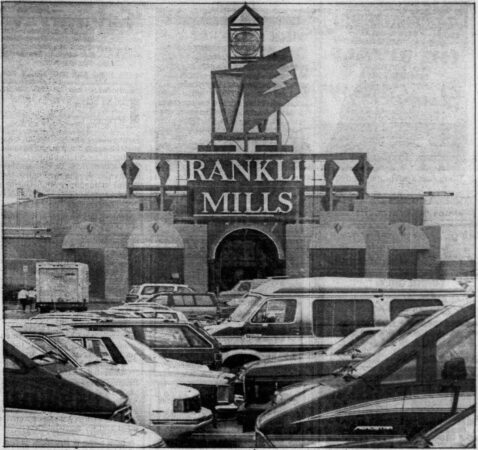
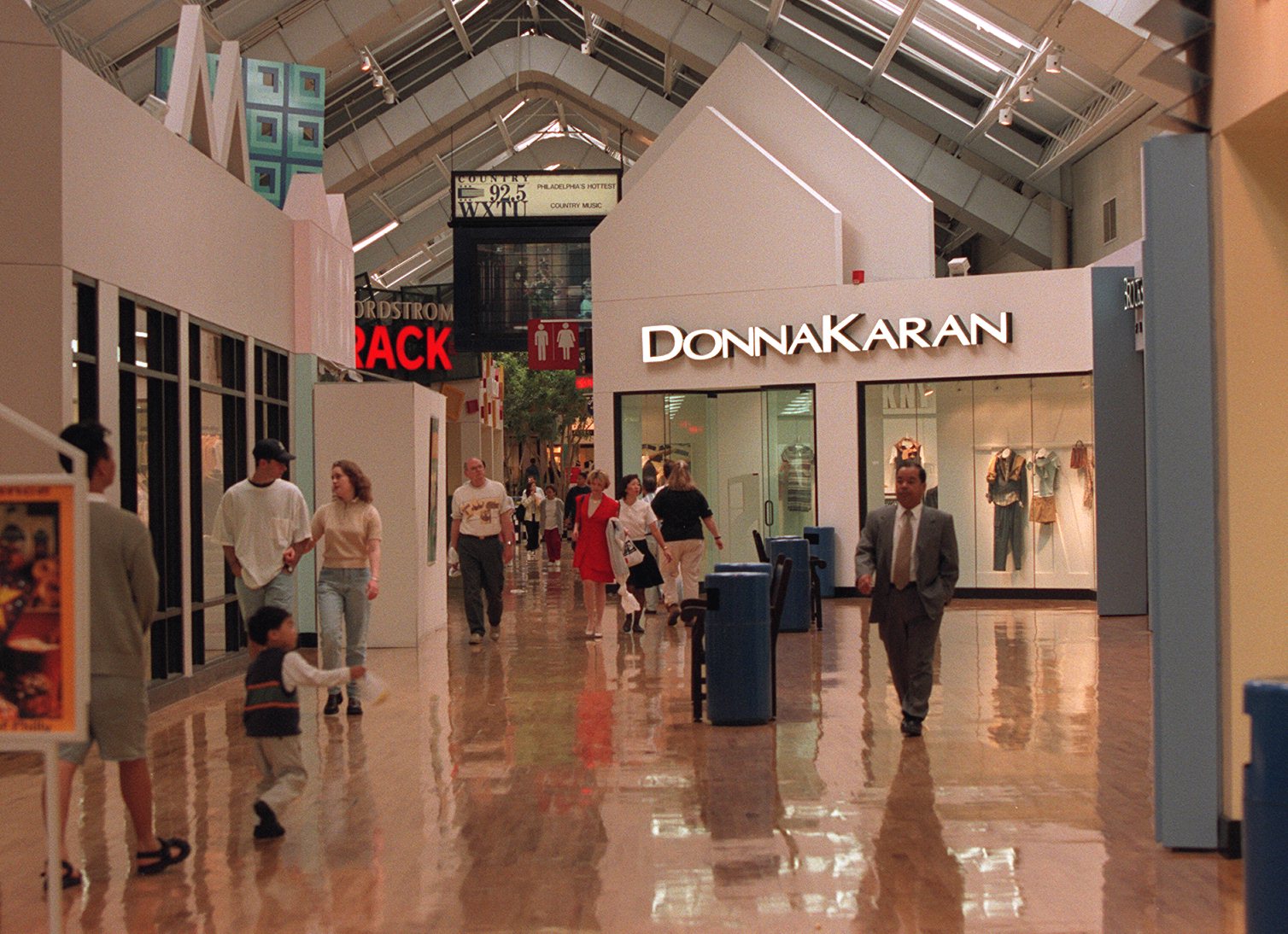
    The design of the Franklin Mills mall was inspired by disaster.

    “The mall was built in the fashion of a modified train wreck,” Jeffery Sneddon, the mall’s general manager, told The Inquirer in 1989, the year it opened. “There are several buildings connected at odd angles.”

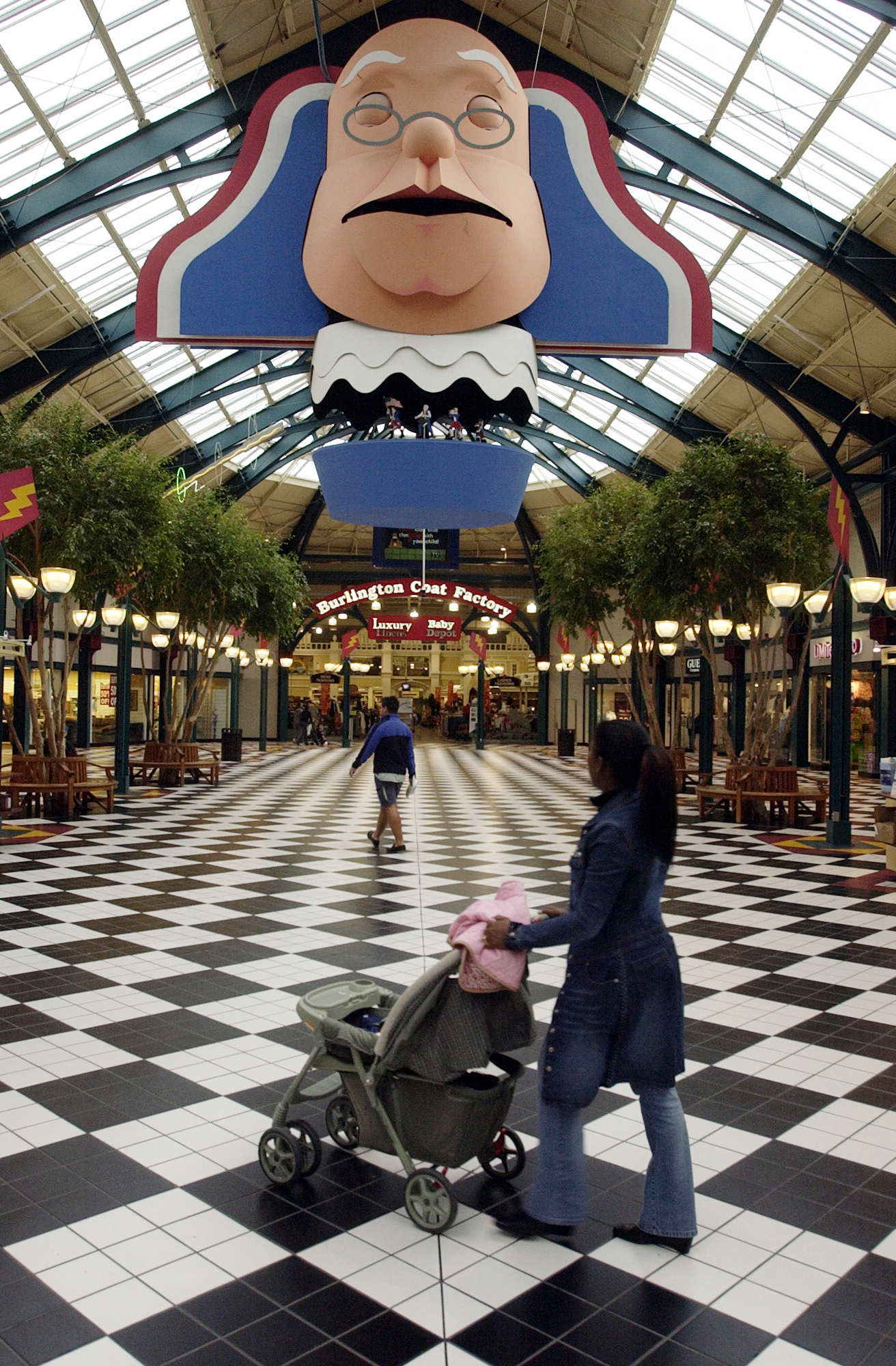
    Years later, the inspiration for the mall’s design underwent a little revisionist history, with publicists claiming the mall’s shape was inspired by the lightning bolts courted by Ben Franklin.

    Appropriate, as change would ultimately become the story of the mall in Northeast Philadelphia.

    At the outset, the goal of the design was to break up the long stretches of the single-level space.

    Shoppers at Franklin Mills walk through the mall in 1997.

    The result was a mile of winding concourse lined with 250 storefronts, and organized so a shopper would always have merchandise shoved into their face.

    The 1.8 million-square-foot mall was built at Knights and Woodhaven Roads on the former Liberty Bell racetrack site. The build cost was $300 million, about $773 million in today’s money.

    When the doors opened on May 11, 1989, to the then-world’s largest outlet mall, the shops were 70% leased, with 120 stores rented by shoe and clothing outfits, restaurants, and anchor stores like a J.C. Penney Outlet and Sears Outlet.

    The title of world’s largest had previously belonged to the Potomac Mills mall, which was a prototype in the suburbs of Washington, D.C. Both shopping meccas were the brainchild of Washington-based commercial real estate tycoons Herbert S. Miller and Richard L. Kramer.

    The duo wanted to build destination venues with value stores. And they paired that with an aggressive marketing campaign that targeted tourists, as well as shoppers who lived up to 60 miles away.

    And it worked. Far Northeast Philadelphia became a destination in the shopping mall era. They’d later add a movie theater, a skate park, and a Jillian’s restaurant and arcade. The mall would host autograph signings and celebrity appearances. And throughout the 1990s and early aughts, it was a popular hangout for discount shoppers and teenagers, and attracted nearly 20 million shoppers yearly.

    Shoppers stroll through the Franklin Mills mall in 2014.

    But by the 2010s, it started to lose its charm. It changed names multiple times, became a haven for flash mobs, and saw its share of Black Friday melees, and a fatal shooting in the food court.

    The fall of the mall concept and the rise of online shopping added to its financial issues, and the building is in receivership as debt holders determine next steps, according to the Business Journal.

    John Chism, manager of Granite Run Mall in Middletown Township back in ’89, didn’t see the mall’s value at the time.

    “Malls are in business to sell,” he said, “not to be attractions for sightseers.”

    But that was the innovation of the Franklin Mills.

    It aimed to be both.