Category: Consumer

  • Wawa has expanded far beyond Philly. But hometown fans still fuel the chain’s success

    Wawa has expanded far beyond Philly. But hometown fans still fuel the chain’s success

    Wawa customers have been able to order roasted chicken on sandwiches, salads, burritos, and more since summer 2024. Hoagie-loving Philadelphians may scroll past the high-protein option on Wawa’s trademarked built-to-order screens, while others tap its icon instinctively in their rush to order lunch.

    Wawa CEO Chris Gheysens said he sees the chicken breast differently.

    From idea to inception, “that was a labor of love for quite a long time,” Gheysens said in a recent interview. “It’s 37 grams of protein, something consumers are really looking for today.”

    And, he added, “it’s still highly customizable, which our customers love doing at Wawa.”

    To Gheysens, the menu addition shows how the Delaware County-based company responds to consumer demand. Just as it did decades ago when Philly-area store managers began brewing coffee for customers on the go, and in 1996, when Wawa executives decided to start selling gasoline.

    Even now, with nearly 1,200 stores in 13 states and Washington, D.C., Wawa is still listening to consumer feedback, Gheysens said. And despite expanding as far away as Florida and Kentucky, the CEO said, the convenience-store giant remains especially in tune with its hometown fans.

    “For a lot of people, it’s their daily routine,” said Gheysens, a South Jersey native. “It becomes a part of their neighborhood. It’s a relationship that’s built on consistency, on trust” — and on getting customers out the door in five minutes or less, depending on the time of day.

    (function() { var l = function() { new pym.Parent( ‘wawa-stats__graphic’, ‘https://media.inquirer.com/storage/inquirer/ai2html/wawa-stats/index.html’); }; if(typeof(pym) === ‘undefined’) { var h = document.getElementsByTagName(‘head’)[0], s = document.createElement(‘script’); s.type = ‘text/javascript’; s.src = ‘https://pym.nprapps.org/pym.v1.min.js’; s.onload = l; h.appendChild(s); } else { l(); } })();

    Customers say they are drawn to the homegrown chain for its convenience, consistency, quality, and wide-ranging menu of grab-and-go and made-to-order items (even though some miss the old Wawa delis where lunch meat was sliced on the spot).

    In Runnemede, 78-year-old Barbara MacCahery said she goes to her local Wawa at least a couple of times a week — “sometimes for breakfast, sometimes for a sandwich, a lot of times for coffee.”

    In MacCahery’s mind, she said, the chain has proven itself time and time again for decades: “It’s very rare that you’ll have a bad experience.”

    Wawa’s ‘secret sauce’ for success
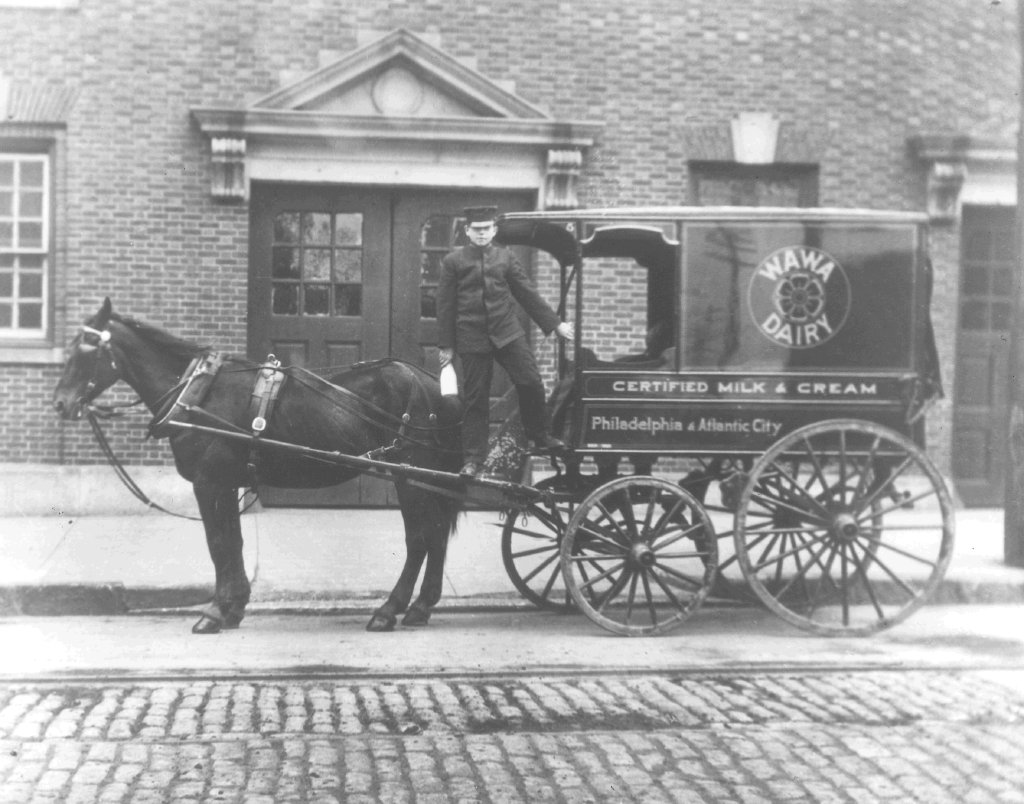
    More than 100 years ago, Wawa started out as a dairy, delivering milk to Philadelphia-area households.

    Wawa has set a national standard for success in the convenience-store industry, said Z. John Zhang, a marketing professor at the Wharton School of the University of Pennsylvania.

    “It really is some kind of a secret sauce,” said Zhang, who studies retail management. “For many people, Wawa has become a destination store,” one that combines “speed, customization, and perceived high quality” with near-constant availability — many Wawa stores are open 24/7.

    The company got its start as a dairy, delivering milk to Philly-area households. In 1964, it opened its first store in Folsom. Soon, the family-owned company expanded into New Jersey and Delaware, and established a reputation for quality and speed, with slogans like “People on the Go — Go to Wawa Food Markets.”
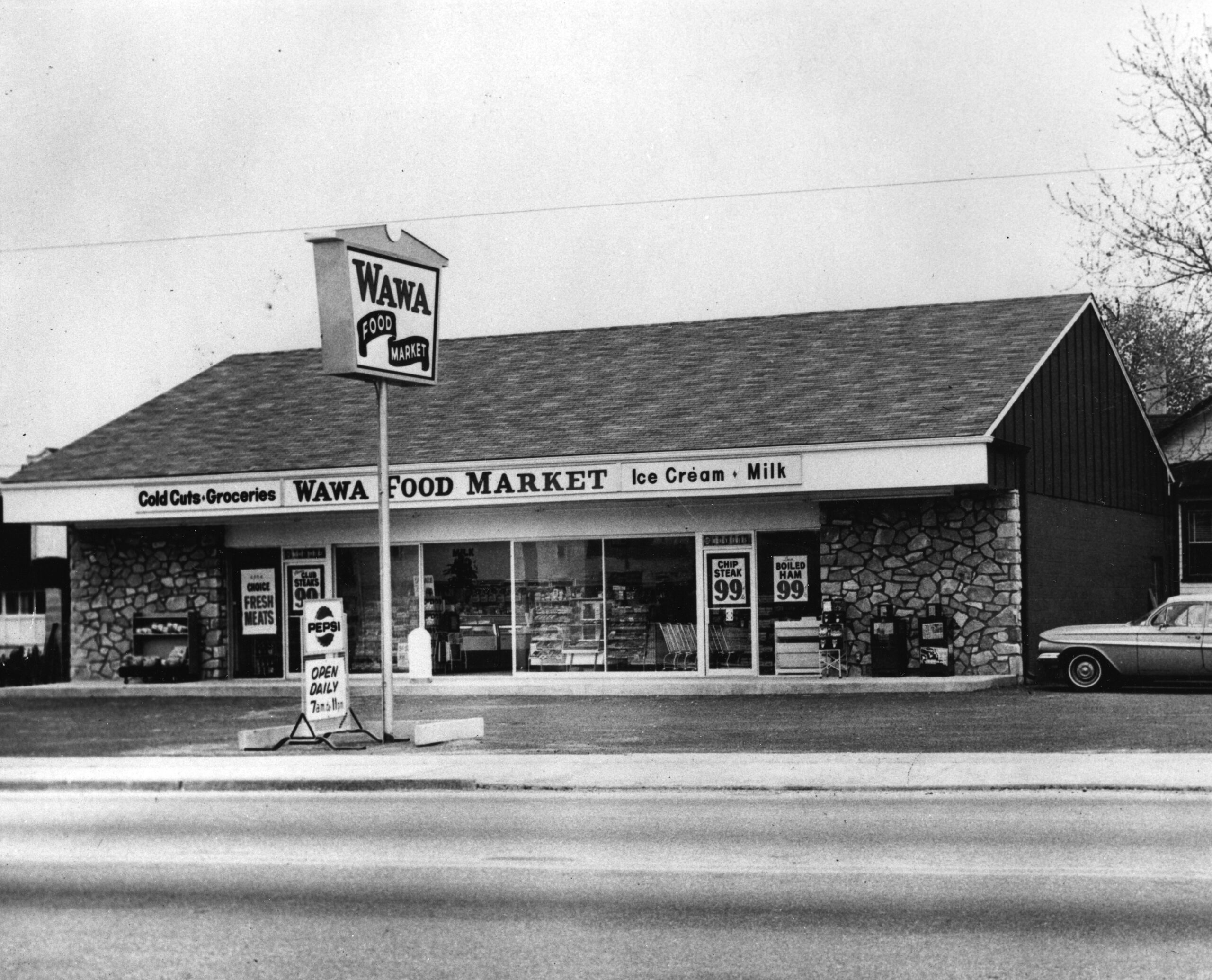
    Wawa’s first convenience store opened in Folsom, Delaware County in 1964.

    Wawa is privately held, owned in part by workers who get a percentage of their earnings contributed to an employee stock-ownership plan. Zhang said this program likely leads to more-invested employees who provide better customer service.

    Because Wawa is not public, it is not required to disclose its finances, and company executives declined to discuss them.

    But by many appearances, Wawa seems to be doing well: Over the last decade, the company has increased its store count by about 65% and doubled its workforce to about 50,000 associates.

    Philly-area Wawas are often crowded, too, which is key to making money in the convenience-store industry.

    A gas attendant fills up a customer’s tank at a Wawa in Pennsauken in 2020.

    Consumers spend about $7 on average when they stop at a convenience store, said Jason Zelinski, vice president of convenience and growth accounts for NielsenIQ.

    “We think it’s high-impulse, but 80% of all people who walk into a convenience store pretty much know what they want,” said Zelinski, who consults with retailers. (He declined to discuss specific companies and said he has never worked for Wawa.)

    Successful operators have encouraged customers to spend more by adding seating and improving their food service, Zelinski said. And stores with better food see higher profit margins.

    “Once you have somebody that’s addicted to your food service program, they’re more likely to come back to your store vs. a competing store,” he said.
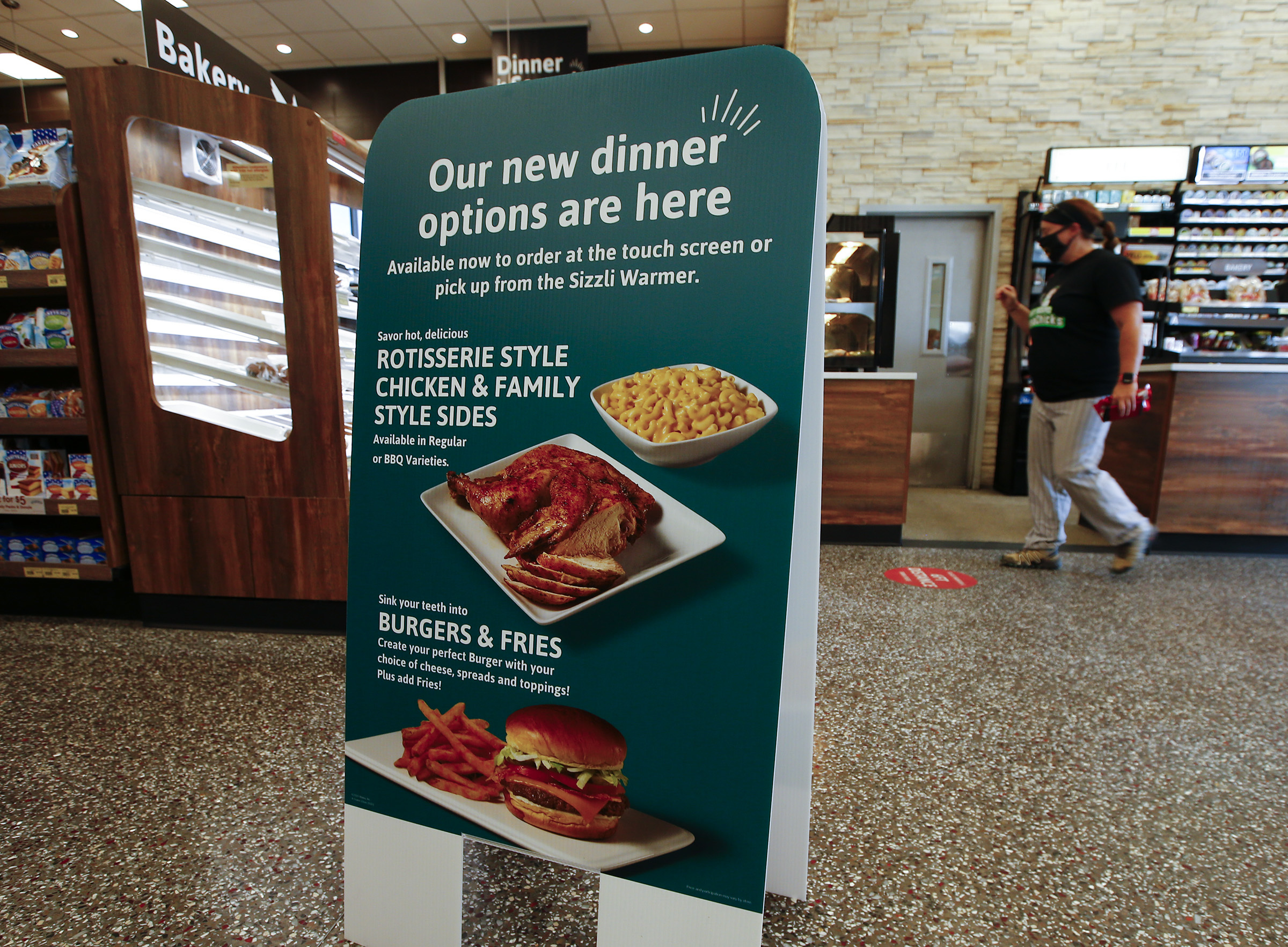
    In 2020, Wawa debuted new menu offerings, including hamburgers, pot roast, rotisserie chicken, pasta alfredo, and kids meals, at a tasting in Media.

    Wawa has certainly gotten people hooked on their coffee, hoagies, and ever-expanding menu, Zhang said. Options added in recent years include pizza, wraps, protein-packed “power meals,” limited-edition coffee flavors, and smoothies “boosted” with protein, vitamins, and minerals.

    Yet Wawa has not expanded in all areas.

    The company recently closed several stores in Center City, citing “safety and security concerns” in some cases. Last month, it closed its Drexel University location after its test of a digital-order-only format was not successful.

    In the Philly suburbs, smaller-format Wawas have also shuttered, often in communities that already have multiple larger Wawas.

    This older Wawa in Cherry Hill closed in 2024. The township has six remaining Wawas.

    Despite Wawa’s best efforts, not all stores thrive, Gheysens said. But “luckily for us, we’re still in growth mode, and don’t have to worry about closures in a broad way.”

    Gheysens said he sees room for more Wawas in the Philadelphia market — even as convenience-store competitors like Maryland-based Royal Farms and Altoona-based Sheetz have opened new stores in the region.

    Wawa executives want “to make sure that we are the number-one convenience store in the area, that’s important to us,” Gheysens said. “These are our hometown counties.”

    What keeps Philly-area consumers going to Wawa

    A Wawa customer eats a breakfast Sizzli during the 2024 grand opening of the company’s first central Pennsylvania store.

    Many Philly-area consumers grew up alongside Wawa.

    In interviews with nearly a dozen of them, some were quick to reminisce about early memories of their local stores, such as the distinct smell of coffee and deli meat or the excitement of a Wawa run with high school friends. Others bemoan what has changed with the company’s expansion, including more congested parking lots.

    Most have a quick answer when asked what their Wawa order is.

    Rick Gunter, 45, of Royersford, misses the Wawa of his youth. Back in the day, he said, the Wawa hoagies “hit different,” with lunch meat fresh off the slicer.

    Contrary to some customers’ beliefs, most stores still bake Amoroso rolls — a custom recipe made exclusively for Wawa — fresh in store multiple times a day, Gheysens said. As for the deli meat, the CEO said that was another decision rooted in customer preference.

    When customers have participated in blind tests of the pre-sliced meat Wawa uses today against a fresh-sliced alternative, “they can’t tell the difference,” Gheysens said. “They would choose our pre-sliced meats, because of what we’ve done in terms of quality and the supply chain and the ability to deliver them at such a pace.”

    A sandwich maker at Wawa wraps a hoagie with turkey, provolone, tomato, and lettuce in this 2020 file photo.

    Some customers disagree.

    “It was way better when it was kind of also a deli. Now they try to make everything for everybody,” said Bill Morgan, 79, of East Coventry Township. “I’m within five miles of three Wawas, but I rarely eat their food. Only under extreme duress.”

    Morgan acknowledged he must be in the minority, given how crowded Wawas are at lunchtime. And despite his distaste for much of their food, he said he still gets gas there and loves their coffee. And he can’t help but admire their business model.

    “I wish they’d sell stock,” Morgan said.
  • A $105-million mixed-use complex with apartments set to rise in the shadow of Willow Grove mall

    A $105-million mixed-use complex with apartments set to rise in the shadow of Willow Grove mall

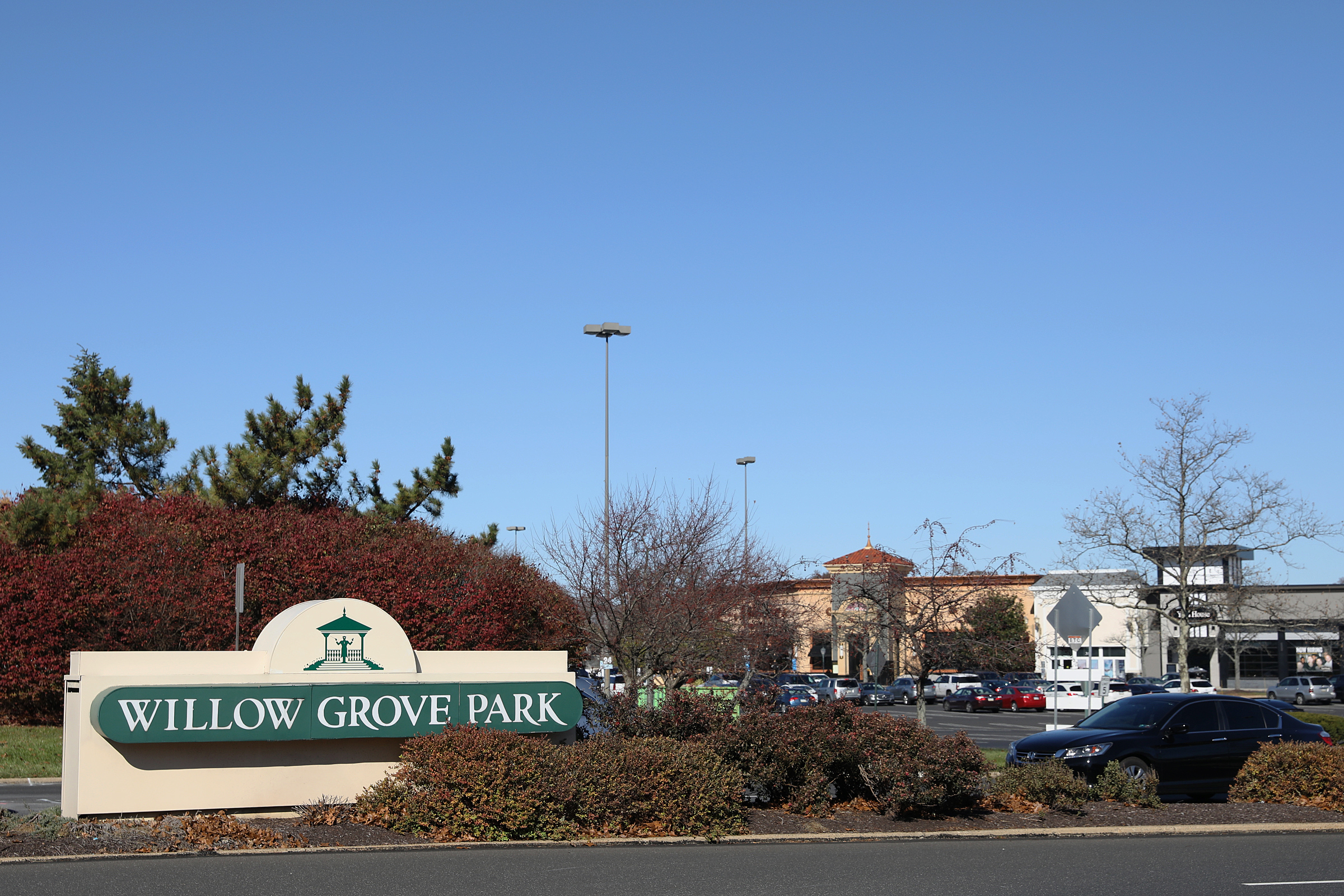
    A shopping center in the shadow of Willow Grove Park Mall will soon undergo a $105-million “transformation” with new apartments and shops, says the developer behind the project.

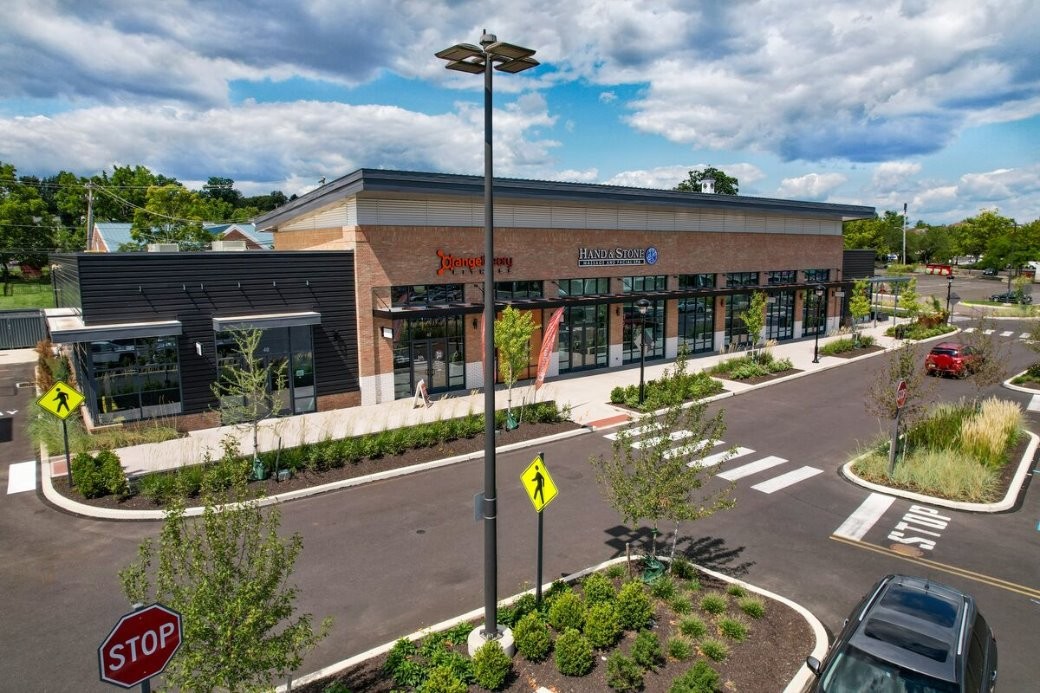
    Starting this summer, about 130,000 square feet of the Willow Grove Shopping Center will be demolished to build a mixed-used complex with 261 residential units and 35,000 square feet of new retail space, said Mark Brennan, vice president of regional development for Federal Realty Investment Trust.

    It will mark the latest stage in a multiphase redevelopment of the outdoor center, which is located across the street from the mall.

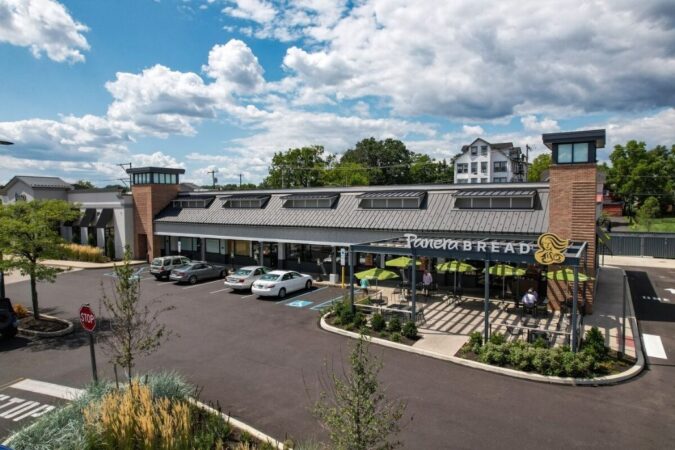
    A rendering of what Federal Realty Investment Trust plans to build at the Willow Grove Shopping Center.

    Across the Philadelphia region, similar mixed-use complexes have increasingly been built around thriving shopping destinations, such as King of Prussia, where thousands of new apartments have risen in recent years.

    Elsewhere, town-center-like developments have replaced dead malls. In Delaware County, a $120-million complex with apartments, restaurants, and shops sits on the site of the former Granite Run Mall, which was demolished a decade ago.

    Mixed-use projects have also been proposed for the Exton Square Mall and at the old Echelon Mall in Voorhees. (In both locations, apartments have already been built on other parts of the property.)

    A spokesperson for PREIT, which owns Willow Grove Park Mall, did not return a request for comment. In a 2022 shareholders’ report, PREIT executives called the complex “one of our leading suburban Philadelphia assets,“ with an occupancy rate of more than 96%.

    The Willow Grove Park Mall is pictured in 2019.

    Across Moreland Road, Brennan is confident his shopping-center redevelopment will be met with high demand.

    Since the pandemic, the Montgomery County community has “really come alive,” due in part to its proximity to the city and to suburban employment centers, said Brennan, who is based in Wynnewood. And people who are moving out of the city or looking to downsize are particularly interested in moving to mixed-use developments, he said.

    The center’s proximity to SEPTA’s Willow Grove train station, and major highways, including the Pennsylvania Turnpike, will make it particularly appealing, as will its mix of “highly curated” shops, Brennan said.

    Across the street from the mall, the Willow Grove Shopping Center is set to undergo a $105-million transformation with apartments and new retail.

    The center’s existing tenants, which include Marshalls and Five Below, will remain open during construction, Brennan said.

    He expects the project to be complete sometime in 2028.

    “These sort of multifaceted, multiphased development projects do take quite a bit of time and planning,” Brennan said. “We’re really excited to get to the next phase of this transformation.”

  • David J. Farber, celebrated Penn professor emeritus and pioneering ‘uncle’ of the internet, has died at 91

    David J. Farber, celebrated Penn professor emeritus and pioneering ‘uncle’ of the internet, has died at 91

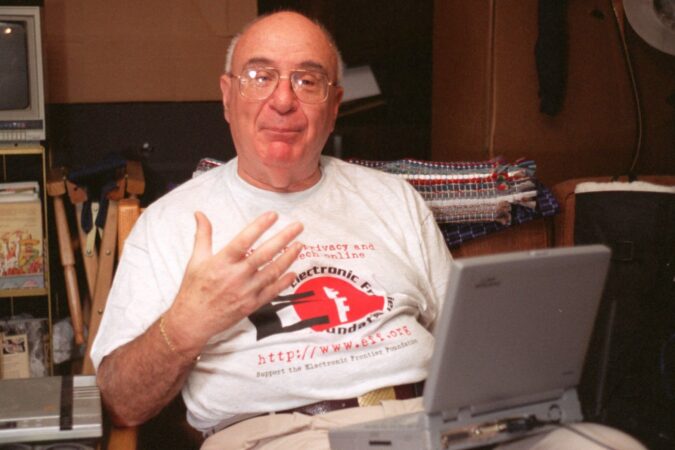
    David J. Farber, 91, formerly of Landenberg, Chester County, celebrated professor emeritus of telecommunication systems at the University of Pennsylvania, former professor of computer science at Carnegie Mellon University and the University of Delaware, professor at Keio University in Japan, award-winning pioneer in pre-internet computing systems, entrepreneur, and known by colleagues as the “uncle” and “grandfather” of the internet, died Saturday, Feb. 7, of probable heart failure at his home in Tokyo.

    A longtime innovator in programming languages and computer networking, Professor Farber taught and collaborated with other internet pioneers in the 1970s, ’80s, and ’90s. He helped design the world’s first electronic switching system in the 1950s and ’60s, and the first operational distributed computer system in the 1970s.

    His work on the early Computer Science Network and other distributive systems led directly to the modern internet, and he taught many influential graduate students whom he called the “fathers of the internet.” He was thinking about a World Wide Web, he said in a 2013 video interview, “actually before the internet started.”

    “Farber may not be the father of the internet. But he is, at least, its uncle,” Penn English professor Al Filreis told the Daily News in 1998. “Few have paid such close attention for so long to new trends in the information age.”

    Colleagues called him “part of the bedrock of the internet” and a “role model for life” in online tributes. Nariman Farvardin, president of the Stevens Institute of Technology in Hoboken, N.J., said: “Professor Farber did not just witness the future, he helped create it.”

    In 1996, Wired magazine said Professor Farber had “the technical chops and the public spirit to be the Paul Revere of the Digital Revolution.”

    He joined Penn as a professor of computer science and electrical engineering in 1988 and was named the endowed Alfred Fitler Moore professor of telecommunication systems in 1994. He left Penn for Carnegie Mellon in 2003 and joined Keio in 2018.

    Gregory Farrington, then dean of Penn’s School of Engineering and Applied Science, told The Inquirer in 1996: “He’s one of the most engaging, imaginative guys who sometimes alternates between great ideas and things that sound nuts. And I love them both. His life is an elaboration on both.”

    He was a professor at Delaware from 1977 to 1988 and at the University of California Irvine from 1970 to 1977. Among other things, he created innovative computer software concepts at UC Irvine, studied the early stages of internet commercialization at Delaware, and focused on advanced high-speed networking at Penn. He also directed cyber research laboratories at every school at which he worked.

    He earned lifetime achievement awards from the Association for Computing Machinery, the Board of Directors of City Trusts of Philadelphia, and other groups, and was inducted into the Internet Society’s Hall of Fame in 2013 and the Stevens Institute of Technology Hall of Achievement in 2016.

    Stevens Institute also created a “societal impact award” in 2003 to honor Professor Farber and his wife, Gloria. “I think the internet has just started,” he said in 2013. “I don’t think we’re anywhere near where it will be in the future. … I look forward to the future.”

    Professor Farber earned grants from the National Science Foundation and other organizations. He received patents for two computer innovations in 1994 and earned a dozen appointments to boards and professional groups, and an honorary master’s degree from Penn in 1988.

    He advised former President Bill Clinton on science and engineering issues in the 1990s and served a stint in Washington as chief technologist for the Federal Communications Commission. Clinton called him a “pioneer of the internet” in a 1996 shoutout, and Professor Farber testified for the government in a landmark technology monopoly court case against Microsoft Corp.

    Professor Farber (left) worked with Professor Jiro Kokuryo at the Keio University Global Research Institute in Tokyo.

    He championed free speech on the internet, served on technical advisory boards for several companies, and wrote or cowrote hundreds of articles, papers, and reports about computer science.

    He was featured and quoted often in The Inquirer and Daily News, and lectured frequently at seminars and conferences in Japan, Europe, Australia, and elsewhere around the world. He wrote an email newsletter about cutting-edge technology that reached 25,000 subscribers in the 1990s, and he liked to show off his belt that held his cell phone, pager, and minicomputer.

    He cofounded Caine, Farber, & Gordon Inc. in 1970 to produce software design tools and worked earlier, from 1957 to 1970, on technical staffs for Xerox, the Rand Corp., and Bell Laboratories. In a recent video interview, he gave this advice: “Learn enough about technology so that you know how to deal with the world where it is a technology-driven world. And it’s going to go faster than you ever imagined.”

    David Jack Farber was born April 17, 1934, in Jersey City, N.J. Fascinated by gadgets and early computers in the 1940s, he built radios from wartime surplus components as a boy and helped make a unique relay device with a punch card in college. “The card reader was three feet big, but it worked,” he told the Daily News in 1998.

    Professor Farber enjoyed time with his family

    He considered being a cosmologist at first but instead earned a bachelor’s degree in electrical engineering and a master’s degree in math at Stevens.

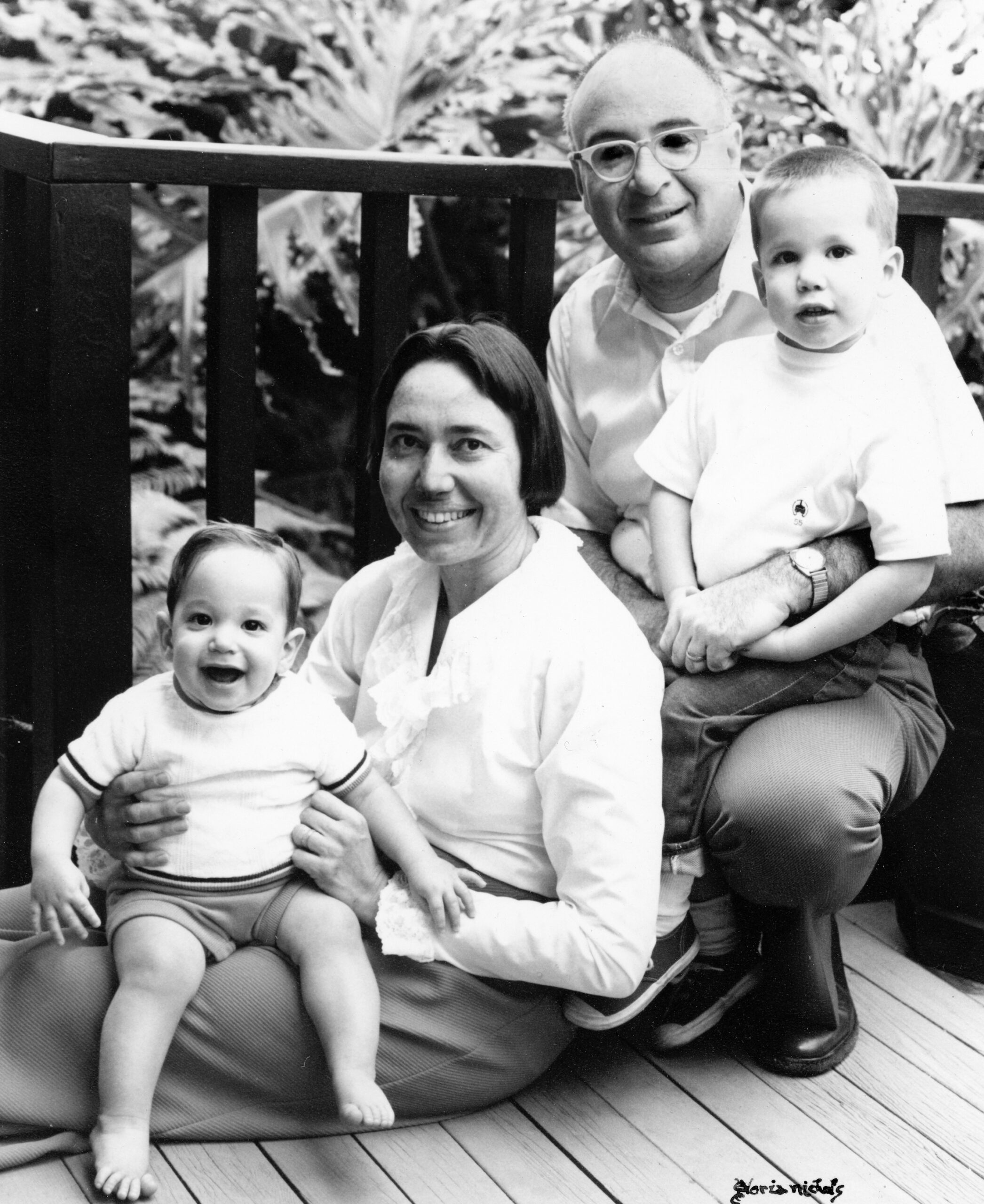
    He met Gloria Gioumousis at Bell Labs, and they married in 1965. They had sons Manny and Joe, and lived in Landenberg from 1977 to 2003. His son Joe died in 2006. His wife died in 2010.

    Professor Farber enjoyed iced coffee and loved gadgets. He was positive and outgoing, and he mixed well-known adages into humorous word combinations he called “Farberisms.”

    He was an experienced pilot and an avid photographer. In 2012, to honor his son, he established the Joseph M. Farber prize at the Stevens Institute for a graduating senior.

    Mr. Farber was an experienced pilot who could fly solely on cockpit instruments.

    “He was bold,” his son Manny said. “He connected to a lot of people and was close to his friends. He worked on big projects, and it wasn’t just theoretical. He built things that work.”

    In addition to his son, Professor Farber is survived by his daughters-in-law, Mei Xu and Carol Hagan, two grandsons, and other relatives.

    A memorial service is to be held later.

  • Silicon Valley is building a shadow power grid for data centers across the U.S.

    Silicon Valley is building a shadow power grid for data centers across the U.S.

    The GW Ranch project approved on 8,000 windswept acres of West Texas will look like many of the other data centers that have sprung up across the country to support Silicon Valley’s ambitions for artificial intelligence. Dozens of airplane-hangar-size warehouses packed with computing hardware will consume more power than all of Chicago.

    But it’s missing one standard feature: The mammoth project, recently green-lit by state environmental regulators, won’t need new power lines to deliver the electricity that it guzzles. GW Ranch will be walled off from the power grid and generate its own electricity from natural gas and solar plants installed on site.

    GW Ranch is set to become part of a shadow power grid emerging across the country with potentially far-reaching consequences for the U.S. electricity system and environment.

    After the rapid growth of data centers triggered pushback from politicians, utilities, and local residents over the pressures they place on the grid, tech companies are now building their own fleet of private power plants, mostly fueled by natural gas.

    Dozens of sprawling off-grid data center projects are planned across Texas, New Mexico, Pennsylvania, Wyoming, Utah, Ohio, and Tennessee, according to a review of regulatory filings, permits, earnings call transcripts, and other documents by the energy industry research firm Cleanview. Several are already under construction.

    Companies rushing to develop the facilities include Meta, ChatGPT-maker OpenAI, business software provider Oracle, and oil giant Chevron. (The Washington Post has a content partnership with OpenAI.)

    The off-grid projects already approved by state energy and environmental regulators could power all of New York City several times over, a vast new energy infrastructure that will bring huge new industrial facilities to communities across the country and increase U.S. emissions of carbon dioxide and other air pollutants. A handful of states have passed laws to encourage off-grid data centers by loosening rules around who can build power plants and where they can be located.

    The projects are sparking alarm from El Paso to Davis, West Virginia, from residents unhappy to learn that gas plants large enough to fuel major cities are set to sprout in places they were never expected.

    “This came out of nowhere,” said Amy Margolies, a resident fighting an off-grid data center planned near Davis, in one of West Virginia’s major tourism corridors. The project was permitted to operate a gas plant large enough to generate roughly equivalent power to that used by every home in the state. It is being propelled by a 2025 state law that eased approvals for off-grid data centers.

    “They removed local control completely for this speculative gold rush,” Margolies said. “Everything is shrouded in secrecy, and the public is removed from the process.”

    The idea of taking data centers off-grid is the latest in a line of provocative strategies adopted by the tech industry in its pursuit of more electricity that also includes reviving old nuclear plants, backing long-shot fusion energy schemes, and planning to plunk down hundreds of compact nuclear power plants in communities across the U.S. But while these approaches are fossil fuel-free, most of the sector’s immediate investments will be in gas power, driving up the planet-warming emissions the companies long promised to take a lead in curbing.

    Billions of dollars are now being invested in power plants for off-grid data centers, even though key engineering challenges have not been solved, according to veteran energy developers.

    Most of the projects rely on natural gas because the variable output of solar and wind is difficult to manage without the grid as backup. But the most efficient gas turbines are back-ordered for years, forcing developers to use more wasteful and polluting equipment.

    “It is catastrophic for climate goals,” said Michael Thomas, founder of Cleanview, which has identified 47 behind-the-meter projects nationwide.

    Others warn that off-grid projects could struggle to keep the lights on. Gas plants typically spend a third or more of the year down for maintenance, but data centers generally operate around the clock. “I get that cost is no object for these companies and they just want to get online,” said Jigar Shah, an energy entrepreneur who helped manage federal energy investments for the Biden administration. “But they have not figured out even with unlimited funds how to make these plants run with 24/7 reliability.”

    Shah said the projects could also drive up prices for customers who still use the power grid, as developers outbid utilities for equipment and leave other ratepayers to bear the costs of maintenance for older energy infrastructure. “This whole thing feels like a fairy tale concocted on the back of a napkin,” he said.

    Developers of the projects have said they can use backup generators or gas plants to keep data centers operating without interruption. President Donald Trump and White House officials have argued that loosening regulations that gave utilities a monopoly over power generation will make electricity more abundant and protect ordinary consumers.

    “President Trump’s vision really since the beginning of the administration is … ‘Let the AI companies become power companies. Let them stand up their own power generation as they built side by side with these new data centers,’” said David Sacks, Trump’s AI and crypto czar, during a podcast interview at the World Economic Forum meeting in Davos, Switzerland, last month. “We get this infrastructure, [and] residential rates don’t go up.”

    Silicon Valley’s build-out of AI infrastructure is “too onerous for the power grid to take on,” said Kevin Pratt, chief operating officer of Pacifico Energy, the energy developer building GW Ranch in Texas. “We were hearing, ‘We want you to build these projects, but the utility can’t give us the power we need. What can you do?’”

    The off-grid strategy appears to have worked for Elon Musk. In 2024, his company xAI got a Memphis data center up and running in months — instead of the more typical years — in part by largely sidestepping the grid and powering the facility with dozens of portable gas generators.

    Last month, the Environmental Protection Agency ruled the setup illegally breached emissions rules, and required the company to get permits. But tech industry officials say xAI had put rivals on notice that unless companies found work-arounds to lengthy wait times for power grid hookups, they risked being left behind.

    The fallout is now reverberating in places like Tucker County, W.Va. Residents learned through a legal notice in the community newspaper the Parsons Advocate that developer Fundamental Data was seeking to build a massive, off-grid data center with a large gas plant on a ridgeline near Davis.

    The state law promoting such projects strips local officials of their usual authority to vet and approve new developments if these proposals are related to data center campuses using off-grid power. Fundamental Data received a state environmental permit for the gas plant over the loud objections of residents and officials in surrounding communities.

    The company declined to say how many gas turbines it plans to use or what kind they will be. It would not comment on whether the data center would be for AI development, crypto mining, or something else.

    “As designed, it is intended to operate independently and does not rely on ratepayer-funded infrastructure or impact existing residential customers,” Fundamental Data said in a statement.

    The project is one of at least three large off-grid data center developments that builders are pursuing in West Virginia under its 2025 law. One of the others, the Monarch Compute Campus in Mason County, will initially use gas to generate enough electricity to power 1.5 million homes, plans say, and later quadruple its output. That would see the site generate and consume several times the total electricity consumption of West Virginia residents.

    The major tech companies that will tap this shadow grid are mostly keeping their names off the projects while developers go through the messy process of permitting, overcoming community opposition and construction.

    Meta is one exception. Through a subsidiary, it is working with natural gas colossus Williams on a project called Socrates in New Albany, Ohio, that will install a pair of off-grid gas power plants that will each sprawl across 20 acres. Williams says it will be operational this year.

    The social media giant has another off-grid project in El Paso, Texas, where it is working with the local utility to create a large gas generating facility by linking together 813 modest generators. Local officials and activists have protested the plan, alleging that Meta won lucrative city and county incentives after leaving the impression its data center campus would be powered by clean energy.

    Meta’s local partner, El Paso Electric, wrote in regulatory filings first reported on by the Texas Tribune that using solar panels and battery storage “would require thousands of acres adjacent to the Data Center site which are not available.”

    Meta said that the fossil fuel power used in El Paso will be paired with purchases of renewable energy. “As with all of our data centers, including dozens of renewable projects throughout Texas, we work to add energy to the grid and match our data center’s electricity use with 100% clean, and renewable energy,” company spokesman Ryan Daniels said in an email.

    Oracle and OpenAI are also developing off-grid power plants for their data centers. Construction is underway at their Stargate Project Jupiter campus in New Mexico, which will be powered by massive natural gas systems.

    OpenAI chief executive Sam Altman is an investor in aerospace firm Boom Supersonic, which has refashioned a jet engine design to power off-grid data centers. The first batch will go to developer Crusoe, which is building one of the world’s largest data center campuses in Wyoming.

    Despite the immense capital invested and shovels in the ground, the AI industry’s off-grid plans do not compute for some veterans of big energy projects.

    Developers are “trying to rush to market with a bunch of clankety old stuff that was headed to the scrapyard, or with dozens to hundreds of small generating units strung together,” said Aaron Zubaty, CEO of California-based Eolian, which builds large energy installations.

    Those untested designs will inevitably develop maintenance problems that cause cost overruns, malfunctioning equipment and unanticipated outages, Zubaty said. He predicted that spending on the projects may be more likely to pay off by creating pressure on utility companies to accommodate more data centers on the grid.

    “If you are a utility, this can’t be your future,” he said. “You can’t have your biggest customers never need you again.”

  • Mark Zuckerberg quizzed on kids’ Instagram use in social media trial

    Mark Zuckerberg quizzed on kids’ Instagram use in social media trial

    LOS ANGELES — Mark Zuckerberg and opposing lawyers dueled in a Los Angeles courtroom on Wednesday, where the Meta CEO answered questions about young people’s use of Instagram, his congressional testimony and internal advice he’s received about being “authentic” and not “robotic.”

    Zuckerberg’s testimony is part of an unprecedented social media trial that questions whether Meta’s platforms deliberately addict and harm children.

    As of early afternoon, Zuckerberg has not directly answered the central question of the case: whether Instagram is addictive. The plaintiff’s attorney, Mark Lanier, asked if people tend to use something more if it’s addictive.

    “I’m not sure what to say to that,” Zuckerberg said. “I don’t think that applies here.”

    Attorneys representing the plaintiff, a now 20-year-old woman identified by the initials KGM, claim her early use of social media addicted her to the technology and exacerbated depression and suicidal thoughts. Meta Platforms and Google’s YouTube are the two remaining defendants in the case, which TikTok and Snap have settled.

    Beginning his questioning, Lanier laid out three options of what people can do regarding vulnerable people: help them, ignore them, or “prey upon them and use them for our own ends.” Zuckerberg said he agrees the last option is not what a reasonable company should do, saying, “I think a reasonable company should try to help the people that use its services.”

    When he was asked about his compensation, Zuckerberg said he has pledged to give “almost all” of his money to charity, focusing on scientific research. Lanier asked him how much money he has pledged to victims impacted by social media, to which Zuckerberg replied, “I disagree with the characterization of your question.”

    Lanier questioned the Meta CEO extensively about a comment he made during a past congressional hearing, where he said Instagram employees are not given goals to increase amount of time people spent on the platform.

    Lanier presented internal documents that seemed to contradict that statement. Zuckerberg replied that they previously had goals associated with time, but said he and the company made the conscious decision to move away from those goals, focusing instead on utility. He said he believes in the “basic assumption” that “if something is valuable, people will use it more because it’s useful to them.”

    Lanier also asked Zuckerberg about what he characterized as extensive media training, including for testimonies like the one he was giving in court. Lanier pointed to an internal document about feedback on Zuckerberg’s tone of voice on his own social media, imploring him to come off as “authentic, direct, human, insightful and real,” and instructing him to “not try hard, fake, robotic, corporate or cheesy” in his communication.

    Zuckerberg pushed back against the idea that he’s been coached on how to respond to questions or present himself, saying those offering the advice were “just giving feedback.”

    Regarding his media appearances and public speaking, Zuckerberg said, “I think I’m actually well known to be sort of bad at this.”

    The Meta CEO has long been mocked online for appearing robotic and, when he was younger, nervous when speaking publicly. In 2010, during an interview with renowned tech journalists Kara Swisher and Walt Mossberg, he was sweating so profusely that Swisher asked him if he wanted to “take off the hoodie” that was his uniform at the time.

    Lanier spent a considerable stretch of his limited time with Zuckerberg asking about the company’s age verification policies.

    “I don’t see why this is so complicated,” Zuckerberg said after a lengthy back-and-forth, reiterating that the company’s policy restricts users under the age of 13 and that they work to detect users who have lied about their ages to bypass restrictions.

    Zuckerberg mostly stuck to his talking points, referencing his goal of building a platform that is valuable to users and, on multiple occasions, saying he disagreed with Lanier’s “characterization” of his questions or of Zuckerberg’s own comments.

    Zuckerberg has testified in other trials and answered questions from Congress about youth safety on Meta’s platforms. During his 2024 congressional testimony, he apologized to families whose lives had been upended by tragedies they believed were caused by social media. But while he told parents he was “sorry for everything you have all been through,” he stopped short of taking direct responsibility for it. This trial marks the first time Zuckerberg stands before a jury. Once again, bereaved parents are sitting in the courtroom audience.

    The case, along with two others, has been selected as a bellwether trial, meaning its outcome could impact how thousands of similar lawsuits against social media companies are likely to play out.

    A Meta spokesperson said the company strongly disagrees with the allegations in the lawsuit and said they are “confident the evidence will show our longstanding commitment to supporting young people.”

    One of Meta’s attorneys, Paul Schmidt, said in his opening statement that the company is not disputing that KGM experienced mental health struggles, but rather disputing that Instagram played a substantial factor in those struggles. He pointed to medical records that showed a turbulent home life, and both he and an attorney representing YouTube argue she turned to their platforms as a coping mechanism or a means of escaping her mental health struggles.

    Zuckerberg’s testimony comes a week after that of Adam Mosseri, the head of Meta’s Instagram, who said in the courtroom that he disagrees with the idea that people can be clinically addicted to social media platforms. Mosseri maintained that Instagram works hard to protect young people using the service, and said it’s “not good for the company, over the long run, to make decisions that profit for us but are poor for people’s well-being.”

    Much of Mosseri’s questioning from the plaintiff’s lawyer centered on cosmetic filters on Instagram that changed people’s appearance — a topic that Lanier is sure to revisit with Zuckerberg. He is also expected to face questions about Instagram’s algorithm, the infinite nature of Meta’s feeds and other features the plaintiffs argue are designed to get users hooked.

    Meta is also facing a separate trial in New Mexico that began last week.

  • QVC Group faces $30 million ‘unjustified termination’ lawsuit after report of potential bankruptcy

    QVC Group faces $30 million ‘unjustified termination’ lawsuit after report of potential bankruptcy

    QVC Group has been hit with a $30 million lawsuit amid broader financial problems for the West Chester-based home shopping network.

    The company is considering filing for Chapter 11 bankruptcy to reorganize billions in debt, Bloomberg reported last week.

    Antthony Mark Hankins, a Savannah, Ga.-based fashion designer who had a 31-year on-air career with HSN until he was terminated in July, filed the lawsuit last week against the network and its parent company, QVC Group, according to federal court documents.

    Hankins seeks at least $30 million in damages for what his attorneys describe in the documents as an “abrupt and unjustified termination” that “reflects a pattern of discriminatory treatment, retaliatory conduct, and operational mismanagement.” The lawsuit is filed in the U.S. District Court for the Eastern District of Pennsylvania.

    QVC Group spokespeople and general counsel did not return requests for comment. HSN operated out of a studio in St. Petersburg, Fla., until about a year ago, when it moved to QVC’s West Chester campus.

    A show is filmed at QVC’s studios in West Chester in 2023.

    Between 2023 and 2025, HSN executives reduced Hankins’ airtime and decreased promotion of his brand, Antthony Design Originals, to focus on a “TikTok-centered business model,” according to the designer’s lawsuit. As a result, he says his gross sales last calendar year were $13.24 million, more than $2 million less than projected. When he was more supported by the network, he said, his sales outperformed expectations.

    Hankins, who is Black, also says the company discriminated against him based on race, including by promoting him more heavily during Black History Month, firing him without cause, and immediately pulling him off the air despite decades of strong performance, according to the lawsuit.

    In the documents, Hankins also alleges breach of contract, defamation, interference with third-party business relationships, and misappropriation of his name and likeness in advertisements.

    In a Facebook post on his business page, Hankins said the lawsuit “is about standing up for the values my brand was built on, protecting my legacy, and ensuring that fairness and accountability matter — especially for creators who have given decades of their lives to their work.”

    Hankins’ attorney, Samuel B. Fineman of Semanoff Ormsby Greenberg & Torchia in Huntingdon Valley, did not return a request for additional comment.

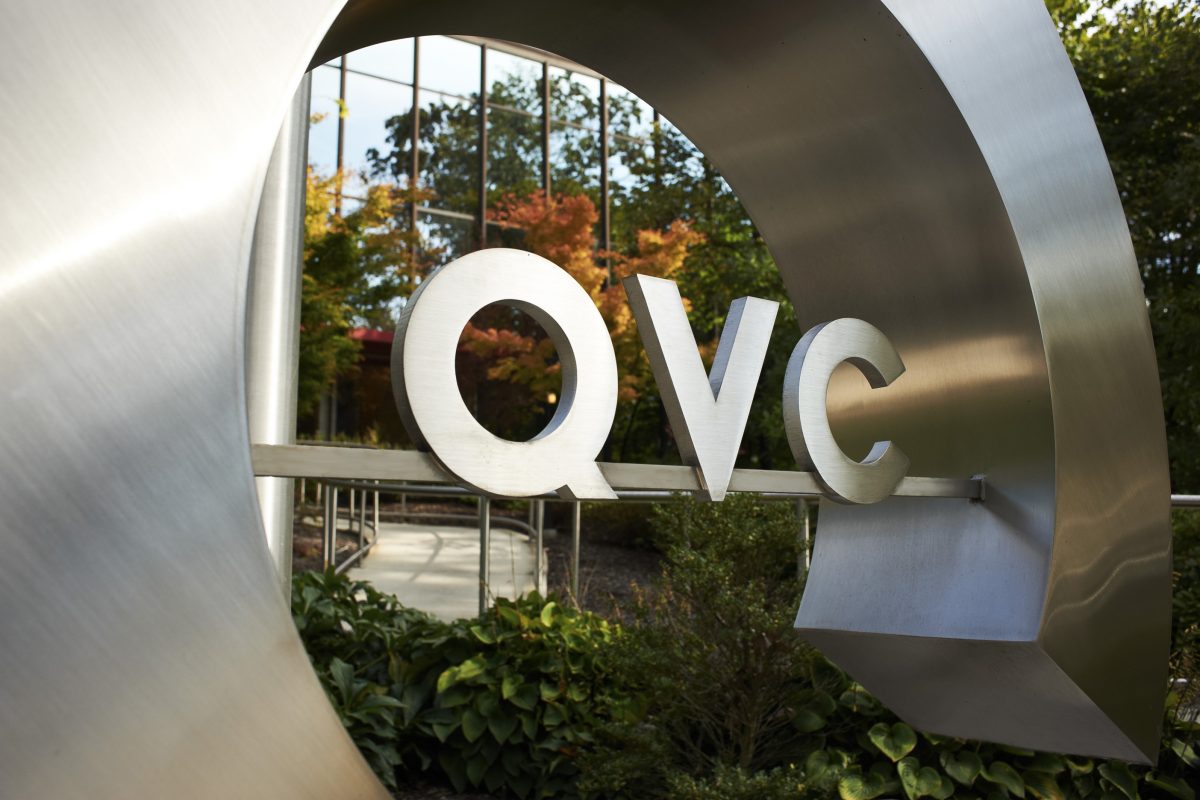
    A QVC logo is shown outside its studios in an undated file photo. The company has been based in West Chester for more than 30 years.

    QVC has been based in West Chester for more than three decades, and merged with HSN as part of a $2 billion deal in 2017.

    The networks’ parent company, which rebranded as QVC Group last year, has struggled recently amid stiff competition from e-commerce and social-media platforms like TikTok Shop.

    Its revenue and operating income have been on the decline, and fewer people are shopping. As of September, about 7 million customers had made a purchase on the networks in the past year, down from 8.1 million in fiscal year 2023.

    The company is set to release its fourth quarter 2025 earnings report next week.

    According to Bloomberg’s report last week, company executives were talking with creditors about a potential bankruptcy, but had not made a decision on whether to file.

    A search for “QVC Group” in online court records did not show any bankruptcy filings as of Wednesday.

  • After 20 years of growth, this Philadelphia-born company says it’s ready to help in the caregiver crisis

    After 20 years of growth, this Philadelphia-born company says it’s ready to help in the caregiver crisis

    Just over 20 years ago, when Geoff Gross founded Medical Guardian, his vision was to empower older adults to live more independently.

    The company launched in 2005 out of Gross’ apartment in Center City with a focus on emergency response for seniors and individuals with disabilities.

    “At the time, the industry was largely reactive and built around moments of crisis,” he said.

    It now has 630,000 active members, who can choose from lightweight medical alert devices worn as a necklace or on the wrist. One of them, which looks like any other smartwatch on first glance, allows users to track health and activity stats.

    The company employs more than 600 people and is approaching $250 million in annual revenue. Gross said it is poised to step in as aging-in-place becomes an urgent challenge facing families, healthcare systems, and policymakers.

    By 2034, the number of older adults in the U.S. will surpass the number of minors for the first time in history, according to the U.S. Census Bureau. Simultaneously, families and caregivers are experiencing increased demands, and traditional care models are proving to be less sustainable. Over 53 million Americans serve as unpaid family caregivers, according to a recent study from the Shirley Ryan AbilityLab, and they provide an estimated $600 billion worth of unpaid labor each year.

    “Caregiving is now widely recognized as a public health, workforce, and economic issue, not just a personal one,” Gross said. “Burnout, anxiety, and sleep deprivation are increasingly common, yet caregivers are still underserved by technology that focuses almost entirely on emergencies instead of daily reassurance and support.”

    From peace of mind to longevity

    Gross founded Medical Guardian based on a “simple but deeply personal belief” that “people deserve to age with confidence, dignity, and the freedom to live life on their own terms,” he said.

    That was informed by his family’s experience with Gross’ grandmother, Freda, a retired nurse who lived alone later in life and experienced frequent falls. “She was fiercely independent, but those moments created real anxiety for our family,” he said.

    She became Medical Guardian’s first member.

    The MGMini Lite by Medical Guardian.

    “People who are older, frail, or have a disability or chronic illness” need to be able to easily, reliably contact family or emergency services, said Richard C. Wender, who chairs the Department of Family Medicine and Community Health at the University of Pennsylvania’s medical school.

    He recommends choosing a system that’s affordable and delivers on promises made. These services can offer more independent options for vulnerable individuals.

    “Most people want the same things as they get older, as they did before: control over their daily lives, privacy, and the ability to remain in their own homes and communities for as long as possible,” Gross said. “When done thoughtfully, connected health and safety tools can remove barriers rather than impose them.”

    People often find Medical Guardian through referrals from adult children, caregivers, clinicians, and community organizations, Gross said. He noted that such decisions are “often made collaboratively, and our approach is designed to reflect that reality.”

    The company also does direct-to-consumer marketing, as well as social media advertising and influencer outreach. And it works closely with health plans, providers, senior living operators, and state programs focused on helping aging adults remain safely at home.

    “That blend of consumer and healthcare channels mirrors how aging and caregiving actually happen, in real homes, with real families, over time,” Gross said.

    Gross says Medical Guardian members have shared feedback that their devices’ biggest impact is not a dramatic moment, but the everyday reassurance.

    Medical Guardian’s MGMini device, which is worn around the neck.

    “Feeling steady taking a shower, walking outside without hesitation, or knowing help is there if something feels off,” Gross said. “Those small moments of confidence shape how people experience independence.”

    With that in mind, one of the company’s goals is to support people earlier — before a fall, a health scare, or a rushed decision.

    “Our services often come years before in-home care or assisted living, which gives us the opportunity to build trust while people are still living independently and confidently,” he said.

    Medical Guardian also has wellness advocates, many of whom have social work backgrounds, as well as emergency response specialists and care teams.

    “Our platforms use data, automation, and intelligence to notice patterns and surface insights, but when something matters, a real person is always involved,” Gross said.

    Philly-based medical device competes with Big Tech watches

    Many of the people answering Medical Guardian’s emergency calls, building its software, supporting members, and working with health plans are doing so from Philadelphia, where the company is headquartered. More than half its employees are based in the area.

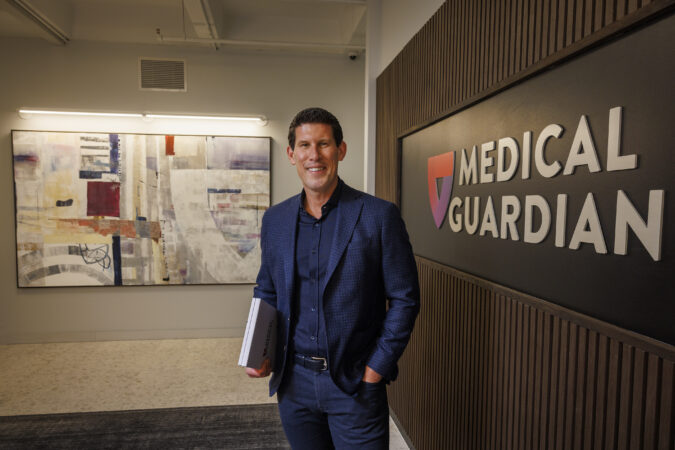
    Geoff Gross, CEO of Medical Guardian, in the Technology Product Innovation Lab at the company’s Center City Philadelphia office.

    “We’ve built and scaled this company in Philly, and that matters to us,” Gross said. “There’s a strong work ethic here, a deep healthcare ecosystem, and a sense of community responsibility that aligns with our mission.”

    Some of Medical Guardian’s partners are based in the region — such as AmeriHealth Caritas, Independence Blue Cross, and Jefferson Health.

    Some may feel that an Apple Watch can do as much as one of Medical Guardian’s devices by providing vital stats, location tracking, and communication capabilities. But Gross said Medical Guardian’s products offer a unique alternative.

    “Many of our members do not want dozens of apps or daily charging. They want something reliable, intuitive, and built for real life, especially in moments when clarity and speed matter,” he said.

    Gross cited that Medical Guardian can monitor location and, when appropriate, biometrics like oxygen levels or blood pressure. That’s not meant to overwhelm people with data but to create meaningful context for families and care teams.

    “For many older adults,” he said, “that focus on usefulness over features is more appealing than a general-purpose smartwatch that tries to do everything.”

  • Sheetz wants to move into Delaware County, home of Wawa

    Sheetz wants to move into Delaware County, home of Wawa

    Sheetz could soon stake a claim in Delaware County, extending its reach into the Philadelphia region.

    The Altoona-based convenience store chain, which opened its first store in the Philly suburbs last week, has submitted a sketch plan application to build a 6,000-square-foot location in Chadds Ford.

    It would be Sheetz’s first outpost in Wawa’s home county.

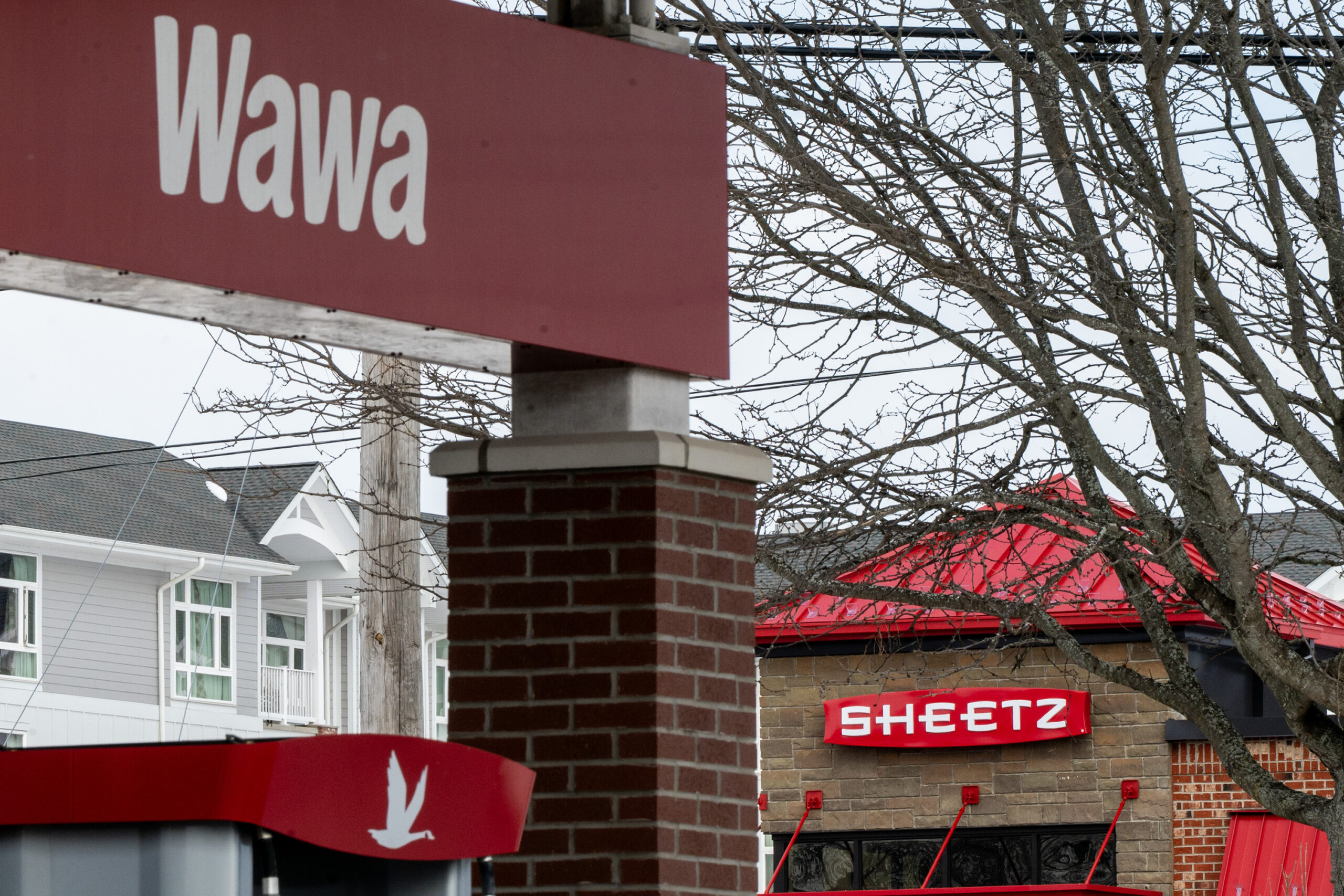
    A Sheetz and Wawa now sit across the street from each other in Limerick Township, Montgomery County.

    If approved, the store would be constructed about five miles down the road from Wawa’s corporate headquarters, and across the county from the site of Wawa’s first store, in Folsom.

    The Sheetz would be in the Village at Painters’ Crossing shopping center near the intersection of U.S. Routes 1 and 202, according to the application. Sheetz would take over a parcel in the northeast corner of the complex that is currently occupied by a vacant former bank and a closed Carrabba’s Italian restaurant.

    Along with Sheetz’s usual offerings of made-to-order food, grab-and-go snacks, and drinks, the outpost would include indoor and outdoor seating, two mobile-order pickup windows, and six gas pumps, according to the application. It would not include a drive-through.

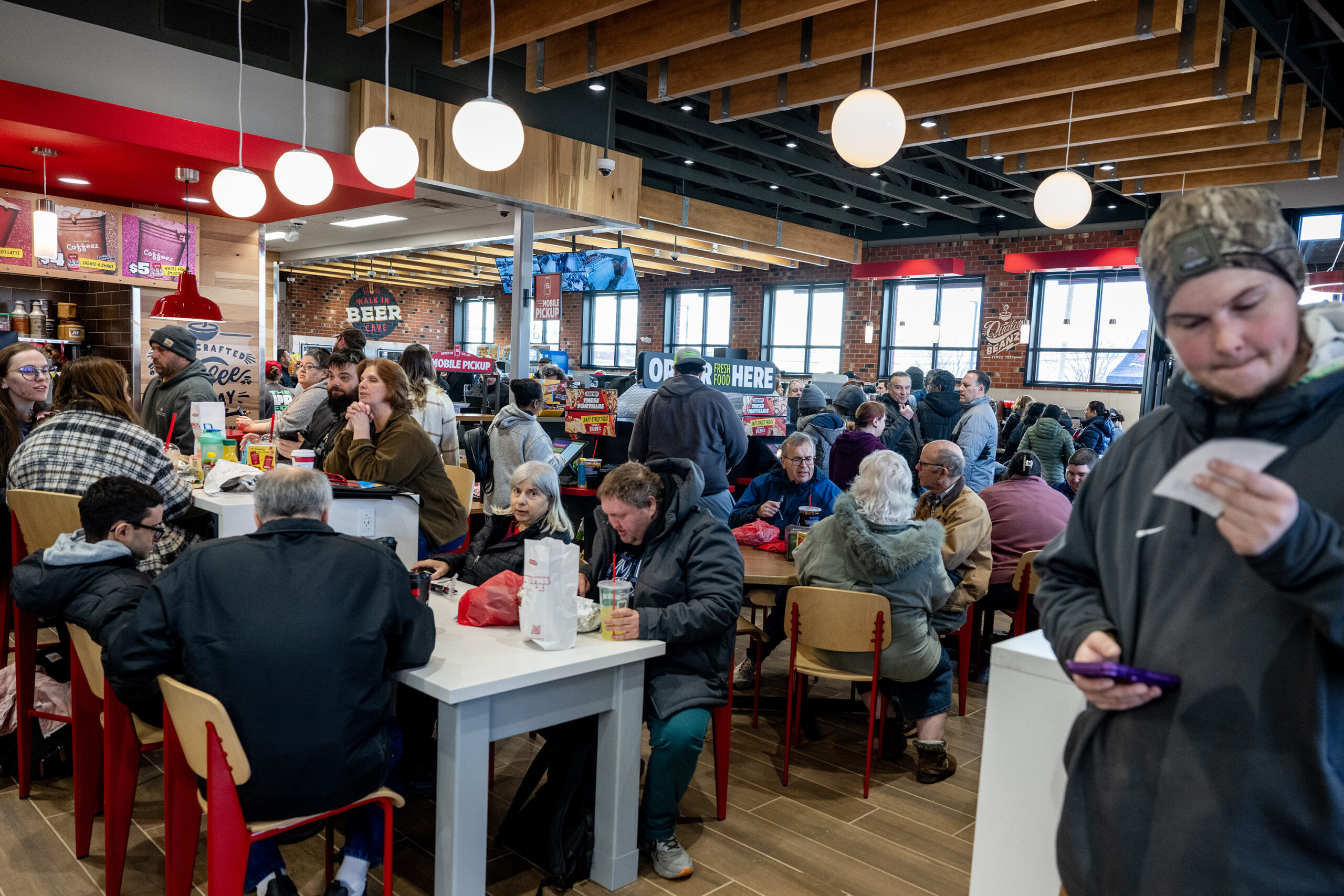
    Customers crowd into the indoor dining area at the new Sheetz in Limerick Township that opened last week.

    Nick Ruffner, Sheetz public affairs manager, declined to provide additional information about the proposal, saying in a statement that “it is still very early in the process.”

    Zoning changes and other approvals would be required before anything is built, Chadds Ford Township solicitor Michael Maddren said. As of Tuesday, Sheetz had only submitted the sketch plan, which was discussed at a planning commission meeting earlier this month, Maddren said.

    At the meeting, township officials did not express strong opinions about the sketch, Maddren said: “We need a little more detail.”

    Craig Scott (left) of Wayne and Dave Swartz (right) of Collegeville had breakfast at last week’s grand opening of the first Sheetz in the Philadelphia suburbs.

    If the Chadds Ford project moves forward, Sheetz could establish a foothold in three of Philly’s four collar counties: Along with its new Limerick, Montgomery County location, Sheetz also has expressed interest in building a store in Chester County.

    In the fall, company officials submitted a sketch plan to Caln Township officials, proposing a location at the site of a shuttered Rite Aid on the 3800 block of Lincoln Highway in Downingtown, according to the township website.

    After years of Sheetz opening stores in Western and central Pennsylvania, and Wawa expanding closer to Philly, Sheetz and Wawa’s footprints have increasingly overlapped in recent years.

    A Wawa opened outside Harrisburg in 2024, marking the chain’s first central Pennsylvania location. It is down the street from a Sheetz.

    Wawa made the first move: In 2024, it opened its first central Pennsylvania location within eyesight of a Sheetz. Since then, Wawa has opened 10 stores in the region, with plans to add 40 more there in the next five years.

    Both chains also have expanded beyond Pennsylvania.

    Sheetz now has more than 800 stores in seven states. Wawa has nearly 1,200 stores in 13 states.

  • Closed Iron Hill Brewery in Newtown is officially becoming a P.J. Whelihan’s franchise

    Closed Iron Hill Brewery in Newtown is officially becoming a P.J. Whelihan’s franchise

    The company behind P.J. Whelihan’s is officially moving into a shuttered Iron Hill Brewery.

    The Haddon Township-based PJW Restaurant Group has signed a lease for Iron Hill’s former location at the Village at Newtown, according to Brian Finnegan, the CEO of Brixmor Property Group, which owns the Bucks County shopping center.

    PJW marketing director Kristen Foord confirmed the lease signing, saying in an email that the company was “not in a position to share additional specifics” at this time.

    The move was approved by a federal judge last month as part of Iron Hill’s bankruptcy proceedings.

    Like more than a dozen other former Iron Hills throughout the region, the nearly 8,000-square-foot space in Newtown has sat empty since the Exton-based brewpub chain closed all locations and filed for liquidation bankruptcy last fall.

    Iron Hill opened in the affluent suburb in 2020. The restaurant moved in after Brixmor refurbished the more than 200,000-square-foot complex on South Eagle Road.

    As part of the revamp, the developer added new buildings, allowing it to bring in shops and restaurants like Iron Hill, Harvest Seasonal Grill, and Turning Point. The 30-acre complex is anchored by the high-end grocer McCaffrey’s Food Markets.

    In Newtown, “we’ve got Free People and Lululemon and Ulta that we added to the shopping center,” Finnegan said Wednesday in an interview. “We’ve got a lot of strong service tenants. We also have Capital Grill and Harvest, so some great food and beverage options.”

    And soon, he said, that list will also include P.J. Whelihan’s.

    PJW’s most well-known restaurant is P.J. Whelihan’s, which started in the Poconos in 1983 and has expanded to include 25 P.J. locations, the majority of which are in the Philly region.

    PJW also owns the Pour House in Exton, North Wales, and Westmont, Haddon Township; the ChopHouse in Gibbsboro; the ChopHouse Grille in Exton; Central Taco & Tequila in Westmont; and Treno, also in Westmont.

    While the Newtown restaurant will get new life soon, many other former Iron Hills still sit vacant.

    Some landlords are actively looking for tenants, with West Chester’s John Barry saying he hopes to have a lease signed by the end of this month.

    “We have a number of groups interested in the space and a few [letters of intent] have been submitted,” Barry said in an email last month.

    In other places, such as Voorhees, township officials and community members remain in the dark about whether another tenant will move in soon, and landlords can’t be reached.

    A few of the closed breweries may be revived under new owners, though details are slim.

    A federal judge last month approved the acquisition of Iron Hill’s trademark and intellectual property in conjunction with the transfer of restaurant leases in Center City, Huntingdon Valley, Hershey, Lancaster, and Wilmington.

    Representatives of the potential new owner, Rightlane LLC, have been unable to be reached. Contacted through the owner of Iron Hill’s building in Center City, Rightlane declined to comment to the Philadelphia Business Journal earlier this month.

  • Instagram chief says he does not believe people can get clinically addicted to social media

    Instagram chief says he does not believe people can get clinically addicted to social media

    LOS ANGELES — Adam Mosseri, the head of Meta’s Instagram, testified Wednesday during a landmark social media trial in Los Angeles that he disagrees with the idea that people can be clinically addicted to social media platforms.

    The question of addiction is a key pillar of the case, where plaintiffs seek to hold social media companies responsible for harms to children who use their platforms. Meta Platforms and Google’s YouTube are the two remaining defendants in the case, which TikTok and Snap have settled.

    At the core of the Los Angeles case is a 20-year-old identified only by the initials “KGM,” whose lawsuit could determine how thousands of similar lawsuits against social media companies would play out. She and two other plaintiffs have been selected for bellwether trials — essentially test cases for both sides to see how their arguments play out before a jury.

    Mosseri said it’s important to differentiate between clinical addiction and what he called problematic use. The plaintiff’s lawyer, however, presented quotes directly from Mosseri in a podcast interview a few years ago where he said the opposite, but he clarified that he was probably using the term “too casually,” as people tend to do.

    Mosseri said he was not claiming to be a medical expert when questioned about his qualifications to comment on the legitimacy of social media addiction, but said someone “very close” to him has experienced serious clinical addiction, which is why he said he was “being careful with my words.”

    He said he and his colleagues use the term “problematic use” to refer to “someone spending more time on Instagram than they feel good about, and that definitely happens.”

    It’s “not good for the company, over the long run, to make decisions that profit for us but are poor for people’s wellbeing,” Mosseri said.

    Mosseri and the plaintiff’s lawyer, Mark Lanier, engaged in a lengthy back-and-forth about cosmetic filters on Instagram that changed people’s appearance in a way that seemed to promote plastic surgery.

    “We are trying to be as safe as possible but also censor as little as possible,” Mosseri said.

    In the courtroom, bereaved parents of children who have had social media struggles seemed visibly upset during a discussion around body dysmorphia and cosmetic filters. Meta shut down all third-party augmented reality filters in January 2025. The judge made an announcement to members of the public on Wednesday after the displays of emotion, reminding them not to make any indication of agreement or disagreement with testimony, saying that it would be “improper to indicate some position.”

    In recent years, Instagram has added a slew of features and tools it says have made the platform safer for young people. But this does not always work. A report last year, for instance, found that teen accounts researchers created were recommended age-inappropriate sexual content, including “graphic sexual descriptions, the use of cartoons to describe demeaning sexual acts, and brief displays of nudity.”

    In addition, Instagram also recommended a “range of self-harm, self-injury, and body image content” on teen accounts that the report says “would be reasonably likely to result in adverse impacts for young people, including teenagers experiencing poor mental health, or self-harm and suicidal ideation and behaviors.” Meta called the report “misleading, dangerously speculative” and said it misrepresents its efforts on teen safety.

    Meta is also facing a separate trial in New Mexico that began this week.