Category: Consumer

  • These Philadelphians planned the perfect World Cup weekends for their families. Then their tickets never came.

    These Philadelphians planned the perfect World Cup weekends for their families. Then their tickets never came.

    Georgette Luna planned her Father’s Day weekend down to a T, splurging $3,000 on three tickets to the Friday World Cup match in Philadelphia. The Fishtown resident, her husband, and her father — who traveled from New York — would go to Reading Terminal Market, she thought, barhop to mingle with fans before the game, and then head to the stadium early to tailgate before seeing Brazil take on Haiti.

    She had purchased the tickets on the third-party ticket resale platform StubHub last fall, but the seller she bought the tickets from never transferred them. She called StubHub frequently in the months, weeks, and finally days leading up to the match, wondering when the transfer would go through.

    Every time, a StubHub representative said her “tickets would transfer to her on the day of the game,” Luna said. But by Friday, the group — who could not wait to see Brazil play, since their favored Chileans did not qualify for the World Cup — never made it into the stadium.

    “We’re standing outside the stadium and obviously everybody is in full celebration, and here we are, supposed to be living this World Cup moment together for the first time, and there’s just this feeling of disappointment,” Luna said.

    As the World Cup takes over the country, people across U.S. host cities have shared the same story: Fans in Atlanta, Boston, Dallas, Houston, New Jersey, Seattle, and, of course, Philadelphia arrived at stadiums hoping their tickets would be transferred to no avail, with most facing issues with StubHub. Other reports indicate fans are having similar issues on SeatGeek.

    StubHub, for one, blames FIFA’s tech infrastructure and the rollout of a new mobile phone app weeks before the tournament for why tickets have not been transferring on time. FIFA has urged fans not to buy tickets on third-party platforms, saying it “may result in issues, including the inability to cancel or accept transfers,” as well as a higher risk of fake or invalid tickets.

    This confusion is in addition to the long wait times, glitches, and extra hurdles placed on ticket buyers for original, face-value tickets from FIFA. FIFA’s ticketing practices are under investigation by the New York and New Jersey attorneys general.

    But fans who lost out on a generational moment are more interested in how platforms like StubHub plan to resolve these issues.

    Stephanie Fred of Bristol and her 9-year-old son, Levi, are heartbroken after their tickets to the Monday France vs. Iraq game never materialized, even as they stood outside the stadium. To make matters worse, Levi, a soccer player himself, had been trying to see his favorite player, French superstar Kylian Mbappé.

    Mbappé scored two goals, tying for the second-most goals scored by a player in men’s World Cup history. Fred’s son could hear the cheers from outside the stadium. He broke down into tears that did not stop even later that night, she said.

    During Philadelphia’s first World Cup game, between Ecuador and Ivory Coast, Jayden Quezada, 17, and his parents came to Philadelphia from Bensalem, hoping for an Ecuadorian victory. But they were turned away. The night before the game, the trio had spent $4,350 to get three tickets through the TickPick app after seeing a social media advertisement. By the time they arrived at the stadium, the tickets still had not been transferred to their FIFA app.

    “They have been the biggest fans since before I was born, and they don’t get to go to Ecuador often because of work,” Quezada said. He said they would try to get a refund, but missing the game was “really sad because we were looking forward to feeling the Ecuadorian pride.”

    For that game, a line of more than 50 fans waited for help with their failed tickets. Monica Rojas, 22, and her friend Jose Avil, both Spanish speakers, were confused about what to do after the ticket office explained the problem with their ticket in English. The pair had driven two hours from New York, after having bought tickets on StubHub for $2,000, including parking. After a FIFA volunteer interpreter intervened, the pair found out their tickets had been refunded.

    Brazilian fans cheers before a FIFA World Cup Group C soccer match between Brazil and Haiti at Lincoln Financial Field on Friday, June 19, 2026, in Philadelphia.

    StubHub blames FIFA

    StubHub is aware that fans are not receiving the tickets that they bought, and a company representative blamed FIFA.

    “The issues fans have experienced at this World Cup are largely driven by performance problems with the event organizer’s own ticketing infrastructure, which has created transfer failures across all resale platforms,” a StubHub spokesperson said.

    StubHub said the launch of a new FIFA app right before the World Cup began has led to delays, failed transfers, and access issues that have affected all resale platforms, not just StubHub.

    The ticket reseller also said sellers are required to fulfill their ticket orders or they face financial penalties and bans from the platform.

    Bad actors on resale platforms can engage in a practice called “speculative ticketing,” where buyers will list a ticket that they do not yet own on StubHub and other platforms, in the hope that they will find a cheaper ticket later and recover profit, said Scott Friedman, owner of the Ticket Talk Network podcast and an industry veteran who is helping to sue StubHub on behalf of 160 buyers and sellers who said company practices harmed them.

    StubHub does offer a “FanProtect Guarantee‚” a promise the company will find replacement tickets or refund the order when a ticket does not transfer. But the policy repeatedly states that resolving these issues falls under StubHub’s “sole discretion.”

    StubHub ticket protection measures can look like replacement tickets, a full refund, or a voucher worth 120% of the value of the tickets. During the World Cup, the company said, it is prioritizing replacement tickets so fans can get to a match.

    France forward Kylian Mbappé sprints for a pass against Iraq during the first half of a FIFA World Cup Group I soccer match Monday, June 22, 2026, at Lincoln Financial Field in Philadelphia.

    Refunds can’t replace a once-in-a-lifetime moment

    All of this leads to confusion, and eventually disappointment, when the tickets never show, Luna said. As she and her family, hanging their heads low, took a depressing train ride home from the stadium last week, Luna continued to try to get answers.

    Finally, on Monday, she said, she received word StubHub would refund her June 19 match tickets and gift her similar tickets to the July 4 match in Philadelphia, which she said she would accept. But, later, Luna was told she would only receive replacement tickets.

    “Is this a wonderful outcome? For sure, but my father and I would have been happy with the perfect weekend that we had planned for ourselves as it was,” Luna said. “While they’re doing right by us, there are so many people who aren’t getting this result.”

    Fred’s family got word Tuesday that StubHub would provide them with tickets to France vs. Norway in Boston on Friday. Fred does not mind the drive as long as Levi can achieve his dream of seeing Mbappé play.

    “We don’t get this type of opportunity from where we come from,” Fred said. “Being able to provide a World Cup experience for our kids just means the world to us, and having that be ripped away from us, it was just so hard to process.”
  • Exton Square Mall will close next week

    Exton Square Mall will close next week

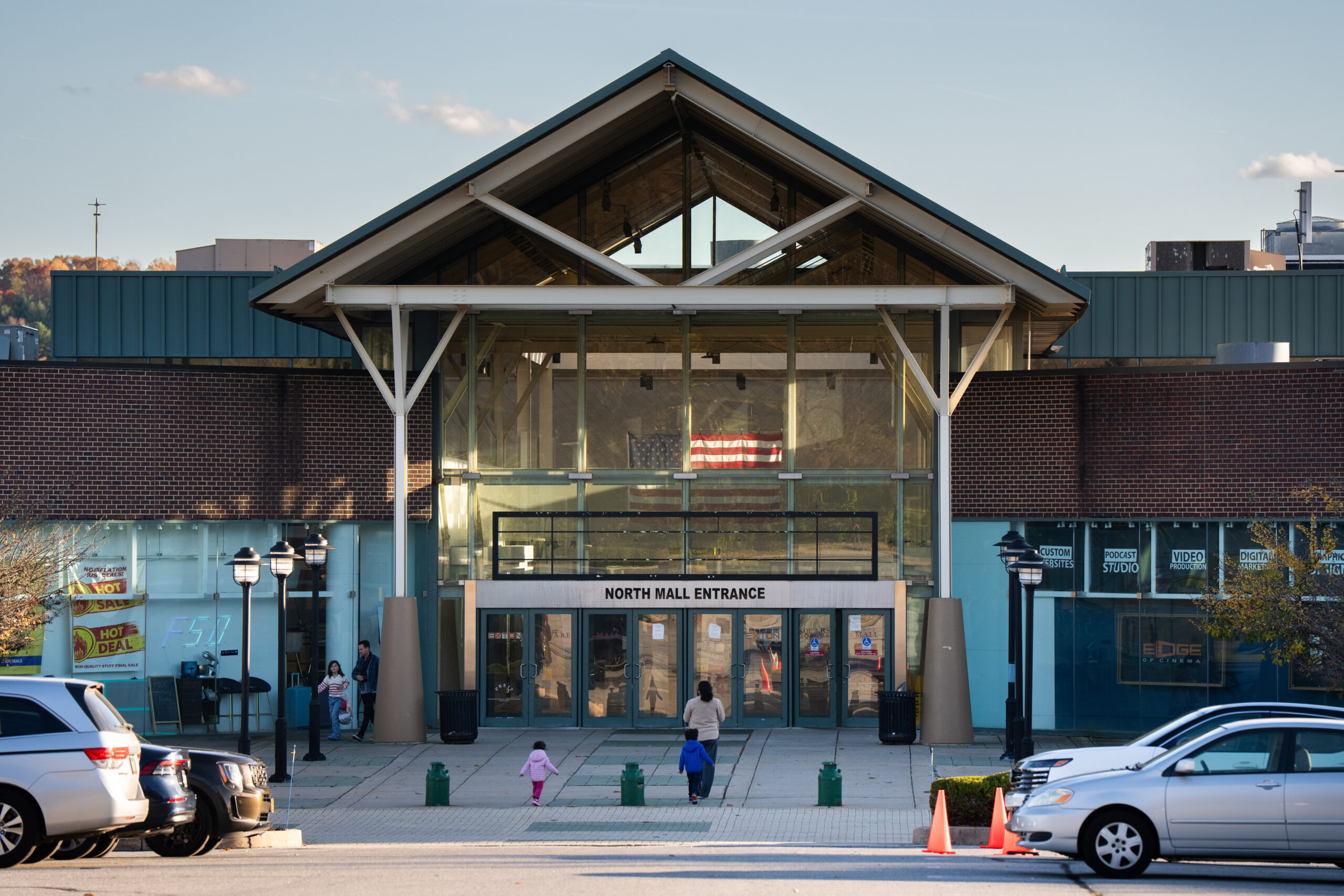
    Chester County’s only enclosed mall will soon shut its doors for good.

    After five decades as a retail hub, the nearly 1-million-square-foot Exton Square Mall is set to close Tuesday, June 30, according to mall owner Abrams Realty & Development. The Elkins Park-based company has been mired in a legal dispute with local officials over its redevelopment.

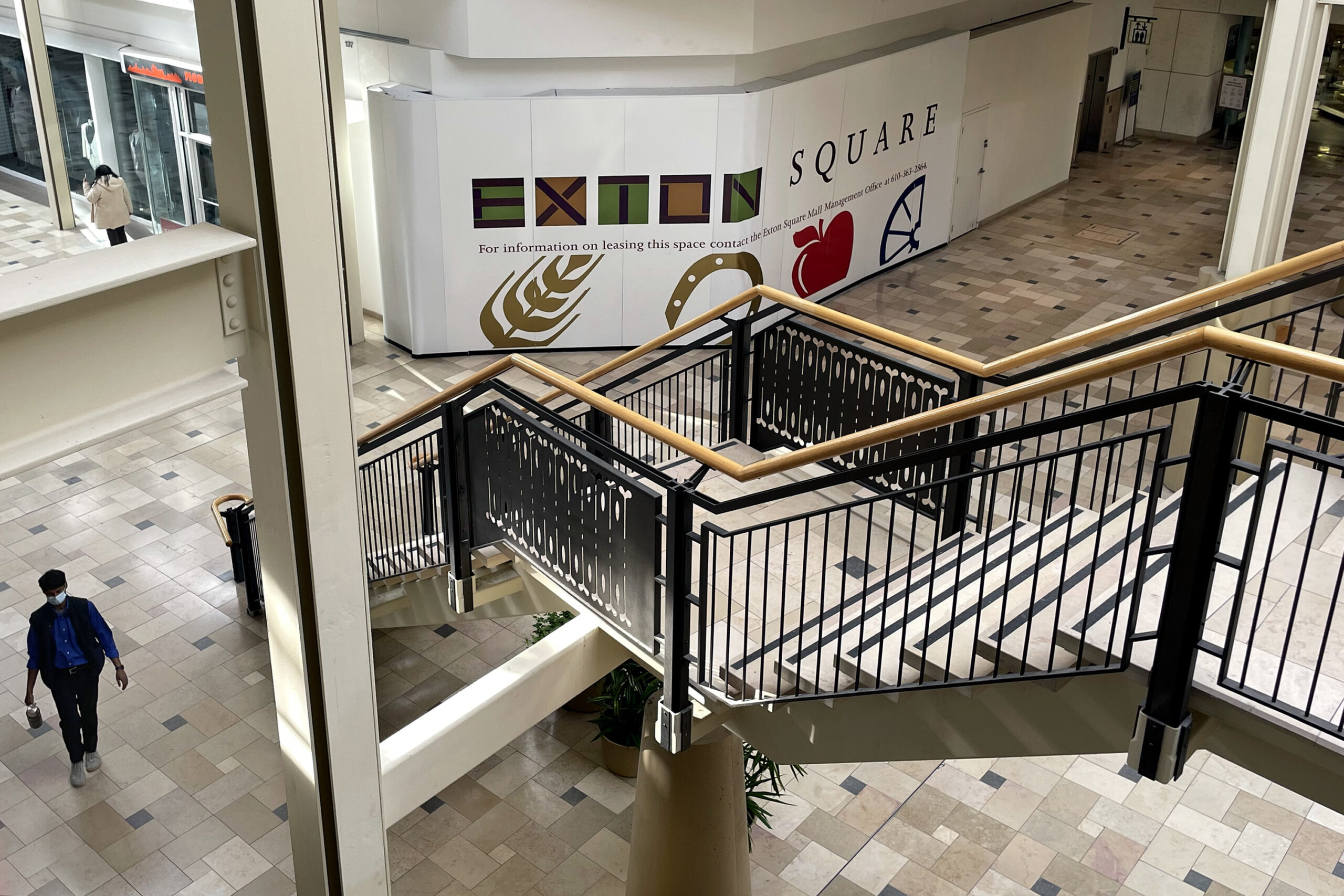
    Once a bustling destination that sparked a commercial boom in Exton, the complex has been languishing for years with a desolate interior and only a handful of stores.

    Peter Abrams said his firm had no choice but to shutter the mall.

    “Operating the interior of the property has become untenable due to deteriorating conditions and rising utility costs,” he said in a statement.

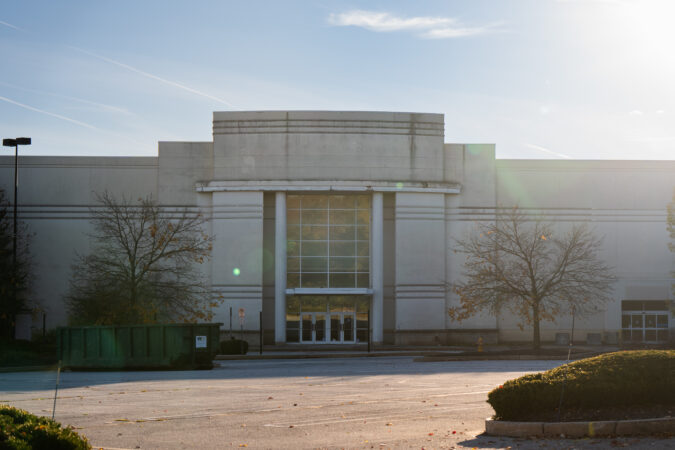
    A handful of shoppers walk into the Exton Square Mall in November.

    The Boscov’s, Main Line Health offices, and Round 1 entertainment venue will remain open.

    Brian Dunn, chair of the West Whiteland Township Board of Supervisors, declined to comment on the mall’s closure, citing the ongoing litigation.

    Abrams, who bought the mall from PREIT for more than $34 million, wants to transform the site into a mixed-use complex with hundreds of townhouses, rental apartments, a 55+ community, and a town center with shops, restaurants, medical offices, and green space.

    Last year, John Weller, West Whiteland’s director of planning and zoning, called the proposed redevelopment of the 75-acre site a “generation-defining project for the township.”

    This fall, despite the planning commission’s recommendation, Dunn and fellow Township Supervisor Rajesh Kumbhardare rejected Abrams’ proposal over sewer, traffic, and density concerns. Abrams then sued the supervisors in an attempt to reverse their decision, saying the plan meets the township’s zoning requirements.

    Litigation between Abrams and the supervisors was ongoing as of Wednesday, according to the company, which wants to complete the project by 2028.

    The Exton Square Mall opened in 1973 with more than 100 stores, including a Strawbridge & Clothier.

    The mall’s construction would prove a harbinger of Exton’s commercialization. “Developers seem bent on heaving this lazy rural area into the mainstream of metropolitan Philadelphia,” The Inquirer reported in 1973.

    In the 1990s, the Exton Bypass made the area easier to access from the city and other suburbs. And by the 2000s, more retail complexes, including the Main Street at Exton town center, had opened near Exton Square Mall, which also underwent an expansion.

    The Exton Square Mall is shown in 2022, when tenants were already starting to dwindle.

    The community has seen a subsequent rise in residential development, with millennials and baby boomers fueling demand for high-end, low-maintenance living. In the past five years, about 3,000 luxury apartments and townhouses have been built in the 13-square-mile township, supervisor Kumbhardare said this fall, and each new complex is at least 90% occupied.

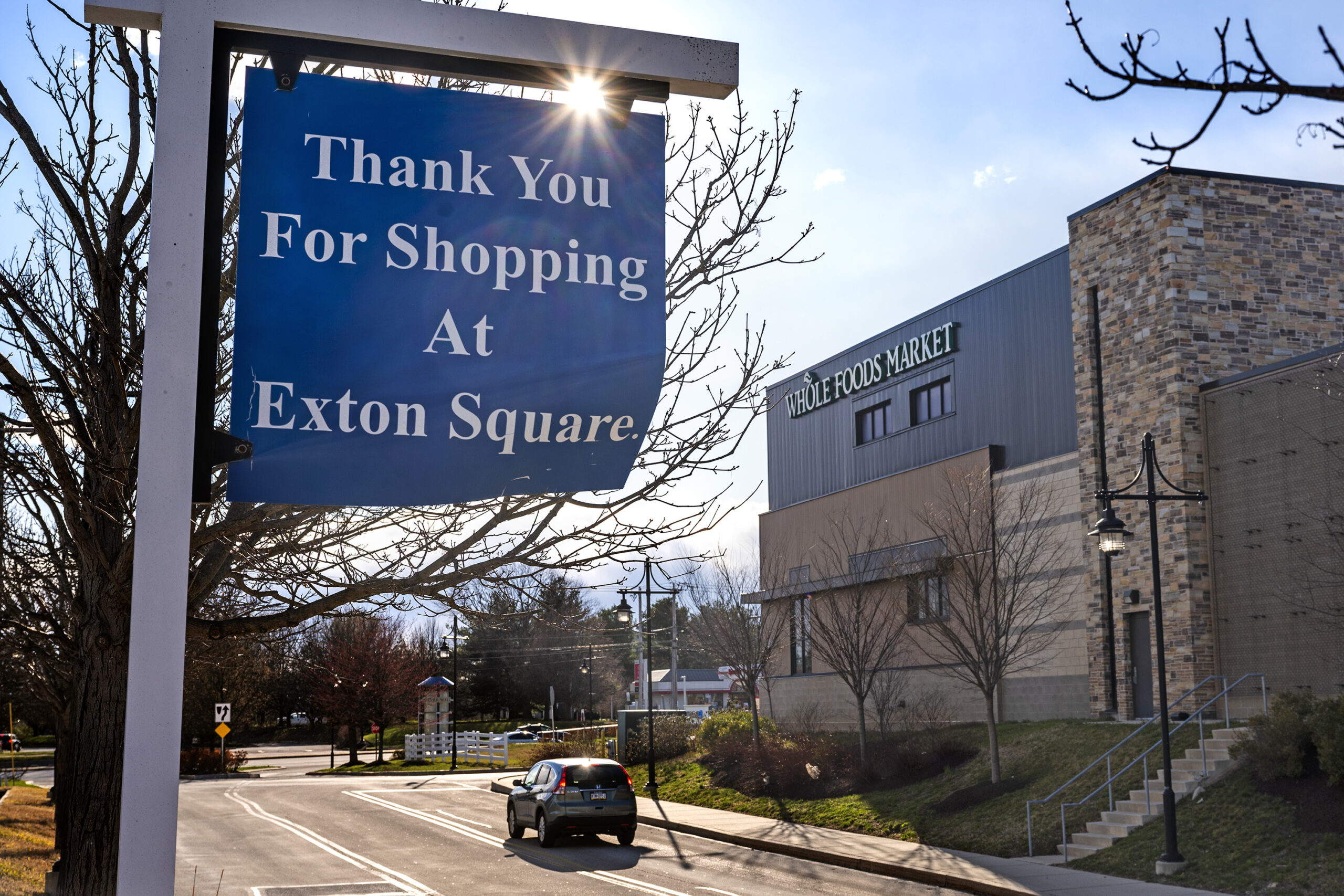
    The residential developments include the Point at Exton apartments, which were constructed on a four-acre parcel of former Exton Square Mall property. The complex is across the street from a Whole Foods that opened in the mall’s former Kmart in 2017.

    The Whole Foods at the Exton Square is shown in 2022.

    Abrams has said his proposed town center would connect to those apartments and the Whole Foods with pedestrian walkways.

    The developer plans to demolish the enclosed mall, one of several local shopping centers that has become the subject of sad social-media videos that mourn dead malls.

    On Tuesday, as word spread about the mall’s closing date, one user posted a video on Facebook with the caption: “It’s official. They’re tearing down the Exton Square Mall, and with it, my entire childhood.”

    “They can tear the building down, but they can’t take away the memories of buying graphic tees at Wet Seal and CD shopping at FYE. RIP.”

  • Inside the $70 million makeover of Roosevelt Mall

    Inside the $70 million makeover of Roosevelt Mall

    As Brixmor Property Group executives began transforming the Roosevelt Mall, they briefly debated whether to change the name.

    After all, the 60-year-old Northeast Philly shopping center is undergoing a more than $70 million makeover that promises to bring it into the modern age with new tenants, upgraded facades, and a better layout.

    As Brixmor executives walked around the 620,000-square-foot complex on a recent day, they said they already see the outdoor mall becoming a community hub — with a gym, an organic grocer, and new fast-casual dining options.

    Despite these changes, they have decided the Roosevelt Mall should not be rebranded.

    “It’s an iconic name,” said David Vender, Brixmor Property Group’s executive vice president for the north region, who is based in Conshohocken. “People know it as a landmark.”

    Brixmor operates about 350 shopping centers nationwide, but some of its top executives — including new CEO Brian Finnegan, who grew up in Roxborough — have soft spots for Philly, forged by personal or family connections to the region.

    During a visit to the Roosevelt Mall last week, they said they were proud of their local properties.

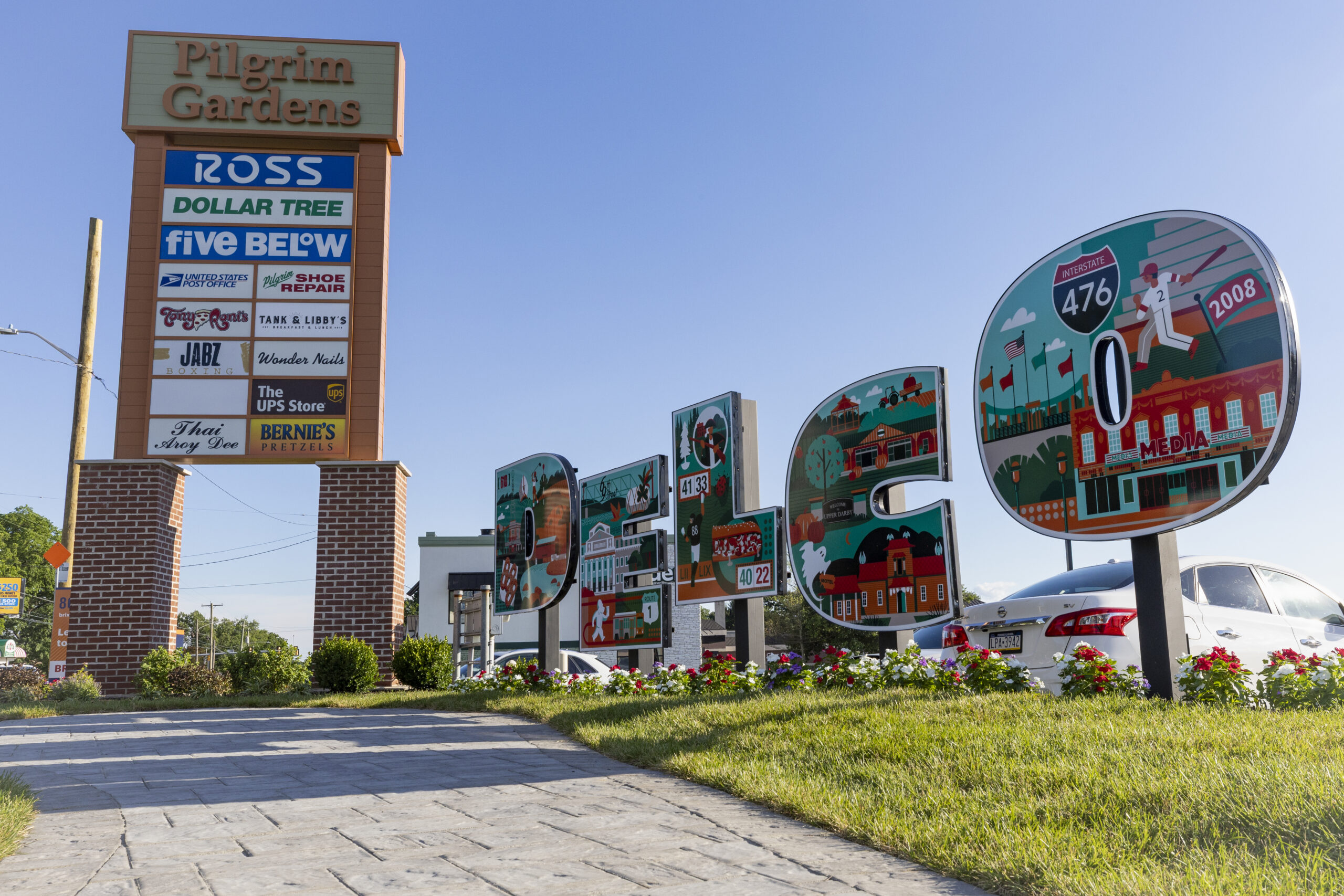
    Those include the Village at Newtown in Bucks County and Pilgrim Gardens in Drexel Hill, where the company recently built an artful “Delco” sign to tap into local pride.

    A new Delco sign is shown at Pilgrim Gardens in Drexel Hill on June 16.

    And they said their connection to the community around the Roosevelt Mall has only grown stronger since last year’s plane crash, which killed eight people, injured two dozen, damaged nearby homes, and left an 8-foot-deep crater in front of the mall.

    Even before the tragedy, they said, they considered how their local redevelopments affected the Philly-area residents who shop, eat, and drive by their centers every day.

    At the Roosevelt Mall — which sits on 36 acres between Cottman Avenue, Roosevelt Boulevard, and Bustleton Avenue — these decisions have begun to pay off.

    In the last year, the center logged 6.3 million visits, a 5% year-over-year increase and a 19% jump when compared with the 12 months before Sprouts Farmers Market’s 2024 opening, according to company executives.

    Occupancy was over 98% this spring, they said, and customers spend about 35 minutes there on average, on par with the national average for all Brixmor complexes.

    When you’re able to bring together “higher-quality food and beverage, fitness, service … then you’re also able to attract more elevated retail” stores, said Finnegan, noting that Ulta Beauty and Victoria’s Secret are among the tenants signed on for the next phase of the Roosevelt Mall’s redevelopment.

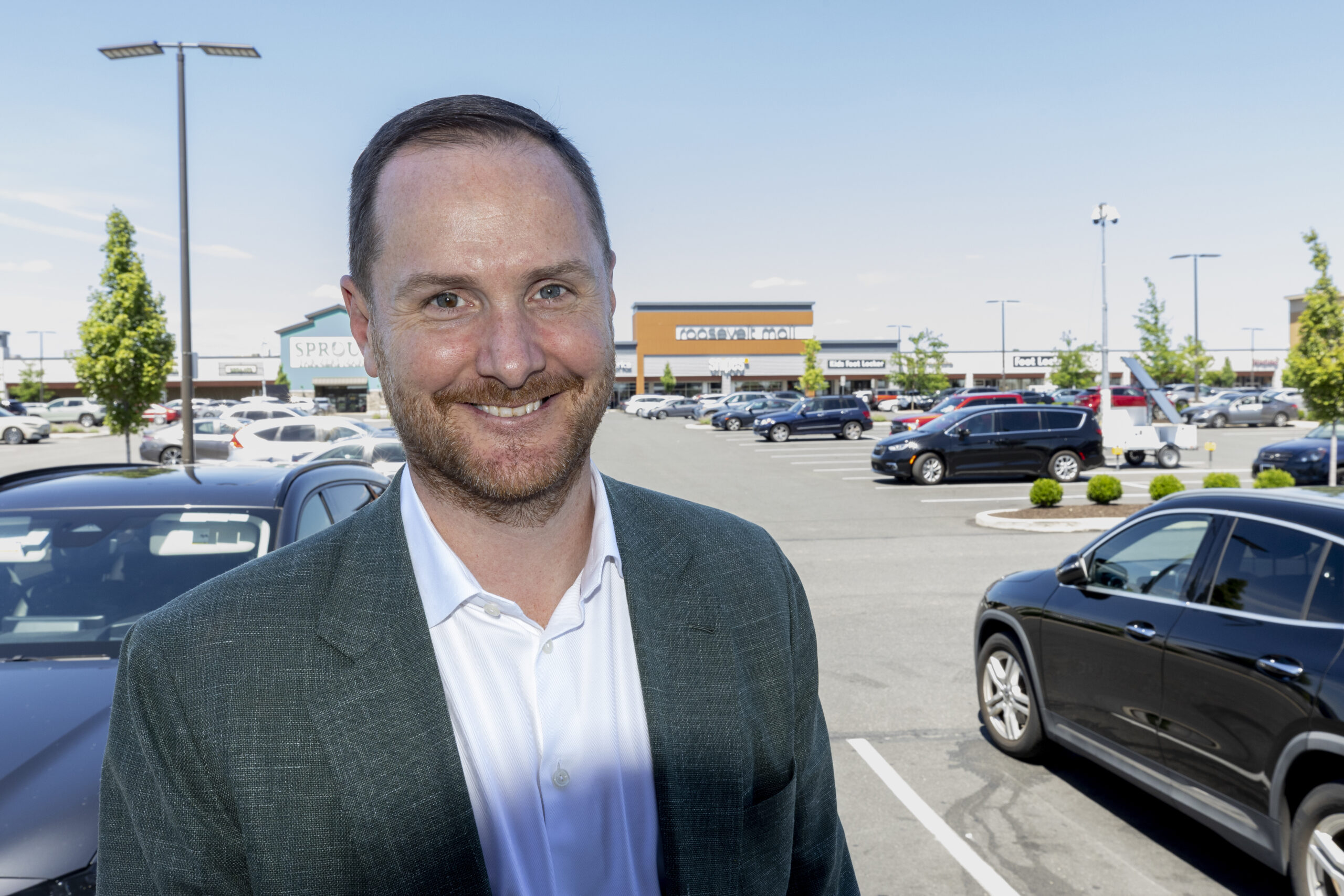
    Brian Finnegan, CEO and president, at Brixmor Property Group, at the Roosevelt Mall in Northeast Philadelphia.

    Achieving the tenant mix of a modern shopping center

    When the Roosevelt Mall opened in 1964, its main promenade was referred to as “Chestnut Street Northeast,” with several outposts of Center City clothing stores, according to an Inquirer article from the time.

    The shopping center had apparel shops, such as Baker Shoes and Famous Maid, as well as “the Cavalier, a cafeteria-style restaurant with a game room and a retail bakery,” The Inquirer reported. It was anchored by an S. Klein’s discount department store.

    The Roosevelt Mall was built as part of the Roosevelt Boulevard shopping complex, bordered by Cottman and Castor Avenues. The larger development — which also had Gimbels and Lit Bros. department stores — was called the country’s largest “in-town” shopping center at the time.

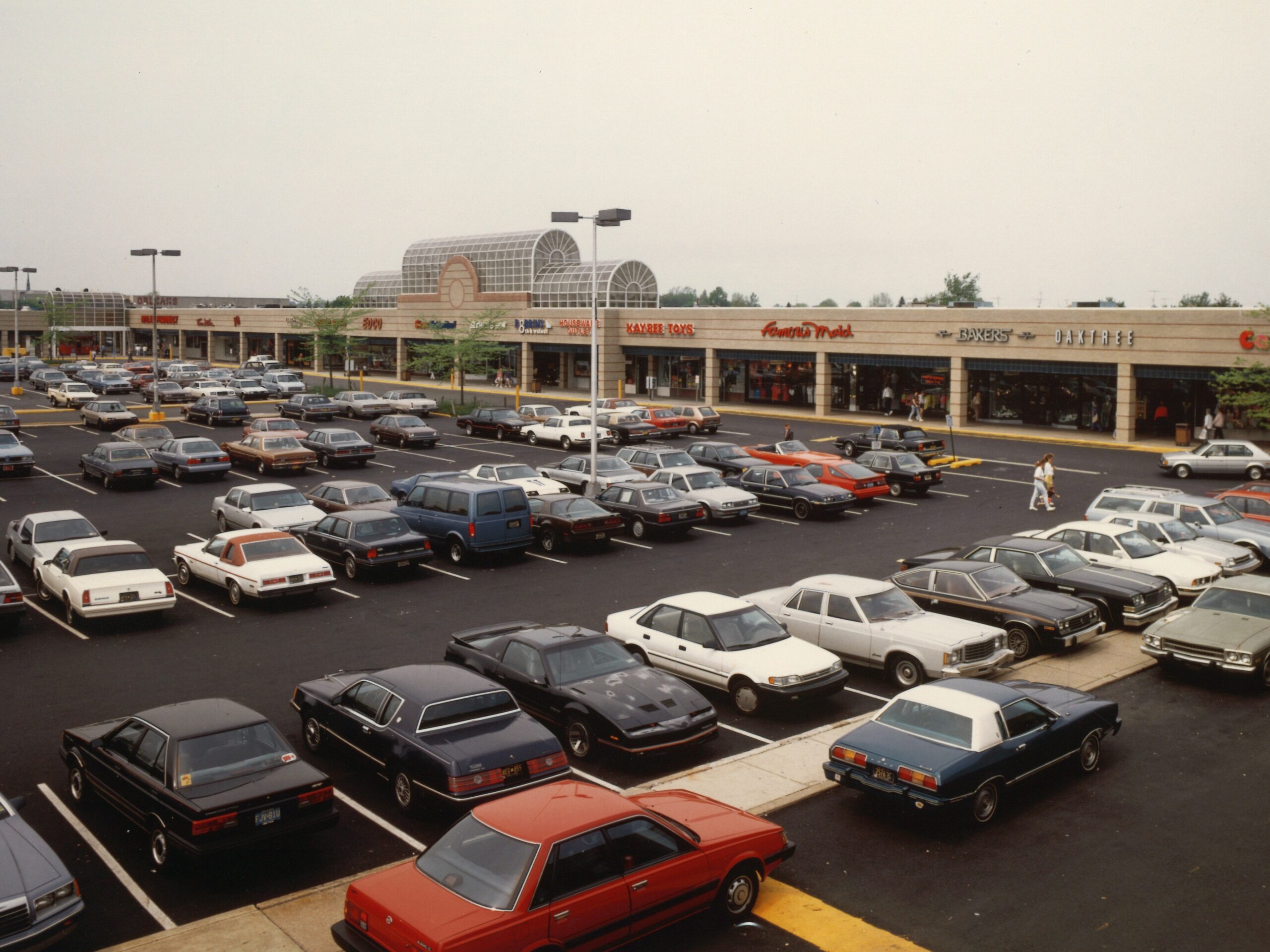
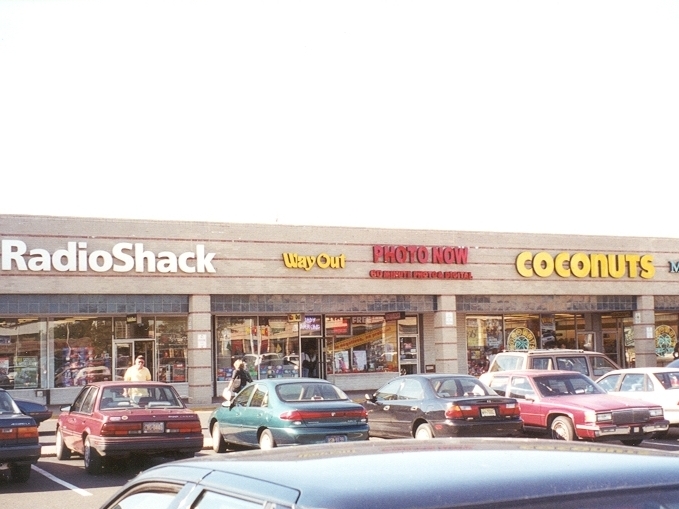
    Roosevelt Mall in Northeast Philadelphia is shown in earlier days, long before Brixmor Property Group remodeled the property.

    Decades later, consumers can buy clothes, home goods, even groceries online with just a few clicks. So shopping centers need more than just retail stores, said executives at Brixmor, which became the Roosevelt Mall’s owner more than a decade ago.

    They said they have intentionally brought in tenants that customers may visit multiple times a week and added more pedestrian walkways, open-air plazas, and outdoor seating.

    “Historically, shopping centers were very utilitarian, and now they’re really becoming more community assets, so we’re really careful about our merchandising mix,” said Ryan Guheen, Brixmor’s senior vice president of development.

    Roosevelt Mall in Northeast Philadelphia is shown in earlier days, long before Brixmor Property Group remodeled the property.

    The latest redevelopment push began around 2020, when Brixmor opened an LA Fitness outpost on the site of a former Turf Club off-track betting venue, near a new Oak Street Health clinic.

    Since then, the company has constructed buildings in underused sections of the parking lot and filled them with popular chain eateries like Raising Cane’s chicken; the American-Chinese food spot Panda Express; and Tous les Jours, a Korean-French bakery and coffee shop.

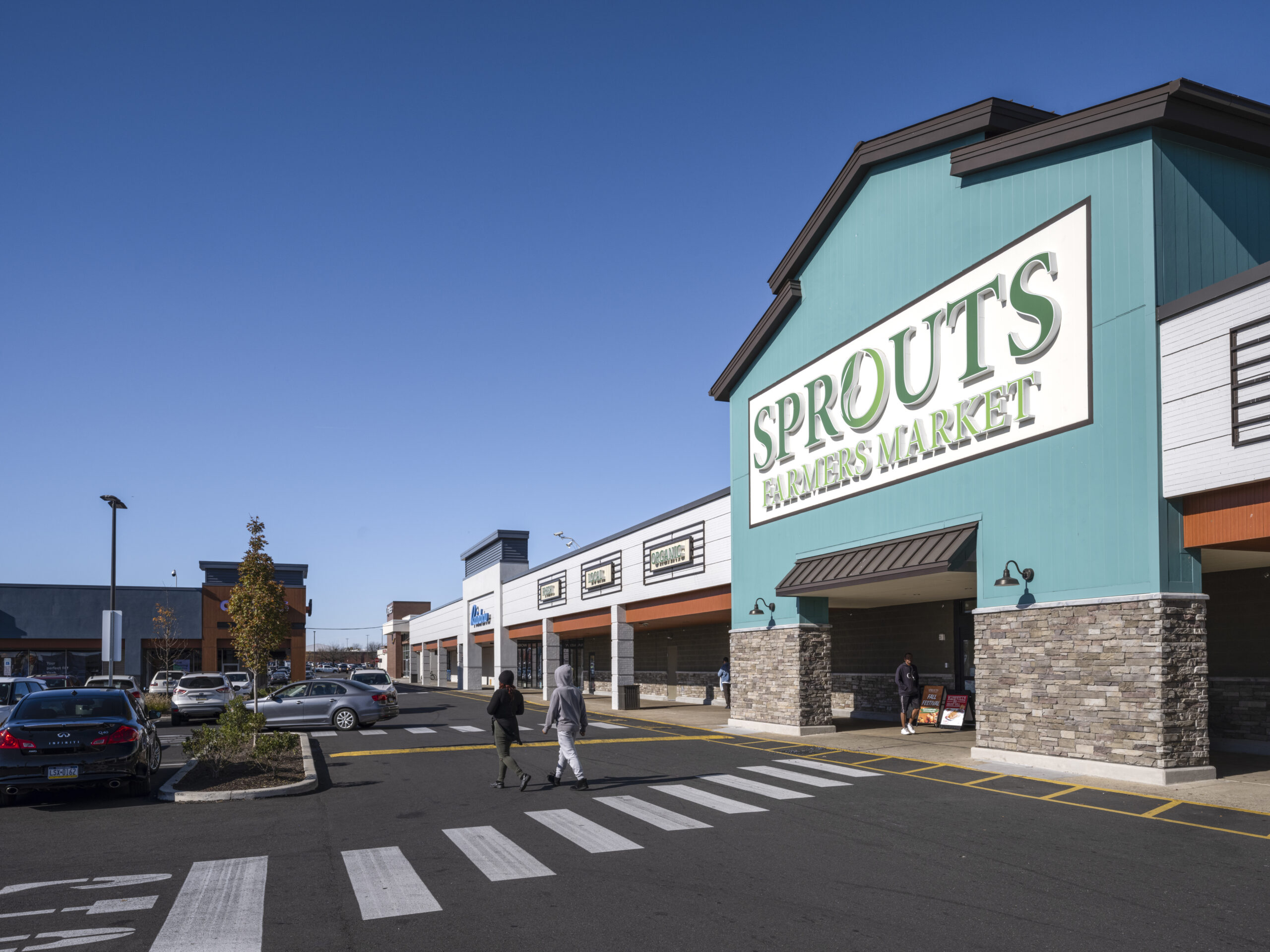
    The Sprouts organic grocer has driven traffic to the center since it opened in 2024, and a nearby Wonder dine-in food hall and delivery kitchen opened last year.

    Annual customer visits to Roosvelt Mall have increased 13% since Sprouts organic grocer opened there in 2024.

    The 37,000-square-foot under-construction building, set to house a Victoria’s Secret and an Ulta, will also include fast-casual staples like Shake Shack and Cava, which serves Mediterranean bowls and pitas.

    Tenants like these, Guheen said, provide “multiple opportunities for people to stay on property to shop retail, get their workout in, go to the bakery, get a coffee.”

    Some mall retailers have found homes in shopping centers

    As Brixmor executives diversify the tenant mix at their shopping centers, they say they do not see retail stores going extinct.

    In fact, as some indoor malls deteriorate or become residential-focused town centers, “the open-air strip centers benefit,” Vender said, as traditional mall retailers look to open more stores in outdoor complexes.

    Elsewhere in the Northeast, the Franklin Mall, formerly Franklin Mills, has been in decline for years and was recently listed for sale. Real estate investor Dean Adler has said he wants to buy the 137-acre mall and turn it into a youth sports complex with a hotel and Margaritaville-themed water park.

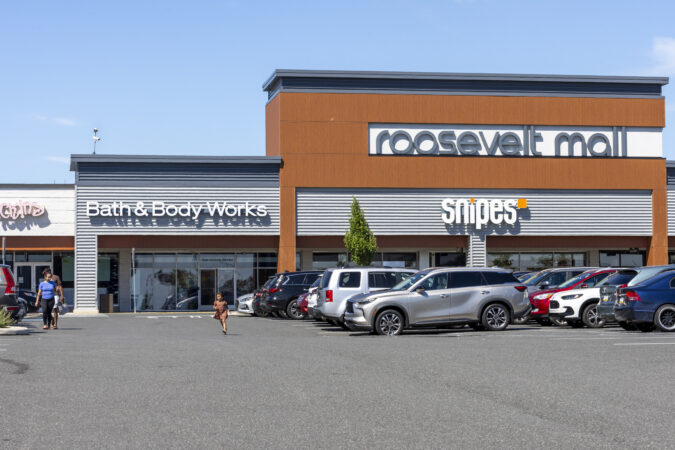
    Seven miles away, the Roosevelt Mall is home to several shops that were once found almost exclusively in enclosed malls, such as Bath & Body Works, Foot Locker, and the forthcoming Victoria’s Secret. These companies’ higher-ups have pivoted in recent years, adding more locations in open-air centers.

    “It’s not like retailers are leaving malls en masse … at least in the best malls,” Finnegan said. But “as they open stores in open-air shopping centers with grocery stores, with fitness uses, with elevated food and beverage, they’re seeing the sales performance” — and then want to keep investing in shopping centers.

    Longer-standing retail tenants are continuing to see success, too. Finnegan said the Roosevelt Mall’s 300,000-square-foot standalone Macy’s is among the company’s top-performing locations in the region, rivaling the King of Prussia Mall store.

    The department store is the center’s largest driver of traffic, recording more than 900,000 annual visits, said Brixmor executives, who are not worried about the department store closing as the Center City store did last year.

    As seen in September, the Macy’s in the Wanamaker Building in Center City now sits empty. It closed last year.

    A Rita’s Water Ice franchise has also stayed put in the Roosevelt Mall for decades, Finnegan said.

    Company executives said they are optimistic this momentum will continue. Along with the under-construction section, redevelopment plans also include another standalone building that has yet to break ground — and the cost of which is not included in the current price tag.

    Finnegan put it simply: “Opportunity begets opportunity.”

  • Airbnb is turning on its ‘anti-party’ technology for Memorial Day weekend

    Airbnb is turning on its ‘anti-party’ technology for Memorial Day weekend

    Airbnb is activating its “anti-party” technology again for Memorial Day weekend as the global rental property giant doubles down on its no-party policies.

    Temporary changes to the online booking system will deter potential “higher risk” bookings during Memorial Day weekend. At the time of publishing, Airbnb did not specify the exact dates and times the technology would be operating.

    Last year, Airbnb said this technology deterred nearly 11,000 people from booking entire homes over Memorial Day weekend. In Philadelphia, 85 people were deterred from entire-home booking that same time period.

    The system looks at the type of listing being booked, the duration of the stay, the distance from the guest’s primary location, and whether the booking is made last minute, to determine whether a booking should be deterred, according to Airbnb.

    Airbnb has tied certain entire-home bookings to the potentially disruptive parties for which rental platforms garnered a reputation in earlier years, including in the Philadelphia region. Muhammad Ali’s Cherry Hill mansion, which still operates as a rental property on platforms like Vrbo and Expedia, was the site of countless “wild parties” that led police to visit the home 97 times between 2018 and 2019, according to an Inquirer report.

    The anti-party technology deters potential house party bookings toward private room listing or hotels hosted on the platform.

    “Our investment in anti-party technology, along with clear policies and consequences, reflects our commitment to supporting positive stays and countering the rare few who would try to break the trust our platform and local communities are built on,” said Rog Kaiser, vice president of fraud and safety operations at Airbnb.

    In 2022, Airbnb made its COVID-era “party ban” permanent, making it against the rules for all users year-round to book entire homes solely for large parties.

    Airbnb was also reminding parents and guardians that children under 18 cannot have Airbnb accounts and parents cannot book rentals for underage guests without the parent being on-site. Violating these rules can lead to bans and financial costs in the case of damages.

    Since these measures were put in place, in 2025, less than 1% of U.S. rental bookings resulted in a report of a party to Airbnb, according to the company.

  • Philly-area residents share how much they paid to keep warm this winter

    Philly-area residents share how much they paid to keep warm this winter

    If you’re getting burned by high heating bills this winter, you’re in good, and equally stressed, company.

    U.S. households are expected to pay more than $1,000 on average to heat their homes this winter, according to the National Energy Assistance Directors Association’s projections, which were updated last month. That’s about $100 more than households paid last year, according to the association, which advocates for federal funding for low-income ratepayers.

    Consumers are paying more whether they heat their homes with electricity, natural gas, or heating oil. Residential propane costs are on par with last year.

    And customers usually pay more in freezing temperatures, when more energy is required to keep their homes comfortable.

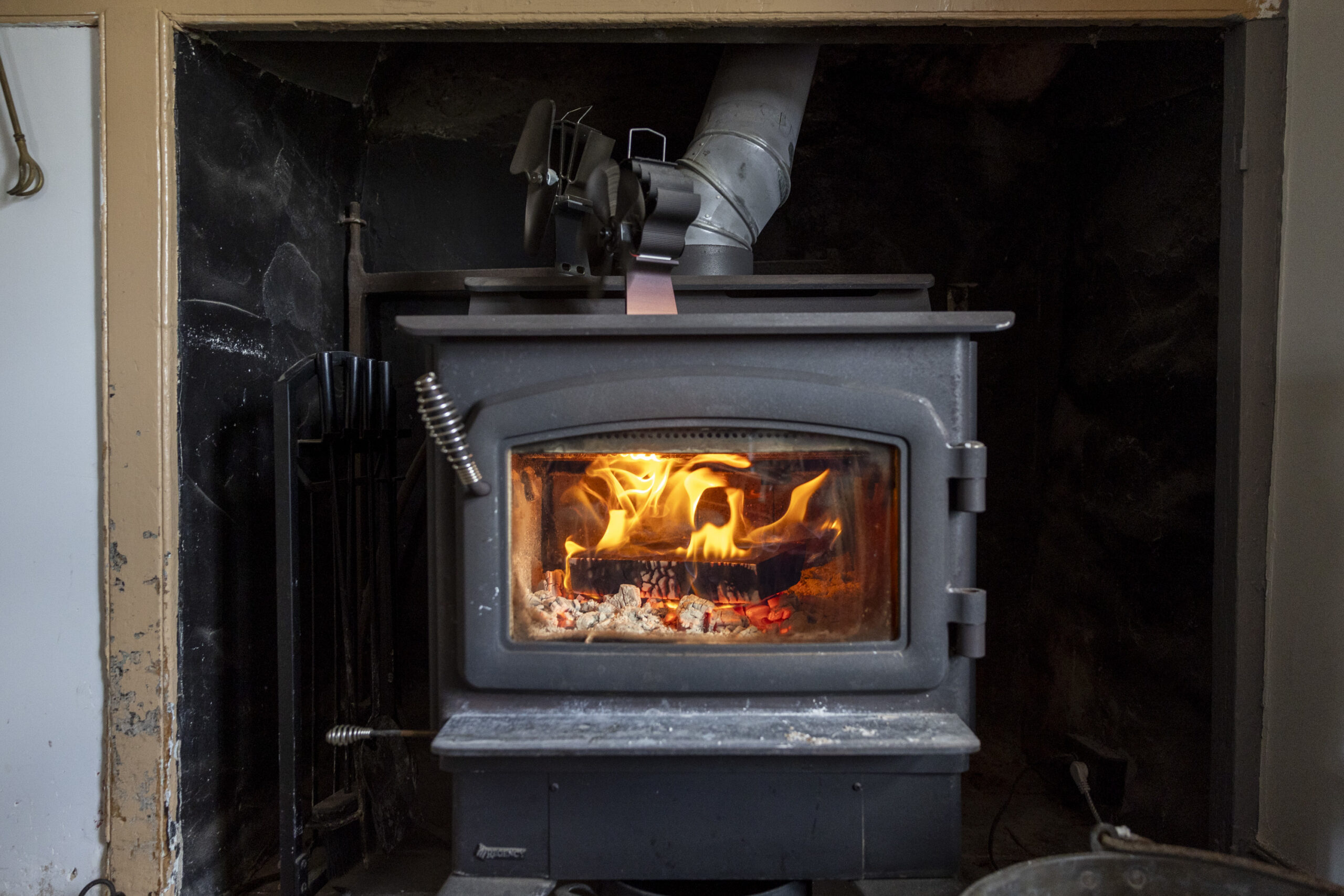
    A wood stove provides heat in the old stone farmhouse of Patrick Melcher’s near Downingtown.

    Philly-area residents were hit with a double whammy: They experienced one of the coldest, snowiest winters in recent memory as rate increases took effect for major utilities, including Peco and PGW.

    All this occurred after a summer in which some local consumers paid more than ever to stay cool.

    Spokespeople for Peco and PGW, which provide electric and gas service to millions across southeastern Pennsylvania, said many of their customers saw increased usage this winter due to the cold. They noted that individual bills can also be impacted by thermostat settings, efficiency of appliances, and weatherization of windows, doors, and other parts of the home, as well as whether customers have opted for a third-party energy supplier.

    “Energy affordability remains a priority, and rising supply costs — set by competitive markets and not controlled or profited from by Peco — continue to be a major driver of customer bills,” spokesperson Candice Womer said in a statement, noting a nearly 20% year-over-year supply cost increase for electric customers and a nearly 10% increase for gas.

    The Inquirer spoke with five people who live across the region, have different types of homes, and use varying fuel sources and heating systems. Here’s how much they’ve paid to keep warm this winter.

    Quotes have been edited for clarity and brevity.

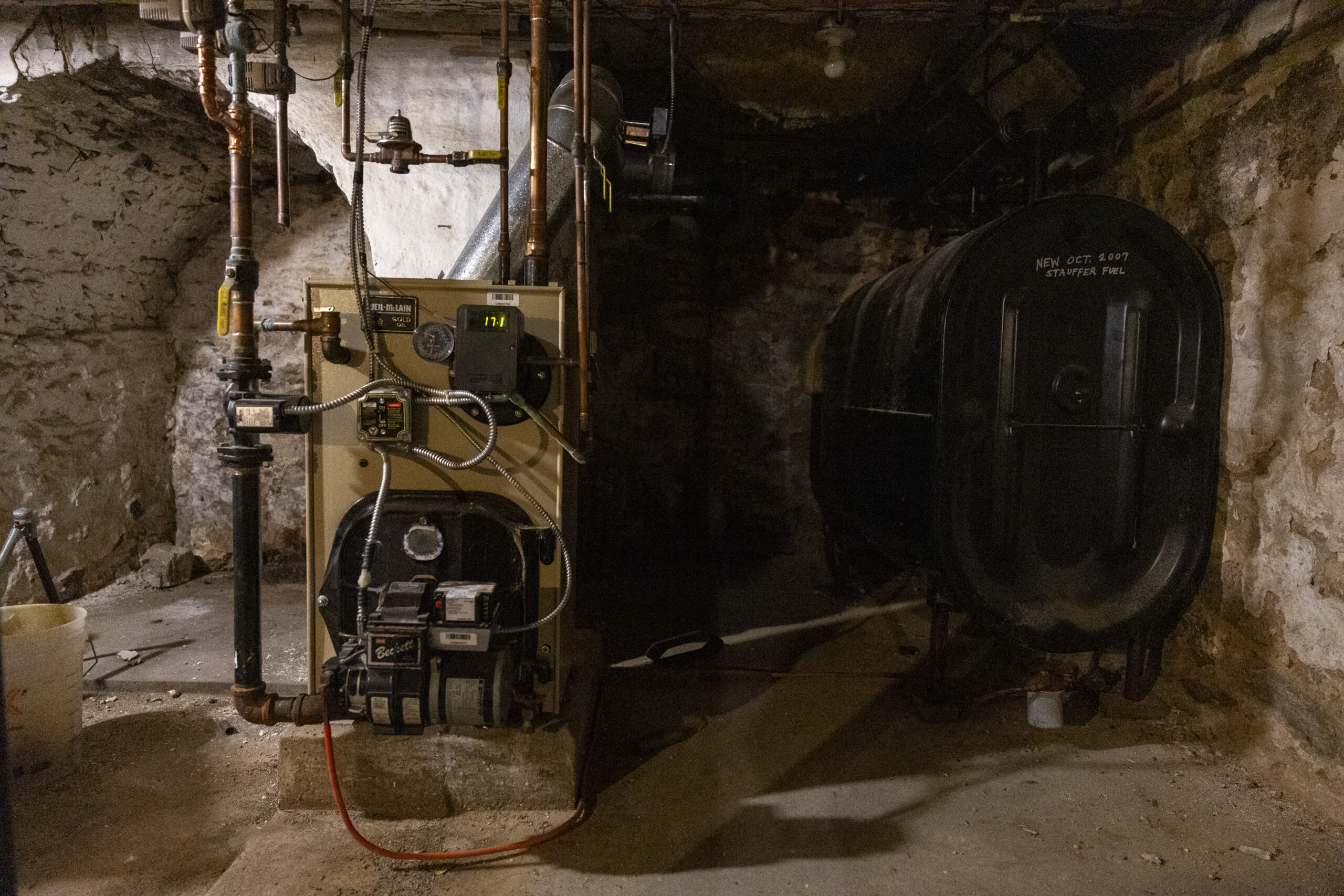
    Melcher, a 48-year-old who owns a custom woodworking business, said he usually needs to fill his 250-gallon oil tank twice a year. In early January, he paid $800 for a 230-gallon top-off, or about $3.45 per gallon, which he thought was fair. He had paid around the same for an oil fill-up in October. This winter, Melcher said he’s also spent about $900 on firewood for his wood-burning stove, plus a couple hundred dollars a month to fuel the electric heaters in his workshop.

    “I don’t have a ton of money. I have a small business. But what else can you do? In the wintertime, it hurts. You hope for a mild winter. It’s one of those things you can’t control.”

    An oil tank heater is shown in the basement of Patrick Melcher’s home near Downingtown.

    Simonsen, a 69-year-old retired public relations professional, said her electric bills are usually around $50. This winter, however, her last three bills have been $78, $84, and, most recently, $312 for the period of mid-January through mid-February. She keeps her heat around 65 during the day, she said, and 60 at night. She’s billed through her condo complex, and said her neighbors have noted similar increases.

    “I know we had very cold days but we were just boggled. I’m looking at everything around the apartment now. What can I turn off? Have I been careless about leaving things on? I don’t think so, but I am much more cognizant of that. I’m wondering if this is the new reality.”

    A phone charger plugged in a Center City apartment. In Fairmount, Janice Simonsen said she is making sure she unplugs everything after receiving a more than $300 electric bill for a 750-square-foot unit.

    Capriotti, a 55-year-old research scientist, said her family switched from oil heat to natural gas over the past decade. They were fed up with paying hundreds of dollars every time they needed to fill their oil tank. Still, she said, their home is drafty and they need to upgrade doors and insulation. Their most recent Peco bill, which includes electric and gas, was $721, and the gas portion was $570.

    “It’s better than oil heat for sure, but this past year has been very rough. $720 for heating and energy is a bit much. I don’t want to say I can’t pay it, but it’s definitely a struggle.”

    Carol Capriotti paid more than $700 in February for gas and electric service for her Willow Grove home, which she heats with a gas-powered boiler.

    Fritz, a 41-year-old full-time hospice aide who works part-time at a distillery, said she had her upstairs and downstairs heat pumps serviced in December. In recent years, she insulated windows and the basement ceiling, and she said she keeps the temperature around 65. Fritz is billed directly through the borough electric department, and can’t ever remember receiving a bill this high since moving into her home 13 years ago. Before the most recent charge, her last three monthly electric bills totaled $256 in December, $424 in January, and $505 in February.

    “I’m a single parent. I work full-time and part-time. My child has behavioral issues. So I am struggling. It is more than the [$704] mortgage payment. I know in the winter months it goes up, but to go up that high, it’s frankly ridiculous.”

    Seidell, a 52-year-old who works in technology, said his bills this winter are on par with previous years’. He has gas-powered forced-air heating, he said, but electricity powers the blower fans that circulate the air. Seidell got solar panels installed in 2020, and he said they offset his electric cost throughout the year, though less so in the winter than in the summer.

    As for his heating bills, “it’s been reasonable. My house was built 125 years ago. I don’t really do anything to keep it energy efficient besides the programmable thermostat and the solar panels.”

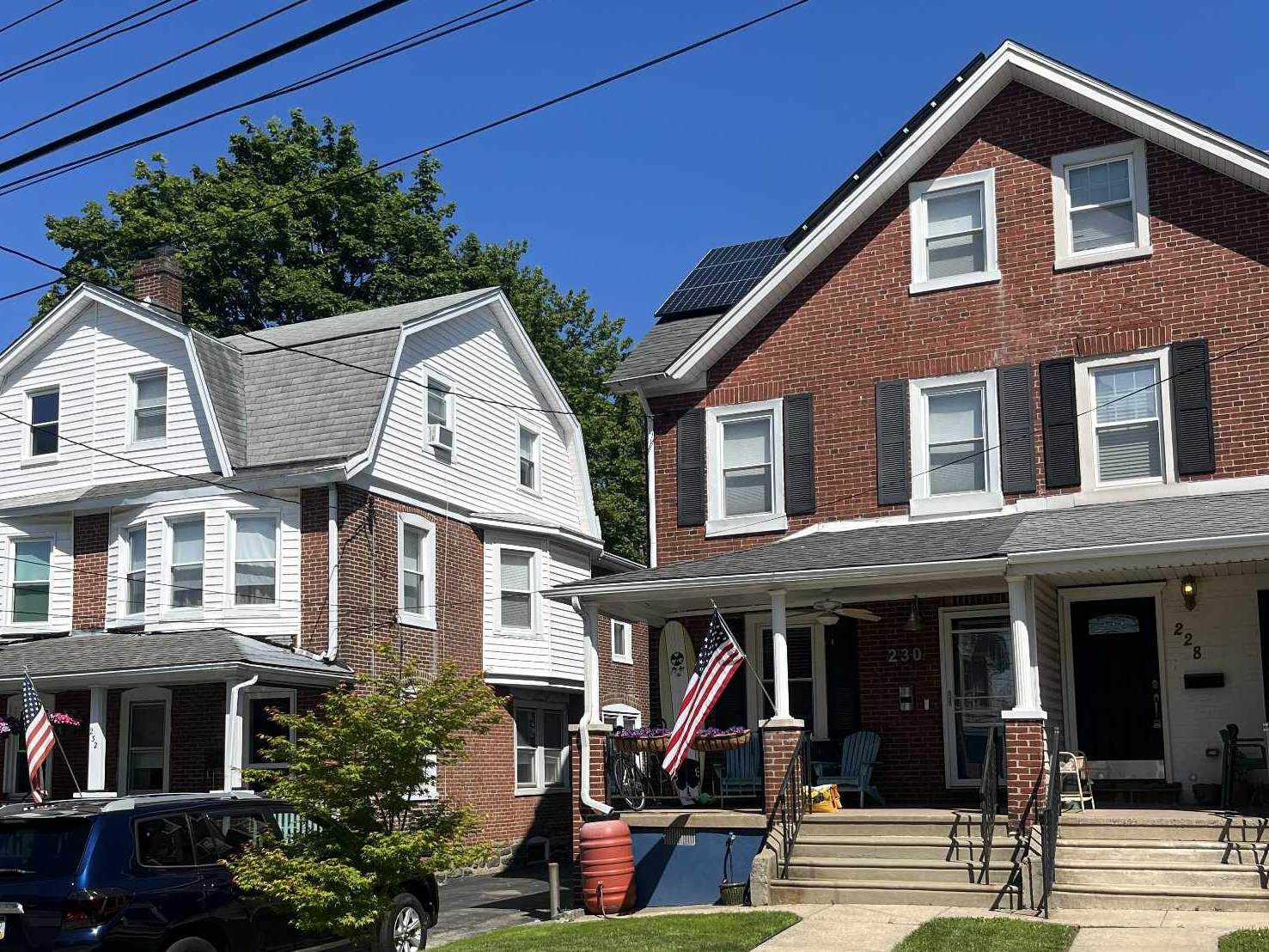
    In Ardmore, Sean Seidell’s 1,800-square-foot twin home, which has solar panels, has cost about $200 to $250 a month to heat this winter.
  • Grocery Outlet is closing stores in South Jersey, Philadelphia, and Kennett Square

    Grocery Outlet is closing stores in South Jersey, Philadelphia, and Kennett Square

    Grocery Outlet bargain market is closing dozens of stores nationwide, including eight in the Philadelphia area.

    The closures were first referenced earlier this week in the company’s earnings report. The California-based grocer recorded an operating loss of $221.7 million last year, much of which it attributed to “certain underperforming stores” that will now close.

    These include five Grocery Outlets in South Jersey, two in Philadelphia, and one in Kennett Square, according to real estate marketing released Thursday.

    A company spokesperson did not return a request for comment about when the stores would close.

    The impacted Philly-area stores are located at:

    • 4004 U.S. Route 130, Delran
    • 401 Harmony Rd., Gibbstown
    • 345 Scarlet Rd., Kennett Square
    • 190 Hamilton Commons Dr., Mays Landing
    • 2017 W. Oregon Ave., Philadelphia
    • 2524 Welsh Rd., Philadelphia
    • 3174 U.S. Route 9 S., Suite 5, Rio Grande
    • 677 Berlin-Cross Keys Rd., Sicklerville
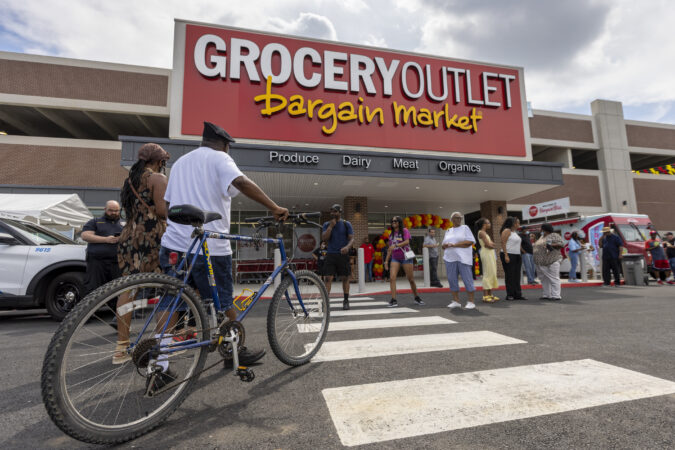
    People shop at a Grocery Outlet in Philadelphia in 2022.

    Gordon Brothers, a Boston investment firm, is looking to sublease all 36 closing Grocery Outlets. The Philadelphia-area properties range in size from 14,000 to 21,000 square feet.

    After the closures, the chain will still have several locations in the city, collar counties, and South Jersey.

    Grocery Outlet calls itself an “extreme value retailer.” It was founded in 1946, and has expanded from 128 stores to 570 stores over the past two decades. Many locations are operated by entrepreneurs who live nearby.

    In recent months, Grocery Outlet’s bottom line was impacted by economic uncertainty, as well as the November suspension of SNAP benefits that tens of millions of U.S. consumers rely on, according to president and CEO Jason Potter.

    “Consumer pressure intensified, federally funded benefits were delayed, and competition grew more promotional in the fourth quarter,” Potter said in a statement. “In response, we have begun to sharpen our focus on what matters most: delivering clearer value and a better in-store experience.”

    Customers and employees inside a Grocery Outlet in Philadelphia in 2023.

    While the grocery industry remains relatively resilient, it has faced a challenging few years with persistent inflation, tariffs that further drove up prices on some products, and continued competition from other retailers and restaurants.

    In recent weeks, Amazon closed all of its brick-and-mortar Amazon Fresh stores, including six in the Philadelphia region. The company says it plans to expand grocery-delivery services and open more Whole Foods markets, to the dismay of some Amazon Fresh customers who said they were drawn to the low prices at the smaller-format stores.

    Gourmet markets have been impacted, too. Three Di Bruno Bros. locations in Ardmore and Wayne closed last month, two years after being acquired by Wakefern Food Corp., the North Jersey-based supermarket cooperative that operates ShopRite.

    A Wakefern spokesperson said the company planned to refocus on its flagship stores in South Philadelphia and Rittenhouse, as well as its growing online business. The move, spokesperson Maureen Gillespie said, would be “a positive reset that allows us to preserve and elevate the in‑store tradition while growing the brand’s reach in meaningful new ways.”

  • Can legacy brands like Coach bring Gen Z shoppers to the mall? Cherry Hill Mall executives think so.

    Can legacy brands like Coach bring Gen Z shoppers to the mall? Cherry Hill Mall executives think so.

    When Coach opened a store at the Cherry Hill Mall in November, mall executives were ecstatic — even though it’s been 85 years since the high-end retailer was founded.

    Coach is as hot as ever. And its new shop in Cherry Hill is just another sign of the South Jersey mall’s success, according to leaders with Pennsylvania Real Estate Investment Trust (PREIT), which owns the complex.

    “Cherry Hill is clearly a dominant fashion property,” Paula Charles, PREIT’S first vice president of leasing, said in a recent interview.

    In the competitive Philadelphia market, “the better retailers have gravitated toward the better assets,” including Cherry Hill, added Joe Aristone, PREIT’s chief revenue officer.

    They noted that top-tier retailers increasingly include legacy brands — long-established companies like Coach, Zara, and Levi’s, that are making a nostalgic, social media-fueled comeback with younger consumers.

    These retailers are seeing a resurgence at the same time that many malls are leaning into newer experiential concepts, such as King of Prussia Mall’s new Netflix House, its forthcoming Level99 live-gaming venue, and the Dick’s House of Sport set to open at the Cherry Hill Mall this year.

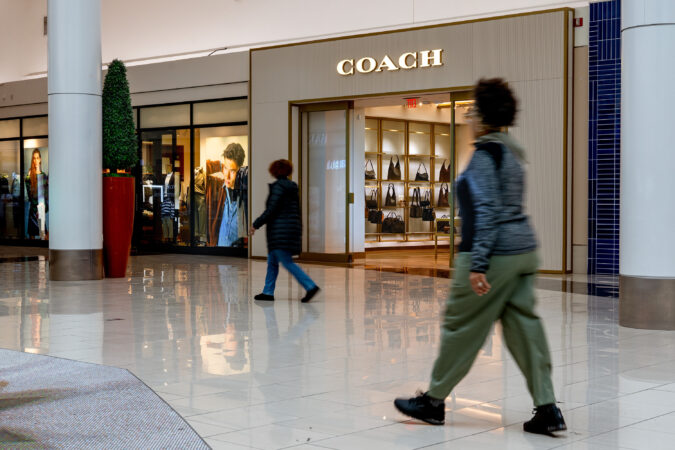
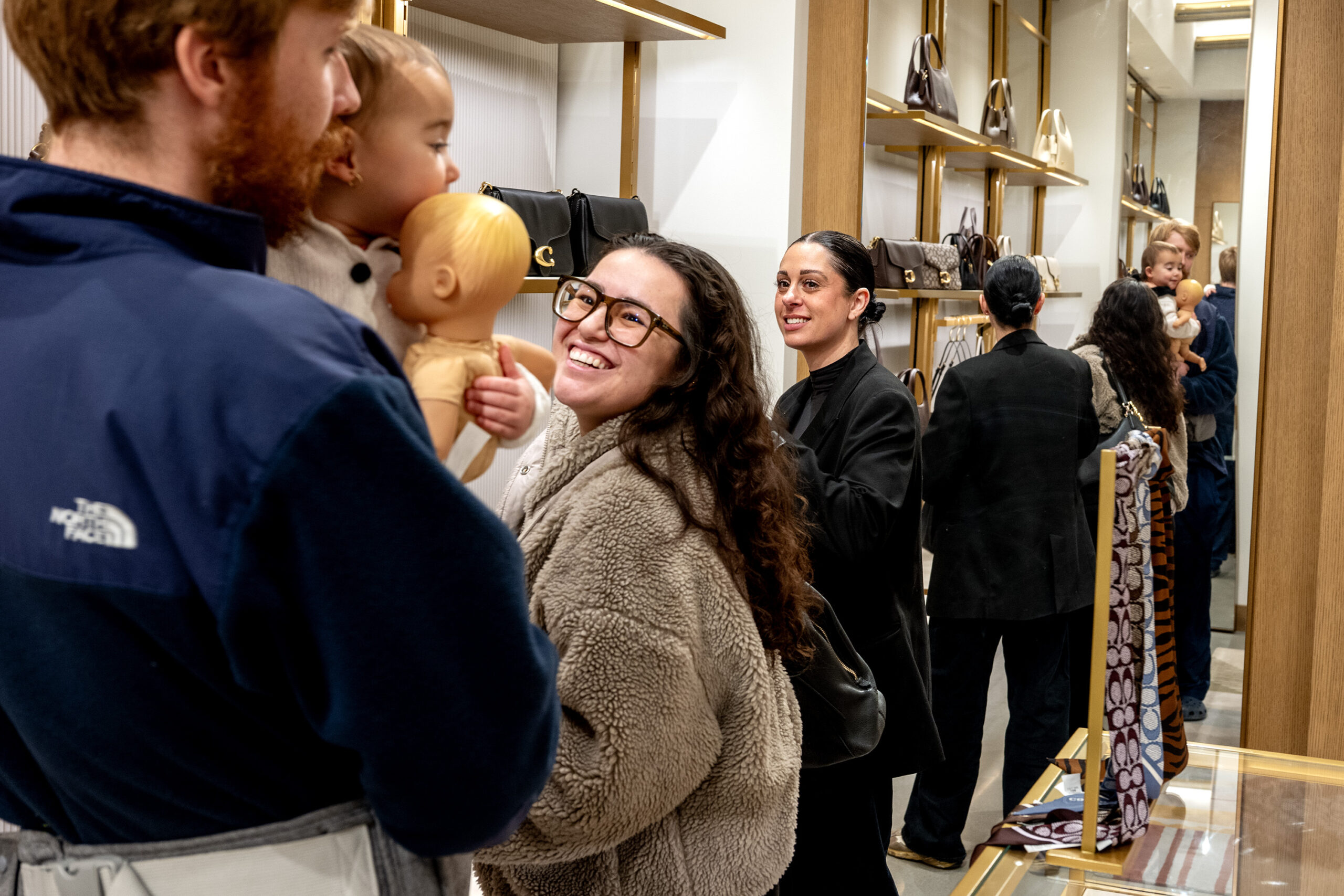
    Employee Alex Costa (right) assists Alessandra Bruno as she shops for purses with husband, Luke Baur, and their 20-month-old daughter, Rosalina, at the Coach store at the Cherry Hill Mall.

    Coach’s parent company, Tapestry, recently reported that Coach saw a 25% increase in sales in its most recent quarter. Tapestry executives attributed the rise to a surge in Gen Z customers, who are under 30.

    Other legacy brands, including Gap and Abercrombie & Fitch, have also reported consistently strong earnings in recent years.

    In the Philadelphia area, these retailers have maintained a presence along shopping corridors in Center City and at higher-performing malls like Cherry Hill and King of Prussia, which is owned by Simon Property Group.

    Prior to the Cherry Hill opening, Coach operated shops in King of Prussia and Marlton, as well as off-price locations at the Philadelphia Premium Outlets near Pottstown, the Gloucester Premium Outlets in Blackwood, and the Tanger Outlets in Atlantic City. The brand also has an outpost at the Philadelphia International Airport.

    Coach spokespeople did not return requests for comment about their investment in the region.

    PREIT executives declined to comment on sales so far at their new Coach store, but said brand and mall executives are pleased with how the store is doing — and what that means going forward.

    “Coach has had a strategy to make sure that they capture Gen Z,” a demographic that PREIT executives also want to attract and retain as they age, Charles said.

    Why Gen Z and millennials love Coach

    Joe Williams, of Magnolia, N.J., buys a handbag for his daughter, Samantha Williams, at the Coach store at the Cherry Hill Mall.

    About two years ago, Breana Stringer, now 26, noticed that many of her friends were going out with Coach bags. And when she’d open TikTok, she said, the platform’s algorithm showed her videos of other users’ Coach collections.

    Up until that point, the Fishtown resident had been an accessory minimalist: “I was very much an ‘if it doesn’t fit in my pocket, I’m not bringing it’” type of person.

    But Stringer said she was influenced by her friends and TikTok to start buying Coach bags, mostly secondhand (though she has received new Coach bags as gifts). She has come to enjoy styling them with her outfits.

    To Stringer, Coach’s appeal to Gen Z consumers is simple, she said: “They’re affordable in terms of a luxury name brand, and they’re vintage styles.”

    New Coach bags start at $95 for a short shoulder bag, while larger purses can cost $500 or more. At outlet stores and secondhand shops, prices are lower.

    In South Philly, Stephanie Gonzalez, 33, has restored and resold dozens of vintage Coach bags, mostly to Gen Z and millennial women.

    She said these women see the Coach brand as “timeless.”

    For Gen Z, “what is happening is they are really into Y2K, late-’90s, early-’90s nostalgia,” Gonzalez said. “TikTok has been a big hub for people” to share their love of Coach and brands that were popular in those years.

    As for other legacy brands, Stringer said some of her Gen Z friends have also started wearing Cartier rings, which have been around since the mid-1800s and can cost more than $1,000. It’s a trend Stringer has yet to get behind, she said, because she has a tendency to lose small accessories: “I’m less likely to lose a bag.”

    How legacy brands are boosting Philly-area malls

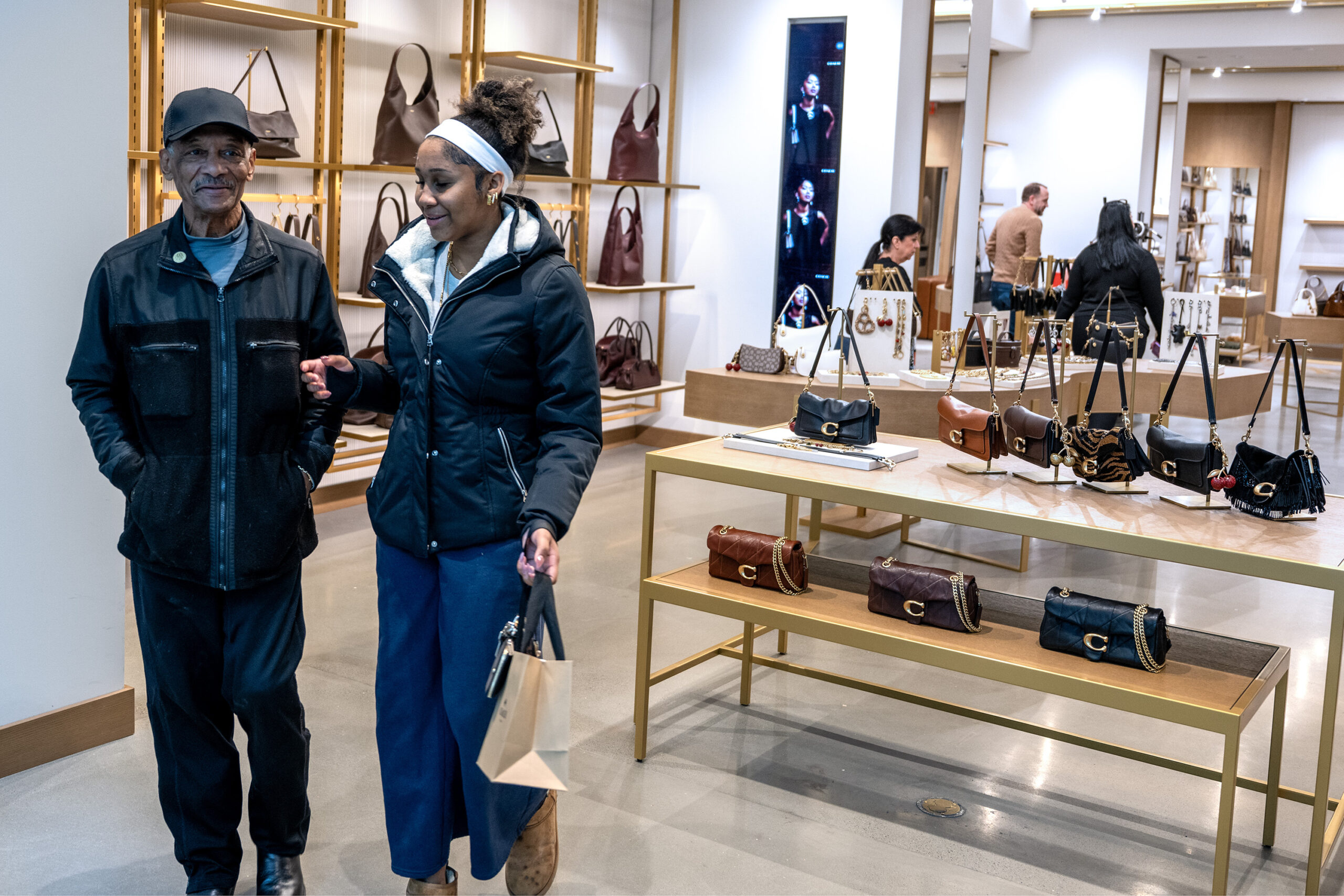
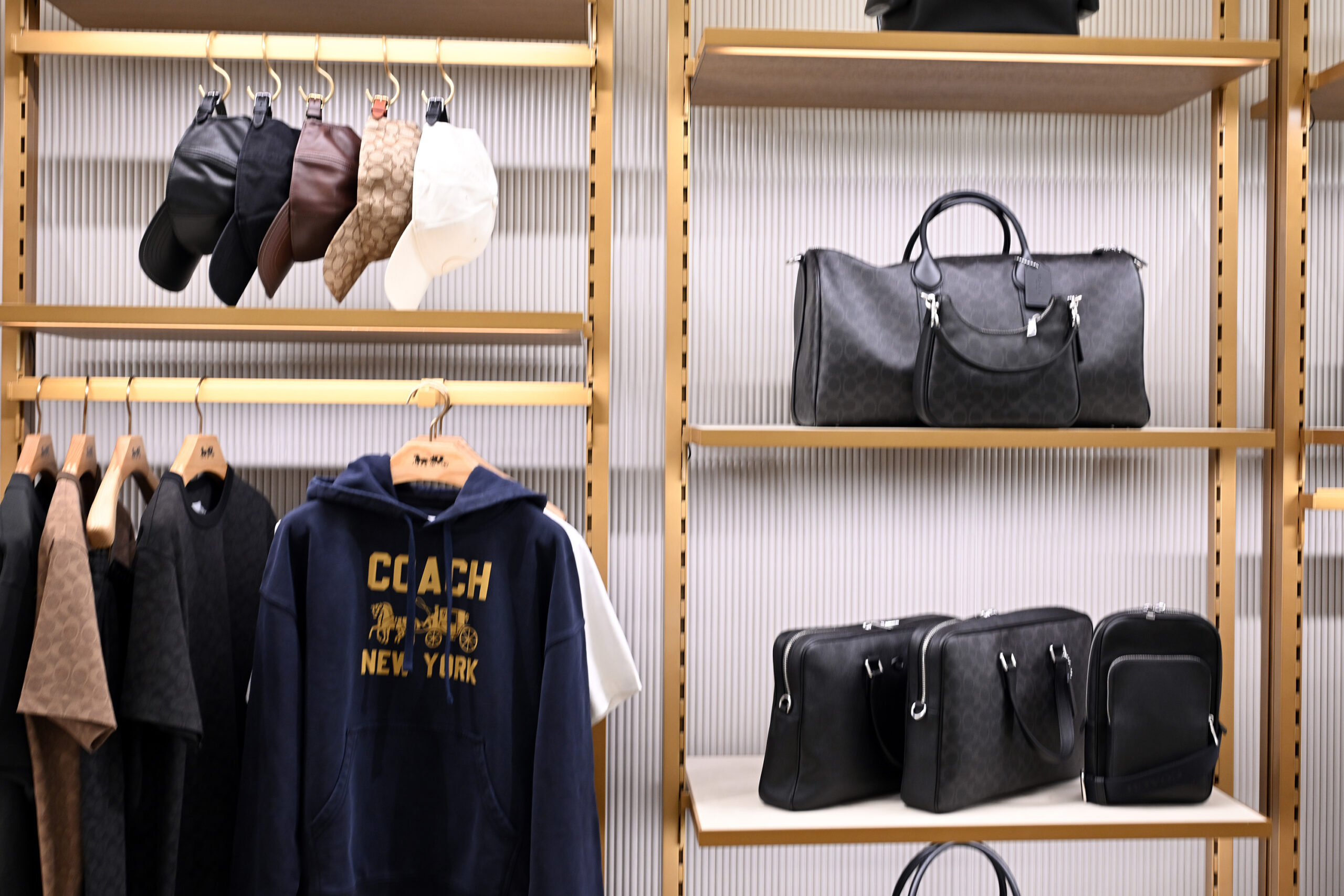
    Products are displayed at the Coach store at the Cherry Hill Mall.

    Cherry Hill Mall isn’t the only local shopping center to have welcomed new legacy retailers recently.

    In the past six months, Abercrombie & Fitch, Columbia Sportswear, Lacoste, and New Balance have opened new stores at the King of Prussia Mall, and an Adidas outpost is also set to open there soon.

    At the Philadelphia Premium Outlets, Hugo Boss, Marc Jacobs, and New Balance have opened stores in the past year, while the Gloucester Premium Outlets in Blackwood have added New Balance and Columbia locations. Like the King of Prussia Mall, both outlet malls are owned by Simon Property Group.

    Typically, these re-energized brands are attracted to places where other similar companies have already set up shop, say the PREIT executives who help shape the tenant mix at the Cherry Hill Mall.

    And they said this cyclical effect further cements the region’s dominant retail centers as shopping destinations.

    “There is so much media out there as it relates to closed malls,” said Aristone, the chief revenue officer. Many of the surviving malls, however, are thriving, he said, thanks in part to these legacy brands.

  • Delaware’s only Nordstrom is closing

    Delaware’s only Nordstrom is closing

    Delaware’s only Nordstrom store is set to close its doors next month.

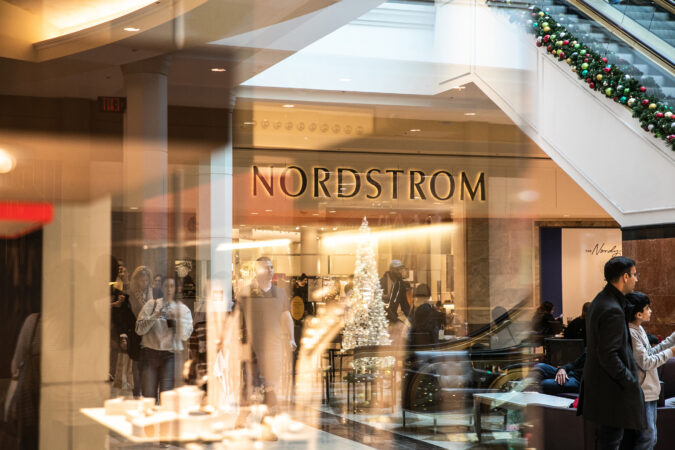
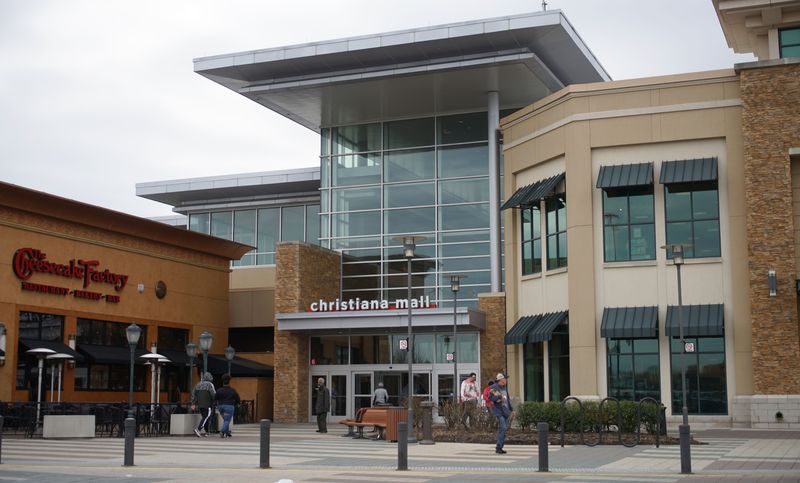
    The Christiana Mall location will shutter on April 30, the company confirmed in an email on Monday. The closure was reported over the weekend by the Delaware News Journal.

    “We believe we’ll be best able to serve customers in the area by leveraging our surrounding stores and through our digital channels,” Nordstrom said in a statement.

    The two-story, 123,000-square-foot department store opened in the Newark mall 15 years ago. The high-end retailer is one of four anchors alongside J.C. Penney, Macy’s, and Target.

    Once Nordstrom closes, the nearest full-price location will be more than 30 miles away at the King of Prussia Mall. The company’s discount counterpart, Nordstrom Rack, operates a store nearby at the Christiana Fashion Center complex in Newark.

    In the past year, the company has expanded its off-price footprint, with new Nordstrom Rack stores in Deptford and Marlton in South Jersey.

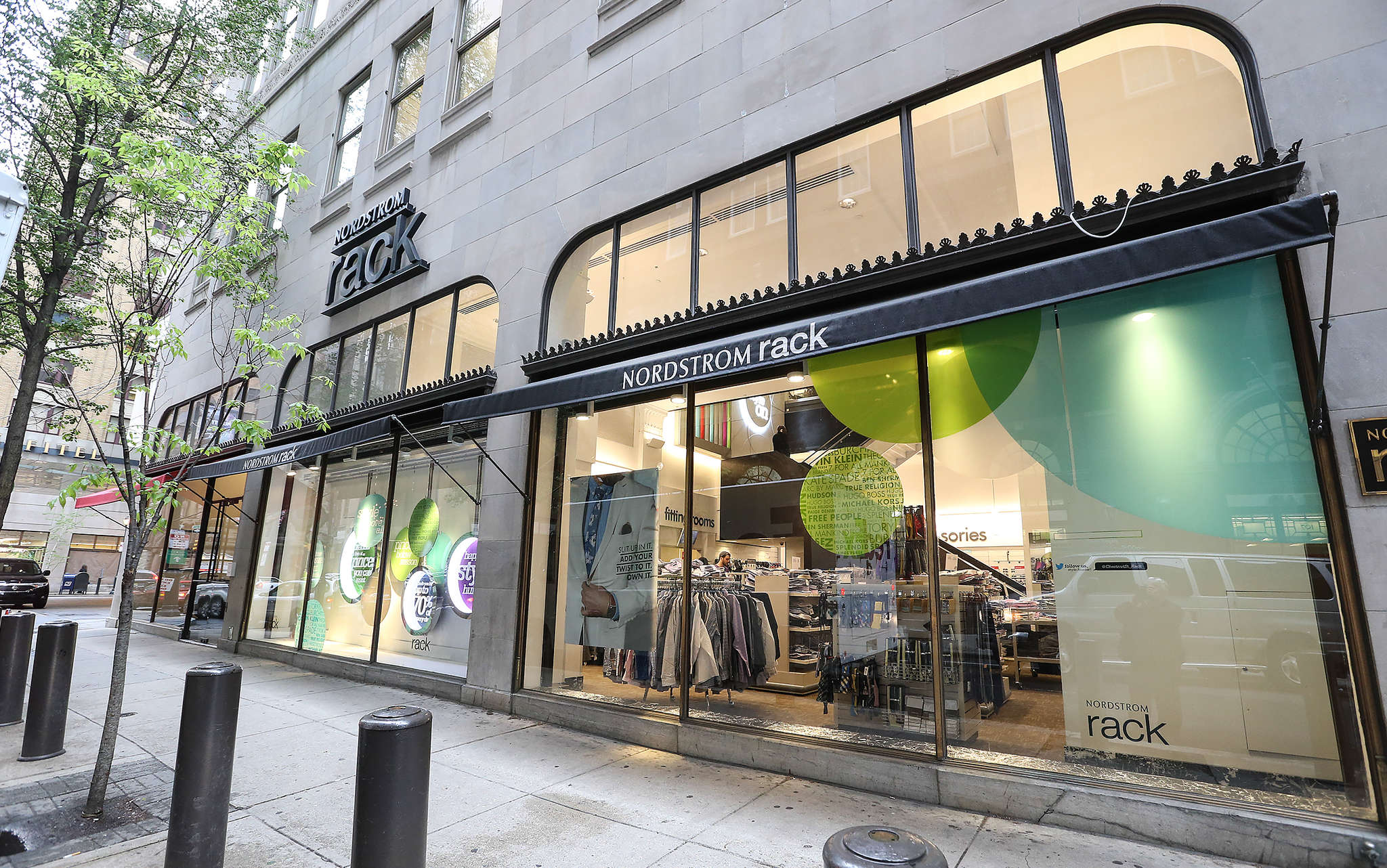
    Nordstrom Rack in Center City is shown in 2018. Recently, the retailer has been expanding its off-price footprint.

    The retailer has announced plans to open more than a dozen additional locations this year. They include Nordstrom Rack stores in the Main Street at Exton shopping center and at the Promenade at Granite Run in Media.

    At the Christiana Mall, Nordstrom said it is “committed to taking care of our employees through this transition, including supporting those who are interested in finding another role within Nordstrom.” It did not say how many people would lose their jobs.

    A search of Delaware’s online database of WARN Act notices, which are required in advance of closures and mass layoffs, did not yield any results.

    Christiana Mall is billed by its owner, General Growth Properties (GGP), formerly Brookfield Property Partners, as “one of the most productive retail centers in the country.” The developers say that each year 10 million people visit the 1.2-million-square foot “tax-free shopping destination” that is home to more than 140 stores. Delaware has no state or local sales tax.

    The Christiana Mall is shown in 2018. Its owners say 10 million people visit the Newark shopping destination each year.

    A GGP spokesperson declined to comment on Nordstrom’s departure and said it was too soon to discuss what’s next for the space.

    The news of the closure comes amid an uncertain time for the retail industry.

    Some shopping destinations, such as the King of Prussia and Cherry Hill malls, appear to be thriving. Others struggle amid economic uncertainty and increased competition from online retailers. Several local malls are flat-out dead, with some in the process of being resurrected as mixed-use complexes with apartments, restaurants, and entertainment.

    Individual retailers have also seen disparate results.

    After decades in business, Saks Fifth Avenue in Bala Cynwyd is set to close next month after its parent company filed for Chapter 11 bankruptcy. In another segment of the retail industry, West Chester-based home shopping network QVC Group, according to a Bloomberg report, is considering filing for Chapter 11 bankruptcy to reorganize billions in debt.

  • Breeze Airways is expanding again at the Atlantic City Airport

    Breeze Airways is expanding again at the Atlantic City Airport

    The Atlantic City International Airport will soon offer even more southbound flights.

    Breeze Airways, a budget carrier founded in 2021, is set to add direct flights between A.C. and Tampa twice a week starting this summer, the company announced Tuesday.

    The routes will be offered on Wednesdays and Saturdays beginning July 1, according to Breeze, and fares for a one-way ticket will start at $79 per person.

    The airline announced the new route to and from the Jersey Shore along with more than a dozen other nonstop flights nationwide.

    Breeze Airways is adding nonstop flights from Atlantic City to Tampa twice a week starting in July.

    “The addition of these new cities and routes will give even more travelers the opportunity to save precious hours that would otherwise be spent flying through hubs or driving,” David Neeleman, Breeze Airways’ founder and CEO, said in a statement, noting his company’s mission to offer affordable airfare in underserved markets. Neeleman has founded four other airlines, including JetBlue.

    Last month, Breeze announced new nonstop service from Atlantic City to Charleston, S.C., and Raleigh-Durham, N.C., as well as a flight to Tampa, Fla., that includes a stopover.

    The Charleston flights are set to be offered on Wednesdays and Saturdays starting May 6. And the Raleigh-Durham and stopover Tampa routes are scheduled for Thursdays and Sundays starting June 11.

    All Breeze flights out of Atlantic City can be booked online now at flybreeze.com.

    Breeze Airways is a private company, so it is not required to publicly report its finances. Last year, however, the airline announced that it had turned a profit for the first time in the fourth quarter of 2024, a period in which the company generated more than $200 million in revenue.

    The Utah-based carrier has expanded in recent years, now operating more than 300 routes, including seasonal flights, to 86 cities in the U.S., Mexico, and the Caribbean.

    Breeze is one of only a few major airlines that operate a dozen or so flights in and out of Atlantic City every day, depending on the season.

    Last year, Allegiant Air started offering flights from A.C. Spirit Airlines, meanwhile, has trimmed its flight schedule from the airport, a move that resulted in the 2024 decision to shut down its crew hub there.

    American Airlines allows passengers to go through security in Atlantic City and then get on a bus to catch flights at the Philadelphia International Airport.

  • It’s not too early to be thinking about your new deck | Expert Opinion

    It’s not too early to be thinking about your new deck | Expert Opinion

    Despite our region’s snowy winter, it’s not too soon to be thinking about outdoor entertaining in the spring. Build (or rebuild) a deck off your home, and you’ll have a spot for grilling or chilling.

    But it takes a lot of planning and money to create one, whether you hire a local business or — for the super-handy — put one in yourself. Here’s what to consider.

    What kind of deck?

    The size and type of your home often determine the type of deck you need. But for most homes, these outdoor spaces tend to be either the same width or slightly less wide than the structure they serve. You don’t want a deck that dwarfs your house — a 20,000-square-foot deck would look ridiculous on your 1,500-square-foot bungalow.

    If you already have an older deck with visible signs of rotting wood or sagging supports, you might need to replace it. “People don’t always understand that decks have a life cycle, like roofs,” said Michael Beaudry, executive vice president of the North American Deck and Railing Association, a nonprofit membership association offering education and credentialing to industry members. “It’s usually a question of repair or replace.”

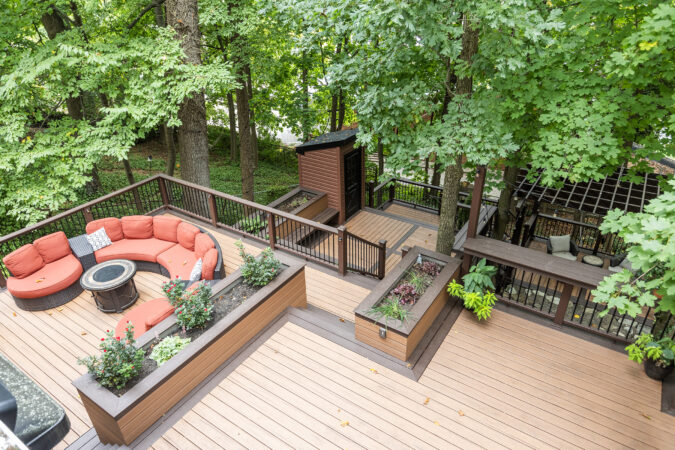
    Decking materials range from pressure-treated lumber to pricier composites (recycled wood and plastic like Trex, Fiberon, and TimberTech) to expensive wood species like cedar, redwood, or teak. A decking contractor can show you samples and go over factors such as durability and cost.

    You can check out Consumer Reports’ ratings of decking materials to compare prices, features, and maintenance. The big advantage of going with composite materials is that they’re maintenance-free.

    Layout considerations

    Your yard’s size, elevation, drainage, and tree cover will greatly affect how you design your deck. If your outdoor space slopes, a multilevel deck can step down with your yard. If existing trees don’t shade your deck, you can add a pergola, awning, or other way of shielding yourself from the sun. If your neighbors can see into your yard, you might angle the deck differently or install a privacy hedge just off the deck.

    Most decks are rectangular or square, but they can be almost any shape you’d like, including triangular or round.

    Construction and permitting

    Building a new deck is as much an engineering job as a construction one. If you’re installing a new one, in most areas it’ll need to be permitted and inspected, and you might consider hiring an architect or landscape architect to help with the plans.

    It takes engineering and knowledge of load-bearing principles and building materials to create a safe, stable deck. The grade of the wood or composite material, the spacing of the joists, beams, and posts, and the overall design of the deck impacts how much weight it’ll hold.

    “It’s important to think about what you want on your deck — a hot tub, seating for a bunch of people,” Beaudry said. “A good deck builder tends to overbuild, using two-by-eight boards when the project only calls for two-by-sixes.”

    Most decks are designed to support 60 pounds per square foot including the weight of the deck (the “dead load”) as well as whatever people and things you put on it (the “live load”). Decks require adhering to local building and safety rules and regulations. These range from HOA size limits to setback distances or structural requirements set by your city, town, or even neighborhood. The height of railings and the placement of and pitch of stairs may also be dictated by local code.

    Don’t hire a deck builder unless the company will navigate the permitting process for you.

    How to find a deck builder

    Many general contractors, fence builders, and carpenters also build decks as part of larger projects. But if you need a new deck or a complete replacement of an existing one, you might as well go with a company that specializes in them. Until April 5, Inquirer readers can access Checkbook’s ratings of local deck builders at Checkbook.org/Inquirer/decks.

    Once you’ve identified some possible contractors, ask them lots of questions. Go over your plans and ideas with them, and ask about their experience with your type of job. These conversations will likely provide you with lots of new ideas.

    Get references and check them. Ask past customers if the company gave them money-saving solutions, if the work was as attractive and as well done as expected, whether it passed inspection on the first try, if the company stuck to its agreed-upon prices, and whether it minimized disruption to their lives.

    To protect your finances against big damage claims, ask companies for proof that they carry general liability and workers’ compensation insurance.

    Get a solid contract

    Get at least three fixed-price bids; it’s the only way to make sure you don’t overpay. Get a formal contract in writing specifying payment terms, deadlines, and who will be doing the work. It should include a detailed description of the work, including drawings of deck plans, and details on building products.

    The contract should include start and end dates, and a warranty on work and materials, preferably one lasting several years.

    Insist that the contract include requirements that the company obtain and pay for necessary permits, and arrange for government inspections, if required. The contractor also should obtain approvals by any homeowners’ association or historic district.

    Arrange to pay as little as possible until the work is finished and you are satisfied. If your job requires a lot of materials, it’s reasonable to pay a deposit against these expenses. But paying for everything or almost everything at the end gives you the most leverage to get the work done properly.

    Deal promptly with problems. Understand that no one can anticipate every possibility. If problems happen, work with your contractor to reach a solution.

    Delaware Valley Consumers’ Checkbook magazine and Checkbook.org is a nonprofit organization with a mission to help consumers get the best service and lowest prices. It is supported by consumers and takes no money from the service providers it evaluates.