Ikea has opened its first Delaware County location, though it doesn’t look like its massive stores in Conshohocken and South Philly.
The home design company’s “plan and order point” in Media opened Wednesday. At less than 4,000 square feet, the outpost is a fraction of the size of its typical stores, with square footage in the hundreds of thousands.
Ikea, which has its U.S. headquarters in Conshohocken, said in a statement this fall that the location would provide design consultation services for more complex projects like kitchens, bedrooms, and bathrooms. But the space doesn’t contain inventory. Instead, customers can order items for delivery or on-site pickup.
For some Delaware County residents, the new location means “no more trekking through that notorious I-476 ‘Blue Route’ traffic” to get to the Conshohocken or South Philly stores, Ikea U.S. market manager George Holtkamp said in an October statement.
But if those customers get a craving for the popular Ikea meatballs, they’ll still have to make the longer trip, as the Media site does not have an in-store Swedish bistro.
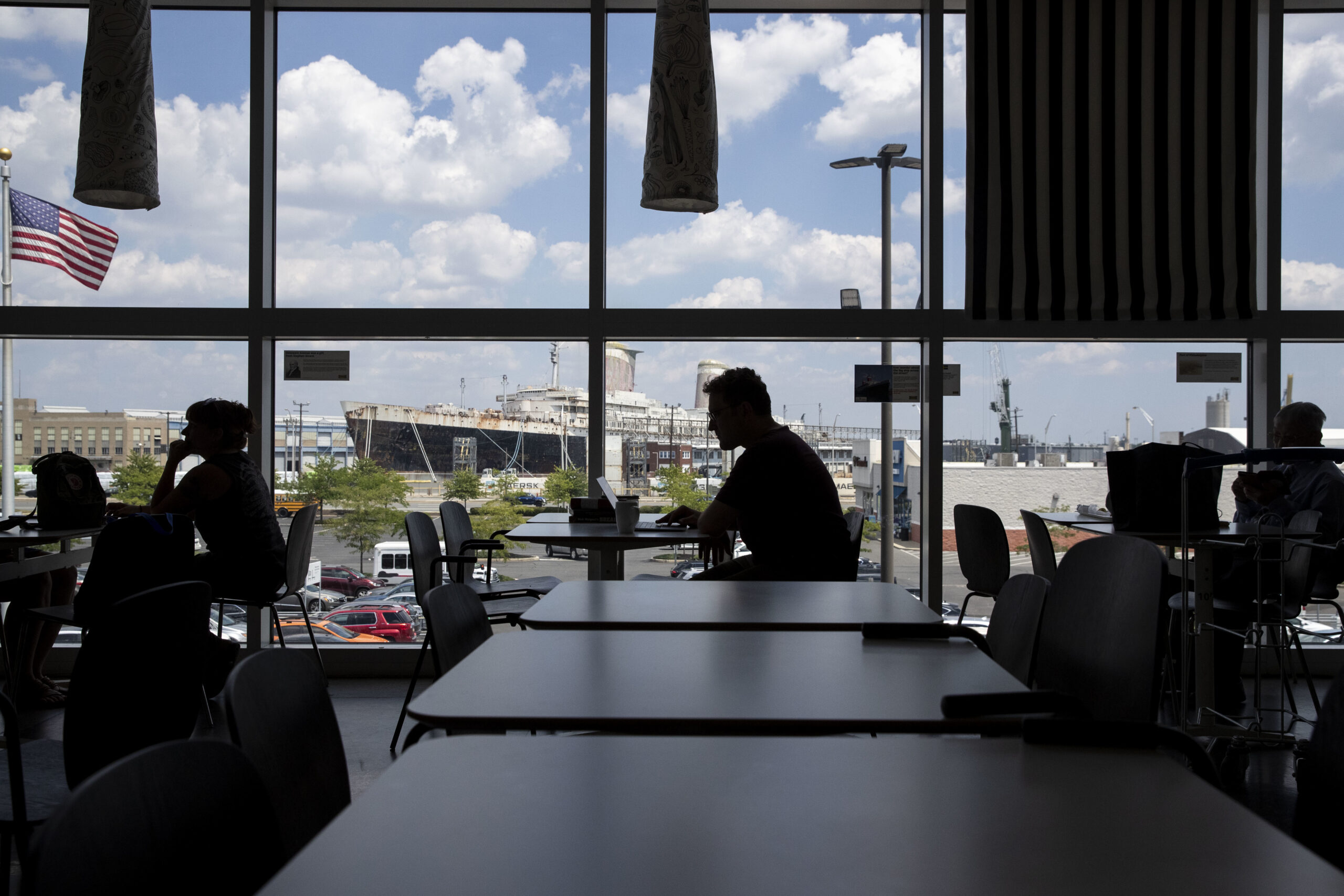
People worked in the cafeteria of the 300,000-square-foot Ikea in South Philly in 2022.
Ikea has been adding more locations after its U.S. arm reported $5.3 billion in sales last year, the majority of which were made in-person. Over the same period, about 61 million people visited its physical stores, while more than 457 million people browsed the website.
In Media, Ikea joins Michaels, TJ Maxx, Kohl’s, Boscov’s, and a slate of other stores that occupy the 830,000-square-foot retail section of the Promenade at Granite Run. The complex exemplifies how struggling malls can be reborn.
After the Granite Run Mall closed in 2015, BET Investments spent more than $100 million to demolish the building and build the open-air town center in its place, according to president Michael Markman. Along with an array of retailers, the complex now contains 400 luxury apartments, as well as several restaurants and medical offices.
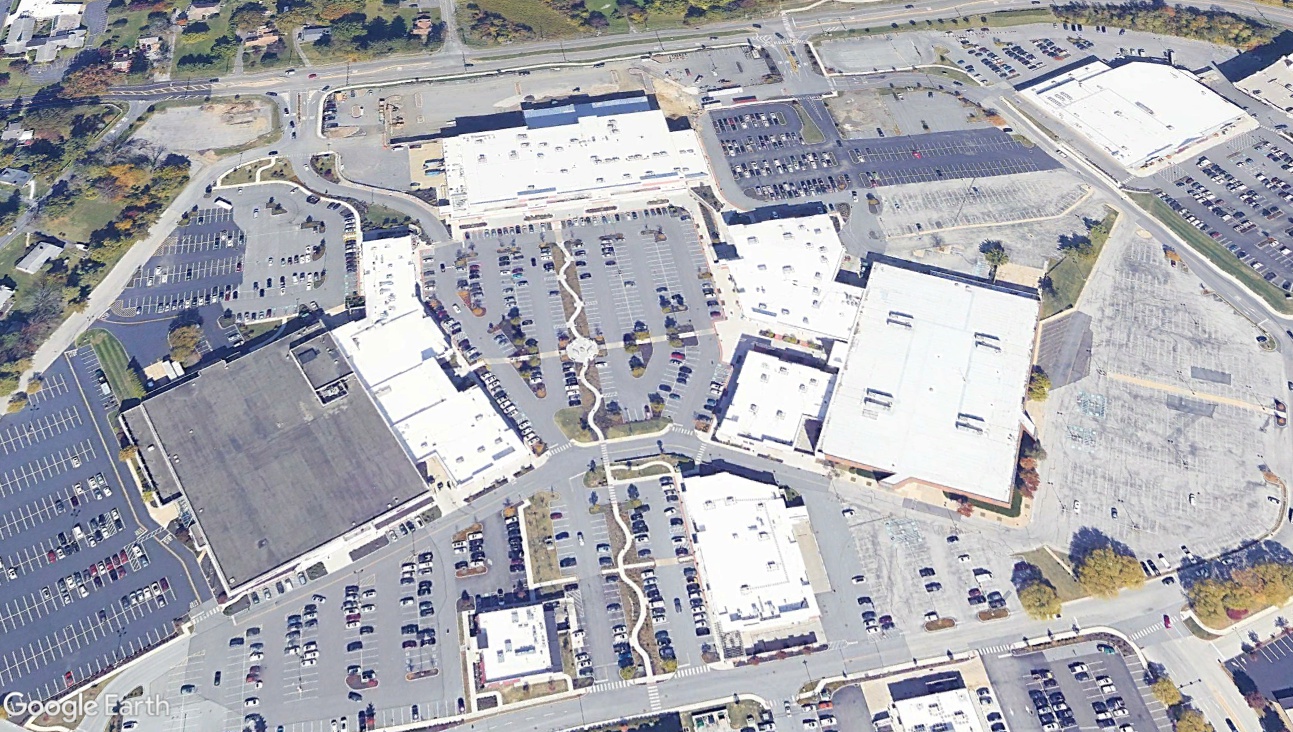
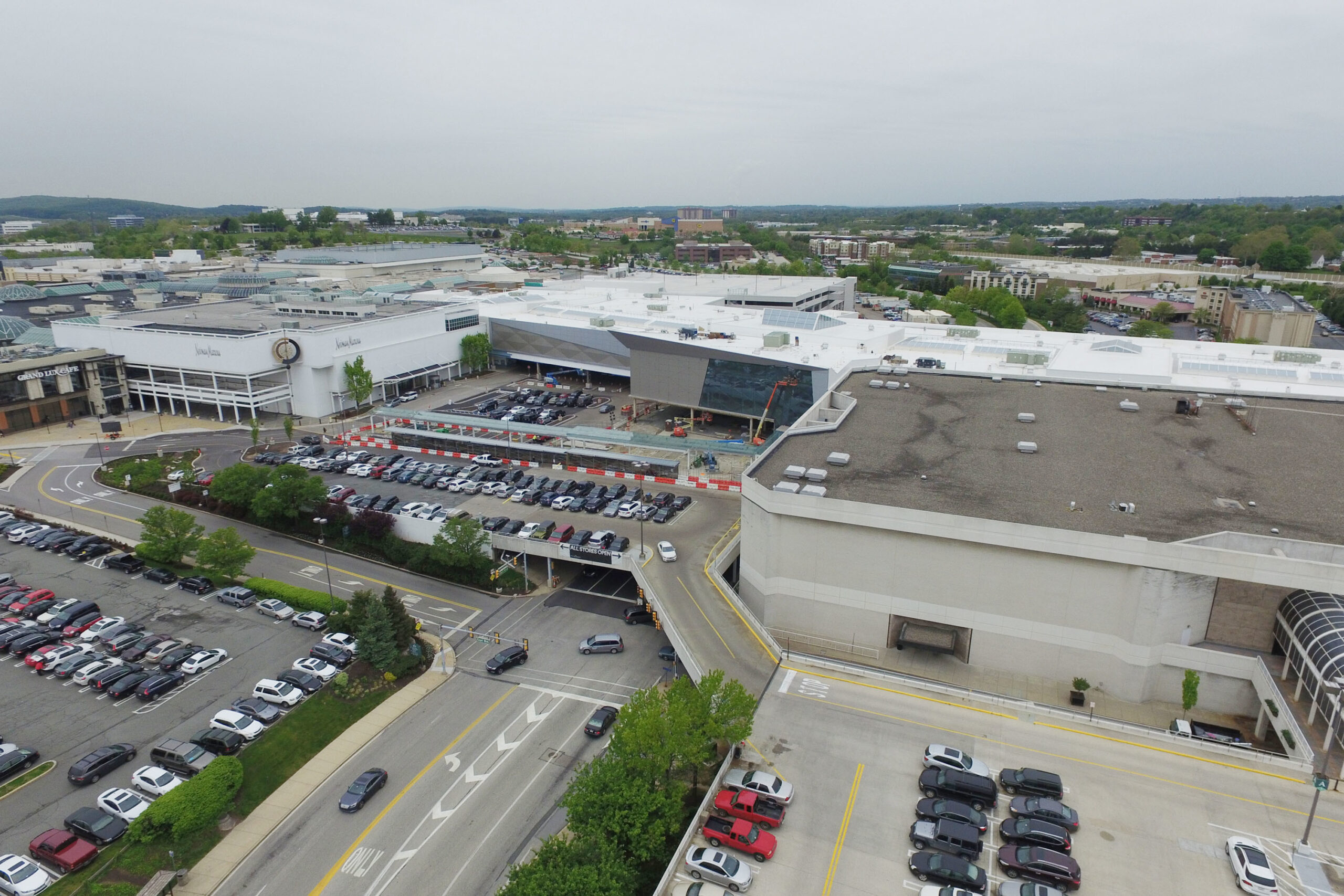
An aerial photo shows the Promenade at Granite Run in June 2022.
Markman said in April that the retail portion of the complex is almost fully leased.
“Its only gotten better since we originally tenanted it,” Markman said at the time. “We signed a Nordstrom Rack. We signed a small-scale Ikea.”
A new airport lounge is landing soon in Philadelphia.
Escape Lounges is set to open a location at the Philadelphia International Airport later this year, according to MarketPlace PHL, which manages the airport’s concessions. The lounges run on a pay-per-visit model, with food and drink included, and do not require customers to have a certain credit card.
Escape’s 1,500-square-foot space in Terminal D will serve food and drinks, according to MarketPlace PHL, and include a bar and other seating areas that overlook the runways.
The U.K.-based Escape Lounges operates 20 U.S. locations, including Syracuse and Providence, R.I. The lounges are open to all travelers within three hours of their departing flights, according to the company’s website.
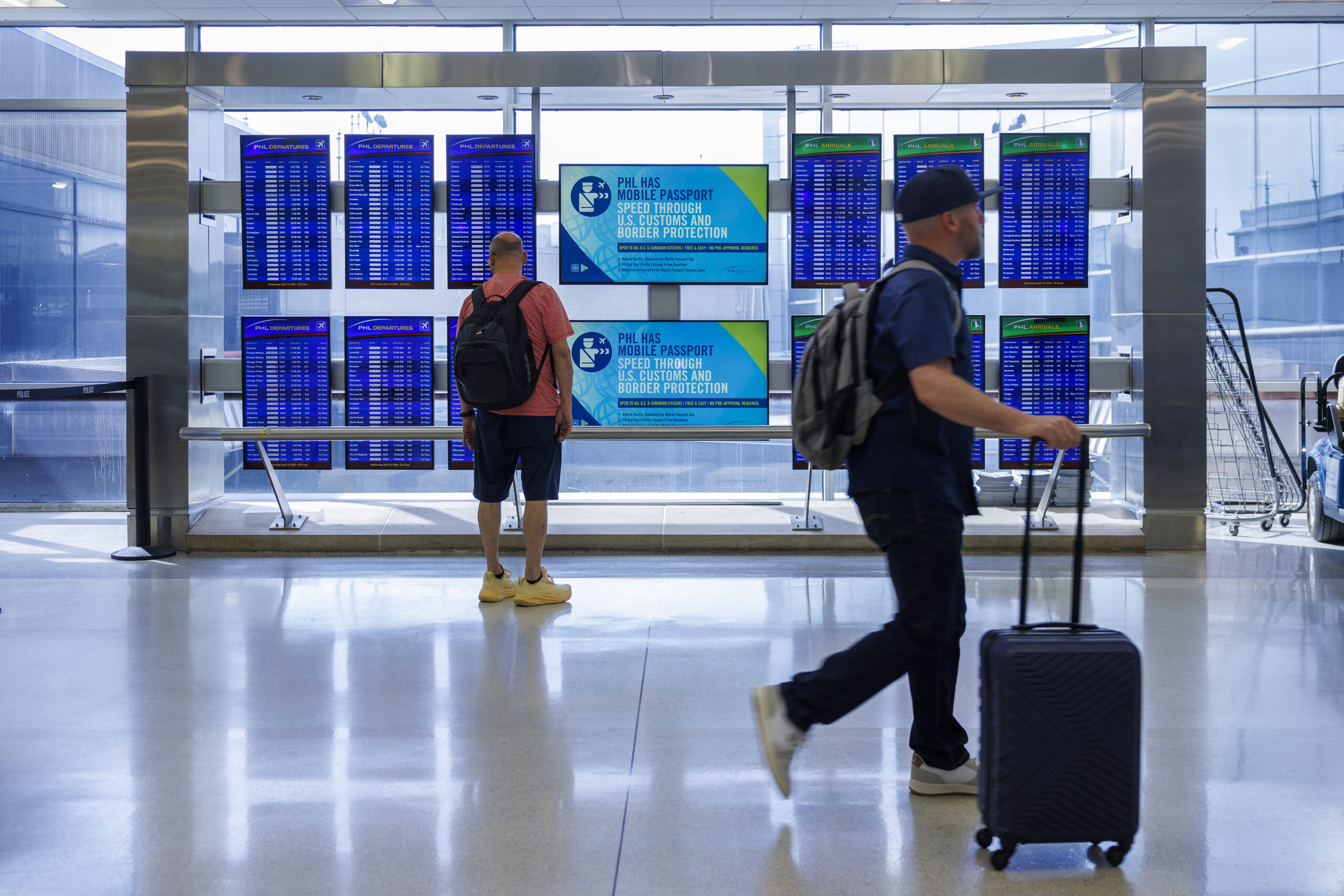
Someone looks at the arrivals and departures board at Philadelphia International Airport in April.
Prices fall between $45 and $65 per person for walk-ups, while customers who pre-book online can get reduced rates starting at $32. Complimentary access is available for American Express cardholders.
The cost includes food and drink, including wine, beer, and spirits, according to Escape. Customers also get private Wi-Fi, charging ports and outlets, printing and copy services, and PressReader, which provides digital access to more than 7,000 newspapers and magazines.
The news comes at a time when airport lounges have become more accessible than ever — and often more crowded. A growing number of credit cards offer lounge access, and travelers without the required cards can buy day passes to most spots.
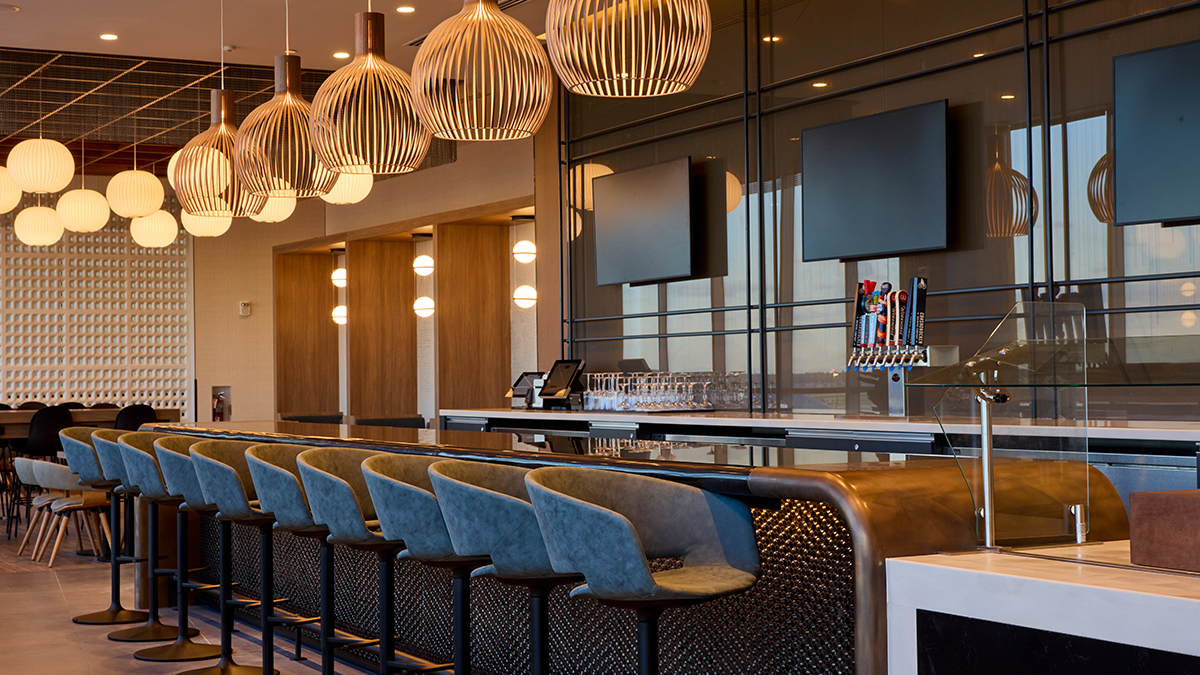
The bar at the American Airlines Flagship Lounge at Philadelphia International Airport.
American Express and British Airways also operate lounges in Terminal A-West, from which many international flights depart.
The airport also has a United Club between Terminals C and D, and Delta Sky Club between Terminals D and E, as well as private Minute Suites between Terminals A and B.
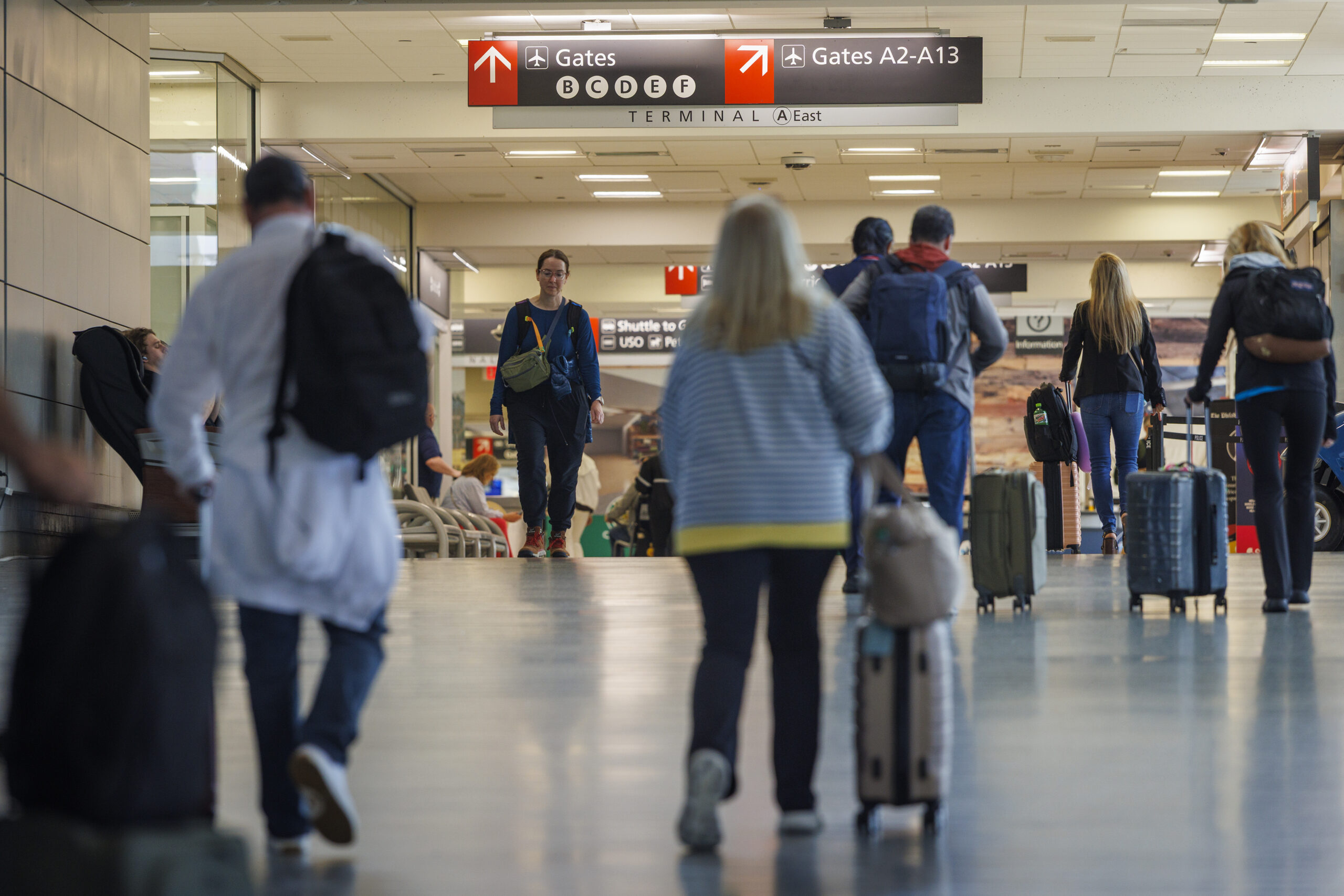
Travelers walk through Philadelphia International Airport in April.
While the total number of 2025 passengers dropped slightly from the prior year, the airport saw a 7.5% increase in international travelers, executives said.
It was also the first time since before the pandemic that the airport recorded two consecutive years with more than 30 million annual passengers.
But the pharmacy chain’s distinct facade still dots the landscape — in suburban shopping centers, on the corners of congested intersections, sometimes even smack dab in the middle of city blocks.
Some of these buildings are still vacant, surrounded by overgrown grass and empty parking lots. Others are getting new life as dollar stores, medical clinics, daycares, Spirit Halloweens, and a Rally House sports retailer.
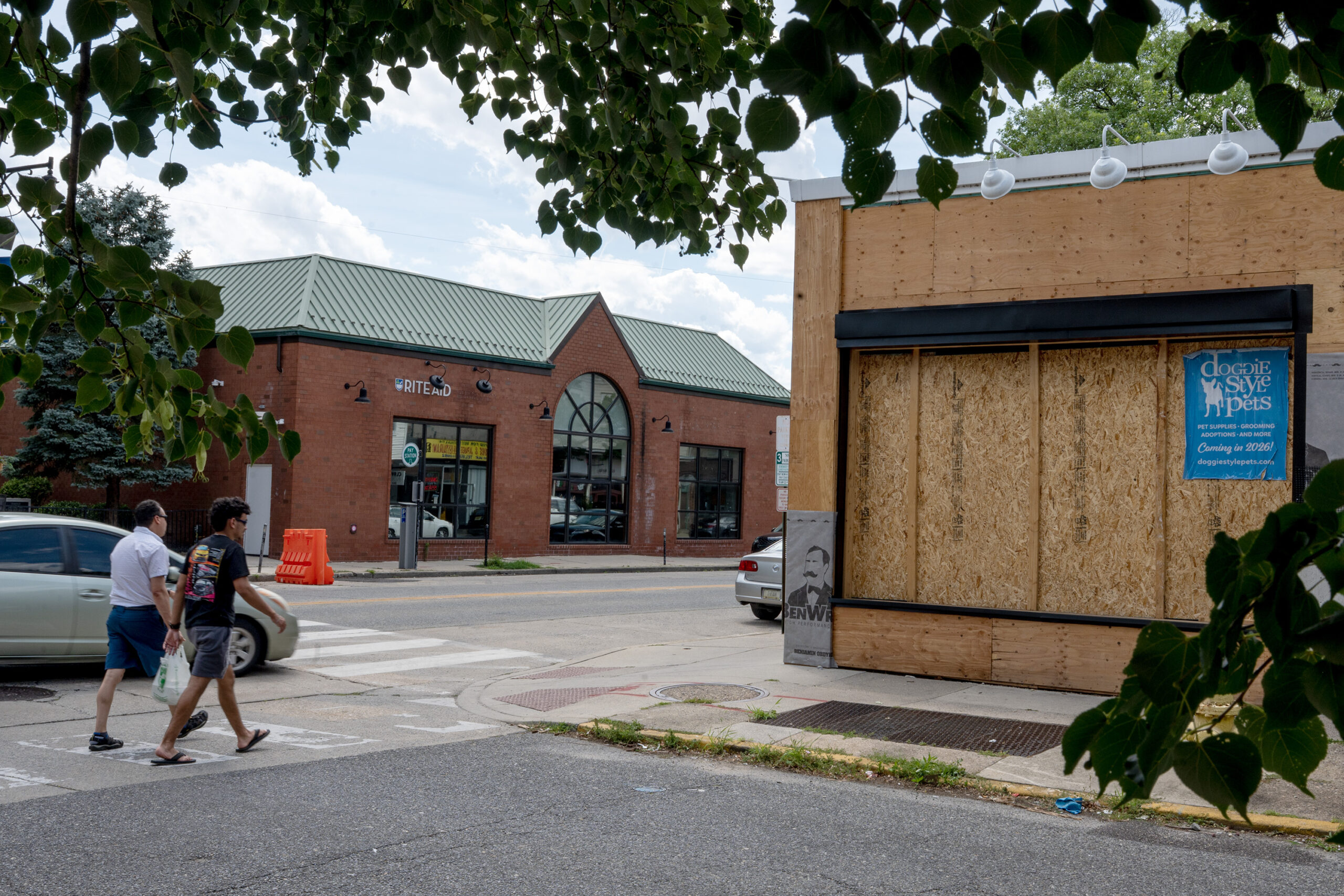
A former Rite Aid (left, rear) and former Wawa (right) sat empty in Collingswood in June.
The 8,000- to 16,000-square-foot shells are ideal for only so many tenants, real estate experts have said, and it is not unusual for these kinds of properties to take several months or more to lease.
Here is a look at what’s happening at a few local zombie Rite Aids:
South Jersey Rite Aids are becoming fitness centers
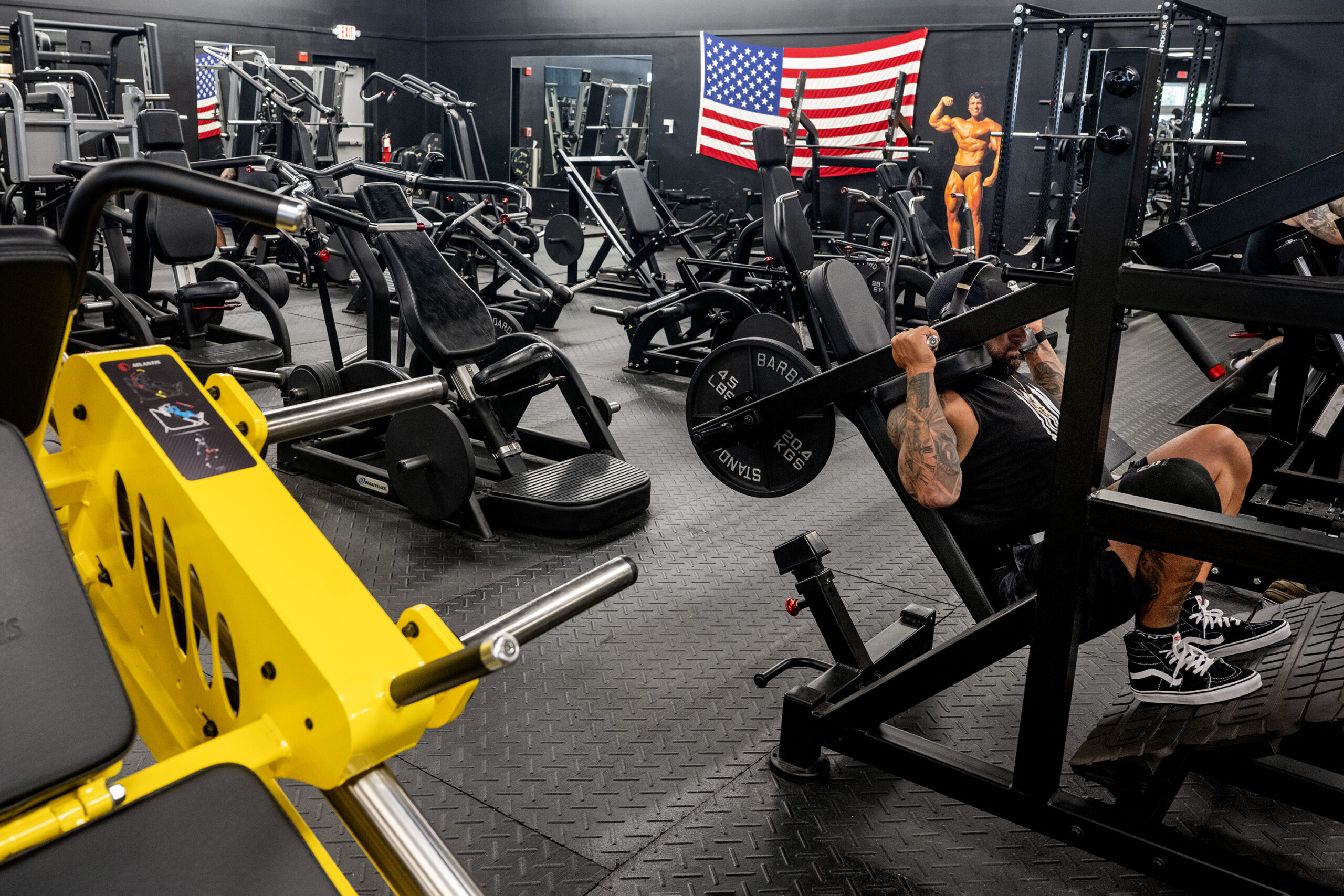
A former Rite Aid in Blackwood, Camden County, has been a gym for more than a year, and its owners soon plan to open a second location at another old Rite Aid in Cherry Hill.
Nick Bennett, CEO of the Bunker Fitness Center, said the owner of the Blackwood Rite Aid building approached him after seeing the gym’s content on TikTok. At the time, Bennett said, the gym was outgrowing its 3,000-square-foot space in Franklinville, Gloucester County.
When he went to see the 13,000-square-foot former Rite Aid in Blackwood, he said, it had already been demolished inside.
“It was just wide open,” Bennett said. “That floor plan works for our business model because gyms are open. You don’t really need to put up walls.”
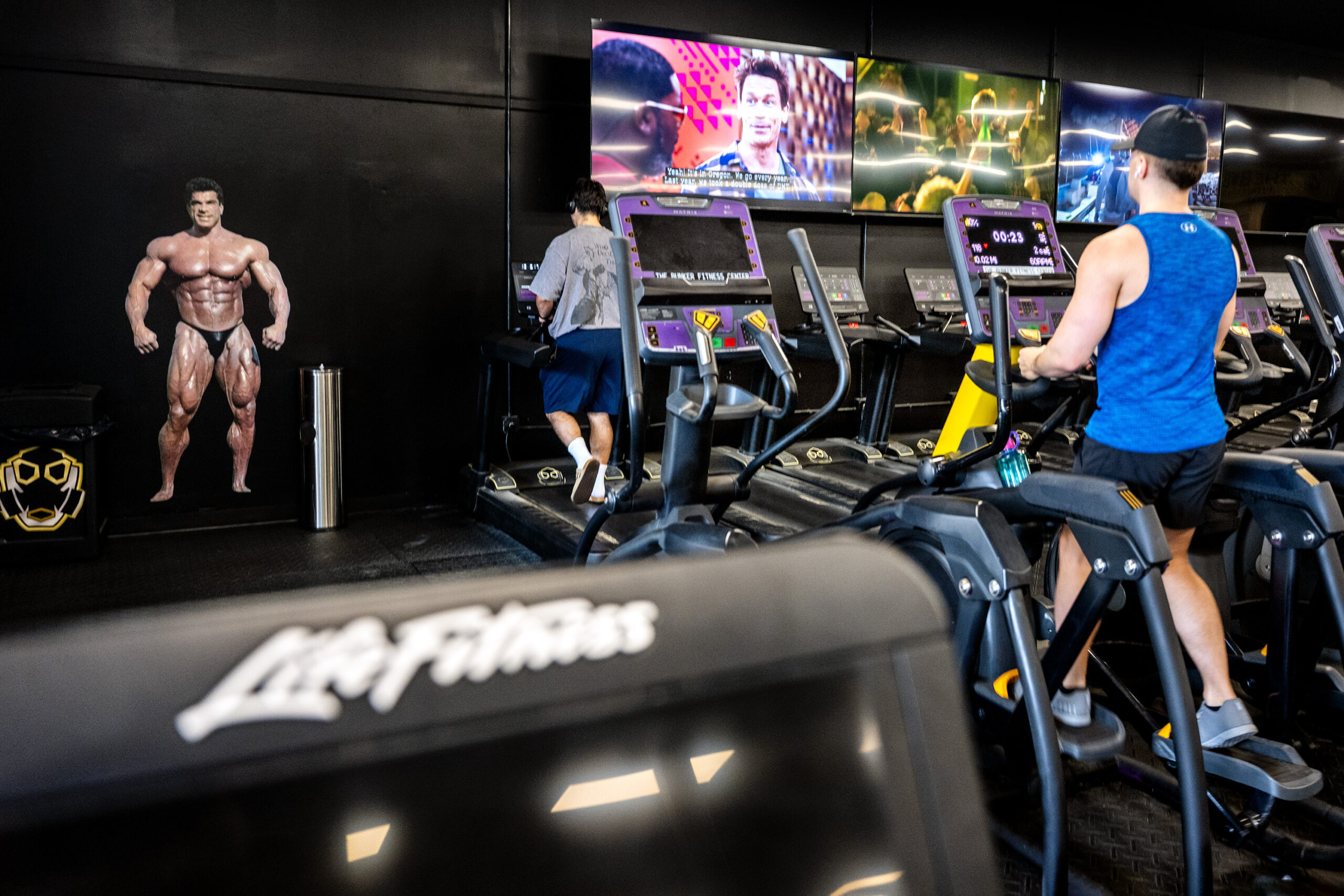
Steve Cristelli works out at the Bunker Fitness Center in Blackwood.
Another plus, he said: Pharmacies have rows of refrigerators, which require electrical outlets, and the Bunker crew could use those outlets to plug in workout equipment.
The old Rite Aid on Black Horse Pike needed “very little” work, just paint and rubber floors, Bennett said, and was easily transformed into the exercise and recovery space he had envisioned. The gym opened in 2025.
“We’re smashing it,” Bennett said, with thousands of members who pay between $49 and $59 a month for the 24/7 gym, which has cardio and strength machines, weights, a sauna, and a cold plunge. He declined to provide specific sales or membership figures for competitive reasons.
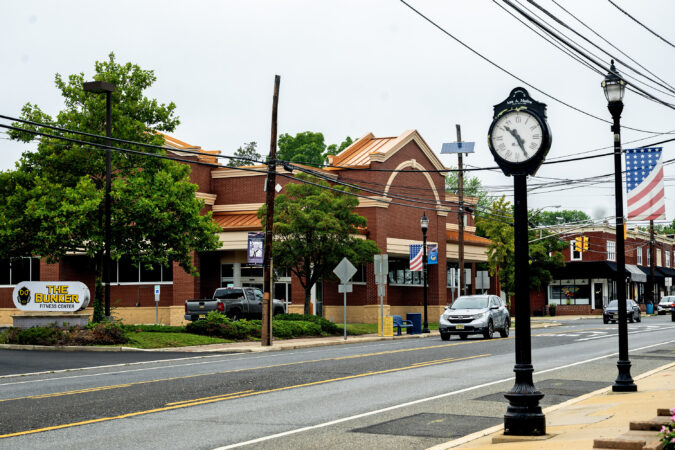
The Bunker Fitness Center operates inside a former Rite Aid in Blackwood.
But Bennett said the business is doing so well that it is expanding into another former Rite Aid, 12 miles away in Cherry Hill with franchisee Jack Prendergast.
That 10,000-square-foot pharmacy shell at Brace and Kresson Roads closed more recently and needs a bit more work inside, Bennett said. When they signed the lease, he said, it “looked like a Rite Aid.”
Bennett said he and Prendergast are demolishing the interior, aiming for a September opening.
In Delco, a Rite Aid could become a township’s first car wash
The former Rite Aid in Newtown Square may get new life as a car wash.
The store at West Chester Pike and St. Alban’s Circle closed last year. In February El Car Wash, a Florida-based chain looking to expand into Pennsylvania, New Jersey, and Maryland, applied to open there, said Newtown Township Solicitor Rich Sokorai.
On its website, El Car Wash lists several other Philly-area locations as “coming soon,” including Cherry Hill, Drexel Hill, Feasterville, and Maple Shade.
The Newtown Square Rite Aid operated a drive-through, Sokorai said, and drive-throughs are permitted in that commercial zone. After a June meeting, the township zoning hearing board is considering whether to permit the car wash, with a decision expected in the coming weeks.
A Rite Aid with a “store closing” sign last summer.
If approved, it would be the only car wash in Newtown Township, the solicitor said.
Residents of the neighborhood behind the old Rite Aid have expressed concerns to local officials, Sokorai said, “because they fear traffic.”
Others have said they are looking forward to a new business moving into the vacant space on a prime corner, Sokorai said. Even before the Rite Aid closed last summer, its shelves were often empty, the solicitor said, and “it was dying a slow death.”
Temple University buys another old Rite Aid
Temple “T” flags fly on North Broad Street.
Temple University recently bought a second former Rite Aid on North Broad Street.
The school recently closed on the old Rite Aid building on the 2100 block of North Broad for $9.25 million, according to spokesperson Stephen Orbanek. He said ArchWell Health, which operates a primary-care clinic for seniors there, will remain the tenant.
“This property’s location, directly across the street from James S. White Residence Hall, supports the priorities of our campus safety and physical environment plan,” Orbanek said.
Editor’s Note: This story has been updated to indicate that Temple Health plans to open neurology offices at the previously acquired Rite Aid building.
Another Sprouts Farmers Market is coming soon to South Jersey.
The Sprouts in Washington Township is set to open Aug. 28, the company announced Tuesday in a statement.
The 23,000-square-foot organic grocery store is under construction on Egg Harbor Road in Sewell, with an attached 6,400-square-foot storefront for lease, according to marketing materials for the new development.
Sprouts plans to bring on about 90 full- and part-time employees, with hiring events scheduled next week for Tuesday and Wednesday at the Double Tree by Hilton in Cherry Hill.
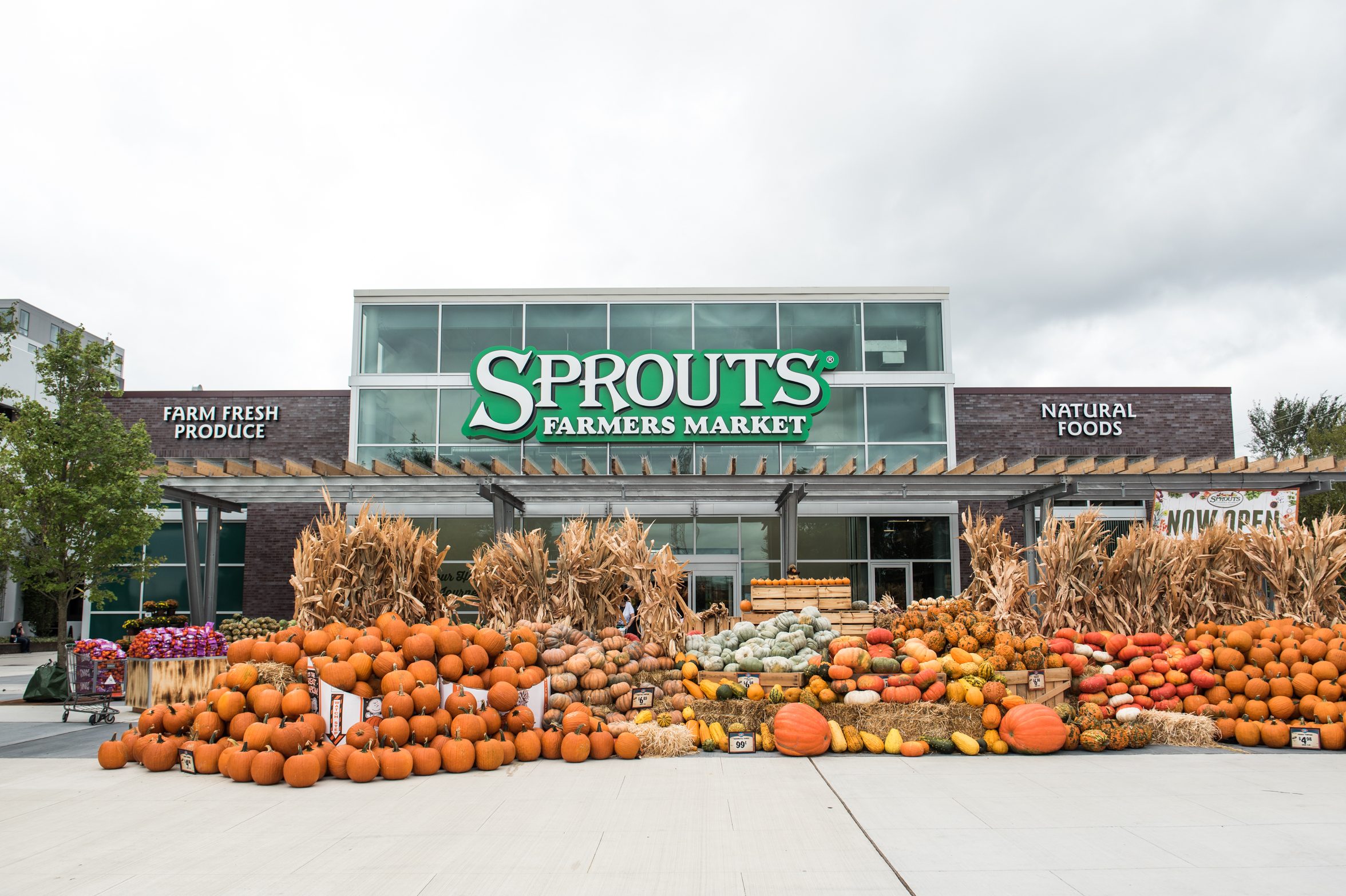
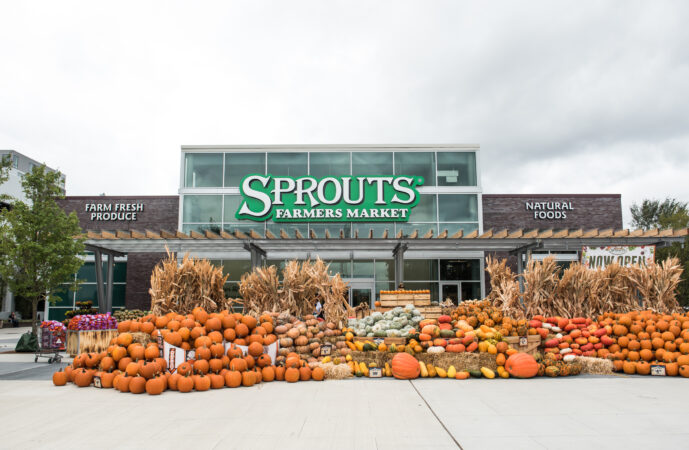
This Sprouts in South Philadelphia opened in 2018.
The Washington Township location will be the Phoenix-based chain’s fourth in South Jersey. The grocer, which specializes in organic, gluten-free, and plant-based products, also has stores in Haddon Township, Marlton, and West Deptford.
Across the river, the company operates four Philadelphia locations, including Roosevelt Mall in the Northeast and the new Rivermark complex in Northern Liberties, as well as two Montgomery County stores in Upper Dublin and Montgomeryville.
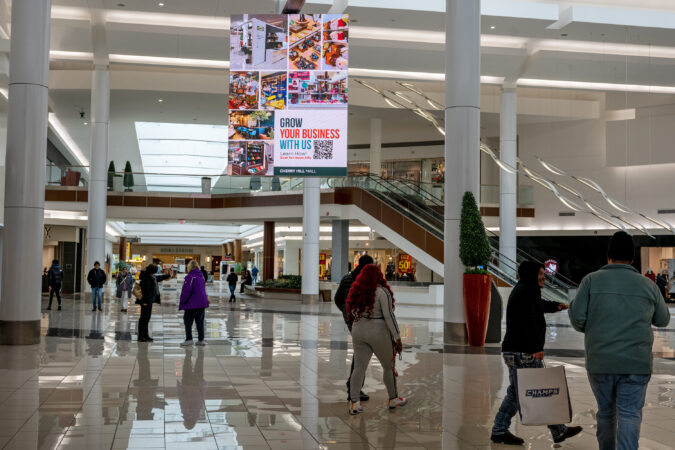
The Cherry Hill Mall is soon set to welcome five new stores that have committed to more than 25,000 square feet of retail space at the South Jersey mall.
The additions include Aritzia, the viral women’s clothing brand, which is set to open a store at the 1.3 million-square-foot Camden County mall by spring 2027. The complex is also adding legacy brands such as Timberland and True Religion, according to executives with PREIT, which owns the mall.
“Retailers at this level are choosing their next locations very carefully right now, and the fact that six of them chose Cherry Hill Mall in the same leasing period speaks volumes,” Paula Charles, PREIT’s senior vice president of leasing, said in a statement.
“For shoppers, it means more of the brands they want in one place and an experience that keeps getting better every time they visit,” Charles added.
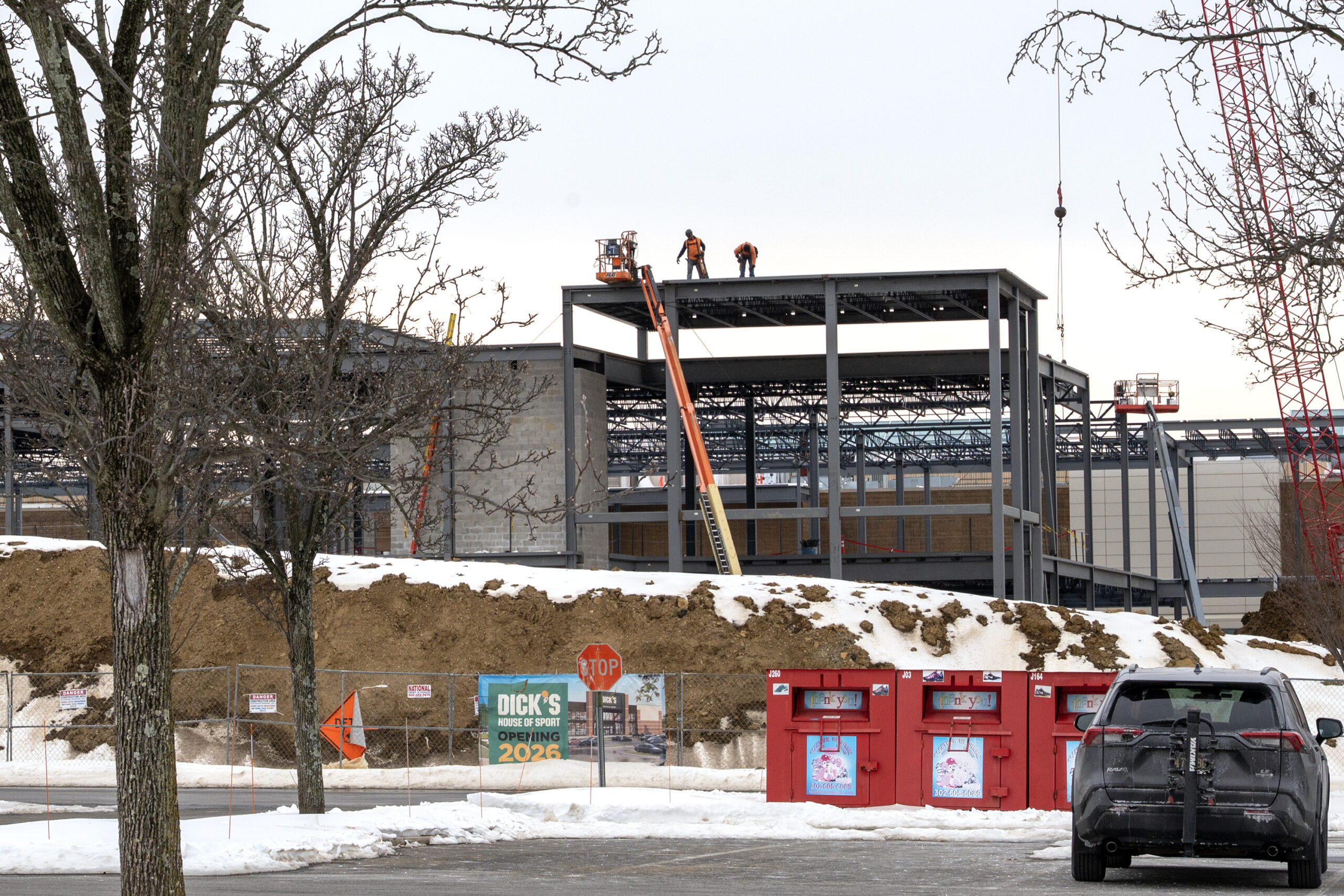
One of dozens of Dick’s House of Sport outposts, it will be represent “the largest single-tenant addition to Cherry Hill Mall in more than a decade,” PREIT executives said.
The new retailers will also join Crocs, which last month opened a 2,000-square-foot store near the future Dick’s House of Sport, and DoneRight Doner Kebab, a fast-casual Mediterranean food spot that mall executives said will open later this summerin the food court.
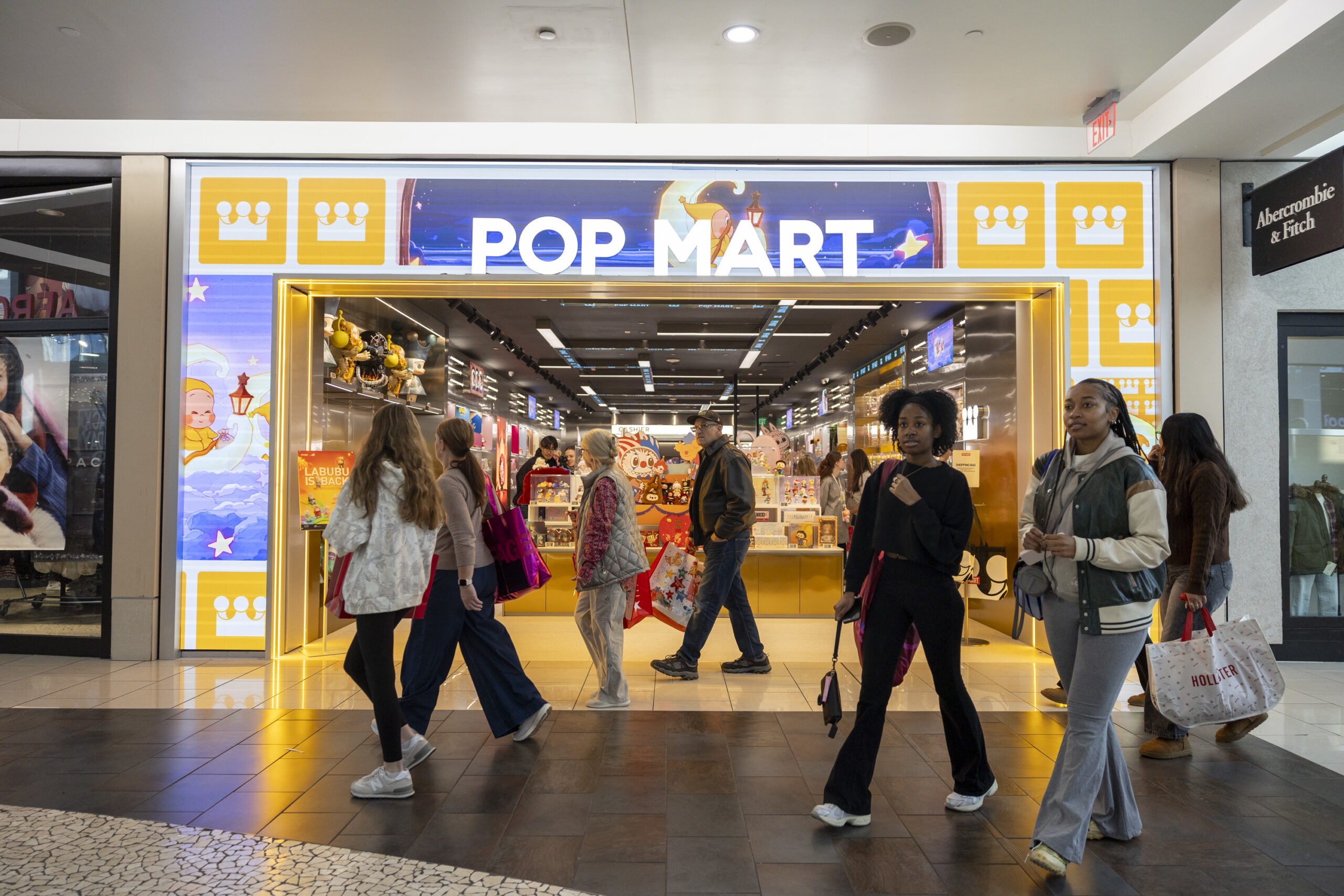
People walk by a new store, Pop Mart, at Cherry Hill Mall on Black Friday 2025.
But higher-end complexes like Cherry Hill and King of Prussia seem to be thriving. King of Prussia Mall, in Montgomery County, also just announced a slate of new openings.
Here’s what to know about the new shops coming soon to the Cherry Hill Mall:
Timberland: The boots and outdoor-wear company is set to open an 1,800-square-foot store later this summer. It will be near Dick’s House of Sport.
Indochino: The custom-suit-maker is set to open a 1,200-square-foot store before the 2026 holiday season. It will be off the Grand Court, near American Eagle and Pop Mart.
Aritzia: Set to occupy more than 20,000 square feet in the central Grand Court, its space will include not only a clothing store but also an A-OK Cafe, the brand’s in-house coffee shop. It is on track to open in spring 2027.
True Religion: The denim company is set to open a 2,230-square-foot store sometime early next year near Dick’s House of Sport.
Also at the mall, Pandora and Spencer’s recently moved into larger storefronts, and Lululemon is set to relocate into an expanded space in the Grand Court before the 2026 holiday season.
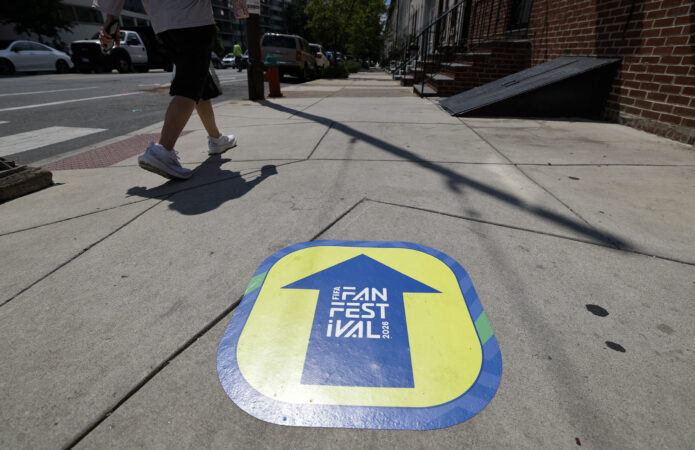
Yolanda Welch, owner of All Day Hoagies, walked down West Girard Avenue to grab lunch. It was just a couple hours before the start of another World Cup match in Philly, but near the FIFA Fan Festival, Brewerytown’s main drag was nearly empty.
“Normally, I’m not able to do this,” Welch said, as the lunchtime rush usually keeps her too busy to leave her post.
She had free time on Thursday, she said, because the regular midday crowd had thinned ever since the FIFA Fan Festival arrived at Lemon Hill, about a half-mile away.
City officials have estimated that hundreds of thousands of people have flocked to the monthlong World Cup watch party, which started in mid-June and is set to run through mid-July. But last week some Brewerytown business owners said they had yet to reap the benefits.
In nearby Fairmount, some bar managers said they had seen a soccer-fueled boost in business. But several other neighborhood shop owners said they were only breaking even, with the slight increase in tourist traffic offset by a sharp drop in regular customers. Parking restrictions and street closures have kept many locals away, business owners said.
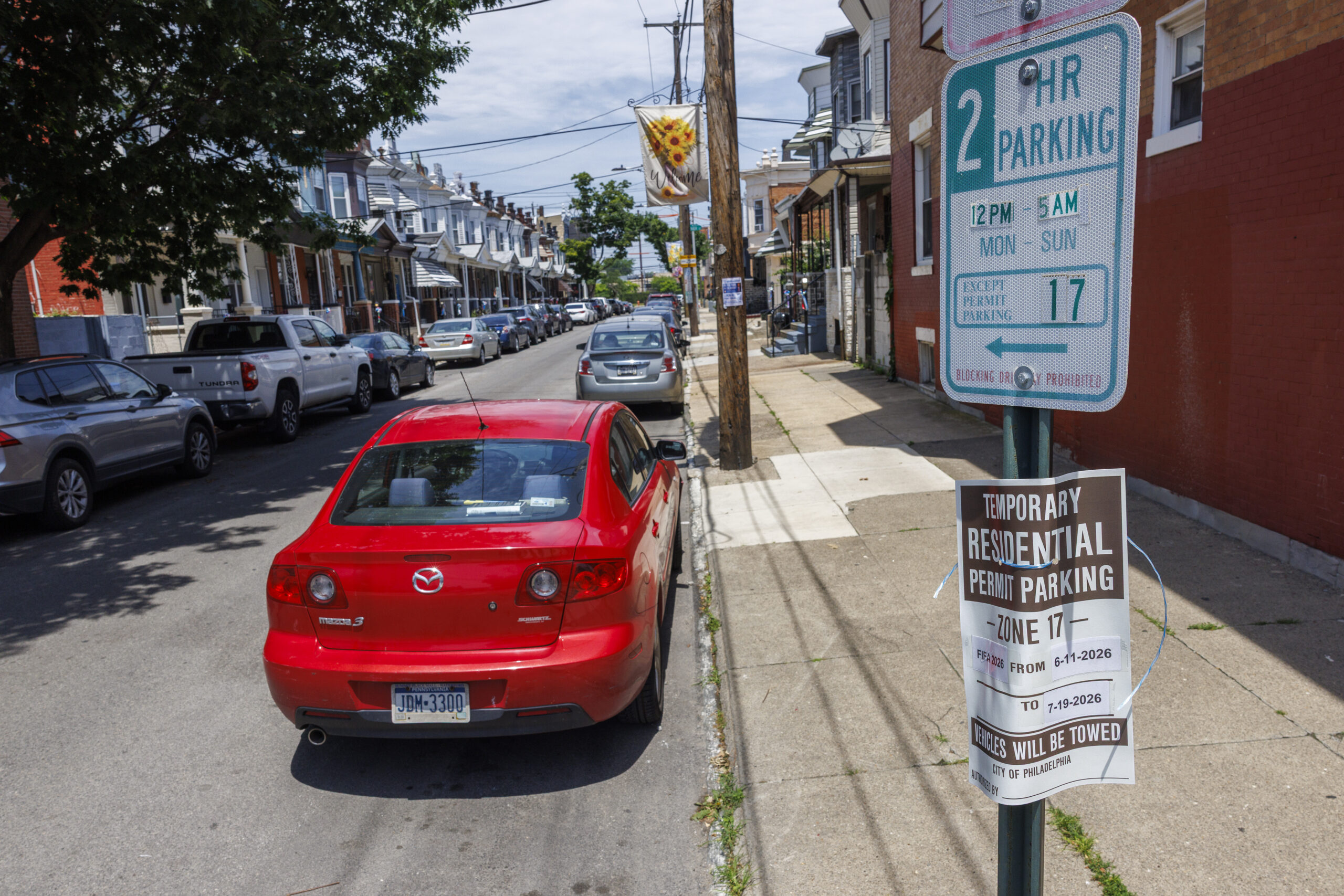
Temporary parking restrictions near the FIFA Fan Festival are keeping some customers away, said local business owners.
A World Cup let-down for some in Brewerytown
Many Philadelphia business owners said they had high expectations for the World Cup: Some near the Fan Festival stocked up on inventory and even hired extra staff.
“I ordered all kinds of soccer stuff to put in ice cream,” said Welch, who owns the hoagie shop and I Scream for Ice Cream. “I bought a whole [World Cup] banner.”
As of Thursday, Welch said she hadn’t seen enough soccer fans to justify putting out the merchandise or unfurling the banner, which still sat in her car.
Business is down precipitously at All Day Hoagies, which usually goes through 200 rolls a day. Since the World Cup began, the number has dropped to 125 or fewer.
Every night, a handful of people cancel their Baby’s reservations, saying they are worried about parking, Kim said. Staff has tried to dispel misinformation on social media, and lends temporary parking passes to diners, but uncertainty remains.
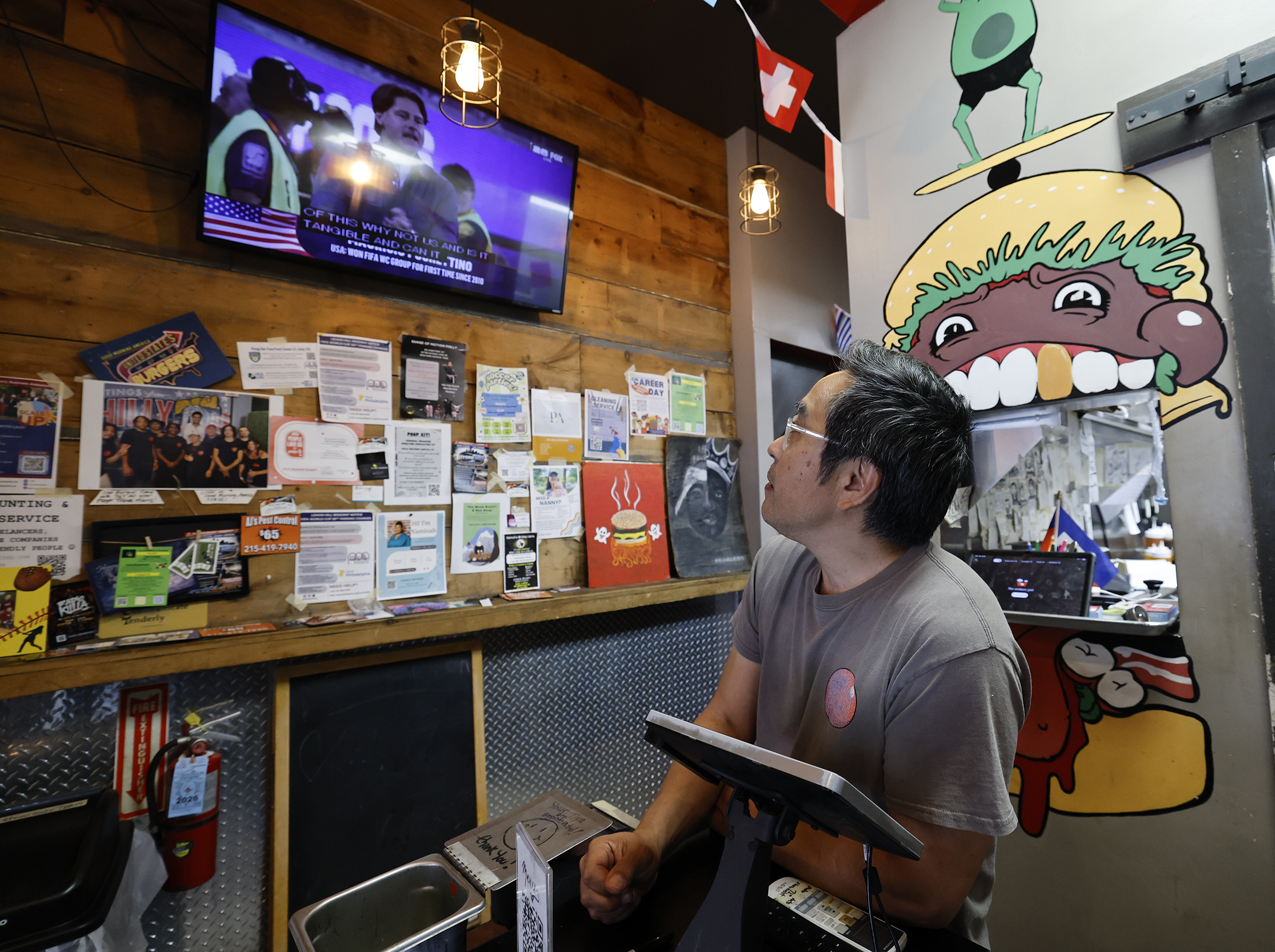
Josh Kim, owner of Spot Gourmet Burgers, watches World Cup programming from his Brewerytown burger joint.
Some businesses are faring better than others, even if they aren’t seeing crowds of soccer fans every day.
Josh Kim, owner of Spot Gourmet Burgers in Brewerytown, said international tourists have made special trips to his restaurant for one thing: American cuisine.
“When people go to Italy, they want pasta and pizza,” Josh Kim said. “When they come to America, they want burgers.”
June 19 was a particularly busy day for him: After the Brazil-Haiti match in South Philly, Spot’s sold 200 burgers in less than an hour, he said.
But no other recent days have been as lucrative, and Josh Kim said he worries it could take a while for regular customers to return to Girard Avenue once the World Cup games — and the restrictions — are over.
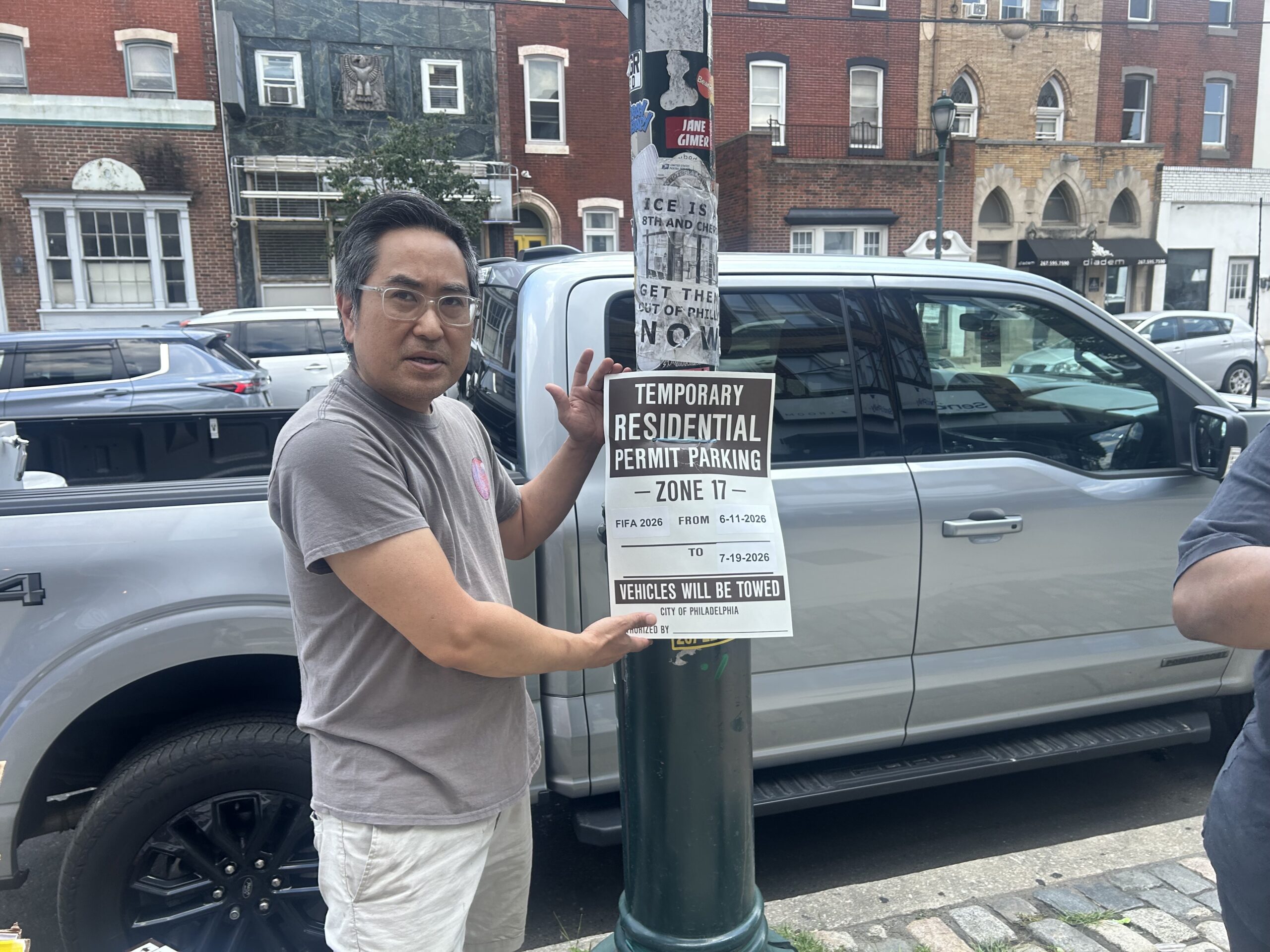
Josh Kim, owner of Spot Gourmet Burgers, points out a temporary residential parking permit sign on Girard Avenue. He said parking confusion has hurt business in the neighborhood during the FIFA Fan Festival.
“Consumers are habitual,” Josh Kim said. “If [they] break that habit, they no longer think about going to Girard Avenue. … They’ll go up Ridge.”
On Boathouse Row, across the street from the Fan Festival, Cosmic Café and Ciderhouse has seen steady business, manager Sachael Sciarretta said. About 30% of the cafe’s regulars drive there, and he said he hasn’t seen them since the festival began. But business from soccer fans has made up for the loss.
Fairmount bars and restaurants seem to have been among the biggest World Cup winners. On Thursday afternoon at the Black Taxi, an Irish pub a few blocks from the festival, almost every seat was filled — several by customers donning soccer jerseys.
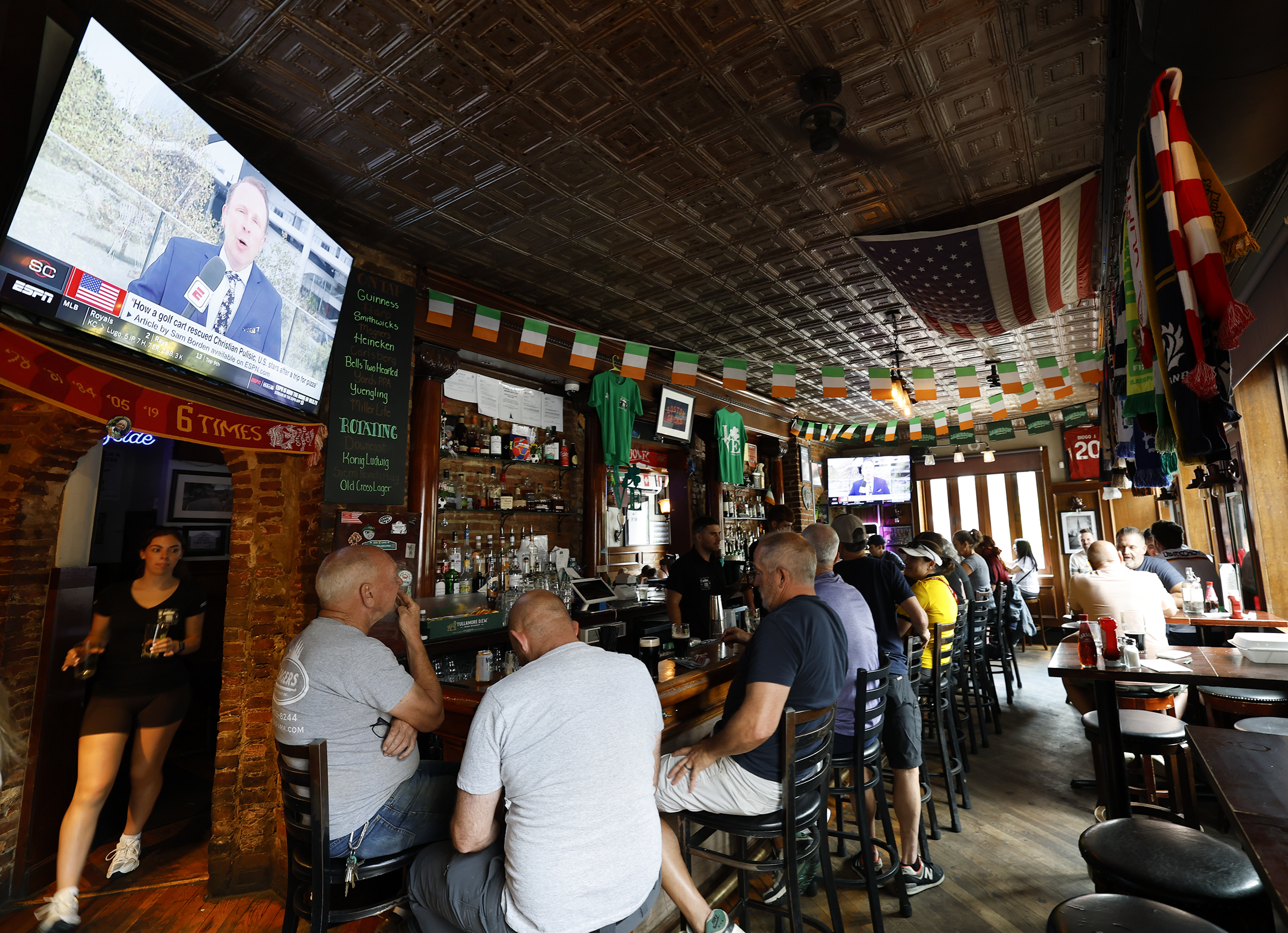
Regulars and soccer fans eat and drink at the Black Taxi Irish Pub in Fairmount on Thursday, June 25.
“Foot traffic has been great, and the neighborhood is buzzing,” said manager Neil McKernan, who estimated that sales are up 30%.
In the dining room, the Trainor family enjoyed a meal before walking to the Fan Festival to watch the 4 p.m. match between Curacao and Ivory Coast.
It was the first time that Kelly Trainor, 42, of Glenside, had been to the Fairmount watering hole, and she brought along her three young children.
“We can’t afford tickets to the game,” Trainor said. “So this is the next best thing.”
The Trainor family, of Glenside, enjoyed refreshments at the Black Taxi before attending the FIFA Fan Festival.
Back in Brewerytown, where the business corridor was quiet, some owners said they wished they could have been more involved in the festivities. Josh Kim, of Spot Gourmet Burgers, said perhaps organizers could have allowed local restaurateurs to sell from food trucks outside the fan entrance.
“If we were able to activate this corridor, it would have been a lot different,” Kim said.
“Why didn’t they work with the local businesses so we could make the money?” added Welch, of All Day Hoagies. “Because we ain’t making none.”
The words outlet mall or factory store make many shoppers envision marked-down designer bags, slightly damaged furniture, or last season‘s fashions at steep discounts. But a new study by Consumers’ Checkbook found that many are churning out cheaper merch specifically for their “discount” locations. Checkbook staffers spent three months visiting 40 brand-name outlets, scrutinizing online terms and conditions to learn what exactly off-price stores were selling.
What we found was that about half the off-price stores we investigated — particularly for mid-priced apparel stores like J. Crew and Banana Republic — are selling made-for-outlet goods, usually with cheaper fabrications and fewer fine details than mainline store merchandise.
Other factory stores mix made-for-outlet products with clearance items from their original brands. Houseware chains and some high-end designers operate genuine clearance centers with discounted merchandise that once appeared in regular stores: a floor model Pottery Barn dresser; last season’s Burberry trench coat.
The evolution of outlet shopping
Outlet stores started as small, manufacturer-run businesses — often near factories — selling past-season, overstock, or slightly damaged products at big discounts. Outlet malls began popping up in the late 20th century, fueled by big name factory stores from the likes of L.L. Bean and Coach. But the rise of fast fashion — and an increasingly bargain-hungry populace — meant shoppers wanted more deals.
So brands like Ann Taylor, Gap, and J. Crew opened off-price stores. These became so popular that they were impossible to fill with leftovers or older goods. So many retailers started manufacturing completely different, lower-quality, lower-priced merchandise for their “outlet” or “factory” locations.
Often, these outlet stores have obtuse signage, product labels, and logos. Many outlet stores bear signs with the company name but no mention of outlet, clearance, or factory. Some use different labels and logos on outlet merchandise, but it’s often an if-you-know-you-know secret.
“Companies are subtle about branding and labels for outlets because they don’t want to lose their magic,” said Gonca Soysal, who led a study on outlet shopping when at the University of Texas in Dallas. “If they say, ‘this is a different product,’ then that illusion vanishes.”
Another hint that the stuff at outlets may never have been on the floor at your local mall? Many brands now operate more off-price stores than regular price ones. For instance, there are 96 Ann Taylor stores — but 122 Ann Taylor Factory stores — across the U.S., and just 93 Nordstrom department stores compared to 269 Nordstrom Racks.
Yes, prices at outlet stores are usually lower than those at mainline stores for similar items, but even a casual glance at a fabric composition tag or a look at the stitching on a bag reveals significant quality differences. If you want to do some outlet shopping, arm yourself with a few tips.
Know which stores offer only made-for-outlet merchandise
Checkbook made a list of stores that only (or mostly) stock made-for-outlet items. If you shop at them, you’re getting a completely different product than you’ll find at department stores or mainline shops. “A brand you know at full price might have a certain standard of quality that isn’t the same at the outlet,” said Pamela N. Danziger, an outlet mall expert and author of Why People Buy Things They Don’t Need.
Don’t believe tags with ‘compare at’ prices
These are outlet and off-price marketing tricks and don’t mean anything. If an item came from an original store or maker, it’ll usually have a price tag reflecting that (i.e. a mainline Nordstrom tag), sometimes with little low-tech stickers planted over original prices.
Know your brand
Whether you’re bargain hunting for last-season or overstock stuff at a clearance center or a thrift store, it helps to be familiar with the mainline brand’s styling, fabrication, construction, and quality. This can also help you separate made-for-outlet wares from better-made original items: For instance, the ballet flats we spotted at the Tory Burch outlet have plastic soles and retail for around $120; mainline Tory ballerinas cost $200 or more and usually sport leather soles.
Expect chaos, limited sizing, restrictive return policies, and slight damage
True outlets (aka clearance centers) are a mixed bag, stocking things people didn’t buy at regular price in regular stores, floor model furniture, and, in the case of Anthropologie and Free People’s Reclectic outlets, used rental garments. Part of the reason off-price stores started producing made-for-outlet goods was that consumers got tired of this treasure hunt.
Compare prices
Check prices of similar items currently for sale at the mainline store. If Banana Republic’s regular store is running 40% off, you’ll probably get a nicer sweater or shirt there than if you buy the made-for-outlet version.
Similarly, when shopping outlet or factory stores for Nike, Polo Ralph Lauren, New Balance, and other brands that also sell stuff in department stores, Amazon, etc., compare what you’ll pay in the brand-operated stores with what you’d pay elsewhere. Our researchers often dug up better deals by buying online, not from outlets.
Check for coupons
Outlet malls and stores often have discount coupons, usually digital but occasionally old-school paper.
Delaware Valley Consumers’ Checkbook magazine and Checkbook.org is a nonprofit organization with a mission to help consumers get the best service and lowest prices. It is supported by consumers and takes no money from the service providers it evaluates. Until Aug. 5, readers can access Checkbook’s full outlets report, and all its ratings and advice free at Checkbook.org/Inquirer/outlets.
The King of Prussia Mall is set to get several new shops and restaurants in the coming months.
As some other retail centers struggle, die, and transform, the massive Montgomery County complex has remained a thriving shopping destination, with a wide array of retailers, dining options, and experiential concepts.
Candyland Adventure: The indoor playground and kids entertainment center, which already has a Springfield location, plans to open another location near Primark this winter, according to Candyland’s Facebook page.
Los Chicos Mexican Grill: The restaurant is set to open at a yet-to-be-released location.
The Pandora store will also move from the Court to the Plaza, and the David Yurman store will undergo a facelift. David Yurman will open a temporary boutique near Neiman Marcus while its permanent location is renovated.
Adidas: The sportswear company’s new location, near Eataly, includes a customization lab, where customers can personalize jerseys or put custom designs on sneakers.
Nespresso: The boutique sells coffee makers and espresso machines, fancy milk frothers, and more from its new outpost near the Apple store.
Faherty: The casual, coastal-style clothing brand has a new store near Nordstrom.
A long-empty retail space in Havertown is set to become a Sprouts Farmers Market.
The organic grocery chain has signed a lease for a 29,500-square-foot store in the Llanerch Shopping Center on the 400 block of West Chester Pike, according to Fred Snow, president of Brandolini Cos., which owns the complex.
David McGlinchey, chief development officer of Sprouts, confirmed in a statement that the chain signed a lease at the site and is planning for an early 2027 opening.
Sprouts is taking over a parcel that Amazon Fresh had rented for the past six years but never opened as a grocery store, Snow said. In February, the tech conglomerate abruptly closed all its physical Amazon Fresh locations, providing an opportunity for the landlord to terminate its lease in Havertown, Snow said.
“It’s never really been vacant very long, but it’s looked vacant,” Snow said of the space, which was previously occupied by an LA Fitness that relocated before the pandemic.
Once the property became available earlier this year, Snow said, Sprouts was “very aggressive,” and showed great interest in moving into such a densely populated, well-to-do area of Delaware County.
In 10 square miles, Haverford Township has nearly 51,000 residents, with a median household income of more than $130,000, according to U.S. Census data. The township is surrounded by other populous, affluent suburbs, including Lower Merion and Radnor.
The Havertown store is primed to be Sprouts’ first location in Philadelphia’s Western suburbs.
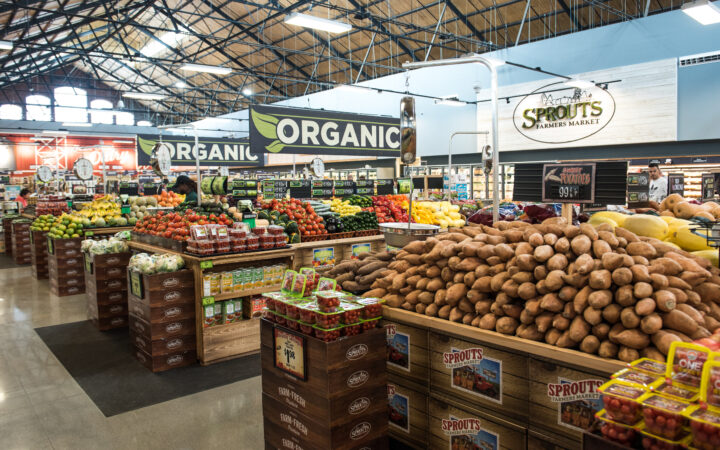
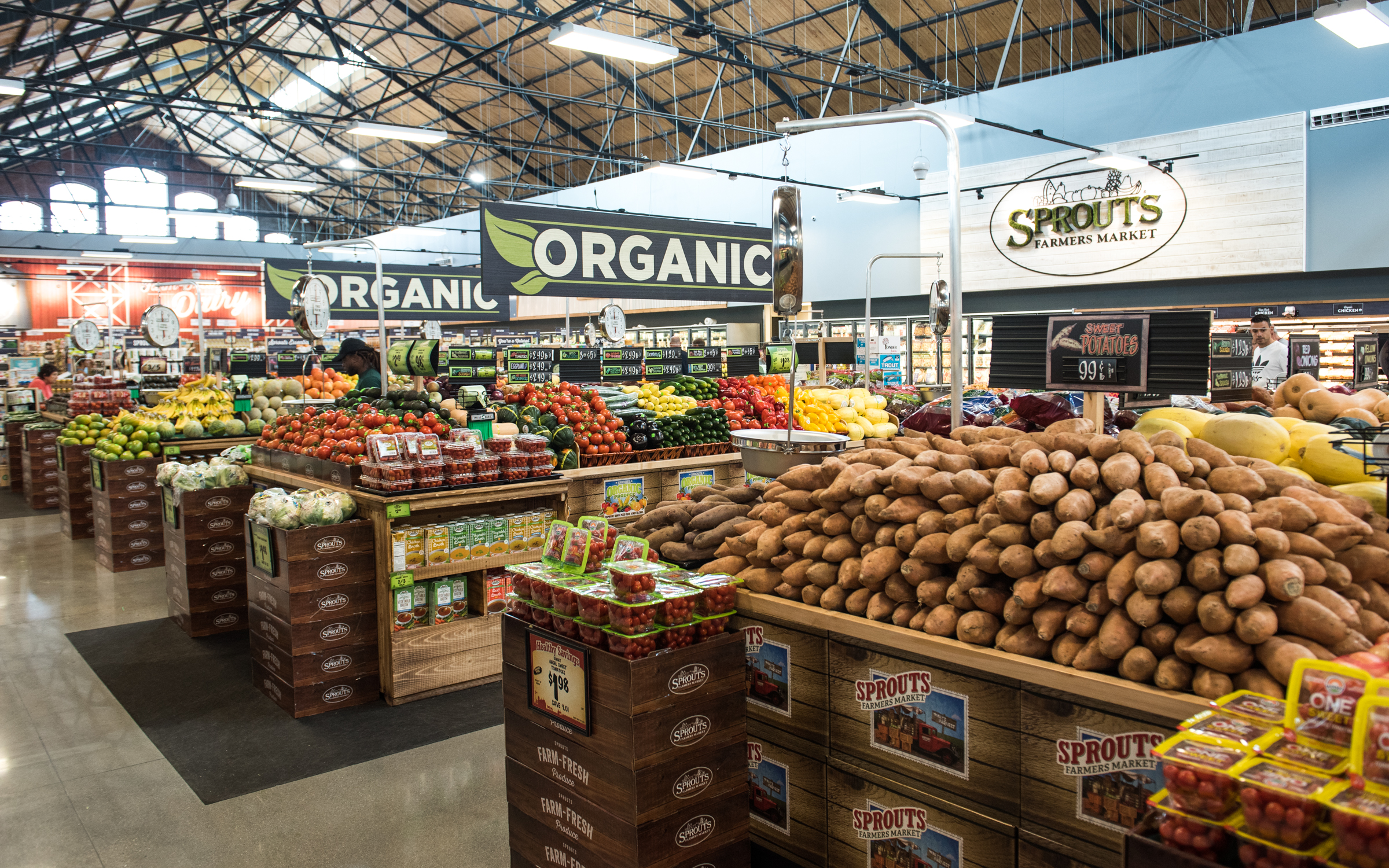
A view inside the Sprouts in South Philadelphia, as seen in 2018.
“We’re just excited that they are going to provide offerings that aren’t in the area right now,” Snow said.
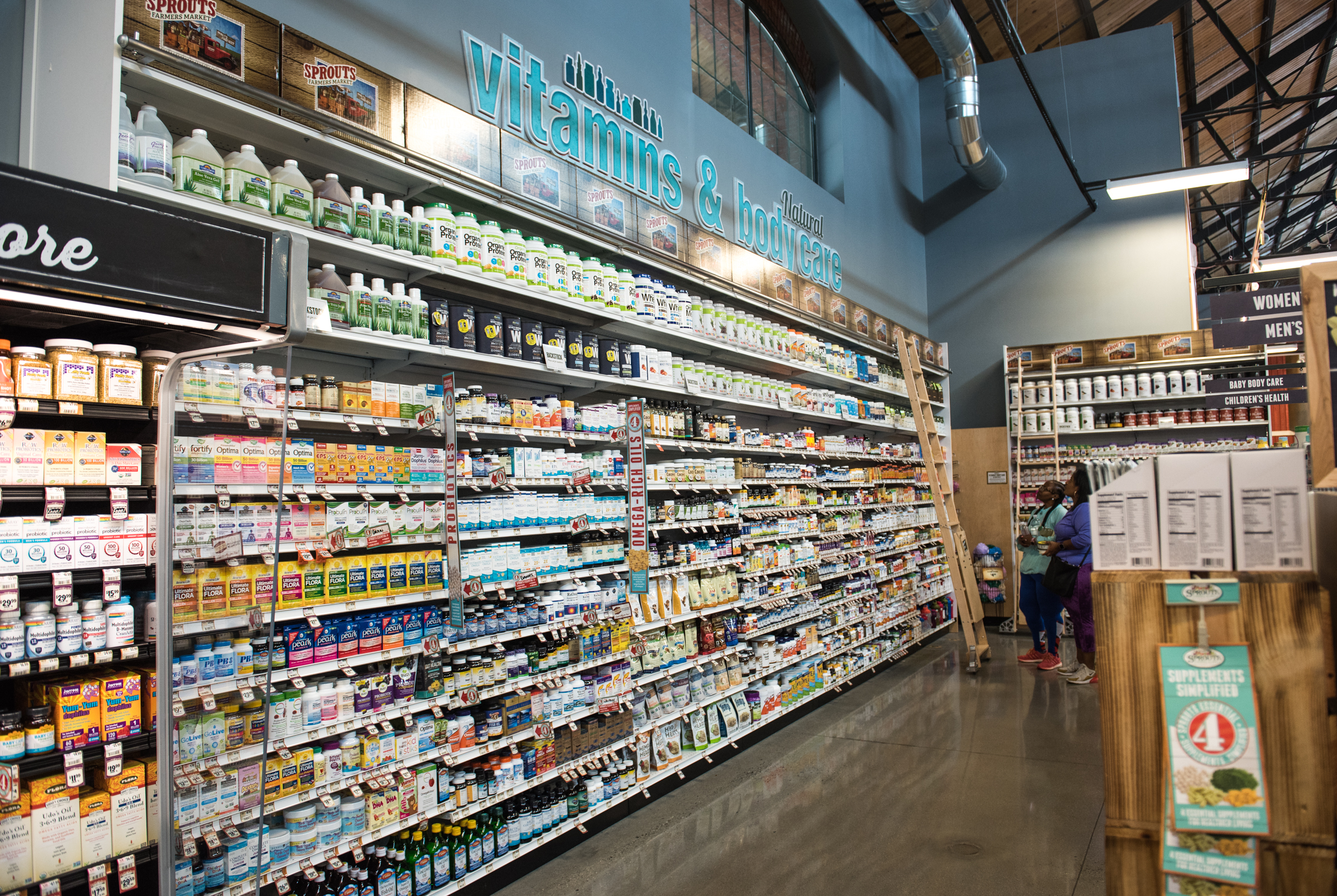
Sprouts markets sell organic, gluten-free, and plant-based products, including private-label items, as well as vitamins, supplements, natural toiletries, and bulk nuts, coffee, and baking ingredients.
Sprouts now operates two Montgomery County stores in Upper Dublin and Montgomeryville; three South Jersey outposts in Haddon Township, Marlton, and West Deptford; and four city locations, including Roosevelt Mall in the Northeast and the new Rivermark complex in Northern Liberties.
Sprouts has more local spots in the works, too, with stores under construction in Limerick and Washington Township.
The extensive supplement section at Sprouts in South Philadelphia, as seen in 2018
Sprouts plans to open at least 40 stores by the end of 2026, for a total of more than 500 markets nationwide, according to the report.
“We’re seeing a great reaction as we enter new communities,” CEO Jack Sinclair said on the recent earnings call. “We’re sharpening site selection as we scale, expanding access to healthy foods.”
Yet some stores have struggled. After the Amazon Fresh shutdown in February, Grocery Outlet bargain market closed dozens of stores, including eight in the Philadelphia area.
Sprouts executives said on the earnings call that they’re aware of customers’ financial pressures and are taking steps to make their products more affordable. They mentioned store promotions like $5 Sushi Wednesday, and said they recently reduced prices on some basics like coffee, which has become exorbitantly expensive amidextreme weather andglobal conflict.
“We take the responsibility for affordability really seriously,” Sinclair said. “There’s a real opportunity for us to help people live and eat better.”
Not to be left behind, Walmart has touted a “store of the future” concept for years as it opens and remodels hundreds of locations, including 32 in Pennsylvania this year, to have better layouts and services that aim to make the shopping experience seamless.
“By modernizing our stores, we’re making shopping faster, easier, and more convenient, all while empowering our teams to serve customers better and creating local opportunity,” said Annie Walker, senior vice president of the East Business Unit at Walmart, in a statement announcing the Pennsylvania investments this year.
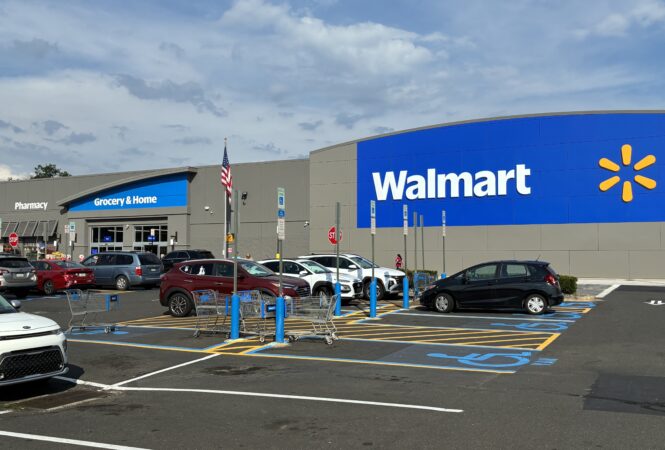
The Walmart Supercenter in Warminster is the latest “store of the future,” unveiling its remodel this month.
I tried it out to see what the future holds for shoppers. Spoiler alert: It’s nothing out of The Jetsons, but a handful of customers told me they liked the improvements nonetheless.
“A lot of stuff is different, but it’s easier to find things,” said Cuong Kim, 41, of the new layout, walking out with a bag of toiletries.
Sparky, where are the fiber gummies?
Walking in, the store doesn’t feel that different from counterparts in South Jersey or Philadelphia. The polished concrete floors remain the same and there are an Auntie Anne’s and a Subway near the entrance.
Still, I could see the company followed through on its “elevated assortment of healthy foods” promise. There were meat and cheese snack packs galore, along with a wide range of ready-to-eat salads and sandwiches in the grab-and-go section.
Because better online/in-store integration is part of the company’s “store of the future” pitch, I brought an admittedly specific grocery list with me to test out Sparky, the company’s generative AI shopping assistant launched last year, another trend major retailers are adopting.
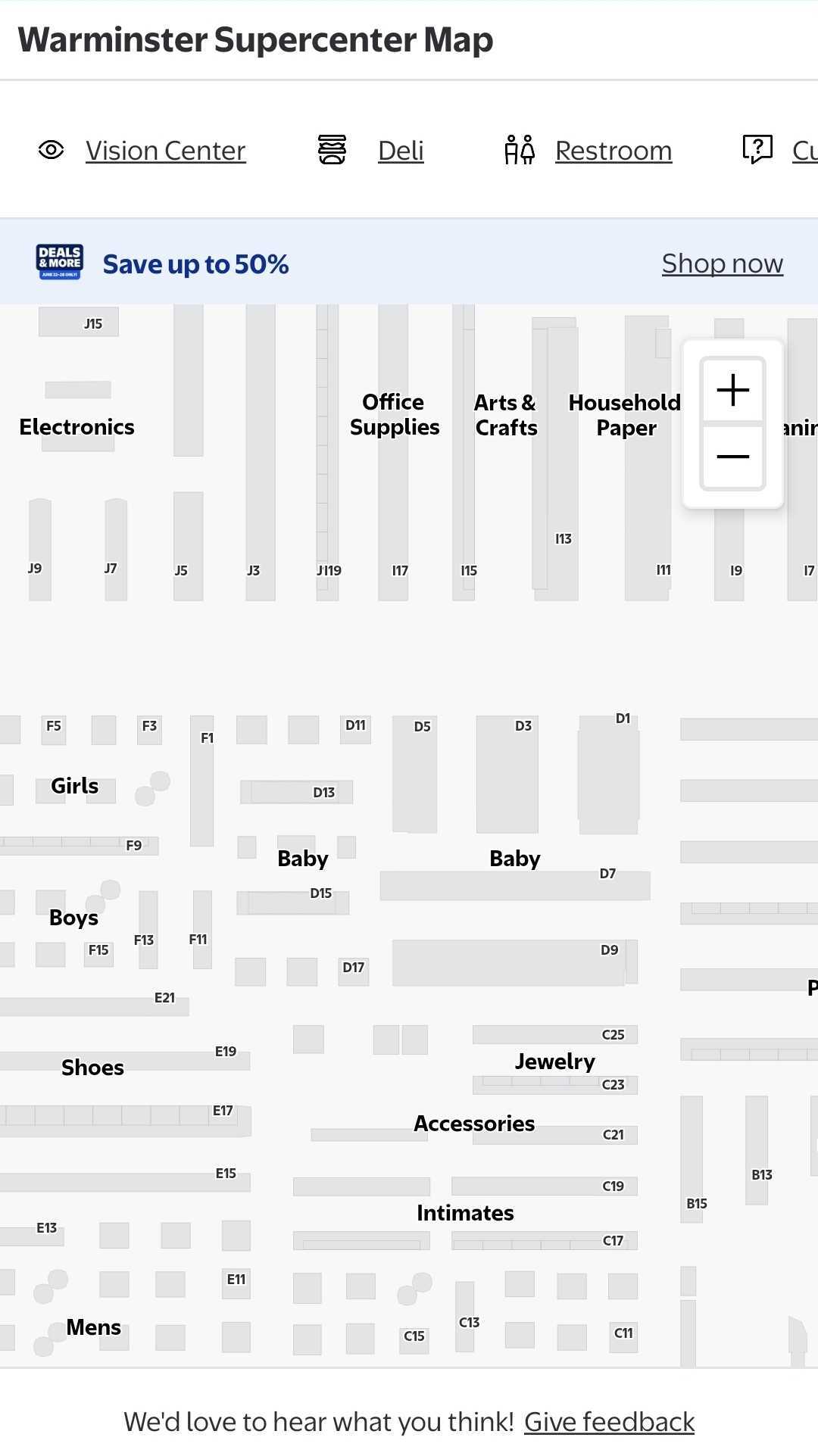
Though the Walmart app provided a handy static map of the store, Sparky was not helpful in helping me find mango pulp for a cheesecake I’m making or my fiber gummies, which I will need if my rich dessert plans move forward.
A static map of the Warminster Walmart in the app.
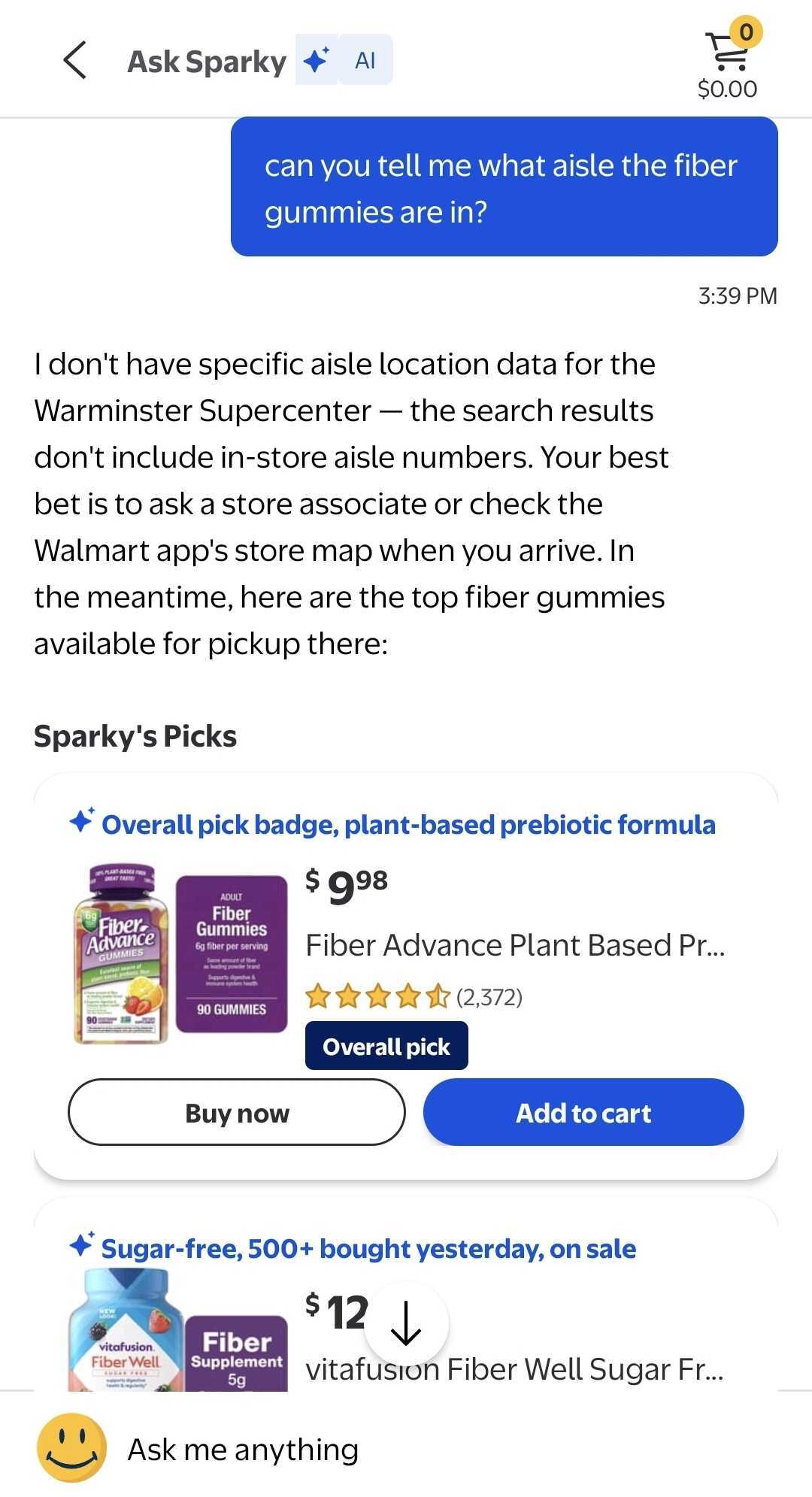
While Sparky pointed me to several fiber gummy brands, it was less helpful in telling me what aisle they were in.
“Your best bet is to ask a store associate or check the Walmart app’s store map when you arrive,” Sparky said.
Sparky, Walmart’s AI shopping assistant, doesn’t know what aisle the fiber gummies are in.
On the mango pulp front, Sparky showed me several options, which got my hopes up because I’d never used this item and was worried it might be hard to find.
Alas, none of Sparky’s suggestions were in the store, but could be shipped by the next day — helpful information if I weren’t already on site.
To be fair, one shopper told me that while Sparky doesn’t have a 100% hit rate, it is not a total dud.
He was right. Seltzer, another item on the list, was in aisle A22.
As I walked around the store, I noticed some aisles, like the beverage sections, could fit three shopping cartsacross. That’s some Costco-level width and another “store of the future” feature.
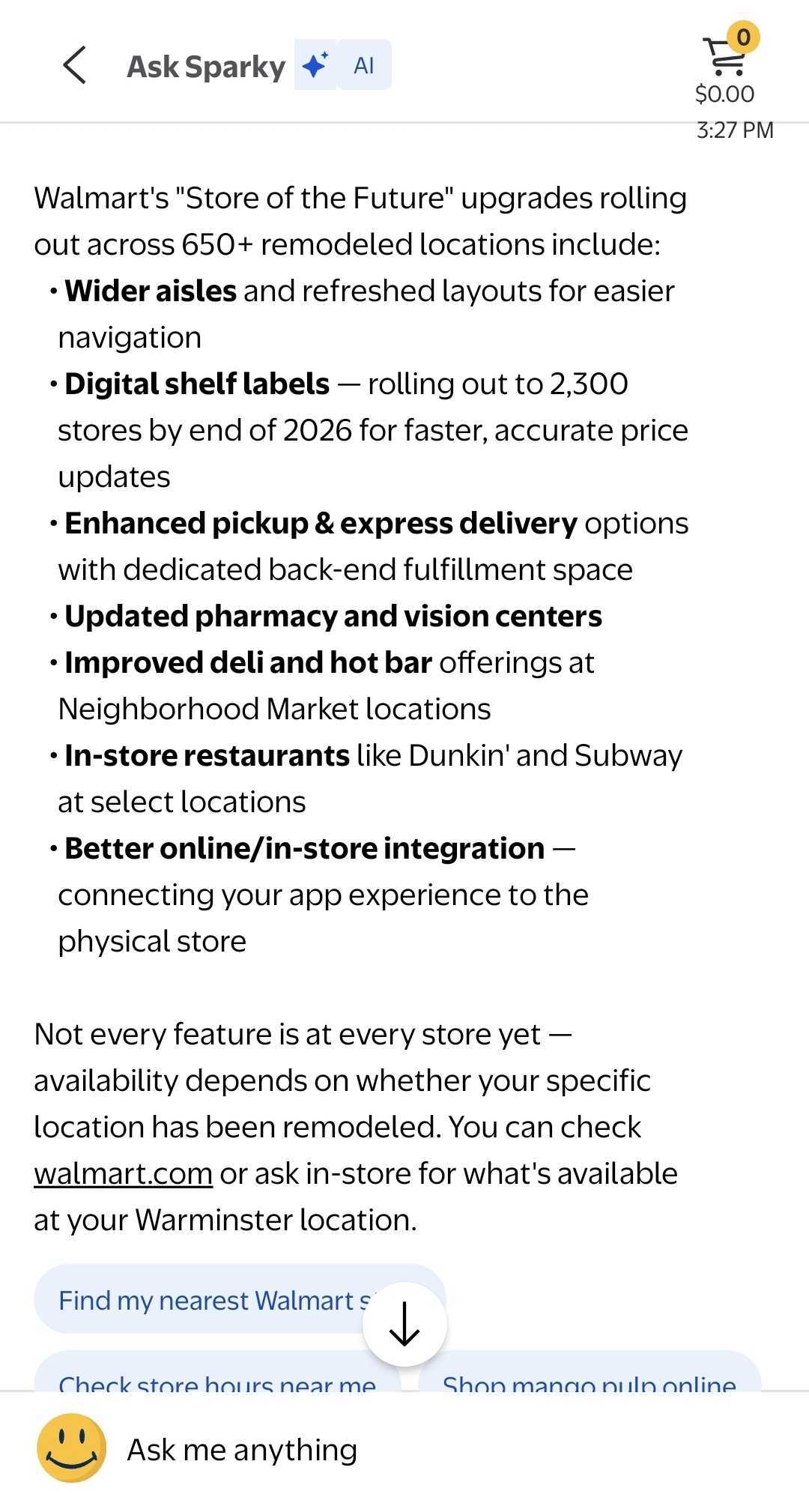
Even so, wider lanes, a semi-useful shopping assistant, and more snack packs didn’t make my shopping experience feel that futuristic, so I asked Sparky: “What’s new about my Walmart? I heard it’s the store of the future but not sure what’s changed.”
It reiterated some of what I’d already seen and highlighted the enhanced pickup and express delivery services. I recently had a laptop charger delivered from a different Walmart location and I can confirm it arrived in less than an hour.
Sparky lays out the store of the future upgrades.
Ol’ Sparky, however, warned me “not every feature is at every store yet.” For example, Walmart plans to roll out digital shelf labels that allow rollbacks and price changes to appear in real time, but were nowhere to be found in Warminster.
I also asked an employee what was new with the store to fact-check Sparky.
“It’s little things,” said the cheerful associate. “There’s more [grab and go] coolers, more cash registers, and a bigger electronics section.”
A reminder that no one knows a store better than the people who work there.
What we learned
It seems the people who would get the most use out of Sparky are those ordering online for delivery or planning their haul ahead of time, checking to see if their desired items are in store. These features, however, are not exclusive to the 32 Walmarts up for a makeover.
Yet while not exactly futuristic, shoppers in Warminster certainly appreciated the less tech-centered changes, such as the added breathing room as they shopped in clearly labeled sections.
Kim, the shopperwho traveled from Northeast Philadelphia for his haul, also reminded me that sometimes the most seamless shopping experience is pretty simple. He’s not an app user like some of the other customers I talked to. But he travels to Warminster because very few items require waiting for an associate to unlock them from glass cases.
“It’s easier to shop here,” he said. “In Philly, they lock everything up.”