Category: Consumer

  • Robert E. Booth Jr., pioneering knee surgeon and celebrated antiquarian, has died at 80

    Robert E. Booth Jr., pioneering knee surgeon and celebrated antiquarian, has died at 80

    Robert E. Booth Jr., 80, of Gladwyne, renowned pioneering knee surgeon, former head of the Department of Physical Medicine and Rehabilitation at Pennsylvania Hospital, celebrated antiquarian, professor, researcher, writer, lecturer, athlete, mentor, and volunteer, died Thursday, Jan. 15, of complications from cancer at his home.

    Born in Philadelphia and reared in Haddonfield, Dr. Booth was a top honors student at Haddonfield Memorial High School, Princeton University, and what is now the Perelman School of Medicine at the University of Pennsylvania. He was good at seeing things differently and went on to design new artificial knee joint implants and improved surgical instruments, serve as chief of orthopedics at Pennsylvania Hospital, and mentor celebrated surgical staffs at Jefferson Health, Aria Health, and Penn Medicine.

    He joined with two other prominent doctors to cofound the 3B orthopedic private practice in the late 1990s and, over 50 years until recently, performed more than 50,000 knee replacements, more than anyone, according to several sources. Last March 26, he did five knee replacements on his 80th birthday.

    In a tribute, fellow physician Alex Vaccaro, president of Rothman Orthopaedic Institute, said: “He restored mobility to thousands, pairing unmatched technical mastery with a compassion that patients never forgot.”

    In a 1989 story about his career, Dr. Booth told The Inquirer: “It’s so much fun and so gratifying and so rewarding to see what it means to these people. You don’t see that in the operating room. You see that in the follow-ups. That’s the fun of being a surgeon.”

    Friends called him “a legend in his profession” and “a friend to everyone” in online tributes. He was known to check in with patients the night before every surgery, and a colleague said online: “Patients were all shocked by his compassion.”

    Dr. Booth was also praised for his organization and collaboration in the operating room. “His OR was a clinic in team work and efficiency,” a former colleague said on LinkedIn.

    He told Medical Economics magazine in 2015: “I love fixing things. I like the mechanics and the positivity of something assembled and fixed.”
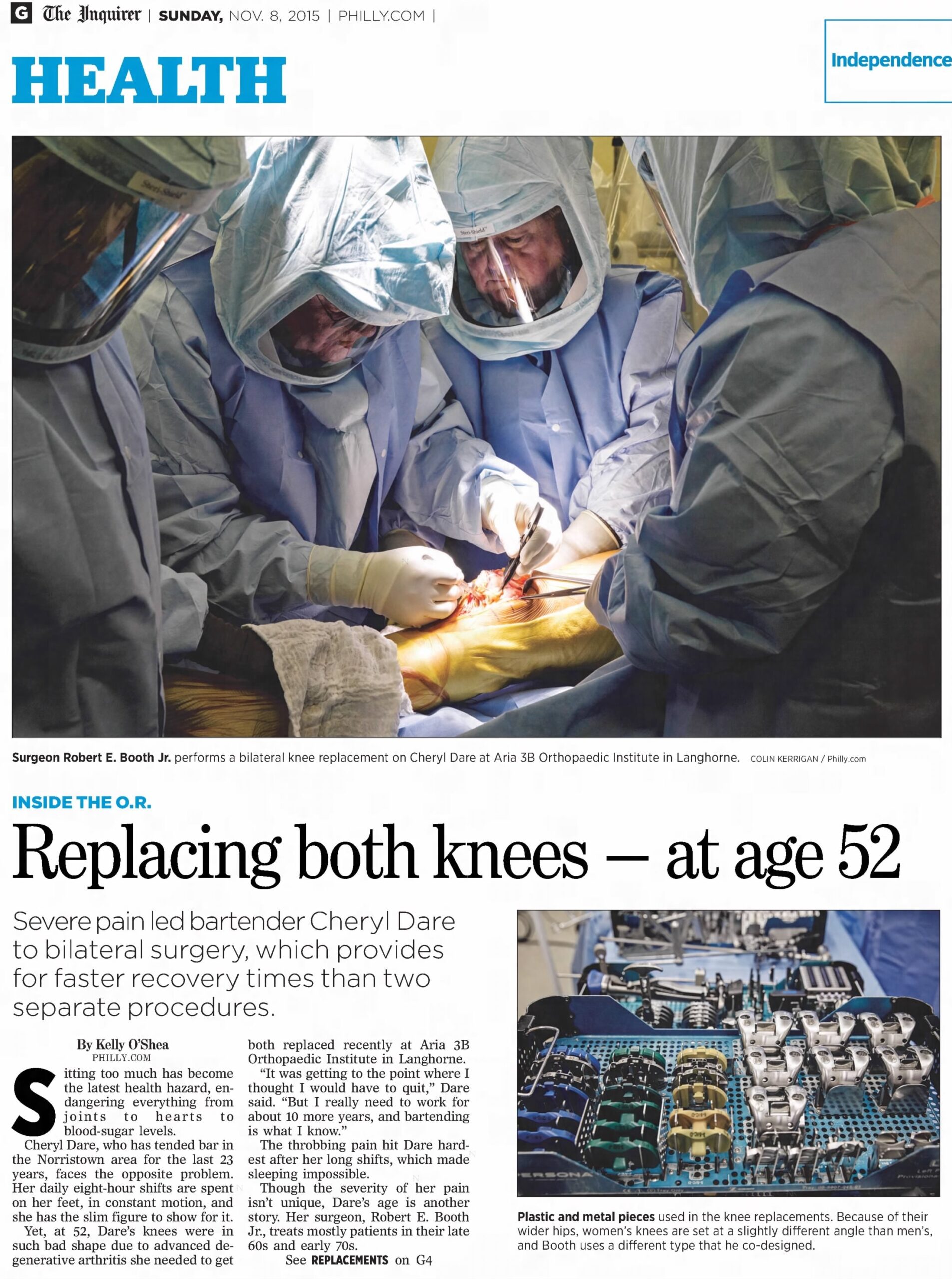
    This article about Dr. Booth’s practice was published in The Inquirer in 2015.

    His procedural innovations reduced infection rates and increased success rates. They were scrutinized in case studies by Harvard University and others, and replicated by colleagues around the world. Some of the instruments he redesigned, such as the Booth retractor, bear his name.

    He was president of the Illinois-based Knee Society in the early 2000s and earned its 2026 lifetime achievement award. In an Instagram post, colleagues there called him “one of the most influential leaders in the history of knee arthroplasty.”

    He was a professor of orthopedics at Penn’s school of medicine, Thomas Jefferson University Hospital, and the old Allegheny University of Health Sciences. He loved language and studied poetry on a scholarship in England after Princeton and before medical school at Penn. He told his family that his greatest professional satisfaction was using both his “manual and linguistic skills.”

    He was onetime president of the International Spine Study Group and volunteered with the nonprofit Operation Walk Denver to provide free surgical care for severe arthritis patients in Panama, Guatemala, Honduras, Nicaragua, and elsewhere. Colleagues at Operation Walk Denver noted his “remarkable spirit, profound expertise, and unwavering commitment” in a Facebook tribute.
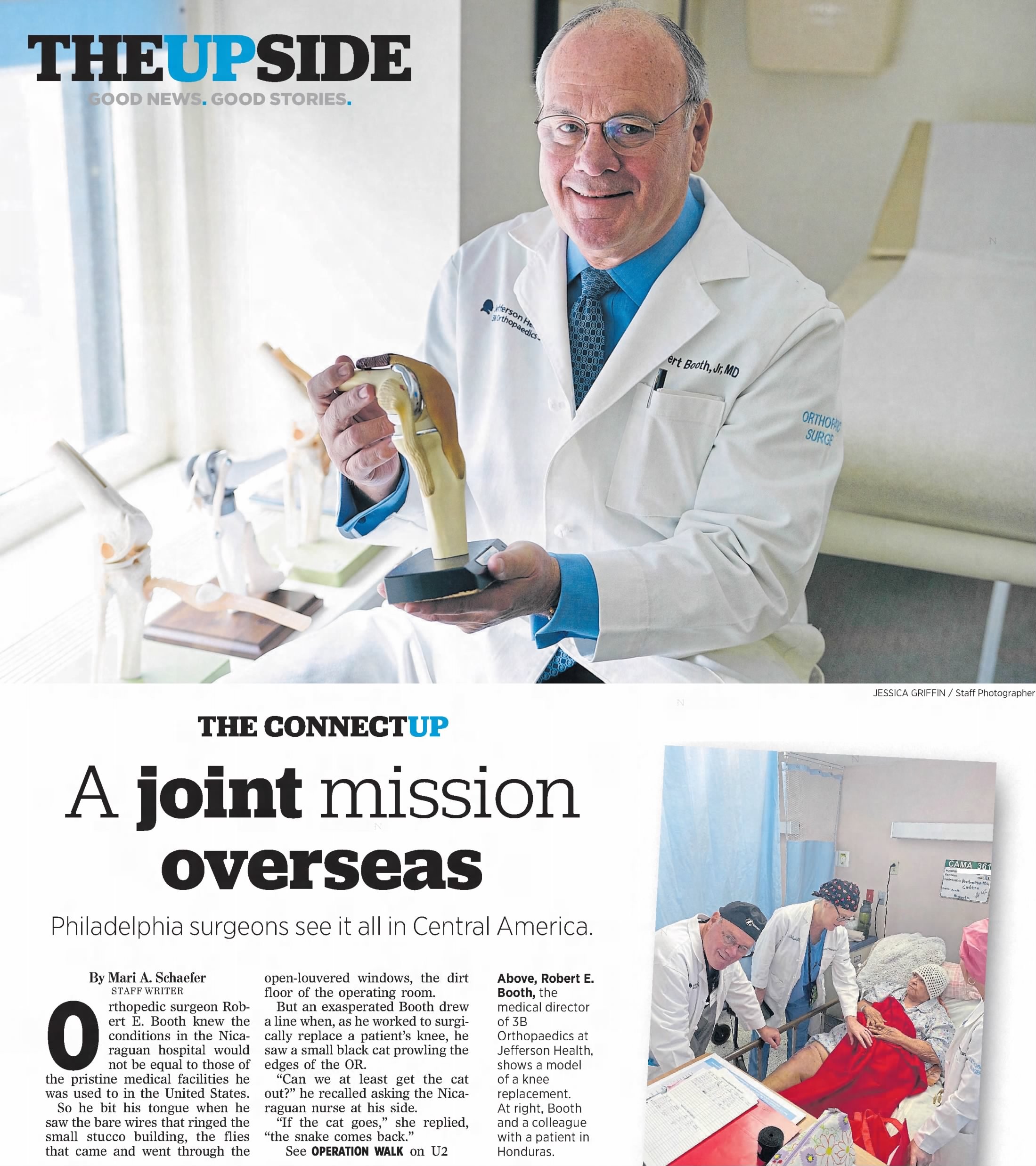
    This story about Dr. Booth’s charitable work abroad appeared in The Inquirer in 2020.

    At home, Dr. Booth and his wife, Kathy, amassed an extensive collection of Shaker and Pennsylvania German folk art. They curated five notable exhibitions at the Philadelphia Antiques Show and were recognized as exceptional collectors in 2011 by the Philadelphia Society for the Preservation of Landmarks.

    He lectured widely about art and antiques, and wrote articles for Magazine Antiques and other publications. He was president of the American Folk Art Society and active at the Philadelphia Museum of Art, the Metropolitan Museum of Art in New York, and the Canterbury Shaker Village in New Hampshire.

    “He was larger than life for sure,” said his daughter, Courtney.

    Robert Emrey Booth Jr. was born March 26, 1945, in Philadelphia. He was the salutatorian of his senior class and ran track and field at Haddonfield High School.
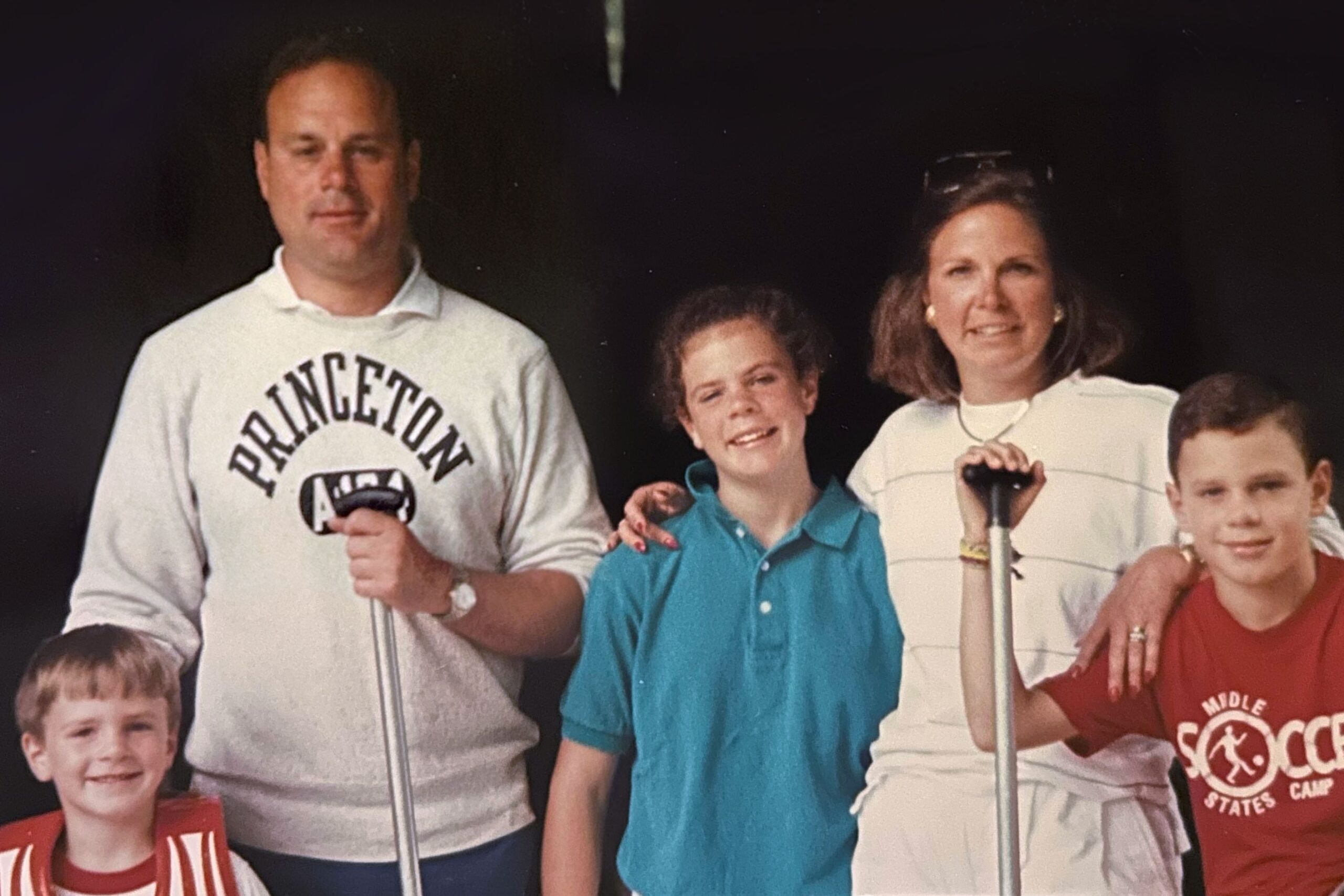
    Dr. Booth enjoyed time with his family.

    He earned a bachelor’s degree in English at Princeton in 1967, won a letter on the swimming and diving team, and played on the school’s Ivy League championship lacrosse team as a senior. He wrote his senior thesis about poet William Butler Yeats and returned to Philadelphia from England at the suggestion of his father, a prominent radiologist, to become a doctor. He graduated from Penn’s medical school in 1972.

    “I always liked the intellectual side of medicine,” he told Medical Economics. “And once I got to see the clinical side, I was pretty well hooked.”

    He met Kathy Plummer at a wedding, and they married in 1972 and had a daughter, Courtney, and sons Robert and Thomas. They lived in Society Hill, Haddonfield, and Gladwyne.

    Dr. Booth liked to ski and play golf. He was an avid reader and enjoyed time with his family on Lake Kezar in Lovell, Maine.

    “He was quite the person, quite the partner, and quite the husband,” his wife said, “and I’m so proud of what we built together.”
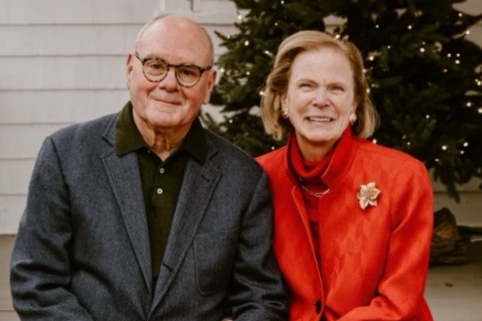
    Dr. Booth and his wife, Kathy, married in 1972.

    In addition to his wife and children, Dr. Booth is survived by six grandchildren and other relatives.

    A private celebration of his life is to be held later.

    Donations in his name may be made to Operation Walk Denver, 950 E. Harvard Ave., Suite 230, Denver, Colo. 80210.


  • QVC may file for bankruptcy, according to a new report. Here’s what to know.

    QVC may file for bankruptcy, according to a new report. Here’s what to know.

    The West Chester-based QVC Group is considering filing for Chapter 11 bankruptcy as its financial troubles mount, according to Bloomberg.

    The TV shopping network has been negotiating the voluntary restructuring of billions in debt during confidential conversations with creditors, Bloomberg reported Tuesday, citing anonymous sources familiar with the matter.

    A final decision had not been made on whether the company would file, according to Bloomberg. As of midday Wednesday, a search for “QVC Group” in online court records did not show any bankruptcy filings.

    In September, QVC Group had $6.6 billion in debt and $1.8 billion in cash or cash equivalents, according to its latest earnings report.

    A QVC Group spokesperson did not return a request for comment from The Inquirer. On Tuesday, company representatives did not immediately respond to Bloomberg or the Philadelphia Business Journal.

    After Bloomberg’s article published, QVC Group’s stock price took a nosedive, losing about two-thirds of its value by the end of the trading day.

    How QVC got into these financial straits

    Based in West Chester for more than three decades, QVC pioneered home shopping.

    Before consumers could make purchases on laptops and smartphones, the network and its smaller counterpart HSN — which until recently was based in Florida — broadcast on live TV at all hours. Anchors sold a wide array of clothing, electronics, household goods, beauty products, and other wares.

    A QVC show is shot at the network’s West Chester studio in this 2019 file photo.

    The news of a potential bankruptcy comes after a tumultuous few years.

    In early 2025, executives closed HSN’s studio in St. Petersburg, Fla., and consolidated both networks on its West Chester campus, laying off hundreds of employees in the process.

    Around the same time, the parent company rebranded as QVC Group. Executives said they planned to focus more on livestreaming and social-media shopping to keep up with stiff competition from the likes of TikTok Shop.

    “Live social shopping is a natural evolution for us,” David L. Rawlinson II, the company’s president and CEO, said in a November 2024 statement. “Our customers are spending dramatically more time on social media, and that is increasingly where they are finding inspiration and shopping.”

    David L. Rawlinson II, CEO of QVC Group, is shown in this 2023 file photo.

    The strategy did not prove fruitful.

    By May, as President Donald Trump’s tariffs took a toll, Rawlinson said the company was taking steps to cut costs and win back customers who were feeling down on the economy. That included an agreement with TikTok that the CEO said would create “the first 24/7 live shopping experience in the U.S.”

    Then in August, a company spokesperson announced plans to hire about 250 employees by early 2026. It was not clear Wednesday whether those hires were ever made.

    Despite these changes, QVC’s revenue and operating income have continued to decline, according to earnings reports, and the company has continued shedding customers.

    As of September, about 7 million people had shopped on the networks in the past year, down from 8.1 million in fiscal year 2023.

    QVC Group is set to release its fourth quarter 2025 earnings report later this month.

    What Chapter 11 bankruptcy could mean for QVC

    A holiday segment is taped at QVC’s West Chester studio in this 2023 file photo.

    A Chapter 11 bankruptcy would not mean the end of QVC.

    Chapter 11 is different from Chapter 7, which involves the liquidation of assets. (Iron Hill Brewery closed all restaurants when it filed for Chapter 7 bankruptcy this fall.)

    After filing for Chapter 11 protection, companies usually continue to operate, though they often decide to close locations or downsize in other ways amid the restructuring process.

    Saks Global, for instance, which filed for Chapter 11 bankruptcy last month, announced Tuesday that its restructuring would involve the closure of its longstanding Bala Cynwyd store, as well as nine other Saks Fifth Avenue and Neiman Marcus locations.

  • Saks Fifth Avenue in Bala Cynwyd is closing

    Saks Fifth Avenue in Bala Cynwyd is closing

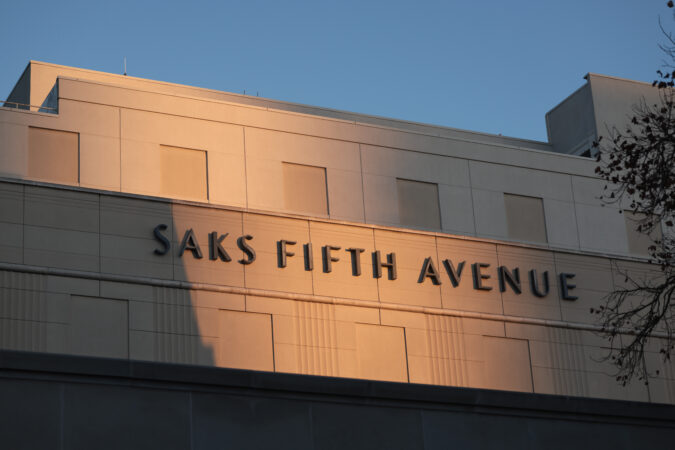
    Saks Fifth Avenue will be closing its Bala Cynwyd location.

    Saks Global, which owns Saks Fifth Avenue and Neiman Marcus, announced the impending closure in a news release Tuesday, a month after the luxury clothing retailer filed for Chapter 11 bankruptcy.

    After decades in business, the expansive store along City Avenue is expected to close in April, according to a Saks Global spokesperson, who said decisions were based on several factors, including store performance and “lease economics.”

    Fifty workers at the Bala Cynwyd Saks Fifth Avenue will lose their jobs effective April 11, according to a WARN Act filing with the Pennsylvania Department of Labor and Industry. Another 155 workers at a Wilkes Barre fulfillment center will be laid off, according to a separate filing.

    As part of the company’s restructuring, it will shutter seven other Saks Fifth Avenue stores, including at the American Dream mall in North Jersey, as well as a Neiman Marcus in Boston.

    “Saks Global is refining its store footprint to focus on profitable locations with the highest growth potential,” company executives wrote on its website, adding that the nine closures represented “the first phase of this ongoing review.”

    The move will make the company “better positioned to deliver exceptional products, elevated experiences and highly personalized service across all channels,” CEO Geoffroy van Raemdonck said in a statement.

    Over the years, the Saks Fifth Avenue in Bala Cynwyd has become the brand’s only physical outpost in the region. It is referred to as “Saks Philadelphia” on the company’s website, despite being located across the city line in a freestanding building at Bala Plaza.

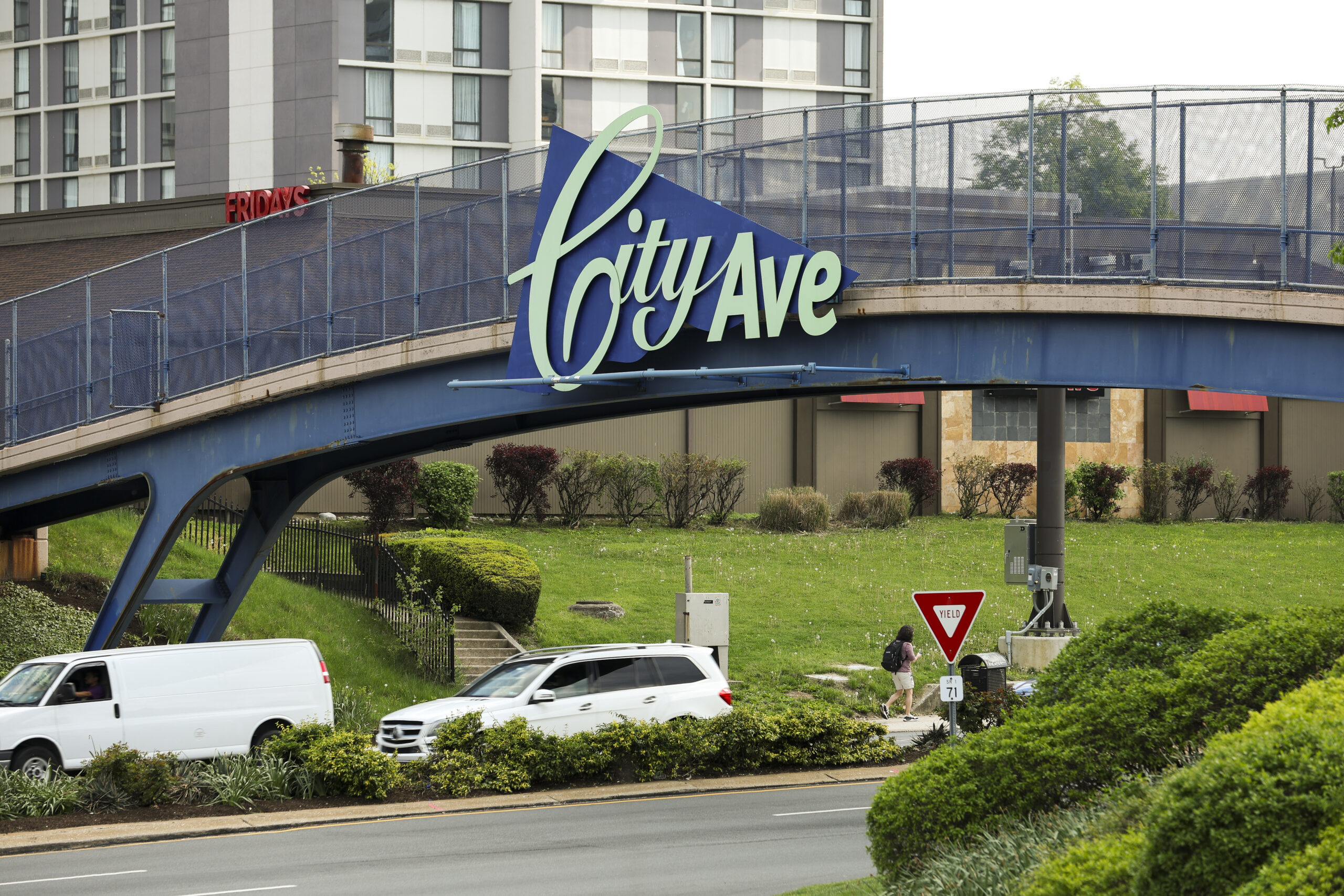
    City Avenue is shown in April 2024. The Saks Fifth Avenue along the busy thoroughfare is closing in April.

    The aging shopping center is in the process of being revamped into what developers are advertising as a “sanctuary for work, life and play,” with hundreds of new residential units.

    Nearby on City Avenue, a standalone Lord & Taylor, which closed in 2021 amid the department store’s bankruptcy, is being converted into an apartment building.

    Until recently, the longstanding Saks Fifth Avenue appeared primed to be part of the area’s future: In 2024, City Ave District, the nonprofit business development agency that straddles Lower Merion and Philadelphia, reported that business at the store was so strong that it had resisted offers to move to King of Prussia.

    Once the Bala Cynwyd Saks Fifth Avenue closes, the nearest location will be in New York.

    Saks Global also operates a Neiman Marcus at the King of Prussia Mall, which is not on the list of stores to close.

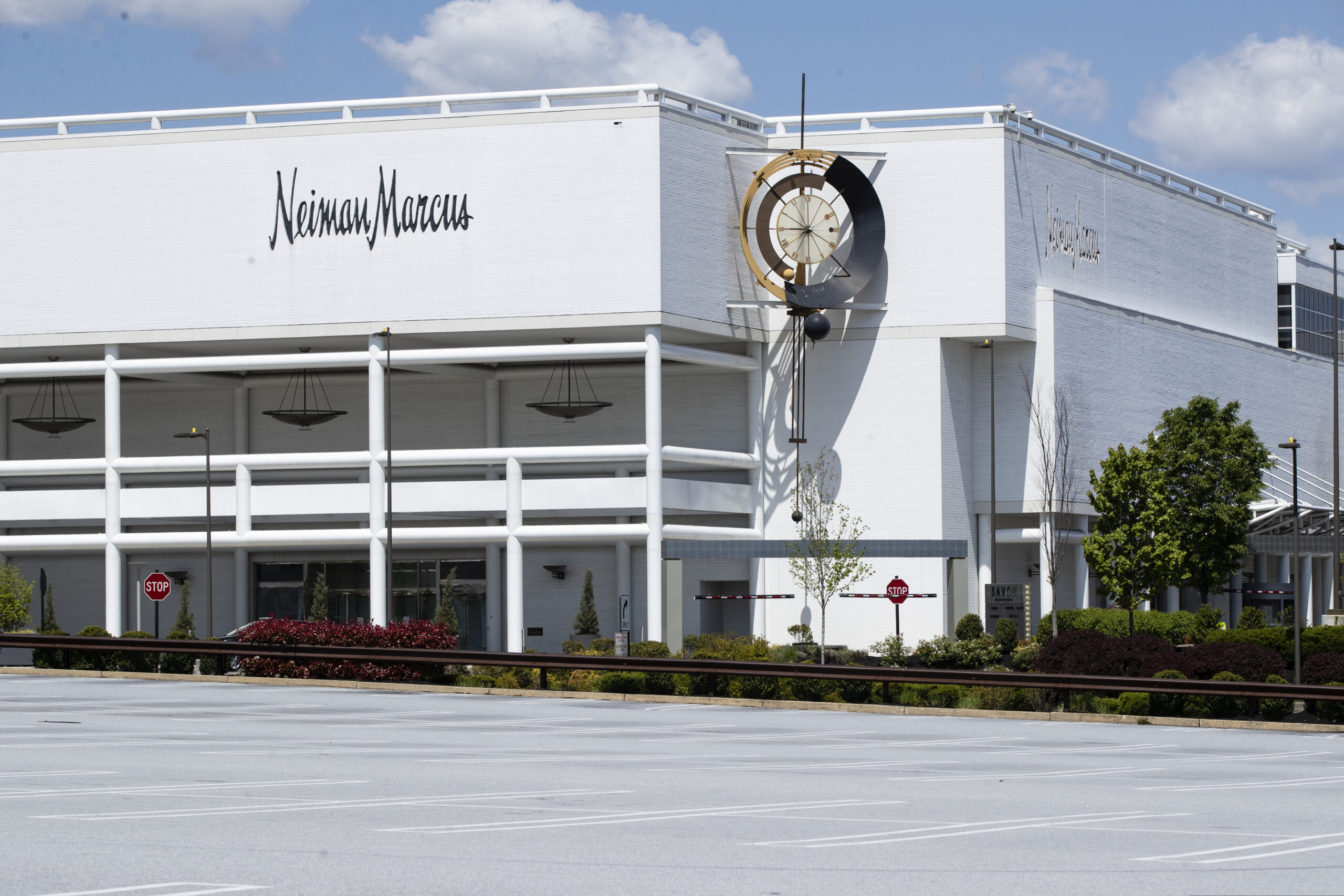
    The Neiman Marcus at the King of Prussia Mall, pictured in 2020, will remain open.

    Saks Off 5th discount outlets at the Franklin Mall in Northeast Philadelphia and at the Metroplex shopping center in Plymouth Meeting recently closed. The winding down of those stores was announced before the bankruptcy filing, as was reported by several news outlets, including the Philadelphia Business Journal.

    Elsewhere in the country, Saks Global is closing the majority of its standalone Fifth Avenue Club personal styling suites, the company said Tuesday.

    In New York, Bergdorf Goodman, which Saks also owns, will remain open.

    What Philly-area Saks customers should know

    Shoppers walk through Saks Fifth Avenue in New York in January.

    Shoppers at the Bala Cynwyd store will no longer be able to buy gift cards in person, according to Saks, and will have 15 days from the start of the closing sale to use existing gift cards.

    Items that were bought before the closing sale can be returned or exchanged as usual, the company said, but purchases made during it will be final. Merchandise bought during the closing sale will also be ineligible for return or exchange at stores that are remaining open.

    SaksFirst credit cards will still be accepted, according to the company, and customers with those credit cards will still earn points for purchases made in store. Shoppers will no longer be able to make in-person credit card payments or apply for credit cards at the Bala Cynwyd store.

    At other Saks locations, including the King of Prussia Neiman Marcus, the company says the customer experience will remain unchanged.

  • Under growing pressure, the biggest social networks agree to be rated on teen safety

    Under growing pressure, the biggest social networks agree to be rated on teen safety

    Three leading social media companies have agreed to undergo independent assessments of how effectively they protect the mental health of teenage users, submitting to a battery of tests announced Tuesday by a coalition of advocacy organizations.

    The platforms will be graded on whether they mandate breaks and provide options to turn off endless scrolling, among a host of other measures of their safety policies and transparency commitments. Companies that reviewers rate highly will receive a blue shield badge, while those that fair poorly will be branded as not able to block harmful content. Meta — which operates Facebook and Instagram — TikTok and Snap are first three companies to sign up for the process.

    “I hope that by having this new set of standards and ratings it does improve teens’ mental health,” said Dan Reidenberg, managing director of the National Council for Suicide Prevention, who oversaw the development of the standards. “At the same time, I also really hope that it changes the technology companies: that it really helps shape how they design and they build and they implement their tools.”

    Teenagers represent a coveted demographic for social media sites and the new standards come as the tech industry faces increasing pressure to better protect young users.

    A wave of lawsuits alleges that leading firms have engineered their platforms to be addictive. Congress is weighing a suite of bills designed to protect children’s safety online. And state lawmakers have sought to impose age limits on social apps.

    But those efforts have borne little fruit. Some legal experts argue teens and their families may face difficulty in court cases proving the connection between social media use and their struggles. Officials in Washington, meanwhile, have been unable to agree on how to regulate the industry and laws passed by the states have run into First Amendment challenges.

    The voluntary standards represent an alternative approach. Reidenberg said in an interview that the ratings are not a substitute for legislation but will be a helpful way for teenagers and parents to decide how to engage with particular apps. The project is backed by the Mental Health Coalition, an advocacy group founded by fashion designer Kenneth Cole.

    Cole said in a statement that the standards “recognize that technology and social media now play a central role in mental health — especially for young people — and they offer a clear path toward digital spaces that better support well-being.”

    There is still no scientific consensus on whether social media is on the whole harmful for children and teenagers. While some research has found that the heaviest users have worse mental health, studies have also found that young people who are not online can also struggle. But teenagers themselves have reported becoming more uneasy about the time they spend online, with girls in particular telling pollsters at the Pew Research Center in 2024 that apps were affecting their self-confidence, sleep patterns, and overall mental health.

    Reidenberg said it’s clear that in some cases young people’s time online becomes problematic. He said the system was developed without funding from the tech industry, but companies will have to volunteer to participate.

    Antigone Davis, Meta’s global head of safety, said the standards will “provide the public with a meaningful way to evaluate platform protections and hold companies accountable.” TikTok’s American arm said it looked forward to the ratings process. Snap called the Mental Health Coalition’s work “truly impactful.”

    Organizers compared the process to how Hollywood assigns age ratings to movies or the government assesses the safety of new cars. Companies will submit internal polices and designs for review by outside experts who will develop their ratings. In all, the companies’ performance will be measured in about two dozen areas covering their policies, app design, internal oversight, user education, and content.

    Many of the standards specifically target users’ exposure to content about suicide and self harm. But one also targets the sheer length of time that some people spend scrolling, crediting platforms for offering either voluntary or mandatory “take-a-break” features.

    The standards are being launched at an event in Washington on Tuesday. Sen. Mark R. Warner (D., Va.) said in a statement that he welcomed the standards but they weren’t a substitute for regulatory action.

    “Congress has a responsibility to put lasting, enforceable guardrails in place so that every platform is held accountable to the young people and families who use them,” he added.

  • What makes someone love their grocery store? Ask the Philadelphians who are already missing their Amazon Fresh.

    What makes someone love their grocery store? Ask the Philadelphians who are already missing their Amazon Fresh.

    When Justin Burkhardt heard that his neighborhood grocery store was closing, just months after it had opened, he felt a pang of sadness.

    The emotion surprised him, he said, because that store was the Northern Liberties Amazon Fresh.

    “Amazon is a big corporation, but [with] the people that worked there [in Northern Liberties] and the fact that it was so affordable, it actually started to feel like a neighborhood grocery store,” said Burkhardt, 40, a public relations professional, who added that he is not a fan of Jeff Bezos, Amazon’s billionaire owner.

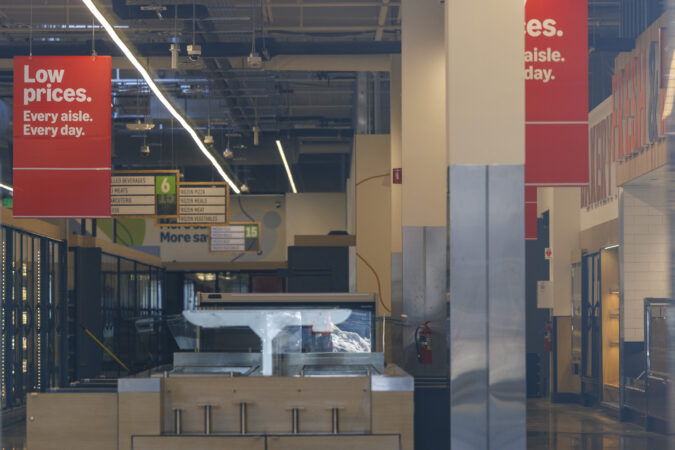
    The e-commerce giant announced last month that it was closing all physical Amazon Fresh stores as it expands its Whole Foods footprint. In the Philadelphia area, the shuttering of six Amazon Fresh locations resulted in nearly 1,000 workers being laid off. Local customers said their stores closed days after the company’s announcement.

    “I don’t feel bad for Amazon,” said Burkhardt, who spent about $200 a week at Amazon Fresh. “I feel bad for the workers. … I feel bad for the community members.”

    Burkhardt said he and his wife have been forced to return to their old grocery routine: Driving 20 minutes to the Cherry Hill Wegmans, where they feel the prices are cheaper than their nearby options in the city.

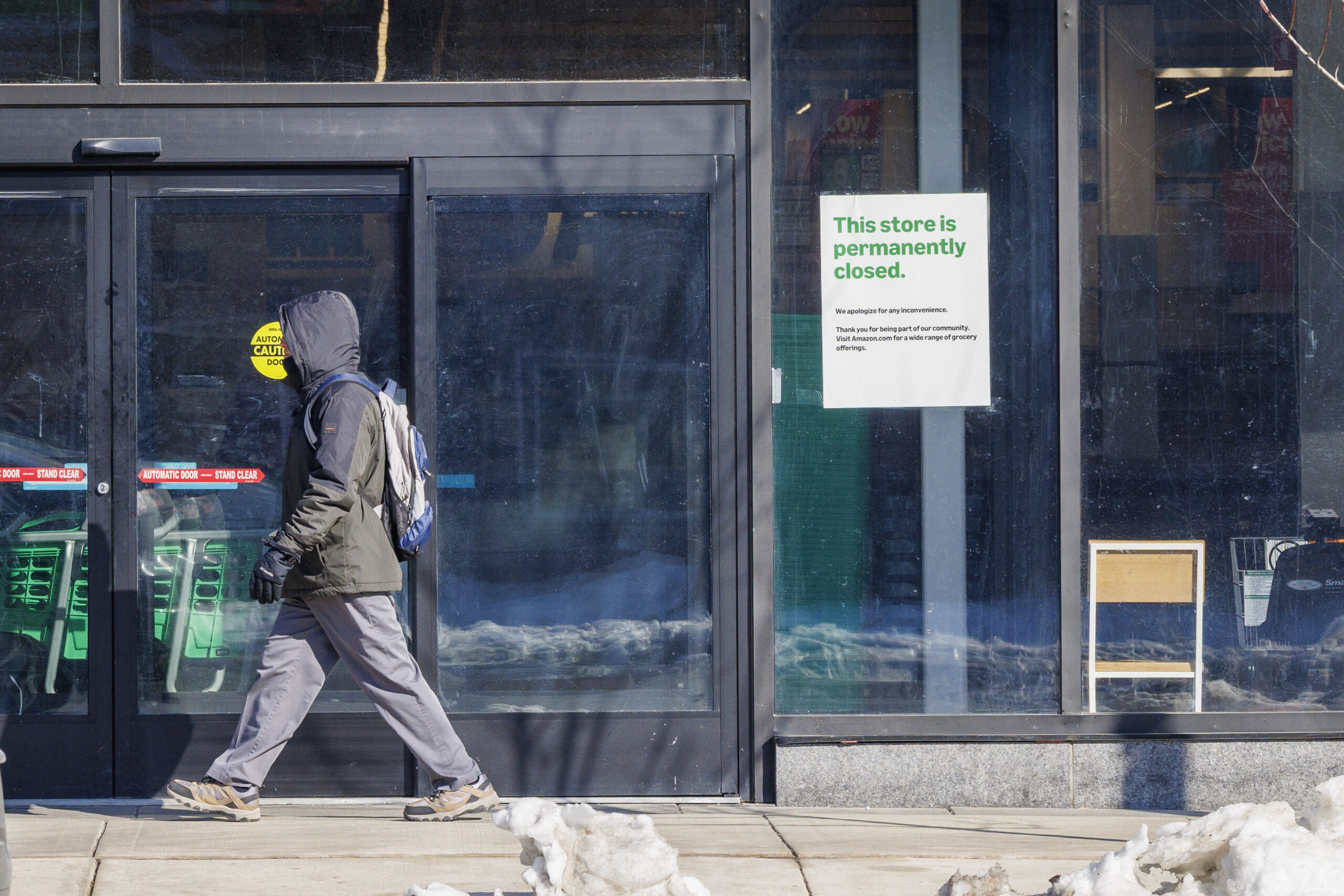
    Last week, signs informed customers that the Northern Liberties Amazon Fresh was permanently closed.

    In Philadelphia and its suburbs, many former Amazon Fresh customers are similarly saddened by the closure of neighborhood stores where they had developed connections with helpful workers. Several said they are most upset about the effects on their budgets amid recent years’ rise in grocery prices.

    “I wasn’t happy about it closing for the simple fact that it was much cheaper to shop there,” said Brandon Girardi, a 30-year-old truck driver from Levittown (who quit a job delivering packages for Amazon a few years ago). Girardi said his family’s weekly $138 grocery haul from the Langhorne Amazon Fresh would have cost at least $200 at other local stores.

    At the Amazon Fresh in Broomall, “they had a lot of organic stuff for a quarter of the price of what Giant or Acme has,” said Nicoletta O’Rangers, a 58-year-old hairstylist who shopped there for the past couple years. “They were like the same things that were in Whole Foods but cheaper than Whole Foods.”

    She paused, then added: “Maybe that’s why they didn’t last.”

    In response to questions from The Inquirer, an Amazon spokesperson referred to the company’s original announcement. In that statement, executives wrote: “While we’ve seen encouraging signals in our Amazon-branded physical grocery stores, we haven’t yet created a truly distinctive customer experience with the right economic model needed for large-scale expansion.”

    Workers could be seen inside the closed Amazon Fresh in Northern Liberties last week.

    What makes a Philly shopper loyal to a grocery store?

    Former Amazon Fresh customers say they’re now shopping around for a new grocery store and assessing what makes them loyal to one supermarket over another.

    Last week, one of those customers, Andrea “Andy” Furlani, drove from her Newtown Square home to Aldi in King of Prussia. The drive is about an hour round trip, she said, but the prices are lower than at some other stores. Her five-person, three-dog household tries to stick to a $1,200 monthly grocery budget.

    As she drove to Aldi, she said, she’d already been alerted that the store was out of several items she had ordered for pickup. That’s an issue Furlani said she seldom encountered at the Amazon Fresh in Broomall, to which she had become “very loyal” in recent years.

    “It was small, well-stocked,” said Furlani, 43, who works in legal compliance. “I don’t like to go into like a Giant and have a billion options. Sometimes less is more. And the staff was awesome,” often actively stocking shelves and unafraid to make eye contact with customers.

    “Time is valuable to me,” Furlani said. At Amazon Fresh, “you could get in and out of there quickly.”

    Shoppers learned how to use the Amazon Dash Cart at an Amazon Fresh in Warrington in 2021.

    Girardi, in Levittown, said he is deciding between Giant and Redner’s now that Amazon Fresh is gone. The most cost-effective store would likely win out, he said, but product quality and convenience are important considerations, too.

    “We used to do Aldi, but Amazon Fresh had fresher produce,” Girardi said. “I used to have a real good connection with Walmart because my mom used to work there. But I don’t see myself going all the way to Tullytown just to go grocery shopping.”

    Susan and Michael Kitt, of Newtown Square, shopped at the Broomall Amazon Fresh for certain items, such as $1.19 gallons of distilled water for their humidifiers and Amy’s frozen dinners that were dollars cheaper than at other stores.

    But Giant is the couple’s mainstay. They said they like its wide selection, as well as its coupons and specials that save them money.

    “I got suckered by Giant on their marketing with the Giant-points-for-gas discounts. I figured if I’m going to a store I may as well get something out of it,” said Michael Kitt, a 70-year-old business owner who has saved as much as $2-per-gallon with his Giant rewards. “I really at the time didn’t see that much of a difference between the stores.”

    How Whole Foods might fare in Amazon Fresh shells

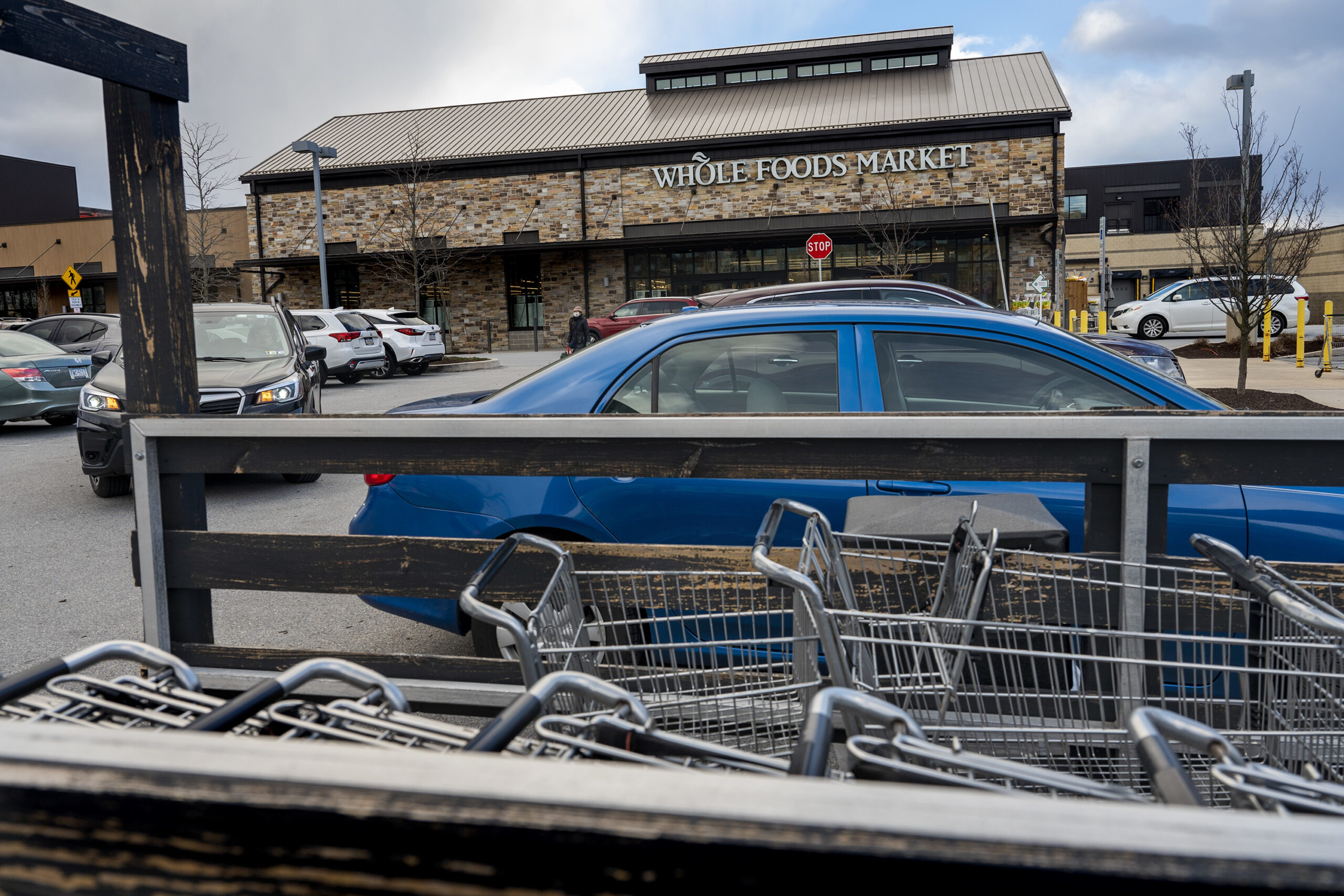
    The Whole Foods store on the Exton Square Mall property is shown in 2022.

    If any of these local Amazon Fresh stores were to become a Whole Foods, several customers said they’d be unlikely to return, at least not on a regular basis.

    Amazon said last month that it plans to turn some Amazon Fresh stores into Whole Foods Markets, but did not specify which locations might be converted.

    Amazon bought Whole Foods in 2017. The organic grocer is sometimes referred to as “Whole Paycheck,” but the company has been working to shed that reputation for more than a decade.

    Some Philly-area consumers, however, said Whole Foods prices would likely be a deterrent.

    Natoya Brown-Baker, 42, of Overbrook, said she found the Northern Liberties Amazon Fresh “soulless,” and she didn’t “want to give Jeff Bezos any more money.” But the prices at Amazon Fresh were so low, she said, that she couldn’t resist shopping there sometimes.

    Brown-Baker, who works in health equity, said she came to appreciate that it represented an affordable, walkable option for many in the neighborhood, including her parents, who are on a fixed income.

    If a Whole Foods replaces the store at Sixth and Spring Garden Streets, which was under construction for years, Brown-Baker said the area would be “back at square one.”

    Burkhardt, who also lives in the neighborhood, noted that Northern Liberties has a mix of fancy new apartment complexes and low-income housing.

    “The grocery store should be for everyone,” he said. Whole Foods “doesn’t feel like it’s for the neighborhood. It feels like it’s for a certain class of people.”

  • This developer wants to revive one of South Jersey’s deadest malls. But it’s not a done deal.

    This developer wants to revive one of South Jersey’s deadest malls. But it’s not a done deal.

    A North Jersey developer has plans to finally transform the long-dead Echelon Mall, saying he’d spend more than $250 million to create a “regional destination” with high-end restaurants, entertainment venues, sports retailers, housing, and perhaps even an “upscale supermarket.”

    “We’re going to try to make it Voorhees’ main street” inside the old mall building, said George Vallone, president of the Hoboken Brownstone Co. “Just sort of reinvent the whole thing.”

    The project, which would include townhouses, apartments, a parking garage, and community spaces, was unanimously approved by the Voorhees Township Committee in October.

    But Vallone said his plans aren’t set in stone: The revitalization of the former mall, now called the Voorhees Town Center, depends on whether Hoboken Brownstone can get financial help from the state.

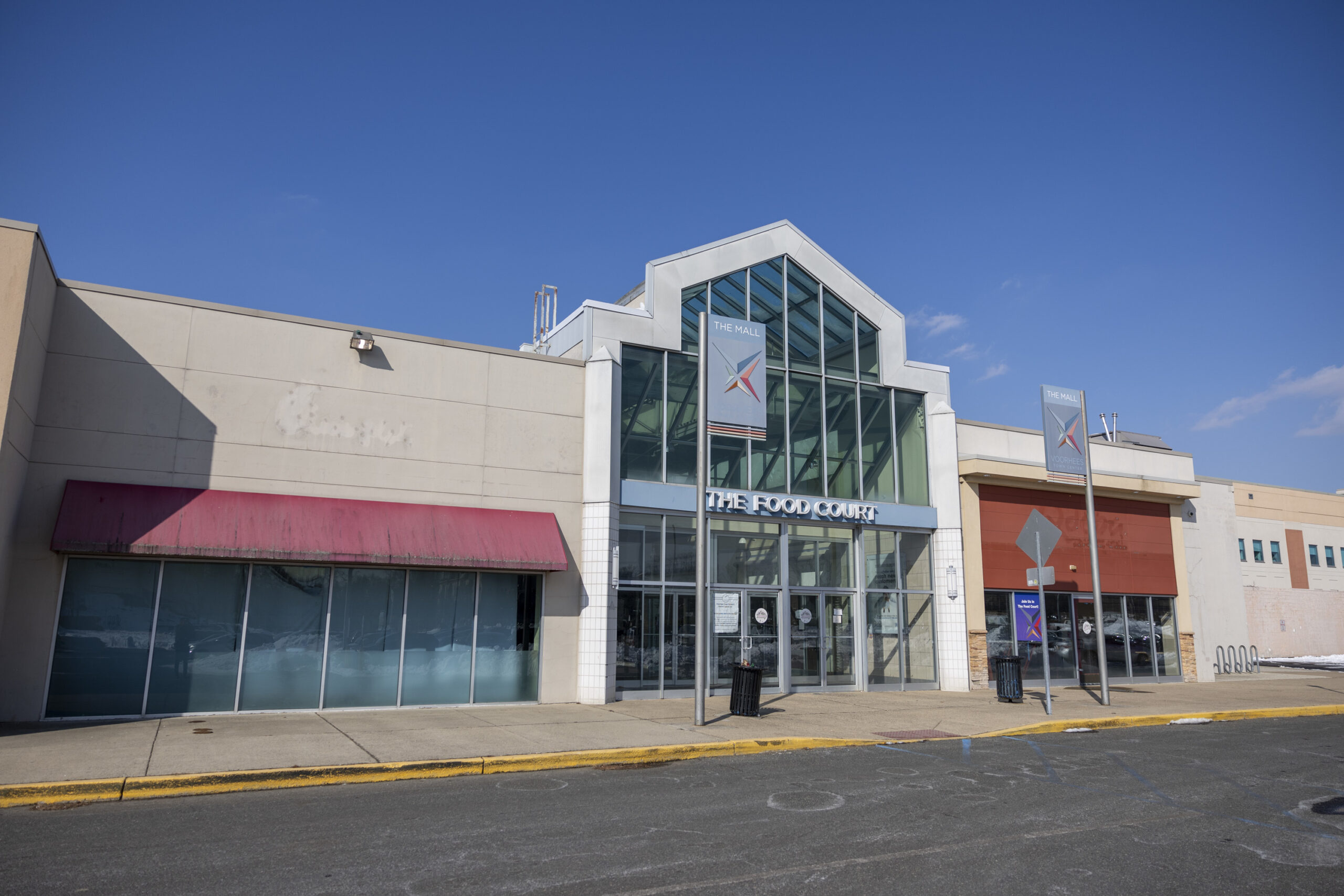
    The entrance to the food court at the Voorhees Town Center, which has been closed for nearly two years after a fire.

    Vallone said his company is applying for a $90 million tax credit for development projects and expects to hear in the coming months whether it is approved. If not, he said, “we walk.”

    Vallone made similar statements in a Philadelphia Business Journal report earlier this week.

    Voorhees Township Mayor Michael Mignogna said he supports “the thoughtful redevelopment of the former Echelon Mall site” as proposed by Hoboken Brownstone.

    “Throughout the process, the township has worked collaboratively with Hoboken Brownstone and Namdar in their private transaction to advocate for the rejuvenation of Town Center, specifically a strong business and retail presence that will restore the site as the center of Voorhees tradition and community,” Mignogna said in a statement.

    He noted that a state tax credit would not affect the developer’s local tax responsibilities.

    The uncertainty represents the latest hurdle in the long quest to revive the sprawling complex off Somerdale Road. Over the years, the 400-acre property, one of the Philadelphia region’s many lifeless malls, has been redeveloped in fits and starts under multiple owners.

    Recently, transformations have begun at nearby malls, including Moorestown and Burlington Center, as the old Echelon Mall languishes.

    What $250 million could do for dead Voorhees mall

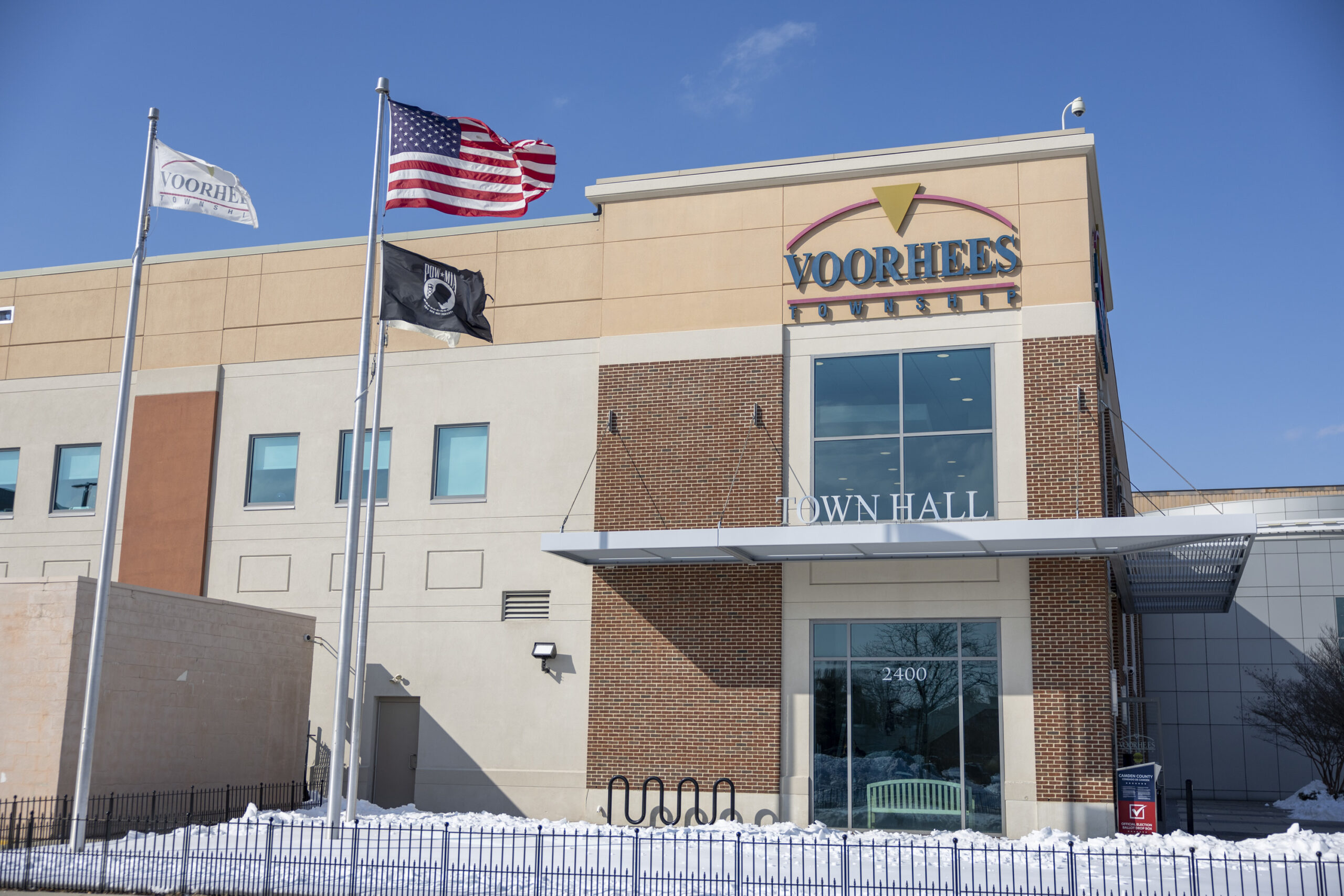
    The Voorhees Township Town Hall would not be included in a potential sale of the closed mall building.

    Voorhees officials, including Mignogna, have been talking about the troubled mall’s revival for two decades.

    Built in the 1970s, the once-bustling Echelon Mall has been struggling with vacancies since the early 2000s.

    In an attempt to turn the mall around, it was partially demolished, and a Main Street-style mixed-use development was built on part of the property in 2008. After this makeover, which cost an estimated $150 million, the complex was rebranded as the Voorhees Town Center.

    Namdar Realty Group, which is known to scoop up distressed malls, bought the property from PREIT for $13.4 million in 2015, but the situation did not improve. Retailers continued to flee. Customers followed. In 2024, a two-alarm fire damaged the inside of the building. It has not reopened since.

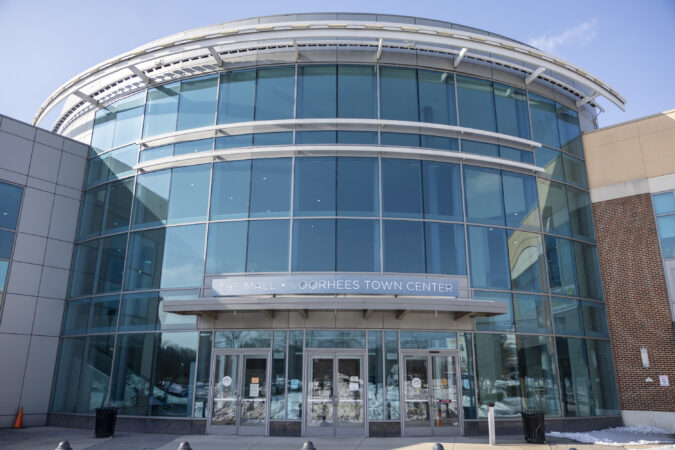
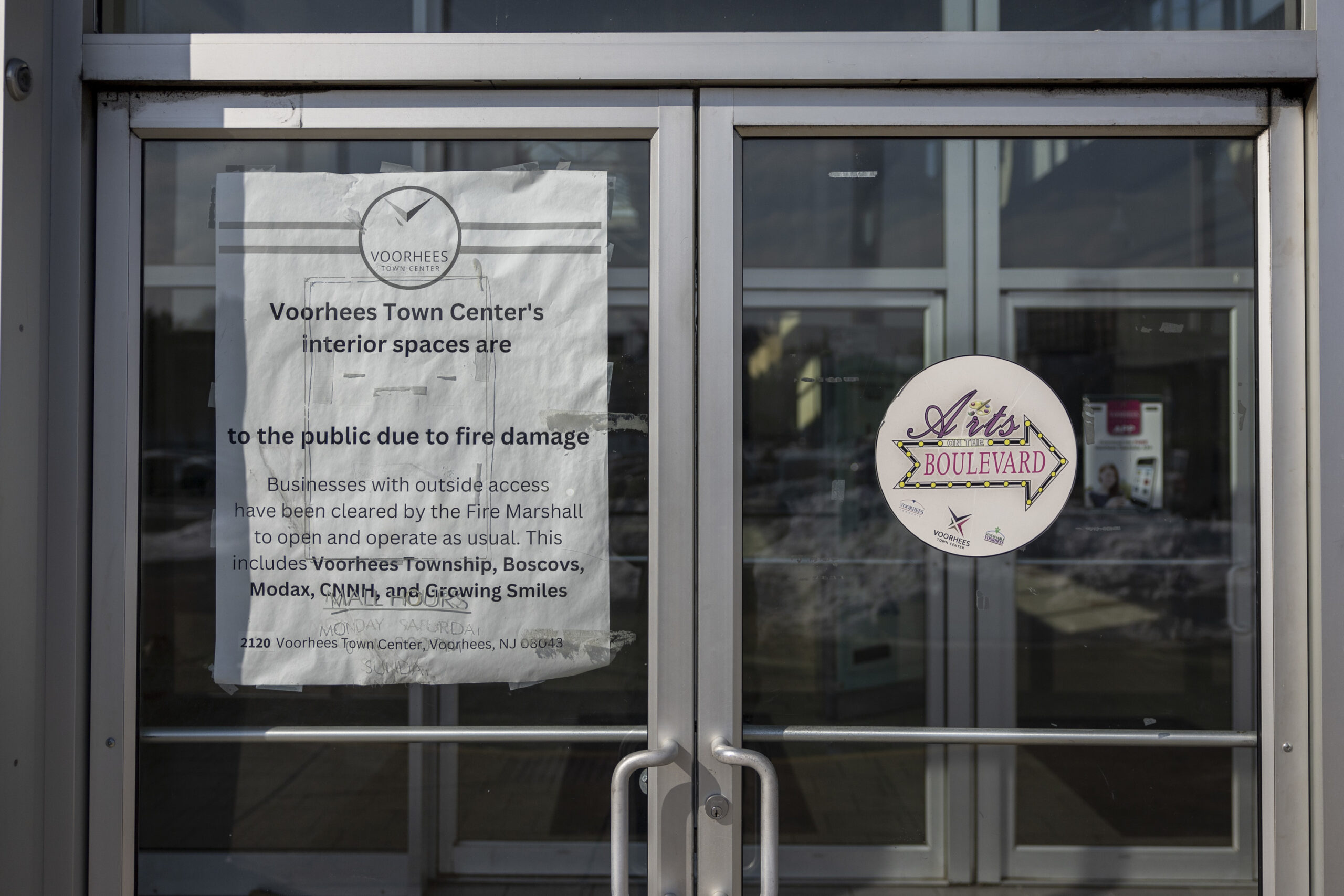
    A sign on the door of the Voorhees Town Center, which has been closed for nearly two years due to fire damage.

    Hoboken Brownstone plans to buy the mall building from Namdar in a pending sale, dependent on the tax break, Vallone said. He declined to disclose how much he would pay for the property, and Namdar executives could not be reached.

    The sale would not include the Voorhees Town Hall, which occupies 22,000 square feet of the mall and cost the township $5.5 million.

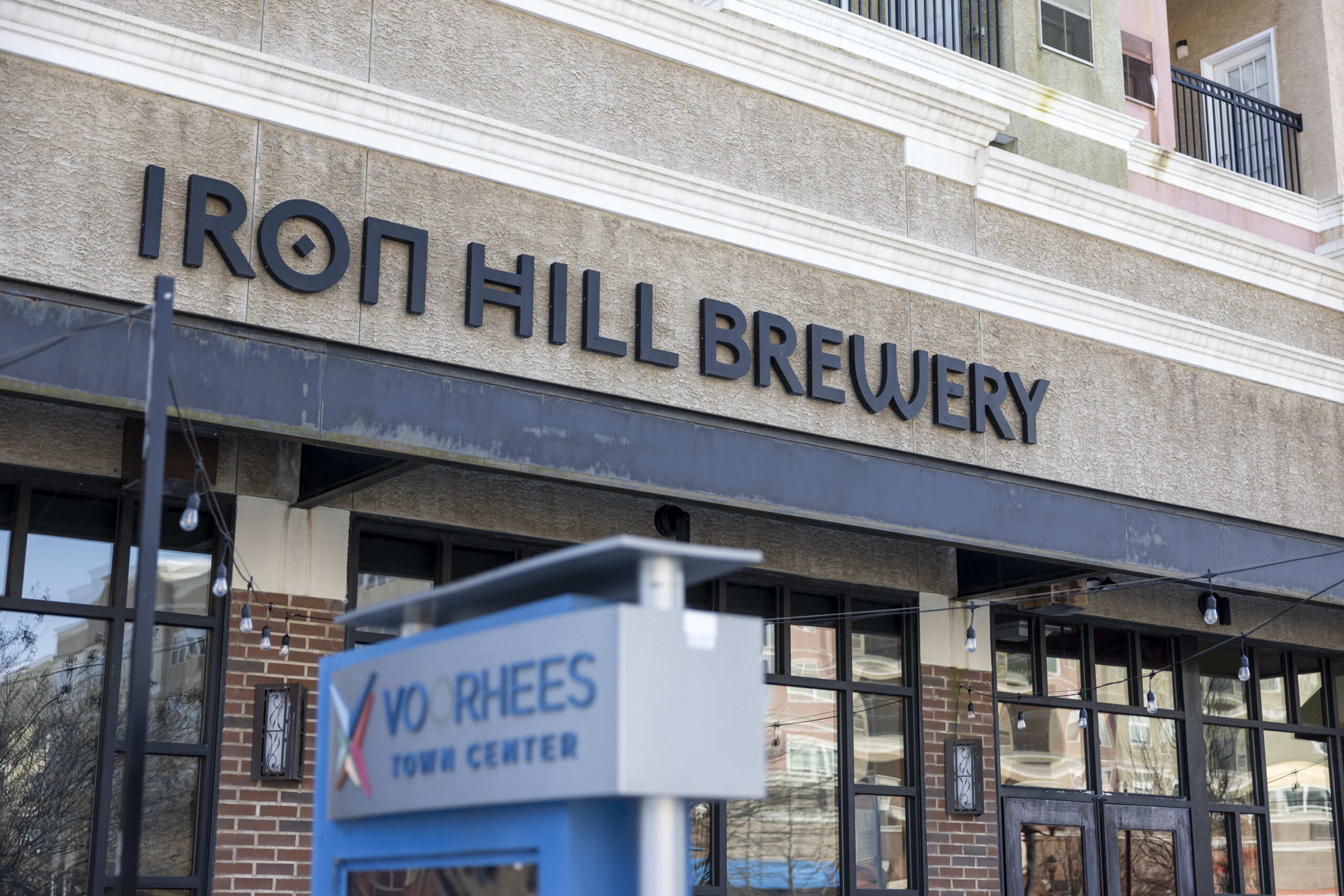
    Nor would it include the property’s existing mixed-use section, Boulevard Shoppes, which had been home to an Iron Hill Brewery until the company filed for bankruptcy and closed all locations this fall. (Township administrator Stephen Steglik said Voorhees hasn’t heard anything from Namdar about what’s next for the Iron Hill space.)

    Voorhees Township officials are in the dark about the future of the closed Iron Hill Brewery.

    Boscov’s, the site’s sole department store, would also be excluded from the sale, and executives have said it would remain open.

    If the sale goes through, Vallone said, construction could begin in early 2027.

    The company plans to build more than 200 market-rate townhouses; more than 100 units of affordable housing, including for-sale townhouses and rental apartments; and a parking garage with at least 1,300 spaces.

    As for the retail space inside the mall, “we’re going to invest a lot of money because there has been very little maintenance done on that thing for the last 20 years,” Vallone said. The mall building will not be torn down, he said, and may look largely the same from the outside.

    Why this developer invests in dead New Jersey malls

    The former Echelon Mail, as seen through a window in October 2024, after a fire damaged the building. The mall has not reopened since.

    In Voorhees, Hoboken Brownstone’s plan differs from its other major mall redevelopment in New Jersey.

    In Flemington, Hunterdon County, Vallone said they’re demolishing Liberty Village, considered the country’s first outlet center, and turning it into a mixed-use complex that will also include townhouses and apartments.

    After buying Liberty Village from Namdar, Vallone said he reached back out to the real estate company to inquire about other mall properties for sale. That’s how he became interested in the Voorhees Town Center.

    Vallone said he believes dead and dying malls can make good investments.

    “Here we have a substantial amount of infrastructure that is feeding the mall,” including plumbing and electric, Vallone said. “That de-risks the project quite a bit.”

    And he said he thinks customers will come to malls-turned-town-centers if they are developed thoughtfully.

    After all, retailers like Amazon can’t deliver everything same-day, Vallone said, and shopping online doesn’t offer the same experience as browsing at a store.

    In-person entertainment, fine dining, and even grocery shopping are also hard to replicate at home, he said: “Certain things, you have to go somewhere to do.”

  • Gov. Josh Shapiro says he’ll prevent data center developers from ‘saddling’ Pennsylvanians with higher energy costs

    Gov. Josh Shapiro says he’ll prevent data center developers from ‘saddling’ Pennsylvanians with higher energy costs

    Gov. Josh Shapiro had a message for data center developers on Tuesday: Come to Pennsylvania, but bring your own energy — or pay up.

    During his budget address, Shapiro said his proposal — the Governor’s Responsible Infrastructure Development (GRID) standards — will ensure center operators are “not saddling homeowners with added costs because of their development.”

    Data centers, which house the technology to power cloud storage and other computing, have been proliferating across the country and the region due to the increasing demands of generative artificial intelligence, or AI. State and local officials are trying to keep up with the rapid pace of development, proposing new legislation — and updating existing measures — in an attempt to regulate the facilities.

    Shapiro’s plan would require data centers to supply their own energy or pay for any new generation they need. It also calls on them to hire and train Pennsylvania workers and comply with “the highest standards of environmental protection,” including in water conservation, Shapiro said.

    In exchange, the governor added, data center developers will get “speed and certainty” in the permitting process, as well as applicable tax credits.

    The comments from Shapiro, a Democrat who has consistently encouraged data center development, come amid a flurry of legislative and executive action, as elected officials promise to keep Pennsylvania and New Jersey consumers from bearing the costs of these power-hungry facilities.

    Data centers, the electric grid, and governors’ proposals

    Locally, proposals for large AI data centers have faced opposition from East Vincent Township, Chester County to Vineland, Cumberland County.

    A half-built data center in Vineland is expected to be completed later this year, with a capacity of 300 megawatts.

    Many experts have attempted to quantify the impact of these centers on Americans’ energy bills. In one analysis, Bloomberg News found that the monthly electric bills of customers who lived near significant data center activity had increased 267% in the past five years.

    At the same time, some governors, including Shapiro, have criticized and sued PJM, the Montgomery County-based electric grid operator, over its annual capacity auction, which influences how much customers pay.

    On Tuesday, Shapiro reiterated calls for PJM to speed up new power-generation projects and extend a price cap.

    Separate from GRID, Shapiro also said electric companies, including Peco, should increase transparency around pricing and “rein in costs” for consumers, including low-income and vulnerable Pennsylvanians.

    “These steps will save consumers money immediately,” Shapiro said. He announced an energy-affordability watchdog to monitor utility-rate requests and take legal action if necessary to prevent companies from “jacking up their rates and costing you more.”

    In New Jersey, new Gov. Mikie Sherrill made energy affordability a central tenet of her campaign. At her inauguration last month, she declared “a state of emergency on utility costs,” following through on a promise she had made in stump speeches and TV ads.

    Through several executive orders, she froze utility rates and expanded programs to spur new power generation in the state. She also ordered electric utilities to report energy requests from data centers.

    “This is just the beginning,” Sherrill said in her inaugural remarks. “We are going to take on the affordability crisis, and we are going to shake up the status quo.”

    In Pennsylvania, ‘Data Center Consumer Protection Bill’ advances

    An Amazon data center is shown last year while under construction in front of the Susquehanna nuclear power plant in Berwick, Pa.

    Meanwhile in Harrisburg and Trenton, some lawmakers have other ideas about how to keep residents from subsidizing data centers.

    As of Tuesday, nearly 30 bills in the Pennsylvania and New Jersey legislatures mentioned data centers, according to online records. Many of those bills aren’t directly related to residents’ electric bills, and instead address the facilities’ energy sources, water usage, environmental impacts, and general regulation.

    Others attempt to tackle rising consumer costs.

    On Monday, the Pennsylvania House Energy Committee advanced a measure referred to as the “Data Center Consumer Protection Bill.” Lawmakers say it would keep residents’ bills down by creating a regulatory framework for data centers and requiring their operators to contribute to utility assistance funds for low-income Pennsylvanians.

    “Today’s vote brings us one step closer to protecting ratepayers,” Robert Matzie, the Beaver County Democrat who introduced the bill, said in a statement. “Data centers can bring jobs and expand the local tax base, but if unchecked, they can drive up utility costs. Electric bills are already too high.”

    The state House Energy Committee also heard testimony Monday on a bill that would allow the state to create a “model ordinance” for local municipalities to regulate data centers, and another that would require centers to report their annual energy and water usage.

    The bills were introduced by State Reps. Kyle Donahue and Kyle Mullins, both Democrats from the Scranton area, which has become a hot spot for data center development.

    “There is a real concern and a sense of overwhelm among the people we represent,” Mullins said at the hearing. “The people of Pennsylvania have serious concerns about data center energy usage and water usage, especially as they see utility bills continue to rise rapidly.”

    Dan Diorio, vice president of state policy for the Data Center Coalition, said he worried the bills would discourage operators from building in Pennsylvania. He said they are already incentivized to reduce energy costs, which are estimated to make up anywhere from 40% to 80% of a data center’s total operating costs.

    “Data center companies strive to maximize energy efficiency to keep their costs low,” Diorio said.

    Rep. Elizabeth Fiedler, the Philadelphia Democrat who chairs the energy committee, closed Monday’s hearing by reminding members of one of its main objectives: to “keep down the energy bills that are skyrocketing for people back home.”

    A South Jersey lawmaker says his bill could help consumers

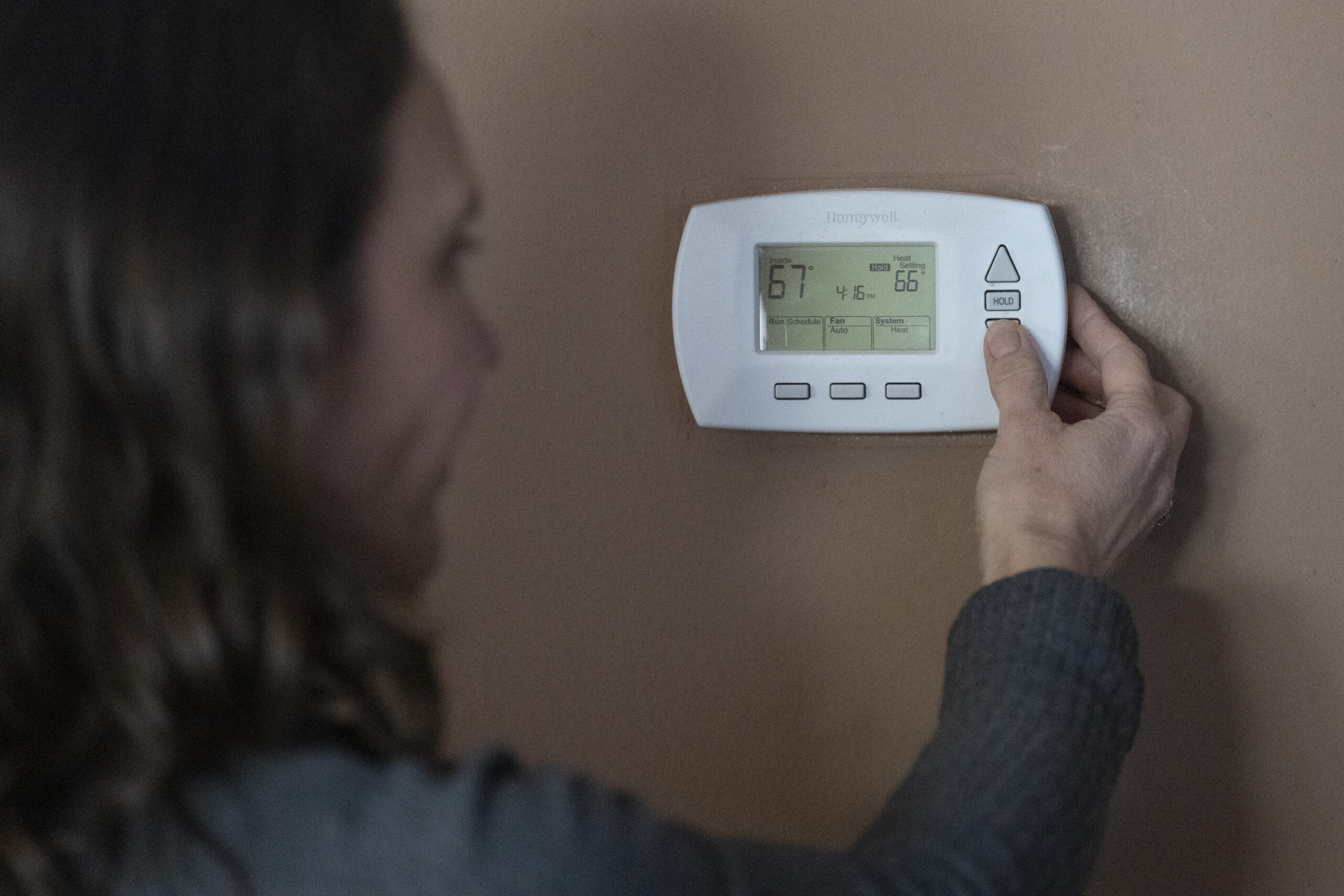
    A Philadelphia-area woman woman turns down her thermostat in attempt to save on electricity in this January 2023 file photo.

    The pain of skyrocketing utility bills has been felt acutely in New Jersey, which unlike Pennsylvania uses more energy than it produces.

    Between 2024 and 2025, New Jersey residents’ electric bills rose more than 13% on average, the fifth steepest increase in the U.S., according to federal data analyzed by the business magazine Kiplinger. Pennsylvanians saw a nearly 10% increase during the same period, according to the data.

    Prices are expected to keep rising in the coming years as more data centers are constructed.

    A bill sponsored by New Jersey State Assembly member David Bailey Jr., a Democrat from Salem County, attempts to prevent future price hikes.

    The legislation would require data center developers to have “skin in the game,” as Bailey described it in a recent interview, and sign a contract to purchase at least 85% of the electric service they request for 10 years. He said it would also provide incentives for data centers to supply their own energy generation.

    “I don’t want to come off as an anti-data center person,” said Bailey, who represents parts of Gloucester, Salem, and Cumberland Counties. “This is a very positive thing. We’re just saying we don’t want these big companies to come in and pass this [cost] on to our mom and pops, our neighbors, and our everyday ratepayers.”

    Bailey said he was disappointed that his bill was pocket-vetoed by former Gov. Phil Murphy last month. Now, it has to restart the legislative process. But Bailey said he expects it to eventually pass with bipartisan support.

    “No matter your party affiliation you understand the affordability issue,” Bailey said. “You understand your electric bill” — and how much it has risen recently.

  • What does Montco’s PJM have to do with data centers and why is Gov. Shapiro always so mad at it?

    What does Montco’s PJM have to do with data centers and why is Gov. Shapiro always so mad at it?

    Pennsylvania Gov. Josh Shapiro spotlighted energy affordability and the rapid expansion of data centers during his annual budget address Tuesday, singling out PJM to speed up new electrical connections for the centers.

    PJM Interconnection — the region’s dominant electric grid operator — is poised to play a central role in the expansion of data centers, as the independent organization has been shoved into the national spotlight and subjected to mounting pressure over the last year.

    It has been a frequent target of Shapiro, officials from other states, consumer advocates, and the federal government.

    In many ways, PJM may be one of the most consequential Philly‑area institutions that most residents have barely heard of, even though their electricity supply and monthly bills hinge on its decisions.

    The organization has faced escalating scrutiny nationwide and across the region because of its position as the country’s largest independent grid operator and the challenges tied to surging energy demand.

    What is PJM?

    Based in Audubon, Montgomery County, PJM manages the minute-by-minute flow of electricity for 67 million people across 13 states and the District of Columbia.

    It helps keep the lights on for 13 million Pennsylvanians.

    Why are there concerns about PJM and data centers?

    Concerns have risen over the cost to consumers posed by hyperscale data centers — the massive server farms needed to run artificial intelligence — that are poised to come online across Pennsylvania and the U.S.

    PJM plays a major role in getting those data centers powered and connected to the regional electrical grid.

    Consumer advocates say the data centers are forcing consumers to pay for the new power plants and equipment needed to keep up with that demand. And they fear that huge demand could result in electrical outages during times of peak demand.

    Already, consumers have seen electricity prices spike — and that’s before most of the proposed data centers are even built.

    How much consumers pay is influenced by an annual auction held by PJM designed to get enough commitments from power producers so that the electrical grid can meet forecast demand for several years and to ensure power during peak times. That is known as grid reliability.

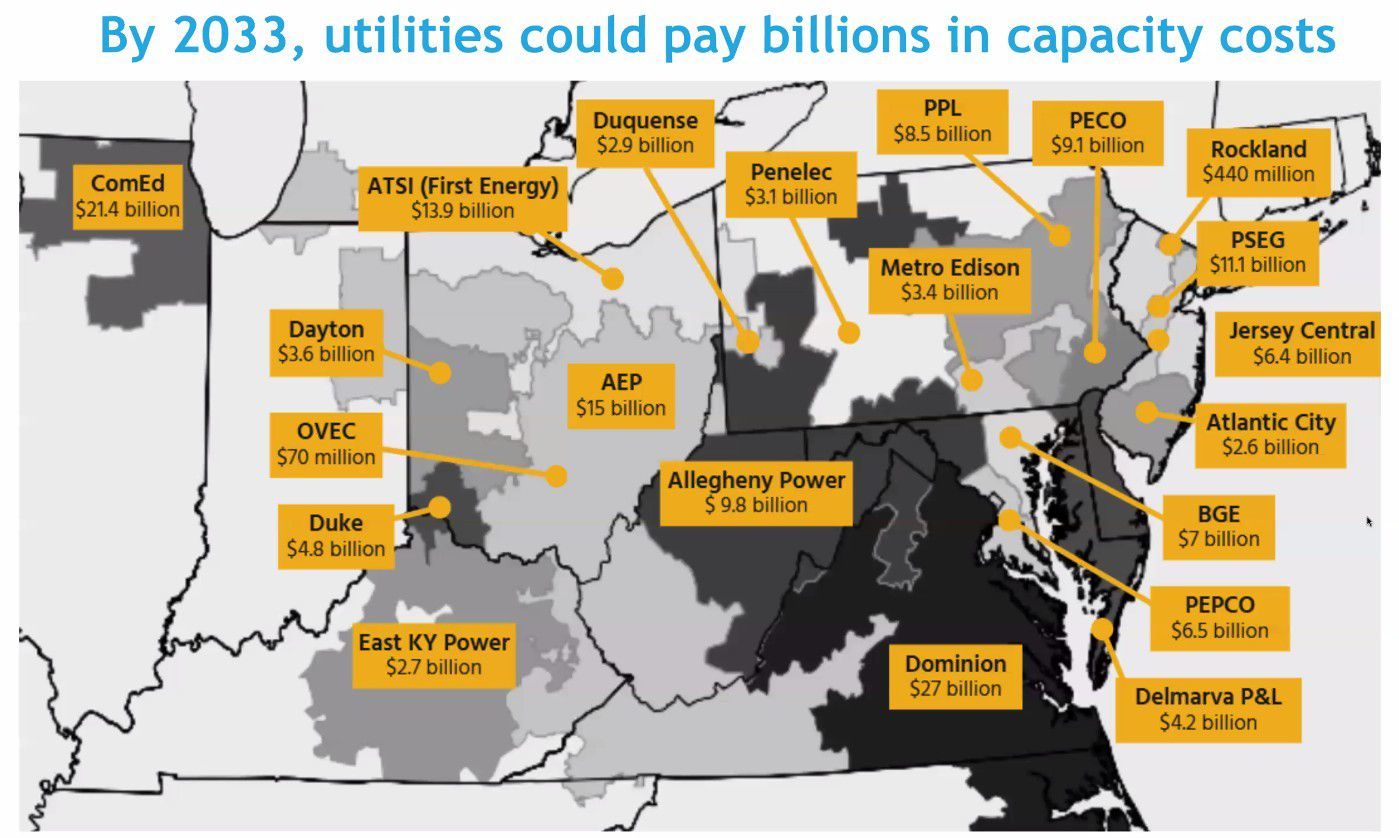
    Map produced by The National Resources Defense Council estimates electricity capacity costs to utility companies based on PJM forecasts through 2032.

    Why is Gov. Shapiro critical of PJM?

    Shapiro and other governors have been sharply critical of how PJM has designed its auction, saying the process lacks transparency.

    In a 2024 lawsuit, Shapiro’s office referred to PJM’s decisions as “inept” and responsible for “the country’s most snarled interconnection queue,” in reference to projects lined up for approval to be added to the grid.

    After the 2025-26 auction, Shapiro reached an agreement with PJM on a price cap that he said would save consumers over $21 billion and avoid historic price hikes. The cap limited the increase of wholesale electricity payments to power plant owners.

    PJM held another auction in December for 2027-28, in which it failed to procure enough supply to meet forecast demand next year.

    PJM forecasts that data centers will drive a need for more than 30 gigawatts of peak electricity capacity by 2030 — enough to power more than 20 million households, or approximately all the homes in New Jersey, Pennsylvania, Ohio, Virginia, and Maryland, according to the Natural Resources Defense Council (NRDC).

    The NRDC says that could lead to another spike in electricity costs through 2033 and cost homeowners and businesses an estimated extra $70 per month.

    As a result, Shapiro and federal officials have urged PJM to extend the current price cap another two years.

    Why is there a push for more data centers?

    At the same time, however, officials are also pushing PJM to fast-track data centers.

    Late last year, the Federal Energy Regulatory Commission issued an order on so-called colocation that will allow tech companies to plug their data centers directly into power plants.

    In January, the Trump administration and a group of governors, including Shapiro, urged PJM to move quickly to boost power supplies and keep bills from rising.

    They also want PJM to hold a separate power auction in which tech companies would bid on 15-year contracts to build new power plants. That way, data center operators, not regular consumers, would pay for the power.

    Data centers that do not have their own power source and do not volunteer to be cut off from the grid during power emergencies should be billed for the cost of new power plants, they said.

    Why do people resist data centers near their homes?

    The quick rise of data centers has met stiff resistance from residents who fear the projects will radically alter the character of rural neighborhoods, increase electricity and water costs, and harm the environment.

    Developers have submitted applications for at least 20 hyperscale data centers in Pennsylvania. PJM would have to find a way to make sure they can be powered and connected reliably to the grid, or provide their own power.

    At least six data centers are being planned or proposed in the Philadelphia region, with some reaching 2 million square feet. Residents have fought the proposals, some of which have run into zoning and planning problems.

    Data centers are proposed in Falls Township, Bucks County; East Vincent and East Whiteland in Chester County; Limerick in Montgomery County; and Vineland, N.J. A proposal for a data center in Plymouth Meeting, Montgomery County, has been withdrawn, but another proposal could be submitted at any time.

    Residents of some of those communities are alarmed by a new Pennsylvania House bill (HB 2151), which is backed by Shapiro. It provides a model ordinance designed to speed data center development.

    Opponents believe the bill is an attempt by the tech industry to get data centers approved.

    “HB2151 would undermine Pennsylvanians’ herculean grassroots efforts to keep dirty data centers out of our communities — it must be stopped,” said Ginny Marcille-Kerslake, an organizer for Food and Water Watch, an environmental advocacy nonprofit.

    “This bill pushes Shapiro’s reckless embrace of data centers even further onto communities struggling to grapple with Big Tech’s land, power, and water grab,” she said, calling it a part of “backroom deals” the state is making.

    A vote on the bill before the House Energy Committee is scheduled for Wednesday.

    What’s next?

    Environmentalists and other groups, including some legislators, say a process by PJM to fast-track electricity-producing projects excludes clean energy and gives special treatment to fossil fuel power plants, allowing them to cut ahead in the queue over renewable sources that have waited years to connect to the grid.

    Meanwhile, PJM recently released its much-anticipated plan for how to deal with the demand created by data centers.

    That plan calls for changes in PJM policies to bring new power online quickly by providing a streamlined path for state-sponsored power generation projects, improving load forecasts, giving a bigger role in the process to states, and offering ways for data centers to bring in their own power generation while curtailing power in times of system need.

    The plan, PJM said, “will also help address the supply-and-demand imbalance that has the potential to threaten grid reliability and is currently driving up wholesale costs that can impact consumer bills.”

    Jeff Shields, a spokesperson for PJM, said the imbalance has been created as sources of power generation are being retired without enough new generation coming online to keep pace. At the same time, demand for electricity has increased substantially due to the proliferation of data centers.

    “PJM is doing its part to bring new generation onto the system, and any suggestion otherwise is just not true,” Shields said.

    He also noted that while PJM does run wholesale power markets, it does not directly set rates for residential, commercial, or industrial customers. Those rates are set by utilities, such as Peco, along with government agencies, such as the Pennsylvania Public Utility Commission.

  • Musk joins his rocket, AI businesses into a single company before an expected IPO this year

    Musk joins his rocket, AI businesses into a single company before an expected IPO this year

    NEW YORK — Elon Musk is joining his space exploration and artificial intelligence ventures into a single company before a massive planned initial public offering for the business later this year.

    His rocket venture, SpaceX, announced on Monday that it had bought xAI in an effort to help the world’s richest man dominate the rocket and artificial intelligence businesses. The deal will combine several of his offerings, including his AI chatbot Grok, his satellite communications company Starlink, and his social media company X.

    Musk has talked repeatedly about the need to speed development of technology that will allow data centers to operate in space to solve the problem of overcoming the huge costs in electricity and other resources in building and running AI systems on Earth.

    It’s a goal that Musk said in his announcement of the deal could become much easier to reach with a combined company.

    “In the long term, space-based AI is obviously the only way to scale,” Musk wrote on SpaceX’s website Monday, then added in reference to solar power, “It’s always sunny in space!”

    Musk said in SpaceX’s announcement he estimates “that within 2 to 3 years, the lowest cost way to generate AI compute will be in space.”

    It’s not a prediction shared by other many companies building data centers, including Microsoft.

    “I’ll be surprised if people move from land to low-Earth-orbit,” Microsoft’s president, Brad Smith, told The Associated Press last month, when asked about the alternatives to building data centers in the U.S. amid rising community opposition.

    SpaceX won’t be the first to explore the idea of putting AI data centers in space. Google last year revealed a new research project called Project Suncatcher that would equip solar-powered satellites with AI computer chips.

    Mississippi officials last month announced that xAI is set to spend $20 billion to build a data center near the state’s border with Tennessee.

    The data center, called MACROHARDRR, a likely pun on Microsoft’s name, will be its third data center in the greater Memphis area.

  • Many Philadelphians shelled out for shoveling help last week. What’s a fair price?

    Many Philadelphians shelled out for shoveling help last week. What’s a fair price?

    Denise Bruce paid a stranger $75 to shovel out her Hyundai Venue, which was encased in snow and ice outside her East Kensington rowhouse.

    “My car was really badly packed in on all sides,” said Bruce, 36, who works in marketing. “I just didn’t have the strength honestly to dig it out myself.”

    The West Coast native also didn’t have a shovel.

    So she was elated to find a woman on Facebook who agreed to dig out her compact SUV for between $40 and $60. After the endeavor took four hours on a frigid evening, Bruce thought it was only fair to pay more.

    After Bruce forked over the money — digitally via Cash App — she asked herself: What should one pay to outsource the onerous task of shoveling?

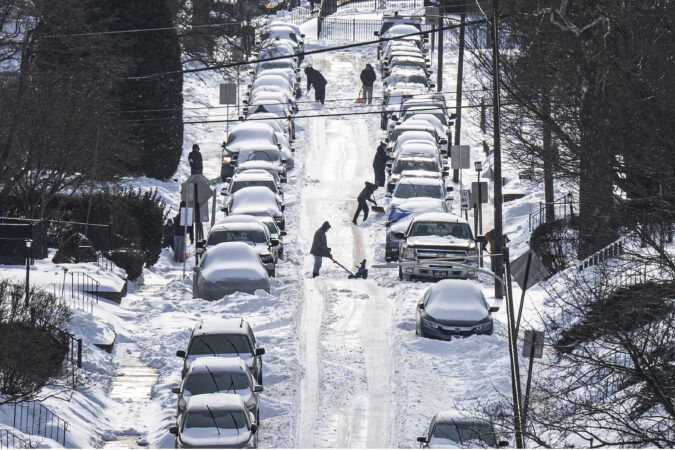
    Snow-covered cars lined Girard Avenue in Brewerytown on Monday.

    As the Philadelphia region shoveled out from the city’s biggest snowfall in a decade, many residents were asking the same question.

    While some shoveled themselves or hired professional snow removal companies with fixed rates, others turned to an ad hoc network of helpers who hawked shoveling services on neighborhood Facebook groups, the Nextdoor app, and the online handyman service TaskRabbit.

    On online forums, strangers agreed to dig out the cars of folks like Bruce, who didn’t have the strength, tools, or time to do so on their own. Others signed up to clear the driveways and sidewalks of older people, for whom shoveling such heavy snow can increase the risk of heart attacks.

    Prices per job vary from $20 to $100 or more. Some freelance shovelers are upfront about their rates, while others defer to what their customers can afford.

    Higher prices now for ‘trying to dig through concrete’

    Alex Wiles stands on North Second Street on Tuesday before taking the bus to another snow-shoveling job.

    On Monday, the day after the storm hit, Alex Wiles, 34, of Fishtown, shoveled out people’s cars, stoops, and walkways for between $30 and $40 per job. As the week went on, he increased his rate to about $50 because the work became more physically demanding.

    “At this point, it feels like trying to dig through concrete,” Wiles said. As of Thursday, he had shoveled for nearly 20 people across the city and broken three shovels trying to break up ice. He said most people tip him an additional $5 to $20.

    “I want it to be an accessible service,” he said, “but I also want to be able to make money doing it and remain competitive with other people,” including teenagers who often shovel for less.

    For Wiles, who works in filmmaking and photography, his shoveling earnings go toward paying rent.

    He said he sees his side hustle as essential service, especially since the city did “a terrible job,” in his opinion, with snow removal.

    “A lot of the city looks like a storm happened 10 minutes ago,” Wiles said Thursday.

    Shoveling is “necessary and people are just otherwise going to be stuck where there are,” he said. “They aren’t going to be able to get to work easily. They aren’t going to be able to walk down the street.”

    Some adults see themselves filling in for ‘the young kids’

    When Max Davis was a kid in Hopewell, N.J., he’d compete with his neighbors to see who could shovel the most driveways during snowstorms.

    Now, the 28-year-old said he seldom sees or hears of kids going door to door when it snows.

    That was part of the reason Davis got off his Northern Liberties couch on Monday and started shoveling out cars for a few neighbors who posted on Facebook that they needed help.

    A snow shoveler on Waverly Street on Monday.

    Davis, a founding executive at an AI startup, said he didn’t need the money, so he accepted however much his neighbors thought was fair. He ended up making about $40 to $50 per car, money he said he’ll likely use for something “frivolous” like a nice dinner out in the city.

    If there is another snowstorm this winter, he said, he’d offer his shoveling services again.

    “Why not?” Davis said. “I’d love to see the young kids get out there and do it. I think they’re missing out.”

    In Broomall, Maggie Shevlin said she has never seen teenagers going door to door with shovels, but some of her neighbors have.

    During this most recent storm, the 31-year-old turned to Facebook to find someone to clear her mother’s driveway and walkway in neighboring Newtown Square. Shevlin connected with a man who showed up at 6:30 a.m. Monday, she said, and did a thorough job for a good price.

    “I figured it would be somewhere around $100. He charged me only $50,” said Shevlin, who works as a nanny and a singer. “Oh my god, [my mom] was so thankful.”

    How a professional company sets snow removal prices

    A snow removal contractor clears the sidewalk in front of an apartment building in Doylestown on Wednesday.

    Some Philadelphia-area residents, especially those with larger properties, use professional snow removal services. They often contract with these companies at the start of the winter, guaranteeing snow removal — at a price — if a certain amount falls.

    In Bristol, Bucks County, CJ Snow Removal charges $65 to $75 to remove two to four inches of snow from driveways, walkways, and sidewalks at a standard single-family home, said co-owner John Miraski.

    The cost increases to $95-$115 for a corner house, he said, and all rates rise about $25 for every additional two inches of snow.

    Last week, he said, several people called him asking for help shoveling out cars, but he was too busy to take on the extra customers. He passed those requests to other companies, he said, and recommended they charge “nothing less than $50 to $60, because you’re dealing with [nearly] a foot of snow plus a block of ice.”

    Miraski said he recommends professionals because they are insured. That’s especially important, he said, in storms that involve sleet or freezing rain, as Philly just experienced.

    “You start throwing ice, who knows where it is going and what it is hitting,” Miraski said.

    Professionals are more expensive, he acknowledged, but often more thorough. “Some of my properties we went back to two or three times to make sure they were cleared.”

    And sometimes, regardless of who shovels, a resident can find themselves unexpectedly stuck in the snow again.

    In Northeast Philadelphia, J’Niyah Brooks paid $50 for a stranger to dig out her car on Sunday night. But when she left for her job as a dialysis technician at 3 a.m. Monday, her car had been plowed in.

    “I was out there kicking snow,” said Brooks, who was eventually able to get to work.