Category: Consumer

  • Sloomoo Institute, an immersive slime playground, is one of King of Prussia Mall’s new stores this holiday season

    Sloomoo Institute, an immersive slime playground, is one of King of Prussia Mall’s new stores this holiday season

    At the King of Prussia Mall, you can add some slime (the fun kind) to your holiday shopping experience this year.

    Fresh off the opening of the first-ever Netflix House, the Montgomery County mall this week welcomed the Sloomoo Institute’s first Philly-area location. The sensory slime experience’s latest outpost is called a Sloomoo MiniMoo, and it’s a scaled-down, 3,000-square-foot version of its flagship stores.

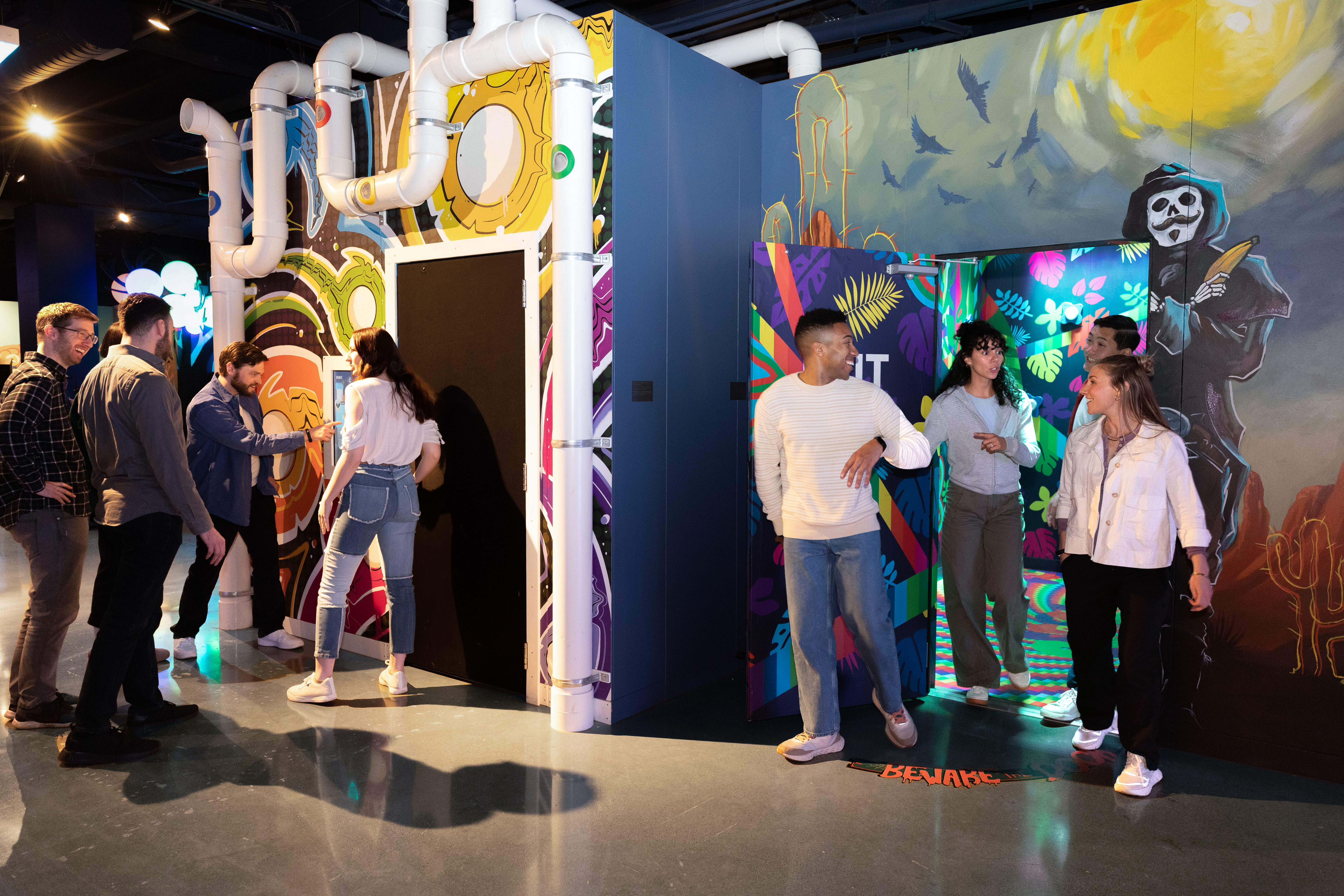
    For between $24 and $26 a person, King of Prussia Sloomoo customers can design their own slime, choosing from different textures, colors, scents, and charms. They can also smush slime onto the wall, send it flying through the air with a slingshot, go elbow-deep in vats of slime, and take slime-making classes.

    Guests can also browse slime toys and other squishy, sensory gifts at the Sloomoo retail store, no ticket required.

    “King of Prussia is a playground for families,” cofounder Sara Schiller said in a statement, “and we’re bringing a world of slime designed to spark curiosity and pure, unfiltered joy.”

    Customers play with slime at another Sloomoo Institute location. The King of Prussia Mall opened a Sloomoo MiniMoo experience this week.

    Sloomoo Institute was founded by Schiller and her friend Karen Robinovitz, who had rediscovered slime as a way to feel joy again after personal losses and hardships.

    They opened their first location in New York in 2019, went viral on TikTok during the pandemic, and then expanded nationwide, opening outposts in Atlanta, Chicago, Houston, and Los Angeles. A Sloomoo MiniMoo also recently opened in Boston.

    Earlier this year, the founders told CNBC that Sloomoo brings in as much as $4.3 million a month in revenue from ticket sales alone.
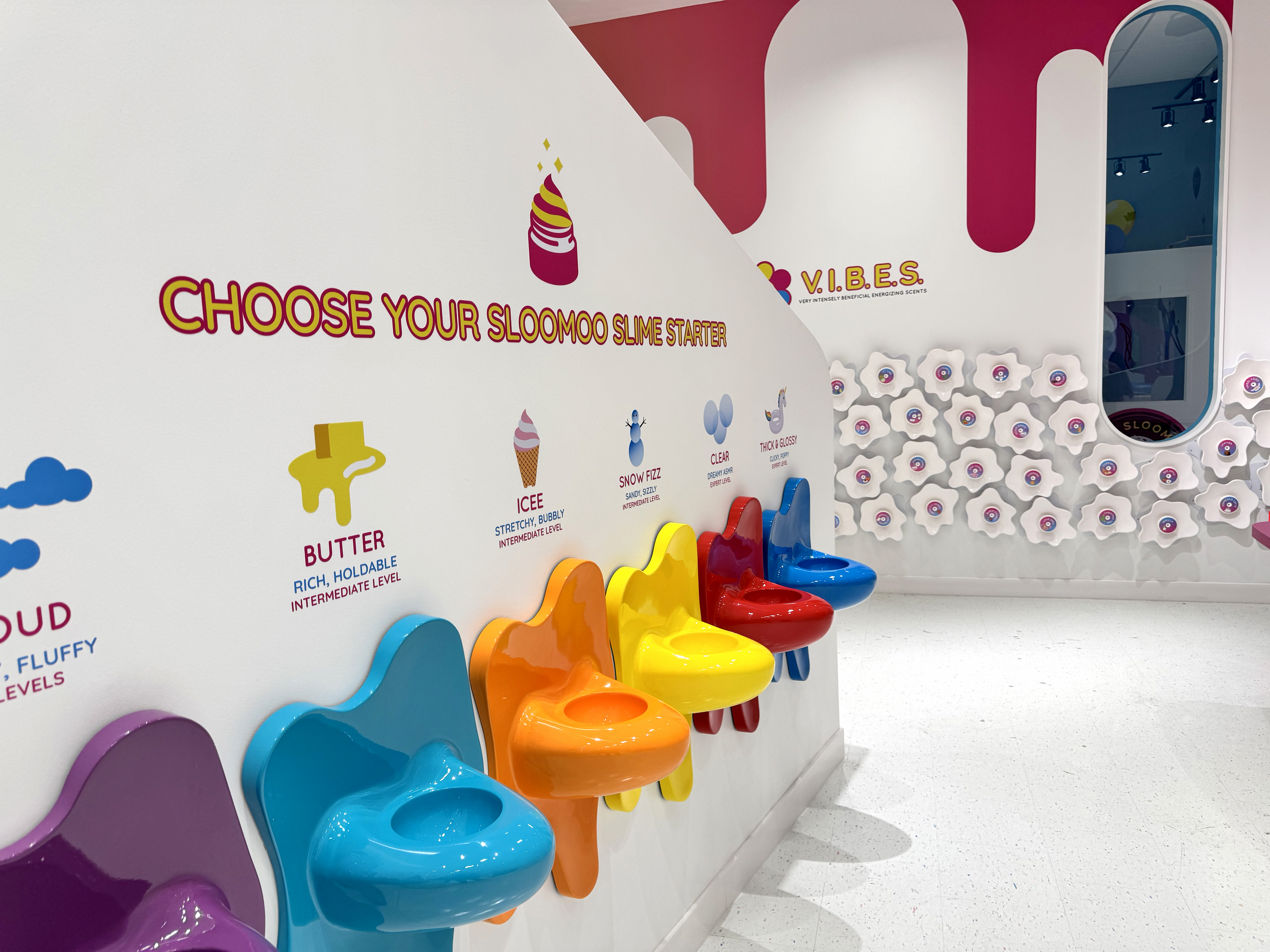
    A look inside the King of Prussia Mall’s Sloomoo MiniMoo experience, which opened this week ahead of Black Friday and the holiday shopping season.

    At King of Prussia, Sloomoo MiniMoo welcomed its first customers last weekend, but it will celebrate its grand opening this Saturday, when the first 200 ticketed customers will receive a complimentary hot chocolate and “limited-edition Philly Cheesesteak-themed slime,” according to company officials. The first 100 guests on Saturday will get a bag charm.

    Sloomoo is located next to H&M on the upper level of the Plaza by Eataly, the mall’s new Italian culinary experience.

    Other new stores, restaurants, and experiences at the King of Prussia Mall
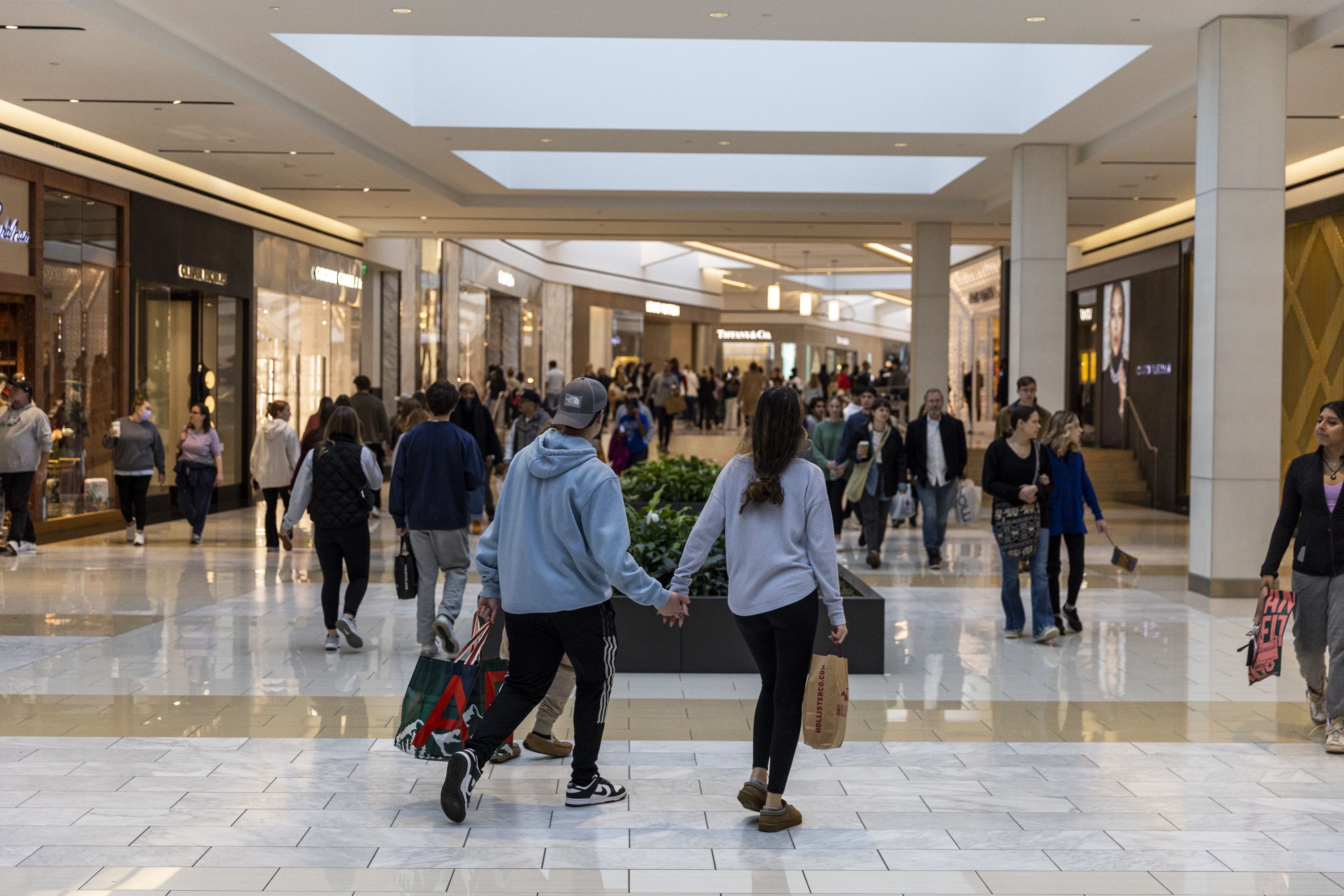
    Crowds shopped at the King of Prussia Mall on Black Friday 2022.

    While some other Philly-area malls have struggled or died — and others are trying to reinvent themselves — King of Prussia Mall seems to be thriving.

    Aside from Sloomoo, the mall has welcomed several other new stores, restaurants, and interactive experiences since August. A few retailers, including Lululemon, Abercrombie & Fitch, and Mejuri, have also expanded or relocated.

    As holiday shopping season kicks into high gear, customers can check out the following new additions:

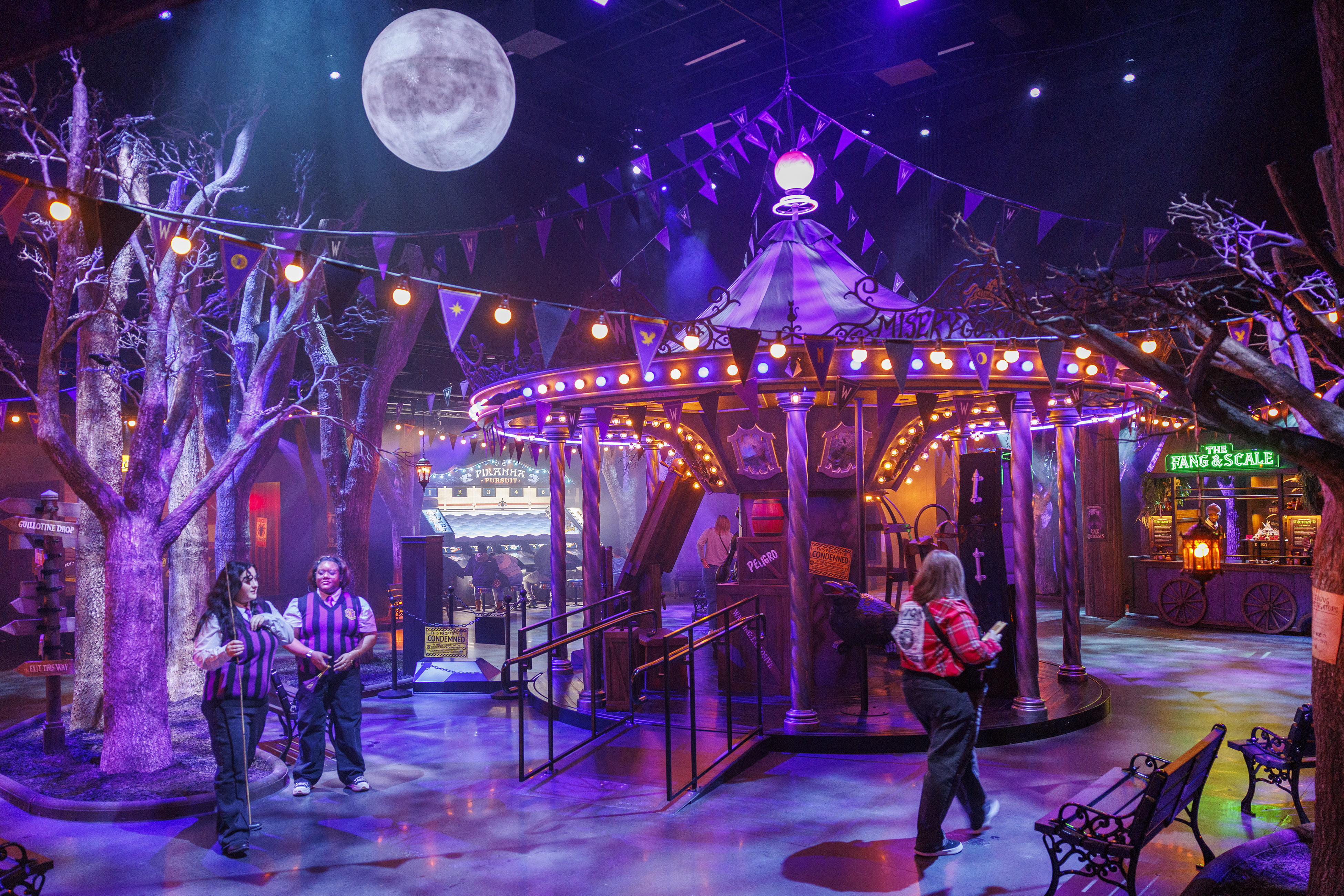
    The “misery-go-round” inside of “Wednesday: Eve of the Outcasts” at the Netflix House, which opened earlier this month at the King of Prussia Mall.

    Stores coming soon to the King of Prussia Mall
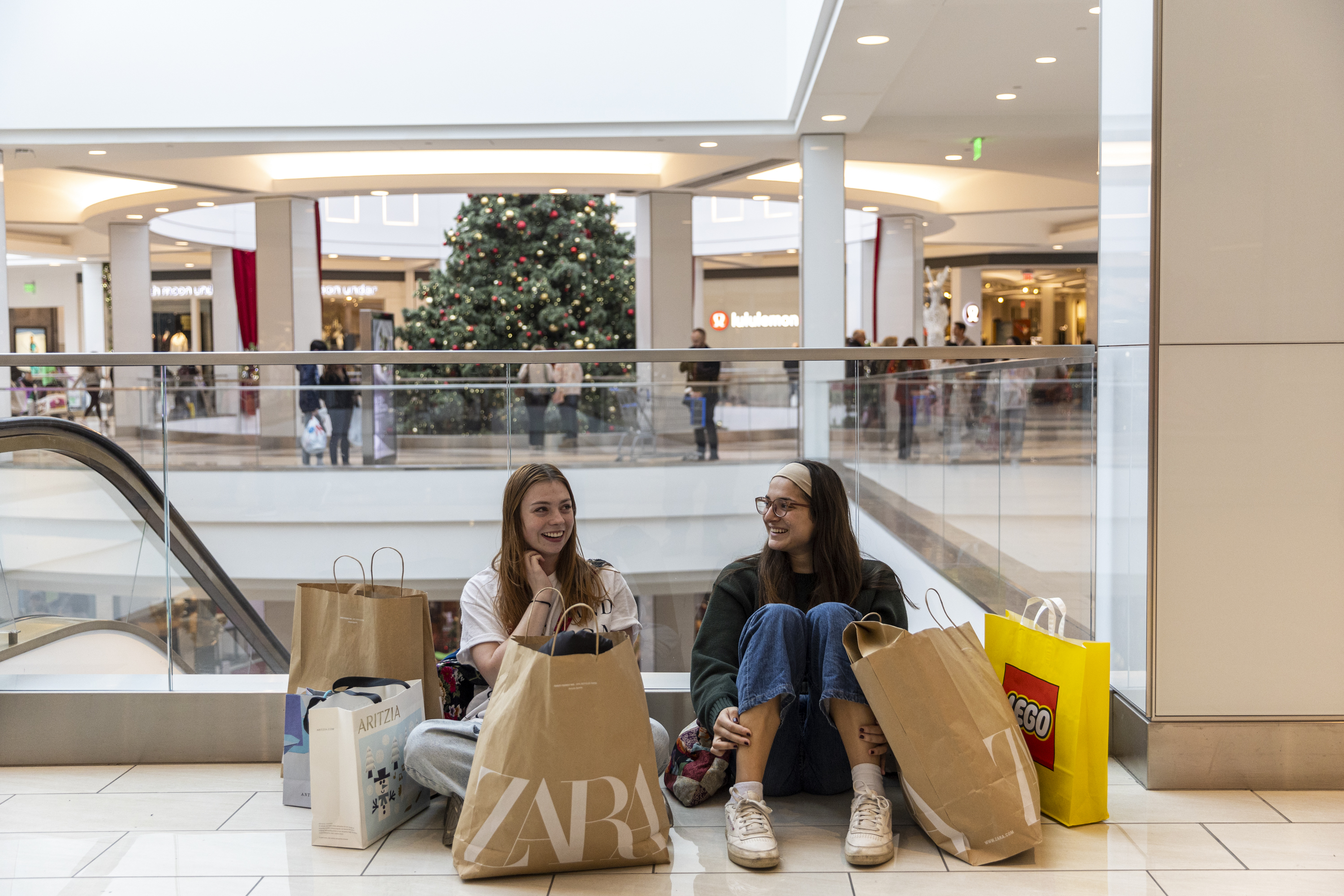
    Shoppers sit with their bags at the King of Prussia Mall on Black Friday 2022.

    If you’re doing holiday shopping later in the season, or taking a trip to the mall between Christmas and New Year’s, you might be able to visit the following stores. All of them are set to open their first Philadelphia-area locations this December:

    In early 2026, Adidas and Columbia Sportswear are set to open stores in the King of Prussia Mall. Exact locations for those stores have yet to be announced.

    Looking even further ahead, Level99 is set to open a 46,000-square-foot live social-gaming venue on the ground floor of the former JCPenney in 2027.
  • Conshohocken-area AI data center proposal abruptly withdrawn over legal issues

    Conshohocken-area AI data center proposal abruptly withdrawn over legal issues

    A Main Line developer’s plan to turn a shuttered steel mill into a 2-million-square-foot AI data center on the outskirts of Conshohocken was stymied Monday when he was forced to withdraw his application over legal issues.

    At the Plymouth Township zoning hearing board meeting, Brian O’Neill’s team had been set to make their case for an exception that would allow a data center to be built at 900 Conshohocken Rd.

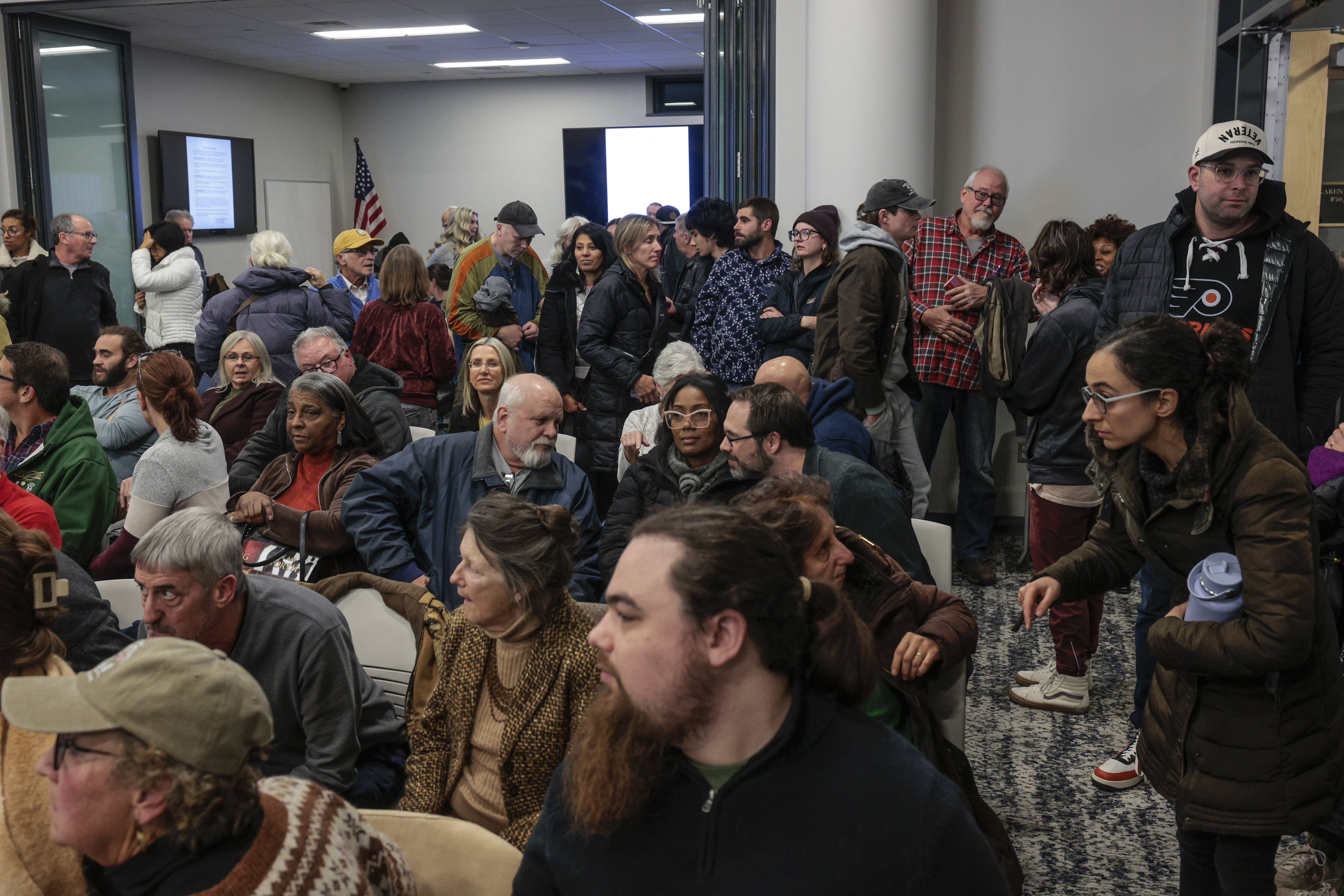
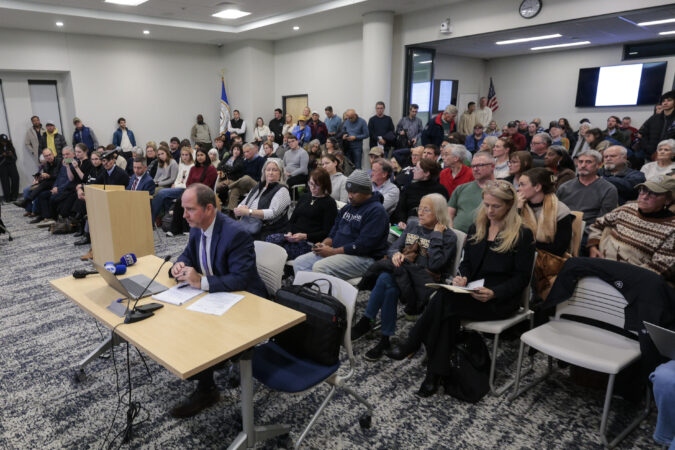
    The plan has faced neighborhood pushback, and hundreds of people packed the meeting room on Monday night. O’Neill did not appear to be among them.

    Edmund J. Campbell Jr., an attorney for O’Neill, said they wished to move the hearing to the township’s December meeting. Then an attorney for Cleveland-Cliffs, the property owner, said the prospective buyer did not have legal standing to do so.

    An agreement of sale had not been approved prior to the meeting, said Heather Fine, the attorney for Cleveland-Cliffs.

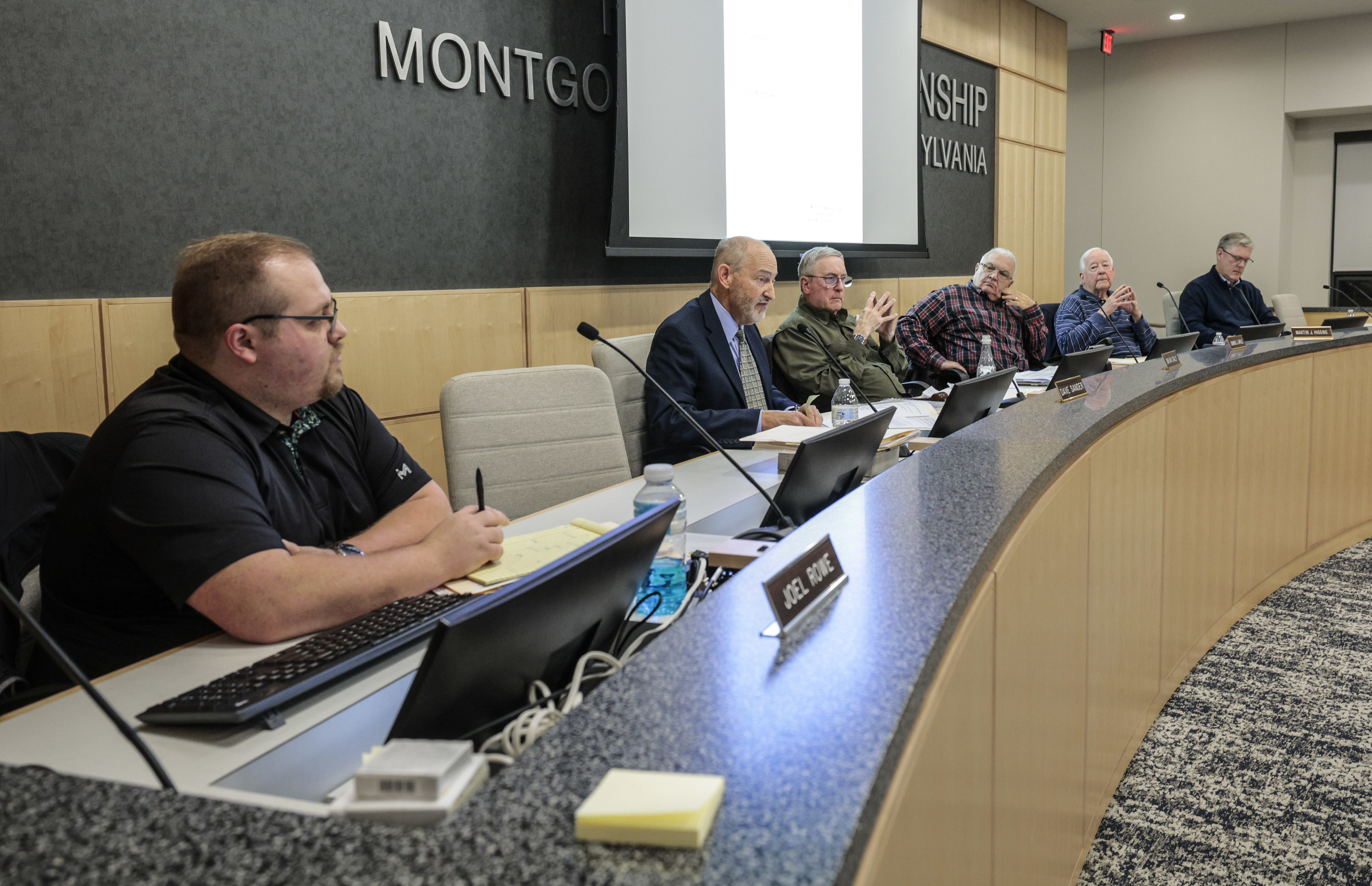
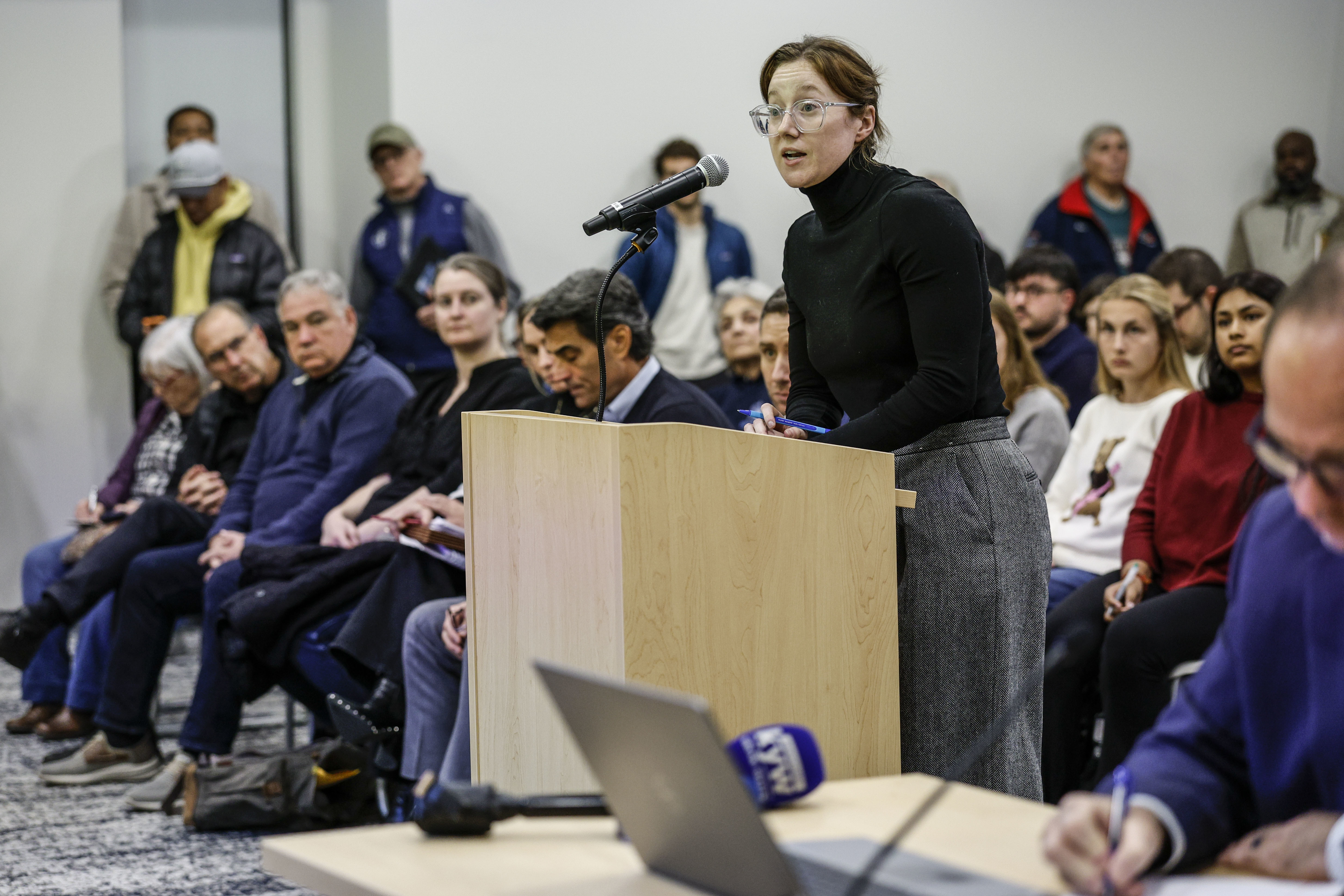
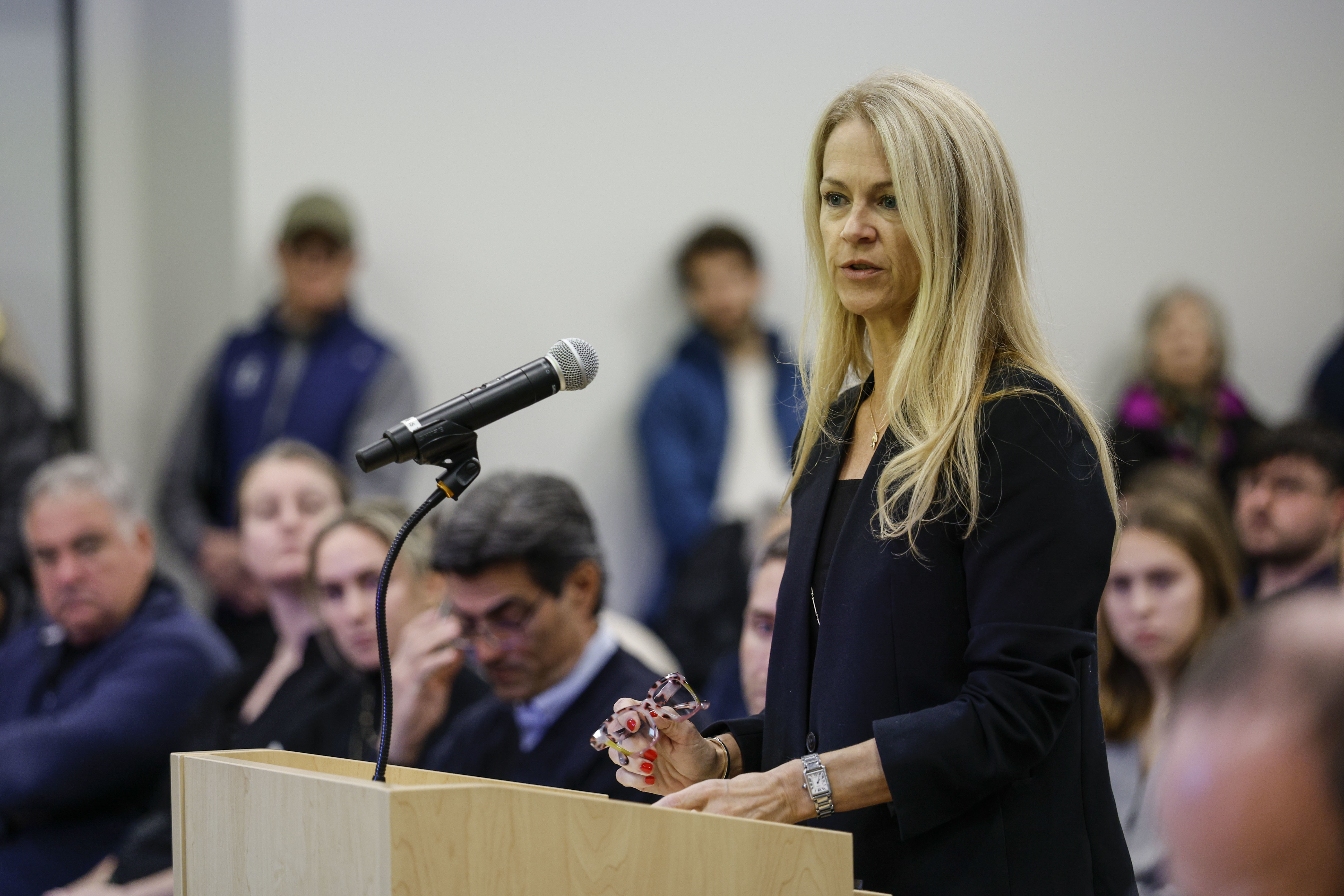
    Heather Fine, an attorney for Cleveland-Cliffs, addresses the Plymouth Township zoning hearing board on Monday.

    Campbell later asked Fine and then the board for permission to withdraw the application. Both declined to provide additional comment.

    Residents who had spent more than a month organizing in opposition to the project said they had mixed emotions.

    “It is the smallest of small wins, because we’re making it harder for something bad to happen to our community,” said Nick Liermann, an attorney who lives in a neighborhood near the former steel mill. “But we will be back in this room in a few months.”

    “Communities can be effective,” said Patti Smith, a neighbor of Liermann who has spearheaded the local data-center opposition efforts. “We have to stand up for ourselves.”

    With the withdrawal, the data center proposal is officially off the docket in Plymouth Township, zoning officer Joel Rowe said, but the applicant can resubmit a plan at any time, restarting the process.

    What the data center proposal entailed

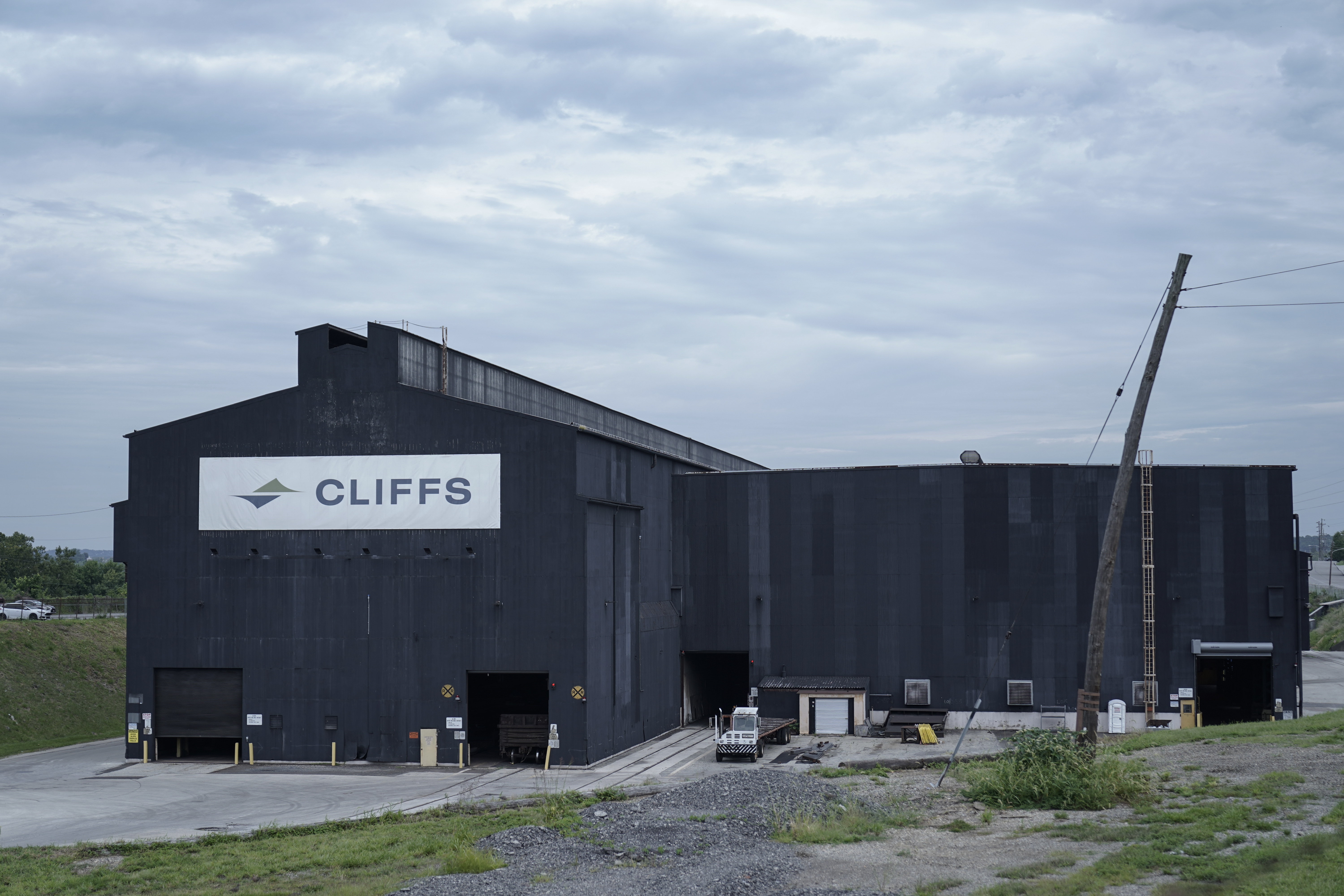
    The now-closed Cleveland-Cliffs plant near Conshohocken is shown in this 2023 file photo. A data center has been proposed for the site.

    This latest development in the Conshohocken-area data center saga occurs amid broader controversy about such facilities, which handle cloud-computing and storage for Big Tech companies.

    The construction of data centers has been fast-tracked to meet the growing demands of power-hungry AI tools like ChatGPT. Politicians on both sides of the aisle, including President Donald Trump and Gov. Josh Shapiro, have pushed for more centers, while some neighbors near proposed sites have mounted fierce pushback.

    In the Philadelphia area, Amazon is building a 2-million-square-foot data center on a former steel mill in Falls Township, Bucks County. And a 1.3-million-square-foot data center has been proposed at the former Pennhurst State School and Hospital in East Vincent Township, Chester County.

    In Plymouth Township, O’Neill had not revealed the potential tenant for his proposed data center, but indicated it would be related to the life sciences.

    The data center is proposed for a 66-acre property along the Schuylkill in the Connaughtown section of the township. The site is less than a mile from downtown Conshohocken. Its neighbors include the Proving Grounds sports complex, Tee’s Golf Center, and dozens of homes.

    A crowd of people leave the Plymouth Township zoning hearing board meeting on Monday.

    Some Connaughtown residents, along with other data center opponents from across the Philadelphia region, have rallied against the proposal. As of Tuesday, more than 1,000 people had signed an online petition urging township officials not to grant a zoning exception for the data center, citing concerns about light, noise, and air pollution; water usage; and electricity costs.

    O’Neill, meanwhile, had argued that a data center should be permitted in the “heavy industrial” zone due its to similarity to a warehouse and laboratory, which are both permitted uses under township code. He had also touted the center’s potential economic benefits, saying it could bring in $21 million in annual tax revenue and attract other companies to the area.

    “Industry hasn’t come and gone. It’s simply changed,” O’Neill said at last month’s planning board meeting. “What I’m proposing is to put 21st-century industry into an industrial building.”

    Why the data center plan was withdrawn

    The Plymouth Township zoning hearing board had been set to hear Brian O’Neill’s proposal for an AI data center outside Conshohocken on Monday.

    At the start of Monday’s standing-room-only meeting, Plymouth Township officials were expecting a long and potentially tense night.

    Solicitor Dave Sander began by warning the crowd that they must maintain decorum, and said he would cut off the proceedings at 10 p.m. Police officers stood outside the room.

    Quickly, however, it became clear that Campbell, O’Neill’s attorney, had other plans, requesting a continuance to the Dec. 15 meeting. If granted, it would have marked the hearing’s second continuance: The proposal was initially supposed to be discussed at an October meeting.

    “My client would like an additional opportunity to review with [community members] the project,” Campbell said. “When we proceed, if we have had a more robust dialogue with those participants, this hearing on the 15th would be significantly more efficient.”

    Neighbors, some of whom had already attended a private meeting with O’Neill last month, objected to the last-minute request, saying that it was unlikely their minds would be changed if no significant changes had been made to the plan.

    “Is the proposal significantly different than what was displayed to community members at the Oct. 8 meeting?” asked Smith, who organized neighborhood opposition.

    Patti Smith, resident and organizer of anti-data center movement in the neighborhood, addresses the Plymouth Township zoning hearing board at Monday’s meeting.

    “No,” Campbell responded, later adding that they wanted more residents to be able to attend the meeting and hear from their experts who could speak to concerns, including about noise and emissions.

    Before the zoning hearing board could vote on the continuance request, Fine, the attorney for property owner Cleveland-Cliffs, took to the podium.

    “There is no standing for the prospective buyer to proceed with the application this evening,” Fine said. “That authority was not extended to the prospective buyer from the owner. There is no LOI [letter of intent] in place.”

    “My client delivered a signed agreement of sale to the owner this evening,” Campbell said. “Based on that, we have standing. … We made our application with the express consent of the owner.”

    Sander turned to Fine, asking if that was true.

    “It’s not entirely true, no,” Fine said. “The signed agreement that was transmitted to my colleague at 5:51 p.m. this evening had redline changes. Those have not been accepted by my client.”

    She did not elaborate on what those changes entailed.

    The zoning hearing board recessed before returning to accept Campbell’s motion to withdraw the application.

    As a neighbor to the site, Liermann said the unexpected turn of events left him with a more sour taste in his mouth about the developer: “The last-minute request in an attempt to obstruct the process and dissuade the public from participating, and then this ‘confusion’ over whether or not an LOI was actually signed between the developer and the owner, is incredibly disturbing.”

  • Cloudflare outage impacts X, ChatGPT, Spotify, and other websites

    Cloudflare, an internet infrastructure platform, is experiencing an outage that appears to be affecting websites across the internet, including the social media platform X.

    The company said in a status update before 7 a.m. EST on Nov. 18 that it was aware of “an issue which potentially impacts multiple customers,” and was investigating the problem.

    In a statement to USA TODAY around 8:30 a.m. EST, Cloudflare said it “saw a spike in unusual traffic” to one of its services around 6:20 a.m. EST.

    “That caused some traffic passing through Cloudflare’s network to experience errors. We do not yet know the cause of the spike in unusual traffic. We are all hands on deck to make sure all traffic is served without errors. After that, we will turn our attention to investigating the cause of the unusual spike in traffic,” the statement said.

    Many X users reported having problems loading the social media app.

    According to Downdetector, an outage-tracking website, thousands of users of several popular websites were reporting issues or outages as of 8 a.m. EST, including X, Spotify, OpenAI, League of Legends and more.

    By 8:30 a.m. EST, though, Downdetector also appeared to be having connectivity issues tied to the Cloudflare outage.

    Is Cloudflare down?

    Cloudflare said it is experiencing issues with its global network, causing outages at many websites that rely on the platform.

    Shortly after 8 a.m. EST, Cloudflare said it had identified the issue and made changes to recover its Cloudflare Access and WARP system, which both help protect companies’ traffic and devices.

    “We are continuing to work towards restoring other services,” Cloudflare said.

    More updates will be available on its status website.

    Cloudflare is a platform which many websites use to improve their performance and functionality.

    Which websites are down from Cloudflare outage?

    According to Downdetector, the following websites were reporting increased outages as of 9 a.m. EST:

    • X, formerly Twitter
    • Spotify
    • OpenAI
    • League of Legends
    • Grindr
    • Google Store
    • Archive of Our Own
    • Uber
    • Quizlet
    • Canva
    • Claude AI
    • Character AI
    • Indeed
    • Truth Social
    • Dayforce
    • ChatGPT
    • Letterboxd
    • Square
    • Rover
    • Zoom
    • Canvas
    • Ikea

    Downdetector also appeared to be impacted by the outage, as did news outlet Axios. Both websites loaded a banner that said, “Please unblock challenges.cloudflare.com to proceed.”

  • How Philly-area outlets survive and sometimes thrive in an era of dying malls

    How Philly-area outlets survive and sometimes thrive in an era of dying malls

    For the Nowell family, the outlets are an annual tradition.

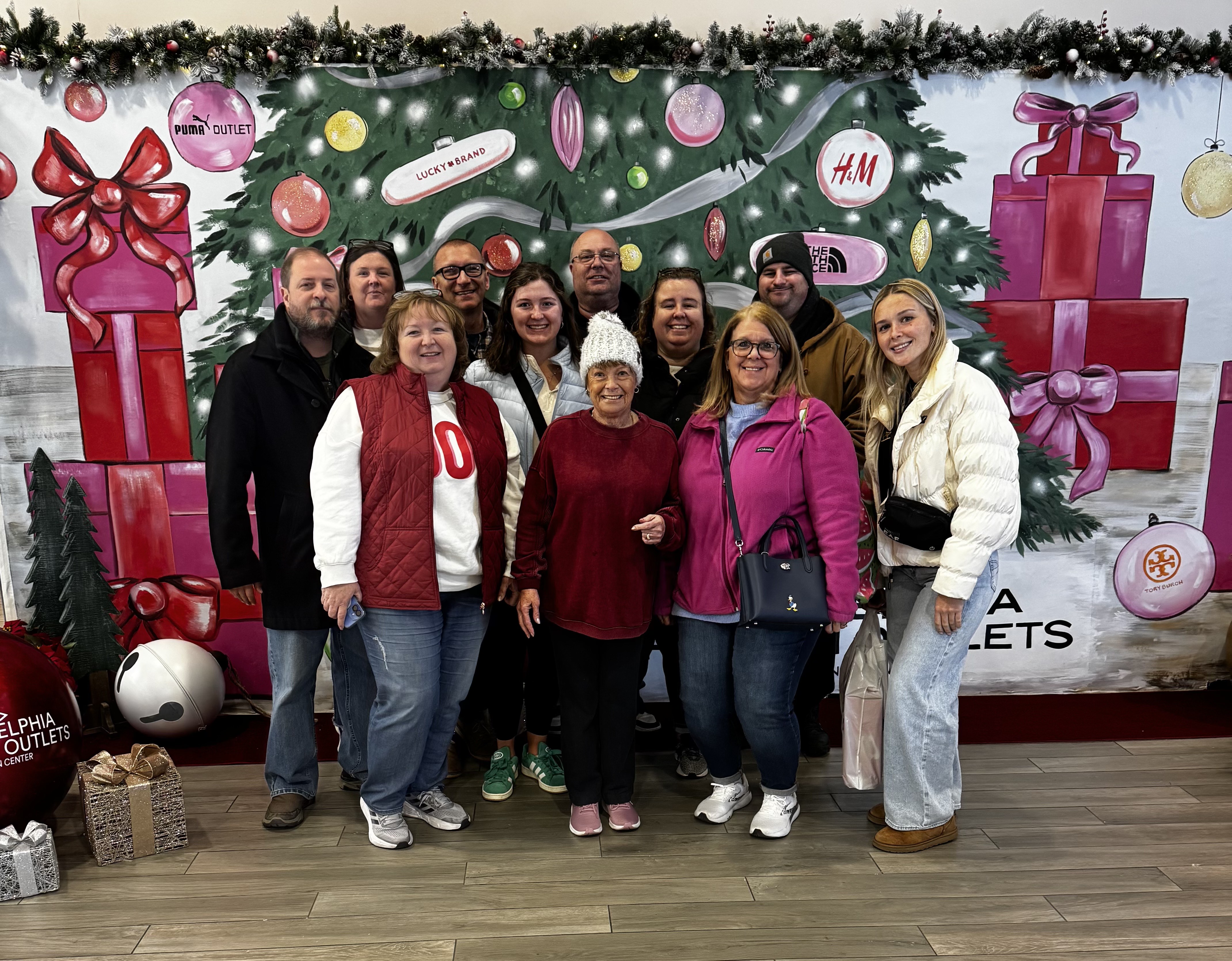
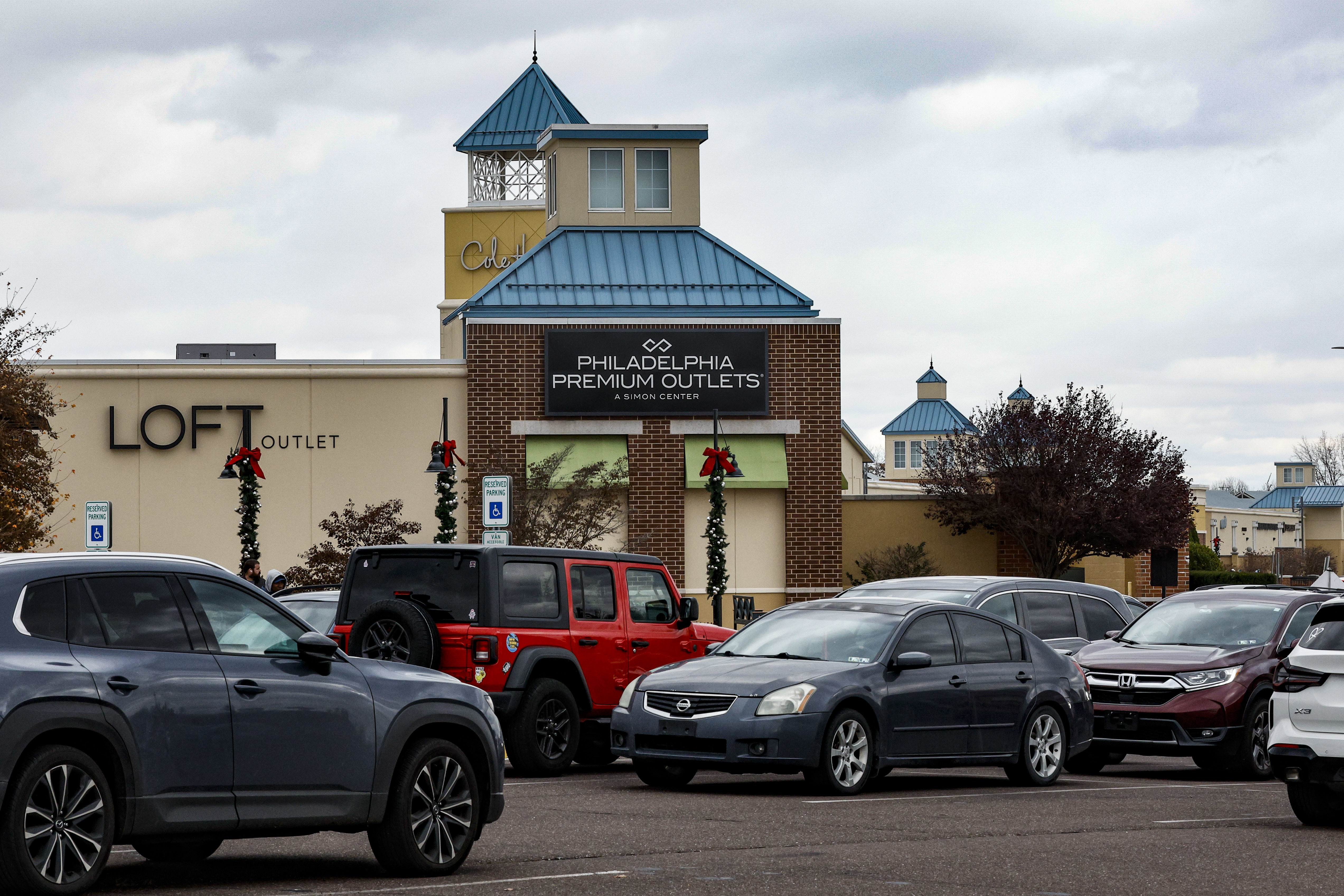
    Every Veterans Day, a dozen relatives venture to Limerick Township in Montgomery County, where they kick off their holiday shopping at the Philadelphia Premium Outlets.

    Even this year, as bitter winds whipped through the outdoor plaza, the family was undeterred.

    After a morning of shopping, the multigenerational group, which included two veterans, warmed up with their yearly food-court lunch, courtesy of matriarch Geri Nowell, 77, of Telford. Then, the men returned to the cars and dropped off dozens of shopping bags, which they’d been carting around in a wagon. The women walked on, hunting for their next find among the more than 130 shops.

    The Nowell family poses in front of a holiday backdrop during their annual outing to the Philadelphia Premium Outlets.

    “It’s super fun,” said Ann Blaney, 47, of Drexel Hill.

    “We get great deals,” added Kim Woodman, 55, of Hatboro.

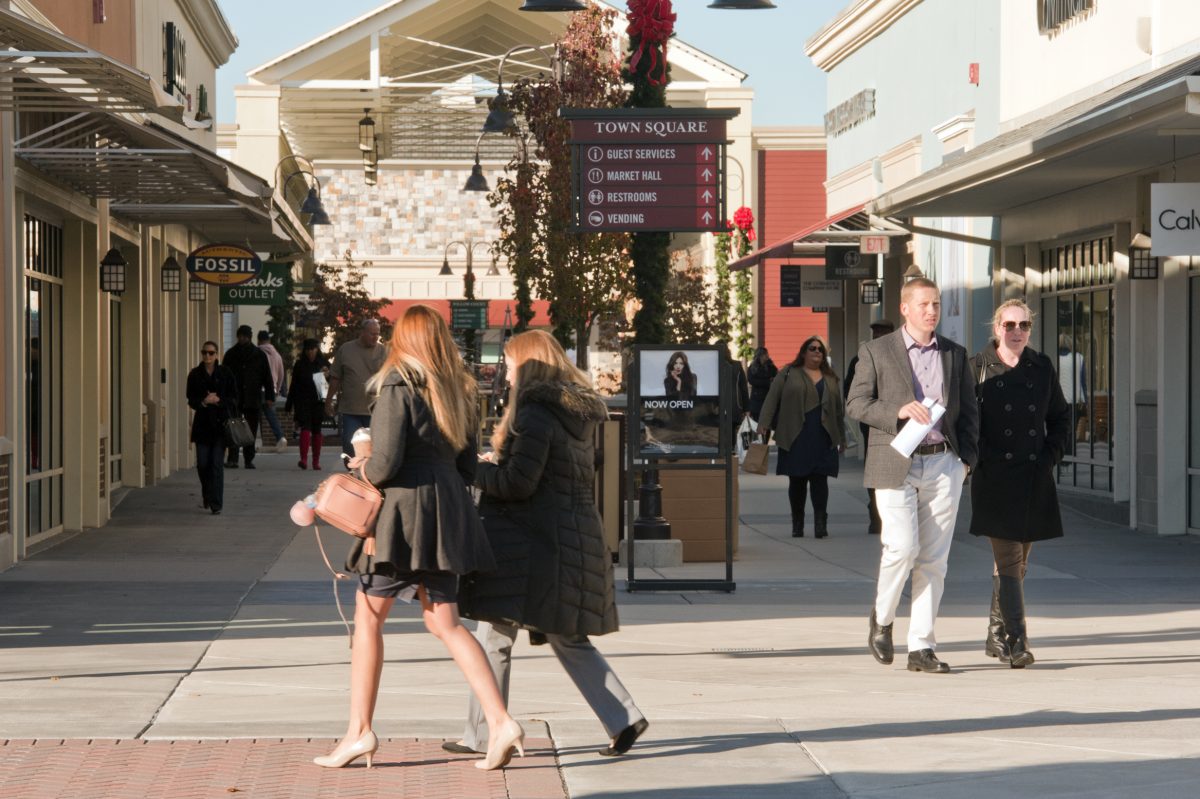
    The tradition is an experience they say can’t be replicated online. The fact that the complex is open-air and contained in a 550,000-square-foot plaza somehow adds to the fun, they said.

    As Kathy Nelson, 48, of Broomall, browsed the outlets with her friends, she said she also shops at the nearly 3 million-square-foot King of Prussia Mall, less than 20 miles away. But otherwise, she said, “there aren’t many indoor malls left” with the variety of stores she prefers.

    As some indoor malls have struggled and died, leaving fewer than 1,000 left nationwide, the outlets remain alive.

    Outlets have always accounted for a fraction of the in-person retail market, which is partly why there have been few headlines about dying outlet malls. But some of the country’s roughly 200 outlet malls seem to be downright thriving, with full parking lots on weekends, few vacant stores, and relatively strong revenue.

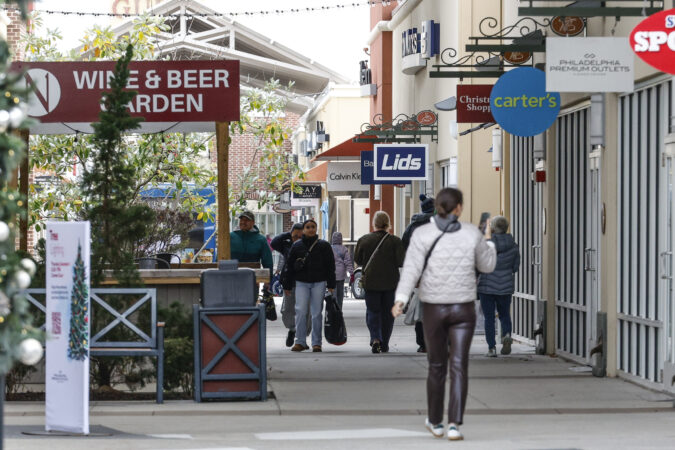
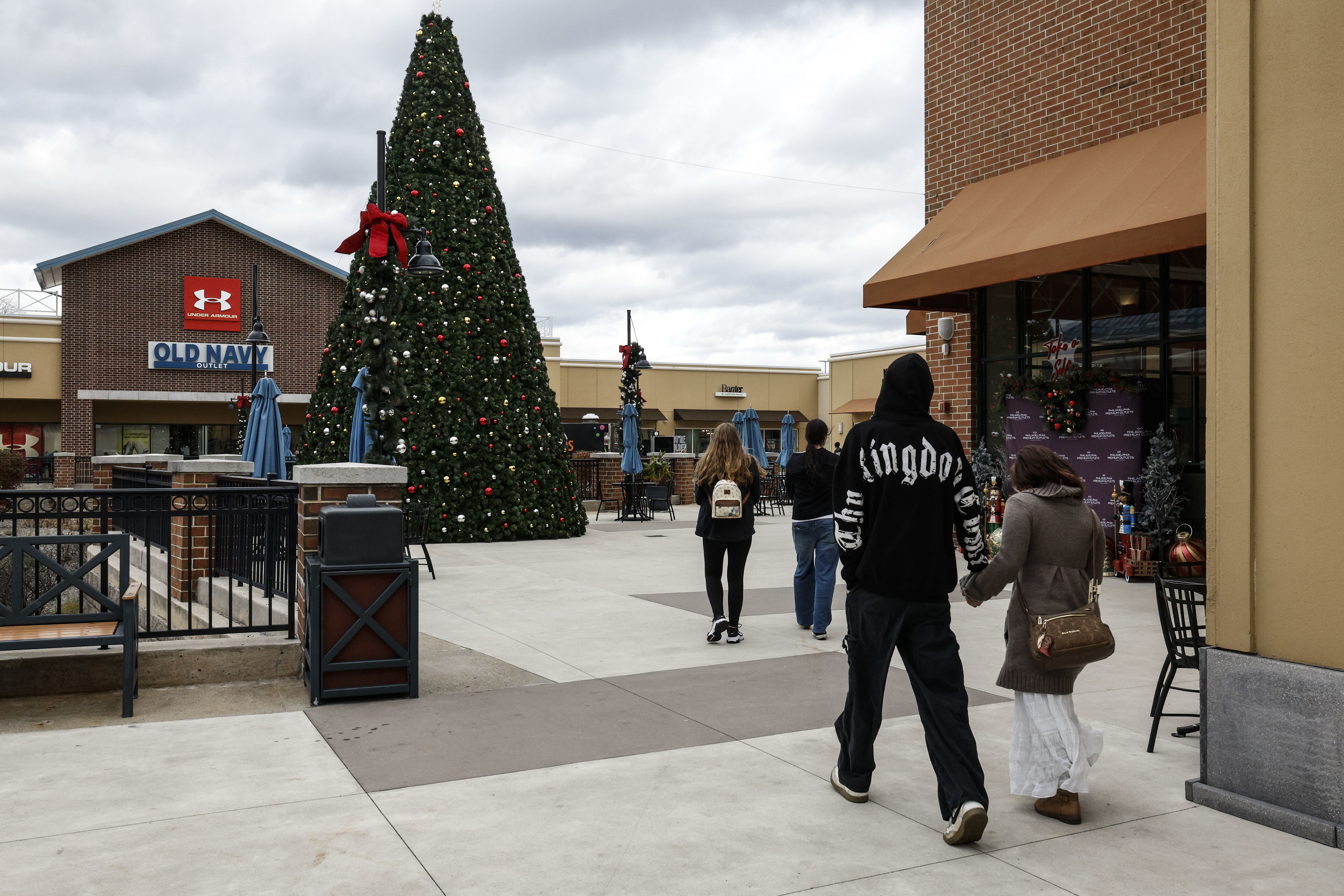
    Shoppers walk by the tree at the Philadelphia Premium Outlets on Nov. 11.

    The Philadelphia region’s two major outlet malls — the Philadelphia Premium Outlets in Limerick Township and the Gloucester Premium Outlets, both owned by Simon Property Group — are more than 92% occupied, according to a count by The Inquirer during visits to each location this month. Both outlets have found success despite being less than 20 miles from thriving indoor malls in King of Prussia and Cherry Hill.

    Tanger Outlets, which has locations in Atlantic City and Lancaster, recently reported more than 97% occupancy across its 39 open-air centers and an increase in average tenant sales per square foot.

    “Outlets do good in good times and great in bad times,” said Lisa Wagner, a longtime consultant for outlets, repeating a common refrain in the industry.

    The centers have evolved amid the broader push toward more experiential retail and most now have a mix of discount stores and full-price retailers. But they have done so while embracing their reputation as the go-to destination for snagging deals, said Wagner, a principal at the Outlet Resource Group.

    “Honestly no one knew what was going to happen after COVID, but [the outlets] came out incredibly strong,” she said. More recently, the retail industry has been rattled by tariffs and economic uncertainty. The outlets have not been immune to those challenges, but they have held strong despite them.

    “People want value right now,” Wagner said. “They need it.”

    The Philadelphia Premium Outlets has more than 130 stores in its 500,000-square-foot complex.

    Outlet malls become one-stop shops

    On a rainy, early November Sunday, hundreds of people descended on the Gloucester Premium Outlets.

    Shoppers pulled up hoods and huddled under umbrellas as they made their way from store to store. Many balanced several large bags bearing brand names like Columbia and Kate Spade, Rally House and Hey Dude shoes. Some munched on Auntie Anne’s pretzels or sipped Starbucks from holiday cups. An acoustic version of Jingle Bells played over the speakers.

    For some, the dreary, drizzly weather was even more reason to spend their afternoon at the 86-store complex in Blackwood, Camden County, about 15 miles outside Philadelphia.

    With two young children in tow, Jessica Bonsu, 30, of Sicklerville, was on a mission.

    “We came out to go to the indoor playground,” called Stay & Play, Bonsu said, pointing to her rambunctious kids. “Just to get some energy out.”

    “And then we can also get some shopping done,” added her cousin, Taneisha Laume, 30, who was visiting from D.C. She needed a gift for her uncle. “Kill two birds with one stone.”

    Shoppers peruse the stores at the Gloucester Premium Outlets in this 2019 file photo.

    These kind of multipurpose visits are buoying outlet malls, which are increasingly becoming mixed-use destinations for dining, drinking, entertainment, and shopping.

    “You’re coming for a little bit of everything,” said Gerilyn Davis, director of marketing and business development at Philadelphia Premium Outlets.

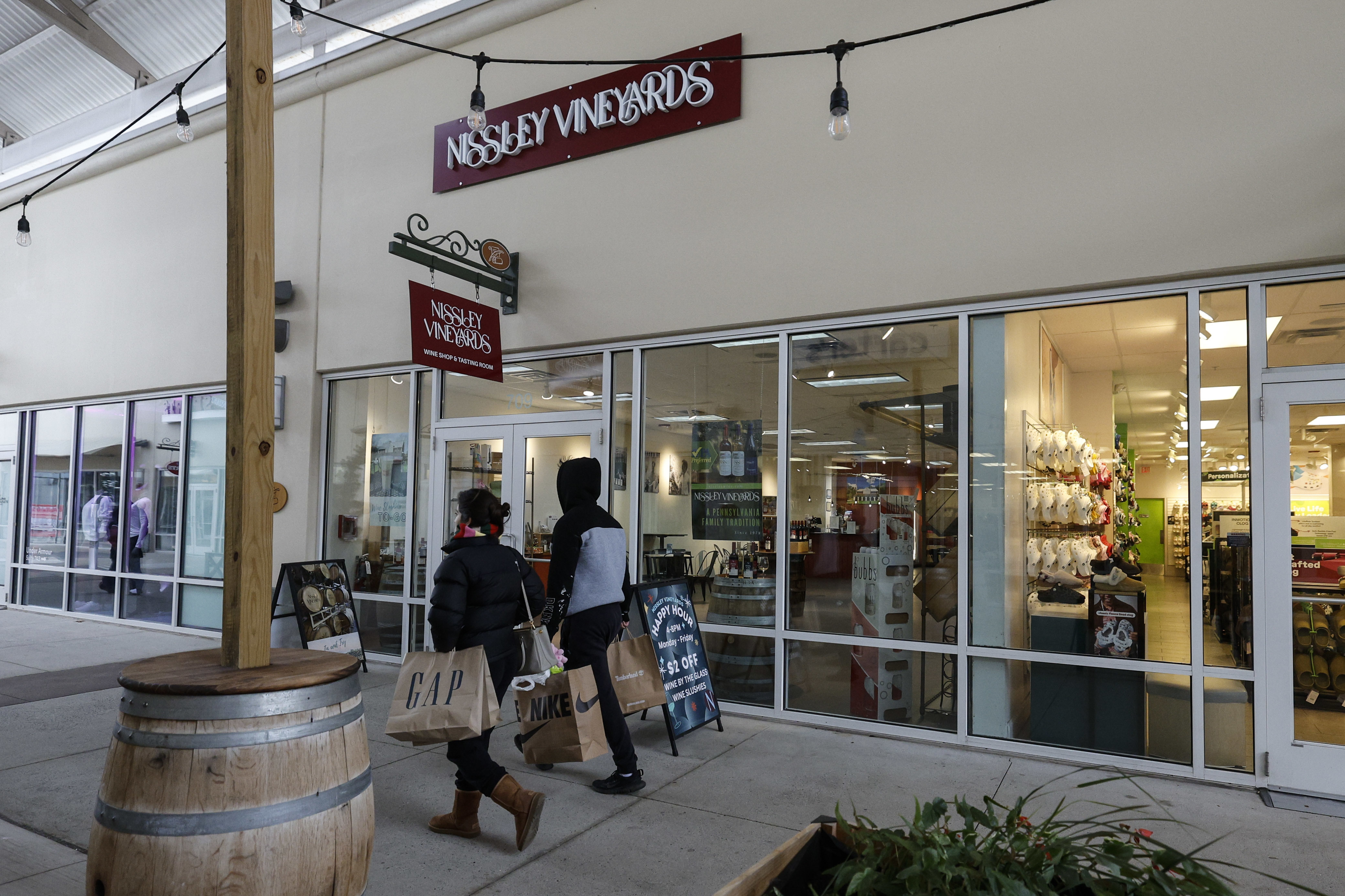
    The Limerick Township complex recently welcomed a slate of new tenants, including Marc Jacobs’ first Pennsylvania outlet store, a BOSS outlet, an Ulta Beauty, and an outpost of central Pennsylvania’s Nissley Vineyards, which has an outdoor seating area.

    Shoppers walk by the Nissley Vineyards store at the Philadelphia Premium Outlets.

    New Balance, whose shoes are trendy again, is also opening stores in both the Philadelphia and Gloucester outlets.

    Justin Stein, Tanger’s executive vice president of leasing, said the North-Carolina-based company is focused on adding more food, beverage, and entertainment options.

    While overall occupancy at its Atlantic City center is lower than others, the complex has a Dave & Buster’s and a Ruth’s Chris steakhouse. The Simpson, a Caribbean restaurant and bar, is also set to open there in early 2026.

    In Lancaster, Tanger is looking to add food and beverage options, Stein said. But that center is still performing well, with a 97% occupancy rate, according to an online map, and only two vacancies.

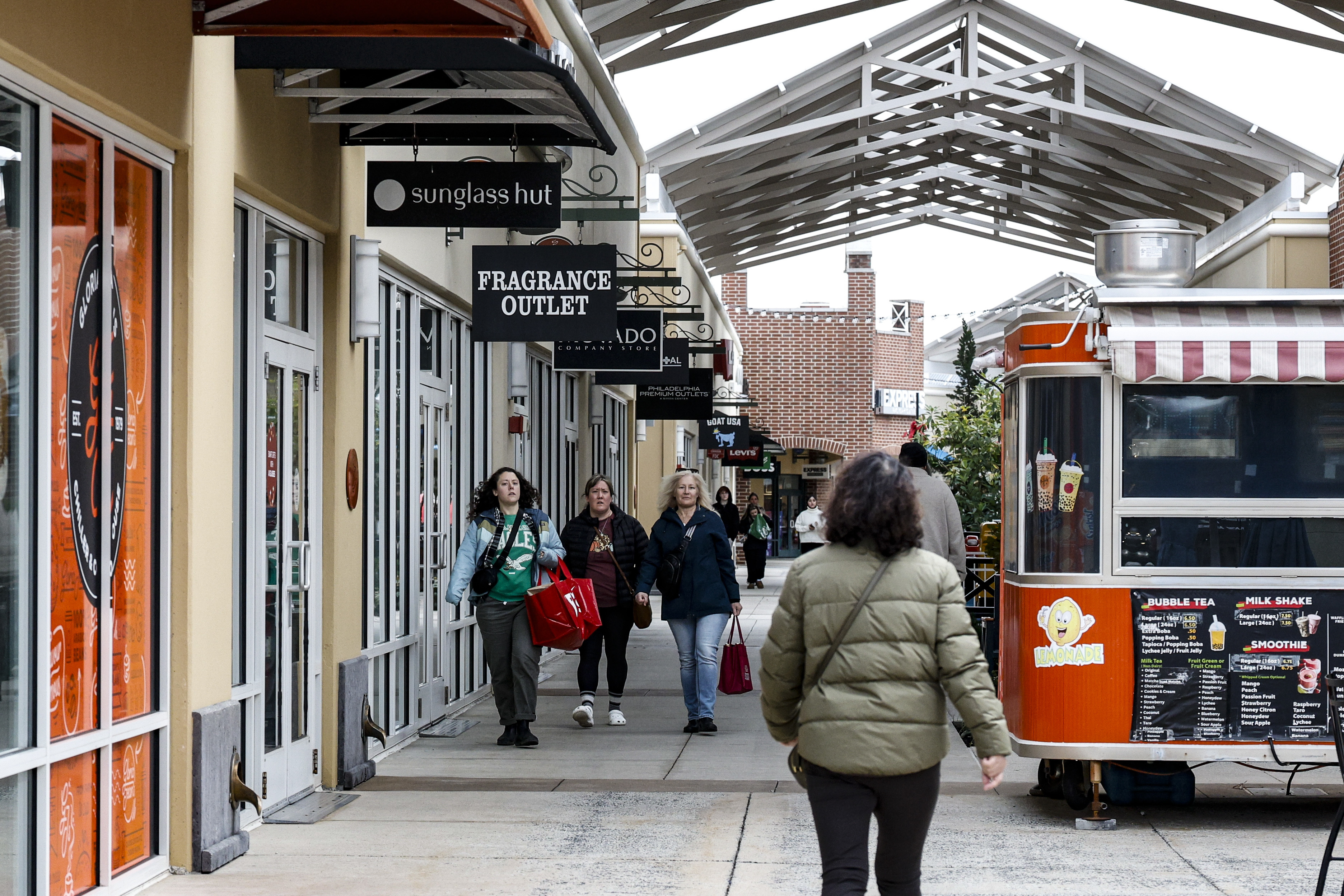
    When there are places to eat and drink at the outlets, “people stay longer,” Stein said, “and when they stay longer, they spend more.”

    Philadelphia Premium Outlets had a steady crowd on a bitter cold Veterans Day.

    From ‘no frills’ to outlets of the future

    Today’s outlet malls look vastly different from what Wagner calls the “no frills” complexes of the 1990s.

    At the time, an outlet mall served as “a release valve for excess goods,” Wagner said. “There were some stores that had really broken merchandise.”

    To comply with branding rules and avoid competition with department stores, outlet malls were often located along highways between two major metro areas, she said.

    “What became clear is that customers loved it,” Wagner said. Soon, brands started overproducing to supply these outlet stores with products in an array of a sizes and colors.

    This effort to bulk up outlet offerings was “a roaring success,” she said, with companies finding that more than a third of outlet customers went on to buy their products at full price at other locations.

    Philadelphia Premium Outlets, which opened in 2007, has very few vacant storefronts.

    As their popularity rose, more outlet malls were built across the country.

    The Atlantic City outlets, originally called The Walk, opened in 2003, followed by the Philadelphia Premium Outlets four years later. In 2015, the Gloucester Premium Outlets opened, with local officials calling the approximately 400,000-square-foot center the largest economic development project in township history.

    As the centers look to the future, their executives are continuing to hone their identity as “not just a discount-and-clearance center,” said Deanna Pascucci, director of marketing and business development at Gloucester Premium Outlets.

    Center leaders are bringing in food trucks, leaning into rewards programs, and promoting community events, such as Gloucester’s holiday tree lighting, which took place Saturday. Starting Black Friday, the Philadelphia Premium Outlets will offer Santa photos after a successful pilot program last year.

    And the complexes are finding new ways to attract and retain shoppers, online and in real life.

    Tanger recently announced an advertising partnership with Unrivaled Sports, which operates youth sports complexes, including the Ripken Baseball Experience in Aberdeen, Md., an hour drive from its Lancaster outlets. Stein said the company hopes to attract families looking to pass the time between tournament games.

    Tanger is also using AI and data analytics to email specific deals to customers based on where they’ve previously shopped, Stein said.

    “We want you to start your experience online and end it in the store,” Stein said.

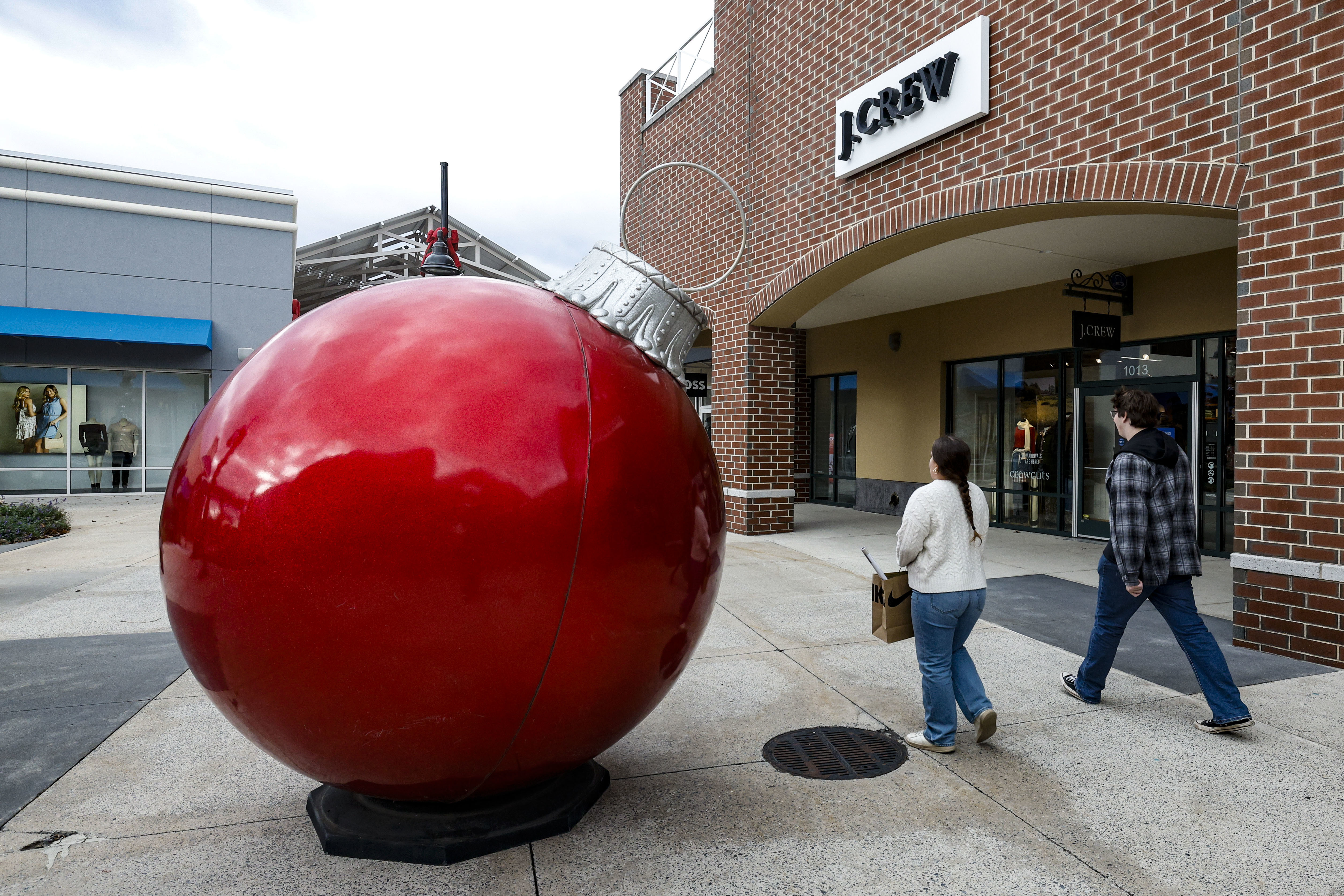
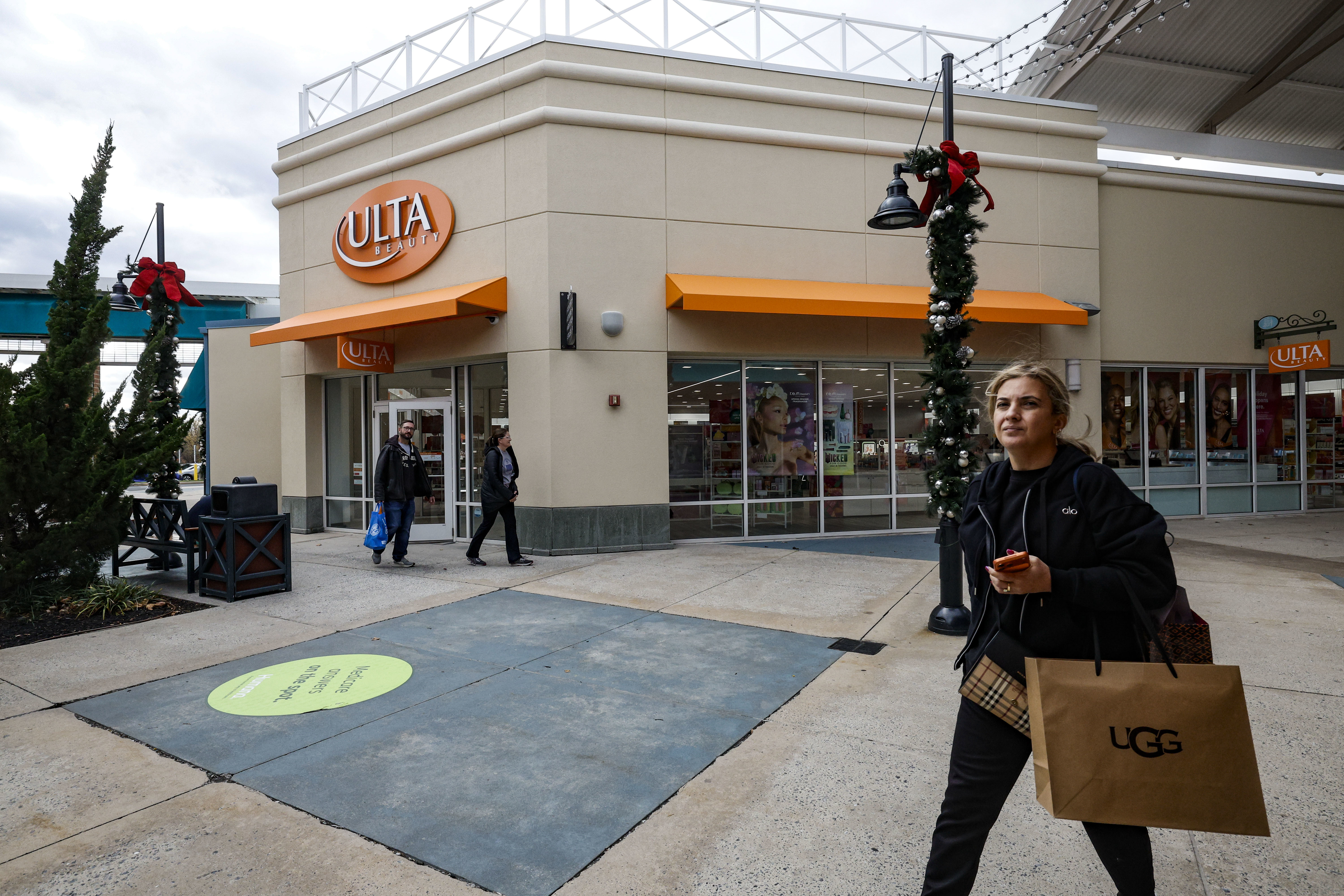
    Shoppers walk by a new Ulta store at the Philadelphia Premium Outlets.

    At Simon outlets, customers can search a store’s inventory online before they make the trip, Davis said.

    “Online shopping at this point, it’s a complement,” Davis said. “It’s not viewed as competition.”

    Wagner, the outlet consultant, said she thinks even more centers will be built in the coming years, with a focus on urban and close-in suburban locations that are accessible by public transit.

    As for existing centers, she sees them thriving for the foreseeable future.

    “As long as outlets continue to emphasize a value message and use their loyalty programs to reward customers,” Wagner said, “I think they will hold their own.”

  • Montco woman files for class action after her cat suffocated in a food container

    Montco woman files for class action after her cat suffocated in a food container

    Curiosity killed the cat, the adage goes, but in the case of Ace the kitten, the fault lies with a defective pet-food container, according to a proposed class-action lawsuit filed in Philadelphia’s federal court.

    Valentina Mallozzi, of Montgomery County, says in the complaint that, in July, Ace managed to get into a locked Iris pet food container she ordered from Amazon. But once the 3-pound kitten was inside, the airtight lid dropped and locked Ace inside.

    The lawsuit, filed last week, accuses Iris USA of creating a defective product that it markets as safe for pets. The complaint says Mallozzi is one of many pet owners who tragically lost their cat to an Iris container.

    The complaint aims to represent all people in the United States who purchased an Iris container. The complaint does not include an estimate of how many people are included in the class, or how much money Iris would owe each person.

    Iris USA, a subsidiary of Japanese plastics manufacturer Iris Ohyama, did not respond to a request for comment.

    Mallozzi bought the Iris airtight stackable containers for $29.99 from Amazon in March, the complaint says. The containers have a locking mechanism that Iris claimed is designed to “keep pets from sneaking a second or even third breakfast with the secure locking latch,” according to the complaint.

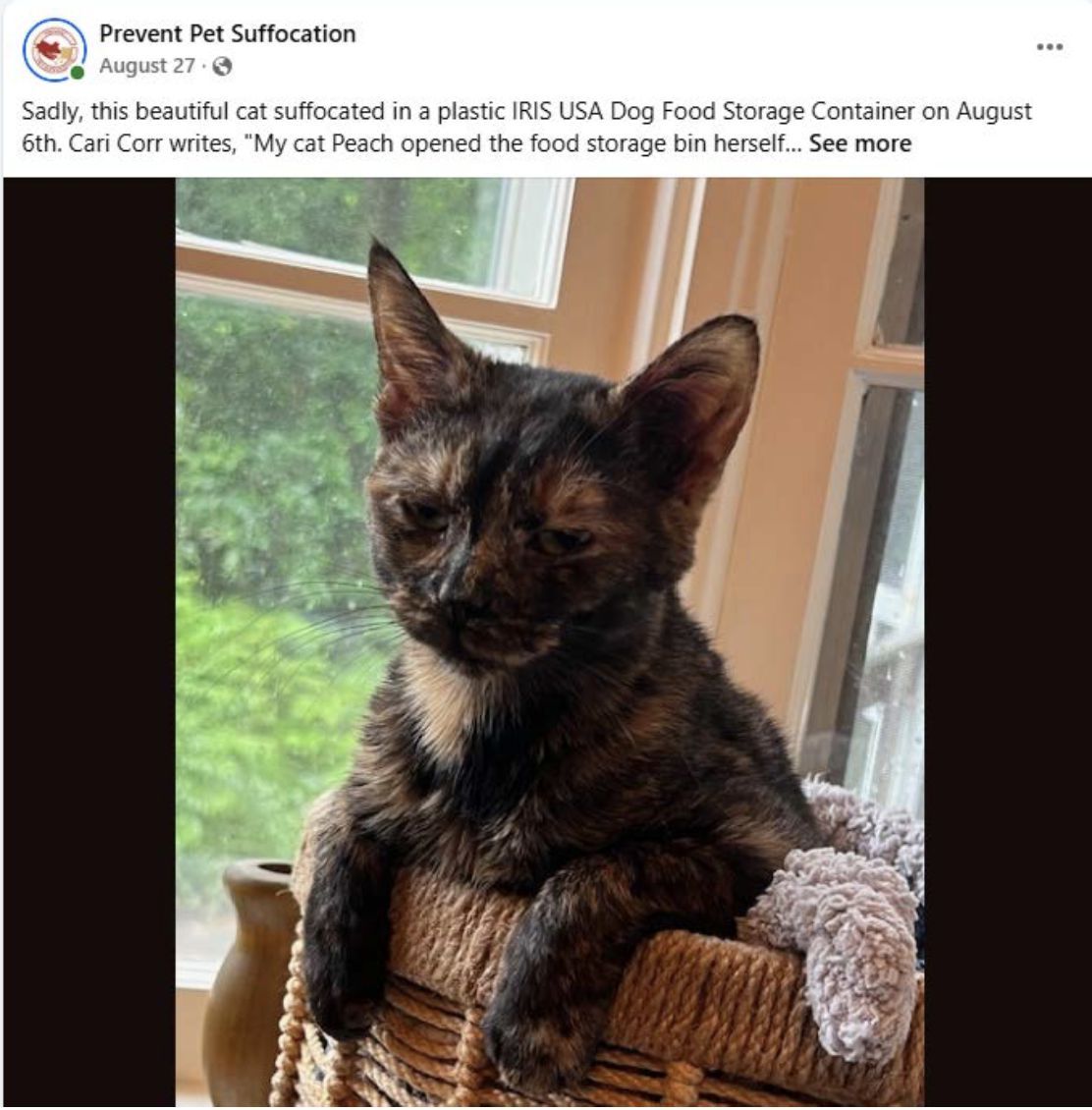
    Screenshot of a post in the Prevent Pet Suffocation Facebook group, which shares the story of Peach the cat who died trapped in a Iris USA food storage container, from Valentina Mallozzi’s lawsuit against the company.

    The problem, the suit says, is that cats can open the latch from outside, climb in, and get trapped as the mechanism automatically locks them in. The airtight seal that keeps pet food fresh makes the trap deadly, as a “pet will suffocate within a few minutes,” the complaint says.

    The lawsuit cites posts from the Prevent Pet Suffocation Facebook group in which cat owners share stories about their beloved pets getting trapped in an Iris container.

    One post included in the complaint shares the story of Baby Bear, a family’s cat who was found dead in an Iris container by an 8-year-old girl.

    “My cat, Max, also suffocated in an Iris pet food container,” a woman responded. “I know the pain you’re going through.”

    Iris USA was put on notice, and not only by people on social media, the complaint says. In March, the Center for Pet Safety, a Virginia-based nonprofit, put out a report evaluating the risk food containers represent for pet suffocation that specifically calls out Iris.

    The latch mechanism on the lid “significantly increases the risk of pet suffocation,” the report says.

    The lawsuit says the product should have come with a label warning of the suffocation risk for pets that can unlatch the lid.

  • King of Prussia Mall is getting a real-life gaming venue with a bar-restaurant

    King of Prussia Mall is getting a real-life gaming venue with a bar-restaurant

    Another experiential retail concept is coming to the region. This time it’s a live social-gaming venue at the King of Prussia Mall.

    Massachusetts-based Level99 announced this week that it plans to bring its next “sprawling adult playground” to the Montgomery County shopping destination in 2027. The move marks the company’s first foray into the Philadelphia market.

    The 46,000-square-foot venue will include 50 “life-size mini games” geared toward adults, according to a news release, and a full-service restaurant and bar serving local craft beer.

    “Level99 goes beyond your conventional entertainment venue — it’s a place to play, explore, and actively connect,” Matthew DuPlessie, founder and CEO of Level99, said in a statement.

    The venue is moving into the ground floor of the former JCPenney, which closed in 2017.

    It will be across the mall from the 100,000-square-foot Netflix House. The immersive experience for fans of the streaming service’s shows is set to open Nov. 12 in the former Lord & Taylor department store.

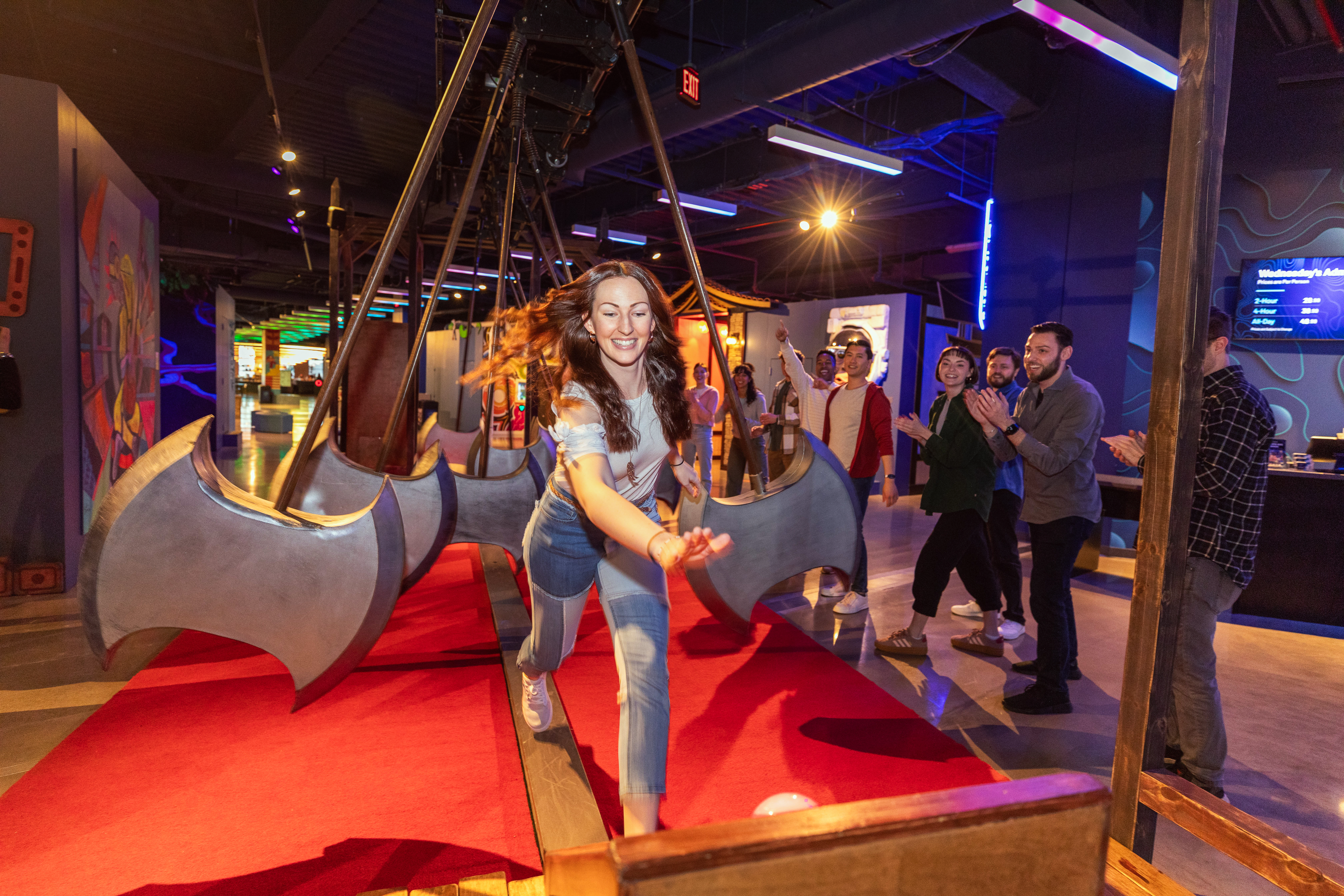
    Level99 customers race through the venue’s signature “Axe Run” game, one of 50 mini-challenges set to be part of King of Prussia’s location when it opens in 2027.

    “We’re thrilled to welcome Level99 to King of Prussia, further elevating our commitment to delivering dynamic, experience-driven destinations,” Mark Silvestri, president of development for mall owner Simon Property Group, said in a statement. ”This innovative concept brings a new layer of interactive entertainment to King of Prussia and is a perfect complement to our growing lineup of immersive offerings.”

    As more consumers shop online, experiential retail has transformed malls nationwide, helping complexes fill empty spaces and attract new customers.

    In the Philadelphia region, Cherry Hill Mall is set to open a Dick’s House of Sport next year. The 120,000-square-foot space will include a climbing wall, golf simulators, a running track, and batting and soccer cages.

    At the Moorestown Mall, an empty department store is set to be filled by a massive entertainment center with axe-throwing and go-karts.

    In Center City, the Fashion District’s owners are considering adding more experiential retail after the success of nearby spots like Puttshack mini golf and F1 Arcade.

    And along with the forthcoming Netflix House, the King of Prussia Mall recently opened the Philadelphia area’s first Eataly, a 21,000-square-food Italian-centric marketplace and wine shop.

    At Level99 venues, customers can choose from 50 mini-games that test mental and physical skills.

    Level99 has been riding this experiential retail wave, opening its flagship location in 2021 at the Natick Mall in suburban Boston. The company opened another location in Providence, R.I., in January 2024, then added a third this summer in the Washington suburb of Tysons, Va. It has projects under construction in Hartford, Conn., and at Disney Springs in Orlando.

    At existing Level99 locations, pricing starts at $29.99 per person for two hours of play, according to its website. Prices increase on weekends and holidays, and if a customer wants more time.

    Level99 is supported by Act III Holdings, a $1.5 billion private-equity investment firm led by Panera Bread cofounder and Cava chairman Ron Shaich. Last month, Act III executives announced a $50 million commitment to the chain’s expansion into new markets, including Philadelphia.

    Unlike some other Philly-area malls, King of Prussia is thriving, with more than 450 stores occupying 2.9 million square feet of retail space.

  • A vacant South Philly Walgreens is set to become a supermarket

    A vacant South Philly Walgreens is set to become a supermarket

    South Philadelphia is set to get a new supermarket in early 2026.

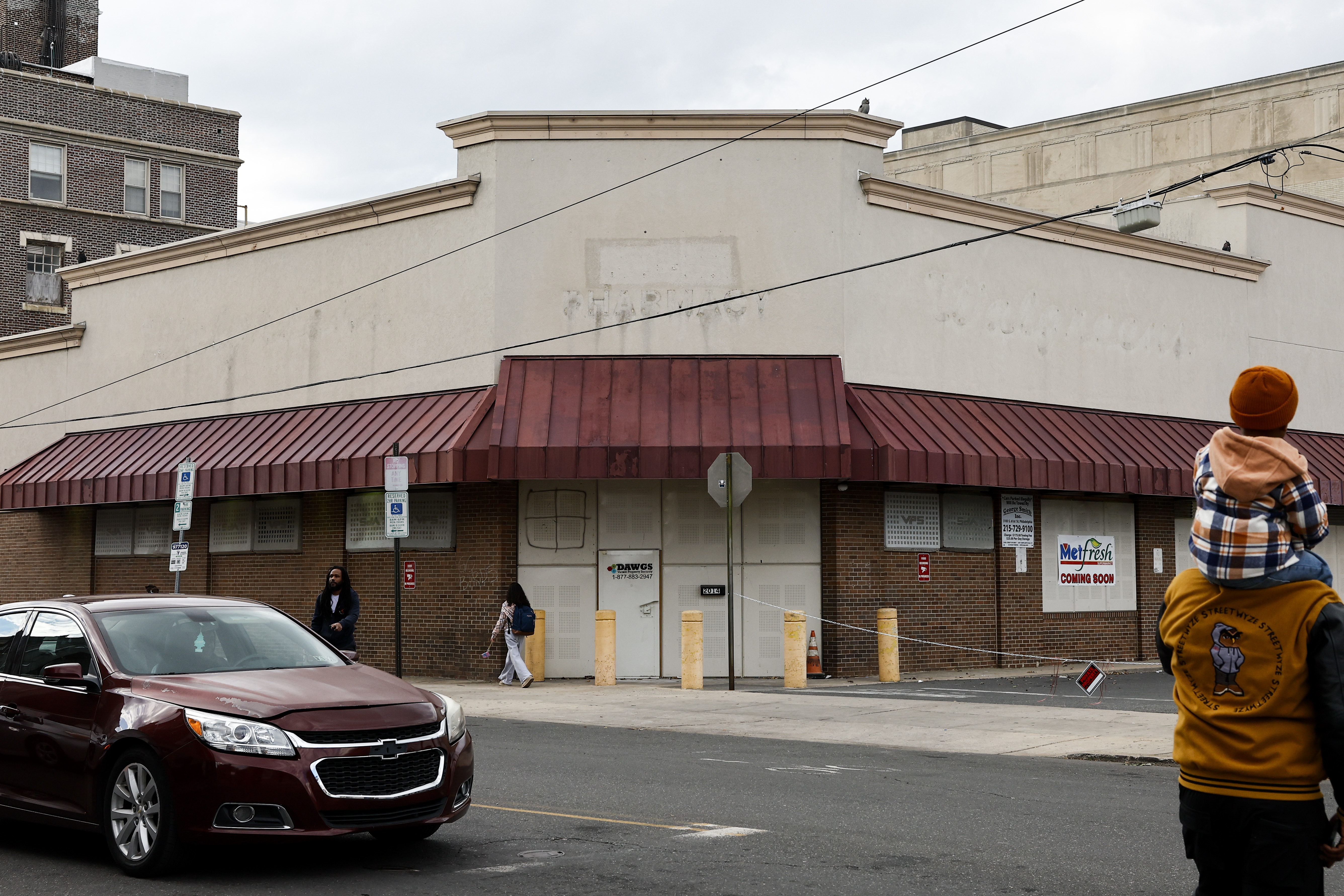
    New York-based Met Fresh is on track to open its first Philly location in January inside the former Walgreens at Broad and Snyder Streets, said owner Omar Hamdan.

    The 13,000-square-foot supermarket will include a pharmacy, a fresh-cut produce department, and a deli counter, Hamdan said, and will offer free grocery and prescription delivery to area seniors. It is also applying for a license to sell beer and wine.

    The former Walgreens at 2014 S. Broad St., where Met Fresh’s first Philly location is set to open in early 2026, photographed on Wednesday.

    “We try to bring the human factor back into the market,” Hamdan said, adding that the company’s philosophy hearkens back to a simpler time: “That store owner who had the apron and was sweeping outside of his store, who said ‘good morning’ to everyone? That is what we do.”

    Met Foods, a family-owned company, has been operating markets in New York City for 15 years, Hamdan said. It currently has locations in the Bronx, Brooklyn, Queens, Staten Island, and northern New Jersey.

    When the South Philly grocer opens, it will mark Met Fresh’s first location outside the New York City area, Hamdan said.

    In 2019, Met Fresh had been in talks to move into a mixed-use development in Philadelphia’s Mantua section, but Hamdan said those plans fell through.

    Since then, Hamdan said they continued to look for potential Philadelphia locations. The store at 2014 S. Broad Street seemed like “a perfect fit,” he said, due to the area’s walkability, dense population, and a demand for more grocery stores and pharmacies.

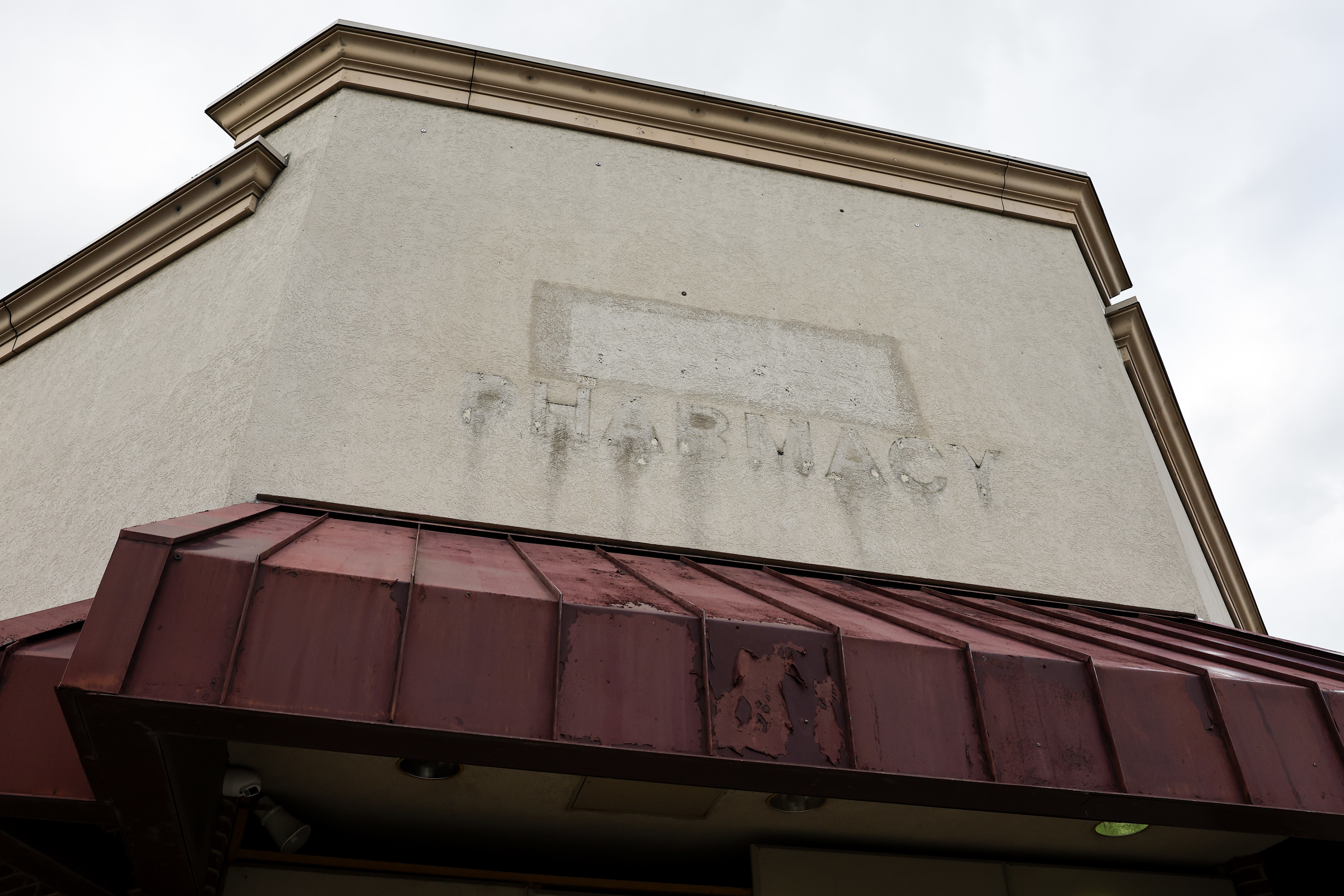
    The “pharmacy” lettering is seen on a former Walgreens on South Broad Street, where Met Fresh plans to open a supermarket in early 2026 after “extensive” renovations, its owner said.

    From the Broad Street store, the nearest supermarket is seven-tenths of a mile away. As for chain pharmacies, the Walgreens closed last year, and a Rite Aid across the street shuttered this summer as the Philly-based company went out of business. So the nearest large drugstore is a CVS off Passyunk Avenue, also seven-tenths of a mile away.

    The Met Fresh will soon start hiring in South Philly, with Hamdan noting that his stores typically need 30 to 40 part- and full-time employees from the surrounding communities. The new location will open after “extensive” renovations, Hamdan said, and once the team gets ahold of refrigeration equipment, which has been impacted by tariffs on steel and aluminum.

    Hamdan said he’s excited for Philly consumers to be introduced to Met Fresh, calling the Broad Street spot “a test pilot to see how we do in the Philly market.”

  • OpenAI launches Atlas web browser to compete with Google Chrome

    OpenAI launches Atlas web browser to compete with Google Chrome

    OpenAI introduced its own web browser, Atlas, on Tuesday, putting the ChatGPT maker in direct competition with Google as more internet users rely on artificial intelligence to answer their questions.

    Making its popular AI chatbot a gateway to online searches could allow OpenAI, the world’s most valuable startup, to pull in more internet traffic and the revenue made from digital advertising. It could also further cut off the lifeblood of online publishers if ChatGPT so effectively feeds people summarized information that they stop exploring the internet and clicking on traditional web links.

    OpenAI has said ChatGPT already has more than 800 million users but many of them get it for free. The San Francisco-based company also sells paid subscriptions but is losing more money than it makes and has been looking for ways to turn a profit.

    OpenAI said Atlas launches Tuesday on Apple laptops and will later come to Microsoft’s Windows, Apple’s iOS phone operating system and Google’s Android phone system.

    OpenAI CEO Sam Altman called it a “rare, once-a-decade opportunity to rethink what a browser can be about and how to use one.”

    But analyst Paddy Harrington of market research group Forrester said it will be a big challenge “competing with a giant who has ridiculous market share.”

    OpenAI’s browser is coming out just a few months after one of its executives testified that the company would be interested in buying Google’s industry-leading Chrome browser if a federal judge had required it to be sold to prevent the abuses that resulted in Google’s ubiquitous search engine being declared an illegal monopoly.

    But U.S. District Judge Amit Mehta last month issued a decision that rejected the Chrome sale sought by the U.S. Justice Department in the monopoly case, partly because he believed advances in the AI industry already are reshaping the competitive landscape.

    OpenAI’s browser will face a daunting challenge against Chrome, which has amassed about 3 billion worldwide users and has been adding some AI features from Google’s Gemini technology.

    Chrome’s immense success could provide a blueprint for OpenAI as it enters the browser market. When Google released Chrome in 2008, Microsoft’s Internet Explorer was so dominant that few observers believed a new browser could mount a formidable threat.

    But Chrome quickly won over legions of admirers by loading webpages more quickly than Internet Explorer while offering other advantages that enabled it to upend the market. Microsoft ended up abandoning Explorer and introducing its Edge browser, which operates similarly to Chrome and holds a distant third place in market share behind Apple’s Safari.

    Perplexity, another smaller AI startup, rolled out its own Comet browser earlier this year. It also expressed interest in buying Chrome and eventually submitted an unsolicited $34.5 billion offer for the browser that hit a dead end when Mehta decided against a Google breakup.

    Altman said he expects a chatbot interface to replace a traditional browser’s URL bar as the center of how he hopes people will use the internet in the future.

    “Tabs were great, but we haven’t seen a lot of browser innovation since then,” he said on a video presentation aired Tuesday.

    A premium feature of the ChatGPT Atlas browser is an “agent mode” that accesses the laptop and effectively clicks around the internet on the person’s behalf, armed with a users’ browser history and what they are seeking to learn and explaining its process as it searches.

    “It’s using the internet for you,” Altman said.

    Harrington, the Forrester analyst, says another way of thinking about that is it’s “taking personality away from you.”

    “Your profile will be personally attuned to you based on all the information sucked up about you. OK, scary,” Harrington said. “But is it really you, really what you’re thinking, or what that engine decides it’s going to do? … And will it add in preferred solutions based on ads?”

    About 60% of Americans overall — and 74% of those under 30 — use AI to find information at least some of the time, making online searches one of the most popular uses of AI technology, according to findings from an Associated Press-NORC Center for Public Affairs Research poll taken over the summer.

    Google since last year has automatically provided AI-generated responses that attempt to answer a person’s search query, appearing at the top of results.

    Reliance on AI chatbots to summarize information they collect online has raised a number of concerns, including the technology’s propensity to confidently spout false information, a problem known as hallucination.

    The way that chatbots trained on online content spout new writings has been particularly troubling to the news industry, leading The New York Times and other outlets to sue OpenAI for copyright infringement and others, including The Associated Press, to sign licensing deals.

    A study of four top AI assistants including ChatGPT and Google’s Gemini released Wednesday showed nearly half their responses were flawed and fell short of the standards of “high-quality” journalism.

    The research from the European Broadcasting Union, a group of public broadcasters in 56 countries, compiled the results of more than 3,000 responses to news-related questions to help ascertain quality responses and identify problems to fix.

  • Cherry Hill’s new PGA Tour Superstore is set to open. Here is a look inside.

    Cherry Hill’s new PGA Tour Superstore is set to open. Here is a look inside.

    Clearing a golf ball past the 250-yard mark into the sunlit fairway of California’s Titleist Performance Institute is getting easier for a whole lot of people in the region.

    All they have to do is stop by the virtual golf simulators at Cherry Hill’s PGA Tour Superstore. The Georgia-based chain is opening store No. 80 in South Jersey. It already has an outlet in the Metroplex Mall in Plymouth Meeting, and is looking to expand to Ocean Township, N.J., soon.

    The company has undergone a significant growth spurt in the last six years with new brick-and-mortar locations and a 200% jump in e-commerce, a company spokesperson said.

    The sprawling 40,000-square-foot superstore in Cherry Hill will open at 9 a.m. Saturday with $30,000 worth of giveaways, including a full set of iron golf clubs to the first two customers.

    It will house dozens of aisles of the latest golf clubs, balls, apparel, and other gear, among six practice and play hitting bays, virtual golf simulation stations, and an expert club fitting area. Store sales manager Lexi Humbert, a golfer of 16 years, said she added 10 yards to her drive after a new club head suggestion.

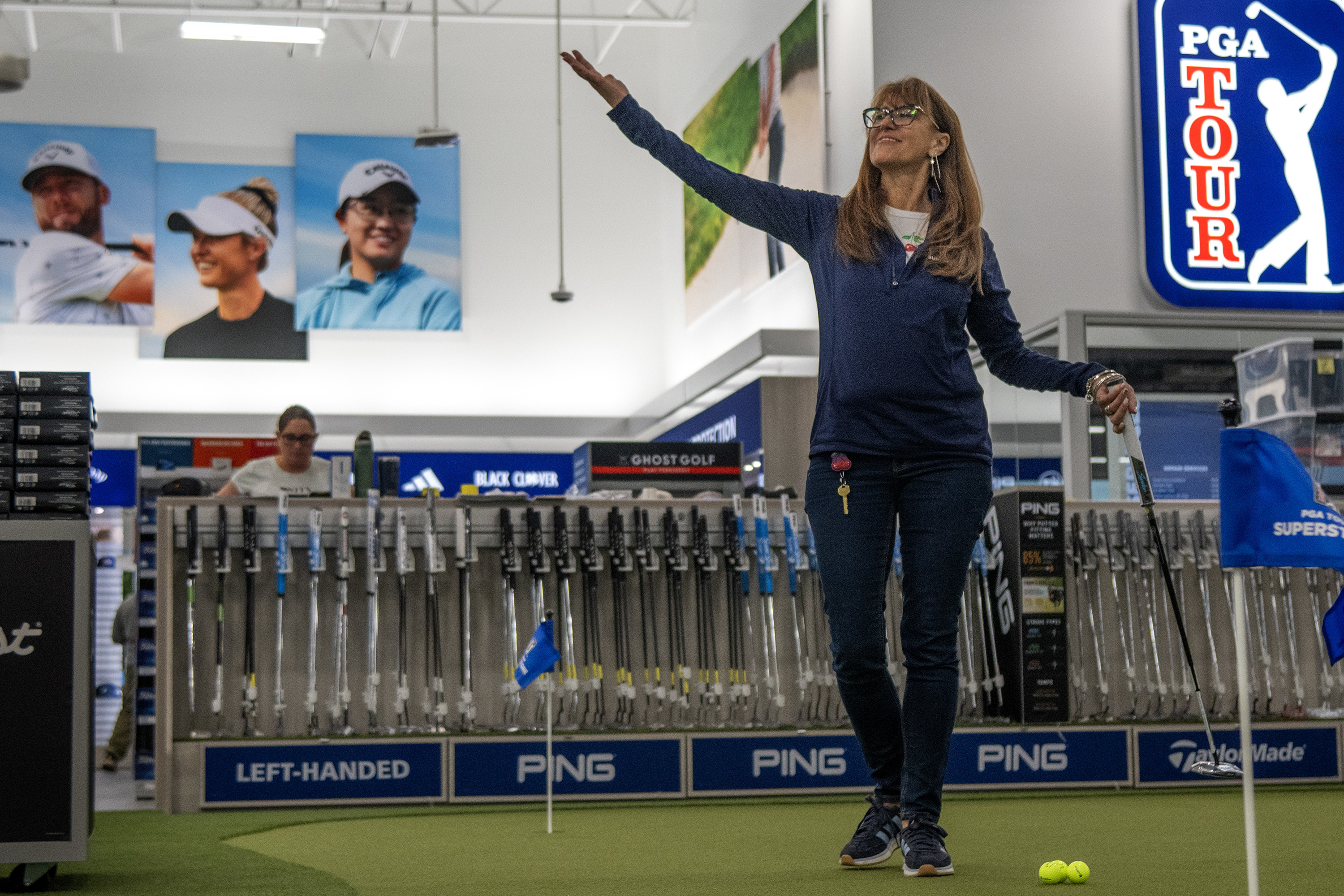
    Store general manager Lisa-Jo Donnelly reacts as she sinks a putt on the practice green at the PGA Superstore.

    The real draw is the golf simulation bay, where customers can cycle through world-famous golf courses projected onto a screen, and drive balls nearly 100 mph into them, receiving analytics on each swing.

    The putting green is lined with the most popular putters from classics like Taylor Made Spiders and Scotty Cameron Phantoms to the fresh lineup of L.A.B. brand putters. Golfers can explore clubs and then test them out in the golf simulation bays, or get hands-on fittings with the experts. Regripping and repair services are available, too.

    Golf, historically associated with wealthier, white men, is a growing sport — especially “off-course golf.” It was made popular by TopGolf — a trend PGA Tour Superstore hopes to capitalize on with recurring Saturday events, inviting youth groups (like First Tee) in for lessons, and providing a social space for those looking to get some swings in outside of the green.

    “The average golfer is now down to their early 40s‚” said the store’s general manager, Lisa-Jo Donnelly. The goal is to create a space that will become part of the Cherry Hill golfing community, within a region that is home to 70 courses and a local high school team that likes bringing home trophies, she said.

    The store has an expansive women’s and juniors’ sections. Humbert, who said she has been to golf stores all over the country, said the selections will be refreshing for many, as stores tend to skimp on women’s and junior equipment.

    “When I go to other stores, I already know that I’m not going to have nearly the selection that I need. I always get frustrated,” Humbert said. “The biggest thing for me is for those just wanting to get into golf and see a PGA shirt at other places for $150, whereas here you can go into the back of the store and find something for $20 to $30.”

    Store sales manager Lexi Humbert reacts after a great drive on a virtual golf simulation at the PGA Superstore.

    Saturday’s opening day is likely to lure hundreds to the store for giveaways, but they may have to contend with the dozens of people who will camp out for days to be first.

    “These opening giveaways are so popular that we had, for quite a few openings, the same person in the front of the line. He was traveling around the country and getting there first,” Donnelly said.

    The store will provide campers with pizza on Friday night and coffee and Krispy Kreme doughnuts on Saturday. The new PGA Tour Superstore CEO, Troy Rice, and Cherry Hill Mayor David Fleisher will also be in attendance Saturday, alongside members of the township council.

    📅 Opening Oct. 25, at 9 a.m.📍2232 N.J. Route 70, Suite C, Cherry Hill Township, N.J. 08002, 🕒 Monday to Friday 10 a.m. to 8 p.m., Saturday 9 a.m. to 8 p.m., Sunday 10 a.m. to 6 p.m. 🌐 pgatoursuperstore.com

  • Barry Leonard, celebrated crimper and longtime Center City beauty salon owner, has died at 87

    Barry Leonard, celebrated crimper and longtime Center City beauty salon owner, has died at 87

    Barry Leonard, 87, formerly of Philadelphia, celebrated crimper, longtime innovative owner of the Barry Leonard Crimper & Spa in Center City, unisex beauty salon groundbreaker, fashion and marketing trendsetter, haircutting mentor, and Army veteran, died Sunday, Oct. 12, at his home in Hallandale Beach, Fla. The cause of his death has not been disclosed.

    Born in Philadelphia to a family of hairstylists, Mr. Leonard swept the floor at his father’s beauty salon in West Philadelphia as a boy and, in 1955, became the first male to graduate from the beauty culture curriculum at Murrell Dobbins Career and Technical Education High School. He went on to help rewrite state statutes to allow unisex beauty salons in the 1970s, wow the marketing world with innovative ads that featured Fidel Castro, Albert Einstein, Santa Claus, and the Wolfman, and own high-end shops in the old Marriott Hotel on City Avenue and then on Chestnut Street for 43 years.

    A proponent of what he called “natural haircutting,” Barry Leonard, Crimper, counted politicians, musicians, actors, and other celebrities as well as local residents as his regulars, and most of them were fine with waiting months for an appointment. He moved his bustling salon from the Marriott to 1527 Chestnut St. in 1972, relocated to 1822 Chestnut in 1995, and retired to Florida in 2005.

    In the early 1970s, he saw that men appreciated hair care, too, and he successfully challenged an old state law that required separate locations for male and female haircuts. So unisex salons became common in the 1980s and ’90s.

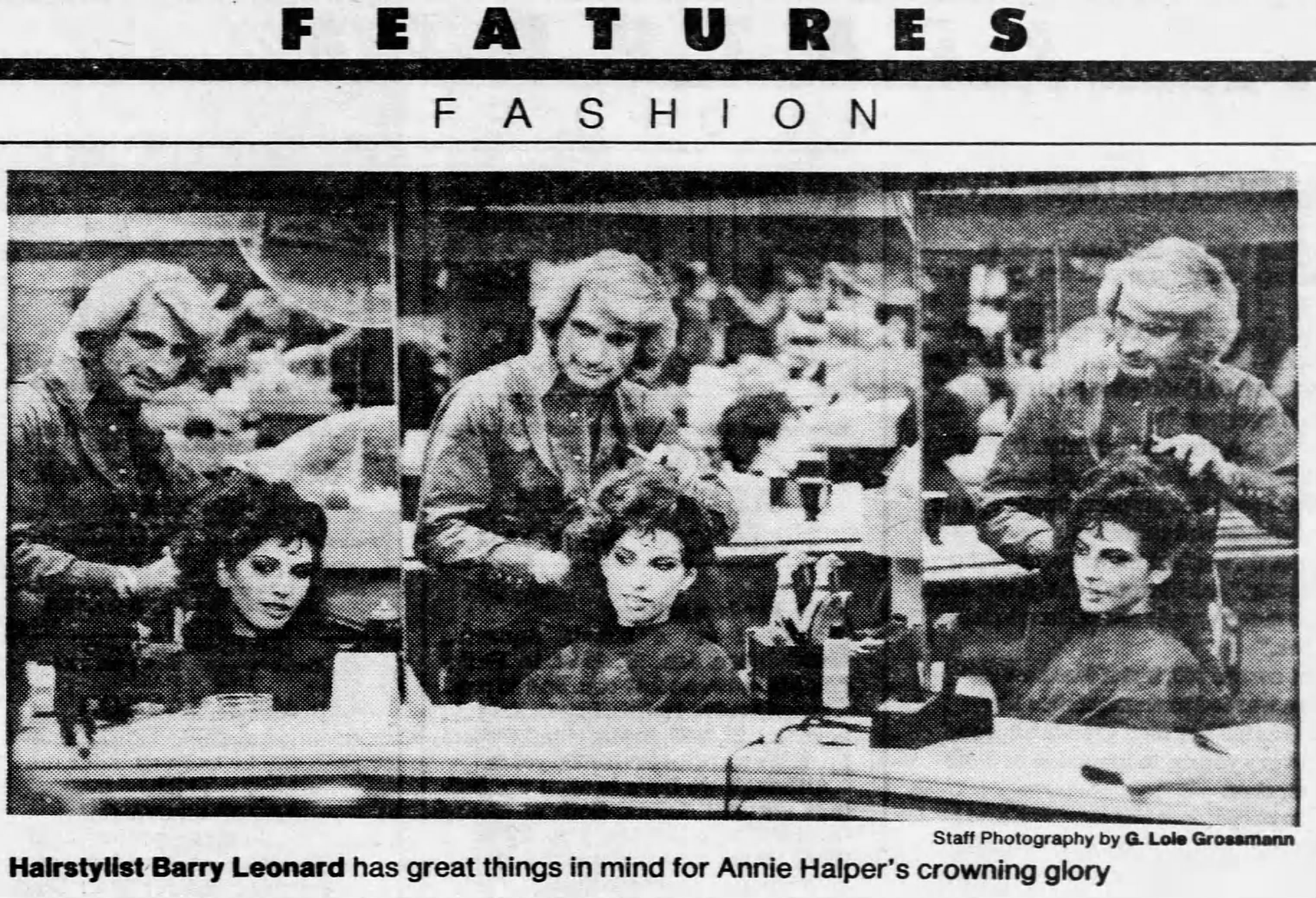
    Mr. Leonard is shown styling the hair of Annie Halpern, his future wife, in this 1985 photo in the Daily News.

    “Hair,” he told The Inquirer in 1973, “is the only part of the body that can be changed readily and allows the individual to play his role as he feels it at that particular moment — protest, freakiness, sensuality, anything.”

    His New Age salon featured wicker furniture, hanging plants, big pillows, Japanese koi, and free coffee, fruit, and wine. He charged $12.50 per cut in 1973 and $25 in 1991. Sometimes, he booked 75 heads a day, his wife, Annie, said.

    Most often, he consulted with customers before the cut, assigned the job to an assistant stylist, and checked back when the work was done. Over his career, he told his wife, he likely attended to more than 1 million customers. In 1991, he told The Inquirer: “My general philosophy is to make people happy.”

    He also created and distributed do-it-yourself manuals for those who couldn’t get appointments and introduced computerized styling technology in the 1980s so clients could design their own cuts on video screens. “I’m a firm believer that nothing lasts forever,” he told the Daily News in 1977. “But right now, I’ll stay the way I am. It’s really a matter of the world catching up with me.”

    This then and now photo appeared with a story in The Inquirer in 1973.

    He was featured often in The Inquirer, Daily News, Philadelphia Magazine, Philadelphia Business Journal, and other publications, and writers dubbed him the “top hair gun” in Philadelphia, “the dashing haircutter,” and “Philadelphia’s leading proponent of hair as art.” He dabbled in selling franchises, endorsed a new Japanese hair-straightening process, and hosted runway-style hair shows and crimper workshops.

    Women told him his beauty advice changed their lives. Men said his haircuts improved their sex lives. “I was the image changer,” he told The Inquirer in 2002.

    In the late 1960s, Mr. Leonard gave local advertising whiz Elliott Curson a haircut, and Curson, delighted with the result, suggested rebranding Mr. Leonard as “a crimper,” British slang for hairdresser. What followed was a hugely successful ad campaign and a friendship that lasted more than 50 years.

    One of their first ads featured the phrase: “When I come out of Barry Leonard’s, I won’t look like my mother.” Curson said: “He had that look, the outfit, and the vision that worked so well.”

    Mr. Leonard and his wife, Annie, married in 1986.

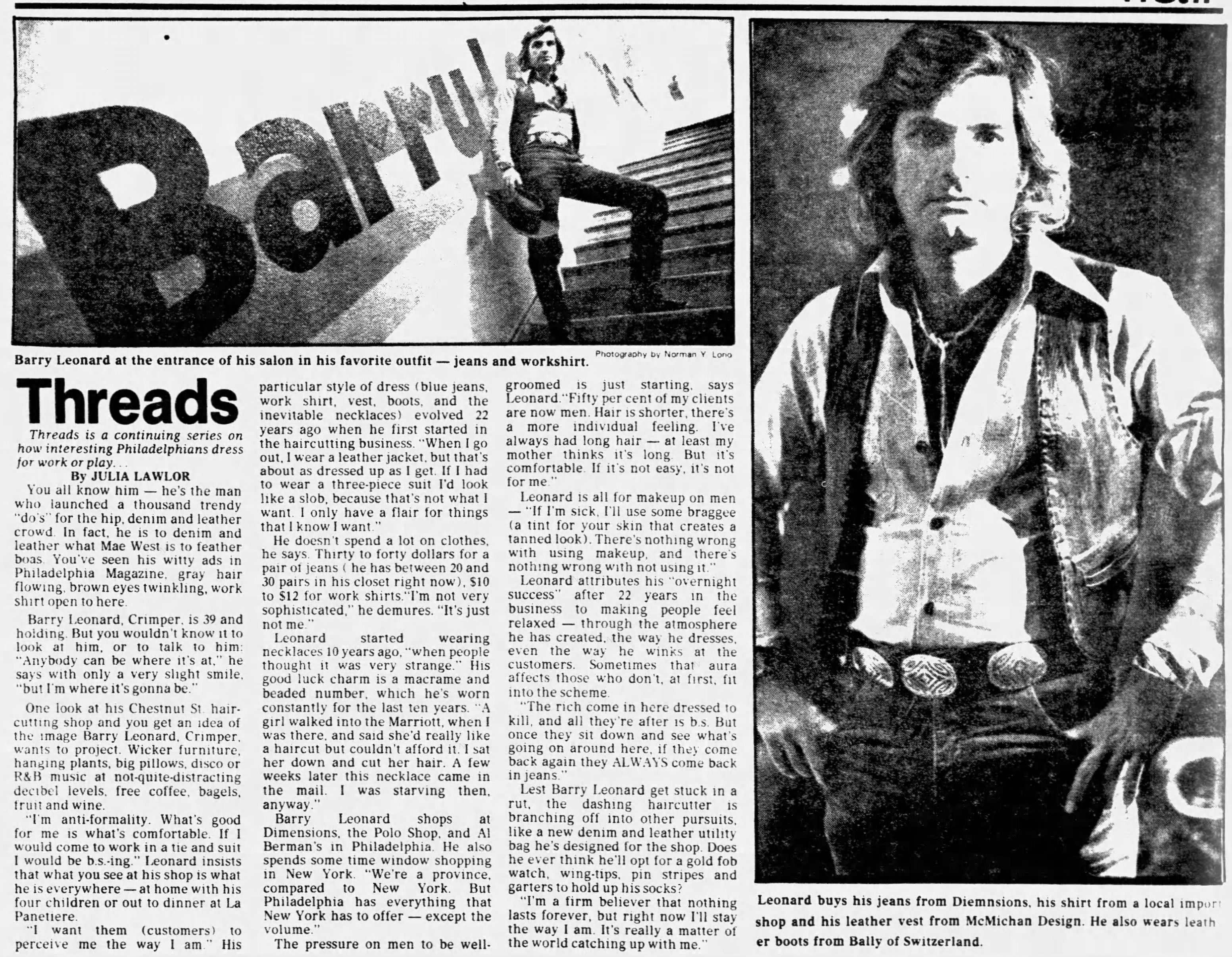
    Mr. Leonard liked to wear a work shirt, vest, blue jeans, boots, designer glasses, and turquoise jewelry to work. His own hair flowed down to his shoulders when he was young. He told the Daily News in 1977: “Anybody can be where it’s at. But I’m where it’s going to be.”

    He was a member of Intercoiffure America and participated in its competitive showings in New York and elsewhere. He was included in a display called “Movers and Shakers” at the now-closed Philadelphia History Museum.

    “He would meet you once and have an impact on the rest of your life,” his wife said. “Everybody loved him. He was passionate and compassionate.”

    Barry Leonard was born Jan. 27, 1938, in Philadelphia. He grew up in Wynnefield and Bala Cynwyd, and served in the Army’s 101st Airborne Division for two years after high school.

    Mr. Leonard (second from right) celebrated his 80th birthday with his children.

    He wore a traditional tie and jacket, and cut hair with his father and in a few local shops before opening his place at the Marriott in 1962. He also spent some time working in London and first heard the word crimper there.

    He married Charlene Brooks, and they had daughters Karen, Susan, and Elizabeth and a son, Brett. After a divorce, he met Annie Halpern at a party in 1983. They went to a Neil Diamond concert on their first date in 1984, married in 1986, and moved from Center City to Florida in 2005.

    Mr. Leonard was an avid boxing fan, and he knew his way around the popular Blue Horizon venue on Broad Street. He had a summer home in Longport, N.J., and enjoyed time at Gulfstream Park racetrack in Florida.

    He was spiritual and loquacious, his wife said. He had favorite witty quips, and his family and friends refer to them as “Barryisms.”

    This article about Mr. Leonard’s fashion sense was published in the Daily News in 1977.

    He attended all kinds of galas and benefits, and doted on his children. “He gave me my first shag” haircut, a longtime friend said on Facebook. Another friend said her neighbor cut her hair once. “The results were not good,” she said. “Barry fixed me.”

    They called him “one of a kind,” “truly the best around,” and a “mentor and a friend.” His wife said: “He was the love of my life.”

    In addition to his wife, children, and former wife, Mr. Leonard is survived by eight grandchildren and other relatives. A brother died earlier.

    A celebration of his life is to be at 11 a.m. Saturday, Dec. 6, at Gulfstream Park, Third Floor, Flamingo Room, 901 S. Federal Highway, Hallandale Beach, Fla. 33009. RSVP to blcrimper@aol.com.

    This ad by Mr. Leonard and Elliott Curson appeared in The Inquirer in 1982.