Category: Education

  • ‘Job performance and nothing else’ led to Cherry Hill administrator’s firing, court filings claim

    ‘Job performance and nothing else’ led to Cherry Hill administrator’s firing, court filings claim

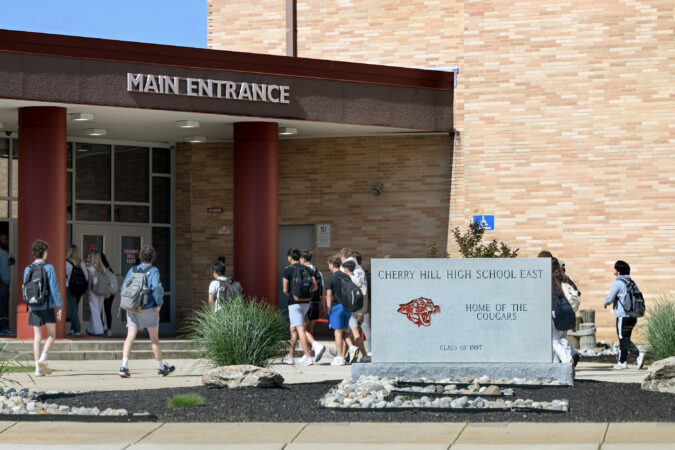
    A former Cherry Hill principal claims he did not engage in discriminatory behavior or retaliate against a former employee following a lawsuit filed earlier this year against administrators in the South Jersey school district.

    In court documents filed last month, legal counsel for Daniel Finkle, the former principal of Cherry Hill High School East, denies claims made by former assistant principal David Francis-Maurer, who sued the school district and Finkle in September over alleged discrimination and retaliation.

    Francis-Maurer’s lawsuit claims that top Cherry Hill officials, including Finkle and Superintendent Kwame Morton, “unlawfully conspired with each other” to subject Francis-Maurer to ”retaliatory conduct” and “severe, pervasive, and continuing instances of discrimination” based on his sexual orientation and religion (Francis-Maurer is gay and practices Judaism). Francis-Maurer also claims that administrators skirted student drug testing and mental health protocols. At the crux of Francis-Maurer’s lawsuit is the allegation that he was wrongfully terminated in May for blowing the whistle on Finkle’s behavior.

    Legal counsel for Finkle says Francis-Maurer’s job performance, not whistleblowing, led to his firing.

    According to filings from Finkle’s attorneys, Francis-Maurer was argumentative and made “egregious errors” as assistant principal. Specifically, they contend, Francis-Maurer was allegedly unresponsive to feedback and unwilling to collaborate with colleagues, and he failed to complete mandatory performance reviews of employees.

    Finkle served as the principal of Cherry Hill High School East from August 2024 through his resignation in September. He was set to become principal of Hightstown High School in the East Windsor Regional School District this fall until the district rescinded its offer.

    Francis-Maurer, called “DFM” by students, was hired in 2023 as an assistant principal at East. His termination in May was met with protest in the community, including a student-led walkout and a contentious public meeting in which students implored the school board to retain Francis-Maurer, calling him a “rare talent” who advocated for their needs. He is currently serving as assistant principal of Central High School in North Philadelphia.

    Court filings by Finkle and the district dispute Francis-Maurer’s telling of numerous events over the course of the 2024-25 school year.

    In Francis-Maurer’s lawsuit, he alleges that Finkle told him to “leave his identities ‘at the door,’” referring to Francis-Maurer’s being gay and practicing Judaism.

    Finkle, who is also openly gay and Jewish, rebuts this, saying that “the insinuation that [Francis-Maurer] could not express this same identity is ludicrous.” Rather, Finkle says, he was explaining that when he walks through the school doors, he “does not assert any other identity than a high school principal” as his job is to “be there for every student regardless of their beliefs.” When Francis-Maurer asked if he was required to take the same approach, Finkle says he “told him no” but said that it has been effective, which Finkle described as an act of mentorship.

    Francis-Maurer’s lawsuit claims that Finkle appeared in a video “trivializing” and “mocking” gender identity. Finkle was featured in a video published by the student government association lip-syncing to a sound bite that stated, “My pronouns are U.S.A.” Francis-Maurer says that parents complained to him about the video, and that when he confronted Finkle, the principal was “dismissive” and brushed him off.

    In Finkle’s telling, he was “ignorant at the time” and didn’t know the sound bite was “anti-trans.” As soon as he was made aware of the video’s connotations, Finkle says, he immediately asked the student to take it down, which he did. Finkle says he then emailed the school’s Gay Straight Alliance adviser to take ownership of the incident and express that it was “never his intention to make any group feel marginalized.”

    Finkle also pushed back against Francis-Maurer’s characterization of his handling of sensitive student issues.

    Francis-Maurer claims that when a student who appeared to be under the influence was referred for drug testing, testing protocols were skirted, and that Finkle said, “I know the student doesn’t take drugs.”

    According to Finkle’s court filings, a teacher’s suspicion that a student might be under the influence is not enough to constitute required drug testing. That particular student was not tested for drugs because a parent refused the test, the filing claims.

    Francis-Maurer’s lawsuit also claims that after a student reported suicidal thoughts to a club adviser, the adviser texted the student continuously for five days without a response. Francis-Maurer says he raised concerns that an adviser was texting with a student from a personal phone, but “no disciplinary action was taken.”

    Finkle, on the other hand, says that the student’s parent was immediately contacted and that Finkle met with the club adviser to explain that he could not use his personal cell phone to contact students. Finkle was informed that the adviser did not have a school email and worked with the district technology team to get him one. Finkle states that Francis-Maurer, who was then the supervisor of the club, “should have been more aware of the situation and addressed it before an issue arose.”

    Francis-Maurer says that “the very next day” after he submitted a detailed complaint to top administrators about Finkle, outlining those concerns, Francis-Maurer was rated “partially effective” on parts of his performance review for the first time and was later placed on a performance improvement plan, despite a successful track record.

    In a separate filing, attorneys for the district say this did not happen on “the very next day.” Rather, they say, Francis-Maurer submitted his complaint on Feb. 24 and the district submitted his performance evaluation on March 17.

    Attorneys for Francis-Maurer describe his work as successful, citing an outpouring of support after his contract was not renewed. In Finkle’s characterization, however, Francis-Maurer would “argue incessantly” when told to complete a task and made “egregious errors” in his failure to properly evaluate employees.

    Francis-Maurer’s conduct “demonstrated a lack of alignment with District and building priorities and an unwillingness to fully support the collective vision of the administrative team at High School East,” court filings from Finkle’s legal counsel claim.

    This suburban content is produced with support from the Leslie Miller and Richard Worley Foundation and The Lenfest Institute for Journalism. Editorial content is created independently of the project donors. Gifts to support The Inquirer’s high-impact journalism can be made at inquirer.com/donate. A list of Lenfest Institute donors can be found at lenfestinstitute.org/supporters.

  • Eastern University to purchase nearly half of Valley Forge Military Academy’s property

    Eastern University to purchase nearly half of Valley Forge Military Academy’s property

    Eastern University has entered an agreement to buy nearly half the Valley Forge Military Academy property, which is less than a mile from the Christian university’s St. Davids campus in Delaware County.

    The planned purchase, announced by Eastern on Tuesday, includes 33.3 acres encompassing the football stadium, track, and athletic field house, as well as multiple apartment buildings that will be used to house students. Eastern had been leasing the athletic properties from the academy since 2021. The purchase also includes additional fields, buildings, and a pickleball court, the school said.

    The academy announced in September that it planned to close at the end of the 2025-26 academic year amid declining enrollment, financial challenges, and lawsuits over alleged cadet abuse, but that its college would continue to operate on the main campus. The boarding school announced last month it would go virtual after Thanksgiving and resume in-person classes on the 70-acre campus in January.

    Eastern’s current campus is 114 acres, so the addition of the Valley Forge property will substantially increase its footprint.

    “For Eastern, expanding our campus through this new property is a pivotal step in EU’s growth and vision for a flourishing future,” said Eastern president Ronald A. Matthews. “… We will be able to provide the space for our expanding student body to call Eastern’s campus ‘home.’”

    The sale is subject to approvals and regulatory requirements and is expected to be completed over the next five months, the school said.

    “Valley Forge Military Academy & College has enjoyed a mutually beneficial relationship with our neighbors at Eastern University for many years,” academy president Col. Stuart B. Helgeson said in a statement.

    Eastern’s enrollment has continued to grow over the last six years, reaching nearly 10,000 students this fall, up 14% from last year. The growth is largely fueled by its low-cost, online “LifeFlex” programs, including a $9,900 master of business administration. But on-campus enrollment also has been rising in part due to the addition of new athletic and arts programs, the school said. Its football team is competing in the NCAA Division III championships on Saturday.

  • Quinta Brunson wants thousands of Philly kids to have free school field trips

    Quinta Brunson wants thousands of Philly kids to have free school field trips

    Quinta Brunson wants you to dig into your pocket to make free field trips possible for Philadelphia students.

    The actor, writer, and comedian — along with Philadelphia School District officials and the leader of the district’s nonprofit arm — announced the “Quinta Brunson Field Trip Fund” on Tuesday.

    District teachers and administrators will be able to apply for money for field trips by completing a short application subject to evaluation by an independent, internal group of educators. Field trip grants will be made twice a year.

    Brunson, of Abbott Elementary fame, grew up in West Philadelphia and spent time in district and charter schools. She named her smash-hit TV show, now in its fifth season, for Joyce Abbott, her sixth-grade teacher at Andrew Hamilton Elementary.

    Field trips — including ones Abbott’s class sold hoagies to pay for — were a seminal part of her Philly education, Brunson said in a statement.

    “They opened my world, sparked my creativity, and helped me imagine a future beyond what I saw every day,” Brunson said. “Going somewhere new shows you that the world is bigger and more exciting than you believe, and it can shape what you come to see as achievable. I’m proud to support Philadelphia students with experiences that remind them their dreams are valid and their futures are bright.”

    “Abbott Elementary” star Quinta Brunson watches the Phillies play the Atlanta Braves during a taping of the show in Philadelphia in August.

    Every Abbott Elementary season has featured a field trip episode, including visits to Smith Playground, the Franklin Institute, and the Philadelphia Zoo. Brunson’s fund “will remove the financial barriers that too often limit our children’s access to these enrichment opportunities,” officials for the Fund for the School District of Philadelphia said.

    The GivingTuesday launch kicked off with an unspecified donation from Brunson herself.

    Kathryn Epps, president and CEO of the Fund for the School District of Philadelphia, said getting students out of their classrooms is crucial.

    “We are honored to partner with Quinta to expand these experiences for children in Philadelphia’s public schools, helping them to envision and realize any future they desire,” Epps said.

    Tony B. Watlington Sr., Philadelphia School District superintendent, said he was grateful to Brunson.

    “We want our students to venture out and bridge what they’re learning in the classroom to engaging, real-world learning experiences,” Watlington said. “This commitment to equitably expanding opportunities for students to have experiences outside of their classroom will help accelerate student achievement and we are becoming the fastest improving, large urban school district in the nation.”

  • Rutgers-Camden is increasing dorm occupancy and international enrollment. Now it’s hoping for more support from the central administration.

    Rutgers-Camden is increasing dorm occupancy and international enrollment. Now it’s hoping for more support from the central administration.

    For years, Rutgers-Camden faculty and staff have complained that the school does not get its fair share from the main campus in New Brunswick.

    Faculty in the past have asserted that their salaries are inequitable to counterparts on Rutgers’ other campuses — there’s a process in place to address that — and Chancellor Antonio D. Tillis has cited inadequate investments in campus facilities.

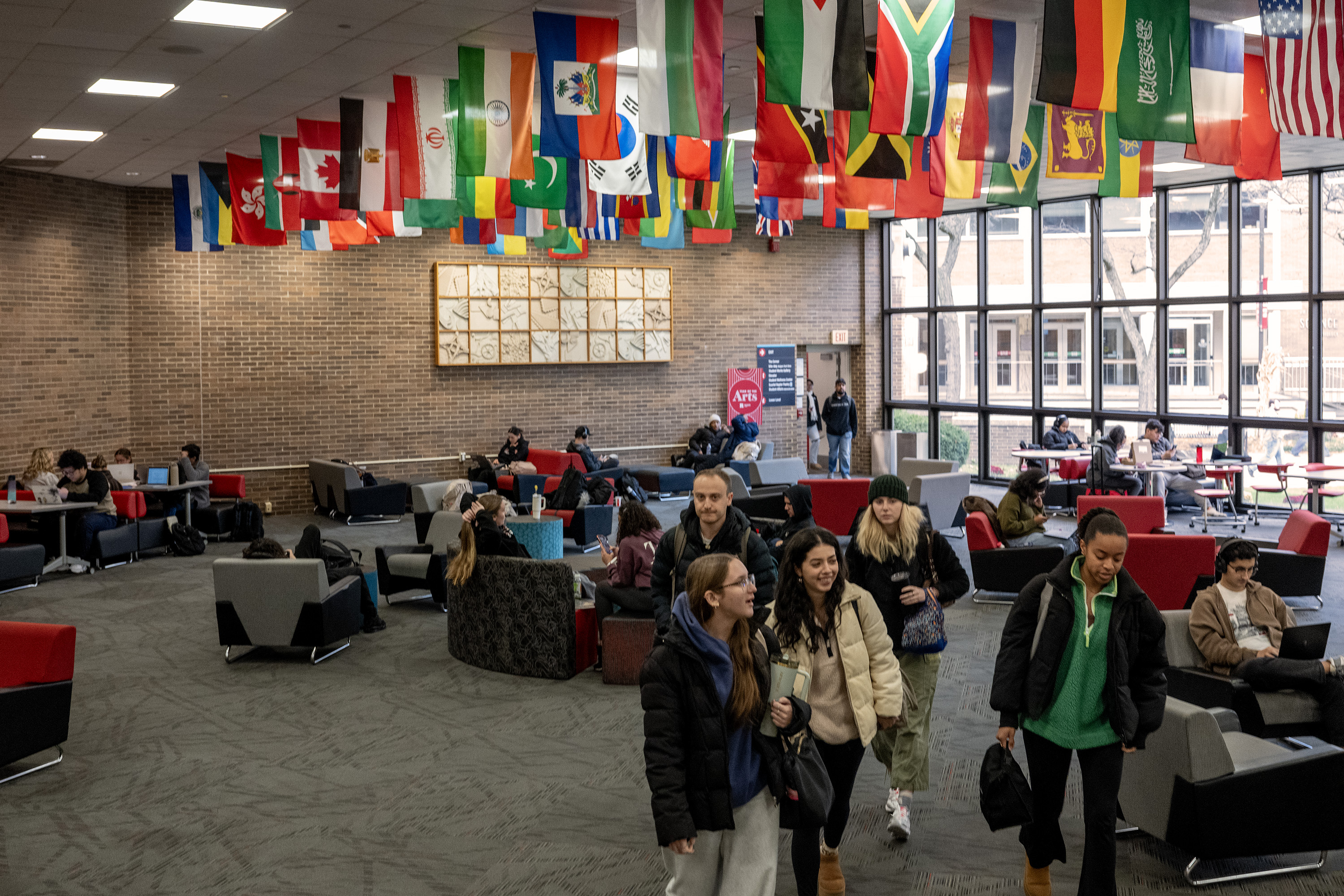
    The Campus Center (student center) on the Rutgers-Camden campus with flags of students’ home countries.

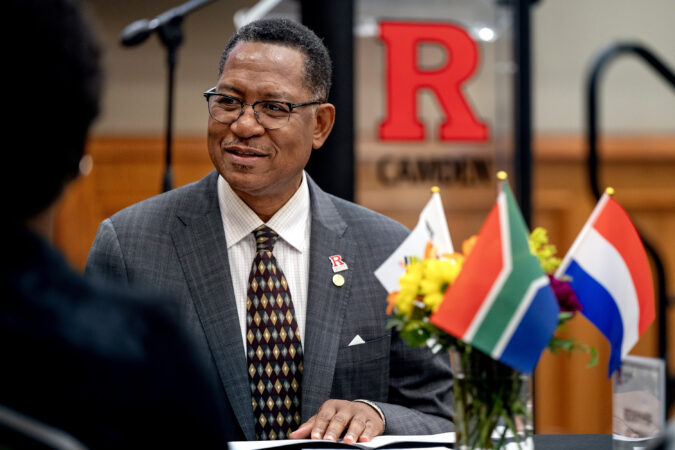
    But Tillis was heartened last month as he sat on stage for the inauguration of William F. Tate IV, the new president of Rutgers.

    “Since I’ve taken this job, I’ve had people say to me ‘Don’t invest in Camden,’” said Tate, a social scientist who grew up in Chicago and came to the job at Rutgers after serving as president of Louisiana State University. “I don’t think they know who they are talking to. … Do you think I have forgotten who I am?”

    Tate, who became president in July, pledged during his inauguration speech to make the school a stronger competitor regionally.

    “We’re going to build that Big Ten brand in Camden,” he said, referring to the NCAA athletic conference whose members are major research universities. “Look out Philadelphia, we’re coming for opportunity.”

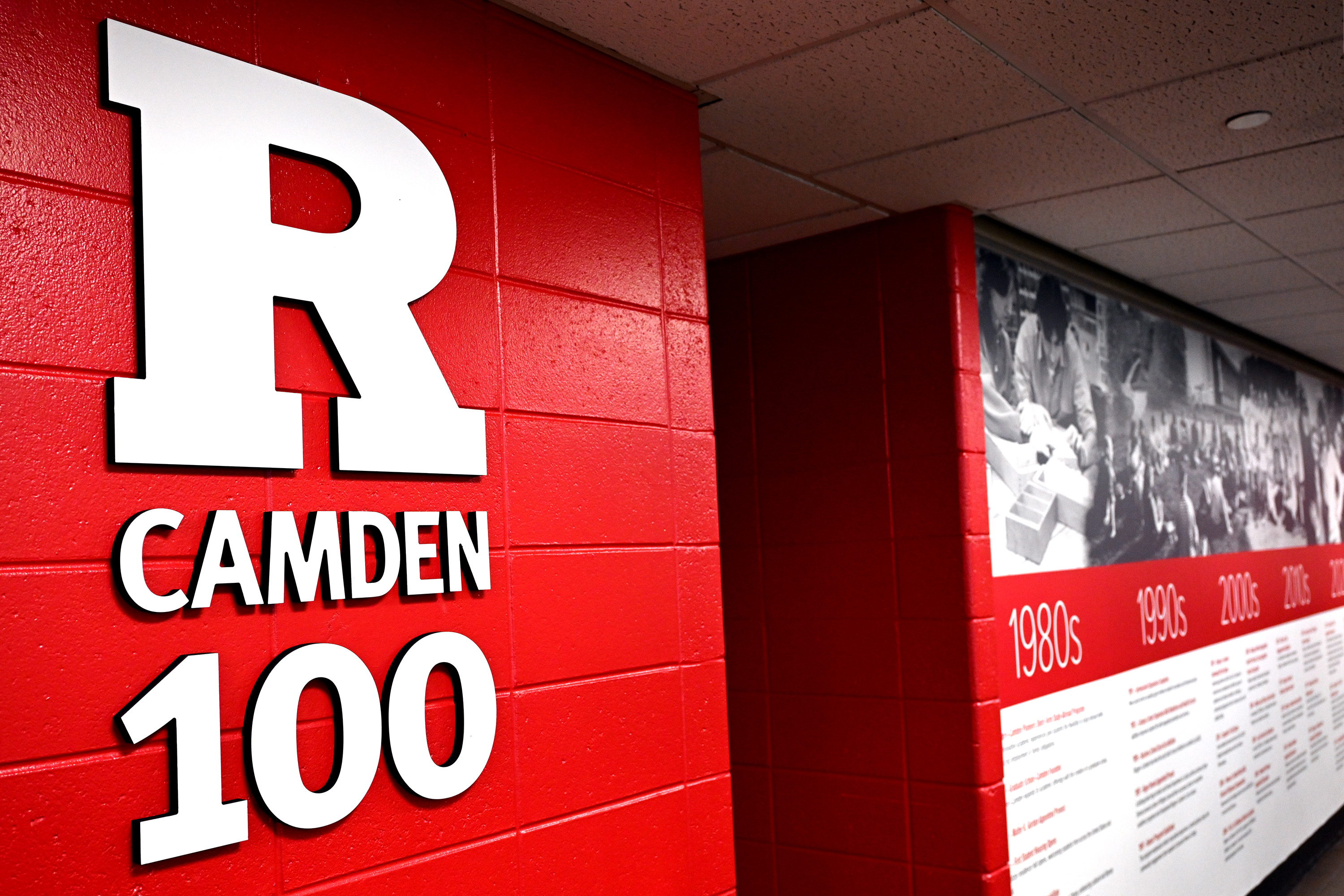
    His comments come as Rutgers-Camden is about to celebrate its 100th anniversary and as Tillis, in his fifth year, is nearing the end of his initial contract and aiming to receive a renewal.

    Tillis touts 97% occupancy this year in the school’s residence halls, the highest since before the pandemic and up from 84% last year, and a boost in international students even while international enrollment declined 17% nationally, amid federal government policies including a pause of student visas earlier this year.

    The Campus Center at Rutgers-Camden has a display showing some of the school’s 100-year history.

    The school is also climbing in U.S. News rankings from 148th nationally among both public and private universities in 2021 — the year Tillis came — to 97th this year. It also rose from 18th to ninth in social mobility, meaning it enrolls and graduates large proportions of disadvantaged students.

    “Rutgers Camden has just punched above its weight for such a long time and now the fruit are beginning to bear,” he said.

    Strained relationships

    But Tillis’ relationship with some faculty has remained strained. Arts & Sciences faculty voted no confidence in him four months after he took the job and after he removed the Arts & Sciences’ dean.

    Since then, concerns have persisted about pay equity for Rutgers-Camden professors compared to counterparts on the other Rutgers’ campuses, in New Brunswick and Newark, and what several faculty said was Tillis’ unwillingness to consult and communicate with faculty.

    “There has been a real lack of communication between the chancellor and his office and the faculty, which has made it really hard to understand some of the decisions that have been made in regard to our budget cuts and campus priorities,” said Emily Marker, president of Rutgers-Camden chapter of the AAUP-AFT, the faculty union.

    “If he were to be renewed, we would really hope that the communication, the consultation with and involvement of the faculty would improve in campus governance,” Marker said.

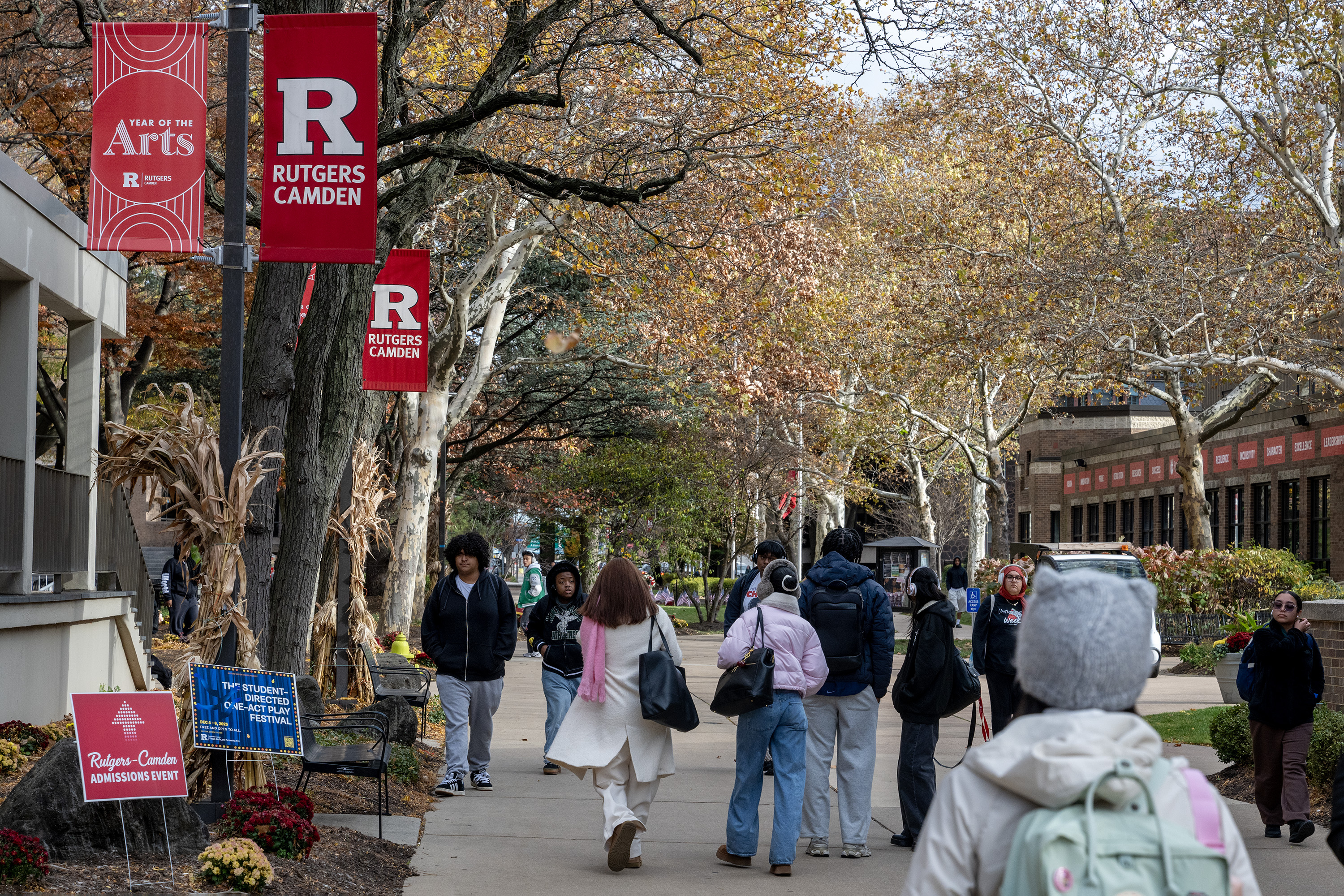
    Students walk on the Rutgers-Camden campus.

    Tillis acknowledged a rough entry in part because of the pandemic but said from his perspective, things are better with faculty. He said he hosts regular “coffee with the chancellor” meetings where faculty and staff can come and talk to him.

    Plans for the campus

    If he gets a new term, Tillis said he would aim to grow enrollment, increase Rutgers-Camden’s share of out-of-state students from about 20% to 30% to generate more revenue, enroll more students from Camden, and increase internship opportunities.

    There are plans to lease the former Camden Free Public Library building, a historic landmark on Broadway, and convert it into a center for the arts, including a bistro and wine bar.

    Rutgers-Camden’s overall enrollment stands at 5,822, up 2.6% from last year. Overall, Rutgers’ enrollment neared 71,500 this year, up 3.2%.

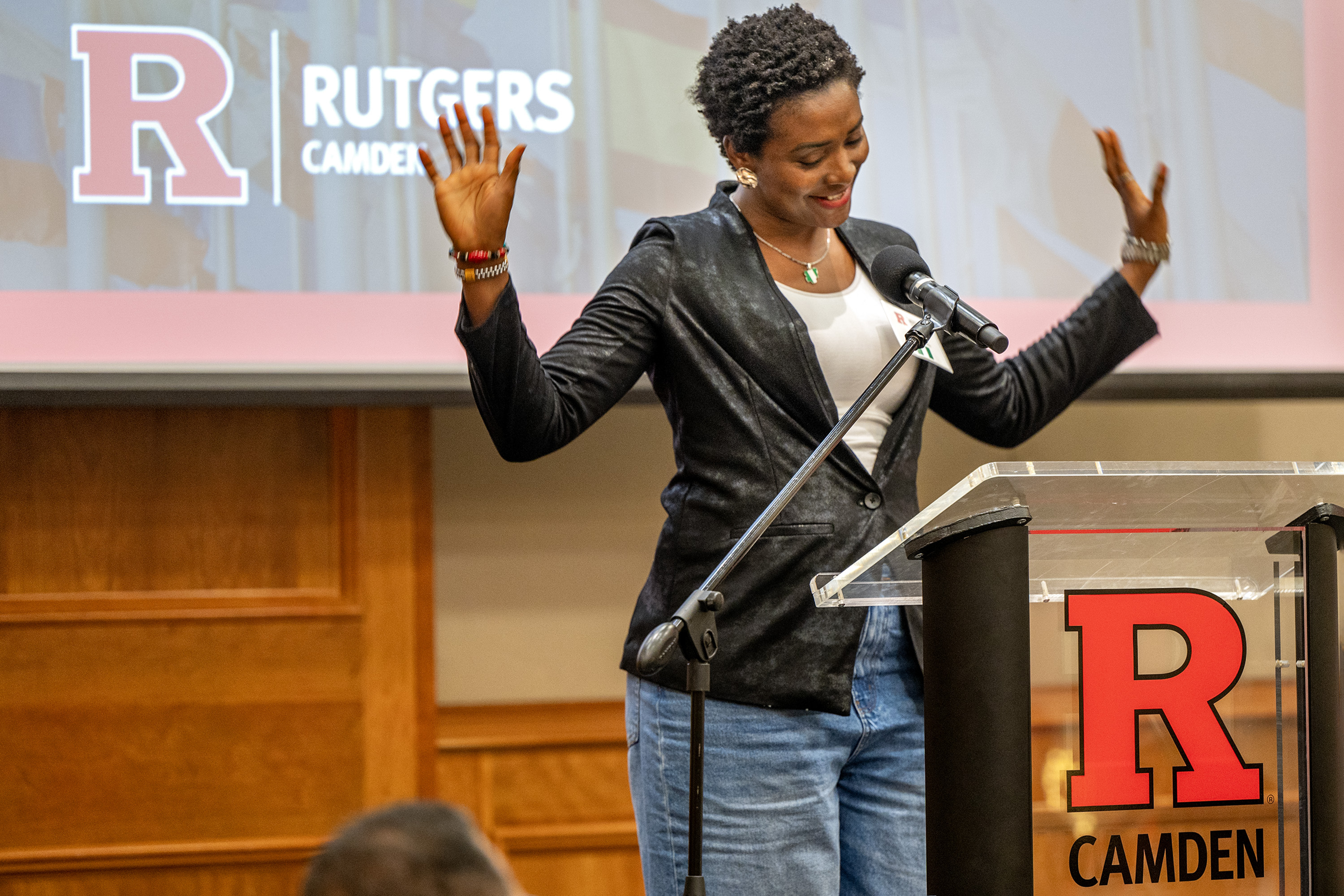
    Rutgers-Camden junior Mohammed Al Libaan Kazi, a transfer student from India, walks toward the stage to speak during a luncheon for international students hosted by Chancellor Antonio D. Tillis. International enrollment increased 6% on the campus this year.

    At Rutgers-Camden, international student enrollment climbed 6% to 312, largely fueled by a jump in freshmen. That’s even though about 30 students deferred enrollment due to the visa holdup, said Carol Mandzik, director of international programs.

    Tillis said the school has been recruiting more heavily from Nigeria and Ghana.

    “I chose Rutgers-Camden because it’s close to Philadelphia,” said Bao Mai, 18 a freshman from Vietnam, who wanted what a big city has to offer.

    But Mai, who spoke at an international student luncheon hosted by Tillis, said he also chose it because he likes the “small campus vibe” and array of business programs.

    Tillis also has pledged to bring in more students from Camden. This year, there are 80, up from 53 last year.

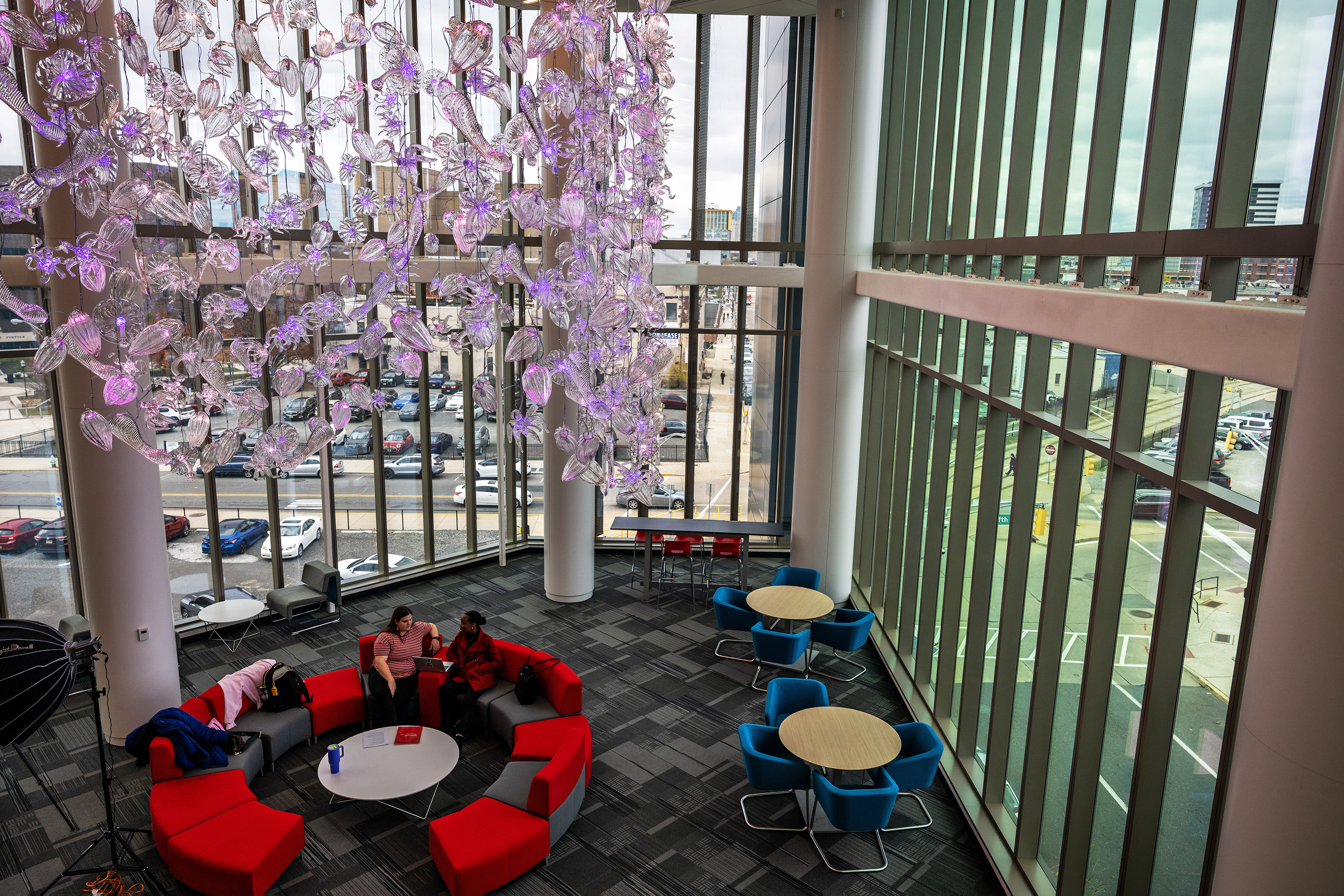
    The atrium lobby of the Nursing and Science Building on the Rutgers-Camden campus.

    He said he asked the admissions team to create more opportunities for students from Camden to come on campus so they begin “to feel as if the campus is theirs because it’s right in their backyard.”

    The school, which is designated as a minority-serving institution — meaning at least 50% of students are minorities — also plans to begin to offer in-state tuition to students from Philadelphia and northern Delaware, Tillis said. Prospective students from Philadelphia who chose not to enroll cited the price tag, he said.

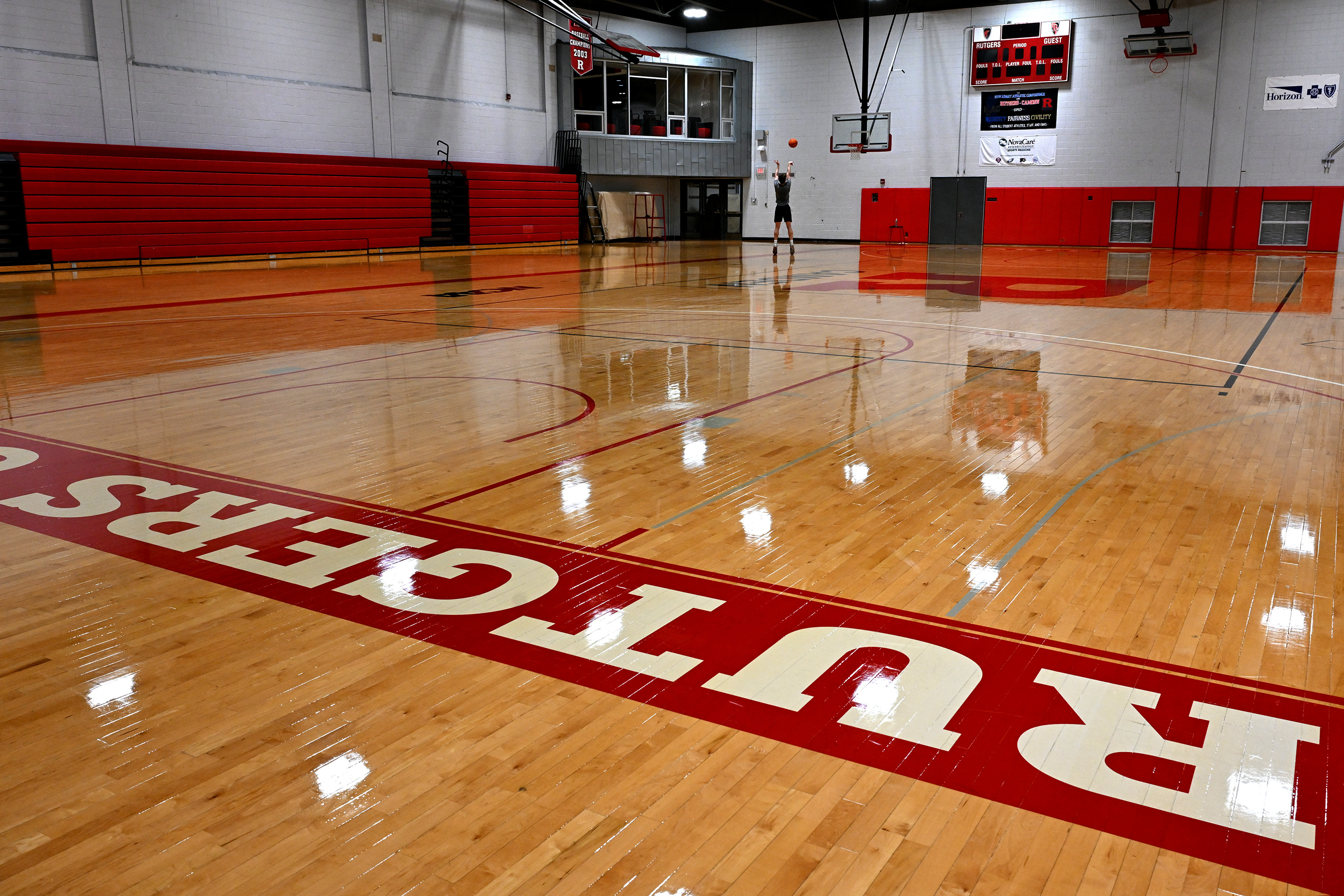
    Rutgers-Camden sophomore basketball forward Robert Peirson from Toms River practices in the gym in the Athletic & Fitness Center.

    Fostering campus culture

    More than 710 students are living in the residence halls this year, representing the highest occupancy since 2019, Tillis said.

    “Our campus is trying to create a sense of residential culture … even for our commuter students,” Tillis said, so that “they don’t just come here, go to class, and then go home.”

    window.addEventListener(“message”,function(a){if(void 0!==a.data[“datawrapper-height”]){var e=document.querySelectorAll(“iframe”);for(var t in a.data[“datawrapper-height”])for(var r,i=0;r=e[i];i++)if(r.contentWindow===a.source){var d=a.data[“datawrapper-height”][t]+”px”;r.style.height=d}}});

    The school held a welcome back barbecue during move-in and brought back homecoming last year; there was homecoming before the pandemic but not to the same degree, Tillis said.

    The school also has spruced up residence halls and added evening events such as arts and theater performances, he said. There are little things, too, like plans to install hammocks on the quad.

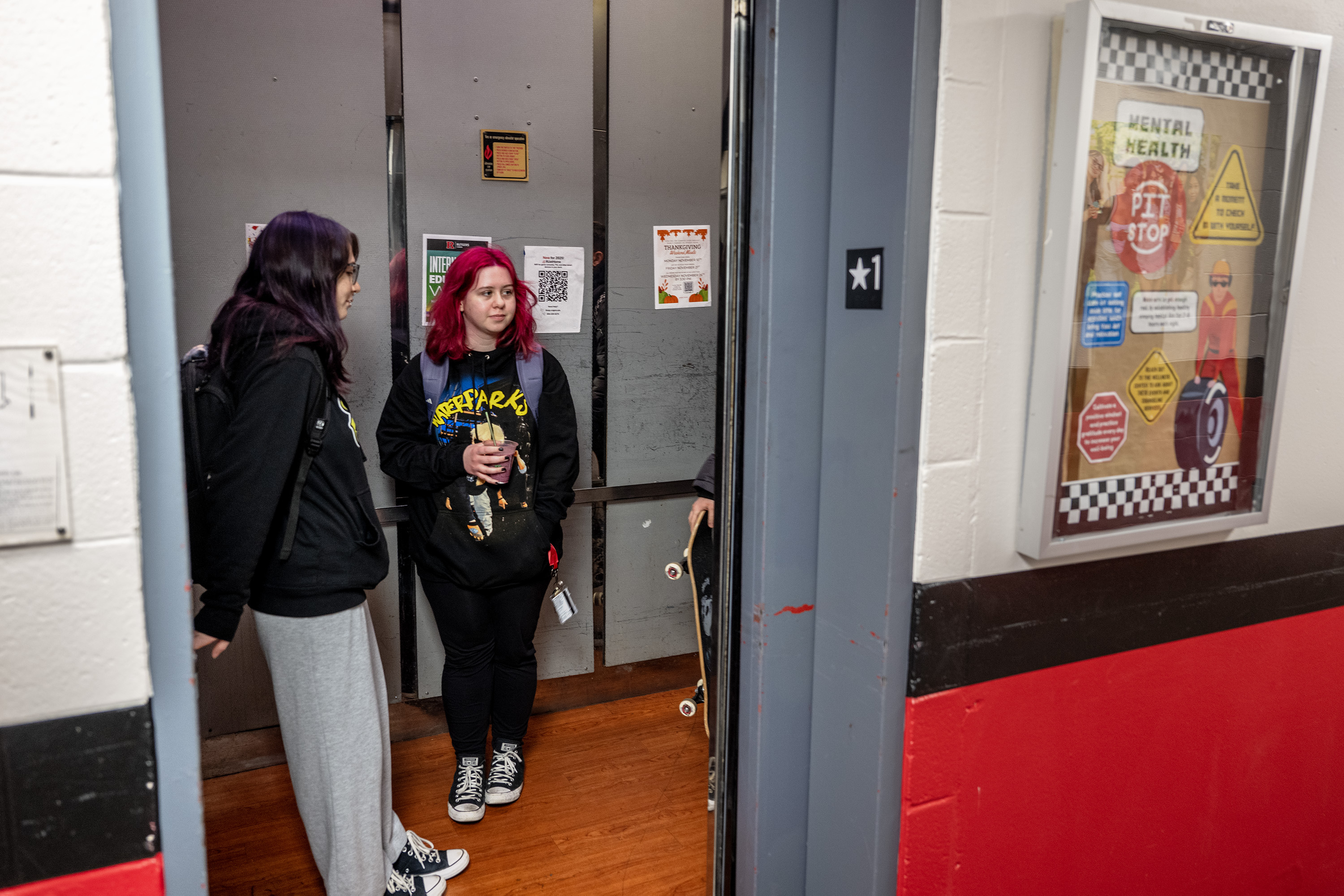
    Freshmen Ollie McDermott (left), a psychology major from Buena and Remi Zebedies (right) an art therapy major from Mays Landing take an elevator in their residence hall at Rutgers-Camden.

    Ollie McDermott, 22, a freshman psychology major from Buena, had decided against college, but McDermott’s stepfather, who recently graduated from Rutgers-Camden, convinced McDermott to try it.

    “I’m kind of glad I did,” McDermott said. “I love it here.”

    McDermott convinced a friend, Remi Zebedies, 19, an art therapy major from Mays Landing who also had been leaning against college, to try it, too. They became roommates.

    The campus has enough beds to accommodate this year’s students, but if growth continues, it may need more housing, Tillis said. He’d like to open a residential space for students with children and/or spouses.

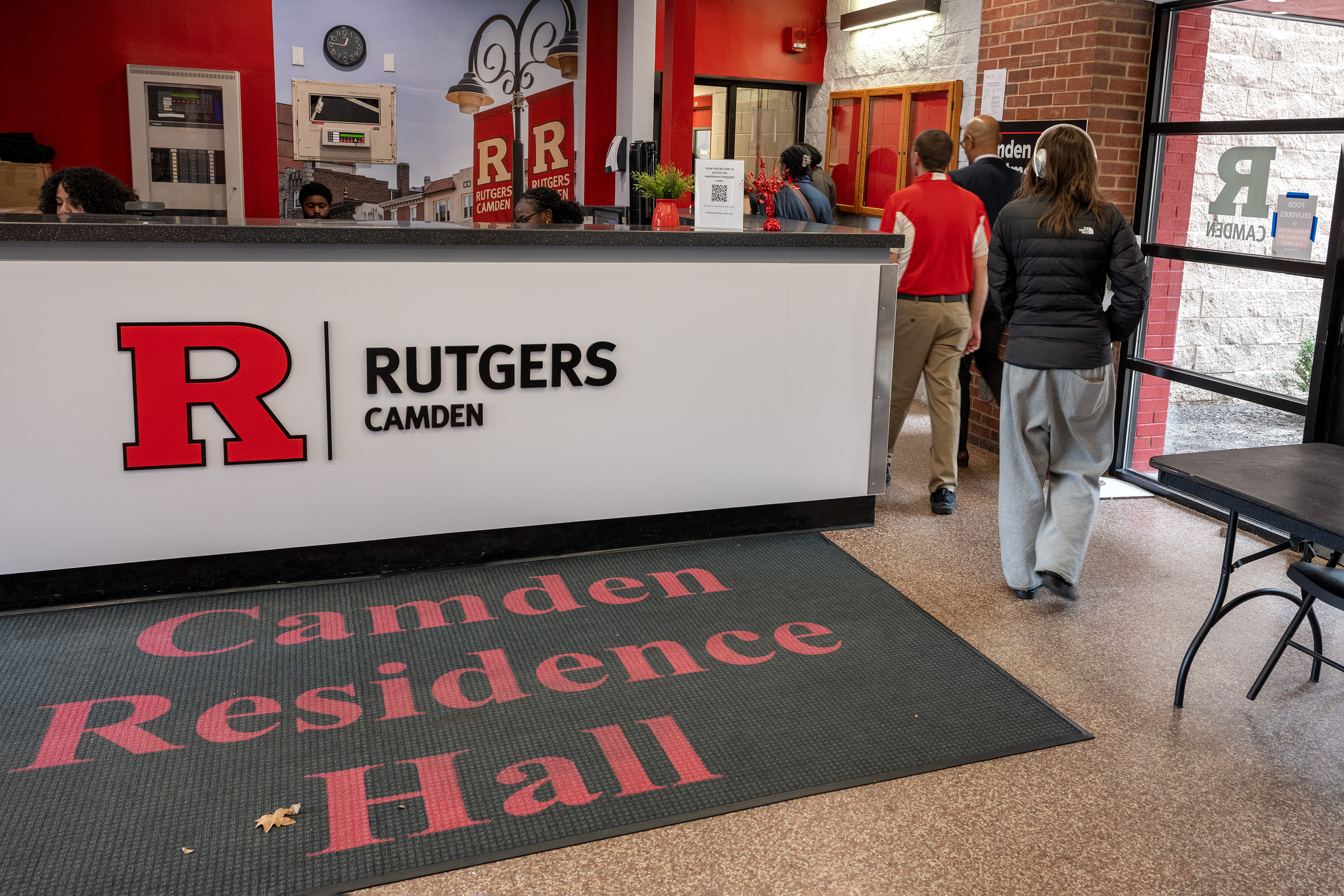
    The lobby entrance between the Towers and Apartments resident halls at Rutgers-Camden.

    Working on graduation and retention rates

    In the school’s strategic plan approved in 2023, Tillis set improvement in graduation and retention rates as primary goals.

    The school’s retention rate from first-year students to sophomores has increased from 71% in 2021 — the year he came — to 73.4% this fall. The six-year graduation rate decreased from 63.6% in 2021 to 61.5% in 2024. (The school said that 2025 data had not been verified and that the 2024 dip reflects lingering pandemic-related challenges.)

    Tillis also discussed the Cooper Gateway Project, which will renovate four properties to add event halls, a new space for Arts & Sciences, and pedestrian walkways and courtyards. It’s expected to be completed by early 2027.

    A new athletic field house also is in the works, and there are plans for a new building for business students to live and learn in, he said.

    Pay equity was a sore spot with faculty for years, despite the process put in place under which they could be compared to peers at the New Brunswick and Newark campuses.

    The university said in a statement that since 2021, the vast majority of faculty who petitioned for equitable pay got increases. The requests are reviewed by a committee of faculty experts who look at the professor’s classroom instruction, research, and scholarly activity.

    Rutgers-Camden graduate student Funmi Adebajo, from Nigeria, speaks during a luncheon for international students hosted by Chancellor Antonio D. Tillis.

    Tillis said sometimes faculty were seeking to compare themselves to peers who were not really comparable.

    Marker, the Rutgers-Camden AAUP-AFT president, said through a grievance, the union negotiated a change to the process that will make it harder for Tillis to overrule recommendations by the committee.

    In the last cycle, the vast majority of professors with equity claims received “meaningful” pay adjustments, said Marker, an associate professor of European and Global History.

    As for the comments about Camden by Tate, the new Rutgers president, Marker said she is hopeful they lead to action.

    “If it actually results in a massive investment in Camden, in our students, in our faculty, in our facilities, I would be delighted,” she said. “But we’ll see. That has really not been the orientation of any of the central administrations since I was hired in 2017.”

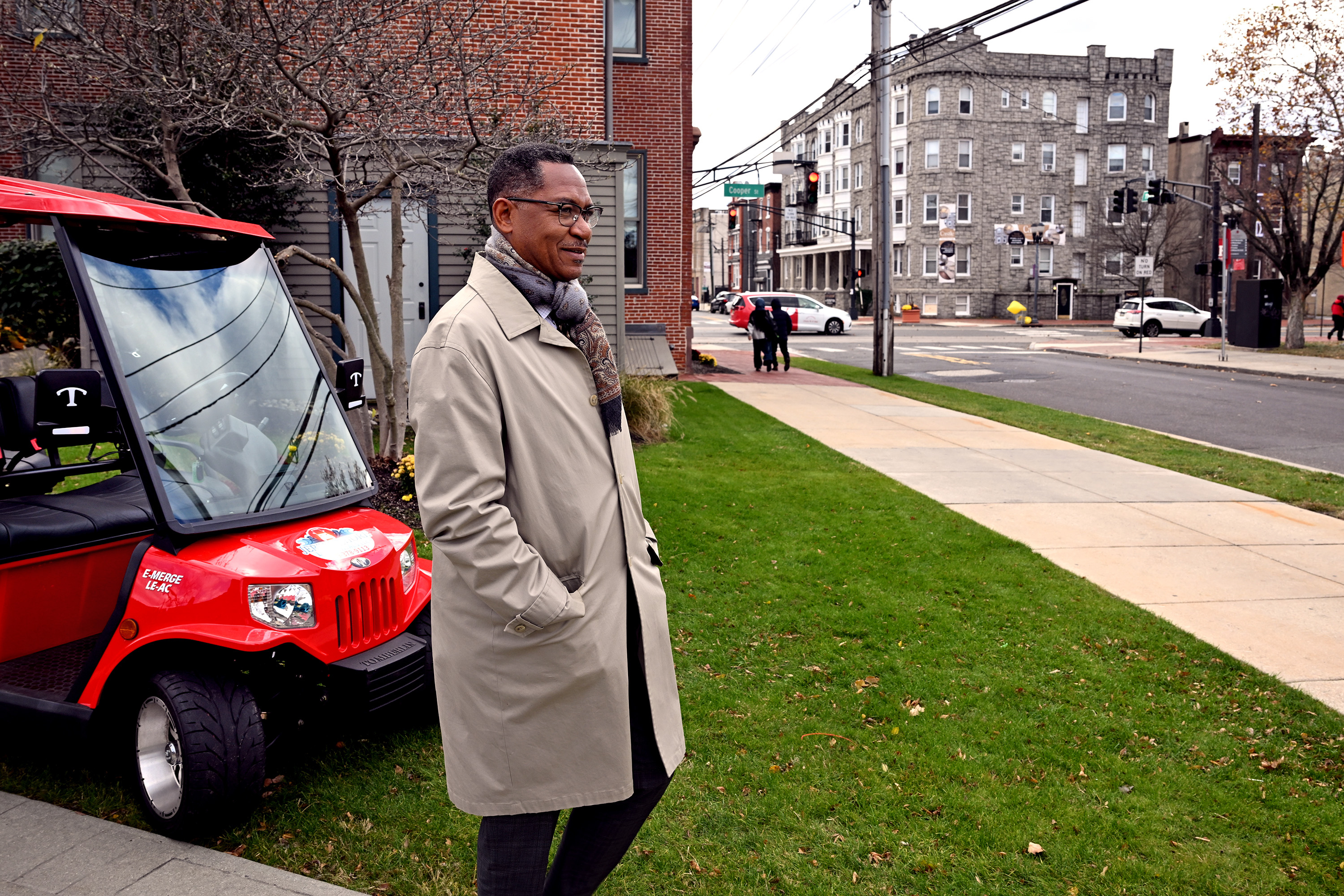
    Rutgers-Camden Chancellor Antonio D. Tillis walks rather than rides in the offered golf cart to a luncheon he hosted for international students.

    Tillis said he is hopeful that Rutgers-Camden will get more support under Tate. He got to know Tate in 2020 when they were both in a program at Harvard for new presidents and chancellors.

    “We have a beautiful campus, but it’s stuck between the 1950s and the 1970s,” he said. “Certain types of innovative spaces for 21st century instruction needs to happen.”

  • Don’t laugh: A humanities degree is a smart investment

    Don’t laugh: A humanities degree is a smart investment

    As parents enter this fall’s college application season, they’ve likely been warning their children incessantly that a degree in art history or philosophy won’t pay the bills.

    “Study something practical,” they’re muttering, “so you can get a job.”

    But a report from the Federal Reserve Bank of New York tells a different story. Census data from 2023 on recent college graduates reveal that the unemployment rate of students majoring in art history and philosophy, in fact, resembles that of some STEM majors.

    This is welcome news. Studying the humanities — which includes art history and philosophy, but also history, literature, language, religion, and music — isn’t an impractical luxury. Rather, these subjects offer a competitive, if still hidden, advantage and return on investment in the job market.

    The humanities prepare students not just to get a job, but to keep it, and excel while doing so. And Wall Street seems to be noticing.

    Robert Goldstein announced last year at a conference on BlackRock and the future of finance that his company was rethinking which kinds of students to hire.

    “We have more and more conviction that we need people who majored in history, in English, and things that have nothing to do with finance or technology,” he said, adding, “It’s that diversity of thinking and diversity of people and diversity of looking at different ways to solve a problem that really fuels innovation.”

    Death reports exaggerated

    Yes, despite grim headlines about the “death” of the humanities and the end of the English major, the chief operating officer of BlackRock, arguably America’s largest multinational investment company, is now actively seeking college graduates in the humanities.

    Why are the humanities, then, continuing to lose ground on college campuses? Partly because their most important financial benefits do not show up immediately upon graduation. But this myopic perspective, which has long devalued the humanities, is now affecting the perception of what has been the most popular major in recent years: computer science.

    Only recently, professors Mary Shaw and Michael Hilton of Carnegie Mellon University wrote in the New York Times a persuasive defense of computer science, whose majors have seen such a rapid decline with the rise of generative artificial intelligence that graduates cannot even get a job at Chipotle.

    Computer science majors should not panic, however.

    “The rise of generative A.I.,” Shaw and Hilton said, “should sharpen, not distract us from, our focus on what truly matters in computer science education: helping students develop the habits of mind that let them question, reason and apply judgment in a rapidly evolving field.”

    By the same token, as AI reshapes the world, the content of humanities education is more vital than ever for addressing the ethical and existential questions such change provokes.

    The skills cultivated by majoring in the humanities are equally worthy of defense as those of computer science. The wide-ranging studies of the economics of education show that humanities degrees are being underestimated for the job skills they promise students in tomorrow’s workforce.

    Graduates await diplomas. Derided in the age of technology, a humanities degree can bring untold rewards, writes Gene Andrew Jarrett.

    Specifically, the humanities tend to produce the kind of skills that can transfer across various jobs. They prepare people for roles in leadership or management.

    Finally, the critical skills they develop can withstand the rapidly changing technologies that force workers to relearn demanding job tasks. Studying the humanities, then, is akin to investing in academic stock today for long-term professional gain.

    One recent study tells us that the “wage-by-major statistics” parents and students review before declaring a major undervalue how “an education in history increases a student’s labor market value — perhaps through the development of critical reading and writing skills or because reading history texts cultivates a transferable attention to detail — that enables them to earn higher wages when they seek employment after graduation.”

    Transferable skills

    The “transferable” nature of skills is a significant educational benefit of the humanities. A 2020 study describes the labor market returns to the specific, or technically specialized, nature of a college major. That “specificity” determines how much the skills inculcated by this major are transferable across different jobs.

    In short, the humanities consistently produce some of the most transferable skills across professions.

    Another 2020 study looks at earnings dynamics, changing job skills, and careers in science, technology, engineering, and math (STEM). Studying the humanities can develop the skills that overcome the following conundrum: When a person acquires only “specific skills that are in high demand but also changing rapidly over time,” that person likely will need “to learn many new tasks each year.”

    To make a long story short, a humanities education results in one of the slowest measurable rates of counterproductive “skill change.” This means the skills learned through a humanities degree endure resiliently, even in the face of massive technological changes.

    The humanities, of course, have substantive educational benefits. Their themes enable students to learn several critical things about humanity, such as the impact of human intelligence and creativity, the evolution of ideas about humankind, and the vitality of language and culture in how to see and survive in the world.

    But the true value of the humanities includes their ability to build the professional skills students need to thrive in the global workforce — especially at a time when colleges may be deciding whether to consolidate or eliminate humanities departments, majors, and courses.

    The question, then, that parents and children should ask isn’t, “What can you do with a degree in art history or philosophy?” The better question is, “What can’t you do with it?”

    Yes, contrary to what you might think, a degree in the humanities, alongside degrees in computer science and many in between, remains one of the smartest investments students can make.

    Gene Andrew Jarrett is dean of the faculty and William S. Tod Professor of English at Princeton University.

  • Rutgers professor seeks to spread kindness and compassion digitally

    Rutgers professor seeks to spread kindness and compassion digitally

    Yoona Kang’s Korean name means: “How can I help?”

    “Helping others is something I thought about a lot,” said Kang, a Rutgers-Camden assistant psychology professor and the creator of a new mobile app called Daily Compassion that she believes may lead to a path to help a lot of people, if only in a small way.

    She and her graduate researchers are studying how to spread kindness digitally and in everyday life through the use of the app. She defines compassion as “having genuine concerns for the well-being of others and having desire to alleviate their suffering.”

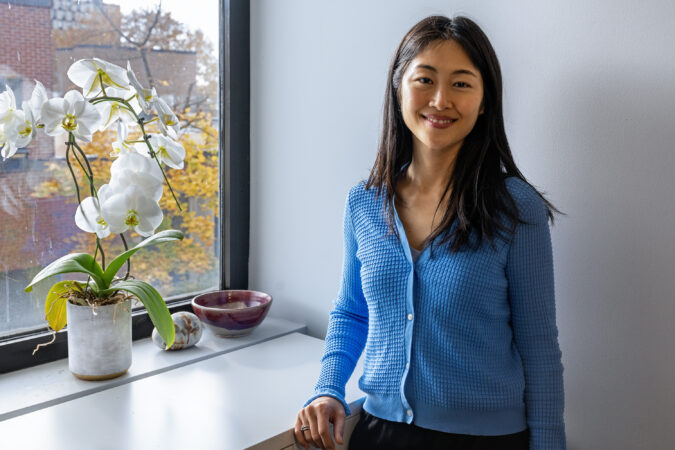
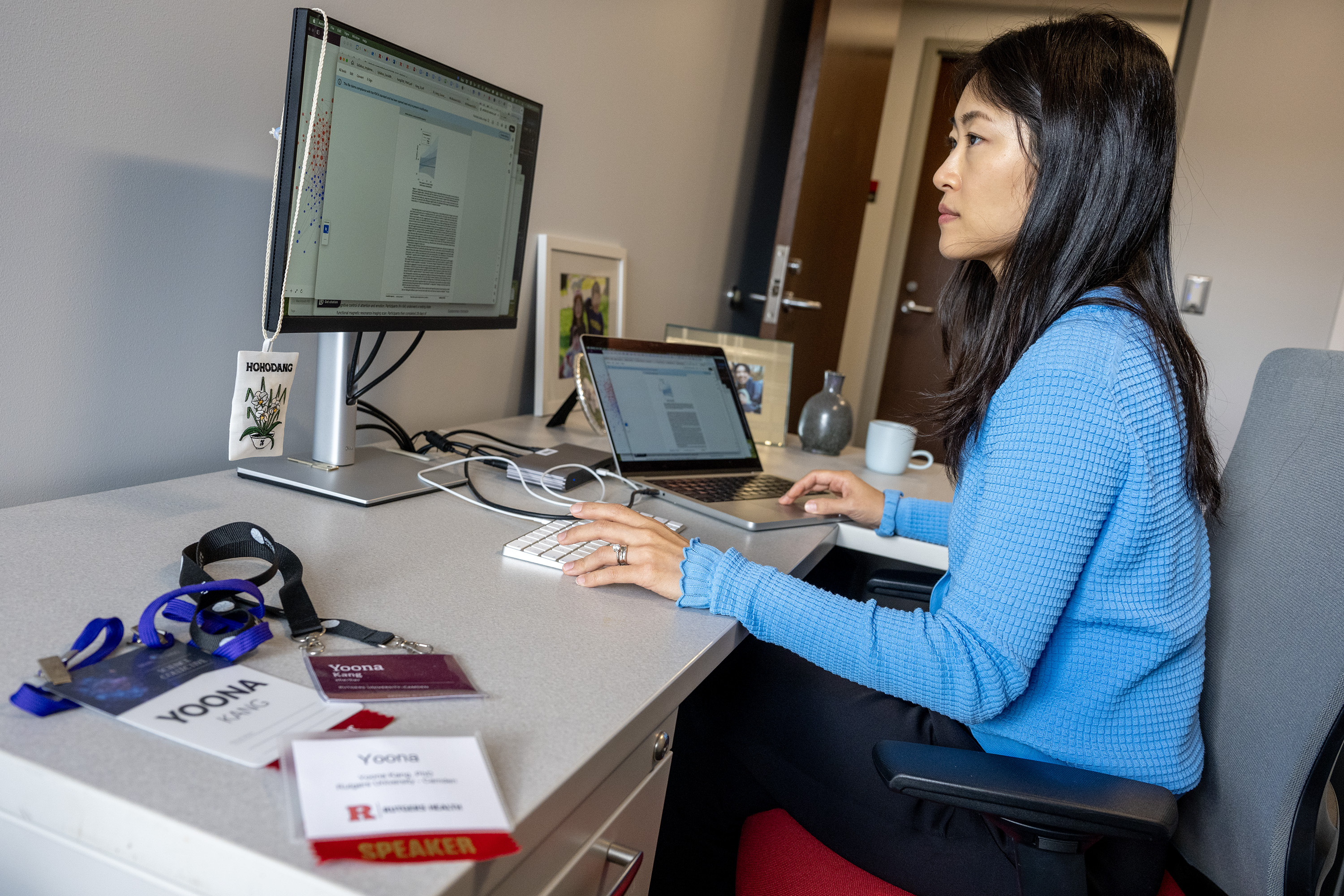
    Rutgers-Camden assistant psychology professor Yoona Kang works in her office.

    The app measures, tests, and encourages the spread of kindness — quite the opposite of the nasty doxing and mean-spirited online messaging that occurs today.

    People send messages anonymously on the app and can see, via a world map, messages being sent from one location to another.

    “Our data does show that kindness indeed spreads,” said Kang, 41. “Whether/if you receive more messages yesterday or more positive wishes yesterday, then you are likely to send more the day after.”

    That’s even though there is no pressure to reciprocate, she said, because of the anonymity of the messages.

    The research is being conducted through the school’s Compassion and Well-Being Lab, which was started by Kang, who is also a professor of prevention science.

    Her group recruited and paid 400 people across the United States to test the app in March and studied their usage. The app allows people to send messages that Kang created, including: “May you appreciate beauty.” “May you feel brave enough to begin again.” “May you experience kindness.”

    Users reported they enjoyed participating. “This app made me feel GOOD,” one wrote. “Favorite part was being able to send them, hoping someone would benefit from it,” another wrote. “Wishing people well has been a very important part of healing,” wrote a third.

    Even after using the app as little as four times on average, users reported higher feelings of well-being, she said. At 20 times or more, they reported decreased depression, she said.

    Study participants also were asked to share their political party. People living in blue and red states were sending well wishes to each other, though they didn’t know it, she said.

    Participants can send messages through the app, but they do not choose who they message because everyone is anonymous, Kang said. In some cases, the app randomly determines the user who will receive the message. In the meditation part of the app, users can send well wishes to a particular participant, as identified by an avatar, but they don’t actually know who that person is.

    “The goal was to show that people from different backgrounds, regardless of where they are located, were willing to express compassion and kindness to one another,” she said.

    Kang said her interest in kindness and compassion stems from her own experience. Her family came to America when she was 19, she said, and her parents opened a restaurant in California.

    “Suddenly, I was here working as a waitress, working 50 hours a week while going to community college full time,” she said. “From midnight to 4 a.m. or 5 a.m., I would study.”

    She had to learn basic things about living in America.

    “It really shook my foundation about my worldview, and it really motivated me to help people like me who were going through similar challenges,” she said.

    After community college, Kang got her bachelor’s degree in psychology at UCLA and her doctorate in cognitive psychology at Yale. Her dissertation was on whether compassion meditation decreased negative bias against people who experience homelessness.

    Kang then spent a decade at the University of Pennsylvania, first as a postdoctoral researcher and then as a research director. She explored the neuroscience of compassion, something that not everyone was ready to accept.

    “They thought it was a really soft concept,” she said. “I wanted to show this is science. This is quantifiable.”

    She said the team’s data show how meditation, even as little as three minutes twice daily, has an overall positive impact on well-being and decreases depression and anxiety.

    There really had not been studies that tried to quantify the spread of kindness. There is older work on the spread of loneliness and happiness, she said.

    Now that the initial study is complete, the app is available via iPhone, but Kang said she has not advertised it because she is working on making it better, based on feedback from the user study. Still, about 20 people in countries including the United States and England have found it and are using it, she said.

    While users can only send phrases she created, she wants to allow them to author their own at some point.

    “We are working on that now,” she said.

    She hopes the app eventually will encourage more people to consciously spread kindness. She would like for it to become a “quick micro-practice” daily, like teeth brushing.

    “I do see a lot of potential where this can change a lot of people’s lives,” she said, “not in a dramatic way, but in little and consistent ways. My goal is really to make small changes in the largest possible population.”

  • Mark Hallett, world-renowned neuroscientist and groundbreaking researcher, has died at 82

    Mark Hallett, world-renowned neuroscientist and groundbreaking researcher, has died at 82

    Mark Hallett, 82, of Bethesda, Md., world-renowned scientist emeritus at the Maryland-based National Institute of Neurological Disorders and Stroke, former chief of the clinical neurophysiology laboratory at Brigham and Women’s Hospital in Boston, associate professor of neurology at Harvard Medical School, groundbreaking researcher, prolific author, mentor, and world traveler, died Sunday, Nov. 2, of glioblastoma at his home.

    Dr. Hallett was born in Philadelphia and reared in Lower Merion Township. He graduated from Harriton High School in 1961 and became a pioneering expert in movement, brain physiology, and human motor control.

    He spent 38 years, from 1984 to his retirement in 2022, at the National Institutes of Health in Bethesda and was clinical director and chief of the medical neurology branch of the National Institute of Neurological Disorders and Stroke. He and his colleagues examined the human nervous system and the brain, and their decades of research helped doctors and countless patients treat dystonia, Parkinson’s, and other neurodegenerative diseases.

    “When I met him, I was in bad shape,” a former patient said on Instagram. “I’d also been told … that no one would ever figure out the source of my illness. … He and his team diagnosed me, and thereby, I’m pretty sure, saved my life”

    Dr. Hallett told the Associated Press in 1992: “The more that we know about the way these cells function, the better off we are.”

    He founded the NINDS’ human motor control section in 1984, cofounded the Functional Neurological Disorder Society in 2018, and served as the society’s first president. He cultivated thousands of colleagues around the world, and they called him a “giant in the field” and a “global expert” in online tributes.

    Barbara Dworetzky, current president of the FNDS, said Dr. Hallett was a “brilliant scientist, visionary leader, and compassionate physician whose legacy will endure.” Former NIH colleagues called his contributions “astounding” and said: “The scope and impact of Dr. Hallett’s work transcend traditional productivity metrics.”

    He chaired scientific committees and conferences, and supervised workshops for many organizations. He earned honorary degrees and clinical teaching awards, and mentored more than 150 fellows at NIH. “Our lab’s demonstration of trans-modal plasticity in humans was another milestone,” he told the NIH Record in 2023. “And, of course, I am particularly proud of the fellows that I have trained and their accomplishments.”

    In a tribute, his family said those he mentored “valued his intellect, his encouragement, his kindness, and his humor.”

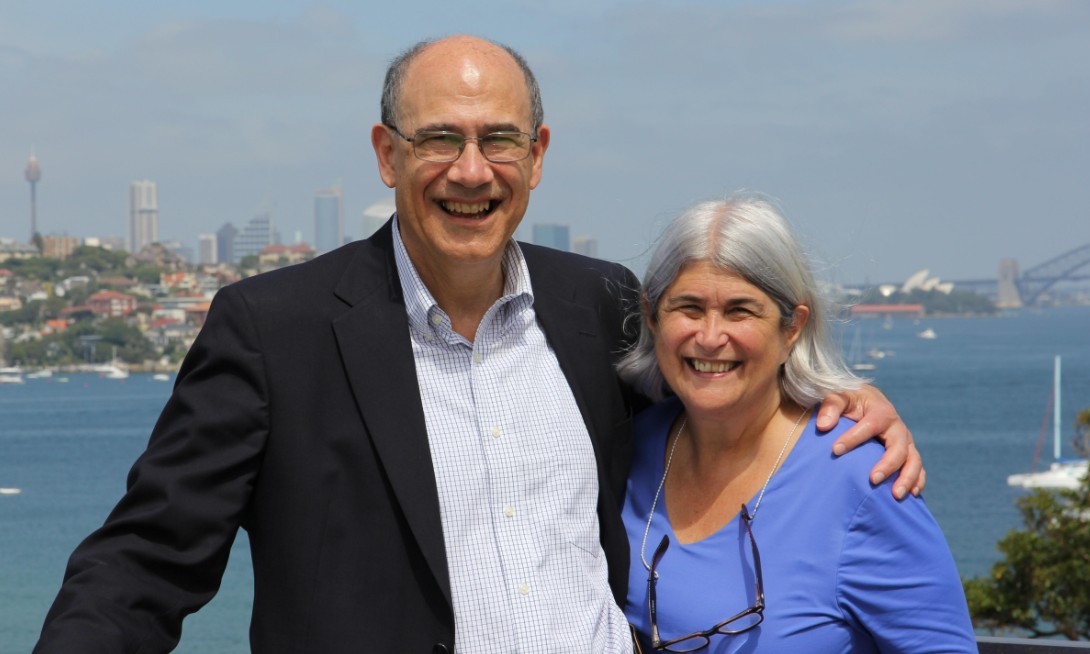
    Dr. Hallett and his wife, Judy, married in 1966.

    Dr. Hallett had planned to study astronomy at Harvard University after high school. Instead, he earned a bachelor’s degree in biology in 1965 and a medical degree at Harvard Medical School in 1969. He completed an internship at the old Peter Bent Brigham Hospital, now part of Brigham and Women’s, and joined a research program at the NIH in 1970 to fulfill his military obligation during the Vietnam War.

    A fellowship in neurophysiology and biophysics at the National Institute of Mental Health sparked his interest in motor control, and he served a neurology residency at Massachusetts General Hospital in 1972 and a fellowship at the Institute of Psychiatry in London in 1974.

    He returned to Brigham and Women’s in 1976 to supervise the clinical neurophysiology laboratory and rose to associate professor of neurology at Harvard. In 2019, he earned the Medal for Contribution to Neuroscience from the World Federation of Neurology, and former colleagues there recently said his work “had a lasting global impact and shaped modern clinical and research practice.”

    He also studied the scientific nature of voluntary movement and free will. He wrote or cowrote more than 1,200 scientific papers on all kinds of topics, edited dozens of publications and books, and served on editorial boards.

    He was past president of the International Federation of Clinical Neurophysiology and the International Parkinson and Movement Disorder Society, and vice president of the American Academy of Neurology.

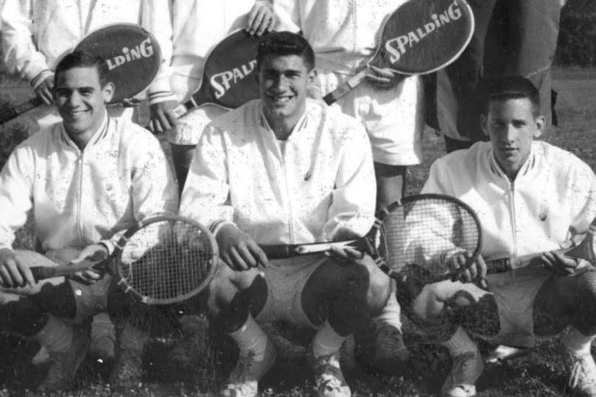
    At Harriton, he was senior class president, a star tennis player, and a leading man in several theatrical shows. “The only time he disobeyed his parents,” his family said, “was when he decided to leave Philadelphia to attend Harvard College.”

    Mark Hallett was born Oct. 22, 1943. The oldest of three children, he was a natural nurturer, a longtime summer camp counselor, and the winner of an Alfred P. Sloan Foundation national scholarship award in high school.

    He grew up in Merion and met Judith Peller at a party in 1963. They married in 1966 and had a son, Nicholas, and a daughter, Victoria.

    Dr. Hallett (center) was a star on the Harriton High School tennis team.

    Dr. Hallett was an avid photographer and a master of the family group shot. He championed a healthy work-life balance, and his family said: “He eagerly built sand castles, skipped stones, and started pillow fights. His easy laugh was contagious.”

    He enjoyed hiking, biking, jazz bands, and organizing family vacations. “He was a natural leader,” his son said, “self-assured and patient of others, with a deep sincerity and a desire to help people.”

    His daughter said: “People were constantly turning to him for medical advice, and he was always willing and eager to help.”

    His wife said: “He was very high energy. He brought out the best and the most in young people. He made them feel good about themselves.”

    Dr. Hallett traveled the world on business and family vacations.

    In addition to his wife and children, Dr. Hallett is survived by two granddaughters, a sister, a brother, and other relatives.

    A memorial service is to be held later.

    Donations in his name may be made to the Functional Neurological Disorder Society, 555 E. Wells St., Suite 1100, Milwaukee, Wis. 53202; and the International Parkinson and Movement Disorder Society, 555 E. Wells St., Suite 1100, Milwaukee, Wis. 53202.

  • This teen fled war in Ukraine for a new life in Philly. Now she’s at the top of her class.

    This teen fled war in Ukraine for a new life in Philly. Now she’s at the top of her class.

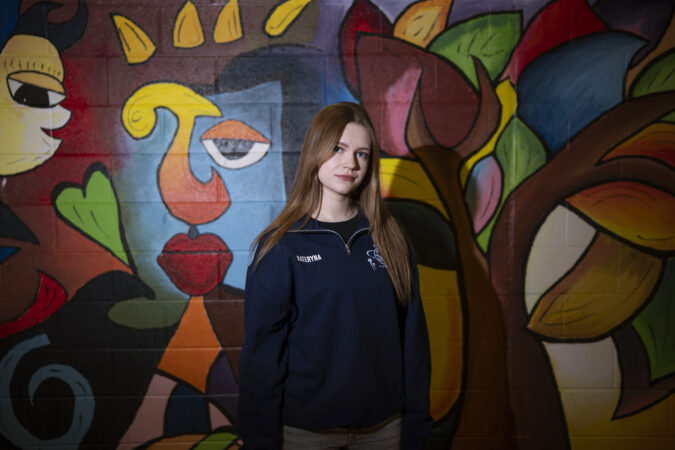
    Kateryna Sobolevska’s life is full: classes, homework, and activities at George Washington High School, managing an ambitious college search, serving as her mother’s English translator, sometimes picking her younger brother up from school.

    But part of the 17-year-old’s mind is often 4,500 miles from Philadelphia — in her former home along the Stryi River in Western Ukraine, in Zhydachiv, where Sobolevska’s father and extended family still cope with the realities of a yearslong war.

    She speaks to her father daily.

    Emergency services personnel work to extinguish a fire following a Russian attack in Kyiv, Ukraine, Tuesday, Nov. 25, 2025. (AP Photo/Dan Bashakov)

    “He’s at risk every single day,” said Sobolevska, now a 12th grader. “They keep bombing the power plant, so he doesn’t have electricity all the time. He has to do laundry at a certain time. He has difficulties with work; it’s really overwhelming. There’s sirens every day.”

    Still, Sobolevska is more than managing in her new home.

    Less than four years after arriving in the United States, Sobolevska is at the top of her class at George Washington, with an Ivy League summer program under her belt, waiting to hear from a bevy of stellar colleges — and recently named to a select list of Philadelphia School District students.

    When Sobolevska arrived in the U.S. at 14, American traditions were unfamiliar — something from a story or a book. She had never celebrated Thanksgiving.

    This year, she’ll be sitting down to a turkey dinner with family, a little incredulous at the recognition that is beginning to come her way.

    “But,” she said, “I am very thankful.”

    ‘Everything is so different’

    In 2022, as war closed in, Sobolevska’s parents made a quick decision: Things were too dangerous in Ukraine. Sobolevska, her mother, Oleksandra, and her brother, Oleh, had to flee.

    Her father, Rostyslav, could not join them — men between the ages of 18 and 60 were forbidden from leaving the country.

    “All of us hoped that it would only be a couple of months,” Sobolevska said.

    The three traveled first to Prague, then to New York, then on to Philadelphia. Every move felt unsettling, Sobolevska said.

    Sobolevska had been a strong student in Zhydachiv — class president three times, a member of her student government, chosen to represent her school at language competitions.

    But she had to start over at age 14. She began ninth grade at George Washington High in sheltered English classes, learning the language with other newcomers.

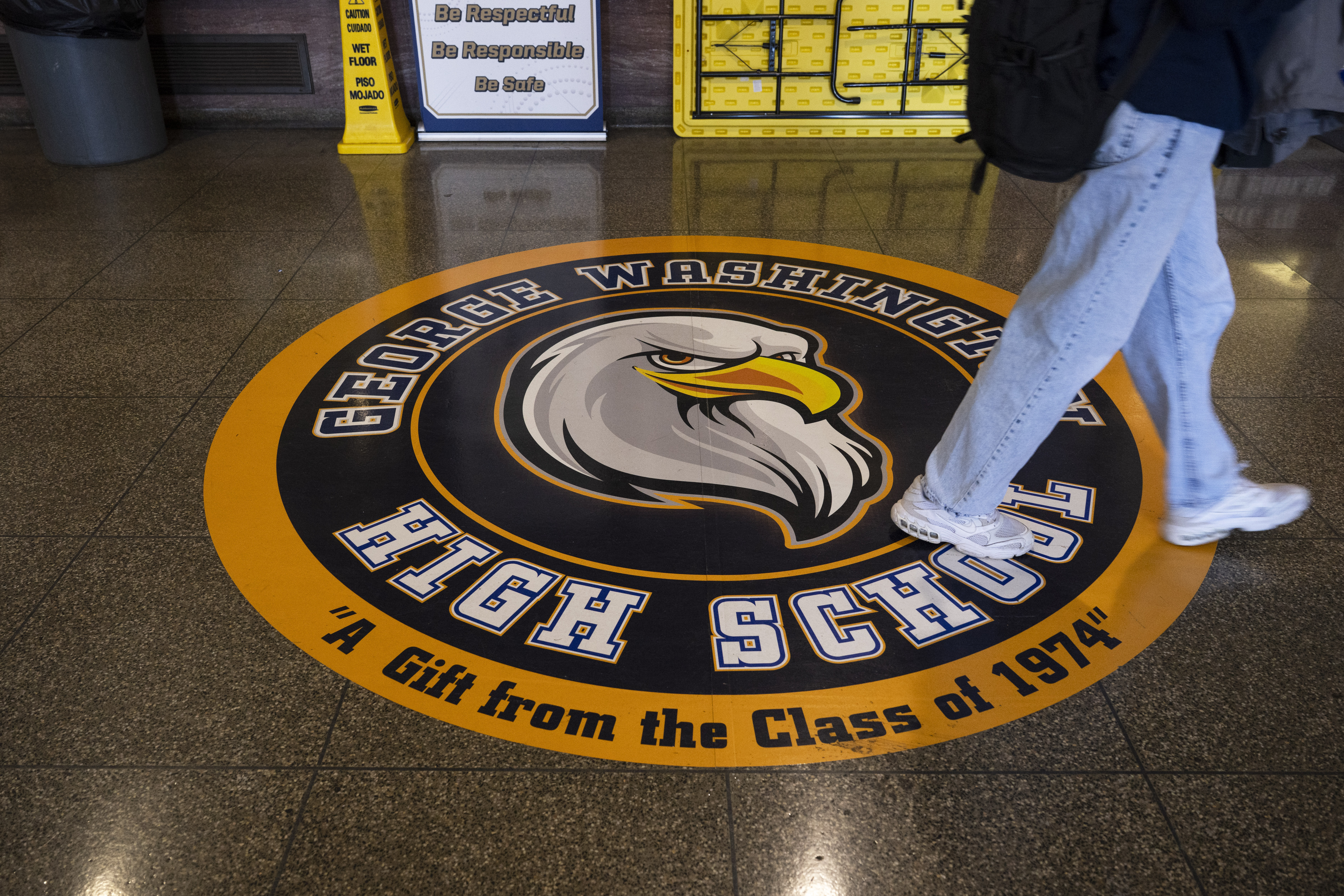
    George Washington High School on Monday, Nov. 24, 2025 in Philadelphia.

    With more than 1,800 students, George Washington is imposing; it felt forbidding. It was tough to navigate, and her class schedule was changed three times.

    “Everything is so different here,” Sobolevska said. “In ninth grade, it was really hard to get used to the language, to expectations, to all those processes. Ninth and 10th grade were really difficult for me.”

    One of her teachers flagged Sobolevska to Billy Marchio, the coordinator of George Washington’s International Baccalaureate program, a rigorous academic course of study.

    “She told me, ‘She’s really bright, she’s really improved her English. Give her a shot, I think she can do it,’” said Marchio, who agreed.

    Making an impression

    Entering IB in her 11th-grade year was a revelation for Sobolevska.

    “I was excited,” she said. “IB is more close to what is expected from students in my country. It just gives me more stability — it’s very difficult courses, and a lot of expectations.”

    Sobolevska met the expectations and then some. She was one of just 14 students nationwide — chosen from a pool of hundreds — who won a place in a summer journalism program at Princeton University.

    Living on a college campus and learning from top professionals and peers from around the country provided more challenges that Sobolevska slayed. She published two stories, one about her frustration with comparisons between the conflicts in Ukraine and Gaza, a call for global solidarity. She felt at home in the Ivy League environment.

    Senior year has been a blur — applying to a laundry list of colleges, including Harvard, a top choice, and, most recently, being honored as one of the district’s seniors of the month, singled out for her “courage, perseverance, and quiet strength” as well as for her academic skills.

    Teacher Billy Marchio in his classroom on Monday, Nov. 24, 2025 at George Washington High School in Philadelphia.

    Marchio has been wowed by Sobolevska — both as a student and as a leader, serving as an IB officer, tutoring peers in the National Honor Society.

    “Through all of her anxieties and all of her stress, she produces spectacular work,” Marchio said. “She’s so critical and analytical. She makes an impression on everyone.”

    Shouldering significant responsibility

    Sobolevska is quiet, unassuming. When she talks about her college search, she mentions that she’s applying to schools in “Boston, Connecticut, New York,” not Harvard, Yale, and Columbia.

    She grows more animated when she talks about her family: her father, who works in sales management, her mother, who works at a grocery store, and even her brother — they argue, as siblings do, but are still very close.

    “We’re really close with my mom, especially since she moved here,” said Sobolevska, who has significant responsibility on her shoulders. “I’m the main translator in the family. I help her with English; all the doctor’s appointments are on me.”

    When she won the district’s Senior of the Month honor, her mother bragged to relatives and coworkers. Thousands of miles away, her father “was really excited. He was just so proud. But it was weird for him, difficult to understand because I’m very far away.”

    Sobolevska, who now goes by Kate, longs to be reunited with her father, the rest of her family, and the friends she left behind, but living and learning in the U.S. have changed her, she said.

    Here, “I think people here are not as stressed,” Sobolevska said. “They’re just more easygoing. It’s really warming to see how people can listen to music outside or talk loudly outside, or just say hi to everyone. In Ukraine, we don’t really have that. It’s nice to see how people are really friendly here.”

    Her father “doesn’t want us to go back” home now, she said. “It’s not safe; it’s really stressful.”

    Looking ahead to her future, “I would like to visit” Ukraine, Sobolevska said. “I’m not sure if I would want to live there. When I grow up, I would love to travel a lot — I don’t want to stay in place.”

    Sobolevska’s rise is remarkable, but that’s who she is, Marchio said.

    “She’s just trying to make her father proud, to make her father’s sacrifice worth it,” Marchio said. “She’s putting a lot on her plate to make everyone happy and proud of her, and I couldn’t respect that more.”

  • These professors say they’re part of a growing movement banning laptops from the classroom

    These professors say they’re part of a growing movement banning laptops from the classroom

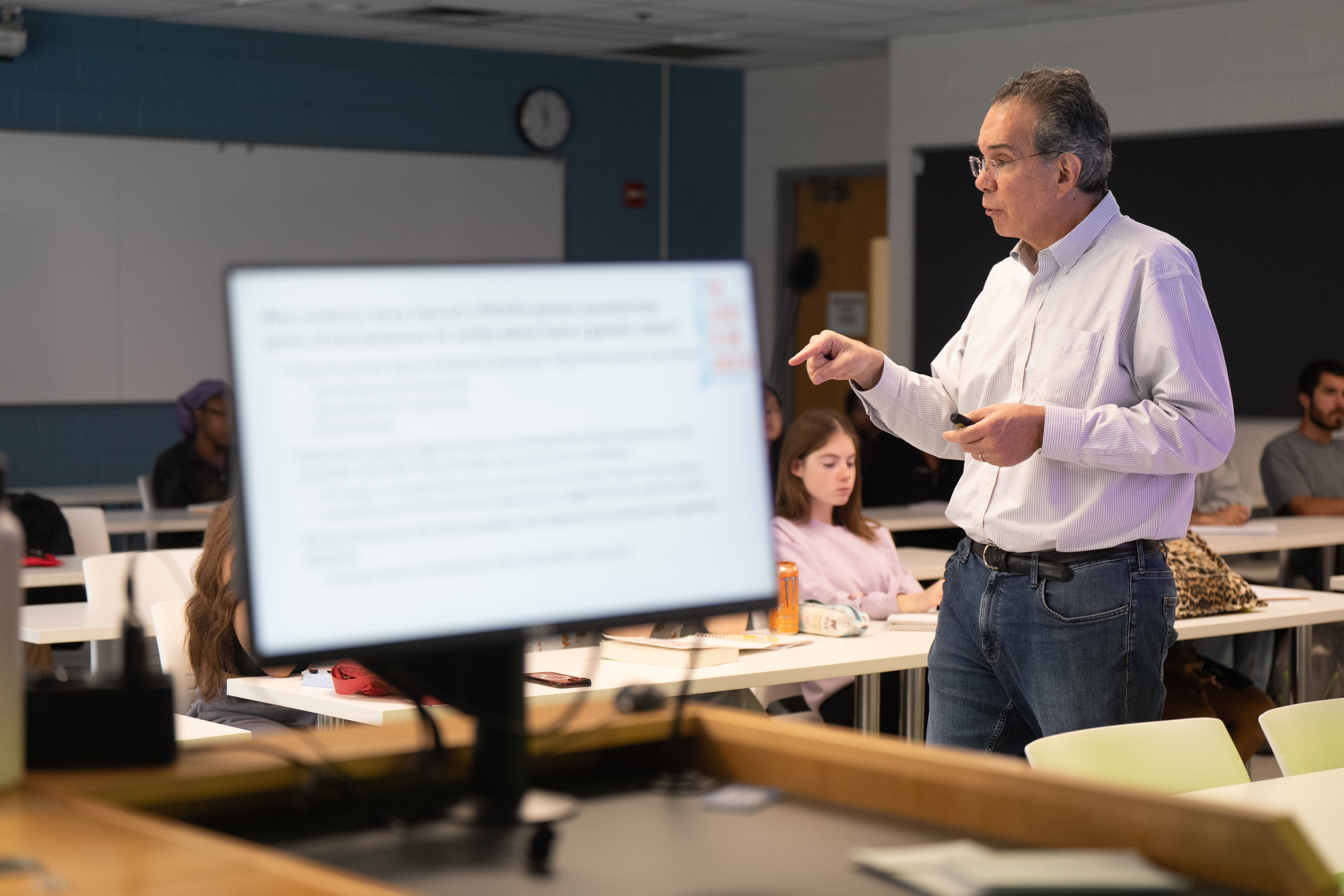
    Biology professor Jody Hey was lecturing on human evolution one recent day at Temple University.

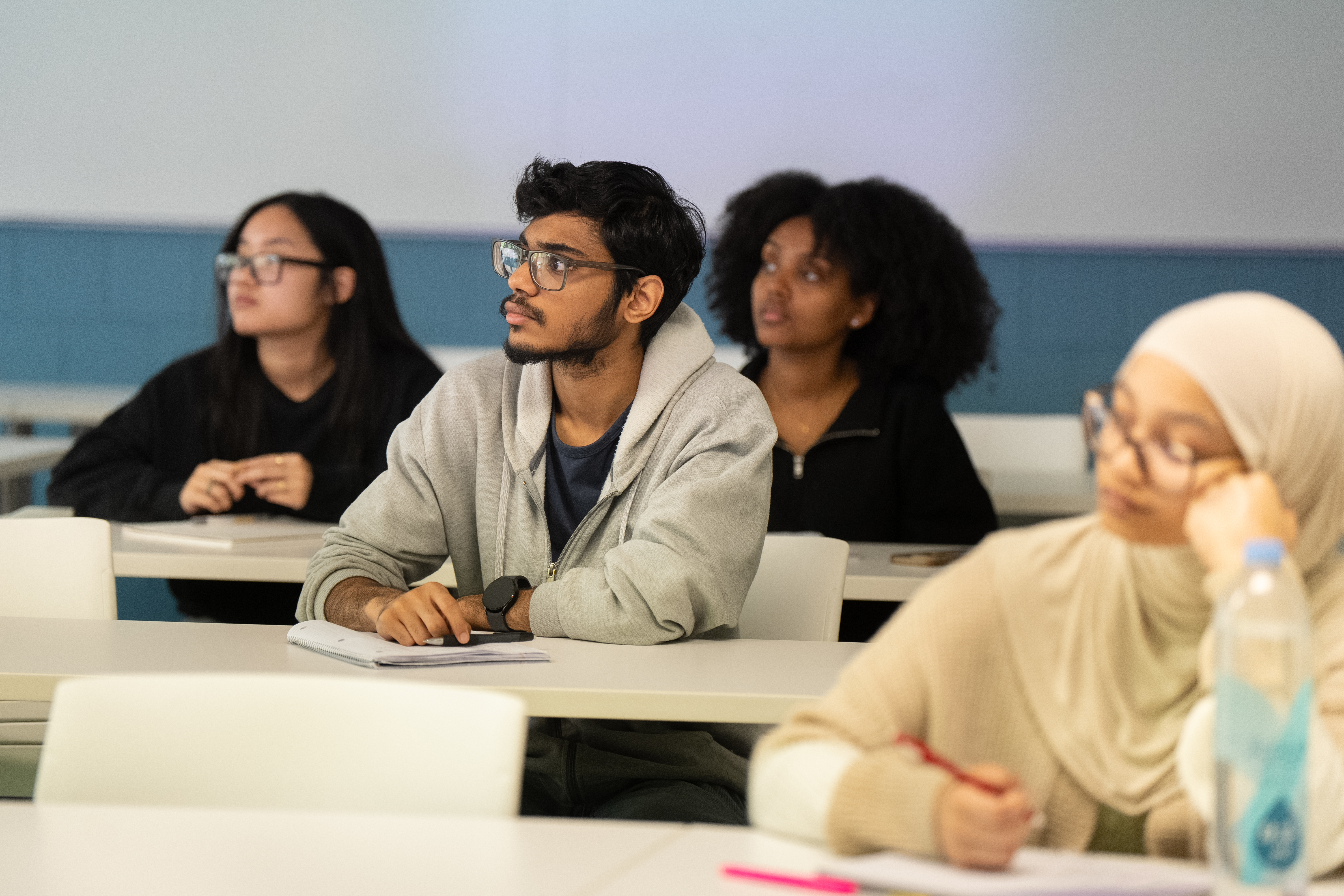
    His students vigorously took notes by hand in paper notebooks.

    There wasn’t a laptop in sight. Nor an iPhone. No student’s face was hidden by a screen.

    Hey said he stopped allowing them about a year and a half ago after seeing research that students are too often distracted when laptops are open in front of them and actually learn better when they have to distill lectures into handwritten notes.

    “The clearest sign that it’s making a difference is that students are paying attention more,” said Hey, who has taught at Temple for more than 12 years. “And they want to participate much more than before.”

    Hey is among a seemingly growing number of professors who have chosen to keep laptop and phone use out of class, with exceptions for students with disabilities who require accommodations. Several said they made the decision after seeing what some students were doing on their laptops during class.

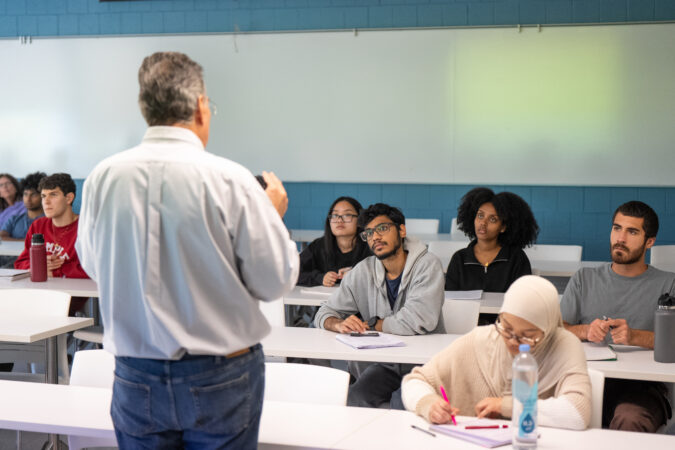
    Temple University biology professor Jody Hey stopped allowing laptops to be used in class about a year and a half ago. He said he’s noticed improvement in student performance.

    Jessa Lingel, an associate professor of communication at the University of Pennsylvania and director of the Gender, Sexuality, and Women’s Studies Program there, stationed teaching assistants in the back of her room to observe.

    Students “were out there booking flights and Airbnbs,” Lingel said. “Fun fall cocktail recipes. They were online gambling in class. I thought, ‘This is not acceptable.’”

    She originally disallowed laptops in 2017, but decided to go easy in 2021 as students returned after the pandemic, she said. She reinforced the ban after her teaching assistants’ observations.

    “It’s a movement,” Lingel said. “More and more people are headed in this direction.”

    In Hey’s class, students have warmed up to the laptop ban.

    “At first I didn’t like it,” said Jess Nguyen, 20, a junior genomic medicine major from Broomall, “because I kind of organize all my notes on my laptop. But I feel I’ve been learning better by writing my notes.”

    When she took notes on her iPad, she sometimes got distracted and played computer games, she said. In Hey’s class, that’s not an option.

    Students said it takes more time to write notes and sometimes their hands get tired.

    “After a couple classes, you kind of get used to it,” said Sara Tedla, 22, a senior natural sciences major from Philadelphia.

    She’s on the fence about which way she prefers to take notes.

    “It’s good that for an hour and 20 minutes you can just sit down and, without any technological distractions, focus because that’s a part of your brain you can work on,” said Quinn Johnson, 20, a senior ecology major from Philadelphia. “The more you do it, the easier it becomes to focus on something for a long period of time.”

    ‘Students learn better’

    Professors say laptops are pretty ubiquitous in the classroom when they are permitted.

    Hey conducted research on laptop use and presented it at a Temple department faculty meeting earlier this year.

    “As early as 2003, a study was done contrasting the retention of lecture material by two groups of students, one who had laptops and unrestrained internet access and a second who worked without laptops,” he said. “In that study, students with laptops scored 20% lower on average in the subsequent exam.”

    Four of every five students who used laptops in a general psychology class said they checked email during lectures, another study showed, while 68% used instant messaging, 43% surfed the net, 25% played games, and 35% said they did “other” activities.

    He also cited studies showing students who took notes by hand performed better on tests. Others cited that research, too.

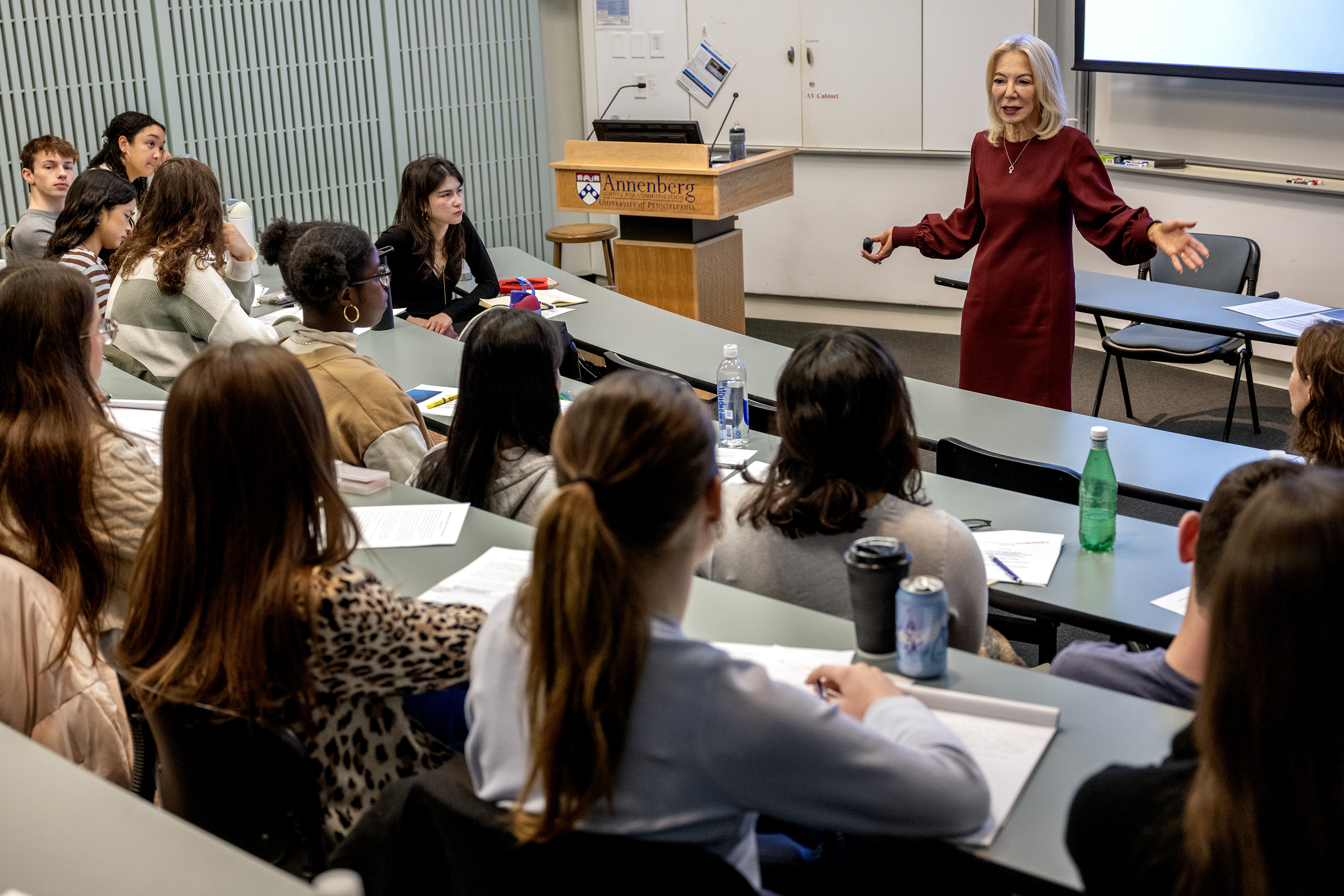
    Penn President emerita Amy Gutmann co-teaches a class at Penn’s Annenberg School for Communication with the dean Sarah Banet-Weiser. They don’t allow laptops or phones to be used in the classroom.

    “I read the literature on it and it really showed that students learn better when they’re taking notes rather than trying to type as fast as they can verbatim what you say,” said Amy Gutmann, Penn president emerita, who is co-teaching a class at the Annenberg School for Communication this fall.

    Gutmann and co-teacher Sarah Banet-Weiser, dean of Annenberg, do not provide students with copies of their lecture slides, either.

    “We give them time to write down what’s on the slides,” Banet-Weiser said.

    Benefits of technology

    Some professors say laptop use in class can be beneficial.

    Sudhir Kumar, a Temple biology professor, said he asks his class of 150 students to respond to questions on their laptops every 10 minutes. Their answers count toward their grades.

    “It’s constantly keeping them on their toes,” he said.

    He would not want to see everyone give up on laptop use in class.

    “We cannot fight technology,” he said. “Teachers have to embrace technology, whether it is artificial intelligence or computers. That is a standard mode of operation for most people today.”

    (Left to Right) Jess Nguyen, 20, a junior from Broomall, Allan Thomas, 22, a senior from Philly, and Sara Tedla, 22, a senior from Philly, in a class taught by Temple University biology professor Jody Hey last month.

    In Cathy Brant’s social studies methods class of 20 to 25 students at Rowan University, laptops are key. Brant, an associate professor of education, said there are lots of hands-on group projects, and she frequently asks students to check New Jersey standards online as they prepare their lessons. She also teaches them how to use AI appropriately in the classroom.

    One of her students, she said, recently handed in a paper with very detailed notes from Brant’s lecture that she probably got only because she was able to type quickly on her computer.

    “You’re responsible for paying attention in class,” she said. “Maybe it’s a little harsh, but I’m just like, ‘If you want to be on Facebook the entire time during class, that’s on you.’”

    Jordan Shapiro, an associate professor at Temple, more than a decade ago used to make a point of having his students post on Twitter, now X, during class and counted it toward classroom participation.

    Now, he tells students to put their laptops away during class.

    “I tell them I have no problem with tech or laptops,” he said. “I just think that none of us get enough time in our lives to just focus on ideas or to listen in a sustained way to the people around us.”

    He also became concerned about students doing homework during class, he said, and using artificial intelligence to supply them with questions and comments to ask in class. They were “outsourcing class participation to the robots,” he said.

    Mark Boudreau, a biology professor at Penn State Brandywine, disallowed laptops for the first time this semester.

    “I thought I would get real pushback … or people might even drop the class,” he said. “But … a lot of students have had other faculty who have this policy.”

    Exam scores in his three courses are better this year, he said.

    Hey noted student grades have gone up, too. But he can tell some students struggle with note-taking; some just listen and don’t take notes.

    “That’s better than sitting there and going on Facebook,” he said.

  • A House committee is investigating allegations of antisemitism in Philadelphia schools

    A House committee is investigating allegations of antisemitism in Philadelphia schools

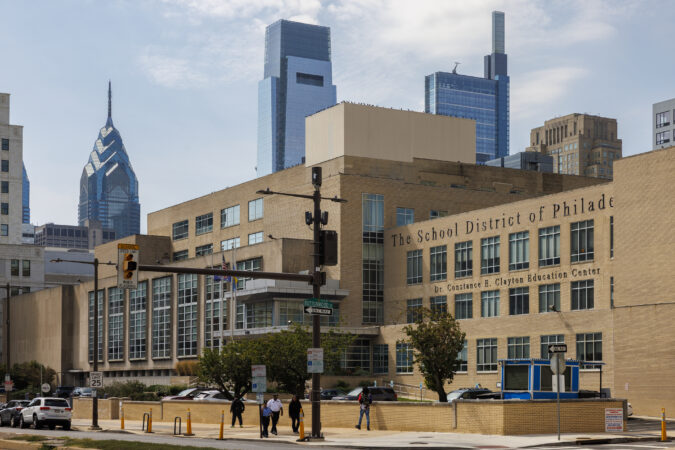
    A congressional committee is investigating allegations of antisemitism in the Philadelphia School District.

    U.S. Rep. Tim Walberg (R., Mich.) said this week that the House Education and Workforce Committee — which he chairs — would probe “disturbing reports of Jewish students being harassed and subjected to open antisemitism in their classrooms and hallways” in three school systems: Berkeley Unified in California, Fairfax County in Virginia, and Philadelphia.

    Walberg and U.S. Rep. Ryan Mackenzie, a freshman Republican who represents the Lehigh Valley, informed Superintendent Tony B. Watlington Sr. of the investigation in a letter sent Monday.

    The committee, the lawmakers said, “is deeply concerned” that since the Oct. 7, 2023, Hamas attacks on Israel, it has “received allegations that SDP is rife with antisemitic incidents, including allegations of teachers spreading antisemitism in the classroom and SDP approving antisemitic walkouts that isolate Jewish students.”

    Monique Braxton, a spokesperson for the district, said she cannot comment on ongoing investigations.

    The Republican-led committee has, in recent years, used hearings and investigations as platforms to criticize academic institutions perceived as progressive, long a target of conservatives. In 2023, following the Oct. 7 attack on Israel and the subsequent rise of campus protests against Israel’s war in Gaza, University of Pennsylvania president Liz Magill resigned after the committee held a hearing on Penn’s handling of allegations of antisemitism during her administration.

    The district in late 2024 reached a settlement with the U.S. Department of Education’s Office for Civil Rights requiring school officials to hold training on antidiscrimination policies and educate thousands of students about racial and ethnic discrimination.

    The Office of Civil Rights found in December 2024 that despite “repeated, extensive notice” of acts of antisemitism and other harassment in its schools, the district did not adequately investigate the claims, take appropriate steps to respond to them, or maintain all necessary records.

    Walberg and Mackenzie’s letter said that even after the Office of Civil Rights settlement, antisemitic incidents have continued unanswered.

    Allegations of antisemitism against certain educators

    The lawmakers called out “numerous educators who allegedly promote antisemitic content in their classrooms.”

    The representatives also referred to the district’s director of social studies curriculum, who they said “has been widely condemned by Jewish advocacy groups in light of his ‘pattern of denying the Jewish connection to the Land of Israel, refusing to speak about peace or coexistence, and downplaying the lived experiences of Jewish people in the face of violence.’”

    Philadelphia, the letter said, failed “to exercise oversight of antisemitic materials in the classroom.” Officials also took issue with what they said was a partnership between the district and the Council on American-Islamic Relations-Philadelphia. (The organization this summer announced it was available to partner with local schools and administrations to provide religious accommodations and build inclusivity.)

    Ahmet Tekelioglu, executive director at CAIR-Philadelphia, said it “takes pride in offering these resources” but had no special partnership with Philadelphia’s school district. Instead, it was broadly offering its educational materials and training to any school, educator, or district, he said.

    Tekelioglu dismissed the investigation as the machinations of “wild, right-wing” congresspeople.

    “It’s a continuation of McCarthyism, what they are trying to do against colleges,” Tekelioglu said. “They are trying to quell and suppress academic freedom in school districts.”

    What are the representatives calling for?

    The committee requested documents “to assess SDP’s compliance with Title VI and determine whether legislation to specifically address antisemitism discrimination is needed.”

    The district was given a deadline of Dec. 8 to produce documents including an anonymized chart of all allegations of antisemitism against students, faculty, or staff since Oct. 7, 2023; all documents and communications since that date “referring or relating to walkouts, toolkits, workshops, curricula, course materials, educational material, guest speakers, lecture series, partnerships, teacher training, or professional development, referring or relating to Jews, Judaism, Israel, Palestine, Zionism, or antisemitism, in the possession of SDP schools or offices”; and more.