Category: Entertainment

Entertainment news and reviews

  • Julius Erving remembers Philly fans forever reminding him of the debt he owed them — until it was ‘paid in full’

    Julius Erving remembers Philly fans forever reminding him of the debt he owed them — until it was ‘paid in full’

    Throughout basketball history, few players have been as transformative a talent and cultural figure as NBA Hall of Famer Julius Erving.

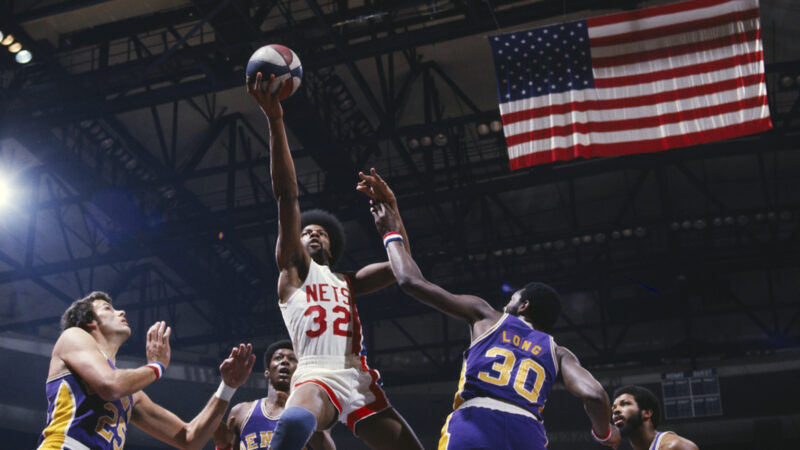
    Footage of the former Philadelphia 76er’s thunderous dunks, stylish finger rolls, and suave demeanor off the court still draw applause from basketball fans, decades after his 1987 retirement. The iconic forward is still championed by Sixers fans for bringing the city an NBA title in 1983.

    It was in Philly where Erving embraced one of the world’s most impassioned fan bases and learned of the phrase, “You owe us one,” after falling short in the NBA finals three times between 1977 and 1982.

    “I was like, ‘What the hell does that mean?’” he said to The Inquirer. “I was getting pissed. I was not happy with the situation.”
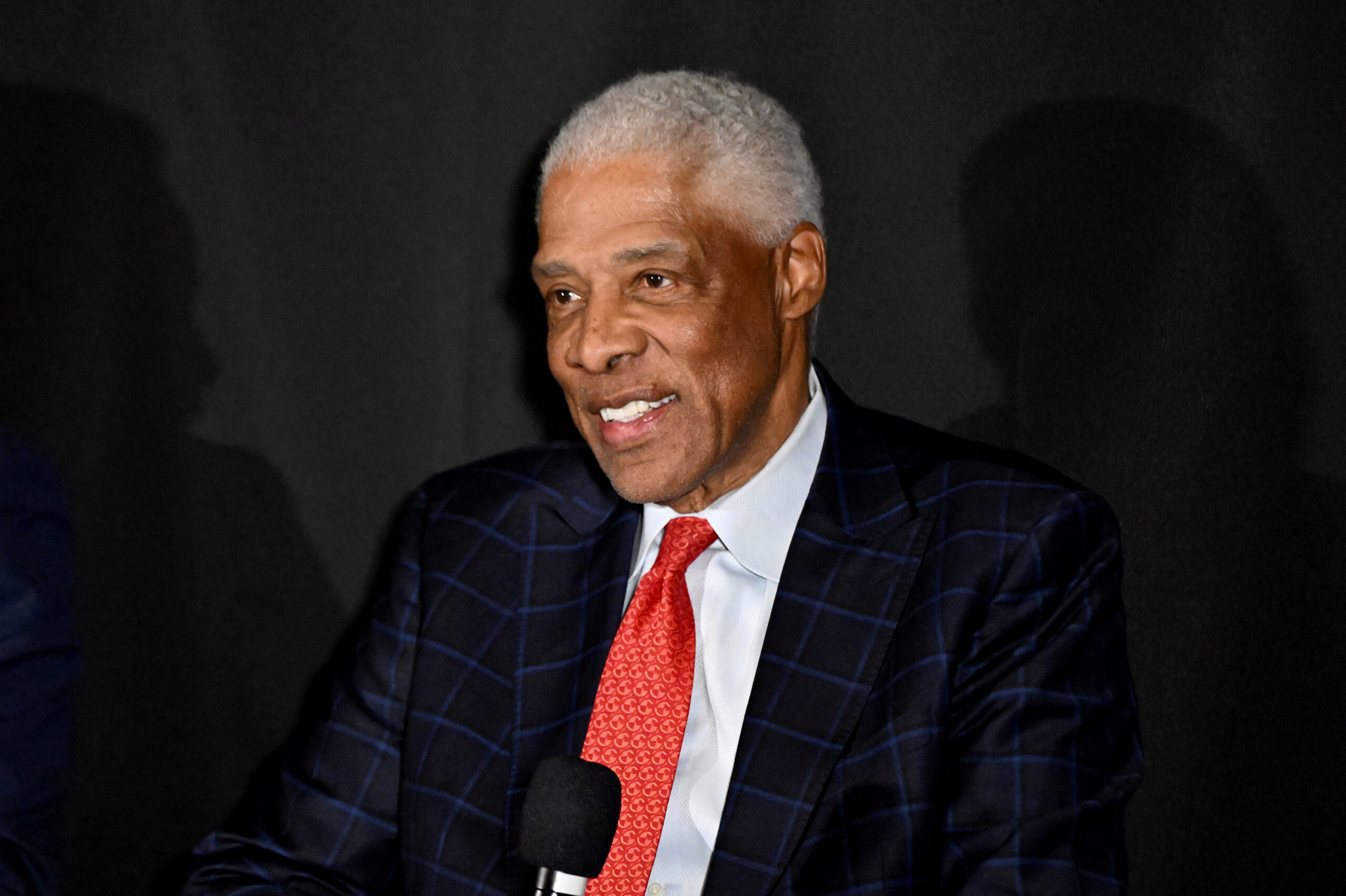
    Julius Erving speaks during the “Soul Power: The Legend Of The American Basketball Association” world premiere at Regal Cinemas Union Square on February 10, 2026 in New York City. (Photo by Slaven Vlasic/Getty Images for Prime Video)

    The fans were reminding Erving that he owed the city a championship. It was only after he and fellow Hall of Famer Moses Malone swept the Los Angeles Lakers in the 1983 finals that he paid his debt to the City of Brotherly Love. Fans shouted out the words that have stuck with him all these years on: “Paid in full.”

    Erving, affectionately and fittingly known as “Dr. J,” surgically dissected opposing defenses. He and fellow NBA star David Thompson went on to inspire talents like Michael Jordan and Kobe Bryant.

    But veteran sports fans know Erving’s legacy was cemented years before he took his first steps on the floors of South Philly’s Spectrum. One of his early visits to Philadelphia was in April 1971, when he signed to the American Basketball Association to play for the Virginia Squires.
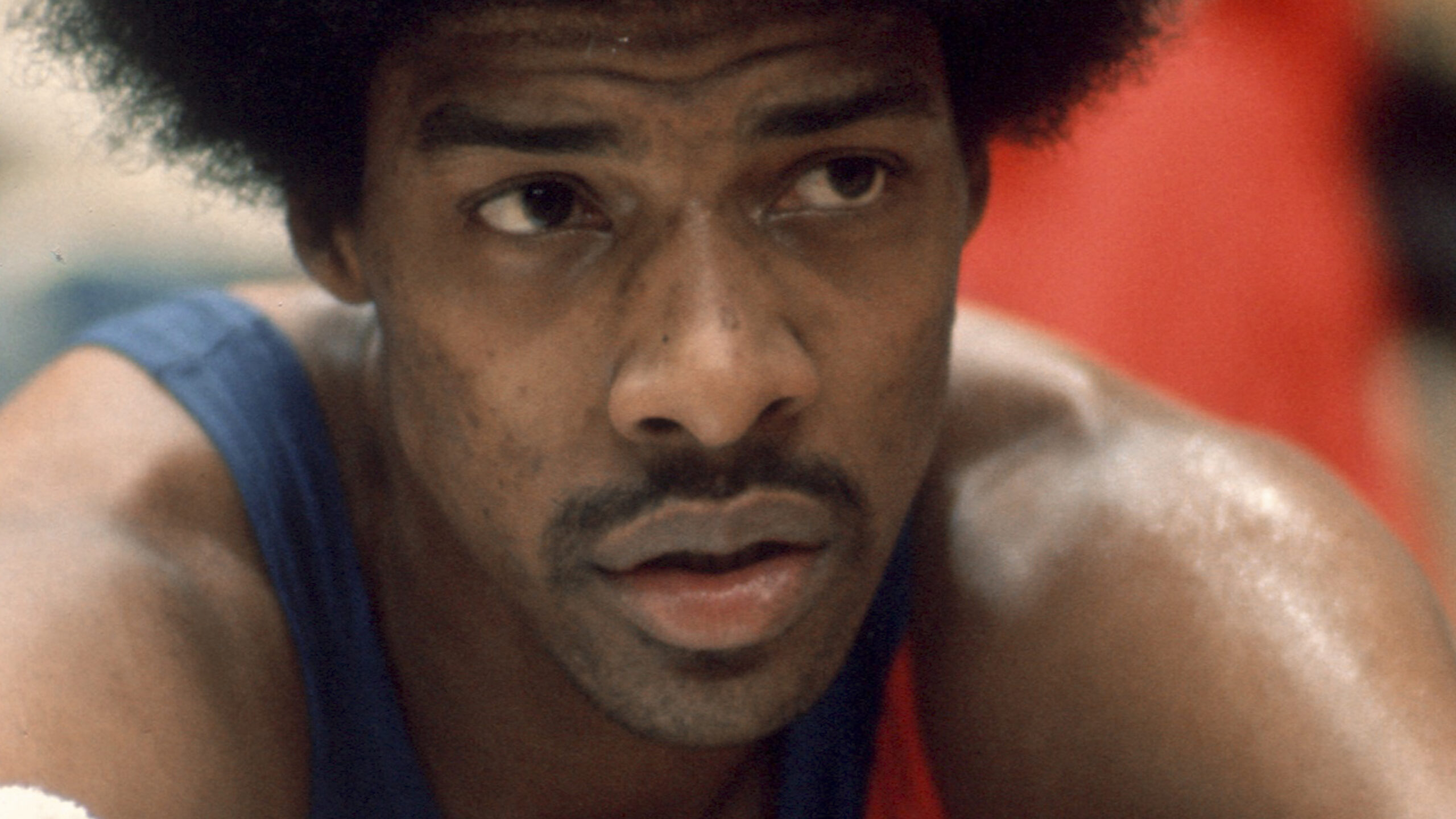
    An image of Julius “Dr. J” Erving from the Prime Video docuseries, “Soul Power: The Legend of the American Basketball Association.”

    Erving went on to win two ABA championships and three MVP awards in five seasons. He joined ABA greats Rick Barry, Artis Gilmore, Connie Hawkins, and Spencer Haywood as the faces of a league that would soon merge with the NBA in 1976.

    The merger brought a new brand of fast-paced, high-flying action to the NBA, and elements like the three-point line, dunk contest, underclassmen signees, and other additions that continue today.

    The legacy of those ABA greats and visionaries are the subject of the new sports docuseries, Soul Power: The Legend of the American Basketball Association.

    “It just sets the stage for the memories that I have, the friendships that were developed, and the history that was established with the ABA,” Erving said.
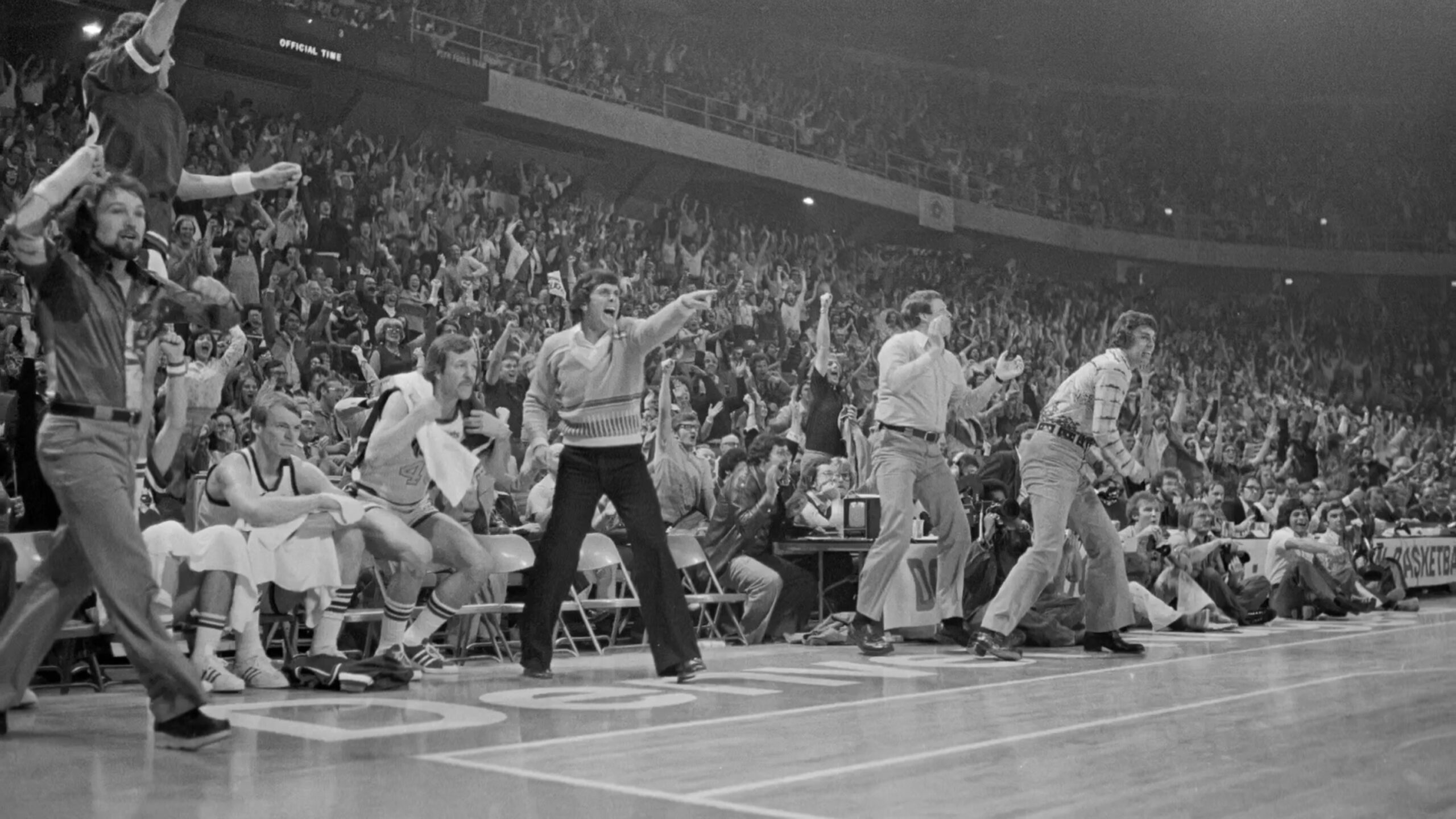
    Image of ABA coaches and crowds from the Prime Video docuseries, “Soul Power: The Legend of the American Basketball Association.”

    The four-part series, streaming on Amazon Prime Video to commemorate 50 years of the ABA-NBA merger, chronicles the ABA’s formation, triumphs, and challenges during the late 1960s and ’70s.

    Emmy-winning director Kenan K. Holley said he wanted the series to be a “player-driven” story that addressed the league’s on-court innovations and debunked the idea that the ABA was an inferior semipro league.

    “Amazon executives saw the vision. They saw the ABA story was worth telling, and told us to lean into the characters,” he said. “That gave my team the North Star creatively. We knew we had the goods because of all the guys in the league, from Rick Barry to George ‘the Iceman’ Gervin, Dr. J, and others. That was the key.”
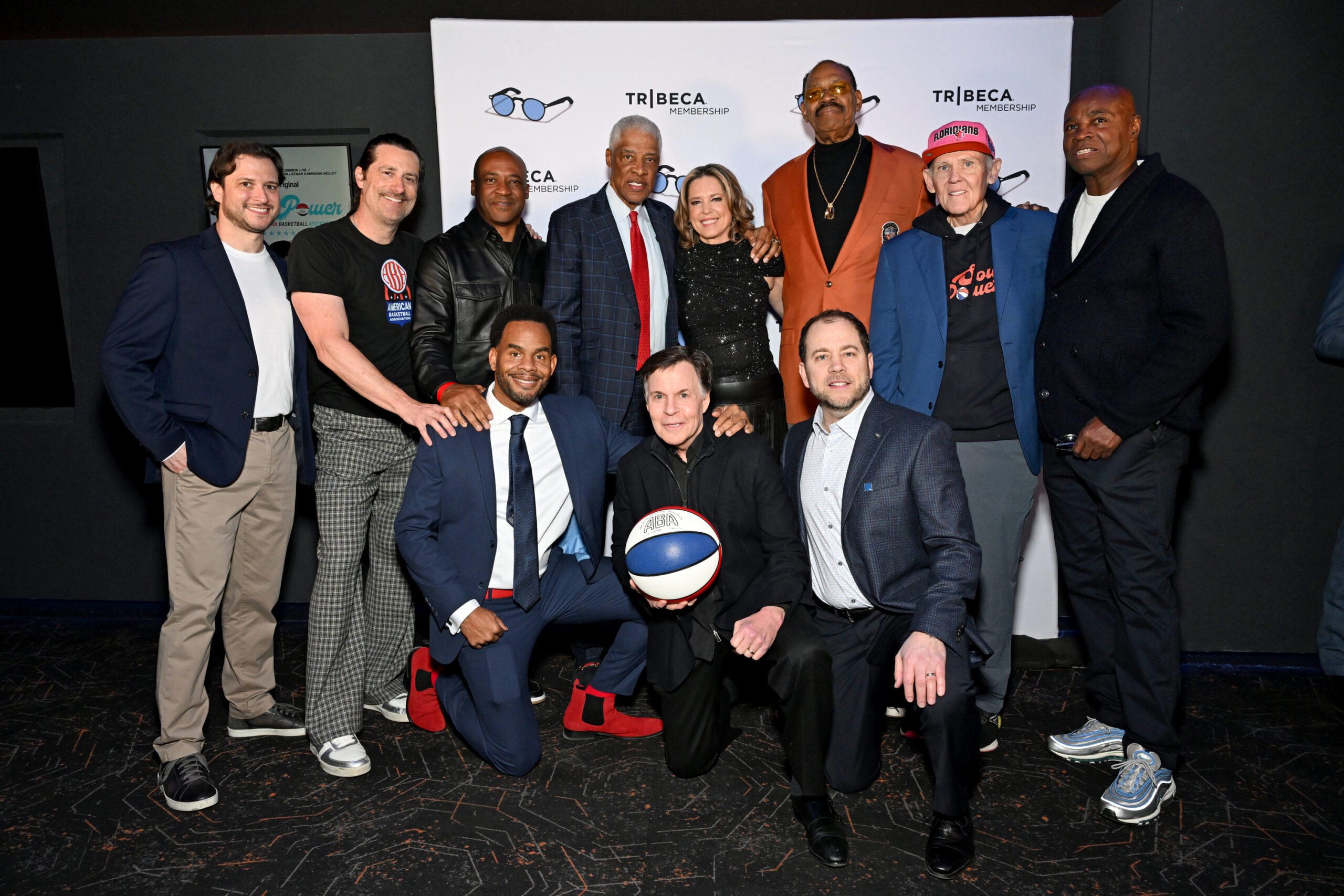
    (L-R) Tony Curotto, Todd Lieberman, Derrick Mayes, Kenan Kamwana Holley, Julius Erving, Bob Costas, Hannah Storm, Brett Goldberg, Artis Gilmore, George Karl and Brian Taylor attend the “Soul Power: The Legend Of The American Basketball Association” world premiere at Regal Cinemas Union Square on February 10, 2026 in New York City. (Photo by Slaven Vlasic/Getty Images for Prime Video)

    The series highlights the hotly-contested rivalry between ABA and NBA players, the personal, financial, and legal battles ABA stars faced, and the early advancements in women’s team ownership.

    There are even brief flashes of downtown Philadelphia and City Hall, depicting the moments leading up to Erving’s ABA signing.

    Soul Power shows how players like Erving were trying to save a league that made such an imprint on sports, but it was faltering due to disinvestment.

    “It wasn’t a fun position to be put in, especially if you know you’re trying to fight for rights of players who gave a commitment to the league and made the sacrifices to keep it afloat for the years that it was around,” Erving said.
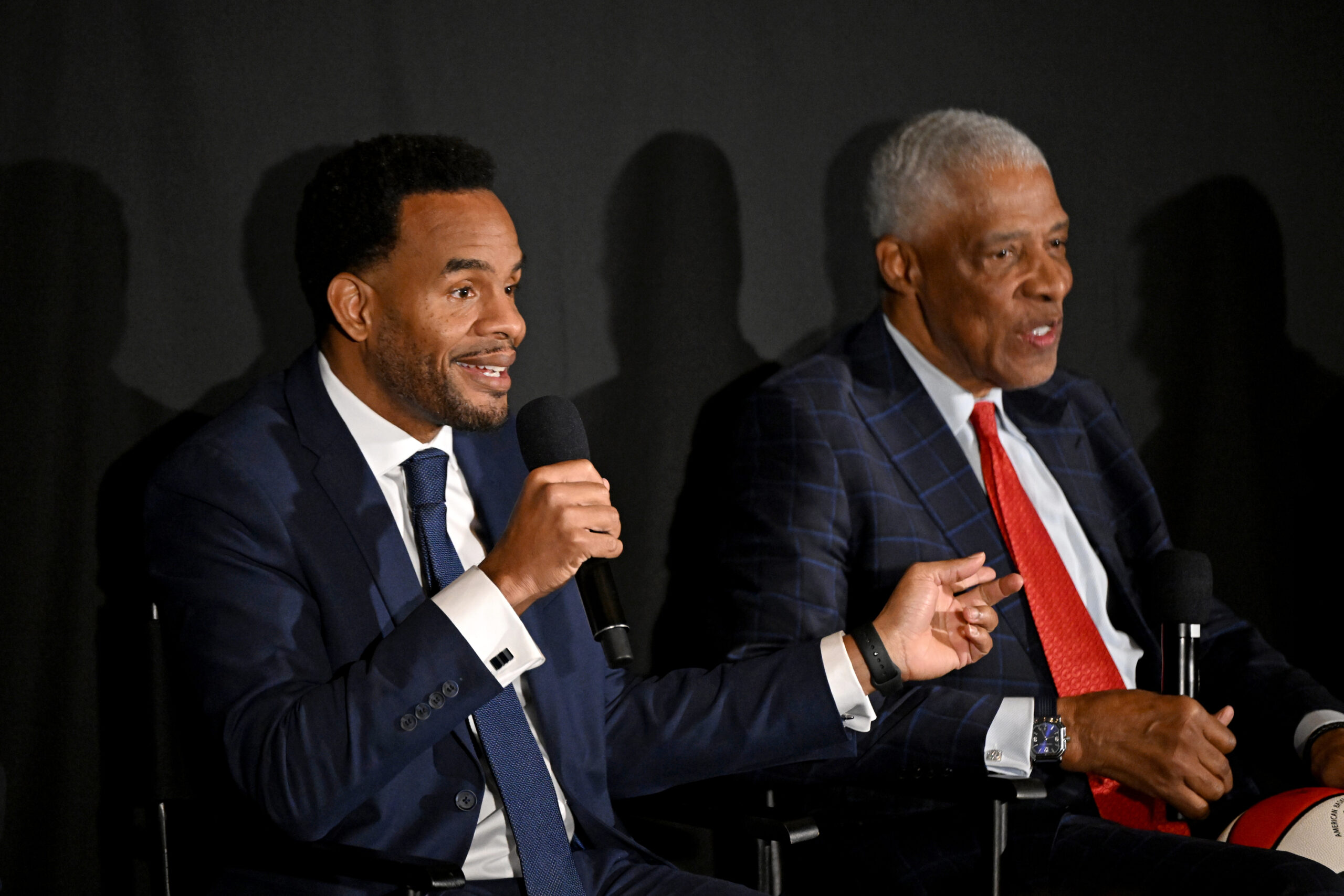
    (L-R) Kenan Kamwana Holley and Julius Erving speak during the “Soul Power: The Legend Of The American Basketball Association” world premiere at Regal Cinemas Union Square on February 10, 2026 in New York City. (Photo by Slaven Vlasic/Getty Images for Prime Video)

    Holley also wanted Soul Power to right the wrongs of past depictions of the ABA. To do that, he needed to earn the trust of figures like George Karl, Barry, Ralph Simpson, and Erving.

    “They have a chip on their shoulder because the way the league’s been handled in the past with certain documentaries,” Holley said. “There was a serious trust-building period where we had to let them know look, ‘If I tell your story, it will be a player-driven story.’”

    Erving was approached about the project five years ago. The first year was largely information gathering, Erving said, but Holley soon stepped in to tie all the narrative threads together.
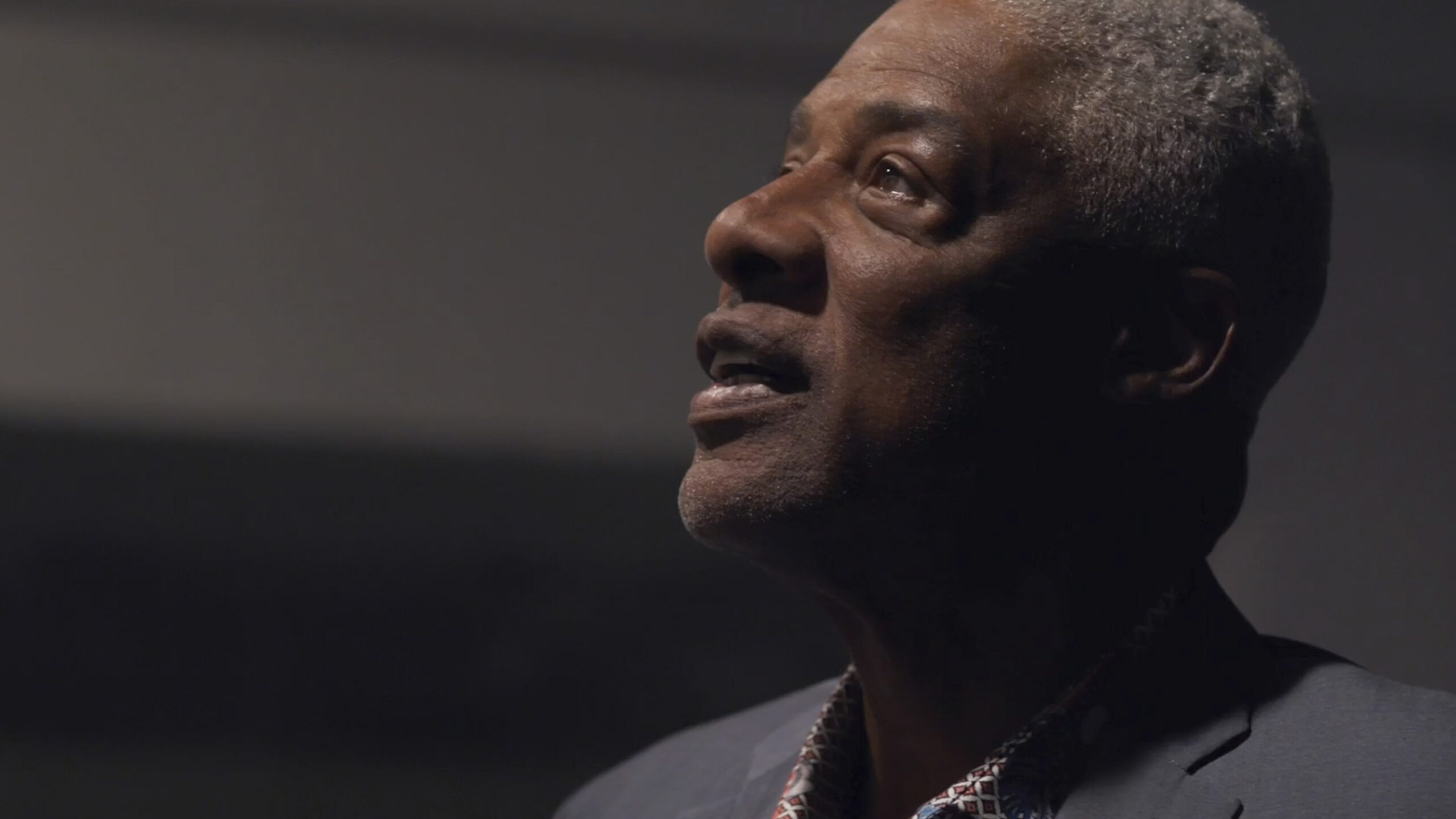
    Julius “Dr. J” Erving pictured during the filming of the Prime Video docuseries, “Soul Power: The Legend of the American Basketball Association.”

    To be among the leading voices in the series, which earned him an executive production credit, Erving said, was a “gift.” And at the core of the project, he’s proud to see the series reflective of the brotherhood shared between him and the other pioneers who contributed to the series and ABA history.

    “It was a one for all, all for one approach we shared,” he said. “There was no hating. It was a genuine feeling of relief like, ‘Wow, they’re recognizing my guy or us,’ and it was shared.”

    Holley said he’s excited for younger sports fans to see how influential the ABA was, not just in basketball, but the sports world at large.

    “It does my heart good, and I feel grateful to have played any part in helping bring these guys the validation that they deserve,” Holley said.

    “Soul Power” is available to stream on Amazon Prime Video.
  • They grew up correcting everyone about their last name. Years later, they discovered the deep Philly history behind it.

    They grew up correcting everyone about their last name. Years later, they discovered the deep Philly history behind it.

    Twin brothers Larry and Kelly Ganges grew up outside of Trenton with people constantly mispronouncing their last name. “Grange, Grain, Ganger,” they’ve heard it all.

    So they developed a standard reply: “It’s Ganges like the river [in India].”

    Decades on, they’d find out the deep Philadelphia story behind it.

    When the brothers, now 72, got older and traveled, they’d grab the phone book in whatever town they were in to see if anybody with their last name was listed. Then they’d call and ask if they knew anybody in their family; they often did.

    “So we all thought, no matter where we were,” said Larry, “we were connected with somebody,”

    But they were also connected with something — a ship, a travesty, and a providence.

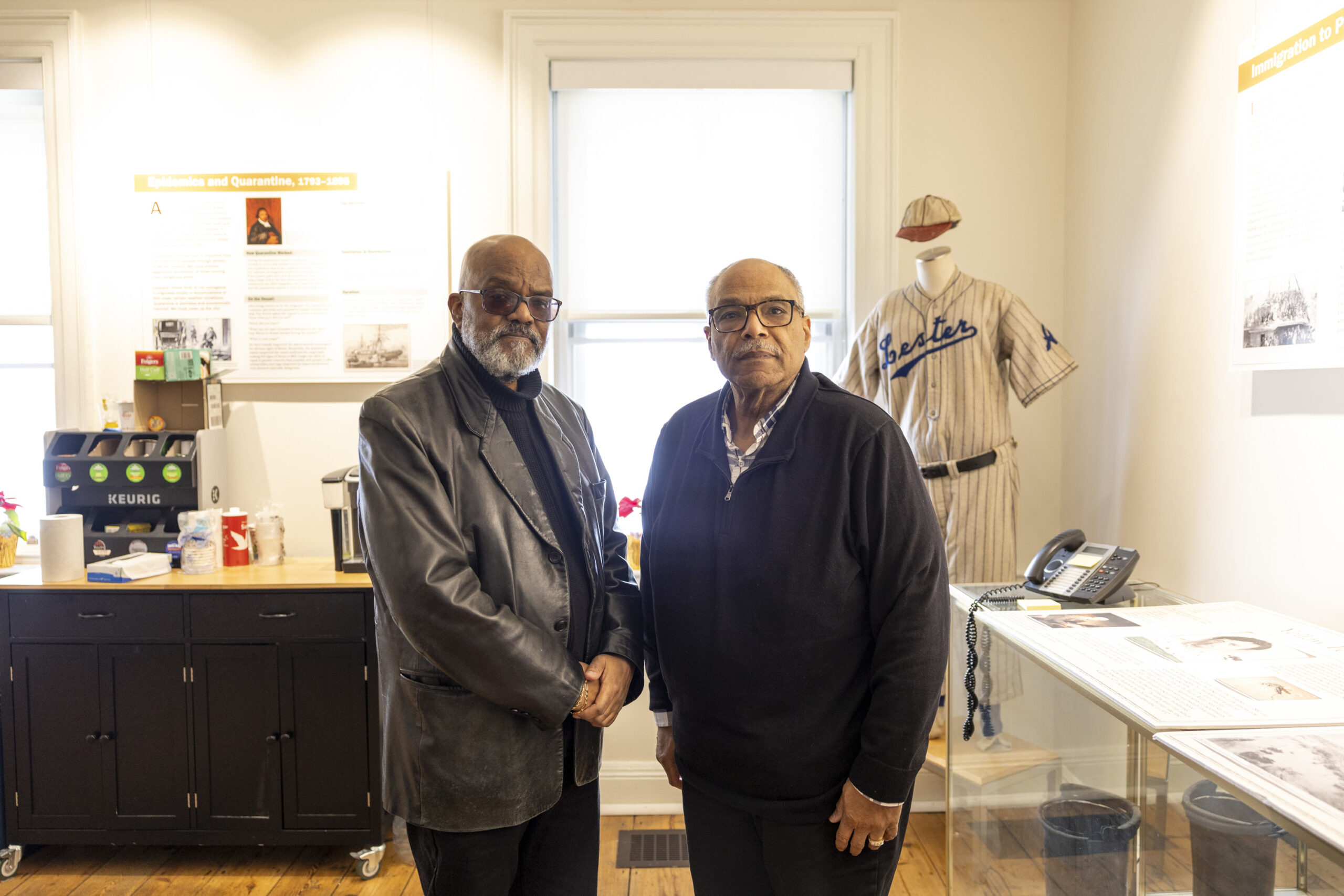
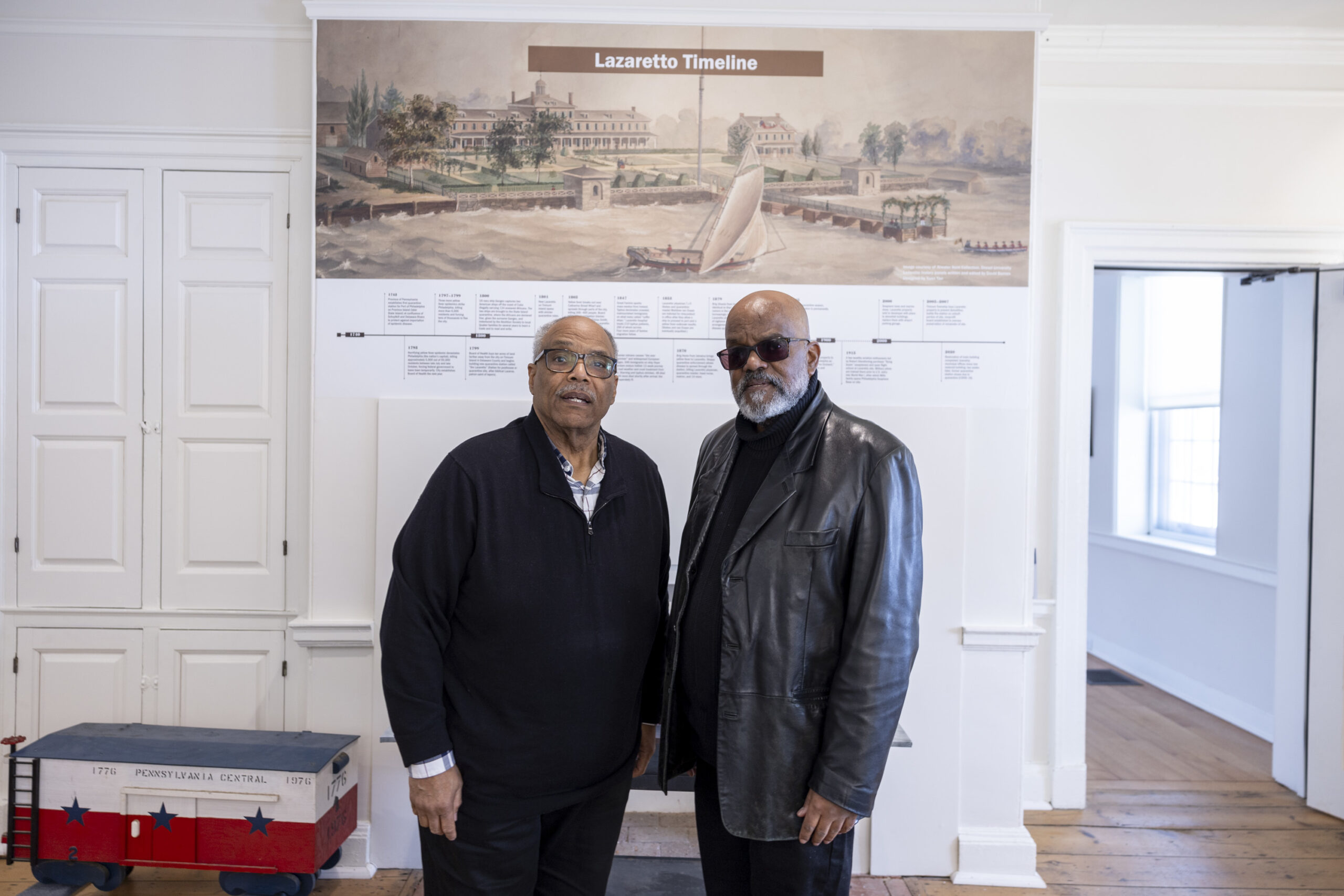
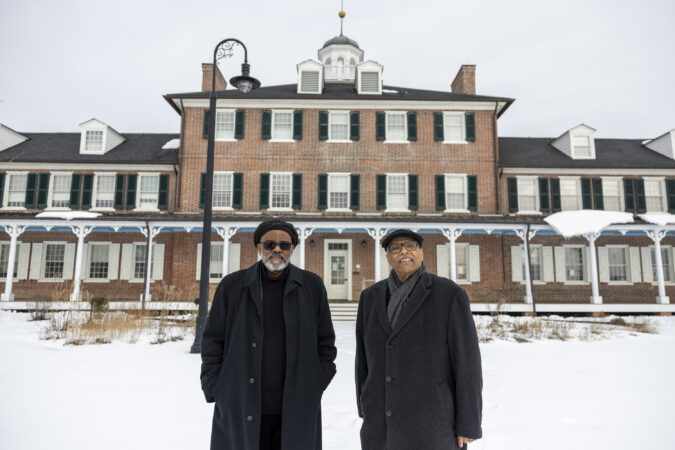
    (From left to right) Twin brothers Larry Ganges, and Kelly Ganges, pose for a portrait at the Lazaretto in Tinicum, Pa., on Friday, Feb. 6, 2026. “It allows us to view and experience Black history,” Kelly said. “Pride in knowing our family was in this journey.”

    The brothers’ first clue of their extended heritage arrived in 1975, when Kelly, was a student at Trenton State College. His journalism teacher, familiar with Bucks County cemeteries, asked if Kelly knew about the gravestones of two soldiers buried there.

    Torbert and William Ganges had fought in the Civil War’s colored regiment, but Kelly couldn’t be sure if they were his relatives.

    Nearly 30 years later, the brothers still don’t know if they are related to the soldiers, but they have discovered that their heritage is, as Kelly describes, “bigger than us, [it] extends beyond the continental United States and involves potentially the world.”

    That information came in a phone call.

    In the early aughts, Larry was working as the New Jersey Department of Health’s assistant commissioner for the HIV/AIDS division. His secretary told him that David Barnes, a University of Pennsylvania professor of history and the sociology of science, was on the line to talk about a different epidemic.

    72-year-old twin brothers Kelly Ganges (left) and Larry Ganges, pose at the Lazaretto in Tinicum, Pa., on Friday, Feb. 6, 2026.

    Barnes, who was seeking anyone with the Ganges name, had found Larry by chance in a New Jersey state employees directory. He wanted to discuss the 135 Africans who arrived in Philadelphia in 1800 and were detained at the old Lazaretto along the Delaware River.

    At the time, every vessel arriving in Philadelphia was required to stop and be inspected at the Lazaretto — a hospital and quarantine station — where patients with yellow fever were treated.

    Later, a brick facility replaced the old Lazaretto. Downriver from the original, the “new” Lazaretto, operational from 1801-1895, stands near present day Tinicum. It is the oldest surviving quarantine station in the Western Hemisphere and one of the 10 oldest in the world.

    By the call’s end, Larry had learned not just the origin of his name but how his ancestors arrived in America.

    “Wow, we had never heard about it. We just didn’t know,” he said.

    The story goes: In 1800, the United States naval ship Ganges intercepted two schooners (the Phoebe and the Prudence) off the coast of Florida, near Cuba. Despite a new federal law banning the carrying of human beings for enslavement, the schooners, which experts believe disembarked from near Sierra Leone, contained 135 people from Africa, imprisoned as slaves, bound for the New World.

    Ganges’ naval officers boarded the schooners — the Phoebe on July 19, 1800, and the Prudence on July 21, 1800 — took the enslaved into custody, and delivered them to the Ganges’ home port: Philadelphia.

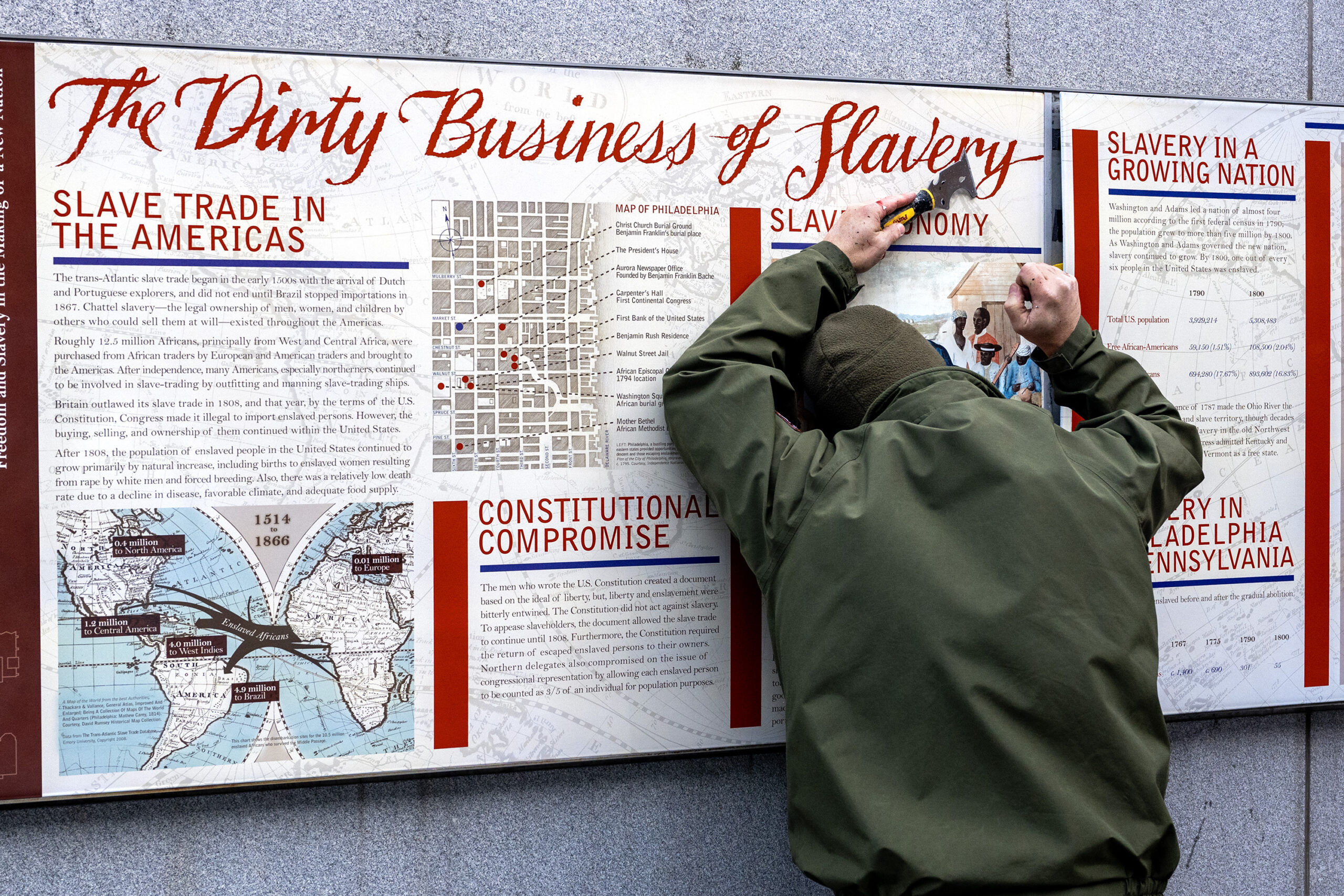
    A NPS worker removes an interpretive panels – “The Dirty Business of Slavery” – at the President’s House site in Independence National Historical Park Thursday, Jan. 22, 2026.

    When the schooners’ owners sued to reclaim their “property,” a Philadelphia judge ruled that the 135 aboard were people (not property) and ordered them freed. The Africans were remanded to the old Lazaretto for quarantine where they remained for up to three months.

    Subsequently Sambo, Milnor, Yelle, and Culico Ganges and the rest of the 123 survivors were indentured to Pennsylvania Abolition Society members and others.

    After Barnes’ phone call, the twins and their (late) older brother, Tendaji Ganges, visited the Lazaretto. At that time, the dilapidated building was locked. But Kelly returned with Barnes and gained access inside.

    “I saw all of the little rooms … it was interesting to touch a piece of history, and know that that’s the genesis of how our family came to the United States,” he said.

    “These modern-day heirs carry the legacy of resistance and survival into today’s conversations around justice, identity, and belonging,” said filmmaker Rah Crawford, whose documentary The Art of Brotherly Love focuses on the Ganges’ story.

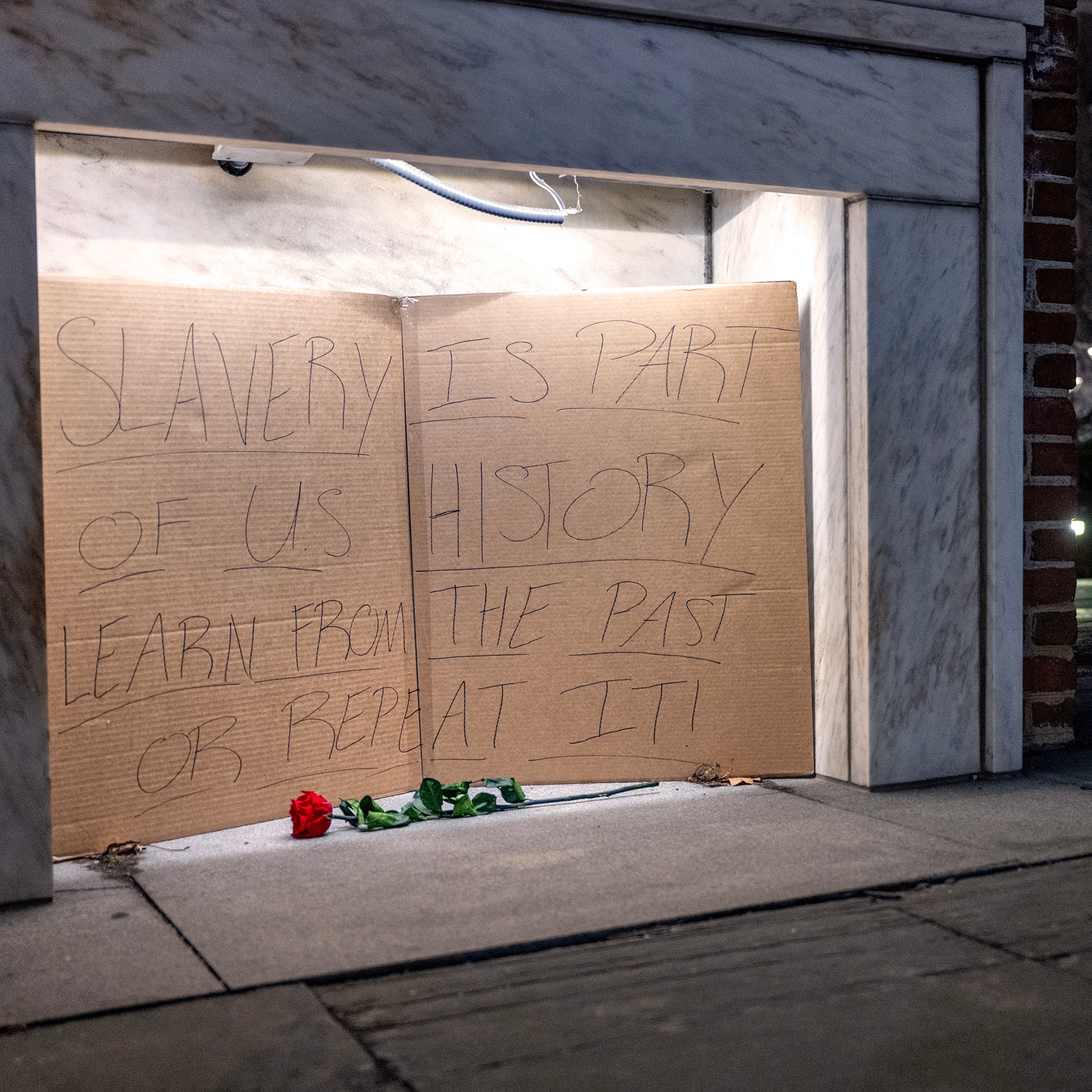
    A single rose and a handwritten cardboard sign (“Slavery is part of U.S. history learn from the past or repeat it”) are inside an empty hearth at the President’s House site in Independence National Historical Park late Thursday, Jan. 22, 2026 after workers removed display panels about slavery.

    When the film premiered in Brooklyn last year, Larry said that as he sat in the audience watching, he was shaking, almost in tears. His wife asked, “Are you OK? Are you cold?”

    He was overcome with emotions: “I was sad, I was happy, I was mad.”

    Although, as the brothers say, “we’ve got the generic connection to the name,” they don’t have a connection to identify individual family members that came through the old Lazaretto; they can’t yet determine how their bloodline was carried to them.

    But thanks to the efforts of family historian Michael Kearney, who is tracking descendants of the Ganges’ survivors, Larry is confident that “my children and my children’s children [are going] to know what the story is, and to know how to access it, and know who the players are …. And hopefully this movie is not the last of what’s going to occur.”

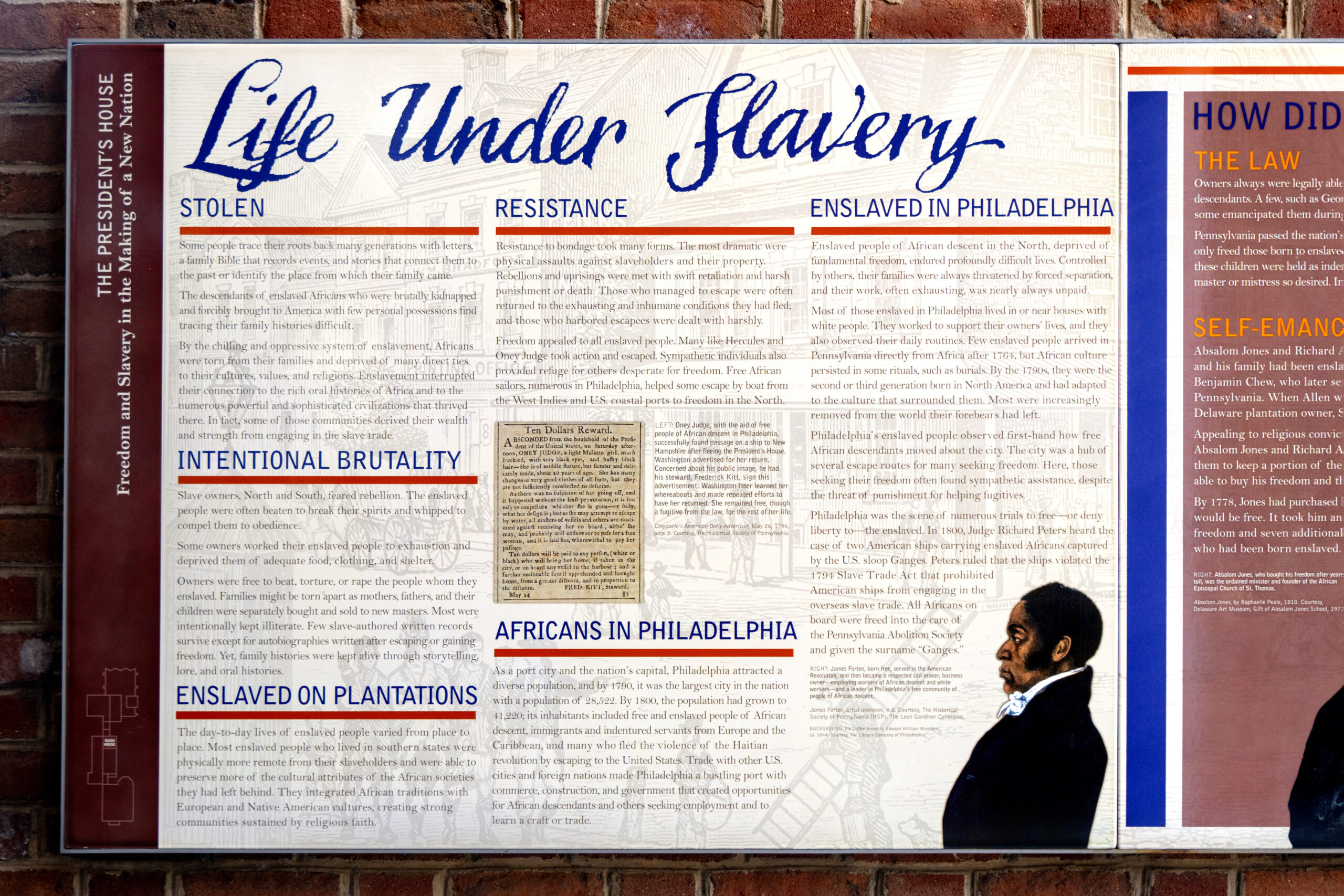
    The “Life Under Slavery” sign at the President’s House in the Independence National Historical Park. The sign has since been removed. Photo from Sunday, Aug. 3, 2025.

    Despite federal efforts to mute the history of enslavement in America — history panels at the President’s House referencing the Ganges story were removed from the site last month — the Ganges brothers know it’s important to share their story.

    “People made it through the troubled journey, the Middle Passage, and landed on American soil and contributed to make America a great nation,” said Kelly, “And nobody can ever deny that, and people can try and whitewash it and try to erase it, but it’s not going to work, because it’s real. Our contribution is documented.”

    Prior to the opening of the President’s House in 2010, filmmaker Crawford was commissioned to create storyboards for a video installation at the site. Through his research, he first learned of the Ganges’ story, launching a 15-plus-year journey to produce the documentary.

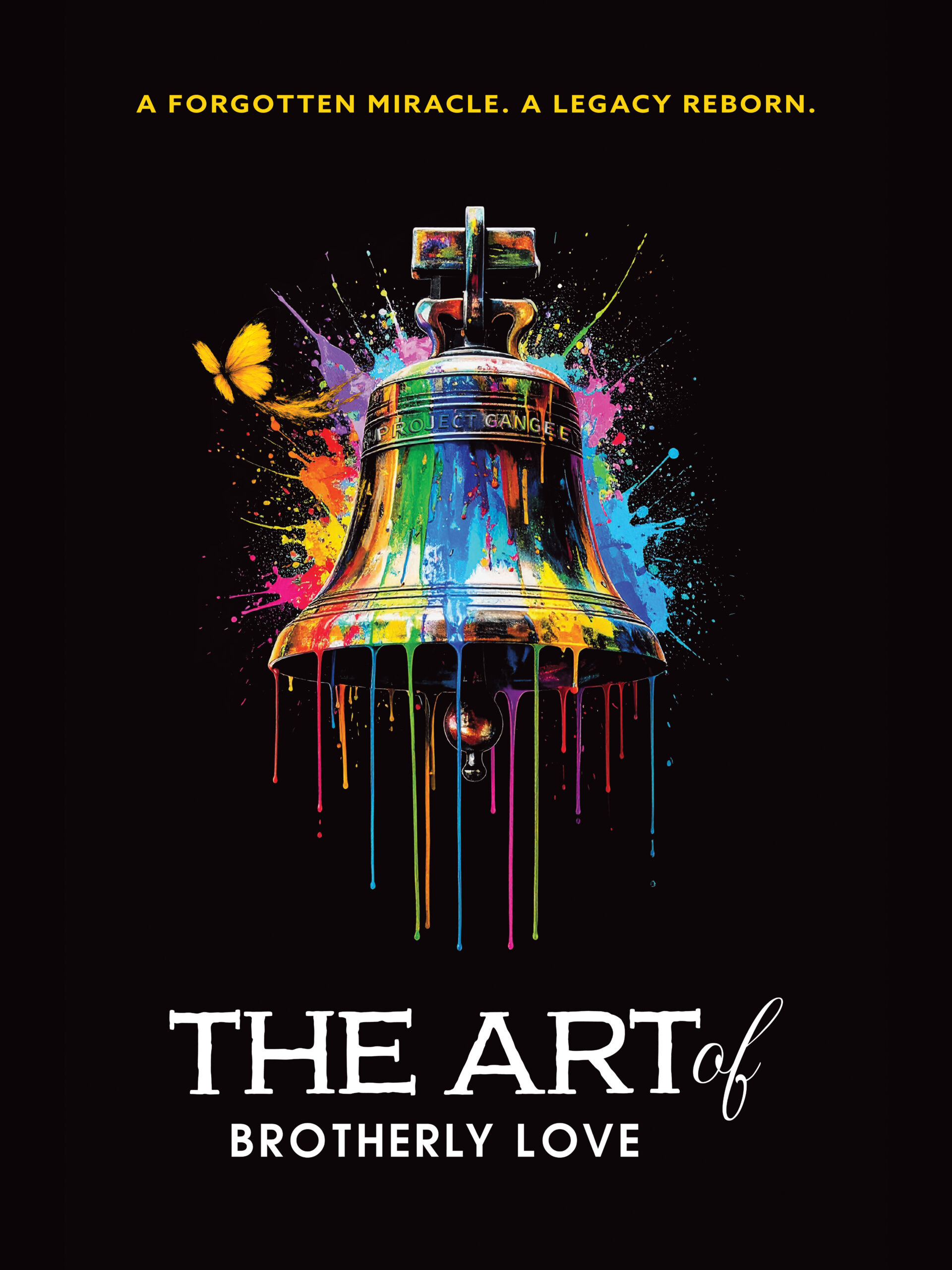
    Filmmaker Rah Crawford’s documentary “The Art of Brotherly Love” documents the story of the long-forgotten rescue of 135 enslaved Africans by the “Ganges” in the 1800s,

    The Art of Brotherly Love, presented in partnership with Creative Philadelphia, is both a documentary and a trailer for a forthcoming animated feature. The Philadelphia premiere is slated for Feb. 14 at Ritz Five.

    After the documentary screens, Kelly Ganges hopes that, “it just continues to cascade out — to inspire more genealogists and historians, and to reach more descendants and the next generation.”

    “The Art of Brotherly Love,” Feb. 14, 11:30 a.m., Landmark’s Ritz Five, 214 Walnut St., eventbrite.com

  • In 1775, 24 men met in a Philadelphia tavern. That meeting led to ending slavery in America.

    In 1775, 24 men met in a Philadelphia tavern. That meeting led to ending slavery in America.

    In 1773 Dinah Nevil, an Indigenous, Black, and European multiracial woman and her four children arrived in Philadelphia from Flemington, N.J, under orders from a slave trader who intended to eventually sell Nevil to the Deep South, or perhaps the Caribbean.

    Nevil protested.

    Philadelphia authorities sympathetic to her plight, kept her in a work house for two years while figuring out the next steps to her freedom. The conditions were so horrid two of her children died.

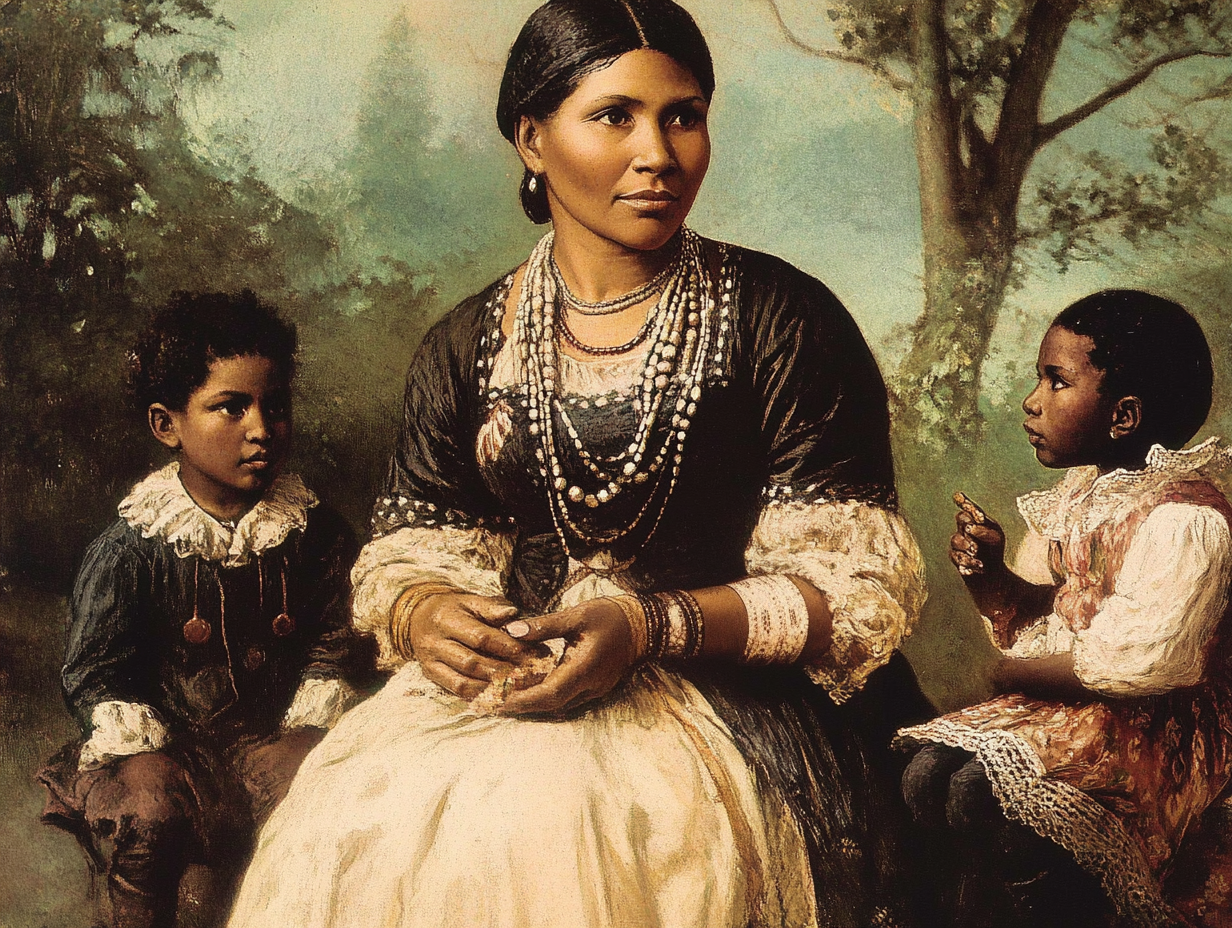
    An image of Dinah Nevil imagined by the 1838 Black Metropolis.

    Enter Israel Pemberton Jr. and Thomas Harrison, Quakers who, like most Quakers in colonial Philadelphia, actively fought slavery. Keeping people in bondage was considered immoral in their religion.

    Pemberton and Harrison filed a lawsuit against Nevil’s enslaver because they sought to set a precedent by making it unlawful to sell Black people into slavery on free soil, not just in Pennsylvania, but in all of the colonies.

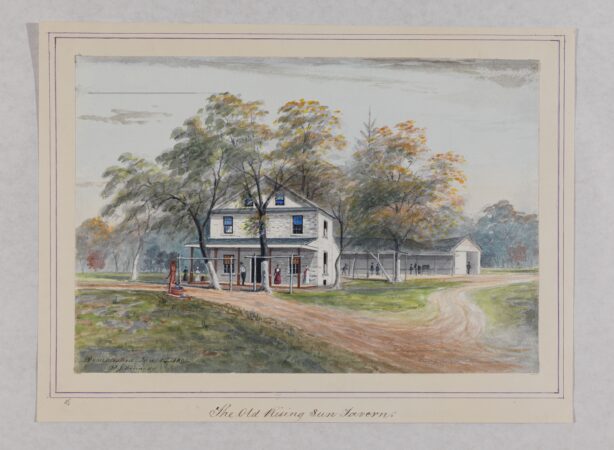
    So, on April 14, 1775, Quaker leaders and educators Anthony Benezet and John Woolman gathered 24 men — 17 of whom were Quakers — at the Rising Sun Tavern to discuss legal strategies on how to make that happen.

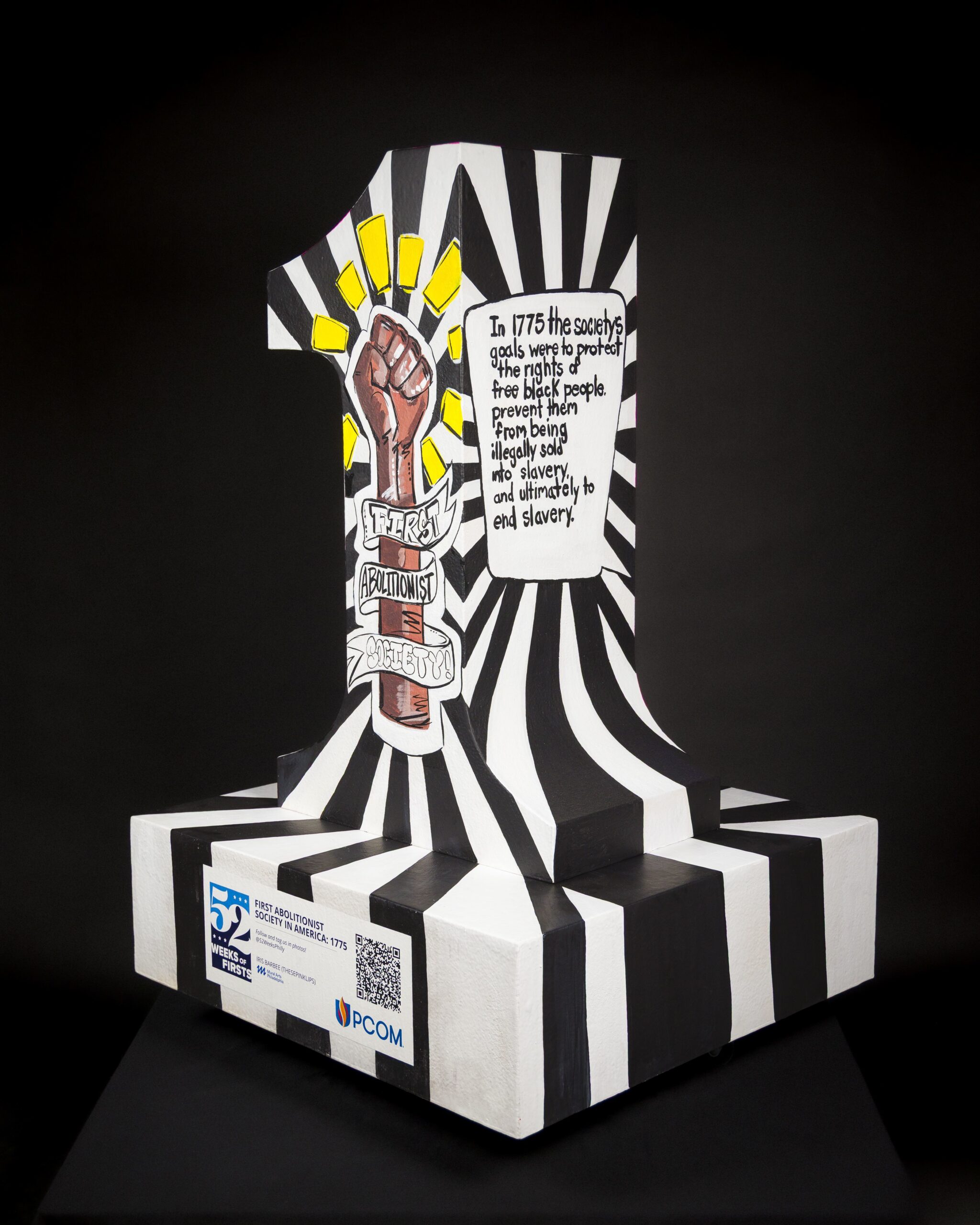
    Artist Iris Barbee Bonner’s No. 1 statue pays homage to William Still, an Underground Railroad conductor and key member of the Pennsylvania Abolitionist Society.

    That was the first gathering of an antislavery society in America and it will be celebrated Saturday at the African American Museum, part of the Philadelphia Historic District’s weekly firstival day party. Firstivals are a yearlong celebration of America’s 250th birthday marking events that happened in Philadelphia before anywhere else in America and often the world.

    The group led by Benezet and Woolman named themselves the Society for Relief of Free Negroes Unlawfully Held in Bondage. In addition to Nevil’s case, they advocated for four other people of color who were in the midst of being sold away from their families. Nevil was ultimately freed when Harrison bought her and within days, signed manumission papers.

    In 1776, 18 years after Quakers told their members they could no longer participate in the slave trade, Quakers were forbidden from enslaving people. Thanks to the Quakers’ advocacy, Pennsylvania enacted the 1780 Gradual Abolition of Slavery Act, America’s first law to end slavery.

    Four years later, 18 Philadelphians resurrected the Society for Relief of Free Negroes and renamed it Pennsylvania Abolitionist Society, or PAS. Their goal was to stop Black and brown people from being indiscriminately picked up and sold into slavery in what was now a free state, but also to end slavery all together.

    “They knew they couldn’t do it overnight,” said Emma Lapsansky-Werner, an American history professor at Haverford College. “What they did was organize so that one-by-one Black people would find freedom.”

    Within two years, the PAS grew to 82 members and inspired other cities like New York and Boston to establish branches of their own. In 1787 — the same year the delegates voted that Black people were three-fifths of a person — Ben Franklin became the society’s president and under his leadership, the society petitioned the legislature to amend the act of 1780. This included preventing enslavers from taking pregnant enslaved women to the South so their children would remain property.

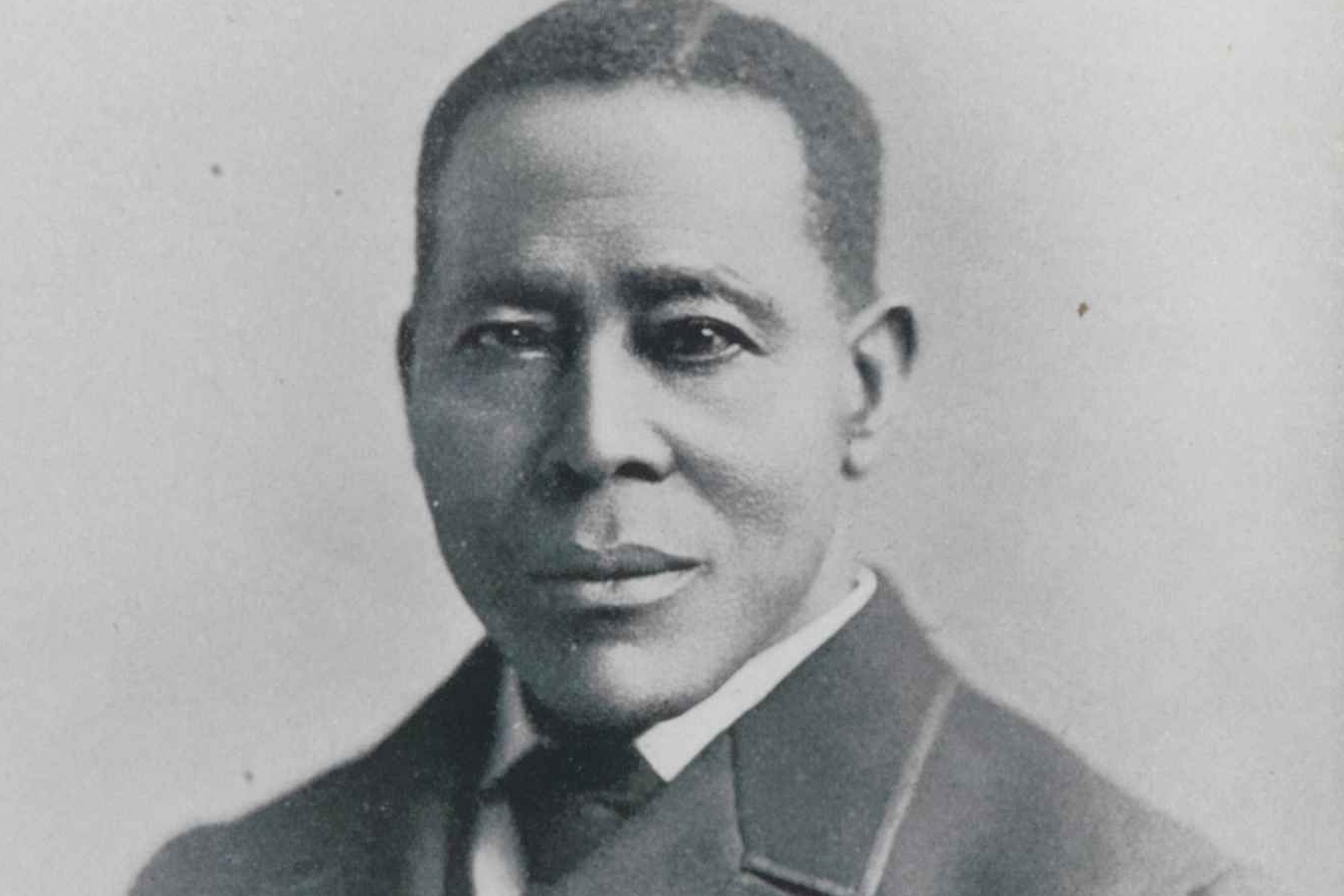
    William Still was a member of the Pennsylvania Abolitionist Society and chair of the Vigilance Committee of the Pennsylvania Anti-Slavery Society.

    The PAS wasn’t without its prejudices. It wasn’t until 1842 — 67 years after its founding — that Robert Purvis, a Black man, was allowed to join. William Still joined in 1847. Through Still’s work at the PAS and the Pennsylvania Anti-Slavery Society, he served as an Underground Railroad conductor helping more than 1,000 enslaved people find freedom.

    The PAS still exists today and advocates for equal rights and opportunities for all Americans.


    This week’s Firstival is Saturday, Feb. 14, 11 a.m.-1 p.m., The African American Museum Philadelphia, 701 Arch St. The Inquirer will highlight a “first” from Philadelphia Historic District’s 52 Weeks of Firsts program every week. A “52 Weeks of Firsts” podcast, produced by All That’s Good Productions, drops every Tuesday.

  • FBI combs desert terrain for clues in Nancy Guthrie’s disappearance

    FBI combs desert terrain for clues in Nancy Guthrie’s disappearance

    TUCSON, Ariz. — Fresh surveillance images from Nancy Guthrie’s porch the night she went missing, coupled with intense police activity across Arizona and the detention of a man had raised hopes that authorities were nearing a major break.

    But then the man was released after questioning, leaving it unclear Wednesday where the investigation stood into last week’s disappearance of Guthrie, the 84-year-old mother of “Today” show host Savannah Guthrie.

    FBI agents carrying water bottles to beat the 80-degree F (26.7-degree C) heat walked among rocks and desert vegetation at Guthrie’s Tucson-area home. They also fanned out across a neighborhood about a mile (1.6 kilometers) away, knocking on doors and searching through cactuses, bushes and boulders.

    Several hundred detectives and agents are now assigned to the investigation, which is expanding in the area, the Pima County Sheriff’s Department said.

    In a nearby neighborhood, two investigators emerged from daughter Annie Guthrie’s home with a paper grocery sack and a white trash bag. One, still wearing blue protective gloves, also took a stack of mail from the roadside mailbox. They drove away without speaking to reporters.

    Barb Dutrow, who was jogging through a neighborhood where teams were searching, said an FBI agent told her they were looking for anything that might have been tossed from a car. Dutrow, who was visiting from Louisiana for a convention, said she “can’t imagine the feeling of the family of having their mother taken.”

    A day earlier, authorities said they had stopped a man near the U.S.-Mexico border, just hours after the FBI released videos of a person wearing a gun holster, ski mask and backpack and approaching Nancy Guthrie’s home in Tucson. The man told media outlets early Wednesday that he was released after several hours and had nothing to do with Guthrie’s disappearance last week.

    Authorities have not said what led them to stop the man Tuesday but confirmed he was released. The sheriff’s department said its deputies and FBI agents also searched a location in Rio Rico, a city south of Tucson where the man lives.

    It was the latest twist in an investigation that has gripped the nation since Nancy Guthrie disappeared on Feb. 1. Until Tuesday, it seemed authorities were making little headway in determining what happened to her or finding who was responsible.

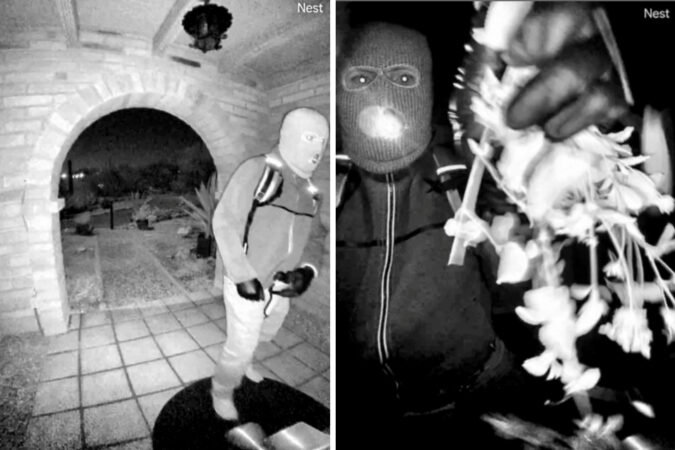
    The black and white images released by the FBI showing a masked person trying to cover a doorbell camera on Guthrie’s porch marked the first significant break in the case. But the images did not show what happened to her or help determine whether she is still alive.

    FBI Director Kash Patel said investigators spent days trying to find lost, corrupted or inaccessible images.

    Even though the images do not show the person’s face, investigators are hopeful someone will know who was on the porch. More than 4,000 calls came into the Pima County sheriff’s tip line within the past 24 hours, the department said Wednesday afternoon.

    Authorities have said for more than a week that they believe Nancy Guthrie was taken against her will. She was last seen at home Jan. 31 and reported missing the next day. DNA tests showed blood on her porch was hers, authorities said.

    Savannah Guthrie posted the new surveillance images on social media and said the family believes their mother is still alive.

    The longtime NBC host and her two siblings have indicated a willingness to pay a ransom.

    It is not known whether ransom notes demanding money with deadlines that have already passed were authentic, and whether the family has had any contact with whoever took Guthrie.

    TMZ reported it received a message Wednesday from someone claiming to know the kidnapper’s identity and that they unsuccessfully tried to reach Savannah Guthrie’s brother and sister. The person asked for bitcoin in exchange for the information, TMZ said. The FBI did not immediately respond to a message.

    Authorities have said Nancy Guthrie takes several medications and there was concern from the start that she could die without them.

  • The Philadelphia Stars Negro Leagues mural in West Philly was taken down — but a new one is planned

    The Philadelphia Stars Negro Leagues mural in West Philly was taken down — but a new one is planned

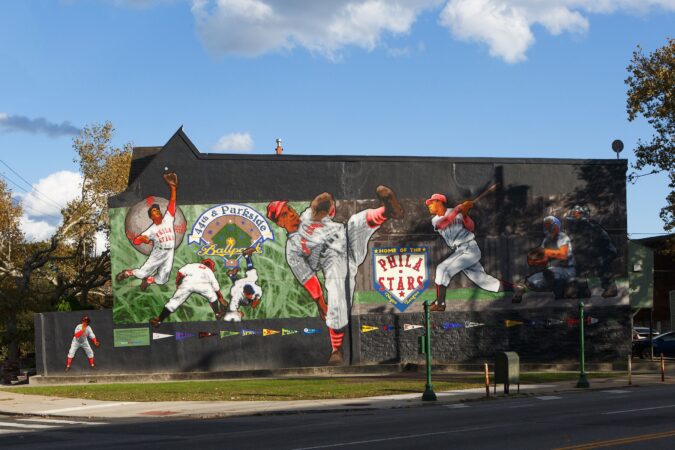
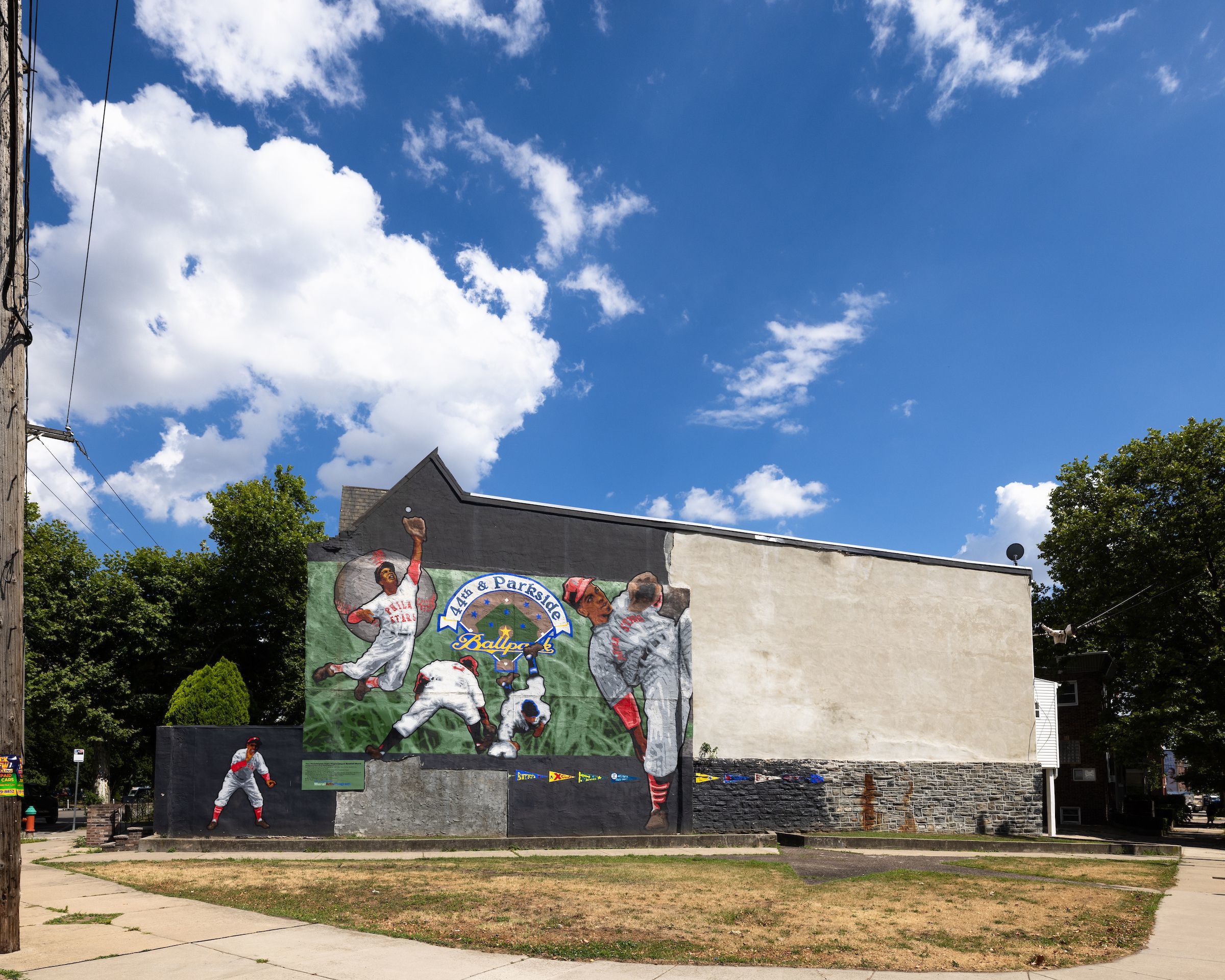
    When a West Parkside mural honoring the Philadelphia Stars and Negro Leagues baseball was taken down last month, social media commenters were outraged as the news spread, fearing that Philadelphia had lost one of its iconic odes to Black history.

    But the mural at 4304 Parkside Ave. won’t be gone for very long. In a collaboration among Mural Arts Philadelphia, Parkside community members, and the owners of its former building, a new version of the Stars mural will be re-created just across the street.

    “It was put up over 20 years ago. We’ve been working really hard to spruce it up for the next 20 years,” said Marjorie Ogilvie, the president emeritus of the West Parkside Business Association, who helped erect the first mural in 2006.

    It seemed inevitable that the two-story mural would eventually be brought down. There was roof and wall damage to the home on which it is painted, and the building partially collapsed. Those repairs required the removal of half of the mural a few years ago, and it was never replaced.

    And the possibility of development on the plot of land is now closer to being realized. The triangle-shaped grassy lot in front of the mural has been owned by developer Haverford Square Properties for several years, and it acquired the 4304 Parkside building in September.

    Half of the mural was previously removed after repairs were needed for the damaged wall and roof of the property. This photo shows what remained of the mural in 2024.

    Haverford Square planned to construct a six-story apartment building at the corner, but community members fought back, arguing that it would lead to overcrowding in the neighborhood. Haverford Square president German Yakubov said they have since reached something of a compromise on a smaller-scale development, which will include a baseball-themed coffee shop on the corner.

    But Yakubov is helping to secure the long-term future of the mural. Haverford Square has donated $30,000 and design services to the project to create a new version across Belmont Avenue.

    “I didn’t want to let it go,” he said of the mural he has been driving past since he was a student at St. Joseph’s University.

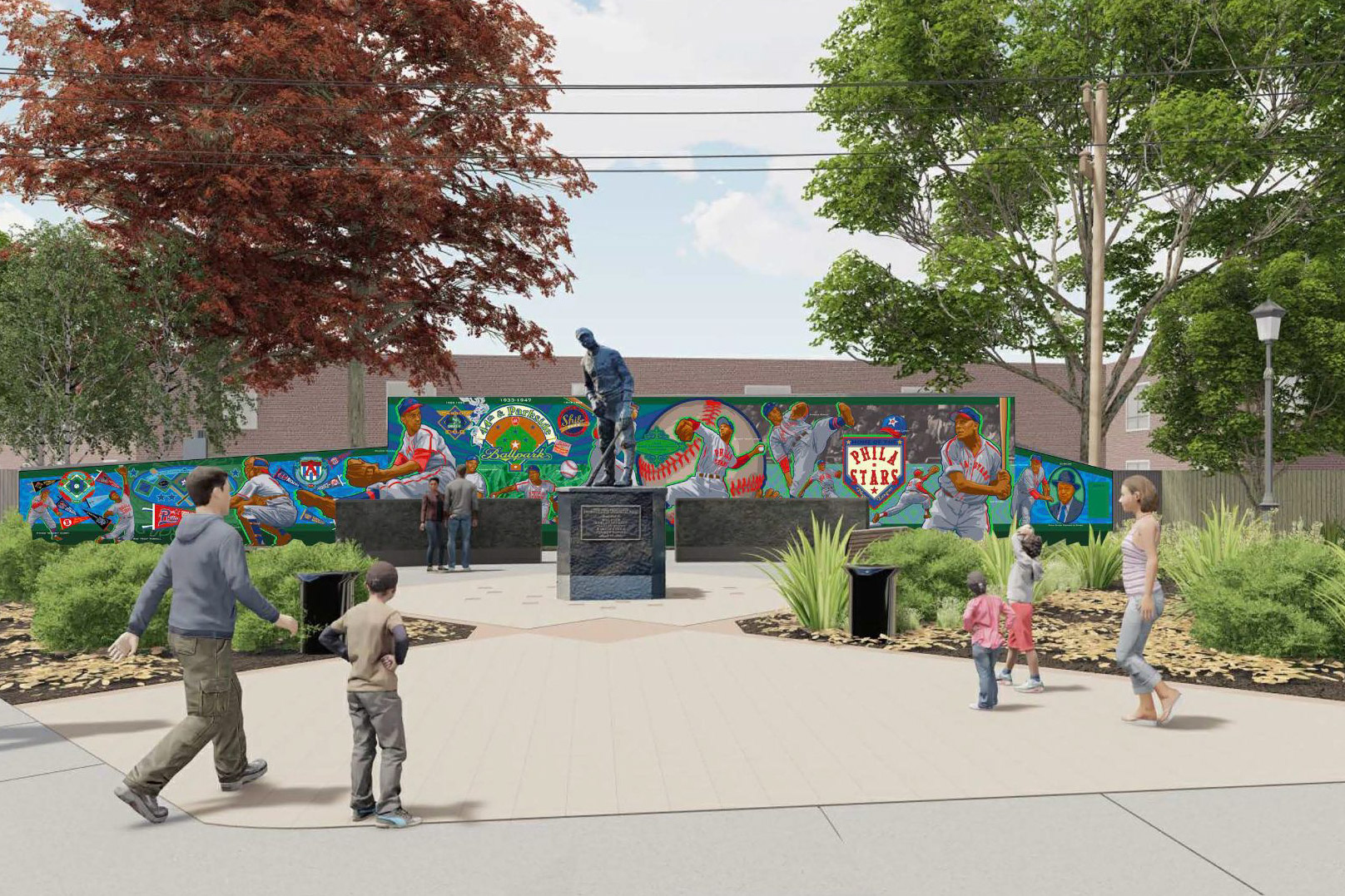
    The mural will be painted on a yet-to-be-constructed wall in the Philadelphia Stars Negro Leagues Memorial Park, at the southwest corner of Parkside and Belmont Avenues. It will look slightly different from the previous version, since the new wall will be wider and shorter than the 4304 Parkside wall was. But the designs come from the artist who worked on the original mural, David McShane.

    The park features a 7-foot bronze statue of a Negro Leagues baseball player, which was unveiled in a 2003 dedication ceremony at Veterans Stadium by five living Philadelphia Stars players — Bill Cash, Mahlon Duckett, Stanley Glenn, Harold Gould, and Wilmer Harris — before being placed at the park in 2005. The new mural will be raised behind the bronze statue.

    A rendering of the proposed mural at the Philadelphia Stars Negro League Memorial Park. The recreated design is by the same artist, David McShane, behind the original mural. The proposed project will include the construction of a new wall behind the 7-foot bronze statue of a Stars player by Phil Sumpter.

    “It’s great to see when everyone comes together to ensure that the story of the Negro League[s] and the Philadelphia Stars is not forgotten,” said Mural Arts Philadelphia executive director Jane Golden.

    Many people reached out to Mural Arts once they heard in the fall that the mural was going to be removed, Golden said. They were furious and wanted to know what the organization would do to protect it.

    Golden said she expects construction to begin early this spring after the project receives Philadelphia Art Commission approval, and for the mural to be completed by summer. Thousands of visitors are expected for numerous events in Philly, including the MLB All-Star Game in July.

    The Stars are nearing their 100th anniversary, having played their first games in 1933. They joined the Negro National League the following season and won their first and only pennant, beating the Chicago American Giants in a controversial eight-game series, 4-3-1, after game 7 ended in a tie due to the state’s blue law curfew. Satchel Paige briefly played for the Stars, as did other Negro Leagues legends like Biz Mackey and Jud Nelson.

    But after Major League Baseball was integrated in 1947, the popularity of the Negro Leagues dropped, and the Stars disbanded in 1952. They played the majority of their home games at the 44th and Parkside Ballpark, the site where the new mural will rise.

  • Instagram chief says he does not believe people can get clinically addicted to social media

    Instagram chief says he does not believe people can get clinically addicted to social media

    LOS ANGELES — Adam Mosseri, the head of Meta’s Instagram, testified Wednesday during a landmark social media trial in Los Angeles that he disagrees with the idea that people can be clinically addicted to social media platforms.

    The question of addiction is a key pillar of the case, where plaintiffs seek to hold social media companies responsible for harms to children who use their platforms. Meta Platforms and Google’s YouTube are the two remaining defendants in the case, which TikTok and Snap have settled.

    At the core of the Los Angeles case is a 20-year-old identified only by the initials “KGM,” whose lawsuit could determine how thousands of similar lawsuits against social media companies would play out. She and two other plaintiffs have been selected for bellwether trials — essentially test cases for both sides to see how their arguments play out before a jury.

    Mosseri said it’s important to differentiate between clinical addiction and what he called problematic use. The plaintiff’s lawyer, however, presented quotes directly from Mosseri in a podcast interview a few years ago where he said the opposite, but he clarified that he was probably using the term “too casually,” as people tend to do.

    Mosseri said he was not claiming to be a medical expert when questioned about his qualifications to comment on the legitimacy of social media addiction, but said someone “very close” to him has experienced serious clinical addiction, which is why he said he was “being careful with my words.”

    He said he and his colleagues use the term “problematic use” to refer to “someone spending more time on Instagram than they feel good about, and that definitely happens.”

    It’s “not good for the company, over the long run, to make decisions that profit for us but are poor for people’s wellbeing,” Mosseri said.

    Mosseri and the plaintiff’s lawyer, Mark Lanier, engaged in a lengthy back-and-forth about cosmetic filters on Instagram that changed people’s appearance in a way that seemed to promote plastic surgery.

    “We are trying to be as safe as possible but also censor as little as possible,” Mosseri said.

    In the courtroom, bereaved parents of children who have had social media struggles seemed visibly upset during a discussion around body dysmorphia and cosmetic filters. Meta shut down all third-party augmented reality filters in January 2025. The judge made an announcement to members of the public on Wednesday after the displays of emotion, reminding them not to make any indication of agreement or disagreement with testimony, saying that it would be “improper to indicate some position.”

    In recent years, Instagram has added a slew of features and tools it says have made the platform safer for young people. But this does not always work. A report last year, for instance, found that teen accounts researchers created were recommended age-inappropriate sexual content, including “graphic sexual descriptions, the use of cartoons to describe demeaning sexual acts, and brief displays of nudity.”

    In addition, Instagram also recommended a “range of self-harm, self-injury, and body image content” on teen accounts that the report says “would be reasonably likely to result in adverse impacts for young people, including teenagers experiencing poor mental health, or self-harm and suicidal ideation and behaviors.” Meta called the report “misleading, dangerously speculative” and said it misrepresents its efforts on teen safety.

    Meta is also facing a separate trial in New Mexico that began this week.

  • Art Commission votes to move Joe Frazier statue from South Philly to the Art Museum

    Art Commission votes to move Joe Frazier statue from South Philly to the Art Museum

    “Smokin’” Joe Frazier is heading to the Philadelphia Museum of Art.

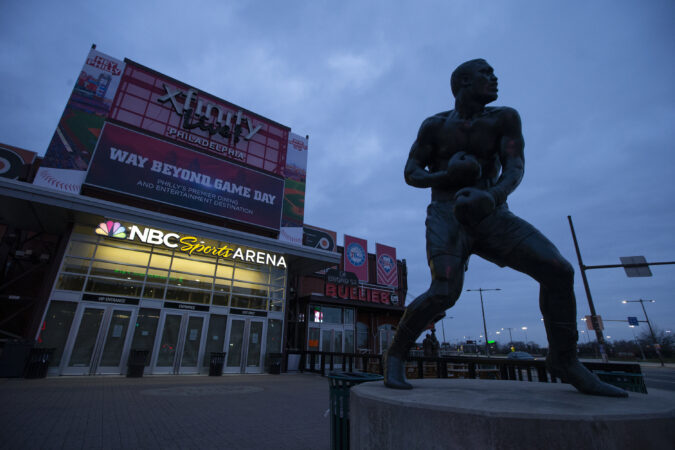
    Philly’s statue of the famed heavyweight boxing champion is slated to be installed at the base of the museum’s steps later this year following a Philadelphia Art Commission vote Wednesday that approved the move. All five commissioners present Wednesday voted in favor of the statue’s relocation from its longtime home at the sports complex in South Philadelphia.

    The proposal, presented by Creative Philadelphia, the city’s office for the creative sector, will see the Frazier statue installed where Philly’s original Rocky statue stands today. The Rocky statue, meanwhile, will be installed at the top of the museum’s steps.

    “Placing the Joe Frazier statue at the Art Museum allows us to share a more complete history about Philadelphia’s spirit,” Marguerite Anglin, the city’s public art director, said Wednesday. “One rooted in real people, real work, and real pride in this city.”

    The Frazier statue should move to the Art Museum sometime this spring, Anglin said. That relocation coincides with the move of the Rocky statue currently at the base of the steps, which is slated to be temporarily installed inside the museum for the first time as part of the forthcoming exhibition “Rising Up: Rocky and the Making of Monuments.” That Rocky statue will then be installed at the top of the museum’s steps in the fall, while the Rocky statue now at the top of the steps will go back into actor Sylvester Stallone’s private collection.

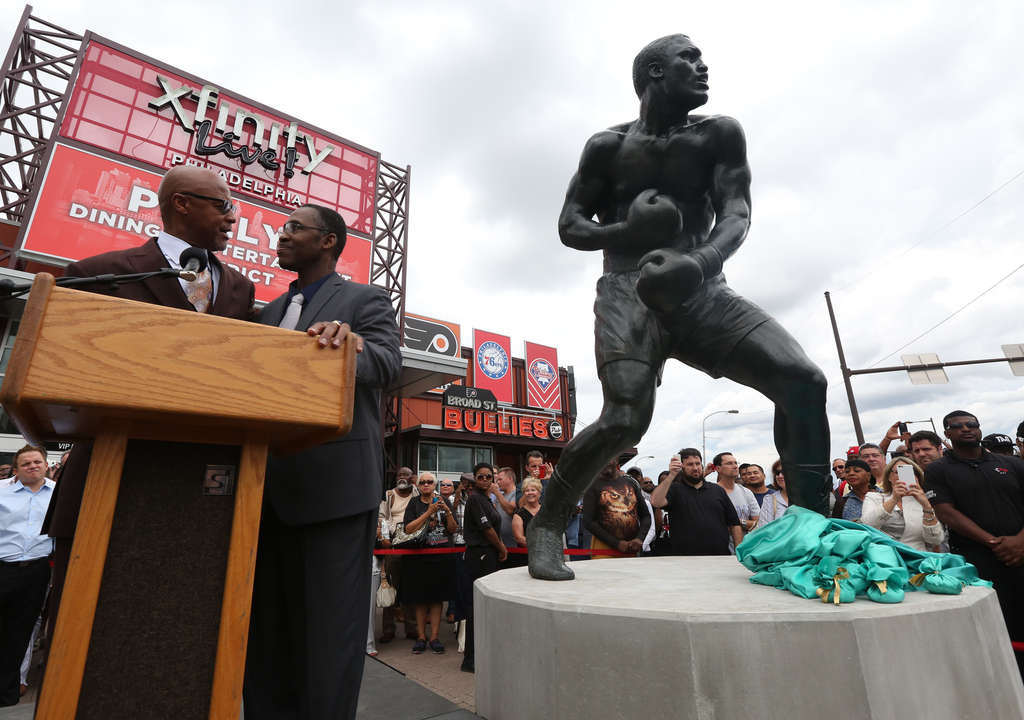
    Created by sculptor Stephen Layne, the Frazier statue was unveiled in 2015 at what is now Stateside Live! at the sports complex in South Philadelphia. Its debut came years after Frazier’s death in 2011, which kicked off a campaign to erect the statue in his memory. Standing at 12 feet tall, it depicts the boxer moments after knocking down Muhammad Ali during the “Fight of the Century” — a famed March 1971 bout in which Ali suffered his first professional loss after a brutal 15-round skirmish.

    For years before its creation, Frazier’s supporters lamented the fact that Philadelphia had long had a Rocky statue, but lacked one showing its own real-life champion. Our Rocky statue, in fact, has been around for more than 40 years, and has stood outside the Art Museum for two decades — about twice as long as the Frazier statue has even existed.

    “Tell them Rocky was not a champion, Joe Frazier was,” the Rev. Jesse Jackson famously said at Frazier’s funeral. “Tell them Rocky’s fists were frozen in stone. Joe’s fists were smokin’.”

    Creative Philadelphia’s plan featured widespread support from leaders including Mayor Cherelle L. Parker, as well as Frazier’s family and friends. It received little pushback at Wednesday’s meeting, with Gabrielle Gibson, a granddaughter of Frazier’s, asking what is perhaps the most obvious question about the placement: Shouldn’t the Frazier statue be at the top?

    He was, after all, a real person, a real Philadelphian, and a real champion. Rocky, meanwhile, is a fictional character who appears to be an amalgamation of several real-life boxers’ stories — Frazier included, according to Creative Philadelphia. Many speakers Wednesday noted that, like Rocky, Frazier was known to run up the Art Museum’s steps and was said to have boxed sides of beef during his training, among other parallels.

    And then there is the symbolism of where the Rocky and Frazier statues will stand.

    “During Black History Month, I think we need to understand the new placement,” Gibson said. “A real boxer and a Black man’s image and likeness would be placed at a lower position beneath the fictional white character whose story was inspired by real boxers.”

    The Frazier statue’s placement at the bottom of the steps, Anglin said, was for two main reasons. First, she said, having Frazier at the bottom makes it the first statue visitors will encounter at the Art Museum — even if they are there expressly to see Rocky — which will provide “an opportunity to be grounded in history.”

    Second, the Rocky statue’s footprint is roughly half the size of the Frazier statue, which would not be “safe or feasible” to install on high, Anglin said. Putting Rocky at the top, Anglin said, allows for better circulation around the monument, and avoids the potential logistical and code-related issues putting Frazier there could present.

    His son, and former heavyweight boxer Marvis Frazier (right), and Rev. Blane Newberry from Enon Tabernacle Baptist Church bless a 12-foot-tall 1,800-pound bronze statue of “Smokin’ Joe” Frazier after it was unveiled in 2015.

    Jacqueline Frazier-Lyde, Frazier’s daughter, a retired professional boxing champion and a Municipal Court judge, expressed support for the move Wednesday, calling the statue a reminder that “we can overcome any obstacle and achieve.” She also recounted her father’s feelings on the Rocky statue, specifically when he would see tourists taking photos with Stallone’s character.

    “At times,” she said, “he would say, ‘Don’t they understand that I’m the heavyweight champion?’”

  • Kennedy Center head warns staff of cuts and ‘skeletal’ staffing during renovation closure

    Kennedy Center head warns staff of cuts and ‘skeletal’ staffing during renovation closure

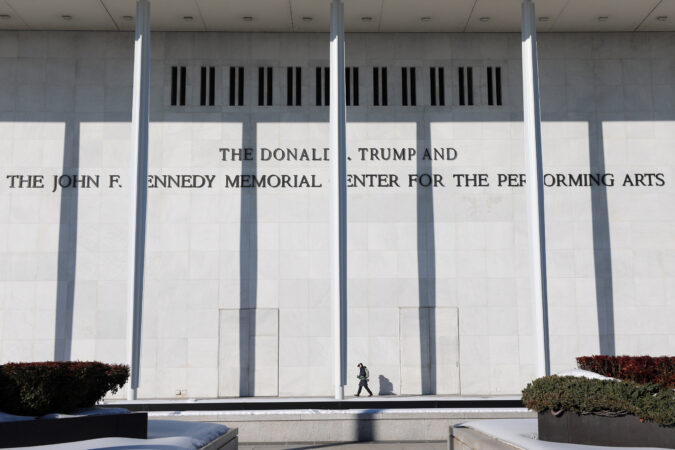
    As the Trump administration prepares to close the Kennedy Center for a two-year renovation, the head of Washington’s performing arts center has warned its staff about impending cuts that will leave “skeletal teams.”

    In a Tuesday memo obtained by The Associated Press, Kennedy Center president Richard Grenell told staff that “departments will obviously function on a much smaller scale with some units totally reduced or on hold until we begin preparations to reopen in 2028,” promising “permanent or temporary adjustments for most everyone.”

    A Kennedy Center spokesperson declined comment Wednesday.

    Over the next few months, he wrote, department heads would be “evaluating the needs and making the decisions as to what these skeletal teams left in place during the facility and closure and construction phase will look like.” Grenell said leadership would “provide as much clarity and advance notice as possible.”

    The Kennedy Center is slated to close in early July. Few details about what the renovations will look like have been released since President Donald Trump announced his plan at the beginning of February. Neither Trump nor Grenell have provided evidence to support claims about the building being in disrepair, and last October, Trump had pledged it would remain open during renovations.

    It’s unclear exactly how many employees the center currently has, but a 2025 tax filing said nearly 2,500 people were employed during the 2023 calendar year. A request for comment sent to Kennedy Center Arts Workers United, which represents artists and arts professionals affiliated with the center — wasn’t immediately returned.

    Leading performers and groups have left or canceled appearances since Trump ousted the center’s leadership a year ago and added his own name to the building in December. The Washington Post, which first reported about Grenell’s memo, has also cited significant drops in ticket revenue that — along with private philanthropy — comprises the center’s operating budget. Officials have yet to say whether such long-running traditions as the Mark Twain Award for comedy or the honors ceremony for lifetime contributions to the arts will continue while the center is closed.

    The Kennedy Center was first conceived as a national cultural facility during the Eisenhower administration, in the 1950s. President John F. Kennedy led a fundraising initiative, and the yet-to-be-built center was named in his honor following his assassination. It opened in 1971 and has become a preeminent showcase for theater, music and dramatic performances, enjoying bipartisan backing until Trump’s return to office last year.

    “This renovation represents a generational investment in our future,” Grenell wrote. “When we reopen, we will do so as a stronger organization — one that honors our legacy while expanding our impact.”

  • Brandi Carlile kicks off her new tour in Philadelphia, ‘the perfect place to start something this terrifying’

    Brandi Carlile kicks off her new tour in Philadelphia, ‘the perfect place to start something this terrifying’

    An arena-sized pop show isn’t the place to go if you’re hoping to be surprised.

    Big productions tend to be risk averse. The music needs to work in unison with what’s on the giant video screens, so night-to-night variation is discouraged. If a tour’s been on the road, googling the set list eliminates mystery and lets you know what’s coming next.

    But part of what made Brandi Carlile’s show on Tuesday at the Xfinity Mobile Arena such a kick is that almost none of that was in play.

    Not only was it opening night on Carlile’s “Human Tour” — named after a song on her new album, Returning To Myself — it was also the start of her first-ever arena tour.

    That kept Carlile’s intensely loyal audience in suspense on what was a career milestone night for the Seattle songwriter who had chalked up another milestone, just two days ago.

    On Sunday in Santa Clara, Calif., the Seahawks fan had sung a lovely, understated “America the Beautiful” at Super Bowl LX, opening for her hometown team and Bad Bunny. She was accompanied by SistaStrings, the cello-violin duo of Monique and Chauntee Ross who were also with her in South Philly Tuesday night.

    So you couldn’t blame Carlile for being giddy as she reveled in her dream-come-true after 20 years on the road with twin brothers Phil and Tim Hanseroth, who were on either side of her as always on Tuesday. They play guitar and bass at the core of a band that’s now swelled to eight members.

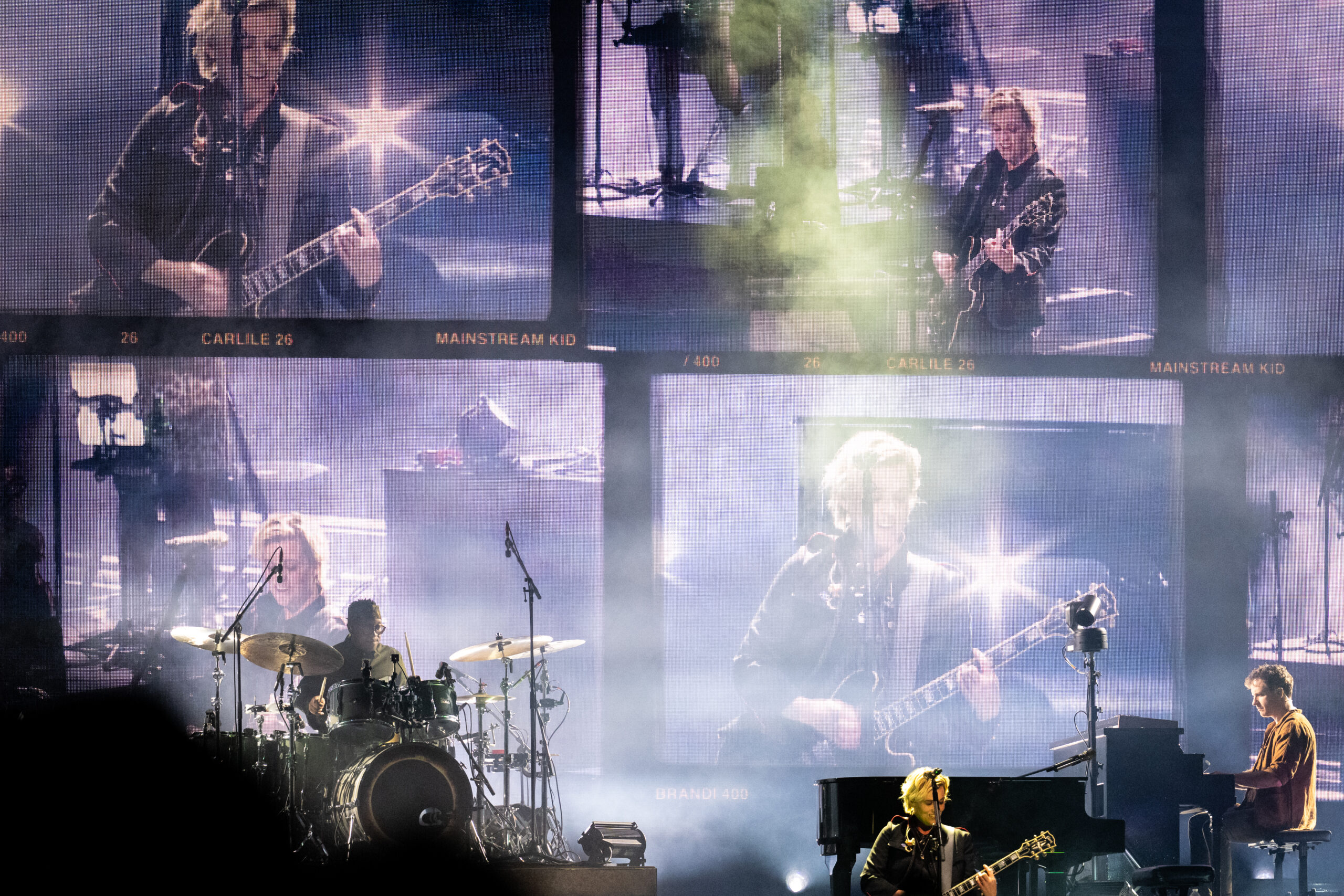
    Brandi Carlile performs at Xfinity Mobile Arena in South Philadelphia on Tuesday, Feb. 10, 2026. The Philadelphia show kicked off the singer’s first-ever arena tour.

    Carlile took the stage after the crowd got into the groove as Madonna’s “Like a Prayer” played on the sound system, following a solid well-sung set by indie-folk band and fellow Seattle music scene standouts, the Head and the Heart.

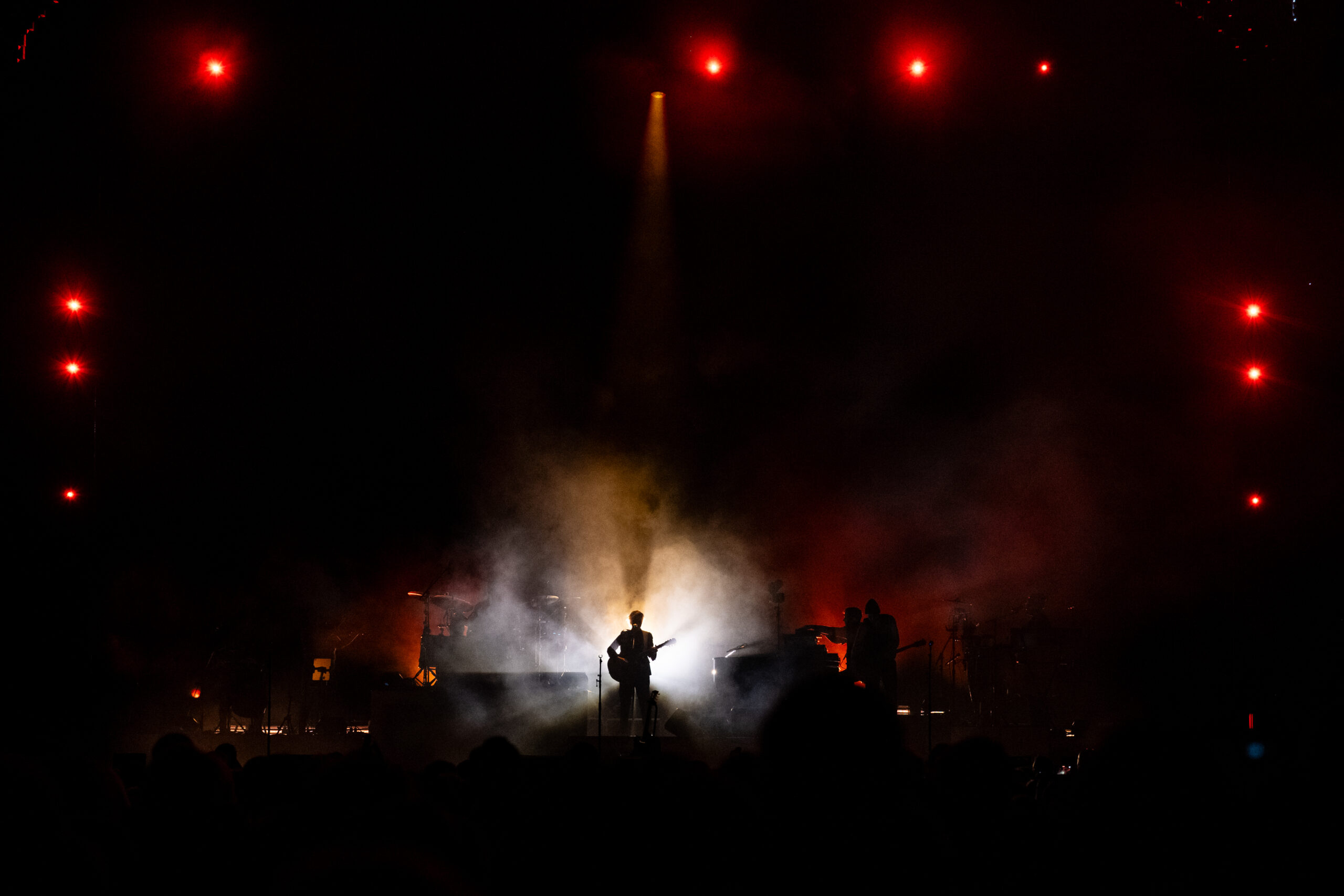
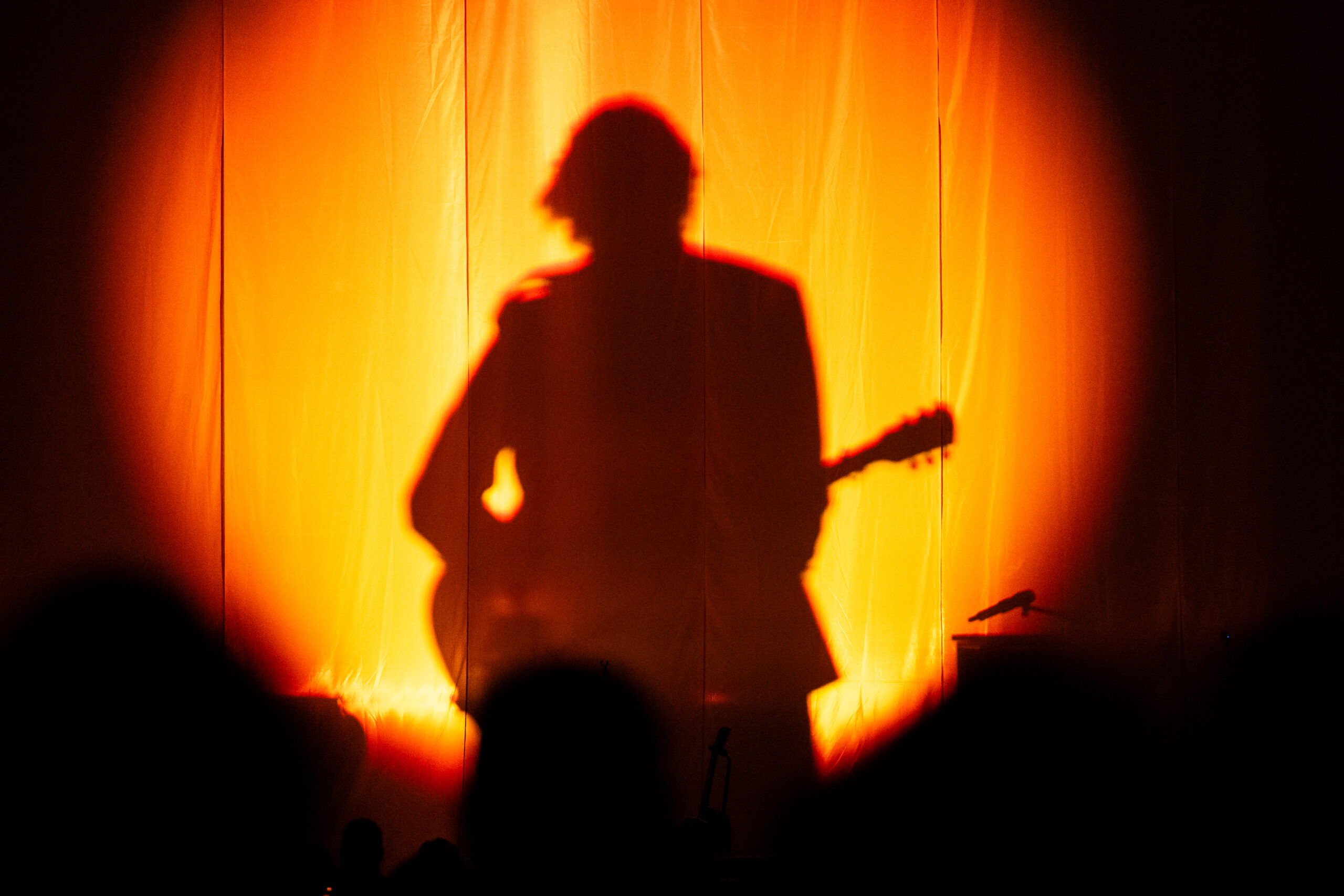
    She opened her two-hour-plus, 22-song show on acoustic guitar, silhouetted in an orange-and-yellow spotlight as she stood behind a curtain singing Returning to Myself’s title cut.

    The volume turned up gradually on the carpe diem “Human,” and full-on rocker “Mainstream Kid,” from her 2015 The Firewatcher’s Daughter, which wrestled with the implications of an outsider aiming for mass market success.

    She answered those soul-searching questions with “Swing for the Fences,” a vow to grab the brass ring from Who Believes in Angels?, her 2025 album with Elton John.

    Then she took a minute to take it all in — and to also shout-out the tiny Old City venue where she played her first Philly gig in 2005.

    “It’s an incredible feeling,” Carlile told the crowd, which skewed about a decade older than her, in the packed 21,000-seat arena.

    Brandi Carlile performs at Xfinity Mobile Arena in South Philadelphia on Tuesday, Feb. 10, 2026. Carlile sang ‘America the Beautiful’ at the Super Bowl on Sunday, Feb. 8, 2026. .

    “It reminds me of what it was like to see Celine Dion when I was a kid. You can’t really fathom it when you’ve been in a van all these years, and you first came to Philadelphia and played the Tin Angel, no one could have made me believe that we’re standing where we’re standing right now. It’s just wild.”

    Carlile is an expert community builder. Every January she hosts a “Girls Just Wanna” weekend, a woman-centric festival in Riviera Maya, Mexico. This May, she’s presenting “Echoes Through the Canyon at the Gorge” in Washington state, which will reunite The Highwomen, her country supergroup with Natalie Hemby, Maren Morris, and Amanda Shires.

    Tuesday’s show was a master class on breaking down the wall between performer and audience.

    “How did you guys like starting by listening to ‘Like a Prayer,’” she asked, taking the crowd with her behind the curtain. “We’re trying to figure out what songs do we play while people walk in? What are we gonna do with the set list?

    A fan takes a photo while Brandi Carlile performs at Xfinity Mobile Arena in South Philadelphia on Tuesday, Feb. 10, 2026.

    “Everything tonight is an experiment for us. And I don’t think there’s a crowd that’s better to do this for because everybody knows Philadelphia is gonna be honest. You’re not going to suffer in silence. And I’ve just been coming here for so long that it really does feel like the perfect place to start something this terrifying.”

    That may make the “Human Tour” opening concert sound like a dress rehearsal, but the band, which also included pianist Dave McKay, drummer Terence Clark, and multi-instrumentalist Solomon Dorsey, were in mid-tour form.

    At one point, she dismissed the band other than the Hanseroths and took requests. That resulted in charmingly casual versions of “What Can I Say” from 2005’s Brandi Carlile and “Josephine” from 2007’s The Story.

    Brandi Carlile performs at Xfinity Mobile Arena in South Philadelphia on Tuesday, Feb. 10, 2026. The Philadelphia show kicked off the singer’s first-ever arena tour

    Connecting with heroes and influences is part of Carlile’s brand. She produced a comeback record for country vet Tanya Tucker and organized the “Joni Jams” private sessions in L.A. that led Joni Mitchell to return to perform again in public in 2022 after suffering a brain aneurysm in 2015.

    “Joni” was left off the set list Tuesday; just as well as it’s one of the spottier tunes on Returning to Myself. Instead, she paid tribute to Linda Ronstadt’s 1970 Gary White-penned “Long Long Time,” which was heartfelt and delivered with plenty of power, if it lacked Ronstadt’s nuance.

    The show was quiet and rowdy. In the latter category was “Sinners, Saints and Fools,” from 2021’s In These Silent Days, about a Christian man who turns away immigrants, then is surprised to find heaven closed off to him.

    Carlile dedicated it to “the immigrants who built this country” and acknowledged talking politics in a room full of like-minded people felt “a little like an echo chamber.” But “isn’t it nice just to get together and realize we all feel the same way?” Then she sang, “as a catharsis to myself.”

    Brandi Carlile performs at Xfinity Mobile Arena in South Philadelphia on Tuesday, Feb. 10, 2026. The Philadelphia show kicked off the singer’s first-ever arena tour

    For all her affection for roots music, Carlile is a Pacific Northwest child of ’90s grunge and alt-rock who stood in for the late Chris Cornell of Soundgarden at the Rock and Roll Hall of Fame induction in 2025.

    Her Alanis Morissette fandom showed up twice during the three-song encore during which she sported a Sixers scarf. First, she offered a high-volume cover of Morissette’s “Uninvited,” with the band unleashing a blaring wall of sound.

    Then, show ended with “A Long Goodbye,” which references Morissette’s Jagged Little Pill. Carlile described the autobiographical song as “me, in 4 minutes and 48 seconds” and her hushed performance achieved what she said she saw as her job for the evening: “To be in this big room and make it seem small.”

  • A romantic Valentine’s Day musical weekend in Philly awaits

    A romantic Valentine’s Day musical weekend in Philly awaits

    Philly Valentine’s Day weekend musical options include Diana Krall and the R&B Lovers Tour in Atlantic City, Eric Benet at City Winery, Stinking Lizaveta at the Khyber, La Cumbia Del Amor at Johnny Brenda’s, Marshall Allen at Solar Myth, Langhorne Slim in Ardmore, and a road trip to see Boyz II Men. What could be more romantic?

    Thursday, Feb. 12

    Lazyacres / Bowling Alley Oop

    Philly songwriter Josh Owens doesn’t seem to have a fully functioning keypad. His dreamy indie pop band Lazyacres’ EP is called Nospacebar. He’s playing South Street hotdog nightclub Nikki Lopez with Attic Posture, Bowling Alley Oop, and Dante Robinson. 8 p.m., Nikki Lopez, 304 South St., @nikkilopezphilly

    Big Benny Bailey, with Ben Pierce and Shamir Bailey, plays the Fallser Club in East Falls on Friday.

    Friday, Feb. 13

    Big Benny Bailey

    The winning Black History Month programming at the Fallser Club continues with Big Benny Bailey, the duo of South Philly songwriters Shamir Bailey and Ben Pierce. It’s a bluegrass, folk, and country project that promises to be another compelling adventure from the multitalented Shamir, who released his 10th album, Ten, last year. He has a GoFundMe going to get his screenplay Career Queer made into a feature film. Reese Florence and Lars open. 8 p.m., Fallser Club, 3721 Midvale Ave., thefallserclub.com

    Umphrey’s McGee

    The veteran jam band, which formed at the University of Notre Dame and called its 1998 debut album Greatest Hits, Vol. III, released its latest improvisatory adventure, Blueprints, in 2025. 8 p.m., Fillmore Philly, 29 E. Allen St., thefillmorephilly.com

    The Knee-Hi’s

    Chicago’s self-described “female fronted garage glam rock band existing as a living love letter to rock and roll” tops a bill with Ione, Star Moles, and Thank You Thank You. 8 p.m., Ortlieb’s 847 N. Third St., 4333collective.com

    Boyz II Men

    Shawn Stockman, Nate Morris, and Wanya Morris usually stay close to home on Valentine’s Day weekend. This year is a little different, with the Boyz on the road on the “New Edition Way” tour with New Edition and Toni Braxton. The trio of R&B stars will arrive in Philly at the Liacouras Center on March 15, but on this heart-shaped weekend, they’re in New Jersey. 8 p.m., Prudential Center, 25 Lafayette St., Newark, prucenter.com

    Iron & Wine

    Sam Beam, who leads Iron & Wine, has a free-flowing new album coming Feb. 27, called Hen’s Teeth. “I’ve always wanted to use that title,” he said in a statement. “I just love it. To me it suggests the impossible. Hen’s teeth do not exist. And that’s what this record felt like: a gift that shouldn’t be there but it is. An impossible thing but it’s real.” Noon, World Cafe Live, 3025 Walnut St., xpn.org

    Diana Krall

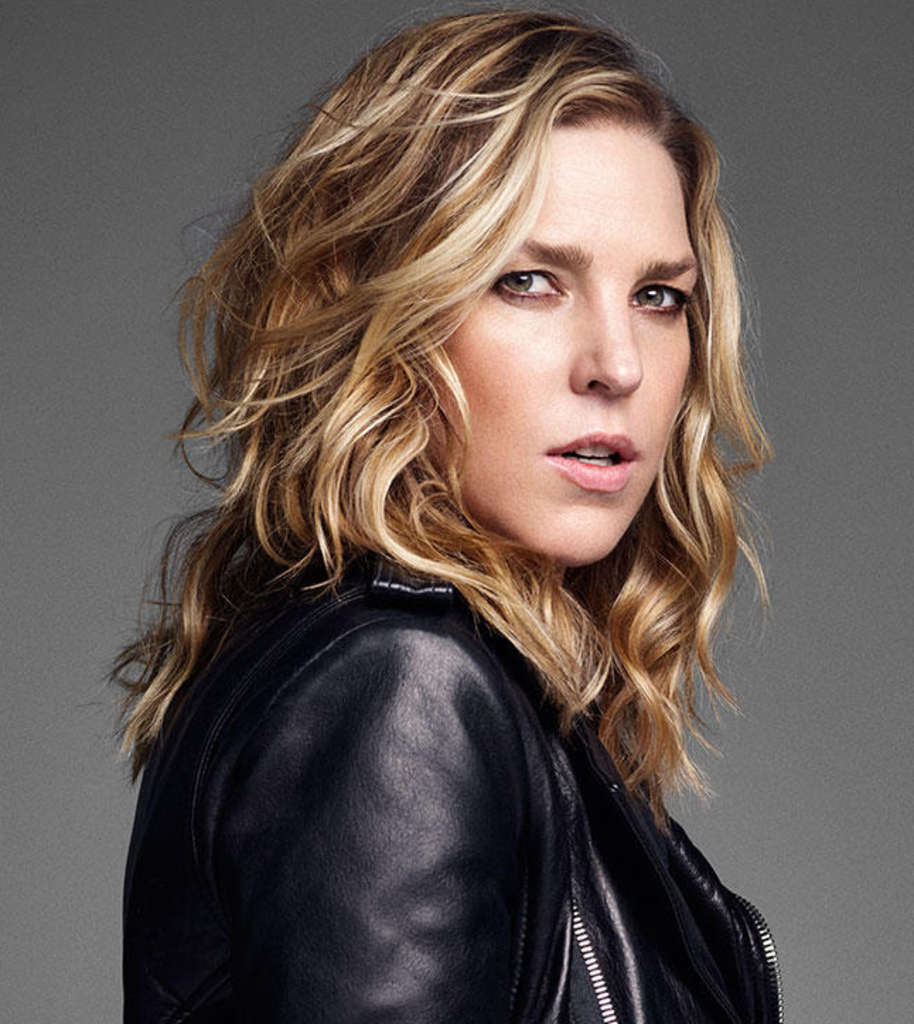
    Jazz pianist Diana Krall makes two date-night stops in the region this weekend. On Friday, the vocalist, whose most recent album, This Dream of You, is named after a Bob Dylan song, is in Bethlehem. On Saturday, she’s down the Shore. 8 p.m. Wind Creek Event Center, 77 Wind Creek Blvd, Bethlehem, windcreekeventcenter.com, and 8 p.m., Ocean Casino Resort, 500 Boardwalk, Atlantic City, theoceanac.com

    Diana Krall performs in Bethlehem on Friday and Atlantic City on Saturday.

    Saturday, Feb. 14

    The R&B Lovers Tour

    This package tour gathers together stars of 1990s silky pop R&B and soul, with featured sets by Keith Sweat, Joe, Dru Hill, and Ginuwine. 8 p.m., Boardwalk Hall, 2301 Boardwalk, Atlantic City, boardwalkhall.com.

    Eric Benet

    The R&B love man, formerly betrothed to Halle Berry, and now married to Prince’s ex-wife Manuela Testolini, was a regular hitmaker in the 1990s and 2000s, topping the charts with “Spend My Life With You” with Tamia in 1999. Last year saw the release of his album The Co-Star and a holiday collection. 6 and 9:30 p.m., City Winery Philadelphia, 990 Filbert St., citywinery.com/philadelphia

    Stinking Lizaveta

    Cozy up to your honey while listening to high-volume doom jazz by the power trio named after a character in Dostoyevsky’s novel The Brothers Karamazov. The band consists of drummer Cheshire Augusta and guitarist brothers Yanni and Alexi Papadopoulos, whose 1996 debut album Hopelessness and Shame, recorded by Steve Albini, has just been issued on vinyl for the first time. 8 p.m., Upstairs at the Khyber Pass Pub, 56 S. Second St., @upstairsatkhyberpasspub

    La Cumbia Del Amor

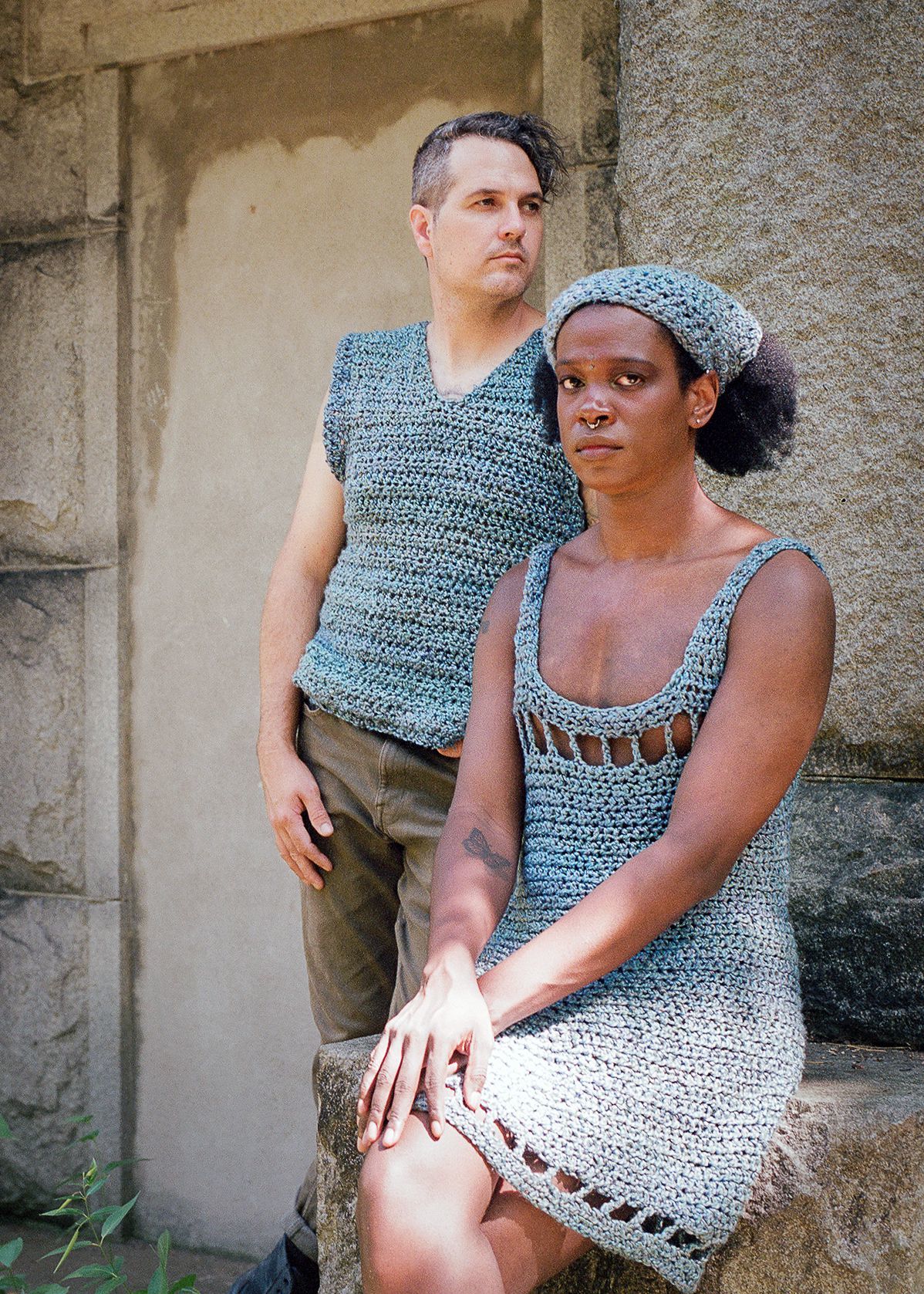
    Philly cumbia klezmer punk band Mariposas Galacticas joins forces with Baltimore-based cumbia ska outfit Soroche and DJ Pdrto Criolla for a dance party celebrating “radical love in all its forms.” 9 p.m., Johnny Brenda’s, 1021 N. Franklin St., johnnybrendas.com

    Philly Gumbo

    Long-standing rhythmically adept party band Philly Gumbo is now in its 47th year. Fat Tuesday is coming up this week, and the band’s bons temps rouler repertoire is deep. This should be a Mardi Gras dance party to remember. 7 p.m., 118 North, 118 N. Wayne Ave., Wayne, 118Northwayne.com.

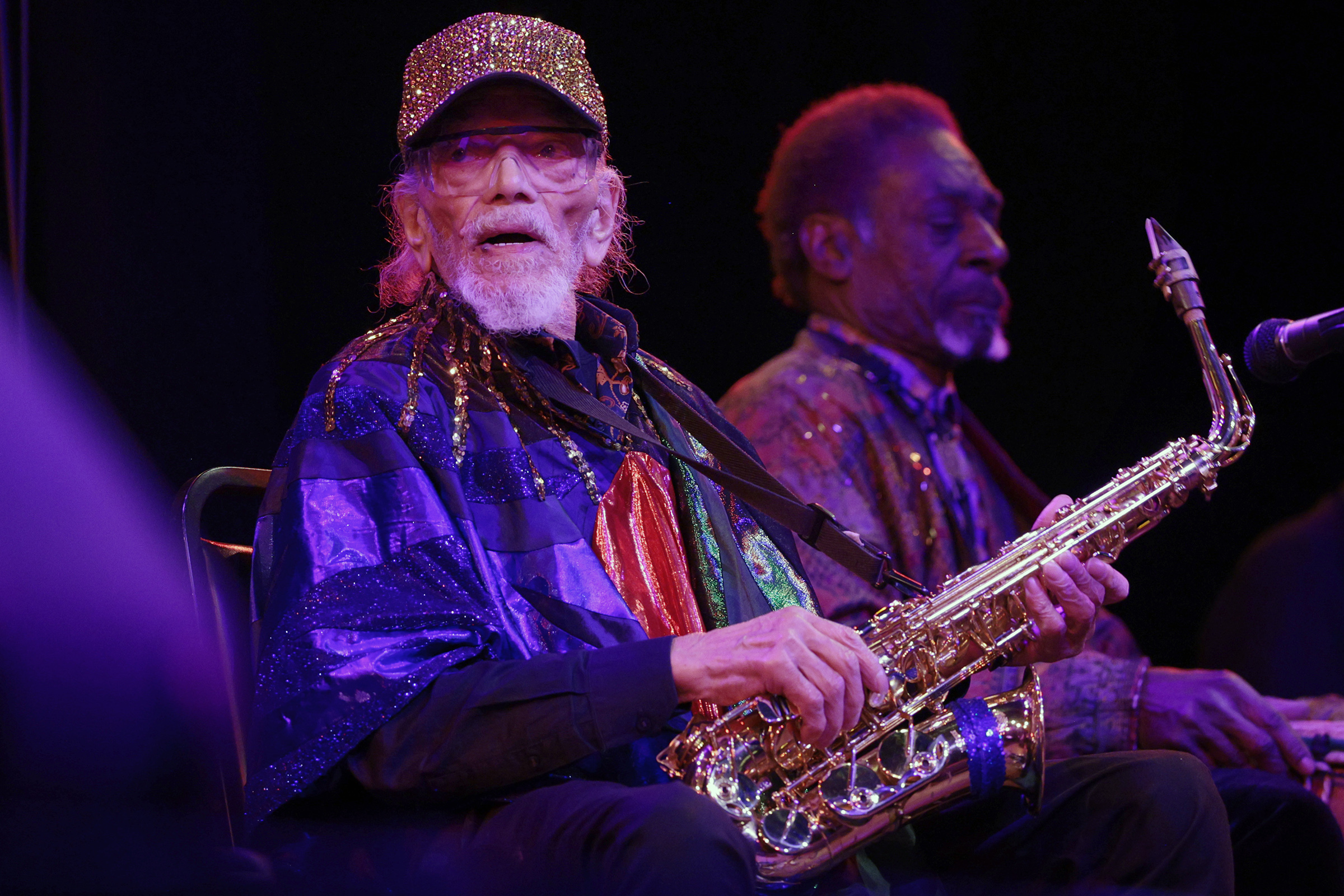
    Marshall Allen at World Cafe Live in Philadelphia in April 2025. The Sun Ra Arkestra leader plays with his band Ghost Horizons on Saturday at Solar Myth.

    Marshall Allen’s Ghost Horizons

    The indefatigable Sun Ra Arkestra leader is back at the former Boot & Saddle with a version of his Ghost Horizons band that includes DM Hotep on guitar, Joe Morris on bass, and Matthew Shipp on piano. 8 p.m., Solar Myth, 1131 S. Broad St., arsnovaworkshop.org

    Sunday, Feb. 15

    Marissa Nadler

    Folk-goth guitarist Marissa Nadler creates dreamy noir-ish soundscapes that have won her a following with folkies and metal heads. Her latest is the haunting New Radiations. 7:30 p.m., MilkBoy Philly, 1100 Chestnut St., milkboyphilly.com

    Langhorne Slim

    Bucks County’s own Langhorne Slim turns up the volume on The Dreamin’ Kind, his most rocked-out album, produced by Greta Van Fleet bassist Sam F. Kiszka. That album follows 2021’s Strawberry Mansion, named for the Philly neighborhood where his grandfathers were raised. Get there early for Laney Jones and the Spirits, the Nashville quintet whose raucous 2025 self-titled debut is full of promise. 7 p.m., Ardmore Music Hall, 23 E. Lancaster Ave., Ardmore, ardmoremusichall.com

    The Blackbyrds

    The Washington jazz and R&B band, which formed when its members were students of trumpeter Donald Byrd, scored a smash with 1975’s “Walking in Rhythm.” Its music is familiar to hip-hop fans through “Rock Creek Park,” which was sampled by MF Doom, De La Soul, and Wiz Khalifa, among many others. 5 and 8:30 p.m., City Winery Philadelphia, 990 Filbert St., citywinery.com/philadelphia.