Category: Food

  • Late-night dining is back in Philly

    Late-night dining is back in Philly

    “Last week, I went to Philadelphia, but it was closed,” is the sardonic line by comedian W.C. Fields that my husband, chef Ari Miller, has frequently referenced through the years. He has brought it up when sitting down with me for a 6 p.m. dinner (eating early is a habit I picked up sometime during the pandemic, when I left the restaurant industry), or designing his own menus. But most recently, used when debuting his own late-night menu at Post Haste, to even his own surprise.

    New late-night menus have been proliferating again in Philly. (Also, let’s define “late” as after 10 p.m.)

    What’s on these menus? There are burgers, fried chicken sandwiches, loaded fries, and hot dogs, but designed and dressed up by chefs using the same premium ingredients that go onto their dinner menus.

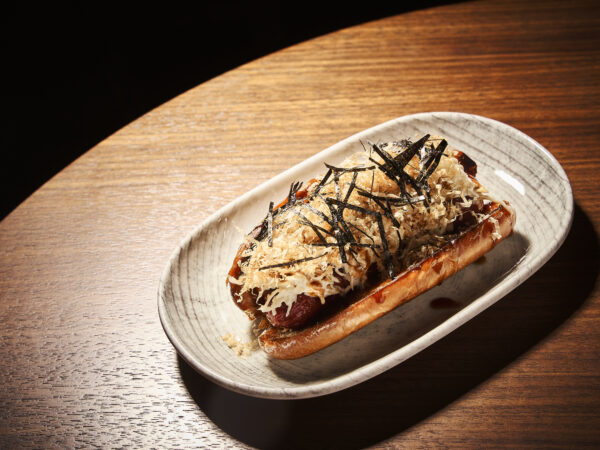
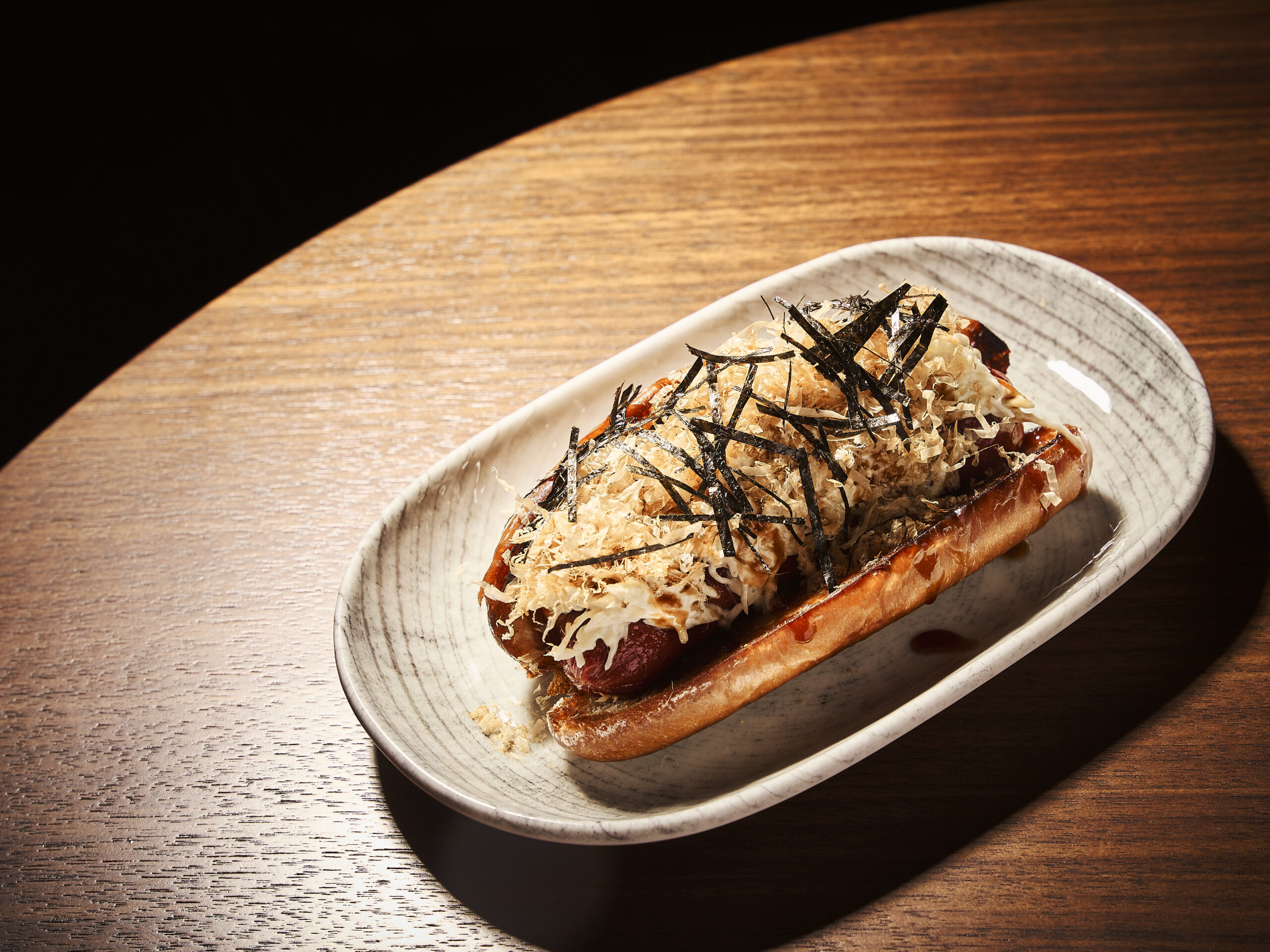
    The Wagyu hot dog at Almanac in Old City, topped with tonkatsu sauce, Japanese slaw, bonito flakes, and nori.

    Upstairs from Ogawa’s elegant, brightly lit omakase counter, you can let down your hair and ascend into Almanac’s semi-anonymous dark. Come January, the cocktail bar will extend its surprisingly voluminous late-night menu, featuring yuzu and miso glazed wings, an ethereally crispy karaage chicken sandwich, Wagyu hot dog, and barbecued eel donabe, among other refined Japanese comfort foods, until 12:30 a.m.

    “Almanac’s food menu is crafted using the same high-quality ingredients chef Carlos Wills sources for Ogawa’s omakase counter, reimagined with a fun, casual twist. Designed for grazing and sharing, the dishes are snack-sized—perfect for enjoying alongside a drink,” said owner Vy To.

    Rittenhouse’s dancerobot, a collaboration between chefs Jesse Ito and Justin Bacharach, just debuted a late-night menu last week, served Fridays and Saturdays from 11 p.m. to 2 a.m., with hot dog-stuffed buns, and spicy fried chicken, and some quick-serve baos off the regular dinner menu.

    The just-opened Pine Street Grill is serving its usually $22 burger for $20 between 9:30 and 10:30 p.m., paired with a 20-oz. beer.

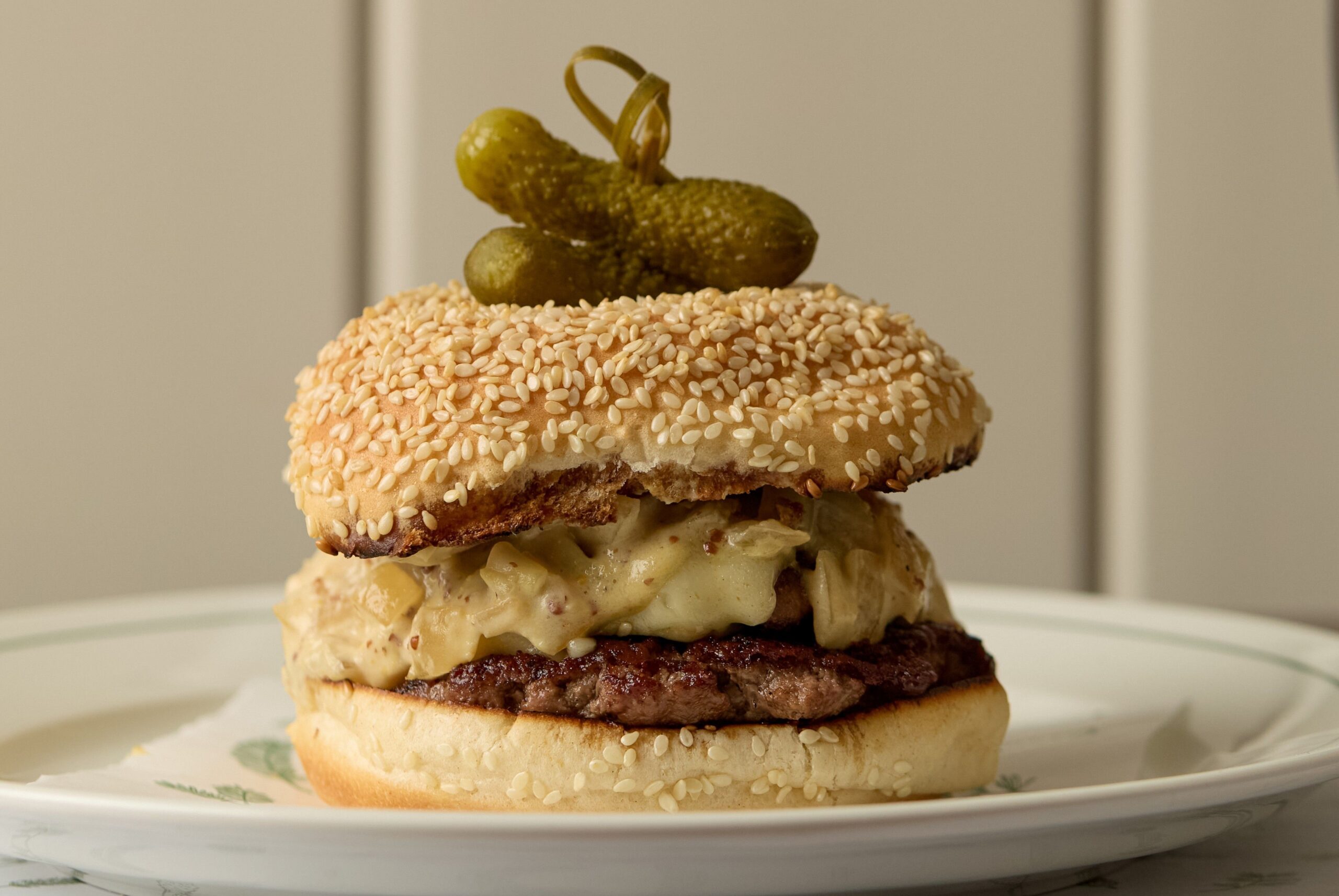
    The burger at Pine Street Grill, 2227 Pine St.

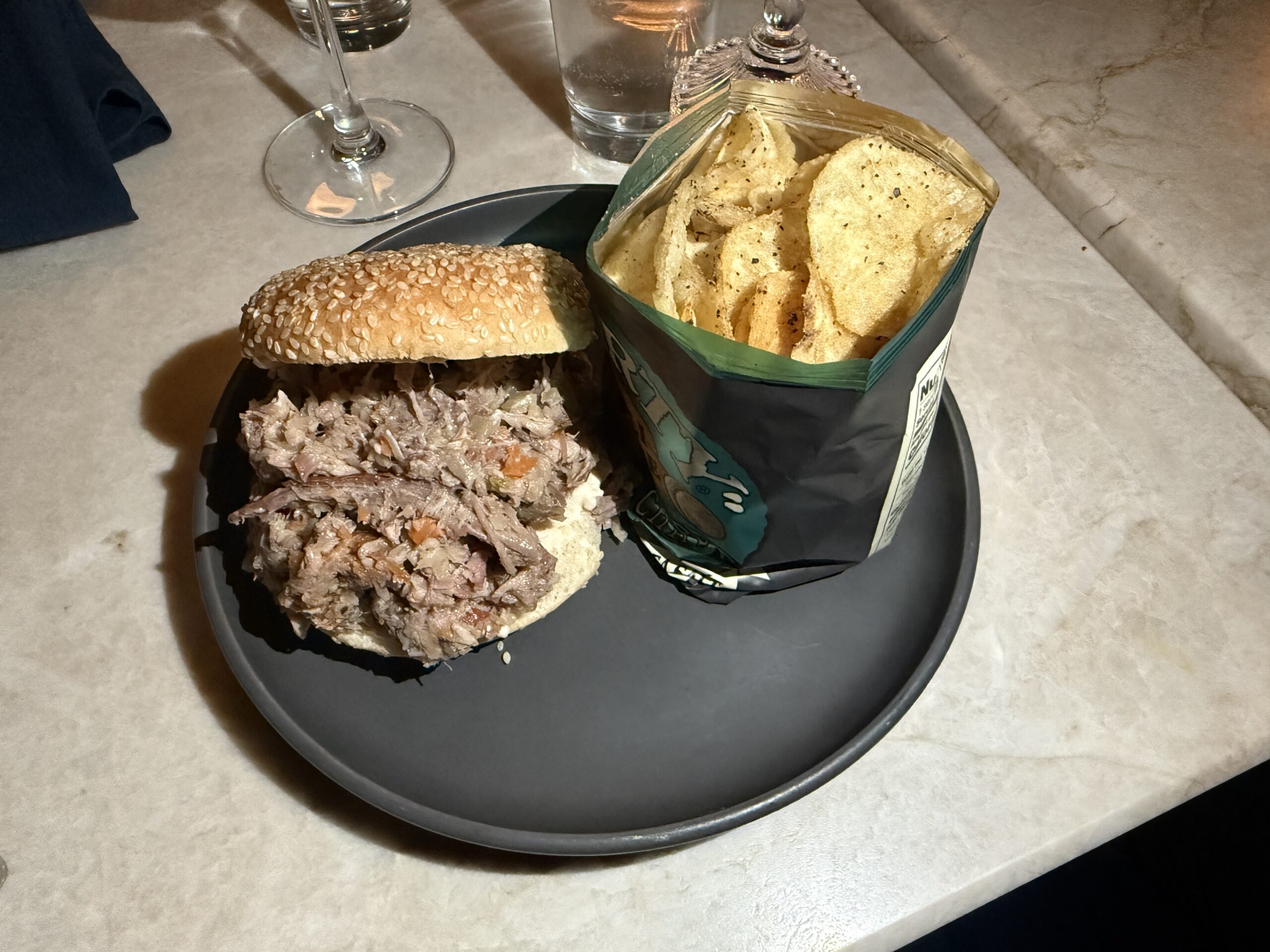
    At Messina Social Club, Eddie Konrad makes a roast pork sandwich ($12) that’s only available late night. It’s served on a Martin’s Big Marty seeded roll and served 10 p.m. until 3 a.m. on Friday and Saturday. Make it a Messina Happy Meal, where you get a shot, a can of Coors Banquet beer or wine, and the sandwich for $18.

    The pork sandwich at Messina Social Club is only available on the late-night menu, served with potato chips.

    The pork is dry-cured overnight with salt and brown sugar, roasted low between 275 and 300 degrees for six to eight hours, then pulled apart with tongs.

    It’s then chopped up and “its drippings are emulsified with Italian seasoning, salt, pepper, and MSG,” said Konrad. “This mixture coats the pork, then we adjust the seasoning and top it with a tablespoon of chopped giardiniera, horseradish, and roasted garlic aioli.”

    The assembly then takes eight minutes, a crucial number, according to Konrad. “It has to be turned out by the front-of-house staff, and it has to be perfect. They’re busy.”

    There have always been a few late-night options, of course. But many in post-pandemic years have dwindled. Nationwide data by reservation platform OpenTable, compiled at the end of November, also reflect the continued growth of early dinner trends and the waning of eating out late.

    When I polled chefs and other restaurant workers for where they went post-dinner shift, everyone inevitably named gas stations, restaurants in Chinatown that have since shuttered, and Taqueria La Prima (a fine option but proffered by five different stumped chefs).

    Among the restaurant industry crowd, workers have long descended upon Fountain Porter for its excellent cheeseburger, which tastes like someone’s dad grilled it in the backyard, served until 2 a.m. Through closing and reopenings, Sonny’s Cocktail Joint, open until 1 a.m. or midnight, depending on the day of the week, also courts a post-dinner shift crowd, with cracker-thin pies and buffalo chicken dip.

    So why the turn to late night? At Post Haste, anyway, it just makes sense.

    “The bar is already open those hours, until midnight Wednesday through Saturday. It made sense to have food available while the bar is serving drinks. Last call for food is now 11:45 p.m.,” said Miller. Post Haste’s late-night menu is served Wednesday through Saturday, but its regular dinner menu is pay-as-you-can on Sunday, an option designed with “our industry colleagues in mind. Industry people work all days of the week.”

    The accompanying late-night drink specials are bait for industry folks, fueled by Negronis and fernet.

    “We wanted to have an option for people to get off their shifts at those hours to get some decent food as opposed to a short-order sandwich,” said Miller.

    The late-night menu is simpler than their dinner menu, which features a long list of delicate, handwrought pastas. “It’s crafted so that one person in the kitchen can execute it. We took the fussy dishes off.” It may be 11 p.m., but hey W.C. Fields, Philadelphia is still open.

  • Taco-Yote is the new taqueria in Moorestown from Conshohocken’s Coyote Crossing

    Taco-Yote is the new taqueria in Moorestown from Conshohocken’s Coyote Crossing

    In late 1996, Carlos Melendez took a chance on a watering hole off the beaten path in Conshohocken and created Coyote Crossing, still one of the suburbs’ most popular Mexican restaurants. Ten years later, he opened what proved to be a short-lived outpost in West Chester before deciding to double down by expanding the original restaurant.

    And that seemed to be enough until one night last year when he and his wife, Steffany, were out to dinner at Maurizio’s Bistro, near their home in Moorestown. Melendez struck up a conversation with owner Maurizio Randazzo.

    “He told me, ‘You know what, Carlos? I’m tired. I’m having knee surgery, and I just don’t want to do this anymore. I’d like to sell it,’” Melendez said.

    Melendez initially was reluctant to open another restaurant, but his wife urged him to look at it as a creative exercise. “And she was right,” he said.

    Taco-Yote — a mashup of “taco” and “coyote” — opened Dec. 12. It’s a deliberate shift from Coyote Crossing. Moorestown is dry, so there is no bar. It’s also much smaller, with a lower price point and a menu engineered for takeout and delivery as much as for dine-in.

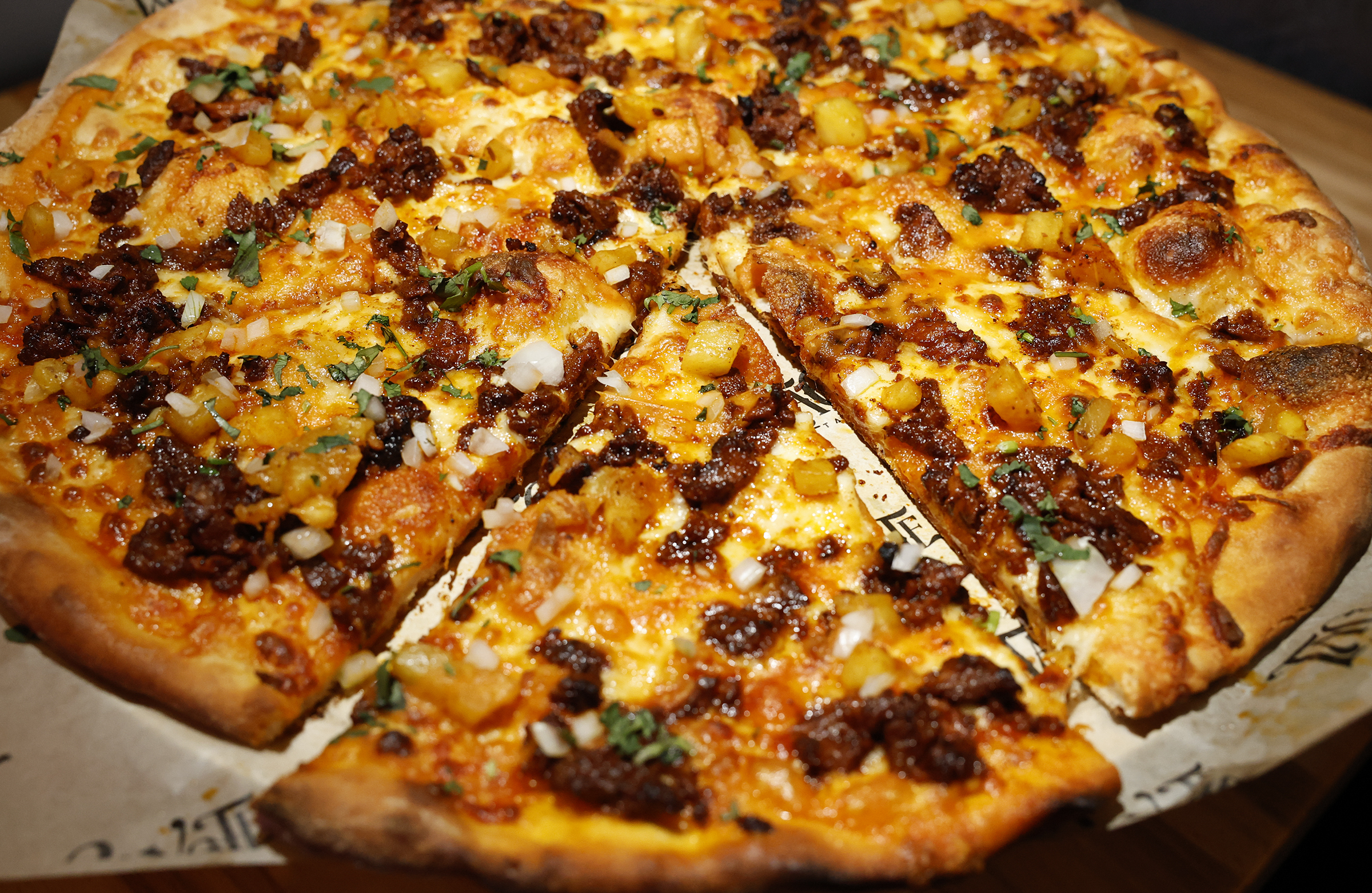
    The al pastor pizza at Taco-Yote in Moorestown.

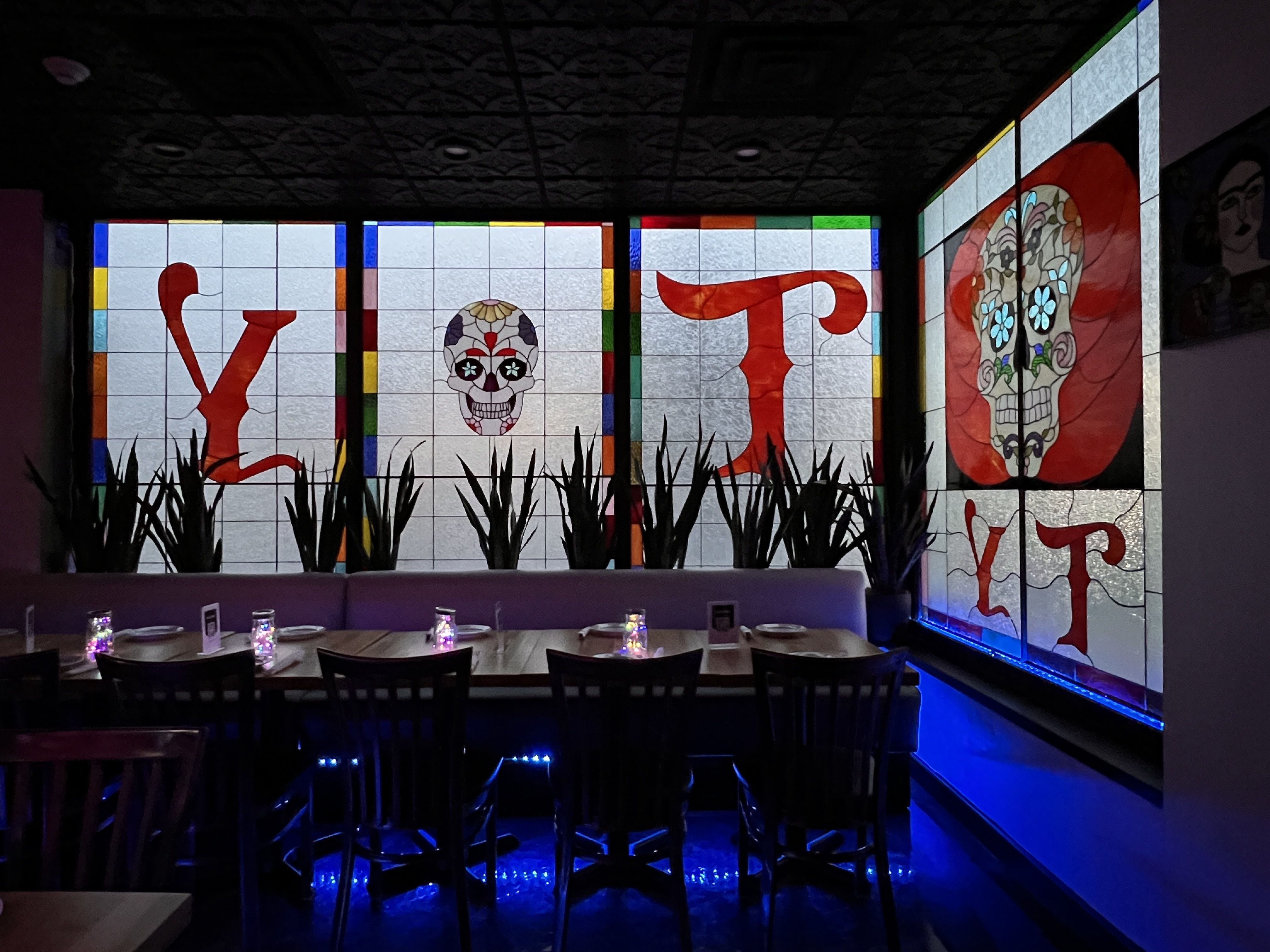
    The food reflects Melendez’s upbringing in Mexico City and his decades in restaurants — he worked with Tequilas founder David Suro at the Carlos ‘n Charlie’s chain many years ago. The design is bold with hand-painted artwork and an intimate feel.

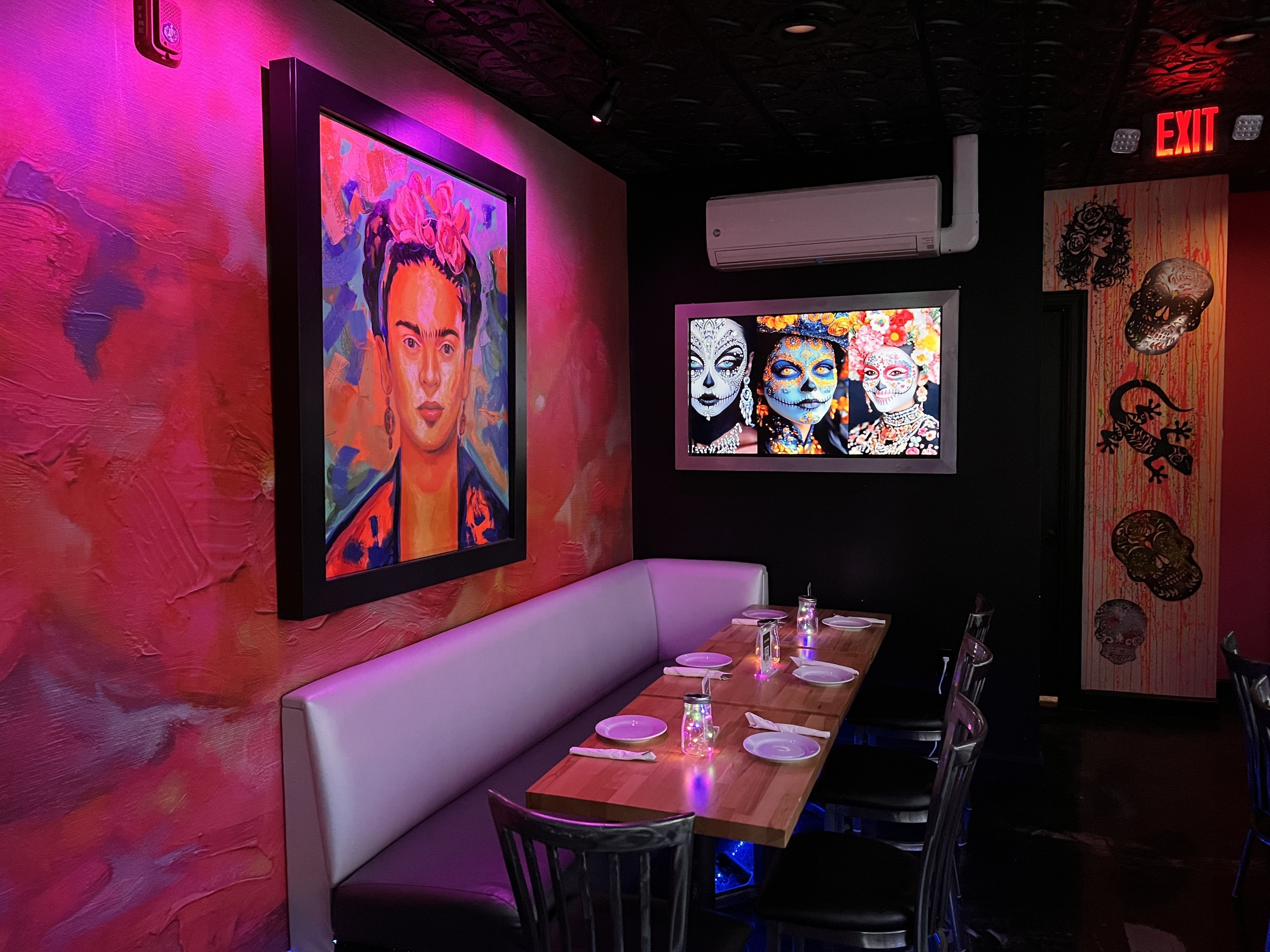
    His mother-in-law, Ada Marina Estela, painted several pieces in the restaurant, including a prominent Frida Kahlo-inspired portrait in the main dining room. Steffany Melendez, a fashion designer, is behind “everything you see — the colors, the artwork, the aesthetic — that’s all her,” Carlos Melendez said.

    Dining room at Taco-Yote in Moorestown. The portrait of Frida Kahlo was painted by Ada Marina Estela, mother of Steffany Melendez.

    Central to chef Oscar Velasquez’s menu is a custom grill designed by Melendez and built by a fabricator in Tennessee, similar to one at Coyote Crossing. Fueled by charcoal and wood, it allows for live-fire cooking.

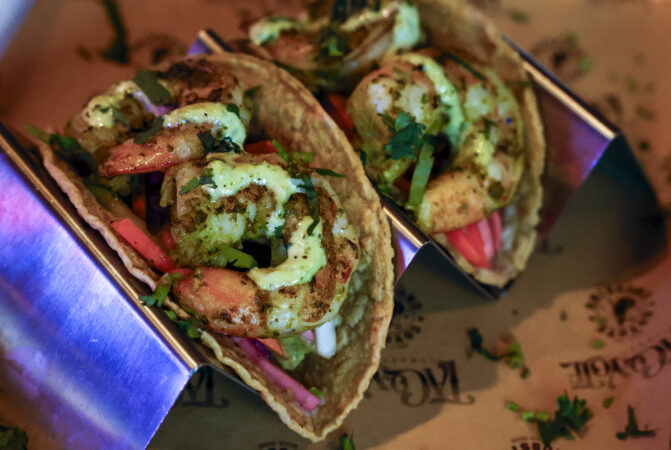
    Maurizio’s pizza oven is now pumping out pizzas inspired by Mexican street food: tacos al pastor, mole poblano, shrimp, birria (with consommé on the side), and rajas poblanas.

    Dining room at Taco-Yote in Moorestown.

    “One of the biggest challenges with Mexican food is how it travels,” Melendez said. “If you order tacos, no matter where they’re from, by the time they arrive the tortillas are soggy, so we package it differently. We separate the protein from the tortillas. You get the protein, you get the fixings, and you get freshly made corn tortillas. That way, when you assemble the taco yourself, the tortilla hasn’t had time to absorb moisture.”

    He said they apply similar thinking to pizza. “If you put sauce directly on the dough, it eventually makes the pizza soggy during transport,” he said. “We put the cheese down first. That way, the sauce isn’t in direct contact with the dough, and the pizza travels much better.”

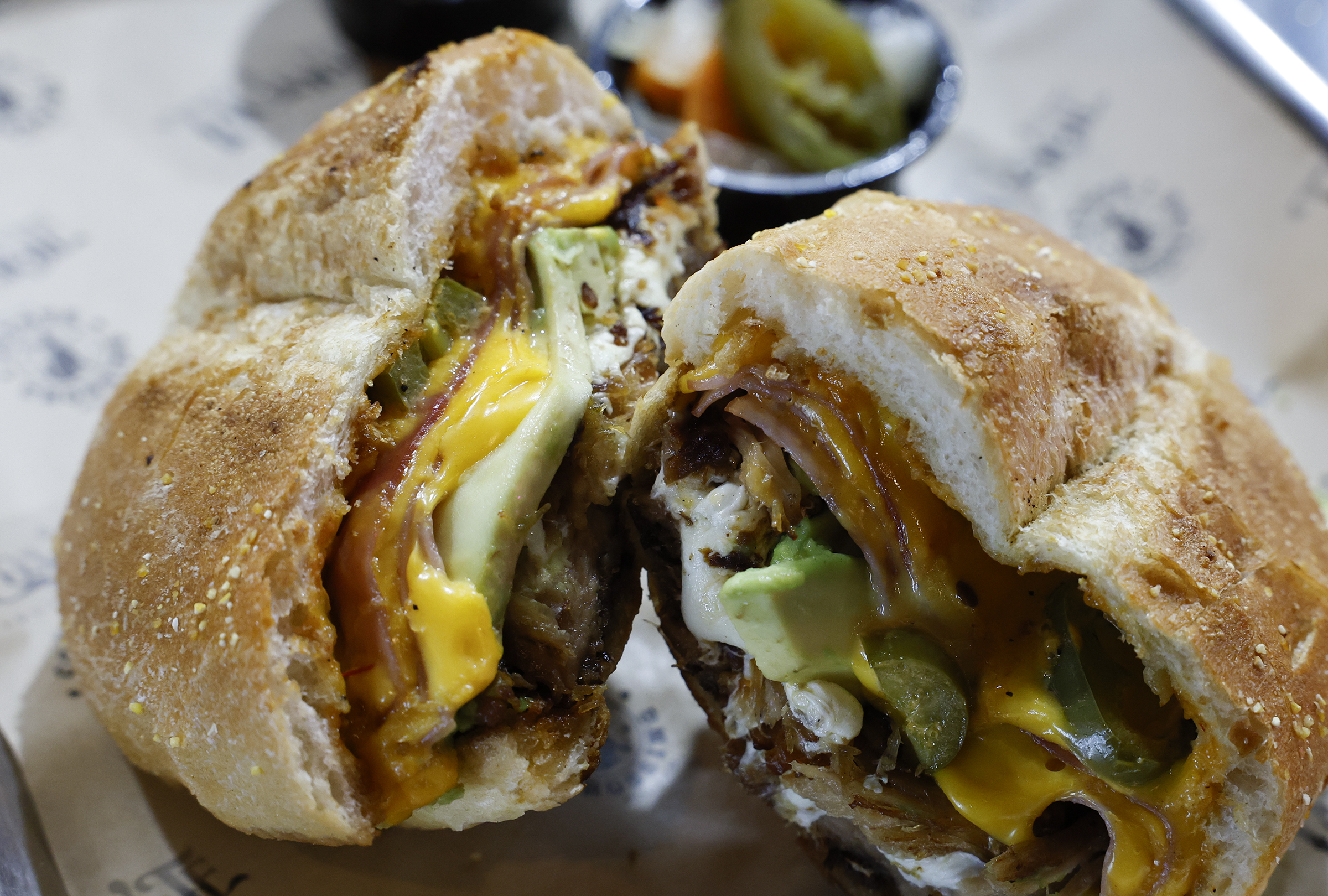
    The Cuban sandwich at Taco-Yote in Moorestown.

    The menu also includes family-style meals — fajitas and similar dishes — where everything is packaged separately so customers can assemble them at home.

    And then there is a Cuban sandwich.

    “When I was a kid, my father [the actor Carlos Duran] would visit occasionally. My mom would drop me off at this sandwich place in Mexico [Tortas Don Polo] while we waited for him, because he was always one or two hours late. I’d sit at the counter and watch them make Cuban sandwiches for hours. I memorized the whole routine. That sandwich stayed with me. It has American cheese, Oaxaca, queso fresco, and Chihuahua cheese, pulled pork, chipotle dressing, avocado, and — very important — pickled jalapeños.” The bread is lightly buttered and heated so it’s soft.

    “We put that sandwich on the menu because it’s personal,” Melendez said. “I’ve been making it for myself for years.”

    Taco-Yote, 33 E. Main St., Moorestown, 856-323-5500. Hours: noon to 9 p.m. Monday to Thursday, noon to 10 p.m. Friday and Saturday, and noon to 8 p.m. Sunday.

  • The best restaurants in Philadelphia this year

    The best restaurants in Philadelphia this year

    When you’re building a list of great restaurants to represent a major metropolitan dining scene, the number you pick defines your roster’s ambitions and has implications. In The 76, The Inquirer’s annual dining guide that’s built around a very Philly number, we can paint a broad picture of what moves a city’s appetites. That landscape spans from the coveted seasonal tasting menus of Her Place Supper Club to the Poblano cemitas of El Chingón and the Tibetan momos of White Yak, three personal favorites I got to scout for this year’s guide alongside a hungry cohort of 17 Inquirer eaters.

    My annual Top 10 list asks a different question: Which places are producing meals that capture the most special energy in Philly restaurants right now? This list reflects singular dining experiences that can only happen here, the kinds of magical flavors and hospitality that resonate in my mind after I leave the table and linger in my imagination for days to come. The sparks came when I least expected them: a seemingly simple dish of grilled mushrooms painted in porcini miso over sweet corn at Pietramala that was, in fact, a profound rumination on the shifting seasons; the snap of a tawny crepe perched over Mawn’s banh chow salad, hiding the electric funk and joyful zing of herbal Khmer greens; the mind-expanding creativity of the pasta omakase at Vetri Cucina, where a one-bite Wagyu cheesesteak wrapped inside a grilled pasta coin showed one of the city’s kitchen godfathers still pushing limits, setting standards, and having fun. (For the first time in six years, Vetri is back on my end-of-year list of favorites.)

    This year may go down as Philadelphia’s best ever for ambitious new restaurants — including a couple, Little Water and Tequilas/La Jefa, that are first-timers on this list. But I was heartened to see over the course of several hundred meals that excellence is still being served at several long-standing stars, from the ever-dazzling tasting menu and bar program at Friday Saturday Sunday to the Southern Thai fireworks at Kalaya and to Royal Sushi & Izakaya, where the omakase may be next-to-impossible to book, but every morsel sends a sushi shiver down my spine.

    Each restaurant on this list represents a unique snapshot of what makes Philly a world-class restaurant city. And since I love a succulent lamb kebab as much as a whipped sturgeon doughnut piled high with caviar, here’s another important fact about the number on this list: My Top 10 remains unranked.

    Friday Saturday Sunday

    I rarely use the word “perfection” to describe any meal, let alone a pricey tasting menu with a dozen intricate creations. But the moment I bit into the warm beignet stuffed with tender oxtail and smoked yam purée, I hungrily began scanning our table at Friday Saturday Sunday for the next treasure to devour. A thimble-sized nori pastry stuffed with a tartare of tuna, veal, and caviar? Gone like a Scooby snack. Sweet Hokkaido scallops and long hot pepper jam hiding in a fluted shell beneath a creamy mist of smoked coconut sabayon? Sluurrrp!

    Chad and Hanna Williams haven’t rested on their accolades — a Michelin star, a No. 16 ranking in North America by World’s 50 Best, and a run of James Beard kudos. Their townhouse tasting-menu oasis off Rittenhouse Square has gotten better every year since the couple bought this now 52-year-old landmark a decade ago. That’s true whether you are seated in the plush upstairs dining room or the leopard-print ground-floor Lovers Bar, where walk-in regulars dine a la carte on irresistible FSS classics (smoked herring spaghetti, octopus and beans) and sip brilliantly original cocktails while Aretha Franklin and Herbie Hancock play in the background.

    I marvel at how Williams and his team, including chef de cuisine India Rodriguez, continuously reinvent the tasting menu with globe-hopping inspirations that never feel contrived. Somehow fusilli noodles darkened with allium ash and glossed in luxurious lobster stock seem like the ideal prelude to the next dish, a pairing of sweetbreads and plantains in a buttery vin blanc froth. A deeply savory grilled short rib is slow-poached sous vide for days in lemongrass and shrimp paste before it’s grilled and served with the spark of a chili crunch. I’m still dreaming of the unexpected rice course — a soulful cup of koshikari grains cooked in duck stock with Filipino adobo, studded with smoky bacon, and draped with a rosy, honey-glazed slice of duck breast.

    Pastry chef Amanda Rafalski enters the picture with a palate-cleansing cashew custard topped with pretzel crumbles and a rose-scented granita, and then delivers the tart to end all tarts: an almond pastry shell filled with duck egg semifreddo, strawberry jam, fresh berries, and tangy strawberry top tea. Perfection? This tart — and this whole meal — was it.

    Kalaya

    Philadelphians know Chutatip “Nok” Suntaranon as an underdog success story: the former Thai flight attendant who launched her cooking career in a Bella Vista BYOB, then soared to fame on the wings of hand-pinched, bird-shaped dumplings and the uncompromising fire of her towering tom yum.

    Now the rest of the world knows Suntaranon, too. She was recently crowned “best female chef in North America” by North America’s 50 Best Restaurants, which also named Kalaya the seventh best restaurant on the continent. It’s the latest in a string of awards since her 2022 move to the airy, palm-fringed space of a former Fishtown warehouse for a much grander Kalaya 2.0. The James Beard Foundation, Netflix’s Chef’s Table, and Time100 innovators list have all chimed in.

    Kalaya still delivers spectacularly because Suntaranon is America’s most passionate ambassador for the bold flavors of her native Southern Thailand. Earthy goat and lamb curries. Majestic wok-fried river prawns in shrimp paste and brown butter. Crispy squid with a turmeric-fried crust that unleashes waves of curry, lime, and long hot pepper spice. Those are just a few dishes that make Kalaya so singular.

    Now three years into its current location and Suntaranon’s partnership with the team behind Suraya and Pizzeria Beddia, Kalaya as an operation is in fine-polishing mode, assuring the family recipes are consistent every time, and refining its format so servers can more easily convey a menu of regional specialties unfamiliar to many Americans. The tasting menu option, a three-course feast for $75 that’s the default on weekends, is designed to help guide diners toward a meal of balanced flavors. (Too spicy? There are tropical cocktails and fun shaved-ice desserts to quench the heat.)

    I would start with the crispy chive dumplings and blue flower-shaped shaw muang dumplings. Try the sour fish curry tart with pineapples for a taste of Suntaranon’s mother’s favorite dish (the restaurant, after all, is named for her). There are other favorites I don’t want to miss: the grilled chicken glazed in tamarind, coconut milk, and soy; the whole branzino in fish sauce and lime; the tangy-sweet Mangalitsa pork chop. But Suntaranon is always working new dishes into the mix, like the fisherman’s pot of squid ink-blackened rice jeweled with colossal crab, shrimp, and calamari that tastes like the Andaman Sea. One day, Nok may even get Philadelphians to go for the rustic punch of the fish-innard curry she craves whenever she visits home. If history is any indicator of Nok’s magic touch, we’re going to love that, too.

    Little Water

    At Little Water, where the shrimp cocktail comes beneath stripes of smoked catsup piled high with fresh-shaved horseradish, the swordfish Milanese cutlets are encrusted in potato chips, and the “Caesar-like” salad is dusted with nori, Philadelphia’s once-grand fish house tradition has gotten the modern update it deserves.

    This restaurant, launched a year ago from chef Randy and Amanda Rucker, the married couple behind River Twice, has re-energized a corner bar near Rittenhouse Square. Wrapped in glass cafe walls and pressed tin ceilings, Little Water rides the fine line between neighborhood haunt and destination splurge. You can pop by the bar (always reserved for walk-ins) for the “Low Tide” happy hour of $2 Sweet Amalia oysters splashed in Alabama white sauce and a kombu-infused martini for $10. Or you can dive deep into one of the most innovative raw bars in town — scarlet crab claws dabbed with black walnut mustard, little toasts with tuna ’nduja, a tin of caviar with hush puppies and ricotta — and then embark on a considerable feast.

    If River Twice has remained Randy’s intimate atelier for modernist experimentation, the 78-seat Little Water is geared to be a bit more accessible, with a menu that taps the couple’s residence in coastal regions from Texas to New England. Two recent hits: a bowl of creamy pencil cob grits topped with luscious chunks of lobster and caramelized cippolini onions, and a steak tartare riff on oysters Rockefeller dressed with a Pernod reduction and topped with cornmeal-fried oysters. A massive fried bass over Sea Island peas remains one of my favorite whole fish of the year. And hash browns topped with Jonah crab salad and Maine uni are a must when it’s urchin season, ideal with a glass of sparkling Crémant de Bourgogne or a Müller dry riesling from the concise but smart Euro wine list.

    I go for the turmeric sparkle of the nonalcoholic Golden Hour during Little Water’s mellow lunch service. The midday menu is as ambitious as ever, whether one of Rucker’s peerless gumbos, a meaty Texas redfish roasted “on the half shell” with its char-roasted scales still on, or a juicy chicken-fried chicken on toast. Its tawny crust is drizzled in a buttermilk dressing beaded with smoked trout roe then spiked with a toothpick stack of bread-and-butter pickles. All you need to complete the coastal-picnic vibe is the snappy tang of Little Water’s key lime tart for dessert.

    Mawn

    The Cambodian-inspired flavors are so electric at Mawn, where the funky spice of wild boar prahok dip sometimes comes atop Khmer chili dogs and the fried head-on shrimp are glazed in fish sauce caramel, it can be hard to know where to start.

    That’s when it’s time to go “puck & see,” the Cambodian expression for “eat and drink.” That’s also your cue to skip Mawn’s a la carte menu and let the kitchen produce a family-style feast of multiple dishes that, for $65 a person, is an incredible value.

    “It’s a way for us to create a mixtape for you, so you can understand our music,” says chef Phila Lorn, who co-owns this 28-seat BYOB sensation with wife, Rachel Lorn.

    Just as the restaurant’s own soundtrack bounces from classic Khmer crooners like Sinn Sisamouth to Cambodian rapper VannDa, Mawn’s cuisine is dynamic, ranging from traditional flavors that echo the Southeast Asian Market in FDR Park (amazing lemongrass-marinated beef skewers) to multicultural influences gleaned from Phila’s time in Japanese restaurants and beyond, from Zama and CoZara to Stock.

    Mawn calls itself a “noodle house with no rules,” and there are noodle-based highlights, including the signature schmaltz-enriched chicken soup spiked with chili jam. But I think about Mawn’s salads even more, especially the sour and spicy papaya salad made famous on a Food & Wine cover in September, when Phila was named one of America’s “Best New Chefs” following a similar nod from the James Beard Foundation. Other irresistible salads include a Burmese melon salad dusted with lime leaf powder and crispy shallots, and the banh chow, a crispy half-moon crepe that recalls a Southeast Asian tuile inlaid with ground chicken and shrimp, placed atop a tangle of lettuce and minty backyard herbs lashed in Phila’s mom’s galangal vinaigrette.

    And then the free-flowing tasting menu brings pristine raw scallops in chili jam dusted with peanuts, a glimpse of what’s popping at their new oyster bar, Sao. More scallops — seared this time — arrive over a red curry infused with shrimp paste and Japanese chocolate, inspired by a mole lunch at nearby Casa Mexico in the Italian Market. We happily clear space for the “all-star fried rice,” topped with a treasure chest of seafood that’s been wok-fried with crab fat butter. And then my dream steak: a 20-ounce rib-eye piled high with a salad of Thai eggplants and turmeric-roasted tomatoes splashed in lime juice punchy with fermented prahok fish paste.

    Mawn is so bold, boisterous, and tinged with nostalgia for Phila’s South Philly childhood that it’s no wonder Philadelphians cannot get enough of it. Neither can I.

    My Loup

    My Loup burst onto the scene in 2023 with its epic côte de boeuf and jars of pickled shrimp, already primed as the hotly anticipated sequel to Her Place Supper Club from star chef Amanda Shulman and her husband, chef Alex Kemp. The emergence of the Montréal-born Kemp as the kitchen’s driving force, however, has shaped My Loup into the rollicking French-Canadian bistro of my dreams, where the garlic knots explode with escargot, the summer cherry and peach tarts harbor a savory custard of foie gras, and Philly’s farm market seasonality informs every move, down to the cocktails.

    The bar, presided over by gregarious beverage manager Jillian Moore, is one of my preferred places to dine at My Loup. I’ll order her lemon-honeyed Bees Knees, anise-scented fall sangria, or mezcal bijou while devouring the slender razor clam stuffed with the salami-and-olive muffuletta fixings, or Maine sea urchins tucked into their bristly shell cups beneath an orange cloud of sweet potato mousse tart with apple cider vinegar.

    Kemp, who worked at Montréal’s Mon Lapin as well as Manhattan’s Eleven Madison Park, pairs elite culinary chops with a sense of whimsy that brings a welcome touch of levity to French cuisine. “Caviar and donuts” is a revelation of unexpected indulgence that offers a tin of ossetra alongside incredibly airy fritters made with smoked sturgeon, accompanied by a sour cream dip with seaweed and chive that builds layers of oceanic savor into every bite. Kemp’s team debones whole rabbits then reassembles them into bacon-wrapped saddles with garlic sausage and peaches. Juicy roasted chickens appear over mustardy spaetzle beneath truffles and fistfuls of chanterelles.

    In a town once dominated by French chefs, Kemp is one of the few remaining standout sauciers in that genre, with a knack for lightweight-yet-flavorful updates of classics like a silky white blanquette sauce for an osso bucco with sweet baby turnips, or an orchard-bright Calvados brandy reduction that illuminates the novel surf-and-turf pairing of seared scallops with blood sausage.

    My Loup’s menu can lean rich, but the servers are as adept at helping guests order with balance as they are at guiding them through the deep French cellar. Desserts are so straightforward the right answers are self-evident: a stunning bittersweet chocolate layer cake with a polished ganache mirror glaze, and a soft-serve sundae whose flavor combos swirl with the season’s spirit. There was corn and cherry in summer, a fall pairing of caramel apple and graham, and now? I’ve got My Loup on frequent repeat, because I want to try them all.

    Pietramala

    Ian Graye has figured out one of the secrets of becoming a great chef: focusing his energy on polishing one essential combination rather than cluttering plates with too many flourishes. And it has allowed him to unlock greater depths of flavor from vegetables at Pietramala than most chefs can tap from a wide-open world of meats and animal products. But don’t let the minimalist look fool you. The creations at this cutting-edge vegan kitchen in Northern Liberties are almost always the result of days, if not months, of labor — fermenting, dehydrating, smoking over the coals.

    This is the case with his game-changing veggie burger, a special made from smoked mushrooms, heirloom beans, house-made tamari, and miso that has triggered monthly lines down Second Street. Another stunning dish this year essentially paired two ingredients: sweet corn and oyster mushrooms. But Graye teased out a rare complexity by cooking each ingredient within different versions of themselves, simmering whole kernels of Lancaster corn inside their creamy corn puree, then topping the result with a grilled mushroom painted in mushroom miso that’s fermented for months. This duo captured the poetry of shifting seasons: the fleeting sweetness of summer and autumnal umami united onto one haunting plate.

    That sense of wonder here is common. A smoked eggplant in au poivre sauce (with Dad’s Hat rye and creamy onion soubise) will make you forget it’s inspired by the classic steak dish, though it is every bit as satisfying. A corno di toro pepper glazed in orange Jimmy Nardello pepper romesco sauce and stuffed with smoked walnuts, local rice, and foraged lobster mushrooms elevated a potentially frumpy stuffed pepper to a special event.

    Graye’s growth in the three years since Pietramala opened has been impressive. He’s refined his craft and cultivated a vast larder of condiments for maximum flavor control. The intimate restaurant has also evolved, with a steady team in the open kitchen as well as a gracious front-of-house staff. The addition of a winery license for this former BYOB through Northeast Philly’s Camuna Cellars has also allowed Pietramala to add natural wines made from local grapes (the “Let’s Go Swimming” orange wine and blaufrankisch were my favorites) and cocktails with Pennsylvania spirits, lively nonalcoholic shrubs, and ingredients like fresh wormwood, summer plum, and birch bark. The license has also given a 20% revenue boost to this intimate 36-seat gem, which, of course, addresses one of the other key secrets of becoming a great chef: a sustainable business model.

    Royal Sushi & Izakaya

    There’s a practical case to be made for the Royal Sushi part of Royal Sushi & Izakaya to be left off this list. It is as close to a private club as a public restaurant can be. While a handful of newcomers do, in fact, make it off of Resy’s daunting waiting list each week — snagging one of the 16 seats at Jesse Ito’s coveted omakase counter — you otherwise need to persuade a regular to loan you their standing reservation.

    But there’s a reason to keep singing its praises. This is one of the most magical dining experiences Philadelphia has to offer. Ito’s toro-carving artistry is one of the reasons he sets Philadelphia’s omakase gold standard.

    On a recent visit, I took a bite of glistening pink mackerel belly (a gloriously extra-extra-fatty toro sawara) and its fruity tang and buttery richness flooded my body with a pleasure wave of omega-3s. (“Oh yeah…right?!” said a friendly stranger at the counter beside me, as we shared a mackerel moment.) There was the alabaster-smooth scallop dusted with yuzu zest cradling a nub of perfect nigiri rice, each warm grain distinct and full of flavor. A scarlet carabinero prawn melted away like sweet ocean butter.

    Royal Izakaya, the low-lit tavern that occupies the front of this Queen Village building, is a destination on its own, with seating for walk-ins only, serving “tuna-guac,” fish collars, chirashi buns, and Japanese-themed cocktails. Ito’s latest, dancerobot, a playful Rittenhouse Square collaboration with chef-partner Justin Bacharach, is pure Japanese comfort-food fun. But Royal Sushi’s $355-per-head sushi counter (gratuity included), where Ito handcrafts every morsel in tandem with exceptional sake pairings, resides on its own level. Ito’s style is ever-evolving, having graduated beyond the “bro-makase” cliché of pile-it-high luxuries to a more personal, nuanced style.

    His latest creative riff on bibimbap, a nod to his Korean mother, is a treasure hunt through buttered seaweed rice, uni, and cured Jidori egg yolk down to a hidden bottom layer of bluefin, sea bream, and king salmon. The tangy dashi dressing for lusciously thick slices of buri (adult hamachi) exuded a savory whiff of fish sauce, an ode to Ito’s Thai best friend. And then came the A5 Wagyu rib-eye, marinated galbi-style before it’s torched — an extraordinarily beefy add-on that prompted my new counter friend and I to share another knowing glance. “Don’t tell my mother,” he told me, noting his own Korean heritage, “but it’s better than hers.”

    Tequilas/La Jefa

    The Tequilas legacy could have disappeared altogether after a 2023 kitchen fire closed the restaurant for two years. Instead, the Suro family has blazed back to glory this spring with a remarkable vision for an all-day modern Mexican oasis fueled by agave spirits and the aroma of heirloom corn. The realization of this plan honors the traditions of a Philly pioneer, but also celebrates the present and future of one of the city’s most vibrant dining categories with contemporary creativity.

    From fresh-baked hibiscus conchas and morning lattes dusted with tortilla salt to artful ceviches, tequila-splashed langostinos, and cutting-edge cocktails at night, the range of delights here is vast. ¡Bienvenidos a Guadaladelphia! But first, understand how much the institution launched by David Suro Sr. 40 years ago has evolved. As noted in my colleague Kiki Aranita’s review, the revitalized Tequilas is now three places in one: A dining room, an all-day cafe, and a hidden mezcal bar inside that cafe. This Locust Street mansion’s gorgeous dining room, with its 19th-century Baccarat chandelier shimmering over a teal floor of handmade Mexican tile, has been largely preserved. This is where longtime patrons will find some of the restaurant’s classics (the cochinita and a lava rock molcajete bubbling with beef tenderloin and cheese in a chile-fired stew) deftly updated by consulting chef Fabián Delgado Padilla of Guadalajara’s palReal, and executed beautifully here by chefs and cousins Eduardo Moreno Sanchez and Jessica Sandoval.

    Tequilas’ former rear dining room, meanwhile, has been transformed by Suro’s children — David Jr., Elisa, and Dan — into La Jefa, an airy all-day cafe accessed from Latimer Street, offering single-origin Mexican coffees and inventive brunches. Tucked in the back of La Jefa is a moody cocktail lounge called Milpa, which has a modern Mexican menu all its own, aside from its tightly curated (and world-class) mezcal collection, avocado soda, and fascinating drinks (try the shaved ice Raspado or the $27 “Agave Cocktail,” a not-margarita made from premium Cascahuín tequila, Colima salt, lime, and house-made roasted agave syrup).

    Delgado has brought elegant updates to much of Tequilas’ original menu, including a crackling-edged pork belly shingled over sweet mole dulce, an airy guacamole cloud hiding raw tuna at the bottom of a bowl, and an incredibly delicious Tapatía barbacoa made with brisket and dried chilies.

    But La Jefa and Milpa are where the contemporary Mexican flavors really shine. The guacamole comes with house-dried cecina beef jerky instead of chips. A stunning quesadilla made from inky black masa harbors tender squid inside molten quesillo cheese. A soft tetela, or triangular masa pastry, showcases the mind-blowing subtlety of a sweet plantain stuffing against the nutty spice of a pipián verde sauce. La Jefa’s spiced lengua pastrami sandwich is my Mexi-Jewish deli fantasy come true, and the soft huevos verdes are what I crave for brunch.

    Tequilas is part of a wave of thrilling Mexican projects that landed in Philly this year, but its exceptional veteran service team — many with three decades of service — sets it apart. They all returned after two years away because the Tequilas experience is really about them, too, especially as this institution strides into an even more exciting future.

    Vetri Cucina

    “Hug the noodle” has become Marc Vetri’s new favorite slogan. It’s a cooking directive, of sorts, to describe the magic moment when sauce suddenly thickens around pasta just enough to cling to each morsel, forming a creamy halo of cacio e pepe or zesty duck-and-olive ragù.

    But the saying also describes a life’s calling for Vetri, whose nationally acclaimed career has revolved around his passionate embrace of noodlecraft. Vetri radiated pure joy behind the chef’s counter recently as he dazzled a handful of lucky diners with his coveted monthly “pasta omakase,” a 15-course parade of exquisite pasta creations inspired by the sushi tasting format of Japan, where Vetri owns a restaurant in Kyoto. Snappy tagliolini strands arrive in sake butter beneath creamy sea urchin and caviar. Gnocchi clouds come stuffed with lobster mousse. A culurgione of carob dough wrapped around an X.O.-spiked stuffing of duck confit in a citrusy meat reduction sauce was essentially duck à l’orange as a dumpling. Finally, a pasta coin arrived cinched around grilled wagyu beef and Cooper Sharp for a whimsical one-bite wonder that redefined the fancy cheesesteak.

    Even if the limited omakase isn’t accessible to a wide audience, it’s become an essential creative outlet for the chef and his crew at Vetri Cucina to keep evolving after 27 years in this elegant Spruce Street townhouse. It has also helped refresh and inspire Vetri’s regular menu, which is still very much worth your time — and perhaps even more so of late.

    It’s been six years since this Philly fine-dining classic made my end-of-year favorites list. But a pair of recent visits, including for the standard $165 four-course menu, convinced me Vetri is once again having a buzzy moment — hugging the noodle, if you will — as the team’s best new ideas (sweet potato cavatelli with crab and apple) rise seamlessly alongside time-tested standards (melt-away spinach gnocchi).

    With one of Philadelphia’s most gracious service staff drawing from an exceptional collection of Italian wines, the complete experience here goes well beyond pasta. There’s housemade salumi to start the meal, along with a savory pear tarte Tatin with radicchio and Gorgonzola. The kitchen can produce alta cucina at its most precise, with lobster mousse dumplings wrapped in mustard greens or a rosy-hued venison glossed in raisiny Amarone sauce. It can also deliver rustic satisfaction with perhaps my all-time Vetri favorite: smoked baby goat over house-milled polenta. Revived recently after years off the menu, the goat’s crispy-skinned tenderness and earthy simplicity has been a revelation for the latest generation of line cooks. Yes, the cutting-edge pastas are still a major draw. But at Vetri, what’s old is new and beautiful again, too.

    Zahav

    There’s always something new to savor at Zahav, the shimmering glass box in Society Hill Towers whose live-fire interpretations of modern Israeli flavors have transfixed Philadelphians for 17 years and earned national destination status.

    Its standards are still so superb its 100 seats remain among Philly’s toughest to book. But the more co-owners Steven Cook and Michael Solomonov grow their company — now with 14 restaurants in three states (plus 10 Federal Donuts) — the more committed they remain to maintaining their crown jewel as a living, breathing project. Some of that involves constantly improving ingredients, like the newly acquired “oyster cut” of lamb that has taken Zahav’s iconic pomegranate-braised and smoked lamb shoulder to another level of earthy tenderness. Or the vividly fresh Turkish sumac, unavailable when Zahav first opened, that lends a tangy lift Solomonov likens to “sour cherry pink lemonade” for the juicy chicken shishlik with stone fruit amba and crispy chicken skin.

    The prime energy boost, though, flows from a steady infusion of kitchen talent, including cochefs Natasha Sabanina and newly arrived Aiden McGuiggin, formerly of D.C.’s Tail Up Goat. McGuiggin’s talent for preservation contributed to recent memorable bites, including a poppy-encrusted cobia crudo, whose firm white flesh crunched against snappy tiles of locally grown Asian pears compressed with turmeric and fruity yellow jalapeños. Some lusciously rare lamb carpaccio, meanwhile, was elevated by dried, cured, and smoked summer tomatoes dusted in the green chili-cilantro zing of Shabazi spice. And just when I thought the kebabs here couldn’t be more delicious, I forked into a juicy new ground lamb skewer tinted green with crushed pistachios, almost fluffy from the leavening sparkle of ginger beer, alongside a black garlic toum.

    Zahav’s dining room has also gotten a gentle makeover, with a second bar to speed the arrival of za’atar-dusted gin and tonics and sesame-infused bourbon drinks into thirsty diners’ hands, but also to add a few extra seats where lucky walk-ins can order a la carte (even if the four-course mesibah tasting menu remains a great value for $90). A new wooden structure in the central dining room has also added linen-draped cubbies for a touch more intimacy in this boisterous space lined with Jerusalem limestone. There’s even the promise of new acoustic treatments to finally allow easier conversation over the high-energy classic-rock soundtrack. What might people be saying? At my table it was this: Zahav is somehow still exciting and aging gracefully at the same time.
  • Does your restaurant need caviar? Philly’s got a guy named Gary

    Does your restaurant need caviar? Philly’s got a guy named Gary

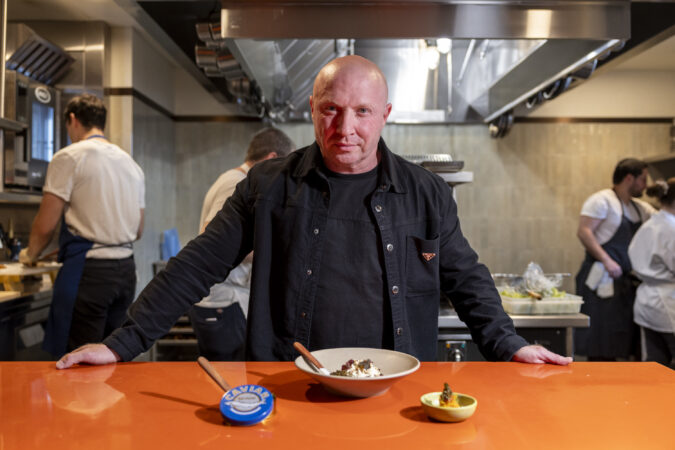
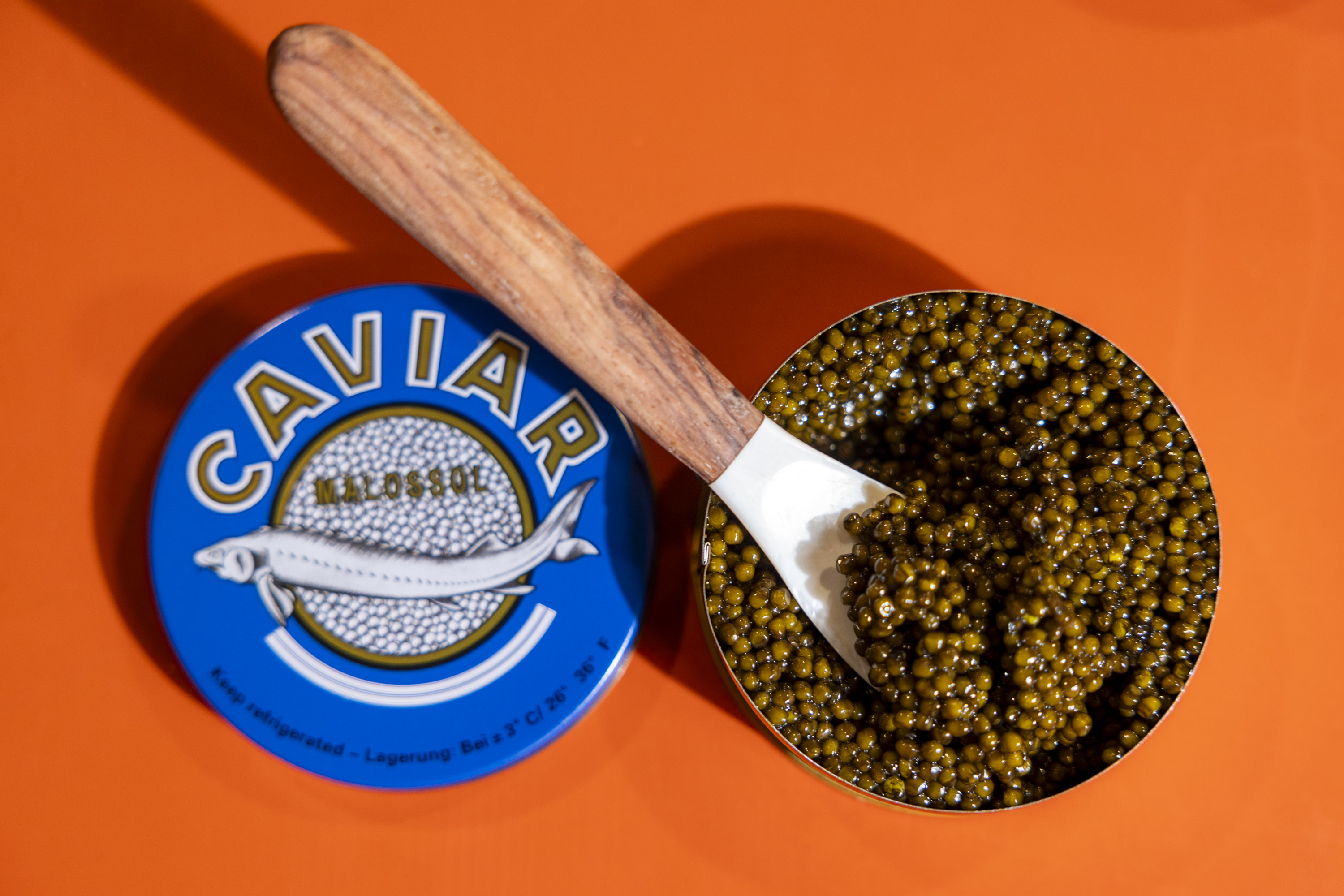
    On a November afternoon, Gary Shusman slid hundreds of dollars’ worth of caviar across the counter for inspection at the Center City oyster bar Pearl & Mary. The seven 1-ounce tins were flipped upside down so the chef could scan the individual eggs for irregularities. Deep-green pearls of golden osetra glistened like tiny emeralds in the overhead light.

    They were all perfect.

    Shusman, 50, is in the business of tiny fish eggs. His company CaviarXS supplies the Philadelphia region’s most in-demand restaurants with sturgeon caviar imported from parts of Europe and Asia. Shusman only sells wholesale so his prices don’t reflect retail rates, he said, but a single kilogram of similar-grade caviar could cost consumers roughly $3,500.

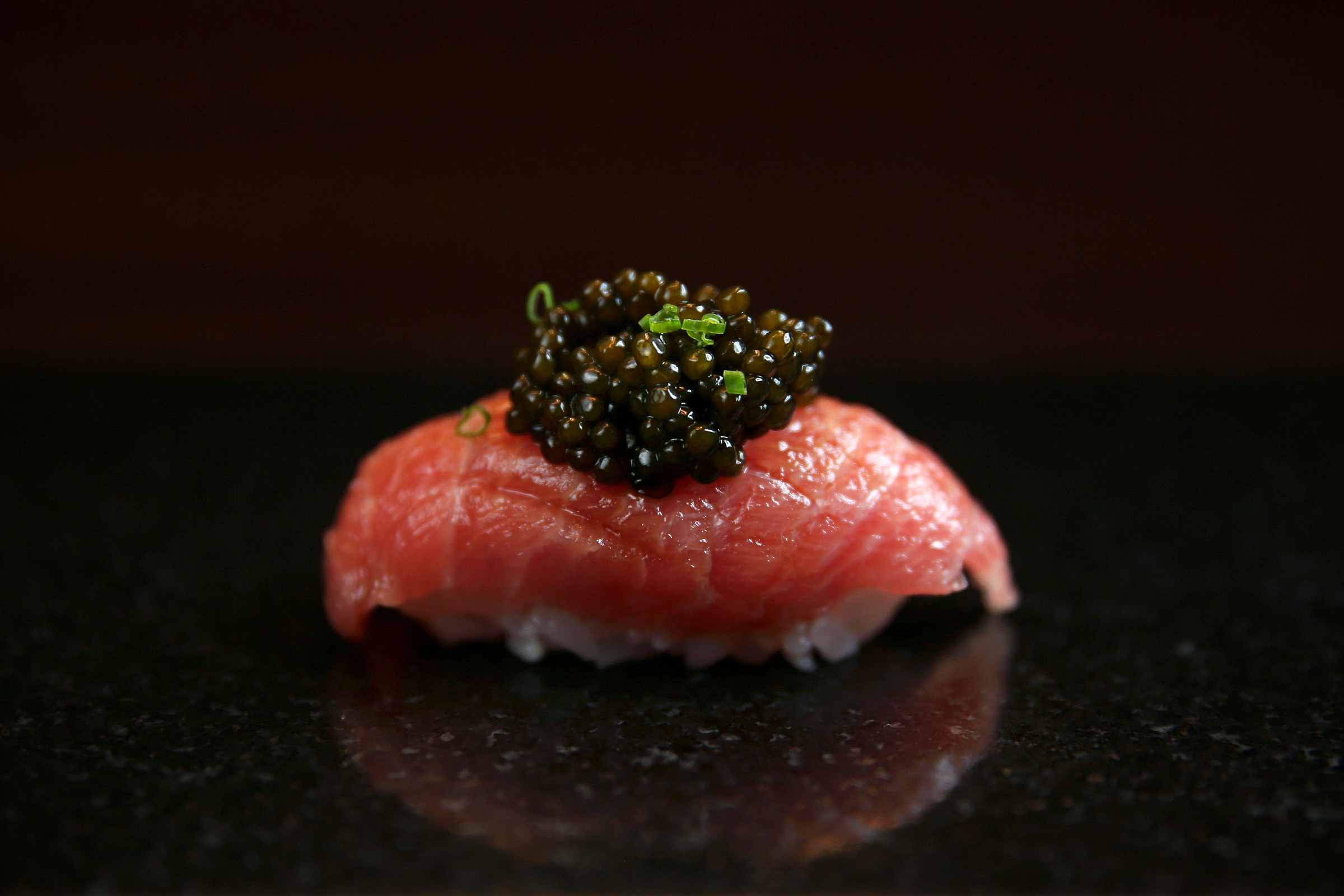
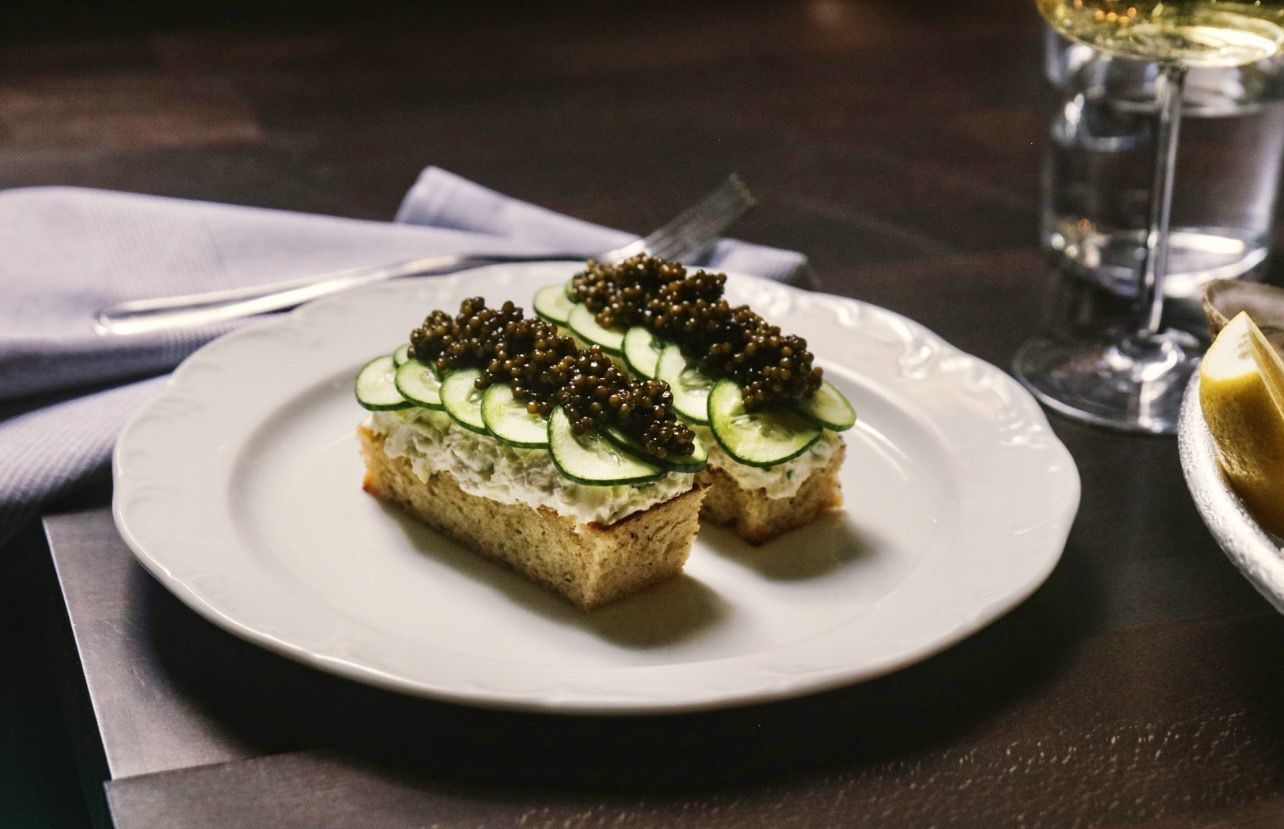
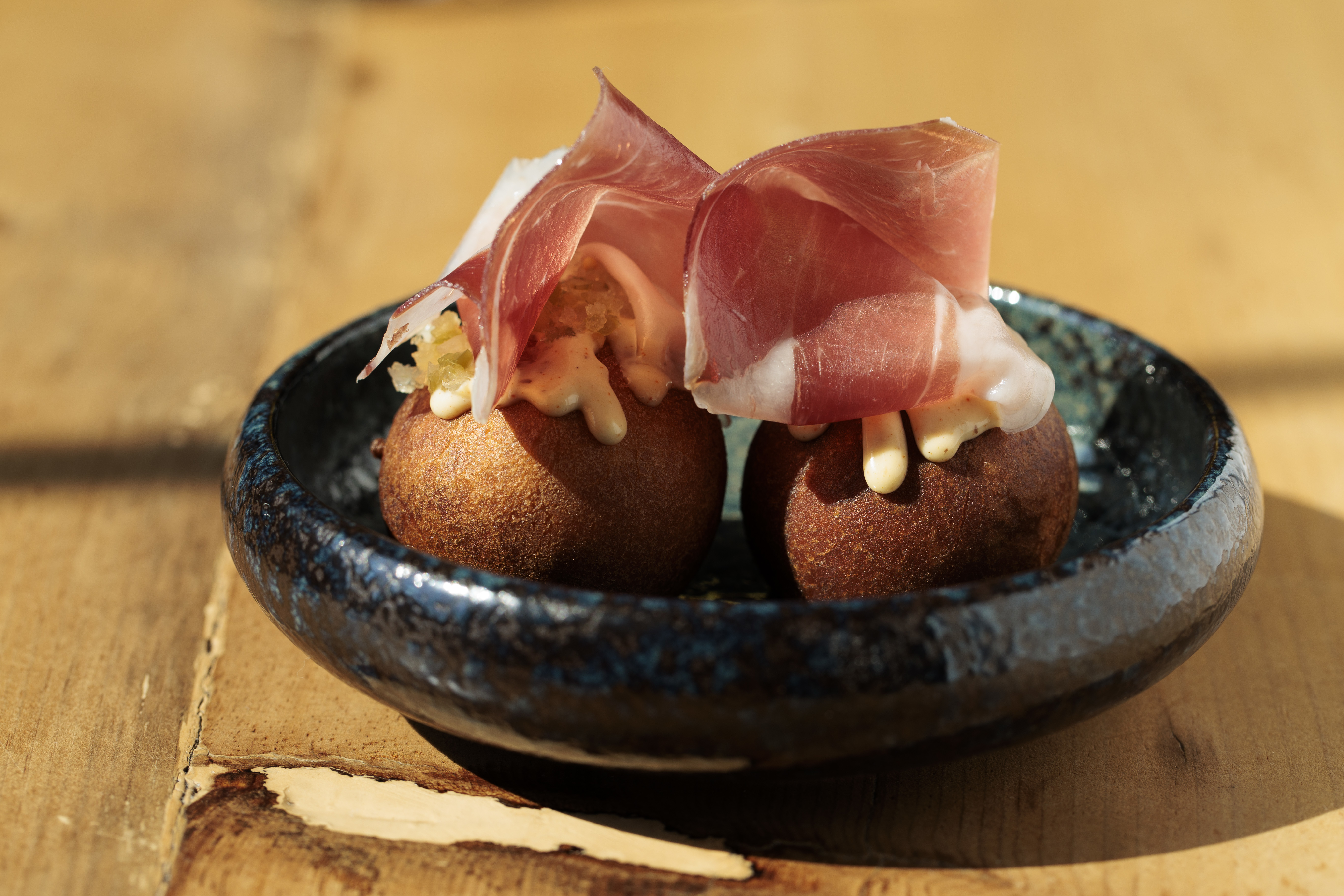
    These precious beads are on the menu at nearly 50 upscale hotels and restaurants in and around Philly. They’re heaped on bluefin tuna nigiri at Jesse Ito’s notoriously difficult-to-book Royal Sushi omakase. They ooze out of a $65 double cheeseburger from Honeysuckle. They’re spooned onto petite rye tartlets filled with wagyu tartare at Emmett and plated next to crispy gold pierogis at Harp & Crown.

    A tin of golden osetra caviar sourced by Gary Shusman’s CaviarXS, which supplies caviar to many of Philly’s most in-demand restaurants. Similar grade caviar retails for $3,500 per kilogram.

    Provenance, Her Place Supper Club, and Friday Saturday Sunday — three of Shusman’s top clients — all took home Philadelphia’s first Michelin stars. Several others, including Honeysuckle, earned recommendations from the storied gastronomic guide.

    Chefs choose to work with Shusman because his concierge-esque style adds an extra layer of luxury to caviar — something his clients say they appreciate as the fish eggs become trendier and more “accessible.”

    “I think chefs are artists,” Shusman said, “and what I do is like supplying paint to Michelangelo.”

    Caviar for all?

    Long considered a bourgeois delicacy, caviar exploded into the mainstream in 2023 thanks to the growth of mass-produced Chinese varieties and viral TikToks from caviar heiress Danielle Zaslavskaya, who encouraged followers to spoon roe on Doritos and plain bread with butter. Suddenly caviar seemed attainable.

    Soon after, “bump bars” started popping up in cities across the U.S. to sell microdoses of fish eggs, and Philly’s not immune. The Biederman’s caviar kiosk opened outside the Four Seasons Hotel late last year, and caviar is set to rule the menu at a forthcoming Rittenhouse Square Champagne bar.

    Despite the hoi polloi’s enthusiasm, caviar still occupies a mostly rarified space in Philly. It’s largely reserved for high-end tastings and prix fixe menus, meted out carefully with a mother-of-pearl spoon. The fish eggs’ growing presence represents a rising tension in Philly’s food scene, which attracts national acclaim — and with it, more expensive restaurants — as the city continues to have a stark poverty rate.

    Some chefs say, let caviar be caviar.

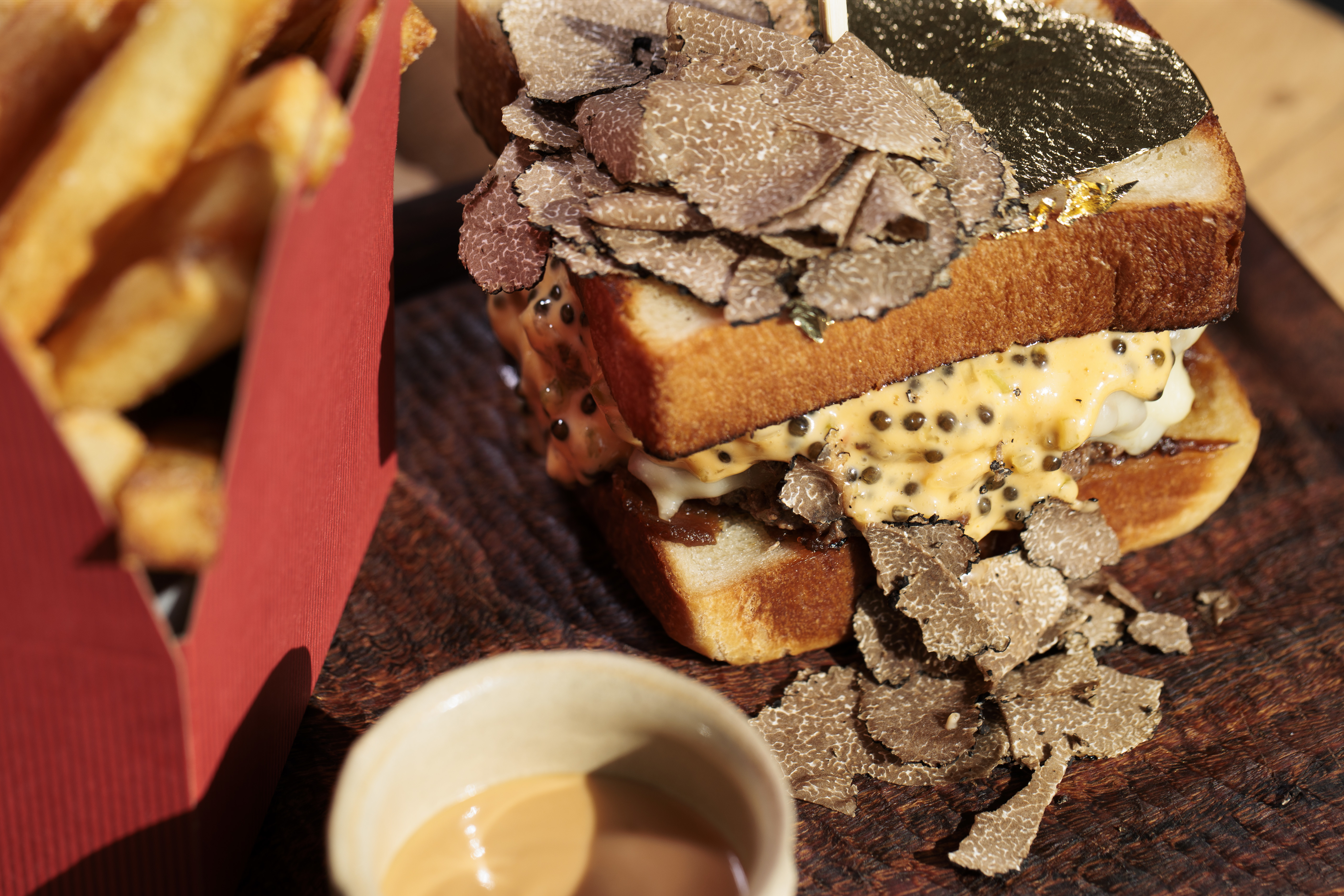
    Class dynamics are top of mind at North Broad Street’s Honeysuckle. Chef Omar Tate uses Shusman’s caviar for the McDonald’s Money: a pricey burger sandwiched by milk bread that’s adorned with black truffles, flecks of edible 24-karat gold, and golden osetra pearls.

    The McDonald’s Money double cheeseburger from Honeysuckle includes CaviarXS golden osetra, truffles, and edible gold fleks. “It’s a metaphor for consuming the money you don’t have,” said Tate.

    It’s an ode to Tate’s childhood in Germantown. When he would ask parents for money to get McDonald’s, “I’d get told no because we didn’t have it,” he said. “There’s truffle on this burger, there’s caviar … It’s a metaphor for consuming the money you don’t have.”

    Like most everything at Tate’s culinary celebration of the Black American diaspora, the burger elicits a big reaction. The presentation’s dramatic irony makes the fish eggs feel more relevant, said Tate, who didn’t learn what caviar was — let alone taste it — until his mid-20s. He doesn’t feel like he was missing out.

    “Caviar was never meant to be something consumed at scale, Tate said. ”It’s not food … it’s more closely related to a drug.”

    In Society Hill, Provenance chef-owner Nich Bazik agrees that caviar isn’t meant for mass consumption. “Making it cheaper and more accessible just dilutes the product and takes away that exclusiveness, takes away from that moment you want to save up for,” said Bazik, who has a course dedicated to caviar at his French and Korean tasting counter.

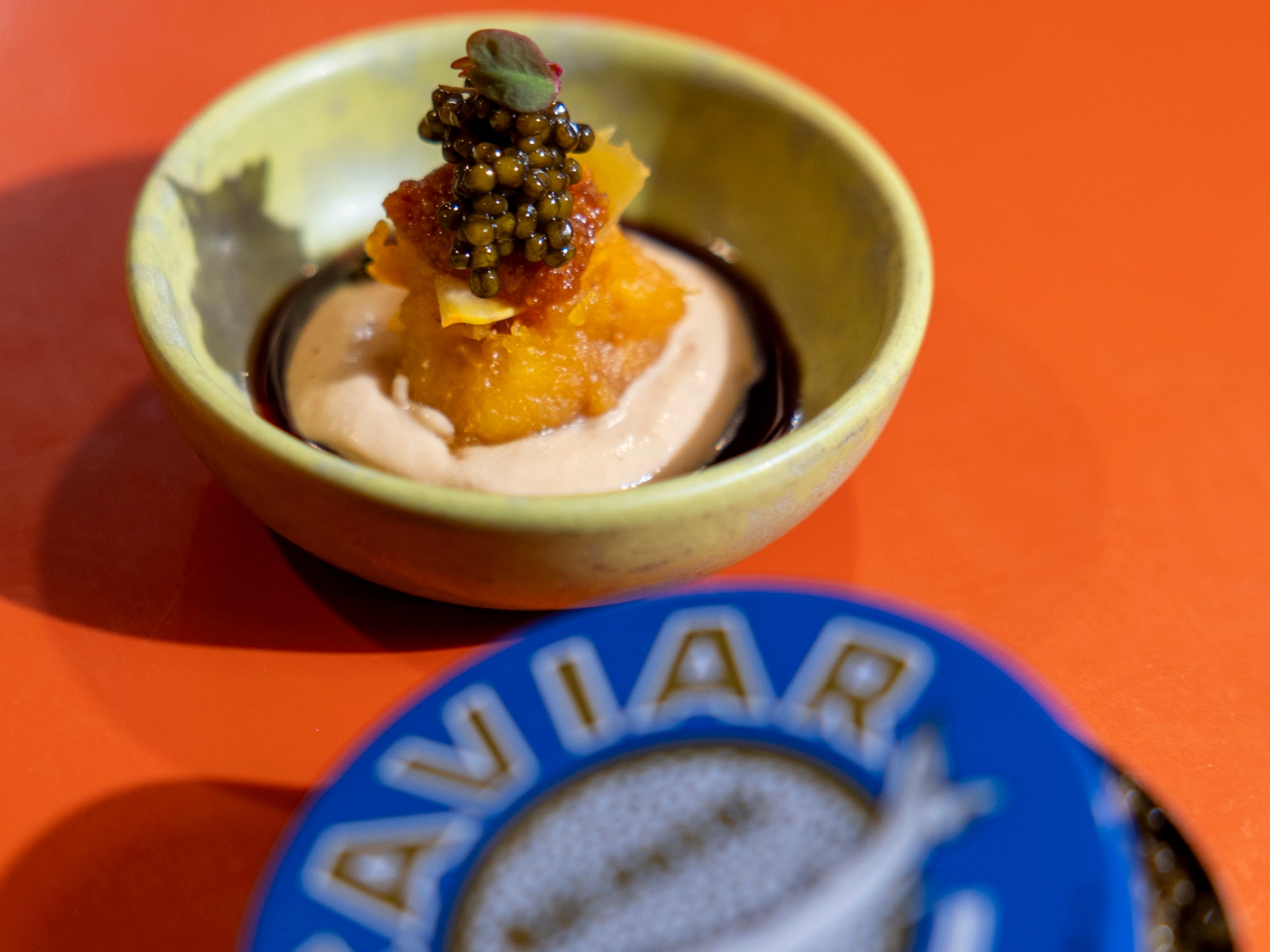
    Pearls of golden osetra caviar sourced by Gary Shusman sit atop a pile of crème fraîche and squash at chef Nicholas Bazik’s Provenance in Old City.

    From nightclubs to caviar bumps

    Like Tate, Shusman remembers what it’s like to go without. He and his parents immigrated from Kyiv to Philly in 1989 as the Soviet Union collapsed. He can still recall the scarcity he felt during his childhood in Ukraine, where supermarket shelves would frequently be bare from food shortages.

    Caviar has captivated him since he was a kid. He had his first taste while still living in the U.S.S.R. The pearls, served straight from the tin, were a rare treat procured from the black market by his uncle, a butcher, or his mother, who worked in food transportation. Once stateside, Shusman’s father made his living by importing Eastern European foods, including caviar.

    “I don’t remember ever not liking [caviar], mostly because there was no telling when I would have it again,” said Shusman, licking his lips. “It transports you. You taste the sea.”

    Caviar eggs take a decade to develop inside the stomachs of female sturgeon, a hulking freshwater fish most closely associated with the beluga native to the Caspian Sea. To harvest the eggs, you must kill the sturgeon — a controversial process that involves slicing open the stomach to reveal walls of tiny black, amber, or deep-green pearls.

    Caviar was inexpensive until the 1990s, when the overfishing of beluga in the Caspian led to trade embargoes and, eventually, a complete ban as the fish became critically endangered. Today, most sturgeon are bred for caviar production in disparate pockets of the globe — Israel; China; Sacramento, Calif.; and Florida among them. The time- and resource-intensive breeding process drives up prices.

    While the caviar industry was undergoing its first major transformation, Shusman, then in his 30s, was partying in Philly. He owned a trio of now-shuttered nightclubs — including Rittenhouse Square’s Rumor and beloved EDM venue Soundgarden — when his wife asked him to consider leaving the industry to focus on fatherhood.

    “It was a nonstop party, but it was a lot of work, a lot of stress,” said Shusman, who lives in Richboro, Bucks County, with his wife and two preteen sons. (So far, only one son likes caviar.)

    Shusman was working as a real estate developer in 2017 when he found his way back to caviar. He was dining at Royal Sushi’s omakase counter when he gave chef Jesse Ito some unsolicited feedback about the caviar being served.

    Royal Sushi’s chutoro tuna nigiri is topped with a heap of CaviarXS’s golden osetra. Chef Jesse Ito was the company’s first official client.

    “His caviar wasn’t — I don’t want to say it was bad. It was just OK,” recalled Shusman. “I told him I could find him something better.”

    Shusman has supplied Ito with caviar ever since, establishing CaviarXS in 2018. His business largely comes from word of mouth: Bazik learned of Shusman from a Bon Appétit video about Royal Sushi, then recommended him to Evan Snyder at Emmett. Friday Saturday Sunday co-owner Chad Williams connected him to Tate. Chef Amanda Shulman sent Shusman’s number to her husband, Alex Kemp, before the couple opened My Loup in 2023.

    CaviarXS’ clients almost exclusively choose golden osetra caviar, a mild, slightly nutty variety that Shusman believes to be the best. He sources it from the Caspian region, though he declines to divulge the names of the farms (or his prices).

    “It’s hard to get an exact answer out of people as to where the caviar really comes from, which creates a general distrust,” said Provenance’s Bazik. “I could go online or talk to a rep from a company that says they source their caviar from this place or that place with no stamp of authenticity. Or I could call Gary.”

    Crab toast from My Loup topped with CaviarXS pearls. The restaurant, co-owner and chef Alex Kemp said, is loyal to Gary Shusman and his company.

    A milkman for fish eggs

    Origin aside, chefs choose Shusman’s caviar because he personally delivers it, kind of like a high-end milkman.

    “It’s about the way you make them feel … Chefs like when you hold their hand,” Shusman said. “It’s my personality. I’m very likable.”

    Twice a month, Shusman travels to the Brooklyn warehouse where his caviar is stored to handpick the roe he sells to chefs. He searches for perfect pearls — uniform beads of amber that sparkle. They should burst when pressed to the roof of your mouth, he said.

    On any given Tuesday or Thursday, Shusman drives around Philly for hours in his white Mercedes-Benz, dropping off tins of caviar in cooler bags printed with photo-realistic fish eggs. In between stops, he take meetings on his phone for his real estate business.

    Shusman makes upward of 10 caviar deliveries a day. Often, he’ll clinch a sale by asking chefs to taste the product on the spot.

    The pearls permeate much of Shusman’s life. He spoons beads of golden osetra atop of fluffy scrambled eggs for breakfast. Even Shusman’s dog — a 6-year-old Yorkie — gets caviar as a treat. Every time he starts the engine of his car, Shusman’s electronic dashboard beams the words “Hello, Gary Caviar.”

    Shusman’s personal deliveries stand out because Philly doesn’t yet have a caviar market large enough to demand that level of service, said Bazik, unlike New York City or Chicago. (That may change now that the Michelin Guide has landed here, Bazik hopes.)

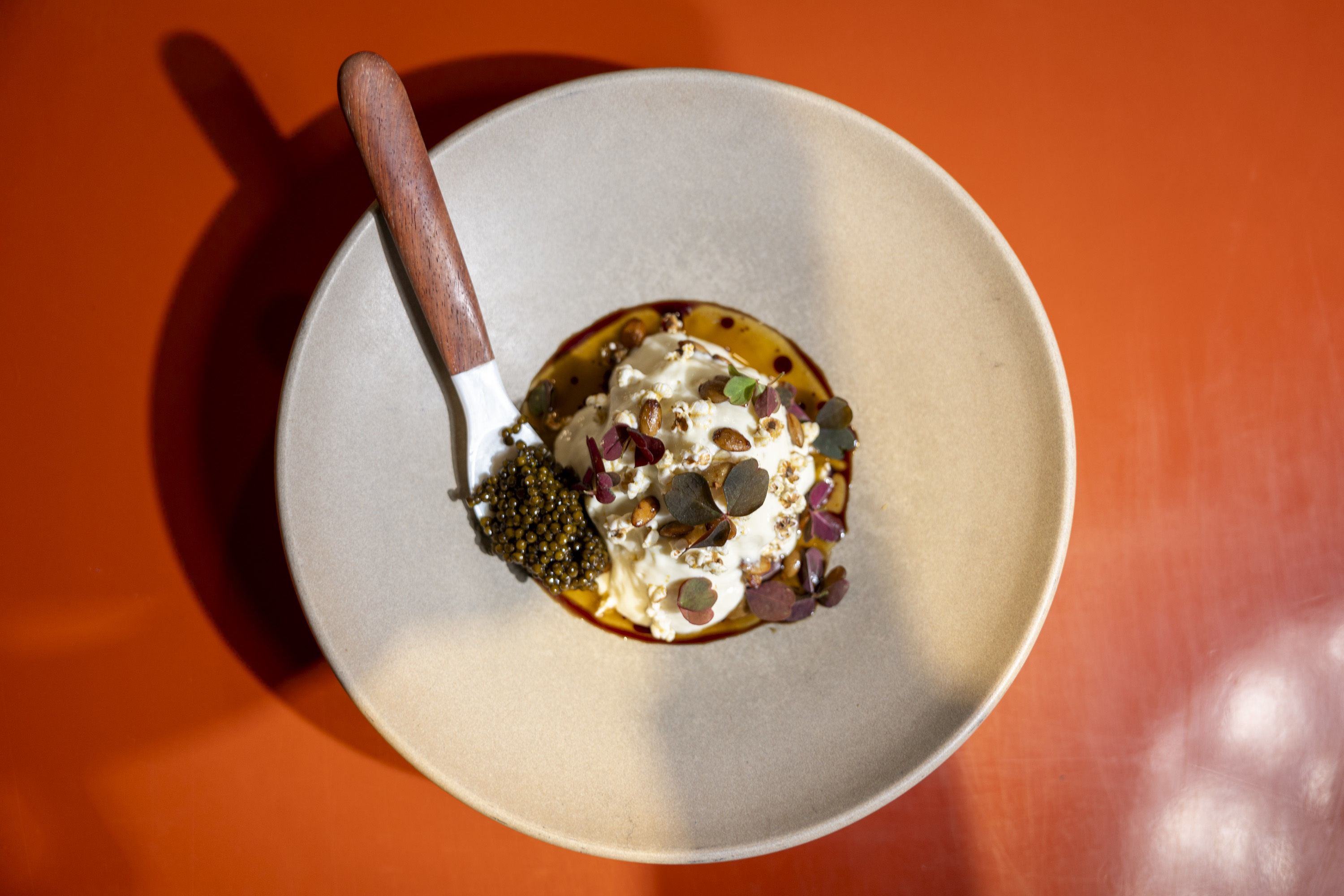
    Provenance’s fall 2025 tasting menu included a squash and licorice powder custard topped with a whipped tofu mousse, sorghum puffs, and a spoonful of CaviarXS golden osetra caviar.

    “I’m so spoiled … I can count on Gary to go above and beyond,” said Alex Kemp, whose wife and My Loup co-owner earned a Michelin star for Her Place Supper Club.

    At My Loup, Shusman’s caviar currently speckles a $35 whitefish doughnut. In the past, Kemp said, he’s used the osetra to top a sour cream-and-onion pork rind and creamy sea urchin mousse: “It tastes so clean.”

    Kemp’s loyalty to Shusman runs deep. When My Loup first opened, the restaurant lost over a pound of caviar overnight after a cleaning company accidentally unplugged its refrigerator. Shusman replaced it free of charge.

    “I could’ve been lying, but he didn’t ask any questions. It was big for us as a new business,” Kemp said.

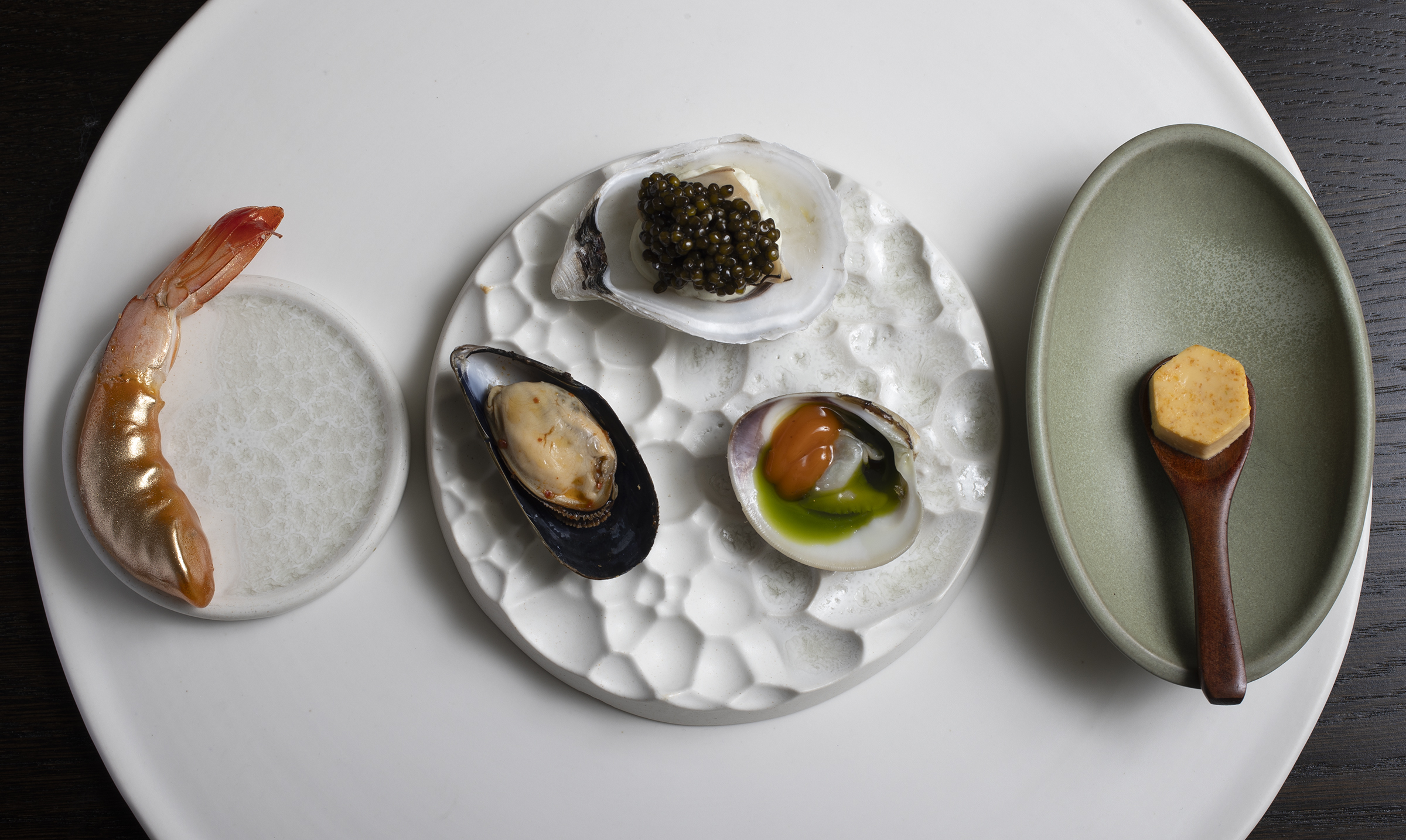
    Provenance’s October 2024 caviar course, which included Caledonian Blue Prawn, oyster with sweet potato mousseline, and CaviarXS’ golden osetra caviar. Chef-owner Nich Bazik said he spends between $2,000 and $4,000 a week on caviar at the restaurant.

    That loyalty boosts sales. Provenance goes through roughly a kilo of golden osetra eggs a week for its caviar course. In the fall, Bazik spooned it atop a whipped tofu mousse that enclosed a firm block of a sweet potato-and-licorice powder custard. Puffs of sorghum sat contrasted with the fish eggs, Bazik said, giving each bite a simultaneous crunch and pop.

    The dish was inspired by things Bazik’s 4-year-old son eats (minus the caviar). Provenance pays roughly $2,000 a week — or $8,000 a month — for the fish eggs alone.

    “The amount of money we spend on caviar for that one dish isn’t the best business decision I’ve ever made,” Bazik said. “But I keep doing it because it’s Gary. It comes with generosity.”

  • The best things we ate this week

    The best things we ate this week

    Wagyu hot dog at Almanac

    This Wagyu hot dog is one of the finest bar food snacks in the city. Well, it’s a snack if you share it with a friend as I did. A remarkably juicy dog on a pillowy bun, slicked with tonkatsu sauce and dusted with great handfuls of shredded katsuobushi (bonito flakes) and nori, it’s the perfect thing to soak up the booze from one of Almanac’s complex cocktails. Almanac, 310 Market St. Second Floor, 215-238-5757, almanacphilly.com

    — Kiki Aranita

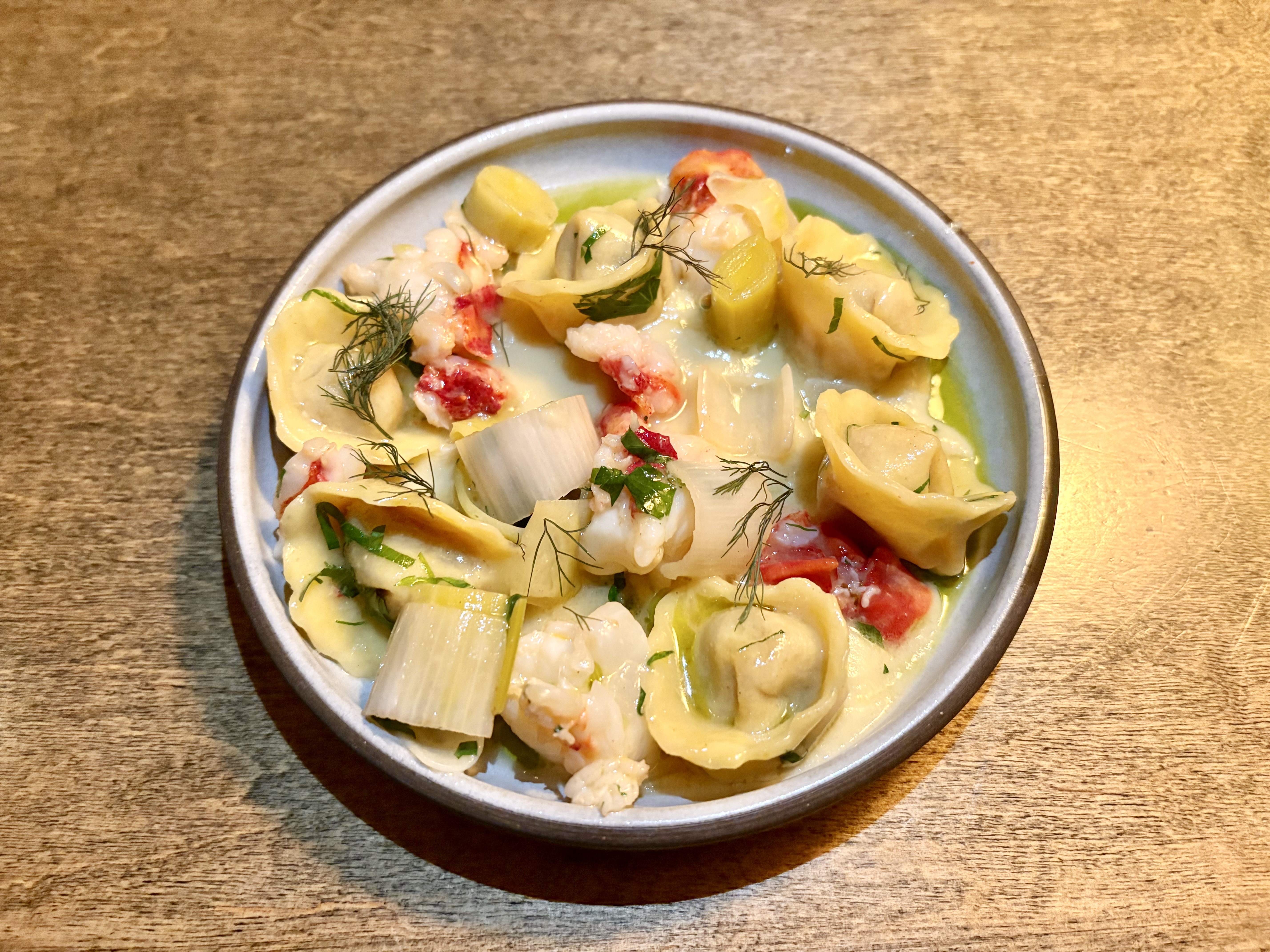
    Smoked pumpkin tortellini with lobster, leeks, and fennel-tarragon butter at Southwark.

    Smoked pumpkin tortellini with lobster at Southwark

    I had my best meal in years the other night at Southwark, the Queen Village standby riding a fresh gust of momentum from its recent recommendation by the Michelin Guide. The bar’s Queen of Cups cocktail was a cold-slayer supreme — a steaming hot toddy variation with Jameson whiskey, spiced apple syrup, and a gloss of brown butter floating atop this lemony brew served in a vintage tea cup. The thick Stone Arch pork chop with charred cabbages was impressively moist, and a hearty white ragù with ground pheasant and chestnuts was the most interesting Bolognese I’ve eaten all year.

    But the star of the show was a delicate appetizer featuring tender nuggets of lobster, braised leeks, and tortellini stuffed with smoked Marina di Chiogga pumpkins pureed with mascarpone and brown butter. I’ve seen that pairing of lobster and leeks elsewhere around town lately (a real beauty at My Loup) but that extra wisp of applewood smoke in those dumplings, tossed in fennel-tarragon butter, gave this elegant dish a welcome rustic edge. The impressive pasta craft of those tortellini was also a nice reminder that chef Chris D’Ambro and Marina De Oliveira’s other newly Michelin-recommended restaurant, Ambra, shares a kitchen with Southwark for alta cucina dinners right next door. Southwark, 701 S. 4th St., 267-930-8538, southwarkrestaurantphilly.com

    — Craig LaBan

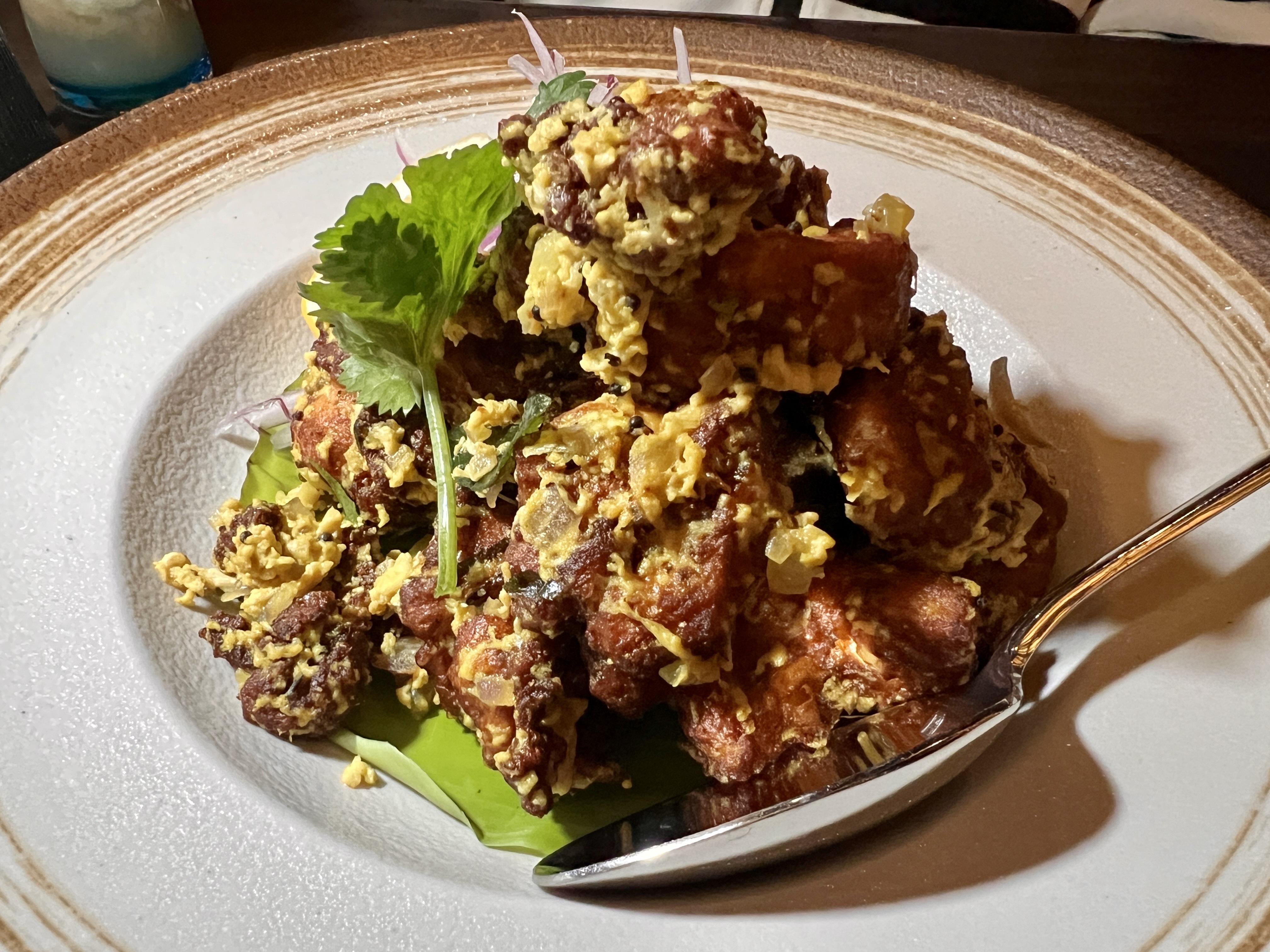
    Egg chicken 65 at Amma’s, 1500 Walnut St., Philadelphia.

    Egg chicken 65 at Amma’s South Indian Cuisine Center City

    Chicken 65 — the fiery South Indian snack that traces back to Hotel Buhari in Chennai in 1965 — gets a luxurious spin at the sumptuously appointed, newly relocated Center City location of Amma’s South Indian Cuisine. (It’s in the former Max Brenner space on 15th Street, just below Walnut.) The dish starts with pieces of chicken marinated with red chilis, ginger, garlic, curry leaves, and other spices. After a dip in the deep fryer, it gets topped with soft-scrambled eggs. The crispy heat and crunch from the chicken and the richness of the silky, fluffy eggs provide a pleasing balance. This variation is available only at the Center City location. Amma’s South Indian Cuisine, 1500 Walnut St., 808-762-6627, ammasrestaurants.com

    — Michael Klein

  • Jake Shane spotted having ‘the best meal I’ve ever had in my life’ in this Philly restaurant

    Jake Shane spotted having ‘the best meal I’ve ever had in my life’ in this Philly restaurant

    Jake Shane was spotted dining at one of Philly’s Michelin star restaurants on Tuesday night.

    “The best meal I’ve ever had in my life at her place in Philly,” Shane told his TikTok fans.

    @octopusslover8

    best meal I’ve ever had in my life at her place in Philly

    ♬ cinnamon girl ୨୧ – 🐚🪷🫧

    Before making an appearance at the UberEats “Unwrap the Holidays” pop-up at Dilworth Park, the “Therapuss” podcast host and comedian popped by Amanda Shulman’s Her Place Supper Club for lobster and celery remoulade zeppole, tete de moines citrus salad, black trumpet boudin blanc, and more.

    And Philadelphians couldn’t get enough of Shane’s Philly content.

    Jake Shane with Danielle Sikaffy and Amanda Shulman at Her Place.

    “jake shane was in philly when i was in philly today im dead,” one person commented.

    “I actually cannot believe you were at my favorite restaurant,” another commented.

    “Yay! People are starting to recognize the absolutely goated Philly food scene,” another person said.

    Shulman’s Rittenhouse restaurant received a Michelin star back in November for its “warm and welcoming supper club vibe” with “a real communal feel at play.”

    Her Place Supper Club, one of 76 best restaurants in Philadelphia, began with Shulman cooking for friends in her Penn campus apartment. Now, it’s the hotspot on Sansom Street with ever-changing menus showcasing “a pitch-perfect collaboration of an all-female kitchen locked in sync,” as Inquirer’s Craig LaBan put it.

    And that’s just the beginning of Shulman’s footprint. She and partner Alex Kemp, My Loup, opened their new Pine Street Grill in Fitler Square this week. (Perhaps it can coax Shane back for a repeat visit.)

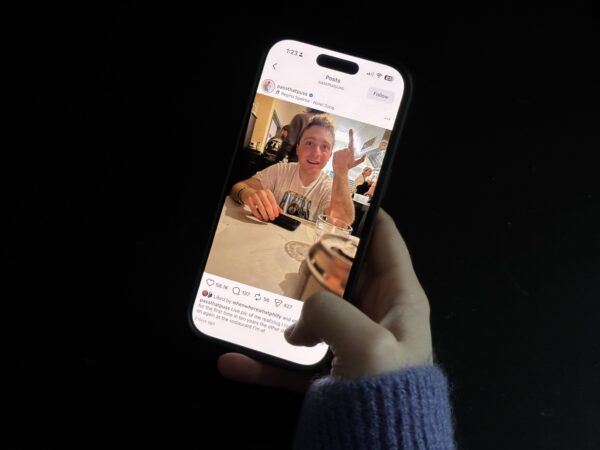
    Along with a post of him seated at Her Place, Shane also took photos with Shulman and chef Danielle Sikaffy that the team posted on the restaurant’s Instagram.

    “Live pic of me realizing I listened to a song for the first time in ten years the other day and it just came on again at the restaurant I’m at,” Shane wrote on Instagram.

  • Wine clubs are on the rise in Philly. Here are some of the best.

    Wine clubs are on the rise in Philly. Here are some of the best.

    Do you love having someone else make wine decisions for you? We’ve got great news: Local wine clubs have been popping up all over Philly. These mostly monthly subscriptions let you avoid decision paralysis and stock your wine rack with fun, thoughtfully selected bottles. Membership in many bottle shop-hosted clubs scores you further discounts (and in one case, cheap pizza), while winery-run subscriptions often give you access to special events.

    Curated wine clubs have only recently taken off in Philly. This historically came down to logistics: Independent wine-sellers can only offer packages for pickup; they cannot ship or deliver wine to your doorstep, per the Pennsylvania Liquor Control Board (whose state stores can ship). This is a nonissue for some consumers but can feel like yet another errand to others. Building out club packs can also be a storage nightmare for small shops that already struggle with lack of space.

    Practical hurdles aside, wine-centric businesses are figuring out how to make clubs work. The customer demand is there; clubs offer a storytelling moment and reason to try wines you may never have tasted otherwise. There’s a new wealth of local options, and you can set up memberships — or snag a last-minute Christmas gift for your favorite wine lover — without having to leave your house.

    Neighborhood shops

    Le Virtù

    This club is so well thought-out that even pickup is a fun adventure: It doubles as tasting social. Members can hang out while enjoying complimentary snacks and tastes of that month’s wines, plus a few additional bottles. Bring a friend if you’d like (non-members may join the tasting for $20). It’s one of the most fun spins on happy hour around. Le Virtu offers two-, four-, and five-bottle packages, focusing on small producers from Southern Italy. Pickup and the tasting social are the first Wednesday of every month.

    1927 E. Passyunk Ave., 215-271-5626, levirtu.com

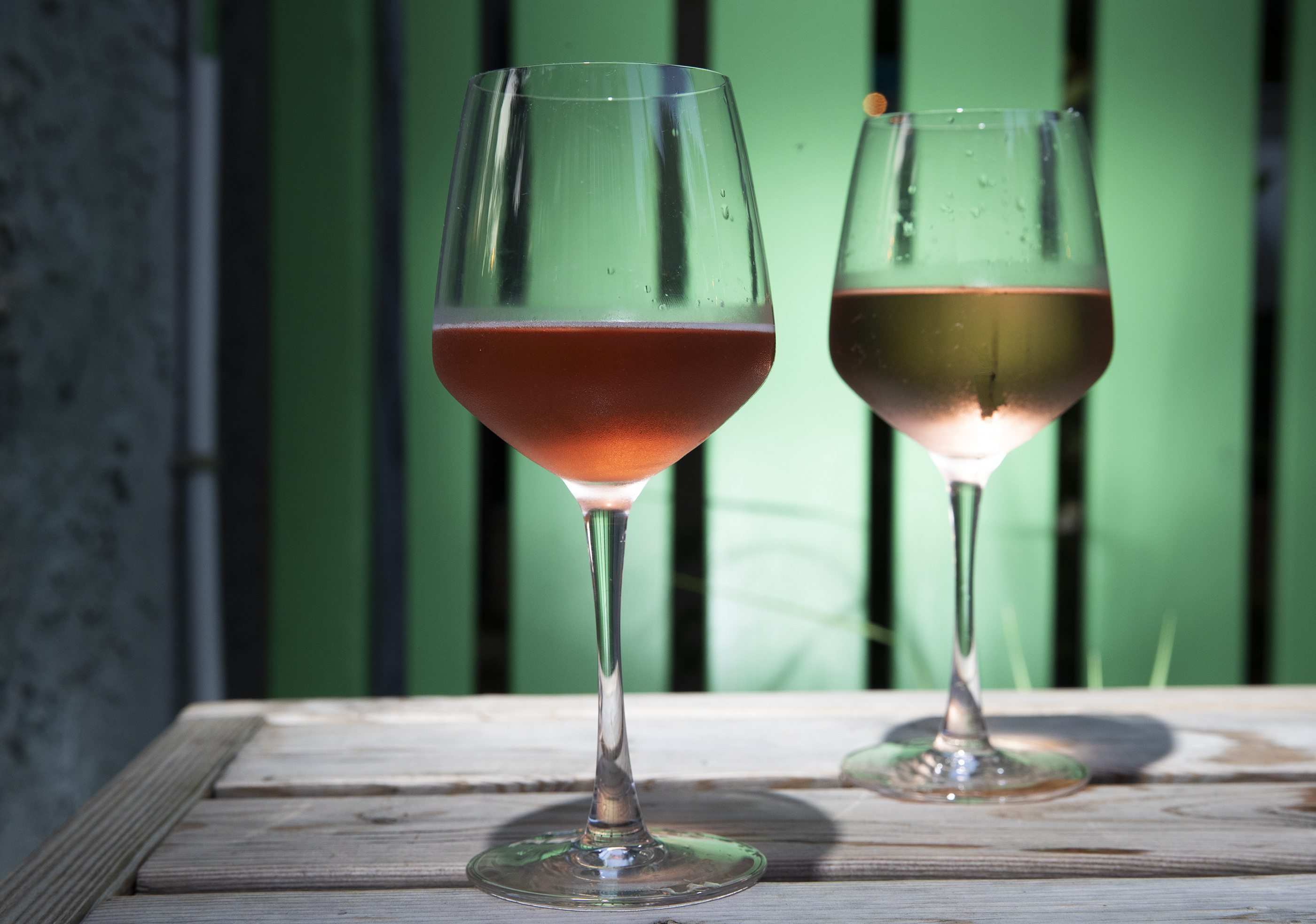
    The Leb Nat gold ruby (left) and the Matic pinot gris rose at Jet Wine Bar on Aug 11, 2020.

    Jet Wine Bar

    Owner Jill Weber has been serving wines from lesser-known regions around the globe since opening Jet 15-plus years ago. What else would you expect from an archaeologist who pulls double duty running a wine bar? The monthly club selections (two bottles for $55, or three with varying cheese pairings for $89) have the same quirky-cool range as Jet’s by-the-glass offerings. One month the wines may be from Georgia and the next, maybe Mexico or a mix from mountainous regions. Each set has a different narrative, and a blog page written by Weber gives the how, what, and why behind them. If you love trying new, often-obscure things, this is the club for you. Pickups start the first of each month.

    1525 South St., 215-735-1116, jetwinebar.com

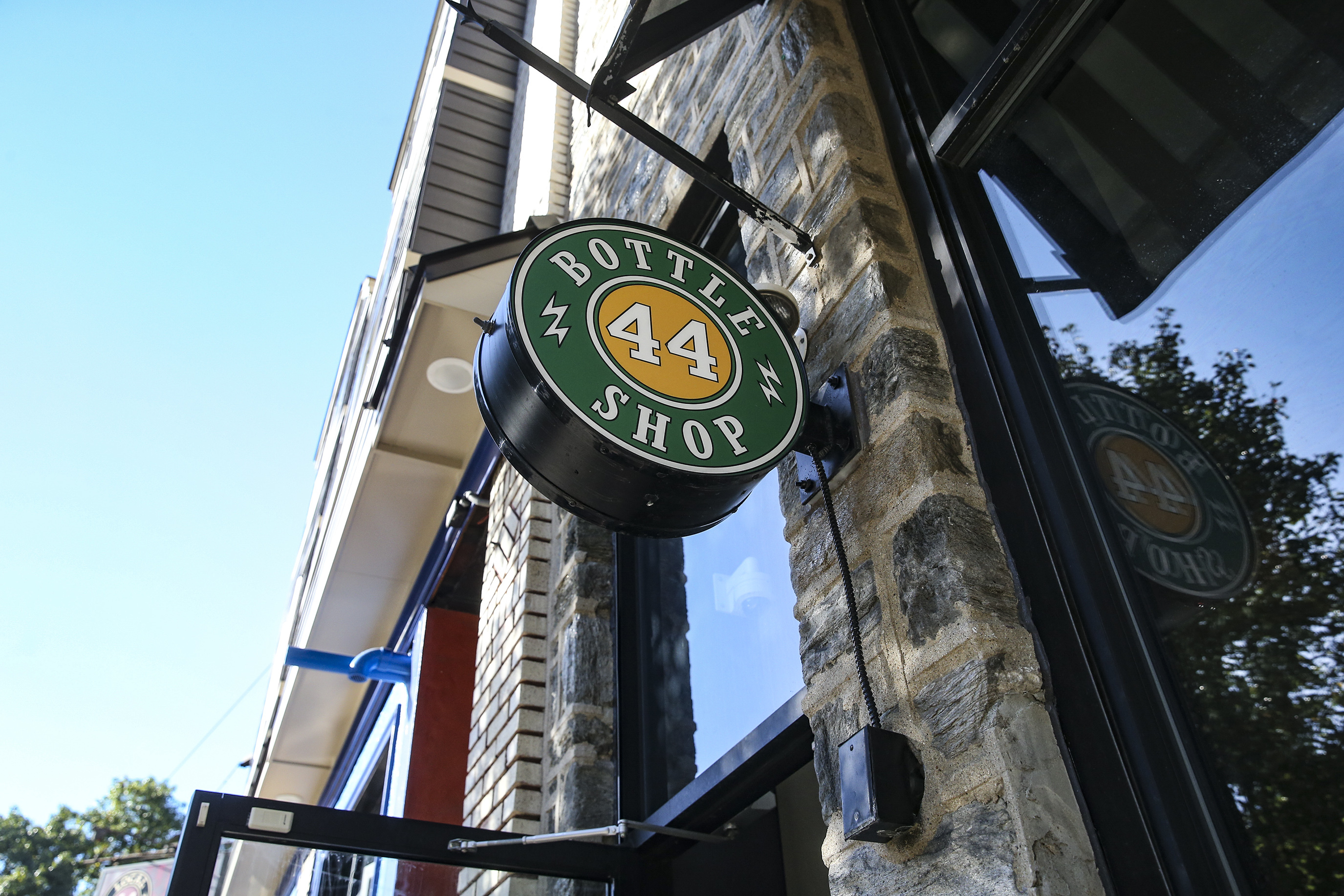
    Local 44

    This shop is already the go-to for many West Philly-based wine lovers, and their club offering — which rotates themes monthly — is also great. A subscription is $99 for four bottles per month, and membership also gets you a tote, wine key, and a 10% discount on any cheese and charcuterie to-go. Sign up in advance. Pickup begins on the first day of each month.

    4329 Spruce St., 215-222-2337, local44beerbar.com

    Local 44 is West Philly’s go-to bottle shop. Its wine club is worth investigating.

    Fishtown Social

    This Fishtown wine bar keeps its club format as simple and friendly as possible. A no-commitment $55 membership gets you two monthly bottles and a 10% discount at the shop on pickup day. An e-newsletter gives the rundown on the featured natural wines, producers, and regions, as well as tasting notes and pairing suggestions. Pickup takes place the first Monday of every month.

    1525 Frankford Ave., no phone, fishtownsocial.com

    Herman’s Coffee

    Sign up for the wine club at this forward-thinking coffee/wine shop and choose to get two or four bottles monthly ($75 and $125, respectively). Each month features a partnership with a different small wine importer, aka the folks who do the behind-the-scenes legwork to get small-production wines into Pennsylvania. If you prefer to curate your own, Herman’s just released a listing of specialty bottles that you can ask staff to order on your behalf.

    1313 S. Third St., no phone, hermanscoffee.com

    Supérette’s wine club is French-y (but not exclusively so).

    Supérette

    Supérette wine director and Superfolie GM Kait Caruke and owner Chloé Grigri have been best pals in wine since 2017, a relationship that naturally evolved into collaborating on the wine programs for Superfolie and Supérette. Coucou wine club is their first venture into curating a monthly subscription, a celebration of the natural-minded producers — often French, but not always — they scoop up and pop open together on the regular. There are two offerings: a party pack ($75) to drink immediately or a collector’s club ($125) for bottles that you can enjoy now or age for later. Both clubs come with pairing suggestions, discounts in the wine shop, and early access to special events. Sign-ups close at the end of month for the following month’s pickup, which takes place the first Wednesday of each month.

    1538 E. Passyunk Ave., no phone, superettephl.com

    Sally

    This friendly wine club is so popular, there’s a waitlist to get in. For $50 per month, the Sally team picks two natural wines — chosen for their seasonality, stories, and mood — for you to take home. A cheese pizza can be added for an additional $10, which feels like a dream date night in the making. Pickup days are communicated at the beginning of each month. Membership also scores you 15% off regular wine shop purchases. Win, win, wine.
    2229 Spruce St., 267-773-7178, sallyphl.com

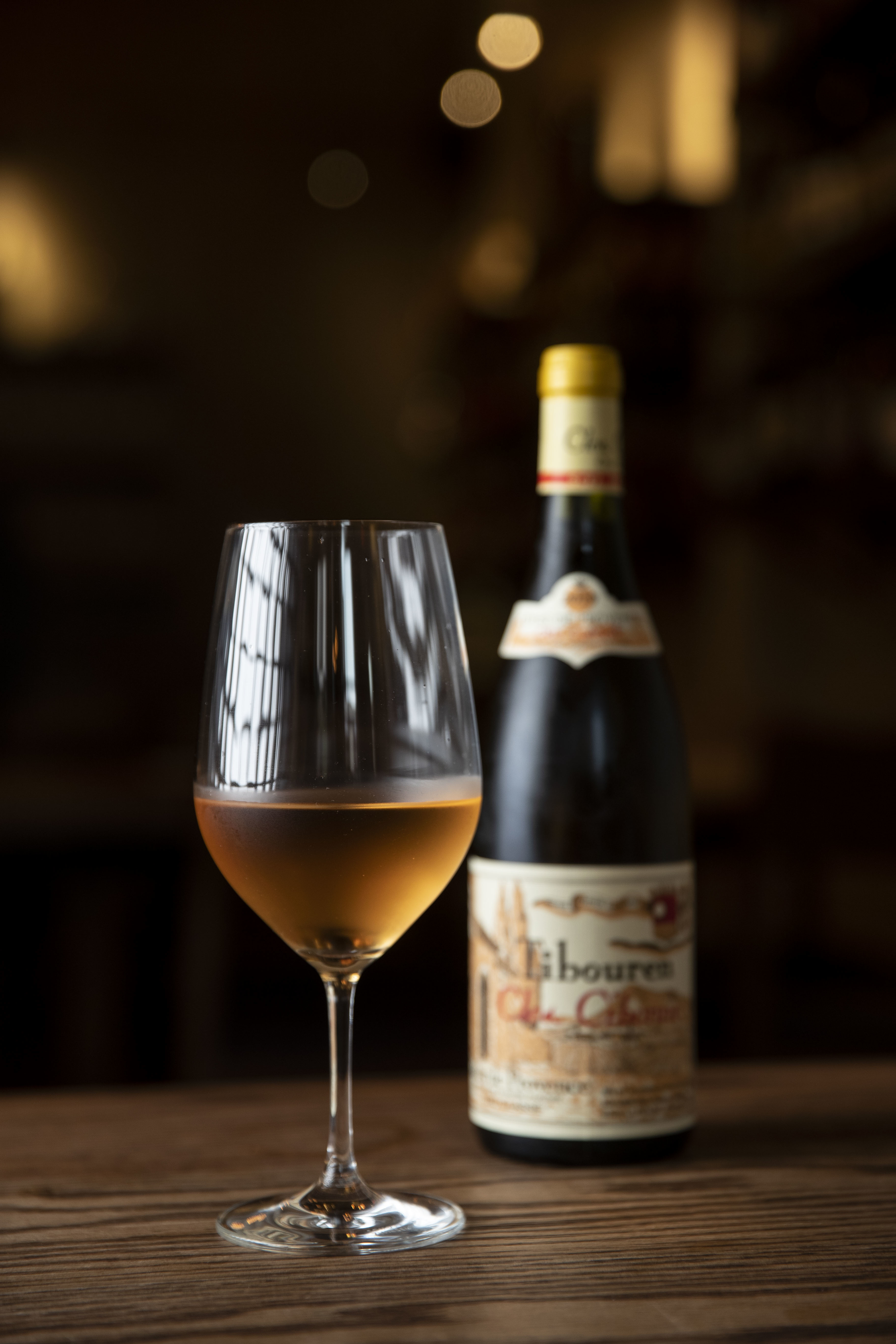
    The Tibouren Rose at Vernick Wine, which runs a monthly wine club.
    Vernick

    This tried-and-true club has been around since 2020, continually refining and keeping the offerings classic, thoughtful, and interesting — the same ethos as the restaurant. Members receive four bottles each month for $100, as well as tasting notes and pairing ideas. Membership can be as flexible as month-to-month, but those that sign up for a full year get one month free. Pickup is the 15th of each month.

    2029 Walnut St., 267-639-6644, vernickphilly.com

    Local producers

    Pray Tell

    This urban winery has done a lot in a year since relocating from Oregon to Philly: classes, events, collaborations, dinners, being featured on the menus of nearly all the Michelin- recognized restaurants in Philly. Partners Tom Caruso and Sydney Adams are clearly working their tails off to share their wines all around the city, so it’s no surprise that they have an excellent wine club, to boot. This is one of the few quarterly offerings, with plans ranging $100 to $125 based on which three bottles are featured. Members also receive discounts on flights at the winery, branded glasses, and merchandise, plus first access to events. If you don’t want to trek to East Kensington, shipping is available to 38 states, including Pennsylvania and New Jersey.

    1615 N. Hancock St., no phone, praytellwines.com

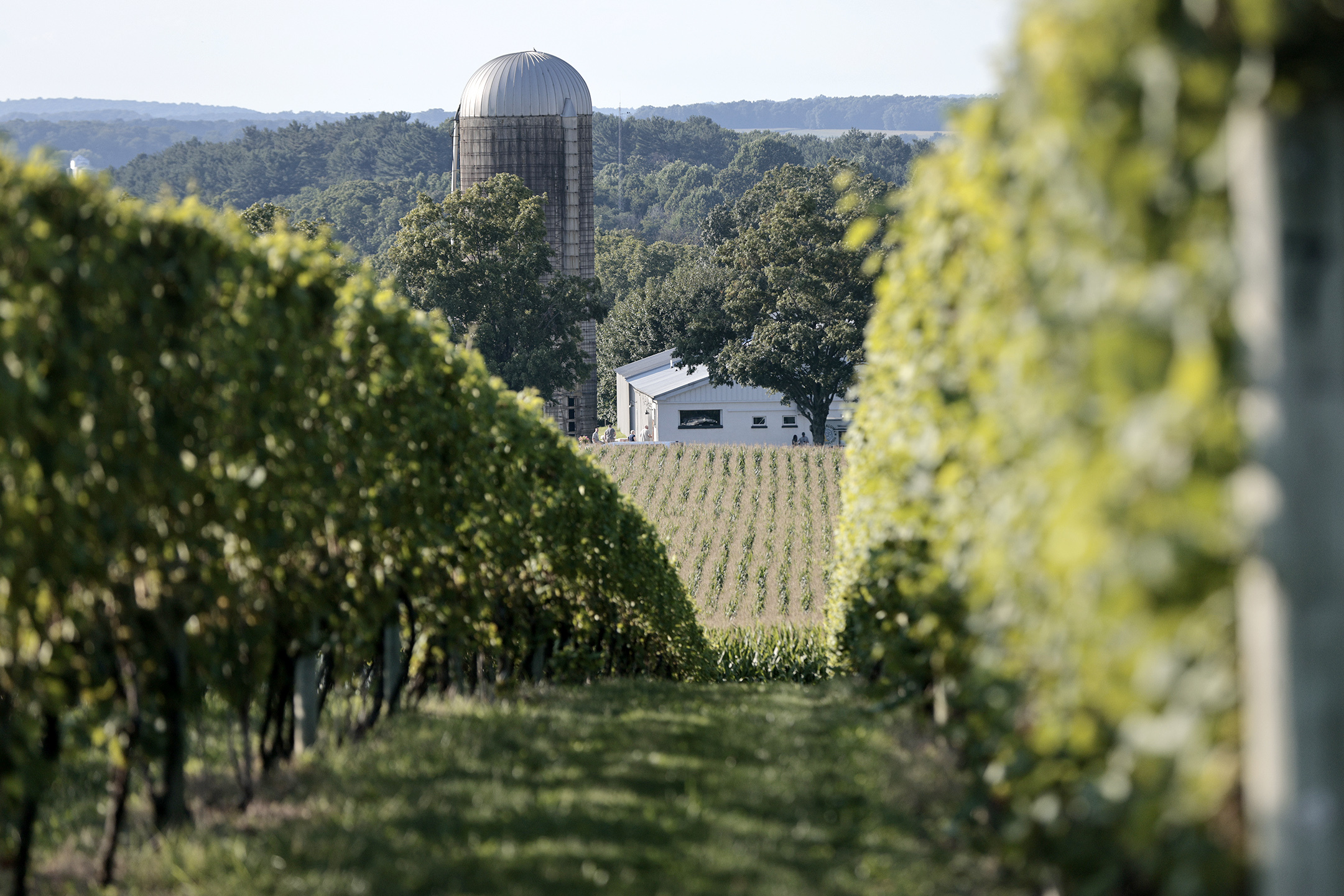
    A WAYVINE vineyard in the foreground and the WAYVINE winery in the background in Nottingham, Chester County, on Aug. 20, 2022.

    Wayvine

    Make your wine club double as a real-life experience. This Chester County winery’s club members can choose an annual 12- or 24-bottle subscription, split into twice-yearly shipments or pickups. Additional perks include tastings for the member and (depending on membership level) five to 10 guests, plus complimentary T-shirts and wine glasses, 5% off merchandise and artwork, and invitations to members-only experiences, including two annual pickup parties where you’ll mingle with the Wayvine family. Set in Nottingham’s rolling hills, the winery has its own Airbnb if you want to make it an overnight; members get a discount on that, too, pending availability.

    5150 Forge Rd., Nottingham, 610-620-526, wayvine.wine

    Vox Vineti

    This is the least traditional club offering on this list, which is also why it’s so compelling. This tiny but mighty minimal-intervention winery out in Christiana, Pa., provides memberships only to those who buy one to two cases of their wines, which you can do online. Perks include visits to their Lancaster County vineyard (members only, by appointment) as well as invitations to guest-chef events, private barrel tastings with owner/winegrower Ed Lazzerini, and complimentary samples during tasting room hours.

    49 Sproul Rd., Christiana, no phone, voxvineti.com

  • A state store-stocked Napa Valley cabernet splurge that makes for a great gift

    A state store-stocked Napa Valley cabernet splurge that makes for a great gift

    Even for dedicated bargain shopper, there are times where a splurge makes perfect sense. In the wine world, one of these occasions is holiday gifting, so this week we are taking a break from our usual recommendations of wines under $25 to flag this Napa Valley cabernet sauvignon as a prestige wine suitable for high-end gifting.

    There are a number of reasons why wines make great presents. Fine wines are beautiful objects that are easy to wrap and just as appropriate for wine-loving colleagues or clients as for family and friends. They also have a special resonance at this time of year, in that each bottle offers the promise of a memorable experience that is best shared and can spread the warmth and conviviality of the season.

    Not every wine store will carry a wealth of options over $50 per bottle suitable for someone very special, but most have at least a handful to choose from. These tend to cluster in the two most giftable of wine categories — big reds and bubbles — due to their reputations for excellence. Many wine styles can come in such a wide range of prices that no one can be sure what price was paid. Then there are “blue chip” categories, which have a special cachet and always cost more, especially when they come from a top-of-the-line winery.

    Napa Valley cabernet sauvignon has the most gravitas of all American wines and is rarely found under $50. Dark, rich, and velvety, top-notch wines like this example make the quality of their ingredients and craftsmanship known with decadent flavors of black cherries and touches of both vanilla and chocolate. What distinguishes the fine craftsmanship of wines like this one, though, is not a specific taste per se — it’s the way the flavors and textures reverberate on the palate for minutes after each sip. Wines like this one, from a steakhouse-famous winery, make a perfect gift for red wine lovers who deserve a little touch of luxury in their lives.

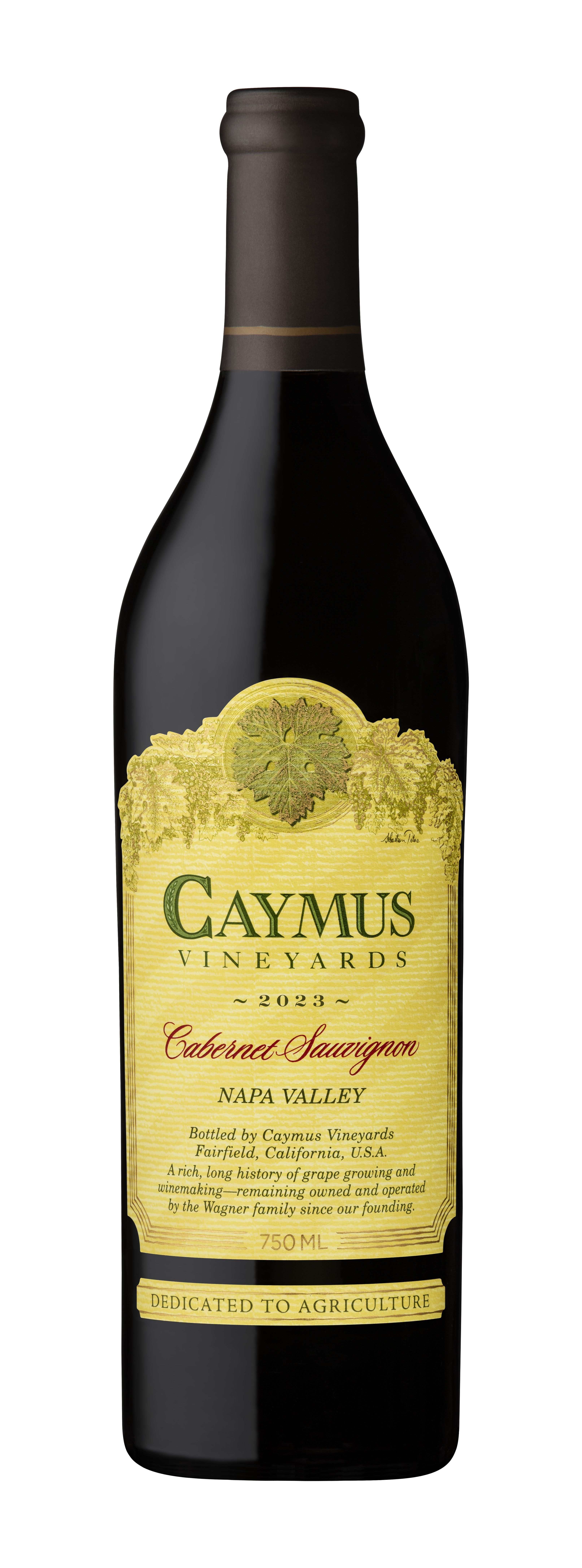
    Caymus Napa Valley Cabernet Sauvignon

    Caymus cabernet sauvignon

    Napa Valley, California; 14.6% ABV

    PLCB Item #87541, on sale for $79.99 through Jan. 4 (regularly $89.99)

    Also available at: Total Wine in Wilmington and Claymont, Del. ($74.97; totalwine.com), Canal’s in Berlin, N.J. ($85.99; canalsofberlin.com), and Total Wine in Cherry Hill ($86.97)

  • Five Philly restaurants worth watching

    Five Philly restaurants worth watching

    All year, when dinner goes exceptionally well, a big question pops into my mind: “Is this one of Philadelphia’s Top 10 restaurants?”

    That’s a lofty status to consider for any place, no doubt, but when you eat at nearly 400 restaurants a year as I do, it arises more frequently than you might expect. The quality of the cooking around here has simply gotten better than ever, in a vast range of styles and price points. So when I set out each year to define an elite group to represent that moment in Philly restaurant time, my mind is open to wherever the most magical dishes take me, to places old and new, where a kitchen’s creative touch pairs with genuine hospitality to elevate a mere dinner date into something truly special.

    The process begins with the year’s first-review meal bites, then truly kicks into gear during summer, when I begin circling back for revisits through at least two dozen promising candidates. Consistency and continuous growth matters.

    Inevitably, an all-star lineup emerges that I’m thrilled to present. And you’ll see it when it lands next week.

    But today I offer another list: Five special places that, for a variety of reasons, are still on the cusp of making the leap to the next level. This isn’t an honorable-mention group so much as a future-cast of exciting places on the rise to watch, along with some standbys still worth celebrating. I’d leap at a dinner invite to any one of them.

    The hush puppies at Honeysuckle

    Honeysuckle

    Honeysuckle’s bold move this year, from a West Philly market-cafe into a sprawling, art-filled space on North Broad Street, complete with an inventive bar and special-occasion prices, has given the chef duo of Omar Tate and Cybille St.Aude-Tate the room to fully realize their dynamic vision of an immersive destination celebrating the culture of the Black American diaspora. One moment you’re eating house-cured country ham over airy hush puppies, the next you’re devouring Haitian-spiced roast chicken or Mississippi Delta-style hot tamales — stuffed here with wagyu beef cheeks and oxtail. Yes, the $65 “McDonald’s Money” burger is an audacious stack of truffled, gold-foiled caviar bling, but it’s also a wry Eddie Murphy reference and a juicy emblem of Honeysuckle’s potential. An anticipated shift from the original $95 prix fixe to an a la carte menu in 2026 shows Honeysuckle is still seeking the ideal format for its new home. An expected 15% dip in check average should fill more seats, while a revival of its ambitious “UNTITLED.” tasting menus assures this uniquely creative kitchen will still be pushing boundaries. 631 N. Broad St., 215-307-3316, honeysucklephl.com

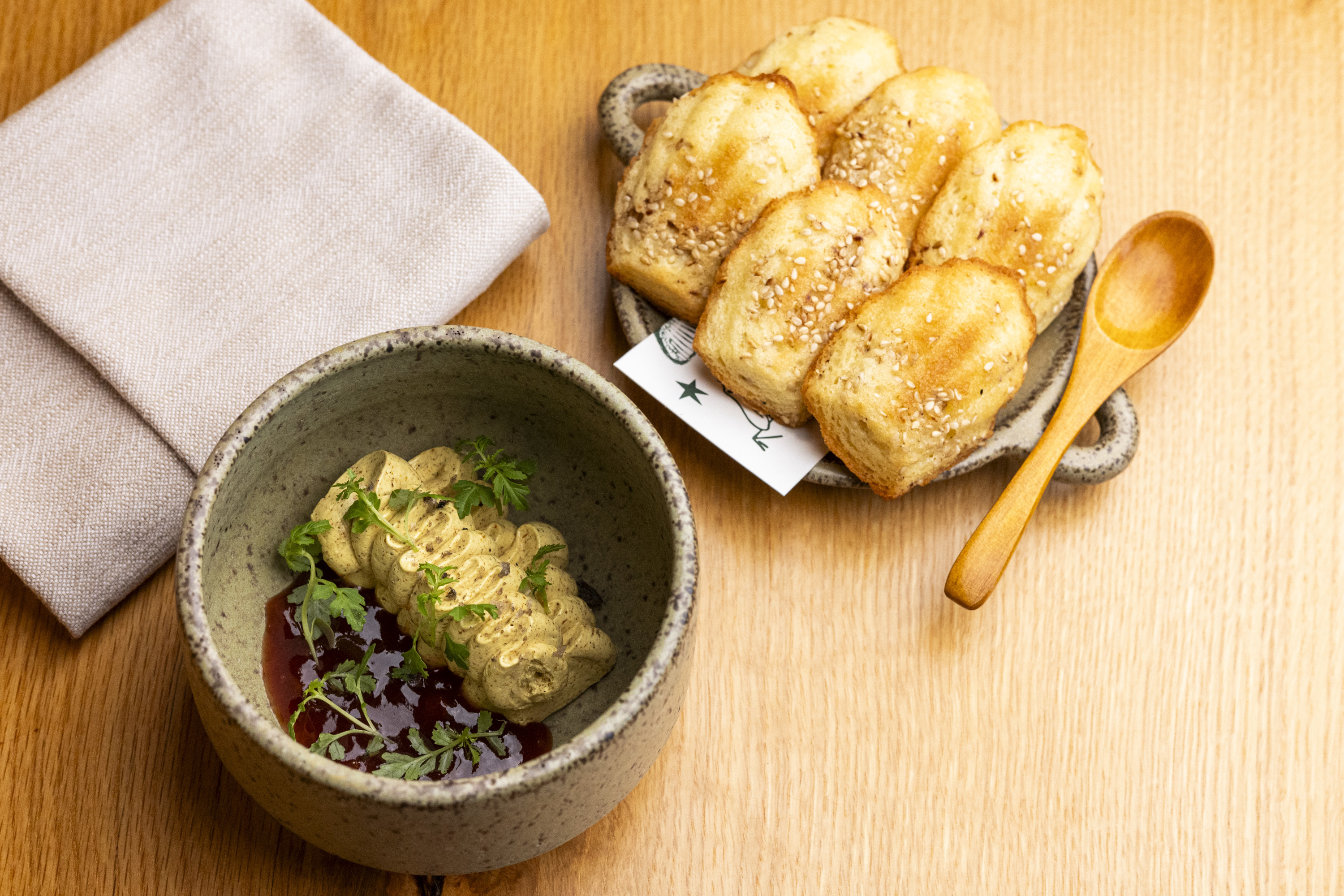
    Sesame madeleines with ras el hanout butter at Emmett

    Emmett

    Philly already has a vibrant Mediterranean dining scene, but Emmett, one of the year’s best new restaurants, offers an original take, from warm sesame madeleines with smoked vadouvan butter to dumplings stuffed with cuminy sujuk sausage. Here you’ll find sticky toffee pudding in Turkish coffee caramel and clever nods from chef Evan Snyder to his love of Jewish deli (wagyu tartare in horseradish-dusted rye tartlets? Yes!). With polished service and a thematically tuned drink program dusted with Levantine spice, this intimate Olde Kensington corner once occupied by Cadence feels like a special-occasion destination again. If Snyder continues refining his sometimes overly busy plates, Emmett can take the next step. 161 W. Girard Ave., 215-207-0161, emmettphilly.com

    Assorted dishes including the Wood Fire Pulpo at Ama on Wednesday, July 16, 2025, in Philadelphia.

    Amá

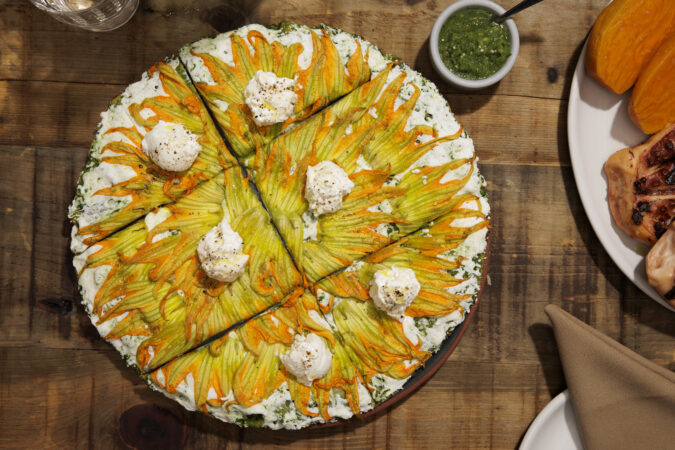
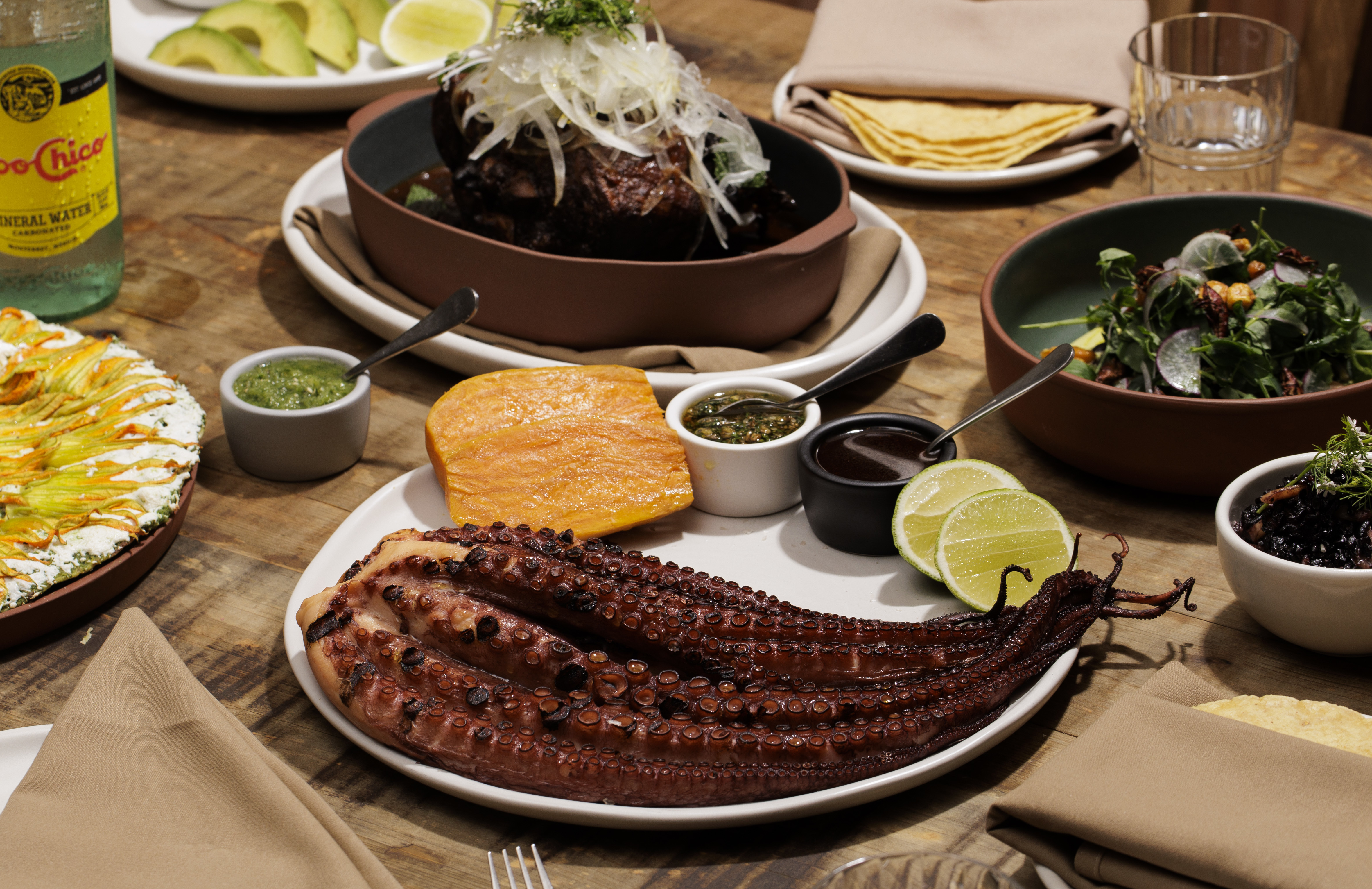
    Frankie Ramirez turned out some of the most memorable and beautiful dishes of the year — squash blossom tlayudas, lamb neck barbacoa — from the live fires of his chef-owner debut, a stylish, modern Mexican newcomer in Fishtown. The chef’s growth since his previous post at LMNO has been stunning, with food that is both personal and daring, like the milpa salad laced with huitlacoche and grasshoppers. The majestic grilled whole octopus that arrives beside a dish of gingery black coconut rice mixed with smoky bits of octopus head is simply a showstopper. This restaurant is large, and it’s not yet as complete as it can be, but with a little more time to hone its service and beverage program, Amá stands to become the upscale Mexican restaurant Philadelphians brag about most. 101 W. Oxford St., 215-933-0707, amaphl.com

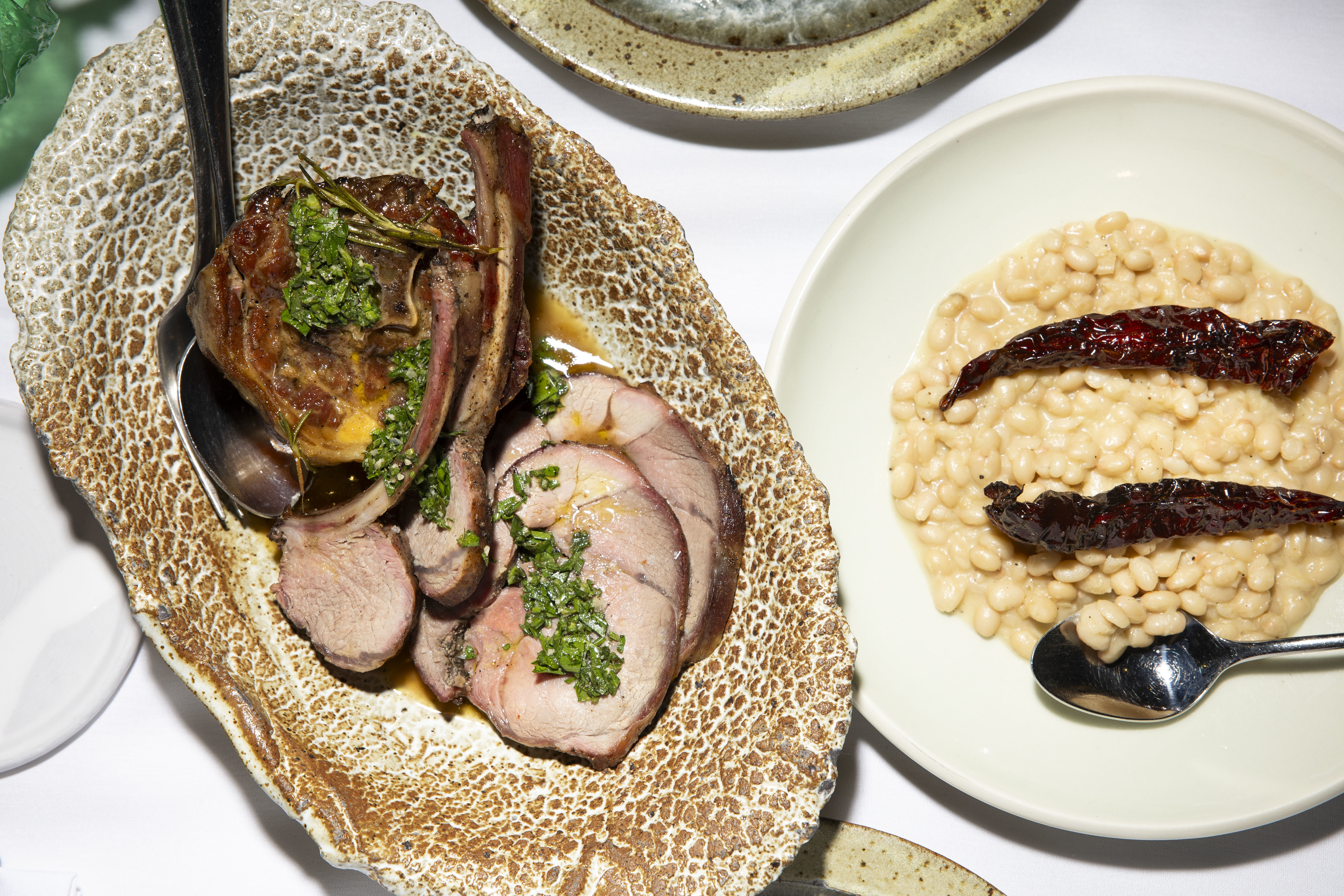
    Lamb with purgatorio beans and peperoni cruschi at Andiario in West Chester

    Andiario

    Every meal at this gem in downtown West Chester is an inspirational experience of handcraft, restraint, and intimate hospitality, as chef Anthony Andiario’s team cooks weekly-changing four-course menus that spontaneously channel the best of Pennsylvania’s seasonal bounty through a rustic Italian lens. My revisit this fall lived up to that standard, with toothy, hand-rolled rigatoni in ‘nduja-sparked roasted pepper sauce and a succulent strip steak roasted over the live fire hearth. Add in outgoing service, a cushy dining room, and exceptional wines chosen by the chef’s wife and partner, Maria Van Schaijik, and dinner at Andiario is still a delight. It hasn’t regressed at all — it was a resident on my Top 10 list the past two years — but competition this year for an ever-evolving group was simply tighter than ever. 106 W. Gay St., West Chester, 484-887-0919, andiario.com

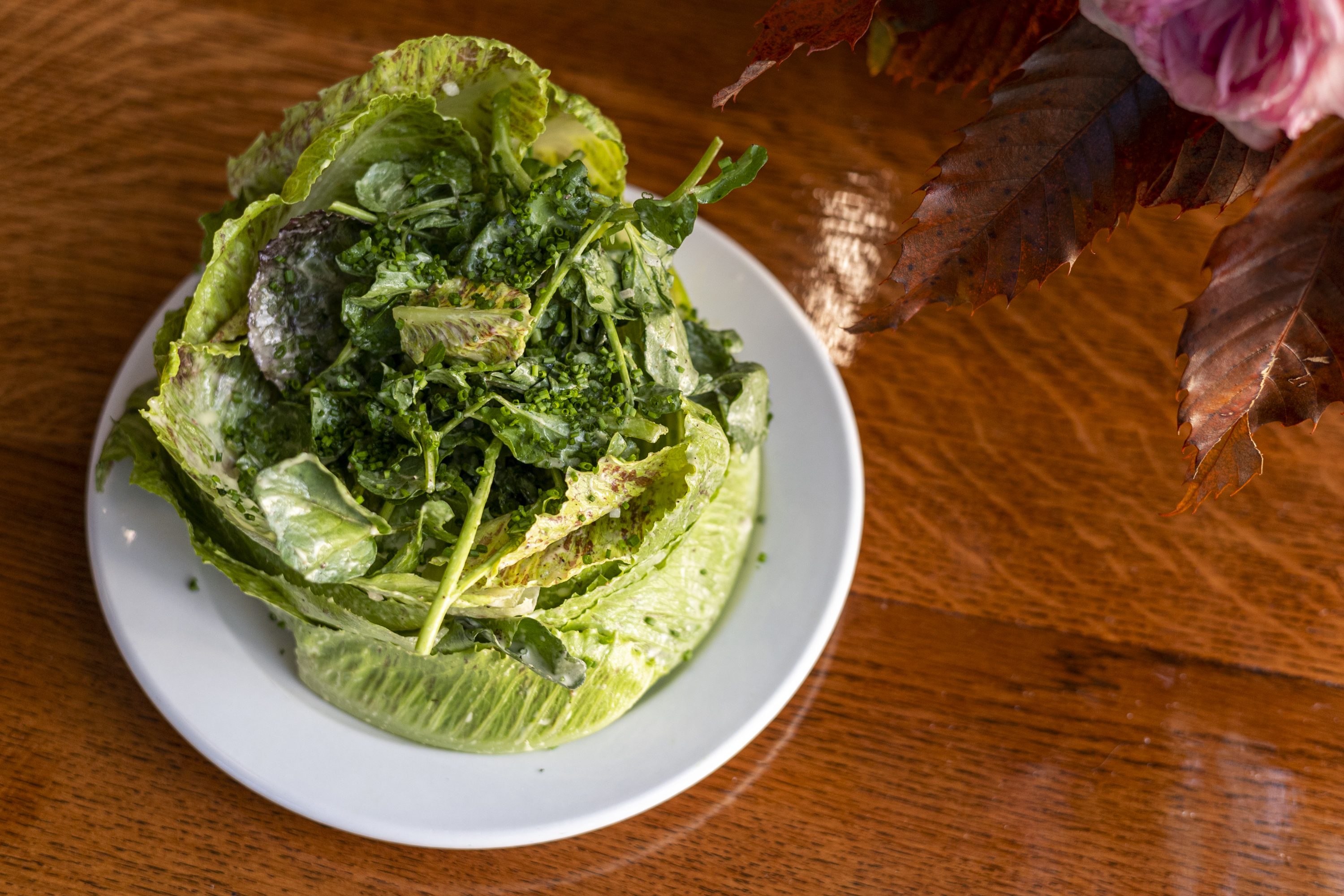
    The green salad at Meetinghouse

    Meetinghouse

    While many Philadelphia chefs are now ratcheting up their gastro ambitions and tasting menus to reach for Michelin stars, Drew DiTomo is focused on polishing the simple, affordable neighborhood bar — an essential source of sustenance and down-to-earth character for this city’s food soul. Meetinghouse is just that kind of place, where the candlelit vibes are warm and cozy, the drink program is impressively focused and quirky, and the “less is more” aesthetic is deliberate in revived retro dishes that are as good as they can be, from a roast beef sandwich and baked clams to turkey cutlets, broiled cod, and a destination-worthy green salad. Thursdays are baked cheeseburger nights! 2331 E. Cumberland St., no phone, meetinghousebeer.com

  • Wonder opens its latest location in Media as it prepares to more than double its number of restaurants

    Wonder opens its latest location in Media as it prepares to more than double its number of restaurants

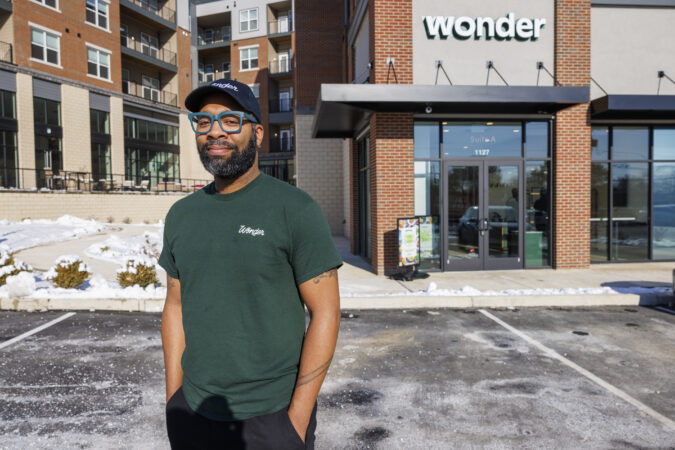
    Wonder is continuing its rapid expansion in the Philadelphia area with a new Media location formally opening Thursday.

    The ribbon-cutting starts at 4:30 p.m. at the new site at 1127 W. Baltimore Pike, with the first 100 guests getting a Wonder gift and live music.

    Part of Wonder’s sales pitch is that it offers something for everyone, from pizza and cheesesteaks to Mediterranean and steak.

    That flexibility, with parents of finicky kids in mind, is part of what drew Eddie Jefferson to Wonder.

    “The picky eater thing kind of sits with me,” said Jefferson, senior operations leader for Wonder’s Media location. “I have children who never really could settle on the same food. So it was like, ‘Oh, this makes sense.’”

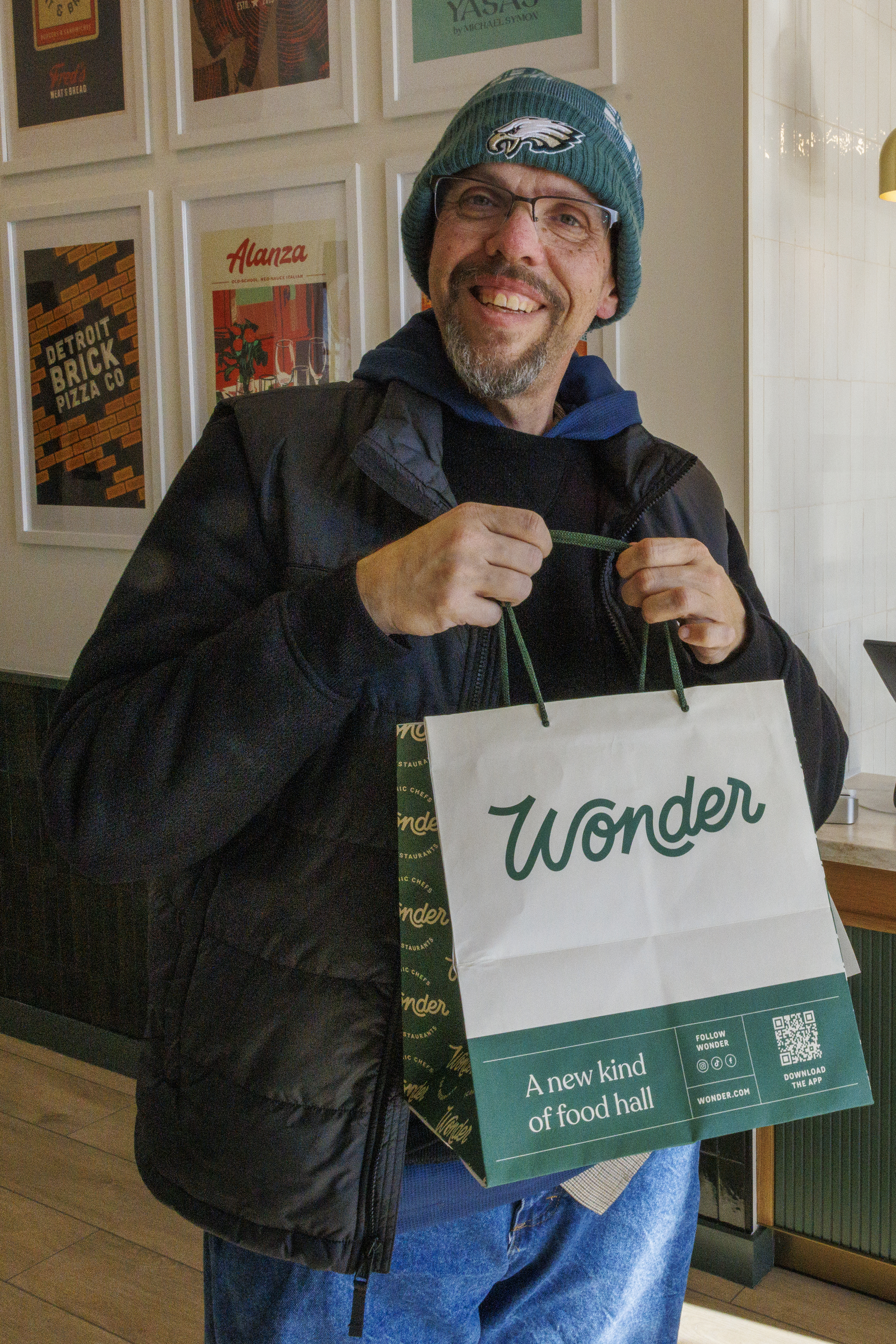
    Steve Skalis, of Springfield, picks up an oder of drunken noodles during Wonder’s soft opening in Media on Tuesday, December 16, 2025.

    Jefferson said he wants Wonder to be more than just a chain takeout restaurant.

    “I want to make sure we’re a staple of the community,” Jefferson said. “I do want to be here for a very long time.”

    Wonder is donating $1 to Philabundance for every order at the Media location this week. Jefferson said he hopes that’s just the first local partnership and he will be able to be active in the community.

    “Once we settle in to this community I’ll be able to be outside shaking hands and kissing babies.”

    Restaurants available at the Media Wonder include:

    • Alanza
    • Alanza Pizza
    • Bobby Flay Steak
    • Burger Baby
    • Detroit Brick Pizza Co.
    • Di Fara Pizza
    • Fred’s Meat & Bread
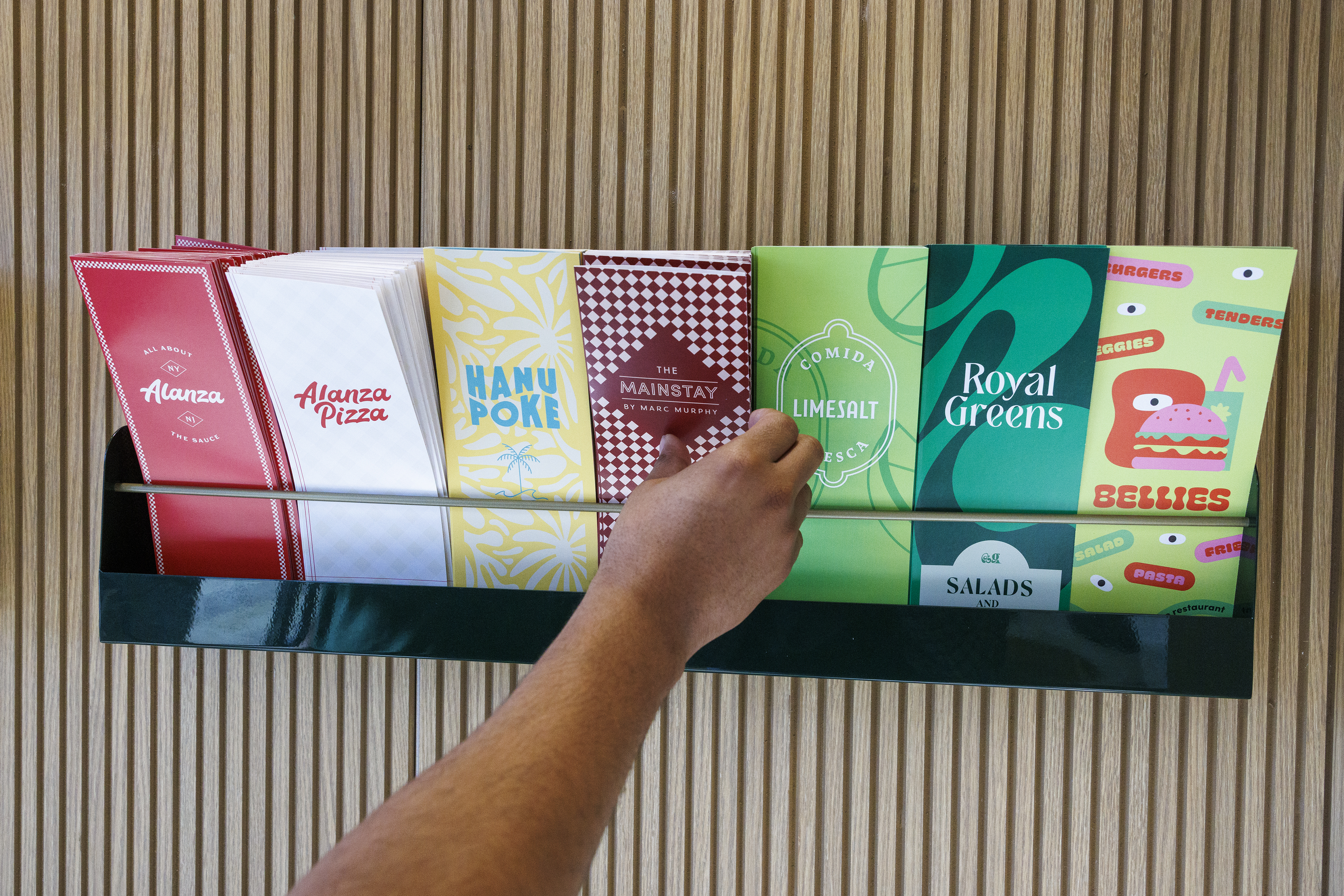
    • Hanu Poke
    • Kin House
    • Limesalt
    • Maydan
    • Royal Greens
    • SirPraPhai
    • Streetbird by Marcus Samuelsson
    • Tejas Barbecue
    • Yasas by Michael Symon
    • Bellies
    • Room for Dessert

    Wonder’s Media location brings the total to 91 sites across the Northeast, from Rhode Island to Virginia. The plan for 2026 is to more than double that, according to Jason Rusk, head of restaurant operations.

    “Our plan is to grow 110 locations, so we’ll go from 91 locations to just over 200 locations by the end of next year,” Rusk said.

    Eddie Jefferson, senior operations leader at Wonder in Media, reaches for one of many menus Tuesday, December 16, 2025.

    Wonder plans to open locations in Drexel Hill and Roxborough in early 2026, a representative said. It is also planning a foray into Allentown and the rest of the Lehigh Valley.

    Rusk said sales have been good across the Philly area’s 20-plus stores, with Cherry Hill one of the strongest openings.

    “There is no sign of stopping,” Rusk said. ”I have no doubt in my mind that we will fully have a Wonder that services nearly every part of the broader Philly [area].”

    This suburban content is produced with support from the Leslie Miller and Richard Worley Foundation and The Lenfest Institute for Journalism. Editorial content is created independently of the project donors. Gifts to support The Inquirer’s high-impact journalism can be made at inquirer.com/donate. A list of Lenfest Institute donors can be found at lenfestinstitute.org/supporters.