Category: Restaurants

  • Philip Korshak returns to South Philly. This time, bagels aren’t on the menu

    Philip Korshak returns to South Philly. This time, bagels aren’t on the menu

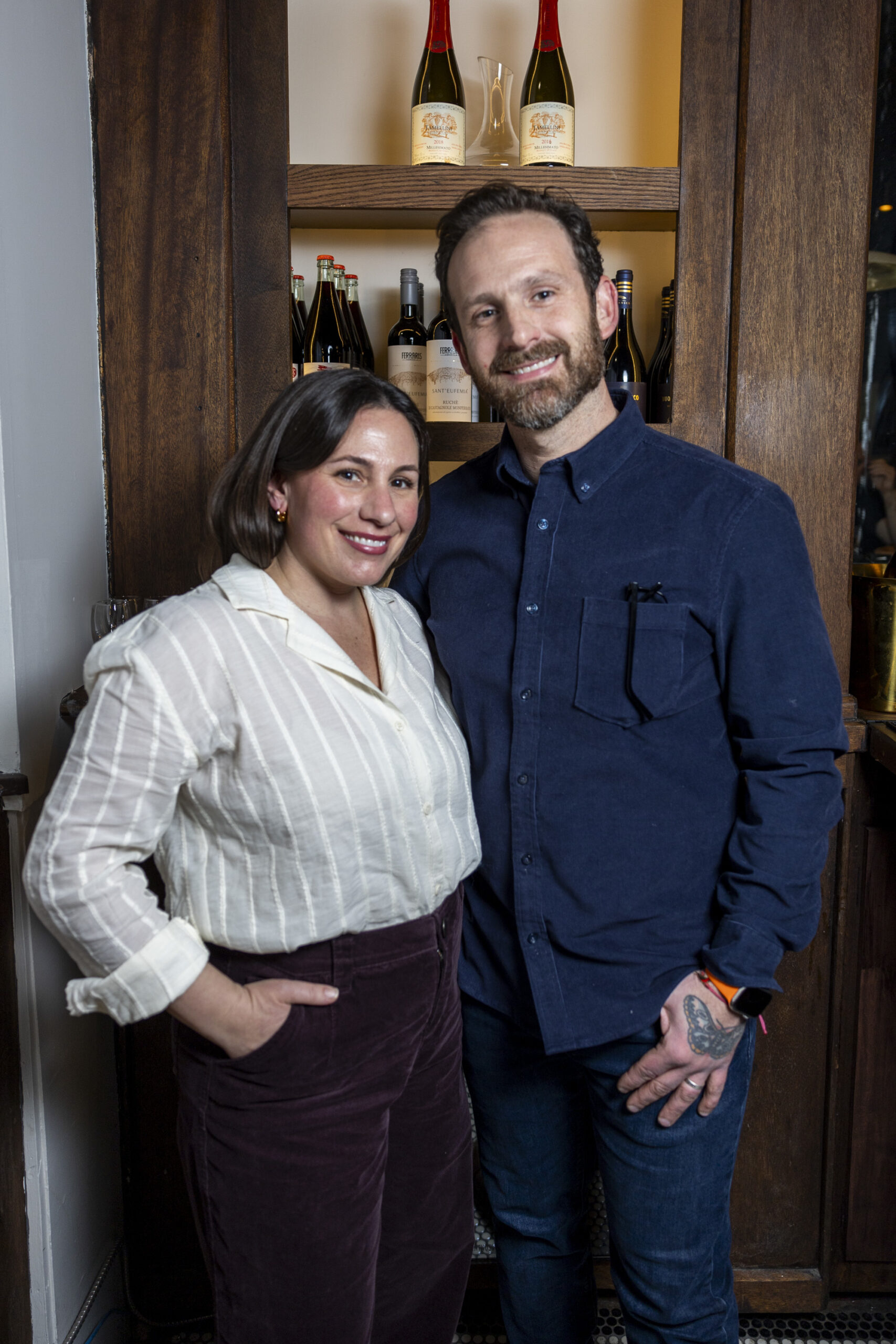
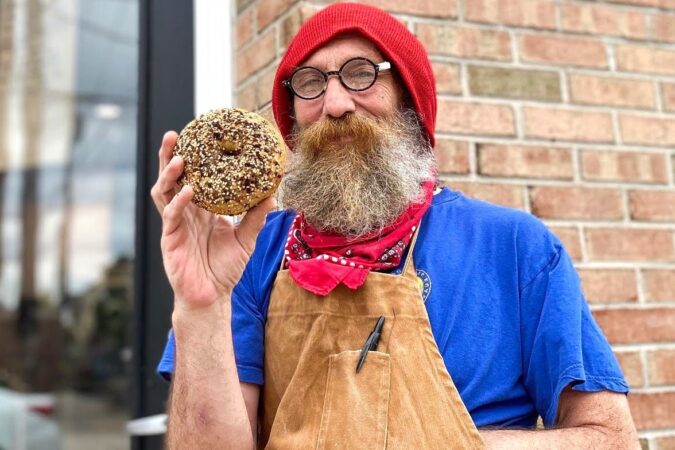
    Philip Korshak, the poet-baker who left town after closing his cult favorite Korshak Bagels 2½ years ago, plans to return to South Philadelphia this spring with a new, deliberately modest venture:

    Korshak Picnic Provisions will be a corner shop built around grilled hot dogs, house-made sourdough biscuits, and the idea that food is community.

    “If I had to model this place after something, it’s Mr. Hooper’s store on Sesame Street,” Korshak said. “The weird little corner shop that’s always there.”

    It’s a former animal hospital at the southeast corner of 13th and Reed Streets, across from the old Faragalli’s Bakery and Columbus Square Park. He is targeting a May opening.

    Korshak impressed both the New York Times and Bon Appétit with his bagel shop, which opened in May 2021 at 10th and Morris Streets. But success came at a price. When he closed it in September 2023, he cited financial and personal strain.

    The shop’s popularity brought pressures that clashed with his ideals. Korshak resisted automation and expansion, wary of becoming something other than a neighborhood bakery. His staff was one of the first in the city to unionize at an independent cafe. (Korshak voluntarily recognized the union.)

    “The staff would prefer to continue,” he wrote in his farewell letter, “but the changes to the process in exchange for efficiency … are not changes I think … are on brand for Korshak Bagels.”
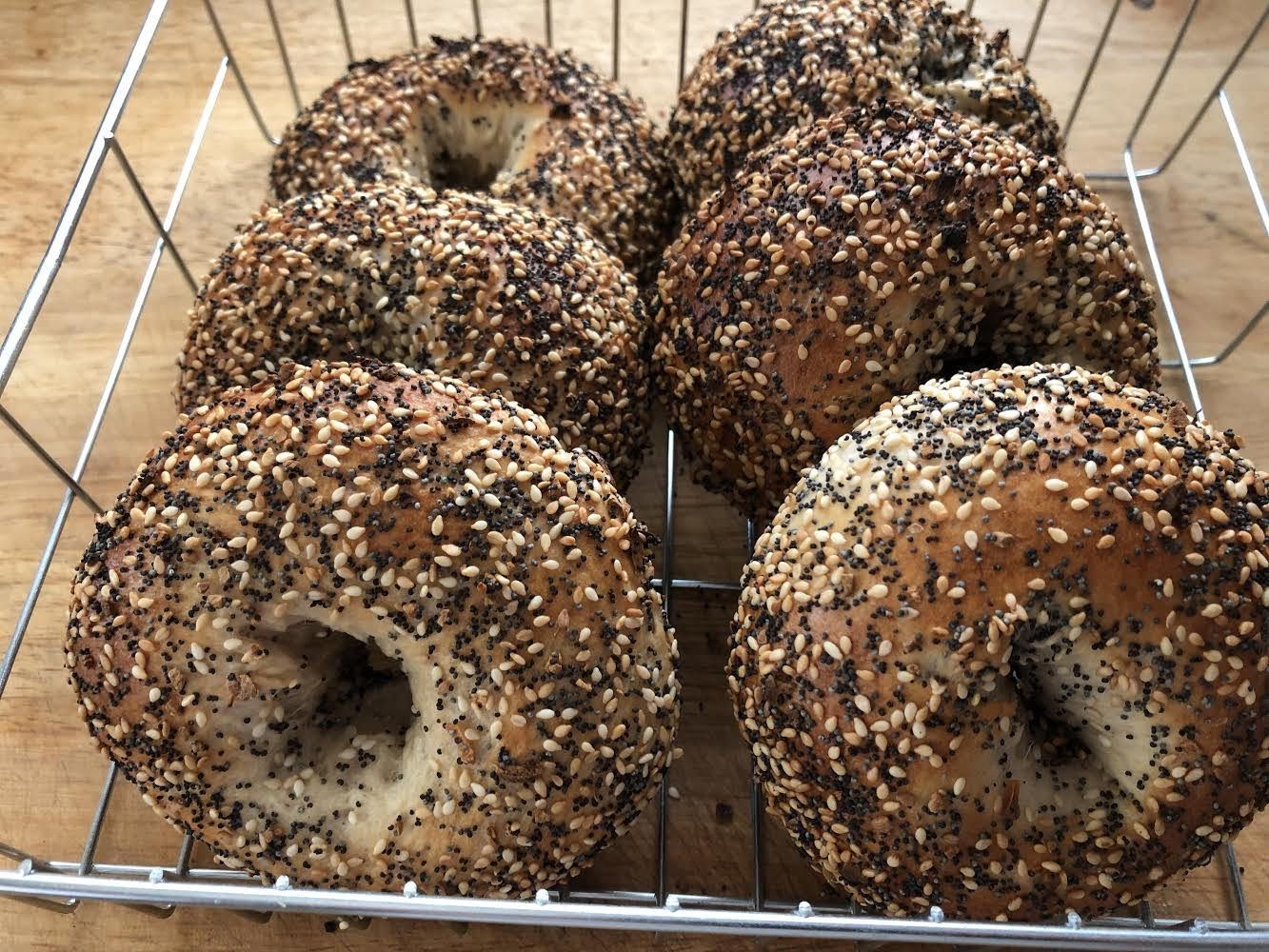
    Bagels by Philip Korshak, whose South Philly bagel shop became a gold standard before shuttering in 2023.

    He also wrote that the shop “simply can’t function economically. And provide a living wage. And work/life balance. And reasonable prices.”

    Korshak’s path back to Philly

    After closing Korshak’s Bagels, Korshak first lived in Seattle but relocated to Austin, Texas — his previous stop before Philadelphia. He had no real plans other than working on a memoir and “spinning my wheels,” he said.

    Then the phone rang last fall. It was Pat Duffy, a friend who owned the building where Korshak used to take his pet cat for veterinary care. “He said, ‘I’ve got this spot. The neighborhood misses you. It could use your vibe,’” Korshak said.

    Korshak initially demurred. “I told him I wasn’t in town and I wasn’t ‘doing the thing’ anymore,” he said. “But just to be thought of — in that world of absurdity and hope — meant everything to me.”

    Duffy walked him through the space over FaceTime. The building, which had been outfitted to become a takeout bakery, had little more than a plumbed floor and sinks. There was no ventilation hood or even potential for a sprawling production line.

    Which was exactly what intrigued Korshak.

    “What I already knew how to do wasn’t that interesting to me anymore,” he said. “What I don’t know yet, that’s compelling.” He moved back to Philadelphia on Dec. 20, settling in Conshohocken.

    The idea for a picnic provisions shop, anchored by hot dogs, came quickly. The corner sits near a bike path, a dog run, a playground, and softball fields. Korshak imagined it as a rendezvous point before or after the park: a place to grab a soda, a cookie, a sourdough biscuit with honey from Green Meadow Farm, or a couple of hot dogs “because dinner’s in a couple hours.”

    “I’m an old guy,” the Brooklyn-born Korshak, 58, said. “I’ve had a lot of hot dogs and a lot of picnics. I like both.”

    Korshak’s reasoning is more philosophical than nostalgic. “The hot dog appealed to me because it can’t really be fetishized,” he said. “You can’t put it on a ‘best of’ list in any meaningful way. It’s ubiquitous. It transcends nationality. For me, food is the connector — it’s not the end in itself. A hot dog almost refuses to be the end in itself. It’s silly, fun, quick.”

    Korshak Picnic Provisions will offer four styles of dogs, all grilled: a standard beef or vegan dog with mustard, relish, onion, or kraut; a Coney-style dog with chili, cheese, and onions (with vegan chili available); a Chicago dog with traditional through-the-garden accoutrements on a poppy-seed bun; and a Pacific Northwest dog topped with cream cheese, fish-sauce ketchup, and cabbage. Though he has not yet selected a supplier, he plans to use all-beef dogs.

    He plans to source buns from Mighty Bread Co., around the corner, shifting away from the labor-intensive, in-house production that defined Korshak Bagels. “It’s not about the hot dog I can make — it’s about what happens when we work together,” he said. “I love baking, but I’m not interested in running big production again.”

    Beyond hot dogs, Picnic Provisions will carry crisps, crackers, jams, honeys, sodas, candy, and seasonal produce. Korshak will keep much of the product line local. He said he is talking to Rhonda Saltzman of Second Daughter Artisanal Bakery and Carol Ha of Okie Dokie Donuts about stocking some of their products. He also envisions stocking non-edible picnic goods — kites, blankets, quilts — reinforcing the shop’s central metaphor.

    There will be baking, just not at former volumes. Helen Mirren, his pet name for his long-ferment starter, will inform a sourdough biscuit and a sourdough-spiked cinnamon roll. (Korshak has been testing at the former Conshohocken Bakery, run by longtime friend Danny DiGiampietro, who hosted his first bagel pop-ups.)

    This time around, he says, the sense of risk is different.

    “It’s all exciting to me,” he said of the new venture, which will have three employees. “The only thing that scares me is if this becomes bigger than it’s intended to be — but I don’t think it will.”

    The goal, he said, is durability rather than buzz. “A friend of mine talks about being ‘hot.’ You can only be hot for so long. After that, you’re judged against whether you were hot or not. But the things people truly love aren’t hot — they’re established. They become part of the common language.”

    “I’ve been around,” Korshak said. “Philly doesn’t exist anywhere else. The people here are the reason it’s the way it is. It’s unlike anywhere.”

    He said he found it “unbelievable” that his last name means something positive to Philadelphians. “How do you not keep trying to do something worthy of that?” he asked. “The goal isn’t accolades. It’s helping someone get through their day a little better — even if you never know about it.”

    Sounding more poet than proprietor, he returned to the idea that first drew him back: movement.

    “I’m incredibly lucky,” he said. “And if you’re not moving forward, you’re not moving at all.”
  • Savú, a two-level restaurant-bar in Washington Square West, aims for dining and nightlife under one roof

    Savú, a two-level restaurant-bar in Washington Square West, aims for dining and nightlife under one roof

    Savú opened earlier this month in Washington Square West with a clear pitch: dinner and nightlife under one roof — and a retractable one, at that.

    “The concept is really about bringing a little bit of Miami and New York to Philadelphia,” said owner Kevin Dolce, the restaurant’s managing partner and founder of Hi-Def Hospitality. “There are places that do dinner and places that do nightlife. We want both in the same space, consistently.”

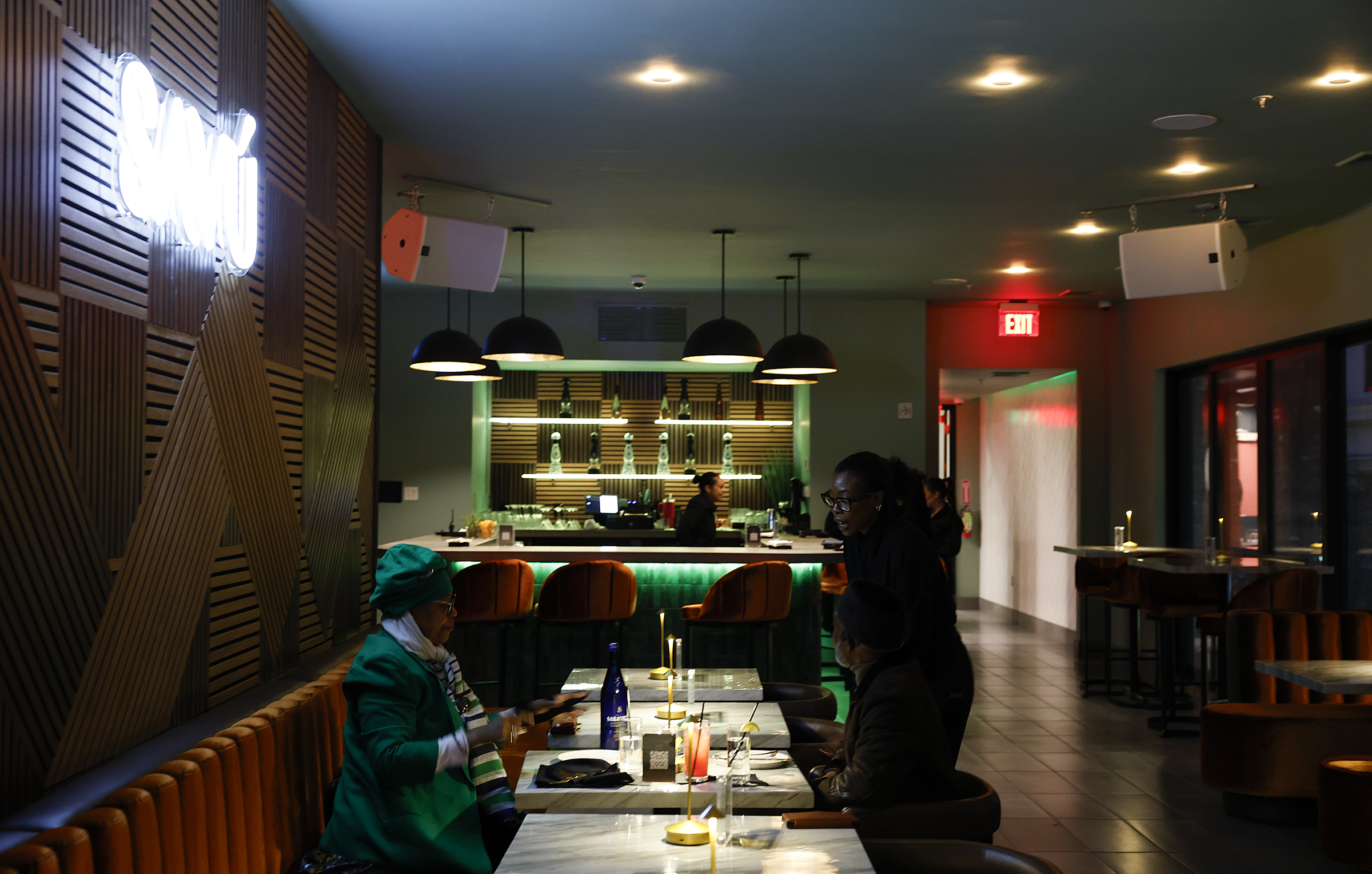
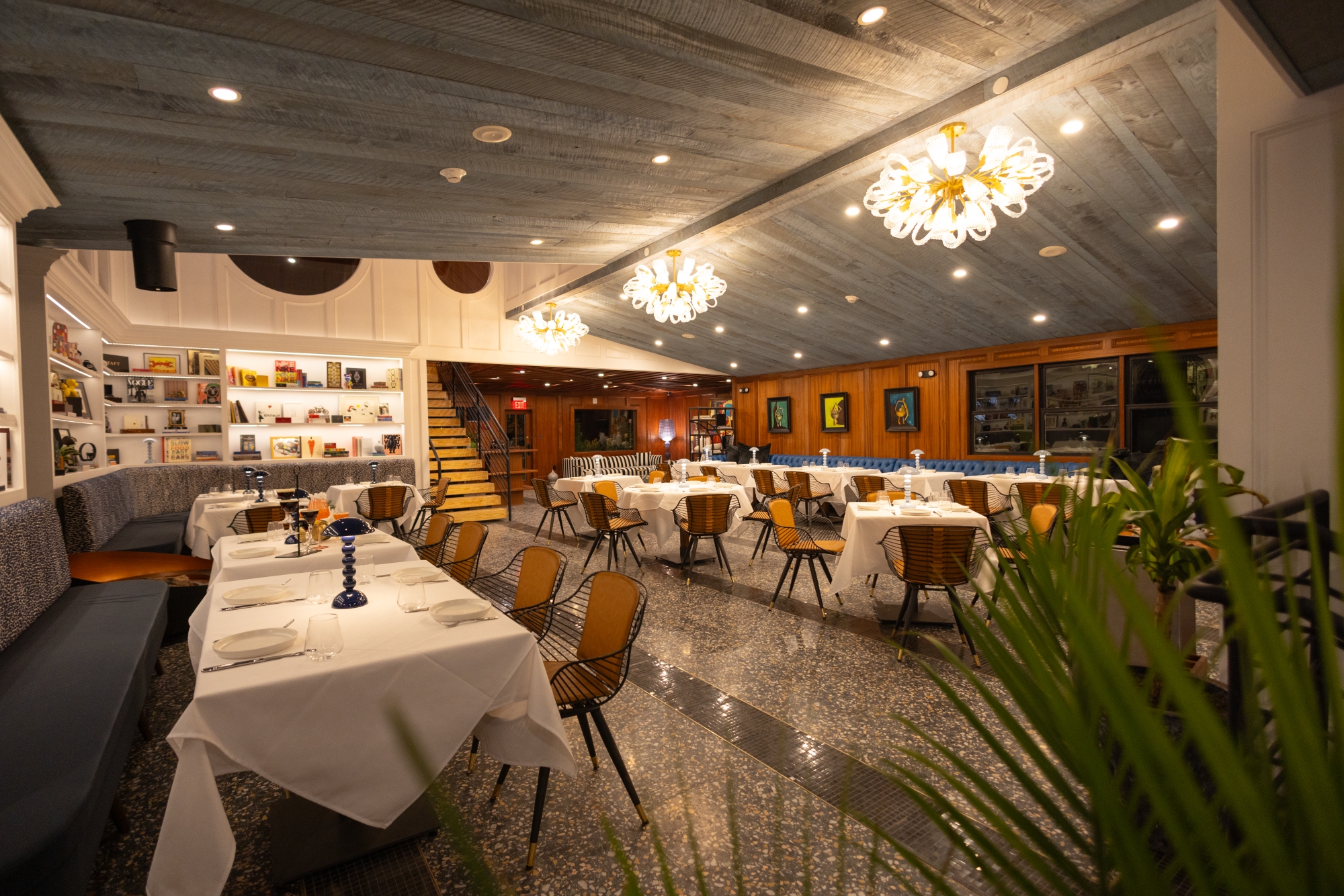
    The second-level dining room, and the rear bar, at Savú.

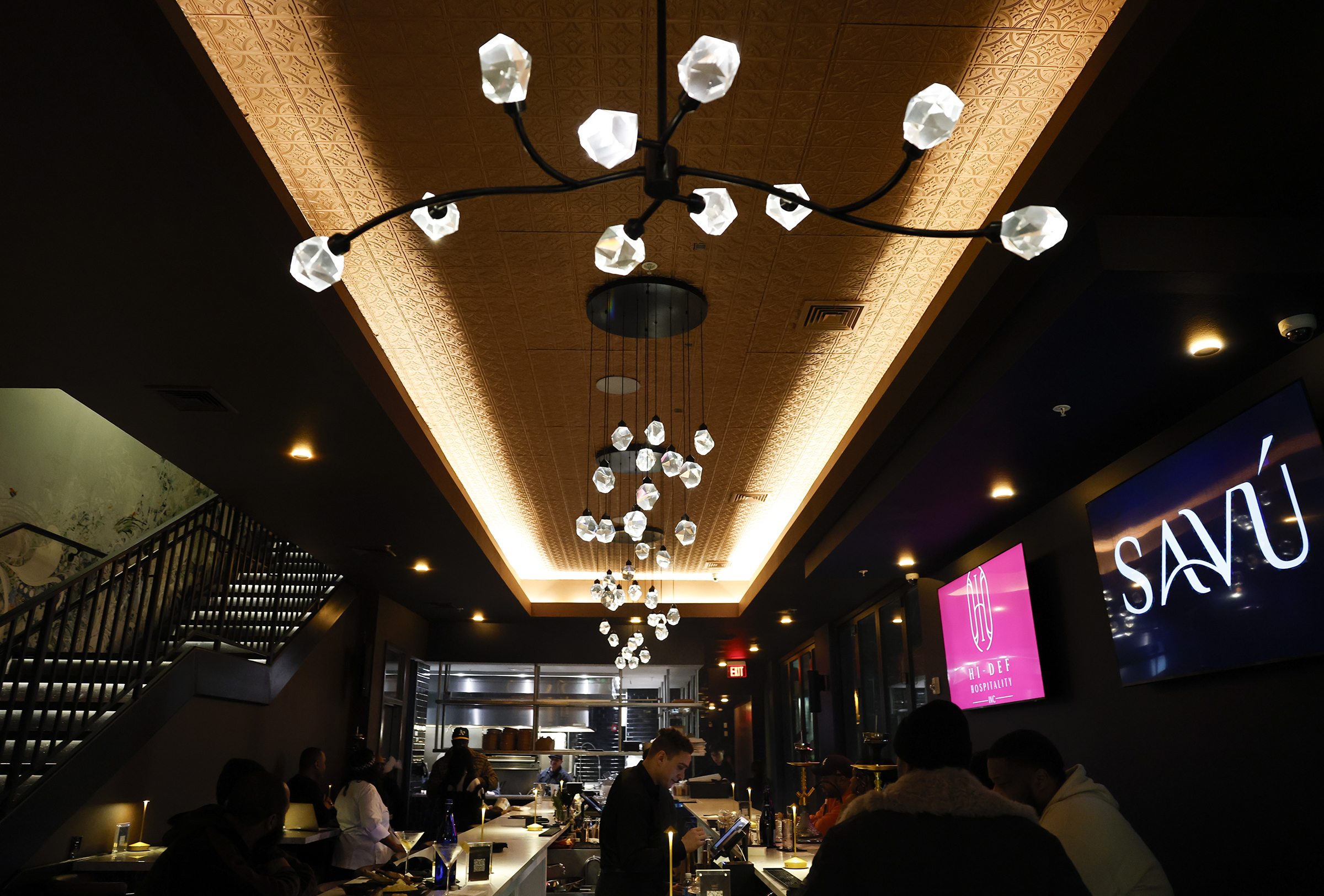
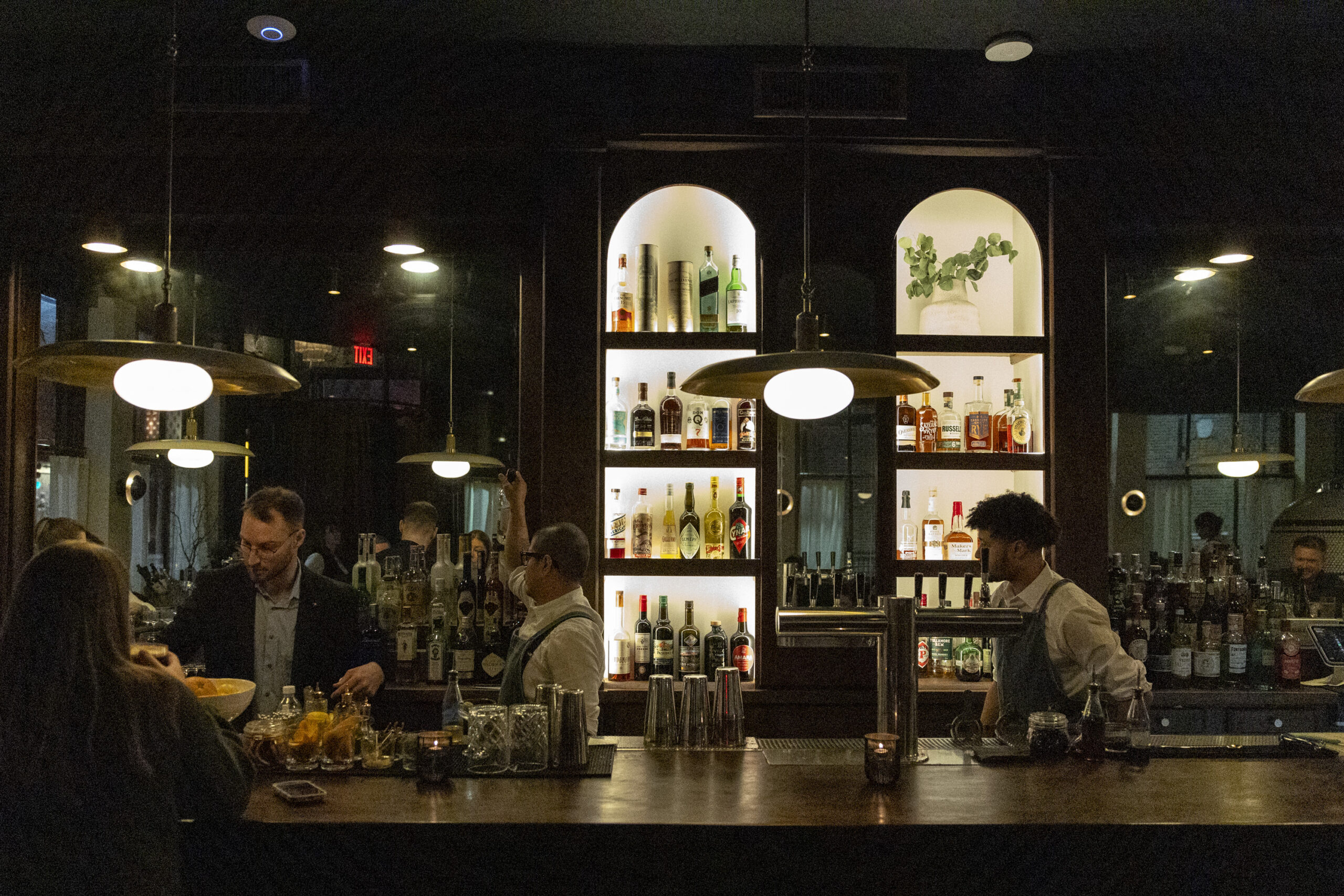
    Savú occupies the two-level space that last housed Cockatoo, an LGBTQ-friendly bar-restaurant. Dolce said Savú is aimed at everyone. The first floor is anchored by an enormous rectangular bar for walk-ins at the center of the room, with seating wrapped around it. Lounge seating lines the fling-open front windows at 13th and Chancellor Streets, where DJs spin Thursday through Sunday from 9 p.m. to 2 a.m., shifting the mood from dinner to late-night. Cocktails stick to standards — espresso martinis, French 75s — alongside Champagne and bottle service.

    Upstairs, two additional bars designated for customers with reservations serve a dining room outfitted with banquettes and low lighting. When weather allows, the retractable roof will open, creating an indoor-outdoor feel rare among Center City restaurants.

    The ground-floor bar at Savú, in Washington Square West.

    Savú’s address — along the restaurant row that includes Barbuzzo, Double Knot, and El Vez — has turned over in recent decades. A midcentury diner called Dewey’s once stood there, followed later by Letto Deli. The building was razed in the mid-2010s and replaced with a modern structure that reopened in 2017 as Maison 208. That concept gave way in late 2020 to Cockatoo.

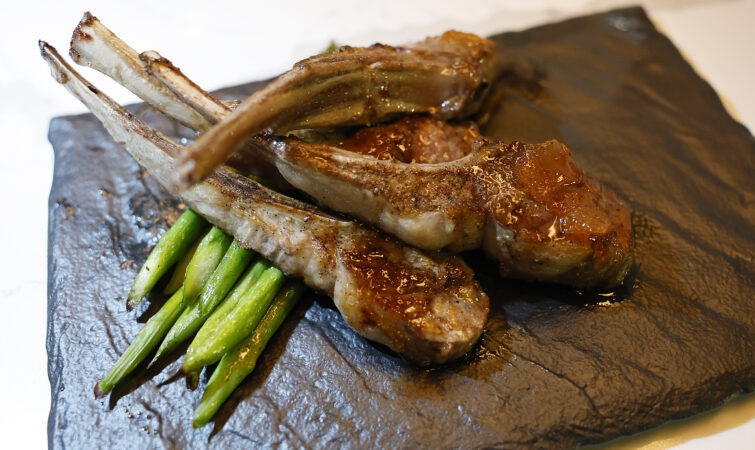
    Chef Maulana Muhammad’s dinner menu signals a push toward a higher-end night out: caviar bumps paired with fries and champagne, lamb chops, grilled branzino, lobster pasta, and ribeyes.

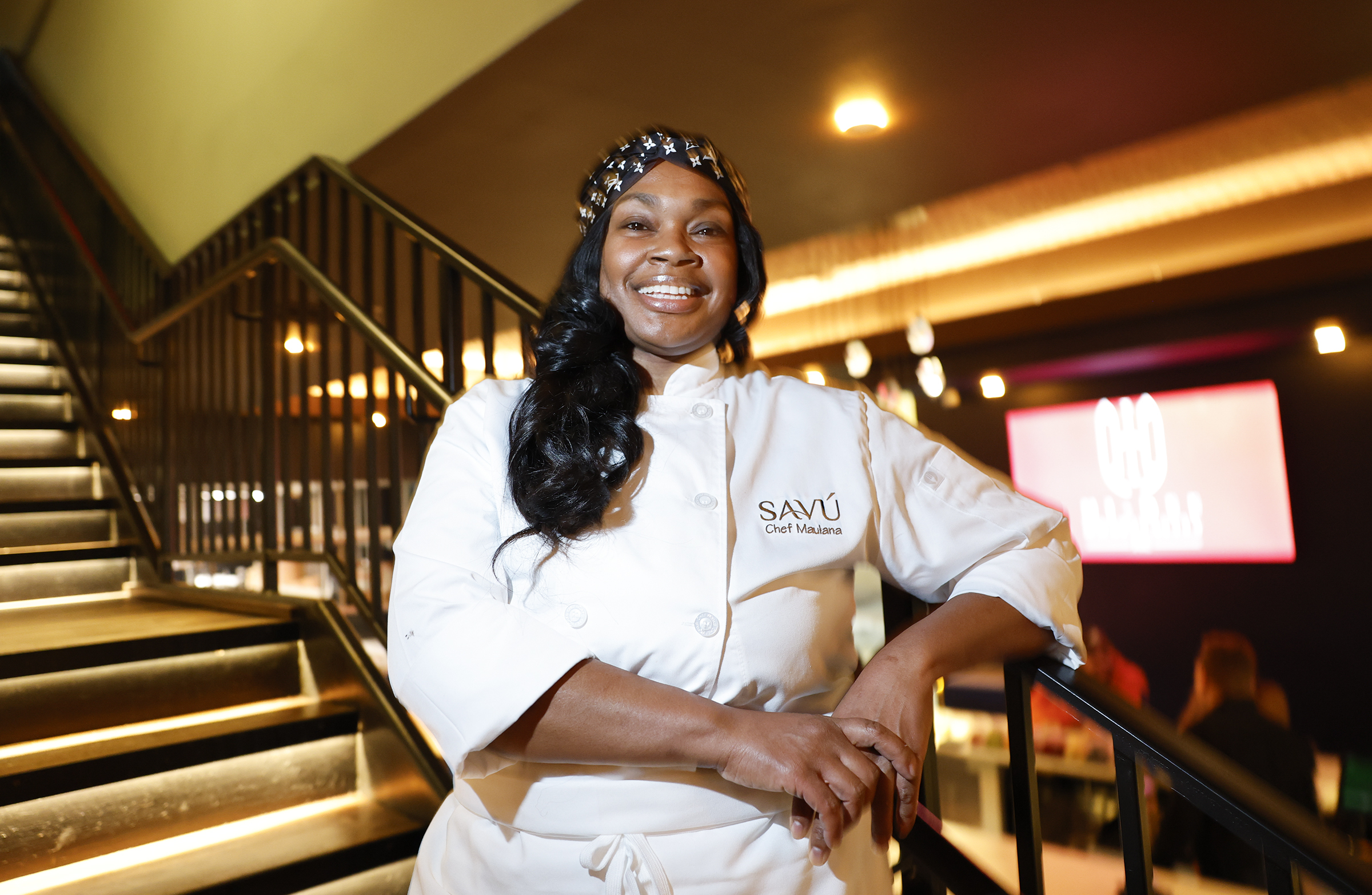
    Chef Maulana Muhammad at Savú.

    Muhammad, a graduate of the Restaurant School, has been around the block. She interned at the old Striped Bass and spent 12 years at the Four Seasons on Logan Square under chef Jean-Marie Lacroix and his team. Through the 2010s, she ran her own restaurant, Maulana’s Café, in the Philadelphia Design & Distribution Center in Wissahickon, and then worked for Constellation Catering just before the pandemic.

    After handling production that had her and colleagues cranking out 50,000 meals a day, she stepped away from the kitchen to help operate her family’s home healthcare agency.

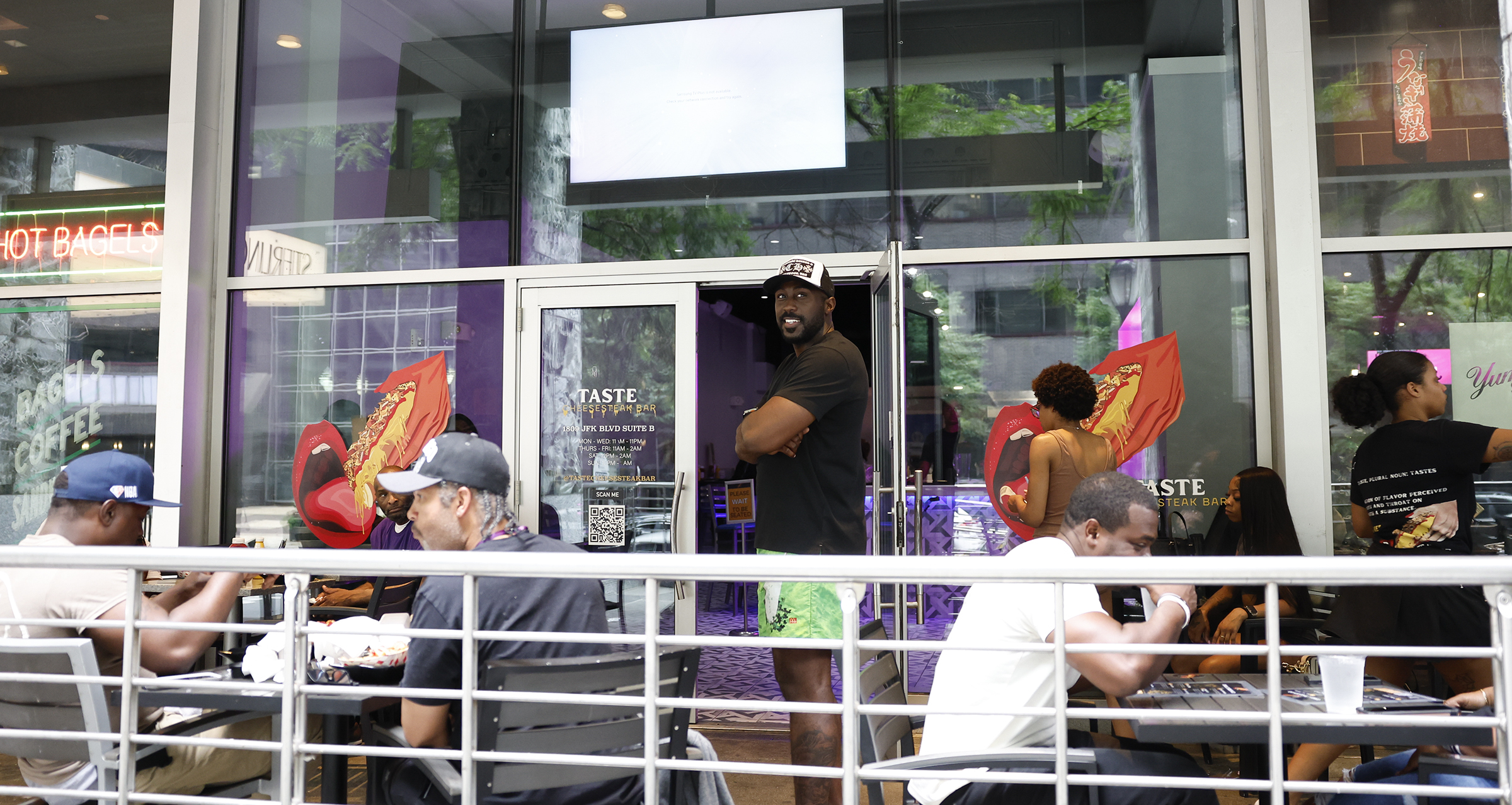
    Kevin Dolce with customers at Taste Cheesesteak Bar in 2024.

    Muhammad joined Savú a year ago to build the menu, after her brother, who knows Dolce, mentioned plans for the restaurant. “I like simple, good food,” Muhammad said. “I love creativity, but I want people to feel full and satisfied. I don’t want them leaving and stopping somewhere else to eat.”

    Dolce has brought in chef Dominique Shields, founder and former owner of North Philly’s Pretty Girls Cook, to oversee weekend brunch, which starts Feb. 28 with such offerings as seafood grits with fried flounder and shrimp, pancakes with fried chicken wings and honey butter, and oxtail hash along with made-to-order omelets and classic egg plates with beef or turkey bacon. In addition to the 11 a.m.-to-3 p.m. brunches, there will be a Sunday Champagne brunch from 4 to 8 p.m. that will be a ticketed, entertainment-focused event upstairs. General admission will include a drink and booths will be reservable.

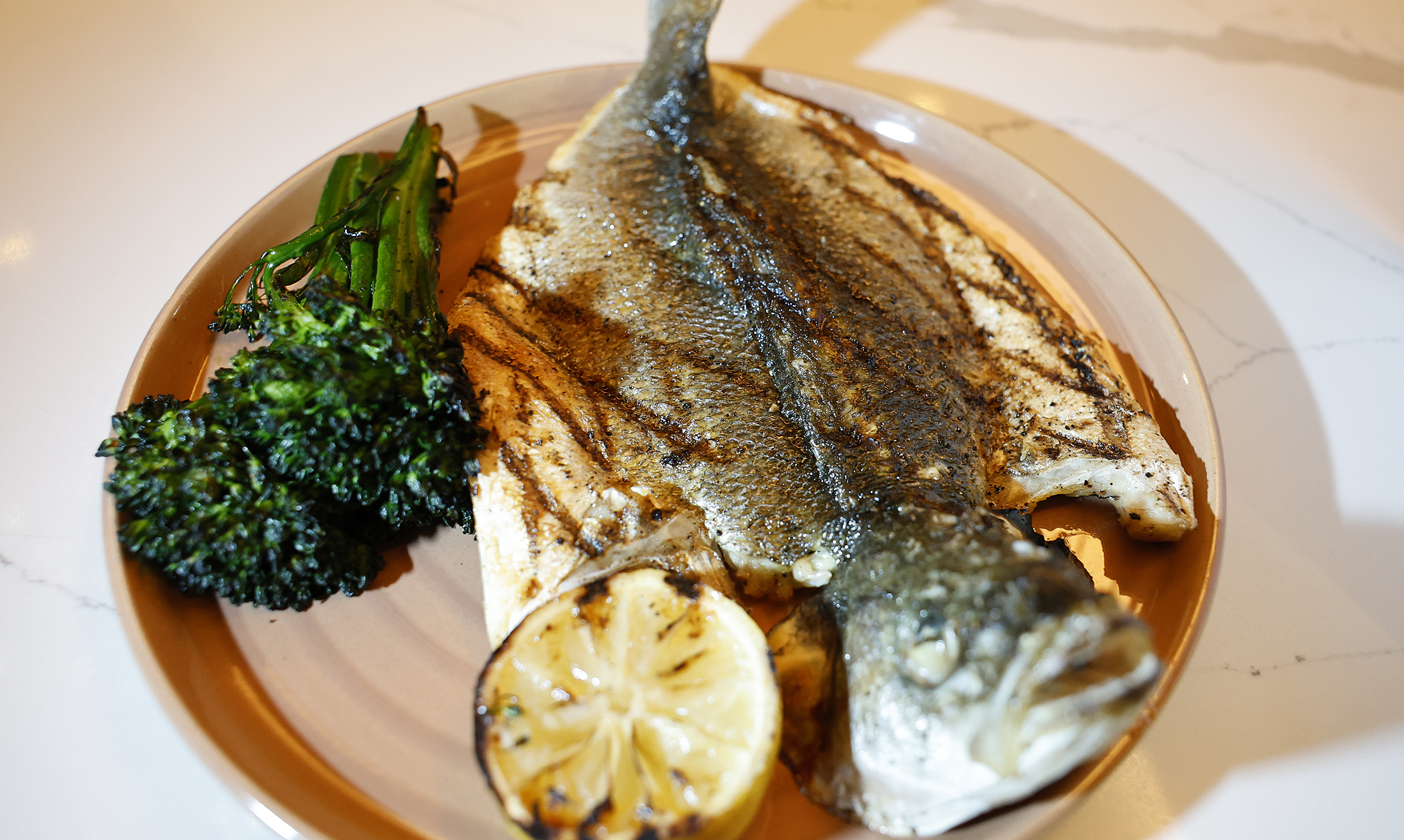
    Branzino served at Savú.

    Dolce, whose background is in financial consulting, got a taste for nightlife in September 2023 when he opened Taste Cheesesteak Bar on the ground floor of the Sterling, an apartment building at 1809 JFK Blvd. It was, and still is, one of the city’s few cheesesteak shops offering DJs and a full bar.

    Dolce has been on a tear of lease-signing. In 2024, he announced plans for Enigma Sky, a three-story Thai-fusion restaurant and lounge in the former Golf & Social at 1080 N. Delaware Ave., as well as Taste Taco Bar, under the Larry Fine mural at Third and South Streets, at the former Jon’s Bar & Grille. Last year, Dolce said he was also converting the former 7-Eleven store at 1084 N. Delaware Ave., next to Enigma Sky, into Finish Your Champagne, a brunch-driven concept. Citing delays with permitting and approvals, Dolce said Taste Taco Bar is expected to open for Cinco de Mayo, with Enigma Sky and Finish Your Champagne opening by the end of the year.

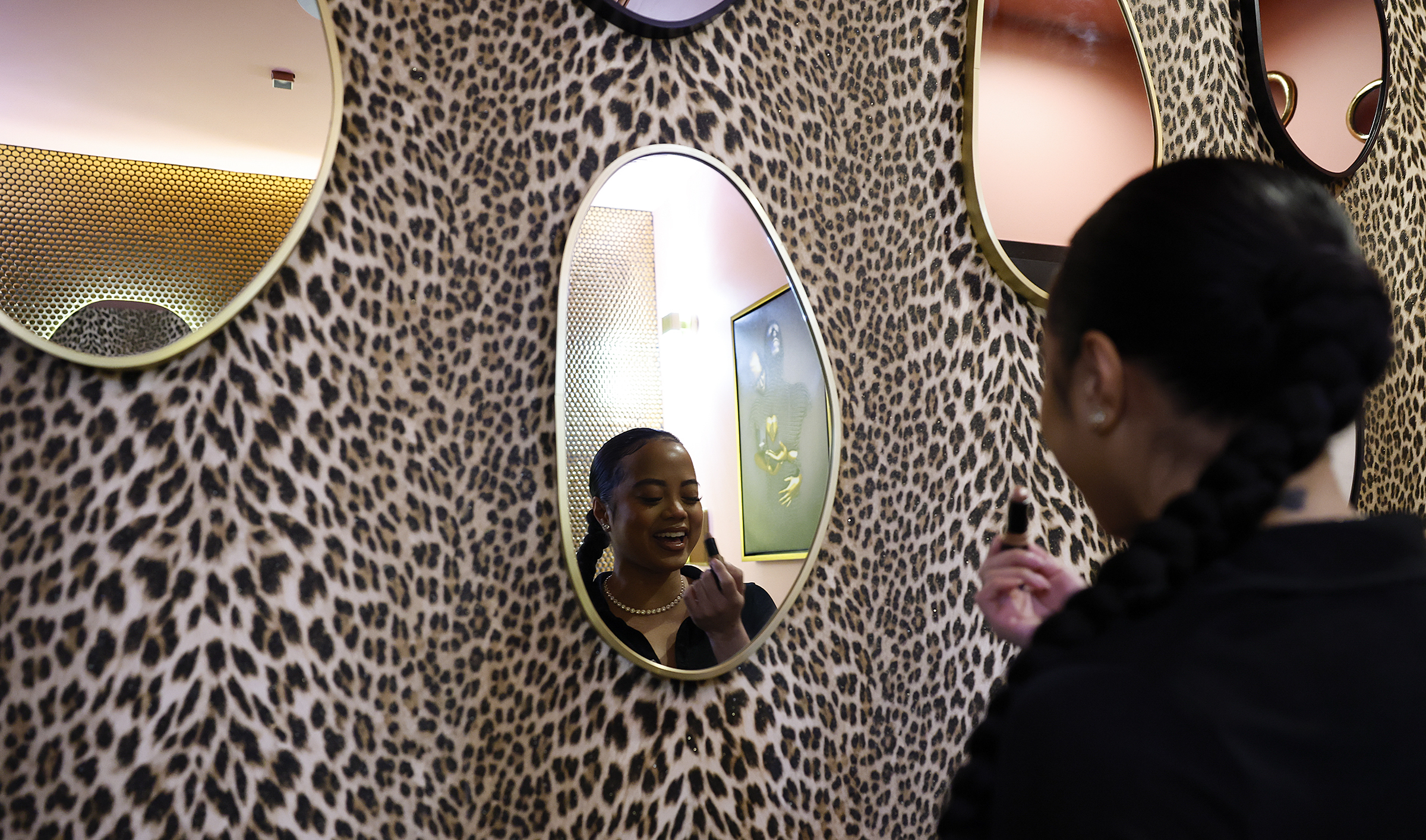
    Savú waitress Dominique Antes fixes her lipstick in a restroom at the restaurant.

    “Philadelphia is about to have a huge few years: the World Cup, the city’s 250th anniversary, the MLB All-Star Game, NCAA tournaments, PGA events,” Dolce said. “Millions of people are coming, and we want to grow alongside the city and be part of that story.”

    Savú, 208 S. 13th St., 445-223-4865, savuphl.com. Initial dinner hours: 4 p.m. to 2 a.m. Thursday to Saturday. Brunch (starting Feb. 28): 11 a.m. to 3 p.m. Saturday and Sunday. Champagne brunch: 4 to 8 p.m. Sunday.

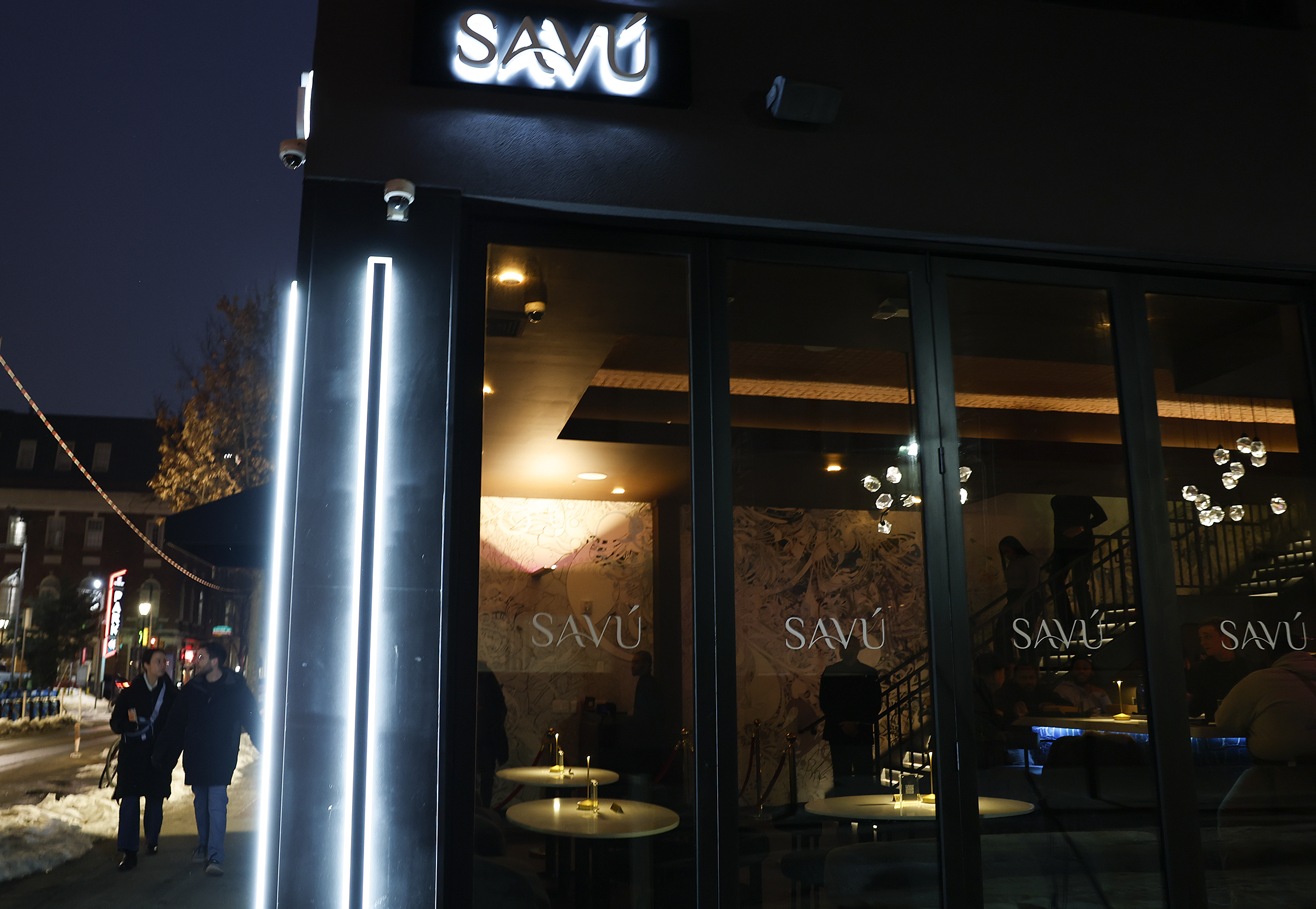
    Savú at 13th and Chancellor Streets.
  • Change comes to Pat’s Steaks | Let’s Eat

    Change comes to Pat’s Steaks | Let’s Eat

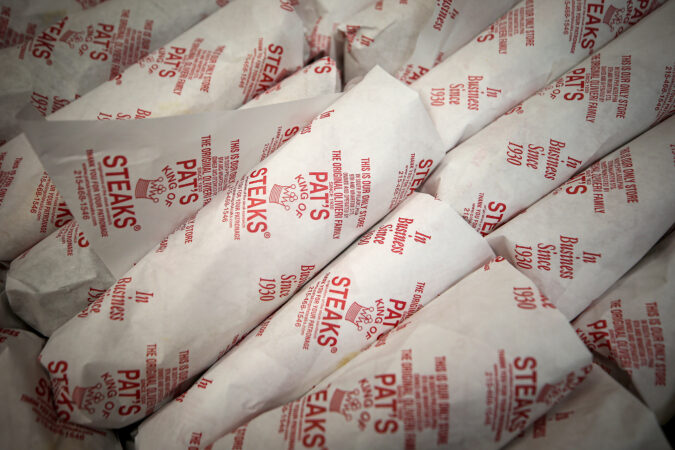
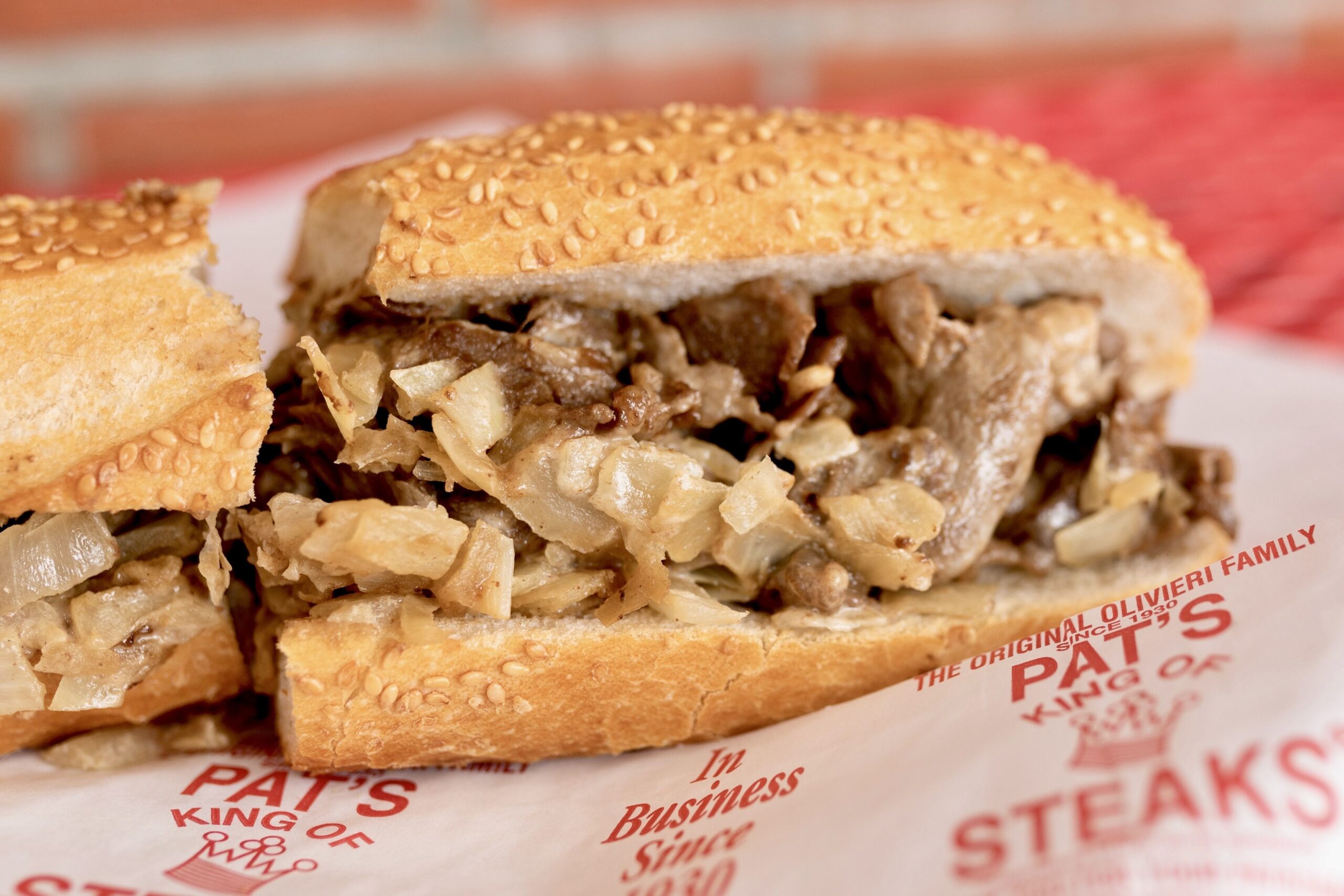
    Pat’s King of Steaks, where the steak sandwich was invented in 1930, makes two bold changes.

    Also in this edition:

    • “Girl dinner”: This $39 steakhouse feast has gone viral.
    • Ramadan: A guide to breaking the fast.
    • Coffee boom: Read on for news, including word of major coffee activity in Center City.

    Mike Klein

    If someone forwarded you this email, sign up for free here.

    Kicking it new school at Pat’s

    It’s only taken 96 years, but you can now get a seeded roll for your steak at Pat’s King of Steaks. Frank Olivieri explains this and one other seismic shift at the shop that invented this storied sandwich.

    Where to break the Ramadan fast

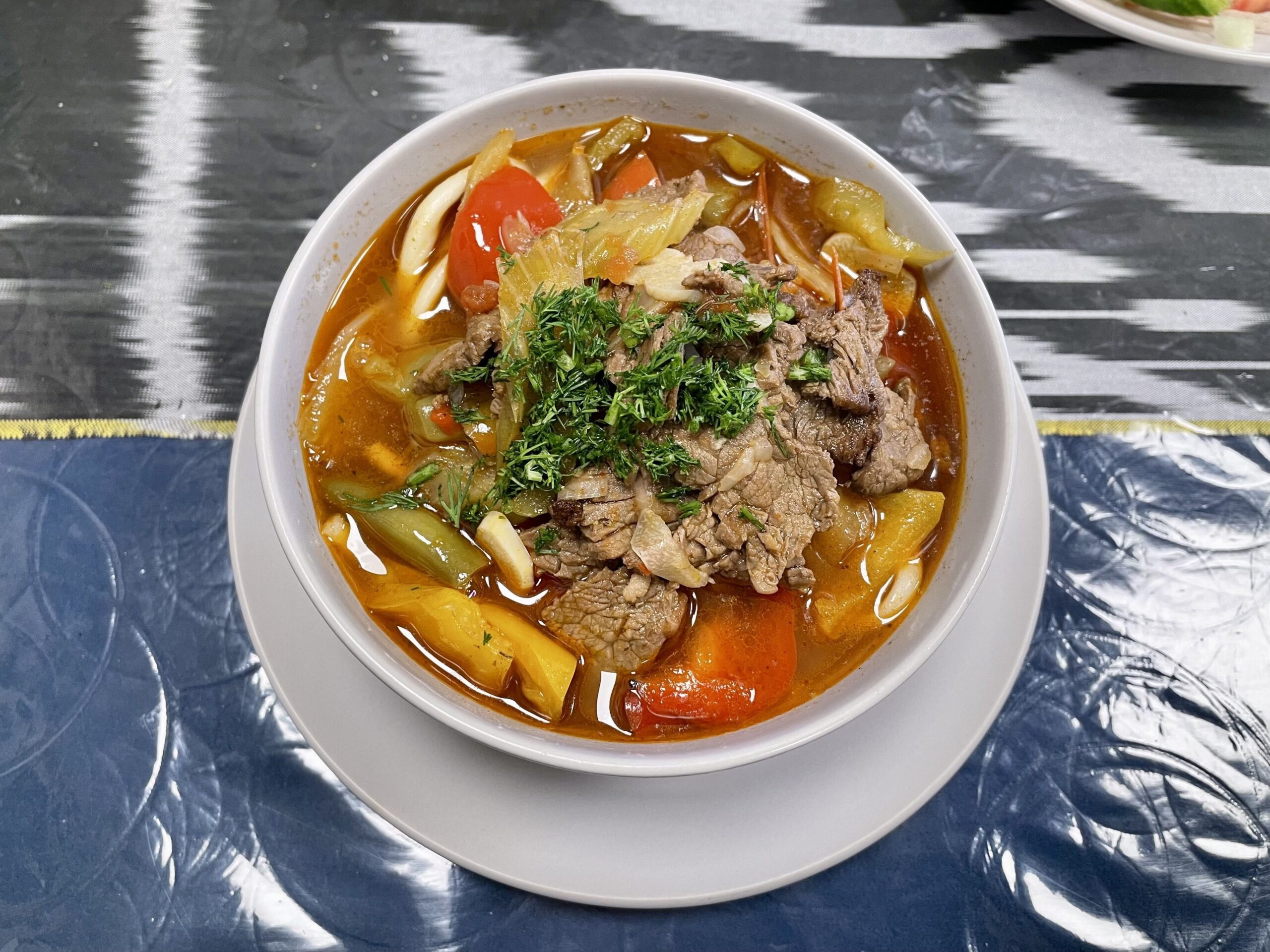
    Hira Qureshi is fasting for Ramadan, and she shares her guide to fasting and celebrating. Above is the lagman soup from Uzbek standout Plov House in Northeast Philadelphia.

    ➕ Where to break the Ramadan fast around Philadelphia.

    Here’s a ‘girl dinner’ gone viral

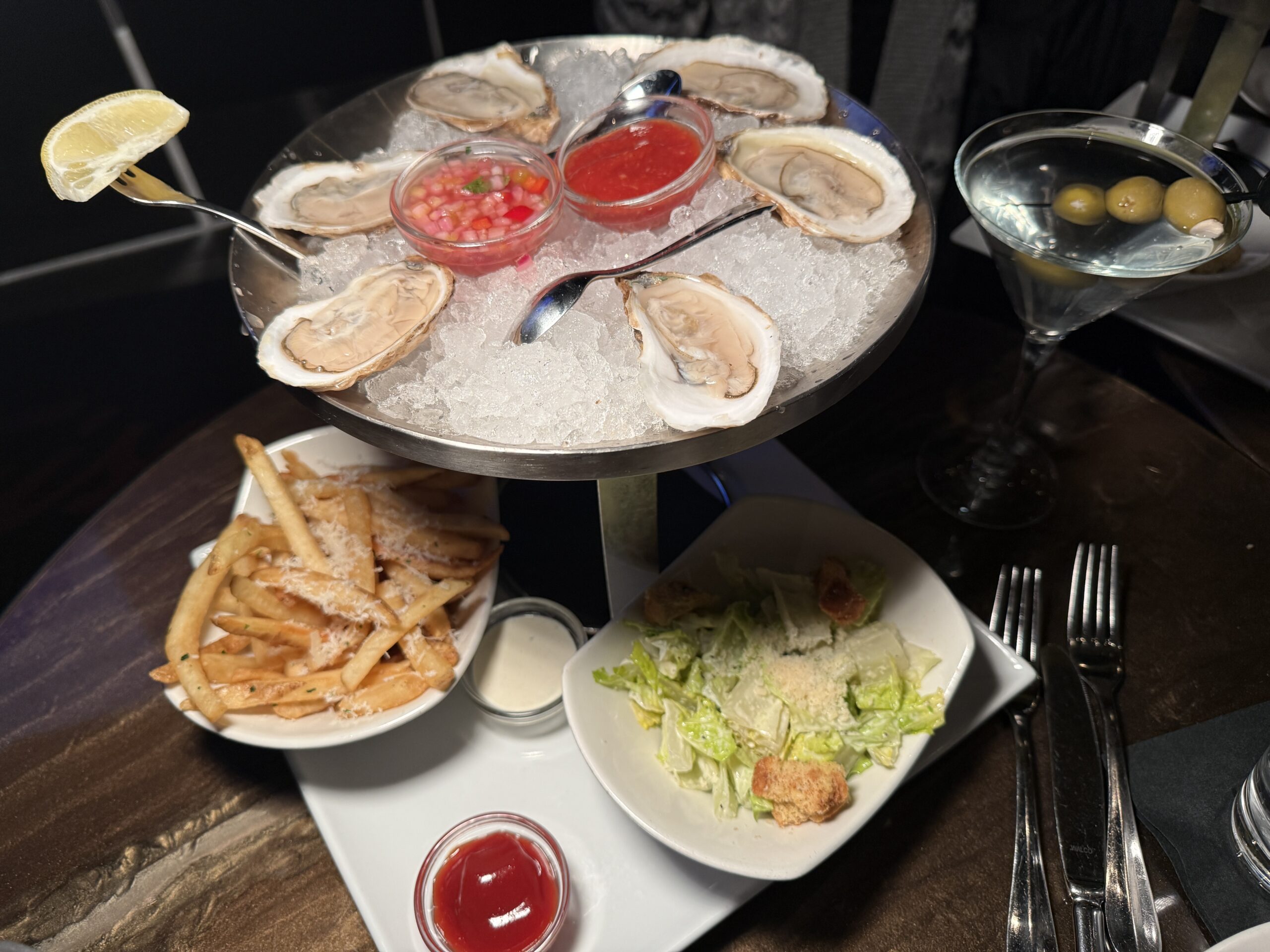
    Kiki Aranita sat down for Del Frisco’s $39 martini/oysters/Caesar/fries bar special. It’s a ready-made “girl dinner” that social-media consumers are eating up.

    You still can buy Italian specialties in the burbs

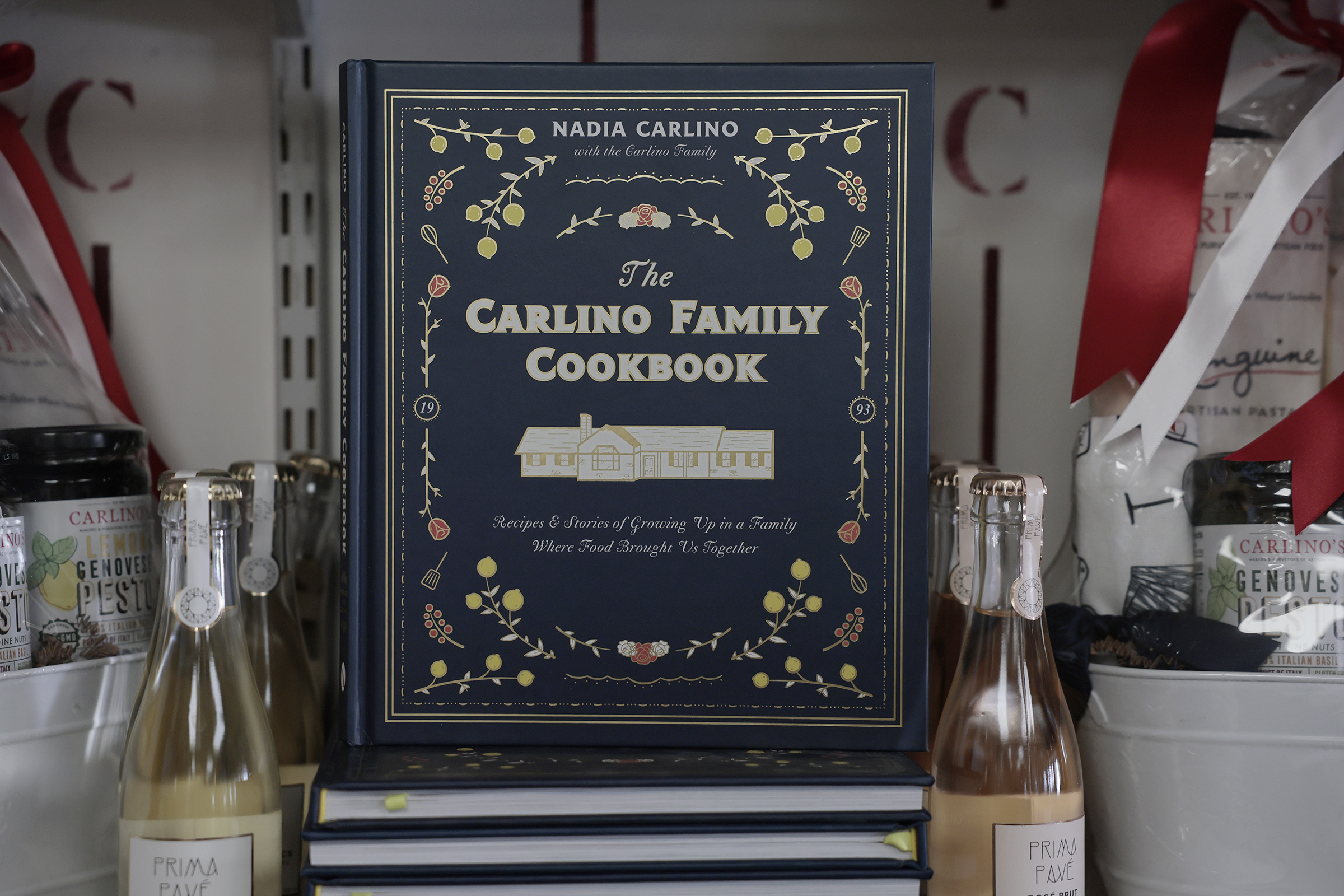
    With Di Bruno Bros. gone from Ardmore and Wayne, Denali Sagner visits the homegrown Carlino’s Market to scope out its line of Italian specialty foods.

    Closings: Manakeesh Cafe and La Chingonita

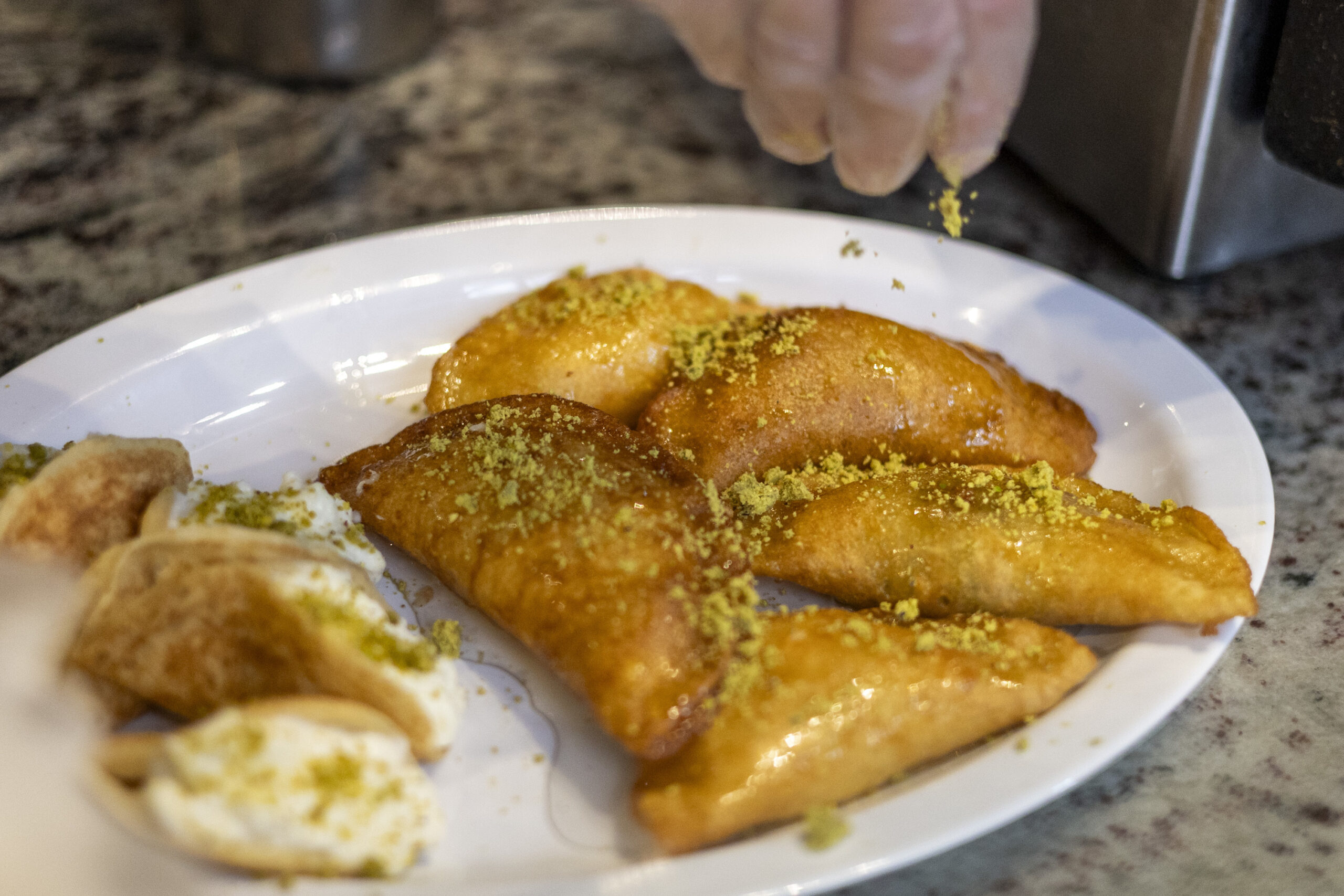
    Manakeesh Cafe Bakery & Grill — home of fine Lebanese treats such as the qatayif shown above — has ended its 15-year run at 45th and Walnut Streets. Management cites a rent increase, and Andrew Kitchenman explains the family’s next steps.

    La Chingonita will wrap its four-year brick-and-mortar run in Fishtown with burrito offerings on Wednesday, Feb. 18 (burritos) and Friday, Feb. 20 (birria), from noon-6 p.m. or sellout. Rebecca Baez and Omar Martinez, who started the business in 2020 as a food cart, said they decided it was best “to prioritize our family, bow out gracefully, and end things on a high note.” They said the decision to shut down “did not come lightly, but we recognized that it was time to close this chapter with intention and gratitude, before burnout set in further.” They say they think they’ll do popups but have no plans to open another restaurant in the near future.

    The best things we ate last week

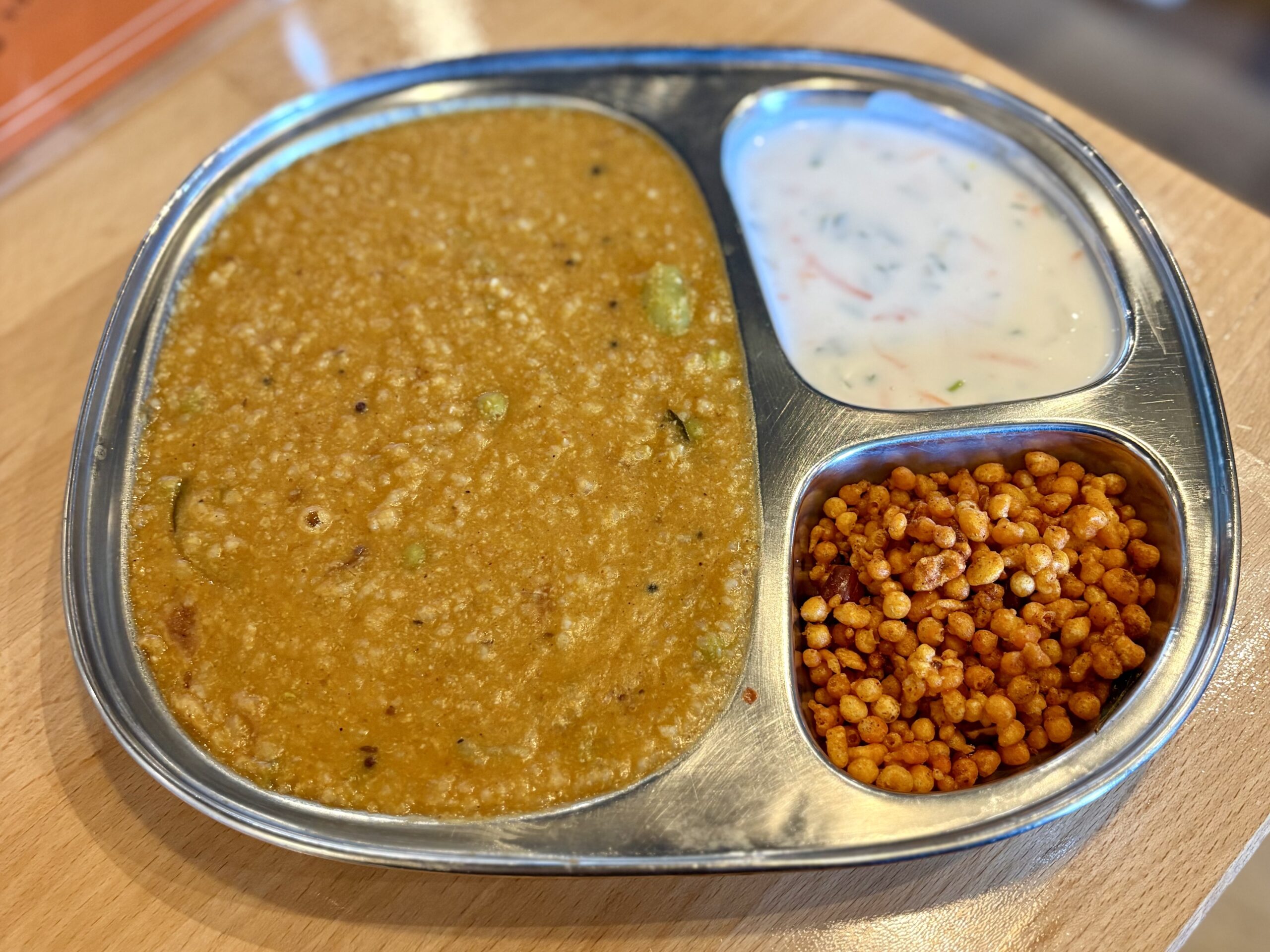
    Here’s what we enjoyed during our various local travels: Craig LaBan is delighted by the bise bele bath (above) — a comforting porridge from southern India — at Exton’s Malgudi Cafe. Also: Bedatri Choudhury enjoyed a goat with spicy scallop creole at a Honeysuckle collab dinner with New York’s Kabawa, while Jenn Ladd says she visited Bomb Bomb Bar and had what might be the best crab cakes she’s ever had. That’s high praise coming from someone who lived and worked in Baltimore. (To enjoy more of our “Best Things,” click here.)

    Craig, meanwhile, found “something magical about the mole poblano” for his review of Tlali, a modest Mexican BYOB in Upper Darby, where the Sandoval family is cooking its heart out.

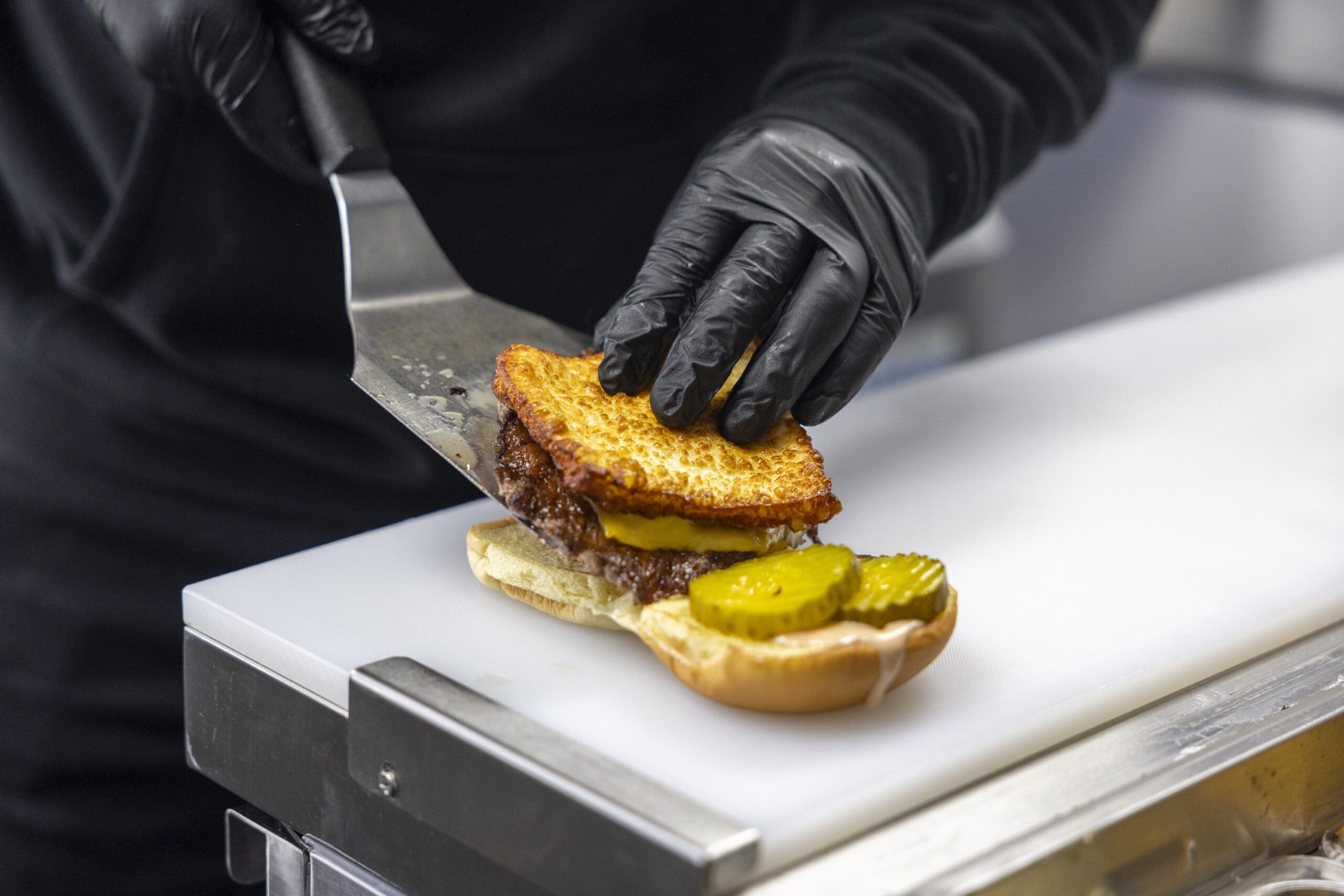
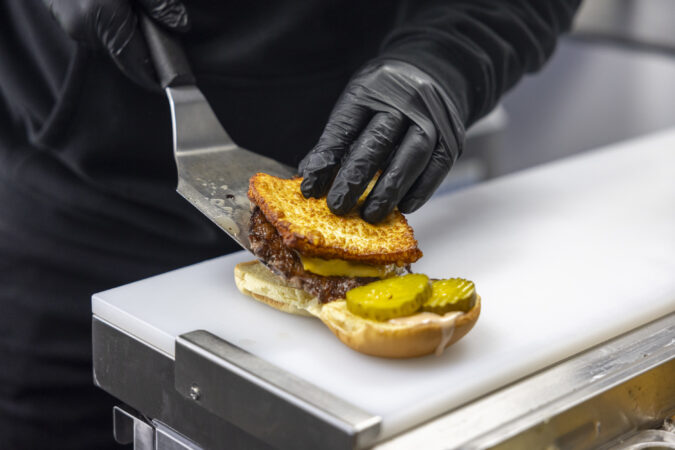
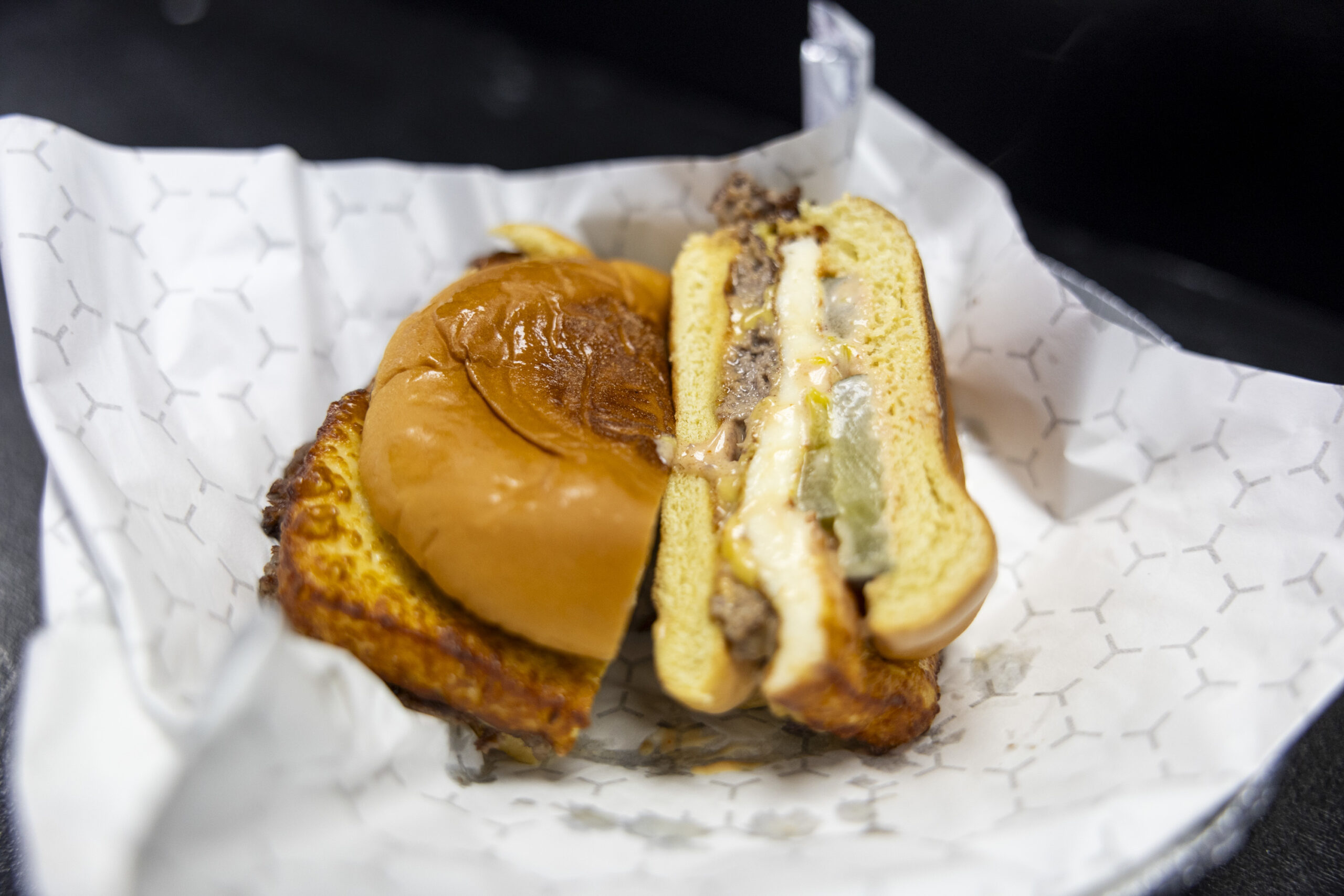
    Beatrice Forman touts the smashburgers at the new El Sazón R.D. in Northern Liberties, which are topped with a pad of queso frito and tangy mayo-ketchup to bring Dominican flavors to an American classic.

    Scoops

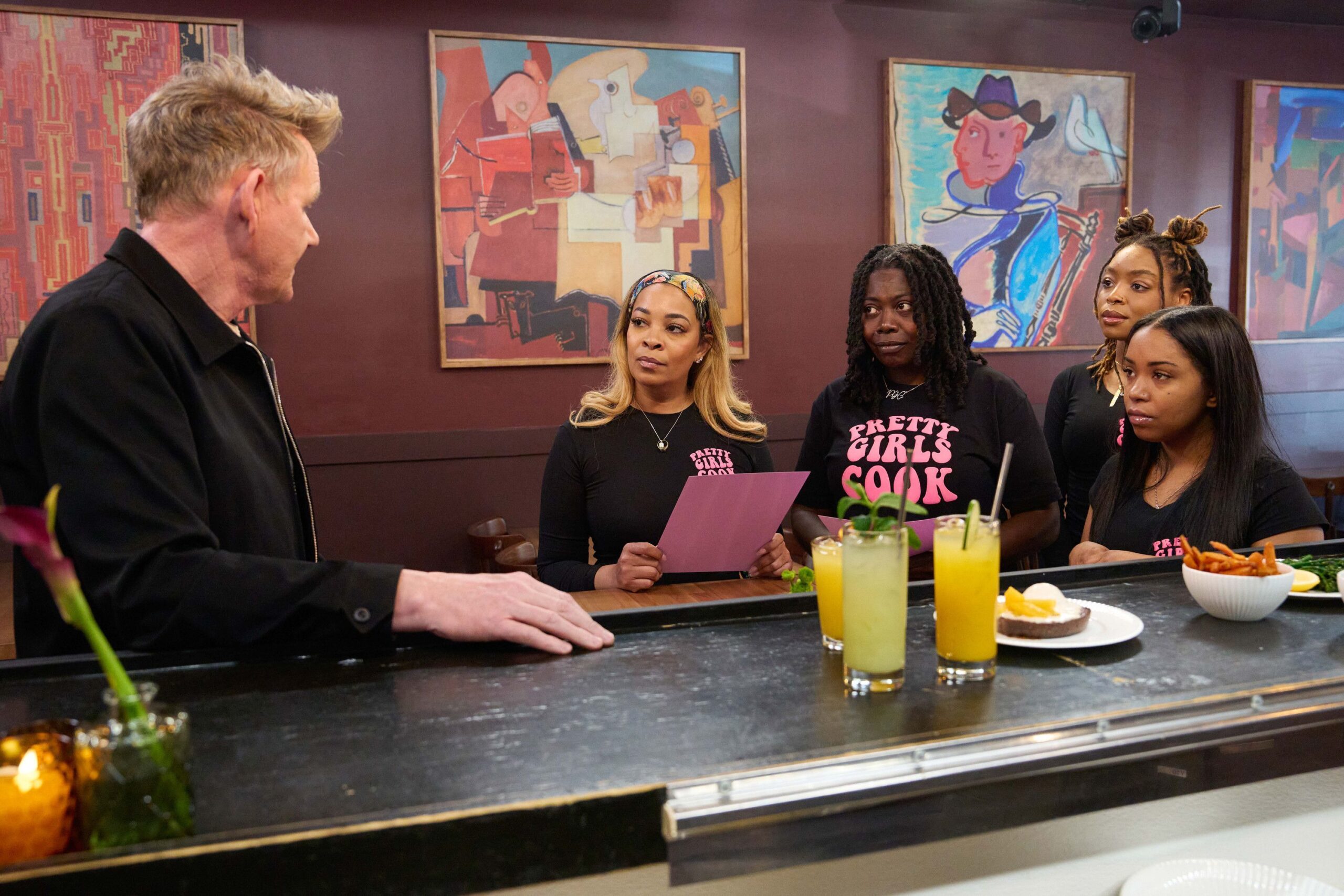
    Chef Dominique Shields, founder and former owner of North Philly’s Pretty Girls Cook (at left with her staff when she was featured last year on the Fox show Gordon Ramsay’s Secret Service), will oversee weekend brunch at the new Savú (208 S. 13th St.) as chef-in-residence. The brunch service starts Feb. 28.

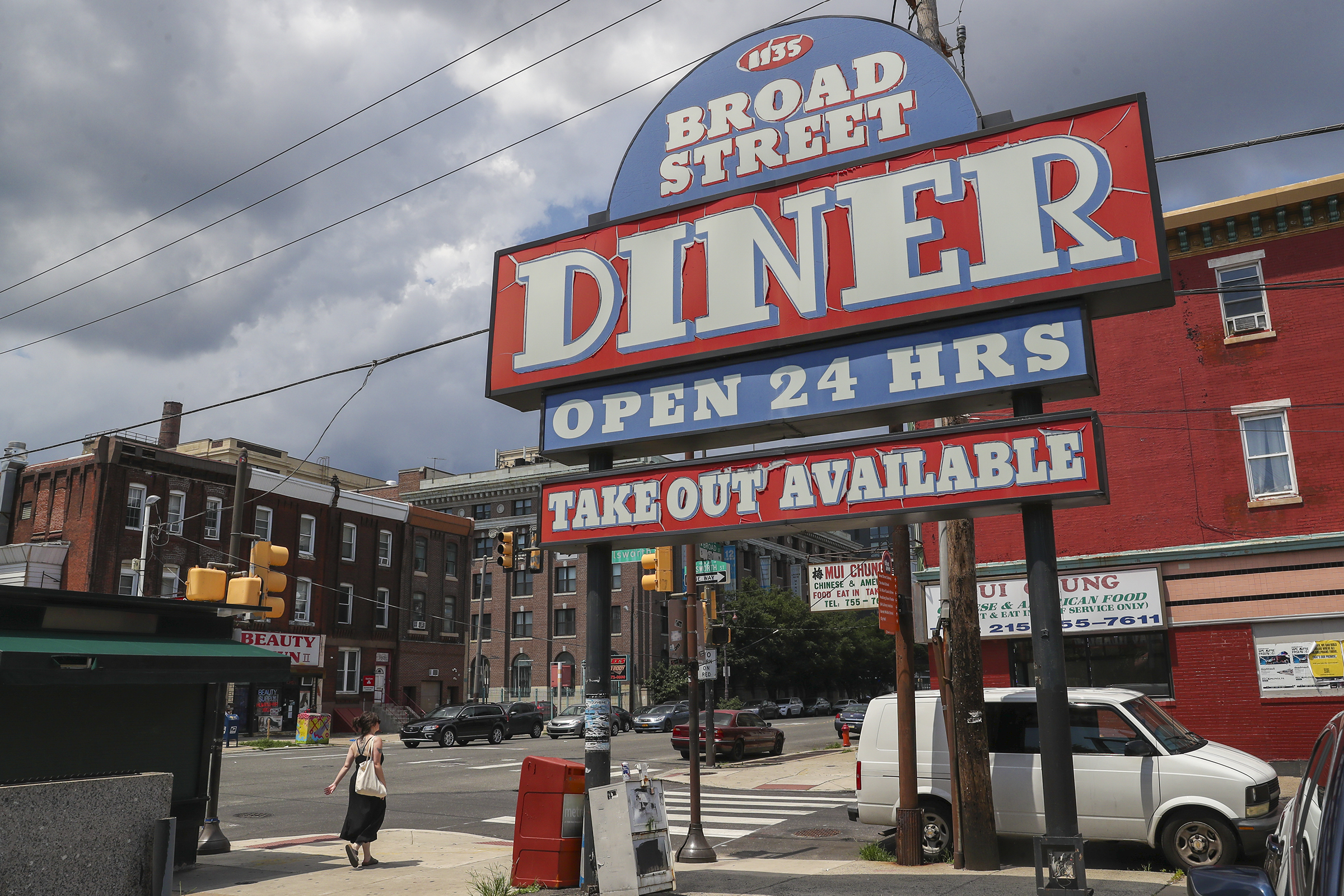
    The Broad Street Diner will yield to a new six-story hotel, as Jake Blumgart found in new city documents. What could that mean for the Melrose Diner site, also owned by Michael Petrogiannis?

    Imminent openings include Mi Vida (the swank Mexican restaurant out of D.C.), coming to 1150 Ludlow St. in East Market on Feb. 22, and Bar Tacconelli, the cocktail lounge from the pizza family in the former Versa Vino at 461 Route 38, Maple Shade, on Feb. 25.

    Root & Sprig, Top Chef judge Tom Colicchio’s health-forward fast-casual restaurant, has been booked for the Shop Penn retail district in the Perelman School of Medicine’s Kelley Research Building (421 Curie Blvd.) later this spring. There’s also a location at the Penn Medicine Food Hall.

    Sports bar P.J. Whelihan’s will replace the shuttered Iron Hill Brewery in Newtown, Bucks County.

    Restaurant report

    Maddy Rose at the Landing has replaced the Landing restaurant on the Delaware River in New Hope, which closed in late 2024. It’s a second Maddy Rose location (after Jersey City) for Frank Cretella of By Landmark, who also runs the nearby Logan Inn, Hotel du Village, and Anzu Social. The open dining room faces the Delaware and the New Hope–Lambertville Bridge, with indoor dining, bar seating, and deck dining planned as part of a second renovation phase. Mediterranean-influenced menu includes dinner entrees priced in the high $20s (white bean ravioli, Bolognese), the $30s (roasted chicken, baby back ribs), and occasional gusts into the $40s and higher (dayboat scallops, prime rib).

    Maddy Rose at the Landing, 22 N. Main St., New Hope. Hours: 4-10 p.m. Wednesday and Thursday, 4-11 p.m. Friday, noon-3 p.m. and 4-11 p.m. Saturday, and noon-3 p.m. and 4-9 p.m. Sunday. Reservations via OpenTable.

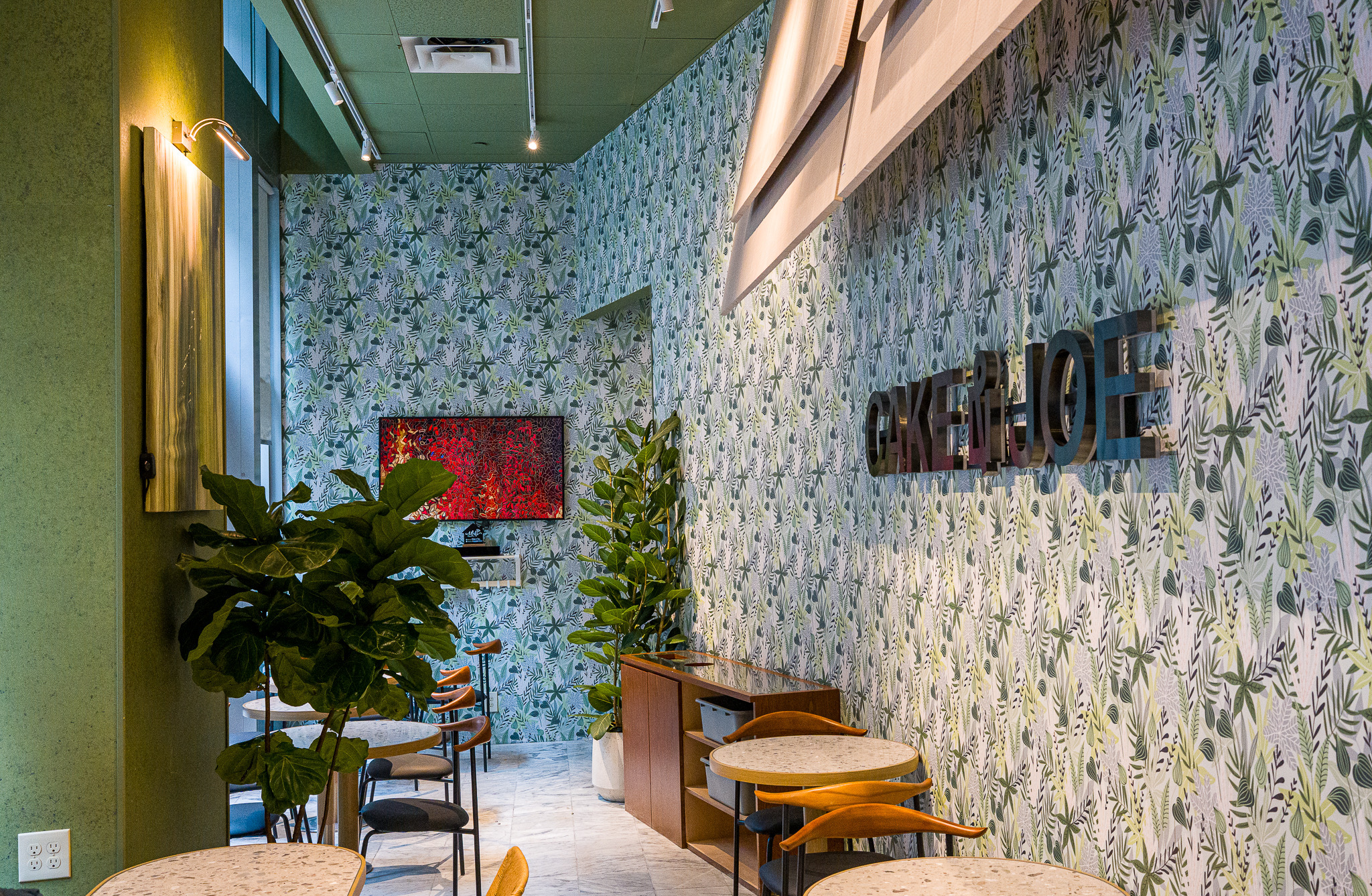
    Cake & Joe owners Sarah Qi and Trista Tang open their third location at 10 a.m. Wednesday, Feb. 18 at 1735 Market St. with free cakes for the first 100 people. The specialty coffee-and-dessert shop started in Pennsport in December 2020 and added a second in Fishtown in June 2023. The Center City location, open daily from 7 a.m.-7 p.m., features more grab-and-go options as well as a larger focus on Chinese food.

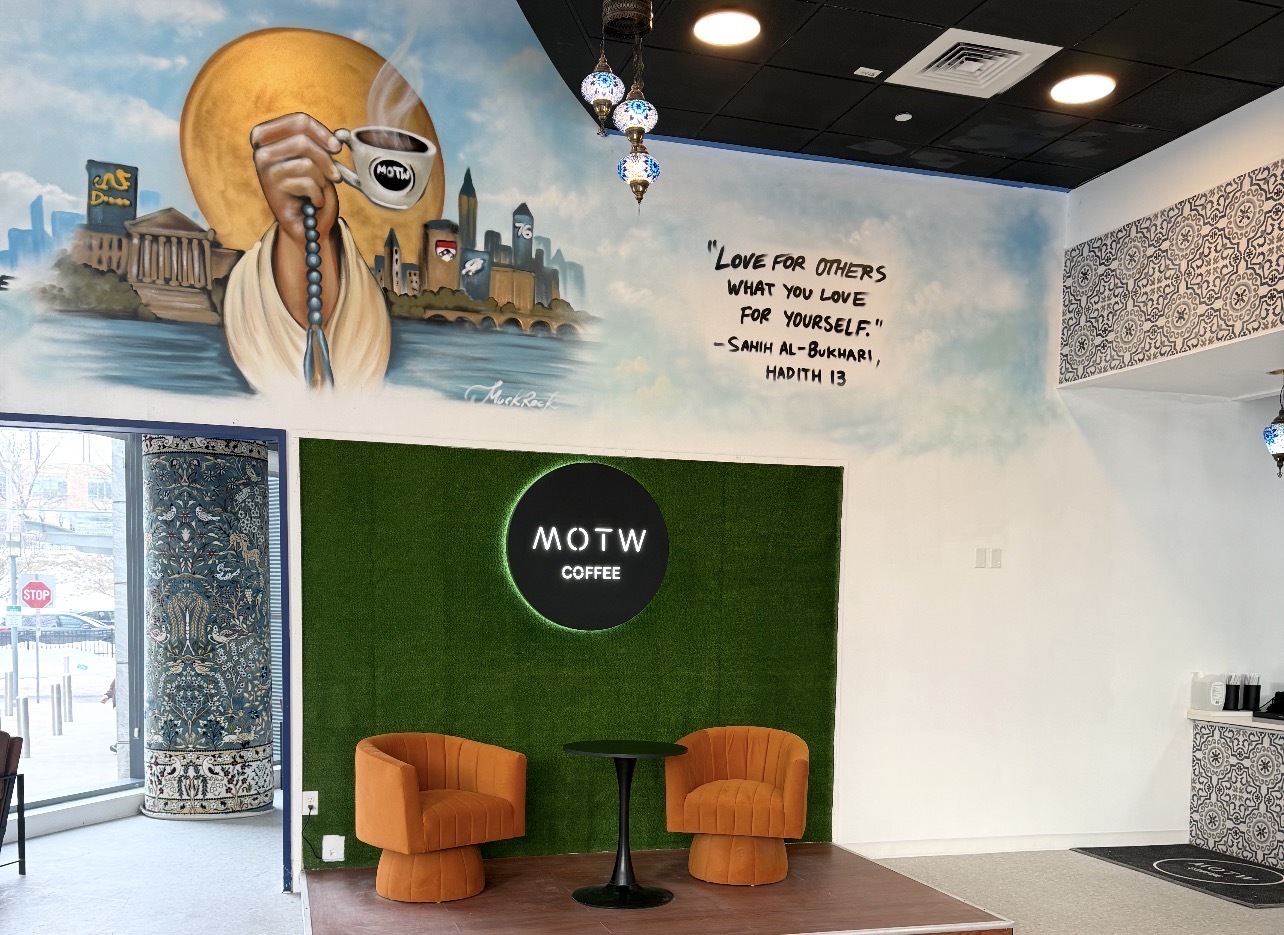
    Besides Cake & Joe, the Center City West coffee scene is broadening. Last week, Mahmood Islam and Samina Akbar opened a M.O.T.W Coffee (Muslims of the World Coffee) franchise at the Murano (2101 Market St.), next to Trader Joe’s, with Arabic baked goods alongside specialty coffee in chill environs. Two Yemeni coffeehouses are planned nearby: As I reported a few weeks ago, Haraz Coffee House is applying for zoning to open at 1822 Chestnut St., while Rittenhouse Ramblings says Jabal Coffee House has a deal at 1524 Chestnut St.; Jabal’s corporate website suggests a fall opening.

    Briefly noted

    West Chester Restaurant Week will run from Sunday, Feb. 22 to Sunday, March 1 with 30 restaurants offering multicourse menus priced from $40 to $60.

    East Passyunk Restaurant Week returns for its 14th year: Monday, Feb. 23 to Friday, March 6 at 21 participating restaurants with prix-fixes of $20, $40, and $60.

    Filipino stylings are on the menu Wednesday, Feb. 18 at Breezy’s Deli (2235 Washington Ave., 10 a.m.-7 p.m.) and Porco’s & Small Oven Pastry (2204 Washington Ave., 4-8 p.m.). Owner Chad Durkin is collaborating with the visiting Mike and Eylonah Strauss — formerly of Mike’s BBQ and Sidecar Bar — who in 2023 moved to Bacolod City, Philippines, where they run Sugaree Gelato Bakery Cafe.

    Gilda in Fishtown will have help from Cantina La Martina for Gilda’s first-ever Tuesday service, on Feb. 24. Expect Mexican specialty drinks, pastries, sandwiches, and more with a Portuguese twist. Menus will be released on their Instagram accounts. It’ll be pay-as-you-go; dine-in or takeaway.

    At Amá, chef Frankie Ramirez’s Taco Tuesday special, Taco Novela, brings in a guest chef every month for a special weekly taco, with proceeds benefiting a charity. Juan Carlos Aparicio of El Chingon launched the series this week with a taco de lobster zarandeada (a full 1½-pound Maine lobster, charred cabbage sancocho, squink ink sofrito, and chiltepín mayo on squid ink corn tortillas, priced at $42). It will be repeated on Feb. 24. Esperanza Immigration Legal Services is the beneficiary.

    Cuba Libre in Old City is marking its first quarter-century with an open house noon-4 p.m. Saturday, March 7 (snow date, Sunday, March 8) with comp tastings of the restaurant’s original menu items plus rum tastings, cocktail samples, beer, wine, and sangria. No reservations, but those who register will get a $25 gift voucher.

    Convenience chain Sheetz is scouting Wawa territory hard for a new location— as in “a site five miles down the road from Wawa HQ” hard. Erin McCarthy shares the intrigue.

    ❓Pop quiz

    What new policy is in place at Philly dive bar Dirty Franks?

    A) Customers must be at least 25 to enter

    B) One additional hour of happy hour daily

    C) Free drink for anyone with Frank in their first or last name

    D) Non-U.S. beers only

    Find out if you know the answer.

    Ask Mike anything

    I saw a posting at the former Devon Seafood Grill on Rittenhouse Square with an estimated investment of $3.2 million. Any insight? — Woody R.

    Stephen Starr is developing a restaurant — concept is TBD — at the former Devon Seafood Grill at 18th and Chancellor Streets, as I reported nearly a year ago. What you’ve spotted in a window is a printout of a city commercial building permit. The “$3.2 million” cited is the estimated cost of the general work — just a fraction of the total budget, including major categories such as equipment, furnishings, and architectural and design work. Starr would not disclose the budget. It’s probably safe to say it won’t be $20 million, the sum he and partners invested in Borromini, which opened last year across the way.

    📮 Have a question about food in Philly? Email your questions to me at mklein@inquirer.com for a chance to be featured in my newsletter.

    By submitting your written, visual, and/or audio contributions, you agree to The Inquirer’s Terms of Use, including the grant of rights in Section 10.

  • A six-story Hyatt Studios hotel is planned for the Broad Street Diner site

    A six-story Hyatt Studios hotel is planned for the Broad Street Diner site

    The Broad Street Diner’s days may finally be coming to an end.

    Although demolition permits were issued for the building at 1135-43 S. Broad St. in 2022, it has remained in business.

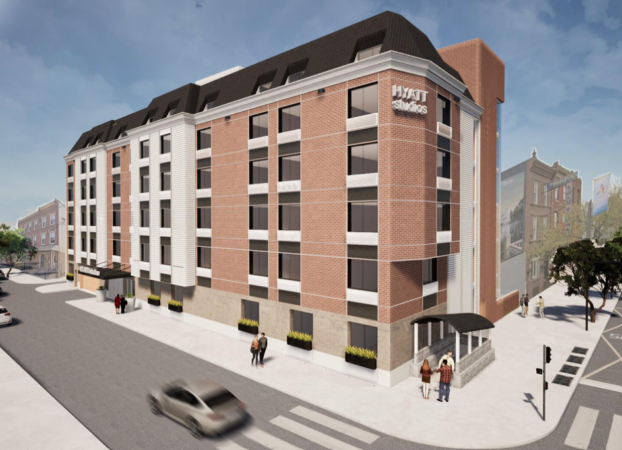
    But on Tuesday, plans for a six-story Hyatt Studios hotel were posted on the Philadelphia Planning Commission’s website, indicating that the project is moving forward.

    It will be subject to the advisory only Civic Design Review process on March 3.

    The proposal includes 105 hotel rooms and 42 underground parking spaces. Hyatt Studios is a recently launched extended-stay brand of the larger hotel chain.

    The plans are credited to Philadelphia-based architect Plato Studio, led by Plato A. Marinakos Jr. The document submitted to the planning commission was rife with errors, including mislabeled street names and neighboring developments.

    The architect’s plan highlights the project’s proximity to SEPTA’s Broad Street subway line.

    “The hotel will benefit from direct subway line access connecting guests to major sightseeing destinations, entertainment venues on South Broad Street near [Pattison] Avenue and Center City,” the plans say.

    The Hyatt Studios hotel will require approvals to move forward from the Zoning Board of Adjustment.

    A sign outside the Broad Street Diner in South Philadelphia in 2022.

    Maria Petrogiannis, head of development for MR Realty Associates, which owns the property, was not immediately available for an interview.

    Her father, Michael Petrogiannis, is a longtime owner of beloved eateries in the region, including the Mayfair, Melrose, and Country Club diners.

    The Broad Street Diner’s demolition permits were issued at the same time as the Melrose Diner at 1501 Snyder Ave. on the West Passyunk Avenue corridor. But the Melrose was demolished in 2023, after 67 years in business at that location.

    Today, its site sits vacant, hemmed in by a chain-link fence, and is a frequent subject of nuisance complaints from neighbors.

    A planned apartment building for that site, which MR Realty said would include a new version of the Melrose Diner, has not materialized.

    In a 2025 interview, Maria Petrogiannis said the hope was that the apartment building and replacement diner on West Passyunk would be completed by the time the hotel project came to fruition, giving workers a site to move to when the South Broad Street eatery was razed.

    Editor’s note: A previous version of this story incorrectly identified Pattison Avenue.

  • Northern Liberties now has TikTok-famous Dominican smashburgers topped with queso frito

    Northern Liberties now has TikTok-famous Dominican smashburgers topped with queso frito

    Philly’s burgeoning smashburger scene just got a little more crowded, thanks to a New York City-based Dominican restaurant with a huge social media following.

    El Sazón R.D. — home of lower Manhattan’s viral queso frito-topped smashburger — has opened a location in Northern Liberties at 1030 N. Second St. It replaced smoothie shop Essex Squeeze, another NYC import.

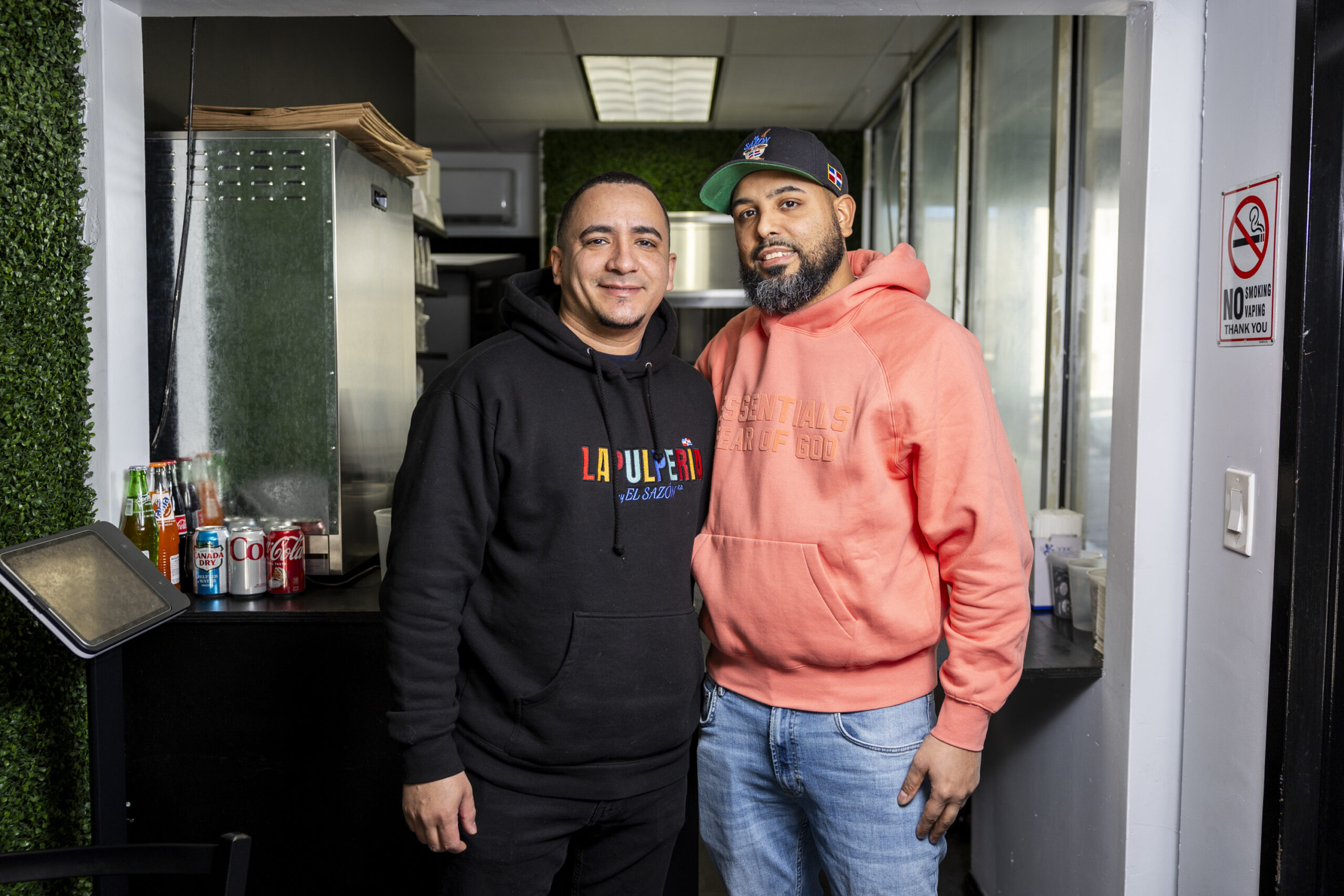
    Owned by cousins Edwin Collado and Ari Valerio and their friends Glenn Almanzar and Michael Tsang, El Sazón R.D. has created a takeout empire out of adding queso de freír — salty and melty white Dominican frying cheese to a set of distinctly American comfort foods: smashburgers, crinkle-cut fries, and deli-style egg-and-cheese sandwiches.

    The first El Sazón R.D (which roughly translates to “the Dominican flavor”) opened in 2024 in New York’s Chinatown, where it built a following among the city’s content creators. Almost immediately, Almanzar said, videos of influencers taking exaggerated bites of towering double cheeseburgers racked up millions of views.

    @jnov__ El Sazón📍 83 Baxter St, New York, NY #smashburger #nyceats #dominican #nycfood #foodreview #dominicanfood #chinatown #manhattan #foodtok #cheapeats #foodreview ♬ original sound – Johnny Novo

    Within two years, El Sazón opened three more locations: one in Tribeca, a second location in Tribeca and another in the East Village, the latter of which is a full-service bodega that also serves cheesesteaks alongside platters of chicharrón and pernil with all the fixings. The shop’s Philly location, its first outside New York, soft-opened two days before February’s record-setting snowstorm and deep freeze. Neither, Almanzar said, slowed business.

    “We’ve been selling out of stuff. That’s how busy we’ve been,” he said.

    Valerio, who grew up in the Dominican Republic’s countryside, is the chef of group, whose menu is inspired by Valerio’s relationship with his 78-year-old uncle Bijo. When he was 13, Valerio said, his uncle allowed him to set up a grill in front of his corner store and sell sandwiches.

    “I was his first customer. I was the one who told him could make money doing this,” said Almanzar, who is from the Lower East Side and would visit the D.R. on family vacations.

    El Sazón R.D co-owners Ari Valerio (left) and Glenn Almanzar (right) pose inside the restaurant’s first Philly location. The other three are in New York City.

    To open El Sazón R.D, Valerio and Alamazar partnered with Collado and Tsang, who own SET, the thumping Asian-fusion bar known for bottomless margarita towers that started in NYC and expanded to Philly in 2020. As for uncle Bijo, everything on the menu had to get his stamp of approval.

    “He’s very old-fashioned,” said Valerio. “We’d do these early-morning tasting sessions and he’d get on me about making sure I was measuring all my ingredients exactly right.”

    Deep-fried cheese, please

    El Sazón’s Philly menu only has four distinct food items on it, but it pulses with tastes of the Dominican Republic.

    The restaurant’s smashburger starts with a Martin’s potato bun slathered with “chimi” sauce, a tangy mayo-ketchup mixture ubiquitous across Latin America. The condiment is a nod to the Chimi, a popular Dominican street food sandwich that involves spreading mayo-ketchup onto rolls of crisp pan de agua piled high with beef and a cabbage slaw.

    El Sazón R.D’s Dominican smashburger comes with American cheese, a slice of queso frito, pickles, and “chimi” sauce, also known as mayo-ketchup.

    “People always ask us why our mayo-ketchup tastes different than when they make at home,” bragged Almanzar. “There’s nothing special about it, but at the same time, you can’t recreate it by squirting mayo and ketchup packets together. It’s about balance.”

    Valerio smashes a Pat La Frieda beef patty onto a flat-top grill with a meat press, spreading out the edges so they become lacy with a slight crunch. The key to perfecting the queso frito, he said, is to deep-fry the slices for exactly 45 seconds at 350°F. A moment longer and the cheese turns rubbery, not unlike a Wawa mozzarella stick that’s sat on the hot tray for too long.

    The result is a $10 smashburger that is hefty and satisfying. The fried cheese adds dimension, its saltiness mixing with the acidity of the chimi sauce and pickle slices to dress up an otherwise plain burger patty. To Almanzar, that’s the point.

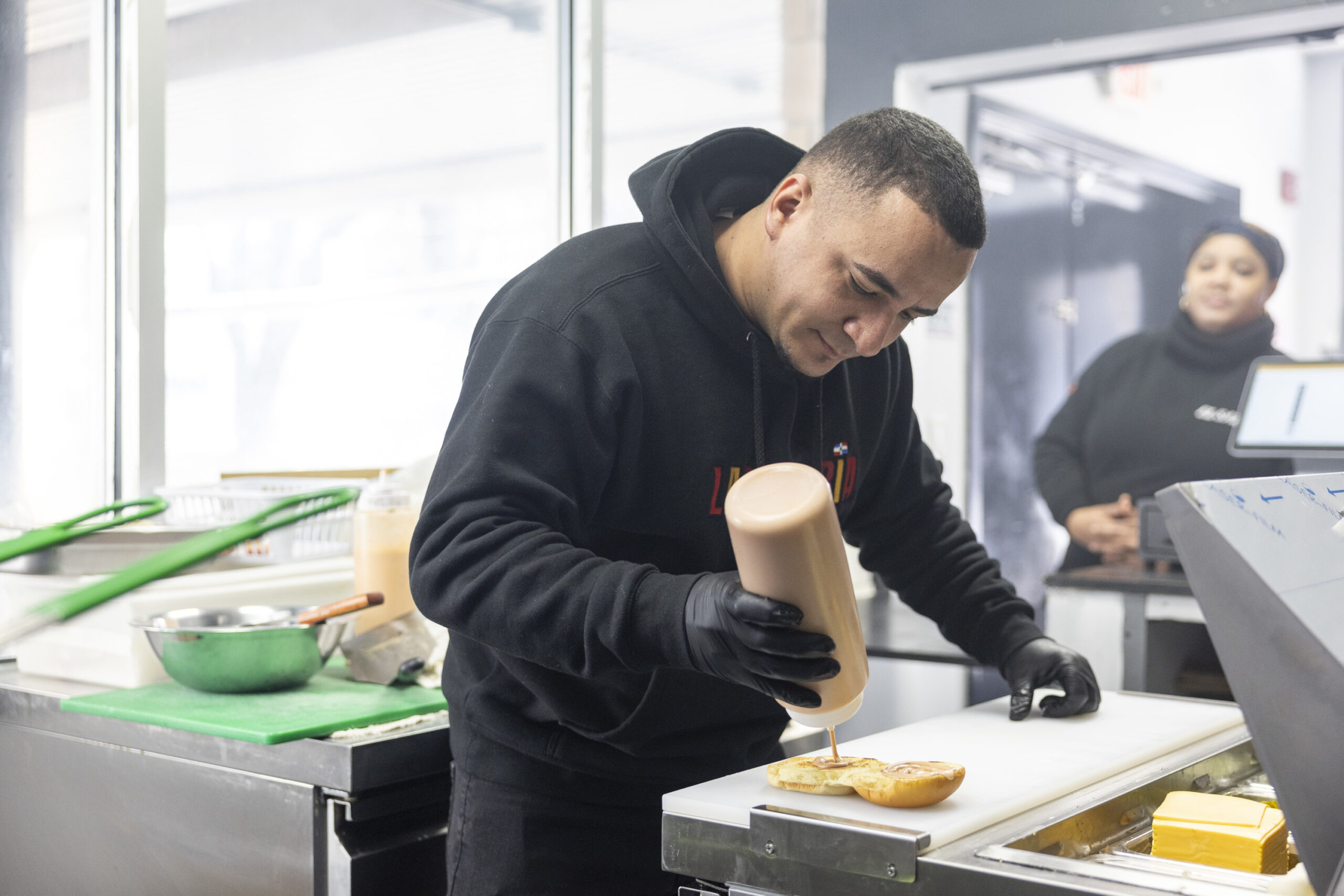
    El Sazón R.D. co-owner Ari Valerio squirts mayo-ketchup onto a burger bun. Valerio, who grew up in the Dominican Republic, first started cooking at his uncle’s bodega.

    “With a smashburger, it’s not about the burger itself but what you put on it — the fried cheese, the sauce,” he said.

    Popularized by chains like Shake Shack, the smashburger has overtaken the plump pub burger in the past decade on menus around the country. The slim and crispy patties are cheaper and quicker to make, and, since precise temperature isn’t a factor, easier to cook. This year, Philly is also poised to get a Harlem Shake and a 7th Street Burger, two other New York City-based smashburger chains. They’ll join a scene already saturated with local iterations with cheffy flourishes; think burgers topped with chili jam, Yemenite-spiced mayo, and pickled green tomatoes.

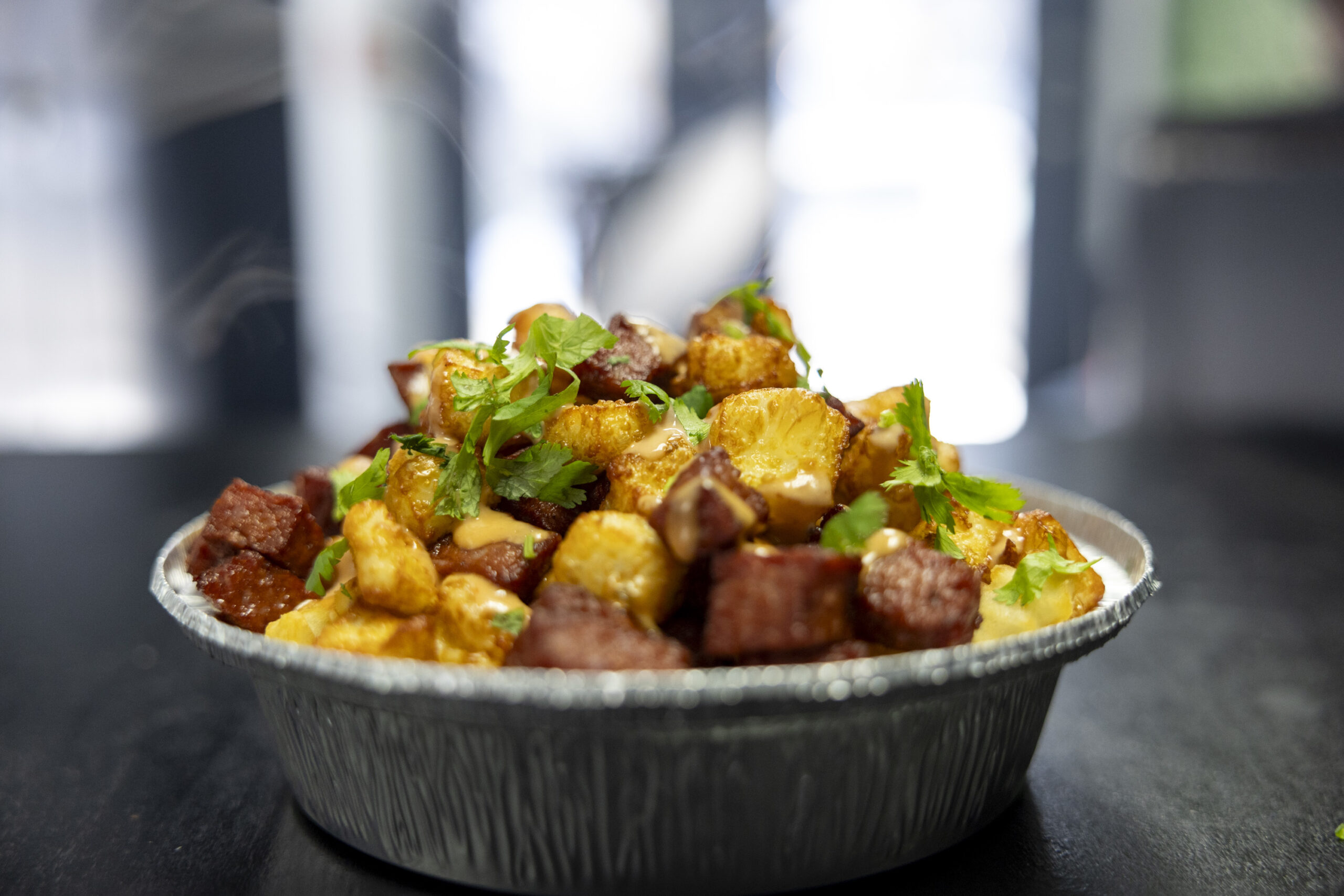
    El Sazon R.D’s loaded fries come topped with cubes of queso frito and fried salami.

    El Sazón also sells loaded crinkle-cut fries layered with two hefty squirts of mayo-ketchup, cubes of queso de frier, and fried salami chunks that pop in your mouth like blistered cocktail sausages. It’s yet another play on Latin American street food, said Valerio: Vendors selling salchipapas — French fries topped with hot dogs — are a staple across Peru and the Caribbean, he said.

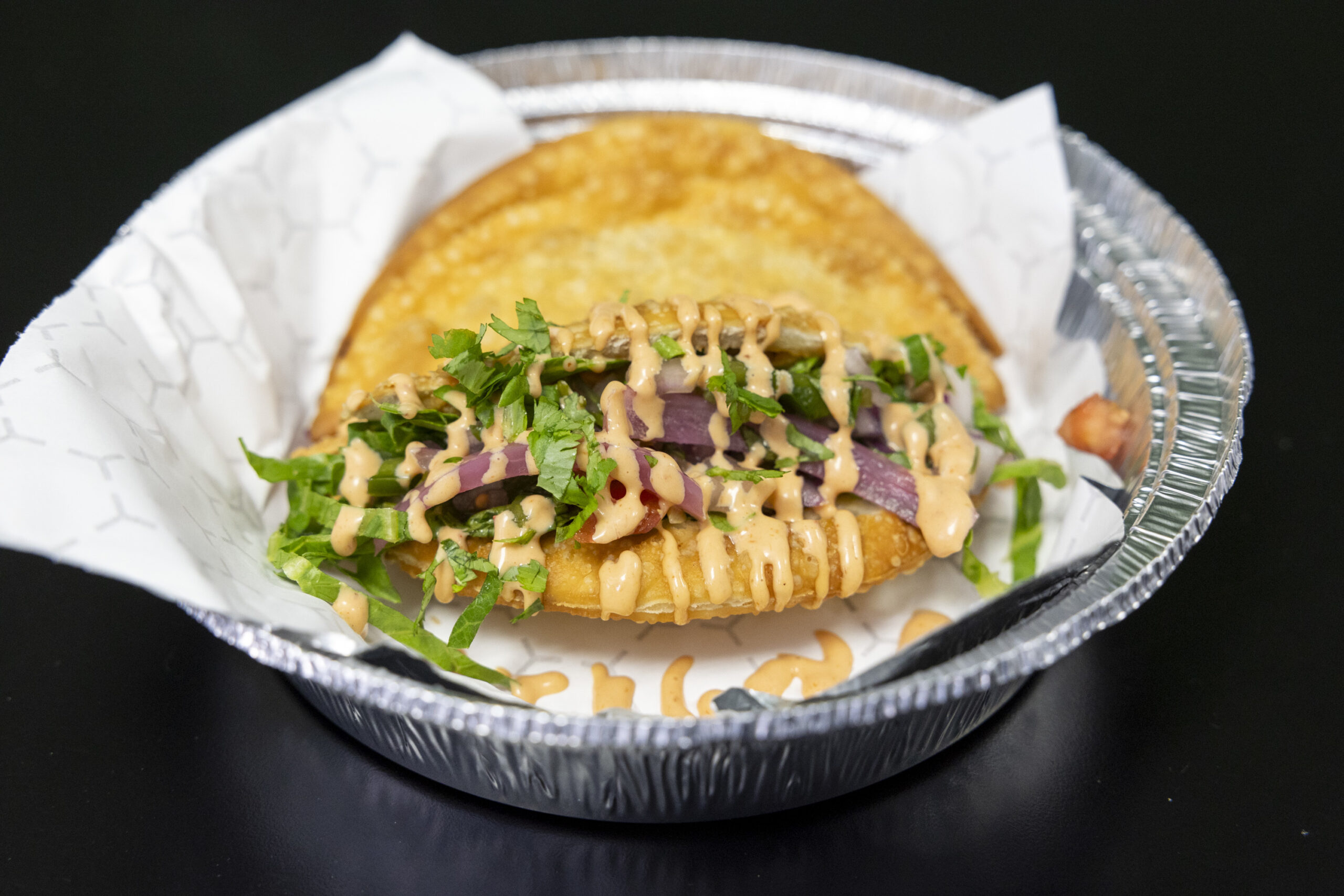
    Also on the menu: Beef, chicken, vegetable, and salami and cheese empanadas made fresh daily by another one of Valerio’s cousins. The turnovers can be served as is or taco-style, wherein the empanada is sliced open and lined with pico de gallo, pickled onions, and drizzles of chipotle aioli.

    Eventually, Almanzar hopes to extend El Sazón’s Philly hours until midnight or later on weekends to capitalize on bar crowds seeking something filling, cheap, and a little comforting.

    “That’s our kind of food,” he said.

    The empanada taco at El Sazón R.D.

    El Sazón R.D., 1030 N. 2nd St. Ste. 201, elsazon-rd.com. Initial hours: noon to 9 p.m. daily.

  • After 96 years, Pat’s King of Steaks is changing how it makes cheesesteaks

    After 96 years, Pat’s King of Steaks is changing how it makes cheesesteaks

    Like Major League Baseball installing the pitch clock or Apple dropping the headphone jack from iPhones, a small shift can have a major impact.

    The same is true of sandwiches: After 96 years, South Philadelphia landmark Pat’s King of Steaks has made two subtle but significant tweaks.

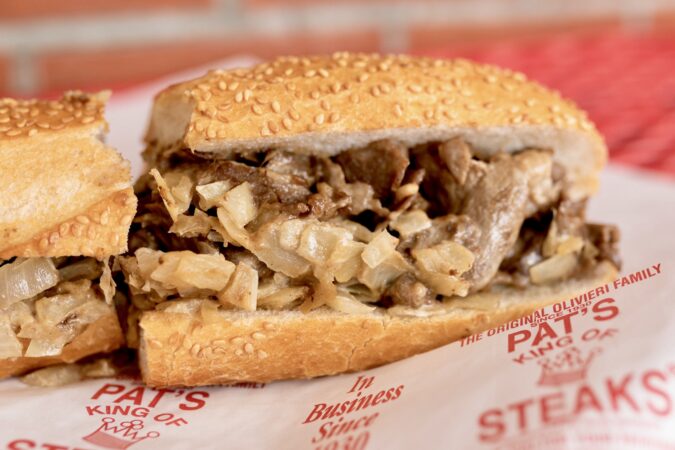
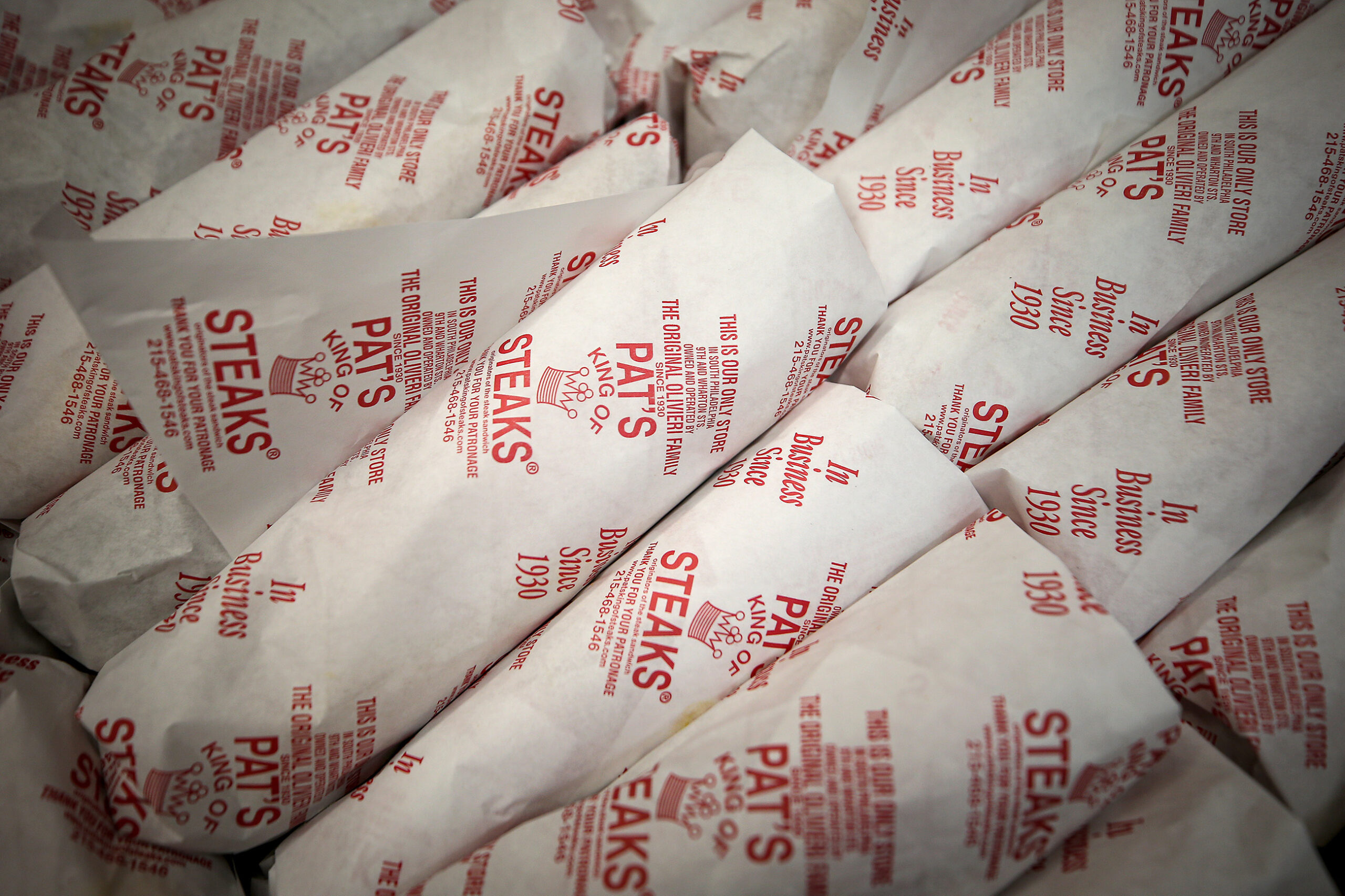
    The stand at the crossroads of Ninth, Passyunk, and Wharton is now offering seeded rolls, from longtime supplier Aversa Italian Bakery, alongside the plain hoagie-style rolls Pat Olivieri first used when he introduced the steak sandwich in 1930.

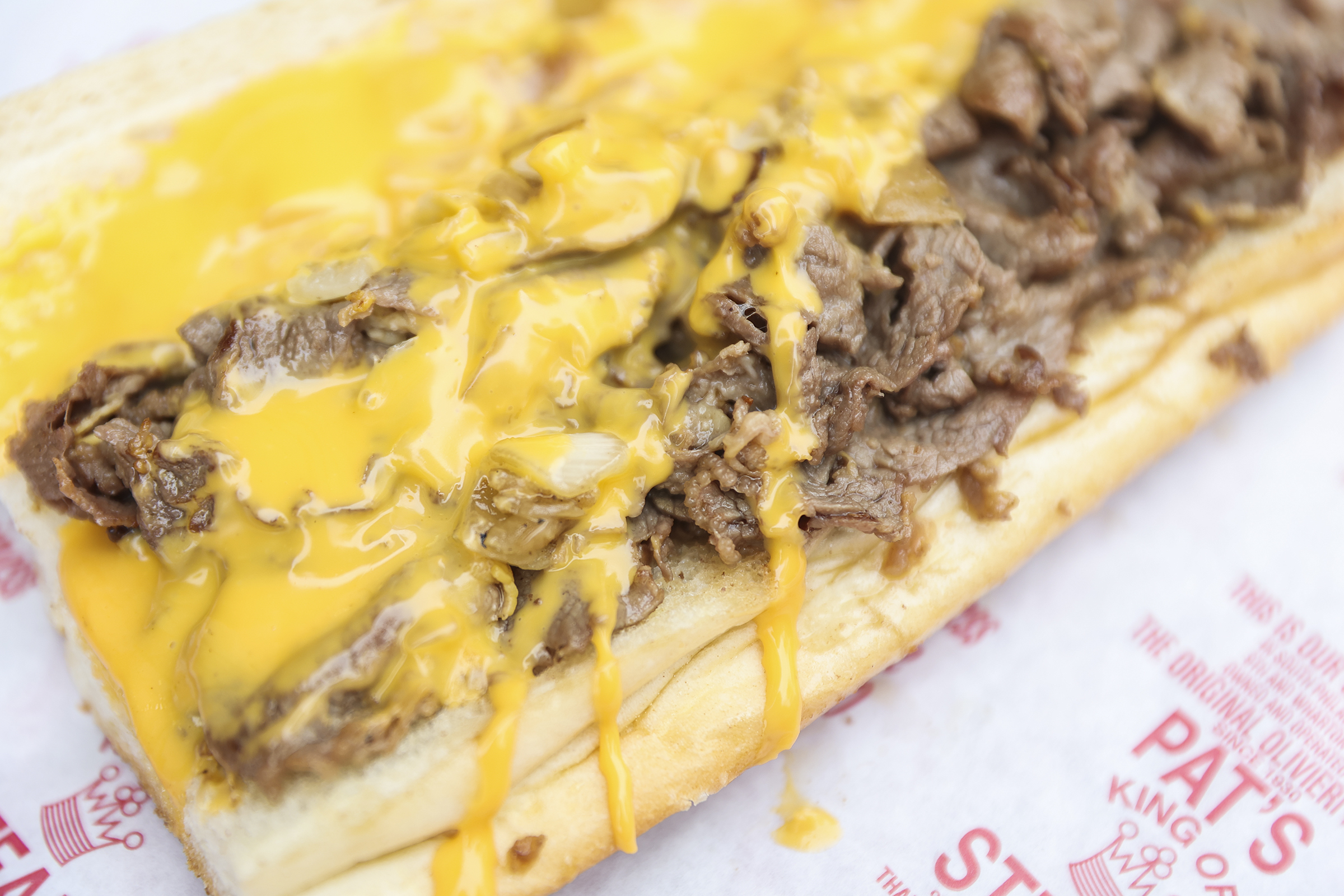
    An O.G.-style cheesesteak with Cheez Whiz on top at Pat’s King of Steaks in 2024.

    Owner Frank Olivieri said his father, Frank P. Olivieri, didn’t want seeded rolls “probably because his father [Harry] and his uncle [Pat] beat it into his head that he could not change the recipe whatsoever for whatever reason. But since my father unfortunately passed several weeks ago, I thought maybe it’s time to change up a little bit,“ he said. ”Seeded rolls are something that I do when I make them at home for myself.”

    Pat’s announced the “new school” seeded-roll option on Instagram as a limited-time offering, but Olivieri said it likely will be permanent. (Across the street, Geno’s still offers plain rolls only.)

    The second change — subtle but more significant — is happening on Pat’s grills.

    Since Pat’s began offering cheesesteaks in the 1950s, cooks layered the sliced cheese over the beef and let residual heat do the melting on the sandwich. Now, the cheese is melted into the meat and optional onions on the grill before everything gets mixed and goes into the roll.

    Pat’s is credited with inventing the steak sandwich in 1930.

    Olivieri said his father resisted melting cheese on the grill out of concern for maintaining the cooking surface. The new method produces a more integrated bite, with cheese distributed evenly. (Traditionalists, he said, can ask for the classic layered technique.)

    He said the updates reflect customer requests, not competitive pressure. Many newer shops favor seeded rolls and grill-melted cheese, arguing that the crunch and cohesion improve texture. Pat’s has adopted those elements — with limits.

    While newer operators often finely chop their steak, Pat’s remains committed to its sliced, or “slab,” style.

    “There’ll be no banging on the grill,” Olivieri said.

    Other additions have appeared. Two years ago, Pat’s started to offer chicken cheesesteaks and Cooper Sharp cheese — the darling of the new-gen shops. Pat’s still offers American, but Olivieri said he plans to phase it out. “It’s kind of redundant,” he said.

    The shop has tweaked things before.

    In the late 1970s, Olivieri said, he and his mother, Ritamarie, began offering mushrooms and peppers after hearing customers ask for them. His father didn’t notice at first.

    “He was looking at one of the invoices and said, ‘When the hell did we start selling mushrooms and peppers?’” Olivieri recalled. “I said, ‘Three weeks ago, Dad.’ He goes, ‘Oh, are they selling?’ I said, ‘Yes.’”

    They stayed.

    Still, Olivieri sets some boundaries. “I draw the line at pepperoni,” he said.

  • At Old City’s latest restaurant, a South Philly restaurant couple updates their red-sauce memories

    At Old City’s latest restaurant, a South Philly restaurant couple updates their red-sauce memories

    Piccolina is the newest entry from restaurateurs Michael and Jeniphur Pasquarello, and it may also be their most personal.

    The Italian restaurant opened Monday inside the Society Hill Hotel at Third and Chestnut Streets, occupying a compact spot that was originally an oyster bar in 1830. The corner restaurant is anchored by the big-bellied, handmade brick Marra Forni pizza oven installed by the hotel’s owners, who closed their own restaurant in the space in December. At night, the bar glows against warm brick and plaster, giving the room a sense of intimacy.

    Guests dining in and at the bar at Piccolina in Philadelphia, Pa., on Friday, Feb. 13, 2026. .
    Michael and Jeniphur Pasquarello at their restaurant Piccolina in Philadelphia, Pa., on Friday, Feb. 13, 2026.

    For the Pasquarellos — whose restaurant history dates to 2003, when they opened their first Cafe Lift bruncherie in Callowhill — Piccolina marks a shift in focus. Over the years, the couple added a Cafe Lift in Haddonfield and moved the original location to 12th and Spring Garden (after closing a short-lived branch in Narberth), and opened the nearby concepts Prohibition Taproom (corner bar) and La Chinesca (Mexican). They also had a six-year run of the wood-fired pizzeria Bufad, and a decade in Fishtown with the beef-, then fish-centered Kensington Quarters.

    Piccolina is a return to the Pasquarellos’ South Philadelphia roots: He grew up near Chadwick and Shunk Streets, and she grew up two blocks away, at 17th and Ritner. Her grandparents, the Bernardinis, ran Bruno’s luncheonette — later Brunic’s. (Brunic’s lives on, under different owners.)

    Chef Alex Vazquez working during service at Piccolina in Philadelphia, Pa., on Friday, Feb. 13, 2026.

    “It’s tapping into memory and the feeling of where it all came from,” Michael Pasquarello said. But although the menu includes flavors they grew up with, Piccolina is not a South Philly red-gravy house. “We took all of that and then we let Alex put it through his filter.”

    Alex is chef Alex Vazquez, whose resumé includes Vernick Food & Drink and Friday Saturday Sunday, where he rose over a five-year run from garde manger to sous chef.

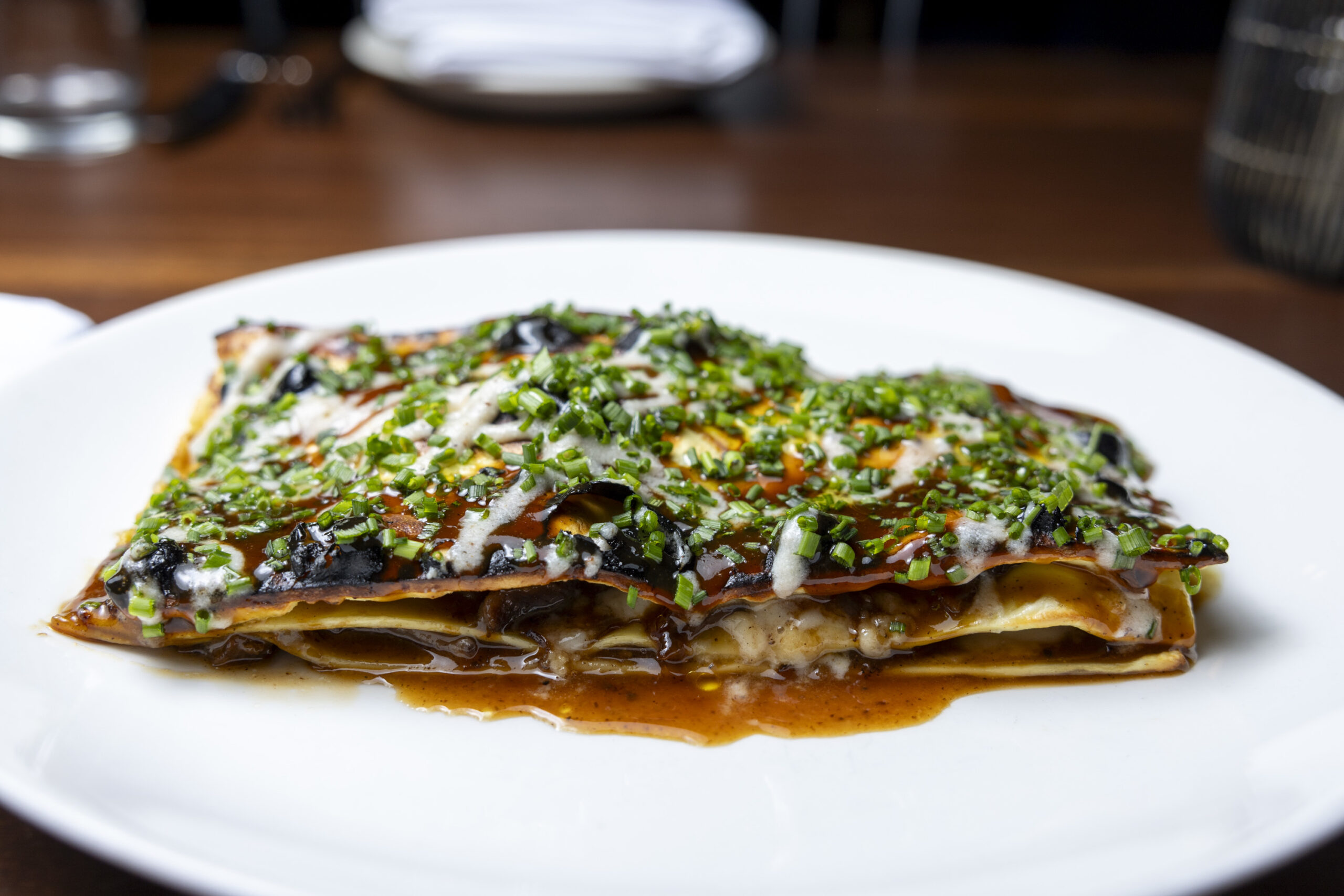
    At Piccolina, Vazquez is turning out traditional pastas like bucatini amatriciana and malfadine al limone. Stracciatella is folded into the campanelle vodka just before plating, giving the sauce a loose, creamy pull rather than a heavy coat, Michael said. There’s oxtail lasagna, too, built with just three layers of fresh pasta — a technique Pasquarello traces back to Kensington Quarters.

    The Malfadine Al Limone at Piccolina in Philadelphia, Pa., on Friday, Feb. 13, 2026.
    The Oxtail lasagna at Piccolina in Philadelphia, Pa., on Friday, Feb. 13, 2026.

    “We used to do these thin lasagnas because we wanted crispy edges,” Michael said. “Alex loved that idea. So we do braised oxtail, a really rich tomato sauce, drizzle Alfredo through it, then fire it in the brick oven so you get those crisp edges.”

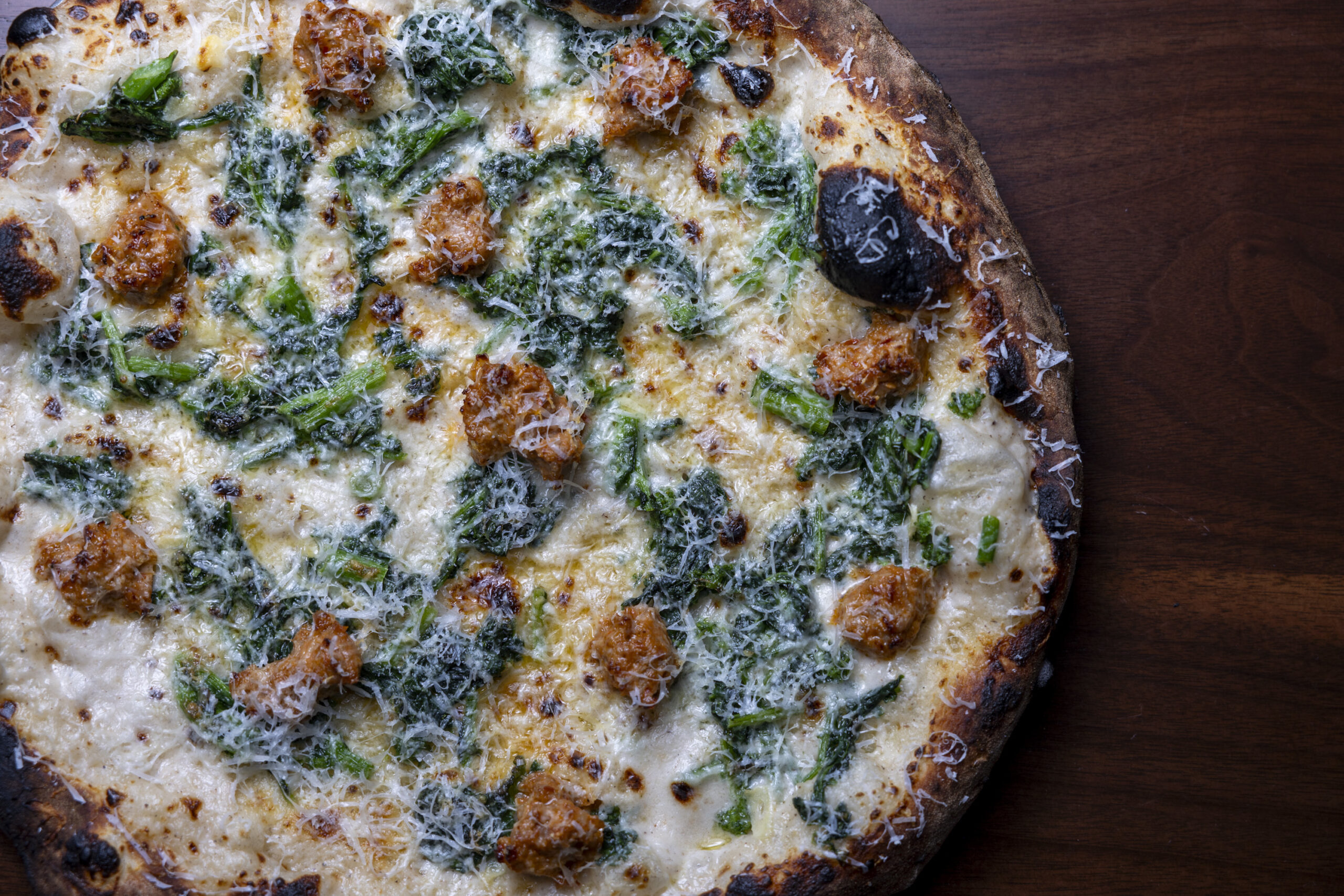
    Vazquez’s Neapolitan pizzas are sturdy-crusted, all the better to keep up with a load of toppings. Inspired by Bufad, there’s a sausage pie finished with béchamel, broccoli rabe, and shaved pecorino, as well as a mushroom pizza that had developed a following before the restaurant closed at the end of 2018.

    The Sausage Pizza at Piccolina in Philadelphia, Pa., on Friday, Feb. 13, 2026.

    The larger plates push the “memory through a chef’s lens” idea most clearly, Michael said. The half-chicken marsala starts with dry-aged birds that are brined, air-dried, and cooked, then finished with a deep marsala sauce and hearth-fired mushrooms.

    “I remember my mom making chicken Marsala for us,” he said. “So the idea was, what does that look like when you take it [more] seriously?”

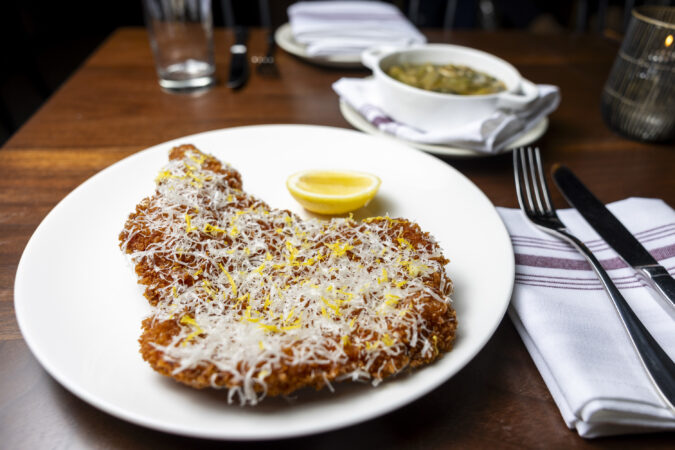
    The pork Milanese follows a similar logic. Vazquez brines the pork for 24 hours with coriander, fennel, garlic, and peppercorns before breading it in panko and frying it crisp. It’s served with a hearty crock of escarole and beans — a dish Michael describes as almost universal in South Philadelphia kitchens. “That dish is home to me,” he said.

    “I love red-sauce places,” Vazquez said. “It’s so Philly. I just wanted to put my spin on what I want to eat — a red-sauce, pizza, pasta place that’s a little nicer.”

    Piccolina serves dinner daily, with lunch and brunch expanding the menu into panini, egg dishes, and sweets like maritozzi French toast stuffed with mascarpone whip. The full bar includes six beers on draft, negroni and other cocktails, and an Italian-only wine list.

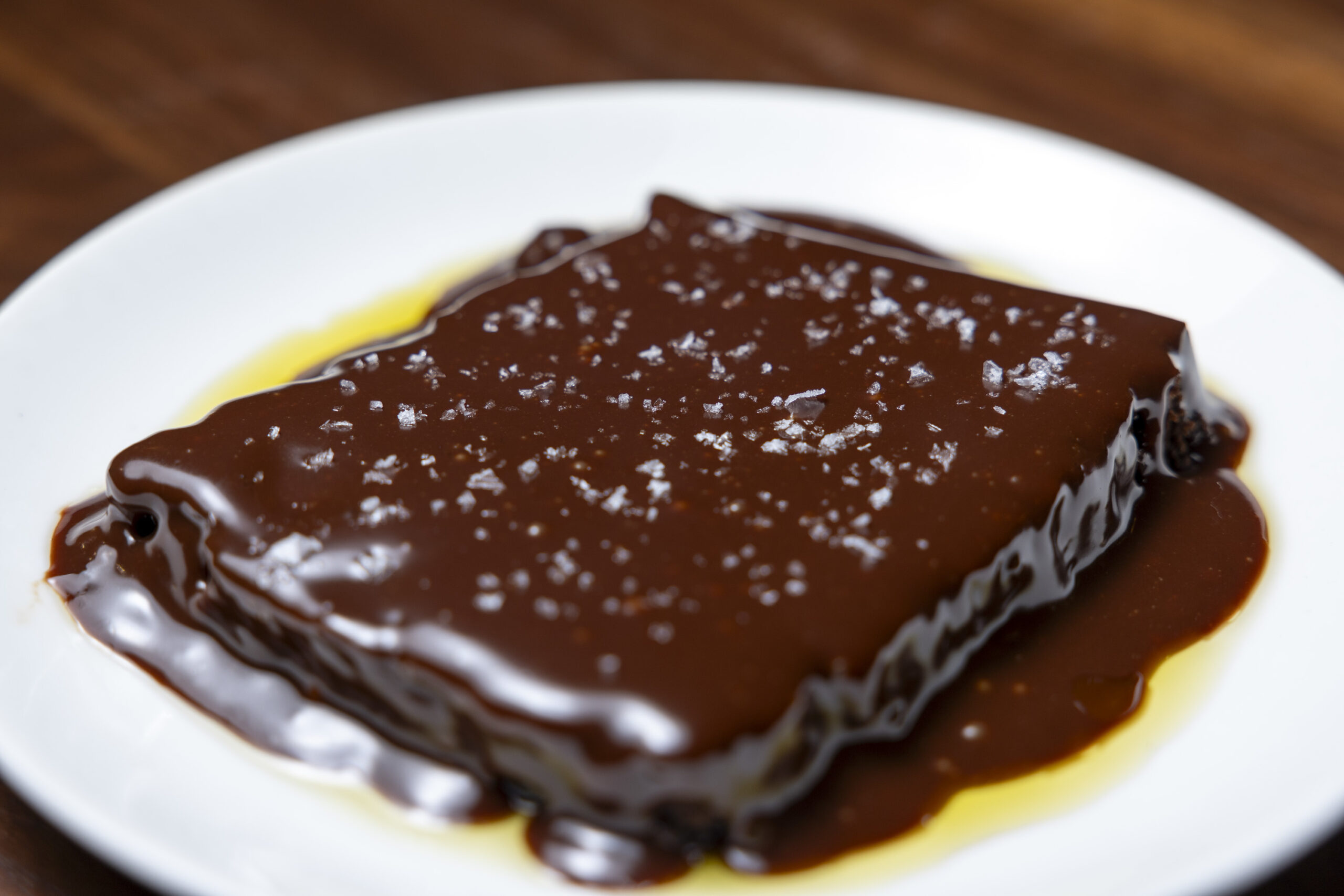
    A chocolate cake at Piccolina in Philadelphia, Pa., on Friday, Feb. 13, 2026. .

    Piccolina, 301 Chestnut St., 267-761-4120, piccolinaphl.com. Hours: 5 p.m. to 1 a.m. for dinner. Lunch (noon to 4 p.m. Monday to Friday) starts Feb. 17 and weekend brunch (11 a.m. to 4 p.m.) starts Feb. 21.

  • After 50 years devoted to a Logan Square landmark, Cherry Street Tavern’s owners have decided it’s time to sell

    After 50 years devoted to a Logan Square landmark, Cherry Street Tavern’s owners have decided it’s time to sell

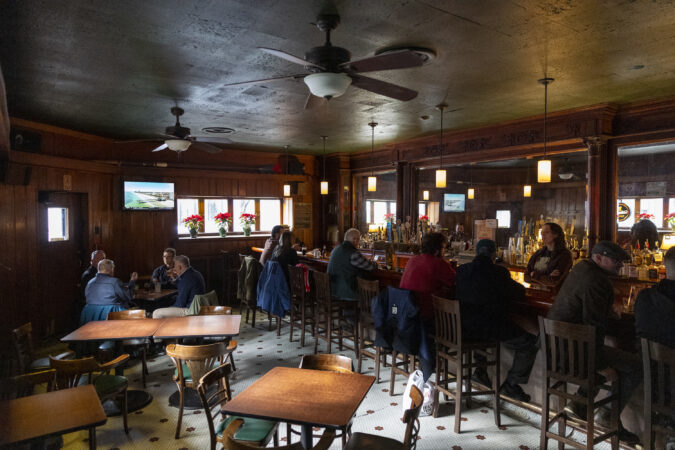
    In 1976, when Bill Loughery was a rookie bartender at Cherry Street Tavern, the old-world saloon seemed as abandoned as the neighborhood around it. Back then, the streets around 22nd and Cherry in Logan Square were littered with abandoned warehouses, rusting textile mills, and crumbling body shops.

    First operated as a bar around 1902 and surviving Prohibition as a barbershop — at least one where regulars swilled hooch in the back room — the tavern had retained much of its bygone charms into the ’70s. It had an elaborately carved mahogany backbar, vast beveled bar mirrors, pearly white tiled floors, and an old-timey phone booth. Even the tiled water trough running the length of the floor under the bar — a no longer operational relic from the barroom’s pre-World War II days designated for fedora-sporting patrons to spit tobacco juice and relieve themselves — had survived the decades.

    But like the neighborhood, business had faded.

    Bill Loughery, then 24, and his younger brother, Bob, had scored the bartending gigs from their former coach and mentor, legendary La Salle High School football coach John “Tex” Flannery, who purchased the bar in the early 1970s. Serving 25-cent Schaefers, rocking their favorite Grateful Dead tunes, and warmly greeting the newbies filling the barstools, the Lougherys brought life to Cherry Street Tavern, eventually buying it from Flannery in 1990.

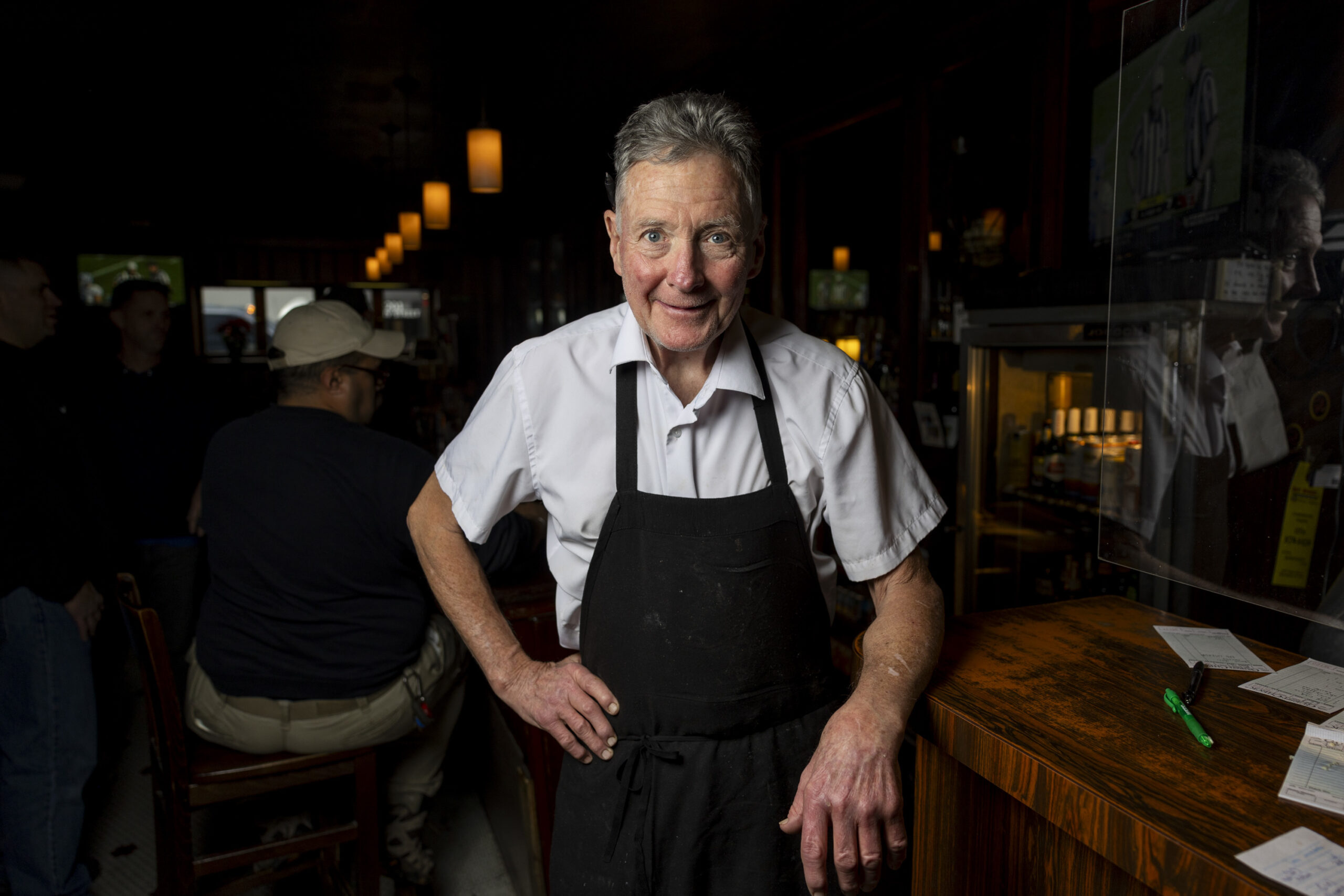
    Bill Loughery, co-owner of Cherry Street Tavern, inside his bar in Philadelphia on Friday, Dec. 19, 2025.

    While burnishing its old-world grace, they had transformed the timeworn taproom into a thriving, in-the-know spot for eating and drinking, with a diverse, dedicated, and colorful cast of regulars from all over. Everyone from construction workers and electricians to lawyers and bankers to art students and professors came to the bar — even rock icons like Jimi Hendrix, who, as the legend goes, knocked on the side door wearing a cape in 1968 after playing a show at the original Electric Factory, just blocks away; he palmed the bartender $100 for a case of Bud and a bottle of Jack Daniels. There were also visiting sports legends like Larry Bird, who would drink at Cherry Street with his staff when he came through town as a coach in the 1990s and 2000s.

    “He’d say, ‘Billy, let me know when you’re closing that kitchen,’” Bill Loughery remembers. “And then he would go back to the Four Seasons with bags of roast beef and roast pork.”

    And always, there were Bill and Bob Loughery, either toiling in the tavern’s tiny kitchen before dawn to prepare steaming cauldrons of Irish potato soup and huge slabs of beef for the bar’s signature sandwiches, or working the wood until closing.

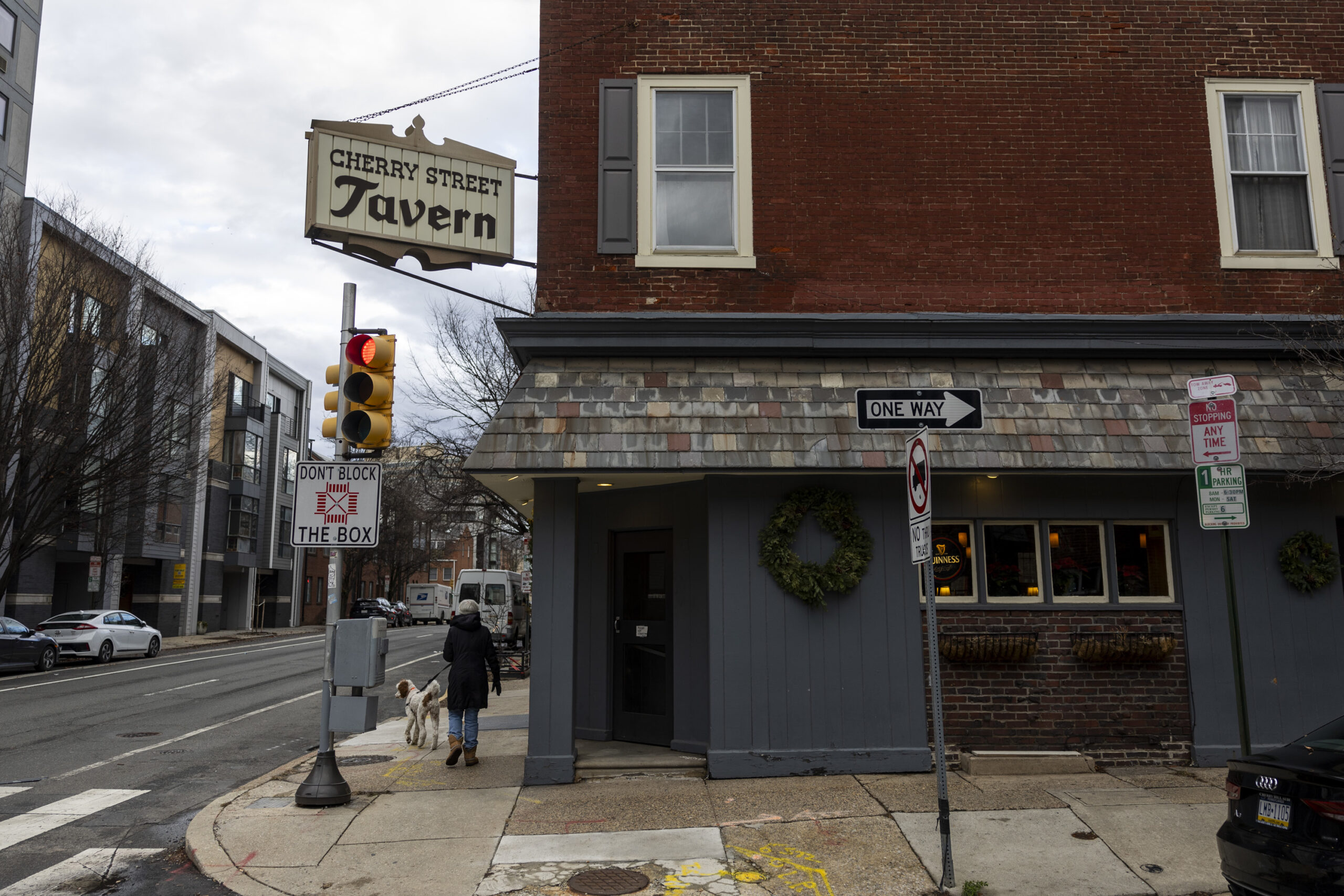
    The outside of Cherry Street Tavern in Philadelphia on Friday, Dec. 19, 2025.

    After 50 years devoted to a tavern that always felt more like a labor of love — and bearing witness to the change all around it — Bill and Bob Loughery have decided it’s time.

    “Time to take off the apron,” said Bill Loughery, taking a quick break on a recent afternoon to sit in the soft sunlight slipping through Cherry Street’s bottle-height barroom windows. “It’s just time.”

    History, for sale

    It’s been time for a few years, but the Lougherys — wanting to preserve the understated elegance and identity of the shot-and-a-beer saloon, especially after revitalizing the bar once again as a popular meeting spot for locals after COVID-era restrictions dried up lunchtime and commuter crowds — have never officially listed the tavern and its upstairs apartment for sale. They began whispering to friends and regulars about selling around 2024.

    “People were always asking us to let them know when we were ready,” Bill Loughery said.

    After months of talks with prospective purchasers, the Lougherys are now in talks with a buyer who they say is interested in expanding the bar’s kitchen and making other renovations.

    The Lougherys’ efforts to find a buyer committed to keeping the spirit of the bar alive have eased the worries of regulars old and new, and loyal staff.

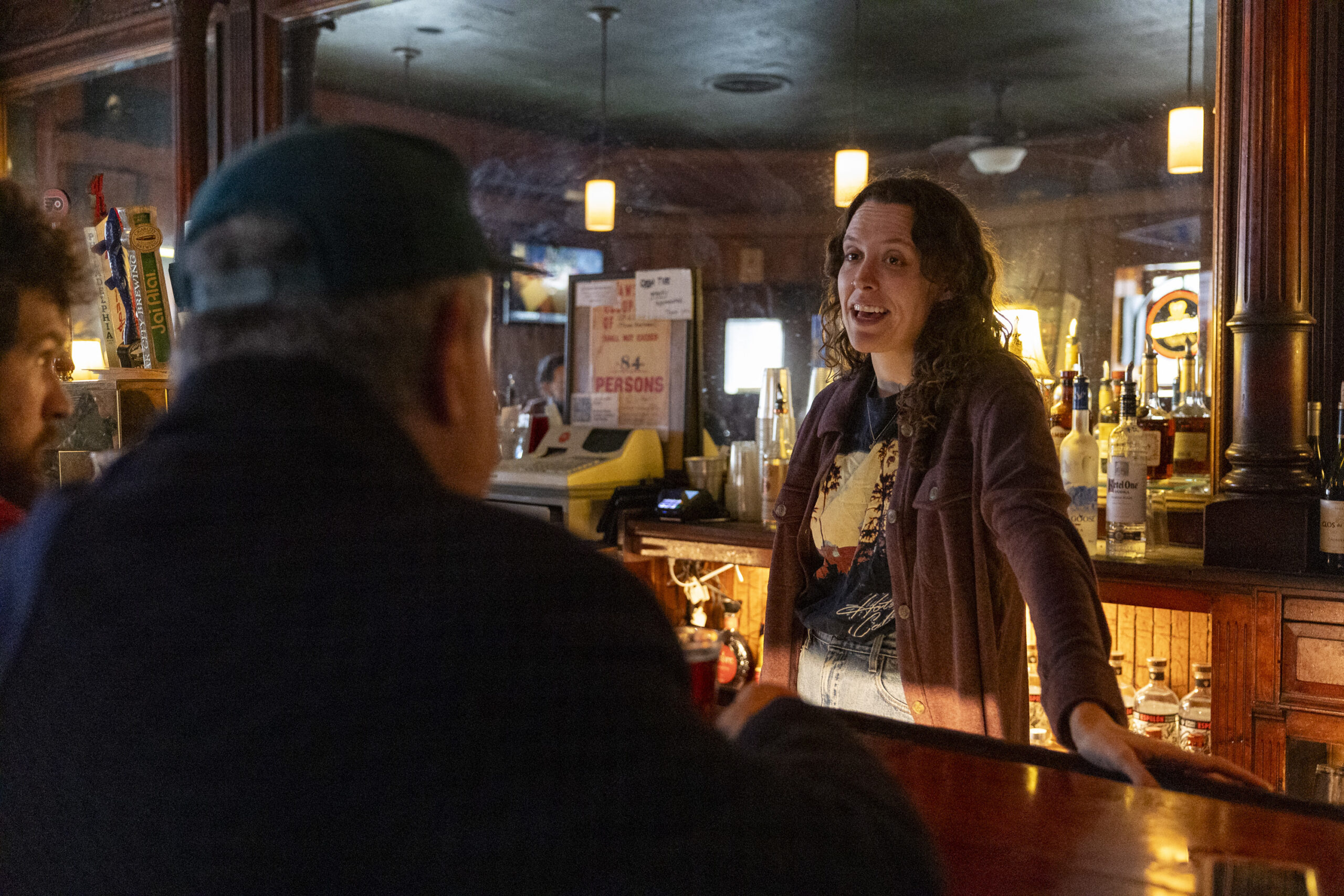
    Kira Baldwin, 27, chats and makes drinks for folks at Cherry Street Tavern.

    “There’s just something sacred about the place,” said Kira Baldwin, 27, of Ardmore, who tends bar at Cherry Street Tavern, along with her brother, Jack, 24, and her mother, Juanita Santoni, with whom she sometimes shares a shift.

    For Baldwin, it’s personal. As a child, she cherished special occasions when her mother allowed her to visit the bar. (Santoni has worked nights and weekends at Cherry Street Tavern since 1991, when she was a part-time child life therapist at CHOP.) On those nights, Baldwin would do her homework in the quiet of the ancient phone booth and swing from the brass dining rails. At the annual Christmas parties, when Bill Loughery hired Moore College of Art & Design students to paint the windows for the holidays, she and her brother received gifts from a regular dressed up as Santa.

    Now, she watches new regulars fall in love with a bar she’s been coming to since “the womb.”

    “People treat it with reverence,” she said. “When they come in, they understand it completely. They have a deep and profound respect for the place.”

    Prohibition, the food, and the regulars

    Little is known about Cherry Street’s earliest days, but by Prohibition, it was known as Dever’s, operated by John “Jack” Dever, a dapper barman who lived above the tavern with his wife and two children, and whose father, Joseph, had run it before him. (Like Flannery and the Lougherys after him, Dever happened to be a La Salle High alum.)

    The barbershop speakeasy had been Jack Dever’s idea, said his grandson, Michael Dever.

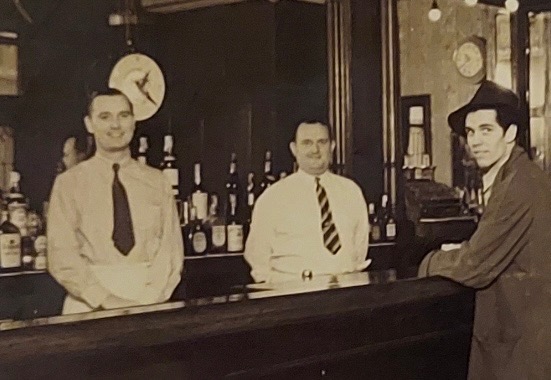
    Before it became Cherry Street Tavern, John “Jack Dever (left) operated the tavern for years, living upstairs with his family, and eventually dying behind the bar.

    “The story always went that, when Prohibition came about, he closed the front door and opened the back door,” said Dever. “It became dangerous. The story was that you were either buying from the mob or dirty politicians.”

    Dever reopened the bar after Prohibition, sponsoring a bar baseball team. But dangers persisted. In 1940, two robbers broke into the bar while Dever and his family slept upstairs, briefly making off with 25 quarts of high-quality whiskey before their bulging bag of booze crashed to the pavement. Nearby patrolmen ran to the scene, “their noses guiding them unerringly as the liquor spilled into the gutter,” The Inquirer reported.

    Dever, who soon moved his family out of the upstairs apartment, ran Cherry Street until 1967, when he died of a heart attack behind the bar, according to granddaughter Maureen Ginley. At first, customers assumed her grandfather had just stepped down a hatch behind the bar, leading to a liquor cellar.

    “But he didn’t,” she said.

    After keeping the bar afloat for five years, Dever’s widow, Mary, sold the bar to Flannery. A local high school football legend who coached at La Salle for nearly 30 years, Flannery operated a no-frills, old-school establishment, refusing to allow a jukebox. Under Tex, the tavern’s old-world grace peeked out from behind a dusty veneer and faded Venetian blinds.

    Kevin Sanders, of Quakertown, Pa., first time at the bar, sharing a story with friends as they enjoy drinks at Cherry Street Tavern in Philadelphia on Friday, Dec. 19, 2025.

    A 1981 Daily News article described the bar “as cave-dark, cave-cool, cave-quiet.”

    “Let’s face it, a guy comes in here, he wants to drink,” the article quoted Flannery.

    For a while, it was just the old-timers, said Bill Loughery.

    “We had the senior citizens from the neighborhood who started drinking right in the morning and went home before lunchtime,” he remembered.

    One Friday during Lent in 1977, Flannery summoned the brothers to a sit-down fish cake dinner and laid it out straight. “He said, ‘Listen, the future of the bar business isn’t 25-cent beers,’” remembers Bill Loughery. “‘You got to come up with a food angle.’”

    With the help of a regular, Bill and Bob Loughery introduced the tavern’s signature hot roast beef and roast pork sandwiches, chili, and daily soups.

    A roast beef sandwich at Cherry Street Tavern in Philadelphia on Friday, Dec. 19, 2025.

    By the 1980s, when condos and townhomes and office buildings and new life began to fill the neighborhood, the Lougherys were ready.

    Soon, the expanded back room was packed at lunch and the stools were filled with regulars who Bill Loughery blessed with nicknames: Happy Bob and Sleeping Charlie, Big Tom and Buddy Bud, Catfish and Canadian John (who eventually became American John). Joe Watson — a beloved old-timer who lived upstairs, and became a “patron saint” to the bar, said Bill Loughery — took a busload of regulars to a Phillies game for his 89th birthday. There were St. Patrick’s parties and fishing trips and softball teams and marriages and births and deaths. It was their “Cheers,” one regular said.

    “What’s Cheers?” Bill Loughery would ask, unironically.

    It was Bill and Bob who brought everyone back, said Frank Oldt, 81, who has been a Cherry Street regular since the days of Tex.

    “They just made it such an easy place to be,” he said.

    It’s bittersweet, said Santoni, who remembers how the bar regulars threw her not one — but two — baby showers when she was pregnant with Kira. She has been trying to get Bill and Bob Loughery to slow down for years. But she understands the special pull of the place.

    “It gets in your bones,” she said.

    Last call

    It all took a toll on Bill Loughery’s bones, who still works 12-hour shifts, splitting days and nights with his brother. Bill’s back is hunched from those endless hours in the kitchen. He doesn’t want to become the second person to die behind the bar at Cherry Street. Sitting down, he flipped through photo albums from the bar’s heyday. They’ll be the last things he takes with him when he leaves, he said.

    “It’s like the Old and New Testament,” Bill Loughery said, opening a near-to-bursting photo album.

    For a few minutes, he allowed himself to recall the faces and the nicknames and the good times.

    “So many nice people,” he said.

    Then, he closed the book and went back to work.

  • Jersey’s historic diners keep closing. This legislation aims to keep more alive.

    Jersey’s historic diners keep closing. This legislation aims to keep more alive.

    There may be new hope for diners in New Jersey.

    In recent years, a string of the state’s iconic diners have shuttered their doors. New state legislation aims to keep the lights on at those still in business.

    The bill, which was introduced in the New Jersey Senate in January, would provide some diners and other historic restaurants with tax benefits.

    “Diners, and specifically historic diners, are a cornerstone of our great state, having served residents and visitors for many decades. They are part of our culture and our history, and we have a duty to help them thrive,” State Sen. Paul Moriarty of Gloucester County, a sponsor of the bill, said in a statement Thursday.

    The legislation, which would establish a registry of historic diners and restaurants, would give the businesses a tax credit of up to $25,000. Only diners and family-owned restaurants operating for at least 25 years will qualify.

    The bill has been referred to the Senate Budget and Appropriations Committee.

    “It has been heartbreaking to see so many of these well-known establishments close or dramatically cut their hours,” Moriarity said.

    Where have diners closed in New Jersey?

    The origin of the modern diner can be traced back to a horse-drawn lunch wagon in 19th-century Rhode Island and the model has evolved since then. New Jersey has been coined the “diner capital” of the U.S. but has seen closures in recent years due to increased operating expenses, the challenge of finding employees, and the impact of the pandemic.

    The Cherry Hill Diner closed in 2023 after 55 years in business and following the co-owner’s unsuccessful search for a buyer. South Jersey’s Gateway Diner in Gloucester County closed that same year amid construction of the Westville Route 47 Bridge and the state’s acquisition of the site. The Red Lion Diner in Burlington County also sold, making way for a Wawa.

    In January 2024, the Star View Diner in Camden County closed. Last year, the Collingswood Diner shut its doors in August, to be replaced by a marijuana dispensary.

    The trend extended in Philadelphia where the Midtown III closed in 2020. Last year, the Mayfair Diner in Northeast Philadelphia was listed for sale.

  • South Philly’s newest bakery is rolling out fresh-made soft pretzels

    South Philly’s newest bakery is rolling out fresh-made soft pretzels

    Philadelphia’s German roots run deep, and the beer halls and bakeries that generations of families started here have left a stamp on the city.

    As such, Philly is also a pretzel town, Jim Mueller says. While he was growing up in Northeast Philadelphia in the late 1990s, soft-pretzel bakeries dotted neighborhoods across the city. He and his family bought pretzels from the now-closed Ben Franklin Pretzels on Kensington Avenue near Ontario as well as Federal Pretzel Baking Co. at Seventh and Federal.

    Jim Mueller with pretzels at Pretzel Day Pretzels.

    Five years ago, Mueller was working as a UX designer and was craving a fix. “It kind of hit me that there were no pretzels to be gotten that weren’t straight from the [Philly] Pretzel Factory,” Mueller said of the ubiquitous Bensalem-based franchise. “I wanted to make them the way I remembered them tasting: buttery, rich, and flavorful.”
    Mueller began studying recipes, and he and his wife, Annie, started a side project called Pretzel Day Pretzels. They began doing pop-ups and deliveries.

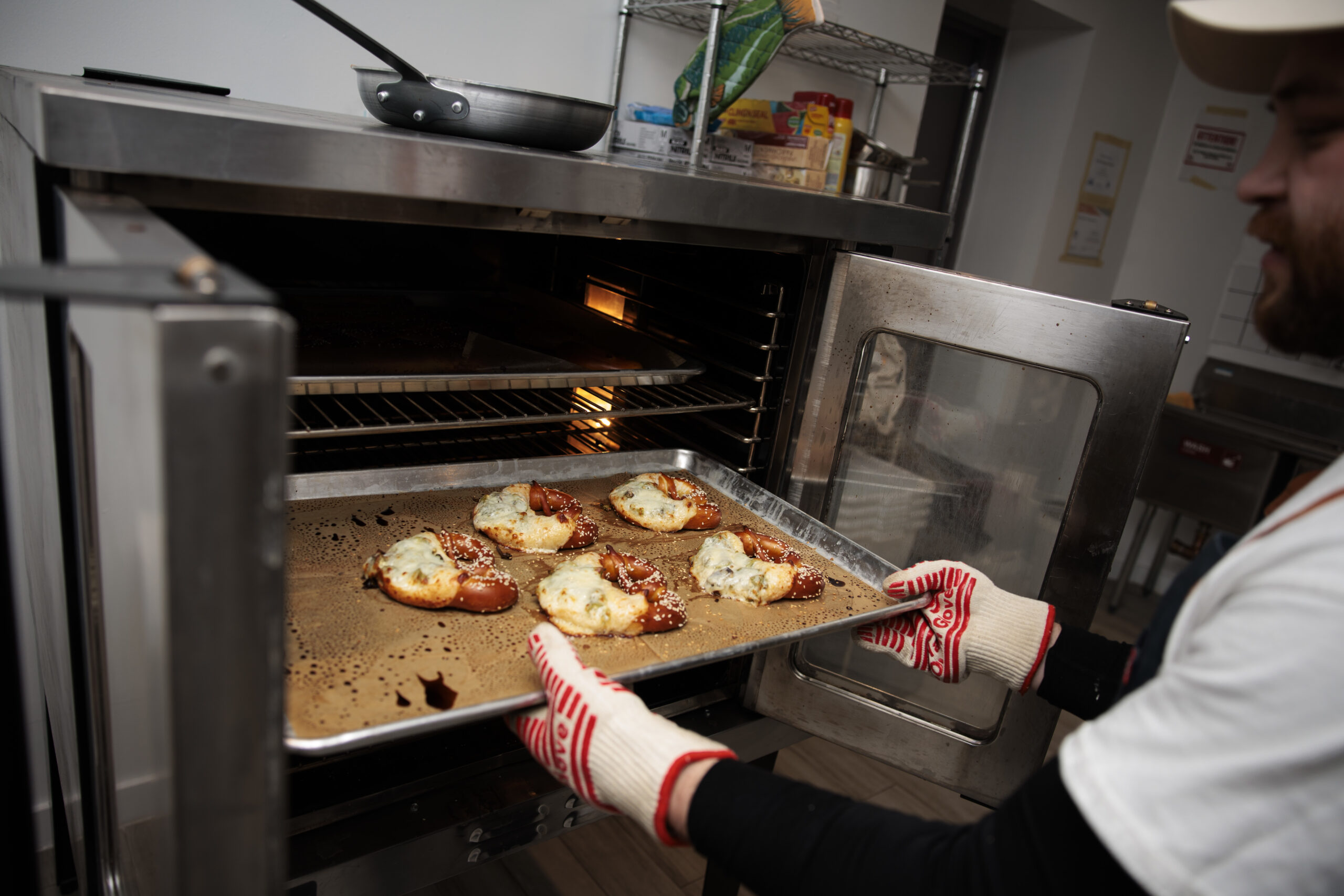
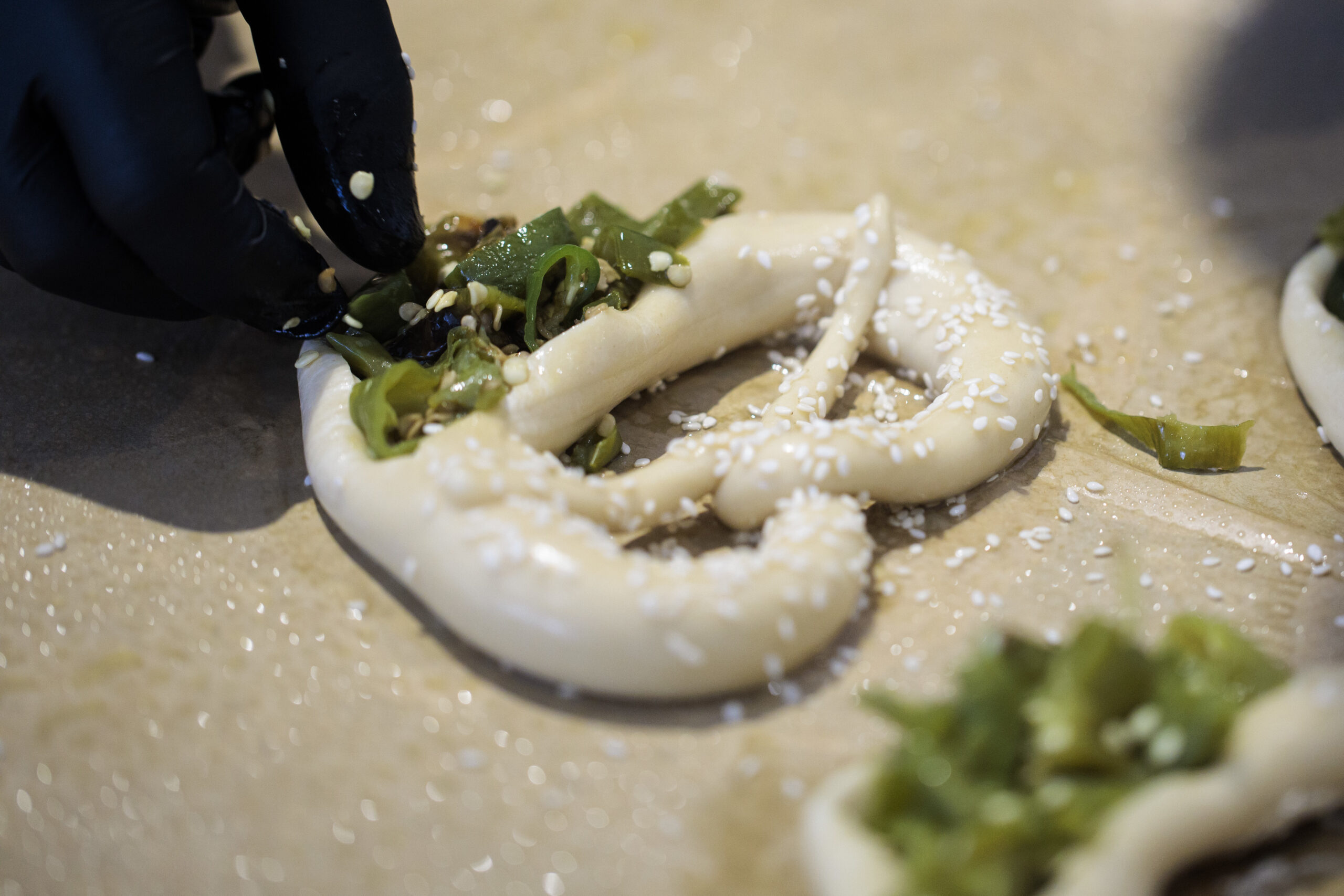
    Jim Mueller pulls pretzels with long hots and provolone from the oven at Pretzel Day Pretzels.

    On Saturday, Pretzel Day Pretzels went the brick-and-mortar route at Fifth and Dickinson Streets in South Philadelphia, opening at the former Milk & Sugar space with a simple setup: takeout only and morning-to-early-afternoon hours.

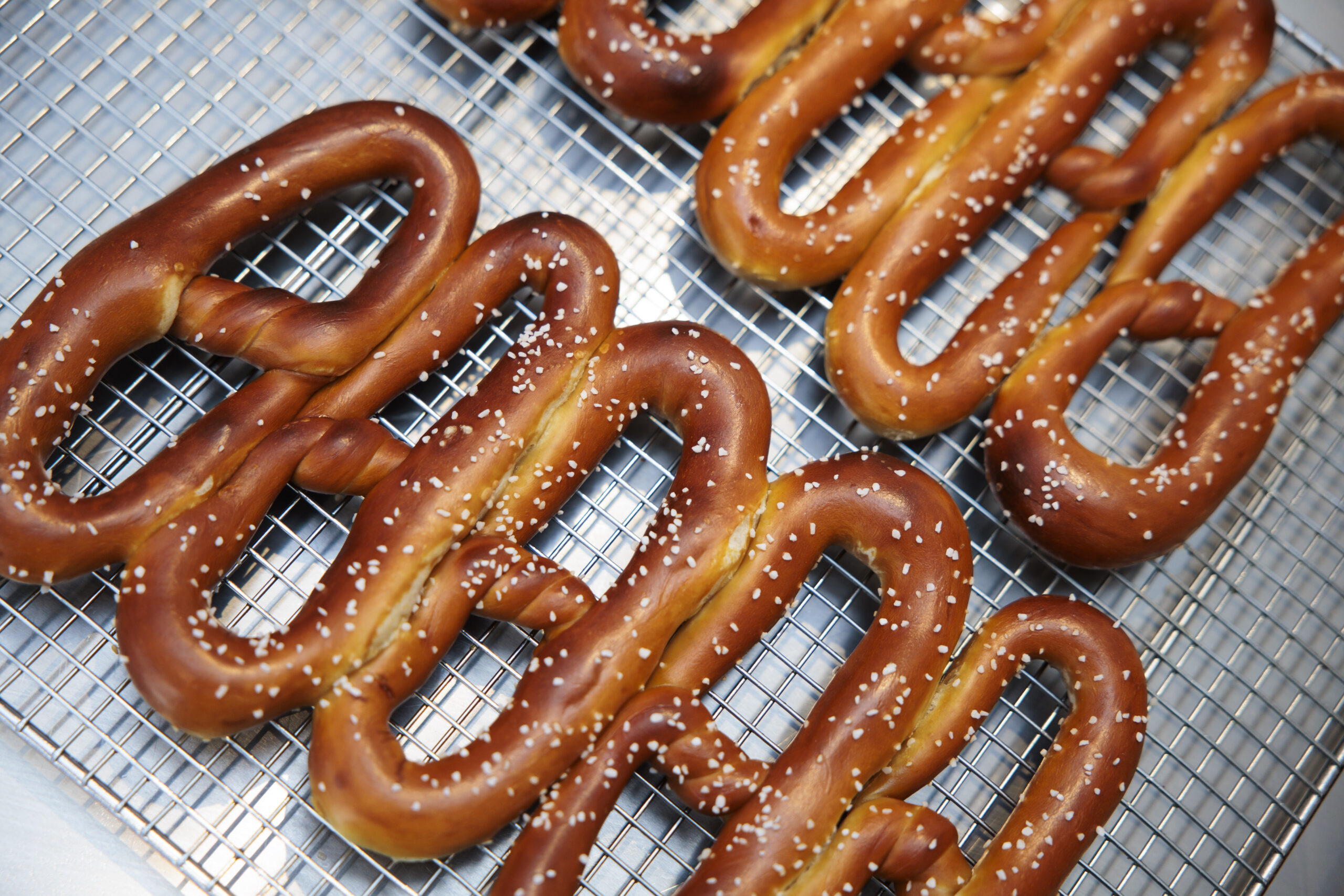
    Mueller rolls and bakes standard-issue soft pretzels, but his specialties are stuffed pretzels and German varieties that you don’t really see around here, particularly Swabian pretzels.

    Jim Mueller stuffs pretzels with long hots and provolone at Pretzel Day Pretzels.
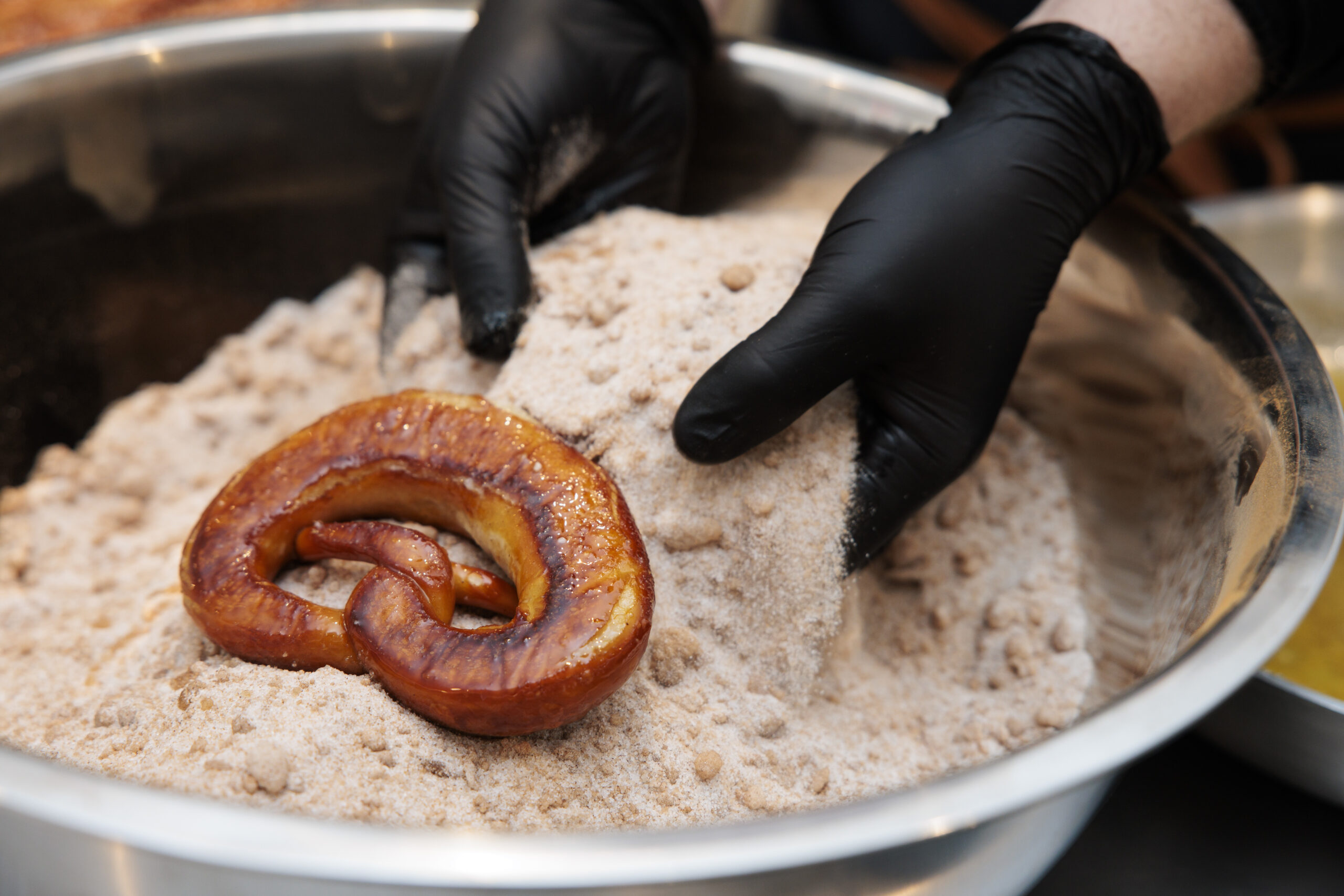
    Pretzels are tossed with cinnamon sugar at Pretzel Day Pretzels.

    “It’s a little different from a Bavarian,” Mueller said. “Bavarians are what most people are familiar with — thick all around. Swabians have a big belly and skinny arms, and the arms get a little crunch to them. You can split the belly and stuff them. You can do more with them than a regular pretzel, and it opens up a lot of possibilities to experiment.”
    Stuffing is where Pretzel Day Pretzels leans hardest into variety. The most popular option is the long hot-provolone pretzel, with other offerings including chili pretzels, pizza pretzels, bialys, cinnamon-sugar pretzels, and, on some days, pretzel dogs and Bavarian cheese logs. The lineup will shift slightly week to week, Mueller said, “but we’ll always have the core stuff.”
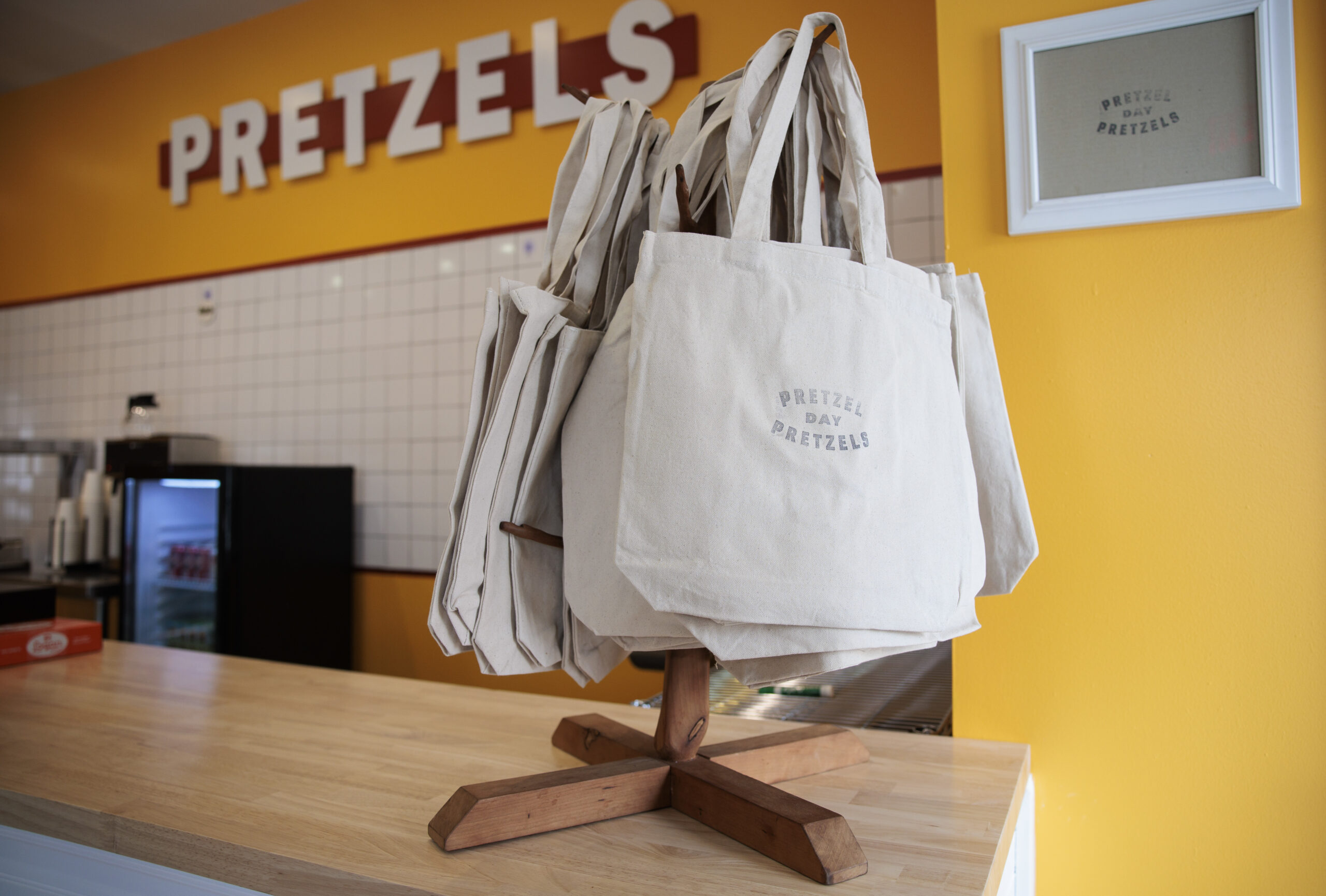
    Merch on display at Pretzel Day Pretzels.

    Saturday’s opening was low-key, with small giveaways such as heart-shaped pretzels and tote bags. The shop will offer coloring pages for kids that can be redeemed for a free pretzel.

    “I just want it to be a pretzel shop for everyone,” Mueller said. “I don’t want it to feel high-end or bougie — just a neighborhood pretzel shop.”

    As he sees it, Pretzel Day is meant to feel less like a concept and more like a missing piece put back into place.

    “You always hear that Philadelphia’s a pretzel town,” he said. “But then you think — where are all the pretzel shops? I never thought I’d open one when I started doing this, but here we are.”

    Pretzel Day Pretzels, 1501 S. Fifth St., instagram.com/pretzeldaypretzels. Hours: 8 a.m. to 3 p.m. Wednesday through Saturday, and 8 a.m. to 1 p.m. Sunday.

    Pretzels from the oven at Pretzel Day Pretzels on Feb. 12, 2026.