Category: Restaurants

  • A Delco restaurant gem is born, fueled by Mexican family flavors

    A Delco restaurant gem is born, fueled by Mexican family flavors

    There is something magical about the mole poblano at Tlali in Upper Darby, but it took me a moment to register what it is.

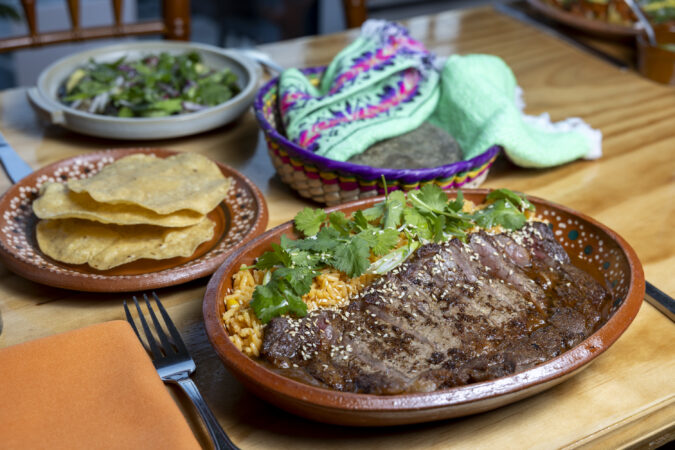
    The Sandoval family’s mole, at first glance, is as deep a brown as any other you might have encountered from the state of Puebla, the result of a blend of dried chilies, fruits, and bittersweet Mexican chocolate. But when I swipe a juicy morsel of prime seared rib eye through the luxuriously dark puree, what I’m struck by is its ethereal lightness, both of the texture and the complexity of flavors. It’s so elegantly balanced, I taste each note — the smoky dry heat of chipotle meco peppers in the background, the fruity sweetness of ripe plantains and raisins, the nutty richness of walnuts and sesame seeds, a whiff of canela and bay leaf — all flowing into one earthy harmony of measured sweetness and spice.

    What I’m tasting here, in fact, is Alberto Sandoval’s memory as a 10-year-old come to life. He vividly recalls the moment when his mother, Teresa Hernandez, was cooking that same mole for his father’s birthday in San Mateo Ozolco and held up a spoonful for Alberto to see.

    “Your mole has to be this consistency — really light, not too thick, not too spicy. This is a good mole.”

    Decades later, after a career rising through the ranks of some of Philadelphia’s most vaunted kitchens, including Striped Bass, Lacroix at the Rittenhouse, Le Bec Fin 2.0, Volvèr, Suraya, and Condesa, he and his brother, Efrain, are leaning into those memories of home for the menu at Tlali.

    “These recipes represent who we are and where we came from,” says Alberto.
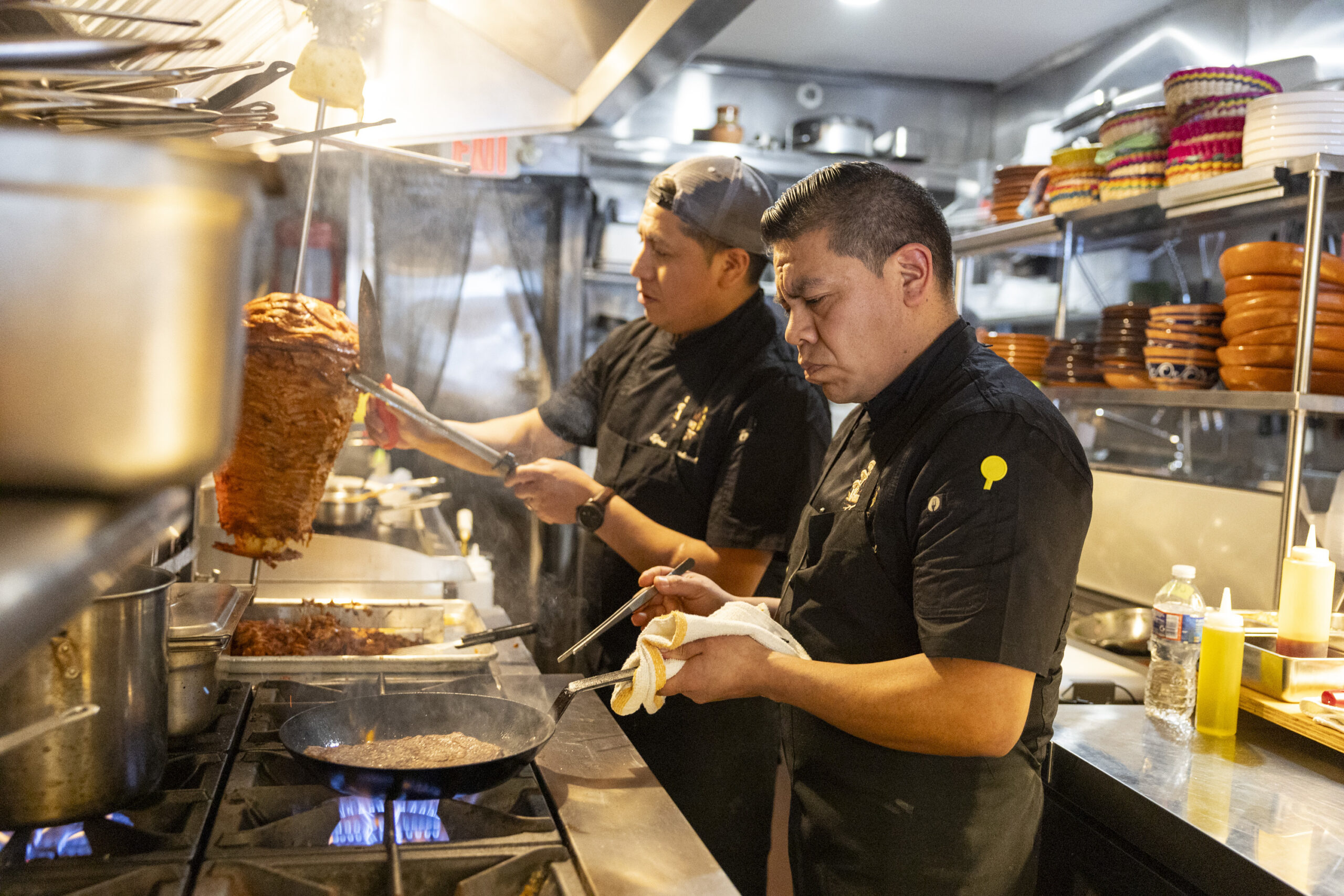
    Alberto Sandoval (right), chef and co-owner of Tlali, and his brother and partner, Efrain Sandoval, working in the kitchen preparing a dish in Upper Darby Pa., on Thursday, Feb. 5, 2026.
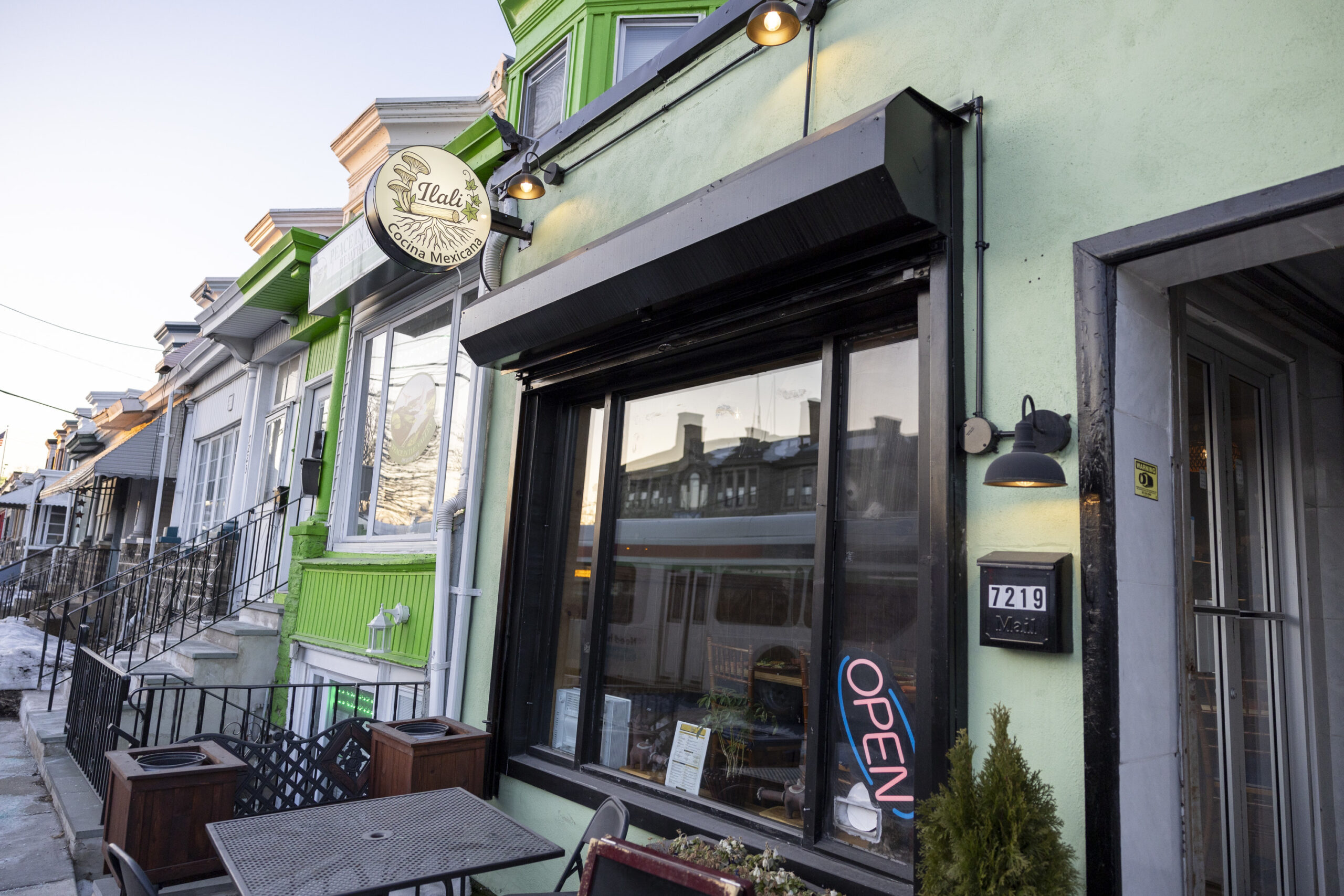
    The outside of Tlali in Upper Darby Pa., on Thursday, Feb. 5, 2026.

    The base of that mole — which their mother still makes over the course of two days in Mexico and sends to her sons, who rehydrate and simmer it to completion with chicken stock — is only the beginning. Everything about this charming 18-seat BYOB the brothers opened in August inside a renovated pizzeria is a tribute to their birthplace in San Mateo Ozolco, the tiny town on the side of an active volcano in Puebla from which much of South Philly’s Mexican population immigrated. There’s an image of Popocatépetl, its volcanic peak ever fuming, depicted on a colorful woven mat that hangs above the open kitchen here. The hand-painted terra cotta ceramics that decorate the walls and deliver the food were all imported from Puebla.

    The brothers have cut no corners in crafting the flavors on this menu, especially with another key building block: the tortillas. They are patiently made from blue and yellow heirloom Mexican corn that’s nixtamalized overnight then ground into fresh masa, resulting in pressed tortillas that have a velvety suppleness when cooked to order off the plancha.
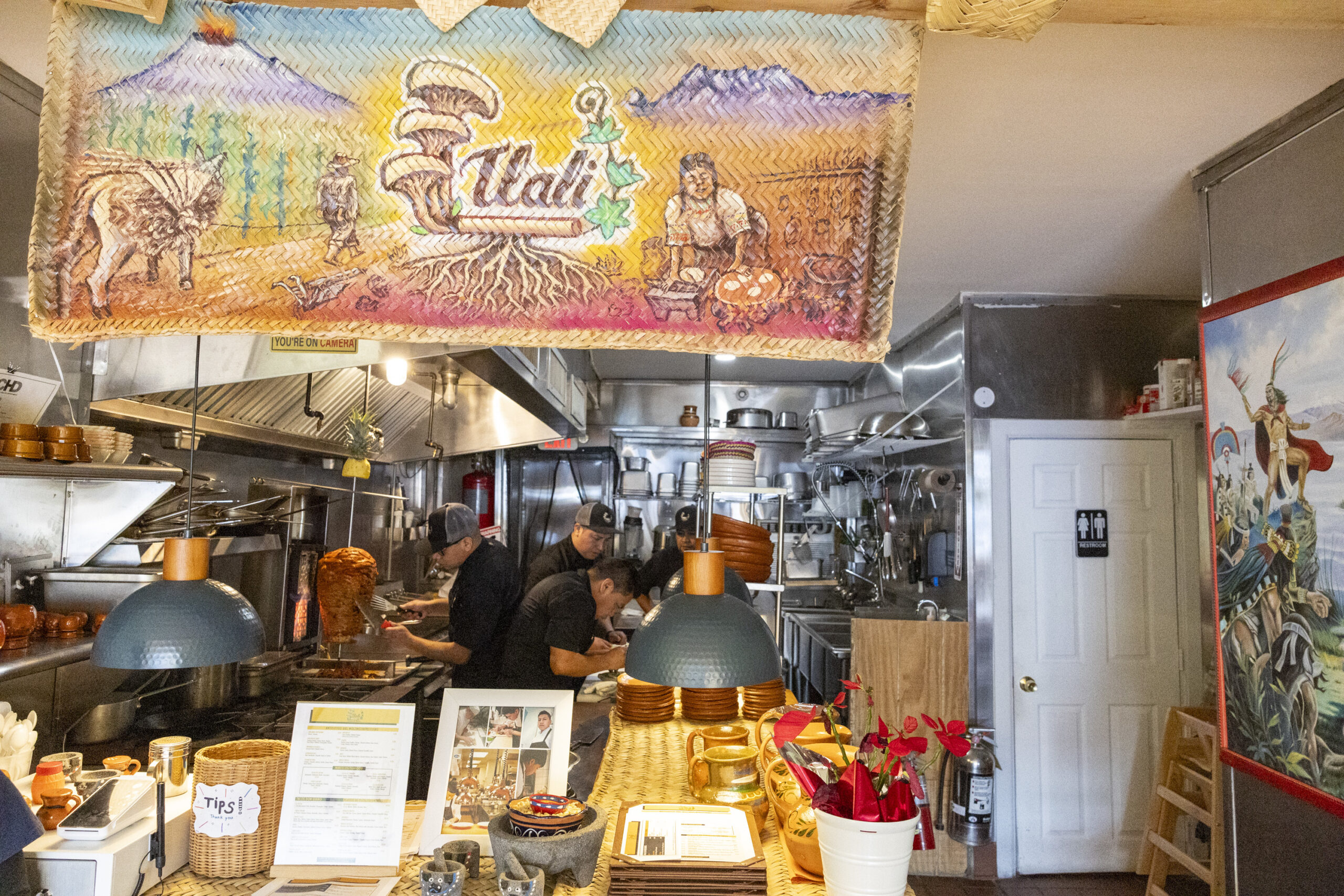
    Alberto Sandoval, Chef and Owner of Tlali, is with his brothers working at their restaurant in Upper Darby Pa., on Thursday, Feb. 5, 2026.

    You can taste this in the enmoladas, in which the tortillas are coated in that mole before being folded into half-moon bundles over tender shreds of chicken. The tortilla’s toasty corn flavor also powers the bright orange puree of Tlali’s tortilla soup. They’re fried into shatteringly crisp rounds for antojito starters like the irresistible mashed-to-order guacamole and tostadas topped with chipotle-stewed chicken tinga.

    Those crispy discs also accompany the striking aguachile negro, making the perfect cracker on which to layer slices of raw kanpachi that have been bathed in a spicy brew of citrus and olive oil tinted black with charred habaneros and onions. Scattered with green tufts of cilantro and crunchy matchsticks of radish, it’s the single most refreshing starter on a list of other seafood cocktails that are solid but lack a little spark. A notable exception was Dorito Nayarit, in which poached shrimp striped with Valentina hot sauce and crema are served atop crispy pork belly crackers known as chicharrónes preparados. (A tuna tostada topped with a spoonful of frumpy poached tuna salad, though, was the one dish at Tlali where the extra-homey approach left me truly underwhelmed.)
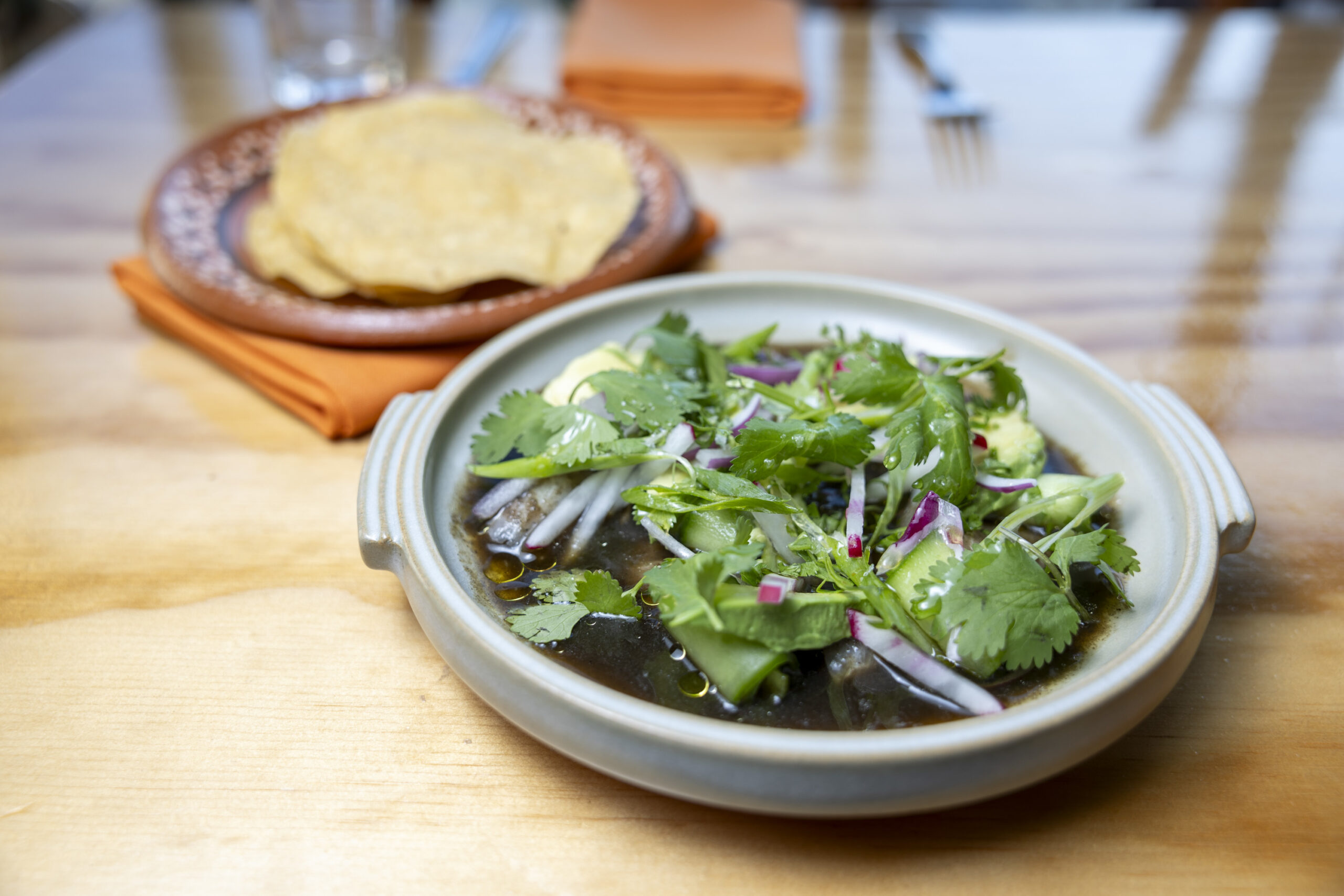
    The aguachile negro at Tlali in Upper Darby Pa., on Thursday, Feb. 5, 2026.

    Tlali, which means “land” in Nahuatl, the Indigenous language of Puebla, occupies a simple space on West Chester Pike that took a significant investment to completely rehab. It lacks the design frills of the high-style dining rooms where the brothers have largely worked, including Stephen Starr’s LMNO, where Alberto is still the chef de cuisine. There is nonetheless a comforting warmth to the pale green walls and natural wood wainscoting in Tlali’s dining room, bolstered by hospitality from the restaurant’s single server, Melanie Ortiz. She deftly sorted out a sticky situation by convincing a couple to move to a two-top after she’d accidentally sat them at the only remaining table reserved for a party of four (which happened to be us).

    It’s clear from the many emails and messages I’ve received since this restaurant opened in Upper Darby — a multicultural nexus of international dining, but not previously known for Mexican food — that Tlali has a devoted clientele rooting for it to succeed.

    Alberto Sandoval, chef and owner of Tlali, with his family members in Upper Darby Pa., on Thursday, Feb. 5, 2026.

    After diving much deeper into the menu, it’s easy to see why. Tlali is in many ways a sequel to the small restaurant the two brothers used to co-own in South Philadelphia, La Fonda de Teresita, which closed during the pandemic. But the Sandovals have both since continued to grow as chefs and have taken their pursuit of family flavors to the next level. That includes a tribute to their father, Don Guero, who ran a taqueria in Mexico City by the same name where Alberto got his first taste of kitchen life as a teen mincing mountains of onions and cilantro.

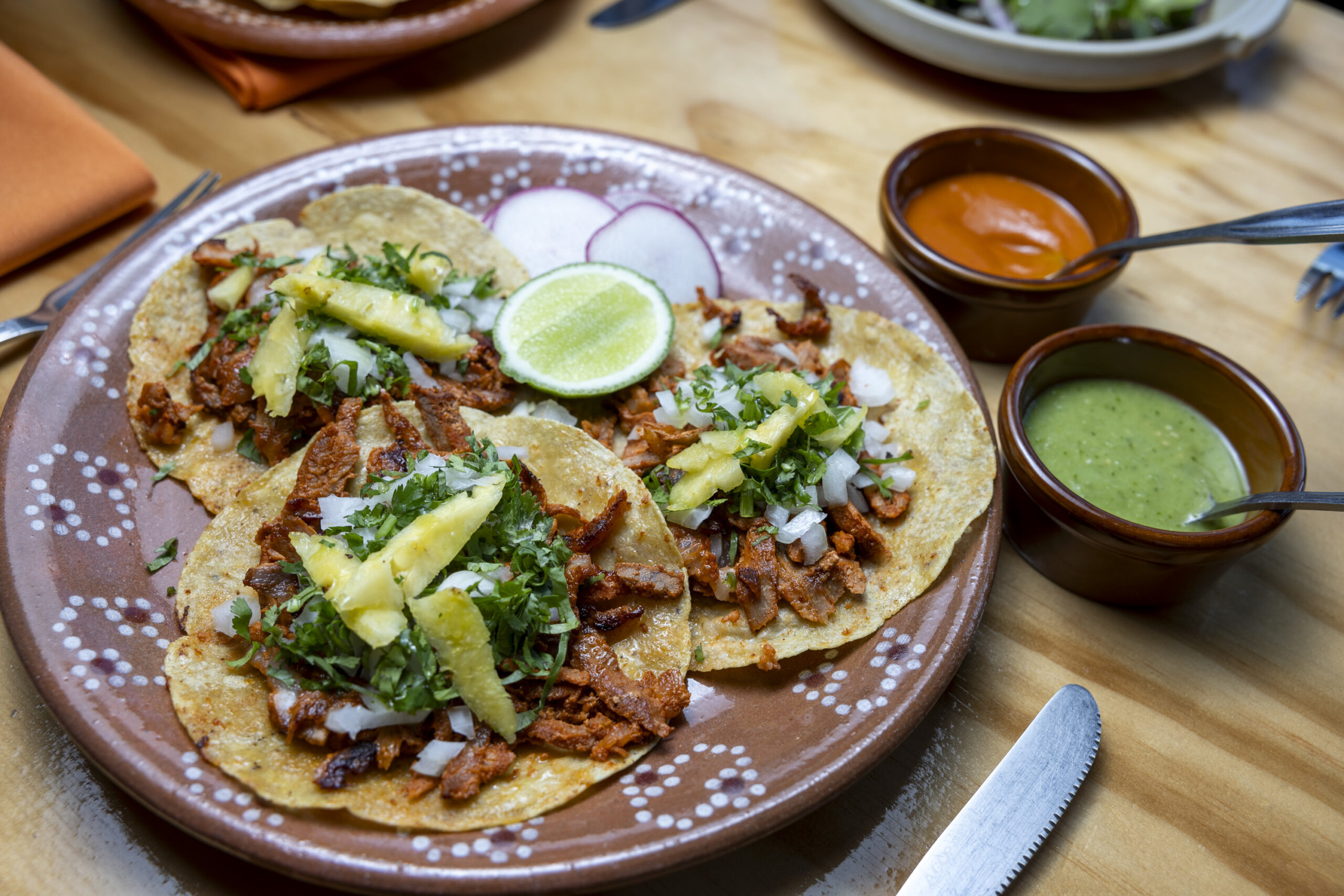
    Don Guero’s recipe for Chilango-style carnitas — whose pork belly and shoulder are simmered for hours in a large copper cazo pot bubbling with lard, orange juice, Coca-Cola, and herbs — produces meltingly soft, flavorful carnitas that are among the best I’ve had. But even that takes second place to the al pastor, a vertical spit of stacked pork shoulder marinated with three kinds of chilies, pineapple juice, achiote, and bay leaves; the pork roasts on a turning trompo fueled by real fire that flows through the perforated bricks that Don Guero himself gifted them from Mexico shortly before he died two years ago. The family taqueria lives on here.
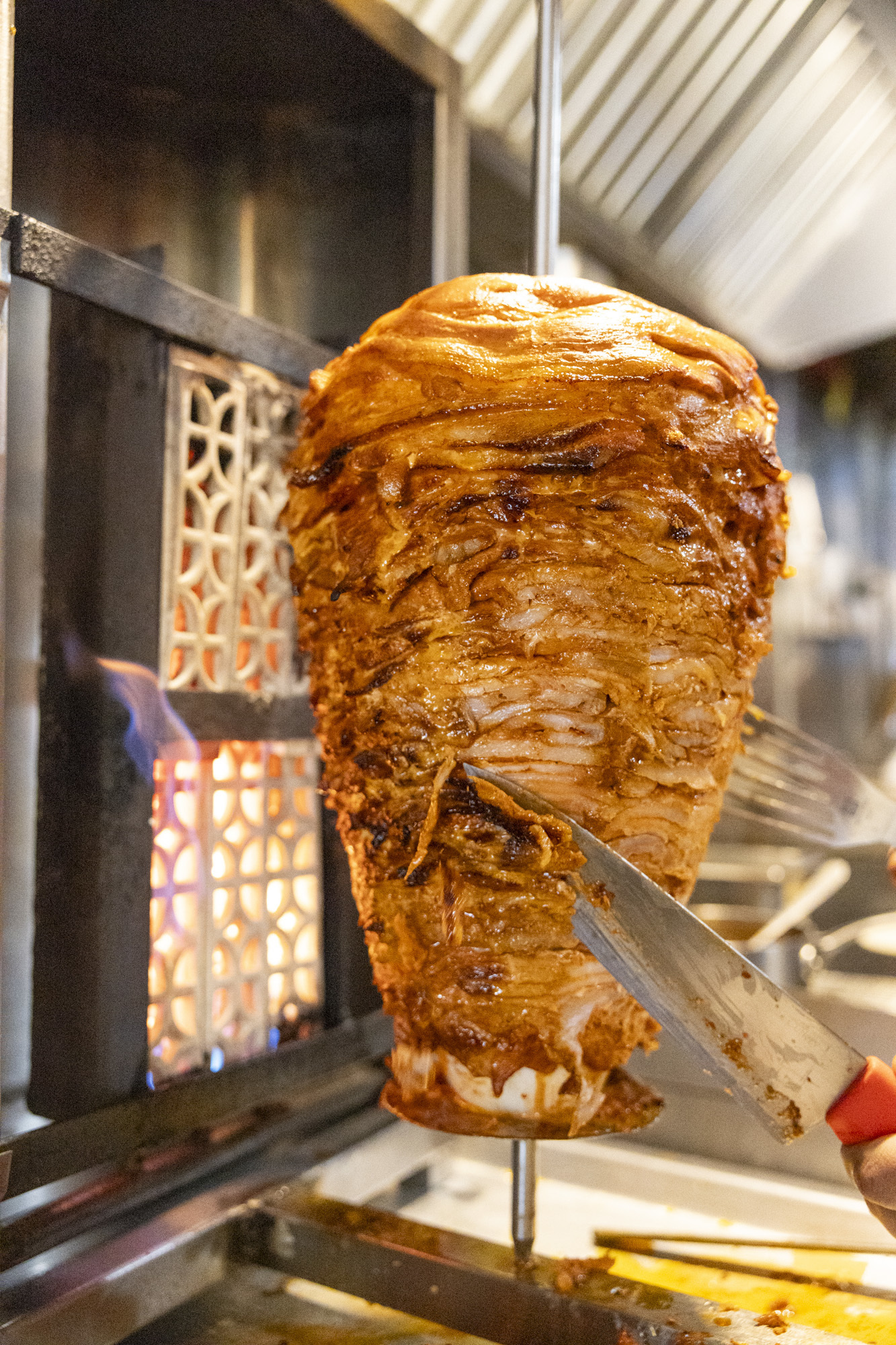
    The al pastor used for the tacos at Tlali in Upper Darby Pa., on Thursday, Feb. 5, 2026.
    The al pastor tacos at Tlali in Upper Darby Pa., on Thursday, Feb. 5, 2026.

    The entree section of the menu noted as “Platos de Ozolco” offers a handful of other standout dishes that showcase the brothers’ hometown flavors in both traditional and modern ways. I was especially fond of the classic mixiote: When the maguey leaf-wrapped bundle of steamed chicken rubbed in adobo spice was cut open tableside, the fragrant cloud of guajillo-scented steam that enveloped us brought me straight back to my own 2023 visit to San Mateo with chef Dionicio Jiménez of Cantina La Martina, where mixiote was the first thing we were served at his mother’s home — the ultimate dish to welcome a special guest.

    I was also intrigued to see Alberto and Efrain stretch their chef chops to reinterpret traditional flavors in inventive ways. That includes the michmole, which steeps a dried fish from Puebla in a tomatillo-chile salsa for deep marine flavor, then discards the bony remains for a golden sauce that gets topped with nopales and a gorgeous fillet of pan-roasted branzino (also lightly brined) to retain just enough of the traditional dish’s brackish edge.
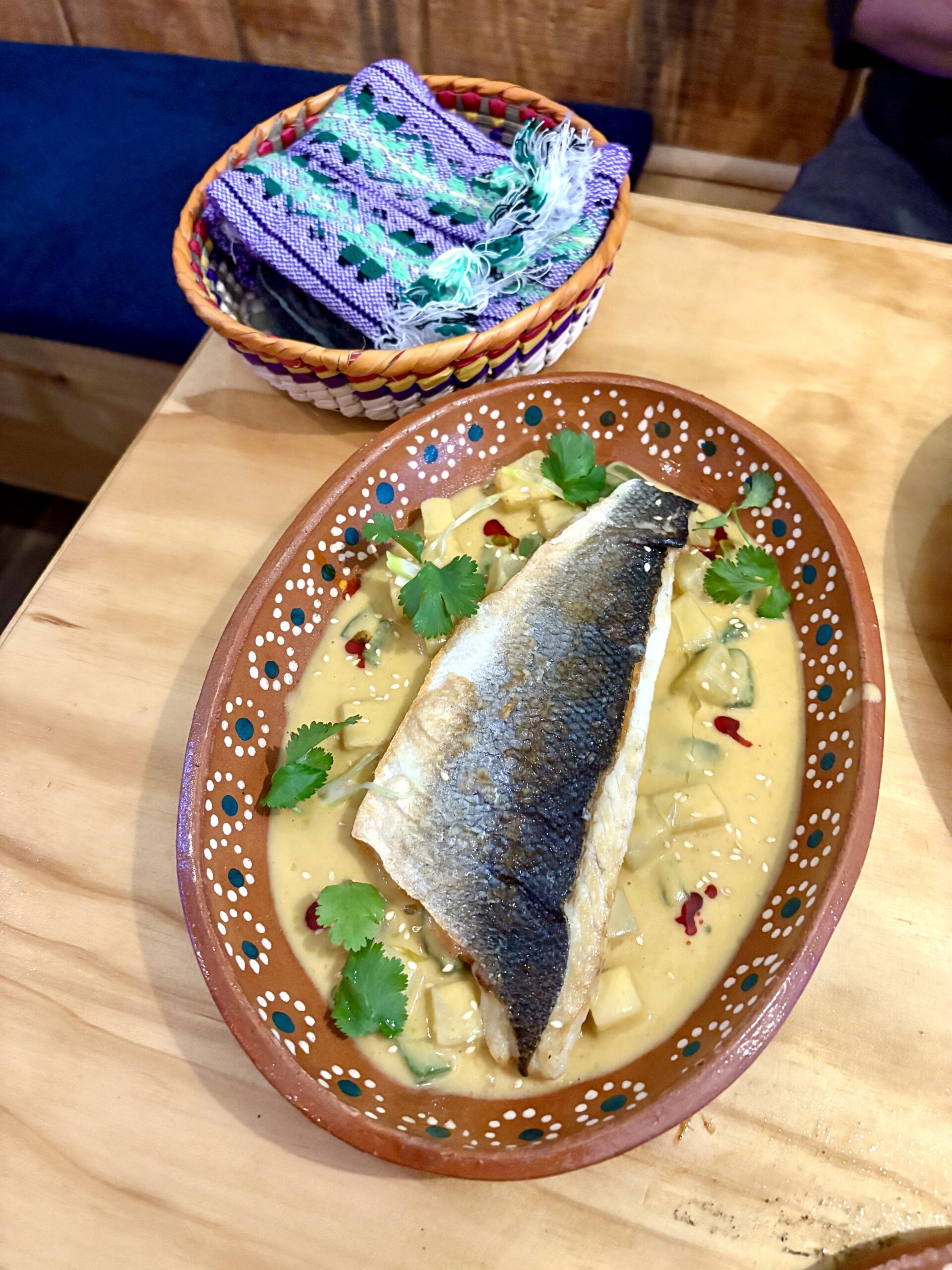
    A fillet of branzino is served over a seafood michmole sauce with cactus and potatoes at Tlali in Upper Darby.

    Another distinctive offering pairs the chefs’ love of fresh pasta with head-on shrimp and a zesty ragù of house chorizo simmered in a lightly creamed chipotle salsa. It’s a unique dish that bridges the Sandoval brothers’ origin story with their current status as longtime contributors to Philadelphia’s contemporary dining scene. As they continue to grow their audience in this tiny Upper Darby dining room, I wouldn’t be surprised if more such creations appear.

    I have no doubt that those future plates will remain somehow rooted in the memories of their mother’s table in San Mateo Ozolco, which not only give Tlali’s owners a proud reservoir of traditions, but an elusively distinctive and delicate family touch that will always be their own.
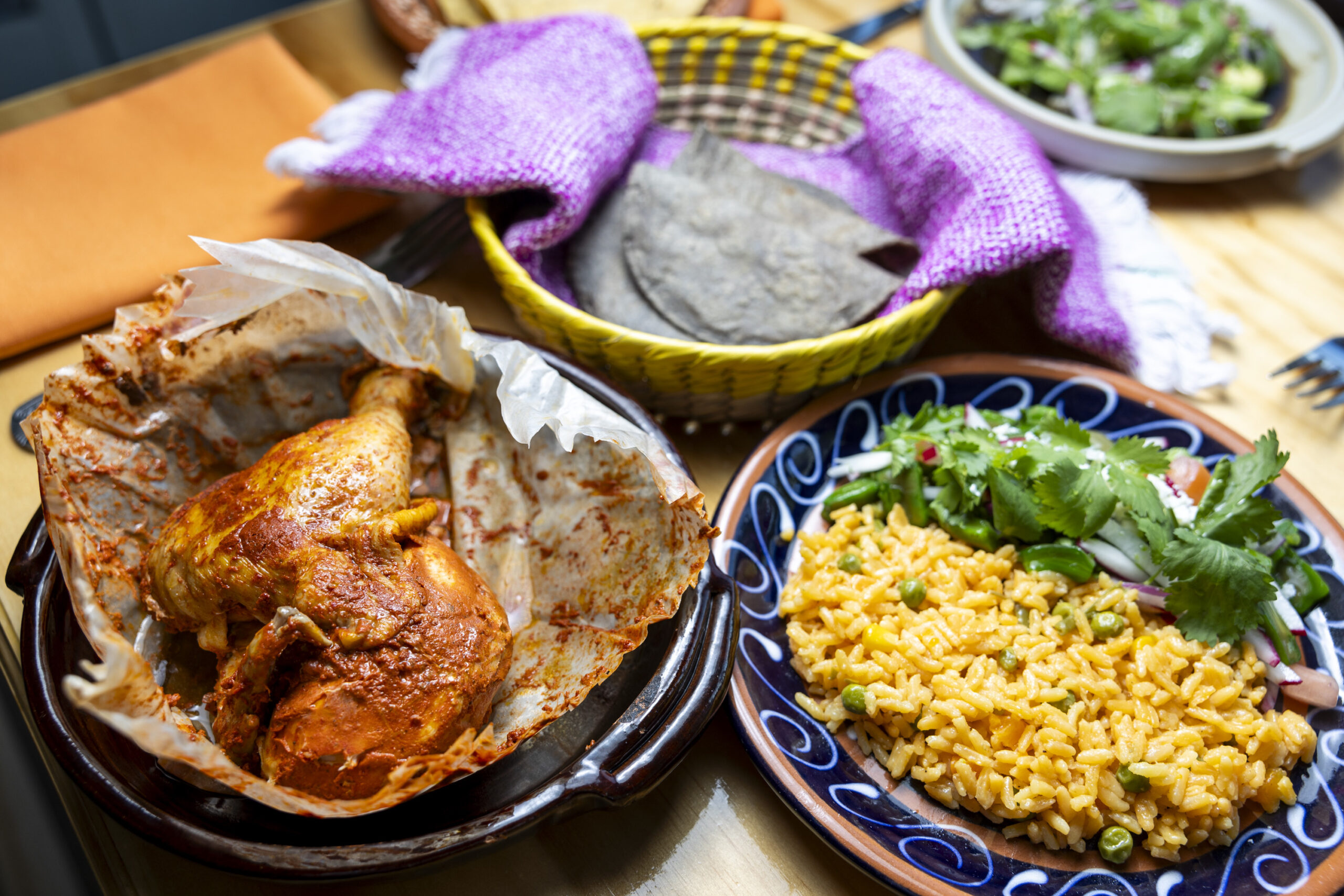
    The mixiote at Tlali in Upper Darby Pa., on Thursday, Feb. 5, 2026.

    Tlali

    7219 West Chester Pike, Upper Darby Township, 484-466-3593, instagram.com/tlalirestaurante

    Full menu served daily, noon to 10 p.m.

    Entrees, $12-$38

    BYOB

    Street parking only.

    Not wheelchair accessible. There are two steps at the entrance and the narrow bathroom is not accessible.

    Almost the entire menu is gluten-free, except for the cemita sandwiches.

    Menu highlights: guacamole; empanadas; albóndigas; sopes; sopa de tortilla; aguachile negro; coctel de campechano (shrimp and octopus); tacos al pastor; carnitas tacos al estilo Chilango; res en mole Poblano; huarache Teresita; mixiotes de pollo; michmole; pappardelle with shrimp en chorizo ragù.
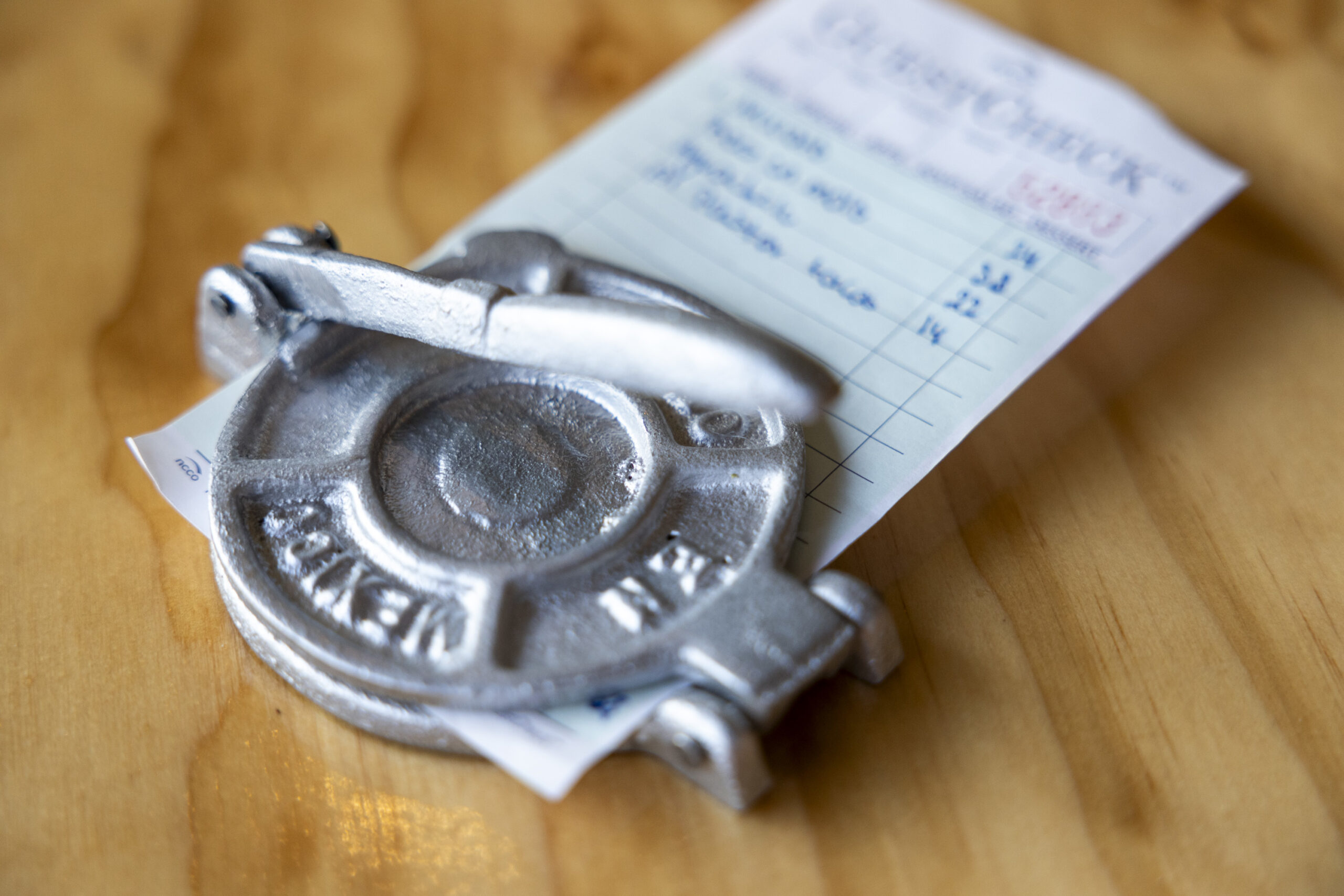
    A tiny tortilla press used for the dinner checks at Tlali in Upper Darby Pa., on Thursday, Feb. 5, 2026.
  • The owner of Hop Sing Laundromat has been hoarding rare booze. Now, he’s selling it by the pour — at bargain prices.

    The owner of Hop Sing Laundromat has been hoarding rare booze. Now, he’s selling it by the pour — at bargain prices.

    Hop Sing Laundromat has never been laid-back.

    For nearly 14 years, the speakeasy-style Chinatown cocktail bar has operated under the authority of its enigmatic owner, who goes by Lê, and his house rules, which are as well known as the drinks: No photos. No cellphones. No flip-flops, sandals, or shorts. Cash only. Entry begins at the metal gate on Race Street, where aspiring customers hand over their photo IDs, which are scanned before they are allowed inside.

    Those on Lê’s banned list — the 6,600 people he’s barred for breaking rules or tipping poorly — are turned away.

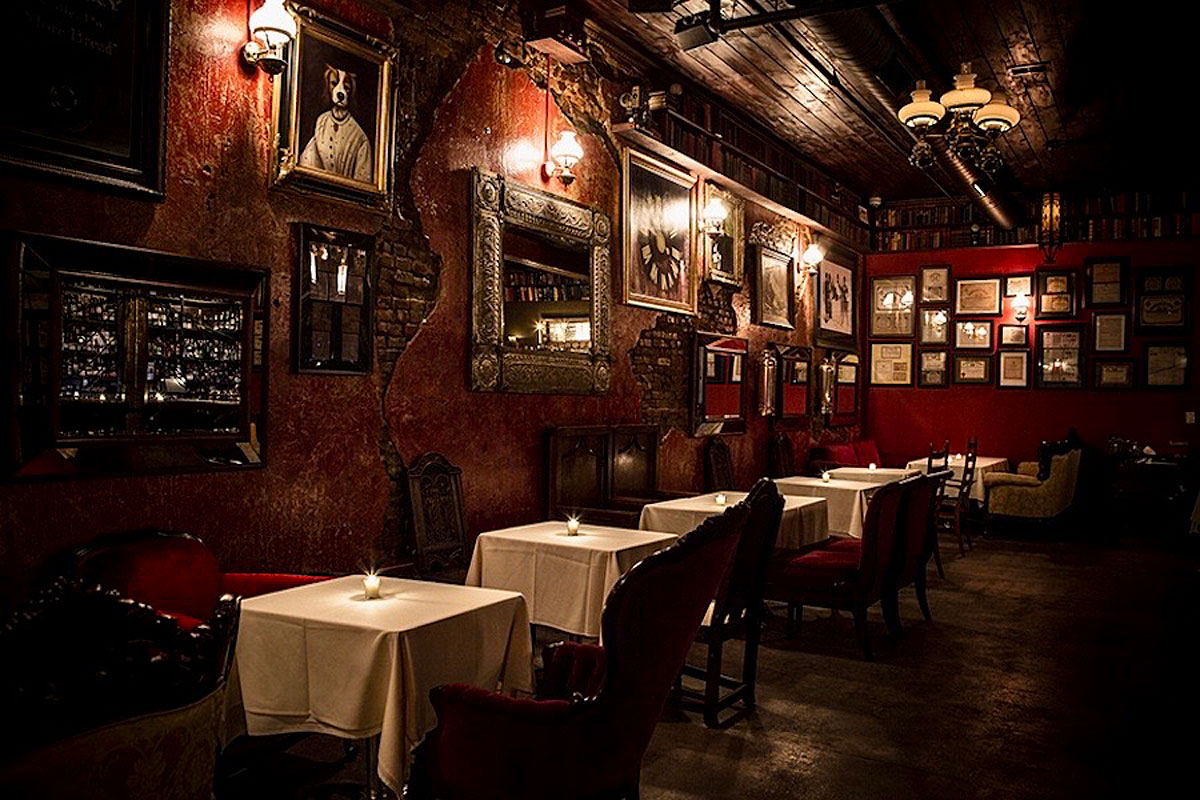
    The payoff for entry is a table in Hop Sing’s Old World library setting, where one can order cocktails made with fresh mixers and high-end liquor.

    Hop Sing Laundromat, which opened in 2011 at 1029 Race St.

    As Hop Sing expands its Friday and Saturday schedule to include Thursdays, Lê wants to begin moving his inventory of high-end spirits — particularly tequilas and American and Japanese whiskies — at below-market prices.

    Regulars know about this list, which includes about 30 whiskies and 20 tequilas, typically offered neat or on the rocks in 2-ounce pours.

    They also know that Lê is a bit of a hoarder.

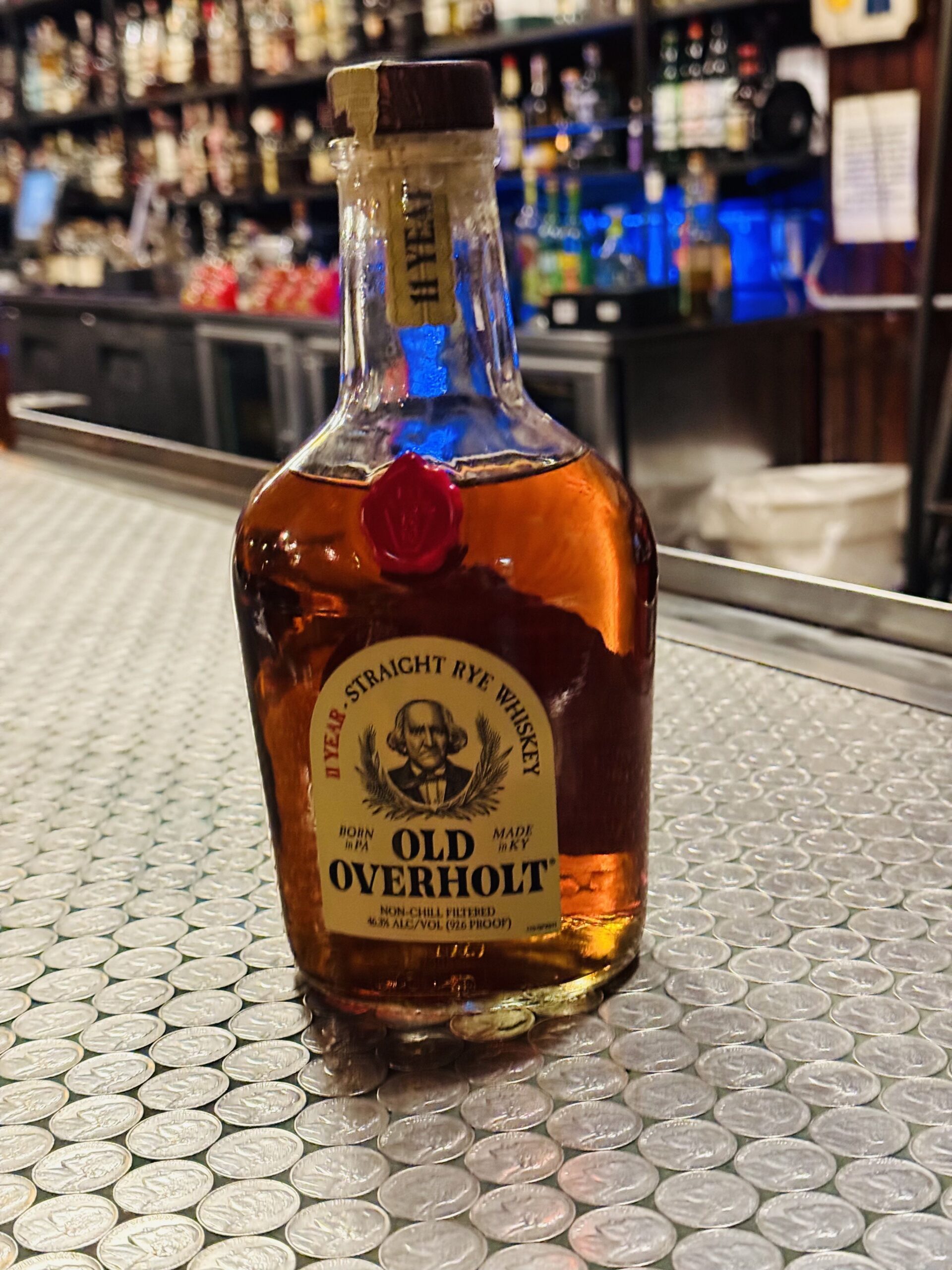
    One example: Old Overholt 11-year-old rye, a limited-release bottle that Bourbon Culture gave an 8.5/10 (“a flavorful sipper that is all about balance”).

    A bottle of Old Overholt 11-year-old rye, one of the cache of 835 bottles that Hop Sing Laundromat purchased through the Pennsylvania Liquor Control Board in 2022.

    You cannot get it anywhere else in Pennsylvania because Lê effectively bought out the state’s remaining supply of the whiskey several years ago — all 835 bottles at $75 each.

    Michael Betman, a sales manager for Suntory Global Spirits, said Lê first bought 10 cases and then asked how much was left. “Once he realized how limited it was, he said, ‘I want all of it,’” Betman said.

    Betman called the Pennsylvania Liquor Control Board to request the bottles. “They were stunned,” Betman said. “But they made it happen.”

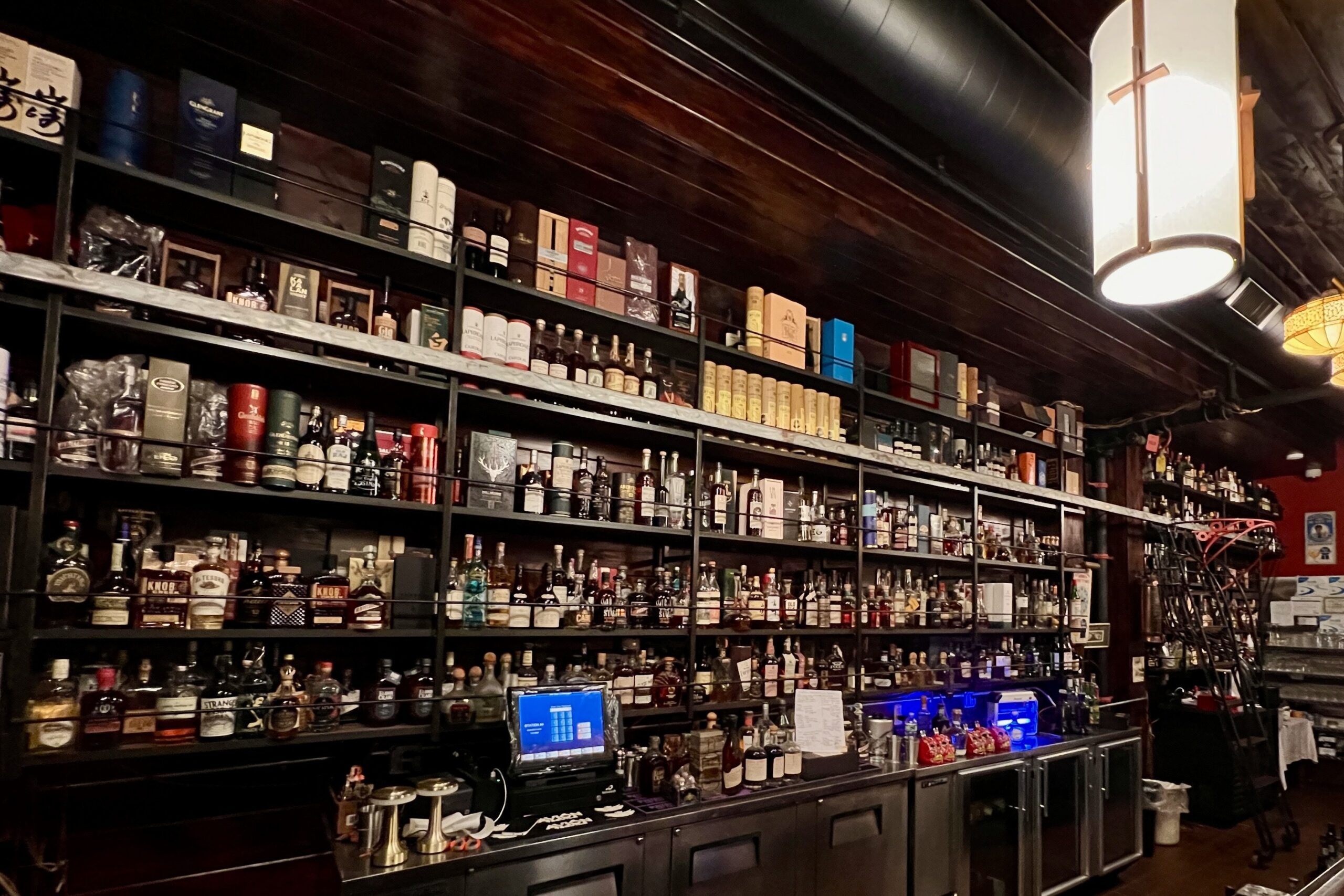
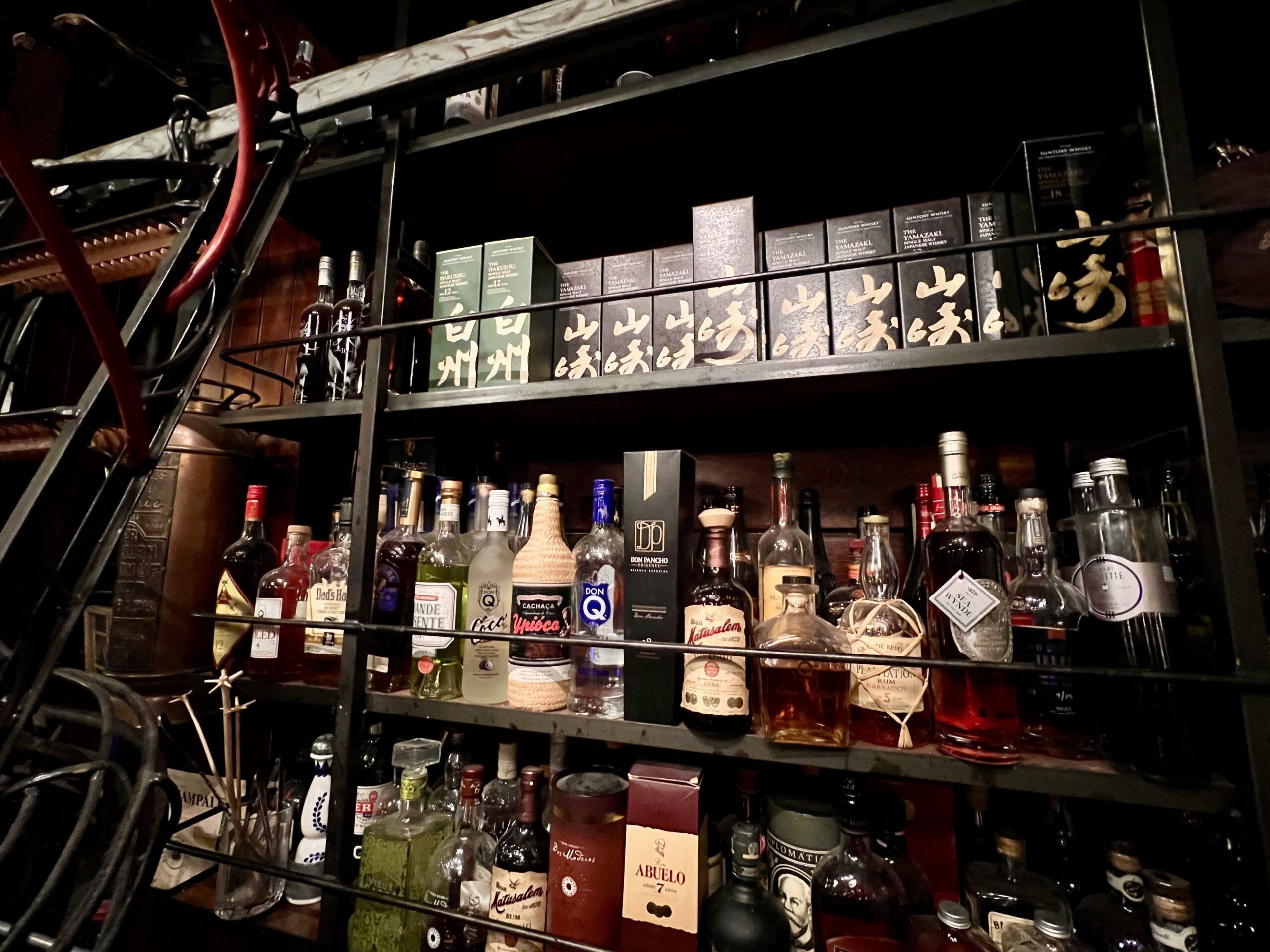
    High-end spirits fill the shelves behind the bar at Hop Sing Laundromat at 1029 Race St.

    The PLCB gathered bottles from stores all across Pennsylvania and delivered them to Hop Sing. “At first people thought Lê might be joking,” Betman said. “But he was completely serious.”

    Hop Sing is going through its supply. Lê declined to specify how much he had left, but given the bar’s limited hours, it’s likely a lot.

    Bottle math

    At Hop Sing, Lê charges $18 for 2 ounces of the Old Overholt. Although $18 sounds expensive, it’s modest by industry standards.

    A 750-milliliter bottle yields about 12 pours. Multiply $18 times 12, and each $75 bottle grosses about $216 — a 188% markup before accounting for labor, breakage, overhead, overpours, and comps. Many bars aim for 200% to 300% markups, often while pouring 1½ ounces instead of 2.

    Bottles of high-end Japanese whiskies line the top shelf at Hop Sing Laundromat at 1029 Race St.

    Lê said he was happy with this math, which extends to his cocktail list. (An old fashioned made with 2 ounces of Booker’s straight bourbon, for example, is priced at $20 — a relative bargain for a bottle that retails for $100.)

    This approach comes from a bar owner who no longer drinks. Lê said he tastes cocktails during development but hasn’t had a full one in 15 years.

    “This isn’t about me drinking it,” he said. “It’s about letting people experience it.”

    That philosophy shows up across the pour list. Among the tequilas, there’s a 2014 Herradura Reposado Scotch Cask at $35 and Casa Dragones at $45. On the whiskey side, Yamazaki 12-year is $35. Knob Creek 18 is $35. Elijah Craig 18 is $42. Hibiki 21 and Yamazaki 18 — which have become scarce amid the Japanese whiskey boom — are $100 per pour. While $100 may seem way out of kilter, consider that the Hibiki and Yamazaki bottles retail for $750 — and Hop Sing has rows of them on its top shelf.

    Many of these bottles now circulate almost entirely through secondary markets, where prices can climb multiple times above retail.

    Lê said the goal is to pour whiskies that people read about but rarely see, without turning curiosity into a financial stunt.

    “I’ve been collecting these bottles for years,” Lê said. “At some point, it’s time to let them go.”

    Hop Sing Laundromat, 1029 Race St. Hours: 5 p.m. to 1 a.m. Friday and Saturday. Thursday hours, also 5 p.m. to 1 a.m. No reservations, cash only.

  • A Philly restaurant regular’s devotion inspired his son to build a $1,500 Lego replica

    A Philly restaurant regular’s devotion inspired his son to build a $1,500 Lego replica

    To be loved is to be known — or, better yet, to inspire a 3,233-piece custom Lego set.

    Gene Gualtieri is devoted to Friday Saturday Sunday. Almost every Friday since 2021, the Fitler Square resident has lined up at 4:30 p.m. to score the same seat at the first-floor bar of Chad and Hanna Williams’ acclaimed Rittenhouse Square restaurant, where he is known to house a full roast chicken — bones and all — and order off-menu sherry martinis from bartender Paul MacDonald. It’s a ritual that has inspired a tattoo on Gualtieri’s bicep: “B9,” code for bar seat no. 9.

    “It’s my seat,” said Gualtieri, 57, an engineer. “This feeling of hospitality and being welcomed [at the bar] … it’s a social hub for me.”

    So when Gualtieri’s 21-year-old son, Leo, needed a Christmas present for his father, everyone from his aunt Claire to his older brother Sam had the same idea. What if, Leo recounts them wondering, there was a way to shrink Friday Saturday Sunday so it fits in your house?

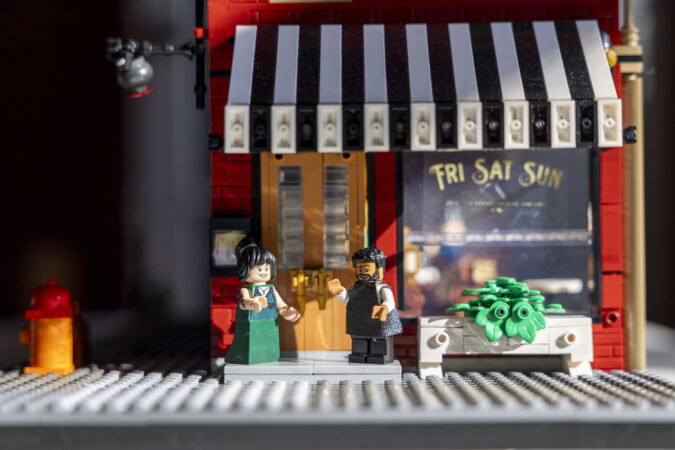
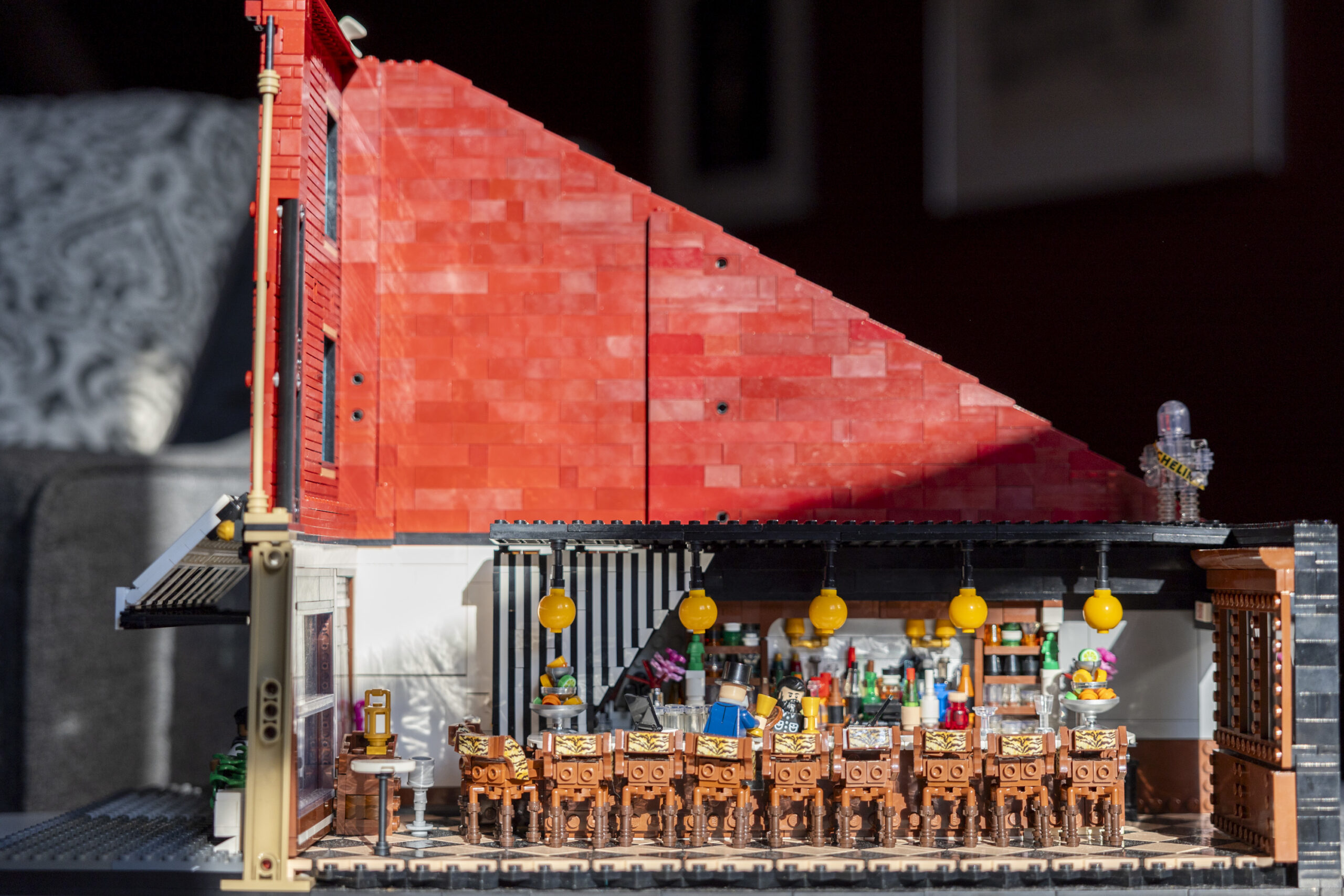
    The resulting gift — a 1½-foot-tall replica of Friday Saturday Sunday’s facade and its ground-level Lovers Bar, constructed out of more than 3,200 Legos — doesn’t skimp on the details. Leo recreated everything, down to the discolored patches of sidewalk out front.

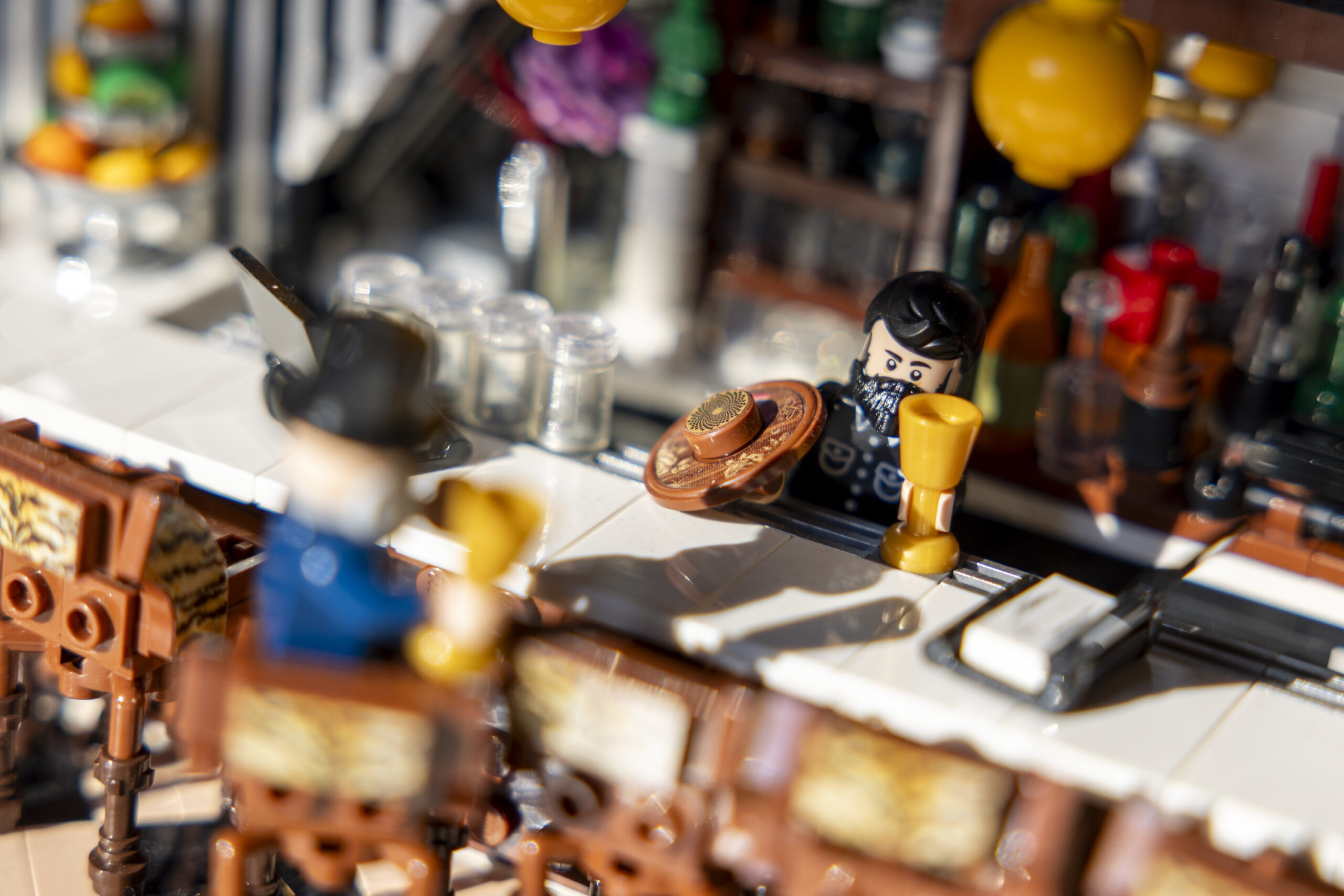
    A figurine of bartender Paul MacDonald shows off a Lego version of his Fibonacci sequence wheel to a miniature of Gene Gualtieri inside a Friday Saturday Sunday replica his son built out of Legos.

    Friday Saturday Sunday (Leo’s version) comes with Lego figurines of the Williamses, bartender MacDonald, and his father that can be posed to sit in one of the bar’s 13 tiger-print chairs. There’s a petite version of the Fibonacci carousel MacDonald uses to perfect his mixology, plus miniatures of the bar’s gargoyle- and raven-shaped pour spouts, mermaid caryatids, and towering citrus bowls. In honor of restaurant’s Michelin star, Leo even included a tiny and perfectly rotund Michelin Man.

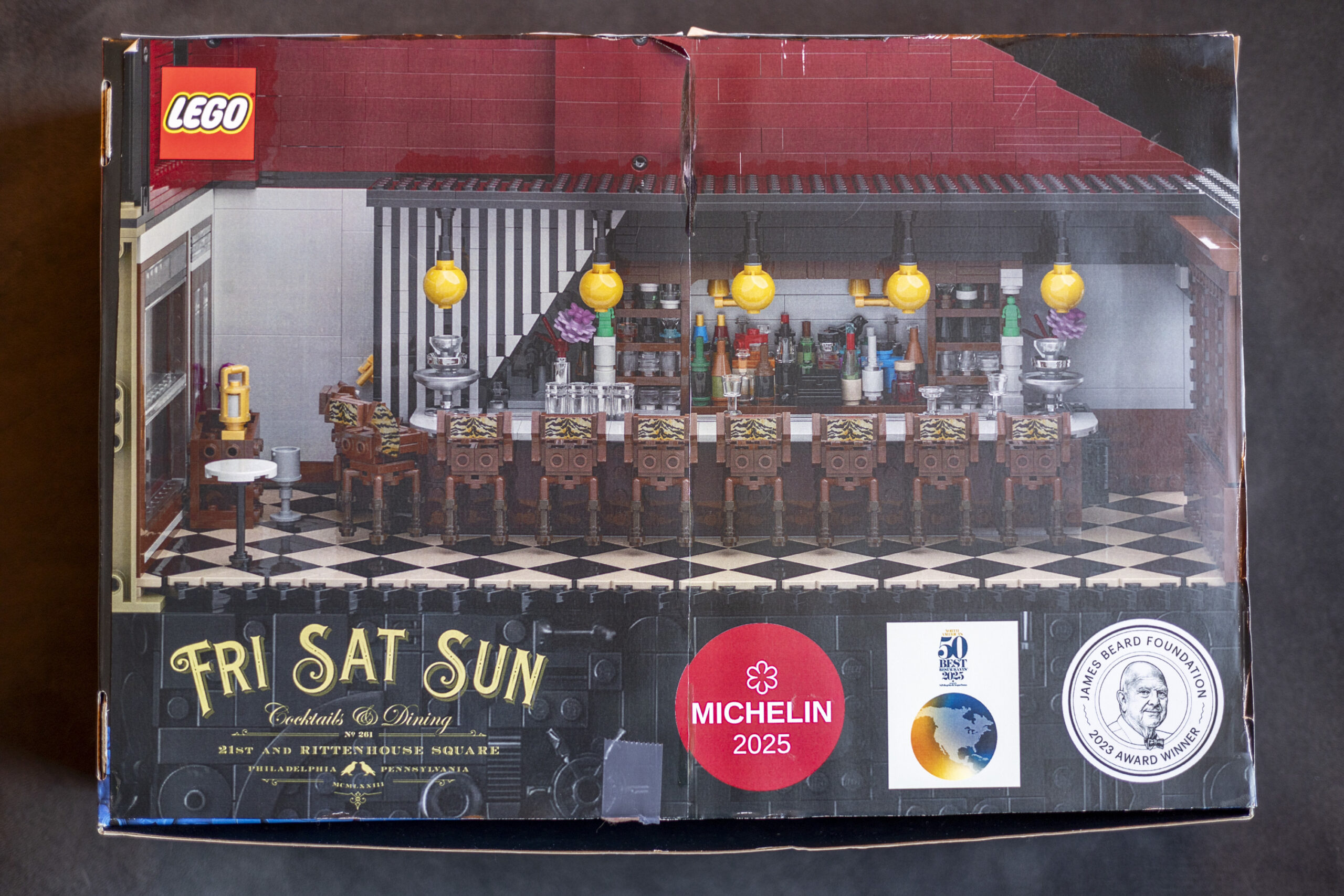
    Leo stored the pieces in a repurposed Seinfeld Lego set box that he wrapped in a rendering of the finished design. When Gualtieri opened it on Christmas morning, he cried. The finished version inspired a similar response from others after Gualtieri and the restaurant posted photos on Instagram at the end of January.

    Leo Gualtieri made custom packaging for the Friday Saturday Sunday Lego set he got his father Gene for Christmas.

    “This is so beautiful I wanna cry,” commented one person. “Top 10 most impressive things I have ever seen,” wrote another.

    Leo’s dad concurs. “I was pretty blown away,” Gualtieri said. “At first glance, it looks like a Lego set you’d get a store.”

    A replica built brick by (plastic) brick

    Recreating Friday Saturday Sunday was a labor of love for Leo, a self-described former Lego kid currently finishing up his senior year at Emerson College as a comedy major. As a child, Leo was fixated on building an ever-expanding amusement park out of the plastic blocks alongside his dad. It was an obsession that served him well this holiday season.

    To reconstruct the restaurant, Leo first had to create a rendering of the bar and its exterior in Brick Link, Minecraft-esque software that lets users build and source their own custom Lego sets. Leo said he spent roughly 100 hours translating all the tiny details into Lego form, working first off images of the facade from Google. When those weren’t precise enough, he said, Leo begged MacDonald to send him photos of all the minutiae, from the glassware to close-ups of the light fixtures.

    A replica of the Lovers Bar at Friday Saturday Sunday, built out of more than 3,200 custom Legos by Leo Gualtieri.

    “It was addicting … I would work on it in class,” said Leo while on Zoom with his father, who scoffed at the admission. “Time would pass much faster because I was locked in.”

    Once the rendering was complete, Leo and his mom spent $1,500 on the Lego pieces, sourced from 13 different Lego resellers across Japan, Spain, and the Netherlands. To find a realistic version of Chad Williams’ beard and apron, Leo had to commission custom blocks from an Etsy seller.

    After Christmas, Leo spent the remainder of his winter break from college building mini Friday Saturday Sunday, developing calluses from clicking the bricks into place. Dad, Leo said, wasn’t much help.

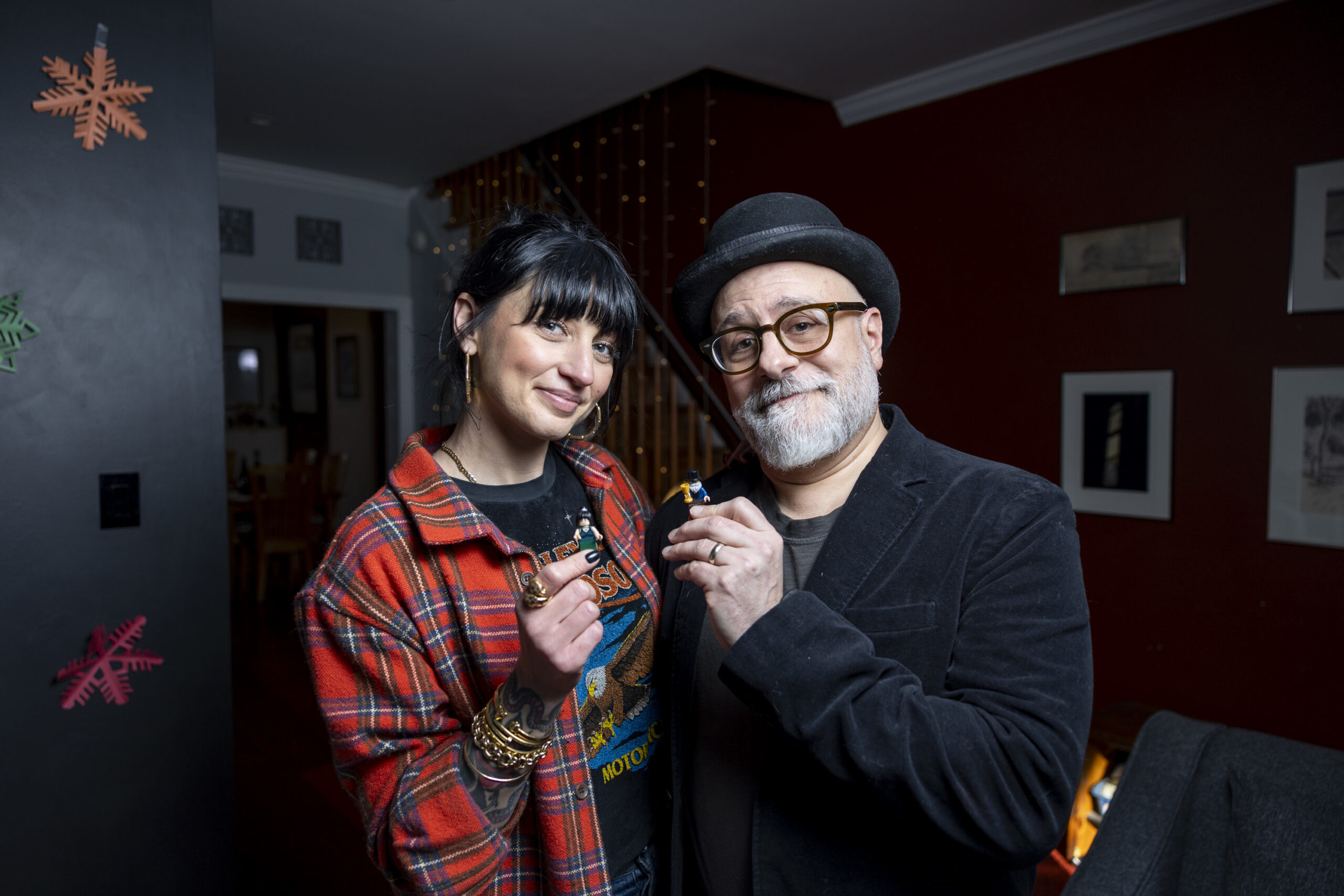
    Hanna Williams, co-owner of Friday Saturday Sunday, holds Lego characters of herself and Gene Gualtieri, whose son Leo spent over 100 hours creating a miniature version of the restaurant out of the plastic blocks.

    “He tried to build some chairs,” Leo said of his father. “I don’t think he’s cut out for it.” (Gualtieri agreed. Leo, he admitted, gets his dexterity from his mother.)

    Every time he looks at the replica, Gualtieri said he discovers new details, like how the bottles mimic the exact ones behind MacDonald’s bar. Hanna Williams, Friday Saturday Sunday’s co-owner, felt the same when Gualtieri sent her progress updates on the build out.

    Hanna Williams, co-owner of Friday Saturday Sunday, and Gene Gualtieri, a regular at the restaurant, pose with Lego action figures of themselves created by Gene’s son Leo.

    “I think [Leo] might know every inch of the bar better than me,” she said. Williams especially loves her Lego dopplegangër: “A high bun, bangs, and tattoos? That’s so me.”

    Williams is used to her restaurant being the recipient of the highest order of affection. In the decade since she and her husband revamped Friday Saturday Sunday from a classic fine-dining restaurant with excellent mushroom soup into cozy bar for walk-ins with a top-floor tasting menu that melds Caribbean, Asian, and soul food influences, the restaurant has earned a Michelin Star, a James Beard Award, and a spot on the World’s 50 Best North American restaurants. Just last week, Friday Saturday Sunday won an award for excellence in hospitality from the Tasties, Philly’s homegrown culinary honors.

    And yet, Williams said, the Lego replica represents an extra-special type of achievement.

    “It’s completely overwhelming,” she said. “But at the same time, there’s nothing that could make you feel better.”

  • Let us help you find a date night restaurant | Let’s Eat

    Let us help you find a date night restaurant | Let’s Eat

    Need an evening out, just the two of you? Try our online finder for the answer.

    Also in this edition:

    Mike Klein

    If someone forwarded you this email, sign up for free here.

    Let us help you with date night

    “Where do we go for date night?” We have answers for you! Answer five simple questions and let The Inquirer’s Date Finder match you with the ideal Philly-area restaurant.

    ❤️ Where to find love in the city? These happy people tried its oldest bar.

    ❤️ Valentine’s Day coincides with Lunar New Year. Here’s where to celebrate.

    A wine shop-plus in Chestnut Hill

    A couple saw opportunity in a courtyard in Chestnut Hill, and they’re launching a bottle shop and ambitious wine-focused restaurant.

    Craig LaBan reviews Tesiny

    At Tesiny, the striking new oyster bar and grill from lox and caviar queen Lauren Biederman, critic Craig LaBan finds craft cocktails, shareable plates, and “an extra pulse of intimacy.”

    ❗Biederman is targeting April for the opening of Biederman’s Rittenhouse, the second location of her South Philly appetizing shop. It’s coming together at 20th and Spruce Streets, the former Charley Dove/Audrey Claire space, with more baking and prepared foods.

    Tasty baked goods by the road

    Chester County appears to be a growing incubator of homespun bakeries, some with carts and stands dotting residential roads.

    Bad news comes in threes

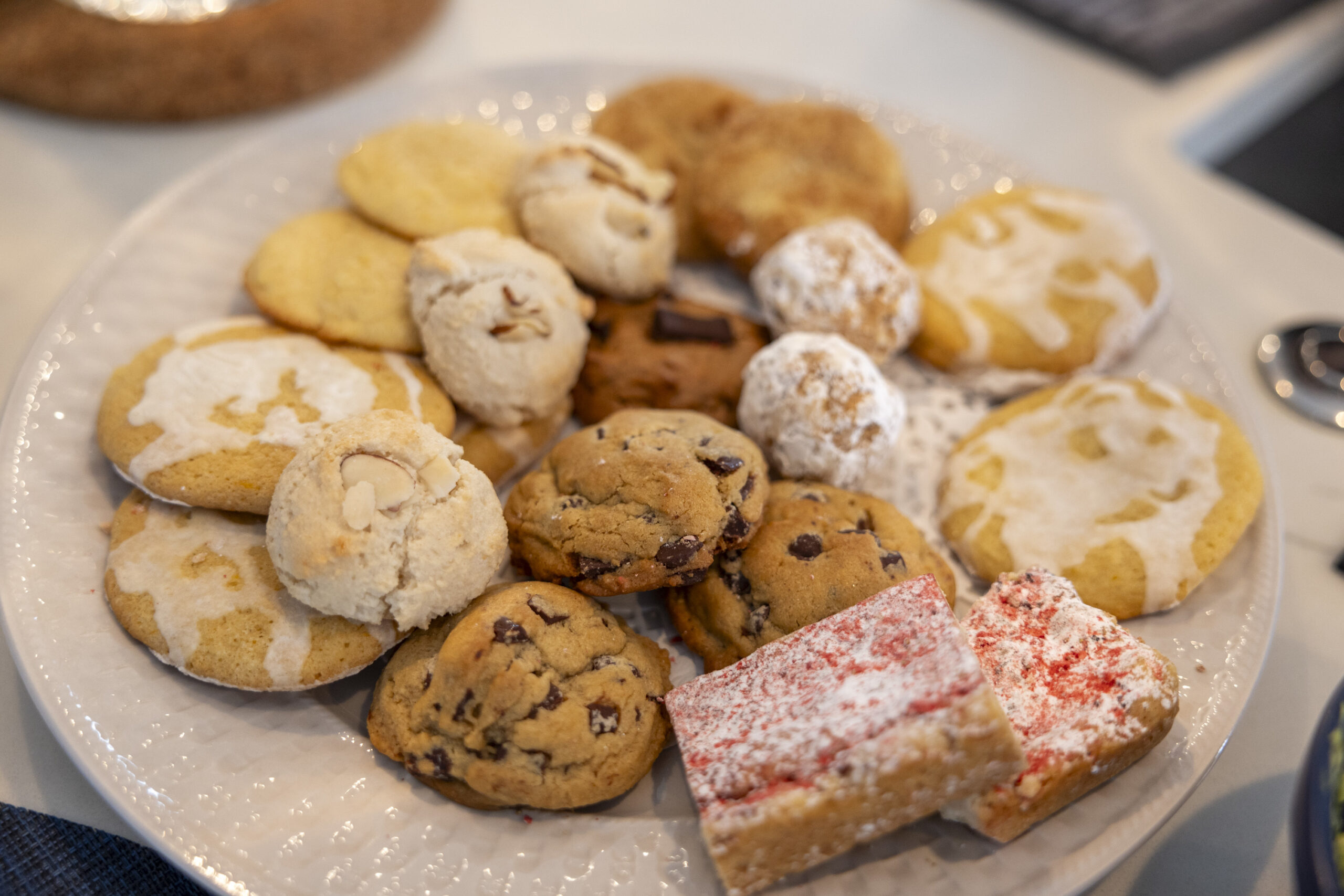
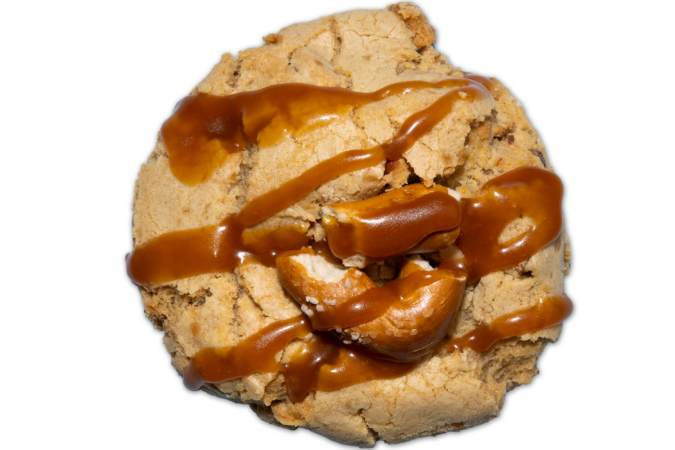
    Cookie crumbles: The two Taylor Chip locations in Philadelphia closed in the last week. What’s up there?

    Deli drama: The Kibitz Room in Cherry Hill has filed for bankruptcy protection as a former owner says he wants to buy it.

    Grocery woes: Di Bruno Bros. is bowing out of the burbs, but there’s hope for the former Ardmore location.

    The best things we ate last week

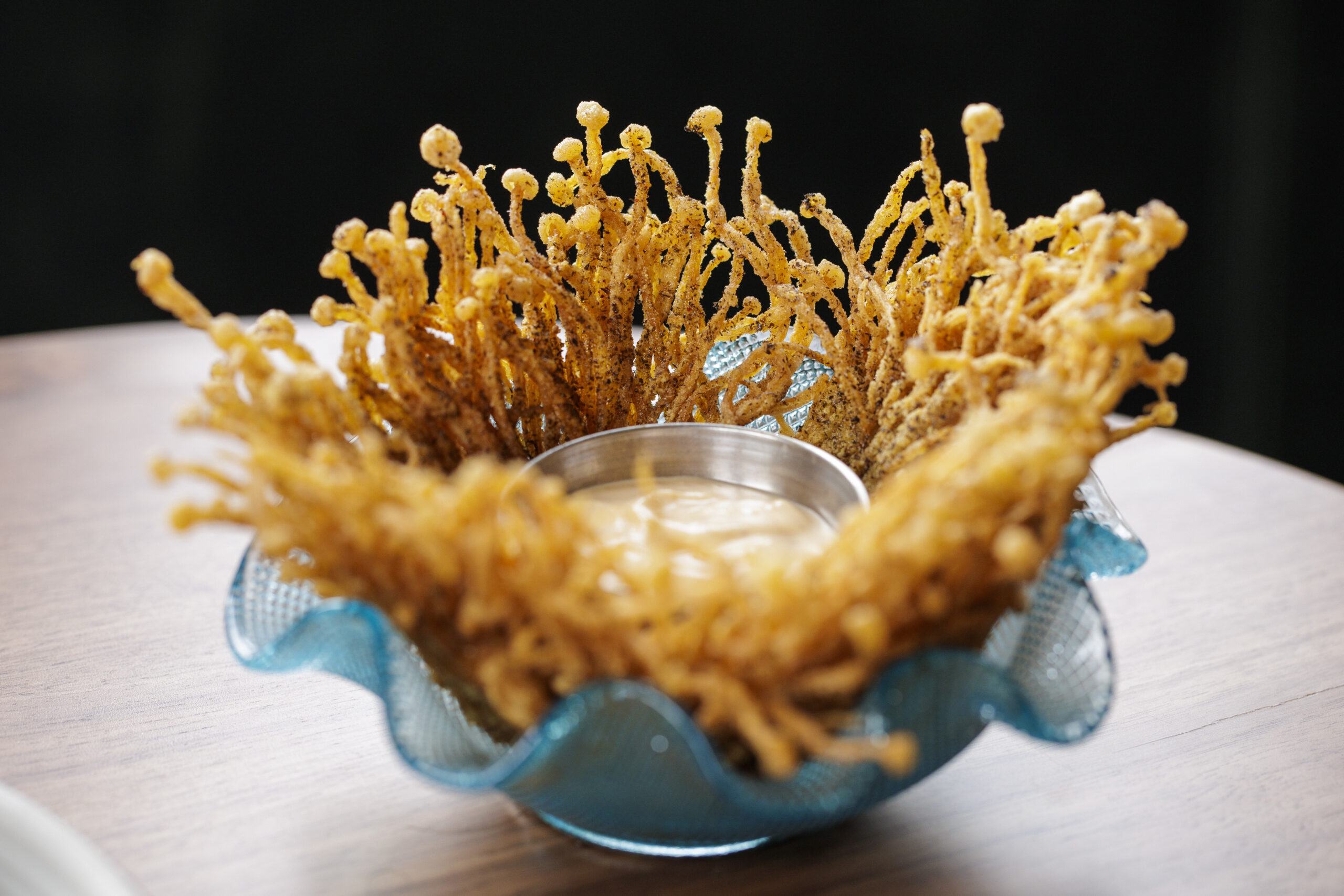
    Too pretty to eat? You’d be denying yourself a crunchy treat if you skipped the Bloom Shroom, an appetizer at Manong in Francisville. Check out this dish and gems from Emmett and Apricot Stone in our weekly feature.

    Scoop

    This is quite early, but a high-end Japanese restaurant is planned for a building that will eventually rise on the former site of Kitchen Kapers at 17th and Chancellor Streets in Center City. Among those involved is Tony Rim, formerly of 1225 Raw. Put down the chopsticks, as this one might be two years away. Still, it’s a sign that the upscale Rittenhouse Japanese scene (Dancerobot, Uchi, and Kissho House) is growing further.

    Restaurant report

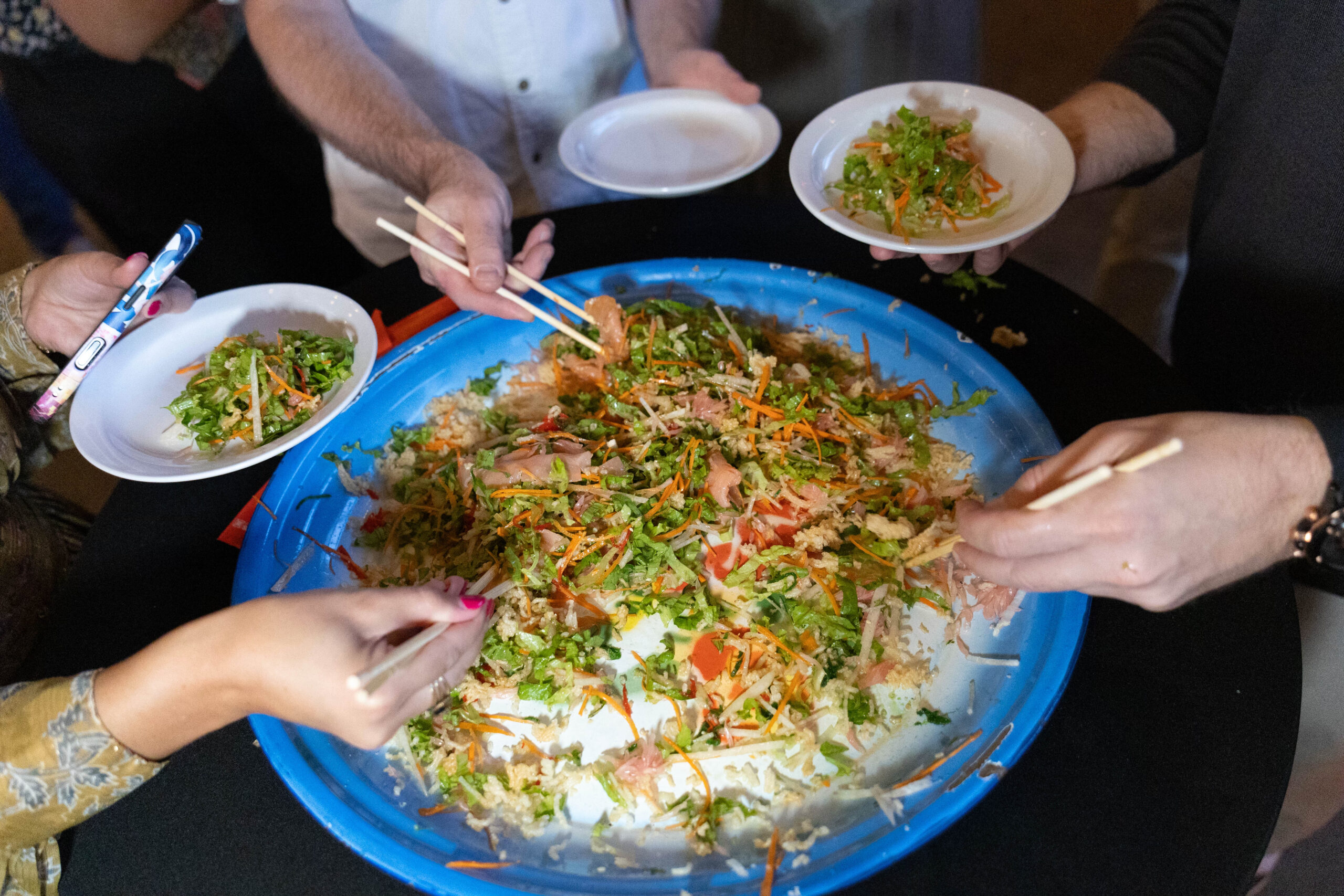
    It’s the Year of the Horse, and Kiki Aranita offers a rundown of dining spots where you can celebrate.

    Briefly noted

    At ease! There’s been a truce in a trademark lawsuit surrounding the recreation of Tun Tavern in Old City.

    The “saucer” at Love Park — the old visitor’s center — is in line to reopen this year with a food, beverage, retail, or other hospitality business.

    Texas Roadhouse has set Feb. 16 for the opening of its third area location (after Bensalem and Montgomeryville) at Greentree Square in Marlton. It replaces the TGI Fridays that closed two years ago.

    Shibam Coffee, a Yemeni coffee house, is looking at next week for its soft opening at 3748 Lancaster Ave. in University City.

    Cake & Joe has penciled in Feb. 18 for its opening at 1735 Market St., its third location.

    Aurora Cafe opens Saturday at 17th and Christian Streets, bringing a zenlike espresso-bar sensibility — and Albanian coffee culture — to Graduate Hospital. The corner café comes from cousins Arjan Parllaku and Bledar Noka, among partners at the Queen Village restaurants Capri and Casa Nostra. Baked goods include wares from home bakers and items produced at Capri. They’re particularly stoked for a feature called “F1 on the bar”: a $2 espresso shot you order at the standing bar, priced less than to-go orders. Initial hours: 7:30 a.m.-4 p.m. daily.

    Wonder announced this week that it’s acquired New York’s vaunted Blue Ribbon Fried Chicken. This is Wonder’s first full purchase; its other restaurant brands were created in-house or licensed to Wonder. No word on which locations will carry it. Meanwhile, Wonder has created a salad brand (Pop Salad) and a Mexican bowl brand (El Diez). They’ll be sold starting today at the Fishtown, Rittenhouse, South Philly, and University City locations.

    ❓Pop quiz

    What kind of dog does Kalaya chef/owner “Nok” Suntaranon own?

    A) Portuguese water dog

    B) beagle

    C) poodle

    D) Pomeranian

    Find out if you know the answer, and see a cute photo.

    Ask Mike anything

    What happened to the Taylor Chip cookie shops in Rittenhouse and Fishtown? — Dianne M.

    Taylor Chip has permanently closed its Philly locations after only 17 months. Read on to see how the Lancaster County company is now selling a lot of cookies.

    📮 Have a question about food in Philly? Email your questions to me at mklein@inquirer.com for a chance to be featured in my newsletter.

    By submitting your written, visual, and/or audio contributions, you agree to The Inquirer’s Terms of Use, including the grant of rights in Section 10.

  • Taylor Chip abruptly closes Philly stores, says bankruptcy is on the way

    Taylor Chip abruptly closes Philly stores, says bankruptcy is on the way

    Philly apparently didn’t get a rise out of Taylor Chip.

    The Lancaster County cookie and ice cream company abruptly shuttered its stores in Center City and Fishtown in the last week with no notice. They had been open for less than a year and a half.

    In an email late Tuesday, a Taylor Chip representative said the company planned to file for bankruptcy protection under Chapter 11, which would enable it to continue operating while restructuring its financial obligations. In addition to the two Philadelphia locations, a store in Lancaster was also closed, leaving the eight-year-old company with four locations, all in Central Pennsylvania, and an e-commerce business.

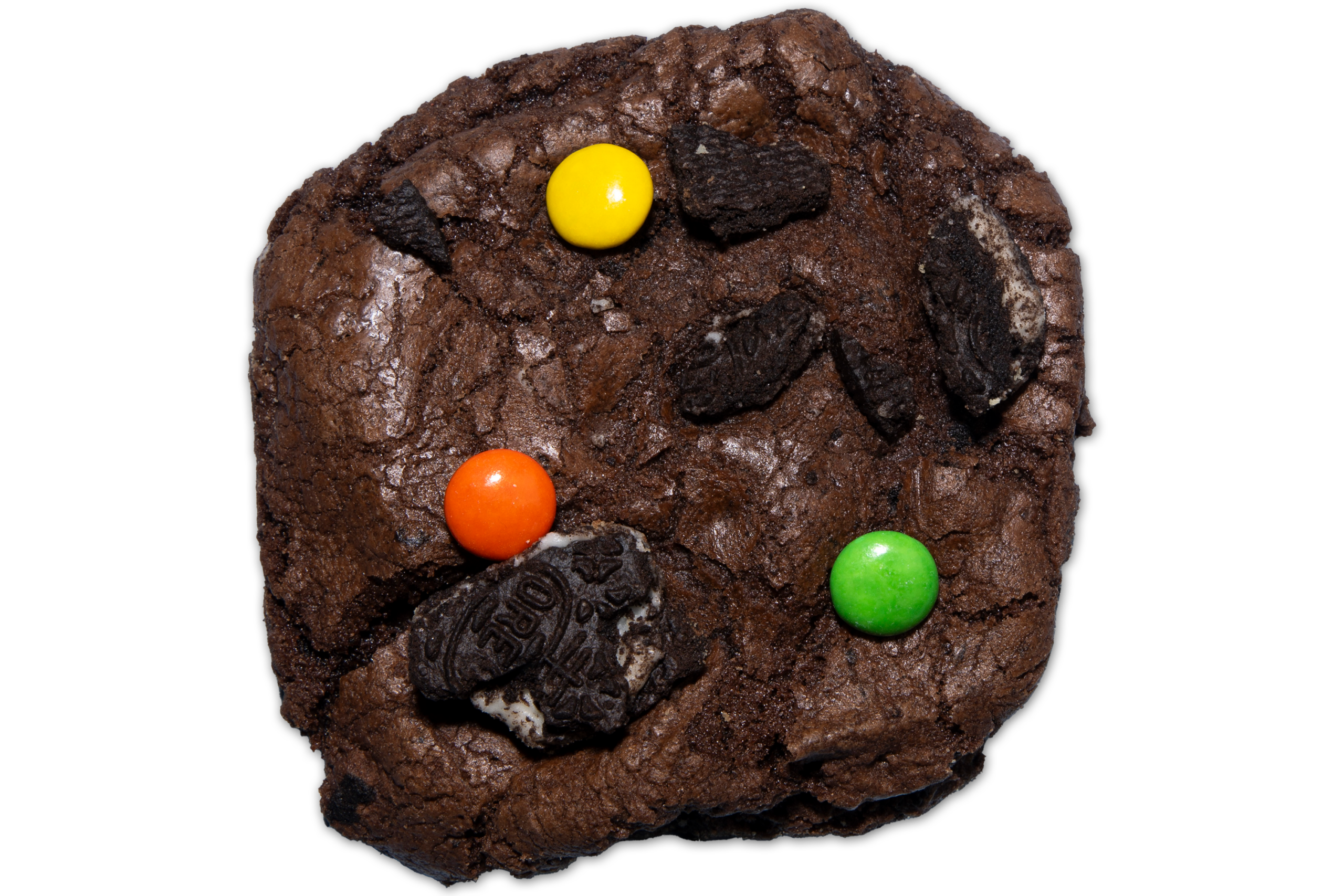
    A Taylor Chip midnight Oreo cookie.

    The company said it had signed Philadelphia leases in late 2022 expecting a timeline and costs similar to past openings, which typically took about three months. Instead, permit delays turned what was planned as a six-month rollout into nearly two years. “Without investors, the company relied on creative financing to continue moving forward,” it said. The Philadelphia stores performed well but could not generate enough profit to offset the debt created during the delays, it said.

    Taylor Chip, which launched in 2018 as a home-baking project by husband-and-wife Doug and Sara Taylor, joined a burgeoning trend of high-priced cookie shops in Philadelphia in fall 2024. The owners prided themselves on the shop’s vast cookie selection: 24 to 30 varieties available at all times. Their enormous treats, weighing more than 5 ounces and priced at $5.25 apiece, touted local ingredients and house-made inclusions.

    Heavy social media marketing accompanied the September 2024 debut of a Taylor Chip beneath a nail salon at 1807 Chestnut St. in Rittenhouse, as well as the opening in a storefront at 1828 Frankford Ave., near Berks Street. Fishtowners, in particular, were irked over a lower-tech promotion that festooned parked cars with fliers made to look like tickets.

    The Fishtown and Rittenhouse stores were the sixth and seventh locations for the budding business, but Doug Taylor told The Inquirer for a 2025 story on the big cookie trend that the company’s goal was to open 40,000 stores in 100 countries.

    Around the time of the Philadelphia openings, Taylor Chip was pursuing plans for a multimillion-dollar production facility in Lancaster County. That project fell through last year.

    Taylor Chip has been adept at securing grants, including a $470,076 Pennsylvania Dairy Investment Program grant in 2019 (later extended) to support dairy-based processing, and a $510,971 Resilient Food Systems Infrastructure grant announced in 2025 to launch ice-cream production and expand processing to new markets with Pennsylvania dairy farms.

    Lately, the company has been touting its new seed oil-free protein cookie and the success of live sales on TikTok.

    In December, Doug Taylor told Bloomberg News that even on a slow day, Taylor Chip can generate as much in sales in a few hours livestreaming on TikTok as the company does during a full day at one of its stores.

    Taylor also said the company had hired a full-time livestream host and was building a facility in Pennsylvania with two live video studios.

    This article has been updated with a company statement about the reason for the closing.

  • As three Di Bruno Bros. stores close, a sign of hope for the Ardmore location

    As three Di Bruno Bros. stores close, a sign of hope for the Ardmore location

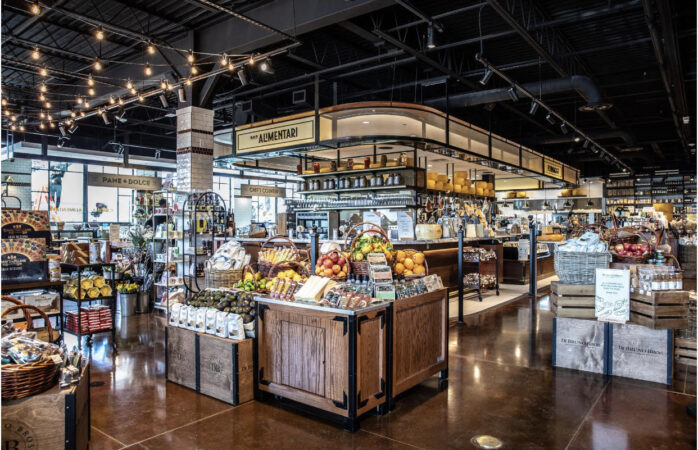
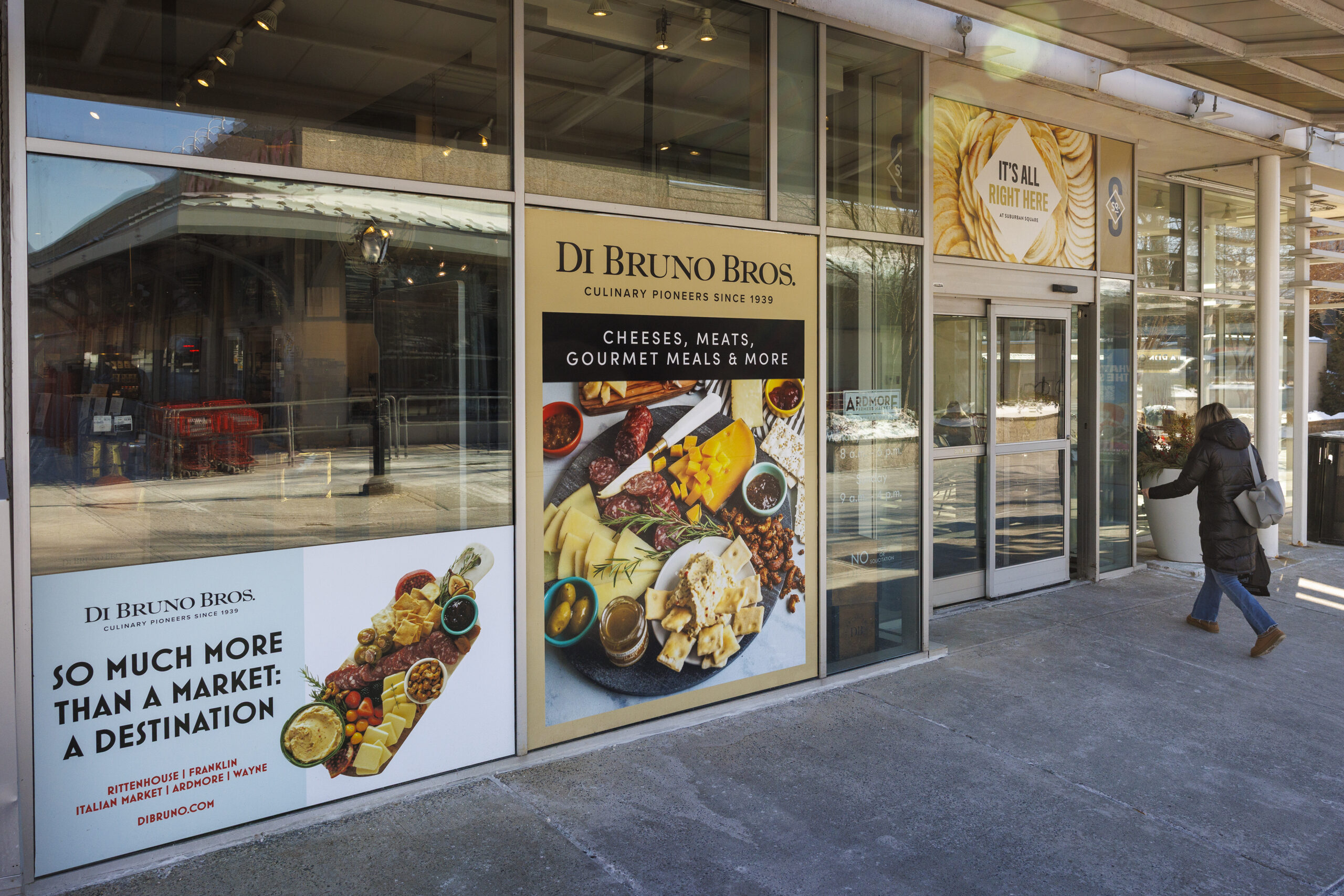
    As the final two of three Di Bruno Bros. stores to close this month approached their last days, the wind-down was visible on the shelves. Cheeses, meats, breads, and prepared foods vanished first, followed by deeply discounted packaged goods that remained.

    The Di Bruno locations in Wayne and the Franklin Residences in Center City, at Ninth and Sansom Streets, will close permanently on Wednesday, with no immediate clarity about what comes next. (The company’s original Italian Market store and Rittenhouse Square shop remain open.)

    The closing of Di Bruno’s Ardmore branch last Wednesday, however, is already reshaping the future of Suburban Square’s Ardmore Farmers Market, where the Italian-goods purveyor opened in 2011 and eventually became the dominant tenant.

    Di Bruno Bros. in Suburban Square in Ardmore on Jan. 29, about a week before its closing.

    Toward the end of its run, the Ardmore location of Di Bruno Bros. occupied more than half of the market’s stalls. Rather than replacing it with another large operator, the market will be reconfigured to accommodate multiple smaller food tenants, said Douglas Green, a principal at MSC Retail, which handles leasing for Kimco Realty Corp., which owns Suburban Square.

    “Di Bruno’s just kind of got too big,” Green said. “It limited cuisine diversity and pushed them into specialty items and cuisines that weren’t really their core business.”

    An MSC Retail brochure shows four available spaces ranging from roughly 600 to 800 square feet, several of them divisible. Existing vendors — including Stoltzfus Meats, Ardmore Produce, Ardmore Seafood, Malvern Buttery, Sushi Sei, Tabouli, and the Ultimate Bake Shoppe — would remain, with additional “future opportunity” areas identified near the dining zones.

    “The idea is to break the space up into smaller units, create more cuisine diversity, and ideally replace the Italian specialty concept,” Green said.

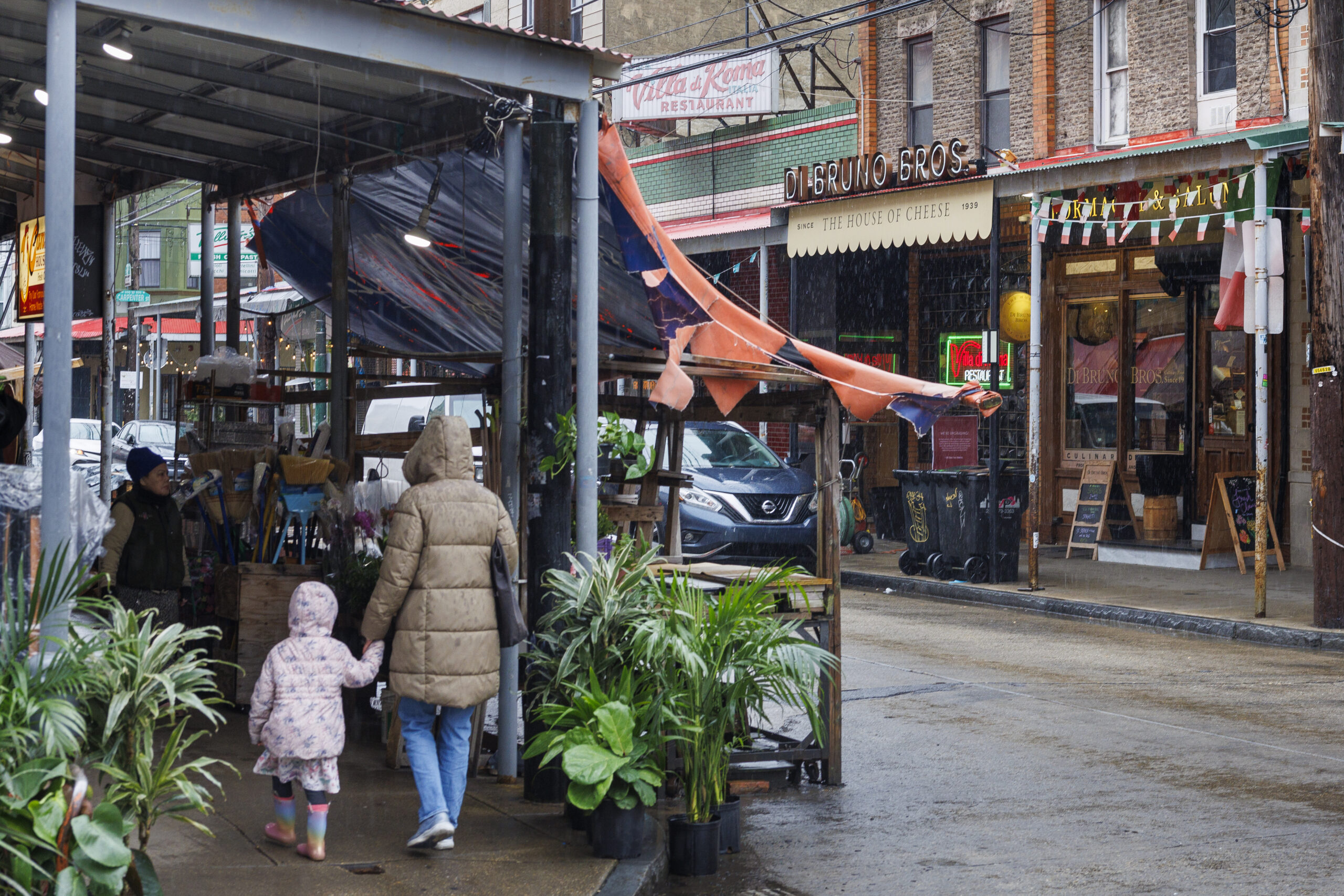
    The original Di Bruno Bros. location at 930 S. Ninth St., as seen in 2024, is unaffected by the store closings.

    Green said his firm is already negotiating with multiple potential occupants, including chefs and restaurant groups from Philadelphia interested in suburban expansions. “There’s been a tremendous amount of interest — honestly more than I ever would have imagined, and I’m not saying that in a sales-y way,” he said.

    For customers, the swiftness of Di Bruno Bros.’ three-store shuttering has been striking.

    Brendan Burland, an insurance consultant who lives in Bryn Mawr, stopped by the Wayne location Friday for lunch with a friend and found the bar closed and the shelves reduced to discounted goods.

    “No bread, no meats, no fresh cheeses,” Burland said. “It was depressing — a total ghost town.”

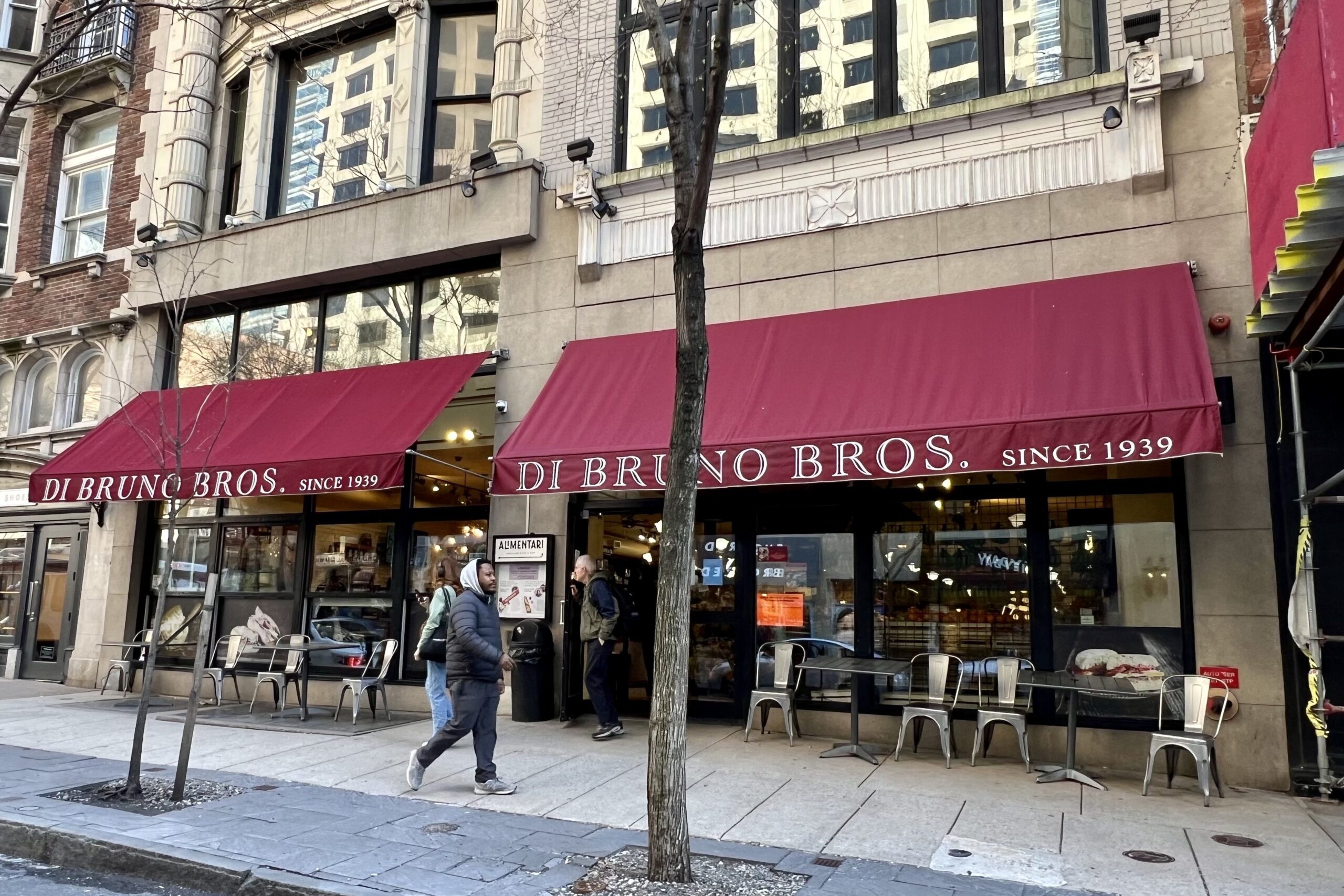
    Di Bruno Bros.’ largest location, at 18th and Chestnut Streets in Center City, as seen in 2024.

    Burland said the store’s restaurant program had been losing its spark even before the final weeks. “The bar menu had become less inspiring over the last few years,” he said. “It started to feel like, ‘Here’s some pizza and some sandwiches,’ instead of something interesting or unique.”

    What he will miss most are the basics that made Di Bruno Bros. a destination. “Their product line was pretty substantial. My buddy and I even joked that we should become cheesemongers,” he said, adding “we know nothing about it other than we like to eat cheese.”

    Cheeses at Di Bruno Bros., 930 S. Ninth St.

    The retrenchment follows the 2024 acquisition of Di Bruno Bros. by Brown’s Super Stores, which owns a dozen ShopRite and Fresh Grocer stores in the region. Later that year, Wakefern Foods, a grocery co-op that includes Brown’s, obtained the Di Bruno’s trademark and branded products.

    Sandy Brown, the company’s executive vice president, said when talks began with Di Bruno Bros. in 2023, it was facing “significant financial challenges” and was at risk of not being able to continue operating.

    “We even stepped in ahead of the acquisition to help ensure they could get through the 2023 holiday season, because many suppliers had already begun limiting deliveries due to concerns about the company’s stability,” Brown said.

    That disruption in supply contributed to declining sales and worsening store conditions, she said. “Our goal from day one has been to stabilize the business, protect the brand, and preserve an important part of Philadelphia’s history,” Brown said. “We believed — and still believe — that Di Bruno Bros. is worth saving.”

    The move is a shift from the Brown’s company announcement in December 2024 that it planned to open an additional 12 to 15 Di Bruno stores in the coming decade.

    Sandy Brown said the company decided to prioritize the “iconic” locations in the Italian Market and Rittenhouse “because these sites continue to anchor the brand.”

    She said all 69 retail workers at the three closing stores were offered positions elsewhere within Di Bruno Bros. or at Brown’s Super Stores, with no loss of pay or benefits. About 70% are expected to remain, she said, while three supervisory positions were eliminated. Workers had complained on social media about the abruptness of the planned closings.

    While plans are coming together for the Ardmore location, the future of the Wayne and Franklin spaces remains unresolved. A representative for Equity Retail Brokers said the Wayne space is not yet on the market. MSC Retail, which also handles commercial leasing at the Franklin location, said that space is also not yet being marketed.

  • Lovat Square debuts in Chestnut Hill as a wine shop, and there’s a restaurant on the way, too

    Lovat Square debuts in Chestnut Hill as a wine shop, and there’s a restaurant on the way, too

    Since moving to Glenside in 2016, Brooklyn transplants Damien Graef and Robyn Semien have frequented the Evergreen Cheese Shop in Chestnut Hill, located in a charming courtyard that fringes a parking lot off East Evergreen Avenue, steps from Germantown Avenue. As time went on, the couple took note of two empty buildings next door to the cheese shop, the former homes of Top of the Hill Market, which closed in 2019, and Mimi’s Cafe, which closed in 2022.

    As entrepreneurs— the couple own a Williamsburg wine shop together, and Semien runs the podcast company Placement Theory — their gears started turning. “We’d always had this loose idea that maybe someday we’d open [another] wine store, but the logistics are hard,” Semien said.

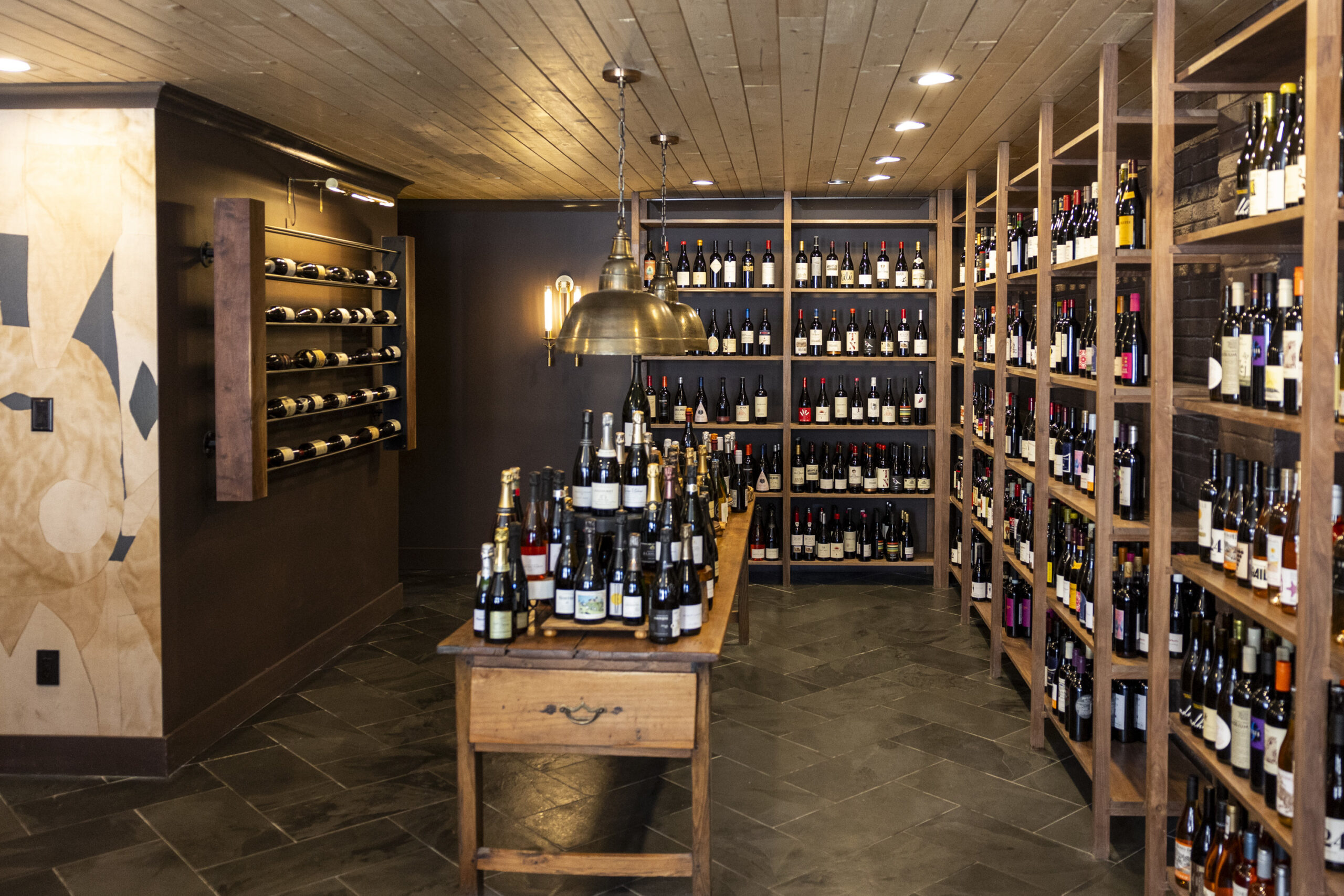
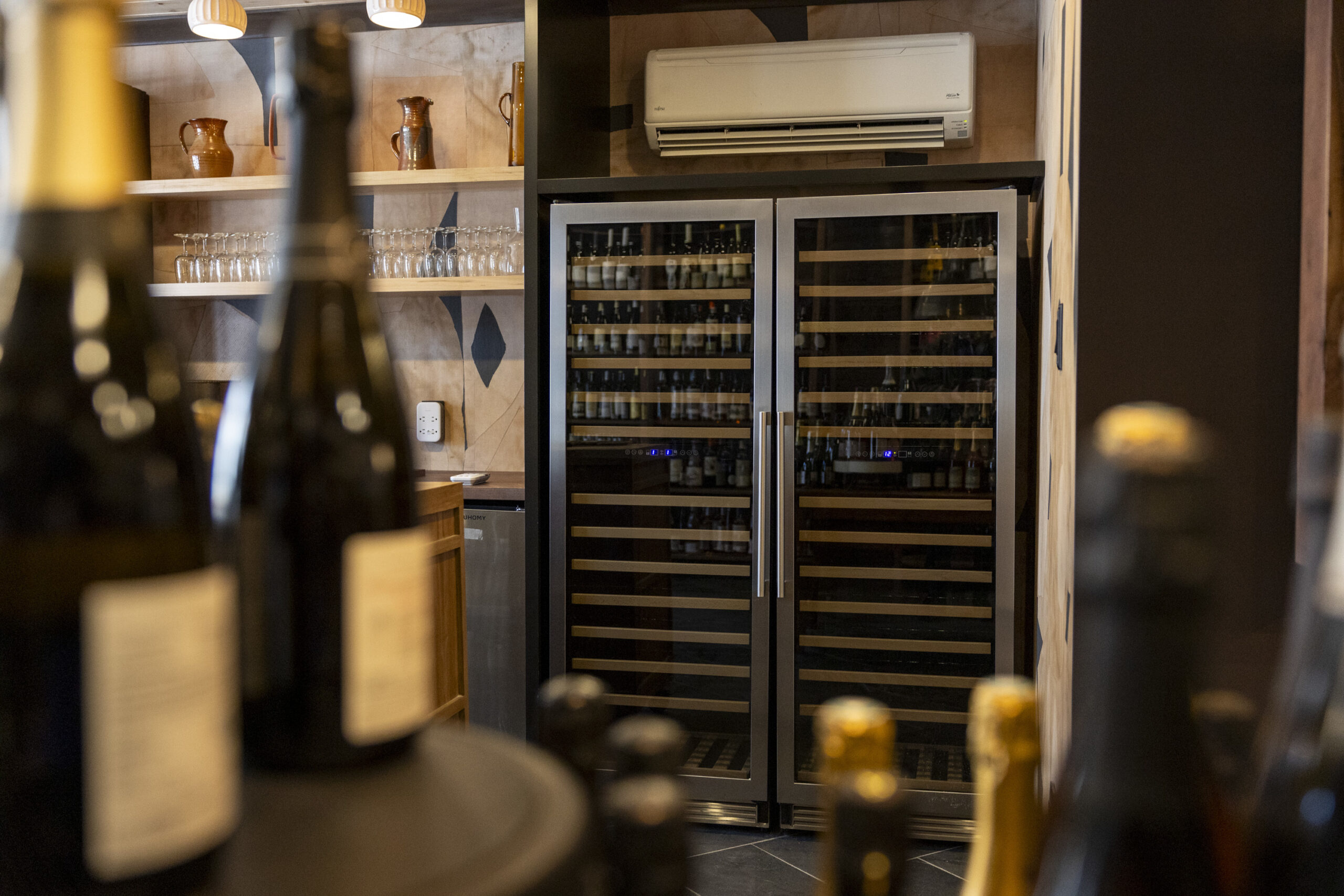
    Part of the bottle selection at Lovat Square.

    In 2023, they chatted up John Ingersoll, the Evergreen Cheese owner, who referred them to the landlord for the space at 184 E. Evergreen Ave.

    Graef and Semien were not entirely sure what they wanted to create. “We said, ‘Let’s put one foot in front of the other and see how far we get,’” said Graef. “Turns out, pretty far.”

    After sitting dark for four-plus years, the Evergreen Avenue courtyard will light up again this week with the opening of Lovat Square, which the couple plan to unfold in stages: first as a bottle shop, then as a garden restaurant, and eventually as a full bar and dining room.

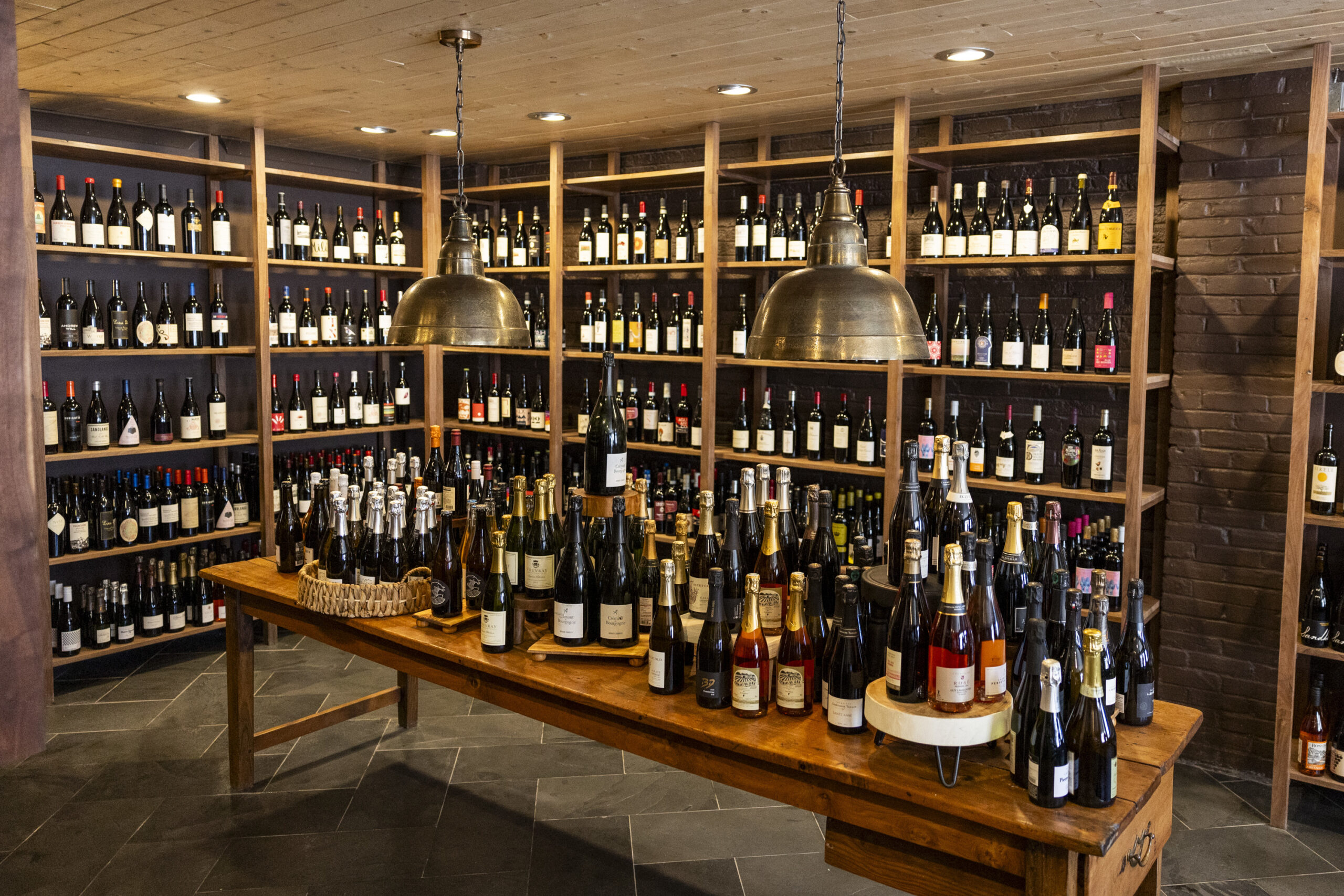
    Lovat Square’s bottle shop and tasting room opens Thursday, with about 30 seats, wines by the glass, and a small menu of snacks. The wine selection — just under 400 labels, with about 200 more on the way — doubles as both retail inventory and will become the backbone of the restaurant’s wine list.

    Thursday’s opening is a hopeful sign for Chestnut Hill, stung from the recent closings of Iron Hill Brewery and Campbell’s Place. Other coming attractions in the near future will be the Blue Warbler, a day-into-evening restaurant at Germantown and Willow Grove Avenue, and a reopening of Fiesta Pizza on Germantown Avenue near Gravers Lane.

    Before relocating from New York with their two children, Semien and Graef opened the Brooklyn wine shop Bibber & Bell in 2013. Since 2022, Graef has been lead sommelier at Jean-Georges at the Four Seasons Hotel. Semien spent 16 years at This American Life and now executive-produces Question Everything, a show focused on journalism in America.

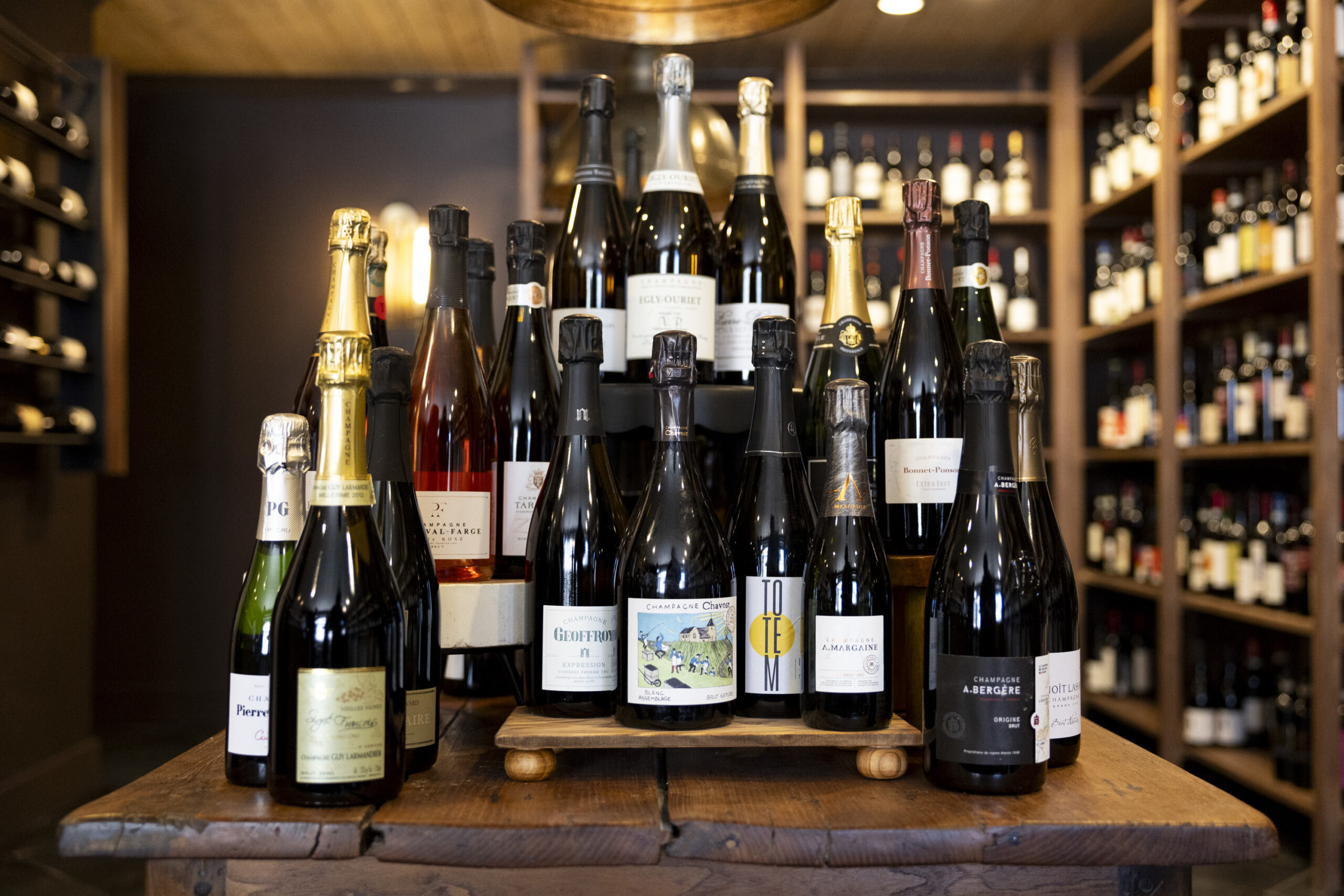
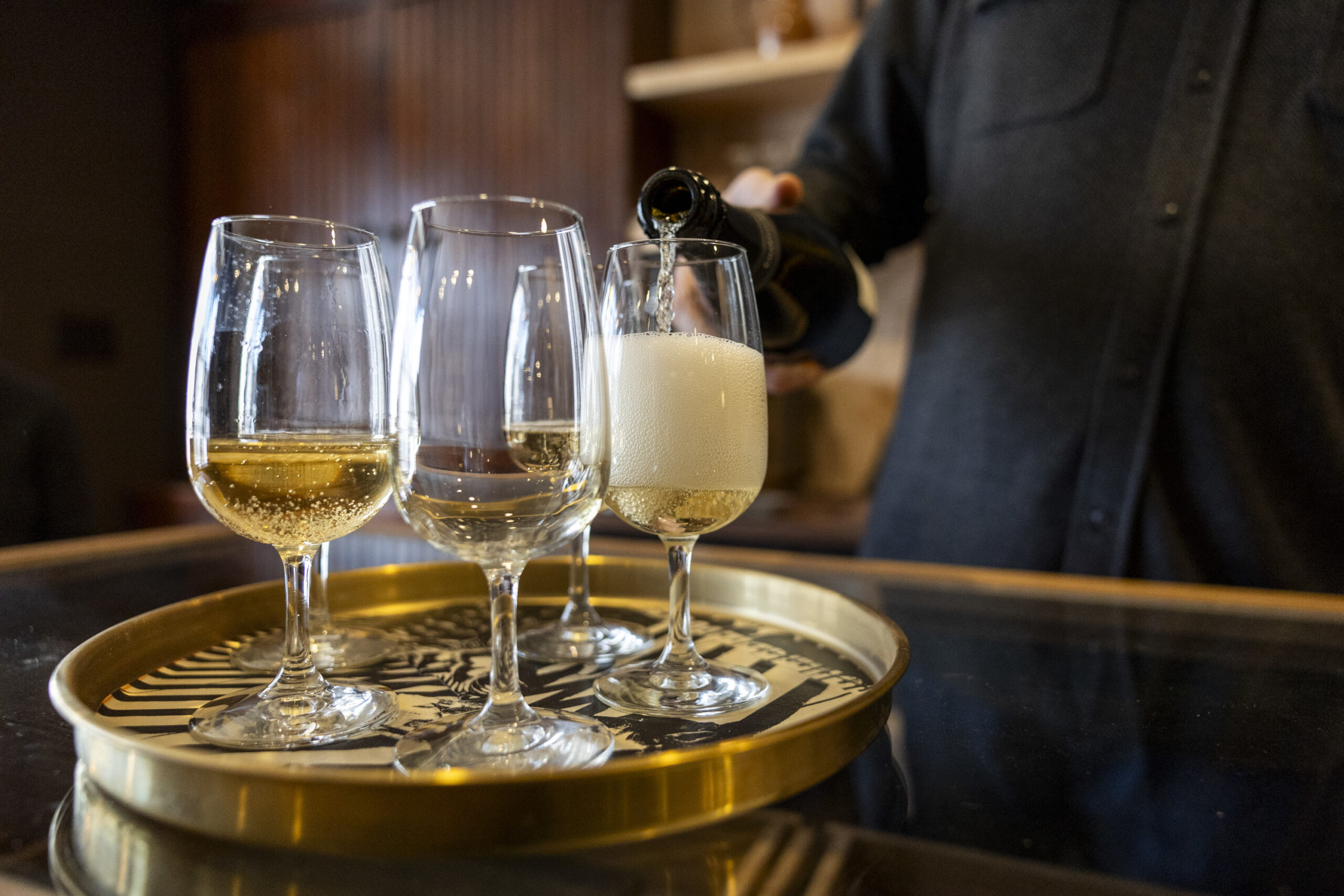
    A table at Lovat Square houses a collection of Champagnes and other bubbly wines.

    Lovat Square — pronounced “love it,” named after a shade of green often used in tweed — will start with a by-the-glass program of about 15 wines, though Graef expects that number to fluctuate as additional bottles are opened for tastings, events, and informal pours. Snacks — house-made pickles, focaccia, sour cream soubise with potato chips (with optional trout or ossetra caviar), and a cheese plate created by Evergreen’s Ingersoll — will accompany the wine during the initial phase. More substantial food will come later as the outdoor and indoor dining spaces open.

    “I think of the wine-shop phase as a cocktail party: small bites while we build toward the main course,” he said.

    Co-owner Damien Graef pours Chartogne-Taillet Champagne Sainte Anne for sampling at Lovat Square.

    Graef is focusing on independent winemakers. “You’re not going to find Josh or Caymus [wines] here,” Graef said. “But we’ll have something for the person who likes that style. The through-line is small producers who are serious about their land and what they’re making.”

    The shelves skew European, with a particular emphasis on Italy and France, but also include wines from the United States, South America, and Eastern Europe. There’s a long table devoted just to Champagne and other bubbles.

    The spring opening of the courtyard garden will expand the menu into full dinner service, with seating for about 70. Just under half of those seats are expected to be under a canopy by late summer, extending usability into the shoulder seasons.

    Lovat Square’s final phase, targeted for late fall, will bring a full-service restaurant and cocktail bar, including an 18-seat bar and counter seating along the front windows of the former Mimi’s, a separate building in the courtyard.

    Lovat Square opens Thursday at 184 E. Evergreen Ave.

    Graef, born in the Bay Area but raised in New Jersey, has spent his career in restaurants, beginning as a dishwasher at 13 before moving through kitchens and into front-of-house roles. In the early 2000s he worked at Il Buco in New York, where he met Semien (also a Bay Area native) and Lovat Square manager Patricia Jo Peacock. “I thought I knew something about wine [then], but that was very short-lived,” Semien said.

    At the time, Graef was a beer-only drinker — and “not like great beer or anything: Negra Modelo and Yuengling.”

    While Graef was at Il Buco, wine director Roberto Paris demystified wine for him. “Getting to meet winemakers for the first time and having them eat family meal with us and get to taste their wine and talk about these little corners of Italy that they were coming from made it more accessible for me,” he said. “That really turned me onto all of this, and then I just fell deep down that hole and have not gotten out since. And it’s only got worse.”

    Graef later worked at Chanterelle in TriBeCa before running Aurora in Brooklyn, known for its Italian wine list. As Lovat Square ramps up, he is transitioning to a part-time role at the Four Seasons.

    The Chestnut Hill project, the couple said, reflects both their professional histories and their lives in the neighborhood.

    “We’re trying to build our favorite place,” Graef said.

    Lovat Square, 184 E. Evergreen Ave., lovatsquare.com. Initial hours: noon to 10 p.m. Thursday to Sunday.

  • The landmark Kibitz Room deli in Cherry Hill, which closed last month, has filed for bankruptcy

    The landmark Kibitz Room deli in Cherry Hill, which closed last month, has filed for bankruptcy

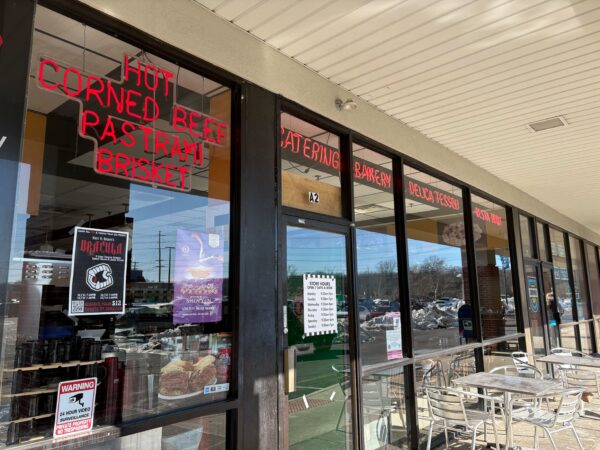
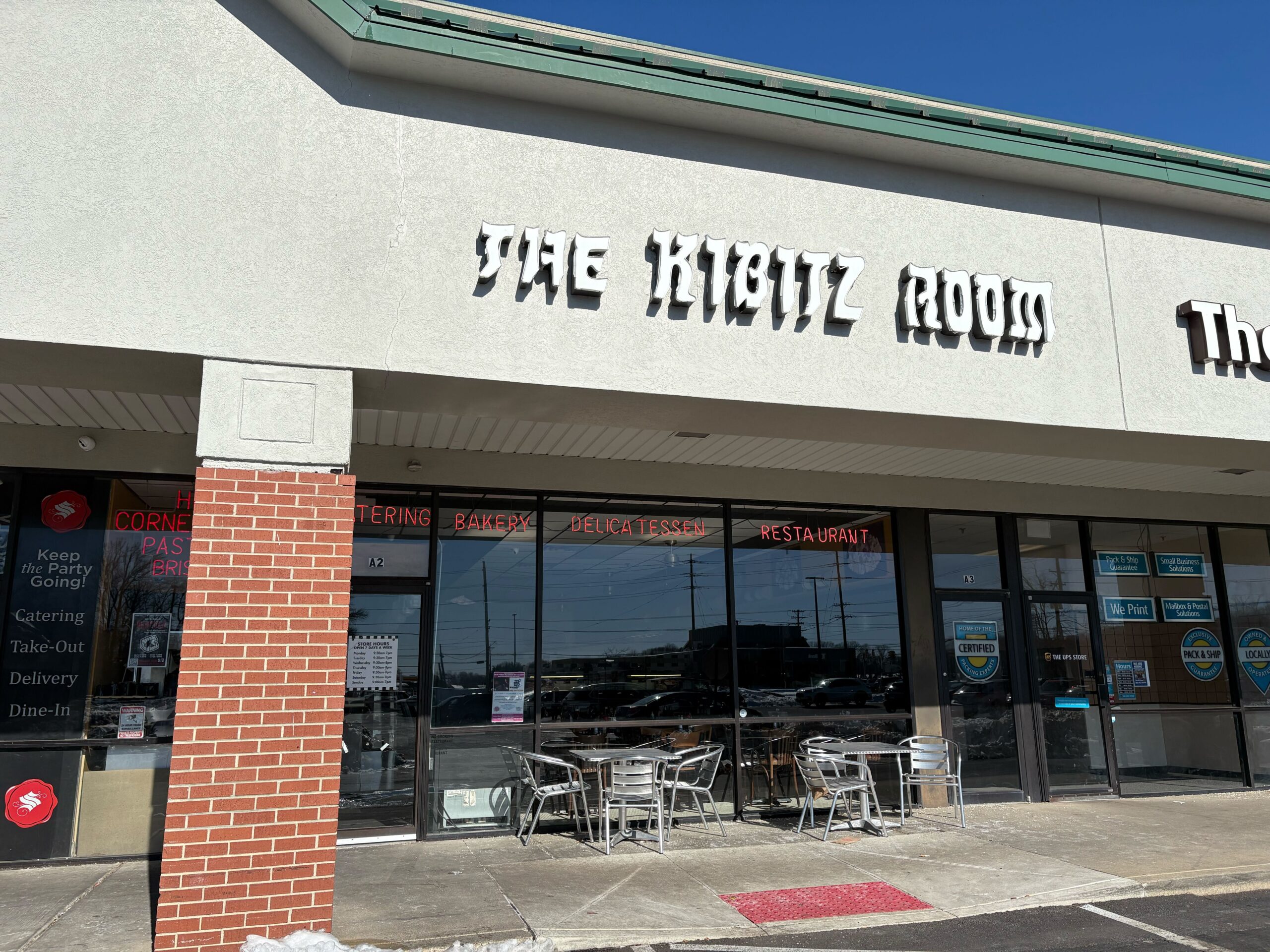
    The Kibitz Room in Cherry Hill, which shut down abruptly about two weeks ago after 25 years, has filed for bankruptcy protection, seeking to liquidate its assets.

    An attorney for the deli filed paperwork Friday in U.S. Bankruptcy Court in Camden, claiming assets of less than $50,000 and liabilities of $100,001 to $500,000. A hearing on the Chapter 7 petition was scheduled for March 3.

    The Kibitz Room, in Holly Ravine Plaza at 100 Springdale Rd. in Cherry Hill, on Feb. 2, 2026.

    Social media posts on Jan. 30 noted that the deli, owned by Sandy Parish, had apparently closed without notice.

    Meanwhile, former owner Neil Parish — Sandy’s ex-husband — told Patch in an article published Monday morning that he was talking to the landlord about reopening the deli. Their son Brandon commented on a public Facebook post midday Monday that he was working on reopening “under a new entity. Unfortunately the previous ownership was out of my hands but I did run the store for the last nine years until I left to open the other location. … It surely wasn’t from lack of business!!”

    Veteran deli operator Russ Cowan opened the Kibitz Room in Holly Ravine Plaza in 2001. Two years later, Neil Parish bought it using their daughter’s bat mitzvah gifts as the down payment. “She got four years at Syracuse, all covered,” Neil Parish said in an interview last year. “It was a good investment.”

    After Neil and Sandy Parish split up in 2016, Sandy ran the Kibitz Room with their son Brandon, now 32. Neil moved to the Baltimore area, where he ran delis before returning to Philadelphia.

    Brandon Parish stopped working in Cherry Hill early last year when he and his father opened the Kibitz Room King of Prussia in Valley Forge Center, which is not involved in the bankruptcy.

    Sandy Parish did not return messages seeking comment, nor did her son.

    In an interview last year, Brandon Parish said he had worked at the Cherry Hill deli since he could stand on a milk crate and wash dishes.

    “I didn’t want to be in camp,” Parish said. “I didn’t want to be at school. If it wasn’t the lacrosse field, I wanted to be at the shop. It was just the whole environment. The people who worked there were a second family.”

  • After 41 years, Center City’s longest-operating Japanese restaurant has closed

    After 41 years, Center City’s longest-operating Japanese restaurant has closed

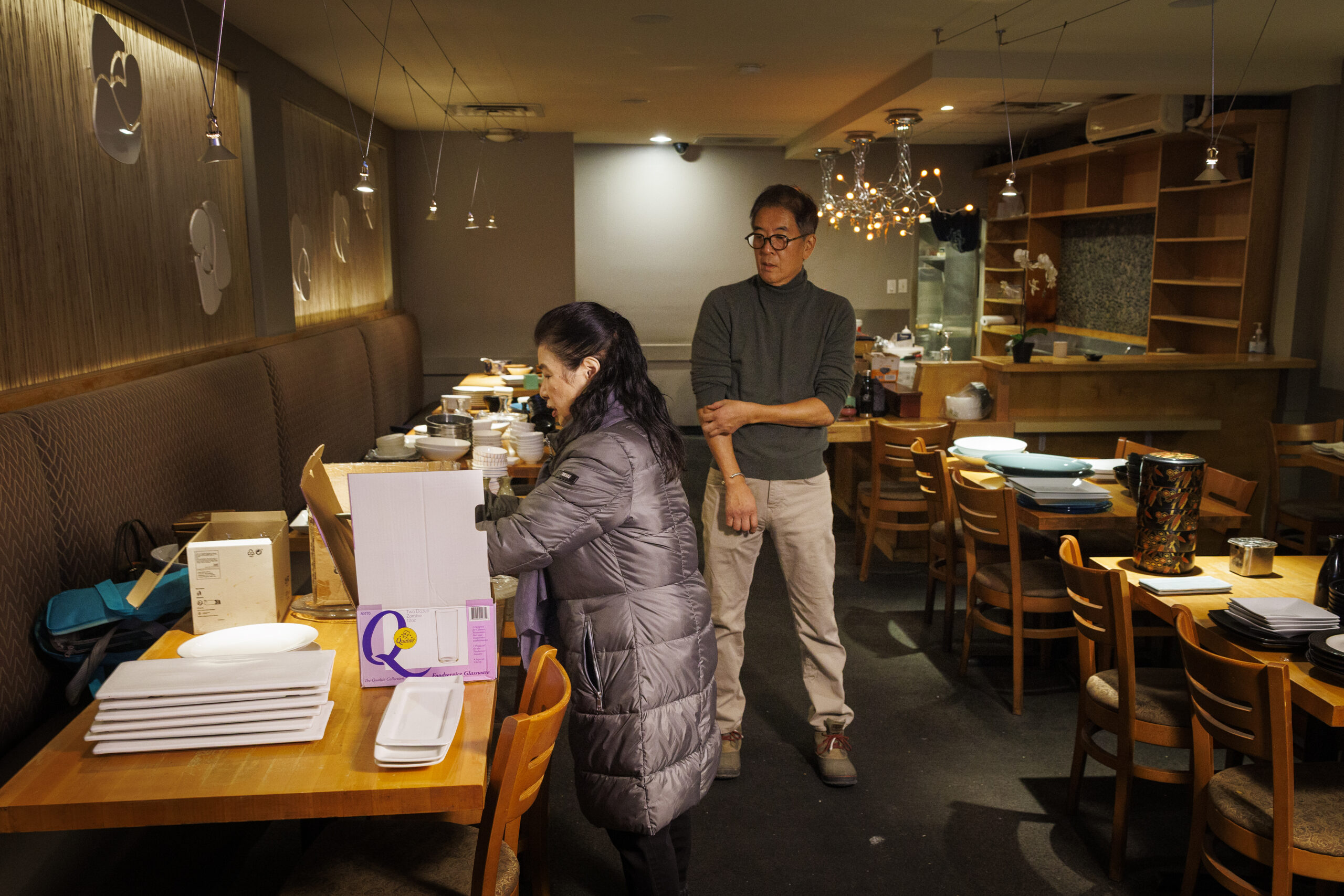
    At Shiroi Hana last Thursday at noon, plates, bowls, and ramekins filled the dining room tables. But this was not lunchtime at Center City’s longest-operating Japanese restaurant. It was a tag sale.

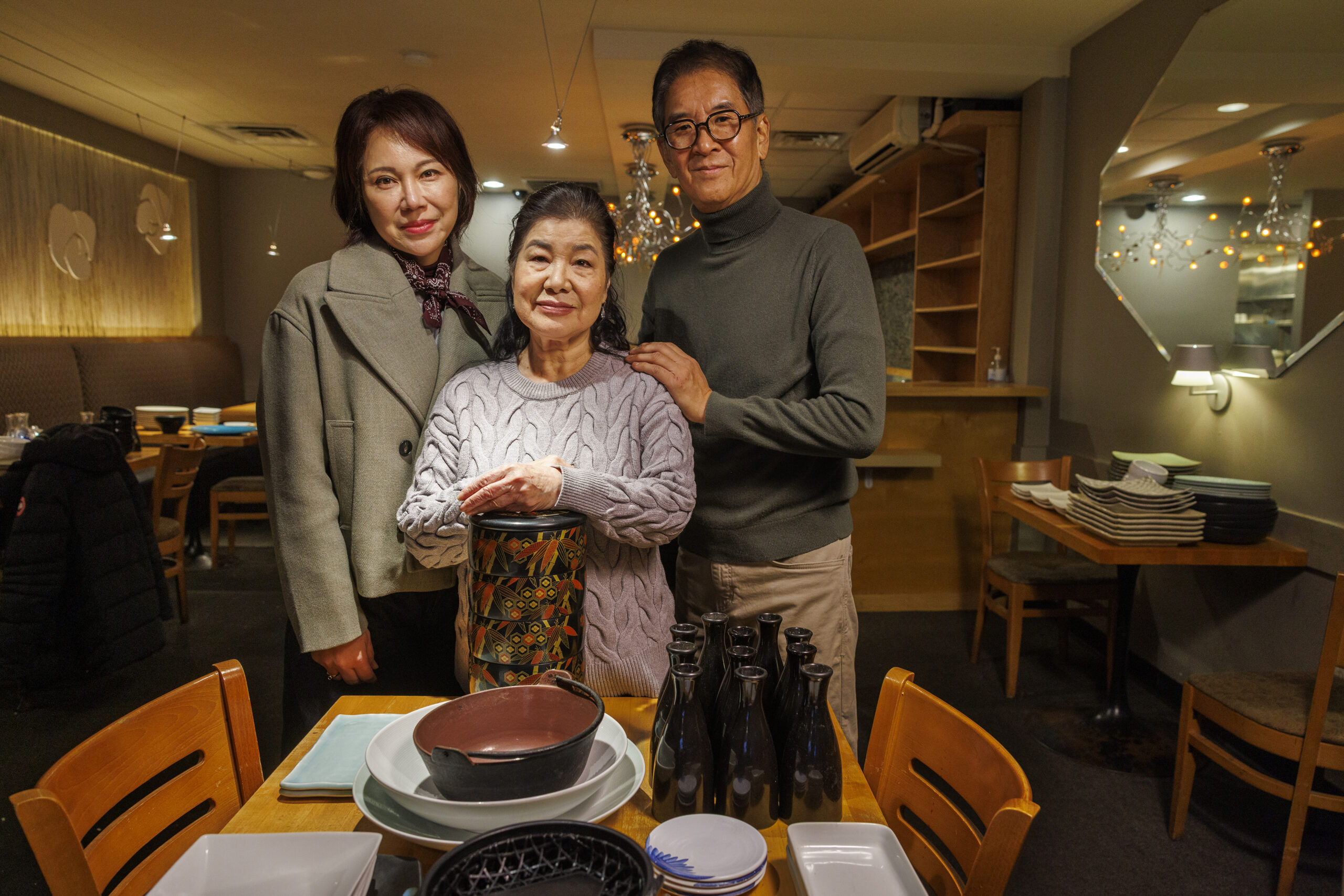
    Owners Patti and Robert Moon were cleaning out the place in advance of the building’s sale in coming weeks. The kitchen was silent and the sushi bar cleared out.

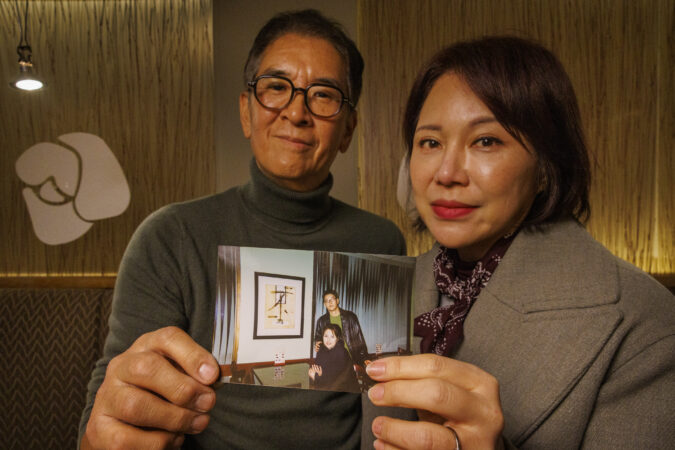
    Shiroi Hana served its last meal in January after 41 years. “It’s sad. Very sad,” said Patti Moon, who with her husband, Robert, took over in 1998. In 2010, the couple also opened Doma, a Japanese-Korean restaurant, at 1822 Callowhill St.

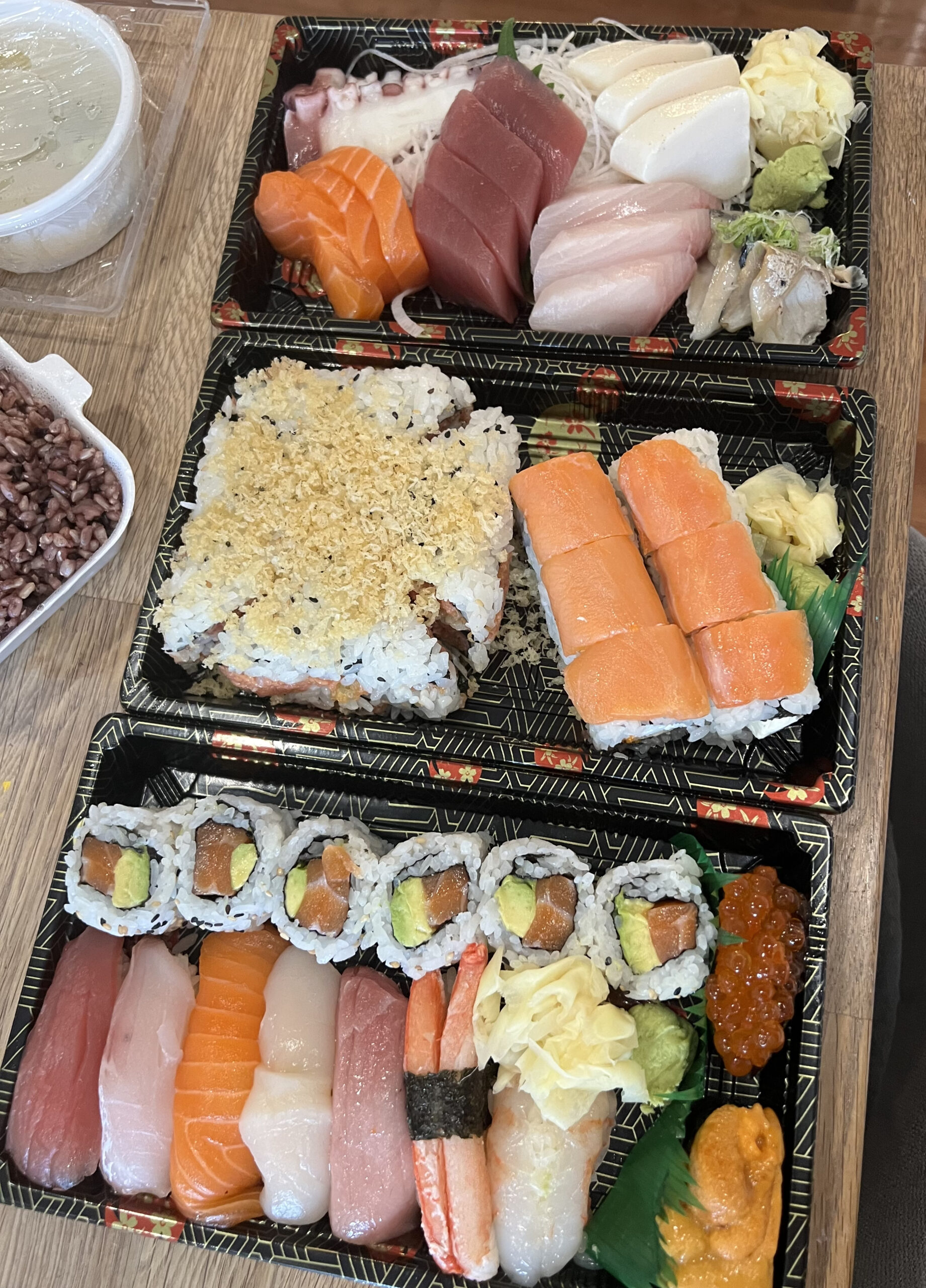
    An order of delivery sushi from Shiroi Hana, ordered recently.

    The modest Shiroi Hana opened in 1984 at 222 S. 15th St. — across from what was then Bookbinders’ Seafood House — as part of a nationwide group of restaurants owned by Sun Myung Moon and the Unification Church. (Many of the restaurants shared the name “Hana,” meaning flower.)

    In the late 1990s, Patti and Robert Moon, in their early 30s, were running Grill Master Deli at 17th and Spruce Streets when they heard that the restaurant was for sale. Given their last name, “for some reason that mattered to [the church],” Patti Moon said. “There were other people trying to buy it, but they gave it to us. We were young. I guess it was luck. It was meant to be.” (Robert Moon said he was not related to the self-proclaimed messiah, who died in 2012.)

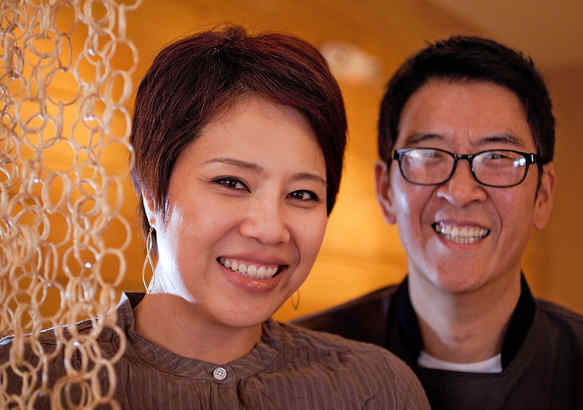
    Patti and Robert Moon in 2010, at Doma, their BYOB.

    The restaurant, modest at first but bearing a quiet elegance after the Moons gave it a 1999 makeover, had a small brush with fame under its original ownership. In 1989, Mick Jagger and Jerry Hall rolled in with a bodyguard and manager, “gobbled about $100 worth of sushi,” signed autographs for the staff, and left a 25% tip, according to a Philadelphia Daily News account.

    Shiroi Hana was a favorite among Inquirer critics. Shortly after its ’84 opening, Elaine Tait praised an offering called sushi heaven — “a generously and artistically filled lacquer tray crammed with sushi and sashimi” — and proclaimed it “almost too much of a good thing.” It was priced at $20 (about $61 in today’s dollars).

    Patti Moon (left) and Robert Moon with longtime manager Michiko Kadekaru at Shiroi Hana on Feb. 5, 2026.

    Last week, critic Craig LaBan said Shiroi Hana “remained a favored hideaway for an intimate lunch until the end, especially beloved by Elizabeth,” his wife. “My kids grew up eating there, and it was always her choice for lunch with a particular friend because the food was great and they knew just how we liked it, down to the tiniest details. She’ll forever miss their chicken katsu bento box.”

    Patti Moon said they closed because of shifting trends. Japanese dining has increasingly moved toward chef-owned omakase restaurants, she said, a model that is difficult for non-chef operators to sustain. “For a long time, we were lucky,” she said. “Our head chef, Hiroshi Abe, had been there since 1984. He stayed almost 35 years. When he left about three years ago, people noticed. Business wasn’t the same.”

    Manager Michiko Kadekaru looks through mementos from Shiroi Hana with co-owner Robert Moon.

    Longtime manager Michiko Kadekaru — who started in 1990 and became, in Robert Moon’s words, “the heart and soul of the restaurant” — has indicated that she would retire, though the Moons hope that she will continue working for them at Doma.

    “She started in her 30s and now she’s in her 70s,” Patti Moon said. “She was crying on the last day — and so were we.”

  • Peace is declared in the Tun Tavern name dispute, which pitted Marine vs. Marine

    Peace is declared in the Tun Tavern name dispute, which pitted Marine vs. Marine

    There will be one Tun Tavern opening in Old City, now that a long-running dispute over the name of one of Philadelphia’s most storied colonial landmarks has been resolved.

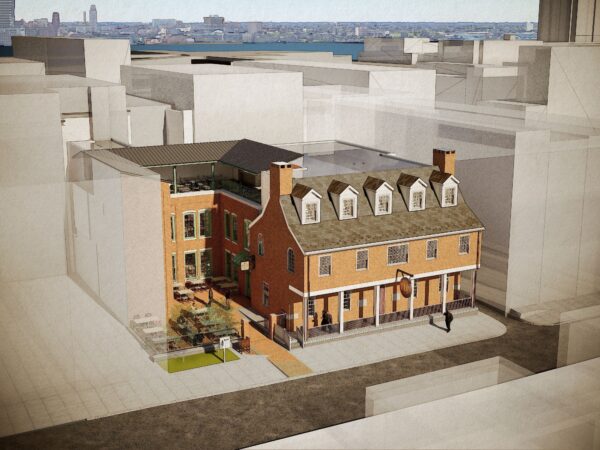
    The settlement of a federal lawsuit, announced late Friday, has cleared the way for the Tun Legacy Foundation — a nonprofit led by Marine veterans and Philadelphia-area organizations whose origins trace back to the original Tun Tavern — to use the full name on its planned historic reproduction on Second Street.

    Montgomery Dahm — who through his company Aljess owns the trademark as well as Tun Tavern, a brewpub in Atlantic City — has agreed to drop his lawsuit, filed in U.S. District Court in June 2024. Aljess will retain the right to open Tun Tavern restaurants in other locations across the United States.

    Tun Tavern trademark owner Montgomery Dahm (right) celebrating at his short-lived Philadelphia restaurant on Chestnut Street during a commemoration of the Marines’ 250th anniversary on Nov. 10, 2025.

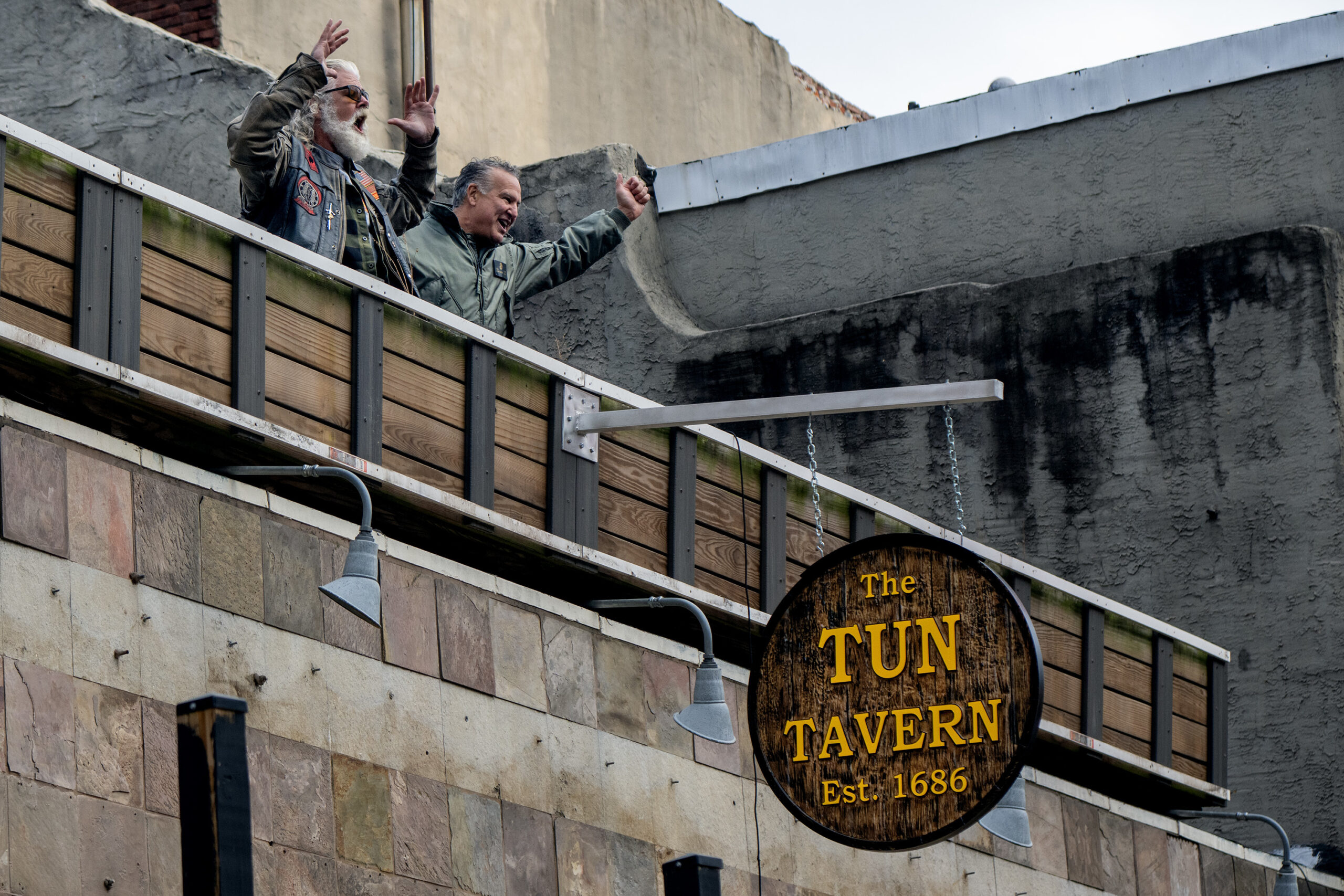
    Dahm told The Inquirer that he would no longer pursue plans to open a Tun Tavern at 207 Chestnut St. — just around the corner from the foundation’s proposed site, which is now a parking lot on Second Street just south of Market.

    Last fall, Dahm and partners took over the Chestnut Street building, previously Lucha Cartel restaurant. They opened it as Tun Tavern for a party on Nov. 10 to celebrate the Marine Corps’ 250th anniversary — likely heightening pressure on the nonprofit. Terms of the settlement were made confidential, both parties said.

    Tun Tavern history

    The legal fight had become an emotional flash point among Marines, history advocates, and preservationists, and the truce removes the remaining obstacle facing the nonprofit’s effort to re-create a site that looms large in both local and national lore.

    The original Tun Tavern — whose site is now beneath the southbound lanes of I-95 near Walnut Street — dates to 1686 or 1693, depending on the source, when English traders Samuel and Joshua Carpenter built a tavern at Water Street and Tun Alley along the Delaware River. At the time, Philadelphia rose sharply from the waterfront; taverns, warehouses, and wharves were accessed by stairs leading up to Front Street.

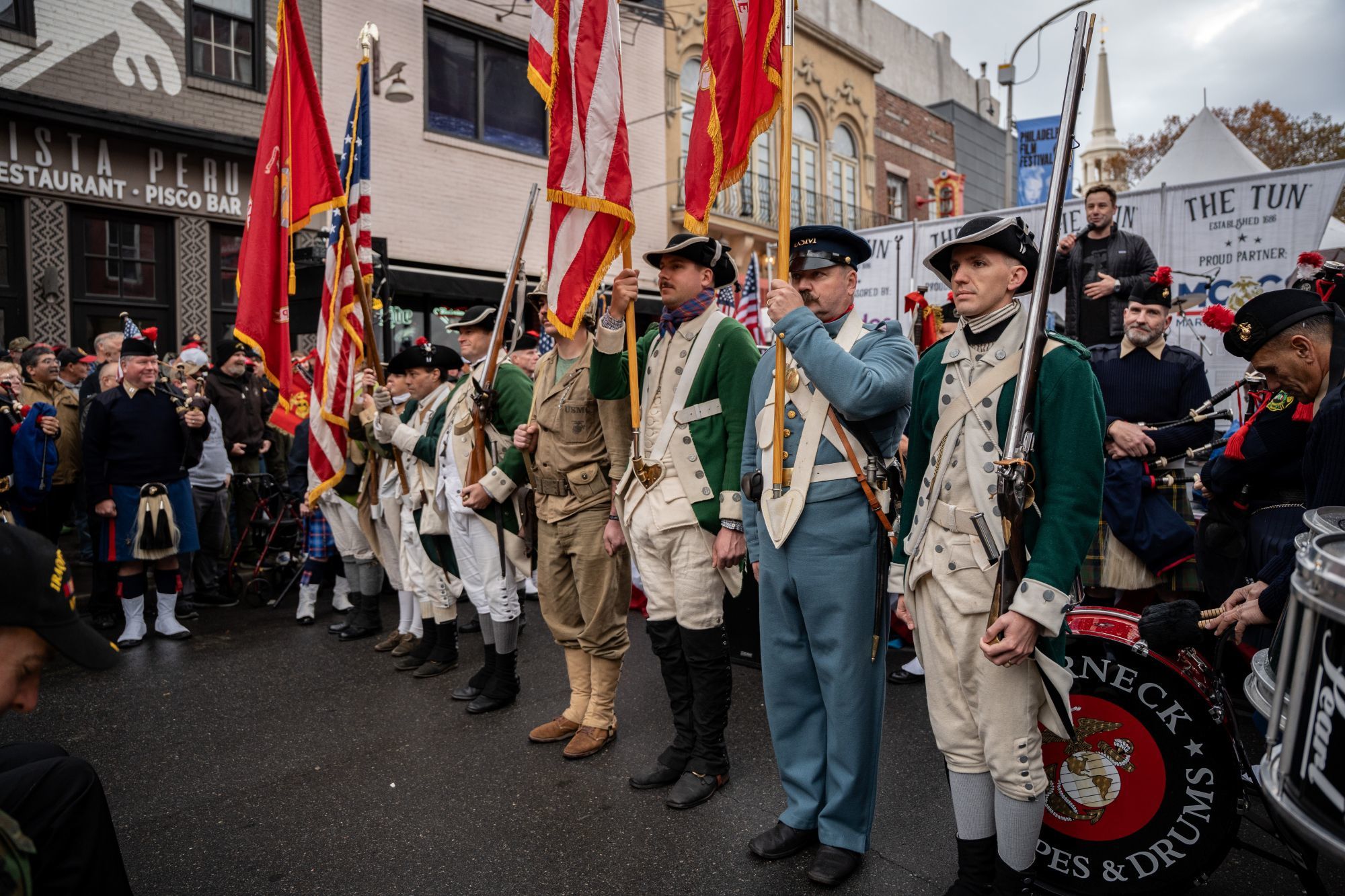
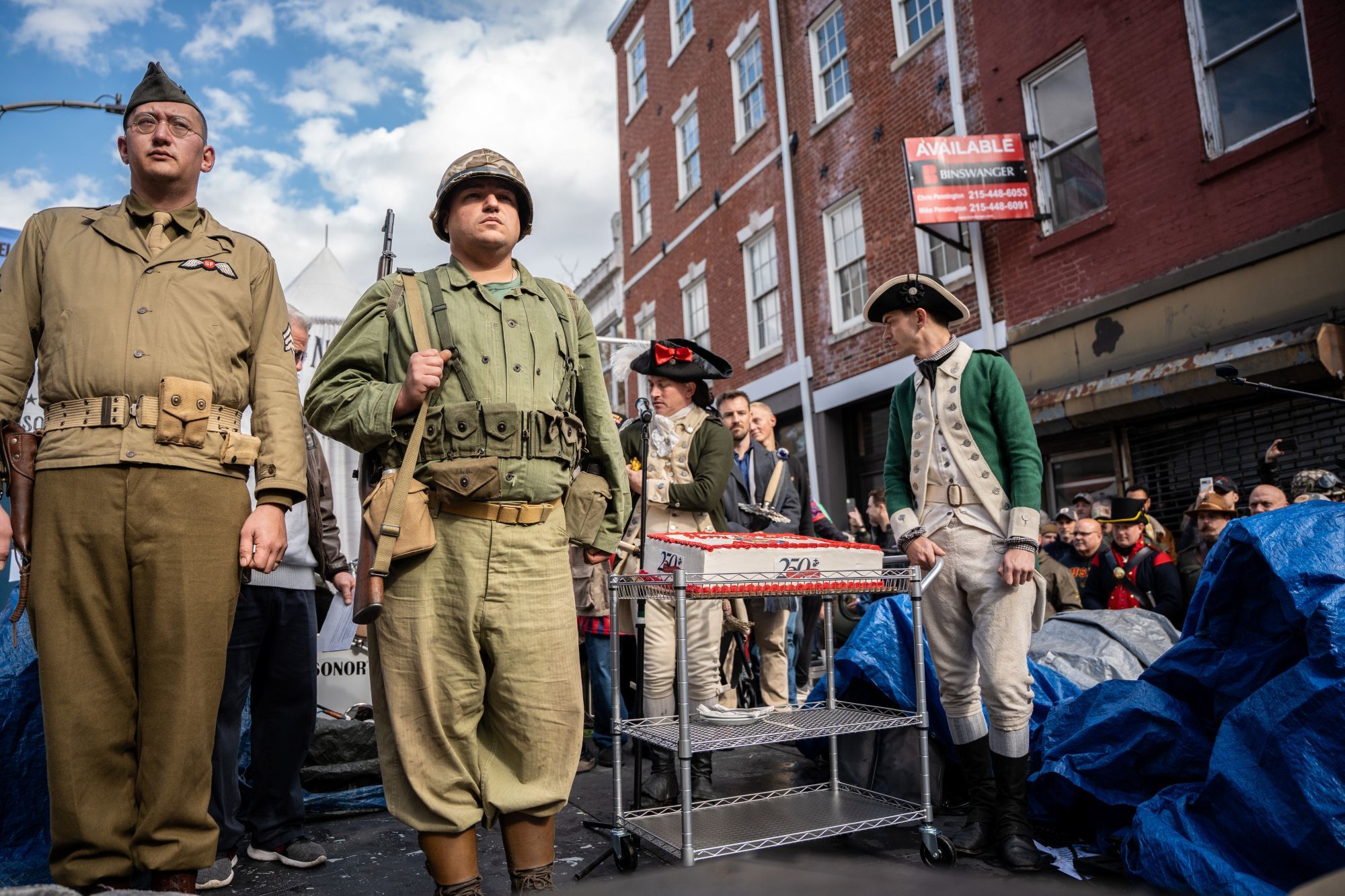
    Reenactors line up on Second Street during the Tun Legacy Foundation’s celebration of the Marine Corps’ 250th anniversary on Nov. 10, 2025.

    Over the decades, the Tun changed names with its owners and evolved into a gathering place for civic life. In the 1740s, under Thomas Mullan, it was known several nights a week as Peg Mullan’s Beefsteak Club, named for his wife. Located less than a mile from what is now Independence Hall, it became popular with members of the Continental Congress.

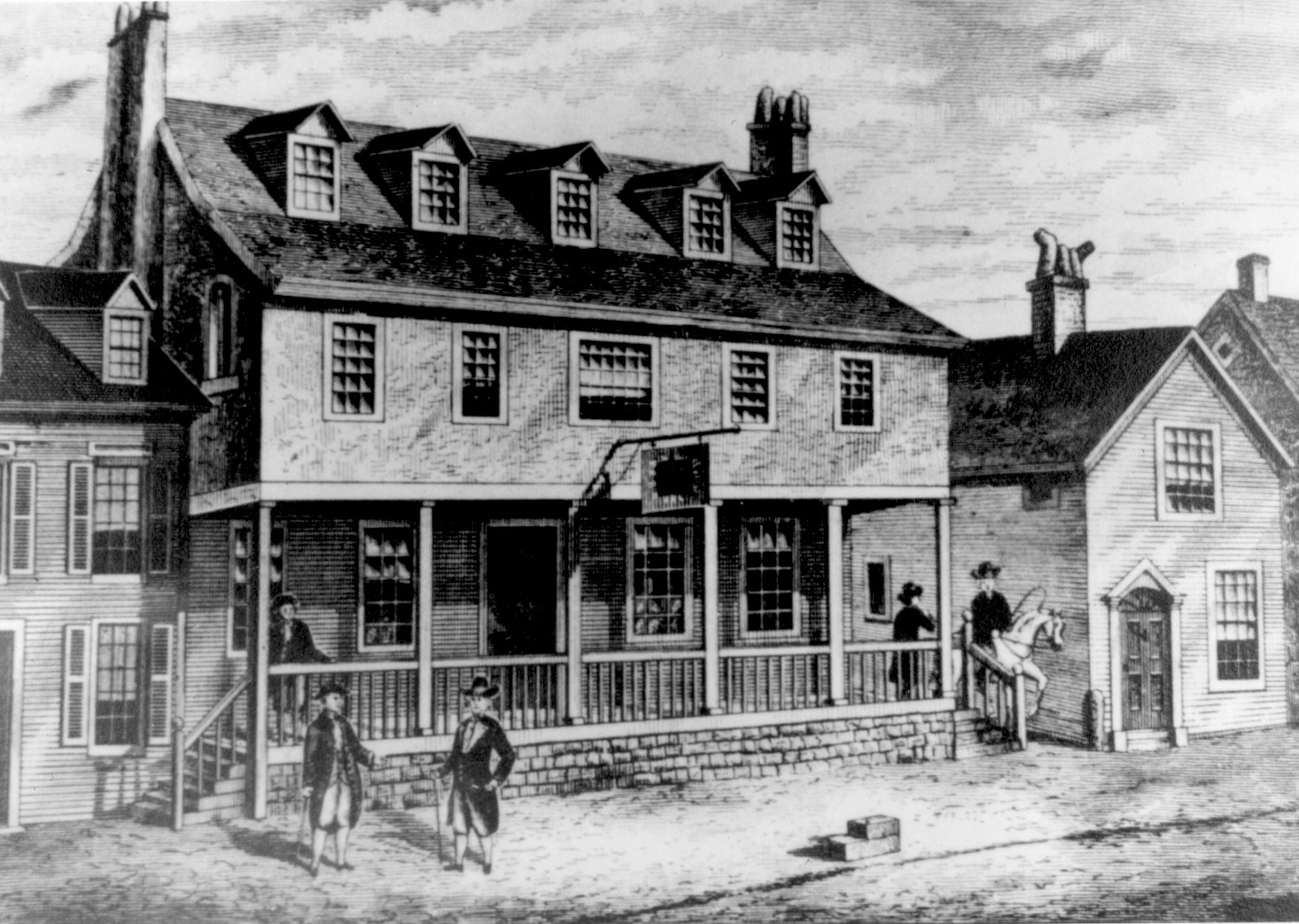
    Artist Frank Taylor’s drawing of Tun Tavern, created in 1922.

    In 1775, the Tun served as the first recruiting station for what became the Marine Corps. That same year, John Adams drafted the Articles of War that helped form the U.S. Navy in one of the tavern’s upstairs rooms. In June 1775, George Washington was honored there at a banquet marking his appointment as commander of the Continental Army.

    The tavern also hosted meetings of several colonial-era organizations that still exist today, including the Freemasons; the St. Andrew’s Society; the Society of St. George; and the Friendly Sons and Daughters of St. Patrick. Three of those charitable aid societies — St. Andrew’s, St. Patrick, and St. George — continue their work in Philadelphia more than two centuries later.

    The Tun was demolished in 1781. Visitors seeking the tavern today are directed to a historical marker on Front Street near Sansom Walk, several blocks from where the building once stood. Multiple efforts have been made to restore or re-create the tavern as a living piece of history.

    Incidentally, no one knows what the original Tun looked like. Artist Frank Taylor, whose 1922 drawing is the top hit in most online searches, was not born until 1846.

    Latest effort to revive Tun Tavern

    The most recent revival effort gained momentum in 2024, when the foundation purchased a surface parking lot on Second Street between Market and Chestnut Streets for $4.4 million. The foundation announced plans for a three-story reproduction combining a restaurant and museum, with all operating profits earmarked for charitable causes, including veterans’ initiatives and scholarships.

    The group had hoped to open in time for the Marines’ 250th anniversary, but that timeline slipped as legal and logistical challenges mounted.

    Complicating matters was the trademark. Dahm, who opened Tun Tavern restaurant and brewpub connected to the Atlantic City Convention Center in 1998, owns the trademark through Aljess. A Tun Tavern also operates at the National Museum of the Marine Corps near Quantico, Va.

    In April 2024, the nonprofit applied to trademark “The Tun,” the historic name of the original tavern. Two months later, Aljess sued in U.S. District Court, arguing that use of “Tun” would create confusion with the Atlantic City restaurant.

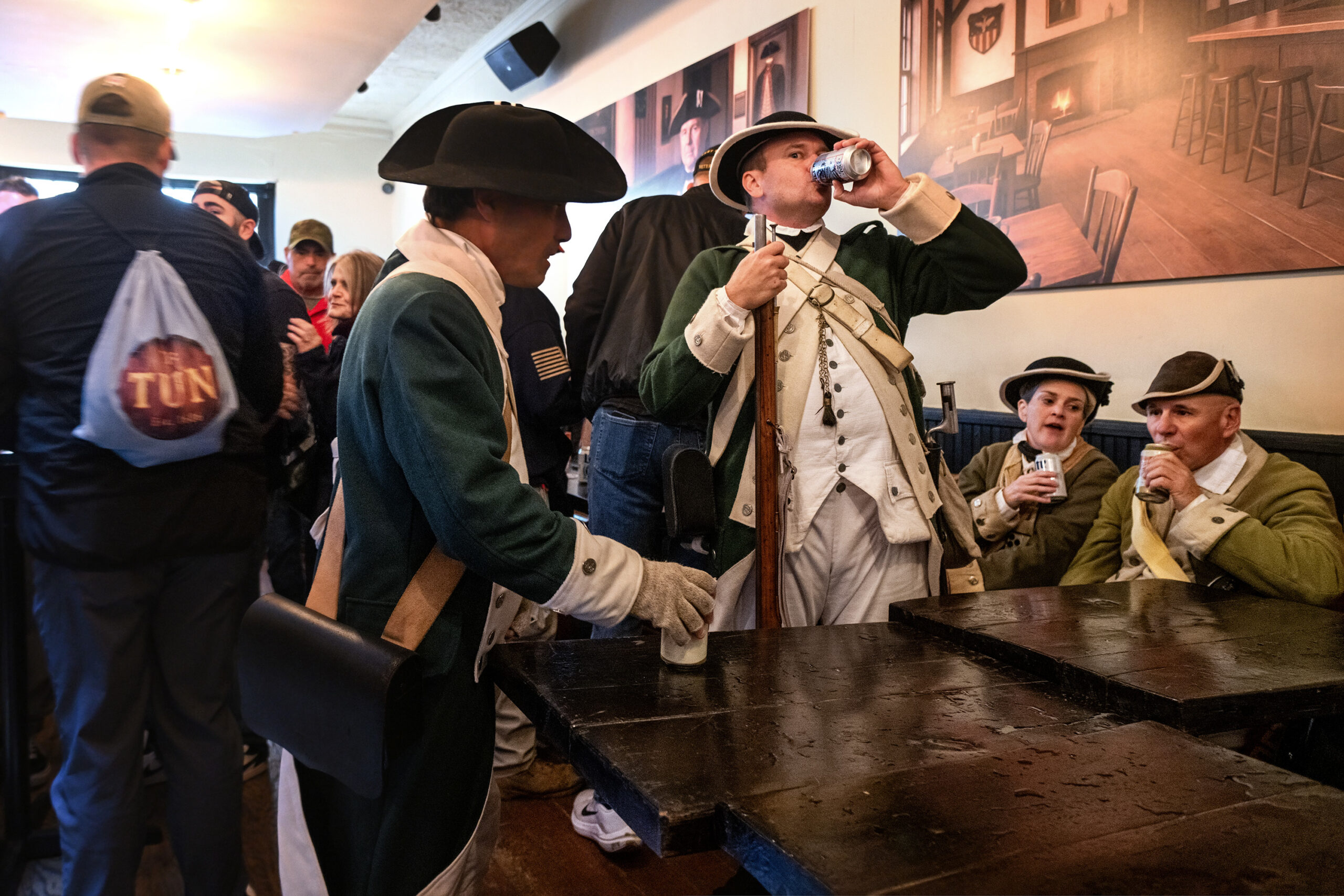
    Historical reenactors celebrate at Tun Tavern in Old City on Nov. 10, 2025.

    The conflict escalated in September 2025, when Dahm announced plans to convert Lucha Cartel into his second Tun Tavern.

    On Nov. 10, as Marines marked the Corps’ anniversary, the dispute played out in public. Thousands of Marines and their families gathered on the foundation’s parking lot site, while several hundred attendees and Revolutionary War reenactors celebrated at the Chestnut Street restaurant, which had been lightly redecorated for the occasion. Dahm closed the restaurant shortly afterward to begin renovations — plans that are now shelved.

    “We’re charging the hill together, now that we’re no longer in a lawsuit,” Dahm said Saturday.

    A cake was served during the Tun Legacy Foundation’s celebration of the Marine Corps’ 250th anniversary on Nov. 10, 2025.

    For the Tun Legacy Foundation, the settlement marks a turning point.

    “This lawsuit was the last external obstacle to getting the project done,” said Craig Mills, the foundation’s board chair, a Marine veteran, and executive shareholder at the Center City law firm Buchanan Ingersoll & Rooney.

    Mills said the foundation has secured the rights to plans and drawings prepared by architectural firm Ballinger, which he said donated a significant portion of its services. Those plans, he said, are complete and approved, with zoning and permits in place.

    With the legal uncertainty resolved, the remaining challenge is financial. Mills said the foundation has raised just under $11 million toward a budget of about $21 million.

    Mills said the foundation wanted to raise more before putting shovels into the ground. “We want to have enough reserves to weather the early months,” he said. “Restaurants don’t make much money right out of the gate, so we want to be prudent and break ground confidently.”

    Mills said the settlement should help accelerate fundraising. While donations never fully stopped during the lawsuit, he said, some potential supporters were hesitant to commit.

    The agreement also resolves the naming question that sat at the heart of the dispute. While the foundation had planned to operate as “The Tun,” Mills said the settlement grants the right to use the full historic name.

    “This really could be a great thing for Philadelphia,” Mills said. “Every great historic city has a period pub — Alexandria, Williamsburg, you name it. Philadelphia hasn’t had one since the original Tun closed long ago. It would be meaningful to bring that back and give it to the city again.”