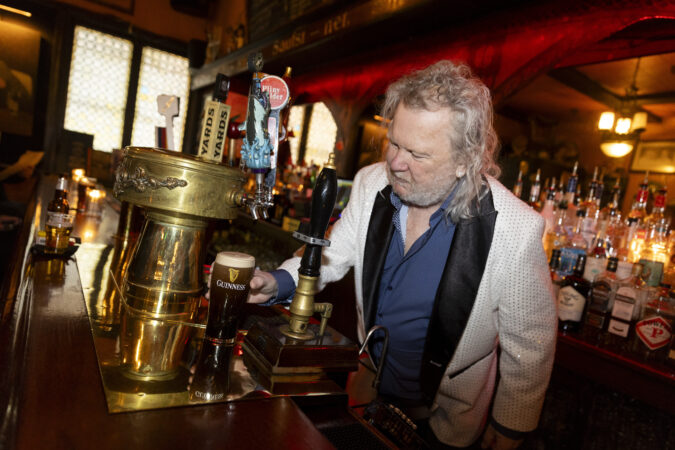
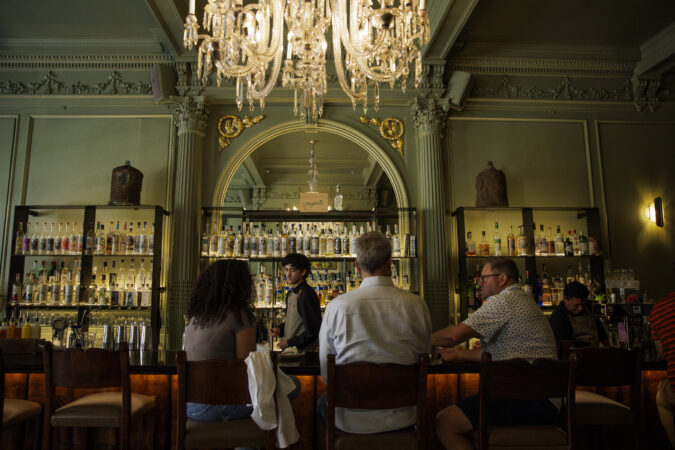
Fergus Carey, arguably Philadelphia’s best-known barman, is expanding his empire.
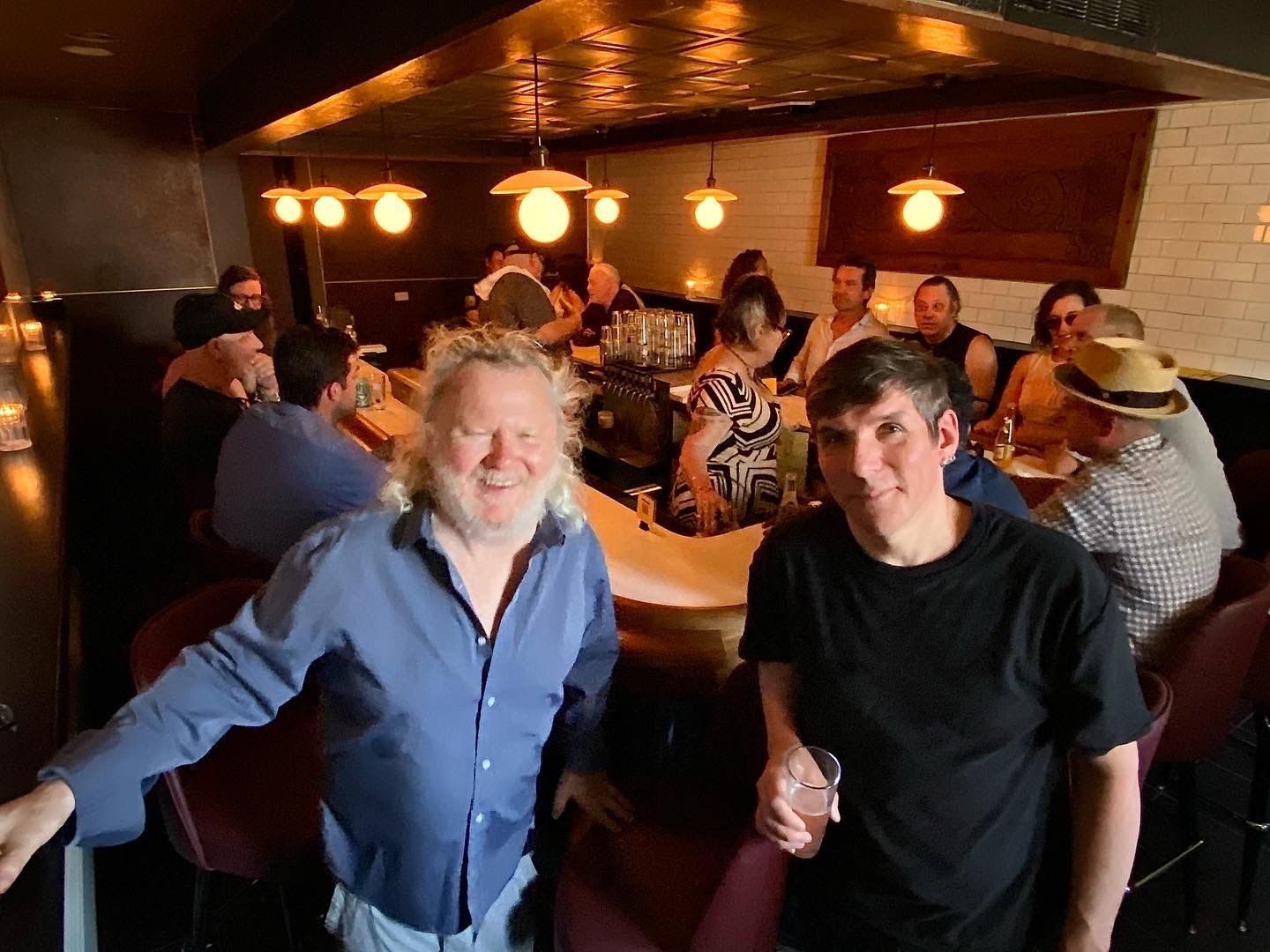
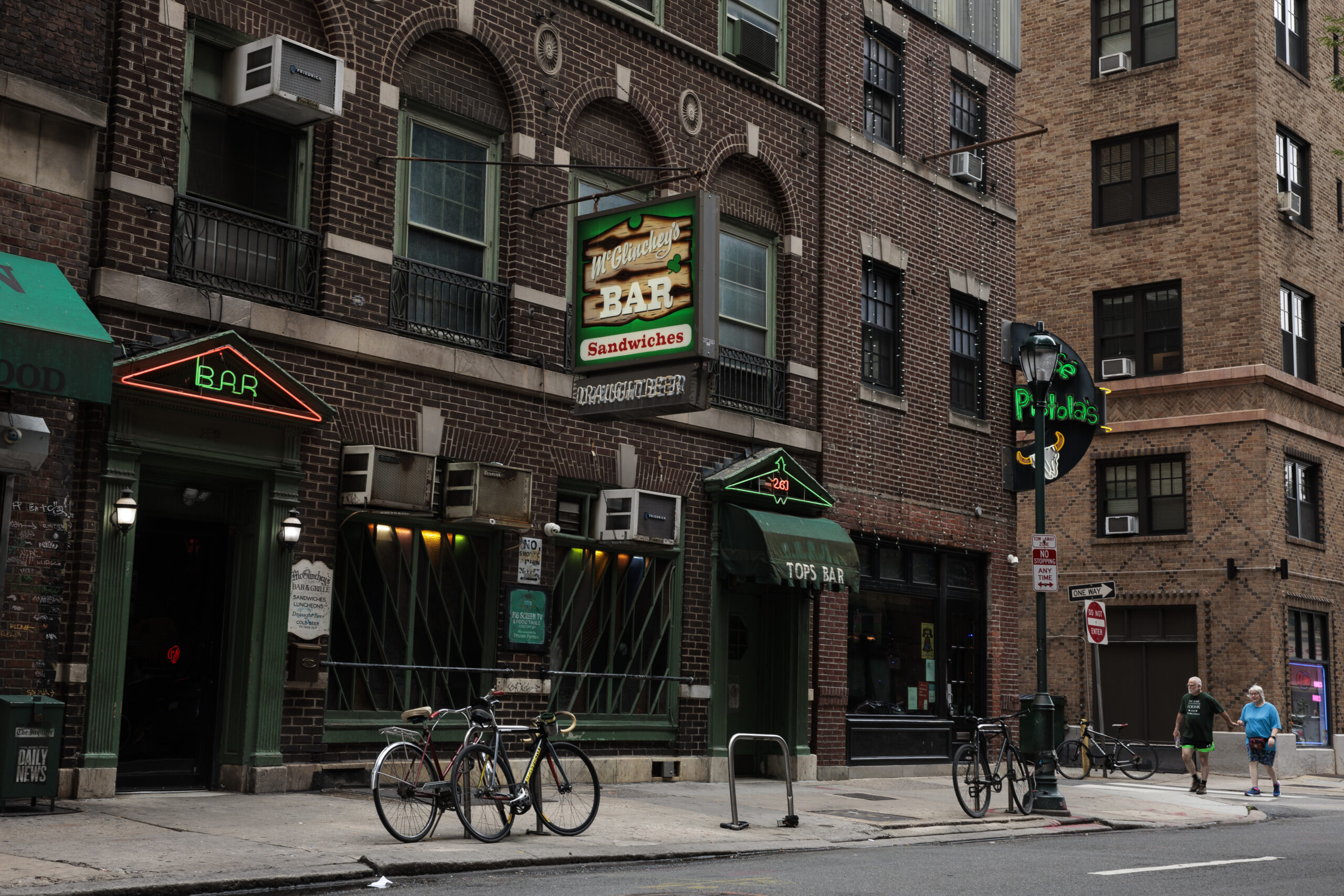
Carey and business partner Jim McNamara, who own the popular Fergie’s Pub in Washington Square West, the Jim in South Philadelphia, and the Goat Rittenhouse, are taking over the shuttered Mac’s Tavern at 226 Market St. in Old City.
Fergus Carey (left) and Jim McNamara, longtime business partners, at the Jim in 2022.
Mac’s — whose ownership roster included the South Philadelphia-raised actor Rob Mac (the former Rob McElhenney) and his wife, Kaitlin Olson, of TV’s It’s Always Sunny in Philadelphia fame — closed last summer after 15 years.
Carey said the name was not final, but the concept will be a Celtic pub with Irish-Scottish food — “our usual stuff.” Opening is penciled in for the spring. He described the work ahead of them as “more of a cleanup and opening up than a full renovation.” They want to open at noon weekdays but earlier on the weekends for European sporting events.
Carey has spent three decades shaping the city’s bar culture. Known to generations of Philadelphians simply as Fergie, his trademarks are his Irish accent, an encyclopedic memory for names, and a knack for turning strangers into regulars.
Born in Dublin and raised on the city’s north side, Carey left for the United States in 1987 at age 24, armed with a background in hospitality and fast-food management, including a stint running a fast-food shop called Burgerland. His first U.S. stop was Houston, but he left after a few weeks because, he said, he hated it. He likes to tell the story that he arrived in Philadelphia on a Saturday night and started a job at the Cherry Hill Mall food court at 9 the next morning.
In 1994, Carey and business partner Wajih Abed opened Fergie’s Pub at the old Hoffman House on Sansom Street in Washington Square West, at a time when Center City nightlife was thin and new bar openings were rare. The pub’s easygoing, come-as-you-are atmosphere helped spark a revival of the neighborhood’s drinking scene.
Carey went on to play a role in launching some of the city’s most influential beer destinations, including Monk’s Café, the Belgian Café, and Grace Tavern — each helping introduce Philadelphia to Belgian ales and European café culture long before craft beer became mainstream. He also ran Nodding Head Brewery and the Fairview.
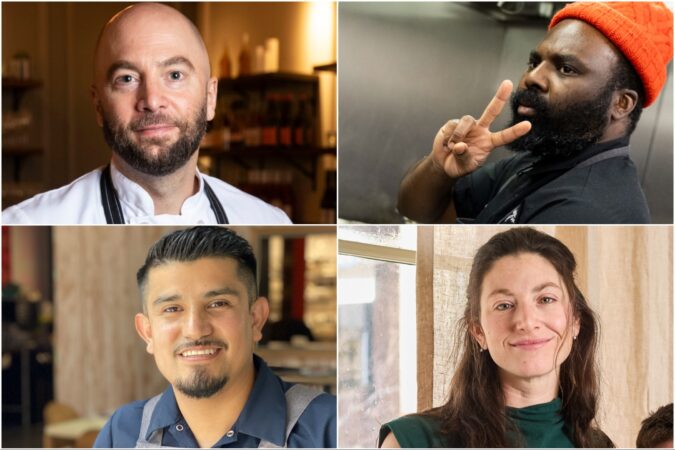
This year’s list of James Beard Award semifinalists from the Philadelphia area reads like a who’s who of the local dining scene, with a few surprises mixed in. (A deli guy — Radin’s Russ Cowan — is a James Beard semifinalist? That ain’t chopped liver!)
The list of semifinalists will be culled, and finalists will be announced March 31. Winners will be announced at a gala June 15 at the Lyric Opera of Chicago.
Outstanding Restaurateur
Greg Vernick of Vernick Food & Drink, Vernick Fish, Vernick Coffee Bar, and the soon-to-open Emilia was the Beard’s Best Chef, Mid-Atlantic in 2017; Vernick Food & Drink is also recommended by Michelin.
Outstanding Restaurant
Kalaya, whose chef/owner Chutatip “Nok” Suntaranon won the Beard’s Best Chef, Mid-Atlantic in 2023; the restaurant is also recommended by Michelin.
Lovers Bar at Friday Saturday Sunday in Center City; the restaurant was awarded a Michelin star in November and was one of Inquirer critic Craig LaBan’s top restaurants for 2025 and is included on The 76.
• Jesse Ito, Royal Sushi & Izakaya, whose restaurant has a Michelin Bib Gourmand and is among LaBan’s top 10. This is his ninth time as a semifinalist.
• Randy Rucker, Little Water, whose restaurant is recommended by Michelin and was among LaBan’s top restaurants for 2025. (His other restaurant, River Twice, is on The 76.)
• Amanda Shulman, Her Place Supper Club, whose restaurant has a Michelin star and is on The 76 and has a spot on LaBan’s top 10.
• Omar Tate and Cybille St. Aude-Tate, Honeysuckle, whose restaurant is recommended by Michelin and is included in The Inquirer’s 76.
Farther afield
Chef Dwain Kalup of La Fia in Wilmington, Nathan Flaim of Lancaster’s Luca, and David Viana of Judy & Harry’s in Asbury Park, N.J., are also semifinalists for Best Chef Mid-Atlantic.
After scouring 120 menus offered for the 2026 edition of Center City District Restaurant Week, I will share some great values, old favorites, and even a few novel dishes that go beyond the same old. Read on for 26 dishes that caught my eye.
Restaurants are rethinking their menus amid a rise in the use of appetite-suppressing GLP-1 medications and a drop in alcohol consumption. These trends are on display at Philly-area bars and restaurants, and Erin McCarthy spoke to owners trying to keep up.
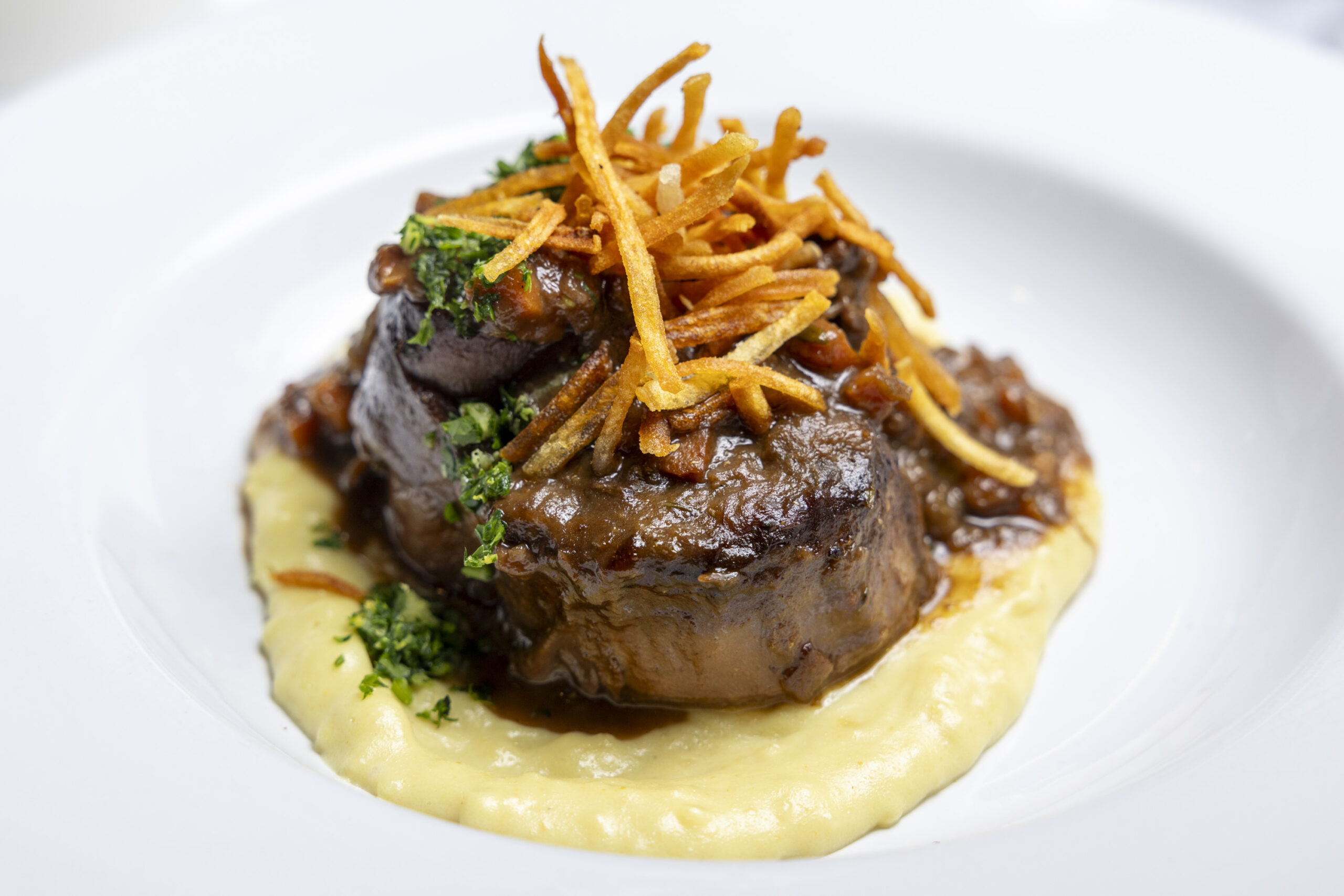
“If I closed my eyes, I could very well think I was dining at Le Virtù,” writes Kiki Aranita, who was, in fact, tucking into osso buco with goat cheese polenta, gremolata, and crispy potatoes at a senior-living community on the Main Line. Just try cracking the reservation book.
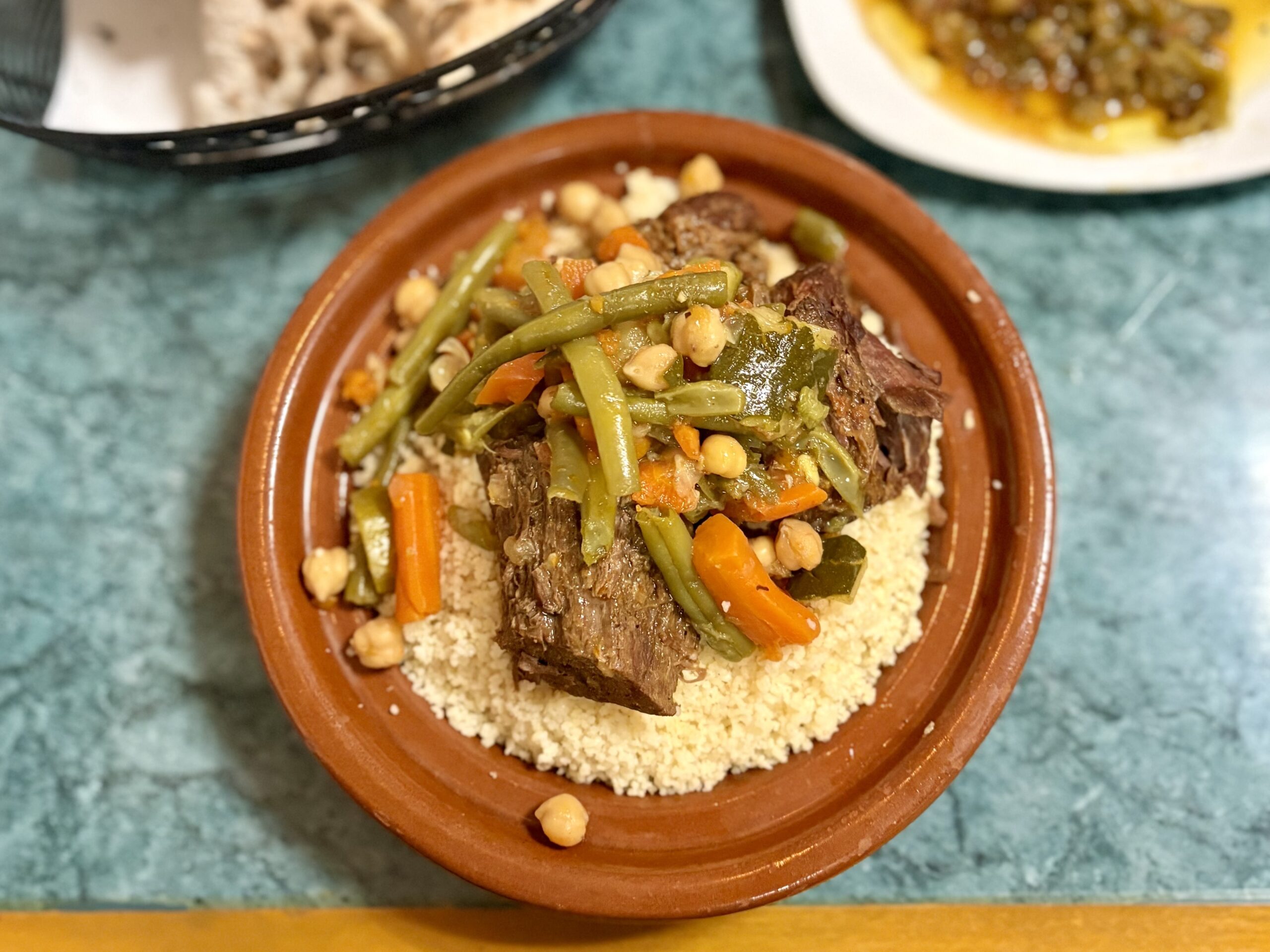
This Algerian-style beef couscous at Algerino’s in South Philadelphia impressed Craig LaBan. Also on our plates last week: lomo saltado from Kiko’s in Collingswood and a beef rendang hoagie from Sego, a street cart in Center City.
Scoops
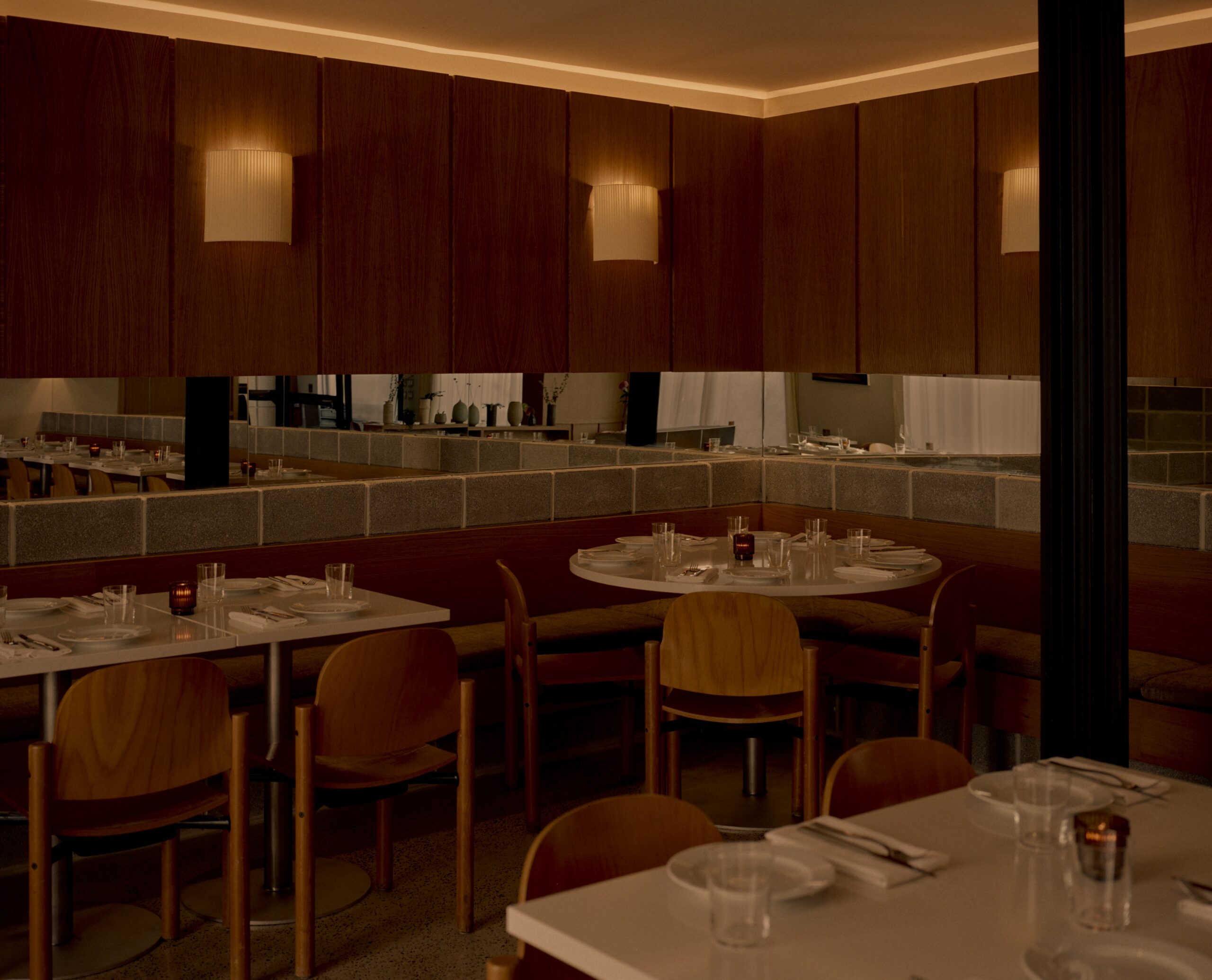
Scarpetta is on its way out of the Rittenhouse after nearly a decade. The new occupant will be the Ruxton, a posh steakhouse from Baltimore’s Atlas Restaurant Group, owners of Center City’s Loch Bar. The Ruxton is not due till 2027. From February through July, chef RJ Smith of the hot Ocho Supper Club will be in residency at the space. Read on for the details.
Harlem Shake, the cult-favorite New York burger-and-shake concept, is looking at December for its opening at 1330 Walnut St. Restaurateur Jelena Pasic says she founded Harlem Shake in 2013 to honor disappearing community landmarks such as Lenox Lounge and M&J Diner, bringing on chef/food writer J. Kenji López-Alt to develop the menu of pasture-raised beef burgers, organic milkshakes, fries, and sodas. She says the space will be a full build-out, including a mezzanine, but that it will not include a bar — unlike previous occupants such as Level Up and Toasted Walnut. Pasic told me she would rather target clubgoers and downtown diners looking for a high-quality late bite. This will be a franchise location, operated by Shakawat Hossain.
Love City Brewing is making a move to Manayunk for a second location, as Jenn Ladd reports among other brews news.
Restaurant report
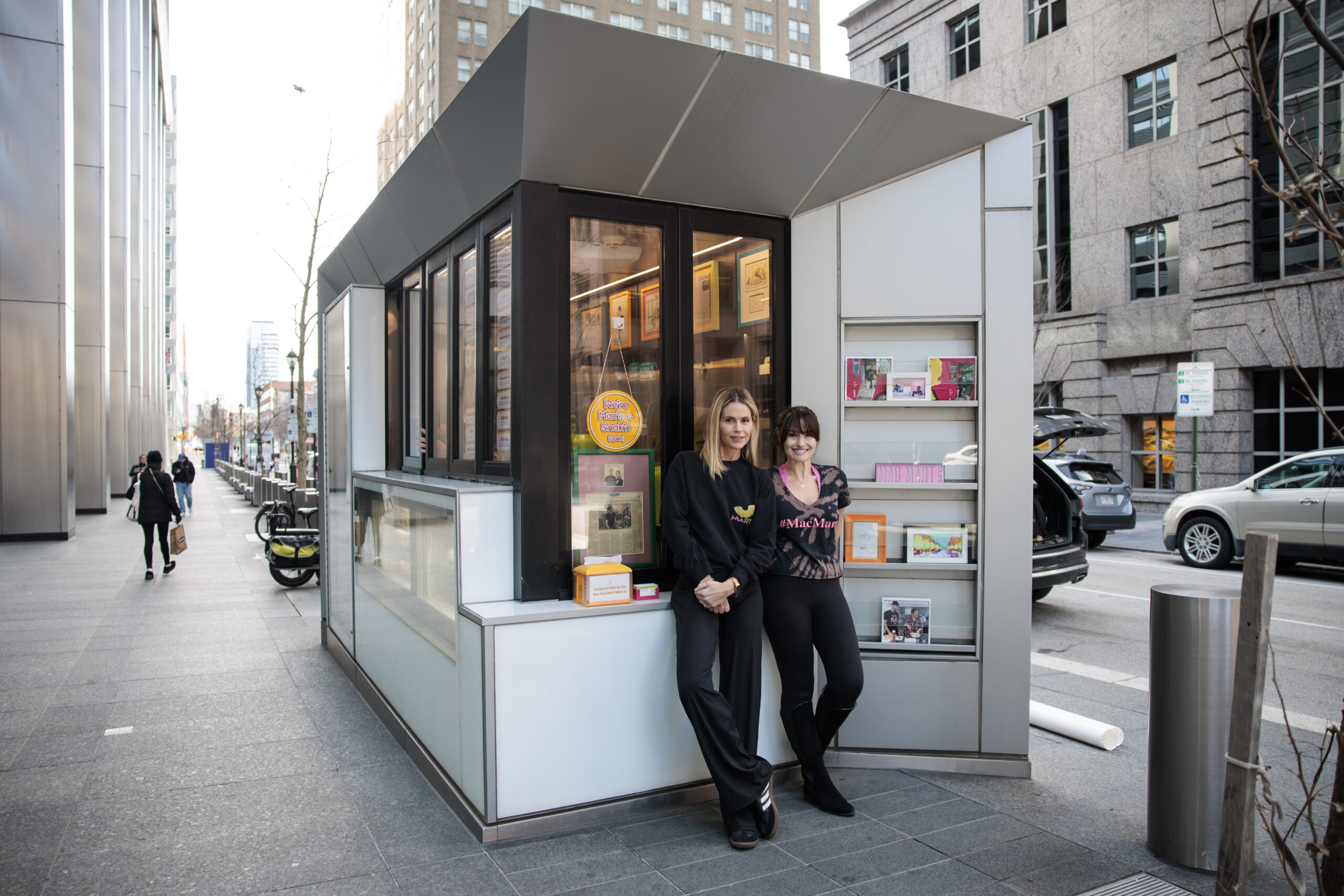
Mac Mart, the mac-and-cheese specialist, closed up shop in Rittenhouse Square. Sisters Marti Lieberman and Pam Lorden have turned up three blocks away in a kiosk, where they offer not only bowls but a broader food mission.
The reservation book for Greg Vernick’s new Italian restaurant Emilia just opened, in advance of its opening Monday in Frankford-Kensington. Longtime Vernick chef Meredith Medoway will run the show. Here’s the backstory.
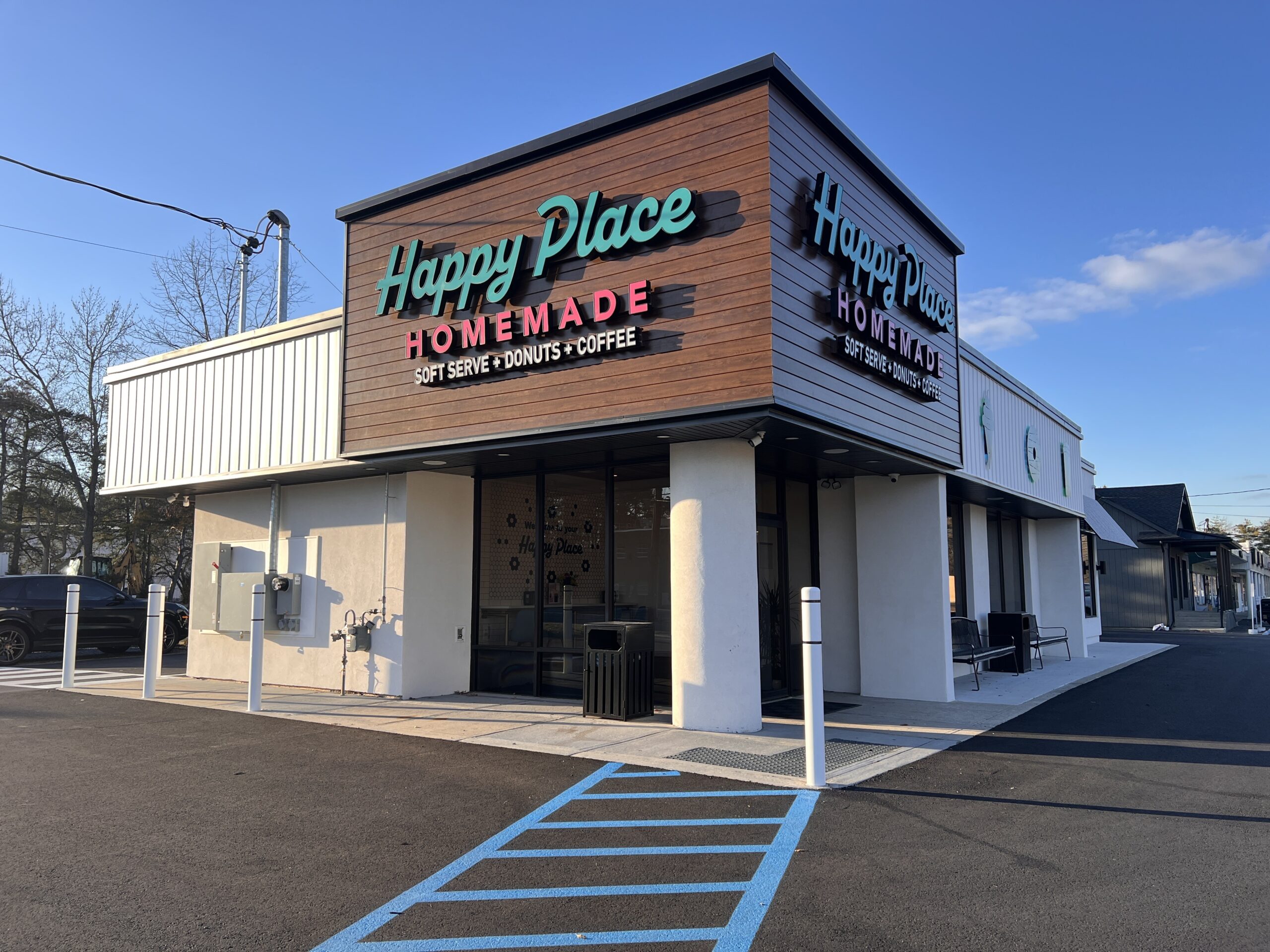
An entrepreneur wanted to bring fresh doughnuts, soft serve, and coffee to his hometown. It’s called Happy Place Homemade.
Briefly noted
Sontuosa, chef Ernesto Guzman’s fusion BYOB in Bryn Mawr, has closed after nine years. He didn’t return a message seeking comment.
The Rook on 4th, a sandwich shop in Olde Kensington, has closed after a year and a half. Management, which has locations in Manayunk and Wildwood as well as a catering arm, calls it “a step forward” on social media.
Pops Trattoria in Audubon, N.J., closed Sunday, in advance of a move to a still-undisclosed location.
Frank P. Olivieri, who ran Pat’s King of Steaks for decades and was the son and uncle of its founders, died Sunday. Here’s the obit.
The two locations of Bomba ¡Tacos + Tequila!will show off their new look with open houses from noon to 4 p.m. Saturday at 2930 S. Eagle Rd. in Newtown and on Feb. 15 at the Grove (30 Liberty Blvd.) in Malvern. Expect comp tastings of new dishes, tequilas, and cocktails (ages 21+, of course).
Cantina la Martina is collaborating with the Lighthouse to host its fourth annual La Tamalada, a family-friendly festival, from 11 a.m.-4 p.m. Feb. 1 at 101 E. Erie Ave. Lineup includes tamales ($6 each), music, drinks, and activities including games, artisan vendors, hayrides, barrel rides, and a petting zoo. Some vendors are cash only, and parking is $10.
Nominations for the Tasties, the restaurant awards handed out by the Delicious City podcast, are closed. So now we wait for the gala, at Live Casino on Feb. 1, where winners in nine categories will be unveiled. New this year is the Future Tastemaker Award, a hospitality scholarship recognizing rising stars under age 30 with $1,000 grants. The evening promises lots of food and drink; tickets are still available.
❓Pop quiz
The internet seems obsessed with what new fast-food restaurant in the city?
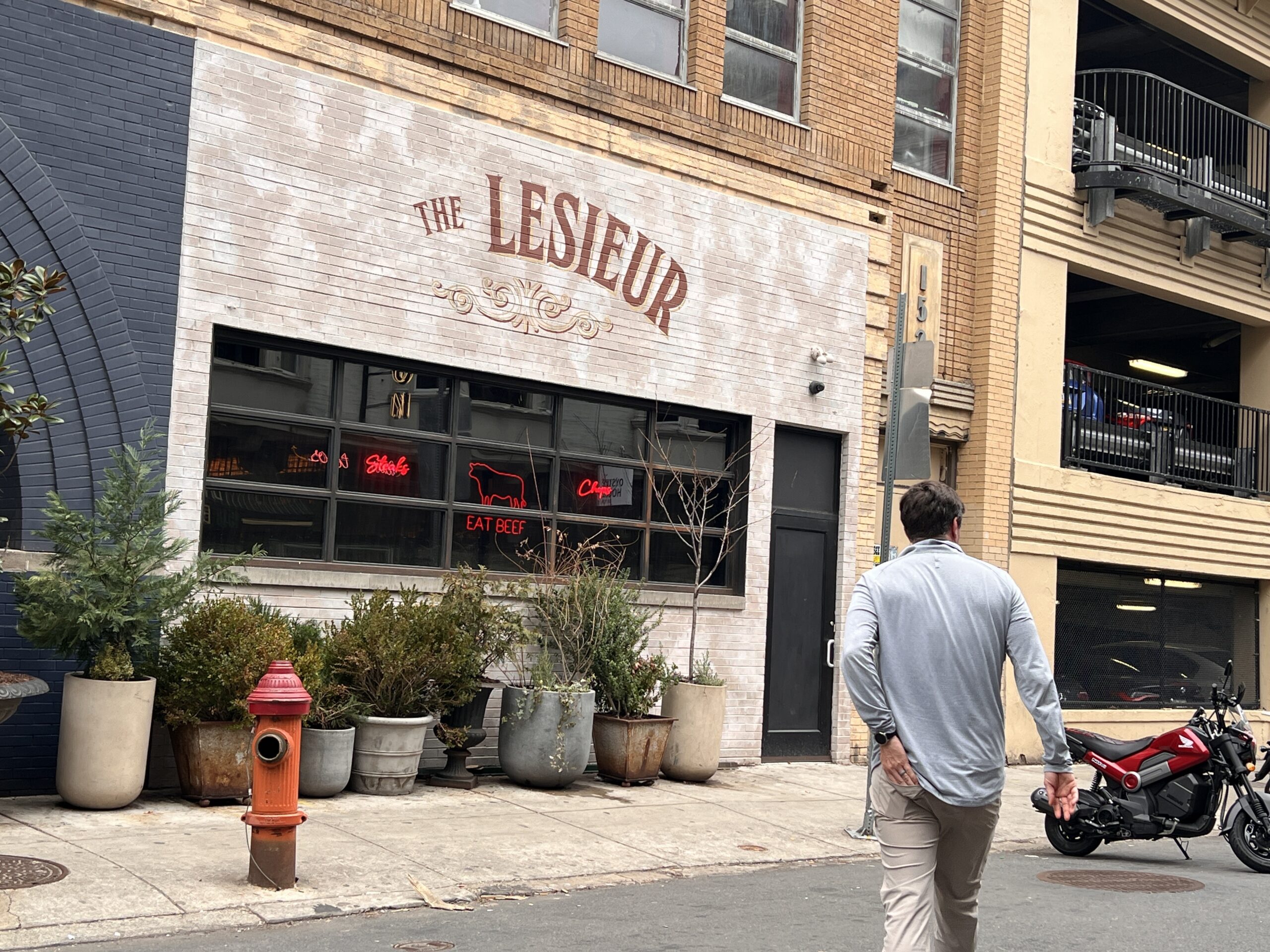
Bar Lesieur on Sansom Street is now “the Lesieur.” What’s that about? — Steve H.
A rep for the Schulson Collective calls it “merely a name change to equally emphasize the overall dining experience — food and drink.“ The restaurant opened in November 2023 as a French bar above Schulson’s subterranean Italian spot Giuseppe & Sons, but it is now billed as a French steakhouse.
📮 Have a question about food in Philly? Email your questions to me at mklein@inquirer.com for a chance to be featured in my newsletter.
By submitting your written, visual, and/or audio contributions, you agree to The Inquirer’s Terms of Use, including the grant of rights in Section 10.
Restaurant week menus are generally built for speed and scale. In other words, they’re quick to put together and easily reproducible, designed to accommodate an influx of bargain-seeking guests.
I combed through 120 menus offered during the current Center City District Restaurant Week for truly special dishes. These 26 picks — including some from The Inquirer’s vaunted 76 restaurants — spotlight bigger-ticket proteins, slow braises, and labor-heavy pastas that rarely make prix-fixe lineups, as well as some Philly classics.
For the 2026 restaurant week, running through Jan. 31, some restaurants will offer $20 two-course lunches in addition to three-course dinners priced at $45 or $60.
All are offered for dinner unless otherwise noted. Not all restaurants serve the special menus every day. Menus were checked Jan. 19.
Amada ($45): Lamb albondigas (meatballs, with manchego, sherry, and foie gras cream) is a highlight of the second course of the tasting menu.
Ambrosia ($45): Squid ink spaghettini with calamari, crabmeat, Calabrian chili, and tomato is a stunning main on this Fitler Square BYOB’s dinner menu.
Bar Bombón ($20 lunch): Hearts of palm “fish” tacos, a creative, high-effort vegan main.
Barbuzzo ($45): Grilled branzino with celery root fregola, Sicilian tomato-almond pesto, and salmoriglio — one of the six main plates offered.
Bellini ($45): Veal saltimbocca — cutlets wrapped in prosciutto, then typically pan-fried with sage — is not common on restaurant week menus.
Bleu Sushi ($45): Start with soft-shell sliders, segue into Japanese bottarga spaghetti (dried mullet roe caviar sautéed with garlic, spaghetti, and furikake), then end with fried ice cream.
Bodega Bar ($45): Roast rack of lamb, offered with asparagus or rice, is a restaurant-week find.
Bolo($45): Seafood asopao — a stew with mahi-mahi, shrimp, scallops, and calamari — is a Puerto Rican treasure.
Bridget Foy’s ($45): Don’t think twice about ordering Bridget’s seafood pasta, topped with mussels, crab, and shrimp.
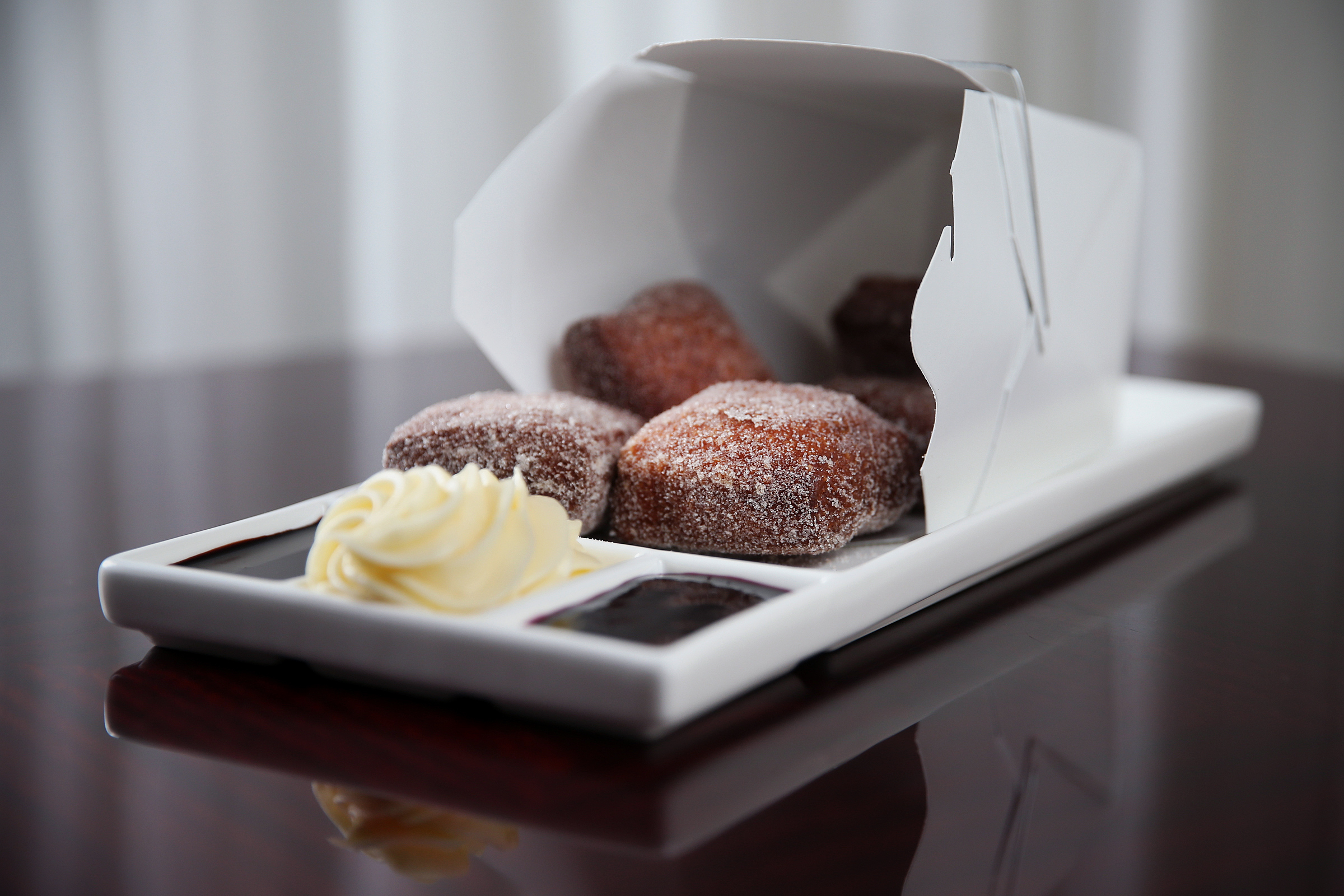
The “dip sum” doughnuts at Buddakan.
Buddakan ($45): For old times’ sake, there’s the miso black cod and the signature “dip sum” doughnuts.
Château Rouge ($45): The grilled fish offering is lagdo, a thick white-fleshed fish from Cameroon. Tip: Start with suya wings.
Del Frisco’s Double Eagle ($60): The crab cakes with Cajun lobster cream sauce alone usually sell for $56.
Estia ($60): Go for the arni paidakia (marinated lamb chops, served with roasted potatoes and tzatziki).
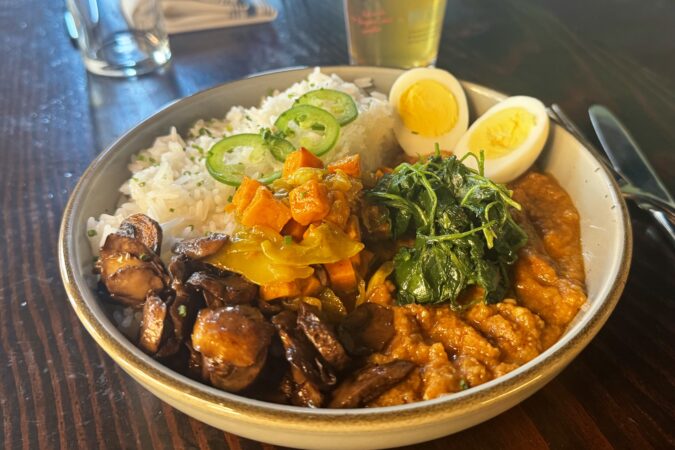
Fringe Bar ($45): Chef Kenny Bush’s West Philly shiro wat — the Ethiopian-spiced stew of ground chickpeas, mushrooms, sweet potatoes, and greens — comes served over rice.
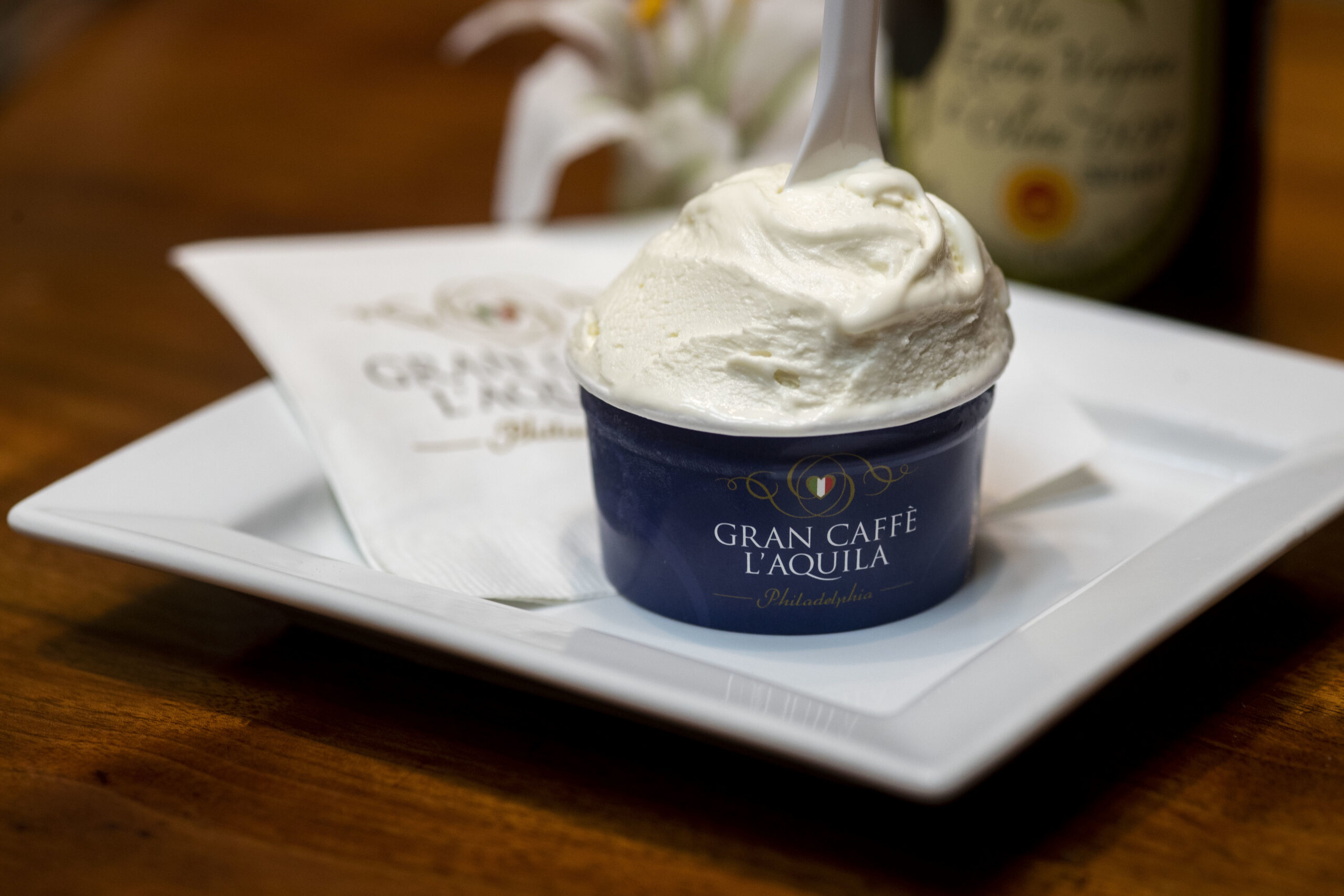
Gran Caffe L’Aquila is known for its gelato.
Gran Caffè L’Aquila ($20 lunch): The Roman-themed menu includes a tasting of two signature Pecorino Romano cheeses as a starter; among mains is a slow-cooked coda alla vaccinara (oxtail stew). The dinner special ($45) includes the signature gelato.
High Street ($60): House-made spaccatelle on the second course includes royal trumpet mushrooms, black truffle butter, and egg. It’s vegetarian but can be made gluten-free or vegan.
La Nonna ($45): Pork osso buco — fork-tender braised pork in a rich tomato-ey sauce — is seldom found on restaurant week menus.
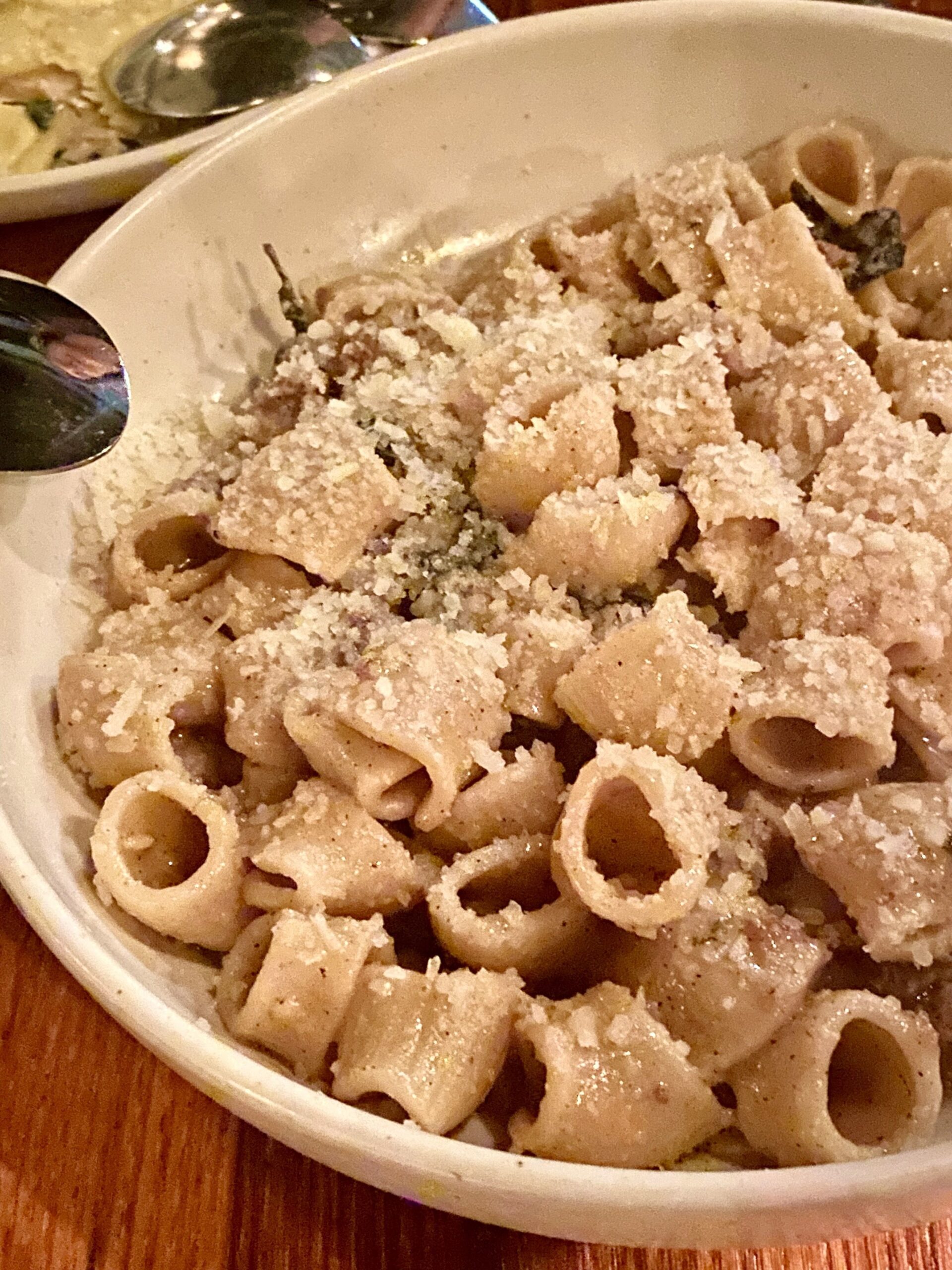
Chicken liver rigatoni at Osteria, 640 N. Broad St.
Osteria ($45): Don’t skip that old-time favorite: chicken liver rigatoni.
PJ Clarke’s ($45): Where can you get a lobster roll and Parmesan- and garlic-broiled oysters for 45 bucks?
P&K double cheeseburger at Pub & Kitchen, 1946 Lombard St.
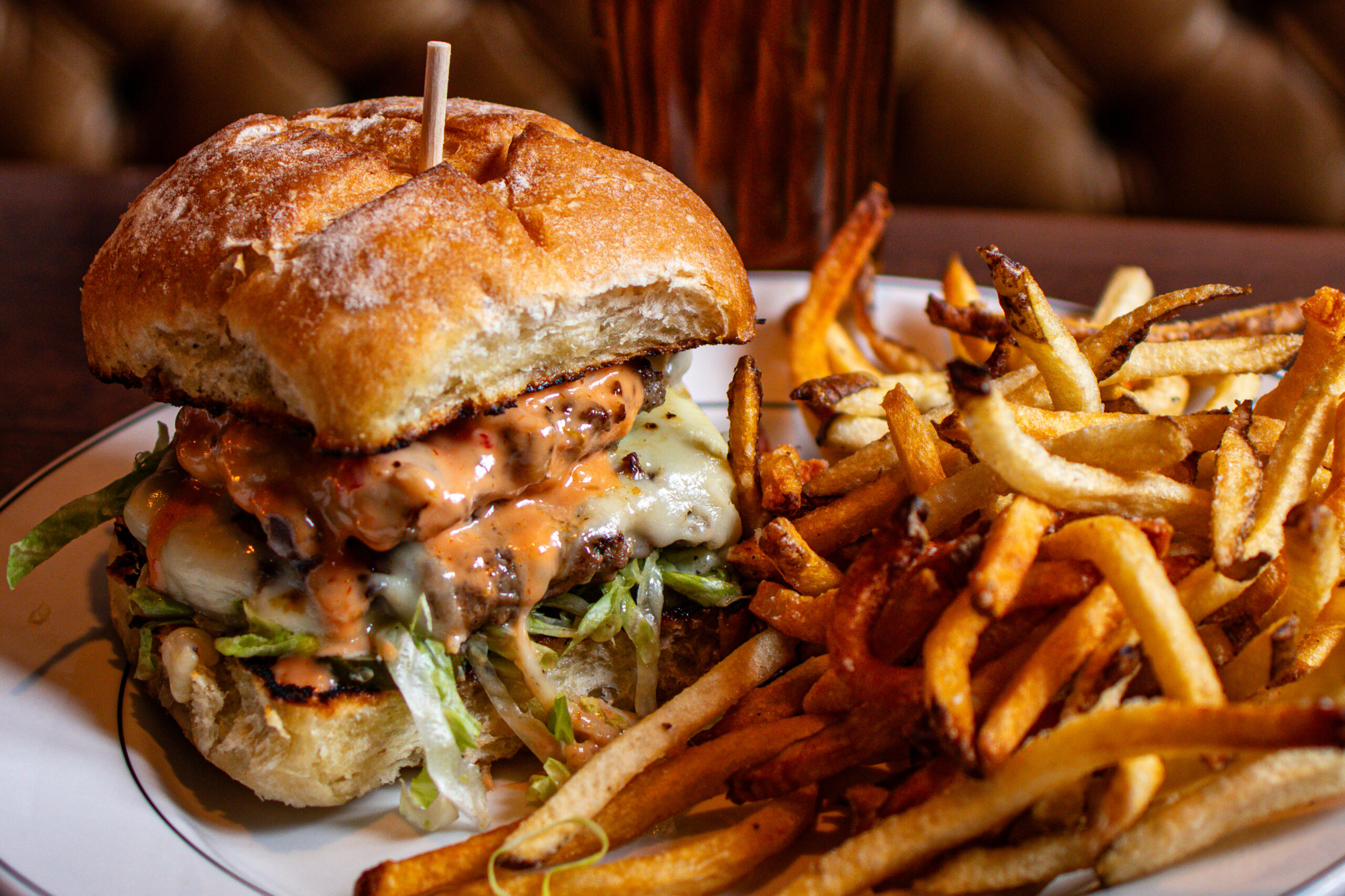
Pub & Kitchen ($45): Start with chili and try one of Philly’s top double cheeseburgers; wrap with an apple hand pie.
Restaurant Aleksandar ($60): Balkan menu touches include tenderloin tartare mekik and ratatouille with roasted adjar.
Rex at the Royal ($45): Duck confit gumbo with Andouille sausage, okra, and Carolina Gold rice is a clear winner.
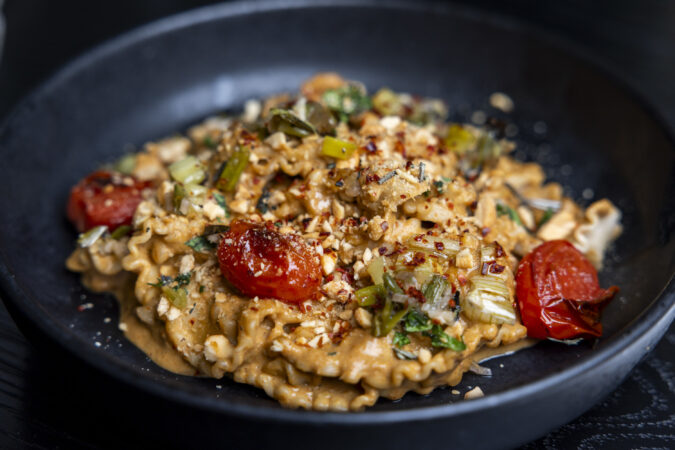
Rhythm & Spirits ($45): The comforting harissa cashew mafaldine is not only intriguing but also vegan. Start with zucchini fritters.
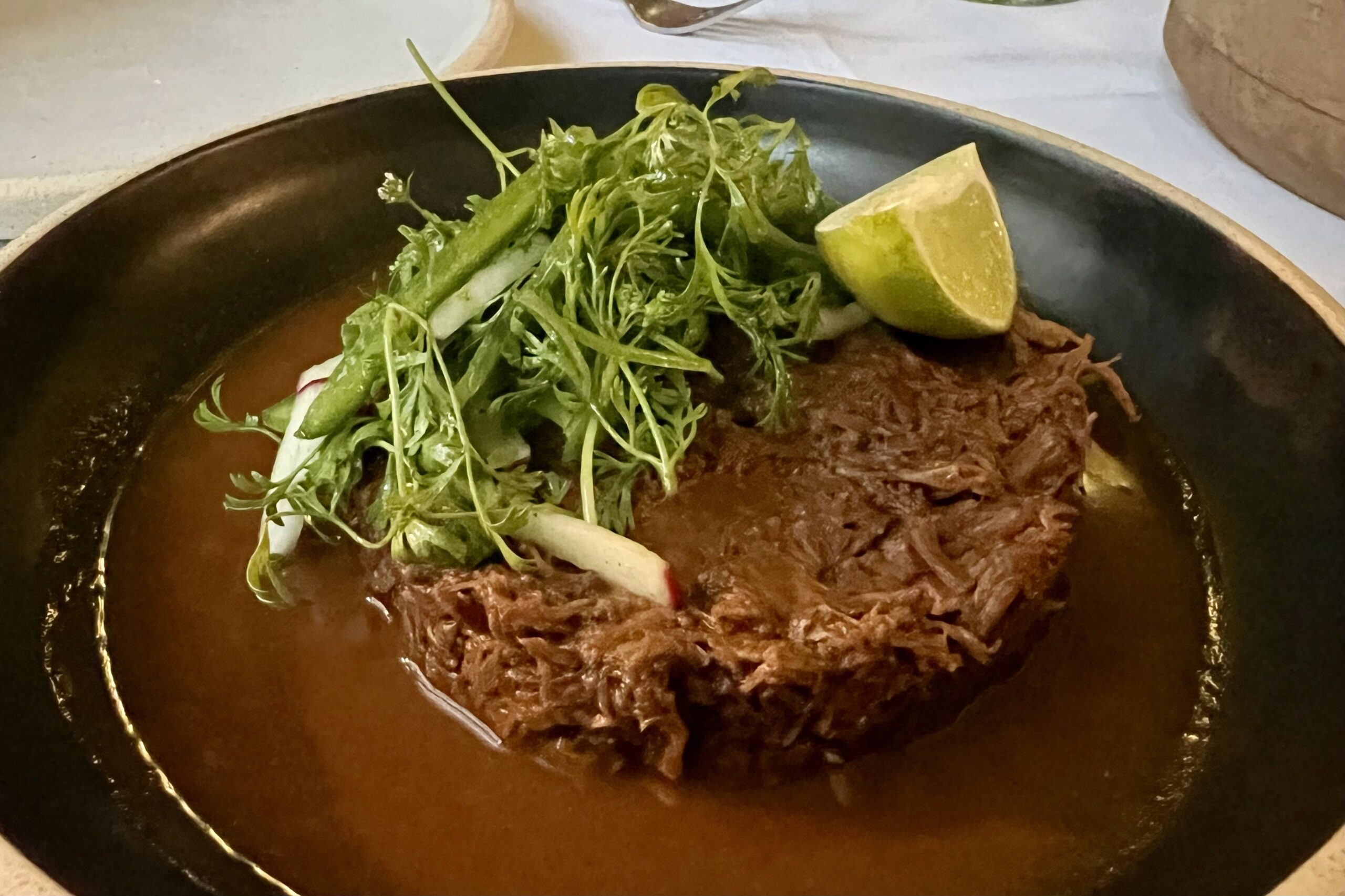
Barbacoa tapatia at Tequilas, 1602 Locust St.
Tequilas($45): Barbacoa tapatia is a fine-dining treatment of a rustic dish.
Vita ($60): Bring a friend or two to share the pasta course — a choice of rigatoni alla vodka, bottoni, or tagliatelle ragu Bolognese.
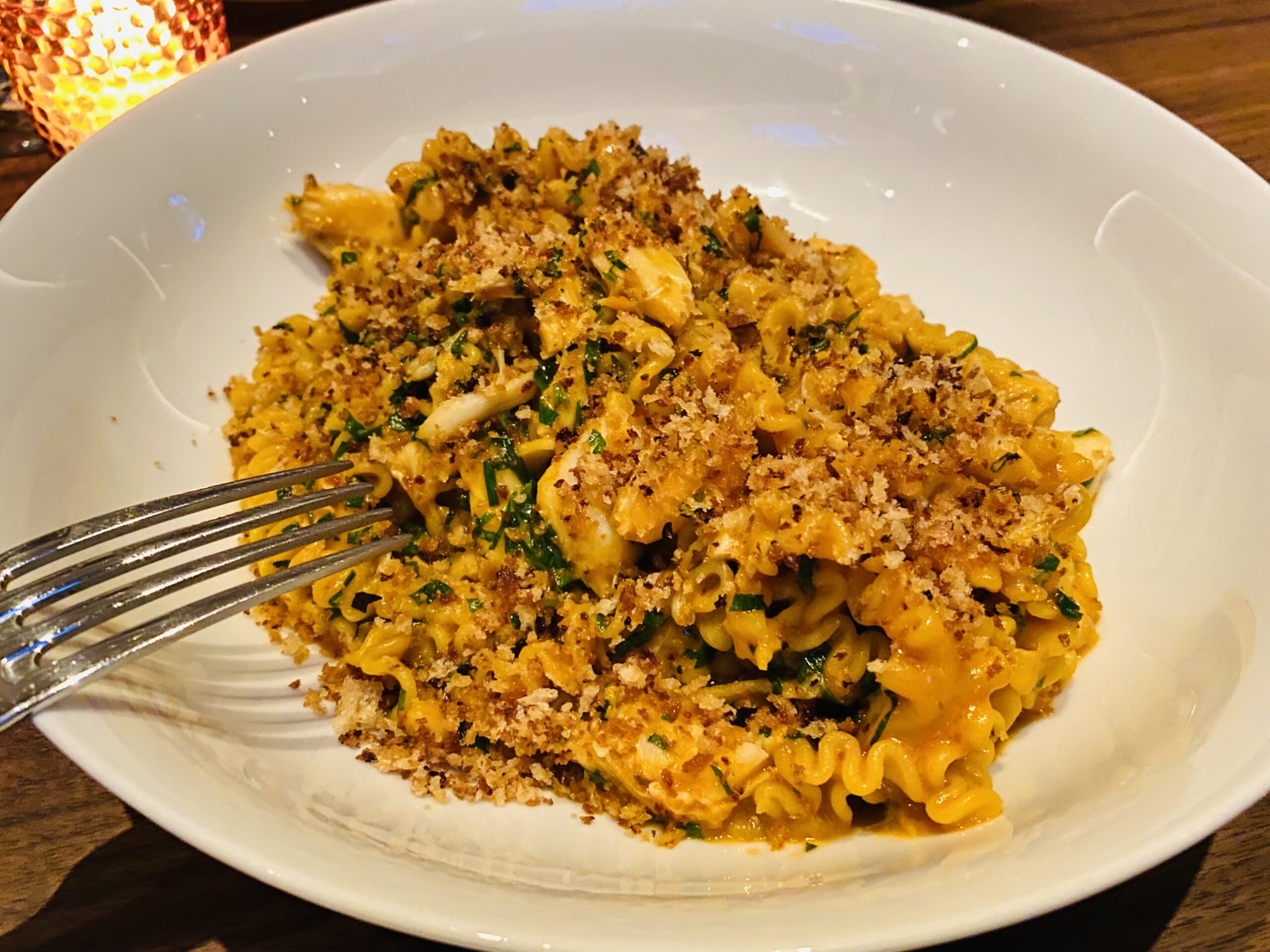
Wilder ($45): Mafaldine alla vodka with jumbo lump crab and breadcrumbs can’t disappoint.
Mafaldine alla vodka with jumbo lump crab, chili, basil, and bread crumbs at Wilder.
Major changes are coming to the Rittenhouse Hotel on Rittenhouse Square, as the Italian restaurant Scarpetta will leave the bilevel space next weekend after nearly a decade to set the stage for a posh new steakhouse called the Ruxton, from Baltimore-based Atlas Restaurant Group.
Alex Smith, Atlas’ president and chief executive, told The Inquirer that the Ruxton, a sibling of the location in Baltimore’s Harbor East, would open in spring 2027. This will be the second Philadelphia restaurant for Atlas, which opened the high-end Loch Bar at Broad and Spruce Streets in fall 2023.
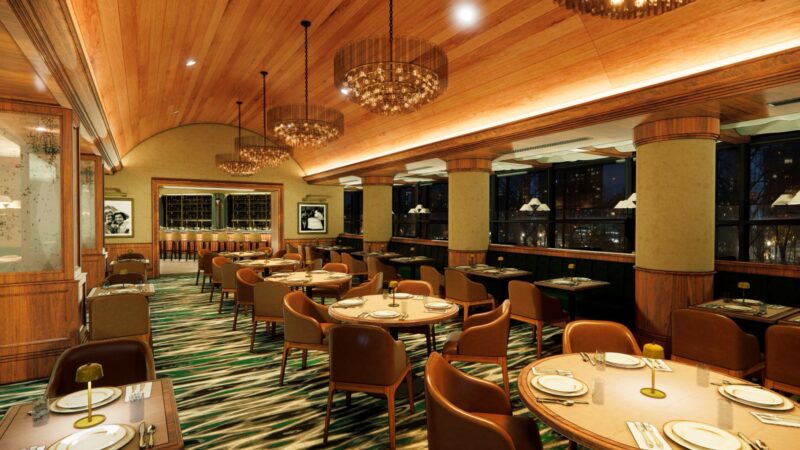
A rendering of the second-floor dining room of the Ruxton at Rittenhouse Hotel.
But before renovations for the Ruxton begin, the Rittenhouse space will host a residency from up-and-coming chef RJ Smith, 21, who launched Ocho Supper Club last year in his Drexel University apartment to showcase Afro-Caribbean cuisine through a fine-dining lens.
RJ Smith, no relation to Atlas’ president, said he has scheduled the first seating for his eight-course tasting menus for Feb. 1 and plans to offer them through July 26; the schedule has not been formally set but includes Valentine’s Day.
RJ Smith, culinary student and executive chef of Ocho Supper Club.
Scarpetta, owned by LDV Hospitality, has set its final service for Jan. 31. Scarpetta opened in 2016, filling the space previously occupied by Smith & Wollensky, also a steakhouse. Lacroix, the Rittenhouse Hotel’s signature restaurant, is unaffected by the changes.
Construction is expected to start in late summer for the Ruxton, whose deal has been in the works for nearly a year. Alex Smith said the Ruxton will occupy more space at the Rittenhouse — allowing for a total of 220 seats, vs. Scarpetta’s 120.
The Ruxton, offering Rittenhouse Square views from its second floor, will have three private dining rooms and a 50-seat outdoor space on the deck. The restaurant’s entrance will be moved next to the hotel lobby, and there will also be an interior entrance through the hotel lobby.
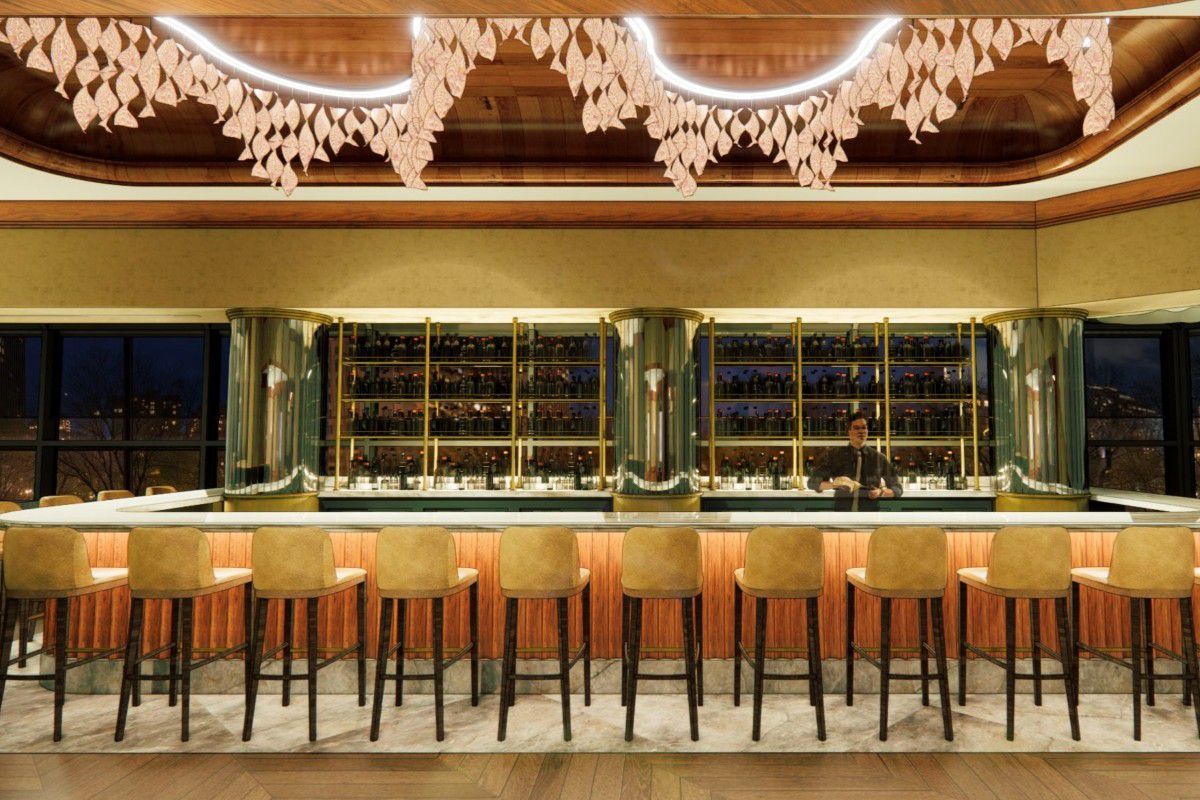
Designer Patrick Sutton is channeling inspiration from the Jazz Age, with highlights including velvet upholstery, walnut wood millwork, and custom Murano-style glass chandeliers. Corporate chef Aaron Taylor will oversee the steak and seafood menu.
The Philadelphia location will be Atlas’ third Ruxton location; the second is due to open this fall in National Harbor in Maryland, outside of Washington, D.C.
“We love Philly,” Smith told The Inquirer, adding that Loch Bar’s numbers are strong. “It’s a great town. In some ways, it reminds me of Baltimore — just much bigger. And we’re planning on doing more in Philadelphia.” He said developer Carl Dranoff, his partner at Loch Bar, would be involved in the Ruxton.
Cole Hernandez, a Rittenhouse Hotel spokesperson, said that the Scarpetta space, in the short term, would also be used by Lacroix chef Eric Leveillee to host groups, do cooking and mixology classes, and other programming.
In addition, the hotel’s Library Bar continues to rework its cocktails in collaboration with James Beard Award winner Danny Childs. A fresh drinks menu will launch in February.
“Where we’re ultimately heading is a broader shift across the property,” Hernandez said. “The Philadelphia dining scene is changing — it’s more vibrant, more interesting, and less formal and stuffy. We’re evolving our concepts to be more relevant to today’s diner.
At Lacroix, service standards have been modified to allow for more approachable, 90-minute dinners and “more dynamic and social” brunches that include à la carte options.
Tyler Gerber loved growing up in Medford in the 1990s and early ’00s. But for all its suburban charm, “Medford didn’t really have a lot of places people could attach themselves to and be proud of,” he said.
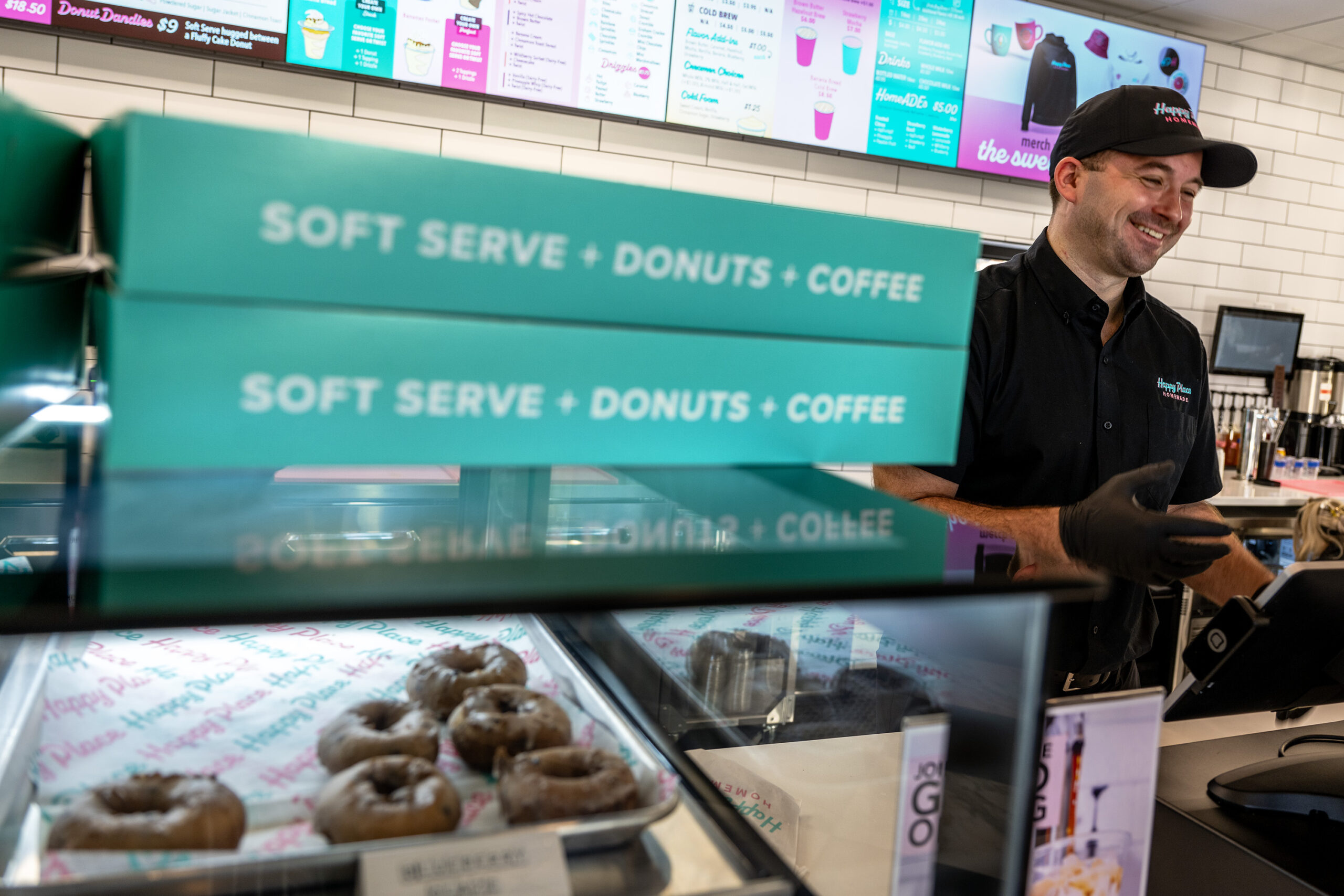
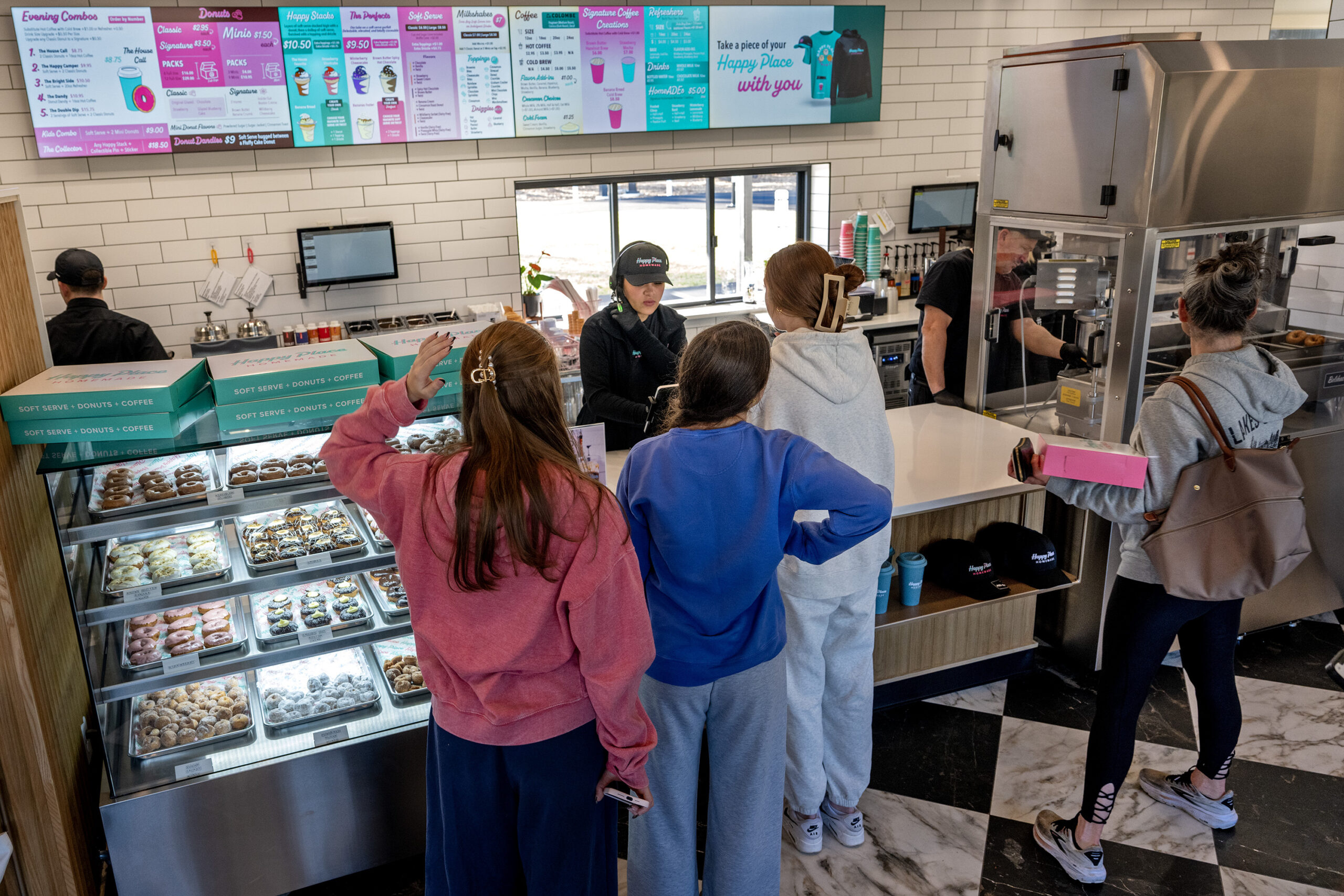
On Jan. 23, Gerber, 32, marks the grand opening of Happy Place Homemade, a bright, modern shop designed around the daily rhythms of the Burlington County town. Set up in a former Bank of America branch on Route 70 — including the drive-through — it serves coffee and scratch-made doughnuts in the morning, and adds soft serve and shakes in the afternoon and evening. There’s seating in booths along the front windows.
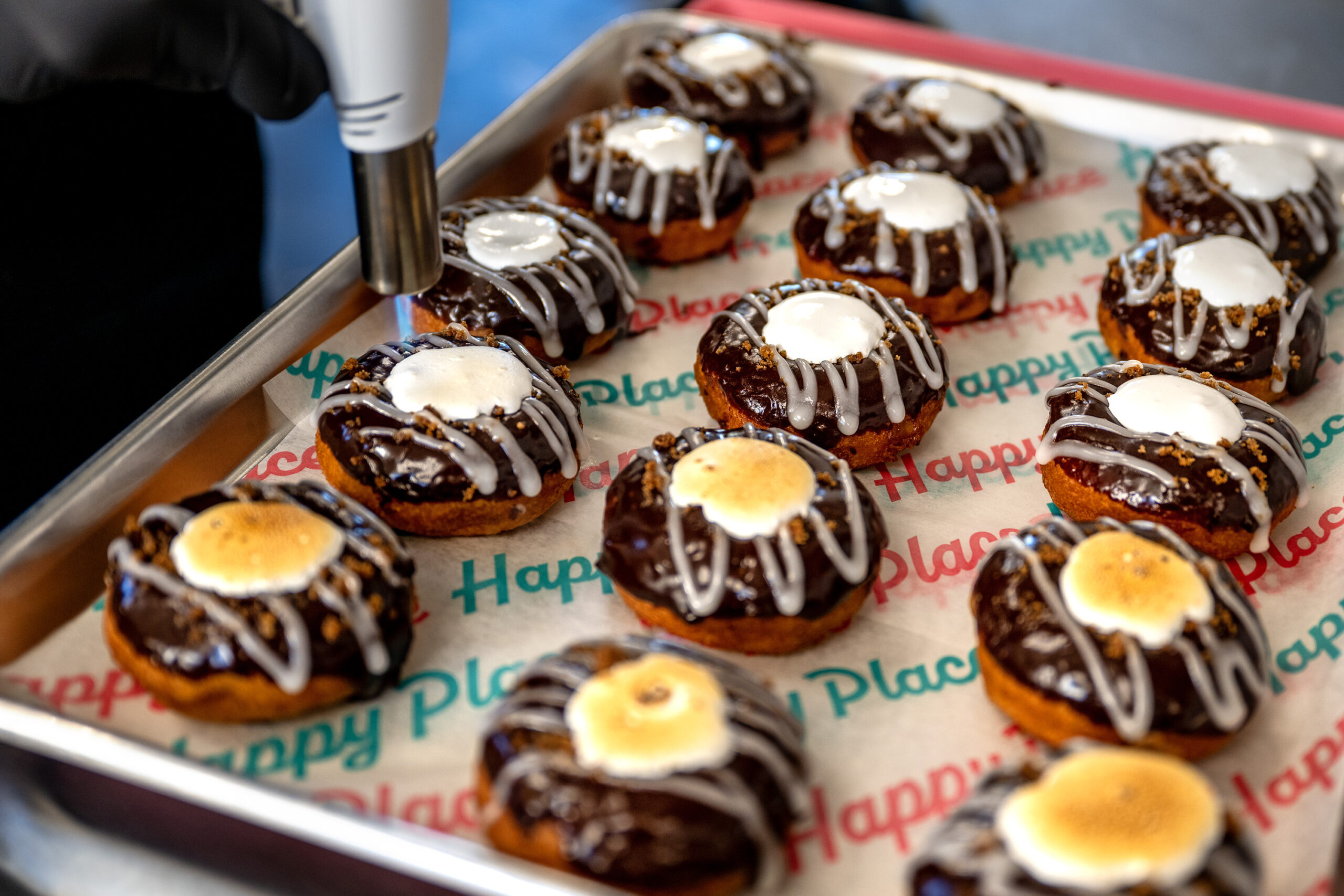
A torch is used to toast the marshmallow atop the s’mores doughnuts at Happy Place Homemade.
“We’re trying to create a fun, unique experience for the town,” said Gerber, who moved to Philadelphia after his Shawnee High graduation to study entrepreneurship and financial planning at St. Joseph’s University.
Combining seemingly disparate food product lines — Federal Donuts & Chicken comes to mind — is not new. “But it hasn’t been done around here,” Gerber said. “We call it ‘new nostalgia.’ We want to build a place people remember — a spot they come back to 10 or 20 years from now and say, ‘Oh, my God, Happy Place.’”
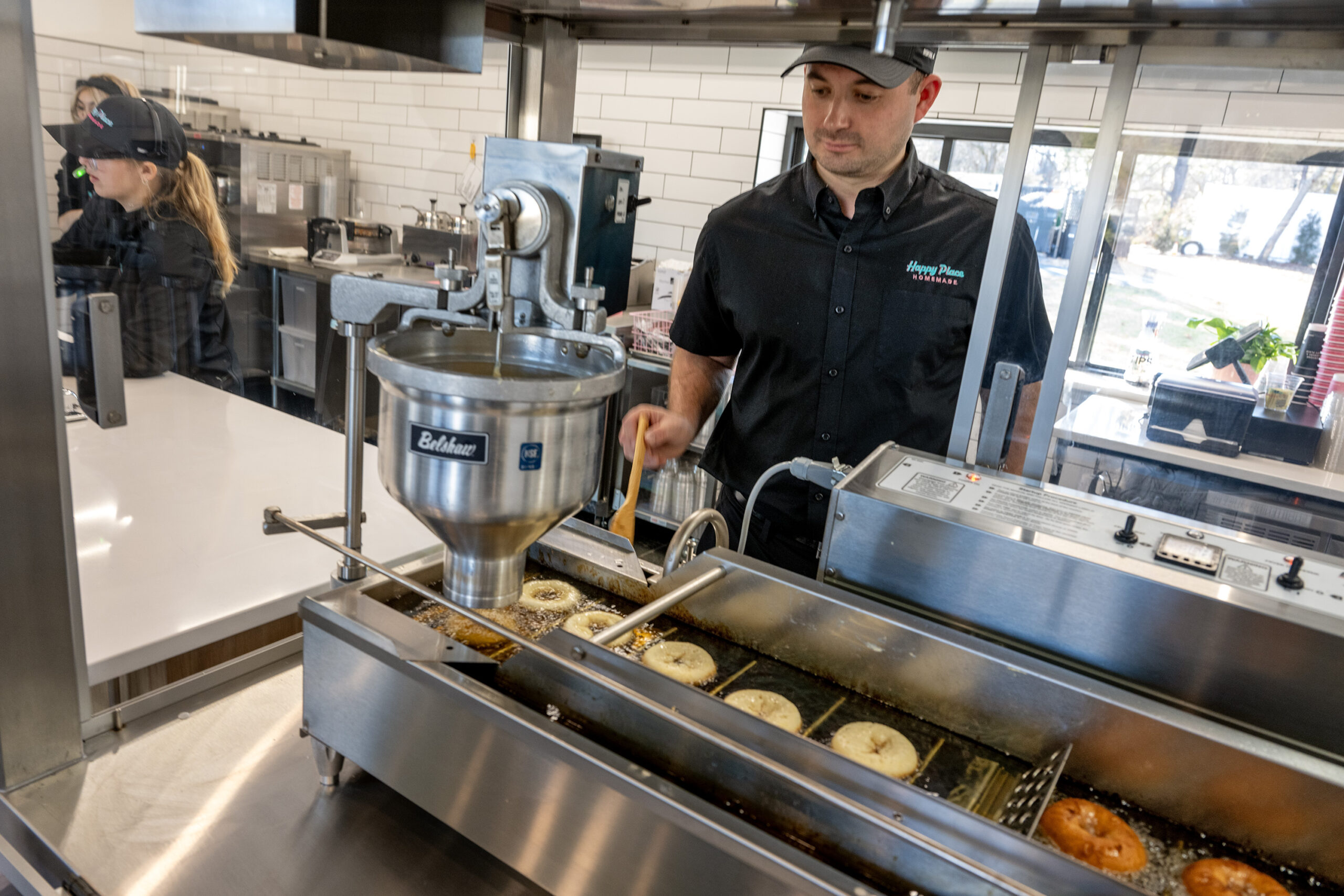
Tyler Gerber talks makes doughnuts at Happy Place Homemade in Medford.
At first, Gerber said, “we were going to be a straight soft-serve shop. But the challenge around here is that most ice cream places aren’t open year-round. We wanted to build something that could be sustainable all year, so we started thinking about what paired naturally with soft serve. Hot and cold just makes sense. That’s where doughnuts come in.”
And where there are doughnuts, there is drip coffee — in this case, from La Colombe. Gerber makes his own syrups to flavor coffee drinks and soft serve.
Gerber bought a country-fair-style Belshaw cake-doughnut machine with a glass front to let customers watch the process from the first drop of batter to the roll-out of the finished doughnut. Batter is mixed in-house and temperature-controlled before being fried, cooled, glazed while warm, and displayed in the nearby case.
Tyler Gerber works the counter at Happy Place Homemade in Medford.
The soft serve is spun into a dense, low-air product that tastes creamier than even most ice cream, even though at 9% butterfat it is not “ice cream” by industry standards.
“We aim for about 40% overrun,” he said, referring to the percentage of air whipped into the mix during freezing. (Super-premium ice creams’ overruns are about 50% and lower, while premium brands range between 60% and 90%.)
Chase Horton serves customers at Happy Place Homemade in Medford.
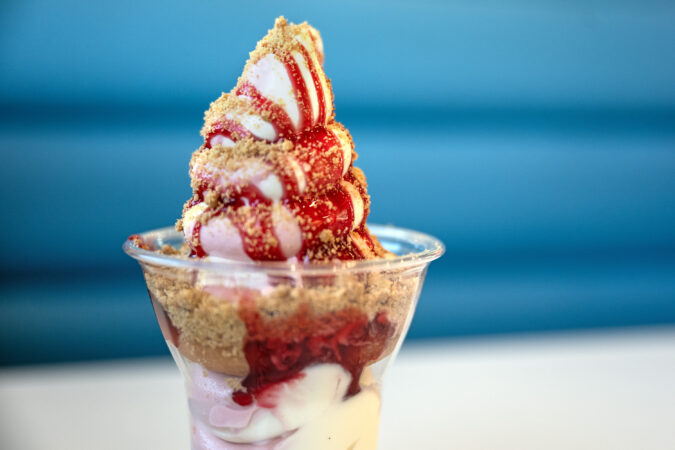
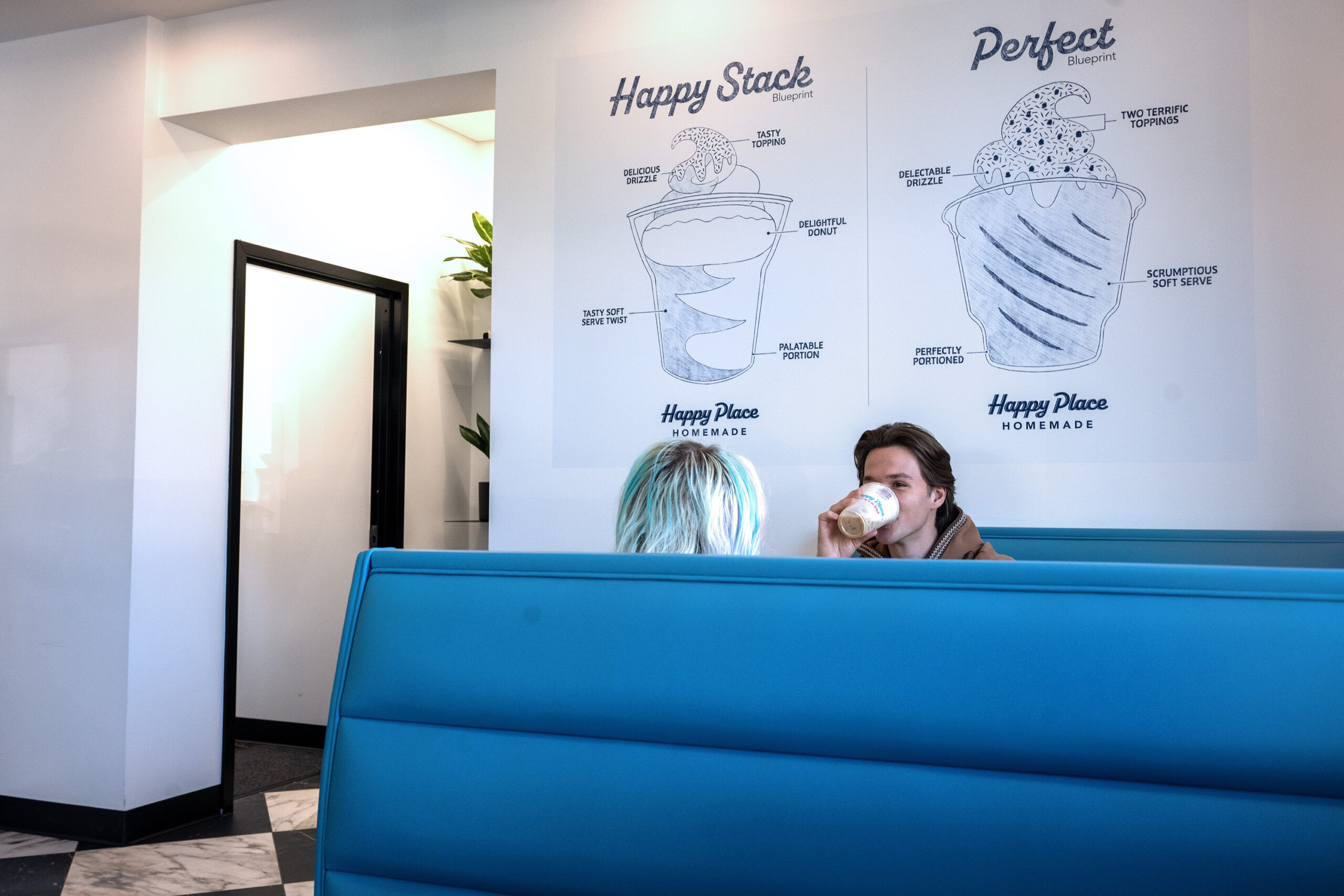
The doughnut-and-ice cream combination led to one of the shop’s signature creations: Happy Stacks — a doughnut sandwiched by soft serve, served in a cup, with toppings and a syrup drizzle.
There are also soft-serve parfaits (“Perfects,” he calls them), doughnut soft-serve sandwiches (“Donut Dandies”), and nondairy, fruit-based iced drinks (“HomeADE”).
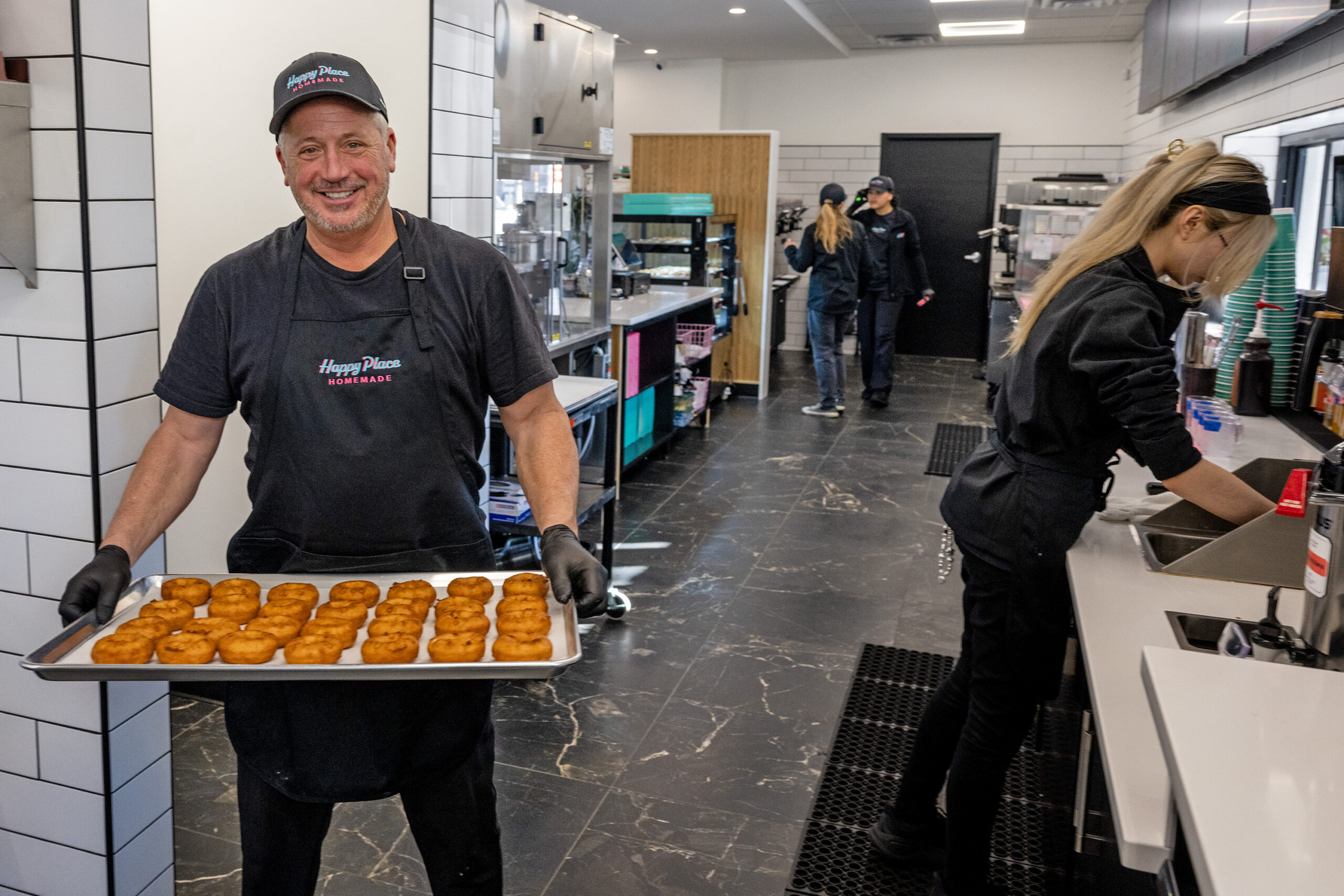
Tyler Gerber’s father, Larry Gerber, totes a tray of doughnuts at Happy Place Homemade.
Although Gerber doesn’t come from a traditional restaurant background, he says his strength is creation. “I love to cook. I’ve been experimenting my whole life,” he said.
“He goes 100% into everything,” said his father, Larry, who sold his concrete business several years ago and is helping him with the business. “Sports, school, business — he’s a perfectionist. This whole concept came out of his imagination.”
Lilli Schoener (left) and Justice Wunsch have a snack at Happy Place Homemade.
Tyler Gerber said he was making a long-term bet on his hometown.
“We’re not just popping up,” he said. “We’re building a brand. We’re building an experience. And hopefully, we’re building something that Medford can call its own.”
Happy Place Homemade, 690 Stokes Rd., Medford, N.J., 609-969-9650, happyplacehomemade.com. Hours are 7 a.m. to 9 p.m. Wednesday through Monday, closed Tuesday.
Happy Place Homemade at 690 Stokes Rd, Medford on Jan. 15, 2026.
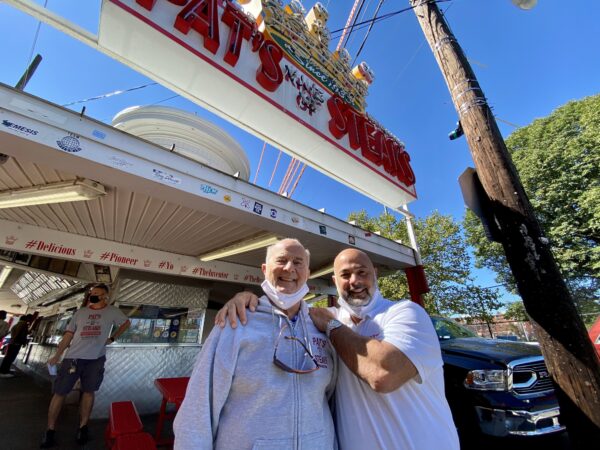
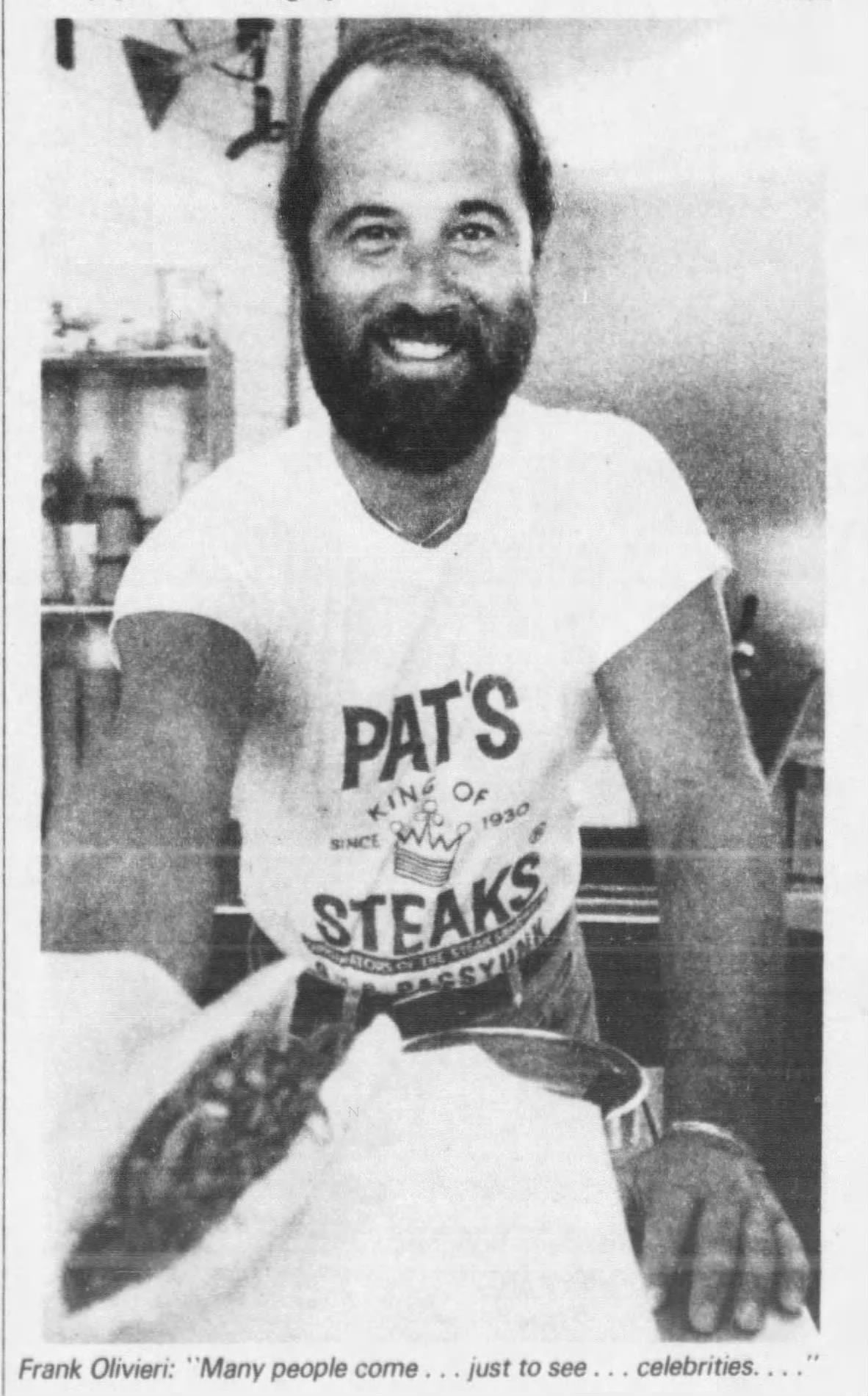
Frank P. Olivieri, 87 — whose uncle and father invented the steak sandwich and who ran the landmark Pat’s King of Steaks for nearly four decades — died Sunday, Jan. 18. He had been under care for dementia, said his son, Frank E. Olivieri, who has run the shop since his father’s 1996 retirement.
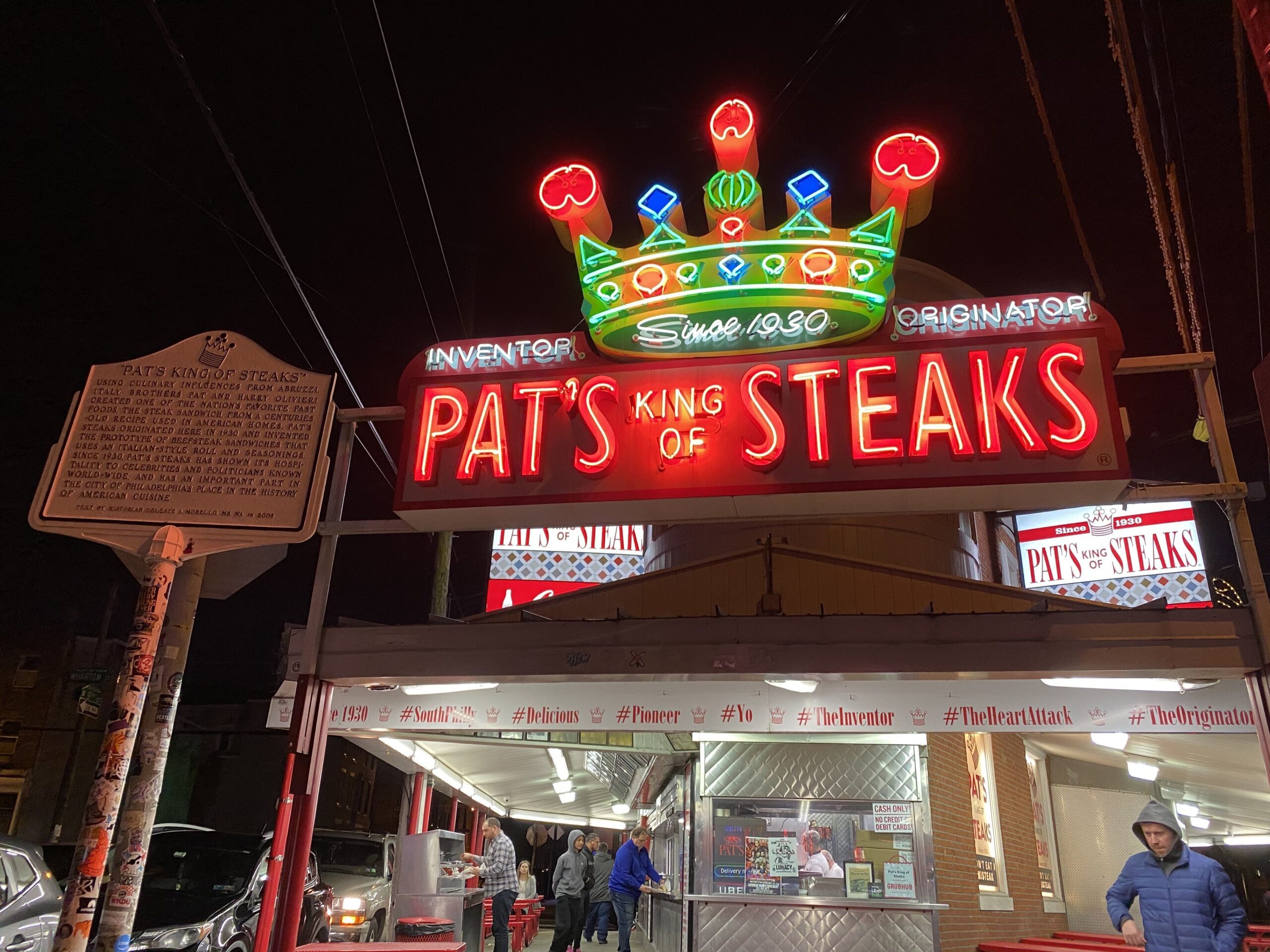
Though the Olivieri name spread through Philadelphia over the years through various shops, Mr. Olivieri spent his entire working life at the intersection of Ninth, Wharton, and Passyunk in South Philadelphia. “I’m on my own little island,” he told The Inquirer in 1982.
Pat’s King of Steaks, at Ninth Street, Wharton Street, and Passyunk Avenue, in 2020.
The legend began in 1930 (in some accounts 1932) when Mr. Olivieri’s father, Harry, and his uncle, Pasquale “Pat” Olivieri, started selling hot dogs for a nickel at that corner. (Pat, the elder, got the naming rights.) One day, as the story goes, they got tired of eating hot dogs and bought a loaf of Italian bread and some steaks, sliced them up, and put them on the grill. (Cheesesteaks came along in 1951.) Curious cabdrivers begged for the sandwiches. “Pretty soon, they forgot all about the hot dogs and did nothing but steaks,” Mr. Olivieri told The Inquirer in 1982.
Mr. Olivieri told The Inquirer that he started working at the stand at age 11, selling watermelon and corn on the cob out front. He turned down the opportunity to go to the University of Pennsylvania to become an attorney, and chose to go into the family business, his son said.
Frank Olivieri working the grill at Pat’s King of Steaks in 1980.
Pat Olivieri moved to California in the 1960s; he died in 1970. In 1967, father and son Harry and Frank Olivieri bought the original stand, while Pat’s son Herb obtained licensing and franchising rights to the name.
Herb Olivieri opened Olivieri’s Prince of Steaks in Reading Terminal Market in 1982 and later ran a Pat’s location in Northeast Philadelphia (unaffiliated with the original). Herb’s son Rick owned sandwich shops, including the reflagged Rick’s Steaks at Reading Terminal, as well as stands at the Bellevue and Liberty Place food courts.
Pat’s, meanwhile, had become a 24-hour destination. Limos and tour buses, then as now, roll up at all hours.
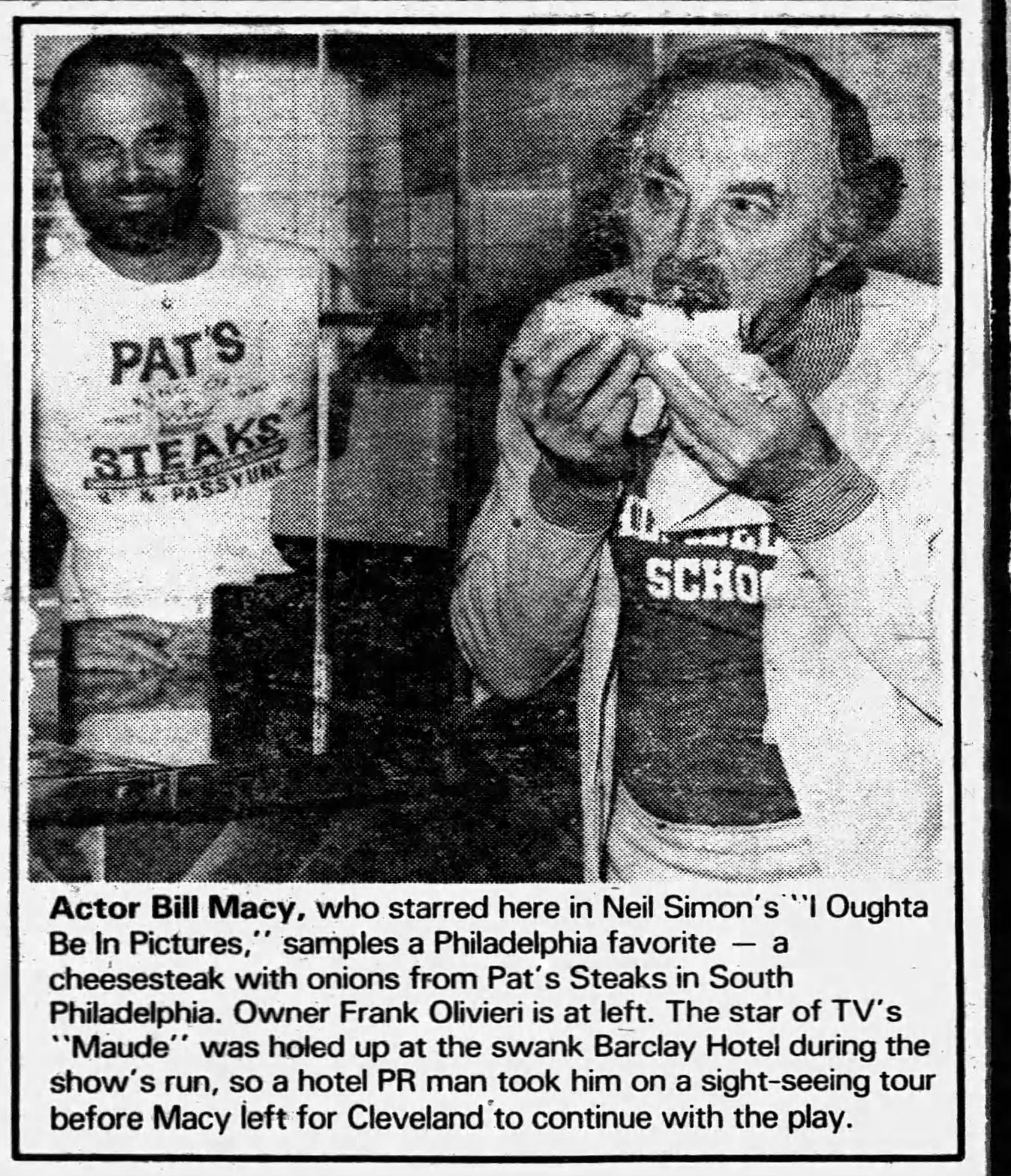
Frank Olivieri (left) watching actor Bill Macy eating a cheesesteak from Pat’s King of Steaks in 1981. Macy was touring Philadelphia sites while starring at the Forrest Theater in a pre-Broadway run of “I Oughta Be in Pictures.”
When Sylvester Stallone filmed part of Rocky outside of Pat’s in 1976, he invited Mr. Olivieri to a private party afterward.
“I had to tell him I can’t go,” Mr. Olivieri recalled. “We didn’t get to be No. 1 by letting the business run itself.” Back then, Mr. Olivieri lived in Packer Park, kept a summer home in Brigantine, and was rarely more than an hour away.
“I can be here any time,” he said. “And I am here lots and lots of the time.”
In 1966, a competitor arrived across the street: Geno’s Steaks, owned by Joey Vento, a former Pat’s employee. The Pat’s-Geno’s rivalry — buzzing neon, dueling lines, endless debates over quality — is, in fact, wildly overblown. Current owners Frank E. Olivieri, popularly known as Frankie, and Geno Vento, Joey’s son, are good friends.
Mr. Olivieri, who served for many years on the board of directors of Provident Bank, was a whiz with numbers, his son said. He also was an avid fisherman and yachtsman who had his captain’s license. “He also taught me everything I know about electrical work, plumbing, woodworking, and how to fix just about anything,” his son said. “The reason I know how to do all of that is because if he couldn’t do something himself, I had to learn how to do it. Without his guidance, I wouldn’t know how to do any of it.”
Mr. Olivieri’s son recalls his father’s burgundy 1974 Corvette. “One of the happiest moments of my week was sitting in the passenger seat with him on Saturdays and Sundays,” he said. When they turned from Broad onto Wharton Street, “by the time we hit around 10th Street, I could already smell the onions cooking. He always had the T-tops off for me in the summer. That was my first introduction to being at the store.”
Besides his son, Mr. Olivieri is survived by his wife of 65 years, Ritamarie; daughters Danielle Olivieri and Leah Tartaglia; 10 grandchildren; and three great-grandchildren.
Viewing will be from 9 to 11 a.m. Friday, Jan. 23, at Baldi Funeral Home, 1327-29 S. Broad St. A prayer service and memorial tributes will begin at 11 a.m. The family requests donations to St. Maron Church, 1010 Ellsworth St., Philadelphia, Pa. 19147.
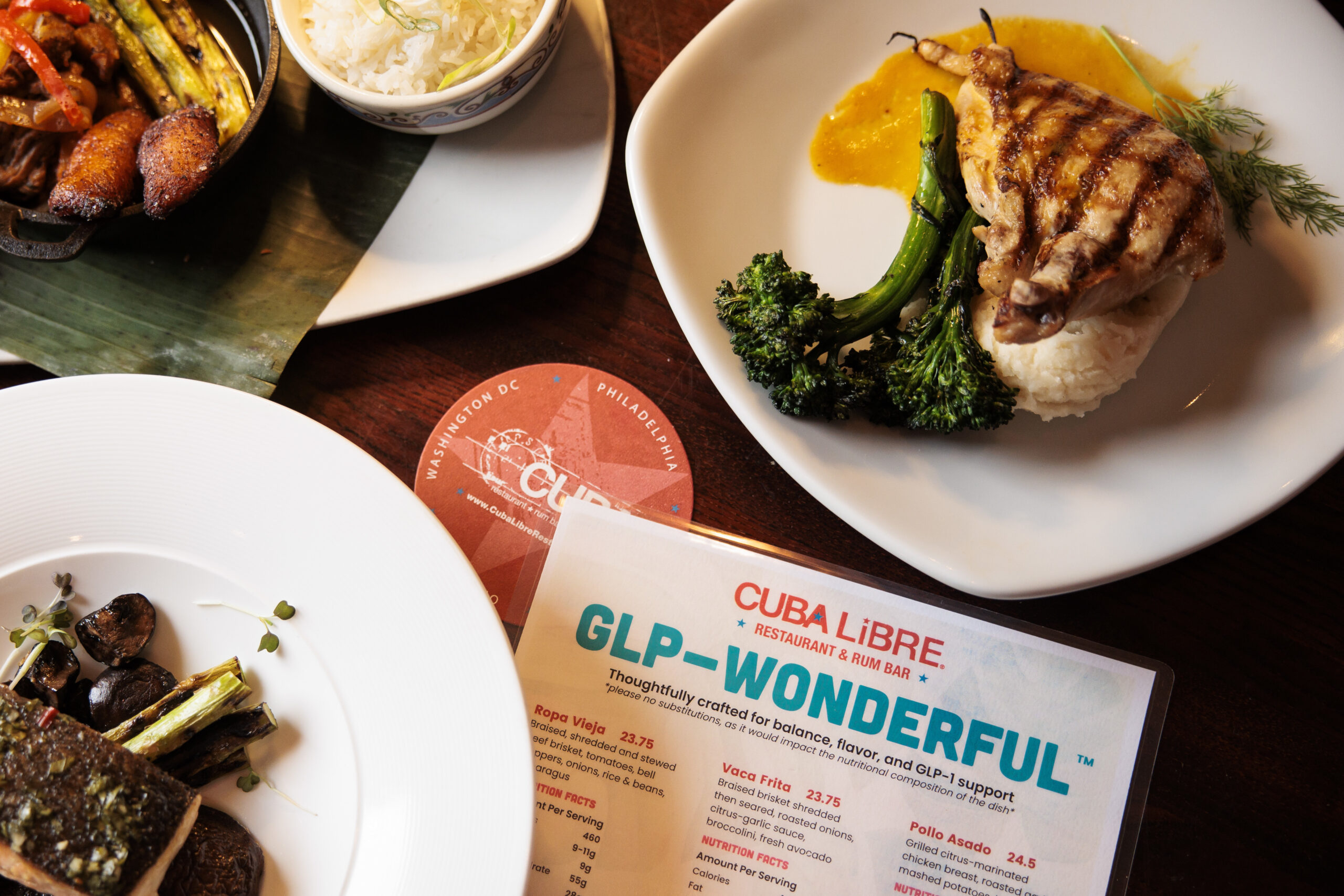
Next month, the Old City establishment will also roll out a “lighter portions, lighter prices” section of its regular menu.
This is all to keep up with the evolving preferences of Philly-area diners, said Barry Gutin, cofounder of Cuba Libre.
“We said, ‘We should put something on the menu for all sorts of people watching their diet and their money,’” said Gutin, whose staff has noticed GLP-1 users and nonusers alike requesting these options more over the past year. This trend has also been seen at Cuba Libre restaurants in Atlantic City, Washington, and Orlando, as well as at its Paladar Latin Kitchen and Bomba Tacos locations in the Philadelphia suburbs.
For customers, an added perk is that they pay less for these smaller-portioned menu items, Gutin added. He said diners have become more focused on value amid broader financial uncertainty.
“The economy dictates that we have a diversity in pricing that meets more people’s needs,” Gutin said. “You think about the way people look at menus online. They’re scanning through prices as well.”
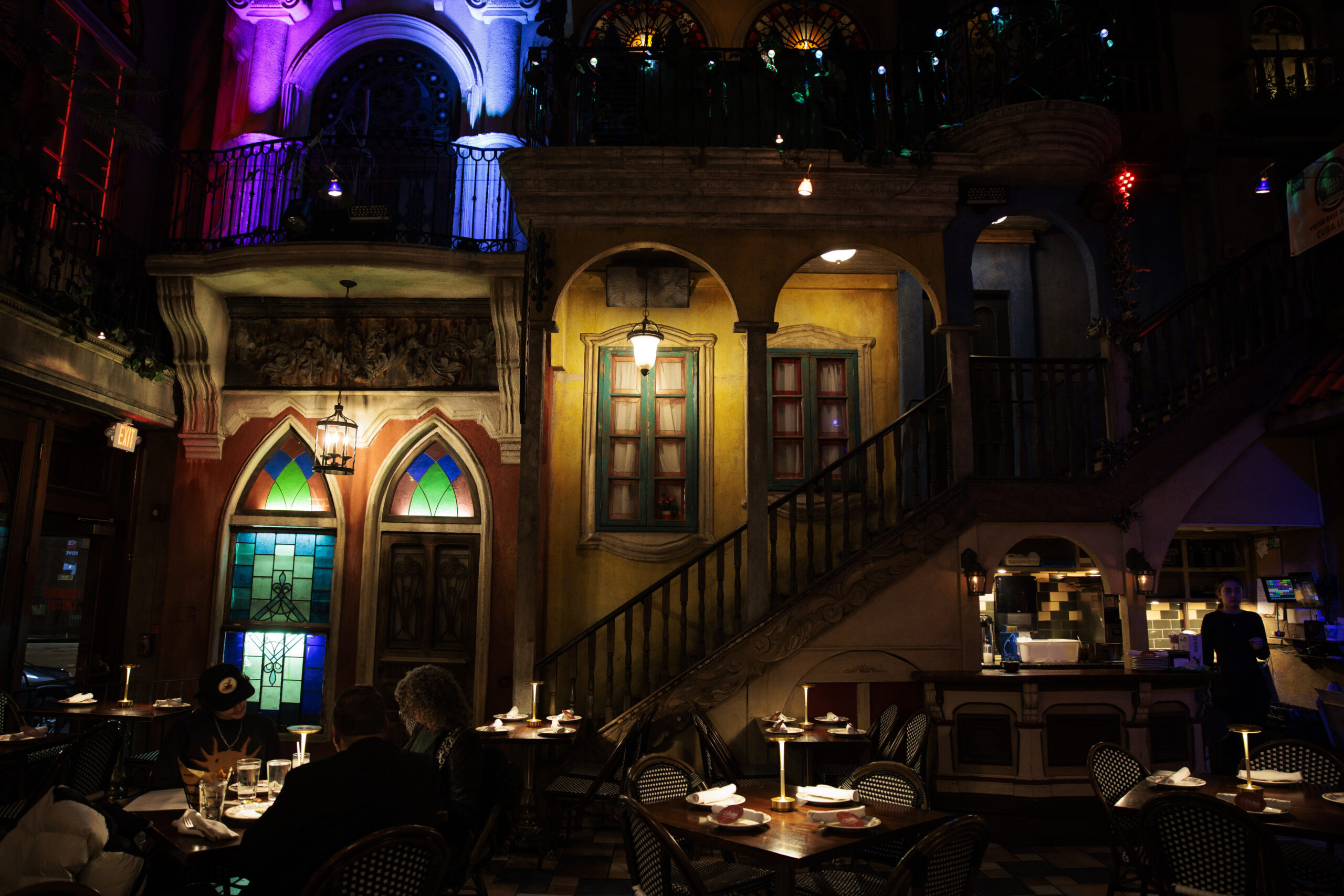
The dining room at Cuba Libre in Philadelphia. A cofounder says staff has noticed GLP-1 users and nonusers alike requesting smaller-portioned, less expensive options more over the past year.
In August, more than a third of U.S. diners said they were dining out less frequently than they did a year ago, according to a survey from YouGov. Of the less-frequent diners, 69% said they were eating out less in part because of the perceived cost of restaurant meals, the survey found.
Lower-income consumers were most likely to have cut back on dining out, according to the survey, while middle- and higher-income folks hadn’t changed their habits substantially.
This jibes with what executives at the Federal Reserve Bank of Philadelphia are hearing, too.
“Even individuals with discretionary income to spend are being careful,” Anna Paulson, president of the Federal Reserve Bank of Philadelphia, said Wednesday. “For example, although people are still eating out in Philadelphia, contacts tell us that less expensive options on the menu are becoming more popular.”
“The only exception to this trend is at more upscale restaurants,” Paulson added. “High-income households, bolstered by a strong stock market, appear to be driving elevated consumption growth.”
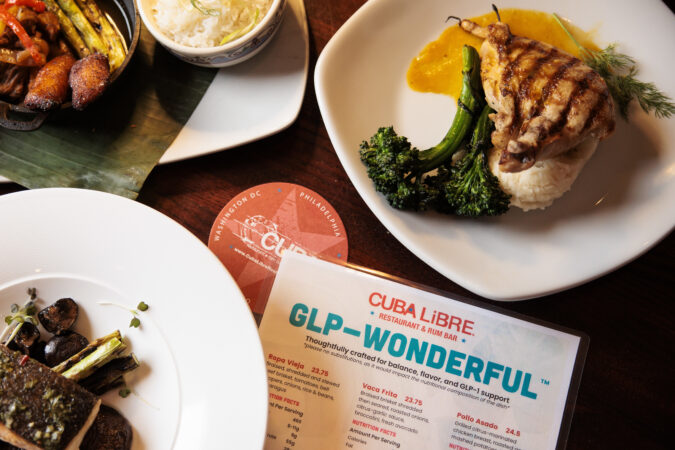
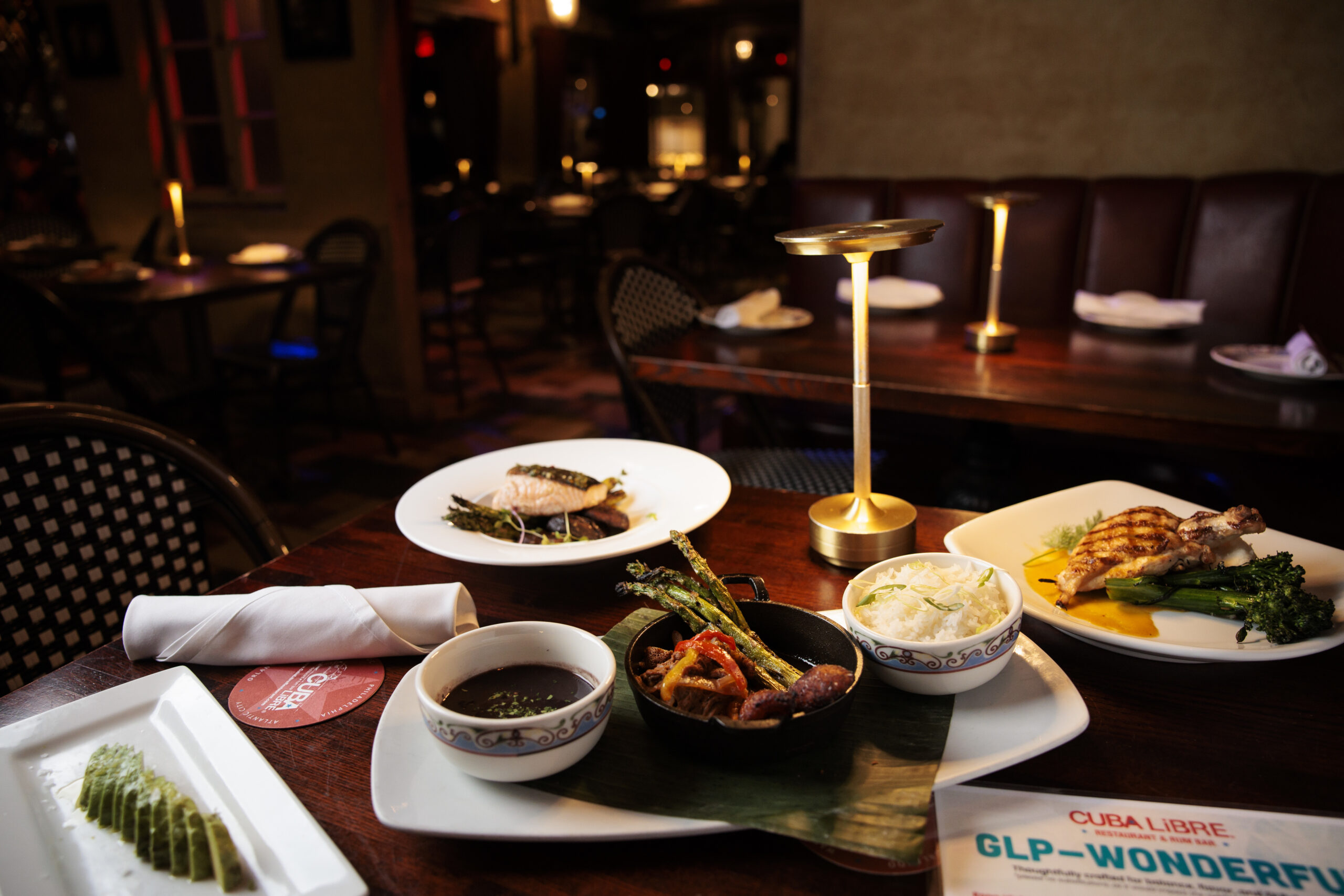
The Ropa Vieja meal from the GLP-Wonderful menu at Cuba Libre as shown on Jan. 14.
Alcohol use among adults has plummeted, with just 54% of respondents saying they drink in a July Gallup survey. That’s the lowest percentage in at least 90 years. It likely drops even lower this month as some people abstain from alcohol as part of the Dry January trend.
All of these trends are on display at Philly-area bars and restaurants. And owners are trying to keep up.
“We’re definitely at a time of dramatic shift in people’s preferences and tastes,” said Avram Hornik, owner of FCM Hospitality, which runs about a dozen venues in the region. They include Morgan’s Pier, Harper’s Garden, Craft Hall, and Concourse Dance Bar, as well as seasonal cocktail and beer gardens such as the traveling Parks on Tap.
“I don’t think people are spending less or going out less,” Hornik said, “but I just think they are doing it differently.”
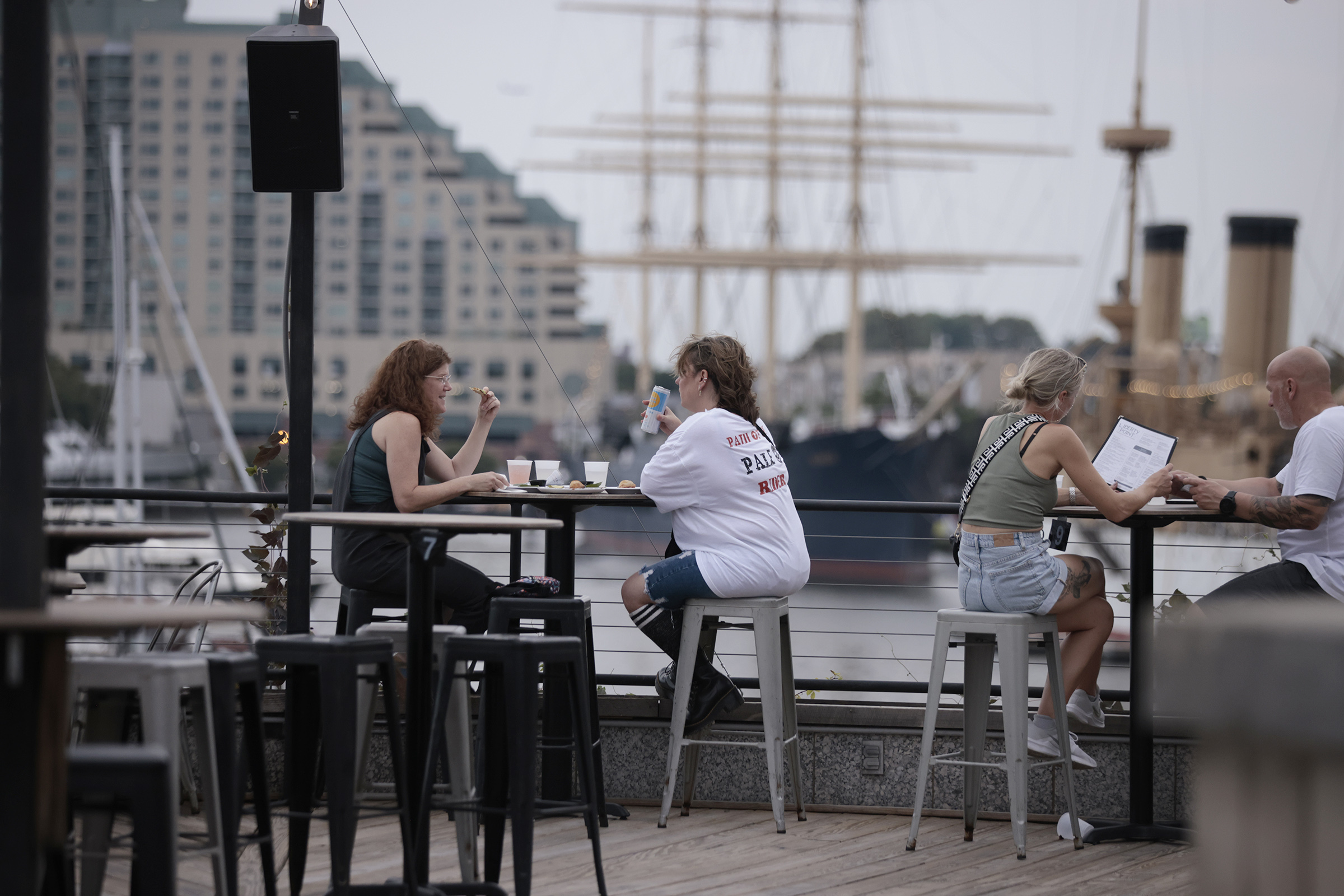
Customers dine at Liberty Point, one of Avram Hornik’s restaurants, in 2023.
At Hornik’s restaurants, overall sales have been consistent year over year, he said. Some customers are looking for smaller portions, he said, and late-night business has dropped precipitously. But group dining and special events have made up for losses in other areas, he said.
When customers decide an outing is worthwhile, Hornik said, they generally aren’t sparing expenses.
People are “looking for more of an experience when they go out to eat,” Hornik said. “It’s really about value: Am I getting a good value for the money that I’m spending?”
To retain customers, Hornik said his restaurants are leaning into weekly specials, such as $1 tacos at Rosy’s, and happy-hour deals.
At Cuba Libre, Gutin said he sees the GLP-1 menu, as well as the forthcoming lighter-portions menu, as a way to make his restaurants as appealing as possible for all diners.
At each location, only about a dozen people request the GLP-1 menu each week, he said. But if a group is considering dining at Cuba Libre and one person is on a GLP-1, the special menu could make or break their decision. He said it could keep the GLP-1 user from exercising their “veto vote,” sending the entire group to dine elsewhere.
Dining trends differ by location
In the Philadelphia suburbs, restaurateurs said dining trends vary depending on location and type of restaurant.
The dining room at Joey Chops, the Malvern steakhouse that Stove & Co. restaurants co-owner Joe Monnich said has been least impacted financially by changing consumer habits.
Joe Monnich, co-owner of Stove & Co. restaurant group, said food sales are up at his higher-end restaurants, including Joey Chops steakhouse in Malvern. But farther from the Main Line, in more “blue-collar” Lansdale, he said, Stove & Tap’s business is less steady of late.
There, “I feel more economic up and downs,” Monnich said. He felt similarly about his Al Pastor restaurant in Havertown, which is now closed after a local buyer came in last month and offered Monnich cash on the spot for the building.
At his more casual concepts all over the region, people are spending less on average, he said, and about the same at the higher-end spots. Recently, he added, staff have noticed diners being more mindful of how much they’re consuming.
“People aren’t getting that second drink,” Monnich said. “People aren’t getting dessert. People aren’t getting that appetizer.”
Changing drinking habits have hurt alcohol sales, too, Monnich said. In recent years, many customers have turned away from local microbrews and gravitated toward canned cocktails and “macro beers” like Michelob Ultra and Miller Lite.
“Three years ago I barely sold Michelob Ultra and right now it’s one of my top sellers,” Monnich said. As are canned cocktails. “Surfsides are expensive, and I don’t make a lot of money off them.”
Stove & Co. executives have talked about creating special menus catering to these evolving consumer preferences, Monnich said, but he gets anxious about making portions smaller. So for now, he too is leaning into happy-hour deals and other value-focused items.
“I try not to be too focused on trends because trends come and go,” Monnich said. “I do see the current trend, these weight-loss drugs, I don’t see that going anywhere … [and] people are going to be drinking less-octane alcohol.”
Staff writer Ariana Perez-Castells contributed to this article.
It was a Christmas miracle of the fast food variety: A 24-hour Taco Bell had opened in University City.
The Mexican-ishchain opened its 16th Philly location in late December at 3901 Chestnut St., where it replaced a Boston Market outpost that once owed nearly $220,000 in rent after defaulting on a lease. To hear some Philadelphians tell it, the opening was practically heaven-sent.
The new Taco Bell generated twoseparate posts from different users last month in the 95,000-member r/Philly subreddit. Other restaurants yearn for that kind of word-of-mouth marketing.
“Anyone have any info on the Taco Bell they’re putting on 39th and Chestnut?” asked user 8hivefiend8 on Dec. 17. “I have high hopes that maybe it will open soon because it looks so close to finished.”
Six days later, user rad_rascal posted pictures of the Taco Bell in all of its grand opening glory under the title “New Taco Bell in West Philly!” In the days leading up to the opening, the user wrote, they “would pass it every day and peer in like a buncha [sic] creeps.”
Under both threads, commenters expressed the kind of jubilation normally reserved for, say, rotisserie chicken-eating stunts or Super Bowl parades. “This just made my day,” commented one Taco Bell enthusiast. Others chimed in. “This the best Christmas present yet,” wrote one user. “My new home away from home,” said another.
In a city with no shortage of affordable (and excellent) Mexican food, why do people care so much about a Taco Bell that doesn’t even serve alcohol? And could this Taco Bell possibly live up to Reddit’s expectations?
Is it normal to care this much about a Taco Bell?
Taco Bell is as much a fast food chain as it is a borderline “cult,” according to chef Reuben Asaram, one of Philly’s most notable Taco Bell enthusiasts.
The 34-year-old’s love affair with Taco Bell began after his family emigrated from India to Queens in 1993, the chain quickly becoming a staple for weekend meals out. Taco Bell partially inspired Asaram’s Mexican and pan-Asian pop-up menus, which led the chain to name him one of three chefs allowed to reimagine the iconic Crunchwrap Supreme in 2024. At one point, Asaram was so tight with the staff at the 1037 Chestnut St. Taco Bell that they would turn part of restaurant into a private space for him to take dates.
Philly chef Reuben Asaram was one of three chefs tapped by Taco Bell to revamp the Crunchwrap Supreme. The local Taco Bell enthusiast created a butter chicken version.
True Taco Bell devotees will go out of their way to try a new location, Asaram said, because “they’re obsessed with getting the perfect bite” and need to know if there’s a reliable option nearby in case aDorito Locos Taco emergency hits. Asaram is one of those people.
“If I have a craving and know I’m going to be in a random place, I have to know where the [nearest] good Taco Bell is,” said Asaram while sipping a Baja Blast on Zoom. Asaram’s preferred locations are the two closest to his house in Cherry Hill. He must visit the University City outpost before it can be added to his reserves.
Perhaps the University City Taco Bell is a representation of what could’ve been, four walls for Philly fans to place their shattered hopes and dreams. Or maybe people are just happy something replaced the Boston Market.
“That Boston Market was profoundly cursed,” one Philadelphian wrote on Reddit. Others claimed they got food poisoning there.
“Everyone I know that ever went into the Boston Market when it was open has a horror tale about it!” wrote user rad_rascal, who broke the Taco Bell news.
window.addEventListener(“message”,function(a){if(void 0!==a.data[“datawrapper-height”]){var e=document.querySelectorAll(“iframe”);for(var t in a.data[“datawrapper-height”])for(var r,i=0;r=e[i];i++)if(r.contentWindow===a.source){var d=a.data[“datawrapper-height”][t]+”px”;r.style.height=d}}});
What are the vibes?
The University City Taco Bell has all the makings of what some in the Taco Bell-loving community refer to as a “Taj-Mah-Bell,” or a higher-end location.
This Taco Bell location is large, with a mix of booths, standard tables, and counter seating that isn’t sticky: When I visited on a Wednesday afternoon in early January, employees were cleaning tables within minutes of customers leaving. There were ample napkins (necessary for taco spillage), and the soda machine dumped out pellet ice, perfect for fountain drinks. It made my medium-size Baja Blast taste extra electric.
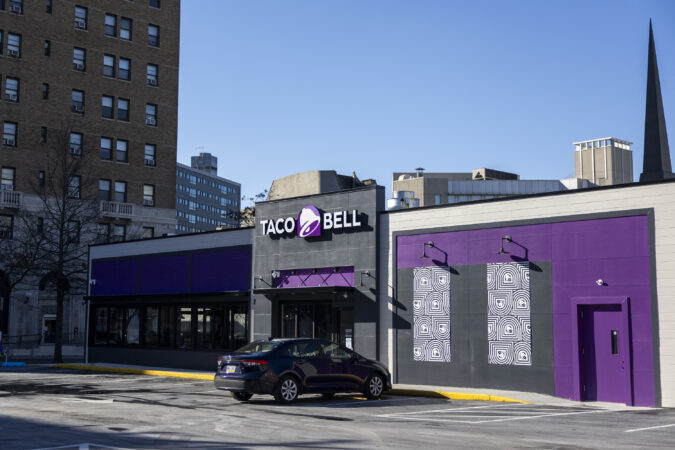
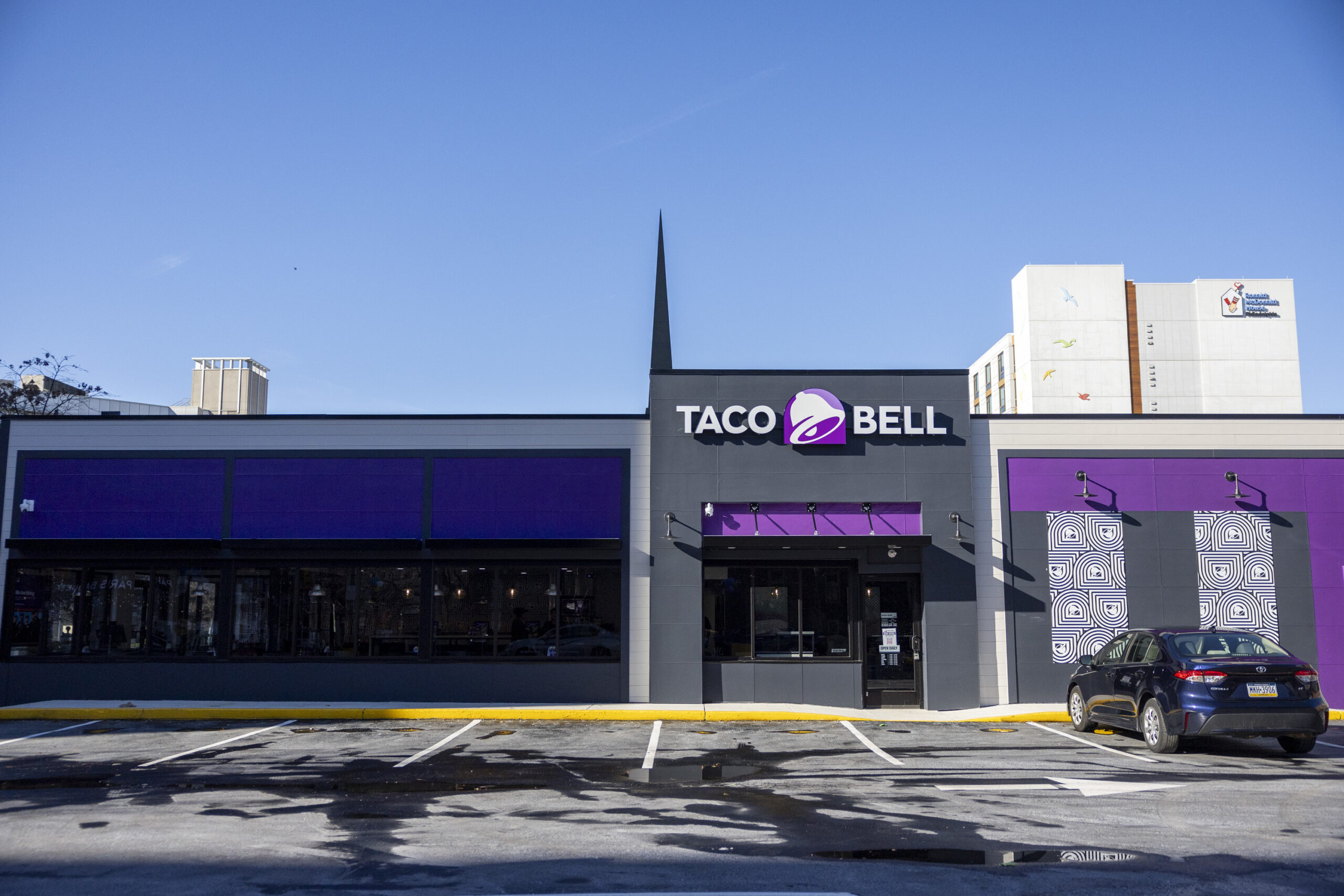
The outside of University City’s new Taco Bell, which is open 24-hours, seven days a week.
The only downside: Humans don’t take your order. Customers use one of several digital kiosks spread across the store. That’s a bummer for Asaram.
“What makes a good Taco Bell franchise is mainly how the workers treat their guests,” he said.
How’s the food?
Not Taj-Mah-Bell quality, I’ll tell you that much.
I ordered a beef Crunchwrap Supreme, beef Doritos Locos Taco, cinnamon twists, and the all-important beef chalupa. The latter, Asaram said, is key for understanding the quality of a Taco Bell.
“You want to see all the components of your Taco Bell [at once]. You want to see if the fryer oil is fresh, if their vegetables and other garnishes are good,” he said.
A textbook chalupa is golden brown, Asaram said, with firm tomatoes and a layer of ground beef on the bottom that’s roughly an inch thick. If the deep-fried flatbread shell has a sheen — or worse, approaches a russet shade of brown — it means the fryer is dirty.
“That’s when you know the Taco Bell [location] doesn’t give a s— and you want to dip out,” said Asaram.
A tray of menu items from University City’s new Taco Bell, which includes a Crunchwrap Supreme, Doritos Locos Taco, Chalupa, and cinnamon twists.
Despite receiving my chalupa in less than five minutes, it was cold. The fried shell was inexplicably both light brown and vaguely sparkly. Who knows what that means for the fryer oil.
They also skimped on the meat, which was not evenly distributed across the bottom. The Crunchwrap and taco had the same issues: cold and limp.
Perhaps this was my fault. I ordered close to 2 p.m. The prime time to visit a Taco Bell is between 11 a.m. and 12:30 p.m., Asaram said, when the morning and afternoon shifts switch over.
At that time, Taco Bell is “like an omakase,” he explained. “They just make everything in front of you and hand it to you to eat.
Center City District Restaurant Week returned Sunday for the first time in a year, with 120 restaurants offering fixed-price lunches and dinners — the largest lineup since the pandemic.
This also will be 2026’s only restaurant week. After running both fall and winter editions since September 2003, a district spokesperson told The Inquirer that it will not return this fall and will remain an early-winter promotion “at this time.”
The fall edition disappeared last September as the district said it had shifted its focus to newer programs, such as Open Streets and Let’s Do Lunch, while keeping its popular Center City District Sips series. Restaurateurs had also been pushing back on the September restaurant week, arguing that it landed during an already busy month and that promotional dollars were better spent in January, traditionally the slowest stretch of the year.
For the 2026 restaurant week, running through Jan. 31, some restaurants will offer $20 two-course lunches in addition to three-course dinners priced at $45 or $60. (The lower-tier dinners were $40 last year.)
More than 100 of the participating restaurants are repeats from last January, including such popular destinations as a.kitchen, Barbuzzo, Del Frisco’s, Estia, Fork, Forsythia, Gran Caffe L’Aquila, Harp & Crown, Loch Bar, and Wilder.
Additions this year include the yearlings Rockwell & Rose (attached to P.J. Clarke’s on Washington Square) and Rhythm & Spirits (at One Penn Center, above Suburban Station), as well as established restaurants Ambrosia, Bar Bombon, Charlie was a sinner., Cry Baby Pasta, Farina Pasta Bar, Grandma’s Philly, Hi-Lo Taco Co., Kanella, Kirin House, La Fontana Della Citta, Miss Saigon, the Mulberry on Arch, Pub & Kitchen, Radicchio Cafe, Superfolie, Trattoria Carina, Umami Steak & Sushi Bar, and Vita.
Some 2025 participants are not returning, such as the shuttered Banh Mi & Bottles, Del Frisco’s Grille, Flambo, Iron Hill Brewery, Kook Burger & Bar, and Mulherin’s Pizzeria.
The district has arranged discount parking for $10 or less at participating BexPark by Brandywine Realty Trust, LAZ Parking, and Philadelphia Parking Authority parking facilities from 4:45 p.m. to 1 a.m.