Colonial Philadelphia — a community of wooden dwellings and businesses along the Delaware River back in the 1700s — was under constant threat of burning to the ground. Fires could and did start from the haphazard fling of a cigarette, or burning the soot out of chimneys, or sometimes the accidental drop of a lantern.
By 1730, the city had just one fire engine — a steam-powered box car — and dozens of buckets for carrying water to extinguish flames. When a fire that year on Fishbourne Wharf nearly destroyed the city, causing 5,000 pounds in property damage, Ben Franklin took notice.
The incident prompted him to advocate for fire prevention in his newspaper, The Pennsylvania Gazette, coining the still-used fire safety mantra, “An ounce of prevention is worth a pound of cure.”
On Dec. 7, 1736, Franklin and 24 other prominent Philadelphians established the Union Fire Company.
The formation of the Union Fire Company will be remembered Saturday at the Firstival to be held at Fireman’s Hall Museum. Firstivals are the Philadelphia Historic District’s weekly day parties celebrating historic events that happened in Philadelphia before anywhere else in America, and often the world. They are part of a yearlong celebration of America’s 250th birthday.
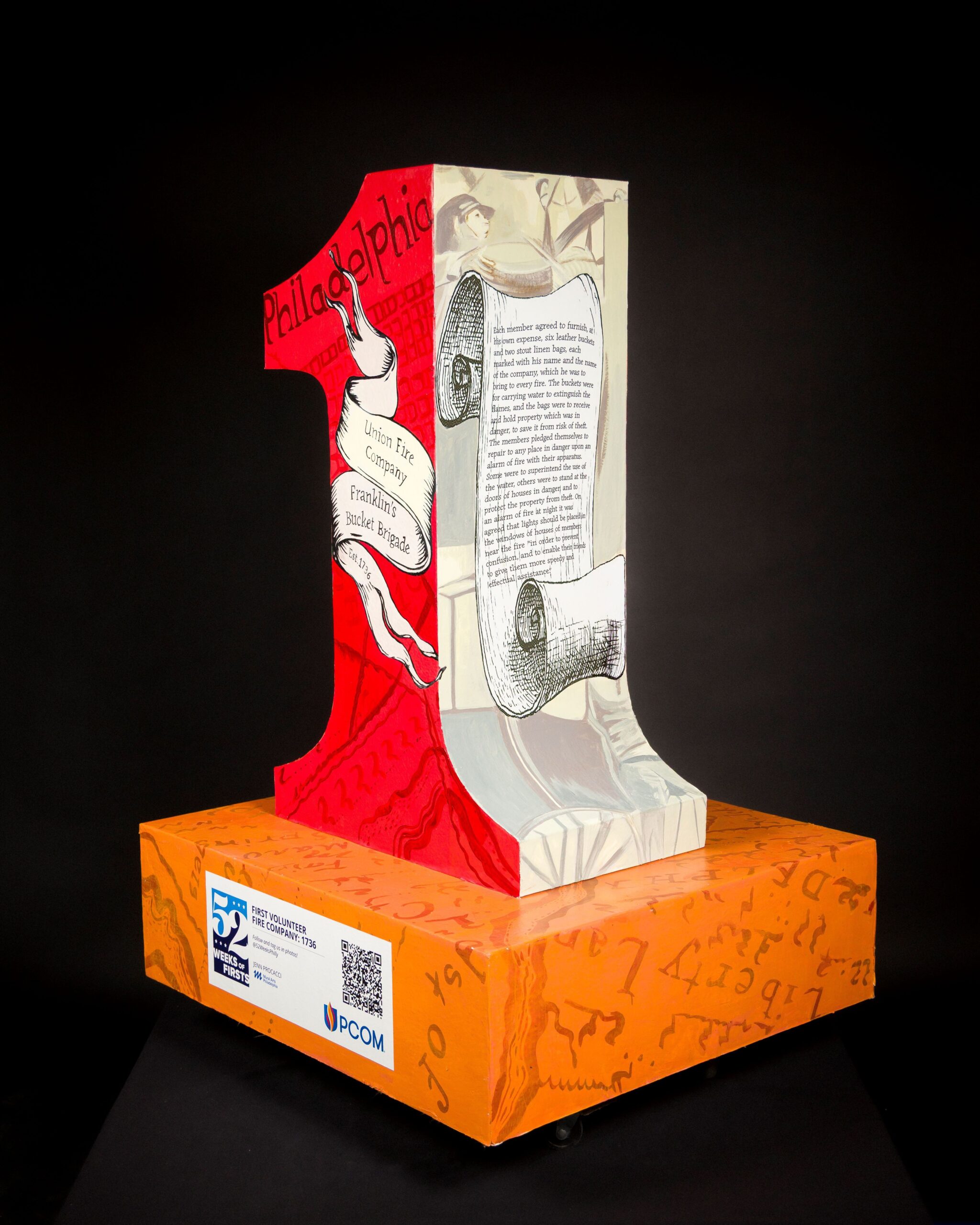
Artist Jenn Procacci’s sculpture incorporates maps of 1700s Philadelphia highlighting routes volunteer firefighters would take to extinguish blazes.
The Union Fire Company, also called the Bucket Brigade, was modeled after mutual aid firefighting organizations in Boston. In its early years, the company only helped its members put out fires in their homes or properties.
In 1742, the members voted to help any Philadelphian whose home or property was ablaze.The fact that they helped all Philadelphians, not just members, made the company America’s first volunteer fire department.
Within the decade, Philadelphia had eight volunteer fire companies.
These early volunteer fire companies were elite organizations that capped their memberships at about 30, explained Carol Smith, curator and archivist at Fireman’s Hall Museum. Members provided their own equipment: buckets for carrying water to put out fires and bags to salvage items from being destroyed. Companies had several meetings a year and members were fined for absence or tardiness.
As the home of the country’s first volunteer firefighting outfit, Philadelphia was progressive when it came to fighting fires — they were among the first companies in the country to experiment with innovative hoses. The city also was unique in establishing ways to support Philadelphia residents impacted by fire.
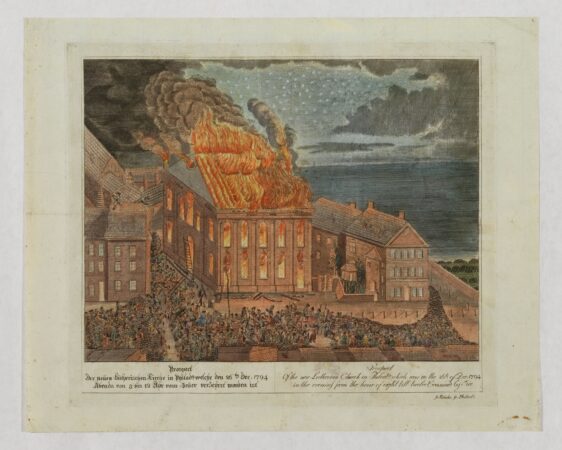
Philadelphia’s early network of volunteer firefighters stopped major fires, like the 1794 burning of Zion Lutheran Church, and prevented extensive fire damage to the city.
“A lot of it was because of the advances in firefighting technology like updated hoses,” Smith said. “Our volunteer fire departments were very proactive.”
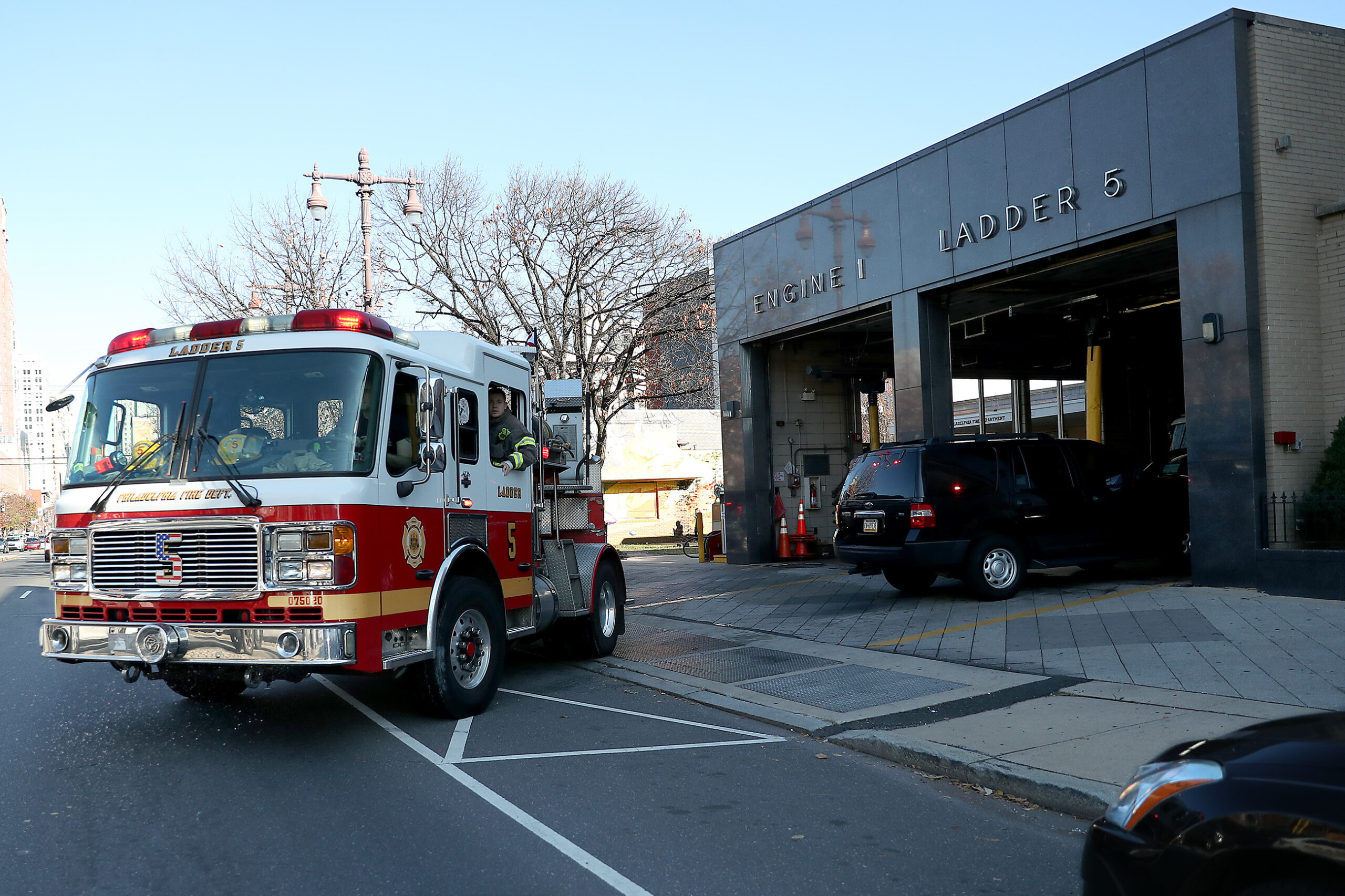
Today’s fire houses are descendants of Ben Franklin’s Union Fire Company.
The Union Fire Company housed its equipment on Old City’s Grindstone Alley and was active through the early 1800s, disbanding in 1843. Its remaining members joined the Vigilant Engine Company, that, in 1871 became Engine 8, one of the city’s first municipal fire stations.
DEAR ABBY: Please help me move forward. My brother-in-law is dating a woman my husband was intimate with once before we were married. It makes family functions very awkward for me, but most of the family sees it as the past. It was the past, but it is now in our faces. My husband feels the same way.
Do we just keep the peace and stay away from functions as she seems to be more accepted than I am? We have been married 37 years. Are we being unreasonable??
— CONFUSED IN THE EAST
DEAR CONFUSED: Oh, my. It seems like “who goes around comes around.” It’s a shame that you can’t leave the past — a one-night stand more than 37 years ago — in the past and find the humor in this. I suspect it happens more often than you think. Please quit regarding this as a competition between you and your brother-in-law’s girlfriend. Your husband chose YOU. End of contest. If there is cause for embarrassment, it should be hers, not yours.
** ** **
DEAR ABBY: My wife, “Muriel,” and I have been together for 10 years and married for seven. She has worked in animal rescue for much of her life. Muriel thinks she has to save them all. No amount of explaining the financial and other consequences gets through to her.
We currently have 21 pets living in our house. I have tried searching for support groups that might help, but to no avail. Even if I found such a group, my wife won’t admit there is a problem. Can you help?
— STUMPED IN THE MIDWEST
DEAR STUMPED: I’ll try. I will also venture to say that 21 animals living in a house may not be healthy for all concerned. Because your wife is unable to listen to reason, contact animal control services in your city or county and explain what’s going on. (I’m surprised one of your neighbors hasn’t already tipped them off.) Your wife may have a heart of gold, but those creatures deserve a better standard of care than what your wife can give them.
** ** **
DEAR ABBY: I delivered mail for 36 years. For 25 of those years, my route was in a retirement community. I’m retired now, and it upsets me when I am not contacted when someone I was friendly with for 25 years passes away. This is happening more and more.
Yes, I was their mail lady, but I was also their friend. I got to know and love all my customers. Their children knew who I was. The ones I was closest to are the ones whose deaths upset me the most because I wasn’t notified. I know I’m not a relative, but still it hurts. If they read this, they will know who they are. I’m not angry. I’m just hurt. Do you understand?
— RETIRED MAIL LADY IN ARIZONA
DEAR MAIL LADY: Yes, I understand, and I also empathize with you. However, the “children” you describe may not have notified you about their parents’ deaths because, unless they had your contact information, they didn’t know how to reach you.
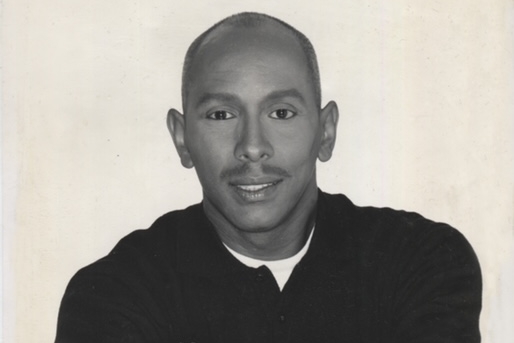
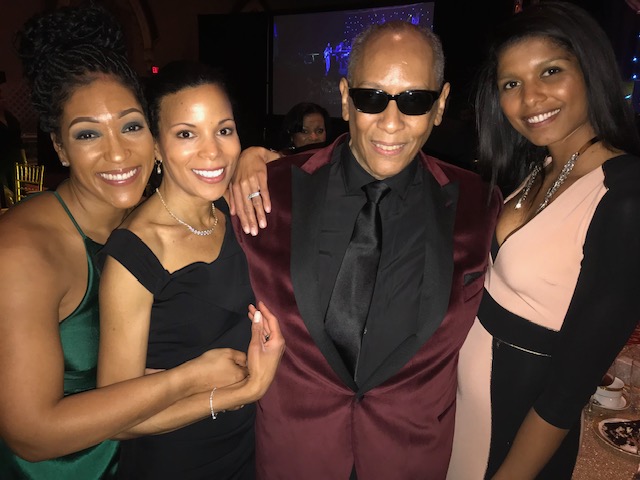
Jeffrey A. Woodley, 71, formerly of Philadelphia, internationally celebrated celebrity hairstylist, scholar, youth track and field star, mentor, and favorite uncle, died Wednesday, Dec. 10, of complications from acute respiratory distress syndrome at Mount Sinai West Hospital in Manhattan.
Reared in West Philadelphia, Mr. Woodley knew early that he was interested and talented in hairstyling, beauty culture, and fashion. He experimented with cutting and curling on his younger sister Aminta at home, left Abington High School before his senior year to attend the old Wilfred Beauty Academy on Chestnut Street, and quickly earned a chair at Wanamakers’ popular Glemby Salon at 13th and Chestnut Streets.
He went to New York in the mid-1970s after being recruited by famed stylist Walter Fontaine and spent the next 30 years doing hair for hundreds of actors, entertainers, models, athletes, and celebrities. He styled Diahann Carroll, Whitney Houston, Aretha Franklin, Anita Baker, Angela Bassett, Halle Berry, and Tyra Banks.
He worked with Denzel and Pauletta Washington, Eddie Murphy, Jasmine Guy, Lynn Whitfield, Pam Grier, Melba Moore, Jody Watley, and Karyn White. His hairstyles were featured in GQ, Vanity Fair, Ebony, Jet, Essence, Vibe, Vogue Italia, and other publications, and in advertising campaigns for L’Oréal and other products.
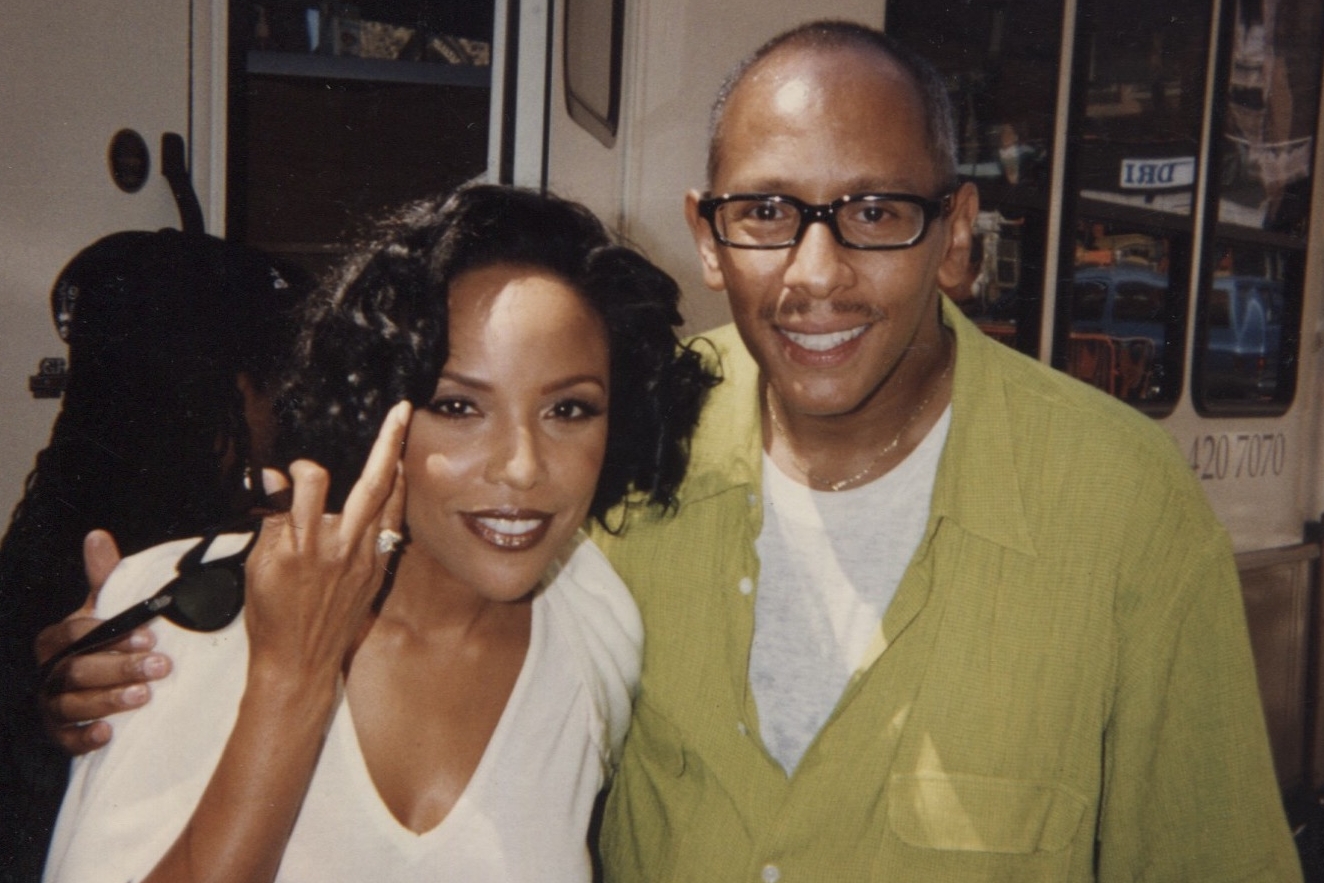
Mr. Woodley poses with actor Lynn Whitfield.
For years, actor Terry Burrell said, “He was the go-to hair stylist for every Black diva in New York City.” Pauletta Washington said: “He was responsible for so much of who I became as an artist and a friend.”
Mr. Woodley worked for Zoli Illusions in New York, Europe, Africa, and elsewhere around the world, and collaborated often with noted makeup artists Reggie Wells and Eric Spearman. Model Marica Fingal called Mr. Woodley “uber talented” on Instagram and said: “He was one of the most skilled artists, creating stunning, innovative styles for models and celebs alike.”
Friendly and curious, Mr. Woodley told Images magazine in 2000 that learning about the people in his chair was important. “A woman’s hairstyle should take into account the type of work she does, her likes, her dislikes, and her fantasies,” he said. “I’m a stylist, but I never impose hair styles on any client. When we arrive at our finished style, it’s always a collaboration.”
His hairstyles appeared on record albums and at exhibitions at the Philadelphia Art Museum and elsewhere. He was quoted often as an expert in coiffure and a fashion forecaster. In 1989, he told a writer for North Carolina’s Charlotte Post: “Texture is the key. … Cut will still be important, but the lines will be more softened and much less severe.”
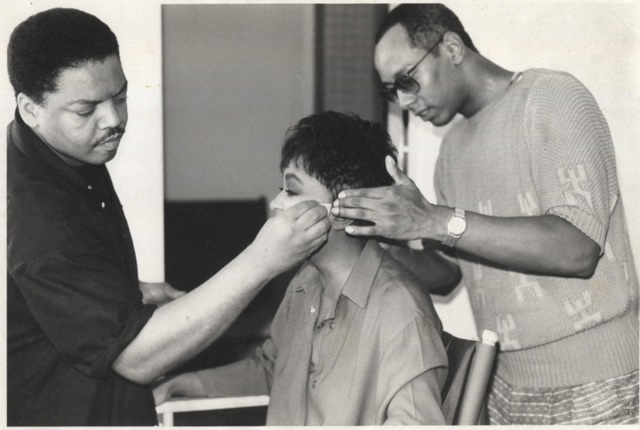
Mr. Woodley (right) handles hair styling for singer Anita Baker while makeup artist Reggie Wells attends to her face.
In 2000, he told Images that “low maintenance is the way of the future.” He said: “Today’s woman is going back to school. She has the corporate job. She has children that she needs to send off to school. She doesn’t have time anymore to get up and spend 35 to 40 minutes on her hair. She wants something she can get up and go with.”
He retired in 2005 after losing his sight to glaucoma. So he earned his General Educational Development diploma, attended classes at the Borough of Manhattan Community College, and studied literature, Black history, and spiritual writing.
“The entirety of his life was inspired by an insatiable thirst for knowledge,” said his friend Khadija Kamara.
He was working on his memoir and still taking classes when he died. “He lived life on his own terms,” Burrell said, “and my respect and admiration for his determination will forever be inspiring.”
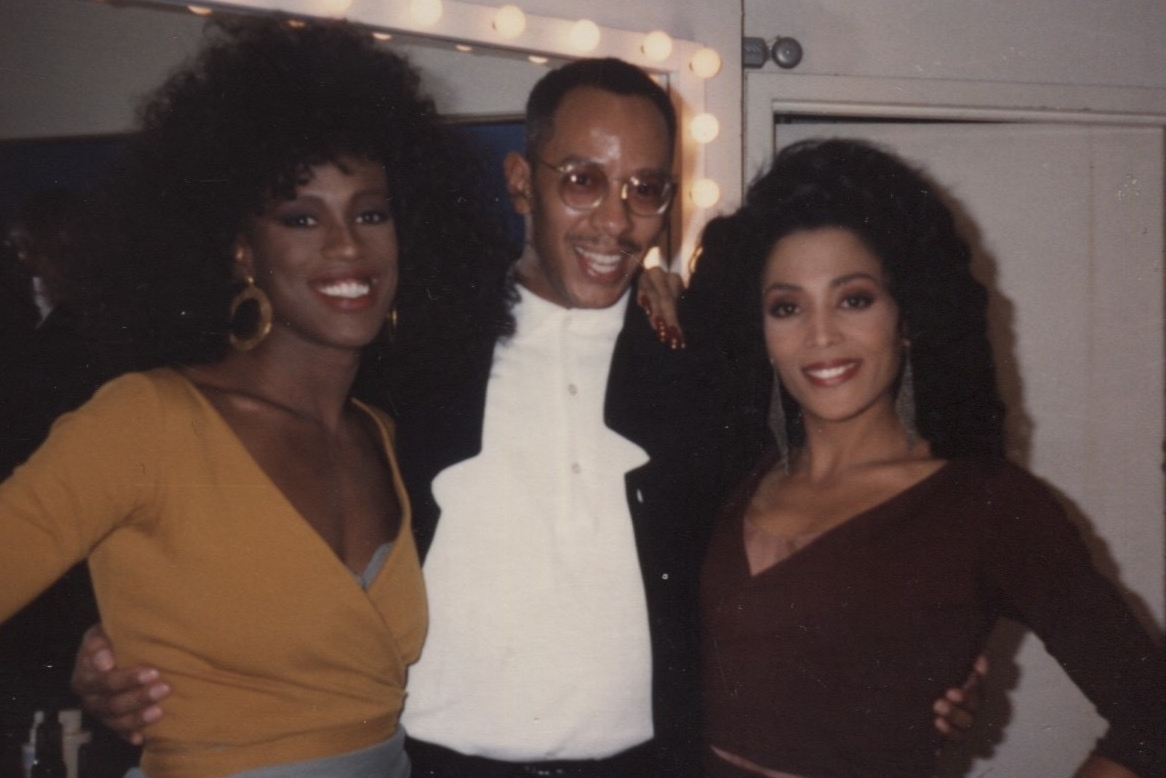
Mr. Woodley smiles with track stars and celebrities Jackie Joyner-Kersee (left) and Florence Griffith Joyner.
As a youth, Mr. Woodley excelled in sprints, relays, and the high jump at St. Rose of Lima Catholic School and Abington High School, and for the Philadelphia Pioneers and other local track and field teams. He ran on Abington’s 440-yard relay team that won the PIAA District 1 championship race at the 1970 Penn Relays and helped set a meet record in the four-lap relay at a 1971 Greater Philadelphia Track and Field Coaches Association indoor meet.
Family and friends called him authentic, generous, and proud of his Philadelphia roots. He mentored his nieces and nephews and hosted them on long visits to his home in New York.
“He was one of the most talented people around and always a lot of fun,” a friend said on Facebook. “A beautiful soul and spirit who made others beautiful.”
Jeffrey Alan Woodley was born May 30, 1954, in Philadelphia. He had an older brother, Alex, and two younger sisters, Aminta and Alicia, and ran cross-country as well as track in high school.
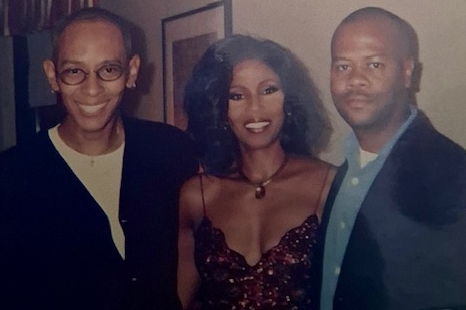
Mr. Woodley (left) worked with actor and musician Pauletta Washington and makeup stylist Eric Spearman.
He was always an avid reader and loved dogs, especially his guide dog Polly. He was a foodie and longtime member of the Abyssinian Baptist Church choir in Harlem. His close family and friends called him Uncle Jeff.
“He was a fun-loving, spirited, and passionate individual,” his brother said. “Uncle Jeff loved the Lord and poured his heart into his work as well as family.”
DEAR ABBY: I’m a 51-year-old mother and grandmother whose kids don’t talk to me. The reason: My son, “Aaron,” was sexually assaulted by his friend, “Eli,” and I told him his friend was no longer allowed to come over. I spoke to Eli’s mother. She told me she’d take care of it and agreed the two shouldn’t hang out. They were both underage at the time. (Aaron was 10, and Eli was 13.)
A few months later, Aaron told me that it wasn’t Eli but his own uncle “Joe” who sexually assaulted him. I knew better. I talked to Joe and, of course, he knew nothing. I told Aaron to stop lying about his uncle and that Eli still couldn’t come over.
Aaron is an adult now, and he’s got his siblings believing him about his uncle, and he’s still friends with Eli. My husband and I moved next door to Joe, and now all the kids have blocked me from their and their kids’ lives. When I tried to talk to Aaron about the situation, he blocked me completely. Joe knows nothing about what’s going on. How do I get back into my children’s and grandkids’ lives?
— TURNED UPSIDE DOWN
DEAR TURNED: Could the boys have been experimenting with getting familiar with their bodies when all this occurred? Did you see something and confront your son and he admitted it? Aaron may have blamed Uncle Joe because he wanted to continue seeing Eli. Or … was his accusation TRUE? You will not be able to heal the schism in your family until everyone is in agreement about what really happened when Aaron was 10.
** ** **
DEAR ABBY: My older brother, age 70, is making his estate plans with his partner. We have no other siblings or children. I told him I’m financially secure and don’t need him to leave me anything, but he insisted on having my Social Security number, saying it’s needed for beneficiary bequests. I called him back before disclosing the information, because I wanted to make sure it was really him.
He later called me and asked for my passport number because his partner has assets in China, and the paperwork required more information. That was too much information for me, and I asked him to take me out of his bequests entirely. He fussed about having to contact the lawyer and change the trust information but said he would take care of it. Now, he’s no longer speaking to me.
Abby, my brother never disclosed that he would need anything beyond a Social Security number. Should I feel guilty about the added expense of editing his trust?
— TROUBLEMAKER SIS IN TEXAS
DEAR SIS: You should absolutely NOT feel guilty for refusing to reveal the information your brother was requesting! Are you SURE it was your brother calling and asking for this highly personal information and not a scammer? I ask because a beneficiary’s Social Security number and/or passport number is NOT REQUIRED when someone is being mentioned in a will, and I think you may have dodged a bullet.
DEAR ABBY: My grandson “Ethan” and his fiancee lived with his mother until four years ago. When they moved out, they decided not to give his parents their new address. It has been several years since my daughter has seen her son. Apparently, they occasionally text.
Ethan was married seven months ago. He didn’t invite his parents as he felt they would “make it about themselves” and distract from his day. He said I’d be invited to his wedding and would receive a nice picture from the photographer. The wedding date came and went. I saw pictures on social media, so I knew it had transpired. At the time, my gut feeling was that he felt awkward inviting me and his aunt but not his parents.
In the past, I have sent Ethan a check on his birthday and at Christmas and helped him financially with vehicle repairs. Although I was not invited, I sent a congratulatory card for the wedding, with a significant check enclosed. He cashed the check but did not acknowledge receipt of the card.
Because neither he nor his wife acknowledged my wedding gift, I am debating what to do for his next birthday. Should I ignore the occasion, or be an example of unconditional love and send a card? I will not send him money, as I think it was beyond rude not to acknowledge my wedding check. What would Dear Abby do?
— ESTRANGED BY ASSOCIATION
DEAR ESTRANGED: Dear Abby would recognize that not being invited to the wedding, after being told I would be, was a breach of etiquette. That I lovingly sent a check as a wedding gift, which was cashed with no acknowledgment, would indicate (to me) that my grandson has chosen to distance himself from me. By all means, send a birthday card if you wish, but please don’t be surprised when it, too, garners no response.
** ** **
DEAR ABBY: My 25th class reunion is coming up, and I’m debating whether to go because I’m not sure how to handle a conversation that is sure to come up. I was very close to my classmates until five years ago, when my husband and I faced a series of family tragedies that took all of my time and energy. The worst was losing a daughter who would have been graduating this year.
I’m ready to reconnect with my old friends, but how do I deal with casual conversations without making light of the situation or being a wet blanket? If someone asks, “How is your daughter doing?” I need to have a reasonable response that isn’t going to be awful for both of us. The thought of having to talk about it makes me want to stay home. Advice?
— UNDECIDED IN LOS ANGELES
DEAR UNDECIDED: Please accept my sympathy for the loss of your daughter. If someone at the reunion hasn’t already heard about her death and asks how she’s doing, respond with the truth, which is that she passed away several years ago. If someone asks for the details, simply say you don’t want to discuss it further and change the subject.
Driving to visit a friend, a Philadelphia woman had time to mull her recent breakup. She thought about all the things her ex hated: spiders, moth-bitten sweaters, overly soft avocados. She typed them on her phone, as curses.
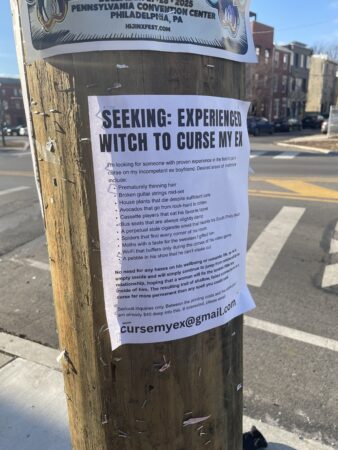
It became a flier: “Seeking: Experienced Witch to Curse My Ex.” She set up an email — for serious inquiries only.
You may have seen her handiwork. The fliers dot telephone poles, originating in downtown Phoenixville, around where our witch-seeker was visiting family for the holidays. They now paper neighborhoods across Philadelphia — hung with a staple gun on New Year’s Eve while barhopping. (The 29-year-old asked to remain nameless for this story, so as to not affect future job prospects.It also, in a way, protects her ex.)
And though it might seem a bit out of the ordinary, it’s part of a great tradition of cursing your ex that goes back to antiquity. Plus, it’s a way to regain a sense of power, experts say.
So, it’s no surprise that the fliers have seeped online, circulating neighborhood groups and on socials, striking a chord. When the fliers appeared in Chester County, a Phoenixville community group sounded off: “I hope she gets him. Good for her,” one commenter wrote under a Facebook post about it. “I think I know the ex,” said another. “It’s a great idea,” writes another. (The witch-seeker also has her detractors: “That man dodged a bullet!” one commenter wrote.)
The flier lays out her desired curses: his hair thinning, house plants withering, his bus seats feeling damp, his Wi-Fi buffering during video games, shoe pebbles remaining unshakeable — and the aforementioned too-ripe avocados, copious spiders, and hole-y sweaters (among other ill wishes).
But, the flier requests no hexes on his well-being or romantic life.
Across relationship research, one of the most consistent findings is that breakups produce a “profound sense of powerlessness,” said Jenn Pollitt, a professor of gender, sexuality, and women’s studies at Temple University.
But how do you get from a list on your phone to asking witches to please curse your ex-boyfriend?
It’s not that far a leap.
“Witchcraft has become a more socially legible way to express rage,” Pollitt said. “If you’ve got someone who wants to curse their ex, really what they want to be able to say is, ‘I was harmed. I’m allowed to be angry about this, and my anger deserves to be acknowledged.’ The public posting of this is really like a deep desire and craving to have that person’s hurt and heartbreak be born witness to.”
The witch-seeker said she needed a place to put her pent-up anger and frustration.
It’s not all maliciousness to her ex, she said. It’s mostly catharsis: She thinks of her ex as a lovely person in a lot of ways. But she said when she expressed her emotional needs, he’d withhold affection, he’d disappear for a few days or block her number. Then he would return, with words of affirmation and promises of marriage. It became cyclical over the two-year relationship. She swallowed up her frustrations. But several months ago, they parted ways. And despite the turbulence, it was pretty amicable, she recalls.
She grieved. She went to therapy. She journaled. She meditated.
And then she logged on to social media, and saw he was in a new serious relationship that had started within weeks of them breaking up.
“It felt like a slap in the face, and that was my impetus for doing this,” she said. “I couldn’t yell at him, and I didn’t want to yell at him, but I had to yell at someone.”
She’s not alone. For millennia, people have pursued love magic, said Kristine Rabberman, a professor at the University of Pennsylvania who teaches about witchcraft and sexuality. Roughly 600 Latin curse tablets have survived from the Roman empire, with both men and women calling on various deities to curse their close relations, she said.
These mystical beliefs served social functions, too, she said, addressing people’s lack of agency and control. They channel deep wells of emotion: anger, longing, frustration, hatred.
“Having recourse to love magic could be one approach somebody could take to try to both find expression for those feelings and to also have a sense of agency and being able to act on them,” she said.
Dating culture has changedrapidly, Pollitt added. There’s now a digital component: blocked numbers, social media handles unfollowed. A breakup by a thousand cuts, she noted.
“Breakups often can be intensely private and deeply isolating. Any public display, even this — which is a little bit out of the ordinary — function as a way to reinsert personal pain into a shared social space,” Pollitt said.
The community came fast. As the witch-seeker hung the fliers in Phoenixville, several people high-fived her, she said. Then the emails rolled in: A Caribbean witch who offered a hex. A bruja. A kitchen witch who practices herbalism and herbal manifestations. A helper who sent along a few shops and books, so she could do the curse herself (so it carries the appropriate “oomph”).
But to her surprise, beyond the witches, there were others: People who wanted to know how the story would end. Someone boldly asking her out on a date. And the women who simply could relate.
They wished her a happy new year, they told her they’d also had messy breakups, they told her they supported her.
She did not expect the outpouring of support, or the attention. As a writer and a creative person, it was mostly a way to tap into that, in a way that felt a little more empowering.
“It has made me feel so much better,” she said.
She is thankful for the witches who offered their services, though she feels conflicted about going through with a hex. She won’t be papering the city with more witch requests, either, she said.
The process has let her accept some of her bad, not totally socially acceptable feelings — and create something positive with it, by connecting with others, she said — as people reeling from heartbreak have done for centuries before her.
DEAR ABBY: My son married a lovely woman, “Noelle,” two years ago. They live a couple of hours away and have a 1-year-old son, my third grandchild. Noelle’s parents live 10 miles from my home. She and the baby go there nearly every weekend but NEVER come by mine. I haven’t seen them since the baby’s birthday five months ago.
My daughter lives down the street from Noelle’s parents. She wasn’t invited to the baby’s first birthday even though she’s the mother of his cousins, so I took her children with me. There were other people there, mostly adults and her cousin’s baby.
We are not horrible people. There has never been any ugliness between any of us. I’m very hurt because they don’t recognize me as a grandmother or any of us as part of the family. My son’s father has never been allowed to meet the baby, and I don’t think he’s even met Noelle.
I have asked my son and daughter-in-law to bring the baby, leave him for the day or even overnight so we can spend some time and get to know him, but it never happens. What can I say to make them understand how much they are hurting the family and the baby by avoiding us? I don’t want to make it worse.
— DISAPPOINTED GRANDMA IN TEXAS
DEAR GRANDMA: This is a subject you should discuss with your son, who appears to be clueless or entirely ineffectual. Does he recognize what has been happening — that his parents have been pushed entirely out of the picture? If the answer to that question is yes, perhaps he can shed some light on why. If the answer is no, tell HIM how this has made you feel. If you do, perhaps he will assert himself. Better late than never.
** ** **
DEAR ABBY: One year ago, my heart was torn out of my chest when my wife died after a five-year battle with stage-4 breast cancer. It was the beginning of the end of my world. I’m alone now. We have two cats I still take care of and all the daily chores of a normal household.
I have tried looking at dating sites, and I see a couple of women I might be interested to know. Here’s where I need a female stranger’s perspective: I still hurt inside, and I know I will for some time. I also feel that if I have someone to talk to, it’ll be the personal therapy I need to help get me back on track. However, I also feel that if I start dating, it will be like I’m cheating on my wife, and the hurt comes back. What am I supposed to do?
— CONFLICTED IN CALIFORNIA
DEAR CONFLICTED: Please accept my sympathy for the loss of your wife. If you feel you need a woman’s perspective, find a female licensed psychotherapist to help you get back on track. If you do this, you are less likely to dump your guilt and grief on someone who might take advantage of it or be driven away by it. If you can’t afford a therapist, joining a grief support group may help you expiate any guilt you feel about going on with your life.
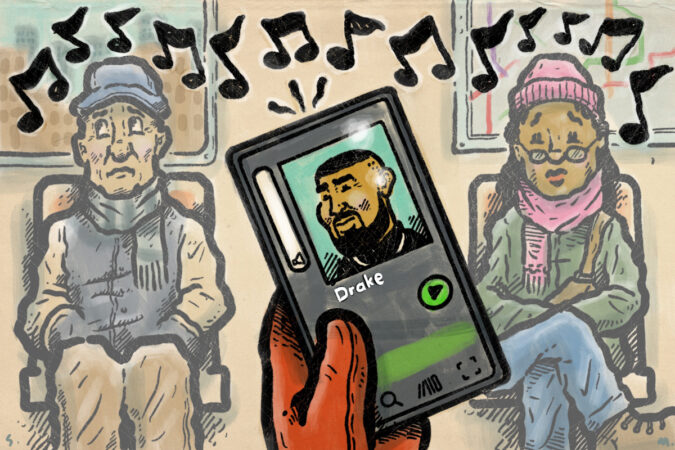
Our verdicts were split: Henry keeps his head down for fear of becoming a subway Karen or worse, and my solutions-oriented approach of offering up a pair of wire headphones yielded less-than-stellar results. (A high schooler laughed at me.)
You, dear readers, also had a lot say: We received dozens of impassioned takes from current and former SEPTA riders about how to manage subpar public transit manners. Frankly, most of your advice was better than anything we had to offer.
The responses speak to just how ubiquitous bad SEPTA interactions are: Everyone, it seems, has a story about the time someone loudly gossiped on speakerphone all the way from Girard Ave. to 30th Street Station, or the time someone refused to stop smoking on a crowded train.
The sum total of these anecdotes played a small yet crucial role in SEPTA’s terrible, horrible, no good, very bad 2025, when it took months to patch a $213 million funding deficit and prevent sweeping service cuts. The transit agency has yet to recapture its pre-pandemic ridership, which some attribute to a mixture of chronic lateness and bad manners that can make taking public transportation feel like a chore you’d rather opt out of.
“Frankly, I have chosen biking and buses to avoid the El for these specific reasons,” wrote Rachel Howe, 48, who has lived in South Philly since 2013. “But my older children have to take the [train] to and from school and I especially worry about smoking and vaping becoming normalized to them when they see it on the regular at 8 a.m.”
got on @septa on my way home and the two guys in front of me were smoking full on cigarettes. they got off and the two dudes who replaced them started playing music off their with the volume up. what an experience!
Howe’s 13-year-old said he “sometimes has to hold his breath” for his entire ride to school because of smokers, though he finds the people who blast music to be the worse offenders because “it’s so in your face.” Speaking up, he said, feels like a non-option. What if it starts a fight?
And yet for many like myself, riding SEPTA is an inevitability. We have to get from point A to point B somehow, even if it means sitting through a medley of Drake hits or a cloud of smoke, so we need to make the best of it.
Here’s more advice for how to handle awful SEPTA etiquette, according to eight fellow riders.
Tip 1: Download SEPTA Transit Watch
Someone lighting up in the seat next to you? Or getting belligerent with another passenger? There’s an app for that.
The transportation authority launched the SEPTA Transit Watch app in 2017 as a means for riders to text anonymous tips to transit police over suspicious activity, harassment, and quality of life issues like smoking. Depending on the nature of the incident report, an officer may be dispatched to handle the situation at the next stop.
According to our readers, the app works — at least when it comes to pawning conflict off on someone who is trained to handle it.
“I love the SEPTA Transit Watch app. You can report loud music, smoking, substance abuse, etc. on it and somebody will respond ASAP to help take care of the situation,” wrote in Tyler Johnson, a current Fishtowner who has lived in Philly for 19 years. Johnson has only used the app twice to report situations that involved substance use, he wrote over email. Both times, he said, he got “immediate assistance.”
SEPTA riders can send anonymous tips to transit police via the “Help” tab on SEPTA’s standard app or the separate SEPTA Transit Watch app.
29-year-old SEPTA rider Danny Buckwalter said she uses the app regularly. “Sometimes, they’ll actually hold up the train so the engineer or an officer can tell the person to stop,” she wrote.
SEPTA Transit Watch is free and available in the Google Play and Apple app stores, though the same reporting mechanism is also available under the “Help” tab in SEPTA’s standard app. Those without smartphones can text a tip directly to SEPTA police at 215-234-1911.
Tip 2: Watch out for the conductor
For some, dispatching the police via an anonymous app or tip-line is a good solution. For others, it might feel like an overreaction depending on the situation.
Should you alert the police over loud music? Or text them to complain about a group of people who decided to DJ on the BSL?
The calculus is up to you. But for situations where you’re not bothered enough to contact the police but are bothered enough to pull out your hair, our readers recommended some alternatives we wish we thought of.
“I carry earplugs with me wherever I go,” wrote in Melinda Williams, 55, of Oreland. They come particularly in handy when Williams takes the BSL to and from Eagles games, when the noise of fans blasting hype music triggers her migraines. Wireless earbuds, of course, also do the trick (except for when they’re dead).
Mary Falkowski, 72, recommends riding in the first car, when you can, on El and Regional Rail. “I find there’s less loud music and disruptive riders when you ride close to the driver.”
Sometimes, a gentle nudge really is all it takes. You’ll never know if the only thing sitting between you and a peaceful commute is the courage to tell someone to cut it out.
Reader Gary Bolton keeps it direct, but nonconfrontational. “I’m a fan of ‘not everyone wants to hear your music, you know,’” Bolton wrote. “These types of disturbances should never be tossed off as consequences of living in the city. They are violations of basic civic consideration.”
And sometimes even the people meant to do the enforcing could use an etiquette reminder. Robin Salaman, 66, of Center City, was at 30th Street Station recently waiting for the train when a SEPTA employee was playing videos on his phone “loud enough that I couldn’t hear the train announcements.”
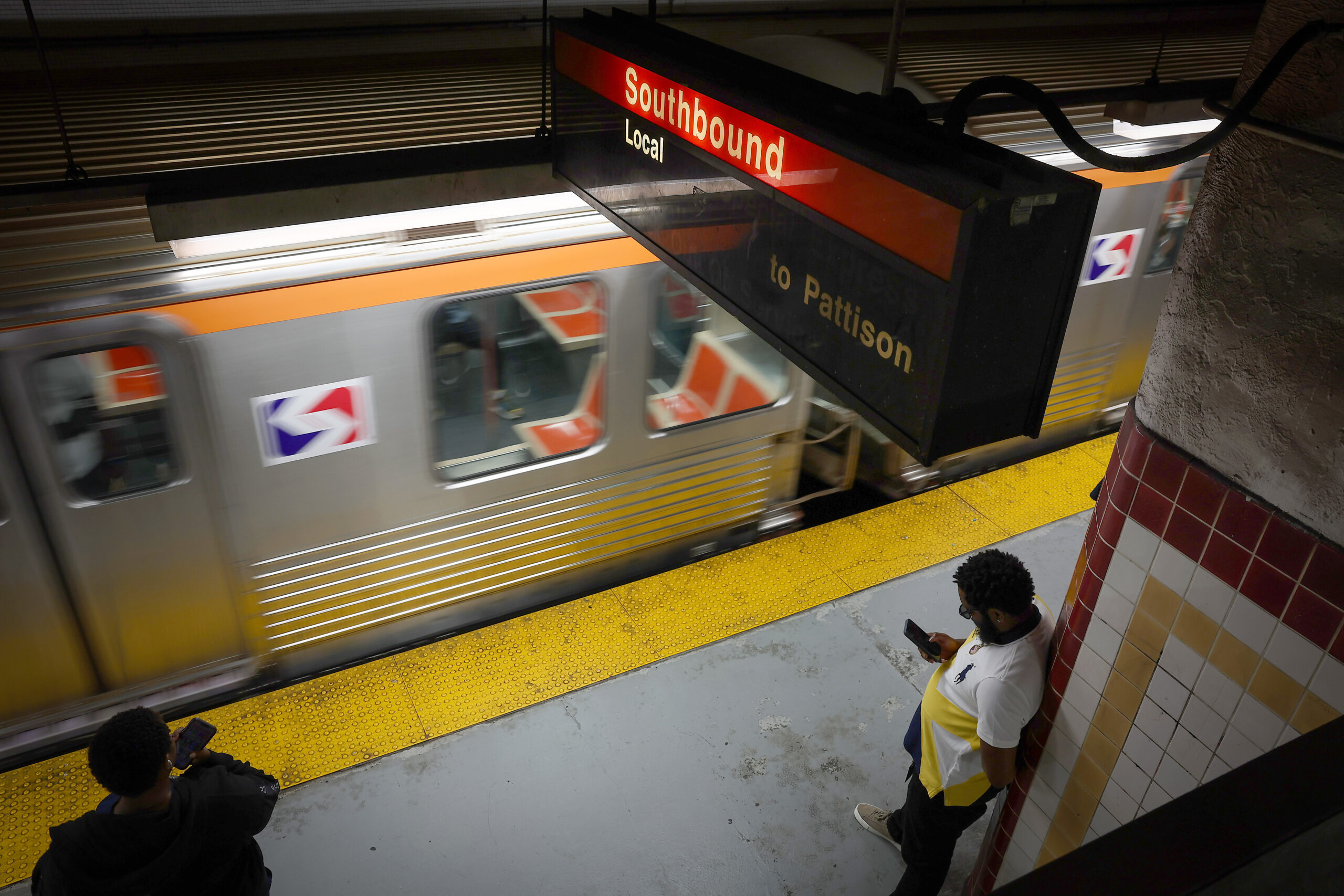
Passengers wait for a southbound Broad Street Line train at City Hall Station.
“I got up my nerve and very nicely asked if he could lower the volume a little — and he did! He turned them off completely soon after,” Salaman wrote. Sometimes, if the vibe and the situation (and the moon and stars) are right, [politeness] works.”
You do have to read the room first. Milton Trachtenburg, an 86-year-old Philly lifer, has a formula when he decided to speak up. “If I’m on the El and there are 50 students and me, and one group of students is responsible for the noise, I suck it up and let it go,” he said. “If it’s one rowdy person among 50 [passengers], I say something … I wouldn’t make an epic production of it. I’m a peacemaker.”
Of course, you can also just try what this anonymous Inquirer tipster does: ‘I sit as close to the person [as possible] and blare bagpipes on my phone.”
If it works, it works.
Tip 4: Just enjoy the ride
Sometimes, though, it’s about the journey and not getting to the destination. For every unwanted and ill-timed subway showtime I witnessed while growing up in and around New York City, there was one that put a smile on my face when I really needed it. And for every awful song blasted from a speaker on a train, I hear one that sneaks onto my playlists.
A little whimsy is good for the commute. Just take it from Johnson, one of the SEPTA Watch enthusiasts.
Visitors tour a SEPTA bus decorated for a Care Bears party as part of the transit authority’s 2025 Festibus competition. Who says public transit can’t be fun?
“This morning, a man was blasting Celine Dion at 6 a.m. on my commute on the El and I didn’t hate it as I usually do,” he wrote in late December. “It felt so out of place during my early morning commute that I just had to laugh and enjoy the moment.
That’s one of my favorite pieces to commuting on public transit, it’s always an adventure.”
DEAR ABBY: I am a 31-year-old woman who is not yet established in life. I have no husband or boyfriend, no kids and no clear direction for a career. I start new, low-level jobs often. My problem is that I look deceptively young for my age. At most, I look 18 or 19.
These employers, co-workers and supervisors treat me differently, and some talk down to me. Some refer to me as a “girl” instead of a “woman.” Some give me incredulous looks if I reminisce about the ’90s. I have even been accused of lying about my age. Some even had the guts to ask for my driver’s license. Others talk about how “adorable” I am if they think I’m out of earshot.
I have tried wearing more mature outfits, but they were uncomfortable, and it felt inauthentic. I tried wearing makeup every day, but I just looked like a teenager who wears makeup. When I tried mentioning it during icebreakers, it elicited giggles of disbelief. I also tried referring to the year I graduated from college. It doesn’t matter that I speak and behave like an adult, because employees have admitted they thought I was just a precocious teen.
It doesn’t help that my hobbies include cartoons and anime. Nor does it help that I can be painfully shy, which, I believe, many people confuse with inexperience. This has been an issue my entire life, but it has grown more pronounced as I age. The most common (and least helpful) advice I get is “You’ll appreciate it when you’re older.” Well, I am concerned with the present. Advice?
— BABY FACE IN RHODE ISLAND
DEAR BABY FACE: You look young, act youthful and are following a life path usually associated with someone 10 years younger. This may explain your co-workers’ confusion about your age. Some of them may also be jealous or closed-minded.
It may be time to cut down on job-hopping and home in on a career. If you do, your co-workers may have the opportunity to get to know you better. Until then, be cordial, stand up for yourself and stop letting the remarks get to you. You know who you are, and that’s what is most important.
** ** **
DEAR ABBY: My wife of three years has no respect for me. She calls me vulgar names in public and thinks it’s funny. I have a bladder control problem, and she brings that up in public all the time. I am starting to resent it. I love my wife, but I don’t like feeling this way. Please help or give me some advice.
— ONLY HUMAN IN MINNESOTA
DEAR HUMAN: Have you told your wife how the vulgar names and ridicule about your incontinence problem make you feel? If you haven’t, you should. If you have done that, then reread the first line of your letter to me. Your wife’s behavior indicates that not only does she not respect you, but she also has a cruel sense of humor and little love for you. How you choose to deal with that realization is up to you. You have my sympathy.
The New York Times also names Philly the top place to visit in 2026: A- (yet again)
Well, here we go again. Philadelphia has once more been crowned the world’s best place to visit in 2026 — this time by the New York Times, which means we are now in the extremely Philly position of being right twice and still deeply suspicious about it.
Yes, the reasons are familiar. The Semiquincentennial. The World Cup. The All-Star Game. Fireworks, parades, exhibitions, concerts, TED talks, themed balls, and a calendar so packed it feels like someone dared the city to see what would break first. It’s a lot. Enough, apparently, to push Philly to the top of the Times’ “52 Places to Go” list.
But at this point, the events are almost beside the point. Big moments don’t explain why people want to be here, they just give them an excuse.
Philly keeps landing on these lists because it’s a place that feels alive even when nothing “special” is happening. It’s opinionated without being curated. Historic without being precious. Welcoming in a way that involves some yelling, a little side-eye, and eventually someone telling you where to eat. You don’t visit Philly to be impressed. You visit to be absorbed.
So why not an A+? Because every time the outside world decides Philly is the place to be, the city pays for it in very real ways. Hotel prices climb. SEPTA gets stress-tested. Streets designed for horse traffic brace for global crowds. And locals are once again asked to host a massive party while still making it to work, daycare pickup, and whatever delayed train they’re already standing on.
There’s also the small matter of validation fatigue. Philly didn’t suddenly get good because the New York Times said so — just like it didn’t when the Wall Street Journal said it. The city’s been doing this for a long time, whether or not anyone was paying attention.
Nothing says Philadelphia quite like being named the top travel destination in the world for 2026 and, at the exact same time, going viral for a road sign that simply reads: “Avoid Philadelphia.” No explanation. No branding. Just a warning.
The photo resurfaced on r/philly and immediately became a public forum for collective truth-telling. When one user asked, “Why?” the answers poured in: “The usual reasons.” “Mental health reasons. Financial reasons.” “SEPTA.” Another went full blunt-force: “Bad things happen in Philly.”
Of course, the Eagles entered the chat. “Eagles lost yesterday,” one commenter offered. Another countered, “Or Eagles won yesterday… Could be Eagles just did a thing. Go Birds.” Honestly, both feel correct.
Then came the traffic trauma. “Spend a day on the Blue Route,” someone wrote — a sentence that should probably be included in driver’s ed. One person proposed Google Maps should add a new setting: “avoid highways, avoid toll roads, avoid Philadelphia.”
But buried in the comments was the buzzkill reality check: This sign is almost certainly old. Several users pointed out it likely dates back to the I-95 bridge collapse in 2023, when avoiding Philadelphia was not a vibe, but a Department of Transportation directive. “Why are you posting a 5+ year old pic?” one top commenter asked, ruining the mystery but improving the accuracy.
But the timing is what makes this perfect. As the Wall Street Journal and the New York Times roll out the red carpet for 2026, locals are standing off to the side holding a faded road sign like, just so you know. It’s not anti-tourism. It’s informed consent.
An A for honesty, context, and a comment section that somehow functions as a city guide, traffic alert, sports recap, and warning label… even when the photo is old.
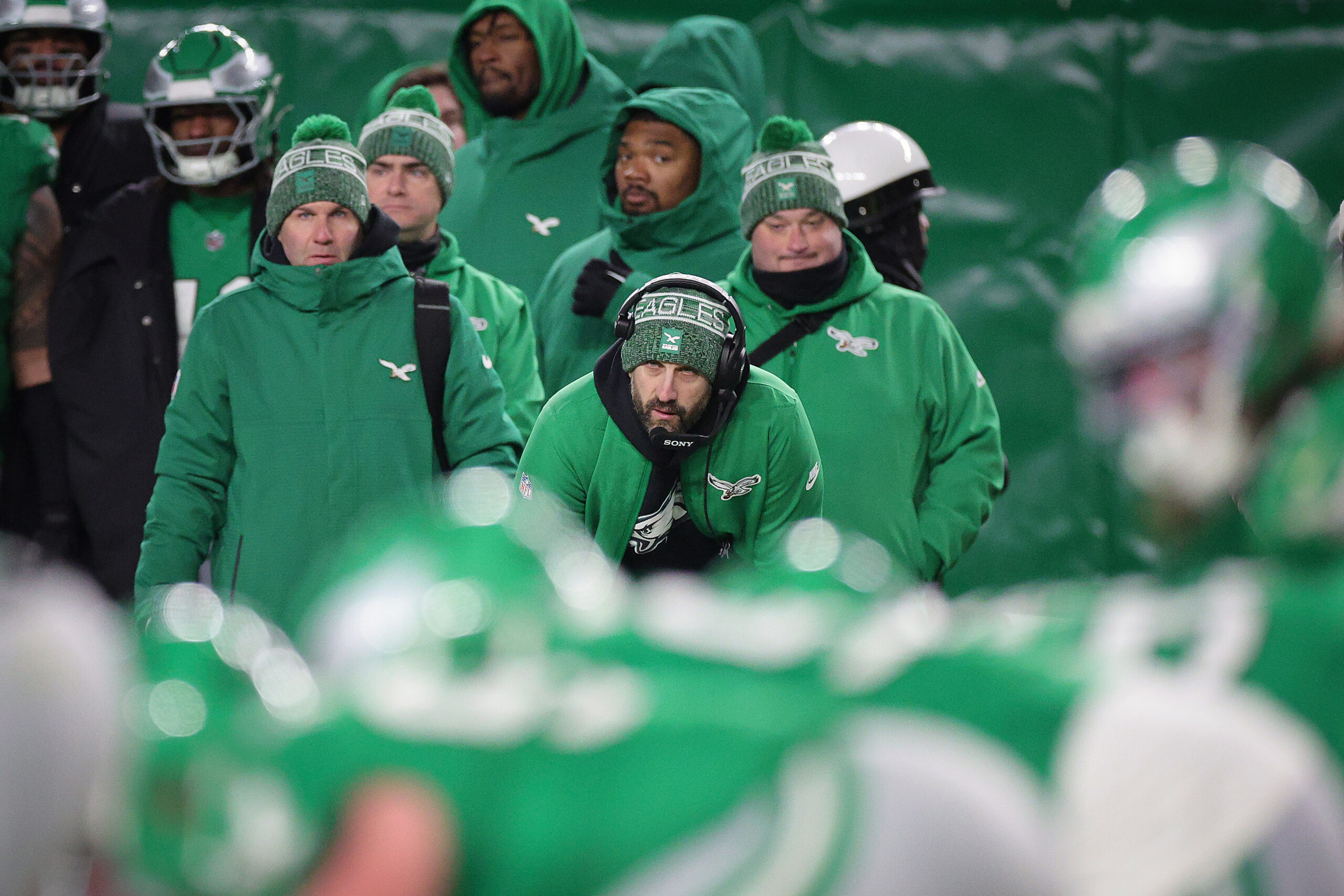
Philadelphia Eagles head coach Nick Sirianni (center bottom) watches his team play the Washington Commanders at Lincoln Financial Field in Philadelphia on Sunday, Jan. 4, 2026.
Eagles start the playoffs as the No. 3 seed: B-
The Eagles enter the playoffs as a No. 3 seed, a position that history treats like a warning label. The math is rude: Few No. 3 seeds make the Super Bowl, and most of them don’t even sniff it. The Eagles themselves have tried this route before and usually wound up packing up by the divisional round. Not great.
And yes, this is at least partially self-inflicted. Resting the starters in Week 18 cost them a real shot at the No. 2 seed and an objectively easier path. That decision is already being litigated in every bar, group chat, and radio segment. And it will keep getting relitigated until either A) the Eagles lose or B) they win enough that no one wants to admit they were wrong.
The 49ers limping into the Linc with injuries, tired legs, and a defense that is no longer the Final Boss version Philly remembers? That’s manageable. The Eagles’ defense has been the most reliable unit all season, and if this game turns into trench warfare, that favors the Birds. Saquon Barkley doesn’t need to be vintage playoff Saquon yet. He just needs to exist long enough to keep the offense functional.
Still, the unease is earned. This is a team with Super Bowl expectations walking a historically unfriendly path, powered by a defense everyone trusts and an offense no one fully believes in. That’s not nothing. That’s the whole tension.
So yes, the road is harder than it needed to be. Yes, the margin for error is thin. And yes, if this goes sideways, the No. 3 seed will be Exhibit A in the postmortem.
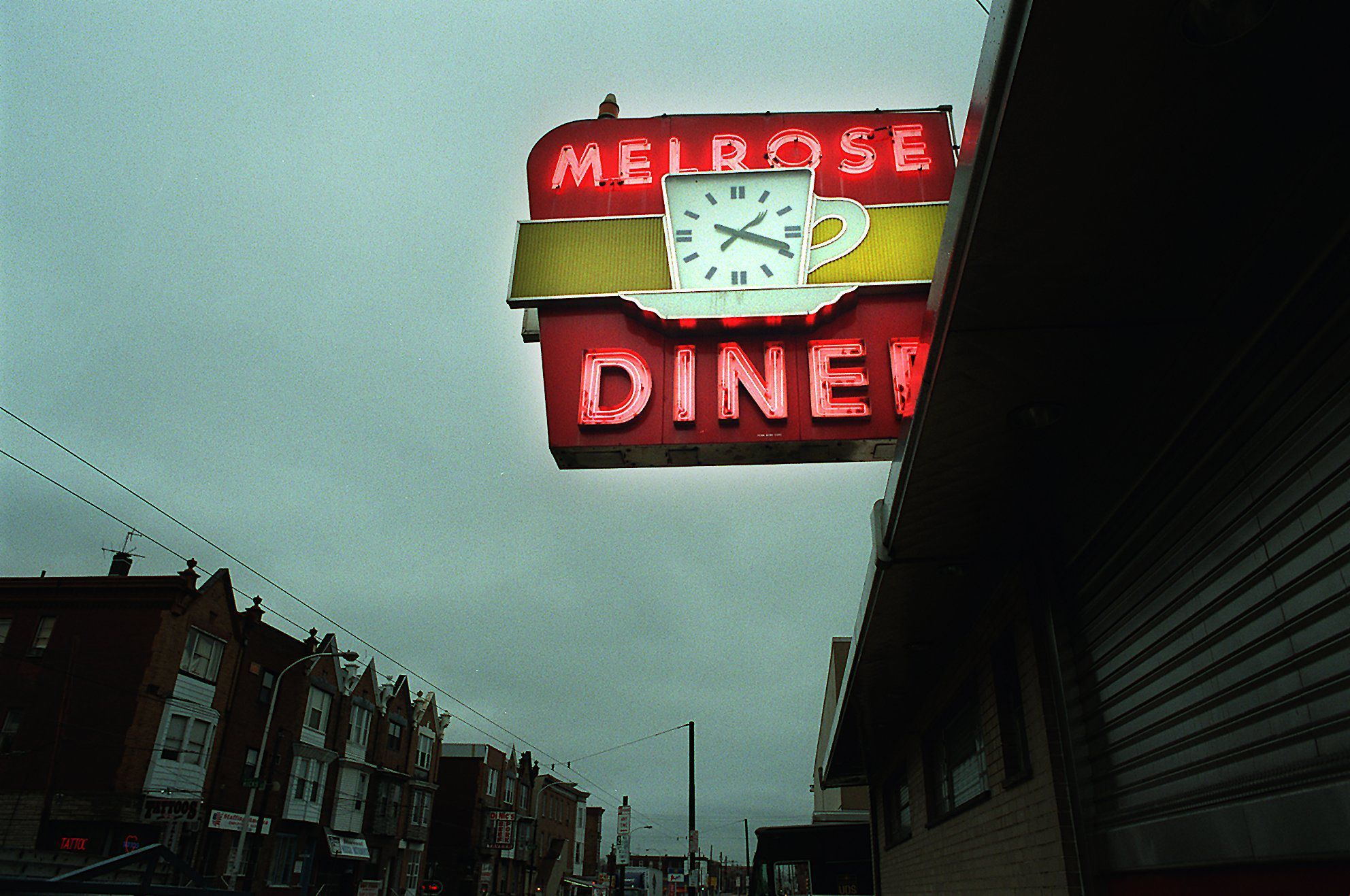
In this photo from 2000, the Melrose Diner sign shines bright on a gray day.
The Melrose Diner sign hits Facebook Marketplace: A+
Nothing says Philadelphia like scrolling Facebook Marketplace and suddenly finding the neon soul of a demolished diner listed as “very heavy and totally cool.”
Yes, the iconic Melrose Diner sign — red, yellow, stainless steel nostalgia and all — is apparently for sale. Not at auction. Not through a preservation society. Not behind glass in a museum. Just vibes, photos, and the immortal Marketplace closer: “Serious inquiries only.”
There’s something perfectly on-brand about this. The Melrose didn’t go out quietly. It didn’t get a tasteful plaque or a respectful archival goodbye. It got torn down for apartments, went into “storage,” and has now reemerged like a ghost asking for a sizable offer and a pickup truck.
The listing itself is doing a lot of work: four pieces, sold as a set, “used — good,” with the helpful reminder that Olga’s Diner once sold signage for $12,000. Philly translation: Don’t lowball me, I know what I’ve got.
Selling the sign feels a little like selling a family photo album. The Melrose wasn’t just a diner — it was late nights, early mornings, post-bar waffles, post-court appearance coffees, and at least one story involving a mobster, depending on who you ask.
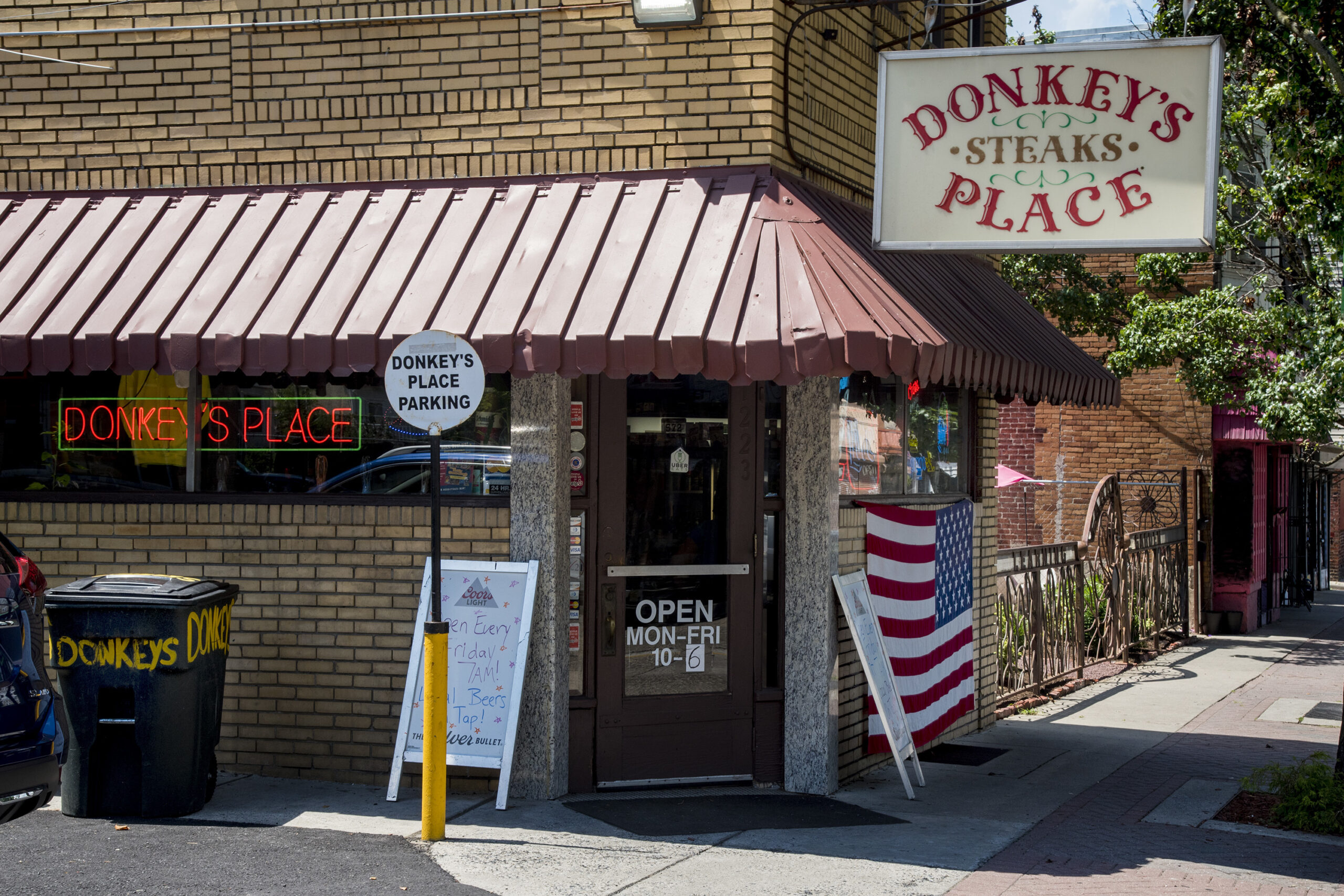
Donkey’s Place in Camden on July 18, 2018, one of 10 eateries Anthony Bourdain visited in a 2015 episode of his “Parts Unknown” show in New Jersey.
Donkey’s Place walrus bone theft: D (return it, coward)
Donkey’s Place didn’t ask questions about the bone for years — it just existed, looming behind the bar like a strange guardian angel of cheesesteaks and beers. It wasn’t sentimental, it wasn’t precious. It was just there. Which somehow makes taking it worse.
The alleged thief wrapped it in a scarf and walked out like this was Ocean’s Eleven: South Jersey Edition, and now the bar is left explaining to the internet why they’re asking nicely for a walrus baculum to be returned, no police report, no drama, just vibes and decency.
The deduction from an A is only because this never should’ve happened. Otherwise, this is peak Philly-area energy: a historic bar, an inexplicable artifact, security footage, TikTok pleas, and a collective regional agreement that yes, this matters.
Mail it back. No questions asked. Everyone will pretend this never happened.
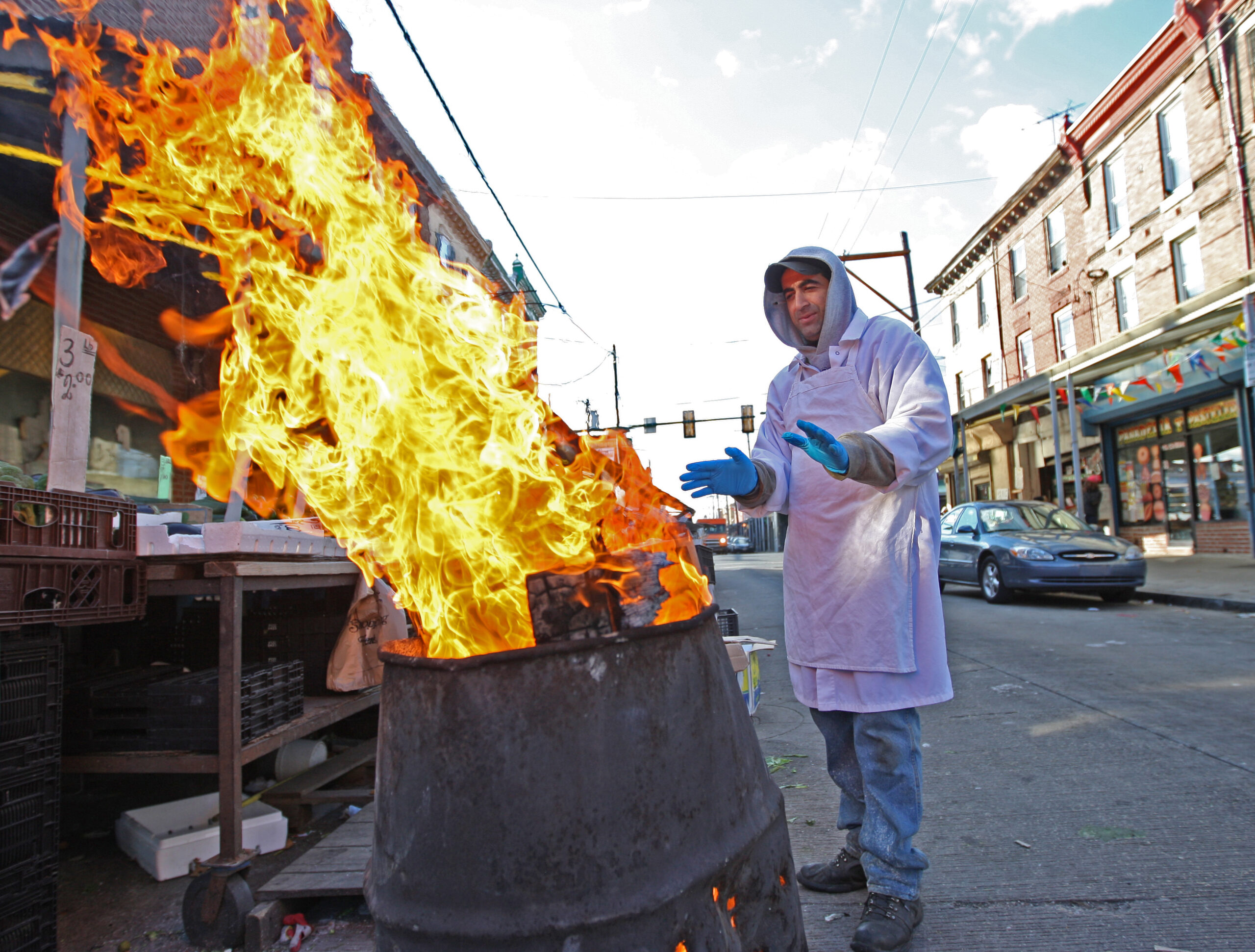
In this Dec. 4, 2007 Inquirer file photo, Joe Carioti, of Carl’s Poultry, warms his hands on the first really cold day down at the market.
Trash can fires are back on Ninth Street: A
You don’t need a calendar to tell you winter has arrived in Philadelphia. You just need to walk down Ninth Street and see a trash can on fire.
The barrels come back when mornings turn brutal and vendors are out before dawn, unloading boxes, setting up stalls, and bracing against the cold. This isn’t nostalgia or aesthetic — it’s practical. A few minutes of heat for hands that don’t get to stay in pockets, a pause before the work continues.
They’re regulated, debated, occasionally questioned, and absolutely unmoved by any of that. Every winter, they come back anyway. Not as a statement, but as a fact of life.
When spring shows up, they’ll disappear again. Until then, the fire’s on.