Category: News

Latest breaking news and updates

  • Kenneth W. Ford, hydrogen bomb physicist, educator, and author, has died at 99

    Kenneth W. Ford, hydrogen bomb physicist, educator, and author, has died at 99

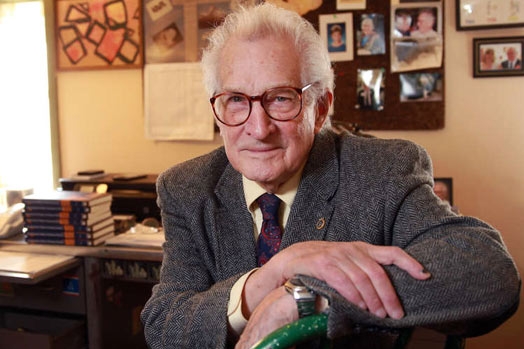
    Kenneth W. Ford, 99, of Gwynedd, Montgomery County, theoretical physicist who helped develop the hydrogen bomb in 1952, university president, college professor, executive director, award-winning author, and Navy veteran, died Friday, Dec. 5, of pneumonia at Foulkeways at Gwynedd retirement community.

    Dr. Ford was a 24-year-old physics graduate student at Princeton University in 1950 when he was recruited by a colleague to help other scientists covertly build a hydrogen bomb. “I was told if we don’t do it, the Soviet Union will,” Dr. Ford told The Inquirer in 2023, “and the world will become a much more dangerous place.”

    So he spent one year at the Los Alamos National Laboratory in New Mexico and another back at Princeton, creating calculations on the burning of the fuel that ignited the bomb and theorizing about nuclear fission and fusion. The H-bomb was tested in 1952.

    Dr. Ford’s expertise was in nuclear structure and particle and mathematical physics. He and Albert Einstein attended the same lecture when he was young, and he knew Robert Oppenheimer, Fredrick Reines, John Wheeler, and dozens of other accomplished scientists and professors over his long career.

    He came to Philadelphia from the University System of Maryland in 1983 to be president of a startup biotech firm. He joined the American Physical Society as an education officer in 1986 and was named executive director of the American Institute of Physics in 1987.

    “He always seemed to be the head of something,” his son Jason said.

    He retired from the AIP in 1993 but kept busy as a consultant for the California-based Packard Foundation and physics teacher at Germantown Academy and Germantown Friends School. Michael Moloney, current chief executive of the AIP, praised Dr. Ford’s “steady and transformative leadership” in a tribute. He said: “His career in research, education, and global scientific collaboration puts him among the giants.”

    As president of the New Mexico Institute of Mining and Technology from 1975 to 1982, Dr. Ford oversaw improvements in the school’s enrollment, faculty, budget, and facilities. He “was an accomplished researcher, scholar and teacher,” Michael Jackson, interim president of New Mexico Tech, said in a tribute, “a techie through and through.”
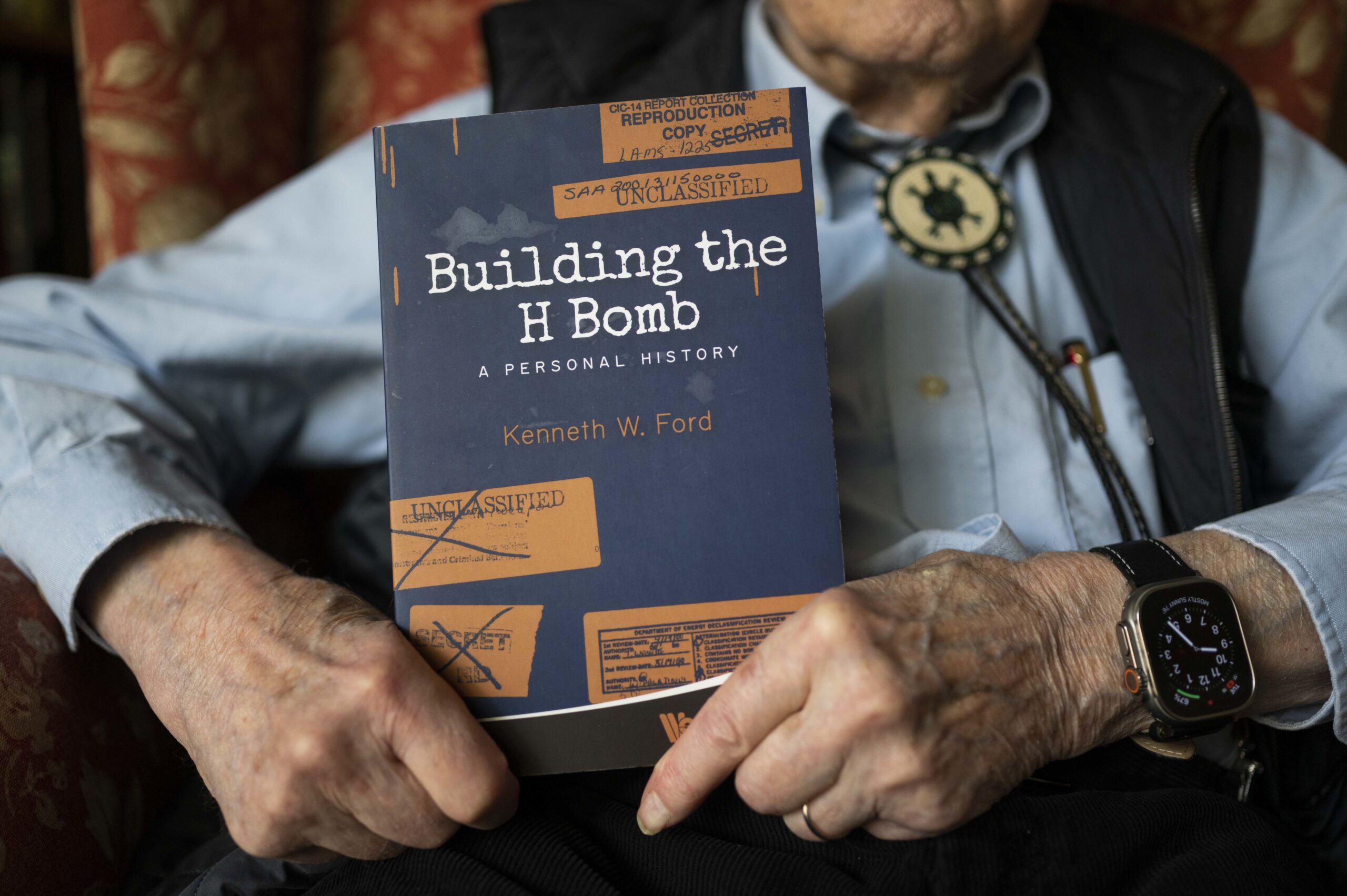
    Dr. Ford wrote “Building the H Bomb,” and it was published in 2015.

    Before Philadelphia, he spent a year as executive vice president of the University System of Maryland. Earlier, from 1953 to 1975, he was a researcher at Indiana University, physics professor at Brandeis University in Massachusetts and the University of Massachusetts, and founding chair of the department of physics at the University of California, Irvine.

    Officials at UC Irvine said in a tribute: Dr. Ford “leaves an enduring legacy as a scientist, educator, and institution builder. … The School of Physical Sciences honors his foundational role in our history and celebrates the broad impact of his distinguished life.”

    He told The Inquirer that he hung out at the local library as he grew up in a Kentucky suburb of Cincinnati and read every book he could find about “biology, chemistry, geology, you name it.” He went on to write 11 books about physics, flying, and building the H-bomb.

    Two of his books won awards, and 2015’s Building the H Bomb: A Personal History became a hit when the Department of Energy unsuccessfully tried to edit out some of his best material. His research papers on particle scattering, the nuclear transparency of neutrons, and other topics are cited in hundreds of publications.
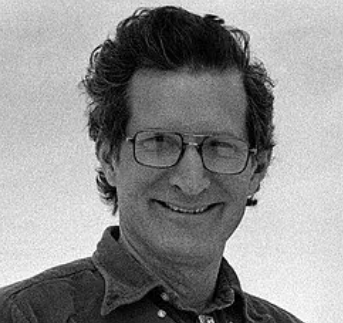
    Dr. Ford was a popular professor because he created interesting demonstrations of physics for his students.

    In 1976, he earned a distinguished service citation from the American Association of Physics Teachers. In 2006, he earned an AAPT medal for notable contributions to the teaching of physics.

    He was the valedictorian at Phillips Exeter Academy in New Hampshire in 1944. He served two years in the Navy and earned a summa cum laude bachelor’s degree in physics at Harvard University and his doctorate at Princeton in 1953.

    In 1968, he was so opposed to the Vietnam War that he publicly declined to ever again work in secret or on weapons. “It was a statement of principle,” he told The Inquirer.

    Kenneth William Ford was born May 1, 1926, in West Palm Beach, Fla. He married Karin Stehnike in 1953, and they had a son, Paul, and a daughter, Sarah. After a divorce, he married Joanne Baumunk, and they had daughters Caroline and Star, and sons Adam and Jason. His wife and former wife died earlier.
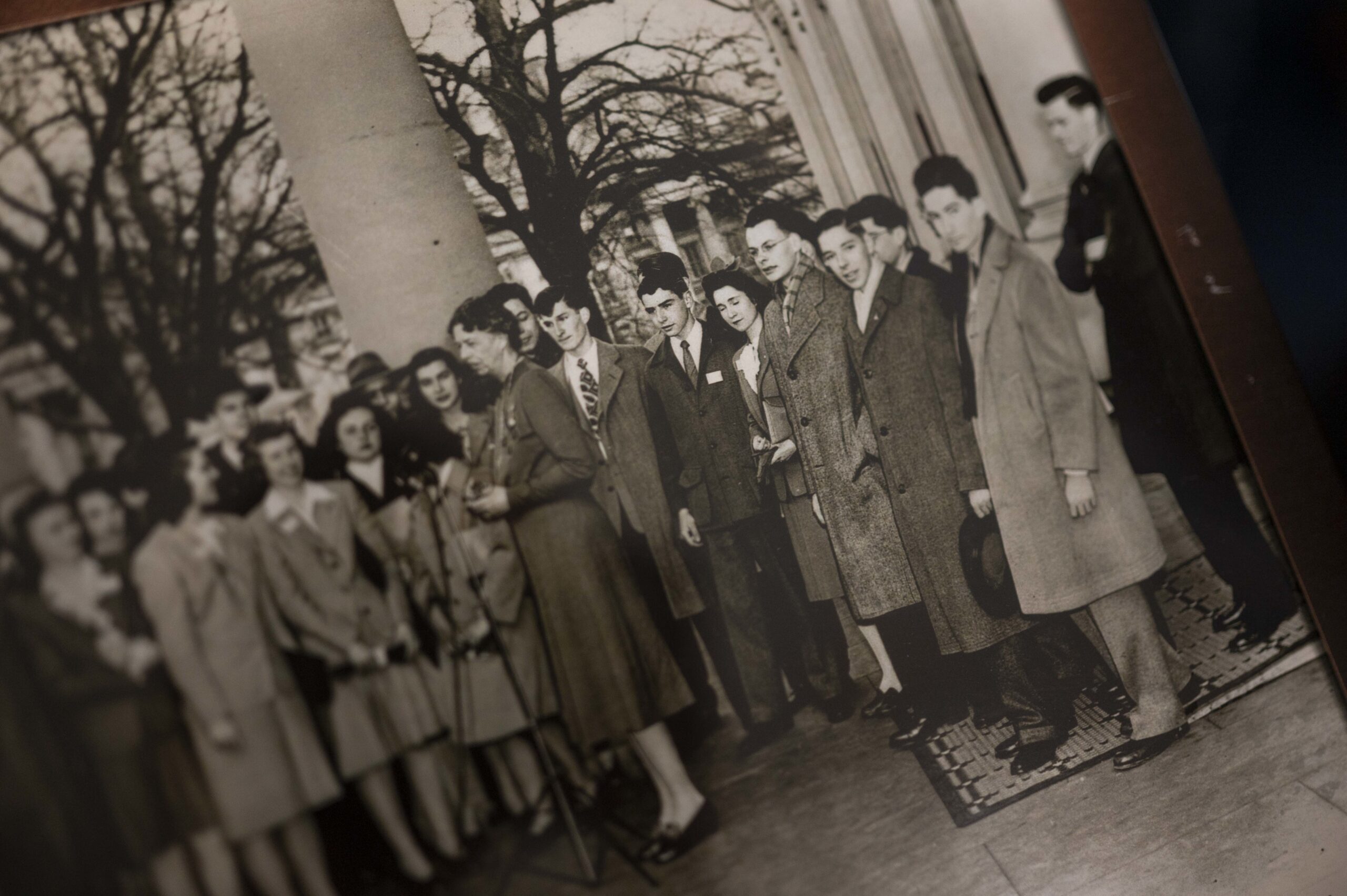
    This photo shows Dr. Ford (center) and other students listening to former First Lady Eleanor Roosevelt speak in 1944.

    Dr. Ford lived in University City, Germantown, and Mount Airy before moving to Foulkeways in 2019. He was an avid pilot and glider for decades. He enjoyed folk dancing, followed the Eagles closely, and excelled at Scrabble and other word games.

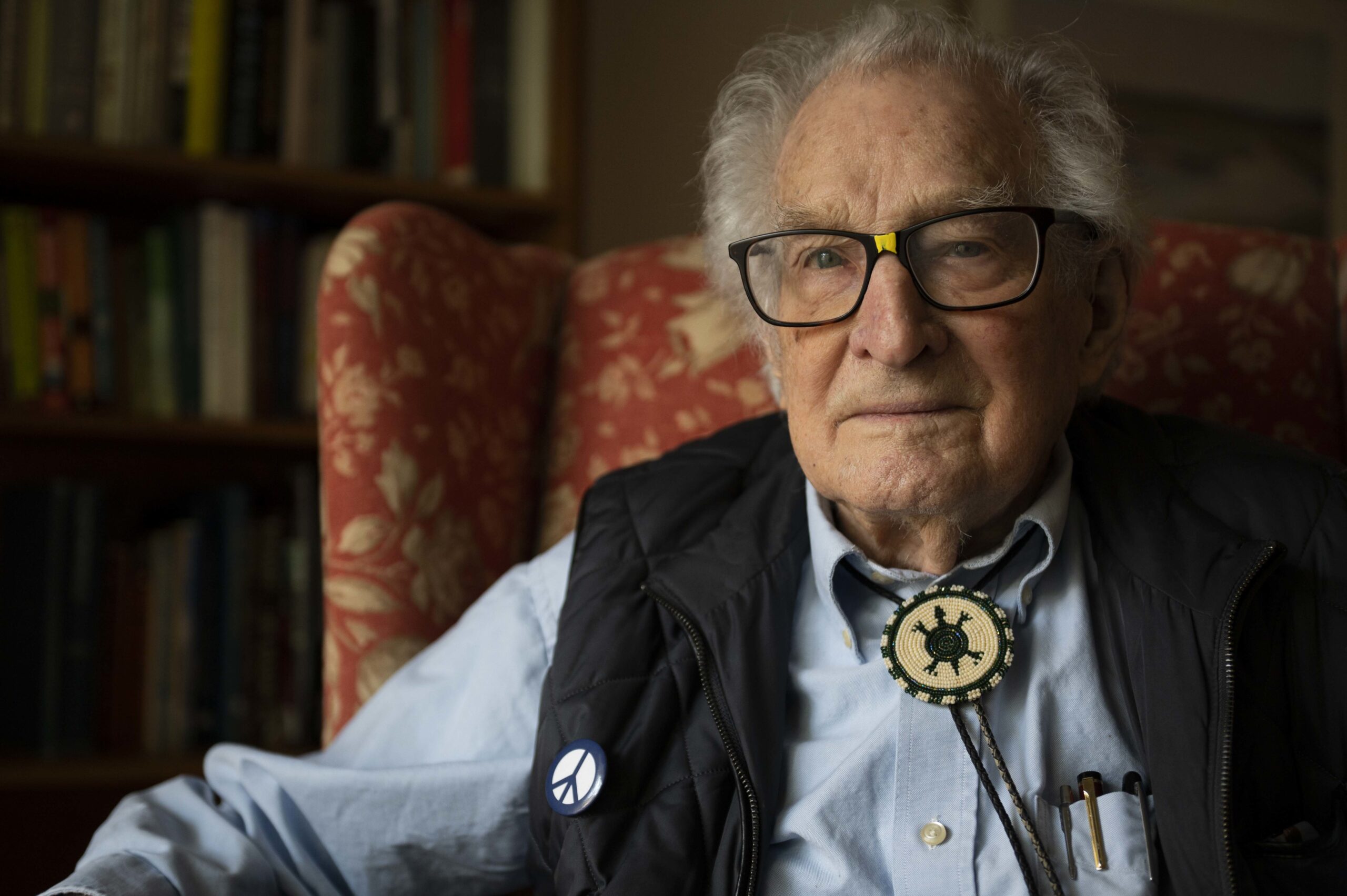
    He loved ice cream, coffee, and bad puns. He became a Quaker and wore a peace sign button for years. Ever the writer, he edited the Foulkeways newsletter.

    In 2023, he said: “I spent my whole life looking for new challenges.” His son Jason said. “He found connections between things. He had an active mind that went in all different directions.”

    In addition to his children, Dr. Ford is survived by 14 grandchildren, a great-grandson, a sister, a stepdaughter, Nina, and other relatives.

    Services are to be from 2 to 4:30 p.m., Saturday, Jan. 24, at Foulkeways at Gwynedd, 1120 Meetinghouse Rd., Gwynedd, Pa. 19436.
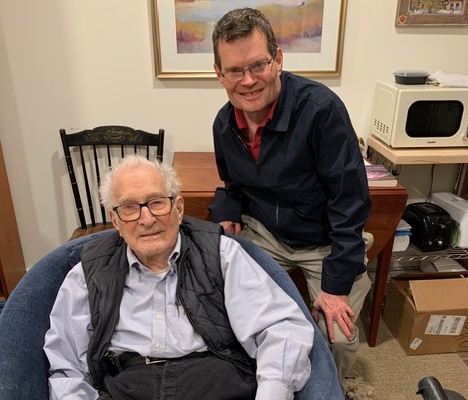
    Dr. Ford and his son Jason
    Dr. Ford wore a peace sign button for years.
  • An Indonesian man was deported on Christmas after being arrested at a routine immigration appointment in Philly

    An Indonesian man was deported on Christmas after being arrested at a routine immigration appointment in Philly

    A longtime Philadelphia resident who was arrested by ICE at a routine immigration appointment has been deported to Indonesia, his family said.

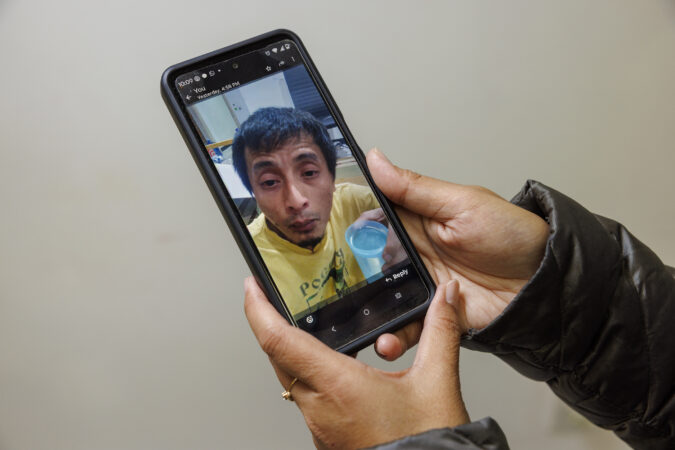
    Rian Andrianzah, 46, walked into a Philadelphia office of U.S. Citizenship and Immigration Services on Oct. 16, expecting to be fingerprinted and photographed and sent home, but instead was taken into custody and placed in detention.

    On Christmas night he was flown to Jakarta, the Indonesian capital, leaving behind his wife, also of Indonesia, and two children who are American citizens.

    The case angered the city’s Indonesian community ― and placed Andrianzah among a growing number of immigrants who have shown up for routine immigration appointments or check-ins, only to be handcuffed and taken into detention.

    Green-card applicants, asylum-seekers, and others who have ongoing legal or visa cases have been unexpectedly detained in what lawyers and advocates say is a Trump administration strategy to boost arrests and deportations.

    “It’s frustrating, because we’re going to be able to bring him back in the next few months,” said Philadelphia immigration attorney Christopher Casazza, who represents Andrianzah and his family. “They deported him simply [to gain] a statistic.”

    He expects Andrianzah could be able to return to the United States in the summer, via a legal process that could grant status to his wife and, through her, to him.

    Andrianzah’s wife, Siti Rahayu, 44, has a strong case to be awarded a T visa, the family’s lawyer said. That visa offers permission to live in the U.S. and a path to permanent residency and citizenship. As her husband, Andrianzah would receive those same benefits under her visa, said Casazza, of the Philadelphia firm Palladino, Isbell & Casazza LLC.

    Rahayu said in a text message that she was distressed and not up to discussing her husband’s deportation. Others said his removal hurts the family and the community.

    “Rian’s absence means a family without their father and our community without a friend,” said Kintan Silvany, the civic-engagement coordinator at Gapura, which works to empower local Indonesian Americans. “A warm, friendly face will no longer be seen at our annual festivals and cultural events. ICE has taken a beloved member who helped us and the folks around him.”

    Andrianzah, meanwhile, like other deportees faces a return to a homeland transformed by time, where family ties have dwindled and emotional and financial hardship looms, his lawyer said.

    Immigration and Customs Enforcement officials were unable to immediately reply to a request for comment.

    A T visa can be available to people who have been victims of human trafficking. It offers a near-blanket waiver on past immigration violations. Authorities say the issuance of T visas offer protection to victims while enhancing the ability of law-enforcement agencies to detect and prosecute human trafficking.

    Andrianzah legally entered the United States on a visitor’s visa in February 2000, but did not return to Indonesia before it expired. He was placed in removal proceedings in 2003, and a judge issued a final order of deportation in November 2006. His appeal was denied two years later.

    The removal order was never enforced, as had been common for those the government then saw as low-priority immigration violators. Some people with final orders have lived in the U.S. for decades.

    Since then Andrianzah worked factory and warehouse jobs, and married. He and his wife made a home in South Philadelphia and became parents of a son, age 8, and a daughter, 15, both U.S. citizens.

    Andrianzah and his wife went to USCIS that October day as part of her T-visa application. In an interview with The Inquirer, Rahayu said she was sent to the U.S. in 2001 by relatives who saw her as a means to pay off a debt, delivering her to an underground organization that puts people in low-paying jobs, then keeps them working indefinitely. Her work would help pay the debt owed by her relatives.

    Rahayu said that on Oct. 16, she completed her own biometrics appointment, then grew concerned when her husband did not appear. She soon learned he had been arrested.

    Some immigrants are required to appear every couple of weeks, some once a month, others once a year. The appointments help immigration officials keep track of people who in the past have been low priorities for deportation.

    Biometrics appointments are usually brief sessions at which the government captures fingerprints, a passport-style photo, and a signature. The immigrant may also be asked to provide information like height and weight.

    Despite the fresh risk of being arrested on the spot, immigrants have little option except to show up. Many types of immigration applications require in-person appearances. And failure to appear for a required ICE appointment can by itself result in an order for removal.

  • A man was charged with stealing skulls and bones from a Philly cemetery. Police say he may have tried to sell them on Instagram.

    A man was charged with stealing skulls and bones from a Philly cemetery. Police say he may have tried to sell them on Instagram.

    Documents released Friday offer new detail on how investigators assembled their striking case against Jonathan Christian Gerlach, who authorities say desecrated dozens of graves to steal human remains.

    Gerlach, 34, who is charged with stealing more than 100 skulls, bones, and body parts from Mount Moriah Cemetery, also posted dozens of photos of human remains on social media, records show, and authorities are investigating whether he may have offered to sell them.

    The investigation into Gerlach, who lives in Ephrata, spans multiple counties and law enforcement agencies. The historic cemetery stretches across Philadelphia and Yeadon, Delaware County, where officials charged Gerlach on Thursday.

    Gerlach’s lawyer, Anna Hinchman, declined to comment Friday, citing the pending criminal case.

    In all, Gerlach faces more than 500 counts of burglary, criminal trespassing, abuse of a corpse, theft, and related crimes.

    “After 30 years, I can say this is probably the most horrific thing that I’ve seen,” said Yeadon Police Chief Henry Giammarco, whose department was involved in the investigation.

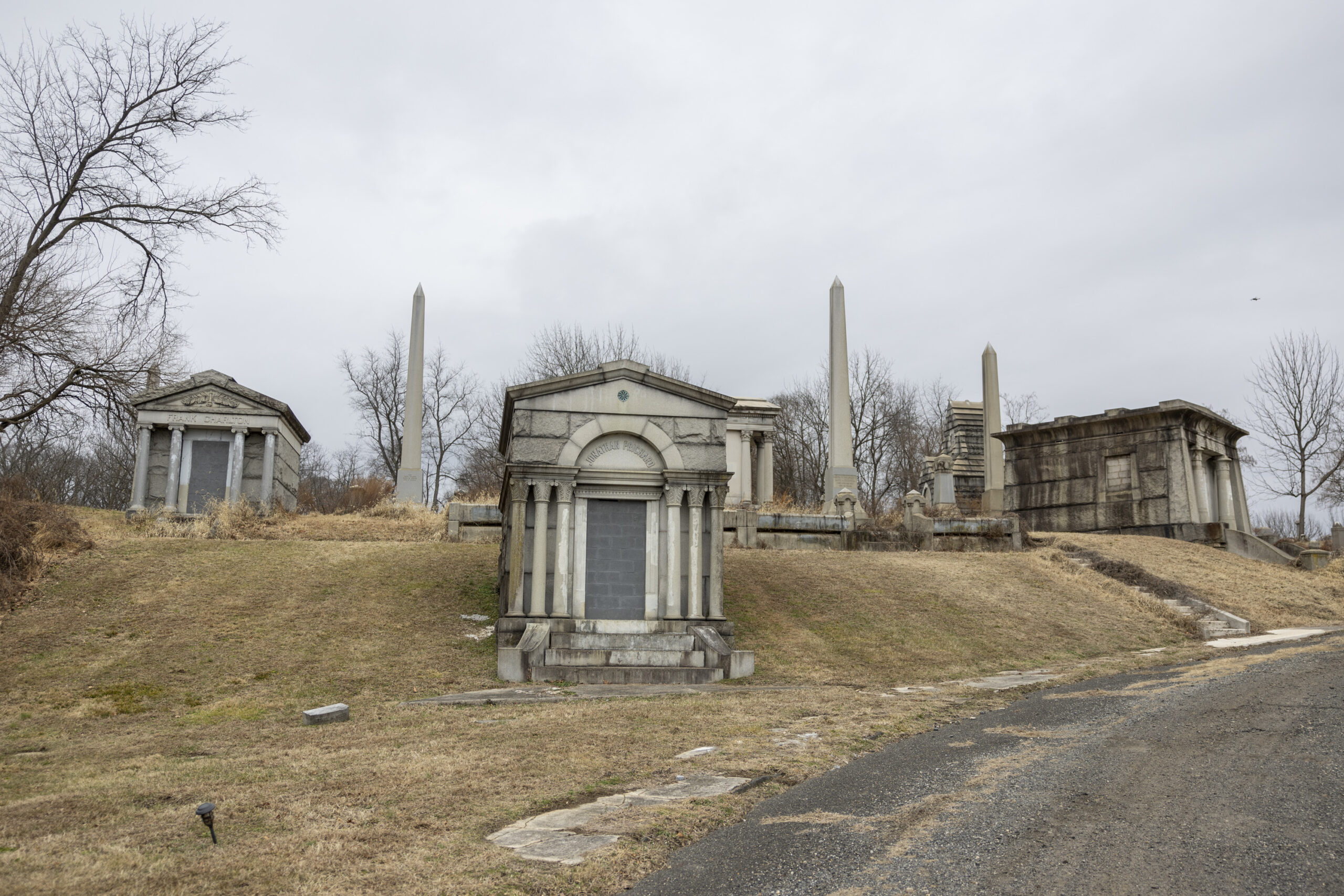
    A few Mausoleum’s that Jonathan Gerlach broke into at Mount Moriah Cemetery in Philadelphia.

    Grave sites damaged, remains stolen

    Detectives were first dispatched to the burial ground on Nov. 7, according to the affidavit of probable cause for Gerlach’s arrest. There, a board member of the Friends of Mount Moriah Cemetery — the group that helps to maintain the burial ground — led the investigators to a mausoleum where a hole in protective cinder blocks revealed a damaged marble floor, 10 feet underground. A white rope, which detectives believe the thief used to rappel into the mausoleum, hung nearby.

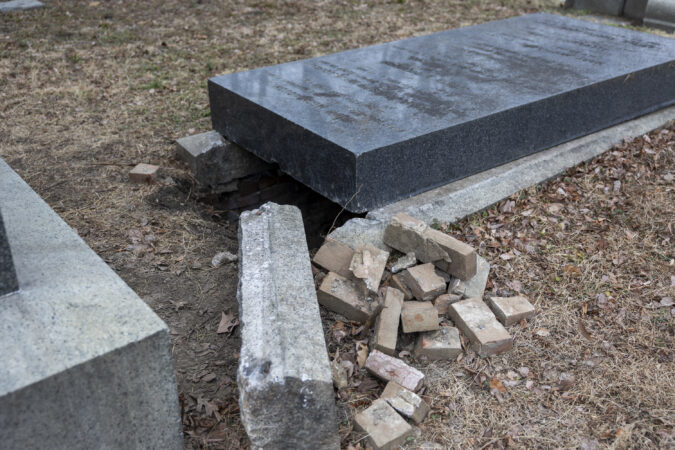
    They discovered other disturbed burial sites, both that afternoon and weeks later, according to the affidavit: a crypt with its marble entrance stone ripped off, whatever was inside stolen; a damaged, empty casket inside a mausoleum; a clear plastic tarp covering human remains discarded on the ground of the cemetery.

    Investigators collected clues, including the rope, a “Monster” energy drink can, and a partially smoked Marlboro Menthol cigarette. Each will be sent for DNA testing, the affidavit said.

    On Dec. 23, the document shows, police received a tip pointing to Gerlach. “Look into Jonathan Gerlach,” the tipster said, according to the affidavit. “I know someone who’s friends with his family, and they mentioned that they recently discovered a partially decomposed corpse hanging in his basement, but were afraid to tell police.”

    The tipster also pointed investigators to Instagram. “You’ll see he follows accounts in taxidermy, skeleton collecting and sales,” the tipster said.

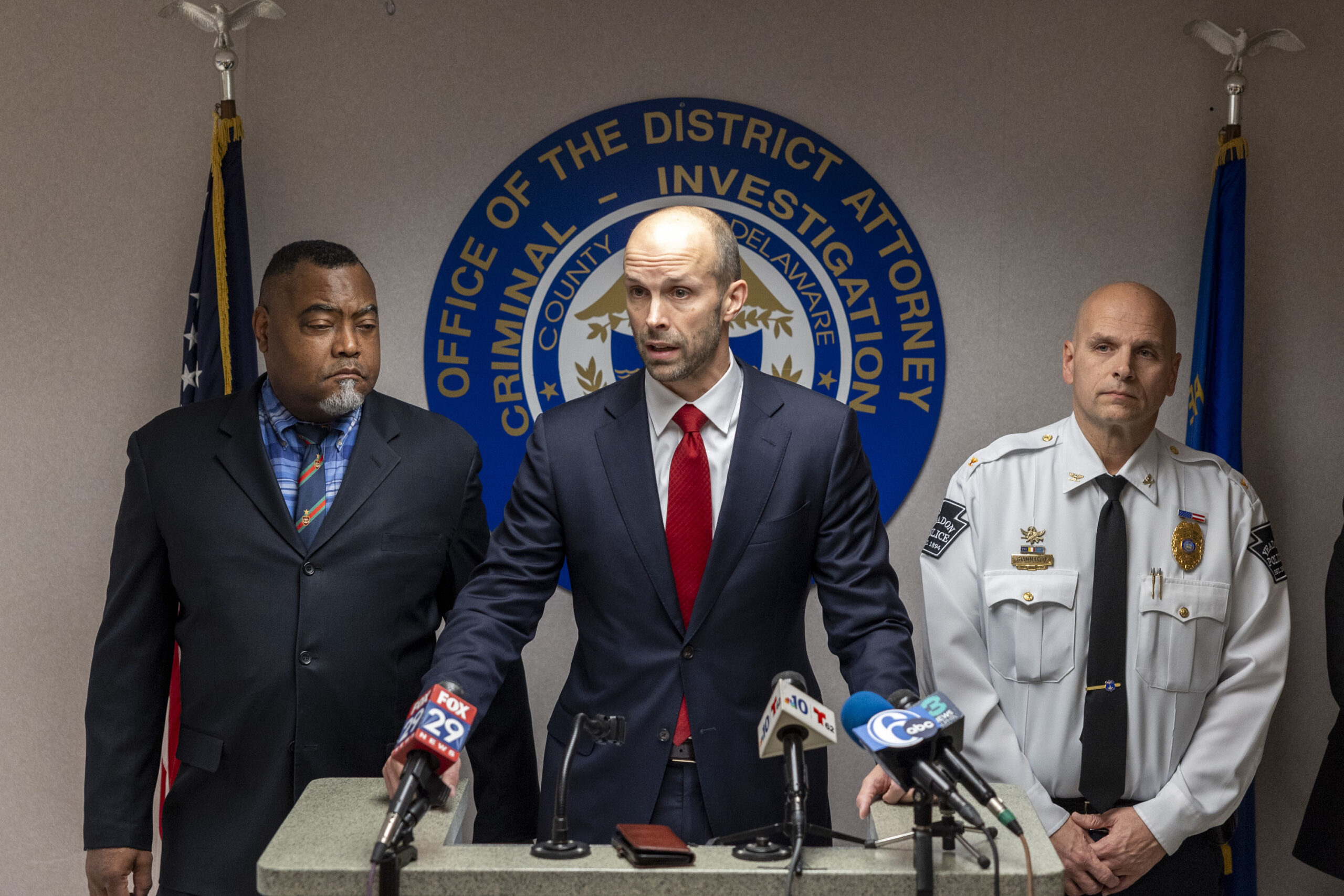
    Delaware County District Attorney Tanner Rouse speaks to reporters on Thursday about Jonathan Gerlach, who is charged with burglary, abuse of corpse and desecration, and theft or sale of venerated objects for allegedly stealing from graves.

    An Instagram trail

    The last post on the Instagram account that Delaware County authorities have linked to Gerlach appeared on Tuesday, the day that detectives took him into custody, after they say they witnessed him carrying a burlap sack filled with human remains out of the cemetery.

    A partial skull — its surface darkened and pitted with age, mounted upright like an artifact — appears in the post. Staged against a floral backdrop, the photo is paired with a caption that reads: “if you know, you know. skulls/bones available. dm to inquire.”

    The post and dozens of others like it on the account suggest that Gerlach may have been part of a largely unregulated and little-known marketplace in which human bones and remains are bought and sold online and in specialty shops. It’s a trade that can be legal under certain circumstances in a number of states, including Pennsylvania, and one that records suggest Gerlach may have engaged with — though investigators have not confirmed he ever successfully made a sale.

    Authorities say the investigation is continuing.

    Gerlach is charged with crimes associated with how authorities say he acquired the bones: by breaking into the cemetery’s mausoleums and underground vaults and stealing the remains.

    Investigators tied Gerlach’s vehicle to license plate readers near Mount Moriah, they said, and his cell phone to the area. A search of his recent purchases revealed trips to a hardware store to buy items that matched those that detectives had also recovered at damaged grave sites, including a stake.

    When detectives executed a search warrant at Gerlach’s home, in the 100 block of Washington Avenue, they said they found skulls arranged on shelves, and a collection of other bones, skeletons and mummified body parts, including feet and hands. They also found a torso hanging from the ceiling, said Delaware County District Attorney Tanner Rouse.

    Potential sales, and a call for change

    Rouse and Detective Christopher Karr said law enforcement officials are aware of social media accounts associated with Gerlach and are investigating what, if any, connection they may have to his alleged crimes.

    Rouse said accounts linked to Gerlach “certainly seemed to indicate” that Gerlach had attempted to sell the remains. “But whether that was real or not — whether a sale had ever been consummated — we can’t say for sure,” he said.

    The Instagram account, which dates back to 2023, includes images of human remains arranged on shelves and tables, or held in a man’s hands. Its posts raise questions about whether Gerlach’s alleged activity extended beyond what authorities have detailed so far.

    Investigators are working to determine when and where the images were taken and whether any of the items pictured were stolen from Mount Moriah, Rouse said.

    In addition to a curator and potential salesperson, the Instagram account presents Gerlach as a forensic practitioner and professional.

    In a recent post that pictured Gerlach holding a skull fragment beneath his heavily tattooed neck, the account’s operator wrote that he was completing a certification in forensic and osteological analysis, and planned to offer analysis through a planned company — describing services that would assess human remains using academic and forensic standards.

    Gerlach is being held in the Delaware County jail in lieu of $1 million bail.

    The investigation into Gerlach remains ongoing, Yeadon Borough Mayor Rohan Hepkins said Friday. Gerlach is suspected of burglarizing additional cemeteries, including in Ephrata, said Hepkins, who also sits on the board of the Friends of Mount Moriah Cemetery and said he helped to bring the case to police.

    In a written statement, the Friends of Mount Moriah Cemetery thanked law enforcement officials but declined to comment.

    Hepkins expressed dismay that the legal trade of human remains is even possible, and called for reform. “People never conceived that people would be stealing bones from graves and selling them in the market,” he said. “Politicians need to understand there is a type of individual out there — or a market out there — where legislation has to catch up with what’s happening out there.

    “It’s a bad situation but a lot of good, preventive maintenance could come out of it,” he added.

  • US and Venezuela take initial steps toward restoring relations after Maduro’s ouster

    US and Venezuela take initial steps toward restoring relations after Maduro’s ouster

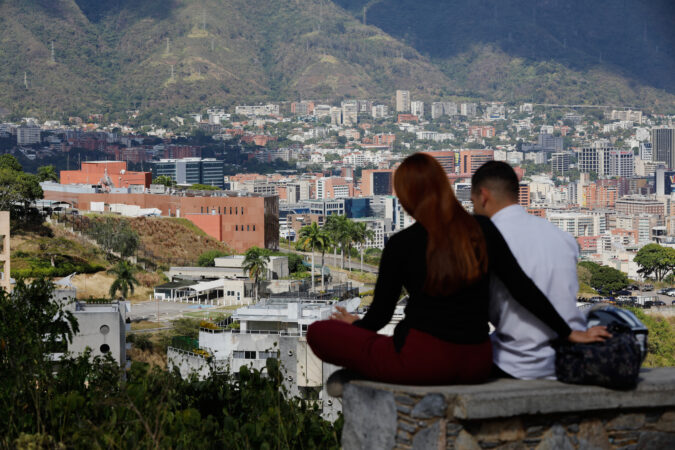
    GUATIRE, Venezuela — The United States and Venezuela said Friday they were exploring the possibility of restoring diplomatic relations, as a Trump administration delegation visited the South American nation.

    The visit marks a major step toward warming icy relations between the historically adversarial governments. U.S. military forces captured former President Nicolás Maduro last weekend in Caracas and took him to New York to face federal charges of drug-trafficking.

    The small team of U.S. diplomats and a security detail traveled to Venezuela to make a preliminary assessment about the potential reopening of the U.S. Embassy in Caracas, the State Department said in a statement.

    Venezuela’s government on Friday said it plans to send a delegation to the U.S. but it did not say when. Any delegation traveling to the U.S. will likely require sanctions to be waived by the Treasury Department.

    In a statement, the government of acting Venezuelan President Delcy Rodríguez said it “has decided to initiate an exploratory process of a diplomatic nature with the Government of the United States of America, aimed at the re-establishment of diplomatic missions in both countries.”

    President Donald Trump has placed pressure on Rodriguez and other former Maduro loyalists now in power to advance his vision for the future of the nation — a major aspect of which would be reinvigorating the role of U.S. oil companies in a country with the worlds’ largest proven reserves of crude oil.

    The U.S. and Venezuela cut off ties in 2019, after the first Trump administration said opposition leader Juan Guaidó was the rightful president of Venezuela, spiking tensions. Despite the assertions, Maduro maintained his firm grip on power.

    The Trump administration shuttered the embassy in Caracas and moved diplomats to nearby Bogotá, Colombia. U.S. officials have traveled to Caracas a handful of times since then. The latest visit came last February when Trump’s envoy for special missions, Richard Grenell met with Maduro. The visit resulted in six detained Americans being freed by the government.

  • The first Philly-area Sheetz is set to open next month across from a Wawa

    The first Philly-area Sheetz is set to open next month across from a Wawa

    Sheetz’s encroachment into Wawa territory has an official ETA.

    The Altoona-based convenience store chain is set to open its first Philadelphia-area store on Feb. 12 in Limerick Township, Montgomery County, according to Sheetz public affairs manager Nick Ruffner.

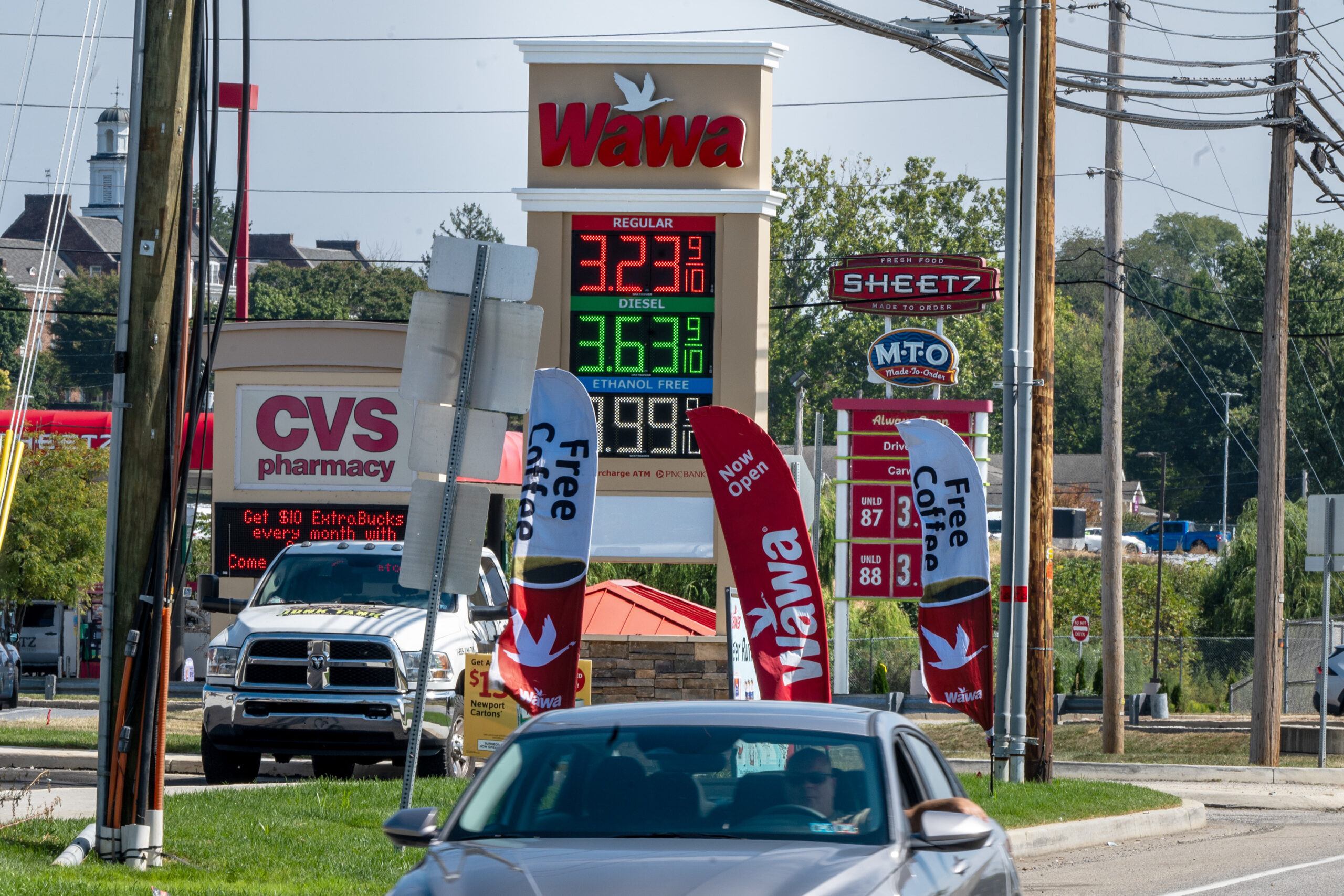
    It will be located at 454 W. Ridge Pike, across the street from an existing Wawa.

    Sheetz presented its site plans to Limerick’s board of supervisors about a year ago. The area was already zoned for this type of development, officials said at the time, and no other township permits were required.

    “As Sheetz continues its expansion into communities near its existing footprint, we remain committed to being the best neighbor we can be and delivering the convenience, quality, and service Pennsylvania communities have come to expect from us for more than 70 years,” Ruffner said in a statement.

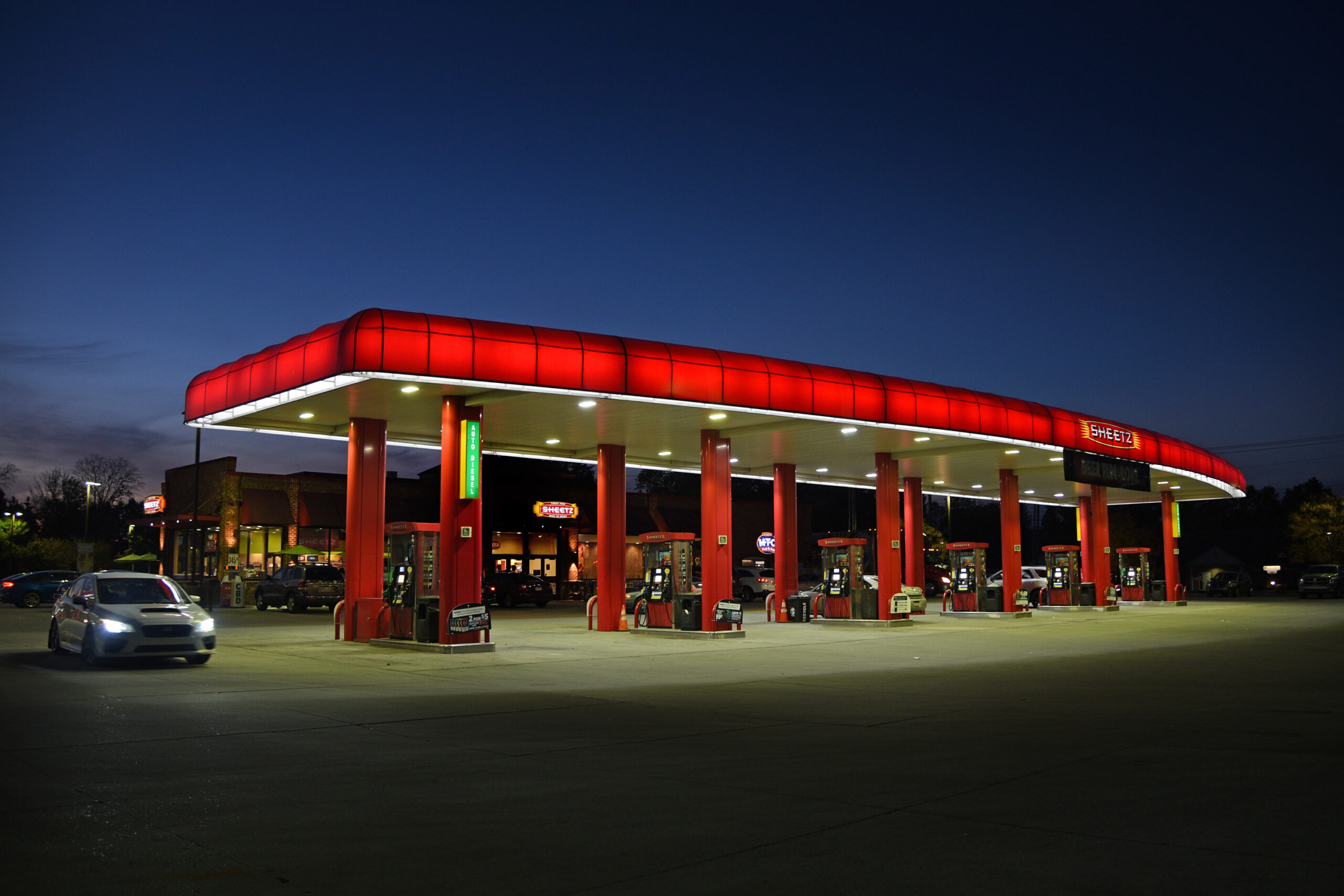
    A Sheetz convenience store and gas station near Carlisle, Pa. in 2020.

    For decades, Sheetz opened its convenience-store gas stations in the western and central parts of the Commonwealth, while Wawa added locations in communities near its Delaware County headquarters.

    Over the years, both companies expanded into other states: Wawa has more than 1,100 locations in 13 states and Washington, D.C., while Sheetz has more than 800 stores in seven states.

    But neither of the two chains would encroach on the other’s traditional strongholds in Pennsylvania. At least for a while.

    That changed in 2024, when Wawa opened its first central Pennsylvania store. The location outside Harrisburg was within eyesight of a Sheetz.

    In 2024, Wawa moved into Dauphin County, just 0.3 miles down the road from a Sheetz.

    By this October, Wawa announced it had opened its 10th central Pennsylvania store. At the time, the company said in a news release that it planned to add five to seven new locations in the region each year for the next five years — to “reach new Pennsylvania markets along the Susquehanna River.”

    Wawa plans to open its first outposts in the State College area, near Penn State’s campus.

    As of early January, Sheetz’s closest store to Philadelphia is just over the Chester County border in Morgantown.

    But along with the forthcoming Limerick location, Sheetz has also expressed interest in opening at least one store in western Chester County.

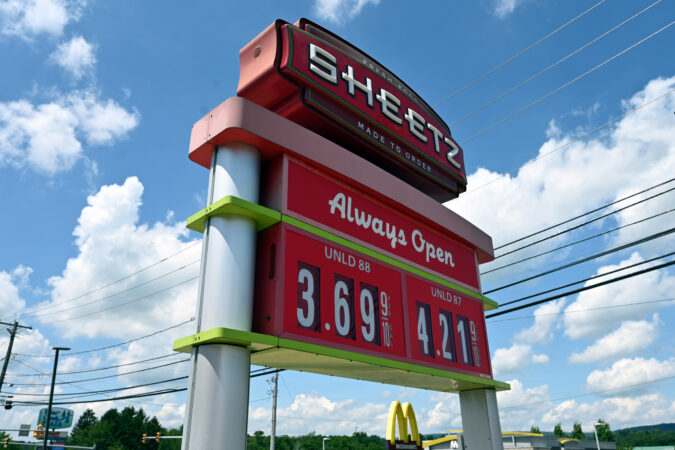
    For awhile, Sheetz, shown here in Bethlehem, Pa. in 2018, and Wawa expanded in different parts of the state, never overlapping into the other’s territory. That’s changed.

    This fall, Sheetz presented Caln Township officials with a sketch plan for a store on the site of a former Rite Aid on the 3800 block of Lincoln Highway in Thorndale, according to the township website.

    Sheetz’s namesake, Stephen G. Sheetz, died Sunday due to complications from pneumonia. The former president, CEO, and board chairman was 77.

    “Above all, Uncle Steve was the center of our family,” Sheetz president and CEO Travis Sheetz said in a statement. “We are so deeply grateful for his leadership, vision, and steadfast commitment to our employees, customers, and communities.”

  • In unprecedented move, NASA cuts short space mission over astronaut’s health

    In unprecedented move, NASA cuts short space mission over astronaut’s health

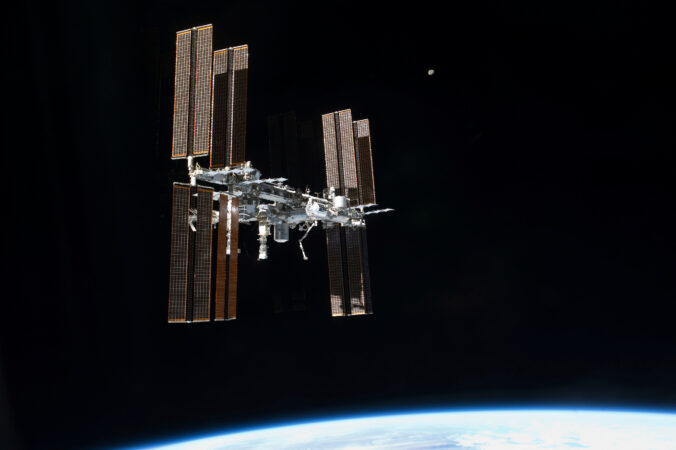
    For the first time in the International Space Station’s history, NASA said it was cutting short a crew mission after an astronaut “experienced a medical situation.”

    “It’s in the best interests of our astronauts to return Crew-11 ahead of their planned departure,” NASA Administrator Jared Isaacman told reporters at a news conference Thursday, without naming the astronaut or specifying what the problem was.

    The four-person Crew-11 is made up of U.S. astronauts Zena Cardman and Mike Fincke, along with Japan’s Kimiya Yui and Russia’s Oleg Platonov. Together, they have spent about five months aboard the space station and had planned to stay until mid-February.

    On Wednesday, they were conducting scientific research, ahead of a planned space walk, when one of the astronauts had a medical issue that required help from the other crew members and onboard medical equipment, NASA officials said.

    “The astronaut is absolutely stable. This is not an emergent evacuation,” said NASA’s Chief Health and Medical Officer, J.D. Polk.

    He said the issue also did not reflect a problem with the space station environment and “was not an injury that occurred in the pursuit of operations.”

    Although the Space Station has medical equipment onboard, he said the issue was sufficient to warrant bringing the astronaut back for a full work-up and diagnosis at a facility with more extensive hardware and without the challenges of working in microgravity.

    “Always we err on the side of the astronaut’s health and welfare. And in this particular case, we are doing the same,” he said.

    The crew will return to Earth in the “coming days,” Isaacman said, with plans for a parachute-assisted splashdown off the coast of California. And because of that early departure, Crew-12, which had been scheduled to take over in mid-February, could be deployed earlier.

    “This is exactly what our astronauts train and prepare for,” he added.

    Crew members live and work aboard the International Space Station, orbiting Earth 16 times a day. Run as an international partnership by five space agencies, the station has had more than 290 visitors representing 26 countries since it was assembled in 1998.

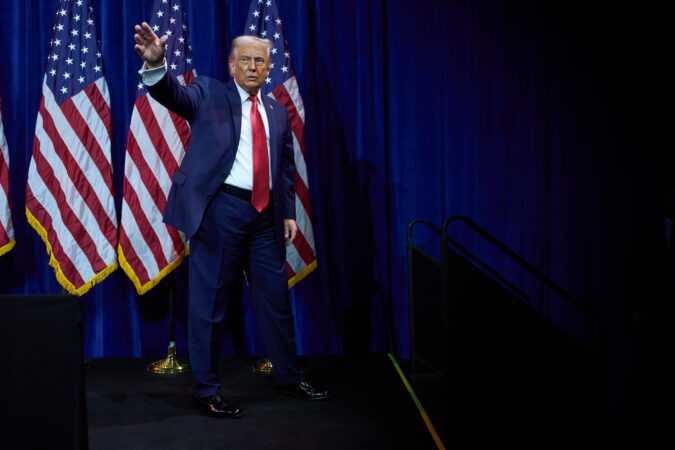
  • Trump meets with oil executives at the White House on Friday, seeking investments in Venezuela

    Trump meets with oil executives at the White House on Friday, seeking investments in Venezuela

    WASHINGTON — President Donald Trump met with oil executives at the White House on Friday in hopes of securing $100 billion in investments to revive Venezuela’s ability to fully tap into its expansive reserves of petroleum — a plan that rides on their comfort in making commitments in a country plagued by instability, inflation and uncertainty.

    Since the U.S. military raid to capture former Venezuelan leader Nicolás Maduro on Saturday, Trump has quickly pivoted to portraying the move as a newfound economic opportunity for the U.S., seizing tankers carrying Venezuelan oil, saying the U.S. is taking over the sales of 30 million to 50 million barrels of previously sanctioned Venezuelan oil and will be controlling sales worldwide indefinitely.

    On Friday, U.S. forces seized their fifth tanker over the past month that has been linked to Venezuelan oil. The action reflected the determination of the U.S. to fully control the exporting, refining and production of Venezuelan petroleum, a sign of the Trump administration’s plans for ongoing involvement in the sector as it seeks commitments from private companies.

    It’s all part of a broader push by Trump to keep gasoline prices low. At a time when many Americans are concerned about affordability, the incursion in Venezuela melds Trump’s assertive use of presidential powers with an optical spectacle meant to convince Americans that he can bring down energy prices.

    “At least 100 Billion Dollars will be invested by BIG OIL, all of whom I will be meeting with today at The White House,” Trump said Friday in a pre-dawn social media post.

    Trump met with executives from 17 oil companies, according to the White House. Among the companies attending are Chevron, which still operates in Venezuela, and ExxonMobil and ConocoPhillips, which both had oil projects in the country that were lost as part of a 2007 nationalization of private businesses under Maduro’s predecessor, Hugo Chávez.

    The president is meeting with a wide swath of domestic and international companies with interests ranging from construction to the commodity markets. Other companies slated to be at the meeting include Halliburton, Valero, Marathon, Shell, Singapore-based Trafigura, Italy-based Eni, and Spain-based Repsol.

    Large U.S. oil companies have so far largely refrained from affirming investments in Venezuela as contracts and guarantees need to be in place. Trump has suggested on social media that America would help to backstop any investments.

    Venezuela’s oil production has slumped below one million barrels a day. Part of Trump’s challenge to turn that around will be to convince oil companies that his administration has a stable relationship with Venezuela’s interim President Delcy Rodríguez, as well as protections for companies entering the market.

    Secretary of State Marco Rubio, Energy Secretary Chris Wright and Interior Secretary Doug Burgum are slated to attend the oil executives meeting, according to the White House.

    Meanwhile, the United States and Venezuelan governments said Friday they were exploring the possibility of restoring diplomatic relations between the two countries, and that a delegation from the Trump administration arrived to the South American nation on Friday.

    The small team of U.S. diplomats and diplomatic security officials traveled to Venezuela to make a preliminary assessment about the potential re-opening of the U.S. Embassy in Caracas, the State Department said in a statement.

    Trump also announced on Friday he’d meet with President Gustavo Petro in early February, but called on the Colombian leader to make quick progress on stemming flow of cocaine into the U.S.

    Trump, following the ouster of Maduro, had made vague threats to take similar action against Petro. Trump abruptly changed his tone Wednesday about his Colombian counterpart after a friendly phone call in which he invited Petro to visit the White House.

  • Swiss bar owner put in pre-trial detention over the fatal fire at an Alpine resort

    Swiss bar owner put in pre-trial detention over the fatal fire at an Alpine resort

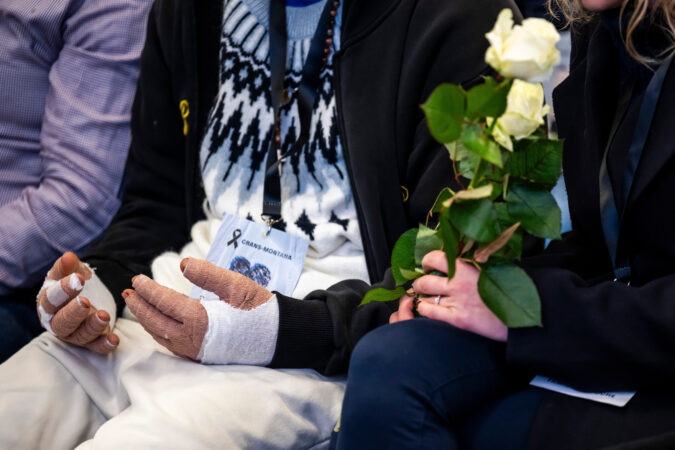
    MARTIGNY, Switzerland — Switzerland held a national day of mourning on Friday for the 40 people who died in an Alpine bar fire during a New Year’s Eve celebration, as prosecutors requested one of the managers to be placed in pretrial detention.

    Valais region’s chief prosecutor Beatrice Pilloud said in a statement the detention of the man was needed to avoid a “risk of flight.” The man’s wife and co-manager will remain free under judicial supervision, the statement said.

    A Swiss business register lists French couple Jacques and Jessica Moretti as the owners of Le Constellation bar, in the Alpine resort of Crans-Montana, where a fire broke out less than two hours after midnight on Jan. 1. As well as the fatalities, 116 people were injured, many of them seriously.

    Local media reported that Moretti was being held in custody pending the court’s decision after the couple were questioned by prosecutors in Sion on Friday morning.

    Swiss authorities have opened a criminal investigation into the owners, who are suspected of involuntary homicide, involuntary bodily harm, and involuntarily causing a fire.

    A memorial service and a minute’s silence marked Friday’s national homage, while church bells across Switzerland rang out for five minutes, beginning at 2 p.m. Across the country, people gathered to light candles, put down flowers for the victims and followed the national ceremony that was livestreamed on public television.

    Speaking at the memorial ceremony in Martigny, Swiss President Guy Parmelin said that “the memory of that terrible night illuminates the faces of the 156 victims, their happy days, their carefree spirit.”

    He added: “Our country is appalled by this tragedy. It bows before the memory of those who are no longer with us. It stands by the bedside of those who are about to embark on a long road to recovery.”

    Investigators have said they believe sparkling candles atop Champagne bottles ignited the fire when they came too close to the ceiling. Authorities are looking into whether soundproofing material on the ceiling conformed with regulations and whether the candles were permitted for use in the bar. Fire safety inspections hadn’t been carried out since 2019.

    The severity of burns made it difficult to identify some victims, requiring families to supply authorities with DNA samples. Police have said many of the victims were in their teens to mid-20s.

    An autopsy has been ordered for five of the six Italian victims and has been delegated to the prosecutors’ offices in Milan, Bologna, and Genoa, where the bodies of the victims have been returned.

    “What happened is not a disaster: It’s the result of too many people who didn’t do their job or who thought they were making easy money,” Italian Premier Giorgia Meloni said during a press conference on Friday. “Those responsible must be identified and prosecuted.”

    Meloni said the State Attorney General’s Office has contacted the Swiss Attorney General to follow the investigation. She also confirmed that the Rome Prosecutor’s Office has started a separate probe.

    “The families have my word that they will not be left alone while they seek justice,” she added.

    The Paris prosecutor’s office Monday announced that it was opening a probe to assist the Swiss investigation and make it easier for families of French victims to communicate with Swiss investigators. Nine French citizens were killed, the youngest of them aged 14, and 23 others were injured.

  • Trump says he will meet Machado — and would accept Nobel Peace Prize from her

    Trump says he will meet Machado — and would accept Nobel Peace Prize from her

    President Donald Trump said he will meet with Nobel Peace Prize winner María Corina Machado next week — and that he would accept the award she has said she wants to share with him.

    “I understand she’s coming in next week sometime, and I look forward to saying hello to her,” the president said of the Venezuelan opposition leader during an interview with Fox News’s Sean Hannity that aired Thursday. Trump added that he heard Machado wants to give him the prize, “and that would be a great honor.”

    The White House late Thursday did not provide details about Machado’s trip or specify what issues she and Trump would discuss.

    In an interview with Hannity this week in which she heaped praise on Trump, Machado said she had not spoken to the U.S. president since October, when she was announced as the latest Nobel laureate.

    She had been in hiding in Venezuela during President Nicolás Maduro’s last days in power and turned up in Oslo, where her daughter accepted the prize on her behalf. But she promised to return to her country and called for elections to replace Maduro.

    “But I do want to say today, on behalf of the Venezuelan people, how grateful we are for [Trump’s] courageous mission,” Machado said on Hannity’s show this week, adding that she and the Venezuelan people want to “share” the prize with Trump after the U.S. military seized Maduro and his wife and brought them to New York to stand trial on narco-terrorism charges.

    Trump has openly coveted and publicly lobbied for the Nobel Peace Prize, claiming to have “solved” a number of international conflicts. Several world leaders have backed his claims.

    Machado, a former National Assembly member, won the opposition primary in Venezuela two years ago but was barred from running by Maduro in the general election. Maduro claimed victory over the candidate Machado backed, but ballot audits by the Washington Post and independent monitors show the reported election result was invalid.

    Following the U.S. operation to arrest Maduro on Saturday, Trump said the United States would “run” Venezuela with the cooperation of Delcy Rodríguez, Maduro’s vice president, who has become the country’s acting leader. Trump has not given a timeline for when elections would be held and said he did not believe Machado had the support to run the country after Maduro’s removal.

    “I think it would be very tough for her to be the leader,” Trump told reporters last weekend. “She doesn’t have the support within, or the respect within, the country. She’s a very nice woman, but she doesn’t have the respect.”

    Two people close to the White House previously told The Post that Trump was not willing to support Machado because she accepted the Peace Prize. “If she had turned it down and said, ‘I can’t accept it because it’s Donald Trump’s,’ she’d be the president of Venezuela today,” one of the people said, speaking on the condition of anonymity to discuss a sensitive situation.

    Machado told Hannity she believed that if elections were held, she would win the presidency in a landslide.

  • Russia unleashes nuclear-capable missile in latest Ukraine attack

    Russia unleashes nuclear-capable missile in latest Ukraine attack

    KYIV — Russia launched an Oreshnik medium-range ballistic missile, which is capable of carrying nuclear warheads, as part of a large-scale aerial assault on Ukraine overnight Friday, the Russian Defense Ministry said — a menacing reminder to the world of Moscow’s huge nuclear arsenal at a moment when a peace plan promoted by President Donald Trump appears to be faltering.

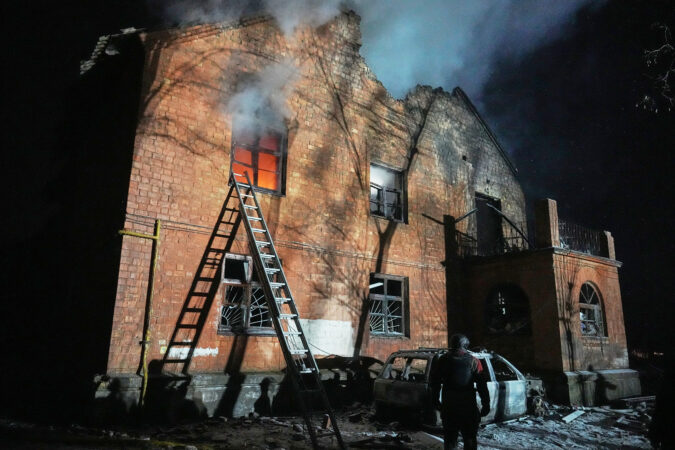
    The latest Russian aerial barrage largely pummeled Kyiv, leaving close to half a million people without electricity in Kyiv and the surrounding region, officials said, as temperatures plummeted — prompting Mayor Vitali Klitschko to urge residents to temporarily evacuate the capital if possible.

    Klitschko said nearly 6,000 apartment buildings — half of the city’s total — were without heat. Water supply was disrupted in some districts, he said, and he urged residents, “who have the opportunity to temporarily leave the city” to find “alternative sources of power and heat.”

    Russian forces first used the Oreshnik — meaning “hazelnut tree” — in an attack on Ukraine in November 2024, creating concern in Western capitals over Moscow’s potential use of nuclear-capable weapons in the conflict. The missile fired overnight Friday did not carry a nuclear payload.

    Countries friendly to Moscow, such as China, have warned Russia against using nuclear weapons in Ukraine, meaning Russian President Vladimir Putin would risk wide international condemnation even by using a small-scale “tactical” nuclear weapon. Depending on the target, a nuclear strike could also pose the danger of releasing radiation next door to Putin’s own country.

    The Russian Defense Ministry said that the Oreshnik was launched in retaliation for a claimed attack by Ukrainian drones on one of Putin’s residences — an attack that Trump, citing U.S. intelligence, now says never happened.

    Trump initially expressed fury over the alleged drone strike after Putin told him that his residence in the northwestern Novgorod region had been targeted by drones. Kyiv, however, forcefully denied the attack, and local residents did not post anything about it on social media, despite Russia’s claims that 91 drones had been involved and shot down. Days later, Trump rejected Moscow’s claims.

    In its statement, on the Telegram messaging platform, the Russian Defense Ministry called the alleged drone incident a “terrorist attack.”

    Trump told reporters earlier this week: “I don’t believe that strike happened.”

    Trump has been pushing an initiative to halt Russia’s war but with little indication that Putin is willing to support any ceasefire. After a meeting in Paris this week, European leaders and Ukrainian President Volodymyr Zelensky said they had made progress on plans to provide postwar security guarantees and that their initiative was ready for Trump’s approval. Russia, however, quickly rejected any presence of Western peacekeeping forces in Ukraine, a core pillar of the security guarantees.

    On Friday, Ukrainian officials did not specify whether an Oreshnik had been used, but Zelensky later said in a social media post that an Oreshnik had been part of Russia’s overnight aerial assault.

    Ukraine’s security services, the SBU, said that its investigators had found debris indicating the missile was an Oreshnik — including the “stabilization and guidance unit,” which was described as the “brain” of the missile, and “parts from the engine unit.”

    The country’s western air command said in a Facebook post that “the enemy launched a missile strike on infrastructure facilities in Lviv using a ballistic missile.”

    “The air target was moving at a speed of about 13,000 kilometers per hour along a ballistic trajectory,” the air command said. “The type of missile with which the Russian aggressors attacked the city will be established after studying all its elements.”

    Ukrainian media reported six loud explosions in the Lviv region, one after another, shortly before midnight.

    In a Telegram post, Ukraine’s air force said that a “medium-rаnge ballistic missile” was launched from Russia’s Kapustin Yar test site, in the Astrakhan region on the Caspian Sea.

    Ukrainian Foreign Minister Andrii Sybiha said the possible use of an Oreshnik near Ukraine’s border with European Union and NATO member Poland was “a grave threat to the security on the European continent and a test for the transatlantic community.”

    “We demand strong responses to Russia’s reckless actions,” Sybiha wrote on X.

    “It is absurd that Russia attempts to justify this strike with the fake ‘Putin residence attack’ that never happened,” he wrote, adding that Putin used the Oreshnik “in response to his own hallucinations — this is truly a global threat.”

    Alexander Gabuev, director of the Carnegie Russia Eurasia Center, said that Russia’s use of the Oreshnik as a “high precision kinetic weapon with normal warheads” did not make a great deal of sense, since the destruction it caused was “limited.”

    Instead, Gabuev said it was potentially “a signal” — that in striking the Lviv region in far western Ukraine “no part of the country is immune.” It also could be a warning to Western leaders that any peacekeeping contingent sent to Ukraine would be vulnerable.

    “The message could be both to undermine Ukrainian morale but also to show that, look, if you place Western military, it will not be immune, because we have multiple ways to reach these troops,” Gabuev said in an interview.

    In addition to the Oreshnik, Ukraine’s air force said that the Russian attack involved 242 drones “of various types” and 36 missiles, including 13 ballistic missiles. In total, the air force said that 18 missiles and 16 drones pummeled 19 locations.

    “The main direction of the attack was Kyiv region,” the air force said. Air raid alerts in the capital lasted until the early morning hours on Friday, with explosions ringing out regularly — as Ukrainian antiaircraft defenses countered the aerial assault and some of the drones and missiles hit their targets.

    At least four people died and 22 were injured in Kyiv, Ukraine’s state emergency service said.

    Among those killed was a first responder, Serhiy Smolyak. “When the emergency medical team arrived at the scene of the shelling of a residential building, the enemy launched a second strike,” Ukrainian Health Minister Viktor Liashko wrote on social media.

    The damage to Kyiv’s critical infrastructure was extensive, city officials said. Tymur Tkachenko, head of Kyiv’s military administration, said that at least 50 buildings, four educational institutions and 18 cars were damaged, as well as “more than 1,000 broken windows.” A Russian drone also damaged the Qatari Embassy in Kyiv, Zelensky said.

    The difficult energy situation was made worse as temperatures across Ukraine were forecasted to remain well below freezing.

    “This is one of the most difficult attacks on the city,” Tkachenko said. This was in part due to “the challenging weather,” he said, which the Russians were “counting on,” hoping that “we will freeze and our services will collapse.”

    Klitschko warned Kyiv residents that the cold weather would not let up for some time.

    “City services are operating in emergency mode,” the mayor wrote on Telegram. “And the weather conditions, unfortunately, are forecast to be difficult in the coming days.”