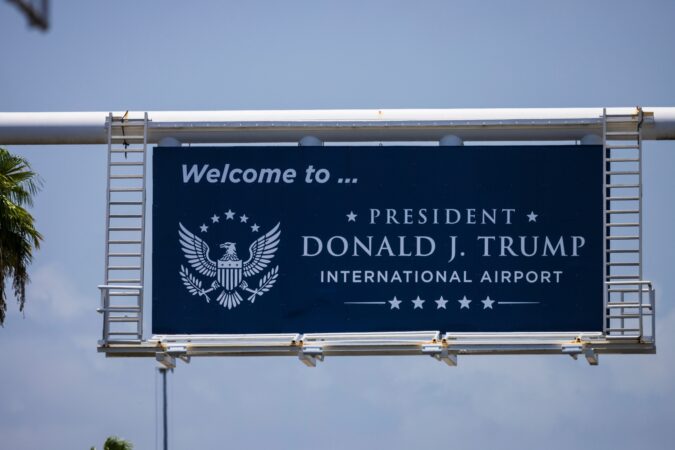
Palm Beach International Airport in Florida is now President Donald J. Trump International Airport.
The name change became official Thursday morning, the Federal Aviation Administration announced. Eric Trump, Trump’s son and the executive vice president of the Trump Organization, shared a video on social media in which an air traffic controller is heard announcing the name change to the pilots of the president’s private Boeing 757 as it approached the airport for a landing just after 5 a.m.
“As a son, and someone who flies out of this airport nearly every day, I will forever be proud to see the initials ‘DJT’ on my boarding pass,” Eric Trump wrote in a separate post.
The airport’s three-letter code will not change to DJT from PBI until Aug. 18, according to airport officials.
Travelers will see the airport’s previous branding and new signage during a transition period that will last several weeks, airport officials said. The rollout of the new name would not disrupt airport operations, they said.
“We’re working behind the scenes to update our physical signage, terminal spaces, and digital channels to our new name: President Donald J. Trump International Airport,” the airport said on social media.
The airport sits a few miles from Mar-a-Lago, Trump’s private club and residence in Palm Beach, which has served as a hub for his political operations.
Florida Gov. Ron DeSantis, a Republican, signed a bill in March clearing the path for the airport to be renamed. Democratic state lawmakers opposed the measure, which the Legislature approved in February, arguing that it would cost about $5 million to update signs, maps and other airport materials to reflect the name change.
The New York Times reported in February that Trump’s family business had filed trademark applications for potential airport names with the U.S. Patent and Trademark Office. The applications staked a claim to three names: President Donald J. Trump International Airport, Donald J. Trump International Airport and the airport code DJT.
The applications also sought the right to use the name in connection with a variety of airport-themed merchandise, including luggage, animal carriers and “shoes for protection of airline passengers’ feet during airport security screening.”
Renaming the airport for Trump attaches his name to a gateway that is used by millions of visitors each year.
Trump has a long history of putting his name on the things he has built, owns or promotes, a list that includes Trump Tower and his golf resorts and hotels. As president, he has reached beyond his private businesses. For nearly six months starting in December, Trump’s name was added to facade of the John F. Kennedy Center for the Performing Arts in Washington until a judge ordered its removal in May. His signature is expected to appear on U.S. dollars later this year.
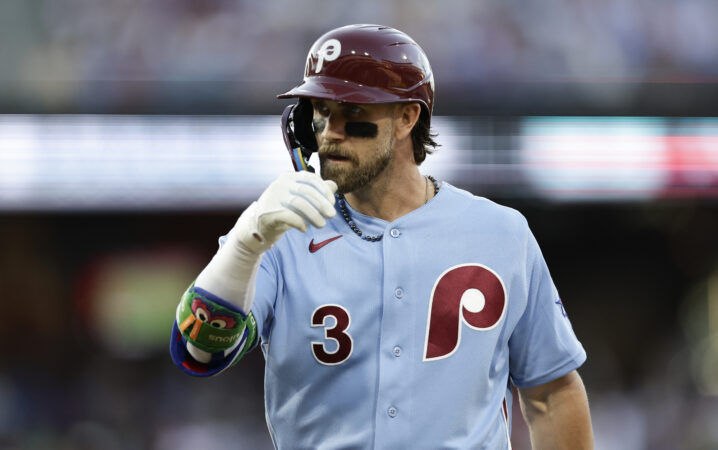
Bryce Harper on Thursday declined to discuss an Inquirer report about a personalized video of the Philadelphia Phillies star that FanDuel Sportsbook sent in November 2024 to a VIP bettor who had a gambling addiction.
The Inquirer obtained a copy of the 21-second video, which is marked with a blue FanDuel logo and shows Harper offering a greeting to the bettor, Terry Thompson, and Thompson’s son.
Harper is not wearing FanDuel merchandise but mentions that he was reaching out at the request of Thompson’s VIP manager — “your host Bryttanni at FanDuel” — who wanted to ensure that he had an “extra special Thanksgiving.”
There is no evidence that Harper had a partnership with FanDuel, nor that he had any indication that Thompson was suffering from an addiction.
FanDuel on Thursday released the following statement:
“FanDuel is committed to fostering a culture of responsible gaming and protecting our customers. Unlike illegal offshore sportsbooks, FanDuel employees are trained to recognize and flag signs of problem gambling and offer resources and tools, and we continue to review and strengthen our policies to ensure we have the industry’s strongest consumer protection initiatives.”
The Inquirer previously shared the video of Harper with his agent, Scott Boras, as well as the Phillies and Major League Baseball.
Each declined to comment.
The Phillies were in Cincinnati on Thursday, preparing to play the Reds. It was there that Harper declined through the team to address the video before a reporter could directly ask him about it. Later in the day, Harper announced on Instagram that he had decided to participate in the All-Star Home Run Derby, which will be held Monday at Citizens Bank Park.
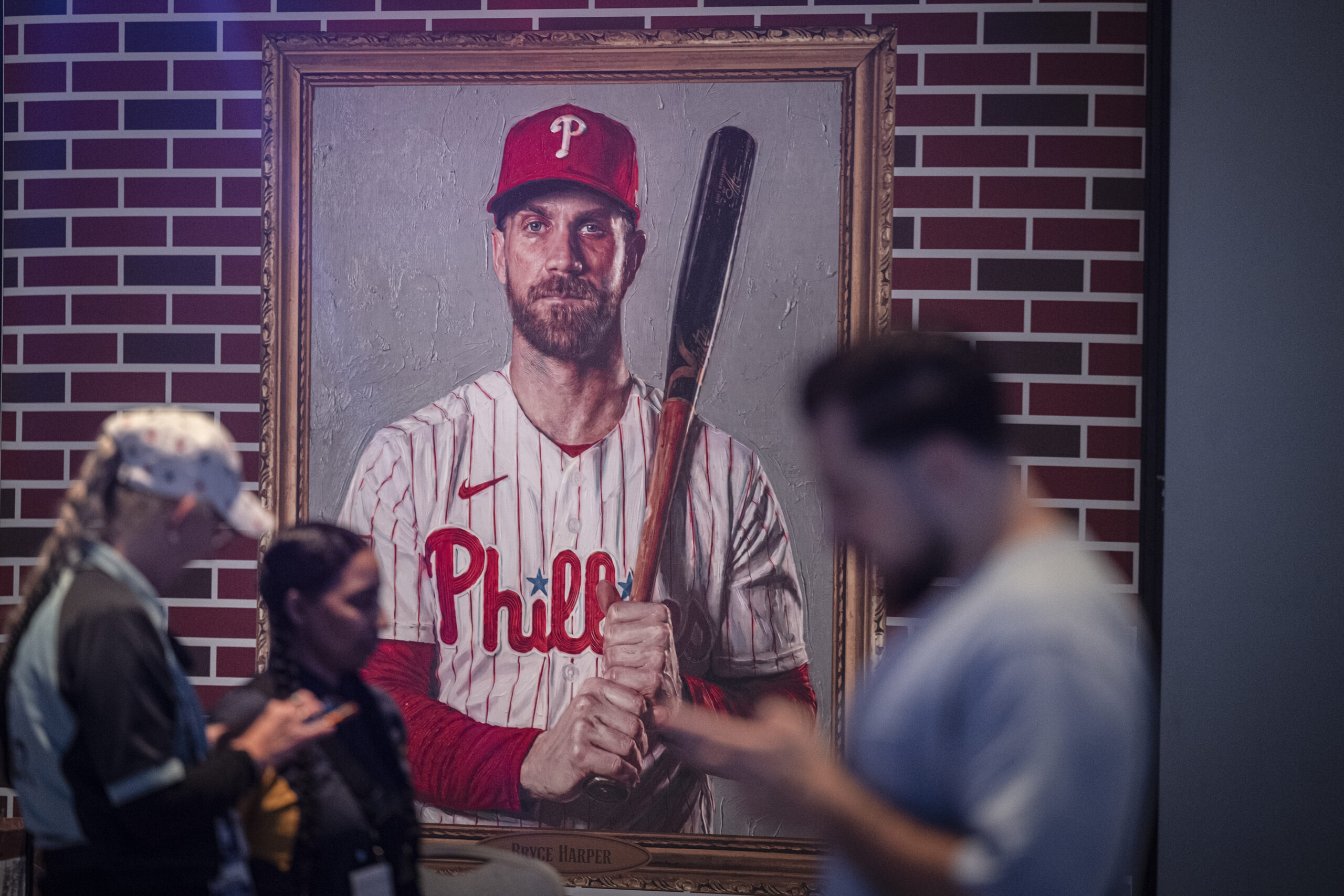
A portrait of Bryce Harper is on display at the 2026 MLB All-Star Village inside the Pennsylvania Convention Center in Philadelphia. The All-Star Game will be held next week at Citizens Bank Park.
Independent experts said the FanDuel video does not appear to be a violation of MLB’s current collective bargaining agreement, which allows athletes to appear in advertisements or make personal appearances for casinos, racetracks, or sportsbook companies, so long as the ballplayers do not encourage betting on baseball.
The current policy, which is scheduled to expire in December, does not specifically addresses interactions with VIP programs or bettors.
Still, the episode raises ethical questions about the league’s relationship with gambling companies, whose business practices are facing increasing scrutiny from state and federal lawmakers, said Jodi Balsam, a former NFL attorney who now works as the director of the Sports Law Clinic at Brooklyn Law School.
“Is this the kind of activity that either the union or the league want their players to be associated with,” Balsam said, “if it leads to addictive and self-destructive behaviors by a fan?”
Beginning in 2020, Thompson wagered $18.5 million with FanDuel and lost $1.5 million, according to a lawsuit that the Public Health Advocacy Institute filed in March in Common Pleas Court in Philadelphia on behalf of Thompson and against FanDuel and DraftKings, to which Thompson also lost money.
Harper is not named as a defendant in the lawsuit.
Thompson’s attorneys allege that he became addicted to placing microbets — in-game wagers on something as minor as the speed of a pitch during a baseball game — until he gambled away his final $10,000 on a DraftKings parlay bet in February.
Broke and afraid of disclosing the scope of his losses to his family, Thompson contacted his therapist and indicated that he planned to take his life.
He typically announces new endorsement deals, which in the past have included companies such as Under Armour, Gatorade, and Dairy Queen.
The circumstances of how Harper came to appear in the video for Thompson, and whether he received any compensation, remain unclear.
Staff writer Lochlahn March contributed to this article.
The Inquirer will continue to report on issues related to the growth of gambling addiction — among teens and adults — across Pennsylvania. If you, or someone you know, would like to speak with a reporter, please contact David Gambacorta or William Bender at dgambacorta@inquirer.com or wbender@inquirer.com
It may be a while before the drought advisories disappear, but since Monday Philadelphia has had more rain than in any entire month since March 2025. And the city of Camden has been clocked well over a half-foot of rain.
In both instances, if it seemed like most of that came in a hurry, it did.
On Thursday, for the second time in a week, downpours set off a flood of warnings in the city, the neighboring counties and Delaware.
And more showers are possible Friday and Saturday, but the atmosphere isn’t expected to upstage its performance since it turned off last weekend’s 100-degree heat.
Thursday’s downpours wrung out 2 and 3 inches of rain in several towns across the region.
Flooding was reported along numerous roads, with vehicles stranded, including in the vicinity of the Ben Franklin Bridge, the National Weather Service said. The rains could continue until 7 or 8 p.m. Thursday, said Alex Staarmann, meteorologist inthe Mount Holly office.
Multiple water rescues have been reported in Wilmington.
Philadelphia broke a 74-year-old record for a July 9 with 2.61 inches of rain measured officially, according to the weather service.
At one point flood warnings had been posted for the city and in all seven neighboring counties.
But the rain lately has been random. And in the grand casino of the atmosphere, that was the case Thursday, and not every place got the soakings.
The drought conditions are likely to persist despite the storms
In the weekly inter-agency U.S. Drought Monitor update posted Thursday, some degree of drought conditions persisted in all of New Jersey, Philly, and the neighboring Pennsylvania counties.
The drought monitor has most of the region was in “moderate drought,” with some improvement in Burlington, Camden, and Gloucester Counties.
But all of Chester County and most Montgomery County were in “severe drought.” Southeastern New Jersey, including the Shore towns, were in “extreme drought.”
Soil moisture levels will remain significantly below normal during the next week, according to the National Oceanic and Atmospheric Administration’s Climate Prediction Center.
(function(){function e(){window.addEventListener(`message`,function(e){if(e.data[`datawrapper-height`]!==void 0){var t=document.querySelectorAll(`iframe`);for(var n in e.data[`datawrapper-height`])for(var r=0,i;i=t[r];r++)if(i.contentWindow===e.source){var a=e.data[`datawrapper-height`][n]+`px`;i.style.height=a}}})}e()})();
And it appears the atmospheric faucets are going to shut after Saturday.
Said Joseph DeSilva, meteorologist at the weather service’s Mounty Holly office, “Next week looks pretty dry.”
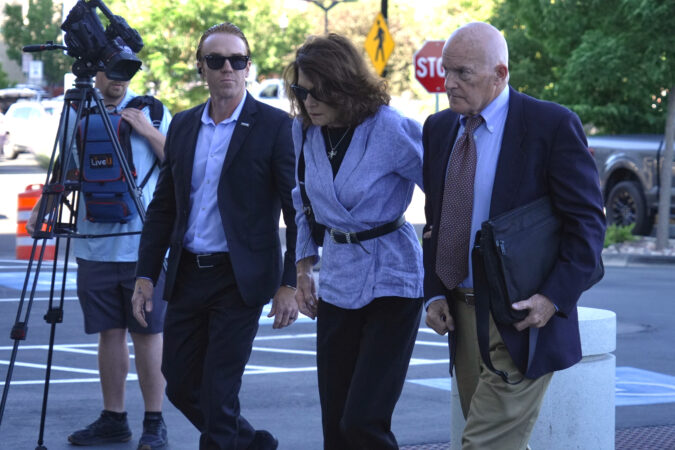
PROVO, Utah — The defendant in Charlie Kirk’s killing told his roommate “he wishes he hadn’t done it” the day after Kirk was shot in the neck while speaking to a crowd at Utah Valley University, according to a recording played in a Utah court Thursday.
Lance Twiggs, who was also defendant Tyler Robinson’s romantic partner, described the interaction with Robinson during a recorded interview with a prosecutor on April 20.
Defense attorneys had fought against the public release of the statements from Twiggs, saying prosecutors would characterize the statements as a confession, undermining Robinson’s right to a fair trial if the statements are broadcast by the media.
Robinson is charged with aggravated murder and has not entered a plea. He turned himself in a day after the fatal shooting of Kirk, a close ally of President Donald Trump credited with helping galvanize young voters for the Republican in the 2024 election.
Prosecutors allege Robinson confessed in a note left for Twiggs that read: “I had the opportunity to take out Charlie Kirk and I’m going to take it.” Robinson also allegedly sent a text to Twiggs saying he targeted Kirk because he “had enough of his hatred.”
Twiggs spoke to authorities on Sept. 12 — two days after Kirk was assassinated while speaking to a crowd of thousands at Utah Valley University — and again on April 20. He was given immunity for the statements, meaning what Twiggs said cannot be used against him in a potential criminal case.
State District Judge Tony Graf will decide at the conclusion of this week’s preliminary hearing if prosecutors have enough evidence to bring Robinson to trial.
Robinson’s attorneys have not commented on his guilt or innocence but have sought to get the death penalty taken off the table, so far unsuccessfully.
Attorneys for the media and for Kirk’s widow, Erika, who has attended this week’s hearing, had urged the judge to make Twiggs’ statements and other evidence public.
“To not be transparent, to not be open and let the world see what happened will create doubt and distrust in the judicial system,” Kirk family lawyer Jeffrey Neiman told Graf Wednesday.
Neiman filed a request late Wednesday for all evidence against Robinson to be displayed openly and in real time during this week’s hearing. Neiman wrote that Erika Kirk and Kirk’s parents had waited 10 months for the hearing but at times have been denied the chance “to meaningfully observe” it.
The judge said in response that not all evidence would be openly displayed and he needs to protect the rights of both victims and the defendant.
Investigators say Robinson went to a rooftop near where Kirk was speaking and shot him once through the neck as the activist was taking questions from a crowd of several thousand people. Kirk was pronounced dead after being taken to a hospital.
Investigators found the suspected murder weapon — a bolt-action rifle with one spent round — wrapped in a towel in a wooded area near where Kirk was shot.
Robinson has sat quietly through the hearing. On Thursday, he was dressed in a jacket and tie with one arm shackled to his waist. He appeared to be taking notes with his free hand.
Robinson’s parents and two of his brothers sat behind him, in the front row of the courtroom gallery. Charlie’s Kirk parents and Erika Kirk sat a few rows back. Sen. Mike Lee, a Utah Republican, also was in attendance.
Robinson’s lawyers earlier this week questioned the reliability of DNA testing used to link the defendant to the towel and gun.
A member of Tyler Robinson’s defense team interrogated a DNA analyst from the FBI about the techniques she used to connect Robinson to the evidence. Defense lawyer Michael Burt cast doubt on the analyst’s conclusions.
“She can’t match Mr. Robinson to the questioned samples,” Burt argued.
But forensics expert Lawrence Quarino said law enforcement agencies use “extremely reliable” tests to determine the probability that a person matches with DNA found at a crime scene.
DNA testing “is the gold standard in forensic science,” said Quarino, a professor and director of the forensic science program at Cedar Crest College in Pennsylvania.
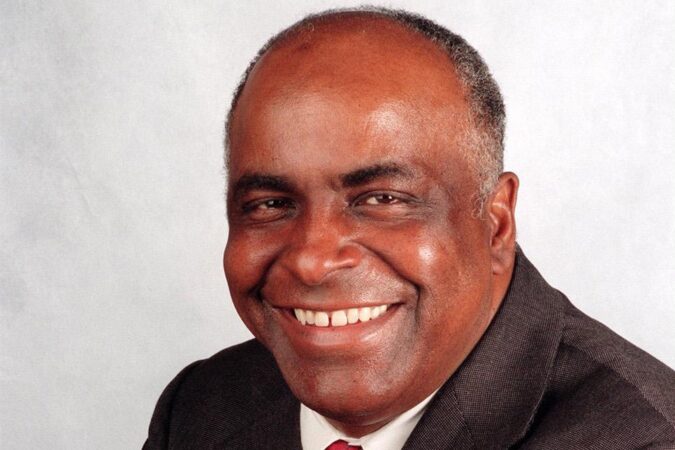
Richard H. Glanton, 79, formerly of Philadelphia, longtime lawyer, onetime executive deputy counsel to former Gov. Dick Thornburgh, business entrepreneur, former Lincoln University trustee, and innovative former president of the Barnes Foundation, died Sunday, June 21, of a heart attack at his home in Princeton.
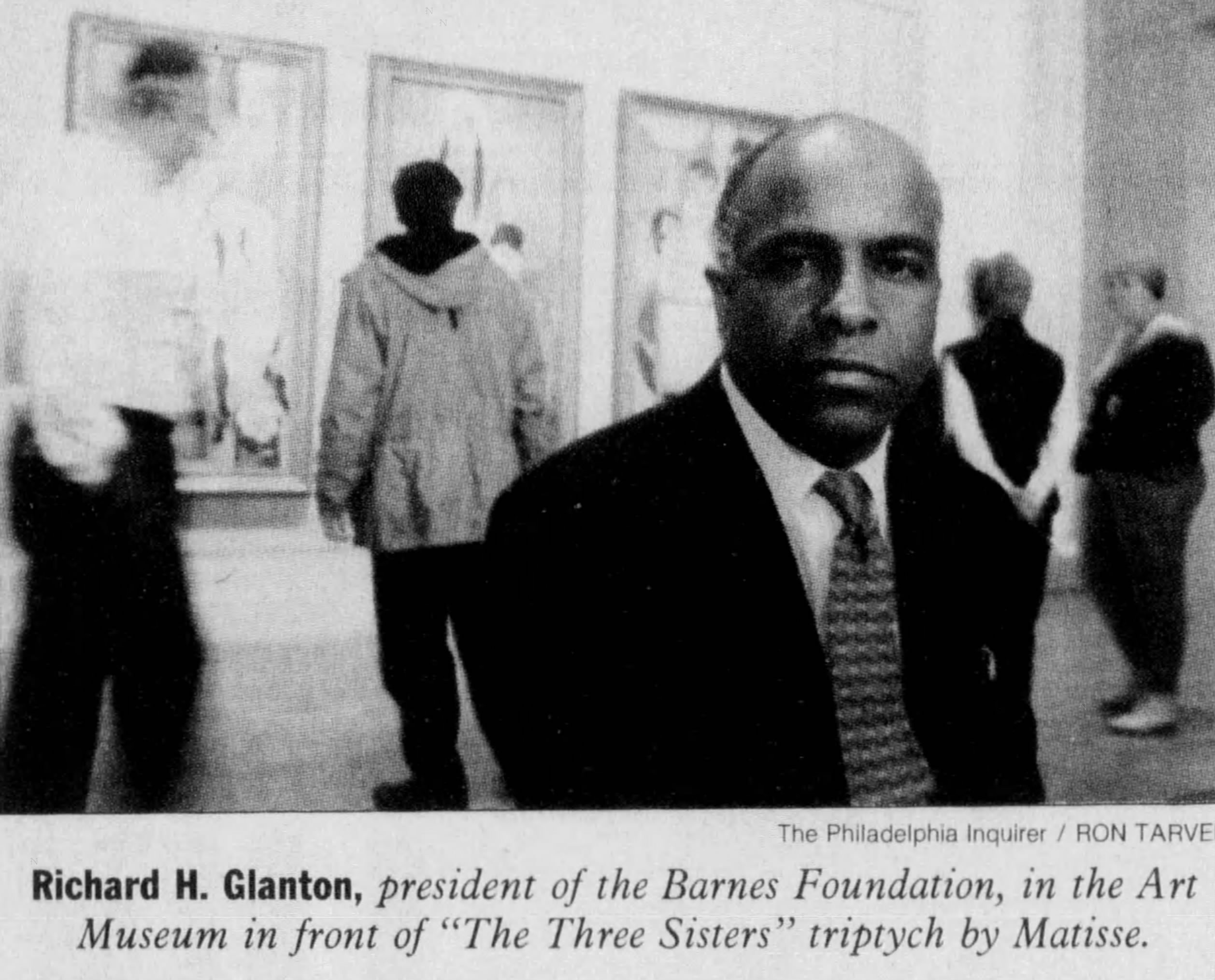
Born and reared in rural Georgia and one of the first Black graduates of what is now the University of West Georgia, Mr. Glanton went on to become a prominent Philadelphia lawyer, state government policy and administration expert, corporate vice president, and indefatigable president of the Barnes Foundation’s collection of Impressionist, post-Impressionist, and modern art.
He was elected president of the Barnes Foundation in 1990, served until 1998, and championed a series of controversial initiatives to finance extensive gallery renovations and the operation of its art collection and related educational programs. To raise the money, he suggested, among other things, selling 15 of the collection’s hundreds of paintings, charging million-dollar fees for a worldwide lending tour of 83 paintings, extending visiting hours, increasing admission, building a new parking lot, selling a coffee-table catalog, and renting out its art studios.
All of his ideas, several of which did not take place, drew supporters and critics, and Mr. Glanton, also a Barnes trustee, spoke often of his policy discussions with other Barnes officials, art experts around the world, politicians, and neighbors of the foundation building in Lower Merion Township. In 1990, he told The Inquirer. “I never purported to know anything about art. But I can lead.”
His most successful project turned out to be a two-year world lending tour of 83 foundation paintings that raised about $20 million and drew raves from museum leaders in Washington, Paris, Tokyo, Fort Worth, Toronto, and Philadelphia. The exhibition in Paris drew a then-record 1.5 million visitors, and Mr. Glanton was feted at every stop.
“Richard is somebody who started out by wanting to do something good and important and substantial, and persevered to do it despite a great deal of criticism,” Glenn D. Lowry, then director of the Art Gallery of Ontario, told The Inquirer in 1995.
Some critics said Mr. Glanton and others valued the foundation’s commercial success over its original educational role and what The Inquirer’s Edward J. Sozanski called “the Barnes mystique.” When the lending tour ended at the Philadelphia Art Museum in 1995, Mr. Glanton told The Inquirer: “I never realized or understood that it could be controversial to make available to the public a collection that is a public trust.
“But I think if you think something’s right, you should do it, whether or not people disagree, and whether it is popular or not. … You have to think not only in terms of your lifetime, but in 100 years, 1,000 years. And when you do, these little slings and arrows don’t really matter that much.”
A story and this photo of Mr. Glanton appeared in The Inquirer in 1995.
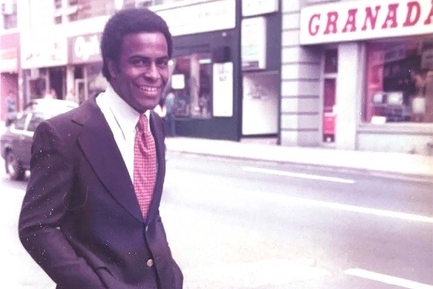
Mr. Glanton was executive deputy counsel to Gov. Thornburgh from 1979 to 1983, and he met often with constituents and helped fill judicial vacancies. “Richard is a political animal,” Ted Pillsbury, then director of the Kimbell Art Museum in Fort Worth, told The Inquirer in 1995. “He understands politics. He understands what makes politics work, and he understands people. And he does not take certain things personally.”
Mr. Glanton earned his law degree at the University of Virginia School of Law in 1972 and spent several years with the Equal Employment Opportunity Commission, United Airlines, and other companies. In Philadelphia, he represented politicians and other notable clients, and specialized in energy, insurance, and real estate cases for firms known now as WolfBlock, and Reed Smith.
He was also senior vice president of corporate development at Exelon Corp., founder of a local TV station, social media company, and consulting firm, and board member at Aqua America, the Morris Arboretum, Children’s Hospital of Philadelphia, and other groups. He ended a workplace sexual harassment suit with a private settlement in the early 1990s and had public policy spats with local government officials and former Lincoln president Niara Sudarkasa.
He considered running for mayor in 1995. Former Gov. Ed Rendell said: “He was exceptionally bright, courageous, and never afraid to challenge the status quo in pursuit of what he believed was right.”
Mr. Glanton was at home in a suit jacket and tie.
One of 11 children, Richard Howard Glanton was born Nov. 21, 1946. He was reared in rural Villa Rica, Ga., didn’t start school until the fourth grade, and he and his siblings worked for years on the family farm.
He earned a bachelor’s degree in English and, in 2005, was awarded an honorary doctorate from West Georgia. He married Scheryl Williams, and they had a daughter, Morgan, and a son, David.
After a divorce, he married Eileen Candia, and they had a daughter, Georgia. They lived in Philadelphia and Chicago, and moved to Princeton in 2009.
Mr. Glanton was a doting father, his family said. He taught his children to ride bikes and read Shakespeare. “He taught me that there was no room in which I didn’t belong or couldn’t strive to enter,” his daughter Morgan said. “I love him for that.”
Mr. Glanton was an avid reader and golfer.
Nearly everyone he met remembered his laugh and perpetual suit jacket and tie. He played golf, was an avid reader, and would talk politics for hours.
“He was fearless in his conviction to do what he believed was necessary and proper to achieve his goals and provide for his family,” his son said. His wife said: “He was kind and generous. He made everyone he spoke to feel special. He was always bringing you in.”
In addition to his wife, children, and former wife, Mr. Glanton is survived by two sisters, four brothers, and other relatives. One sister and four brothers died earlier.
Memorial services are to be held at noon Saturday, July 18, at Pleasant Hill United Methodist Church, 119 Thomas Dorsey Dr., Villa Rica, Ga. 30180, and at 11 a.m. Friday, Sept. 18, at the Union League, 140 S. Broad St., Philadelphia, Pa. 19102.
The Pennsylvania Human Relations Commission announced Wednesday the appointment of Amber J.E. Harris as its interim executive director, in what the agency cast as a stabilizing move amid a string of high-level departures and an ongoing probe into its spending.
Leadership at the state’s civil rights agency was upended this year after Gov. Josh Shapiro’s administration requested the resignation of Chad Lassiter, the commission’s executive director since 2018. Four commissioners who oversee the agency also stepped down in recent months, creating eight vacancies on the 11-member oversight board.
The three remaining commissioners voted on June 30 to install Harris, a relative newcomer to PHRC, as the temporary head of the agency. The agency announced her appointment on Wednesday.
Debate flared in Harrisburg in February over concerns about the PHRC’s use of taxpayer dollars to attend and sponsor an awards banquet hosted by the Philadelphia NAACP, which honored Lassiter.
Emails show Lassiter instructed his staff to bypass state spending rules to secure taxpayer-funded tables for himself and his team at the event.
Lassiter said the payments were both proper and aligned with the agency’s mission. The NAACP ultimately provided the tables at no cost to taxpayers. The governor’s office has not announced findings from the audit.
City Councilmember Curtis Jones Jr. — a longtime member of the commission who was named interim chair during the shake-up — said Harris will be instrumental in “easing tensions and stabilizing the agency following a period of uncertainty,” according to a statement posted on social media.
Jones did not respond to a request for additional comment on Thursday. The commissioners will lead a search process to determine a permanent replacement, PHRC spokesperson Amanda Brothman Jumper said.
Harris will be “focused on ensuring operational continuity, supporting staff, and maintaining the commission’s commitment to enforcing Pennsylvania’s civil rights laws,” Brothman Jumper said.
Harris was hired in April 2025 as regional director of the commission’s Philadelphia office, overseeing civil rights complaints filed in eastern Pennsylvania. Before that, she spent a decade as a human relations specialist at the U.S. Social Security Administration, worked at American Airlines, and cofounded a nonprofit, according to her LinkedIn page.
Harris said in a statement that she will focus on providing stability to PHRC’s staff of investigators and attorneys, who mediate potential civil rights violations in places of employment, housing, education, and accommodations.
“I believe moments of transition can also be moments of opportunity,” Harris said.
PHRC’s executive director is chosen by the commissioners, who are nominated by the governor and require approval from the state Senate.
A spokesperson for Shapiro said the administration has submitted several nominations to fill the vacant commissioner seats.
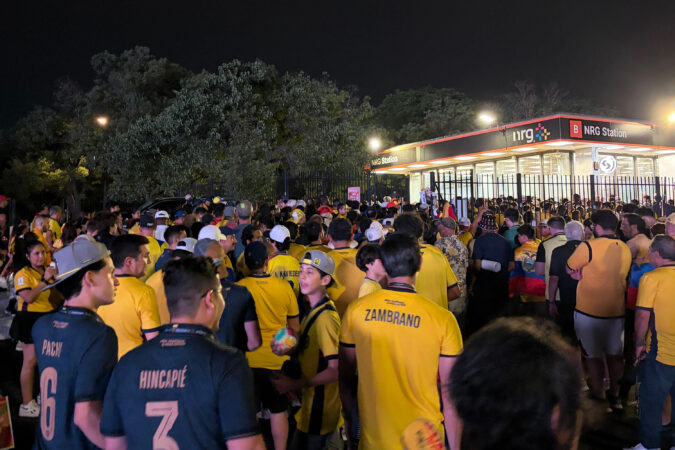
After Brazil beat Haiti in a World Cup match last month, 29,162 fans swarmed NRG Station to catch the subway.It was SEPTA’s second-highest reported crowd for a single stadium-complex event.
And the largest? The 31,087 people rode the B line after the Eagles won the NFC Championship in January 2025.
For three summer weeks, Philadelphia visitors leaned on transit — 155,333 passengers rode the subway also known as the Broad Street Line alone, SEPTA said.
From June 14 through July 4, the city hosted six World Cup matches, FIFA’s Fan Fest, and celebrations of the 250th anniversary of Independence Day.
“This was a unique opportunity for SEPTA — possibly one we will not get again for many years,“ spokesperson Andrew Busch said. ”We think there is a lot we can learn that will help improve special event service and everyday operations.”
Regional Rail also saw bumps in ridership, as did transit, primarily bus routes, serving the Fan Fest at Lemon Hill in Fairmount Park, SEPTA said. Bus routes 32 and 48 provided direct service, while Routes 7 and 49 had stops within walking distance of the festival entrance.
It helped that Brazil and Haiti’s June 19 game fell on the federal holiday of Juneteenth … and that sponsor Airbnb paid SEPTA to provide free rides home for people using the Broad Street Line on match days between halftime and the final whistle.
On July 4, when Paraguay and France met in an elimination round game and people were coming to Independence Day events, ridership on the overall system was up 15% compared to the previous year. Broad Street Line ridership was 62%; Regional Rail was up 48% and the lines serving FanFest were up 21%.
Transit agency analysts focused on post-match boardings on northbound trains at NRG Station because it was the most straightforward way to identify fans who attended the game and traveled on SEPTA, officials said.
Some riders headed to the stadium area were going to Stateside Live or checking out pregame festivities.
Customer service lessons learned, according to SEPTA:
Using megaphones to communicate with riders in crowded stations broke through the noise, helping people unfamiliar with SEPTA navigate.
Bringing a DJ to NRG Station soothed post-match crowds waiting for outbound trains. “More than a couple of dance parties broke out, and we think it helped keep the atmosphere festive,” Busch said.
SEPTA moved its start and end point for the B Line for the Sports Express trips from Fern Rock to Girard, easing crowds in Center City and shortening turnaround time.
Ridership on the Airport Regional Rail line typically increased 20% or more on the day before and day after a match.
Regional Rail’s Trenton line on the Northeast Corridor also carried more passengers than usual, as people took NJ Transit from New York City and northern New Jersey and connected to SEPTA.
While there were complaints about crowding, few major incidents were reported.
SEPTA gets another test next week with the MLB All-Star Game July 14 and related events, though they are expected to have a smaller impact.
A new study from the U.S. Food and Drug Administration detected heavy metals, including lead and arsenic, in popular tampon brands, but not enough to raise health concerns.
“While trace metals are present in tampons, the amount released during use is too small to cause harm,” the agency announced this week.
The Inquirer spoke with Robyn Faye, an OB-GYN at Jefferson Abington Hospital, about what prompted the FDA study, what women should know about it, and the latest trends in menstrual products.
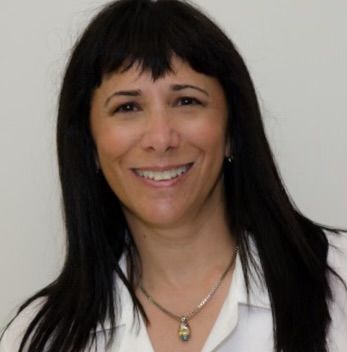
Robyn Faye, a gynecologist at Jefferson Abington Hospital, specializes in menopause and sexual health.
What triggered worry about metals in tampons?
A 2024 study by UC Berkeley raised alarms after finding trace amounts of 16 metals — arsenic, cadmium, lead, mercury, nickel — in more than a dozen different tampon unnamed brands.
The study found lead concentrations were higher in non-organic tampons, while arsenic was higher in organic tampons.
Tampons are made with cotton, rayon, or both. Researchers believe cotton can absorb metals from water, soil, or industrial contaminants near fields. Some metal might get added to tampons during manufacturing.
Metals have been linked to increased risk of dementia, cancer, kidney damage, and cardiovascular and neurological harm.
The UCstudy had a major shortcoming, however. It showed that metals exist inside raw tampon materials, but it did not test whether they leach out or get absorbed into the body, and if so, how much.
“Obviously, there was a concern about what the exposure would be to women using these tampons,” Faye said. “So they needed to look into the potential toxicological risk.”
What did the new FDA study find?
The FDA-led study, recently published in the journal Toxicological Sciences, tested 11 tampon products from six different brands sold in the United States. It did not name the brands, nor test any scented tampons.
The agency regulates tampons as “medical devices.”
While FDA scientists detected 19 metals at trace levels in tampons, they found “negligible toxicological concern.”
“The levels of metals released from tampons are not expected to result in adverse health effects,” the study concluded.
Scientists created a “worst-case” exposure, using a testing method that extracted as much metal out of the fibers as possible, under circumstances far more intensive than normal tampon use.
“They exaggerated the risk,” said Faye, who did not work on the study. “So the real-world exposure is probably even lower.”
The bottom line, she said, is tampons are safe to use.
What concerns do your patients have about tampons?
Faye said older women still worry about “toxic shock syndrome,” a rare bacterial infection caused from an open cut or vaginal wound. Many women still mistakenly believe it is a common risk from wearing a tampon too long.
Most younger patients, however, don’t use tampons.
“The trend in the younger women population is actually throwing out their tampons,” Faye said. “It’s interesting that the FDA is now doing a study on tampons when fewer girls are using them.”
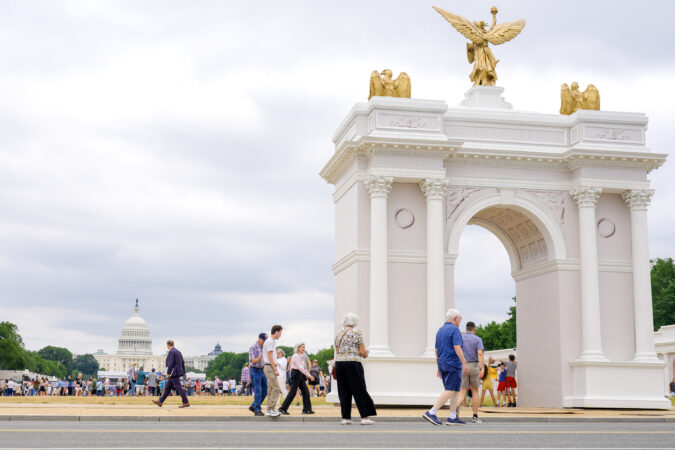
WASHINGTON — President Donald Trump’s plans to build a skyline-altering arch in the nation’s capital is getting another review from the federal commission whose approval he needs, but the agency’s staff says the project should be revised before it gets the go-ahead.
The National Capital Planning Commission is meeting Thursday to give further consideration to the Republican president’s proposed 250-foot arch.
In a report, the agency’s staff recommends that the commission approve the preliminary site and building plans for the arch. But the staff also recommends that the design be tweaked to comply with a federal law that limits building heights in downtown Washington to preserve the city’s famous skyline. The planning commission applies the law during its approval process.
“Staff suggests the Commission request the applicant revise the project design to comply with the Height of Buildings Act and return to NCPC for final approval,” the 185-page report says.
Applying the law “would require design revisions to redistribute the height between the main structure, habitable roof structure and statuary,” the report said. But even with the recommended revisions, the arch, a public observation deck and three gilded topper statues would still reach Trump’s desired 250-foot height, the report said.
The staff is also recommending that commissioners seek additional information about vehicular traffic around the arch, the proposed granite exterior and other aspects of the project before the Interior Department, which oversees the park service, returns for final approval. Trump wants to build the arch on a traffic circle on the Virginia side of the Memorial Bridge from the District of Columbia.
Commissioners heard a summary of the staff report and its recommendations and were hearing from about 40 people who signed up to testify about the project. Many cited the proposed location near the hallowed burial ground of Arlington National Cemetery in their opposition.
The U.S. Commission of Fine Arts, a separate federal agency, approved the design for the arch in May. The National Capital Planning Commission oversees construction on federal land in the city and began reviewing the arch plan in June.
Opponents of the project argue that the arch is too big for the skyline and would disrupt carefully designed views between the Lincoln Memorial and Arlington National Cemetery that were meant to symbolize the reunification of the North and the South after the Civil War.
But the opposition has done little to influence the members of either commission, both of which include some of Trump’s closest allies. Trump appointed Will Scharf, a top White House aide, to lead the planning commission.
A group of veterans and a historian have sued the Trump administration in federal court to block the arch construction over concerns about disruptions to the sightline.
The arch would be more than twice as tall as the Lincoln Memorial, which is 99 feet tall, and close to half the height of the Washington Monument, at about 555 feet tall.
Trump had said last year that the arch could be paid for with unused funds from the hundreds of millions of dollars he said he has raised from corporations, donors and other wealthy people to pay to build a new $400 million ballroom at the White House.
But, as it turns out, some public money will be used for the ballroom project, as well as the arch. The White House has not released a cost estimate for the arch.
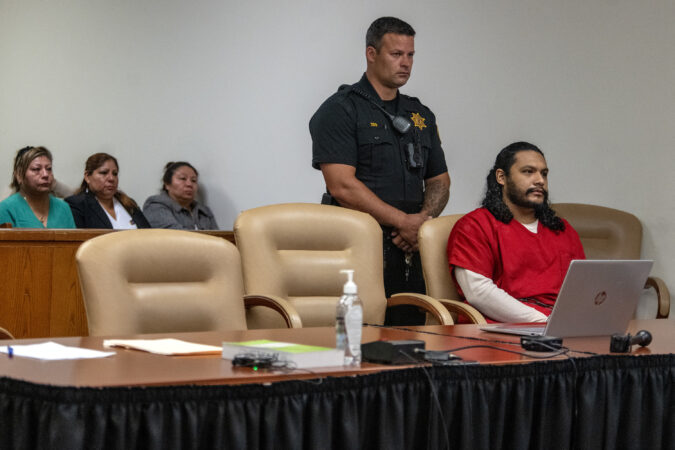
An Oregon man on Thursday was ordered to spend 30 years in prison for fatally stabbing a beloved South Jersey veterinarian at the vet’s Cherry Hill home.
During Custodio-Aquino’s sentencing before Camden County Superior Court Judge Judith Charny, Anthony’s family members spoke tearfully of late veterinarian, who they described as kind, wickedly funny, and a devoted father to his sons.
Above all, they grappled for answers as to why Custodio-Aquino murdered Anthony that morning on his front lawn.
“You took all of the future moments that should have belong to him,” said Patricia Anthony Gershefski, one of Anthony’s sisters.
Anthony Gershefski said her brother was warm and sensitive, even moving his veterinarian practice just to be closer to his children.
The brutal nature of the crime confounds the family to this day.
In her career as a professional psychologist, Anthony Gershefski said, she has found “no diagnostic category for the deliberate destruction of another person’s life in this savage and grotesque manner.”
Kyle Bartsch, Anthony’s partner, said in a statement read by prosecutors that Anthony had filled their home on Sharrowvale Road with love and laughter.
His death, Bartsch said, leaves “a permanent void in the lives of those who knew him.”
While Custodio-Aquino’s attorneys had previously suggested that prosecutors did not have enough evidence to convict their client of murder, they were mum throughout the proceeding.
In addition to the eyeglasses investigators linked to the Peru native, license plate readers captured Custodio-Aquino’s car entering and exiting Anthony’s neighborhood that morning, and forensic experts later recovered a sample of the veterinarian’s blood from the vehicle.
Prosecutors believe Custodio-Aquino traversed the country in a fit of jealousy that fall before killing Anthony.
He had previously dated Anthony’s partner, Bartsch, and once lived with the man in Haddon Township before the couple separated in 2021 after a domestic dispute, according to prosecutors.
Custodio-Aquino, given the opportunity to address the court, spoke so softly that Charny asked that he repeat himself.
Raising his voice, he said: “I do agree that the world is less than without Michael Anthony.”
He was sentenced to 30 years in a state correctional facility without parole. Charny offered few words on the ruling beyond wishing Custodio-Aquino good luck.
It was Henry Anthony, Anthony’s teenage son, who saved some of the most biting remarks for his father’s killer.
“Your life is officially over,” Anthony said, turning to look at Custodio-Aquino. “I honestly wonder what your reason for living will be for the next 30 years.”