Category: News

Latest breaking news and updates

  • How Mitch McConnell’s absence complicates the Senate’s business and war funding

    How Mitch McConnell’s absence complicates the Senate’s business and war funding

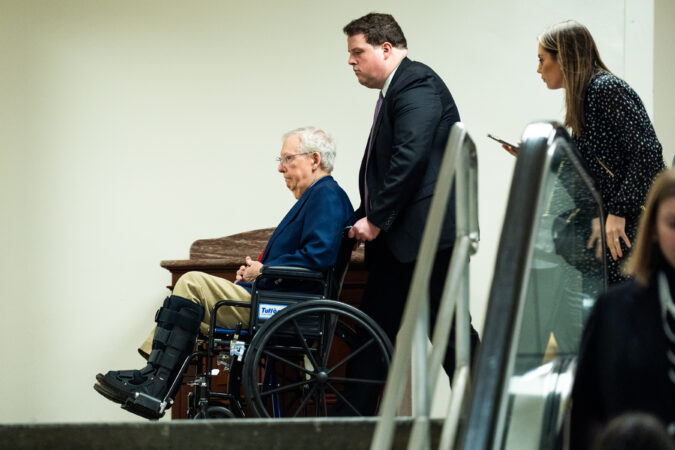
    Sen. Mitch McConnell’s current health condition and ongoing absence threatens to complicate the U.S. Senate’s return to business next week.

    Congress is returning from recess on Monday and faces a limited number of days left before the Sept. 30 deadline to fund the government for fiscal year 2027. McConnell (R., Ky.) plays a crucial role as a member of the Senate Appropriations Committee.

    Republicans and Democrats on the committee have been at a stalemate that began over disagreements about defense funding. If the two sides can’t come to an agreement, Republicans will likely need McConnell’s support to advance any spending bills out of the committee amid Democratic opposition.

    The Trump administration has requested Congress provide an additional $87.6 billion in supplemental funding for the Pentagon and other agencies, largely to cover needs related to the war with Iran, which reignited this week.

    McConnell, 84, leads the Senate Defense Appropriations Subcommittee, which has jurisdiction over that military spending. He has not cast a vote on the Senate floor since June 11. He was admitted to the hospital on June 14. While members of Senate leadership said they have since spoken to him, McConnell’s office has offered limited details about his condition and he has not been seen publicly.

    Democrats have refused to support the increase in defense funding Republicans have put forward without a comparable boost for domestic programs. That disagreement is part of the reason the committee, which normally advances these measures on a bipartisan basis, has not yet advanced any legislation for fiscal year 2027.

    The Senate Appropriations Committee planned to begin hearings the week of June 22 to review some of the nondefense bills, after previous delays related to the defense spending. But those plans were canceled due to McConnell’s absence, according to a Republican aide, who spoke on the condition of anonymity to share internal deliberations.

    A separate Republican congressional aide, who also spoke on the condition of anonymity to share internal deliberations, argued that the delays with the appropriations process “predate” McConnell’s hospitalization and blamed the delays on Senate Democrats.

    McConnell’s continued absence could make it harder for the Senate Appropriations Committee to pass budget bills, by eliminating Republicans’ one-seat majority on the panel. Without McConnell, the Appropriations committee is split evenly between Republicans and Democrats, and tied votes tend to sink legislation in committees.

    Republicans could move forward with hearings to markup the nondefense bills, but Democrats have indicated they would not support any funding measures without an agreement on overall spending levels.

    Lawmakers will have to pass a temporary stopgap funding bill to prevent a government shutdown if they cannot get the fiscal year spending bills done in time.

    McConnell’s office declined a request for comment about McConnell’s role in delaying the budget process, referring The Post to the appropriations committee. The appropriations committee pointed to a statement by its chair, Sen. Susan Collins (R., Maine), who has said there would be a hearing on the defense supplemental request.

    McConnell’s absence is attracting more concern outside of Washington. Kentucky Gov. Andy Beshear, a Democrat, sent a letter on Wednesday to McConnell’s office asking for an update on his health.

    “Over the last several weeks, Kentuckians have grown increasingly concerned about the current state of your health and well-being, and ability to hold office in the United States Senate,” Beshear said in the letter. “As public officeholders, we have made a commitment to our constituents to do our best to represent them and to always be transparent. I believe this requires clear communication about one’s ability to serve.”
  • Trump says he’ll ask Supreme Court to rehear citizenship case, an unlikely event

    Trump says he’ll ask Supreme Court to rehear citizenship case, an unlikely event

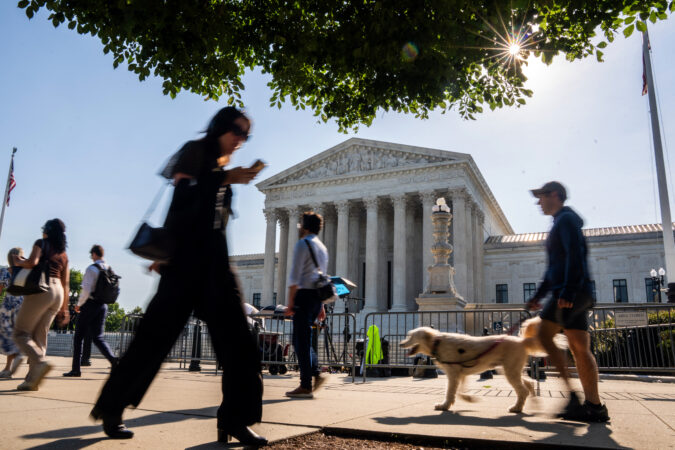
    WASHINGTON — President Donald Trump said on Wednesday that he would ask the Supreme Court to reconsider its decision to strike down his executive order that aimed to revoke birthright citizenship, a request that the justices are highly unlikely to take up.

    The declaration, made in a social media post, showed the president’s continued frustration with the court’s decision last week, when a majority of justices ruled that the citizenship given to nearly all children born on U.S. soil was enshrined in the Constitution.

    Trump claimed that signs and billboards were being placed along the southern border and in Mexico advertising the right, and that citizenship would be granted to “anyone willing to pay.”

    The president appeared to be referring to a Fox News report that identified a hospital in Texas that had advertised paying for “Birth Packages in South Texas” on billboards in Mexico. The outlet reported that Gov. Greg Abbott of Texas, a Republican, had ordered an investigation into the hospital, which told Fox News that “marketing materials regarding maternity services are no longer in use due to any unintended misunderstanding.”

    “We do not support or facilitate any unlawful activity and work to comply with all applicable federal and state laws and regulations,” the hospital added in a statement to the outlet.

    On Wednesday, Trump said that he would ask for a “rehearing” of the case “IMMEDIATELY,” and that the justices would “destroy America if they don’t change their absolutely insane decision.” As of Wednesday evening, administration lawyers had not filed a request with the court.

    Under Supreme Court rules, parties can ask the justices to rehear a so-called merits case after it has already been decided. But it is exceptionally rare for the court to grant such requests.

    The last time the court granted a rehearing request after it had announced a decision in an argued case was in 1965. The court has only once reversed itself after rehearing a case, according to Stephen I. Vladeck, a professor at Georgetown University Law Center. That reversal happened in a 1956 case examining military tribunal jurisdiction for civilian spouses of service members.

    Trump, who attended the oral arguments in the Supreme Court citizenship case, has continued to lash out at the court over its ruling, which was delivered by Chief Justice John Roberts.

    “Citizenship, then and now, was the right to have rights — to freely participate in our political community,” Roberts wrote in the decision. “The framers of the 14th Amendment extended that promise to ‘every freeborn person in this land.’”

    The 6-3 decision capped a more than decadelong effort by Trump to use the issue as a political tool. In the immediate aftermath, he urged Congress to take up the issue with legislation, incorrectly asserting that “no long and unwieldy Constitutional Amendment is necessary.”

    Several days later, the decision received renewed attention after Trump intervened in an officiating decision in the men’s World Cup on behalf of a U.S. player with foreign-born parents.

    He called Gianni Infantino, the president of the body overseeing the tournament, to protest a red card that was given to Folarin Balogun, a star player who was born in the United States while his parents, who were born in Nigeria and lived in London, were on a trip.

    FIFA, the World Cup governing body, reversed the referee’s decision, which would have prohibited Balogun from playing in a match against Belgium; the United States lost the game, 4-1, on Monday.

    Trump said that he had decided to act when he learned of the implications of the red card, saying that “when they take your best player, or just about,” it is “very unfair.”

    This article originally appeared in The New York Times.

  • The state system that runs West Chester and 9 other Pa. colleges votes to raise tuition 4.3%

    The state system that runs West Chester and 9 other Pa. colleges votes to raise tuition 4.3%

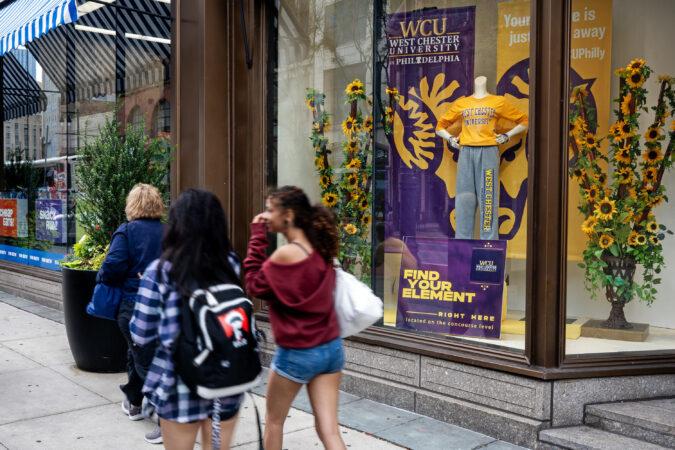
    Students in the Pennsylvania State System of Higher Education will face a 4.3% tuition hike — the largest percentage increase in a decade — if the system does not get a boost in state funding.

    PASSHE’s board of governors voted unanimously Thursday on the plan, which would enact the tuition increase if the system does not receive a 5%, or $31 million, increase in its state appropriation, which currently stands at $625 million. Gov. Shapiro has proposed flat funding for the system, and budget negotiations are continuing.

    Tuition would rise to $8,338 annually, up $344 from $7,994.

    “We’re all disappointed to … have to make this motion,” board chair Cynthia Shapira said. “We hope we do get the increase.”

    The 10 universities in the system are Cheyney, West Chester, Commonwealth, East Stroudsburg, Indiana, Kutztown, Lock Haven, Millersville, Penn West, and Shippensburg. Collectively, they enrolled 83,005 students last academic year, when the system experienced its first enrollment increase in 15 years. About 90% of students are Pennsylvania residents.

    The vote to increase tuition came one day after Temple University approved a budget that increased tuition an average of 3.4% for next year.

    Rutgers University also on Thursday voted to increase tuition 3% for in-state and out-of-state students, which the school touted as its lowest increase in four years. Tuition for a typical in-state, full-time arts and sciences undergraduate will increase on average $448 for the year, rising from $14,933 to $15,381, the school said. Meals and housing on average will rise 4%, from $15,332 to $15,945.

    Earlier this year, the University of Pennsylvania increased its total costs by 3.8% for 2026-27. Pennsylvania State University, which approves tuition increases a year in advance, hiked tuition 2% for in-state students at University Park for 2026-27 and froze it for those attending Commonwealth campuses.

    The resolution approved by the PASSHE board calls for the increase to be rolled back “if sufficient funding in state appropriation is received.”

    System chancellor Christopher Fiorentino said the tuition increase would cover the $31 million gap if the system does not get the increase. The board of governors took the same action last year and did not roll back a 3.6% tuition hike because the state held its funding flat.

    “We’re still really the most affordable four-year option that’s out there,” Fiorentino said in an interview before the meeting, comparing PASSHE schools to state-related universities like Temple and Penn State where tuition is more than twice that amount.

    Until 2025, the system had kept tuition at the same rate for seven years; if it had enacted inflationary increases, tuition would be $1,800 higher now, Fiorentino said. Preceding the freeze, tuition hikes were 2.5% in 2016-17, 3.5% in 2017-18, and 3% in 2018-19.

    Fiorentino said he continues to make the system’s case to legislators for more funding.

    “Our graduates earn 65% more over their careers than people without college degrees, which is about a million dollars in lifetime earnings,” he said. “Ninety percent of our students are from Pennsylvania, and 80% of them take their first job in Pennsylvania after they graduate. Investing in the PASSHE system … is truly an investment in the workforce of the Commonwealth of Pennsylvania.”

    System to launch new ‘last dollar’ scholarships

    The system also announced that beginning in fall 2027, it would provide “last dollar” scholarships to all Pennsylvania students who receive federal Pell and state Pennsylvania Higher Education Assistance Agency grants. For many students from the lowest-income families, the grants cover full tuition, but some families in the middle range who receive smaller amounts of aid are still on the hook for part of the cost, the chancellor said.

    “They’re the ones that tend to get caught in a bind, and they’re the ones that we’ve been worried about,” he said. “We’re going to cover the balance of their tuition” and make sure they are not affected by future tuition increases.

    Fiorentino said he hopes that donors will want to contribute to the effort so the level of aid can be expanded.

    The new scholarship program, called the PASSHE Pledge, will not cover room and board or fees.

    He did not have an estimate of how many students would qualify, but said system officials have been worried about losing them. And that would add to the enrollment decline at a time when the system, like other colleges, already is challenged by a shrinking pool of available high school students.

    “We’re hoping this is going to increase our enrollment numbers,” Fiorentino said.

    It is too early to predict fall enrollment, he said, but some of the system’s 10 universities are doing better with deposits than last year, some the same, and some a little worse.

    “We’re cautiously optimistic that we’re going to be stable,” he said.

    The system is partnering with community colleges to streamline the transfer process and concentrating on bringing students with some college credits and no degree back into the system, he said.

    “We will continue to work hard to maintain and grow our enrollments,” he said.

  • Kylian Mbappé condemns Paraguayan senator over racist remarks after World Cup match in Philly

    Kylian Mbappé condemns Paraguayan senator over racist remarks after World Cup match in Philly

    France star Kylian Mbappé on Monday condemned a Paraguayan senator over racist remarks she made following Paraguay’s loss to France in the round of 16 at the World Cup.

    Mbappé called Celeste Amarilla, a senator from Paraguay’s Liberal Radical Party, a “despicable woman” who was “unworthy” of serving in Paraguay’s Congress.

    “Through your recklessness and your brazen racism, the entire world has already forgotten the journey and the historic effort that your players accomplished during this World Cup,” Mbappé wrote on X.

    Amarilla posted a series of racist comments on X after Mbappé converted the winning penalty in France’s victory over Paraguay on Saturday, mocking the French captain’s origins, upbringing, education and appearance. France advanced to the quarterfinals, where it will face Morocco on Thursday.

    Late Monday, Amarilla issued an open letter in French and Spanish to Mbappé on social media, in which she said her problem was with the player, not the country of France. She wrote that she regretted mistreating Mbappé with “the same insults” she’s received as a mixed-race person and that she had deleted her post.

    But she also demanded an apology from Mbappé, accusing him of gender-based violence in his comments about her, and threatening legal action if he didn’t retract them.

    The Associated Press emailed France’s team media officers for comment on Amarilla’s letter.

    The Paraguayan government released a statement Monday afternoon condemning Amarilla’s remarks as “contrary to the values and principles that inspire peaceful coexistence and respect for human dignity that our country promotes.” It added that the senator’s comments do not represent either the Paraguayan government or the Paraguayan people.

    The French Football Federation on Monday denounced Amarilla’s comments as “utterly abhorrent” and “unacceptable,” adding that it would refer the matter to prosecutors.

    France’s president, Emmanuel Macron, and sports minister Marina Ferrari voiced support for the national team’s captain.

    “By targeting Kylian Mbappé, the senator is attacking everything our captain embodies and everything our country stands for: liberty, equality and fraternity,” Ferrari wrote on X.

    “One more goal for Kylian Mbappé. This time against racism,” Macron wrote on X, adding the captain had his “full support.”

    France’s assistant coach Guy Stéphan also condemned the remarks on Monday.

    “In three words, it’s indignant, abject, scandalous,” he said.

    Before Saturday’s match, former Paraguay goalkeeper José Luis Chilavert referred to France as “a squad from Africa.” Philippe Diallo, president of the FFF, said Chilavert “was once a great goalkeeper” who had now “fallen into disgrace.”

  • Philadelphia’s politics were reshaped by the effort to win the 1936 Democratic Convention

    Philadelphia’s politics were reshaped by the effort to win the 1936 Democratic Convention

    In late April, Ken Martin, chair of the Democratic National Committee (DNC), visited Philadelphia to assess the possibility of the city hosting the 2028 Democratic National Convention. He toured Xfinity Mobile Arena and met with Mayor Cherelle L. Parker and business leaders, who rolled out a “blue carpet” aimed at charming him.

    It seemed natural to see business leaders working with local politicians to try to convince the DNC to choose Philadelphia, as well as helping to raise the funds required for the city to be eligible to host the convention. Democrats dominate the city’s politics, and its elected officials tend to share local business executives’ visions for economic development.

    But these groups weren’t always aligned. In 1936, when Philadelphia made a similar push to host the Democratic Convention, the effort aroused skepticism in a city that had been a Republican stronghold for decades. Much of the skepticism was centered in the business community — where many vehemently opposed the policies of President Franklin D. Roosevelt.

    It took a push by coalition builders like Albert Greenfield, a powerful business leader, to win over skeptics. Greenfield sold his fellow businessmen by framing the pursuit not as something partisan or political, but as a venture in civic boosterism. This argument proved compelling, and business support helped land the convention for Philadelphia. Today, Greenfield’s efforts provide a model for how to bring diverse interests together to boost a city, even in times of polarization.

    Before the 1930s, Philadelphia was firmly a Republican city. In this era, the national party’s platform was dominated by pro-business politics, aligned around policies aimed at enhancing economic growth and competition.

    A thoroughly corrupt political machine led by William Vare dictated the city’s politics. Each ward had Republican committee people who purchased individual votes at a going rate of one dollar. Loyal to the Vare machine, they also ensured voters headed to the polls on Election Day. In exchange, many of these committee people were rewarded with spots on the city payroll.

    The flow of money linked voters and committee people alike to Vare and the GOP. The machine’s dominance meant that the Republicans won most local elections, and the city gave its votes to their party in federal and state contests, including in every presidential election dating back to 1856. That even included in 1932 when Roosevelt was first elected by a large margin nationally.

    The Democratic Party — which, in other cities, drew power from local machines — remained weak and made little headway because Democrats, too, relied upon patronage favors from the dominant Republicans. That made them hesitant to rock the boat or wage an assault on the Vare machine and the status quo.

    At the beginning of Roosevelt’s first term, however, the city’s politics began to shift thanks to the new president and his New Deal. Struggling Philadelphians started to feel the tangible effects of New Deal policies at precisely the same moment that changes began to occur in both parties’ leadership locally. The result was a restoration of genuine two-party competition.

    The same Depression-era pressures loosening working-class loyalty to the Republican machine also began to pull Greenfield — who had once been a staunch Republican, but had soured on Herbert Hoover — toward the Democratic Party. The businessman benefited from several million dollars in funding from the Reconstruction Finance Corporation, the governmental lender of last resort, to prop up his business enterprises. Experiencing the benefits from New Deal policies firsthand, Greenfield started to express cautious support of Roosevelt.

    From his position as chairman of the Philadelphia Chamber of Commerce Convention and Tourist Committee, Greenfield also launched an effort to recruit the Democratic Convention to Philadelphia.

    His colleagues in the Chamber of Commerce shared Greenfield’s vision of landing a party convention in 1936 — but they didn’t care which party. Greenfield himself, however, remained focused on the Democrats in part because of his friendship with the liberal newspaper publisher J. David Stern.

    In December 1935, he began soliciting donations from the city’s business leaders with the goal of raising $150,000 (more than $3.6 million in 2026 dollars) to help lure the Democrats. He framed the convention not only as an opportunity to increase business activity, but also as a means of enhancing the city’s national reputation.

    Greenfield appealed to a wide range of constituencies, at times striking an unrelenting tone in his correspondence with business leaders. In one letter, Greenfield wrote that members of the Chamber, “feel that each individual enterprise has a moral obligation and responsibility with respect to the financial requisites for securing the convention.”

    Made By History sponsors. FOR USE ON MADE BY HISTORY STORIES ONLY.

    Greenfield’s efforts quickly bore fruit. Ledgers show contributions from both businesses and individual donors in sectors ranging from dentistry to distilling and hospitality. He also sold his fellow businessmen on their contributions being a non-partisan investment that would be “returned manyfold” to those who donated. This framing made it easier for many of his still staunchly Republican peers to support the bid.

    In January 1936, after the Chamber formally invited the Democratic National Committee to hold its convention in Philadelphia, news headlines reflected the importance of the incentive package organized by Greenfield. When Philadelphia won the bid — with a financial package that ended up totaling $200,000 — The New York Times characterized the proceedings as an “auction and now a poker game.” The money Greenfield raised ultimately compelled national Democrats to shift their preference from Chicago to Philadelphia as their host city.

    Greenfield soon became the chair of the city’s convention planning committee. In that role, he assembled a cohort of other prominent business and financial figures to orchestrate the programming surrounding the convention. He promised them pomp and circumstance — which he delivered.

    When the convention finally arrived in Philadelphia in June, flags bearing the names of U.S. states and festive decorations lined Broad Street; ceremonial stamps depicted a triumphant, sun-illuminated city; press photographers documented a ceremony in which city officials registered a donkey that was part of the New York delegation to vote. The city even suspended its blue laws to allow Sunday drinking.

    In bringing the convention to Philadelphia, Greenfield constructed his own alliance that worked to replace the system long sustained by Vare and the Republican machine. While he did not offer jobs and cash to individuals in exchange for loyalty like Vare did, he created a mechanism by which the success of the convention became materially valuable to the city’s business establishment.

    If members of the city’s business community sought to access the economic benefits of this national political event, they had to do so through Greenfield, further aligning Philadelphia’s commercial interests with an individual who wanted the convention to succeed not only financially but politically as well.

    What may have begun as tentative, pragmatic support for hosting the convention evolved into a more explicit embrace of the Democratic Party, with many businesses ultimately associating themselves with Democratic messaging. One newspaper advertisement praised the efforts of Roosevelt as a force behind Philadelphia’s economic revitalization. That message received endorsements from more than a dozen small businesses, whose names were featured alongside the message of support for the president.

    At the close of the convention, Greenfield told delegates that their enthusiasm might one day lead historians to view the city as a Democratic stronghold — a prediction that ultimately proved correct. By constructing a new network of support within Philadelphia’s business community, Greenfield helped rally backing for a convention that proved to be far more than an economic boost or mere “convention fireworks.” Instead, the gathering would serve as an engine for a realignment that would hold the city for the Democratic Party through the next two decades.

    The day after the 1936 election, the city of Philadelphia awoke to stunning results. Roosevelt had carried 43 of the city’s 50 wards and the city that the Philadelphia Bulletin had confidently described as unlikely to depart from “its long tradition” as a Republican stronghold had broken sharply with it. In 1940, when the city again explored hosting either the Republican or Democratic convention, the same committee which had led fundraising in 1936 initiated both efforts. Reflecting the changes in Philadelphia politics, however, the fundraising effort to attract the Democratic convention was far more successful than efforts to court its GOP counterpart. The business community in a city that had voted reliably Republican just four years earlier now raised three and half times as much money for potentially hosting the Democratic convention as the Republican one.

    As business leaders in Philadelphia work to bring the convention back to the city, they are drawing from Greenfield’s playbook 90 years ago that brought together a new alliance of business leaders in support of a convention that proved to be a political inflection point.

    Ethan Young is a rising senior at the University of Pennsylvania studying history and political science.

    Made by History takes readers beyond the headlines with articles written and edited by professional historians. Opinions expressed do not necessarily reflect the views of The Inquirer.

  • 🍦 Is waiting in line the point? | Down the Shore

    🍦 Is waiting in line the point? | Down the Shore

    Here we are, Fourth of July in the rearview mirror. Hang on, make those beach plans because it’ll be Labor Day before you know it.

    It was a long holiday weekend that had towns and beaches bursting at the seams (also my house, with guests). But the heat that descended on Philly — and the towns just over the bridge from the Shore — never made it to the beach.

    Nights cooled off for fireworks, and the daytime breezes stayed blissfully cool off the ocean. Sorry if you missed it, but the Shore was mostly just lovely.

    Which I guess made those ridiculous lines you all waited in — for coffee, for doughnuts, for subs, for ice cream — a bit more bearable?

    What is it about being on vacation that makes it tolerable to wait an hour for coffee in Ventnor, for doughnuts in Margate, for ice cream in Stone Harbor?

    We asked our ever-ready group of Shore Line texters (sign up here) about these wild waits, and while some swore they’d never partake, or only go on off-hours, or find a way to circumvent, others made the case that those lines have actually become a sentimental, even enjoyable, part of their Shore journey. Here’s a sampling:

    I’ll wait in a longer line down the shore. It’s tradition and fun to meet people in line.

    It is akin to vacation time. No schedule; fun time. You just want go enjoy and socialize. Standing in line is a part of that experience and considered acceptable for that reason.

    Only for Springer’s Ice Cream or The Lobster House. Hanging out on the wharf waiting for The Lobster House is as much fun as eating at The Lobster House!

    Welcome to summers at the shore. The one thing you can count on is lines at the ice cream establishments. I often kid that, at a certain time on the weekends, an imaginary bell goes off and people rush out to get ice cream. No way around it.

    Standing in line for ice cream is a social event as well as eating the ice cream. Also, the ice cream is usually special.

    There’s just certain things we have to have for tradition’s sake and willing to wait 1-2 times a year.

    OK, if you all say so! Glad you’re enjoying the lines, and so no need for me to share my avoid-the-line secrets!

    📮 What are some essential Shore traditions you have to do no matter how long the wait? What memories or moments stick with you over the years of coming down the Shore? Keep scrolling for one of my essential Shore memories below, recreated this weekend for a new generation. Plus, send me yours here for a chance to be featured in this newsletter!

    Have ideas or news tips about the Shore or this newsletter? Send them to me here.

    ⛅ After a couple of rainy days, some beautiful weather appears to be on the way.

    — Amy S. Rosenberg (Follow me at @amysrosenberg, 📷 on Instagram at @amysrosenberg. 📧 Email me here.)

    If someone forwarded you this email, sign up for free here.

    Shore talk

    🧓 Atlantic County has joined Cape May County in having more people over 65 than under 18, new census figures show.

    🔉Somers Point Council tabled a proposed ordinance that would have allowed outdoor music past 11 p.m.

    🏄 The coolest people went surfing under the fireworks.

    📱 His dream Shore house popped up on his phone while eating at a Wildwood tavern.

    🏀 Knicks coach Rick Brunson brought the Larry O’Brien championship trophy around to some Margate hot spots, including Tideline and Betty’s.

    🎡 Eustace Mita tells the Cape May County Herald’s Bill Barlow he will be flexible with his hotel plans for Ocean City’s Wonderland Pier site.

    What to eat/What to do

    🐷 North Wildwood is hosting the annual New Jersey State Barbecue Championship & Angelsea Blues Festival.

    😌 Longport’s new Beach Terrace park with a zen garden is open.

    🎙️ The Stylistics will perform in Cape May on Sunday.

    🍴 Craig LaBan has food recs from LBI to Margate. He seemed especially fond of the deep-fried green tomato tots at Ellis’ Chicken & Crab Cakes in Beach Haven and the spicy Oaxacan chorizo meatballs from the newly reopened Iron Room in A.C.

    🧘🏽‍♀️Try free yoga in Atlantic City’s O’Donnell Park.

    🎹 Angeloni’s Club Madrid is hosting Sunday piano bar karaoke with Joe McGinty, former keyboardist for the Psychedelic Furs and Atlantic City native.

    🛟 South Jersey lifeguard races have begun! Here’s a schedule.

    🤫 Travel and Leisure thinks Stone Harbor is a secret and has some recs.

    Shore snapshot

    Elena D’Angelo and Dre Cook, of the Scranton area, dance during the annual Team 62 fundraising event for the Eagles Autism Foundation at the outdoor Paddy’s Green, in Sea Isle City, Wednesday, June 24, 2026.

    🧠 Trivia time

    In 2001, this city’s fireworks over the ocean led to a real show: The barge caught fire and burned out of control for hours, forcing the rescue of seven workers and a cascade of exploding shells.

    Was this city:

    A. Ocean City

    B. Atlantic City

    C. Avalon

    D. Seaside Heights

    If you think you know the answer, click on my pal Brendan Shur’s story from the wee hours of July 5 that year to find out (I went home to put my daughter to bed, what can I say).

    Your thoughts on: Wonderland Pier

    Ocean City’s City Council finally made it official: The old Wonderland Pier site was designated as being in need of rehabilitation. Let the negotiations over the hotel begin!

    Here are your thoughts:

    Bruce Sauerwine: It’s time to move on and build a hotel at the site. Mita proposed a nice looking hotel but some people want to live in the past and pretend that an amusement arcade was still a viable option at this time.

    Kerri McGinley Kistler: There is absolutely no need or justification for Mita’s hotel plan. … “Hey kids, let’s go see the hotel”- said nobody ever!

    Jeremy Maziarz: It is time for the Wonderland Pier to be re-developed. An amusement park use for this property is no longer a viable option. A mixed-use plan including a luxury hotel may actually be the best use for the site. If the height restrictions are an issue, then start the negotiation process with the developer. If he wants zoning relief, then he should offer up significant concessions to Ocean City to make it a win-win scenario.

    Debbie Federico: We love Playland’s Castaway Cove, but it is now too small to accommodate all of the young children, strollers and families that use it. It would be very beneficial to reopen Wonderland.

    Your Shore memory

    This week’s Shore memory is my own.

    For years, I had a toddler bike seat on an old green bike we’d bought for the boardwalk, and loved riding with one of my daughters on the back. I kept that bike seat on for much longer than they used it, sometimes sticking groceries into it. The rides were so special, so much fun, our way to wave to people we knew, pass the years, that I couldn’t bear to remove it, but finally took it off and stashed it in the basement.

    I kept riding that bike though, a Specialized hybrid which was already used in 1995, and extremely used now, decades of sea air rust swirling through it. But let me tell you, that bike has good bones (better not to try to switch gears).

    This past week, we dusted off the old bike seat, replaced the brake cables on the beloved bike, figured out how to replace the missing straps on the seat, and clipped it right there onto the back of the same green bike. And who wriggled happily into it under his new green toddler helmet, ready to do the obligatory “touch the end” at both the Margate and Atlantic City sides of the Boardwalk but my 2-year-old grandson.

    Send us your Shore memory! In 200 words, tell me how the Shore taps into something deep for you, and we will publish them in this space during the summer.

    By submitting your written, visual, and/or audio contributions, you agree to The Inquirer’s Terms of Use, including the grant of rights in Section 10.

  • Medford approves four housing projects with more than 200 affordable units to meet state mandate

    Medford approves four housing projects with more than 200 affordable units to meet state mandate

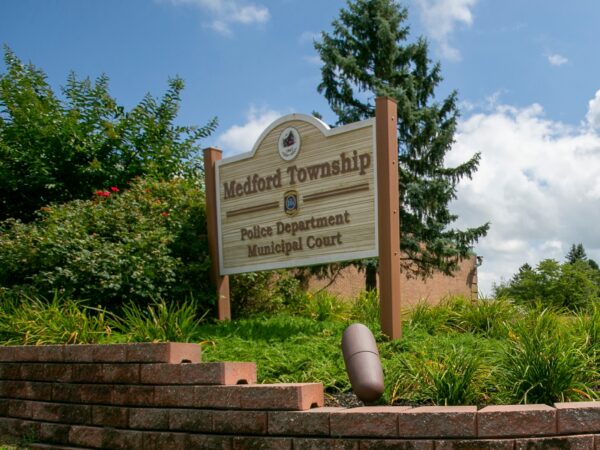
    Tackling what local officials called “one of the most significant matters” facing the Medford community, township council approved four redevelopment projects Tuesday night that will bring hundreds of affordable units to the township.

    All of the projects are part of Medford’s effort to meet their state-mandated affordable housing requirements. The housing obligations stem from a 1975 New Jersey Supreme Court ruling requiring that all municipalities develop a certain amount of affordable housing.

    Every 10 years, each municipality in the state is given a specific quota of affordable units to plan for over the next decade based on considerations that include population, income, and land capacity.

    The U.S. Department of Housing and Urban Development generally follows the 30% rule to determine affordability — any dwelling that costs 30% or less of a household’s gross income is deemed affordable.

    In New Jersey, affordable housing is restricted to households with earnings that must be at or below 80% of the area median income for the area. In Medford, the median household income is $157,969, according to the most recent data from the U.S. Census Bureau. That would mean any household earning less than roughly $126,375 per year would be eligible for the new affordable units.

    The state most recently determined Medford must build a total of 240 affordable units by 2035.

    The four development proposals that were approved would collectively add 226 affordable housing units as part of approximately 1,067 total new residential units within the township. All of the projects also plan for some type of on-site recreational amenity like playgrounds, pavilions, or picnic areas.

    As part of the agreements, builder D.R. Horton will pay the township a $3 million redeveloper’s fee and a $1.7 million recreational and community benefit contribution that will be split between local nonprofits and the Medford Youth Athletic Association.

    While the township has enough water infrastructure capacity for the new developments, D.R. Horton has also agreed to construct a water tower through the use of a $5 million special assessment bond with no cost to the township if it’s determined that water pressure is insufficient, Township Solicitor Patrick Varga said.

    Large housing developments are often contentious in South Jersey, especially in places like Medford where residents value open space and are concerned more families will overburden an already cash-strapped school district.

    In response to resident concerns about overbuilding, Medford Mayor Mike Czyzyk said Tuesday that the only residential communities that the township has approved in recent memory were related to the township’s affordable housing requirements.

    “Medford has had a history of not building residential unless it’s required by the state,” Czyzyk told attendees during the meeting. “So as it stands today, there are no large or small-scale residential tracts being developed. There may be parcels being developed for residential use, like on Mill Street and in different areas, but there’s no communities coming to Medford outside of the ones required to be built to satisfy our affordable housing need.”

    During Tuesday’s meeting, one resident questioned the township’s need to move forward with all of the projects at once, especially given that it is still so early in the 10-year window. But officials said that the timeline was out of their hands and they had a state deadline to meet.

    “Every town in the state of New Jersey was required to adopt and finalize how it was going to comply with its Housing Element and Fair Share Plan for the Fourth Round by March 15,” Varga said. “The Township of Medford was one of a handful of towns that received an extension.”

    Now that council has approved the redevelopment agreements, the township will be taking the plans before a judge who will determine if Medford is in compliance with their housing requirements.

    Here’s what’s included in each of the redevelopment plans:

    The Reserve at Ironbridge

    Located on a 64-acre parcel at the intersection of Church and Eayrestown Roads, the Reserve at Ironbridge will include up to 287 total units, 48 of which will be designated as affordable.

    Landing at Kirby’s Mill

    Not far away, a 61-acre lot at Church and Fostertown Roads will become the 198-unit Landing at Kirby’s Mill. Forty of these units will be affordable.

    Trollinger-Stonebridge

    The largest of the four projects, the Trollinger-Stonebridge project will total more than 164 acres northeast of Church Road and County Route 541. The project includes up to 48 affordable units out of a total of 300 new residences. This project also includes plans for a bike trail to be constructed and paid for by the builder, pending state approval.

    Flying W

    Planned for a 114-acre lot on Fostertown Road, Flying W includes the greatest affordable housing contribution among the four projects. With 90 affordable units, 31% of the 282 total units will be set aside for low-income residents. All market-rate units in the development will be age-restricted.

  • Ardmore adds a dozen businesses | Inquirer Lower Merion

    Ardmore adds a dozen businesses | Inquirer Lower Merion

    Hi, Lower Merion! 👋

    If it seems new spots are opening regularly in Ardmore, you’re not wrong. We take a look at the dozen businesses that have set up shop this year and the ones still to come. Also this week, we pay a visit to new Japanese steakhouse OGYU, the viral dot cake has come to Bryn Mawr, plus, the district attorney has dropped assault charges against Mike Missanelli.

    If someone forwarded you this email, sign up for free here.

    Ardmore’s retail boom continues

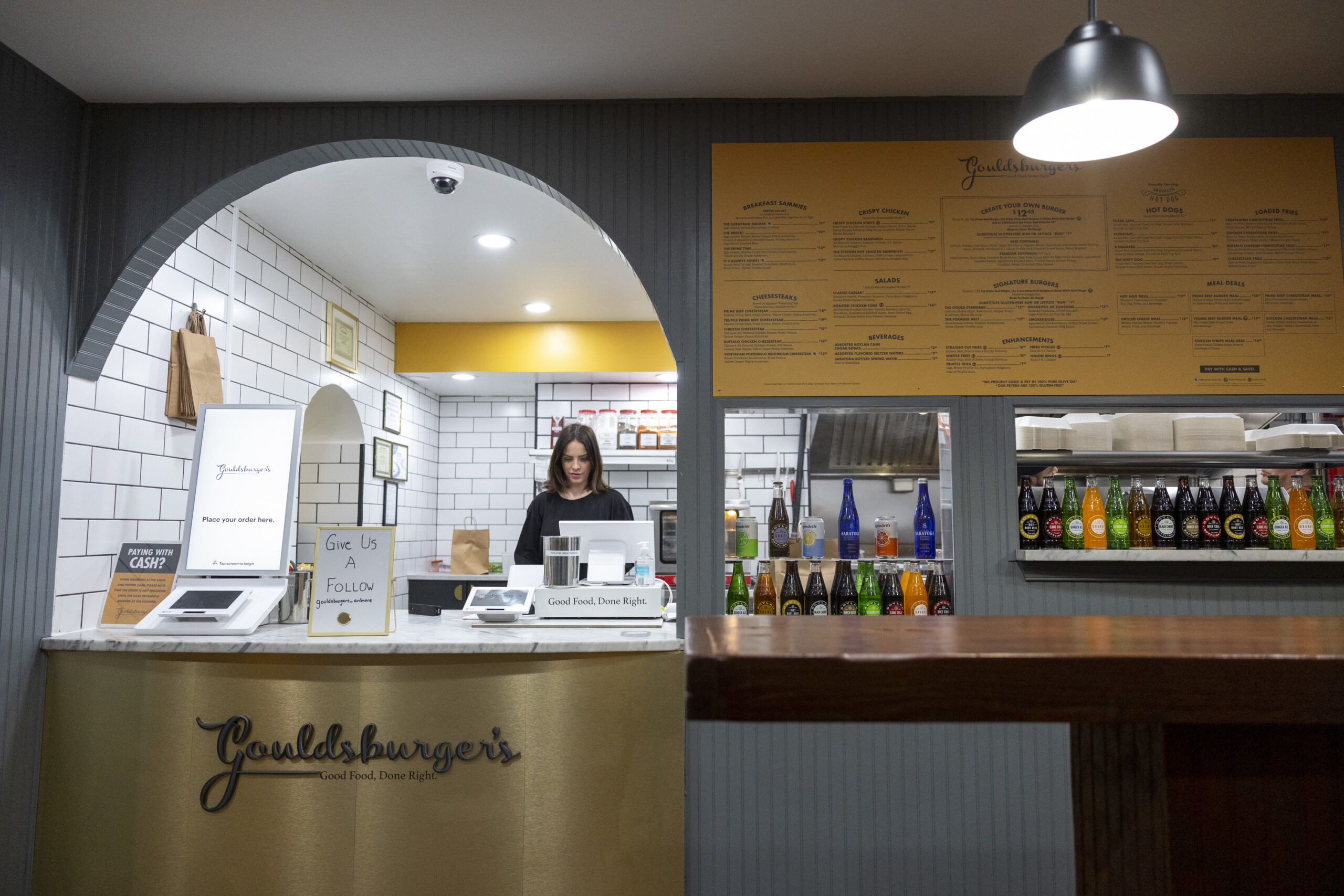
    Gouldsburger’s is among the recent openings in Ardmore.

    Downtown Ardmore has welcomed a dozen new businesses so far this year, with more still on the horizon.

    Newcomers have ranged broadly from a Japanese barbecue joint to a home goods spot to a new yoga studio. A pair of burger eateries have also joined the fray.

    The downtown core’s scene will continue to grow when five new concepts open later this year. Here’s the scoop on what’s still to come.

    💡 Community News

    • The Montgomery County District Attorney’s office has concluded its investigation into an April domestic incident between Mike Missanelli and his fiancée at their home in Lower Merion and withdrawn assault charges against the sports radio personality.
    • The community is mourning the death of Narberth resident and longtime Friends’ Central Lower School teacher Peter Grove, who died in May at the age of 82. An award-winning educator, Grove mentored other teachers and fellow naturalists, and created dozens of notable community gardens throughout the region.
    • Two people, a 35-year-old woman and a 40-year-old man, were critically injured when a tree fell on their car while they were driving in Lower Merion on Friday. A 10-year-old girl who was also in the car suffered minor injuries. (6abc)
    • There will be a virtual meeting Monday at 11 a.m. for residents interested in learning more about Ardmore House II, the affordable senior community expected to open later this year.
    • Penn Valley resident Samantha Paige Rosen’s debut book, Living, Together: Reimagining Community in the Age of Disconnection, is due out Tuesday. In it, she and nearly two dozen other writers explore what it means to live communally. She’ll host a book launch event next Thursday from 6:30 to 9 p.m. at the Philadelphia Ethical Society.

    🍽️ On our Plate

    🎳 Things to Do

    🎸 Echoes: Tickets are going fast for the Pink Floyd tribute band, which will perform the entirety of “Wish You Were Here.” ⏰ Friday, July 10, 8 p.m. 💵 $26.91 📍 Ardmore Music Hall

    🧚 The Little Mermen and The Princess Pals: The kid-friendly show will include performances of iconic Disney songs through the ages. ⏰ Sunday, July 12, noon 💵 $26.91-$67.28 📍 Ardmore Music Hall

    🎶 Bryn Mawr Twilight Concerts: American folk duo Shovels & Rope, made up of husband-and-wife duo Michael Trent and Cary Ann Hearst, will take the stage. ⏰ Sunday, July 12, 7 p.m. 💵 $25.88, free for kids 12 and under 📍 Bryn Mawr Gazebo

    🎵 Music in the Park: The Daniel Villarreal Trio brings its mash up of psychedelia, jazz, Latin rock, and funk to the stage. ⏰ Wednesday, July 15, 7 p.m. 💵 Free 📍 Narberth Park gazebo

    🏡 On the Market

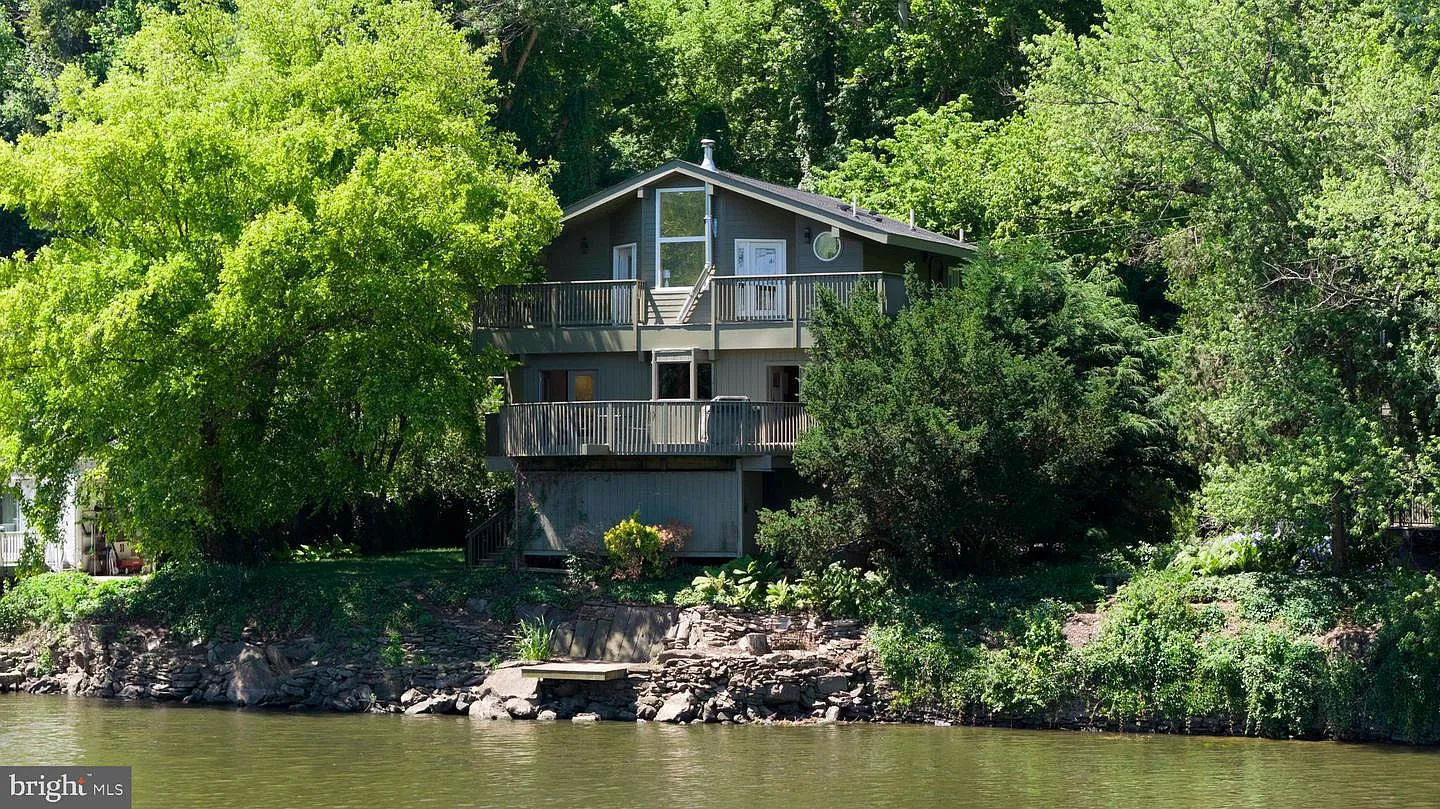
    A waterfront Gladwyne home with a private dock

    The lodge-style home has its own dock and plenty of water vistas.

    Situated on the banks of the Schuylkill River, this Gladwyne home has unobstructed water views and multiple decks to enjoy them from, in addition to its own dock. The main living level features a living room that looks out on the water and also has a wood stove surrounded by Moravian tiles. The space opens onto a rounded deck, as well as a dining area and kitchen. There are four bedrooms, including a primary suite with its own balcony and walk-in closet.

    See more photos of the home here.

    Price: $899,900 | Size: 2,200 SF | Acreage: 0.1

    🗞️ What other Lower Merion residents are reading this week:

    By submitting your written, visual, and/or audio contributions, you agree to The Inquirer’s Terms of Use, including the grant of rights in Section 10.

    This suburban content is produced with support from the Leslie Miller and Richard Worley Foundation and The Lenfest Institute for Journalism. Editorial content is created independently of the project donors. Gifts to support The Inquirer’s high-impact journalism can be made at inquirer.com/donate. A list of Lenfest Institute donors can be found at lenfestinstitute.org/supporters.

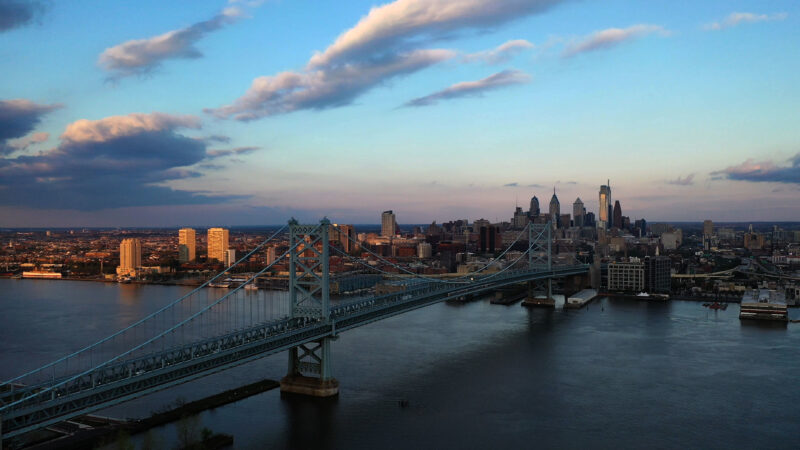
  • What to know about the closure of the Ben Franklin Bridge this Saturday

    What to know about the closure of the Ben Franklin Bridge this Saturday

    With Philadelphia’s Fourth of July festivities for the United States’ 250th birthday having come and gone, this weekend will mark a celebration for a newly minted centenarian. And with any luck, that party won’t run so late.

    Technically, the Benjamin Franklin Bridge turned 100 on July 1, but the Delaware River Port Authority will mark that milestone with a party Saturday.

    Set to take place from 10 a.m. to 2:30 p.m. on the Camden side of the bridge near its toll plaza, the event will close the bridge to vehicles for much of the day, allowing attendees to walk the span’s roadway.

    The party will feature interactive historical displays, food trucks, music, and other activities. It’s open to the public and free to attend, and while not required, advance registration via the DRPA website is encouraged, officials said.

    “For 100 years, the Ben Franklin Bridge has stood as more than a crossing over the Delaware River. It is a public promise,” John T. Hanson, DRPA chief executive officer, said in a statement. “We are proud to invite the public to celebrate its past, recognize those who have preserved it, and look ahead to the next 100 years.”

    Here is what you need to know:

    Closed to cars

    Due to the event, the bridge will be closed to vehicular traffic in both directions from 8:30 a.m. to 4 p.m. Saturday, DRPA officials said in a statement.

    Road closures around the Benjamin Franklin Bridge, officials said, should be expected during the event. However, the Walt Whitman and Betsy Ross Bridges will remain open for motorists.

    While the bridge travel lanes will be open to foot traffic, the pedestrian walkway will be closed during the event. It will reopen at 2:30 p.m., and continue to operating until 9 p.m., the usual closing time.

    Additionally, PATCO trains will continue to operate across the bridge Saturday, with enhanced service instituted to allow trains to run every 15 minutes throughout the bridge celebration.

    How to get there

    For those looking to get to the Camden side’s main party area, DRPA officials advise using the PATCO option from Philadelphia, which can get you to Camden’s City Hall station nearby.

    There will also be a complimentary shuttle service operating continuously throughout the event. One shuttle route runs between the Camden City Hall station and the event entrance, and another from PATCO’s Franklin Square Station at 7th and Race Streets in Philly to the event site in Camden, DRPA spokesperson Mike Williams said.

    And, of course, from Philly, you could just get to the Jersey side by walking across the bridge. Starting from the main event area in Camden is not required

    “The bridge walk is really the centerpiece of the celebration, and we hope attendees take advantage of this rare opportunity,” Williams said.

    Bikes are permitted on the roadway but are not permitted in the main party area.

    For those who plan on driving, parking areas will be available on the Jersey side. They include free lots at Rutgers University, on-street metered parking, and a paid parking garage at Camden Technology Center, DRPA said.

    What if it rains?

    Saturday’s event will go on rain or shine, and there is no rain date, Williams said.

    Officials had announced a rain date of July 12, but the event logistics made a rain date impractical, Williams said.

    Things to do

    In addition to the food trucks and vendors, the event will feature dance performances and special guests.

    A “Winged Victory” statue, one of four that originally sat atop the bridge at its opening in 1926, will also be on display.

    A family fun zone will offer an inflatable obstacle course and oversized yard games, as well as face painting and other entertainment, organizers said. And attendees will also be able to get up-close views of the vehicles that work on the bridge, such as a barrier mover known as a “zipper machine,” as well as front-end loaders, and dump trucks.

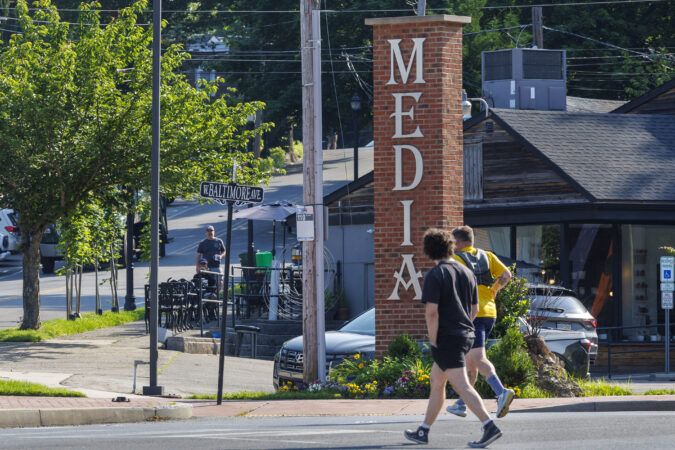
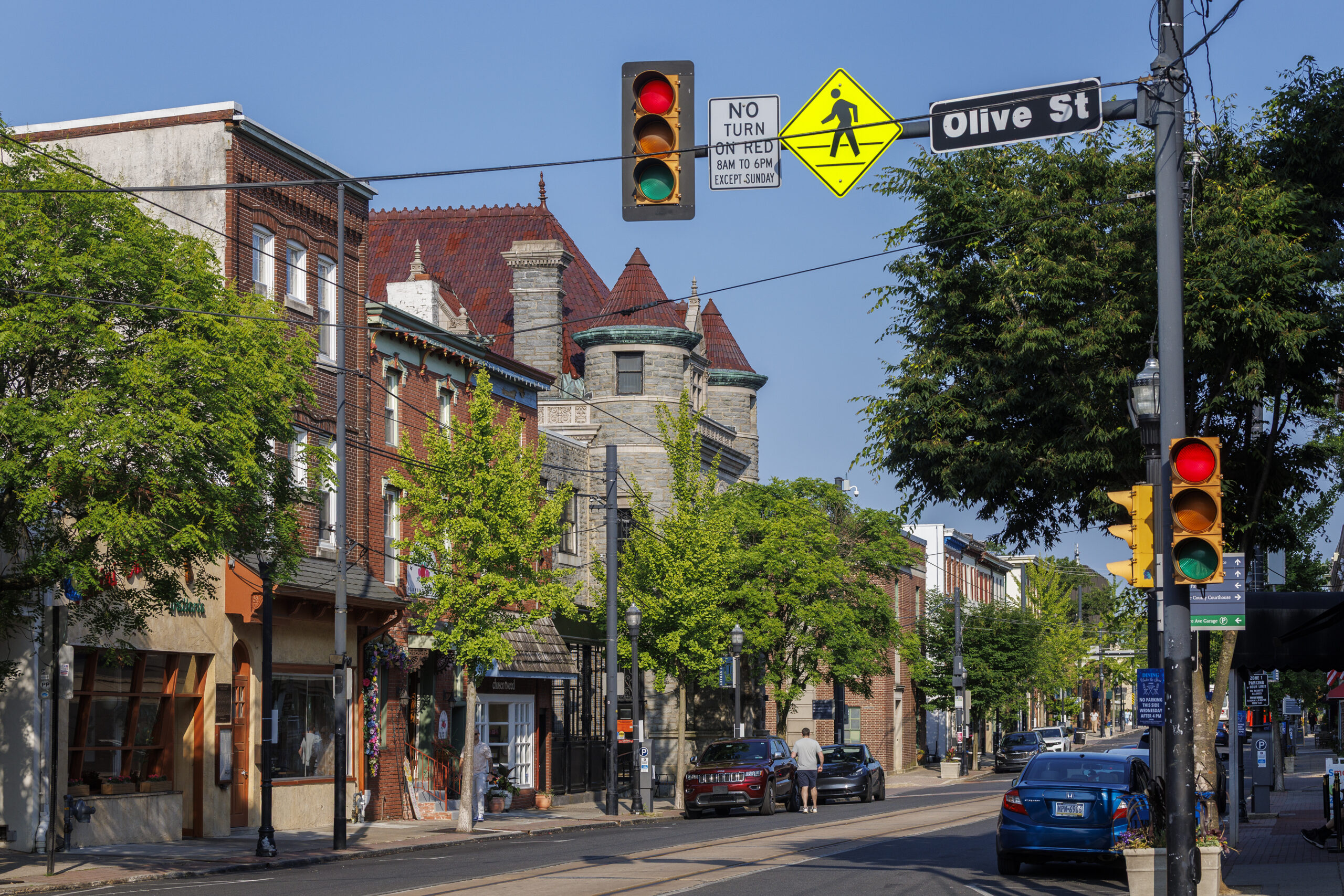
  • What will Media look like in 2035? | Inquirer Greater Media

    What will Media look like in 2035? | Inquirer Greater Media

    Hi, Greater Media! 👋

    Wonder what Media might look like in a decade? A new comprehensive plan lays out goals for the borough through 2035. Also this week, filming for the second season of Task — which just scored a handful of Emmy nods — gets underway, local coaches and players reflect on the significance of seeing Auston Trusty play in the World Cup, plus we round up area farmers markets to check out this season.

    If someone forwarded you this email, sign up for free here.

    Media’s new comprehensive plan plots the next decade

    Media recently adopted a comprehensive plan that looks ahead to 2035.

    Media has adopted a new comprehensive plan designed to help shape the next decade of local land use, housing, economic development, traffic planning, and environmental decision making.

    Based on feedback from several hundred residents, “Media 2035” reflects the community’s desire to protect the borough’s “small-town feel” as well as concerns about housing affordability, parking, and traffic.

    The Inquirer’s Denali Sagner delves into the four key takeaways intended to preserve the character of “Everybody’s Hometown.”

    💡 Community News

    • Good news for Task fans: The Delco-set HBO drama was scheduled to begin filming Season 2 this week, with shots planned around Manayunk. The filming comes around the same time the show and members of its cast scored a combined six Emmy Award nominations, including Mark Ruffalo’s “lead actor” nod.
    • Team USA’s World Cup hopes may have come to an end Monday night, but seeing Media native Auston Trusty on the field throughout this year’s tournament has meant a lot to those who played with or coached him back in the day. The Inquirer’s Alex Coffey spoke with some of them about how surreal it was to see Trusty compete on the global stage.
    • Heads up for drivers: A six-month Aqua Pennsylvania utility project is slated to get underway Monday on Providence Road in Nether Providence Township. Through the end of the year, expect weekday road closures from 9 a.m. to 3 p.m. between West Rose Valley Road and Providence Road’s intersection with Chester Road. Work will also take place on Leslie Lane. Other roadwork includes lane closures on Route 1 between Pennell and Middletown Roads in Middletown Township for resurfacing. Work is slated to start today and continue through next Friday, taking place from 9 a.m. to 3 p.m. and 7 p.m. to 5 a.m. on weekdays.
    • Delaware County is investigating a hack of its network last month that resulted in service disruptions. Here’s what we know.
    • A new “outdoor lifestyle store” is opening in Media, taking over the space formerly occupied by Homesewn, which recently moved two blocks. Media Mercantile is targeting a late summer opening at 21 E. State St.
    • The pool at Timberwyck Swim Club in Upper Providence Township has reopened after undergoing an extensive renovation.
    • Middletown Township buried a time capsule last week to capture a snapshot of what the community looks like in 2026. It includes documents, photos, and memorabilia and is slated to be opened in 2061, when the township will mark its 375th anniversary.

    🏫 Schools Briefing

    • Rose Tree Media School District will present plans for its proposed K-1 Early Learning Center at the Middletown Township planning commission meeting Tuesday at 6:30 p.m. The meeting will be held at Penn State Brandywine’s student union building to accommodate an anticipated increase in attendees.

    🍽️ On our Plate

    🎳 Things to Do

    🎶 Rose Tree Summer Festival: The upcoming lineup features performances from local eight-piece band Four Lean Hounds tonight, Carlos Santana-inspired outfit Rumbaile tomorrow, Taylor Swift tribute Jexxa and the Antiheroes on Saturday, and event band Chico’s Vibe on Sunday. On Wednesday, Bon Jovi tribute Bad Medicine will take the stage. ⏰ Thursday, July 9-Wednesday, July 15, 7:30 p.m. 💵 Free 📍 Rose Tree Park, Media

    🍿 Movie Night: This month’s featured film is the Nicholas Cage classic National Treasure. ⏰ Friday, July 10, 8 p.m. 💵 Free 📍 Media Borough Hall lawn

    🫐 Blueberry Festival: Pick your own fruit, try your hand at a pie-eating contest, and get your face painted at this annual event. ⏰ Saturday, July 11, 8 a.m.-6 p.m. (Rain date: July 12) 💵 Pay as you go 📍 Linvilla Orchards, Media

    🐉 Dragons Love Tacos: This kid-friendly show, adapted from the picture book of the same name, explores what dragons do and don’t like to eat. ⏰ Saturdays and Sundays, July 11-19, 11 a.m. and 3 p.m. 💵 $13.50-$18.50 📍 PCS Theater, Swarthmore

    🎵 Tribute to Fleetwood Mac: The Listeso String Quartet will perform some of the band’s greatest hits. ⏰ Saturday, July 11, 8:45 p.m. 💵 $42-$76 📍 The Media Theatre

    🗞️ What other Greater Media residents are reading this week:

    By submitting your written, visual, and/or audio contributions, you agree to The Inquirer’s Terms of Use, including the grant of rights in Section 10.

    This suburban content is produced with support from the Leslie Miller and Richard Worley Foundation and The Lenfest Institute for Journalism. Editorial content is created independently of the project donors. Gifts to support The Inquirer’s high-impact journalism can be made at inquirer.com/donate. A list of Lenfest Institute donors can be found at lenfestinstitute.org/supporters.