The first week of July has typically been one of Philadelphia’s most violent, with recent Independence Day weekends marked by mass shootings, police officers shot, and bursts of violence that left a dozen dead.
But this year, amid a dramatic decline in violence and a flood of visitors to the city, the holiday weekend was noticeably calmer than in years past, offering another encouraging sign that the dramatic decline in shootings held through one of its toughest tests.
Twenty-three people were shot from July 1 through July 7 — a slightly higher total than most weeks in 2026, but nearly half the average number of shooting victims during the same period over the last decade, according to city data. In 2021, at the height of the city’s gun violence crisis, more than 70 people were shot in that week alone.
If the current pace continues, Philadelphia is on track to record fewer than 200 homicides for the first time since the 1960s, a remarkable turnaround from just five years ago, when nearly three times as many people were killed.
(function(){function e(){window.addEventListener(`message`,function(e){if(e.data[`datawrapper-height`]!==void 0){var t=document.querySelectorAll(`iframe`);for(var n in e.data[`datawrapper-height`])for(var r=0,i;i=t[r];r++)if(i.contentWindow===e.source){var a=e.data[`datawrapper-height`][n]+`px`;i.style.height=a}}})}e()})();
Philadelphia Police Commissioner Kevin Bethel said in an interview that the July Fourth weekend is historically one of the most challenging for urban police departments.
Bethel said he and other city, state, and federal law enforcement officials spent about two years planning for this holiday weekend, preparing for potential crises that never came.
Anticipating hundreds of thousands of visitors for FIFA Club World Cup events and the nation’s 250th birthday celebrations, the department canceled many officers’ vacation requests over the last month and, on the Fourth, deployed more than 2,000 members of local and state law enforcement across the city, he said.
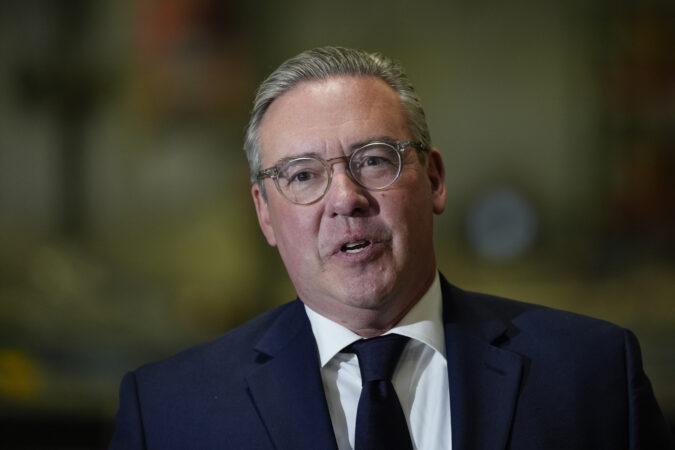
Philadelphia Police Commissioner Kevin J. Bethel, speaks at a press conference on the details for the Roots Picnic in May 2026.
Reinforcements from the Pennsylvania State Police and neighboring municipalities helped the city maintain staffing levels in neighborhoods that have historically seen more violence, Bethel said. Officers worked in the record-breaking heat, he said, with some starting their shifts at 7 a.m. and clocking out only after the concert on the Parkway ended at 3 a.m.
The FBI took the lead on monitoring the skies, Bethel said, intercepting several drones that were flying illegally. (None of the drones, he said, was flying with “nefarious” intent.)
He called the weekend a validation of the city’s planning and broader work that has contributed to the decline in gun violence.
“I can’t tell you how many people grabbed me and said they felt welcomed and felt safe,” he said of the events over the last month. “Let’s own the win. Let’s not hide from it.”
Bethel also said there had been no acts of violence around the approximately two dozen bars that were approved to stay open until 4 a.m. from June 11 to July 19 to accommodate crowds attending the FIFA, July Fourth, and MLB All-Star celebrations.
“We’re seeing zero issues,” he said.
Soccer fans gather to watch Mexico play South Africa on a giant screen during the opening day of the FIFA Fan Festival at Lemon Hill on Thursday, June 11, 2026, in Philadelphia.
The reduction in violence over the holiday weekend fits a broader pattern. Shootings and homicides in the city began to decline in 2023, mirroring a national trend, and have continued to fall. So far this year, 90 people have been killed in homicides — less than a third of the number recorded at the same time three years ago, according to police data.
Just as there was no clear explanation for the spike in crime that began in 2019, criminologists and law enforcement officials say, it is similarly difficult to pinpoint the reasons for its decline. But there are theories: an overall return to normal life after the pandemic, expanded community-based violence prevention programs, more arrests in shootings and homicides, and targeted prosecutions of some of the city’s most violent gangs.
One measurable change has been the police department’s improved clearance rates, which researchers have long viewed as a potential deterrent to future violence.
The homicide clearance rate — the share of killings solved, including arrests made this year in both new and older cases — has climbed to nearly 99%, up from about 47% in 2022. The clearance rate for nonfatal shootings has risen to about 41%, roughly double what it was in 2021.
Bethel said those arrests take would-be shooters and victims off the streets and interrupt cycles of violence.
“We’re impacting retaliation, we’re impacting somebody being shot again, we’re impacting someone who may shoot and kill somebody,” he said.
Jeff Asher, a New Orleans-based national crime analyst, said because the decline is likely driven by many programs and societal changes, it is hard to know what will sustain the progress.
“I keep expecting [the crime rate] to stop falling, and it’s just not,” he said in an interview. “So, maybe this is the new normal. We just can’t say with a ton of confidence.”
Still, the quieter weekend was not wholly peaceful.
Three men were killed between Friday and Monday morning, leaving families and neighbors to mourn loved ones even as the city showed signs of sustained progress.
On Monday morning, Shawn Caddell, 32, was killed during a robbery inside a Logan beer deli, police said. And on Sunday, two men were slain in areas that have long been hot spots for shootings: Emanuel Aguirre, 27, was fatally shot in the Hunting Park section of North Philadelphia, and Donald McPhaul, 51, was gunned down on Salford Street in West Philadelphia.
A 16-year-old in South Philadelphia was among more than a dozen people who were shot and survived.
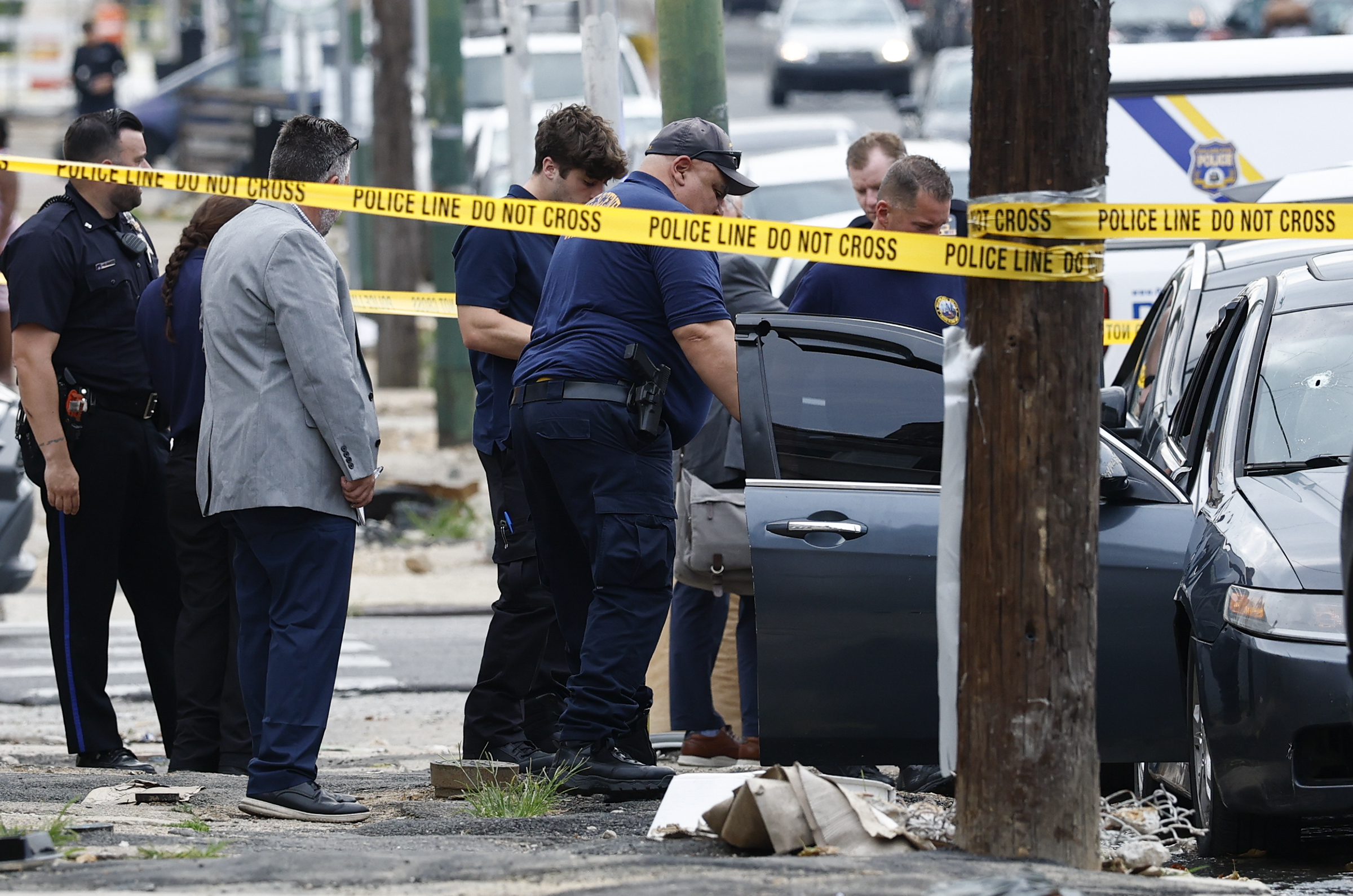
Philadelphia police examine a car with a bullet hole after a man was fatally shot along the 500 block of East Wyoming Avenue on July 5, 2026.
Bethel said the pockets of the city that have long experienced higher rates of violence — and that continue to see shootings, albeit fewer, today — remain a priority.
“We are never going to give up in those communities,” he said. “We are going to keep working in those areas.”
Recent polls have found that a majority of Philadelphians have noticed the decline and feel safer. But for residents on blocks where shootings remain a recurring threat, a citywide trend line can feel distant from daily life.
Chantay Love, president of the victim-advocacy organization EMIR Healing Center, said the communitiesseeing recurring violence are still grappling with “the trauma and collateral damage that is left behind” from the last six years.
Linda Days, 72, who lives in the area, said the shooting that killed McPhaul was another reminder of the violence she has come to expect since moving there seven years ago from Olney.
Standing in her doorway on Tuesday, Days said it feels as if gunfire has become part of the soundtrack outside her home. But during the Fourth of July weekend, she said, she is especially careful to stay inside.
“I don’t even come out to watch the fireworks,” she said.
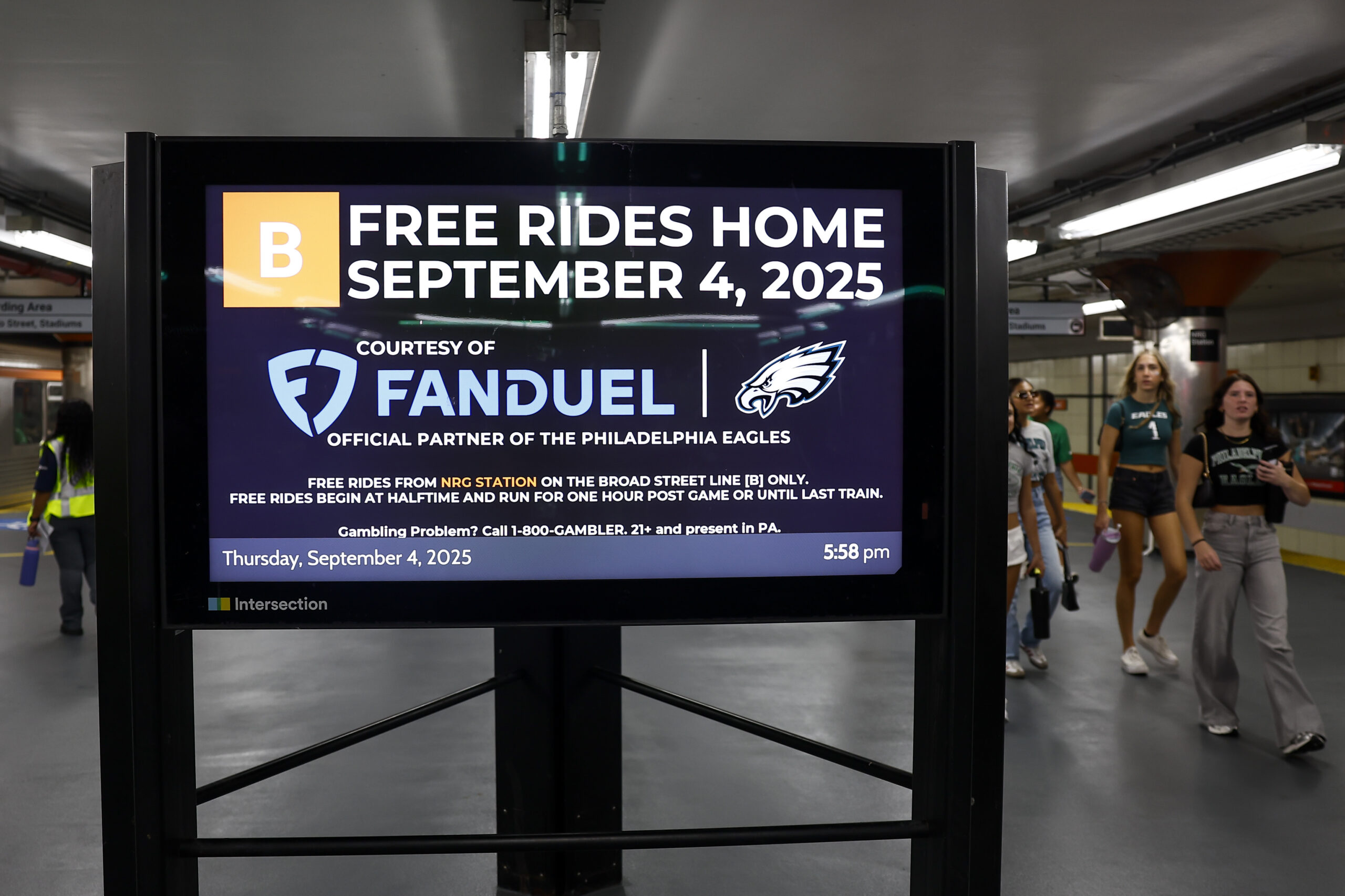
As the 2020 NFL season kicked off, Terry Thompson picked up his phone and placed a wager with FanDuel Sportsbook on his favorite team, the Philadelphia Eagles.
It was his first time gambling through an app, and he soon started placing microbets, which are in-game wagers on something as small as whether the next play would be a pass or run.
He grew addicted to the effortless, rapid-fire action. Every game, every quarter, every play — click, click, click. Thompson would ultimately wager $18.5 million with FanDuel, earning him VIP status with the company. That meant exclusive perks, from champagne to Super Bowl tickets, which made him feel important and enticed him to continue gambling.
By late November 2024, Thompson had incurred steep losses and resorted to desperate measures to fund his addiction. Then, one afternoon, he flicked open his phone and received a FanDuel reward that momentarily distracted him from his debts: a personalized video message from Philadelphia Phillies superstar Bryce Harper.
The Inquirer obtained a copy of the 21-second video. In it, Harper addresses Thompson by name and acknowledges Thompson’s young son. Harper ends by thanking Thompson for his support.
Harper is not wearing any FanDuel merchandise, but the video is marked with the company’s logo, and Harper mentions that he was reaching out at the request of Thompson’s VIP manager, “your host Bryttanni at FanDuel,” who wanted to ensure that Thompson had an “extra special Thanksgiving.”
Professional sports leaders had long recoiled at having any association with gambling. But the U.S. Supreme Court ruled in 2018 that states could legalize sports betting, and each league now has lucrative partnerships with sportsbook companies, whose advertisements can be easily found in stadiums and arenas, and during game broadcasts.
Still, league officials preach about the importance of protecting the integrity of their games and have rules that are designed to maintain distance between professional athletes and bettors. Although Major League Baseball’s policy does not explicitly reference interactions with VIP gamblers, Harper’s personal message to a bettor — apparently arranged by an employee of a major sportsbook — is a unique test of how cozy the league will allow players to get with gambling companies.
There is no evidence that Harper has an official partnership with FanDuel, or was aware that Thompson had an addiction.
The Inquirer could find no other examples of an active athlete recording a personal message to a sportsbook VIP customer who, by definition, had to be regularly betting large sums of money.
The Inquirer shared the video with Scott Boras, Harper’s longtime agent, and asked if he or Harper would discuss how FanDuel had obtained the video.
Boras declined to comment.
The Inquirer also shared the video with the Phillies and MLB. Both declined to comment, and the players union did not respond to a request for comment.
Multiple experts familiar with the fraught intersection of professional sports and the gambling industry said that while Harper does not explicitly encourage gambling in the video, it still raises concerns.
Danny Funt, who researched sportsbook VIP programs for his 2026 book, Everybody Loses: The Tumultuous Rise of American Sports Gambling, said in an email that VIP bettors sometimes get to hang out with former athletes. He cited former San Diego Charger LaDainian Tomlinson, who worked in retirement for DraftKings, as one example.
But the Harper video is entirely different, he said.
Harper, a nine-time All-Star and two-time MVP, has been one of baseball’s most marketable stars throughout his 15-year career.
“I’ve never heard of an active player, let alone a former MVP, doing something like this,” Funt said.
Leigh Steinberg — an agent who represents Kansas City Chiefs quarterback Patrick Mahomes, and whose past clients included MLB All-Stars Manny Ramirez and Will Clark — called the Harper video “bad for sports.”
Steinberg said if one of his clients approached him about doing promotional work of any kind for a sportsbook company, he would advise them to walk away.
“It’s not good for your brand,” he said. “It’s exploitative and it’s not the sort of activity you want to be associated with.”
MLB’s collective bargaining agreement, which is set to expire in December, allows athletes to appear in advertisements or make personal appearances for casinos, racetracks, or sportsbook companies, so long as the ballplayers do not encourage betting on baseball.
NFL players are prohibited from marketing or promoting “any form of gambling” under the league’s current collective bargaining agreement.
The NBA, meanwhile, allows its players to own a passive ownership stake — less than 1% — in sportsbook and prediction market companies, and engage in promotional work for gambling companies, provided they do not encourage betting on basketball. As a member of the Los Angeles Lakers, LeBron James appeared in advertisements for DraftKings.
Harper, 33, has been one of baseball’s most marketable players throughout his 15-year career. He has had endorsement deals with many companies, including Under Armour, Gatorade, Dairy Queen, and Blind Barber, a chain of barbershops and lounges of which Harper owns an equity stake.
He has also been famously unafraid of the spotlight, openly discussing everything from his Mormon faith — which prohibits gambling and alcohol use — to perceived criticism from his boss.
Professional sports leagues that once vehemently opposed any association with gambling enterprises have now embraced lucrative partnerships with sportsbook operators.
Jodi Balsam, a former NFL attorney who is now a sports law professor at Brooklyn Law School, said even if Harper’s video does not violate baseball policy, it raises ethical questions about the league’s relationship with gambling companies, whose business practices are facing increasing scrutiny from state and federal lawmakers.
“The first question I would have is, was [the Harper video] done by the sportsbook company precisely because they know they have an addicted gambler on their hands, and they’re trying to wring every cent out of him that they can?” Balsam asked.
FanDuel did not respond to a request for comment.
Balsam’s question is at the center of a lawsuit that attorneys for the nonprofit Public Health Advocacy Institute filed in March in Common Pleas Court in Philadelphia on behalf of Thompson and another plaintiff. The suit alleges that FanDuel and DraftKings, another sportsbook company, use their products and VIP services to intentionally maximize addiction.
Harper is not named in the lawsuit.
Thompson, whose attorneys declined to make him available for this story, details the depths of his gambling addiction in his lawsuit.
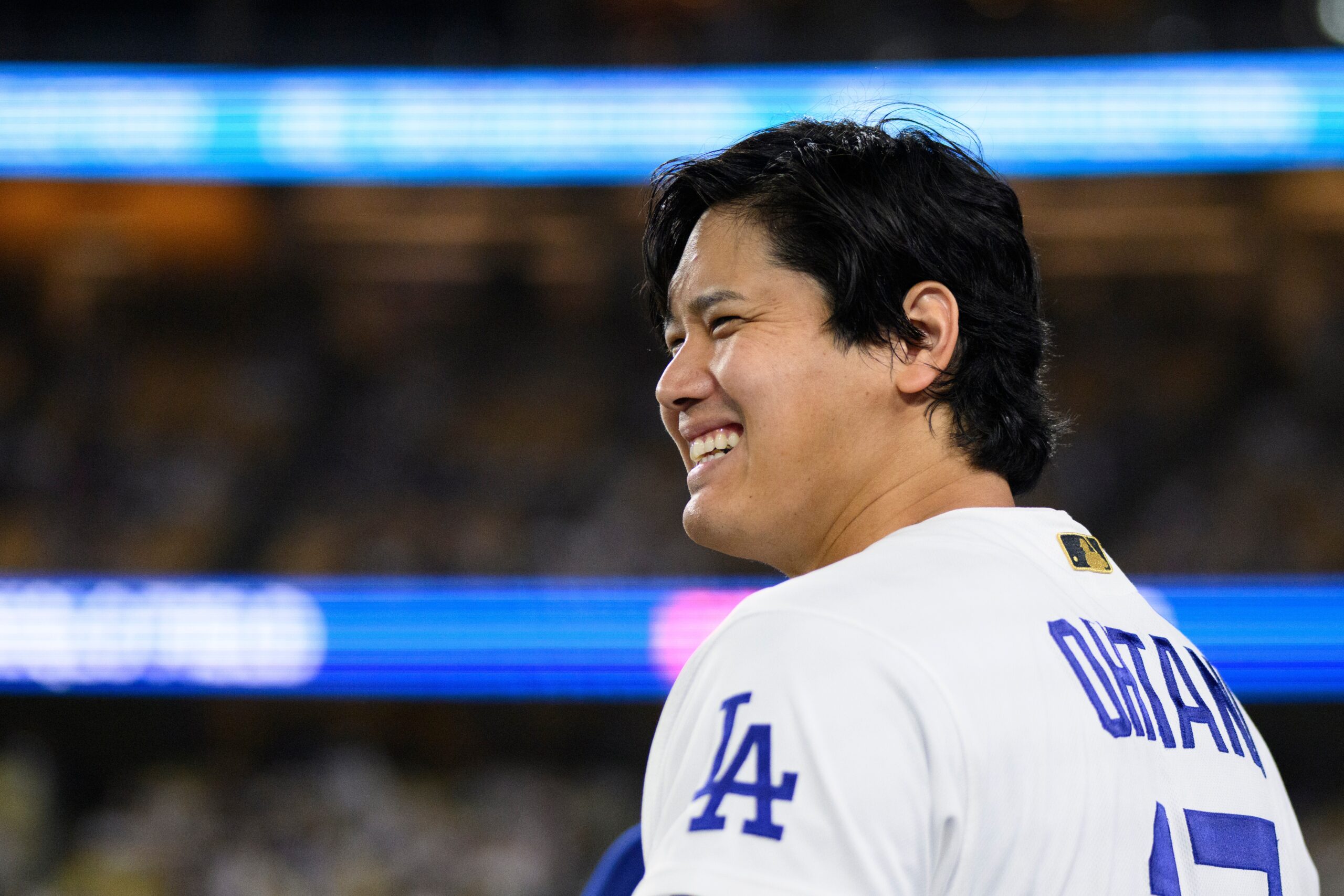
Los Angeles Dodgers star Shohei Ohtani’s former interpreter, Ippei Mizuhara, was sentenced in 2025 to 57 months in federal prison for illegally transferring nearly $17 million from Ohtani’s bank accounts to pay off gambling debts.
He alleges that he covered his losses by taking out second and third mortgages on his home, which later fell into foreclosure, and then sold his shares of an investment company that he had run for two decades.
By late February, Thompson’s suit claims, he wagered and lost his last $10,000 on a DraftKings parlay bet.
His losses totaled nearly $2 million, according to the lawsuit. Desperate and feeling like he could not confess the scope of his financial ruin to his family, Thompson texted his therapist, who then contacted the police. Officers raced to Thompson’s home and prevented him from harming himself.
Balsam said Thompson’s tragic story should give sports leagues and its players pause.
“Is this the kind of activity that either the union or the league want their players to be associated with,” Balsam said, “if it leads to addictive and self-destructive behaviors by a fan?”
How MLB’s betting stance changed
“People know gambling is deadly,” Allan H. “Bud” Selig said. “I don’t have to conduct focus groups.”
It was November 2012, and Selig, then MLB’s commissioner, was being deposed for nearly three hours in Milwaukee. A lawsuit instigated by then-New Jersey Gov. Chris Christie sought to overturn a longstanding federal law that restricted legal sports betting to just four states.
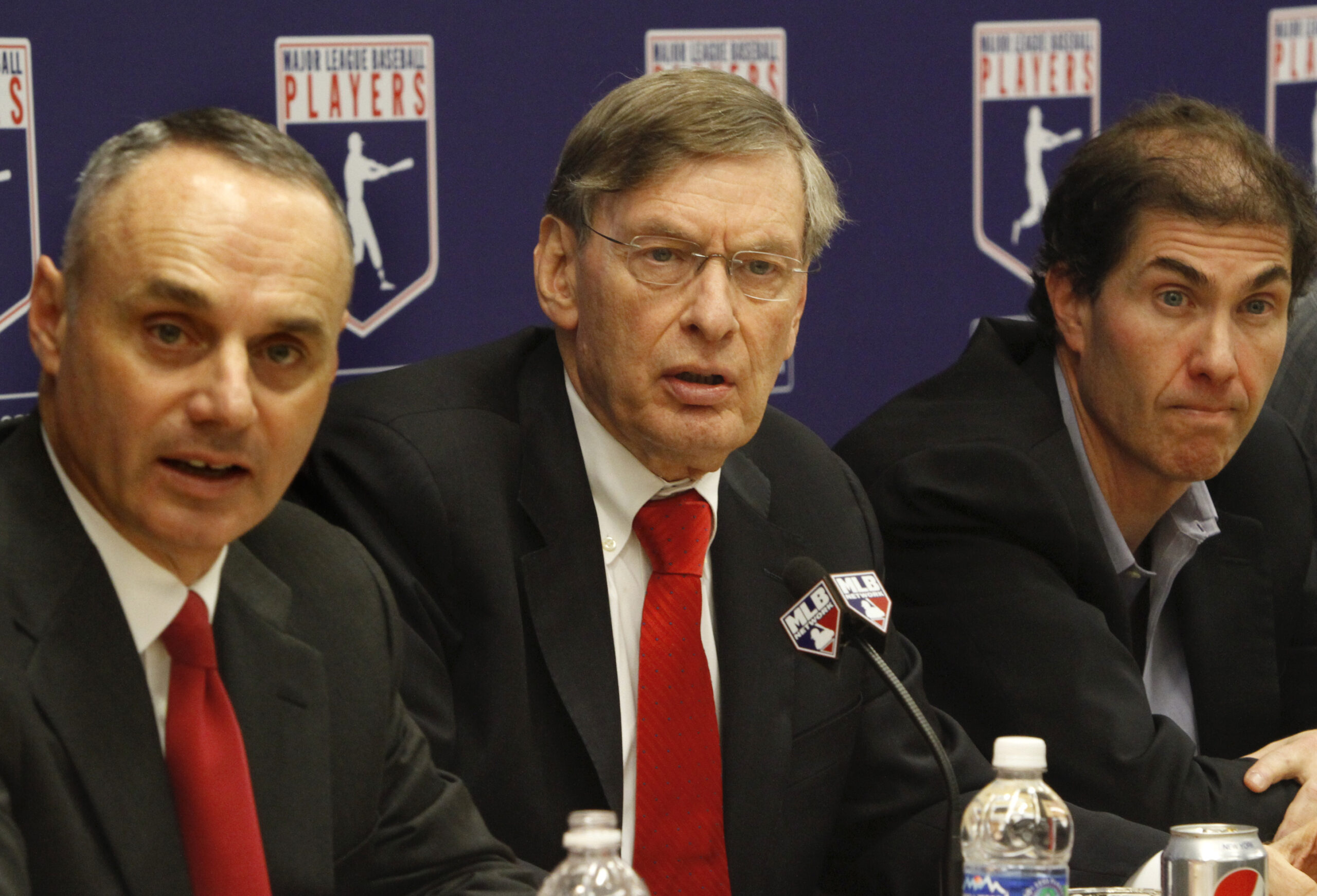
Major League Baseball longtime commissioner Bud Selig (center) argued in a 2012 deposition that widespread legalized sports gambling would be harmful to baseball. He was later succeeded by Rob Manfred (left), who has overseen partnerships between the league and sportsbook companies.
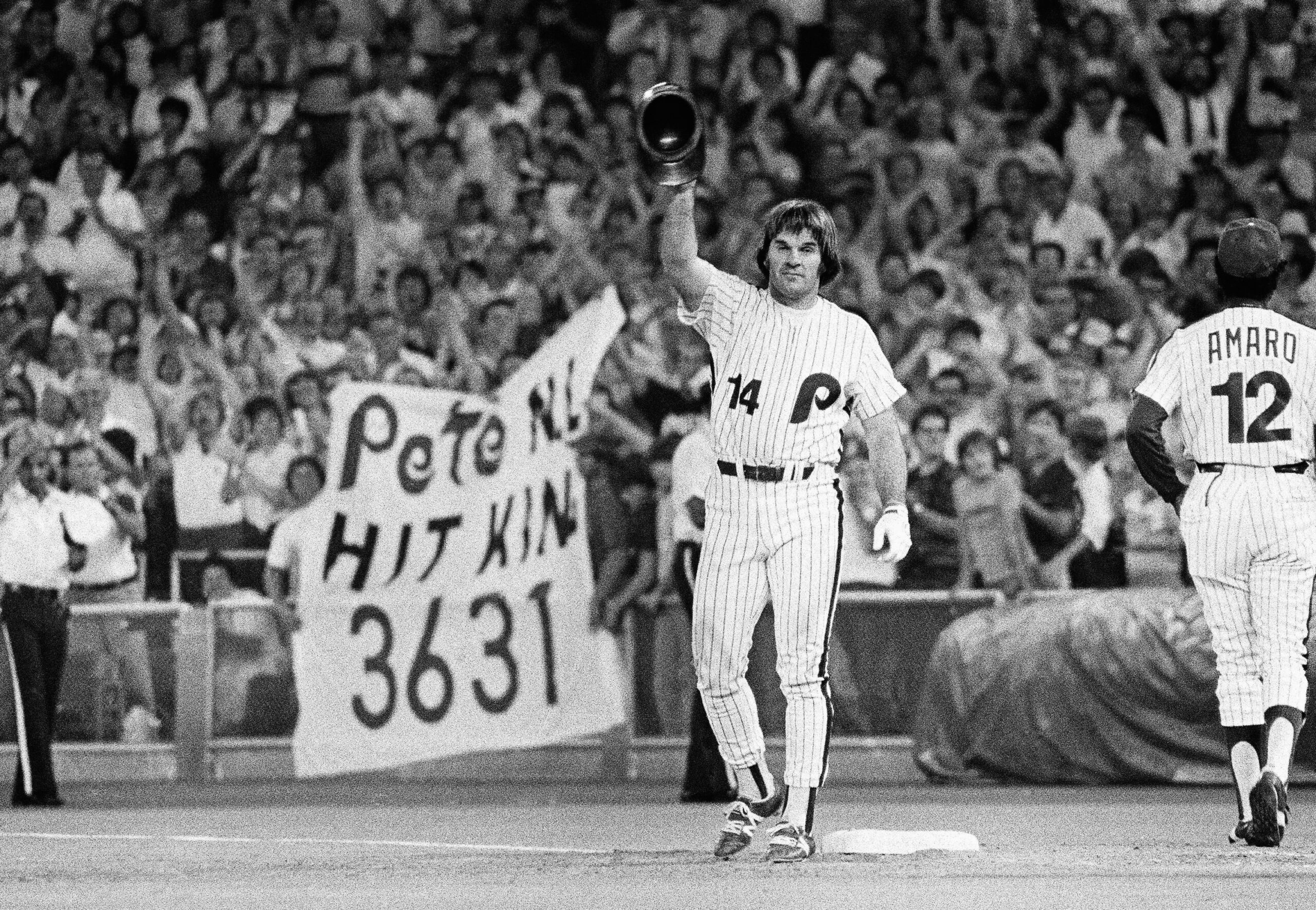
Baseball’s leaders had sought for decades to avoid recurrences of past gambling scandals that had threatened the integrity of the sport. Selig had maintained the hard line of his predecessors, perhaps most notably by upholding the league’s 1989 lifetime ban of former Phillies first baseman Pete Rose, who was found to have bet on baseball while managing the Cincinnati Reds.
Selig said he understood why state lawmakers would welcome the tax revenue that widespread legalized sports gambling could generate. But he argued such a development could only increase the odds of new baseball betting crises, which would be “the end of your sport.”
“I’m just — guess I have to say to you that I’m appalled,” Selig said in the deposition. “I’m really appalled.”
In 2019, MLB — led by a new commissioner, Rob Manfred — entered into its first partnership agreement with FanDuel.
Manfred sent a memo to players outlining the league’s gambling policy. At that time, it prohibited players from performing services “in any capacity involving sports betting for any third party,” a categorization that included “promoting or endorsing sports betting products or services.”
A new collective bargaining agreement, reached in 2022, allowed players to do promotional work for sportsbooks. Colorado Rockies outfielder Charlie Blackmon soon became the first professional baseball player to secure a deal as a brand ambassador for a sportsbook company.
Not everyone affiliated with MLB has welcomed the new relationships between the league and gambling entities.
“We’re entering a very delicate and, dare I say, dangerous world here,” Tony Clark, then president of the players union, told reporters in 2022.
MLB gave a lifetime ban in 1989 to former Phillie Pete Rose for betting on baseball while he was the manager of the Reds.
Two years later, MLB Players Inc. — a licensing and marketing subsidiary of the players union — filed a lawsuit that accused DraftKings of using without permission or compensation photos of MLB stars on its betting app and in social media posts. FanDuel and Bet365 were also named as defendants in the suit.
Harper figured prominently in the lawsuit. The complaint against DraftKings, filed in U.S. District Court in the Eastern District of Pennsylvania, included images of Harper’s face on the DraftKings app and a reference to a hypothetical wager on Harper hitting two home runs in a game. Attorneys also mentioned Harper in later courtroom arguments.
Being able to control how their names, images, and likenesses are used is a “crucial return on their substantial career investment,” the players’ attorneys wrote in the complaint. “It also enables athletes to avoid being associated with companies, commercial products, and industries that they do not wish to be perceived as supporting and endorsing.”
(The union ultimately dropped its case against FanDuel, and the lawsuit was settled earlier this year for undisclosed terms.)
In May 2024 — five months before FanDuel sent Harper’s video message to Terry Thompson — Manfred fired umpire Pat Hoberg for sharing a sportsbook account with a professional poker player who placed bets on baseball.
An investigation found no evidence that Hoberg himself had bet on baseball, Manfred later said. But the existence of the shared account — and the fact the umpire had deleted Telegram messages between himself and the poker player — created the “appearance of impropriety that warrants imposing the most severe discipline.” Hoberg appealed his dismissal but lost.
A year later, Bud Selig’s stark warning materialized.
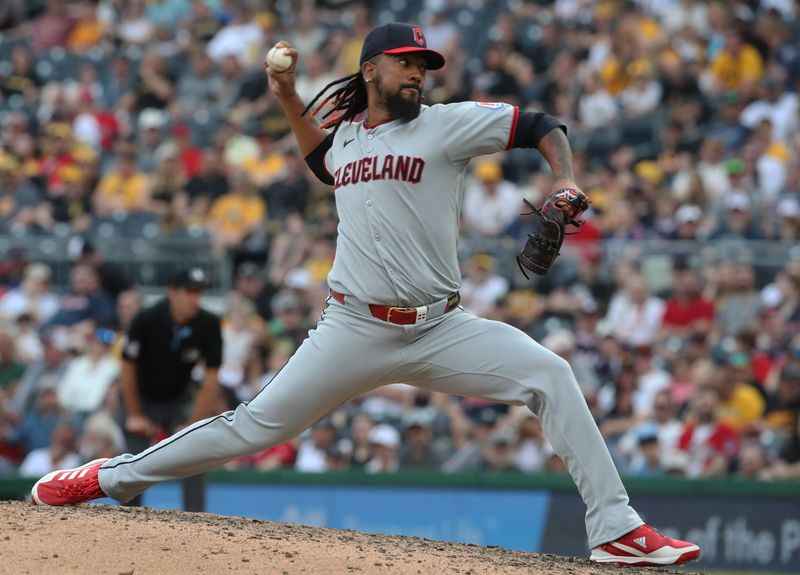
Former Cleveland Guardians pitcher Emmanuel Clase has been accused by federal investigators of conspiring with bettors in exchange for financial kickbacks.
Federal authorities indicted Cleveland Guardians pitchers Emmanuel Clase and Luis L. Ortiz, and accused each of conspiring with bettors.
Clase and Ortiz “agreed to throw specific types and speeds of pitches” prior to games, and bettors wagered on those pitches, the indictment states. In exchange, the bettors wired thousands of dollars to the pitchers through a third party in the Dominican Republic. Clase and Ortiz have each pleaded not guilty to wire fraud conspiracy and related charges and are awaiting trial. MLB has placed them on paid nondisciplinary leave.
That same year, Ippei Mizuhara, a former translator for Los Angeles Dodgers star Shohei Ohtani, was sentenced to 57 months in federal prison for illegally transferring nearly $17 million from Ohtani’s bank account to pay Mizuhara’s gambling debts.
Those episodes have not resulted in baseball’s demise, as Selig had once imagined. But they also did not rupture MLB’s relationship with gambling entities, which collected a record $165 billion in sports wagers in 2025.
As part of negotiations over a new collective bargaining agreement with MLB, the players union recently asked the league for to grant players more freedom to seek endorsements from sportsbook operators and prediction markets, ESPN reported.
The VIP treatment
FanDuel awards five points for every dollar that a bettor pays on a contest entry fee. To achieve VIP status, bettors must amass 600,000 points, which expire after a year of inactivity.
“But don’t worry,” the company explains on its website, “it’s easy to stay active.”
Terry Thompson earned a FanDuel VIP manager, Bryttanni Morgan, in 2021, court records show.
Morgan texted Thompson often about the fortunes of the Eagles, commiserating over the team’s ups and downs. Their conversations also veered into more personal terrain — favorite restaurants, travel plans, and family.
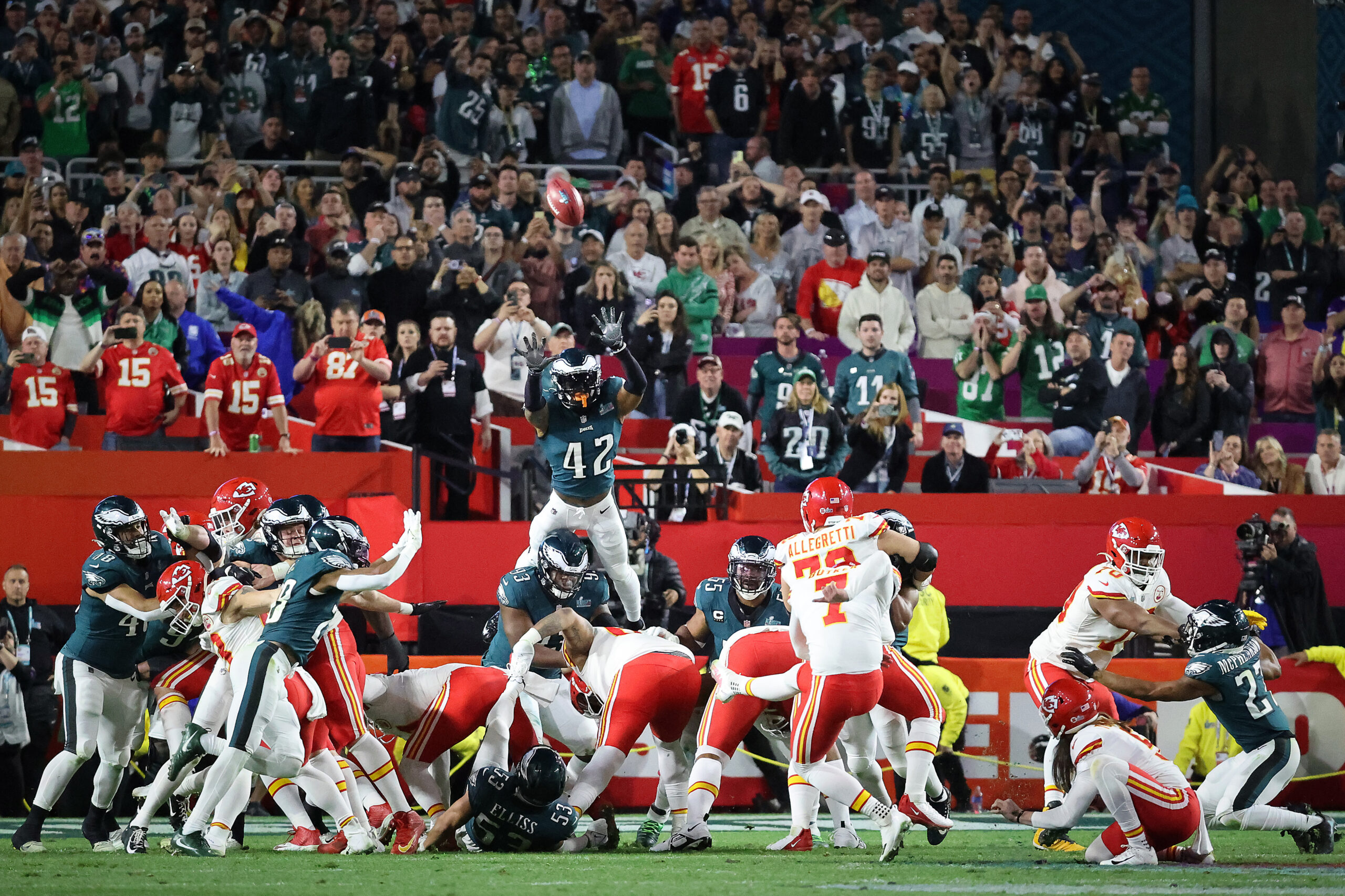
A FanDuel VIP manager allegedly offered tickets to Super Bowl LVII to bettor Terry Thompson, an Eagles fan who had a gambling addiction.
FanDuel’s intention, Thompson’s attorneys allege, was for Thompson to believe that Morgan was his friend.
Their exchanges often returned to Thompson’s betting activity. Morgan encouraged him to place more wagers, even when he showed signs of financial strain, the lawsuit states.
Morgan is named as a defendant in Thompson’s lawsuit. Her attorney could not be reached for comment.
In late December 2022, after Thompson had suffered more losses, Morgan texted him: “Are we gonna take a little break and start fresh in the New Year?”
“I’ll try,” Thompson wrote back, adding a smiley face symbol.
A few weeks later, on Jan. 13, 2023, Morgan offered a FanDuel VIP perk: two tickets to Super Bowl LVII in Arizona — where Thompson’s beloved Eagles would face the Kansas City Chiefs — along with free transportation, and tickets to Sports Illustrated and FanDuel parties.
On other occasions, Morgan provided Thompson with tickets to Eagles, Flyers, and Sixers games. FanDuel also flew Thompson and his son to Super Bowl LVI in California, with pregame access to the playing field and celebrities like Chris Rock.
Funt, the author, said he has major concerns about how the VIP programs are used to ensnare gamblers.
“They exist to egg on a reckless and potentially dangerous style of betting, using perks and other incentives that would be borderline irresistible for many sports fans,” he said. “I can only imagine how someone who loves Bryce Harper would feel indebted (no pun intended) to a sportsbook that facilitated a personalized video from him.”
Leigh Steinberg said he had not heard of other instances of sportsbook companies using active athletes to send greetings to a bettor.
“Because it’s not public, it’s hard to understand whether it’s ubiquitous or an exception,” he said.
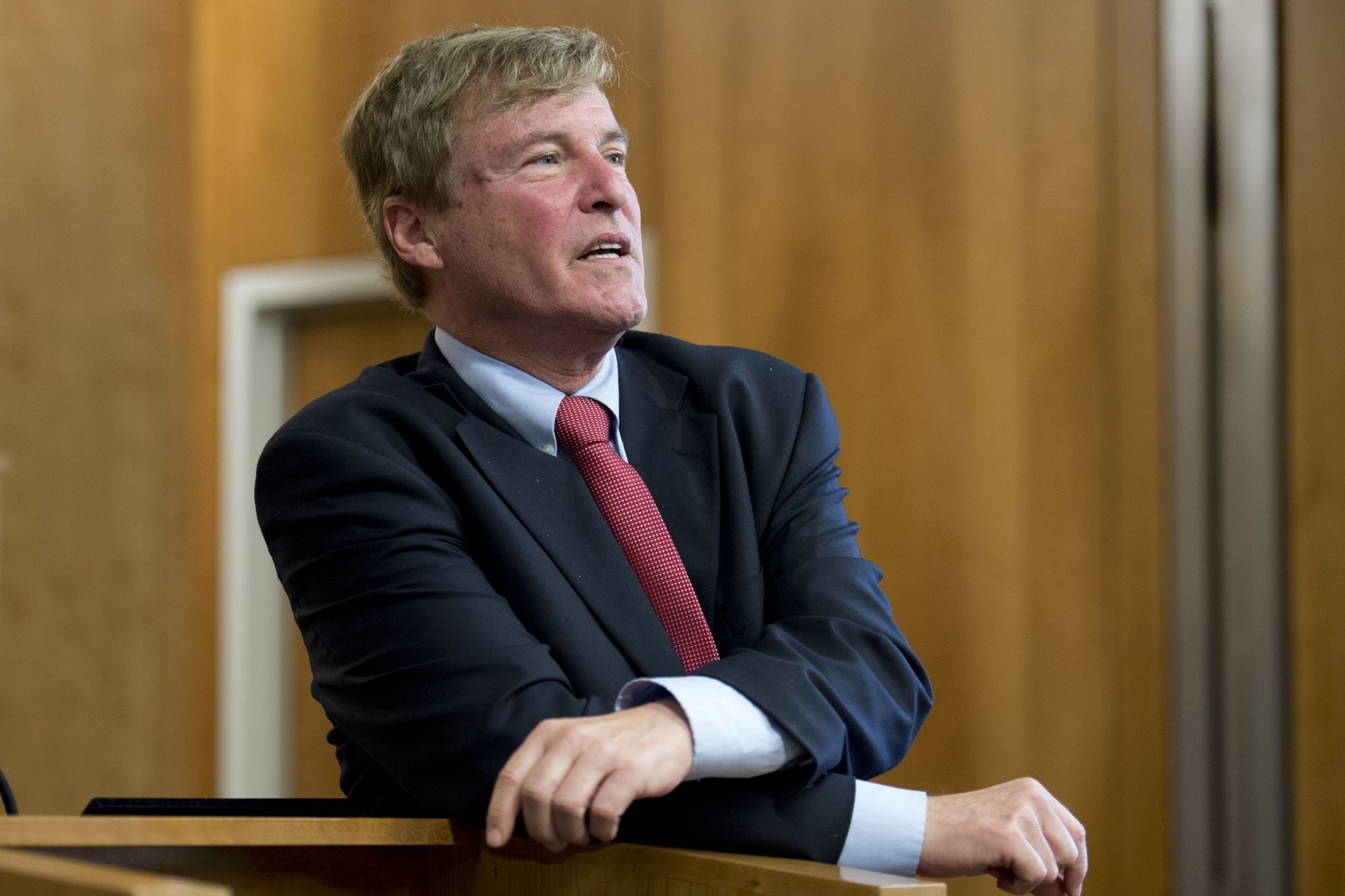
Leigh Steinberg has represented numerous NFL stars, from Chiefs quarterback Patrick Mahomes to NFL Hall of Famers Troy Aikman and Steve Young.
But Steinberg, who publicly struggled with an addiction to alcohol, argues that interactions between athletes and bettors who wager heavily on sports are inherently problematic.
“Getting a phone call or a zoom or a Cameo from a highly placed player is so flattering,” he said. “It’s stacking the deck unfairly in favor of continuing addicting behavior.”
The glamour of Thompson’s Super Bowl trips and brushes with celebrities had long since faded when he reached the nadir of his gambling earlier this year.
There were no more offers of free betting credits to be had, or microbets to chase.
Broke and broken, Thompson entered a psychiatric facility to undergo treatment for gambling addiction.
The Inquirer will continue to report on issues related to the growth of gambling addiction — among teens and adults — across Pennsylvania. If you, or someone you know, wants to speak with a reporter, please contact David Gambacorta or William Bender at dgambacorta@inquirer.com and wbender@inquirer.com
Correction: An earlier version of this story misstated the university where Jodi Balsam works as a law professor. She works at Brooklyn Law School.
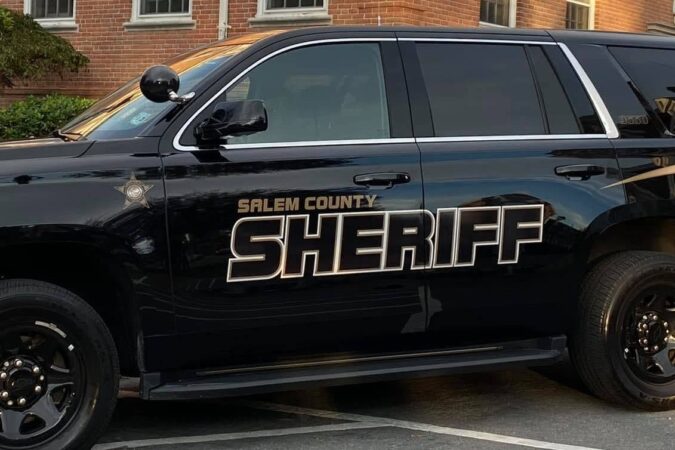
A sergeant with the Salem County Sheriff’s Office has been charged in connection with the deaths of two K-9 dogs who were left for seven hours in an unattended hot patrol vehicle, prosecutors said Wednesday.
Cody Henderson, 41, was charged Tuesday with two counts of recklessly causing bodily injury to a living animal, and related offenses, including unnecessary cruelty to animals, Salem County Prosecutor Kristin J. Telsey said.
According to the complaint filed against Henderson, surveillance video showed the K-9 handler arriving to work on May 29 shortly before 8:30 a.m. in his county issued 2023 Chevrolet Tahoe with Rip, a 4-year-old Belgian Malinois, and Boomer, a 6-year-old springer spaniel.
Henderson did not return to the vehicle until just after 3:30 p.m. and found both dogs dead in his patrol vehicle, prosecutors said.
He then transported the two dogs to an animal hospital in Delaware, prosecutors said.
Later that evening, the sheriff’s office notified the Salem County Prosecutor’s Office about the K-9 deaths.
Necropsies conducted on both dogs determined that they likely died from heat stroke with no evidence of other causes, prosecutors said.
There was no evidence that a K-9 heat alarm “Hot-N-Pop” device in the vehicle malfunctioned, and that it was “presumably turned off on the above date,” the complaint said.
The “Hot-N-Pop” device lowers windows and triggers sirens and flashing lights if the interior of a vehicle is too hot.
Henderson could be reached for comment.
In a statement posted on social media, Salem County Sheriff Charles M. Miller wrote that Henderson had been charged in connection with the “deaths of his assigned canine partners.”
Rip and Boomer “exemplified the highest standards of service, loyalty, and dedication. Their contributions to public safety and their commitment to duty will not be forgotten. The loss of these loyal partners has had a profound impact on our agency, our law enforcement community, and the citizens they faithfully served,” Miller said.
“We continue to honor the memory and service of Rip and Boomer and extend our thoughts to all those affected by this tragic loss,” Miller said.
A federal judge had some good news this week for Josh Shapiro, governor of Pennsylvania, but not so much for Josh Shapiro, resident of Montgomery County.
Shapiro, as governor, cannot be sued in his official capacity in a dispute over a strip of yard between his and his Abington Township neighbors’ adjoining properties, U.S. District Judge Harvey Bartle III ruled Tuesday.
But Shapiro and his wife, Lori, will still have to face their neighbors in federal court as homeowners, Bartle also determined.
The conflict came into public view in February, when Jeremy and Simone Mock, whose backyard abuts the Shapiros’ lawn in a tree-lined neighborhood near Pennsylvania State University’s Abington campus, sued Shapiro — both as governor and in his individual capacity — and George Bivens, acting Pennsylvania State Police commissioner. The lawsuit alleged the officials were illegally occupying part of the Mocks’ yard to build an eight-foot security fence last summer in what they claimed was an “outrageous abuse of power” that violated their constitutional rights. Bartle dismissed those claims in his ruling Tuesday, in what Shapiro’s administration called a major win.
But while Shapiro and Bivens are immune from the federal lawsuit as state officials, Shapiro as an individual and his wife are not, Bartle’s opinion said.
“We are pleased that the court has dismissed the claims against the office of the governor and the Pennsylvania State Police, and recognize that the allegations against these officials are without merit,” said Rosie Lapowsky, a spokesperson for Shapiro. “The Shapiros are confident that the facts will ultimately show that the Mocks’ remaining claims are meritless and politically motivated and will fail.”
Shapiro’s safety remains a priority for state police, as one of the nation’s most prominent Jewish elected officials. A Delaware County man was arrested Wednesday for threatening to burn down the governor’s residence, state police said.
But the Mocks’ attorney, Wally Zimolong, said the lawsuit at hand is about property rights and due process, and called Bartle’s ruling a “strong decision.”
“Make no mistake about it,” Zimolong said, “a federal court has said that the sitting governor of Pennsylvania can be held liable for damages over constitutional violations.”
The Delaware County lawyer who has represented high-profile Republican officials and candidates, including President Donald Trump, said it is “nonsense” to call the litigation political. Zimolong added that he hopes the Shapiros reconsider and attempt to resolve the case amicably.
The conflict’s origins
The dispute between the Shapiros and Mocks began last summer when, as part of a plan to build a security fence at the Abington house, a surveyor learned that a sliver of yard that the Shapiros had used for over two decades was actually on property belonging to the Mocks.
After the Mocks rejected the Shapiros’ offer to buy the land, court fillings said, Pennsylvania’s first couple invoked a state law that allows a person to gain ownership of a property they have actively used for at least 21 years. The Shapiros have lived in their Montgomery County home for 23 years.
“What followed was an outrageous abuse of power by the sitting Governor of Pennsylvania and its former Attorney General,” the Mocks’February lawsuit said.
(function() { var l = function() { new pym.Parent( ‘shapiroyard__graphic’, ‘https://media.inquirer.com/storage/inquirer/ai2html/shapiroyard/index.html’); }; if(typeof(pym) === ‘undefined’) { var h = document.getElementsByTagName(‘head’)[0], s = document.createElement(‘script’); s.type = ‘text/javascript’; s.src = ‘https://pym.nprapps.org/pym.v1.min.js’; s.onload = l; h.appendChild(s); } else { l(); } })();
A security fence was purchased but never installed, SpotlightPA reported. Instead, contractors hired by the state began planting arborvitae-type trees and other plants on the Mocks’ property. State police also flew drones over the Mocks’ property, threatened to remove healthy trees, and chased away contractors, the Mocks alleged in the suit.
The complaint also accused Shapiro of directing state police to patrol the property, and instructing the Mocks to leave the “security zone.”
The Shapiros’ countersuit in Montgomery County asks a judge to find that they are the “legal and equitable owners” of the area in dispute, having tended to the land that borders their front yard for 23 years. That suit is pending and a judge is expected to rule on preliminary objections filed by Zimolong.
Separately, the Shapiros and state attorneys filed motions asking Bartle to dismiss the federal complaint against them.
This week, the judge partially obliged, finding the stateofficials to be immune from the lawsuit while allowing the case against the Shapiros to proceed.
The judge also refused to freeze the federal case while the lawsuit in Montgomery County plays out, determining that the two cases are different enough to proceed.
“The claims here extend far beyond a disagreement between neighbors over the metes and boundaries of their properties,” Bartle wrote.
The EMR scrap metal recycling plant will reopen afterCamden suspended its operations following a late May fire, the latest in a string of fires in recent years.
The decision fell to Camden Superior Court Judge Stephen J. Polansky on Wednesday after the Camden City Council voted unanimously on Tuesday against a settlement that would have allowed EMR to reopen under certain safety precautions. EMR had sued Camden for suspending its junkyard license last month for the facility, where Camden officials say there have been more than a dozen fires in the last six years.
Shortly after the hearing,New JerseyGov. Mikie Sherrill’s office announced that she signed a bill into law aimed at increasingsafety in thescrap metal industry led by Assembly member Bill Moen, a Camden County Democrat. He introduced the bill after a four-alarm fire in February 2025 at EMR.
The court fight to open EMR
The judge said EMR can open its doors only if it follows a list of safety precautions. The company’s legal team told The Inquirer that it had already fulfilled those requirements and is ready to open as soon as the judge submits his order.
“We intend to open and operate in accordance with the judge’s order, which directly incorporates the recommendations of EMR’s third-party fire expert,” Joe Balzano, CEO of EMR USA, told The Inquirer after the hearing Wednesday. “EMR is the only scrap metal recycling facility in the state of New Jersey that has a facility-wide fire suppression system installed and operating.”
Among therequired precautions are a 24-7 fire watch, fire suppression system testing, and procedures for scanning material coming into the facility and responding to fires.
In court, EMR’s legal team argued that the city did not have the authority to suspend its license without proper hearing or notice, and that the company has undergone irreparable harm as a result. It has lost millions of dollars, endured tainted industry relationships, and, as of Wednesday morning, sent more than 300 layoff notices, said Kathleen Campbell, a lawyer for EMR.
The fire took place on May 29, at which point EMR voluntarily shut down its operations. The city issued an immediate suspension notice days later, on June 4. A big question in the courtroom was whether there was enough of an emergency at that point that the city could circumvent its normal due process.
“The city can regulate,” Campbell said in court. “What it can’t do is continue an emergency shutdown when there is no basis for it. The fire is over. The testing that this court authorized is complete.”
She argued that the city is more worried about a “desire to keep EMR closed” than an actual immediate danger.
William Tambussi, the city’s lawyer, argued that the possibility of another fire was enough to present an emergency.
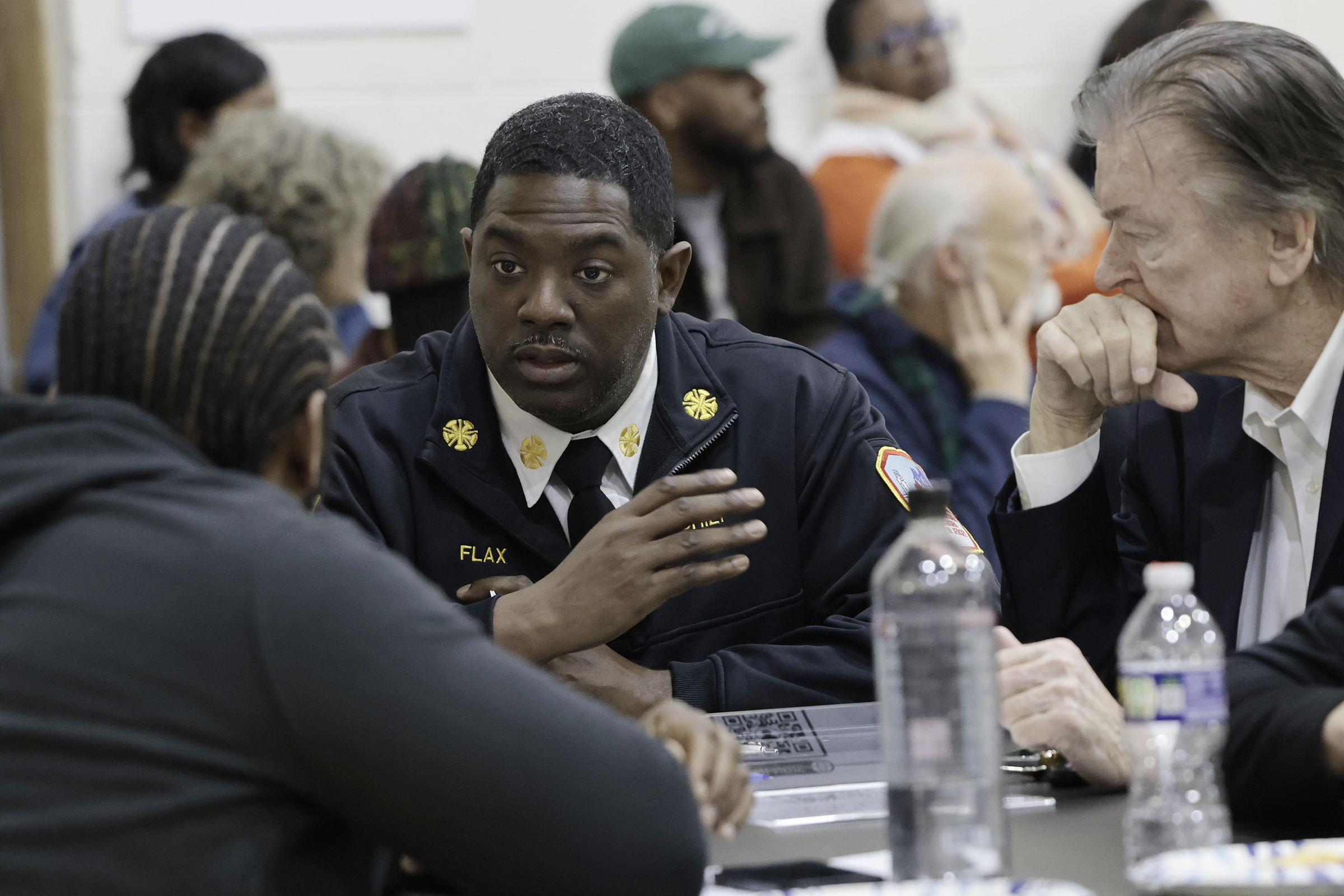
Camden Fire Chief Jesse Flax talks with people during a community meeting for residents, affected by a 2025 fire at EMR, at MJD Fieldhouse Gym on Broadway in Camden on Sunday, February 23, 2025.
“The city is required and has the right to protect its citizens from the harms that come,” he said in court.
Tambussi said after the hearing that the judge’s decision is still a win for the city because the safety precautions EMR has to follow overlap with what the city wants from the company.
“The judge found that the city rushed the process, which the city doesn’t apologize for,” he said in an interview.
Camden and EMR will meet again in court in August, where they will assess whether EMR has complied. The city can also attempt to shut down EMR through a full hearing process if it finds that the company has violated its terms of opening. The city cannot, however, just shut the company down.
A new law stemming from a Camden County legislator’s fight against EMR
The law Sherrill signed on Wednesday, which goes into effect in a year, will require heat detection equipment, publicly accessible fire safety plans developed with local fire officials, and compliance with certain fire prevention standards. It also requires fire suppression systems that can be remotely operated and limits the height allowed for piles of material.
The legislation is part of a four-bill package Moen has been pushing for in Trenton, but is the only one to make it to the governor’s desk before the summer recess.
“We were met at every step of the way with opposition from a well-funded industry,” Moen said in an interview Wednesday.
Balzano, the CEO of EMR USA, said in an interview Wednesday that he believes his Camden site is mostly in line with what the new law requires. But he said the height limit would be “very detrimental to the industry and probably to the environment,” arguing that it is too broad and applies to scrap metal that is not prone to fires. He said that could have “unintended consequences” by having scrap metal spread out across more space.
Moen emphasized that while the issue of scrap metal fires has become particularly important in Camden, it is not restricted to the city’s borders. Scrap metal sites in Vineland and Newark, for example, have also seen fires in recent years.
“This will be the first step in hopefully many of the state bringing greater transparency, accountability, and an expected level of responsibility for these scrap facilities,” Moen said.
A Delaware County man was charged Wednesday after allegedly making threats againstGov. Josh Shapiro during a visit to a state representative’s office, including a threat to “burn down … [Shapiro’s] mansion with him in it,” Pennsylvania State Police said.
Police said the threats occurred when Richard John Franklin, 65, of Brookhaven, visited State Rep. Leanne Krueger’s legislative office in Brookhaven alongside his brotheron Tuesday to dispute and request help with an unanticipated and unpaid tax bill totaling $19, according to the criminal complaint. When a staffer tried to assist Franklin in completing a form to waive the taxes, Franklin “became irate and crumbled up the paper,” police said.
Franklin then began making threats the staffer believed were “threatening, harassing, and antisemitic in nature,” according to the complaint, including: “I guess I’ll pay that Jew. That Jew needs the money more than me” and “I’d like to burn down his [expletive] mansion with him in it.” Police said Franklin repeatedly referred to Shapiro as a “‘Jew’ multiple times in a negative manner.”
State law enforcement officers charged Franklin with felony levels of terroristic threats and ethnic intimidation, in addition to lower-level charges of harassment and disorderly conduct.
Shapiro, a Democrat who is among the most prominent Jewish officials in the country, has faced multiple threats of violence since becoming Pennsylvania’s top executive. In April 2025, a man broke into the state-owned governor’s mansion on the first night of Passover with a hammer and set several firebombs inside while Shapiro and his family were sleeping in a different part of the residence. The man, Cody Balmer, later pleaded guilty to attempted murder and was sentenced to 25 to 50 years in prison.
Pennsylvania Gov. Josh Shapiro pauses during a news conference at the governor’s official residence discussing the alleged arson that forced him, his family and guests to flee in the middle of the night on the Jewish holiday of Passover, Sunday, Apr. 13, 2025, in Harrisburg, Pa.
Early Wednesday, investigators from the state police political violencethreat unit visited Franklin at his Brookhaven home, where he provided conflicting accounts of what occurred at Krueger’s office before ultimately admitting to “calling the Governor a ‘Jew’ in a negative manner” and added that his “brother told him he should not have made the statement,” according to the criminal complaint. Franklin denied making any threats toward Shapiro, but admitted to referring to the previous arson attempt at the governor’s residence during the outburst, police said.
State police said they arrested Franklin without incident.
Franklin’s brother, who witnessed the events at Krueger’s office, disputed the state police account and said his brother never threatened the governor.
Leroy Franklin, 72, of Chester, said his brother visited the state representative’s office seeking information about a tax bill he had received, despite paying his state taxes through an accountant this year.
After the brothers spoke to a staffer who did not have answers for them, Richard Franklin became upset and raised his voice, Leroy Franklin said.
In a phone interview Wednesday, Leroy Franklin recalled his younger brother saying something to the effect of: “I’ve been on disability for 15 years, but I guess the state needs my money more than I do.”
The two were together at Krueger’s office the entire time, Leroy Franklin said, adding that he did not hear his brother use an antisemitic slur. He also disputed that his brother threatened arson.
“Anybody who said he did is lying,” Leroy Franklin said.
Around 2 a.m. Wednesday, Leroy Franklin said, he received a call from his younger brother. Richard Franklin told him that police were at his apartment and he was not sure where they were going to take him, Leroy Franklin recounted.
When the two spoke on the phone again later that morning, Leroy Franklin said, he learned police were taking his brother to jail.
“I don’t know what the heck anyone is talking about,” Leroy Franklin said Wednesday. “This is a bit extreme, to put it mildly.”
Richard Franklin was being held at the Delaware County prison with bail set at $100,000, according to court records. A preliminary hearing is scheduled for July 16, according to court documents. A lawyer for Franklin was not listed on court records.
Franklin is a registered Democrat, Pennsylvania voting records show. He has no prior convictions in Pennsylvania.
Shapiro’s office referred requests for comment about the incident to state police.
In a statement Wednesday, State Police Sgt. Logan Brouse said the agency “takes threats against the lives of public officials seriously,” noting the state police political violence threat unit was created “to address the growing amount of ideologically motivated violence against elected officials.”
The unit was created in May, after a Lebanon County man allegedly posted a “hit list” to social media targeting 20 state Democratic lawmakers. Adam Berryhill, 42, was arrested on May 6, after he was connected to an X account that posted a potential plan to attack the legislators. Some of the lawmakers named on the list said they had not been alerted to the threats against them, prompting state police leaders to update their communication protocols and create the investigations unit.
Krueger (D., Delaware) referred a request for comment to a spokesperson for House Democrats.
Nicole Reigelman, a spokesperson for House Speaker Joanna McClinton (D., Philadelphia), said in a statement that threats of political violence are becoming commonplace, “and every incident must be treated with the seriousness it deserves.”
“Healthy democracies depend on robust debate and respectful disagreement — not threats, intimidation, or violence,“ Reigelman added. ”Political violence has no place in our communities, and Pennsylvanians must unite in condemning it whenever and wherever it occurs.”
DUBAI, United Arab Emirates — The U.S. carried out another round of strikes on Iran on Wednesday, hours after President Donald Trump said that recent Iranian attacks on ships in the Strait of Hormuz signaled the end of the ceasefire.
Military officials said in a social media post that the strikes were intended to “further degrade” Iran’s ability “to threaten freedom of navigation” in the strait.
The action comes just a day after the U.S. military hit a variety of military sites and port facilities following Iran’s targeting of several merchant vessels off the coast of Oman.
The social media post said that the U.S. “is holding Iran accountable for recent unjustified aggression against commercial shipping and civilian crews freely navigating a vital international waterway.”
Iranian state media reported explosions, including in the port city of Bandar Abbas on the strait and in Sirik, another southern coastal city. State media also reported explosions were heard in Bushehr, home to Iran’s nuclear power plant complex.
A day earlier, Iranian state television said eight members of the Army’s air and naval forces were killed in Bandar Abbas and Bushehr.
Trump threatened to ‘hit them hard again’
At a military base in the United Kingdom after leaving a NATO summit in Ankara, Turkey, Trump posted several videos on his social media site of what he said were explosions in Iran, and issued another warning to Tehran.
“This is in retribution for yesterday’s bombing of ships by Iran. If it happens again, it will get much worse!” Trump wrote.
Earlier in the day, Trump said the U.S. would “probably hit them hard again tonight” and later added that the latest back-and-forth fighting would not result in “long-term” military action.
“Anything that happens is going to happen very fast,” Trump said, though he also suggested the U.S. military might “just finish the job.”
Speaking on the sidelines of a NATO summit in Ankara, Turkey, Trump said the strikes are continued retaliation for Iranian attacks on commercial ships in the Strait of Hormuz.
“They are behaving very badly,” he said of Iran, accusing the country of launching drones and a missile at ships. After three tankers were hit Tuesday, the U.S. launched strikes on Iran, and Iranian forces retaliated by attacking American military sites in the Persian Gulf.
Iran has asserted that the interim ceasefire deal gives it the right to manage traffic through the strait. Parliament Speaker Mohammad Bagher Qalibaf, a key negotiator in talks seeking a permanent end to the war, was defiant in a post on X: “The era of bullying and extortion is over. It leads nowhere. We don’t fold.”
Strikes raise fears that war could resume
The exchange of fire raised fears that the war in Iran could reignite, and Trump fueled those concerns by saying the interim agreement to pause fighting was “over,” although he added that he would allow negotiations to continue.
Attacks have repeatedly threatened the shaky ceasefire, but Trump’s comments added new uncertainty, and oil prices shot up after he spoke. A renewed conflict could engulf the wider Middle East and would likely again halt energy shipments through the strait that are crucial to the global economy.
“For me, I think it’s over,” Trump said when asked about the status of the ceasefire. He added that U.S. representatives can continue negotiations, but he cast doubt on the outcome. “They can talk, but I think they’re wasting their time,” he said.
Iranian Deputy Foreign Minister Kazem Gharibabadi, also a top negotiator, retorted on X that Trump’s remarks “are not a sign of power but an admission of the failure” of U.S. policy toward Iran.
Trump has threatened to seize Kharg Island at previous points in the war, including last month, when he also questioned whether the U.S. “has the stomach for it.” Some 90% of Iranian oil exports pass through the island.
The new attacks on ships in the strait, despite the negotiations, could reflect a divide among Iran’s leadership. Hard-liners seek lasting control over the waterway, which is a globally important conduit for fuel shipments and has become a critical lever in confronting the West. Pragmatists want a permanent peace deal to lift international sanctions and provide desperately needed economic relief.
Negotiations to reach a final deal had been due to start after the dayslong funeral for Iran’s Supreme Leader Ayatollah Ali Khamenei, who was killed Feb. 28 in the war’s first moments. The funeral, which ends Thursday, was supposed to be a period of lower tensions.
On Tuesday, the U.S. military’s Central Command said American forces hit Iranian targets including air-defense systems, radars and over 60 small boats used by Iran’s paramilitary Revolutionary Guard.
Those boats have been key to threatening ships in the strait, through which a fifth of the world’s traded oil and natural gas passed before the war. Iran’s ability to bring shipping in the waterway to a near halt during the war proved its greatest strategic advantage.
On Wednesday morning, both Bahrain, home to the U.S. Navy’s 5th Fleet, and Kuwait, home to U.S. Army forces, sounded missile alerts. The Revolutionary Guard issued a statement acknowledging targeting U.S. military installations in both countries.
Kuwait said it intercepted two ballistic missiles and 13 drones launched by Iran. The Kuwaiti Electricity Ministry said a number of lines were out of service after shrapnel fell on them.
U.S. revokes license allowing the sale of Iranian oil
After the Iranian strikes on shipping, the U.S. revoked a license that — for the first time in years — had allowed Iran to conduct oil sales openly in U.S. dollars, as part of the interim deal.
Iran and the United States agreed as part of the interim deal to allow ships to pass through the strait without paying charges for 60 days. But Tehran has insisted it must control the vessels’ routes and vowed to later charge fees for passage. That would upend decades of practice in the waterway. The ships attacked Tuesday all appeared to be using a route close to Oman’s shore, rather than one ordered by Tehran.
Elsewhere, Iranian President Masoud Pezeshkian, Iraqi Prime Minister Ali Falah al-Zaidi and other Iranian and Iraqi officials attended funeral ceremonies for Khamenei on Wednesday in the Iraqi city of Najaf.
Khamenei’s body will be returned to Iran to be buried Thursday at the Imam Reza shrine in Mashhad, his birthplace.
Police on Wednesday were investigating the death of a man who suffered puncture wounds to his chest Wednesday afternoon in the city’s Roxborough section, police said.
Around 2 p.m., police responded to the 400 block of Ripka Street for a report of an injury. The victim was transported by medics to Jefferson Einstein Philadelphia Hospital, where he was pronounced dead at 2:45 p.m.
Homicides detectives were investigating the case and a man was being questioned, police said.
Temple University approved a $1.3 billion operating budget Wednesday that includes an average 3.4% tuition hike for both in-state and out-of-state students and plans for about 40 layoffs.
Both the average tuition increase — which is for undergraduate and graduate students — and the number of layoffs are smaller than those implemented last year. The university raised tuition an average of 3.6% in 2025 and laid off 50 employees.
The layoffs, which will occur this week, constitute less than 1% of the university’s workforce. Temple officials did not elaborate on who was affected or which positions but said jobs across the university from senior levels to the operational ranks were considered. An effort was made to limit the impact on “student-facing” roles, said chief strategy officer and former interim provost David Boardman.
“The decision-making overwhelmingly was made at the local level, at the schools, colleges, and administrative units,” said Boardman, who is also dean of Temple’s College of Media and Communication.
Fry said last month that layoffs were “inevitable” as the university works to close a projected $85 million budget deficit for 2026-27. Temple, along with many peer institutions, faces enrollment declines and financial pressures as the available pool of high school students drops, public attitudes toward higher education change, and the number of international students declines following changes in federal policy.
The budget, approved without public discussion by the executive committee of Temple’s board of trustees, includes a projected deficit of $25.5 million.
“We have met our savings target, which is obviously imperative,” Fry said in an interview after the board meeting.
Fry had asked schools, colleges, and administrative units to cut a total of $60 million, a significant portion of which was accomplished through the elimination of 236 positions, he said. That is on top of 190 positions that were eliminated last year.
More than 80% of the positions cut this year came through voluntary retirements, including a faculty program that netted more than 70 takers, as well as resignations and the elimination of vacant positions. Layoffs accounted for the rest.
“Implementing these targeted budget reductions and undertaking other organizational realignments is a critical first step toward returning the university to a balanced budget over the next three years,” Fry said in a message to the campus community.
The university is working under a new budget model that will “allow us to better align our resources with our strategic plan,” Fry said.
While the majority of the $60 million reduction was due to the position eliminations, schools, colleges, and administrative units are implementing other efficiencies. Some of the colleges, for example, have reduced doctoral student admissions, Boardman said.
The university’s 27% decline in domestic enrollment since 2017 and increased financial aid costs have been the most significant factors causing the school’s budget pressures, Fry said. The loss of students has amounted to an average of more than $200 million in lost revenue annually, according to an internal Temple report obtained by The Inquirer in April.
That report said the school anticipated falling below an 80% retention rate this fall.
Temple’s U.S. enrollment stood at 29,503 last fall; projections for this fall are not yet available.
But Fry said in his campus message that the school has received a record number of deposits for first-year enrollment compared with last year and that deposits from transfer students are up over last year.
The school also plans to roll out a new “first-year experience” program to help improve the school’s freshman-to-sophomore retention rate, which fell from a high of 90% about a decade ago to 82% last fall.
Employees from student affairs, enrollment management, and academic affairs have worked on the redesign with support from the National Institute for Student Success diagnostic, Fry said.
“The teams have taken a comprehensive look at how students transition to Temple and identified where we can better support their success,” he said. “This work has helped us identify barriers and create a more coordinated approach to orientation, advising, communication, and student support.”
The efforts already are having an impact. Because of changes to orientation, 3,268 first-year students were registered for the fall as of July 5, compared with 560 students the same time last year, Fry said.
With the tuition increase, the new base rate for full-time students from Pennsylvania will rise to $20,376 annually and to $36,600 for out-of-state students. (Excluding Temple’s Japan campuses, 62% of students are Pennsylvania residents.) While the average increase is 3.4%, percentage increases fluctuate across Temple’s schools and majors, from a low of 2.9% to a high of 3.9%.
Tuition increases are typical; the University of Pennsylvania increased its total costs by 3.8% for 2026-27. Pennsylvania State University, which approves tuition increases a year in advance, hiked tuition 2% for in-state students at University Park for 2026-27 and froze it for those attending Commonwealth campuses.
At Temple, fees will rise $42, or 3.9%, to $1,098 annually. And room and board will increase 4%. Students in a typical double-occupancy room at Johnson and Hardwick residence hall with 12 meals per week will pay $15,094 for the year.
Temple said it also would increase its financial aid budget by nearly 7% over last year, to $196.1 million, to help students with need afford the university.
“We know that financial barriers can impact our students and prevent them from persisting,” David Marino, interim chief operating officer, said in a statement. “This year’s historic investment in financial aid is an investment in the success of our students.”
The Justice Department sent a letter this week threatening criminal charges against Pennsylvania’s top election officials if they allow votes by noncitizens to be counted in forthcoming elections — a largely nonexistent phenomenon that is already prohibited by law.
The letter, addressed to Pennsylvania Secretary of State Al Schmidt and obtained by The Inquirer, was part of a nationwide effort by the Justice Department to say it is cracking down on what President Donald Trump has inaccurately described as a variety of problems with how ballots are cast and counted across the country. Similar letters were sent to election officials in all 50 states this week, the Justice Department said in a statement.
An agency spokesperson said the letters were “asking for voluntary compliance in a timely manner with [officials’] obligations under federal law to ensure only citizens vote in federal elections.”
The outreach came after Trump’s administration, during his second term, took other steps to target states’ election practices or voter rolls.
A spokesperson for the Pennsylvania Department of State said in a statement that the state “is in compliance with federal and state election law.”
“We will continue our nonpartisan work to ensure elections in the commonwealth remain free, fair, safe, and secure,” said Geoff Morrow, the department’s deputy communications director.
Last month, a federal judge in Pittsburgh dismissed a Justice Department lawsuit that sought to obtain Pennsylvania’s entire unredacted voter database. Federal judges have rejected similar efforts by the Trump administration in at least 10 other states, although the Justice Department recently filed an appeal of the decision in Pennsylvania.
The FBI, meanwhile, is reportedly assisting with a sweeping investigation into alleged irregularities in the 2020 election in Fulton County, Ga. — a key jurisdiction that contributed to Trump’s loss in that year’s presidential contest.
Trump has repeatedly refused to acknowledge his defeat to Joe Biden that year, and he has long fueled evidence-free conspiracy theories about widespread and brazen fraud in elections, particularly in jurisdictions that tend to vote for his opponents. Experts generally agree that although voter fraud does happen, it has not historically occurred at rates that would tip the scales in high-profile contests.
The effort also comes as Trump has been again pressuring congressional Republicans to pass the so-called SAVE America Act, a controversial bill that could require voters to provide proof of citizenship when registering or to show approved forms of identification when voting. Prior efforts to pass the bill into law have failed amid bipartisan resistance.
As for the subject of the Justice Department’s most recent letter — which was signed by Assistant Attorney General Harmeet K. Dhillon — noncitizens are already barred from voting in federal and state elections under a law passed by Congress 30 years ago.
Studies in a variety of states since then have found some instances of noncitizens being registered to vote or voting, but almost no evidence that the issue is widespread or common. In Utah, for example, officials said earlier this year that they had reviewed records of the state’s more than 2 million voters and found one person who was confirmed as a noncitizen.
And in 2024, the director of U.S. Citizenship and Immigration Services wrote in a letter to Ohio’s secretary of state that “it is extremely uncommon for noncitizens to vote in Federal elections,” and that many of those who do are identified by authorities and prosecuted.
Dhillon, in her letter, acknowledged that noncitizen voting is already illegal. But she nonetheless listed several provisions under which election officials could be criminally charged if it occurred.
And she said Schmidt should reply within five days to describe “how the state of Pennsylvania intends to ensure it is complying with these federal laws,”a deadline the Pennsylvania Department of State said it intends to meet.
Schmidt, a Republican who was chosen by Democratic Gov. Josh Shapiro to serve as the state’s top election official, has been at the forefront of addressing noncitizen voting dating back to his time as a Philadelphia city commissioner.
In 2017, when he worked for the city, Schmidt discovered that the Pennsylvania Department of Transportation’s so-called motor voter system, which allows eligible citizens to register to vote when they get or renew a driver’s license, had a glitch dating back to the 1990s and was allowing legal residents who were noncitizens to register to vote, too.
Schmidt found that the glitch had allowed at least 168 noncitizens in Philadelphiato register to vote. And he found that an additional 52 noncitizens in the cityhad registered by other means.
Collectively, that group of people cast a total of more than 225 ballots in Philadelphiaduring the years they were registered, Schmidt’s office reported at the time. Schmidt said it was critical to rectify the issue, and all of the improper registrations were canceled. PennDot fixed the glitch in 2017.
Still, the largest number of votes cast by noncitizens in the city during the affected time period occurred in the 2008 general election, when 47 such people submitted ballots — representing about .0065% of the city’s vote tally that year.
“One thing that became very clear through that research and all evidence suggests that noncitizens voting in elections in the United States occurs very rarely,” Schmidt told Votebeat earlier this year. “It doesn’t mean that it’s not important. Like I said before, every vote is precious, and we want to make sure that we do everything we can to safeguard and strengthen election integrity. But there’s no evidence to suggest that it happens in any widespread way whatsoever.”
Lauren Cristella, president of the Committee of Seventy, a Philadelphia-based nonprofit that advocates for good governance, said the Justice Department’s letter “represents another attempt to undermine faith in our elections without presenting any evidence or even allegations of wrongdoing.”
The country’s elections have routinely been shown to have been conducted freely and fairly, Cristella said. And in Pennsylvania, she said, Schmidt has been “the person who’s been leading the charge to clean up our voter rolls.”
State Auditor General Tim DeFoor, a Republican, found in an audit released earlier this year that the reforms made to the motor voter system after Schmidt’s exposures of PennDot’s systemic failures had been largely successful.
The Justice Department’s effort to threaten election officials not only clouds that reality, Cristella said, but it “completely lacks integrity and is part of the distrust that is leading to the erosion of our democracy.”